Category: HealthcareServices

  • Global Sacroiliac Joint Fusion Industry Insights: Key Trends and Growth Estimates

    Global Sacroiliac Joint Fusion Industry Insights: Key Trends and Growth Estimates

    Uncover key drivers, emerging technologies, and competitive movements shaping the sacroiliac joint fusion market from 2026–2035 with trusted insights from The Business Research Company

    What size range is anticipated for the Sacroiliac Joint Fusion Market from 2026 to 2030?

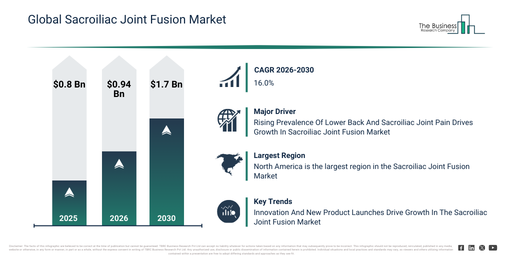
    The sacroiliac joint fusion market size has experienced rapid growth in recent years. It is anticipated to expand from $0.8 billion in 2025 to $0.94 billion in 2026, exhibiting a compound annual growth rate (CAGR) of 18.0%. This historical expansion is largely attributable to the increasing prevalence of lower back pain disorders, enhanced diagnosis of sacroiliac joint dysfunction, the widespread availability of fusion implant systems, growing expertise in spine surgery, and the uptake of minimally invasive surgical approaches.

    The sacroiliac joint fusion market is projected to experience significant expansion over the next few years, with estimates indicating it will reach $1.7 billion by 2030, demonstrating a compound annual growth rate (CAGR) of 16.0%. This growth during the forecast period is primarily driven by factors such as the increasing demand for outpatient orthopedic procedures, the rising incorporation of advanced spinal implants, an intensifying focus on faster patient recovery, the expansion of image-guided surgical systems, and growing investments in orthopedic innovation. Furthermore, prominent trends expected within this period include the increasing adoption of minimally invasive fusion procedures, the rising utilization of advanced implant technologies, a growing demand for image-guided surgical techniques, the broadening availability of outpatient spine surgery settings, and an enhanced emphasis on long-term pain management.

    Access Your Free Sample Report for In-Depth Market Insights:

    https://www.thebusinessresearchcompany.com/sample.aspx?id=15921&type=smp

    What Drivers Are Affecting Demand In The Sacroiliac Joint Fusion Market?

    The expanding occurrence of lower back pain is anticipated to drive the advancement of the sacroiliac joint fusion market. Lower back pain describes discomfort felt in the spine’s lumbar area, specifically the region from the lower rib cage to the upper legs. This widespread ailment ranges in severity from a persistent, mild ache to acute, intense pain. Factors contributing to the widespread nature of low back pain include occupational stress, inactive routines, excess weight, and nutritional habits. Sacroiliac joint fusion offers relief from lower back pain, enhancing overall bodily function and life quality through joint stabilization and the minimization of irregular motion. As an illustration, a May 2023 article from the National Center For Biotechnology Information, a US governmental body, reported that low back pain (LBP) affected 619 million individuals globally in 2020, with forecasts indicating an increase to 843 million by 2050. Consequently, the rising incidence of lower back pain is fueling the expansion of the sacroiliac joint fusion market.

    Which Segment Groups Are Influencing The Sacroiliac Joint Fusion Market?

    The sacroiliac joint fusion market covered in this report is segmented –

    1) By Product: Implants, Accessories, Injections, Diagnosis, Treatment, RF Ablation

    2) By Indication Type: Degenerative Sacroiliitis, Sacral Disruption, Trauma

    3) By Approach: Dorsal, Anterior

    4) By End-user: Hospitals, Ambulatory Surgical Centers, Other End Users

    Subsegments:

    1) By Implants: Screws, Plates, Cages

    2) By Accessories: Instrumentation Kits, Spacers, Guides

    3) By Injections: Steroid Injections, Local Anesthetic Injections, Diagnostic Joint Injections

    4) By Diagnosis: X-Ray, CT Scan, MRI

    5) By Treatment: Minimally Invasive Surgery, Open Surgery, RF Ablation

    6) By RF Ablation: Radiofrequency (RF) Ablation Systems, RF Ablation Probes

    What Trends Are Projected To Support The Growth Of The Sacroiliac Joint Fusion Market?

    Leading companies in the sacroiliac joint fusion market are developing advanced implants, such as granite implant systems, to enhance patient results, decrease surgery duration, and improve the overall success of the procedure. The granite implant system for SI joint fusion is a medical device specifically designed to address conditions affecting the sacroiliac joint, including sacroiliac joint dysfunction or sacroiliitis, thereby offering a path to better quality of life through effective joint stabilization and fusion. For example, in May 2024, SI-BONE Inc., a UK-based healthcare company specializing in the surgical treatment of musculoskeletal disorders, launched the iFuse Bedrock Granite Implant System. This innovative implant features a smaller diameter, making it suitable for sacroiliac fusion and spinopelvic fixation, which are vital for multi-segment spinal fusion procedures. The new implant secured a Breakthrough Device Designation from the FDA and a new technology add-on payment from CMS. The iFuse Bedrock Granite Implant System marks a substantial advancement in treating SI joint dysfunction, providing a dependable and effective choice for patients experiencing chronic lower back pain linked to SI joint issues.

    Who Are The Major Companies Operating In The Sacroiliac Joint Fusion Market?

    Major companies operating in the sacroiliac joint fusion market are Medtronic Plc, Zimmer Biomet Holdings Inc., Integra LifeSciences, NuVasive Inc., Globus Medical, Orthofix Inc., Medacta International SA, Alphatec Holdings Inc., RTI Surgical Holdings Inc., SeaSpine, SI-BONE Inc., Surgalign Holdings Inc., Xtant Medical, CoreLink, Life Spine Inc., Genesys Spine, Camber Spine Technologies LLC, Captiva Spine Inc., VGI Medical LLC, PainTEQ, CornerLoc, SIGNUS Medizintechnik GmbH, Tenon Medical Inc.

    Access The Complete Report For Deeper Market Insights:

    https://www.thebusinessresearchcompany.com/report/sacroiliac-joint-fusion-global-market-report

    Which Region Is Anticipated To See The Fastest Growth In The Sacroiliac Joint Fusion Market?

    North America was the largest region in the sacroiliac joint fusion market in 2025. Asia-Pacific is expected to be the fastest-growing region in the forecast period. The regions covered in the sacroiliac joint fusion market report are Asia-Pacific, South East Asia, Western Europe, Eastern Europe, North America, South America, Middle East, Africa.

    Request Your Customized Sacroiliac Joint Fusion Market Research Report for Competitive Advantage:

    https://www.thebusinessresearchcompany.com/customise?id=15921&type=smp

    Browse Through More Reports Similar to the Global Sacroiliac Joint Fusion Market 2026, By The Business Research Company

    Joint Reconstruction Devices And Equipment Market Report 2026

    https://www.thebusinessresearchcompany.com/report/joint-reconstruction-devices-and-equipment-global-market-report

    Emollients Market Report 2026

    https://www.thebusinessresearchcompany.com/report/emollients-global-market-report

    Axial Spondyloarthritis Axspa Market Report 2026

    https://www.thebusinessresearchcompany.com/report/axial-spondyloarthritis-axspa-global-market-report

    Get in touch with us:

    The Business Research Company: https://www.thebusinessresearchcompany.com/

    Americas +1 310-496-7795

    Asia +44 7882 955267 & +91 8897263534

    Europe +44 7882 955267

    Email us at info@tbrc.info

    Follow us on:

    LinkedIn: https://in.linkedin.com/company/the-business-research-company

    YouTube: https://www.youtube.com/channel/UC24_fI0rV8cR5DxlCpgmyFQ

    Global Market Model: https://www.thebusinessresearchcompany.com/global-market-model
  • Pregnancy Test Kits Market Dynamics 2026: Future Outlook and Key Insights

    Pregnancy Test Kits Market Dynamics 2026: Future Outlook and Key Insights

    Uncover key drivers, emerging technologies, and competitive movements shaping the pregnancy test kits market from 2026–2035 with trusted insights from The Business Research Company

    Starting from its 2026 valuation, what market size is the Pregnancy Test Kits Market expected to reach by 2030?

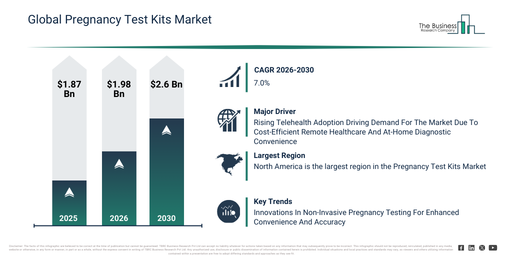
    The pregnancy test kits market size has demonstrated significant growth in recent years. It is anticipated to increase from $1.87 billion in 2025 to $1.98 billion in 2026, achieving a compound annual growth rate (CAGR) of 5.9%. The expansion observed in the past can be attributed to heightened awareness of reproductive health, the broad availability of OTC diagnostic products, the widening of retail pharmacy networks, an uptick in the use of home-based testing, and enhancements in hCG detection sensitivity.

    The pregnancy test kits market is projected to experience substantial expansion in the coming years. This market is anticipated to reach $2.6 billion by 2030, demonstrating a compound annual growth rate (CAGR) of 7.0%. Factors contributing to this growth during the forecast period include the escalating demand for connected health diagnostics, a heightened focus on women’s health technologies, the expansion of testing supported by telehealth, the increasing uptake of digital readout tests, and a greater emphasis on sustainability within diagnostic products. Key trends observed within the forecast timeframe encompass the wider adoption of digital pregnancy test kits, a surging demand for early and precise detection, an expanding preference for at-home diagnostic remedies, the broadening of online distribution avenues, and an intensified focus on designing user-friendly tests.

    Access Your Free Sample Report for In-Depth Market Insights:

    https://www.thebusinessresearchcompany.com/sample.aspx?id=13192&type=smp

    What Drivers Are Driving Adoption Within The Pregnancy Test Kits Market?

    The future expansion of the pregnancy test kits market is anticipated to be driven by the increasing integration of telehealth. Telehealth adoption signifies the rising utilization of digital communication platforms by both healthcare providers and patients for remote medical service delivery. This increase in telehealth is largely attributable to its cost-effectiveness, as virtual consultations decrease healthcare expenditures by minimizing hospital visits, easing infrastructure strain, and reducing patient-related costs. Pregnancy test kits facilitate telehealth by enabling individuals to detect pregnancy early from home, allowing them to rapidly convey results to medical professionals via teleconsultations for prompt advice, subsequent care, or prescriptions, bypassing the need for physical visits. For example, the Australian Bureau of Statistics (ABS) reported in September 2024 that in 2023–24, 83.5% of males utilized telehealth services, an increase from 78.6% in 2022–23. Consequently, the expanding use of telehealth is fueling the growth of the pregnancy test kits market.

    What Segments Are Included Within The Pregnancy Test Kits Market?

    The pregnancy test kits market covered in this report is segmented –

    1) By Type: Blood Test For Human Chorionic Gonadotropin (HCG), Urine Test For Human Chorionic Gonadotropin (HCG)

    2) By Distribution Channel: Retail, Online

    3) By Application: Hospitals, Clinics, Households, Pharmacies

    4) By End-Users: Professionals, Home-Based

    Subsegments:

    1) By Blood Test For Human Chorionic Gonadotropin (HCG): Qualitative Blood Test, Quantitative Blood Test

    2) By Urine Test For Human Chorionic Gonadotropin (HCG): Midstream Tests, Cassette Tests, Digital Tests

    What Trends Are Expected To Impact The Competitive Landscape Of The Pregnancy Test Kits Market?

    Leading companies within the pregnancy test kits market are prioritizing the development of innovative solutions, such as saliva-based pregnancy tests, to improve user convenience, enable non-invasive testing, and enhance the accuracy of early detection. A saliva-based pregnancy test is defined as a diagnostic kit that identifies pregnancy by analyzing a woman’s saliva for the presence of human chorionic gonadotropin (hCG), the hormone generated during early pregnancy, thereby offering a non-invasive and practical alternative to conventional urine-based tests. For example, in June 2023, Salignostics Ltd., an Israel-based biotech firm, introduced Salistick to deliver a convenient, non-invasive saliva-based pregnancy testing option. This product detects the ß-hCG hormone with over 96% accuracy as soon as one day after a missed period. Its main advantages include the elimination of urine collection, facilitating hygienic, private testing anywhere without bathroom access, and utilizing a simple foam stick to yield results in 5-15 minutes. Additional benefits cover enhanced user comfort, convenience for partner sharing, and reliable performance that matches traditional tests, all while catering to global at-home diagnostics.

    Who Are The Top-Performing Companies In The Pregnancy Test Kits Market In Recent Years?

    Major companies operating in the pregnancy test kits market are Johnson & Johnson, Procter & Gamble Co, Abbott Laboratories, Church & Dwight Co Inc, Alere Inc, Piramal Enterprises Ltd, Quidel Corporation, Mankind Pharma, Cardinal Health Inc, EKF Diagnostics Holdings PLC, Sugentech Inc, Egens Group, INTEC Group, Medsource Ozone Biomedicals, SPD Swiss Precision Diagnostics, Geratherm Medical AG, Princeton BioMeditech Corporation, Cupid Limited, Easy Healthcare Corporation, Axis Medicare Ltd, AccuQuik Test Kits, Sara Health Care Pvt Ltd, Hicks Thermometers India Limited, Fairhaven Health LLC

    Access The Complete Report For Deeper Market Insights:

    https://www.thebusinessresearchcompany.com/report/pregnancy-test-kits-global-market-report

    Which Region Currently Holds The Largest Share Of The Pregnancy Test Kits Market?

    North America was the largest region in the pregnancy test kits market in 2025. Asia Pacific is expected to be the fastest-growing region in the forecast period. The regions covered in the pregnancy test kits market report are Asia-Pacific, South East Asia, Western Europe, Eastern Europe, North America, South America, Middle East, Africa.

    Request Your Customized Pregnancy Test Kits Market Research Report for Competitive Advantage:

    https://www.thebusinessresearchcompany.com/customise?id=13192&type=smp

    Browse Through More Reports Similar to the Global Pregnancy Test Kits Market 2026, By The Business Research Company

    Dna Test Kits Market Report 2026

    https://www.thebusinessresearchcompany.com/report/dna-test-kits-global-market-report

    Pediatric And Neonatal Testing Kit Market Report 2026

    https://www.thebusinessresearchcompany.com/report/pediatric-and-neonatal-testing-kit-global-market-report

    Ovulation Testing Kits Market Report 2026

    https://www.thebusinessresearchcompany.com/report/ovulation-testing-kits-global-market-report

    Get in touch with us:

    The Business Research Company: https://www.thebusinessresearchcompany.com/

    Americas +1 310-496-7795

    Asia +44 7882 955267 & +91 8897263534

    Europe +44 7882 955267

    Email us at info@tbrc.info

    Follow us on:

    LinkedIn: https://in.linkedin.com/company/the-business-research-company

    YouTube: https://www.youtube.com/channel/UC24_fI0rV8cR5DxlCpgmyFQ

    Global Market Model: https://www.thebusinessresearchcompany.com/global-market-model
  • Global Metastatic HR+/HER2- Breast Cancer Market Performance Report: Global Trends 2026–2030

    Global Metastatic HR+/HER2- Breast Cancer Market Performance Report: Global Trends 2026–2030

    Uncover key drivers, emerging technologies, and competitive movements shaping the metastatic hr+/her2- breast cancer market from 2026–2035 with trusted insights from The Business Research Company

    What level of CAGR-driven expansion is anticipated in the Metastatic HR+/HER2- Breast Cancer Market between 2026 and 2030?

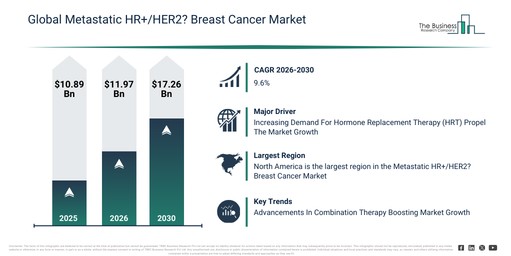
    The market size for metastatic hr+/her2- breast cancer has experienced considerable expansion in recent years. This market is projected to increase from $10.89 billion in 2025 to $11.97 billion in 2026, demonstrating a compound annual growth rate (CAGR) of 9.9%. The historical growth can be linked to factors such as the rising incidence of breast cancer, the widespread use of hormonal therapies, increased application of chemotherapy, the advancement of early diagnostic methods, and improved patient survival tracking.

    The metastatic hr+/her2- breast cancer market is projected to experience robust expansion over the coming years. Its valuation is set to reach $17.26 billion by 2030, demonstrating a compound annual growth rate (CAGR) of 9.6%. This anticipated expansion during the forecast period is propelled by advancements in targeted therapies, such as cdk4/6 inhibitors, along with intensified immunotherapy research, broader adoption of genomic profiling, increased demand for combination treatment plans, and improved technologies for patient monitoring. Key developments anticipated in this period encompass progress in precision hormonal therapy, personalized treatment enhanced by AI, data-informed tracking of treatment effectiveness, virtual simulation for oncology education, and the integration of automated diagnostic workflows.

    Access Your Free Sample Report for In-Depth Market Insights:

    https://www.thebusinessresearchcompany.com/sample.aspx?id=21220&type=smp

    What Drivers Are Affecting Demand-Supply Dynamics In The Metastatic HR+/HER2- Breast Cancer Market?

    The expanding adoption of hormone replacement therapy (HRT) is anticipated to propel the future growth of the metastatic HR+/HER2- breast cancer market. HRT is a medical intervention employed to supplement or replace hormones present at lower levels in the body, most commonly during menopause or in instances of hormone deficiencies. The rising prevalence of hormone replacement therapy (HRT) is attributed to its efficacy in enhancing treatment outcomes, its reduced side effects compared to conventional therapies, and advancements in precision medicine. Hormonal replacement therapy (HRT) can support individuals with metastatic HR+/HER2- breast cancer by alleviating menopausal symptoms associated with estrogen deficiency, such as hot flashes and vaginal dryness, without interfering with the effectiveness of endocrine therapies. This is because HRT primarily addresses hormone imbalances rather than directly targeting cancerous cells, thereby ensuring a better quality of life for patients undergoing cancer treatment. For example, data from October 2023, provided by the Health Professional Academy, a UK-based personalized health professional learning platform, showed that approximately 11 million hormone replacement therapy (HRT) prescriptions were issued in 2022/23, marking an almost 50% rise from the preceding year. Thus, the increasing application of hormone replacement therapy (HRT) is a key driver for the metastatic HR+/HER2- breast cancer market.

    How Is The Metastatic HR+/HER2- Breast Cancer Market Organized Into Various Segments?

    The metastatic hr+/her2- breast cancer market covered in this report is segmented –

    1) By Drugs: Paclitaxel, Tamoxifen, Docetaxel, Other Drugs

    2) By Treatment: Radiation Therapy, Vitamin Therapy, Macrobiotic Diets, Homeopathy, Herbal Medication

    3) By End-User: Hospitals, Clinics, Other End-User

    Subsegments:

    1) By Paclitaxel: Generic Paclitaxel, Taxol

    2) By Tamoxifen: Generic Tamoxifen, Nolvadex

    3) By Docetaxel: Generic Docetaxel, Taxotere

    4) By Other Drugs: Letrozole, Anastrozole, Exemestane, Palbociclib, Ribociclib, Abemaciclib

    What Upcoming Trends Are Likely To Define The Future Path Of The Metastatic HR+/HER2- Breast Cancer Market?

    Major companies within the metastatic HR+/HER2- breast cancer market are actively developing combination therapy to broaden their indications, extend market reach, and diversify treatment options. Combination therapy represents a therapeutic strategy that involves the concurrent use of two or more therapeutic agents, which may include chemotherapy, targeted therapy, immunotherapy, hormone therapy, or other modalities, to more effectively manage a medical condition. This approach aims to target different pathways, enhance the overall treatment response, and reduce the likelihood of conditions, such as cancer, developing resistance to any single treatment. For instance, in July 2023, Merck & Co., Inc., a US-based pharmaceutical company, announced findings from the Phase 3 KEYNOTE-756 trial. This study evaluated KEYTRUDA (pembrolizumab), an anti-PD-1 therapy, in conjunction with chemotherapy approved by the Food and Drug Administration, a US-based government agency. The trial successfully achieved its primary endpoint by significantly improving the pathological complete response (pCR) rate in patients with high-risk, early-stage ER+/HER2- breast cancer. KEYNOTE-756 stands as the first positive Phase 3 trial to demonstrate a statistically significant enhancement in the pCR rate with an immunotherapy regimen in the neoadjuvant setting for this specific patient population. The study assessed KEYTRUDA with chemotherapy as a neoadjuvant treatment, followed by adjuvant KEYTRUDA alongside endocrine therapy for high-risk, early-stage ER+/HER2- breast cancer.

    Who Are The Core Companies Influencing Trends In The Metastatic HR+/HER2- Breast Cancer Market?

    Major companies operating in the metastatic hr+/her2- breast cancer market are Pfizer Inc., F Hoffmann-La Roche AG, AstraZeneca PLC, Eli Lilly and Company, Merck & Co, Arvinas Inc, Olema Pharmaceuticals Inc, Genentech Inc, Veru Pharma, DualityBio Inc, BioNTech SE, Evgen Pharma, EQRx Inc, G1 Therapeutics Inc, Immutep Ltd, RemeGen Co Ltd, SynCore Biotechnology Co Ltd, Allarity Therapeutics AS, Jiangsu Alphamab Biopharmaceuticals Co Ltd, Byondis BV, Jiangsu Hansoh Pharmaceutical Co Ltd, Shanghai Miracogen Inc, Eisai Co Ltd, Tyme Inc, Orion Pharma

    Access The Complete Report For Deeper Market Insights:

    https://www.thebusinessresearchcompany.com/report/metastatic-hr-her2-breast-cancer-global-market-report

    Which Region Is Projected To Lead The Metastatic HR+/HER2- Breast Cancer Market During The Forecast Period?

    North America was the largest region in the dominated market in 2025. Asia-Pacific is expected to be the fastest-growing region in the forecast period. The regions covered in the metastatic hr+/her2- breast cancer market report are Asia-Pacific, South East Asia, Western Europe, Eastern Europe, North America, South America, Middle East, Africa.

    Request Your Customized Metastatic HR+/HER2- Breast Cancer Market Research Report for Competitive Advantage:

    https://www.thebusinessresearchcompany.com/customise?id=21220&type=smp

    Browse Through More Reports Similar to the Global Metastatic HR+/HER2- Breast Cancer Market 2026, By The Business Research Company

    metastatic hr her2 breast cancer global market report

    https://www.thebusinessresearchcompany.com/report/metastatic-hr-her2-breast-cancer-global-market-report

    metastatic breast cancer treatment global market report

    https://www.thebusinessresearchcompany.com/report/metastatic-breast-cancer-treatment-global-market-report

    metastatic cancer drugs global market report

    https://www.thebusinessresearchcompany.com/report/metastatic-cancer-drugs-global-market-report

    Get in touch with us:

    The Business Research Company: https://www.thebusinessresearchcompany.com/

    Americas +1 310-496-7795

    Asia +44 7882 955267 & +91 8897263534

    Europe +44 7882 955267

    Email us at info@tbrc.info

    Follow us on:

    LinkedIn: https://in.linkedin.com/company/the-business-research-company

    YouTube: https://www.youtube.com/channel/UC24_fI0rV8cR5DxlCpgmyFQ

    Global Market Model: https://www.thebusinessresearchcompany.com/global-market-model
  • Rubella Diagnostic Testing Market Forecast: How Big Will It Be by 2030?

    Rubella Diagnostic Testing Market Forecast: How Big Will It Be by 2030?

    Uncover key drivers, emerging technologies, and competitive movements shaping the rubella diagnostic testing market from 2026–2035 with trusted insights from The Business Research Company

    How is the Rubella Diagnostic Testing Market size predicted to change over the forecast window of 2026–2035?

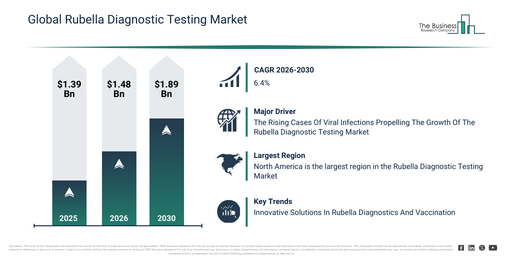
    The rubella diagnostic testing market has experienced robust expansion in recent years. Its size is projected to increase from $1.39 billion in 2025 to $1.48 billion in 2026, indicating a compound annual growth rate (CAGR) of 6.5%. Historically, this growth can be attributed to the expansion of routine viral screening programs, increased awareness of congenital rubella syndrome, the availability of serological testing kits, the growth in diagnostic laboratory networks, and the adoption of immunoassay technologies.

    The rubella diagnostic testing market size is projected to experience substantial expansion in the coming years, anticipated to reach $1.89 billion by 2030, exhibiting a compound annual growth rate (CAGR) of 6.4%. This projected growth is driven by factors such as increased investments in sophisticated diagnostic platforms, a heightened emphasis on maternal health screening, the expansion of automated laboratory testing, the increasing uptake of point-of-care diagnostics, and the reinforcement of infectious disease surveillance systems. Key trends anticipated during this period encompass the growing adoption of molecular diagnostic techniques, an increase in PCR-based rubella testing, rising demand for prenatal screening, the broadening application of high-sensitivity immunoassays, and a greater focus on detecting diseases at an early stage.

    Access Your Free Sample Report for In-Depth Market Insights:

    https://www.thebusinessresearchcompany.com/sample.aspx?id=19177&type=smp

    Which Drivers Are Contributing To The Expansion Of The Rubella Diagnostic Testing Market?

    The increasing prevalence of viral infections is anticipated to stimulate the expansion of the rubella diagnostic testing market in the future. Viral infections are illnesses caused by viruses, which are microscopic infectious agents only able to replicate within the living cells of an organism. This rise in viral infection cases stems from increased global travel, which facilitates the cross-border spread of viruses, and climate change, which alters vector habitats and expands the range of disease-carrying organisms. Rubella diagnostic testing aids in the early identification and management of rubella infections, thereby preventing complications, particularly for pregnant women, and assisting in outbreak containment to lessen virus transmission. For instance, in December 2023, data from the National Health Service, a UK-based government department, showed that daily hospital admissions for flu averaged 234, indicating a 53% increase from the previous week, while hospital cases of norovirus ascended by 15% to an average of 406 daily, reflecting a 28% increase from the same week last year. Consequently, the escalating instances of viral infections are propelling the growth of the rubella diagnostic testing market.

    What Segment Classifications Make Up The Rubella Diagnostic Testing Market?

    The rubella diagnostic testing market covered in this report is segmented –

    1) By Diagnostic Technique: Latex Agglutination, Enzyme Immunoassay (EIA), Radioimmunoassay (Ria), Fluorescent Immunoassay (FIA), Other Diagnostic Techniques

    2) By Age Group: Neonates, Teenagers, Adults

    3) By End User: Hospitals And Clinics, Diagnostic Laboratories, Public Health Laboratories, Other End Users

    Subsegments:

    1) By Latex Agglutination: Qualitative Latex Agglutination Tests, Quantitative Latex Agglutination Tests, Rapid Latex Agglutination Kits

    2) By Enzyme Immunoassay (EIA): Direct EIA, Indirect EIA, Sandwich EIA, Competitive EIA

    3) By Radioimmunoassay (RIA): Standard RIA, Modified RIA, Single-Antibody RIA

    4) By Fluorescent Immunoassay (FIA): Direct FIA, Indirect FIA, Sandwich FIA

    5) By Other Diagnostic Techniques: Polymerase Chain Reaction (PCR), Nucleic Acid Amplification Tests (NAAT), Microplate-Based Assays, Western Blotting

    Which Trends Are Influencing The Performance And Direction Of The Rubella Diagnostic Testing Market?

    Key companies operating within the rubella diagnostic testing market are concentrating on developing advanced solutions, such as a rubella virus vaccine, to enhance diagnostic precision and improve preventive measures. The rubella virus vaccine offers immunity against rubella, frequently given as part of the MMR or MMRV combination vaccines to prevent the disease and related complications. For example, in March 2023, Merck & Co., Inc., a pharmaceutical company based in the US, received FDA approval for the intramuscular (IM) administration of Merck’s M-M-R II vaccine, which is vital for protection against rubella, as well as measles and mumps. This approval allows healthcare providers to administer the rubella vaccine via the IM route, aligning its delivery with other routinely recommended pediatric vaccines. Rubella vaccination is crucial for preventing outbreaks and safeguarding against the severe complications the virus can cause, particularly in pregnant women.

    Which Major Firms Are Strengthening Their Position In The Rubella Diagnostic Testing Market?

    Major companies operating in the rubella diagnostic testing market are Cardinal Health Inc., Siemens Healthineers AG, Thermo Fisher Scientific Inc., Abbott Laboratories, F. Hoffmann-La Roche Ltd, bioMérieux S.A., Bio-Rad Laboratories Inc., Ortho-Clinical Diagnostics Inc., DiaSorin S.p.A., Meridian Bioscience Inc., Fortress Diagnostics Ltd., Mylab Discovery Solutions Pvt. Ltd., MP Biomedicals LLC, CTK Biotech Inc., ZEUS Scientific Inc., Creative Diagnostics, Arlington Scientific Inc., AccuBioTech Co. Ltd., Intec Products Inc., Vitrosens Biotechnology Ltd., Sprint Diagnostics Pvt. Ltd., InDevR Inc., Atlas Medical GmbH

    Access The Complete Report For Deeper Market Insights:

    https://www.thebusinessresearchcompany.com/report/rubella-diagnostic-testing-global-market-report

    Which Region Is Anticipated To See The Fastest Growth In The Rubella Diagnostic Testing Market?

    North America was the largest region in the rubella diagnostic testing market in 2025. Asia-Pacific is expected to be the fastest-growing region in the forecast period. The regions covered in the rubella diagnostic testing market report are Asia-Pacific, South East Asia, Western Europe, Eastern Europe, North America, South America, Middle East, Africa.

    Request Your Customized Rubella Diagnostic Testing Market Research Report for Competitive Advantage:

    https://www.thebusinessresearchcompany.com/customise?id=19177&type=smp

    Browse Through More Reports Similar to the Global Rubella Diagnostic Testing Market 2026, By The Business Research Company

    Hospital Acquired Infections Testing Kits Market Report 2026

    https://www.thebusinessresearchcompany.com/report/hospital-acquired-infections-testing-kits-global-market-report

    Gastrointestinal Pathogen Testing Market Report 2026

    https://www.thebusinessresearchcompany.com/report/gastrointestinal-pathogen-testing-global-market-report

    Clinical Diagnostics Market Report 2026

    https://www.thebusinessresearchcompany.com/report/clinical-diagnostics-global-market-report

    Get in touch with us:

    The Business Research Company: https://www.thebusinessresearchcompany.com/

    Americas +1 310-496-7795

    Asia +44 7882 955267 & +91 8897263534

    Europe +44 7882 955267

    Email us at info@tbrc.info

    Follow us on:

    LinkedIn: https://in.linkedin.com/company/the-business-research-company

    YouTube: https://www.youtube.com/channel/UC24_fI0rV8cR5DxlCpgmyFQ

    Global Market Model: https://www.thebusinessresearchcompany.com/global-market-model
  • Predictive Genetic Testing And Consumer Genomics Market Research: Growth Projections and Trends 2030

    Predictive Genetic Testing And Consumer Genomics Market Research: Growth Projections and Trends 2030

    Uncover key drivers, emerging technologies, and competitive movements shaping the predictive genetic testing and consumer genomics market from 2026–2035 with trusted insights from The Business Research Company

    Across 2026–2030, what is the expected market valuation path of the Predictive Genetic Testing And Consumer Genomics Market?

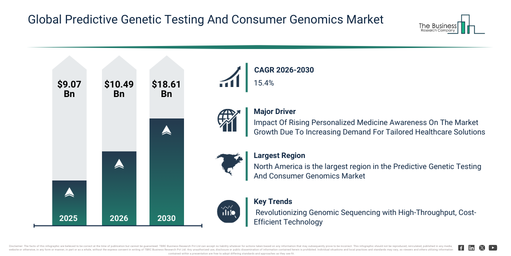
    The predictive genetic testing and consumer genomics market has expanded rapidly in recent years. It is projected to increase from $9.07 billion in 2025 to $10.49 billion in 2026, exhibiting a compound annual growth rate (CAGR) of 15.7%. The historical growth of this market can be attributed to enhanced consumer health awareness, greater accessibility to genetic testing, the rising availability of affordable sequencing technologies, an increasing interest in ancestry testing, and the development of digital health ecosystems.

    The predictive genetic testing and consumer genomics market size is anticipated to experience rapid growth in the upcoming years. It is forecast to reach $18.61 billion by 2030, demonstrating a compound annual growth rate (CAGR) of 15.4%. This expansion during the forecast period can be attributed to factors such as an increasing demand for personalized preventive healthcare, the rising adoption of pharmacogenomic testing, the expansion of consumer genomics platforms, growing integration with digital health apps, and increasing regulatory oversight on genetic data usage. Key trends for the forecast period include the increasing adoption of direct-to-consumer genetic testing, a rising use of digital health platforms, a growing demand for preventive health insights, the expansion of at-home sample collection kits, and an enhanced focus on data privacy and security.

    Access Your Free Sample Report for In-Depth Market Insights:

    https://www.thebusinessresearchcompany.com/sample.aspx?id=25884&type=smp

    Which Drivers Are Supporting The Rise Of The Predictive Genetic Testing And Consumer Genomics Market?

    The increasing understanding of personalized medicine is anticipated to stimulate the expansion of the predictive genetic testing and consumer genomics market moving forward. Personalized medicine describes a medical approach that tailors treatment and prevention strategies based on an individual’s genetic profile, lifestyle, and environmental factors. Awareness of personalized medicine is growing because it enhances treatment effectiveness by aligning therapies with a patient’s unique biological characteristics. Predictive genetic testing and consumer genomics contribute to personalized medicine by identifying genetic risks and traits, which enables customized prevention, early diagnosis, and treatment strategies based on an individual’s genetic profile. For instance, in February 2024, according to the Personalized Medicine Coalition, a US-based professional membership organization, the Food and Drug Administration (FDA) approved 16 new personalized medicines in 2023, representing an increase from 6 in 2022. Consequently, the escalating awareness about personalized medicine is driving the growth of the predictive genetic testing and consumer genomics market.

    What Leading Segments Are Studied In The Predictive Genetic Testing And Consumer Genomics Market?

    The predictive genetic testing and consumer genomics market covered in this report is segmented –

    1) By Testing Type: Diagnostic Testing, Predictive Testing, Pharmacogenomic Testing, Carrier Screening

    2) By Technology: Polymerase Chain Reaction (PCR), Next-Generation Sequencing (NGS), Microarray Technology, DNA Sequencing

    3) By Service Type: Genetic Counseling Services, Sample Collection And Analysis, Data Interpretation And Reporting

    4) By Application: Breast And Ovarian Cancer, Cardiovascular Screening, Diabetic Screening And Monitoring, Colon Cancer, Parkinsonism Or Alzheimer’s Disease, Urologic Screening Or Prostate Cancer Screening, Orthopedic And Musculoskeletal, Other Cancer Screening, Other Diseases

    5) By End User: Healthcare Providers, Research Institutions, Diagnostic Laboratories, Consumers (Direct-to-Consumer Testing)

    Subsegments:

    1) By Diagnostic Testing: Cancer Diagnostic Testing, Neurological Disorder Testing, Rare Disease Diagnostics

    2) By Predictive Testing: Cancer Risk Prediction, Cardiovascular Disease Risk, Neurodegenerative Disorder Risk

    3) By Pharmacogenomic Testing: Adverse Drug Reaction Prediction, Psychiatric Medication Response, Dosage Optimization

    4) By Carrier Screening: Cystic Fibrosis Carrier Screening, Sickle Cell Anemia Carrier Screening, Tay-Sachs Carrier Screening

    Which Trends Are Guiding The Evolution Of The Predictive Genetic Testing And Consumer Genomics Market?

    Leading companies within the predictive genetic testing and consumer genomics market are prioritizing technological innovations, specifically high-throughput and cost-efficient sequencing, to facilitate large-scale, accurate, and affordable genomic analysis. High-throughput and cost-efficient sequencing involves rapidly processing a vast quantity of genomes at reduced per-genome costs, making population-level testing viable. For instance, in February 2024, Ultima Genomics Inc., a U.S.-based sequencing company, unveiled its UG 100 sequencing system alongside the ppmSeq extreme-accuracy mode, delivering up to 6–8 billion reads per wafer, with dual-wafer runs attaining approximately 4.8 Tb and anticipated run times under 14 hours. Constructed with a wafer-based substrate and adaptable reagent cartridges, the system supports an industry-leading ~$100-genome roadmap, leveraging reagent costs of roughly $2,000 per wafer. The ppmSeq mode allows for Q60 SNV raw-read accuracy without requiring supplementary workflow steps. Leveraging its combination of low reagent costs, extensive automation, and AI-driven variant calling, the UG 100 is suited for diverse applications in consumer genomics, population screening, clinical WGS, pharmacogenomics, and large-scale research. Ultimately, the platform provides genomic data generation that is quicker, more scalable, and more economical than older NGS technologies.

    Which Leading Companies Dominate The Predictive Genetic Testing And Consumer Genomics Market Share?

    Major companies operating in the predictive genetic testing and consumer genomics market are Thermo Fisher Scientific Inc., Abbott Laboratories, Laboratory Corporation of America Holdings, Quest Diagnostics Incorporated, QIAGEN N.V., Ancestry.com, Myriad Genetics Inc., ARUP Laboratories, BGI Genomics Co. Ltd., Invitae Corporation, 23andMe Inc., Helix Inc., Color Health Inc., Mapmygenome India Ltd., Reliance Life Sciences, Dante Labs Inc., EasyDNA, Gene by Gene Ltd., Nebula Genomics Inc., Pathway Genomics Corporation

    Access The Complete Report For Deeper Market Insights:

    https://www.thebusinessresearchcompany.com/report/predictive-genetic-testing-and-consumer-genomics-global-market-report

    How Does The Predictive Genetic Testing And Consumer Genomics Market Perform Across Major Global Regions?

    North America was the largest region in the predictive genetic testing and consumer genomics market in 2025. Asia-Pacific is expected to be the fastest-growing region in the forecast period. The regions covered in the predictive genetic testing and consumer genomics market report are Asia-Pacific, South East Asia, Western Europe, Eastern Europe, North America, South America, Middle East, Africa.

    Request Your Customized Predictive Genetic Testing And Consumer Genomics Market Research Report for Competitive Advantage:

    https://www.thebusinessresearchcompany.com/customise?id=25884&type=smp

    Browse Through More Reports Similar to the Global Predictive Genetic Testing And Consumer Genomics Market 2026, By The Business Research Company

    Genetic Testing Services Market Report 2026

    https://www.thebusinessresearchcompany.com/report/genetic-testing-services-global-market-report

    Direct To Consumer Dtc Genetic Testing Market Report 2026

    https://www.thebusinessresearchcompany.com/report/direct-to-consumer-dtc-genetic-testing-global-market-report

    Genetic Testing Market Report 2026

    https://www.thebusinessresearchcompany.com/report/genetic-testing-global-market-report

    Get in touch with us:

    The Business Research Company: https://www.thebusinessresearchcompany.com/

    Americas +1 310-496-7795

    Asia +44 7882 955267 & +91 8897263534

    Europe +44 7882 955267

    Email us at info@tbrc.info

    Follow us on:

    LinkedIn: https://in.linkedin.com/company/the-business-research-company

    YouTube: https://www.youtube.com/channel/UC24_fI0rV8cR5DxlCpgmyFQ

    Global Market Model: https://www.thebusinessresearchcompany.com/global-market-model
  • Routine Health Screening Market Report 2026: Strategic Insights and Revenue Outlook

    Routine Health Screening Market Report 2026: Strategic Insights and Revenue Outlook

    Uncover key drivers, emerging technologies, and competitive movements shaping the routine health screening market from 2026–2035 with trusted insights from The Business Research Company

    What market expansion outlook does the Routine Health Screening Market show for the 2026–2030 period?

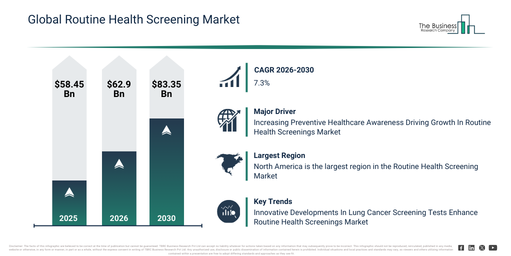
    The routine health screening market has experienced substantial growth in its size over recent years. It is projected to increase from $58.45 billion in 2025 to $62.9 billion in 2026, reflecting a compound annual growth rate (CAGR) of 7.6%. The expansion observed in the historic period can be attributed to several factors, including increasing public health awareness, the expansion of diagnostic laboratory networks, a rising incidence of chronic diseases, improved access to basic healthcare services, and the growth of employer-sponsored health screening initiatives.

    The routine health screening market is projected to experience substantial expansion in the coming years. This market is expected to reach $83.35 billion by 2030, exhibiting a compound annual growth rate (CAGR) of 7.3%. The anticipated growth during the forecast period is driven by factors such as the increasing integration of personalized preventive care, the escalating demand for remote and home-based diagnostics, the broadening of digital health platforms, the growing utilization of advanced screening technologies, and a heightened emphasis on population health management. Significant trends for the forecast period include the wider adoption of preventive health screening programs, the increasing prevalence of home-based diagnostic testing, the expanded integration of digital health records, a rising focus on early disease detection, and improved accessibility of routine screening services.

    Access Your Free Sample Report for In-Depth Market Insights:

    https://www.thebusinessresearchcompany.com/sample.aspx?id=20618&type=smp

    What Drivers Are Shaping The Development Of The Routine Health Screening Market?

    The growing recognition of preventive healthcare is anticipated to fuel the expansion of the routine health screenings market moving forward. Preventive healthcare encompasses various actions and practices designed to prevent the onset or progression of illnesses and health issues through early detection, lifestyle adjustments, and proactive interventions. This awareness is increasing due to its advantages in prompt disease identification, improved health outcomes, and cost savings, largely propelled by enhanced public education and medical breakthroughs. Routine health screenings support preventive healthcare by identifying potential health concerns early, thereby enabling timely interventions and mitigating the risk of serious diseases. For example, according to the National Health Service (NHS), a UK-based publicly funded healthcare system, in May 2023, a total of 2,302,400 diagnostic tests were conducted in March 2023, indicating an increase of 223,100 tests compared to March 2022. Furthermore, by the end of March 2023, the number of patients waiting for a key diagnostic test reached 1,628,300, an increase of 59,400 when contrasted with March 2022. Thus, the rising awareness of preventive healthcare is actively contributing to the growth of the routine health screenings market.

    What Segment Types Are Examined In The Routine Health Screening Market?

    The routine health screening market covered in this report is segmented –

    1) By Test Type: Blood Glucose Test, Kidney Function Test, Bone Profile Test, Electrolyte Test, Liver Function Test, Lipid Profile Test, Other Test Types

    2) By Sample Type: Blood, Urine, Serum, Saliva, Other Sample Types

    3) By Technology: Quantitative Polymerase Chain Reaction (QPCR), Quantitative Fluorescence In Situ Hybridization (Q-FISH), Immunoassays, Medical Imaging, Single Telomere Length Analysis (STELA), Other Technologies

    4) By Sample Collection Sites: Hospitals, Homes, Diagnostic Laboratories, Offices, Other Sample Collection Sites

    Subsegments:

    1) By Blood Glucose Test: Fasting Blood Glucose Test, HbA1c Test, Continuous Glucose Monitoring

    2) By Kidney Function Test: Serum Creatinine Test, Blood Urea Nitrogen (BUN) Test, Urinalysis

    3) By Bone Profile Test: Serum Calcium Test, Phosphate Test, Bone Mineral Density (BMD) Test

    4) By Electrolyte Test: Serum Sodium Test, Serum Potassium Test, Serum Chloride Test

    5) By Liver Function Test: Alanine Aminotransferase (ALT) Test, Aspartate Aminotransferase (AST) Test, Bilirubin Test

    6) By Lipid Profile Test: Total Cholesterol Test, Low-Density Lipoprotein (LDL) Test, High-Density Lipoprotein (HDL) Test

    7) By Other Test Types: Thyroid Function Test, Complete Blood Count (CBC), Prostate-Specific Antigen (PSA) Test

    What Long-Term Trends Are Expected To Shape The Future Of The Routine Health Screening Market?

    Leading companies within the routine health screenings market are concentrating on developing sophisticated solutions, such as lung cancer screening tests, to achieve a competitive advantage. These lung cancer screening tests are medical assessments designed to identify lung cancer at an early stage in individuals with elevated risk, even before symptoms manifest. For example, DELFI Diagnostics Inc., a US-based diagnostic technology firm, introduced FirstLook Lung in October 2023, an innovative blood test intended to enhance lung cancer screening. Employing fragmentomics, FirstLook Lung examines patterns in cell-free DNA (cfDNA) from blood samples and uses advanced machine learning to distinguish between cancerous and non-cancerous patterns. With a 99.7% negative predictive value (NPV), the test effectively pinpoints potential lung cancer cases while reducing the necessity for superfluous low-dose CT (LDCT) scans. Integrated into standard blood tests, FirstLook Lung aims to boost screening rates, particularly among underrepresented communities, and features a scalable whole-genome machine-learning platform with potential for worldwide expansion into other cancer types and monitoring of treatments.

    Who Are The Primary Competitors In The Global Routine Health Screening Market?

    Major companies operating in the routine health screening market are Roche Holding AG, Thermo Fisher Scientific Inc., Siemens Healthineers, Laboratory Corporation, Quest Diagnostics Incorporated, Eurofins Scientific SE, Agilent Technologies Inc., Sonic Healthcare Limited, Hologic Inc., Illumina Inc., SYNLAB International GmbH, Sysmex Corporation, QIAGEN N.V., Exact Sciences Corporation, RadNet Inc., Opko Health Inc., UNILABS, Amedes Holding GmbH, Natera Inc., Grail Inc., Trinity Biotech PLC, Cerba HealthCare S.A.S., Quidel Corporation, Innova Medical Group

    Access The Complete Report For Deeper Market Insights:

    https://www.thebusinessresearchcompany.com/report/routine-health-screening-global-market-report

    Which Global Regions Are Shaping The Competitive Landscape Of The Routine Health Screening Market?

    North America was the largest region in the routine health screening market in 2025. Asia-Pacific is expected to be the fastest-growing region in the forecast period. The regions covered in the routine health screening market report are Asia-Pacific, South East Asia, Western Europe, Eastern Europe, North America, South America, Middle East, Africa.

    Request Your Customized Routine Health Screening Market Research Report for Competitive Advantage:

    https://www.thebusinessresearchcompany.com/customise?id=20618&type=smp

    Browse Through More Reports Similar to the Global Routine Health Screening Market 2026, By The Business Research Company

    Poultry Healthcare Market Report 2026

    https://www.thebusinessresearchcompany.com/report/poultry-healthcare-global-market-report

    Connected Healthcare Market Report 2026

    https://www.thebusinessresearchcompany.com/report/connected-healthcare-global-market-report

    Consumer Healthcare Market Report 2026

    https://www.thebusinessresearchcompany.com/report/consumer-healthcare-global-market-report

    Get in touch with us:

    The Business Research Company: https://www.thebusinessresearchcompany.com/

    Americas +1 310-496-7795

    Asia +44 7882 955267 & +91 8897263534

    Europe +44 7882 955267

    Email us at info@tbrc.info

    Follow us on:

    LinkedIn: https://in.linkedin.com/company/the-business-research-company

    YouTube: https://www.youtube.com/channel/UC24_fI0rV8cR5DxlCpgmyFQ

    Global Market Model: https://www.thebusinessresearchcompany.com/global-market-model
  • Metastatic Breast Cancer Treatment Market Future Outlook 2026: Key Drivers and Growth Potential

    Metastatic Breast Cancer Treatment Market Future Outlook 2026: Key Drivers and Growth Potential

    Uncover key drivers, emerging technologies, and competitive movements shaping the metastatic breast cancer treatment market from 2026–2035 with trusted insights from The Business Research Company

    What long-term size projections exist for the Metastatic Breast Cancer Treatment Market covering 2026–2035?

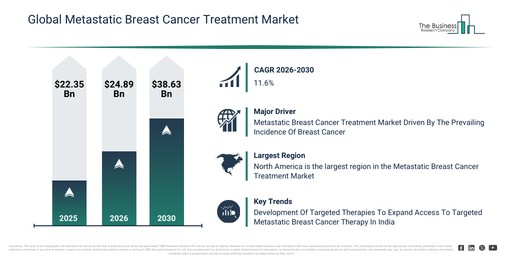
    The metastatic breast cancer treatment market has expanded significantly in recent years. It is anticipated to increase from $22.35 billion in 2025 to $24.89 billion in 2026, registering a compound annual growth rate (CAGR) of 11.4%. This historical expansion can be attributed to factors like the rising burden of metastatic breast cancer, the implementation of chemotherapy regimens, the wider application of hormone therapy, advancements in radiation techniques, and enhanced cancer screening initiatives.

    The metastatic breast cancer treatment market size is poised for substantial growth over the next few years, projected to reach $38.63 billion by 2030, exhibiting a compound annual growth rate (CAGR) of 11.6%. This expansion during the forecast period is fueled by increasing demand for targeted therapies, the rise of immunotherapy alternatives, growing investment in genomic profiling, the expansion of tele-oncology services, and a greater focus on personalized treatment pathways. Dominant trends anticipated during this period involve breakthroughs in targeted therapy development, AI-driven patient monitoring and treatment selection, the integration of digital platforms for remote oncology care, enhanced simulation-based training for oncology procedures, and the automation of diagnostic workflows in cancer screening.

    Access Your Free Sample Report for In-Depth Market Insights:

    https://www.thebusinessresearchcompany.com/sample.aspx?id=10816&type=smp

    Which Drivers Are Impacting The Competitive Landscape Of The Metastatic Breast Cancer Treatment Market?

    The anticipated rise in breast cancer cases is set to drive expansion within the metastatic breast cancer treatment market. Breast cancer is defined as a malignancy originating in breast cells, developing when abnormal cells in the breast proliferate unchecked, leading to tumor formation. Its development is influenced by genetic predisposition, hormonal imbalances, lifestyle choices, and environmental elements. Metastatic breast cancer treatment plays a crucial role in addressing the widespread occurrence of breast cancer by enhancing both treatment efficacy and the quality of life for those with advanced-stage illness. As an illustration, a September 2023 report from the American Cancer Society, a US-based non-profit, estimated that approximately 297,790 women would be diagnosed with invasive breast cancer in 2023, alongside an expected 55,720 new cases of ductal carcinoma in situ (DCIS). Furthermore, projections indicated that approximately 43,700 women would succumb to breast cancer during the same period. Consequently, the widespread occurrence of breast cancer is a primary catalyst for the expansion of the metastatic breast cancer treatment market.

    What Segments Are Identified Within The Structure Of The Metastatic Breast Cancer Treatment Market?

    The metastatic breast cancer treatment market covered in this report is segmented –

    1) By Therapy Type: Chemotherapy, Radiation Therapy, Biologic Targeted Therapy, Breast Surgery, Hormone Therapy

    2) By Molecule Type: Monoclonal Antibody, Peptides, Polymer, Small Molecule, Gene Therapy

    3) By Route Of Administration: Oral, Parenteral

    4) By End-User: Hospitals, Clinics, Ambulatory Surgical Centers, Other End-Users

    Subsegments:

    1) By Chemotherapy: Anthracyclines, Taxanes, Antimetabolites, Platinum Agents

    2) By Radiation Therapy: External Beam Radiation, Stereotactic Radiosurgery, Brachytherapy

    3) By Biologic Targeted Therapy: HER2-Targeted Therapy, CDK4 Or 6 Inhibitors, PARP Inhibitors, PI3K Inhibitors

    4) By Breast Surgery: Lumpectomy, Mastectomy, Sentinel Lymph Node Biopsy, Reconstructive Surgery

    5) By Hormone Therapy: Selective Estrogen Receptor Modulators (SERMs), Aromatase Inhibitors, Estrogen Receptor Downregulators (ERDs)

    Which Trends Are Shaping Activity Within The Metastatic Breast Cancer Treatment Market?

    Leading companies in the breast cancer treatment market are concentrating on developing targeted therapies to enhance clinical results and accessibility for individuals with advanced disease. Targeted therapy refers to medications specifically designed to interfere with molecular pathways involved in cancer proliferation, thereby minimizing harm to healthy cells while improving effectiveness. For example, in January 2023, BDR Pharmaceuticals, an India-based pharmaceutical company, introduced Bdpalbo (palbociclib) in India for treating advanced and metastatic breast cancer. Bdpalbo, a CDK4/6 inhibitor, is offered in three capsule strengths: 125 mg, 100 mg, and 75 mg. This launch aims to improve treatment availability for patients with advanced conditions by providing a more cost-effective formulation of palbociclib, ultimately supporting better therapeutic outcomes through increased access.

    Which Major Industry Participants Are Leading The Metastatic Breast Cancer Treatment Market Growth?

    Major companies operating in the metastatic breast cancer treatment market are Pfizer Inc., AstraZeneca plc, Novartis AG, Eli Lilly & Co., Merck & Co. Inc., Johnson & Johnson Services Inc., F. Hoffmann-La Roche AG, Bristol-Myers Squibb Company, AbbVie Inc., Seattle Genetics Inc., Genentech Inc., MacroGenics Inc., Daiichi Sankyo Company Limited, Celgene Corporation, Mersana Therapeutics Inc., Olema Oncology, RemeGen, SynCore Biotechnology, Allarity Therapeutics, Byondis B.V., Jiangsu Alphamab Biopharmaceuticals Co. Ltd., Shanghai Miracogen Inc., Ambrx Inc., Rhizen Pharmaceuticals SA, Immutep Ltd.

    Access The Complete Report For Deeper Market Insights:

    https://www.thebusinessresearchcompany.com/report/metastatic-breast-cancer-treatment-global-market-report

    Which Region Currently Holds The Largest Share Of The Metastatic Breast Cancer Treatment Market?

    North America was the largest region in the metastatic breast cancer treatment market in 2025. Asia-Pacific is expected to be the fastest-growing region in the global metastatic breast cancer treatment market during the forecast period. The regions covered in the metastatic breast cancer treatment market report are Asia-Pacific, South East Asia, Western Europe, Eastern Europe, North America, South America, Middle East, Africa.

    Request Your Customized Metastatic Breast Cancer Treatment Market Research Report for Competitive Advantage:

    https://www.thebusinessresearchcompany.com/customise?id=10816&type=smp

    Browse Through More Reports Similar to the Global Metastatic Breast Cancer Treatment Market 2026, By The Business Research Company

    Breast Cancer Drugs Market Report 2026

    https://www.thebusinessresearchcompany.com/report/breast-cancer-drugs-global-market-report

    Metastatic Hr Her2 Breast Cancer Market Report 2026

    https://www.thebusinessresearchcompany.com/report/metastatic-hr-her2-breast-cancer-global-market-report

    Metastatic Cancer Drugs Market Report 2026

    https://www.thebusinessresearchcompany.com/report/metastatic-cancer-drugs-global-market-report

    Get in touch with us:

    The Business Research Company: https://www.thebusinessresearchcompany.com/

    Americas +1 310-496-7795

    Asia +44 7882 955267 & +91 8897263534

    Europe +44 7882 955267

    Email us at info@tbrc.info

    Follow us on:

    LinkedIn: https://in.linkedin.com/company/the-business-research-company

    YouTube: https://www.youtube.com/channel/UC24_fI0rV8cR5DxlCpgmyFQ

    Global Market Model: https://www.thebusinessresearchcompany.com/global-market-model
  • Global Predictive Genetic Counselling Industry Insights: Key Trends and Growth Estimates

    Global Predictive Genetic Counselling Industry Insights: Key Trends and Growth Estimates

    Uncover key drivers, emerging technologies, and competitive movements shaping the predictive genetic counselling market from 2026–2035 with trusted insights from The Business Research Company

    What size range is anticipated for the Predictive Genetic Counselling Market from 2026 to 2030?

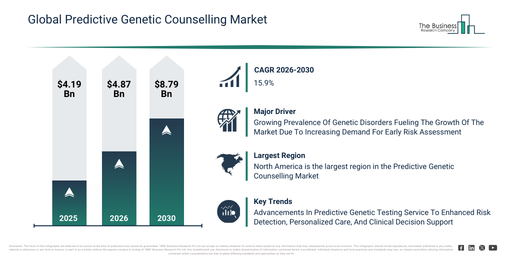
    The predictive genetic counselling market has seen substantial expansion in its size over recent years. It is projected to grow from $4.19 billion in 2025 to $4.87 billion in 2026, reflecting a compound annual growth rate (CAGR) of 16.2%. The market’s historical growth can be attributed to several key factors, including the increasing utilization of family history evaluation, the expansion of cancer risk screening programs, a growing acceptance of genetic testing, improvements in counseling methodologies, and rising public awareness of inherited diseases.

    The predictive genetic counselling market is projected to expand significantly in the coming years, reaching a size of $8.79 billion by 2030, driven by a compound annual growth rate (CAGR) of 15.9%. This anticipated growth during the forecast period stems from factors such as the greater incorporation of genomics into standard healthcare practices, the increasing acceptance of virtual counseling platforms, the broadening of preventive screening programs, the expanding application of AI-based genetic interpretation, and a rising need for individualized health risk information. Key developments expected over the forecast horizon encompass a surge in demand for online genetic counseling, an uptick in the utilization of polygenic risk scoring, wider acceptance of direct-to-consumer genetic testing, the broadening scope of predictive oncology counseling, and a heightened emphasis on educating patients and supporting their decisions.

    Access Your Free Sample Report for In-Depth Market Insights:

    https://www.thebusinessresearchcompany.com/sample.aspx?id=27397&type=smp

    What Drivers Are Affecting Demand In The Predictive Genetic Counselling Market?

    The expanding presence of genetic disorders is anticipated to propel the future growth of the predictive genetic counselling market. These disorders are conditions stemming from alterations or defects in a person’s DNA, influencing the body’s growth, development, and overall function. The rise in genetic disorders can be attributed to increasing parental age, as conception at an older age is associated with a higher probability of genetic mutations in offspring. Genetic disorders contribute to the development of predictive genetic counselling by escalating the demand for risk assessment services that help individuals understand their likelihood of inheriting or passing on such conditions. For instance, in October 2024, data from the Cystic Fibrosis Trust, a UK-based charitable organization, indicated that the number of patients registered with cystic fibrosis rose to 11,318 in 2023, an increase from 11,148 in 2022. Thus, the increasing occurrence of genetic disorders is a key driver for the predictive genetic counselling market.

    Which Segment Groups Are Influencing The Predictive Genetic Counselling Market?

    The predictive genetic counselling market covered in this report is segmented –

    1) By Service Type: Risk Assessment, Carrier Testing, Predictive Testing, Other Service Types

    2) By Mode Of Delivery: In-Person, Online

    3) By Application: Consumer Genomics, Breast And Ovarian Cancer, Cardiovascular Screening, Diabetic Screening And Monitoring, Colon Cancer, Parkinsonism Or Alzheimer’s Disease, Urologic Screening Or Prostate Cancer Screening, Orthopedic And Musculoskeletal, Other Applications

    4) By End-User: Hospitals And Clinics, Diagnostic Laboratories, Research And Academic Institutes, Other End-Users

    Subsegments:

    1) By Risk Assessment: Family History Evaluation, Lifestyle And Environmental Risk Analysis, Polygenic Risk Score Analysis, Hereditary Disease Susceptibility Screening

    2) By Carrier Testing: Cystic Fibrosis Carrier Testing, Tay-Sachs Carrier Testing, Fragile X Syndrome Testing, Sickle Cell Carrier Testing, Thalassemia Carrier Screening

    3) By Predictive Testing: Breast Cancer Gene 1 (BRCA1) Or Breast Cancer Gene 2 (BRCA2) Mutation Testing, Lynch Syndrome Testing, Huntington’s Disease Testing, Cardiovascular Genetic Risk Testing, Neurological Disorder Prediction Testing

    4) By Other Service Types: Pharmacogenomic Testing, Prenatal Genetic Testing, Newborn Genetic Screening, Direct-To-Consumer Genetic Testing, Whole Genome Sequencing For Prediction

    What Trends Are Projected To Support The Growth Of The Predictive Genetic Counselling Market?

    Leading companies in the predictive genetic counselling market are concentrating on developing advanced solutions, such as the predictive genetic testing service, for early disease risk detection and to support informed clinical decision-making. A predictive genetic testing service refers to a medical offering that analyzes an individual’s DNA to identify genetic variations linked to an elevated risk of developing specific inherited conditions or diseases in the future. For instance, in August 2024, Genetic Technologies Limited, an Australia-based company providing genomics-based health testing, launched the geneType Risk Assessment test. This test serves as a unique, comprehensive, multi-risk predictive genetic screening tool designed to evaluate an individual’s probability of developing serious conditions like breast cancer, colorectal cancer, ovarian cancer, prostate cancer, coronary artery disease, and type 2 diabetes. It combines clinically validated polygenic risk scores with non-genetic factors such as age, family history, and clinical measurements to deliver a personalized, actionable risk profile. Designed for proactive health management, it also provides clear reports with tailored recommendations to guide preventive care and lifestyle choices in over 42 countries.

    Who Are The Major Companies Operating In The Predictive Genetic Counselling Market?

    Major companies operating in the predictive genetic counselling market are Thermo Fisher Scientific Inc., Abbott Laboratories, Laboratory Corporation of America Holdings (LabCorp), Quest Diagnostics Inc., Agilent Technologies Inc., Illumina Inc., Bio-Rad Laboratories Inc., QIAGEN NV, Natera Inc, Myriad Genetics Inc., Fulgent Genetics Inc, Invitae Corporation, 23andMe Holding Co, Color Genomics Inc, deCODE genetics, Centogene NV, Admera Health LLC, Mapmygenome, Exact Sciences Corporation, BGI Group

    Access The Complete Report For Deeper Market Insights:

    https://www.thebusinessresearchcompany.com/report/predictive-genetic-counselling-global-market-report

    Which Region Is Anticipated To See The Fastest Growth In The Predictive Genetic Counselling Market?

    North America was the largest region in the predictive genetic counselling market in 2025. Asia-Pacific is expected to be the fastest-growing region in the forecast period. The regions covered in the predictive genetic counselling market report are Asia-Pacific, South East Asia, Western Europe, Eastern Europe, North America, South America, Middle East, Africa.

    Request Your Customized Predictive Genetic Counselling Market Research Report for Competitive Advantage:

    https://www.thebusinessresearchcompany.com/customise?id=27397&type=smp

    Browse Through More Reports Similar to the Global Predictive Genetic Counselling Market 2026, By The Business Research Company

    Commercial Property Insurance Market Report 2026

    https://www.thebusinessresearchcompany.com/report/commercial-property-insurance-global-market-report

    Property Management Software Market 2026

    https://www.thebusinessresearchcompany.com/report/property-management-software-market

    Property Management Service Market Report 2026

    https://www.thebusinessresearchcompany.com/report/property-management-service-global-market-report

    Get in touch with us:

    The Business Research Company: https://www.thebusinessresearchcompany.com/

    Americas +1 310-496-7795

    Asia +44 7882 955267 & +91 8897263534

    Europe +44 7882 955267

    Email us at info@tbrc.info

    Follow us on:

    LinkedIn: https://in.linkedin.com/company/the-business-research-company

    YouTube: https://www.youtube.com/channel/UC24_fI0rV8cR5DxlCpgmyFQ

    Global Market Model: https://www.thebusinessresearchcompany.com/global-market-model
  • Global Rotavirus Prophylaxis Industry Trends and Market Forecast 2026–2030

    Global Rotavirus Prophylaxis Industry Trends and Market Forecast 2026–2030

    Uncover key drivers, emerging technologies, and competitive movements shaping the rotavirus prophylaxis market from 2026–2035 with trusted insights from The Business Research Company

    What level of growth is expected in the Rotavirus Prophylaxis Market between 2026 and 2030?

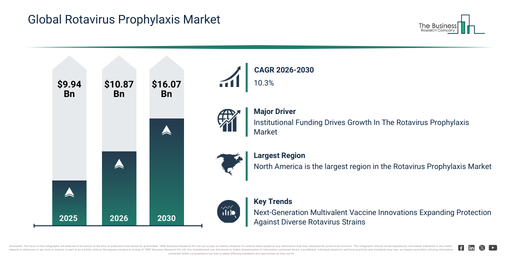
    The rotavirus prophylaxis market has experienced robust expansion recently. Projections indicate its value will increase from $9.94 billion in 2025 to $10.87 billion in 2026, demonstrating a compound annual growth rate (CAGR) of 9.3%. Historically, this growth can be attributed to factors such as the decrease in child mortality due to vaccination, enhanced global immunization reach, broader access to oral rotavirus vaccines, increasing backing from worldwide health bodies, and the expansion of vaccination initiatives conducted in hospitals.

    The rotavirus prophylaxis market size is anticipated to undergo substantial growth in the upcoming years. It is projected to expand to $16.07 billion by 2030, exhibiting a compound annual growth rate (CAGR) of 10.3%. This expansion during the forecast period can be attributed to an increased focus on universal vaccine coverage, rising investments in pediatric vaccine development, the broadening of vaccination programs in emerging economies, a growing demand for affordable vaccine formulations, and the strengthening of immunization infrastructure. Prominent trends within the forecast period include the expanding scope of national immunization programs, an increasing adoption of oral rotavirus vaccines, a heightened emphasis on pediatric preventive healthcare, improved cold-chain distribution management, and the proliferation of public-private vaccination initiatives.

    Access Your Free Sample Report for In-Depth Market Insights:

    https://www.thebusinessresearchcompany.com/sample.aspx?id=13045&type=smp

    Which Drivers Are Expected To Impact The Rotavirus Prophylaxis Market During The Forecast Period?

    Institutional funding is projected to drive expansion within the rotavirus prophylaxis market. This type of funding encompasses the allocation of resources, whether monetary, effort-based, or time-related, to support a specific requirement, initiative, or undertaking. The rising incidence of rotavirus cases has drawn financial support from both governmental bodies and private entities. Such funding offers both financial aid and technical expertise throughout the various stages of developing rotavirus vaccines and oral medications. As an illustration, the American Medical Association, a professional physician association located in the US, reported in April 2025 that health expenditures in the U.S. grew by 7.5% in 2023, reaching $4.9 trillion, which equates to $14,570 per capita. Consequently, greater accessibility to funding is expected to invigorate the rotavirus prophylaxis market.

    Which Segments Are Driving Activity In The Rotavirus Prophylaxis Market?

    The rotavirus prophylaxis market covered in this report is segmented –

    1) By Treatment: Rotarix, Rotavac, Rotavin-M1, Oral Rehydration Fluid, Other Treatments

    2) By Route of Administration: Oral, Other Route of Administrations

    3) By Distribution Channel: Hospital Pharmacy, Retail Pharmacy, Online Pharmacy, Other Distribution Channels

    4) By End-Users: Hospitals, Specialty Clinics, Homecare, Other End-Users

    Subsegments:

    1) By Rotarix: Single Dose, Multi-Dose

    2) By Rotavac: Liquid Formulation, Freeze-Dried Formulation

    3) By Rotavin-M1: Liquid Formulation, Freeze-Dried Formulation

    4) By Oral Rehydration Fluid: Electrolyte Solutions, Glucose-Based Solutions

    5) By Other Treatments: Supportive Care, Antidiarrheal Medications

    Which Market Trends Are Opening Growth Opportunities In The Rotavirus Prophylaxis Market?

    Leading companies operating within the rotavirus prophylaxis market are concentrating on technological advancements, such as reassortant hexavalent oral vaccines, to address the increasing demand driven by the necessity for broader serotype coverage and enhanced protection against various rotavirus strains prevalent globally. Reassortant hexavalent vaccines are crafted using advanced viral reassortment technology to specifically target six dominant rotavirus serotypes (G1, G2, G3, G4, G9, and P1A), thereby offering broad-spectrum protection that is superior to traditional monovalent or pentavalent vaccines. For instance, in March 2024, Sinovac Biotech Ltd., a China-based biopharmaceutical company, began Phase 1 clinical trials for its live, oral reassortant hexavalent rotavirus vaccine. The objective is to evaluate its safety, tolerability, and immunogenicity across adults, children, and infants. This vaccine’s composition utilizes Vero cell technology and aims to produce robust immune responses against multiple strains, effectively tackling changing epidemiology and prevalent serotypes with superior effectiveness. Its innovative approach permits improved global immunization coverage, especially in regions where rotavirus displays high genetic diversity.

    Which Key Market Players Are Investing In Expansion And Innovation Within The Rotavirus Prophylaxis Market?

    Major companies operating in the rotavirus prophylaxis market are Merck And Co, GlaxoSmithKline plc, Bharat Biotech International Limited, Serum Institute Of India Pvt Ltd, Zydus Lifesciences Ltd, Sinovac Biotech Ltd, Hualan Biological Engineering Inc, Biological E Limited, PT Bio Farma, Panacea Biotec Ltd, Shanghai Institute Of Biological Products, Wuhan Institute Of Biological Products, Lanzhou Institute Of Biological Products, Changchun Institute Of Biological Products, Beijing Institute Of Biological Products, Shenzhen Kangtai Biological Products Co Ltd, Minhai Biotechnology Co Ltd, CanSino Biologics Inc, Bharat Serums And Vaccines Limited, Walvax Biotechnology Co Ltd, Clover Biopharmaceuticals Ltd, SK Bioscience Co Ltd

    Access The Complete Report For Deeper Market Insights:

    https://www.thebusinessresearchcompany.com/report/rotavirus-prophylaxis-global-market-report

    Which Regions Are Poised For Strategic Growth In The Rotavirus Prophylaxis Market?

    North America was the largest region in the rotavirus prophylaxis market in 2025. The regions covered in the rotavirus prophylaxis market report are Asia-Pacific, South East Asia, Western Europe, Eastern Europe, North America, South America, Middle East, Africa.

    Request Your Customized Rotavirus Prophylaxis Market Research Report for Competitive Advantage:

    https://www.thebusinessresearchcompany.com/customise?id=13045&type=smp

    Browse Through More Reports Similar to the Global Rotavirus Prophylaxis Market 2026, By The Business Research Company

    Antidiarrhoeals Market Report 2026

    https://www.thebusinessresearchcompany.com/report/antidiarrhoeals-global-market-report

    Rotavirus Vaccine Market Report 2026

    https://www.thebusinessresearchcompany.com/report/rotavirus-vaccine-global-market-report

    Viral Gastroenteritis Market Report 2026

    https://www.thebusinessresearchcompany.com/report/viral-gastroenteritis-global-market-report

    Get in touch with us:

    The Business Research Company: https://www.thebusinessresearchcompany.com/

    Americas +1 310-496-7795

    Asia +44 7882 955267 & +91 8897263534

    Europe +44 7882 955267

    Email us at info@tbrc.info

    Follow us on:

    LinkedIn: https://in.linkedin.com/company/the-business-research-company

    YouTube: https://www.youtube.com/channel/UC24_fI0rV8cR5DxlCpgmyFQ

    Global Market Model: https://www.thebusinessresearchcompany.com/global-market-model
  • Metastatic Bone Disease Market Trends and Insights: Global Forecast to 2030

    Metastatic Bone Disease Market Trends and Insights: Global Forecast to 2030

    Uncover key drivers, emerging technologies, and competitive movements shaping the metastatic bone disease market from 2026–2035 with trusted insights from The Business Research Company

    What total market size is anticipated for the Metastatic Bone Disease Market in 2030?

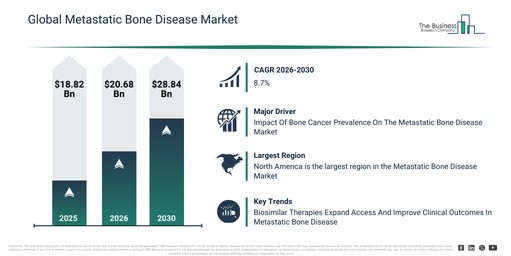
    The market size for metastatic bone disease has demonstrated substantial expansion in recent years. It is forecast to increase from $18.82 billion in 2025 to $20.68 billion in 2026, exhibiting a compound annual growth rate (CAGR) of 9.8%. The observed growth in previous periods can be linked to factors such as a rise in cancer incidence, an increase in instances of bone metastasis, broader application of chemotherapy, progress in radiation therapy techniques, and the heightened usage of bisphosphonates.

    The market size for metastatic bone disease is projected to show significant expansion over the next few years. It is expected to grow to $28.84 billion by 2030, achieving a compound annual growth rate (CAGR) of 8.7%. This anticipated growth during the forecast period can be attributed to the rise of targeted bone agents, increasing adoption of immunotherapy combinations, a growing demand for non-invasive tumor ablation, the expansion of personalized treatment approaches, and enhanced oncologic diagnostic capabilities. Key trends for the forecast period include advancements in therapies specifically for bone metastasis, the improvement of diagnostic imaging through AI assistance, the development of digital platforms for remote symptom monitoring, automation in oncology radiology workflows, and the use of virtual reality for surgical and treatment training.

    Access Your Free Sample Report for In-Depth Market Insights:

    https://www.thebusinessresearchcompany.com/sample.aspx?id=15859&type=smp

    What Drivers Are Influencing Production Trends In The Metastatic Bone Disease Market?

    The projected rise in bone cancer is expected to drive the expansion of the metastatic bone disease market moving forward. Bone cancer is characterized as a malignant tumor originating in the cells of the bone. Its prevalence is influenced by genetic factors, radiation exposure, and environmental elements, such as contact with specific chemicals. Bone cancer can lead to metastatic bone disease when cancer cells from the primary tumor spread via the bloodstream or lymphatic system, forming new tumors in other bones. For instance, in 2023, the American Cancer Society, a US-based non-profit organization, reported 3,970 new cases of bone and joint cancer, an increase compared to the 3,910 cases reported in 2022. Thus, the increasing prevalence of bone cancer is fueling the growth of the metastatic bone disease market.

    Which Segments Are Gaining Traction In The Metastatic Bone Disease Market?

    The metastatic bone disease market covered in this report is segmented –

    1) By Treatment: Medication, Radiation Therapy, Surgical Intervention, Tumor Ablation Therapy

    2) By Origin: Breast, Lung, Thyroid, Kidney, Prostate, Other Origins

    3) By End-User: Hospitals, Specialty Clinics, Ambulatory Surgical Centers

    Subsegments:

    1) By Medication: Bisphosphonates, Denosumab, Chemotherapy Drugs, Hormonal Therapies, Targeted Therapies, Radiation Therapy

    2) By Radiation Therapy: External Beam Radiation Therapy, Internal Radiation Therapy

    3) By Surgical Intervention: Bone Stabilization Surgery, Bone Resection Surgery, Spinal Decompression Surgery

    4) By Tumor Ablation Therapy: Radiofrequency Ablation, Cryoablation, Microwave Ablation

    Which Trends Are Influencing The Development Of The Metastatic Bone Disease Market?

    Major companies operating in the metastatic bone disease market are prioritizing the development of biosimilar therapies to enhance patient access and reduce treatment expenditures while sustaining clinical efficacy. Biosimilars are biologic medical products that closely resemble previously approved reference medicines, exhibiting no clinically significant distinctions in their safety or effectiveness. For instance, in March 2024, Sandoz, a Switzerland-based biopharmaceutical firm, obtained FDA approval for Wyost (denosumab-bbdz) and Jubbonti (denosumab-bbdz), which are the first and only FDA-approved biosimilars of denosumab across all indications of the reference medicines. These indications encompass the prevention of skeletal-related events in patients experiencing bone metastases from solid tumors. Such developments are projected to increase treatment accessibility and improve clinical outcomes for individuals with metastatic bone disease.

    Who Are The Prominent Global Companies Shaping The Metastatic Bone Disease Market Landscape?

    Major companies operating in the metastatic bone disease market are Pfizer Inc., Johnson & Johnson, Roche Holding AG, Merck & Co. Inc., Bayer AG, Sanofi SA, Bristol-Myers Squibb Company, AstraZeneca plc, Novartis AG, GSK plc, Takeda Pharmaceutical Company Limited, Medtronic plc, Eli Lilly and Company, Amgen Inc., Boston Scientific Corporation, Regeneron Pharmaceuticals Inc., Astellas Pharma Inc., Daiichi Sankyo Company Limited, Jazz Pharmaceuticals Inc., Exelixis Inc., BeiGene Ltd., Mylan N.V., Novocure GmbH, Galapagos NV, Telix Pharmaceuticals Limited

    Access The Complete Report For Deeper Market Insights:

    https://www.thebusinessresearchcompany.com/report/metastatic-bone-disease-global-market-report

    How Does The Metastatic Bone Disease Market Perform Across Major Global Regions?

    North America was the largest region in the metastatic bone disease market in 2025. The regions covered in the metastatic bone disease market report are Asia-Pacific, South East Asia, Western Europe, Eastern Europe, North America, South America, Middle East, Africa.

    Request Your Customized Metastatic Bone Disease Market Research Report for Competitive Advantage:

    https://www.thebusinessresearchcompany.com/customise?id=15859&type=smp

    Browse Through More Reports Similar to the Global Metastatic Bone Disease Market 2026, By The Business Research Company

    Mineral And Bone Disorder Treatment Market Report 2026

    https://www.thebusinessresearchcompany.com/report/mineral-and-bone-disorder-treatment-global-market-report

    Bone Cancer Treatment Market Report 2026

    https://www.thebusinessresearchcompany.com/report/bone-cancer-treatment-global-market-report

    Metastatic Hr Her2 Breast Cancer Market Report 2026

    https://www.thebusinessresearchcompany.com/report/metastatic-hr-her2-breast-cancer-global-market-report

    Get in touch with us:

    The Business Research Company: https://www.thebusinessresearchcompany.com/

    Americas +1 310-496-7795

    Asia +44 7882 955267 & +91 8897263534

    Europe +44 7882 955267

    Email us at info@tbrc.info

    Follow us on:

    LinkedIn: https://in.linkedin.com/company/the-business-research-company

    YouTube: https://www.youtube.com/channel/UC24_fI0rV8cR5DxlCpgmyFQ

    Global Market Model: https://www.thebusinessresearchcompany.com/global-market-model