Category: HealthcareServices

  • Market Trends Influencing Strategic Decisions in the Solid Tumor Cancer Treatment Industry: Innovative Pd-1 Inhibitor For Solid Tumor Cancer Treatment

    Market Trends Influencing Strategic Decisions in the Solid Tumor Cancer Treatment Industry: Innovative Pd-1 Inhibitor For Solid Tumor Cancer Treatment

    Claim your 30% discount on Global Market Reports with code ONLINE30. Limited time only.

    What Are the Projected Market Size and Growth Rates for the Solid Tumor Cancer Treatment Market From 2025 To 2029?

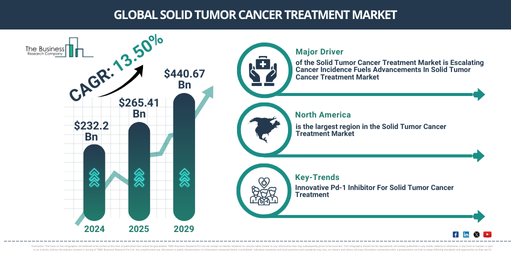
    The market for solid tumor cancer therapy has seen a swift expansion in the past few years. The market size is projected to increase from $232.2 billion in 2024 to $265.41 billion in 2025, with a compound annual growth rate (CAGR) of 14.3%. The significant expansion in the historical timeframe can be linked to enhancements in research and development, the progression and approval of drugs, rising cancer incidence rates, an aging population, and greater patient activism and awareness.

    In the forthcoming years, the market size for solid tumor cancer treatment is anticipated to witness substantial growth, reaching$440.67 billion in 2029″ with a Compound Annual Growth Rate (CAGR) of 13.5%. The projected growth within this period is due to factors such as the increasing trend towards personalized medicine, progress in immunotherapy, global health hurdles, emerging diseases, regulatory structures, and drug approvals, as well as changes in healthcare financing and repayment models. The anticipated period also sees mounting trends like the improvement in immunotherapy, precision medicine, biomarker identification, combination therapies, digital health amalgamation, and technological advancements in treatment methods.

    Download a free sample to assess the report’s scope and structure:

    https://www.thebusinessresearchcompany.com/sample.aspx?id=9909&type=smp

    What Are the Major Market Drivers Behind the Rising Adoption of Solid Tumor Cancer Treatment Market?

    The growth of the solid tumor cancer treatment market is largely fueled by the escalating occurrence of cancer. Cancer is a harsh disease marked by accelerated and uncontrolled cell division, leading to unusual growths. Solid tumor cancer therapy involves procedures employed to eliminate these solid tumors from the bodies of cancer patients. For instance, the World Health Organization, a public health organization based in Switzerland, reported in April 2024 that approximately 20 million new cases of cancer emerged in 2022, claiming nearly 10 million lives. According to projected demographics, the yearly cancer incidence could escalate to 35 million by 2050, indicating a 77% surge from the 2022 data. Lung cancer was the most commonly identified type, constituting about 2.5 million new cases, or one in eight global cancers, representing 12.4% of all cancers across the globe. As a result, the rising occurrence of cancer is propelling the progression of the solid tumor cancer treatment market.

    Which Key Market Segments Comprise the Solid Tumor Cancer Treatment Market and Drive Its Revenue Growth?

    The solid tumor cancer treatmentmarket covered in this report is segmented –

    1) By Type: Chemotherapy; Targeted Therapy; Immunotherapy; Hormone Therapy; Surgical Procedures

    2) By Application: Breast Cancer; Cervical Cancer; Colorectal Cancer; Lung Cancer; Prostate Cancer; Other Applications

    3) By End-Users: Hospitals; Research Institutes; Homecare

    Subsegments:

    1) By Chemotherapy: Alkylating Agents; Antimetabolites; Anthracyclines; Mitotic Inhibitors

    2) By Targeted Therapy: Monoclonal Antibodies; Small Molecule Inhibitors; Signal Transduction Inhibitors

    3) By Immunotherapy: Checkpoint Inhibitors; CAR T-Cell Therapy; Cancer Vaccines

    4) By Hormone Therapy: Aromatase Inhibitors; Anti-Androgens; Selective Estrogen Receptor Modulators (SERMs)

    5) By Surgical Procedures: Tumor Resection; Laparoscopic Surgery; Robotic-Assisted Surgery

    Request customized data on this market:

    https://www.thebusinessresearchcompany.com/customise?id=9909&type=smp

    Which Areas Are Leading Regions in the Solid Tumor Cancer Treatment Market Expansion Across the Globe?

    North America was the largest region in the solid tumor cancer treatment market in 2024. The regions covered in the solid tumor cancer treatment market report are Asia-Pacific, Western Europe, Eastern Europe, North America, South America, Middle East, Africa

    What Are the Strategic Trends Steering theSolid Tumor Cancer Treatment Market Direction?

    A predominant trend making waves in the solid tumor cancer treatment market is the emergence of product innovations. Esteemed companies in the market are concentrating on introducing novel products and therapies to maintain their industry relevance. For instance, Shanghai Henlius Biotech, a revered biopharmaceutical company based in China, debuted its first inventive monoclonal antibody, the PD-1 inhibitor HANSIZHUANG, in March 2022. This medical breakthrough is developed primarily to treat adults having advanced, inoperable, or metastatic MSI-H (microsatellite instability—high) solid tumors that were found unresponsive to previous standard treatments. The sanctioning of HANSIZHUANG provides a glimmer of hope to patients battling MSI-H solid tumors and effectively fills the gap in clinical treatment and tumor medicine demand. This innovation contributes significantly to the enhanced growth of China’s biopharmaceutical sector and strengthens the in-house precision immunotherapy for cancer.

    View the full report here:

    https://www.thebusinessresearchcompany.com/report/solid-tumor-cancer-treatment-global-market-report

    How Is the Solid Tumor Cancer Treatment Market Conceptually Defined?

    Solid tumor cancer treatment refers to the treatment of an aberrant mass of tissue that does not generally contain cysts or liquid regions. The majority of the tumor’s cells are created by cancer stem cells through division. The objective of solid tumor cancer treatment is to enhance patient outcomes by managing disease progression, reducing symptoms, improving quality of life, and boosting survival rates.

    Purchase the full report and get a swift delivery:

    https://www.thebusinessresearchcompany.com/purchaseoptions.aspx?id=9909

    About The Business Research Company:

    With over 15000+ reports from 27 industries covering 60+ geographies, The Business Research Company has built a reputation for offering comprehensive, data-rich research and insights. Armed with 1,500,000 datasets, the optimistic contribution of in-depth secondary research, and unique insights from industry leaders, you can get the information you need to stay ahead in the game.

    Get in touch with us:

    The Business Research Company: https://www.thebusinessresearchcompany.com/

    Americas +1 310-496-7795

    Europe +44 7882 955267

    Asia & Others +44 7882 955267 & +91 8897263534

    Email us at info@tbrc.info

    Follow us on:

    LinkedIn: https://in.linkedin.com/company/the-business-research-company

    YouTube: https://www.youtube.com/channel/UC24_fI0rV8cR5DxlCpgmyFQ

    Global Market Model: https://www.thebusinessresearchcompany.com/global-market-model
  • Top Trends Driving Innovation and Change in the Sleeping Aids Market: Somnee By StimScience Redefines Sleep Enhancement With Brain Stimulation

    Top Trends Driving Innovation and Change in the Sleeping Aids Market: Somnee By StimScience Redefines Sleep Enhancement With Brain Stimulation

    Claim your 30% discount on Global Market Reports with code ONLINE30. Limited time only.

    What Is the Estimated Market Size of the Sleeping Aids Market In 2029?

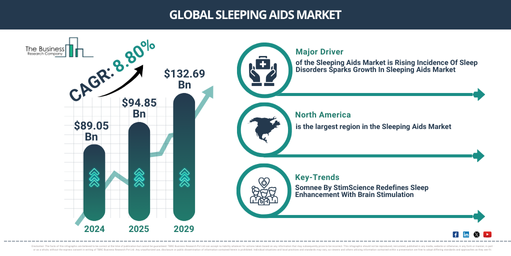
    The market for sleeping aids has seen significant expansion in the previous years. It’s anticipated to increase from $89.05 billion in 2024 to $94.85 billion in 2025, reflecting a compound annual growth rate (CAGR) of 6.5%. The past growth can be credited to factors such as escalated stress and slumber disorders, aging demographic, alterations in lifestyle, consciousness and education, along with consumer inclination towards natural solutions.

    In the coming years, the market size of sleeping aids is predicted to experience robust growth, escalating to$132.69 billion by 2029 at a Compound Annual Growth Rate (CAGR) of 8.8%. Wellness and self-care trends, heightened mental health consciousness, domestic sleep solutions, tailored sleep aids, and natural, non-invasive options all contribute to this growth during the projected period. Major trends during this timeframe shall also include a heightened focus on wellness and self-care, the incorporation of technology, education on sleep hygiene, and regulatory emphasis on safety.

    Download a free sample to assess the report’s scope and structure:

    https://www.thebusinessresearchcompany.com/sample.aspx?id=8308&type=smp

    What External and Internal Drivers Are Contributing to the Growth of theSleeping Aids Market?

    The escalation in the occurrence of sleep disorders is projected to drive the expansion of the sleeping aids market in the future. Sleep disorders, which are conditions resulting from insufficient sleep, can impact the general health of an individual. As such, sleeping aids are commonly used as treatments to mitigate the cognitive decline caused by sleep deprivation and to improve short-term sleep. For example, data from the National Center for Biotechnology Information, a US government agency, noted in January 2022 that sleep issues were estimated to affect 52.39% of COVID-19 patients, 45.96% of children and teenagers, 42.47% of healthcare workers, 41.50% of special populations with healthcare needs, 41.16% of university students, and 36.73% of the general populace. These statistics suggest a rising trend in sleep disorders. Hence, this growth in sleep disorders is stimulating the demand for sleeping aids.

    What Segment Types Define the Sleeping Aids Market Structure?

    The sleeping aidsmarket covered in this report is segmented –

    1) By Product: Mattresses And Pillows; Sleep Laboratories; Medications; Prescription-Based Drugs; OTC Drugs; Herbal Drugs; Sleep Apnea Devices

    2) By Indication: Insomnia; Sleep Deprivation; Narcolepsy; Sleep Apnea; Other Indications

    3) By Distribution Channel: Hospital Pharmacies; Retail Pharmacies; E-Commerce; Drug Stores; Other Distribution Channels

    Subsegments:

    1) By Mattresses And Pillows: Memory Foam Mattresses; Latex Mattresses; Airbed Mattresses; Waterbed Mattresses; Cervical Pillows; Contoured Pillows

    2) By Sleep Laboratories: Sleep Disorder Diagnostic Services; Polysomnography; Home Sleep Testing Services

    3) By Medications: Prescription-Based Drugs; Over-The-counter (OTC) Drugs; Herbal And Natural Remedies

    4) By Prescription-Based Drugs: Benzodiazepines; Non-Benzodiazepines; Antidepressants; Antihistamines

    5) By OTC Drugs: Antihistamines (Diphenhydramine, Doxylamine); Melatonin Supplements; Herbal Sleep Aids

    6) By Herbal Drugs: Valerian Root; Chamomile; Lavender; Passionflower; Lemon Balm

    7) By Sleep Apnea Devices: Continuous Positive Airway Pressure (CPAP) Devices; Bi-level Positive Airway Pressure (BiPAP) Devices; Adaptive Servo-Ventilation (ASV) Devices; Oral Appliances; Masks

    Request customized data on this market:

    https://www.thebusinessresearchcompany.com/customise?id=8308&type=smp

    Which Geographic Areas Hold the Strongest Growth Potential in the Sleeping Aids Market?

    North America was the largest region in the sleeping aids market in 2024. Asia-Pacific is expected to be the fastest-growing region in the forecast period. The regions covered in the sleeping aids market report are Asia-Pacific, Western Europe, Eastern Europe, North America, South America, Middle East, Africa.

    What Long-Term Trends Are Transforming the Competitive Landscape of the Sleeping Aids Market?

    In the sleeping aids market, one primary trend that is gaining momentum is product innovation. Top companies in the market are creating new products, like wearable sleep aids, in order to maintain their market standing. For instance, StimScience, an American firm in the sleeping aids industry, introduced a wearable sleep aid called Somnee in March 2022. This innovative product is the first of its kind, offering an electronic sleep aid headband that utilizes personalized non-invasive brain stimulation to enhance sleep quality. In a 1,500-night home pilot study, it demonstrated a reduction in tossing and turning by more than a third.

    View the full report here:

    https://www.thebusinessresearchcompany.com/report/sleeping-aids-global-market-report

    What Is the Definition of the Sleeping Aids Market?

    Sleeping aids refer to a class of psychoactive medications that are used to treat insomnia and sporadic sleeplessness. Sleeping aids can help decrease daytime tiredness and impaired thinking caused by sleep loss.

    Purchase the full report and get a swift delivery:

    https://www.thebusinessresearchcompany.com/purchaseoptions.aspx?id=8308

    About The Business Research Company:

    With over 15000+ reports from 27 industries covering 60+ geographies, The Business Research Company has built a reputation for offering comprehensive, data-rich research and insights. Armed with 1,500,000 datasets, the optimistic contribution of in-depth secondary research, and unique insights from industry leaders, you can get the information you need to stay ahead in the game.

    Get in touch with us:

    The Business Research Company: https://www.thebusinessresearchcompany.com/

    Americas +1 310-496-7795

    Europe +44 7882 955267

    Asia & Others +44 7882 955267 & +91 8897263534

    Email us at info@tbrc.info

    Follow us on:

    LinkedIn: https://in.linkedin.com/company/the-business-research-company

    YouTube: https://www.youtube.com/channel/UC24_fI0rV8cR5DxlCpgmyFQ

    Global Market Model: https://www.thebusinessresearchcompany.com/global-market-model
  • From Insight to Impact: Strategic Growth Mapping in the Telehealth Market

    From Insight to Impact: Strategic Growth Mapping in the Telehealth Market

    Claim your 30% discount on Global Market Reports with code ONLINE30. Limited time only.

    How Fast Is The Telehealth Market Expected to Grow Between 2025 And 2029?

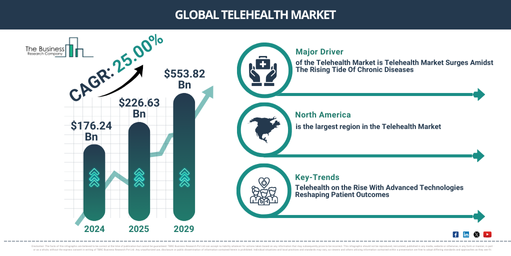
    The value of the telehealth market has significantly increased in past years, with predictions of its escalation from $176.24 billion in 2024 to $226.63 billion in 2025, marking a Compound Annual Growth Rate (CAGR) of 28.6%. Factors such as the progress of emerging markets, heightened expenditure on pets, encouraging government measures, and a rise in the acquisition of pet insurance have contributed to its growth during the historic period.

    Anticipated to experience substantial expansion in the coming years, the telehealth market is projected to reach$553.82 billion by 2029, boasting a compound annual growth rate (CAGR) of 25.0%. This potential surge during the forecast period is largely due to a rise in pet ownership, escalating demand for products derived from animals, and increasing urbanization. The forecast period is also predicted to see an emphasis on advanced technologies like artificial intelligence, the initiation of new facility growth, cooperative pursuits and partnerships, as well as the inauguration of innovative veterinary telehealth services, all key strategies for enhancing financial robustness and product range.

    Download a free sample to assess the report’s scope and structure:

    https://www.thebusinessresearchcompany.com/sample.aspx?id=3954&type=smp

    What are the Fundamental Drivers and Innovations Shaping the Telehealth Market?

    The increasing occurrence of chronic ailments such as cancer, diabetes, and hypertension is projected to significantly propel the growth of the telehealth market. Factors like long working hours, sedentary lifestyle, and poor nutrition and drinking habits intensify the prevalence of these chronic ailments, thereby necessitating the demand for telehealth platforms. The World Health Organization, a Geneva-based UN agency, reported in September 2023 that there were 41 million fatalities annually, accounting for 74% of deaths caused by non-communicable or chronic diseases globally. The breakdown was 17.9 million deaths due to cardiovascular diseases, 9.3 million from cancer, 4.1 million from chronic respiratory diseases, and 2.0 million from diabetes. Hence, the escalation in the prevalence of chronic diseases is predicted to spur the expansion of the market.

    How Is the Telehealth Market Segmented?

    The telehealthmarket covered in this report is segmented –

    1) By Component: Software, Services, Hardware

    2) By Mode Of Delivery: Cloud-based, On-Premise

    3) By Application: Teleradiology, Telepathology, Teledermatology, Telecardiology, Others

    4) By End-User: Healthcare Providers, Patients, Payers, Other End-Users

    Subsegments:

    1) By Software: Telemedicine Software; Remote Patient Monitoring Software; Practice Management Software; Electronic Health Record (EHR) Integration Software

    2) By Services: Telehealth Consultation Services; Remote Monitoring Services; Education and Training Services; Support And Maintenance Services

    3) By Hardware: Mobile Health Devices; Telemedicine Carts; Digital Stethoscopes; Diagnostic And Imaging Devices

    Request customized data on this market:

    https://www.thebusinessresearchcompany.com/customise?id=3954&type=smp

    Which Regions Are Driving the Next Phase of the Telehealth Market Growth?

    North America was the largest region in the telehealth market in 2024. The regions covered in the telehealth market report are Asia-Pacific, Western Europe, Eastern Europe, North America, South America, Middle East, Africa.

    What Key Trends Are Shaping the Future of the Telehealth Market?

    The telehealth market is witnessing a strategic shift as major companies in the sector leverage advanced technologies like AI-driven diagnostics and remote patient monitoring to augment healthcare accessibility and enhance patient outcomes for a range of medical conditions. Disease management resources, which include educational materials, medication management, comprehensive treatment plans, and access to healthcare professionals, are tools deployed to aid patients in managing their chronic ailments effectively. An apt example of this trend is the January 2024 launch of LillyDirect by Eli Lilly and Company, a leading American pharmaceutical firm. LillyDirect is a digital health platform tailored to support patients in the U.S. dealing with obesity, migraine, and diabetes. The platform supplies disease management resources, healthcare services from independent providers, and home delivery for select Lilly medicines via third-party pharmacy services.

    View the full report here:

    https://www.thebusinessresearchcompany.com/report/telehealth-global-market-report

    How Is the Telehealth Market Defined and What Are Its Core Parameters?

    Telehealth is engaged in providing telehealth services for the smooth functioning of healthcare services. Telehealth is the use of electronic data and telecommunications technology to promote long-distance medical healthcare services, patient and professional health education, public health, and health management. Technologies comprise streaming media, teleconferencing, the Web, store-and-forward imaging, and terrestrial and wireless communications.

    Purchase the full report and get a swift delivery:

    https://www.thebusinessresearchcompany.com/purchaseoptions.aspx?id=3954

    About The Business Research Company:

    With over 15000+ reports from 27 industries covering 60+ geographies, The Business Research Company has built a reputation for offering comprehensive, data-rich research and insights. Armed with 1,500,000 datasets, the optimistic contribution of in-depth secondary research, and unique insights from industry leaders, you can get the information you need to stay ahead in the game.

    Get in touch with us:

    The Business Research Company: https://www.thebusinessresearchcompany.com/

    Americas +1 310-496-7795

    Europe +44 7882 955267

    Asia & Others +44 7882 955267 & +91 8897263534

    Email us at info@tbrc.info

    Follow us on:

    LinkedIn: https://in.linkedin.com/company/the-business-research-company

    YouTube: https://www.youtube.com/channel/UC24_fI0rV8cR5DxlCpgmyFQ

    Global Market Model: https://www.thebusinessresearchcompany.com/global-market-model
  • Emerging Trends Redefining the Radiology Services Market Landscape: Revolutionizing Healthcare Through The Impact Of Advanced Technologies In Remote Health Monitoring

    Claim your 30% discount on Global Market Reports with code ONLINE30. Limited time only.

    How Fast Is The Remote Health Monitoring Market Expected to Grow Between 2025 And 2029?

    There has been a significant and swift expansion in the market size of remote health monitoring in the past few years. The market, estimated at $5.66 billion in 2024, is projected to reach $6.52 billion in 2025, with a compound annual growth rate (CAGR) of 15.3%. The primary factors contributing to this growth during the historical period include an aging population suffering from chronic illnesses, a rise in telemedicine usage, implementation of governmental initiatives and guidelines, a preference for home-based care among patients, and the cost-effectiveness of this form of healthcare delivery.

    Predictions indicate a swift expansion in the remote health monitoring market in the coming years, with its size projected to increase to$11.31 billion by 2029″ at a Compound Annual Growth Rate (CAGR) of 14.7%. The anticipated growth during the forecast period can be associated with the quick incorporation of the Internet of Things (IoT) in healthcare, the deployment of artificial intelligence, readiness and response to pandemics, monitoring patients remotely during clinical trials, and the heightened emphasis on preventive health care. Upcoming trends during this forecast period encompass advancements in wearable technology, managing long-term illnesses, IoT connectivity, protection of data security and privacy, along with remote monitoring of elderly patients.

    Download a free sample to assess the report’s scope and structure:

    https://www.thebusinessresearchcompany.com/sample.aspx?id=9920&type=smp

    What Are the Core Market Drivers Propelling Growth in the Remote Health Monitoring Industry?

    The growth of the remote health monitoring market is significantly being propelled by the increasing worldwide population of elderly individuals. The term ‘elderly population’ pertains to individuals who are 65 years old and above. A decline in fertility rates coupled with increased life expectancy has led to a demographic change where the elderly make up a larger proportion of the population. Remote health monitoring serves as a key tool for overseeing the health of the elderly from a distance, which helps in early detection of a deterioration in their health condition by tracking their physiological data. For instance, data from the UK Parliament’s House of Commons Library, a government institution in the UK, showed that in 2022, nearly 12.7 million inhabitants of the UK were aged 65 and above, comprising 19% of the total population. This number is projected to rise to 22.1 million by 2072, constituting 27% of the population. As a result, the increasing worldwide elderly population is expected to fuel the growth of the remote health monitoring market.

    How Is the Remote Health Monitoring Market Segmented?

    The remote health monitoringmarket covered in this report is segmented –

    1) By Devices: Respiratory Monitoring; Blood Glucose Monitoring; Cardiac Monitoring; Multi-Parameter Monitoring

    2) By Application: Cancer Treatment; Cardiovascular Diseases; Diabetes Treatment; Sleep Disorder; Weight Management And Fitness Monitoring; Other Applications

    3) By End-User: Home Care Settings; Hospitals Or Clinics; Other End-Users

    Subsegments:

    1) By Respiratory Monitoring: Spirometers; Pulse Oximeters; Capnometers; Respiratory Rate Monitors

    2) By Blood Glucose Monitoring: Glucometers; Continuous Glucose Monitors (CGMs); Smart Insulin Pens

    3) By Cardiac Monitoring: ECG Monitors; Holter Monitors; Implantable Cardiac Monitors; Blood Pressure Monitors

    4) By Multi-Parameter Monitoring: Vital Sign Monitors; Telemetry Systems; Wearable Health Monitors

    Request customized data on this market:

    https://www.thebusinessresearchcompany.com/customise?id=9920&type=smp

    Which Regions Are Driving the Next Phase of the Remote Health Monitoring Market Growth?

    North America was the largest region in the remote health monitoring market in 2024. The regions covered in the remote health monitoring market report are Asia-Pacific, Western Europe, Eastern Europe, North America, South America, Middle East, Africa

    What Key Market Trends and Innovations Are Shaping the Future of the Remote Health Monitoring Industry?

    The primary trend gaining traction in the remote health monitoring market is technological innovation. The key players in this market are making strides in incorporating cutting-edge technology like cloud computing and artificial intelligence (AI) into their remote health monitoring systems, aiming to enhance their accuracy. AI and machine learning, which employ mathematical models to enable learning without explicit instruction, are revolutionizing the manner in which healthcare institutions conduct large-scale remote patient monitoring and better patient results. A notable instance is the launch of Philips HealthSuite Imaging by the Dutch health tech firm, Royal Philips, in November 2023. This product offers a cloud-powered picture archiving and communication system (PACS) that optimizes radiology and imaging processes. Its primary features include expedited remote access for diagnostic readings, integral reporting, and AI-guided workflow management. The application of such progressive technologies by HealthSuite Imaging has amplified the understanding and reporting of investigations, heightened operational effectiveness, and enhanced patient care.

    View the full report here:

    https://www.thebusinessresearchcompany.com/report/remote-health-monitoring-global-market-report

    How Is the Remote Health Monitoring Market Defined and What Are Its Core Parameters?

    Remote health monitoring refers to the use of technology to monitor patients in non-clinical settings, such as the home. This healthcare delivery technique benefits patients, physicians, caregivers, and the healthcare system by leveraging technological improvements to collect patient data outside typical healthcare facilities.

    Purchase the full report and get a swift delivery:

    https://www.thebusinessresearchcompany.com/purchaseoptions.aspx?id=9920

    About The Business Research Company:

    With over 15000+ reports from 27 industries covering 60+ geographies, The Business Research Company has built a reputation for offering comprehensive, data-rich research and insights. Armed with 1,500,000 datasets, the optimistic contribution of in-depth secondary research, and unique insights from industry leaders, you can get the information you need to stay ahead in the game.

    Get in touch with us:

    The Business Research Company: https://www.thebusinessresearchcompany.com/

    Americas +1 310-496-7795

    Europe +44 7882 955267

    Asia & Others +44 7882 955267 & +91 8897263534

    Email us at info@tbrc.info

    Follow us on:

    LinkedIn: https://in.linkedin.com/company/the-business-research-company

    YouTube: https://www.youtube.com/channel/UC24_fI0rV8cR5DxlCpgmyFQ

    Global Market Model: https://www.thebusinessresearchcompany.com/global-market-model
  • TeledentistryMarket Overview 2025–2034: CAGR Trends, Long-Term Growth Paths, and Business Implications

    TeledentistryMarket Overview 2025–2034: CAGR Trends, Long-Term Growth Paths, and Business Implications

    Claim your 30% discount on Global Market Reports with code ONLINE30. Limited time only.

    What Are the Key Projections for the CAGR of the Teledentistry Market Size From 2025 to 2034?

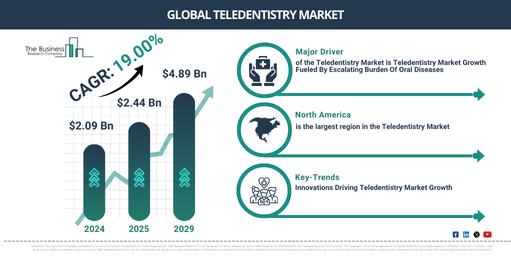
    The scale of the teledentistry market has been expanding at a significant rate in the preceding years. It is forecasted to increase from a value of $2.09 billion in 2024 to $2.44 billion in 2025, reflecting a compound annual growth rate (CAGR) of 16.6%. The surge during the historical period can be ascribed to robust economic expansion in developing markets, heightened requirements for distance healthcare, and an escalation in state assistance.

    The market size of teledentistry is projected to experience a substantial increase in the coming years, eventually reaching $4.89 billion by 2029 with an annual compounded growth rate of 19.0%. The expected escalation during the forecast period is as a result of several factors including the escalating prevalence of oral diseases, amplified government initiatives aiming to enhance oral health, and the growth in the elderly population. The future trend is expected to be marked by an increase in investments, prioritization of the incorporation of robots in food preparation, a rising interest in providing healthier alternatives to french fries, product innovations, and a strong focus on introducing french fries compatible with vegan diets.

    Download a free sample to assess the report’s scope and structure:

    https://www.thebusinessresearchcompany.com/sample.aspx?id=8311&type=smp

    What Are the Primary Drivers Supporting the Market Growth of the Teledentistry Market?

    The escalating incidence of oral health issues is projected to drive the evolution of the teledentistry market. These health issues involve conditions related to the mouth, including the teeth, gums, and tongue. Teledentistry aids in broadening access to oral healthcare and enhancing the management of oral diseases. For instance, the American Cancer Society, a voluntary health organization based in the US, reported approximately 54k new oral cavity or oropharyngeal cancer diagnoses and 11.2k related deaths in the US in 2022. Therefore, the mounting prevalence of oral health conditions is propelling the growth of the teledentistry market.

    Which Primary Segments of the Teledentistry Market Are Driving Growth and Industry Transformations?

    The teledentistrymarket covered in this report is segmented –

    1) By Component: Hardware, Software

    2) By Delivery Mode: On-premise, Cloud-based

    3) By Application: Tele-consultation, Remote patient monitoring, Education and training

    4) By End User: Healthcare providers, Patients, Other end users

    Subsegments:

    1) By Hardware: Intraoral Cameras; X-Ray Scanners; Mobile Devices; Computer Systems

    2) By Software: Practice Management Software; Appointment Scheduling Software; Image Analysis and Diagnosis Software; Communication And Video Conferencing Software

    Request customized data on this market:

    https://www.thebusinessresearchcompany.com/customise?id=8311&type=smp

    Which Regions Are Key Players in the Growth of the #What Are the Primary Drivers Supporting the Market Growth of the Teledentistry Market?# Market?

    North America was the largest region in the teledentistry market in 2024. The regions covered in the teledentistry market report are Asia-Pacific, Western Europe, Eastern Europe, North America, South America, Middle East, Africa.

    What Are the Most Significant Market Trends in the Teledentistry Market?

    Main players in the teledentistry market, like Virtual Dental Care, Inc., are honing in on technological advancement, such as virtual consultations and AI-based diagnostic tools, to elevate the standards of oral care, enrich patient experience and promote overall dental health. AI technology has the capacity to scrutinise and deduce visual data from photographs, aiding precise evaluations and diagnoses in a multitude of fields, including healthcare. On a case in point, Virtual Dental Care, Inc., an American teledentistry software and services supplier, introduced Teledentistry 3.0 in June 2023. It’s an initiative designed to broaden patients’ access to dental care, offering a wide array of remote services without needing to leave home. Teledentistry 3.0 even exceeds the regular problem-solving services by featuring wellness-focused programs like preventive care and continuous check-ups of oral health. Utilising advanced technologies such as AI, this ground-breaking platform elevates diagnosis precision and personalizes treatment plans, thereby enhancing dental care accessibility.

    View the full report here:

    https://www.thebusinessresearchcompany.com/report/teledentistry-global-market-report

    What Parameters Are Used to Define the Teledentistry Market?

    Teledentistry is the process or field of using telecommunication media such as audio and video communication, to provide dental care services to patients. It is used to provide dental assistance to a remote patient without the need to visit the patient.

    Purchase the full report and get a swift delivery:

    https://www.thebusinessresearchcompany.com/purchaseoptions.aspx?id=8311

    About The Business Research Company:

    With over 15000+ reports from 27 industries covering 60+ geographies, The Business Research Company has built a reputation for offering comprehensive, data-rich research and insights. Armed with 1,500,000 datasets, the optimistic contribution of in-depth secondary research, and unique insights from industry leaders, you can get the information you need to stay ahead in the game.

    Get in touch with us:

    The Business Research Company: https://www.thebusinessresearchcompany.com/

    Americas +1 310-496-7795

    Europe +44 7882 955267

    Asia & Others +44 7882 955267 & +91 8897263534

    Email us at info@tbrc.info

    Follow us on:

    LinkedIn: https://in.linkedin.com/company/the-business-research-company

    YouTube: https://www.youtube.com/channel/UC24_fI0rV8cR5DxlCpgmyFQ

    Global Market Model: https://www.thebusinessresearchcompany.com/global-market-model
  • Radiology Services Market 2025-2034: Key Highlights, Growth Dynamics, and Emerging Trends

    Radiology Services Market 2025-2034: Key Highlights, Growth Dynamics, and Emerging Trends

    Claim your 30% discount on Global Market Reports with code ONLINE30. Limited time only.

    What Are the Key Projections for the CAGR of the Radiology Services Market Size From 2025 to 2034?

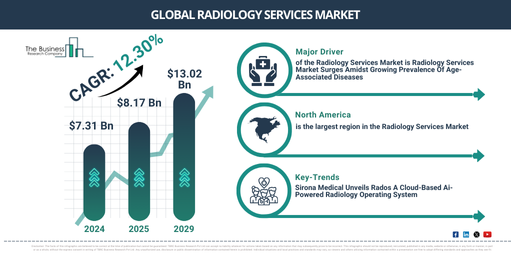
    The market size for radiology services has witnessed a robust growth in recent times. The market, which was valued at $7.31 billion in 2024, is expected to escalate to $8.17 billion in 2025, exhibiting a compound annual growth rate (CAGR) of 11.8%. Several factors responsible for this growth during the historic period include the digital transition of imaging, advancement in modalities, a move towards PACs and RIS systems, focus on subspecialties, and increased adherence to quality standards and accreditation.

    The market size of radiology services is anticipated to experience swift expansion in the forthcoming years. It is projected to escalate to$13.02 billion by 2029 with a compound annual growth rate (CAGR) of 12.3%. The expansion during the forecasted years could be linked to the implementation of cooperative healthcare systems, improved patient-oriented methodologies, an emphasis on preventative healthcare, and the requirement for personalized medicine, as well as the incorporation of artificial intelligence. Primary trends for the predicted timeline involve developmental technology, telemedicine coupled with distant imaging, individualized and precision medicine, the necessity for expedited turnaround times, and the amalgamation of AI and machine learning.

    Download a free sample to assess the report’s scope and structure:

    https://www.thebusinessresearchcompany.com/sample.aspx?id=9342&type=smp

    Which Primay Drivers Are Accelerating Growth in the Radiology Services Market?

    The radiology services market is experiencing a surge in growth, propelled by an increasing incidence of disorders associated with advancing age. Conditions that typically affect the aging population, like Alzheimer’s disease, arthritis, and dementia, are directly influencing this market growth. Their escalating prevalence prompts the need for advanced diagnostic tools, including MRI and computed tomography scans which play a crucial role in disease detection. Reflecting this trend, the Alzheimer’s Association, an American non-profit dedicated to improving Alzheimer’s treatments and raising awareness, revealed that over six million US citizens suffered from the disease in 2022, a figure that could double to 13 million by 2050. Alzheimer’s or another form of dementia contributes to the death of 1 in 3 elderly individuals. The economic implications are also significant, with the cost of Alzheimer’s reaching $321 billion in 2022 and projected to hit $1 trillion by 2050. Consequently, the upsurge in age-related health conditions is propelling the growth of the radiology services market.

    Which Primary Segments of the Radiology Services Market Are Driving Growth and Industry Transformations?

    The radiology servicesmarket covered in this report is segmented –

    1) By Type: Stationary Digital Radiology Systems; Portable Digital Radiology Systems

    2) By Procedure: Conventional; Digital

    3) By Patient Age: Adults; Pediatric

    4) By Application: Cardiovascular Imaging; Chest Imaging; Dental Imaging; Mammography Imaging; Orthopedic Imaging

    5) By End User: Hospitals; Ambulatory Centers; Diagnostic Centers; Clinics; Other End Users

    Subsegments:

    1) By Stationary Digital Radiology Systems: Fixed Digital X-ray Systems; Ceiling-Mounted Systems; Floor-Mounted Systems

    2) By Portable Digital Radiology Systems: Mobile X-ray Units; Wireless Portable X-ray Systems; Battery-Operated Portable Systems

    Request customized data on this market:

    https://www.thebusinessresearchcompany.com/customise?id=9342&type=smp

    Which Regions Are Key Players in the Growth of the #Which Primay Drivers Are Accelerating Growth in the Radiology Services Market?# Market?

    North America was the largest region in the radiology services market in 2024. The regions covered in the radiology services market report are Asia-Pacific, Western Europe, Eastern Europe, North America, South America, Middle East, Africa

    Which Technological Trends Are Reshaping the Radiology Services Industry Dynamics?

    Trend 1 underscores the increase in product advancements in the radiology services sector, a development spearheaded by significant companies in the market who aim to maintain their competitive edge. For instance, Yellowcross, a renowned US company focused on telemedicine practice management, unveiled a novel consultancy solution in February 2024. This service was introduced to advance teleradiology management practices among healthcare providers to deal with the increasing scarcity of radiologists. It facilitates medical groups in understanding the nuances of technology, charges, and promotional strategies, ultimately empowering them to efficiently broaden their remote care resources. Yellowcross is driven to enhance patient accessibility, cut down healthcare expenses, and uplift care standards through customised telemedicine provisions.

    View the full report here:

    https://www.thebusinessresearchcompany.com/report/radiology-services-global-market-report

    What Parameters Are Used to Define the Radiology Services Market?

    Radiology is a stream of medicine in which imaging technologies such as x-rays are used for the diagnosis and treatment of diseases. Radiology services include diagnostic and therapeutic services. Radiologists are medical professionals that focus on employing medical imaging (radiology) methods (exams and tests) and it also includes a range of instruments and methods for identifying, examining, and treating problems.

    Purchase the full report and get a swift delivery:

    https://www.thebusinessresearchcompany.com/purchaseoptions.aspx?id=9342

    About The Business Research Company:

    With over 15000+ reports from 27 industries covering 60+ geographies, The Business Research Company has built a reputation for offering comprehensive, data-rich research and insights. Armed with 1,500,000 datasets, the optimistic contribution of in-depth secondary research, and unique insights from industry leaders, you can get the information you need to stay ahead in the game.

    Get in touch with us:

    The Business Research Company: https://www.thebusinessresearchcompany.com/

    Americas +1 310-496-7795

    Europe +44 7882 955267

    Asia & Others +44 7882 955267 & +91 8897263534

    Email us at info@tbrc.info

    Follow us on:

    LinkedIn: https://in.linkedin.com/company/the-business-research-company

    YouTube: https://www.youtube.com/channel/UC24_fI0rV8cR5DxlCpgmyFQ

    Global Market Model: https://www.thebusinessresearchcompany.com/global-market-model
  • Targeted Therapy Outlook 2034: Key Drivers, Trends, and Market Frontiers

    Targeted Therapy Outlook 2034: Key Drivers, Trends, and Market Frontiers

    Claim your 30% discount on Global Market Reports with code ONLINE30. Limited time only.

    How Has The Targeted Therapy Market Growth Evolved From 2024 To 2025, And What’s Ahead?

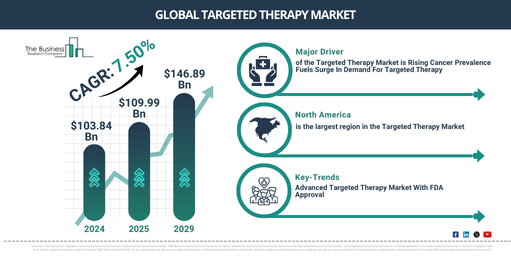
    In recent times, the targeted therapy market has seen robust growth. The market size is projected to increase from $103.84 billion in 2024 to $109.99 billion in 2025, with a compound annual growth rate (CAGR) of 5.9%. Factors that contributed to this growth during the historical period include developments in molecular biology, a rise in cancer cases, the popularity of personalized medicine, the approval of the FDA, and regulatory assistance.

    The market for targeted therapy is set to experience significant expansion in the coming years. It is predicted to reach a worth of $146.89 billion in 2029, with a compound annual growth rate of 7.5%. The predicted growth during this period is driven by a range of factors including increasing oncology research, the rising need for precision medicine, the advent of immunotherapies, augmented investments in biopharmaceuticals, patient awareness, and advocacy. The forecast period will see trends such as the incorporation of artificial intelligence in drug discovery, patient advocacy and participation in treatment decisions, the growth of companion diagnostics, regulatory support for accelerated approvals, and an increase in investment in biotechnology and pharma.

    Download a free sample to assess the report’s scope and structure:

    https://www.thebusinessresearchcompany.com/sample.aspx?id=9129&type=smp

    How Are Key Drivers in the Industry Acting as Catalysts for the Growth of theTargeted Therapy Market?

    The surge in cancer incidence is predicted to boost the advancement of the targeted therapy market. The term cancer refers to disorders where abnormal cells can uncontrollably multiply and infect nearby tissues. By utilising drugs that specifically target proteins and genes instrumental for the growth and survival of cancerous cells, targeted therapy can inhibit cancer cell proliferation or prompt these cells to self-destruct, thus increasing its demand. To illustrate, the American Cancer Society, a non-profit cancer advocacy organization based in the U.S., reported in January 2024 that the number of cancer cases grew from 1,958,310 in 2023 to 2,001,140, indicating a 2.19% growth. Therefore, the rising incidence of cancer is expected to fuel the growth of the targeted therapy market.

    Which Segments in the Targeted Therapy Offer the Most Growth?

    The targeted therapymarket covered in this report is segmented –

    1) By Type: Small Molecule Medicines; Monoclonal Antibodies

    2) By Distribution Channel: Hospital Pharmacies; Retail Pharmacies; Online Pharmacies

    3) By Application: Breast Cancer; Colorectal Cancer; Leukemia; Lung Cancer; Lymphoma; Renal Cancer; Other Applications

    Subsegments:

    1) By Small Molecule Medicines: Tyrosine Kinase Inhibitors (TKIs); Proteasome Inhibitors; Phosphatidylinositol 3-Kinase (PI3K) Inhibitors; Other Small Molecule Therapies

    2) By Monoclonal Antibodies: Immune Checkpoint Inhibitors; Antibody-Drug Conjugates (ADCs); Cytokine Blockers; Other Monoclonal Antibodies

    Request customized data on this market:

    https://www.thebusinessresearchcompany.com/customise?id=9129&type=smp

    What Are the Fastest-Growing Geographies in the #How Are Key Drivers in the Industry Acting as Catalysts for the Growth of theTargeted Therapy Market?# Market?

    North America was the largest region in the targeted therapy market in 2024. The regions covered in the targeted therapy market report are Asia-Pacific, Western Europe, Eastern Europe, North America, South America, Middle East, Africa.

    What Are the Current Market Growth and Trends in the Targeted Therapy Industry?

    Leading entities in the targeted therapy market are prioritizing the creation of novel technological solutions to solidify their market standing. For instance, Novartis AG, a renowned pharmaceutical corporation headquartered in Switzerland, introduced Pluvicto in March 2022, a product that received approval from the US Food and Drug Administration (FDA). Pluvicto is distinguished as the first FDA-sanctioned targeted radioligand therapy (RLT) intended for suitable patients diagnosed with mCRPC. This innovative therapy fuses a healing radioisotope with a specifically targeted chemical (a radioactive particle). Pluvicto is a form of targeted cancer treatment that pairs a therapeutic radioisotope with a specific targeting chemical. When attached, Pluvicto targets cells in the circulation like prostate cancer cells expressing the PSMA transmembrane protein. Once bonded, energy emissions from the radioisotope damage the target cells and other neighbouring cells, inhibiting their ability to replicate and in some instances, causing cell death.

    View the full report here:

    https://www.thebusinessresearchcompany.com/report/targeted-therapy-global-market-report

    What Are the Key Elements That Define the Targeted Therapy Market?

    Targeted therapy refers to a kind of cancer treatment that employs medications or other chemicals to attack particular molecules required for the survival and spread of cancer cells. It uses drugs to target specific genes and proteins that help cancer cells survive and grow.

    Purchase the full report and get a swift delivery:

    https://www.thebusinessresearchcompany.com/purchaseoptions.aspx?id=9129

    About The Business Research Company:

    With over 15000+ reports from 27 industries covering 60+ geographies, The Business Research Company has built a reputation for offering comprehensive, data-rich research and insights. Armed with 1,500,000 datasets, the optimistic contribution of in-depth secondary research, and unique insights from industry leaders, you can get the information you need to stay ahead in the game.

    Get in touch with us:

    The Business Research Company: https://www.thebusinessresearchcompany.com/

    Americas +1 310-496-7795

    Europe +44 7882 955267

    Asia & Others +44 7882 955267 & +91 8897263534

    Email us at info@tbrc.info

    Follow us on:

    LinkedIn: https://in.linkedin.com/company/the-business-research-company

    YouTube: https://www.youtube.com/channel/UC24_fI0rV8cR5DxlCpgmyFQ

    Global Market Model: https://www.thebusinessresearchcompany.com/global-market-model
  • Pruritus Therapeutic Growth Trajectory: Key Forecasts and Strategic Insights

    Pruritus Therapeutic Growth Trajectory: Key Forecasts and Strategic Insights

    Claim your 30% discount on Global Market Reports with code ONLINE30. Limited time only.

    How Has The Pruritus Therapeutic Market Growth Evolved From 2024 To 2025, And What’s Ahead?

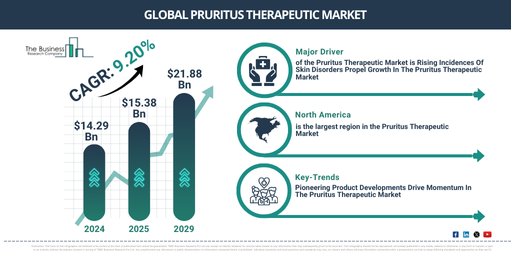
    The size of the pruritus therapeutics market has experienced significant expansion in the past few years. This market is projected to climb from $14.29 billion in 2024 to a robust $15.38 billion in 2025, with a compound annual growth rate (CAGR) of 7.6%. This growth during the historical period can be credited to various factors including the rising prevalence of pruritus, progress in research and development, the increase in the elderly population, improvements in healthcare facilities, heightened patient awareness, as well as strategic collaborations and partnerships.

    In the coming years, a robust surge is forecasted in the pruritus therapeutic market size, which is expected to escalate to$21.88 billion by 2029, with a compound annual growth rate (CAGR) of 9.2%. This anticipated growth in the forecast period can be linked to ongoing research and innovation, the expansion of emerging markets, increased healthcare spending, the rise of personalized medicine, and regulatory backing for innovation. Some of the significant trends within the forecast period encompass the integration of telemedicine and digital health, technological progress, telehealth and digital health remedies, global regulatory landscape, biologics and immunomodulators, and patient-oriented strategies.

    Download a free sample to assess the report’s scope and structure:

    https://www.thebusinessresearchcompany.com/sample.aspx?id=9925&type=smp

    Which Factors and External Forces Are Driving Demand in the Pruritus Therapeutic Market?

    The rise in skin conditions is significantly influencing the expansion of pruritus therapeutics. Skin conditions, including dermatologic conditions or disorders like acne, eczema, skin cancer, psoriasis, and vitiligo, have an impact on the skin. Various skin diseases utilise pruritus therapeutics in their treatment, as pruritus mostly acts as a primary symptom. For instance, the American Academy of Dermatology Association forecasted in April 2022, that melanoma is expected to be the cause of death for 7,650 individuals in 2022, including 5,080 men and 2,570 women. Furthermore, the American Cancer Society predicted in January 2023, that around 97,610 new melanoma cases will be identified in 2023 in the United States, with approximately 58,120 in men and 39,490 in women. Therefore, the pruritus therapeutic market is being pushed by the escalating number of skin disorder cases.

    Which Segments in the Pruritus Therapeutic Offer the Most Growth?

    The pruritus therapeuticmarket covered in this report is segmented –

    1) By Type: Corticosteroids; Antihistamines; Local Anesthetics; Counterirritants; Immunosuppressant; Calcineurin Inhibitors; Others Types

    2) By Disease Type: Atopic Dermatitis Or Eczema; Allergic Contact Dermatitis; Urticaria; Cutaneous T-Cell; Other Disease Types

    3) By Application: External Use; Oral; Injection

    4) By End Use: Hospitals; Clinics; Other Uses

    Subsegments:

    1) By Corticosteroids: Topical Corticosteroids; Systemic Corticosteroids

    2) By Antihistamines: First-Generation Antihistamines; Second-Generation Antihistamines

    3) By Local Anesthetics: Topical Local Anesthetics; Injectable Local Anesthetics

    4) By Counterirritants: Menthol-Based Products; Camphor-Based Products

    5) By Immunosuppressants: Systemic Immunosuppressants; Topical Immunosuppressants

    6) By Calcineurin Inhibitors: Tacrolimus; Pimecrolimus

    7) By Other Types: Antidepressants; Phototherapy Treatments; Herbal Remedies

    Request customized data on this market:

    https://www.thebusinessresearchcompany.com/customise?id=9925&type=smp

    What Are the Fastest-Growing Geographies in the #Which Factors and External Forces Are Driving Demand in the Pruritus Therapeutic Market?# Market?

    North America was the largest region in the pruritus therapeutic market in 2024. The regions covered in the pruritus therapeutic market report are Asia-Pacific, Western Europe, Eastern Europe, North America, South America, Middle East, Africa

    Which Cutting-Edge Market Trends Are Expected to Drive thePruritus Therapeutic Market’s Growth?

    The burgeoning trend in the pruritus therapeutic market is the emphasis on product innovation. Major corporations within this market are concentrating on creating ground-breaking medications and treatments for pruritus and its associated conditions. For example, Maruho Co., Ltd., a pharmaceutical firm based in Japan, inaugurated the anti-IL-31 receptor, a humanized monoclonal antibody Mitchga Subcutaneous Injection 60 mg Syringes in August 2022, catered to cure itchiness related to atopic dermatitis. This product is the pioneer antibody drug that restrains IL-31 signaling, which is a neuroimmune cytokine2 associated with pruritus and inflammation of the skin in the progression of atopic dermatitis3,4. This compound restricts IL-31 from binding to its receptor, therefore alleviating itchiness and inflammation of the skin linked with atopic dermatitis.

    View the full report here:

    https://www.thebusinessresearchcompany.com/report/pruritus-therapeutic-global-market-report

    What Are the Key Elements That Define the Pruritus Therapeutic Market?

    Pruritus therapeutic refers to the treatment of pruritus which refer to the uncomfortable feeling that makes a person want to scratch. It can be caused by a variety of factors, which include contact with an allergen, dry skin, pregnancy, and the body’s reaction to a medicine.

    Purchase the full report and get a swift delivery:

    https://www.thebusinessresearchcompany.com/purchaseoptions.aspx?id=9925

    About The Business Research Company:

    With over 15000+ reports from 27 industries covering 60+ geographies, The Business Research Company has built a reputation for offering comprehensive, data-rich research and insights. Armed with 1,500,000 datasets, the optimistic contribution of in-depth secondary research, and unique insights from industry leaders, you can get the information you need to stay ahead in the game.

    Get in touch with us:

    The Business Research Company: https://www.thebusinessresearchcompany.com/

    Americas +1 310-496-7795

    Europe +44 7882 955267

    Asia & Others +44 7882 955267 & +91 8897263534

    Email us at info@tbrc.info

    Follow us on:

    LinkedIn: https://in.linkedin.com/company/the-business-research-company

    YouTube: https://www.youtube.com/channel/UC24_fI0rV8cR5DxlCpgmyFQ

    Global Market Model: https://www.thebusinessresearchcompany.com/global-market-model

  • Global Synthetic Biology Market Trends: Regional Breakdowns and Strategic Insights

    Global Synthetic Biology Market Trends: Regional Breakdowns and Strategic Insights

    Claim your 30% discount on Global Market Reports with code ONLINE30. Limited time only.

    What is the Projected CAGR for the Synthetic Biology Market Size from 2025 to 2034?

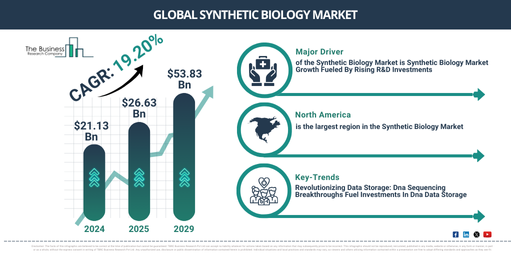
    The market for synthetic biology has been expanding at a rapid rate in the recent years. The market size which was at $21.13 billion in 2024, is projected to increase to $26.63 billion in 2025, reflecting a compound annual growth rate (CAGR) of 26.0%. The historic growth was driven by factors including the expansion of healthcare and life science facilities, increased investments in drug development, broad applicability in various end-user industries, reduced expenses associated with DNA sequencing and synthesizing, and a surge in available funding.

    The market size of synthetic biology is set to experience a significant surge in the coming years, reaching a projected value of $53.83 billion in 2029, with a compound annual growth rate (CAGR) of 19.2%. This forecasted growth is due to several factors; these include increased government initiatives, rising demand for alternative fuels, growing demand for genetically modified crops, and escalated investments in private firms. Trends projected to shape the industry during the forecast period include strategic collaborations and partnerships, advancements in nucleotide synthesis and sequencing automation, an increased concentration on gene editing, innovation in product development, wider acceptance of cell-free technology, and the introduction of new eco-friendly biofuel production methods.

    Download a free sample to assess the report’s scope and structure:

    https://www.thebusinessresearchcompany.com/sample.aspx?id=2508&type=smp

    What Are the Major Market Drivers Behind the Rising Adoption of Synthetic Biology Market?

    An uptick in funding for research and development is anticipated to stimulate the synthetic biology market’s expansion. The acquisition of new knowledge, technologies, and products through methodical exploration, trial, and innovation, often referred to as research and development (R&D), is vital for enhancing existing products and formulating newer ones. Rising competition, necessity for innovation, technological advancements, and businesses’ need to align with changing customer preferences and market conditions are all driving an increase in R&D investments. For synthetic biology, it is crucial to invest in R&D to amplify its capability to generate innovative and sustainable solutions, by biologically engineering systems and entities for specific objectives in sectors like healthcare, agriculture, and environmental management. For example, a report from the Office for National Statistics, a UK government department, claimed in February 2024 that in 2022, the pharmaceuticals product group was the key contributing factor to the overall business research and development in the UK with an amount of $11.7 billion (£9.0 billion), making up 17.9% of total R&D conducted by UK businesses. Consequently, the upswing in research and development investment is fueling the synthetic biology market’s growth.

    Which Key Market Segments Comprise the Synthetic Biology Market and Drive Its Revenue Growth?

    The synthetic biologymarket covered in this report is segmented –

    1) By Technology: Nucleotide Synthesis And Sequencing, Bioinformatics, Microfluidics, Genetic Engineering

    3) By Product Type: Oligonucleotides, Enzymes, Cloning And Assembly Kits, Xeno-Nucleic Acids (XNA), Chassis Organism

    2) By Application: Pharmaceuticals And Diagnostics, Chemicals, Biofuels, Bioplastics, Other Application

    Subsegments:

    1) By Nucleotide Synthesis And Sequencing: DNA Synthesis Technologies; Next-Generation Sequencing (NGS); Sanger Sequencing

    2) By Bioinformatics: Software Tools For Genomic Data Analysis; Databases For Gene/Protein Information; Algorithms For Gene Editing And Design

    3) By Microfluidics: Lab-On-A-Chip Technologies; Microfluidic Devices For Biological Assays; Applications In Drug Discovery And Diagnostics

    4) By Genetic Engineering: CRISPR/Cas9 Technology; Recombinant DNA Technology; Synthetic Gene Construction And Assembly

    Request customized data on this market:

    https://www.thebusinessresearchcompany.com/customise?id=2508&type=smp

    Which Areas Are Leading Regions in the Synthetic Biology Market Expansion Across the Globe?

    North America was the largest region in the synthetic biology market in 2024. Western Europe was the second largest region in the global synthetic biology market share. The regions covered in the synthetic biology market report are Asia-Pacific, Western Europe, Eastern Europe, North America, South America, Middle East, Africa

    What Are the Strategic Trends Steering theSynthetic Biology Market Direction?

    Innovations in DNA sequencing technology have opened up possibilities for using DNA to keep non-genetic information. As data storage needs increase, DNA data storage has emerged as a robust solution with a single DNA strand able to hold approximately 455 Exabyte of data (equivalent to 455 billion gigabytes). This potential has attracted significant investment from market players. Here, binary data, coded in 0s and 1s, is transformed into DNA strings consisting of unique sequences of four potential base units: A, G, C, T (referring to Adenine, Guanine, Cytosine, and Thymine, the four elements of DNA). Unlike traditional hard drives, which can lose or damage data within three decades, information stored in DNA can remain intact for thousands of years. For instance, as reported in a Nature Publishing Group journal, Microsoft and researchers from the University of Washington have successfully stored 35 different digital files in DNA, amounting to more than 200 megabytes of data, and they plan to invest more in the future to further this technology.

    View the full report here:

    https://www.thebusinessresearchcompany.com/report/synthetic-biology-global-market-report

    How Is the Synthetic Biology Market Conceptually Defined?

    Synthetic biology is a field of biological science that involve engineering principles to redesign organisms to give them new abilities. It is possible to think of synthetic biology as the culmination or the prescriptive, deliberate stage of biology.

    Purchase the full report and get a swift delivery:

    https://www.thebusinessresearchcompany.com/purchaseoptions.aspx?id=2508

    About The Business Research Company:

    With over 15000+ reports from 27 industries covering 60+ geographies, The Business Research Company has built a reputation for offering comprehensive, data-rich research and insights. Armed with 1,500,000 datasets, the optimistic contribution of in-depth secondary research, and unique insights from industry leaders, you can get the information you need to stay ahead in the game.

    Get in touch with us:

    The Business Research Company: https://www.thebusinessresearchcompany.com/

    Americas +1 310-496-7795

    Europe +44 7882 955267

    Asia & Others +44 7882 955267 & +91 8897263534

    Email us at info@tbrc.info

    Follow us on:

    LinkedIn: https://in.linkedin.com/company/the-business-research-company

    YouTube: https://www.youtube.com/channel/UC24_fI0rV8cR5DxlCpgmyFQ

    Global Market Model: https://www.thebusinessresearchcompany.com/global-market-model