Category: HealthcareServices

  • Outpatient Home Therapy Industry Poised for Rapid Expansion, Projected to Hit $72.97  Billion by 2029

    Outpatient Home Therapy Industry Poised for Rapid Expansion, Projected to Hit $72.97 Billion by 2029

    Claim your 30% discount on Global Market Reports with code ONLINE30. Limited time only.

    Claim your 30% discount on Global Market Reports with code ONLINE30. Limited time only.

    What Does the Forecast Indicate for the Outpatient Home Therapy Market From 2025 to 2029?

    The market size for outpatient home therapy has achieved robust growth in the preceding years. The market is predicted to rise from $53.59 billion in 2024 to $57.11 billion in 2025, marking a compound annual growth rate (CAGR) of 6.6%. Elements such as the escalating demand for tailored care, the proliferation of portable medical devices, increased understanding of the advantages of physical therapy, a surge in demand for economical treatment options, and bolstering support from health insurance firms have all contributed to this growth during the historical period.

    It is projected that the outpatient home therapy sector will experience significant expansion in the coming years, reaching a market size of $72.97 billion in 2029, growing at a compound annual growth rate (CAGR) of 6.3%. This predicted growth during the forecast period can be attributed to factors such as the escalating incorporation of AI and telemonitoring tools, increased investment in home healthcare facilities, a growing shift towards value-focused healthcare models, the expanding availability of competent home therapists, and a surge in the adoption of telehealth. Key trends to watch during this forecast period are the advancements in wearable therapeutic technology, the evolution of hybrid care structures, innovation in remote patient monitoring solutions, progress in VR-based therapy, and the creation of mobile therapy applications.

    Download The Free Sample Report Here:

    https://www.thebusinessresearchcompany.com/sample.aspx?id=25860&type=smp

    What Elements Are Contributing To Growth In The Outpatient Home Therapy Market?

    The proliferation of telemedicine services is set to fuel the growth of the outpatient home therapy market in the coming years. These services involve providing healthcare to patients remotely through digital communication tools, eradicating the need for a physical visit to a healthcare provider. The rise in telemedicine services can be attributed to the increasing requirement for accessible healthcare, predominantly for individuals in isolated or underserved regions who can gain from expedient medical consultations without travel. These services play a vital role in outpatient home therapy by offering continuous monitoring and expert guidance, thereby allowing patients to adhere to their treatment plans and receive immediate help from their homes. As an example, the International Trade Administration, a US government agency, reported in September 2022 that the telemedicine market in Japan is projected to hit $404.5 million by 2025. Therefore, the growth of telemedicine services is leading the way for the expansion of the outpatient home therapy market.

    Which Segments Are Detailed In The Global Outpatient Home Therapy Market Report?

    The outpatient home therapy market covered in this report is segmented –

    1) By Service Type: Physical Therapy, Occupational Therapy, Speech Therapy, Respiratory Therapy, Other Services

    2) By Mode Of Delivery: In-Person, Telehealth

    3) By Patient Type: Pediatric, Adult, Geriatric

    4) By End-User: Hospitals, Home Care Settings, Rehabilitation Centers, Other End-Users

    Subsegments:

    1) By Physical Therapy: Manual Therapy, Therapeutic Exercise, Neuromuscular Reeducation

    2) By Occupational Therapy: Activities of Daily Living (ADL) Training, Adaptive Equipment Training, Cognitive Rehabilitation

    3) By Speech Therapy: Articulation Therapy, Language Therapy, Swallowing Therapy

    4) By Respiratory Therapy: Oxygen Therapy, Ventilator Management, Pulmonary Rehabilitation

    5) By Other Services: Palliative Care, Wound Care, Intravenous (IV) Therapy

    What Upcoming Trends Are Expected To Impact The Outpatient Home Therapy Market Globally?

    Leading corporations in the outpatient home therapy market are channeling their efforts towards the creation of progressive solutions – such as home-based rehabilitation programs – to optimize patient recovery and enhance treatment results via personalized home care. These home recovery programs represent systematic treatment and healing protocols that patients undertake at their residences, usually following surgery, trauma, or dealing with a medical situation like a stroke, joint replacement, or a persistent ailment. Take for example, in October 2024, South Shore VNA (Visiting Nurse Association), a US non-profit healthcare facility, introduced an outpatient rehabilitation scheme conducted at home, aiming to deliver superior quality rehabilitation services right to the patient’s doorstep. The service covers a variety of therapies such as physical, occupational, and speech therapy, catering to individuals recuperating from surgery, injury or those coping with long-term diseases. The main objective of this program is to enhance accessibility, afford convenience, and enrich the overall healing experience for patients, thus propelling them towards improved results and eliminating the necessity for repeated visits to outpatient clinics.

    Who Are The Key Contributors To Growth In The Outpatient Home Therapy Market?

    Major companies operating in the outpatient home therapy market are Encompass Health Corporation, BAYADA Home Health Care, Interim HealthCare Inc., Brookdale Senior Living Inc, LHC Group Inc., Amedisys Inc, Elara Caring, Maxim Healthcare Services, Aveanna Healthcare, Athletico Physical Therapy, Addus HomeCare Corporation, VITAS Healthcare, PIVOT Physical Therapy, Home Instead Inc, Central and Stanley Wellness, Olean Physical Therapy, Graceville Physiotherapy, AmeriCare Physical Therapy, Therapy Solutions Inc, and Kindred Healthcare LLC.

    Get The Full Report Here:

    https://www.thebusinessresearchcompany.com/report/outpatient-home-therapy-global-market-report

    Which Region Is Projected To Lead The Outpatient Home Therapy Market By 2025?

    North America was the largest region in the outpatient home therapy market in 2024. Asia-Pacific  is expected to be the fastest-growing region in the forecast period. The regions covered in the outpatient home therapy market report are Asia-Pacific, Western Europe, Eastern Europe, North America, South America, Middle East, Africa.

    Request For A Customized Report:

    https://www.thebusinessresearchcompany.com/customise?id=25860&type=smp

    About The Business Research Company:

    With over 15000+ reports from 27 industries covering 60+ geographies, The Business Research Company has built a reputation for offering comprehensive, data-rich research and insights. Armed with 1,500,000 datasets, the optimistic contribution of in-depth secondary research, and unique insights from industry leaders, you can get the information you need to stay ahead in the game.

    Get in touch with us:

    The Business Research Company: https://www.thebusinessresearchcompany.com/

    Americas +1 310-496-7795

    Asia +44 7882 955267 & +91 8897263534

    Europe +44 7882 955267

    Email us at info@tbrc.info

    Follow us on:

    LinkedIn: https://in.linkedin.com/company/the-business-research-company

    YouTube: https://www.youtube.com/channel/UC24_fI0rV8cR5DxlCpgmyFQ

    Global Market Model: https://www.thebusinessresearchcompany.com/global-market-model
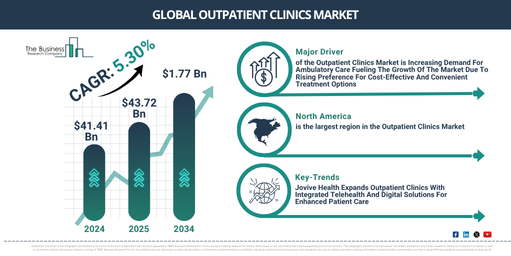
  • Global Outpatient Clinics Market Forecast to Reach $53.81  Billion by 2029, Driven by 5.3% CAGR

    Global Outpatient Clinics Market Forecast to Reach $53.81 Billion by 2029, Driven by 5.3% CAGR

    Claim your 30% discount on Global Market Reports with code ONLINE30. Limited time only.

    Claim your 30% discount on Global Market Reports with code ONLINE30. Limited time only.

    How Much Is the Global Outpatient Clinics Market Valued at Present and by 2029?

    Over the past few years, the market size of outpatient clinics has witnessed a robust growth. It is projected to expand from $41.41 billion in 2024 to $43.72 billion in 2025, with a compound annual growth rate (CAGR) of 5.6%. Factors such as escalating healthcare expenses, an ageing demographic, expansion in health insurance coverage, heightened incidence of chronic illnesses, and an increasing demand for ease and accessibility have contributed to this growth during the historical period.

    In the upcoming years, robust growth is anticipated for the outpatient clinics market, projected to reach $53.81 billion by 2029 at a Compound Annual Growth Rate (CAGR) of 5.3%. This growth during the forecast period can be linked to several factors such as the rising investment in outpatient facilities, an increased emphasis on value-based care, the growth of ambulatory surgical centers, the incorporation of artificial intelligence in diagnostic processes, and a growing preference for remote patient monitoring. Key trends to note for this forecast period are the proliferation of telehealth, diagnostics supported by artificial intelligence, remote patient monitoring, integration of electronic health records, adoption of wearable health technology, and the use of virtual reality for pain management.

    Download The Free Sample Report Here:

    https://www.thebusinessresearchcompany.com/sample.aspx?id=25859&type=smp

    #What Drivers Are Influencing Growth In The Outpatient Clinics Market?

    The upswing in need for ambulatory care is projected to fuel the expansion of the outpatient clinics market. Ambulatory care encompasses medical services delivered on an outpatient basis, excluding hospital admission and inclusive of a broad spectrum of healthcare services provided in clinics, doctor’s offices, outpatient hospital departments, and homes. The growing preference of patients for cost-efficient, convenient care outside typical hospital scenarios is causing the expansion of ambulatory care. Outpatient clinics support this by offering a hassle-free, economical environment for the provision of medical services sans hospital admissions. For instance, the Medicare Payment Advisory Commission (MedPAC), a standalone advisory commission platform based in the US, reported a 2.5% increase to 6,308 Medicare-certified Ambulatory Surgical Centers (ASCs) in March 2025, with 250 new facilities inaugurated and 95 shut down or merged. This resulted in a net growth of 155 centers compared to the earlier year. Thus, the swelling demand for ambulatory care is spearheading the growth of the outpatient clinics market.

    What Are The Main Segments Identified In The Outpatient Clinics Market Research?

    The outpatient clinics market covered in this report is segmented –

    1) By Service Type: General Consultation, Diagnostic Services, Treatment Services, Preventive Care, Other Service Types

    2) By Specialty: General Outpatient Clinics, Cardiology Clinics, Orthopedic Clinics, Dermatology Clinics, Gynecology Clinics, Pediatric Clinics, Dental Clinics, Ophthalmology Clinics, Other Specialties

    3) By Technology Integration: Telehealth And Virtual Consultations, Electronic Medical Records (EMR), Online Appointment Scheduling, Remote Monitoring, Digital Health Tools

    4) By Ownership: Public Clinics, Private Clinics, Non-Profit Clinics, Hospital-Affiliated Clinics, Independent Clinics

    5) By End-User: Adults, Pediatrics, Geriatrics

    Subsegments:

    1) By General Consultation: Primary Care, Specialist Consultation, Mental Health Counseling, Geriatric Care

    2) By Diagnostic Services: Laboratory Testing, Imaging Services, Cardiac Diagnostics, Genetic Testing

    3) By Treatment Services: Minor Surgical Procedures, Physiotherapy And Rehabilitation, Chemotherapy, Wound Care And Injections

    4) By Preventive Care: Immunizations And Vaccinations, Health Screenings, Wellness Check-Ups, Lifestyle Counseling

    5) By Other Service Types: Chronic Disease Management, Pain Management, Nutrition And Dietetics, Family Planning Services

    How Are Key Trends Driving Expansion In The Outpatient Clinics Industry?

    Leading businesses within the outpatient clinics market are prioritizing the development of unique, innovative solutions like virtual consultations and telehealth to optimize patient accessibility and streamline the delivery of care, thereby enhancing overall healthcare productivity. Telehealth and virtual visits relate to the utilization of digital communication solutions, including video conferencing and mobile apps, to facilitate remote medical consultations, diagnoses, and treatments. For instance, in April 2022, US-based care center Jovive Health introduced outpatient clinics in Illinois, Nevada, and California. These facilities incorporate modern technologies such as digital health records, online reservation systems, and virtual consultations to deliver state-of-the-art, patient-focused healthcare. Their services encompass urgent care, primary care, and virtual visits that enable patients to get treated for both acute and chronic diseases, eliminating the need for hospital appointments. The operation of these clinics is backed by Vituity, ensuring coordinated, physician-led continuity of care across both virtual and physical platforms.

    Which Companies Play A Key Role In The Development Of The Outpatient Clinics Market?

    Major companies operating in the outpatient clinics market are Kaiser Permanente, Ascension Health, UPMC Presbyterian Shadyside, Fresenius Medical Care, Tenet Healthcare Corporation, Massachusetts General Hospital, Mayo Clinic, Cleveland Clinic, Mount Sinai Hospital, Community Health Systems Inc., DaVita Inc., Johns Hopkins Medicine, NewYork-Presbyterian Hospital, Cedars-Sinai Medical Center, Stanford Health Care, Memorial Sloan Kettering, M D Anderson Cancer Center, Houston Methodist Hospital, Keck Medical Center of USC, Barnes-Jewish Hospital, Northwestern Memorial Hospital

    Get The Full Report Here:

    https://www.thebusinessresearchcompany.com/report/outpatient-clinics-global-market-report

    What Are The Key Regional Developments Shaping The Outpatient Clinics Market?

    North America was the largest region in the outpatient clinics market in 2024. Asia-Pacific is expected to be the fastest-growing region in the forecast period. The regions covered in the outpatient clinics market report are Asia-Pacific, Western Europe, Eastern Europe, North America, South America, Middle East, Africa.

    Request For A Customized Report:

    https://www.thebusinessresearchcompany.com/customise?id=25859&type=smp

    About The Business Research Company:

    With over 15000+ reports from 27 industries covering 60+ geographies, The Business Research Company has built a reputation for offering comprehensive, data-rich research and insights. Armed with 1,500,000 datasets, the optimistic contribution of in-depth secondary research, and unique insights from industry leaders, you can get the information you need to stay ahead in the game.

    Get in touch with us:

    The Business Research Company: https://www.thebusinessresearchcompany.com/

    Americas +1 310-496-7795

    Asia +44 7882 955267 & +91 8897263534

    Europe +44 7882 955267

    Email us at info@tbrc.info

    Follow us on:

    LinkedIn: https://in.linkedin.com/company/the-business-research-company

    YouTube: https://www.youtube.com/channel/UC24_fI0rV8cR5DxlCpgmyFQ

    Global Market Model: https://www.thebusinessresearchcompany.com/global-market-model
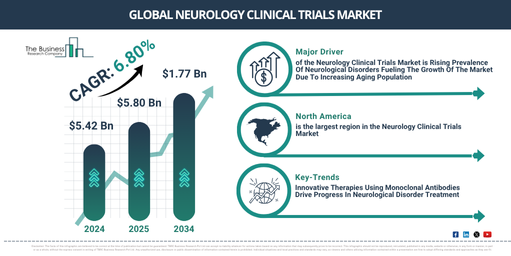
  • CAGR of 6.8% Projected for Neurology Clinical Trials Market From 2025 to 2029

    CAGR of 6.8% Projected for Neurology Clinical Trials Market From 2025 to 2029

    Claim your 30% discount on Global Market Reports with code ONLINE30. Limited time only.

    Claim your 30% discount on Global Market Reports with code ONLINE30. Limited time only.

    How Will the Neurology Clinical Trials Market Evolve in Terms of Growth and Size by 2029?

    The neurology clinical trials market has seen considerable growth in recent years. The market that was valued at $5.42 billion in 2024 will increase to $5.80 billion in 2025, exhibiting a compound annual growth rate of 7.0%. This growth during the historic period is attributed to the escalating prevalence of neurological disorders, the rising need for innovative therapies, the growing aging population, higher investment in research and development by pharmaceutic companies, and enhanced knowledge and diagnostic rates for neurological diseases.

    Projected to see robust growth in the coming years, the neurology clinical trials market is estimated to reach $7.54 billion by 2029, with a compound annual growth rate (CAGR) of 6.8%. This anticipated growth can be linked to increasing acceptance of precision medicine, heightened focus on research involving biomarkers, the rising application of artificial intelligence in trial design, a growing neurology drug pipeline, and enhanced governmental support and funding for neurologic research. Looking ahead, key trends include improvements in neuroimaging technologies, enhanced data analytics to support patient stratification, adaptive trial design advancements, novel developments in wearable neurological monitoring tools, and the creation of decentralized clinical trial models.

    Download The Free Sample Report Here:

    https://www.thebusinessresearchcompany.com/sample.aspx?id=25847&type=smp

    What factors are expected to fuel Neurology Clinical Trials market growth in the coming years?

    The anticipated rise in neurological disorders is predicted to fuel the expansion of the neurology clinical trials market. Neurological disorders are conditions that impact the brain, spinal cord, or nerves, thus disrupting the regular operation of the nervous system. The growth of these disorders is primarily attributed to the aging population, who are more prone to age-associated ailments like Alzheimer’s and Parkinson’s disease. Neurology clinical trials contribute to neurological disorder research by assessing novel treatments, drugs, or approaches to enhance diagnosis, symptom management, disease progression reduction, and better patient results. For example, the Australian Institute of Health and Welfare, a government agency based in Australia, forecasted in September 2024, that the number of Australians suffering from dementia would more than double, going from 411,100 in 2023 to 849,300 by 2058. Moreover, by 2058, it is estimated that 315,500 men and 533,800 women will have dementia. Consequently, the rising prevalence of neurological disorders is fuelling the expansion of the neurology clinical trials market.

    What Are The Key Findings From The Segmentation Analysis Of The Neurology Clinical Trials Market?

    The neurology clinical trials market covered in this report is segmented –

    1) By Phase: Phase I, Phase II, Phase III, Phase IV

    2) By Study Design: Interventional, Observational, Expanded Access

    3) By Indication: Epilepsy, Parkinson’s Disease (PD), Huntington’s Disease, Stroke, Traumatic Brain Injury (TBI), Amyotrophic Lateral Sclerosis (ALS), Muscle Regeneration, Other Indications

    4) By End-User: Hospitals, Clinics, Research Institutes, Other End- Users

    Subsegments:

    1) By Phase I: Drug Safety Evaluation, Pharmacokinetics Assessment, Dosage Range Finding, Tolerability Studies

    2) By Phase II: Efficacy Evaluation, Dose Response Studies, Therapeutic Effectiveness, Biomarker Identification

    3) By Phase III: Large Scale Efficacy Studies, Safety Monitoring, Comparative Effectiveness, Risk Benefit Analysis

    4) By Phase IV: Post Marketing Surveillance, Long Term Safety Follow Up, Real World Evidence Collection, Quality Of Life Assessment

    What Notable Trends Are Shaping The Direction Of The Neurology Clinical Trials Market?

    The neurology clinical trials market, driven by major companies aiming to create innovative solutions, such as monoclonal antibodies, these solutions are designed to target specific neurological pathways, enhance the effectiveness of treatments, and quicken the development of new therapies. Monoclonal antibodies are laboratory-created molecules designed to identify and attach to certain proteins or antigens, and are often utilized to accurately target disease mechanisms in both treatments and diagnostics. For instance, in July 2024, U.S. pharmaceutical firm Eli Lilly and Company, introduced Kisunla (donanemab-azbt), designed to treat early symptomatic Alzheimer’s disease. This slows down cognitive and functional deterioration, enabling suitable patients to maintain their independence and engage in daily activities for longer periods. It targets and diminishes brain amyloid plaques, with clinical trials demonstrating up to a 35% disease progression slowdown when compared to a placebo in patients with less advanced disease.

    What Are The Most Active Companies In The Neurology Clinical Trials Market Today?

    Major companies operating in the neurology clinical trials market are AbbVie Inc., Sanofi S.A., Novartis AG, Eli Lilly and Company, Teva Pharmaceutical Industries Ltd., IQVIA Holdings Inc., Biogen Inc., ICON plc., Syneos Health, Charles River Laboratories International Inc., Parexel International Corporation, CMIC Holdings Co. Ltd., Medpace Holdings Inc., PSI CRO AG., Supernus Pharmaceuticals Inc., Worldwide Clinical Trials LLC., Ergomed plc., Biotrial S.A.S., Clinilabs Drug Development Corporation, Lindus Health Ltd.

    Get The Full Report Here:

    https://www.thebusinessresearchcompany.com/report/neurology-clinical-trials-global-market-report

    Which Regional Markets Are Attracting The Most Investment In Neurology Clinical Trials?

    North America was the largest region in the neurology clinical trials market in 2024. Asia-Pacific is expected to be the fastest-growing region in the forecast period. The regions covered in the neurology clinical trials market report are Asia-Pacific, Western Europe, Eastern Europe, North America, South America, Middle East, Africa.

    Request For A Customized Report:

    https://www.thebusinessresearchcompany.com/customise?id=25847&type=smp

    About The Business Research Company:

    With over 15000+ reports from 27 industries covering 60+ geographies, The Business Research Company has built a reputation for offering comprehensive, data-rich research and insights. Armed with 1,500,000 datasets, the optimistic contribution of in-depth secondary research, and unique insights from industry leaders, you can get the information you need to stay ahead in the game.

    Get in touch with us:

    The Business Research Company: https://www.thebusinessresearchcompany.com/

    Americas +1 310-496-7795

    Asia +44 7882 955267 & +91 8897263534

    Europe +44 7882 955267

    Email us at info@tbrc.info

    Follow us on:

    LinkedIn: https://in.linkedin.com/company/the-business-research-company

    YouTube: https://www.youtube.com/channel/UC24_fI0rV8cR5DxlCpgmyFQ

    Global Market Model: https://www.thebusinessresearchcompany.com/global-market-model

  • Neurogenomics Market Revenue Outlook: Strategic Insights and Forecast to 2029

    Neurogenomics Market Revenue Outlook: Strategic Insights and Forecast to 2029

    Claim your 30% discount on Global Market Reports with code ONLINE30. Limited time only.

    Claim your 30% discount on Global Market Reports with code ONLINE30. Limited time only.

    What Are the Latest Market Insights for the Neurogenomics Industry?

    In the last few years, the neurogenomics market has experienced a rapid expansion. The market value is projected to increase from $1.31 billion in 2024 to $1.50 billion in 2025, exhibiting a compound annual growth rate (CAGR) of 15.0%. This expansion during the historic period was propelled by an increased demand for genetic testing for neurological conditions, enhanced research on the link between the brain, behavior, and genome, an escalation in the prevalence of neurodegenerative ailments, a rise in funding for neuroscience research, and an increase in both biobanks and genomic databases.

    In the coming years, the neurogenomics market is predicted to experience a quick proliferation. It is projected to amplify to $2.60 billion by 2029 at a compound annual growth rate (CAGR) of 14.7%. The upward trend during the forecast period can be linked to the rising interest in customized treatments for mental health conditions, an increment in the utilization of direct-to-consumer neurogenetic testing, higher acceptance of multi-omics strategies, increased precision neurology initiatives, and a growing uptake of tailored therapies. The projection period sees key tendencies like the inception of artificial intelligence-powered genomic analysis, the creation of non-invasive diagnostic platforms, the amalgamation of multi-omics strategies, the integration of genomics into precision neurology, and advancements in neurodegenerative disease modeling.

    Download The Free Sample Report Here:

    https://www.thebusinessresearchcompany.com/sample.aspx?id=25845&type=smp

    What Forces Are Driving The Growth Of The Neurogenomics Industry?

    The neurogenomics market is anticipated to experience significant growth due to the increasing incidence of neurological diseases. These medical conditions, which can affect the brain, spinal cord, or nerves, can cause symptoms like muscle weakness, seizures, pain, or cognitive impairments. Lifestyle factors like poor diet, insufficient exercise, chronic stress, and greater exposure to environmental toxins are primarily responsible for the high prevalence of neurological disorders. Neurogenomics offers a more comprehensive understanding of the genetic causes behind brain function and dysfunction, paving the way for accurate diagnosis and specific treatments for neurological disorders. For example, the Alzheimer’s Association, a nonprofit health organization in the US, reported in March 2023 that around 6.7 million Americans aged 65 and older were living with Alzheimer’s dementia. This statistic is expected to increase to 13.8 million by 2060. Hence, the growing incidence of neurological diseases is fueling the expansion of the neurogenomics market.

    What Is The Overview Of Market Segmentation In The Neurogenomics Industry?

    The neurogenomics market covered in this report is segmented –

    1) By Offering: Next-Generation Sequencing, Polymerase Chain Reaction, Microarray, Software And Services

    2) By Application: Variant Discovery, Research Applications, Target Identification, Transcription Factor Binding Analysis, Functional Studies, Clinical Applications

    3) By End User: Pharmaceutical And Biotechnology Companies, Academic And Research Institutes, Hospitals And Diagnostic Laboratories

    Subsegments:

    1) By Next-Generation Sequencing: Whole Genome Sequencing, Whole Exome Sequencing, Targeted Sequencing, Ribonucleic Acid Sequencing

    2) By Polymerase Chain Reaction: Real-Time Polymerase Chain Reaction, Reverse Transcription Polymerase Chain Reaction, Digital Polymerase Chain Reaction

    3) By Microarray: Deoxyribonucleic Acid Microarray, Ribonucleic Acid Microarray, Protein Microarray

    4) By Software And Services: Data Analysis And Interpretation Software, Genomic Data Management Tools, Custom Services, Cloud-Based Platforms And Reporting Tools

    How Are Key Trends Driving Expansion In The Neurogenomics Industry?

    Prominent firms in the neurogenomics market are concentrating on the development of sophisticated solutions like whole genome sequencing platforms. These advancements are designed to improve the diagnosis and comprehension of intricate neurological disorders. Whole genome sequencing platforms serve as devices for examining a person’s full DNA sequence, therefore uncovering genetic aspects associated with neurological conditions. For instance, Centogene N.V., a German firm that specializes in diagnosing and researching rare diseases, introduced CentoGenome in April 2023. This is universally esteemed as the most extensive whole-genome sequencing (WGS) solution for diagnosing rare and neurodegenerative conditions. The platform uses PCR-free technology for high-quality, impartial sequencing across sophisticated genetic regions. It further boosts variant detection with an advanced bioinformatics pipeline and specialist interpretation, pinpointing almost all illness-causing variants in a single test. It also delivers continuous diagnostic support throughout a patient’s life, including free variant reclassification and confirmatory testing as new scientific data emerges.

    Who Are The Primary Players Operating Across The Global Neurogenomics Market?

    Major companies operating in the neurogenomics market are F. Hoffmann-La Roche Limited, Thermo Fisher Scientific Incorporated, Danaher Corporation, Quest Diagnostics Incorporated, Eurofins Scientific SE, Agilent Technologies Inc., Illumina Inc., Revvity Inc., QIAGEN N.V., Myriad Genetics Inc., GeneDx LLC, Fulgent Genetics Inc., Oxford Nanopore Technologies Plc, Vigil Neuroscience Inc., PacBio, MedGenome Labs Ltd., MGI Tech Co. Ltd., Centogene N.V., Variantyx Inc., Neurogene.

    Get The Full Report Here:

    https://www.thebusinessresearchcompany.com/report/neurogenomics-global-market-report

    Which Region Offers The Most Growth Potential For The Neurogenomics Market Through 2029?

    North America was the largest region in the neurogenomics market in 2024. Asia-Pacific is expected to be the fastest-growing region in the forecast period. The regions covered in the neurogenomics market report are Asia-Pacific, Western Europe, Eastern Europe, North America, South America, Middle East, Africa.

    Request For A Customized Report:

    https://www.thebusinessresearchcompany.com/customise?id=25845&type=smp

    About The Business Research Company:

    With over 15000+ reports from 27 industries covering 60+ geographies, The Business Research Company has built a reputation for offering comprehensive, data-rich research and insights. Armed with 1,500,000 datasets, the optimistic contribution of in-depth secondary research, and unique insights from industry leaders, you can get the information you need to stay ahead in the game.

    Get in touch with us:

    The Business Research Company: https://www.thebusinessresearchcompany.com/

    Americas +1 310-496-7795

    Asia +44 7882 955267 & +91 8897263534

    Europe +44 7882 955267

    Email us at info@tbrc.info

    Follow us on:

    LinkedIn: https://in.linkedin.com/company/the-business-research-company

    YouTube: https://www.youtube.com/channel/UC24_fI0rV8cR5DxlCpgmyFQ

    Global Market Model: https://www.thebusinessresearchcompany.com/global-market-model

  • Key Market Drivers, Trends, and Forecast for the Global Metastatic Prostate Cancer Industry

    Claim your 30% discount on Global Market Reports with code ONLINE30. Limited time only.

    Claim your 30% discount on Global Market Reports with code ONLINE30. Limited time only.

    What Is the Estimated Industry Valuation for the Metastatic Prostate Cancer Sector?

    The market size for metastatic prostate cancer has seen robust growth in the recent past. It’s forecasted to expand from $8.11 billion in 2024 to $8.81 billion in 2025, indicating a compound annual growth rate (CAGR) of 8.7%. Factors contributing to this growth during the historic period include an increase in the aging population, a spike in the occurrence of prostate cancer, heightened awareness and screening initiatives, advancements in diagnostic methods, and an upsurge in healthcare spending.

    The market size of metastatic prostate cancer is predicted to experience significant growth in the upcoming years and is anticipated to reach $12.16 billion by 2029, compounding at an annual growth rate of 8.4%. The growth projected within the forecast period can be credited to increased screening initiatives, positive reimbursement policies, the rising use of advanced therapies, and market growth in developing economies. Key trends during the forecast period encompass advancements in diagnostic imaging technology, innovations in targeted therapies, progress in liquid biopsy, research and innovation in immunotherapy, and the use of less invasive surgical techniques.

    Download The Free Sample Report Here:

    https://www.thebusinessresearchcompany.com/sample.aspx?id=25833&type=smp

    What Forces Are Driving The Growth Of The Metastatic Prostate Cancer Market?

    The metastatic prostate cancer market is anticipated to expand due to the increasing demand for personalized treatments. This refers to therapeutic approaches that cater to a person’s unique genetic profile, lifestyle, and disease-specific attributes, with the goal of delivering targeted and efficient results. The surge in personalized treatment demand is fueled by the broadening accessibility of genomic profiling and biomarker testing. These approaches can pinpoint precise mutations and biological indicators, enabling doctors to choose therapies that are likely to be highly beneficial to each individual. Biomarker-guided therapies and gene-targeted drugs, examples of personalized treatment methods, are revolutionizing the management of metastatic prostate cancer. They align specific treatments with the individual’s unique tumor profile to enhance efficacy and mitigate side effects. For example, in February 2024, the Personalized Medicine Coalition, a non-profit organization based in the US, reported that the US FDA sanctioned 16 novel personalized treatments for rare ailments in 2023, compared to only 6 in 2022. Consequently, the intensified demand for personalized treatments enhances the growth of the metastatic prostate cancer market.

    How Is The Metastatic Prostate Cancer Industry Segmented Across Key Parameters?

    The metastatic prostate cancer market covered in this report is segmented –

    1) By Treatment Type: Chemotherapy, Immunotherapy, Hormonal Therapy, Radiation Therapy, Other Treatments

    2) By Route of Administration: Oral, Parenteral Route, Intravenous, Intrathecal, Intraperitoneal, Intra-Arterial, Topical

    3) By Distribution Channel: Hospital Pharmacy, Retail Pharmacy, Online Pharmacy, Other Distribution Channels

    4) By End User: Hospitals, Clinics, Cancer Centers, Research Laboratories, Other End-Users

    Subsegments:

    1) By Chemotherapy: Docetaxel, Cabazitaxel, Mitoxantrone, Combination Chemotherapy Regimens

    2) By Immunotherapy: Sipuleucel-T, Immune Checkpoint Inhibitors, Cancer Vaccines, Cytokine Therapies

    3) By Hormonal Therapy: Luteinizing Hormone-Releasing Hormone (LHRH) Agonists, LHRH Antagonists, Anti-Androgens, Androgen Synthesis Inhibitors, Combined Androgen Blockade (CAB)

    4) By Radiation Therapy: External Beam Radiation Therapy (EBRT), Stereotactic Body Radiotherapy (SBRT), Radiopharmaceutical Therapy, Intensity-Modulated Radiation Therapy (IMRT)

    5) By Other Treatments: Targeted Therapy, Bone-Targeted Therapy, Clinical Trial Drugs, Palliative Therapy

    What Notable Trends Are Shaping The Direction Of The Metastatic Prostate Cancer Market?

    Leading firms in the metastatic prostate cancer market are striving to evolve advanced therapeutic methods such as targeted radioligand therapy, so as to amplify treatment specificity, reduce harm to healthy cells, and elevate patient outcomes. Utilizing a molecule to specifically aim at cancer cells (ligand), paired with a radioactive isotope to eradicate those cells, targeted radioligand therapy represents an innovative approach in precision cancer treatment. For instance, in March 2022, Pluvicto, the initial targeted radioligand therapy for treating PSMA-positive metastatic castration-resistant prostate cancer, received approval from the US Food and Drug Administration (FDA). This accomplishment was achieved by Novartis AG, a pharmaceutical and healthcare solutions provider based out of Switzerland. The treatment utilizes lutetium-177, a radioactive isotope, which is connected to a ligand that zeroes in on PSMA, a protein present at high concentrations on prostate cancer cells, facilitating an accurate radiation delivery. In the sphere of prostate cancer care, Pluvicto signifies a critical advancement by considerably prolonging progression-free survival in patients who have no other treatment alternatives left.

    Which Companies Currently Dominate The Competitive Landscape In The Metastatic Prostate Cancer Industry?

    Major companies operating in the metastatic prostate cancer market are Pfizer Inc., Merck & Co. Inc., AbbVie Inc., Bayer AG, Bristol-Myers Squibb Company, AstraZeneca PLC, Novartis AG, Astellas Pharma Inc., Ipsen Group, Exelixis Inc., Ferring Pharmaceuticals, Dendreon Pharmaceuticals LLC, Hinova Pharmaceuticals Inc., Janux Therapeutics Inc., Zenith Epigenetics Ltd., Tavanta Therapeutics Inc., Cardiff Oncology Inc., Oncternal Therapeutics Inc., Clarity Pharmaceuticals Ltd., Convergent Therapeutics Inc.

    Get The Full Report Here:

    https://www.thebusinessresearchcompany.com/report/metastatic-prostate-cancer-global-market-report

    Which Geographic Regions Are Driving Demand In The Metastatic Prostate Cancer Market?

    North America was the largest region in the metastatic prostate cancer market in 2024. Asia-Pacific is expected to be the fastest-growing region in the forecast period. The regions covered in the metastatic prostate cancer market report are Asia-Pacific, Western Europe, Eastern Europe, North America, South America, Middle East, Africa.

    Request For A Customized Report:

    https://www.thebusinessresearchcompany.com/customise?id=25833&type=smp

    About The Business Research Company:

    With over 15000+ reports from 27 industries covering 60+ geographies, The Business Research Company has built a reputation for offering comprehensive, data-rich research and insights. Armed with 1,500,000 datasets, the optimistic contribution of in-depth secondary research, and unique insights from industry leaders, you can get the information you need to stay ahead in the game.

    Get in touch with us:

    The Business Research Company: https://www.thebusinessresearchcompany.com/

    Americas +1 310-496-7795

    Asia +44 7882 955267 & +91 8897263534

    Europe +44 7882 955267

    Email us at info@tbrc.info

    Follow us on:

    LinkedIn: https://in.linkedin.com/company/the-business-research-company

    YouTube: https://www.youtube.com/channel/UC24_fI0rV8cR5DxlCpgmyFQ

    Global Market Model: https://www.thebusinessresearchcompany.com/global-market-model

  • Latest Market Developments in Medical Information Industry: Forecast 2025–2029

    Latest Market Developments in Medical Information Industry: Forecast 2025–2029

    Claim your 30% discount on Global Market Reports with code ONLINE30. Limited time only.

    Claim your 30% discount on Global Market Reports with code ONLINE30. Limited time only.

    What Are the Latest Market Insights for the Medical Information Industry?

    In recent times, the medical information market size has experienced substantial growth. This market is projected to rise from $4.03 billion in 2024 to $4.32 billion in 2025, with a compound annual growth rate (CAGR) of 7.1%. The notable growth during the historic period can be associated with increased regulatory norms for drug safety and labeling, a surge in clinical trials and drug development activities, heightened patient awareness and their demand for transparency in treatment, more dependence on outsourced medical information services, and a growing adoption of cloud-based medical information systems.

    Predictions show robust expansion occurring in the medical information market in the upcoming years. By 2029, it’s anticipated that it will attain a value of $5.63 billion, reflecting a compound annual growth rate (CAGR) of 6.8%. This expected progression during the forecast period is linked to the rising requirements for omnichannel medical communication, heightened focus on patient-centered care and personalized treatments, expanding need for instantaneous data-driven medical insights, the increased digitalization within the health sector, and the burgeoning usage of telemedicine practices. Primary trends to look out for in the forecast period are the progression in digital health technology, the unification of electronic health records with medical information systems, breakthroughs in pharmacovigilance and drug safety monitoring systems, the incorporation of immediate data, and the inclusion of multichannel communication tactics.

    Download The Free Sample Report Here:

    https://www.thebusinessresearchcompany.com/sample.aspx?id=25825&type=smp

    What Forces Are Driving The Growth Of The Medical Information Industry?

    The continuous digital transformation in the healthcare industry is anticipated to accelerate the expansion of the medical information market. This transformation encapsulates the assimilation of digitized techniques, such as electronic health records, telemedicine, and data analytics, into the healthcare sector to enhance patient care, streamline operational tasks, and boost health results. The escalating reliance on digital healthcare is predominantly fueled by the rising use of electronic health records (EHRs), given their ability to simplify patient information administration, foster clinical decision-making, and increase the effectiveness and synchronization of care provision. The enhanced digitalization of healthcare broadens the accessibility, precision, and real-time dispersal of medical details, culminating in superior patient care, smooth clinical operations, diminished administrative tasks, and improved partnership among healthcare practitioners, ultimately paving the way for well-informed medical choices and adept management of the health system. For instance, in June 2022, the National Health Service, a government department based in the UK, declared that by March 2025, all NHS trusts are projected to have electronic health records, succeeding in reaching 90% implementation by December 2023. In addition, 80% of CQC-registered adult social care providers aim to adopt digital care records by March 2024. Hence, this upsurge in healthcare digitalization is propelling the growth of the medical information market.

    What Is The Overview Of Market Segmentation In The Medical Information Industry?

    The medical information market covered in this report is segmented –

    1) By Service Type: Medical Information Services, Pharmacovigilance Services, Regulatory Affairs Services, Clinical

    2) By Therapeutic Area: Oncology, Neurology, Cardiology, Immunology, Other Therapeutic Areas

    3) By Delivery Mode: On-Premise, Cloud-Based, Web-Based

    4) By Application: Drug Development, Drug Safety Monitoring, Regulatory Compliance, Clinical Research

    5) By End User: Pharmaceutical Companies, Biotechnology Companies, Healthcare Providers, Contract Research Organizations

    Subsegments:

    1) By Medical Information Services: Contact Center Support, Scientific Response Document Creation, Medical Writing And Content Management, Query Management, Knowledge Database Management

    2) By Pharmacovigilance Services: Case Processing, Signal Detection And Risk Management, Aggregate Reporting, Literature Screening, Regulatory Submissions

    3) By Regulatory Affairs Services: Regulatory Strategy And Consulting, Dossier Preparation And Submission, Labeling Services, Lifecycle Management, Regulatory Intelligence

    4) By Clinical: Site Selection And Feasibility, Clinical Trial Monitoring, Clinical Data Management, Protocol Development, Patient Recruitment And Retention

    What Future Market Trends Are Projected For The Medical Information Industry?

    Several leading entities in the medical information market are prioritizing the development of unique solutions such as digital platforms for health monitoring. These platforms aim to amplify real-time data availability, boost patient involvement, and aid in more accurate clinical decision-making procedures. They are technologically driven systems that gather, scrutinize, and distribute instantaneous health data from patients by leveraging devices like wearable tech and mobile applications. These platforms are developed to assist in remote caregiving and timely medical interference. For example, in December 2024, a deep technology firm based in the US, ElectronRx Limited, launched an app named PurpleDx, built for distantly monitoring lung functionality in patients suffering from chronic respiratory diseases like asthma, COPD, interstitial lung disease, and pulmonary hypertension. This application uses the smartphone’s in-built sensors to gather and decode crucial digital biomarkers such as heart rate, respiratory rate, and tidal volume. It allows patients to monitor their lung health from their homes and update health care professionals with real-time data. When integrated with a clinical dashboard, providers can adjust treatment strategies from a distance and improve the delivery of care. This marks an essential development in the digital health sector for managing pulmonary diseases.

    Who Are The Primary Players Operating Across The Global Medical Information Market?

    Major companies operating in the medical information market are McKesson Corporation, Cardinal Health Inc., Siemens AG, Accenture plc, International Business Machines Corporation, Oracle Corporation, Medtronic plc, Cognizant Technology Solutions Corporation, Koninklijke Philips N.V., GE Healthcare Technologies Inc., Infosys Limited, IQVIA Holdings Inc., HCL Technologies, Quest Diagnostics Incorporated, Wolters Kluwer N.V., Epic Systems Corporation, InterSystems Corporation, Medical Information Technology Inc., Veradigm Inc., Innovaccer Inc., Verato Inc., CliniComp International Inc., Patagonia Health Inc.

    Get The Full Report Here:

    https://www.thebusinessresearchcompany.com/report/medical-information-global-market-report

    Which Region Offers The Most Growth Potential For The Medical Information Market Through 2029?

    North America was the largest region in the medical information market in 2024. Asia-Pacific is expected to be the fastest-growing region in the forecast period. The regions covered in the medical information market report are Asia-Pacific, Western Europe, Eastern Europe, North America, South America, Middle East, Africa.

    Request For A Customized Report:

    https://www.thebusinessresearchcompany.com/customise?id=25825&type=smp

    About The Business Research Company:

    With over 15000+ reports from 27 industries covering 60+ geographies, The Business Research Company has built a reputation for offering comprehensive, data-rich research and insights. Armed with 1,500,000 datasets, the optimistic contribution of in-depth secondary research, and unique insights from industry leaders, you can get the information you need to stay ahead in the game.

    Get in touch with us:

    The Business Research Company: https://www.thebusinessresearchcompany.com/

    Americas +1 310-496-7795

    Asia +44 7882 955267 & +91 8897263534

    Europe +44 7882 955267

    Email us at info@tbrc.info

    Follow us on:

    LinkedIn: https://in.linkedin.com/company/the-business-research-company

    YouTube: https://www.youtube.com/channel/UC24_fI0rV8cR5DxlCpgmyFQ

    Global Market Model: https://www.thebusinessresearchcompany.com/global-market-model
  • Emerging Trends and Growth Drivers in the Medical Health Screening Market Through 2029

    Emerging Trends and Growth Drivers in the Medical Health Screening Market Through 2029

    Claim your 30% discount on Global Market Reports with code ONLINE30. Limited time only.

    Claim your 30% discount on Global Market Reports with code ONLINE30. Limited time only.

    What Are the Forecasted Growth Rate and Market Size of the Medical Health Screening Market?

    The market size for medical health screening has seen robust growth in recent years. From 2024 to 2025, the market is anticipated to swell from $18.50 billion to $19.74 billion, presenting a compound annual growth rate (CAGR) of 6.7%. This growth in the historic period can be ascribed to factors such as the increasing prevalence of chronic conditions, government-initiated health prevention programs, an aging worldwide population, widening of insurance coverage, and a rise in the regularity of health check-ups.

    Expectations suggest robust expansion for the medical health screening market in the forthcoming years. A projected rise to $25.36 billion by 2029 at a compound annual growth rate (CAGR) of 6.5% is anticipated. The surge in this forecast period is linked to the enhancement in personalized healthcare, increasing funds in digital health technology, the escalating crisis of non-communicable diseases (NCDs), the burgeoning middle-class population in budding markets, and a surge in health-related vigilance. Significant trends during the forecast period highlight the utilization of artificial intelligence in diagnostic readings, wearable health tracking devices, screening tools integrated with telehealth, portable and handheld screening instruments, assimilation of AI in screening procedures, and implementation of blockchain to ensure health data protection.

    Download The Free Sample Report Here:

    https://www.thebusinessresearchcompany.com/sample.aspx?id=25824&type=smp

    Which Factor Is Shaping The Future Of The Medical Health Screening Market?

    The medical health screening market is anticipated to grow due to the increasing incidents of chronic illnesses. Chronic diseases such as diabetes, heart disease, and asthma, persist for a year or longer, typically requiring ongoing medical attention and impeding routine daily activities. Sedentary lifestyles contribute to the rise of these diseases as prolonged inactivity can deteriorate holistic health and escalate the susceptibility to long-term health problems. Medical health screenings are crucial for these chronic illnesses since they facilitate early detection of threatening factors and symptoms. This allows for immediate intervention and control, which helps to avert complications, enhance life quality, and lessen the overall impact of these lasting conditions. For example, the International Diabetes Federation, a non-profit organization based in Belgium, reported in April 2025 that 589 million adults aged 20-79 around the globe are currently suffering from diabetes, a number anticipated to increase to 853 million by 2050. Consequently, the escalating occurrence of chronic diseases is fuelling the expansion of the medical health screening market.

    What Is The Segment-Wise Breakdown Of The Medical Health Screening Market?

    The medical health screening market covered in this report is segmented –

    1) By Test Type: Routine Tests, Non-Routine Tests, Cancer Screening Tests, Specialty Tests, Other Test Types

    2) By Sample Type: Blood, Urine, Saliva, Other Sample Types

    3) By End User: Hospitals Or Clinics Diagnostic Laboratories, Workplaces, Research Institutes, Other End Users

    Subsegments:

    1) By Routine Tests: Blood Pressure Monitoring, Blood Glucose Testing, Lipid Profile, Complete Blood Count (CBC), Urinalysis

    2) By Non-Routine Tests: Genetic Testing, Hormonal Testing, Allergy Testing, Infectious Disease Testing

    3) By Cancer Screening Tests: Mammography, Pap Smear Test, Colonoscopy, Prostate-Specific Antigen (PSA) Test, Low-Dose CT Scan For Lung Cancer

    4) By Specialty Tests: Cardiovascular Screening, Neurological Screening, Pulmonary Function Tests, Bone Density Test

    5) By Other Test Types: Wellness Tests, Executive Health Checkups, Prenatal Screening, Occupational Health Screening

    Which Trends Are Redefining The Future Landscape Of The Medical Health Screening Industry?

    Prominent businesses in the medical health screening market are concentrating on bringing forth cutting-edge solutions like radiology informatics powered by artificial intelligence and cancer screening to improve early recognition, heighten diagnostic precision, and make clinical procedures more efficient. Radiology informatics and cancer screenings that utilize AI consist of utilizing advanced technologies for medical image data analysis and detecting cancer signs or other abnormalities more quickly and accurately. For example, DeepHealth, a healthcare informatics firm from the United States, in February 2025, initiated a new set of radiology informatics and cancer screening solutions driven by artificial intelligence through their cloud-based operating system, DeepHealth OS. This includes the Diagnostic Suite – a cohesive workspace for AI-based diagnostics and sophisticated AI tools for lung, prostate, and brain health screening. These groundbreaking advancements are aimed at improving clinical preciseness, simplifying workflows, and enhancing operational effectiveness in various healthcare environments.

    Which Companies Hold The Largest Market Share In The Medical Health Screening Sector?

    Major companies operating in the medical health screening market are Abbott Laboratories, Siemens Healthineers AG, Labcorp Holdings Inc., Quest Diagnostics Incorporated, Eurofins Scientific SE, QuidelOrtho Corporation, Teladoc Health Inc., Exact Sciences Corporation, Unilabs AB, LifeLabs LP, ARUP Laboratories, BioReference Health LLC, Guardant Health Inc., DDRC Agilus Diagnostics Limited, Clinical Reference Laboratory Inc., Freenome Holdings Inc., Genova Diagnostics Inc., Cerba Healthcare SAS, DELFI Diagnostics Inc., Truvian Sciences Inc., ACM Medical Laboratory Inc., LabPlus, BlueHive Health.

    Get The Full Report Here:

    https://www.thebusinessresearchcompany.com/report/medical-health-screening-global-market-report

    How Does Regional Performance Compare Across The Medical Health Screening Industry?

    North America was the largest region in the medical health screening market in 2024. The regions covered in the medical health screening market report are Asia-Pacific, Western Europe, Eastern Europe, North America, South America, Middle East, Africa.

    Request For A Customized Report:

    https://www.thebusinessresearchcompany.com/customise?id=25824&type=smp

    About The Business Research Company:

    With over 15000+ reports from 27 industries covering 60+ geographies, The Business Research Company has built a reputation for offering comprehensive, data-rich research and insights. Armed with 1,500,000 datasets, the optimistic contribution of in-depth secondary research, and unique insights from industry leaders, you can get the information you need to stay ahead in the game.

    Get in touch with us:

    The Business Research Company: https://www.thebusinessresearchcompany.com/

    Americas +1 310-496-7795

    Asia +44 7882 955267 & +91 8897263534

    Europe +44 7882 955267

    Email us at info@tbrc.info

    Follow us on:

    LinkedIn: https://in.linkedin.com/company/the-business-research-company

    YouTube: https://www.youtube.com/channel/UC24_fI0rV8cR5DxlCpgmyFQ

    Global Market Model: https://www.thebusinessresearchcompany.com/global-market-model
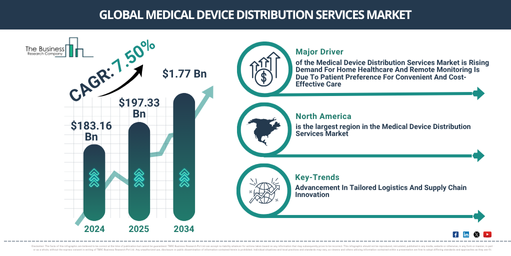
  • Industry Forecast: Medical Device Distribution Services Market to Generate $263.60  Billion Revenue by 2029

    Industry Forecast: Medical Device Distribution Services Market to Generate $263.60 Billion Revenue by 2029

    Claim your 30% discount on Global Market Reports with code ONLINE30. Limited time only.

    Claim your 30% discount on Global Market Reports with code ONLINE30. Limited time only.

    How Large Is the Medical Device Distribution Services Market Expected to Be in 2029?

    There has been a substantial expansion in the size of the medical device distribution services market in the past few years. The market is expected to swell from $183.16 billion in 2024 to $197.33 billion in 2025, with a compound annual growth rate (CAGR) of 7.7%. Factors contributing to this growth during the historical period include a surge in the demand for healthcare services, an escalating incidence of chronic diseases, expansion in hospital infrastructure, the growth of home healthcare, and heightened consciousness about medical devices.

    The sector for distributing medical devices is projected to significantly expand in the coming years, reaching a market cap of $263.60 billion in 2029, fueled by a compound annual growth rate (CAGR) of 7.5%. Factors leading to such growth during this predicted timeline include the rising prevalence of telehealth, remote patient monitoring, increased funding in healthcare amenities, an aging population, the development of medical device offerings, and a heightened emphasis on streamlined supply chains. Leading trends for this period include technological upgrades in the logistics of medical supply, advances in preserving the cold chain, progress in digital tracking systems, the introduction of artificial intelligence, and innovative green and sustainable distribution methods.

    Download The Free Sample Report Here:

    https://www.thebusinessresearchcompany.com/sample.aspx?id=25822&type=smp

    What Are The Contributors To Demand In The Medical Device Distribution Services Market?

    The growth of the medical device distribution services market is set to be fueled by the increasing need for home healthcare and remote monitoring. Home healthcare provides patients with medical care in their own homes, while remote monitoring employs digital technology for continuous health status tracking. The surge in demand for these services is a result of patients’ preference for convenient, affordable care options that offer ongoing health management and timely medical intervention in their home setting. The distribution services of medical devices facilitate home healthcare and remote monitoring by ensuring quick delivery of necessary medical equipment to patients’ homes, endorsing seamless and effective care. For example, a recent survey conducted in August 2023 by Vivalink, a digital healthcare firm based in the U.S., showed that 81% of clinicians have adopted remote patient monitoring (RPM), reflecting a substantial 305% increase from just 20% in 2021. Additionally, 84% of current RPM users are planning to widen their usage of this technology in 2024. Consequently, the field of medical device distribution services is witnessing growth, majorly propelled by the escalating demand for home healthcare and remote monitoring.

    What Segmentation Categories Are Included In The Medical Device Distribution Services Market Analysis?

    The medical device distribution services market covered in this report is segmented –

    1) By Product Type: Diagnostic Devices, Therapeutic Devices, Patient Monitoring Devices, Home Healthcare Devices, Other Product Types

    2) By Distribution Channel: Direct Distribution, Third-Party Logistics Providers, Distributors Or Wholesalers, E-Commerce Or Online Medical Marketplaces

    3) By End Use: Hospitals And Clinics, Diagnostic Centers, Ambulatory Surgical Centers, Long-Term Care Facilities, Homecare Settings

    Subsegments:

    1) By Diagnostic Devices: Imaging Devices, In Vitro Diagnostic Devices, Molecular Diagnostics, Point Of Care Testing Devices, Laboratory Equipment

    2) By Therapeutic Devices: Surgical Instruments, Infusion Pumps, Respiratory Therapy Devices, Orthopedic Devices, Wound Care Devices

    3) By Patient Monitoring Devices: Cardiac Monitors, Vital Signs Monitors, Remote Patient Monitoring Devices, Wearable Health Devices, Neonatal Monitors

    4) By Home Healthcare Devices: Mobility Aids, Home Diagnostic Devices, Respiratory Care Devices, Personal Care Devices, Medication Management Devices

    5) By Other Product Types: Sterilization Equipment, Medical Consumables, Medical Furniture, Hospital Supplies, Infection Control Devices

    What Upcoming Trends Are Expected To Impact The Medical Device Distribution Services Market Globally?

    Key players in the market for medical device distribution services are concentrating their efforts on creating bespoke logistical innovations, such as dedicated MedTech cross-docks, to guarantee secure, effective, and high-quality transit of delicate medical technologies. Dedicated MedTech cross-docks are specially designed logistics hubs that focus on enhanced safety, temperature regulation, and tailored handling procedures for medical technology shipments, complying with the sensitive nature of these devices. For instance, in May 2024, Kuehne + Nagel International AG, a Swiss transport and logistics firm, introduced a specialized road freight service to facilitate the movement of high-value and sensitive medical technology devices across crucial European nations. This unique service, offering customized handling, centralized support, and white glove delivery options for consolidated shipments, is engineered to fulfill the stringent safety and quality prerequisites of the MedTech sector without the necessity for complete GxP compliance. It ensures effective, secure, and transparent logistics for medical devices.

    Who Are The Top-Ranked Companies In The Medical Device Distribution Services Market Today?

    Major companies operating in the medical device distribution services market are McKesson Corporation, AmerisourceBergen Corporation, Cencora Inc., Cardinal Health Inc., Henry Schein Inc., Owens & Minor Inc., B. Braun Melsungen AG, Nipro Corporation, Southmedic Inc., Master Medical Equipment LLC, Mercedes Scientific LLC, Asian Medical Inc., Contego Medical, Meditek Inc., Soquelec Limited, Stat Medical Inc., The Stevens Company Limited, Clock Medical Supply Inc., Merit Pharmaceutical Company Inc., Multi-Medical Equipment & Supplies Inc.

    Get The Full Report Here:

    https://www.thebusinessresearchcompany.com/report/medical-device-distribution-services-global-market-report

    How Is Medical Device Distribution Services Market Adoption Varying Across Different Regions And Sectors?

    North America was the largest region in the medical device distribution services market in 2024. The regions covered in the medical device distribution services market report are Asia-Pacific, Western Europe, Eastern Europe, North America, South America, Middle East, Africa.

    Request For A Customized Report:

    https://www.thebusinessresearchcompany.com/customise?id=25822&type=smp

    About The Business Research Company:

    With over 15000+ reports from 27 industries covering 60+ geographies, The Business Research Company has built a reputation for offering comprehensive, data-rich research and insights. Armed with 1,500,000 datasets, the optimistic contribution of in-depth secondary research, and unique insights from industry leaders, you can get the information you need to stay ahead in the game.

    Get in touch with us:

    The Business Research Company: https://www.thebusinessresearchcompany.com/

    Americas +1 310-496-7795

    Asia +44 7882 955267 & +91 8897263534

    Europe +44 7882 955267

    Email us at info@tbrc.info

    Follow us on:

    LinkedIn: https://in.linkedin.com/company/the-business-research-company

    YouTube: https://www.youtube.com/channel/UC24_fI0rV8cR5DxlCpgmyFQ

    Global Market Model: https://www.thebusinessresearchcompany.com/global-market-model
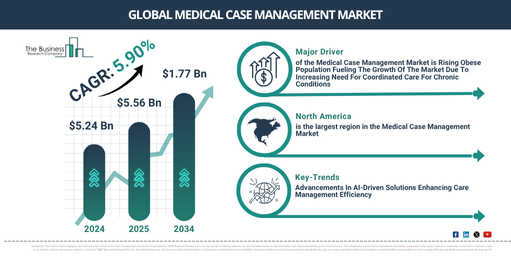
  • Future Projections: Medical Case Management Market to Reach $6.99  Billion by 2029 at 5.9% CAGR

    Future Projections: Medical Case Management Market to Reach $6.99 Billion by 2029 at 5.9% CAGR

    Claim your 30% discount on Global Market Reports with code ONLINE30. Limited time only.

    Claim your 30% discount on Global Market Reports with code ONLINE30. Limited time only.

    What Does the Forecast Indicate for the Medical Case Management Market From 2025 to 2029?

    In recent times, there has been a significant increase in the size of the medical case management market. It is projected to rise from $5.24 billion in 2024 to $5.56 billion in 2025, reflecting a compound annual growth rate (CAGR) of 6.2%. This growth during the historic period is due to factors such as escalating rates of cancer, an increase in post-surgery complications, surging birth rates which demand neonatal case management, a rise in life expectancy, and an upswing in the number of multi-morbidity instances among the elderly.

    The market size for medical case management is set to witness significant expansion in the coming years, with predictions stating it will surge to $6.99 billion by 2029, with a compound annual growth rate (CAGR) of 5.9%. This projected growth throughout the forecasted period can be associated with factors like a growing elderly population, an upsurge in chronic diseases, increasing instances of obesity, a higher ratio of disability and accident-related incidents, and a rise in mental health conditions. Key trends expected during this forecasted timeframe include telehealth integration and remote case management, utilization of artificial intelligence and machine learning for improving care coordination, embracement of electronic health records, the advent of mobile applications for care tracking, and the application of wearable devices for health monitoring.

    Download The Free Sample Report Here:

    https://www.thebusinessresearchcompany.com/sample.aspx?id=25820&type=smp

    What Elements Are Contributing To Growth In The Medical Case Management Market?

    The escalating number of obese individuals is predicted to stimulate the expansion of the medical case management market. Obese individuals refer to those with an excessive amount of body fat, usually indicated by a body mass index (BMI) of 30 or above. The surge in the obese population is caused by excessive consumption of high-calorie and processed foods, which promotes overconsumption of energy leading to continual weight gain. The obese population necessitates medical case management as they frequently endure multiple chronic diseases such as diabetes and hypertension that require continuous monitoring and coordinated treatment plans. As an example, a report issued by the World Obesity Federation, a non-profit organization based in the UK, claimed in March 2023 that by 2025, obesity is expected to affect 1.25 billion people worldwide, constituting 17% of the global population. This projection is anticipated to increase to 1.91 billion or 24% of the world population by 2035. Consequently, the escalating number of obese individuals is propelling the expansion of the medical case management market.

    Which Segments Are Detailed In The Global Medical Case Management Market Report?

    The medical case management market covered in this report is segmented –

    1) By Type: Web-Based Case Management, Telephonic Case Management, Field Case Management, Bilingual Field Case Management

    2) By Application: Chronic Pain Case Management, Catastrophic Case Management, Independent Medical Examinations, Short-Term Disability, Long-Term Disability, Other Applications

    3) By End-User: Hospitals , Home Care Settings, Other End Users

    Subsegments:

    1) By Web-Based Case Management: Cloud-Based Platforms, On-Premises Solutions, Mobile-Enabled Case Management, Integrated EHR Systems, Real-Time Reporting Dashboards

    2) By Telephonic Case Management: Inbound Case Management, Outbound Case Management, 24/7 Nurse Triage Services, Chronic Disease Management Support, Post-Discharge Follow-Up Calls

    3) By Field Case Management: Catastrophic Injury Management, Workers’ Compensation Field Visits, Return-To-Work Assessments, Home Environment Evaluations, Rehabilitation Progress Monitoring

    4) By Bilingual Field Case Management: Spanish-English Case Coordination, Multilingual Cultural Competency Support, Translation And Interpretation Services, Immigration Case Support, Cross-Border Patient Navigation

    Which Emerging Trends And Strategic Shifts Are Shaping The Medical Case Management Market?

    Major companies in the medical case management market are concentrating on the development of cutting-edge solutions, such as AI-powered care management solutions, to enhance operational effectiveness. These solutions are smart digital toolkits that utilize artificial intelligence to scrutinize patient data, spot potential health risks, and aid in the creation and management of bespoke care plans. For instance, Innovaccer Inc., a healthcare technology firm based in the United States, introduced the Care Management Copilot in September 2024. It integrates Innovaccer’s healthcare-specific AI model, Sara, into its care management platform to streamline documentation tasks and enable care managers to engage with 30-40% more patients. It boasts AI-driven patient summaries that extract essential data in line with care protocols, identify severe problems, and offer a rundown of previous interactions to prepare for patient engagement. The system facilitates real-time documentation by recording conversations, automatically filling out care plans and assessments, and providing suggestions based on protocols. Additionally, it seamlessly integrates with major EHRs, removing unnecessary entries and ensuring all team members have access to up-to-date patient records.

    Who Are The Key Contributors To Growth In The Medical Case Management Market?

    Major companies operating in the medical case management market are McKesson Corporation, Cigna Group, Optum Inc., Aetna Inc., Medtronic Plc., CorVel Corporation, Genex Services LLC, EK Health Services Inc., AXIOM MEDICAL CONSULTING LLC, Coventry Health Care, TRIUNE Health Group, EagleOne Case Management Solutions Inc., The Alaris Group Inc., Healthcare Solutions Inc., PayerFusion Holdings LLC, GMMI Inc., Sierra Nevada Administrators, Medical Case Management Group, Anthem Inc., and Managed Medical Review Organization Inc.

    Get The Full Report Here:

    https://www.thebusinessresearchcompany.com/report/medical-case-management-global-market-report

    Which Region Is Projected To Lead The Medical Case Management Market By 2025?

    North America was the largest region in the medical case management market in 2024. Asia-Pacific is expected to be the fastest-growing region in the forecast period. The regions covered in the medical case management market report are Asia-Pacific, Western Europe, Eastern Europe, North America, South America, Middle East, Africa.

    Request For A Customized Report:

    https://www.thebusinessresearchcompany.com/customise?id=25820&type=smp

    About The Business Research Company:

    With over 15000+ reports from 27 industries covering 60+ geographies, The Business Research Company has built a reputation for offering comprehensive, data-rich research and insights. Armed with 1,500,000 datasets, the optimistic contribution of in-depth secondary research, and unique insights from industry leaders, you can get the information you need to stay ahead in the game.

    Get in touch with us:

    The Business Research Company: https://www.thebusinessresearchcompany.com/

    Americas +1 310-496-7795

    Asia +44 7882 955267 & +91 8897263534

    Europe +44 7882 955267

    Email us at info@tbrc.info

    Follow us on:

    LinkedIn: https://in.linkedin.com/company/the-business-research-company

    YouTube: https://www.youtube.com/channel/UC24_fI0rV8cR5DxlCpgmyFQ

    Global Market Model: https://www.thebusinessresearchcompany.com/global-market-model

  • Latest Market Developments in Radio Frequency Identification (RFID) In Pharmaceuticals Industry: Forecast 2025–2029

    Latest Market Developments in Radio Frequency Identification (RFID) In Pharmaceuticals Industry: Forecast 2025–2029

    Claim your 30% discount on Global Market Reports with code ONLINE30. Limited time only.

    Claim your 30% discount on Global Market Reports with code ONLINE30. Limited time only.

    What Is the Outlook for the Radio Frequency Identification (RFID) In Pharmaceuticals Market Heading Into 2029?

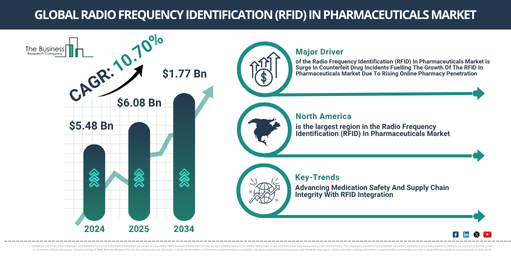
    The size of the market for radio frequency identification (RFID) in pharmaceuticals has seen rapid growth in recent years. It’s projected to rise from $5.48 billion in 2024 to $6.08 billion in 2025, accumulating a compound annual growth rate (CAGR) of 10.9%. The growth experienced in the past can be credited to factors such as increased pharmaceutical exports, a surge in e-commerce, an uptick in clinical trials, a growing demand for RFID solutions that show clear evidence of tampering, and an increase in healthcare delivery models that prioritize the patient.

    The market size of radio frequency identification (RFID) in pharmaceuticals is predicted to witness swift expansion in the upcoming years, and is expected to reach $9.12 billion by 2029, with a compound annual growth rate (CAGR) of 10.7%. This growth during the projected period can be ascribed to escalating instances of fake drugs, greater awareness about healthcare, escalation in hospital automation, increased need for real-time monitoring, and surging investment in digital delivery network solutions. Foremost trends for the projected period include progress in technology, advancements in RFID tag design, incorporation with cloud-based platforms, innovation in pharmaceutical-specific inlays, and improvements in the digitization of the supply chain.

    Download The Free Sample Report Here:

    https://www.thebusinessresearchcompany.com/sample.aspx?id=25891&type=smp

    Which Factors Are Pushing The Radio Frequency Identification (RFID) In Pharmaceuticals Market Forward?

    The growth of the radio frequency identification (RFID) in pharmaceuticals market is being spurred on by the rising instances of counterfeit drugs. Counterfeit medicines are deceptively mislabeled pharmaceutical products, either in their identity or source. There has been a sharp upswing in these fake drugs primarily due to the proliferation of online pharmacies, enabling counterfeiters to bypass traditional regulatory checks and disseminate counterfeit medication more easily, making its detection more challenging. The RFID in pharmaceuticals combats against counterfeit drugs by providing secure, traceable data that confirms the product’s authenticity at each step of the supply chain. As an example, the American Chemical Society, a scientific society based in the US, stated that in December 2024, there was 6,987 counterfeit drug incidents reported across 142 countries in 2023, indicating a 4% surge from 2022. Consequently, the escalating incidences of counterfeit drugs are fueling the growth of the RFID in pharmaceuticals market.

    Which Segment Held The Largest Share In The Radio Frequency Identification (RFID) In Pharmaceuticals Market In 2025?

    The radio frequency identification (rfid) in pharmaceuticals market covered in this report is segmented –

    1) By Type: Chipped Radio Frequency Identification, Chipless Radio Frequency Identification

    2) By Component: Radio Frequency Identification Tags, Radio Frequency Identification Readers, Middleware Software, Integration Services, Data Management Software

    3) By Regulatory Compliance: Food And Drug Administration Compliance Standards, European Union Falsified Medicines Directive, Good Distribution Practices, Serialization Requirements, Tracking And Tracing Regulations

    4) By Application: Drug Track And Trace System, Asset Tracking, Patient Safety, Other Applications

    5) By End-User: Pharmaceutical Manufacturers, Hospitals And Healthcare Providers, Pharmacies And Drug Wholesalers, Research And Development Laboratories, Logistics And Supply Chain Companies

    Subsegments:

    1) By Chipped Radio Frequency Identification, By Type: Low Frequency Radio Frequency Identification, High Frequency Radio Frequency Identification, Ultra High Frequency Radio Frequency Identification, Active Radio Frequency Identification, Passive Radio Frequency Identification, Semi-Passive Radio Frequency Identification

    2) By Chipless Radio Frequency Identification, By Type: Time Domain Reflectometry, Frequency Domain Reflectometry, Magnetic Resonance-Based Tags, Surface Acoustic Wave Tags, Printed Conductive Polymer Tags, Photonic Band Gap Structures

    What Future Market Trends Are Projected For The Radio Frequency Identification (RFID) In Pharmaceuticals Industry?

    Leading companies within the radio frequency identification (RFID) sector of the pharmaceutical industry are putting increased focus on creating advanced RFID-capable labels. These innovation aims to boost the traceability of products, streamline inventory control, and act as a deterrent to counterfeit drugs. These smart tags, enabled by RFID, use radio frequency technology to wirelessly track and authenticate pharmaceutical products throughout the supply chain. As an illustration, in May 2023, the German pharmaceutical company, Fresenius Kabi AG, introduced the Rocuronium Bromide Injection which includes advanced RFID-capable labels. This enhancement was designed to improve medication tracking, inventory control, and patient safety within healthcare facilities. It comes in a 50mg per 5mL multiple-dose vial for intravenous administration by certified medical personnel. The injection is equipped with advanced RFID smart labels, ensuring real-time tracking, efficient inventory control, and decreased medication mistakes.

    Which Organizations Are Driving Progress In The Radio Frequency Identification (RFID) In Pharmaceuticals Industry?

    Major companies operating in the radio frequency identification (rfid) in pharmaceuticals market are Fujitsu Limited, NXP Semiconductors NV, Avery Dennison Corporation, Zebra Technologies Corporation, CCL Industries Inc., HID Global Corporation, Checkpoint Systems Inc, Datalogic SpA, Impinj Inc, Schreiner Group GmbH & Co KG, Invengo Information Technology Co Ltd, GAO RFID Inc., Lowry Solutions Inc., Terso Solutions Inc., Xerafy Singapore Pte Ltd., Tageos SAS, SML Group Limited, Syrma SGS Technology Limited, Omnia Technologies Private Limited, identytag GmbH & Co KG

    Get The Full Report Here:

    https://www.thebusinessresearchcompany.com/report/radio-frequency-identification-rfid-in-pharmaceuticals-global-market-report

    Which Region Is Expected To Experience The Highest Growth In The Radio Frequency Identification (RFID) In Pharmaceuticals Industry?

    North America was the largest region in the radio frequency identification (RFID) in pharmaceuticals market in 2024. Asia-Pacific is expected to be the fastest-growing region in the forecast period. The regions covered in the radio frequency identification (rfid) in pharmaceuticals market report are Asia-Pacific, Western Europe, Eastern Europe, North America, South America, Middle East, Africa.

    Request For A Customized Report:

    https://www.thebusinessresearchcompany.com/customise?id=25891&type=smp

    About The Business Research Company:

    With over 15000+ reports from 27 industries covering 60+ geographies, The Business Research Company has built a reputation for offering comprehensive, data-rich research and insights. Armed with 1,500,000 datasets, the optimistic contribution of in-depth secondary research, and unique insights from industry leaders, you can get the information you need to stay ahead in the game.

    Get in touch with us:

    The Business Research Company: https://www.thebusinessresearchcompany.com/

    Americas +1 310-496-7795

    Asia +44 7882 955267 & +91 8897263534

    Europe +44 7882 955267

    Email us at info@tbrc.info

    Follow us on:

    LinkedIn: https://in.linkedin.com/company/the-business-research-company

    YouTube: https://www.youtube.com/channel/UC24_fI0rV8cR5DxlCpgmyFQ

    Global Market Model: https://www.thebusinessresearchcompany.com/global-market-model