Category: HealthcareServices

  • White Biotechnology Market Outlook 2025 – Insights for Executive and Strategic Planning

    White Biotechnology Market Outlook 2025 – Insights for Executive and Strategic Planning

    Claim your 30% discount on Global Market Reports with code ONLINE30. Limited time only.

    How Has the White Biotechnology Market Grown from 2024 to 2025?

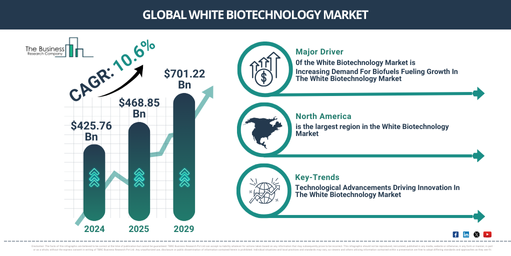
    The market size of white biotechnology has seen a significant surge in the past few years. The market, which was worth $425.76 billion in 2024, is projected to increase to $468.85 billion in 2025, boasting a compound annual growth rate (CAGR) of 10.1%. Several factors have culminated in this upward trajectory, including cost-effectiveness and financial feasibility, decreased dependency on fossil fuels, consumer-driven sustainability demands, commitments to research and development investments, as well as initiatives dedicated to the circular economy.

    What Growth Rate Is Anticipated for the White Biotechnology Market in the Coming Years?

    The market of white biotechnology is anticipated to proliferate swiftly in the coming years, ballooning to a size of $701.22 billion by the year 2029 with a compound annual growth rate (CAGR) of 10.6%. The expansion during the forecasting period can be credited to factors such as growing customer preference for eco-friendly products, worldwide shift towards renewable energy, increasing investment and funding, emphasis on circular economies and waste reduction initiatives. Key trends guiding this projection period encompass the competitive pricing, heightened consumer awareness and preferences, product innovation, transition towards a circular economy and measures to curtail greenhouse gas emissions.

    Download The Free Sample Report Here:

    https://www.thebusinessresearchcompany.com/sample.aspx?id=8625&type=smp

    Who Are the Leading Companies in the White Biotechnology Market?

    Major companies operating in the white biotechnology market are Novozyme A/S., Koninklijke DSM N.V., BASF SE., Du Pont Danisco., Amyris Inc., Henkel AG & Co. KGaA., Kaneka Corporation., Biosphere Corporation., Fujifilm Holdings Corporation., General Electric Company., Bayer AG., Evonik Industries AG., Evolva Holding., EUCODIS Bioscience GmbH., Lonza Group Ltd., Laurus Labs., Borregaard ASA., Codexis Inc., Deinove SA., Fermentalg SA., Gevo Inc., Global Bioenergies SA., Metabolic Explorer SA., Oligomerix Inc., immatics biotechnologies GmbH., Neurimmune Therapeutics AG., AkzoNobel N.V.

    What Are the Key Drivers of the White Biotechnology Market?

    The surging requirement for biofuels is projected to stimulate the expansion of the white biotechnology market in the future. Biofuels are a kind of renewable energy derived from biological substances. The most well-known biofuels, including biodiesel, biogas, among others, are manufactured from organic waste and ethanol based on corn. Globally, the demand for biofuels is escalating, and white biotechnology serves as a mechanism for the eco-friendly production of biofuels utilizing living organisms or their enzymes extracted from renewable resources. For instance, a report circulated by the International Energy Agency (IEA), an autonomous intergovernmental organization based out of France, in December 2022 revealed that the global production of biodiesel is expected to rise from 45.7 billion liters in 2021 to 47.4 billion liters by 2022. Conversely, the output of ethanol elevated to 114 billion liters in 2022. Thus, the escalating requirement for biofuels is fueling the expansion of the white biotechnology market.

    Request For A Customized Report:

    https://www.thebusinessresearchcompany.com/customise?id=8625&type=smp

    What Are the Key Market Segments in the White Biotechnology Industry?

    The white biotechnology market covered in this report is segmented –

    1) By Product Type: Biofuels, Biomaterials, Biochemicals, Industrial Enzymes

    2) By Application Type: Bioenergy, Food And Feed Additives, Pharmaceutical Ingredients, Personal Care And Household Products, Other Applications

    Subsegments:

    1) By Biofuels: Ethanol, Biodiesel, Biogas

    2) By Biomaterials: Bioplastics, Bio-Based Composites, Bio-based Chemicals

    3) By Biochemicals: Organic Acids, Amino Acids, Solvents

    4) By Industrial Enzymes: Proteases, Amylases, Lipases

    What Are the Latest Trends in the White Biotechnology Market?

    The advancement in technology has become a leading trend in the white biotechnology market, with the introduction of revolutionary technology platforms like co-polymer and precise platforms. These platforms, anchored on biotechnological applications, assist in discovering remarkable items. Prominent players in the market are capitalizing on such discoveries to maintain market relevance. For example, International Flavors & Fragrances Inc., a US-based manufacturer of flavors, fragrances, and cosmetic actives, in June 2023, introduced the Designed Enzymatic Biomaterials (DEB) technology. This Biomaterials technology platform enables the manufacture of sustainable biopolymers, allowing producers to cater to evolving market demands and comply with regulation changes by switching from traditional synthetic polymers derived from fossil fuels. The DEB technology platform makes it possible for scientists to integrate the characteristics of petroleum-based polymers into biopolymer materials, modifying and enhancing polysaccharides for improved long-term performance in selected applications.

    Access The Full Report Here:

    https://www.thebusinessresearchcompany.com/report/white-biotechnology-global-market-report

    What Are the Key Regional Markets in the White Biotechnology Industry?

    North America was the largest region in the white biotechnology market in 2024. The regions covered in the white biotechnology market report are Asia-Pacific, Western Europe, Eastern Europe, North America, South America, Middle East, Africa.

    Purchase The Full Report Today:

    https://www.thebusinessresearchcompany.com/purchaseoptions.aspx?id=8625

    This Report Delivers Insight On:

    1. How big is the white biotechnology market, and how is it changing globally?

    2. Who are the major companies in the white biotechnology market, and how are they performing?

    3. What are the key opportunities and risks in the white biotechnology market right now?

    4. Which products or customer segments are growing the most in the white biotechnology market?

    5. What factors are helping or slowing down the growth of the white biotechnology market?

    About The Business Research Company:

    With over 15000+ reports from 27 industries covering 60+ geographies, The Business Research Company has built a reputation for offering comprehensive, data-rich research and insights. Armed with 1,500,000 datasets, the optimistic contribution of in-depth secondary research, and unique insights from industry leaders, you can get the information you need to stay ahead in the game.

    Get in touch with us:

    The Business Research Company: https://www.thebusinessresearchcompany.com/

    Americas +1 310-496-7795

    Asia +44 2071930708

    Europe +44 7882 955267

    Email us at info@tbrc.info

    Follow us on:

    LinkedIn: https://in.linkedin.com/company/the-business-research-company

    YouTube: https://www.youtube.com/channel/UC24_fI0rV8cR5DxlCpgmyFQ

    Global Market Model: https://www.thebusinessresearchcompany.com/global-market-model
  • Weight Loss Products And Services Market Projected at $513.94 Billion by 2029 | Strategic Insights and Forecast Data

    Weight Loss Products And Services Market Projected at $513.94 Billion by 2029 | Strategic Insights and Forecast Data

    Claim your 30% discount on Global Market Reports with code ONLINE30. Limited time only.

    How Has the Weight Loss Products And Services Market Size Changed, over the years?

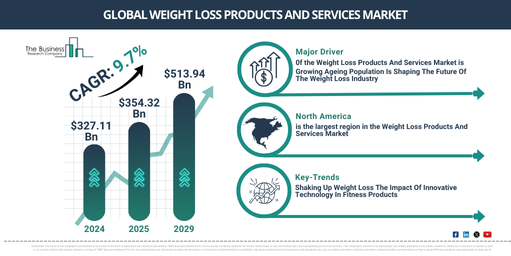
    Over the recent years, the market size of weight loss products and services has shown robust growth. The projection indicates an escalation from $327.11 billion in 2024 to $354.32 billion in 2025, with a Compound Annual Growth Rate (CAGR) of 8.3%. Various factors contributing to this growth during history may include rising obesity levels, increased health consciousness, evolution of fitness and wellness trends, the impact of social media, existence of medical conditions and comorbidities, shifting dietary habits and tastes, availability of information, and interventions by the government.

    How Much Will the Weight Loss Products And Services Market Be Worth in 2029?

    The market size for weight loss products and services is projected to experience robust growth in the coming years. By 2029, it is set to reach $513.94 billion, with a compound annual growth rate (CAGR) of 9.7%. The anticipated growth during the forecast period can be credited to factors such as personalized nutrition, The surge of home fitness trends, the implementation of corporate wellness programs, the rise of genetic testing for weight management, regulatory backing and guidelines, and the emphasis on mental health. Mainstream trends during the forecast period will involve the digitalization of weight management, the integration of fitness technology, DNA-centered weight management solutions, cultural sensitivity, inclusivity, regulatory vigilance, and transparency.

    Download The Free Sample Report Here:

    https://www.thebusinessresearchcompany.com/sample.aspx?id=8051&type=smp

    Which is the Largest Company in the Weight Loss Products And Services Market?

    Major companies operating in the weight loss products and services market are Abbott Laboratories, Fitbit Inc., GlaxoSmithKline PLC, Boehringer Ingelheim International GmbH, Fresenius Kabi AG, Glanbia PLC, MuscleBlaze, Gold’s Gym International Inc., Hammer Nutrition Direct, Jarrow Formulas Inc., Apollo Endosurgery Inc., WW Health Solutions, Nutrisystem, Jenny Craig Inc., Slimming World, Atkins Nutritionals Inc., Medifast Inc., VLCC Healthcare Ltd., Curves International Inc., LA Fitness International LLC, 24 Hour Fitness Worldwide Inc., Life Time Fitness Inc., Anytime Fitness LLC, Equinox Holdings Inc., Crunch Fitness, Orangetheory Fitness, Noom Inc.

    What Are the Main Market Drivers in the Weight Loss Products And Services Industry?

    The escalating number of elderly people is predicted to fuel the expansion of the market for weight loss products and services. The term ‘ageing population’ denotes the growth in the proportion of aged individuals resulting from shifts in the population’s age structure. These weight loss products and services offer assistance to the elderly, who often struggle with obesity and a heightened likelihood of being overweight due to age-induced changes in their body composition. These changes typically manifest as a slow build-up of fat content paired with a decrease in lean mass and bone density. For example, the World Health Organization, a US-based health-particular agency, stated in October 2022 that by 2030, 1 in every 6 people globally will be 60 years or older. Moreover, by 2050, the number of people within this age bracket is expected to double to 2.1 billion. This surge in the ageing population is thus propelling the growth of the market for weight loss products and services.

    Request For A Customized Report:

    https://www.thebusinessresearchcompany.com/customise?id=8051&type=smp

    How Is the Weight Loss Products And Services Market Segments Structured?

    The weight loss products and services market covered in this report is segmented –

    1) By Products: Food, Beverage, Supplements, Other Weight Loss Products

    2) By Services: Fitness Centers, Slimming Centers, Consultation Services, Other Services, Fat Replacers

    3) By Sales Channel: Supermarkets And Hypermarkets, Convenience Stores, Retail Pharmacies, E-Commerce

    Subsegments:

    1) By Food: Low-Calorie Snacks, Meal Replacement Bars, Diet Frozen Meals

    2) By Beverage: Weight Loss Shakes, Detox Teas, Low-Calorie Drinks

    3) By Supplements: Herbal Weight Loss Supplements, Protein Supplements, Fat Burners

    4) By Other Weight Loss Products: Weight Loss Devices, Fitness Equipment, Weight Management Apps And Programs

    What Strategic Trends Are Transforming the Weight Loss Products And Services Market?

    The advancement and implementation of new technologies emerge as a vital trend in the market for weight loss products and services. Esteemed participants in the weight loss products and services industry are leveraging innovative technologies to sustain their existing market position. To illustrate, Herbalife Nutrition, an American health and wellness company, unveiled a new product called Fat Release in July 2022. The product, engineered to aid in the consumer’s weight loss and health aspirations, comprises of Litramine, a patented cactus fiber extracted from prickly pear. The product’s handy stick packs can be consumed within two hours after the intake of high-fat foods, proving to be a perfect remedy in circumstances where healthy alternatives are scarce.

    Access The Full Report Here:

    https://www.thebusinessresearchcompany.com/report/weight-loss-products-and-services-global-market-report

    Which Global Regions Offer the Highest Growth in the Weight Loss Products And Services Market?

    North America was the largest region in the weight loss products and services market in 2024. Asia-Pacific is expected to be the fastest-growing region in the weight loss products and services market report during the forecast period. The regions covered in the weight loss products and services market report are Asia-Pacific, Western Europe, Eastern Europe, North America, South America, Middle East, Africa.

    Purchase The Full Report Today:

    https://www.thebusinessresearchcompany.com/purchaseoptions.aspx?id=8051

    This Report Delivers Insight On:

    1. How big is the weight loss products and services market, and how is it changing globally?

    2. Who are the major companies in the weight loss products and services market, and how are they performing?

    3. What are the key opportunities and risks in the weight loss products and services market right now?

    4. Which products or customer segments are growing the most in the weight loss products and services market?

    5. What factors are helping or slowing down the growth of the weight loss products and services market?

    About The Business Research Company:

    With over 15000+ reports from 27 industries covering 60+ geographies, The Business Research Company has built a reputation for offering comprehensive, data-rich research and insights. Armed with 1,500,000 datasets, the optimistic contribution of in-depth secondary research, and unique insights from industry leaders, you can get the information you need to stay ahead in the game.

    Get in touch with us:

    The Business Research Company: https://www.thebusinessresearchcompany.com/

    Americas +1 310-496-7795

    Asia +44 2071930708

    Europe +44 7882 955267

    Email us at info@tbrc.info

    Follow us on:

    LinkedIn: https://in.linkedin.com/company/the-business-research-company

    YouTube: https://www.youtube.com/channel/UC24_fI0rV8cR5DxlCpgmyFQ

    Global Market Model: https://www.thebusinessresearchcompany.com/global-market-model
  • Urinalysis Market to Reach $5.47 Billion by 2029 | Key Drivers and Future Outlook

    Urinalysis Market to Reach $5.47 Billion by 2029 | Key Drivers and Future Outlook

    Claim your 30% discount on Global Market Reports with code ONLINE30. Limited time only.

    What Is the Growth Rate of the Urinalysis Market?

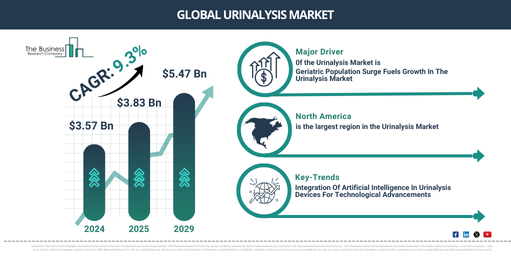
    The size of the urinalysis market has witnessed substantial growth in the past few years. The market is predicted to increase from $3.57 billion in 2024 to $3.83 billion in 2025, signifying a compound annual growth rate (CAGR) of 7.2%. Factors such as escalating healthcare costs, improvements in healthcare infrastructure, regulatory modifications and standardization, drug inspection and forensics, and the practice in clinical laboratories have largely contributed to this growth during the historical phase.

    What Growth Rate Is Forecasted for the Urinalysis Market by 2029?

    Expectations are high for the urinalysis market size to experience robust expansion in the upcoming years. The market is projected to reach a value of $5.47 billion in 2029, with a compound annual growth rate (CAGR) of 9.3%. This predicted growth during the forecast period can be linked to several factors such as point-of-care testing (POCT), management of chronic diseases, an aging population, preventive healthcare, remote patient monitoring and telemedicine. Key trends anticipated to shape the forecast period include the approval of innovative drugs, advancements in technology, customised medicine, and monitoring of chronic diseases.

    Download The Free Sample Report Here:

    https://www.thebusinessresearchcompany.com/sample.aspx?id=8623&type=smp

    Which Key Companies Are Shaping the Future of the Urinalysis Market?

    Major companies operating in the urinalysis market are Siemens Healthineers AG, F. Hoffmann-La Roche Ltd., Cardinal Health Inc., Abbott Laboratories, Danaher Corporation, Beckman Coulter Inc., Sysmex Corporation, ARKRAY Inc., ACON Laboratories Inc., Bio-Rad Laboratories Inc., URIT Medical Electronic Group Co Ltd., 77 Elektronika Kft, Thermo Fisher Scientific Inc., Teco Diagnostics, Mindray Medical International Limited, Quidel Corporation, Becton Dickinson and Company, EKF Diagnostics, Shenzhen Mindray Bio-Medical Electronics Co. Ltd., Guangzhou Wondfo Biotech Co. Ltd., Chembio Diagnostic Systems Inc, Immunostics Inc., Inova Diagnostics Inc., Meridian Bioscience Inc., Fapon Biotech Inc., Nanjing Norman Biological Technology Co. Ltd., OraSure Technologies Inc., Hologic Inc., Randox Laboratories Ltd., Qiagen N.V

    Which Factors Are Driving Demand in the Urinalysis Industry?

    The upward trend in the geriatric population is anticipated to accelerate growth in the urinalysis market. This population segment refers to individuals aged 65 and above. Owing to reduced immunity and the effects of aging, this demographic is more susceptible to various diseases. Owing to aging, urinary tract infections (UTI) are particularly prevalent in the geriatric community. Therefore, urinalysis, which involves the examination of the visual, chemical, and microscopic properties of urine, is extensively used to detect and manage several conditions such as diabetes, urinary tract issues, and kidney diseases. The World Health Organization revealed in October 2022 that by 2030, six individuals within the captured global population will be aged 60 and above. In addition, the global geriatric population will expand from 1 billion in 2020 to 1.4 billion by 2030. Furthermore, the number of individuals aged 60 and older will double to reach 2.1 billion by 2050. The period of 2020 to 2050 will also see a drastic increase in the population of individuals aged 80 and above, with an additional 426 million compared to today’s figures. Consequently, the growing geriatric population is fueling the demand in the urinalysis market.

    Request For A Customized Report:

    https://www.thebusinessresearchcompany.com/customise?id=8623&type=smp

    How Is the Urinalysis Market Segmented by Several Divisions?

    The urinalysis market covered in this report is segmented –

    1) By Test Type: Pregnancy And Fertility Tests, Biochemical Urinalysis, Sediment Urinalysis

    2) By Product: Consumables, Instruments

    3) By Application: Urinary Tract infections (UTI’s), Kidney Disease, Liver Disease, Diabetes, Hypertension, Other Applications

    4) By End Users: Diagnostic Laboratories, Hospitals And Clinics, Home Care Settings, Research Laboratories And Institutes

    Subsegments:

    1) By Pregnancy And Fertility Tests: Urine Pregnancy Tests, Ovulation Prediction Tests

    2) By Biochemical Urinalysis: Dipstick Tests, Reagent Strip Tests, Microalbumin Tests

    3) By Sediment Urinalysis: Microscopic Examination, Chemical Analysis Of Sediment, Culture Tests

    What are the Emerging Market Trends Driving the Growth of the Urinalysis Industry?

    The adoption of technologically sophisticated tools is a growing trend in the urinalysis market. Many leading players in this market are beginning to leverage artificial intelligence technology in their urine testing devices. For instance, in February 2022, Olive Diagnostics, a health tech firm based in Israel that provides diagnostic tools, introduced Olive KG. This is an AI-based urinalysis sensor device that offers instant health notifications and early detection of potential illnesses. The system can accurately measure various aspects including red blood cells, proteins, ketones, nitrites, pH levels, volume, pressure, color, and frequency of urine among others. What’s more, this device comes equipped with an IoMT (Internet of Medical Things) feature that can be mounted on toilets, and it produces real-time personal data securely maintained by GDPR and HIPPA act standards.

    Access The Full Report Here:

    https://www.thebusinessresearchcompany.com/report/urinalysis-global-market-report

    Which Regions Are Driving Growth in the Urinalysis Market?

    North America was the largest region in the urinalysis market in 2024. The regions covered in the urinalysis market report are Asia-Pacific, Western Europe, Eastern Europe, North America, South America, Middle East, Africa.

    Purchase The Full Report Today:

    https://www.thebusinessresearchcompany.com/purchaseoptions.aspx?id=8623

    This Report Delivers Insight On:

    1. How big is the urinalysis market, and how is it changing globally?

    2. Who are the major companies in the urinalysis market, and how are they performing?

    3. What are the key opportunities and risks in the urinalysis market right now?

    4. Which products or customer segments are growing the most in the urinalysis market?

    5. What factors are helping or slowing down the growth of the urinalysis market?

    About The Business Research Company:

    With over 15000+ reports from 27 industries covering 60+ geographies, The Business Research Company has built a reputation for offering comprehensive, data-rich research and insights. Armed with 1,500,000 datasets, the optimistic contribution of in-depth secondary research, and unique insights from industry leaders, you can get the information you need to stay ahead in the game.

    Get in touch with us:

    The Business Research Company: https://www.thebusinessresearchcompany.com/

    Americas +1 310-496-7795

    Asia +44 2071930708

    Europe +44 7882 955267

    Email us at info@tbrc.info

    Follow us on:

    LinkedIn: https://in.linkedin.com/company/the-business-research-company

    YouTube: https://www.youtube.com/channel/UC24_fI0rV8cR5DxlCpgmyFQ

    Global Market Model: https://www.thebusinessresearchcompany.com/global-market-model
  • X Linked Hypophosphatemia Market Drivers Report 2025 – For Business Development and Strategy Teams

    X Linked Hypophosphatemia Market Drivers Report 2025 – For Business Development and Strategy Teams

    Claim your 30% discount on Global Market Reports with code ONLINE30. Limited time only.

    What Is the Forecast for the X Linked Hypophosphatemia Market Growth in 2025?

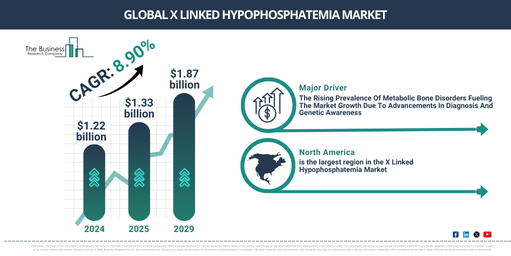
    Over the past years, the market size of X-linked hypophosphatemia has seen a robust growth. Its value is predicted to increase from $1.22 billion in 2024 to $1.33 billion in 2025, experiencing a compound annual growth rate (CAGR) of 9.3%. This significant growth during the historic period has been the result of factors such as heightened awareness of rare genetic conditions, an increased investment in the research of rare diseases, an expanded emphasis on child healthcare, an escalating adoption of digital health solutions, and a rising incidence of skeletal conditions.

    What Is the Forecast for the X Linked Hypophosphatemia Market Size Through 2029?

    Expectations are high for strong expansion in the X-linked hypophosphatemia market in the coming years. Forecasts predict a growth to $1.87 billion by 2029, with a compound annual growth rate (CAGR) of 8.9%. This predicted growth during the forecast period is due to an increasing demand for tailored treatments, a rise in the approval of groundbreaking therapies, increased genetics testing activities, insurgency of genetic disorders, and the growth of awareness programs. The forecast period will likely see trending expansions in patient assistance programs, the application of monoclonal antibodies, progression in small molecule therapies, growth in digital health technology, and advancements in biomarkers.

    Download The Free Sample Report Here:

    https://www.thebusinessresearchcompany.com/sample.aspx?id=23586&type=smp

    What are the Key Market Players in X Linked Hypophosphatemia Market and How They’re Evolving?

    Major companies operating in the X linked hypophosphatemia market are Mayo Foundation for Medical Education and Research, Seattle Children’s Hospital, Kyowa Kirin Co. Ltd., Boston Children’s Hospital, Apollo Hospitals, Medicover Hospitals, Arkansas Childrens Hospital, Swixx Biopharma SA, King’s College Hospital, Alder Hey Children’s Hospital, Invitae Corp., Ultragenyx Pharmaceutical Inc., Childrens Hospital of Philadelpia, Nanavati Max Super Specialty Hospital, Sage Therapeutics Inc, Ascendis Pharma A/S, Inozyme Pharma Inc., Yale School of Medicine, Mitsubishi Tanabe Pharma Corporation, Lurie Children’s Hospital

    What Are the Primary Growth Drivers in the X Linked Hypophosphatemia Market?

    The increasing incidence of metabolic bone disorders is predicted to drive the growth of the X-linked hypophosphatemia market forward. Metabolic bone disorders, affecting the strength, structure, or mineral balance of bones due to calcium, phosphate, vitamin D, or hormone disruptions, are becoming more prevalent primarily because of aging populations and lifestyle factors. With age, natural bone density decreases and the chance of afflictions such as osteoporosis, and rickets rises. Increased awareness and research due to the escalating prevalence of metabolic bone disorders promote early diagnosis of conditions like X-linked hypophosphatemia (XLH), resulting in more efficient screening, enhanced treatment opportunities, and innovations in more productively managing XLH. For example, the Australian Institute of Health and Welfare reported in June 2024 that in 2022, osteoporosis, a metabolic bone disorder, caused 2,659 deaths or 10.2 deaths per 100,000 individuals, accounting for 1.4% of all deaths. Thus, the escalating prevalence of metabolic bone disorders is fuelling the development of the X-linked hypophosphatemia market. There is an increasing emphasis on personalized medicine, predicted to spur the growth of the X-linked hypophosphatemia market. Personalized medicine focuses on custom healthcare practices and treatments based on the unique genetic, environmental, and lifestyle factors of individual patients. The emphasis is on personalized medication results from more precise diagnostic tools and according patients’ centered care. Within the context of X-linked hypophosphatemia (XLH), this form of tailored treatment bases therapeutic methods on genetic differences, enhancing phosphate management and bone health. This approach ensures exact, focused care for an improved disease management. For instance, in February 2024, the Personalized Medicine Coalition, a nonprofit organization based in the United States, disclosed that the Food and Drug Administration (FDA) approved 16 new personalized treatments for patients with rare diseases in 2023, a significant increase from six in 2022. Therefore, the growing emphasis on personalized medicine propels the growth of the X-linked hypophosphatemia market.

    Request For A Customized Report:

    https://www.thebusinessresearchcompany.com/customise?id=23586&type=smp

    What Are the Leading Segments in the Global X Linked Hypophosphatemia Industry?

    The X linked hypophosphatemia market covered in this report is segmented –

    1) By Treatment Type: Conventional Therapy, Phosphate Supplements, Active Vitamin D Analogs, Novel Therapies, FGF23 inhibitors, Other Treatment Types

    2) By Route Of Administration: Oral, Intravenous

    3) By Distribution Channel: Hospital Pharmacies, Retail Pharmacies, Online Pharmacies, Other Distribution Channels

    4) By End-User: Hospitals, Specialty Clinics, Homecare, Other End-Users

    Subsegment:

    1) By Conventional Therapy: Pain Management, Physical Therapy, Orthopedic Surgery

    2) By Phosphate Supplements: Oral Phosphate Formulations, Intravenous Phosphate Therapy

    3) By Active Vitamin D Analogs: Calcitriol, Alfacalcidol, Paricalcitol

    4) By Novel Therapies: Gene Therapy, Monoclonal Antibodies

    5) By FGF23 Inhibitors: Burosumab (Crysvita), Other Investigational FGF23 Inhibitors

    6) By Other Treatment Types: Growth Hormone Therapy, Calcium Supplements, Bisphosphonates

    Access The Full Report Here:

    https://www.thebusinessresearchcompany.com/report/x-linked-hypophosphatemia-global-market-report

    What Is the Regional Outlook for the X Linked Hypophosphatemia Market?

    North America was the largest region in the X-linked hypophosphatemia market in 2024. Asia-Pacific region is expected to be the fastest-growing region in the forecast period. The regions covered in the X linked hypophosphatemia market report are Asia-Pacific, Western Europe, Eastern Europe, North America, South America, Middle East, Africa.

    Purchase The Full Report Today:

    https://www.thebusinessresearchcompany.com/purchaseoptions.aspx?id=23586

    This Report Delivers Insight On:

    1. How big is the x linked hypophosphatemia market, and how is it changing globally?

    2. Who are the major companies in the x linked hypophosphatemia market, and how are they performing?

    3. What are the key opportunities and risks in the x linked hypophosphatemia market right now?

    4. Which products or customer segments are growing the most in the x linked hypophosphatemia market?

    5. What factors are helping or slowing down the growth of the x linked hypophosphatemia market?

    About The Business Research Company:

    With over 15000+ reports from 27 industries covering 60+ geographies, The Business Research Company has built a reputation for offering comprehensive, data-rich research and insights. Armed with 1,500,000 datasets, the optimistic contribution of in-depth secondary research, and unique insights from industry leaders, you can get the information you need to stay ahead in the game.

    Get in touch with us:

    The Business Research Company: https://www.thebusinessresearchcompany.com/

    Americas +1 310-496-7795

    Europe +44 7882 955267

    Asia & Others +44 7882 955267 & +91 8897263534

    Email us at info@tbrc.info

    Follow us on:

    LinkedIn: https://in.linkedin.com/company/the-business-research-company

    YouTube: https://www.youtube.com/channel/UC24_fI0rV8cR5DxlCpgmyFQ

    Global Market Model: https://www.thebusinessresearchcompany.com/global-market-model
  • Wilms Tumor Market Outlook 2025 – Insights for Executive and Strategic Planning

    Wilms Tumor Market Outlook 2025 – Insights for Executive and Strategic Planning

    Claim your 30% discount on Global Market Reports with code ONLINE30. Limited time only.

    How Has the Wilms Tumor Market Grown from 2024 to 2025?

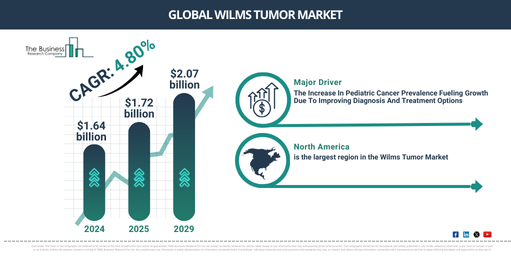
    In recent times, the market size of Wilms tumor has seen robust growth. The market is projected to rise from $1.64 billion in 2024 to $1.72 billion in 2025, showing a compound annual growth rate (CAGR) of 5.0%. The considerable growth experienced in the past can be attributed to several factors. These include heightened awareness regarding early diagnosis of cancer, an increase in government initiatives, a surge in genetic predisposition incidents, more investment in pediatric oncology drug discovery, and heightened healthcare spending on pediatric oncology treatments.

    What Growth Rate Is Anticipated for the Wilms Tumor Market in the Coming Years?

    In the coming years, a consistent growth is predicted in the Wilms tumor market. The market will elevate to $2.07 billion by 2029 with a compound annual growth rate (CAGR) of 4.8%. This projected growth in the forecast period is ascribed to the increasing emphasis on personalized medicine, an escalation in radiotherapy techniques use, a surge in lifestyle-related risk factors, an increase in pediatric oncologists, and growingly robust awareness campaigns from healthcare organizations. The forecast period will also witness key trends such as the advent of CAR-T cell therapies, the creation of innovative chemotherapy schemes, the broadening of combination therapies, the inception of biomarker-driven diagnostics, and the incorporation of wearable health monitoring devices.

    Download The Free Sample Report Here:

    https://www.thebusinessresearchcompany.com/sample.aspx?id=23582&type=smp

    Who Are the Leading Companies in the Wilms Tumor Market?

    Major companies operating in the wilms tumor market are Thermo Fisher Scientific Inc., Medline Industries LP, Agilent Technologies Inc., Apollo Hospital, Exelixis Inc., Abcam plc, Sino Biological Inc., OriGene Technologies Inc., Cell Signaling Technology Inc., Proteintech Group Inc., Santa Cruz Biotechnology Inc., Novus Biologicals LLC, Recordati Rare Diseases, Getwell Pharmaceuticals, AdvaCare Pharma, Florencia Healthcare, Boster Biological Technology, NanoSmart Pharmaceuticals Inc., BLK-Max Hospital, Plunes Healthcare

    What Are the Key Drivers of the Wilms Tumor Market?

    The surge in pediatric cancer occurrences is projected to spur the growth of the Wilms tumor market in the future. This type of cancer affects children aged 0–14 years, characterized by abnormal cell growth that could develop in various tissues and organs. Various factors such as exposure to environmental pollutants, genetic predispositions, infections, and the immune system trigger pediatric cancer. Early diagnosis, treatment, and the comprehension of genetic factors in pediatric cancer cases improve survival rates, aid in creating personalized therapies, and enhance the affected children’s life quality. For example, the Cancer Network, a US-based cancer research organization, stated in January 2025 that approximately 9,550 children would be diagnosed with cancer, with 1,050 anticipated fatalities. Consequently, the rising occurrence of pediatric cancer amplifies the Wilms tumor market’s growth. A Spike In Healthcare Spending Increases Market Growth Due To The Escalating Need For Sophisticated Care And Advanced Treatments

    Request For A Customized Report:

    https://www.thebusinessresearchcompany.com/customise?id=23582&type=smp

    What Are the Key Market Segments in the Wilms Tumor Industry?

    The wilms tumor market covered in this report is segmented –

    1) By Type: Favorable Histology, Anaplastic Histology

    2) By Stages: Stage I, Stage II, Stage III, Stage IV, Stage V

    3) By Diagnosis: Physical Examination, Imaging Tests, Lab Tests

    4) By Treatment: Surgery, Chemotherapy, Radiation Therapy

    5) By End-User: Cancer Research Institutes, Diagnostic Laboratories, Hospitals, Other End-Users

    Subsegments:

    1) By Favorable Histology: Unilateral Wilms Tumor, Bilateral Wilms Tumor, Nephroblastomatosis

    2) By Anaplastic Histology: Diffuse Anaplastic Wilms Tumor, Focal Anaplastic Wilms Tumor, Mixed Anaplastic Wilms Tumor

    Access The Full Report Here:

    https://www.thebusinessresearchcompany.com/report/wilms-tumor-global-market-report

    What Are the Key Regional Markets in the Wilms Tumor Industry?

    North America was the largest region in the wilms tumor market in 2024. Asia-Pacific is expected to be the fastest-growing region in the forecast period. The regions covered in the wilms tumor market report are Asia-Pacific, Western Europe, Eastern Europe, North America, South America, Middle East, Africa.

    Purchase The Full Report Today:

    https://www.thebusinessresearchcompany.com/purchaseoptions.aspx?id=23582

    This Report Delivers Insight On:

    1. How big is the wilms tumor market, and how is it changing globally?

    2. Who are the major companies in the wilms tumor market, and how are they performing?

    3. What are the key opportunities and risks in the wilms tumor market right now?

    4. Which products or customer segments are growing the most in the wilms tumor market?

    5. What factors are helping or slowing down the growth of the wilms tumor market?

    About The Business Research Company:

    With over 15000+ reports from 27 industries covering 60+ geographies, The Business Research Company has built a reputation for offering comprehensive, data-rich research and insights. Armed with 1,500,000 datasets, the optimistic contribution of in-depth secondary research, and unique insights from industry leaders, you can get the information you need to stay ahead in the game.

    Get in touch with us:

    The Business Research Company: https://www.thebusinessresearchcompany.com/

    Americas +1 310-496-7795

    Europe +44 7882 955267

    Asia & Others +44 7882 955267 & +91 8897263534

    Email us at info@tbrc.info

    Follow us on:

    LinkedIn: https://in.linkedin.com/company/the-business-research-company

    YouTube: https://www.youtube.com/channel/UC24_fI0rV8cR5DxlCpgmyFQ

    Global Market Model: https://www.thebusinessresearchcompany.com/global-market-model
  • Wearable Robot Technology  Industry Growth Expected to Reach $4.38 Billion by 2029 at a CAGR of 39% | Segmentation and Growth Opportunities

    Wearable Robot Technology Industry Growth Expected to Reach $4.38 Billion by 2029 at a CAGR of 39% | Segmentation and Growth Opportunities

    Claim your 30% discount on Global Market Reports with code ONLINE30. Limited time only.

    What Is the Forecast for the Wearable Robot Technology Market Growth in 2025?

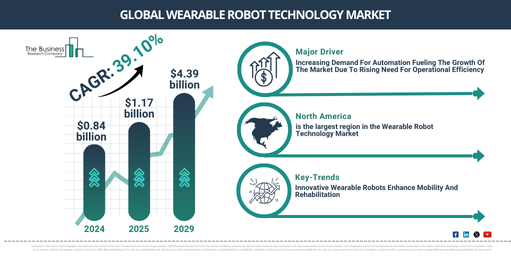
    The market size of wearable robot technology has seen considerable growth in the recent past. Its value is set to escalate from $0.84 billion in 2024 to $1.17 billion in 2025, reflecting a compound annual growth rate (CAGR) of 39.4%. The substantial growth experienced during the historical period is owed to the growing demand for rehabilitative solutions, boosted healthcare spending, increasing requirement for geriatric care solutions, heightened investment in research and development and the escalating demand for care solutions for the elderly and disabled.

    What Is the Forecast for the Wearable Robot Technology Market Size Through 2029?

    Substantial growth is anticipated for the size of the wearable robot technology market over the upcoming years. It is projected to reach a significant $4.39 billion in valuation by 2029, with a compound annual growth rate (CAGR) of 39.1%. This surge anticipated in the forecast period is a result of increasing requirements for customized healthcare solutions, heightened demand for support robots in the medical sector, an increase in the use of robotics for physical therapy, a mounting focus on multi-functional wearable robots, and a rising trend for health and fitness trackers. Among the pivotal trends for the duration of forecast include advancements in material technology, creation of modular wearable robots, the amalgamation of wearable devices with smart textiles, evolution in haptic feedback mechanisms, and development of adaptive control systems.

    Download The Free Sample Report Here:

    https://www.thebusinessresearchcompany.com/sample.aspx?id=23579&type=smp

    What are the Key Market Players in Wearable Robot Technology Market and How They’re Evolving?

    Major companies operating in the wearable robot technology market are Toyota Corporation, Samsung Electronics Co Ltd., Hyundai Motor Company, Lockheed Martin Corporation, Honda Motor Co. Ltd., Parker Hannifin Corporation, Myomo Inc, Sarcos Technology and Robotics Corporation, Zimmer Biomet Holdings Inc, Ottobock SE & Co. KGaA, Comau LLC, Cyberdyne Inc., Hocoma AG., Ekso Bionics Holdings Inc., Laevo B.V. , Innophys Co Ltd., Marsi Bionics, Näder Holding GmbH & Co. KG, Technaid. S.L. , ReWalk Robotics Ltd

    What Are the Primary Growth Drivers in the Wearable Robot Technology Market?

    The wearable robot technology market’s growth is anticipated to be fueled by the rising demand for automation. Automation encompasses the utilization of machines or technology to carry out tasks with minimal human involvement. As enterprises look to decrease costs, lessen inaccuracies, and enhance productivity, the need for automation is growing. Wearable robot technology escalates automation by incorporating collaboration between humans and machines, making it perfectly suited for industries that require heavy labour and healthcare environments. It lessens physical exertion by bolstering movement and power, thereby augmenting productivity and operational effectiveness. For example, as per the records of the International Federation of Robotics, a non-profit organization based in Germany, approximately 4.2 million robotic units were deployed in factories worldwide in 2023, a growth of 10% from 3.9 units in 2022. Consequently, the escalating demand for automation is a significant driver of the wearable robot technology market’s growth.

    Request For A Customized Report:

    https://www.thebusinessresearchcompany.com/customise?id=23579&type=smp

    What Are the Leading Segments in the Global Wearable Robot Technology Industry?

    The wearable robot technology market covered in this report is segmented –

    1) By Type: Rigid Type, Soft Type

    2) By Mode Of Operation: Passive, Active And Powered

    3) By Product: Wristwear, Headwear, Footwear, Fashion And Jewelry, Bodywear, Other Wearable Technology

    4) By Application: Rehabilitation, Assistive, Body Parts Support, Sports, Supply Chain Industry, Other Applications

    5) By End User: Healthcare, Consumer Electronics, Enterprise And Industrial Applications, Othe End User Industries

    Subsegments

    1) By Rigid Type: Exoskeletons With Metallic Frames, Powered Rigid Suits For Industrial Lifting, Military-Grade Wearable Robots, Medical Rehabilitation Robots, Full-Body Rigid Assistive Devices

    2) By Soft Type: Soft Robotic Exosuits, Pneumatic, Textile-Based Wearable Assistive Devices, Cable-Driven Flexible Actuators, Soft Wearable Robots For Elderly Mobility Support

    What Are the Key Market Trends in the Wearable Robot Technology Industry?

    Leading businesses in the wearable robot technology market are concentrating on creating unique solutions like wearable assistive robotics for better mobility and improved quality of life for the users. Wearable assistive robotics is a term referred to robotic apparatus that are worn on the human body to support or amplify physical movement, typically assisting those with mobility disabilities or physical constraints. For example, CosmoRobotics Co., Ltd., a tech firm based in South Korea, unveiled a range of innovative wearable robots in July 2024. The series includes products such as Bambini Teens, EA2Pro, EAM, GRANY, and EXA-W, all engineered to enrich everyday life by aiding in muscle strength and rehabilitation. Notable features of these robots are that Bambini Teens is intended for kids, and EA2Pro is a next-gen exoskeleton equipped with cutting-edge motor sensors and an ergonomic design destined for rehabilitation.

    Access The Full Report Here:

    https://www.thebusinessresearchcompany.com/report/wearable-robot-technology-global-market-report

    What Is the Regional Outlook for the Wearable Robot Technology Market?

    North America was the largest region in the wearable robot technology market in 2024. Asia-Pacific is expected to be the fastest-growing region in the forecast period. The regions covered in the wearable robot technology market report are Asia-Pacific, Western Europe, Eastern Europe, North America, South America, Middle East, Africa.

    Purchase The Full Report Today:

    https://www.thebusinessresearchcompany.com/purchaseoptions.aspx?id=23579

    This Report Delivers Insight On:

    1. How big is the wearable robot technology market, and how is it changing globally?

    2. Who are the major companies in the wearable robot technology market, and how are they performing?

    3. What are the key opportunities and risks in the wearable robot technology market right now?

    4. Which products or customer segments are growing the most in the wearable robot technology market?

    5. What factors are helping or slowing down the growth of the wearable robot technology market?

    About The Business Research Company:

    With over 15000+ reports from 27 industries covering 60+ geographies, The Business Research Company has built a reputation for offering comprehensive, data-rich research and insights. Armed with 1,500,000 datasets, the optimistic contribution of in-depth secondary research, and unique insights from industry leaders, you can get the information you need to stay ahead in the game.

    Get in touch with us:

    The Business Research Company: https://www.thebusinessresearchcompany.com/

    Americas +1 310-496-7795

    Europe +44 7882 955267

    Asia & Others +44 7882 955267 & +91 8897263534

    Email us at info@tbrc.info

    Follow us on:

    LinkedIn: https://in.linkedin.com/company/the-business-research-company

    YouTube: https://www.youtube.com/channel/UC24_fI0rV8cR5DxlCpgmyFQ

    Global Market Model: https://www.thebusinessresearchcompany.com/global-market-model
  • Vitreoretinal Disorder Market Size to Exceed $6.3 Billion by 2029 | Growth and Industry Trends

    Vitreoretinal Disorder Market Size to Exceed $6.3 Billion by 2029 | Growth and Industry Trends

    Claim your 30% discount on Global Market Reports with code ONLINE30. Limited time only.

    How Has the Vitreoretinal Disorder Market Grown from 2024 to 2025?

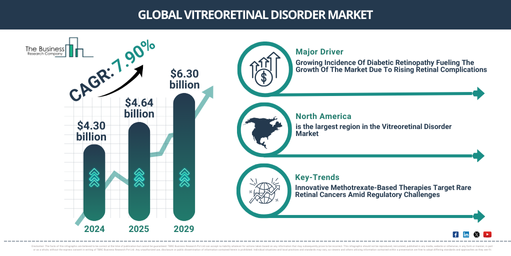
    The market size for vitreoretinal disorders has seen a significant increase in recent times. It is projected to expand from $4.30 billion in 2024 to $4.64 billion in 2025, with a Compound Annual Growth Rate (CAGR) of 8.1%. The growth observed in the historic period can be credited to factors such as increased diabetic retinopathy prevalence, growth of the aging populace, enhanced awareness about retinal diseases, the development of healthcare infrastructure, and the early adoption of anti-vascular endothelial growth factor (VEGF) therapy.

    What Growth Rate Is Anticipated for the Vitreoretinal Disorder Market in the Coming Years?

    The market for vitreoretinal disorders is predicted to experience robust growth in the coming years, ascending to $6.30 billion by 2029, with a compound annual growth rate (CAGR) of 7.9%. This projected growth during the forecast period can be credited to factors such as the surging prevalence of age-related macular degeneration, a rise in cases of diabetic retinopathy, increased investment in regenerative stem cell treatments, higher spending on eye health, enhanced awareness about the importance of early detection of retinal diseases, and government-led initiatives. The forecast period also anticipates major trends like the use of artificial intelligence (AI) in retinal disease detection, robotic assistance in vitreoretinal surgeries, nanotechnology in medicine delivery, smart contact lenses for real-time eye tracking, ultra-high-resolution through adaptive optics imaging, and biodegradable intravitreal implants.

    Download The Free Sample Report Here:

    https://www.thebusinessresearchcompany.com/sample.aspx?id=23574&type=smp

    Who Are the Leading Companies in the Vitreoretinal Disorder Market?

    Major companies operating in the vitreoretinal disorder market are Pfizer Inc., Johnson & Johnson, F. Hoffmann-La Roche AG, Merck & Co. Inc., AbbVie Inc., Bayer AG, Novartis AG, GSK plc, Teva Pharmaceutical Industries Ltd., Baxter International, Regeneron Pharmaceuticals Inc., Astellas Pharma Inc., Alcon Inc., Bausch Health Companies Inc., Santen Pharmaceutical Co. Ltd. , Topcon Corporation, Ocular Therapeutix Inc., Carl Zeiss Meditec AG, EyePoint Pharmaceuticals Inc., Kodiak Sciences Inc., Clearside Biomedical.

    What Are the Key Drivers of the Vitreoretinal Disorder Market?

    The increase in cases of diabetic retinopathy is anticipated to propel the expansion of the vitreoretinal disorder market. Diabetic retinopathy, a condition affecting the eye due to damage to the retina’s blood vessels caused by elevated blood sugar levels in diabetic individuals, is becoming increasingly common. This is due to the upward trend of diabetes incidence, linked to inactive lifestyles and inadequate blood sugar management, resulting in harm to retinal blood vessels. Effective management of vitreoretinal disorders is instrumental in addressing diabetic retinopathy. It deals with complications such as vitreous haemorrhage and tractional retinal detachment, hence preserving vision and circumventing additional retinal harm. For instance, the Australian Institute of Health and Welfare, a government agency based in Australia, stated in October 2024 that in 2022-23, 1.8% of First Nations people in Australia who were screened received treatment for diabetic retinopathy. This was a lower age-standardized treatment rate (1.3%) than that of non-Indigenous Australians (1.5%). Consequently, the upward trend in diabetic retinopathy cases is fueling the expansion of the vitreoretinal disorder market.

    Request For A Customized Report:

    https://www.thebusinessresearchcompany.com/customise?id=23574&type=smp

    What Are the Key Market Segments in the Vitreoretinal Disorder Industry?

    The vitreoretinal disorder market covered in this report is segmented –

    1) By Type: Retinal Tear, Retinal Detachment, Diabetic Retinopathy, Macular Degeneration, Macular Hole, Other Types

    2) By Diagnosis: Digital Fluorescein Angiography, Optical Coherence Tomography, Heidelberg Retinal Tomography, Indocyanine Green Angiography, Other Diagnosis

    3) By Treatment: Surgery, Medication, Other Treatments

    4) By Distribution Channel: Hospital Pharmacy, Online Pharmacy, Retail Pharmacy

    5) By End User: Hospitals, Homecare, Specialty Clinics, Other End Users

    Subsegments:

    1) By Retinal Tear: Atrophic Retinal Tear, Operculated Retinal Tear, Horseshoe Retinal Tear, Giant Retinal Tear

    2) By Retinal Detachment: Rhegmatogenous Retinal Detachment, Tractional Retinal Detachment, Exudative Retinal Detachment

    3) By Diabetic Retinopathy: Non-Proliferative Diabetic Retinopathy, Proliferative Diabetic Retinopathy, Diabetic Macular Edema

    4) By Macular Degeneration: Dry Macular Degeneration, Wet Macular Degeneration

    5) By Macular Hole: Full-Thickness Macular Hole, Lamellar Macular Hole, Tractional Macular Hole

    6) By Other Types: Epiretinal Membrane, Retinal Vein Occlusion, Retinal Artery Occlusion, Retinitis Pigmentosa, Uveitis, Vitreous Hemorrhage, Macular Edema, Central Serous Retinopathy, Proliferative Vitreoretinopathy

    What Are the Latest Trends in the Vitreoretinal Disorder Market?

    Leading businesses in the vitreoretinal disorder market are striving to create innovative treatments like methotrexate to cater to the unfulfilled healthcare needs related to unusual and aggressive retinal cancers. The use of methotrexate for treating primary vitreoretinal lymphoma involves the intravitreal application of a chemotherapy drug to target and inhibit malignant cells in the retina and vitreous, providing a localized and effective therapy for this rare ocular cancer. For instance, Aldeyra Therapeutics Inc., a biotechnology firm based in the USA, disclosed a successful pre-NDA meeting with the FDA in December 2022 about ADX-2191, a new, preservative-free version of methotrexate for treating primary vitreoretinal lymphoma (PVRL), an uncommon and hostile retinal cancer.

    Access The Full Report Here:

    https://www.thebusinessresearchcompany.com/report/vitreoretinal-disorder-global-market-report

    What Are the Key Regional Markets in the Vitreoretinal Disorder Industry?

    North America was the largest region in the vitreoretinal disorder market in 2024. The regions covered in the vitreoretinal disorder market report are Asia-Pacific, Western Europe, Eastern Europe, North America, South America, Middle East, Africa.

    Purchase The Full Report Today:

    https://www.thebusinessresearchcompany.com/purchaseoptions.aspx?id=23574

    This Report Delivers Insight On:

    1. How big is the vitreoretinal disorder market, and how is it changing globally?

    2. Who are the major companies in the vitreoretinal disorder market, and how are they performing?

    3. What are the key opportunities and risks in the vitreoretinal disorder market right now?

    4. Which products or customer segments are growing the most in the vitreoretinal disorder market?

    5. What factors are helping or slowing down the growth of the vitreoretinal disorder market?

    About The Business Research Company:

    With over 15000+ reports from 27 industries covering 60+ geographies, The Business Research Company has built a reputation for offering comprehensive, data-rich research and insights. Armed with 1,500,000 datasets, the optimistic contribution of in-depth secondary research, and unique insights from industry leaders, you can get the information you need to stay ahead in the game.

    Get in touch with us:

    The Business Research Company: https://www.thebusinessresearchcompany.com/

    Americas +1 310-496-7795

    Europe +44 7882 955267

    Asia & Others +44 7882 955267 & +91 8897263534

    Email us at info@tbrc.info

    Follow us on:

    LinkedIn: https://in.linkedin.com/company/the-business-research-company

    YouTube: https://www.youtube.com/channel/UC24_fI0rV8cR5DxlCpgmyFQ

    Global Market Model: https://www.thebusinessresearchcompany.com/global-market-model
  • Visceral Leishmaniasis Industry Insights 2025 – Market Forecast for Executives and Planners

    Visceral Leishmaniasis Industry Insights 2025 – Market Forecast for Executives and Planners

    Claim your 30% discount on Global Market Reports with code ONLINE30. Limited time only.

    How Has the Visceral Leishmaniasis Market Size Changed, over the years?

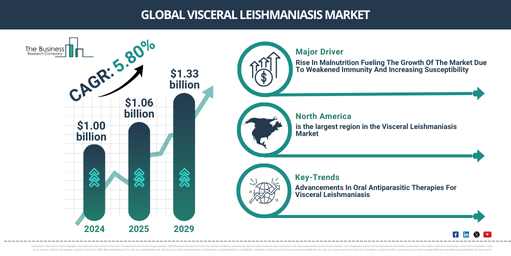
    In the last few years, the market size of visceral leishmaniasis has seen a robust growth. The market is set to increase from $1.00 billion in 2024 to $1.06 billion in 2025, with a compound annual growth rate (CAGR) of 6.1%. The factors contributing to the growth during the historic period include an increase in disease burden, surge in government funding, launch of amphotericin B, advancement of miltefosine, expansion of awareness campaigns, better accessibility to healthcare in endemic areas, and the foundation of public-private alliances.

    How Much Will the Visceral Leishmaniasis Market Be Worth in 2029?

    In the upcoming years, the market size for visceral leishmaniasis is set to witness substantial growth, with a projected worth of $1.33 billion in 2029, driven by a compound annual growth rate (CAGR) of 5.8%. Several factors can account for this growth in the forecast period, such as increased investment in the development of vaccines, heightened worldwide disease monitoring programs, growth in public-private partnerships, better funding for overlooked tropical diseases, and the introduction of gene-based therapies. Key trends predicted for this period include CRISPR-based gene alterations, AI-aided drug discovery, nanotechnology-improved drug delivery, next-gen sequencing for parasite examination, wearable biosensors for prompt detection, the application of blockchain for medical supply chain control, smartphone-driven diagnostic mechanisms, and 3D bioprinting geared towards personalized treatment research.

    Download The Free Sample Report Here:

    https://www.thebusinessresearchcompany.com/sample.aspx?id=23573&type=smp

    Which is the Largest Company in the Visceral Leishmaniasis Market?

    Major companies operating in the visceral leishmaniasis market are Pfizer Inc., Bristol-Myers Squibb Company, Abbott Laboratories, Novartis AG, GSK plc, Takeda Pharmaceutical Company Limited, Gilead Sciences Inc., Sun Pharmaceutical Industries Ltd., Dr. Reddy’s Laboratories, Aurobindo Pharma Limited, Cipla Limited, Zydus Lifesciences Limited, Glenmark Pharmaceuticals Limited, Alkem Laboratories Ltd, Xellia Pharmaceuticals, Knight Therapeutics Inc, Gufic Biosciences Ltd., United Biotech Private Limited, DNDi, TLC.

    What Are the Main Market Drivers in the Visceral Leishmaniasis Industry?

    The escalation in malnutrition levels is predicted to spur the expansion of the visceral leishmaniasis market. Malnutrition, a health issue resulting from insufficient or unbalanced intake of key nutrients required for bodily functions, has been on the rise due to food insecurity. This insecurity impedes access to nutritious food, prompting undernourishment and micro-nutrient insufficiencies, subsequently compromising the immune system. An impaired immune system heralds an increased susceptibility to infections, including visceral leishmaniasis. The body’s defense mechanisms are weakened by nutrient deficiencies, thereby augmenting the risk of intensified diseases and complications. For example, the Food and Agriculture Organization, an Italy-based specialized agency of the United Nations, reported in July 2024 that the count of undernourished people had elevated to 723.8 million in 2022, which was higher than 708.7 million in 2021. In consequence, malnutrition’s rise is fuelling the growth of the visceral leishmaniasis market.

    Request For A Customized Report:

    https://www.thebusinessresearchcompany.com/customise?id=23573&type=smp

    How Is the Visceral Leishmaniasis Market Segments Structured?

    The visceral leishmaniasis market covered in this report is segmented –

    1) By Treatment: Antiparasitic, Antifungal, Other Treatments

    2) By Diagnosis Method: Serological Tests, Molecular Tests, Microscopy, Culture Methods

    3) By Route Of Administration: Oral, Injectable, Other Routes Of Administration

    4) By Distribution Channel: Hospital Pharmacy, Online Pharmacy, Retail Pharmacy

    5) By End-User: Hospitals, Homecare, Specialty Clinics, Other End-Users

    Subsegments:

    1) By Antiparasitic: Pentavalent Antimonials, Miltefosine, Paromomycin, Sitamaquine, Combination Therapy

    2) By Antifungal: Amphotericin B, Liposomal Amphotericin B (AmBisome), Azoles, Echinocandins, Polyenes

    3) By Other Treatments: Immunotherapy, Monoclonal Antibodies, Vaccine-Based Approaches, Photodynamic Therapy, Gene Therapy

    What Strategic Trends Are Transforming the Visceral Leishmaniasis Market?

    Leading firms in the visceral leishmaniasis market are placing emphasis on the progression of treatment alternatives, such as antiparasitic drugs, to heighten effectiveness and boost patient access, particularly in areas heavily affected by the disease. Antiparasitic drugs, which are used to treat parasitic infections, operate by interfering with the parasite’s biological processes, limiting its growth, reproduction, or survival. For example, in February 2024, Zydus Lifesciences Limited, a pharmaceutical company based in India, was granted prequalification approval by the World Health Organization (WHO) for the active pharmaceutical ingredient (API) and formulation of miltefosine, used to treat leishmaniasis, also known as kala-azar. Miltefosine, an oral antiparasitic drug, functions by damaging the parasite’s cell membrane and disrupting its metabolism, causing cell death. Additionally, it inhibits parasite growth and ensures survival, making it a potent oral therapy for visceral leishmaniasis or kala azar.

    Access The Full Report Here:

    https://www.thebusinessresearchcompany.com/report/visceral-leishmaniasis-global-market-report

    Which Global Regions Offer the Highest Growth in the Visceral Leishmaniasis Market?

    North America was the largest region in the visceral leishmaniasis market in 2024. Asia-Pacific is expected to be the fastest-growing region in the forecast period. The regions covered in the visceral leishmaniasis market report are Asia-Pacific, Western Europe, Eastern Europe, North America, South America, Middle East, Africa.

    Purchase The Full Report Today:

    https://www.thebusinessresearchcompany.com/purchaseoptions.aspx?id=23573

    This Report Delivers Insight On:

    1. How big is the visceral leishmaniasis market, and how is it changing globally?

    2. Who are the major companies in the visceral leishmaniasis market, and how are they performing?

    3. What are the key opportunities and risks in the visceral leishmaniasis market right now?

    4. Which products or customer segments are growing the most in the visceral leishmaniasis market?

    5. What factors are helping or slowing down the growth of the visceral leishmaniasis market?

    About The Business Research Company:

    With over 15000+ reports from 27 industries covering 60+ geographies, The Business Research Company has built a reputation for offering comprehensive, data-rich research and insights. Armed with 1,500,000 datasets, the optimistic contribution of in-depth secondary research, and unique insights from industry leaders, you can get the information you need to stay ahead in the game.

    Get in touch with us:

    The Business Research Company: https://www.thebusinessresearchcompany.com/

    Americas +1 310-496-7795

    Europe +44 7882 955267

    Asia & Others +44 7882 955267 & +91 8897263534

    Email us at info@tbrc.info

    Follow us on:

    LinkedIn: https://in.linkedin.com/company/the-business-research-company

    YouTube: https://www.youtube.com/channel/UC24_fI0rV8cR5DxlCpgmyFQ

    Global Market Model: https://www.thebusinessresearchcompany.com/global-market-model
  • Virtual And Remote Laboratories Market Trends Report 2025 – For Business Development and Strategy Teams

    Virtual And Remote Laboratories Market Trends Report 2025 – For Business Development and Strategy Teams

    Claim your 30% discount on Global Market Reports with code ONLINE30. Limited time only.

    What Is the Forecast for the Virtual And Remote Laboratories Market Growth in 2025?

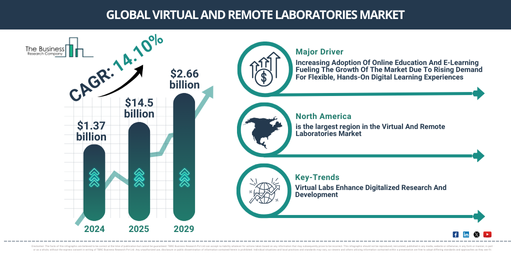
    In recent times, the market size for virtual and remote laboratories has seen quick expansion. The growth is predicted to climb from $1.37 billion in 2024 to $14.5 billion in 2025, representing a compound annual growth rate (CAGR) of 14.5%. The surge experienced in the historic period can be linked to the rising trend of digital transformation in education, a growing demand for affordable lab solutions, an increase in global internet accessibility, augmenting government support for digital education, and the expanding use of virtual labs within corporate training schemes.

    What Is the Forecast for the Virtual And Remote Laboratories Market Size Through 2029?

    The market size for virtual and remote laboratories is predicted to experience significant expansion in the upcoming years. The market is projected to reach a value of $2.66 billion in 2029, with a Compound Annual Growth Rate (CAGR) of 14.1%. This increase during the forecast period can be credited to the rising utilization of e-learning platforms, an escalating demand for scalable lab infrastructure, a growing emphasis on personalized learning environments, an increase in edtech startups providing lab simulations, and a rising requirement for scalable lab infrastructure. Key trends within the forecast period include the creation of cross-platform compatibility, the development of cost-effective virtual lab kits, incorporation with learning management systems, integration of simulation and control of actual devices, and the assimilation of video conferencing tools.

    Download The Free Sample Report Here:

    https://www.thebusinessresearchcompany.com/sample.aspx?id=23570&type=smp

    What are the Key Market Players in Virtual And Remote Laboratories Market and How They’re Evolving?

    Major companies operating in the virtual and remote laboratories market are HPE Virtual Labs, LabXchange, Immersive Labz, Immersive Labz Private Limited, Emerald Cloud Lab Inc., Labster ApS, Anatomage Inc., Fast Lane Institute for Knowledge Transfer GmbH, Shamrock Capital Advisors LLC, SimBiotic Software Inc., Beyond Labz, OpenLab VR, CorpAcademia iTechnovations Pvt. Ltd, VRLab Academy, Smart Science Labs, iXR Labs, MERLOT Virtual Labs , PraxiLabs, Amrita Virtual Labs, Inq-ITS

    What Are the Primary Growth Drivers in the Virtual And Remote Laboratories Market?

    The surge in the usage of web-based schooling and e-learning is projected to fuel the expansion of the virtual and remote labs market. Web-based schooling and e-learning involve presenting academic content and lessons via digital platforms and the internet, enabling participants to partake in courses, training, or academic programmes from anywhere and on their own schedule. The demand for adaptable and reachable learning solutions is driving the expansion of web-based schooling and e-learning as it enables students to learn whenever and wherever at their pace. Virtual and remote labs amplify web-based schooling and e-learning by providing interactive, practical experiences in digital form, making them optimal for remote learners and institutions lacking physical lab facilities. By simulating real-world experiments, they boost learning results by enhancing engagement and practical comprehension. For instance, as per Eurostat, a governing entity based in Luxembourg, in 2023, 30% of European Union internet users (aged 16–74) used web-based learning tools, a rise from 28% in 2022. Therefore, the rise in the usage of web-based schooling and e-learning propels the expansion of the virtual and remote labs market.

    Request For A Customized Report:

    https://www.thebusinessresearchcompany.com/customise?id=23570&type=smp

    What Are the Leading Segments in the Global Virtual And Remote Laboratories Industry?

    The virtual and remote laboratories market covered in this report is segmented –

    1) By Component: Software, Hardware, Services

    2) By Deployment Mode: On-Premises, Cloud

    3) By Application: Education, Research And Development, Quality Control, Training, Other Application

    4) By End-User: Academic Institutions, Enterprises, Government, Other End-Users

    Subsegments

    1) By Software: Lab Management Software, Simulation Software, Remote Access Software, Virtual Reality And Augmented Reality Software, Learning Management System Integration, Data Analytics And Reporting Tools

    2) By Hardware: Experimentation Devices, Remote Control Equipment, Data Acquisition Systems, Virtual Reality Headsets And Devices, Network And Communication Infrastructure, Cameras And Monitoring Equipment

    3) By Services: System Integration And Deployment, Technical Support And Maintenance, Training And Consulting Services, Content Development And Customization, Cloud Hosting And Infrastructure Services

    What Are the Key Market Trends in the Virtual And Remote Laboratories Industry?

    In the virtual and remote laboratories sector, top-tier companies are honing in on creating unique platforms such as virtual labs. These offer scalable, user-friendly, and immersive learning landscapes. This defines an environment, digitally simulated on a computer system that lets users perform experiments and connect with educational or scientific resources remotely, mimicking actual lab activities for learning or research. For example, HTE GmbH, a tech and services enterprise based in Germany, in June 2023, introduced a virtual lab for digitized research and development (R&D). It aims to elevate research proficiency in catalysis and materials R&D in sectors like energy, refining, chemicals, and battery manufacturing. This laboratory incorporates state-of-art technologies and workflows that assimilate reactor systems, software, and analytics to shape efficient lab operations aligned with energy, refining, chemicals, and batteries. It provides realistic 3D reactor systems, modular customization for testing units, and case studies addressing issues like CO₂ management, resource-efficient manufacturing, and synthesizing battery materials.

    Access The Full Report Here:

    https://www.thebusinessresearchcompany.com/report/virtual-and-remote-laboratories-global-market-report

    What Is the Regional Outlook for the Virtual And Remote Laboratories Market?

    North America was the largest region in the virtual and remote laboratories market in 2024. Asia-Pacific is expected to be the fastest-growing region in the forecast period. The regions covered in the virtual and remote laboratories market report are Asia-Pacific, Western Europe, Eastern Europe, North America, South America, Middle East, Africa.

    Purchase The Full Report Today:

    https://www.thebusinessresearchcompany.com/purchaseoptions.aspx?id=23570

    This Report Delivers Insight On:

    1. How big is the virtual and remote laboratories market, and how is it changing globally?

    2. Who are the major companies in the virtual and remote laboratories market, and how are they performing?

    3. What are the key opportunities and risks in the virtual and remote laboratories market right now?

    4. Which products or customer segments are growing the most in the virtual and remote laboratories market?

    5. What factors are helping or slowing down the growth of the virtual and remote laboratories market?

    About The Business Research Company:

    With over 15000+ reports from 27 industries covering 60+ geographies, The Business Research Company has built a reputation for offering comprehensive, data-rich research and insights. Armed with 1,500,000 datasets, the optimistic contribution of in-depth secondary research, and unique insights from industry leaders, you can get the information you need to stay ahead in the game.

    Get in touch with us:

    The Business Research Company: https://www.thebusinessresearchcompany.com/

    Americas +1 310-496-7795

    Europe +44 7882 955267

    Asia & Others +44 7882 955267 & +91 8897263534

    Email us at info@tbrc.info

    Follow us on:

    LinkedIn: https://in.linkedin.com/company/the-business-research-company

    YouTube: https://www.youtube.com/channel/UC24_fI0rV8cR5DxlCpgmyFQ

    Global Market Model: https://www.thebusinessresearchcompany.com/global-market-model
  • Market Analysis on Vestibular Neuronitis Treatment Industry – Insights for Corporate Strategy and R&D

    Market Analysis on Vestibular Neuronitis Treatment Industry – Insights for Corporate Strategy and R&D

    Claim your 30% discount on Global Market Reports with code ONLINE30. Limited time only.

    What Is the Forecast for the Vestibular Neuronitis Treatment Market from 2024 to 2025?

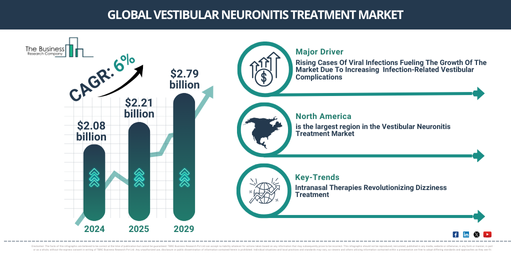
    In recent times, the market size for vestibular neuronitis treatment has significantly expanded. The market is forecasted to increase from $2.08 billion in 2024 to $2.21 billion in 2025, growing at a compound annual growth rate (CAGR) of 6.3%. The historic growth is credited to the rise in awareness on vestibular disorders, the increase in cases of chronic ailments, the sweeping prevalence of various vestibular conditions, the growing population of the elderly, and the escalating incidence of vestibular neuronitis.

    What Is the Projected Market Size of the Vestibular Neuronitis Treatment Market?

    Over the coming years, the market size for vestibular neuronitis treatment is predicted to experience robust growth. It’s projected to expand to $2.79 billion by 2029, with a Compound Annual Growth Rate (CAGR) of 6%. This growth within the forecast period is due to factors such as increased healthcare spending, a growing number of neurological disorder cases, a rise in sarcoma and ear infection incidences, and heightened awareness of balance disorders. The forecast period will also see significant trends such as the application of artificial intelligence (AI) and machine learning (ML) innovations, advancements in vestibular examination technological approaches, breakthroughs in drug delivery methods, the introduction of telemedicine for remote vestibular treatment, and enhancements in imaging technologies for inner ear evaluations.

    Download The Free Sample Report Here:

    https://www.thebusinessresearchcompany.com/sample.aspx?id=23567&type=smp

    Who are the Major Competitors in the Vestibular Neuronitis Treatment Market Outlook?

    Major companies operating in the vestibular neuronitis treatment market are Kaiser Permanente, Pfizer Inc., Johnson & Johnson, F. Hoffmann-La Roche AG, Merck & Co. Inc., AbbVie Inc., Abbott Laboratories, Novartis AG, GSK plc, Bupa, Teva Pharmaceutical Industries Ltd., Bausch Health Companies Inc., Cipla Limited, Dr. Reddy’s Laboratories Ltd. , Zydus Lifesciences Limited, Recordati S.p.A., ANI Pharmaceuticals Inc., Prestige Consumer Healthcare Inc., Sun Pharmaceutical Industries Ltd., LGM Pharma

    What Is Fueling Growth in the Vestibular Neuronitis Treatment Market?

    The escalating frequency of viral infections is anticipated to boost the vestibular neuronitis treatment market’s expansion. Viral diseases, which cause invading viruses to multiply in a host organism’s cells, result in a variety of symptoms and possible tissue damage. The surge in viral infections is predominantly attributed to global travel and urbanization, leading to increased population density and human interaction, allowing viruses to easily propagate through airborne droplets, direct contact, and tainted surfaces. Treatments for vestibular neuronitis assist in managing viral infections by reducing inflammation of the vestibular nerve, easing dizziness and balance disorders, and aiding recovery with the help of medications, rehabilitation therapy, and palliative care. For example, the UK Health Security Agency stated in October 2024 that HIV diagnoses in England hit 6,008 in 2023, a 51% leap from 3,975 in 2022 and a 56% uptick from 3,859 in 2019, highlighting how the increasing viral infections are driving the market for vestibular neuronitis treatment. The growth of the vestibular neuronitis treatment market is anticipated to be spurred by expanding healthcare expenditures. Healthcare spendings reflect the aggregate sum spent on medical services, treatments, facilities, research, and public health efforts to sustain or enhance health outcomes. The mounting demand for healthcare funds comes from the ageing population, who are more prone to balance disorders due to inner ear degeneration, subpar blood flow, and feeble nerve function. Healthcare expenses support vestibular neuronitis treatment by funding research, evolving medical technologies, and enhancing access to specialized care, facilitating superior treatment choices and quicker patient recovery. For example, the Centers for Medicare & Medicaid Services (CMS) reported in December 2024 that national health expenditures (NHE) rose by 7.5% in 2023, surpassing the GDP growth of 6.1%. From 2023 to 2032, the average national health expenditure (NHE) is expected to expand at an average annual rate of 5.6%, resulting in a rise of health spending share of GDP from 17.3% in 2022 to 19.7% in 2032, implying that growing healthcare expenses are propelling the market for vestibular neuronitis treatment.

    Request For A Customized Report:

    https://www.thebusinessresearchcompany.com/customise?id=23567&type=smp

    Which Vestibular Neuronitis Treatment Market Segments Are Growing the Fastest?

    The vestibular neuronitis treatment market covered in this report is segmented –

    1) By Treatment Type: Medication, Physical Therapy, Surgery, Alternative Therapy

    2) By Route Of Administration: Oral, Intravenous, Intramuscular

    3) By Age Group: Children, Adults, Elderly

    4) By Symptoms: Sudden Vertigo, Balance Issues, Nausea And Vomiting, Dizziness, Trouble Concentrating

    5) By End Users: Hospitals, Clinics, Other End Users

    Subsegments:

    1) By Medication: Corticosteroids, Antihistamines, Benzodiazepines, Antiemetics, Antiviral Drugs, Antibiotics

    2) By Physical Therapy: Vestibular Rehabilitation Therapy (VRT), Balance Training Exercises, Canalith Repositioning Maneuvers

    3) By Surgery: Labyrinthectomy, Vestibular Nerve Section, Endolymphatic Sac Decompression

    4) By Alternative Therapy: Acupuncture, Herbal Medicine, Chiropractic Therapy, Homeopathic Treatment, Dietary Supplements

    Which Industry Trends Are Shaping the Future of the Vestibular Neuronitis Treatment Market?

    Leading firms in the vestibular neuronitis treatment market are channeling their efforts towards the creation of cutting-edge solutions like vestibular modulators. These solutions aim to boost vestibular compensation, expedite recovery from vertigo, and increase the efficacy of treatments for balance disorder patients. Vestibular modulators serve as medicinal agents that control the activity of the vestibular system to enhance balance, minimize vertigo and amplify vestibular compensation. For example, Altamira Therapeutics Ltd., a biopharmaceutical company based in Switzerland, received investigational new drug (IND) clearance from the U.S. Food and Drug Administration in June 2023 for AM-125 (betahistine nasal spray) for acute vestibular syndrome (AVS). AM-125, a vestibular modulator, combats vestibular neuronitis via the increased release of histamine, enhanced vestibular compensation, and elevated inner ear blood flow, thereby alleviating vertigo and balance issues. It’s intranasal application guarantees swift absorption and amplified bioavailability for rapid symptom relief.

    Access The Full Report Here:

    https://www.thebusinessresearchcompany.com/report/vestibular-neuronitis-treatment-global-market-report

    Which Countries Are Leading the Vestibular Neuronitis Treatment Market?

    North America was the largest region in the vestibular neuronitis treatment market in 2024. Asia-Pacific is expected to be the fastest-growing region in the forecast period. The regions covered in the vestibular neuronitis treatment market report are Asia-Pacific, Western Europe, Eastern Europe, North America, South America, Middle East, Africa.

    Purchase The Full Report Today:

    https://www.thebusinessresearchcompany.com/purchaseoptions.aspx?id=23567

    This Report Delivers Insight On:

    1. How big is the vestibular neuronitis treatment market, and how is it changing globally?

    2. Who are the major companies in the vestibular neuronitis treatment market, and how are they performing?

    3. What are the key opportunities and risks in the vestibular neuronitis treatment market right now?

    4. Which products or customer segments are growing the most in the vestibular neuronitis treatment market?

    5. What factors are helping or slowing down the growth of the vestibular neuronitis treatment market?

    About The Business Research Company:

    With over 15000+ reports from 27 industries covering 60+ geographies, The Business Research Company has built a reputation for offering comprehensive, data-rich research and insights. Armed with 1,500,000 datasets, the optimistic contribution of in-depth secondary research, and unique insights from industry leaders, you can get the information you need to stay ahead in the game.

    Get in touch with us:

    The Business Research Company: https://www.thebusinessresearchcompany.com/

    Americas +1 310-496-7795

    Europe +44 7882 955267

    Asia & Others +44 7882 955267 & +91 8897263534

    Email us at info@tbrc.info

    Follow us on:

    LinkedIn: https://in.linkedin.com/company/the-business-research-company

    YouTube: https://www.youtube.com/channel/UC24_fI0rV8cR5DxlCpgmyFQ

    Global Market Model: https://www.thebusinessresearchcompany.com/global-market-model