Category: HealthcareServices

  • Vasovagal Syncope Treatment Market Projected at $2.13 Billion by 2029 | Strategic Insights and Forecast Data

    Vasovagal Syncope Treatment Market Projected at $2.13 Billion by 2029 | Strategic Insights and Forecast Data

    Claim your 30% discount on Global Market Reports with code ONLINE30. Limited time only.

    How Has the Vasovagal Syncope Treatment Market Size Changed, over the years?

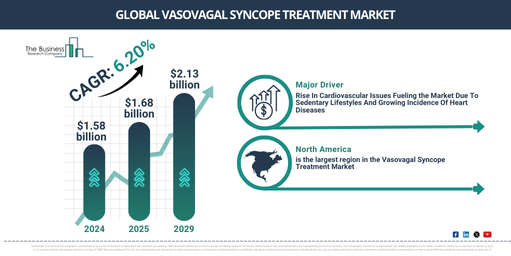
    The market size for vasovagal syncope treatment has seen a solid growth in the past years. Its growth trajectory is set to rise from $1.58 billion in 2024 to $1.68 billion in 2025, exhibiting a compound annual growth rate (CAGR) of 6.4%. Factors contributing to the growth during the historical period include the increased application of pharmacological interventions, heightened interest in tailor-made treatment, a surge in the number of healthcare professionals, enhanced knowledge of autonomic regulation and the vagus nerve, and improvements in accessing healthcare and treatments.

    How Much Will the Vasovagal Syncope Treatment Market Be Worth in 2029?

    In the coming years, a robust growth is projected in the vasovagal syncope treatment market size. The market is predicted to reach $2.13 billion by 2029 with a compound annual growth rate (CAGR) of 6.2%. The forecast period’s growth can be credited to the escalating advancements in personalized medicine, an increased focus on neurocardiogenic mechanisms, the expansion of public awareness, and an augmented understanding of psychological factors. Additionally, the rising integration of multidisciplinary care contributes to market expansion. Key trends during the forecast period are the incorporation of digital health tools, advancement in pharmacological technology, the evolution of wearable technology and remote monitoring, as well as the advent of artificial intelligence (AI), and machine learning.

    Download The Free Sample Report Here:

    https://www.thebusinessresearchcompany.com/sample.aspx?id=23563&type=smp

    Which is the Largest Company in the Vasovagal Syncope Treatment Market?

    Major companies operating in the vasovagal syncope treatment market are Johnson & Johnson, Sanofi S.A., Bristol-Myers Squibb Company, Abbott Laboratories, Novartis AG, Medtronic plc, Gilead Sciences Inc., Amgen Inc., Siemens Healthineers AG, Stryker Corporation, Regeneron Pharmaceuticals Inc., C.H. Boehringer Sohn AG & Co. KG, Boston Scientific Corporation, Terumo Corporation, Ipsen S.A., Amneal Pharmaceuticals Inc., Mallinckrodt plc, Biotronik SE & Co. KG, AtriCure Inc., Impax Laboratories Inc.

    What Are the Main Market Drivers in the Vasovagal Syncope Treatment Industry?

    Anticipated growth of the vasovagal syncope treatment market is linked to an increase in cardiovascular problems. Cardiovascular ailments encompass a variety of conditions impacting the heart and blood vessels, including heart disease, hypertension, stroke, and arrhythmias. Unhealthy diets, high consumption of processed foods, saturated fats and high levels of sodium trigger conditions like hypertension, obesity and high cholesterol levels, all of which heighten the risk for heart disease. By stabilizing blood pressure, enhancing autonomic regulation and averting sudden heart rate drops, vasovagal syncope treatment aids in managing cardiovascular problems. For example, the American Heart Association, a US nonprofit, confirmed 941,652 deaths in 2022 due to heart-related disease, marking an increase of over 10,000 from 2021. Consequently, an increase in cardiovascular issues is driving growth in the vasovagal syncope treatment market. The growth of the vasovagal syncope treatment market also coincides with the expansion of telehealth services driven by digital advancements and increased demand for easily accessible healthcare. Telehealth services, facilitated via digital communication devices and platforms, let patients consult healthcare professionals from their homes, saving them a trip to medical facilities. More and more patients are opting to consult remotely, hence decreasing the need for physical visits and enhancing flexibility, mainly in rural or underserved areas. Vasovagal syncope treatment strengthens telehealth services by ensuring timely interventions, personalized patient care and improved accessibility. For instance, a survey by Rock Health, a US-based corporation, found that 80% of participants used telemedicine services at least once, an increase of 8% from 2021. Thus, the expansion of telehealth services is pushing the vasovagal syncope treatment market forward.

    Request For A Customized Report:

    https://www.thebusinessresearchcompany.com/customise?id=23563&type=smp

    How Is the Vasovagal Syncope Treatment Market Segments Structured?

    The vasovagal syncope treatment market covered in this report is segmented –

    1) By Treatment Method: Medication, Lifestyle Modification, Surgical Intervention, Psychological Therapy

    2) By Diagnosis Type: Electrocardiogram, Tilt Table Test, Electrophysiological Study

    3) By Patient Age Group: Pediatric, Adult, Geriatric

    4) By Application: Cardiogenic, Neurological, Metabolic, Vasomotor, Other Applications

    5) By End User: Hospitals, Specialty Clinics, Home, Healthcare

    Subsegments:

    1) By Medication: Prescription Drugs, Over-The-Counter (OTC) Medications, Herbal Or Alternative Medications, Injections Or Infusions

    2) By Lifestyle Modification: Dietary Changes, Physical Activity, Sleep Hygiene, Stress Management, Substance Avoidance

    3) By Surgical Intervention: Minimally Invasive Surgeries, Major Surgical Procedures, Cosmetic Surgery, Bariatric Surgery, Orthopedic Surgeries

    4) By Psychological Therapy: Cognitive Behavioral Therapy (CBT), Psychodynamic Therapy, Dialectical Behavior Therapy (DBT), Interpersonal Therapy (IPT), Group Therapy, Family Therapy, Supportive Therapy, Play Therapy

    Access The Full Report Here:

    https://www.thebusinessresearchcompany.com/report/vasovagal-syncope-treatment-global-market-report

    Which Global Regions Offer the Highest Growth in the Vasovagal Syncope Treatment Market?

    North America was the largest region in the vasovagal syncope treatment market in 2024. The regions covered in the vasovagal syncope treatment market report are Asia-Pacific, Western Europe, Eastern Europe, North America, South America, Middle East, Africa.

    Purchase The Full Report Today:

    https://www.thebusinessresearchcompany.com/purchaseoptions.aspx?id=23563

    This Report Delivers Insight On:

    1. How big is the vasovagal syncope treatment market, and how is it changing globally?

    2. Who are the major companies in the vasovagal syncope treatment market, and how are they performing?

    3. What are the key opportunities and risks in the vasovagal syncope treatment market right now?

    4. Which products or customer segments are growing the most in the vasovagal syncope treatment market?

    5. What factors are helping or slowing down the growth of the vasovagal syncope treatment market?

    About The Business Research Company:

    With over 15000+ reports from 27 industries covering 60+ geographies, The Business Research Company has built a reputation for offering comprehensive, data-rich research and insights. Armed with 1,500,000 datasets, the optimistic contribution of in-depth secondary research, and unique insights from industry leaders, you can get the information you need to stay ahead in the game.

    Get in touch with us:

    The Business Research Company: https://www.thebusinessresearchcompany.com/

    Americas +1 310-496-7795

    Europe +44 7882 955267

    Asia & Others +44 7882 955267 & +91 8897263534

    Email us at info@tbrc.info

    Follow us on:

    LinkedIn: https://in.linkedin.com/company/the-business-research-company

    YouTube: https://www.youtube.com/channel/UC24_fI0rV8cR5DxlCpgmyFQ

    Global Market Model: https://www.thebusinessresearchcompany.com/global-market-model
  • Vasopressor Industry Growth Expected to Reach $4.92 Billion by 2029 at a CAGR of 6.9% | Segmentation and Growth Opportunities

    Vasopressor Industry Growth Expected to Reach $4.92 Billion by 2029 at a CAGR of 6.9% | Segmentation and Growth Opportunities

    Claim your 30% discount on Global Market Reports with code ONLINE30. Limited time only.

    What Is the Forecast for the Vasopressor Market Growth in 2025?

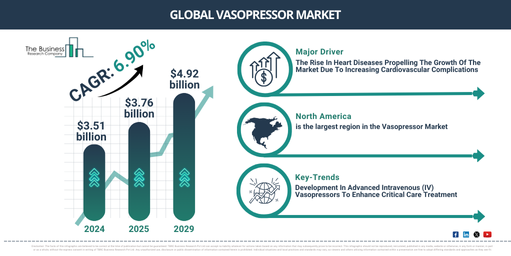
    The vasopressor market has seen robust growth in the past few years, expanding from a valuation of $3.51 billion in 2024 to a projected $3.76 billion in 2025. This represents a compound annual growth rate (CAGR) of 7.2%. Factors that have contributed to this growth include an upsurge in the elderly population, escalating healthcare costs, various government initiatives, an increased number of hospitals, and the growing incidence of cardiovascular diseases.

    What Is the Forecast for the Vasopressor Market Size Through 2029?

    The market for vasopressor is predicted to witness robust expansion in the forthcoming years, with an expected valuation of $4.92 billion at a compound annual growth rate (CAGR) of 6.9% by 2029. The forecasted growth stems from several factors such as increasing hypertension cases, more adoption of current sepsis management guidelines, higher investments in critical care technologies, rise in septic shock prevalence, and escalating demand for individualized critical care. Key trends projected for the forecast period encompass improvements in drug formulations, creation of customized therapies, technological progress in smart infusion pumps, incorporation of telemedicine into vasopressor treatments, and breakthroughs in biodegradable vasopressor implants.

    Download The Free Sample Report Here:

    https://www.thebusinessresearchcompany.com/sample.aspx?id=23562&type=smp

    What are the Key Market Players in Vasopressor Market and How They’re Evolving?

    Major companies operating in the vasopressor market are Pfizer Inc., Merck And Co Inc., Novartis AG, Baxter International Inc., Fresenius Kabi AG, Bauch & Lomb Incorporated, Dr. Reddy’s Laboratories Limited, Hikma Pharmaceuticals PLC, Endo Inc., Amphastar Pharmaceuticals Inc., American Regent Incorporated, Celon Laboratories Ltd., Athenex Inc., Sagent Pharmaceuticals Inc., Civica Rx, Eton Pharmaceuticals Inc., Amomed Pharma GmbH, Health Biotech Limited, Samarth Life Sciences Pvt. Ltd, Pace Biotech Limited.

    What Are the Primary Growth Drivers in the Vasopressor Market?

    The escalating incidence of heart diseases is predicted to drive the expansion of the vasopressor market. These heart issues encompass various disorders affecting the functionality and structure of the heart, such as coronary artery disease, arrhythmias, heart failure, and congenital heart ailments. The prevalence of inactive lifestyles is growing, leading to obesity and impaired cardiovascular health, thus substantially increasing the heart disease risk. Vasopressors play a crucial role in heart disease treatment, as they constrict blood vessels, raising blood pressure and enhancing the blood supply to vital organs. This aids in maintaining cardiac function during critical conditions. For example, in December 2023, data from the Australian Institute of Health and Welfare, a government agency in Australia, showed that in 2021 there were 14,100 doctor-certified deaths due to coronary heart disease (CHD), this number rose to 14,900 cases in 2022. Consequently, the increase in heart disease bolsters the growth of the vasopressor market.

    Request For A Customized Report:

    https://www.thebusinessresearchcompany.com/customise?id=23562&type=smp

    What Are the Leading Segments in the Global Vasopressor Industry?

    The vasopressor market covered in this report is segmented –

    1) By Type: Catecholamines, Non-Catecholamines, Vasopressin

    2) By Route Of Administration: Intravenous (IV), Intraosseous, Inhalational

    3) By Applications: Hypotension Management, Septic Shock Treatment, Cardiogenic Shock Support, Post-Surgical Management, Other Critical Care Applications

    4) By End Users: Hospitals, Ambulatory Surgical Centers, Emergency Medical Services, Home Care Settings

    Subsegments-

    1) By Catecholamines: Norepinephrine, Epinephrine, Dopamine, Isoproterenol

    2) By Non-Catecholamines: Phenylephrine, Angiotensin II

    3) By Vasopressin: Vasopressin

    What Are the Key Market Trends in the Vasopressor Industry?

    Leading enterprises in the vasopressor market are concentrating on creating refined products like intravenous (IV) vasopressors, designed to better regulate blood pressure and enhance patient outcomes. Intravenous (IV) vasopressors serve to tighten blood vessels and raise blood pressure in patients grappling with severe hypotension or shock, thus ensuring sufficient blood supply to crucial organs. Fresenius Kabi AG, a pharmaceutical company based in Germany, debuted Vasopressin Injection, USP, a generic substitute to Vasostrict, in the United States in June 2023, a move that broadened its critical care offerings. Primarily, this drug is meant for adults who are suffering from vasodilatory shock and continue to be hypotensive even after receiving fluids and catecholamines. The medication comes in a single-dose vial holding 20 units per 1 mL.

    Access The Full Report Here:

    https://www.thebusinessresearchcompany.com/report/vasopressor-global-market-report

    What Is the Regional Outlook for the Vasopressor Market?

    North America was the largest region in the vasopressor market in 2024. Asia-Pacific is expected to be the fastest-growing region in the forecast period. The regions covered in the vasopressor market report are Asia-Pacific, Western Europe, Eastern Europe, North America, South America, Middle East, Africa.

    Purchase The Full Report Today:

    https://www.thebusinessresearchcompany.com/purchaseoptions.aspx?id=23562

    This Report Delivers Insight On:

    1. How big is the vasopressor market, and how is it changing globally?

    2. Who are the major companies in the vasopressor market, and how are they performing?

    3. What are the key opportunities and risks in the vasopressor market right now?

    4. Which products or customer segments are growing the most in the vasopressor market?

    5. What factors are helping or slowing down the growth of the vasopressor market?

    About The Business Research Company:

    With over 15000+ reports from 27 industries covering 60+ geographies, The Business Research Company has built a reputation for offering comprehensive, data-rich research and insights. Armed with 1,500,000 datasets, the optimistic contribution of in-depth secondary research, and unique insights from industry leaders, you can get the information you need to stay ahead in the game.

    Get in touch with us:

    The Business Research Company: https://www.thebusinessresearchcompany.com/

    Americas +1 310-496-7795

    Europe +44 7882 955267

    Asia & Others +44 7882 955267 & +91 8897263534

    Email us at info@tbrc.info

    Follow us on:

    LinkedIn: https://in.linkedin.com/company/the-business-research-company

    YouTube: https://www.youtube.com/channel/UC24_fI0rV8cR5DxlCpgmyFQ

    Global Market Model: https://www.thebusinessresearchcompany.com/global-market-model
  • Vasoactive Intestinal Peptide Tumor Industry Valued at $2.04 Billion by 2029 With CAGR of 6.2% | Size and Share Insights

    Vasoactive Intestinal Peptide Tumor Industry Valued at $2.04 Billion by 2029 With CAGR of 6.2% | Size and Share Insights

    Claim your 30% discount on Global Market Reports with code ONLINE30. Limited time only.

    What Is the Forecast for the Vasoactive Intestinal Peptide Tumor Market from 2024 to 2025?

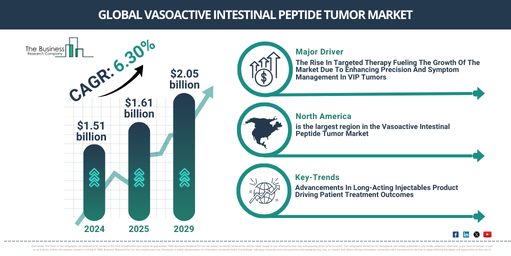
    In recent times, the market for vasoactive intestinal peptide tumor has significantly expanded. The market, valued at $1.51 billion in 2024, is projected to increase to $1.61 billion in 2025 with a compound annual growth rate (CAGR) of 6.5%. The historical growth has been driven by a number of factors including a higher incidence of VIP tumors, emphasis on research and development activities, improved health consciousness, enhanced healthcare facilities, and partnerships between biotechnology companies and research organizations.

    What Is the Projected Market Size of the Vasoactive Intestinal Peptide Tumor Market?

    Over the next few years, the market for vasoactive intestinal peptide tumor is projected to witness substantial growth, reaching a value of $2.05 billion by 2029 with a compound annual growth rate (CAGR) of 6.3%. The proliferation during the forecast period is likely due to the growing demand for chemotherapy, quick drug approvals, increased preference for oral medications, heightened disease awareness, and rising tumor prevalence. The period’s significant trends encompass improvements in targeted therapies, progress in diagnosis methods, developments in treatment avenues, customized medicine, targeted care strategies and novel product introductions.

    Download The Free Sample Report Here:

    https://www.thebusinessresearchcompany.com/sample.aspx?id=23561&type=smp

    Who are the Major Competitors in the Vasoactive Intestinal Peptide Tumor Market Outlook?

    Major companies operating in the vasoactive intestinal peptide tumor market are Pfizer Inc., Novartis AG, Mayo Clinic, Labcorp Holdings Inc., Mount Sinai Hospital, Cleveland Clinic Laboratories, Penn Medicine, Stanford Health Care, UCSF Health, ARUP Laboratories, Dr. Lal PathLabs, Cancer Research UK, Medicover Hospitals, NuView Life Sciences Inc., DNA Labs India, Inter Science Institute, Ulta Lab Tests, True Health Labs, Ganesh Diagnostic, Agilus Diagnostics.

    What Is Fueling Growth in the Vasoactive Intestinal Peptide Tumor Market?

    The advancement in targeted therapies is anticipated to fuel the growth of the vasoactive intestinal peptide tumor market. These therapies aim at distinct molecules or pathways implicated in disease progression, particularly cancer, to selectively combat abnormal cells while sparing healthy ones. The popularity of such therapies is spurred by precision medicine, which optimizes efficacy by pinpointing specific genetic mutations and lessening side effects. VIP tumors are treated with targeted therapies by inhibiting vital pathways that stimulate tumor growth and hormone secretion. This reduces VIP levels, alleviates effects like severe diarrhea and slows down the progression of the disease. For example, in July 2024, based on data from the American Society of Gene and Cell Therapy (ASGCT), a US professional membership organization, the second quarter of 2024 witnessed 76 gene therapy trials commencement, marking a 25% increase compared to the preceding quarter. These factors contribute to the rise of targeted therapy, which propels the growth of the vasoactive intestinal peptide tumor market. The enhanced detection due to the growing prevalence and awareness of neuroendocrine tumors fuels the market growth.

    Request For A Customized Report:

    https://www.thebusinessresearchcompany.com/customise?id=23561&type=smp

    Which Vasoactive Intestinal Peptide Tumor Market Segments Are Growing the Fastest?

    The vasoactive intestinal peptide tumor market covered in this report is segmented –

    1) By Treatment: Surgical Intervention, Radiotherapy, Chemotherapy, Targeted Therapy

    2) By Diagnosis: Imaging Techniques, Biopsy, Endoscopic Ultrasound

    3) By Therapeutic Approach: Palliative Care, Curative Treatment, Adjuvant Treatment

    4) By End-User: Hospitals, Cancer Specialty Clinics, Diagnostic Laboratories

    Subsegments:

    1) By Surgical Intervention: Tumor Resection, Debulking Surgery, Minimally Invasive Surgery

    2) By Radiotherapy: External Beam Radiation Therapy (EBRT), Stereotactic Body Radiation Therapy (SBRT), Proton Therapy

    3) By Chemotherapy: Cytotoxic Chemotherapy, Combination Chemotherapy, Adjuvant And Neoadjuvant Chemotherapy

    4) By Targeted Therapy: Somatostatin Analog Therapy, Tyrosine Kinase Inhibitors (TKIs), Monoclonal Antibodies

    Which Industry Trends Are Shaping the Future of the Vasoactive Intestinal Peptide Tumor Market?

    In an effort to enhance treatment efficacy, improve patient adherence, and offer prolonged symptomatic relief, leading companies active in the vasoactive intestinal peptide tumor market are concentrating on developing superior products like long-acting injectable suspensions. These suspensions, which slowly release their active ingredients over a longer duration, reduce the need for repeated dosing. For example, in October 2024, the US-based Teva Pharmaceutical Industries Ltd., introduced the first and exclusive generic version of Sandostatin LAR Depot (octreotide acetate for injectable suspension) in the U.S. This drug is for long-term maintenance treatment in acromegaly patients who did not respond adequately to surgery or radiotherapy. It also manages severe diarrhea and flushing connected with metastatic carcinoid tumors and VIP-secreting tumors. The product’s introduction underpins Teva’s proficiency in complex generics, and aids in strengthening its footing in the generic pharmaceuticals market.

    Access The Full Report Here:

    https://www.thebusinessresearchcompany.com/report/vasoactive-intestinal-peptide-tumor-global-market-report

    Which Countries Are Leading the Vasoactive Intestinal Peptide Tumor Market?

    North America was the largest region in the vasoactive intestinal peptide tumor market in 2024. The regions covered in the vasoactive intestinal peptide tumor market report are Asia-Pacific, Western Europe, Eastern Europe, North America, South America, Middle East, Africa.

    Purchase The Full Report Today:

    https://www.thebusinessresearchcompany.com/purchaseoptions.aspx?id=23561

    This Report Delivers Insight On:

    1. How big is the vasoactive intestinal peptide tumor market, and how is it changing globally?

    2. Who are the major companies in the vasoactive intestinal peptide tumor market, and how are they performing?

    3. What are the key opportunities and risks in the vasoactive intestinal peptide tumor market right now?

    4. Which products or customer segments are growing the most in the vasoactive intestinal peptide tumor market?

    5. What factors are helping or slowing down the growth of the vasoactive intestinal peptide tumor market?

    About The Business Research Company:

    With over 15000+ reports from 27 industries covering 60+ geographies, The Business Research Company has built a reputation for offering comprehensive, data-rich research and insights. Armed with 1,500,000 datasets, the optimistic contribution of in-depth secondary research, and unique insights from industry leaders, you can get the information you need to stay ahead in the game.

    Get in touch with us:

    The Business Research Company: https://www.thebusinessresearchcompany.com/

    Americas +1 310-496-7795

    Europe +44 7882 955267

    Asia & Others +44 7882 955267 & +91 8897263534

    Email us at info@tbrc.info

    Follow us on:

    LinkedIn: https://in.linkedin.com/company/the-business-research-company

    YouTube: https://www.youtube.com/channel/UC24_fI0rV8cR5DxlCpgmyFQ

    Global Market Model: https://www.thebusinessresearchcompany.com/global-market-model
  • Value-Based Healthcare Services Market Size to Exceed $3970 Billion by 2029 | Growth and Industry Trends

    Value-Based Healthcare Services Market Size to Exceed $3970 Billion by 2029 | Growth and Industry Trends

    Claim your 30% discount on Global Market Reports with code ONLINE30. Limited time only.

    How Has the Value-Based Healthcare Services Market Grown from 2024 to 2025?

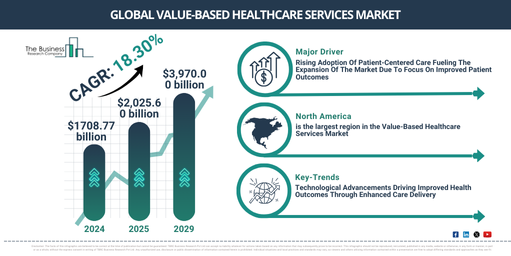
    The market size for value-based healthcare services has seen a significant surge in recent times. The market is projected to increase from $1708.77 billion in 2024 to $2,025.60 billion in 2025, demonstrating a compound annual growth rate (CAGR) of 18.5%. Factors such as growing expenses in the healthcare sector, a rising prevalence of chronic illnesses, an upsurge in healthcare IT implementation, an increased application of predictive analytics, and an ascend in population health management solutions contribute to the historic growth period.

    What Growth Rate Is Anticipated for the Value-Based Healthcare Services Market in the Coming Years?

    The market size for value-based healthcare services is anticipated to significantly expand in the coming years, projecting a growth to $3,970.00 billion by 2029, with a compound annual growth rate (CAGR) of 18.3%. This growth during the forecast period is primarily due to the integration of artificial intelligence in healthcare, the increasing use of telehealth systems, heightened attention to preventive care, escalating investments in the healthcare sector and the increased utilization of digital health platforms. Key trends for the forecast period include a transition from fee-for-service to value-based healthcare, progress in healthcare analytics, the use of blockchain in healthcare, further advancements in artificial intelligence and machine learning, and the inclusion of technology in healthcare processes.

    Download The Free Sample Report Here:

    https://www.thebusinessresearchcompany.com/sample.aspx?id=23559&type=smp

    Who Are the Leading Companies in the Value-Based Healthcare Services Market?

    Major companies operating in the value-based healthcare services market are UnitedHealth Group Incorporated, McKesson Corporation, OptumHealth, Cigna Healthcare, Anthem Insurance Companies Inc. (Elevance Health), Kaiser Permanente, Humana Inc., Aetna Inc., Blue Cross and Blue Shield of Minnesota, Genpact Limited, VillageMD, MVP Health Care, Oak Street Health, Athena Healthcare, Evolent Health, ChenMed LLC, Somatus Inc., Cityblock Health, Navvis Healthcare, Tandigm Health, NextStep Solutions, CareMore Health, ForeSee Medical Inc.

    What Are the Key Drivers of the Value-Based Healthcare Services Market?

    The surge in the implementation of patient-oriented treatment is anticipated to drive the expansion of the value-based healthcare services market in the future. This health care approach, known as patient-centered care, prioritizes an individual’s health needs, preferences, and values, ensuring they take an active part in decision-making and treatment strategies. The rising implementation of this patient-focused methodology is attributed to the increasing acknowledgment that patients should have a significant role in their health care choices. This kind of care can enormously escalate value-based healthcare services by harmonizing patient requirements and preferences with improved health results, better care standards, and cost reduction. For example, a survey in August 2024 by Lakeside Healthcare At Yaxley, a general practitioners (GPs) healthcare facility in the UK, observed a 3% improvement in patients finding it simpler to reach the establishment, decreased phone waiting times with 74% of calls getting responses within ten minutes, and an escalated percentage of in-person meetings at 58%. Consequently, this surge in the adoption of patient-centered care stimulates the expansion of the value-based healthcare services market.

    Request For A Customized Report:

    https://www.thebusinessresearchcompany.com/customise?id=23559&type=smp

    What Are the Key Market Segments in the Value-Based Healthcare Services Industry?

    The value-based healthcare services market covered in this report is segmented –

    1) By Product Type: Accountable Care Organization (ACO), Patient-Centered Medical Home (PCMH), Pay for Performance, Bundled Payments

    2) By Deployment Type: Online, Offline

    3) By End-User: Hospitals, Clinics, Insurance Companies, Government, Others End-User

    Subsegments:

    1) By Accountable Care Organization (ACO): Medicare ACOs, Commercial ACOs, Pioneer ACOs, Provider-Sponsored ACOs, Government-Funded ACOs

    2) By Patient-Centered Medical Home (PCMH): Independent PCMHs, Hospital-Based PCMHs, Payer-Led PCMHs, Specialty-Specific PCMHs, Multi-Payer PCMHs

    3) By Pay for Performance: Hospital-Based P4P, Physician-Based P4P, Pharmacy-Based P4P, Nursing and Post-Acute Care P4P, Population Health-Based P4P

    4) By Bundled Payments: Retrospective Bundled Payments, Prospective Bundled Payments, Condition-Specific Bundled Payments, Procedure-Based Bundled Payments, Multi-Payer Bundled Payments

    What Are the Latest Trends in the Value-Based Healthcare Services Market?

    Key firms in the value-based healthcare services market are increasingly concentrating on creating novel solutions such as value-based care. This involves harnessing technology and expertise to generate superior and equitable health results. The concept behind value-based care is to improve patient outcomes by delivering quality and preventive care efficiently and cost-effectively. As an example, in April 2023, the American nonprofit organization, Kaiser Permanente, unveiled a new nonprofit, Risant Health, with the objective of broadening and speeding up the implementation of value-based healthcare collaboratively with community-based health systems. The initiative aims to augment the delivery of patient-centric care by incorporating sophisticated value-based care frameworks, utilizing data-informed insights, digital involvement, and revolutionary care approaches hence enhancing healthcare availability and quality. Through the acquisition and support of nonprofit health systems like Geisinger Health, Risant Health is primed to enable a systemic shift. This encourages the provision of cost-efficient, superior quality healthcare remedies that put patients first and guarantee equality in care.

    Access The Full Report Here:

    https://www.thebusinessresearchcompany.com/report/value-based-healthcare-services-global-market-report

    What Are the Key Regional Markets in the Value-Based Healthcare Services Industry?

    North America was the largest region in the value-based healthcare services market in 2024. Asia-Pacific is expected to be the fastest-growing region in the forecast period. The regions covered in the value-based healthcare services market report are Asia-Pacific, Western Europe, Eastern Europe, North America, South America, Middle East, Africa.

    Purchase The Full Report Today:

    https://www.thebusinessresearchcompany.com/purchaseoptions.aspx?id=23559

    This Report Delivers Insight On:

    1. How big is the value-based healthcare services market, and how is it changing globally?

    2. Who are the major companies in the value-based healthcare services market, and how are they performing?

    3. What are the key opportunities and risks in the value-based healthcare services market right now?

    4. Which products or customer segments are growing the most in the value-based healthcare services market?

    5. What factors are helping or slowing down the growth of the value-based healthcare services market?

    About The Business Research Company:

    With over 15000+ reports from 27 industries covering 60+ geographies, The Business Research Company has built a reputation for offering comprehensive, data-rich research and insights. Armed with 1,500,000 datasets, the optimistic contribution of in-depth secondary research, and unique insights from industry leaders, you can get the information you need to stay ahead in the game.

    Get in touch with us:

    The Business Research Company: https://www.thebusinessresearchcompany.com/

    Americas +1 310-496-7795

    Europe +44 7882 955267

    Asia & Others +44 7882 955267 & +91 8897263534

    Email us at info@tbrc.info

    Follow us on:

    LinkedIn: https://in.linkedin.com/company/the-business-research-company

    YouTube: https://www.youtube.com/channel/UC24_fI0rV8cR5DxlCpgmyFQ

    Global Market Model: https://www.thebusinessresearchcompany.com/global-market-model
  • Value-Based Care Service Industry Insights 2025 – Market Forecast for Executives and Planners

    Value-Based Care Service Industry Insights 2025 – Market Forecast for Executives and Planners

    Claim your 30% discount on Global Market Reports with code ONLINE30. Limited time only.

    How Has the Value-Based Care Service Market Size Changed, over the years?

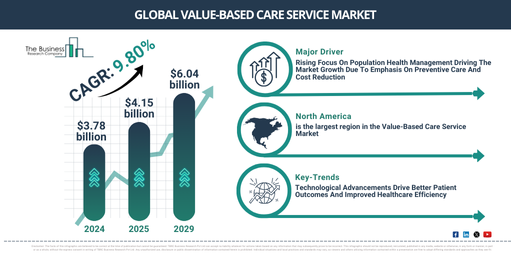
    The size of the market for value-based care services has experienced robust growth in recent years. It is projected to expand from $3.78 billion in 2024 to $4.15 billion in 2025, representing a compound annual growth rate (CAGR) of 9.9%. This growth during the historic period is mainly due to factors such as higher healthcare costs, an increasing emphasis on patient outcomes, the expansion of accountable care organizations (ACOs), the broadening scope of bundled payment models, and the growing utilization of predictive analytics.

    How Much Will the Value-Based Care Service Market Be Worth in 2029?

    The market size for value-based care service is projected to experience robust expansion in the upcoming years, expecting to reach $6.04 billion in 2029 with a compound annual growth rate (CAGR) of 9.8%. This growth during the forecast period can be credited to the enlargement of alternative payment models (APMs), escalated enrolment in Medicare and Medicaid, increased demand for customized care, the proliferation of telehealth usage, and an intensified emphasis on preventive care. Key trends predicted for this forecast period consist of progression in healthcare analytics, a transition away from fee-for-service, the application of artificial intelligence in healthcare, integration of AI and machine learning, plus advancements in the realm of digital health platforms.

    Download The Free Sample Report Here:

    https://www.thebusinessresearchcompany.com/sample.aspx?id=23558&type=smp

    Which is the Largest Company in the Value-Based Care Service Market?

    Major companies operating in the value-based care service market are UnitedHealth Group Incorporated, McKesson Corporation, Cigna Healthcare, Anthem Insurance Companies Inc. (Elevance Health), Kaiser Permanente, Humana Inc., Blue Cross and Blue Shield of Minnesota, Genpact Limited, VillageMD, MVP Health Care, Agilon Health Inc., Oak Street Health, Privia Health Group Inc., Evolent Health, ChenMed LLC, Aetna Inc., Aledade Inc., Somatus Inc., Equality Health LLC, Wellvana Health LLC, Tandigm Health, ForeSee Medical Inc.

    What Are the Main Market Drivers in the Value-Based Care Service Industry?

    The growing emphasis on managing the health of populations is anticipated to boost the value-based care service market’s expansion in the future. This proactive approach to healthcare aims to enhance the wellness outcomes of a specific demographic through the use of data analytics, preventative care, and evidence-based interventions. This focus is driven by the need to improve overall health outcomes and manage healthcare costs. Healthcare providers use this strategy to identify and manage common health risks, encourage preventative care, and control chronic conditions on a wider scale. Value-based care services are integral to this shift, as they align financial incentives with health outcomes, encourage teamwork across disciplines, and prioritize preventative measures and long-term patient engagement. For example, the Bureau of Labor Statistics, a US federal agency, reported in April 2023 that the employment of medical and health services managers is forecasted to rise by 29% from 2023 to 2033, far outstripping the average growth rate of all jobs. Consequently, the growing emphasis on population health management is propelling the expansion of the value-based care service market.

    Request For A Customized Report:

    https://www.thebusinessresearchcompany.com/customise?id=23558&type=smp

    How Is the Value-Based Care Service Market Segments Structured?

    The value-based care service market covered in this report is segmented –

    1) By Model: Pay For Performance, Patient-Centered Medical Home, Shared Savings, Shared Risk, Bundled Payment, Capitation Models

    2) By Payers: Medicare, Medicaid, Commercial Insurance, Other Payers

    3) By Providers: Home Health Care, Institutional Care, Hospital Therapy, Other Providers

    4) By End-Users: Hospitals And Clinics, Insurance Companies, Government, Other End-Users

    Subsegments:

    1) By Pay For Performance: Hospital-Based Pay for Performance, Physician-Based Pay for Performance, Pharmacy-Based Pay for Performance, Nursing and Post-Acute Care Pay for Performance, Population Health-Based Pay for Performance

    2) By Patient-Centered Medical Home: Independent Patient-Centered Medical Homes, Hospital-Based Patient-Centered Medical Homes, Payer-Led Patient-Centered Medical Homes, Specialty-Specific Patient-Centered Medical Homes, Multi-Payer Patient-Centered Medical Homes

    3) By Shared Savings: One-Sided Shared Savings, Two-Sided Shared Savings, Medicare Shared Savings Programs, Commercial Shared Savings Programs, Medicaid Shared Savings Programs

    4) By Shared Risk: Partial Risk Sharing, Full Risk Sharing, Upside-Only Risk Models, Downside Risk Models, Provider-Sponsored Risk Arrangements

    5) By Bundled Payment: Retrospective Bundled Payments, Prospective Bundled Payments, Condition-Specific Bundled Payments, Procedure-Based Bundled Payments, Multi-Payer Bundled Payments

    6) By Capitation Models: Full Capitation, Partial Capitation, Primary Care Capitation, Specialty Care Capitation, Global Capitation

    What Strategic Trends Are Transforming the Value-Based Care Service Market?

    Leading corporations in the value-based care service market are emphasizing the creation of novel solutions like healthcare analytics to enhance results and effectiveness. Healthcare analytics applies patient and treatment data to assist medical professionals and healthcare institutions in making informed decisions and optimizing care. This approach benefits value-based care services by utilizing patient data to select the most suitable care, enhance health results and cut down unnecessary expenses. For example, Milliman MedInsight, an American healthcare analytics and data solutions firm, launched an improved Value-Based Care Platform in October 2023. This platform was aimed at aiding healthcare organizations to excel under value-based care models. The updated platform offered sophisticated tools for patient data analysis, tracking health outcomes, controlling costs, and refining care coordination. It empowered doctors, healthcare institutions, and health plans to make superior decisions by recognizing efficient treatments, utilizing resources effectively, and delivering top-tier care.

    Access The Full Report Here:

    https://www.thebusinessresearchcompany.com/report/value-based-care-service-global-market-report

    Which Global Regions Offer the Highest Growth in the Value-Based Care Service Market?

    North America was the largest region in the value-based care service market in 2024. Asia-Pacific is expected to be the fastest-growing region in the forecast period. The regions covered in the value-based care service market report are Asia-Pacific, Western Europe, Eastern Europe, North America, South America, Middle East, Africa.

    Purchase The Full Report Today:

    https://www.thebusinessresearchcompany.com/purchaseoptions.aspx?id=23558

    This Report Delivers Insight On:

    1. How big is the value-based care service market, and how is it changing globally?

    2. Who are the major companies in the value-based care service market, and how are they performing?

    3. What are the key opportunities and risks in the value-based care service market right now?

    4. Which products or customer segments are growing the most in the value-based care service market?

    5. What factors are helping or slowing down the growth of the value-based care service market?

    About The Business Research Company:

    With over 15000+ reports from 27 industries covering 60+ geographies, The Business Research Company has built a reputation for offering comprehensive, data-rich research and insights. Armed with 1,500,000 datasets, the optimistic contribution of in-depth secondary research, and unique insights from industry leaders, you can get the information you need to stay ahead in the game.

    Get in touch with us:

    The Business Research Company: https://www.thebusinessresearchcompany.com/

    Americas +1 310-496-7795

    Europe +44 7882 955267

    Asia & Others +44 7882 955267 & +91 8897263534

    Email us at info@tbrc.info

    Follow us on:

    LinkedIn: https://in.linkedin.com/company/the-business-research-company

    YouTube: https://www.youtube.com/channel/UC24_fI0rV8cR5DxlCpgmyFQ

    Global Market Model: https://www.thebusinessresearchcompany.com/global-market-model
  • Market Analysis on Usher Syndrome Industry – Insights for Corporate Strategy and R&D

    Market Analysis on Usher Syndrome Industry – Insights for Corporate Strategy and R&D

    Claim your 30% discount on Global Market Reports with code ONLINE30. Limited time only.

    What Is the Forecast for the Usher Syndrome Market from 2024 to 2025?

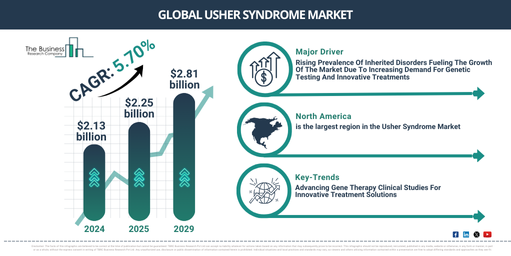
    The market size for Usher syndrome has experienced robust growth in the recent past. It is projected to expand from $2.13 billion in 2024 to $2.25 billion in 2025, replicating a compound annual growth rate (CAGR) of 6.0%. The growth can be traced back to an increase in genetic disorders, higher demand for less invasive surgeries, more incidents of inherited disorders, an increase in product approvals, and escalating governmental initiatives.

    What Is the Projected Market Size of the Usher Syndrome Market?

    The market for Usher Syndrome is projected to experience considerable growth in the coming years. The estimated growth sees the market reaching $2.81 billion in 2029 with a compound annual growth rate (CAGR) of 5.7%. Factors contributing to the accelerated growth forecasted include increased utilisation of cochlear implants, genetic mutations, rising healthcare spending, growing interest in ophthalmological rehabilitation and increased acceptance of audiological rehabilitation. Key trends expected in the future encompass vaccine development, hearing kit enhancements, device advancements, surgical improvements, and progress in gene therapies.

    Download The Free Sample Report Here:

    https://www.thebusinessresearchcompany.com/sample.aspx?id=23555&type=smp

    Who are the Major Competitors in the Usher Syndrome Market Outlook?

    Major companies operating in the usher syndrome market are National Institute Of Health, Stanford Health Care, Cochlear Ltd, Advanced Bionics AG, Spark Therapeutics, Editas Medicine Inc, American Academy of Ophthalmology, BlueRock Therapeutics, Medline Plus, Ear Science Institute Australia, Oxford Academics, ProQR Therapeutics NV, ReiThera srl, Usher Syndrome Coalition, Happy Ears Hearing Center, Odylia Therapeutics, ReNeuron Group plc, Sensorion SAS, Gensight Biologics, Harvard Medical School

    What Is Fueling Growth in the Usher Syndrome Market?

    The usher syndrome market is expected to take a positive turn due to the increasing outbreak of inherited diseases. These genetic disorders, transferred from parents to children through their DNA, surge due to factors like a higher age of parents, leading to an amplified incidence in newborns. Known for requiring rapid diagnosis, expert care, and precise treatments, Usher syndrome is seeing growing recognition and testing for genetic disorders. This is leading to more cases being identified, thus fueling the demand for diagnostic exams, genetic consultation, and therapeutic procedures. For example, as per the United Kingdom Hemophilia Centre Doctors Organisation, a medical association based in the UK, the count of new enrolments for individuals over the age of 2 with severe hemophilia A along with succeeding treatment rose from 16 in 2021 to 19 in 2022. Thus, the usher syndrome market is being buoyed by this increasing occurrence of hereditary disorders.

    Request For A Customized Report:

    https://www.thebusinessresearchcompany.com/customise?id=23555&type=smp

    Which Usher Syndrome Market Segments Are Growing the Fastest?

    The usher syndrome market covered in this report is segmented –

    1) By Type: Type 1, Type 2, Type 3, Other Types

    2) By Treatment: Devices, Drugs, Therapy, Other Treatments

    3) By Diagnosis: Electroretinogram, Optical Coherence Tomography, Video Nystagmography, Audiology, Genetic Testing, Other Diagnoses

    4) By Distribution Channels: Hospital Pharmacy, Retail Pharmacy, Other Distribution Channels

    5) By End-Users: Hospitals, Speciality Clinics, Other End-Users

    Subsegments:

    1) By Type 1: MYO7A Mutation, USH1C Mutation, CDH23 Mutation, PCDH15 Mutation, USH1G Mutation

    2) By Type 2: USH2A Mutation, GPR98 Mutation, DFNB31 Mutation

    3) Type 3: CLRN1 Mutation

    4) Other Types: Atypical Usher Syndrome, Rare Genetic Variants

    Which Industry Trends Are Shaping the Future of the Usher Syndrome Market?

    Leading entities in the Usher Syndrome market are prioritizing clinical research to create gene treatments and novel therapies designed to retard or reverse vision and auditory impairment. These clinical trials focus on enhancing early diagnosis, improving supportive technologies, and discovering potential pharmaceutical interventions for advanced management of the condition. As an illustration, AAVantgarde Bio, a bio-tech firm based in Italy, initiated the LUCE-1 trial in October 2024. This preliminary Phase I/II trial seeks to ascertain the effectiveness and safety of their gene therapy, AAVB-081, for the treatment of retinitis pigmentosa connected to Usher Syndrome type 1B (USH1B). This LUCE-1 trial seeks to determine the safety and tolerability of AAVB-081, a substance that conveys a functional MYO7A gene, vital for retinal wellbeing.

    Access The Full Report Here:

    https://www.thebusinessresearchcompany.com/report/usher-syndrome-global-market-report

    Which Countries Are Leading the Usher Syndrome Market?

    North America was the largest region in the usher syndrome market in 2024. Asia-Pacific is expected to be the fastest-growing region in the forecast period. The regions covered in the usher syndrome market report are Asia-Pacific, Western Europe, Eastern Europe, North America, South America, Middle East, Africa.

    Purchase The Full Report Today:

    https://www.thebusinessresearchcompany.com/purchaseoptions.aspx?id=23555

    This Report Delivers Insight On:

    1. How big is the usher syndrome market, and how is it changing globally?

    2. Who are the major companies in the usher syndrome market, and how are they performing?

    3. What are the key opportunities and risks in the usher syndrome market right now?

    4. Which products or customer segments are growing the most in the usher syndrome market?

    5. What factors are helping or slowing down the growth of the usher syndrome market?

    About The Business Research Company:

    With over 15000+ reports from 27 industries covering 60+ geographies, The Business Research Company has built a reputation for offering comprehensive, data-rich research and insights. Armed with 1,500,000 datasets, the optimistic contribution of in-depth secondary research, and unique insights from industry leaders, you can get the information you need to stay ahead in the game.

    Get in touch with us:

    The Business Research Company: https://www.thebusinessresearchcompany.com/

    Americas +1 310-496-7795

    Europe +44 7882 955267

    Asia & Others +44 7882 955267 & +91 8897263534

    Email us at info@tbrc.info

    Follow us on:

    LinkedIn: https://in.linkedin.com/company/the-business-research-company

    YouTube: https://www.youtube.com/channel/UC24_fI0rV8cR5DxlCpgmyFQ

    Global Market Model: https://www.thebusinessresearchcompany.com/global-market-model
  • Urticaria Forecast Report – Designed for Decision Makers and Product Teams

    Urticaria Forecast Report – Designed for Decision Makers and Product Teams

    Claim your 30% discount on Global Market Reports with code ONLINE30. Limited time only.

    What Is the Growth Rate of the Urticaria Market?

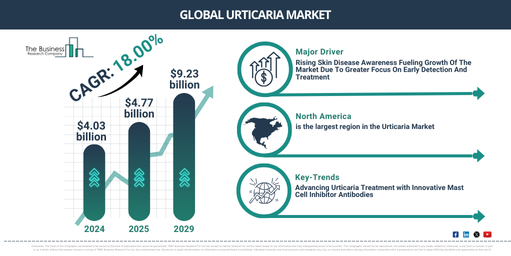
    In the past few years, there has been a significant expansion in the urticaria market. It is projected to surge from $4.03 billion in 2024 to $4.77 billion in 2025, marking a compound annual growth rate (CAGR) of 18.2%. Factors contributing to the growth during the historic period include an increase in allergy prevalence, heightened awareness of skin conditions, advances in immunology and biologics technology, a rise in demand for antihistamines, and enhanced diagnostic techniques.

    What Growth Rate Is Forecasted for the Urticaria Market by 2029?

    The market size for urticaria is anticipated to experience a rapid surge in the coming years, reaching an estimated value of $9.23 billion in 2029 with a compound annual growth rate (CAGR) of 18.0%. This upswing for the projected period can be linked to the increasing incidences of chronic urticaria, growing acceptance of biologic treatments, an upsurge in investments in dermatology studies, broader access to advanced allergy diagnostics, and progressive developments in personalized medicine. Notable market trends for the forecasted period encompass AI-driven diagnostic instruments, emerging novel biologics, advancements in tailored immunotherapy, wearable devices for skin monitoring, and the utilization of telemedicine for the management of allergies.

    Download The Free Sample Report Here:

    https://www.thebusinessresearchcompany.com/sample.aspx?id=23554&type=smp

    Which Key Companies Are Shaping the Future of the Urticaria Market?

    Major companies operating in the urticaria market are Sanofi S.A., Novartis AG, GlaxoSmithKline PLC, Roche Holding AG, Viatris Inc., Teva Pharmaceutical Industries Ltd, Sun Pharmaceutical Industries Ltd, Incyte Corporation, Kyowa Kirin Co. Ltd., Dr. Reddy’s Laboratories Ltd, Cipla Ltd., Amneal Pharmaceuticals Inc, Glenmark Pharmaceuticals Ltd, Torrent Pharmaceuticals, Almirall S.A., Argenx SE, BioCryst Pharmaceuticals Inc., Pharvaris NV, Revolution Medicines Inc., Allakos.

    Which Factors Are Driving Demand in the Urticaria Industry?

    The expansion of the urticaria market is likely to be fueled by the rising awareness and treatment of skin diseases. The escalation in pollution contributes to a higher incidence of skin allergies and disorders, thereby demanding better awareness and more advanced remedies. Urticaria plays a significant role in raising this awareness of skin diseases and their treatment by displaying immune system reactions, promoting research, optimizing diagnostics, and propelling the development of specialized therapies. In February 2024, The Skin Cancer Foundation, a nonprofit organization based in the US, indicated that skin cancer affects one in five Americans by the age of 70, and examines more than two deaths each hour within the U.S. This statistics emphasizes the crucial necessity for preventative strategies as experiencing five or more sunburns doubles the melanoma risk. Hence, the surge in skin disease awareness and treatment is stimulating the growth of the urticaria market.

    Request For A Customized Report:

    https://www.thebusinessresearchcompany.com/customise?id=23554&type=smp

    How Is the Urticaria Market Segmented by Several Divisions?

    The urticaria market covered in this report is segmented –

    1) By Type: Acute Urticaria, Chronic Urticaria

    2) By Drug Class: Antihistamines, Anti-inflammation Medications, Antidepressants, Monoclonal Antibodies, Other Drug Classes

    3) By Route of Administration: Oral, Parenteral, Other Routes Of Administration

    4) By Distribution Channel: Hospital Pharmacy, Online Pharmacy, Retail Pharmacy

    5) By End-Users: Hospitals, Homecare, Specialty Clinics, Other End-Users

    Subsegments:

    1) By Acute Urticaria: Allergic Urticaria, Infectious Urticaria, Drug-Induced Urticaria, Contact Urticaria

    2) By Chronic Urticaria: Chronic Spontaneous Urticaria (CSU), Chronic Inducible Urticaria (CIndU)

    What are the Emerging Market Trends Driving the Growth of the Urticaria Industry?

    Notable corporations in the urticaria market are prioritizing the creation of groundbreaking solutions such as mast cell inhibitor antibodies. Their aim is to create a novel therapeutic approach for managing chronic spontaneous urticaria by targeting mast cell activation. A mast cell inhibitor antibody essentially operates as a targeted monoclonal antibody that detains the activation or degranulation of mast cells by inhibiting particular receptors or signalling pathways. As a result, it reduces allergic reactions, inflammation, and other dysfunctions mediated by mast cells. For example, Allakos Inc., an American biotechnological company, in May 2024 publicized the launch of a Phase 1 clinical trial for AK006, designed with the purpose to cure chronic spontaneous urticaria (CSU). This revolutionary therapy places its targets on both IgE-dependent and IgE-independent mast cell activation routes. It renders the potential for larger efficacy in patients who are resistant to antihistamines or previous biologic treatments. By selectively inhibiting mast cell activity via the Siglec-6 receptor, AK006 sets about providing a more widespread and enduring solution for CSU management. This highlights a crucial leap in the urticaria treatment as well as immunotherapy research field.

    Access The Full Report Here:

    https://www.thebusinessresearchcompany.com/report/urticaria-global-market-report

    Which Regions Are Driving Growth in the Urticaria Market?

    North America was the largest region in the urticaria market in 2024. Asia-Pacific is expected to be the fastest-growing region in the forecast period. The regions covered in the urticaria market report are Asia-Pacific, Western Europe, Eastern Europe, North America, South America, Middle East, Africa.

    Purchase The Full Report Today:

    https://www.thebusinessresearchcompany.com/purchaseoptions.aspx?id=23554

    This Report Delivers Insight On:

    1. How big is the urticaria market, and how is it changing globally?

    2. Who are the major companies in the urticaria market, and how are they performing?

    3. What are the key opportunities and risks in the urticaria market right now?

    4. Which products or customer segments are growing the most in the urticaria market?

    5. What factors are helping or slowing down the growth of the urticaria market?

    About The Business Research Company:

    With over 15000+ reports from 27 industries covering 60+ geographies, The Business Research Company has built a reputation for offering comprehensive, data-rich research and insights. Armed with 1,500,000 datasets, the optimistic contribution of in-depth secondary research, and unique insights from industry leaders, you can get the information you need to stay ahead in the game.

    Get in touch with us:

    The Business Research Company: https://www.thebusinessresearchcompany.com/

    Americas +1 310-496-7795

    Europe +44 7882 955267

    Asia & Others +44 7882 955267 & +91 8897263534

    Email us at info@tbrc.info

    Follow us on:

    LinkedIn: https://in.linkedin.com/company/the-business-research-company

    YouTube: https://www.youtube.com/channel/UC24_fI0rV8cR5DxlCpgmyFQ

    Global Market Model: https://www.thebusinessresearchcompany.com/global-market-model
  • Urinary Retention Therapeutics Market Outlook 2025 – Insights for Executive and Strategic Planning

    Urinary Retention Therapeutics Market Outlook 2025 – Insights for Executive and Strategic Planning

    Claim your 30% discount on Global Market Reports with code ONLINE30. Limited time only.

    How Has the Urinary Retention Therapeutics Market Grown from 2024 to 2025?

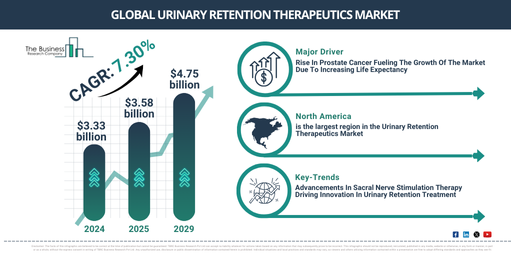
    The market size of urinary retention therapeutics has seen a solid growth in the past few years. It is anticipated to increase from $3.33 billion in 2024 to $3.58 billion in 2025, registering a compound annual growth rate (CAGR) of 7.5%. The impressive growth during the historic period could be credited to the increase in urological disorders, an escalation in healthcare expenses, a developing aging population globally, mounting cases of urinary incontinence (UI), and a rising hazard of related urological disorders among individuals.

    What Growth Rate Is Anticipated for the Urinary Retention Therapeutics Market in the Coming Years?

    Expectations indicate a substantial expansion in the urinary retention therapeutics market size in the forthcoming years. The market is projected to rise to $4.75 billion by 2029, with a compound annual growth rate (CAGR) of 7.3%. The escalating growth during the estimated period could be attributed to the increasing necessity for home-based care, surging incidences of prostate cancer, heightened demand for minimally invasive procedures, a rise in research projects, and growth in the elderly population. Notable trends in the upcoming period involve the creation of innovative treatment alternatives, development of sophisticated urinary incontinence devices, tech advancements, strategic alliances and collaborations, invasive over-the-counter devices, and wearable technologies.

    Download The Free Sample Report Here:

    https://www.thebusinessresearchcompany.com/sample.aspx?id=23553&type=smp

    Who Are the Leading Companies in the Urinary Retention Therapeutics Market?

    Major companies operating in the urinary retention therapeutics market are Pfizer Inc., Merck KGaA, Abbvie Inc., Bayer AG, Sanofi SA, GlaxoSmithKline Plc., Medtronic Plc, Eli Lilly and Company, Boston Scientific Corp., Sumitomo Pharma Inc., Ipsen Pharma, Coloplast A/S, Dr. Reddy’s Laboratories, Cipla Limited, Amneal Pharmaceuticals Inc., Ferring Pharmaceuticals , Otsuka Pharmaceutical Co. Ltd., NYMOX CORPORATION, Antev Ltd., Amber Therapeutics, Implantica Patent Ltd

    What Are the Key Drivers of the Urinary Retention Therapeutics Market?

    The escalation in prostate cancer instances is predicted to enhance the expansion of the urinary retention therapeutics market throughout the forecast era. Unrestrained cell proliferation within the prostate gland is indicative of prostate cancer, a malignant condition. The primary cause for the proliferation of prostate cancer instances is the shift in demographics, as men are living longer lives. As men grow older, their likelihood of contracting age-related ailments, including prostate cancer, also rises. In cases of prostate cancer, urinary retention therapeutics prove crucial since the urethra can be obstructed by the tumor or an enlarged prostate, complicating urination and necessitating treatments for normal urine flow re-establishment. For instance, the Centers for Disease Control and Prevention, a health preservation agency based in the US, stated that, in June 2024, 33,363 American men succumbed to prostate cancer in 2022 and 236,659 new cases were identified in 2021. Consequently, the proliferating instances of prostate cancer will be a driving factor for the growth of the urinary retention therapeutics market.

    Request For A Customized Report:

    https://www.thebusinessresearchcompany.com/customise?id=23553&type=smp

    What Are the Key Market Segments in the Urinary Retention Therapeutics Industry?

    The urinary retention therapeutics market covered in this report is segmented –

    1) By Drug Class: 5-Alpha-Reductase Inhibitor And Alpha-Blocker Drugs, Anticholinergic Or Antispasmodic Agents, Antidepressants, Skeletal Muscle Relaxants, Topical Estrogens, Other Drugs

    2) By Incontinence Type: Stress Incontinence, Urge Incontinence, Over-Flow Incontinence, Mixed Incontinence, Other Incontinence Types

    3) By Administration Route: Oral, Intravesical, Intravenous, Transdermal

    4) By Distribution Channel: Retail Pharmacy, Hospital Pharmacy, Online Pharmacy

    Subsegments:

    1) By 5-Alpha-Reductase Inhibitor And Alpha-Blocker Drugs: Finasteride, Dutasteride, Tamsulosin, Alfuzosin, Terazosin, Doxazosin

    2) By Anticholinergic or Antispasmodic Agents: Oxybutynin, Tolterodine, Solifenacin, Darifenacin, Trospium, Fesoterodine

    3) By Antidepressants: Imipramine, Amitriptyline, Duloxetine

    4) By Skeletal Muscle Relaxants: Baclofen, Tizanidine, Diazepam, Cyclobenzaprine

    5) By Topical Estrogens: Estradiol Cream, Conjugated Estrogens, Estriol Vaginal Cream

    6) By Other Drugs: Botulinum Toxin (Botox), Mirabegron, Desmopressin

    What Are the Latest Trends in the Urinary Retention Therapeutics Market?

    Leading enterprises in the urinary retention therapy sector are leaning towards sophisticated techniques like the new generation sacral nerve stimulation treatment to enhance bladder and bowel regulation. This therapy employs gentle electric pulses to trigger sacral nerves, mitigating symptoms of urinary retention or hyperactive bladder. For instance, Medtronic Plc, an Irish medical device firm, obtained approval for its InterStim X system from the U.S. Food and Drug Administration (FDA) in February 2022. This signified the most recent progression in personalized sacral nerve stimulation therapy. The InterStim X system includes a durable, no-charge battery, is compatible with MRI scans, and has an intelligent programmer for tailored therapy. It is implanted in two stages, allowing for a trial period prior to permanent installation. These developments increase convenience and safety in managing bladder and bowel regulation. The InterStim systems propose two enduring options, the recharge-free InterStim X and the rechargeable InterStim Micro, suitable for conditions such as overactive bladder and chronic fecal incontinence.

    Access The Full Report Here:

    https://www.thebusinessresearchcompany.com/report/urinary-retention-therapeutics-global-market-report

    What Are the Key Regional Markets in the Urinary Retention Therapeutics Industry?

    North America was the largest region in the urinary retention therapeutics market in 2024. Asia-Pacific is expected to be the fastest-growing region in the forecast period. The regions covered in the urinary retention therapeutics market report are Asia-Pacific, Western Europe, Eastern Europe, North America, South America, Middle East, Africa.

    Purchase The Full Report Today:

    https://www.thebusinessresearchcompany.com/purchaseoptions.aspx?id=23553

    This Report Delivers Insight On:

    1. How big is the urinary retention therapeutics market, and how is it changing globally?

    2. Who are the major companies in the urinary retention therapeutics market, and how are they performing?

    3. What are the key opportunities and risks in the urinary retention therapeutics market right now?

    4. Which products or customer segments are growing the most in the urinary retention therapeutics market?

    5. What factors are helping or slowing down the growth of the urinary retention therapeutics market?

    About The Business Research Company:

    With over 15000+ reports from 27 industries covering 60+ geographies, The Business Research Company has built a reputation for offering comprehensive, data-rich research and insights. Armed with 1,500,000 datasets, the optimistic contribution of in-depth secondary research, and unique insights from industry leaders, you can get the information you need to stay ahead in the game.

    Get in touch with us:

    The Business Research Company: https://www.thebusinessresearchcompany.com/

    Americas +1 310-496-7795

    Europe +44 7882 955267

    Asia & Others +44 7882 955267 & +91 8897263534

    Email us at info@tbrc.info

    Follow us on:

    LinkedIn: https://in.linkedin.com/company/the-business-research-company

    YouTube: https://www.youtube.com/channel/UC24_fI0rV8cR5DxlCpgmyFQ

    Global Market Model: https://www.thebusinessresearchcompany.com/global-market-model
  • Triple Combination Therapy Market Size to Exceed $25.87 Billion by 2029 | Growth and Industry Trends

    Triple Combination Therapy Market Size to Exceed $25.87 Billion by 2029 | Growth and Industry Trends

    Claim your 30% discount on Global Market Reports with code ONLINE30. Limited time only.

    How Has the Triple Combination Therapy Market Grown from 2024 to 2025?

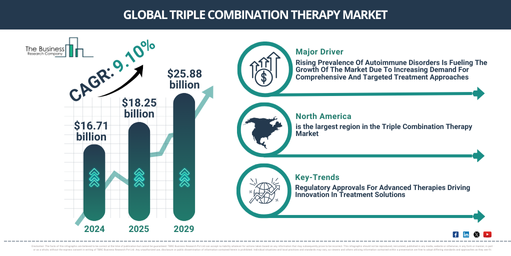
    In recent periods, the market size for triple combination therapy has exhibited vigorous growth. It is projected to expand from $16.71 billion in 2024 to $18.25 billion in 2025, demonstrating a compound annual growth rate (CAGR) of 9.3%. The historical growth of this market sector can be ascribed to increasing instances of chronic illnesses, escalated demand for combination treatments, burgeoning healthcare expenditure, regulatory approvals on the rise, and burgeoning clinical research efforts.

    What Growth Rate Is Anticipated for the Triple Combination Therapy Market in the Coming Years?

    In the upcoming years, substantial growth is predicted for the triple combination therapy market, which is expected to expand to $25.88 billion by 2029, maintaining a compound annual growth rate (CAGR) of 9.1%. This increase during the projected period can be attributed to various factors including the escalating occurrence of treatment-resistant disorders, the upsurge in the acceptance of personalized medicine, amplified pharmaceutical pipelines, increasing investments in research and development, and favorable government policies. Key trends for the forecasted period include the advent of gene-focused combination therapies, merging with digital health solutions, relentless innovation in drug combinations, progress in drug formulation, and advancements made in biotechnology.

    Download The Free Sample Report Here:

    https://www.thebusinessresearchcompany.com/sample.aspx?id=23547&type=smp

    Who Are the Leading Companies in the Triple Combination Therapy Market?

    Major companies operating in the triple combination therapy market are Merck & Co. Inc., AstraZeneca plc, Novartis AG, GlaxoSmithKline (GSK) plc, Boehringer Ingelheim International GmbH, Vertex Pharmaceuticals, Daiichi Sankyo US, Bausch Health Companies Inc., CHIESI Farmaceutici S.p.A., Cipla Ltd., Lupin Ltd., BeyondSpring Inc., Daewoong pharmaceutical Co. Ltd, Galapagos NV, George Medicines, Biocytogen, Healio, Laekna Therapeutics, PDS Biotechnology, TG Therapeutics Inc., Immutep

    What Are the Key Drivers of the Triple Combination Therapy Market?

    The triple combination therapy market’s growth is projected to be fueled by the increasing prevalence of autoimmune disorders. These are conditions where the body’s immune system wrongly assaults its healthy organs and tissues. The spike in autoimmune disorders can be attributed to increased exposure to environmental aspects like pollution, which initiates abnormal immune responses in genetically susceptible people. The triple combination therapy provides an all-encompassing strategy to manage autoimmune disorders by simultaneously focusing on multiple immune pathways, increasing treatment effectiveness, and lowering disease activity. For instance, as reported by the Germany-based organization Versorgungsatlas.de in November 2024, in 2022, out of 73,241,305 insured individuals, 6,304,340 were found to have at least one autoimmune disease, yielding a raw prevalence rate of 8.61%. Thus, the increasing prevalence of autoimmune disorders is contributing to the advancement of the triple combination therapy market.

    Request For A Customized Report:

    https://www.thebusinessresearchcompany.com/customise?id=23547&type=smp

    What Are the Key Market Segments in the Triple Combination Therapy Industry?

    The triple combination therapy market covered in this report is segmented –

    1) By Drug Class: Antiretroviral Agents, Targeted Cancer Therapies, Immunomodulators, Anti-Inflammatory Drugs, Gene Modulators

    2) By Therapeutic Area: Infectious Diseases, Chronic Diseases, Cystic Fibrosis (CF), Cancer, Autoimmune Disorders, Neurological Disorders

    3) By Route Of Administration: Oral Therapies, Intravenous (IV), Subcutaneous (SC), Inhalation-Based Therapies, Topical Applications

    4) By Distribution Channel: Hospital Pharmacies, Retail Pharmacies, Online Pharmacies, Specialty Clinics

    Subsegments:

    1) By Antiretroviral Agents: Nucleoside Reverse Transcriptase Inhibitors (NRTIs), Non-Nucleoside Reverse Transcriptase Inhibitors (NNRTIs), Protease Inhibitors (PIs)

    2) By Targeted Cancer Therapies: Tyrosine Kinase Inhibitors (TKIs), Monoclonal Antibodies (mAbs), Immune Checkpoint Inhibitors

    3) By Immunomodulators: Interleukin Inhibitors, Tumor Necrosis Factor (TNF) Inhibitors, Janus Kinase (JAK) Inhibitors

    4) By Anti-Inflammatory Drugs: Non-Steroidal Anti-Inflammatory Drugs (NSAIDs), Corticosteroids, Selective COX-2 Inhibitors

    5) By Gene Modulators: Antisense Oligonucleotides, RNA Interference (RNAi) Agents, CRISPR-Based Gene Editing Therapies

    What Are the Latest Trends in the Triple Combination Therapy Market?

    Key players in the triple combination therapy market are shifting their focus towards the development of ground-breaking solutions, including next-generation cystic fibrosis triple therapy. This is part of an effort to enhance clinical results in cystic fibrosis patients by treating the underlying issue. The next-generation cystic fibrosis triple therapy is an upgraded treatment strategy that combines three modulators to boost the performance of the faulty cystic fibrosis transmembrane conductance regulator (CFTR) protein. The goal is to enhance respiratory outcomes and overall disease control in cystic fibrosis patients. For example, Vertex Pharmaceuticals Incorporated, an American biotechnology firm, announced in July 2024 that the U.S. Food and Drug Administration (FDA) approved its New Drug Application (NDA) for vanzacaftor/tezacaftor/deutivacaftor. This innovative triple combination therapy is designed for cystic fibrosis patients aged six years and older with at least one responsive CFTR mutation. The daily “vanza triple” regimen integrates two correctors and a potentiator to significantly increase CFTR protein function, targeting both the protein’s quantity and activity at the cellular level. The FDA granted the therapy priority review status, accompanied by validation from the European Medicines Agency (EMA), emphasizing its potential to elevate care standards and enhance quality of life for a larger cystic fibrosis patient demographic.

    Access The Full Report Here:

    https://www.thebusinessresearchcompany.com/report/triple-combination-therapy-global-market-report

    What Are the Key Regional Markets in the Triple Combination Therapy Industry?

    North America was the largest region in the triple combination therapy market in 2024. Asia-Pacific is expected to be the fastest-growing region in the forecast period. The regions covered in the triple combination therapy market report are Asia-Pacific, Western Europe, Eastern Europe, North America, South America, Middle East, Africa.

    Purchase The Full Report Today:

    https://www.thebusinessresearchcompany.com/purchaseoptions.aspx?id=23547

    This Report Delivers Insight On:

    1. How big is the triple combination therapy market, and how is it changing globally?

    2. Who are the major companies in the triple combination therapy market, and how are they performing?

    3. What are the key opportunities and risks in the triple combination therapy market right now?

    4. Which products or customer segments are growing the most in the triple combination therapy market?

    5. What factors are helping or slowing down the growth of the triple combination therapy market?

    About The Business Research Company:

    With over 15000+ reports from 27 industries covering 60+ geographies, The Business Research Company has built a reputation for offering comprehensive, data-rich research and insights. Armed with 1,500,000 datasets, the optimistic contribution of in-depth secondary research, and unique insights from industry leaders, you can get the information you need to stay ahead in the game.

    Get in touch with us:

    The Business Research Company: https://www.thebusinessresearchcompany.com/

    Americas +1 310-496-7795

    Europe +44 7882 955267

    Asia & Others +44 7882 955267 & +91 8897263534

    Email us at info@tbrc.info

    Follow us on:

    LinkedIn: https://in.linkedin.com/company/the-business-research-company

    YouTube: https://www.youtube.com/channel/UC24_fI0rV8cR5DxlCpgmyFQ

    Global Market Model: https://www.thebusinessresearchcompany.com/global-market-model
  • Treatment-Resistant Depression Industry Insights 2025 – Market Forecast for Executives and Planners

    Treatment-Resistant Depression Industry Insights 2025 – Market Forecast for Executives and Planners

    Claim your 30% discount on Global Market Reports with code ONLINE30. Limited time only.

    How Has the Treatment-Resistant Depression Market Size Changed, over the years?

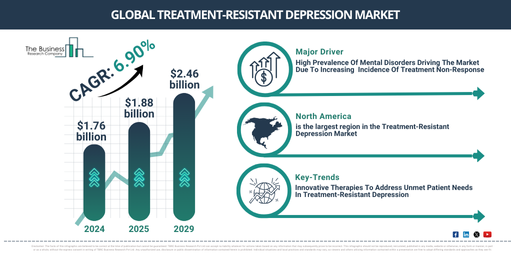
    The market size for treatment-resistant depression has seen robust growth recently. A rise from $1.76 billion in 2024 to $1.88 billion in 2025 with a compound annual growth rate (CAGR) of 7.1% is expected. The notable growth during the historic period is a result of increased cases of treatment-resistant depression, escalating instances of depression, enhanced access to health care services, heightened awareness about potential treatment methods, and a high incidence of mental health disorders.

    How Much Will the Treatment-Resistant Depression Market Be Worth in 2029?

    The market for treatment-resistant depression is set to witness significant expansion in the impending years, with a projection to reach $2.46 billion by 2029, growing at a compound annual growth rate (CAGR) of 6.9%. Factors contributing to this growth during the forecast period include a surge in chronic diseases, rising incidences of anxiety disorders, burgeoning awareness about mental well-being, government-led initiatives, and escalated healthcare spending. The forecast period is also expected to see trends like the rise of telemedicine and digital health, advancements in diagnostics and therapy technologies, initiatives to reduce mental health stigma, the acceptance of individualized medicine, and the implementation of artificial intelligence.

    Download The Free Sample Report Here:

    https://www.thebusinessresearchcompany.com/sample.aspx?id=23546&type=smp

    Which is the Largest Company in the Treatment-Resistant Depression Market?

    Major companies operating in the treatment-resistant depression market are Pfizer Inc., Johnson & Johnson Services Inc., Abbott Laboratories, Novartis AG, GlaxoSmithKline (GSK) plc., Hikma Pharmaceuticals plc, Neurocrine Biosciences Inc., Relmada Therapeutics Inc., Neuronetics Inc., COMPASS Pathways, Lykos Therapeutics, Reviva Pharmaceuticals, Celon Pharma SA, BrainsWay Ltd., Magstim Company Limited, MindMed, Alto Neuroscience, Sage Therapeutics Inc., MindBio Therapeutics Ltd., Reunion Neuroscience

    What Are the Main Market Drivers in the Treatment-Resistant Depression Industry?

    The high incidence of mental disorders is predicted to drive the expansion of the market for treatment-resistant depression. Mental disorders encompass a vast array of issues that impact an individual’s cognitive, emotional, and behavioural functions, frequently resulting in substantial distress and disruption to everyday routines. The high occurrence of mental disorders is triggered by elements like genetic predisposition, as inherited genetic differences can alter brain chemistry and enhance vulnerability to ailments such as depression, anxiety, and schizophrenia. Treatment-resistant depression (TRD) assists patients with mental disorders by promoting the application of more personalized and sophisticated treatments when standard therapies fail, thus improving their prospects of recovery and quality of living. For instance, in November 2023, the American Psychological Association (APA), a US-based scientific and professional institution, stated that adults aged 18 to 34 reported the highest instance of mental illnesses at 50% in 2023, while those aged 35 to 44 saw the greatest rise in diagnoses, with 45% reporting a mental illness. Consequently, the high incidence of mental disorders is propelling the expansion of the treatment-resistant depression market.

    Request For A Customized Report:

    https://www.thebusinessresearchcompany.com/customise?id=23546&type=smp

    How Is the Treatment-Resistant Depression Market Segments Structured?

    The treatment-resistant depression market covered in this report is segmented –

    1) By Drug Class: Selective Serotonin Reuptake Inhibitors (SSRIS), Monoamine Oxidase Inhibitors, Tricyclic Antidepressant, Psychedelics, Other Drug Classes

    2) By Route Of Administration: Oral, Parenteral, Other Routes Of Administration

    3) By Distribution Channel: Hospital Pharmacies, Retail Pharmacies, Online Pharmacies

    4) By End-User: Hospitals, Homecare, Specialty Clinics, Other End-Users

    Subsegments:

    1) Selective Serotonin Reuptake Inhibitors (SSRIs): Fluoxetine, Sertraline, Paroxetine, Citalopram, Escitalopram

    2) Monoamine Oxidase Inhibitors (MAOIs): Phenelzine, Tranylcypromine, Isocarboxazid, Selegiline

    3) Tricyclic Antidepressants (TCAs): Amitriptyline, Nortriptyline, Imipramine, Clomipramine, Doxepin

    4) Psychedelics: Ketamine, Esketamine, Psilocybin, Lysergic Acid Diethylamide (LSD), 3,4-Methylenedioxymethamphetamine (MDMA), Other Drug Classes

    5) Atypical Antipsychotics: Serotonin-Norepinephrine Reuptake Inhibitors (SNRIs), Norepinephrine-Dopamine Reuptake Inhibitors (NDRIs), Glutamate Modulators, Hormonal Therapies

    What Strategic Trends Are Transforming the Treatment-Resistant Depression Market?

    Leading businesses in the treatment-resistant depression market are honing in on the creation of novel therapies such as monotherapy with the aim to fill gaps in patient treatment, enhance effectiveness and mitigate side effects. Monotherapy, which entails using a singular treatment or medication against a condition instead of multiple ones, addresses episodes of treatment-resistant depression by providing a single, concentrated treatment that might prove to be more effective for patients unresponsive to several medications. For example, Johnson & Johnson Services Inc., an American pharmaceutical, biotechnology, and medical technology corporation, made an announcement in January 2025 about obtaining approval from the U.S. Food and Drug Administration (FDA), a government regulatory body in the United States, for SPRAVATO (esketamine) nasal spray, an expedited treatment for adults suffering from treatment-resistant depression (TRD). SPRAVATO is administered in conjunction with an oral antidepressant when patients have demonstrated inadequate response to at least two other antidepressant therapeutics. The swift action of the drug addresses the inherent shortcomings of conventional antidepressants that usually take a few weeks to manifest effects. As a derivative of ketamine, esketamine operates by targeting the NMDA receptors in the brain, potentially lifting mood within a few hours. The ratification denoted a considerable leap forward in the realm of mental health treatment.

    Access The Full Report Here:

    https://www.thebusinessresearchcompany.com/report/treatment-resistant-depression-global-market-report

    Which Global Regions Offer the Highest Growth in the Treatment-Resistant Depression Market?

    North America was the largest region in the treatment-resistant depression market in 2024. Asia-Pacific is expected to be the fastest-growing region in the forecast period. The regions covered in the treatment-resistant depression market report are Asia-Pacific, Western Europe, Eastern Europe, North America, South America, Middle East, Africa.

    Purchase The Full Report Today:

    https://www.thebusinessresearchcompany.com/purchaseoptions.aspx?id=23546

    This Report Delivers Insight On:

    1. How big is the treatment-resistant depression market, and how is it changing globally?

    2. Who are the major companies in the treatment-resistant depression market, and how are they performing?

    3. What are the key opportunities and risks in the treatment-resistant depression market right now?

    4. Which products or customer segments are growing the most in the treatment-resistant depression market?

    5. What factors are helping or slowing down the growth of the treatment-resistant depression market?

    About The Business Research Company:

    With over 15000+ reports from 27 industries covering 60+ geographies, The Business Research Company has built a reputation for offering comprehensive, data-rich research and insights. Armed with 1,500,000 datasets, the optimistic contribution of in-depth secondary research, and unique insights from industry leaders, you can get the information you need to stay ahead in the game.

    Get in touch with us:

    The Business Research Company: https://www.thebusinessresearchcompany.com/

    Americas +1 310-496-7795

    Europe +44 7882 955267

    Asia & Others +44 7882 955267 & +91 8897263534

    Email us at info@tbrc.info

    Follow us on:

    LinkedIn: https://in.linkedin.com/company/the-business-research-company

    YouTube: https://www.youtube.com/channel/UC24_fI0rV8cR5DxlCpgmyFQ

    Global Market Model: https://www.thebusinessresearchcompany.com/global-market-model