Category: HealthcareServices

  • Relapsing-Remitting Multiple Sclerosis Industry Valued at $5.81 Billion by 2029 With CAGR of 4.8% | Size and Share Insights

    Relapsing-Remitting Multiple Sclerosis Industry Valued at $5.81 Billion by 2029 With CAGR of 4.8% | Size and Share Insights

    Claim your 30% discount on Global Market Reports with code ONLINE30. Limited time only.

    What Is the Forecast for the Relapsing-Remitting Multiple Sclerosis Market from 2024 to 2025?

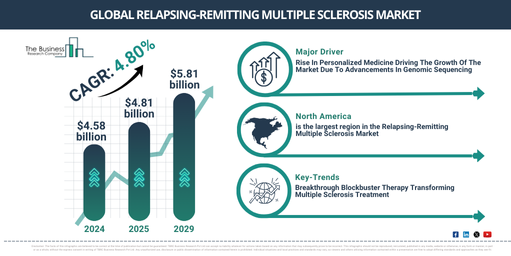
    In recent times, the market size for relapsing-remitting multiple sclerosis has shown substantial growth. It is predicted that the market will expand from $4.58 billion in 2024 to $4.81 billion in 2025, demonstrating a compound annual growth rate (CAGR) of 5.1%. Factors like rising number of multiple sclerosis cases, improved awareness leading to early diagnosis, development in healthcare infrastructure, increased government support towards neurological disorders, and improved access to treatment for patients, have significantly led to the growth in the previous period.

    What Is the Projected Market Size of the Relapsing-Remitting Multiple Sclerosis Market?

    In the coming years, the market size for relapsing-remitting multiple sclerosis is anticipated to witness significant expansion and is projected to reach $5.81 billion in 2029 with a compound annual growth rate (CAGR) of 4.8%. This surging outlook for the forecast period can be credited to the increasing adaptation of personalized medicine, amplified focus on biomarker research, growing investments in innovative therapeutic procedures, the widening application of AI in disease management, and governmental aid for groundbreaking treatments. The forecast period will see major trends like the rise of gene and cell therapies, a pivot towards oral disease-modifying therapies, progress in blood-brain barrier drug delivery systems, advancements in disease-altering therapies, and the evolution of next-generation monoclonal antibodies.

    Download The Free Sample Report Here:

    https://www.thebusinessresearchcompany.com/sample.aspx?id=23495&type=smp

    Who are the Major Competitors in the Relapsing-Remitting Multiple Sclerosis Market Outlook?

    Major companies operating in the relapsing-remitting multiple sclerosis market are Pfizer Inc., Johnson & Johnson Services Inc., F. Hoffmann-La Roche Ltd., AbbVie Inc., Bayer AG, Sanofi S.A., Bristol-Myers Squibb Company, Novartis AG, GSK plc, Eli Lilly and Company, Merck KGaA, Viatris Inc., Teva Pharmaceutical Industries Ltd., Biogen Inc., Eisai Co. Ltd., Genentech Inc., Hikma Pharmaceuticals LLC, Glenmark Pharmaceuticals Limited, CinnaGen Co, Zenas BioPharma Inc.

    What Is Fueling Growth in the Relapsing-Remitting Multiple Sclerosis Market?

    The growth of the relapsing-remitting multiple sclerosis (RRMS) market is expected to be propelled by the rising acceptance of personalized medicine. Customized medical treatments that consider an individual’s genetic makeup, environmental factors, and lifestyle habits to enhance healthcare results are gaining traction. The surge in personalized medicine can be attributed to the progress in genomic sequencing allowing the precise identification of genetic variations and biomarkers, thus providing more targeted and potent treatments. The role of personalized medicine is underlined by RRMS, which demonstrates that individual variability in disease progression, symptom intensity, and response to treatment can be addressed with tailored treatments, thereby enhancing patient outcomes. To illustrate, the Personalized Medicine Coalition, an organization promoting personalized medicine based in the U.S., reported in February 2024, that the U.S. Food and Drug Administration sanctioned 16 new personalized treatments for patients with rare diseases, a considerable increase from 6 in 2022. Therefore, the growing acceptance of personalized medicine is propelling the relapsing-remitting multiple sclerosis market’s expansion.

    Request For A Customized Report:

    https://www.thebusinessresearchcompany.com/customise?id=23495&type=smp

    Which Relapsing-Remitting Multiple Sclerosis Market Segments Are Growing the Fastest?

    The relapsing-remitting multiple sclerosis market covered in this report is segmented –

    1) By Drug Type: Beta-Interferon, Cladribine, Dimethyl Fumarate, Fingolimod, Ozanimod, Other Drug Types

    2) By Route Of Administration: Subcutaneous, Intravenous

    3) By Treatment: Immunomodulating Drugs, NrF2 Activators, Interferons, Other Treatments

    4) By End-User: Hospitals, Clinics, Other End-Users

    Subsegments:

    1) By Beta-Interferon: Interferon Beta-1a, Interferon Beta-1b

    2) By Cladribine: Oral Cladribine, Injectable Cladribine

    3) By Dimethyl Fumarate: Tecfidera, Vumerity

    4) By Fingolimod: Gilenya Fingolimod, Generic Fingolimod

    5) By Ozanimod: Zeposia

    6) By Other Drug Types: Natalizumab, Alemtuzumab, Ocrelizumab, Siponimod, Teriflunomide

    Which Industry Trends Are Shaping the Future of the Relapsing-Remitting Multiple Sclerosis Market?

    Leading businesses in the relapsing-remitting multiple sclerosis market are directing their efforts towards creating novel treatment methodologies, such as pioneering blockbuster therapy, to augment the effectiveness of treatment, improve patient welfare, and set new care standards for relapsing-remitting multiple sclerosis (RRMS). Pioneering blockbuster therapy is indicative of a groundbreaking, highly efficient treatment that significantly propels advancements in medical care, typically addressing unfulfilled needs or offering better results than present therapies. To illustrate, Roche Products (India) Pvt. Ltd., a pharmaceutical firm based in India, in February 2024 premiered Ocrevus (Ocrelizumab), an innovative solution for multiple sclerosis (MS), to enrich its neurology inventory and meet the unfulfilled medical requirements of Indian patients. Ocrevus is specifically engineered to target CD20-positive B cells, known to be involved in the progression of MS, with the aim to minimize relapses and decelerate the disability advancements in those affected. It possesses a unique method of action that selectively reduces B cells, thereby altering the course of the disease to enhance long-term patient results.

    Access The Full Report Here:

    https://www.thebusinessresearchcompany.com/report/relapsing-remitting-multiple-sclerosis-global-market-report

    Which Countries Are Leading the Relapsing-Remitting Multiple Sclerosis Market?

    North America was the largest region in the relapsing-remitting multiple sclerosis market in 2024. Asia-Pacific is expected to be the fastest-growing region in the forecast period. The regions covered in the relapsing-remitting multiple sclerosis market report are Asia-Pacific, Western Europe, Eastern Europe, North America, South America, Middle East, Africa.

    Purchase The Full Report Today:

    https://www.thebusinessresearchcompany.com/purchaseoptions.aspx?id=23495

    This Report Delivers Insight On:

    1. How big is the relapsing-remitting multiple sclerosis market, and how is it changing globally?

    2. Who are the major companies in the relapsing-remitting multiple sclerosis market, and how are they performing?

    3. What are the key opportunities and risks in the relapsing-remitting multiple sclerosis market right now?

    4. Which products or customer segments are growing the most in the relapsing-remitting multiple sclerosis market?

    5. What factors are helping or slowing down the growth of the relapsing-remitting multiple sclerosis market?

    About The Business Research Company:

    With over 15000+ reports from 27 industries covering 60+ geographies, The Business Research Company has built a reputation for offering comprehensive, data-rich research and insights. Armed with 1,500,000 datasets, the optimistic contribution of in-depth secondary research, and unique insights from industry leaders, you can get the information you need to stay ahead in the game.

    Get in touch with us:

    The Business Research Company: https://www.thebusinessresearchcompany.com/

    Americas +1 310-496-7795

    Europe +44 7882 955267

    Asia & Others +44 7882 955267 & +91 8897263534

    Email us at info@tbrc.info

    Follow us on:

    LinkedIn: https://in.linkedin.com/company/the-business-research-company

    YouTube: https://www.youtube.com/channel/UC24_fI0rV8cR5DxlCpgmyFQ

    Global Market Model: https://www.thebusinessresearchcompany.com/global-market-model
  • Radiation Oncology Market to Reach $12.51 Billion by 2029 | Key Drivers and Future Outlook

    Radiation Oncology Market to Reach $12.51 Billion by 2029 | Key Drivers and Future Outlook

    Claim your 30% discount on Global Market Reports with code ONLINE30. Limited time only.

    What Is the Growth Rate of the Radiation Oncology Market?

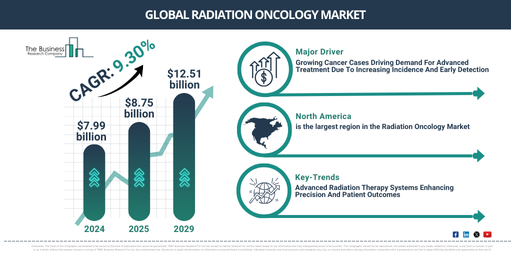
    Over the past few years, there has been significant growth in the size of the radiation oncology market. Its progression from $7.99 billion in 2024 to $8.75 billion in 2025, signifying a compound annual growth rate (CAGR) of 9.6%, is noteworthy. Factors contributing to this growth throughout the historic period include an increase in cancer cases, heightened healthcare expenditure, expanded investments in healthcare infrastructure, an aging demographic, and an increasing number of intricate cancer cases.

    What Growth Rate Is Forecasted for the Radiation Oncology Market by 2029?

    Anticipated robust expansion is predicted in the radiation oncology market in the coming years. It is projected to ramp up to $12.51 billion in 2029 with a compound annual growth rate (CAGR) of 9.3%. The impetus for growth during the projected timeframe can be traced to factors like increasing preference for precise treatment methods, growth of outpatient cancer facilities, rising uptake of treatment planning software, expanded government initiatives towards cancer care, and improved healthcare infrastructure. Foreseeable trends over the forecast period encompass individualized treatment strategies, superior quality imaging, AI-integrated imaging, stereotactic body radiation therapy (SBRT), and advancements in brachytherapy.

    Download The Free Sample Report Here:

    https://www.thebusinessresearchcompany.com/sample.aspx?id=23494&type=smp

    Which Key Companies Are Shaping the Future of the Radiation Oncology Market?

    Major companies operating in the radiation oncology market are Hitachi Ltd., Siemens Healthineers, Philips Healthcare, GE Healthcare Technologies Inc., Varian Medical Systems, Shimadzu Corporation, Elekta AB, Mirion Technologies, Ion Beam Applications (IBA), Accuray Incorporated, Canon Medical Systems, Eckert & Ziegler BEBIG, ViewRay Inc., MDS Nordion, Mevion Medical Systems, PTW-Freiburg, Toshiba Medical Systems, CivaTech Oncology, ProTom International, Radcal Corporation, ScandiDos.

    Which Factors Are Driving Demand in the Radiation Oncology Industry?

    The rise in cancer diagnoses is anticipated to stimulate expansion in the radiation oncology sector in the near future. Those diagnosed with cancer, a disorder marked by unregulated cell proliferation and dispersal throughout the body, are referred to as cancer patients. The mounting rate of these diagnoses is predominantly attributed to an increasing prevalence of unhealthy lifestyle habits that contribute to heightened cancer risks. High-energy radiation is employed in radiation oncology to annihilate cancer cells, reduce tumor size, alleviate symptoms, and augment the effectiveness of surgeries and chemotherapy, with advancements in methodology enhancing accuracy and results. For instance, the National Health Service, a UK government agency, reported in October 2024 that 346,217 new cancer cases were reported in 2022, which averages to 948 daily diagnoses, a 5% rise from 329,664 in 2021. Consequently, the surge in cancer patients is fuelling the expansion of the radiation oncology sector.

    Request For A Customized Report:

    https://www.thebusinessresearchcompany.com/customise?id=23494&type=smp

    How Is the Radiation Oncology Market Segmented by Several Divisions?

    The radiation oncology market covered in this report is segmented –

    1) By Type: External Beam Radiation Therapy, Internal Beam Radiation Therapy

    2) By Application: Prostate Cancer, Breast Cancer, Lung Cancer, Head And Neck Cancer, Colorectal Cancer, Cervical Cancer, Gynecological Cancer, Other Applications

    3) By End-User: Hospitals, Cancer Research Institutes, Other End-Users

    Subsegments:

    1) By Internal Beam Radiation Therapy, Brachytherapy, Endocavitary Brachytherapy, Interstitial Brachytherapy, Intraluminal Brachytherapy

    2) By External Beam Radiation Therapy, 3D Conformal Radiation Therapy (3DCRT), Intensity-Modulated Radiation Therapy (IMRT), Stereotactic Radiosurgery (SRS), Stereotactic Body Radiation Therapy (SBRT), Image-Guided Radiation Therapy (IGRT)

    What are the Emerging Market Trends Driving the Growth of the Radiation Oncology Industry?

    Leading businesses in the radiation oncology market are concentrating on the creation of sophisticated radiation therapy systems. These systems combine AI-empowered imaging and adaptive technologies to boost the accuracy of treatments, lessen the adverse effects, and better patient results in varied cancer treatment procedures. Artificial intelligence-enhanced radiotherapy involves the utilization of AI tech to improve several components of radiation therapy, such as treatment planning, imaging, delivery, and supervising. For instance, Elekta, a medical tech firm based in Sweden, unveiled Evo, its newest CT-Linac, in May 2024 with high-definition AI-boosted imaging meant to refine radiation therapy methodologies. This multifaceted system is capable of supporting offline and online adaptive radiation therapy and even enhances the standard image-guided radiation therapy. This system offers medical professionals improved precision and adaptability in customizing treatments for each patient. The aim of this improvement is to promote patient outcomes through the optimization of treatment precision and versatility.

    Access The Full Report Here:

    https://www.thebusinessresearchcompany.com/report/radiation-oncology-global-market-report

    Which Regions Are Driving Growth in the Radiation Oncology Market?

    North America was the largest region in the radiation oncology market in 2024. Asia-Pacific is expected to be the fastest-growing region in the forecast period. The regions covered in the radiation oncology market report are Asia-Pacific, Western Europe, Eastern Europe, North America, South America, Middle East, Africa.

    Purchase The Full Report Today:

    https://www.thebusinessresearchcompany.com/purchaseoptions.aspx?id=23494

    This Report Delivers Insight On:

    1. How big is the radiation oncology market, and how is it changing globally?

    2. Who are the major companies in the radiation oncology market, and how are they performing?

    3. What are the key opportunities and risks in the radiation oncology market right now?

    4. Which products or customer segments are growing the most in the radiation oncology market?

    5. What factors are helping or slowing down the growth of the radiation oncology market?

    About The Business Research Company:

    With over 15000+ reports from 27 industries covering 60+ geographies, The Business Research Company has built a reputation for offering comprehensive, data-rich research and insights. Armed with 1,500,000 datasets, the optimistic contribution of in-depth secondary research, and unique insights from industry leaders, you can get the information you need to stay ahead in the game.

    Get in touch with us:

    The Business Research Company: https://www.thebusinessresearchcompany.com/

    Americas +1 310-496-7795

    Europe +44 7882 955267

    Asia & Others +44 7882 955267 & +91 8897263534

    Email us at info@tbrc.info

    Follow us on:

    LinkedIn: https://in.linkedin.com/company/the-business-research-company

    YouTube: https://www.youtube.com/channel/UC24_fI0rV8cR5DxlCpgmyFQ

    Global Market Model: https://www.thebusinessresearchcompany.com/global-market-model
  • Prothrombin Complex Concentrate Industry Insights 2025 – Market Forecast for Executives and Planners

    Prothrombin Complex Concentrate Industry Insights 2025 – Market Forecast for Executives and Planners

    Claim your 30% discount on Global Market Reports with code ONLINE30. Limited time only.

    How Has the Prothrombin Complex Concentrate Market Size Changed, over the years?

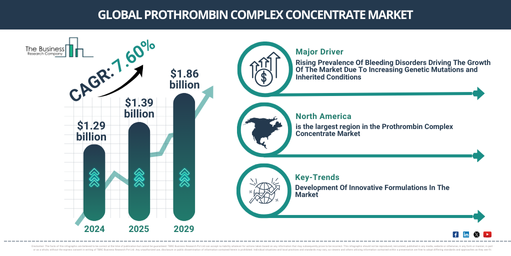
    In recent times, the prothrombin complex concentrate market has demonstrated significant growth. It is projected to expand from $1.29 billion in 2024 to $1.39 billion in 2025, with a compound annual growth rate (CAGR) of 7.8%. The growth experienced during the historical period is mainly due to an increased prevalence of bleeding disorders, a rise in the use of warfarin reversal, an enhanced awareness about coagulation therapies, an upsurge in surgical procedures, and a rise in trauma cases.

    How Much Will the Prothrombin Complex Concentrate Market Be Worth in 2029?

    Anticipations are high for the prothrombin complex concentrate market as it is poised to experience substantial expansion in the upcoming years. The market size is projected to escalate to $1.86 billion in 2029, expanding at a compound annual growth rate (CAGR) of 7.6%. This surge over the forecast period can be associated with the increasing need for quick coagulation treatments, heightened occurrence of hemophilia and liver disorders, growing use in emergency medical care, widening use cases in heart surgeries, and a rise in healthcare spending. The forecast period also unveils major trends such as the use of AI-powered diagnostic tools, progress in recombinant coagulation factors, development of next-gen recombinant pccs, the creation of tailored dosing algorithms, and advancements in blood plasma product technology.

    Download The Free Sample Report Here:

    https://www.thebusinessresearchcompany.com/sample.aspx?id=23488&type=smp

    Which is the Largest Company in the Prothrombin Complex Concentrate Market?

    Major companies operating in the prothrombin complex concentrate market are Pfizer Inc., Bristol-Myers Squibb Company, Takeda Pharmaceutical Company Limited, Novo Nordisk A/S, CSL Behring GmbH, Intas Pharmaceuticals Ltd, Baxter International Inc, Grifols S.A., Octapharma AG, Kedrion S.p.A, Haemonetics Corporation, Green Cross Corporation, Shanghai RAAS Blood Products Co. Ltd, Emergent BioSolutions, LFB Group, Hualan Biological Engineering Chongqing Co. Ltd., Sanquin Blood Supply Foundation, Bio Products Laboratory Ltd (BPL), Prothya Biosolutions B.V., China Biologic Products Holdings Inc.

    What Are the Main Market Drivers in the Prothrombin Complex Concentrate Industry?

    The prothrombin complex concentrate market’s growth is expected to be stimulated by an upsurge in bleeding disorders. These are conditions where the blood’s ability to clot is impaired, resulting in excessive bleeding due to faulty or absent clotting factors or platelets. The increase in bleeding disorders is predominantly due to the rising occurrence of genetic diseases like hemophilia, ascending liver disease cases, escalating use of anticoagulant drugs, and an elevated incidence of vitamin K shortages. Prothrombin complex concentrate aids in the treatment of these disorders by swiftly restoring clotting factors critical for effective blood coagulation and hemostasis. As an example, a study comprising 10,276 individuals with hemophilia was undertaken across 87 treatment centers in 40 countries according to the U.S.-based National Library of Medicine in November 2023. About half of these participants had severe hemophilia, with 99% being male and 85% diagnosed with hemophilia A. Furthermore, 67% of these patients hailed from low- to middle-income countries. Thus, the escalating prevalence of bleeding disorders is boosting the prothrombin complex concentrate market’s growth. A surge in anticoagulant prescriptions caused by a rising incidence of cardiovascular diseases is anticipated to drive future growth in the prothrombin complex concentrate market. An anticoagulant is a compound that discourages or dilutes clot formation by inhibiting platelet aggregation or coagulation factors. The elevated prescription rate for anticoagulants can be attributed to an increase in cardiovascular diseases, an aging populace, widening clinical signs, enhanced screening protocols, and progress in anticoagulant therapy. Prothrombin complex concentrate counteracts anticoagulants’ effects by quickly replacing clotting factors and reinstating hemostasis in patients with excessive bleeding or immediate surgical needs. For instance, the UK-based National Health Service reported in November 2023 that an additional 460,000 individuals began anticoagulant medication in 2022, leading to over 24 million prescriptions given to patients. This helped prevent an estimated 17,000 strokes and 4,000 deaths. Therefore, the expanding anticoagulant prescription rate is propelling the prothrombin complex concentrate market’s growth.

    Request For A Customized Report:

    https://www.thebusinessresearchcompany.com/customise?id=23488&type=smp

    How Is the Prothrombin Complex Concentrate Market Segments Structured?

    The prothrombin complex concentrate market covered in this report is segmented –

    1) By Product: 3-Factor Prothrombin Complex Concentrates, 4-Factor Prothrombin Complex Concentrates, Other Products

    2) By Indication: Haemorrhagic Episodes In Factor IX Deficiency (Haemophilia B), Trauma, Life-Threatening Coagulopathy With Acute Bleeding, Warfarin-Associated Acute, Life-Threatening Bleeding, Non-Warfarin Anticoagulant Reversal With Acute Bleeding

    3) By Route Of Administration: Intravenous, Subcutaneous, Intramuscular

    4) By End-Use: Hospital And Ambulatory Surgical Centers, Specialty Clinics, Other End Users

    Subsegments:

    1) By Type: Low-Dose 3-Factor Prothrombin Complex Concentrates (PCC), High-Dose 3-Factor Prothrombin Complex Concentrates (PCC), Lyophilized 3-Factor Prothrombin Complex Concentrates (PCC)

    2) By Type: Low-Dose 4-Factor Prothrombin Complex Concentrates (PCC), High-Dose 4-Factor Prothrombin Complex Concentrates (PCC), Activated 4-Factor Prothrombin Complex Concentrates (PCC)

    3) By Type: Recombinant Coagulation Factor Complexes, Plasma-Derived Coagulation Factor Complexes, Combination Therapy Products

    What Strategic Trends Are Transforming the Prothrombin Complex Concentrate Market?

    Noteworthy companies in the prothrombin complex concentrate market are creating novel formulations like lyophilized powder to augment stability, facilitate storage, and make administration easier. Lyophilized powder is a freeze-dried mixture that dehydrates to prolong shelf life and preserve potency. This facilitates improved storage conditions and fast reconstitution for urgent application. For example, in July 2023, Octapharma USA Inc., a biotech company from the US, secured FDA authorization for Balfaxar, a 4-factor prothrombin complex concentrate (4F-PCC) used for immediate warfarin reversal in surgical and invasive processes. The approval arose from the LEX-209 trial, which demonstrated a 94.6% hemostatic efficacy, establishing its effectiveness equivalent to Kcentra. This technological leap highlights the sector’s commitment to the enhancement of coagulation treatments to improve patient results in crucial care situations.

    Access The Full Report Here:

    https://www.thebusinessresearchcompany.com/report/prothrombin-complex-concentrate-global-market-report

    Which Global Regions Offer the Highest Growth in the Prothrombin Complex Concentrate Market?

    North America was the largest region in the prothrombin complex concentrate market in 2024. The regions covered in the prothrombin complex concentrate market report are Asia-Pacific, Western Europe, Eastern Europe, North America, South America, Middle East, Africa.

    Purchase The Full Report Today:

    https://www.thebusinessresearchcompany.com/purchaseoptions.aspx?id=23488

    This Report Delivers Insight On:

    1. How big is the prothrombin complex concentrate market, and how is it changing globally?

    2. Who are the major companies in the prothrombin complex concentrate market, and how are they performing?

    3. What are the key opportunities and risks in the prothrombin complex concentrate market right now?

    4. Which products or customer segments are growing the most in the prothrombin complex concentrate market?

    5. What factors are helping or slowing down the growth of the prothrombin complex concentrate market?

    About The Business Research Company:

    With over 15000+ reports from 27 industries covering 60+ geographies, The Business Research Company has built a reputation for offering comprehensive, data-rich research and insights. Armed with 1,500,000 datasets, the optimistic contribution of in-depth secondary research, and unique insights from industry leaders, you can get the information you need to stay ahead in the game.

    Get in touch with us:

    The Business Research Company: https://www.thebusinessresearchcompany.com/

    Americas +1 310-496-7795

    Europe +44 7882 955267

    Asia & Others +44 7882 955267 & +91 8897263534

    Email us at info@tbrc.info

    Follow us on:

    LinkedIn: https://in.linkedin.com/company/the-business-research-company

    YouTube: https://www.youtube.com/channel/UC24_fI0rV8cR5DxlCpgmyFQ

    Global Market Model: https://www.thebusinessresearchcompany.com/global-market-model
  • Proteus Syndrome Market Trends Report 2025 – For Business Development and Strategy Teams

    Proteus Syndrome Market Trends Report 2025 – For Business Development and Strategy Teams

    Claim your 30% discount on Global Market Reports with code ONLINE30. Limited time only.

    What Is the Forecast for the Proteus Syndrome Market Growth in 2025?

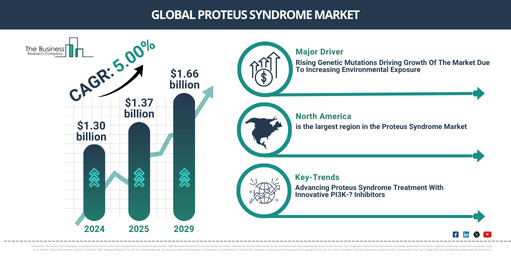
    The market size for proteus syndrome has seen robust growth in the past few years. It is anticipated to expand from $1.30 billion in 2024 to $1.37 billion in 2025, signifying a compound annual growth rate (CAGR) of 5.2%. This substantial growth during the historical period can be traced back to factors such as higher diagnosis rates, an upsurge in genetic research, the spread of precision medicine, augmented government initiatives, and an increase in the requirement for genetic testing.

    What Is the Forecast for the Proteus Syndrome Market Size Through 2029?

    Anticipated to see a robust rise in the coming years, the Proteus syndrome market size is projected to escalate to $1.66 billion in 2029 with a compound annual growth rate (CAGR) of 5.0%. The expected growth during the forecast period could be linked to the surge in personalized medicine, augmented employment of biomarkers, widened utilization of telemedicine, increased awareness of rare diseases, and escalating incidence of Proteus syndrome. The forecast period is likely to witness significant trends including technological advancements, innovations in gene therapy, diagnostics driven by AI, incorporation of big data analytics, and customized drug development.

    Download The Free Sample Report Here:

    https://www.thebusinessresearchcompany.com/sample.aspx?id=23487&type=smp

    What are the Key Market Players in Proteus Syndrome Market and How They’re Evolving?

    Major companies operating in the proteus syndrome market are Pfizer Inc., Merck Sharp & Dohme Corp, Intas Pharmaceuticals Ltd, Dr Reddy’s Laboratories Ltd, Zydus Pharmaceuticals Inc., Biocon Limited, Glenmark Pharmaceuticals Ltd, Curia Global, Concord Biotech Limited, Camber Pharmaceuticals, Chunghwa Chemical Synthesis & Biotech Co Ltd, Farmhispania Group SL, LGM Pharma LLC, ChemWerth Inc, Simson Pharma Limited, Actiza Pharmaceutical, AXXO GmbH, CFM Oskar Tropitzsch GmbH, MedicaPharma, Sumar Biotech LLP, Kachhela Medex Private Limited.

    What Are the Primary Growth Drivers in the Proteus Syndrome Market?

    The proteus syndrome market’s growth is anticipated to rise due to escalating occurrences of genetic mutations. Genetic mutations are lasting alterations in DNA sequences, changing genetic information and potentially leading to varying diseases or distinctive traits. Their increase is mainly tied to environment exposure to mutagens like radiation, pollutants, and chemicals which trigger DNA damage and genetic changes. Proteus syndrome aids the comprehension of genetic mutations by illuminating how an AKT1 gene mutation in somatic cells incites irregular cell growth, offering enlightenment into mosaicism and the evolution of diseases. A case in point is in March 2022, the UK Health Security Agency, a government agency based in the UK, reported 763 XE sequences and 637 cases with XE mutations spreading and cases escalating across England. Thereby, the surge in genetic mutations instances is fueling proteus syndrome market growth. The leap in research funding propels proteus syndrome market growth, owing to bulging investments in genetic and therapeutic studies. Research funding is financial backing given by governments, organizations, or institutions to foster scientific research, innovation, and technological progress. The ramp-up in research funding is motivated by the demand for improved cognition of genetic causes, enhanced diagnostic procedures, and the creation of targeted remedies. Proteus syndrome pulls in research funding by emphasizing the requirement for progressive genetic and therapeutic research, fueling investments from medical institutions, government agencies, and uncommon disease organizations. Taking for instance in August 2024, the BioIndustry Association, a UK trade association for innovative life sciences and the biotechnology sector, announced achieving the most vigorous investment quarter for UK’s life sciences and biotechnology sector post-pandemic, procuring $2.55 billion in the year’s first two quarters, surpassing the $2.32 billion generated in 2023. Consequently, the uptick in research funding is powering the expansion of the proteus syndrome market.

    Request For A Customized Report:

    https://www.thebusinessresearchcompany.com/customise?id=23487&type=smp

    What Are the Leading Segments in the Global Proteus Syndrome Industry?

    The proteus syndrome market covered in this report is segmented –

    1) By Product Type: Tablets, Capsules, Injectables, Other Product Types

    2) By Route of Administration: Oral, Parenteral, Other Route Of Administration

    3) By Distribution Channel: Online, Offline

    4) By End User: Hospital Pharmacy, Retail Pharmacy, Specialty Clinics

    Subsegments:

    1) By Tablets: Immediate-Release Tablets, Extended-Release Tablets, Effervescent Tablets

    2) By Capsules: Hard Gelatin Capsules, Soft Gelatin Capsules, Delayed-Release Capsules

    3) By Injectables: Intravenous (IV) Injectables, Intramuscular (IM) Injectables, Subcutaneous (SC) Injectables

    4) By Other Product Types: Topical Creams, Transdermal Patches, Liquid Suspensions

    What Are the Key Market Trends in the Proteus Syndrome Industry?

    Key players in the proteus syndrome market are concentrating their efforts on carrying out clinical trials to pave the way for groundbreaking products like PI3K-α inhibitors. Such innovations will boost the effectiveness of treatment and widen the range of therapeutic choices. PI3K-α inhibitors, medications that aim at the PI3K-alpha enzyme responsible for cell growth and division, help control proteus syndrome by curbing unusual tissue growth triggered by PIK3CA gene mutations, which excessively trigger the PI3K/AKT pathway. For example, Risen (Suzhou) Pharma Technology Co., Ltd., a pharmaceutical firm based in China, in November 2024, confirmed that its collaboration had received tacit approval for the clinical trials of two of its Class 1 new drug, RP903 tablets, under the acceptance codes CXHL2400566 and CXHL2400565. RP903 is a PI3K-α inhibitor that aims to target PIK3CA gene mutations related to proteus syndrome (PROS). This landmark underscores the firm’s dedication to enhancing groundbreaking treatments for seldom-seen illnesses and broadening treatment possibilities for PROS patients.

    Access The Full Report Here:

    https://www.thebusinessresearchcompany.com/report/proteus-syndrome-global-market-report

    What Is the Regional Outlook for the Proteus Syndrome Market?

    North America was the largest region in the proteus syndrome market in 2024 and it is expected to be the fastest-growing region in the forecast period. The regions covered in the proteus syndrome market report are Asia-Pacific, Western Europe, Eastern Europe, North America, South America, Middle East, Africa.

    Purchase The Full Report Today:

    https://www.thebusinessresearchcompany.com/purchaseoptions.aspx?id=23487

    This Report Delivers Insight On:

    1. How big is the proteus syndrome market, and how is it changing globally?

    2. Who are the major companies in the proteus syndrome market, and how are they performing?

    3. What are the key opportunities and risks in the proteus syndrome market right now?

    4. Which products or customer segments are growing the most in the proteus syndrome market?

    5. What factors are helping or slowing down the growth of the proteus syndrome market?

    About The Business Research Company:

    With over 15000+ reports from 27 industries covering 60+ geographies, The Business Research Company has built a reputation for offering comprehensive, data-rich research and insights. Armed with 1,500,000 datasets, the optimistic contribution of in-depth secondary research, and unique insights from industry leaders, you can get the information you need to stay ahead in the game.

    Get in touch with us:

    The Business Research Company: https://www.thebusinessresearchcompany.com/

    Americas +1 310-496-7795

    Europe +44 7882 955267

    Asia & Others +44 7882 955267 & +91 8897263534

    Email us at info@tbrc.info

    Follow us on:

    LinkedIn: https://in.linkedin.com/company/the-business-research-company

    YouTube: https://www.youtube.com/channel/UC24_fI0rV8cR5DxlCpgmyFQ

    Global Market Model: https://www.thebusinessresearchcompany.com/global-market-model
  • Market Analysis on Primary Immunodeficiency Disorders Industry – Insights for Corporate Strategy and R&D

    Market Analysis on Primary Immunodeficiency Disorders Industry – Insights for Corporate Strategy and R&D

    Claim your 30% discount on Global Market Reports with code ONLINE30. Limited time only.

    What Is the Forecast for the Primary Immunodeficiency Disorders Market from 2024 to 2025?

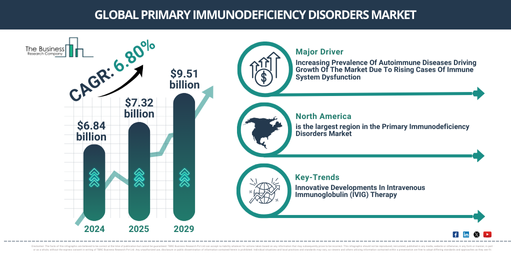
    In recent years, there has been robust growth in the primary immunodeficiency disorders market size. Its expansion is anticipated to proceed from $6.84 billion in 2024 to $7.32 billion in 2025, presenting a compound annual growth rate (CAGR) of 7.0%. The expansion during the historic period is a result of an increase in cases of primary immunodeficiency disorders, enhanced awareness among healthcare providers, a rise in demand for successful treatment, increased research budget, and an escalating emphasis on pediatric care.

    What Is the Projected Market Size of the Primary Immunodeficiency Disorders Market?

    In the coming years, a substantial surge is anticipated in the spectrum of primary immunodeficiency disorders, propelling the market to an estimated worth of $9.51 billion in 2029 with a compound annual growth rate (CAGR) of 6.8%. The upward trend during the forecast period is attributed to factors including broader acceptance of subcutaneous therapies, improved access to health care, solid research and development initiatives, a rising need for effective treatment modes and a growing demand for immunoglobulin replacement therapy. The projection period is expected to witness notable trends such as progress in biotechnology, innovative strategies in gene therapies and biologics, breakthroughs in genetic testing and personalized medicine, evolution in gene therapy, and strides in genetic examinations.

    Download The Free Sample Report Here:

    https://www.thebusinessresearchcompany.com/sample.aspx?id=23483&type=smp

    Who are the Major Competitors in the Primary Immunodeficiency Disorders Market Outlook?

    Major companies operating in the primary immunodeficiency disorders market are Pfizer Inc., Thermo Fisher Scientific Inc., Takeda Pharmaceuticals, CSL Behring, Baxter International Inc., Grifols SA, Octapharma, Kedrion Biopharma, Miltenyi Biotec, LFB Group, Clinigen Limited, ADMA Biologics Inc., Bio Products Laboratory Ltd, BD Biosciences, Cellectis SA, Florencia Healthcare, X4 Pharmaceuticals Inc., Amber Lifesciences, bluebird bio Inc., Chengdu Rongsheng Pharmaceutical Co Ltd.

    What Is Fueling Growth in the Primary Immunodeficiency Disorders Market?

    The increase in autoimmune diseases is predicted to stimulate the expansion of the primary immunodeficiency disorders market. When the immune system erroneously attacks the body’s healthy cells and tissues, viewing them as foreign invaders, it’s classified as an autoimmune disease. This unusual reaction causes inflammation and damage to various organs and systems. The spike in autoimmune diseases is due to an intricate combination of environmental factors, genetic propensities, and changes in lifestyle. Autoimmune diseases can trigger primary immunodeficiency disorders by interfering with immune regulation and targeting immune cells, resulting in impaired or dysfunctional immune responses. For example, Versorgungsatlas.de, a Germany-based interactive online platform, revealed in November 2024 that in 2022, out of 73,241,305 insured people, 6,304,340 were diagnosed with at least one autoimmune disease, yielding a raw prevalence rate of 8.61%. Hence, the rising prevalence of autoimmune diseases is propelling the expansion of the primary immunodeficiency disorders market.

    Request For A Customized Report:

    https://www.thebusinessresearchcompany.com/customise?id=23483&type=smp

    Which Primary Immunodeficiency Disorders Market Segments Are Growing the Fastest?

    The primary immunodeficiency disorders market covered in this report is segmented –

    1) By Disease: Antibody Deficiency, Cellular Immunodeficiency, Innate Immune Disorders, Other Diseases

    2) By Treatment: Immunoglobulin Replacement Therapy, Antibiotic Therapy, Stem Cell And Bone Marrow Transplantation, Gene Therapy, Other Treatments

    3) By Diagnostic Type: Genetic Testing, Blood Testing, Flow Cytometry, Other Diagnostic Types

    4) By End-User: Hospitals, Specialty Clinics, Homecare Settings, Research Institutions

    Subsegments:

    1) By Antibody Deficiency: Common Variable Immune Deficiency (CVID), IgA Deficiency, IgG Subclass Deficiency, Specific Antibody Deficiency

    2) By Cellular Immunodeficiency: Severe Combined Immunodeficiency (SCID), T-Cell Deficiency, DiGeorge Syndrome, Wiskott-Aldrich Syndrome

    3) By Innate Immune Disorders: Chronic Granulomatous Disease (CGD), Complement Deficiencies, Toll-like Receptor Deficiencies, Chediak-Higashi Syndrome

    4) By Other Diseases: Hyper IgM Syndrome, Hyper IgE Syndrome, Ataxia-Telangiectasia, Combined Immunodeficiencies With Syndromic Features

    Which Industry Trends Are Shaping the Future of the Primary Immunodeficiency Disorders Market?

    Leading firms in the primary immunodeficiency disorders market are concentrating on creating cutting-edge therapies, including intravenous immunoglobulin therapy, in order to improve patient results by enhancing immune functionality. Intravenous immunoglobulin (IVIG) therapy, a process where antibodies from donor plasma are directly injected into the patient’s bloodstream via an IV. For instance, in June 2024, Grifols, a Spain-based healthcare company, secured FDA approval for Yimmugo, an intravenous immunoglobulin (IVIg) therapy. This newly formulated, sugar-free, ready-to-use IgG solution, which is extracted from human blood plasma, is meant to be administered intravenously. Approved for use in the U.S. as a substitution therapy for primary antibody deficiency syndromes, Yimmugo provides antibody replacement to support people with immune system deficiencies. The introduction of this therapy boosts Grifols’ line-up of plasma-derived treatments by providing a safer and more efficient option to ward off infections.

    Access The Full Report Here:

    https://www.thebusinessresearchcompany.com/report/primary-immunodeficiency-disorders-global-market-report

    Which Countries Are Leading the Primary Immunodeficiency Disorders Market?

    North America was the largest region in the primary immunodeficiency disorders market in 2024. Asia-Pacific is expected to be the fastest-growing region in the forecast period. The regions covered in the primary immunodeficiency disorders market report are Asia-Pacific, Western Europe, Eastern Europe, North America, South America, Middle East, Africa.

    Purchase The Full Report Today:

    https://www.thebusinessresearchcompany.com/purchaseoptions.aspx?id=23483

    This Report Delivers Insight On:

    1. How big is the primary immunodeficiency disorders market, and how is it changing globally?

    2. Who are the major companies in the primary immunodeficiency disorders market, and how are they performing?

    3. What are the key opportunities and risks in the primary immunodeficiency disorders market right now?

    4. Which products or customer segments are growing the most in the primary immunodeficiency disorders market?

    5. What factors are helping or slowing down the growth of the primary immunodeficiency disorders market?

    About The Business Research Company:

    With over 15000+ reports from 27 industries covering 60+ geographies, The Business Research Company has built a reputation for offering comprehensive, data-rich research and insights. Armed with 1,500,000 datasets, the optimistic contribution of in-depth secondary research, and unique insights from industry leaders, you can get the information you need to stay ahead in the game.

    Get in touch with us:

    The Business Research Company: https://www.thebusinessresearchcompany.com/

    Americas +1 310-496-7795

    Europe +44 7882 955267

    Asia & Others +44 7882 955267 & +91 8897263534

    Email us at info@tbrc.info

    Follow us on:

    LinkedIn: https://in.linkedin.com/company/the-business-research-company

    YouTube: https://www.youtube.com/channel/UC24_fI0rV8cR5DxlCpgmyFQ

    Global Market Model: https://www.thebusinessresearchcompany.com/global-market-model
  • Preterm Birth Prevention And Management Forecast Report – Designed for Decision Makers and Product Teams

    Preterm Birth Prevention And Management Forecast Report – Designed for Decision Makers and Product Teams

    Claim your 30% discount on Global Market Reports with code ONLINE30. Limited time only.

    What Is the Growth Rate of the Preterm Birth Prevention And Management Market?

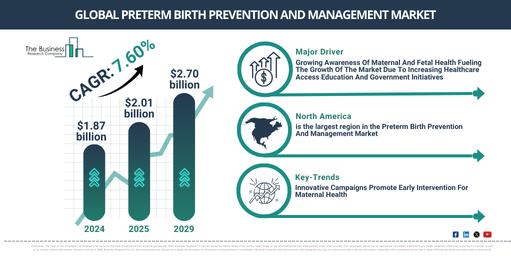
    The market size for managing and preventing preterm birth has seen significant growth in past years. The market is set to expand from $1.87 billion in 2024 to $2.01 billion in 2025, reflecting a compound annual growth rate (CAGR) of 7.8%. This robust growth during the historical period can be linked to factors like an increase in preterm births, rising maternal age, escalating complications associated with preterm birth, enhanced awareness programs, and a surge in mortality rates related to preterm birth.

    What Growth Rate Is Forecasted for the Preterm Birth Prevention And Management Market by 2029?

    In the coming years, robust growth is anticipated for the preterm birth prevention and management market. The market is predicted to expand to $2.70 billion by 2029, with a compound annual growth rate (CAGR) of 7.6%. The surge during the estimated period is attributable to the escalating demand for neonatal care, intensified focus on prevention measures, rising count of preconception counseling, increasing preterm birth screening programs, and heightened awareness among women. Key trends for the forecasted period encompass progress in medical technologies, incorporation of digital health, the emergence of AI-driven diagnostics, creation of smart NICUs, and the integration of IoT in the sphere of neonatal care.

    Download The Free Sample Report Here:

    https://www.thebusinessresearchcompany.com/sample.aspx?id=23482&type=smp

    Which Key Companies Are Shaping the Future of the Preterm Birth Prevention And Management Market?

    Major companies operating in the preterm birth prevention and management market are Philips Healthcare, GE Healthcare Technologies Inc., NYU Langone Health, Penn Medicine, Sharp HealthCare, Hologic Inc., Duke University Health System, QIAGEN N.V., Ferring Pharmaceuticals, AMAG Pharmaceuticals, Miracle Babies, March of Dimes, Canberra Health Services, Perinatal Services BC, Natus Medical Incorporated, Society for Maternal-Fetal Medicine, DynaMed LLC, Sera Prognostics, Progenity Inc., Birmingham Obstetrics & Gynecology.

    Which Factors Are Driving Demand in the Preterm Birth Prevention And Management Industry?

    The augmentation in the understanding of the health of expectant mothers and their fetuses is predicted to fuel the expansion of the preterm birth prevention and management market in the future. Maternal and fetal health involves safeguarding pregnant women and their unborn children, ensuring non-hazardous pregnancies and wholesome outcomes. There is an escalating awareness towards this as enlightening campaigns and awareness initiatives are dynamically endorsing the significance of prenatal care, balanced nutrition, immunization, and frequent check-ups aiming at healthier pregnancy consequences. Preventing and managing preterm births are crucial for the health of both mother and fetus, as it helps in decreasing issues such as respiratory troubles and developmental delays in infants, meanwhile also reducing the health risks to mothers linked to early childbirth. For instance, in July 2024, as per the Welsh Government (Llywodraeth Cymru), a UK-based governing entity, in 2023, the ratio of expectant women with a BMI of 30 or more at their first examination rose to 32%, showing a 0.8 percentage point elevation from the preceding year. Thus, the escalating enlightenment about maternal and fetal well-being is steering the expansion of the preterm birth prevention and management market.

    Request For A Customized Report:

    https://www.thebusinessresearchcompany.com/customise?id=23482&type=smp

    How Is the Preterm Birth Prevention And Management Market Segmented by Several Divisions?

    The preterm birth prevention and management market covered in this report is segmented –

    1) By Product Type: Pharmaceuticals, Medical Devices, Therapies

    2) By Cause-Specific: Multiple Pregnancy, Infection And Chronic Conditions, Structural Abnormalities, Maternal Lifestyle Factors

    3) By Diagnosis Method: Ultrasound Imaging, Biochemical Tests, Physical Examination

    4) By End-User: Hospitals, Clinics, Homecare Settings, Diagnostic Laboratories

    Subsegments:

    1) By Pharmaceuticals: Tocolytics, Corticosteroids, Progesterone Therapy, Magnesium Sulfate

    2) By Medical Devices: Cervical Cerclage Devices, Fetal Monitoring Devices, Uterine Contraction Monitors

    3) By Therapies: Bed Rest Therapy, Nutritional Therapy, Cervical Pessary Therapy

    What are the Emerging Market Trends Driving the Growth of the Preterm Birth Prevention And Management Industry?

    Leading firms active in the market for prevention and management of preterm birth are establishing initiatives such as a campaign against preeclampsia and preterm birth, to heighten awareness and enhance care for infants born prematurely. The campaign is focused on boosting awareness, advancing research, enhancing healthcare interventions, and advocating for policies that improve maternal and neonatal health outcomes. For instance, March of Dimes Inc., a non-profit organization based in the U.S., initiated the Low Dose, Big Benefits drive in May 2024. This long-term initiative is aimed at reducing the risks associated with preeclampsia and preterm birth by advocating for the use of low-dose aspirin. With preeclampsia affecting 1 in 25 pregnancies, low-dose aspirin can cut the risk by up to 15% for preeclampsia and 20% for preterm birth in pregnancies that are high-risk. A significant knowledge gap exists, as many, particularly Black families, lack awareness about preeclampsia, a fact that the campaign seeks to change.

    Access The Full Report Here:

    https://www.thebusinessresearchcompany.com/report/preterm-birth-prevention-and-management-global-market-report

    Which Regions Are Driving Growth in the Preterm Birth Prevention And Management Market?

    North America was the largest region in the preterm birth prevention and management market in 2024. Asia-Pacific is expected to be the fastest-growing region in the forecast period. The regions covered in the preterm birth prevention and management market report are Asia-Pacific, Western Europe, Eastern Europe, North America, South America, Middle East, Africa.

    Purchase The Full Report Today:

    https://www.thebusinessresearchcompany.com/purchaseoptions.aspx?id=23482

    This Report Delivers Insight On:

    1. How big is the preterm birth prevention and management market, and how is it changing globally?

    2. Who are the major companies in the preterm birth prevention and management market, and how are they performing?

    3. What are the key opportunities and risks in the preterm birth prevention and management market right now?

    4. Which products or customer segments are growing the most in the preterm birth prevention and management market?

    5. What factors are helping or slowing down the growth of the preterm birth prevention and management market?

    About The Business Research Company:

    With over 15000+ reports from 27 industries covering 60+ geographies, The Business Research Company has built a reputation for offering comprehensive, data-rich research and insights. Armed with 1,500,000 datasets, the optimistic contribution of in-depth secondary research, and unique insights from industry leaders, you can get the information you need to stay ahead in the game.

    Get in touch with us:

    The Business Research Company: https://www.thebusinessresearchcompany.com/

    Americas +1 310-496-7795

    Europe +44 7882 955267

    Asia & Others +44 7882 955267 & +91 8897263534

    Email us at info@tbrc.info

    Follow us on:

    LinkedIn: https://in.linkedin.com/company/the-business-research-company

    YouTube: https://www.youtube.com/channel/UC24_fI0rV8cR5DxlCpgmyFQ

    Global Market Model: https://www.thebusinessresearchcompany.com/global-market-model
  • Pressure Ulcers Market Outlook 2025 – Insights for Executive and Strategic Planning

    Pressure Ulcers Market Outlook 2025 – Insights for Executive and Strategic Planning

    Claim your 30% discount on Global Market Reports with code ONLINE30. Limited time only.

    How Has the Pressure Ulcers Market Grown from 2024 to 2025?

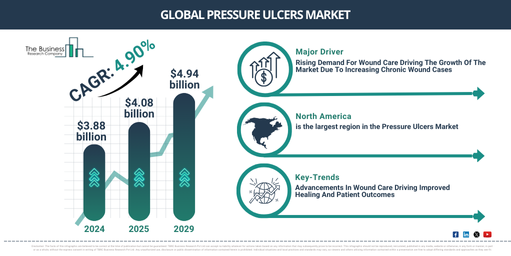
    Recent years have seen a robust expansion of the market size for pressure ulcers. The market is expected to experience an increase from $3.88 billion in 2024 to $4.08 billion in 2025, indicating a compound annual growth rate (CAGR) of 5.1%. This growth in the past can be linked to factors such as the surge in the elderly population, augmented hospital admissions, the rise in chronic illnesses, enhancement of healthcare infrastructure, and the upsurge in surgical procedures.

    What Growth Rate Is Anticipated for the Pressure Ulcers Market in the Coming Years?

    The market for pressure ulcers is anticipated to witness a steady growth trend in the coming years, projected to reach $4.94 billion by 2029, growing at a compound annual growth rate (CAGR) of 4.9%. Several factors contributing to this growth within the outlook period include an escalating older population, increased home care demand, a higher incidence of pressure ulcers, a rise in immobility cases, and a growing focus on comprehensive care. Key trends during this forecast period embrace the evolution of regenerative medicine, the emergence of sophisticated wound care products, the introduction of high-intensity laser therapy, and advancements in pressure mapping technologies.

    Download The Free Sample Report Here:

    https://www.thebusinessresearchcompany.com/sample.aspx?id=23481&type=smp

    Who Are the Leading Companies in the Pressure Ulcers Market?

    Major companies operating in the pressure ulcers market are Cardinal Health Inc., Medtronic plc, 3M Company, Medline Industries Inc., Mölnlycke Health Care AB, Stryker Corporation, BSN medical GmbH, Hill-Rom Holdings Inc., Smith & Nephew plc, Coloplast A/S, Paul Hartmann AG, ConvaTec Group plc, Integra LifeSciences Holdings Corporation, Acelity L.P. Inc., Paramount Bed Holdings Co. Ltd., Organogenesis Holdings Inc., Linet Group SE, DeRoyal Industries Inc., Joerns Healthcare LLC, MiMedx Group Inc., B. Braun Melsungen AG

    What Are the Key Drivers of the Pressure Ulcers Market?

    The upsurge in demand for wound care is predicted to spur the expansion of the pressure ulcers market in the future. Wound care entails medical intervention in wounds to foster healing, prevent infections and enhance patient recovery through specific treatments. The escalating need for wound care is catalyzed by the surging prevalence of chronic illnesses such as diabetes and obesity, resulting in a higher number of non-healing wounds and pressure ulcers. These ulcers prompt improvements in wound care by underlining the necessity of early intervention, specialized treatments, and preventative measures to boost healing and enhance patient health. To elaborate, as per Uintah Basin Healthcare, a U.S-based non-profit entity, in June 2024, around 7 million Americans are grappling with chronic wounds, inclusive of 2 million with diabetic foot ulcers. Additionally, 1 in 4 families has a member suffering from a chronic wound, and the requirement for wound care is projected to rise by 2% yearly for the subsequent 5 to 10 years. Hence, the escalating demand for wound care is fuelling the expansion of the pressure ulcers market.

    Request For A Customized Report:

    https://www.thebusinessresearchcompany.com/customise?id=23481&type=smp

    What Are the Key Market Segments in the Pressure Ulcers Industry?

    The pressure ulcers market covered in this report is segmented –

    1) By Type: Stage 1, Stage 2, Stage 3, Stage 4, Deep tissue injury

    2) By Treatment Type: Wound Care Dressing, Wound Care Devices, Other Treatment Types

    3) By End user: Hospitals, Homecare, Other End Users

    Subsegments:

    1) By Stage 1: Non-Blanchable Erythema, Skin Intact With Redness

    2) By Stage 2: Partial-Thickness Skin Loss, Blister Or Abrasion

    3) By Stage 3: Full-Thickness Skin Loss, Subcutaneous Tissue Visible

    4) By Stage 4: Full-Thickness Tissue Loss, Bone, Tendon, Or Muscle Exposed

    5) By Deep Tissue Injury: Discolored Area Of Intact Skin, Blood-Filled Blister

    What Are the Latest Trends in the Pressure Ulcers Market?

    The key players in the pressure ulcer market are concentrating on inventing novel products such as biosynthetic cellulose dressings, aiming to elevate healing results, augment moisture equilibrium, minimize the chances of infections, and augment patient care. These dressings, crafted from bio-engineered cellulose, are cutting-edge wound treatment materials that boost healing by sustaining moisture equilibrium and providing a protective shield against infections. For example, in June 2023, JeNaCell Company, a German firm that specializes in creating products utilizing biosynthetic cellulose, introduced epicite balance. This is a biosynthetic cellulose wound dressing devised for dealing with persistent wounds like pressure ulcers, diabetic foot ulcers, and leg ulcers. Using biosynthetic cellulose, this advanced dressing offers a compatible, highly soaking, and breathable material, assisting in maintaining the perfect moisture balance for wound healing. It also aids faster recovery by mitigating infection risks and increasing the body’s natural healing mechanisms. The dressing also guarantees a mild adhesion to the skin, reducing the agony and unease during dressing alterations, while its adaptability enables it to adjust to different wound sizes and shapes.

    Access The Full Report Here:

    https://www.thebusinessresearchcompany.com/report/pressure-ulcers-global-market-report

    What Are the Key Regional Markets in the Pressure Ulcers Industry?

    North America was the largest region in the pressure ulcers market in 2024. Asia-Pacific is expected to be the fastest-growing region in the forecast period. The regions covered in the pressure ulcers market report are Asia-Pacific, Western Europe, Eastern Europe, North America, South America, Middle East, Africa.

    Purchase The Full Report Today:

    https://www.thebusinessresearchcompany.com/purchaseoptions.aspx?id=23481

    This Report Delivers Insight On:

    1. How big is the pressure ulcers market, and how is it changing globally?

    2. Who are the major companies in the pressure ulcers market, and how are they performing?

    3. What are the key opportunities and risks in the pressure ulcers market right now?

    4. Which products or customer segments are growing the most in the pressure ulcers market?

    5. What factors are helping or slowing down the growth of the pressure ulcers market?

    About The Business Research Company:

    With over 15000+ reports from 27 industries covering 60+ geographies, The Business Research Company has built a reputation for offering comprehensive, data-rich research and insights. Armed with 1,500,000 datasets, the optimistic contribution of in-depth secondary research, and unique insights from industry leaders, you can get the information you need to stay ahead in the game.

    Get in touch with us:

    The Business Research Company: https://www.thebusinessresearchcompany.com/

    Americas +1 310-496-7795

    Europe +44 7882 955267

    Asia & Others +44 7882 955267 & +91 8897263534

    Email us at info@tbrc.info

    Follow us on:

    LinkedIn: https://in.linkedin.com/company/the-business-research-company

    YouTube: https://www.youtube.com/channel/UC24_fI0rV8cR5DxlCpgmyFQ

    Global Market Model: https://www.thebusinessresearchcompany.com/global-market-model
  • Postpartum Depression Treatment Industry Growth Expected to Reach $1.7 Billion by 2029 at a CAGR of 7.4% | Segmentation and Growth Opportunities

    Postpartum Depression Treatment Industry Growth Expected to Reach $1.7 Billion by 2029 at a CAGR of 7.4% | Segmentation and Growth Opportunities

    Claim your 30% discount on Global Market Reports with code ONLINE30. Limited time only.

    What Is the Forecast for the Postpartum Depression Treatment Market Growth in 2025?

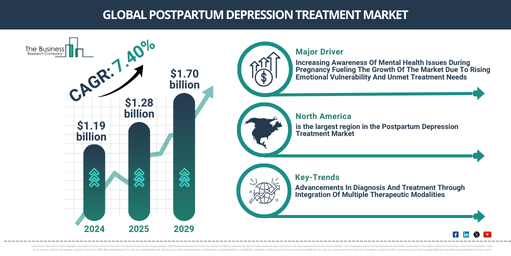
    The market size for postpartum depression treatment has seen robust growth in the past few years. It is projected to expand from $1.19 billion in 2024 to $1.28 billion in 2025, with a compound annual growth rate (CAGR) of 7.7%. The augmentation noted in the historical period can be credited to the heightened awareness about maternal mental health, increased incidents of postpartum depression, progress in antidepressant medications, growing acceptance of psychotherapy, and state-supported endeavors promoting maternal mental health.

    What Is the Forecast for the Postpartum Depression Treatment Market Size Through 2029?

    The market for treating postpartum depression is predicted to experience robust expansion in the upcoming years. The market is projected to reach $1.70 billion in 2029, growing at a compound annual growth rate (CAGR) of 7.4%. The growth during the anticipated period can be linked to the invention of new, fast-acting treatments, the rising use of digital mental health solutions, wider insurance coverage for mental health services, an increased demand for personalized treatment plans, and a heightened emphasis on hormonal therapies. Significant trends in the forecast period encompass the development of neurosteroid-based therapies, a rise in telemedicine for postnatal care, the implementation of AI in mental health diagnostics, an enhanced role of nutraceuticals and dietary interventions, and the broadening of employer-backed mental health initiatives.

    Download The Free Sample Report Here:

    https://www.thebusinessresearchcompany.com/sample.aspx?id=23479&type=smp

    What are the Key Market Players in Postpartum Depression Treatment Market and How They’re Evolving?

    Major companies operating in the postpartum depression treatment market are Biogen Inc., Inspira Health Network, LifeStance Health Inc., Max Healthcare Institute Limited, American Well Corporation, Sakra Premium Hospital Private Limited, Talkspace Inc., Mental Health America, 7 Cups Inc., Marinus Pharmaceuticals Inc., Brii Biosciences Limited, Beyond Blue Ltd, Blooming Wellness Center, Sage Therapeutics Inc., NURX Inc., Curio Digital Therapeutics Inc., Genesis Lifestyle Medicine, Postpartum Society of Florida, TalktoAngel, The Motherhood Center

    What Are the Primary Growth Drivers in the Postpartum Depression Treatment Market?

    The growing consciousness surrounding mental health complications during pregnancy is predicted to stimulate the expansion of the postpartum depression treatment market. Mental health complications during pregnancy encompass a array of emotional, psychological, and psychiatric conditions impacting a woman during her pregnancy. The rise in these mental health complications can be attributed to enhanced stress and hormonal shifts, which can intensify emotional susceptibility and complicate a woman’s ability to manage physical, social, and psychological responsibilities. Postpartum depression treatments assist in improving mental health by relieving symptoms such as sadness, anxiety, and exhaustion, boosting emotional resilience, and fostering healthier bonds between mother and child. For example, the Maternal Mental Health Leadership Alliance (MMHLA), a nonprofit organization in the U.S committed to enhancing maternal mental health, reported in October 2024 that mental health conditions are the most prevalent pregnancy complications, impacting 800,000 U.S families each year, with 75% remaining untreated, presenting long-term threats to mothers, infants, and families. Therefore, this escalating consciousness surrounding mental health complications during pregnancy is triggering the growth of the postpartum depression treatment market.

    Request For A Customized Report:

    https://www.thebusinessresearchcompany.com/customise?id=23479&type=smp

    What Are the Leading Segments in the Global Postpartum Depression Treatment Industry?

    The postpartum depression treatment market covered in this report is segmented –

    1) By Type: Postpartum Anxiety, Postpartum Blues, Postpartum Post-Traumatic Stress Disorder (PTSD), Postpartum Obsessive-Compulsive Disorder (OCD), Postpartum Panic Disorder, Postpartum Psychosis

    2) By Treatment Type: Antidepressants, Hormone Therapy, Psychotherapy, Other Treatment Types

    3) By Patient Demographics: Adolescents, Adults

    4) By Distribution Channel: Hospital Pharmacies, Retail Pharmacies, Online Pharmacies

    Subsegments:

    1) By Postpartum Anxiety: Cognitive Behavioral Therapy (CBT), Antidepressant Medications, Hormonal Therapy, Support Groups And Counseling

    2) By Postpartum Blues: Psychotherapy, Supportive Care, Short-Term Medication

    3) By Postpartum Post-Traumatic Stress Disorder (PTSD): Trauma-Focused Cognitive Behavioral Therapy (TF-CBT), Eye Movement Desensitization And Reprocessing (EMDR), Medication, Peer Support Groups

    4) By Postpartum Obsessive-Compulsive Disorder (OCD): Exposure And Response Prevention (ERP), Antidepressant Medications (SSRIs), Cognitive Behavioral Therapy (CBT), Supportive Therapy

    5) By Postpartum Panic Disorder: Cognitive Behavioral Therapy (CBT), Antidepressants And Anti-Anxiety Medications, Relaxation Techniques, Psychotherapy

    6) By Postpartum Psychosis: Antipsychotic Medications, Mood Stabilizers, Electroconvulsive Therapy (ECT)

    What Are the Key Market Trends in the Postpartum Depression Treatment Industry?

    Leading enterprises in the treatment market for postpartum depression are concentrating on progressive developments in diagnosis and treatment modalities, such as digital therapeutic prescriptions for postpartum depression. These prescriptions refer to the application of clinically validated digital therapeutics (DTx) by healthcare practitioners for managing and treating postpartum depression (PPD). For instance, in April 2024, Curio Digital Therapeutics Inc, a renowned digital health organization based in the US, received approval from the Food and Drug Administration (FDA) for MamaLift Plus. It is the pioneer in prescription digital therapeutics for postpartum depression. The eight-week program involves the delivery of digital CBT, BAT, IPT, and DBT through mobile applications under healthcare provider supervision. A crucial study demonstrated a significantly enhanced rate of clinically substantial improvement in EPDS scores among MamaLift Plus users compared to a parallel control group. This approval introduces the availability of a non-pharmaceutical alternative for treating mild to moderate postpartum depression in women.

    Access The Full Report Here:

    https://www.thebusinessresearchcompany.com/report/postpartum-depression-treatment-global-market-report

    What Is the Regional Outlook for the Postpartum Depression Treatment Market?

    North America was the largest region in the postpartum depression treatment market in 2024. Asia-Pacific is expected to be the fastest-growing region in the forecast period. The regions covered in the postpartum depression treatment market report are Asia-Pacific, Western Europe, Eastern Europe, North America, South America, Middle East, Africa.

    Purchase The Full Report Today:

    https://www.thebusinessresearchcompany.com/purchaseoptions.aspx?id=23479

    This Report Delivers Insight On:

    1. How big is the postpartum depression treatment market, and how is it changing globally?

    2. Who are the major companies in the postpartum depression treatment market, and how are they performing?

    3. What are the key opportunities and risks in the postpartum depression treatment market right now?

    4. Which products or customer segments are growing the most in the postpartum depression treatment market?

    5. What factors are helping or slowing down the growth of the postpartum depression treatment market?

    About The Business Research Company:

    With over 15000+ reports from 27 industries covering 60+ geographies, The Business Research Company has built a reputation for offering comprehensive, data-rich research and insights. Armed with 1,500,000 datasets, the optimistic contribution of in-depth secondary research, and unique insights from industry leaders, you can get the information you need to stay ahead in the game.

    Get in touch with us:

    The Business Research Company: https://www.thebusinessresearchcompany.com/

    Americas +1 310-496-7795

    Europe +44 7882 955267

    Asia & Others +44 7882 955267 & +91 8897263534

    Email us at info@tbrc.info

    Follow us on:

    LinkedIn: https://in.linkedin.com/company/the-business-research-company

    YouTube: https://www.youtube.com/channel/UC24_fI0rV8cR5DxlCpgmyFQ

    Global Market Model: https://www.thebusinessresearchcompany.com/global-market-model
  • Visceral Leishmaniasis Industry Insights 2025 – Market Forecast for Executives and Planners

    Visceral Leishmaniasis Industry Insights 2025 – Market Forecast for Executives and Planners

    Claim your 30% discount on Global Market Reports with code ONLINE30. Limited time only.

    How Has the Visceral Leishmaniasis Market Size Changed, over the years?

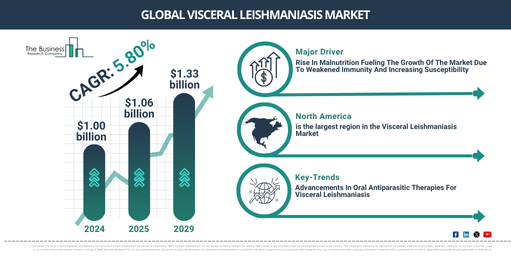
    In the last few years, the market size of visceral leishmaniasis has seen a robust growth. The market is set to increase from $1.00 billion in 2024 to $1.06 billion in 2025, with a compound annual growth rate (CAGR) of 6.1%. The factors contributing to the growth during the historic period include an increase in disease burden, surge in government funding, launch of amphotericin B, advancement of miltefosine, expansion of awareness campaigns, better accessibility to healthcare in endemic areas, and the foundation of public-private alliances.

    How Much Will the Visceral Leishmaniasis Market Be Worth in 2029?

    In the upcoming years, the market size for visceral leishmaniasis is set to witness substantial growth, with a projected worth of $1.33 billion in 2029, driven by a compound annual growth rate (CAGR) of 5.8%. Several factors can account for this growth in the forecast period, such as increased investment in the development of vaccines, heightened worldwide disease monitoring programs, growth in public-private partnerships, better funding for overlooked tropical diseases, and the introduction of gene-based therapies. Key trends predicted for this period include CRISPR-based gene alterations, AI-aided drug discovery, nanotechnology-improved drug delivery, next-gen sequencing for parasite examination, wearable biosensors for prompt detection, the application of blockchain for medical supply chain control, smartphone-driven diagnostic mechanisms, and 3D bioprinting geared towards personalized treatment research.

    Download The Free Sample Report Here:

    https://www.thebusinessresearchcompany.com/sample.aspx?id=23573&type=smp

    Which is the Largest Company in the Visceral Leishmaniasis Market?

    Major companies operating in the visceral leishmaniasis market are Pfizer Inc., Bristol-Myers Squibb Company, Abbott Laboratories, Novartis AG, GSK plc, Takeda Pharmaceutical Company Limited, Gilead Sciences Inc., Sun Pharmaceutical Industries Ltd., Dr. Reddy’s Laboratories, Aurobindo Pharma Limited, Cipla Limited, Zydus Lifesciences Limited, Glenmark Pharmaceuticals Limited, Alkem Laboratories Ltd, Xellia Pharmaceuticals, Knight Therapeutics Inc, Gufic Biosciences Ltd., United Biotech Private Limited, DNDi, TLC.

    What Are the Main Market Drivers in the Visceral Leishmaniasis Industry?

    The escalation in malnutrition levels is predicted to spur the expansion of the visceral leishmaniasis market. Malnutrition, a health issue resulting from insufficient or unbalanced intake of key nutrients required for bodily functions, has been on the rise due to food insecurity. This insecurity impedes access to nutritious food, prompting undernourishment and micro-nutrient insufficiencies, subsequently compromising the immune system. An impaired immune system heralds an increased susceptibility to infections, including visceral leishmaniasis. The body’s defense mechanisms are weakened by nutrient deficiencies, thereby augmenting the risk of intensified diseases and complications. For example, the Food and Agriculture Organization, an Italy-based specialized agency of the United Nations, reported in July 2024 that the count of undernourished people had elevated to 723.8 million in 2022, which was higher than 708.7 million in 2021. In consequence, malnutrition’s rise is fuelling the growth of the visceral leishmaniasis market.

    Request For A Customized Report:

    https://www.thebusinessresearchcompany.com/customise?id=23573&type=smp

    How Is the Visceral Leishmaniasis Market Segments Structured?

    The visceral leishmaniasis market covered in this report is segmented –

    1) By Treatment: Antiparasitic, Antifungal, Other Treatments

    2) By Diagnosis Method: Serological Tests, Molecular Tests, Microscopy, Culture Methods

    3) By Route Of Administration: Oral, Injectable, Other Routes Of Administration

    4) By Distribution Channel: Hospital Pharmacy, Online Pharmacy, Retail Pharmacy

    5) By End-User: Hospitals, Homecare, Specialty Clinics, Other End-Users

    Subsegments:

    1) By Antiparasitic: Pentavalent Antimonials, Miltefosine, Paromomycin, Sitamaquine, Combination Therapy

    2) By Antifungal: Amphotericin B, Liposomal Amphotericin B (AmBisome), Azoles, Echinocandins, Polyenes

    3) By Other Treatments: Immunotherapy, Monoclonal Antibodies, Vaccine-Based Approaches, Photodynamic Therapy, Gene Therapy

    What Strategic Trends Are Transforming the Visceral Leishmaniasis Market?

    Leading firms in the visceral leishmaniasis market are placing emphasis on the progression of treatment alternatives, such as antiparasitic drugs, to heighten effectiveness and boost patient access, particularly in areas heavily affected by the disease. Antiparasitic drugs, which are used to treat parasitic infections, operate by interfering with the parasite’s biological processes, limiting its growth, reproduction, or survival. For example, in February 2024, Zydus Lifesciences Limited, a pharmaceutical company based in India, was granted prequalification approval by the World Health Organization (WHO) for the active pharmaceutical ingredient (API) and formulation of miltefosine, used to treat leishmaniasis, also known as kala-azar. Miltefosine, an oral antiparasitic drug, functions by damaging the parasite’s cell membrane and disrupting its metabolism, causing cell death. Additionally, it inhibits parasite growth and ensures survival, making it a potent oral therapy for visceral leishmaniasis or kala azar.

    Access The Full Report Here:

    https://www.thebusinessresearchcompany.com/report/visceral-leishmaniasis-global-market-report

    Which Global Regions Offer the Highest Growth in the Visceral Leishmaniasis Market?

    North America was the largest region in the visceral leishmaniasis market in 2024. Asia-Pacific is expected to be the fastest-growing region in the forecast period. The regions covered in the visceral leishmaniasis market report are Asia-Pacific, Western Europe, Eastern Europe, North America, South America, Middle East, Africa.

    Purchase The Full Report Today:

    https://www.thebusinessresearchcompany.com/purchaseoptions.aspx?id=23573

    This Report Delivers Insight On:

    1. How big is the visceral leishmaniasis market, and how is it changing globally?

    2. Who are the major companies in the visceral leishmaniasis market, and how are they performing?

    3. What are the key opportunities and risks in the visceral leishmaniasis market right now?

    4. Which products or customer segments are growing the most in the visceral leishmaniasis market?

    5. What factors are helping or slowing down the growth of the visceral leishmaniasis market?

    About The Business Research Company:

    With over 15000+ reports from 27 industries covering 60+ geographies, The Business Research Company has built a reputation for offering comprehensive, data-rich research and insights. Armed with 1,500,000 datasets, the optimistic contribution of in-depth secondary research, and unique insights from industry leaders, you can get the information you need to stay ahead in the game.

    Get in touch with us:

    The Business Research Company: https://www.thebusinessresearchcompany.com/

    Americas +1 310-496-7795

    Europe +44 7882 955267

    Asia & Others +44 7882 955267 & +91 8897263534

    Email us at info@tbrc.info

    Follow us on:

    LinkedIn: https://in.linkedin.com/company/the-business-research-company

    YouTube: https://www.youtube.com/channel/UC24_fI0rV8cR5DxlCpgmyFQ

    Global Market Model: https://www.thebusinessresearchcompany.com/global-market-model
  • Market Analysis on Vestibular Neuronitis Treatment Industry – Insights for Corporate Strategy and R&D

    Market Analysis on Vestibular Neuronitis Treatment Industry – Insights for Corporate Strategy and R&D

    Claim your 30% discount on Global Market Reports with code ONLINE30. Limited time only.

    What Is the Forecast for the Vestibular Neuronitis Treatment Market from 2024 to 2025?

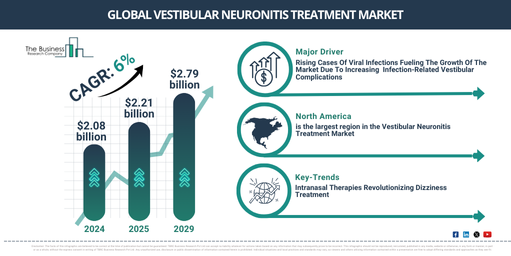
    In recent times, the market size for vestibular neuronitis treatment has significantly expanded. The market is forecasted to increase from $2.08 billion in 2024 to $2.21 billion in 2025, growing at a compound annual growth rate (CAGR) of 6.3%. The historic growth is credited to the rise in awareness on vestibular disorders, the increase in cases of chronic ailments, the sweeping prevalence of various vestibular conditions, the growing population of the elderly, and the escalating incidence of vestibular neuronitis.

    What Is the Projected Market Size of the Vestibular Neuronitis Treatment Market?

    Over the coming years, the market size for vestibular neuronitis treatment is predicted to experience robust growth. It’s projected to expand to $2.79 billion by 2029, with a Compound Annual Growth Rate (CAGR) of 6%. This growth within the forecast period is due to factors such as increased healthcare spending, a growing number of neurological disorder cases, a rise in sarcoma and ear infection incidences, and heightened awareness of balance disorders. The forecast period will also see significant trends such as the application of artificial intelligence (AI) and machine learning (ML) innovations, advancements in vestibular examination technological approaches, breakthroughs in drug delivery methods, the introduction of telemedicine for remote vestibular treatment, and enhancements in imaging technologies for inner ear evaluations.

    Download The Free Sample Report Here:

    https://www.thebusinessresearchcompany.com/sample.aspx?id=23567&type=smp

    Who are the Major Competitors in the Vestibular Neuronitis Treatment Market Outlook?

    Major companies operating in the vestibular neuronitis treatment market are Kaiser Permanente, Pfizer Inc., Johnson & Johnson, F. Hoffmann-La Roche AG, Merck & Co. Inc., AbbVie Inc., Abbott Laboratories, Novartis AG, GSK plc, Bupa, Teva Pharmaceutical Industries Ltd., Bausch Health Companies Inc., Cipla Limited, Dr. Reddy’s Laboratories Ltd. , Zydus Lifesciences Limited, Recordati S.p.A., ANI Pharmaceuticals Inc., Prestige Consumer Healthcare Inc., Sun Pharmaceutical Industries Ltd., LGM Pharma

    What Is Fueling Growth in the Vestibular Neuronitis Treatment Market?

    The escalating frequency of viral infections is anticipated to boost the vestibular neuronitis treatment market’s expansion. Viral diseases, which cause invading viruses to multiply in a host organism’s cells, result in a variety of symptoms and possible tissue damage. The surge in viral infections is predominantly attributed to global travel and urbanization, leading to increased population density and human interaction, allowing viruses to easily propagate through airborne droplets, direct contact, and tainted surfaces. Treatments for vestibular neuronitis assist in managing viral infections by reducing inflammation of the vestibular nerve, easing dizziness and balance disorders, and aiding recovery with the help of medications, rehabilitation therapy, and palliative care. For example, the UK Health Security Agency stated in October 2024 that HIV diagnoses in England hit 6,008 in 2023, a 51% leap from 3,975 in 2022 and a 56% uptick from 3,859 in 2019, highlighting how the increasing viral infections are driving the market for vestibular neuronitis treatment. The growth of the vestibular neuronitis treatment market is anticipated to be spurred by expanding healthcare expenditures. Healthcare spendings reflect the aggregate sum spent on medical services, treatments, facilities, research, and public health efforts to sustain or enhance health outcomes. The mounting demand for healthcare funds comes from the ageing population, who are more prone to balance disorders due to inner ear degeneration, subpar blood flow, and feeble nerve function. Healthcare expenses support vestibular neuronitis treatment by funding research, evolving medical technologies, and enhancing access to specialized care, facilitating superior treatment choices and quicker patient recovery. For example, the Centers for Medicare & Medicaid Services (CMS) reported in December 2024 that national health expenditures (NHE) rose by 7.5% in 2023, surpassing the GDP growth of 6.1%. From 2023 to 2032, the average national health expenditure (NHE) is expected to expand at an average annual rate of 5.6%, resulting in a rise of health spending share of GDP from 17.3% in 2022 to 19.7% in 2032, implying that growing healthcare expenses are propelling the market for vestibular neuronitis treatment.

    Request For A Customized Report:

    https://www.thebusinessresearchcompany.com/customise?id=23567&type=smp

    Which Vestibular Neuronitis Treatment Market Segments Are Growing the Fastest?

    The vestibular neuronitis treatment market covered in this report is segmented –

    1) By Treatment Type: Medication, Physical Therapy, Surgery, Alternative Therapy

    2) By Route Of Administration: Oral, Intravenous, Intramuscular

    3) By Age Group: Children, Adults, Elderly

    4) By Symptoms: Sudden Vertigo, Balance Issues, Nausea And Vomiting, Dizziness, Trouble Concentrating

    5) By End Users: Hospitals, Clinics, Other End Users

    Subsegments:

    1) By Medication: Corticosteroids, Antihistamines, Benzodiazepines, Antiemetics, Antiviral Drugs, Antibiotics

    2) By Physical Therapy: Vestibular Rehabilitation Therapy (VRT), Balance Training Exercises, Canalith Repositioning Maneuvers

    3) By Surgery: Labyrinthectomy, Vestibular Nerve Section, Endolymphatic Sac Decompression

    4) By Alternative Therapy: Acupuncture, Herbal Medicine, Chiropractic Therapy, Homeopathic Treatment, Dietary Supplements

    Which Industry Trends Are Shaping the Future of the Vestibular Neuronitis Treatment Market?

    Leading firms in the vestibular neuronitis treatment market are channeling their efforts towards the creation of cutting-edge solutions like vestibular modulators. These solutions aim to boost vestibular compensation, expedite recovery from vertigo, and increase the efficacy of treatments for balance disorder patients. Vestibular modulators serve as medicinal agents that control the activity of the vestibular system to enhance balance, minimize vertigo and amplify vestibular compensation. For example, Altamira Therapeutics Ltd., a biopharmaceutical company based in Switzerland, received investigational new drug (IND) clearance from the U.S. Food and Drug Administration in June 2023 for AM-125 (betahistine nasal spray) for acute vestibular syndrome (AVS). AM-125, a vestibular modulator, combats vestibular neuronitis via the increased release of histamine, enhanced vestibular compensation, and elevated inner ear blood flow, thereby alleviating vertigo and balance issues. It’s intranasal application guarantees swift absorption and amplified bioavailability for rapid symptom relief.

    Access The Full Report Here:

    https://www.thebusinessresearchcompany.com/report/vestibular-neuronitis-treatment-global-market-report

    Which Countries Are Leading the Vestibular Neuronitis Treatment Market?

    North America was the largest region in the vestibular neuronitis treatment market in 2024. Asia-Pacific is expected to be the fastest-growing region in the forecast period. The regions covered in the vestibular neuronitis treatment market report are Asia-Pacific, Western Europe, Eastern Europe, North America, South America, Middle East, Africa.

    Purchase The Full Report Today:

    https://www.thebusinessresearchcompany.com/purchaseoptions.aspx?id=23567

    This Report Delivers Insight On:

    1. How big is the vestibular neuronitis treatment market, and how is it changing globally?

    2. Who are the major companies in the vestibular neuronitis treatment market, and how are they performing?

    3. What are the key opportunities and risks in the vestibular neuronitis treatment market right now?

    4. Which products or customer segments are growing the most in the vestibular neuronitis treatment market?

    5. What factors are helping or slowing down the growth of the vestibular neuronitis treatment market?

    About The Business Research Company:

    With over 15000+ reports from 27 industries covering 60+ geographies, The Business Research Company has built a reputation for offering comprehensive, data-rich research and insights. Armed with 1,500,000 datasets, the optimistic contribution of in-depth secondary research, and unique insights from industry leaders, you can get the information you need to stay ahead in the game.

    Get in touch with us:

    The Business Research Company: https://www.thebusinessresearchcompany.com/

    Americas +1 310-496-7795

    Europe +44 7882 955267

    Asia & Others +44 7882 955267 & +91 8897263534

    Email us at info@tbrc.info

    Follow us on:

    LinkedIn: https://in.linkedin.com/company/the-business-research-company

    YouTube: https://www.youtube.com/channel/UC24_fI0rV8cR5DxlCpgmyFQ

    Global Market Model: https://www.thebusinessresearchcompany.com/global-market-model