Category: HealthcareServices

  • Post-Operative Nausea And Vomiting Forecast Report – Designed for Decision Makers and Product Teams

    Post-Operative Nausea And Vomiting Forecast Report – Designed for Decision Makers and Product Teams

    Claim your 30% discount on Global Market Reports with code ONLINE30. Limited time only.

    What Is the Growth Rate of the Post-Operative Nausea And Vomiting Market?

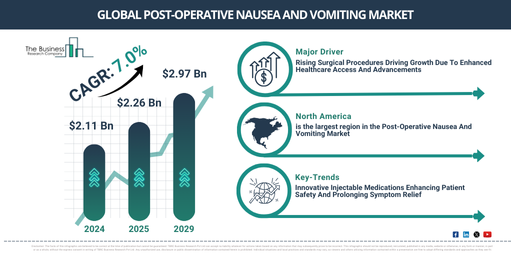
    There has been substantial expansion in the market size of post-operative nausea and vomiting in the past few years. The market, valued at $2.11 billion in 2024, is projected to escalate to $2.26 billion in 2025, reflecting a compound annual growth rate (CAGR) of 7.4%. This remarkable increase during the historic period can be credited to the escalation in research and development activities, growing inclination for progressive therapies, an uptrend in the expenditure on healthcare, augmented emphasis on personalized medicine, as well as the increasing embrace of digital health technologies.

    What Growth Rate Is Forecasted for the Post-Operative Nausea And Vomiting Market by 2029?

    In the coming years, the market size for post-operative nausea and vomiting is projected to witness a robust expansion. The market is forecasted to reach $2.97 billion in 2029, with a compound annual growth rate (CAGR) of 7.0%. Several factors contribute to this predicted growth, including an increased demand for pharmaceuticals, the rise of combination therapy, enhanced awareness and investment in healthcare, a surge in the elderly population, and an increase in cancer cases. Key trends anticipated during the forecast period consist of the development of superior antiemetic therapies, strategic affiliations, the introduction of novel drug compositions, the incorporation of cutting-edge diagnostic tools, and the use of electronic simulation devices.

    Download The Free Sample Report Here:

    https://www.thebusinessresearchcompany.com/sample.aspx?id=22109&type=smp

    Which Key Companies Are Shaping the Future of the Post-Operative Nausea And Vomiting Market?

    Major companies operating in the post-operative nausea and vomiting market are Pfizer Inc., Merck KGaA, Novartis AG, GlaxoSmithKline Plc, Takeda Pharmaceutical Company Limited. , Baxter Corporation, Teva Pharmaceutical Industries Ltd., Sandoz Group AG, Daiichi Sankyo Inc., Fresenius Kabi AG, Eisai Co. Ltd., Dr. Reddy’s Laboratories, Kyowa Hakko Kirin Taiwan Co. Ltd., Cipla Ltd., Alkem Laboratories Ltd., Eagle Pharmaceuticals Inc. , Camurus AB, Helsinn Healthcare SA, Heron Therapeutics Inc., Advacare Pharma

    Which Factors Are Driving Demand in the Post-Operative Nausea And Vomiting Industry?

    The post-operative nausea and vomiting market is anticipated to expand due to an increase in the number of surgical procedures. Surgical procedures encompass medical interventions that employ instruments to diagnose, treat, or dissect damaged tissues, organs, or anomalies through cutting or manipulation. Owing to advancements in medical technology, surgical processes have become safer, more effective, and less invasive, thereby gaining acceptance from patients and wider applicability. The management of post-operative nausea and vomiting optimises surgical procedures by improving patient comfort, decreasing recovery duration, lessening the risk of complications, facilitating improved post-operative care, and enhancing the overall outcomes of the surgery. For instance, records from the Australian Institute of Health and Welfare, a government agency based in Australia, indicated that 771,600 patients were admitted for surgical procedures from public hospital elective surgery waiting lists in November 2024, marking a 4.9% surge compared to 2022-23. Consequently, the increasing surgical procedures are fuelling the growth of the post-operative nausea and vomiting market.

    Request For A Customized Report:

    https://www.thebusinessresearchcompany.com/customise?id=22109&type=smp

    How Is the Post-Operative Nausea And Vomiting Market Segmented by Several Divisions?

    The post-operative nausea and vomiting market covered in this report is segmented –

    1) By Treatment Type: Serotonin Antagonists, Steroids, Dopamine Antagonists, Neurokinin NK-1 Receptor Antagonists, Non-pharmacological Treatment, Other Treatment Types

    2) By Route Of Administration: Oral, Intravenous, Transdermal, Other Route Of Administrations

    3) By Patient Demographics: Pediatric Patients, Adult Patients, Geriatric Patients

    4) By Surgical Procedure Type: Orthopedic Surgery, Gynecological Surgery, General Surgery, Cardiac Surgery, Ophthalmic Surgery

    5) By End-User: Hospitals, Ambulatory Surgical Centers, Specialty Clinics, Other End-Users

    Subsegmentss:

    1) By Serotonin Antagonists Type: Ondansetron, Granisetron, Palonosetron, Dolasetron, Tropisetron

    2) By Steroids Type: Dexamethasone, Methylprednisolone, Hydrocortisone, Prednisolone, Betamethasone

    3) By Dopamine Antagonists Type: Metoclopramide, Droperidol, Prochlorperazine, Domperidone, Chlorpromazine

    4) By Neurokinin NK-1 Receptor Antagonists Type: Aprepitant, Fosaprepitant, Rolapitant, Netupitant, Casopitant

    5) By Non-Pharmacological Treatment Type: Acupressure, Aromatherapy, Hypnotherapy, Electroacupuncture, Ginger Supplements

    6) By Other Treatment Types: Antihistamines, Anticholinergics, Cannabinoids, Combination Therapy, Herbal & Natural Remedies

    What are the Emerging Market Trends Driving the Growth of the Post-Operative Nausea And Vomiting Industry?

    Major businesses in the post-operative nausea and vomiting market are prioritizing the creation of vital injectable drugs. They are using advanced emulsion formulations and prolonged-release technology to enhance efficiency and provide long-term relief for patients after surgery. These critical injectable medications refer to vital drugs given through injections, formulated to offer quick and effective treatment for severe or pressing health issues. For example, Avenacy, a specialty pharmaceutical company based in the US, launched Palonosetron Hydrochloride Injection in 0.25 mg/5 mL single-dose vials in July 2024. This initiative was to help healthcare professionals minimize dosing mistakes and increase patient safety. The injection is used to prevent nausea and vomiting resulting from chemotherapy and to control postoperative nausea and vomiting (PONV) for up to 24 hours after a surgical procedure. It provides a dependable treatment alternative for patients who are susceptible to these conditions.

    Access The Full Report Here:

    https://www.thebusinessresearchcompany.com/report/post-operative-nausea-and-vomiting-global-market-report

    Which Regions Are Driving Growth in the Post-Operative Nausea And Vomiting Market?

    North America was the largest region in the post-operative nausea and vomiting market in 2024. Asia-Pacific is expected to be the fastest-growing region in the forecast period. The regions covered in the post-operative nausea and vomiting market report are Asia-Pacific, Western Europe, Eastern Europe, North America, South America, Middle East, Africa.

    Purchase The Full Report Today:

    https://www.thebusinessresearchcompany.com/purchaseoptions.aspx?id=22109

    This Report Delivers Insight On:

    1. How big is the post-operative nausea and vomiting market, and how is it changing globally?

    2. Who are the major companies in the post-operative nausea and vomiting market, and how are they performing?

    3. What are the key opportunities and risks in the post-operative nausea and vomiting market right now?

    4. Which products or customer segments are growing the most in the post-operative nausea and vomiting market?

    5. What factors are helping or slowing down the growth of the post-operative nausea and vomiting market?

    About The Business Research Company:

    With over 15000+ reports from 27 industries covering 60+ geographies, The Business Research Company has built a reputation for offering comprehensive, data-rich research and insights. Armed with 1,500,000 datasets, the optimistic contribution of in-depth secondary research, and unique insights from industry leaders, you can get the information you need to stay ahead in the game.

    Get in touch with us:

    The Business Research Company: https://www.thebusinessresearchcompany.com/

    Americas +1 310-496-7795

    Europe +44 7882 955267

    Asia & Others +44 7882 955267 & +91 8897263534

    Email us at info@tbrc.info

    Follow us on:

    LinkedIn: https://in.linkedin.com/company/the-business-research-company

    YouTube: https://www.youtube.com/channel/UC24_fI0rV8cR5DxlCpgmyFQ

    Global Market Model: https://www.thebusinessresearchcompany.com/global-market-model
  • Market Analysis on Pemphigus Vulgaris Industry – Insights for Corporate Strategy and R&D

    Market Analysis on Pemphigus Vulgaris Industry – Insights for Corporate Strategy and R&D

    Claim your 30% discount on Global Market Reports with code ONLINE30. Limited time only.

    What Is the Forecast for the Pemphigus Vulgaris Market from 2024 to 2025?

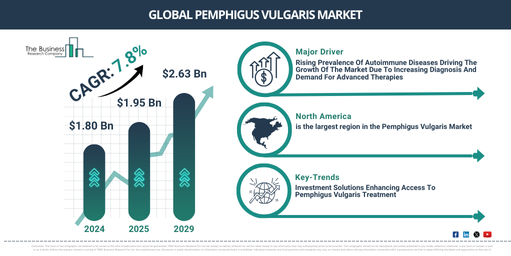
    The robust growth of the pemphigus vulgaris market in recent years is significant. Expectations are for the market to increase from $1.80 billion in 2024 to $1.95 billion in 2025, maintaining a compound annual growth rate (CAGR) of 8.1%. The historical growth can be traced back to the increased acceptance of biologic therapies, a rising number of genetic predisposition cases, the escalating occurrence of pemphigus vulgaris, the influence of biosimilars, and the expansion of the healthcare infrastructure.

    What Is the Projected Market Size of the Pemphigus Vulgaris Market?

    Anticipations are high for a robust expansion in the pemphigus vulgaris market over the coming years. Experts predict that by 2029, the market will reach a value of $2.63 billion, with a compound annual growth rate (CAGR) of 7.8%. A variety of factors such as the increase in clinical trials, precision medicine development, the rise of digital health solutions, growing preference for biologics, and telemedicine utilization contribute to this projected growth. The forecast period is expected to see emerging trends like biological therapy advancements, regulatory green lights, the embracement of combination therapies, forward steps in personalized medicine, and novel oral formulations of biological therapies.

    Download The Free Sample Report Here:

    https://www.thebusinessresearchcompany.com/sample.aspx?id=22094&type=smp

    Who are the Major Competitors in the Pemphigus Vulgaris Market Outlook?

    Major companies operating in the pemphigus vulgaris market are Pfizer Inc., F. Hoffmann-La Roche Ltd, Thermo Fisher Scientific Inc., GlaxoSmithKline plc, Amgen Inc., Sanofi S.A, Biogen Inc., Genentech, Genmab A/S, argenx SE, Daewoong Pharmaceutical Co. Ltd., HanAll Biopharma Co. Ltd., Artiva Biotherapeutics, Cabaletta Bio Inc., SinoMab BioScience Limited, Topas Therapeutics GmbH, Principia Biopharma Inc., Serpin Pharma LLC, Syntimmune Inc., International Pemphigus & Pemphigoid Foundation

    What Is Fueling Growth in the Pemphigus Vulgaris Market?

    The increase in the incidence of autoimmune disorders is projected to stimulate expansion in the pemphigus vulgaris market. Autoimmune disorders represent a set of conditions where the immune system erroneously targets and harms the body’s own healthy cells, tissues, or organs. The increasing occurrence of autoimmune illnesses stems from a combination of genetic susceptibility, environmental factors, and alterations in lifestyle. Genetic aspects are paramount, as individuals with a familial history of autoimmune disorders are more prone to manifest them due to inherent weaknesses in the immune system. As factors such as genetic susceptibility, environmental triggers, and lifestyle modifications become more widespread, there’s an increase in the diagnosis of diseases like pemphigus vulgaris, heightening the need for advanced treatments. As an example, in January 2025, Mayo Clinic Health System, a comprehensive healthcare service provider in the US, reported a global rise in the incidence and prevalence rates of autoimmune diseases, with annual increases predicted at 19.1% and 12.5%, respectively. Therefore, the increasing incidence of autoimmune disorders is fueling the growth of the pemphigus vulgaris market.

    Request For A Customized Report:

    https://www.thebusinessresearchcompany.com/customise?id=22094&type=smp

    Which Pemphigus Vulgaris Market Segments Are Growing the Fastest?

    The pemphigus vulgaris market covered in this report is segmented –

    1) By Diagnosis And Treatment: Diagnosis, Treatment

    2) By Population Type: Pediatric, Adults, Geriatric

    3) By Distribution Channel: Hospitals Pharmacy, Retail Pharmacy, Online Pharmacy

    4) By End-User: Hospitals, Specialty Clinics, Research Institutes, Other End-Users

    Subsegments:

    1) By Diagnosis: Clinical Examination, Skin Biopsy, Direct Immunofluorescence, Serological Tests, Polymerase Chain Reaction (PCR)

    2) By Treatment: Pharmacological Therapy, Non-Pharmacological Therapy

    Which Industry Trends Are Shaping the Future of the Pemphigus Vulgaris Market?

    Primary businesses in the pemphigus vulgaris market are investing in solutions geared towards enhancing treatment effectiveness and broadening the therapeutic choices. These investment plans include financial approaches and resources dedicated to research, the creation of treatments, and market introduction. For example, in January 2023, the Patient Access Network Foundation (PAN), a non-profit institution based in the U.S., initiated a financial aid program offering up to a yearly $6,600 to qualifying pemphigus vulgaris patients. This assistance is directed towards covering deductibles, copays, and coinsurance expenses. Eligibility for this financial aid necessitates undergoing treatment for pemphigus vulgaris, being insured by Medicare that covers the required medications, and having an income level equivalent to or below 400% of the federal poverty line. Additionally, PAN Foundation facilitates transportation assistance and links patients with relevant support organizations.

    Access The Full Report Here:

    https://www.thebusinessresearchcompany.com/report/pemphigus-vulgaris-global-market-report

    Which Countries Are Leading the Pemphigus Vulgaris Market?

    North America was the largest region in the pemphigus vulgaris market in 2024. Asia-Pacific is expected to be the fastest-growing region in the forecast period. The regions covered in the pemphigus vulgaris market report are Asia-Pacific, Western Europe, Eastern Europe, North America, South America, Middle East, Africa.

    Purchase The Full Report Today:

    https://www.thebusinessresearchcompany.com/purchaseoptions.aspx?id=22094

    This Report Delivers Insight On:

    1. How big is the pemphigus vulgaris market, and how is it changing globally?

    2. Who are the major companies in the pemphigus vulgaris market, and how are they performing?

    3. What are the key opportunities and risks in the pemphigus vulgaris market right now?

    4. Which products or customer segments are growing the most in the pemphigus vulgaris market?

    5. What factors are helping or slowing down the growth of the pemphigus vulgaris market?

    About The Business Research Company:

    With over 15000+ reports from 27 industries covering 60+ geographies, The Business Research Company has built a reputation for offering comprehensive, data-rich research and insights. Armed with 1,500,000 datasets, the optimistic contribution of in-depth secondary research, and unique insights from industry leaders, you can get the information you need to stay ahead in the game.

    Get in touch with us:

    The Business Research Company: https://www.thebusinessresearchcompany.com/

    Americas +1 310-496-7795

    Europe +44 7882 955267

    Asia & Others +44 7882 955267 & +91 8897263534

    Email us at info@tbrc.info

    Follow us on:

    LinkedIn: https://in.linkedin.com/company/the-business-research-company

    YouTube: https://www.youtube.com/channel/UC24_fI0rV8cR5DxlCpgmyFQ

    Global Market Model: https://www.thebusinessresearchcompany.com/global-market-model
  • PD-1 Resistant Head And Neck Cancer Forecast Report – Designed for Decision Makers and Product Teams

    PD-1 Resistant Head And Neck Cancer Forecast Report – Designed for Decision Makers and Product Teams

    Claim your 30% discount on Global Market Reports with code ONLINE30. Limited time only.

    What Is the Growth Rate of the PD-1 Resistant Head And Neck Cancer Market?

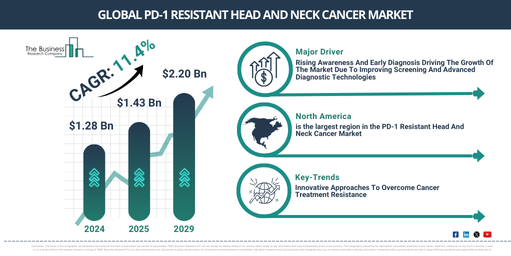
    In the past few years, the market size for PD-1 resistant head and neck cancer has seen a notable increase. The market projections predict growth from $1.28 billion in 2024 to $1.43 billion in 2025, recording a Compound Annual Growth Rate (CAGR) of 11.7%. Factors contributing to this growth during the historic period include a surge in prevalence, more widespread use of immunotherapy, increased clinical trial activities, escalated resistance to PD-1 inhibitors, and a growing emphasis on combination therapies.

    What Growth Rate Is Forecasted for the PD-1 Resistant Head And Neck Cancer Market by 2029?

    Over the coming years, the market size for PD-1 resistant head and neck cancer is poised for accelerated growth, reaching $2.20 billion by 2029 at a compound annual growth rate (CAGR) of 11.4%. Driving this growth over the forecast period is the augmentation in biomarker research, the escalating development of innovative therapies, growing adoption of personalized medicine techniques, heightened investment in cancer research and development, and a rise in regulatory endorsements. The forecast period will also see significant trends like progressive combination therapies, advancements in precision oncology, the integration of next-generation sequencing, cutting-edge tumor microenvironment research, and the utilization of AI in drug discovery processes.

    Download The Free Sample Report Here:

    https://www.thebusinessresearchcompany.com/sample.aspx?id=22092&type=smp

    Which Key Companies Are Shaping the Future of the PD-1 Resistant Head And Neck Cancer Market?

    Major companies operating in the PD-1 resistant head and neck cancer market are Pfizer Inc., Roche Holding AG, Merck & Co. Inc., Novartis AG, Bristol-Myers Squibb Company, AstraZeneca PLC, GSK plc, Amgen Inc., Boehringer Ingelheim International GmbH, Regeneron Pharmaceuticals Inc., Incyte Corporation, Coherus BioSciences Inc., Akeso Biopharma, Rakuten Medical Inc., PDS Biotechnology Corporation, LARVOL, Nanobiotix, ALX Oncology Holdings Inc., RAPT Therapeutics Inc., Immutep Limited.

    Which Factors Are Driving Demand in the PD-1 Resistant Head And Neck Cancer Industry?

    The PD-1-resistant head and neck cancer market is poised for growth due to rising consciousness and prompt detection. Enhancements in screening programs, health initiatives, and diagnostic technology advancements have led to increased early detection and treatment of cancer. Alternative therapies can be implemented in a timely manner with early diagnosis of PD-1-resistant head and neck cancer, thereby enhancing patient survival rates and treatment results. For example, The National Health Service (NHS), a government department based in the UK, reported in January 2025 that 120,958 out of the 206,038 common cancers diagnosed between September 2023 and August 2024 (equivalent to 58.7%) were identified at an early stage, marking an increase of 2.7 percentage points compared to pre-pandemic times, which approximates to about 7,000 additional patients being diagnosed in the early stage. Thus, the augmentation of awareness and early detection fuels the expansion of the PD-1-resistant head and neck cancer market.

    Request For A Customized Report:

    https://www.thebusinessresearchcompany.com/customise?id=22092&type=smp

    How Is the PD-1 Resistant Head And Neck Cancer Market Segmented by Several Divisions?

    The PD-1 resistant head and neck cancer market covered in this report is segmented –

    1) By Treatment Type: Chemotherapy, Radiation Therapy, Surgery, Targeted Therapy

    2) By Stage Of Cancer: Early Stage, Locally Advanced Stage, Metastatic Stage

    3) By Application: Squamous Cell Carcinoma, Adenocarcinoma, Nasopharyngeal Carcinoma, Throat Cancer

    4) By End User: Hospitals, Cancer Research Centers, Clinics

    Subsegments:

    1) By Chemotherapy: Platinum-Based Chemotherapy, Taxanes, Antimetabolites, Topoisomerase Inhibitors

    2) By Radiation Therapy: Intensity-Modulated Radiation Therapy (IMRT), Stereotactic Body Radiation Therapy (SBRT), Proton Beam Therapy, Brachytherapy

    3) By Surgery: Tumor Resection, Neck Dissection, Reconstructive Surgery, Laser Surgery

    4) By Targeted Therapy: EGFR Inhibitors, Angiogenesis Inhibitors, Cyclin-Dependent Kinase Inhibitors, PI3K/AKT/mTOR Inhibitors

    What are the Emerging Market Trends Driving the Growth of the PD-1 Resistant Head And Neck Cancer Industry?

    Key players in the PD-1 resistant head and neck cancer marketplace are focusing on cutting-edge innovations, such as custom cancer treatments, to boost effectiveness and overcome resistance. Customized cancer treatment tailors therapies according to a patient’s genetic makeup, tumor specifics, and immune response, offering a more accurate and efficacious treatment. For instance, in November 2024, US-based biotech firm CEL-SCI Corporation achieved FDA approval to utilize the PD-L1 biomarker in a study on head and neck cancer. Slated to kick off in the beginning of 2025, the clinical trial will concentrate on newly diagnosed patients exhibiting low PD-L1 levels and with no lymph node complications to scrutinize the safety and effectiveness of Multikine (Leukocyte Interleukin, Injection). Following encouraging results from an earlier Phase 3 trial, this study signifies a major progression in personalized cancer therapy, presenting fresh optimism for more successful handling of PD-1-resistant cancers.

    Access The Full Report Here:

    https://www.thebusinessresearchcompany.com/report/pd-1-resistant-head-and-neck-cancer-global-market-report

    Which Regions Are Driving Growth in the PD-1 Resistant Head And Neck Cancer Market?

    North America was the largest region in the PD-1 resistant head and neck cancer market 2024. The regions covered in the PD-1 resistant head and neck cancer market report are Asia-Pacific, Western Europe, Eastern Europe, North America, South America, Middle East, Africa.

    Purchase The Full Report Today:

    https://www.thebusinessresearchcompany.com/purchaseoptions.aspx?id=22092

    This Report Delivers Insight On:

    1. How big is the pd-1 resistant head and neck cancer market, and how is it changing globally?

    2. Who are the major companies in the pd-1 resistant head and neck cancer market, and how are they performing?

    3. What are the key opportunities and risks in the pd-1 resistant head and neck cancer market right now?

    4. Which products or customer segments are growing the most in the pd-1 resistant head and neck cancer market?

    5. What factors are helping or slowing down the growth of the pd-1 resistant head and neck cancer market?

    About The Business Research Company:

    With over 15000+ reports from 27 industries covering 60+ geographies, The Business Research Company has built a reputation for offering comprehensive, data-rich research and insights. Armed with 1,500,000 datasets, the optimistic contribution of in-depth secondary research, and unique insights from industry leaders, you can get the information you need to stay ahead in the game.

    Get in touch with us:

    The Business Research Company: https://www.thebusinessresearchcompany.com/

    Americas +1 310-496-7795

    Europe +44 7882 955267

    Asia & Others +44 7882 955267 & +91 8897263534

    Email us at info@tbrc.info

    Follow us on:

    LinkedIn: https://in.linkedin.com/company/the-business-research-company

    YouTube: https://www.youtube.com/channel/UC24_fI0rV8cR5DxlCpgmyFQ

    Global Market Model: https://www.thebusinessresearchcompany.com/global-market-model
  • Polymyositis Market Projected at $2.22 Billion by 2029 | Strategic Insights and Forecast Data

    Polymyositis Market Projected at $2.22 Billion by 2029 | Strategic Insights and Forecast Data

    Claim your 30% discount on Global Market Reports with code ONLINE30. Limited time only.

    How Has the Polymyositis Market Size Changed, over the years?

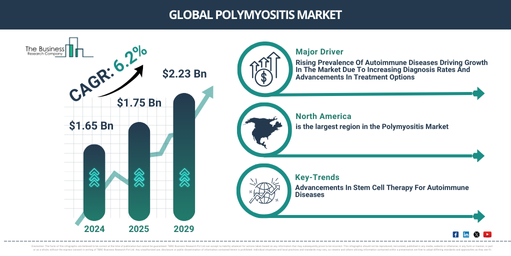
    The market size for polymyositis has seen robust growth in the past couple of years. There is an expectation of its growth from $1.65 billion in 2024 to about $1.75 billion by 2025, showing a compound annual growth rate (CAGR) of 6.4%. This upward trajectory in the past period is due to improved access to developing regions, heightened usage of prednisone, increased appeal of methotrexate for symptom management, a surge in application of TNF inhibitors, and a rise in the use of antibody testing.

    How Much Will the Polymyositis Market Be Worth in 2029?

    The market size for polymyositis is projected to experience robust growth in the next several years, reaching $2.23 billion in 2029 with a compound annual growth rate (CAGR) of 6.2%. The anticipated growth during the forecast period is linked to an increase in telemedicine, utilization of remote monitoring, a rising trend in the use of immuno-suppressants, growth in stem cell therapy, and expansion of biosimilars usage. Key trends projected during this time include the incorporation of artificial intelligence within drug discovery, advancements in targeted therapies, the establishment of innovative immunomodulators, an increase in regenerative medicine research, and the assimilation of big data.

    Download The Free Sample Report Here:

    https://www.thebusinessresearchcompany.com/sample.aspx?id=22104&type=smp

    Which is the Largest Company in the Polymyositis Market?

    Major companies operating in the polymyositis market are Pfizer Inc., F. Hoffmann-La Roche AG, Bristol-Myers Squibb Company, AstraZeneca plc, Novartis AG, GlaxoSmithKline plc, Merck & Co. Inc., C.H. Boehringer Sohn AG & Co. KG, Regeneron Pharmaceuticals Inc., Astellas Pharma Inc., Fresenius SE & Co. KGaA, UCB S.A., Reliance Life Sciences Private Limited, ARUP Laboratories, Teva Pharmaceuticals USA Inc., Kezar Life Sciences Inc., Argenx SE, Mallinckrodt Pharmaceuticals plc, Mitsubishi Tanabe Pharma Corporation, ViiV Healthcare Limited

    What Are the Main Market Drivers in the Polymyositis Industry?

    The surge in autoimmune diseases is projected to boost the polymyositis market’s expansion. Autoimmune diseases consist of medical ailments where the body’s immune system erroneously assaults its own healthy cells, tissues, or organs, resulting in inflammation and harm. Autoimmune disorders are escalating as specific genetic variations can facilitate an excessive immune response, making individuals more prone to inadvertently attack their own tissues. This genetic predisposition, together with environmental triggers like infections, stress, and lifestyle factors, contributes to the growing occurrence of autoimmune disorders. Polymyositis aids in elucidating autoimmune ailments by showing how immune system malfunction leads to muscle inflammation, providing information into the foundational mechanisms and potential cures for related disorders. For instance, Versorgungsatlas.de, a German organization, reported in November 2024 that out of 73,241,305 insured persons in 2022, 6,304,340 were diagnosed with at least one autoimmune disease. This translates to an unadjusted prevalence rate of 8.61%. Hence, the swell in autoimmune diseases is propelling the Polymyositis market. Additionally, the escalating demand for oral drugs is anticipated to drive the polymyositis market’s growth. Oral drugs, including tablets, capsules, or liquids, are absorbed via the digestive system and are convenient, easy to administer. They offer patients a non-invasive treatment option, which makes them preferable over injections or other delivery methods. Oral drugs used to treat polymyositis work to diminish muscle inflammation, regulate the immune system, and improve muscle functionality, thus easing symptoms and slowing disease progression. According to a report by the US-based Centers for Disease Control and Prevention in October 2022, the dispensing of oral antivirals increased by 57%, rising from 643 per 100,000 individuals between April 24 and May 21, 2022, to 1,012 per 100,000 individuals from July 31 to August 28, 2022. Hence, the increased demand for oral drugs is fueling the expansion of the polymyositis market.

    Request For A Customized Report:

    https://www.thebusinessresearchcompany.com/customise?id=22104&type=smp

    How Is the Polymyositis Market Segments Structured?

    The polymyositis market covered in this report is segmented –

    1) By Type: Idiopathic Polymyositis, Dermatomyositis, Inclusion Body Myositis, Overlapping Myositis Syndromes

    2) By Diagnosis: Physical Examination, Muscle Biopsy, Electromyography (EMG), Blood Tests, Magnetic Resonance Imaging (MRI)

    3) By Treatment: Immunosuppressant, Immunoglobulins, Corticosteroids, Alkylating agents, Monoclonal Antibodies

    4) By Distribution Channel: Offline, Online

    5) By End User: Hospital pharmacy, Online pharmacy, Retail pharmacy

    Subsegmentss:

    1) By Idiopathic Polymyositis: Immune-Mediated Polymyositis, Virus-Associated Polymyositis

    2) By Dermatomyositis: Classic Dermatomyositis, Amyopathic Dermatomyositis, Juvenile Dermatomyositis

    3) By Inclusion Body Myositis: Sporadic Inclusion Body Myositis, Hereditary Inclusion Body Myopathy

    4) By Overlapping Myositis Syndromes:Polymyositis with Systemic Lupus Erythematosus (SLE), Polymyositis with Rheumatoid Arthritis (RA), Polymyositis with Systemic Sclerosis, Polymyositis with Mixed Connective Tissue Disease (MCTD)

    What Strategic Trends Are Transforming the Polymyositis Market?

    Significant players in the polymyositis market are concentrating on the creation of novel treatments like stem cell therapy to improve therapy effectiveness and decelerate disease progression. Stem cell therapy employs umbilical cord-derived stem cells for regenerative treatment. These cells possess potent anti-inflammatory and immunomodulatory characteristics, positioning them as a potent alternative for the treatment of autoimmune disorders such as polymyositis. For example, RESTEM, a clinical-stage biotech firm based in the U.S, earned Orphan Drug Designation (ODD) in December 2024 from the U.S Food and Drug Administration (FDA) for their stem cell program that utilizes umbilical cord outer lining stem cells (ULSCs). This program uses these stem cells in the treatment of polymyositis and Dermatomyositis by managing the immune system and lessening muscle inflammation. This therapy has demonstrated hopeful safety and effectiveness in preliminary tests, with the possibility to reduce steroid dependency.

    Access The Full Report Here:

    https://www.thebusinessresearchcompany.com/report/polymyositis-global-market-report

    Which Global Regions Offer the Highest Growth in the Polymyositis Market?

    North America was the largest region in the polymyositis market in 2024. Asia-Pacific is expected to be the fastest-growing region in the forecast period. The regions covered in the polymyositis market report are Asia-Pacific, Western Europe, Eastern Europe, North America, South America, Middle East, Africa.

    Purchase The Full Report Today:

    https://www.thebusinessresearchcompany.com/purchaseoptions.aspx?id=22104

    This Report Delivers Insight On:

    1. How big is the polymyositis market, and how is it changing globally?

    2. Who are the major companies in the polymyositis market, and how are they performing?

    3. What are the key opportunities and risks in the polymyositis market right now?

    4. Which products or customer segments are growing the most in the polymyositis market?

    5. What factors are helping or slowing down the growth of the polymyositis market?

    About The Business Research Company:

    With over 15000+ reports from 27 industries covering 60+ geographies, The Business Research Company has built a reputation for offering comprehensive, data-rich research and insights. Armed with 1,500,000 datasets, the optimistic contribution of in-depth secondary research, and unique insights from industry leaders, you can get the information you need to stay ahead in the game.

    Get in touch with us:

    The Business Research Company: https://www.thebusinessresearchcompany.com/

    Americas +1 310-496-7795

    Europe +44 7882 955267

    Asia & Others +44 7882 955267 & +91 8897263534

    Email us at info@tbrc.info

    Follow us on:

    LinkedIn: https://in.linkedin.com/company/the-business-research-company

    YouTube: https://www.youtube.com/channel/UC24_fI0rV8cR5DxlCpgmyFQ

    Global Market Model: https://www.thebusinessresearchcompany.com/global-market-model
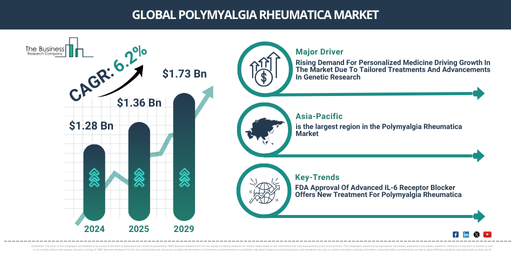
  • Polymyalgia Rheumatica Industry Growth Expected to Reach $1.73 Billion by 2029 at a CAGR of 6.1% | Segmentation and Growth Opportunities

    Polymyalgia Rheumatica Industry Growth Expected to Reach $1.73 Billion by 2029 at a CAGR of 6.1% | Segmentation and Growth Opportunities

    Claim your 30% discount on Global Market Reports with code ONLINE30. Limited time only.

    What Is the Forecast for the Polymyalgia Rheumatica Market Growth in 2025?

    The market size for polymyalgia rheumatica has experienced considerable growth in the past few years. It’s expected to expand from $1.28 billion in 2024 to $1.36 billion in 2025, reflecting a compound annual growth rate (CAGR) of 6.6%. Factors contributing to this historic growth trend include heightened awareness among healthcare providers, increased usage of corticosteroids, the rise of specialty clinics, the advent of biologic therapies, and an increase in healthcare budgets.

    What Is the Forecast for the Polymyalgia Rheumatica Market Size Through 2029?

    The market size for polymyalgia rheumatica is projected to witness significant expansion in the coming years, increasing to $1.73 billion by 2029, with a compound annual growth rate (CAGR) of 6.2%. The anticipated growth during the forecast period can be attributed to factors such as the wider acceptance of biologics, the advancement of precision medicine, expedited drug approvals, extensive reimbursements, and an increase in clinical trials. Noteworthy trends expected during this forecast period include the progression in combination therapies, the groundbreaking advancements in personalized medicine, breakthroughs in precision medicine, the incorporation of electronic health records, and significant leaps in biomarkers.

    Download The Free Sample Report Here:

    https://www.thebusinessresearchcompany.com/sample.aspx?id=22103&type=smp

    What are the Key Market Players in Polymyalgia Rheumatica Market and How They’re Evolving?

    Major companies operating in the polymyalgia rheumatica market are AbbVie Inc., Sanofi S.A., Eli Lilly and Co., Regeneron Pharmaceuticals Inc., Mount Sinai, NYU Langone Health, Mayo Foundation for Medical Education and Research, Hartford HealthCare, Horizon Therapeutics plc, Massachusetts General Hospital, Brigham and Women’s Hospital, Stanford Health Care, University Hospitals Bristol NHS Foundation Trust, Circle Health Group Ltd., Siloam Hospital, UC San Diego Health, Vejthani Hospital, Sparrow Pharmaceuticals Inc., Johns Hopkins Arthritis Center, Upstate University Hospital

    What Are the Primary Growth Drivers in the Polymyalgia Rheumatica Market?

    The increasing popularity of personalized medicine is anticipated to boost the polymyalgia rheumatica market’s expansion. Personalized medicine, which is adjusted to an individual’s genetic makeup, lifestyle, and specific health conditions for more effective results, drives this demand. The rise in personalized medicine is powered by developments in genetic research, increasing patient expectations for individualized treatments, and advancements in diagnostic technologies. A wealth of insights into individual genetic variations have been provided by genetic research, ushering in a new era of treatments targeted towards specific genetic markers. Personalized medicine aids in choosing the most likely effective drugs based on a patient’s characteristics, resulting in a more effective and safer treatment strategy. As per the Personalised Medicine Coalition, for example, in February 2024, a US healthcare organization revealed, the Food and Drug Administration had approved 16 novel personalized treatments for rare diseases in 2023, a significant increase from just six in 2022. Hence, the upsurge of personalized medicine is spurring the growth of the polymyalgia rheumatica market. The surge in telemedicine services due to increased convenience and remote care is fuelling the expansion of the polymyalgia rheumatica market. Using digital communication mediums like video calls, phone calls, and online messaging, telemedicine services render remote consultations, diagnoses, treatments, and follow-up care, eliminating the need for patients to physically visit healthcare facilities. The unprecedented growth in telemedicine services is owed to the rising demand for convenient and cost-effective healthcare solutions. Telemedicine caters to the popular demand for convenience, especially for non-emergency consultations, by removing the need for physical visits. The rise in telemedicine services assists polymyalgia rheumatica (PMR) by facilitating symptoms’ remote surveillance, medication management, and regular follow-ups, all essential for managing chronic pain and inflammation. For example, in November 2024, according to the Australian Bureau of Statistics, a government agency based in Australia, telehealth consultation usage rose from 87.7% in 2022-23 to 89.2% in 2023-24. As a result, the expansion of telemedicine services is catalysing the growth of the polymyalgia rheumatica market.

    Request For A Customized Report:

    https://www.thebusinessresearchcompany.com/customise?id=22103&type=smp

    What Are the Leading Segments in the Global Polymyalgia Rheumatica Industry?

    The polymyalgia rheumatica market covered in this report is segmented –

    1) By Treatment: Corticosteroids, Nonsteroidal Anti-Inflammatory Drugs, Disease-Modifying Antirheumatic Drugs, Biologics

    2) By Route Of Administration: Oral, Intravenous, Subcutaneous

    3) By Patient Type: Adult, Geriatric, Periatric

    4) By Distribution Channel: Hospital Pharmacies, Retail Pharmacies, Online Pharmacies

    Subsegments:

    1) By Corticosteroids: Prednisone, Methylprednisolone, Hydrocortisone, Dexamethasone

    2) By Nonsteroidal Anti-Inflammatory Drugs (NSAIDs): Ibuprofen, Naproxen, Aspirin, Celecoxib

    3) By Disease-Modifying Antirheumatic Drugs (DMARDs): Methotrexate, Leflunomide, Sulfasalazine, Hydroxychloroquine

    4) By Biologics: Tumor Necrosis Factor (TNF) Inhibitors, Interleukin-6 (IL-6) Inhibitors, B-Cell Inhibitors, Janus Kinase (JAK) Inhibitors

    What Are the Key Market Trends in the Polymyalgia Rheumatica Industry?

    Leading companies in the polymyalgia rheumatica market are making strides in the production of advanced medications like interleukin-6 (IL-6) receptor blockers, aimed at offering more specific and impactful treatment choices. IL-6 receptor blockers, which are bio-drugs that suppress IL-6, an important inflammatory factor in autoimmune conditions, work by inhibiting IL-6, which in turn alleviates inflammation and symptoms, thereby improving the standard of living for patients with PMR. In February 2023, Regeneron Pharmaceuticals Inc., an American biotech firm, and Sanofi, a French healthcare establishment, reported FDA approval for Kevzara (sarilumab) to treat adult PMR patients who have had inadequate reactions to corticosteroids or are unable to endure the tapering process. Kevzara, the first and sole biologic approved for this disease, operates by blocking IL-6 mediated signaling. This sanction was grounded on research that showed that 28.3% of patients treated with sarilumab attained consistent remission at the 52-week mark, in comparison to a 10.3% remission rate in placebo-administered patients. It is given via a subcutaneous injection on a bi-weekly basis and is also sanctioned for the treatment of moderately to severely active rheumatoid arthritis. Sanofi’s share value (SNY) on the NASDAQ currently stands at $54.13.

    Access The Full Report Here:

    https://www.thebusinessresearchcompany.com/report/polymyalgia-rheumatica-global-market-report

    What Is the Regional Outlook for the Polymyalgia Rheumatica Market?

    Asia-Pacific was the largest region in the polymyalgia rheumatica market in 2024. The regions covered in the polymyalgia rheumatica market report are Asia-Pacific, Western Europe, Eastern Europe, North America, South America, Middle East, Africa.

    Purchase The Full Report Today:

    https://www.thebusinessresearchcompany.com/purchaseoptions.aspx?id=22103

    This Report Delivers Insight On:

    1. How big is the polymyalgia rheumatica market, and how is it changing globally?

    2. Who are the major companies in the polymyalgia rheumatica market, and how are they performing?

    3. What are the key opportunities and risks in the polymyalgia rheumatica market right now?

    4. Which products or customer segments are growing the most in the polymyalgia rheumatica market?

    5. What factors are helping or slowing down the growth of the polymyalgia rheumatica market?

    About The Business Research Company:

    With over 15000+ reports from 27 industries covering 60+ geographies, The Business Research Company has built a reputation for offering comprehensive, data-rich research and insights. Armed with 1,500,000 datasets, the optimistic contribution of in-depth secondary research, and unique insights from industry leaders, you can get the information you need to stay ahead in the game.

    Get in touch with us:

    The Business Research Company: https://www.thebusinessresearchcompany.com/

    Americas +1 310-496-7795

    Europe +44 7882 955267

    Asia & Others +44 7882 955267 & +91 8897263534

    Email us at info@tbrc.info

    Follow us on:

    LinkedIn: https://in.linkedin.com/company/the-business-research-company

    YouTube: https://www.youtube.com/channel/UC24_fI0rV8cR5DxlCpgmyFQ

    Global Market Model: https://www.thebusinessresearchcompany.com/global-market-model
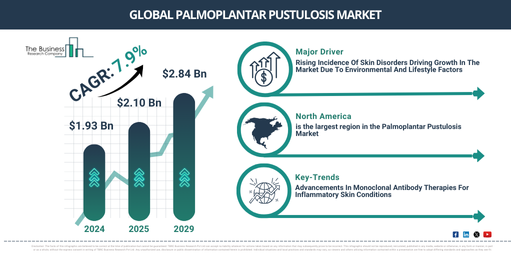
  • Palmoplantar Pustulosis Market Outlook 2025 – Insights for Executive and Strategic Planning

    Palmoplantar Pustulosis Market Outlook 2025 – Insights for Executive and Strategic Planning

    Claim your 30% discount on Global Market Reports with code ONLINE30. Limited time only.

    How Has the Palmoplantar Pustulosis Market Grown from 2024 to 2025?

    In the past few years, the market size for palmoplantar pustulosis has experienced significant growth. Projections show its increase from $1.93 billion in 2024 to $2.10 billion in 2025, with a compound annual growth rate (CAGR) of 8.3%. The growth during the historic period can be linked to factors such as the escalating prevalence of autoimmune disorders, heightened awareness of rare skin conditions, an increase in healthcare spending, and the expanding adoption of telemedicine for dermatology.

    What Growth Rate Is Anticipated for the Palmoplantar Pustulosis Market in the Coming Years?

    In the upcoming years, the palmoplantar pustulosis market is projected to experience substantial growth, reaching $2.84 billion by 2029, with a compound annual growth rate (CAGR) of 7.9%. The anticipated expansion during this forecast period can be linked to the increased use of biologic therapies, escalating investments in dermatology research, a proliferating pipeline of innovative treatments, a surge in demand for personalized medicine, and a rising prevalence of chronic skin conditions. Progress in dermatology research, a shift towards biologics and immunomodulators, the application of artificial intelligence in dermatological diagnosis, the creation of advanced topical formulations, and the incorporation of machine learning in dermatological research are all key trends anticipated for this forecast period.

    Download The Free Sample Report Here:

    https://www.thebusinessresearchcompany.com/sample.aspx?id=22090&type=smp

    Who Are the Leading Companies in the Palmoplantar Pustulosis Market?

    Major companies operating in the palmoplantar pustulosis market are Pfizer Inc., AbbVie Inc., Sanofi S.A., Bristol-Myers Squibb Company, Novartis International AG, GlaxoSmithKline PLC (GSK), Amgen Inc., C.H. Boehringer Sohn AG & Co. KG, Bausch Health Companies Inc., Chugai Pharmaceutical Co. Ltd., Janssen Pharmaceuticals Inc., Kyowa Kirin Co. Ltd., Swedish Orphan Biovitrum AB (Sobi), Almirall S.A., MorphoSys AG, MoonLake Immunotherapeutics AG, Aristea Therapeutics Inc., AnaptysBio Inc., Taiho Pharmaceutical Co. Ltd., Kamari Pharma Ltd.

    What Are the Key Drivers of the Palmoplantar Pustulosis Market?

    The growth of the palmoplantar pustulosis market is expected to accelerate due to the rising prevalence of skin disorders. These disorders, impacting the structure, function, or look of the skin, are increasingly common due to environmental shifts, lifestyle practices, and genetic factors. Environmental conditions such as air contamination, severe weather patterns, and interaction with harmful substances can provoke skin irritation, resulting in issues like eczema or acne. Palmoplantar pustulosis is a long-running skin disease that significantly impacts the skin on the hand palms and foot soles, causing pustules, inflammation, and flaking, which can be managed with various therapies to enhance skin wellness and relieve distress. For example, the International Eczema Council, a US-based entity, reported in 2022 that approximately 223 million individuals suffered from atopic dermatitis, with 43 million of them aged between 1 and 4. Consequently, the escalating prevalence of skin disorders fuels the growth of the palmoplantar pustulosis market.

    Request For A Customized Report:

    https://www.thebusinessresearchcompany.com/customise?id=22090&type=smp

    What Are the Key Market Segments in the Palmoplantar Pustulosis Industry?

    The palmoplantar pustulosis market covered in this report is segmented –

    1) By Treatment Type: Topical Treatments, Systemic Treatments, Biologics, Phototherapy

    2) By Application: Hospitals, Dermatology Clinics, Homecare Settings

    3) By Distribution Channel: Online Pharmacies, Retail Pharmacies, Hospitals

    Subsegments:

    1) By Topical Treatments: Corticosteroids, Vitamin D Analogues, Calcineurin Inhibitors, Keratolytics

    2) By Systemic Treatments: Retinoids, Immunosuppressants, Phosphodiesterase-4 (PDE4) Inhibitors, Corticosteroids

    3) By Biologics: Tumor Necrosis Factor (TNF) Inhibitors, Interleukin-17 (IL-17) Inhibitors, Interleukin-23 (IL-23) Inhibitors, Interleukin-12/23 (IL-12/23) Inhibitors

    4) By Phototherapy: Narrowband UVB Therapy (NB-UVB), Psoralen plus Ultraviolet A (PUVA) Therapy, Excimer Laser Therapy, Targeted Phototherapy

    What Are the Latest Trends in the Palmoplantar Pustulosis Market?

    Key players in the palmoplantar pustulosis market are concentrating their efforts on the creation of innovative treatments, such as monoclonal antibodies that specifically target inflammation pathways, to enhance the health results of patients. Monoclonal antibodies (mAb) are identical antibodies created by a solitary clone of B cells that focus on a particular antigen for therapeutic or identifying purposes. For example, in August 2023, Japanese pharmaceutical firm Kyowa Kirin Co., Ltd., gained restrictive modification approval for LUMICEF for treating palmoplantar pustulosis in Japan. LUMICEF is a specific treatment designed to obstruct IL-17, providing immediate and prolonged relief from inflammatory disorders such as psoriasis and palmoplantar pustulosis. The primary goal of this therapy is to decrease inflammation and boost the life quality of patients affected by these persistent diseases.

    Access The Full Report Here:

    https://www.thebusinessresearchcompany.com/report/palmoplantar-pustulosis-global-market-report

    What Are the Key Regional Markets in the Palmoplantar Pustulosis Industry?

    North America was the largest region in the palmoplantar pustulosis market in 2024. The regions covered in the palmoplantar pustulosis market report are Asia-Pacific, Western Europe, Eastern Europe, North America, South America, Middle East, Africa.

    Purchase The Full Report Today:

    https://www.thebusinessresearchcompany.com/purchaseoptions.aspx?id=22090

    This Report Delivers Insight On:

    1. How big is the palmoplantar pustulosis market, and how is it changing globally?

    2. Who are the major companies in the palmoplantar pustulosis market, and how are they performing?

    3. What are the key opportunities and risks in the palmoplantar pustulosis market right now?

    4. Which products or customer segments are growing the most in the palmoplantar pustulosis market?

    5. What factors are helping or slowing down the growth of the palmoplantar pustulosis market?

    About The Business Research Company:

    With over 15000+ reports from 27 industries covering 60+ geographies, The Business Research Company has built a reputation for offering comprehensive, data-rich research and insights. Armed with 1,500,000 datasets, the optimistic contribution of in-depth secondary research, and unique insights from industry leaders, you can get the information you need to stay ahead in the game.

    Get in touch with us:

    The Business Research Company: https://www.thebusinessresearchcompany.com/

    Americas +1 310-496-7795

    Europe +44 7882 955267

    Asia & Others +44 7882 955267 & +91 8897263534

    Email us at info@tbrc.info

    Follow us on:

    LinkedIn: https://in.linkedin.com/company/the-business-research-company

    YouTube: https://www.youtube.com/channel/UC24_fI0rV8cR5DxlCpgmyFQ

    Global Market Model: https://www.thebusinessresearchcompany.com/global-market-model
  • Poly(ADP-Ribose) Polymerase (PARP) Inhibitors Industry Valued at $2.51 Billion by 2029 With CAGR of 6% | Size and Share Insights

    Claim your 30% discount on Global Market Reports with code ONLINE30. Limited time only.

    What Is the Forecast for the Poly(ADP-Ribose) Polymerase (PARP) Inhibitors Market from 2024 to 2025?

    Over the past few years, the market size for poly(ADP-ribose) polymerase (PARP) inhibitors has been expanding swiftly. This market, from its $6.53 billion size in 2024, is projected to develop to $7.56 billion in 2025, with a compound annual growth rate (CAGR) of 15.7%. Factors contributing to the growth in this historic period include higher instances of cancer, a surge in genetic testing, increased success rates in clinical trials, expanded insurance coverage, and advancements in cancer research.

    What Is the Projected Market Size of the Poly(ADP-Ribose) Polymerase (PARP) Inhibitors Market?

    The market size of poly(ADP-ribose) polymerase (PARP) inhibitors is projected to experience a rapid surge in the coming years, reaching $13.45 billion by 2029 with a compound annual growth rate (CAGR) of 15.5%. The anticipated growth can be linked to several factors such as the escalated manufacturing and supply of drugs, increased incidence of BRCA-mutated cancers, growing cases of breast cancer, expanding use of monoclonal antibodies, and amplified healthcare spending. Key trends expected to emerge during the forecast period are progress in biomarker research, application of combination therapies, incorporation of artificial intelligence in drug discovery, advancements in biomarker-triggered therapy, and the creation of next-generation PARP inhibitors.

    Download The Free Sample Report Here:

    https://www.thebusinessresearchcompany.com/sample.aspx?id=22102&type=smp

    Who are the Major Competitors in the Poly(ADP-Ribose) Polymerase (PARP) Inhibitors Market Outlook?

    Major companies operating in the poly(ADP-ribose) polymerase (PARP) inhibitors market are Pfizer Inc., Johnson & Johnson Services Inc., AbbVie Inc., Merck & Co. Inc., Bayer AG, AstraZeneca plc, Bristol-Myers Squibb Company, GSK plc, Takeda Pharmaceutical Company Limited, Boehringer Ingelheim, Vertex Pharmaceuticals Inc., Jiangsu Hengrui Pharmaceuticals Co. Ltd., BeiGene LTD, Karyopharm Therapeutics Inc., Clovis Oncology Inc., Repare Therapeutics Inc., Ribon Therapeutics, Artios Pharma, IMPACT Therapeutics Inc., BiPar Sciences Inc., Allarity Therapeutics Inc.

    What Is Fueling Growth in the Poly(ADP-Ribose) Polymerase (PARP) Inhibitors Market?

    The increased frequency of breast cancer is anticipated to drive the expansion of the poly(ADP-ribose) polymerase (PARP) inhibitors market. Breast cancer is a condition characterized by unrestricted cell growth in the breast, creating a malignant tumor that can metastasize to other bodily regions. The escalation in breast cancer cases is linked to factors such as aging populations, lifestyle modifications, genetic susceptibility, hormonal imbalances, obesity, alcohol intake, and heightened exposure to environmental hazards. PARP inhibitors assist breast cancer patients by impeding the repair of DNA damage in the cancer cells by the PARP enzyme, causing cell death, especially in tumors with BRCA1 or BRCA2 mutations. For example, the National Breast Cancer Foundation, a US-based entity, stated in January 2025 that one in every eight women in the USA will be diagnosed with breast cancer at some point in her life. In 2024, 310,720 women and 2,800 men received a diagnosis of invasive breast cancer. Consequently, the increasing incidence of breast cancer is spurring the growth of the poly(ADP-ribose) polymerase (PARP) inhibitors market.

    Request For A Customized Report:

    https://www.thebusinessresearchcompany.com/customise?id=22102&type=smp

    Which Poly(ADP-Ribose) Polymerase (PARP) Inhibitors Market Segments Are Growing the Fastest?

    The poly(ADP-ribose) polymerase (PARP) inhibitors market covered in this report is segmented –

    1) By Type: Olaparib, Rucaparib, Niraparib, Talazoparib, Other Types

    2) By Indication: Ovarian Cancer, Breast Cancer, Prostate Cancer, Pancreatic Cancer

    3) By Distribution Channel: Hospital Pharmacies, Retail Pharmacies, Online Pharmacies

    4) By End-User: Hospitals, Specialty Clinics, Research Institutions, Other End-Users

    Subsegments:

    1) By Olaparib: BRCA-Mutated Cancers, HRD-Positive Cancers, Maintenance Therapy

    2) By Rucaparib: Ovarian Cancer, Prostate Cancer, Pancreatic Cancer

    3) By Niraparib: First-Line Treatment, Recurrent Cancer Treatment, Late-Stage Cancer

    4) By Talazoparib: Breast Cancer, Germline BRCA-Mutated Tumors, Neoadjuvant Or Adjuvant Therapy

    5) By Other Types: Emerging PARP Inhibitors, Investigational Therapies, Novel Combinations

    Which Industry Trends Are Shaping the Future of the Poly(ADP-Ribose) Polymerase (PARP) Inhibitors Market?

    Leading businesses in the poly(ADP-ribose) polymerase (PARP) inhibitors market are concentrating on advancing treatments for cancer, such as anticancer medications targeted at specific genetic mutations in certain types of cancer. These drugs, aimed at cancer treatment, work by hampering the proliferation of cancer cells, curbing their spread, or annihilating them. The drugs achieve this via different methods, such as interrupting cellular division, targeting specific proteins crucial for tumor development, or invigorating the immune system to counteract cancer. For example, Zydus Lifesciences Limited, based in India, introduced IBYRA, a generic form of the Parp inhibitor olaparib, in India in March 2024. This medication offers an economical and precise treatment option for those suffering from HRD-positive and BRCA-positive cancers, substantially lowering treatment expenses compared to the original drug.

    Access The Full Report Here:

    https://www.thebusinessresearchcompany.com/report/polyadp-ribose-polymerase-parp-inhibitors-global-market-report

    Which Countries Are Leading the Poly(ADP-Ribose) Polymerase (PARP) Inhibitors Market?

    North America was the largest region in the poly(ADP-ribose) polymerase (PARP) inhibitors market in 2024. Asia-Pacific is expected to be the fastest-growing region in the forecast period. The regions covered in the poly(ADP-ribose) polymerase (PARP) inhibitors market report are Asia-Pacific, Western Europe, Eastern Europe, North America, South America, Middle East, Africa.

    Purchase The Full Report Today:

    https://www.thebusinessresearchcompany.com/purchaseoptions.aspx?id=22102

    This Report Delivers Insight On:

    1. How big is the poly(adp-ribose) polymerase (parp) inhibitors market, and how is it changing globally?

    2. Who are the major companies in the poly(adp-ribose) polymerase (parp) inhibitors market, and how are they performing?

    3. What are the key opportunities and risks in the poly(adp-ribose) polymerase (parp) inhibitors market right now?

    4. Which products or customer segments are growing the most in the poly(adp-ribose) polymerase (parp) inhibitors market?

    5. What factors are helping or slowing down the growth of the poly(adp-ribose) polymerase (parp) inhibitors market?

    About The Business Research Company:

    With over 15000+ reports from 27 industries covering 60+ geographies, The Business Research Company has built a reputation for offering comprehensive, data-rich research and insights. Armed with 1,500,000 datasets, the optimistic contribution of in-depth secondary research, and unique insights from industry leaders, you can get the information you need to stay ahead in the game.

    Get in touch with us:

    The Business Research Company: https://www.thebusinessresearchcompany.com/

    Americas +1 310-496-7795

    Europe +44 7882 955267

    Asia & Others +44 7882 955267 & +91 8897263534

    Email us at info@tbrc.info

    Follow us on:

    LinkedIn: https://in.linkedin.com/company/the-business-research-company

    YouTube: https://www.youtube.com/channel/UC24_fI0rV8cR5DxlCpgmyFQ

    Global Market Model: https://www.thebusinessresearchcompany.com/global-market-model

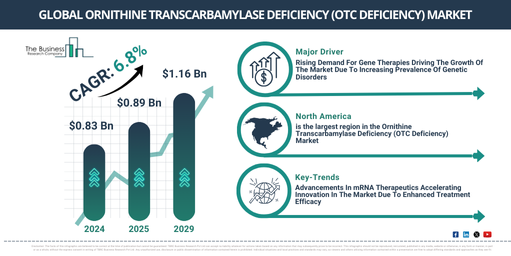
  • Ornithine Transcarbamylase Deficiency (OTC Deficiency) Industry Valued at $1.16 Billion by 2029 With CAGR of 6.8% | Size and Share Insights

    Ornithine Transcarbamylase Deficiency (OTC Deficiency) Industry Valued at $1.16 Billion by 2029 With CAGR of 6.8% | Size and Share Insights

    Claim your 30% discount on Global Market Reports with code ONLINE30. Limited time only.

    What Is the Forecast for the Ornithine Transcarbamylase Deficiency (OTC Deficiency) Market from 2024 to 2025?

    The OTC deficiency market size has seen robust growth over the past few years. It is predicted to expand from $0.83 billion in 2024 to $0.89 billion in 2025, signaling a Compound Annual Growth Rate (CAGR) of 7.1%. Factors leading to remarkable growth in the historical period include heightened awareness of uncommon metabolic disorders, advancements in genetic screening and diagnostic methods, enhanced neonatal screening programs, the rise in genetic testing for rare diseases, and improvements in neonatal screening procedures.

    What Is the Projected Market Size of the Ornithine Transcarbamylase Deficiency (OTC Deficiency) Market?

    The market size for ornithine transcarbamylase deficiency (OTC deficiency) is anticipated to experience robust expansion in the upcoming years, reaching $1.16 billion by 2029 with a Compound Annual Growth Rate (CAGR) of 6.8%. The predicted growth during the forecast period is ascribed to the expanding awareness and detection, an escalating incidence of urea cycle disorders, increasing emphasis on rare disease treatments, augmented research and clinical trials, and enhanced access to treatments for patients. Noteworthy trends during the forecast period encompass advancements in the field of genetic therapies and gene-editing methodologies, the development of enzyme replacement therapies, collective research efforts and partnerships, technological progress in diagnostic instruments, and government investments and incentives for orphan drugs.

    Download The Free Sample Report Here:

    https://www.thebusinessresearchcompany.com/sample.aspx?id=22084&type=smp

    Who are the Major Competitors in the Ornithine Transcarbamylase Deficiency (OTC Deficiency) Market Outlook?

    Major companies operating in the ornithine transcarbamylase deficiency (OTC deficiency) market are Thermo Fisher Scientific, Novartis AG, GlaxoSmithKline plc, Roche Holding AG, Eli Lilly and Company, Amgen Inc., Merck & Co. Inc, Biogen Idec, Bausch Health Companies Inc, Alexion Pharmaceuticals, Sobi, BioMarin Pharmaceutical Inc, Glenmark Pharmaceuticals Ltd., Nutricia, Vertex Pharmaceuticals Incorporated, Ultragenyx Pharmaceutical Inc, Arcturus Therapeutics, Regenxbio, OrphanPacific Inc, Ucyclyd Pharma Inc.

    What Is Fueling Growth in the Ornithine Transcarbamylase Deficiency (OTC Deficiency) Market?

    The anticipated expansion of the ornithine transcarbamylase deficiency market is largely attributed to the increasing need for gene therapies. Gene therapy involves modifying or changing an individual’s genetic material as a means to cure or hinder diseases. The surging interest in gene therapies is largely due to the growing occurrence of genetic disorders. These disorders often have scarce treatment options, making gene therapy an expected solution as it directly targets the primary issue instead of simply managing the symptoms. Gene therapies are particularly promising for disorders like ornithine transcarbamylase deficiency where a gene mutation disrupts the urea cycle. By correcting this mutation, gene therapy offers a specific solution to restore metabolic functionality and prevent the harmful buildup of ammonia. Notably, the American Society of Gene & Cell Therapy reported in January 2024 that the number of gene therapies in Phase III had grown by 10% in Q4 2023. This was the first increase since Q3 2022, indicating the escalating demand for gene therapies is fueling the growth of the ornithine transcarbamylase deficiency market.

    Request For A Customized Report:

    https://www.thebusinessresearchcompany.com/customise?id=22084&type=smp

    Which Ornithine Transcarbamylase Deficiency (OTC Deficiency) Market Segments Are Growing the Fastest?

    The ornithine transcarbamylase deficiency (OTC deficiency) market covered in this report is segmented –

    1) By Product Type: DTX-301, SEL-313, SHP-641, PRX-OTC

    2) By Treatment Type: Gene Therapy, Liver Transplant, Dietary Management, Other Treatement Type

    3) By Diagnosis: Genetic Testing, Ammonia Level Testing

    4) By End-User: Hospitals, Specialty Clinics, Research Institutes, Other End Users

    Subsegmentss:

    1) By DTX-301: Adeno-Associated Virus (AAV)-Based Gene Therapy, Intravenous Dosing Formulation

    2) By SEL-313: Immune Tolerance-Inducing Therapy, Enzyme Replacement Therapy (ERT) Combination

    3) By SHP-641: Small Molecule Therapy, mRNA-Based Therapeutic Approach

    4) By PRX-OTC: Recombinant Enzyme Replacement Therapy, Protein Engineering-Based Therapy

    Which Industry Trends Are Shaping the Future of the Ornithine Transcarbamylase Deficiency (OTC Deficiency) Market?

    The key players engaged in the ornithine transcarbamylase deficiency (OTC Deficiency) market are actively working on the creation of groundbreaking treatments like mRNA therapeutics to increase the quality of treatment and tackle the genetic root of OTC deficiency. Therapies that utilize messenger RNA (mRNA) are known as mRNA therapeutics, they function by directing cells to generate specific proteins for medicinal purposes. These cutting-edge therapies take advantage of the body’s innate protein synthesis system to address diseases including genetic conditions, infectious diseases, and even cancers. For instance, Arcturus Therapeutics Holdings Inc., a biotechnology firm based in the U.S, was granted Fast Track Designation by the U.S. Food and Drug Administration (FDA) in June 2023 for their mRNA therapeutic prospect, ARCT-810, aimed at OTC deficiency. This designation seeks to hurry up the development and evaluation process of the drug, with possible advantages such as increased interaction with the FDA and prioritized review. The goal of ARCT-810 is to help OTC deficiency patients, individuals who suffer from a urea cycle disorder, to generate functional OTC enzyme in their hepatic cells, addressing the fundamental cause of the ailment and potentially enhancing their life quality.

    Access The Full Report Here:

    https://www.thebusinessresearchcompany.com/report/ornithine-transcarbamylase-deficiency-otc-deficiency-global-market-report

    Which Countries Are Leading the Ornithine Transcarbamylase Deficiency (OTC Deficiency) Market?

    North America was the largest region in the ornithine transcarbamylase deficiency (OTC Deficiency) market in 2024. Asia-Pacific is expected to be the fastest-growing region in the forecast period. The regions covered in the ornithine transcarbamylase deficiency (OTC deficiency) market report are Asia-Pacific, Western Europe, Eastern Europe, North America, South America, Middle East, Africa.

    Purchase The Full Report Today:

    https://www.thebusinessresearchcompany.com/purchaseoptions.aspx?id=22084

    This Report Delivers Insight On:

    1. How big is the ornithine transcarbamylase deficiency (otc deficiency) market, and how is it changing globally?

    2. Who are the major companies in the ornithine transcarbamylase deficiency (otc deficiency) market, and how are they performing?

    3. What are the key opportunities and risks in the ornithine transcarbamylase deficiency (otc deficiency) market right now?

    4. Which products or customer segments are growing the most in the ornithine transcarbamylase deficiency (otc deficiency) market?

    5. What factors are helping or slowing down the growth of the ornithine transcarbamylase deficiency (otc deficiency) market?

    About The Business Research Company:

    With over 15000+ reports from 27 industries covering 60+ geographies, The Business Research Company has built a reputation for offering comprehensive, data-rich research and insights. Armed with 1,500,000 datasets, the optimistic contribution of in-depth secondary research, and unique insights from industry leaders, you can get the information you need to stay ahead in the game.

    Get in touch with us:

    The Business Research Company: https://www.thebusinessresearchcompany.com/

    Americas +1 310-496-7795

    Europe +44 7882 955267

    Asia & Others +44 7882 955267 & +91 8897263534

    Email us at info@tbrc.info

    Follow us on:

    LinkedIn: https://in.linkedin.com/company/the-business-research-company

    YouTube: https://www.youtube.com/channel/UC24_fI0rV8cR5DxlCpgmyFQ

    Global Market Model: https://www.thebusinessresearchcompany.com/global-market-model

  • Pleural Diseases Market to Reach $6.93 Billion by 2029 | Key Drivers and Future Outlook

    Pleural Diseases Market to Reach $6.93 Billion by 2029 | Key Drivers and Future Outlook

    Claim your 30% discount on Global Market Reports with code ONLINE30. Limited time only.

    What Is the Growth Rate of the Pleural Diseases Market?

    In recent years, the market size of pleural diseases has significantly expanded. Projected growth is expected to continue from $4.86 billion in 2024 to $5.23 billion in 2025, exhibiting a compound annual growth rate (CAGR) of 7.6%. This expansion in the historical period is a result of an increasing prevalence of pleural effusion, heightening awareness of pleural diseases, a growing emphasis on early detection, an increase in healthcare facilities, and a rise in clinical trials for pleural diseases.

    What Growth Rate Is Forecasted for the Pleural Diseases Market by 2029?

    The market for pleural diseases is anticipated to witness robust expansion in the upcoming years, expecting to reach $6.94 billion by 2029, growing at a compound annual growth rate (CAGR) of 7.3%. The growth during the forecast period can be credited to an increase in pleural diseases prevalence, an escalating elderly population, a surge in occupational risks, a rising number of clinical investigations, and a mounting number of diagnostic centers. Significant trends to watch during this period include progress in diagnostic methodologies, enhancement in diagnostic tools, the uptake of minimally invasive procedures, refined drug development, and the implementation of telemedicine.

    Download The Free Sample Report Here:

    https://www.thebusinessresearchcompany.com/sample.aspx?id=22099&type=smp

    Which Key Companies Are Shaping the Future of the Pleural Diseases Market?

    Major companies operating in the pleural diseases market are Pfizer Inc., Merck & Co. Inc., Bristol Myers Squibb Company, GSK plc, Astrazeneca plc, Koninklijke Philips N.V., Becton Dickinson and Company, Boehringer Ingelheim International GmbH, Sanofi SA, Penn Medicine, Henry Ford Health, Dragerwerk AG, Emory Healthcare, Boston Medical Center, Cook Medical, WakeMed, Weill Cornell Medicine, Fox Chase Cancer Center, B. Braun SE, Bicakcilar, Redax S.p.a, Rocket Medical

    Which Factors Are Driving Demand in the Pleural Diseases Industry?

    The growth of the pleural diseases market is anticipated to be fueled by the escalating occurrence of infectious diseases. These diseases are provoked by harmful microorganisms such as fungi, parasites, bacteria, or viruses. Global travel advancements and changes in human behavior and environment contribute to the rising incidence of these diseases. Bacterial pneumonia, viral infections, and tuberculosis are examples of infectious diseases that instigate pleural disease through infection, inflammation, or the build-up of fluid in the pleural cavity. As per statistics from the National Library of Medicine, a US-based research and medical information library, in January 2023, infectious diseases were responsible for over 52 million deaths annually, endangering half of the world’s population. Additionally, about 14 million children under five years old lose their lives each year, with preventative diseases via vaccination accounting for 70% of this figure. Therefore, the spike in infectious diseases occurrence is fueling the expansion of the pleural diseases market.

    Request For A Customized Report:

    https://www.thebusinessresearchcompany.com/customise?id=22099&type=smp

    How Is the Pleural Diseases Market Segmented by Several Divisions?

    The pleural diseases market covered in this report is segmented –

    1) By Disease Type: Pleurisy, Pleural Effusion, Pneumothelioma, Mesothelioma, Other Disease Types

    2) By Treatment Modalities: Medications, Thoracentesis And Pleurodesis, Minimally Invasive Interventions, Surgical Interventions

    3) By Diagnostic Tools: Imaging Techniques, Molecular Diagnostics, Thoracoscopy, Pleuroscopy

    4) By End User: Hospitals And Clinics, Diagnostic Centers, Research And Academic Institutions

    Subsegments:

    1) By Pleurisy: Acute Pleurisy, Chronic Pleurisy, Infectious Pleurisy, Non-infectious Pleurisy

    2) By Pleural Effusion: Transudative Pleural Effusion, Exudative Pleural Effusion, Malignant Pleural Effusion, Parapneumonic Pleural Effusion, Hemothorax, Chylothorax

    3) By Pneumothelioma: Primary Pneumothelioma, Secondary Pneumothelioma (Metastatic), Localized Pneumothelioma, Diffuse Pneumothelioma

    4) By Mesothelioma: Pleural Mesothelioma, Peritoneal Mesothelioma, Pericardial Mesothelioma, Testicular Mesothelioma

    5) Other Disease Types: Pulmonary Embolism, Fibrothorax, Pneumothorax, Lung Cancer, Tuberculosis-Related Pleural Disease, Sarcoidosis

    What are the Emerging Market Trends Driving the Growth of the Pleural Diseases Industry?

    Leading businesses in the field of pleural diseases are concentrating on pioneering new treatment choices. These include the development of ready-to-use injections aimed at enhancing comfort, shortening preparation time, and lowering the risk of dosage errors. These ready-to-use injections are pre-mixed, pre-diluted medications that do not need any reconstitution or mixing prior to administration, offering accuracy, convenience, and a shorter preparation process. For example, Amneal Pharmaceuticals, a pharmaceutical firm based in the United States, launched PEMRYDI RTU in April 2024. This was the first ready-to-use offering of pemetrexed for injection. This product benefits individuals suffering from pleural diseases by delivering a user-friendly, ready-to-use treatment. It does away with the necessity for reconstitution or dilution, shortens the preparation time, reduces the chance of dosage errors, and enhances the accessibility of effective treatments for conditions such as malignant pleural mesothelioma.

    Access The Full Report Here:

    https://www.thebusinessresearchcompany.com/report/pleural-diseases-global-market-report

    Which Regions Are Driving Growth in the Pleural Diseases Market?

    North America was the largest region in the pleural diseases market in 2024. Asia-Pacific is expected to be the fastest-growing region in the forecast period. The regions covered in the pleural diseases market report are Asia-Pacific, Western Europe, Eastern Europe, North America, South America, Middle East, Africa.

    Purchase The Full Report Today:

    https://www.thebusinessresearchcompany.com/purchaseoptions.aspx?id=22099

    This Report Delivers Insight On:

    1. How big is the pleural diseases market, and how is it changing globally?

    2. Who are the major companies in the pleural diseases market, and how are they performing?

    3. What are the key opportunities and risks in the pleural diseases market right now?

    4. Which products or customer segments are growing the most in the pleural diseases market?

    5. What factors are helping or slowing down the growth of the pleural diseases market?

    About The Business Research Company:

    With over 15000+ reports from 27 industries covering 60+ geographies, The Business Research Company has built a reputation for offering comprehensive, data-rich research and insights. Armed with 1,500,000 datasets, the optimistic contribution of in-depth secondary research, and unique insights from industry leaders, you can get the information you need to stay ahead in the game.

    Get in touch with us:

    The Business Research Company: https://www.thebusinessresearchcompany.com/

    Americas +1 310-496-7795

    Europe +44 7882 955267

    Asia & Others +44 7882 955267 & +91 8897263534

    Email us at info@tbrc.info

    Follow us on:

    LinkedIn: https://in.linkedin.com/company/the-business-research-company

    YouTube: https://www.youtube.com/channel/UC24_fI0rV8cR5DxlCpgmyFQ

    Global Market Model: https://www.thebusinessresearchcompany.com/global-market-model