Category: HealthcareServices

  • Neuromyelitis Optica Spectrum Disorder Industry Insights 2025 – Market Forecast for Executives and Planners

    Neuromyelitis Optica Spectrum Disorder Industry Insights 2025 – Market Forecast for Executives and Planners

    Claim your 30% discount on Global Market Reports with code ONLINE30. Limited time only.

    How Has the Neuromyelitis Optica Spectrum Disorder Market Size Changed, over the years?

    In recent times, the market size for neuromyelitis optica spectrum disorder has experienced robust growth. It is projected to expand from a value of $2.35 billion in 2024 to about $2.55 billion in 2025, attaining a compound annual growth rate (CAGR) of 8.7%. This significant growth during the historical period is attributable to factors such as the increased prevalence of Neuromyelitis Optica Spectrum Disorder (NMOSD), greater awareness and earlier diagnosis, an increase in therapeutic alternatives and FDA sanctions, a surge in research and development initiatives, as well as the increase in clinical trials exploring new treatments.

    How Much Will the Neuromyelitis Optica Spectrum Disorder Market Be Worth in 2029?

    Substantial expansion is anticipated in the neuromyelitis optica spectrum disorder market size over the next couple of years. It will escalate to $3.52 billion by 2029, reflecting an 8.4% compound annual growth rate (CAGR). Factors such as growing awareness and early detection, increased spending on healthcare, heightened investment in R&D, rising incidence of autoimmune diseases, a surge in clinical trials for NMOSD treatments, and burgeoning demand for personalized medicine contribute to this growth during the forecast period. The emerging trends projected for this period comprise advancements in precision medicine, collaborations and partnerships, technological breakthroughs, application of AI and big data in research, and a transition towards home-based care.

    Download The Free Sample Report Here:

    https://www.thebusinessresearchcompany.com/sample.aspx?id=22072&type=smp

    Which is the Largest Company in the Neuromyelitis Optica Spectrum Disorder Market?

    Major companies operating in the neuromyelitis optica spectrum disorder market are F. Hoffmann-La Roche Ltd., AstraZeneca, Merck KGaA, Laboratory Corporation of America Holding, Chugai Pharmaceutical Co. Ltd., Mayo Foundation for Medical Education and Research, Penn Medicine, Genentech Inc., Oregon Health & Science University, Arup Laboratories, Argenx SE, TG Therapeutics Inc., RemeGen Co. Ltd., Metropolis Healthcare, IASO Biotherapeutics, Harbour BioMed, Rush University Medical Center, Bio-Thera Solutions Ltd., Mitsubishi Tanabe Pharma Corporation, Viela Bio, Opexa Therapeutics

    What Are the Main Market Drivers in the Neuromyelitis Optica Spectrum Disorder Industry?

    The growth of the neuromyelitis optica spectrum disorder market is anticipated to accelerate due to the escalating incidence of multiple sclerosis. Multiple sclerosis, a chronic autoimmune disorder, impacts the central nervous system by inducing inflammation, contributing to nerve damage and spawning neurological symptoms. This escalating incidence can be linked to enhanced diagnostic methods, impact from the environment, and genetic predisposition. Medical imaging advancements, such as MRI, have facilitated earlier and more precise diagnoses, thus, raising the detected number of cases. With an increase in MS diagnosis, there is an amplified awareness of neurological autoimmune disorders. This leads to the refinement of diagnostic techniques and elevated identification of neuromyelitis optica spectrum disorder. For example, the Multiple Sclerosis Trust, a national charity based in the UK, noted in May 2024 that the UK records about 7,100 fresh cases of multiple sclerosis every year and around 135 individuals receive an MS diagnosis each week. Thus, the escalating incidence of multiple sclerosis is propelling the growth of the neuromyelitis optica spectrum disorder market.

    Request For A Customized Report:

    https://www.thebusinessresearchcompany.com/customise?id=22072&type=smp

    How Is the Neuromyelitis Optica Spectrum Disorder Market Segments Structured?

    The neuromyelitis optica spectrum disorder market covered in this report is segmented –

    1) By Type: Neuromyelitis Optica Spectrum Disorder With Aquaporin-4 Antibodies, Neuromyelitis Optica Spectrum Disorder Without Aquaporin-4 Antibodies

    2) By Diagnosis: Imaging Tests, Magnetic Resonance Imaging (MRI), Blood Tests, Others Diagnosis

    3) By Treatment Type: C5 Protein Inhibitor, Monoclonal Antibodies, Plasma Exchange Therapy, Corticosteroids, Immunoglobulin Therapy, Medication, Other Treatment Types

    4) By Distribution Channel: Hospital Pharmacy, Retail Pharmacy, Online Pharmacy

    5) By End-User: Hospitals, Specialty Clinics, Homecare, Other End-Users

    Subsegments:

    1) By Neuromyelitis Optica Spectrum Disorder (NMOSD) With Aquaporin-4 (AQP4) Antibodies: Relapsing NMOSD with AQP4-IgG, Monophasic NMOSD with AQP4-IgG, Severe Optic Neuritis with AQP4-IgG, Longitudinally Extensive Transverse Myelitis (LETM) with AQP4-IgG

    2) By Neuromyelitis Optica Spectrum Disorder (NMOSD) Without Aquaporin-4 (AQP4) Antibodies: NMOSD with Myelin Oligodendrocyte Glycoprotein (MOG) Antibodies (MOG-IgG), Seronegative NMOSD, Idiopathic NMOSD Cases, NMOSD Associated With Other Autoimmune Disorders

    What Strategic Trends Are Transforming the Neuromyelitis Optica Spectrum Disorder Market?

    Key players in the neuromyelitis optica spectrum disorder market are prioritizing the creation of novel products such as long-acting complement inhibitors. These innovative treatments aim to increase the efficiency of treatment and enhance patient outcomes by offering extended suppression of the complement system to prevent inflammation and nerve damage in NMOSD. They also aid in reducing relapse episodes and maintaining long-term disease management. For example, in March 2024, Alexion Pharmaceuticals, a company based in the US, and AstraZeneca, a UK-based firm, received authorization for ULTOMIRIS (ravulizumab-cwvz), a treatment for adults Neuromyelitis Optica Spectrum Disorder (NMOSD) with anti-aquaporin-4 (AQP4) antibody positivity. This sanction represents a significant milestone, positioning Ultomiris as the single long-acting C5 complement inhibitor approved for treating NMOSD. This approval was granted following the successful Phase III CHAMPION-NMOSD trial where Ultomiris indicated a 98.6% decrease in relapse risk over a span of 73 weeks, compared to placebo. The trial reported zero relapses and no new safety issues were discovered.

    Access The Full Report Here:

    https://www.thebusinessresearchcompany.com/report/neuromyelitis-optica-spectrum-disorder-global-market-report

    Which Global Regions Offer the Highest Growth in the Neuromyelitis Optica Spectrum Disorder Market?

    North America was the largest region in the neuromyelitis optica spectrum disorder market in 2024. Asia-Pacific is expected to be the fastest-growing region in the forecast period. The regions covered in the neuromyelitis optica spectrum disorder market report are Asia-Pacific, Western Europe, Eastern Europe, North America, South America, Middle East, Africa.

    Purchase The Full Report Today:

    https://www.thebusinessresearchcompany.com/purchaseoptions.aspx?id=22072

    This Report Delivers Insight On:

    1. How big is the neuromyelitis optica spectrum disorder market, and how is it changing globally?

    2. Who are the major companies in the neuromyelitis optica spectrum disorder market, and how are they performing?

    3. What are the key opportunities and risks in the neuromyelitis optica spectrum disorder market right now?

    4. Which products or customer segments are growing the most in the neuromyelitis optica spectrum disorder market?

    5. What factors are helping or slowing down the growth of the neuromyelitis optica spectrum disorder market?

    About The Business Research Company:

    With over 15000+ reports from 27 industries covering 60+ geographies, The Business Research Company has built a reputation for offering comprehensive, data-rich research and insights. Armed with 1,500,000 datasets, the optimistic contribution of in-depth secondary research, and unique insights from industry leaders, you can get the information you need to stay ahead in the game.

    Get in touch with us:

    The Business Research Company: https://www.thebusinessresearchcompany.com/

    Americas +1 310-496-7795

    Europe +44 7882 955267

    Asia & Others +44 7882 955267 & +91 8897263534

    Email us at info@tbrc.info

    Follow us on:

    LinkedIn: https://in.linkedin.com/company/the-business-research-company

    YouTube: https://www.youtube.com/channel/UC24_fI0rV8cR5DxlCpgmyFQ

    Global Market Model: https://www.thebusinessresearchcompany.com/global-market-model

  • Dyslipidemia Forecast Report – Designed for Decision Makers and Product Teams

    Dyslipidemia Forecast Report – Designed for Decision Makers and Product Teams

    Claim your 30% discount on Global Market Reports with code ONLINE30. Limited time only.

    What Is the Growth Rate of the Dyslipidemia Market?

    Recently, the size of the dyslipidemia market has seen rapid expansion. Projected to rise from a market worth of $16.31 billion in 2024 to $18.08 billion in 2025, it holds a compound annual growth rate (CAGR) of 10.8%. The growth within this historic period can be traced back to factors like increased genetic predisposition, a surge in sedentary lifestyles, a rise in unhealthy dietary habits, a growing aging population, and heightened obesity rates.

    What Growth Rate Is Forecasted for the Dyslipidemia Market by 2029?

    In the upcoming years, the dyslipidemia market is predicted to experience significant expansion. The market size is projected to reach value of $27.04 billion by 2029, with a 10.6% compound annual growth rate. This predicted growth during the forecasted period is due to factors such as the enhancement of lipid-lowering treatments, increased awareness and screening programs, the increasing incidence of metabolic disorders, heightened healthcare spending, and a growing number of dyslipidemia cases. Key trends within this forecast period include advancements in gene therapy, the development of RNA-based treatments, progress in AI-assisted drug discovery, advancements in tailored medicine, and digital health monitoring innovations.

    Download The Free Sample Report Here:

    https://www.thebusinessresearchcompany.com/sample.aspx?id=21945&type=smp

    Which Key Companies Are Shaping the Future of the Dyslipidemia Market?

    Major companies operating in the dyslipidemia market are Pfizer Inc., Merck & Co. Inc., Sanofi SA, AstraZeneca plc, Novartis AG, Eli Lilly and Company, Amgen Inc., Viatris Inc., Teva Pharmaceutical Industries Ltd., Daiichi Sankyo Company Limited, Zydus Lifesciences Ltd., Lupin Pharmaceuticals Inc., Alnylam Pharmaceuticals Inc., Amarin Corporation, Esperion Therapeutics Inc., Arrowhead Pharmaceuticals Inc., Outsource Strategies International, Catabasis Pharmaceuticals, NewAmsterdam Pharma Holding BV, JW Pharmaceutical

    Which Factors Are Driving Demand in the Dyslipidemia Industry?

    The dyslipidemia market’s growth is anticipated to be driven by the rising prevalence of obesity. Obesity refers to an unhealthy excess of body fat that can negatively affect a person’s health. Shifts in lifestyle leading to prolonged energy imbalances have contributed to the rising rates of obesity, which in turn promotes gradual weight increase and associated health problems. The correlation between obesity and dyslipidemia rests in the former’s disruption of lipid metabolism, leading to abnormal cholesterol and triglyceride levels that heighten the risk of cardiovascular diseases. For instance, the World Health Organization (WHO), an intergovernmental organization based in Switzerland, reported in March 2024 that roughly one in eight people globally grapple with obesity. This includes 2.5 billion adults over the age of 18. The figure of overweight children below five years has also hit 37 million. Consequently, the escalating scales of the obese population are fueling the dyslipidemia market.

    Request For A Customized Report:

    https://www.thebusinessresearchcompany.com/customise?id=21945&type=smp

    How Is the Dyslipidemia Market Segmented by Several Divisions?

    The dyslipidemia market covered in this report is segmented –

    1) By Treatment: Statins, Bile Acid Sequestrants, PCSK9 Inhibitors, Small Interfering RNA (siRNA), Cholesterol Absorption Inhibitors, Fibrates, Niacins, Omega-3 Fatty Acid Derivatives, Other Treatments

    2) By Route Of Administration: Oral, Parental

    3) By Distribution Channel: Hospital Pharmacies, Retail Pharmacies, Drug Store, Online Pharmacies

    Subsegmentss:

    1) By Statins: Atorvastatin, Simvastatin, Rosuvastatin, Pravastatin

    2) By Bile Acid Sequestrants: Cholestyramine, Colesevelam

    3) By PCSK9 Inhibitors: Evolocumab, Alirocumab

    4) By Small Interfering RNA (siRNA): Inclisiran

    5) By Cholesterol Absorption Inhibitors: Ezetimibe

    6) By Fibrates: Fenofibrate, Gemfibrozil

    7) By Niacins: Nicotinic Acid

    8) By Omega-3 Fatty Acid Derivatives: Eicosapentaenoic Acid (EPA), Docosahexaenoic Acid (DHA)

    9) By Other Treatments: Herbal Supplements, Combination Therapies

    What are the Emerging Market Trends Driving the Growth of the Dyslipidemia Industry?

    Leading firms in the dyslipidemia market are prioritizing the development of innovative combination therapies to boost treatment effectiveness, increase patient adherence, and address multiple lipid disorders at once. These cutting-edge combination therapies entail the use of two or more medicinal agents in a singular treatment plan to amplify efficacy, diminish side effects, and simultaneously target various disease pathways. For example, in March 2024, a pharmaceutical corporation based in the US, known as Esperion Therapeutics Inc., announced the FDA approval of NEXLETOL (bempedoic acid) and NEXLIZET (a combined treatment of bempedoic acid and ezetimibe). These innovative non-statin oral drugs are formulated to decrease low-density lipoprotein cholesterol (LDL-C) and minimize the risk of cardiovascular incidents. The new labels authorize the standalone use of NEXLETOL and NEXLIZET or their usage in tandem with statins, a widely used class of cholesterol-lowering medications. This flexibility proves especially advantageous for patients who don’t tolerate statins well or opt for non-statin alternatives.

    Access The Full Report Here:

    https://www.thebusinessresearchcompany.com/report/dyslipidemia-global-market-report

    Which Regions Are Driving Growth in the Dyslipidemia Market?

    North America was the largest region in the dyslipidemia market in 2024. Asia-Pacific is expected to be the fastest-growing region in the forecast period. The regions covered in the dyslipidemia market report are Asia-Pacific, Western Europe, Eastern Europe, North America, South America, Middle East, Africa.

    Purchase The Full Report Today:

    https://www.thebusinessresearchcompany.com/purchaseoptions.aspx?id=21945

    This Report Delivers Insight On:

    1. How big is the dyslipidemia market, and how is it changing globally?

    2. Who are the major companies in the dyslipidemia market, and how are they performing?

    3. What are the key opportunities and risks in the dyslipidemia market right now?

    4. Which products or customer segments are growing the most in the dyslipidemia market?

    5. What factors are helping or slowing down the growth of the dyslipidemia market?

    About The Business Research Company:

    With over 15000+ reports from 27 industries covering 60+ geographies, The Business Research Company has built a reputation for offering comprehensive, data-rich research and insights. Armed with 1,500,000 datasets, the optimistic contribution of in-depth secondary research, and unique insights from industry leaders, you can get the information you need to stay ahead in the game.

    Get in touch with us:

    The Business Research Company: https://www.thebusinessresearchcompany.com/

    Americas +1 310-496-7795

    Europe +44 7882 955267

    Asia & Others +44 7882 955267 & +91 8897263534

    Email us at info@tbrc.info

    Follow us on:

    LinkedIn: https://in.linkedin.com/company/the-business-research-company

    YouTube: https://www.youtube.com/channel/UC24_fI0rV8cR5DxlCpgmyFQ

    Global Market Model: https://www.thebusinessresearchcompany.com/global-market-model

  • Paget Disease Treatment  Market Projected at $2.57 Billion by 2029 | Strategic Insights and Forecast Data

    Paget Disease Treatment Market Projected at $2.57 Billion by 2029 | Strategic Insights and Forecast Data

    Claim your 30% discount on Global Market Reports with code ONLINE30. Limited time only.

    How Has the Paget Disease Treatment Market Size Changed, over the years?

    The market size for treating Paget’s disease has consistently expanded over recent years. It’s predicted to increase from $2.12 billion in 2024 to $2.21 billion in 2025, representing a compound annual growth rate (CAGR) of 4.1%. The progress during the historical period is owing to several factors, such as a hike in Paget’s disease incidence, heightened awareness, and diagnostic rates. Other contributing elements include the rise in aging population, enhancements in healthcare infrastructure, and increased uptake of bisphosphonates.

    How Much Will the Paget Disease Treatment Market Be Worth in 2029?

    The market for Paget’s disease is anticipated to witness steady expansion in the coming years, expected to reach $2.57 billion by 2029 with a compound annual growth rate (CAGR) of 3.9%. Factors contributing to this growth for the predicted period include the escalating demand for specific treatments, augmented health care spending, an increasing aging populace, the growth of clinical trials exploring new treatments, and an enhanced focus on customised medication. Key trends projected within this period encompass progress in therapy options, inclination towards biologic treatments, the advent of combo therapies, incorporation of digital health solutions and improvements in diagnostic technologies.

    Download The Free Sample Report Here:

    https://www.thebusinessresearchcompany.com/sample.aspx?id=22088&type=smp

    Which is the Largest Company in the Paget Disease Treatment Market?

    Major companies operating in the paget disease treatment market are Pfizer Inc., Merck & Co. Inc., AbbVie Inc., Novartis AG, Takeda Pharmaceutical Company Limited, Eli Lilly and Company, Teva Pharmaceutical Industries Ltd., Mylan N.V., Fresenius Kabi AG, Zimmer Biomet Holdings Inc., Eisai Co. Ltd., Sun Pharmaceutical Industries Limited, Apotex Inc., Sumitomo Pharma Co. Ltd., Aurobindo Pharma Limited, Dr. Reddy’s Laboratories Ltd., Cipla Limited, Endo International plc, Zaklady Farmaceutyczne Polpharma S.A., Abiogen Pharma S.p.A.

    What Are the Main Market Drivers in the Paget Disease Treatment Industry?

    The surge in cases related to arthritis and bone injuries is anticipated to fuel the expansion of the paget disease treatment market well into the future. Arthritis causes inflammation in the joints, while bone injuries might play a role in its onset. The spike in arthritis and bone injuries are linked to insufficient physical activity, which can weaken muscles and joints, limiting their capacity to provide mobility support and absorb impact. This leads to an increased likelihood of joint deterioration, rigidity, and fractures over time. Paget disease treatments aim at managing arthritis and bone injuries by mitigating bone aches, enhancing joint operation, and averting complications like fractures and distortions arising from irregular bone remodeling. As per The Centers for Disease Control and Prevention (CDC), a US-based national public health institute, in February 2024, in 2022, the age-adjusted prevalence of diagnosed arthritis in adults aged 18 and above was 18.9%, with a higher prevalence in women (21.5%) compared to men (16.1%). The incidence of arthritis escalated with age, varying from 3.6% in individuals aged between 18–34 to 53.9% in those aged 75 and above. Consequently, the augmentation in the number of cases linked to arthritis and bone injuries is the main driving force behind the growth of the paget disease treatment market.

    Request For A Customized Report:

    https://www.thebusinessresearchcompany.com/customise?id=22088&type=smp

    How Is the Paget Disease Treatment Market Segments Structured?

    The paget disease treatment market covered in this report is segmented –

    1) By Treatment Type: Actonel, Reclast, Zoledronic Acid, Fosamax, Miacalcin, Aredia, Calcitonin, Zometa, Other Treatments

    2) By Route Of Administration: Oral, Intravenous, Topical

    3) By Distribution Channels: Hospital Pharmacies, Retail Pharmacies, Online Pharmacie, Drug stores

    4) By End User: Hospitals, Clinics, Other End-Users

    Subsegmentss:

    1) By Actonel: Risedronate Sodium Tablets, Delayed-Release Risedronate.

    2) By Reclast: Intravenous Reclast, Annual Reclast Infusion.

    3) By Zoledronic Acid: Zoledronic Acid 5 mg Injection, Zoledronic Acid 4 mg Injection.

    4) By Fosamax: Alendronate Sodium Tablets, Alendronate Oral Solution

    5) By Miacalcin: Miacalcin Nasal Spray, Miacalcin Injection

    6) By Aredia: Pamidronate Disodium 30 mg Injection, Pamidronate Disodium 90 mg Injection

    7) By Calcitonin: Synthetic Salmon Calcitonin, Human Calcitonin

    8) By Zometa: Zometa 4 mg/5 mL Concentrate, Zometa 4 mg Infusion

    9) By Other Treatments: Pain Management Medications, Physical Therapy, Surgical Interventions

    What Strategic Trends Are Transforming the Paget Disease Treatment Market?

    Major companies conducting business in the Paget disease treatment market are concentrating on the development of innovative products, such as calcium regulators, to increase treatment efficiency, improve patient results, and broaden their market footprint. A calcium regulator is a drug or substance that helps manage calcium levels in the blood and bones, creating a balance to support diverse physiological functions. For instance, Fresenius Kabi AG, a healthcare firm based in Germany, introduced a calcium regulator known as Calcitonin Salmon Injection, USP Synthetic in February 2025. This treatment was designed to control symptomatic Paget’s disease of the bone, hypercalcemia, and postmenopausal osteoporosis. This introduction aims to provide a more financially viable treatment choice, enhance their supply chain, and increase their collection of generic injectables. Fresenius Kabi has significantly invested in its facilities, aiming to ensure a consistent supply of necessary medicines, with the goal of improving patient care and becoming a key healthcare provider.

    Access The Full Report Here:

    https://www.thebusinessresearchcompany.com/report/paget-disease-treatment-global-market-report

    Which Global Regions Offer the Highest Growth in the Paget Disease Treatment Market?

    North America was the largest region in the paget disease treatment market in 2024. Asia-Pacific is expected to be the fastest-growing region in the forecast period. The regions covered in the paget disease treatment market report are Asia-Pacific, Western Europe, Eastern Europe, North America, South America, Middle East, Africa.

    Purchase The Full Report Today:

    https://www.thebusinessresearchcompany.com/purchaseoptions.aspx?id=22088

    This Report Delivers Insight On:

    1. How big is the paget disease treatment market, and how is it changing globally?

    2. Who are the major companies in the paget disease treatment market, and how are they performing?

    3. What are the key opportunities and risks in the paget disease treatment market right now?

    4. Which products or customer segments are growing the most in the paget disease treatment market?

    5. What factors are helping or slowing down the growth of the paget disease treatment market?

    About The Business Research Company:

    With over 15000+ reports from 27 industries covering 60+ geographies, The Business Research Company has built a reputation for offering comprehensive, data-rich research and insights. Armed with 1,500,000 datasets, the optimistic contribution of in-depth secondary research, and unique insights from industry leaders, you can get the information you need to stay ahead in the game.

    Get in touch with us:

    The Business Research Company: https://www.thebusinessresearchcompany.com/

    Americas +1 310-496-7795

    Europe +44 7882 955267

    Asia & Others +44 7882 955267 & +91 8897263534

    Email us at info@tbrc.info

    Follow us on:

    LinkedIn: https://in.linkedin.com/company/the-business-research-company

    YouTube: https://www.youtube.com/channel/UC24_fI0rV8cR5DxlCpgmyFQ

    Global Market Model: https://www.thebusinessresearchcompany.com/global-market-model
  • Ophthalmoplegia Market to Reach $2.71 Billion by 2029 | Key Drivers and Future Outlook

    Ophthalmoplegia Market to Reach $2.71 Billion by 2029 | Key Drivers and Future Outlook

    Claim your 30% discount on Global Market Reports with code ONLINE30. Limited time only.

    What Is the Growth Rate of the Ophthalmoplegia Market?

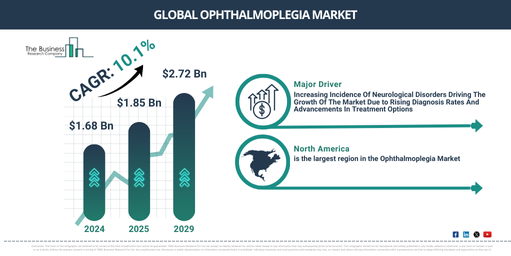
    The market size for ophthalmoplegia has seen rapid expansion in the past few years. It is predicted to rise from $1.68 billion in 2024 to $1.85 billion in 2025, with a compound annual growth rate (CAGR) of 10.3%. This robust growth during the historical period can be accredited to a surge in neurological disorders, an increasing aging population, an expansion in specialty clinics and hospitals, a higher inclination towards early diagnosis and treatment, a rise in clinical trials, and an expansion in healthcare insurance coverage.

    What Growth Rate Is Forecasted for the Ophthalmoplegia Market by 2029?

    Significant expansion is predicted for the ophthalmoplegia market in the coming years with the market size anticipated to reach $2.72 billion by 2029, representing a compound annual growth rate (CAGR) of 10.1%. The contributory factors for this forecasted surge are an increase in neurological diseases, a growing elderly population, more awareness of disorders related to eye movement, a rise in health spending, higher investment in healthcare by prominent market players, along with a rise in patients with diabetes and hypertension. The primary trends anticipated for the forecasted period include progression in diagnosis technologies, creation of innovative therapeutic methods, strategic cooperation and partnership initiatives, technological advancements in eye tracking apparatus, and the emergence of drugs to fortify muscles.

    Download The Free Sample Report Here:

    https://www.thebusinessresearchcompany.com/sample.aspx?id=22081&type=smp

    Which Key Companies Are Shaping the Future of the Ophthalmoplegia Market?

    Major companies operating in the ophthalmoplegia market are Hoffmann-La Roche Ltd., AbbVie Inc., Novartis AG, Medline Industries Inc., Regeneron Pharmaceuticals Inc., Carl Zeiss AG, Bausch Health Companies Inc., Sun Pharmaceutical Industries Limited, Bayer AG, Santen Pharmaceutical Co. Ltd., Oculis Holding AG, Innovative Pharmaceuticals Pvt. Ltd., Clearside Biomedical Inc., Altacor Limited, Azura Ophthalmics Ltd., ViGeneron GmbH, Amritt Inc., GenSight Biologics SA, EyeBio Inc., Opthea Limited

    Which Factors Are Driving Demand in the Ophthalmoplegia Industry?

    The burgeoning rate of neurological disorders is projected to be a primary driver for the ophthalmoplegia market. These severe health conditions, which have a significant impact on the brain, spinal cord, and nervous system, often result in symptoms like muscle debility, cognitive issues, and coordination problems. The upward trend in neurological disorders can be attributed to several factors, including a genetic propensity which puts individuals at a higher risk for conditions like Alzheimer’s and Parkinson’s. Additional factors like poor nutrition, a sedentary lifestyle, and prolonged stress can also contribute to these neurodegenerative and brain function disorders. Ophthalmoplegia, which can reveal disrupted eye muscle control, serves as a valuable tool in diagnosing neurological conditions such as Alzheimer’s and multiple sclerosis. This was confirmed by the Alzheimer’s Association, a US-based nonprofit health organization, that reported about 6.7 million Americans aged 65 and older are suffering from Alzheimer’s dementia in 2023. They predict that this number will more than double by 2060. Hence, the prevalence of neurological disorders is stimulating the expansion of the ophthalmoplegia market. The escalating occurrence of autoimmune conditions is another key driver of the ophthalmoplegia market due to improved awareness, early diagnosis, and advancements in therapeutics. These conditions are characterized by the immune system mistakenly attacking healthy body cells, resulting in inflammation and tissue damage. The increase in autoimmune diseases is a result of certain genetic variances that result in an overactive immune response, making the body prone to damage. The combination of genetic risk factors and triggers like infections, stress, and lifestyle changes is believed to contribute to the rise in autoimmune conditions. Ophthalmoplegia diagnosis is effective in identifying immune system malfunctions when associated with autoimmune diseases. This leads to targeted treatments addressing both the paralysis and the underlying autoimmune disorder. This was confirmed by the German organization, Versorgungsatlas.de, which indicated that out of 73,241,305 insured individuals in 2022, 6,304,340 were diagnosed with at least one autoimmune disease. Thus, the increasing prevalence of autoimmune conditions is shaping the growth of the ophthalmoplegia market.

    Request For A Customized Report:

    https://www.thebusinessresearchcompany.com/customise?id=22081&type=smp

    How Is the Ophthalmoplegia Market Segmented by Several Divisions?

    The ophthalmoplegia market covered in this report is segmented –

    1) By Type: External Opthalmoplegia, Internuclear Opthalmoplegia

    2) By Treatment: Surgery, Drug Treatment

    3) By End-User: Hospitals, Clinics, Ambulatory Clinics

    Subsegmentss:

    1) By External Ophthalmoplegia: Chronic Progressive External Ophthalmoplegia (CPEO), Myasthenic External Ophthalmoplegia, Mitochondrial Myopathy-Associated External Ophthalmoplegia

    2) By Internuclear Ophthalmoplegia: Unilateral Internuclear Ophthalmoplegia, Bilateral Internuclear Ophthalmoplegia

    Access The Full Report Here:

    https://www.thebusinessresearchcompany.com/report/ophthalmoplegia-global-market-report

    Which Regions Are Driving Growth in the Ophthalmoplegia Market?

    North America was the largest region in the ophthalmoplegia market in 2024. Asia-Pacific is expected to be the fastest-growing region in the forecast period. The regions covered in the ophthalmoplegia market report are Asia-Pacific, Western Europe, Eastern Europe, North America, South America, Middle East, Africa.

    Purchase The Full Report Today:

    https://www.thebusinessresearchcompany.com/purchaseoptions.aspx?id=22081

    This Report Delivers Insight On:

    1. How big is the ophthalmoplegia market, and how is it changing globally?

    2. Who are the major companies in the ophthalmoplegia market, and how are they performing?

    3. What are the key opportunities and risks in the ophthalmoplegia market right now?

    4. Which products or customer segments are growing the most in the ophthalmoplegia market?

    5. What factors are helping or slowing down the growth of the ophthalmoplegia market?

    About The Business Research Company:

    With over 15000+ reports from 27 industries covering 60+ geographies, The Business Research Company has built a reputation for offering comprehensive, data-rich research and insights. Armed with 1,500,000 datasets, the optimistic contribution of in-depth secondary research, and unique insights from industry leaders, you can get the information you need to stay ahead in the game.

    Get in touch with us:

    The Business Research Company: https://www.thebusinessresearchcompany.com/

    Americas +1 310-496-7795

    Europe +44 7882 955267

    Asia & Others +44 7882 955267 & +91 8897263534

    Email us at info@tbrc.info

    Follow us on:

    LinkedIn: https://in.linkedin.com/company/the-business-research-company

    YouTube: https://www.youtube.com/channel/UC24_fI0rV8cR5DxlCpgmyFQ

    Global Market Model: https://www.thebusinessresearchcompany.com/global-market-model

  • Netherton Syndrome Market Trends Report 2025 – For Business Development and Strategy Teams

    Netherton Syndrome Market Trends Report 2025 – For Business Development and Strategy Teams

    Claim your 30% discount on Global Market Reports with code ONLINE30. Limited time only.

    What Is the Forecast for the Netherton Syndrome Market Growth in 2025?

    Recent years have witnessed a swift expansion in the netherton syndrome market size. The market is predicted to escalate from $1.15 billion in 2024 to $1.27 billion in 2025, indicating a compound annual growth rate (CAGR) of 10.2%. The considerable growth observed in the previous years can be credited to factors such as increased cognizance of rare genetic anomalies, a surge in health care spending, heightened awareness concerning netherton syndrome, encouraging government regulations, and the proliferation of e-commerce and digital health platforms.

    What Is the Forecast for the Netherton Syndrome Market Size Through 2029?

    Expectations are high for the netherton syndrome market to expand rapidly in the ensuing years, with projections showing a potential growth to $1.85 billion in 2029 alongside a compound annual growth rate (CAGR) of 10.0%. The estimated expansion during this forecast period can be attributed to a number of factors such as rising diabetes incidence, increased internet accessibility, the emergence of e-commerce and digital health platforms, the escalating occurrence of lamellar ichthyosis, and heightened knowledge and support for uncommon diseases. Key trends to be observed during the forecast period encompass advancements in targeted therapies, widening clinical trials, enhancements in diagnostic techniques, incorporation of telemedicine, and the evolution of personalized medicine.

    Download The Free Sample Report Here:

    https://www.thebusinessresearchcompany.com/sample.aspx?id=22071&type=smp

    What are the Key Market Players in Netherton Syndrome Market and How They’re Evolving?

    Major companies operating in the netherton syndrome market are Novartis AG, Boehringer Ingelheim International GmbH, Daiichi Sankyo Company Limited, Evotec AG, Fulgent Genetics, Invitae Corp., BioCryst Pharmaceuticals Inc., GeneDx, Prevention Genetics, Blueprint Genetics Oy, Medicover Hospitals, Quoin Pharmaceuticals Ltd., DNA Labs India, LifeMax Laboratories Inc., Krystal Biotech Inc., ResVita Bio, Azitra Inc, Dermelix Biotherapeutics, Sixera Pharma, MaRS Innovation

    What Are the Primary Growth Drivers in the Netherton Syndrome Market?

    The expansion of the Netherton syndrome market is projected to be driven by the increasing prevalence of genetic testing. Genetic testing, which involves the analysis of DNA to identify mutations or variations associated with inherited conditions, diseases or traits, is on the rise due to heightened awareness of inherited diseases and burgeoning demand for personalized medical care. This upswing in genetic testing aids in the early and accurate diagnosis of Netherton Syndrome via the detection of SPINK5 mutations, which paves the way for timely treatments and bespoke patient care. It also improves patient management, genetic counseling, and comprehensive results. For instance, the National Institutes of Health (NIH), a US-based governmental entity, reported in April 2023 that in 2022, a total of 76,326 genetic tests were administered globally, with 99.7% (76,083) being clinical tests and 0.3% (243) utilized for research. As a result, the escalating prevalence of genetic testing is fueling the growth of the Netherton syndrome market.

    Request For A Customized Report:

    https://www.thebusinessresearchcompany.com/customise?id=22071&type=smp

    What Are the Leading Segments in the Global Netherton Syndrome Industry?

    The netherton syndrome market covered in this report is segmented –

    1) By Diagnosis Type: Genetic Testing, Physical Examination, Biopsy Analysis

    2) By Treatment: Topical Treatments, Systemic Treatments, Phototherapy, Other Treatments

    3) By Distribution Channel: Hospital Pharmacies, Retail Pharmacies, Online Pharmacies, Other Distribution Channels

    4) By End-User: Hospitals, Dermatology Clinics, Research Institutes, Other End-Users

    Subsegments:

    1) By Genetic Testing: SPINK5 Gene Sequencing, Next-Generation Sequencing (NGS), Polymerase Chain Reaction (PCR) Testing, Microarray Analysis

    2) By Physical Examination: Clinical Assessment Of Ichthyosis-like Scaling, Hair Shaft Microscopy, Evaluation Of Atopic Dermatitis Symptoms, Growth and Developmental Assessment

    3) By Biopsy Analysis: Skin Histopathology, Immunohistochemical Staining, Electron Microscopy For Hair And Skin Structure, Epidermal Barrier Function Testing

    What Are the Key Market Trends in the Netherton Syndrome Industry?

    Prominent corporations engaged in the Netherton syndrome market are concentrating their efforts on the creation of novel and advanced products, such as serine protease inhibitor-based topical lotions. These products aim to enhance skin barrier functionality and diminish inflammation. These formulated lotions are designed to block serine proteases, the enzymes associated with inflammation and immune responses, thus aiding in alleviating irritation and inflammation, which are common problems in diseases like Netherton Syndrome where severe inflammation causes skin uneasiness. In December 2024, for example, Quoin Pharmaceuticals Ltd., an American pharmaceutical firm, was granted clearance by the Food and Drug Administration (FDA) to commence a fresh clinical trial for QRX003, intended for Netherton Syndrome (NS) treatment. This study will test up to eight patients by applying QRX003, which includes a broad-spectrum serine protease inhibitor that focuses on kallikreins, the enzymes accountable for excess skin peeling and inflammation in NS, to more than 80% of their body twice a day for 12 weeks, a regimen intended to mirror actual use. The goal is to fortify skin barrier functionality and alleviate symptoms.

    Access The Full Report Here:

    https://www.thebusinessresearchcompany.com/report/netherton-syndrome-global-market-report

    What Is the Regional Outlook for the Netherton Syndrome Market?

    North America was the largest region in the netherton syndrome market in 2024. The regions covered in the netherton syndrome market report are Asia-Pacific, Western Europe, Eastern Europe, North America, South America, Middle East, Africa.

    Purchase The Full Report Today:

    https://www.thebusinessresearchcompany.com/purchaseoptions.aspx?id=22071

    This Report Delivers Insight On:

    1. How big is the netherton syndrome market, and how is it changing globally?

    2. Who are the major companies in the netherton syndrome market, and how are they performing?

    3. What are the key opportunities and risks in the netherton syndrome market right now?

    4. Which products or customer segments are growing the most in the netherton syndrome market?

    5. What factors are helping or slowing down the growth of the netherton syndrome market?

    About The Business Research Company:

    With over 15000+ reports from 27 industries covering 60+ geographies, The Business Research Company has built a reputation for offering comprehensive, data-rich research and insights. Armed with 1,500,000 datasets, the optimistic contribution of in-depth secondary research, and unique insights from industry leaders, you can get the information you need to stay ahead in the game.

    Get in touch with us:

    The Business Research Company: https://www.thebusinessresearchcompany.com/

    Americas +1 310-496-7795

    Europe +44 7882 955267

    Asia & Others +44 7882 955267 & +91 8897263534

    Email us at info@tbrc.info

    Follow us on:

    LinkedIn: https://in.linkedin.com/company/the-business-research-company

    YouTube: https://www.youtube.com/channel/UC24_fI0rV8cR5DxlCpgmyFQ

    Global Market Model: https://www.thebusinessresearchcompany.com/global-market-model

  • Nerve Entrapment Syndrome Forecast Report – Designed for Decision Makers and Product Teams

    Nerve Entrapment Syndrome Forecast Report – Designed for Decision Makers and Product Teams

    Claim your 30% discount on Global Market Reports with code ONLINE30. Limited time only.

    What Is the Growth Rate of the Nerve Entrapment Syndrome Market?

    In recent years, the nerve entrapment syndrome market experienced significant growth. The market size is projected to increase from $4.03 billion in 2024 to a larger $4.34 billion in 2025, with a compound annual growth rate (CAGR) of 7.8%. The historical growth can be traced to factors such as the rising prevalence of peripheral neuropathy, the escalating incidence of diabetes, an ageing population, a rise in obesity and an uptick in chronic diseases.

    What Growth Rate Is Forecasted for the Nerve Entrapment Syndrome Market by 2029?

    The market for nerve entrapment syndrome is projected to experience robust growth in the upcoming years. The market is forecasted to reach a value of $5.77 billion in 2029, with a compound annual growth rate of 7.4%. This predicted growth over the forecast period can be ascribed to factors such as an increasing elderly population, a rise in the worldwide occurrence of peripheral nerve injuries (PNI), expansion of government initiatives and reimbursement policies, a growing number of trauma-related injuries, and a surge in diabetic patients. Key trends for the forecast period encompass developments in research and development to broaden product offerings, advancements in minimally invasive surgical procedures, progress in the field of regenerative medicine, improved imaging techniques, physical therapy and rehabilitation breakthroughs, and ongoing genetic research and personalized medicine.

    Download The Free Sample Report Here:

    https://www.thebusinessresearchcompany.com/sample.aspx?id=22069&type=smp

    Which Key Companies Are Shaping the Future of the Nerve Entrapment Syndrome Market?

    Major companies operating in the nerve entrapment syndrome market are Pfizer Inc., Dr. Reddy’s Laboratories, Glenmark Pharmaceuticals, Athletico Physical Therapy, Hinge Health, Kessler Rehabilitation Center, SPR Therapeutics, Centaur Pharmaceuticals, ProActive Physical Therapy & Rehabilitation, Care24 Pvt Ltd., Grünenthal GmbH, Total Performance Physical Therapy, Back 2 Health, Cornerstone Physical Therapy, OrthoSport Physical Therapy & Rehabilitation, Physio Tattva, InvaGen Pharmaceuticals Inc., WEX Pharmaceuticals Inc., Dogwood Therapeutics Inc., Endo Spine Clinic

    Which Factors Are Driving Demand in the Nerve Entrapment Syndrome Industry?

    The nerve entrapment syndrome market is predicted to grow due to the increasing number of individuals suffering from diabetes. Diabetes hampers the body’s ability to regulate blood glucose levels, either due to lack of insulin production or its ineffective use. Contributing factors to the rise in diabetic patients include the growing problem of obesity and inactive lifestyles, leading to a surge in type 2 diabetes cases. The risk of nerve entrapment syndrome rises with increasing diabetes cases given that diabetes-induced peripheral neuropathy tends to weaken the nerves and surrounding structures, rendering them more susceptible to compression. Substantiating this is a June 2024 report by the National Health Service, UK, that recognized over half a million individuals (549,000) at risk of type 2 diabetes in 2023 in England, taking the total non-diabetic hyperglycemia or pre-diabetes population to 3,615,330. This represented an approximate 20% jump from the numbers in 2022. Hence, the burgeoning diabetic patient pool is bolstering the nerve entrapment syndrome market growth. The rising obesity numbers are also contributing to the growth of the nerve entrapment syndrome market. People with body mass index (BMI) of 30 or above fall into the obese population category and are at a higher risk of developing nerve entrapment syndrome due to added weight pressure on the nerves. Poor diet, sedentary lifestyle, and unsuitable environmental factors lead to this rise in obesity. In May 2024, the Office for Health Improvement and Disparities (OHID), Department of Health and Social Care (DHSC), UK, revealed that approximately 26.2% of adults suffered from obesity in 2022-2023, up from 25.9% the previous year. This growing obesity rate pushes the nerve entrapment syndrome market growth.

    Request For A Customized Report:

    https://www.thebusinessresearchcompany.com/customise?id=22069&type=smp

    How Is the Nerve Entrapment Syndrome Market Segmented by Several Divisions?

    The nerve entrapment syndrome market covered in this report is segmented –

    1) By Type: Carpal Tunnel Syndrome, Cubital Tunnel Syndrome, Tarsal Tunnel Syndrome, Meralgia Parasthetica, Other Types

    2) By Treatment Modality: Medications, Physical Therapy, Interventional Procedures, Alteative Therapies

    3) By Administration Route: Oral Administration, Injectable Administration, Topical Administration

    4) By Severity Of Condition: Mild, Moderate, Severe, Post-Surgical Complications

    Subsegments:

    1) By Carpal Tunnel Syndrome (CTS): Idiopathic Carpal Tunnel Syndrome, Work-Related/Repetitive Strain CTS, Diabetic Neuropathy-Associated CTS, Traumatic or Post-Surgical CTS, Pregnancy-Induced CTS

    2) By Cubital Tunnel Syndrome: Idiopathic Cubital Tunnel Syndrome, Repetitive Motion-Induced Cubital Tunnel Syndrome, Post-Traumatic/Ulnar Nerve Injury-Related Cubital Tunnel Syndrome, Osteoarthritis-Related Cubital Tunnel Syndrome, Post-Surgical Cubital Tunnel Syndrome

    3) By Tarsal Tunnel Syndrome (TTS): Idiopathic Tarsal Tunnel Syndrome, Trauma-Induced Tarsal Tunnel Syndrome, Diabetes-Associated Tarsal Tunnel Syndrome, Flatfoot-Related Tarsal Tunnel Syndrome, Post-Surgical Or Scar Tissue-Related TTS

    4) By Meralgia Paresthetica (MP): Idiopathic Meralgia Paresthetica, Obesity-Associated Meralgia Paresthetica, Pregnancy-Related Meralgia Paresthetica, Post-Surgical Or Scar-Induced Meralgia Paresthetica, Diabetic Neuropathy-Related Meralgia Paresthetica

    5) By Other Types: Radial Tunnel Syndrome, Thoracic Outlet Syndrome, Peroneal Nerve Entrapment, Sciatic Nerve Entrapment, Brachial Plexus Compression Syndromes

    Access The Full Report Here:

    https://www.thebusinessresearchcompany.com/report/nerve-entrapment-syndrome-global-market-report

    Which Regions Are Driving Growth in the Nerve Entrapment Syndrome Market?

    North America was the largest region in the nerve entrapment syndrome market in 2024. The regions covered in the nerve entrapment syndrome market report are Asia-Pacific, Western Europe, Eastern Europe, North America, South America, Middle East, Africa.

    Purchase The Full Report Today:

    https://www.thebusinessresearchcompany.com/purchaseoptions.aspx?id=22069

    This Report Delivers Insight On:

    1. How big is the nerve entrapment syndrome market, and how is it changing globally?

    2. Who are the major companies in the nerve entrapment syndrome market, and how are they performing?

    3. What are the key opportunities and risks in the nerve entrapment syndrome market right now?

    4. Which products or customer segments are growing the most in the nerve entrapment syndrome market?

    5. What factors are helping or slowing down the growth of the nerve entrapment syndrome market?

    About The Business Research Company:

    With over 15000+ reports from 27 industries covering 60+ geographies, The Business Research Company has built a reputation for offering comprehensive, data-rich research and insights. Armed with 1,500,000 datasets, the optimistic contribution of in-depth secondary research, and unique insights from industry leaders, you can get the information you need to stay ahead in the game.

    Get in touch with us:

    The Business Research Company: https://www.thebusinessresearchcompany.com/

    Americas +1 310-496-7795

    Europe +44 7882 955267

    Asia & Others +44 7882 955267 & +91 8897263534

    Email us at info@tbrc.info

    Follow us on:

    LinkedIn: https://in.linkedin.com/company/the-business-research-company

    YouTube: https://www.youtube.com/channel/UC24_fI0rV8cR5DxlCpgmyFQ

    Global Market Model: https://www.thebusinessresearchcompany.com/global-market-model
  • Necrotizing Enterocolitis  Market Outlook 2025 – Insights for Executive and Strategic Planning

    Necrotizing Enterocolitis Market Outlook 2025 – Insights for Executive and Strategic Planning

    Claim your 30% discount on Global Market Reports with code ONLINE30. Limited time only.

    How Has the Necrotizing Enterocolitis Market Grown from 2024 to 2025?

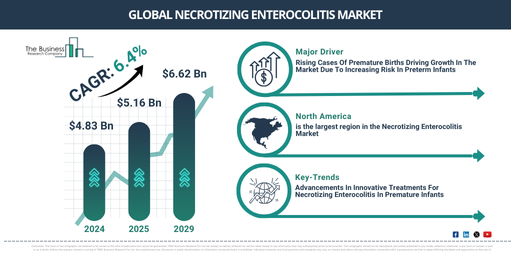
    In recent times, there has been a significant expansion in the necrotizing enterocolitis market. The market’s size, which is poised to surge from $4.83 billion in 2024 to $5.16 billion in 2025, will do so at a compound annual growth rate (CAGR) of 6.8%. Factors contributing to the growth throughout the historic period include a rising incidence of necrotizing enterocolitis, population growth, an increase in per capita income, heightened government funding, and a surge in premature birth rates.

    What Growth Rate Is Anticipated for the Necrotizing Enterocolitis Market in the Coming Years?

    Anticipations are high for substantial growth in the necrotizing enterocolitis market in the coming years, with its size projected to reach $6.62 billion by 2029. This increase, expected at a compound annual growth rate (CAGR) of 6.4%, is due to various factors including rising healthcare costs, occurrence and incidence rates of ulcerative colitis (UC), and elevated gastrointestinal disorders. The surge in elderly and obese population also contributes to this growth, coupled with the upswing in the geriatric population. Key trends expected within this forecast period include progress in biomarker studies for early detection of NEC, breakthroughs in non-invasive diagnostic methods, the utilization of cutting-edge monitoring systems, updates in surgical methodologies, and the evolution of aimed therapies.

    Download The Free Sample Report Here:

    https://www.thebusinessresearchcompany.com/sample.aspx?id=22068&type=smp

    Who Are the Leading Companies in the Necrotizing Enterocolitis Market?

    Major companies operating in the necrotizing enterocolitis market are Abbott Laboratories, Astellas Pharma Inc., Mayo Foundation for Medical Education and Research, Cleveland Clinic, Boston Children’s Hospital, Hollister Incorporated, UPMC Children’s Hospital of Pittsburgh, Prolacta Bioscience Inc., Evolve BioSystems, Sigma-Tau Pharmaceuticals, Mead Johnson & Company LLC, Liminal BioSciences Inc., Noveome Biotherapeutics Inc., Infant Bacterial Therapeutics, Prometic Life Sciences Inc., Nexilico, Siolta Therapeutics, ProThera Biologics Inc., Plakous Therapeutics Inc., Chosen Diagnostics Inc.

    What Are the Key Drivers of the Necrotizing Enterocolitis Market?

    The surge in premature births is anticipated to boost the progress of the necrotizing enterocolitis market in the future. Premature births, often termed preterm births, pertain to delivering a baby prior to the completion of a standard 40-week gestation period, specifically before the 37th week. Factors contributing to this surge include maternal health complications such as high blood pressure, diabetes, infections that escalate the potential for preterm labor, along with lifestyle influences like smoking, substance abuse, and inadequate nutrition, which elevate the odds of premature births. The escalation in preterm births leads to an increased number of necrotizing enterocolitis (NEC) cases because premature babies possess underdeveloped gastrointestinal systems, which enhances their vulnerability to inflammation and infection. For example, per data released by the Centers for Disease Control and Prevention, a government agency in the US, in January 2024, 8.67% of total annual births in the United States are premature. Consequently, the escalating number of premature births is fueling the advancement of the necrotizing enterocolitis market.

    Request For A Customized Report:

    https://www.thebusinessresearchcompany.com/customise?id=22068&type=smp

    What Are the Key Market Segments in the Necrotizing Enterocolitis Industry?

    The necrotizing enterocolitis market covered in this report is segmented –

    1) By Treatment: Total Parenteral Nutrition (TPN), Gastrointestinal Decompression, Antimicrobial Therapy, Antifungal Treatment, Paracentesis, Other Treatments

    2) By Diagnosis: Laboratory Tests, Imaging Techniques

    3) By Stage: Stage I (Suspected Necrotizing Enterocolitis), Stage II (Definite Necrotizing Enterocolitis), Stage III (Advanced Necrotizing Enterocolitis)

    4) By Distribution Channel: Direct Tender, Hospital Pharmacy, Retail Pharmacy, Online Pharmacy, Other Distribution Channels

    5) By End-User: Hospitals, Neonatal Intensive Care Units (NICUs), Specialty Clinics

    Subsegments:

    1) By Total Parenteral Nutrition (TPN): Standard TPN Formulations, Customized Or Individualized TPN Solutions, Lipid Emulsions for TPN, Protein And Amino Acid Supplements In TPN, Micronutrient And Electrolyte-Enhanced TPN

    2) By Gastrointestinal Decompression: Nasogastric Tube (NG Tube) Decompression, Orogastric Tube Decompression, Surgical Gastrostomy for Decompression, Non-Surgical Decompression Techniques

    3) By Antimicrobial Therapy: Broad-Spectrum Antibiotics, Gram-Positive Coverage Antibiotics, Gram-Negative Coverage Antibiotics, Combination Antibiotic Therapy, Prophylactic Antibiotic Strategies For High-Risk Neonates

    4) By Antifungal Treatment: Systemic Antifungal Therapy, Prophylactic Antifungal Therapy For Preterm Infants, Combination Antifungal And Antibiotic Therapy For Severe NEC

    5) By Paracentesis: Diagnostic Paracentesis, Therapeutic Paracentesis, Guided Paracentesis using Ultrasound Or Radiological Techniques

    6) By Other Treatments: Probiotics And Prebiotics for NEC Prevention, Surgical Interventions, Stem Cell Therapy And Regenerative Medicine Approaches, Immunomodulatory Therapies, Supportive Care

    What Are the Latest Trends in the Necrotizing Enterocolitis Market?

    Leading corporations in the necrotizing enterocolitis market are emphasizing the creation of inventive product solutions, including cell-free sterile biologic solutions, to meet the crucial need for capable treatments and enhance outcomes for premature infants. A cell-free sterile biologic solution constitutes a sterilized, purified fluid housing bioactive elements such as proteins, growth hormones, and cytokines extracted from cultured cells, but void of any intact cells. This solution is structured to stimulate healing and mitigate inflammation. For example, Noveome Biotherapeutics, Inc., an American biopharmaceutical firm, received approval from the U.S. Food and Drug Administration (FDA) in December 2023 to commence its Phase 1-2 clinical trial for ST266, an innovative biologic product focused on treating necrotizing enterocolitis (NEC) in newborns. This represents a significant leap as ST266 is projected to be the pioneer significant therapeutic progression for NEC in more than 30 years, addressing a fundamental medical requirement considering the disease’s high rates of illness and death among at-risk groups.

    Access The Full Report Here:

    https://www.thebusinessresearchcompany.com/report/necrotizing-enterocolitis-global-market-report

    What Are the Key Regional Markets in the Necrotizing Enterocolitis Industry?

    North America was the largest region in the necrotizing enterocolitis market in 2024. Asia-Pacific is expected to be the fastest-growing region in the forecast period. The regions covered in the necrotizing enterocolitis market report are Asia-Pacific, Western Europe, Eastern Europe, North America, South America, Middle East, Africa.

    Purchase The Full Report Today:

    https://www.thebusinessresearchcompany.com/purchaseoptions.aspx?id=22068

    This Report Delivers Insight On:

    1. How big is the necrotizing enterocolitis market, and how is it changing globally?

    2. Who are the major companies in the necrotizing enterocolitis market, and how are they performing?

    3. What are the key opportunities and risks in the necrotizing enterocolitis market right now?

    4. Which products or customer segments are growing the most in the necrotizing enterocolitis market?

    5. What factors are helping or slowing down the growth of the necrotizing enterocolitis market?

    About The Business Research Company:

    With over 15000+ reports from 27 industries covering 60+ geographies, The Business Research Company has built a reputation for offering comprehensive, data-rich research and insights. Armed with 1,500,000 datasets, the optimistic contribution of in-depth secondary research, and unique insights from industry leaders, you can get the information you need to stay ahead in the game.

    Get in touch with us:

    The Business Research Company: https://www.thebusinessresearchcompany.com/

    Americas +1 310-496-7795

    Europe +44 7882 955267

    Asia & Others +44 7882 955267 & +91 8897263534

    Email us at info@tbrc.info

    Follow us on:

    LinkedIn: https://in.linkedin.com/company/the-business-research-company

    YouTube: https://www.youtube.com/channel/UC24_fI0rV8cR5DxlCpgmyFQ

    Global Market Model: https://www.thebusinessresearchcompany.com/global-market-model
  • Necrobiosis Lipoidica Diabeticorum (NLD)  Market Projected at $6.15 Billion by 2029 | Strategic Insights and Forecast Data

    Necrobiosis Lipoidica Diabeticorum (NLD) Market Projected at $6.15 Billion by 2029 | Strategic Insights and Forecast Data

    Claim your 30% discount on Global Market Reports with code ONLINE30. Limited time only.

    How Has the Necrobiosis Lipoidica Diabeticorum (NLD) Market Size Changed, over the years?

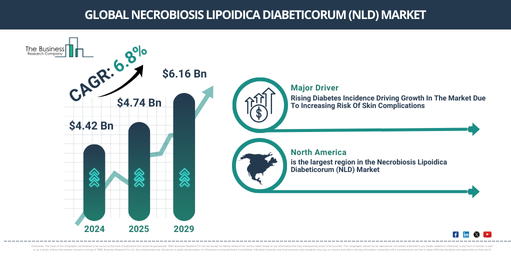
    Over the past few years, the market size for necrobiosis lipoidica diabeticorum (NLD) has witnessed a significant surge. The forecasted growth is from $4.42 billion in 2024 to $4.74 billion in 2025, with a compound annual growth rate (CAGR) of 7.2%. The notable growth during the historic period is related to escalated healthcare expenditures, urbanization growth, heightened awareness toward health and wellness, prioritized focus by governmental bodies, and a rising incidence of necrobiosis lipoidica diabeticorum (NLD) disease.

    How Much Will the Necrobiosis Lipoidica Diabeticorum (NLD) Market Be Worth in 2029?

    In the coming years, the necrobiosis lipoidica diabeticorum (NLD) market is set to witness significant expansion. By 2029, the market is projected to reach a worth of $6.16 billion, with a compound annual growth rate (CAGR) of 6.8%. The predicted growth can be accredited to an encouraging regulatory landscape, an upsurge in diabetic and pressure ulcers, the proliferation of telemedicine and digital health, and the growing number of diabetes cases. Key market trends for the forecast period encompass a move towards individualized treatment, improvements in treatment technology, advancements in the field of telemedicine and digital health, interest in early detection, and innovative developments in non-invasive diagnostic procedures.

    Download The Free Sample Report Here:

    https://www.thebusinessresearchcompany.com/sample.aspx?id=22067&type=smp

    Which is the Largest Company in the Necrobiosis Lipoidica Diabeticorum (NLD) Market?

    Major companies operating in the necrobiosis lipoidica diabeticorum (NLD) market are Mount Sinai Health System, Beaumont Health, Mayo Foundation for Medical Education and Research, Thomas Jefferson University Hospitals, UCLA Health, MedStar Health Wound Healing Institute, Inova Wound Healing Centers, Brigham and Women’s Hospital, UCSF Health, Healogics LLC, Phelps Hospital, American Diabetes Association (ADA), Schweiger Dermatology Group, King Edward Memorial Hospital (KEM Hospital), Bahrain’s Healthcare System, Advanced Dermatology and Skin Cancer Center, Hyperbaric Medical Solutions, Processa Pharmaceuticals Inc., Lupton Dermatology, The Primary Care Dermatology Society

    What Are the Main Market Drivers in the Necrobiosis Lipoidica Diabeticorum (NLD) Industry?

    Necrobiosis Lipoidica Diabeticorum (NLD) market growth is anticipated to be driven by an increased incidence of diabetes. Diabetes – a metabolic disorder denoted by sustained high blood sugar caused by either insufficient insulin production (Type 1) or ineffective insulin utilization (Type 2) – can lead to complications in numerous bodily systems and organs. The emergence of diabetes cases is primarily a result of the growing obesity epidemic, which is tightly intertwined with insulin resistance, and sedentary lifestyles characterized by insufficient physical activity. These factors pose a substantial risk for diabetes development. The increased prevalence of diabetes subsequently leads to a higher incidence of NLD due to its association with diabetes-related microvascular complications and immune abnormalities. The National Health Service reported in June 2024 that over 549,000 individuals in England had been identified as susceptible to type 2 diabetes in 2023 increasing the total pre-diabetic population to 3,615,330 – a near 20% surge from 2022. The heightened number of diabetes cases boosts NLD market growth. As healthcare expenses rise, it’s expected to stimulate growth in the NLD market by promoting advancements in treatment and diagnostic innovation. Healthcare spending entails all financial resources allocated to healthcare services from public, private, and individual sources, including disease prevention, treatment, and management. An increase in healthcare expenses is attributed to the upsurge in chronic illnesses such as diabetes, cardiovascular diseases, and obesity, which necessitate ongoing treatment and management, thereby elevating healthcare costs. Increased healthcare spending spurs necrobiosis lipoidica diabeticorum research and innovation, amplifying diagnostic capacities, accelerating treatment options, increasing access to novel therapies, and ultimately, enhancing patient results. The Office for National Statistics reported in May 2024 that healthcare spending had inflated by 5.6% from 2022 to 2023, a significant rise compared to the 0.9% increase in 2022. This rise in expenditure contributes to the growth of the NLD market.

    Request For A Customized Report:

    https://www.thebusinessresearchcompany.com/customise?id=22067&type=smp

    How Is the Necrobiosis Lipoidica Diabeticorum (NLD) Market Segments Structured?

    The necrobiosis lipoidica diabeticorum (NLD) market covered in this report is segmented –

    1) By Procedure: Treatment, Test Type

    2) By Application: Hospitals, Ambulatory Clinics

    3) By Distribution Channel: Hospital Pharmacies, Retail Pharmacies, E-Commerce

    Subsegments:

    1) By Treatment: Topical Therapies, Systemic Therapies, Laser And Light-Based Therapies, Surgical And Advanced Wound Care Management, Alternative And Supportive Therapies

    2) By Test Type: Histopathological Tests, Imaging Tests, Blood Tests And Laboratory Diagnostics

    Access The Full Report Here:

    https://www.thebusinessresearchcompany.com/report/necrobiosis-lipoidica-diabeticorum-nld-global-market-report

    Which Global Regions Offer the Highest Growth in the Necrobiosis Lipoidica Diabeticorum (NLD) Market?

    North America was the largest region in the necrobiosis lipoidica diabeticorum (NLD) market in 2024. The regions covered in the necrobiosis lipoidica diabeticorum (NLD) market report are Asia-Pacific, Western Europe, Eastern Europe, North America, South America, Middle East, Africa.

    Purchase The Full Report Today:

    https://www.thebusinessresearchcompany.com/purchaseoptions.aspx?id=22067

    This Report Delivers Insight On:

    1. How big is the necrobiosis lipoidica diabeticorum (nld) market, and how is it changing globally?

    2. Who are the major companies in the necrobiosis lipoidica diabeticorum (nld) market, and how are they performing?

    3. What are the key opportunities and risks in the necrobiosis lipoidica diabeticorum (nld) market right now?

    4. Which products or customer segments are growing the most in the necrobiosis lipoidica diabeticorum (nld) market?

    5. What factors are helping or slowing down the growth of the necrobiosis lipoidica diabeticorum (nld) market?

    About The Business Research Company:

    With over 15000+ reports from 27 industries covering 60+ geographies, The Business Research Company has built a reputation for offering comprehensive, data-rich research and insights. Armed with 1,500,000 datasets, the optimistic contribution of in-depth secondary research, and unique insights from industry leaders, you can get the information you need to stay ahead in the game.

    Get in touch with us:

    The Business Research Company: https://www.thebusinessresearchcompany.com/

    Americas +1 310-496-7795

    Europe +44 7882 955267

    Asia & Others +44 7882 955267 & +91 8897263534

    Email us at info@tbrc.info

    Follow us on:

    LinkedIn: https://in.linkedin.com/company/the-business-research-company

    YouTube: https://www.youtube.com/channel/UC24_fI0rV8cR5DxlCpgmyFQ

    Global Market Model: https://www.thebusinessresearchcompany.com/global-market-model
  • Necrobiosis Lipodica (NL) Industry Growth Expected to Reach $5.64 Billion by 2029 at a CAGR of 6.6% | Segmentation and Growth Opportunities

    Necrobiosis Lipodica (NL) Industry Growth Expected to Reach $5.64 Billion by 2029 at a CAGR of 6.6% | Segmentation and Growth Opportunities

    Claim your 30% discount on Global Market Reports with code ONLINE30. Limited time only.

    What Is the Forecast for the Necrobiosis Lipodica (NL) Market Growth in 2025?

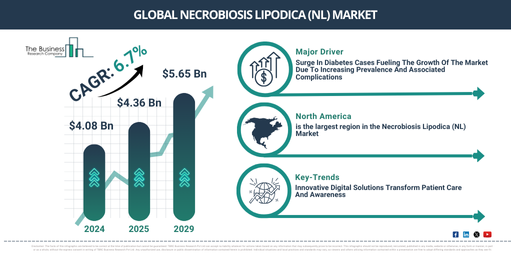
    In recent times, the market size for necrobiosis lipoidica has witnessed a significant surge. The market is projected to rise from a value of $4.08 billion in 2024 to reach $4.36 billion in 2025, with a compound annual growth rate (CAGR) of 6.9%. Factors contributing to growth in the previous years include a rise in diabetes cases, an increased occurrence of skin infections, heightened healthcare expenditure, mounting cancer cases, and increased disease awareness.

    What Is the Forecast for the Necrobiosis Lipodica (NL) Market Size Through 2029?

    The market size of necrobiosis lipoidica is anticipated to witness substantial expansion in the upcoming years, increasing to $5.65 billion by 2029 with a Compound Annual Growth Rate (CAGR) of 6.7%. The predicted development over the forecast period owes to factors like an expanding elderly population, enhanced consciousness about skin health and beauty, an increase in disposable income, heightened knowledge about skin wellness, and a surge in government-initiated programs. The forecast period is marked by significant trends, including sophisticated treatment methods, innovation in diagnostic procedures, the use of biological products, advanced clinical studies, and the advent of novel regenerative treatments.

    Download The Free Sample Report Here:

    https://www.thebusinessresearchcompany.com/sample.aspx?id=22066&type=smp

    What are the Key Market Players in Necrobiosis Lipodica (NL) Market and How They’re Evolving?

    Major companies operating in the necrobiosis lipodica (NL) market are Pfizer Inc., Johnson & Johnson Services Inc., Merck & Co. Inc., Novartis AG, Sanofi S.A., GlaxoSmithKline plc, Eli Lilly and Company, Regeneron Pharmaceuticals Inc., Daiichi Sankyo Company Limited, Bausch Health Companies Inc., Galderma Laboratories L.P., Dr. Reddy’s Laboratories Ltd., Incyte Pharmaceuticals, Celltrion Healthcare Co. Ltd., Almirall S.A., Samsung Bioepis Co. Ltd., Hovione, Momenta Pharmaceuticals Inc., HanAll Biopharma Co. Ltd., Processa Pharmaceuticals

    What Are the Primary Growth Drivers in the Necrobiosis Lipodica (NL) Market?

    The necrobiosis lipoidica (NL) market’s expansion is expected to be fueled by the rising prevalence of diabetes. Diabetes is a persistent condition wherein the body finds it difficult to control blood sugar levels due to a shortage of insulin or resistance, potentially leading to health-related issues. Unhealthy food habits, sedentary lifestyles, and genetic factors contribute to the surge in diabetes cases. Modern lifestyles often involve prolonged sitting, less physical exercise, and excessive use of screens, which could lead to obesity and insulin resistance. Elevated blood sugar levels in diabetics can harm small blood vessels (microangiopathy), resulting in poor circulation. This leads to a decreased supply of oxygen and nutrients to the skin, making it prone to damage and slow healing. The skin tissue may degenerate, resulting in the development of yellow, atrophied plaques in NL. For example, a report from the National Health Service in October 2023 stated that the incidence of Type 1 diabetes in England rose from 261,710 cases in 2021 to 270,935 cases in 2022, a year-over-year increase of 3.5%. As a result, the escalating number of diabetes cases is pushing the growth of the necrobiosis lipoidica (NL) market. Due to chronic inflammation and malfunction of the immune system, the escalating occurrence of autoimmune diseases is propelling the necrobiosis lipoidica market’s growth. Autoimmune diseases occur when the body’s immune system erroneously targets its own cells and tissues. The rise in autoimmune diseases is influenced by factors like genetic susceptibility, environmental triggers, lifestyle changes, and altered immune system responses. Necrobiosis lipoidica (NL) can result from autoimmune diseases through triggering persistent inflammation and faulty immune system functionality, leading to collagen degeneration and delayed skin healing. As an example, Versorgungsatlas, a Germany-based healthcare data analytics firm, reported in November 2024 that out of 73,241,305 insured individuals, 6,304,340 were identified with at least one autoimmune disease in 2022, resulting in a raw prevalence rate of 8.61%. Consequently, the increased occurrence of autoimmune diseases propels the growth of the necrobiosis lipoidica market.

    Request For A Customized Report:

    https://www.thebusinessresearchcompany.com/customise?id=22066&type=smp

    What Are the Leading Segments in the Global Necrobiosis Lipodica (NL) Industry?

    The necrobiosis lipodica (NL) market covered in this report is segmented –

    1) By Treatment: Therapy, Drugs, Other Treatments

    2) By Route Of Administration: Oral, Topical, Parenteral, Other Routes Of Administration

    3) By Diagnosis: Skin Biopsy, Histopathology, Other Diagnosis

    4) By Distribution Channel: Hospital Pharmacy, Online Pharmacy, Retail Pharmacy

    5) By End User: Hospitals, Homecare, Specialty Clinics, Other End-Users

    Subsegments:

    1) By Therapy: Phototherapy, Laser Therapy, Wound Care And Compression Therapy, Physical Therapy And Rehabilitation

    2) By Drugs: Topical Corticosteroids, Intralesional Corticosteroids, Systemic Corticosteroids, Immunomodulators, Biologics, Antiplatelet Agents, Antioxidants And Vasodilators, Antibiotics

    3) By Other Treatments: Surgical Excision And Skin Grafting, Hyperbaric Oxygen Therapy (HBOT), Platelet-Rich Plasma (PRP) Therapy, Stem Cell Therapy And Regenerative Medicine, Alternative And Herbal Treatments

    What Are the Key Market Trends in the Necrobiosis Lipodica (NL) Industry?

    Leading players in the necrobiosis lipoidica market are turning their attention to pioneering developments, for example, creating informative websites intended for patient education to boost diagnosis, accessibility to treatment, and disease management. Such websites are online mediums or digital platforms offering information, various services, or interactive features over the internet. For example, Processa Pharmaceuticals, a biopharmaceutical company in the clinical stage from the United States, launched a special website Necrobiosislipoidicastudy.com during August 2022. This aims to increase public awareness about ulcerative necrobiosis lipoidica (uNL), an unusual skin condition. The main goal of this platform is to describe the ongoing Phase 2 clinical trial that explores PCS499 as a potential solution for uNL, underpinning the company’s commitment to forward novel treatments for patients who aren’t receiving adequate medical attention.

    Access The Full Report Here:

    https://www.thebusinessresearchcompany.com/report/necrobiosis-lipodica-nl-global-market-report

    What Is the Regional Outlook for the Necrobiosis Lipodica (NL) Market?

    North America was the largest region in the necrobiosis lipoidica market in 2024. Asia-Pacific is expected to be the fastest-growing region in the forecast period. The regions covered in the necrobiosis lipodica (NL) market report are Asia-Pacific, Western Europe, Eastern Europe, North America, South America, Middle East, Africa.

    Purchase The Full Report Today:

    https://www.thebusinessresearchcompany.com/purchaseoptions.aspx?id=22066

    This Report Delivers Insight On:

    1. How big is the necrobiosis lipodica (nl) market, and how is it changing globally?

    2. Who are the major companies in the necrobiosis lipodica (nl) market, and how are they performing?

    3. What are the key opportunities and risks in the necrobiosis lipodica (nl) market right now?

    4. Which products or customer segments are growing the most in the necrobiosis lipodica (nl) market?

    5. What factors are helping or slowing down the growth of the necrobiosis lipodica (nl) market?

    About The Business Research Company:

    With over 15000+ reports from 27 industries covering 60+ geographies, The Business Research Company has built a reputation for offering comprehensive, data-rich research and insights. Armed with 1,500,000 datasets, the optimistic contribution of in-depth secondary research, and unique insights from industry leaders, you can get the information you need to stay ahead in the game.

    Get in touch with us:

    The Business Research Company: https://www.thebusinessresearchcompany.com/

    Americas +1 310-496-7795

    Europe +44 7882 955267

    Asia & Others +44 7882 955267 & +91 8897263534

    Email us at info@tbrc.info

    Follow us on:

    LinkedIn: https://in.linkedin.com/company/the-business-research-company

    YouTube: https://www.youtube.com/channel/UC24_fI0rV8cR5DxlCpgmyFQ

    Global Market Model: https://www.thebusinessresearchcompany.com/global-market-model
  • Methylmalonic Acidemia (MMA) Industry Valued at $12.49 Billion by 2029 With CAGR of 5.8% | Size and Share Insights

    Methylmalonic Acidemia (MMA) Industry Valued at $12.49 Billion by 2029 With CAGR of 5.8% | Size and Share Insights

    Claim your 30% discount on Global Market Reports with code ONLINE30. Limited time only.

    What Is the Forecast for the Methylmalonic Acidemia (MMA) Market from 2024 to 2025?

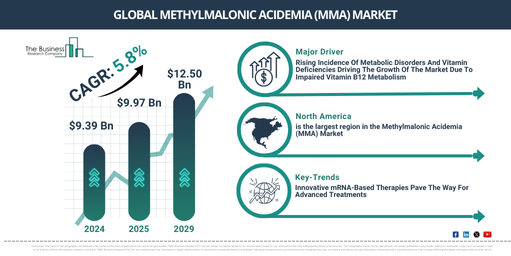
    The methylmalonic acidemia (MMA) market has seen substantial growth in the past few years. The market is projected to increase from $9.39 billion in 2024 to $9.97 billion in 2025, reflecting a compound annual growth rate (CAGR) of 6.2%. This growth during the historic period has been fueled by various factors such as the rising occurrence of metabolic disorders and vitamin deficiencies, higher healthcare spending, an uptick in health awareness, a surge in cases of genetic disorders, and the escalating demand in different end-user sectors.

    What Is the Projected Market Size of the Methylmalonic Acidemia (MMA) Market?

    In the coming years, the methylmalonic acidemia (MMA) market is anticipated to experience robust growth. By 2029, the market is projected to increase to a value of $12.50 billion, with a compound annual growth rate (CAGR) of 5.8%. The growth in the estimated period could be due to factors such as heightened newborn screening initiatives, improved awareness among health care professionals, progress in gene therapy, increased funding for rare disease research, and enhanced access to niche treatments. Key trends to look out for during the forecast period are developments in gene editing technologies, state-of-the-art diagnostic approaches for early detection, improvements in enzyme replacement therapies, incorporation of precision medicine strategies, and the use of newborn genetic screening programs.

    Download The Free Sample Report Here:

    https://www.thebusinessresearchcompany.com/sample.aspx?id=22057&type=smp

    Who are the Major Competitors in the Methylmalonic Acidemia (MMA) Market Outlook?

    Major companies operating in the methylmalonic acidemia (MMA) market are Moderna Inc., Lonza Group Ltd., Alexion Pharmaceuticals Inc., PTC Therapeutics Inc., Ironwood Pharmaceuticals Inc., Wockhardt Limited, Spectrum Chemical Manufacturing Corp., Asklepios BioPharmaceutical Inc. (AskBio), Selecta Biosciences Inc., BTG International Inc., BridgeBio Pharma Inc., VectivBio Holding AG, Supriya Lifescience Ltd., Recordati Rare Diseases Inc., Agios Pharmaceuticals Inc., AdvaCare Pharma USA LLC, LogicBio Therapeutics Inc., HemoShear Therapeutics LLC, Manus Aktteva Biopharma LLP, Deccan Nutraceuticals Pvt. Ltd.

    What Is Fueling Growth in the Methylmalonic Acidemia (MMA) Market?

    The methylmalonic acidemia (MMA) market is predicted to grow due to an upswing in metabolic disorders and vitamin deficiencies. Metabolic disorders are characterized by the body’s difficulty in breaking down certain nutrients, generating energy, or maintaining chemical balance within cells. Vitamin deficiencies are a result of the body not having sufficient quantities of certain vitamins to function correctly. Unhealthy eating habits, lack of physical exercise, and elevated stress levels are the primary reasons for the rise in metabolic disorders and vitamin deficiencies. Contemporary diets often consist of processed foods, sugars, and unhealthy fats, and lack vital nutrients leading to a deficiency in vitamins and minerals. Metabolic disorders and vitamin deficiencies, notably vitamin B12 deficiency, lead to interference with methylmalonyl-CoA metabolism, causing a build-up of methylmalonic acid and worsening methylmalonic acidemia (MMA). The National Institutes of Health, a US government agency, revealed in November 2024 that the number of vitamin B12 deficiencies climbed from 4.6% to 5.2%, which constitutes an extra 507 cases between the third and fourth quarters of 2023. Therefore, with the rise in metabolic disorders and vitamin deficiencies, the methylmalonic acidemia (MMA) market is set to expand.

    Request For A Customized Report:

    https://www.thebusinessresearchcompany.com/customise?id=22057&type=smp

    Which Methylmalonic Acidemia (MMA) Market Segments Are Growing the Fastest?

    The methylmalonic acidemia (MMA) market covered in this report is segmented –

    1) By Indication: Acidosis, Ketosis, Hyperammonemia, Hypoglycaemia, Hyperglycaemia, Neutropenia, Other Indications

    2) By Disorder Type: Homocystinuria, Isolated Methylmalonic Acidurias, Combined methylmalonic Aciduria

    3) By Distribution Channel: Hospitals, Pharmacies, Clinics, Other Distribution Channels

    Subsegments:

    1) By Acidosis: Metabolic Acidosis, Lactic Acidosis

    2) By Ketosis: Starvation-Induced Ketosis, Diabetic Ketoacidosis

    3) By Hyperammonemia: Acute Hyperammonemia, Chronic Hyperammonemia

    4) By Hypoglycemia: Fasting Hypoglycemia, Reactive Hypoglycemi

    5) By Hyperglycemia: Transient Hyperglycemia, Persistent Hyperglycemia

    6) By Neutropenia: Severe Neutropenia, Cyclic Neutropenia

    7) By Other Indications: Failure to Thrive, Developmental Delays, Neurological Symptoms, Renal Dysfunction

    Which Industry Trends Are Shaping the Future of the Methylmalonic Acidemia (MMA) Market?

    Key players in the methylmalonic acidemia (MMA) market are striving to devise revolutionary solutions such as mRNA-based therapies, aiming to enhance treatment outcomes by addressing the fundamental genetic causes of MMA and boosting enzyme performance to limit the buildup of harmful metabolites in those affected. mRNA-based therapies are medical treatments that employ messenger RNA to guide cells towards producing specific proteins that can effectively prevent or treat conditions including genetic diseases or infections. For example, in June 2024, Moderna, Inc., an American pharmaceutical and biotech firm, obtained approval from the U.S. Food and Drug Administration (FDA) for the inclusion of mRNA-3705 in the START pilot scheme, representing a crucial advancement in the treatment of rare diseases. This investigational therapy for methylmalonic acidemia (MMA) resulting from MUT deficiency aims to replace the deficient enzyme using mRNA technology. The treatment employs Moderna’s unique lipid nanoparticle (LNP) system, which is also in use in the mRNA-3927 program for propionic acidemia. The FDA has bestowed mRNA-3705 with orphan drugs, fast track, and rare pediatric disease designations that will expedite its evolution and clinical progress.

    Access The Full Report Here:

    https://www.thebusinessresearchcompany.com/report/methylmalonic-acidemia-mma-global-market-report

    Which Countries Are Leading the Methylmalonic Acidemia (MMA) Market?

    North America was the largest region in the methylmalonic acidemia (MMA) market in 2024. Asia-Pacific is expected to be the fastest-growing region in the forecast period. The regions covered in the methylmalonic acidemia (MMA) market report are Asia-Pacific, Western Europe, Eastern Europe, North America, South America, Middle East, Africa.

    Purchase The Full Report Today:

    https://www.thebusinessresearchcompany.com/purchaseoptions.aspx?id=22057

    This Report Delivers Insight On:

    1. How big is the methylmalonic acidemia (mma) market, and how is it changing globally?

    2. Who are the major companies in the methylmalonic acidemia (mma) market, and how are they performing?

    3. What are the key opportunities and risks in the methylmalonic acidemia (mma) market right now?

    4. Which products or customer segments are growing the most in the methylmalonic acidemia (mma) market?

    5. What factors are helping or slowing down the growth of the methylmalonic acidemia (mma) market?

    About The Business Research Company:

    With over 15000+ reports from 27 industries covering 60+ geographies, The Business Research Company has built a reputation for offering comprehensive, data-rich research and insights. Armed with 1,500,000 datasets, the optimistic contribution of in-depth secondary research, and unique insights from industry leaders, you can get the information you need to stay ahead in the game.

    Get in touch with us:

    The Business Research Company: https://www.thebusinessresearchcompany.com/

    Americas +1 310-496-7795

    Europe +44 7882 955267

    Asia & Others +44 7882 955267 & +91 8897263534

    Email us at info@tbrc.info

    Follow us on:

    LinkedIn: https://in.linkedin.com/company/the-business-research-company

    YouTube: https://www.youtube.com/channel/UC24_fI0rV8cR5DxlCpgmyFQ

    Global Market Model: https://www.thebusinessresearchcompany.com/global-market-model