Category: HealthcareServices

  • Urinary Stents Or Ureteral Stents  Industry Insights 2025 – Market Forecast for Executives and Planners

    Urinary Stents Or Ureteral Stents Industry Insights 2025 – Market Forecast for Executives and Planners

    Claim your 30% discount on Global Market Reports with code ONLINE30. Limited time only.

    How Has the Urinary Stents Or Ureteral Stents Market Size Changed, over the years?

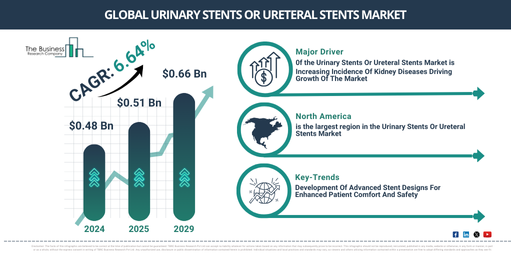
    In recent years, the market size of urinary or ureteral stents has seen substantial growth. It is projected to expand from $0.48 billion in 2024 to $0.51 billion in 2025, registering a compound annual growth rate (CAGR) of 6.87%. This expansion in the past has been attributed to an increase in the occurrence of urological disorders, greater demand for advanced urinary stent treatments, the growing preference for minimally invasive procedures, a heightened focus on patient comfort and shorter recovery periods, and an increased emphasis on technological advancement in stent materials.

    How Much Will the Urinary Stents Or Ureteral Stents Market Be Worth in 2029?

    In the forthcoming years, the market for urinary or ureteral stents is projected to experience robust growth, escalating to a worth of $0.66 billion by 2029, at a compound annual growth rate (CAGR) of 6.64%. This prospective growth in the market during the forecasted period can be credited to factors like rising demand for customized urinary stent solutions, amplified awareness about healthcare among patients, a surge in the prevalence of kidney stones, augmented investments in healthcare, and an expanding elderly population. Key trends expected during this forecast period encompass progress in minimally invasive methods, improvements in ureteral stent design, the unveiling of novel products, technological evolution, and advances in biodegradable hydrogel stents.

    Download The Free Sample Report Here:

    https://www.thebusinessresearchcompany.com/sample.aspx?id=20987&type=smp

    Which is the Largest Company in the Urinary Stents Or Ureteral Stents Market?

    Major companies operating in the urinary stents or ureteral stents market are Becton, Dickinson and Company, Stryker Corporation, Boston Scientific Corporation, Coloplast A/S, Teleflex Incorporated, Cook Medical LLC, Merit Medical Systems Inc., Lepu Medical Technology Co. Ltd., Olympus Corporation, Applied Medical Resources Corporation, Ameco Medical Equipment LLC, Well Lead Medical Co. Ltd., Micro-Tech Nanjing Co. Ltd., Medi-Globe GmbH, Pnn Medical A/S, Taewoong Medical Co. Ltd., Rocamed SAM, HydrUStent SA, Urovision GmbH, MED PRO MEDICAL B.V.

    What Are the Main Market Drivers in the Urinary Stents Or Ureteral Stents Industry?

    The urinary stents or ureteral stents market is anticipated to experience growth due to the rising instances of kidney diseases. These ailments include chronic kidney disease (CKD), kidney stones, urinary tract blockages, and infections that impair the kidneys’ structure and function. Across the globe, kidney diseases are on the rise due to diabetes, hypertension, obesity, aging demographics, poor lifestyle habits, environmental influences, and tardy diagnoses. Urinary stents are crucial in managing kidney diseases as they help ensure unimpeded urine flow, avert blockages, and aid kidney function, especially in conditions like chronic kidney disease, kidney stones, and urinary tract obstructions. For example, the Australian Institute of Health and Welfare, a government agency from Australia, noted in December 2024 that mortality rates connected to chronic kidney disease (CKD) had increased from 4.2% in 2021 to 6.2% in 2022. Therefore, the escalating prevalence of kidney diseases is igniting the growth of the urinary stents or ureteral stents market.

    Request For A Customized Report:

    https://www.thebusinessresearchcompany.com/customise?id=20987&type=smp

    How Is the Urinary Stents Or Ureteral Stents Market Segments Structured?

    The urinary stents or ureteral stents market covered in this report is segmented –

    1) By Product Type: Open End Stents, Closed End Stents, Double Pigtail Stents, Multiloop Stents

    2) By Material: Metallic Stents, Polymer Stents, Biodegradable Hydrogel Stents

    3) By Application: Kidney Stones, Kidney Failure, Urinary Tract Infection, Urinary Incontinence, Other Applications

    4) By End-user: Hospitals And Specialty Centers, Ambulatory Surgical Centers, Academic and Research Institutes

    Subsegments:

    1) By Open End Stents: Standard Open End Ureteral Stents, Silicone Open End Stents

    2) By Closed End Stents: Standard Closed End Ureteral Stents, Anti-reflux Closed End Stents

    3) By Double Pigtail Stents: Coiled Double Pigtail Stents, Silicone Double Pigtail Stents

    4) By Multiloop Stents: Metallic Multiloop Stents, Polymeric Multiloop Stents

    What Strategic Trends Are Transforming the Urinary Stents Or Ureteral Stents Market?

    Leading businesses in the ureteral stents or urinary stents market are putting their efforts into crafting high-tech products like breakthrough stents to lessen patient distress and decrease infection susceptibility. Such a new type of stent is characterized by its unique traits or added benefits compared to present stent designs. University Hospitals, a healthcare institution based in the US, along with the Ureteral Stent Company, another US-based manufacturer, earned their FDA 510k approval for the Relief Ureteral Stent in May 2022. The said stent is created from sophisticated materials and has a distinctive structure that augments patient ease and lessens the chance of potential issues such as encrustation or migration. It is constructed for superior resilience and adaptability, ensuring improved extended-term performance in patients struggling with urinary tract obstructions. The FDA’s endorsement of this product underscores its safety, effectiveness, and preparedness for clinical application, symbolizing a significant progress in the urology sector.

    Access The Full Report Here:

    https://www.thebusinessresearchcompany.com/report/urinary-stents-or-ureteral-stents-global-market-report

    Which Global Regions Offer the Highest Growth in the Urinary Stents Or Ureteral Stents Market?

    North America was the largest region in the urinary stents or ureteral stents market in 2024. Asia-Pacific is expected to be the fastest-growing region in the forecast period. The regions covered in the urinary stents or ureteral stents market report are Asia-Pacific, Western Europe, Eastern Europe, North America, South America, Middle East, Africa.

    Purchase The Full Report Today:

    https://www.thebusinessresearchcompany.com/purchaseoptions.aspx?id=20987

    This Report Delivers Insight On:

    1. How big is the urinary stents or ureteral stents market, and how is it changing globally?

    2. Who are the major companies in the urinary stents or ureteral stents market, and how are they performing?

    3. What are the key opportunities and risks in the urinary stents or ureteral stents market right now?

    4. Which products or customer segments are growing the most in the urinary stents or ureteral stents market?

    5. What factors are helping or slowing down the growth of the urinary stents or ureteral stents market?

    About The Business Research Company:

    With over 15000+ reports from 27 industries covering 60+ geographies, The Business Research Company has built a reputation for offering comprehensive, data-rich research and insights. Armed with 1,500,000 datasets, the optimistic contribution of in-depth secondary research, and unique insights from industry leaders, you can get the information you need to stay ahead in the game.

    Get in touch with us:

    The Business Research Company: https://www.thebusinessresearchcompany.com/

    Americas +1 310-496-7795

    Europe +44 7882 955267

    Asia & Others +44 7882 955267 & +91 8897263534

    Email us at info@tbrc.info

    Follow us on:

    LinkedIn: https://in.linkedin.com/company/the-business-research-company

    YouTube: https://www.youtube.com/channel/UC24_fI0rV8cR5DxlCpgmyFQ

    Global Market Model: https://www.thebusinessresearchcompany.com/global-market-model
  • Hepatorenal Syndrome Market Projected at $1.83 Billion by 2029 | Strategic Insights and Forecast Data

    Hepatorenal Syndrome Market Projected at $1.83 Billion by 2029 | Strategic Insights and Forecast Data

    Claim your 30% discount on Global Market Reports with code ONLINE30. Limited time only.

    How Has the Hepatorenal Syndrome Market Size Changed, over the years?

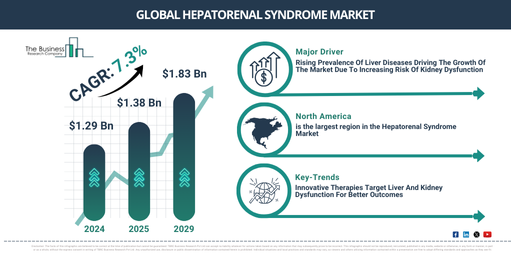
    The market for hepatorenal syndrome has seen a robust growth in the last few years. It is projected to expand from a value of $1.29 billion in 2024 to $1.38 billion in 2025, with a compound annual growth rate (CAGR) set at 7.5%. The notable growth during the historical period is the result of several factors, including increased spending in healthcare, a surge in hepatitis infection cases, government-led initiatives, a heightened occurrence of liver diseases instigated by viruses, and a rise in the amount allocated for research and development.

    How Much Will the Hepatorenal Syndrome Market Be Worth in 2029?

    The market for hepatorenal syndrome is projected to experience robust expansion in the coming years, with an estimated value of $1.83 billion by 2029, progressing at a compound annual growth rate (CAGR) of 7.3%. This growth during the forecasted period can be linked to the increasing instances of liver diseases, a surge in liver transplant initiatives, a rise in disease prevalence, a growing number of direct kidney injuries, and a heightened occurrence of liver diseases. Key trends for the forecasted period encompass cutting-edge technologies, supportive governmental schemes, enhanced diagnostic devices, advances in customized medicine, and progress in nephrology.

    Download The Free Sample Report Here:

    https://www.thebusinessresearchcompany.com/sample.aspx?id=22001&type=smp

    Which is the Largest Company in the Hepatorenal Syndrome Market?

    Major companies operating in the hepatorenal syndrome market are Eli Lilly and Company, Becton Dickinson and Company, Teva Pharmaceutical Industries Ltd, Baxter International Inc., Ferring Pharmaceuticals Ltd, Mallinckrodt Pharmaceuticals, Zentiva k.s, Hybio Pharmaceutical Co. Ltd, Cumberland Pharmaceuticals Inc., La Jolla Pharmaceutical Company, Innoviva Specialty Therapeutics Inc, SeaStar Medical, New Medicon Pharma Lab, Orphan Therapeutics LLC, BioVie Inc., Noorik Biopharmaceuticals, Ocelot Bio Inc., Ikaria Inc, PharmaIN Corp, ESP Pharma Inc.

    What Are the Main Market Drivers in the Hepatorenal Syndrome Industry?

    The escalation in instances of liver ailments is projected to spur the hepatorenal syndrome market’s expansion. Conditions such as hepatitis, cirrhosis, fatty liver, liver cancer, genetic anomalies, and autoimmune diseases, which deteriorate the liver’s effectiveness, are referred to as liver diseases. Elements such as obesity, diabetes, alcohol consumption, viral infections, unbalanced diet, and exposure to toxins contribute to the surge in liver diseases. Predominantly, the escalation in liver ailments like cirrhosis and acute liver failure raises the likelihood of hepatorenal syndrome (HRS) by triggering severe hemodynamic and kidney disturbances owing to progressive liver malfunction. An example to support this is in April 2024, the Office for Health Improvement & Disparities (OHID), a UK government office, revealed that the rate of hospital admissions due to liver disease in the UK increased to 155.2 per 100,000 in 2023, a rise from 150.6 per 100,000 in 2022. Therefore, it can be concluded that the escalated occurrence of liver ailments is catalysing the expansion of the hepatorenal syndrome market. The surge in investments dedicated to research and development is likely to stimulate the expansion of the hepatorenal syndrome market. The funds set aside for creativity, product enhancement, and the development of new technologies are recognised as research and development investments. Technological progress, competition, healthcare necessities, and the demand for innovation stimulate an increase in these investments. Such investments in hepatorenal syndrome reap advancements in inventive treatments, diagnostic instruments, and therapeutic methods, thus bettering patient results and survival ratios. For example, according to the Office for National Statistics, a UK government office, reported in April 2024 that the government’s R&D expenditure witnessed a hike of 10.5%, accumulating to £15.5 billion (USD 16.18 billion) in 2022, an increase from £14.0 billion (USD 14.61 billion) in 2021. Hence, the surge in investments devoted to research and development propels the expansion of the hepatorenal syndrome market.

    Request For A Customized Report:

    https://www.thebusinessresearchcompany.com/customise?id=22001&type=smp

    How Is the Hepatorenal Syndrome Market Segments Structured?

    The hepatorenal syndrome market covered in this report is segmented –

    1) By Type: Type 1 Hepatorenal Syndrome, Type 2 Hepatorenal Syndrome, Other Types

    2) By Treatment: Liver Transplantation, Terlipressin Infusion, Albumin Infusion, Hemodialysis, Vasoconstrictors, Antibiotic Therapy

    3) By Diagnosis: Complete Blood Cell Count, Liver Function Tests, Urinalysis And Urine Electrolytes, Other Diagnosis

    4) By Distribution Channel: Hospital Pharmacy, Online Pharmacy, Retail Pharmacy, Other Distribution Channels

    5) By End Users: Hospitals, Homecare, Specialty Clinics, Other End Users

    Subsegments:

    1) By Type 1 Hepatorenal Syndrome: Acute Kidney Injury-Associated HRS, Rapidly Progressive Renal Failure

    2) By Type 2 Hepatorenal Syndrome: Chronic Kidney Dysfunction-Associated HRS, Slowly Progressive Renal Failure

    3) By Other Types: HRS With Cirrhosis, HRS With Acute Liver Failure, HRS With Alcoholic Hepatitis

    What Strategic Trends Are Transforming the Hepatorenal Syndrome Market?

    Key players in the hepatorenal syndrome market are concentrating their efforts on creating innovative solutions such as cytopheretic devices to bolster patient results by diminishing inflammation, fortifying kidney function, and augmenting the effectiveness of Hepatorenal Syndrome (HRS) treatments. The cytopheretic device (Cytosorb) constitutes an extracorporeal blood purification therapy intended to decrease systemic inflammation and immune activation in severely ill patients, including those struggling with Hepatorenal Syndrome (HRS). For example, in October 2023, the US-based SeaStar Medical Holding Corporation obtained FDA validation for its Selective Cytopheretic Device (SCD) dedicated to Hepatorenal Syndrome (HRS) treatment. This revolutionary, cell-oriented therapy takes aim at hyperinflammation, a primary cause of kidney malfunction in patients undergoing acute-on-chronic liver failure. Employing immunomodulation, SCD helps balance abnormal immune reactions, potentially assisting in kidney recuperation and enhancing patients’ prospects for vital liver transplants. Preclinical and clinical trials have proven its effectiveness in improving solid organ function across various conditions, including sepsis, acute kidney injury (AKI), and cardiorenal syndrome.

    Access The Full Report Here:

    https://www.thebusinessresearchcompany.com/report/hepatorenal-syndrome-global-market-report

    Which Global Regions Offer the Highest Growth in the Hepatorenal Syndrome Market?

    North America was the largest region in the hepatorenal syndrome market in 2024. Asia-Pacific is expected to be the fastest-growing region in the forecast period. The regions covered in the hepatorenal syndrome market report are Asia-Pacific, Western Europe, Eastern Europe, North America, South America, Middle East, Africa.

    Purchase The Full Report Today:

    https://www.thebusinessresearchcompany.com/purchaseoptions.aspx?id=22001

    This Report Delivers Insight On:

    1. How big is the hepatorenal syndrome market, and how is it changing globally?

    2. Who are the major companies in the hepatorenal syndrome market, and how are they performing?

    3. What are the key opportunities and risks in the hepatorenal syndrome market right now?

    4. Which products or customer segments are growing the most in the hepatorenal syndrome market?

    5. What factors are helping or slowing down the growth of the hepatorenal syndrome market?

    About The Business Research Company:

    With over 15000+ reports from 27 industries covering 60+ geographies, The Business Research Company has built a reputation for offering comprehensive, data-rich research and insights. Armed with 1,500,000 datasets, the optimistic contribution of in-depth secondary research, and unique insights from industry leaders, you can get the information you need to stay ahead in the game.

    Get in touch with us:

    The Business Research Company: https://www.thebusinessresearchcompany.com/

    Americas +1 310-496-7795

    Europe +44 7882 955267

    Asia & Others +44 7882 955267 & +91 8897263534

    Email us at info@tbrc.info

    Follow us on:

    LinkedIn: https://in.linkedin.com/company/the-business-research-company

    YouTube: https://www.youtube.com/channel/UC24_fI0rV8cR5DxlCpgmyFQ

    Global Market Model: https://www.thebusinessresearchcompany.com/global-market-model
  • Market Analysis on Tuberculosis Therapeutics  Industry – Insights for Corporate Strategy and R&D

    Market Analysis on Tuberculosis Therapeutics Industry – Insights for Corporate Strategy and R&D

    Claim your 30% discount on Global Market Reports with code ONLINE30. Limited time only.

    What Is the Forecast for the Tuberculosis Therapeutics Market from 2024 to 2025?

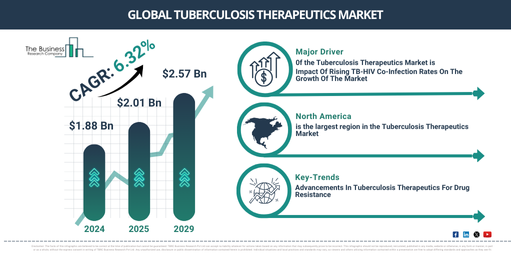
    There has been a significant increase in the size of the tuberculosis therapeutics market in the past few years. The market is projected to rise from $1.88 billion in 2024 to $2.01 billion in 2025, with a compound annual growth rate (CAGR) of 6.58%. This past growth has been spurred by factors such as the increasing prevalence of tuberculosis, greater use of tuberculosis therapeutics, heightened awareness about tuberculosis (TB), the rising instances of XDR-TB, and the growing number of drug-resistant tuberculosis cases.

    What Is the Projected Market Size of the Tuberculosis Therapeutics Market?

    Expectations for substantial growth in the size of the tuberculosis therapeutics market can be anticipated in the coming years. The market is projected to expand to a whopping $2.57 billion by 2029, escalating at a compound annual growth rate (CAGR) of 6.32%. Factors contributing to this surge in the forecast period could include upsurge in healthcare infrastructure investments, expanded awareness and education, an increase in research and development investments, a higher rate of product approvals for various anti-TB agents, greater research funding, and a rising geriatric population. The forecast period is also set to observe major trends such as improvements in drug development, personalized treatments, combination therapies, digital health solutions, AI, and machine learning for medicinal discovery.

    Download The Free Sample Report Here:

    https://www.thebusinessresearchcompany.com/sample.aspx?id=20983&type=smp

    Who are the Major Competitors in the Tuberculosis Therapeutics Market Outlook?

    Major companies operating in the tuberculosis therapeutics market are Pfizer Inc., Johnson & Johnson, Roche Holding AG, Merck & Co. Inc., AbbVie Inc., Bayer AG, Sanofi S.A., Novartis AG, GlaxoSmithKline plc, Viatris Inc., Teva Pharmaceutical Industries Ltd., Astellas Pharma Inc., Macleods Pharmaceuticals Ltd., Cipla Limited, Hikma Pharmaceuticals plc, Lupin Limited, Alkem Laboratories Limited, Emcure Pharmaceuticals Limited, Otsuka Pharmaceutical Co. Ltd., Sequella Inc.

    What Is Fueling Growth in the Tuberculosis Therapeutics Market?

    The surge in concurrent infection rates (TB-HIV) are predicted to fuel the expansion of the tuberculosis therapeutics market. Concurrent infection rates (TB-HIV) denote the proportion of people who are concurrently afflicted with tuberculosis (TB) and the human immunodeficiency virus (HIV). An increase in concurrent infection rates (TB-HIV) results from the compromised immune system instigated by HIV, rendering individuals increasingly vulnerable to tuberculosis, adding to the global intersection of both epidemics among high-risk groups. Tuberculosis therapeutics tackle increasing concurrent infection rates (TB-HIV) by providing specialized treatments that tackle both TB infection and HIV-induced immune suppression, enhancing patient prognosis overall and lessening the impact of both illnesses. As an example, the gov.uk, a UK-based public body, reported in October 2023 that there were 3,805 new HIV diagnoses in England in 2022, which is a rise of 22% from the 3,118 cases logged in 2021. Thus, the growing concurrent infection rates (TB-HIV) are impacting the expansion of the tuberculosis therapeutics market.

    Request For A Customized Report:

    https://www.thebusinessresearchcompany.com/customise?id=20983&type=smp

    Which Tuberculosis Therapeutics Market Segments Are Growing the Fastest?

    The tuberculosis therapeutics market covered in this report is segmented –

    1) By Type: Active Tuberculosis (TB), Latent Tuberculosis (TB)

    2) By Product Type: Isoniazid, Rifampin, Pyrazinamide, Hydrazine derivatives, Miscellaneous anti-tubercular drugs, Ethambutol

    3) By Route of Administration: Oral, Parenteral, Other route of administration

    4) By Distribution Channel: Hospital Pharmacy, Retail Pharmacy, Online Pharmacy

    5) By End-User: Hospitals, Clinics, Ambulatory Surgical Centers, Other End-Users

    Subsegments:

    1) By Active Tuberculosis (TB): First-Line Drugs (Rifampicin, Isoniazid, Pyrazinamide, Ethambutol), Second-Line Drugs (Fluoroquinolones, Aminoglycosides), Combination Therapies, Drug-Resistant TB Treatments (MDR-TB, XDR-TB)

    2) By Latent Tuberculosis (TB): Isoniazid Prophylaxis, Rifampicin-Based Regimens, Rifapentine-Based Regimens, Combination Prophylactic Therapies

    Which Industry Trends Are Shaping the Future of the Tuberculosis Therapeutics Market?

    Major players in the tuberculosis therapeutics market are pivoting towards creating innovative solutions such as combined therapy to enhance treatment effectiveness, shorten therapy durations, and battle drug-resistant tuberculosis strains. The term combined therapy describes the utilization of two or more drugs from different categories to manage a disease, with the aim of boosting treatment effectiveness, lowering resistance and enhancing patient results. For example, in July 2024, Johnson & Johnson, an American pharmaceutical firm, reached a pivotal landmark in tuberculosis treatment with both the U.S. FDA and the European Commission approving SIRTURO (bedaquiline). This groundbreaking drug, the first specifically developed to combat multidrug-resistant tuberculosis (MDR-TB) in more than 40 years, uses a distinct mechanism that inhibits the ATP synthase enzyme vital to the energy production of TB bacteria, thus offering a targeted and efficient therapeutic strategy. Its inclusion in combined therapies augments the overall efficacy of MDR-TB protocols, shortens treatment duration, and improves patient adherence.

    Access The Full Report Here:

    https://www.thebusinessresearchcompany.com/report/tuberculosis-therapeutics-global-market-report

    Which Countries Are Leading the Tuberculosis Therapeutics Market?

    North America was the largest region in the tuberculosis therapeutics market in 2024. Asia-Pacific is expected to be the fastest-growing region in the forecast period. The regions covered in the tuberculosis therapeutics market report are Asia-Pacific, Western Europe, Eastern Europe, North America, South America, Middle East, Africa.

    Purchase The Full Report Today:

    https://www.thebusinessresearchcompany.com/purchaseoptions.aspx?id=20983

    This Report Delivers Insight On:

    1. How big is the tuberculosis therapeutics market, and how is it changing globally?

    2. Who are the major companies in the tuberculosis therapeutics market, and how are they performing?

    3. What are the key opportunities and risks in the tuberculosis therapeutics market right now?

    4. Which products or customer segments are growing the most in the tuberculosis therapeutics market?

    5. What factors are helping or slowing down the growth of the tuberculosis therapeutics market?

    About The Business Research Company:

    With over 15000+ reports from 27 industries covering 60+ geographies, The Business Research Company has built a reputation for offering comprehensive, data-rich research and insights. Armed with 1,500,000 datasets, the optimistic contribution of in-depth secondary research, and unique insights from industry leaders, you can get the information you need to stay ahead in the game.

    Get in touch with us:

    The Business Research Company: https://www.thebusinessresearchcompany.com/

    Americas +1 310-496-7795

    Europe +44 7882 955267

    Asia & Others +44 7882 955267 & +91 8897263534

    Email us at info@tbrc.info

    Follow us on:

    LinkedIn: https://in.linkedin.com/company/the-business-research-company

    YouTube: https://www.youtube.com/channel/UC24_fI0rV8cR5DxlCpgmyFQ

    Global Market Model: https://www.thebusinessresearchcompany.com/global-market-model
  • Hemorrhoids Industry Growth Expected to Reach $3.78 Billion by 2029 at a CAGR of 6.4% | Segmentation and Growth Opportunities

    Hemorrhoids Industry Growth Expected to Reach $3.78 Billion by 2029 at a CAGR of 6.4% | Segmentation and Growth Opportunities

    Claim your 30% discount on Global Market Reports with code ONLINE30. Limited time only.

    What Is the Forecast for the Hemorrhoids Market Growth in 2025?

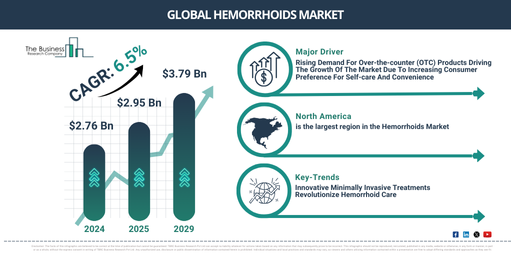
    There has been a substantial expansion in the hemorrhoids market over the past few years. It is projected to escalate from $2.76 billion in 2024 to $2.95 billion in 2025, representing a year-on-year growth rate of 6.7%. Explanations for the growth within the past years include a growing aged population, a surge in clinical trials, an uptick in the prevalence of the targeted disease, increased demand for surgical treatments, and a heightened incidence of hemorrhoids.

    What Is the Forecast for the Hemorrhoids Market Size Through 2029?

    Anticipations are strong for robust growth in the hemorrhoids market over the upcoming years. The market is projected to expand to $3.79 billion by the year 2029, demonstrating a compound annual growth rate (CAGR) of 6.5%. The upsurge during the estimated timeframe is due to the growing demand for over-the-counter (OTC) products, higher occurrence of hemorrhoids, a rising inclination towards minimally invasive surgical procedures for hemorrhoids, an increase in health care expenditure, and heightened awareness about the disease. The prediction period is expected to witness significant trends such as evolved surgical approaches, improvements in diagnostic instruments, the embracing of individualized treatments, the creation of innovative medical equipment, and advancements in the formulation of drugs.

    Download The Free Sample Report Here:

    https://www.thebusinessresearchcompany.com/sample.aspx?id=22000&type=smp

    What are the Key Market Players in Hemorrhoids Market and How They’re Evolving?

    Major companies operating in the hemorrhoids market are Johnson & Johnson, Bayer AG, Abbott Laboratories, Medtronic Plc, Takeda Pharmaceutical Company, Medline Industries Inc., Boston Scientific Corporation, Church & Dwight Co. Inc., Dr. Reddy’s Laboratories Ltd, Integra LifeSciences Corporation, Glenmark Pharmaceuticals, CONMED Corporation, B. Braun Melsungen AG, Sebela Pharmaceuticals, AMATO PHARMACEUTICAL PRODUCTS LTD, Sklar Surgical Instruments, A.M.I. GmbH, Citius Pharmaceuticals, Privi Medical, Surkon Medical Co. Ltd.

    What Are the Primary Growth Drivers in the Hemorrhoids Market?

    The growth of the hemorrhoids market is anticipated to be driven by the surging demand for over-the-counter (OTC) products. OTC items, which do not require a prescription and are sold directly, have seen a rise in demand due to a greater shift towards self-care, convenience and affordability among consumers. OTC products used for managing hemorrhoids symptoms include creams, ointments, suppositories, and wipes, all aimed at reducing discomfort, itchiness, swelling and inflammation. A case in point is data from the Proprietary Association of Great Britain (PAGB), a trade association in the UK, which reported that in 2022, UK-based OTC manufacturers generated an annual product output worth $5.55 billion (£4.3 billion). They were able to export approximately $3.61 billion (£2.8 billion) worth of products worldwide, out of which $2.07 billion (£1.6 billion) came from the $3.10 billion (£2.4 billion) produced by PAGB members. Consequently, the escalating demand for OTC products serves as a key driver for the expansion of the hemorrhoids market.

    Request For A Customized Report:

    https://www.thebusinessresearchcompany.com/customise?id=22000&type=smp

    What Are the Leading Segments in the Global Hemorrhoids Industry?

    The hemorrhoids market covered in this report is segmented –

    1) By Type: Internal Hemorrhoids, External Hemorrhoids, Mixed Hemorrhoids

    2) By Treatment Type: Medications, Procedures And Surgical Treatments

    3) By End User: Hospitals, Clinics, Ambulatory Surgery Centers (ASCs), Homecare

    4) By Distribution Channel: Hospital Pharmacies, Retail Pharmacies, Online Pharmacies

    Subsegments:

    1) By Internal Hemorrhoids: Grade I, Grade II, Grade III, Grade IV

    2) By External Hemorrhoids: Thrombosed External Hemorrhoids, Non-Thrombosed External Hemorrhoids

    3) By Mixed Hemorrhoids: Combined Internal And External Hemorrhoids, Prolapsed Hemorrhoids

    What Are the Key Market Trends in the Hemorrhoids Industry?

    Leading companies in the hemorrhoid market are working towards creating innovative surgical items, like minimally invasive treatments for hemorrhoids, to boost patient ease, decrease recuperation periods, and enhance clinical results. Minimally invasive therapies for hemorrhoids include modern medical techniques that lessen tissue impairment, discomfort, and healing time compared to the standard hemorrhoidectomy procedures. For instance, Medical Fintech Innovations B.V., a technology firm based in Netherlands, launched HemWell GEN 2 in December 2023. This upgraded device embodies the pioneering Hemwellectomy process, a minimally invasive electrosurgical solution aimed at hemorrhoids. This progressive method is devised to present patients with a less agonizing alternative to standard hemorrhoidectomy processes, fostering expedited healing and permitting a faster return to everyday tasks.

    Access The Full Report Here:

    https://www.thebusinessresearchcompany.com/report/hemorrhoids-global-market-report

    What Is the Regional Outlook for the Hemorrhoids Market?

    North America was the largest region in the hemorrhoids market in 2024. The regions covered in the hemorrhoids market report are Asia-Pacific, Western Europe, Eastern Europe, North America, South America, Middle East, Africa.

    Purchase The Full Report Today:

    https://www.thebusinessresearchcompany.com/purchaseoptions.aspx?id=22000

    This Report Delivers Insight On:

    1. How big is the hemorrhoids market, and how is it changing globally?

    2. Who are the major companies in the hemorrhoids market, and how are they performing?

    3. What are the key opportunities and risks in the hemorrhoids market right now?

    4. Which products or customer segments are growing the most in the hemorrhoids market?

    5. What factors are helping or slowing down the growth of the hemorrhoids market?

    About The Business Research Company:

    With over 15000+ reports from 27 industries covering 60+ geographies, The Business Research Company has built a reputation for offering comprehensive, data-rich research and insights. Armed with 1,500,000 datasets, the optimistic contribution of in-depth secondary research, and unique insights from industry leaders, you can get the information you need to stay ahead in the game.

    Get in touch with us:

    The Business Research Company: https://www.thebusinessresearchcompany.com/

    Americas +1 310-496-7795

    Europe +44 7882 955267

    Asia & Others +44 7882 955267 & +91 8897263534

    Email us at info@tbrc.info

    Follow us on:

    LinkedIn: https://in.linkedin.com/company/the-business-research-company

    YouTube: https://www.youtube.com/channel/UC24_fI0rV8cR5DxlCpgmyFQ

    Global Market Model: https://www.thebusinessresearchcompany.com/global-market-model
  • Testicular Cancer  Market Outlook 2025 – Insights for Executive and Strategic Planning

    Testicular Cancer Market Outlook 2025 – Insights for Executive and Strategic Planning

    Claim your 30% discount on Global Market Reports with code ONLINE30. Limited time only.

    How Has the Testicular Cancer Market Grown from 2024 to 2025?

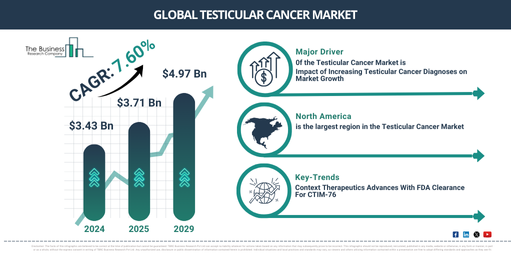
    The market for testicular cancer has seen robust growth in the past few years. Its size is set to increase from $3.43 billion in 2024 to $3.71 billion in 2025, reflecting a compound annual growth rate (CAGR) of 7.9%. The historical period’s growth can be credited to raised awareness surrounding testicular cancer, an increase in risk factors, a higher prevalence of testicular cancer, an uptick in incidence of this disease, and heightened demand for diagnostics.

    What Growth Rate Is Anticipated for the Testicular Cancer Market in the Coming Years?

    The market size for testicular cancer is projected to experience significant expansion in the upcoming years. Its value is expected to reach $4.97 billion by 2029, advancing at a CAGR of 7.6%. This projected growth during the forecast period is mainly due to the rise in testicular cancer diagnosis, increasing prevalence of the disease, expanding treatment alternatives, and a growing preference for targeted therapies. Major trends expected within this period include improvements in treatment protocols, superior health care facilities, research, and development initiatives, the creation of targeted medicines, and progress in clinical trials.

    Download The Free Sample Report Here:

    https://www.thebusinessresearchcompany.com/sample.aspx?id=20977&type=smp

    Who Are the Leading Companies in the Testicular Cancer Market?

    Major companies operating in the testicular cancer market are Pfizer Inc., Merck & Co. Inc., Bristol-Myers Squibb Company, Abbott Laboratories, Fresenius Kabi, BioNTech SE, Teva Pharmaceuticals Industries Ltd., Baxter International Inc., Mount Sinai Health System, UCLA Medical Center, Duke University Medical Center, Accord Healthcare Limited, UC San Diego Health, Venus Remedies Limited, Florencia Healthcare, Hirslanden Group, Ziopharm Oncology Inc., Beijing Biostar Pharmaceuticals Co. Ltd., Beta Drugs Ltd., Scripps Health

    What Are the Key Drivers of the Testicular Cancer Market?

    Advancements in the detection of testicular cancer are anticipated to boost the growth of the relevant market. Characterized by pain-free lumps or swelling, testicular cancer develops in the testicles of males. The surge in its diagnosis could be attributed to an increased awareness, advanced diagnostic methods, more frequent self-checks, along with probable environmental and lifestyle impacts. The testicular cancer market aids in escalating the number of diagnoses through funding research, enhancing diagnostic instruments, and endorsing awareness initiatives that promote early detection. The Cancer Council Victoria, an Australian non-profit organization, reported in July 2024 that significantly more cases of testicular cancer were diagnosed in males under 40 years (160 cases) than in the 40-49 age bracket (37 cases) in 2022. This underscores a marked variation in the diagnosis among younger and middle-aged males. Consequently, the rise in testicular cancer diagnosis is fueling the expansion of the market dedicated to this disease.

    Request For A Customized Report:

    https://www.thebusinessresearchcompany.com/customise?id=20977&type=smp

    What Are the Key Market Segments in the Testicular Cancer Industry?

    The testicular cancer market covered in this report is segmented –

    1) By Treatment Type: Surgery, Chemotherapy, Radiotherapy, Immunotherapy, Targeted Therapy

    2) By Histology: Seminoma, Non-Seminoma, Mixed

    3) By Product: Tablet, Capsule, Creams

    4) By Route Of Administration: Oral, Topical

    5) By End-use: Hospitals, Clinics

    Subsegments:

    1) By Surgery: Orchiectomy, Retroperitoneal Lymph Node Dissection (RPLND)

    2) By Chemotherapy: Platinum-Based Chemotherapy, Chemotherapy Regimens (BEP regimen)

    3) By Radiotherapy: External Beam Radiation, Retroperitoneal Radiation

    4) By Immunotherapy: Immune Checkpoint Inhibitors, Cancer Vaccines

    5) By Targeted Therapy: Tyrosine Kinase Inhibitors, Monoclonal Antibodies

    What Are the Latest Trends in the Testicular Cancer Market?

    Prominent businesses in the testicular cancer market are concentrating their efforts on creating revolutionary products, such as cell-engaging bispecific antibodies that target CLDN6-positive gynecologic and testicular cancers. A cell-engaging bispecific antibody is a specialized type of antibody designed to attach to two different targets, enabling immune cells to identify and eliminate cancerous or diseased cells. For example, in May 2024, US-based biopharmaceutical firm Context Therapeutics Inc. announced that the U.S. Food and Drug Administration (FDA) has given the green light to its Investigational New Drug (IND) application for CTIM-76, a CLDN6 x CD3 T cell-engaging bispecific antibody. This approval paves the way for the launch of a Phase 1 clinical trial to study CTIM-76’s effectiveness in patients with CLDN6-positive gynecologic and testicular cancers. The trial is designed to gradually increase the dosage and reach to assess the safety, effectiveness, and pharmacokinetics of the drug.

    Access The Full Report Here:

    https://www.thebusinessresearchcompany.com/report/testicular-cancer-global-market-report

    What Are the Key Regional Markets in the Testicular Cancer Industry?

    North America was the largest region in the testicular cancer market in 2024. Asia-Pacific is expected to be the fastest-growing region in the forecast period. The regions covered in the testicular cancer market report are Asia-Pacific, Western Europe, Eastern Europe, North America, South America, Middle East, Africa.

    Purchase The Full Report Today:

    https://www.thebusinessresearchcompany.com/purchaseoptions.aspx?id=20977

    This Report Delivers Insight On:

    1. How big is the testicular cancer market, and how is it changing globally?

    2. Who are the major companies in the testicular cancer market, and how are they performing?

    3. What are the key opportunities and risks in the testicular cancer market right now?

    4. Which products or customer segments are growing the most in the testicular cancer market?

    5. What factors are helping or slowing down the growth of the testicular cancer market?

    About The Business Research Company:

    With over 15000+ reports from 27 industries covering 60+ geographies, The Business Research Company has built a reputation for offering comprehensive, data-rich research and insights. Armed with 1,500,000 datasets, the optimistic contribution of in-depth secondary research, and unique insights from industry leaders, you can get the information you need to stay ahead in the game.

    Get in touch with us:

    The Business Research Company: https://www.thebusinessresearchcompany.com/

    Americas +1 310-496-7795

    Europe +44 7882 955267

    Asia & Others +44 7882 955267 & +91 8897263534

    Email us at info@tbrc.info

    Follow us on:

    LinkedIn: https://in.linkedin.com/company/the-business-research-company

    YouTube: https://www.youtube.com/channel/UC24_fI0rV8cR5DxlCpgmyFQ

    Global Market Model: https://www.thebusinessresearchcompany.com/global-market-model
  • Gingivitis Market to Reach $8.98 Billion by 2029 | Key Drivers and Future Outlook

    Gingivitis Market to Reach $8.98 Billion by 2029 | Key Drivers and Future Outlook

    Claim your 30% discount on Global Market Reports with code ONLINE30. Limited time only.

    What Is the Growth Rate of the Gingivitis Market?

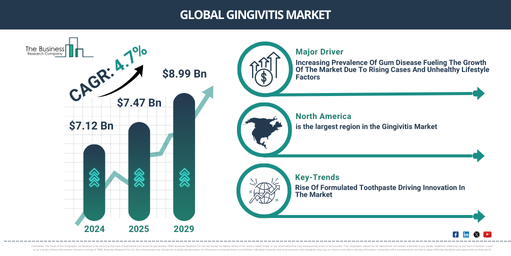
    The market size of gingivitis has witnessed substantial growth over the past few years. The market is projected to increase from $7.12 billion in 2024 to $7.47 billion in 2025, with a compound annual growth rate (CAGR) of 5.0%. The notable growth witnessed in the historical period can be credited to factors such as the surge in incidents of poor dental hygiene, increased instances of hormonal changes, wider acceptance of scaling and root planning techniques, rising demand for enzymatic treatments, as well as an increase in health care expenditures and dental insurance coverage.

    What Growth Rate Is Forecasted for the Gingivitis Market by 2029?

    The market size of gingivitis is projected to experience consistent growth in the upcoming years, reaching $8.99 billion in 2029 with a Compound Annual Growth Rate (CAGR) of 4.7%. This growth during the forecast period can be credited to factors such as the expanded use of laser therapy, increased awareness about the disease, beneficial regulatory conditions, alterations in healthcare policies, and an escalated frequency of gum disease. Key trends anticipated during the forecast period encompass progress in biotechnology, personalized medicine enhancements, innovation in treatment methods and products, technology advancements, and improved antimicrobial treatment.

    Download The Free Sample Report Here:

    https://www.thebusinessresearchcompany.com/sample.aspx?id=21987&type=smp

    Which Key Companies Are Shaping the Future of the Gingivitis Market?

    Major companies operating in the gingivitis market are Procter & Gamble, Mayo Clinic, British United Provident Association Limited, Colgate-Palmolive Company, Haleon group, Bausch Health Companies Inc., American Dental Association, Kivonyx Healthcare Pvt Ltd., ICPA Health Products Limited, Alarsin Pharmaceuticals, Laboratorios KIN, Ikon remedies pvt ltd., SingleCare Services LLC, Dentulu Inc., Focus Dental Care, Perio Protect LLC, Algen Healthcare Ltd, Neuracle Lifesciences Private Limited, Dental Herb Company, Shreeji Pharma International.

    Which Factors Are Driving Demand in the Gingivitis Industry?

    The growth of the gingivitis market is projected to be fueled by the escalating incidence of gum disease. This common oral disorder involves gum and surrounding tissue infection, inflammation or deterioration, primarily stemming from plaque buildup and insufficient dental care. The upswing in gum disease cases can be mainly attributed to poor dental hygiene, causing bacterial infections and plaque accumulation. Consuming unhealthy diets rich in sugar and processed foods trigger gum inflammation while smoking weakens immunity, rendering gums more vulnerable to infections. Gingivitis, as the initial stage of gum disease, plays a significant part in its increasing incidence by serving as a portal to more serious conditions such as periodontitis, underscoring the importance of timely intervention and preventive care. For instance, an OHID report (Office for Health Improvement & Disparities), a UK governmental body, published in January 2024 revealed a spike in adult gum disease diagnoses – increasing from 4% among 16-24 year-olds to 28% among those aged 55 to 64, highlighting a higher age-related prevalence. Thus, the escalating incidence of gum disease is spurring the growth of the gingivitis market.

    Request For A Customized Report:

    https://www.thebusinessresearchcompany.com/customise?id=21987&type=smp

    How Is the Gingivitis Market Segmented by Several Divisions?

    The gingivitis market covered in this report is segmented –

    1) By Treatment Type: Medication, Surgical Procedures, Non-Surgical Treatments

    2) By Route Of Administration: Oral, Topical

    3) By Distribution Channel: Retail Pharmacies, Hospital Pharmacies, Online Pharmacies

    4) By End-User: Hospitals, Dental Clinics, Homecare Settings

    Subsegments:

    1) By Medication: Antibiotics, Antiseptic Mouthwashes, Anti-Inflammatory Drugs, Pain Relievers

    2) By Surgical Procedures: Flap Surgery, Gingivectomy, Gingivoplasty, Laser Therapy

    3) By Non-Surgical Treatments: Scaling and Root Planing, Professional Dental Cleaning, Local Drug Delivery, Lifestyle and Dietary Modifications

    What are the Emerging Market Trends Driving the Growth of the Gingivitis Industry?

    Key firms within the gingivitis sector are focusing on creating unique products such as specially formulated toothpastes to effectively target gum inflammation, reduce accumulation of plaque, and foster comprehensive oral health. These unique toothpastes are engineered with specific active ingredients to help address specific oral issues like cavities, gingivitis, or sensitivity. For instance, in February 2023, Frimline Private Limited, a health and personal care organization based in India, unveiled Dente91 She toothpaste. This advanced toothpaste contains lactoferrin, a robust antimicrobial protein which provides protection against oral infections and inflammation. Unlike traditional toothpaste, Dente91 She is specifically infused with folic acid (Vitamin B9) and pyridoxine (Vitamin B6), aimed at supporting women’s oral health in various hormonal shifts, spanning from adolescence to menopause.

    Access The Full Report Here:

    https://www.thebusinessresearchcompany.com/report/gingivitis-global-market-report

    Which Regions Are Driving Growth in the Gingivitis Market?

    North America was the largest region in the gingivitis market in 2024. The regions covered in the gingivitis market report are Asia-Pacific, Western Europe, Eastern Europe, North America, South America, Middle East, Africa.

    Purchase The Full Report Today:

    https://www.thebusinessresearchcompany.com/purchaseoptions.aspx?id=21987

    This Report Delivers Insight On:

    1. How big is the gingivitis market, and how is it changing globally?

    2. Who are the major companies in the gingivitis market, and how are they performing?

    3. What are the key opportunities and risks in the gingivitis market right now?

    4. Which products or customer segments are growing the most in the gingivitis market?

    5. What factors are helping or slowing down the growth of the gingivitis market?

    About The Business Research Company:

    With over 15000+ reports from 27 industries covering 60+ geographies, The Business Research Company has built a reputation for offering comprehensive, data-rich research and insights. Armed with 1,500,000 datasets, the optimistic contribution of in-depth secondary research, and unique insights from industry leaders, you can get the information you need to stay ahead in the game.

    Get in touch with us:

    The Business Research Company: https://www.thebusinessresearchcompany.com/

    Americas +1 310-496-7795

    Europe +44 7882 955267

    Asia & Others +44 7882 955267 & +91 8897263534

    Email us at info@tbrc.info

    Follow us on:

    LinkedIn: https://in.linkedin.com/company/the-business-research-company

    YouTube: https://www.youtube.com/channel/UC24_fI0rV8cR5DxlCpgmyFQ

    Global Market Model: https://www.thebusinessresearchcompany.com/global-market-model
  • Tadalafil  Market Projected at $8.87 Billion by 2029 | Strategic Insights and Forecast Data

    Tadalafil Market Projected at $8.87 Billion by 2029 | Strategic Insights and Forecast Data

    Claim your 30% discount on Global Market Reports with code ONLINE30. Limited time only.

    How Has the Tadalafil Market Size Changed, over the years?

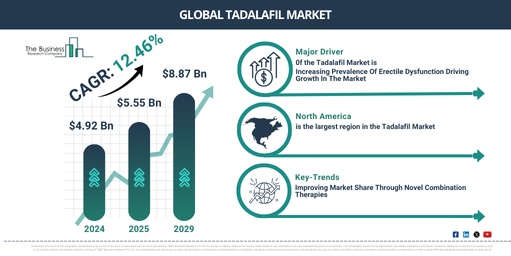
    In the past few years, the market size for tadalafil has seen swift growth. The expected expansion is from $4.92 billion in 2024, to $5.55 billion in 2025 with a compound annual growth rate (CAGR) of 12.83%. Factors contributing to this growth during the historical period include enhanced awareness regarding men’s health, elevation in drug usage, an increase in the uptake of tadalafil, growing healthcare investments, and a rise in the aging populations.

    How Much Will the Tadalafil Market Be Worth in 2029?

    The tadalafil market is projected to witness a substantial acceleration in growth over the coming years, catapulting to a staggering $8.87 billion by 2029 at a compound annual growth rate of 12.46%. The growth during this period is primarily attributed to the rising prevalence of erectile dysfunction, increasing demand for lifestyle drugs, proliferation of PAH cases, an uptick in the acceptance of modern healthcare solutions, and improved disposable income levels. The anticipated period will be marked by key developments such as the integration of digital health, invention of novel formulations, advancements in pharmaceuticals, superior drug delivery mechanisms, as well as progress in medical technology.

    Download The Free Sample Report Here:

    https://www.thebusinessresearchcompany.com/sample.aspx?id=20974&type=smp

    Which is the Largest Company in the Tadalafil Market?

    Major companies operating in the tadalafil market are Eli Lilly and Company, Teva Pharmaceutical Industries Ltd., Sun Pharmaceutical Industries Limited, Cipla Limited, Aurobindo Pharma Limited, Dr. Reddy’s Laboratories Limited, Lupin Limited, Glenmark Pharmaceuticals Limited, Torrent Pharmaceuticals Limited, Jubilant Pharma Limited, Jiangsu Lianhuan Pharmaceutical Co. Ltd., Alembic Pharmaceuticals Limited, Polpharma SA, SMS Pharmaceuticals Limited, Camber Pharmaceuticals Inc., Century Pharmaceuticals Limited, Rakshit Drugs Private Limited, Ami Lifesciences Private Limited, Hangzhou Longshine Bio-Tech Co. Ltd., Dolphin Pharmaceuticals

    What Are the Main Market Drivers in the Tadalafil Industry?

    The escalation in the commonness of erectile dysfunction is projected to spur the expansion of the tadalafil market. Erectile dysfunction (ED) is a health issue typified by a continuous inability to attain or uphold an erection adequate for gratifying sexual activity. The escalation of erectile dysfunction (ED) prevalence is majorly due to elements such as aging population, prolonged health issues, unhealthy lifestyle decisions, psychological strain, and certain medication’s side effects. Tadalafil aids against erectile dysfunction by calming the smooth muscles in the penis’s blood vessels, boosting blood flow, hence, improving the capability to achieve and maintain an erection during sexual activity. For instance, a report from the National Library of Medicine, a US-based National Institutes of Health (NIH), revealed that as of February 2024 the prevalence of erectile dysfunction (ED), calculated through IIEF-5 scores, stands at 24.2% across the general population. The occurrence escalates significantly with age, affecting 52.2% of individuals aged 75 and above and 48.0% of those in the 65-74 age group. Therefore, the escalation in the commonness of erectile dysfunction is facilitating the growth of the tadalafil market.

    Request For A Customized Report:

    https://www.thebusinessresearchcompany.com/customise?id=20974&type=smp

    How Is the Tadalafil Market Segments Structured?

    The tadalafil market covered in this report is segmented –

    1) By Product Type: Tablets, Oral Suspensions

    2) By Distribution Channel: Hospital Pharmacy, Retail Pharmacy, Online Pharmacy

    3) By Application: Erectile Dysfunction, Pulmonary Arterial Hypertension, Benign Prostatic Hyperplasia

    Subsegments:

    1) By Tablets: 2.5 mg Tablets, 5 mg Tablets, 10 mg Tablets, 20 mg Tablets

    2) By Oral Suspensions: 2.5 mg/5 mL Oral Suspension, 10 mg/5 mL Oral Suspension, Custom Dosing Oral Suspensions

    What Strategic Trends Are Transforming the Tadalafil Market?

    In the tadalafil market, leading companies are concentrating on inventive formulations like combination therapy to increase the effectiveness of treatment, enhance patient adherence, and augment their market footprint in dealing with erectile dysfunction and pulmonary arterial hypertension. Combination therapy involves the simultaneous use of two or more treatments or drugs to improve therapeutic results, bolster efficacy, and tackle various elements of a disease or condition. For example, Johnson & Johnson, a healthcare firm based in the US, revealed in March 2024 that the U.S. Food and Drug Administration (FDA) has approved OPSYNVI, a single-tablet therapy that blends macitentan, an endothelin receptor antagonist (ERA), with tadalafil, a phosphodiesterase 5 (PDE5) inhibitor. This unique therapy is recommended for the long-term handling of pulmonary arterial hypertension (PAH) (WHO Group I) in adults categorized under WHO functional class II-III. OPSYNVI is applicable for patients new to treatment as well as those currently on ERA, PDE5 inhibitors, or both. In addition, it provides a simplified alternative for patients stabilized on separately administered macitentan 10 mg and tadalafil 40 mg (20 mg x 2).

    Access The Full Report Here:

    https://www.thebusinessresearchcompany.com/report/tadalafil-global-market-report

    Which Global Regions Offer the Highest Growth in the Tadalafil Market?

    North America was the largest region in the tadalafil market in 2024. Asia-Pacific is expected to be the fastest-growing region in the forecast period. The regions covered in the tadalafil market report are Asia-Pacific, Western Europe, Eastern Europe, North America, South America, Middle East, Africa.

    Purchase The Full Report Today:

    https://www.thebusinessresearchcompany.com/purchaseoptions.aspx?id=20974

    This Report Delivers Insight On:

    1. How big is the tadalafil market, and how is it changing globally?

    2. Who are the major companies in the tadalafil market, and how are they performing?

    3. What are the key opportunities and risks in the tadalafil market right now?

    4. Which products or customer segments are growing the most in the tadalafil market?

    5. What factors are helping or slowing down the growth of the tadalafil market?

    About The Business Research Company:

    With over 15000+ reports from 27 industries covering 60+ geographies, The Business Research Company has built a reputation for offering comprehensive, data-rich research and insights. Armed with 1,500,000 datasets, the optimistic contribution of in-depth secondary research, and unique insights from industry leaders, you can get the information you need to stay ahead in the game.

    Get in touch with us:

    The Business Research Company: https://www.thebusinessresearchcompany.com/

    Americas +1 310-496-7795

    Europe +44 7882 955267

    Asia & Others +44 7882 955267 & +91 8897263534

    Email us at info@tbrc.info

    Follow us on:

    LinkedIn: https://in.linkedin.com/company/the-business-research-company

    YouTube: https://www.youtube.com/channel/UC24_fI0rV8cR5DxlCpgmyFQ

    Global Market Model: https://www.thebusinessresearchcompany.com/global-market-model
  • Spinal Stenosis Devices  Industry Valued at $12.75 Billion by 2029 With CAGR of 5.3% | Size and Share Insights

    Spinal Stenosis Devices Industry Valued at $12.75 Billion by 2029 With CAGR of 5.3% | Size and Share Insights

    Claim your 30% discount on Global Market Reports with code ONLINE30. Limited time only.

    What Is the Forecast for the Spinal Stenosis Devices Market from 2024 to 2025?

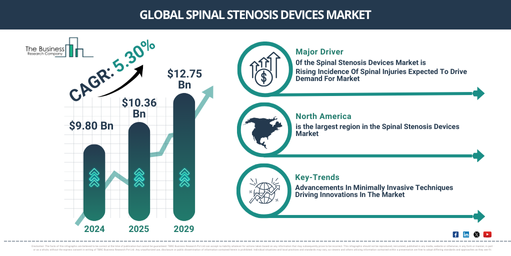
    In recent times, there has been a substantial growth in the market size of spinal stenosis devices. The forecast projects an increase from $9.80 billion in 2024 to $10.36 billion in 2025, which corresponds to a compound annual growth rate (CAGR) of 5.7%. This notable progress in the historical period can be associated with the escalating number of spinal stenosis cases in the aging population, the rising frequency of spine-related disorders and degenerative diseases, an increasing number of incidences related to spinal injuries, a surge in the prevalence of spinal diseases, and an incline in spinal disorders among both younger and aged demographics.

    What Is the Projected Market Size of the Spinal Stenosis Devices Market?

    The market size of spinal stenosis devices is predicted to experience substantial growth in the forthcoming years, escalating to $12.75 billion in 2029 with a 5.3% compound annual growth rate (CAGR). The growth during this period is linked to the amplified demand for minimally invasive surgical processes, an increased emphasis on minimally invasive spine surgery (MISS), burgeoning healthcare expenses and investments in nascent markets. Key trends for the forecast period comprise progressive developments in spinal implant technology and surgical procedures, a rising acceptance of biodegradable and 3D-printed implants, and partnerships and product advancements.

    Download The Free Sample Report Here:

    https://www.thebusinessresearchcompany.com/sample.aspx?id=20966&type=smp

    Who are the Major Competitors in the Spinal Stenosis Devices Market Outlook?

    Major companies operating in the spinal stenosis devices market are Johnson & Johnson, Medtronic plc, Stryker Corporation, Boston Scientific Corporation, Zimmer Biomet Holdings Inc., Globus Medical Inc., NuVasive Inc., Orthofix Medical Inc., B. Braun Melsungen AG, Xtant Medical, Alphatec Holdings Inc., Vertos Medical Inc., Spineart SA, Spine Wave Inc., Spinal Simplicity LLC, Premia Spine, Sintea Plustek LLC, Cousin Surgery, Meril Life Sciences Pvt. Ltd., Empirical Spine Inc.

    What Is Fueling Growth in the Spinal Stenosis Devices Market?

    An increase in spinal injuries is predicted to boost the spinal stenosis devices market’s growth. Spinal injuries encompass harm to the spinal cord or adjacent structures, described as traumatic damage that impacts the transmission of sensory and motor signals. This could potentially lead to a loss of movement, function, and feeling beneath the injury location. The surge in spinal injuries is mainly due to a rise in traumatic incidents like car accidents and falls, especially in elderly individuals, coupled with a heightened prevalence of non-traumatic factors like degenerative diseases and conditions linked to aging populations. Devices for spinal stenosis offer unique relief and robust support, relieving nerve compression, enhancing spinal alignment, and boosting mobility, all of which dramatically improve the living standard for patients with spinal injuries. For example, based on data from the National Spinal Cord Injury Statistical Center, a U.S.-based agency offering information on the spinal cord, in May 2023, 18,000 new spinal injuries are reported annually. This amounts to an annual incidence rate of 54 per 1 million. Additionally, about 302,000 individuals in the U.S. are estimated to have suffered a traumatic spinal cord injury. Consequently, the increasing occurrence of spinal injuries is propelling the growth of the spinal stenosis devices market.

    Request For A Customized Report:

    https://www.thebusinessresearchcompany.com/customise?id=20966&type=smp

    Which Spinal Stenosis Devices Market Segments Are Growing the Fastest?

    The spinal stenosis devices market covered in this report is segmented –

    1) By Product Type: Interspinous Spacers, Stabilization Systems, Spinal Arthroplasty System, Interbody Fusion Devices

    2) By Application: Lumbar Spinal Stenosis, Cervical Spinal Stenosis, Thoracic Spinal Stenosis

    3) By End User: Hospitals, Ambulatory Surgical Centres, Others End Users

    Subsegments:

    1) By Interspinous Spacers: Single-Level Spacers, Multi-Level Spacers, Expandable Spacers

    2) By Stabilization Systems: Pedicle Screw Systems, Lateral Screw Systems, Dynamic Stabilization Systems

    3) By Spinal Arthroplasty System: Cervical Arthroplasty Systems, Lumbar Arthroplasty Systems, Artificial Disc Replacements

    4) By Interbody Fusion Devices: PEEK (Polyetheretherketone) Devices, Titanium Interbody Devices, Bioactive And Biocompatible Devices

    Which Industry Trends Are Shaping the Future of the Spinal Stenosis Devices Market?

    Significant businesses in the spinal stenosis devices sector are honing in on technological advancements such as minimally invasive surgical methods to improve surgical accuracy and lessen recuperation periods. Minimally invasive surgical methods, involving small incisions, often called ports, grant access to internal organs, substantially reducing bodily trauma. These methods incorporate specialized tools, including cameras and trocars, enabling surgeons to carry out operations with less pain, shorter recovery times, and fewer risk of complications compared to traditional open surgery. For example, in January 2024, Accelus, an American medical technology firm offering innovative solutions in spinal surgery, introduced the linesider modular-cortical system. This technology permits surgeons to place screw shanks early in spinal implant procedures and modify constructs with modular tulips and rods. It provides open modular and cortical modular sets to cater to different surgical approaches. Spinal implants are vital for stabilising and supporting the spine during operations, assisting in rectifying deformities, fractures, or degenerative diseases, and enhancing patient function and lifestyle.

    Access The Full Report Here:

    https://www.thebusinessresearchcompany.com/report/spinal-stenosis-devices-global-market-report

    Which Countries Are Leading the Spinal Stenosis Devices Market?

    North America was the largest region in the spinal stenosis devices market in 2024. Asia-Pacific is expected to be the fastest-growing region in the forecast period. The regions covered in the spinal stenosis devices market report are Asia-Pacific, Western Europe, Eastern Europe, North America, South America, Middle East, Africa.

    Purchase The Full Report Today:

    https://www.thebusinessresearchcompany.com/purchaseoptions.aspx?id=20966

    This Report Delivers Insight On:

    1. How big is the spinal stenosis devices market, and how is it changing globally?

    2. Who are the major companies in the spinal stenosis devices market, and how are they performing?

    3. What are the key opportunities and risks in the spinal stenosis devices market right now?

    4. Which products or customer segments are growing the most in the spinal stenosis devices market?

    5. What factors are helping or slowing down the growth of the spinal stenosis devices market?

    About The Business Research Company:

    With over 15000+ reports from 27 industries covering 60+ geographies, The Business Research Company has built a reputation for offering comprehensive, data-rich research and insights. Armed with 1,500,000 datasets, the optimistic contribution of in-depth secondary research, and unique insights from industry leaders, you can get the information you need to stay ahead in the game.

    Get in touch with us:

    The Business Research Company: https://www.thebusinessresearchcompany.com/

    Americas +1 310-496-7795

    Europe +44 7882 955267

    Asia & Others +44 7882 955267 & +91 8897263534

    Email us at info@tbrc.info

    Follow us on:

    LinkedIn: https://in.linkedin.com/company/the-business-research-company

    YouTube: https://www.youtube.com/channel/UC24_fI0rV8cR5DxlCpgmyFQ

    Global Market Model: https://www.thebusinessresearchcompany.com/global-market-model
  • Spinal Muscular Atrophy  Market to Reach $6.59 Billion by 2029 | Key Drivers and Future Outlook

    Spinal Muscular Atrophy Market to Reach $6.59 Billion by 2029 | Key Drivers and Future Outlook

    Claim your 30% discount on Global Market Reports with code ONLINE30. Limited time only.

    What Is the Growth Rate of the Spinal Muscular Atrophy Market?

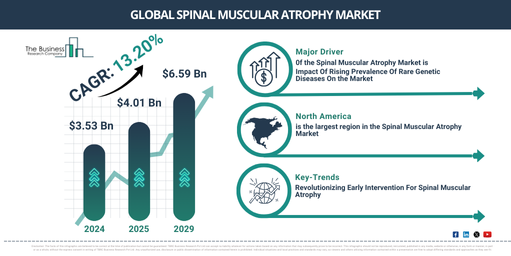
    In the last few years, the spinal muscular atrophy market has seen significant growth. It is projected to expand from $3.53 billion in 2024 to $4.01 billion in 2025, with a compound annual growth rate (CAGR) of 13.5%. The surge during the past period has been driven by factors such as escalated diagnosis and early detection, rising incidences of uncommon genetic diseases, enhanced healthcare infrastructure, government and regulatory backing, as well as an upswing in unresolved healthcare requirements.

    What Growth Rate Is Forecasted for the Spinal Muscular Atrophy Market by 2029?

    There is anticipated rapid expansion in the spinal muscular atrophy market in the ensuing years. It is projected to reach $6.59 billion in 2029, with a compound annual growth rate (CAGR) of 13.2%. Factors contributing to this growth in the forecast period include enhanced awareness and diagnosis, wider access to treatment, an increase in healthcare investments that target rare diseases, a conducive regulatory environment, and escalating healthcare expenditure. Noteworthy trends in the anticipated period comprise breakthroughs in oral therapies, the utilization of gene therapy, advances in technologies for drug delivery systems, the use of artificial intelligence in the development of SMA treatments, and cutting-edge gene editing technologies.

    Download The Free Sample Report Here:

    https://www.thebusinessresearchcompany.com/sample.aspx?id=20965&type=smp

    Which Key Companies Are Shaping the Future of the Spinal Muscular Atrophy Market?

    Major companies operating in the spinal muscular atrophy market are Pfizer Inc., F. Hoffmann-La Roche Ltd, Bayer AG, Novartis AG, Biogen Inc., Chugai Pharmaceutical Co. Ltd., Genentech Inc., PTC Therapeutics Inc., Ionis Pharmaceuticals Inc., Biohaven Ltd., Catalyst Pharmaceuticals Inc., RegenXBio Inc., Cytokinetics Inc., AveXis Inc., Scholar Rock Inc., Genethon, CANbridge Pharmaceuticals Inc., NMD Pharma A/S, Hanugen Therapeutics Inc., Beijing Jinlan Gene Technology Co. Ltd.

    Which Factors Are Driving Demand in the Spinal Muscular Atrophy Industry?

    The growth of the spinal muscular atrophy market is anticipated to be accelerated by the escalating rates of rare genetic disorders. These genetic disorders, which affect a small portion of the overall population, are born out of mutated genes and often lead to intense, chronic health issues. Upgraded diagnostic technologies, heightened public consciousness, and enhanced access to genetic testing have all contributed to the increase in recognized and reported cases of rare genetic disorders. Spinal muscular atrophy (SMA), a peculiar genetic disorder, epitomizes the difficulties and possibilities of comprehending inherited maladies, highlighting the urgency of progressing genetic condition-related research. For example, in July 2023, a study by the Office for National Statistics, a governmental department in the UK, made it known that genetic testing of SMN1 has paved the way for exact epidemiological studies. It confirmed that SMA is found in 1 in 10,000 to 20,000 live births, with over 95% of patients affected being homozygous for SMN1 deletion. Consequently, the increasing rates of rare genetic disorders are set to stimulate the expansion of the spinal muscular atrophy market.

    Request For A Customized Report:

    https://www.thebusinessresearchcompany.com/customise?id=20965&type=smp

    How Is the Spinal Muscular Atrophy Market Segmented by Several Divisions?

    The spinal muscular atrophy market covered in this report is segmented –

    1) By Type: Type 1 (Severe), Type 2 (Intermediate), Type 3 (Mild), Type 4 (Adult)

    2) By Age: Pediatric, Adults

    3) By Treatment: Drug Therapy, Gene Therapy

    4) By End User: Hospital pharmacy, Online pharmacy, Retail pharmacy

    Subsegments:

    1) By Type 1 (Severe): Infantile-Onset SMA, Severe Progressive SMA

    2) By Type 2 (Intermediate): Early-Onset SMA, Non-progressive SMA

    3) By Type 3 (Mild): Juvenile-Onset SMA, Mild Progressive SMA

    4) By Type 4 (Adult): Adult-Onset SMA, Late-Onset SMA

    What are the Emerging Market Trends Driving the Growth of the Spinal Muscular Atrophy Industry?

    Leading firms in the spinal muscular atrophy market are advancing their product offerings by developing unique solutions like dry syrup. This innovation aims to aid medication compliance and simplify administration for pediatric patients and other groups who experience difficulty swallowing. Dry syrup, a medication in powdered form, is mixed with water prior to consumption and is usually prescribed for children and patients who struggle with intaking tablets or capsules. Chugai Pharmaceutical Co., Ltd., a pharmaceutical organization based in Japan, reported in September 2024 that it had received regulatory approval from the nation’s Ministry of Health, Labour and Welfare for widened usage of their drug, Evrysdi (risdiplam). The approval allows Evrysdi to be used in pre-symptomatic spinal muscular atrophy (SMA) and expands dosing to infants younger than two months. This development is significant as it allows treatment to start before symptoms manifest, potentially improving therapeutic results in affected infants. The decision was backed by the RAINBOWFISH study’s findings, which evaluated the safety and efficacy of Evrysdi in infants diagnosed with SMA but not yet showing symptoms. The results demonstrated that infants treated with the drug reached developmental milestones including unsupported sitting and better motor skills within 12 months, pointing to the drug’s capacity to alter the course of the disease when administered promptly.

    Access The Full Report Here:

    https://www.thebusinessresearchcompany.com/report/spinal-muscular-atrophy-global-market-report

    Which Regions Are Driving Growth in the Spinal Muscular Atrophy Market?

    North America was the largest region in the spinal muscular atrophy market in 2024. Asia-Pacific is expected to be the fastest-growing region in the forecast period. The regions covered in the spinal muscular atrophy market report are Asia-Pacific, Western Europe, Eastern Europe, North America, South America, Middle East, Africa.

    Purchase The Full Report Today:

    https://www.thebusinessresearchcompany.com/purchaseoptions.aspx?id=20965

    This Report Delivers Insight On:

    1. How big is the spinal muscular atrophy market, and how is it changing globally?

    2. Who are the major companies in the spinal muscular atrophy market, and how are they performing?

    3. What are the key opportunities and risks in the spinal muscular atrophy market right now?

    4. Which products or customer segments are growing the most in the spinal muscular atrophy market?

    5. What factors are helping or slowing down the growth of the spinal muscular atrophy market?

    About The Business Research Company:

    With over 15000+ reports from 27 industries covering 60+ geographies, The Business Research Company has built a reputation for offering comprehensive, data-rich research and insights. Armed with 1,500,000 datasets, the optimistic contribution of in-depth secondary research, and unique insights from industry leaders, you can get the information you need to stay ahead in the game.

    Get in touch with us:

    The Business Research Company: https://www.thebusinessresearchcompany.com/

    Americas +1 310-496-7795

    Europe +44 7882 955267

    Asia & Others +44 7882 955267 & +91 8897263534

    Email us at info@tbrc.info

    Follow us on:

    LinkedIn: https://in.linkedin.com/company/the-business-research-company

    YouTube: https://www.youtube.com/channel/UC24_fI0rV8cR5DxlCpgmyFQ

    Global Market Model: https://www.thebusinessresearchcompany.com/global-market-model
  • Market Analysis on Fibrodysplasia Ossificans Progressiva (FOP) Treatment Industry – Insights for Corporate Strategy and R&D

    Market Analysis on Fibrodysplasia Ossificans Progressiva (FOP) Treatment Industry – Insights for Corporate Strategy and R&D

    Claim your 30% discount on Global Market Reports with code ONLINE30. Limited time only.

    What Is the Forecast for the Fibrodysplasia Ossificans Progressiva (FOP) Treatment Market from 2024 to 2025?

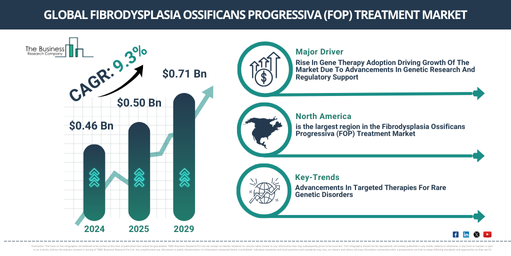
    In the last few years, the market size for the treatment of fibrodysplasia ossificans progressiva (FOP) has exhibited robust growth. It is forecasted to increase from $0.46 billion in 2024 to reach $0.50 billion in 2025, representing a compound annual growth rate (CAGR) of 9.6%. This growth experienced during the historic period can be credited to factors such as heightened awareness surrounding rare diseases, an increase in recorded FOP cases, a surge in investment towards the development of orphan drugs, collaborations between biotechnology firms and research institutions, and regulatory support for treatments of rare diseases.

    What Is the Projected Market Size of the Fibrodysplasia Ossificans Progressiva (FOP) Treatment Market?

    In the coming years, the market for fibrodysplasia ossificans progressiva (FOP) treatment is predicted to experience significant growth, with an estimated worth of $0.71 billion by 2029. This signifies a compound annual growth rate (CAGR) of 9.3%. Several factors can be credited for this predicted growth within the forecasted period, including the upsurge in clinical trials for new treatment methods, amplified investments in research for rare diseases, heightened patient awareness initiatives, improved diagnostic tools, favorable regulations for orphan drugs, and healthcare infrastructure enhancement in emerging markets. Key trends within this forecasted period are developments in gene therapy, CRISPR-based edits of the genome, the usage of anti-inflammatory biologicals, small molecule inhibitors designed to target ACVR1 mutations, strategies for personalized medicine, innovations in imaging techniques, and rehabilitation programs that focus on patient needs.

    Download The Free Sample Report Here:

    https://www.thebusinessresearchcompany.com/sample.aspx?id=21968&type=smp

    Who are the Major Competitors in the Fibrodysplasia Ossificans Progressiva (FOP) Treatment Market Outlook?

    Major companies operating in the fibrodysplasia ossificans progressiva (FOP) treatment market are Pfizer Inc., Roche Holding AG, Merck & Co. Inc., Bristol Myers Squibb Company, Novartis AG, AstraZeneca plc, GSK plc, Takeda Pharmaceutical Company Limited, Eli Lilly and Company, Gilead Sciences Inc., Amgen Inc., Boehringer Ingelheim GmbH, Regeneron Pharmaceuticals Inc., Daiichi Sankyo Company Limited, UCB S.A., Incyte Corporation, Ipsen Pharma, Alnylam Pharmaceuticals Inc., Mallinckrodt Pharmaceuticals, Blueprint Medicines Corporation, BioCryst Pharmaceuticals Inc., Ashibio.

    What Is Fueling Growth in the Fibrodysplasia Ossificans Progressiva (FOP) Treatment Market?

    The expansion of the fibrodysplasia ossificans progressiva (FOP) treatment market is predicted to be propelled by the growing implementation of gene therapy. The practice of gene therapy involves modifying or substituting genes within an individual’s cells in order to combat or prevent illnesses. Factors encouraging the wider adoption of gene therapy include advancements in genetic study, improved results in treating previously incurable conditions, and increased regulatory backing for innovative treatments. Gene therapy for fibrodysplasia ossificans progressiva focuses on tackling and correcting anomalies in the ACVR1 gene that lead to abnormal bone growth. To illustrate, the American Society of Gene & Cell Therapy confirmed in April 2024 that phase III gene therapy clinical trials saw a growth of 10% in the fourth quarter, a first since the previous rise in the third quarter of 2022. Consequently, the accelerated application of gene therapy is contributing to the growth of the fibrodysplasia ossificans progressiva (FOP) treatment market.

    Request For A Customized Report:

    https://www.thebusinessresearchcompany.com/customise?id=21968&type=smp

    Which Fibrodysplasia Ossificans Progressiva (FOP) Treatment Market Segments Are Growing the Fastest?

    The fibrodysplasia ossificans progressiva (FOP) treatment market covered in this report is segmented –

    1) By Drug Class: Corticosteroids, Non-Steroidal Anti-Inflammatory Drugs (NSAIDs), Bisphosphonates, Other Drug Classes

    2) By Treatment: Surgery, Medication, Occupational Therapy

    3) By Route Of Administration: Oral, Topical, Parenteral

    4) By End-User: Hospitals, Research Institutes, Specialty Clinics

    Subsegments:

    1) By Corticosteroids: Prednisone, Dexamethasone, Methylprednisolone

    2) By Non-Steroidal Anti-Inflammatory Drugs (NSAIDs): Ibuprofen, Naproxen, Celecoxib

    3) By Bisphosphonates: Alendronate, Risedronate, Zoledronic Acid

    4) By Other Drug Classes: Monoclonal Antibodies, Immunosuppressants, Gene Therapy Drugs

    Which Industry Trends Are Shaping the Future of the Fibrodysplasia Ossificans Progressiva (FOP) Treatment Market?

    Leading businesses in the fibrodysplasia ossificans progressiva (FOP) treatment industry are concentrating on the development of innovative drugs like retinoid-induced capsules. This is in an effort to cater to unfulfilled medical requirements of patients by targeting specific genetic mutations linked to the disorder. The goal is to enhance treatment results and patients’ living standards. Retinoids, derivatives of vitamin A, are utilised in medical procedures to control cellular growth and bolster immune responses, specifically for skin and certain cancer treatments. For example, in August 2023, Ipsen, a pharmaceutical firm based in France, gained the US Food and Drug Administration’s (FDA) approval for its sohonos capsules. These are retinoid-designed drugs for fibrodysplasia ossificans progressiva (FOP), intended to decrease new abnormal bone growth (heterotopic ossification). This provides an essential treatment alternative for adult and pediatric patients alike, contributing to an enhanced mobility and comprehensive life quality.

    Access The Full Report Here:

    https://www.thebusinessresearchcompany.com/report/fibrodysplasia-ossificans-progressiva-fop-treatment-global-market-report

    Which Countries Are Leading the Fibrodysplasia Ossificans Progressiva (FOP) Treatment Market?

    North America was the largest region in the fibrodysplasia ossificans progressiva (FOP) treatment market in 2024. Asia-Pacific is expected to be the fastest-growing region in the forecast period. The regions covered in the fibrodysplasia ossificans progressiva (FOP) treatment market report are Asia-Pacific, Western Europe, Eastern Europe, North America, South America, Middle East, Africa.

    Purchase The Full Report Today:

    https://www.thebusinessresearchcompany.com/purchaseoptions.aspx?id=21968

    This Report Delivers Insight On:

    1. How big is the fibrodysplasia ossificans progressiva (fop) treatment market, and how is it changing globally?

    2. Who are the major companies in the fibrodysplasia ossificans progressiva (fop) treatment market, and how are they performing?

    3. What are the key opportunities and risks in the fibrodysplasia ossificans progressiva (fop) treatment market right now?

    4. Which products or customer segments are growing the most in the fibrodysplasia ossificans progressiva (fop) treatment market?

    5. What factors are helping or slowing down the growth of the fibrodysplasia ossificans progressiva (fop) treatment market?

    About The Business Research Company:

    With over 15000+ reports from 27 industries covering 60+ geographies, The Business Research Company has built a reputation for offering comprehensive, data-rich research and insights. Armed with 1,500,000 datasets, the optimistic contribution of in-depth secondary research, and unique insights from industry leaders, you can get the information you need to stay ahead in the game.

    Get in touch with us:

    The Business Research Company: https://www.thebusinessresearchcompany.com/

    Americas +1 310-496-7795

    Europe +44 7882 955267

    Asia & Others +44 7882 955267 & +91 8897263534

    Email us at info@tbrc.info

    Follow us on:

    LinkedIn: https://in.linkedin.com/company/the-business-research-company

    YouTube: https://www.youtube.com/channel/UC24_fI0rV8cR5DxlCpgmyFQ

    Global Market Model: https://www.thebusinessresearchcompany.com/global-market-model