Category: HealthcareServices

  • Small Lymphocytic Lymphoma  Industry Insights 2025 – Market Forecast for Executives and Planners

    Small Lymphocytic Lymphoma Industry Insights 2025 – Market Forecast for Executives and Planners

    Claim your 30% discount on Global Market Reports with code ONLINE30. Limited time only.

    How Has the Small Lymphocytic Lymphoma Market Size Changed, over the years?

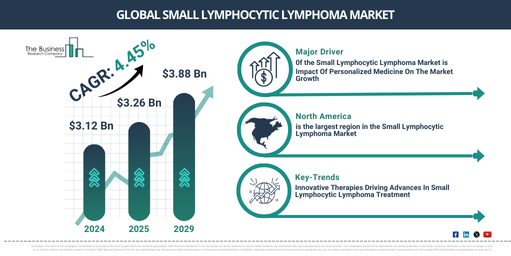
    In recent times, the market size for small lymphocytic lymphoma has seen steady growth. The market is projected to expand from a $3.12 billion value in 2024 to a $3.26 billion value in 2025, reflecting a compound annual growth rate (CAGR) of 4.71%. The factors contributing to the growth during the historic period include heightened awareness and early detection, regulatory approvals, enlargement of clinical trials, escalating consciousness about SLL, and a rise in involvement in clinical trials.

    How Much Will the Small Lymphocytic Lymphoma Market Be Worth in 2029?

    Anticipations reveal stable growth in the small lymphocytic lymphoma market in the coming years, hitting an estimated value of $3.88 billion by 2029 with a compound annual growth rate (CAGR) set at 4.45%. The predicted growth over the forecast period is associated with factors such as increased attention to immunotherapies, escalating research on targeted therapies, the expansion of precision medicine, amplified investment in cancer research, and an increasing number of clinical trials. Foreseen trends over the forecast period comprise advancements in targeted therapies, breakthroughs in immunotherapy, integrated therapies, the inclusion of digital health solutions, and progress in supportive care therapies.

    Download The Free Sample Report Here:

    https://www.thebusinessresearchcompany.com/sample.aspx?id=20957&type=smp

    Which is the Largest Company in the Small Lymphocytic Lymphoma Market?

    Major companies operating in the small lymphocytic lymphoma market are Pfizer Inc., Johnson & Johnson, AbbVie Inc., Bayer AG, Sanofi S.A., Bristol-Myers Squibb Company, AstraZeneca PLC, Eli Lilly and Company, Gilead Sciences Inc., Amgen Inc., Regeneron Pharmaceuticals, Incyte Corporation, Exelixis Inc., Moffitt Cancer Center, Kite Pharma Inc., Spectrum Pharmaceuticals Inc., Aptose Biosciences Inc., Secura Bio Inc., Infinity Pharmaceuticals Inc., TG Therapeutics Inc.

    What Are the Main Market Drivers in the Small Lymphocytic Lymphoma Industry?

    The small lymphocytic lymphoma market is projected to be driven by the increasing influence of personalized medicine. Personalized medicine, characterized by the adaptation of treatments and healthcare options to individual genetic, environmental, and lifestyle elements, is expanding due to advances in genomics, biotechnology, and data analysis. These advancements allow for the development of more accurate and effective personalized treatments. As it provides key discoveries of specific genetic mutations and biomarkers, Small lymphocytic lymphoma (SLL) plays a crucial role in the expansion of personalized medicine, paving the way for tailor-made therapies and personalized treatment plans. For example, the US-based non-profit organization Personalized Medicine Coalition announced in February 2024 that the FDA approved 16 novel personalized treatments for patients with rare diseases in 2023, marking a substantial growth from the six approved in 2022. Thus, the rise of personalized medicine is predicted to stimulate the growth of the small lymphocytic lymphoma market.

    Request For A Customized Report:

    https://www.thebusinessresearchcompany.com/customise?id=20957&type=smp

    How Is the Small Lymphocytic Lymphoma Market Segments Structured?

    The small lymphocytic lymphoma market covered in this report is segmented –

    1) By Product: Capsules, Tablets, Injections, Other Products

    2) By Route of Administration: Oral, Parenteral, Other Route of Administrations

    3) By Treatment: Chemotherapy, Targeted Therapy, Stem Cell Transplant, Monoclonal antibody therapy, Other Treatments

    4) By Distribution Channel: Hospital Pharmacy, Retail Pharmacy, Online Pharmacy, Other Distribution Channels

    5) By End-Users: Hospitals, Specialty Clinics, Homecare, Other End Users

    Subsegments:

    1) By Capsules: Oral Chemotherapy Capsules, Targeted Therapy Capsules, Immunomodulatory Capsules

    2) By Tablets: Oral Chemotherapy Tablets, Targeted Therapy Tablets, Immunotherapy Tablets

    3) By Injections: Chemotherapy Injections, Monoclonal Antibody Injections, Immunotherapy Injections, Biologic Injections

    4) By Other Products: Topical Medications, Infusion Therapies, Biosimilars For SLL, Radiopharmaceuticals

    What Strategic Trends Are Transforming the Small Lymphocytic Lymphoma Market?

    Key players in the small lymphocytic lymphoma market are focusing on creating inventive solutions like non-covalent BTK inhibitors to boost treatment effectiveness, combat resistance to current therapies, and advance patient outcomes. Non-covalent BTK inhibitors are a drug class that binds reversibly to the Bruton’s tyrosine kinase (BTK) enzyme, addressing B-cell diseases while decreasing resistance and side effects linked with covalent inhibitors. For example, in December 2023, U.S.-based Eli Lilly and Company announced FDA approval for Jaypirca (pirtobrutinib) for adult patients with chronic lymphocytic leukemia or small lymphocytic lymphoma (CLL/SLL). This approval stands out for its emphasis on patients who have already received at least two lines of therapy, including a Bruton’s Tyrosine Kinase (BTK) inhibitor and a BCL-2 inhibitor, catering to an urgent unmet need in highly treated populations. The product’s oral delivery method provides ease to patients while still delivering powerful, targeted treatment.

    Access The Full Report Here:

    https://www.thebusinessresearchcompany.com/report/small-lymphocytic-lymphoma-global-market-report

    Which Global Regions Offer the Highest Growth in the Small Lymphocytic Lymphoma Market?

    North America was the largest region in the small lymphocytic lymphoma market in 2024. Asia-Pacific is expected to be the fastest-growing region in the forecast period. The regions covered in the small lymphocytic lymphoma market report are Asia-Pacific, Western Europe, Eastern Europe, North America, South America, Middle East, Africa.

    Purchase The Full Report Today:

    https://www.thebusinessresearchcompany.com/purchaseoptions.aspx?id=20957

    This Report Delivers Insight On:

    1. How big is the small lymphocytic lymphoma market, and how is it changing globally?

    2. Who are the major companies in the small lymphocytic lymphoma market, and how are they performing?

    3. What are the key opportunities and risks in the small lymphocytic lymphoma market right now?

    4. Which products or customer segments are growing the most in the small lymphocytic lymphoma market?

    5. What factors are helping or slowing down the growth of the small lymphocytic lymphoma market?

    About The Business Research Company:

    With over 15000+ reports from 27 industries covering 60+ geographies, The Business Research Company has built a reputation for offering comprehensive, data-rich research and insights. Armed with 1,500,000 datasets, the optimistic contribution of in-depth secondary research, and unique insights from industry leaders, you can get the information you need to stay ahead in the game.

    Get in touch with us:

    The Business Research Company: https://www.thebusinessresearchcompany.com/

    Americas +1 310-496-7795

    Europe +44 7882 955267

    Asia & Others +44 7882 955267 & +91 8897263534

    Email us at info@tbrc.info

    Follow us on:

    LinkedIn: https://in.linkedin.com/company/the-business-research-company

    YouTube: https://www.youtube.com/channel/UC24_fI0rV8cR5DxlCpgmyFQ

    Global Market Model: https://www.thebusinessresearchcompany.com/global-market-model
  • Fibrocystic Breast Condition Forecast Report – Designed for Decision Makers and Product Teams

    Fibrocystic Breast Condition Forecast Report – Designed for Decision Makers and Product Teams

    Claim your 30% discount on Global Market Reports with code ONLINE30. Limited time only.

    What Is the Growth Rate of the Fibrocystic Breast Condition Market?

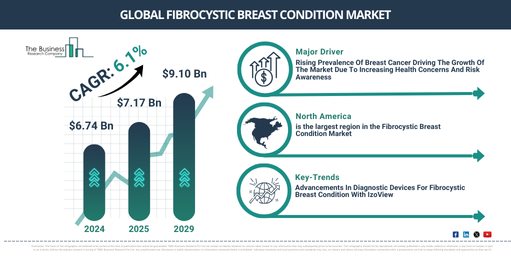
    In the past few years, the fibrocystic breast condition market has seen robust growth with its market size set to rise from $6.74 billion in 2024 to $7.17 billion in 2025. This signifies a compound annual growth rate (CAGR) of 6.4%. The surge during the historic period is as a result of increasing breast cancer rates, higher health care spending, urban development, growing awareness, lifestyle changes, and increased disposable income.

    What Growth Rate Is Forecasted for the Fibrocystic Breast Condition Market by 2029?

    The market for fibrocystic breast conditions is projected to experience significant growth in the coming years, with its value predicted to reach $9.10 billion by 2029, at a compound annual growth rate (CAGR) of 6.1%. This growth during the forecast period is expected due to several factors, including escalating demand for diagnostic tools and treatments, greater government funding, an augmented demand for potent therapies, an increase in the elderly population, initiatives undertaken by public and private organizations, and an upsurge in research and development activities. Top trends for the forecast period encompass minimally invasive devices for breast biopsy, strategic partnerships and collaborations, a heightened focus on personalized medicine, incorporation of artificial intelligence (AI), and technological breakthroughs.

    Download The Free Sample Report Here:

    https://www.thebusinessresearchcompany.com/sample.aspx?id=21967&type=smp

    Which Key Companies Are Shaping the Future of the Fibrocystic Breast Condition Market?

    Major companies operating in the fibrocystic breast condition market are Pfizer Inc., Hitachi Medical Systems, Roche Diagnostics, Merck & Co Inc., Bayer AG, Sanofi SA, Novartis AG, GlaxoSmithKline plc, Eli Lilly and Company, Siemens Healthineers AG, Fujifilm Holdings Corporation, Philips Healthcare, Becton Dickinson and Company, GE Healthcare Technologies Inc., Teva Pharmaceutical Industries Ltd, Hologic Inc., Canon Medical Systems Corporation, Hikma Pharmaceuticals plc, Steris Pharma, Lannett Company Inc., Argon Medical Devices Inc., AdvaCare Pharma USA LLC.

    Which Factors Are Driving Demand in the Fibrocystic Breast Condition Industry?

    The growing incidence of breast cancer is poised to fuel the expansion of the fibrocystic breast condition market. Originating in the breast cells, breast cancer predominantly impacts women. An increase in this cancer type is traced back to factors like an aging population, unhealthy lifestyles, genetic tendencies, more frequent screenings and exposure to certain environments. A fibrocystic breast condition (FBC) could escalate the risk of breast cancer by developing dense breast tissue. This dense tissue can potentially encourage cellular shifts, heightened sensitivity towards hormones, and prolonged inflammation, thereby fostering conditions ideal for cancerous growth. Data from the American Cancer Society Facts and Figures, a reputable US-based organization, forecasts an increase in new breast cancer cases in the US from 300,590 in 2023 to 313,510 in 2024. Consequently, the surge in breast cancer cases is spurring the growth of the fibrocystic breast condition market. Driving the FBC market’s growth is the widespread availability of telemedicine services arising from increased adoption of digital health. Telemedicine services imply the application of digital communication platforms, like video calls and mobile apps, to extend remote medical advice, diagnosis, and treatment. The broader scope of telemedicine services can be credited to the surge in usage of digital health platforms, better internet connectivity, and a rising patient inclination for remote consultations for effective management of fibrocystic breast conditions. FBC stimulates the need for telemedicine services by allowing remote consultations, alleviating symptoms promptly, and providing expert input, diminishing the necessity for physical appointments and boosting patient comfort. As per Rock Health, a US-based entity, a 2022 survey revealed that 80% of its respondents reported using telemedicine at some stage. This is an increase of 8 percentage points from the previous year’s 72%. Hence, the proliferation of telemedicine services is propelling the growth of the fibrocystic breast condition market.

    Request For A Customized Report:

    https://www.thebusinessresearchcompany.com/customise?id=21967&type=smp

    How Is the Fibrocystic Breast Condition Market Segmented by Several Divisions?

    The fibrocystic breast condition market covered in this report is segmented –

    1) By Treatment: Medication, Oral Contraceptives, Fine-Needle Aspiration, Other Treatments

    2) By Diagnosis: Mammogram, Ultrasound, Clinical Breast Exam, Other Diagnosis

    3) By End-Users: Hospital, Clinic, Other End-Users

    Subsegments:

    1) By Medication: Over-the-Counter (OTC) Pain Relievers, Prescription Pain Relievers, Hormonal Therapy

    2) By Oral Contraceptives: Combination Pills, Progestin-Only Pills

    3) By Fine-Needle Aspiration: Ultrasound-Guided Fine-Needle Aspiration, Manual Fine-Needle Aspiration

    4) By Other Treatments: Lifestyle And Dietary Changes, Cyst Drainage Procedures, Supportive Therapy, Herbal And Dietary Supplements

    What are the Emerging Market Trends Driving the Growth of the Fibrocystic Breast Condition Industry?

    Leaders in the fibrocystic breast condition market, like major corporations, are innovating and creating advanced technologies such as diagnostic devices. These instrumental tools aim to enhance the precision of diagnosis and the results of treatment. A pertinent example is the IzoView, a breast CT imaging system introduced in August 2024 by Izotropic Corporation. This medical device organization, based in Canada, targets the diagnosis of breast cancer in females who have dense breast tissue. To gain regulatory endorsement, the company is conducting a clinical investigation to prove the superiority of IzoView when utilized with digital breast tomosynthesis (DBT), over the use of DBT alone. Considering IzoView’s high-resolution 3D imaging capabilities and its non-reliance on breast compression, it aims to upgrade the detection of breast cancer in women with dense breast tissue, a demographic who are statistically more susceptible to developing the disease.

    Access The Full Report Here:

    https://www.thebusinessresearchcompany.com/report/fibrocystic-breast-condition-global-market-report

    Which Regions Are Driving Growth in the Fibrocystic Breast Condition Market?

    North America was the largest region in the fibrocystic breast condition market in 2024. The regions covered in the fibrocystic breast condition market report are Asia-Pacific, Western Europe, Eastern Europe, North America, South America, Middle East, Africa.

    Purchase The Full Report Today:

    https://www.thebusinessresearchcompany.com/purchaseoptions.aspx?id=21967

    This Report Delivers Insight On:

    1. How big is the fibrocystic breast condition market, and how is it changing globally?

    2. Who are the major companies in the fibrocystic breast condition market, and how are they performing?

    3. What are the key opportunities and risks in the fibrocystic breast condition market right now?

    4. Which products or customer segments are growing the most in the fibrocystic breast condition market?

    5. What factors are helping or slowing down the growth of the fibrocystic breast condition market?

    About The Business Research Company:

    With over 15000+ reports from 27 industries covering 60+ geographies, The Business Research Company has built a reputation for offering comprehensive, data-rich research and insights. Armed with 1,500,000 datasets, the optimistic contribution of in-depth secondary research, and unique insights from industry leaders, you can get the information you need to stay ahead in the game.

    Get in touch with us:

    The Business Research Company: https://www.thebusinessresearchcompany.com/

    Americas +1 310-496-7795

    Europe +44 7882 955267

    Asia & Others +44 7882 955267 & +91 8897263534

    Email us at info@tbrc.info

    Follow us on:

    LinkedIn: https://in.linkedin.com/company/the-business-research-company

    YouTube: https://www.youtube.com/channel/UC24_fI0rV8cR5DxlCpgmyFQ

    Global Market Model: https://www.thebusinessresearchcompany.com/global-market-model
  • Sleep Apnea Diagnostic Systems  Market Trends Report 2025 – For Business Development and Strategy Teams

    Sleep Apnea Diagnostic Systems Market Trends Report 2025 – For Business Development and Strategy Teams

    Claim your 30% discount on Global Market Reports with code ONLINE30. Limited time only.

    What Is the Forecast for the Sleep Apnea Diagnostic Systems Market Growth in 2025?

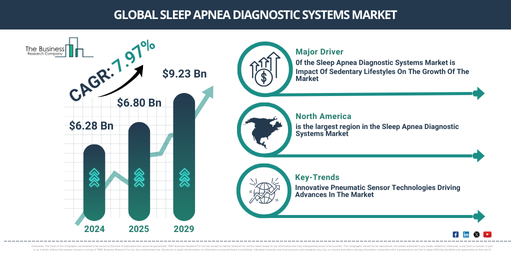
    In recent years, there has been robust growth in the market size of sleep apnea diagnostic systems. The market is forecasted to increase from $6.28 billion in 2024 to $6.80 billion in 2025, with a compound annual growth rate (CAGR) of 8.23%. This upward trend observed in the historical period is due to increased awareness regarding sleep disorders, a growing incidence of obesity and aging populations, a surge in the use of home-based sleep testing devices, favorable healthcare policies, and a developing healthcare infrastructure in emerging economies.

    What Is the Forecast for the Sleep Apnea Diagnostic Systems Market Size Through 2029?

    In the coming years, the market for sleep apnea diagnostic systems is projected to experience significant growth. By 2029, it is slated to reach a market value of $9.23 billion, with a compound annual growth rate (CAGR) of 7.97%. The anticipated growth for the forecasted period is largely due to factors such as the increasing use of home sleep testing devices, the advancing awareness of sleep disorders and subsequent health implications, the supports of governmental and insurance policies, a growing prevalence of obesity and older populations, and the expansion of telemedicine. The forecast period sees emerging trends in this field like the advent of portable diagnostic devices, incorporation of cloud-based data management, improvements in polysomnography technology, the integration of smart home ecosystems, advancements in home sleep testing devices, and inclusion of AI for improved data analysis and diagnosis.

    Download The Free Sample Report Here:

    https://www.thebusinessresearchcompany.com/sample.aspx?id=20956&type=smp

    What are the Key Market Players in Sleep Apnea Diagnostic Systems Market and How They’re Evolving?

    Major companies operating in the sleep apnea diagnostic systems market are Koninklijke Philips N.V., GE Healthcare Technologies Inc., ResMed Inc., Teleflex Incorporated, Nihon Kohden Corporation, Fisher And Paykel Healthcare, DeVilbiss Healthcare LLC, Natus Medical Incorporated, Itamar Medical Ltd., BMC Medical Co. Ltd., Compumedics Ltd., Advanced Brain Monitoring Inc., Cleveland Medical Devices Inc., NeuroVirtual, FusionSleep, Lowenstein Medical, Braebon Medical Corporation, Acurable, SOMNOmedics GmbH, Nox Medical

    What Are the Primary Growth Drivers in the Sleep Apnea Diagnostic Systems Market?

    The surge in sedentary lifestyles is likely to catalyze the growth of the sleep apnea diagnostic systems market in forthcoming years. A sedentary lifestyle, typified by little-to-no physical activity and lengthy stretches of sitting or reclining, is on the rise owing to factors such as the escalating dependence on technology, urbanization, the quest for convenience, and extensive working hours. Sleep apnea diagnostic systems aid in addressing health issues arising from idle lifestyles. They do so by identifying and observing sleep ailments promptly, which allows for early interventions that enhance sleep quality and combat related issues such as obesity, cardiovascular problems, and fatigue. For example, the Australian Institute of Health and Welfare, a government agency, reported in June 2024 that as per self-reported data from the ABS National Health Survey (NHS) in 2022, 83% of adolescents aged 15–17 and nearly 4 in 10 (37%) adults aged 18–64 lacked the requisite physical activity levels. Moreover, data from the UK’s Office for National Statistics in December 2022 revealed that between April 2021 and March 2022, 15.8% of people aged 50 to 54, 24.1% of those aged 55 to 59, 43.4% of those aged 60 to 64, and 89.3% of those aged 65 and up were categorized as inactive. Consequently, the growth in sedentary lifestyles is propelling the sleep apnea diagnostic systems market.

    Request For A Customized Report:

    https://www.thebusinessresearchcompany.com/customise?id=20956&type=smp

    What Are the Leading Segments in the Global Sleep Apnea Diagnostic Systems Industry?

    The sleep apnea diagnostic systems market covered in this report is segmented –

    1) By Product: Polysomnography Devices, Nasal Flow Sensors, Peripheral Capillary Oxygen Saturation, Actigraphy Monitoring Devices

    2) By Technology: Non-Invasive Technology, Invasive Technology, Wearable Technology, Diagnostic Software

    3) By End Users: Home Care Settings, Hospitals, Sleep Centers And Clinics

    Subsegments:

    1) By Polysomnography Devices: Full-Polysomnography Systems, Portable Polysomnography Devices, Wireless Polysomnography Devices

    2) By Nasal Flow Sensors: Single-Channel Nasal Flow Sensors, Multi-Channel Nasal Flow Sensors, Wireless Nasal Flow Sensors

    3) By Peripheral Capillary Oxygen Saturation (SpO2) Monitors: Finger Pulse Oximeters, Wrist Pulse Oximeters, Fingertip Pulse Oximeters

    4) By Actigraphy Monitoring Devices: Wrist-Worn Actigraphs, Chest-Worn Actigraphs, Smartwatch-Based Actigraphy Systems

    What Are the Key Market Trends in the Sleep Apnea Diagnostic Systems Industry?

    Top companies in the sleep apnea diagnostic systems market are intensifying their focus on creating novel technologies such as pneumatic sensors. These innovations are aimed to increase the preciseness, efficiency, and comfort in sleep apnea detection and management. In the long run, this is expected to improve patient health results and extend their market reach. Pneumatic sensors help in tracking airflow and fluctuations in pressure within the respiratory system, thereby identifying irregular breaths patterns and assisting in diagnosing sleep apnea. An illustration of this was witnessed in September 2024, when Withings Inc., a firm dealing in consumer electronics rooted in France, was awarded the approval seal by the U.S Food and Drug Administration. They received the nod for Sleep Rx Mat, a device free of contact intended for sleep apnea diagnosis, functional to supervise sleep patterns, recognize instances of apnea and offer useful insights for enhancing healthy sleep. This exceptional sleep monitoring apparatus is integrated with a pneumatic sensor to follow respiratory and heart rates continuously as well as body movements. Crafted as an unnoticeable mat, this gadget requires a single setup and blends perfectly underneath any mattress, thus avoiding the necessity for masks or heavy outfits. Once fixed, it offers thorough analyses of sleep rhythms, breathing activities and cardiovascular movements throughout the night.

    Access The Full Report Here:

    https://www.thebusinessresearchcompany.com/report/sleep-apnea-diagnostic-systems-global-market-report

    What Is the Regional Outlook for the Sleep Apnea Diagnostic Systems Market?

    North America was the largest region in the sleep apnea diagnostic systems market in 2024. Asia-Pacific is expected to be the fastest-growing region in the forecast period. The regions covered in the sleep apnea diagnostic systems market report are Asia-Pacific, Western Europe, Eastern Europe, North America, South America, Middle East, Africa.

    Purchase The Full Report Today:

    https://www.thebusinessresearchcompany.com/purchaseoptions.aspx?id=20956

    This Report Delivers Insight On:

    1. How big is the sleep apnea diagnostic systems market, and how is it changing globally?

    2. Who are the major companies in the sleep apnea diagnostic systems market, and how are they performing?

    3. What are the key opportunities and risks in the sleep apnea diagnostic systems market right now?

    4. Which products or customer segments are growing the most in the sleep apnea diagnostic systems market?

    5. What factors are helping or slowing down the growth of the sleep apnea diagnostic systems market?

    About The Business Research Company:

    With over 15000+ reports from 27 industries covering 60+ geographies, The Business Research Company has built a reputation for offering comprehensive, data-rich research and insights. Armed with 1,500,000 datasets, the optimistic contribution of in-depth secondary research, and unique insights from industry leaders, you can get the information you need to stay ahead in the game.

    Get in touch with us:

    The Business Research Company: https://www.thebusinessresearchcompany.com/

    Americas +1 310-496-7795

    Europe +44 7882 955267

    Asia & Others +44 7882 955267 & +91 8897263534

    Email us at info@tbrc.info

    Follow us on:

    LinkedIn: https://in.linkedin.com/company/the-business-research-company

    YouTube: https://www.youtube.com/channel/UC24_fI0rV8cR5DxlCpgmyFQ

    Global Market Model: https://www.thebusinessresearchcompany.com/global-market-model
  • Market Analysis on Single Tooth Implants And Dental Bridges  Industry – Insights for Corporate Strategy and R&D

    Market Analysis on Single Tooth Implants And Dental Bridges Industry – Insights for Corporate Strategy and R&D

    Claim your 30% discount on Global Market Reports with code ONLINE30. Limited time only.

    What Is the Forecast for the Single Tooth Implants And Dental Bridges Market from 2024 to 2025?

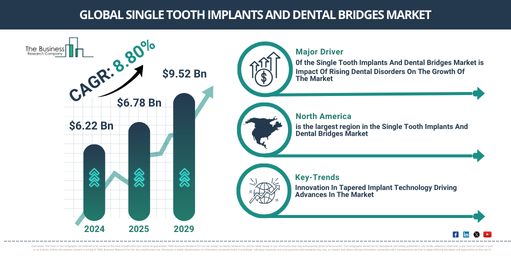
    The market size of single tooth implants and dental bridges has seen robust growth in recent periods. The value is set to escalate from $6.22 billion in 2024 to an impressive $6.78 billion in 2025, demonstrating a compound annual growth rate (CAGR) of 9.1%. This growth during the historic period is a reflection of progress in implant technology, an expanding elderly population, wider dental insurance coverage, enhancement in material longevity, and heightened consciousness about dental aesthetics.

    What Is the Projected Market Size of the Single Tooth Implants And Dental Bridges Market?

    The market for single tooth implants and dental bridges is projected to experience robust growth in the coming years. The market value is set to reach $9.52 billion by 2029, with a compound annual growth rate of 8.8%. This projected growth is driven by factors such as progression in 3D printing technology, a growing preference for minimally invasive procedures, heightened awareness of oral health, an increasing elderly population, and enhancement of the dental healthcare infrastructure. Key trends to watch out for include the adoption of artificial intelligence in treatment design, an increase in tailored dental solutions, a rise in demand for metal-free implants, advances in implant surface technology, and the transition towards cost-effective dental care choices.

    Download The Free Sample Report Here:

    https://www.thebusinessresearchcompany.com/sample.aspx?id=20955&type=smp

    Who are the Major Competitors in the Single Tooth Implants And Dental Bridges Market Outlook?

    Major companies operating in the single tooth implants and dental bridges market are 3M Company, Danaher Corporation, Henry Schein Inc., Zimmer Biomet Holdings Inc., Straumann Group, Envista Holdings Corporation, Nobel BioCare Services AG, Zim Vie Inc., Osstem Implant Co. Ltd., Bio Horizons IPH Inc., Keystone Dental Inc., Zest Dental Solutions, Neoss Limited, Thommen Medical AG, Southern Implants (Pty) Ltd., Meagan Implant Co. Ltd., AVINENT Implant System S.L., CAMLOG Biotechnologies AG, Dentsply Sirona, TBR Dental

    What Is Fueling Growth in the Single Tooth Implants And Dental Bridges Market?

    The surge in dental disorders is predicted to stimulate the single tooth implants and dental bridges market’s expansion. Dental disorders encompass diverse diseases that impact the teeth, gums, jaw, or oral cavity, compromising oral health and functionality. A rise in these disorders is attributable to factors like a higher intake of sugary foods, inadequate oral hygiene, aging populations, and the increasing incidence of lifestyle diseases such as diabetes. Single tooth implants and dental bridges offer potent solutions for patients suffering from dental pathologies by replenishing missing or damaged teeth, upgrading oral function, enhancing aesthetic aspects, and bolstering overall self-assurance while preventing complications such as teeth shifting and jawbone degeneration. For instance, data from the National Board of Health and Welfare—a government agency based in Sweden—indicated that in May 2024 roughly 3.9 million individuals aged 24 or older obtained dental care in Sweden in 2023, showing a surge from 2022. Therefore, the rising prevalence of dental disorders is propelling the growth of the single tooth implants and dental bridges market.

    Request For A Customized Report:

    https://www.thebusinessresearchcompany.com/customise?id=20955&type=smp

    Which Single Tooth Implants And Dental Bridges Market Segments Are Growing the Fastest?

    The single tooth implants and dental bridges market covered in this report is segmented –

    1) By Type: 3-Unit Bridges, 4-Unit Bridges, Titanium Bridges, Silicone Bridges, Maryland Bridges, Cantilever Bridges, Partial Bridges

    2) By Material: Porcelain-Fused-To-Metal (PFM), All Ceramics, Metal Alloys

    3) By Application: Hospitals, Density, Ambulatory Surgical Centers, Organ Transplant Centers, Orthopedic And Traumas Centers

    Subsegments:

    1) By 3-Unit Bridges: Fixed 3-Unit Bridges, Resin-Bonded 3-Unit Bridges

    2) By 4-Unit Bridges: Fixed 4-Unit Bridges, Cantilever 4-Unit Bridges

    3) By Titanium Bridges: Titanium-Alloy Bridges, Titanium-Based Fixed Bridges

    4) By Silicone Bridges: Flexible Silicone Bridges, Temporary Silicone Bridges

    5) By Maryland Bridges: Resin-Bonded Maryland Bridges, Metallic Framework Maryland Bridges

    6) By Cantilever Bridges: Single Cantilever Bridges, Multiple Cantilever Bridges

    7) By Partial Bridges: Partial Fixed Bridges, Removable Partial Bridges

    Which Industry Trends Are Shaping the Future of the Single Tooth Implants And Dental Bridges Market?

    Companies that are major players in the single tooth implants and dental bridges market are focusing on innovation, developing new products like tapered implant technology to enhance osseointegration, increase stability, and shorten patient recovery periods. Tapered implant technology is a dental implant design featuring a conical or tapered shape that emulates the natural structure of a tooth root. This design boosts primary stability by securing a strong fit in the jawbone, especially in areas where bone density or volume is insufficient. For example, in June 2022, ZimVie Inc., a dental implant maker based in the United States, introduced the T3 PRO Tapered Implant and Encode System using this innovative technology. The tapered design simplifies placement in diverse bone types and improves primary stability, particularly in softer bone. The implant employs a unique surface treatment that promotes osseointegration, resulting in accelerated healing times and improved long-term results.

    Access The Full Report Here:

    https://www.thebusinessresearchcompany.com/report/single-tooth-implants-and-dental-bridges-global-market-report

    Which Countries Are Leading the Single Tooth Implants And Dental Bridges Market?

    North America was the largest region in the single tooth implants and dental bridges market in 2024. Asia-Pacific is expected to be the fastest-growing region in the forecast period. The regions covered in the single tooth implants and dental bridges market report are Asia-Pacific, Western Europe, Eastern Europe, North America, South America, Middle East, Africa.

    Purchase The Full Report Today:

    https://www.thebusinessresearchcompany.com/purchaseoptions.aspx?id=20955

    This Report Delivers Insight On:

    1. How big is the single tooth implants and dental bridges market, and how is it changing globally?

    2. Who are the major companies in the single tooth implants and dental bridges market, and how are they performing?

    3. What are the key opportunities and risks in the single tooth implants and dental bridges market right now?

    4. Which products or customer segments are growing the most in the single tooth implants and dental bridges market?

    5. What factors are helping or slowing down the growth of the single tooth implants and dental bridges market?

    About The Business Research Company:

    With over 15000+ reports from 27 industries covering 60+ geographies, The Business Research Company has built a reputation for offering comprehensive, data-rich research and insights. Armed with 1,500,000 datasets, the optimistic contribution of in-depth secondary research, and unique insights from industry leaders, you can get the information you need to stay ahead in the game.

    Get in touch with us:

    The Business Research Company: https://www.thebusinessresearchcompany.com/

    Americas +1 310-496-7795

    Europe +44 7882 955267

    Asia & Others +44 7882 955267 & +91 8897263534

    Email us at info@tbrc.info

    Follow us on:

    LinkedIn: https://in.linkedin.com/company/the-business-research-company

    YouTube: https://www.youtube.com/channel/UC24_fI0rV8cR5DxlCpgmyFQ

    Global Market Model: https://www.thebusinessresearchcompany.com/global-market-model
  • Robotic Radiotherapy Market Projected at $1.75 Billion by 2029 | Strategic Insights and Forecast Data

    Claim your 30% discount on Global Market Reports with code ONLINE30. Limited time only.

    How Has the Robotic Radiotherapy Market Size Changed, over the years?

    Recently, the robotic radiotherapy Market has seen rapid expansion. It is projected to increase from a market size of $1.06 billion in 2024 to $1.17 billion in 2025, with a compound annual growth rate (CAGR) of 10.9%. The substantial growth during the historic period can be credited to advancements in the accuracy of the robotic system, the incorporation of AI in treatment planning, improved accessibility to healthcare, a heightened emphasis on treatments tailored to individual patients, and an uptick in private sector healthcare investments.

    How Much Will the Robotic Radiotherapy Market Be Worth in 2029?

    The market size of robotic radiotherapy is anticipated to expand rapidly in the coming years, projected to reach $1.75 billion in 2029 with a Compound Annual Growth Rate (CAGR) of 10.6%. This expected surge can be attributed to factors such as the growing elderly population worldwide, advancements in the application of machine learning in treatment planning, increased preference for outpatient procedures, the proliferation of robotic-assisted surgical systems, and the rising partnerships between healthcare providers and tech companies. Leading trends in this sector include the enhancement of motion management systems, the emergence of cloud-based radiotherapy platforms, the integration of wearable technology for patient monitoring, the creation of compact and more efficient robotic systems, and the escalated usage of stereotactic radiosurgery techniques.

    Download The Free Sample Report Here:

    https://www.thebusinessresearchcompany.com/sample.aspx?id=20946&type=smp

    Which is the Largest Company in the Robotic Radiotherapy Market?

    Major companies operating in the robotic radiotherapy market are Panasonic Healthcare, Siemens Healthineers AG, Fujifilm Medical Systems, GE Healthcare Technologies Inc., Varian Medical Systems, Kuka AG, Elekta AB, Accuray Incorporated, Brainlab AG, Mevion Medical Systems Inc., ViewRay Technologies Inc., RaySearch Laboratories AB, VisionRT Ltd., MIM Software Inc., CIVCO Radiotherapy, ProNova Solutions, IntraOp Medical Corporation, IBA Group, Xcision Medical Systems LLC, C-RAD AB

    What Are the Main Market Drivers in the Robotic Radiotherapy Industry?

    The increased desire for minimally invasive procedures is set to boost the robotic radiotherapy market’s expansion. This surge is attributed to the breakthroughs in medical technology, a heightened patient preference for shorter recovery periods and fewer complications, and increased uptake by healthcare providers due to the cost-effectiveness and improved clinical outcomes they offer. Robotic radiotherapy improves the accuracy and effectiveness of minimally invasive procedures by administering highly targeted radiation doses to tumors while reducing harm to surrounding healthy tissues. This not only lessens complications and speeds up recovery but also caters to the ever-growing demand for sophisticated, patient-focused treatment choices. For instance, the American Society of Plastic Surgeons reported that in June 2024, a medication company based in the US saw a 7% increase in minimally invasive procedures compared to the previous year. Therefore, the escalating demand for minimally invasive procedures is fueling the growth of the robotic radiotherapy market.

    Request For A Customized Report:

    https://www.thebusinessresearchcompany.com/customise?id=20946&type=smp

    How Is the Robotic Radiotherapy Market Segments Structured?

    The robotic radiotherapy market covered in this report is segmented –

    1) By Product: Radiotherapy Systems, Softwares, 3D Cameras (Surface Guided)

    2) By Technology: Linear Accelerators, Conventional Linear Accelerators, Magnetic Resonance Imaging (MRI) – Linear Accelerators, Stereotactic Radiation Therapy Systems, Cyberknife, Gamma Knife, Particle Therapy, Proton Beam Therapy

    3) By Application: Prostate Cancer, Breast Cancer, Lung Cancer, Head & Neck Cancer, Colorectal Cancer

    4) By End User: Hospitals, Independent Radiotherapy Centers

    Subsegments:

    1) By Radiotherapy Systems: Robotic Linear Accelerators, Proton Therapy Systems, Stereotactic Radiosurgery Systems, Image-Guided Radiotherapy (IGRT) Systems, Intensity-Modulated Radiotherapy (IMRT) Systems

    2) By Softwares: Treatment Planning Software, Radiation Therapy Management Software, Robotic Radiotherapy Control Software, Integration Software For Robotic Systems

    3) By 3D Cameras (Surface Guided): 3D Optical Surface Imaging Systems, 3D Camera Systems For Patient Positioning, 3D Motion Tracking Cameras For Radiotherapy, Real-Time 3D Surface Imaging For Tumor Localization

    What Strategic Trends Are Transforming the Robotic Radiotherapy Market?

    Key players in the robotic radiotherapy market are concentrating on creating innovative products incorporating advanced technologies like artificial intelligence (AI) precision to accomplish tasks with outstanding accuracy, reliability, and reduced error. This robotic precision heightens accuracy, lowers the risks associated with human error, enhances consistency, mitigates tissue damage, and quickens recovery through the use of sensors, actuators, and algorithms. For example, in January 2024, Tampa General Hospital, a renowned U.S. cancer institute, introduced the AI-enabled radiosurgery tool, the CyberKnife S7. This development represents a crucial advancement in cancer treatment, providing non-surgical and precise therapy for patients with various conditions, including both benign and malignant growths, along with neurological disorders. The CyberKnife S7 ensures targeted radiation application, diminishing harm to adjacent healthy tissues, and offers a less invasive alternative to conventional surgical practices.

    Access The Full Report Here:

    https://www.thebusinessresearchcompany.com/report/robotic-radiotherapy-global-market-report

    Which Global Regions Offer the Highest Growth in the Robotic Radiotherapy Market?

    North America was the largest region in the robotic radiotherapy market in 2024. Asia-Pacific is expected to be the fastest-growing region in the forecast period. The regions covered in the robotic radiotherapy market report are Asia-Pacific, Western Europe, Eastern Europe, North America, South America, Middle East, Africa.

    Purchase The Full Report Today:

    https://www.thebusinessresearchcompany.com/purchaseoptions.aspx?id=20946

    This Report Delivers Insight On:

    1. How big is the robotic radiotherapy market, and how is it changing globally?

    2. Who are the major companies in the robotic radiotherapy market, and how are they performing?

    3. What are the key opportunities and risks in the robotic radiotherapy market right now?

    4. Which products or customer segments are growing the most in the robotic radiotherapy market?

    5. What factors are helping or slowing down the growth of the robotic radiotherapy market?

    About The Business Research Company:

    With over 15000+ reports from 27 industries covering 60+ geographies, The Business Research Company has built a reputation for offering comprehensive, data-rich research and insights. Armed with 1,500,000 datasets, the optimistic contribution of in-depth secondary research, and unique insights from industry leaders, you can get the information you need to stay ahead in the game.

    Get in touch with us:

    The Business Research Company: https://www.thebusinessresearchcompany.com/

    Americas +1 310-496-7795

    Europe +44 7882 955267

    Asia & Others +44 7882 955267 & +91 8897263534

    Email us at info@tbrc.info

    Follow us on:

    LinkedIn: https://in.linkedin.com/company/the-business-research-company

    YouTube: https://www.youtube.com/channel/UC24_fI0rV8cR5DxlCpgmyFQ

    Global Market Model: https://www.thebusinessresearchcompany.com/global-market-model
  • Fecal Incontinence Market Projected at $2.03 Billion by 2029 | Strategic Insights and Forecast Data

    Fecal Incontinence Market Projected at $2.03 Billion by 2029 | Strategic Insights and Forecast Data

    Claim your 30% discount on Global Market Reports with code ONLINE30. Limited time only.

    How Has the Fecal Incontinence Market Size Changed, over the years?

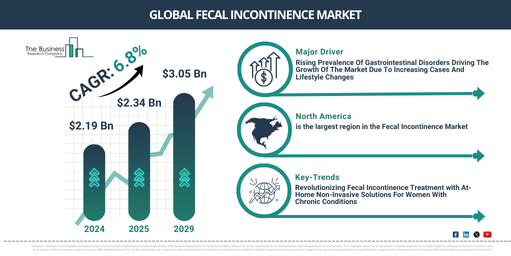
    The market for fecal incontinence has been growing robustly in the past few years. From 2024 to 2025, it is expected to increase from $2.19 billion to $2.34 billion, with a compound annual growth rate (CAGR) of 7.1%. Factors such as a rise in injuries or trauma cases, an increase in gastrointestinal disorders prevalence, enhanced healthcare spending, an aging demographic, the acceptance of anti-diarrheal drugs, and the increased accessibility of treatment and management products have contributed to the historic period growth.

    How Much Will the Fecal Incontinence Market Be Worth in 2029?

    In the upcoming years, the fecal incontinence market size is predicted to witness robust growth, expanding to $3.05 billion by 2029 with a compound annual growth rate (CAGR) of 6.8%. This growth over the forecast period can be credited to an increase in chronic diarrhea cases, a mounting demand for minimally invasive procedures, encouraging reimbursement scenarios, the rising fame of sacral nerve stimulation methods, and an escalation in research and development investments. Key trends in the forecast period consist of technological innovations, personalized healthcare strategies, the need for biodegradable and environmentally friendly products, advanced developments like electrical stimulation devices and enhanced absorbent products, and the incorporation of digital health technologies.

    Download The Free Sample Report Here:

    https://www.thebusinessresearchcompany.com/sample.aspx?id=21965&type=smp

    Which is the Largest Company in the Fecal Incontinence Market?

    Major companies operating in the fecal incontinence market are 3M Company, Medtronic plc, Medline Industries LP, Essity AB, B. Braun Melsungen AG, Domtar Corporation, Coloplast Corp., HARTMANN Direct, ConvaTec Group plc, Ontex Group NV, Hollister Incorporated, Abena Group, Laborie Medical Technologies, Home Care Delivered, 180 Medical, Attends Healthcare Products Inc., Principle Business Enterprises Inc., Carewell, NorthShore Care Supply, InControl Medical, Tranquility Products, Aeroflow Urology, Reliance Medical Inc., TZMO SA, Allegro Medical

    What Are the Main Market Drivers in the Fecal Incontinence Industry?

    The increase in gastrointestinal disorders is anticipated to boost the fecal incontinence market’s growth. Conditions impacting the digestive system, such as ailments of the esophagus, stomach, intestines, liver, pancreas, and gallbladder are known as gastrointestinal disorders. Due to unhealthy eating habits and alterations in lifestyle, like excessive consumption of processed foods and inadequate fiber intake, there is a rising incident of gastrointestinal disorders. Conditions like inflammatory bowel disease (IBD), persistent diarrhea, and irritable bowel syndrome (IBS) can trigger fecal incontinence by interrupting bowel functions in several ways. For example, according to Crohn’s and Colitis Canada, a charity dedicated to aiding and enhancing the life quality of those affected with Crohn’s or colitis, the count of individuals living with inflammatory bowel disease (IBD) is predicted to increase from 322,600 in 2023 (0.8% of the population) to 470,000 by 2035 (1.1% of the population). Additionally, the anticipated new cases in 2023 were 11,000 (implying one diagnosis every 48 minutes), which should increase to 14,000 new cases by 2035 (i.e., a diagnosis every 38 minutes). Consequently, the escalating occurrence of gastrointestinal disorders is propelling the fecal incontinence market’s growth.

    Request For A Customized Report:

    https://www.thebusinessresearchcompany.com/customise?id=21965&type=smp

    How Is the Fecal Incontinence Market Segments Structured?

    The fecal incontinence market covered in this report is segmented –

    1) By Product Type: Absorbent Products, Anal Inserts, Electrical Stimulation Devices, Other Product Types

    2) By Age Group: Pediatric, Adult, Geriatric

    3) By Application: Hospitals, Clinics, Home Care Settings, Other Applications

    4) By Distribution Channel: Online Stores, Pharmacies, Specialty Stores, Other Distribution Channels

    Subsegments:

    1) By Absorbent Products: Adult Diapers, Protective Underwear, Pads And Liners

    2) By Anal Inserts: Disposable Anal Inserts, Reusable Anal Inserts

    3) By Electrical Stimulation Devices: Implantable Devices, Non-Implantable Devices

    4) By Other Product Types: Biofeedback Systems, Injectable Bulking Agents, Surgical Devices

    What Strategic Trends Are Transforming the Fecal Incontinence Market?

    Fecal incontinence market industry giants are concentrating on the creation of innovative solutions, such as pelvic health systems, aiming to enhance both patient comfort and treatment results, thus growing their market footprint. Pelvic health systems are a group of medical technologies, services, and treatments devised to diagnose, manage, and enhance the well-being of pelvic organs and structures. These systems are generally intended for addressing issues related to the pelvic floor, such as incontinence, pelvic discomfort, and reproductive health problems. An example is the introduction of the Leva pelvic health system by Axena Health Inc., a medical device corporation based in the US, which received U.S. Food and Drug Administration clearance in June 2023. This pioneering system provides a straightforward, non-invasive, and medication-free method for strengthening pelvic floor muscles, utilizing motion sensors and real-time feedback to guide users in productive five-minute daily workouts. By enhancing accessibility and effectiveness via telehealth integration, the system particularly targets fecal incontinence, providing a viable respite for patients.

    Access The Full Report Here:

    https://www.thebusinessresearchcompany.com/report/fecal-incontinence-global-market-report

    Which Global Regions Offer the Highest Growth in the Fecal Incontinence Market?

    North America was the largest region in the fecal incontinence market in 2024. The regions covered in the fecal incontinence market report are Asia-Pacific, Western Europe, Eastern Europe, North America, South America, Middle East, Africa.

    Purchase The Full Report Today:

    https://www.thebusinessresearchcompany.com/purchaseoptions.aspx?id=21965

    This Report Delivers Insight On:

    1. How big is the fecal incontinence market, and how is it changing globally?

    2. Who are the major companies in the fecal incontinence market, and how are they performing?

    3. What are the key opportunities and risks in the fecal incontinence market right now?

    4. Which products or customer segments are growing the most in the fecal incontinence market?

    5. What factors are helping or slowing down the growth of the fecal incontinence market?

    About The Business Research Company:

    With over 15000+ reports from 27 industries covering 60+ geographies, The Business Research Company has built a reputation for offering comprehensive, data-rich research and insights. Armed with 1,500,000 datasets, the optimistic contribution of in-depth secondary research, and unique insights from industry leaders, you can get the information you need to stay ahead in the game.

    Get in touch with us:

    The Business Research Company: https://www.thebusinessresearchcompany.com/

    Americas +1 310-496-7795

    Europe +44 7882 955267

    Asia & Others +44 7882 955267 & +91 8897263534

    Email us at info@tbrc.info

    Follow us on:

    LinkedIn: https://in.linkedin.com/company/the-business-research-company

    YouTube: https://www.youtube.com/channel/UC24_fI0rV8cR5DxlCpgmyFQ

    Global Market Model: https://www.thebusinessresearchcompany.com/global-market-model
  • Robotic Dentistry  Industry Growth Expected to Reach $1.54 Billion by 2029 at a CAGR of 20.7% | Segmentation and Growth Opportunities

    Robotic Dentistry Industry Growth Expected to Reach $1.54 Billion by 2029 at a CAGR of 20.7% | Segmentation and Growth Opportunities

    Claim your 30% discount on Global Market Reports with code ONLINE30. Limited time only.

    What Is the Forecast for the Robotic Dentistry Market Growth in 2025?

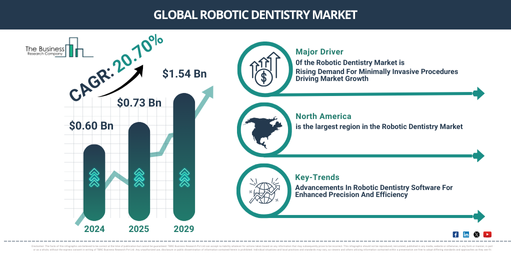
    In recent times, there has been a significant expansion in the market size of robotic dentistry. This market is projected to increase from $0.60 billion in 2024 to $0.73 billion in 2025, reflecting a compound annual growth rate (CAGR) of 21.0%. This substantial growth during the historic period is a result of several factors including the utilization of robotics in pediatric dental care, improved abilities for intricate oral surgeries, heightened emphasis on patient safety, digitization in various dental procedures, and the elevated requirement for time-efficient dental solutions.

    What Is the Forecast for the Robotic Dentistry Market Size Through 2029?

    In the coming years, the robotic dentistry market is anticipated to experience substantial growth, escalating to a value of $1.54 billion by 2029 with a Compound Annual Growth Rate (CAGR) of 20.7%. The projected growth during this period can be linked to the expansion of the tele-industry, increased adoption of robots in orthodontics, the surge in dental tourism, financing for healthcare innovations, and the rise of personalized dental solutions. Foreseen trends for this period encompass the advancement of portable tools, miniaturization of robotic dental equipment, progression in haptic technology, the employment of augmented reality (AR) for training purposes, and technological enhancement in gadgets for improved accuracy.

    Download The Free Sample Report Here:

    https://www.thebusinessresearchcompany.com/sample.aspx?id=20945&type=smp

    What are the Key Market Players in Robotic Dentistry Market and How They’re Evolving?

    Major companies operating in the robotic dentistry market are Planmeca Oy, Dental Monitoring, Neocis, Overjet, Videa Health, Smilo.ai, Dentulu, Diagnocat, X-Nav Technologies, Image Navigation Ltd., Perceptive. Io, Lupin Dental, Dentem, Denti.AI, Manchester Imaging, YakeBot (Beijing) Technology Co. Ltd., Pearl Dental AI, Dentroid, VELMENI, CoTreat, AI Dent

    What Are the Primary Growth Drivers in the Robotic Dentistry Market?

    The momentum in the robotic dentistry market is fuelled by the increasing preference for minimally invasive procedures. These medical strategies involve negligible or no incisions, resulting in reduced tissue injury, a shorter recuperation period, and less risk compared to traditional surgery. The surge in demand for these procedures is attributed to benefits like quicker healing, lower risk of after-surgery complications, and enhanced patient comfort. Robotic dentistry systems augment dental practices by offering superior precision, facilitating smaller incisions, lowering tissue harm, decreasing risks, and culminating in better overall results. For example, the British Association of Aesthetic Plastic Surgeons reported that 31,057 cosmetic surgeries were conducted in the UK in 2022, a significant 102% growth from 2022. Therefore, this escalating demand for minimally invasive methods boosts the growth of the robotic dentistry market.

    Request For A Customized Report:

    https://www.thebusinessresearchcompany.com/customise?id=20945&type=smp

    What Are the Leading Segments in the Global Robotic Dentistry Industry?

    The robotic dentistry market covered in this report is segmented –

    1) By Products And Services: Standalone Robots, Robot-Assisted System, Services

    2) By Applications: Implantology, Endodontics, Other Applications

    3) By End-Users: Dental Hospitals And Clinics, Dental Academics, Other End-Users

    Subsegments:

    1) By Standalone Robots: Robotic Surgery Systems, Robotic Tooth Restoration Systems, Robotic Implant Placement Systems, Robotic Orthodontic Systems

    2) By Robot-Assisted Systems: Image-Guided Robotic Systems, Dental Navigation Systems, Robotic-Assisted Drilling And Cutting Systems, Robotic-Assisted Endodontic Systems, Robotic-Assisted Tooth Extraction Systems

    3) By Services: Installation Services, Maintenance And Repair Services, Training And Support Services, Consulting Services For Robotic Integration, Software Upgrades And Customization Services

    What Are the Key Market Trends in the Robotic Dentistry Industry?

    Major players in the field of robotic dentistry are gearing up to advance the development of high-tech dental robotic software suites, with the goal of improving the level of personalized care for patients. Dental robotic software suites serve as upgraded platforms that enhance the application of robotic systems for dental procedures, providing features that allow precise, effective and minimally invasive treatments for improved patient results. For instance, Neocis, a US-based medical equipment manufacturer, announced the commercial release of its YomiPlan Go Workflow in August 2023. This cutting-edge software suite empowers clinicians to carry out implant surgeries without the need for preoperative scans, thus significantly increasing the speed and accuracy of the procedure. By deploying the Yomi robotic system, surgeons can directly pinpoint implant position and angle during the procedure, effortlessly merging freehand methodologies with robotic guidance to accomplish superior precision.

    Access The Full Report Here:

    https://www.thebusinessresearchcompany.com/report/robotic-dentistry-global-market-report

    What Is the Regional Outlook for the Robotic Dentistry Market?

    North America was the largest region in the robotic dentistry market in 2024. Asia-Pacific is expected to be the fastest-growing region in the forecast period. The regions covered in the robotic dentistry market report are Asia-Pacific, Western Europe, Eastern Europe, North America, South America, Middle East, Africa.

    Purchase The Full Report Today:

    https://www.thebusinessresearchcompany.com/purchaseoptions.aspx?id=20945

    This Report Delivers Insight On:

    1. How big is the robotic dentistry market, and how is it changing globally?

    2. Who are the major companies in the robotic dentistry market, and how are they performing?

    3. What are the key opportunities and risks in the robotic dentistry market right now?

    4. Which products or customer segments are growing the most in the robotic dentistry market?

    5. What factors are helping or slowing down the growth of the robotic dentistry market?

    About The Business Research Company:

    With over 15000+ reports from 27 industries covering 60+ geographies, The Business Research Company has built a reputation for offering comprehensive, data-rich research and insights. Armed with 1,500,000 datasets, the optimistic contribution of in-depth secondary research, and unique insights from industry leaders, you can get the information you need to stay ahead in the game.

    Get in touch with us:

    The Business Research Company: https://www.thebusinessresearchcompany.com/

    Americas +1 310-496-7795

    Europe +44 7882 955267

    Asia & Others +44 7882 955267 & +91 8897263534

    Email us at info@tbrc.info

    Follow us on:

    LinkedIn: https://in.linkedin.com/company/the-business-research-company

    YouTube: https://www.youtube.com/channel/UC24_fI0rV8cR5DxlCpgmyFQ

    Global Market Model: https://www.thebusinessresearchcompany.com/global-market-model
  • Fatty Acid Oxidation Disorders (FAODs) Industry Growth Expected to Reach $2.71 Billion by 2029 at a CAGR of 4.4% | Segmentation and Growth Opportunities

    Fatty Acid Oxidation Disorders (FAODs) Industry Growth Expected to Reach $2.71 Billion by 2029 at a CAGR of 4.4% | Segmentation and Growth Opportunities

    Claim your 30% discount on Global Market Reports with code ONLINE30. Limited time only.

    What Is the Forecast for the Fatty Acid Oxidation Disorders (FAODs) Market Growth in 2025?

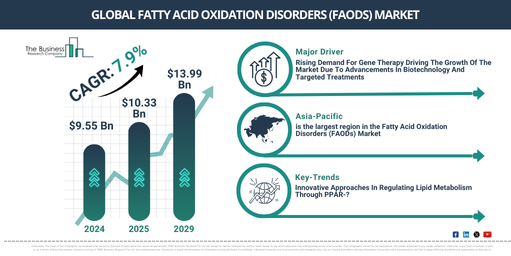
    The market for fatty acid oxidation disorders (FAODs) has witnessed significant expansion in the past few years. The market is projected to escalate from $9.55 billion in 2024 to $10.33 billion in 2025, with a compound annual growth rate (CAGR) of 8.1%. The upsurge during the historical period can be credited to heightened awareness, an increase in the occurrence of rare and hereditary disorders, a rise in the number of approved products, an upswing in government initiatives, and a boosted demand for orphan drugs.

    What Is the Forecast for the Fatty Acid Oxidation Disorders (FAODs) Market Size Through 2029?

    The market for fatty acid oxidation disorders (FAODs) is anticipated to experience substantial growth in the coming years, increasing to $13.99 billion by 2029 with a compound annual growth rate (CAGR) of 7.9%. Major contributing factors to this predicted growth are the escalated demand for eco-friendly bio-products, the rise in individualized medicine, early detection of FAODS, augmented funding for research and development activities, and the emphasis on improving long-term patient outcomes. Upcoming trends during this forecast period encompass the incorporation of telehealth services, the application of artificial intelligence in diagnostics and drug discovery, breakthroughs in genetic testing, technological advancements, and a shift towards more patient-focused care models.

    Download The Free Sample Report Here:

    https://www.thebusinessresearchcompany.com/sample.aspx?id=21964&type=smp

    What are the Key Market Players in Fatty Acid Oxidation Disorders (FAODs) Market and How They’re Evolving?

    Major companies operating in the fatty acid oxidation disorders (FAODs) market are BASF SE, Thermo Fisher Scientific Inc, Takeda Pharmaceutical Company Limited, Baxter International Inc, Koninklijke DSM NV, Ingredion Incorporated, Lonza Group Ltd, Roquette Frères SA, Dr Reddy’s Laboratories Limited, Tate & Lyle PLC, ANI Pharmaceuticals Inc, Ultragenyx Pharmaceutical Inc, Gulshan Polyols Limited, Hubei Guangji Pharmaceutical Co Ltd, Omega Laboratories Limited, Actiza Pharmaceutical Private Limited, Allmpus Laboratories Private Limited, Reneo Pharmaceuticals Inc, Greenwell Lifesciences, NB Group Co Ltd.

    What Are the Primary Growth Drivers in the Fatty Acid Oxidation Disorders (FAODs) Market?

    The escalating need for gene therapy is predicted to accelerate the expansion of the fatty acid oxidation disorders (FAODs) market. Gene therapy is a medical approach that involves modifying or substituting faulty genes to cure or thwart diseases. The surge in demand for this therapy stems from its capability to treat genetic disorders, cancer, and uncommon diseases by tackling the root genetic causes. This potential has resulted in considerable investments and progress in biotechnology. Gene therapy aims to rectify metabolic insufficiencies provoked by FAODs by introducing functional genes, reviving enzymatic activity, boosting energy generation, and averting disease complexities. For example, in April 2024, the American Society of Gene & Cell Therapy, a US-based institution for gene and cell therapy, reported a 10% increase in gene therapies in Phase III clinical trials in the last quarter. This marked the inaugural growth of this sort since the third quarter in 2022. As a result, the burgeoning demand for gene therapy is fuelling the growth of the FAODs market.

    Request For A Customized Report:

    https://www.thebusinessresearchcompany.com/customise?id=21964&type=smp

    What Are the Leading Segments in the Global Fatty Acid Oxidation Disorders (FAODs) Industry?

    The fatty acid oxidation disorders (FAODs) market covered in this report is segmented –

    1) By Type: Long Chain, Short Chain

    2) By Drug Type: Levocarnitine, Dextrose, Riboflavin, Other Drug Types

    3) By Route of Administration: Oral, Intravenous

    4) By Distribution Channel: Hospital Pharmacies, Retail Pharmacies, Drug Stores, Online Stores

    5) By End User: Hospitals, Clinics, Pharmaceutical Companies

    Subsegments:

    1) By Long Chain: Very Long-Chain Acyl-CoA Dehydrogenase Deficiency (VLCAD), Long-Chain 3-Hydroxyacyl-CoA Dehydrogenase Deficiency (LCHAD), Trifunctional Protein Deficiency (TFP), Carnitine Palmitoyltransferase II Deficiency (CPT II)

    2) By Short Chain: Medium-Chain Acyl-CoA Dehydrogenase Deficiency (MCAD), Short-Chain Acyl-CoA Dehydrogenase Deficiency (SCAD), Carnitine Uptake Defect (CUD)

    What Are the Key Market Trends in the Fatty Acid Oxidation Disorders (FAODs) Industry?

    Leading businesses within the fatty acid oxidation disorders (FAODs) market are honing their focus on the production of innovative solutions, such as peroxisome proliferator-activated receptor delta (PPARd) agonists, to bolster metabolic control and improve patient results. PPARd agonists activate the PPARd receptor, which has a role in managing lipid metabolism, inflammation, and energy equilibrium, and could potentially offer treatment benefits for metabolic disorders and heart-related diseases. For example, in January 2023, Reneo Pharmaceuticals Inc., a clinical-stage pharmaceutical company based in the US, was granted Fast Track designation by the U.S. Food and Drug Administration (FDA) for its experimental drug, Mavodelpar (REN001). This drug targets long-chain 3-hydroxyacyl-CoA dehydrogenase (LCHAD) deficiency, a genotype related to long-chain fatty acid oxidation disorder (LC-FAOD). The aim of Mavodelpar, by activating PPARd, is to boost mitochondrial function, enhance energy metabolism, and alleviate symptoms linked with LC-FAOD.

    Access The Full Report Here:

    https://www.thebusinessresearchcompany.com/report/fatty-acid-oxidation-disorders-faods-global-market-report

    What Is the Regional Outlook for the Fatty Acid Oxidation Disorders (FAODs) Market?

    Asia-Pacific was the largest region in the fatty acid oxidation disorders (FAODs) market in 2024. The regions covered in the fatty acid oxidation disorders (FAODs) market report are Asia-Pacific, Western Europe, Eastern Europe, North America, South America, Middle East, Africa.

    Purchase The Full Report Today:

    https://www.thebusinessresearchcompany.com/purchaseoptions.aspx?id=21964

    This Report Delivers Insight On:

    1. How big is the fatty acid oxidation disorders (faods) market, and how is it changing globally?

    2. Who are the major companies in the fatty acid oxidation disorders (faods) market, and how are they performing?

    3. What are the key opportunities and risks in the fatty acid oxidation disorders (faods) market right now?

    4. Which products or customer segments are growing the most in the fatty acid oxidation disorders (faods) market?

    5. What factors are helping or slowing down the growth of the fatty acid oxidation disorders (faods) market?

    About The Business Research Company:

    With over 15000+ reports from 27 industries covering 60+ geographies, The Business Research Company has built a reputation for offering comprehensive, data-rich research and insights. Armed with 1,500,000 datasets, the optimistic contribution of in-depth secondary research, and unique insights from industry leaders, you can get the information you need to stay ahead in the game.

    Get in touch with us:

    The Business Research Company: https://www.thebusinessresearchcompany.com/

    Americas +1 310-496-7795

    Europe +44 7882 955267

    Asia & Others +44 7882 955267 & +91 8897263534

    Email us at info@tbrc.info

    Follow us on:

    LinkedIn: https://in.linkedin.com/company/the-business-research-company

    YouTube: https://www.youtube.com/channel/UC24_fI0rV8cR5DxlCpgmyFQ

    Global Market Model: https://www.thebusinessresearchcompany.com/global-market-model
  • Renal Cell Carcinoma  Industry Valued at $0.95 Billion by 2029 With CAGR of 6.6% | Size and Share Insights

    Renal Cell Carcinoma Industry Valued at $0.95 Billion by 2029 With CAGR of 6.6% | Size and Share Insights

    Claim your 30% discount on Global Market Reports with code ONLINE30. Limited time only.

    What Is the Forecast for the Renal Cell Carcinoma Market from 2024 to 2025?

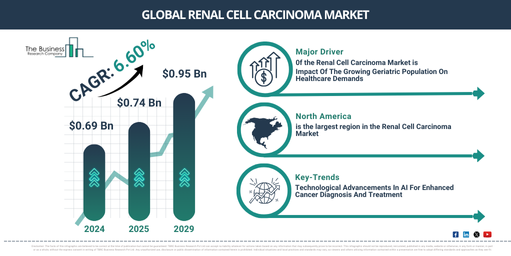
    The market for renal cell carcinoma has experienced substantial expansion in the previous years. The market is projected to escalate from a worth of $0.69 billion in 2024 to $0.74 billion in 2025, exhibiting a compound annual growth rate (CAGR) of 7.0%. The past growth can be linked to factors such as the increased occurrence of kidney cancer, an aging population, the expanding acceptance of targeted therapies, increased consciousness about cancer screening, enhanced healthcare systems, and the escalated investments dedicated to oncology research and development.

    What Is the Projected Market Size of the Renal Cell Carcinoma Market?

    It is predicted that the market size for renal cell carcinoma will experience significant expansion in the approaching years, increasing to a formidable $0.95 billion by 2029, with a compound annual growth rate (CAGR) of 6.6%. This acceleration can be traced back to several factors such as the increased utilization of personalized medicine, heightened awareness about early cancer identification, escalating investments in healthcare for cancer treatment, enhanced healthcare accessibility, and the broadening scope of clinical trials and research for innovative treatments. Key trends for the forecast period include the incorporation of AI in precision diagnostics, the emergence of targeted therapies, breakthroughs in immunotherapy, advances in the identification of biomarkers, the introduction of minimally invasive surgical methods, and improvements in imaging technologies.

    Download The Free Sample Report Here:

    https://www.thebusinessresearchcompany.com/sample.aspx?id=20944&type=smp

    Who are the Major Competitors in the Renal Cell Carcinoma Market Outlook?

    Major companies operating in the renal cell carcinoma market are Pfizer Inc., Johnson & Johnson, F. Hoffmann-La Roche Ltd., Merck & Co. Inc., Bayer AG, Bristol Myers Squibb Company, AstraZeneca Plc, Abbott Laboratories, Novartis AG, Fresenius Kabi AG, GSK plc, Takeda Pharmaceutical Company Limited, Amgen Inc., Viatris Inc. (Mylan N.V.), Astellas Pharma Inc., Eisai Co. Ltd., Sun Pharmaceutical Industries Ltd., Ipsen Pharma, Cipla Inc., Hikma Pharmaceuticals PLC, Amneal Pharmaceuticals LLC, Exelixis Inc., Nektar Therapeutics

    What Is Fueling Growth in the Renal Cell Carcinoma Market?

    The escalating numbers of the elderly community are anticipated to propel the expansion of the renal cell carcinoma market. This demographic, mainly individuals aged 65 and over, have unique medical and social needs. The surge in this populace results from improvements in health care, greater nutrition, and extended longevity. There is a growing prevalence of Renal cell carcinoma (RCC) in older adults, indicating the necessity for customized screening and therapy techniques tailored for them. Case in point, a report released by the Population Reference Bureau, a US non-profit group in charge of data collection for research and scholarly uses in January 2024, projected a rise of those aged 65 and older in America from 58 million in 2022 to 82 million by 2050, equating to an increase of 47%. Consequently, the surge in the elderly population is stimulating the growth of the renal cell carcinoma market.

    Request For A Customized Report:

    https://www.thebusinessresearchcompany.com/customise?id=20944&type=smp

    Which Renal Cell Carcinoma Market Segments Are Growing the Fastest?

    The renal cell carcinoma market covered in this report is segmented –

    1) By Type: Clear Cell Renal Cell Carcinoma (RCC), Papillary Renal Cell Carcinoma (RCC), Chromophobe Renal Cell Carcinoma (RCC)

    2) By Diagnosis: Urine Tests, Computed Tomography (CT) Scan, Nephrectomy, Blood Tests, Ultrasound, Biopsy

    3) By Treatment: Medication, Ablation, Targeted Therapy, Chemotherapy, Surgery, Other Treatments

    4) By End-Users: Hospitals, Specialty Clinics, Homecare, Other End-Users

    Subsegments:

    1) By Clear Cell Renal Cell Carcinoma (RCC): Sporadic Clear Cell RCC, Hereditary Clear Cell RCC

    2) By Papillary Renal Cell Carcinoma (RCC): Type 1 Papillary RCC, Type 2 Papillary RCC

    3) By Chromophobe Renal Cell Carcinoma (RCC): Classic Chromophobe RCC, Hybrid Chromophobe RCC

    Which Industry Trends Are Shaping the Future of the Renal Cell Carcinoma Market?

    Leading corporations in the renal cell carcinoma sector are prioritizing the creation of state-of-the-art products. These include the use of artificial intelligence (AI)-infused solutions specifically crafted to analyze kidney biopsies, with the goal of enhancing diagnostic precision, streamlining processes, and bettering patient results. AI-supported solutions for kidney biopsy analysis employ a technological approach, using machine learning algorithms and computer vision to aid pathologists and nephrologists in the examination of kidney tissue samples. These futuristic tools aim to increase the accuracy, efficiency and consistency of kidney disease diagnosis and kidney health evaluation. A case in point is the March 2024 debut of the NephroPath platform by Aiosyn, a software enterprise located in the Netherlands. This high-tech AI integrative solution is engineered for kidney biopsy analysis, utilizing computational pathology algorithms to study histological biomarkers in kidney biopsies. Its capabilities range from identifying tissue types, calculating interstitial fibrosis to accurately counting and evaluating glomeruli. This AI-guided scrutiny ensures homogeneous, thorough, and repeatable scoring of renal pathology biomarkers, thus resolving the limitations of conventional scoring techniques and subjective observer influence.

    Access The Full Report Here:

    https://www.thebusinessresearchcompany.com/report/renal-cell-carcinoma-global-market-report

    Which Countries Are Leading the Renal Cell Carcinoma Market?

    North America was the largest region in the renal cell carcinoma market in 2024. Asia-Pacific is expected to be the fastest-growing region in the forecast period. The regions covered in the renal cell carcinoma market report are Asia-Pacific, Western Europe, Eastern Europe, North America, South America, Middle East, Africa.

    Purchase The Full Report Today:

    https://www.thebusinessresearchcompany.com/purchaseoptions.aspx?id=20944

    This Report Delivers Insight On:

    1. How big is the renal cell carcinoma market, and how is it changing globally?

    2. Who are the major companies in the renal cell carcinoma market, and how are they performing?

    3. What are the key opportunities and risks in the renal cell carcinoma market right now?

    4. Which products or customer segments are growing the most in the renal cell carcinoma market?

    5. What factors are helping or slowing down the growth of the renal cell carcinoma market?

    About The Business Research Company:

    With over 15000+ reports from 27 industries covering 60+ geographies, The Business Research Company has built a reputation for offering comprehensive, data-rich research and insights. Armed with 1,500,000 datasets, the optimistic contribution of in-depth secondary research, and unique insights from industry leaders, you can get the information you need to stay ahead in the game.

    Get in touch with us:

    The Business Research Company: https://www.thebusinessresearchcompany.com/

    Americas +1 310-496-7795

    Europe +44 7882 955267

    Asia & Others +44 7882 955267 & +91 8897263534

    Email us at info@tbrc.info

    Follow us on:

    LinkedIn: https://in.linkedin.com/company/the-business-research-company

    YouTube: https://www.youtube.com/channel/UC24_fI0rV8cR5DxlCpgmyFQ

    Global Market Model: https://www.thebusinessresearchcompany.com/global-market-model

  • Exanthema Industry Valued at $2.78 Billion by 2029 With CAGR of 4.9% | Size and Share Insights

    Exanthema Industry Valued at $2.78 Billion by 2029 With CAGR of 4.9% | Size and Share Insights

    Claim your 30% discount on Global Market Reports with code ONLINE30. Limited time only.

    What Is the Forecast for the Exanthema Market from 2024 to 2025?

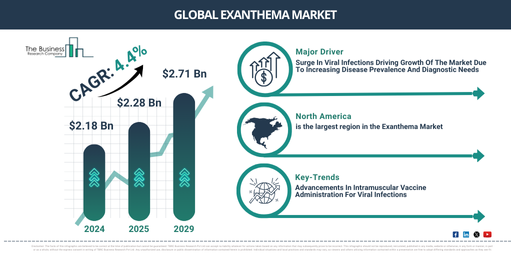
    In recent times, the exanthema market size has experienced steady growth, with an expected increase from $2.18 billion in 2024 to $2.28 billion in 2025. This indicates a compound annual growth rate (CAGR) of 4.7%. The surge during the historical period is due to greater healthcare spending, heightened consciousness about vaccinations, an increase in disposable income, and more knowledge about skin disorders. Moreover, there is a greater focus on early detection.

    What Is the Projected Market Size of the Exanthema Market?

    Expectations are that the exanthema market will witness consistent growth over the next few years. The projected growth will take the market’s value to $2.71 billion by 2029, with a compound annual growth rate (CAGR) of 4.4%. Factors contributing to this forecast growth include increasing investments in research and development, a surge in viral and bacterial infections, enhanced focus on telemedicine, heightened governmental initiatives, and a growing demand for orally administered medication. The forecast period will also be characterised by advancements in treatment approaches, innovations in diagnostics, evolved technological advancements, progress in medical research and technology and the introduction of supportive technologies.

    Download The Free Sample Report Here:

    https://www.thebusinessresearchcompany.com/sample.aspx?id=21962&type=smp

    Who are the Major Competitors in the Exanthema Market Outlook?

    Major companies operating in the exanthema market are F. Hoffmann-La Roche Ltd., Merck & Co. Inc., Sanofi SA, Abbott Laboratories, GlaxoSmithKline plc, Serum Institute of India Pvt. Ltd., Takeda Pharmaceutical Company Limited, Amgen Inc., Daiichi Sankyo Company Limited, Biological E. Limited, Zydus Lifesciences Limited, Bio Farma, Meridian Bioscience Inc., West-Ward Pharmaceutical Corp., Trinity Biotech plc, Biosynth Srl, Creative Diagnostics, Taj Pharmaceuticals Limited, TestLine Clinical Diagnostics s.r.o., The Native Antigen Co. Ltd., QED Bioscience Inc.

    What Is Fueling Growth in the Exanthema Market?

    The increase in viral infections is projected to stimulate the exanthema market’s expansion. Viral infections refer to diseases caused by viruses that invade and then multiply in the cells of the body, resulting in various symptoms and conditions. Factors such as global travel, urbanization, climate change, and diminished immunity in populations are causing a rise in viral infections. This escalation in viral infections is fueling the demand for exanthema treatments, as more people manifest skin rashes, escalating the requirement for effective control. Exanthema is a visible immune response to viral infections, functioning to expel pathogens, signal immune activation, and assist in diagnosing by highlighting the body’s combat against the virus. For example, in August 2024, the Centers for Disease Control and Prevention, a US government agency, showed that that between 2022–2024, the percentage of individuals with IgM antibodies, signifying a recent Parvovirus B19 infection, stayed under 3% but shot up to 10% by June 2024. The most substantial increase was seen in 5–9 year-old children, where prevalence escalated from 15% to 40% during this timeframe. Hence, the growth of the exanthema market is propelled by the increasing prevalence of viral infections.

    Request For A Customized Report:

    https://www.thebusinessresearchcompany.com/customise?id=21962&type=smp

    Which Exanthema Market Segments Are Growing the Fastest?

    The exanthema market covered in this report is segmented –

    1) By Types: Bacterial, Viral, Other Types

    2) By Treatment: Topical Treatments, Systemic Treatments, Supportive Care

    3) By Diagnosis Method: Clinical Examination, Laboratory Tests, Imaging Techniques

    4) By Application: Rubeola, Rubella, Erythema Infectiosum, Roseola Infantum

    5) By End-Users: Hospitals, Homecare, Specialty Centers, Other End-Users

    Subsegments:

    1) By Bacterial Exanthema: Scarlet Fever, Meningococcemia, Staphylococcal Scalded Skin Syndrome (SSSS), Lyme Disease, Tuberculosis-Associated Exanthema

    2) By Viral Exanthema: Measles (Rubeola), Rubella (German Measles), Varicella (Chickenpox), Roseola (Exanthem Subitum), Hand, Foot, and Mouth Disease, Parvovirus B19 (Erythema Infectiosum / Fifth Disease), Dengue Fever Rash, Zika Virus Rash

    3) By Other Types of Exanthema: Drug-Induced Exanthema (Hypersensitivity Reactions), Autoimmune-Related Exanthema (Lupus, Kawasaki Disease), Allergic Dermatitis-Related Exanthema, Fungal Infections Leading to Exanthema, Environmental and Toxin-Induced Exanthema

    Which Industry Trends Are Shaping the Future of the Exanthema Market?

    Key players in the exanthema market, such as Merck & Co. Inc., are focusing on the development of new treatments, including intramuscular (IM) administration of vaccines and antiviral medical interventions, with the aim of enhancing effectiveness, minimizing complications, and improving patient results in managing viral infections linked with exanthematous conditions. Delivering medicines or vaccines directly into the muscle tissue through a needle and syringe is what constitutes the IM administration of vaccines and antiviral treatments. Utilizing this approach ensures rapid absorption of the substances into the bloodstream due to the abundant blood flow in the muscles, aiding in triggering an immune response or a therapeutic impact. In March 2023, it was announced by Merck & Co. Inc, a pharmaceutical corporation based in the US, that their MMRV vaccines—M-M-R II, VARIVAX, and ProQuad—have been approved by the FDA for the IM administration pathway. The stability and effectiveness provided by the IM route for these live-virus vaccines prove it to be significant in enhancing preventative measures in public health against these potentially severe viral infections.

    Access The Full Report Here:

    https://www.thebusinessresearchcompany.com/report/exanthema-global-market-report

    Which Countries Are Leading the Exanthema Market?

    North America was the largest region in the exanthema market in 2024. Asia-Pacific is expected to be the fastest-growing region in the forecast period. The regions covered in the exanthema market report are Asia-Pacific, Western Europe, Eastern Europe, North America, South America, Middle East, Africa.

    Purchase The Full Report Today:

    https://www.thebusinessresearchcompany.com/purchaseoptions.aspx?id=21962

    This Report Delivers Insight On:

    1. How big is the exanthema market, and how is it changing globally?

    2. Who are the major companies in the exanthema market, and how are they performing?

    3. What are the key opportunities and risks in the exanthema market right now?

    4. Which products or customer segments are growing the most in the exanthema market?

    5. What factors are helping or slowing down the growth of the exanthema market?

    About The Business Research Company:

    With over 15000+ reports from 27 industries covering 60+ geographies, The Business Research Company has built a reputation for offering comprehensive, data-rich research and insights. Armed with 1,500,000 datasets, the optimistic contribution of in-depth secondary research, and unique insights from industry leaders, you can get the information you need to stay ahead in the game.

    Get in touch with us:

    The Business Research Company: https://www.thebusinessresearchcompany.com/

    Americas +1 310-496-7795

    Europe +44 7882 955267

    Asia & Others +44 7882 955267 & +91 8897263534

    Email us at info@tbrc.info

    Follow us on:

    LinkedIn: https://in.linkedin.com/company/the-business-research-company

    YouTube: https://www.youtube.com/channel/UC24_fI0rV8cR5DxlCpgmyFQ

    Global Market Model: https://www.thebusinessresearchcompany.com/global-market-model