Category: Medical Equipment

  • Global Cancer Cell Analysis Market Overview: Trends Shaping Growth to 2029

    Global Cancer Cell Analysis Market Overview: Trends Shaping Growth to 2029

    Unlock Global Insights – Save 20% on Market Reports with Code ONLINE20

    What Is The Expected Total Market Size Of The Cancer Cell Analysis Industry By The Forecast Year 2029?

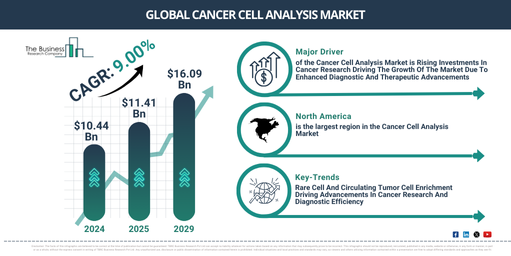
    The cancer cell analysis market size has demonstrated significant expansion over recent years. It is anticipated to increase from $10.44 billion in 2024 to $11.41 billion in 2025, reflecting a compound annual growth rate (CAGR) of 9.3%. The historical expansion can be linked to the rising occurrence of cancer, increased government investment in cancer research, growing cooperation among research institutions and biotech firms, a surge in demand for liquid biopsy and non-invasive testing, and the escalating need for customized cancer treatments.

    The cancer cell analysis market is projected to experience substantial expansion in the coming years. This market is anticipated to reach $16.09 billion by 2029, exhibiting a compound annual growth rate (CAGR) of 9.0%. This expansion during the forecast period is fueled by an increasing demand for high-throughput analysis methods, a greater focus on early detection and screening, an intensifying interest in single-cell and rare cell research, a growing requirement for precise clinical decision support, and the expanding implementation of digital pathology platforms. Key developments expected during this time include the incorporation of AI into cancer cell imaging and analysis, enhancements in next-generation sequencing technologies, the uptake of multiplex biomarker detection assays, progress in immuno-oncology research instruments, and the utilization of bioinformatics and big data analytics for tailored therapies.

    Unlock Your Free Sample Report for Exclusive Market Data:

    https://www.thebusinessresearchcompany.com/sample.aspx?id=28154&type=smp

    Which Drivers Are Supporting Growth Of The Cancer Cell Analysis Market?

    Increased funding directed towards cancer research is projected to propel the growth of the cancer cell analysis market in the foreseeable future. This surge in cancer research investments stems from the escalating worldwide prevalence of cancer, leading both governmental bodies and private entities to allocate more resources to studies aimed at enhancing diagnostic methods and devising efficacious therapies. Cancer cell analysis is pivotal in cancer research, furnishing in-depth understanding of tumor biology, its varied nature, and progression. This capability empowers researchers to identify novel biomarkers, evaluate responses to treatment, and formulate personalized therapeutic strategies. An example of this trend is seen with the National Cancer Institute, a US government agency, which reported a budget of $7.2 billion for cancer research in fiscal year 2024, marking a 1.7% rise compared to the prior year. Consequently, the expanding investments in cancer research are set to fuel the demand within the cancer cell analysis market.

    Which Key Segments Fueling The Cancer Cell Analysis Market?

    The cancer cell analysis market covered in this report is segmented as

    1) By Product And Service: Reagents And Consumables, Instruments, Accessories, Software, Service

    2) By Type Of Analysis: Genomic Analysis, Proteomic Analysis, Metabolomic Analysis, Transcriptomic Analysis, Histopathological Analysis

    3) By Technology: Next-Generation Sequencing (NGS), Polymerase Chain Reaction (PCR), Mass Spectrometry, Flow Cytometry, Immunohistochemistry (IHC)

    4) By Application: Biomarker Discovery, Drug Development And Discovery, Precision Medicine, Clinical Diagnosis, Research And Development

    5) By End-Use: Pharmaceutical And Biotechnology Companies, Hospitals And Clinical Testing Laboratories, Academic And Research Institutes, Other End-Uses

    Subsegments:

    1) By Reagents And Consumables: Cell Culture Media, Antibodies, Stains And Dyes, Enzyme Kits, Buffers And Solutions

    2) By Instruments: Flow Cytometers, Microscopes, Cell Analyzers, Automated Cell Counters, Imaging Systems

    3) By Accessories: Pipettes And Tips, Culture Plates And Flasks, Microplates, Filtration Units, Sample Tubes

    4) By Software: Data Analysis Software, Image Analysis Software, Laboratory Information Management Systems, Visualization Tools, Quantification Software

    5) By Service: Technical Support Services, Installation And Maintenance Services, Calibration Services, Training And Education Services, Consultation Services

    Which Key Trends Are Expected To Influence The Cancer Cell Analysis Market In The Coming Years?

    Leading firms within the cancer cell analysis market are prioritizing sophisticated advancements like rare cell and circulating tumor cell (CTC) enrichment technologies, aiming to enhance capabilities in cancer research and diagnostics. This enrichment process involves separating and collecting extremely scarce tumor cells present in blood specimens, offering vital understanding of tumor variations, disease advancement, and patient reaction to therapies. An example of this is Bio-Rad Laboratories Inc., a U.S.-based life science research and clinical diagnostics company, which introduced Celselect Slides 2.0 in June 2024. This is an innovative microfluidic slide technology developed to boost rare cell and CTC capture when utilized with their Genesis Cell Isolation System. This updated version allows for 2.5 times greater sample capacity per slide, expanding the number of microchambers from 56,400 to 140,800. It also facilitates smooth incorporation into current operational procedures, thereby speeding up cancer research and enhancing the effectiveness of cell analysis. The technology can be incorporated effortlessly into laboratory procedures without necessitating significant modifications.

    Which Leading Companies Dominate The Cancer Cell Analysis Market Share?

    Major companies operating in the cancer cell analysis market are F. Hoffmann-La Roche AG, Thermo Fisher Scientific Inc., Abbott Laboratories, Danaher Corporation, Siemens Healthineers AG, Merck KGaA, GE Healthcare Technologies Inc., Becton Dickinson and Company, Agilent Technologies Inc., Olympus Corporation, Illumina Inc., Sartorius AG, PerkinElmer Inc., Sysmex Corporation, Bruker Corporation, Bio-Rad Laboratories Inc., QIAGEN N.V., Tecan Group Ltd., Miltenyi Biotec B.V. & Co. KG, Abcam plc, Promega Corporation, Creative Bioarray Inc., NanoCellect Biomedical Inc., Cell Biolabs Inc., Meiji Techno Co. Ltd.

    Download The Full Report For Exclusive Market Findings:

    https://www.thebusinessresearchcompany.com/report/cancer-cell-analysis-global-market-report

    Which Region Currently Holds The Largest Share Of The Cancer Cell Analysis Market?

    North America was the largest region in the cancer cell analysis market in 2024. Asia-Pacific is expected to be the fastest-growing region in the forecast period. The regions covered in cancer cell analysis report are Asia-Pacific, Western Europe, Eastern Europe, North America, South America, Middle East and Africa.

    Request A Customized Version Of The Cancer Cell Analysis Market Report:

    https://www.thebusinessresearchcompany.com/customise?id=28154&type=smp

    Browse Through More Reports Similar to the Global Cancer Cell Analysis Market 2025, By The Business Research Company

    C X C Chemokine Receptor 4 Cxcr4 Antagonists Global Market Report 2025

    https://www.thebusinessresearchcompany.com/report/c-x-c-chemokine-receptor-4-cxcr4-antagonists-global-market-report

    Cc Chemokine Receptor Type 5 Global Market Report 2025

    https://www.thebusinessresearchcompany.com/report/cc-chemokine-receptor-type-5-global-market-report

    C4Isr Global Market Report 2025

    https://www.thebusinessresearchcompany.com/report/c4isr-global-market-report

    Get in touch with us:

    The Business Research Company: https://www.thebusinessresearchcompany.com/

    Americas +1 310-496-7795

    Asia +44 7882 955267 & +91 8897263534

    Europe +44 7882 955267

    Email us at info@tbrc.info

    Follow us on:

    LinkedIn: https://in.linkedin.com/company/the-business-research-company

    YouTube: https://www.youtube.com/channel/UC24_fI0rV8cR5DxlCpgmyFQ

    Global Market Model: https://www.thebusinessresearchcompany.com/global-market-model
  • PD-L1 And PIK3CA Testing Market Growth Opportunities: Insights from 2025–2029

    PD-L1 And PIK3CA Testing Market Growth Opportunities: Insights from 2025–2029

    Unlock Global Insights – Save 20% on Market Reports with Code ONLINE20

    What Is The Anticipated Size Of The PD-L1 And PIK3CA Testing Market Over The Five-Year Period 2025–2029?

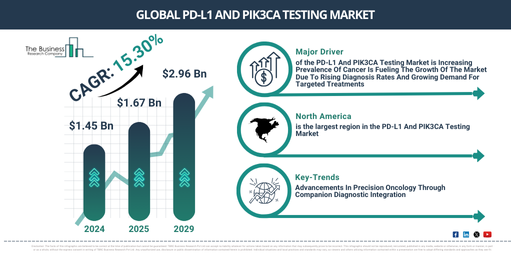
    The PD-L1 and PIK3CA testing market size has experienced considerable expansion in recent years. It is projected to expand from $1.45 billion in 2024 to $1.67 billion in 2025, at a robust compound annual growth rate (CAGR) of 15.6%. The historical growth witnessed can be ascribed to several factors, including a rise in clinical trials for regenerative medicine, an increasing focus on personalized medicine, the expansion of academic and industry collaborations, enhanced awareness of cell therapy efficacy and safety, and the rapid progression and initial approvals of CAR-T and other autologous cell therapies.

    The PD-L1 and PIK3CA testing market is projected to experience substantial growth over the next few years. It is forecast to expand to $2.96 billion by 2029, achieving a compound annual growth rate (CAGR) of 15.3%. This anticipated growth during the forecast period can be linked to the increasing adoption of personalized and precision medicine, an expanding pipeline of cell and gene therapies, a rise in clinical trials and commercial approvals, growing investment in regenerative medicine, and the rising incidence of chronic and rare diseases. Prominent trends for the upcoming period include the advancement of bioinformatics in cellular research, the integration of cell therapy tracking with digital health platforms, enhanced artificial intelligence (AI) and machine learning integration, innovation in cloud-based data management systems, and the incorporation of wearable biosensors.

    Unlock Your Free Sample Report for Exclusive Market Data:

    https://www.thebusinessresearchcompany.com/sample.aspx?id=28289&type=smp

    What Are The Key Drivers Of Growth In The PD-L1 And PIK3CA Testing Market?

    The rising occurrence of cancer is projected to drive expansion in the PD-L1 and PIK3CA testing market in the future. Cancer, a condition marked by the unchecked proliferation and dissemination of atypical cells, can infiltrate adjacent tissues and potentially spread to distant areas. This heightened cancer prevalence stems from escalating lifestyle-associated risks and an aging global populace, resulting in elevated diagnosis rates and an increased need for timely detection and potent therapeutic approaches. PD-L1 and PIK3CA testing facilitates cancer management through precise diagnosis and the direction of targeted therapies, enabling personalized treatment plans and enhanced patient results. For example, data from September 2024, provided by the American Cancer Society, a US-based non-profit organization, indicates that worldwide male cancer cases are anticipated to climb by 84% by 2029, moving from 10.3 million in 2022 to 19 million. Consequently, the escalating incidence of cancer is fueling the expansion of the PD-L1 and PIK3CA testing market.

    What Are The Segment Types Shaping The PD-L1 And PIK3CA Testing Market?

    The pd-l1 and pik3ca testing market covered in this report is segmented as

    1) By Test Type: Immunohistochemistry, Next-Generation Sequencing, Polymerase Chain Reaction, Other Test Types

    2) By Sample Type: Tissue Samples, Liquid Biopsy Samples

    3) By Distribution Channel: Direct Sales, Distributors And Resellers, Online Sales Platforms

    4) By Applications: Cancer Diagnosis, Drug Development, Research, Other Applications

    5) By End User: Hospitals And Clinics, Laboratories, Pharmaceutical Companies

    Subsegments:

    1) By Immunohistochemistry: Tissue Staining, Protein Expression Analysis, Tumor Microenvironment Assessment

    2) By Next-Generation Sequencing: Whole Genome Sequencing, Targeted Gene Sequencing, Exome Sequencing, Ribonucleic Acid (RNA) Sequencing

    3) By Polymerase Chain Reaction: Quantitative Polymerase Chain Reaction, Reverse Transcription Polymerase Chain Reaction, Digital Polymerase Chain Reaction

    4) By Other Test Types: In Situ Hybridization (ISH), Sanger Sequencing, Flow Cytometry, Microarray-Based Assays

    What Long-Term Trends Will Shape The Future Growth Of The PD-L1 And PIK3CA Testing Industry?

    Companies operating within the PD-L1 and PIK3CA testing market are concentrating on technological enhancements, such as integrating companion diagnostics, to refine therapeutic targeting, boost treatment effectiveness, and support individualized medicine approaches in oncology. Companion diagnostic integration refers to advanced, technology-driven testing systems developed concurrently with targeted medications to identify patient demographics most likely to benefit from specific treatments based on their biomarker profiles. As an illustration, in October 2024, F. Hoffmann-La Roche AG, a Switzerland-based biotechnology and pharmaceutical company, introduced Itovebi (inavolisib) in combination with palbociclib and fulvestrant for adults diagnosed with endocrine-resistant, PIK3CA-mutated, HR-positive, HER2-negative advanced or metastatic breast cancer. The Food and Drug Administration (FDA), a US-based federal agency, granted approval for this regimen, based on the pivotal Phase III INAVO120 study. This study showed that the treatment more than doubled progression-free survival compared to palbociclib and fulvestrant alone, represents Roche’s initial targeted therapy for HR-positive disease, and incorporates a companion diagnostic to pinpoint eligible patients, thereby indicating a substantial advance in precision medicine for a patient population with limited first-line treatment options.

    Who Are The Primary Competitors In The Global PD-L1 And PIK3CA Testing Market?

    Major companies operating in the PD-L1 and PIK3CA testing market are F. Hoffmann-La Roche AG, Thermo Fisher Scientific Inc., Abbott Laboratories, Laboratory Corporation of America Holdings (Labcorp), Quest Diagnostics Incorporated, Eurofins Scientific SE, Agilent Technologies Inc., Sonic Healthcare Limited, Illumina Inc., Bio-Rad Laboratories Inc., QIAGEN N.V., Myriad Genetics Inc., NeoGenomics Laboratories Inc., BGI Genomics Co. Ltd., Guardant Health Inc., Caris Life Sciences, Foundation Medicine Inc., Amoy Diagnostics Co. Ltd., ACCB Biotech Private Limited, EntroGen Inc.

    Download The Full Report For Exclusive Market Findings:

    https://www.thebusinessresearchcompany.com/report/pd-l1-and-pik3ca-testing-global-market-report

    How Is PD-L1 And PIK3CA Testing Market Demand Varying Across Different Regions?

    North America was the largest region in the PD-L1 and PIK3CA testing market in 2024. Asia-Pacific is expected to be the fastest-growing region in the forecast period. The regions covered in PD-L1 and PIK3CA testing report are Asia-Pacific, Western Europe, Eastern Europe, North America, South America, Middle East and Africa.

    Request A Customized Version Of The PD-L1 And PIK3CA Testing Market Report:

    https://www.thebusinessresearchcompany.com/customise?id=28289&type=smp

    Browse Through More Reports Similar to the Global PD-L1 And PIK3CA Testing Market 2025, By The Business Research Company

    Poc Hba1C Testing Market 2025

    https://www.thebusinessresearchcompany.com/report/poc-hba1c-testing-market

    Hpv Testing And Pap Test Global Market Report 2025

    https://www.thebusinessresearchcompany.com/report/hpv-testing-and-pap-test-global-market-report

    D Dimer Testing Global Market Report 2025

    https://www.thebusinessresearchcompany.com/report/d-dimer-testing-global-market-report

    Get in touch with us:

    The Business Research Company: https://www.thebusinessresearchcompany.com/

    Americas +1 310-496-7795

    Asia +44 7882 955267 & +91 8897263534

    Europe +44 7882 955267

    Email us at info@tbrc.info

    Follow us on:

    LinkedIn: https://in.linkedin.com/company/the-business-research-company

    YouTube: https://www.youtube.com/channel/UC24_fI0rV8cR5DxlCpgmyFQ

    Global Market Model: https://www.thebusinessresearchcompany.com/global-market-model
  • Orthotic Gel Insole Market Expansion Outlook: $3.07 Billion by 2029 Forecast

    Orthotic Gel Insole Market Expansion Outlook: $3.07 Billion by 2029 Forecast

    Unlock Global Insights – Save 20% on Market Reports with Code ONLINE20

    What Are The Forecasted Market Size Estimates For The Orthotic Gel Insole Market Between 2025 And 2029?

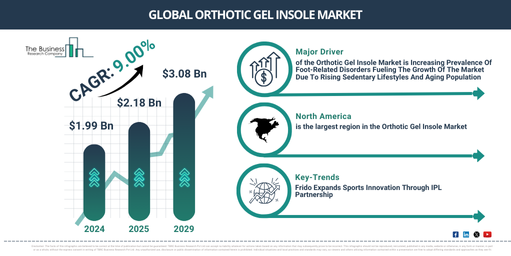
    The orthotic gel insole market has experienced robust expansion over recent years. This market is projected to expand from $1.99 billion in 2024 to $2.18 billion in 2025, demonstrating a compound annual growth rate (CAGR) of 9.4%. Historically, this expansion has been driven by factors such as the growing occurrence of chronic foot ailments, an expanding aging and elderly demographic, increased demand for personalized orthotic products, greater involvement in sports with an emphasis on injury prevention, and heightened understanding of foot wellness and preventative measures.

    The orthotic gel insole market size is projected to demonstrate significant expansion in the coming years, reaching a value of $3.08 billion by 2029, at a compound annual growth rate (CAGR) of 9.0%. This anticipated growth throughout the forecast period stems from factors such as the increasing adoption of 3D-printed custom insoles, a growing emphasis on sustainable and eco-friendly materials, the expansion of direct-to-consumer and home-fitting services, and greater healthcare reimbursement support. Prominent trends expected in this period include innovations in sustainable bio-ethylene vinyl acetate (EVA) and recycled foam materials, the integration of digital workflows to facilitate rapid custom fabrication, advancements in carbon-fiber composite insoles for improved performance, and new home-use fit-while-you-wait kiosk solutions.

    Unlock Your Free Sample Report for Exclusive Market Data:

    https://www.thebusinessresearchcompany.com/sample.aspx?id=28288&type=smp

    Which Drivers Are Supporting Growth Of The Orthotic Gel Insole Market?

    The rising occurrence of foot-related ailments is projected to boost the growth of the orthotic gel insole market moving forward. These medical conditions affect the structure, function, or overall health of the feet, leading to pain, discomfort, or difficulties with movement. The increasing incidence of foot-related disorders is attributed to increasingly sedentary lifestyles, which contribute to obesity and excess strain on the feet. Orthotic gel insoles assist in managing foot-related disorders by offering specific cushioning and support, making them beneficial for individuals experiencing conditions such as plantar fasciitis, heel pain, and flat feet. They alleviate discomfort and enhance mobility by reducing pressure on the feet, thereby improving overall daily comfort and activity. For instance, in June 2024, according to Orthopaedic Research UK, a UK-based medical research charity, approximately 23% of adults aged 18 to 65 are living with hallux valgus (bunions), with the prevalence increasing to 36% in individuals over 65. Consequently, the growing prevalence of foot-related disorders is driving the expansion of the orthotic gel insole market.

    What Are The Different Segment Classifications Within The Orthotic Gel Insole Market?

    The orthotic gel insole market covered in this report is segmented as

    1) By Product Type: Full-Length Insoles, 3/4 Length Insoles, Heel Inserts, Arch Support Insoles, Other Products

    2) By Material: Silicone Gel, Polyurethane Gel, Thermoplastic Gel, Other Materials

    3) By Distribution Channel: Online Stores, Pharmacies And Drug Stores, Specialty Stores, Supermarkets Or Hypermarkets, Other Distribution Channels

    4) By Application: Sports And Athletics, Medical, Personal Use, Other Applications

    5) By End-User: Adults, Children, Elderly

    Subsegments:

    1) By Full-Length Insoles: Cushioning Gel Insoles, Shock Absorption Gel Insoles, Memory Foam Gel Insoles, Sport Performance Gel Insoles, Medical Or Therapeutic Gel Insoles

    2) By 3/4 Length Insoles: Arch Support Gel Insoles, Heel Cushion Gel Insoles, Forefoot Gel Pads, Metatarsal Gel Inserts

    3) By Heel Inserts: Gel Heel Cups, Gel Heel Pads, Anti-Fatigue Gel Inserts, Plantar Fasciitis Gel Heel Supports

    4) By Arch Support Insoles: High Arch Gel Insoles, Medium Arch Gel Insoles, Flat Arch Or Low Arch Gel Insoles, Orthopedic Or Therapeutic Arch Gel Insoles

    5) By Other Products: Gel Toe Separators Or Protectors, Gel Ball-Of-Foot Cushions, Gel Insoles For Diabetic Care, Gel Insoles For Work Or Industrial Shoes

    Which Market Trends Are Creating New Opportunities In The Orthotic Gel Insole Industry?

    Leading companies within the orthotic gel insole market are increasingly adopting a strategic partnership approach to bolster technology integration and broaden their market footprint. This strategic partnership model signifies a collaborative alliance between two or more entities, where they merge their assets, specialized knowledge, and efforts to reach shared goals or objectives. As an illustration, in March 2024, Frido, an India-based consumer healthcare brand, formed a partnership with Royal Challengers Bengaluru (RCB), an India-based professional T20 cricket franchise; this marked an unprecedented collaboration between an insole brand and a T20 League team. This venture involves the introduction of a special edition sports insole and technical socks, engineered to alleviate knee and foot ailments like plantar fasciitis, heel pain, and other lower body discomforts. The alliance emphasizes Frido’s dedication to pioneering sports and orthotic innovations, expanding its product range through a focused and prominent engagement with the Indian Premier League (IPL) franchise.

    Which Key Market Players Are Investing In Expansion And Innovation Of Orthotic Gel Insole Market?

    Major companies operating in the orthotic gel insole market are New Balance Athletics Inc., Aetrex Worldwide Inc., Bauerfeind AG, Superfeet Worldwide Inc., Sorbothane Inc., ProFoot Inc., Sidas SAS, Spenco Medical Corporation, Protalus Inc., PolyGel LLC, Medi-Dyne Healthcare Products Ltd., FootBalance System Ltd., Sole Sports & Health Ltd., Currex GmbH, FORM Insoles Inc., Foot Science International Ltd., Scholl’s Wellness Company LLC, Scheinkopf GmbH, Stable Step LLC, FootActive Ltd., Pedors Shoes Inc., Implus Footcare LLC, Vive Health LLC, and Dr. Frederick’s Original LLC.

    Download The Full Report For Exclusive Market Findings:

    https://www.thebusinessresearchcompany.com/report/orthotic-gel-insole-global-market-report

    Which Geographies Are Emerging As Strong Markets For The Orthotic Gel Insole Industry?

    North America was the largest region in the orthotic gel insole market in 2024. Asia-Pacific is expected to be the fastest-growing region in the forecast period. The regions covered in orthotic gel insole report are Asia-Pacific, Western Europe, Eastern Europe, North America, South America, Middle East and Africa.

    Request A Customized Version Of The Orthotic Gel Insole Market Report:

    https://www.thebusinessresearchcompany.com/customise?id=28288&type=smp

    Browse Through More Reports Similar to the Global Orthotic Gel Insole Market 2025, By The Business Research Company

    Foot Orthotic Insoles Global Market Report 2025

    https://www.thebusinessresearchcompany.com/report/foot-orthotic-insoles-global-market-report

    Prosthetics And Orthotics Global Market Report 2025

    https://www.thebusinessresearchcompany.com/report/prosthetics-and-orthotics-global-market-report

    Gel Implants Global Market Report 2025

    https://www.thebusinessresearchcompany.com/report/gel-implants-global-market-report

    Get in touch with us:

    The Business Research Company: https://www.thebusinessresearchcompany.com/

    Americas +1 310-496-7795

    Asia +44 7882 955267 & +91 8897263534

    Europe +44 7882 955267

    Email us at info@tbrc.info

    Follow us on:

    LinkedIn: https://in.linkedin.com/company/the-business-research-company

    YouTube: https://www.youtube.com/channel/UC24_fI0rV8cR5DxlCpgmyFQ

    Global Market Model: https://www.thebusinessresearchcompany.com/global-market-model
  • Organoid Kit Industry Forecast to Hit $2.37 Billion by 2029 With a Strong 16% CAGR

    Organoid Kit Industry Forecast to Hit $2.37 Billion by 2029 With a Strong 16% CAGR

    Unlock Global Insights – Save 20% on Market Reports with Code ONLINE20

    What Are The Growth Projections For The Organoid Kit Market Size During 2025–2029?

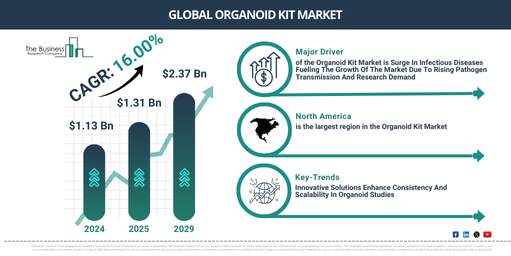
    The organoid kit market has seen substantial expansion in recent years. Its size is anticipated to climb from $1.13 billion in 2024 to $1.31 billion in 2025, achieving a compound annual growth rate (CAGR) of 16.4%. This past growth is largely driven by factors such as increased research in stem cell biology, broader applications in drug toxicity testing, more widespread use of organoids in cancer research, improved access to specialized cell culture media, and the growing importance of testing models that are free of animal components.

    The organoid kit market is projected to experience substantial expansion in the coming years. This market is anticipated to reach a value of $2.37 billion by 2029, exhibiting a compound annual growth rate (CAGR) of 16.0%. Several factors are expected to drive this growth during the forecast period, including increased integration with artificial intelligence (AI) and automation, a surge in the application of organoids for gene editing, the expansion of customized organoid kit development, a boost in funding for advanced 3D bioprinting technologies, and the rising adoption of organoids for modeling rare diseases. Key trends anticipated during this period involve progress in organ-on-a-chip technology, the incorporation of AI for personalized medical treatments, novel developments in 3D cell culture systems, the broadening of organoid-based platforms for drug discovery, and increased partnerships between biotechnology companies and academic institutions.

    Unlock Your Free Sample Report for Exclusive Market Data:

    https://www.thebusinessresearchcompany.com/sample.aspx?id=28286&type=smp

    What Are The Drivers Pushing New Developments In The Organoid Kit Market?

    A rising occurrence of infectious diseases is anticipated to drive forward the expansion of the organoid kit market. These diseases are defined as ailments resulting from disease-causing microorganisms, including bacteria, viruses, fungi, or parasites, capable of transmission between individuals through direct or indirect means. The surge in infectious diseases stems from inadequate sanitation and congested living conditions, which facilitate the easier spread of pathogens and higher rates of infection. Organoid kits are instrumental in combating infectious diseases by empowering researchers to create models of human tissues in laboratory settings, thereby permitting accurate investigation of pathogen characteristics, infection pathways, and the evaluation of prospective therapies. For example, the UK Health Security Agency (UKHSA), a government body based in the UK, indicated that in 2025, tuberculosis (TB) continues to pose a substantial public health issue within England. Furthermore, current statistics reveal an 11% rise in documented tuberculosis cases, amounting to almost 500 more notifications, as numbers climbed from 4,380 in 2022 to 4,855 in 2023. Consequently, the expanding occurrence of infectious diseases is fueling the advancement of the organoid kit market.

    Which Key Segments Fueling The Organoid Kit Market?

    The organoid kit market covered in this report is segmented as

    1) By Type, Brain Organoids, Kidney Organoids, Intestinal Organoids, Liver Organoids, Other Organoid Types

    2) By Technology, 3D Cell Culture Technology, Microfluidics Technology, Bioprinting Technology, Electrospinning Technology

    3) By Source, Human-Derived Organoids, Animal-Derived Organoids, Cell Line-Derived Organoids

    4) By Application, Drug Discovery and Development, Disease Modeling, Personalized Medicine, Regenerative Medicine, Other Applications

    5) By End-User, Research Institutes, Pharmaceutical Companies, Contract Research Organizations, Biotech Companies

    Subsegments:

    1) By Brain Organoids, Cerebral Organoids, Midbrain Organoids, Retinal Organoids

    2) By Kidney Organoids, Nephron Organoids, Collecting Duct Organoids, Glomerular Organoids

    3) By Intestinal Organoids, Small Intestine Organoids, Colon Organoids, Gastric Organoids

    4) By Liver Organoids, Hepatic Organoids, Cholangiocyte Organoids, Biliary Organoids

    5) By Other Organoid Types, Pancreatic Organoids, Lung Organoids, Heart Organoids, Tumor Organoids

    What Key Innovation Trends Are Fueling Advancements In The Organoid Kit Market?

    Major companies in the organoid kit market are concentrating on developing quick aggregate formations to speed up organoid development timelines, enhance reproducibility, and enable high-throughput applications for drug discovery, disease modeling, and personalized medicine. Rapid aggregate formation describes the capacity to swiftly generate thousands of uniform pluripotent stem cell aggregates in a single day, significantly reducing the overall organoid development period. For instance, in June 2025, Pluristyx Inc., a US-based biotechnology company, launched its PluriForm Organoid Kit. This kit is designed to simplify the creation of pluripotent stem cell aggregates and accelerate organoid development. It offers a ready-to-use platform that shortens the timeline for producing mature organoids from months to just weeks. The kit integrates optimized growth media and standardized protocols, which ensures reproducible results across various cell types, and supports high-throughput applications, making it suitable for large-scale disease modeling and drug screening.

    Which Major Industry Participants Are Leading The Organoid Kit Market Growth?

    Major companies operating in the organoid kit market are Thermo Fisher Scientific Inc., bioGenous Inc., Bio-Techne Corporation, STEMCELL Technologies Inc., Molecular Devices LLC, Takara Bio Inc., American Type Culture Collection (ATCC), ACROBiosystems Inc., Crown Bioscience International, Creative Biolabs Inc., Emulate Inc., CN Bio Innovations Limited, Novoprotein Scientific Inc., MedChemExpress LLC, Xylyx Bio Inc., MIMETAS B.V., Prellis Biologics Inc., TheWell Bioscience Inc., InSCREENeX GmbH, AMS Biotechnology (Europe) Limited (AMSBIO).

    Download The Full Report For Exclusive Market Findings:

    https://www.thebusinessresearchcompany.com/report/organoid-kit-global-market-report

    What Are The Key Regional Factors Influencing The Organoid Kit Market Growth?

    North America was the largest region in the organoid kit market in 2024. Asia-Pacific is expected to be the fastest-growing region in the forecast period. The regions covered in organoid kit report are Asia-Pacific, Western Europe, Eastern Europe, North America, South America, Middle East and Africa.

    Request A Customized Version Of The Organoid Kit Market Report:

    https://www.thebusinessresearchcompany.com/customise?id=28286&type=smp

    Browse Through More Reports Similar to the Global Organoid Kit Market 2025, By The Business Research Company

    Organoids Global Market Report 2025

    https://www.thebusinessresearchcompany.com/report/organoids-global-market-report

    Organoids And Spheroids Global Market Report 2025

    https://www.thebusinessresearchcompany.com/report/organoids-and-spheroids-global-market-report

    Artificial Organ Global Market Report 2025

    https://www.thebusinessresearchcompany.com/report/artificial-organ-global-market-report

    Get in touch with us:

    The Business Research Company: https://www.thebusinessresearchcompany.com/

    Americas +1 310-496-7795

    Asia +44 7882 955267 & +91 8897263534

    Europe +44 7882 955267

    Email us at info@tbrc.info

    Follow us on:

    LinkedIn: https://in.linkedin.com/company/the-business-research-company

    YouTube: https://www.youtube.com/channel/UC24_fI0rV8cR5DxlCpgmyFQ

    Global Market Model: https://www.thebusinessresearchcompany.com/global-market-model
  • Ophthalmic Artificial Intelligence-Assisted Diagnosis Market to Reach $4.25 Billion by 2029, Growing at a CAGR of 18.3%

    Ophthalmic Artificial Intelligence-Assisted Diagnosis Market to Reach $4.25 Billion by 2029, Growing at a CAGR of 18.3%

    Unlock Global Insights – Save 20% on Market Reports with Code ONLINE20

    What Is The Global Market Value Of The Ophthalmic Artificial Intelligence-Assisted Diagnosis Industry In 2025?

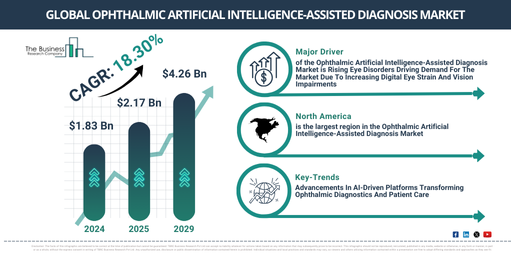
    The ophthalmic artificial intelligence-assisted diagnosis market has experienced swift expansion recently. Projections indicate its expansion from $1.83 billion in 2024 to $2.17 billion in 2025, demonstrating a compound annual growth rate (CAGR) of 18.7%. Key drivers behind its past expansion encompass rising awareness about early diagnosis of ocular disorders, increasing demand for efficient and accurate retinal imaging, rising incidence of diabetic retinopathy, a growing geriatric population, and increasing investment in healthcare infrastructure.

    The ophthalmic artificial intelligence-assisted diagnosis market size is projected for substantial expansion in the coming years, anticipated to reach a value of $4.26 billion by 2029, demonstrating a compound annual growth rate (CAGR) of 18.3%. This forecasted expansion is primarily driven by factors such as the expanding application of AI in teleophthalmology, a heightened need for accessible and remote eye care services, increased emphasis on proactive eye health, the rise of remote diagnostics and teleophthalmology, and a growing number of regulatory endorsements for AI-powered ophthalmic instruments. Key developments expected during this period involve enhancements in deep learning algorithms for analyzing retinal images, the creation of innovative portable and self-contained AI eye screening tools, the incorporation of AI diagnostics into electronic health records, breakthroughs in platforms designed for detecting multiple diseases, and the integration of artificial intelligence with telemedicine to facilitate remote eye examinations.

    Unlock Your Free Sample Report for Exclusive Market Data:

    https://www.thebusinessresearchcompany.com/sample.aspx?id=28285&type=smp

    What Are The Emerging Market Drivers Creating New Opportunities In The Ophthalmic Artificial Intelligence-Assisted Diagnosis Industry?

    An anticipated increase in eye disorders is set to drive the expansion of the ophthalmic artificial intelligence-assisted diagnosis market in the future. These disorders are defined as medical conditions or structural/functional abnormalities of the eye that can compromise vision or overall ocular health. Their escalation is linked to extended screen time from digital devices, leading to digital eye strain, dryness, and prolonged vision problems stemming from prolonged blue light exposure and decreased blinking. Ophthalmic artificial intelligence-assisted diagnosis provides assistance by examining medical imagery and patient data to identify, categorize, and foresee eye disorders precisely and at an early stage, facilitating prompt intervention and lowering the chance of vision loss. For example, in September 2023, the Association of Optometrists, a UK-based representative membership organization, indicated that England recorded 22,552 new certifications for vision impairment in 2022. Among these, 1,344 instances were attributed to diabetic eye disease, 3,614 were connected to glaucoma, and 10,865 related to age-related macular degeneration. Consequently, the growing incidence of eye disorders is fueling the expansion of the ophthalmic artificial intelligence-assisted diagnosis market.

    How Is The Ophthalmic Artificial Intelligence-Assisted Diagnosis Market Classified Into Different Segments?

    The ophthalmic artificial intelligence-assisted diagnosis market covered in this report is segmented as

    1) By Type: Cloud-Based, On-Premises

    2) By Technology: Deep Learning, Machine Learning, Natural Language Processing (NLP), Computer Vision, Other Technologies

    3) By Application: Hospital, Clinic, Imaging Centre

    Subsegments:

    1) By Cloud-Based: Public Cloud, Private Cloud, Hybrid Cloud

    2) By On-Premises: Local Server Deployment, Enterprise Data Center Deployment, Private Network Deployment

    Which Ongoing Trends Are Expected To Shape The Ophthalmic Artificial Intelligence-Assisted Diagnosis Market Outlook?

    Leading companies in the ophthalmic artificial intelligence-assisted diagnosis market are focusing on creating innovative solutions, such as an ocular data-as-a-service platform, to enhance diagnostic accuracy, streamline patient care, and enable predictive insights for eye disorders. An ocular data-as-a-service platform refers to a digital solution that provides eye health data on demand, allowing ophthalmologists, clinics, and AI diagnostic tools to access, share, and analyze retinal images and other ocular information remotely for improved diagnosis, monitoring, and research. For instance, in May 2025, Topcon Healthcare Solutions Inc., a US-based digital healthcare solutions company, launched IDHea, designed to streamline ophthalmic diagnostics and improve patient outcomes. It’s a cloud-based platform that accelerates AI and digital health innovation by providing fast, secure access to real-world and clinical ocular datasets. It empowers researchers to drive breakthroughs in both eye and systemic disease care by transforming clinical data into actionable, AI-powered insights. Built on the FAST principle – Fast, Accessible, Safe, and Transparent – IDHea enables predictive, personalized, and proactive patient care while upholding rigorous privacy and governance standards.

    Who Are The Prominent Global Companies Shaping The Ophthalmic Artificial Intelligence-Assisted Diagnosis Market?

    Major companies operating in the ophthalmic artificial intelligence-assisted diagnosis market are Canon Medical Systems Corporation, IDx Technologies Inc., Optos PLC, Digital Diagnostics Inc., Ophtai, Oivi Tech Private Limited, Altris Inc., AEYE Health Inc., Eyenuk Inc., JuneBrain Inc., Mediwhale Inc., Mikajaki SA, MONA.health BV, Remidio Innovative Solutions Pvt. Ltd., Retinalyze System A/S, Retinarisk, VoxelCloud Inc., Voxeleron LLC, Ikerian AG, Retmarker, and Synapxe Pte Ltd.

    Download The Full Report For Exclusive Market Findings:

    https://www.thebusinessresearchcompany.com/report/ophthalmic-artificial-intelligence-assisted-diagnosis-global-market-report

    How Do Regional Market Performances Compare Within The Ophthalmic Artificial Intelligence-Assisted Diagnosis Industry?

    North America was the largest region in the ophthalmic artificial intelligence-assisted diagnosis market in 2024. Asia-Pacific is expected to be the fastest-growing region in the forecast period. The regions covered in ophthalmic artificial intelligence-assisted diagnosis report are Asia-Pacific, Western Europe, Eastern Europe, North America, South America, Middle East and Africa.

    Request A Customized Version Of The Ophthalmic Artificial Intelligence-Assisted Diagnosis Market Report:

    https://www.thebusinessresearchcompany.com/customise?id=28285&type=smp

    Browse Through More Reports Similar to the Global Ophthalmic Artificial Intelligence-Assisted Diagnosis Market 2025, By The Business Research Company

    Diagnostic And Monitoring Ophthalmic Devices And Equipment Market 2025

    https://www.thebusinessresearchcompany.com/report/diagnostic-and-monitoring-ophthalmic-devices-and-equipment-market

    Ophthalmic Devices Global Market Report 2025

    https://www.thebusinessresearchcompany.com/report/ophthalmic-devices-global-market-report

    Ophthalmic Workstations Global Market Report 2025

    https://www.thebusinessresearchcompany.com/report/ophthalmic-workstations-global-market-report

    Get in touch with us:

    The Business Research Company: https://www.thebusinessresearchcompany.com/

    Americas +1 310-496-7795

    Asia +44 7882 955267 & +91 8897263534

    Europe +44 7882 955267

    Email us at info@tbrc.info

    Follow us on:

    LinkedIn: https://in.linkedin.com/company/the-business-research-company

    YouTube: https://www.youtube.com/channel/UC24_fI0rV8cR5DxlCpgmyFQ

    Global Market Model: https://www.thebusinessresearchcompany.com/global-market-model
  • Global Next-Generation Sequencing Informatics Market Projected to Expand at 16.7% CAGR by 2029

    Global Next-Generation Sequencing Informatics Market Projected to Expand at 16.7% CAGR by 2029

    Unlock Global Insights – Save 20% on Market Reports with Code ONLINE20

    How Much Was The Next-Generation Sequencing Informatics Market Worth In 2025, And What Is Its Anticipated Value By 2029?

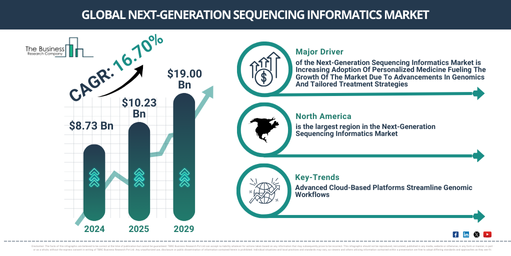
    The next-generation sequencing informatics market has experienced substantial growth in recent years. It is projected to expand from $8.73 billion in 2024 to $10.23 billion by 2025, achieving a compound annual growth rate (CAGR) of 17.1%. This historical expansion can be attributed to several factors, including the increasing adoption of personalized medicine, the rising applications of next-generation sequencing (NGS) in disease diagnosis, a growing demand for biomarker discovery, a heightened focus on genomic research, and the increasing integration of artificial intelligence (AI) within sequencing informatics.

    The next-generation sequencing informatics market is projected to experience substantial expansion in the coming years, anticipated to reach a valuation of $19.00 billion by 2029, exhibiting a compound annual growth rate (CAGR) of 16.7%. Key factors contributing to this growth during the forecast period include the expanding application of sequencing informatics in clinical diagnostics, the growing adoption of artificial intelligence (AI) in drug discovery processes, heightened demand for multi-omics data analysis, increased uptake of cloud-based next-generation sequencing (NGS) analytics, and a greater focus on precision medicine. Significant trends expected within the forecast period encompass progress in cloud-based next-generation sequencing (NGS) solutions, enhancements in data analysis tools specifically for next-generation sequencing (NGS) informatics, the incorporation of artificial intelligence (AI) and machine learning (ML) into genomic data interpretation, the creation of improved visualization and workflow management systems, and ongoing advancements in personalized medicine.

    Unlock Your Free Sample Report for Exclusive Market Data:

    https://www.thebusinessresearchcompany.com/sample.aspx?id=28282&type=smp

    What Are The Top Growth Drivers Impacting The Next-Generation Sequencing Informatics Market Outlook?

    The expanding embrace of personalized medicine is anticipated to fuel the expansion of the next-generation sequencing informatics market in the foreseeable future. Personalized medicine describes a healthcare strategy that customizes treatment and prevention plans based on an individual’s distinct genetic composition, way of life, and surroundings. The growing acceptance of personalized medicine stems largely from breakthroughs in genomics, allowing for the accurate detection of genetic differences and customized therapies. Next-generation sequencing informatics bolsters personalized medicine through its offering of thorough genomic data analysis, rendering it perfectly suited for bespoke treatment approaches and precision healthcare. It lessens diagnostic ambiguity by pinpointing genetic variations and forecasting disease susceptibility, thereby enhancing clinical judgment and patient results. For example, in February 2024, the Personalized Medicine Coalition (PMC), a US-based nonprofit organization, reported that the U.S. Food and Drug Administration (FDA) sanctioned 26 new personalized medicines in 2023, marking a considerable rise from the 12 approved in 2022. Consequently, the rising adoption of personalized medicine is propelling the development of the next-generation sequencing informatics market.

    What Are The Major Segment Types Covered In The Next-Generation Sequencing Informatics Market?

    The next-generation sequencing informatics market covered in this report is segmented as

    1) By Offering: Software, Platforms, Services

    2) By Product And Services: Storage And Computing Tools, Commercial Data Analysis, Data Interpretation And Reporting Tools, Informatics Services, Laboratory Information Management Systems (LIMS)

    3) By Deployment Mode: Cloud, On-Premise, Hybrid

    4) By Application: Research And Development, Clinical Diagnostics, Drug Discovery, Agrigenomics

    5) By End User: Academic And Research Institutes, Pharmaceutical And Biotechnology Companies, Hospitals And Clinical Laboratories, Agricultural Biotechnology Companies

    Subsegments:

    1) By Software: Data Analysis Software, Data Management And Storage Tools, Workflow Management Software, Sequence Alignment Tools, Variant Analysis Software, Clinical Interpretation Software

    2) By Platforms: On-Premises Platforms, Cloud-Based Platforms, Hybrid Platforms

    3) By Services: Data Analysis Services, Consulting And Implementation Services, Data Management And Storage Services, Technical Support And Maintenance Services, Training And Education Services

    What Trends Are Redefining The Next-Generation Sequencing Informatics Market Dynamics?

    Leading companies in the next-generation sequencing informatics (NGS) market are concentrating on developing advanced solutions, such as cloud-based platforms, to enhance scalability, improve data security, and optimize genomic workflows. Cloud-based platforms are defined as digital infrastructures that enable researchers and clinicians to store, process, and analyze large volumes of sequencing data either using remote servers or within local institutional settings. For instance, in March 2023, Illumina Inc., a US-based biotechnology company, unveiled Connected Insights, a new cloud-based software specifically designed for the tertiary analysis of clinical next-generation sequencing (NGS) data. This platform streamlines genomic data interpretation and reporting, integrates over 45 third-party knowledge sources, and reduces the turnaround times for clinical reports. It automates variant interpretation and report generation, thereby minimizing manual effort and standardizing workflows across various assay types, including comprehensive genomic profiling (CGP) panels, whole-exome sequencing (WES), and transcriptomic data.

    Which Leading Companies Dominate The Next-Generation Sequencing Informatics Market Share?

    Major companies operating in the next-generation sequencing informatics market are F. Hoffmann-La Roche Ltd., Thermo Fisher Scientific Inc., Eurofins Scientific SE, Agilent Technologies, Illumina Inc., Bio-Rad Laboratories Inc., QIAGEN N.V., BGI Genomics Co. Ltd., Oxford Nanopore Technologies Ltd., GeneDx Holdings Corp., Macrogen Inc., MedGenome Inc., Sophia Genetics SA, DNAnexus Inc., Clear Labs, DNASTAR Inc., Sapio Sciences Inc., Geneious Biomatters Ltd., Genomatix Software GmbH, and CosmosID Inc.

    Download The Full Report For Exclusive Market Findings:

    https://www.thebusinessresearchcompany.com/report/next-generation-sequencing-informatics-global-market-report

    Which Regional Markets Are Contributing Most To The Next-Generation Sequencing Informatics Industry Expansion?

    North America was the largest region in the next-generation sequencing informatics market in 2024. Asia-Pacific is expected to be the fastest-growing region in the forecast period. The regions covered in next-generation sequencing informatics report are Asia-Pacific, Western Europe, Eastern Europe, North America, South America, Middle East and Africa.

    Request A Customized Version Of The Next-Generation Sequencing Informatics Market Report:

    https://www.thebusinessresearchcompany.com/customise?id=28282&type=smp

    Browse Through More Reports Similar to the Global Next-Generation Sequencing Informatics Market 2025, By The Business Research Company

    Next Generation Sequencing Market 2025

    https://www.thebusinessresearchcompany.com/report/next-generation-sequencing-market

    Clinical Oncology Next Generation Sequencing Global Market Report 2025

    https://www.thebusinessresearchcompany.com/report/clinical-oncology-next-generation-sequencing-global-market-report

    Clinical Next Generation Sequencing Ngs Data Analysis Global Market Report 2025

    https://www.thebusinessresearchcompany.com/report/clinical-next-generation-sequencing-ngs-data-analysis-global-market-report

    Get in touch with us:

    The Business Research Company: https://www.thebusinessresearchcompany.com/

    Americas +1 310-496-7795

    Asia +44 7882 955267 & +91 8897263534

    Europe +44 7882 955267

    Email us at info@tbrc.info

    Follow us on:

    LinkedIn: https://in.linkedin.com/company/the-business-research-company

    YouTube: https://www.youtube.com/channel/UC24_fI0rV8cR5DxlCpgmyFQ

    Global Market Model: https://www.thebusinessresearchcompany.com/global-market-model
  • Next-Generation Sequencing (NGS)-Based Molecular Diagnostics Market to Grow at a CAGR of 7.4% from 2025 to 2029

    Next-Generation Sequencing (NGS)-Based Molecular Diagnostics Market to Grow at a CAGR of 7.4% from 2025 to 2029

    Unlock Global Insights – Save 20% on Market Reports with Code ONLINE20

    What Is The Future Market Size Estimation For The Next-Generation Sequencing (NGS)-Based Molecular Diagnostics Market Covering 2025–2034?

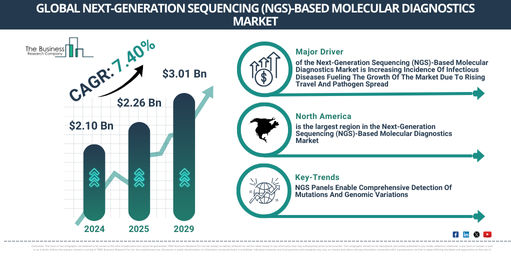
    The next-generation sequencing (NGS)-based molecular diagnostics market has shown robust growth recently. Its value is projected to climb from $2.10 billion in 2024 to $2.26 billion in 2025, demonstrating a compound annual growth rate (CAGR) of 7.8%. The expansion observed historically stems from an escalated demand for personalized medicine, a greater integration of next-generation sequencing in clinical environments, heightened awareness among medical professionals and patients, the improved accessibility of affordable next-generation sequencing platforms, and the expanding utility in non-invasive prenatal testing.

    The next-generation sequencing (NGS)-based molecular diagnostics market is anticipated to experience substantial expansion over the next few years, with projections indicating it will reach $3.01 billion by 2029, demonstrating a compound annual growth rate (CAGR) of 7.4%. This growth during the forecast period can be attributed to an increasing need for decentralized diagnostic solutions, the rising integration of artificial intelligence in next-generation sequencing data interpretation, the escalating issue of antibiotic resistance, growing regulatory support for next-generation sequencing-based tests, and the expanding application of next-generation sequencing in pharmacogenomics. Key trends expected in this timeframe include technological advancements enhancing sequencing accuracy, automation driven by technology in sample preparation, integration with pharmaceutical development pipelines, the incorporation of next-generation sequencing into public health surveillance, and the development of specialized disease-specific next-generation sequencing panels.

    Unlock Your Free Sample Report for Exclusive Market Data:

    https://www.thebusinessresearchcompany.com/sample.aspx?id=28281&type=smp

    Which Major Market Drivers Are Shaping The Future Of The Next-Generation Sequencing (NGS)-Based Molecular Diagnostics Market?

    The rising occurrence of infectious diseases is set to drive the expansion of the next-generation sequencing (NGS)-based molecular diagnostics market moving forward. These disorders, caused by microorganisms such as bacteria, viruses, fungi, or parasites, invade the body, multiply, and disrupt normal bodily functions. The prevalence of infectious diseases is increasing as greater travel and migration accelerate pathogen transmission across different regions and international borders. Next-generation sequencing (NGS)-based molecular diagnostics assists in detecting infectious diseases by offering comprehensive and precise pathogen analysis. It shortens diagnostic time by simultaneously identifying multiple microorganisms, which improves the accuracy of treatment and patient care. For instance, in February 2024, the UK Health Security Agency, a UK-based government agency, reported that tuberculosis cases in England, a contagious bacterial infection primarily affecting the lungs, escalated to 4,850 in 2023, marking an increase of 10.7% from 4,380 cases in 2022. Thus, the growing incidence of infectious diseases is a significant factor propelling the growth of the next-generation sequencing (NGS)-based molecular diagnostics market.

    What Are The Major Segment Categories Driving The Next-Generation Sequencing (NGS)-Based Molecular Diagnostics Market Growth?

    The next-generation sequencing (NGS)-based molecular diagnostics market covered in this report is segmented as

    1) By Type: Instruments, Reagents And Consumables, Software And Services, Panels And Assays, Sample Preparation Kits

    2) By Application: Microbiology, Infectious Diseases, Oncology, Genetic Tests, Other Applications

    3) By End User: Research Centers And Academics, Hospitals And Clinical Laboratories, Other End Users

    Subsegments:

    1) By Instruments: Benchtop Sequencers, High-Throughput Sequencers, Portable Or Handheld Sequencers, Clinical Or Diagnostic Sequencers, Automated Library Preparation Systems, Data Analysis And Bioinformatics Hardware

    2) By Reagents And Consumables: Sequencing Reagents And Kits, Library Preparation Reagents, Target Enrichment Reagents, Amplification Reagents, Sequencing Flow Cells And Chips, Deoxyribonucleic Acid (DNA) Or Ribonucleic Acid (RNA) Extraction Reagents, Quality Control Reagents

    3) By Software And Services: Data Analysis Software, Bioinformatics Pipelines, Cloud-Based Genomic Platforms, Clinical Interpretation Tools, Data Storage And Management Services, Custom Bioinformatics Services, Genomic Database Services

    4) By Panels And Assays: Oncology Panels, Infectious Disease Panels, Carrier Screening Panels, Reproductive Health Panels, Rare Disease Or Genetic Disorder Panels, Pharmacogenomics Panels, Whole-Exome Or Whole-Genome Assays

    5) By Sample Preparation Kits: Deoxyribonucleic Acid (DNA) Extraction Kits, Ribonucleic Acid (RNA) Extraction Kits, Library Preparation Kits, Target Enrichment Kits, Amplification And Cleanup Kits, Single-Cell Preparation Kits, Low-Input Or Degraded Sample Kits

    How Are Emerging Market Trends Shaping The Next-Generation Sequencing (NGS)-Based Molecular Diagnostics Industry Landscape?

    Leading companies in the next-generation sequencing (NGS)-based molecular diagnostics market are concentrating on developing technologically advanced products, such as NGS-based panels, to improve the accuracy, accessibility, and efficiency of genetic testing. Next-generation sequencing (NGS)-based panels are specific sets of genes or genomic regions that are analyzed simultaneously using NGS technology to detect particular hereditary or somatic mutations, leading to faster and more precise molecular diagnostics. For instance, in May 2022, Genes2Me Pvt. Ltd., an India-based medical equipment manufacturer, introduced a comprehensive range of next-generation sequencing (NGS)-based panels designed for oncology, personalized medicine, and hereditary disease diagnostics. These panels cover clinically significant genes with high sensitivity and extensive variant detection, including single-nucleotide variations, insertions or deletions, copy number variations, microsatellite instability, fusions, and oncogenic viruses, while also measuring tumor mutation burden. The Genes2Me PAN cancer panel covers around 525 genes, requires just 50 ng of nucleic acid, and offers streamlined workflows compatible with major NGS platforms.

    Who Are The Major Companies Operating In The Next-Generation Sequencing (NGS)-Based Molecular Diagnostics Market?

    Major companies operating in the next-generation sequencing (ngs)-based molecular diagnostics market are Thermo Fisher Scientific, Siemens Healthineers AG, Agilent Technologies Inc., Illumina Inc., PerkinElmer Inc., Bio-Rad Laboratories Inc., Qiagen N.V., Amoy Diagnostics Co. Ltd., Tempus Labs Inc., Myriad Genetics Inc., Epigenomics AG, Precision for Medicine Inc., Invitae Corporation, NeoGenomics Laboratories Inc., Guardant Health Inc., Caris Life Sciences Inc., Foundation Medicine Inc., Oxford Nanopore Technologies Ltd., Freenome Inc., Burning Rock Biotech, Element Biosciences Inc., Asuragen Inc., Bionano Genomics Inc., Genomic Health Inc., and TATAA Biocenter AB.

    Download The Full Report For Exclusive Market Findings:

    https://www.thebusinessresearchcompany.com/report/next-generation-sequencing-ngs-based-molecular-diagnostics-global-market-report

    How Does The Next-Generation Sequencing (NGS)-Based Molecular Diagnostics Market Perform Across Key Geographic Regions?

    North America was the largest region in the next-generation sequencing (NGS)-based molecular diagnostics market in 2024. Asia-Pacific is expected to be the fastest-growing region in the forecast period. The regions covered in next-generation sequencing (NGS)-based molecular diagnostics report are Asia-Pacific, Western Europe, Eastern Europe, North America, South America, Middle East and Africa.

    Request A Customized Version Of The Next-Generation Sequencing (NGS)-Based Molecular Diagnostics Market Report:

    https://www.thebusinessresearchcompany.com/customise?id=28281&type=smp

    Browse Through More Reports Similar to the Global Next-Generation Sequencing (NGS)-Based Molecular Diagnostics Market 2025, By The Business Research Company

    Clinical Next Generation Sequencing Ngs Data Analysis Global Market Report 2025

    https://www.thebusinessresearchcompany.com/report/clinical-next-generation-sequencing-ngs-data-analysis-global-market-report

    Ngs Based Rna Sequencing Global Market Report 2025

    https://www.thebusinessresearchcompany.com/report/ngs-based-rna-sequencing-global-market-report

    Next Generation Sequencing Market 2025

    https://www.thebusinessresearchcompany.com/report/next-generation-sequencing-market

    Get in touch with us:

    The Business Research Company: https://www.thebusinessresearchcompany.com/

    Americas +1 310-496-7795

    Asia +44 7882 955267 & +91 8897263534

    Europe +44 7882 955267

    Email us at info@tbrc.info

    Follow us on:

    LinkedIn: https://in.linkedin.com/company/the-business-research-company

    YouTube: https://www.youtube.com/channel/UC24_fI0rV8cR5DxlCpgmyFQ

    Global Market Model: https://www.thebusinessresearchcompany.com/global-market-model
  • Global Next-Generation Sequencing (NGS) In Precision Medicine Market 2025–2029: Competitive Insights and Opportunities

    Global Next-Generation Sequencing (NGS) In Precision Medicine Market 2025–2029: Competitive Insights and Opportunities

    Unlock Global Insights – Save 20% on Market Reports with Code ONLINE20

    What Is The Expected Total Market Size Of The Next-Generation Sequencing (NGS) In Precision Medicine Industry By The Forecast Year 2029?

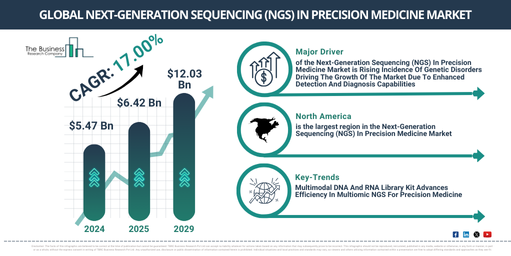
    The market size for next-generation sequencing (NGS) in precision medicine has experienced rapid expansion in recent years. This market is expected to rise from $5.47 billion in 2024 to $6.42 billion in 2025, achieving a compound annual growth rate (CAGR) of 17.3%. Historically, this growth can be attributed to several factors, including increased government funding for genomics research, the rising prevalence of genetic diseases, the development of national biobank initiatives, an increased demand for targeted drugs and biomarker discovery, and the emergence of multi-omics platforms.

    The next-generation sequencing (NGS) in precision medicine market size is anticipated to expand significantly over the coming years, reaching $12.03 billion by 2029, exhibiting a compound annual growth rate (CAGR) of 17.0%. This projected growth is driven by the increasing demand for personalized medicine, the broadening of applications beyond human genomics, the rising prevalence of cancer, the expansion into non-communicable disease detection, and greater awareness and accessibility of genetic testing. Notable trends expected during this forecast period include the integration with next-generation sequencing, the emergence of artificial intelligence-enabled bioinformatics pipelines, the incorporation of advanced imaging to enhance diagnostics and treatment, progress in sequencing chemistry, and the development of cloud-based bioinformatics.

    Unlock Your Free Sample Report for Exclusive Market Data:

    https://www.thebusinessresearchcompany.com/sample.aspx?id=28280&type=smp

    What Are The Main Drivers Boosting The Next-Generation Sequencing (NGS) In Precision Medicine Industry’s Expansion?

    The increasing occurrence of genetic disorders is anticipated to stimulate the expansion of the next-generation sequencing (NGS) in precision medicine market moving forward. Genetic disorders are conditions or diseases stemming from irregularities in an individual’s DNA, which can be passed down or emerge from mutations. The frequency of genetic disorders is escalating as advancements in diagnostic technologies, such as genetic screening and next-generation sequencing, enable medical professionals to identify previously undetected cases, thus leading to a higher reported prevalence. Next-generation sequencing in precision medicine aids in detecting genetic mutations, facilitating accurate diagnosis, personalized treatment, and early intervention for these disorders. For example, in May 2024, according to the National Health Service, a UK-based government department, in England, approximately 17,000 people live with sickle cell disease, an inherited blood disorder, with around 250 new cases diagnosed each year. Consequently, the rising incidence of genetic disorders is driving the growth of the next-generation sequencing (NGS) in precision medicine market.

    How Is The Next-Generation Sequencing (NGS) In Precision Medicine Market Segmented?

    The next-generation sequencing (NGS) in precision medicine market covered in this report is segmented as

    1) By Product And Service: Sequencing Instruments, Consumables And Reagents, Library Preparation Kits, Bioinformatics Software, Next-Generation Sequencing (NGS) Services

    2) By Technology: Whole Genome Sequencing (WGS), Whole Exome Sequencing (Wes), Targeted Sequencing, Ribonucleic Acid (RNA) Sequencing, Single-Cell Sequencing

    3) By Application: Oncology, Infectious Disease, Rare And Inherited Disorders, Prenatal And Reproductive Health, Pharmacogenomics

    4) By End Use: Hospitals And Clinics, Academic And Research Institutions, Biopharmaceutical Companies, Diagnostic Laboratories, Contract Research Organizations (CROs)

    Subsegments:

    1) By Sequencing Instruments: Benchtop Sequencers, High Throughput Sequencers, Portable Sequencers

    2) By Consumables And Reagents: Sequencing Reagents, Sequencing Chips, Flow Cells, Sample Preparation Reagents

    3) By Library Preparation Kits: Deoxyribonucleic Acid (DNA) Library Preparation Kits, Ribonucleic Acid (RNA) Library Preparation Kits, Whole Genome Amplification Kits, Target Enrichment Kits

    4) By Bioinformatics Software: Data Analysis Software, Data Management Software, Sequence Alignment Software, Variant Calling Software

    5) By Next-Generation Sequencing Services: Whole Genome Sequencing Services, Whole Exome Sequencing Services, Targeted Sequencing Services, Ribonucleic Acid (RNA) Sequencing Services, Epigenomic Sequencing Services

    Which Key Trends Are Expected To Influence The Next-Generation Sequencing (NGS) In Precision Medicine Market In The Coming Years?

    Leading companies in the next-generation sequencing (NGS) in precision medicine market are concentrating on developing inventive solutions, such as multimodal DNA and RNA library kits, to boost the efficiency and accuracy of genomic analyses. A multimodal DNA and RNA library kit is a laboratory tool that enables the concurrent preparation of sequencing libraries from both DNA and RNA within a single workflow, allowing for comprehensive analysis of a sample’s genome and transcriptome. For example, in May 2024, Qiagen N.V., a Germany-based provider of sample and assay technologies for molecular diagnostics, introduced the QIAseq Multimodal DNA and RNA Library Kit. This next-generation sequencing solution facilitates multiomic studies and advances precision medicine by enabling streamlined DNA and RNA library preparation from a single sample. The kit supports whole genome and whole transcriptome sequencing and downstream target enrichment, assisting multiomic studies by combining optimized chemistry for DNA and RNA simultaneously. It reduces the need for large sample quantities and the labor-intensive procedures associated with traditional, separate DNA and RNA workflows. By improving efficiency in multiomic research, this kit propels precision medicine forward through enhanced biomarker discovery and a deeper understanding of diseases, particularly in cancer research.

    Which Global Market Leaders Are Shaping The Future Of The Next-Generation Sequencing (NGS) In Precision Medicine Sector?

    Major companies operating in the next-generation sequencing (NGS) in precision medicine market are Thermo Fisher Scientific Inc., Eurofins Scientific SE, Agilent Technologies Inc., Illumina Inc., Bio-Rad Laboratories Inc., Exact Sciences Corporation, QIAGEN N.V., Natera Inc., Tempus Labs Inc., 10x Genomics Inc., BGI Genomics Co. Ltd., Guardant Health Inc., Caris Life Sciences Inc., Fulgent Genetics Inc., Twist Bioscience Corporation, Pacific Biosciences of California Inc., Macrogen Inc., Ultima Genomics Inc., Personalis Inc., Element Biosciences Inc., Genomenon Inc., Strand Life Sciences Pvt. Ltd., and Singular Genomics Systems Inc.

    Download The Full Report For Exclusive Market Findings:

    https://www.thebusinessresearchcompany.com/report/next-generation-sequencing-ngs-in-precision-medicine-global-market-report

    Which Region Is Expected To Witness The Fastest Growth In The Next-Generation Sequencing (NGS) In Precision Medicine Market?

    North America was the largest region in the next-generation sequencing (NGS) in precision medicine market in 2024. Asia-Pacific is expected to be the fastest-growing region in the forecast period. The regions covered in next-generation sequencing (NGS) in precision medicine report are Asia-Pacific, Western Europe, Eastern Europe, North America, South America, Middle East and Africa.

    Request A Customized Version Of The Next-Generation Sequencing (NGS) In Precision Medicine Market Report:

    https://www.thebusinessresearchcompany.com/customise?id=28280&type=smp

    Browse Through More Reports Similar to the Global Next-Generation Sequencing (NGS) In Precision Medicine Market 2025, By The Business Research Company

    Clinical Next Generation Sequencing Ngs Data Analysis Global Market Report 2025

    https://www.thebusinessresearchcompany.com/report/clinical-next-generation-sequencing-ngs-data-analysis-global-market-report

    Ngs Based Rna Sequencing Global Market Report 2025

    https://www.thebusinessresearchcompany.com/report/ngs-based-rna-sequencing-global-market-report

    Next Generation Sequencing Market 2025

    https://www.thebusinessresearchcompany.com/report/next-generation-sequencing-market

    Get in touch with us:

    The Business Research Company: https://www.thebusinessresearchcompany.com/

    Americas +1 310-496-7795

    Asia +44 7882 955267 & +91 8897263534

    Europe +44 7882 955267

    Email us at info@tbrc.info

    Follow us on:

    LinkedIn: https://in.linkedin.com/company/the-business-research-company

    YouTube: https://www.youtube.com/channel/UC24_fI0rV8cR5DxlCpgmyFQ

    Global Market Model: https://www.thebusinessresearchcompany.com/global-market-model
  • Global Neonatal Point Of Care Testing Market Analysis 2025–2029: Opportunities for Strategic Growth

    Global Neonatal Point Of Care Testing Market Analysis 2025–2029: Opportunities for Strategic Growth

    Unlock Global Insights – Save 20% on Market Reports with Code ONLINE20

    How Much Larger Is The Neonatal Point Of Care Testing Market Expected To Become By 2029 Compared With Its 2025 Level?

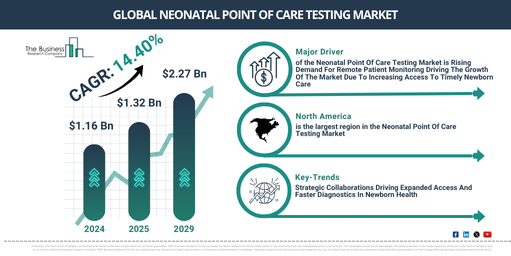
    The neonatal point of care testing market has seen significant expansion in recent years. This market is projected to grow from $1.16 billion in 2024 to $1.32 billion in 2025, reflecting a compound annual growth rate (CAGR) of 14.6%. The historical growth of this market was influenced by an increasing incidence of neonatal disorders, a rising demand for swift diagnostic results, heightened awareness of neonatal health risks, a growing prevalence of preterm births, and the increasing adoption of bedside testing in hospitals.

    The neonatal point of care testing market is projected to experience substantial expansion over the upcoming years. This market is anticipated to reach a valuation of $2.27 billion by 2029, demonstrating a compound annual growth rate (CAGR) of 14.4%. This anticipated growth throughout the forecast period stems from several factors, including a heightened demand for customized neonatal care, the increasing integration of portable testing devices, a stronger inclination towards early disease identification, an intensified effort to lower neonatal mortality rates, and a greater allocation of resources to sophisticated diagnostic instruments. Key developments expected during this timeframe encompass breakthroughs in biosensor technology, advancements in microfluidic diagnostic platforms, significant investment in the research and development of multiplex assays, progress in wireless neonatal monitoring systems, and novel approaches in point of care molecular testing.

    Unlock Your Free Sample Report for Exclusive Market Data:

    https://www.thebusinessresearchcompany.com/sample.aspx?id=28277&type=smp

    Which Drivers Are Supporting Growth Of The Neonatal Point Of Care Testing Market?

    The escalating demand for remote patient monitoring is projected to propel the expansion of the neonatal point of care testing market in the coming period. Remote patient monitoring entails the delivery of healthcare services through technology, connecting patients with medical professionals from a distance. The need for remote patient monitoring is increasing due to the growing requirement for accessible and convenient medical care, particularly for individuals in remote or underserved regions. Neonatal point-of-care testing supports remote patient monitoring by providing immediate diagnostic results at the bedside, enabling healthcare providers to swiftly identify and manage crucial conditions in newborns without relying on a central laboratory. For example, in February 2023, a survey conducted by Rock Health, a US-based health technology company, among 8,014 respondents, found that 76% of people over the age of 55 had used telemedicine, and 80% of all respondents stated they had accessed care via telemedicine at some point in their lives, an increase of 8% from 72% in 2021. Therefore, the heightened demand for remote patient monitoring is anticipated to drive the growth of the neonatal point of care testing market.

    What Are The Segment Types Shaping The Neonatal Point Of Care Testing Market?

    The neonatal point of care testing market covered in this report is segmented as

    1) By Product: Instruments, Assay

    2) By Test Type: Neonatal Bilirubin Testing, Newborn Metabolic Screening, Blood Glucose Testing, Infectious Disease Screening, Electrolyte Testing, Other Test Types

    3) By End-Users: Hospitals, Diagnostic Centers, Maternity And Specialty Clinics, Other End-Users

    Subsegments:

    1) By Instruments: Blood Gas Analyzers, Bilirubinometers, Glucose Meters, Hematology Analyzers, Multiparameter Monitors

    2) By Assay: Bilirubin Assays, Glucose Assays, Infectious Disease Assays, Hematology Assays, Cardiac Marker Assays, Electrolyte Assays, Blood Gas Assays

    What Trends Are Expected To Drive The Neonatal Point Of Care Testing Market?

    Leading companies in the neonatal point of care testing market are prioritizing the establishment of strategic collaborations to more effectively penetrate new markets and expand their customer bases. Strategic collaborations involve alliances between organizations that merge resources and expertise to achieve common business objectives. For instance, in January 2025, QIAGEN, a Netherlands-based supplier of sample and assay technologies, entered into a partnership with Genomics England, a UK-based genomic medicine company. This collaboration has paved the way for the launch of the Generation Study, which intends to sequence the genomes of 100,000 newborns in England to identify more than 200 actionable genetic conditions. QIAGEN will furnish distinctive clinically relevant variant information for the genes included in the point-of-care sequencing test. This data will enable quicker interpretation and reporting of sequencing results, thereby supporting earlier identification and treatment of rare conditions. Officially commencing in October 2024, the study focuses on conditions that may impact roughly 3,000 newborns each year in the UK.

    Which Leading Players Are Enhancing Their Neonatal Point Of Care Testing Market Presence Worldwide?

    Major companies operating in the neonatal point of care testing market are Abbott Laboratories, Siemens Healthineers AG, Koninklijke Philips N.V., GE Healthcare Technologies Inc., Konica Minolta Inc., Dräger Ag Co. Kg, Bio-Rad Laboratories Inc., Masimo Corporation, QIAGEN Inc., Radiometer Ltd., Contec Medical Systems Co. Ltd., Owen Mumford Ltd., Nova Biomedical, Heal Force Bio Meditech Holdings Ltd., Edan Instruments Inc., Trivitron Healthcare, Bistos Co. Ltd., Bilimetrix S.r.I, GINEVRI srl, Hadleigh Health Technologies.

    Download The Full Report For Exclusive Market Findings:

    https://www.thebusinessresearchcompany.com/report/neonatal-point-of-care-testing-global-market-report

    Which Region Shows The Highest Potential For Future Expansion In The Neonatal Point Of Care Testing Market?

    North America was the largest region in the neonatal point of care testing market in 2024. Asia-Pacific is expected to be the fastest-growing region in the forecast period. The regions covered in neonatal point of care testing report are Asia-Pacific, Western Europe, Eastern Europe, North America, South America, Middle East and Africa.

    Request A Customized Version Of The Neonatal Point Of Care Testing Market Report:

    https://www.thebusinessresearchcompany.com/customise?id=28277&type=smp

    Browse Through More Reports Similar to the Global Neonatal Point Of Care Testing Market 2025, By The Business Research Company

    Neonatal Infant Care Global Market Report 2025

    https://www.thebusinessresearchcompany.com/report/neonatal-infant-care-global-market-report

    Pediatric And Neonatal Testing Kit Global Market Report 2025

    https://www.thebusinessresearchcompany.com/report/pediatric-and-neonatal-testing-kit-global-market-report

    Prenatal Testing And Newborn Screening Global Market Report 2025

    https://www.thebusinessresearchcompany.com/report/prenatal-testing-and-newborn-screening-global-market-report

    Get in touch with us:

    The Business Research Company: https://www.thebusinessresearchcompany.com/

    Americas +1 310-496-7795

    Asia +44 7882 955267 & +91 8897263534

    Europe +44 7882 955267

    Email us at info@tbrc.info

    Follow us on:

    LinkedIn: https://in.linkedin.com/company/the-business-research-company

    YouTube: https://www.youtube.com/channel/UC24_fI0rV8cR5DxlCpgmyFQ

    Global Market Model: https://www.thebusinessresearchcompany.com/global-market-model
  • Minor Cut Hydrocolloid Film Industry Insights: Market Forecast to 2029

    Minor Cut Hydrocolloid Film Industry Insights: Market Forecast to 2029

    Unlock Global Insights – Save 20% on Market Reports with Code ONLINE20

    How Is The Minor Cut Hydrocolloid Film Market Size Likely To Evolve From 2025 Through 2034?

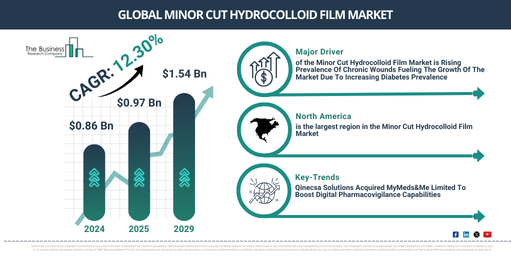
    The minor cut hydrocolloid film market size has expanded quickly in recent years. It is projected to increase from $0.86 billion in 2024 to $0.97 billion in 2025, showing a compound annual growth rate (CAGR) of 12.6%. The historical growth can be attributed to several factors: an increasing consumer emphasis on personal hygiene, the growing adoption of over-the-counter wound care products, a rising geriatric population with fragile skin, more instances of accidental cuts in household activities, and an expanding use of protective dressings in occupational settings.

    The market for minor cut hydrocolloid films is projected to experience substantial expansion over the upcoming years. This market is anticipated to reach a valuation of $1.54 billion by 2029, exhibiting a compound annual growth rate (CAGR) of 12.3%. This projected growth during the forecast timeframe is attributable to several factors, including heightened public understanding of rapid healing advantages, a rising need from both children’s and elder care sectors, the increasing appeal of user-friendly wound care solutions, the expansion of retail and online sales avenues, and an increased focus on proactive health measures. Significant developments expected during this period encompass enhancements in dermal-friendly adhesive substances, the creation of environmentally sustainable and naturally degradable films, breakthroughs in incredibly thin clear dressings, improvements in packaging designed for extended product longevity, and the introduction of versatile films possessing germ-fighting capabilities.

    Unlock Your Free Sample Report for Exclusive Market Data:

    https://www.thebusinessresearchcompany.com/sample.aspx?id=28272&type=smp

    Which Industry Drivers Are Expected To Accelerate The Minor Cut Hydrocolloid Film Market From 2025 To 2029?

    The increasing occurrence of chronic wounds is projected to drive the expansion of the minor cut hydrocolloid film market in the future. These wounds are characterized by their inability to heal through the usual stages within a normal timeframe, often lasting beyond 4–6 weeks even with proper treatment. The growing incidence of diabetes is a key factor behind the rise in chronic wounds, as elevated blood sugar levels hinder circulation and impede the body’s intrinsic healing capabilities. Minor cut hydrocolloid films assist in managing chronic wounds by fostering a damp healing environment, guarding against infections, and accelerating tissue regeneration, offering advantages over conventional dressings. For instance, in July 2025, National Seniors Australia, a non-profit organization based in Australia, reported that over 450,000 Australians suffer from chronic wounds, imposing an annual cost exceeding $6 billion on the healthcare system. Consequently, the increasing prevalence of chronic wounds is a significant impetus for the growth of the minor cut hydrocolloid film market. The growing healthcare expenditure is anticipated to advance the minor cut hydrocolloid film market in the future. Healthcare expenditure signifies the cumulative financial outlay on medical services, therapies, facilities, research, and public health programs aimed at preserving or enhancing health results. The heightened need for healthcare spending stems from the increasing incidence of chronic diseases, which necessitate extended and expensive care. Elevated healthcare expenditure bolsters the minor cut hydrocolloid film market by facilitating greater access to and adoption of advanced wound care solutions for both patients and healthcare providers. This expansion supports the deployment of cutting-edge products that accelerate healing and mitigate complications, thereby enhancing patient results and overall treatment effectiveness. For example, in May 2024, the Office for National Statistics, a UK government body, reported that total healthcare expenditure experienced a 5.6% rise in nominal terms in 2023, representing a 0.9% increase over 2022. Consequently, the surge in healthcare expenditure is propelling the expansion of the minor cut hydrocolloid film market.

    What Are The Major Segments Identified In The Minor Cut Hydrocolloid Film Market?

    The minor cut hydrocolloid film market covered in this report is segmented as

    1) By Product Type: Adhesive Hydrocolloid Film, Non-Adhesive Hydrocolloid Film, Transparent Hydrocolloid Film, Other Product Types

    2) By Application: Hospitals, Clinics, Homecare, Other Applications

    3) By Distribution Channel: Hospital Pharmacies, Retail Pharmacies, Online Pharmacies, Other Distribution Channels

    4) By End-User: Adults, Pediatrics, Geriatrics

    Subsegments:

    1) By Adhesive Hydrocolloid Film: Thin Layer, Flexible Sheet, Pre-Cut Shapes, Roll Form

    2) By Non-Adhesive Hydrocolloid Film: Sheet Dressing, Pocket Dressing, Layered Dressing

    3) By Transparent Hydrocolloid Film: Clear Sheet, Window Dressing, Protective Film

    4) By Other Product Types: Composite Dressing, Foam Backed Dressing, Hybrid Film

    What Key Innovation Trends Are Fueling Advancements In The Minor Cut Hydrocolloid Film Market?

    Major companies engaged in the minor cut hydrocolloid film market are prioritizing the creation of innovative solutions, such as sophisticated hydrocolloid plasters, to expedite wound healing and minimize the appearance of scars. Advanced hydrocolloid plasters function as wound dressings that establish a moist healing environment, safeguard the wound against infection, and encourage a faster, higher-quality recovery in contrast to traditional bandages. For example, in January 2025, Beiersdorf AG, a consumer goods and personal care company based in Germany, launched its next-generation Second Skin Protection plasters. These plasters are engineered to support quicker, high-quality wound healing while simultaneously reducing the risk of infection and scarring. They utilize advanced hydrocolloid technology that absorbs wound exudate and forms a protective healing capsule, thereby fostering a moist environment that accelerates natural recovery. These plasters also feature a 100% waterproof yet breathable outer layer, which protects wounds from dirt and bacteria while enabling excess moisture to evaporate. Their ultra-thin, flexible design ensures comfort and strong adhesion, even on challenging body parts like knees and elbows.

    Which Major Industry Participants Are Leading The Minor Cut Hydrocolloid Film Market Growth?

    Major companies operating in the minor cut hydrocolloid film market are Cardinal Health Inc., 3M Company, Beiersdorf Aktiengesellschaft, B. Braun Melsungen AG, Smith & Nephew plc, Coloplast Aktieselskab, Paul Hartmann AG, Mölnlycke Health Care Aktiebolag, ConvaTec Group plc, Hollister Incorporated, Acelity L.P Inc., BSN medical GmbH, Derma Sciences Inc., Urgo Medical, Winner Medical Co. Ltd., Scapa Healthcare, Medline Industries LP, Covalon Technologies Ltd., Hi-Tech Products, and Sundaram Medical Devices.

    Download The Full Report For Exclusive Market Findings:

    https://www.thebusinessresearchcompany.com/report/minor-cut-hydrocolloid-film-global-market-report

    How Do Regional Market Performances Compare Within The Minor Cut Hydrocolloid Film Industry?

    North America was the largest region in the minor cut hydrocolloid film market in 2024. Asia-Pacific is expected to be the fastest-growing region in the forecast period. The regions covered in minor cut hydrocolloid film report are Asia-Pacific, Western Europe, Eastern Europe, North America, South America, Middle East and Africa.

    Request A Customized Version Of The Minor Cut Hydrocolloid Film Market Report:

    https://www.thebusinessresearchcompany.com/customise?id=28272&type=smp

    Browse Through More Reports Similar to the Global Minor Cut Hydrocolloid Film Market 2025, By The Business Research Company

    Hydrocolloids Global Market Report 2025

    https://www.thebusinessresearchcompany.com/report/hydrocolloids-global-market-report

    Food Hydrocolloids Global Market Report 2025

    https://www.thebusinessresearchcompany.com/report/food-hydrocolloids-global-market-report

    Greenhouse Film Global Market Report 2025

    https://www.thebusinessresearchcompany.com/report/greenhouse-film-global-market-report

    Get in touch with us:

    The Business Research Company: https://www.thebusinessresearchcompany.com/

    Americas +1 310-496-7795

    Asia +44 7882 955267 & +91 8897263534

    Europe +44 7882 955267

    Email us at info@tbrc.info

    Follow us on:

    LinkedIn: https://in.linkedin.com/company/the-business-research-company

    YouTube: https://www.youtube.com/channel/UC24_fI0rV8cR5DxlCpgmyFQ

    Global Market Model: https://www.thebusinessresearchcompany.com/global-market-model