Category: Medical Equipment

  • Global Virtual Reality Therapy Hardware Market Overview: Trends Shaping Growth to 2029

    Global Virtual Reality Therapy Hardware Market Overview: Trends Shaping Growth to 2029

    Unlock Global Insights – Save 20% on Market Reports with Code ONLINE20

    What Is The Global Market Value Of The Virtual Reality Therapy Hardware Industry In 2025?

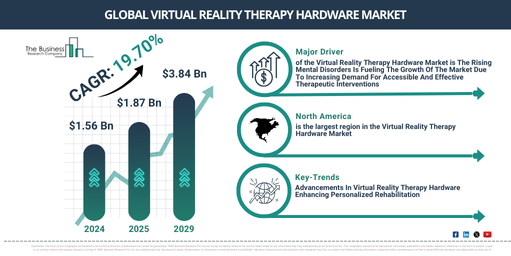
    The virtual reality therapy hardware market has expanded considerably in recent years. It is projected to increase from $1.56 billion in 2024 to $1.87 billion in 2025, achieving a compound annual growth rate (CAGR) of 20.1%. This historical growth can be linked to the growing adoption of VR in healthcare for exposure therapy, the increasing prevalence of anxiety disorders and PTSD, rising investments in healthcare innovation, supportive research studies validating VR effectiveness, and growing awareness among therapists and clinicians.

    The virtual reality therapy hardware market is anticipated to experience substantial expansion in the coming years, with its size projected to reach $3.84 billion by 2029, exhibiting a compound annual growth rate (CAGR) of 19.7%. This growth over the forecast period is propelled by factors such as the increasing demand for non-invasive and drug-free treatment methods, the inclusion of VR therapy within established mental health programs, growing governmental and insurance assistance for digital health instruments, enhanced affordability and access to VR hardware, and its expanding applications in rehabilitation, neurology, and pain management. Significant trends during this period are expected to include the development of lightweight and ergonomic VR headsets, the integration of eye-tracking and biofeedback sensors, the adoption of wireless and cloud-connected VR devices, the incorporation of AI-driven personalization in therapy content, and advancements in haptic feedback and immersive environments.

    Unlock Your Free Sample Report for Exclusive Market Data:

    https://www.thebusinessresearchcompany.com/sample.aspx?id=28358&type=smp

    What Are The Drivers Pushing New Developments In The Virtual Reality Therapy Hardware Market?

    The virtual reality therapy hardware market is anticipated to grow due to the increasing incidence of mental disorders. These conditions are characterized by effects on a person’s thinking, feeling, behavior, or mood, often leading to significant interference with daily functioning and quality of life. The expansion of mental disorders is linked to increasing social isolation, which contributes to elevated stress and anxiety, consequently harming emotional well-being and initiating mental health issues. Rising mental health conditions are boosting the demand for virtual reality therapy hardware, as these immersive technologies offer effective and accessible treatment alternatives that can provide exposure therapy, mindfulness training, and therapeutic interventions in controlled virtual environments. For instance, in May 2024, the American Psychiatric Association, a US-based professional organization of psychologists, reported that 43% of adults felt more anxious, compared to 37% in 2023 and 32% in 2022, indicating a consistent increase in anxiety levels. Therefore, rising mental disorders are driving the growth of the virtual reality therapy hardware market.

    What Are The Major Segment Types Covered In The Virtual Reality Therapy Hardware Market?

    The virtual reality therapy hardware market covered in this report is segmented as

    1) By Product Type: Head-Mounted Displays, Motion Tracking Devices, Haptic Feedback Devices, Virtual Reality (VR) Cameras, Other Product Types

    2) By Distribution Channel: Direct Sales, Online Retail, Specialty Stores, Other Distribution Channels

    3) By Application: Mental Health, Physical Rehabilitation, Pain Management, Phobia Treatment, Other Applications

    4) By End-User: Hospitals And Clinics, Rehabilitation Centers, Research And Academic Institutes, Other End-Users

    Subsegments:

    1) By Head-Mounted Displays (HMDs): Standalone Head-Mounted Displays (HMDs), Tethered Head-Mounted Displays (HMDs), Smartphone-based Head-Mounted Displays (HMDs), Mixed Reality Head-Mounted Displays (HMDs)

    2) By Motion Tracking Devices: Optical Motion Trackers, Inertial Motion Trackers, Magnetic Motion Trackers, Mechanical Motion Trackers

    3) By Haptic Feedback Devices: Gloves With Haptic Feedback, Suits With Haptic Feedback, Handheld Haptic Controllers, Exoskeleton-based Haptic Devices

    4) By Virtual Reality (VR) Cameras: 360-Degree Virtual Reality (VR) Cameras, Stereoscopic Virtual Reality (VR) Cameras, Monoscopic Virtual Reality (VR) Cameras, Multi-Lens Virtual Reality (VR) Cameras

    5) By Other Product Types: Virtual Reality (VR) Treadmills, Virtual Reality (VR) Sensors And Trackers, Virtual Reality (VR) Motion Platforms, Virtual Reality (VR) Interaction Controllers

    Which Market Trends Are Creating New Opportunities In The Virtual Reality Therapy Hardware Industry?

    Leading companies in the virtual reality therapy hardware market are concentrating on creating sophisticated offerings, specifically virtual reality-based healthcare tools, to elevate treatment efficacy and provide customized therapy experiences. These VR healthcare tools leverage immersive simulations to assist in diagnosis, treatment, and rehabilitation, thereby improving patient care through engaging, managed, and tailored therapeutic interactions. For example, in March 2022, Penumbra, Inc., a healthcare firm based in the US, introduced the REAL y-Series, an advanced VR therapy hardware platform. This system combines a VR headset, full-body motion sensors, and an improved clinician interface known as TherapyView, facilitating immersive, hands-free rehabilitation exercises designed for specific patient requirements. This launch broadened the company’s extensive VR-based healthcare system, incorporating considerably more activities and experiences intended to enhance patient care and clinical rehabilitation therapy, featuring updated hardware and a refined therapist interface to personalize therapy programs for a broader spectrum of rehabilitation patients.

    Which Key Market Players Are Investing In Expansion And Innovation Of Virtual Reality Therapy Hardware Market?

    Major companies operating in the virtual reality therapy hardware market are Apple Inc., Meta Platforms Inc., Penumbra Inc., HTC Corporation, Sony Interactive Entertainment Europe Limited, MindMaze SA, XRHealth Inc., MyndVR Inc., AppliedVR Inc., NuEyes Technologies Inc., Looxid Labs Inc., OpenBCI Inc., Karuna Labs Inc., Rewire Fitness Inc., Novobeing Inc., Amelia Virtual Care Inc., Twin Reality Technologies Inc., Pico Interactive Inc., Biomed India, and KineQuantum SAS.

    Download The Full Report For Exclusive Market Findings:

    https://www.thebusinessresearchcompany.com/report/virtual-reality-therapy-hardware-global-market-report

    What Are The Regional Market Dynamics Impacting The Virtual Reality Therapy Hardware Industry?

    North America was the largest region in the virtual reality therapy hardware market in 2024. The regions covered in virtual reality therapy hardware report are Asia-Pacific, Western Europe, Eastern Europe, North America, South America, Middle East and Africa.

    Request A Customized Version Of The Virtual Reality Therapy Hardware Market Report:

    https://www.thebusinessresearchcompany.com/customise?id=28358&type=smp

    Browse Through More Reports Similar to the Global Virtual Reality Therapy Hardware Market 2025, By The Business Research Company

    Virtual Reality Devices Global Market Report 2025

    https://www.thebusinessresearchcompany.com/report/virtual-reality-devices-global-market-report

    Virtual Reality In Healthcare Global Market Report 2025

    https://www.thebusinessresearchcompany.com/report/virtual-reality-in-healthcare-global-market-report

    Virtual Reality Software Global Market Report 2025

    https://www.thebusinessresearchcompany.com/report/virtual-reality-software-global-market-report

    Get in touch with us:

    The Business Research Company: https://www.thebusinessresearchcompany.com/

    Americas +1 310-496-7795

    Asia +44 7882 955267 & +91 8897263534

    Europe +44 7882 955267

    Email us at info@tbrc.info

    Follow us on:

    LinkedIn: https://in.linkedin.com/company/the-business-research-company

    YouTube: https://www.youtube.com/channel/UC24_fI0rV8cR5DxlCpgmyFQ

    Global Market Model: https://www.thebusinessresearchcompany.com/global-market-model
  • Vascular Lesion Treatment Laser Market to Grow at a CAGR of 10.8% from 2025 to 2029

    Vascular Lesion Treatment Laser Market to Grow at a CAGR of 10.8% from 2025 to 2029

    Unlock Global Insights – Save 20% on Market Reports with Code ONLINE20

    #What Are The Current (2025) And Forecast (2029) Sizes Of The Vascular Lesion Treatment Laser Market?

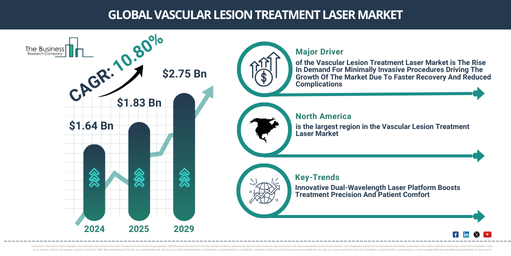
    The size of the vascular lesion treatment laser market has experienced substantial growth in recent years. This market is projected to expand from $1.64 billion in 2024 to $1.83 billion in 2025, demonstrating a compound annual growth rate (CAGR) of 11.1%. Historically, this expansion has been driven by several factors, including the rising incidence of vascular lesions linked to an aging global demographic, heightened understanding and demand for cosmetic and aesthetic procedures, greater embrace of less invasive laser treatments, the proliferation of dermatology clinics and specialized centers, and the expanding impact of medical tourism in developing regions.

    The vascular lesion treatment laser market is anticipated to experience substantial growth in the coming years, with projections indicating an increase to $2.75 billion by 2029, driven by a compound annual growth rate (CAGR) of 10.8%. This growth is attributable to several factors, including the rising demand for non-invasive and pain-free treatment options, the expanding availability of multi-application laser platforms, improvements in healthcare infrastructure within developing nations, a greater acceptance of laser therapy as an alternative to traditional surgery, and an increased focus on personalized and targeted aesthetic treatments. Prominent trends expected in this period encompass the development of artificial intelligence-powered laser treatment platforms, the creation of user-friendly interfaces for dermatologists and clinics, the integration of laser systems with imaging and diagnostic tools, the incorporation of robotics and automation into laser procedures, and ongoing innovation in multi-wavelength laser platforms to enhance versatility.

    Unlock Your Free Sample Report for Exclusive Market Data:

    https://www.thebusinessresearchcompany.com/sample.aspx?id=28349&type=smp

    Which Drivers Are Supporting Growth Of The Vascular Lesion Treatment Laser Market?

    The anticipated expansion of the vascular lesion treatment laser market is driven by the rising preference for minimally invasive procedures. These procedures involve medical techniques conducted via small incisions or natural body orifices, leading to less tissue damage, quicker recovery, and fewer complications compared to conventional surgical methods. The appeal of minimally invasive procedures stems from their association with faster patient recovery, characterized by diminished pain, shorter hospitalizations, and a more rapid resumption of normal activities when contrasted with traditional surgeries. Vascular lesion treatment laser technology improves minimally invasive interventions by precisely targeting abnormal blood vessels, thereby lessening tissue damage and facilitating quicker healing with minimal scarring. As an illustration, data from June 2024, published by the American Society of Plastic Surgeons, a US-based non-profit organization, indicated a 7% rise in minimally invasive procedures in 2023, exceeding the 2% growth rate of surgical procedures. Consequently, the growing adoption of minimally invasive procedures fuels the expansion of the vascular lesion treatment laser market.

    How Is The Vascular Lesion Treatment Laser Market Classified Into Different Segments?

    The vascular lesion treatment laser market covered in this report is segmented as

    1) By Type: Telangiectasia, Hemangiomas, Varicose Veins, Port Wine Stains

    2) By Technology: Pulsed Dye Laser, Neodymium-doped Yttrium Aluminum Garnet laser, Intense Pulsed Light (IPL), Diode Laser, Erbium Laser

    3) By Application: Aesthetic Procedures, Medical Treatments, Cosmetic Enhancements, Skin Resurfacing, Tattoo Removal

    4) By End User: Hospitals, Dermatology Clinics, Cosmetic Surgery Centers, Ambulatory Surgical Centers, Home Care Settings

    Subsegments:

    1) By Telangiectasia: Facial Spider Veins, Leg Spider Veins, Truncal Spider Veins

    2) By Hemangiomas: Infantile Hemangiomas, Congenital Hemangiomas, Capillary Hemangiomas, Cavernous Hemangiomas

    3) By Varicose Veins: Superficial Varicose Veins, Deep Varicose Veins, Perforator Vein Varicosities

    4) By Port Wine Stains: Facial Port Wine Stains, Limb Port Wine Stains, Truncal Port Wine Stains

    What Are The Major Trends Driving The Growth Of The Vascular Lesion Treatment Laser Market?

    Major companies within the vascular lesion treatment laser market are focused on developing innovative solutions, such as dual-wavelength laser platforms, to improve treatment precision and efficacy for a broad spectrum of vascular conditions. These dual-wavelength laser platforms are advanced medical devices that integrate two laser wavelengths into a single system, allowing them to target different types of vascular lesions more effectively while minimizing damage to surrounding tissue. For instance, in April 2025, Candela Medical Inc., a US-based medical device company, introduced the Vbeam Pro laser platform. This advanced system combines a 595 nm pulsed dye laser with a 1064 nm Nd:YAG wavelength. The dual-wavelength platform is FDA-cleared for pediatric use and offers enhanced precision, versatility, and effectiveness for treating a wide array of vascular and dermatologic conditions, including rosacea, port-wine stains, acne, leg and spider veins, scars, benign pigmented lesions, wrinkles, warts, stretch marks, and photoaging. Its innovative design achieves up to 20% improved lesion clearance, 50% faster treatment times, and 20% reduced patient discomfort compared to previous-generation systems, signifying a major advance in pulsed dye laser technology.

    Which Industry Leaders Are Driving Innovation Across The Vascular Lesion Treatment Laser Market?

    Major companies operating in the vascular lesion treatment laser market are El.En. S.p.A., Lumenis Ltd., Candela Corporation, Alma Lasers Ltd., DEKA M.E.L.A. S.r.l., Venus Concept Inc., Fotona d.o.o., Sciton Inc., Sensus Healthcare Inc., Biolitec AG, Wuhan Gigaa Optronics Technology Co. Ltd., SharpLight Technologies Ltd., Beijing Nubway S And T Co. Ltd., Aerolase Inc., Astanza Laser LLC, Lynton Lasers Ltd., Asclepion Laser Technologies GmbH, Quanta System S.p.A., Beijing Sincoheren S And T Development Co. Ltd., Nanjing Bestview Laser Co. Ltd.

    Download The Full Report For Exclusive Market Findings:

    https://www.thebusinessresearchcompany.com/report/vascular-lesion-treatment-laser-global-market-report

    Which Regional Markets Are Contributing Most To The Vascular Lesion Treatment Laser Industry Expansion?

    North America was the largest region in the vascular lesion treatment laser market in 2024. Asia-Pacific is expected to be the fastest-growing region in the forecast period. The regions covered in vascular lesion treatment laser report are Asia-Pacific, Western Europe, Eastern Europe, North America, South America, Middle East and Africa.

    Request A Customized Version Of The Vascular Lesion Treatment Laser Market Report:

    https://www.thebusinessresearchcompany.com/customise?id=28349&type=smp

    Browse Through More Reports Similar to the Global Vascular Lesion Treatment Laser Market 2025, By The Business Research Company

    Cardiovascular Medical Lasers Global Market Report 2025

    https://www.thebusinessresearchcompany.com/report/cardiovascular-medical-lasers-global-market-report

    Medical Lasers Global Market Report 2025

    https://www.thebusinessresearchcompany.com/report/medical-lasers-global-market-report

    Laser Atherectomy Devices Global Market Report 2025

    https://www.thebusinessresearchcompany.com/report/laser-atherectomy-devices-global-market-report

    Get in touch with us:

    The Business Research Company: https://www.thebusinessresearchcompany.com/

    Americas +1 310-496-7795

    Asia +44 7882 955267 & +91 8897263534

    Europe +44 7882 955267

    Email us at info@tbrc.info

    Follow us on:

    LinkedIn: https://in.linkedin.com/company/the-business-research-company

    YouTube: https://www.youtube.com/channel/UC24_fI0rV8cR5DxlCpgmyFQ

    Global Market Model: https://www.thebusinessresearchcompany.com/global-market-model
  • Global Urine Collector Market 2025–2029: Competitive Insights and Opportunities

    Global Urine Collector Market 2025–2029: Competitive Insights and Opportunities

    Unlock Global Insights – Save 20% on Market Reports with Code ONLINE20

    What Market Value Is The Urine Collector Industry Expected To Reach By 2029, Starting From 2025 Levels?

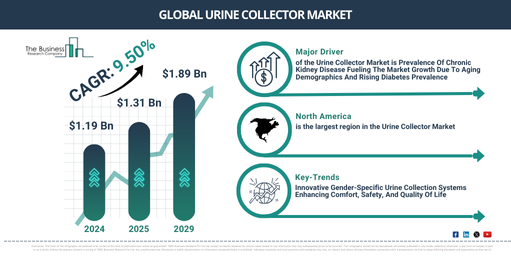
    The urine collector market size has experienced strong expansion in recent years. It is projected to grow from $1.19 billion in 2024 to $1.31 billion in 2025, achieving a compound annual growth rate (CAGR) of 9.9%. The growth observed in the past can be attributed to an increasing prevalence of urinary tract infections, the rising prevalence of diabetes, an expanding geriatric population, an uptick in hospital admissions, and the rising prevalence of urinary incontinence.

    The urine collector market is projected to experience substantial expansion, reaching $1.89 billion by 2029, demonstrating a compound annual growth rate (CAGR) of 9.5%. This anticipated growth during the forecast period is primarily driven by factors such as a rising inclination towards home healthcare, the escalating prevalence of chronic illnesses, an increasing need for tailored urine collection solutions, a heightened emphasis on upgrading healthcare infrastructure, and a greater focus on the early detection of chronic conditions. Key developments expected in this timeframe encompass progress in medical devices, innovations in silicone formulations, technological improvements in urine collection and analysis, the incorporation of point-of-care testing methods, and the creation of automated instruments designed to boost efficiency.

    Unlock Your Free Sample Report for Exclusive Market Data:

    https://www.thebusinessresearchcompany.com/sample.aspx?id=28348&type=smp

    Which Drivers Are Shaping The Urine Collector Industry’s Market Share?

    The expanding incidence of chronic kidney diseases is projected to stimulate the expansion of the urine collector market. This progressive medical condition, where kidneys gradually suffer damage and lose their capacity to efficiently filter blood, is seeing increased prevalence. This rise is largely attributable to an aging global population, given that renal function naturally diminishes with age, making older individuals more vulnerable to conditions like diabetes and hypertension, which are primary causes of kidney impairment. Urine collectors are vital diagnostic instruments in managing chronic kidney disease, providing healthcare professionals with the means to precisely gather urine specimens for crucial examinations, such as the albumin-to-creatinine ratio (UACR) and protein-to-creatinine ratio (UPCR), which are essential for tracking the decline in kidney function and the advancement of the illness. For example, the Australian Institute of Health and Welfare, a government body based in Australia, reported in June 2024 that chronic kidney disease (CKD) mortality rates increased by 4.2% in 2021 and by 6.2% in 2022. Furthermore, in 2022 alone, chronic kidney diseases were responsible for approximately 22,000 deaths, accounting for 11% of all fatalities in Australia, with a death rate of 84 per 100,000 population. Consequently, the increasing occurrence of chronic kidney diseases is fueling the growth within the urine collector market.

    What Are The Major Segments Identified In The Urine Collector Market?

    The urine collector market covered in this report is segmented as

    1) By Product Type: Urinals, Bottle Urine Collectors, Bag Urine Collectors, Catheter Urine Collectors

    2) By Material: Plastic, Silicone, Glass

    3) By Capacity: 100 Milliliters (ml)–250 Milliliters (ml), 250 Milliliters (ml)–500 Milliliters (ml), 500 Milliliters (ml)–1000 Milliliters (ml), Above 1000 Milliliters (ml)

    4) By Usage: Single-Use, Reusable

    5) By End User: Hospitals And Clinics, Nursing Homes And Assisted Living Facilities, Home Healthcare

    Subsegments:

    1) By Urinals: Fixed, Portable, Bedside, Disposable

    2) By Bottle Urine Collectors: Sterile, Non-Sterile, Graduated, Non-Graduated

    3) By Bag Urine Collectors: Leg Bag, Bedside Bag, Overnight Bag, Drainable, Closed System, Open System

    4) By Catheter Urine Collectors: Indwelling, Intermittent, External, Foley, Straight, Hydrogel Coated

    What Are The Major Trends Driving The Growth Of The Urine Collector Market?

    Leading companies in the urine collector market are concentrating on developing innovative products, such as gender-specific external collection systems, to improve comfort, safety, and user adherence. These gender-specific external collection systems are urine collectors precisely engineered to match male and female anatomy, thereby enhancing fit, comfort, and effectiveness while minimizing leakage and the risk of infection, which in turn boosts patient dignity, discretion, and overall quality of life. For instance, in July 2024, Mexple, an India-based medical equipment manufacturing company, unveiled UroMen and UroWomen urine collection kits, specifically tailored for males and females, to address the increasing demand for secure, hygienic, and user-friendly incontinence management solutions. These products are crafted from medical-grade materials, incorporate backflow prevention technology, and are reusable, making them suitable for a variety of care settings including homes, hospitals, nursing facilities, as well as for elderly or post-surgical patients. The kits restrict skin contact with urine, helping to reduce irritation, infection risk, and unpleasant odors, while also offering enhanced discretion and mobility compared to traditional adult diapers or indwelling catheters. This launch signifies the industry’s broader movement towards patient-centric designs that merge functionality with comfort, aiming to boost compliance and elevate the quality of life for individuals managing chronic urinary conditions.

    Who Are The Key Multinational Companies Dominating The Urine Collector Market?

    Major companies operating in the urine collector market are Cardinal Health Inc., F. Hoffmann-La Roche AG, Thermo Fisher Scientific Inc., Abbott Laboratories, Medline Industries LP, Stryker Corporation, Becton Dickinson and Company, B. Braun Melsungen Aktiengesellschaft, Coloplast A/S, Teleflex Incorporated, ConvaTec Group PLC, Integra LifeSciences Holdings Corporation, Hollister Incorporated, Amsino International Inc., Polymed Medical Devices, Sterimed Group, Labcon North America Inc., Romsons Scientific & Surgical Pvt. Ltd., FL Medical srl, and China National Wholesales Trading Corporation.

    Download The Full Report For Exclusive Market Findings:

    https://www.thebusinessresearchcompany.com/report/urine-collector-global-market-report

    How Does The Urine Collector Market Perform Across Key Geographic Regions?

    North America was the largest region in the urine collector market in 2024. Asia-Pacific is expected to be the fastest-growing region in the forecast period. The regions covered in urine collector report are Asia-Pacific, Western Europe, Eastern Europe, North America, South America, Middle East and Africa.

    Request A Customized Version Of The Urine Collector Market Report:

    https://www.thebusinessresearchcompany.com/customise?id=28348&type=smp

    Browse Through More Reports Similar to the Global Urine Collector Market 2025, By The Business Research Company

    Urology Devices Global Market Report 2025

    https://www.thebusinessresearchcompany.com/report/urology-devices-global-market-report

    Urinalysis Global Market Report 2025

    https://www.thebusinessresearchcompany.com/report/urinalysis-global-market-report

    Nephrology And Urology Devices Global Market Report 2025

    https://www.thebusinessresearchcompany.com/report/nephrology-and-urology-devices-global-market-report

    Get in touch with us:

    The Business Research Company: https://www.thebusinessresearchcompany.com/

    Americas +1 310-496-7795

    Asia +44 7882 955267 & +91 8897263534

    Europe +44 7882 955267

    Email us at info@tbrc.info

    Follow us on:

    LinkedIn: https://in.linkedin.com/company/the-business-research-company

    YouTube: https://www.youtube.com/channel/UC24_fI0rV8cR5DxlCpgmyFQ

    Global Market Model: https://www.thebusinessresearchcompany.com/global-market-model
  • Ultraviolet (UV) Blocking Contact Lens Market Forecast 2025–2034: Where Businesses Should Invest Next

    Ultraviolet (UV) Blocking Contact Lens Market Forecast 2025–2034: Where Businesses Should Invest Next

    Unlock Global Insights – Save 20% on Market Reports with Code ONLINE20

    What Are The Forecasted Market Size Estimates For The Ultraviolet (UV) Blocking Contact Lens Market Between 2025 And 2029?

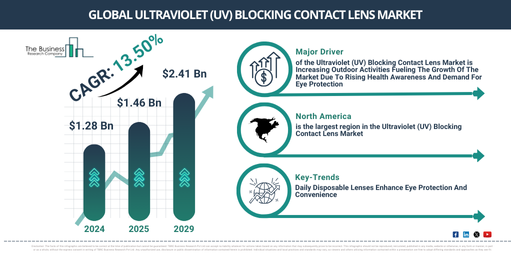
    The market size for ultraviolet (UV) blocking contact lenses has experienced rapid growth in recent years. This market is projected to expand from $1.28 billion in 2024 to $1.46 billion by 2025, achieving a compound annual growth rate (CAGR) of 13.8%. Historically, this growth can be attributed to the increasing prevalence of cataracts, growing awareness regarding eye health, a rise in ocular diseases, the increasing adoption of sunglasses and eye protection, and an increase in outdoor activities.

    The ultraviolet (UV) blocking contact lens market size is projected for substantial expansion in the coming years. It is anticipated to reach $2.41 billion by 2029, demonstrating a compound annual growth rate (CAGR) of 13.5%. This growth during the forecast period is driven by factors such as the increasing popularity of daily disposable lenses, the rising incidence of myopia, an increase in eye surgeries, greater use of digital devices, and expanding public awareness initiatives. Key developments anticipated in this period include improvements in broad-spectrum UV protection, the integration of blue light filtering technology, innovations in lightweight and durable lens materials, the creation of personalized lens designs, and progress in sustainable and environmentally friendly materials.

    Unlock Your Free Sample Report for Exclusive Market Data:

    https://www.thebusinessresearchcompany.com/sample.aspx?id=28346&type=smp

    What Are The Emerging Market Drivers Creating New Opportunities In The Ultraviolet (UV) Blocking Contact Lens Industry?

    Growing participation in outdoor pursuits is projected to fuel the expansion of the ultraviolet (UV) blocking contact lens market in the future. These activities encompass various recreational or physical endeavors undertaken outdoors in natural or open settings, including hiking, cycling, and sports. An uptick in outdoor recreational engagement stems from heightened health consciousness, with a greater number of individuals pursuing physical activities like hiking, cycling, and camping to enhance their physical condition and psychological health. Ultraviolet (UV) blocking contact lenses augment outdoor experiences by safeguarding eyes from detrimental UV radiation, rendering them suitable for sports, driving, and leisurely exposure. Such lenses mitigate the danger of UV-induced eye harm while preserving sharp and pleasant sight, thereby boosting overall ocular safety and user convenience. As an illustration, figures from April 2024 released by the U.S. Bureau of Economic Analysis (BEA), a government agency in the US, indicated that the outdoor recreation industry generated $563.7 billion in 2022, representing a 15.1% increase compared to 2021. Consequently, the expansion of outdoor activities is propelling the advancement of the ultraviolet (UV) blocking contact lens market.

    What Are The Major Segment Types Covered In The Ultraviolet (UV) Blocking Contact Lens Market?

    The ultraviolet (UV) blocking contact lens market covered in this report is segmented as

    1) By Product Type: Daily Disposable, Weekly Disposable, Monthly Disposable, Extended Wear, Other Product Types

    2) By Material: Hydrogel, Silicone Hydrogel, Hybrid, Other Materials

    3) By Application: Corrective, Therapeutic, Cosmetic, Other Applications

    4) By Distribution Channel: Optical Stores, Online Stores, Hospitals And Clinics, Other Distribution Channels

    5) By End-User: Adults, Children

    Subsegments:

    1) By Daily Disposable: Clear Vision Lenses, Blue Light Filtering Lenses, Hydration Enhanced Lenses, Comfort Plus Lenses

    2) By Weekly Disposable: Toric Lenses, Color Enhancement Lenses, Ultraviolet Shield Lenses, Breathable Hydrogel Lenses

    3) By Monthly Disposable: Multifocal Lenses, Silicone Hydrogel Lenses, Digital Eye Strain Lenses, Nighttime Wear Lenses

    4) By Extended Wear: Long-Term Comfort Lenses, Rigid Gas Permeable Lenses, High Oxygen Permeable Lenses, Scleral Support Lenses

    5) By Other Product Types: Orthokeratology Lenses, Cosmetic Lenses, Specialty Lenses For Keratoconus, Pediatric Ultraviolet Protection Lenses

    Which Trends Are Impacting The Ultraviolet (UV) Blocking Contact Lens Market?

    Leading companies within the ultraviolet (UV) blocking contact lens market are concentrating on creating innovative solutions, such as daily disposable contact lenses, to enhance eye protection and convenience for users. Daily disposable contact lenses are designed for a single day of wear before being discarded, offering ease of use and mitigating the risk of eye infections. For instance, in March 2023, CooperVision Inc., a medical device company based in the US, introduced the MyDay Energys contact lenses, which are specifically crafted to provide UV protection and alleviate digital eye strain. These lenses integrate DigitalBoost technology, delivering a +0.3D power boost to lessen fatigue caused by prolonged digital device usage. Furthermore, they employ Aquaform Technology, which allows the lenses to hold twice their weight in water, guaranteeing exceptional comfort and moisture. Moreover, being daily disposable lenses, they come with integrated UV protection, shielding the eyes from detrimental rays while upholding clear, sharp vision throughout the day.

    Which Major Firms Are Strengthening Their Position In The Ultraviolet (UV) Blocking Contact Lens Industry?

    Major companies operating in the ultraviolet (UV) blocking contact lens market are Alcon Inc., Hoya Corporation, Bausch + Lomb Incorporated, CooperVision Inc., Johnson And Johnson Vision Care Inc., Menicon Co. Ltd., ABB Optical Group LLC, St. Shine Optical Co. Ltd., Seed Co. Ltd., Interojo Inc., Unitech Enterprises Pvt. Ltd., Contamac Ltd., Clearlab International Pte. Ltd., Visioneering Technologies Inc., BostonSight Inc., Neo Vision Co. Ltd., UltraVision CLPL, Camax Optical Corp., MiSight, and Purecon Lenses Pvt. Ltd.

    Download The Full Report For Exclusive Market Findings:

    https://www.thebusinessresearchcompany.com/report/ultraviolet-uv-blocking-contact-lens-global-market-report

    Which Global Regions Are Influencing The Competitive Landscape Of The Ultraviolet (UV) Blocking Contact Lens Market?

    North America was the largest region in the ultraviolet (UV) blocking contact lens market in 2024. Asia-Pacific is expected to be the fastest-growing region in the forecast period. The regions covered in ultraviolet (UV) blocking contact lens report are Asia-Pacific, Western Europe, Eastern Europe, North America, South America, Middle East and Africa.

    Request A Customized Version Of The Ultraviolet (UV) Blocking Contact Lens Market Report:

    https://www.thebusinessresearchcompany.com/customise?id=28346&type=smp

    Browse Through More Reports Similar to the Global Ultraviolet (UV) Blocking Contact Lens Market 2025, By The Business Research Company

    Contact Lens Solution Global Market Report 2025

    https://www.thebusinessresearchcompany.com/report/contact-lens-solution-global-market-report

    Contact Lenses Global Market Report 2025

    https://www.thebusinessresearchcompany.com/report/contact-lenses-global-market-report

    Coloured Contact Lenses Global Market Report 2025

    https://www.thebusinessresearchcompany.com/report/coloured-contact-lenses-global-market-report

    Get in touch with us:

    The Business Research Company: https://www.thebusinessresearchcompany.com/

    Americas +1 310-496-7795

    Asia +44 7882 955267 & +91 8897263534

    Europe +44 7882 955267

    Email us at info@tbrc.info

    Follow us on:

    LinkedIn: https://in.linkedin.com/company/the-business-research-company

    YouTube: https://www.youtube.com/channel/UC24_fI0rV8cR5DxlCpgmyFQ

    Global Market Model: https://www.thebusinessresearchcompany.com/global-market-model
  • Global Ultrasonic Tartar Remover Market Analysis 2025–2029: Opportunities for Strategic Growth

    Global Ultrasonic Tartar Remover Market Analysis 2025–2029: Opportunities for Strategic Growth

    Unlock Global Insights – Save 20% on Market Reports with Code ONLINE20

    How Is The Ultrasonic Tartar Remover Market Size Likely To Evolve From 2025 Through 2034?

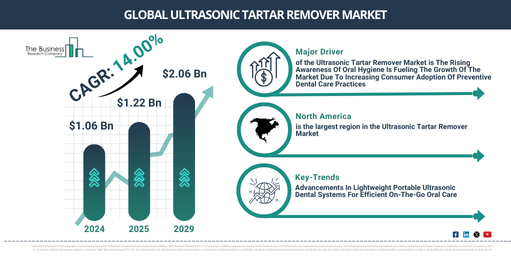
    The ultrasonic tartar remover market size has experienced rapid growth in recent years. It is forecast to expand from $1.06 billion in 2024 to $1.22 billion in 2025, at a compound annual growth rate (CAGR) of 14.4%. This historical growth can be attributed to an increasing prevalence of dental plaque and tartar, growing awareness of oral hygiene, a rising number of dental clinics, expanding awareness of ultrasonic devices, and the adoption of professional dental cleaning services.

    The ultrasonic tartar remover market is expected to witness significant expansion in the upcoming years. Its value is projected to reach $2.06 billion by 2029, growing at a compound annual growth rate (CAGR) of 14.0%. This anticipated growth can be attributed to several factors, including the increasing demand for at-home dental care devices, a rising preference for portable and cordless ultrasonic tartar removers, a broader shift towards smart dental technologies, an expanding geriatric population with concerns about oral health, and the growth of e-commerce and online sales channels for dental products. Major trends expected in this period include advancements in portable and cordless ultrasonic tartar removers, the integration of smart sensors for precise cleaning, app-enabled devices for personalized oral care, multi-functional units combining scaling and polishing, and the deployment of advanced ultrasonic frequencies for more thorough plaque removal.

    Unlock Your Free Sample Report for Exclusive Market Data:

    https://www.thebusinessresearchcompany.com/sample.aspx?id=28345&type=smp

    Which Drivers Are Impacting The Ultrasonic Tartar Remover Market?

    The anticipated expansion of the ultrasonic tartar remover market is linked to the growing recognition of oral hygiene. This practice involves keeping teeth, gums, and the mouth clean and healthy to avert problems like cavities, gum disease, and bad breath. The prevalence of this practice is increasing as people become more aware of its connection to overall well-being, leading to greater engagement in routine brushing, flossing, and dental visits to prevent cavities and gum disease. Ultrasonic tartar removers aid in oral hygiene by efficiently removing plaque and tartar, offering a deeper clean than manual methods, and helping users maintain healthier teeth and gums between professional dental visits. For instance, in August 2023, the National Health Service, a UK-based government data agency, reported that 32.5 million courses of oral treatment were delivered in 2022-23, marking a 23.2% increase from the previous year. Ultimately, enhanced awareness of oral hygiene is propelling the growth of the ultrasonic tartar remover market.

    What Are The Major Segment Categories Driving The Ultrasonic Tartar Remover Market Growth?

    The ultrasonic tartar remover market covered in this report is segmented as

    1) By Product Type: Handheld Ultrasonic Tartar Removers, Desktop Ultrasonic Tartar Removers

    2) By Distribution Channel: Online Retail, Offline Retail, Specialty Stores, Other Distribution Channels

    3) By Application: Home Use, Dental Clinics, Veterinary Clinics, Other Applications

    4) By End-User: Individuals, Dental Professionals, Veterinary Professionals

    Subsegments:

    1) By Handheld Ultrasonic Tartar Removers: Battery-Powered Handheld Ultrasonic Tartar Removers, Corded Handheld Ultrasonic Tartar Removers, Portable Dental Scalers, Rechargeable Ultrasonic Tartar Removers

    2) By Desktop Ultrasonic Tartar Removers: Tabletop Ultrasonic Scalers, Integrated Dental Ultrasonic Systems, Professional Dental Cleaning Units, Multi-Function Desktop Ultrasonic Tartar Removers

    What Long-Term Trends Will Shape The Future Growth Of The Ultrasonic Tartar Remover Industry?

    Leading firms within the ultrasonic tartar remover market are concentrating on creating sophisticated offerings, particularly lightweight portable dental systems, designed to facilitate both professional and personal dental hygiene. These portable dental systems are compact and convenient to transport, suitable for professional or home applications, offering effective tartar and plaque removal effortlessly, and incorporating advanced ultrasonic technology for optimal mobile oral hygiene. As an illustration, in June 2024, Aseptico, a US-based producer of mobile and portable dental equipment, unveiled its GO Ultra Portable Dental System, model AEU-350S. This system comes equipped with a fully integrated piezoelectric ultrasonic scaler that includes LED illumination. Weighing 32 pounds, this exceptionally compact and lightweight portable dental system is engineered for use in restorative dentistry and dental hygiene procedures in various unconventional, mobile environments. It delivers robust performance, quiet functionality, universal power compatibility, and a distinct capability to run off-the-grid using a 24V external battery, thereby simplifying oral hygiene processes by removing the necessity for distinct scaler apparatus.

    Who Are The Primary Competitors In The Global Ultrasonic Tartar Remover Market?

    Major companies operating in the ultrasonic tartar remover market are Dentsply Sirona Inc., Planmeca Oy, Morita Holdings Corporation, Ultradent Products Inc., A-dec Inc., Coltene Holding AG, Vatech Co., Ltd., GC Corporation, EMS Dental, Medtech Remedies Private Limited, Aseptico Inc., Narang Medical Limited, Young Innovations Inc., L&R Manufacturing Company, Nakanishi International Dental, Jain Laboratory Instruments, LYMI, Amici Care, HANNEA, Mastyle.

    Download The Full Report For Exclusive Market Findings:

    https://www.thebusinessresearchcompany.com/report/ultrasonic-tartar-remover-global-market-report

    What Are The Regional Market Dynamics Impacting The Ultrasonic Tartar Remover Industry?

    North America was the largest region in the ultrasonic tartar remover market in 2024. Asia-Pacific is expected to be the fastest-growing region in the forecast period. The regions covered in ultrasonic tartar remover report are Asia-Pacific, Western Europe, Eastern Europe, North America, South America, Middle East and Africa.

    Request A Customized Version Of The Ultrasonic Tartar Remover Market Report:

    https://www.thebusinessresearchcompany.com/customise?id=28345&type=smp

    Browse Through More Reports Similar to the Global Ultrasonic Tartar Remover Market 2025, By The Business Research Company

    Ultrasonic Cleaning Global Market Report 2025

    https://www.thebusinessresearchcompany.com/report/ultrasonic-cleaning-global-market-report

    Ultrasonic Technology Global Market Report 2025

    https://www.thebusinessresearchcompany.com/report/ultrasonic-technology-global-market-report

    Ultrasonic Surgical Cutters Global Market Report 2025

    https://www.thebusinessresearchcompany.com/report/ultrasonic-surgical-cutters-global-market-report

    Get in touch with us:

    The Business Research Company: https://www.thebusinessresearchcompany.com/

    Americas +1 310-496-7795

    Asia +44 7882 955267 & +91 8897263534

    Europe +44 7882 955267

    Email us at info@tbrc.info

    Follow us on:

    LinkedIn: https://in.linkedin.com/company/the-business-research-company

    YouTube: https://www.youtube.com/channel/UC24_fI0rV8cR5DxlCpgmyFQ

    Global Market Model: https://www.thebusinessresearchcompany.com/global-market-model
  • Tumor Blood Testing Market Size Forecast: Revenue and CAGR by 2029

    Tumor Blood Testing Market Size Forecast: Revenue and CAGR by 2029

    Unlock Global Insights – Save 20% on Market Reports with Code ONLINE20

    What Is The Global Market Value Of The Tumor Blood Testing Industry In 2025?

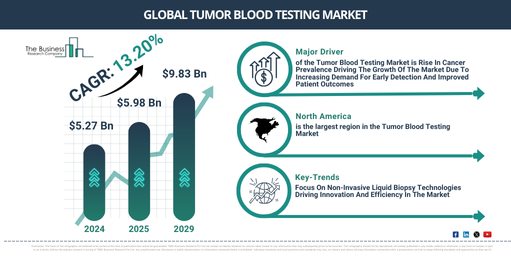
    The size of the tumor blood testing market has expanded significantly over recent years. This market is projected to expand from $5.27 billion in 2024 to reach $5.98 billion by 2025, demonstrating a compound annual growth rate (CAGR) of 13.5%. Historically, this expansion can be ascribed to increased research in genomics and proteomics, a growing patient need for quick test outcomes, the surge in developing targeted therapies that necessitate companion diagnostics, the expanding practice of decentralized diagnostics, and a heightened patient inclination towards sample collection at home.

    The tumor blood testing market is projected to experience substantial growth over the next few years. Its valuation is anticipated to reach $9.83 billion in 2029, growing at a compound annual growth rate (CAGR) of 13.2%. This expansion during the forecast period is attributed to several factors, including an increase in the adoption of point-of-care testing solutions, greater clinical validation of novel blood tests, a rise in government and private funding for cancer research, the enhanced availability of high-sensitivity tumor biomarkers, and a growing patient preference for less invasive procedures. Key trends anticipated during this period include advancements in multi-cancer early detection (MCED) tests, progress in companion diagnostics, innovative applications of synthetic biology in diagnostics, the integration of blockchain for data security in diagnostics, and the incorporation of robotics in laboratory processes.

    Unlock Your Free Sample Report for Exclusive Market Data:

    https://www.thebusinessresearchcompany.com/sample.aspx?id=28343&type=smp

    What Are The Top Growth Drivers Impacting The Tumor Blood Testing Market Outlook?

    The rising incidence of cancer is anticipated to propel the expansion of the tumor blood testing market in the foreseeable future. Older populations, alongside exposure to risk elements like unhealthy eating habits, tobacco use, and environmental contaminants, are leading to a greater occurrence of cancer, thereby boosting the need for early detection solutions. Tumor blood testing offers a non-invasive method to identify cancer prior to symptom onset, achieved by detecting specific biomarkers present in the bloodstream. This facilitates prompt diagnosis, allows for initial treatment, enhances patient results, and permits continuous tracking of disease advancement and treatment efficacy. For example, data from May 2024 from the National Cancer Institute, a US-based government entity, indicated that by January 2022, approximately 18.1 million cancer survivors were present in the United States, with forecasts suggesting this number will climb to 26 million by 2040. Consequently, the growing frequency of cancer is a key factor boosting the expansion of the tumor blood testing market.

    What Are The Key Segments In The Tumor Blood Testing Market?

    The tumor blood testing market covered in this report is segmented as

    1) By Test Type: Circulating Tumor Cells (CTC) Tests, Circulating Tumor DNA (CtDNA) Tests, Exosome-Based Tests, Other Test Types

    2) By Technology: Polymerase Chain Reaction (PCR)-Based Testing, Next-Generation Sequencing, Microarray-Based Testing, Mass Spectrometry, Immunoassays

    3) By Cancer Type: Breast Cancer, Colorectal Cancer, Lung Cancer, Prostate Cancer, Melanoma

    4) By Application: Early Cancer Screening, Therapy Selection, Treatment Monitoring, Recurrence Monitoring

    5) By End User: Hospitals, Diagnostic Laboratories, Research Institutes, Other End-Users

    Subsegments:

    1) By Circulating Tumor Cells Tests: Isolation Of Tumor Cells, Enumeration Of Tumor Cells, Characterization Of Tumor Cells

    2) By Circulating Tumor DNA Tests: Mutation Detection Of Tumor DNA, Methylation Analysis Of Tumor DNA, Copy Number Variation Analysis Of Tumor DNA, Fragmentation Analysis Of Tumor DNA

    3) By Exosome-Based Tests: Protein Profiling Of Exosomes, RNA Profiling Of Exosomes, Lipid Profiling Of Exosomes, Surface Marker Analysis Of Exosomes

    4) By Other Tests: Circulating RNA Tests, Tumor Educated Platelet Tests, Protein Biomarker Panels, Multiomics Blood Tests, Immuno Oncology Biomarker Tests

    How Are Trends Influencing The Tumor Blood Testing Market?

    Leading companies operating within the tumor blood testing market are concentrating on developing innovative technologies, such as non-invasive liquid biopsy methods, to facilitate early cancer detection, track treatment efficacy, and evaluate disease progression more effectively. These non-invasive liquid biopsy technologies represent diagnostic tests that identify and analyze cancer-related biomarkers from bodily fluids, offering a safer and more convenient alternative to conventional tissue biopsies. For instance, in February 2024, Delfi Diagnostics, a US-based biotechnology company, in collaboration with Immunocore Holdings plc, a UK-based biotechnology company, introduced the DELFI-Tumor Fraction (DELFI-TF) assay, a blood test designed for cancer monitoring. This assay examines cell-free DNA (cfDNA) fragments within the bloodstream to determine tumor burden and assess the response to treatment. This fragmentome-based liquid biopsy serves as a non-invasive, cost-effective option compared to traditional approaches, requiring only a minimal amount of plasma and yielding results within two weeks.

    Who Are The Core Companies Influencing The Tumor Blood Testing Market Landscape?

    Major companies operating in the tumor blood testing market are Bio-Techne Corporation, Roche Holding AG, Thermo Fisher Scientific Inc., Abbott Laboratories, Siemens Healthineers AG, Illumina Inc., Sysmex Corporation, Bio-Rad Laboratories Inc., Natera Inc., Myriad Genetics Inc., Neogenomics Laboratories Inc., Guardant Health Inc., Foundation Medicine Inc., Adaptive Biotechnologies Corporation, Freenome Holdings Inc., Grail Inc., Personal Genome Diagnostics Inc., Exosome Diagnostics Inc., Agena Bioscience Inc., Menarini Silicon Biosystems S.p.A.

    Download The Full Report For Exclusive Market Findings:

    https://www.thebusinessresearchcompany.com/report/tumor-blood-testing-global-market-report

    How Is Tumor Blood Testing Market Demand Varying Across Different Regions?

    North America was the largest region in the tumor blood testing market in 2024. Asia-Pacific is expected to be the fastest-growing region in the forecast period. The regions covered in tumor blood testing report are Asia-Pacific, Western Europe, Eastern Europe, North America, South America, Middle East and Africa.

    Request A Customized Version Of The Tumor Blood Testing Market Report:

    https://www.thebusinessresearchcompany.com/customise?id=28343&type=smp

    Browse Through More Reports Similar to the Global Tumor Blood Testing Market 2025, By The Business Research Company

    Solid Tumor Testing Global Market Report 2025

    https://www.thebusinessresearchcompany.com/report/solid-tumor-testing-global-market-report

    Hemato Oncology Testing Global Market Report 2025

    https://www.thebusinessresearchcompany.com/report/hemato-oncology-testing-global-market-report

    Cancer Diagnostics Global Market Report 2025

    https://www.thebusinessresearchcompany.com/report/cancer-diagnostics-global-market-report

    Get in touch with us:

    The Business Research Company: https://www.thebusinessresearchcompany.com/

    Americas +1 310-496-7795

    Asia +44 7882 955267 & +91 8897263534

    Europe +44 7882 955267

    Email us at info@tbrc.info

    Follow us on:

    LinkedIn: https://in.linkedin.com/company/the-business-research-company

    YouTube: https://www.youtube.com/channel/UC24_fI0rV8cR5DxlCpgmyFQ

    Global Market Model: https://www.thebusinessresearchcompany.com/global-market-model
  • Third-Generation Sequencing Technology Industry Insights: Market Forecast to 2029

    Third-Generation Sequencing Technology Industry Insights: Market Forecast to 2029

    Unlock Global Insights – Save 20% on Market Reports with Code ONLINE20

    How Much Was The Third-Generation Sequencing Technology Market Worth In 2025, And What Is Its Anticipated Value By 2029?

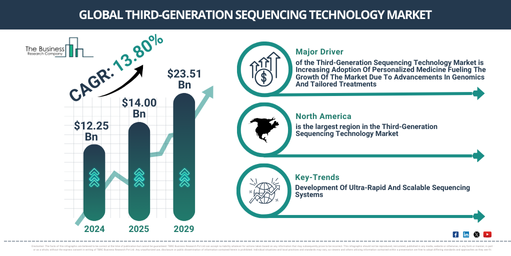
    The market size for third-generation sequencing technology has seen rapid expansion in recent years. It is forecast to rise from $12.25 billion in 2024 to $14.00 billion in 2025, at a compound annual growth rate (CAGR) of 14.2%. This historical increase can be attributed to several factors including the demand for long-read sequencing, a reduction in sequencing costs, the need for real-time pathogen detection, personalized medicine initiatives, growth in clinical diagnostics, and the emergence of precision agriculture.

    The market for third-generation sequencing technology is anticipated to grow significantly over the next few years, reaching a valuation of $23.51 billion by 2029, exhibiting a compound annual growth rate (CAGR) of 13.8%. This projected growth is largely due to the increasing prevalence of chronic and infectious diseases, the expanding use of the technology in clinical diagnostics, its extension into non-human genomics, a rise in both government and private sector funding, and the development of sequencing infrastructure in emerging markets. Key trends expected within this forecast period involve progress in AI integration to improve data analysis, the creation of real-time portable sequencing devices, advancements in enhancing long-read sequencing accuracy, reductions in cost to foster wider accessibility, and the evolution of personalized medicine applications.

    Unlock Your Free Sample Report for Exclusive Market Data:

    https://www.thebusinessresearchcompany.com/sample.aspx?id=28340&type=smp

    Which Factors And Drivers Are Influencing The Third-Generation Sequencing Technology Market In 2025?

    The future expansion of the third-generation sequencing technology market is anticipated to be fueled by the rising integration of personalized medicine. This medical strategy involves customizing treatment and prevention methods based on an individual’s distinct genetic profile, way of life, and surroundings. A key factor behind the growing acceptance of personalized medicine is the progress in genomics, allowing for accurate detection of genetic differences and bespoke therapies. Third-generation sequencing technology improves personalized medicine through its capacity to provide long-read, highly accurate genomic data, thus facilitating the precise detection of genetic variations. Furthermore, it aids customized treatment plans by offering extensive insights into individual genomes, which leads to better clinical results and furthers precision healthcare. As an illustration, in February 2024, the Personalized Medicine Coalition (PMC), a US-based nonprofit organization, reported that the U.S. Food and Drug Administration (FDA) cleared 26 new personalized medicines in 2023, marking a considerable rise from the 12 approved in 2022. Consequently, the expanding use of personalized medicine is propelling the advancement of the third-generation sequencing technology market.

    What Are The Different Segment Classifications Within The Third-Generation Sequencing Technology Market?

    The third-generation sequencing technology market covered in this report is segmented as

    1) By Technology Type: Single-Molecule Real-Time Sequencing (SMRT), Transcription-Mediated Amplification (TMA), Nanopore Sequencing, Sequencing By Synthesis (SBS), Other Technology Types

    2) By Workflow: Sample Preparation, Sequencing, Data Analysis, Data Interpretation, Data Storage And Management

    3) By Application: Genomics, Transcriptomics, Epigenomics, Metagenomics, Personalized Medicine, Synthetic Biology

    4) By End-User: Academic Institutions, Clinical Laboratories, Pharmaceutical And Biotechnology Companies, Research Organizations, Government And Non-Profit Organizations

    Subsegments:

    1) By Single-Molecule Real-Time Sequencing (SMRT): Zero-Mode Waveguides (ZMWs), Circular Consensus Sequencing (CCS), High-Fidelity (HiFi) Reads

    2) By Transcription-Mediated Amplification (TMA): Qualitative Transcription-Mediated Amplification (TMA) Assays, Quantitative Transcription-Mediated Amplification (TMA) Assays, Multiplex Transcription-Mediated Amplification (TMA) Assays

    3) By Nanopore Sequencing: Portable Nanopore Sequencers, Benchtop Nanopore Sequencers, High-Throughput Nanopore Platforms

    4) By Sequencing By Synthesis (SBS): Reversible Terminator Chemistry, Real-Time Sequencing By Synthesis (SBS) Platforms, Short-Read Sequencing By Synthesis (SBS), Long-Read Sequencing By Synthesis (SBS)

    5) By Other Technology Types: Hybrid Sequencing Platforms, Pyrosequencing, Ion Semiconductor Sequencing, Emerging Experimental Methods

    Which Competitive Trends Are Defining The Third-Generation Sequencing Technology Market Structure?

    Leading companies operating within the third-generation sequencing technology market are primarily focused on developing advanced sequencing platforms, including systems designed for ultra-rapid and scalable performance. This initiative aims to enhance research efficiency, broaden clinical applicability, and significantly reduce both turnaround times and costs. Ultra-rapid and scalable sequencing systems embody innovative technologies that facilitate high-throughput, real-time genomic analysis with remarkable speed and accuracy, thereby enabling comprehensive genomic profiling across diverse applications. As an example, in February 2025, Roche Holding AG, a pharmaceutical company based in Switzerland, launched its Sequencing by Expansion (SBX) technology. This fully integrated, next-generation sequencing system utilizes a patented biochemical process to encode DNA or RNA sequences into measurable surrogate polymers termed Xpandomers, which allows for highly accurate single-molecule nanopore sequencing. The SBX platform offers ultra-rapid, scalable sequencing capabilities and automated data analysis, delivering whole-genome sequencing results in mere hours rather than days, with minimal manual intervention.

    Which Key Players Are Driving Competition In The Third-Generation Sequencing Technology Market?

    Major companies operating in the third-generation sequencing technology market are F. Hoffmann-La Roche AG, Thermo Fisher Scientific Inc., Eurofins Scientific SE, Agilent Technologies Inc., Illumina Inc., Qiagen N.V., Macrogen Inc., Myriad Genetics Inc., 10x Genomics Inc., Twist Bioscience Corporation, Takara Bio Inc., Fulgent Genetics Inc., Oxford Nanopore Technologies Limited, Ultima Genomics Inc., Element Biosciences Inc., Sophia Genetics SA, Variantyx Inc., Quantapore Inc., Phase Genomics Inc., and Singular Genomics Systems Inc.

    Download The Full Report For Exclusive Market Findings:

    https://www.thebusinessresearchcompany.com/report/third-generation-sequencing-technology-global-market-report

    What Are The Key Regional Factors Influencing The Third-Generation Sequencing Technology Market Growth?

    North America was the largest region in the third-generation sequencing technology market in 2024. The regions covered in third-generation sequencing technology report are Asia-Pacific, Western Europe, Eastern Europe, North America, South America, Middle East and Africa.

    Request A Customized Version Of The Third-Generation Sequencing Technology Market Report:

    https://www.thebusinessresearchcompany.com/customise?id=28340&type=smp

    Browse Through More Reports Similar to the Global Third-Generation Sequencing Technology Market 2025, By The Business Research Company

    Next Generation Sequencing Market 2025

    https://www.thebusinessresearchcompany.com/report/next-generation-sequencing-market

    Clinical Oncology Next Generation Sequencing Global Market Report 2025

    https://www.thebusinessresearchcompany.com/report/clinical-oncology-next-generation-sequencing-global-market-report

    Dna Sequencing Global Market Report 2025

    https://www.thebusinessresearchcompany.com/report/dna-sequencing-global-market-report

    Get in touch with us:

    The Business Research Company: https://www.thebusinessresearchcompany.com/

    Americas +1 310-496-7795

    Asia +44 7882 955267 & +91 8897263534

    Europe +44 7882 955267

    Email us at info@tbrc.info

    Follow us on:

    LinkedIn: https://in.linkedin.com/company/the-business-research-company

    YouTube: https://www.youtube.com/channel/UC24_fI0rV8cR5DxlCpgmyFQ

    Global Market Model: https://www.thebusinessresearchcompany.com/global-market-model
  • Global Digital Karyotyping Industry Trends: Where the Market Is Headed by 2029

    Global Digital Karyotyping Industry Trends: Where the Market Is Headed by 2029

    Unlock Global Insights – Save 20% on Market Reports with Code ONLINE20

    How Much Was The Digital Karyotyping Market Worth In 2025, And What Is Its Anticipated Value By 2029?

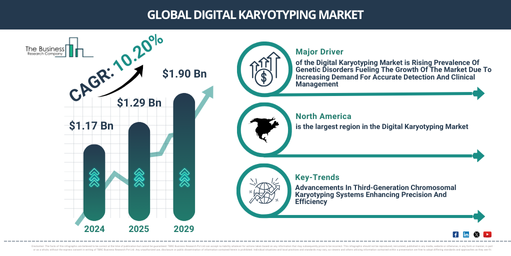
    The digital karyotyping market has experienced rapid expansion in recent years. Its value is projected to climb from $1.17 billion in 2024 to $1.29 billion in 2025, demonstrating a compound annual growth rate (CAGR) of 10.5%. This historic growth is linked to several factors, including increased adoption in oncology research, the rising prevalence of genetic disorders, a growing demand for accurate chromosomal mapping, the increasing use for prenatal screening, and enhanced funding for genomic studies.

    The digital karyotyping market is projected to experience substantial expansion in the coming years, with its valuation anticipated to reach $1.90 billion by 2029, driven by a compound annual growth rate (CAGR) of 10.2%. This projected growth during the forecast timeframe stems from several factors, including expanded uses in personalized medicine, greater capital allocation towards advanced cytogenetics, heightened recognition of rare disease detection, a surge in the uptake of non-invasive testing, and enhanced governmental backing for genomics initiatives. Key developments expected within this period involve progress in high-resolution imaging technologies, the incorporation of artificial intelligence into karyotype assessment, breakthroughs in single-cell sequencing techniques, the creation of economical genomic assays, and the establishment of automated platforms for cytogenetic analysis.

    Unlock Your Free Sample Report for Exclusive Market Data:

    https://www.thebusinessresearchcompany.com/sample.aspx?id=28203&type=smp

    What Are The Key Drivers Of Growth In The Digital Karyotyping Market?

    The future expansion of the digital karyotyping market is anticipated to be driven by the rising occurrence of genetic disorders. These disorders stem from alterations or irregularities found within an individual’s genes or chromosomes. Their widespread existence can be attributed to a growing number of inherited and chromosomal abnormalities, which in turn increases the probability of transmitting genetic variations from one generation to the next. Digital karyotyping addresses the escalating demand for managing genetic disorders by allowing for accurate identification of chromosomal anomalies, enhancing the precision of diagnoses, and informing specific treatment choices without exclusive dependence on conventional cytogenetic techniques. As an illustration, data from May 2024 published by the National Health Service, a government department in the UK, indicates that 17,000 individuals are currently living with sickle cell disease, an inherited genetic blood disorder, with approximately 250 new diagnoses occurring annually. Consequently, the expanding occurrence of genetic disorders is projected to fuel the growth of the digital karyotyping market.

    What Are The Key Segments In The Digital Karyotyping Market?

    The digital karyotyping market covered in this report is segmented as

    1) By Product Type: Instruments, Software, Consumables

    2) By Application: Cancer Diagnostics, Genetic Disease Research, Prenatal Screening

    3) By End-User: Hospitals And Clinics, Diagnostic Laboratories, Research Institutes

    Subsegments:

    1) By Instruments: Automated Karyotyping Systems, Microscopes And Imaging Platforms, Scanners And Analyzers, Hybridization And Sequencing Equipment

    2) By Software: Image Analysis Software, Chromosome Classification And Detection Tools, Data Management And Integration Platforms, AI Or Ml-Based Interpretation Software

    3) By Consumables: Reagents And Kits, Probes And Stains, Slides And Coverslips, Sample Preparation Materials

    How Are Trends Influencing The Digital Karyotyping Market?

    Leading companies in the digital karyotyping market are focusing on technological innovation, specifically on third-generation chromosomal karyotyping systems to bolster their competitive advantage. These sophisticated platforms utilize high-resolution imaging, automated scanning, and digital analysis to detect and categorize chromosomal abnormalities with enhanced accuracy, speed, and reduced manual input, thereby improving diagnostic reliability and overall throughput in genetic testing. For instance, in April 2023, Hangzhou Diagens, a biotechnology company from China, unveiled the MetaSight G200, a system engineered to capture intelligent metaphase images and scan a slide in just four minutes. It incorporates the world’s first chromosome defect recognition module that automatically flags abnormalities, along with a contactless magnetic levitation motor and a zigzag electric scanning platform to ensure stable operation.

    Who Are The Major Companies Operating In The Digital Karyotyping Market?

    Major companies operating in the digital karyotyping market are Thermo Fisher Scientific, Corewell Health Laboratory, Eurofins Scientific, Agilent Technologies, Bio-Rad Laboratories Inc., Natera Inc., BGI Genomics Co. Ltd., PerkinElmer Inc., Oxford Nanopore Technologies, Genasis, Personal Genome Diagnostics Inc., DSS Imagetech, MetaSystems, Applied Spectral Imaging (ASI), Bioview, ArgusSoft, Ibex Medical Analytics, KaryoLogic Inc., Cyto Vision, Beijing Abaco Biotechnology.

    Download The Full Report For Exclusive Market Findings:

    https://www.thebusinessresearchcompany.com/report/digital-karyotyping-global-market-report

    Which Region Is Expected To Witness The Fastest Growth In The Digital Karyotyping Market?

    North America was the largest region in the digital karyotyping market in 2024. Asia-Pacific is expected to be the fastest-growing region in the forecast period. The regions covered in digital karyotyping report are Asia-Pacific, Western Europe, Eastern Europe, North America, South America, Middle East and Africa.

    Request A Customized Version Of The Digital Karyotyping Market Report:

    https://www.thebusinessresearchcompany.com/customise?id=28203&type=smp

    Browse Through More Reports Similar to the Global Digital Karyotyping Market 2025, By The Business Research Company

    Digital Vault Global Market Report 2025

    https://www.thebusinessresearchcompany.com/report/digital-vault-global-market-report

    Digital Radiography Global Market Report 2025

    https://www.thebusinessresearchcompany.com/report/digital-radiography-global-market-report

    Digital Pathology Global Market Report 2025

    https://www.thebusinessresearchcompany.com/report/digital-pathology-global-market-report

    Get in touch with us:

    The Business Research Company: https://www.thebusinessresearchcompany.com/

    Americas +1 310-496-7795

    Asia +44 7882 955267 & +91 8897263534

    Europe +44 7882 955267

    Email us at info@tbrc.info

    Follow us on:

    LinkedIn: https://in.linkedin.com/company/the-business-research-company

    YouTube: https://www.youtube.com/channel/UC24_fI0rV8cR5DxlCpgmyFQ

    Global Market Model: https://www.thebusinessresearchcompany.com/global-market-model
  • Global Soft Tissue Allograft Industry Trends: Where the Market Is Headed by 2029

    Global Soft Tissue Allograft Industry Trends: Where the Market Is Headed by 2029

    Unlock Global Insights – Save 20% on Market Reports with Code ONLINE20

    How Much Larger Is The Soft Tissue Allograft Market Expected To Become By 2029 Compared With Its 2025 Level?

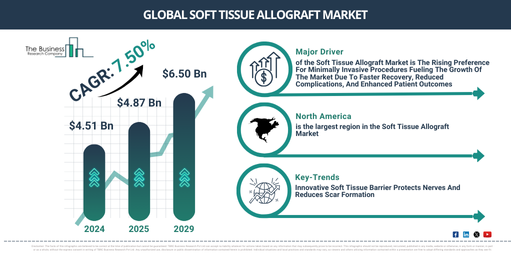
    The soft tissue allograft market has experienced robust growth recently. Projections indicate its expansion from $4.51 billion in 2024 to $4.87 billion in 2025, reflecting a compound annual growth rate (CAGR) of 7.9%. This historical growth is attributable to several factors, including heightened demand for orthopedic reconstruction surgeries, an increase in sports-related injuries, wider application of allografts in dental and periodontal treatments, the expansion of wound and burn management procedures, and an increasing preference for minimally invasive surgical interventions.

    The soft tissue allograft market is projected to experience substantial growth over the next few years, reaching a valuation of $6.50 billion by 2029, exhibiting a compound annual growth rate (CAGR) of 7.5%. This anticipated expansion during the forecast period is attributed to factors such as an aging population with musculoskeletal disorders, the increasing adoption of biologic grafts in reconstructive surgery, improving healthcare infrastructure in developing economies, the widening scope of regenerative medicine applications, and a growing preference for allografts over synthetic alternatives. Significant trends expected in this period include technological progress in tissue processing techniques, innovations in sterilization and preservation methods, advancements in decellularization and acellular grafts, greater investment in research and development aimed at enhancing graft quality, and improvements in imaging and surgical planning tools.

    Unlock Your Free Sample Report for Exclusive Market Data:

    https://www.thebusinessresearchcompany.com/sample.aspx?id=28335&type=smp

    What Are The Emerging Market Drivers Creating New Opportunities In The Soft Tissue Allograft Industry?

    The increasing demand for minimally invasive interventions is projected to fuel the expansion of the soft tissue allograft market in the future. These procedures involve medical operations conducted via small cuts or apertures, thereby lessening patient injury and shortening recuperation periods. The uptake of minimally invasive surgical techniques is growing because they provide quicker recovery, lower complication risks, less discomfort, and smaller scarring, which makes them more attractive to patients desiring faster and safer treatment alternatives. Soft tissue allografts facilitate minimally invasive operations by supplying pre-prepared, donor-sourced tissues that encourage quicker healing and simplify surgical processes. These allografts improve patient results by safeguarding and mending compromised tissues, simultaneously cutting down on recovery duration and operative trauma. As an illustration, in June 2024, data from the American Society of Plastic Surgeons, a non-profit organization located in the US, indicated that minimally invasive procedures saw a 7% increase in 2023, outstripping the growth of traditional surgical methods by 2%. Consequently, the escalating preference for minimally invasive procedures is a key factor propelling the expansion of the soft tissue allograft market.

    What Are The Emerging Segments Gaining Attention In The Soft Tissue Allograft Market?

    The soft tissue allograft market covered in this report is segmented as

    1) By Type: Cartilage Allograft, Tendon Allograft, Meniscus Allograft, Dental Allografts, Other Types

    2) By Processing Technique: Fresh Frozen, Irradiated, Dehydrated, Sterilized, Other Processing Techniques

    3) By Distribution Channel: Direct Sales, Distributors, E-Commerce Platforms, Healthcare Professionals

    4) By Application: Musculoskeletal Repair And Reconstruction, Vascular Surgery, Cardiothoracic Surgery, Plastic And Reconstructive Surgery, Dental Surgery, Other Medical Applications

    5) By End-User: Hospitals, Ambulatory Surgical Centers, Rehabilitation Centers, Academic Research Institutions, Private Clinics

    Subsegments:

    1) By Cartilage Allograft: Osteochondral Allograft, Particulate Cartilage Allograft, Juvenile Cartilage Allograft

    2) By Tendon Allograft: Achilles Tendon Allograft, Anterior Tibialis Tendon Allograft, Posterior Tibialis Tendon Allograft, Semitendinosus Tendon Allograft

    3) By Meniscus Allograft: Lateral Meniscus Allograft, Medial Meniscus Allograft

    4) By Dental Allograft: Mineralized Bone Allograft, Demineralized Bone Allograft, Cortical Bone Allograft, Cancellous Bone Allograft

    5) By Other Types: Skin Allograft, Fascia Allograft, Nerve Allograft

    What Are The Major Trends Driving The Growth Of The Soft Tissue Allograft Market?

    Major companies operating in the soft tissue allograft market are concentrating on advancements in tissue processing and sterilization techniques, such as resorbable soft tissue allografts, to boost tissue repair, lessen recovery durations, and enhance overall patient results. Resorbable soft tissue allografts are donor-derived tissues that offer temporary support and progressively dissolve in the body as they are replaced by the patient’s own tissue. For example, in June 2024, Axogen Inc., a US-based medical technology company, unveiled the Avive Soft Tissue Matrix, a resorbable, multi-layer amniotic membrane allograft crafted to function as a soft tissue barrier. This product delivers temporary safeguarding and tissue separation during the crucial stage of peripheral nerve healing, assisting in the protection of nerves from harm and reducing scar tissue development. It is specifically aimed at patients with compression or non-transected nerve injuries and seeks to improve outcomes by preventing nerve tethering and aiding tissue repair. The multi-layer construction allows for simple handling and suturing during operations, making it a substantial innovation in nerve protection for a broad array of peripheral nerve injuries.

    Which Industry Leaders Are Driving Innovation Across The Soft Tissue Allograft Market?

    Major companies operating in the soft tissue allograft market are Stryker Corporation, B. Braun Melsungen AG, Zimmer Biomet, Smiths Group plc, Arthrex Inc., Institut Straumann AG, Integra LifeSciences Holdings Corporation, CONMED Corporation, MTF Biologics, MiMedx Group Inc., RTI Surgical Holdings Inc., LifeNet Health, AxoGen Inc., Allosource Inc., Xtant Medical Holdings Inc., Acera Surgical Inc., Skye Biologics Inc., StimLabs LLC, Applied Biologics LLC, Bone Bank Allografts, Human Regenerative Technologies LLC, and Sabra Dental Products Inc.

    Download The Full Report For Exclusive Market Findings:

    https://www.thebusinessresearchcompany.com/report/soft-tissue-allograft-global-market-report

    How Does The Soft Tissue Allograft Market Perform Across Key Geographic Regions?

    North America was the largest region in the soft tissue allograft market in 2024. Asia-Pacific is expected to be the fastest-growing region in the forecast period. The regions covered in soft tissue allograft report are Asia-Pacific, Western Europe, Eastern Europe, North America, South America, Middle East and Africa.

    Request A Customized Version Of The Soft Tissue Allograft Market Report:

    https://www.thebusinessresearchcompany.com/customise?id=28335&type=smp

    Browse Through More Reports Similar to the Global Soft Tissue Allograft Market 2025, By The Business Research Company

    Soft Tissue Repair Global Market Report 2025

    https://www.thebusinessresearchcompany.com/report/soft-tissue-repair-global-market-report

    Orthopedic Soft Tissue Repair Global Market Report 2025

    https://www.thebusinessresearchcompany.com/report/orthopedic-soft-tissue-repair-global-market-report

    Surgical Soft Tissue Forceps Global Market Report 2025

    https://www.thebusinessresearchcompany.com/report/surgical-soft-tissue-forceps-global-market-report

    Get in touch with us:

    The Business Research Company: https://www.thebusinessresearchcompany.com/

    Americas +1 310-496-7795

    Asia +44 7882 955267 & +91 8897263534

    Europe +44 7882 955267

    Email us at info@tbrc.info

    Follow us on:

    LinkedIn: https://in.linkedin.com/company/the-business-research-company

    YouTube: https://www.youtube.com/channel/UC24_fI0rV8cR5DxlCpgmyFQ

    Global Market Model: https://www.thebusinessresearchcompany.com/global-market-model
  • Global Digital Hydration Reminder Urinalysis Strip Market Trends and Growth Analysis 2025–2029

    Global Digital Hydration Reminder Urinalysis Strip Market Trends and Growth Analysis 2025–2029

    Unlock Global Insights – Save 20% on Market Reports with Code ONLINE20

    How Does The Market Size Of The Digital Hydration Reminder Urinalysis Strip Industry Compare Between 2025 And 2029?

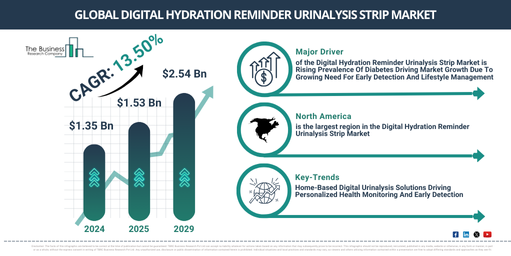
    The digital hydration reminder urinalysis strip market has seen considerable growth in recent times. Its valuation is expected to rise from $1.35 billion in 2024 to $1.53 billion in 2025, achieving a compound annual growth rate (CAGR) of 13.9%. Historically, this expansion has been propelled by factors including greater consciousness of hydration and overall well-being, an increase in kidney and urinary tract ailments, the broader adoption of digital health monitoring systems, a heightened desire for convenient at-home health checks, and the increasing prevalence of smartphones and health-tracking applications.

    The digital hydration reminder urinalysis strip market size is poised for significant expansion over the coming years. This market is projected to reach $2.54 billion by 2029, demonstrating a compound annual growth rate (CAGR) of 13.5%. Factors driving this growth during the forecast period include the incorporation of wearable devices and smartwatches, a heightened emphasis on preventive healthcare and individualized medicine, the growing number of elderly individuals requiring hydration management, encouraging government programs promoting digital health adoption, and increasing collaborations between diagnostics firms and digital health platforms. Key trends anticipated during this period encompass artificial intelligence-driven urine analysis and proactive alerts, hydration monitoring platforms linked to the cloud, the use of blockchain for secure health data administration, the creation of environmentally friendly and biodegradable test strips, and improved compatibility with electronic health records systems.

    Unlock Your Free Sample Report for Exclusive Market Data:

    https://www.thebusinessresearchcompany.com/sample.aspx?id=28202&type=smp

    Which Industry Drivers Are Expected To Accelerate The Digital Hydration Reminder Urinalysis Strip Market From 2025 To 2029?

    The increasing incidence of diabetes is anticipated to drive the expansion of the digital hydration reminder urinalysis strip market moving ahead. This chronic ailment is characterized by the body’s inability to produce sufficient insulin or utilize it efficiently, leading to elevated blood sugar levels. Its prevalence is escalating due to growing obesity rates, primarily stemming from poor dietary habits and inactive lifestyles. These digital hydration reminder urinalysis strips aid in monitoring hydration and specific urine biomarkers linked to diabetes risks, fostering improved lifestyle management, facilitating prompt identification of complications, and boosting the overall health of those with diabetes. For instance, the International Diabetes Federation (IDF), a Belgium-based health organization focused on diabetes awareness and advocacy, reported that diabetes caused 3.4 million deaths worldwide in 2024, equating to one death every nine seconds, thereby underscoring how the increasing prevalence of diabetes is propelling the growth of the digital hydration reminder urinalysis strip market.

    What Are The Major Segment Types Covered In The Digital Hydration Reminder Urinalysis Strip Market?

    The digital hydration reminder urinalysis strip market covered in this report is segmented as

    1) By Product Type: Single-Use Strips, Multi-Use Strips, Smart Strips

    2) By Distribution Channel: Online Retail, Pharmacies, Specialty Stores, Other Distribution Channels

    3) By Application: Home Care, Hospitals And Clinics, Sports And Fitness, Occupational Health, Other Applications

    4) By End-User: Individuals, Healthcare Professionals, Athletes, Other End Users

    Subsegments:

    1) By Single-Use Strips: Colorimetric Strips, Enzymatic Strips, Electrochemical Strips

    2) By Multi-Use Strips: Reusable Sensor Strips, Washable Strips, Modular Test Strips

    3) By Smart Strips: Bluetooth-Enabled Strips, App-Integrated Strips, Internet of Things-Connected Strips

    What Key Innovation Trends Are Fueling Advancements In The Digital Hydration Reminder Urinalysis Strip Market?

    Major companies within the digital hydration reminder urinalysis strip market are prioritizing the development of home-based healthcare solutions to facilitate convenient and real-time oversight of hydration and health biomarkers. These home-centric healthcare options aim to empower users with personalized insights, prompt identification of potential health issues, and enhanced overall wellness management. For instance, in January 2024, Vivoo, a US-based health-tech company specializing in at-home wellness diagnostics, launched its innovative at-home digital Urinary Tract Infection (UTI) testing product at CES 2024. This kit enables users to conduct tests quickly by scanning a urine strip with the Vivoo app, which employs AI to provide accurate results and allows data sharing with healthcare providers. This innovation supports convenient home monitoring, aiding in early detection and improving access to healthcare.

    Which Global Market Leaders Are Shaping The Future Of The Digital Hydration Reminder Urinalysis Strip Sector?

    Major companies operating in the digital hydration reminder urinalysis strip market are Cardinal Health Inc., F. Hoffmann-La Roche AG, Bayer AG., Abbott Laboratories, Siemens Healthineers, BTNX Inc., Beckman Coulter Inc., Sysmex Corporation, Bio-Rad Laboratories Inc., Acon Laboratories Inc., Healthy.io, Accurex Biomedical Pvt. Ltd., Teco Diagnostics, Vivoo, AdvaCare Pharma, Biosense Technologies Pvt. Ltd., Active Environmental Solutions (AES), Bhat Bio-Tech India, Urinify, Urinox.

    Download The Full Report For Exclusive Market Findings:

    https://www.thebusinessresearchcompany.com/report/digital-hydration-reminder-urinalysis-strip-global-market-report

    How Does The Digital Hydration Reminder Urinalysis Strip Market Perform Across Key Geographic Regions?

    North America was the largest region in the digital hydration reminder urinalysis strip market in 2024. Asia-Pacific is expected to be the fastest-growing region in the forecast period. The regions covered in digital hydration reminder urinalysis strip report are Asia-Pacific, Western Europe, Eastern Europe, North America, South America, Middle East and Africa.

    Request A Customized Version Of The Digital Hydration Reminder Urinalysis Strip Market Report:

    https://www.thebusinessresearchcompany.com/customise?id=28202&type=smp

    Browse Through More Reports Similar to the Global Digital Hydration Reminder Urinalysis Strip Market 2025, By The Business Research Company

    Urinalysis Global Market Report 2025

    https://www.thebusinessresearchcompany.com/report/urinalysis-global-market-report

    Urology Surgical Instruments Global Market Report 2025

    https://www.thebusinessresearchcompany.com/report/urology-surgical-instruments-global-market-report

    Ureteroscope Global Market Report 2025

    https://www.thebusinessresearchcompany.com/report/ureteroscope-global-market-report

    Get in touch with us:

    The Business Research Company: https://www.thebusinessresearchcompany.com/

    Americas +1 310-496-7795

    Asia +44 7882 955267 & +91 8897263534

    Europe +44 7882 955267

    Email us at info@tbrc.info

    Follow us on:

    LinkedIn: https://in.linkedin.com/company/the-business-research-company

    YouTube: https://www.youtube.com/channel/UC24_fI0rV8cR5DxlCpgmyFQ

    Global Market Model: https://www.thebusinessresearchcompany.com/global-market-model