Category: Medical Equipment

  • Global Artificial Intelligence (AI) Optical Coherence Tomography (OCT) Market Analysis 2025–2029: Opportunities for Strategic Growth

    Global Artificial Intelligence (AI) Optical Coherence Tomography (OCT) Market Analysis 2025–2029: Opportunities for Strategic Growth

    Unlock Global Insights – Save 20% on Market Reports with Code ONLINE20

    How Much Larger Is The Artificial Intelligence (AI) Optical Coherence Tomography (OCT) Market Expected To Become By 2029 Compared With Its 2025 Level?

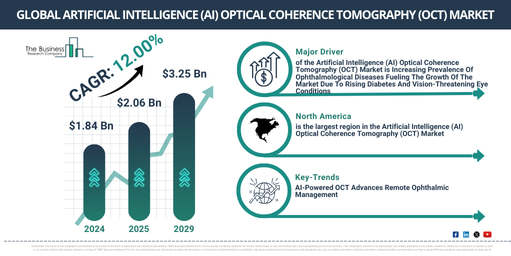
    The artificial intelligence (AI) optical coherence tomography (OCT) market size has shown substantial growth in recent years. It is forecast to rise from $1.84 billion in 2024 to $2.06 billion in 2025, achieving a compound annual growth rate (CAGR) of 12.3%. This past growth can be attributed to the rising prevalence of eye conditions, increased adoption in ophthalmology settings, greater healthcare spending in developed nations, a surge in demand for non-invasive diagnostic tools, the expansion of hospital infrastructure, and improved reimbursement coverage in ophthalmology.

    The artificial intelligence (AI) optical coherence tomography (OCT) market is anticipated to experience substantial expansion over the coming years. Its valuation is projected to reach $3.25 billion by 2029, exhibiting a compound annual growth rate (CAGR) of 12.0%. This projected growth is driven by several factors, including an expanding elderly demographic in developing nations, increased adoption within ambulatory surgery centers, a boost in governmental healthcare investments, the spread of medical infrastructure into rural areas, a heightened need for point-of-care diagnostic tools, and stronger policy backing for diagnostic imaging solutions. Key developments expected during this period encompass progress in AI imaging techniques, new breakthroughs in portable and handheld diagnostic equipment, the integration of multimodal imaging systems, novel cloud-based workflow platforms, increased funding for teleophthalmology initiatives, and the widespread use of synthetic three-dimensional imaging.

    Unlock Your Free Sample Report for Exclusive Market Data:

    https://www.thebusinessresearchcompany.com/sample.aspx?id=28121&type=smp

    Which Drivers Are Supporting Growth Of The Artificial Intelligence (AI) Optical Coherence Tomography (OCT) Market?

    The artificial intelligence (AI) optical coherence tomography (OCT) market is set to experience growth due to the increasing prevalence of ophthalmological diseases. These disorders, which affect the eyes and visual system, are rising, partly driven by the growing incidence of diabetes that damages retinal blood vessels and can cause vision-threatening conditions. Artificial intelligence (AI) optical coherence tomography (OCT) plays a crucial role in diagnosing ophthalmological diseases by providing high-resolution retinal imaging, which is essential for early detection and ongoing monitoring of eye conditions. Furthermore, it enhances clinical efficiency and patient care by reducing diagnostic time through automated analysis of retinal scans. For example, in May 2024, the Centers for Disease Control and Prevention (CDC) reported that over 3 million people were affected by glaucoma, with projections indicating this number will reach 6.3 million by 2050. Consequently, the rising occurrence of ophthalmological diseases is a significant factor propelling the expansion of the artificial intelligence (AI) optical coherence tomography (OCT) market.

    What Are The Segment Types Shaping The Artificial Intelligence (AI) Optical Coherence Tomography (OCT) Market?

    The artificial intelligence (AI) optical coherence tomography (OCT) market covered in this report is segmented as

    1) By Type: Table Type, Portable

    2) By Technology: Time Domain Optical Coherence Tomography, Spectral Domain Optical Coherence Tomography, Swept Source Optical Coherence Tomography

    3) By Application: Hospitals, Clinic, Other Applications

    Subsegments:

    1) By Table Type: Spectral-Domain Optical Coherence Tomography (SD-OCT), Time-Domain Optical Coherence Tomography (TD-OCT), Swept-Source Optical Coherence Tomography (SS-OCT), Full-Field Optical Coherence Tomography, Doppler Optical Coherence Tomography

    2) By Portable: Handheld Optical Coherence Tomography, Smartphone Or Tablet-Based Optical Coherence Tomography, Point-Of-Care Optical Coherence Tomography Devices, Compact Or Bedside Optical Coherence Tomography Units, Wearable Optical Coherence Tomography

    What Long-Term Trends Will Shape The Future Growth Of The Artificial Intelligence (AI) Optical Coherence Tomography (OCT) Industry?

    Major companies engaged in the artificial intelligence (AI) optical coherence tomography (OCT) market are prioritizing the development of advanced solutions, including at-home optical coherence tomography (OCT) devices, with the goal of enhancing diagnostic precision, enabling remote patient monitoring, and streamlining ophthalmic workflows. At-home optical coherence tomography (OCT) devices are portable instruments that empower patients to capture their own retinal scans from home for the distant oversight of eye conditions. For example, in May 2024, Notal Vision Inc., a US-based healthcare company, obtained de novo authorization from the US Food and Drug Administration (FDA) for its artificial intelligence (AI)-powered SCANLY Home OCT device, which represents the first self-operated retinal imaging device intended for monitoring wet age-related macular degeneration (AMD) in older adults. This device utilizes spectral-domain optical coherence tomography (OCT) along with the AI-driven Notal OCT analyzer (NOA) to pinpoint and quantify retinal biomarkers, thereby facilitating remote, high-resolution observation between clinical visits. Images captured by this device are securely sent to the Notal Health cloud for physician review. SCANLY is also supported by current procedural terminology (CPT) billing codes.

    Which Leading Players Are Enhancing Their Artificial Intelligence (AI) Optical Coherence Tomography (OCT) Market Presence Worldwide?

    Major companies operating in the artificial intelligence (AI) optical coherence tomography (OCT) market are Abbott Laboratories, Canon Inc., Carl Zeiss AG, Excelitas Technologies Corp., Topcon Corporation, Thorlabs Inc., Santec Holdings Corporation, Notal Vision Inc., Optopol Technology Sp. z o.o., BigVision Tech Inc., Shenzhen Certainn Technology Co. Ltd., Conavi Medical Inc., Wasatch Photonics Inc., RSIP Vision Ltd., Visionix Ltd., Altris AI Ltd., NIDEK Co. Ltd., Perimeter Medical Imaging AI Inc., Michelson Diagnostics Ltd., and Artelus Private Limited.

    Download The Full Report For Exclusive Market Findings:

    https://www.thebusinessresearchcompany.com/report/artificial-intelligence-ai-optical-coherence-tomography-oct-global-market-report

    Which Region Shows The Highest Potential For Future Expansion In The Artificial Intelligence (AI) Optical Coherence Tomography (OCT) Market?

    North America was the largest region in the artificial intelligence (AI) optical coherence tomography (OCT) market in 2024. Asia-Pacific is expected to be the fastest-growing region in the forecast period. The regions covered in artificial intelligence (AI) optical coherence tomography (OCT) report are Asia-Pacific, Western Europe, Eastern Europe, North America, South America, Middle East and Africa.

    Request A Customized Version Of The Artificial Intelligence (AI) Optical Coherence Tomography (OCT) Market Report:

    https://www.thebusinessresearchcompany.com/customise?id=28121&type=smp

    Browse Through More Reports Similar to the Global Artificial Intelligence (AI) Optical Coherence Tomography (OCT) Market 2025, By The Business Research Company

    Optical Coherence Tomography Global Market Report 2025

    https://www.thebusinessresearchcompany.com/report/optical-coherence-tomography-global-market-report

    Ai In Medical Imaging Global Market Report 2025

    https://www.thebusinessresearchcompany.com/report/ai-in-medical-imaging-global-market-report

    Artificial Intelligence In Medical Imaging Global Market Report 2025

    https://www.thebusinessresearchcompany.com/report/artificial-intelligence-in-medical-imaging-global-market-report

    Get in touch with us:

    The Business Research Company: https://www.thebusinessresearchcompany.com/

    Americas +1 310-496-7795

    Asia +44 7882 955267 & +91 8897263534

    Europe +44 7882 955267

    Email us at info@tbrc.info

    Follow us on:

    LinkedIn: https://in.linkedin.com/company/the-business-research-company

    YouTube: https://www.youtube.com/channel/UC24_fI0rV8cR5DxlCpgmyFQ

    Global Market Model: https://www.thebusinessresearchcompany.com/global-market-model
  • Artificial Intelligence (AI) Otoscopic Image Triaging Platform Market Trends 2025–2029: Forecasts for Key Growth Segments

    Artificial Intelligence (AI) Otoscopic Image Triaging Platform Market Trends 2025–2029: Forecasts for Key Growth Segments

    Unlock Global Insights – Save 20% on Market Reports with Code ONLINE20

    How Does The Market Size Of The Artificial Intelligence (AI) Otoscopic Image Triaging Platform Industry Compare Between 2025 And 2029?

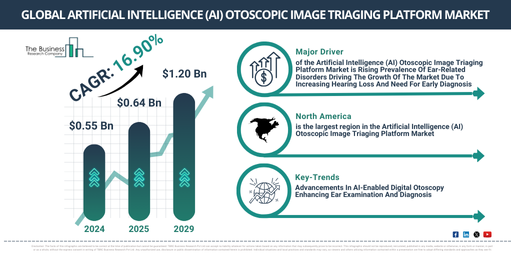
    The artificial intelligence (AI) otoscopic image triaging platform market size has experienced rapid expansion in recent years. It is anticipated to grow from $0.55 billion in 2024 to $0.64 billion in 2025, achieving a compound annual growth rate (CAGR) of 17.3%. This historical growth can be attributed to increased investments in healthcare AI, various government initiatives, greater awareness of the benefits of early diagnosis, a higher prevalence of otitis media among children, and the growing necessity for continuous monitoring of ear health.

    The artificial intelligence (AI) otoscopic image triaging platform market size is anticipated to undergo swift development over the next few years. It is projected to reach $1.20 billion by 2029, growing at a compound annual growth rate (CAGR) of 16.9%. The expansion during the forecast period is primarily driven by the increasing incidence of ear disorders, an aging global population, the prevalence of chronic diseases, growing demands for pediatric care, and enhanced healthcare accessibility. Significant trends for the upcoming period include the application of deep learning algorithms, integration with cloud computing, compatibility with mobile devices, the adoption of telemedicine, and interoperability with electronic health records.

    Unlock Your Free Sample Report for Exclusive Market Data:

    https://www.thebusinessresearchcompany.com/sample.aspx?id=28123&type=smp

    Which Factors And Drivers Are Influencing The Artificial Intelligence (AI) Otoscopic Image Triaging Platform Market In 2025?

    The increasing prevalence of ear-related disorders is projected to fuel the expansion of the artificial intelligence (AI) otoscopic image triaging platform market in the foreseeable future. These disorders encompass conditions that hinder the ear’s normal functioning, impacting hearing, balance, or general ear well-being. Heightened exposure to intense noise contributes to the surge in ear-related ailments, given that extended or recurrent loud sounds are capable of harming the intricate structures of the inner ear, resulting in hearing impairment and equilibrium issues. Artificial intelligence (AI) otoscopic image triaging platforms assist in addressing ear-related disorders by swiftly and precisely examining ear images to detect anomalies, which facilitates prompt diagnosis, prioritized handling of critical instances, and improved strategies for treatment. As an illustration, in February 2025, the World Health Organization (WHO), an intergovernmental entity headquartered in Switzerland, projected that approximately 2.5 billion individuals would face some degree of hearing loss by 2050, with more than 700 million requiring hearing rehabilitation. Consequently, the escalating burden imposed by ear-related disorders is propelling the expansion of the artificial intelligence (AI) otoscopic image triaging platform market.

    What Are The Key Segments In The Artificial Intelligence (AI) Otoscopic Image Triaging Platform Market?

    The artificial intelligence (AI) otoscopic image triaging platform market covered in this report is segmented as

    1) By Component: Software, Hardware, Services

    2) By Deployment Mode: Cloud-Based, On-Premises

    3) By Application: Telemedicine, Primary Care, ENT Clinics, Hospitals, Research And Academic Institutes, Other Applications

    Subsegments:

    1) By Software: AI Algorithms, Image Analysis Tools, Diagnostic Support Systems, Workflow Management Solutions, Cloud-Based Platforms

    2) By Hardware: Digital Otoscopes, Imaging Sensors And Detectors, Workstations And Displays, AI-Enhanced Imaging Devices

    3) By Services: Implementation And Integration Services, Training And Maintenance Services, Consulting Services, Data Management Services, Technical Support Services

    What Trends Are Expected To Drive The Artificial Intelligence (AI) Otoscopic Image Triaging Platform Market?

    Leading organizations within the artificial intelligence (AI) otoscopic image triaging platform market are dedicating efforts to developing advanced solutions, such as digital otoscopes, to enable simpler documentation and distant consultation. Digital otoscopes are electronic instruments that offer clear visuals or videos of the ear canal and eardrum, assisting in accurate examination and diagnosis. For example, in February 2025, JEDMED, a US-based medical instrument company, collaborated with Otologic Tech, a US-based firm specializing in AI-enabled digital otoscopy, to introduce an AI-enabled digital otoscope. This device integrates smoothly with Otologic Technologies’ platform, providing automated diagnostics support to medical professionals. It delivers immediate analysis of middle ear conditions, thereby enhancing clinical decision-making. By transforming the captured video feed into a single, high-quality image, it simplifies the examination and review process. Moreover, it provides a probability assessment indicating whether the ear is normal or diseased, which allows for swifter and more knowledgeable treatment decisions.

    Which Industry Leaders Are Driving Innovation Across The Artificial Intelligence (AI) Otoscopic Image Triaging Platform Market?

    Major companies operating in the artificial intelligence (AI) otoscopic image triaging platform market are Siemens Healthineers AG, Philips Healthcare, Folio3 Software Inc., Aidoc Medical Ltd., TytoCare Ltd, Digital Diagnostics Inc., Ajackus, DeepTek, Alethea, Tympa Health Technologies, Remmie Inc., hearX, Otologic Technologies, BelleTorus Corporation, Aidar Health Inc., CARPL AI, OtoNexus Medical Technologies Inc., Zebra Medical Vision, Enlitic, and VUNO Inc.

    Download The Full Report For Exclusive Market Findings:

    https://www.thebusinessresearchcompany.com/report/artificial-intelligence-ai-otoscopic-image-triaging-platform-global-market-report

    Which Global Regions Are Influencing The Competitive Landscape Of The Artificial Intelligence (AI) Otoscopic Image Triaging Platform Market?

    North America was the largest region in the artificial intelligence (AI) otoscopic image triaging platform market in 2024. Asia-Pacific is expected to be the fastest-growing region in the forecast period. The regions covered in artificial intelligence (AI) otoscopic image triaging platform report are Asia-Pacific, Western Europe, Eastern Europe, North America, South America, Middle East and Africa.

    Request A Customized Version Of The Artificial Intelligence (AI) Otoscopic Image Triaging Platform Market Report:

    https://www.thebusinessresearchcompany.com/customise?id=28123&type=smp

    Browse Through More Reports Similar to the Global Artificial Intelligence (AI) Otoscopic Image Triaging Platform Market 2025, By The Business Research Company

    Otoscope Global Market Report 2025

    https://www.thebusinessresearchcompany.com/report/otoscope-global-market-report

    Ai Enabled Medical Imaging Solutions Global Market Report 2025

    https://www.thebusinessresearchcompany.com/report/ai-enabled-medical-imaging-solutions-global-market-report

    Artificial Intelligence Ai Radiology Tool Global Market Report 2025

    https://www.thebusinessresearchcompany.com/report/artificial-intelligence-ai-radiology-tool-global-market-report

    Get in touch with us:

    The Business Research Company: https://www.thebusinessresearchcompany.com/

    Americas +1 310-496-7795

    Asia +44 7882 955267 & +91 8897263534

    Europe +44 7882 955267

    Email us at info@tbrc.info

    Follow us on:

    LinkedIn: https://in.linkedin.com/company/the-business-research-company

    YouTube: https://www.youtube.com/channel/UC24_fI0rV8cR5DxlCpgmyFQ

    Global Market Model: https://www.thebusinessresearchcompany.com/global-market-model
  • Artificial Intelligence (AI) Powered Remote Electrocardiogram (ECG) Monitoring Market to Grow at a CAGR of 20% from 2025 to 2029

    Artificial Intelligence (AI) Powered Remote Electrocardiogram (ECG) Monitoring Market to Grow at a CAGR of 20% from 2025 to 2029

    Unlock Global Insights – Save 20% on Market Reports with Code ONLINE20

    What Is The Future Market Size Estimation For The Artificial Intelligence (AI) Powered Remote Electrocardiogram (ECG) Monitoring Market Covering 2025–2034?

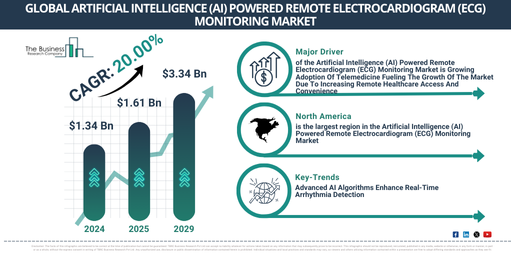
    The artificial intelligence (AI)-powered remote electrocardiogram (ECG) monitoring market size has expanded significantly in recent years. It is anticipated to grow from $1.34 billion in 2024 to $1.61 billion in 2025, achieving a compound annual growth rate (CAGR) of 20.4%. The increase observed in the past can be attributed to a rising incidence of arrhythmias and heart failure, greater awareness regarding cardiac health, the development of cloud-based healthcare platforms, the expansion of remote monitoring programs implemented by hospitals, and the demand for continuous and real-time cardiac monitoring.

    The market for artificial intelligence (AI)-powered remote electrocardiogram (ECG) monitoring is anticipated to experience rapid expansion in the coming years. Projections indicate it will reach a value of $3.34 billion by 2029, exhibiting a compound annual growth rate (CAGR) of 20.0%. This projected growth during the forecast period is primarily driven by several factors, including an increase in cardiovascular disease prevalence, wider embrace of telemedicine, a heightened need for remote patient monitoring, the expanding aging global population, and the escalating healthcare costs that promote home-based care solutions. Key trends anticipated over the forecast period encompass progress in artificial intelligence algorithms for detecting arrhythmia, novel developments in wearable ECG devices, the incorporation of cloud-based analytics into ECG monitoring systems, enhancements in real-time remote patient monitoring, and breakthroughs in predictive cardiac health management.

    Unlock Your Free Sample Report for Exclusive Market Data:

    https://www.thebusinessresearchcompany.com/sample.aspx?id=28125&type=smp

    Which Major Market Drivers Are Shaping The Future Of The Artificial Intelligence (AI) Powered Remote Electrocardiogram (ECG) Monitoring Market?

    The increasing embrace of telemedicine is anticipated to drive expansion within the artificial intelligence (AI)-powered remote electrocardiogram (ECG) monitoring market in the coming period. Telemedicine involves leveraging digital communication technologies to deliver clinical healthcare services from a distance. This enables patients to have consultations with medical professionals, obtain diagnoses, and oversee treatments without requiring physical presence at a healthcare establishment. The uptake of telemedicine is rising because of its enhanced convenience, providing patients with remote access to healthcare services, thereby conserving time and removing travel requirements, ultimately improving accessibility and operational efficiency. Artificial intelligence (AI)-powered remote electrocardiogram (ECG) monitoring supports wider telemedicine adoption by facilitating ongoing heart monitoring, making it perfectly suited for distant patient care. This technology improves diagnostic precision through the automated detection of irregular heart rhythms, which aids in prompt clinical interventions and boosts patient convenience. For instance, a survey study conducted by Rock Health, a US-based nonprofit organization, in February 2023, which included 8,000 U.S. adults and approximately 2022’s cohort, for a total of 8,014 respondents surveyed from July 12 to August 22, 2022, revealed that 80% of participants reported using telemedicine at least once, representing an 8% increase from 72% in 2021. Consequently, the expanding utilization of telemedicine is fueling the growth of the artificial intelligence (AI)-powered remote electrocardiogram (ECG) monitoring market.

    What Are The Major Segment Categories Driving The Artificial Intelligence (AI) Powered Remote Electrocardiogram (ECG) Monitoring Market Growth?

    The artificial intelligence (AI) powered remote electrocardiogram (ECG) monitoring market covered in this report is segmented as

    1) By Component, Hardware, Software, Services

    2) By Deployment Mode, Cloud-Based, On-Premises

    3) By Application, Epilepsy Monitoring, Sleep Disorders, Brain-Computer Interface, Neurodevelopmental Disorders, Other Applications

    4) By End-User, Hospitals And Clinics, Ambulatory Surgical Centers, Homecare Settings, Research Institutes, Other End User

    Subsegments:

    1) By Hardware, Wearable Devices, Electrocardiogram Machines, Sensors And Electrodes, Mobile Devices

    2) By Software, Data Analytics Platforms, Artificial Intelligence Algorithms, Cloud-Based Monitoring Solutions, Mobile Applications

    3) By Services, Remote Patient Monitoring, Technical Support And Maintenance, Training And Consultation, Data Management Services

    What Are The Major Trends Driving The Growth Of The Artificial Intelligence (AI) Powered Remote Electrocardiogram (ECG) Monitoring Market?

    Major companies operating in the artificial intelligence (AI)-powered remote electrocardiogram (ECG) monitoring market are prioritizing the development of advanced products, such as AI-driven arrhythmia detection tools, to enhance diagnostic accuracy, improve patient outcomes, and reduce healthcare costs. These AI-driven arrhythmia detection tools are systems utilizing artificial intelligence to automatically analyze ECG data and identify irregular heart rhythms, facilitating early detection, real-time alerts, and improved cardiac care. For example, in April 2024, BIOTRONIK, a medical technology company based in Germany, launched the BIOMONITOR IV insertable cardiac monitor, featuring artificial intelligence capabilities engineered to improve arrhythmia detection and patient management. It incorporates advanced AI algorithms that analyze cardiac signals in real time, accurately identifying clinically relevant arrhythmias while minimizing false positives. The BioMonitor IV ICM also includes automated rhythm classification and adaptive monitoring functionality, enabling proactive intervention and personalized treatment plans without requiring manual data review by clinicians.

    Who Are The Major Companies Operating In The Artificial Intelligence (AI) Powered Remote Electrocardiogram (ECG) Monitoring Market?

    Major companies operating in the artificial intelligence (ai) powered remote electrocardiogram (ecg) monitoring market are Koninklijke Philips N.V., GE Healthcare, Masimo Corporation, Biotronik SE & Co. KG, Nihon Kohden Corporation, iRhythm Technologies Inc., Biofourmis Pte. Ltd., BioSerenity Inc., Withings SA, Eko Devices Inc., AliveCor Inc., Compumedics Limited, Anumana Inc., Electrical Geodesics Inc. (EGI), InfoBionic Inc., Neurable Inc., Cardiomatics Sp. z o.o., IDOVEN S.L., Zeto Inc., and NextGen Neuro Inc.

    Download The Full Report For Exclusive Market Findings:

    https://www.thebusinessresearchcompany.com/report/artificial-intelligence-ai-powered-remote-electrocardiogram-ecg-monitoring-global-market-report

    How Does The Artificial Intelligence (AI) Powered Remote Electrocardiogram (ECG) Monitoring Market Perform Across Key Geographic Regions?

    North America was the largest region in the artificial intelligence (AI) powered remote electrocardiogram (ECG) monitoring market in 2024. Asia-Pacific is expected to be the fastest-growing region in the forecast period. The regions covered in artificial intelligence (AI) powered remote electrocardiogram (ECG) monitoring report are Asia-Pacific, Western Europe, Eastern Europe, North America, South America, Middle East and Africa.

    Request A Customized Version Of The Artificial Intelligence (AI) Powered Remote Electrocardiogram (ECG) Monitoring Market Report:

    https://www.thebusinessresearchcompany.com/customise?id=28125&type=smp

    Browse Through More Reports Similar to the Global Artificial Intelligence (AI) Powered Remote Electrocardiogram (ECG) Monitoring Market 2025, By The Business Research Company

    Cardiac Ai Monitoring And Diagnostics Global Market Report 2025

    https://www.thebusinessresearchcompany.com/report/cardiac-ai-monitoring-and-diagnostics-global-market-report

    Artificial Intelligence Ai In Remote Patient Monitoring Global Market Report 2025

    https://www.thebusinessresearchcompany.com/report/artificial-intelligence-ai-in-remote-patient-monitoring-global-market-report

    Remote Cardiac Monitoring Global Market Report 2025

    https://www.thebusinessresearchcompany.com/report/remote-cardiac-monitoring-global-market-report

    Get in touch with us:

    The Business Research Company: https://www.thebusinessresearchcompany.com/

    Americas +1 310-496-7795

    Asia +44 7882 955267 & +91 8897263534

    Europe +44 7882 955267

    Email us at info@tbrc.info

    Follow us on:

    LinkedIn: https://in.linkedin.com/company/the-business-research-company

    YouTube: https://www.youtube.com/channel/UC24_fI0rV8cR5DxlCpgmyFQ

    Global Market Model: https://www.thebusinessresearchcompany.com/global-market-model
  • Global Artificial Intelligence (AI)-Based Caries Detection Market Projected to Expand at 15.6% CAGR by 2029

    Global Artificial Intelligence (AI)-Based Caries Detection Market Projected to Expand at 15.6% CAGR by 2029

    Unlock Global Insights – Save 20% on Market Reports with Code ONLINE20

    How Much Was The Artificial Intelligence (AI)-Based Caries Detection Market Worth In 2025, And What Is Its Anticipated Value By 2029?

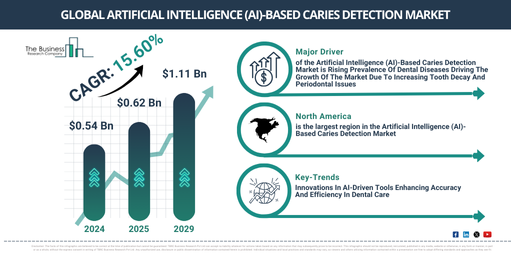
    The artificial intelligence (AI)-based caries detection market has experienced substantial growth in recent years. It is projected to expand from $0.54 billion in 2024 to $0.62 billion by 2025, achieving a compound annual growth rate (CAGR) of 16.0%. This market’s historical expansion can be attributed to several factors, including the broader availability of dental insurance coverage, an increasing demand for cosmetic dentistry, a rising number of dental clinics, advancements in treatment planning, and shifts in lifestyle.

    The artificial intelligence (AI)-based caries detection market size is projected for substantial expansion in the coming years. By 2029, this market is anticipated to reach $1.11 billion, demonstrating a compound annual growth rate (CAGR) of 15.6%. This growth during the forecast period stems from factors such as the increasing prevalence of dental caries, an expanding elderly population, heightened awareness of oral health, a transition towards preventive dentistry, and rising dental expenditure. Significant trends in the forecast period encompass the integration of AI into diagnostic tools, the advancement of deep learning algorithms, improvements in imaging technologies, the miniaturization of diagnostic devices, and the incorporation of mobile applications.

    Unlock Your Free Sample Report for Exclusive Market Data:

    https://www.thebusinessresearchcompany.com/sample.aspx?id=28126&type=smp

    What Are The Top Growth Drivers Impacting The Artificial Intelligence (AI)-Based Caries Detection Market Outlook?

    The rising prevalence of dental conditions is anticipated to drive expansion in the artificial intelligence (AI)-based caries detection market in the future. These disorders affect the teeth, gums, and adjacent oral tissues, potentially leading to discomfort, infection, or impaired oral functions. The surge in dental ailments is linked to greater intake of sugary and processed foods, which foster tooth decay and gum issues by nourishing detrimental oral bacteria. AI-powered caries detection aids in managing dental diseases through precise early identification of tooth decay, facilitating timely treatment and mitigating the danger of serious complications. As an illustration, data from September 2023, provided by the National Institutes of Health (NIH), a US federal agency, projects that roughly 62.06% of older adults will face tooth decay, and about 54.57% will likely develop periodontal disease by 2050. Consequently, the growing prevalence of dental diseases is fueling the expansion of the artificial intelligence (AI)-based caries detection market.

    What Are The Major Segment Types Covered In The Artificial Intelligence (AI)-Based Caries Detection Market?

    The artificial intelligence (AI)-based caries detection market covered in this report is segmented as

    1) By Product: Software, Hardware, Services

    2) By Deployment Mode: On-Premises, Cloud-Based

    3) By Application: Hospitals, Dental Clinics, Academic And Research Institutes, Other Applications

    4) By End User: General Dentists, Pediatric Dentists, Orthodontists, Other End Users

    Subsegments:

    1) By Software: Diagnostic Software, Imaging Analysis Software, Data Management Software, Predictive Analytics Software, Cloud-Based Software Solutions

    2) By Hardware: Intraoral Cameras, Digital X-Ray Machines, Optical Coherence Tomography (OCT) Devices, Near-Infrared (NIR) Imaging Devices, Laser Fluorescence Devices

    3) By Services: Remote Diagnostic Services, Software As A Service (SaaS), Maintenance And Support Services, Training And Consultation Services, Data Storage And Management Services

    Which Key Trends Are Expected To Influence The Artificial Intelligence (AI)-Based Caries Detection Market In The Coming Years?

    Leading companies in the artificial intelligence (AI)-based caries detection market are concentrating on developing innovative solutions, such as advanced clinical enhancers, to optimize clinical workflows, save time, and minimize human error. Advanced clinical enhancers are innovative tools or technologies that boost the precision, effectiveness, and overall outcomes of medical care. For instance, in January 2025, VideaHealth, a US-based dental technology company, launched the Caries 3.0 model. Caries 3.0 incorporates an advanced clinical enhancer that improves accuracy by filtering potential false positives based on caries size, tooth location, and other essential clinical factors. It offers wide patient applicability as the only FDA-cleared AI model for detecting caries in individuals aged 3 and above using bitewing and periapical X-rays. The model supports better patient communication with enhanced visualizations that make it easier to explain conditions and encourage treatment acceptance. These innovations enable dental practices to deliver precise, evidence-based care while staying technologically advanced.

    Which Leading Companies Dominate The Artificial Intelligence (AI)-Based Caries Detection Market Share?

    Major companies operating in the artificial intelligence (AI)-based caries detection market are Dentsply Sirona, Straumann AG, Envista, Planmeca Oy, 3Shape Inc., Dexis Corp., Acteon Group, Carestream Dental LLC, Vatech Co. Ltd., RapidAI, Pearl Inc., Overjet, Videa Health, Dentomo, CranioCatch, Denti.AI Technology Inc., Diagnocat Inc., Genoray Co. Ltd., Manchester Imaging Ltd., Owandy Radiology, and Tab32.

    Download The Full Report For Exclusive Market Findings:

    https://www.thebusinessresearchcompany.com/report/artificial-intelligence-ai-based-caries-detection-global-market-report

    Which Regional Markets Are Contributing Most To The Artificial Intelligence (AI)-Based Caries Detection Industry Expansion?

    North America was the largest region in the artificial intelligence (AI)-based caries detection market in 2024. Asia-Pacific is expected to be the fastest-growing region in the forecast period. The regions covered in artificial intelligence (AI)-based caries detection report are Asia-Pacific, Western Europe, Eastern Europe, North America, South America, Middle East and Africa.

    Request A Customized Version Of The Artificial Intelligence (AI)-Based Caries Detection Market Report:

    https://www.thebusinessresearchcompany.com/customise?id=28126&type=smp

    Browse Through More Reports Similar to the Global Artificial Intelligence (AI)-Based Caries Detection Market 2025, By The Business Research Company

    Artificial Intelligence Ai Image Recognition Global Market Report 2025

    https://www.thebusinessresearchcompany.com/report/artificial-intelligence-ai-image-recognition-global-market-report

    Artificial Intelligence Ai Camera Global Market Report 2025

    https://www.thebusinessresearchcompany.com/report/artificial-intelligence-ai-camera-global-market-report

    Artificial Intelligence Ai In Animal Health Global Market Report 2025

    https://www.thebusinessresearchcompany.com/report/artificial-intelligence-ai-in-animal-health-global-market-report

    Get in touch with us:

    The Business Research Company: https://www.thebusinessresearchcompany.com/

    Americas +1 310-496-7795

    Asia +44 7882 955267 & +91 8897263534

    Europe +44 7882 955267

    Email us at info@tbrc.info

    Follow us on:

    LinkedIn: https://in.linkedin.com/company/the-business-research-company

    YouTube: https://www.youtube.com/channel/UC24_fI0rV8cR5DxlCpgmyFQ

    Global Market Model: https://www.thebusinessresearchcompany.com/global-market-model
  • Artificial Intelligence (AI)-Based Orthopedic Imaging Industry Anticipated to Expand at 34.2% CAGR During the Forecast Period

    Artificial Intelligence (AI)-Based Orthopedic Imaging Industry Anticipated to Expand at 34.2% CAGR During the Forecast Period

    Unlock Global Insights – Save 20% on Market Reports with Code ONLINE20

    #What Is The Projected Market Size Of The Artificial Intelligence (AI)-Based Orthopedic Imaging Market By 2029?

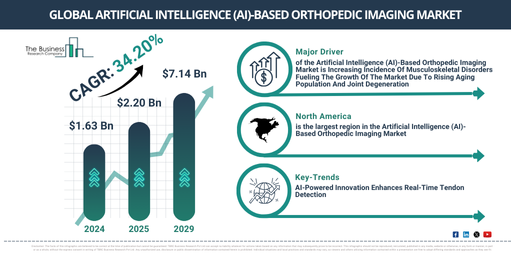
    The artificial intelligence (AI)-based orthopedic imaging market size has experienced significant growth in recent years. This market is set to expand from $1.63 billion in 2024 to $2.20 billion in 2025, registering a compound annual growth rate (CAGR) of 34.6%. The historical growth can be linked to the increasing prevalence of musculoskeletal disorders, a rising geriatric population, an upsurge in orthopedic surgical procedures, the growing impact of obesity-related joint complications, the expansion of hospital infrastructure, and an increasing number of road accidents and sports injuries.

    The artificial intelligence (AI)-based orthopedic imaging market is poised for significant expansion in the coming years. Projections indicate it will reach $7.14 billion by 2029, exhibiting a compound annual growth rate (CAGR) of 34.2%. This anticipated growth is driven by several factors including a heightened need for early diagnosis, increased spending on orthopedic healthcare, a rise in patient understanding of orthopedic health, a stronger emphasis on preventive healthcare, the proliferation of diagnostic imaging facilities, and the growing demand for less invasive orthopedic interventions. Key trends anticipated during this period encompass progress in three-dimensional imaging, novel automated fracture detection instruments, the creation of hybrid imaging methods, investments directed towards orthopedic imaging startups, extensive research and development in precision orthopedic imaging, and breakthroughs in remote imaging and teleradiology solutions.

    Unlock Your Free Sample Report for Exclusive Market Data:

    https://www.thebusinessresearchcompany.com/sample.aspx?id=28127&type=smp

    Which Industry Drivers Are Expected To Accelerate The Artificial Intelligence (AI)-Based Orthopedic Imaging Market From 2025 To 2029?

    The escalating incidence of musculoskeletal disorders is projected to fuel the expansion of the artificial intelligence (AI)-based orthopedic imaging market moving forward. Musculoskeletal disorders refer to conditions that impact muscles, bones, joints, tendons, and ligaments, leading to pain or impaired mobility. The surge in these disorders is largely due to the aging population, as people naturally encounter joint degeneration and decreased bone density over time. Artificial intelligence (AI)-based orthopedic imaging assists in diagnosing musculoskeletal disorders by delivering accurate image analysis, facilitating the early identification of irregularities. This technology reduces diagnostic inaccuracies through automated interpretation, enhancing clinical efficiency and supporting personalized treatment strategies. For example, in January 2024, according to the Office for Health Improvement and Disparities, a UK-based government department, the prevalence of self-reported long-term musculoskeletal (MSK) conditions in individuals aged 16 and above was 18.4% in 2023, representing an increase from 17.6% in 2022. Consequently, the rising occurrence of musculoskeletal disorders is driving the growth of the artificial intelligence (AI)-based orthopedic imaging market.

    What Are The Emerging Segments Gaining Attention In The Artificial Intelligence (AI)-Based Orthopedic Imaging Market?

    The artificial intelligence (AI)-based orthopedic imaging market covered in this report is segmented as

    1) By Component: Software, Hardware, Services

    2) By Modality: X-Ray, Computed Tomography (CT), Magnetic Resonance Imaging (MRI), Other Modalities

    3) By Deployment Mode: On-Premises, Cloud-Based

    4) By Application: Fracture Detection, Bone Age Assessment, Joint Disease Diagnosis, Bone Tumor Detection, Other Applications

    Subsegments:

    1) By Software: Image Analysis And Processing Software, Visualization And Detection Software, Workflow Management Software, Diagnostic And Predictive Analytics Software, Machine Learning And Deep Learning Algorithms

    2) By Hardware: Imaging Systems, AI-Integrated Imaging Devices, Graphics Processing Units (GPUs) Or Processing Units, Workstations And Servers, Data Storage Systems

    3) By Services: Installation And Integration Services, Training And Education Services, Consulting Services, Maintenance And Support Services, Cloud-Based artificial intelligence (AI) Services

    How Are Emerging Market Trends Shaping The Artificial Intelligence (AI)-Based Orthopedic Imaging Industry Landscape?

    Leading companies in the artificial intelligence (AI)-based orthopedic imaging market are actively developing sophisticated solutions, such as advanced AI models, with the goal of improving diagnostics, streamlining operational workflows, and supporting tailored patient care. Advanced AI models denote complex algorithms that analyze medical images to identify anomalies, automate interpretation, and assist in personalized treatment. As an illustration, in February 2023, Clarius Mobile Health, a medical imaging company based in Canada, secured US Food and Drug Administration (FDA) 510(k) clearance for its Clarius musculoskeletal (MSK) AI model. This model is engineered to automatically detect and measure tendons in the foot, ankle, and knee using AI, and will function with the Clarius L7 HD3 and L15 HD3 handheld ultrasound scanners. The objective of this development is to simplify musculoskeletal ultrasound by offering clinicians real-time aid in tendon detection, labeling, and measurement, thus improving workflow, standardizing measurements, and decreasing variability among different observers. This AI-enhanced scanner makes high-definition imaging more approachable and intuitive, facilitating quicker and more accurate patient management.

    Who Are The Top Performing Companies In The Artificial Intelligence (AI)-Based Orthopedic Imaging Market In Recent Years?

    Major companies operating in the artificial intelligence (ai)-based orthopedic imaging market are Synopsys Inc., United Imaging Intelligence Co. Ltd., Carestream Health Inc., Brainlab AG, Materialise NV, Aidoc Medical Ltd., Qure.ai Technologies Private Limited, Clarius Mobile Health Corp., Quibim S.L., RSIP Vision Ltd., GLEAMER SAS, Nano-X Imaging Ltd., CurveBeam AI Inc., AZmed SAS, VUNO Inc., Radiobotics ApS, PeekMed – Peek Health S.A., ImageBiopsy Lab GmbH, Synapsica Healthcare Pvt. Ltd., Oxipit UAB, Milvue SAS, and Raylytic Software GmbH.

    Download The Full Report For Exclusive Market Findings:

    https://www.thebusinessresearchcompany.com/report/artificial-intelligence-ai-based-orthopedic-imaging-global-market-report

    What Regional Growth Trends Are Shaping The Artificial Intelligence (AI)-Based Orthopedic Imaging Market Outlook?

    North America was the largest region in the artificial intelligence (AI)-based orthopedic imaging market in 2024. Asia-Pacific is expected to be the fastest-growing region in the forecast period. The regions covered in artificial intelligence (AI)-based orthopedic imaging report are Asia-Pacific, Western Europe, Eastern Europe, North America, South America, Middle East and Africa.

    Request A Customized Version Of The Artificial Intelligence (AI)-Based Orthopedic Imaging Market Report:

    https://www.thebusinessresearchcompany.com/customise?id=28127&type=smp

    Browse Through More Reports Similar to the Global Artificial Intelligence (AI)-Based Orthopedic Imaging Market 2025, By The Business Research Company

    Artificial Intelligence In Medical Imaging Global Market Report 2025

    https://www.thebusinessresearchcompany.com/report/artificial-intelligence-in-medical-imaging-global-market-report

    Ai In Medical Imaging Global Market Report 2025

    https://www.thebusinessresearchcompany.com/report/ai-in-medical-imaging-global-market-report

    Ai Enabled Medical Imaging Solutions Global Market Report 2025

    https://www.thebusinessresearchcompany.com/report/ai-enabled-medical-imaging-solutions-global-market-report

    Get in touch with us:

    The Business Research Company: https://www.thebusinessresearchcompany.com/

    Americas +1 310-496-7795

    Asia +44 7882 955267 & +91 8897263534

    Europe +44 7882 955267

    Email us at info@tbrc.info

    Follow us on:

    LinkedIn: https://in.linkedin.com/company/the-business-research-company

    YouTube: https://www.youtube.com/channel/UC24_fI0rV8cR5DxlCpgmyFQ

    Global Market Model: https://www.thebusinessresearchcompany.com/global-market-model
  • Artificial Intelligence (AI)-Driven Tele-Dermatoscope Industry Forecast to Hit $4.06 Billion by 2029 With a Strong 28% CAGR

    Artificial Intelligence (AI)-Driven Tele-Dermatoscope Industry Forecast to Hit $4.06 Billion by 2029 With a Strong 28% CAGR

    Unlock Global Insights – Save 20% on Market Reports with Code ONLINE20

    What Are The Growth Projections For The Artificial Intelligence (AI)-Driven Tele-Dermatoscope Market Size During 2025–2029?

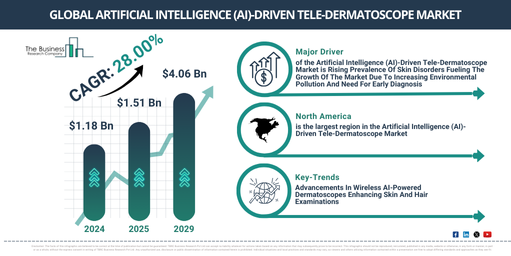
    The artificial intelligence (AI)-driven tele-dermatoscope market size has seen remarkable growth in recent times. It is anticipated to increase from $1.18 billion in 2024 to $1.51 billion in 2025, achieving a compound annual growth rate (CAGR) of 28.4%. This historical growth can be linked to the necessity for continuous monitoring of chronic skin conditions, a surge in cases of skin diseases such as eczema and psoriasis, a heightened focus on preventive healthcare measures, the demand for personalized dermatological care, and the need for efficient triaging of skin conditions in clinical settings.

    The artificial intelligence (AI)-driven tele-dermatoscope market size is projected to experience substantial growth in the coming years. Its valuation is anticipated to reach $4.06 billion by 2029, expanding at a compound annual growth rate (CAGR) of 28.0%. This projected expansion during the forecast period is driven by the increasing global occurrence of skin cancers, heightened awareness regarding the importance of prompt skin cancer diagnosis, an aging worldwide population contributing to a greater prevalence of skin conditions, a growing need for non-invasive diagnostic tools, and a scarcity of dermatologists in remote and underserved regions. Key developments expected during this period involve the incorporation of AI for improved diagnostic precision, the creation of advanced high-resolution imaging devices, progress in hyperspectral dermatoscopy for in-depth skin evaluation, the application of machine learning algorithms for categorizing lesions, and the inclusion of large language models to offer extensive diagnostic assistance.

    Unlock Your Free Sample Report for Exclusive Market Data:

    https://www.thebusinessresearchcompany.com/sample.aspx?id=28130&type=smp

    What Are The Drivers Pushing New Developments In The Artificial Intelligence (AI)-Driven Tele-Dermatoscope Market?

    A rise in skin disorder cases is anticipated to drive the expansion of the artificial intelligence (AI)-driven tele-dermatoscope market in the future. These conditions disrupt the skin’s typical structure or operation, manifesting symptoms like redness, itching, scaling, or lesions. Growing environmental contamination significantly contributes to the increase in skin ailments, given that detrimental airborne pollutants and chemicals can compromise the skin’s defensive layer, causing irritation, allergic responses, and persistent skin issues. The artificial intelligence (AI)-driven tele-dermatoscopes aid in managing skin disorders through swift and precise analysis of high-resolution skin images using sophisticated algorithms, enabling prompt detection and diagnosis without the need for in-person visits to a dermatologist. For example, the American Cancer Society, a US-based professional body, projected in January 2025 that the US will likely experience approximately 105,000 new melanoma occurrences and about 8,400 associated fatalities during 2025. Consequently, the expanding occurrence of skin disorders is fueling the expansion of the artificial intelligence (AI)-driven tele-dermatoscope market.

    Which Key Segments Fueling The Artificial Intelligence (AI)-Driven Tele-Dermatoscope Market?

    The artificial intelligence (AI)-driven tele-dermatoscope market covered in this report is segmented as

    1) By Product: Handheld Tele-Dermatoscopes, Desktop Tele-Dermatoscopes, Smartphone-Integrated Tele-Dermatoscopes

    2) By Technology: Machine Learning, Deep Learning, Computer Vision, Other Technologies

    3) By Distribution Channel: Online, Offline

    4) By Application: Skin Cancer Detection, Lesion Tracking, General Dermatology, Other Applications

    5) By End User: Hospitals And Clinics, Diagnostic Centers, Research Institutes, Homecare Settings, Other End Users

    Subsegments:

    1) By Handheld Tele-Dermatoscopes: USB-Connected Digital Dermatoscopes, Wireless Digital Dermatoscopes, Smartphone-Compatible Dermatoscopes

    2) By Desktop Tele-Dermatoscopes: Table-Top Dermatoscopes, Trolley-Mounted Dermatoscopes

    3) By Smartphone-Integrated Tele-Dermatoscopes: Clip-On Attachments, Integrated Systems

    Which Competitive Trends Are Defining The Artificial Intelligence (AI)-Driven Tele-Dermatoscope Market Structure?

    Leading companies in the artificial intelligence (AI)-driven tele-dermatoscope market are concentrating on developing sophisticated solutions, particularly wireless digital dermatoscopes, to enhance mobility and user convenience. These portable wireless digital dermatoscopes are designed to capture detailed images of the skin and transmit them wirelessly to computers or mobile devices, facilitating remote skin analysis and diagnosis. For instance, in March 2024, FotoFinder Systems, a Germany-based manufacturer of skin imaging systems, unveiled skeen, an innovative wireless digital dermatoscope with integrated cloud storage. This device is engineered to revolutionize skin and hair examinations by leveraging advanced technology and artificial intelligence (AI), setting a new standard in dermoscopy and trichoscopy through fast, accurate, and convenient image capture and storage via a fully compliant cloud-based platform. Skeen is equipped with a high-resolution camera and a magnetically attached optical system, providing 20x or 40x magnification for detailed visualization of skin and hair structures in both polarized and non-polarized modes. It offers a completely wireless workflow, negating the need for smartphones, tablets, or additional adapters. Developed by FotoFinder Systems, Skeen integrates advanced AI technology, including the AIMEE assistant, to aid physicians in assessing skin lesions by generating an AI-powered score from a clinically validated deep-learning model.

    Which Major Industry Participants Are Leading The Artificial Intelligence (AI)-Driven Tele-Dermatoscope Market Growth?

    Major companies operating in the artificial intelligence (AI)-driven tele-dermatoscope market are Heine Optotechnik GmbH & Co. KG, Digital Diagnostics, FotoFinder Systems GmbH, Epiphany Dermatology PA, Canfield Scientific Inc., MetaOptima Technology Inc., Base Plus Limited, Skin Analytics, DermaSensor Inc., SkinVision, First Derm, Pixience, VERISKIN INC, Skinive B.V., Miiskin, DermaDetect, Triage Technologies Inc., SkinIO LLC, DermEngine, MoleScope, and Stratum Biosciences.

    Download The Full Report For Exclusive Market Findings:

    https://www.thebusinessresearchcompany.com/report/artificial-intelligence-ai-driven-tele-dermatoscope-global-market-report

    What Are The Key Regional Factors Influencing The Artificial Intelligence (AI)-Driven Tele-Dermatoscope Market Growth?

    North America was the largest region in the artificial intelligence (AI)-driven tele-dermatoscope market in 2024. Asia-Pacific is expected to be the fastest-growing region in the forecast period. The regions covered in artificial intelligence (AI)-driven tele-dermatoscope report are Asia-Pacific, Western Europe, Eastern Europe, North America, South America, Middle East and Africa.

    Request A Customized Version Of The Artificial Intelligence (AI)-Driven Tele-Dermatoscope Market Report:

    https://www.thebusinessresearchcompany.com/customise?id=28130&type=smp

    Browse Through More Reports Similar to the Global Artificial Intelligence (AI)-Driven Tele-Dermatoscope Market 2025, By The Business Research Company

    Dermatoscopes Global Market Report 2025

    https://www.thebusinessresearchcompany.com/report/dermatoscopes-global-market-report

    Ai In Medical Devices Global Market Report 2025

    https://www.thebusinessresearchcompany.com/report/ai-in-medical-devices-global-market-report

    Wearable Ai Global Market Report 2025

    https://www.thebusinessresearchcompany.com/report/wearable-ai-global-market-report

    Get in touch with us:

    The Business Research Company: https://www.thebusinessresearchcompany.com/

    Americas +1 310-496-7795

    Asia +44 7882 955267 & +91 8897263534

    Europe +44 7882 955267

    Email us at info@tbrc.info

    Follow us on:

    LinkedIn: https://in.linkedin.com/company/the-business-research-company

    YouTube: https://www.youtube.com/channel/UC24_fI0rV8cR5DxlCpgmyFQ

    Global Market Model: https://www.thebusinessresearchcompany.com/global-market-model
  • Artificial Intelligence Microscopy Market Trends 2025–2029: Forecasts for Key Growth Segments

    Artificial Intelligence Microscopy Market Trends 2025–2029: Forecasts for Key Growth Segments

    Unlock Global Insights – Save 20% on Market Reports with Code ONLINE20

    By How Much Is The Artificial Intelligence Microscopy Market Expected To Expand Between 2025 And 2029?

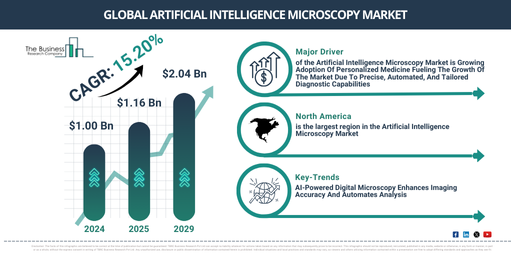
    The artificial intelligence microscopy market size has experienced swift expansion in recent years. It is anticipated to increase from $1.00 billion in 2024 to $1.16 billion in 2025, exhibiting a compound annual growth rate (CAGR) of 15.5%. This growth in the past period can be attributed to the rising embrace of digital pathology, an escalating requirement for sophisticated imaging solutions, a heightened emphasis on early disease detection, and increasing capital deployment in healthcare artificial intelligence technologies.

    The artificial intelligence microscopy market is projected to expand significantly in the coming years, reaching a valuation of $2.04 billion by 2029, exhibiting a compound annual growth rate (CAGR) of 15.2%. This anticipated expansion during the forecast period is fueled by several factors, including the increasing embrace of precision medicine, a rising demand for automated image analysis, the expanding requirement for precise diagnostic instruments, and augmented investments in artificial intelligence-driven diagnostics. Key trends defining this period encompass enhancements in deep learning algorithms, novel approaches in real-time image processing, the incorporation of artificial intelligence into high-resolution microscopy, developments in cloud-based microscopy platforms, and creative breakthroughs in multimodal imaging techniques.

    Unlock Your Free Sample Report for Exclusive Market Data:

    https://www.thebusinessresearchcompany.com/sample.aspx?id=28143&type=smp

    Which Drivers Are Supporting Growth Of The Artificial Intelligence Microscopy Market?

    The increasing embrace of personalized medicine is anticipated to drive the expansion of the artificial intelligence microscopy market in the future. Personalized medicine is defined as a medical strategy that customizes treatment and prevention methods to an individual’s distinct genetic makeup, lifestyle, and surroundings. The rising prevalence of personalized medicine stems primarily from breakthroughs in genomics, which facilitate the accurate identification of genetic differences and bespoke therapies for individuals. Artificial intelligence microscopy improves personalized medicine by delivering precise and automated analysis of cells and tissues, thus enabling customized treatment plans. This technology lessens the need for manual labor and speeds up diagnostic processes, thereby improving clinical decisions and patient outcomes. For example, in February 2024, the Personalized Medicine Coalition (PMC), a US-based nonprofit, stated that the U.S. Food and Drug Administration (FDA) cleared 26 new personalized medicines in 2023, a notable rise from the 12 approved in 2022. Consequently, the expanding adoption of personalized medicine is propelling the growth of the artificial intelligence microscopy market.

    What Are The Primary Types Of Segments Analyzed In The Artificial Intelligence Microscopy Market?

    The artificial intelligence microscopy market covered in this report is segmented as

    1) By Component, Software, Hardware, Services

    2) By Product Type, Artificial Intelligence-Enabled Cloud Software, Artificial Intelligence-Enabled Microscopes

    3) By Imaging Modalities, Optical Microscopy, Electron Microscopy, Scanning Probe Microscopy

    4) By Technology, Deep Learning, Machine Learning, Computer Vision, Other Technologies

    5) By End-User, Research Institutions, Healthcare Organizations, Pharmaceutical Companies, Biotechnology Firms, Industrial Laboratories

    Subsegments:

    1) By Software, Image Analysis Software, Data Management Software, Visualization Software, Simulation Software

    2) By Hardware, Microscopes, Cameras, Sensors, Computational Units

    3) By Services, Installation Services, Maintenance Services, Training Services, Consulting Service

    What Are The Latest Industry Trends Transforming The Artificial Intelligence Microscopy Market?

    Leading companies within the artificial intelligence microscopy market are prioritizing the development of sophisticated products, such as digital microscopy, to enhance imaging precision and automate analytical processes. Digital microscopy involves using cameras and computer technology to capture, display, and analyze microscopic images, either replacing or augmenting conventional optical microscopes. For instance, in February 2025, Honeywell International Inc., a US-based industrial technology company, unveiled the Digital Holographic Microscopy (DHM), an innovative technology that integrates artificial intelligence (AI) to accurately count and classify microscopic particles and cells. This technology utilizes AI algorithms to interpret holographic images obtained by a portable device, enabling rapid cell counting and classification without the need for complex sample preparation or staining. It is specifically designed for point-of-care applications, such as identifying infections in peritoneal dialysis patients, significantly reducing diagnosis time from days to minutes, and also possesses relevance in environmental monitoring and quality control.

    Who Are The Prominent Global Companies Shaping The Artificial Intelligence Microscopy Market?

    Major companies operating in the artificial intelligence microscopy market are Roche Diagnostics International Ltd., Thermo Fisher Scientific Inc., Agilent Technologies Inc., Olympus Corporation, Nikon Corporation, Shimadzu Corporation, Bruker Corporation, Carl Zeiss AG, Jenoptik AG, JEOL Ltd., Leica Microsystems GmbH, OneCell Diagnostics, Scopio Labs Ltd., Park Systems Corp., Ariadne.ai, Mindpeak GmbH, Celly.AI, SVision LLC, aetherAI, and Aiforia Technologies Oy.

    Download The Full Report For Exclusive Market Findings:

    https://www.thebusinessresearchcompany.com/report/artificial-intelligence-microscopy-global-market-report

    What Are The Key Regional Factors Influencing The Artificial Intelligence Microscopy Market Growth?

    North America was the largest region in the artificial intelligence microscopy market in 2024. Asia-Pacific is expected to be the fastest-growing region in the forecast period. The regions covered in artificial intelligence microscopy report are Asia-Pacific, Western Europe, Eastern Europe, North America, South America, Middle East and Africa.

    Request A Customized Version Of The Artificial Intelligence Microscopy Market Report:

    https://www.thebusinessresearchcompany.com/customise?id=28143&type=smp

    Browse Through More Reports Similar to the Global Artificial Intelligence Microscopy Market 2025, By The Business Research Company

    Automated Microscopy Global Market Report 2025

    https://www.thebusinessresearchcompany.com/report/automated-microscopy-global-market-report

    Microscopy Global Market Report 2025

    https://www.thebusinessresearchcompany.com/report/microscopy-global-market-report

    Microscope Global Market Report 2025

    https://www.thebusinessresearchcompany.com/report/microscope-global-market-report

    Get in touch with us:

    The Business Research Company: https://www.thebusinessresearchcompany.com/

    Americas +1 310-496-7795

    Asia +44 7882 955267 & +91 8897263534

    Europe +44 7882 955267

    Email us at info@tbrc.info

    Follow us on:

    LinkedIn: https://in.linkedin.com/company/the-business-research-company

    YouTube: https://www.youtube.com/channel/UC24_fI0rV8cR5DxlCpgmyFQ

    Global Market Model: https://www.thebusinessresearchcompany.com/global-market-model
  • Balance Rehabilitation Virtual Reality Pods Industry Anticipated to Expand at 16.1% CAGR During the Forecast Period

    Balance Rehabilitation Virtual Reality Pods Industry Anticipated to Expand at 16.1% CAGR During the Forecast Period

    Unlock Global Insights – Save 20% on Market Reports with Code ONLINE20

    What Are The Forecasted Market Size Estimates For The Balance Rehabilitation Virtual Reality Pods Market Between 2025 And 2029?

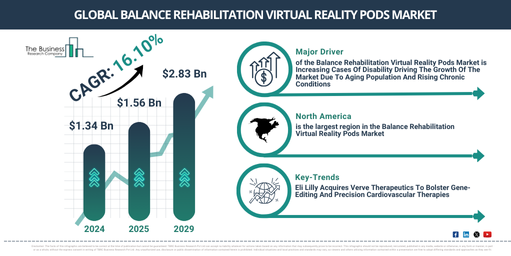
    The market size for balance rehabilitation virtual reality pods has experienced considerable expansion over recent years. It is projected to increase from $1.34 billion in 2024 to $1.56 billion in 2025, demonstrating a compound annual growth rate (CAGR) of 16.4%. The historical growth of this market can be attributed to the rising prevalence of balance disorders, a shift towards home-based healthcare, various government initiatives and funding, a growing geriatric population, and the increasing incidence of neurological disorders.

    The balance rehabilitation virtual reality pods market is projected for swift expansion in the upcoming years, with its valuation reaching $2.83 billion by 2029, demonstrating a compound annual growth rate (CAGR) of 16.1%. This anticipated increase can be linked to heightened awareness and acceptance, a greater prevalence of stroke among adults and the elderly, an expanding population of Parkinson’s disease patients, a rise in traumatic brain injury incidents, and an increasing occurrence of vestibular disorders. Key developments anticipated during this period encompass enhancements in VR technology, the incorporation of artificial intelligence (AI), improvements in sensor technology, partnerships between healthcare providers and technology firms, and the assimilation with other therapeutic methods.

    Unlock Your Free Sample Report for Exclusive Market Data:

    https://www.thebusinessresearchcompany.com/sample.aspx?id=28147&type=smp

    Which Major Market Drivers Are Shaping The Future Of The Balance Rehabilitation Virtual Reality Pods Market?

    The balance rehabilitation virtual reality pods market is anticipated to expand due to the growing prevalence of disability cases. Disability refers to challenges an individual faces in daily activities, encompassing various impairments, activity limitations, and participation restrictions, often stemming from conditions like neurological disorders, the aging process, injuries, or long-term illnesses. The increase in disability instances is linked to the worldwide aging population, as older age often leads to a higher chance of developing chronic conditions such as stroke, arthritis, and neurodegenerative diseases, which frequently result in difficulties with mobility, balance, and overall function. Balance rehabilitation virtual reality pods offer significant advantages to people with disabilities by providing a secure and regulated setting for performing balance exercises and virtually navigating difficult situations, thereby lowering the likelihood of falls while simultaneously boosting confidence and aiding effective functional recovery. For example, the Centers for Disease Control and Prevention, a US-based federal agency, reported in April 2025 that in 2022, a greater proportion of younger adults aged 18–44 years experienced a disability (23.6%) compared to the 21.2% recorded in the preceding year. Thus, the increasing number of disability cases is a key driver for the growth of the balance rehabilitation virtual reality pods market.

    What Are The Key Segments In The Balance Rehabilitation Virtual Reality Pods Market?

    The balance rehabilitation virtual reality pods market covered in this report is segmented as

    1) By Product: Stationary Virtual Reality Pods, Portable Virtual Reality Pods

    2) By Technology: Non-Immersive Virtual Reality, Semi-Immersive Virtual Reality, Fully Immersive Virtual Reality

    3) By Distribution Channel: Direct Sales, Online Retail, Distributors

    4) By Application: Hospitals And Clinics, Rehabilitation Centers, Home Care Settings, Other Applications

    5) By End-User: Adults, Pediatrics, Geriatrics

    Subsegments:

    1) By Stationary Virtual Reality Pods: Single-User Systems, Multi-User Systems, Therapy-Centric Pods, Assessment Pods, Immersive Pods

    2) By Portable Virtual Reality Pods: Compact Kits, Wearable Systems, Tablet-Based Systems, Modular Kits, Mobile App-Integrated Systems

    How Are Trends Influencing The Balance Rehabilitation Virtual Reality Pods Market?

    Major companies active in the balance rehabilitation virtual reality pods market are prioritizing the development of advanced solutions, notably AI-driven adaptive therapy software, to enhance the individualization of treatment, elevate patient engagement, and provide clinicians with accurate, data-informed progress monitoring. Such AI-driven adaptive therapy software constitutes a sophisticated algorithmic framework that leverages real-time performance data to dynamically adjust the difficulty and parameters of exercises, thereby crafting a consistently optimized, patient-specific rehabilitation regimen intended to optimize recovery outcomes. For example, in September 2024, Interacoustics A/S, a Denmark-based producer of diagnostic and therapeutic products, launched its Virtualis balance rehabilitation system, which incorporates immersive virtual reality technology. Patients utilize a head-mounted display offering an extensive field of view to participate in a diverse set of gamified exercises, aiming to boost motivation and balance during vestibular and neurological rehabilitation. This development signifies Interacoustics’ strategic expansion into integrated digital therapeutics, providing objective, data-centric therapy to improve patient results while offering clinicians sophisticated tools for assessment and tracking progress.

    Who Are The Primary Competitors In The Global Balance Rehabilitation Virtual Reality Pods Market?

    Major companies operating in the balance rehabilitation virtual reality pods market are Interacoustics A/S., MindMaze SA, XRHealth, Vicon Motion Systems Ltd., Ekso Bionics Holdings Inc., Tyromotion GmbH, Bertec Corporation, Reha Stim Medtec AG, balanceback, THERA-Trainer, DIH Technologies Corp., Saebo Inc., NEURO REHAB VR, KineQuantum SAS, Movendo Technology S.r.l., Protokinetics LLC, Silverfit Ltd., zebris Medical GmbH, LPG Group Ltd., and Sensing Future Technologies.

    Download The Full Report For Exclusive Market Findings:

    https://www.thebusinessresearchcompany.com/report/balance-rehabilitation-virtual-reality-pods-global-market-report

    Which Region Shows The Highest Potential For Future Expansion In The Balance Rehabilitation Virtual Reality Pods Market?

    North America was the largest region in the balance rehabilitation virtual reality pods market in 2024. Asia-Pacific is expected to be the fastest-growing region in the forecast period. The regions covered in balance rehabilitation virtual reality pods report are Asia-Pacific, Western Europe, Eastern Europe, North America, South America, Middle East and Africa.

    Request A Customized Version Of The Balance Rehabilitation Virtual Reality Pods Market Report:

    https://www.thebusinessresearchcompany.com/customise?id=28147&type=smp

    Browse Through More Reports Similar to the Global Balance Rehabilitation Virtual Reality Pods Market 2025, By The Business Research Company

    Virtual Rehabilitation Global Market Report 2025

    https://www.thebusinessresearchcompany.com/report/virtual-rehabilitation-global-market-report

    Rehabilitation Equipment Global Market Report 2025

    https://www.thebusinessresearchcompany.com/report/rehabilitation-equipment-global-market-report

    Rehabilitation Robotics Global Market Report 2025

    https://www.thebusinessresearchcompany.com/report/rehabilitation-robotics-global-market-report

    Get in touch with us:

    The Business Research Company: https://www.thebusinessresearchcompany.com/

    Americas +1 310-496-7795

    Asia +44 7882 955267 & +91 8897263534

    Europe +44 7882 955267

    Email us at info@tbrc.info

    Follow us on:

    LinkedIn: https://in.linkedin.com/company/the-business-research-company

    YouTube: https://www.youtube.com/channel/UC24_fI0rV8cR5DxlCpgmyFQ

    Global Market Model: https://www.thebusinessresearchcompany.com/global-market-model
  • Global Base-Editing Tools Market Size Projected to Reach $3.97 Billion During the Forecast Period

    Global Base-Editing Tools Market Size Projected to Reach $3.97 Billion During the Forecast Period

    Unlock Global Insights – Save 20% on Market Reports with Code ONLINE20

    What Is The Anticipated Size Of The Base-Editing Tools Market Over The Five-Year Period 2025–2029?

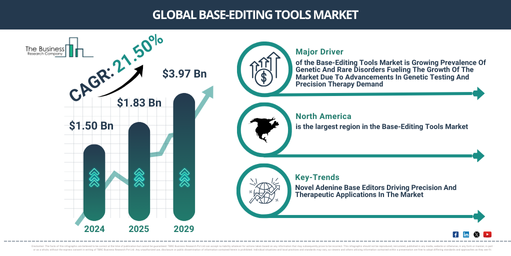
    The base-editing tools market has experienced substantial expansion in its size over recent years. Projections indicate its expansion from $1.50 billion in 2024 to $1.83 billion by 2025, demonstrating a compound annual growth rate (CAGR) of 21.8%. Historically, this growth is primarily due to factors such as increased demand for gene editing in rare disease research, the broadening of genomic research infrastructure, an uptick in preclinical study applications, enhanced sequencing and bioinformatics capabilities, and a heightened understanding of the shortcomings of conventional gene editing methods.

    The base-editing tools market is projected to experience substantial growth in the upcoming years. This market is expected to expand to $3.97 billion by 2029, achieving a compound annual growth rate (CAGR) of 21.5%. The projected growth during this period can be attributed to an increased emphasis on precision medicine, the proliferation of clinical trials employing base editing, the expansion of cell and gene therapy research, a rising demand for functional genomics research, and the growing occurrence of genetic and rare diseases. Significant trends for the forecast period include the creation of next-generation base editors, their integration with artificial intelligence (AI) and machine learning, their incorporation into synthetic biology, ongoing advancements in CRISPR-Cas technology, and the development of new therapeutic options.

    Unlock Your Free Sample Report for Exclusive Market Data:

    https://www.thebusinessresearchcompany.com/sample.aspx?id=28148&type=smp

    What Are The Top Growth Drivers Impacting The Base-Editing Tools Market Outlook?

    The base-editing tools market is anticipated to expand due to the increasing occurrence of genetic and rare disorders. These conditions are defined as medical ailments stemming from alterations or mutations within an individual’s genes or chromosomes, frequently impacting a minority of the populace and occasionally passed down through generations. The rising incidence of genetic and rare disorders is attributed to improvements in genomic testing and newborn screening, facilitating earlier and more precise identification of previously undiagnosed instances. Base-editing tools offer a way to precisely correct genetic mutations, thereby assisting in the diagnosis and management of rare and inherited conditions. These tools contribute significantly to advanced diagnostics, tailored interventions, and potential curative treatments by improving genetic testing and making targeted therapies possible. For example, data from May 2024, provided by the National Health Service, a UK-based government department, indicates that in England, roughly 17,000 people suffer from sickle cell disease, which is an inherited blood disorder, with an estimated 250 new diagnoses annually. Consequently, the increasing prevalence of genetic and rare disorders is a key factor propelling the expansion of the base-editing tools market.

    How Is The Base-Editing Tools Market Segmented?

    The base-editing tools market covered in this report is segmented as

    1) By Product Type: Deoxyribonucleic Acid (DNA) Base Editors, Ribonucleic Acid (RNA) Base Editors, Other Product Types

    2) By Application: Genetic Research, Drug Development, Disease Modeling, Agricultural Biotechnology, Other Applications

    3) By End-User: Academic And Research Institutes, Biotechnology And Pharmaceutical Companies, Contract Research Organizations, Other End-Users

    Subsegments:

    1) By Deoxyribonucleic Acid (DNA) Base Editors: Cytosine Base Editors, Adenine Base Editors, Dual Base Editors, Prime Editors

    2) By Ribonucleic Acid (RNA) Base Editors: Cytidine Deaminase Based Editors, Adenosine Deaminase Based Editors, Programmable Ribonucleic Acid (RNA) Editors

    3) By Others: Delivery Systems, Research Reagents, Computational Tools, Screening Platforms

    Which Market Trends Are Creating New Opportunities In The Base-Editing Tools Industry?

    Leading companies operating within the base-editing tools market are focusing on introducing innovative solutions, such as novel adenine base editors, to enhance the precision and efficiency of gene editing. Novel adenine base editors are advanced genome editing tools that precisely convert adenine (A) to guanine (G) in DNA without causing double-stranded breaks, enabling safe and specific genetic modifications. For instance, in October 2024, Metagenomi, Inc., a US-based precision genetic medicines company, launched novel ABEs capable of editing a broad range of genomic targets with over 95% targetability. These editors enable precise base conversions with minimal off-target effects in tested cell lines, supporting multiplex gene editing that can lead to significant functional protein reduction in primary T-cells. The platform is compatible with various non-viral delivery methods and engineered Cas variants, making it suitable for both in vivo genome editing and ex vivo cell therapies, including CAR-T treatments.

    Which Major Firms Are Strengthening Their Position In The Base-Editing Tools Industry?

    Major companies operating in the base-editing tools market are Thermo Fisher Scientific Inc., Danaher Corporation, Merck KGaA, Revvity Inc., GenScript Biotech Corporation, Beam Therapeutics Inc., CRISPR Therapeutics AG, Maravai LifeSciences Holdings Inc., Aldevron L.L.C., Arcturus Therapeutics Holdings Inc., ElevateBio LLC, Editas Medicine Inc., Synthego Corporation, Metagenomi Inc., Intellia Therapeutics Inc., Mammoth Biosciences Inc., Verve Therapeutics Inc., Precede Biosciences Inc., Cellectis S.A., Creative Biogene Inc., Bio Palette Co. Ltd., Prime Medicine Inc., and Base Therapeutics.

    Download The Full Report For Exclusive Market Findings:

    https://www.thebusinessresearchcompany.com/report/base-editing-tools-global-market-report

    What Are The Regional Market Dynamics Impacting The Base-Editing Tools Industry?

    North America was the largest region in the base-editing tools market in 2024. Asia-Pacific is expected to be the fastest-growing region in the forecast period. The regions covered in base-editing tools report are Asia-Pacific, Western Europe, Eastern Europe, North America, South America, Middle East and Africa.

    Request A Customized Version Of The Base-Editing Tools Market Report:

    https://www.thebusinessresearchcompany.com/customise?id=28148&type=smp

    Browse Through More Reports Similar to the Global Base-Editing Tools Market 2025, By The Business Research Company

    Software Development Tools Global Market Report 2025

    https://www.thebusinessresearchcompany.com/report/software-development-tools-global-market-report

    Metadata Management Tools Global Market Report 2025

    https://www.thebusinessresearchcompany.com/report/metadata-management-tools-global-market-report

    Waterbased Adhesives Global Market Report 2025

    https://www.thebusinessresearchcompany.com/report/waterbased-adhesives-global-market-report

    Get in touch with us:

    The Business Research Company: https://www.thebusinessresearchcompany.com/

    Americas +1 310-496-7795

    Asia +44 7882 955267 & +91 8897263534

    Europe +44 7882 955267

    Email us at info@tbrc.info

    Follow us on:

    LinkedIn: https://in.linkedin.com/company/the-business-research-company

    YouTube: https://www.youtube.com/channel/UC24_fI0rV8cR5DxlCpgmyFQ

    Global Market Model: https://www.thebusinessresearchcompany.com/global-market-model
  • Bio Implant Allograft And Xenograft Market to Reach $3.72 Billion by 2029, Growing at a CAGR of 8.7%

    Bio Implant Allograft And Xenograft Market to Reach $3.72 Billion by 2029, Growing at a CAGR of 8.7%

    Unlock Global Insights – Save 20% on Market Reports with Code ONLINE20

    What Market Value Is The Bio Implant Allograft And Xenograft Industry Expected To Reach By 2029, Starting From 2025 Levels?

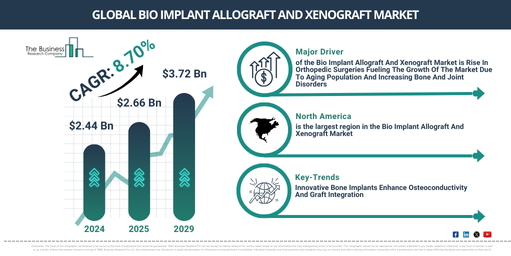
    The market size for bio implant allografts and xenografts has demonstrated robust growth in recent years. It is anticipated to increase from $2.44 billion in 2024 to $2.66 billion in 2025, achieving a compound annual growth rate (CAGR) of 9.1%. The expansion observed during the historic period can be attributed to an increasing demand for organ and tissue transplants, the rising prevalence of chronic orthopedic conditions, a growing awareness of advanced grafting procedures, the expansion of surgical applications within dental and cardiovascular care, and the rising adoption of trauma and reconstructive surgeries.

    The bio implant allograft and xenograft market is anticipated to experience substantial growth over the next few years. Its market size is projected to expand to $3.72 billion by 2029, growing at a compound annual growth rate (CAGR) of 8.7%. This expansion during the forecast period can be attributed to an increasing preference for minimally invasive grafting techniques, broader adoption in regenerative medicine applications, a growing demand for customized and patient-specific graft solutions, the expansion of healthcare infrastructure in developing regions, and increased utilization in complex multi-tissue surgeries. Significant trends for the forecast period include technological advancements in graft preservation, innovative decellularization and sterilization techniques, progress in bioengineered composite grafts, innovations in 3D printing for graft scaffolds, and enhancements in cold storage and cryopreservation methods.

    Unlock Your Free Sample Report for Exclusive Market Data:

    https://www.thebusinessresearchcompany.com/sample.aspx?id=28149&type=smp

    Which Industry Drivers Are Expected To Accelerate The Bio Implant Allograft And Xenograft Market From 2025 To 2029?

    An anticipated increase in orthopedic surgical procedures is projected to fuel the expansion of the bioimplant allograft and xenograft market in the future. These surgeries encompass medical interventions for identifying, managing, correcting, and preventing conditions and traumas impacting the musculoskeletal system, which comprises bones, joints, ligaments, tendons, muscles, and nerves. The uptick in orthopedic operations can be attributed to an expanding elderly demographic, given that seniors are more susceptible to conditions like arthritis and fractures affecting their bones and joints. In orthopedic procedures, bioimplant allograft and xenograft play a crucial role by supplying bone graft solutions that foster healing, better integrate grafts, and facilitate the regeneration of tissues. These implants mitigate surgical risks through their osteoconductive and osteoinductive characteristics, thereby enhancing patient recuperation and results. For example, data from December 2023, supplied by the Health Security Agency, a UK-based government agency, indicated that 102,025 orthopedic surgery procedures were reported for mandatory surveillance during 2022–2023. This represented a 10.2% rise compared to the 92,608 procedures documented in 2021–2022. Consequently, the increasing volume of orthopedic surgeries is propelling the expansion of the bioimplant allograft and xenograft market.

    What Are The Major Segment Categories Driving The Bio Implant Allograft And Xenograft Market Growth?

    The bio implant allograft and xenograft market covered in this report is segmented as

    1) By Product Type: Allografts, Xenografts, Composite Grafts

    2) By Storage Type: Freeze-Dried (Lyophilized), Fresh Tissue, Preserved Tissue

    3) By Distribution Channel: Direct Sales, Third-Party Distributors, Online Sales Platforms

    4) By Application Area: Orthopedic Surgery, Dental Surgery, Cardiovascular Procedures, Plastic And Reconstructive Surgery, Trauma Surgery

    5) By End-User: Hospitals, Ambulatory Surgical Centers, Specialty Clinics, Research And Academic Institutes

    Subsegments:

    1) By Allografts: Fresh Allografts, Frozen Allografts, Freeze-Dried Allografts

    2) By Xenografts: Bovine-Derived Xenografts, Porcine-Derived Xenografts, Equine-Derived Xenografts

    3) By Composite Grafts: Ceramic-Polymer Composite Grafts, Polymer-Metal Composite Grafts, Biologic-Synthetic Composite Grafts

    What Long-Term Trends Will Shape The Future Growth Of The Bio Implant Allograft And Xenograft Industry?

    Companies active in the bioimplant allograft and xenograft market are concentrating on developing innovative solutions, such as demineralized bone allograft implants, to boost osteoconductivity, improve graft integration, and accelerate bone regeneration. Demineralized bone allograft implants are derived from donor bone with minerals removed, while retaining collagen and growth factors to encourage new bone formation and integration in orthopedic, spinal, and dental procedures. For instance, in February 2024, Tetrous Inc., a US-based regenerative medicine company, unveiled the EnFix TAC, a 100% demineralized bone allograft implant designed to complement its existing EnFix RC implant for rotator cuff surgery. The EnFix TAC focuses on healing at the tendon-to-bone interface (enthesis), striving to improve biologic repair in situations where traditional surgery often results in scar tissue and high failure rates. This implant delivers osteoinductive and osteoconductive properties through proprietary demineralized bone fibers and is offered in two configurations to accommodate varying rotator cuff tear sizes.

    Which Leading Players Are Enhancing Their Bio Implant Allograft And Xenograft Market Presence Worldwide?

    Major companies operating in the bio implant allograft and xenograft market are Medtronic plc, Stryker Corporation, Zimmer Biomet Holdings Inc., Charles River Laboratories International Inc., Arthrex Inc., Institut Straumann AG, Integra LifeSciences, NuVasive Inc., Bioventus Inc., Orthofix Medical Inc., MTF Biologics, BioHorizons Inc., MiMedx Group Inc., RTI Surgical Holdings Inc., LifeNet Health, AxoGen Inc., AlloSource, Xtant Medical Holdings Inc., Alpha Bio Tec, Geistlich Pharma AG.

    Download The Full Report For Exclusive Market Findings:

    https://www.thebusinessresearchcompany.com/report/bio-implant-allograft-and-xenograft-global-market-report

    Which Global Regions Are Influencing The Competitive Landscape Of The Bio Implant Allograft And Xenograft Market?

    North America was the largest region in the bio implant allograft and xenograft market in 2024. Asia-Pacific is expected to be the fastest-growing region in the forecast period. The regions covered in bio implant allograft and xenograft report are Asia-Pacific, Western Europe, Eastern Europe, North America, South America, Middle East and Africa.

    Request A Customized Version Of The Bio Implant Allograft And Xenograft Market Report:

    https://www.thebusinessresearchcompany.com/customise?id=28149&type=smp

    Browse Through More Reports Similar to the Global Bio Implant Allograft And Xenograft Market 2025, By The Business Research Company

    Xenotransplantation Global Market Report 2025

    https://www.thebusinessresearchcompany.com/report/xenotransplantation-global-market-report

    Bio Implants Global Market Report 2025

    https://www.thebusinessresearchcompany.com/report/bio-implants-global-market-report

    Cosmetic Implants Global Market Report 2025

    https://www.thebusinessresearchcompany.com/report/cosmetic-implants-global-market-report

    Get in touch with us:

    The Business Research Company: https://www.thebusinessresearchcompany.com/

    Americas +1 310-496-7795

    Asia +44 7882 955267 & +91 8897263534

    Europe +44 7882 955267

    Email us at info@tbrc.info

    Follow us on:

    LinkedIn: https://in.linkedin.com/company/the-business-research-company

    YouTube: https://www.youtube.com/channel/UC24_fI0rV8cR5DxlCpgmyFQ

    Global Market Model: https://www.thebusinessresearchcompany.com/global-market-model