Category: Medical Equipment

  • Smart Controller For Personal Care And Health Market to Reach $4.15 Billion by 2029, Growing at a CAGR of 19.3%

    Smart Controller For Personal Care And Health Market to Reach $4.15 Billion by 2029, Growing at a CAGR of 19.3%

    Unlock Global Insights – Save 20% on Market Reports with Code ONLINE20

    What Market Value Is The Smart Controller For Personal Care And Health Industry Expected To Reach By 2029, Starting From 2025 Levels?

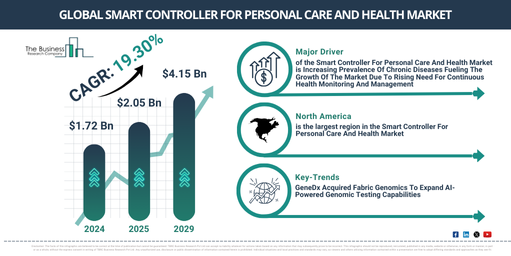
    The smart controller for personal care and health market has witnessed swift expansion in recent years. This market is set to increase from $1.72 billion in 2024 to $2.05 billion in 2025, achieving a compound annual growth rate (CAGR) of 19.6%. Historically, this growth can be ascribed to a surge in health awareness, the increasing incidence of chronic illnesses, a rise in the adoption of wearable devices, the requirement for personalized healthcare solutions, and consumers’ growing interest in fitness and wellness.

    The smart controller for personal care and health market is anticipated to undergo substantial expansion in the upcoming years. This market is projected to reach $4.15 billion by 2029, demonstrating a compound annual growth rate (CAGR) of 19.3%. The drivers behind this growth within the forecast period encompass an increasing focus on preventive healthcare, rising healthcare costs prompting demand for at-home solutions, a growing preference for remote monitoring and telehealth, the expanding need for self-care and fitness tracking, and an increase in geriatric populations. Major trends observed during this period will include advancements in AI-powered smart controllers, integration with internet of things (IoT) and smart home ecosystems, technology-driven remote patient monitoring solutions, developments in wearable and sensor-based healthcare, and advancements in digital health infrastructure.

    Unlock Your Free Sample Report for Exclusive Market Data:

    https://www.thebusinessresearchcompany.com/sample.aspx?id=28333&type=smp

    Which Industry Drivers Are Expected To Accelerate The Smart Controller For Personal Care And Health Market From 2025 To 2029?

    The increasing occurrence of persistent health issues is projected to fuel the expansion of the smart controller for personal care and health market in the future. Chronic diseases are long-term medical conditions that develop gradually and endure for extended periods, frequently requiring continuous medical attention. The rising incidence of these chronic illnesses is partly due to sedentary lifestyles, as prolonged sitting and minimal physical activity elevate the risk of conditions such as heart problems and diabetes. Smart controllers for personal care and health improve daily well-being routines by providing tailored monitoring and immediate feedback, making them ideal for managing chronic diseases. They alleviate the burden of health management by offering continuous tracking and actionable insights, thereby enhancing overall convenience and welfare. For instance, in June 2024, according to the National Health Service, a UK-based government department, 3,615,330 individuals registered with a general practitioner (GP) were diagnosed with non-diabetic hyperglycemia or pre-diabetes (a condition with elevated blood sugar levels, not high enough to be classified as diabetes) in 2023, marking an 18% increase from 3,065,825 cases in 2022. Consequently, the growing prevalence of chronic diseases is stimulating the growth of the smart controller for personal care and health market. The growing availability of telehealth solutions is anticipated to propel the growth of the smart controller for personal care and health market going forward, driven by increasing demand for remote patient monitoring and real-time health management. Telehealth services are healthcare provisions delivered from a distance using phones, video calls, or applications, enabling patients to consult medical professionals without needing to visit a clinic or hospital. The increased adoption of telehealth services is attributed to the rising demand for continuous and real-time health surveillance for individuals with chronic conditions, which allows for timely medical interventions without frequent hospital visits. Smart controllers for personal care and health enhance telehealth solutions by enabling remote oversight and administration of health and wellness devices. They improve patient convenience by supplying real-time data and automated control, supporting proactive and personalized care. For instance, in May 2024, according to the Australian Digital Health Agency, an Australia-based government organization, from March 2020 to July 2022, over 95,000 practitioners had utilized telehealth services, and 118.2 million telehealth services were offered to 18 million patients. Therefore, the expansion of telehealth solutions is driving the growth of the smart controller for personal care and health market.

    What Are The Major Segment Categories Driving The Smart Controller For Personal Care And Health Market Growth?

    The smart controller for personal care and health market covered in this report is segmented as

    1) By Types: Electronic Smart Controller, Standard Smart Controller, Communication Smart Controller

    2) By Application: Treadmill, Shaver, Smart Facial Cleanser, Other Applications

    3) By End User: Homecare Users, Fitness Enthusiasts, Elderly Population, Hospitals And Clinics, Rehabilitation Centers

    Subsegments:

    1) By Electronic Smart Controller: Sensor-Based Controllers, Touch Or Proximity Controllers, Motion Or Infrared Controllers, Wearable-Integrated Controllers, artificial intelligence (AI) Or Machine Learning (ML)-Powered Controllers

    2) By Standard Smart Controller: Manual Or Programmable Controllers, Remote-Based Controllers, Button Or Keypad Controllers, Basic Digital Controllers, Analog-Digital Hybrid Controllers

    3) By Communication Smart Controller: Bluetooth-Enabled Controllers, Wireless Fidelity (Wi-Fi)-Enabled Controllers, Zigbee Or Z-Wave Controllers, Near Field Communication (NFC)-Enabled Controllers, Cloud Or Internet Of Things (IoT)-Integrated Controllers

    What Trends Are Expected To Drive The Smart Controller For Personal Care And Health Market?

    Leading companies in the smart controller for personal care and health market are concentrating on developing advanced products, such as wearable smart rings, to monitor health and support personalized wellness. Wearable smart rings are compact, ring-shaped devices worn on the finger that track health and wellness metrics like heart rate and sleep, providing real-time feedback through connected applications. For instance, in September 2023, Bonatra Healthcare Private Limited, an India-based healthcare company, launched the Smart Ring X1, a wearable smart ring. These rings constitute the second wearable device that integrates with the Bonatra app, alongside continuous glucose monitors. It generates key insights via features such as sleep score, readiness score, movement index, and metabolic score, aiding users in improving daily performance and overall well-being. Built from aerospace-grade titanium alloys, the lightweight 4-gram ring combines durability with elegance, supporting active, health-conscious lifestyles. The hypoallergenic medical-grade resin ensures comfort during prolonged wear, while its IP68 rating makes the Smart Ring X1 suitable for various activities, including swimming, deep diving, sailing, surfing, and trekking.

    Which Leading Players Are Enhancing Their Smart Controller For Personal Care And Health Market Presence Worldwide?

    Major companies operating in the smart controller for personal care and health market are Sonova Holding AG, Polar Electro Oy, WellSky Corporation, Athelas Inc., Caregility LLC, Health Recovery Solutions Inc., Birdie Care Services Ltd., Caresmartz Inc. (CareSmartz360), GrandCare Systems Inc., CareSimple Inc., Tenovi Inc., HealthSnap Inc., Accuhealth Inc., CoachCare Inc., Caregiver Smart Solutions Inc., Health at Home Inc., Netrin Health Inc., Prevounce Health Inc., Polso Tech Oy, and Zepp Health Corporation.

    Download The Full Report For Exclusive Market Findings:

    https://www.thebusinessresearchcompany.com/report/smart-controller-for-personal-care-and-health-global-market-report

    Which Global Regions Are Influencing The Competitive Landscape Of The Smart Controller For Personal Care And Health Market?

    North America was the largest region in the smart controller for personal care and health market in 2024. Asia-Pacific is expected to be the fastest-growing region in the forecast period. The regions covered in smart controller for personal care and health report are Asia-Pacific, Western Europe, Eastern Europe, North America, South America, Middle East and Africa.

    Request A Customized Version Of The Smart Controller For Personal Care And Health Market Report:

    https://www.thebusinessresearchcompany.com/customise?id=28333&type=smp

    Browse Through More Reports Similar to the Global Smart Controller For Personal Care And Health Market 2025, By The Business Research Company

    Smart Healthcare Products Global Market Report 2025

    https://www.thebusinessresearchcompany.com/report/smart-healthcare-products-global-market-report

    Smart Card In Healthcare Global Market Report 2025

    https://www.thebusinessresearchcompany.com/report/smart-card-in-healthcare-global-market-report

    Personal Care Appliances Global Market Report 2025

    https://www.thebusinessresearchcompany.com/report/personal-care-appliances-global-market-report

    Get in touch with us:

    The Business Research Company: https://www.thebusinessresearchcompany.com/

    Americas +1 310-496-7795

    Asia +44 7882 955267 & +91 8897263534

    Europe +44 7882 955267

    Email us at info@tbrc.info

    Follow us on:

    LinkedIn: https://in.linkedin.com/company/the-business-research-company

    YouTube: https://www.youtube.com/channel/UC24_fI0rV8cR5DxlCpgmyFQ

    Global Market Model: https://www.thebusinessresearchcompany.com/global-market-model
  • Global Skin Biopsy Market Projected to Expand at 8.1% CAGR by 2029

    Global Skin Biopsy Market Projected to Expand at 8.1% CAGR by 2029

    Unlock Global Insights – Save 20% on Market Reports with Code ONLINE20

    How Is The Skin Biopsy Market Size Likely To Evolve From 2025 Through 2034?

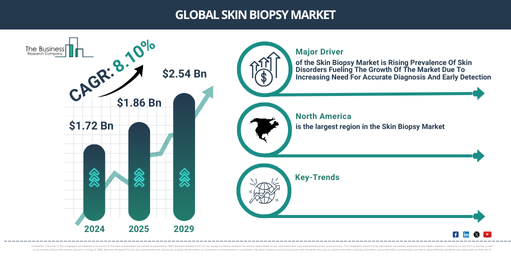
    The skin biopsy market has experienced strong growth in recent years. It is anticipated to expand from $1.72 billion in 2024 to $1.86 billion in 2025, achieving a compound annual growth rate (CAGR) of 8.4%. This historical growth can be attributed to the increasing prevalence of skin cancer and chronic skin disorders, a heightened awareness of early disease detection, the adoption of punch biopsy as a standard diagnostic tool, the expansion of hospital and clinic infrastructure, and supportive government initiatives for cancer screening programs.

    The skin biopsy market size is projected to experience substantial expansion over the upcoming years. This market is anticipated to reach $2.54 billion by 2029, demonstrating a compound annual growth rate (CAGR) of 8.1%. The expansion during this projection period is primarily driven by an escalating need for less invasive diagnostic methods, the incorporation of artificial intelligence into biopsy evaluations, an expanding older demographic susceptible to skin conditions, investments in healthcare sectors within developing nations, and the proliferation of teledermatology and virtual consultation offerings. Key developments expected within this forecast timeframe encompass a move towards digital pathology systems, the embrace of less invasive options such as liquid biopsy, customized treatment strategies based on biopsy outcomes, partnerships between medical device manufacturers and healthcare organizations, and the creation of easily portable and user-friendly biopsy instruments.

    Unlock Your Free Sample Report for Exclusive Market Data:

    https://www.thebusinessresearchcompany.com/sample.aspx?id=28330&type=smp

    What Are The Main Drivers Boosting The Skin Biopsy Industry’s Expansion?

    The increasing occurrence of skin conditions is anticipated to drive the expansion of the skin biopsy market in the future. Skin disorders encompass various conditions impacting the skin’s structure, function, or look, frequently leading to symptoms like inflammation, irritation, or unusual growths. These include acne, eczema, psoriasis, dermatitis, vitiligo, fungal infections, warts, and skin cancer. The frequency of skin disorders is growing, attributed to increased environmental pollution, which can harm the skin barrier and provoke inflammatory or allergic responses. Skin biopsy assists in diagnosing skin disorders by supplying precise tissue samples for microscopic analysis, facilitating early detection of conditions like infections, inflammatory diseases, and cancers, thereby enhancing treatment results and patient well-being. For example, in 2023, Cancer Australia, an Australia-based government agency, reported around 8,257 new diagnoses of melanoma of the skin, representing 2.6% of all cancer-related deaths. Consequently, the growing incidence of skin disorders is boosting the expansion of the skin biopsy market. Increased spending on healthcare is projected to drive the expansion of the skin biopsy market in the coming years. Healthcare expenditure denotes the overall financial outlay on medical services, treatments, facilities, research, and public health programs aimed at sustaining or enhancing health results. The growing need for healthcare spending stems from the increasing occurrence of chronic illnesses, which necessitate prolonged and expensive treatments. Increased healthcare spending promotes the uptake of skin biopsy procedures by making advanced diagnostic technologies more accessible and broadening dermatology services. This facilitates early and precise diagnosis of skin disorders, contributing to improved patient outcomes and greater healthcare efficiency. For example, in May 2024, the Office for National Statistics, a UK-based government department, reported that total healthcare expenditure experienced a 5.6% rise in nominal terms in 2023, marking a 0.9% growth compared to 2022. Thus, the escalation in healthcare spending is propelling the growth of the skin biopsy market.

    What Are The Leading Segments Analyzed In The Skin Biopsy Market?

    The skin biopsy market covered in this report is segmented as

    1) By Type Of Biopsy: Excisional Biopsy, Incisional Biopsy, Punch Biopsy, Shave Biopsy, Needle Biopsy

    2) By Procedure Type: Surgical Biopsy, Imageguided Biopsy, Dermatoscopic Biopsy, Endoscopic Biopsy

    3) By Application: Dermatology, Oncology, Pathology, Clinical Research, Cosmetic Procedures

    4) By End-User: Hospitals, Ambulatory Surgical Centers (ASCs), Diagnostic Laboratories, Research Institutions, Dermatology Clinics

    Subsegments:

    1) By Excisional Biopsy: Full-Thickness Excision, Elliptical Excision, Saucerization

    2) By Incisional Biopsy: Wedge Biopsy, Longitudinal Biopsy, Keyhole Biopsy

    3) By Punch Biopsy: 2 Millimeter (mm) Punch, 3-4 Millimeter (mm) Punch, Greater Than Or Equal To (=) 5 Millimeter (mm) Punch

    4) By Shave Biopsy: Tangential Shave, Saucerization Shave, Curved Blade Shave

    5) By Needle Biopsy: Fine-Needle Aspiration Biopsy (FNAB), Core Needle Biopsy, Vacuum-Assisted Needle Biopsy

    Which Key Market Players Are Investing In Expansion And Innovation Of Skin Biopsy Market?

    Major companies operating in the skin biopsy market are Olympus Corporation, Sysmex Corporation, Bio-Rad Laboratories, Exact Sciences Corporation, Cardinal Health Inc., Merit Medical Systems Inc., Abbott Laboratories, Danaher Corporation, Philips Healthcare, Becton, Dickinson and Company (BD), Hologic Inc., Cook Medical, Leica Biosystems Nussloch GmbH, AccuTec Inc., MedicalExpo brands, Delasco, Paramount Surgimed Ltd., Neoteryx, Innovia Medical, and World Precision Instruments.

    Download The Full Report For Exclusive Market Findings:

    https://www.thebusinessresearchcompany.com/report/skin-biopsy-global-market-report

    How Is Skin Biopsy Market Demand Varying Across Different Regions?

    North America was the largest region in the skin biopsy market in 2024. Asia-Pacific is expected to be the fastest-growing region in the forecast period. The regions covered in skin biopsy report are Asia-Pacific, Western Europe, Eastern Europe, North America, South America, Middle East and Africa.

    Request A Customized Version Of The Skin Biopsy Market Report:

    https://www.thebusinessresearchcompany.com/customise?id=28330&type=smp

    Browse Through More Reports Similar to the Global Skin Biopsy Market 2025, By The Business Research Company

    Skin Cancer Diagnostics Global Market Report 2025

    https://www.thebusinessresearchcompany.com/report/skin-cancer-diagnostics-global-market-report

    Liquid Biopsy Global Market Report 2025

    https://www.thebusinessresearchcompany.com/report/liquid-biopsy-global-market-report

    Medical Skin Markers Global Market Report 2025

    https://www.thebusinessresearchcompany.com/report/medical-skin-markers-global-market-report

    Get in touch with us:

    The Business Research Company: https://www.thebusinessresearchcompany.com/

    Americas +1 310-496-7795

    Asia +44 7882 955267 & +91 8897263534

    Europe +44 7882 955267

    Email us at info@tbrc.info

    Follow us on:

    LinkedIn: https://in.linkedin.com/company/the-business-research-company

    YouTube: https://www.youtube.com/channel/UC24_fI0rV8cR5DxlCpgmyFQ

    Global Market Model: https://www.thebusinessresearchcompany.com/global-market-model

  • Silver-Infused Compression Sock Market to Grow at a CAGR of 13.1% from 2025 to 2029

    Silver-Infused Compression Sock Market to Grow at a CAGR of 13.1% from 2025 to 2029

    Unlock Global Insights – Save 20% on Market Reports with Code ONLINE20

    What Are The Growth Projections For The Silver-Infused Compression Sock Market Size During 2025–2029?

    The silver-infused compression sock market has experienced substantial expansion in recent times. Projections indicate it will expand from $1.10 billion in 2024 to $1.25 billion by 2025, reflecting a compound annual growth rate (CAGR) of 13.5%. This historical growth is largely driven by factors such as an escalating need for antimicrobial footwear, heightened recognition of odor-control advantages, increased favor among athletes for recuperation, greater medical support for sanitary compression, and a developing consumer inclination towards activewear offering enhanced functionality.

    The market for silver-infused compression socks is projected to expand significantly over the coming years. This market is anticipated to reach a valuation of $2.05 billion by 2029, exhibiting a compound annual growth rate (CAGR) of 13.1%. Factors contributing to this projected growth include their increasing use in healthcare and for postoperative recovery, a rising consumer preference for versatile wellness clothing, expanding demand within preventive healthcare sectors, enhanced availability via e-commerce platforms, and deeper market penetration in developing regions. Key trends expected during this period involve progress in silver-nano fiber technology to ensure lasting antimicrobial effectiveness, the incorporation of smart sensor capabilities for monitoring foot health, developments in sustainable and recyclable silver fabrics, improvements in customizable compression and silver treatments, and the merging of fashion appeal with antimicrobial properties.

    Unlock Your Free Sample Report for Exclusive Market Data:

    https://www.thebusinessresearchcompany.com/sample.aspx?id=28329&type=smp

    Which Factors And Drivers Are Influencing The Silver-Infused Compression Sock Market In 2025?

    The increasing occurrence of diabetes is projected to fuel the expansion of the silver-infused compression sock market in the coming years. Diabetes is a chronic ailment characterized by the body’s difficulty in regulating blood sugar levels, stemming from problems with insulin production or effectiveness. The increase in diabetes cases is linked to more sedentary lifestyles, contributing to higher rates of obesity and insulin resistance among people. Silver-infused compression socks support diabetes management by enhancing blood circulation and decreasing leg and foot swelling, typical issues associated with the condition. These socks also offer antimicrobial defense through silver fibers, helping prevent infections and improving overall foot health for individuals with diabetes. As an example, in May 2024, the British Diabetic Association (Diabetes UK), a UK-based charitable organization, reported that approximately 4.4 million people in the UK suffer from diabetes, with type 1 diabetes making up about 8% of cases and type 2 diabetes nearly 90%. Consequently, the growing prevalence of diabetes is stimulating the growth of the silver-infused compression sock market.

    What Are The Segment Types Shaping The Silver-Infused Compression Sock Market?

    The silver-infused compression sock market covered in this report is segmented as

    1) By Product Type: Graduated Compression Socks, Anti-Embolism Compression Socks, Non-Medical Compression Socks

    2) By Distribution Channel: Online Stores, Pharmacies, Specialty Stores, Supermarkets Or Hypermarkets, Other Distribution Channels

    3) By Application: Medical And Healthcare, Sports And Fitness, Travel, Daily Wear, Other Applications

    4) By End User: Men, Women, Unisex

    Subsegments:

    1) By Graduated Compression Socks: Knee-High, Thigh-High, Pantyhose Or Tights

    2) By Anti-Embolism Compression Socks: Knee-High, Thigh-High, Full-Length

    3) By Non-Medical Compression Socks: Ankle-Length, Calf-Length, Crew-Length

    Who Are The Core Companies Influencing The Silver-Infused Compression Sock Market Landscape?

    Major companies operating in the silver-infused compression sock market are Sigvaris Group, Julius Zorn GmbH, Knit-Rite LLC, Crawford Knitting Company Inc., Mojo Compression, Medi-Tech International Corporation, Da Yu Enterprise Co. Ltd., Shenzhen Maxsharer Technology Co. Ltd., Karma Holdings Pvt. Ltd., JUMPER Threads, Emuaid Inc., Venosan AG, SixSox, Cuxson Gerrard & Co. Ltd, The Organic Pharmacy Ltd (UAE branch), Vitalsox S.r.l., NanoSpace, Balega South Africa (Pty) Ltd, Soxsolution, and Champion CSX.

    Download The Full Report For Exclusive Market Findings:

    https://www.thebusinessresearchcompany.com/report/silver-infused-compression-sock-global-market-report

    Which Geographies Are Emerging As Strong Markets For The Silver-Infused Compression Sock Industry?

    North America was the largest region in the silver-infused compression sock market in 2024. The regions covered in this report are Asia-Pacific, Western Europe, Eastern Europe, North America, South America, Middle East and Africa.

    Request A Customized Version Of The Silver-Infused Compression Sock Market Report:

    https://www.thebusinessresearchcompany.com/customise?id=28329&type=smp

    Browse Through More Reports Similar to the Global Silver-Infused Compression Sock Market 2025, By The Business Research Company

    Compression Stockings Global Market Report 2025

    https://www.thebusinessresearchcompany.com/report/compression-stockings-global-market-report

    Compression Garments And Stockings Global Market Report 2025

    https://www.thebusinessresearchcompany.com/report/compression-garments-and-stockings-global-market-report

    Compression Bandages Global Market Report 2025

    https://www.thebusinessresearchcompany.com/report/compression-bandages-global-market-report

    Get in touch with us:

    The Business Research Company: https://www.thebusinessresearchcompany.com/

    Americas +1 310-496-7795

    Asia +44 7882 955267 & +91 8897263534

    Europe +44 7882 955267

    Email us at info@tbrc.info

    Follow us on:

    LinkedIn: https://in.linkedin.com/company/the-business-research-company

    YouTube: https://www.youtube.com/channel/UC24_fI0rV8cR5DxlCpgmyFQ

    Global Market Model: https://www.thebusinessresearchcompany.com/global-market-model
  • Shock Wave Therapy Market Trends 2025–2029: Forecasts for Key Growth Segments

    Shock Wave Therapy Market Trends 2025–2029: Forecasts for Key Growth Segments

    Unlock Global Insights – Save 20% on Market Reports with Code ONLINE20

    By How Much Is The Shock Wave Therapy Market Expected To Expand Between 2025 And 2029?

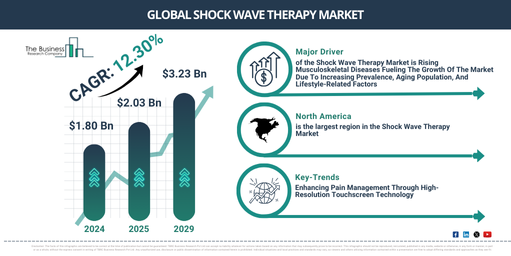
    The market for shock wave therapy has experienced rapid expansion recently. It is projected to increase from $1.80 billion in 2024 to $2.03 billion in 2025, achieving a compound annual growth rate (CAGR) of 12.7%. This historic growth is largely attributable to the increasing application of extracorporeal shock wave therapy, the growing popularity of outpatient rehabilitation centers, the expansion of insurance coverage for physiotherapy, a surge in demand for post-surgical pain management, and elevated public spending on sports injury rehabilitation.

    The shock wave therapy market is projected for substantial expansion in the coming years. Its valuation is anticipated to reach $3.23 billion by 2029, demonstrating a compound annual growth rate (CAGR) of 12.3%. This growth during the forecast period is propelled by several factors, including the increasing prevalence of wearable diagnostic and monitoring equipment, a rise in collaborations between athletic organizations and medical technology firms, the expanding market for aesthetic procedures utilizing shock waves, the heightened integration of ESWT in veterinary orthopedic practices, and an increase in clinical studies investigating novel applications for shock wave technology. Significant developments anticipated in this timeframe encompass the creation of portable and wearable shock wave devices, the emergence of therapeutic platforms offering multiple modalities, the application of blockchain technology for securing patient data in physiotherapy tools, the advancement of sustainable manufacturing practices for medical devices, and the introduction of voice-activated therapy devices enabling hands-free operation.

    Unlock Your Free Sample Report for Exclusive Market Data:

    https://www.thebusinessresearchcompany.com/sample.aspx?id=28327&type=smp

    Which Drivers Are Supporting Growth Of The Shock Wave Therapy Market?

    The projected expansion of the shock wave therapy market is intrinsically linked to the rising occurrence of musculoskeletal diseases. These conditions describe a range of ailments impacting the body’s bones, muscles, joints, tendons, ligaments, and other structural supports. The uptick in musculoskeletal diseases is primarily driven by aging populations, as the natural wear and tear on bones and joints escalates the risk of degenerative conditions. Shock wave therapy aids in managing musculoskeletal diseases by stimulating the healing process, diminishing pain, and enhancing mobility through precise, non-invasive energy pulses. For illustration, a report in January 2024 from the UK’s Office for Health Improvement and Disparities indicated that in 2023, 18.4% of individuals aged 16 and over self-reported a long-term musculoskeletal condition, marking a slight increase from 17.6% in 2022. This prevalence was recorded as 15.8% for males, which is lower than the 20.9% for females. Therefore, the increasing prevalence of musculoskeletal diseases is serving as a key growth factor for the shock wave therapy market.

    What Are The Primary Types Of Segments Analyzed In The Shock Wave Therapy Market?

    The shock wave therapy market covered in this report is segmented as

    1) By Type: Radial Shock Wave Therapy, Focused Shock Wave Therapy

    2) By Technique: Electrohydraulic Technique, ??Piezoelectric Technique, ??Radial Technique, ??Electromagnetic Shock Waves

    3) By Application: Orthopedics And Sports Injuries, Cardiology, Urology, Dermatology And Aesthetics, Veterinary Medicine, Neurology And Pain Management

    4) By End User: Hospitals, Specialty And Sports Medicine Clinics, Ambulatory Surgical Centers, Physiotherapy And Rehabilitation Centres, Home-Care Settings

    Subsegments:

    1) By Radial Shock Wave Therapy: Musculoskeletal Pain Treatment, Tendon Injury Treatment, Joint Rehabilitation, Soft Tissue Repair

    2) By Focused Shock Wave Therapy: Kidney Stone Treatment, Erectile Dysfunction Treatment, Calcific Shoulder Treatment, Bone Healing Therapy

    Which Ongoing Trends Are Expected To Shape The Shock Wave Therapy Market Outlook?

    Leading companies operating in the shock wave therapy market are concentrating on developing innovative products, such as high-resolution touchscreens. These screens are designed to offer intuitive controls, streamline treatment settings, enhance the user experience for both professionals and home users, and enable precise management of treatment parameters for more effective and personalized pain relief. High-resolution touchscreens are advanced display panels that provide sharp visuals and responsive touch controls, assisting users in easily navigating device settings, accurately adjusting treatment parameters, and elevating the overall user experience during shock wave therapy. For instance, in March 2024, Chengqiao Technology Inc. (SHEYERA), a China-based company, launched its DR-88 Shockwave Therapy Device. This device incorporates a high-resolution touchscreen, allowing users to effortlessly select energy levels, treatment durations, and preset modes for precise and effective therapy. Additionally, the DR-88 includes multiple interchangeable applicator heads and adjustable intensity settings, facilitating both targeted and broad-area treatment for conditions such as chronic pain, muscle fatigue, tendonitis, plantar fasciitis, and post-workout recovery. With the integration of advanced touchscreen technology, the DR-88 offers a more personalized, efficient, and user-friendly approach to pain management, making it suitable for professional therapy centers, sports rehabilitation clinics, and home users seeking convenient, non-invasive solutions for mobility restoration and overall musculoskeletal health.

    Who Are The Prominent Global Companies Shaping The Shock Wave Therapy Market?

    Major companies operating in the shock wave therapy market are Siemens Healthineers AG, Boston Scientific Corporation, BTL Industries Limited, Shockwave Medical Inc., Richard Wolf GmbH, Dornier MedTech GmbH, EDAP TMS S.A., Enraf-Nonius B.V., Storz Medical AG, Medispec Ltd., EMS Electro Medical Systems S.A., Zimmer MedizinSysteme GmbH, GymnaUniphy, Elvation Medical, HANIL-TM, MTS Medical UG, Venn Healthcare, CuraMedix Inc., Kinas Medical Inc., TensCare Ltd.

    Download The Full Report For Exclusive Market Findings:

    https://www.thebusinessresearchcompany.com/report/shock-wave-therapy-global-market-report

    What Are The Key Regional Factors Influencing The Shock Wave Therapy Market Growth?

    North America was the largest region in the shock wave therapy market in 2024. Asia-Pacific is expected to be the fastest-growing region in the forecast period. The regions covered in shock wave therapy report are Asia-Pacific, Western Europe, Eastern Europe, North America, South America, Middle East and Africa.

    Request A Customized Version Of The Shock Wave Therapy Market Report:

    https://www.thebusinessresearchcompany.com/customise?id=28327&type=smp

    Browse Through More Reports Similar to the Global Shock Wave Therapy Market 2025, By The Business Research Company

    Shock Sensor Global Market Report 2025

    https://www.thebusinessresearchcompany.com/report/shock-sensor-global-market-report

    Automotive Shock Absorber Global Market Report 2025

    https://www.thebusinessresearchcompany.com/report/automotive-shock-absorber-global-market-report

    Two Wheeler Shock Absorber Global Market Report 2025

    https://www.thebusinessresearchcompany.com/report/two-wheeler-shock-absorber-global-market-report

    Get in touch with us:

    The Business Research Company: https://www.thebusinessresearchcompany.com/

    Americas +1 310-496-7795

    Asia +44 7882 955267 & +91 8897263534

    Europe +44 7882 955267

    Email us at info@tbrc.info

    Follow us on:

    LinkedIn: https://in.linkedin.com/company/the-business-research-company

    YouTube: https://www.youtube.com/channel/UC24_fI0rV8cR5DxlCpgmyFQ

    Global Market Model: https://www.thebusinessresearchcompany.com/global-market-model
  • Global Sensitive Skin Adhesive Tape Market Analysis 2025–2029: Opportunities for Strategic Growth

    Global Sensitive Skin Adhesive Tape Market Analysis 2025–2029: Opportunities for Strategic Growth

    Unlock Global Insights – Save 20% on Market Reports with Code ONLINE20

    How Much Was The Sensitive Skin Adhesive Tape Market Worth In 2025, And What Is Its Anticipated Value By 2029?

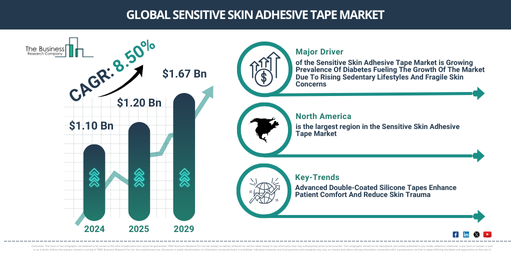
    The sensitive skin adhesive tape market has experienced substantial growth in recent years. This market is anticipated to expand from $1.10 billion in 2024 to $1.20 billion in 2025, advancing at a compound annual growth rate (CAGR) of 8.9%. Historically, this expansion has been driven by factors such as growing awareness of skin tear prevention, an increasing demand for paediatric-friendly tapes, a heightened focus on chronic wound management, a rising number of surgical procedures, and increasing homecare and long-term care requirements.

    The sensitive skin adhesive tape market is anticipated to experience substantial expansion over the upcoming years. Its valuation is projected to reach $1.67 billion by 2029, exhibiting a compound annual growth rate (CAGR) of 8.5%. This anticipated expansion during the forecast period is largely driven by a heightened emphasis on innovative, skin-safe materials, a rise in homecare and outpatient uses, greater understanding among medical personnel, increasing need for solutions tailored for pediatric and neonatal patients, and a stronger focus on patient comfort for extended tape application. Key developments expected within this period encompass innovations in repositionable and fluid-resistant tape technologies, the incorporation of breathable and flexible backing materials, progress in tapes compatible with ethylene oxide sterilization, the inclusion of low-residue and hypoallergenic formulations, and improvements in tapes designed for wearable medical devices.

    Unlock Your Free Sample Report for Exclusive Market Data:

    https://www.thebusinessresearchcompany.com/sample.aspx?id=28325&type=smp

    What Are The Drivers Pushing New Developments In The Sensitive Skin Adhesive Tape Market?

    The escalating incidence of diabetes is projected to drive the future expansion of the sensitive skin adhesive tape market. Diabetes, a chronic health condition, involves the body’s difficulty in regulating blood sugar levels due to issues with insulin production or function. The rise in diabetes cases is attributed to increasingly sedentary lifestyles, which contribute to higher rates of obesity and insulin resistance within the population. Sensitive skin adhesive tapes improve diabetes care by offering gentle, secure attachment for glucose monitors and insulin pumps, thereby reducing the chance of skin irritation. These tapes enhance patient comfort and device reliability, making daily diabetes management simpler and more convenient. For instance, in May 2024, information from the British Diabetic Association (Diabetes UK), a UK-based charitable organization, reported that about 4.4 million people in the UK are impacted by diabetes, with type 1 diabetes representing approximately 8% of cases and type 2 diabetes making up nearly 90%. As a result, the increasing prevalence of diabetes is a significant factor driving the growth of the sensitive skin adhesive tape market.

    How Is The Sensitive Skin Adhesive Tape Market Classified Into Different Segments?

    The sensitive skin adhesive tape market covered in this report is segmented as

    1) By Product Type: Silicone-Based, Acrylic-Based, Hydrogel-Based, Other Product Types

    2) By Distribution Channel: Online, Offline

    3) By Application: Wound Care, Surgical, Medical Devices, Other Applications

    4) By End-User: Hospitals, Clinics, Homecare, Other End-Users

    Subsegments:

    1) By Silicone-Based: Silicone Gel Tapes, Silicone Foam Tapes, Silicone Adhesive Tapes

    2) By Acrylic-Based: Transparent Acrylic Tapes, Foam Acrylic Tapes, Double-Sided Acrylic Tapes

    3) By Hydrogel-Based: Hydrocolloid Tapes, Hydrogel Sheet Tapes

    4) By Other Product Types: Paper-Based Tapes, Fabric-Based Tapes, Plastic-Based Tapes

    What Are The Latest Industry Trends Transforming The Sensitive Skin Adhesive Tape Market?

    Leading companies in the sensitive skin adhesive tape market are concentrating on developing advanced solutions, such as double-coated silicone medical tapes. This effort aims to enhance patient comfort, expand device compatibility, and mitigate skin trauma during use. Double-coated silicone medical tapes are characterized as adhesive solutions featuring gentle silicone on the skin-contact surface and acrylate or other adhesives on the device-contact surface, providing secure fixation while remaining safe for sensitive or fragile skin. For instance, in October 2024, Solventum Operations Pty Ltd., a US-based medical technology company, launched the 2487 Hi-Tack Silicone Tape, designed for patients across all ages, including pediatric individuals and those with chronic conditions affecting skin integrity. The tape incorporates double-coated silicone, distinguished by a non-fluorinated release liner, fluid resistance, sterilization compatibility, and minimal residue upon removal. This enables medical wearable manufacturers to make their devices accessible to a broader patient population while ensuring optimal skin protection and comfort. Additionally, the tape’s flexible backing allows it to conform closely to body contours, maintaining adhesion even on curved or mobile areas.

    Who Are The Top Performing Companies In The Sensitive Skin Adhesive Tape Market In Recent Years?

    Major companies operating in the sensitive skin adhesive tape market are Cardinal Health Inc., Johnson & Johnson Services Inc., Medline Industries LP, Berry Global Group Inc., Avery Dennison Corporation, Nitto Denko Corporation, Smith & Nephew Plc, Coloplast A/S, Paul Hartmann AG, ConvaTec Group Plc, Mölnlycke Health Care AB, Hollister Incorporated, Lohmann GmbH & Co. KG, DeRoyal Industries Inc., B. Braun SE, NICHIBAN Co. Ltd., Adhesives Research Inc., Winner Medical Co. Ltd., Dynarex Corporation, DermaRite Industries LLC, Scapa Group Ltd., and Hy-Tape International Inc.

    Download The Full Report For Exclusive Market Findings:

    https://www.thebusinessresearchcompany.com/report/sensitive-skin-adhesive-tape-global-market-report

    Which Region Currently Holds The Largest Share Of The Sensitive Skin Adhesive Tape Market?

    North America was the largest region in the sensitive skin adhesive tape market in 2024. Asia-Pacific is expected to be the fastest-growing region in the forecast period. The regions covered in sensitive skin adhesive tape report are Asia-Pacific, Western Europe, Eastern Europe, North America, South America, Middle East and Africa.

    Request A Customized Version Of The Sensitive Skin Adhesive Tape Market Report:

    https://www.thebusinessresearchcompany.com/customise?id=28325&type=smp

    Browse Through More Reports Similar to the Global Sensitive Skin Adhesive Tape Market 2025, By The Business Research Company

    Pressure Sensitive Adhesive Tapes Global Market Report 2025

    https://www.thebusinessresearchcompany.com/report/pressure-sensitive-adhesive-tapes-global-market-report

    Medical Adhesive Tapes Global Market Report 2025

    https://www.thebusinessresearchcompany.com/report/medical-adhesive-tapes-global-market-report

    Adhesive Tapes Global Market Report 2025

    https://www.thebusinessresearchcompany.com/report/adhesive-tapes-global-market-report

    Get in touch with us:

    The Business Research Company: https://www.thebusinessresearchcompany.com/

    Americas +1 310-496-7795

    Asia +44 7882 955267 & +91 8897263534

    Europe +44 7882 955267

    Email us at info@tbrc.info

    Follow us on:

    LinkedIn: https://in.linkedin.com/company/the-business-research-company

    YouTube: https://www.youtube.com/channel/UC24_fI0rV8cR5DxlCpgmyFQ

    Global Market Model: https://www.thebusinessresearchcompany.com/global-market-model
  • Second Skin Dressing Industry Overview 2025: Growth Projections and Market Trends

    Second Skin Dressing Industry Overview 2025: Growth Projections and Market Trends

    Unlock Global Insights – Save 20% on Market Reports with Code ONLINE20

    What Is The Future Market Size Estimation For The Second Skin Dressing Market Covering 2025–2034?

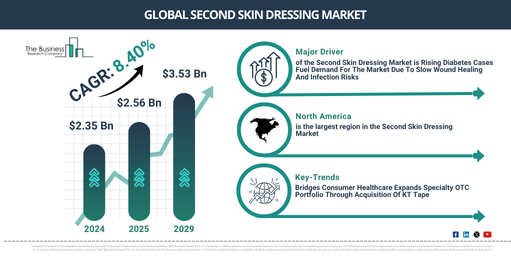
    The second skin dressing market has demonstrated robust growth in recent years. It is expected to expand from $2.35 billion in 2024 to $2.56 billion in 2025, exhibiting a compound annual growth rate (CAGR) of 8.7%. The market’s past expansion is attributed to factors such as increased investment from healthcare providers, a growing patient demand for pain-free and comfortable wound care, the rising adoption of home healthcare and remote patient monitoring, the development of government initiatives and reimbursement policies, and an increased understanding of the benefits of scar reduction.

    The second skin dressing market is projected to experience substantial expansion over the upcoming years, with its size anticipated to reach $3.53 billion by 2029, exhibiting a compound annual growth rate (CAGR) of 8.4%. This growth during the forecast period can be attributed to the escalating incidence of chronic wounds, the expanding uptake of minimally invasive surgical procedures, the growing elderly demographic, the increasing need for quicker recovery times and shorter hospitalizations, and a heightened emphasis on preventing infections. Key trends anticipated for the forecast period encompass technological breakthroughs in biocompatible materials, the incorporation of antimicrobial characteristics, progress in hydrogel and silicone compositions, the evolution of breathable and pliable dressing designs, and the inclusion of moisture-retaining elements.

    Unlock Your Free Sample Report for Exclusive Market Data:

    https://www.thebusinessresearchcompany.com/sample.aspx?id=28324&type=smp

    What Are The Emerging Market Drivers Creating New Opportunities In The Second Skin Dressing Industry?

    The increasing occurrence of diabetes is projected to boost the expansion of the second skin dressing market. Diabetes is a chronic condition marked by elevated blood sugar due to impaired insulin production or utilization, often exacerbated by inactive lifestyles and poor diets leading to obesity and insulin resistance. Second skin dressings are beneficial for diabetic individuals by safeguarding wounds, fostering a moist healing environment, and mitigating infection risks, which is crucial given the common issue of delayed wound healing in these patients. As an illustration, in March 2024, the Office for Health Improvement & Disparities, a UK government department, reported that from March 2022 to March 2023, the proportion of people with type 1 diabetes undergoing all eight recommended care processes grew by 22%, and for type 2 diabetes, this increased by 21%. Furthermore, the proportion reaching target HbA1c levels climbed to 37.9%, representing the highest figure ever recorded by the National Diabetes Audit (NDA). Consequently, the growing incidence of diabetes is fueling the growth of the second skin dressing market. The expanding healthcare spending is anticipated to stimulate the growth of the second skin dressing market in the future. Healthcare expenditure encompasses all financial resources allocated to the prevention, diagnosis, treatment, and management of health conditions for individuals and groups. This increase in spending is largely attributable to an aging populace requiring more medical attention, extended care, and sophisticated therapies. Higher healthcare expenditure supports the second skin dressing market by allowing hospitals, clinics, and patients to access advanced wound care products, invest in novel dressings, and implement contemporary treatment approaches that enhance healing results and minimize complications. For example, in May 2023, the Office for National Statistics, a UK national statistics organization, reported that the UK’s healthcare expenditure reached roughly $354.88 billion (£283 billion) in 2022, indicating a nominal rise of 0.7% over the spending in 2021. Consequently, the rising healthcare expenditure is propelling the growth of the second skin dressing market.

    What Are The Major Segments Identified In The Second Skin Dressing Market?

    The second skin dressing market covered in this report is segmented as

    1) By Product Type: Hydrocolloid Dressings, Hydrogel Dressings, Foam Dressings, Film Dressings, Alginate Dressings, Other Product Types

    2) By Distribution Channel: Hospital Pharmacies, Retail Pharmacies, Online Pharmacies, Other Distribution Channels

    3) By Application: Chronic Wounds, Acute Wounds, Surgical Wounds, Burns, Other Applications

    4) By End-User: Hospitals, Clinics, Homecare Settings, Other End-Users

    Subsegments:

    1) By Hydrocolloid Dressings: Thin Hydrocolloid, Extra-Thin Hydrocolloid, Non-Adhesive Hydrocolloid

    2) By Hydrogel Dressings: Sheet Hydrogel, Amorphous Hydrogel, Impregnated Hydrogel

    3) By Foam Dressings: Polyurethane Foam, Silicone Foam, Adhesive Foam

    4) By Film Dressings: Transparent Film, Semi-Permeable Film, Adhesive Film

    5) By Alginate Dressings: Calcium Alginate, Sodium Alginate, Mixed Alginate

    6) By Other Product Types: Collagen Dressings, Silicone Dressings, Composite Dressings

    What Trends Are Redefining The Second Skin Dressing Market Dynamics?

    Major companies operating in the second skin dressing market are concentrating on creating innovative solutions, including next-generation plasters, to improve wound healing, enhance patient comfort, and reduce the risk of infections and scarring. Next-generation plasters are modern wound dressings designed to closely mimic natural skin, offering features such as flexibility, transparency, breathability, and controlled drug delivery to promote faster and more effective healing. For instance, in January 2025, Beiersdorf AG, a Germany-based manufacturing company, launched a Second Skin Protection plaster, intended to provide enhanced wound coverage and accelerate healing. This product employs advanced hydrocolloid technology to absorb wound fluid and establish a moist healing environment, consequently promoting faster and better-quality healing while minimizing infection risk and scarring. It is notably ultra-thin, flexible, and 100% waterproof, ensuring a strong hold and comfort even on challenging areas like knees and elbows. Its purpose is to offer a professional-grade treatment for everyday minor wounds, educating users about the benefits of modern wound care and dispelling outdated myths concerning healing.

    Which Leading Companies Dominate The Second Skin Dressing Market Share?

    Major companies operating in the second skin dressing market are Cardinal Health Inc., Avery Dennison Corporation, Nitto Denko Corporation, Smith & Nephew plc, Coloplast A/S, Hartmann Group, ConvaTec Group PLC, Integra LifeSciences, DeRoyal Industries Inc., Winner Medical Co. Ltd., Scapa Healthcare, DermaRite Industries LLC, Anhui Jinye Industrial Co. Ltd., ACTO GmbH, Beiersdorf AG, Advancis Medical, Amparo Medical Technologies Inc., Gujarat Healthcare, Jiangsu WLD Medical Co. Ltd., Wuhan Huawei Technology Co. Ltd., Yangzhou Goldenwell Import & Export Co. Ltd., Zhejiang Bangli Medical Products Co. Ltd.

    Download The Full Report For Exclusive Market Findings:

    https://www.thebusinessresearchcompany.com/report/second-skin-dressing-global-market-report

    What Regional Growth Trends Are Shaping The Second Skin Dressing Market Outlook?

    North America was the largest region in the second skin dressing market in 2024. Asia-Pacific is expected to be the fastest-growing region in the forecast period. The regions covered in second skin dressing report are Asia-Pacific, Western Europe, Eastern Europe, North America, South America, Middle East and Africa.

    Request A Customized Version Of The Second Skin Dressing Market Report:

    https://www.thebusinessresearchcompany.com/customise?id=28324&type=smp

    Browse Through More Reports Similar to the Global Second Skin Dressing Market 2025, By The Business Research Company

    Skincare Global Market Report 2025

    https://www.thebusinessresearchcompany.com/report/skincare-global-market-report

    Dredging Global Market Report 2025

    https://www.thebusinessresearchcompany.com/report/dredging-global-market-report

    Surgical Dressing Global Market Report 2025

    https://www.thebusinessresearchcompany.com/report/surgical-dressing-global-market-report

    Get in touch with us:

    The Business Research Company: https://www.thebusinessresearchcompany.com/

    Americas +1 310-496-7795

    Asia +44 7882 955267 & +91 8897263534

    Europe +44 7882 955267

    Email us at info@tbrc.info

    Follow us on:

    LinkedIn: https://in.linkedin.com/company/the-business-research-company

    YouTube: https://www.youtube.com/channel/UC24_fI0rV8cR5DxlCpgmyFQ

    Global Market Model: https://www.thebusinessresearchcompany.com/global-market-model
  • Global Sensitive Skin Adhesive Tape Market Analysis 2025–2029: Opportunities for Strategic Growth

    Global Sensitive Skin Adhesive Tape Market Analysis 2025–2029: Opportunities for Strategic Growth

    Unlock Global Insights – Save 20% on Market Reports with Code ONLINE20

    How Much Was The Sensitive Skin Adhesive Tape Market Worth In 2025, And What Is Its Anticipated Value By 2029?

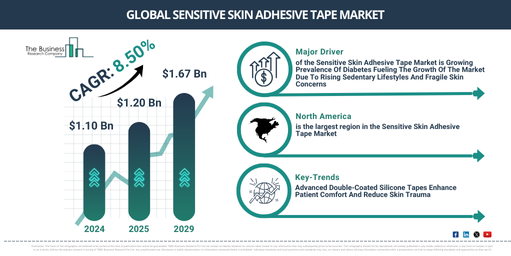
    The sensitive skin adhesive tape market has experienced substantial growth in recent years. This market is anticipated to expand from $1.10 billion in 2024 to $1.20 billion in 2025, advancing at a compound annual growth rate (CAGR) of 8.9%. Historically, this expansion has been driven by factors such as growing awareness of skin tear prevention, an increasing demand for paediatric-friendly tapes, a heightened focus on chronic wound management, a rising number of surgical procedures, and increasing homecare and long-term care requirements.

    The sensitive skin adhesive tape market is anticipated to experience substantial expansion over the upcoming years. Its valuation is projected to reach $1.67 billion by 2029, exhibiting a compound annual growth rate (CAGR) of 8.5%. This anticipated expansion during the forecast period is largely driven by a heightened emphasis on innovative, skin-safe materials, a rise in homecare and outpatient uses, greater understanding among medical personnel, increasing need for solutions tailored for pediatric and neonatal patients, and a stronger focus on patient comfort for extended tape application. Key developments expected within this period encompass innovations in repositionable and fluid-resistant tape technologies, the incorporation of breathable and flexible backing materials, progress in tapes compatible with ethylene oxide sterilization, the inclusion of low-residue and hypoallergenic formulations, and improvements in tapes designed for wearable medical devices.

    Unlock Your Free Sample Report for Exclusive Market Data:

    https://www.thebusinessresearchcompany.com/sample.aspx?id=28325&type=smp

    What Are The Drivers Pushing New Developments In The Sensitive Skin Adhesive Tape Market?

    The escalating incidence of diabetes is projected to drive the future expansion of the sensitive skin adhesive tape market. Diabetes, a chronic health condition, involves the body’s difficulty in regulating blood sugar levels due to issues with insulin production or function. The rise in diabetes cases is attributed to increasingly sedentary lifestyles, which contribute to higher rates of obesity and insulin resistance within the population. Sensitive skin adhesive tapes improve diabetes care by offering gentle, secure attachment for glucose monitors and insulin pumps, thereby reducing the chance of skin irritation. These tapes enhance patient comfort and device reliability, making daily diabetes management simpler and more convenient. For instance, in May 2024, information from the British Diabetic Association (Diabetes UK), a UK-based charitable organization, reported that about 4.4 million people in the UK are impacted by diabetes, with type 1 diabetes representing approximately 8% of cases and type 2 diabetes making up nearly 90%. As a result, the increasing prevalence of diabetes is a significant factor driving the growth of the sensitive skin adhesive tape market.

    How Is The Sensitive Skin Adhesive Tape Market Classified Into Different Segments?

    The sensitive skin adhesive tape market covered in this report is segmented as

    1) By Product Type: Silicone-Based, Acrylic-Based, Hydrogel-Based, Other Product Types

    2) By Distribution Channel: Online, Offline

    3) By Application: Wound Care, Surgical, Medical Devices, Other Applications

    4) By End-User: Hospitals, Clinics, Homecare, Other End-Users

    Subsegments:

    1) By Silicone-Based: Silicone Gel Tapes, Silicone Foam Tapes, Silicone Adhesive Tapes

    2) By Acrylic-Based: Transparent Acrylic Tapes, Foam Acrylic Tapes, Double-Sided Acrylic Tapes

    3) By Hydrogel-Based: Hydrocolloid Tapes, Hydrogel Sheet Tapes

    4) By Other Product Types: Paper-Based Tapes, Fabric-Based Tapes, Plastic-Based Tapes

    What Are The Latest Industry Trends Transforming The Sensitive Skin Adhesive Tape Market?

    Leading companies in the sensitive skin adhesive tape market are concentrating on developing advanced solutions, such as double-coated silicone medical tapes. This effort aims to enhance patient comfort, expand device compatibility, and mitigate skin trauma during use. Double-coated silicone medical tapes are characterized as adhesive solutions featuring gentle silicone on the skin-contact surface and acrylate or other adhesives on the device-contact surface, providing secure fixation while remaining safe for sensitive or fragile skin. For instance, in October 2024, Solventum Operations Pty Ltd., a US-based medical technology company, launched the 2487 Hi-Tack Silicone Tape, designed for patients across all ages, including pediatric individuals and those with chronic conditions affecting skin integrity. The tape incorporates double-coated silicone, distinguished by a non-fluorinated release liner, fluid resistance, sterilization compatibility, and minimal residue upon removal. This enables medical wearable manufacturers to make their devices accessible to a broader patient population while ensuring optimal skin protection and comfort. Additionally, the tape’s flexible backing allows it to conform closely to body contours, maintaining adhesion even on curved or mobile areas.

    Who Are The Top Performing Companies In The Sensitive Skin Adhesive Tape Market In Recent Years?

    Major companies operating in the sensitive skin adhesive tape market are Cardinal Health Inc., Johnson & Johnson Services Inc., Medline Industries LP, Berry Global Group Inc., Avery Dennison Corporation, Nitto Denko Corporation, Smith & Nephew Plc, Coloplast A/S, Paul Hartmann AG, ConvaTec Group Plc, Mölnlycke Health Care AB, Hollister Incorporated, Lohmann GmbH & Co. KG, DeRoyal Industries Inc., B. Braun SE, NICHIBAN Co. Ltd., Adhesives Research Inc., Winner Medical Co. Ltd., Dynarex Corporation, DermaRite Industries LLC, Scapa Group Ltd., and Hy-Tape International Inc.

    Download The Full Report For Exclusive Market Findings:

    https://www.thebusinessresearchcompany.com/report/sensitive-skin-adhesive-tape-global-market-report

    Which Region Currently Holds The Largest Share Of The Sensitive Skin Adhesive Tape Market?

    North America was the largest region in the sensitive skin adhesive tape market in 2024. Asia-Pacific is expected to be the fastest-growing region in the forecast period. The regions covered in sensitive skin adhesive tape report are Asia-Pacific, Western Europe, Eastern Europe, North America, South America, Middle East and Africa.

    Request A Customized Version Of The Sensitive Skin Adhesive Tape Market Report:

    https://www.thebusinessresearchcompany.com/customise?id=28325&type=smp

    Browse Through More Reports Similar to the Global Sensitive Skin Adhesive Tape Market 2025, By The Business Research Company

    Pressure Sensitive Adhesive Tapes Global Market Report 2025

    https://www.thebusinessresearchcompany.com/report/pressure-sensitive-adhesive-tapes-global-market-report

    Medical Adhesive Tapes Global Market Report 2025

    https://www.thebusinessresearchcompany.com/report/medical-adhesive-tapes-global-market-report

    Adhesive Tapes Global Market Report 2025

    https://www.thebusinessresearchcompany.com/report/adhesive-tapes-global-market-report

    Get in touch with us:

    The Business Research Company: https://www.thebusinessresearchcompany.com/

    Americas +1 310-496-7795

    Asia +44 7882 955267 & +91 8897263534

    Europe +44 7882 955267

    Email us at info@tbrc.info

    Follow us on:

    LinkedIn: https://in.linkedin.com/company/the-business-research-company

    YouTube: https://www.youtube.com/channel/UC24_fI0rV8cR5DxlCpgmyFQ

    Global Market Model: https://www.thebusinessresearchcompany.com/global-market-model
  • Second Skin Dressing Industry Overview 2025: Growth Projections and Market Trends

    Second Skin Dressing Industry Overview 2025: Growth Projections and Market Trends

    Unlock Global Insights – Save 20% on Market Reports with Code ONLINE20

    What Is The Future Market Size Estimation For The Second Skin Dressing Market Covering 2025–2034?

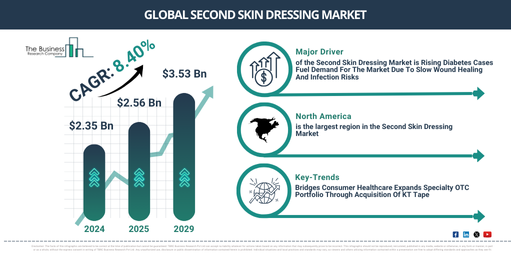
    The second skin dressing market has demonstrated robust growth in recent years. It is expected to expand from $2.35 billion in 2024 to $2.56 billion in 2025, exhibiting a compound annual growth rate (CAGR) of 8.7%. The market’s past expansion is attributed to factors such as increased investment from healthcare providers, a growing patient demand for pain-free and comfortable wound care, the rising adoption of home healthcare and remote patient monitoring, the development of government initiatives and reimbursement policies, and an increased understanding of the benefits of scar reduction.

    The second skin dressing market is projected to experience substantial expansion over the upcoming years, with its size anticipated to reach $3.53 billion by 2029, exhibiting a compound annual growth rate (CAGR) of 8.4%. This growth during the forecast period can be attributed to the escalating incidence of chronic wounds, the expanding uptake of minimally invasive surgical procedures, the growing elderly demographic, the increasing need for quicker recovery times and shorter hospitalizations, and a heightened emphasis on preventing infections. Key trends anticipated for the forecast period encompass technological breakthroughs in biocompatible materials, the incorporation of antimicrobial characteristics, progress in hydrogel and silicone compositions, the evolution of breathable and pliable dressing designs, and the inclusion of moisture-retaining elements.

    Unlock Your Free Sample Report for Exclusive Market Data:

    https://www.thebusinessresearchcompany.com/sample.aspx?id=28324&type=smp

    What Are The Emerging Market Drivers Creating New Opportunities In The Second Skin Dressing Industry?

    The increasing occurrence of diabetes is projected to boost the expansion of the second skin dressing market. Diabetes is a chronic condition marked by elevated blood sugar due to impaired insulin production or utilization, often exacerbated by inactive lifestyles and poor diets leading to obesity and insulin resistance. Second skin dressings are beneficial for diabetic individuals by safeguarding wounds, fostering a moist healing environment, and mitigating infection risks, which is crucial given the common issue of delayed wound healing in these patients. As an illustration, in March 2024, the Office for Health Improvement & Disparities, a UK government department, reported that from March 2022 to March 2023, the proportion of people with type 1 diabetes undergoing all eight recommended care processes grew by 22%, and for type 2 diabetes, this increased by 21%. Furthermore, the proportion reaching target HbA1c levels climbed to 37.9%, representing the highest figure ever recorded by the National Diabetes Audit (NDA). Consequently, the growing incidence of diabetes is fueling the growth of the second skin dressing market. The expanding healthcare spending is anticipated to stimulate the growth of the second skin dressing market in the future. Healthcare expenditure encompasses all financial resources allocated to the prevention, diagnosis, treatment, and management of health conditions for individuals and groups. This increase in spending is largely attributable to an aging populace requiring more medical attention, extended care, and sophisticated therapies. Higher healthcare expenditure supports the second skin dressing market by allowing hospitals, clinics, and patients to access advanced wound care products, invest in novel dressings, and implement contemporary treatment approaches that enhance healing results and minimize complications. For example, in May 2023, the Office for National Statistics, a UK national statistics organization, reported that the UK’s healthcare expenditure reached roughly $354.88 billion (£283 billion) in 2022, indicating a nominal rise of 0.7% over the spending in 2021. Consequently, the rising healthcare expenditure is propelling the growth of the second skin dressing market.

    What Are The Major Segments Identified In The Second Skin Dressing Market?

    The second skin dressing market covered in this report is segmented as

    1) By Product Type: Hydrocolloid Dressings, Hydrogel Dressings, Foam Dressings, Film Dressings, Alginate Dressings, Other Product Types

    2) By Distribution Channel: Hospital Pharmacies, Retail Pharmacies, Online Pharmacies, Other Distribution Channels

    3) By Application: Chronic Wounds, Acute Wounds, Surgical Wounds, Burns, Other Applications

    4) By End-User: Hospitals, Clinics, Homecare Settings, Other End-Users

    Subsegments:

    1) By Hydrocolloid Dressings: Thin Hydrocolloid, Extra-Thin Hydrocolloid, Non-Adhesive Hydrocolloid

    2) By Hydrogel Dressings: Sheet Hydrogel, Amorphous Hydrogel, Impregnated Hydrogel

    3) By Foam Dressings: Polyurethane Foam, Silicone Foam, Adhesive Foam

    4) By Film Dressings: Transparent Film, Semi-Permeable Film, Adhesive Film

    5) By Alginate Dressings: Calcium Alginate, Sodium Alginate, Mixed Alginate

    6) By Other Product Types: Collagen Dressings, Silicone Dressings, Composite Dressings

    What Trends Are Redefining The Second Skin Dressing Market Dynamics?

    Major companies operating in the second skin dressing market are concentrating on creating innovative solutions, including next-generation plasters, to improve wound healing, enhance patient comfort, and reduce the risk of infections and scarring. Next-generation plasters are modern wound dressings designed to closely mimic natural skin, offering features such as flexibility, transparency, breathability, and controlled drug delivery to promote faster and more effective healing. For instance, in January 2025, Beiersdorf AG, a Germany-based manufacturing company, launched a Second Skin Protection plaster, intended to provide enhanced wound coverage and accelerate healing. This product employs advanced hydrocolloid technology to absorb wound fluid and establish a moist healing environment, consequently promoting faster and better-quality healing while minimizing infection risk and scarring. It is notably ultra-thin, flexible, and 100% waterproof, ensuring a strong hold and comfort even on challenging areas like knees and elbows. Its purpose is to offer a professional-grade treatment for everyday minor wounds, educating users about the benefits of modern wound care and dispelling outdated myths concerning healing.

    Which Leading Companies Dominate The Second Skin Dressing Market Share?

    Major companies operating in the second skin dressing market are Cardinal Health Inc., Avery Dennison Corporation, Nitto Denko Corporation, Smith & Nephew plc, Coloplast A/S, Hartmann Group, ConvaTec Group PLC, Integra LifeSciences, DeRoyal Industries Inc., Winner Medical Co. Ltd., Scapa Healthcare, DermaRite Industries LLC, Anhui Jinye Industrial Co. Ltd., ACTO GmbH, Beiersdorf AG, Advancis Medical, Amparo Medical Technologies Inc., Gujarat Healthcare, Jiangsu WLD Medical Co. Ltd., Wuhan Huawei Technology Co. Ltd., Yangzhou Goldenwell Import & Export Co. Ltd., Zhejiang Bangli Medical Products Co. Ltd.

    Download The Full Report For Exclusive Market Findings:

    https://www.thebusinessresearchcompany.com/report/second-skin-dressing-global-market-report

    What Regional Growth Trends Are Shaping The Second Skin Dressing Market Outlook?

    North America was the largest region in the second skin dressing market in 2024. Asia-Pacific is expected to be the fastest-growing region in the forecast period. The regions covered in second skin dressing report are Asia-Pacific, Western Europe, Eastern Europe, North America, South America, Middle East and Africa.

    Request A Customized Version Of The Second Skin Dressing Market Report:

    https://www.thebusinessresearchcompany.com/customise?id=28324&type=smp

    Browse Through More Reports Similar to the Global Second Skin Dressing Market 2025, By The Business Research Company

    Skincare Global Market Report 2025

    https://www.thebusinessresearchcompany.com/report/skincare-global-market-report

    Dredging Global Market Report 2025

    https://www.thebusinessresearchcompany.com/report/dredging-global-market-report

    Surgical Dressing Global Market Report 2025

    https://www.thebusinessresearchcompany.com/report/surgical-dressing-global-market-report

    Get in touch with us:

    The Business Research Company: https://www.thebusinessresearchcompany.com/

    Americas +1 310-496-7795

    Asia +44 7882 955267 & +91 8897263534

    Europe +44 7882 955267

    Email us at info@tbrc.info

    Follow us on:

    LinkedIn: https://in.linkedin.com/company/the-business-research-company

    YouTube: https://www.youtube.com/channel/UC24_fI0rV8cR5DxlCpgmyFQ

    Global Market Model: https://www.thebusinessresearchcompany.com/global-market-model
  • Artificial Intelligence (AI) In In Vitro Diagnostics (IVD) Industry Overview 2025: Growth Projections and Market Trends

    Artificial Intelligence (AI) In In Vitro Diagnostics (IVD) Industry Overview 2025: Growth Projections and Market Trends

    Unlock Global Insights – Save 20% on Market Reports with Code ONLINE20

    What Are The Current (2025) And Forecast (2029) Sizes Of The Artificial Intelligence (AI) In In Vitro Diagnostics (IVD) Market?

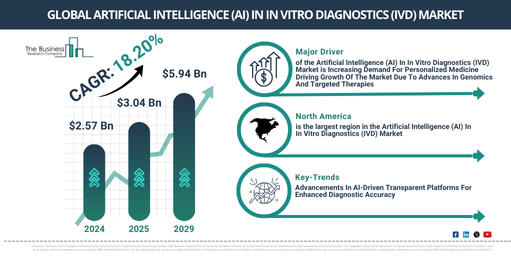
    The artificial intelligence (AI) in in vitro diagnostics (IVD) market size has seen rapid expansion in recent years. It is forecast to increase from $2.57 billion in 2024 to $3.04 billion in 2025, exhibiting a compound annual growth rate (CAGR) of 18.5%. This historical growth can be attributed to several factors, including an escalating shortage of skilled healthcare professionals and radiologists, increasing governmental and regulatory support for artificial intelligence-based diagnostics, the expanding application of artificial intelligence in genomic and molecular diagnostics, growing awareness among clinicians about the accuracy offered by artificial intelligence-enabled diagnostics, and the rising availability of cloud-based artificial intelligence diagnostic solutions.

    The artificial intelligence (AI) in in vitro diagnostics (IVD) market is anticipated to expand significantly in the upcoming years. It is projected to reach $5.94 billion by 2029, growing at a compound annual growth rate (CAGR) of 18.2%. This growth over the forecast period is driven by factors such as a greater need for quick and accurate diagnostic results, an increasing occurrence of chronic and infectious diseases, a rising demand for personalized and precision medicine methods, an enhanced focus on early disease detection and prevention, and the growing digitalization of healthcare along with the adoption of electronic health records (EHR). Key trends expected during this period include advancements in deep learning for pathology and imaging, innovations in fully automated high-throughput analyzers, the integration of natural language processing into diagnostic reporting, progress in AI-enabled remote diagnostic platforms, and the incorporation of AI with wearable and point-of-care devices.

    Unlock Your Free Sample Report for Exclusive Market Data:

    https://www.thebusinessresearchcompany.com/sample.aspx?id=28120&type=smp

    Which Drivers Are Shaping The Artificial Intelligence (AI) In In Vitro Diagnostics (IVD) Industry’s Market Share?

    The escalating demand for personalized medicine is projected to drive the growth of artificial intelligence (AI) in in vitro diagnostics (IVD) market moving ahead. Personalized medicine refers to a healthcare strategy that tailors prevention, diagnosis, and treatment according to an individual’s genetic profile, lifestyle, and environment. Its increasing adoption is propelled by advancements in genomic data and sequencing technologies, which enable more accurate, targeted, and effective treatments specifically designed for individual patients. Artificial intelligence (AI) in in vitro diagnostics (IVD) aids personalized medicine by scrutinizing complex diagnostic data to identify patient-specific disease patterns, thereby allowing for precise, timely, and customized treatment decisions. For instance, in February 2024, the Personalized Medicine Coalition, a US-based non-profit organization, reported that in 2023, the FDA sanctioned 16 new personalized treatments for rare disease patients, an increase from six in 2022. The newly approved personalized treatments for 2023 also included seven cancer drugs and three for other diseases and conditions. Consequently, the rising demand for personalized medicine is powering the growth of artificial intelligence (AI) in in vitro diagnostics (IVD) market.

    What Are The Different Segment Classifications Within The Artificial Intelligence (AI) In In Vitro Diagnostics (IVD) Market?

    The artificial intelligence (AI) in in vitro diagnostics (IVD) market covered in this report is segmented as

    1) By Component: Software, Hardware, Services

    2) By Technology: Machine Learning, Natural Language Processing, Computer Vision, Robotics Process Automation, Deep Learning

    3) By Deployment Model: Cloud-Based, On-Premise, Hybrid

    4) By Application: Diagnostic Imaging, Laboratory Testing, Pathology, Genomics, Personalized Medicine

    5) By End User: Hospitals And Clinics, Diagnostic Laboratories, Research Institutes, Pharmaceutical Companies, Medical Device Manufacturers

    Subsegments:

    1) By Software: Diagnostic Algorithms, Data Analytics Platforms, Decision Support Systems

    2) By Hardware: Laboratory Instruments, Imaging Devices, Point-Of-Care Devices

    3) By Services: Consulting And Implementation, Maintenance And Support, Training And Education

    Which Market Trends Are Creating New Opportunities In The Artificial Intelligence (AI) In In Vitro Diagnostics (IVD) Industry?

    Major companies operating in the artificial intelligence (AI) in in vitro diagnostics (IVD) market are concentrating their efforts on developing advanced solutions, such as CE-IVDR-certified transparent AI platforms, to enhance diagnostic accuracy, streamline workflows, and support personalized patient care. A CE-IVDR-certified transparent AI platform refers to an AI system for in vitro diagnostics that fulfills EU regulatory standards and offers clear, auditable, and understandable decision-making. For instance, in May 2025, Diagnostics.ai, a UK-based diagnostic testing company, launched PCR.AI, an intelligent solution engineered to accelerate and enhance PCR diagnostics. This tool automates and speeds up the interpretation of real-time PCR diagnostics with over 99.9% accuracy. It provides transparency by clearly demonstrating how each result is generated, thereby ensuring regulatory compliance and boosting clinical trust. This significantly improves laboratory efficiency, reduces errors, and supports seamless regulatory adherence for molecular diagnostics.

    Which Major Firms Are Strengthening Their Position In The Artificial Intelligence (AI) In In Vitro Diagnostics (IVD) Industry?

    Major companies operating in the artificial intelligence (AI) in in vitro diagnostics (IVD) market are Roche Diagnostics GmbH, Thermo Fisher Scientific Inc., Abbott Laboratories, Danaher Corporation, Siemens Healthineers AG, Illumina Inc., Hologic Inc., Sysmex Corporation, QIAGEN N.V., Tempus Labs Inc., BillionToOne Inc., PathAI Inc., Proscia Inc., Indica Labs Inc., Visiopharm A/S, aetherAI Co. Ltd., Ibex Medical Analytics Ltd., Mindpeak GmbH, OncoHost Ltd., Qritive, and Aiforia Technologies Oyj.

    Download The Full Report For Exclusive Market Findings:

    https://www.thebusinessresearchcompany.com/report/artificial-intelligence-ai-in-in-vitro-diagnostics-ivd-global-market-report

    How Is Artificial Intelligence (AI) In In Vitro Diagnostics (IVD) Market Demand Varying Across Different Regions?

    North America was the largest region in the artificial intelligence (AI) in in vitro diagnostics (IVD) market in 2024. Asia-Pacific is expected to be the fastest-growing region in the forecast period. The regions covered in artificial intelligence (AI) in in vitro diagnostics (IVD) report are Asia-Pacific, Western Europe, Eastern Europe, North America, South America, Middle East and Africa.

    Request A Customized Version Of The Artificial Intelligence (AI) In In Vitro Diagnostics (IVD) Market Report:

    https://www.thebusinessresearchcompany.com/customise?id=28120&type=smp

    Browse Through More Reports Similar to the Global Artificial Intelligence (AI) In In Vitro Diagnostics (IVD) Market 2025, By The Business Research Company

    Ai In Medical Diagnostics Global Market Report 2025

    https://www.thebusinessresearchcompany.com/report/ai-in-medical-diagnostics-global-market-report

    Artificial Intelligence In The Diagnostic Global Market Report 2025

    https://www.thebusinessresearchcompany.com/report/artificial-intelligence-in-the-diagnostic-global-market-report

    Ai In Cancer Diagnostics Global Market Report 2025

    https://www.thebusinessresearchcompany.com/report/ai-in-cancer-diagnostics-global-market-report

    Get in touch with us:

    The Business Research Company: https://www.thebusinessresearchcompany.com/

    Americas +1 310-496-7795

    Asia +44 7882 955267 & +91 8897263534

    Europe +44 7882 955267

    Email us at info@tbrc.info

    Follow us on:

    LinkedIn: https://in.linkedin.com/company/the-business-research-company

    YouTube: https://www.youtube.com/channel/UC24_fI0rV8cR5DxlCpgmyFQ

    Global Market Model: https://www.thebusinessresearchcompany.com/global-market-model
  • Artificial Intelligence (AI) In In Vitro Diagnostics (IVD) Industry Overview 2025: Growth Projections and Market Trends

    Artificial Intelligence (AI) In In Vitro Diagnostics (IVD) Industry Overview 2025: Growth Projections and Market Trends

    Unlock Global Insights – Save 20% on Market Reports with Code ONLINE20

    What Are The Current (2025) And Forecast (2029) Sizes Of The Artificial Intelligence (AI) In In Vitro Diagnostics (IVD) Market?

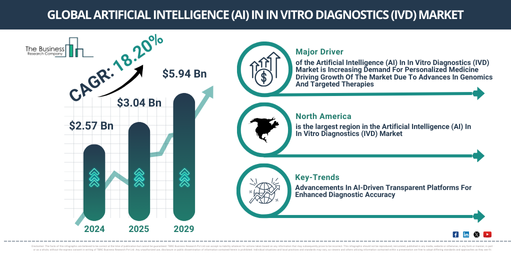
    The artificial intelligence (AI) in in vitro diagnostics (IVD) market size has seen rapid expansion in recent years. It is forecast to increase from $2.57 billion in 2024 to $3.04 billion in 2025, exhibiting a compound annual growth rate (CAGR) of 18.5%. This historical growth can be attributed to several factors, including an escalating shortage of skilled healthcare professionals and radiologists, increasing governmental and regulatory support for artificial intelligence-based diagnostics, the expanding application of artificial intelligence in genomic and molecular diagnostics, growing awareness among clinicians about the accuracy offered by artificial intelligence-enabled diagnostics, and the rising availability of cloud-based artificial intelligence diagnostic solutions.

    The artificial intelligence (AI) in in vitro diagnostics (IVD) market is anticipated to expand significantly in the upcoming years. It is projected to reach $5.94 billion by 2029, growing at a compound annual growth rate (CAGR) of 18.2%. This growth over the forecast period is driven by factors such as a greater need for quick and accurate diagnostic results, an increasing occurrence of chronic and infectious diseases, a rising demand for personalized and precision medicine methods, an enhanced focus on early disease detection and prevention, and the growing digitalization of healthcare along with the adoption of electronic health records (EHR). Key trends expected during this period include advancements in deep learning for pathology and imaging, innovations in fully automated high-throughput analyzers, the integration of natural language processing into diagnostic reporting, progress in AI-enabled remote diagnostic platforms, and the incorporation of AI with wearable and point-of-care devices.

    Unlock Your Free Sample Report for Exclusive Market Data:

    https://www.thebusinessresearchcompany.com/sample.aspx?id=28120&type=smp

    Which Drivers Are Shaping The Artificial Intelligence (AI) In In Vitro Diagnostics (IVD) Industry’s Market Share?

    The escalating demand for personalized medicine is projected to drive the growth of artificial intelligence (AI) in in vitro diagnostics (IVD) market moving ahead. Personalized medicine refers to a healthcare strategy that tailors prevention, diagnosis, and treatment according to an individual’s genetic profile, lifestyle, and environment. Its increasing adoption is propelled by advancements in genomic data and sequencing technologies, which enable more accurate, targeted, and effective treatments specifically designed for individual patients. Artificial intelligence (AI) in in vitro diagnostics (IVD) aids personalized medicine by scrutinizing complex diagnostic data to identify patient-specific disease patterns, thereby allowing for precise, timely, and customized treatment decisions. For instance, in February 2024, the Personalized Medicine Coalition, a US-based non-profit organization, reported that in 2023, the FDA sanctioned 16 new personalized treatments for rare disease patients, an increase from six in 2022. The newly approved personalized treatments for 2023 also included seven cancer drugs and three for other diseases and conditions. Consequently, the rising demand for personalized medicine is powering the growth of artificial intelligence (AI) in in vitro diagnostics (IVD) market.

    What Are The Different Segment Classifications Within The Artificial Intelligence (AI) In In Vitro Diagnostics (IVD) Market?

    The artificial intelligence (AI) in in vitro diagnostics (IVD) market covered in this report is segmented as

    1) By Component: Software, Hardware, Services

    2) By Technology: Machine Learning, Natural Language Processing, Computer Vision, Robotics Process Automation, Deep Learning

    3) By Deployment Model: Cloud-Based, On-Premise, Hybrid

    4) By Application: Diagnostic Imaging, Laboratory Testing, Pathology, Genomics, Personalized Medicine

    5) By End User: Hospitals And Clinics, Diagnostic Laboratories, Research Institutes, Pharmaceutical Companies, Medical Device Manufacturers

    Subsegments:

    1) By Software: Diagnostic Algorithms, Data Analytics Platforms, Decision Support Systems

    2) By Hardware: Laboratory Instruments, Imaging Devices, Point-Of-Care Devices

    3) By Services: Consulting And Implementation, Maintenance And Support, Training And Education

    Which Market Trends Are Creating New Opportunities In The Artificial Intelligence (AI) In In Vitro Diagnostics (IVD) Industry?

    Major companies operating in the artificial intelligence (AI) in in vitro diagnostics (IVD) market are concentrating their efforts on developing advanced solutions, such as CE-IVDR-certified transparent AI platforms, to enhance diagnostic accuracy, streamline workflows, and support personalized patient care. A CE-IVDR-certified transparent AI platform refers to an AI system for in vitro diagnostics that fulfills EU regulatory standards and offers clear, auditable, and understandable decision-making. For instance, in May 2025, Diagnostics.ai, a UK-based diagnostic testing company, launched PCR.AI, an intelligent solution engineered to accelerate and enhance PCR diagnostics. This tool automates and speeds up the interpretation of real-time PCR diagnostics with over 99.9% accuracy. It provides transparency by clearly demonstrating how each result is generated, thereby ensuring regulatory compliance and boosting clinical trust. This significantly improves laboratory efficiency, reduces errors, and supports seamless regulatory adherence for molecular diagnostics.

    Which Major Firms Are Strengthening Their Position In The Artificial Intelligence (AI) In In Vitro Diagnostics (IVD) Industry?

    Major companies operating in the artificial intelligence (AI) in in vitro diagnostics (IVD) market are Roche Diagnostics GmbH, Thermo Fisher Scientific Inc., Abbott Laboratories, Danaher Corporation, Siemens Healthineers AG, Illumina Inc., Hologic Inc., Sysmex Corporation, QIAGEN N.V., Tempus Labs Inc., BillionToOne Inc., PathAI Inc., Proscia Inc., Indica Labs Inc., Visiopharm A/S, aetherAI Co. Ltd., Ibex Medical Analytics Ltd., Mindpeak GmbH, OncoHost Ltd., Qritive, and Aiforia Technologies Oyj.

    Download The Full Report For Exclusive Market Findings:

    https://www.thebusinessresearchcompany.com/report/artificial-intelligence-ai-in-in-vitro-diagnostics-ivd-global-market-report

    How Is Artificial Intelligence (AI) In In Vitro Diagnostics (IVD) Market Demand Varying Across Different Regions?

    North America was the largest region in the artificial intelligence (AI) in in vitro diagnostics (IVD) market in 2024. Asia-Pacific is expected to be the fastest-growing region in the forecast period. The regions covered in artificial intelligence (AI) in in vitro diagnostics (IVD) report are Asia-Pacific, Western Europe, Eastern Europe, North America, South America, Middle East and Africa.

    Request A Customized Version Of The Artificial Intelligence (AI) In In Vitro Diagnostics (IVD) Market Report:

    https://www.thebusinessresearchcompany.com/customise?id=28120&type=smp

    Browse Through More Reports Similar to the Global Artificial Intelligence (AI) In In Vitro Diagnostics (IVD) Market 2025, By The Business Research Company

    Ai In Medical Diagnostics Global Market Report 2025

    https://www.thebusinessresearchcompany.com/report/ai-in-medical-diagnostics-global-market-report

    Artificial Intelligence In The Diagnostic Global Market Report 2025

    https://www.thebusinessresearchcompany.com/report/artificial-intelligence-in-the-diagnostic-global-market-report

    Ai In Cancer Diagnostics Global Market Report 2025

    https://www.thebusinessresearchcompany.com/report/ai-in-cancer-diagnostics-global-market-report

    Get in touch with us:

    The Business Research Company: https://www.thebusinessresearchcompany.com/

    Americas +1 310-496-7795

    Asia +44 7882 955267 & +91 8897263534

    Europe +44 7882 955267

    Email us at info@tbrc.info

    Follow us on:

    LinkedIn: https://in.linkedin.com/company/the-business-research-company

    YouTube: https://www.youtube.com/channel/UC24_fI0rV8cR5DxlCpgmyFQ

    Global Market Model: https://www.thebusinessresearchcompany.com/global-market-model