Category: Medical Equipment

  • Competitive and Market Trend Analysis of Atrial Fibrillation Devices Industry Through 2029

    Competitive and Market Trend Analysis of Atrial Fibrillation Devices Industry Through 2029

    Claim your 30% discount on Global Market Reports with code ONLINE30. Limited time only.

    Claim your 30% discount on Global Market Reports with code ONLINE30. Limited time only.

    What Are the Forecasted Growth Rate and Market Size of the Atrial Fibrillation Devices Market?

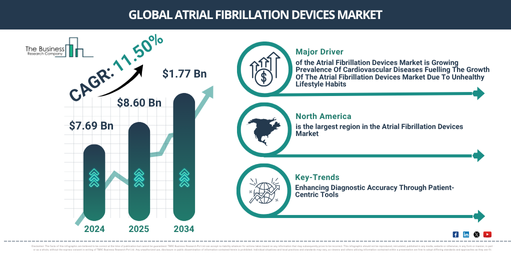
    In recent years, the market size for atrial fibrillation devices has noticeably expanded. The market, worth $7.69 billion in 2024, is predicted to hit $8.60 billion in 2025, indicating a compound annual growth rate (CAGR) of 11.8%. Factors like an increase in the older population, a surge in demand for minimally invasive cardiovascular techniques, a rise in government initiatives and the growing provision of telecardiology services are considered to be behind this historic growth period.

    Expectation for the atrial fibrillation devices market’s size is that there will be fast expansion in the near future. The market is projected to escalate up to $13.28 billion by 2029, with a compound annual growth rate (CAGR) of 11.5%. The projected growth during the forecast period can be due to factors such as rising healthcare expenses, an increasing count of multi-specialty hospitals, higher inclination towards advanced treatment alternatives, amplified regulatory backing for device clearances, and a surge in demand for minimally invasive surgical procedures. Major emerging trends during the forecast period encompass technological advancements, progress in remote monitoring devices, the incorporation of artificial intelligence in diagnostics, developments in non-invasive ablation systems, as well as advancements in mapping and imaging technologies.

    Download The Free Sample Report Here:

    https://www.thebusinessresearchcompany.com/sample.aspx?id=25704&type=smp

    Which Factor Is Shaping The Future Of The Atrial Fibrillation Devices Market?

    The escalating prevalence of cardiovascular diseases is set to stimulate growth in the atrial fibrillation device market. Disorders that affect the heart and blood vessels, like heart attacks, strokes, and hypertension, come under the umbrella of cardiovascular diseases. The rise in such diseases can be linked to a worldwide increase in obesity and diabetes, combined with the adoption of inactive lifestyles and unhealthy eating practices on a widespread scale. Atrial fibrillation (AFib) devices are instrumental in managing cardiovascular diseases since they can identify, monitor, and treat abnormal heart rhythms often linked to or caused by underlying heart conditions. For example, the American Heart Association, a US-based public health organization, reported in June 2024 that high blood pressure is projected to rise from 51.2% to 61.0%. Consequently, the number of people diagnosed with cardiovascular diseases is expected to increase from 128 million in 2020 to over 184 million by 2050. This rise in cardiovascular diseases is fueling the growth of the atrial fibrillation device market.

    What Is The Segment-Wise Breakdown Of The Atrial Fibrillation Devices Market?

    The atrial fibrillation devices market covered in this report is segmented –

    1) By Device Type: Implantable Devices, External Devices, Catheter-Based Devices

    2) By Product: Electrophysiology Ablation Catheters, Cardiac Monitors Or Implantable Loop Recorder, Electrophysiology Diagnostic Catheters, Mapping And Recording Systems, Access Devices, Intracardiac Echocardiography, Left Atrial Appendage Closure Devices, Other Products

    3) By Technology: Radiofrequency, Cryotherapy, Ultrasound, Other Technologies

    4) By Distribution Channel: Direct Sales, Distributors, Online Sales

    5) By End-Use: Hospitals, Cardiac Centers, Ambulatory Surgical Centers, Other End Users

    Subsegments:

    1) By Implantable Devices: Implantable Cardioverter Defibrillators, Pacemakers, Insertable Cardiac Monitors

    2) By External Devices: External Defibrillators, Holter Monitors, Mobile Cardiac Telemetry Devices, Electrocardiogram Monitors

    3) By Catheter-Based Devices: Radiofrequency Ablation Catheters, Cryoablation Catheters, Laser Ablation Catheters, Mapping and Navigation Systems, Transseptal Access Devices

    Which Trends Are Redefining The Future Landscape Of The Atrial Fibrillation Devices Industry?

    Leading businesses in the atrial fibrillation devices market are exploiting advancements in technologies such as patient-oriented clinical decision support tools. These technologies elevate diagnostic precision, customize treatment strategies, and upgrade overall patient repercussions. They are digital innovations that assist medical professionals in shaping treatment choices through the analysis of unique patient data. For example, GE HealthCare Technologies Inc., an American medical technology firm, unveiled CardioVisio for Atrial Fibrillation in August 2023. This digital clinical decision support tool is engineered to streamline clinician procedures and boost precise care for patients suffering from atrial fibrillation. It lets healthcare providers observe the progression of AFib, encompassing past diagnoses, treatments, medications, and linked ailments. The platform provides guideline-based therapy suggestions, which could reduce diagnostic inaccuracies and simplify clinical decision-making. CardioVisio compiles scattered patient data in an understandable format, lessening the load on healthcare staff, and empowering quicker, personalized, and more efficient management of atrial fibrillation.

    Which Companies Hold The Largest Market Share In The Atrial Fibrillation Devices Sector?

    Major companies operating in the atrial fibrillation devices market are Johnson & Johnson Services Inc., Abbott Laboratories, Medtronic Public Limited Company, Koninklijke Philips N.V., Boston Scientific Corporation, Shanghai MicroPort EP MedTech Co. Ltd., Japan Lifeline Co. Ltd., Microlife Corporation, AliveCor Inc., CardioFocus Inc., Imricor Medical Systems Inc., Kardium Inc., Stereotaxis Inc., Volta Medical, Synaptic Medical Corporation, Osypka AG, CathRx Ltd., BIOTRONIK SE & Co. KG, EP Solutions SA, CardiacSense Ltd.

    Get The Full Report Here:

    https://www.thebusinessresearchcompany.com/report/atrial-fibrillation-devices-global-market-report

    How Does Regional Performance Compare Across The Atrial Fibrillation Devices Industry?

    North America was the largest region in the atrial fibrillation devices market in 2024. Asia-Pacific is expected to be the fastest-growing region in the forecast period. The regions covered in the atrial fibrillation devices market report are Asia-Pacific, Western Europe, Eastern Europe, North America, South America, Middle East, Africa.

    Request For A Customized Report:

    https://www.thebusinessresearchcompany.com/customise?id=25704&type=smp

    About The Business Research Company:

    With over 15000+ reports from 27 industries covering 60+ geographies, The Business Research Company has built a reputation for offering comprehensive, data-rich research and insights. Armed with 1,500,000 datasets, the optimistic contribution of in-depth secondary research, and unique insights from industry leaders, you can get the information you need to stay ahead in the game.

    Get in touch with us:

    The Business Research Company: https://www.thebusinessresearchcompany.com/

    Americas +1 310-496-7795

    Asia +44 7882 955267 & +91 8897263534

    Europe +44 7882 955267

    Email us at info@tbrc.info

    Follow us on:

    LinkedIn: https://in.linkedin.com/company/the-business-research-company

    YouTube: https://www.youtube.com/channel/UC24_fI0rV8cR5DxlCpgmyFQ

    Global Market Model: https://www.thebusinessresearchcompany.com/global-market-model

  • Latest Market Developments in Aseptic Connectors And Welders Industry: Forecast 2025–2029

    Latest Market Developments in Aseptic Connectors And Welders Industry: Forecast 2025–2029

    Claim your 30% discount on Global Market Reports with code ONLINE30. Limited time only.

    Claim your 30% discount on Global Market Reports with code ONLINE30. Limited time only.

    How Much Is the Global Aseptic Connectors And Welders Market Valued at Present and by 2029?

    The market size for aseptic connectors and welders has seen a swift expansion in the past few years. The market is anticipated to increase from $1.72 billion in 2024 to $2.04 billion in 2025, with a Compound Annual Growth Rate (CAGR) of 18.3%. Factors contributing to the growth during the historical period include a growing demand for contamination-free fluid transfer, an upsurge in the acceptance of single-use technology, enhanced awareness regarding product safety, increased regulatory emphasis on aseptic processing, and a rise in the production of biologics and vaccines.

    The market for aseptic connectors and welders is anticipated to experience accelerated growth in the coming years, projected to surge to $3.96 billion by 2029 at a CAGR of 18.1%. This growth during the forecast period is believed to be fuelled by factors such as an increasing biologics pipeline, an expansion of biopharma production facilities, a rising preference for flexible production systems, heightened investment in cell and gene therapy, a trend towards single-use systems in production, and the expansion of manufacturing outsourcing to CMOs. Key trends over the forecast period are expected to include progress in single-use aseptic technologies, innovative connector and welder design for boosting throughput, the inclusion of automation and robotics in aseptic processes, the use of advanced materials for improved sealing and safety, and advancements in compact and modular aseptic systems. Additionally, the integration of smart sensors for process validation is set to play a significant role.

    Download The Free Sample Report Here:

    https://www.thebusinessresearchcompany.com/sample.aspx?id=25699&type=smp

    #What Drivers Are Influencing Growth In The Aseptic Connectors And Welders Market?

    The expected rise of the aseptic connectors and welders market is largely attributed to growing investments in the biomanufacturing sector. This domain entails the creation of biological products from living cells, organisms, or biological systems. The swell in the biomanufacturing sector is driven by escalating demand for biologics, necessitating specialized production processes to cater to ever-increasing global healthcare requirements. Sterile, closed-system fluid transfers provided by aseptic connectors and welders reduce the risks of contamination, ensuring product safety during crucial production stages. Federal investments in biomanufacturing have risen from $2.7 billion to over $3.5 billion between 2022 and 2024, as reported by the White House Office of Science and Technology Policy in November 2024, and this increase is bolstering the growth of the aseptic connectors and welders market. The rise in vaccine production capacity globally, driven by the readiness for potential pandemics, is expected to boost the aseptic connectors and welders market. Vaccine production capacity represents the maximum quantity of vaccines a facility or a group of facilities can generate within a designated timeframe, usually computed in doses per month or year. Governments and companies are striving to respond more swiftly to future pandemics and ensure global access to vaccines, driving the surge in vaccine production capacity. Aseptic connectors and welders not only enable sterile fluid transfers during vaccine production but also diminish contamination risks, ensuring uniform, high-grade vaccine output. As per Gavi, the Vaccine Alliance, Africa’s vaccine production could potentially reach between $2.8 billion and $5.6 billion by 2040, with projections indicating a demand surge of 60–100% from an initial 1.3 billion doses. These factors are driving the growth of the aseptic connectors and welders market.

    What Are The Main Segments Identified In The Aseptic Connectors And Welders Market Research?

    The aseptic connectors and welders market covered in this report is segmented –

    1) By Product: Aseptic Connectors, Aseptic Welders

    2) By Application: Upstream Bioprocessing, Downstream Bioprocessing, Harvest And Fill-finish Operations

    3) By End-User: Biopharmaceutical And Pharmaceutical Companies, Original Equipment Manufacturers (OEMs), Contract Research Organizations (CROs) And Contract Manufacturing Organizations (CMOs), Academic And Research Institutes

    Subsegments:

    1) By Aseptic Connectors: Single-Use Aseptic Connectors, Multi-Use Aseptic Connectors, Gendered Connectors, Genderless Connectors, Steam-In-Place Connectors, Tubing-To-Tubing Connectors, Container-To-Tubing Connectors

    2) By Aseptic Welders: Automatic Tube Welders, Manual Tube Welders, Benchtop Aseptic Welders, Portable Aseptic Welders, Large Bore Tube Welders

    What Are The Leading Trends And Opportunities In The Aseptic Connectors And Welders Sector?

    Leading firms in the aseptic connectors and welders industry are prioritizing the development of progressive technologies such as aseptic genderless large-diameter flow path connectors, aiming to augment sterile fluid transfer in high volumes throughout biopharmaceutical procedures. These connectors are specifically designed to facilitate high-flow transfers in a sterile environment without requiring gendered fittings, thereby promoting single-use technologies (SUTs) and boosting procedure adaptability in large-scale biomanufacturing. For instance, the Colder Products Company (CPC), a US fluid handling solutions firm, introduced the AseptiQuik W Series Connectors in April 2023. This connector innovation features a 1-1/2-inch flow path that can manage the transfer of hundreds of liters per minute, thus greatly reducing fluid transfer times for procedures utilizing up to 5,000-liter containers. The hose barb termination sizes for this connector range from 1 inch to 1-1/2 inches, with a sanitary flange option, making it an optimum solution for media, buffer, and cell culture processes. The aseptic, genderless design delivers not only sterile, sealed connections, but also simplifies operations by removing mating orientation challenges, thereby becoming a vital innovation for supporting the scalability and efficiency of contemporary biopharmaceutical manufacturing.

    Which Companies Play A Key Role In The Development Of The Aseptic Connectors And Welders Market?

    Major companies operating in the aseptic connectors and welders market are Saint‑Gobain S.A., Thermo Fisher Scientific Inc., Merck KGaA, GE Healthcare Technologies Inc., Cytiva, Sartorius AG, Nordson Corporation, Repligen Corporation, Pall Corporation, ChargePoint Technology Ltd., Watson-Marlow Fluid Technology Solutions, Shanghai LePure Biotech Co Ltd., Meissner Filtration Products, Inc., Colder Products Company, Foxx Life Sciences, Aseptconn AG, BioPharma Dynamics Ltd., TBL Performance Plastics LLC, Vante Biopharm, AdvantaPure.

    Get The Full Report Here:

    https://www.thebusinessresearchcompany.com/report/aseptic-connectors-and-welders-global-market-report

    What Are The Key Regional Developments Shaping The Aseptic Connectors And Welders Market?

    North America was the largest region in the aseptic connectors and welders market in 2024. Asia-Pacific is expected to be the fastest-growing region in the forecast period. The regions covered in the aseptic connectors and welders market report are Asia-Pacific, Western Europe, Eastern Europe, North America, South America, Middle East, Africa.

    Request For A Customized Report:

    https://www.thebusinessresearchcompany.com/customise?id=25699&type=smp

    About The Business Research Company:

    With over 15000+ reports from 27 industries covering 60+ geographies, The Business Research Company has built a reputation for offering comprehensive, data-rich research and insights. Armed with 1,500,000 datasets, the optimistic contribution of in-depth secondary research, and unique insights from industry leaders, you can get the information you need to stay ahead in the game.

    Get in touch with us:

    The Business Research Company: https://www.thebusinessresearchcompany.com/

    Americas +1 310-496-7795

    Asia +44 7882 955267 & +91 8897263534

    Europe +44 7882 955267

    Email us at info@tbrc.info

    Follow us on:

    LinkedIn: https://in.linkedin.com/company/the-business-research-company

    YouTube: https://www.youtube.com/channel/UC24_fI0rV8cR5DxlCpgmyFQ

    Global Market Model: https://www.thebusinessresearchcompany.com/global-market-model

  • Emerging Trends and Growth Drivers in the Artificial Intelligence (AI) In Endoscopy Market Through 2029

    Emerging Trends and Growth Drivers in the Artificial Intelligence (AI) In Endoscopy Market Through 2029

    Claim your 30% discount on Global Market Reports with code ONLINE30. Limited time only.

    Claim your 30% discount on Global Market Reports with code ONLINE30. Limited time only.

    What Is the Current and Projected Market Size of the Artificial Intelligence (AI) In Endoscopy Industry?

    In recent times, the market size of artificial intelligence (AI) in endoscopy has witnessed a significant upsurge. It is projected to expand from $10.53 billion in 2024 to $13.52 billion in 2025, with a compound annual growth rate (CAGR) of 28.4%. This growth during the historical period is the result of an increased uptake of minimally invasive methods, a higher occurrence of gastrointestinal diseases, an amplified emphasis on detecting cancer in its early stages, development of digital health facilities, and increased expenditure on healthcare in the developed nations.

    The market size of artificial intelligence (AI) in endoscopy is predicted to experience significant growth in the approaching years, scaling up to $36.38 billion in 2029 with a compound annual growth rate (CAGR) of 28.1%. Factors contributing to this projected growth in the period under review include the escalating demand for real-time lesion identification, increased governmental backing for AI-driven diagnostics, a rising incorporation of AI in hospitals and surgical units, the broadening of cloud-based health analytics, and a surge in the availability of AI-integrated endoscopy equipment. In this forecast period, major trends to watch out for include the evolution of AI-fueled imaging systems, ongoing research and development in computer vision, the incorporation of augmented reality in endoscopy, leaps in cloud-based diagnostic platforms, and the advent of AI-assisted robotic endoscopy.

    Download The Free Sample Report Here:

    https://www.thebusinessresearchcompany.com/sample.aspx?id=25698&type=smp

    #Which Factors Are Currently Driving The Growth Of The Artificial Intelligence (AI) In Endoscopy Market?

    The increasing occurrence of gastrointestinal disorders is predicted to spur the advancement of the artificial intelligence (AI) in endoscopy market. Gastrointestinal disorders include various conditions impacting the digestive system, resulting in symptoms such as stomach pain, bloating, and irregular bowel habits. The progression of these diseases is primarily due to the escalated intake of highly processed foods which harm gut microbiota, promoting chronic inflammation and digestive problems. AI in endoscopy enhances the detection of these illnesses by scrutinizing images meticulously in real-time to uncover irregularities, thereby allowing for early intervention, reducing mistakes, and improving patient results. For instance, according to data by the IBD Registry, a non-profit organization based in the UK, in December 2023, over 5,300 individuals with inflammatory bowel disease (IBD) enrolled in the IBD Registry, showing an increase of more than 3,000 compared to the preceding year. Hence, the heightened occurrence of gastrointestinal disorders is boosting the artificial intelligence (AI) in endoscopy market.

    How Is The Global Artificial Intelligence (AI) In Endoscopy Market Structured In Terms Of Segments?

    The artificial intelligence (ai) in endoscopy market covered in this report is segmented –

    1) By Product Type: Artificial Intelligence-Driven Imaging Systems, Artificial Intelligence-Powered Endoscopic Equipment, Wearable Endoscopy Devices, Consumables Used In Artificial Intelligence Endoscopy, Software Solutions For Artificial Intelligence Integration

    2) By Functionality: Image Capture And Processing, Data Management, Enhanced Visualization, Real-Time Decision Support, Training And Simulation Systems

    3) By Application: Gastrointestinal Endoscopy, Respiratory Endoscopy, Urological Endoscopy, Cardiovascular Endoscopy, Neurological Endoscopy

    4) By End-User: Hospitals, Diagnostic Laboratories, Outpatient Surgical Centers, Research Institutions, Specialized Clinics

    Subsegments:

    1) By Artificial Intelligence-Driven Imaging Systems: High Definition Imaging Platforms, Three-Dimensional (3D) Visualization Systems, Fluorescence-Based Imaging Devices, Low Light Sensitivity Imaging Systems, Contrast-Enhanced Endoscopic Imaging Systems

    2) By Artificial Intelligence-Powered Endoscopic Equipment: Flexible Endoscopic Systems With Artificial Intelligence Integration, Rigid Endoscopic Systems With Artificial Intelligence Support, Capsule-Based Endoscopic Devices With Smart Processing, Robotic Assisted Endoscopic Instrumentation, Navigation-Enabled Endoscopic Equipment With Artificial Intelligence

    3) By Wearable Endoscopy Devices: Swallowable Capsule Endoscopy Units, Sensor Integrated Wearable Endoscopy Devices, Wireless Data Enabled Endoscopic Monitoring Devices, Artificial Intelligence-Based Wearable Imaging Systems, Miniature High Resolution Endoscopic Cameras

    4) By Consumables Used In Artificial Intelligence Endoscopy: Biopsy Forceps Compatible With Artificial Intelligence Systems, Single Use Endoscopic Protective Sheaths, Medical-Grade Contrast Media For Enhanced Imaging, Artificial Intelligence Compatible Irrigation Tubing, Disposable Accessories For Visualization And Sampling

    5) By Software Solutions For Artificial Intelligence Integration: Real-Time Lesion Detection Software Modules, Computer-Aided Diagnostic Imaging Platforms, Cloud-Based Endoscopic Data Management Systems, Image Segmentation And Classification Software Tools, Data Visualization And Automated Reporting Interfaces

    What Trends Are Currently Influencing Growth In The Artificial Intelligence (AI) In Endoscopy Market?

    Leading organizations within the artificial intelligence in endoscopy market are prioritizing the creation of cutting-edge technology, particularly artificial intelligence-driven real-time lesion detection systems. This aims to improve clinical decision-making during gastrointestinal procedures. The said systems are advanced software tools that provide an ongoing analysis of live endoscopic video feeds. They accurately identify and highlight concerning lesions, such as polyps and tumors throughout endoscopic procedures. For example, in August 2024, a Singapore-based medical tech company, Ainex Corporation, launched the Endoscopy AI system. This system is aimed at improving the real-time detection and diagnosis of gastrointestinal abnormalities during endoscopic procedures. The system uses advanced machine learning algorithms to detect gastrointestinal lesions during both upper and lower endoscopy in real-time. This allows for higher diagnostic accuracy, fewer false positives, and better visualization of mucosal abnormalities. Moreover, the product facilitates clinical workflows, lessens procedure time, and therefore enhances early detection of gastrointestinal cancers and other related conditions.

    Who Are The Main Participants Shaping The Artificial Intelligence (AI) In Endoscopy Market Landscape?

    Major companies operating in the artificial intelligence (ai) in endoscopy market are Medtronic plc, Fujifilm Holdings Corporation, ASUSTeK Computer Inc., Olympus Corporation, Advantech Co. Ltd., Fraunhofer IIS, Iterative Health, CapsoVision Inc., EndoSoft Inc., Mauna Kea Technologies S.A., LPixel Inc., Sky Engine Limited, Wincomm Corporation, Endovision Limited, BioCam Sp. z o.o., Apex.AI Inc., MAIA Labs Inc., Magentiq Eye Ltd., EndoSurg.AI Inc., iEndoscopic GmbH, Intelliscopes LLC

    Get The Full Report Here:

    https://www.thebusinessresearchcompany.com/report/artificial-intelligence-ai-in-endoscopy-global-market-report

    Which Region Currently Holds The Largest Share In The Artificial Intelligence (AI) In Endoscopy Market?

    North America was the largest region in the artificial intelligence (AI) in endoscopy market in 2024. Asia-Pacific is expected to be the fastest-growing region in the forecast period. The regions covered in the artificial intelligence (ai) in endoscopy market report are Asia-Pacific, Western Europe, Eastern Europe, North America, South America, Middle East, Africa.

    Request For A Customized Report:

    https://www.thebusinessresearchcompany.com/customise?id=25698&type=smp

    About The Business Research Company:

    With over 15000+ reports from 27 industries covering 60+ geographies, The Business Research Company has built a reputation for offering comprehensive, data-rich research and insights. Armed with 1,500,000 datasets, the optimistic contribution of in-depth secondary research, and unique insights from industry leaders, you can get the information you need to stay ahead in the game.

    Get in touch with us:

    The Business Research Company: https://www.thebusinessresearchcompany.com/

    Americas +1 310-496-7795

    Asia +44 7882 955267 & +91 8897263534

    Europe +44 7882 955267

    Email us at info@tbrc.info

    Follow us on:

    LinkedIn: https://in.linkedin.com/company/the-business-research-company

    YouTube: https://www.youtube.com/channel/UC24_fI0rV8cR5DxlCpgmyFQ

    Global Market Model: https://www.thebusinessresearchcompany.com/global-market-model

  • Industry Forecast: Antimicrobial Resistance Diagnostics Market to Generate $5.82  Billion Revenue by 2029

    Industry Forecast: Antimicrobial Resistance Diagnostics Market to Generate $5.82 Billion Revenue by 2029

    Claim your 30% discount on Global Market Reports with code ONLINE30. Limited time only.

    Claim your 30% discount on Global Market Reports with code ONLINE30. Limited time only.

    What CAGR Is Anticipated for the Antimicrobial Resistance Diagnostics Market Through 2029?

    The market size for diagnostics of antimicrobial resistance has seen significant growth in the past few years, set to expand from $4.10 billion in 2024 to $4.41 billion in 2025, achieving a compound annual growth rate (CAGR) of 7.5%. The surge observed in the historic period can be connected to the rising rates of infections acquired in hospitals, increased misuse of antibiotics in humans and animals, a growing problem with multi-drug resistant organisms, growth in public health surveillance programs, and an increase in diagnostic testing for infectious diseases.

    The market size for antimicrobial resistance diagnostics is forecasted to witness significant expansion in the upcoming years, projected to reach $5.82 billion by 2029 with a CAGR of 7.2%. Factors contributing to this growth within the forecast period include the increasing demand for quick diagnostic tools, heightened awareness of antimicrobial stewardship, growing allocation of government funds towards resistance monitoring, widening adoption of point-of-care testing, and a rising necessity for early detection of infections. Some identifiable trends for the forecast period encompass technological progress in diagnostic platforms, new methods for resistance gene detection, an increase in research and development investments, the emergence of portable testing devices, and advancements in multiplex and high-throughput testing.

    Download The Free Sample Report Here:

    https://www.thebusinessresearchcompany.com/sample.aspx?id=25696&type=smp

    What Market Forces Are Driving The Antimicrobial Resistance Diagnostics Sector In 2025 And Beyond?

    The growth of the antimicrobial resistance diagnostics market is expected to be fueled by the increasing incidence of drug-resistant infections. These infections result from the evolution of bacteria, viruses, fungi, or parasites, as they develop mechanisms to withstand exposure to drugs that once effectively treated them, thus rendering traditional treatments useless and infections more difficult to manage. The escalating occurrence of drug-resistant infections is attributed to the excessive use of antibiotics in agriculture, where animals are routinely fed with low-dose antimicrobials, fostering a resistance that can be transferred to humans through the food chain. Instruments like rapid genetic assays and culture-based sensitivity tests, which fall under antimicrobial resistance diagnostics, are pivotal in battling the rising predominance of drug-resistant infections as they allow for the early detection of resistant pathogens, aid in directing targeted therapies, and mitigate the misapplication of wide-ranging antibiotics. An instance that highlights this growing concern is a report released by the UK Health Security Agency, a government body, in November 2023. This report documented a rise in antibiotic-resistant infections in England from 55,792 cases in 2021 to around 58,224 in 2022, indicating a year-on-year increase of 4% in antimicrobial resistance across the nation. As such, the escalating incidence of drug-resistant infections is fueling the expansion of the antimicrobial resistance diagnostics market.

    How Is The Global Antimicrobial Resistance Diagnostics Market Categorized By Segments?

    The antimicrobial resistance diagnostics market covered in this report is segmented –

    1) By Product Type: Kits And Reagents, Instruments And Consumables

    2) By Pathogen: Drug-Resistant Streptococcus Pneumoniae (DRSP), Drug Resistant Campylobacter (DRC), Clostridium Difficile (CD), Methicillin Resistant Staphylococcus Aureus (MRSA), Drug Resistant Neisseria Gonorrhoeae (DRNG), Drug Resistant Salmonella (DRntS), Other Pathogens

    3) By Technology: Microbiology Culture, Immunoassay, PCR (Polymerase Chain Reaction), NGS (Next-Generation Sequencing), Mass Spectrometry, Rapid And Point Of Care, Other Technologies

    4) By End-User: Hospitals And Clinics, Diagnostics Laboratories, Research Institutes, Pharmaceutical And Biotechnology Companies, Other End Users

    Subsegments:

    1) By Kits And Reagents: Deoxyribonucleic Acid (DNA) Extraction Kits, Ribonucleic Acid (RNA) Extraction Kits, Polymerase Chain Reaction (PCR) Reagents, Immunoassay Reagents, Stains And Dyes, Culture Media

    2) By Instruments And Consumables: Polymerase Chain Reaction (PCR) Machines, Ultraviolet-Visible (UV-Vis) Spectrophotometers, Next-Generation Sequencing (NGS) Systems, Microarray Scanners, Automated Liquid Handlers, Sample Collection Tubes And Swabs

    What Long-Term Trends Are Likely To Affect The Antimicrobial Resistance Diagnostics Market?

    Prominent corporations in the antimicrobial resistance diagnostics market are honing their focus on the creation of novel products like multiplex polymerase chain reaction (PCR) assays, enabling simultaneous detection of numerous pathogens and resistance genes for the enhancement of diagnostic precision and effectiveness. The multiplex PCR aids in identifying different DNA targets in a single reaction, promoting significant time and resource efficiency. For instance, Vela Diagnostics, a molecular diagnostics firm based in Singapore, introduced the PathoKey MP urinary tract infections (UTI) ID and antimicrobial resistance (AMR) PCR test in May 2022. This product facilitates the concurrent detection of 14 UTI pathogens and 14 antimicrobial resistance genes, offering both automated and manual workflows. It also delivers results in as little as four hours, thus bolstering rapid, lab-scale AMR profiling. The PathoKey MP UTI ID & AMR PCR Test aims to equip clinical labs with swifter, high-throughput detection abilities to steer early interventions and effective antibiotic therapy.

    Which Firms Are Considered Leaders In The Antimicrobial Resistance Diagnostics Market Space?

    Major companies operating in the antimicrobial resistance diagnostics market are F. Hoffmann-La Roche AG, Thermo Fisher Scientific Inc., Abbott Laboratories, Danaher Corporation, Becton Dickinson and Company, bioMérieux S.A., Sysmex Corporation, Bio-Rad Laboratories Inc., QIAGEN N.V., Seegene Inc., Alifax S.r.l., Accelerate Diagnostics Inc., Lumos Diagnostics Holdings Pty Ltd, Molsid SAS, Genetic Signatures Limited, iFAST Diagnostics Ltd, Astek Diagnostics Inc., OpGen Inc., T2 Biosystems, Jiangsu Medomics Medical Technology Co. Ltd.

    Get The Full Report Here:

    https://www.thebusinessresearchcompany.com/report/antimicrobial-resistance-diagnostics-global-market-report

    What Role Do Regional Policies And Investments Play In Antimicrobial Resistance Diagnostics Market Expansion?

    North America was the largest region in the antimicrobial resistance diagnostics market in 2024. Asia-Pacific is expected to be the fastest-growing region in the forecast period. The regions covered in the antimicrobial resistance diagnostics market report are Asia-Pacific, Western Europe, Eastern Europe, North America, South America, Middle East, Africa.

    Request For A Customized Report:

    https://www.thebusinessresearchcompany.com/customise?id=25696&type=smp

    About The Business Research Company:

    With over 15000+ reports from 27 industries covering 60+ geographies, The Business Research Company has built a reputation for offering comprehensive, data-rich research and insights. Armed with 1,500,000 datasets, the optimistic contribution of in-depth secondary research, and unique insights from industry leaders, you can get the information you need to stay ahead in the game.

    Get in touch with us:

    The Business Research Company: https://www.thebusinessresearchcompany.com/

    Americas +1 310-496-7795

    Asia +44 7882 955267 & +91 8897263534

    Europe +44 7882 955267

    Email us at info@tbrc.info

    Follow us on:

    LinkedIn: https://in.linkedin.com/company/the-business-research-company

    YouTube: https://www.youtube.com/channel/UC24_fI0rV8cR5DxlCpgmyFQ

    Global Market Model: https://www.thebusinessresearchcompany.com/global-market-model

  • 2025 Analysis: Opportunities and Risks in the Evolving Ambulance Stretchers Market

    2025 Analysis: Opportunities and Risks in the Evolving Ambulance Stretchers Market

    Claim your 30% discount on Global Market Reports with code ONLINE30. Limited time only.

    Claim your 30% discount on Global Market Reports with code ONLINE30. Limited time only.

    What Is the Outlook for the Ambulance Stretchers Market Heading Into 2029?

    Over the past few years, there’s been robust growth in the ambulance stretcher market size. It’s projected to increase from $2.07 billion in 2024 to $2.21 billion in 2025, with a compound annual growth rate (CAGR) of 6.9%. The historical growth trend can be linked to factors such as the rising demand for patient comfort and safety, enhanced awareness pertaining to pre-hospital emergency care, the increase in urbanization and traffic congestion, the increasing occurrence of natural disasters and mass casualty events, and a surge in healthcare spending.

    In the forthcoming years, the ambulance stretcher market is projected to experience significant growth, escalating to a value of $2.84 billion at a compound annual growth rate (CAGR) of 6.5% by the year 2029. Multiple factors will drive this growth in the prediction timeline, including an escalated need for emergency medical services, a surging aged population, the escalating prevalence of chronic ailments, an increase in the number of ambulance services, and enhanced investments in the healthcare infrastructure sector. The forecasted period will also see several prominent trends, such as advancements in stretcher technology, the incorporation of electronic lifting functions, the evolution of lightweight composite materials, improvements in foldable and compact stretcher systems, and the progression of technology-based remote patient monitoring capabilities.

    Download The Free Sample Report Here:

    https://www.thebusinessresearchcompany.com/sample.aspx?id=25691&type=smp

    Which Factors Are Pushing The Ambulance Stretchers Market Forward?

    The escalating rate of road mishaps is anticipated to fuel the expansion of the ambulance stretchers market in the future. These accidents consist of unforeseen occurrences or crashes involving one or multiple vehicles on roads or highways, often leading to injuries, deaths, or damage to property. The rising trend of road accidents can be attributed to the burgeoning problem of distracted driving due to mobile phone usage, as it shifts the drivers’ focus and heightens the potential of crashes. Ambulance stretchers play a critical role in road accidents by guaranteeing the secure and efficient transfer of the injured parties from the accident spot to medical facilities, averting further injuries and facilitating immediate medical treatment. For instance, the Transport Accident Commission, a government agency based in Australia, reported in June 2024 that a total of 289 deaths occurred on Victorian roads, revealing an 8.6% surge with 23 more deaths compared to the corresponding period in the preceding year. Consequently, the mounting frequency of road accidents is stimulating the expansion of the ambulance stretchers market.

    Which Segment Held The Largest Share In The Ambulance Stretchers Market In 2025?

    The ambulance stretchers market covered in this report is segmented –

    1) By Type: Manual Stretchers, Electric Stretchers, Foldable Stretchers, Stretcher Chairs

    2) By Technology: Non-Motorized, Motorized

    3) By Material: Aluminum, Steel, Plastic, Composite Materials

    4) By End Users: Emergency Medical Service Providers, Hospitals, Ambulatory Service Centers, Other End-Users

    Subsegments:

    1) By Manual Stretchers: Wheeled Stretchers, Non-wheeled Stretchers, Scoop Stretchers, Basket Stretchers

    2) By Electric Stretchers: Hydraulic Electric Stretchers, Battery-powered Electric Stretchers, Adjustable Height Electric Stretchers, Self-loading Electric Stretchers

    3) By Foldable Stretchers: Canvas Foldable Stretchers, Aluminum Foldable Stretchers, Pole-Type Foldable Stretchers, Spinal Board Foldable Stretchers

    4) By Stretcher Chairs: Convertible Stretcher Chairs, Stair Climbing Stretcher Chairs, Foldable Stretcher Chairs, Transport Wheelchair Stretchers

    How Are Key Trends Driving Expansion In The Ambulance Stretchers Industry?

    Key players in the ambulance stretcher market are focusing on groundbreaking innovations like self-loading electric stretchers to improve patient safety, alleviate physical strain on emergency service personnel, and increase efficiency in patient transportation. A self-loading electric stretcher is a patient transportation tool equipped with automated loading and unloading mechanisms, which eliminate the need for medical staff to physically lift patients. As an example, in December 2023, Spain’s KARTSANA, S.L., unveiled a superbrava electric stretcher to enhance the safety and efficiency of patient transportation. Its features include unmatched strength, security, and maneuverability with a a hydraulic lift capable of supporting up to 320 kg and adjustable handrails configurable to multiple positions for patient comfort and safety. This innovative design simplifies safe patient transport, easing the workload of emergency medical technicians in critical scenarios.

    Which Organizations Are Driving Progress In The Ambulance Stretchers Industry?

    Major companies operating in the ambulance stretchers market are Medline Industries LP, Stryker Corporation, Baxter International Inc., Hill-Rom Holdings Inc., Hebei Pukang Medical Instruments Co. Ltd., Ferno-Washington Inc., Spencer Italia S.r.l., Narang Medical Limited, Advin Health Care, Kartsana Medical GmbH, IndoSurgicals Private Limited, Frima Concept SARL, Dragon Industry Co. Ltd., PVS S.p.A., Desco Medical India, Fu Shun Hsing Technology Co. Ltd., Besco Medical Limited, Red Leaf Medical Inc., Sarvottam Appliances Private Limited, EMS Mobil Sistemler A.S

    Get The Full Report Here:

    https://www.thebusinessresearchcompany.com/report/ambulance-stretchers-global-market-report

    Which Region Is Expected To Experience The Highest Growth In The Ambulance Stretchers Industry?

    North America was the largest region in the ambulance stretchers market in 2024. Asia-Pacific is expected to be the fastest-growing region in the forecast period. The regions covered in the ambulance stretchers market report are Asia-Pacific, Western Europe, Eastern Europe, North America, South America, Middle East, Africa.

    Request For A Customized Report:

    https://www.thebusinessresearchcompany.com/customise?id=25691&type=smp

    About The Business Research Company:

    With over 15000+ reports from 27 industries covering 60+ geographies, The Business Research Company has built a reputation for offering comprehensive, data-rich research and insights. Armed with 1,500,000 datasets, the optimistic contribution of in-depth secondary research, and unique insights from industry leaders, you can get the information you need to stay ahead in the game.

    Get in touch with us:

    The Business Research Company: https://www.thebusinessresearchcompany.com/

    Americas +1 310-496-7795

    Asia +44 7882 955267 & +91 8897263534

    Europe +44 7882 955267

    Email us at info@tbrc.info

    Follow us on:

    LinkedIn: https://in.linkedin.com/company/the-business-research-company

    YouTube: https://www.youtube.com/channel/UC24_fI0rV8cR5DxlCpgmyFQ

    Global Market Model: https://www.thebusinessresearchcompany.com/global-market-model
  • In-Depth Aerosol Drug Delivery Devices Market Report: Business Trends, Growth Factors, and Forecast to 2029

    In-Depth Aerosol Drug Delivery Devices Market Report: Business Trends, Growth Factors, and Forecast to 2029

    Claim your 30% discount on Global Market Reports with code ONLINE30. Limited time only.

    Claim your 30% discount on Global Market Reports with code ONLINE30. Limited time only.

    What Does the Forecast Indicate for the Aerosol Drug Delivery Devices Market From 2025 to 2029?

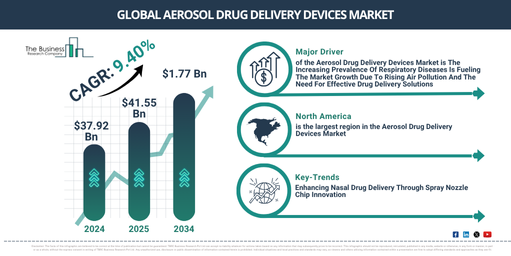
    In recent times, the market of aerosol drug delivery devices has shown robust growth. The market is projected to expand from $37.92 billion in 2024 to $41.55 billion in 2025, exhibiting a compound annual growth rate (CAGR) of 9.6%. Factors contributing to the growth witnessed during the historic period include an increase in respiratory diseases cases, rising numbers of the elderly population worldwide, heightened public awareness about air quality, a surge in demand for home healthcare settings, enhanced access to generic inhalation therapies, and beneficial reimbursement policies in developed markets.

    The market for aerosol drug delivery devices is predicted to witness robust expansion in the upcoming years, potentially reaching $59.45 billion by 2029, with a compound annual growth rate (CAGR) of 9.4%. This growth in the anticipated period could be ascribed to the escalating prevalence of chronic respiratory diseases globally, the rise in the implementation of digital and intelligent inhaler devices, heightened financial input in the innovation of drug-device combo products, quick urbanization, and deteriorating pollution in developing economies, the growth of telemedicine, and remote patient observing systems. Key trends for the projection period include the emergence of connected inhalers integrated with adherence monitoring, an increase in the deployment of dry powder inhalers (DPIs), advent of propellant-free or environmentally friendly aerosol mechanisms, reduction in size and increase in mobility of nebulizers for domestic and travel purposes, amalgamation of AI and mobile applications for tracking usage, and a transition towards person-specific aerosol therapy.

    Download The Free Sample Report Here:

    https://www.thebusinessresearchcompany.com/sample.aspx?id=25690&type=smp

    What Elements Are Contributing To Growth In The Aerosol Drug Delivery Devices Market?

    The rise in respiratory illnesses is anticipated to stimulate the advancement of the aerosol drug delivery devices market. Such diseases typically affect the lungs and other elements of the respiratory system, rendering regular breathing challenging. These respiratory conditions are largely due to escalating levels of air pollution. Contaminants like particulate substance, nitrogen dioxide (NO2), and ozone (O3) aggravate the respiratory system, resulting in persistent ailments like asthma, bronchitis, and chronic obstructive pulmonary disease (COPD). Aerosol drug delivery devices facilitate respiratory disease treatments by introducing medicine straight into the lungs. This results in quicker therapeutic impacts and improved treatment efficacy, while also limiting systemic adverse effects and boosting patient compliance via targeted and non-invasive administration. As per the National Asthma Council, a non-profit organization in Australia, in 2022, Australia witnessed 467 asthma-related fatalities, which included 299 females and 168 males. This representation is an escalation from the 355 deaths documented in 2021. Consequently, the mounting prevalence of respiratory maladies is propelling the expansion of the aerosol drug delivery devices market.

    Which Segments Are Detailed In The Global Aerosol Drug Delivery Devices Market Report?

    The aerosol drug delivery devices market covered in this report is segmented –

    1) By Product Type: Metered Dose Inhalers (MDIs), Dry Powder Inhalers (DPIs), Nebulizers, Smart Inhalers, Other Types

    2) By Component: Delivery Devices, Compressor Units, Medication Containers, Accessories And Consumables

    3) By Application: Asthma, Chronic Obstructive Pulmonary Disease, Cystic Fibrosis, Non-Respiratory Diseases, Diabetes, Analgesia, Parkinson’s Diseases

    4) By Distribution Channel: Hospital Pharmacies, Retail Pharmacies, Online Pharmacies, Other Distribution Channels

    5) By End User: Hospitals, Homecare Settings, Pharmaceutical Companies, Research Institutions, Other End Users

    Subsegments:

    1) By Metered Dose Inhalers (MDIs): Conventional Metered Dose Inhalers, Breath-Actuated Metered Dose Inhalers, Pressurized Metered Dose Inhalers

    2) By Dry Powder Inhalers (DPIs): Single-Dose Dry Powder Inhalers, Multi-Dose Dry Powder Inhalers, Reservoir Dry Powder Inhalers

    3) By Nebulizers: Jet Nebulizers, Ultrasonic Nebulizers, Mesh Nebulizers

    4) By Smart Inhalers: Bluetooth-Enabled Smart Inhalers, Sensor-Based Smart Inhalers, App-Connected Smart Inhalers

    5) By Other Types: Soft Mist Inhalers, Nasal Spray Inhalers, Disposable Inhalers

    Which Emerging Trends And Strategic Shifts Are Shaping The Aerosol Drug Delivery Devices Market?

    Primary organizations within the aerosol drug delivery devices market are turning their efforts towards the creation of cutting-edge technologies such as spray nozzle chip technology. The goal of these advancements is to refine the precision of drug delivery, extend nasal cavity coverage, and elevate the comfort of patients. The spray nozzle chip technology is a micro-engineered element that creates a fine, evenly spread aerosol fog for medication delivery. For example, Aero Pump GmbH, a manufacturing company based in Germany, collaborated with Resyca B.V., a pharmaceutical company from the Netherlands, to introduce the Ultra Soft Nasal Pump Spray in October 2024. This tool utilizes spray nozzle chip technology to produce a fine, uniformly dispersed soft mist, enhancing the precision of drug delivery, the coverage of the nasal cavity, and the comfort of the patient. This is particularly relevant for uses such as nose-to-brain therapies and nasal vaccinations. The revolutionary spray nozzle chip allows for slow-traveling aerosol particles to penetrate deeper into the nasal passage, consequently improving drug absorption in difficult-to-reach areas such as the olfactory zone.

    Who Are The Key Contributors To Growth In The Aerosol Drug Delivery Devices Market?

    Major companies operating in the aerosol drug delivery devices market are Merck & Co. Inc., Novartis AG, AstraZeneca PLC, GSK PLC, Boehringer Ingelheim Pharma GmbH & Co. KG, Medline Industries LP, Koninklijke Philips N.V., Teva Pharmaceutical Industries Ltd., Omron Healthcare Inc., AptarGroup Inc., Chiesi Farmaceutici S.p.A., Cipla Inc., Gerresheimer AG, Drive DeVilbiss Healthcare LLC, Beximco Pharmaceuticals Limited, Sensirion AG, Aerogen Limited, PARI GmbH, Pneuma Respiratory Inc., Iconovo AB.

    Get The Full Report Here:

    https://www.thebusinessresearchcompany.com/report/aerosol-drug-delivery-devices-global-market-report

    Which Region Is Projected To Lead The Aerosol Drug Delivery Devices Market By 2025?

    North America was the largest region in the aerosol drug delivery devices market in 2024. Asia-Pacific is expected to be the fastest-growing region in the forecast period. The regions covered in the aerosol drug delivery devices market report are Asia-Pacific, Western Europe, Eastern Europe, North America, South America, Middle East, Africa.

    Request For A Customized Report:

    https://www.thebusinessresearchcompany.com/customise?id=25690&type=smp

    About The Business Research Company:

    With over 15000+ reports from 27 industries covering 60+ geographies, The Business Research Company has built a reputation for offering comprehensive, data-rich research and insights. Armed with 1,500,000 datasets, the optimistic contribution of in-depth secondary research, and unique insights from industry leaders, you can get the information you need to stay ahead in the game.

    Get in touch with us:

    The Business Research Company: https://www.thebusinessresearchcompany.com/

    Americas +1 310-496-7795

    Asia +44 7882 955267 & +91 8897263534

    Europe +44 7882 955267

    Email us at info@tbrc.info

    Follow us on:

    LinkedIn: https://in.linkedin.com/company/the-business-research-company

    YouTube: https://www.youtube.com/channel/UC24_fI0rV8cR5DxlCpgmyFQ

    Global Market Model: https://www.thebusinessresearchcompany.com/global-market-model
  • Global Wireless Cardiac Monitoring Systems Market Landscape: Trends and Market Share to 2029

    Global Wireless Cardiac Monitoring Systems Market Landscape: Trends and Market Share to 2029

    Claim your 30% discount on Global Market Reports with code ONLINE30. Limited time only.

    Claim your 30% discount on Global Market Reports with code ONLINE30. Limited time only.

    How Will the Wireless Cardiac Monitoring Systems Market Evolve in Terms of Growth and Size by 2029?

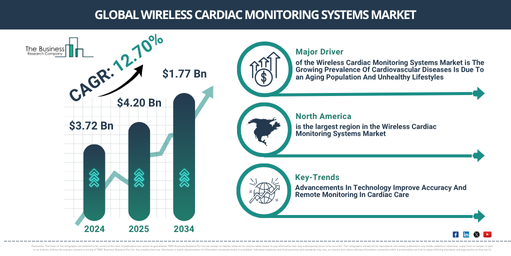
    In recent times, the market size for wireless cardiac monitoring systems has seen a rapid increase. This expansion is expected to continue, rising from $3.72 billion in 2024 to $4.20 billion in 2025, with a noteworthy compound annual growth rate (CAGR) of 13.0%. The impressive growth during the historic period is mainly due to factors such as an escalating prevalence of cardiac arrhythmias, an increasing need for early diagnosis, expanding adoption of ambulatory monitoring, the growing practice of telemedicine services, as well as a rise in healthcare expenditures for managing chronic diseases.

    In the upcoming years, the market size of wireless cardiac monitoring systems is forecasted to experience a significant increase. By 2029, it is predicted to reach a value of $6.78 billion, with a compound annual growth rate (CAGR) of 12.7%. The expected growth during this period is due to factors such as the increased use of remote patient monitoring, a rising mature population with cardiac disorders, the growing acceptance of wearable health devices, the broadening of digital health infrastructure, and an improved awareness of preventive cardiac care. Key trends for this duration encompass advancements in sensor miniaturization, breakthroughs in mobile electrocardiogram technology, evolution in cloud-based cardiac platforms, investments in cardiac diagnostics research, and the application of artificial intelligence in arrhythmia identification.

    Download The Free Sample Report Here:

    https://www.thebusinessresearchcompany.com/sample.aspx?id=25937&type=smp

    What factors are expected to fuel Wireless Cardiac Monitoring Systems market growth in the coming years?

    The rise in cardiovascular diseases is anticipated to drive the expansion of the wireless cardiac monitoring systems market in the future. Cardiovascular diseases consist of a variety of disorders that affect the heart and blood vessels, such as coronary artery disease, heart failure, and stroke. The increase in these diseases is attributed to an aging demographic and unhealthy habits, thus leading to a higher demand for earlier diagnosis, constant monitoring, and enduring disease management solutions. Wireless cardiac monitoring systems assist in managing these diseases by providing continuous and real-time heart activity tracking, which allows for the early identification of irregularities and prompt medical intervention. For instance, in January 2024, the American Heart Association, a non-profit organization from the U.S., reported an increase in the deaths related to cardiovascular diseases from 928,741 in 2023 to 931,578 in 2024. Hence, the increasing incidence of cardiovascular diseases propels the growth of the wireless cardiac monitoring systems market.

    What Are The Key Findings From The Segmentation Analysis Of The Wireless Cardiac Monitoring Systems Market?

    The wireless cardiac monitoring systems market covered in this report is segmented –

    1) By Type: Implantable Cardiac Monitors (ICM), Patch-Type Monitor, Mobile Cardiac Telemetry System, Other Types

    2) By Indication: Coronary Artery Disease, Angina Pectoris, Atherosclerosis, Heart Failure, Stroke, Other Indications

    3) By End Use: Hospitals, Specialty Clinics, Diagnostic Centers, Home Care Settings, Other End Use

    Subsegments:

    1) By Implantable Cardiac Monitors (ICM): Insertable Loop Recorders, Subcutaneous Monitors, Implantable Loop Recorders with Wireless Connectivity

    2) By Patch-Type Monitor: Single-Lead Patch Monitors, Multi-Lead Patch Monitors, Waterproof Patch Monitors, Extended Wear Patch Monitors

    3) By Mobile Cardiac Telemetry System: Portable Telemetry Devices, Wearable Telemetry Devices, Smartphone-Connected Telemetry Systems

    4) By Other Types: Handheld Cardiac Monitors, External Holter Monitors, Smartwatches with Cardiac Monitoring Features, Ambulatory Electrocardiogram Devices

    What Upcoming Trends Are Expected To Impact The Wireless Cardiac Monitoring Systems Market Globally?

    Prominent enterprises in the wireless cardiac monitoring systems market are channeling their efforts into the creation of breakthrough technologies such as adaptive nighttime filtering. This tech tweak is devised to amplify the precision of arrhythmia detection while minimizing false alerts. The main objective of adaptive nighttime filtering technology is to adapt detection parameters during sleep, thereby mitigating the occurrence of false alerts and enhancing cardiac monitoring accuracy. To illustrate, Boston Scientific Corporation, a medical tech firm based in the US, in October 2023, brought forth the LUX-Dx II+ Insertable Cardiac Monitor. This revolutionary device is engineered for enduring wireless monitoring of cardiac rhythm disorders such as atrial fibrillation and syncope. This system is equipped with sophisticated dual-stage algorithms that detect and confirm arrhythmias, utilizing adaptive nighttime filtering to curtail false positives and bolster accuracy. The system also facilitates remote programming for clinicians to exercise control without patient visits, paired with a patient application that allows effortless symptom tracking and real-time information exchange, subsequently advancing continuous cardiac care.

    What Are The Most Active Companies In The Wireless Cardiac Monitoring Systems Market Today?

    Major companies operating in the wireless cardiac monitoring systems market are Abbott Laboratories, Medtronic plc, Koninklijke Philips N.V., GE HealthCare Technologies Inc., Boston Scientific Corporation, BIOTRONIK SE & Co. KG, Shenzhen Mindray Bio-Medical Electronics Co. Ltd., Spacelabs Healthcare Inc., Schiller AG, BPL Medical Technologies Private Limited, AliveCor Inc., Vital Connect Inc., Biotricity Inc., Fukuda Denshi Co. Ltd., Aerotel Medical Systems Ltd., SmartCardia S.A., CardioComm Solutions Inc., MediBioSense Ltd., QT Medical Inc., CardiacSense Ltd.

    Get The Full Report Here:

    https://www.thebusinessresearchcompany.com/report/wireless-cardiac-monitoring-systems-global-market-report

    Which Regional Markets Are Attracting The Most Investment In Wireless Cardiac Monitoring Systems?

    North America was the largest region in the wireless cardiac monitoring systems market in 2024. Asia-Pacific is expected to be the fastest-growing region in the forecast period. The regions covered in the wireless cardiac monitoring systems market report are Asia-Pacific, Western Europe, Eastern Europe, North America, South America, Middle East, Africa.

    Request For A Customized Report:

    https://www.thebusinessresearchcompany.com/customise?id=25937&type=smp

    About The Business Research Company:

    With over 15000+ reports from 27 industries covering 60+ geographies, The Business Research Company has built a reputation for offering comprehensive, data-rich research and insights. Armed with 1,500,000 datasets, the optimistic contribution of in-depth secondary research, and unique insights from industry leaders, you can get the information you need to stay ahead in the game.

    Get in touch with us:

    The Business Research Company: https://www.thebusinessresearchcompany.com/

    Americas +1 310-496-7795

    Asia +44 7882 955267 & +91 8897263534

    Europe +44 7882 955267

    Email us at info@tbrc.info

    Follow us on:

    LinkedIn: https://in.linkedin.com/company/the-business-research-company

    YouTube: https://www.youtube.com/channel/UC24_fI0rV8cR5DxlCpgmyFQ

    Global Market Model: https://www.thebusinessresearchcompany.com/global-market-model
  • Comprehensive Forecast: Wearable Skin Patch Market Share, Growth, and Opportunities Through 2029

    Comprehensive Forecast: Wearable Skin Patch Market Share, Growth, and Opportunities Through 2029

    Claim your 30% discount on Global Market Reports with code ONLINE30. Limited time only.

    Claim your 30% discount on Global Market Reports with code ONLINE30. Limited time only.

    What CAGR Is Anticipated for the Wearable Skin Patch Market Through 2029?

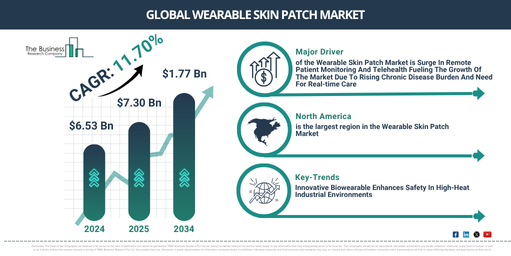
    The market size for wearable skin patches has seen significant expansion in the past few years. The market is projected to surge from $6.53 billion in 2024 to $7.30 billion in 2025, with a compound annual growth rate (CAGR) of 11.9%. Factors such as increasing instances of chronic illnesses, growing need for remote patient monitoring, heightened awareness of health and fitness, a trend towards non-invasive drug delivery methods, and a swelling aged population, have contributed to the historical growth of this market.

    Anticipated to experience brisk expansion in the coming years, the market size for wearable skin patches is projected to reach $11.37 billion in 2029, with a CAGR of 11.7%. The forecasted growth can be linked to the increasing use of AI and IoT in wearable patches, an intensified focus on individualized healthcare, a rise in the use of telehealth services, widened applications for managing chronic diseases, and increased funding in healthcare tech startups focusing on wearables. The upcoming trends to watch for include advancements in biosensor technologies, breakthroughs in flexible and stretchable electronics, the inclusion of wireless connectivity features, improvements in real-time data analytics and the advent of self-powered, battery-free patches.

    Download The Free Sample Report Here:

    https://www.thebusinessresearchcompany.com/sample.aspx?id=25936&type=smp

    What Market Forces Are Driving The Wearable Skin Patch Sector In 2025 And Beyond?

    The growth of the wearable skin patch market is forecasted to be boosted by the escalating demand for remote patient monitoring and telehealth. These are digital technologies employed to provide healthcare services and track patients’ health from afar. The spike in remote patient monitoring and telehealth demands is attributed to an increase in chronic diseases, necessitating constant monitoring and timely medical intervention readily provided by these technologies through instantaneous data sharing and virtual care. Wearable skin patches aid in remote patient monitoring and telehealth by persistently collecting crucial physiological data like glucose levels, heart rate, or body temperature and sending it to healthcare providers. This allows for proactive remote care and immediate medical action when needed. For example, data from the Department of Health and Aged Care in Australia showed that the highest usage of telehealth in the 2022–23 period was among general practitioners (20%) and allied health (12%). Additionally, general practitioners and non-GP specialists contributed to 75% and 48% of all video consultations, respectively. Consequently, wearable skin patch market growth is being fueled by the increasing demand for remote patient monitoring and telehealth.

    How Is The Global Wearable Skin Patch Market Categorized By Segments?

    The wearable skin patch market covered in this report is segmented –

    1) By Types: Medicine Delivery Type, Indicator Monitoring Type

    2) By Technology: Regular Wearable, Connected Wearable

    3) By Application: Clinical, Non-Clinical

    Subsegments:

    1) By Medicine Delivery Type: Insulin Delivery Patches, Nicotine Patches, Hormone Replacement Patches, Pain Relief Patches, Contraceptive Patches, Anti-nausea Patches, Cardiovascular Drug Patches

    2) By Indicator Monitoring Type: Glucose Monitoring Patches, Temperature Monitoring Patches, Hydration Monitoring Patches, pH Level Monitoring Patches, Lactate Monitoring Patches, Sweat Biomarker Monitoring Patches, Oxygen Level Monitoring Patches

    How Are Key Trends Driving Expansion In The Wearable Skin Patch Industry?

    Leading organizations in the wearable skin patch sector are focusing on creating revolutionary products, like a sweat-sensing patch, which can offer immediate health-related information, boost user safety, and address the rising need for customized and preventative healthcare solutions. A sweat-sensing patch is described as a sophisticated wearable technology that monitors sweat biomarkers and delivers instant hydration data through an integrated mobile platform. For example, Epicore Biosystems, a biotechnology firm based in the USA, introduced Connected Hydration, a combined sweat-sensing wearable patch and mobile application, in April 2024. This groundbreaking invention offers immediate, tailored insights on sweat volume, electrolyte loss, body temperature, and movement, helping industrial frontline workers foresee and control their hydration requirements before dehydration begins. This bio-wearable is specifically made for physically intense industries such as construction, energy, mining, agriculture, and logistics. Furthermore, it assists military staff in preventing heat stress and associated injuries.

    Which Firms Are Considered Leaders In The Wearable Skin Patch Market Space?

    Major companies operating in the wearable skin patch market are Abbott Laboratories, 3M Company, Medtronic plc, Texas Instruments Incorporated, Nitto Denko Corporation, Dexcom Inc., Insulet Corporation, iRhythm Technologies Inc., Rusan Pharma Ltd., Tapecon Inc., VitalConnect Inc., Blue Spark Technologies Inc., Epicore Biosystems Inc., Beneli AB, UltraLinq Healthcare Solutions Inc., Gentag Inc., Xsensio SA, Nemaura Medical Inc., Zansors LLC, VivaLNK Inc.

    Get The Full Report Here:

    https://www.thebusinessresearchcompany.com/report/wearable-skin-patch-global-market-report

    What Role Do Regional Policies And Investments Play In Wearable Skin Patch Market Expansion?

    North America was the largest region in the wearable skin patch market in 2024. Asia-Pacific is expected to be the fastest-growing region in the forecast period. The regions covered in the wearable skin patch market report are Asia-Pacific, Western Europe, Eastern Europe, North America, South America, Middle East, Africa.

    Request For A Customized Report:

    https://www.thebusinessresearchcompany.com/customise?id=25936&type=smp

    About The Business Research Company:

    With over 15000+ reports from 27 industries covering 60+ geographies, The Business Research Company has built a reputation for offering comprehensive, data-rich research and insights. Armed with 1,500,000 datasets, the optimistic contribution of in-depth secondary research, and unique insights from industry leaders, you can get the information you need to stay ahead in the game.

    Get in touch with us:

    The Business Research Company: https://www.thebusinessresearchcompany.com/

    Americas +1 310-496-7795

    Asia +44 7882 955267 & +91 8897263534

    Europe +44 7882 955267

    Email us at info@tbrc.info

    Follow us on:

    LinkedIn: https://in.linkedin.com/company/the-business-research-company

    YouTube: https://www.youtube.com/channel/UC24_fI0rV8cR5DxlCpgmyFQ

    Global Market Model: https://www.thebusinessresearchcompany.com/global-market-model
  • Future Demand and Leading Companies Shaping the Wearable Cardiac Devices Market to 2029

    Future Demand and Leading Companies Shaping the Wearable Cardiac Devices Market to 2029

    Claim your 30% discount on Global Market Reports with code ONLINE30. Limited time only.

    Claim your 30% discount on Global Market Reports with code ONLINE30. Limited time only.

    What Are the Latest Market Insights for the Wearable Cardiac Devices Industry?

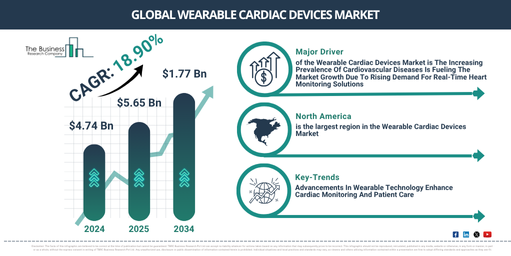
    The market for wearable cardiac devices has witnessed a swift expansion in its size over the past few years. The market is expected to rise from a size of $4.74 billion in 2024 to a size of $5.65 billion in 2025 with a compound annual growth rate (CAGR) of 19.3%. Factors contributing to this growth in the historical period include an increase in cardiovascular disease incidents, greater awareness around preventive healthcare, incorporation of ECG technology into consumer electronics, a surge in usage of fitness tracking devices and a growing demand for remote patient monitoring.

    The market for wearable cardiac devices is projected to experience swift expansion in the coming years, rising to $11.31 billion by 2029 with a compound annual growth rate (CAGR) of 18.9%. This projected increase during the forecast period can be ascribed to a surge in the use of telehealth services, an ageing population, incorporation with smartphone health applications, an increased demand for round-the-clock heart health monitoring, and the broadening scope of telehealth and digital health platforms. Key trends anticipated during the forecast period comprise the downsizing of cardiac monitoring devices, compatibility with smartphones and mobile applications, the creation of wearables that can monitor multiple parameters, wearable ECG for identifying arrhythmia, and subscription-oriented health monitoring services.

    Download The Free Sample Report Here:

    https://www.thebusinessresearchcompany.com/sample.aspx?id=25935&type=smp

    What Forces Are Driving The Growth Of The Wearable Cardiac Devices Industry?

    The escalating occurrence of cardiovascular ailments is predicted to fuel the augmentation of the wearable cardiac devices industry in the near future. These maladies denote a range of disorders that impact the heart and blood vessels, encompassing conditions such as coronary artery disease, heart failure, stroke, and hypertension. The rising occurrence of cardiovascular afflictions is principally tied to numerous risk elements, such as excessive alcohol consumption, which can elevate blood pressure, contribute to inconsistent heart rhythms, and augment the risk of heart failure and stroke. Wearable cardiac gadgets facilitate heart activity monitoring in real-time, promoting early identification and control of cardiovascular ailments to avert severe health issues by continuously observing crucial parameters like heart rate, rhythm, and electrical signals, thus facilitating prompt medical intervention and enhancing patient results. As an illustration, the Australian Institute of Health and Welfare, an Australia-based government body, reported in December 2023, that in 2021, there were 14,100 doctor-verified fatalities owing to coronary heart disease (CHD), which surged to 14,900 in 2022. Consequently, the untamed escalation of cardiovascular disorders is stimulating the expansion of the wearable cardiac devices industry.

    What Is The Overview Of Market Segmentation In The Wearable Cardiac Devices Industry?

    The wearable cardiac devices market covered in this report is segmented –

    1) By Product: Holter Monitors, Smartwatches, Patch, Defibrillators, Pulse Oximeters, Other Products

    2) By Application: Arrhythmia Detection, Heart Rate Monitoring, Heart Disease Management

    3) By Distribution Channel: Online, Offline

    4) By End User: Hospitals, Clinics, Individual Consumers, Fitness Centers

    Subsegments:

    1) By Holter Monitors: Single-Channel Holter Monitors, Multi-Channel Holter Monitors, Wireless Holter Monitors

    2) By Smartwatches: Fitness And Wellness Smartwatches, Medical-Grade Smartwatches, Electrocardiogram (ECG)-Enabled Smartwatches

    3) By Patch: Adhesive Cardiac Monitoring Patches, Rechargeable Patch Monitors, Disposable Patch Monitors

    4) By Defibrillators: Wearable Cardioverter Defibrillators (WCDs), Automated External Defibrillators (AEDs) With Wearable Integration

    5) By Pulse Oximeters: Fingertip Wearable Oximeters, Wrist-Worn Oximeters, Ring-Type Oximeters

    6) By Other Products: Chest Straps, Smart Clothing, Portable Electrocardiogram (ECG) Monitors

    Which Trends Are Expected To Shape The Future Of The Wearable Cardiac Devices Market?

    Leading firms in the wearable cardiac device market are prioritizing the creation of novel products like medical-grade smartwatches to enhance constant cardiac monitoring and early identification of heart diseases. These smartwatches are wearable gadgets that come loaded with sophisticated health tracking sensors and meet the clinical accuracy prerequisites for monitoring essential signs such as heart rate, ECG, blood oxygen levels, and sleep routines. These tools enable users and healthcare providers to keep a check on chronic diseases, detect any irregularities early on and take health decisions based on real-time information. For instance, Xplore Lifestyle Solutions Pvt Ltd, an Indian manufacturer, joined forces with CardiacSense, an Israeli firm, in July 2022 to introduce the CardiacSense medical watch, which holds the title of being the world’s first medically-approved smartwatch for heart monitoring. The gadget comes with FDA-approved PPG (photoplethysmography) and ECG sensors, ensuring hospital-grade precision in detecting heart arrhythmias, atrial fibrillation, and other heart irregularities. The device’s exclusive algorithms offer continuous blood pressure tracking without the need for calibration, and the stylish design that can be worn round-the-clock includes fall detection as well as emergency SOS alerts.

    Who Are The Primary Players Operating Across The Global Wearable Cardiac Devices Market?

    Major companies operating in the wearable cardiac devices market are Apple Inc., Samsung Electronics Co. Ltd., Abbott Laboratories, Medtronic plc, Garmin Ltd., Masimo Corporation, Nihon Kohden Corporation, iRhythm Technologies Inc., Biofourmis, Bittium Corporation, BPL Medical Technologies Pvt. Ltd., NeuroSky Inc., Bionet Co. Ltd., AliveCor Inc., Qardio Inc., Empatica Inc., VitalConnect Inc., Lifesignals Group, Biotricity Inc., Shimmer Research

    Get The Full Report Here:

    https://www.thebusinessresearchcompany.com/report/wearable-cardiac-devices-global-market-report

    Which Region Offers The Most Growth Potential For The Wearable Cardiac Devices Market Through 2029?

    North America was the largest region in the wearable cardiac devices market in 2024. Asia-Pacific is expected to be the fastest-growing region in the forecast period. The regions covered in the wearable cardiac devices market report are Asia-Pacific, Western Europe, Eastern Europe, North America, South America, Middle East, Africa.

    Request For A Customized Report:

    https://www.thebusinessresearchcompany.com/customise?id=25935&type=smp

    About The Business Research Company:

    With over 15000+ reports from 27 industries covering 60+ geographies, The Business Research Company has built a reputation for offering comprehensive, data-rich research and insights. Armed with 1,500,000 datasets, the optimistic contribution of in-depth secondary research, and unique insights from industry leaders, you can get the information you need to stay ahead in the game.

    Get in touch with us:

    The Business Research Company: https://www.thebusinessresearchcompany.com/

    Americas +1 310-496-7795

    Asia +44 7882 955267 & +91 8897263534

    Europe +44 7882 955267

    Email us at info@tbrc.info

    Follow us on:

    LinkedIn: https://in.linkedin.com/company/the-business-research-company

    YouTube: https://www.youtube.com/channel/UC24_fI0rV8cR5DxlCpgmyFQ

    Global Market Model: https://www.thebusinessresearchcompany.com/global-market-model
  • 2025–2029 Wearable Bioelectronic Skin Patches Market Outlook: Regional Trends and Growth Forecast

    2025–2029 Wearable Bioelectronic Skin Patches Market Outlook: Regional Trends and Growth Forecast

    Claim your 30% discount on Global Market Reports with code ONLINE30. Limited time only.

    Claim your 30% discount on Global Market Reports with code ONLINE30. Limited time only.

    What Are the Forecasted Growth Rate and Market Size of the Wearable Bioelectronic Skin Patches Market?

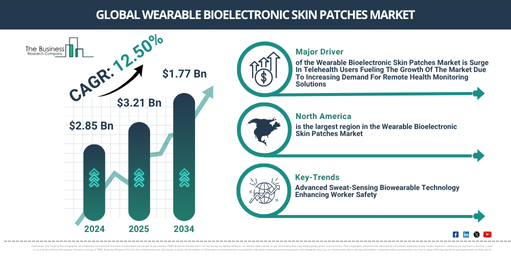
    The market for wearable bioelectronic skin patches has seen significant growth in recent years, with projections indicating that it is set to increase in size from $2.85 billion in 2024 to $3.21 billion in 2025. This translates to a compound annual growth rate (CAGR) of 12.7%. The expansion experienced during the historic period is a result of several key factors such as: an increase in demand for remote health monitoring, a higher adoption rate of flexible electronics, an upsurge in the prevalence of chronic diseases, ongoing advancements in sensor technology, and heightened awareness about personalized healthcare.

    In the coming years, the market for wearable bioelectronic skin patches is projected to experience significant growth, escalating to a value of $5.15 billion in 2029 with a compound annual growth rate (CAGR) of 12.5%. The projected growth during the forecast period can be credited to the expanding integration of artificial intelligence, a growing emphasis on real-time health analytics, an increasing need for non-invasive monitoring, a rise in investment in wearable healthcare technologies, and a higher adaptation rate of wireless connectivity in patches. The forecast period also sees key trends such as development in flexible and stretchable materials, advanced biosensor integration, new innovations in energy harvesting technologies, an amalgamation of AI and machine learning, as well as progress in real-time data processing.

    Download The Free Sample Report Here:

    https://www.thebusinessresearchcompany.com/sample.aspx?id=25934&type=smp

    Which Factor Is Shaping The Future Of The Wearable Bioelectronic Skin Patches Market?

    The anticipated increase in the number of individuals using telehealth services is predicted to boost the expansion of the wearable bioelectronic skin patches market. These users engage digital communication technology, like video chats, phone calls, and applications, to get accessible healthcare from anywhere, which eliminates the need to travel. The rising popularity of such services is credited to the convenience it offers. By continually tracking vital signs and sending immediate health information to health professionals, wearable bioelectronic skin patches significantly improve remote healthcare, enabling prompt responses, accurate diagnoses, and tailored patient care. As cited in a March 2024 report from Australia’s Department of Health and Aged Care, the use of telehealth services peaked in the year 2022–23, notably among general practitioners (20%) and allied health (12%), with 75% and 48% of all virtual consultations being conducted by general practitioners and non-general practitioners respectively. Hence, the swelling numbers of telehealth users are fueling the wearable bioelectronic skin patches market’s expansion.

    What Is The Segment-Wise Breakdown Of The Wearable Bioelectronic Skin Patches Market?

    The wearable bioelectronic skin patches market covered in this report is segmented –

    1) By Type: Electrochemical Sensors, Electrocardiogram Sensors, Temperature Sensors, Electromyography Sensors, Other Types

    2) By Application: Fitness And Wellness, Medical Monitoring, Other Applications

    3) By End Use: Hospitals And Clinics, Home Care Settings, Other End Uses

    Subsegments:

    1) By Electrochemical Sensors: Glucose Monitoring Sensors, Lactate Monitoring Sensors, Potential of Hydrogen Sensors, Electrolyte Sensors, Cortisol Detection Sensors

    2) By Electrocardiogram (ECG) Sensors: Single-Lead Electrocardiogram Sensors, Multi-Lead Electrocardiogram Sensors, Dry Electrode Sensors, Wet Electrode Sensors, Wireless Electrocardiogram Patches

    3) By Temperature Sensors: Skin Surface Temperature Sensors, Core Body Temperature Sensors, Infrared Thermography Patches, Thermistor-Based Sensors, Phase Change Material (PCM) Sensors

    4) By Electromyography (EMG) Sensors: Surface Electromyography Patches, Wireless Electromyography Patches, Multi-Channel Electromyography Sensors, Dry Electrode Electromyography Sensors, Textile-Embedded Electromyography Sensors

    5) By Other Types: Optical Sensors, Mechanical Strain Sensors, Hydration Monitoring Sensors, Sweat Rate Sensors, Blood Pressure Sensors

    What Long-Term Trends Are Likely To Affect The Wearable Bioelectronic Skin Patches Market?

    Leading corporations in the wearable bioelectronic skin patch sector are focusing on the advancement of modern technologies such as multi-sensor sweat-tracking platforms, aimed at providing personalized monitoring of hydration levels and predictive health analysis for industrial laborers. A multi-sensor sweat detection system uses biosensors to track parameters like sweat production, electrolyte loss, skin temperature, and motion to provide real-time data that can help prevent issues like dehydration and heat exhaustion. For example, in April 2024, Epicore Biosystems, an American digital health enterprise, introduced the Connected Hydration platform – a biowearable patch and a mobile app. This skin-friendly device, built to track sweat volume, electrolyte loss, body temperature, and movement, employs multiple biosensors and machine learning algorithms that have been trained using over 420,000 data points. The patch gives immediate dehydration signals through tactile feedback and allows monitoring of fluid intake through an integrated mobile app. It boasts a battery life of more than 1,000 hours, does not need to be charged, and adheres to a safe design standard (CLASS I, DIV 2). Such technology paves the way for predictive analytics in dangerous industrial settings.

    Which Companies Hold The Largest Market Share In The Wearable Bioelectronic Skin Patches Sector?

    Major companies operating in the wearable bioelectronic skin patches market are Abbott Laboratories, Medtronic plc, Dexcom Inc., Interuniversity Microelectronics Centre, iRhythm Technologies Inc., Biolinq Inc., Profusa Inc., VitalConnect Inc., Blue Spark Technologies Inc., Epicore Biosystems Inc., BioIntelliSense Inc., Gentag Inc., VivaLNK Inc., PKvitality S.A.S., G-Tech Medical Inc., Biobeat Technologies Ltd., Zansors Inc., Nemaura Medical Inc., QT Medical Inc., Cardiomo Care Inc.

    Get The Full Report Here:

    https://www.thebusinessresearchcompany.com/report/wearable-bioelectronic-skin-patches-global-market-report

    How Does Regional Performance Compare Across The Wearable Bioelectronic Skin Patches Industry?

    North America was the largest region in the wearable bioelectronic skin patches market in 2024. Asia-Pacific is expected to be the fastest-growing region in the forecast period. The regions covered in the wearable bioelectronic skin patches market report are Asia-Pacific, Western Europe, Eastern Europe, North America, South America, Middle East, Africa.

    Request For A Customized Report:

    https://www.thebusinessresearchcompany.com/customise?id=25934&type=smp

    About The Business Research Company:

    With over 15000+ reports from 27 industries covering 60+ geographies, The Business Research Company has built a reputation for offering comprehensive, data-rich research and insights. Armed with 1,500,000 datasets, the optimistic contribution of in-depth secondary research, and unique insights from industry leaders, you can get the information you need to stay ahead in the game.

    Get in touch with us:

    The Business Research Company: https://www.thebusinessresearchcompany.com/

    Americas +1 310-496-7795

    Asia +44 7882 955267 & +91 8897263534

    Europe +44 7882 955267

    Email us at info@tbrc.info

    Follow us on:

    LinkedIn: https://in.linkedin.com/company/the-business-research-company

    YouTube: https://www.youtube.com/channel/UC24_fI0rV8cR5DxlCpgmyFQ

    Global Market Model: https://www.thebusinessresearchcompany.com/global-market-model