Category: Medical Equipment

  • Offloading Devices  Market Size Projected To Increase From $7.81 Billion To $10.2 Billion During The Forecast Period

    Offloading Devices Market Size Projected To Increase From $7.81 Billion To $10.2 Billion During The Forecast Period

    Through market attractiveness analysis, total addressable market evaluation, company benchmarking matrices, interactive Excel dashboards, expanded supply chain intelligence, emerging startup coverage, and detailed product insights, The Business Research Company’s 2026 market reports provide more actionable and strategically valuable research.

    Offloading Devices Market Forecast: What Market Value Is Expected By 2030?

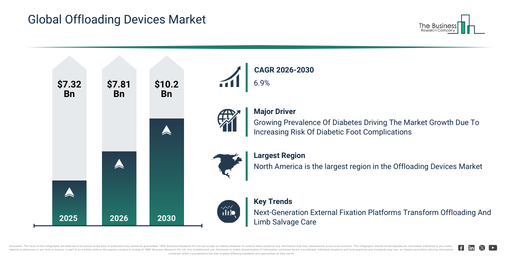
    The offloading devices market size has demonstrated robust growth in recent years. It is anticipated to expand from $7.32 billion in 2025 to $7.81 billion by 2026, achieving a compound annual growth rate (CAGR) of 6.7%. Historically, this market expansion can be attributed to an increase in diabetic foot ulcers, the growing aging population, greater demand for podiatric care, the wider adoption of orthopedic devices, and heightened needs for post-surgical recovery.

    The market size for offloading devices is projected to experience robust expansion over the next few years. It is forecast to increase to $10.2 billion by 2030, exhibiting a compound annual growth rate (CAGR) of 6.9%. This projected growth throughout the forecast period can be attributed to factors such as an increase in diabetes prevalence, the rising adoption of home care treatment, the expansion of preventive wound care services, a heightened demand for custom orthotics, and an increase in outpatient recovery devices. Significant trends anticipated during this period include custom molded offloading footwear, advanced pressure redistribution insoles, lightweight composite offloading boots, 3D printed orthotic devices, and modular removable cast walkers.

    Download A Free Sample Report For Comprehensive Market Insights:

    https://www.thebusinessresearchcompany.com/sample.aspx?id=33244&type=smp&utm_source=Blogs&utm_medium=Paid&utm_campaign=Jul_PR

    Offloading Devices Market Growth Factors Supporting Long-Term Expansion

    The escalating occurrence of diabetes is anticipated to drive the expansion of the offloading devices market moving forward. Diabetes, a chronic condition, affects how the body processes food into energy, resulting in heightened blood sugar levels that can lead to severe health problems. The increase in diabetes prevalence is largely due to rising obesity rates, as excess body fat contributes to insulin resistance and higher blood sugar levels. Offloading devices support diabetic patients by alleviating pressure on high-risk areas, preventing foot ulcers, fostering quicker wound healing, and reducing the likelihood of serious complications such as infections or amputations, thereby enhancing mobility, quality of life, and overall diabetic care outcomes. For example, in June 2024, the National Health Service, a UK-based government department, stated that 3,615,330 individuals registered with a general practitioner (GP) were diagnosed with non-diabetic hyperglycemia or pre-diabetes in 2023, an 18% increase from 3,065,825 cases recorded in 2022. Hence, the increasing prevalence of diabetes is a key factor driving the growth of the offloading devices market.

    Offloading Devices Market Segment Outlook: Which Categories Are Expanding The Fastest?

    The offloading devices market covered in this report is segmented –

    1) By Product Type: Nonremovable Knee-High Offloading Devices; Removable Knee-High Offloading Devices; Air-Assisted Lateral Transfer Systems; Replacement Sliding Sheets; Wheelchairs

    2) By Material: Foam; Plastics; Rubber; Composite Materials; Advanced Polymers

    3) By Application: Diabetic Foot Ulcer Management; Pressure Ulcer Prevention And Treatment; Surgical Recovery; Post-Operative Care; Diagnostics; Long-Term Rehabilitation

    4) By End-User: Hospitals; Ambulatory Surgery Centers; Nursing Homes; Long-Term Care Facilities; Home Care Settings

    Subsegments:

    1) By Nonremovable Knee-High Offloading Devices: Total Contact Cast Systems; Fiberglass Casting Systems; Plaster Based Casting Systems; Custom Molded Immobilization Devices

    2) By Removable Knee-High Offloading Devices: Removable Cast Walkers; Adjustable Walking Boots; Modular Immobilization Braces; Custom Fit Removable Devices

    3) By Air-Assisted Lateral Transfer Systems: Single Patient Use Air Transfer Systems; Reusable Air Transfer Systems; Inflatable Air Cushion Transfer Systems; Powered Air Assisted Transfer Systems

    4) By Replacement Sliding Sheets: Disposable Sliding Sheets; Reusable Sliding Sheets; Low Friction Coated Sliding Sheets; Waterproof Sliding Sheets

    5) By Wheelchairs: Manual Wheelchairs; Powered Wheelchairs; Transport Wheelchairs; Custom Configured Wheelchairs

    Offloading Devices Market Industry Trends Shaping Future Revenue Growth

    Leading companies in the offloading devices market are prioritizing advanced external fixation platforms to improve wound protection, facilitate accurate pressure redistribution, and streamline limb preservation procedures. External fixation platforms are orthopedic support systems designed to stabilize bones and joints using structures positioned outside the body, often connected to the skeleton via pins or wires. They are commonly employed in managing fractures, limb reconstruction, and post-surgical recovery. For instance, in January 2026, BlueOcean Global, a US-based medical device company, announced it had received FDA 510(k) clearance for Excelsior, a compact, surgeon-deployable platform for limb salvage in high-risk patients. This system allows clinicians to securely integrate offloading rings and bars into existing fixation setups using standard components, addressing diabetes-related ulcers, infections, trauma, and non-healing wounds in underserved clinical areas such as Charcot reconstruction. These modular frames reduce the load on soft tissues from core skeletal structures, enhance stability in complex situations, and are managed through BlueOcean’s proprietary FAST protocols to ensure optimal healing and smooth patient outcomes.

    Offloading Devices Market Key Companies And Competitive Benchmarking

    Major companies operating in the offloading devices market are Medline Industries LP, Stryker Corporation, Ottobock SE & Co KGaA, Arjo Group, Invacare Corporation, Guldmann A/S, Etac AB, Permobil AB, Sunrise Medical LLC, Frontier Medical Group, Drive DeVilbiss Healthcare, Joerns Healthcare LLC, AliMed Inc, Seneca Devices Inc., DARCO International Inc., HoverTech International, Beechfield Healthcare Ltd, Next Health LLC, Jewell Nursing Solutions, and Posey Products LLC.

    Access The Complete Offloading Devices Market Report:

    https://www.thebusinessresearchcompany.com/report/offloading-devices-market-report?utm_source=Blogs&utm_medium=Paid&utm_campaign=Jul_PR

    Offloading Devices Market Regional Analysis And Leading Geography

    North America was the largest region in the offloading devices market in 2025. Asia-Pacific is expected to be the fastest-growing region in the forecast period. The regions covered in the offloading devices market report are Asia-Pacific, South East Asia, Western Europe, Eastern Europe, North America, South America, Middle East, Africa.

    Get in touch with us:

    The Business Research Company: https://www.thebusinessresearchcompany.com/

    Americas: +1 310-496-7795

    Asia: +44 7882 955267 & +91 8897263534

    Europe: +44 7882 955267

    Email us at: marketing@tbrc.info

    Follow us on:

    LinkedIn: https://in.linkedin.com/company/the-business-research-company

    YouTube: https://www.youtube.com/channel/UC24_fI0rV8cR5DxlCpgmyFQ

    Global Market Model: https://www.thebusinessresearchcompany.com/global-market-model
  • Neural Control  Market Expected To Reach $4.72 Billion By 2030 As Growth Accelerates At 13.8% CAGR

    Neural Control Market Expected To Reach $4.72 Billion By 2030 As Growth Accelerates At 13.8% CAGR

    Through market attractiveness analysis, total addressable market evaluation, company benchmarking matrices, interactive Excel dashboards, expanded supply chain intelligence, emerging startup coverage, and detailed product insights, The Business Research Company’s 2026 market reports provide more actionable and strategically valuable research.

    Neural Control Market CAGR Analysis And Future Market Development

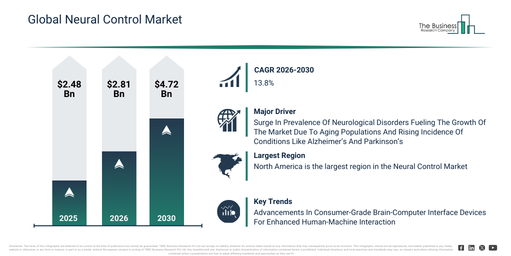
    The neural control market has seen rapid expansion in recent years. It is anticipated to grow from $2.48 billion in 2025 to $2.81 billion in 2026, achieving a compound annual growth rate (CAGR) of 13.6%. Historically, this growth can be attributed to the progress in neuroprosthetics research, the wider adoption of rehabilitation robotics, an increasing need for paralysis treatment, innovations in neural electrodes, and the proliferation of neurostimulation therapies.

    The neural control market is projected for substantial expansion over the upcoming years, with its size forecast to reach $4.72 billion by 2030, driven by a compound annual growth rate (CAGR) of 13.8%. This growth is primarily fueled by an increasing demand for bci solutions, the expansion of assistive exoskeletons, the evolution of neural rehabilitation technology, a boost in neurotech funding, and the broader adoption of clinical neural interfaces. Significant trends expected during this forecast period include the integration of brain computer interfaces, the development of implantable neural interface devices, the proliferation of wearable neuro signal sensors, the establishment of closed loop neurostimulation systems, and advancements in neuro controlled assistive robotics.

    Download A Free Sample Report For Comprehensive Market Insights:

    https://www.thebusinessresearchcompany.com/sample.aspx?id=33241&type=smp&utm_source=Blogs&utm_medium=Paid&utm_campaign=Jul_PR

    #Neural Control Market Growth Drivers And Industry Catalysts

    The expanding occurrence of neurological conditions is anticipated to drive the advancement of the neural control market in the future. These disorders are defined as health issues impacting the brain, spinal cord, or nerves, resulting in difficulties with movement, senses, thinking, or various bodily operations. The rise in neurological disorder cases is fueled by an aging global population, increasing the likelihood of conditions such as Alzheimer’s and Parkinson’s, thereby adding to the worldwide healthcare strain. Neural control offers a valuable solution to the rising incidence of neurological disorders through its capacity for precise monitoring, adjustment, and recovery of neural activity, which in turn enhances patient results and aids in effective symptom management. As an illustration, the Alzheimer’s Association, a US-based non-profit health organization, indicated in March 2023 that 6.7 million Americans aged 65+ were living with Alzheimer’s, a figure expected to climb to 13.8 million by 2060. Consequently, the growing occurrence of neurological disorders is stimulating expansion within the neural control treatment market.

    Neural Control Market Segment Analysis: What Are The Major Market Categories?

    The neural control market covered in this report is segmented –

    1) By Component: Hardware; Software; Services

    2) By Mode Of Operation: Invasive; Non Invasive

    3) By Technology: Brain Computer Interface; Neurostimulation; Neuroprosthetics

    4) By Application: Healthcare; Robotics; Automotive; Consumer Electronics; Other Applications

    5) By End-User: Medical Institutions; Research Organizations; Industrial; Other End-Users

    Subsegments:

    1) By Hardware: Electrodes; Sensors; Stimulators; Wearable Devices; Implants

    2) By Software: Signal Processing Platforms; Neurofeedback Applications; Brain Computer Interface Platforms; Data Analytics Tools; Simulation Software

    3) By Services: Installation And Integration; Maintenance And Support; Training And Consultation; Custom Development; Research And Testing

    #Neural Control Market Trends Influencing Long-Term Demand

    Major companies engaged in the neural control market are prioritizing advancements in neural interface technologies, such as consumer-oriented BCI devices, to improve human-machine interaction, elevate cognitive performance, and enable effortless control over digital and physical surroundings. A BCI-enabled consumer-grade device is an electronic product designed for daily use by non-experts that integrates brain-computer interface (BCI) technology to identify, analyze, and respond to neural signals originating from the user’s brain. For example, in September 2024, Neurable Inc., a US-based neurotechnology company, launched the MW75 Neuro, smart headphones featuring its AI-powered BCI technology, in partnership with premium audio brand Master & Dynamic. The MW75 Neuro includes EEG sensors within the ear pads to record brainwave data, offering functionalities like focus tracking, burnout management, and personalized productivity suggestions via the Neurable mobile app. Its groundbreaking AI platform provides lab-level accuracy in interpreting brain signals, alongside the headphones’ delivery of excellent audio quality, adaptive noise cancellation, and ergonomic comfort. This product represents a considerable stride in making noninvasive BCI technology accessible in everyday consumer products.

    Neural Control Market Leading Companies Driving Competitive Growth

    Major companies operating in the neural control market are Boston Scientific Corporation, Synchron Inc., Neuralink Corp., NeuroSky Inc., Emotiv Inc., BrainCo Inc., Brain Products GmbH, Paradromics Inc., Neuroelectrics S.L.U., g.tec medical engineering GmbH, Neurable Inc., Advanced Brain Monitoring Inc., Bitbrain Technologies S.L., Cortec GmbH, BrainGate Inc., OpenBCI LLC, Cognixion Inc., Alea Neurotherapeutics SA, Nexstem Technologies Pvt. Ltd., AAVAA Inc.

    Access The Complete Neural Control Market Report:

    https://www.thebusinessresearchcompany.com/report/neural-control-market-report?utm_source=Blogs&utm_medium=Paid&utm_campaign=Jul_PR

    Neural Control Market Regional Distribution: Which Areas Drive Market Expansion?

    North America was the largest region in the neural control market in 2025. Asia-Pacific is expected to be the fastest-growing region in the forecast period. The regions covered in the neural control market report are Asia-Pacific, South East Asia, Western Europe, Eastern Europe, North America, South America, Middle East, Africa.

    Get in touch with us:

    The Business Research Company: https://www.thebusinessresearchcompany.com/

    Americas: +1 310-496-7795

    Asia: +44 7882 955267 & +91 8897263534

    Europe: +44 7882 955267

    Email us at: marketing@tbrc.info

    Follow us on:

    LinkedIn: https://in.linkedin.com/company/the-business-research-company

    YouTube: https://www.youtube.com/channel/UC24_fI0rV8cR5DxlCpgmyFQ

    Global Market Model: https://www.thebusinessresearchcompany.com/global-market-model
  • Multiport Surgical Robot  Market Opportunities Are Emerging Beyond Traditional Growth Areas

    Multiport Surgical Robot Market Opportunities Are Emerging Beyond Traditional Growth Areas

    Enhanced with market attractiveness analysis, total addressable market evaluation, company benchmarking matrices, interactive Excel dashboards, expanded supply chain intelligence, emerging startup coverage, and detailed product insights, The Business Research Company’s 2026 market reports deliver more actionable and strategically valuable research.

    Multiport Surgical Robot Market Forecast Highlighting Growth From $3.45 Billion To $6.93 Billion

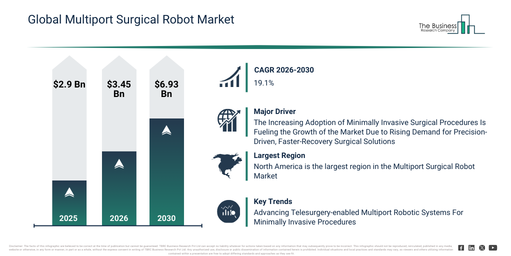
    The multiport surgical robot market has expanded significantly over recent years. Its size is expected to climb from $2.9 billion in 2025 to $3.45 billion in 2026, achieving a compound annual growth rate (CAGR) of 18.8%. Historically, this expansion has been driven by the rise of minimally invasive surgery, early acceptance of robotic surgery, an escalating demand for surgical precision, the increasing number of tertiary care hospitals, and advancements in surgeon ergonomics.

    The multiport surgical robot market is expected to experience substantial growth in the upcoming years. It is projected to expand to $6.93 billion by 2030, demonstrating a compound annual growth rate (CAGR) of 19.1%. This anticipated growth is driven by several factors, including an increase in complex robotic procedures, rising healthcare automation investment, the growth of surgical robotics training, a demand for faster patient recovery, and the expansion of specialty robotic centers. Major trends identified for the forecast period include high definition 3d surgical visualization, multi arm robotic coordination, advanced minimally invasive robotics, AI assisted surgical planning, and integrated robotic navigation systems.

    Download A Free Sample Report For Comprehensive Market Insights:

    https://www.thebusinessresearchcompany.com/sample.aspx?id=33239&type=smp&utm_source=Blogs&utm_medium=Paid&utm_campaign=Jul_PR

    Multiport Surgical Robot Market Growth Momentum: Which Factors Are Influencing Demand?

    The expanding use of minimally invasive surgical procedures is anticipated to fuel the future growth of the multiport surgical robot sector. These procedures are surgical interventions performed through small incisions, employing specialized instruments or robotic systems, which significantly reduce patient trauma, shorten recovery times, and lower complications while maintaining clinical effectiveness. The increasing embrace of minimally invasive surgical procedures can be attributed to shorter hospital stays, as these techniques facilitate faster patient recovery and earlier discharge in contrast to traditional open surgeries. Multiport surgical robots enhance minimally invasive surgical procedures by delivering the necessary precision, dexterity, and visualization required to conduct intricate minimally invasive operations both safely and efficiently. For instance, in June 2024, according to the American Society of Plastic Surgeons, a US-based non-profit organization, hyaluronic acid filler minimally invasive procedures totaled 5.29 million in 2023, reflecting an 8% increase over 2022. Thus, the growing adoption of minimally invasive surgical procedures is propelling the growth of the multiport surgical robot market.

    Multiport Surgical Robot Market Segmentation: How Is The Market Structured Across Key Categories?

    The multiport surgical robot market covered in this report is segmented –

    1) By Component: Robotic Systems; Instruments And Accessories; Software; Services

    2) By Surgery Type: General Surgery; Urological Surgery; Gynecological Surgery

    3) By Type: Floor Standing; Desktop

    4) By Application: Open Surgery; Minimally Invasive Surgery

    5) By End-User: Hospitals; Ambulatory Surgical Centers; Specialty Clinics; Academic Research Centers

    Subsegments:

    1) By Robotic Systems: Robotic Arms; Control Consoles; Vision Systems; Energy Delivery Units; Navigation and Tracking Modules

    2) By Instruments And Accessories: Surgical Staplers; Needle Holders; Forceps; Scissors; Graspers; Endoscopic Tools

    3) By Software: Surgical Planning Software; Real-Time Imaging Software; Motion Control Software; Data Management Software; System Integration Software

    4) By Services: Installation Services; Maintenance Services; System Upgradation Services; Training Services; Technical Support Services

    Multiport Surgical Robot Market Trends Reshaping Industry Growth

    Key players in the multiport surgical robot market are channeling their efforts into developing advanced multiport robotic systems, such as telesurgery-enabled platforms, to elevate surgical precision, enhance procedural efficiency, and expand the reach of minimally invasive surgery. Telesurgery-enabled platforms are sophisticated surgical systems that enable surgeons to carry out robotic-assisted procedures remotely in real time, utilizing high-speed, low-latency network connectivity to control surgical instruments from a distant location. For instance, in June 2024, SS Innovations International Inc., an India-based surgical robotics company, introduced SSI Mantra 3, its next-generation indigenous multiport surgical robotic system, and successfully completed India’s first human telesurgery trial. Designed with five slimmer robotic arms, an immersive 3D HD surgeon console, and 3D 4K vision for the operating team, the system aims to improve clinical outcomes while offering cost-effective access to advanced robotic surgery, thereby supporting wider adoption.

    Multiport Surgical Robot Market Competitive Landscape And Leading Companies

    Major companies operating in the multiport surgical robot market are Medtronic plc, Johnson & Johnson, Stryker Corporation, Zimmer Biomet Holdings Inc., Intuitive Surgical Inc., Meril Life Sciences Private Limited, Globus Medical Inc., MicroPort Scientific Corporation, Meerecompany Inc., CMR Surgical Ltd., Cornerstone Robotics Limited, Distalmotion SA, Ronovo Surgical Co. Ltd., EndoRobotics S.r.l., SS Innovations International Inc., Moon Surgical SAS, Medicaroid Corporation, Edge Medical Robot Co. Ltd., AcuSurgical Inc., Momentis Surgical Inc., Sina Robotics and Medical Innovators Co. Ltd., Aimooe Technology Co. Ltd., Harbin Sagebot Intelligent Medical Equipment Co. Ltd., WEGO Holding Company Limited, Sinovation (Beijing) Medical Technology Co. Ltd.

    Access The Complete Multiport Surgical Robot Market Report:

    https://www.thebusinessresearchcompany.com/report/multiport-surgical-robot-market-report?utm_source=Blogs&utm_medium=Paid&utm_campaign=Jul_PR

    Multiport Surgical Robot Market Regional Outlook: Where Are The Largest Opportunities Located?

    North America was the largest region in the multiport surgical robot market in 2025. Asia-Pacific is expected to be the fastest-growing region in the forecast period. The regions covered in the multiport surgical robot market report are Asia-Pacific, South East Asia, Western Europe, Eastern Europe, North America, South America, Middle East, Africa.

    Get in touch with us:

    The Business Research Company: https://www.thebusinessresearchcompany.com/

    Americas: +1 310-496-7795

    Asia: +44 7882 955267 & +91 8897263534

    Europe: +44 7882 955267

    Email us at: marketing@tbrc.info

    Follow us on:

    LinkedIn: https://in.linkedin.com/company/the-business-research-company

    YouTube: https://www.youtube.com/channel/UC24_fI0rV8cR5DxlCpgmyFQ

    Global Market Model: https://www.thebusinessresearchcompany.com/global-market-model
  • Multimodal Imaging  Market Growth Is Accelerating As Industry Transformation Continues

    Multimodal Imaging Market Growth Is Accelerating As Industry Transformation Continues

    Delivering more actionable and strategically valuable research, The Business Research Company’s 2026 market reports feature market attractiveness analysis, total addressable market evaluation, company benchmarking matrices, interactive Excel dashboards, expanded supply chain intelligence, emerging startup coverage, and detailed product insights.

    Multimodal Imaging Market Growth From $4.61 Billion In 2026 To $6 Billion By 2030 At A CAGR Of 6.8%

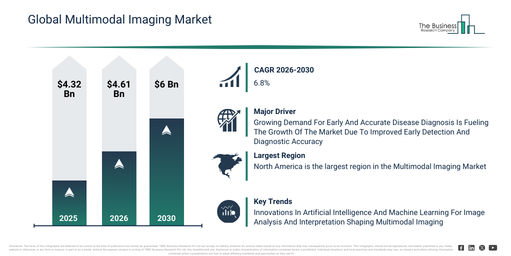
    The multimodal imaging market size has shown robust expansion in recent years. It is projected to grow from $4.32 billion in 2025 to $4.61 billion in 2026, demonstrating a compound annual growth rate (CAGR) of 6.6%. The historical growth experienced by this market can be attributed to the advancement of diagnostic imaging, an increase in cancer screening programs, the expansion of hospital imaging infrastructure, improvements in detector technology, and heightened clinical imaging demand.

    The multimodal imaging market is poised for significant expansion over the coming years. Projections indicate it will reach a valuation of $6 billion by 2030, demonstrating a compound annual growth rate (CAGR) of 6.8%. This anticipated growth stems from several factors, including an increased demand for precision diagnostics, the escalating burden of chronic diseases, the integration of AI imaging analytics, the proliferation of hybrid imaging systems, and the broadening availability of imaging as a service. Key developments expected during this period encompass hybrid PET/MR imaging systems, integrated multi-modality diagnostics, AI-assisted image fusion, cloud-based imaging analytics, and sophisticated multimodal visualization software.

    Download A Free Sample Report For Comprehensive Market Insights:

    https://www.thebusinessresearchcompany.com/sample.aspx?id=33234&type=smp&utm_source=Blogs&utm_medium=Paid&utm_campaign=Jul_PR

    Multimodal Imaging Market Demand Drivers: What Is Fueling Industry Growth?

    The increasing need for prompt and precise disease identification is projected to fuel the expansion of the multimodal imaging market in the future. Early and accurate disease diagnosis involves identifying illnesses in their initial phases with considerable accuracy, leveraging medical information and advanced techniques to facilitate prompt treatment and improved patient results. This surge in early and accurate disease diagnosis stems from individuals desiring prompt and exact detection of conditions for superior treatment and outcomes, thereby allowing healthcare practitioners to identify ailments considerably sooner than previously possible. Multimodal imaging aids in early and accurate disease diagnosis by enabling the integration of various medical imaging methods to pinpoint diseases with greater accuracy. For example, in October 2024, the National Health Service England, a UK-based public body, reported that as of March 2024, early diagnosis rates had surpassed pre-pandemic levels by 2.4% points and were 0.8% points greater than the preceding year, according to Rapid Cancer Registration Data. Consequently, the escalating demand for early and accurate disease diagnosis is propelling the expansion of the multimodal imaging market.

    Multimodal Imaging Market Categorization By Product Type And Application

    The multimodal imaging market covered in this report is segmented –

    1) By Product: Multimodal Imaging Equipment; Reagents; Software

    2) By Technology: Positron Emission Tomography (PET) Or Computed Tomography (CT) Systems; Single Photon Emission Computed Tomography Or Computed Tomography (CT) Systems; Positron Emission Tomography (PET) Or Magnetic Resonance (MR) Systems; Other Technologies

    3) By Application: Oncology; Cardiology; Neurology; Ophthalmology; Musculoskeletal Disorders; Other Applications

    4) By End-User: Hospitals; Diagnostic Imaging Centers; Other End-Users

    Subsegments:

    1) By Multimodal Imaging Equipment: Magnetic Resonance Imaging Scanner; Computed Tomography Scanner; Positron Emission Tomography Scanner; Single Photon Emission Computed Tomography Scanner; Optical Imaging System; Photoacoustic Imaging System; Hybrid Imaging System

    2) By Reagents: Contrast Agents; Radiopharmaceuticals; Fluorescent Dyes; Molecular Probes

    3) By Software: Image Processing Software; Analysis And Visualization Software; Data Management Software; Workflow And Reporting Software

    Multimodal Imaging Market Innovation Trends: Which Developments Are Transforming The Industry?

    Leading companies active in the multimodal imaging market are increasingly emphasizing breakthroughs in artificial intelligence and machine learning for analyzing and interpreting images. This includes AI-assisted image segmentation, which enables the automatic identification of anatomical structures and areas of interest across various imaging methods. AI-assisted image segmentation involves using artificial intelligence algorithms to automatically partition images into meaningful sections, a task that traditionally required human experts to manually trace. For example, in September 2025, Revvity, Inc., a US-based company specializing in preclinical imaging solutions, introduced its Living Image Synergy AI multimodal analysis software. This software provides a unified, AI-powered platform for the seamless analysis of in vivo imaging data across optical, microCT, ultrasound, and other modalities. It diminishes data inconsistencies by centralizing workflows and eliminating the need for multiple separate tools. Moreover, it integrates advanced AI algorithms to automate image segmentation and the quantification of regions of interest, thereby improving accuracy and reproducibility. Intuitive co-registration and automated procedures further reduce manual effort and the time required for analysis.

    Multimodal Imaging Market Company Landscape And Strategic Competition

    Major companies operating in the multimodal imaging market are Samsung Medison Co. Ltd., Analogic Corporation, Alcon Inc., Hologic Inc., Sofie Biosciences Inc., ShanghAI United Imaging Healthcare Co. Ltd., Topcon Corporation, Agfa-Gevaert Group, Heidelberg Engineering GmbH, Optos plc, RefleXion Medical Inc., Neusoft Corporation, Infraredx Inc., MinFound Medical Systems Co. Ltd., Neusoft Medical Systems Co. Ltd., Spectrum Dynamics Medical LLC, Konica Minolta Healthcare Americas Inc., Esaote S.p.A., MR Solutions Ltd., MILabs B.V., NIDEK Co. Ltd., Kowa Company Ltd., and Positron Corporation.

    Access The Complete Multimodal Imaging Market Report:

    https://www.thebusinessresearchcompany.com/report/multimodal-imaging-market-report?utm_source=Blogs&utm_medium=Paid&utm_campaign=Jul_PR

    Multimodal Imaging Market Largest Region By Revenue And Market Share

    North America was the largest region in the multimodal imaging market in 2025. Asia-Pacific is expected to be the fastest-growing region in the forecast period. The regions covered in the multimodal imaging market report are Asia-Pacific, South East Asia, Western Europe, Eastern Europe, North America, South America, Middle East, Africa.

    Get in touch with us:

    The Business Research Company: https://www.thebusinessresearchcompany.com/

    Americas: +1 310-496-7795

    Asia: +44 7882 955267 & +91 8897263534

    Europe: +44 7882 955267

    Email us at: marketing@tbrc.info

    Follow us on:

    LinkedIn: https://in.linkedin.com/company/the-business-research-company

    YouTube: https://www.youtube.com/channel/UC24_fI0rV8cR5DxlCpgmyFQ

    Global Market Model: https://www.thebusinessresearchcompany.com/global-market-model
  • Mobile Health Monitoring Diagnostic Medical Device  Market Forecast Highlights Expansion From $52.21 Billion To $107.69 Billion Through 2030

    Mobile Health Monitoring Diagnostic Medical Device Market Forecast Highlights Expansion From $52.21 Billion To $107.69 Billion Through 2030

    Through market attractiveness analysis, total addressable market evaluation, company benchmarking matrices, interactive Excel dashboards, expanded supply chain intelligence, emerging startup coverage, and detailed product insights, The Business Research Company’s 2026 market reports provide more actionable and strategically valuable research.

    Mobile Health Monitoring Diagnostic Medical Device Market Size Outlook: How Fast Will Revenue Grow Through 2030?

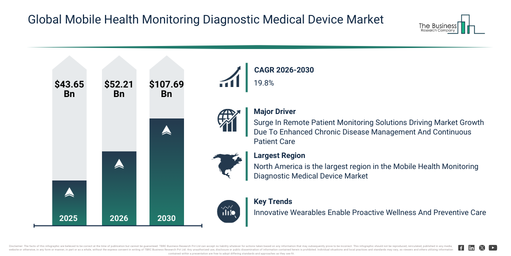
    The market for mobile health monitoring diagnostic medical devices has experienced significant expansion recently. Projections indicate its value will increase from $43.65 billion in 2025 to reach $52.21 billion by 2026, demonstrating a compound annual growth rate (CAGR) of 19.6%. This historical expansion is linked to factors such as the rise in remote diagnostics, the development of early portable monitoring devices, the increasing availability of wireless medical sensors, the implementation of hospital telemonitoring pilot programs, and the surge in home testing devices.

    The mobile health monitoring diagnostic medical device market size is anticipated to experience substantial growth over the next few years. It is forecast to expand to $107.69 billion by 2030, achieving a compound annual growth rate (CAGR) of 19.8%. This projected increase can be attributed to several factors including a heightened demand for chronic disease monitoring, the expansion of virtual care initiatives, a greater uptake of connected diagnostic solutions, integration with clinical analytics platforms, and the rise of home-based diagnostics. Key trends expected in this forecast period include mobile connected diagnostic sensors, real-time remote diagnostic monitoring, cloud-linked medical devices, portable multi-parameter monitors, and wireless clinical monitoring systems.

    Download A Free Sample Report For Comprehensive Market Insights:

    https://www.thebusinessresearchcompany.com/sample.aspx?id=33226&type=smp&utm_source=Blogs&utm_medium=Paid&utm_campaign=Jul_PR

    Mobile Health Monitoring Diagnostic Medical Device Market Expansion Drivers: What Is Shaping Future Growth?

    The expanding integration of remote patient monitoring (RPM) solutions is projected to drive the expansion of the mHealth monitoring diagnostic medical device market in the future. These solutions involve technologies that remotely monitor patient health data, facilitating care and interventions without physical appointments. The growing uptake of RPM solutions stems from enhanced chronic disease management, offering continuous health data tracking and enabling prompt interventions, thereby reducing the necessity for frequent in-person visits. mHealth monitoring diagnostic medical devices support RPM solutions by supplying real-time, wearable, and connected instruments that continuously gather patients’ vital signs and health information, empowering healthcare providers to monitor conditions, identify early anomalies, and deliver prompt, individualized remote care. For example, data from January 2025 by the Independent Health and Aged Care Pricing Authority, an Australia-based government entity, indicated that in 2022–23, virtual care (comprising telehealth and RPM) constituted approximately ~24% of non admitted care within public services. Consequently, the increased use of remote patient monitoring solutions is fueling the expansion of the mHealth monitoring diagnostic medical device market.

    Mobile Health Monitoring Diagnostic Medical Device Market Segmentation: How Is The Market Structured Across Key Categories?

    The mobile health monitoring diagnostic medical device market covered in this report is segmented –

    1) By Type: Glucose Monitor; Blood Pressure Monitor; Pulse Oximeter; Cardiac Monitor; Sleep Apnea Monitor; Multi Parameter Monitoring Device; Other Devices

    2) By Device Type: Wearable Devices; Handheld Devices; Implantable Devices; Mobile Applications; Remote Monitoring Devices

    3) By Application: Diabetes; Cardiovascular Diseases; Central Nervous System Disease; Respiratory Diseases; Musculoskeletal Diseases; Smoking Cessation; Medication Adherence; Other Applications

    4) By End User: Hospitals; Ambulatory Surgical Centers; Homecare Settings; Diagnostic Centers; Research and Academic Institutes

    Subsegments:

    1) By Glucose Monitor: Continuous Glucose Monitoring Devices; Self Monitoring Blood Glucose Meters; Flash Glucose Monitoring Devices; Implantable Glucose Sensors; Non Invasive Glucose Monitoring Devices

    2) By Blood Pressure Monitor: Upper Arm Blood Pressure Monitors; Wrist Blood Pressure Monitors; Ambulatory Blood Pressure Monitors; Wearable Blood Pressure Monitors; Home Blood Pressure Monitors

    3) By Pulse Oximeter: Fingertip Pulse Oximeters; Handheld Pulse Oximeters; Wearable Pulse Oximeters; Tabletop Pulse Oximeters; Pediatric Pulse Oximeters

    4) By Cardiac Monitor: Holter Cardiac Monitors; Event Cardiac Monitors; Mobile Cardiac Telemetry Devices; Implantable Cardiac Monitors; Wearable Cardiac Monitors

    5) By Sleep Apnea Monitor: Polysomnography Devices; Portable Sleep Monitoring Devices; Wearable Sleep Apnea Monitors; Home Sleep Testing Devices; Positive Airway Pressure Monitoring Devices

    6) By Multi Parameter Monitoring Device: Vital Signs Monitoring Devices; Bedside Multi Parameter Monitors; Wearable Multi Parameter Monitors; Remote Patient Monitoring Devices; Home Multi Parameter Monitoring Devices

    7) By Other Devices Including Fetal Monitors and Neurological Monitors: Fetal Heart Rate Monitors; Uterine Contraction Monitors; Electroencephalography Monitoring Devices; Intracranial Pressure Monitors; Neuromuscular Monitoring Devices

    Mobile Health Monitoring Diagnostic Medical Device Market Strategic Trends: What Is Defining The Next Phase Of Growth?

    Companies operating in the mHealth monitoring diagnostic medical device market are focusing on developing innovative solutions, such as the initial over-the-counter glucose biosensor, to enhance accessibility to continuous health monitoring, support preventive care, and drive wider adoption of consumer-centric diagnostic technologies. This pioneering over-the-counter glucose biosensor functions as a non-prescription wearable device that continuously measures glucose levels, providing users with real-time, personalized insights to manage blood sugar and lifestyle factors without clinical supervision. For instance, in August 2024, Dexcom Inc., a US-based medical device company, launched Stelo by Dexcom, the first over-the-counter continuous glucose biosensor available in the United States without a prescription, designed for adults aged 18 years and older who do not use insulin therapy. Stelo is a small, wearable sensor placed on the back of the upper arm that continuously monitors glucose levels for up to 15 days and sends the data directly to a user’s smartphone app, empowering individuals to better understand and manage their glucose patterns for improved health and wellness outcomes.

    Mobile Health Monitoring Diagnostic Medical Device Market Competitive Landscape And Leading Companies

    Major companies operating in the mobile health monitoring diagnostic medical device market are Apple Inc., Garmin Ltd., ResMed Inc., Drägerwerk AG & Co. KGaA, Dexcom Inc., Masimo Corporation, Nonin Medical Inc., Biofourmis Inc., AliveCor Inc., iHealth Labs Inc., AirStrip Technologies Inc., Qardio Inc., Fora Care Inc., Sunfox Technologies, VitalConnect Inc., BioIntelliSense Inc., Sempulse Corporation, Turtle Shell Technologies Private Limited, Cardiotrack Pvt. Ltd., and Startoon Labs Private Limited.

    Access The Complete Mobile Health Monitoring Diagnostic Medical Device Market Report:

    https://www.thebusinessresearchcompany.com/report/mobile-health-monitoring-diagnostic-medical-device-market-report?utm_source=Blogs&utm_medium=Paid&utm_campaign=Jul_PR

    #Mobile Health Monitoring Diagnostic Medical Device Market Largest Region: Which Geography Holds The Highest Market Share?

    North America was the largest region in the mhealth monitoring diagnostic medical device market in 2025. Asia-Pacific is expected to be the fastest-growing region in the forecast period. The regions covered in the mobile health monitoring diagnostic medical device market report are Asia-Pacific, South East Asia, Western Europe, Eastern Europe, North America, South America, Middle East, Africa.

    Get in touch with us:

    The Business Research Company: https://www.thebusinessresearchcompany.com/

    Americas: +1 310-496-7795

    Asia: +44 7882 955267 & +91 8897263534

    Europe: +44 7882 955267

    Email us at: marketing@tbrc.info

    Follow us on:

    LinkedIn: https://in.linkedin.com/company/the-business-research-company

    YouTube: https://www.youtube.com/channel/UC24_fI0rV8cR5DxlCpgmyFQ

    Global Market Model: https://www.thebusinessresearchcompany.com/global-market-model
  • Mobile Health (mHealth) Device  Market Expected To Reach $105.17 Billion By 2030 As Growth Accelerates At 14.7% CAGR

    Mobile Health (mHealth) Device Market Expected To Reach $105.17 Billion By 2030 As Growth Accelerates At 14.7% CAGR

    Delivering more actionable and strategically valuable research, The Business Research Company’s 2026 market reports feature market attractiveness analysis, total addressable market evaluation, company benchmarking matrices, interactive Excel dashboards, expanded supply chain intelligence, emerging startup coverage, and detailed product insights.

    Mobile Health (mHealth) Device Market Size, Value And Growth Trends Through 2030

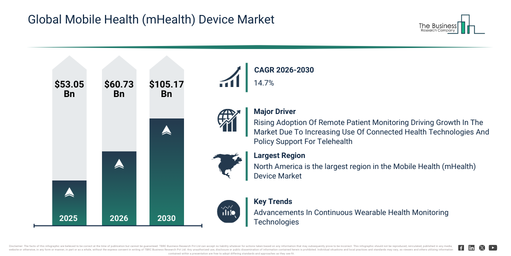
    The mobile health (mhealth) device market has witnessed substantial growth in recent years. It is anticipated to expand from $53.05 billion in 2025 to $60.73 billion in 2026, exhibiting a compound annual growth rate (CAGR) of 14.5%. The historical expansion of this market can be attributed to factors such as increased adoption of fitness trackers, the introduction of health functionalities in early smartwatches, the rise of telehealth services, a greater prevalence of chronic disease cases, and the widespread development of mobile health applications.

    The mobile health (mhealth) device market is projected to experience swift expansion in the upcoming years. This market is anticipated to reach $105.17 billion by 2030, exhibiting a compound annual growth rate (CAGR) of 14.7%. The anticipated growth during this period stems from factors such as the increase in remote patient monitoring, a growing need for preventive healthcare, the broadening of connected care approaches, heightened consumer awareness regarding health, and the integration with various digital health platforms. Key developments expected within the forecast timeframe encompass wearable devices for tracking vital signs, smartwatches equipped with multiple health sensors, diagnostic kits for home use that are connected, ongoing remote health monitoring solutions, and medical wearables integrated with applications.

    Download A Free Sample Report For Comprehensive Market Insights:

    https://www.thebusinessresearchcompany.com/sample.aspx?id=33225&type=smp&utm_source=Blogs&utm_medium=Paid&utm_campaign=Jul_PR

    Mobile Health (mHealth) Device Market Development Factors: Which Trends Are Supporting Demand?

    The future expansion of the mHealth devices market is anticipated to be fueled by the increasing prevalence of remote patient monitoring. This process involves the use of connected medical devices and digital technologies to continuously collect, transmit, and analyze patients’ health data outside traditional healthcare settings, thereby enabling timely clinical decisions and improved care outcomes. The growth of remote patient monitoring is attributable to the wider adoption of digital health technologies that facilitate continuous, real-time tracking of patients away from conventional clinical environments. mHealth devices support remote patient monitoring by enabling the continuous collection and real-time transmission of patient health data, allowing healthcare providers to track conditions remotely, improve timely interventions, and enhance overall care efficiency. For instance, in August 2025, according to the U.S. Department of Health & Human Services (OIG), a US-based government agency, Medicare reimbursement for remote patient monitoring (RPM) surpassed US$536 million in 2024, reflecting a 31% year-over-year increase. Nearly one million beneficiaries utilized RPM services, marking a 27% rise compared to 2023, while approximately 4,600 medical practices consistently submitted RPM billing claims. Consequently, the rise of remote patient monitoring is expected to drive the growth of the mHealth devices market.

    Mobile Health (mHealth) Device Market Segmentation Trends And Revenue Drivers

    The mobile health (mhealth) device market covered in this report is segmented –

    1) By Product Type: Blood Pressure Monitor; Blood Glucose Meter; Pulse Oximeter; Neurological Monitor; Heart Rate Meter; Electrocardiogram (ECG) Monitor; Cardiac Monitor; Peak Flow Meter; Multiparameter Tracker; Fitbit Or Smart Watches; Sleep Apnea Meter; Other Product Types

    2) By Technology: Bluetooth And Bluetooth Low Energy (BLE); Wireless Fidelity (Wi-Fi); Cellular (4G Or 5G); Near Field Communication (NFC); Radio Frequency Identification (RFID)

    3) By Application: Chronic Care Management; Diabetes Management; Cancer Management; General Health; Fitness; Mental Health Behavioral Disorders Management; Blood Pressure Monitoring; Nutrition; Medical Management; Women’s Health; Other Applications

    4) By End Users: Home Healthcare; Hospitals; Diagnostic Laboratories; Clinics; Academic Research Institutions

    Subsegments:

    1) By Blood Pressure Monitor: Upper Arm; Wrist; Finger

    2) By Blood Glucose Meter: Continuous Glucose Monitor; Self-Monitoring Blood Glucose Device; Flash Glucose Monitor

    3) By Pulse Oximeter: Fingertip; Handheld; Wrist; Tabletop

    4) By Neurological Monitor: Electroencephalogram; Intracranial Pressure Monitor; Cerebral Oxygen Monitor; Evoked Potential Monitor

    5) By Heart Rate Meter: Chest Strap; Wrist-Based; Finger-Based

    6) By Electrocardiogram (ECG) Monitor: Resting; Ambulatory; Stress; Wireless

    7) By Cardiac Monitor: Holter Monitor; Event Monitor; Telemetry Monitor; Implantable Loop Recorder

    8) By Peak Flow Meter: Mechanical; Digital; Portable

    9) By Multiparameter Tracker: Fitness Tracker; Health Tracker; Activity Tracker; Wellness Tracker

    10) By Other Product Types: Temperature Monitor; Respiratory Monitor; Oxygen Concentration Monitor; Blood Gas Monitor

    Mobile Health (mHealth) Device Market Transformation Trends: Which Innovations Are Driving Change?

    Companies operating in the mHealth devices market are prioritizing the creation of inventive solutions, such as sophisticated wearable health monitoring devices, to address the growing need for remote patient observation, preventative medical care, and real-time health data analysis, spurred by rising chronic disease prevalence and increasing consumer awareness of wellness. These advanced wearable health monitoring devices are generally equipped with multiple sensors that gather ongoing physiological data, sending this information through connected mobile applications or cloud services, which allows individuals and medical professionals to oversee well-being beyond conventional clinics; in contrast to standard periodic check-ups or individual medical instruments, these wearables enable round-the-clock data collection, trend evaluation, and timely health support. For instance, in May 2025, WHOOP Inc., a US-based wearable technology firm, introduced WHOOP 5.0 and WHOOP MG, a cutting-edge wearable health and fitness platform that integrates an extended 14+ day battery life, advanced sensors for tracking sleep, recovery, strain, and stress, alongside new blood pressure insights and on-demand ECG heart screening via the WHOOP MG variant, delivering ongoing healthspan and cardiovascular monitoring exceeding typical consumer fitness trackers; these devices are structured as a sleek, display-less band for continuous wear, with data accessible through its companion app, providing enhanced health analysis and tailored advice to improve achievement and overall well-being.

    #Mobile Health (mHealth) Device Market Industry Leaders: Which Organizations Are Driving Competition?

    Major companies operating in the mobile health (mhealth) device market are Apple Inc., Google LLC, Samsung Electronics Co. Ltd., Abbott Laboratories, Koninklijke Philips N.V., Garmin Health Inc., OMRON Healthcare Inc., ResMed Inc., Garmin Ltd., DexCom Inc., Masimo Corporation, iRhythm Technologies Inc., BioTelemetry Inc., Biofourmis Pte. Ltd., Withings S.A.S., BPL Medical Technologies Private Limited, AliveCor Inc., iHealth Labs Inc., WellDoc Inc., Qardio Inc.

    Access The Complete Mobile Health (mHealth) Device Market Report:

    https://www.thebusinessresearchcompany.com/report/mobile-health-mhealth-device-market-report?utm_source=Blogs&utm_medium=Paid&utm_campaign=Jul_PR

    Mobile Health (mHealth) Device Market Regional Analysis: Which Region Leads By Revenue?

    North America was the largest region in the mHealth devices market in 2025. Asia-Pacific is expected to be the fastest-growing region in the forecast period. The regions covered in the mobile health (mhealth) device market report are Asia-Pacific, South East Asia, Western Europe, Eastern Europe, North America, South America, Middle East, Africa.

    Get in touch with us:

    The Business Research Company: https://www.thebusinessresearchcompany.com/

    Americas: +1 310-496-7795

    Asia: +44 7882 955267 & +91 8897263534

    Europe: +44 7882 955267

    Email us at: marketing@tbrc.info

    Follow us on:

    LinkedIn: https://in.linkedin.com/company/the-business-research-company

    YouTube: https://www.youtube.com/channel/UC24_fI0rV8cR5DxlCpgmyFQ

    Global Market Model: https://www.thebusinessresearchcompany.com/global-market-model
  • Miniature Brain Stimulator  Market Trends Are Creating New Opportunities For Industry Leaders

    Miniature Brain Stimulator Market Trends Are Creating New Opportunities For Industry Leaders

    Enhanced with market attractiveness analysis, total addressable market evaluation, company benchmarking matrices, interactive Excel dashboards, expanded supply chain intelligence, emerging startup coverage, and detailed product insights, The Business Research Company’s 2026 market reports deliver more actionable and strategically valuable research.

    Miniature Brain Stimulator Market Revenue Growth Supported By A CAGR Of 1.57% Through 2030

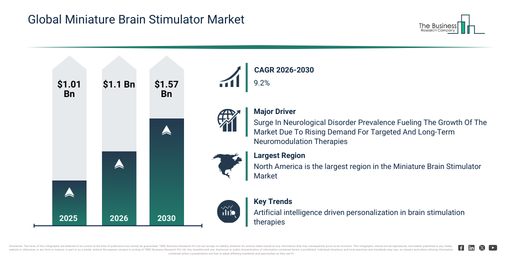
    The miniature brain stimulator market size has demonstrated robust growth over recent years. It is anticipated to expand from $1.01 billion in 2025 to $1.1 billion in 2026, achieving a compound annual growth rate (CAGR) of 8.9%. The market’s historical development can be ascribed to elements such as the clinical adoption of dbs therapy, an escalation in epilepsy treatments, advances in neuromodulation research, the introduction of early implantable stimulator devices, and an increase in the diagnosis of movement disorders.

    The miniature brain stimulator market is anticipated to show significant expansion in the coming years. Its valuation is projected to reach $1.57 billion by 2030, growing at a compound annual growth rate (CAGR) of 9.2%. This expected increase during the forecast period stems from factors such as the rising prevalence of neurological disorders, the widening scope of psychiatric stimulation therapy, improvements in miniaturized electronics, the increasing adoption of outpatient neurotherapy, and an uptick in clinical trials for neuromodulation. Prominent developments anticipated in this period include compact implantable neurostimulators, closed-loop brain stimulation systems, rechargeable pulse generator devices, wearable brain stimulation units, and multi-mode neurostimulation platforms.

    Download A Free Sample Report For Comprehensive Market Insights:

    https://www.thebusinessresearchcompany.com/sample.aspx?id=33221&type=smp&utm_source=Blogs&utm_medium=Paid&utm_campaign=Jul_PR

    Miniature Brain Stimulator Market Growth Drivers: What Factors Are Accelerating Expansion?

    The rising occurrence of neurological conditions is anticipated to drive expansion in the miniature brain stimulator market over the projected timeframe. These disorders encompass conditions impacting the brain, spinal cord, and nervous system, such as Parkinson’s disease, epilepsy, chronic pain, and movement disorders, frequently necessitating prolonged and accurate treatment. The growing incidence of these ailments is fueled by elements like an aging populace, extended life expectancy, shifts in lifestyle, and enhanced diagnostic methods resulting in greater disease identification. Miniature brain stimulators offer a solution to this escalating health burden by providing focused electrical stimulation to particular areas of the brain, assisting in the regulation of irregular neural activity and enhancing symptom management where traditional drug treatments prove unsuccessful. For instance, in March 2023, the Alzheimer’s Association, a US-based nonprofit voluntary health organization, reported that in 2023, approximately 6.7 million Americans aged 65 and older are living with Alzheimer’s dementia, with this figure expected to increase to 13.8 million by 2060. Consequently, the growing prevalence of neurological disorders is a key driver for the expansion of the miniature brain stimulator market.

    Miniature Brain Stimulator Market Categorization By Product Type And Application

    The miniature brain stimulator market covered in this report is segmented –

    1) By Product Type: Implantable; Portable; Battery Operated; Handheld; Wearable; Cap; Headband

    2) By Technology: Deep Brain Stimulation; Transcranial Direct Current Stimulation; Transcranial Magnetic Stimulation

    3) By Application: Depression Therapy; Epilepsy Treatment; Neuromodulation Research; Parkinson’s Disease

    4) By Distribution Channel: Direct Sales; Online Sales; Third Party Distributors

    5) By End User: Home Healthcare Facilities; Hospitals And Clinics; Research Laboratories

    Subsegments:

    1) By Implantable: Deep Brain Stimulator; Cortical Implant; Subdural Electrode; Neural Probe

    2) By Portable: Portable Neurostimulator; Mobile Brain Device; Compact Stimulation Unit; Transportable Monitoring Device

    3) By Battery Operated: Rechargeable Neurostimulator; Long Life Battery Device; Replaceable Battery Module; Standalone Stimulation Unit

    4) By Handheld: Handheld Programming Device; Handheld Neurofeedback Unit; Handheld Stimulation Controller; Handheld Diagnostic Tool

    5) By Wearable: Wearable Neurostimulator; Wearable Headband Device; Wearable Monitoring Sensor; Wearable Electrode Array

    6) By Cap: Stimulation Cap; Monitoring Cap; Electrode Cap; Neurofeedback Cap

    7) By Headband: Cognitive Headband; Sleep Monitoring Headband; Brainwave Tracking Headband; Stimulation Headband

    Miniature Brain Stimulator Market Trends: What Is Shaping Future Industry Growth?

    Leading companies in the miniature brain stimulator market are focused on developing innovative solutions, such as artificial intelligence enabled adaptive brain stimulation systems, to satisfy the increasing need for personalized, efficient, and responsive neurological treatments for complex conditions like Parkinson’s disease and epilepsy. AI integrated brain stimulation systems utilize real-time neural signal sensing, machine learning algorithms, and closed-loop feedback mechanisms to automatically adjust stimulation parameters based on a patient’s brain activity, contrasting with traditional open-loop systems that provide fixed stimulation irrespective of changing neurological conditions. For example, in February 2025, Medtronic, a US based healthcare technology company, gained U.S. Food and Drug Administration approval for the world’s first adaptive deep brain stimulation system for people with Parkinson’s disease. The approved system continuously observes neural activity and automatically alters stimulation in real time to improve symptom control and reduce side effects. It incorporates implantable sensing electrodes, advanced software analytics, and intelligent control algorithms to customize therapy for individual patients. This regulatory landmark emphasizes the expanding contribution of AI driven optimization in progressing precision neuromodulation and improving long-term clinical outcomes in miniature brain stimulation therapies.

    Miniature Brain Stimulator Market Company Landscape And Strategic Competition

    Major companies operating in the miniature brain stimulator market are Abbott Laboratories, Medtronic plc, Boston Scientific Corporation, Renishaw PLC, Neuronetics Inc, NeuroPace Inc., FHC Inc, BrainsWay Ltd, eNeura Inc, Magventure A S, Alpha Omega Engineering Ltd, SceneRay Corporation Ltd, Neuroelectrics SL, Soterix Medical Inc, Synapse Biomedical Inc, Theranica Bioelectronics Ltd, Flow Neuroscience AB, Magstim Inc, NeuroSigma Inc, Newronika S P A, Ybrain Inc, Neurometrix Inc, Helius Medical Technologies Inc

    Access The Complete Miniature Brain Stimulator Market Report:

    https://www.thebusinessresearchcompany.com/report/miniature-brain-stimulator-market-report?utm_source=Blogs&utm_medium=Paid&utm_campaign=Jul_PR

    Miniature Brain Stimulator Market Geographic Analysis: Where Is Demand Growing The Fastest?

    North America was the largest region in the miniature brain stimulator market in 2025. Asia-Pacific is expected to be the fastest-growing region in the forecast period. The regions covered in the miniature brain stimulator market report are Asia-Pacific, South East Asia, Western Europe, Eastern Europe, North America, South America, Middle East, Africa.

    Get in touch with us:

    The Business Research Company: https://www.thebusinessresearchcompany.com/

    Americas: +1 310-496-7795

    Asia: +44 7882 955267 & +91 8897263534

    Europe: +44 7882 955267

    Email us at: marketing@tbrc.info

    Follow us on:

    LinkedIn: https://in.linkedin.com/company/the-business-research-company

    YouTube: https://www.youtube.com/channel/UC24_fI0rV8cR5DxlCpgmyFQ

    Global Market Model: https://www.thebusinessresearchcompany.com/global-market-model
  • Micro-Surgical Robot  Market Growth Is Reshaping Competitive Advantage Across The Industry

    Micro-Surgical Robot Market Growth Is Reshaping Competitive Advantage Across The Industry

    Through market attractiveness analysis, total addressable market evaluation, company benchmarking matrices, interactive Excel dashboards, expanded supply chain intelligence, emerging startup coverage, and detailed product insights, The Business Research Company’s 2026 market reports provide more actionable and strategically valuable research.

    Micro-Surgical Robot Market Value Expansion And Long-Term Growth Outlook

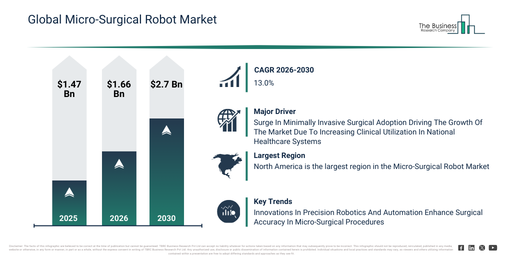
    The micro-surgical robot market has experienced substantial expansion in recent years. This market is projected to expand from $1.47 billion in 2025 to $1.66 billion in 2026, demonstrating a compound annual growth rate (CAGR) of 12.8%. Historically, this expansion has been driven by factors such as growth in minimally invasive surgery, early surgical robot adoption, rise in neurosurgery procedures, advances in medical imaging systems, and hospital investment in precision surgery.

    The micro-surgical robot market is expected to experience substantial expansion in the upcoming years. Its valuation is anticipated to climb to $2.7 billion by 2030, achieving a compound annual growth rate (CAGR) of 13.0%. This growth during the forecast period is attributable to the increasing demand for ultra precise surgery, the rise in ophthalmic microsurgeries, the expansion of robotic operating rooms, a growing number of surgeons trained in robotics, and higher adoption rates by specialty clinics. Significant trends predicted for this period include motion scaling robotic micro manipulators, high precision robotic end effectors, imaging guided micro surgery platforms, haptic feedback assisted micro procedures, and robot assisted microsurgical workflows.

    Download A Free Sample Report For Comprehensive Market Insights:

    https://www.thebusinessresearchcompany.com/sample.aspx?id=33220&type=smp&utm_source=Blogs&utm_medium=Paid&utm_campaign=Jul_PR

    Micro-Surgical Robot Market Growth Factors Supporting Long-Term Expansion

    The increasing acceptance of minimally invasive surgical techniques is projected to fuel the expansion of the micro-surgical robot market in the future. Minimally invasive surgery involves employing specialized tools and cutting-edge technologies to conduct operations via small cuts, thereby lessening tissue damage, discomfort after surgery, and recuperation period when contrasted with conventional open operations. The frequency of minimally invasive surgeries is on the rise, attributed to progress in surgical robotics and imaging technologies, which facilitate procedures with smaller entry points and quicker patient healing. In minimally invasive surgeries, a micro-surgical robot assists in ultraprecise, tremor-free handling of miniature instruments within restricted body areas, boosting surgical precision while lessening tissue harm and shortening recovery periods. For example, in June 2024, data from the American Society of Plastic Surgeons (ASPS), a US-based professional association, indicated that around 25.4 million cosmetic minimally invasive procedures were carried out in 2023, representing a 7% rise from 2022. Consequently, the growing prevalence of minimally invasive surgeries is propelling the expansion of the micro-surgical robot market.

    Micro-Surgical Robot Market Segment Analysis And Revenue Opportunities

    The micro-surgical robot market covered in this report is segmented –

    1) By Component: Hardware; Software; Services

    2) By Technology: Tele-Robotics; Artificial Intelligence (AI)-Assisted Robotics; Imaging-Guided Robotic Systems; Haptic Feedback Systems; Autonomous Surgical Robots

    3) By Sales Channel: Direct Sales; Distributors; Online Sales

    4) By Application: Neurosurgery; Ophthalmology; Ear, Nose, and Throat (ENT) Surgery; Cardiovascular; Urology; Gynecology; Orthopedics; Other Applications

    5) By End-User: Hospitals; Ambulatory Surgical Centers; Research Institutes

    Subsegments:

    1) By Hardware: Robotic Arms; Surgical Instruments; Vision Systems; Control Consoles; Navigation Systems

    2) By Software: Surgical Planning Software; Real-Time Monitoring Software; Robotic Control Software; Image Processing Software; Data Analytics Software

    3) By Services: Installation Services; Maintenance Services; Training Services; Technical Support Services; System Upgradation Services

    Micro-Surgical Robot Market Industry Trends Shaping Future Revenue Growth

    Companies operating in the micro-surgical robot market are concentrating on developing advanced solutions, such as microsurgery assistance robots, to boost surgical precision, minimize manual variability, and aid highly delicate procedures involving minute anatomical structures. Microsurgery assistance robots are robotic systems crafted to support surgeons during ultra-fine surgical tasks by integrating high-precision motion control, automation capabilities, and advanced imaging, thereby enabling stable and accurate manipulation beyond the limits of human hands. For instance, in May 2024, Sony Group Corporation, a Japan-based technology and electronics company, unveiled a microsurgery assistance robot prototype. This prototype is designed to support delicate surgical procedures through automated surgical instrument exchange and high-precision robotic control. The system aims to assist surgeons in performing complex microsurgical tasks, such as microvascular anastomosis, by enhancing operational accuracy, reducing surgeon workload, and progressing the application of robotics in microsurgery.

    Micro-Surgical Robot Market Leading Players Shaping Industry Direction

    Major companies operating in the micro-surgical robot market are Medtronic plc, Zimmer Biomet Holdings Inc., Smith & Nephew plc, Renishaw plc, Ethicon Inc., Brainlab AG, Meerecompany Inc., Medrobotics Corporation, IotaMotion Inc., Medical Microinstruments S.p.A., Distalmotion SA, Vicarious Surgical Inc., Neocis Inc., ForSight Robotics Ltd., THINK Surgical Inc., ShanghAI MicroPort MedBot (Group) Co. Ltd., Virtual Incision Corporation, MicroSure B.V., Meril Life Sciences Pvt. Ltd., Panda Surgical Co. Ltd.

    Access The Complete Micro-Surgical Robot Market Report:

    https://www.thebusinessresearchcompany.com/report/micro-surgical-robot-market-report?utm_source=Blogs&utm_medium=Paid&utm_campaign=Jul_PR

    Micro-Surgical Robot Market Global Footprint: Which Region Holds Market Leadership?

    North America was the largest region in the micro-surgical robot market in 2025. Asia-Pacific is expected to be the fastest-growing region in the forecast period. The regions covered in the micro-surgical robot market report are Asia-Pacific, South East Asia, Western Europe, Eastern Europe, North America, South America, Middle East, Africa.

    Get in touch with us:

    The Business Research Company: https://www.thebusinessresearchcompany.com/

    Americas: +1 310-496-7795

    Asia: +44 7882 955267 & +91 8897263534

    Europe: +44 7882 955267

    Email us at: marketing@tbrc.info

    Follow us on:

    LinkedIn: https://in.linkedin.com/company/the-business-research-company

    YouTube: https://www.youtube.com/channel/UC24_fI0rV8cR5DxlCpgmyFQ

    Global Market Model: https://www.thebusinessresearchcompany.com/global-market-model
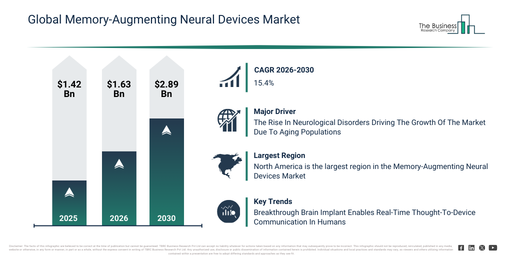
  • Memory-Augmenting Neural Devices  Market Size Projected To Increase From $1.63 Billion To $2.89 Billion During The Forecast Period

    Memory-Augmenting Neural Devices Market Size Projected To Increase From $1.63 Billion To $2.89 Billion During The Forecast Period

    Enhanced with market attractiveness analysis, total addressable market evaluation, company benchmarking matrices, interactive Excel dashboards, expanded supply chain intelligence, emerging startup coverage, and detailed product insights, The Business Research Company’s 2026 market reports deliver more actionable and strategically valuable research.

    Memory-Augmenting Neural Devices Market Revenue Outlook: What CAGR Is Expected Through 2030?

    The market for memory-augmenting neural devices has expanded rapidly in recent years. It is projected to increase from $1.42 billion in 2025 to $1.63 billion in 2026, at a compound annual growth rate (CAGR) of 15.2%. This growth observed in the past can be ascribed to the development of neurostimulation tools, early cognitive enhancement studies, the adoption of wearable neuro devices, the proliferation of BCI prototypes, and academic brain research programs.

    The market for memory-augmenting neural devices is projected to experience substantial expansion in the coming years. This market is forecast to reach $2.89 billion by 2030, exhibiting a compound annual growth rate (CAGR) of 15.4%. Factors contributing to this growth during the forecast period include the increasing requirements of an aging population, a growing demand for cognitive improvement, the spread of wearable neurotechnology, enhanced AI-powered neural analysis, and more extensive clinical validation studies. Key trends anticipated in the forecast period involve noninvasive brain stimulation wearables, AI-powered algorithms for memory enhancement, portable neurostimulation units, combined implant and wearable systems, and closed-loop cognitive assistance devices.

    Download A Free Sample Report For Comprehensive Market Insights:

    https://www.thebusinessresearchcompany.com/sample.aspx?id=33212&type=smp&utm_source=Blogs&utm_medium=Paid&utm_campaign=Jul_PR

    Memory-Augmenting Neural Devices Market Industry Drivers: What Is Driving Revenue Growth?

    The increasing incidence of neurological conditions is anticipated to fuel the expansion of the memory-augmenting neural devices market in the future. Defined as any disease or condition impacting the standard structure or function of the central nervous system (brain and spinal cord) or peripheral nervous system (nerves across the body), neurological disorders are surging due to the growing global elderly population, which subsequently raises the occurrence of age-related neurological conditions. Memory-augmenting neural devices offer assistance in managing neurological disorders by improving or recovering cognitive abilities, such as memory and learning, through specific neural stimulation and adaptive interface technologies. For example, data from March 2023, released by the Alzheimer’s Association, a US-based nonprofit voluntary health organization, indicates that in 2023, about 6.7 million Americans aged 65 and older were experiencing Alzheimer’s dementia, with projections suggesting this figure will escalate to 13.8 million by 2060. Consequently, the expanding occurrence of neurological disorders is a key factor propelling the growth of the memory-augmenting neural devices market.

    Memory-Augmenting Neural Devices Market Segmentation Trends And Revenue Drivers

    The memory-augmenting neural devices market covered in this report is segmented –

    1) By Device Type: Implantable Neural Devices; Noninvasive Brain Stimulation Devices; Other Device Types

    2) By Technology: Artificial Intelligence (AI) And Machine Learning-Based Memory Enhancement; Neural Implants & Electrodes; Transcranial Stimulation; Other Technologies

    3) By Application: Cognitive Enhancement; Neurodegenerative Disease Treatment; Brain-Computer Interfaces (BCIs); Other Applications

    4) By End User: Healthcare And Medical Institutions; Research And Academic Centers; Defense And Military; Other End Users

    Subsegments:

    1) By Implantable Neural Devices: Deep Brain Stimulation Systems; Cortical Microelectrode Arrays; Hippocampal Memory Prostheses; Neural Recording And Stimulation Implants; Closed Loop Neuromodulation Implants

    2) By Noninvasive Brain Stimulation Devices: Transcranial Magnetic Stimulation Systems; Transcranial Direct Current Stimulation Devices; Transcranial Alternating Current Stimulation Devices; Transcranial Random Noise Stimulation Devices; Focused Ultrasound Brain Stimulation Systems

    3) By Other Device Types: Wearable Neurofeedback Devices; Brain Computer Interface Headsets; Cognitive Enhancement Headgear; Portable Neurostimulation Devices; Hybrid Neural Modulation Systems

    #Memory-Augmenting Neural Devices Market Growth Trends: What Is Influencing The Future Outlook?

    Leading enterprises within the memory augmenting neural devices market are concentrating on creating advanced solutions, including implantable brain computer interfaces, with the aim of boosting cognitive abilities and improving memory recall. An implantable brain computer interface (BCI) refers to a device surgically positioned within the brain, which directly interprets neural signals and converts them into digital instructions for operating computers or external equipment. For example, during July 2025, Neuralink Corp., a neurotechnology firm based in the US, successfully placed its high-channel-count fully implantable brain computer interface (BCI) into a ninth human participant, as part of its continuing clinical trials. This implant is engineered to capture and decipher neural signals via extremely fine electrode threads embedded within the brain, facilitating immediate, real-time interaction between neural processes and external digital systems. The system incorporates wireless data transfer, permits extended implantation without requiring external hardware, and offers high-resolution signal acquisition, thereby enabling individuals to operate computers or interfaces solely through their thoughts. This significant achievement, notably the company’s inaugural occasion of conducting two implant surgeries within a single day, underscores enhanced surgical effectiveness and increasing clinical preparedness for widespread human implementation.

    #Memory-Augmenting Neural Devices Market Industry Leaders: Which Organizations Are Driving Competition?

    Major companies operating in the memory-augmenting neural devices market are Medtronic plc, Bitbrain Technologies S.L., NeuroLutions Inc., CorTec GmbH, FinalSpark Inc., Kernel Inc., Neuralink Corporation, NeuroPace Inc., Blackrock Neurotech Inc., NeuroSky Inc., Emotiv Inc., mBrainTrain Inc., BrainChip Holdings Ltd., BrainCo Inc., INBRAIN Neuroelectronics S.L., Merge Labs Inc., InBrain Neuroelectronics S.L., Axoft Inc., Motif Neurotech Inc., MintNeuro Inc.

    Access The Complete Memory-Augmenting Neural Devices Market Report:

    https://www.thebusinessresearchcompany.com/report/memory-augmenting-neural-devices-market-report?utm_source=Blogs&utm_medium=Paid&utm_campaign=Jul_PR

    Memory-Augmenting Neural Devices Market Largest Region By Revenue And Market Share

    North America was the largest region in the memory-augmenting neural devices market in 2025. Asia-Pacific is expected to be the fastest-growing region in the forecast period. The regions covered in the memory-augmenting neural devices market report are Asia-Pacific, South East Asia, Western Europe, Eastern Europe, North America, South America, Middle East, Africa.

    Get in touch with us:

    The Business Research Company: https://www.thebusinessresearchcompany.com/

    Americas: +1 310-496-7795

    Asia: +44 7882 955267 & +91 8897263534

    Europe: +44 7882 955267

    Email us at: marketing@tbrc.info

    Follow us on:

    LinkedIn: https://in.linkedin.com/company/the-business-research-company

    YouTube: https://www.youtube.com/channel/UC24_fI0rV8cR5DxlCpgmyFQ

    Global Market Model: https://www.thebusinessresearchcompany.com/global-market-model
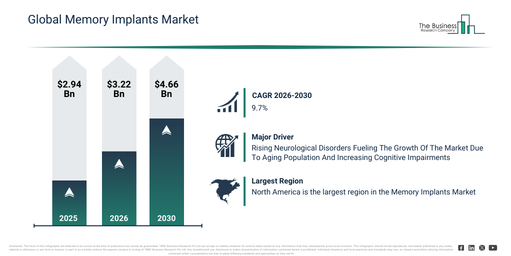
  • Memory Implants  Market Growth Outlook Reveals A CAGR Of 9.7% And A Market Value Of $4.66 Billion By 2030

    Memory Implants Market Growth Outlook Reveals A CAGR Of 9.7% And A Market Value Of $4.66 Billion By 2030

    Through market attractiveness analysis, total addressable market evaluation, company benchmarking matrices, interactive Excel dashboards, expanded supply chain intelligence, emerging startup coverage, and detailed product insights, The Business Research Company’s 2026 market reports provide more actionable and strategically valuable research.

    Memory Implants Market Growth Analysis: How Will Revenue Expand During The Forecast Period?

    The memory implants market size has demonstrated robust growth in recent years. It is projected to expand from $2.94 billion in 2025 to $3.22 billion in 2026, exhibiting a compound annual growth rate (CAGR) of 9.4%. The historical expansion of this market stems from several factors, including neuroscience research advances, early brain implant trials, growth in neuromodulation therapies, rising neurodegenerative disorders, and defense funded neural interface programs.

    The memory implants market is projected to experience robust expansion in the coming years. This market is forecast to reach $4.66 billion by 2030, exhibiting a compound annual growth rate (CAGR) of 9.7%. Factors contributing to this growth during the forecast period include an increase in cognitive disorder cases, advancements in brain computer interfaces, greater funding for neural engineering, the broadening of clinical neurotech trials, and the need for memory restoration therapies. Significant trends anticipated in the forecast period encompass implantable memory prosthetic systems, hippocampal signal encoding devices, closed loop neural memory stimulation, high density neural electrode arrays, and adaptive memory restoration implants.

    Download A Free Sample Report For Comprehensive Market Insights:

    https://www.thebusinessresearchcompany.com/sample.aspx?id=33211&type=smp&utm_source=Blogs&utm_medium=Paid&utm_campaign=Jul_PR

    #Memory Implants Market Growth Factors: Which Forces Are Supporting Market Expansion?

    The increasing occurrence of neurological disorders is anticipated to propel the expansion of the memory implants market moving forward. A neurological disorder is defined as a condition impacting the brain, spinal cord, or nervous system, leading to impairments in movement, sensation, cognition, behavior, or autonomic functions. The rise in neurological disorders is attributed to the rapid expansion of the aging population, which, in turn, boosts the prevalence of age-related conditions such as Alzheimer’s disease, Parkinson’s disease, and stroke, as neurological vulnerability escalates with increased life expectancy. Memory implants provide support to patients affected by the growing number of neurological disorders by contributing to improved cognitive function and overall quality of life. For instance, in March 2023, data from the Alzheimer’s Association, a US-based nonprofit voluntary health organization, indicated that approximately 6.7 million Americans aged 65 and older were living with Alzheimer’s dementia in 2023, a figure projected to increase to 13.8 million by 2060. Therefore, the rising prevalence of neurological disorders is driving the growth of the memory implants market.

    Memory Implants Market Segment Analysis Highlighting Growth Areas

    The memory implants market covered in this report is segmented –

    1) By Product Type: Deep Brain Stimulation Devices; Vagus Nerve Stimulation Devices; Implantable Memory Prosthetics; Electrode Arrays; Neural Signal Sensors; Brain–Computer Interface Hardware; Neuromodulation Devices; Wearable Neural Headsets; Other Product Types

    2) By Application: Alzheimer’s Disease; Parkinson’s Disease; Epilepsy; Traumatic Brain Injury; Memory Loss due to Aging; Other Cognitive Disorders; Other Applications

    3) By End-User: Hospitals; Clinics; Research Institutes; Rehabilitation Centers; Other End-Users

    Subsegments:

    1) By Deep Brain Stimulation Devices: Single Target Stimulation Systems; Multi Target Stimulation Systems; Closed Loop Stimulation Systems; Adaptive Stimulation Systems

    2) By Vagus Nerve Stimulation Devices: Implantable Vagus Nerve Stimulators; Transcutaneous Vagus Nerve Stimulation Systems; Programmable Vagus Nerve Modulation Devices

    3) By Implantable Memory Prosthetics: Hippocampal Memory Restoration Systems; Cortical Memory Enhancement Implants; Neural Memory Encoding Devices; Memory Recall Support Implants

    4) By Electrode Arrays: Depth Electrode Arrays; Surface Cortical Electrode Arrays; Flexible Neural Electrode Arrays; High Density Electrode Arrays

    5) By Neural Signal Sensors: Intracranial Neural Signal Sensors; Implantable Bioelectric Signal Sensors; Real Time Neural Monitoring Sensors

    6) By Brain–Computer Interface Hardware: Implantable Brain Signal Processing Units; External Neural Signal Interface Devices; Hybrid Brain Interface Systems

    7) By Neuromodulation Devices: Electrical Neuromodulation Systems; Magnetic Neuromodulation Systems; Targeted Neural Modulation Devices

    8) By Wearable Neural Headsets: Electroencephalography Based Neural Headsets; Cognitive Monitoring Neural Wearables; Noninvasive Neurostimulation Headsets

    9) By Other Product Types: Hybrid Memory Implant Systems; Experimental Neural Augmentation Devices; Integrated Cognitive Enhancement Platforms

    Memory Implants Market Leading Companies: Who Holds Significant Market Presence?

    Major companies operating in the memory implants market are Abbott Laboratories, Medtronic plc, Boston Scientific Corporation, LivaNova PLC, Renishaw plc, NeuroPace Inc., Beijing PINS Medical Co Ltd., FHC Inc., electroCore Inc., SetPoint Medical Corporation, Parasym Ltd., MicroTransponder Inc., ReShape Lifesciences Inc., Adriakaim Inc., Evren Technologies Inc., Soterix Medical Inc., Aleva Neurotherapeutics SA, SceneRay Corporation Ltd., NeuroSigma Inc., BioControl Medical Ltd.

    Access The Complete Memory Implants Market Report:

    https://www.thebusinessresearchcompany.com/report/memory-implants-market-report?utm_source=Blogs&utm_medium=Paid&utm_campaign=Jul_PR

    Memory Implants Market Regional Analysis And Leading Geography

    North America was the largest region in the memory implants market in 2025. Asia-Pacific is expected to be the fastest-growing region in the forecast period. The regions covered in the memory implants market report are Asia-Pacific, South East Asia, Western Europe, Eastern Europe, North America, South America, Middle East, Africa.

    Get in touch with us:

    The Business Research Company: https://www.thebusinessresearchcompany.com/

    Americas: +1 310-496-7795

    Asia: +44 7882 955267 & +91 8897263534

    Europe: +44 7882 955267

    Email us at: marketing@tbrc.info

    Follow us on:

    LinkedIn: https://in.linkedin.com/company/the-business-research-company

    YouTube: https://www.youtube.com/channel/UC24_fI0rV8cR5DxlCpgmyFQ

    Global Market Model: https://www.thebusinessresearchcompany.com/global-market-model