Category: Medical Equipment

  • Medical Fiber Optics  Market Expected To Reach $3.29 Billion By 2030 As Growth Accelerates At 7% CAGR

    Medical Fiber Optics Market Expected To Reach $3.29 Billion By 2030 As Growth Accelerates At 7% CAGR

    Enhanced with market attractiveness analysis, total addressable market evaluation, company benchmarking matrices, interactive Excel dashboards, expanded supply chain intelligence, emerging startup coverage, and detailed product insights, The Business Research Company’s 2026 market reports deliver more actionable and strategically valuable research.

    Medical Fiber Optics Market Size Outlook: How Fast Will Revenue Grow Through 2030?

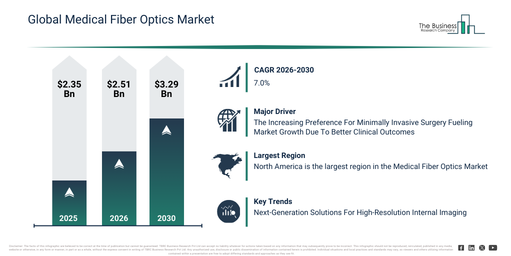
    The medical fiber optics market has demonstrated substantial growth over recent years. It is anticipated to increase from $2.35 billion in 2025 to $2.51 billion in 2026, achieving a compound annual growth rate (CAGR) of 6.8%. The expansion seen in previous periods can be linked to a rise in endoscopic procedures, advancements in laser-based therapies, the proliferation of minimally invasive diagnostics, hospitals’ demand for improved visualization tools, and ongoing progress in optical materials.

    The medical fiber optics market size is projected to experience substantial expansion over the coming years. Its valuation is anticipated to reach $3.29 billion by 2030, exhibiting a compound annual growth rate (CAGR) of 7.0%. This anticipated growth throughout the forecast period stems from factors such as a rise in image-guided surgeries, an escalating need for precision diagnostics, an increase in outpatient procedures, the broadening of biomedical sensing applications, and greater uptake of disposable optical devices. Key trends during this period are expected to encompass high-resolution endoscopic fiber systems, laser energy delivery fibers, miniaturized optical sensing probes, disposable fiber optic surgical tools, and advanced imaging fiber bundles.

    Download A Free Sample Report For Comprehensive Market Insights:

    https://www.thebusinessresearchcompany.com/sample.aspx?id=33209&type=smp&utm_source=Blogs&utm_medium=Paid&utm_campaign=Jul_PR

    Medical Fiber Optics Market Growth Drivers: What Factors Are Accelerating Expansion?

    The increasing preference for minimally invasive surgery is projected to boost the medical fiber optics market’s expansion in the coming years. This type of surgery involves executing procedures through small incisions, utilizing specialized instruments and advanced visualization technologies, which helps in reducing tissue damage, postoperative discomfort, and recovery durations. The inclination towards these procedures is growing due to factors such as faster patient recovery, lower complication rates, and shorter hospital stays. This trend directly stimulates the demand for medical fiber optics, given that flexible and high-precision fiber-optic components are vital for illumination and imaging in endoscopic, laparoscopic, and robotic-assisted surgeries, enabling surgeons to clearly visualize internal structures and perform complex operations via minimal access points. For instance, in November 2025, as per Intuitive Surgical Inc., a US-based medical device company, customers employed da Vinci robotic surgical systems in approximately 2.29 million surgical procedures worldwide during 2023, which signifies an increase of about 22% compared with 2022, with cumulative procedures on da Vinci platforms surpassing 14 million. Consequently, the escalating adoption of minimally invasive surgical procedures stands as a primary factor fueling the growth of the medical fiber optics market.

    #Medical Fiber Optics Market Segment Landscape And Growth Potential

    The medical fiber optics market covered in this report is segmented –

    1) By Type: Single Mode Optical Fiber; Multimode Optical Fiber

    2) By Usage: Disposable; Reusable

    3) By Application: Endoscopic Imaging; Laser Signal Delivery; Biomedical Sensing; Illumination; Other Applications

    4) By End User: Hospital; Specialty Clinics; Ambulatory Surgical Centers; Diagnostic Laboratories; Other End Users

    Subsegments:

    1) By Single Mode Optical Fiber: Long Distance Signal Transmission; High Precision Laser Energy Delivery; Advanced Biomedical Sensing

    2) By Multimode Optical Fiber: Short Distance Image Transmission; Endoscopic Imaging Bundles; Medical Illumination Systems

    Medical Fiber Optics Market Trends: What Is Shaping Future Industry Growth?

    Leading companies in the medical fiber optics market are concentrating on developing innovative products like imaging fiber assemblies to facilitate high-resolution, minimally invasive diagnostic imaging applications. These imaging fiber assemblies are specialized bundles of optical fibers crafted for integration into medical imaging catheters and systems, enabling the transmission and collection of light to produce high-quality internal images. Such assemblies provide enhanced flexibility and precision when compared to traditional rigid endoscopes, thus supporting a wide array of minimally invasive diagnostic and interventional procedures. For instance, in January 2025, Coherent Corp., a US-based photonics company, announced the launch of its AxioView imaging fiber assemblies, specifically designed for use in optical coherence tomography (OCT), near-infrared spectroscopy (NIRS), and multimodal catheter-based imaging applications. AxioView boasts specialty fiber designs optimized for medical imaging, catheter-ready distal geometries such as ball-tip and side-fire configurations, vertically integrated manufacturing to ensure consistent optical performance, and ISO 13485-certified production to meet regulatory requirements.

    Medical Fiber Optics Market Competitive Landscape: Who Are The Leading Companies?

    Major companies operating in the medical fiber optics market are Heraeus Holding GmbH, Boston Scientific Corporation, Fujikura Ltd., Coherent Medical Group, Smiths Group plc, MKS Instruments Inc., Carl Zeiss Meditec AG, Integra Lifesciences Corporation, IPG Photonics Corporation, SCHOTT AG, Radiall America Inc., OZ Optics Ltd., HEINE Optotechnik GmbH & Co. KG, ForTec Medical Corporation, Thorlabs Inc., Fiberoptics Technology Incorporated (FTI), Biolitec AG, Laser Mechanisms Inc., LEONI AG, Beijing L.H.H. Medical Devices Co. Ltd.

    Access The Complete Medical Fiber Optics Market Report:

    https://www.thebusinessresearchcompany.com/report/medical-fiber-optics-market-report?utm_source=Blogs&utm_medium=Paid&utm_campaign=Jul_PR

    Medical Fiber Optics Market Global Footprint: Which Region Holds Market Leadership?

    North America was the largest region in the medical fiber optics market in 2025. The regions covered in the medical fiber optics market report are Asia-Pacific, South East Asia, Western Europe, Eastern Europe, North America, South America, Middle East, Africa.

    Get in touch with us:

    The Business Research Company: https://www.thebusinessresearchcompany.com/

    Americas: +1 310-496-7795

    Asia: +44 7882 955267 & +91 8897263534

    Europe: +44 7882 955267

    Email us at: marketing@tbrc.info

    Follow us on:

    LinkedIn: https://in.linkedin.com/company/the-business-research-company

    YouTube: https://www.youtube.com/channel/UC24_fI0rV8cR5DxlCpgmyFQ

    Global Market Model: https://www.thebusinessresearchcompany.com/global-market-model
  • Magnetic Navigation Surgical Robot  Market Opportunities Are Emerging Beyond Traditional Growth Areas

    Magnetic Navigation Surgical Robot Market Opportunities Are Emerging Beyond Traditional Growth Areas

    Delivering more actionable and strategically valuable research, The Business Research Company’s 2026 market reports feature market attractiveness analysis, total addressable market evaluation, company benchmarking matrices, interactive Excel dashboards, expanded supply chain intelligence, emerging startup coverage, and detailed product insights.

    Magnetic Navigation Surgical Robot Market CAGR Analysis And Future Market Development

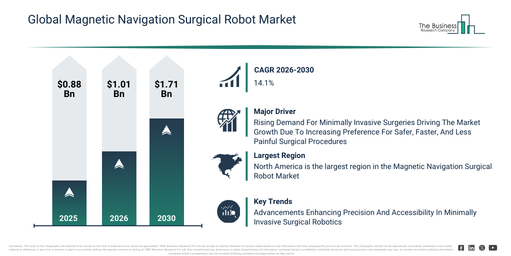
    The market for magnetic navigation surgical robots has experienced rapid expansion in recent years. It is projected to increase from $0.88 billion in 2025 to $1.01 billion in 2026, demonstrating a compound annual growth rate (CAGR) of 13.9%. The historic period’s growth can be attributed to an increase in minimally invasive surgery, the early adoption of surgical robotics, the necessity for greater procedural precision, a rise in complex cardiac interventions, and hospital investment in advanced operating rooms.

    The magnetic navigation surgical robot market is projected for significant expansion in the coming years. By 2030, this market is anticipated to reach $1.71 billion, exhibiting a compound annual growth rate (CAGR) of 14.1%. Factors driving this growth during the forecast period include an increase in robotic-assisted surgical procedures, the broadening scope of image-guided interventions, a greater need for highly accurate navigation systems, the proliferation of specialized surgical centers, and enhanced surgeon education in robotic platforms. Key trends expected during the forecast period involve magnetically guided minimally invasive operations, integrated software for surgical planning, robotic systems for catheter navigation, control modules for high-precision instruments, and tools for procedure simulation and planning.

    Download A Free Sample Report For Comprehensive Market Insights:

    https://www.thebusinessresearchcompany.com/sample.aspx?id=33207&type=smp&utm_source=Blogs&utm_medium=Paid&utm_campaign=Jul_PR

    #Magnetic Navigation Surgical Robot Market Demand Drivers Creating New Revenue Opportunities

    The future expansion of the magnetic navigation surgical robot market is expected to be driven by the increasing need for minimally invasive surgeries. These medical procedures are performed through small incisions using specialized instruments and techniques, which result in reduced tissue damage, less pain, and quicker patient recovery compared to traditional open surgeries. The adoption of minimally invasive surgery is growing due to progress in surgical instruments and imaging technologies, enabling enhanced precision with less patient trauma and faster healing times. Magnetic navigation surgical robots improve minimally invasive surgeries by offering surgeons accurate, real-time control of instruments through tiny incisions, leading to better accuracy, less tissue injury, and facilitating complex procedures that would be challenging or hazardous with traditional methods. For instance, in June 2024, data from the American Society of Plastic Surgeons, a US-based non-profit organization, indicated that 347,782 liposuction procedures were performed in 2023, showing a 7% increase from 2022. Minimally invasive procedures also grew by 7% during that year, surpassing the growth of surgical procedures by 2 percentage points. Overall, plastic surgeries rose 5% year-over-year, while minimally invasive treatments observed a 7% increase. Therefore, the rising demand for minimally invasive surgeries is a key factor propelling the growth of the magnetic navigation surgical robot market.

    Magnetic Navigation Surgical Robot Market Segment Analysis And Revenue Opportunities

    The magnetic navigation surgical robot market covered in this report is segmented –

    1) By Component: Hardware; Software; Services

    2) By Technology: Active Magnetic Navigation; Passive Magnetic Navigation

    3) By Distribution Channel: Direct Sales; Distributors

    4) By Application: Spine Surgery; Orthopedic Surgery; Neurosurgery; Interventional Cardiology; Ear, Nose, And Throat (ENT) Surgery; Other Surgical Applications

    5) By End-User: Hospitals; Ambulatory Surgical Centers; Specialty Clinics

    Subsegments:

    1) By Hardware: Robotic Manipulation Units; Magnetic Field Generation Systems; Surgical Instrument Navigation Components; Sensor And Imaging Hardware; Control And Power Supply Units

    2) By Software: Navigation And Guidance Software; Imaging Integration Software; Motion Control And Planning Software; User Interface And Visualization Software; Data Processing And Analytics Software

    3) By Services: Installation And System Integration Services; Clinical Training And Education Services; Maintenance And Technical Support Services; Calibration And Performance Optimization Services; Regulatory Compliance And Validation Services

    Magnetic Navigation Surgical Robot Market Trends Driving Strategic Industry Expansion

    Leading firms within the magnetic navigation surgical robot market are prioritizing the creation of novel solutions, including sophisticated endovascular robotic surgery systems, aimed at enhancing surgical accuracy and minimizing procedural hazards. These advanced endovascular robotic surgery solutions represent robotic frameworks that employ accurate, computer-driven navigation to maneuver instruments through blood vessels, thereby assisting surgeons in executing intricate operations with superior precision, less invasiveness, and heightened patient security. As an illustration, in November 2025, Stereotaxis Inc., a US-based medical technology company, secured U.S. FDA 510(k) clearance for its GenesisX Robotic Magnetic Navigation System, which is a groundbreaking surgical robot engineered to streamline installation and expand the availability of magnetic navigation technology in endovascular surgeries, demonstrating continuous advancements in this domain. Such robotic systems enhance procedural exactness and shorten recovery periods by allowing surgeons to conduct challenging operations with augmented control. With hospitals and surgical centers progressively looking for technologies that better patient outcomes while simultaneously optimizing infrastructure and operational efficiency, magnetic navigation surgical robots are becoming increasingly recognized as a crucial enabling technology.

    Magnetic Navigation Surgical Robot Market Leading Players Shaping Industry Direction

    Major companies operating in the magnetic navigation surgical robot market are Medtronic plc, Stereotaxis Inc., Globus Medical Inc., MicroPort Scientific Corporation, Genesis Robotic Magnetic Navigation System, ZimVie Inc., Northern Digital Inc., Brain Navi Biotechnology Co. Ltd., Synaptive Medical Inc., ClearPoint Neuro Inc., Naviq Inc., Polhemus Incorporated, Levita Magnetics International Corp., Flux Robotics Inc., Radwave Technologies Inc., Magnetecs Corporation, EndoQuest Robotics Inc., Nanoflex Robotics AG, Theranautilus Private Limited, Magnendo Corp.

    Access The Complete Magnetic Navigation Surgical Robot Market Report:

    https://www.thebusinessresearchcompany.com/report/magnetic-navigation-surgical-robot-market-report?utm_source=Blogs&utm_medium=Paid&utm_campaign=Jul_PR

    Magnetic Navigation Surgical Robot Market Leading Geography: Which Region Generates The Most Revenue?

    North America was the largest region in the magnetic navigation surgical robot market in 2025. Asia-Pacific is expected to be the fastest-growing region in the forecast period. The regions covered in the magnetic navigation surgical robot market report are Asia-Pacific, South East Asia, Western Europe, Eastern Europe, North America, South America, Middle East, Africa.

    Get in touch with us:

    The Business Research Company: https://www.thebusinessresearchcompany.com/

    Americas: +1 310-496-7795

    Asia: +44 7882 955267 & +91 8897263534

    Europe: +44 7882 955267

    Email us at: marketing@tbrc.info

    Follow us on:

    LinkedIn: https://in.linkedin.com/company/the-business-research-company

    YouTube: https://www.youtube.com/channel/UC24_fI0rV8cR5DxlCpgmyFQ

    Global Market Model: https://www.thebusinessresearchcompany.com/global-market-model
  • Ligation Devices  Market Trends And Growth Drivers Point To Strong Future Potential

    Ligation Devices Market Trends And Growth Drivers Point To Strong Future Potential

    Enhanced with market attractiveness analysis, total addressable market evaluation, company benchmarking matrices, interactive Excel dashboards, expanded supply chain intelligence, emerging startup coverage, and detailed product insights, The Business Research Company’s 2026 market reports deliver more actionable and strategically valuable research.

    Ligation Devices Market Growth From $1.34 Billion In 2026 To $1.8 Billion By 2030 At A CAGR Of 7.8%

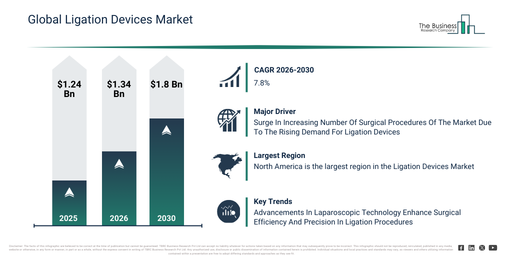
    The ligation devices market has shown substantial growth over recent years. Forecasts indicate its size will increase from $1.24 billion in 2025 to $1.34 billion in 2026, exhibiting a compound annual growth rate (CAGR) of 7.6%. This historical expansion can be ascribed to a rising number of surgical procedures, the development of hospital infrastructure, increased adoption of laparoscopic surgeries, improved access to advanced surgical instruments, and the growing incidence of chronic diseases.

    The ligation devices market is projected to experience robust growth in the coming years. Its value is anticipated to reach $1.8 billion by 2030, exhibiting a compound annual growth rate (CAGR) of 7.8%. This expansion during the forecast period is driven by a rising demand for less invasive surgical methods, increased funding for innovations in surgical technology, the proliferation of ambulatory surgical centers, an intensified emphasis on operational efficiency in procedures, and a greater uptake of sophisticated endoscopic instruments. Prominent trends expected within this period encompass a wider embrace of minimally invasive ligation methods, a surge in the use of disposable and single-use ligation devices, an increasing need for accurate clip application systems, the broadening of endoscopic and laparoscopic ligation techniques, and an elevated commitment to patient safety alongside surgical effectiveness.

    Download A Free Sample Report For Comprehensive Market Insights:

    https://www.thebusinessresearchcompany.com/sample.aspx?id=33200&type=smp&utm_source=Blogs&utm_medium=Paid&utm_campaign=Jul_PR

    Ligation Devices Market Industry Drivers: What Is Driving Revenue Growth?

    The expanding number of surgical interventions is anticipated to fuel the future growth of the ligation devices market. Surgical procedures are defined as clinical actions undertaken by qualified health professionals to treat ailments, mend injuries, or improve physiological processes. The volume of surgeries is climbing as healthcare infrastructure expands its capacity, caters to unaddressed surgical requirements, and improves access to surgical care across various demographics. Ligation devices are instrumental in supporting this rise in surgical volume, enabling surgeons to achieve secure vessel closure, efficient hemostasis, and dependable tissue approximation, which collectively enhance procedural safety and operational efficiency. For instance, in June 2024, reports from the International Society of Aesthetic Plastic Surgery (ISAPS), an association of aesthetic surgeons, revealed that total surgical and non-surgical procedures collectively grew by 3.4% in 2023, with over 15.8 million surgical procedures conducted worldwide, representing a higher figure compared to previous years. Thus, the increasing frequency of surgical procedures is a significant driver for the growth of the ligation devices market.

    Ligation Devices Market Segmentation: How Is The Market Structured Across Key Categories?

    The ligation devices market covered in this report is segmented –

    1) By Product Type: Clip Appliers; Endoscopic Ligators; Accessories

    2) By Material Type: Metal Ligation Devices; Polymer Ligation Devices

    3) By Application: Gastrointestinal Surgeries; Gynecological Surgeries; Cardiovascular Surgeries; Urological Surgeries; Other Applications

    4) By End-User: Hospitals; Ambulatory Surgical Centers; Specialty Clinics; Other End-Users

    Subsegments:

    1) By Clip Appliers: Reusable Clip Appliers; Disposable Clip Appliers; Laparoscopic Clip Appliers; Open Surgery Clip Appliers; Multi Fire Clip Appliers

    2) By Endoscopic Ligators: Band Ligation Devices; Loop Ligation Devices; Single Use Endoscopic Ligators; Multiple Band Endoscopic Ligators; Therapeutic Endoscopic Ligators

    3) By Accessories: Ligation Clips; Ligation Bands; Loading Cartridges; Applicator Handles; Replacement Components

    #Ligation Devices Market Growth Trends: What Is Influencing The Future Outlook?

    Key companies in the ligation devices market are concentrating on developing innovative minimally invasive surgical solutions, including advanced laparoscopic vessel sealing and ligation systems. These systems are designed to enhance procedural oversight, decrease operative duration, and facilitate accurate tissue management during intricate surgical procedures. Advanced laparoscopic vessel sealing and ligation systems are instruments precisely engineered to provide controlled energy for sealing and dividing blood vessels and tissue bundles, alongside an ergonomic design and improved access in restricted anatomical regions, ultimately boosting surgical precision and hemostasis. For instance, in March 2023, Medtronic, an Ireland-based medical technology company, unveiled the LigaSure Exact Dissector. This laparoscopic vessel sealing and dissection device features advanced bipolar energy delivery for consistent sealing, a curved jaw design for enhanced visualization and access, and a nano-coated jaw to minimize tissue sticking and improve procedural efficiency.

    Ligation Devices Market Competitive Landscape And Leading Companies

    Major companies operating in the ligation devices market are Johnson & Johnson Services Inc., Abbott Laboratories, Medtronic plc, Stryker Corporation, Boston Scientific Corporation, B. Braun Melsungen AG, Olympus Corporation, Smith & Nephew Plc, The Cooper Companies Inc., Teleflex Incorporated, Cook Medical LLC, Merit Medical Systems Inc., ConMed Corporation, CooperSurgical Inc., AngioDynamics Inc., Argon Medical Devices Inc., Scanlan International Inc., Purple Surgical, Unimicro Medical Systems Co. Ltd., Ovesco Endoscopy AG, Applied Medical Resources Corporation, Grena Think Medical, Genicon Inc., and Hakko Co. Ltd.

    Access The Complete Ligation Devices Market Report:

    https://www.thebusinessresearchcompany.com/report/ligation-devices-market-report?utm_source=Blogs&utm_medium=Paid&utm_campaign=Jul_PR

    Ligation Devices Market Regional Analysis And Leading Geography

    North America was the largest region in the ligation devices market in 2025. Asia-Pacific is expected to be the fastest-growing region in the forecast period. The regions covered in the ligation devices market report are Asia-Pacific, South East Asia, Western Europe, Eastern Europe, North America, South America, Middle East, Africa.

    Get in touch with us:

    The Business Research Company: https://www.thebusinessresearchcompany.com/

    Americas: +1 310-496-7795

    Asia: +44 7882 955267 & +91 8897263534

    Europe: +44 7882 955267

    Email us at: marketing@tbrc.info

    Follow us on:

    LinkedIn: https://in.linkedin.com/company/the-business-research-company

    YouTube: https://www.youtube.com/channel/UC24_fI0rV8cR5DxlCpgmyFQ

    Global Market Model: https://www.thebusinessresearchcompany.com/global-market-model
  • Internet Of Medical Things (IOMT) For Drug Delivery  Market Forecast Signals New Revenue Opportunities Through 2030

    Internet Of Medical Things (IOMT) For Drug Delivery Market Forecast Signals New Revenue Opportunities Through 2030

    Through market attractiveness analysis, total addressable market evaluation, company benchmarking matrices, interactive Excel dashboards, expanded supply chain intelligence, emerging startup coverage, and detailed product insights, The Business Research Company’s 2026 market reports provide more actionable and strategically valuable research.

    Internet Of Medical Things (IOMT) For Drug Delivery Market Revenue Growth Supported By A CAGR Of 10.09% Through 2030

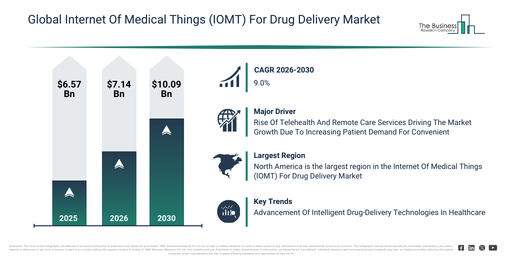
    The internet of medical things (iomt) for drug delivery market size has experienced robust expansion in recent years. This market is projected to expand from $6.57 billion in 2025 to $7.14 billion in 2026, exhibiting a compound annual growth rate (CAGR) of 8.8%. The historical growth can be attributed to factors such as the increasing prevalence of chronic diseases, early adoption of smart infusion and monitoring devices, the expansion of home healthcare services, a rising focus on medication adherence, and the broadening of digital health infrastructure.

    The internet of medical things (IoMT) for drug delivery market size is expected to observe significant expansion over the next few years. It is projected to grow to $10.09 billion in 2030, achieving a compound annual growth rate (CAGR) of 9.0%. The growth during this forecast period can be attributed to the increasing prevalence of personalized medicine applications, rising investments in connected healthcare platforms, an expanding demand for remote patient management, the growing incorporation of AI-driven dosing algorithms, and enhanced regulatory support for digital therapeutics. Major trends expected in the forecast period include the increasing adoption of connected drug delivery devices, a rise in the use of real-time patient monitoring platforms, the growing integration of wearable and implantable delivery systems, the expansion of personalized dosage management solutions, and an enhanced focus on remote therapy management.

    Download A Free Sample Report For Comprehensive Market Insights:

    https://www.thebusinessresearchcompany.com/sample.aspx?id=33187&type=smp&utm_source=Blogs&utm_medium=Paid&utm_campaign=Jul_PR

    #Internet Of Medical Things (IOMT) For Drug Delivery Market Growth Factors: Which Forces Are Supporting Market Expansion?

    The expansion of the internet of medical things (IoMT) for drug delivery market is projected to be driven by the increasing adoption of telehealth and remote care services. These services encompass the provision of healthcare through digital technologies, allowing patients to receive medical consultations, monitoring, and treatment from their residences without requiring physical visits. The surge in telehealth and remote care services is attributable to a rising patient desire for convenient, on-demand healthcare, which enables them to consult doctors, track their health, and manage treatments from home, thus minimizing the need for frequent hospital visits. IoMT for drug delivery aids telehealth and remote care services by facilitating real-time monitoring of patient medication adherence, automated and precise drug administration, and seamless data exchange with healthcare providers. This empowers doctors to remotely monitor treatment progress, adjust dosages, and ensure personalized care without necessitating in-person visits. For instance, in April 2023, according to FAIR Health Inc., a US-based non-profit organization, national telehealth utilization increased by 7.3%, climbing from 5.5% of medical claim lines in December 2022 to 5.9% in January 2023. Consequently, the expanding implementation of telemedicine platforms is fostering the growth of the internet of medical things (IoMT) for drug delivery market.

    Internet Of Medical Things (IOMT) For Drug Delivery Market Segmentation: How Is The Market Structured Across Key Categories?

    The internet of medical things (iomt) for drug delivery market covered in this report is segmented –

    1) By Type: Wearable Drug Delivery Devices; Smart Inhalers; Injectable Drug Delivery Systems; Implantable Drug Delivery Devices; Remote Drug Monitoring

    2) By Connectivity: Bluetooth And Low Energy Connectivity; Wi Fi Connectivity; Cellular Connectivity; Near Field Communication; Cloud And Edge Based Connectivity

    3) By Application: Chronic Disease Management; Acute Care Drug Delivery; Home Based Drug Administration; Hospital And Clinical Drug Delivery; Personalized And Precision Medicine

    4) By End User: Hospitals And Clinics; Home Care Settings; Pharmaceutical And Biotechnology Companies; Research And Development Organizations; Contract Research And Clinical Trial Centers

    Subsegments:

    1) By Wearable Drug Delivery Devices: On Body Infusion Pumps; Patch Based Drug Delivery Systems; Wearable Insulin Delivery Devices; Wearable Pain Management Devices

    2) By Smart Inhalers: Connected Metered Dose Inhalers; Connected Dry Powder Inhalers; Medication Adherence Monitoring Inhalers; Dose Tracking Inhaler Systems

    3) By Injectable Drug Delivery Systems: Connected Auto Injectors; Smart Pen Injectors; Pre Filled Smart Syringes; Electronic Injection Monitoring Systems

    4) By Implantable Drug Delivery Devices: Implantable Infusion Pumps; Controlled Release Implant Systems; Programmable Drug Delivery Implants; Long Term Therapeutic Implants

    5) By Remote Drug Monitoring: Medication Adherence Monitoring Systems; Real Time Dosage Tracking Platforms; Remote Therapy Management Systems; Patient Compliance Monitoring Solutions

    Internet Of Medical Things (IOMT) For Drug Delivery Market Industry Trends: What Changes Are Reshaping Demand?

    Leading companies in the internet of medical things (IoMT) for drug delivery market are concentrating on creating advanced solutions, including connected smart drug-delivery devices that offer real-time monitoring. These innovations aim to facilitate individualized dosing, boost treatment compliance, and elevate patient well-being. Such connected smart drug-delivery devices with real-time monitoring are medical instruments designed to automatically track medication dispensation and patient information, sharing it wirelessly with applications or healthcare systems. This functionality helps in optimizing dosages, enhancing adherence, and enabling prompt clinical judgments. For example, Medtronic plc, an Ireland-based healthcare technology firm, introduced its Smart MDI system, which incorporates the InPen app alongside Simplera CGM, in November 2024. This system brings together a smart insulin pen with an all-in-one, disposable continuous glucose monitor (CGM) to provide real-time, tailored insights into insulin dosing, including suggestions for detecting and correcting forgotten or incorrect mealtime doses. It consistently monitors glucose levels, logs insulin delivery, and analyzes patient data via a mobile application to minimize the risk of hyperglycemia and foster improved glycemic control. In contrast to traditional insulin pens, this solution delivers automatic data capture, intelligent notifications, and support for clinical decisions, thereby considerably reducing the ambiguity in dosing and improving patient results.

    Internet Of Medical Things (IOMT) For Drug Delivery Market Competitive Landscape And Leading Companies

    Major companies operating in the internet of medical things (iomt) for drug delivery market are Siemens AG, F. Hoffmann-La Roche AG, IBM Corporation, Bayer AG, Oracle Corporation, Abbott Laboratories, Honeywell Life Care Solutions Inc., Medtronic plc, Koninklijke Philips N.V., GE HealthCare Technologies Inc., Becton Dickinson and Company, Cognizant Technology Solutions Corporation, Biogen Inc., Omron Healthcare Co. Ltd., Dexcom Inc., Insulet Corporation, Tandem Diabetes Care Inc., Senseonics Inc., AdhereTech Inc., Adherium Limited

    Access The Complete Internet Of Medical Things (IOMT) For Drug Delivery Market Report:

    https://www.thebusinessresearchcompany.com/report/internet-of-medical-things-iomt-for-drug-delivery-market-report?utm_source=Blogs&utm_medium=Paid&utm_campaign=Jul_PR

    Internet Of Medical Things (IOMT) For Drug Delivery Market Global Footprint: Which Region Holds Market Leadership?

    North America was the largest region in the internet of medical things (IOMT) for drug delivery market in 2025. The regions covered in the internet of medical things (iomt) for drug delivery market report are Asia-Pacific, South East Asia, Western Europe, Eastern Europe, North America, South America, Middle East, Africa.

    Get in touch with us:

    The Business Research Company: https://www.thebusinessresearchcompany.com/

    Americas: +1 310-496-7795

    Asia: +44 7882 955267 & +91 8897263534

    Europe: +44 7882 955267

    Email us at: marketing@tbrc.info

    Follow us on:

    LinkedIn: https://in.linkedin.com/company/the-business-research-company

    YouTube: https://www.youtube.com/channel/UC24_fI0rV8cR5DxlCpgmyFQ

    Global Market Model: https://www.thebusinessresearchcompany.com/global-market-model
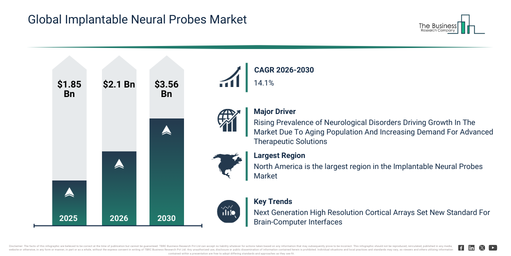
  • Implantable Neural Probes  Market Size Projected To Increase From $2.1 Billion To $3.56 Billion During The Forecast Period

    Implantable Neural Probes Market Size Projected To Increase From $2.1 Billion To $3.56 Billion During The Forecast Period

    Delivering more actionable and strategically valuable research, The Business Research Company’s 2026 market reports feature market attractiveness analysis, total addressable market evaluation, company benchmarking matrices, interactive Excel dashboards, expanded supply chain intelligence, emerging startup coverage, and detailed product insights.

    Implantable Neural Probes Market Value Analysis: What Growth Is Expected Over The Forecast Period?

    The implantable neural probes market has experienced substantial expansion in recent years. This market is projected to grow from $1.85 billion in 2025 to $2.1 billion in 2026, achieving a compound annual growth rate (CAGR) of 13.8%. Historically, this growth has been driven by advancements in neuroscience research tools, the increasing use of depth electrodes in epilepsy monitoring, the expansion of academic brain research programs, the early adoption of brain-computer interface technologies, and improvements in microfabrication techniques.

    The market size for implantable neural probes is anticipated to experience substantial growth in the upcoming years, projected to reach $3.56 billion by 2030, with a compound annual growth rate (CAGR) of 14.1%. This expansion during the forecast period is fueled by an increasing demand for neuroprosthetics, greater investment in brain-machine interfaces, the broadening of clinical neuromodulation therapies, a heightened focus on chronic neural implants, and ongoing innovation in biocompatible materials. Noteworthy trends for this period include the wider adoption of high-density microelectrode arrays, a growing need for flexible and biocompatible neural probes, the increasing integration of wireless neural recording systems, the development of multi-site and multi-modal neural probes, and an enhanced emphasis on long-term implant stability.

    Download A Free Sample Report For Comprehensive Market Insights:

    https://www.thebusinessresearchcompany.com/sample.aspx?id=33180&type=smp&utm_source=Blogs&utm_medium=Paid&utm_campaign=Jul_PR

    Implantable Neural Probes Market Opportunity Drivers: What Is Creating New Revenue Potential?

    The increasing occurrence of neurological disorders is anticipated to fuel the expansion of the implantable neural probes market moving forward. Neurological disorders are medical conditions that affect the nervous system, including the brain, spinal cord, and the nerves connecting them. The rising prevalence of these disorders is linked to the aging population, as older age is a significant risk factor for conditions like Alzheimer’s disease, Parkinson’s disease, and stroke. Implantable neural probes aid in managing and treating neurological disorders by allowing precise, real-time recording and stimulation of neural activity, which enables targeted diagnosis, continuous monitoring, and personalized therapeutic interventions for conditions such as epilepsy, Parkinson’s disease, and paralysis. For instance, in March 2023, according to the Alzheimer’s Association, a US-based nonprofit voluntary health organization, approximately 6.7 million Americans aged 65 and older were living with Alzheimer’s dementia in 2023, a figure projected to increase to 13.8 million by 2060. Consequently, the increasing prevalence of neurological disorders is propelling the growth of the implantable neural probes market.

    Implantable Neural Probes Market Segmentation And Category Breakdown

    The implantable neural probes market covered in this report is segmented –

    1) By Product Type: Microelectrodes; Microelectrode Arrays; Depth Probes; Surface Probes; Other Product Types

    2) By Material: Silicon; Glass; Polymer; Metal; Other Materials

    3) By Application: Neuroscience Research; Clinical Diagnostics; Brain-Computer Interfaces; Other Applications

    4) By End-User: Research Institutes; Hospitals; Diagnostic Centers; Other End-Users

    Subsegments:

    1) By Microelectrodes: Platinum Microelectrodes; Tungsten Microelectrodes; Iridium Oxide Microelectrodes; Gold Microelectrodes; Silicon Microelectrodes

    2) By Microelectrode Arrays: Planar Microelectrode Arrays; Three Dimensional Microelectrode Arrays; Flexible Microelectrode Arrays; High Density Microelectrode Arrays; Custom Designed Microelectrode Arrays

    3) By Depth Probes: Single Shank Depth Probes; Multi Shank Depth Probes; Glass Insulated Depth Probes; Metal Coated Depth Probes; Custom Configured Depth Probes

    4) By Surface Probes: Electrocorticography Surface Probes; Flexible Surface Probes; Grid Surface Probes; Strip Surface Probes; Custom Fabricated Surface Probes

    5) By Other Product Types: Optical Neural Probes; Wireless Neural Probes; Nano Fabricated Neural Probes; Multi Modal Neural Probes; Custom Engineered Neural Probes

    Implantable Neural Probes Market Innovation Trends Driving Future Development

    Leading companies within the implantable neural probes market are prioritizing technological advancements, such as high-resolution cortical electrode arrays, to improve neural signal accuracy and expand applications for brain-computer interfaces. A high-resolution cortical electrode array is an implantable neural probe type, comprising a thin, flexible film embedded with hundreds to thousands of microelectrodes. For instance, in April 2025, Precision Neuroscience Corporation, a US-based neurotechnology company focused on developing advanced brain-computer interface systems, launched the Layer 7 Cortical Interface. This next-generation implantable microelectrode array received clearance from the U.S. Food and Drug Administration (FDA) under 510(k) for recording, monitoring, and stimulating electrical activity on the brain’s surface for up to 30 days. The device features a high-density array of 1,024 microelectrodes on a flexible polyimide film, which conforms to cortical anatomy to deliver detailed neural data while mitigating tissue damage risks. It also supports real-time mapping during neurosurgery and establishes a platform for future wireless BCI applications for conditions such as paralysis and communication impairments. The product’s clearance and its capabilities highlight a progression towards safer, higher-resolution implantable neural probes with expanded clinical utility.

    Implantable Neural Probes Market Competitive Analysis Of Major Industry Participants

    Major companies operating in the implantable neural probes market are Abbott Laboratories, Medtronic plc, Boston Scientific Corporation, Neuralink Corp., NeuroPace Inc., NeuroOne Medical Technologies Corporation, Alpha Omega Engineering Ltd., INBRAIN Neuroelectronics, Paradromics Inc., Axoft Inc, Synchron Inc., Ripple Neuro LLC, NeuroNexus Technologies Inc., Plexon Inc., CorTec Advanced Neuroscience GmbH, Cambridge NeuroTech Ltd, Spike Neuro LLC, Aleva Neurotherapeutics SA, Optogenix Inc., Precision Neuroscience Corporation.

    Access The Complete Implantable Neural Probes Market Report:

    https://www.thebusinessresearchcompany.com/report/implantable-neural-probes-market-report?utm_source=Blogs&utm_medium=Paid&utm_campaign=Jul_PR

    Implantable Neural Probes Market Geographic Distribution And Regional Opportunities

    North America was the largest region in the implantable neural probes market in 2025. Asia-Pacific is expected to be the fastest-growing region in the forecast period. The regions covered in the implantable neural probes market report are Asia-Pacific, South East Asia, Western Europe, Eastern Europe, North America, South America, Middle East, Africa.

    Get in touch with us:

    The Business Research Company: https://www.thebusinessresearchcompany.com/

    Americas: +1 310-496-7795

    Asia: +44 7882 955267 & +91 8897263534

    Europe: +44 7882 955267

    Email us at: marketing@tbrc.info

    Follow us on:

    LinkedIn: https://in.linkedin.com/company/the-business-research-company

    YouTube: https://www.youtube.com/channel/UC24_fI0rV8cR5DxlCpgmyFQ

    Global Market Model: https://www.thebusinessresearchcompany.com/global-market-model
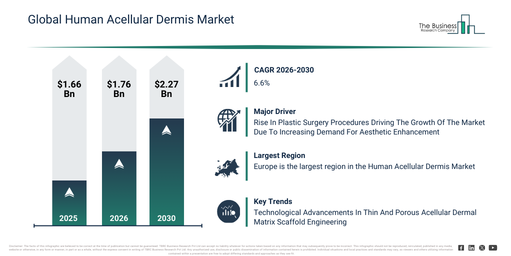
  • Human Acellular Dermis  Market Growth Is Reshaping Competitive Advantage Across The Industry

    Human Acellular Dermis Market Growth Is Reshaping Competitive Advantage Across The Industry

    Through market attractiveness analysis, total addressable market evaluation, company benchmarking matrices, interactive Excel dashboards, expanded supply chain intelligence, emerging startup coverage, and detailed product insights, The Business Research Company’s 2026 market reports provide more actionable and strategically valuable research.

    Human Acellular Dermis Market Expansion From $1.76 Billion In 2026 To $2.27 Billion In 2030

    The human acellular dermis market size has experienced robust growth in recent years. It is projected to expand from $1.66 billion in 2025 to $1.76 billion in 2026, achieving a compound annual growth rate (CAGR) of 6.3%. This historic period’s growth can be linked to an increasing volume of reconstructive surgeries, a higher occurrence of burn injuries, ongoing advancements in tissue processing technologies, the proliferation of cosmetic and plastic surgery procedures, and enhanced availability of donor tissue.

    The human acellular dermis market is expected to experience significant expansion in the coming years, with projections indicating a rise to $2.27 billion by 2030, at a compound annual growth rate (CAGR) of 6.6%. The anticipated growth throughout this forecast period is primarily driven by the increasing integration into regenerative medicine, a growing demand for minimally invasive reconstruction solutions, the expansion of its applications in orthopedic and soft tissue repair, a heightened focus on advanced wound management, and continuous innovation in biomaterial processing. Key trends for this period include the increased application of acellular dermal matrices in reconstructive procedures, a rise in their use for burn and wound care, a burgeoning demand for ready-to-use dermal grafts, the proliferation of plastic and reconstructive surgery procedures, and an enhanced emphasis on biocompatibility and integration.

    Download A Free Sample Report For Comprehensive Market Insights:

    https://www.thebusinessresearchcompany.com/sample.aspx?id=33172&type=smp&utm_source=Blogs&utm_medium=Paid&utm_campaign=Jul_PR

    Human Acellular Dermis Market Growth Factors Supporting Long-Term Expansion

    The growing prevalence of plastic surgery procedures is anticipated to fuel the expansion of the human acellular dermis market in the coming years. These medical interventions involve surgical methods to reshape, restore, or improve the body’s aesthetic appeal and functionality. The surge in plastic surgery procedures stems from heightened public awareness and a greater desire for aesthetic improvements, as more people choose advanced, less invasive surgical solutions to enhance their appearance and boost self-confidence. Human acellular dermis (HAD) offers advantages in plastic surgery by serving as a biocompatible scaffold, integrating effectively with the patient’s own tissues, facilitating new tissue development, reducing scar formation, and improving both the cosmetic and practical results of reconstructive or aesthetic operations. A notable instance of this trend is observed in June 2024, where data from the International Society of Aesthetic Plastic Surgery, a US-based professional organization, indicated that facial and head aesthetic procedures significantly increased compared to 2023, reaching over 6.5 million interventions and showing a 19.6% rise. Consequently, the proliferation of plastic surgery procedures is a key factor propelling the growth of the human acellular dermis market.

    Human Acellular Dermis Market Segment Analysis Highlighting Growth Areas

    The human acellular dermis market covered in this report is segmented –

    1) By Product Type: Recombinant Acellular Dermis; Lyophilized Acellular Dermis; Decellularized Acellular Dermis; Fresh Acellular Dermis

    2) By Structure Type: Sheet Type Acellular Dermis; Mesh Type Acellular Dermis; Gel Type Acellular Dermis

    3) By Distribution Channel: Direct Sales; Distributors; Online Retailing

    4) By Application: Burn Treatment; Soft Tissue Reconstruction; Wound Management; Plastic Surgery; Orthopedic Surgery

    5) By End User: Hospitals; Ambulatory Surgical Centers (ASCs); Specialty Clinics; Research Institutions

    Subsegments:

    1) By Recombinant Acellular Dermis: Collagen Based Recombinant Dermis; Elastin Enriched Recombinant Dermis; Growth Factor Integrated Recombinant Dermis; Synthetic Hybrid Recombinant Dermis

    2) By Lyophilized Acellular Dermis: Single Layer Lyophilized Dermis; Multi Layer Lyophilized Dermis; Sterile Lyophilized Dermis; Long Shelf Life Lyophilized Dermis

    3) By Decellularized Acellular Dermis: Human Donor Derived Dermis; Enzyme Processed Decellularized Dermis; Detergent Treated Decellularized Dermis; Minimally Processed Decellularized Dermis

    4) By Fresh Acellular Dermis: Cryopreserved Fresh Dermis; Hydrated Fresh Dermis; Ready To Use Fresh Dermis; Short Term Stored Fresh Dermis

    Human Acellular Dermis Market Industry Trends Shaping Future Revenue Growth

    Leading companies within the human acellular dermis market are concentrating on developing innovative products, such as thin and porous acellular dermal matrix scaffold technology, to enhance handling and conformity to intricate wound geometries, thereby enabling easier placement and more consistent clinical outcomes. This technology involves engineering acellular dermal matrices with reduced thickness and interconnected porous structures, which promotes cellular infiltration, vascularization, and tissue integration, leading to faster wound healing with fewer clinical applications. For instance, in April 2025, LifeNet Health, a US-based regenerative medicine company, introduced Dermacell Porous. This acellular dermal matrix features a thin, durable, and naturally porous scaffold, improved retention of extracellular matrix proteins and cytokines, and straightforward non-sided application directly from the package, facilitating its broader clinical adoption for complex wound cases requiring fewer interventions. Engineered to support chronic wound closure in four or fewer applications, it is also one of 26 skin substitute grafts and cellular or tissue-based products covered under Medicare’s new Local Coverage Determinations, effective January 1, 2026. This addition significantly strengthens LifeNet Health’s regenerative wound care portfolio and emphasizes its commitment to delivering advanced and accessible clinical solutions.

    Human Acellular Dermis Market Leading Companies: Who Holds Significant Market Presence?

    Major companies operating in the human acellular dermis market are Medtronic Plc, Stryker Corporation, Zimmer Biomet Holdings Inc., Integra LifeSciences Corporation, Conmed Corporation, MTF Biologics, MiMedx Group Inc., BioHorizons IPH Inc., LifeNet Health, BioBridge Global, Hans Biomed Corp., PolyNovo Limited, Tissue Regenix Group Plc, CG Bio Inc., Parametrics Medical, Meccellis Biotech, Promethean LifeSciences Inc., Bimini Health Tech LLC, Citagenix Inc., and Aziyo Biologics.

    Access The Complete Human Acellular Dermis Market Report:

    https://www.thebusinessresearchcompany.com/report/human-acellular-dermis-market-report?utm_source=Blogs&utm_medium=Paid&utm_campaign=Jul_PR

    Human Acellular Dermis Market Geographic Landscape: Which Region Dominates Industry Growth?

    Europe was the largest region in the human acellular dermis market in 2025. Asia-Pacific is expected to be the fastest-growing region in the forecast period. The regions covered in the human acellular dermis market report are Asia-Pacific, South East Asia, Western Europe, Eastern Europe, North America, South America, Middle East, Africa.

    Get in touch with us:

    The Business Research Company: https://www.thebusinessresearchcompany.com/

    Americas: +1 310-496-7795

    Asia: +44 7882 955267 & +91 8897263534

    Europe: +44 7882 955267

    Email us at: marketing@tbrc.info

    Follow us on:

    LinkedIn: https://in.linkedin.com/company/the-business-research-company

    YouTube: https://www.youtube.com/channel/UC24_fI0rV8cR5DxlCpgmyFQ

    Global Market Model: https://www.thebusinessresearchcompany.com/global-market-model
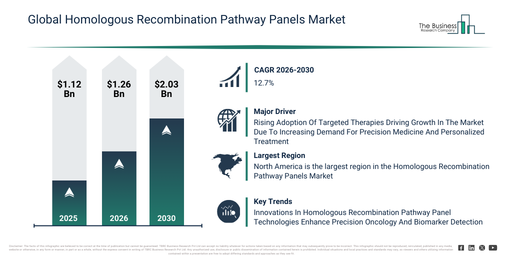
  • Homologous Recombination Pathway Panels  Market Growth Is Accelerating As Industry Transformation Continues

    Homologous Recombination Pathway Panels Market Growth Is Accelerating As Industry Transformation Continues

    Enhanced with market attractiveness analysis, total addressable market evaluation, company benchmarking matrices, interactive Excel dashboards, expanded supply chain intelligence, emerging startup coverage, and detailed product insights, The Business Research Company’s 2026 market reports deliver more actionable and strategically valuable research.

    Homologous Recombination Pathway Panels Market Revenue Growth Supported By A CAGR Of 2.03% Through 2030

    The homologous recombination pathway panels market has recently shown significant expansion. It is anticipated to grow from $1.12 billion in 2025 to $1.26 billion in 2026, achieving a compound annual growth rate (CAGR) of 12.5%. Factors contributing to this historical growth include the growth of precision oncology research, the increasing application of genetic testing in cancer diagnosis, the development of hereditary cancer screening programs, the wider availability of NGS technologies, and increasing collaborations between diagnostics and pharmaceutical companies.

    The homologous recombination pathway panels market is anticipated to experience substantial expansion over the coming years. This market is projected to reach $2.03 billion by 2030, exhibiting a robust compound annual growth rate (CAGR) of 12.7%. This expansion during the forecast period is primarily fueled by the increasing uptake of companion diagnostics, the escalating need for individualized cancer treatments, the broadening scope of clinical genomics within hospitals, the expanding application of AI-powered variant interpretation, and a rise in regulatory clearances for genomic panels. Key developments expected throughout this period involve a greater embrace of comprehensive HRD testing panels, an increase in the utilization of NGS-based homologous recombination assays, a growing need for panels focused on selecting therapies, the proliferation of integrated genomic profiling kits, and a heightened emphasis on diagnostic panels offering quick results.

    Download A Free Sample Report For Comprehensive Market Insights:

    https://www.thebusinessresearchcompany.com/sample.aspx?id=33170&type=smp&utm_source=Blogs&utm_medium=Paid&utm_campaign=Jul_PR

    Homologous Recombination Pathway Panels Market Expansion Supported By Key Demand Factors

    The expanding application of targeted therapies is projected to fuel the expansion of the homologous recombination pathway panels market in the future. These therapies are medical interventions formulated to precisely act on molecules or genetic anomalies responsible for diseases within cells, thereby preventing their proliferation while protecting healthy cells. The growing reliance on targeted therapies is escalating the need for precision medicine, given that both patients and medical professionals favor treatments offering greater efficacy and reduced adverse reactions over traditional options. Homologous recombination (HR) pathway panels play a crucial role in complementing targeted therapies by pinpointing individuals who are expected to react positively to drugs targeting DNA damage, allowing medical practitioners to customize treatment strategies and improve patient results. For example, in July 2023, the American Society of Gene & Cell Therapy, a US-based non-profit medical and scientific organization, reported that gene therapies in Phase III clinical trials saw a 10% increase in the fourth quarter of 2023. This marked the initial quarterly surge since the third quarter of 2022. Consequently, the increased uptake of targeted therapies is significantly boosting the growth of the homologous recombination pathway panels market.

    #Homologous Recombination Pathway Panels Market Segment Landscape And Growth Potential

    The homologous recombination pathway panels market covered in this report is segmented –

    1) By Panel Type: Comprehensive Homologous Recombination Deficiency Panels; Focused Or Core Homologous Recombination Repair Gene Panels; Custom Or Research Panels; Integrated Genomic Profiling Kits

    2) By Technology: Next-Generation Sequencing (NGS); Polymerase Chain Reaction (PCR); Microarray Based Panels; Other Molecular Diagnostic Techniques

    3) By Application: Cancer Research; Genetic Disorder Studies; Drug Discovery; Clinical Diagnostics; Other Applications

    4) By End User: Hospitals And Clinics; Diagnostic Laboratories; Research Institutes; Biotechnology Companies; Pharmaceutical Companies

    Subsegments:

    1) By Comprehensive Homologous Recombination Deficiency Panels: Broad Gene Coverage Panels; Clinical Grade Diagnostic Panels; Therapy Selection Panels; Prognostic Risk Assessment Panels

    2) By Focused Or Core Homologous Recombination Repair Gene Panels: Single Pathway Targeted Panels; Small Gene Set Panels; Cost Optimized Clinical Panels; Rapid Turnaround Testing Panels

    3) By Custom Or Research Panels: Disease Specific Research Panels; Institution Designed Gene Panels; Exploratory Genomic Study Panels; Preclinical Research Panels

    4) By Integrated Genomic Profiling Kits: Multigene Sequencing Kits; Combined Mutation And Structural Variant Kits; End To End Genomic Analysis Kits; Clinical Workflow Integrated Kits

    Homologous Recombination Pathway Panels Market Growth Trends Influencing Competitive Dynamics

    Major companies in the homologous recombination pathway panels market are concentrating on developing advanced comprehensive genomic profiling solutions. These solutions aim to pinpoint DNA repair deficiencies, direct targeted therapies, and enable personalized treatment strategies for cancer patients. Comprehensive genomic profiling is an advanced testing method that simultaneously examines hundreds of genes to identify genetic alterations, biomarkers, and molecular signatures, facilitating precision medicine and informed therapeutic strategies. For example, in September 2024, Integrated DNA Technologies, a US-based biotechnology company, introduced Archer homologous recombination deficiency (HRD) technology. This technology detects homologous recombination deficiencies and guides targeted cancer therapies. Such technologies assess homologous recombination deficiency (HRD) in solid tumors to enhance comprehensive genomic profiling (CGP) for cancer research. Their objective is to detect key biomarkers like HRD, alongside MSI and TMB, from low-input samples, thereby supporting precision medicine through flexible NGS panels without requiring workflow overhauls. Key advantages include AMP chemistry, enabling standalone, spike-in, or integrated use, which optimizes resources and customization.

    Homologous Recombination Pathway Panels Market Competitive Landscape: Who Are The Leading Companies?

    Major companies operating in the homologous recombination pathway panels market are F. Hoffmann-La Roche AG, Thermo Fisher Scientific Inc., Merck KGaA, Eurofins Scientific SE, Agilent Technologies Inc., Illumina Inc., Bio-Rad Laboratories Inc., QIAGEN N.V., Integrated DNA Technologies Inc., NeoGenomics Laboratories Inc., Promega Corporation, Invitae Corporation, Caris Life Sciences Inc., Fulgent Genetics Inc., Foundation Medicine Inc., Metropolis Healthcare Limited, AmoyDx Diagnostics Co. Ltd., CD Genomics, iGeneTech Inc., and Paragon Genomics Inc.

    Access The Complete Homologous Recombination Pathway Panels Market Report:

    https://www.thebusinessresearchcompany.com/report/homologous-recombination-pathway-panels-market-report?utm_source=Blogs&utm_medium=Paid&utm_campaign=Jul_PR

    Homologous Recombination Pathway Panels Market Regional Analysis: Which Region Leads By Revenue?

    North America was the largest region in the homologous recombination pathway panels market in 2025. Asia-Pacific is expected to be the fastest-growing region in the forecast period. The regions covered in the homologous recombination pathway panels market report are Asia-Pacific, South East Asia, Western Europe, Eastern Europe, North America, South America, Middle East, Africa.

    Get in touch with us:

    The Business Research Company: https://www.thebusinessresearchcompany.com/

    Americas: +1 310-496-7795

    Asia: +44 7882 955267 & +91 8897263534

    Europe: +44 7882 955267

    Email us at: marketing@tbrc.info

    Follow us on:

    LinkedIn: https://in.linkedin.com/company/the-business-research-company

    YouTube: https://www.youtube.com/channel/UC24_fI0rV8cR5DxlCpgmyFQ

    Global Market Model: https://www.thebusinessresearchcompany.com/global-market-model
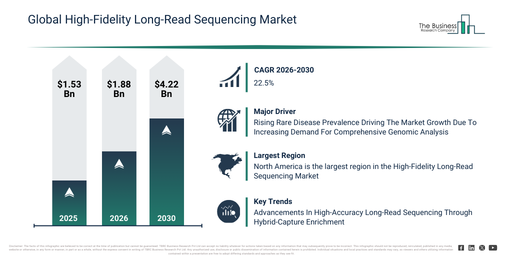
  • High-Fidelity Long-Read Sequencing  Market Forecast Reveals Where Future Industry Value Will Be Created

    High-Fidelity Long-Read Sequencing Market Forecast Reveals Where Future Industry Value Will Be Created

    Through market attractiveness analysis, total addressable market evaluation, company benchmarking matrices, interactive Excel dashboards, expanded supply chain intelligence, emerging startup coverage, and detailed product insights, The Business Research Company’s 2026 market reports provide more actionable and strategically valuable research.

    High-Fidelity Long-Read Sequencing Market Growth From $1.88 Billion In 2026 To $4.22 Billion By 2030 At A CAGR Of 22.5%

    The high-fidelity long-read sequencing market has experienced rapid expansion over the last few years. Projections indicate it will expand from $1.53 billion in 2025 to $1.88 billion in 2026, demonstrating a compound annual growth rate (CAGR) of 22.2%. Historically, this growth has stemmed from breakthroughs in sequencing chemistry precision, initial uptake within genomics research facilities, the proliferation of extensive genome initiatives, a rising need for structural variant assessment, and enhancements in sequencing hardware capabilities.

    The high-fidelity long-read sequencing market size is anticipated to undergo significant expansion in the coming years, with projections indicating a growth to $4.22 billion by 2030, reflecting a compound annual growth rate (CAGR) of 22.5%. This projected growth during the forecast period is primarily driven by factors such as the increasing implementation of precision medicine strategies, greater investments in genomics-focused drug discovery, an expansion in rare disease research, the rising clinical integration of long-read sequencing, and continuous improvements in sequencing cost efficiency. Key trends expected over the forecast period include the broader acceptance of long-read sequencing in clinical diagnostics, an escalating demand for highly accurate variant detection, the growing application of de novo genome assembly techniques, an expansion in epigenetic and transcriptomic analysis applications, and enhanced integration of sophisticated bioinformatics tools.

    Download A Free Sample Report For Comprehensive Market Insights:

    https://www.thebusinessresearchcompany.com/sample.aspx?id=33166&type=smp&utm_source=Blogs&utm_medium=Paid&utm_campaign=Jul_PR

    High-Fidelity Long-Read Sequencing Market Expansion Drivers: What Is Shaping Future Growth?

    The increasing occurrence of rare diseases is anticipated to boost the growth of the HiFi long-read sequencing market in the future. Rare diseases are conditions that affect a limited number of individuals, often presenting with intricate symptoms and restricted treatment options. The rise in rare diseases is attributed to advancements in genetic sequencing and diagnostic technologies, which facilitate earlier and more accurate identification of previously undiagnosed or misclassified conditions. HiFi long-read sequencing helps address rare diseases by enabling highly accurate, comprehensive detection of complex genetic variations frequently overlooked by short-read sequencing, thereby leading to faster and more precise diagnoses. For instance, in July 2023, according to the Department of Health & Social Care, a UK-based government department, it is estimated that more than 7,000 rare diseases exist, with new conditions consistently being discovered as research progresses. Approximately 80% of these rare diseases are known to have a genetic basis. Therefore, the growing incidence of rare diseases is driving the expansion of the HiFi long-read sequencing market.

    High-Fidelity Long-Read Sequencing Market Segment Outlook: Which Categories Are Expanding The Fastest?

    The high-fidelity long-read sequencing market covered in this report is segmented –

    1) By Product Type: Instruments; Consumables; Software

    2) By Sequencing Technology: Single-Molecule Real-Time Sequencing; Nanopore Sequencing; Other Sequencing Technologies

    3) By Application: Clinical Diagnostics; Genomics Research; Oncology; Rare Disease Detection; Agriculture And Animal Research; Other Applications

    4) By End-User: Academic And Research Institutes; Hospitals And Clinics; Pharmaceutical And Biotechnology Companies; Other End-Users

    Subsegments:

    1) By Instruments: Sequencers; Library Preparation Systems; Sample Preparation Instruments; Data Collection Devices; Quality Control Instruments

    2) By Consumables: Sequencing Kits; Flow Cells; Reagents; Pipette Tips; Sample Tubes

    3) By Software: Data Analysis Software; Visualization Software; Sequence Alignment Software; Genome Assembly Software; Quality Assessment Software

    High-Fidelity Long-Read Sequencing Market Strategic Trends: What Is Defining The Next Phase Of Growth?

    Companies operating within the HiFi long-read sequencing market are concentrating on developing advanced solutions, such as hybrid-capture target enrichment. These efforts aim to boost sequencing accuracy, broaden coverage of intricate genomic regions, and hasten the identification of structural variants for sophisticated research and clinical uses. Hybrid-capture target enrichment refers to a genomic sequencing method that selectively separates specific DNA or RNA regions from a sample using complementary probes. This allows for focused, highly accurate sequencing of target areas while minimizing the sequencing of non-relevant segments. For example, in July 2025, QIAGEN N.V., a biotechnology company based in the Netherlands, released its QIAseq xHYB Long Read Panels, expanding its range of next-generation sequencing (NGS) products. This product utilizes hybrid-capture enrichment to facilitate accurate long-read sequencing of complex genomic areas like repeats and structural variants, overcoming the drawbacks of short-read methods. The panels deliver outstanding uniformity, specificity, and full coverage for applications such as cancer profiling, HLA typing, and haplotype phasing. They come in adaptable fixed or custom formats and support integrated workflows from DNA preparation to bioinformatics analysis. Benefits include improved efficiency and more in-depth insights for precision medicine.

    High-Fidelity Long-Read Sequencing Market Key Companies And Competitive Benchmarking

    Major companies operating in the high-fidelity long-read sequencing market are Azenta Inc., BGI Genomics Co. Ltd., GenScript Biotech Corporation, Novogene Co. Ltd., Takara Bio Inc., Pacific Biosciences of California Inc., Macrogen Inc., MedGenome Inc., MGI Tech Co. Ltd., Discovery Life Sciences Inc., Eurofins Genomics LLC, CD Genomics, BaseClear B.V., Psomagen Inc., Health in Code S.L., Creative Biogene Inc., Nucleome Informatics Private Limited, Genevia Technologies Oy, JS Link Co. Ltd., SeqCenter LLC, Theragen Bio Co. Ltd.

    Access The Complete High-Fidelity Long-Read Sequencing Market Report:

    https://www.thebusinessresearchcompany.com/report/high-fidelity-long-read-sequencing-market-report?utm_source=Blogs&utm_medium=Paid&utm_campaign=Jul_PR

    High-Fidelity Long-Read Sequencing Market Geographic Analysis: Where Is Demand Growing The Fastest?

    North America was the largest region in the HiFi long-read sequencing market in 2025. Asia-Pacific is expected to be the fastest-growing region in the forecast period. The regions covered in the high-fidelity long-read sequencing market report are Asia-Pacific, South East Asia, Western Europe, Eastern Europe, North America, South America, Middle East, Africa.

    Get in touch with us:

    The Business Research Company: https://www.thebusinessresearchcompany.com/

    Americas: +1 310-496-7795

    Asia: +44 7882 955267 & +91 8897263534

    Europe: +44 7882 955267

    Email us at: marketing@tbrc.info

    Follow us on:

    LinkedIn: https://in.linkedin.com/company/the-business-research-company

    YouTube: https://www.youtube.com/channel/UC24_fI0rV8cR5DxlCpgmyFQ

    Global Market Model: https://www.thebusinessresearchcompany.com/global-market-model
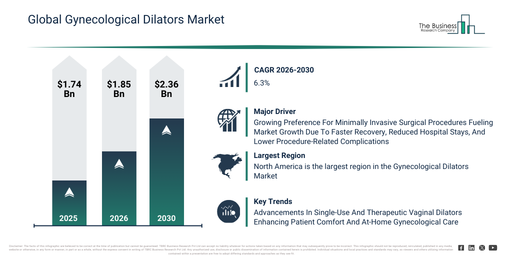
  • Gynecological Dilators  Market Forecast Highlights Expansion From $1.85 Billion To $2.36 Billion Through 2030

    Gynecological Dilators Market Forecast Highlights Expansion From $1.85 Billion To $2.36 Billion Through 2030

    Enhanced with market attractiveness analysis, total addressable market evaluation, company benchmarking matrices, interactive Excel dashboards, expanded supply chain intelligence, emerging startup coverage, and detailed product insights, The Business Research Company’s 2026 market reports deliver more actionable and strategically valuable research.

    Gynecological Dilators Market Value Analysis: What Growth Is Expected Over The Forecast Period?

    The market size for gynecological dilators has demonstrated strong growth in recent years. Its value is projected to increase from $1.74 billion in 2025 to $1.85 billion in 2026, at a compound annual growth rate (CAGR) of 6.1%. This historical expansion can be attributed to several factors, including an increasing number of gynecological procedures, rising awareness of vaginal health therapies, the expansion of hospital and clinic infrastructure, the availability of diverse dilator materials, and growth in outpatient gynecological care.

    The gynecological dilators market is anticipated to experience robust expansion in the coming years, with its valuation expected to reach $2.36 billion by 2030, growing at a compound annual growth rate (CAGR) of 6.3%. This projected growth during the forecast period is driven by an intensified focus on patient-centric medical devices, the increasing adoption of minimally invasive gynecological treatments, the expansion of online medical device distribution networks, a growing demand for personalized treatment solutions, and a stronger emphasis on hygiene and safety standards. Key trends anticipated in this period include the increasing use of medical-grade silicone dilators, a rising demand for customizable and graduated dilator sets, a growing preference for reusable and sterilizable devices, the expansion of home-based therapeutic applications, and an enhanced focus on patient comfort and safety.

    Download A Free Sample Report For Comprehensive Market Insights:

    https://www.thebusinessresearchcompany.com/sample.aspx?id=33146&type=smp&utm_source=Blogs&utm_medium=Paid&utm_campaign=Jul_PR

    Gynecological Dilators Market Expansion Supported By Key Demand Factors

    The increasing preference for minimally invasive surgical procedures is projected to drive the expansion of the gynecological dilators market in the future. These interventions involve gynecological operations that utilize smaller entry points and sophisticated methods such as hysteroscopy, laparoscopy, and image-guided tools, contrasting with traditional open surgeries. The rising adoption of such procedures is due to benefits including accelerated patient recovery, shorter hospital stays, reduced post-operative pain, and lower risks of complications related to the procedure. Gynecological dilators are essential for minimally invasive surgical procedures as they facilitate gradual and controlled cervical or vaginal dilation with minimal tissue trauma, thereby providing safe access to the uterine cavity and reproductive organs during diagnostic and therapeutic interventions. For instance, in 2024, according to the American Society of Plastic Surgeons, a US-based non-profit organization, minimally invasive procedures increased by 1.5% from 25,442,640 in 2023 to 28,243,407 in 2024. This growing inclination towards minimally invasive surgical procedures is thus propelling the growth of the gynecological dilators market.

    Gynecological Dilators Market Segment Analysis Highlighting Growth Areas

    The gynecological dilators market covered in this report is segmented –

    1) By Product Type: Silicone Dilators; Plastic Dilators; Metal Dilators; Glass Dilators

    2) By Size: Medium Dilators; Small Dilators; Large Dilators; Customizable Size Dilators

    3) By Application: Medical; Personal

    4) By Distribution Channel: Hospitals And Clinics; Online Retailers; Medical Supply Stores; Pharmacies

    Subsegments:

    1) By Silicone Dilators: Medical Grade Silicone Dilators; Soft Silicone Dilators; Graduated Silicone Dilators; Flexible Silicone Dilators

    2) By Plastic Dilators: Polyethylene Dilators; Polypropylene Dilators; Polycarbonate Dilators; Disposable Plastic Dilators

    3) By Metal Dilators: Stainless Steel Dilators; Titanium Dilators; Reusable Metal Dilators; Surgical Grade Metal Dilators

    4) By Glass Dilators: Borosilicate Glass Dilators; Tempered Glass Dilators; Reusable Glass Dilators; Medical Grade Glass Dilators

    Gynecological Dilators Market Growth Trends Influencing Competitive Dynamics

    Leading companies within the gynecological dilators market are prioritizing advancements in therapeutic vaginal dilators, specifically single-use and disposable models, designed for both at-home and clinical settings. This focus aims to address the increasing demand for effective management of gynecological conditions such as vaginismus, pelvic floor dysfunction, and dyspareunia, concurrently enhancing patient comfort, safety, and adherence to therapy. Therapeutic vaginal dilators are medical devices engineered to gently stretch and relax vaginal tissues, aiding in the restoration of elasticity, reduction of pain, and improvement of vaginal function. They are commonly employed in pelvic floor therapy, post-surgical recovery, radiation therapy aftercare, and the treatment of conditions including vaginismus and vaginal stenosis. For instance, in June 2024, Materna Medical, Inc., a U.S.-based obstetrics and gynecology (OBGYN) platform company, initiated a virtual clinical trial to evaluate the Milli Vaginal Dilator. This innovative device is designed for controlled vaginal dilation and symptom management in patients with vaginismus. The Milli Vaginal Dilator is constructed from medical-grade materials and features a user-friendly, ergonomic design suitable for both at-home and clinical use, offering gradual and comfortable tissue expansion, guided therapy protocols, and reduced anxiety and discomfort compared with traditional rigid dilators.

    Gynecological Dilators Market Leading Companies: Who Holds Significant Market Presence?

    Major companies operating in the gynecological dilators market are Medline Industries L.P., STERIS plc, Hologic Inc., Karl Storz SE & Co. KG, Cook Medical LLC, Integra LifeSciences Corporation, CooperSurgical Inc., KLS Martin Group, MedGyn Products Inc., Sklar Surgical Instruments Corporation, MEDICON eG, Advin Health Care, Medicem Group a.s., Pelican Feminine Healthcare Ltd., Intimate Rose LLC, Syracuse Medical Products Inc., Laboratoires Gyneas, Surgical Holdings, Vagiwell AB, Panpac Medical Corp., Aqueduct Medical Inc., Sculape India Pvt. Ltd.

    Access The Complete Gynecological Dilators Market Report:

    https://www.thebusinessresearchcompany.com/report/gynecological-dilators-market-report?utm_source=Blogs&utm_medium=Paid&utm_campaign=Jul_PR

    Gynecological Dilators Market Largest Region By Revenue And Market Share

    North America was the largest region in the gynecological dilators market in 2025. Asia-Pacific is expected to be the fastest-growing region in the forecast period. The regions covered in the gynecological dilators market report are Asia-Pacific, South East Asia, Western Europe, Eastern Europe, North America, South America, Middle East, Africa.

    Get in touch with us:

    The Business Research Company: https://www.thebusinessresearchcompany.com/

    Americas: +1 310-496-7795

    Asia: +44 7882 955267 & +91 8897263534

    Europe: +44 7882 955267

    Email us at: marketing@tbrc.info

    Follow us on:

    LinkedIn: https://in.linkedin.com/company/the-business-research-company

    YouTube: https://www.youtube.com/channel/UC24_fI0rV8cR5DxlCpgmyFQ

    Global Market Model: https://www.thebusinessresearchcompany.com/global-market-model
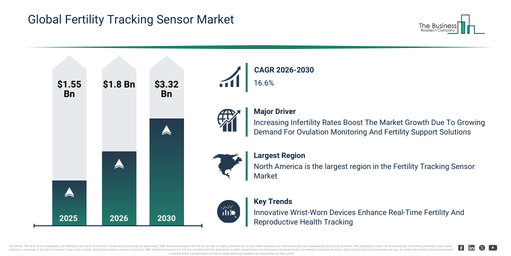
  • Fertility Tracking Sensor  Market Opportunities Are Emerging Beyond Traditional Growth Areas

    Fertility Tracking Sensor Market Opportunities Are Emerging Beyond Traditional Growth Areas

    Delivering more actionable and strategically valuable research, The Business Research Company’s 2026 market reports feature market attractiveness analysis, total addressable market evaluation, company benchmarking matrices, interactive Excel dashboards, expanded supply chain intelligence, emerging startup coverage, and detailed product insights.

    Fertility Tracking Sensor Market Size Forecast: How Large Could The Market Become By 2030?

    The fertility tracking sensor market size has experienced rapid expansion in recent years. It is forecast to grow from $1.55 billion in 2025 to $1.8 billion in 2026, achieving a compound annual growth rate (CAGR) of 16.4%. The expansion observed in the past can be attributed to several factors including rising awareness of reproductive health management, increased adoption of digital health wearables, a growing demand for natural family planning tools, the expansion of women-focused health technology, and the availability of affordable sensor technologies.

    The fertility tracking sensor market is anticipated to experience significant expansion over the next few years, projected to reach $3.32 billion by 2030 with a compound annual growth rate (CAGR) of 16.6%. This growth during the forecast period is largely attributable to factors such as the expanding application of AI-powered fertility analytics, a heightened need for tailored reproductive health insights, the broadening of telehealth-supported fertility management, the increasing acceptance of remote patient monitoring, and the greater integration of fertility data platforms into healthcare systems. Key trends expected within this period involve the rising uptake of continuous ovulation monitoring devices, increased utilization of wearable fertility sensors, the deepening integration of AI-based cycle prediction algorithms, the proliferation of smartphone-connected fertility tracking solutions, and an intensified focus on non-invasive monitoring technologies.

    Download A Free Sample Report For Comprehensive Market Insights:

    https://www.thebusinessresearchcompany.com/sample.aspx?id=33111&type=smp&utm_source=Blogs&utm_medium=Paid&utm_campaign=Jul_PR

    #Fertility Tracking Sensor Market Demand Drivers Creating New Revenue Opportunities

    The rising incidence of infertility is projected to stimulate the expansion of the fertility tracking sensor market moving forward. Infertility denotes a reproductive condition where a couple is unable to conceive naturally despite persistent attempts over an extended period. This increase in infertility is largely attributable to delayed parenthood, as more individuals opt to have children later in life, when natural fertility declines and the risk of reproductive health issues rises. Fertility tracking sensors assist with infertility by continuously monitoring essential reproductive indicators, such as basal body temperature and hormone-related changes, enabling couples to accurately identify their fertile window and improve conception probabilities. For instance, in April 2023, the World Health Organization (WHO), a Switzerland-based intergovernmental organization, stated that approximately 17.5% of the adult population, or about 1 in 6 people globally, contend with infertility, emphasizing the critical need to enhance access to affordable, high-quality fertility care for those impacted. Thus, the growing prevalence of infertility is propelling the growth of the fertility tracking sensor market.

    Fertility Tracking Sensor Market Segment Analysis: What Are The Major Market Categories?

    The fertility tracking sensor market covered in this report is segmented –

    1) By Product Type: Wearable Sensors; Implantable Sensors; Patch Sensors; Other Product Types

    2) By Technology: Temperature Sensors; Hormone Sensors; Electrochemical Sensors; Optical Sensors; Other Technologies

    3) By Application: Ovulation Prediction; Menstrual Cycle Tracking; Pregnancy Detection; Other Applications

    4) By Distribution Channel: Online; Pharmacies; Retail Stores; Other Distribution Channels

    5) By End-User: Homecare Settings; Hospitals And Clinics; Fertility Centers; Other End-Users

    Subsegments:

    1) By Wearable Sensors: Smart Wristbands; Smart Rings; Smart Patches; Smart Garments

    2) By Implantable Sensors: Subcutaneous Implants; Intrauterine Devices; Microchip Implants

    3) By Patch Sensors: Adhesive Skin Patches; Transdermal Patches; Disposable Patches

    4) By Other Product Types: Portable Monitors; Smartphone Compatible Devices; Non Invasive Devices

    Fertility Tracking Sensor Market Trends Driving Strategic Industry Expansion

    Leading firms within the fertility tracking sensor market are prioritizing the creation of novel solutions, including wrist-worn wearables. These innovations aim to offer immediate fertility monitoring, enhance the precision of menstrual cycles, and assist in managing women’s reproductive health by leveraging data-driven observations. A wrist-worn wearable is defined as a small electronic gadget worn on the wrist. It gathers and interprets physiological data like temperature, heart rate, or signals related to hormones, for the purpose of monitoring health indicators and delivering practical insights, which encompass fertility and reproductive health details. As an illustration, in January 2026 , Natural Cycles , a digital health company based in Sweden , introduced an NC° Band . This device streamlines fertility tracking by automatically taking temperature measurements during sleep. Its design facilitates effortless fertility tracking, eliminating the need for manual thermometers by autonomously recording overnight skin temperature, heart rate, and movement. The device’s primary function is to feed the app’s NC° Fertility algorithm. This algorithm identifies fertile windows, thereby supporting hormone-free birth control (with a 93% typical effectiveness ), planning pregnancies, and providing assistance during postpartum and perimenopause stages.

    Fertility Tracking Sensor Market Leading Companies Driving Competitive Growth

    Major companies operating in the fertility tracking sensor market are Swiss Precision Diagnostics GmbH, Natural Cycles Nordic AB, Alfa Scientific Designs Inc., kegg Inc., Quidel Corporation, Tempdrop Ltd., Valley Electronics AG., Babystart Ltd., Bongmi Technology, Fairhaven Health LLC, Femometer Inc., Inito Health Tech Private Limited, Oura Health Oy, Prima-Temp LLC, Quanovate Tech Inc., Raiing Medical Company, Samplytics Technologies Pvt. Ltd., YONO Labs Inc., bioZhena Corporation, Welltwigs.

    Access The Complete Fertility Tracking Sensor Market Report:

    https://www.thebusinessresearchcompany.com/report/fertility-tracking-sensor-market-report?utm_source=Blogs&utm_medium=Paid&utm_campaign=Jul_PR

    Fertility Tracking Sensor Market Geographic Analysis: Where Is Demand Growing The Fastest?

    North America was the largest region in the fertility tracking sensor market in 2025. Asia-Pacific is expected to be the fastest-growing region in the forecast period. The regions covered in the fertility tracking sensor market report are Asia-Pacific, South East Asia, Western Europe, Eastern Europe, North America, South America, Middle East, Africa.

    Get in touch with us:

    The Business Research Company: https://www.thebusinessresearchcompany.com/

    Americas: +1 310-496-7795

    Asia: +44 7882 955267 & +91 8897263534

    Europe: +44 7882 955267

    Email us at: marketing@tbrc.info

    Follow us on:

    LinkedIn: https://in.linkedin.com/company/the-business-research-company

    YouTube: https://www.youtube.com/channel/UC24_fI0rV8cR5DxlCpgmyFQ

    Global Market Model: https://www.thebusinessresearchcompany.com/global-market-model