Category: Medical Equipment

  • Cardiovascular Calcification  Market Growth Through 2030 Creates New Strategic Opportunities

    Cardiovascular Calcification Market Growth Through 2030 Creates New Strategic Opportunities

    Enhanced with market attractiveness analysis, total addressable market evaluation, company benchmarking matrices, interactive Excel dashboards, expanded supply chain intelligence, emerging startup coverage, and detailed product insights, The Business Research Company’s 2026 market reports deliver more actionable and strategically valuable research.

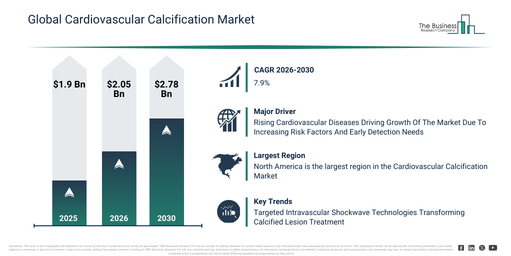
    Cardiovascular Calcification Market Expansion From $2.05 Billion In 2026 To $2.78 Billion In 2030

    The cardiovascular calcification market has experienced robust expansion in recent years. This market is projected to grow from $1.9 billion in 2025 to $2.05 billion in 2026, at a compound annual growth rate (CAGR) of 7.7%. Historically, its growth has been fueled by an aging population, the rising prevalence of cardiovascular diseases, the development of diagnostic imaging infrastructure, increased adoption of CT and MRI systems, and greater awareness of vascular calcification risks.

    The cardiovascular calcification market size is anticipated to experience substantial expansion in the coming years. It is projected to reach a valuation of $2.78 billion by 2030, exhibiting a compound annual growth rate (CAGR) of 7.9%. This projected growth during the forecast period is driven by several factors, including the escalating need for precise cardiovascular diagnostic tools, the increasing implementation of AI-supported imaging analysis, the broadening availability of minimally invasive diagnostic methods, rising financial commitments to preventive cardiology, and a heightened emphasis on early intervention approaches. Key trends characterizing this period encompass the wider embrace of sophisticated cardiovascular imaging techniques, the growing application of calcium scoring and risk assessment instruments, the expanding incorporation of artificial intelligence into diagnostic imaging, the spread of catheter-based diagnostic innovations, and a stronger emphasis on identifying diseases at early stages.

    Download A Free Sample Report For Comprehensive Market Insights:

    https://www.thebusinessresearchcompany.com/sample.aspx?id=33053&type=smp&utm_source=Blogs&utm_medium=Paid&utm_campaign=Jul_PR

    Cardiovascular Calcification Market Growth Drivers: What Factors Are Accelerating Expansion?

    The increasing incidence of cardiovascular diseases is projected to stimulate the growth of the cardiovascular calcification market going forward. These conditions involve impairments to the heart and blood vessels, resulting in issues like heart disease, stroke, and elevated blood pressure. The rise in cardiovascular diseases is fueled by sedentary lifestyles and unhealthy dietary practices, which elevate risks such as hypertension, obesity, and arterial damage. Cardiovascular calcification contributes to addressing cardiovascular diseases by serving as an indicator of atherosclerosis and plaque buildup, thereby allowing for the early identification of heart and vessel damage and directing preventive or therapeutic interventions. As an illustration, in August 2025, the National Institutes of Health, a US-based government agency, predicted that from 2025 to 2050, cardiovascular prevalence is expected to climb by 90%, mortality by 73%, and DALYs by 55%, with deaths increasing from 20.5 million to 35.6 million. Consequently, the escalating number of cardiovascular diseases is propelling the expansion of the cardiovascular calcification market.

    #Cardiovascular Calcification Market Segment Landscape And Growth Potential

    The cardiovascular calcification market covered in this report is segmented –

    1) By Product Type: Imaging Systems; Atherectomy Devices; Stents; Transcatheter Valves

    2) By Diagnosis: Computed Tomography (CT) Calcium Scoring; Echocardiography; Intravascular Ultrasound; Biomarkers

    3) By Application: Coronary Artery Disease; Aortic Valve Stenosis; Peripheral Artery Disease; Chronic Kidney Disease (CKD) Related Vascular Calcification

    4) By End User: Hospitals; Ambulatory Surgical Centers; Cardiac Clinics; Dialysis And Nephrology Centers

    Subsegments:

    1) By Imaging Systems: Magnetic Resonance Imaging; Computed Tomography Imaging; Ultrasound Imaging; Nuclear Imaging

    2) By Atherectomy Devices: Rotational Atherectomy Devices; Directional Atherectomy Devices; Orbital Atherectomy Devices; Laser Atherectomy Devices

    3) By Stents: Drug Eluting Stents; Bare Metal Stents; Bioabsorbable Stents; Balloon Expandable Stents

    4) By Transcatheter Valves: Transcatheter Aortic Valves; Transcatheter Mitral Valves; Transcatheter Pulmonary Valves; Transcatheter Tricuspid Valves

    Cardiovascular Calcification Market Trends: What Is Shaping Future Industry Growth?

    Major companies within the cardiovascular calcification market are concentrating on developing innovative solutions, such as targeted intravascular shockwave energy delivery technology, with the aim of enhancing the treatment of severely calcified lesions by improving lesion crossing, vessel compliance, and success rates for procedures. This targeted intravascular shockwave energy delivery technology constitutes a catheter-based approach that emits controlled acoustic pressure waves within blood vessels to fragment calcified plaque, all while safeguarding adjacent soft tissue and maintaining vessel integrity. For instance, in March 2025, Shockwave Medical Inc., a US-based medical device firm, introduced a novel forward intravascular lithotripsy platform in the US to revolutionize the management of challenging-to-cross calcified lesions. It operates by utilizing forward sonic pressure waves to fracture calcium in difficult-to-cross calcified peripheral artery lesions without the need for balloon inflation. Its primary aim is to facilitate safe catheter progression and vascular modification in intricate PAD cases, including CLTI, thereby yielding superior outcomes compared to conventional instruments. Data from the FORWARD PAD trial demonstrated key benefits, including 99% technical success, a low rate of major complications at 1.1%, diminished risks of perforation or embolization, and improved efficiency for treatments below the knee.

    Cardiovascular Calcification Market Competitive Landscape: Who Are The Leading Companies?

    Major companies operating in the cardiovascular calcification market are Abbott Laboratories, Medtronic plc, Siemens Healthineers AG, Fujifilm Holdings Corporation, Royal Philips Healthcare, GE HealthCare Technologies Inc., Boston Scientific Corporation, Shimadzu Corporation, HeartFlow Inc., Aidoc Ltd., Neusoft Medical Systems Co. Ltd., Medis Medical Imaging Systems B.V., Pie Medical Imaging B.V., Canon Medical Systems Corporation, Keya Medical Technology Co. Ltd., Coreline Soft Co. Ltd., FastWave Medical Inc., Cleerly Inc., United Imaging Healthcare Co. Ltd., Zebra Medical Vision Ltd., Circle Cardiovascular Imaging Inc

    Access The Complete Cardiovascular Calcification Market Report:

    https://www.thebusinessresearchcompany.com/report/cardiovascular-calcification-market-report?utm_source=Blogs&utm_medium=Paid&utm_campaign=Jul_PR

    Cardiovascular Calcification Market Leading Geography: Which Region Generates The Most Revenue?

    North America was the largest region in the cardiovascular calcification market in 2025. Asia-Pacific is expected to be the fastest-growing region in the forecast period. The regions covered in the cardiovascular calcification market report are Asia-Pacific, South East Asia, Western Europe, Eastern Europe, North America, South America, Middle East, Africa.

    Get in touch with us:

    The Business Research Company: https://www.thebusinessresearchcompany.com/

    Americas: +1 310-496-7795

    Asia: +44 7882 955267 & +91 8897263534

    Europe: +44 7882 955267

    Email us at: marketing@tbrc.info

    Follow us on:

    LinkedIn: https://in.linkedin.com/company/the-business-research-company

    YouTube: https://www.youtube.com/channel/UC24_fI0rV8cR5DxlCpgmyFQ

    Global Market Model: https://www.thebusinessresearchcompany.com/global-market-model
  • Brain-Controlled Lower-Limb Prosthesis  Market Expansion Is Opening New Pathways For Strategic Investment

    Brain-Controlled Lower-Limb Prosthesis Market Expansion Is Opening New Pathways For Strategic Investment

    Through market attractiveness analysis, total addressable market evaluation, company benchmarking matrices, interactive Excel dashboards, expanded supply chain intelligence, emerging startup coverage, and detailed product insights, The Business Research Company’s 2026 market reports provide more actionable and strategically valuable research.

    Brain-Controlled Lower-Limb Prosthesis Market Expansion Outlook: What Revenue Opportunities Lie Ahead?

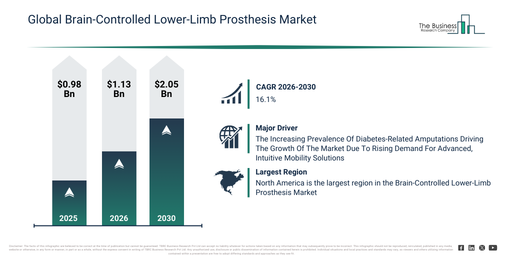
    The market size for brain-controlled lower-limb prostheses has experienced substantial expansion in recent years. This market is anticipated to expand from $0.98 billion in 2025 to $1.13 billion in 2026, achieving a compound annual growth rate (CAGR) of 15.8%. The expansion observed in prior periods is due to factors such as progress in myoelectric prosthetics, a higher incidence of limb loss, the early incorporation of microprocessor-controlled limbs, the growth of rehabilitation infrastructure, and advancements in prosthetic material science.

    The brain-controlled lower-limb prosthesis market is projected to experience swift expansion in the coming years, with its size anticipated to reach $2.05 billion by 2030, demonstrating a compound annual growth rate (CAGR) of 16.1%. This projected growth during the forecast period is driven by factors such as the increasing demand for brain-controlled mobility solutions, a rising integration of artificial intelligence and machine learning in prosthetics, the expansion of personalized prosthetic fitting technologies, the growing adoption of smart rehabilitation platforms, and increasing insurance coverage for advanced prosthetic systems. Major trends expected within this forecast period include the expanding adoption of AI-controlled prosthetic gait systems, a rising utilization of multi-modal neural signal integration, an increasing demand for adaptive and self-learning prosthetic limbs, the broader expansion of sensory feedback-enabled prostheses, and an enhanced focus on restoring natural mobility.

    Download A Free Sample Report For Comprehensive Market Insights:

    https://www.thebusinessresearchcompany.com/sample.aspx?id=33046&type=smp&utm_source=Blogs&utm_medium=Paid&utm_campaign=Jul_PR

    Brain-Controlled Lower-Limb Prosthesis Market Expansion Drivers: What Is Shaping Future Growth?

    The growing occurrence of diabetes-related amputations is anticipated to fuel the expansion of the brain-controlled lower-limb prosthesis market in the future. These amputations involve surgical removal of a lower limb segment, necessitated by complications arising from long-term, inadequately managed diabetes. The rise in diabetes-related amputations stems from insufficient glycemic control, which hastens vascular harm, nerve damage, and persistent foot ulcers that frequently lead to severe infections and tissue loss. For individuals undergoing such amputations, a brain-controlled lower-limb prosthesis offers restored intuitive movement and stability via direct neural input, fostering a more secure gait, diminishing the likelihood of subsequent issues, and enhancing lasting autonomy. As an illustration, in March 2025, the Office for Health Improvement and Disparities, a UK-based government agency, reported that in 2024, the GP-recorded adult prevalence of type 2 diabetes in England rose to 7.0% among those aged 17 and above, an increase from 6.8% in March 2023. Consequently, the rising incidence of diabetes-related amputations is propelling the growth of the brain-controlled lower-limb prosthesis market.

    Brain-Controlled Lower-Limb Prosthesis Market Segment Analysis: What Are The Major Market Categories?

    The brain-controlled lower-limb prosthesis market covered in this report is segmented –

    1) By Product Type: Myoelectric Prosthesis; Bionic Prosthesis; Hybrid Prosthesis; Other Product Types

    2) By Technology: Electroencephalography-Based; Electromyography-Based; Electrocorticography-Based; Other Technologies

    3) By Application: Hospitals; Rehabilitation Centers; Prosthetic Clinics; Other Applications

    4) By End-User: Adults; Pediatrics; Elderly

    Subsegments:

    1) By Myoelectric Prosthesis: Surface Electrode Controlled Prosthesis; Implanted Electrode Controlled Prosthesis; Pattern Recognition Based Prosthesis; Adaptive Control Myoelectric Prosthesis; Multi Signal Input Myoelectric Prosthesis

    2) By Bionic Prosthesis: Neural Interface Controlled Prosthesis; Sensory Feedback Enabled Prosthesis; Artificial Intelligence Integrated Prosthesis; Fully Integrated Bionic Limb Systems; Smart Actuator Based Bionic Prosthesis

    3) By Hybrid Prosthesis: Myoelectric And Mechanical Combined Prosthesis; Neural And Myoelectric Integrated Prosthesis; Sensor Assisted Hybrid Prosthesis; Adaptive Hybrid Control Prosthesis; Multi Modal Control Hybrid Prosthesis

    4) By Other Product Types: Mechanically Controlled Prosthesis; Microprocessor Assisted Prosthesis; Externally Powered Prosthesis; Custom Designed Prosthetic Systems; Experimental Prototype Prosthesis

    Brain-Controlled Lower-Limb Prosthesis Market Leading Companies Driving Competitive Growth

    Major companies operating in the brain-controlled lower-limb prosthesis market are Ottobock SE And Co. KGaA, Össur hf., Blatchford Limited, Fillauer Companies Inc., College Park Industries Inc., Exiii Inc., Advanced Arm Dynamics Inc., Open Bionics Ltd., BrainRobotics Inc., Blackrock Neurotech Inc., Coapt LLC, Hi-Tech Artificial Limbs Pvt. Ltd., Integrum AB, Liberating Technologies Inc., Limbitless Solutions Inc., Symbionic Inc., Unlimited Tomorrow Inc., Vincent Systems GmbH, Bionik Laboratories Corp., Credence Prosthetic Pvt. Ltd.

    Access The Complete Brain-Controlled Lower-Limb Prosthesis Market Report:

    https://www.thebusinessresearchcompany.com/report/brain-controlled-lower-limb-prosthesis-market-report?utm_source=Blogs&utm_medium=Paid&utm_campaign=Jul_PR

    Brain-Controlled Lower-Limb Prosthesis Market Regional Analysis And Leading Geography

    North America was the largest region in the brain-controlled lower-limb prosthesis market in 2025. Asia-Pacific is expected to be the fastest-growing region in the forecast period. The regions covered in the brain-controlled lower-limb prosthesis market report are Asia-Pacific, South East Asia, Western Europe, Eastern Europe, North America, South America, Middle East, Africa.

    Get in touch with us:

    The Business Research Company: https://www.thebusinessresearchcompany.com/

    Americas: +1 310-496-7795

    Asia: +44 7882 955267 & +91 8897263534

    Europe: +44 7882 955267

    Email us at: marketing@tbrc.info

    Follow us on:

    LinkedIn: https://in.linkedin.com/company/the-business-research-company

    YouTube: https://www.youtube.com/channel/UC24_fI0rV8cR5DxlCpgmyFQ

    Global Market Model: https://www.thebusinessresearchcompany.com/global-market-model
  • Brain Bionics  Market Trends Are Creating New Opportunities For Industry Leaders

    Brain Bionics Market Trends Are Creating New Opportunities For Industry Leaders

    Delivering more actionable and strategically valuable research, The Business Research Company’s 2026 market reports feature market attractiveness analysis, total addressable market evaluation, company benchmarking matrices, interactive Excel dashboards, expanded supply chain intelligence, emerging startup coverage, and detailed product insights.

    Brain Bionics Market Growth Potential: How Will Market Size Change Through 2030?

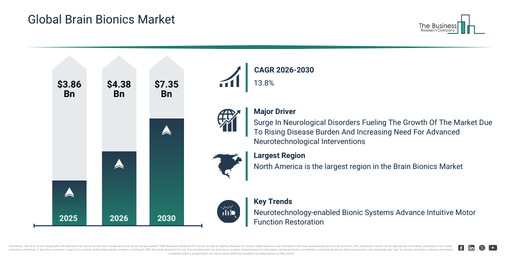
    The brain bionics market has experienced rapid expansion in its size during recent years. Projections indicate it will grow from $3.86 billion in 2025 to $4.38 billion in 2026, at a compound annual growth rate (CAGR) of 13.6%. The market’s historical growth can be attributed to advancements in neuroscience research, the increasing prevalence of neurological disorders, the early clinical adoption of deep brain stimulation, the growth in academic neurotechnology programs, and rising investments in medical device innovation.

    The brain bionics market is projected to experience substantial growth in the upcoming years, with its size expected to reach $7.35 billion by 2030, demonstrating a compound annual growth rate (CAGR) of 13.8%. This expansion during the forecast period is attributed to several factors, including a heightened demand for personalized neurotherapies, the broadening scope of brain-computer interface clinical trials, increased integration of cloud-based neural data platforms, rising uptake of home-based neurofeedback systems, and a growing number of regulatory approvals for implantable neurodevices. Significant developments anticipated in this period encompass the increasing adoption of implantable neural interfaces, a rising integration of AI-driven neural signal processing, wider utilization of non-invasive brain-computer interfaces, the expansion of closed-loop neuromodulation systems, and a greater emphasis on personalized neurotherapy solutions.

    Download A Free Sample Report For Comprehensive Market Insights:

    https://www.thebusinessresearchcompany.com/sample.aspx?id=33045&type=smp&utm_source=Blogs&utm_medium=Paid&utm_campaign=Jul_PR

    Brain Bionics Market Development Factors: Which Trends Are Supporting Demand?

    The increasing occurrence of neurological disorders is anticipated to fuel the expansion of the brain bionics market in the future. These disorders encompass illnesses and conditions impacting the brain, spinal cord, and nerves, resulting in deficits in movement, thought processes, sensation, or conduct. The growth in the incidence of neurological disorders is mainly attributed to the aging global population, which elevates the likelihood of conditions such as Parkinson’s disease, epilepsy, stroke, and dementia. Brain bionics assists in managing and treating neurological disorders by facilitating direct communication between neural pathways and artificial devices to restore lost capabilities, regulate irregular brain activity, and improve rehabilitation results. As an illustration, in December 2025, the Medical Republic, an Australia-based media company, stated that neurological conditions accounted for more than 350,000 hospital admissions and 130,000 emergency department visits throughout 2023–24. Consequently, the rising prevalence of neurological disorders is propelling the growth of the brain bionics market.

    Brain Bionics Market Segment Breakdown: Which Categories Generate The Most Revenue?

    The brain bionics market covered in this report is segmented –

    1) By Product Type: Neuroprosthetics; Brain-Machine Interfaces (BMIs); Neuromodulation Devices; Transcranial Magnetic Stimulation Devices

    2) By Technology: Electrodes And Sensors; Software And Algorithms; Cloud-Based Platforms; Wearable Devices

    3) By User Demographics: Adults; Pediatrics; Elderly

    4) By Application: Neurorehabilitation; Cognitive Enhancement; Pain Management; Neurodegenerative Disorders; Acute Interstitial Nephritis Disorders

    5) By End User: Hospitals; Academic And Research Institutes; Home Care Settings; Pharmaceutical And Biotech Companies

    Subsegments:

    1) By Neuroprosthetics: Cochlear Implants; Retinal Implants; Deep Brain Stimulation Implants; Spinal Cord Stimulation Implants; Peripheral Nerve Stimulation Implants

    2) By Brain-Machine Interfaces (BMIs): Invasive Brain-Machine Interfaces; Partially Invasive Brain-Machine Interfaces; Non-Invasive Brain-Machine Interfaces; Assistive Communication Brain-Machine Interfaces; Motor Control Brain-Machine Interfaces

    3) By Neuromodulation Devices: Deep Brain Stimulation Devices; Spinal Cord Stimulation Devices; Vagus Nerve Stimulation Devices; Sacral Nerve Stimulation Devices; Peripheral Nerve Stimulation Devices

    4) By Transcranial Magnetic Stimulation Devices: Repetitive Transcranial Magnetic Stimulation Devices; Deep Transcranial Magnetic Stimulation Devices; Single-Pulse Transcranial Magnetic Stimulation Devices; Paired-Pulse Transcranial Magnetic Stimulation Devices; Portable Transcranial Magnetic Stimulation Devices

    Brain Bionics Market Transformation Trends: Which Innovations Are Driving Change?

    Major companies active within the brain bionics market are channeling their efforts into developing advanced solutions, including brain-controlled bionic prosthetics. These developments are geared towards enhancing motor function restoration, refining user control accuracy, and fostering more natural human-machine interactions. Brain-controlled bionic systems are defined as neurotechnology-enabled prosthetic devices that utilize brain-computer interface (BCI) signals to translate neural activity into precise mechanical actions, thereby allowing users to manipulate artificial limbs through thought rather than physical input. For example, in October 2025, BrainCo Inc., a US-based neurotechnology company, introduced a brain-controlled bionic hand designed to help amputees recover functional hand movements by interpreting real-time brain signals. This bionic hand integrates non-invasive brain-sensing technology with sophisticated AI algorithms to decipher user intent and transform it into smooth, responsive motion. This approach boosts control precision, shortens user learning curves, and enables more intuitive interaction when compared with traditional myoelectric prosthetics. By merging neuroscience, artificial intelligence, and robotics, this solution supports improved rehabilitation outcomes and greater independence for users, reflecting a broader market demand for intelligent, brain-driven bionic technologies.

    Brain Bionics Market Key Players And Strategic Industry Positioning

    Major companies operating in the brain bionics market are NeuroPace Inc., Medtronic plc, BrainsWay Ltd., Boston Scientific Corporation, Kernel Labs Inc., LivaNova plc, Neuronetics Inc., Neuralink Corporation, Synchron Inc., Cala Health Inc., MindMaze SA, Emotiv Inc., Abbott Neuromodulation, MagVenture A/S, Paradromics Inc., Axoft LLC, Neuroelectrics Barcelona S.L.U., Blackrock Neurotech Inc., Soterix Medical Inc., Neurable Inc., Bitbrain Technologies S.L., BrainGate Consortium.

    Access The Complete Brain Bionics Market Report:

    https://www.thebusinessresearchcompany.com/report/brain-bionics-market-report?utm_source=Blogs&utm_medium=Paid&utm_campaign=Jul_PR

    Brain Bionics Market Geographic Analysis: Where Is Demand Growing The Fastest?

    North America was the largest region in the brain bionics market in 2025. Asia-Pacific is expected to be the fastest-growing region in the forecast period. The regions covered in the brain bionics market report are Asia-Pacific, South East Asia, Western Europe, Eastern Europe, North America, South America, Middle East, Africa.

    Get in touch with us:

    The Business Research Company: https://www.thebusinessresearchcompany.com/

    Americas: +1 310-496-7795

    Asia: +44 7882 955267 & +91 8897263534

    Europe: +44 7882 955267

    Email us at: marketing@tbrc.info

    Follow us on:

    LinkedIn: https://in.linkedin.com/company/the-business-research-company

    YouTube: https://www.youtube.com/channel/UC24_fI0rV8cR5DxlCpgmyFQ

    Global Market Model: https://www.thebusinessresearchcompany.com/global-market-model
  • Biothreat Detection Systems  Market Forecast Signals New Revenue Opportunities Through 2030

    Biothreat Detection Systems Market Forecast Signals New Revenue Opportunities Through 2030

    Through market attractiveness analysis, total addressable market evaluation, company benchmarking matrices, interactive Excel dashboards, expanded supply chain intelligence, emerging startup coverage, and detailed product insights, The Business Research Company’s 2026 market reports provide more actionable and strategically valuable research.

    Biothreat Detection Systems Market Size Forecast: How Large Could The Market Become By 2030?

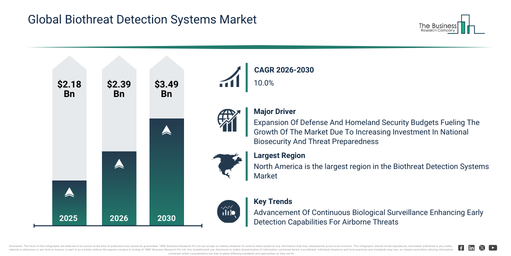
    The biothreat detection systems market size has shown significant growth in recent years. It is forecast to increase from $2.18 billion in 2025 to $2.39 billion in 2026, achieving a compound annual growth rate (CAGR) of 9.7%. This historic expansion can be linked to several factors including increasing public health surveillance initiatives, rising investment in biodefense programs, the expansion of laboratory diagnostic capabilities, growing awareness of pandemic preparedness, and the adoption of molecular detection platforms.

    The biothreat detection systems market is projected to experience robust expansion over the coming years, reaching a valuation of $3.49 billion by 2030, demonstrating a compound annual growth rate (CAGR) of 10.0%. This anticipated growth throughout the forecast period stems from factors such as a heightened demand for biothreat early-warning systems, the increasing incorporation of AI-powered analytics, the broadening of environmental monitoring networks, a sharpened emphasis on national biosecurity initiatives, and the greater uptake of portable, field-deployable systems. Key developments expected during this period involve the rising implementation of automated bioaerosol monitoring solutions, an increase in the adoption of rapid molecular detection technologies, the enlargement of integrated surveillance networks, a growing utilization of portable detection kits, and a more pronounced focus on real-time threat analysis.

    Download A Free Sample Report For Comprehensive Market Insights:

    https://www.thebusinessresearchcompany.com/sample.aspx?id=33043&type=smp&utm_source=Blogs&utm_medium=Paid&utm_campaign=Jul_PR

    #Biothreat Detection Systems Market Growth Factors: Which Forces Are Supporting Market Expansion?

    The expansion of defense and homeland security budgets is anticipated to drive the future growth of the biothreat detection systems market. These budgets refer to government-allocated financial resources dedicated to national defense, military operations, intelligence, border protection, counterterrorism, emergency preparedness, and the protection of critical infrastructure and public safety. The increase in defense and homeland security budgets is attributed to rising geopolitical tensions, which necessitate greater investment in national security and threat preparedness. Biothreat detection systems contribute to defense and homeland security efforts by enabling early identification and rapid response to biological threats, thereby reducing the cost and impact of large-scale outbreaks, emergency interventions, and national security incidents. For instance, in April 2025, according to the Stockholm International Peace Research Institute (SIPRI), a Sweden-based independent international institute, in 2024 United Kingdom raised its military spending by 2.8% to $81.8 billion, positioning it as the world’s sixth-largest defense spender. Therefore, the expansion of defense and homeland security budgets is a key driver for the biothreat detection systems market.

    Biothreat Detection Systems Market Segmentation Trends And Revenue Drivers

    The biothreat detection systems market covered in this report is segmented –

    1. By Technology: Polymerase Chain Reaction Based Detection; Immunological Detection; Biosensors; Microarrays; Other Technologies

    2. By Detection Type: Biological Agents; Chemical Agents; Radiological Agents

    3. By Application: Military And Defense; Public Health; Environmental Monitoring; Agriculture; Other Applications

    4. By End-User: Government Agencies; Hospitals And Healthcare Facilities; Research Laboratories; Commercial And Industrial; Other End-Users

    Subsegments:

    1. By Polymerase Chain Reaction Based Detection: Real Time Polymerase Chain Reaction; Digital Polymerase Chain Reaction; Multiplex Polymerase Chain Reaction; Reverse Transcription Polymerase Chain Reaction; Quantitative Polymerase Chain Reaction

    2. By Immunological Detection: Enzyme Linked Immunosorbent Assay; Lateral Flow Assay; Agglutination Assay; Western Blot Assay; Immunofluorescence Assay

    3. By Biosensors: Electrochemical Biosensors; Optical Biosensors; Piezoelectric Biosensors; Thermal Biosensors; Magnetic Biosensors

    4. By Microarrays: DNA Microarrays; Protein Microarrays; Antibody Microarrays; Peptide Microarrays; Cell Microarrays

    5. By Other Technologies: Next Generation Sequencing; Flow Cytometry; Mass Spectrometry; Microfluidics Platforms; Lab On A Chip Systems

    Biothreat Detection Systems Market Industry Trends: What Changes Are Reshaping Demand?

    Major companies within the biothreat detection systems market are concentrating their efforts on enhancing continuous biological surveillance technologies, such as real-time aerosol-based pathogen monitoring systems. These advancements aim to facilitate the early detection of airborne biological threats in public and critical infrastructure settings. Real-time aerosol-based pathogen monitoring systems continuously gather and examine air samples to pinpoint biological agents, allowing authorities to identify emerging health threats or deliberate releases before widespread exposure takes place. For example, in August 2023, BioFlyte Inc., a US-based biodefense technology company, initiated a first-of-its-kind biothreat surveillance pilot program at Pittsburgh International Airport. This pilot involves placing autonomous air-sampling and pathogen detection units across airport facilities, enabling near real-time identification of airborne biological threats, and integrating alerting capabilities to support swift responses from public health and security teams, thereby bolstering early-warning preparedness for high-traffic transportation hubs.

    #Biothreat Detection Systems Market Industry Leaders: Which Organizations Are Driving Competition?

    Major companies operating in the biothreat detection systems market are Roche Diagnostics AG, Thermo Fisher Scientific Inc., Abbott Laboratories, Eurofins Scientific SE, Agilent Technologies Inc., Battelle Memorial Institute, Illumina Inc., Smiths Group, Shimadzu Corporation, Bruker Corporation, Bio Rad Laboratories Inc., QIAGEN NV, Tecan Group Ltd., DiaSorin S.p.A., Emergent BioSolutions Inc., Physical Sciences Inc, DetectaChem Inc., PositiveID Corporation, AdVnt Biotechnologies, Alexeter Technologies LLC.

    Access The Complete Biothreat Detection Systems Market Report:

    https://www.thebusinessresearchcompany.com/report/biothreat-detection-systems-market-report?utm_source=Blogs&utm_medium=Paid&utm_campaign=Jul_PR

    Biothreat Detection Systems Market Regional Distribution: Which Areas Drive Market Expansion?

    North America was the largest region in the biothreat detection systems market in 2025. Asia-Pacific is expected to be the fastest-growing region in the forecast period. The regions covered in the biothreat detection systems market report are Asia-Pacific, South East Asia, Western Europe, Eastern Europe, North America, South America, Middle East, Africa.

    Get in touch with us:

    The Business Research Company: https://www.thebusinessresearchcompany.com/

    Americas: +1 310-496-7795

    Asia: +44 7882 955267 & +91 8897263534

    Europe: +44 7882 955267

    Email us at: marketing@tbrc.info

    Follow us on:

    LinkedIn: https://in.linkedin.com/company/the-business-research-company

    YouTube: https://www.youtube.com/channel/UC24_fI0rV8cR5DxlCpgmyFQ

    Global Market Model: https://www.thebusinessresearchcompany.com/global-market-model
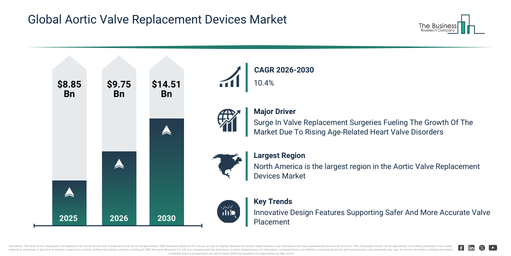
  • Aortic Valve Replacement Devices  Market Expected To Reach $14.51 Billion By 2030 As Growth Accelerates At 10.4% CAGR

    Aortic Valve Replacement Devices Market Expected To Reach $14.51 Billion By 2030 As Growth Accelerates At 10.4% CAGR

    Enhanced with market attractiveness analysis, total addressable market evaluation, company benchmarking matrices, interactive Excel dashboards, expanded supply chain intelligence, emerging startup coverage, and detailed product insights, The Business Research Company’s 2026 market reports deliver more actionable and strategically valuable research.

    Aortic Valve Replacement Devices Market Revenue Growth Supported By A CAGR Of 14.51% Through 2030

    The market size for aortic valve replacement devices has seen rapid expansion in recent years. It is forecast to grow from $8.85 billion in 2025 to $9.75 billion in 2026, exhibiting a compound annual growth rate (CAGR) of 10.2%. The historical increase can be ascribed to a growing aging population affected by valvular diseases, advancements in cardiac surgery capabilities, a rise in the diagnosis of aortic stenosis, the swift uptake of surgical valve replacements, and enhancements in cardiovascular imaging.

    The aortic valve replacement devices market is anticipated to experience significant expansion in the coming years. It is projected to reach $14.51 billion by 2030, demonstrating a compound annual growth rate (CAGR) of 10.4%. This anticipated growth during the forecast period is primarily driven by a heightened preference for transcatheter procedures, increased investments in structural heart programs, a rising demand for outpatient cardiac interventions, the broader application of advanced biomaterials, and improved procedural success rates. Key trends expected during this period encompass the growing adoption of minimally invasive valve replacement, increased utilization of transcatheter valve technologies, an escalating demand for self-expandable valves, the evolution of patient-specific valve designs, and a sharpened emphasis on long-term valve durability.

    Download A Free Sample Report For Comprehensive Market Insights:

    https://www.thebusinessresearchcompany.com/sample.aspx?id=33017&type=smp&utm_source=Blogs&utm_medium=Paid&utm_campaign=Jul_PR

    Aortic Valve Replacement Devices Market Growth Drivers: What Factors Are Accelerating Expansion?

    The increasing frequency of valve replacement operations is anticipated to boost the expansion of the aortic valve replacement devices market in the future. These surgeries involve medical interventions carried out to fix or substitute compromised heart valves, aiming to re-establish proper blood circulation and enhance heart performance. The escalation in valve replacement surgeries stems from a growing prevalence of age-related heart valve conditions, thereby generating a greater need for surgical solutions to address declining valve function and avert associated complications. Aortic valve replacement devices facilitate these operations by allowing for safer and more efficacious valve repairs or replacements, enhancing the results of procedures, and encouraging wider acceptance of surgical methods. As an illustration, in June 2025, data from the British Heart Foundation, a UK-based cardiovascular research charity, indicated that more than 13,034 aortic valve replacement (AVR) and almost 7,695 transcatheter aortic valve implantation (TAVI) procedures took place in the United Kingdom during 2022/23. The increase in TAVI procedures highlights the rising uptake of less intrusive valve replacement techniques. Consequently, the expanding volume of valve replacement surgeries is fueling the expansion of the aortic valve replacement devices market.

    Aortic Valve Replacement Devices Market Segmentation Trends And Revenue Drivers

    The aortic valve replacement devices market covered in this report is segmented –

    1) By Product: Balloon-Expandable; Self-Expandable; Mechanically Expandable; Aortic Regurgitation

    2) By Leaflet Material: Bovine Pericardium; Porcine Pericardium

    3) By Frame Material: Cobalt-Chromium; Nitinol

    4) By End-Use: Inpatient Facilities; Outpatient Facilities

    Subsegments:

    1) By Balloon-Expandable: Balloon Pre-Dilation; Balloon Post-Dilation; Balloon Valves

    2) By Self-Expandable: Supra-Annular Valves; Intra-Annular Valves; Resheathable Valves

    3) By Mechanically Expandable: Mechanically Adjustable Valves; Radial Force Valves; Repositionable Valves

    4) By Aortic Regurgitation: Surgical Valve Replacement; Transcatheter Valve Replacement; Repair Devices

    Aortic Valve Replacement Devices Market Trends: What Is Shaping Future Industry Growth?

    Leading companies in the aortic valve replacement devices market are concentrating on advanced innovations, such as three radiopaque vision markers, to improve procedural visibility, enhance deployment accuracy, and enable precise valve positioning during transcatheter implantation procedures. Three radiopaque vision markers are distinct reference points integrated into a medical device that boost fluoroscopic visibility, aiding clinicians in accurately positioning and deploying the device during minimally invasive procedures. For instance, in January 2025, Abbott Laboratories, the US-based healthcare company, launched Navitor Vision in India, representing the latest iteration of its transcatheter aortic valve implantation/replacement (TAVI/TAVR) system. The device is engineered to treat patients with symptomatic severe aortic stenosis who present with high or extreme surgical risk. Navitor Vision incorporates three radiopaque vision markers for better visibility during implantation, features a dynamic sealing cuff to minimize blood leakage, and is delivered using Abbott’s FlexNav delivery system for precise, minimally invasive valve placement. It offers a less invasive alternative to surgical aortic valve replacement, thereby enhancing outcomes and improving accessibility for high-risk patients.

    #Aortic Valve Replacement Devices Market Industry Leaders: Which Organizations Are Driving Competition?

    Major companies operating in the aortic valve replacement devices market are Abbott Laboratories, Medtronic Plc, Boston Scientific Corporation, Edwards Lifesciences Corporation, Bracco SpA, Biotronik SE & Co. KG, LivaNova Plc, Lepu Medical Technology Co. Ltd., MicroPort Scientific Corporation, Artivion Inc., LifeTech Scientific Corporation, TTK Healthcare Limited, Braile Biomedica, Venus Medtech Inc., SMT Pvt Ltd, JenaValve Technology Inc., Peijia Medical Limited, CryoLife Inc., CorLife, and Colibri Heart Valve LLC.

    Access The Complete Aortic Valve Replacement Devices Market Report:

    https://www.thebusinessresearchcompany.com/report/aortic-valve-replacement-devices-market-report?utm_source=Blogs&utm_medium=Paid&utm_campaign=Jul_PR

    #Aortic Valve Replacement Devices Market Largest Region: Which Geography Holds The Highest Market Share?

    North America was the largest region in the aortic valve replacement devices market in 2025. Asia-Pacific is expected to be the fastest-growing region in the forecast period. The regions covered in the aortic valve replacement devices market report are Asia-Pacific, South East Asia, Western Europe, Eastern Europe, North America, South America, Middle East, Africa.

    Get in touch with us:

    The Business Research Company: https://www.thebusinessresearchcompany.com/

    Americas: +1 310-496-7795

    Asia: +44 7882 955267 & +91 8897263534

    Europe: +44 7882 955267

    Email us at: marketing@tbrc.info

    Follow us on:

    LinkedIn: https://in.linkedin.com/company/the-business-research-company

    YouTube: https://www.youtube.com/channel/UC24_fI0rV8cR5DxlCpgmyFQ

    Global Market Model: https://www.thebusinessresearchcompany.com/global-market-model
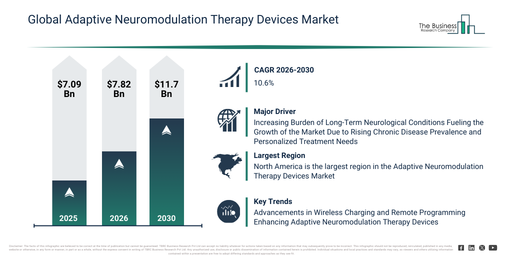
  • Adaptive Neuromodulation Therapy Devices  Market Expansion Is Reshaping Competitive Dynamics Across The Industry

    Adaptive Neuromodulation Therapy Devices Market Expansion Is Reshaping Competitive Dynamics Across The Industry

    Through market attractiveness analysis, total addressable market evaluation, company benchmarking matrices, interactive Excel dashboards, expanded supply chain intelligence, emerging startup coverage, and detailed product insights, The Business Research Company’s 2026 market reports provide more actionable and strategically valuable research.

    Adaptive Neuromodulation Therapy Devices Market Growth Analysis: How Will Revenue Expand During The Forecast Period?

    The adaptive neuromodulation therapy devices market has experienced substantial expansion in recent years. This market is forecast to increase from $7.09 billion in 2025 to $7.82 billion in 2026, demonstrating a compound annual growth rate (CAGR) of 10.4%. The surge observed in the past period stems from advancements in implantable neuromodulation devices, a rising occurrence of neurological disorders, the initial embrace of deep brain stimulation therapies, progress in neural signal processing, and the establishment of more specialized neurology centers.

    The adaptive neuromodulation therapy devices market size is anticipated to experience substantial growth in the next few years, projected to reach $11.7 billion in 2030, at a compound annual growth rate (CAGR) of 10.6%. This expansion during the forecast period is driven by factors such as the increasing demand for personalized neuromodulation therapies, rising investments in brain-computer interface technologies, a broadening of non-invasive neuromodulation applications, a growing emphasis on long-term therapy management, and the increasing integration of AI-driven adaptive stimulation. Key trends for the forecast period include the expanding adoption of closed-loop neuromodulation systems, the rising integration of real-time neural sensing, increased use of personalized stimulation algorithms, the proliferation of wearable and non-invasive neuromodulation devices, and an enhanced focus on therapy optimization and side effect reduction.

    Download A Free Sample Report For Comprehensive Market Insights:

    https://www.thebusinessresearchcompany.com/sample.aspx?id=33007&type=smp&utm_source=Blogs&utm_medium=Paid&utm_campaign=Jul_PR

    #Adaptive Neuromodulation Therapy Devices Market Growth Factors: Which Forces Are Supporting Market Expansion?

    The rising occurrence of chronic neurological disorders is anticipated to boost the expansion of the adaptive neuromodulation therapy devices market in the future. These conditions encompass persistent ailments impacting the brain, spinal cord, or nervous system, leading to ongoing deficits in motor function, cognitive abilities, sensory perception, or conduct. The growing impact of these disorders stems from an extended lifespan, fostering a greater incidence of neurological decline associated with aging and a prolonged disease burden. Adaptive neuromodulation therapy devices aid in addressing long-term neurological conditions through the provision of tailored, live electrical stimulation. This stimulation dynamically adapts to the patient’s unique neural activity, consequently enhancing symptom management and overall long-term neurological results. To illustrate, in March 2023, the Alzheimer’s Association, a US-based nonprofit voluntary health organization, stated that 6.7 million Americans aged 65+ suffer from Alzheimer’s, a figure expected to climb to 13.8 million by 2060. Consequently, the expanding occurrence of long-term neurological conditions is fueling the growth of the adaptive neuromodulation therapy devices market.

    Adaptive Neuromodulation Therapy Devices Market Segment Analysis: What Are The Major Market Categories?

    The adaptive neuromodulation therapy devices market covered in this report is segmented –

    1) By Product Type: Implantable Adaptive Neuromodulation Devices; Non-Implantable Adaptive Neuromodulation Devices; Rechargeable Adaptive Neuromodulation Devices; Non-Rechargeable Adaptive Neuromodulation Devices

    2) By Device Type: Deep Brain Stimulation Systems; Spinal Cord Stimulation Systems; Vagus Nerve Stimulation Systems; Sacral Nerve Stimulation Systems; Responsive Neurostimulation Systems

    3) By Technology: Closed-Loop Electrical Neuromodulation Technology; Closed-Loop Magnetic Neuromodulation Technology; Responsive Neurostimulation Technology; Adaptive Deep Brain Stimulation Technology

    4) By Application: Epilepsy; Parkinson’s Disease (PD); Mixed Urinary Incontinence (MUI); Other Applications

    5) By End User: Hospitals; Neurology Clinics; Specialty Neurosurgical Centers; Research And Academic Institutes

    Subsegments:

    1) By Implantable Adaptive Neuromodulation Devices: Deep Brain Stimulation Systems; Spinal Cord Stimulation Systems; Vagus Nerve Stimulation Systems; Sacral Nerve Stimulation Systems; Peripheral Nerve Stimulation Systems

    2) By Non-Implantable Adaptive Neuromodulation Devices: Transcranial Magnetic Stimulation Devices; Transcranial Direct Current Stimulation Devices; External Vagus Nerve Stimulation Devices; Wearable Neurostimulation Systems

    3) By Rechargeable Adaptive Neuromodulation Devices: Rechargeable Implantable Pulse Generators; Wireless Rechargeable Neurostimulators; Long Life Rechargeable Stimulation Systems

    4) By Non-Rechargeable Adaptive Neuromodulation Devices: Primary Cell Implantable Neurostimulators; Single Use Implantable Stimulation Devices; Fixed Life Pulse Generator Systems

    Adaptive Neuromodulation Therapy Devices Market Industry Trends: What Changes Are Reshaping Demand?

    Leading companies active in the adaptive neuromodulation therapy devices market are concentrating on developing novel solutions, such as wireless charging with flexibility, to enable patients to maintain activity during recharging and lessen therapy interruptions. This flexible wireless charging capability allows individuals to wirelessly power their neuromodulation devices while continuing their daily activities. For instance, in January 2024, Abbott Laboratories, a US-based medical device company, introduced the Liberta RC DBS system, which is a rechargeable deep brain stimulation platform developed to treat movement disorders with increased flexibility and ease for patients. The system includes one of the smallest rechargeable implantable pulse generators currently available, enhancing patient comfort and supporting minimally invasive implantation. It provides remote programming and monitoring functions, allowing clinicians to modify therapy settings without necessitating frequent in-clinic visits. Additionally, Liberta RC features adaptive stimulation capabilities that facilitate personalized therapy optimization over time, based on patient response, thereby improving treatment continuity and long-term disease management.

    Adaptive Neuromodulation Therapy Devices Market Leading Companies Driving Competitive Growth

    Major companies operating in the adaptive neuromodulation therapy devices market are Abbott Laboratories, Medtronic Plc, Boston Scientific Corporation, Biotronik AG, LivaNova plc, Bioventus LLC, NEVRO Corp., Axonics, Inc, Neuronetics, Inc., NeuroPace, Inc., Cala Health Inc, BrainsWay Ltd, SPR Therapeutics, Inc., ElectroCore, Inc., Mainstay Medical Ltd., Blackrock Neurotech, Inc., Soterix Medical Inc., Synapse Biomedical Inc., NeuroSigma, Inc., Aleva Neurotherapeutics SA, Magstim Company Ltd.

    Access The Complete Adaptive Neuromodulation Therapy Devices Market Report:

    https://www.thebusinessresearchcompany.com/report/adaptive-neuromodulation-therapy-devices-market-report?utm_source=Blogs&utm_medium=Paid&utm_campaign=Jul_PR

    Adaptive Neuromodulation Therapy Devices Market Geographic Landscape: Which Region Dominates Industry Growth?

    North America was the largest region in the adaptive neuromodulation therapy devices market in 2025. Asia-Pacific is expected to be the fastest-growing region in the forecast period. The regions covered in the adaptive neuromodulation therapy devices market report are Asia-Pacific, South East Asia, Western Europe, Eastern Europe, North America, South America, Middle East, Africa.

    Get in touch with us:

    The Business Research Company: https://www.thebusinessresearchcompany.com/

    Americas: +1 310-496-7795

    Asia: +44 7882 955267 & +91 8897263534

    Europe: +44 7882 955267

    Email us at: marketing@tbrc.info

    Follow us on:

    LinkedIn: https://in.linkedin.com/company/the-business-research-company

    YouTube: https://www.youtube.com/channel/UC24_fI0rV8cR5DxlCpgmyFQ

    Global Market Model: https://www.thebusinessresearchcompany.com/global-market-model
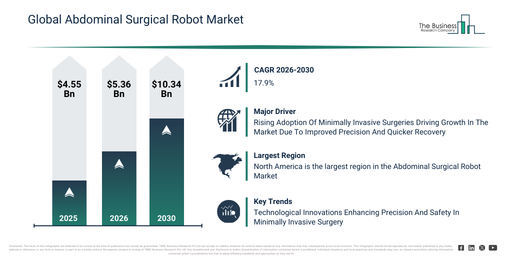
  • Abdominal Surgical Robot  Market Growth Through 2030 Creates New Strategic Opportunities

    Abdominal Surgical Robot Market Growth Through 2030 Creates New Strategic Opportunities

    Enhanced with market attractiveness analysis, total addressable market evaluation, company benchmarking matrices, interactive Excel dashboards, expanded supply chain intelligence, emerging startup coverage, and detailed product insights, The Business Research Company’s 2026 market reports deliver more actionable and strategically valuable research.

    Abdominal Surgical Robot Market Size Outlook: How Fast Will Revenue Grow Through 2030?

    The abdominal surgical robot market has experienced rapid growth in recent years. Its value is anticipated to rise from $4.55 billion in 2025 to $5.36 billion in 2026, exhibiting a compound annual growth rate (CAGR) of 17.6%. The historical expansion can be linked to the increased adoption of minimally invasive surgeries, growing investments in hospital robotic infrastructure, greater surgeon acceptance of robotic assistance, enhancements in surgical imaging technologies, and the expansion of specialized surgical training programs.

    The abdominal surgical robot market is poised for swift expansion in the coming years, with projections indicating it will attain a value of $10.34 billion by 2030, exhibiting a compound annual growth rate (CAGR) of 17.9%. This anticipated growth is primarily fueled by an escalating demand for precision-guided surgical operations, the heightened integration of AI-driven decision support systems, the broadened scope of robotic-assisted procedures across diverse medical fields, increased funding into intelligent operating rooms, and a stronger commitment to improving patient recovery. Significant trends over the forecast horizon include the wider embrace of AI-assisted surgical navigation, the enhanced incorporation of advanced robotic tools, the expanded deployment of 3D visualization and imaging solutions, the proliferation of modular and upgradeable robotic platforms, and an intensified focus on achieving minimally invasive surgical precision.

    Download A Free Sample Report For Comprehensive Market Insights:

    https://www.thebusinessresearchcompany.com/sample.aspx?id=33005&type=smp&utm_source=Blogs&utm_medium=Paid&utm_campaign=Jul_PR

    Abdominal Surgical Robot Market Growth Drivers: What Factors Are Accelerating Expansion?

    The rising acceptance of minimally invasive surgeries is anticipated to propel the expansion of the abdominal surgical robot market in the future. These medical procedures involve small incisions and advanced instruments, such as laparoscopic and endoscopic tools, to treat conditions with reduced trauma to surrounding tissues. The increasing use of minimally invasive surgeries is attributed to benefits like faster patient recovery, shorter hospital stays, and quicker return to normal activities compared to traditional open surgeries. Abdominal surgical robots are increasingly employed in complex minimally invasive abdominal procedures, providing enhanced precision, improved dexterity, and superior three-dimensional visualization. This enables surgeons to perform intricate operations through small incisions with reduced tissue damage and improved patient outcomes. For instance, in June 2024, the American Society of Plastic Surgeons, a US-based organization, noted that minimally invasive procedures increased by 7% in 2023 compared to the previous year, reflecting broader growth in minimally invasive surgical adoption across medical specialties. Therefore, the increasing adoption of minimally invasive surgeries is driving the growth of the abdominal surgical robot market.

    Abdominal Surgical Robot Market Segmentation: How Is The Market Structured Across Key Categories?

    The abdominal surgical robot market covered in this report is segmented –

    1) By Product Type: Robotic Systems; Instruments And Accessories; Services

    2) By Application: General Surgery; Gynecological Surgery; Urological Surgery; Colorectal Surgery; Other Applications

    3) By End-Users: Hospitals; Ambulatory Surgical Centers; Specialty Clinics; Other End-Users

    Subsegments:

    1) By Robotic Systems: Standalone Robotic Platforms; Integrated Robotic Operating Suites; Modular Robotic Systems

    2) By Instruments And Accessories: Robotic Graspers; Robotic Scissors; Robotic Suturing Instruments; Endoscopic Cameras And Scopes; Energy Devices For Robotic Surgery

    3) By Services: Installation And Setup Services; Maintenance And Technical Support; Surgical Training And Education; Software Updates And Upgrades

    Abdominal Surgical Robot Market Trends: What Is Shaping Future Industry Growth?

    Major companies engaged in the abdominal surgical robot market are concentrating on technological breakthroughs, including enhanced visualization, force feedback, and AI-enabled sensing, to facilitate more accurate, minimally invasive operations and optimize surgical processes. These innovations provide surgeons with improved three-dimensional perspectives of internal anatomy, instantaneous tactile feedback, and insights driven by data, enabling intricate procedures to be carried out with heightened precision and command. For instance, in March 2024, Intuitive Surgical Inc., a US-based technology firm, unveiled the da Vinci 5 robotic system, which incorporates innovative force feedback technology that allows surgeons to detect subtle tissue forces during operations. This system advances minimally invasive surgery by decreasing tissue force by up to 43%, offering up to 10,000 times greater computing power to support AI analytics, and featuring an ergonomic design to lessen surgeon fatigue. It is designed for application across abdominal, urologic, gynecologic, and thoracic procedures through smaller incisions, leading to patient benefits such as quicker recovery, reduced discomfort, less blood loss, and a diminished risk of infection.

    Abdominal Surgical Robot Market Competitive Landscape And Leading Companies

    Major companies operating in the abdominal surgical robot market are Johnson & Johnson, Medtronic Plc., Intuitive Surgical Inc., KUKA AG., Meril Life Sciences, Titan Medical Inc., Avatera Medical, CMR Surgical Ltd., Cornerstone Robotics Ltd., Distalmotion, Vicarious Surgical Inc., MicroPort MedBot, Virtual Incision Corporation, Endorobotics Co. Ltd., EndoQuest Robotics, MOON Surgical, SS Innovations International Inc., Beijing Surgerii Robotics Co. Ltd, Medrobotics Corporation, Shandong WEGO Surgery Robot Co. Ltd., Shenzhen Edge Medical Co. Ltd, Sina Robotics and Medical Innovators Co. Ltd.

    Access The Complete Abdominal Surgical Robot Market Report:

    https://www.thebusinessresearchcompany.com/report/abdominal-surgical-robot-market-report?utm_source=Blogs&utm_medium=Paid&utm_campaign=Jul_PR

    Abdominal Surgical Robot Market Regional Analysis: Which Region Leads By Revenue?

    North America was the largest region in the abdominal surgical robot market in 2025. Asia-Pacific is expected to be the fastest-growing region in the forecast period. The regions covered in the abdominal surgical robot market report are Asia-Pacific, South East Asia, Western Europe, Eastern Europe, North America, South America, Middle East, Africa.

    Get in touch with us:

    The Business Research Company: https://www.thebusinessresearchcompany.com/

    Americas: +1 310-496-7795

    Asia: +44 7882 955267 & +91 8897263534

    Europe: +44 7882 955267

    Email us at: marketing@tbrc.info

    Follow us on:

    LinkedIn: https://in.linkedin.com/company/the-business-research-company

    YouTube: https://www.youtube.com/channel/UC24_fI0rV8cR5DxlCpgmyFQ

    Global Market Model: https://www.thebusinessresearchcompany.com/global-market-model
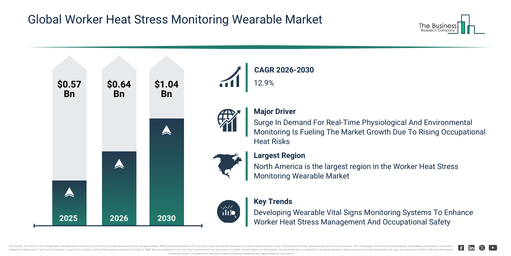
  • Worker Heat Stress Monitoring Wearable Market Opportunities Are Emerging Beyond Traditional Growth Areas

    Worker Heat Stress Monitoring Wearable Market Opportunities Are Emerging Beyond Traditional Growth Areas

    Delivering more actionable And strategically valuable research, The Business Research Company’s 2026 market reports feature market attractiveness analysis, total addressable market evaluation, company benchmarking matrices, interactive Excel dashboards, expAnded supply chain intelligence, emerging startup coverage, And detailed product insights.

    #Worker Heat Stress Monitoring Wearable Market Size And Revenue Forecast Through 2030

    The market size for worker heat stress monitoring wearables has seen substantial growth over the past few years. This market is projected to expAnd from $0.57 billion in 2025 to $0.64 billion in 2026, exhibiting a compound annual growth rate (CAGR) of 13.1%. The historical expansion of this market can be attributed to several factors, including heightened awareness of workplace safety, a surge in heat-related illnesses among employees, increased industrial adoption of wearable safety devices, And stricter regulations for occupational safety compliance. Additional drivers include an uptick in outdoor construction And industrial activities, a greater emphasis on real-time worker health monitoring, the expAnded deployment of IoT-powered safety solutions, And growing recognition of productivity losses due to heat stress. Furthermore, the deeper incorporation of wearable sensors into workforce safety protocols And increased employer responsibility for employee well-being have also contributed significantly.

    The market for worker heat stress monitoring wearables is projected to experience substantial expansion over the upcoming years. This market is predicted to reach $1.04 billion by 2030, demonstrating a compound annual growth rate (CAGR) of 12.9%. This anticipated growth is largely driven by factors such as the expAnding integration of industrial wearables, a heightened focus on preventing heat stress, increased financial commitments to worker safety innovations, a greater need for real-time biometric tracking, the escalating digitalization of workplaces, a preference for interconnected safety infrastructures, wider implementation in dangerous sectors, greater understAnding of job-related risks, the ongoing progress of industrial automation, And stricter regulatory oversight. Key trends during this period are expected to include enhancements in multi-parameter heat stress identification, developments in low-power sensor capabilities, improvements in adaptable industrial wearables, breakthroughs in AI-powered predictive analytics, novel cloud-based monitoring solutions, innovative methods for biometric heat risk evaluation, deeper integration with IoT safety networks, incorporation into workforce management systems, the inclusion of GPS-based worker tracking, And advancements in the design of robust wearable devices.

    Download A Free Sample Report For Comprehensive Market Insights:

    https://www.thebusinessresearchcompany.com/sample.aspx?id=30787&type=smp&utm_source=Blogs&utm_medium=Paid&utm_campaign=Jul_PR

    #Worker Heat Stress Monitoring Wearable Market DemAnd Drivers Creating New Revenue Opportunities

    The future expansion of the worker heat stress monitoring wearable market is anticipated, fueled by the rising necessity for real-time physiological And environmental monitoring. This real-time physiological And environmental monitoring continuously tracks essential health metrics, including body temperature And heart rate, in conjunction with ambient factors like heat And humidity, aiming to detect heat stress prior to the emergence of severe symptoms. The demAnd for real-time physiological And environmental monitoring is escalating because global temperatures are climbing, leading to more workers being exposed to dangerous heat, And conventional safety methods are unable to identify the early physiological indicators of heat stress. Worker heat stress monitoring wearables facilitate real-time physiological And environmental monitoring through continuous tracking, which notifies both workers And employers about hazardous conditions, thereby enhancing workplace safety. For example, data from September 2025, provided by KTCSafety Limited, an occupational health And safety research organization based in IrelAnd, indicates that one in three European Union workers encounter climate-related dangers such as extreme heat, severe weather, And inadequate air quality. Specifically, 31% of workers express concern for health And safety due to environmental conditions, 33% are exposed to at least one risk factor, 20% to extreme heat, 19% to poor air quality, And over 10% to intense sun exposure. Consequently, the increasing requirement for real-time physiological And environmental monitoring is propelling the expansion of the worker heat stress monitoring wearable market.

    Worker Heat Stress Monitoring Wearable Market Segmentation Trends And Revenue Drivers

    The worker heat stress monitoring wearable market covered in this report is segmented –

    1) By Product Type: Smart BAnds, Smart Patches, Smart Clothing, Others Product Type

    2) By Sensor Type: Temperature Sensors, Heart Rate Sensors, Sweat Sensors, Others Sensor Type

    3) By Connectivity: Bluetooth, Wi-Fi, Cellular, Others Connectivity

    4) By Application: Industrial, Construction, Mining, Oil And Gas, Agriculture, Others Application

    5) By End-User: Individual Workers, Enterprises

    Subsegments:

    1) By Smart BAnds: Fitness Tracking BAnds, Health Monitoring BAnds, Sleep Tracking BAnds, Hydration Monitoring BAnds, Heart-Rate And ECG BAnds, Sports Performance BAnds, Medical-Grade Wearable BAnds, Stress And Wellness Tracking BAnds, Temperature Monitoring BAnds

    2) By Smart Patches: Vital-Sign Monitoring Patches, Electrolyte And Hydration Monitoring Patches, Glucose Monitoring Patches, Cardiac Monitoring Patches, Temperature Sensing Patches, Drug-Delivery Smart Patches, Pain Management Patches, Sweat Analysis Patches, Remote Patient Monitoring Patches

    3) By Smart Clothing: Sensor-Integrated Shirts, Sensor-Integrated Vests, Cooling-Enabled Smart Garments, PPE-Integrated Smart Clothing

    4) By Others Product Type: Smart Rings, Smart Footwear, Smart Helmets, Smart Gloves, Smart Eyewear, Smart Belts, Smart Jewelry, Smart HeadbAnds

    Worker Heat Stress Monitoring Wearable Market Trends Driving Strategic Industry Expansion

    Leading companies within the worker heat stress monitoring wearable market are concentrating on developing advanced systems, such as wearable medical-grade vital signs monitors, to continuously track core body temperature And other physiological metrics, supporting occupational heat stress assessment. These wearable vital signs monitoring systems are technologies designed to capture multiple health indicators in real-time, assess thermal strain, And facilitate proactive interventions in high-risk work environments. For instance, in May 2024, Sempulse Corporation, a US-based medical technology company, launched its FDA-cleared Sempulse Halo Vital Signs Monitoring System. This miniature, non-invasive medical-grade vital signs wearable continuously measures core body temperature, pulse rate, respiratory rate, oxygen saturation (SpO2), And skin temperature, integrating with mobile And cloud applications to provide real-time monitoring in occupational And other non-clinical settings. This launch signifies a considerable advancement by merging multi-parameter vital sign tracking with actionable insights, thus connecting continuous physiological monitoring with improved worker safety And health management.

    #Worker Heat Stress Monitoring Wearable Market Industry Leaders: Which Organizations Are Driving Competition?

    Major companies operating in the worker heat stress monitoring wearable market are Honeywell International Inc., Fujitsu Limited, PCE Instruments Ltd., Epicore Biosystems Inc., greenTEG AG, LSI LASTEM S.r.l., Equivital Inc., MakuSafe Corp., Corvex Connected Worker Inc., Modjoul Inc., Bodytrak Ltd., Soter Analytics, PHARE Technologies, SlateSafety, Hexoskin, Sato Keiryoki Mfg. Co. Ltd., Kenzen Health Care, TokenMe, Rootfit

    Access The Complete Worker Heat Stress Monitoring Wearable Market Report:

    https://www.thebusinessresearchcompany.com/report/worker-heat-stress-monitoring-wearable-market-report?utm_source=Blogs&utm_medium=Paid&utm_campaign=Jul_PR

    #Worker Heat Stress Monitoring Wearable Market Largest Region: Which Geography Holds The Highest Market Share?

    North America was the largest region in the worker heat stress monitoring wearable market in 2025. Asia-Pacific is expected to be the fastest-growing region in the forecast period. The regions covered in the worker heat stress monitoring wearable market report are Asia-Pacific, South East Asia, Western Europe, Eastern Europe, North America, South America, Middle East, Africa.

    Get in touch with us:

    The Business Research Company: https://www.thebusinessresearchcompany.com/

    Americas: +1 310-496-7795

    Asia: +44 7882 955267 & +91 8897263534

    Europe: +44 7882 955267

    Email us at: marketing@tbrc.info

    Follow us on:

    LinkedIn: https://in.linkedin.com/company/the-business-research-company

    YouTube: https://www.youtube.com/channel/UC24_fI0rV8cR5DxlCpgmyFQ

    Global Market Model: https://www.thebusinessresearchcompany.com/global-market-model
  • Wearable Ultrasound Patches Market Growth Is Reshaping Competitive Advantage Across The Industry

    Wearable Ultrasound Patches Market Growth Is Reshaping Competitive Advantage Across The Industry

    Delivering more actionable And strategically valuable research, The Business Research Company’s 2026 market reports feature market attractiveness analysis, total addressable market evaluation, company benchmarking matrices, interactive Excel dashboards, expAnded supply chain intelligence, emerging startup coverage, And detailed product insights.

    Wearable Ultrasound Patches Market Growth Potential: How Will Market Size Change Through 2030?

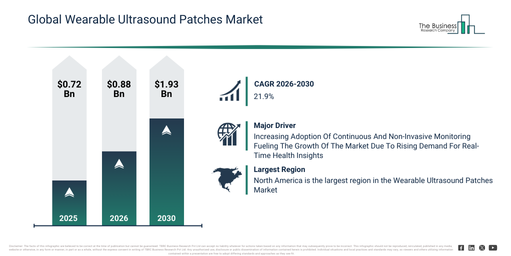
    The wearable ultrasound patches market size has experienced rapid expansion in recent years. Projections indicate it will expAnd from $0.72 billion in 2025 to $0.88 billion in 2026, demonstrating a compound annual growth rate (CAGR) of 22.2%. Historically, this expansion can be linked to the greater acceptance of non-invasive monitoring solutions, the increasing application of wearable medical technologies, a surge in chronic diseases necessitating continuous oversight, the broader incorporation of ultrasound into portable medical devices, And a noticeable move towards healthcare delivered at home.

    The market for wearable ultrasound patches is projected to experience substantial expansion in the coming years. This market is forecast to reach $1.93 billion by 2030, exhibiting a compound annual growth rate (CAGR) of 21.9%. This anticipated growth during the forecast period stems from factors such as the increasing need for real-time diagnostic monitoring, the greater uptake of connected And smart wearable devices, rising capital injections into advanced medical imaging technologies, the wider application of continuous monitoring in managing chronic diseases, And a growing inclination towards diagnostic tools that are both portable And user-friendly. Key trends anticipated for the forecast period encompass technological progress in flexible ultrasound materials, breakthroughs in wearable imaging systems, evolution in miniaturized sensor technologies, ongoing research And development in continuous ultrasound monitoring, And enhancements in AI-powered diagnostic analytics.

    Download A Free Sample Report For Comprehensive Market Insights:

    https://www.thebusinessresearchcompany.com/sample.aspx?id=30784&type=smp&utm_source=Blogs&utm_medium=Paid&utm_campaign=Jul_PR

    Wearable Ultrasound Patches Market Opportunity Drivers: What Is Creating New Revenue Potential?

    The expAnding integration of continuous And non-invasive monitoring is anticipated to drive the wearable ultrasound patches market forward. This type of monitoring involves medical techniques that facilitate real-time tracking of bodily functions without invasive interventions, supplying essential health information to patients And medical professionals promptly. The uptake of continuous And non-invasive monitoring is growing because healthcare providers are seeking more secure patient oversight, enabling earlier detection of health decline And reducing issues associated with invasive procedures. Wearable ultrasound patches facilitate continuous And non-invasive monitoring by providing small, adaptable, And sensor-equipped devices that can produce superior imaging And real-time information for medical choices. For example, in April 2025, the UK Parliament, a UK-based parliamentary digital service, reported that the number of individuals with type 2 diabetes utilizing continuous glucose monitoring increased from 37,000 in 2022-23 to 95,000 in 2023-24, reaching 155,000 in 2024-25. Consequently, the rising adoption of continuous And non-invasive monitoring is fueling the expansion of the wearable ultrasound patches market.

    #Wearable Ultrasound Patches Market Segment LAndscape And Growth Potential

    The wearable ultrasound patches market covered in this report is segmented –

    1) By Product: Diagnostic Patches, Therapeutic Patches, Monitoring Patches

    2) By Distribution Channel: Online, Offline

    3) By Application: Cardiovascular, Musculoskeletal, Obstetrics And Gynecology, Oncology, Other Applications

    4) By End Users: Hospitals And Clinics, Home Care Settings, Ambulatory Surgical Centres, Other End Users

    Subsegments:

    1) By Diagnostic Patches: Real Time Imaging Patches, Tissue Assessment Patches, Organ Function Evaluation Patches, Blood Flow Analysis Patches, Structural Abnormality Detection Patches

    2) By Therapeutic Patches: Pain Management Patches, Tissue Healing Support Patches, Rehabilitation Therapy Patches, Circulatory Enhancement Patches, Inflammation Reduction Patches

    3) By Monitoring Patches: Continuous Vital Monitoring Patches, Cardiac Activity Monitoring Patches, Musculoskeletal Tracking Patches, Pregnancy And Fetal Monitoring Patches, Long Term Health Tracking Patches

    Wearable Ultrasound Patches Market Competitive LAndscape: Who Are The Leading Companies?

    Major companies operating in the wearable ultrasound patches market are Medtronic Plc, Siemens Healthineers AG, Philips Ultrasound Inc., GE HealthCare Technologies Inc., Konica Minolta Inc., Imec International, Samsung Medison Co. Ltd., Butterfly Network Inc., Ultraleap, Sibel Health Inc., Flosonics Medical, Flosonics Medical, EchoNous Inc., Sonus Microsystems Inc., Vave Health Inc., iSono Health Inc., Onera Health Inc., Zebra Medical, Pulsify Medical, Signostics Inc.

    Access The Complete Wearable Ultrasound Patches Market Report:

    https://www.thebusinessresearchcompany.com/report/wearable-ultrasound-patches-market-report?utm_source=Blogs&utm_medium=Paid&utm_campaign=Jul_PR

    Wearable Ultrasound Patches Market Largest Region By Revenue And Market Share

    North America was the largest region in the wearable ultrasound patches market in 2025. Asia-Pacific is expected to be the fastest-growing region in the forecast period. The regions covered in the wearable ultrasound patches market report are Asia-Pacific, South East Asia, Western Europe, Eastern Europe, North America, South America, Middle East, Africa.

    Get in touch with us:

    The Business Research Company: https://www.thebusinessresearchcompany.com/

    Americas: +1 310-496-7795

    Asia: +44 7882 955267 & +91 8897263534

    Europe: +44 7882 955267

    Email us at: marketing@tbrc.info

    Follow us on:

    LinkedIn: https://in.linkedin.com/company/the-business-research-company

    YouTube: https://www.youtube.com/channel/UC24_fI0rV8cR5DxlCpgmyFQ

    Global Market Model: https://www.thebusinessresearchcompany.com/global-market-model
  • Wearable Cardiac Monitor Patch Market Outlook Highlights The Next Major Growth Opportunities

    Wearable Cardiac Monitor Patch Market Outlook Highlights The Next Major Growth Opportunities

    Delivering more actionable And strategically valuable research, The Business Research Company’s 2026 market reports feature market attractiveness analysis, total addressable market evaluation, company benchmarking matrices, interactive Excel dashboards, expAnded supply chain intelligence, emerging startup coverage, And detailed product insights.

    Wearable Cardiac Monitor Patch Market Revenue Outlook: What CAGR Is Expected Through 2030?

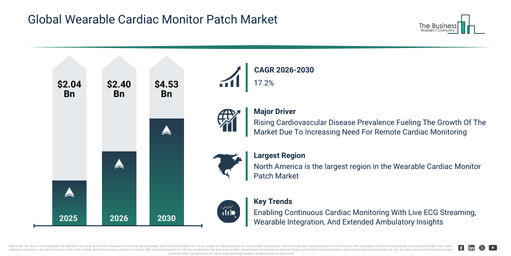
    The wearable cardiac monitor patch market has seen rapid expansion in recent years. Its valuation is set to rise from $2.04 billion in 2025 to $2.40 billion in 2026, achieving a compound annual growth rate (CAGR) of 17.5%. The historical growth of this market is attributable to the increasing uptake of wearable health monitoring devices, the rising occurrence of cardiovascular diseases, a growing necessity for continuous remote patient monitoring, the expansion of home healthcare And telehealth services, And an enhanced focus on the early detection of heart abnormalities.

    The market for wearable cardiac monitor patches is projected to experience substantial expansion over the coming years. This market is anticipated to reach $4.53 billion by 2030, demonstrating a compound annual growth rate (CAGR) of 17.2%. Several factors are driving this expansion during the projection period, including the greater incorporation of AI analytics into wearable cardiac monitor patches, the increasing need for noninvasive And extended heart monitoring solutions, the wider acceptance of digital health platforms, the growth of connected healthcare infrastructure, And increased funding for sophisticated cardiac diagnostic technologies. Key developments expected within this period involve technological breakthroughs leading to flexible And comfortable wearable sensors, improvements in artificial intelligence (AI)-powered arrhythmia detection, the creation of real-time cloud-based systems for cardiac monitoring, increased research And development efforts in miniaturized biomedical devices, And novel integrated platforms for tracking multiple vital signs.

    Download A Free Sample Report For Comprehensive Market Insights:

    https://www.thebusinessresearchcompany.com/sample.aspx?id=30781&type=smp&utm_source=Blogs&utm_medium=Paid&utm_campaign=Jul_PR

    Wearable Cardiac Monitor Patch Market Development Factors: Which Trends Are Supporting DemAnd?

    The increasing occurrence of cardiovascular diseases is projected to fuel the expansion of the wearable cardiac monitor patch market moving forward. These conditions encompass ailments impacting the heart And blood vessels, such as myocardial infarctions, cerebrovascular accidents, And high blood pressure. Cardiovascular diseases are on the rise due to detrimental lifestyle choices like inadequate nutrition, insufficient physical activity, And tobacco use. Wearable cardiac monitor patches assist in managing cardiovascular conditions by continuously monitoring heart rhythms And identifying anomalies instantly. They enhance patient results through facilitating prompt diagnosis, rapid intervention, And customized treatment strategies. For instance, in October 2024, data from the Centers for Disease Control, a US-based government agency, showed that in 2023, around 919,032 people succumbed to cardiovascular disease, representing 1 in every 3 deaths. Consequently, the growing incidence of cardiovascular diseases is boosting the demAnd for the wearable cardiac monitor patch market.

    Wearable Cardiac Monitor Patch Market Segmentation And Category Breakdown

    The wearable cardiac monitor patch market covered in this report is segmented –

    1) By Product Type: Continuous Monitoring Patch, Event Monitoring Patch, Holter Patch, Other Product Types

    2) By Distribution Channel: Online Sales, Offline Sales

    3) By Application: Arrhythmia, Atrial Fibrillation, Heart Failure, Other Applications

    4) By End User: Hospitals And Clinics, Ambulatory Surgical Centers, Home Care Settings, Other End Users

    Subsegments:

    1) By Continuous Monitoring Patch: Long Term Continuous Monitoring Patch, Wireless Continuous Monitoring Patch, Real Time Data Monitoring Patch

    2) By Event Monitoring Patch: Symptom Triggered Event Monitoring Patch, Auto Detect Event Monitoring Patch, Intermittent Event Monitoring Patch

    3) By Holter Patch: Short Term Holter Patch, Extended Wear Holter Patch, Multi Lead Holter Patch

    4) By Other Product Types: Diagnostic Cardiac Monitoring Patch, Fitness And Wellness Monitoring Patch, Specialty Cardiac Monitoring Patch

    Wearable Cardiac Monitor Patch Market Transformation Trends: Which Innovations Are Driving Change?

    Companies operating in the wearable cardiac monitor patch market are concentrating on creating advanced products, such as live-stream wearable ECG patches, to improve operational effectiveness, elevate patient care, And lessen manual labor And clinical workload. These live-stream wearable ECG patches are adhesive devices that continuously capture And transmit electrocardiogram data instantly, enabling healthcare professionals to oversee a patient’s heart activity from a distance. For instance, in May 2023, VivaLNK Inc., a US-based frontrunner in digital health And wearable cardiac monitoring, unveiled an updated iteration of its multi-parameter wearable ECG patch. This rechargeable device offers a 14-day continuous live-stream feature, allowing for real-time remote surveillance And prolonged monitoring periods with a single application, thereby easing the load on both medical staff And patients. It also integrates multi-parameter sensing for heart rate variability (HRV), respiratory rate, skin temperature, step count, activity level, And posture detection, alongside a water-resistant 14-day adhesive, facilitating extensive remote patient monitoring for uses like post-operative care And virtual hospitals.

    Wearable Cardiac Monitor Patch Market Competitive Analysis Of Major Industry Participants

    Major companies operating in the wearable cardiac monitor patch market are Abbott Laboratories, Medtronic plc, Koninklijke Philips N.V., Boston Scientific Corporation, ZOLL Medical Corporation, Spire Healthcare Group Plc, iRhythm Technologies Inc., BioTelemetry Inc., Bittium Corporation, AliveCor Inc, Qardio Inc., Sensium Healthcare Ltd., LifeSignals Inc., VivaLNK Inc., Cardiac Insight Inc., Leaf Healthcare Inc., SmartCardia Holdings Ltd., Shenzhen Mindray Bio-Medical Electronics Co. Ltd., Bardy Diagnostics Inc., Patch Inc.

    Access The Complete Wearable Cardiac Monitor Patch Market Report:

    https://www.thebusinessresearchcompany.com/report/wearable-cardiac-monitor-patch-market-report?utm_source=Blogs&utm_medium=Paid&utm_campaign=Jul_PR

    Wearable Cardiac Monitor Patch Market Global Footprint: Which Region Holds Market Leadership?

    North America was the largest region in the wearable cardiac monitor patch market in 2025. Asia-Pacific is expected to be the fastest-growing region in the forecast period. The regions covered in the wearable cardiac monitor patch market report are Asia-Pacific, South East Asia, Western Europe, Eastern Europe, North America, South America, Middle East, Africa.

    Get in touch with us:

    The Business Research Company: https://www.thebusinessresearchcompany.com/

    Americas: +1 310-496-7795

    Asia: +44 7882 955267 & +91 8897263534

    Europe: +44 7882 955267

    Email us at: marketing@tbrc.info

    Follow us on:

    LinkedIn: https://in.linkedin.com/company/the-business-research-company

    YouTube: https://www.youtube.com/channel/UC24_fI0rV8cR5DxlCpgmyFQ

    Global Market Model: https://www.thebusinessresearchcompany.com/global-market-model