Category: Medical Equipment

  • Networked Glucose Meter Market Expansion Is Opening New Pathways For Strategic Investment

    Networked Glucose Meter Market Expansion Is Opening New Pathways For Strategic Investment

    Through market attractiveness analysis, total addressable market evaluation, company benchmarking matrices, interactive Excel dashboards, expanded supply chain intelligence, emerging startup coverage, and detailed product insights, The Business Research Company’s 2026 market reports provide more actionable and strategically valuable research.

    Networked Glucose Meter Market CAGR Analysis And Future Market Development

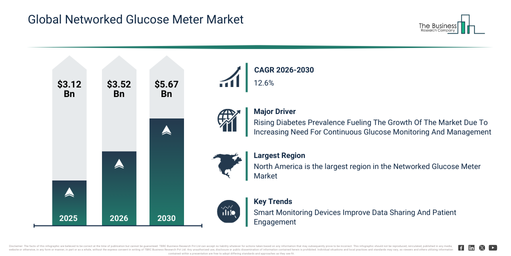
    The networked glucose meter market size has demonstrated rapid expansion in recent years. Its projected growth is from $3.12 billion in 2025 to $3.52 billion in 2026, achieving a compound annual growth rate (CAGR) of 12.9%. Historically, this growth has been driven by increasing diabetes prevalence, the growing adoption of digital health tools, a rising demand for real-time glucose data, the expanding acceptance of connected medical devices, and the increasing usage of smartphones for health monitoring.

    The networked glucose meter market size is anticipated to experience substantial growth over the next few years. It is expected to expand to $5.67 billion in 2030, demonstrating a compound annual growth rate (CAGR) of 12.6%. This expansion during the forecast period can be attributed to an increasing shift towards remote patient monitoring, the growing integration of AI-based diabetes management, a rising preference for personalized glucose insights, the broader expansion of cloud-connected healthcare platforms, and the increasing uptake of wearable glucose monitoring devices. Noteworthy trends for the forecast period encompass technological advancements in continuous glucose monitoring, innovations in multi-sensor wearable devices, progress in cloud-based diabetes analytics, ongoing research and development in non-invasive glucose monitoring, and improvements in smartphone-integrated health ecosystems.

    Download A Free Sample Report For Comprehensive Market Insights:

    https://www.thebusinessresearchcompany.com/sample.aspx?id=30674&type=smp&utm_source=Blogs&utm_medium=Paid&utm_campaign=Jul_PR

    Networked Glucose Meter Market Expansion Drivers: What Is Shaping Future Growth?

    The increasing incidence of diabetes is projected to fuel the expansion of the networked glucose meter market moving forward. Diabetes is a chronic health condition characterized by the body’s inability to properly regulate blood sugar or glucose levels. This rising prevalence of diabetes is largely attributed to escalating obesity rates, which elevate the likelihood of developing type 2 diabetes. Networked glucose meters support diabetes management by continuously tracking blood glucose levels and sending data to healthcare providers instantaneously. They enhance patient outcomes through enabling swift interventions, tailored treatment adjustments, and improved overall glycemic control. For instance, in April 2025, the UK Parliament, a UK-based parliamentary digital service, stated that the number of individuals with type 2 diabetes using continuous glucose monitoring increased from 37,000 in 2022-23 to 95,000 in 2023-24, reaching 155,000 in 2024-25. Thus, the growing prevalence of diabetes is propelling the growth of the networked glucose meter market.

    Networked Glucose Meter Market Segments: Where Are The Largest Growth Opportunities?

    The networked glucose meter market covered in this report is segmented –

    1) By Product Type: Continuous Glucose Monitoring Systems (CGMS), Traditional Glucose Meters

    2) By Features: Real-Time Data Tracking, Data Sharing Capabilities, Personalized Alerts And Notifications

    3) By Connectivity: Bluetooth, Wi-Fi, Cellular, Other Connectives

    4) By Distribution Channel: Online Retail, Pharmacies, Healthcare Institutions

    5) By End-User: Homecare Settings, Healthcare Facilities, Self-Monitoring Patients

    Subsegments:

    1) By Continuous Glucose Monitoring Systems: Real-Time Monitoring Systems, Intermittent Scan Monitoring Systems, Implantable Sensor Systems, Professional Continuous Monitoring Systems

    2) By Traditional Glucose Meters: Basic Blood Glucose Monitors, Advanced Blood Glucose Monitors, Voice Assisted Glucose Meters, Compact Travel Glucose Meters

    Networked Glucose Meter Market Strategic Trends: What Is Defining The Next Phase Of Growth?

    Leading companies within the networked glucose meter market are concentrating on developing advanced products, such as cellular-enabled glucose meters, to elevate chronic care management. These cellular-enabled glucose meters are blood glucose monitoring devices equipped with integrated cellular connectivity, which allows them to automatically transmit glucose readings over mobile networks to cloud platforms, healthcare providers, or care management systems. For instance, in May 2024, Smart Meter LLC, a US-based supplier of cellular remote patient monitoring solutions, unveiled the iGlucose Plus. This cellular-enabled glucose meter is engineered to enhance diabetes management by providing real-time data transmission and multi-language capabilities, featuring a color LED screen for clear instructions and on-device alerts for medication and dietary reminders. The solution also incorporates AI-driven test strip auto-replenishment and over-the-air software updates, aiming to foster consistent testing behaviors and improve long-term health outcomes for patients managing chronic conditions.

    Networked Glucose Meter Market Major Participants And Competitive Dynamics

    Major companies operating in the networked glucose meter market are Abbott Laboratories, Medtronic plc, Dexcom Inc., Nipro Corporation, LifeScan Inc., Ascensia Diabetes Care, Sinocare Inc., Arkray Inc., BeatO, Roche Diabetes Care Ltd., Bionime Corporation, ACON Diabetes Care, i-Sens Inc., Senseonics Holdings, A. Menarini Diagnostics, Dr. Morepen Laboratories Ltd., Sensa Core Medical Instrumentation Pvt. Ltd., MicroTech Medical, Medtrum Technologies, Nemaura Medical, Biochemical Systems International S.p.A., Biolinq, AndesFit Health

    Access The Complete Networked Glucose Meter Market Report:

    https://www.thebusinessresearchcompany.com/report/networked-glucose-meter-market-report?utm_source=Blogs&utm_medium=Paid&utm_campaign=Jul_PR

    Networked Glucose Meter Market Largest Region By Revenue And Market Share

    North America was the largest region in the networked glucose meter market in 2025. Asia-Pacific is expected to be the fastest-growing region in the forecast period. The regions covered in the networked glucose meter market report are Asia-Pacific, South East Asia, Western Europe, Eastern Europe, North America, South America, Middle East, Africa.

    Get in touch with us:

    The Business Research Company: https://www.thebusinessresearchcompany.com/

    Americas: +1 310-496-7795

    Asia: +44 7882 955267 & +91 8897263534

    Europe: +44 7882 955267

    Email us at: marketing@tbrc.info

    Follow us on:

    LinkedIn: https://in.linkedin.com/company/the-business-research-company

    YouTube: https://www.youtube.com/channel/UC24_fI0rV8cR5DxlCpgmyFQ

    Global Market Model: https://www.thebusinessresearchcompany.com/global-market-model
  • Nerve Patch Market Growth Is Reshaping Competitive Advantage Across The Industry

    Nerve Patch Market Growth Is Reshaping Competitive Advantage Across The Industry

    Enhanced with market attractiveness analysis, total addressable market evaluation, company benchmarking matrices, interactive Excel dashboards, expanded supply chain intelligence, emerging startup coverage, and detailed product insights, The Business Research Company’s 2026 market reports deliver more actionable and strategically valuable research.

    Nerve Patch Market Forecast Highlighting Growth From $0.48 Billion To $0.91 Billion

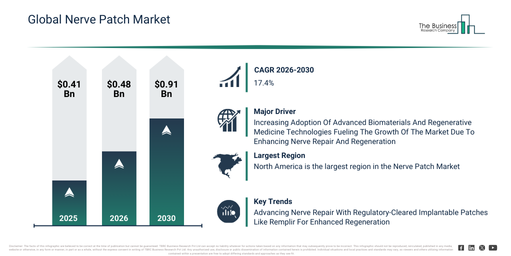
    The nerve patch market size has seen rapid growth in recent years. It is projected to increase from $0.41 billion in 2025 to $0.48 billion in 2026, exhibiting a compound annual growth rate (CAGR) of 17.7%. The expansion observed historically is attributable to factors including the increasing incidence of traumatic nerve injuries, the growing adoption of biomaterial-based implants, a rising demand for peripheral nerve repair procedures, the expansion of neurosurgical infrastructure, and increasing clinical success rates of regenerative therapies.

    The nerve patch market size is projected to experience significant expansion over the next few years. It is anticipated to reach $0.91 billion by 2030, growing at a compound annual growth rate (CAGR) of 17.4%. The rise during this forecast period can be attributed to an increasing preference for minimally invasive nerve repair, greater investment in regenerative medicine research, a rising demand for advanced biologics aimed at nerve regeneration, expanding healthcare expenditure in developing regions, and an intensified focus on improving sensory and motor function recovery outcomes. Major trends expected in the forecast period include technological advancements in bioengineered scaffolds, innovations in stem cell-integrated nerve patches, developments in nanotechnology-based regenerative materials, research and advancements in three-dimensional bioprinted implants, and progress in growth factor-loaded nerve regeneration systems.

    Download A Free Sample Report For Comprehensive Market Insights:

    https://www.thebusinessresearchcompany.com/sample.aspx?id=30672&type=smp&utm_source=Blogs&utm_medium=Paid&utm_campaign=Jul_PR

    Nerve Patch Market Industry Drivers: What Is Driving Revenue Growth?

    The increasing integration of advanced biomaterials and regenerative medicine technologies is set to drive the expansion of the nerve patch market. These technologies represent an interdisciplinary field focused on developing and applying engineered materials and biological approaches to mend, replace, restore, or regenerate damaged tissues and organs through interaction with the body’s biological systems. The rise in their adoption stems from progress in material science, including biodegradable polymers and bioactive scaffolds, alongside growing clinical confidence in regenerative methods that reduce the need for autografts and minimize surgical complications. Nerve patches support this trend by offering next-generation biomaterial-based solutions that provide structural support, stimulate nerve regeneration, and enhance surgical precision in nerve repair procedures. For instance, data published by the European Medicines Agency (EMA) in July 2024 indicated that bioengineered nerve repair products undergoing clinical evaluation or holding market authorization in the EU increased from 18 products in 2021 to 29 products in 2024, demonstrating a growth of more than 60% over three years. Therefore, the growing adoption of advanced biomaterials and regenerative medicine technologies is a key factor propelling the nerve patch market’s growth.

    Nerve Patch Market Segment Breakdown: Which Categories Generate The Most Revenue?

    The nerve patch market covered in this report is segmented –

    1) By Product Type: Biological Nerve Patches, Synthetic Nerve Patches, Hybrid Composite Nerve Patches, Collagen Based Nerve Patches, Polymer Based Nerve Patches, Biologic Growth Factor Integrated Nerve Patches

    2) By Distribution Channel: Direct Hospital And Clinic Sales, Medical Device Distributors, Online Medical Procurement Platforms, Tender Based Government Or Defense Supply

    3) By Application: Peripheral Nerve Repair, Central Nerve Repair, Brachial Plexus Injury, Spinal Cord Injury, Cranial Nerve Injury, Nerve Damage Due To Trauma Or Surgical Complications, Diabetic Neuropathy Intervention

    4) By End User: Hospitals, Specialized Surgical Centers, Ambulatory Surgical Centers, Research Institutes And Universities

    Subsegments:

    1) By Biological Nerve Patches: Autologous Nerve Graft, Allogenic Nerve Graft, Xenogeneic Nerve Graft, Extracellular Matrix Derived Patch, Decellularized Nerve Scaffold

    2) By Synthetic Nerve Patches: Polylactic Acid Patch, Polyglycolic Acid Patch, Polycaprolactone Patch, Polyurethane Based Patch, Synthetic Polymer Composite Patch

    3) By Hybrid Composite Nerve Patches: Polymer And Collagen Composite Patch, Polymer And Extracellular Matrix Composite Patch, Biologic And Synthetic Composite Patch, Growth Factor Loaded Composite Patch, Nanofiber Reinforced Composite Patch

    4) By Collagen Based Nerve Patches: Type I Collagen Patch, Type III Collagen Patch, Crosslinked Collagen Patch, Freeze Dried Collagen Patch, Collagen Hydrogel Patch

    5) By Polymer Based Nerve Patches: Polylactic Acid Based Patch, Polyglycolic Acid Based Patch, Polycaprolactone Based Patch, Polyethylene Glycol Based Patch, Biodegradable Polymer Blend

    6) By Biologic Growth Factor Integrated Nerve Patches: Nerve Growth Factor Loaded Patch, Brain Derived Neurotrophic Factor Loaded Patch, Glial Cell Line Derived Neurotrophic Factor Patch, Vascular Endothelial Growth Factor Patch, Fibroblast Growth Factor Loaded Patch

    #Nerve Patch Market Growth Trends: What Is Influencing The Future Outlook?

    Leading companies in the nerve patch market are prioritizing regulatory-approved implantable repair materials, such as Remplir, to aid nerve regeneration, connect damaged peripheral nerves, and enhance surgical results. Remplir is described as a biocompatible collagen wrap engineered to offer structural support around injured nerve tissue, stimulate axonal growth, and progressively resorb as the nerve recovers, creating an optimal environment for its repair. For example, in April 2025, Orthocell Ltd., an Australia-based regenerative medicine firm, received 510(k) clearance from the United States Food and Drug Administration (FDA) for Remplir, their key nerve repair product. Intended for clinical application in peripheral nerve injuries, this product is characterized by a sterile, single-use implantable collagen wrap supplied in multiple size options, maintains its mechanical strength when wet, and promotes axonal regrowth to restore nerve function after injury.

    Nerve Patch Market Key Players And Strategic Industry Positioning

    Major companies operating in the nerve patch market are Applied Biological Materials Inc., Baxter International Inc., Polyganics B.V., Shanghai P&P Biotech Co. Ltd., Jiangsu Ruier Medical Devices Co. Ltd., MicroPort NeuroTech, AxoGen Europe GmbH, Renerva LLC, BioWave Corporation, Neural Repair Technologies Inc., Tissium S.A., Collagen Matrix Inc., CheckPoint Surgical Inc., BMT Medizintechnik GmbH, Synovis Micro Companies Alliance Inc., Neuraptive Therapeutics Inc., Alafair Biosciences Inc., BioAxone BioSciences Inc., Shanghai Kindly Medical Instruments, NerveGen Pharma Corp.

    Access The Complete Nerve Patch Market Report:

    https://www.thebusinessresearchcompany.com/report/nerve-patch-market-report?utm_source=Blogs&utm_medium=Paid&utm_campaign=Jul_PR

    Nerve Patch Market Geographic Analysis: Where Is Demand Growing The Fastest?

    North America was the largest region in the nerve patch market in 2025. Asia-Pacific is expected to be the fastest-growing region in the forecast period. The regions covered in the nerve patch market report are Asia-Pacific, South East Asia, Western Europe, Eastern Europe, North America, South America, Middle East, Africa.

    Get in touch with us:

    The Business Research Company: https://www.thebusinessresearchcompany.com/

    Americas: +1 310-496-7795

    Asia: +44 7882 955267 & +91 8897263534

    Europe: +44 7882 955267

    Email us at: marketing@tbrc.info

    Follow us on:

    LinkedIn: https://in.linkedin.com/company/the-business-research-company

    YouTube: https://www.youtube.com/channel/UC24_fI0rV8cR5DxlCpgmyFQ

    Global Market Model: https://www.thebusinessresearchcompany.com/global-market-model
  • Neonatal Radiant Warmer Market Forecast Signals New Revenue Opportunities Through 2030

    Neonatal Radiant Warmer Market Forecast Signals New Revenue Opportunities Through 2030

    Through market attractiveness analysis, total addressable market evaluation, company benchmarking matrices, interactive Excel dashboards, expanded supply chain intelligence, emerging startup coverage, and detailed product insights, The Business Research Company’s 2026 market reports provide more actionable and strategically valuable research.

    Neonatal Radiant Warmer Market Revenue Growth Supported By A CAGR Of 0.87% Through 2030

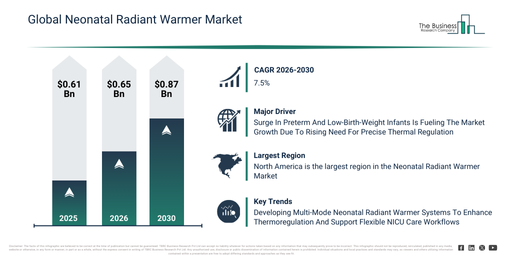
    The neonatal radiant warmer market size has demonstrated significant expansion in recent years. It is projected to increase from $0.61 billion in 2025 to $0.65 billion in 2026, reflecting a compound annual growth rate (CAGR) of 7.7%. This historic growth is attributable to several factors, including rising neonatal mortality rates, an increasing prevalence of preterm births, heightened awareness of neonatal hypothermia management, the expansion of maternal and child healthcare programs, and a rise in hospital births in urban areas.

    The neonatal radiant warmer market is projected to experience substantial expansion over the upcoming years. This market is anticipated to reach a valuation of $0.87 billion by 2030, driven by a compound annual growth rate (CAGR) of 7.5%. Factors contributing to this growth during the forecast timeframe include a global rise in preterm birth rates, escalating investments in neonatal intensive care units, increased healthcare spending in developing nations, the expansion of hospital facilities and birthing centers, and heightened awareness regarding sophisticated neonatal thermal care. Key trends shaping the forecast period encompass technological progress in radiant warmer temperature management, breakthroughs in integrated monitoring and sensor technologies, the creation of energy-efficient neonatal warmers, ongoing research and development in intelligent and automated warming solutions, and improvements in the design of portable and compact radiant warmers.

    Download A Free Sample Report For Comprehensive Market Insights:

    https://www.thebusinessresearchcompany.com/sample.aspx?id=30671&type=smp&utm_source=Blogs&utm_medium=Paid&utm_campaign=Jul_PR

    #Neonatal Radiant Warmer Market Growth Factors: Which Forces Are Supporting Market Expansion?

    The increasing requirement for precise thermal management in premature and low-birth-weight infants is projected to drive the expansion of the neonatal radiant warmer market. Precise thermal regulation involves maintaining a newborn’s body temperature within a safe range, a critical need for infants, especially those born prematurely or with low birth weight, who lack sufficient physiological thermoregulation. This rising demand is attributed to an uptick in preterm deliveries, often caused by maternal health complications, advanced maternal age, and a higher incidence of multiple pregnancies. Neonatal radiant warmers facilitate accurate thermal regulation in these vulnerable infants by providing controlled, consistent warmth to help maintain a stable body temperature. These devices enhance neonatal outcomes by preventing hypothermia and supporting essential physiological functions during early critical care. For example, in August 2024, data from the Centers for Disease Control and Prevention, a US-based national public health agency, indicated that the percentage of infants born preterm remained largely consistent, moving from 10.38% in 2022 to 10.41% in 2023, while the proportion of infants born early term saw a 2% increase, from 29.31% in 2022 to 29.84% in 2023. Thus, the growing need for precise thermal regulation in premature and low-birth-weight infants is a significant factor propelling the growth of the neonatal radiant warmer market.

    Neonatal Radiant Warmer Market Segmentation: How Is The Market Structured Across Key Categories?

    The neonatal radiant warmer market covered in this report is segmented –

    1) By Product Type: Conventional Radiant Warmers, Intensive Care Radiant Warmers, Transportable Radiant Warmers, Phototherapy Radiant Warmers

    2) By Component: Heating Units, Control Panels, Ultraviolet Lamps, Temperature Sensors

    3) By Technology: Infrared Technology, Contact Heating Systems, Integrated Heating Systems, Smart Technologies For Temperature Control

    4) By End-User: Hospitals, Clinics, Ambulatory Surgical Centers, Other End-Users

    Subsegments:

    1) By Conventional Radiant Warmers: Basic Radiant Warmers, Servo-Controlled Warmers, Open-Bed Warmers, Height-Adjustable Warmers, Standard Hospital-Grade Warmers

    2) By Intensive Care Radiant Warmers: Advanced neonatal ICU warmers, Integrated monitoring warmers, Warmers with ventilator compatibility, High-acuity thermal management warmers, Warmers with built-in resuscitation units

    3) By Transportable Radiant Warmers: Portable Emergency Transport Warmers, Ambulance-Compatible Warmers, Battery-Powered Mobile Warmers, Lightweight Intra-Hospital Transport Warmers, Foldable Or Compact Transport Warmers

    4) By Phototherapy Radiant Warmers: LED Phototherapy Warmers, Dual-Function Radiant Warmer And Phototherapy Units, UV-Based Phototherapy Warmers, Fiber-Optic Phototherapy Warmers, Jaundice Treatment Phototherapy Warmers

    Neonatal Radiant Warmer Market Industry Trends: What Changes Are Reshaping Demand?

    Major companies operating in the neonatal radiant warmer market are concentrating on developing advanced systems, such as multi-mode radiant warmer systems, engineered to support open care, closed care, and transport by synchronizing various heat sources to maintain optimal neonatal temperatures. These multi-mode radiant warmer systems are technologies specifically designed to offer stable thermoregulation, enable swift clinical access, and facilitate the safe handling of newborns across diverse care settings. For example, in March 2024, Drägerwerk AG, a Germany-based provider of acute care and neonatal equipment, unveiled the Babyleo TN500 IncuWarmer. This advanced thermoregulation system intelligently combines convective heating, multi-mode radiant warming, and a heated mattress, ensuring stable body temperature while allowing quick access for clinical staff throughout various NICU workflows. This launch signifies a substantial technological progression, integrating multi-mode warming and incubator functionalities to link traditional neonatal care with flexible, workflow-optimized solutions, thereby providing clinicians with a scalable and efficient system to enhance neonatal outcomes.

    Neonatal Radiant Warmer Market Competitive Landscape And Leading Companies

    Major companies operating in the neonatal radiant warmer market are Koninklijke Philips N.V., General Electric (GE) Healthcare, Drägerwerk AG & Co. KGaA (Dräger), Natus Medical Incorporated, Heal Force Bio-Medical Engineering, Shenzhen Comen Medical Instruments Co. Ltd., Comen Medical Instruments Co. Ltd., Advent International LP, Okuman Medikal Sistemler Anonim Sirketi, Ningbo David Medical Device Co. Ltd., Fanem Indústria e Comércio Ltd., IndoSurgicals Private Limited, Löwenstein Medical GmbH & Co. KG, Zhengzhou Dison Instrument and Meter Co. Ltd., Phoenix Medical Systems Pvt. Ltd., Procare Medical Furnishings, Atom Medical International Co. Ltd., Weyer GmbH, Western Surgical, Anhui Weemed Medical Co. Ltd.

    Access The Complete Neonatal Radiant Warmer Market Report:

    https://www.thebusinessresearchcompany.com/report/neonatal-radiant-warmer-market-report?utm_source=Blogs&utm_medium=Paid&utm_campaign=Jul_PR

    Neonatal Radiant Warmer Market Global Footprint: Which Region Holds Market Leadership?

    North America was the largest region in the neonatal radiant warmer market in 2025. Asia-Pacific is expected to be the fastest-growing region in the forecast period. The regions covered in the neonatal radiant warmer market report are Asia-Pacific, South East Asia, Western Europe, Eastern Europe, North America, South America, Middle East, Africa.

    Get in touch with us:

    The Business Research Company: https://www.thebusinessresearchcompany.com/

    Americas: +1 310-496-7795

    Asia: +44 7882 955267 & +91 8897263534

    Europe: +44 7882 955267

    Email us at: marketing@tbrc.info

    Follow us on:

    LinkedIn: https://in.linkedin.com/company/the-business-research-company

    YouTube: https://www.youtube.com/channel/UC24_fI0rV8cR5DxlCpgmyFQ

    Global Market Model: https://www.thebusinessresearchcompany.com/global-market-model
  • Neonatal Intensive Care Respiratory Devices Market Growth Is Accelerating As Industry Transformation Continues

    Neonatal Intensive Care Respiratory Devices Market Growth Is Accelerating As Industry Transformation Continues

    Delivering more actionable and strategically valuable research, The Business Research Company’s 2026 market reports feature market attractiveness analysis, total addressable market evaluation, company benchmarking matrices, interactive Excel dashboards, expanded supply chain intelligence, emerging startup coverage, and detailed product insights.

    Neonatal Intensive Care Respiratory Devices Market Value Expansion And Long-Term Growth Outlook

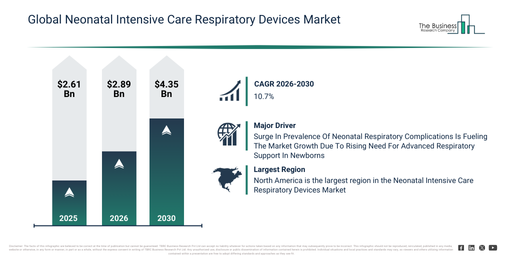
    The neonatal intensive care respiratory devices market size has seen rapid growth in recent years. It is expected to grow from $2.61 billion in 2025 to $2.89 billion in 2026, achieving a compound annual growth rate (CAGR) of 11.0%. This historical expansion can be attributed to an increasing incidence of preterm births, a rising demand for advanced neonatal respiratory support, and a growing awareness of neonatal health complications. Key drivers also include the increasing adoption of ventilators in NICUs, the rising number of neonatal intensive care units globally, a growing use of non-invasive respiratory assistance, and increasing investments in neonatal healthcare infrastructure. Additionally, the rising prevalence of neonatal respiratory disorders, the growing availability of technologically advanced devices, and an increasing focus on improving neonatal survival rates have contributed to this growth.

    The neonatal intensive care respiratory devices market is projected to experience substantial expansion in the coming years. This market is anticipated to reach $4.35 billion by 2030, exhibiting a compound annual growth rate (CAGR) of 10.7%. Several factors will drive this growth during the forecast period, including the increased uptake of non-invasive respiratory technologies, a heightened demand for sophisticated NICU respiratory equipment, rising investments in neonatal critical care, a greater imperative for enhanced neonatal survival outcomes, heightened awareness regarding preterm birth complications, increased healthcare expenditure on infant care, expanded deployment of automated respiratory monitoring, ongoing technological improvements in neonatal devices, an intensified emphasis on early intervention respiratory support, and a stronger inclination towards secure and efficient ventilation systems. Key trends expected over the forecast horizon encompass progress in non-invasive neonatal ventilation, developments in compact and portable respiratory equipment, enhancements in automated respiratory monitoring, novel approaches in neonatal oxygen delivery systems, innovations in AI-assisted ventilation instruments, breakthroughs in high-flow nasal cannula devices, the incorporation of smart monitoring sensors, integration with real-time NICU data platforms, the inclusion of tele-neonatology functionalities, and advancements in hybrid ventilation technologies.

    Download A Free Sample Report For Comprehensive Market Insights:

    https://www.thebusinessresearchcompany.com/sample.aspx?id=30670&type=smp&utm_source=Blogs&utm_medium=Paid&utm_campaign=Jul_PR

    Neonatal Intensive Care Respiratory Devices Market Demand Drivers: What Is Fueling Industry Growth?

    The expanding occurrence of neonatal respiratory complications is projected to drive the expansion of the neonatal intensive care respiratory devices market moving forward. These complications, which include breathing disorders like respiratory distress syndrome and transient tachypnea, impede lung function shortly after birth and are a primary factor in neonatal morbidity and mortality. The increase in these breathing issues is attributed to higher rates of prematurity and greater medical complexities at birth, necessitating more infants to receive intensive respiratory support. Neonatal intensive care respiratory devices aid in managing these complications through assisted ventilation, precise oxygen delivery, and continuous respiratory monitoring, thereby helping clinicians stabilize infants and enhance survival outcomes. For example, in October 2024, data from the Royal College of Paediatrics and Child Health, a UK-based professional medical body, revealed that the percentage of babies experiencing bronchopulmonary dysplasia or death differed by region, ranging from 32.6% in the East of England to 46.8% in the Northern Operational Delivery Network, with individual neonatal units reporting rates between 0% and 61.7% for units treating at least 10 eligible babies. Consequently, the rising prevalence of neonatal respiratory complications is stimulating the growth of the neonatal intensive care respiratory devices market. The increasing financial commitment to neonatal care equipment is anticipated to stimulate the growth of the neonatal intensive care respiratory devices market. This investment involves governments and public health organizations dedicating financial resources to acquire and upgrade medical devices and infrastructure specifically for newborn health services, which includes neonatal intensive care devices. The upward trend in investment stems from the increasing requirement for precise thermal regulation, as preterm and low-birth-weight infants struggle to maintain a stable body temperature independently. Elevated investment in neonatal care equipment improves neonatal intensive care respiratory devices by facilitating the development and adoption of advanced technologies that deliver accurate and reliable respiratory support for premature and critically ill infants. This leads to improved survival rates, a reduction in complications, and better overall neonatal outcomes. For instance, in November 2025, according to the OECD, a Paris-based international economic organization, the average annual capital expenditure on health across member countries increased from 0.60% of GDP in 2024 to 0.62% of GDP in 2025, with a notable share allocated to medical equipment, indicating a year-on-year rise in public sector investment in health infrastructure and devices, including neonatal care equipment. Therefore, growing investment in neonatal care equipment is propelling the growth of the neonatal intensive care respiratory devices market.

    Neonatal Intensive Care Respiratory Devices Market Segmentation Trends And Revenue Drivers

    The neonatal intensive care respiratory devices market covered in this report is segmented –

    1) By Product Type: Ventilators, Continuous Positive Airway Pressure (CPAP) Devices, Oxygen Delivery Devices, Inhalers, Humidifiers, Others Product Types

    2) By Modality: Invasive Ventilation, Non-Invasive Ventilation, Combined Or Hybrid Systems

    3) By Gestational Age: Extremely Preterm (<28 Weeks), Very Preterm (28–32 Weeks), Moderate To Late Preterm (32–37 Weeks), Full Term With Respiratory Conditions

    4) By End User: Hospitals, Neonatal Clinics, Ambulatory Surgical Centers, Others End User

    Subsegments:

    1) By Ventilators: Invasive Mechanical Ventilators, Non-Invasive Ventilators, Portable Ventilators, Intensive Care Unit (ICU) Ventilators, Emergency Or Transport Ventilators

    2) By Continuous Positive Airway Pressure (CPAP) Devices: Fixed-Pressure CPAP Devices, Auto-Adjusting (APAP) CPAP Devices, Bi-Level Positive Airway Pressure (BiPAP) Devices, Portable Or Home CPAP Devices, Hospital Or Clinical CPAP Devices

    3) By Oxygen Delivery Devices: Oxygen Concentrators, Oxygen Cylinders Or Tanks, Oxygen Masks, Nasal Cannulas, Portable Oxygen Systems

    4) By Inhalers: Metered Dose Inhalers (MDI), Dry Powder Inhalers (DPI), Soft Mist Inhalers (SMI), Nebulizer Inhalers, Combination Drug Inhalers

    5) By Humidifiers: Ultrasonic Humidifiers, Evaporative Humidifiers, Steam Vaporizers, Impeller Humidifiers, Hospital-Grade Respiratory Humidifiers

    6) By Others Product Types: Nebulizers (Standalone), Suction Devices, Respiratory Monitors, Airway Clearance Devices, Tracheostomy Care Devices

    #Neonatal Intensive Care Respiratory Devices Market Industry Leaders: Which Organizations Are Driving Competition?

    Major companies operating in the neonatal intensive care respiratory devices market are Medtronic plc, Koninklijke Philips N.V., GE Healthcare Technologies Inc., Becton, Dickinson and Company (BD), ResMed Inc., Drägerwerk AG & Co. KGaA, Getinge AB, Smiths Group plc, Teleflex Incorporated, Masimo Corporation, Fisher & Paykel Healthcare Limited, Comen Medical, Hamilton Medical AG, GaleMed Corporation, Heyer Medical AG, Inspiration Healthcare Group plc, Mercury Medical, Trudell Medical International Co., Atom Medical International Co. Ltd., Airon Corporation, Lowenstein Medical Technology GmbH

    Access The Complete Neonatal Intensive Care Respiratory Devices Market Report:

    https://www.thebusinessresearchcompany.com/report/neonatal-intensive-care-respiratory-devices-market-report?utm_source=Blogs&utm_medium=Paid&utm_campaign=Jul_PR

    Neonatal Intensive Care Respiratory Devices Market Regional Distribution: Which Areas Drive Market Expansion?

    North America was the largest region in the neonatal intensive care respiratory devices market in 2025. Asia-Pacific is expected to be the fastest-growing region in the forecast period. The regions covered in the neonatal intensive care respiratory devices market report are Asia-Pacific, South East Asia, Western Europe, Eastern Europe, North America, South America, Middle East, Africa.

    Get in touch with us:

    The Business Research Company: https://www.thebusinessresearchcompany.com/

    Americas: +1 310-496-7795

    Asia: +44 7882 955267 & +91 8897263534

    Europe: +44 7882 955267

    Email us at: marketing@tbrc.info

    Follow us on:

    LinkedIn: https://in.linkedin.com/company/the-business-research-company

    YouTube: https://www.youtube.com/channel/UC24_fI0rV8cR5DxlCpgmyFQ

    Global Market Model: https://www.thebusinessresearchcompany.com/global-market-model
  • Nano Bioreactor Market Expansion Is Reshaping Competitive Dynamics Across The Industry

    Nano Bioreactor Market Expansion Is Reshaping Competitive Dynamics Across The Industry

    Delivering more actionable and strategically valuable research, The Business Research Company’s 2026 market reports feature market attractiveness analysis, total addressable market evaluation, company benchmarking matrices, interactive Excel dashboards, expanded supply chain intelligence, emerging startup coverage, and detailed product insights.

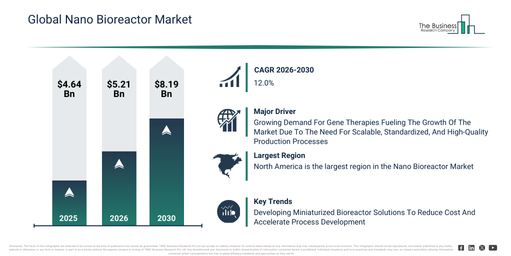
    Nano Bioreactor Market Growth From $5.21 Billion In 2026 To $8.19 Billion By 2030 At A CAGR Of 12%

    The nano bioreactor market size has expanded quickly in recent years. It is forecast to grow from $4.64 billion in 2025 to $5.21 billion in 2026, achieving a compound annual growth rate (CAGR) of 12.3%. The market’s growth during the historical period stems from factors such as increasing demand for nanoscale biological research, the growing adoption of microfluidic bioprocessing, a rising focus on high-precision biomolecule production, the expansion of advanced biotechnology studies, and the increasing utilization of miniaturized cell culture systems.

    The nano bioreactor market size is projected to experience substantial growth over the coming years. It is forecast to expand to $8.19 billion by 2030, achieving a compound annual growth rate (CAGR) of 12.0%. This expansion during the forecast period is propelled by factors such as the escalating demand for nanoscale biological research, the wider adoption of microfluidic bioprocessing, an increased focus on high-precision biomolecule production, the expansion of advanced biotechnology studies, and the growing application of miniaturized cell culture systems. Significant trends anticipated in this period include technological progress in nanobioprocessing, new developments in microfluidic lab-on-chip platforms, advancements in nanoscale cell culture engineering, ongoing research and development in automated nanosystems, and improvements in nanoscale enzymatic reaction technologies.

    Download A Free Sample Report For Comprehensive Market Insights:

    https://www.thebusinessresearchcompany.com/sample.aspx?id=30667&type=smp&utm_source=Blogs&utm_medium=Paid&utm_campaign=Jul_PR

    #Nano Bioreactor Market Demand Drivers Creating New Revenue Opportunities

    The increasing need for gene therapies is projected to fuel the expansion of the nano bioreactor market in the coming years. Gene therapy is a medical method focused on altering or substituting faulty genes to manage or avert illnesses. This rising demand stems from progress in genetic sequencing and diagnostic tools, allowing for accurate identification of genes causing diseases, thus enabling specific treatments. Nano bioreactors aid gene therapy by offering meticulous control of cell culture environments, crucial for effective gene delivery and expression. These bioreactors boost therapeutic efficacy through improved cell viability, better scalability, and greater consistency in the creation of gene therapies. As an illustration, the American Society of Gene & Cell Therapy (ASGCT), a US-based non-profit medical and scientific organization, reported in December 2024 that the Food and Drug Administration (FDA) sanctioned six gene therapy products in 2023, an increase from five approvals in 2022. Consequently, the expanding need for gene therapies is acting as a catalyst for the nano bioreactor market’s expansion.

    #Nano Bioreactor Market Segment Landscape And Growth Potential

    The nano bioreactor market covered in this report is segmented –

    1) By Product Type: Nano-Scale Bioreactor Units, Microfluidic Bioreactors, Nano Fermentation Systems, Nanoscale Cell Culture Devices, Nano Enzymatic Reaction Modules, Nano Bioprocessing Chips, Lab-On-A-Chip Bioreactors

    2) By Molecule: Monoclonal Antibodies, Vaccines, Recombinant Proteins, Stem Cells, Gene Therapy

    3) By Technology: Microfluidics Technology, Nanotechnology-Enabled Bioprocessing, Lab-On-Chip Technology, Automated Miniaturized Bioreactor Technology, High-Precision Reaction Monitoring Technology

    4) By Application: Drug Discovery And Development, Tissue Engineering And Regenerative Medicine, Synthetic Biology And Biofuel Research, Biocatalysis And Enzyme Engineering, Environmental Monitoring And Bioremediation, Diagnostics And Biosensing, Basic Life Science Research

    5) By End User: Pharmaceutical And Biotechnology Companies, Academic And Research Institutes, Diagnostic Laboratories, Contract Research And Manufacturing Organizations, Food And Agriculture Industries, Environmental Testing Agencies

    Subsegments:

    1) By Nano-Scale Bioreactor Units: Disposable Nano Reactor Modules, Pre-Sterilized Nano Cartridges, Compact Single-Cycle Units, High-Density Nano Culture Chambers, Plug-And-Play Nano Systems

    2) By Microfluidic Bioreactors: Integrated Channel Microfluidic Units, Perfusion-Based Microfluidic Systems, Droplet-Based Microfluidic Modules, High-Throughput Microfluidic Arrays, Automated Microfluidic Platforms

    3) By Nano Fermentation Systems: Continuous Nano Fermentation Units, Batch Nano Fermentation Chambers, Modular Nano Fermentation Platforms, High-Efficiency Nano Fermenters, Temperature-Controlled Nano Fermentation Units

    4) By Nanoscale Cell Culture Devices: Micro-Well Nanoscale Culture Plates, Three-Dimensional Nano Culture Scaffolds, Perfused Nanoscale Culture Modules, High-Density Nano Culture Chambers, Disposable Nanoscale Culture Units

    5) By Nano Enzymatic Reaction Modules: Flow-Through Nano Enzyme Reactors, Batch Nano Enzymatic Reaction Units, Temperature-Regulated Nano Enzymatic Modules, High-Surface Area Nano Reaction Chambers, Integrated Nano Enzyme Platforms

    6) By Nano Bioprocessing Chips: Lab-Integrated Nano Processing Chips, Micro-Channel Nano Bioprocessing Modules, High-Throughput Nano Chip Platforms, Disposable Nano Bioprocessing Units, Automated Nano Chip Systems

    7) By Lab-On-A-Chip Bioreactors: Microfluidic Lab-On-A-Chip Units, Integrated Nano Reaction Chip Platforms, Disposable Lab-On-A-Chip Modules, High-Throughput Lab-On-A-Chip Systems, Automated Lab-On-A-Chip Platforms

    Nano Bioreactor Market Trends Driving Strategic Industry Expansion

    Leading companies within the nano bioreactor market are concentrating on creating sophisticated products, including miniaturized fixed-bed bioreactor solutions, aimed at facilitating cost-effective and scalable cell culture process development. Such a miniaturized fixed-bed bioreactor is defined as a compact system featuring a fixed support matrix within a limited growth surface, which allows for controlled cell culture using smaller volumes and significantly less reagent. For example, in October 2024, Univercells Technologies by Donaldson, a biotechnology firm based in Belgium, introduced the scale-X nexo bioreactor. This particular device is a miniaturized, fixed-bed bioreactor that provides a 0.5 m² growth surface, specifically engineered for effective cell culture process development across various applications such as cell and gene therapies and vaccines. The system boasts direct scalability to bigger systems within the scale-X family, facilitating a smooth transition from laboratory-scale development to commercial manufacturing without requiring expensive process redevelopment. Furthermore, it incorporates an approach characterized by low volume and low surface area, and is designed to integrate with vision application software for non-invasive cell counting, thereby markedly decreasing media consumption, seed train requirements, and operational expenditures for researchers and biopharma companies.

    Nano Bioreactor Market Competitive Landscape: Who Are The Leading Companies?

    Major companies operating in the nano bioreactor market are Thermo Fisher Scientific Inc., Danaher Corp., GE Healthcare Technologies Inc., Lonza Group, Cytiva Sweden AB, Sartorius AG, Getinge AB, Eppendorf SE, Pall Corporation, PBS Biotech Inc., Applikon Biotechnology B.V. (Getinge AB), Bioengineering AG, PARR Instrument Company, Infors AG, LAVAL LAB Inc., Cellec Biotek AG, Sysbiotech GmbH, HiTec Zang GmbH, CerCell Co., m2p-labs GmbH

    Access The Complete Nano Bioreactor Market Report:

    https://www.thebusinessresearchcompany.com/report/nano-bioreactor-market-report?utm_source=Blogs&utm_medium=Paid&utm_campaign=Jul_PR

    Nano Bioreactor Market Geographic Landscape: Which Region Dominates Industry Growth?

    North America was the largest region in the nano bioreactor market in 2025. Asia-Pacific is expected to be the fastest-growing region in the forecast period. The regions covered in the nano bioreactor market report are Asia-Pacific, South East Asia, Western Europe, Eastern Europe, North America, South America, Middle East, Africa.

    Get in touch with us:

    The Business Research Company: https://www.thebusinessresearchcompany.com/

    Americas: +1 310-496-7795

    Asia: +44 7882 955267 & +91 8897263534

    Europe: +44 7882 955267

    Email us at: marketing@tbrc.info

    Follow us on:

    LinkedIn: https://in.linkedin.com/company/the-business-research-company

    YouTube: https://www.youtube.com/channel/UC24_fI0rV8cR5DxlCpgmyFQ

    Global Market Model: https://www.thebusinessresearchcompany.com/global-market-model
  • Molecular Biology Automatic Analyzer Market Size Projected To Increase From $2.79 Billion To $3.91 Billion During The Forecast Period

    Molecular Biology Automatic Analyzer Market Size Projected To Increase From $2.79 Billion To $3.91 Billion During The Forecast Period

    Delivering more actionable and strategically valuable research, The Business Research Company’s 2026 market reports feature market attractiveness analysis, total addressable market evaluation, company benchmarking matrices, interactive Excel dashboards, expanded supply chain intelligence, emerging startup coverage, and detailed product insights.

    Molecular Biology Automatic Analyzer Market Value Analysis: What Growth Is Expected Over The Forecast Period?

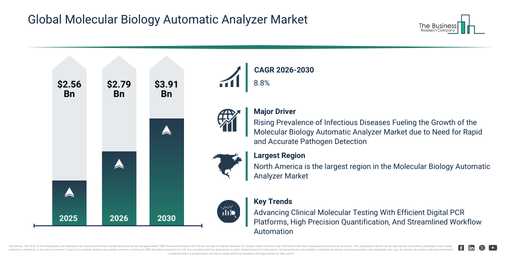
    The size of the molecular biology automatic analyzer market has demonstrated robust growth over recent years. This market is anticipated to expand from $2.56 billion in 2025 to $2.79 billion in 2026, exhibiting a compound annual growth rate (CAGR) of 9.1%. This historical expansion is linked to factors such as the greater acceptance of automated laboratory equipment, an increasing need for molecular diagnostics, heightened investment in genomic research, the proliferation of biotechnology research facilities, and the rising incidence of both chronic and infectious illnesses.

    The molecular biology automatic analyzer market size is projected to experience robust expansion over the coming years, with expectations to reach $3.91 billion by 2030, exhibiting a compound annual growth rate (CAGR) of 8.8%. This growth during the forecast period is primarily attributable to a heightened focus on personalized medicine, the increasing integration of artificial intelligence and robotics in laboratory environments, a growing demand for high-throughput sequencing, the broader adoption of molecular diagnostics in emerging markets, and increasing investments in cell and gene therapy development. Furthermore, significant trends foreseen include technological improvements in automation and AI, innovations within high-throughput molecular analysis, advancements in multi-omics research, ongoing research and development in gene editing technologies, and enhancements in both sample preparation and assay accuracy.

    Download A Free Sample Report For Comprehensive Market Insights:

    https://www.thebusinessresearchcompany.com/sample.aspx?id=30664&type=smp&utm_source=Blogs&utm_medium=Paid&utm_campaign=Jul_PR

    Molecular Biology Automatic Analyzer Market Opportunity Drivers: What Is Creating New Revenue Potential?

    The rising occurrence of infectious diseases is projected to drive the expansion of the molecular biology automatic analyzer market moving forward. Infectious diseases are conditions caused by harmful microorganisms such as bacteria, viruses, fungi, or parasites that invade and multiply within the body, leading to symptoms and health complications. The surge in infectious diseases is fueled by increased global travel, which accelerates the spread of pathogens across different regions and populations. Molecular biology automatic analyzers assist in diagnosing infectious diseases by rapidly detecting and quantifying pathogens at the genetic level with high accuracy. These devices improve patient outcomes by enabling early, precise, and efficient identification of infections for timely treatment. For instance, in February 2024, the UK Health Security Agency, a UK-based government agency, reported that tuberculosis cases in England rose to 4,850 in 2023, representing an increase of 10.7% from 4,380 cases in 2022. Tuberculosis is a contagious bacterial infection that primarily affects the lungs. Therefore, the increasing prevalence of infectious diseases is a key factor propelling the growth of the molecular biology automatic analyzer market.

    Molecular Biology Automatic Analyzer Market Segmentation And Category Breakdown

    The molecular biology automatic analyzer market covered in this report is segmented –

    1) By Product Type: Real-Time PCR Systems, Next-Generation Sequencing Systems, Automated Nucleic Acid Extraction Systems, Microarray Analysis Systems, Integrated Sample-To-Answer Molecular Analyzers

    2) By Technology: Optical Technologies, Mass Spectrometry, Microfluidics Technology, Isothermal Nucleic Acid Amplification, Digital PCR Technology

    3) By Throughput And Scale: High-Throughput Systems, Mid-Throughput Systems, Low-Throughput Systems

    4) By Application: Genetic Research, Clinical Diagnostics, Infectious Disease Testing, Oncology And Precision Medicine, Pharmacogenomics, Forensic And Environmental Testing

    5) By End-User: Hospitals And Diagnostic Laboratories, Academic And Research Institutions, Biotechnology And Pharmaceutical Companies, Contract Research Organizations, Public Health Laboratories

    Subsegments:

    1) By Real-Time PCR Systems: Quantitative Polymerase Chain Reaction Instruments, Digital Polymerase Chain Reaction Instruments, High Throughput Polymerase Chain Reaction Platforms, Portable Polymerase Chain Reaction Devices, Multiplex Polymerase Chain Reaction Systems

    2) By Next-Generation Sequencing Systems: Whole Genome Sequencing Platforms, Whole Exome Sequencing Platforms, Targeted Gene Sequencing Platforms, Single Cell Sequencing Systems, Long Read Sequencing Instruments

    3) By Automated Nucleic Acid Extraction Systems: Magnetic Bead Based Extraction Instruments, Cartridge Based Extraction Systems, Automated Liquid Handling Extraction Platforms, High Throughput Extraction Workstations, Portable Nucleic Acid Extraction Devices

    4) By Microarray Analysis Systems: Deoxyribonucleic Acid Microarray Platforms, Ribonucleic Acid Expression Microarray Systems, Protein Microarray Platforms, Single Nucleotide Polymorphism Genotyping Microarrays, High Density Microarray Scanners

    5) By Integrated Sample-To-Answer Molecular Analyzers: Cartridge Based Sample To Result Systems, Fully Automated Point Of Care Molecular Platforms, Closed Tube Integrated Analysis Systems, High Throughput Sample To Answer Workstations, Portable Integrated Molecular Diagnostic Devices

    Molecular Biology Automatic Analyzer Market Innovation Trends Driving Future Development

    Major companies operating in the molecular biology automatic analyzer market are concentrating on developing advanced diagnostic technologies, such as efficient digital PCR platforms, to improve sensitivity, accuracy, and throughput in nucleic acid quantification for clinical and research applications. An efficient digital PCR platform refers to an automated system that divides samples into thousands of microreactions, enabling precise, absolute quantification of target DNA or RNA sequences with minimal bias, thereby supporting reliable detection of low-abundance biomarkers and enhancing diagnostic confidence. For instance, in September 2024, QIAGEN N.V., a Netherlands-based molecular diagnostics and life science tools company, launched the QIAcuity Dx digital PCR system for clinical testing in oncology. This platform integrates digital PCR technology with an automated workflow, allowing laboratories to perform high-precision quantification of genetic targets relevant to cancer diagnostics and therapy monitoring. The system’s efficient digital PCR capabilities support robust data quality, simplified operation, and rapid turnaround times for clinical test results.

    Molecular Biology Automatic Analyzer Market Competitive Analysis Of Major Industry Participants

    Major companies operating in the molecular biology automatic analyzer market are Thermo Fisher Scientific Inc., Becton Dickinson and Company, Siemens Healthineers AG, Agilent Technologies Inc., Illumina Inc., Hologic Inc., PerkinElmer Inc., bioMérieux SA, Sysmex Corporation, QIAGEN N.V., Bio-Rad Laboratories Inc., Roche Diagnostics, Hamilton Robotics, Tecan Group Ltd., Eppendorf SE, Takara Bio Inc., BGI Genomics Co. Ltd., Analytik Jena AG, Seegene Inc., Abbott Molecular Inc.

    Access The Complete Molecular Biology Automatic Analyzer Market Report:

    https://www.thebusinessresearchcompany.com/report/molecular-biology-automatic-analyzer-market-report?utm_source=Blogs&utm_medium=Paid&utm_campaign=Jul_PR

    Molecular Biology Automatic Analyzer Market Geographic Distribution And Regional Opportunities

    North America was the largest region in the molecular biology automatic analyzer market in 2025. Asia-Pacific is expected to be the fastest-growing region in the forecast period. The regions covered in the molecular biology automatic analyzer market report are Asia-Pacific, South East Asia, Western Europe, Eastern Europe, North America, South America, Middle East, Africa.

    Get in touch with us:

    The Business Research Company: https://www.thebusinessresearchcompany.com/

    Americas: +1 310-496-7795

    Asia: +44 7882 955267 & +91 8897263534

    Europe: +44 7882 955267

    Email us at: marketing@tbrc.info

    Follow us on:

    LinkedIn: https://in.linkedin.com/company/the-business-research-company

    YouTube: https://www.youtube.com/channel/UC24_fI0rV8cR5DxlCpgmyFQ

    Global Market Model: https://www.thebusinessresearchcompany.com/global-market-model
  • Microscopic Eye Surgery Robot Market Trends Are Creating New Opportunities For Industry Leaders

    Microscopic Eye Surgery Robot Market Trends Are Creating New Opportunities For Industry Leaders

    Enhanced with market attractiveness analysis, total addressable market evaluation, company benchmarking matrices, interactive Excel dashboards, expanded supply chain intelligence, emerging startup coverage, and detailed product insights, The Business Research Company’s 2026 market reports deliver more actionable and strategically valuable research.

    Microscopic Eye Surgery Robot Market CAGR Analysis And Future Market Development

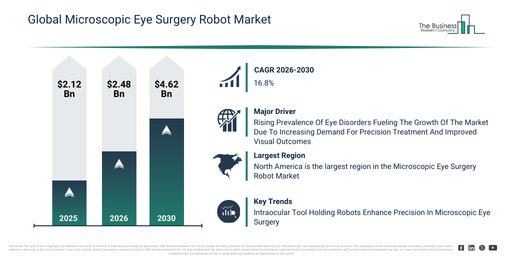
    The market for microscopic eye surgery robots has experienced significant expansion recently. This market is projected to expand from $2.12 billion in 2025 to $2.48 billion in 2026, demonstrating a compound annual growth rate (CAGR) of 17.1%. Historically, this growth can be ascribed to several factors, including a rise in ophthalmic surgical procedures, the increasing prevalence of retinal and cataract conditions, a greater need for precision in microsurgeries, the broader acceptance of minimally invasive eye operations, and heightened understanding regarding surgical precision and patient safety.

    The microscopic eye surgery robot market size is anticipated to experience rapid growth over the next few years. It is forecasted to grow to $4.62 billion in 2030, achieving a compound annual growth rate (CAGR) of 16.8%. The expansion during the forecast period can be attributed to the increasing integration of AI in robotic surgery, growing investments directed towards ophthalmic robotics development, the rising adoption of automated surgical platforms, the expanding availability of advanced intraocular imaging systems, and an increasing demand for micrometer-precision robotic instruments. Key trends for the forecast period include technological advancements in micro-robotic instrumentation, innovations in AI-powered ophthalmic decision support systems, developments in haptic feedback and tremor-elimination robotics, ongoing research and developments in remote and tele-robotic eye surgery, and the integration of real-time imaging analytics for autonomous surgical guidance.

    Download A Free Sample Report For Comprehensive Market Insights:

    https://www.thebusinessresearchcompany.com/sample.aspx?id=30657&type=smp&utm_source=Blogs&utm_medium=Paid&utm_campaign=Jul_PR

    Microscopic Eye Surgery Robot Market Growth Drivers: What Factors Are Accelerating Expansion?

    The increasing incidence of eye disorders is set to fuel the growth of the microscopic eye surgery robot market in the coming years. Eye disorders are medical issues that affect the eye’s structure or function, potentially leading to impaired vision or loss. The prevalence of these conditions is on the rise primarily due to the expanding aging population, as the age-related deterioration of ocular tissues elevates the risk of eye-related problems. Microscopic eye surgery robots contribute to the treatment of eye disorders by enabling exceptionally precise, stable, and controlled movements during delicate surgical procedures on the eye. They enhance patient outcomes by boosting surgical accuracy, minimizing complications, and supporting faster visual recovery. For instance, in May 2024, the Centers for Disease Control and Prevention, a US-based public health agency, stated that more than 3 million Americans suffer from glaucoma, with this number anticipated to reach 6.3 million by 2050 because of the aging population; glaucoma incurs $2.86 billion in direct costs and productivity losses for the United States economy annually. Therefore, the growing prevalence of eye disorders is a key impetus for the expansion of the microscopic eye surgery robot market.

    Microscopic Eye Surgery Robot Market Segmentation Trends And Revenue Drivers

    The microscopic eye surgery robot market covered in this report is segmented –

    1) By Product Type: Vitreoretinal Surgery Robots, Cataract Surgery Robots, Corneal Surgery Robots, Glaucoma Surgery Robots, Refractive Surgery Robots

    2) By Technology: Fully Automated Robotic Systems, Semi-Automated Robotic Platforms, Robotic-Assisted Manual Systems, AI-Powered Robotic Solutions

    3) By Application: Retinal Detachment Surgery, Diabetic Retinopathy Treatment, Age-Related Macular Degeneration Surgery, Cataract Removal Procedures, Glaucoma Surgery, Corneal Transplantation, Epiretinal Membrane Removal, Vitreous Hemorrhage Treatment

    4) By End-User: Hospitals And Medical Centers, Ambulatory Surgical Centers, Specialty Eye Clinics, Academic And Research Institutions, Government Healthcare Facilities

    Subsegments:

    1) By Vitreoretinal Surgery Robots: Retinal Membrane Peeling Robots, Vitrectomy Assistance Robots, Retinal Laser Photocoagulation Robots, Intraocular Injection Assistance Robots

    2) By Cataract Surgery Robots: Lens Fragmentation Robots, Capsulotomy Assistance Robots, Intraocular Lens Positioning Robots, Phacoemulsification Assistance Robots

    3) By Corneal Surgery Robots: Corneal Transplantation Robots, Corneal Incision Assistance Robots, Corneal Suturing Robots, Keratoplasty Assistance Robots

    4) By Glaucoma Surgery Robots: Trabeculectomy Assistance Robots, Aqueous Shunt Implantation Robots, Canaloplasty Assistance Robots, Minimally Invasive Glaucoma Surgery Robots

    5) By Refractive Surgery Robots: Laser Vision Correction Robots, Corneal Refractive Mapping Robots, Corneal Reshaping Robots, Astigmatism Correction Robots

    Microscopic Eye Surgery Robot Market Trends: What Is Shaping Future Industry Growth?

    Major companies operating in the microscopic eye surgery robot market are concentrating on developing sophisticated products, including intraocular tool holding robots, to enhance surgical precision, improve surgeon capability, and alleviate physical strain and operational complexity. Intraocular tool holding robots refer to advanced robotic systems used in eye surgery that automatically or semi-automatically grasp and manipulate tools such as illumination devices or endoscopes within the restricted area of the eye. For instance, in April 2023, RIVERFIELD Inc., a Japan-based medical device company, introduced OQrimo, a surgical ophthalmic assistance robot. This robot is designed to hold intraocular tools, thereby freeing both of a surgeon’s hands, and features intuitive touch panel and footswitch controls, alongside guided real-time intraoperative visualization during vitrectomy and other procedures. It incorporates an intuitive touch panel interface and a foot switch for control, and its endoscope screen displays a guide indicating the current viewing position for enhanced visibility. This device is recognized as the world’s first ophthalmic assistant robot developed in Japan, with its successful initial clinical use verifying its correct function in actual surgical settings for ground handling operators in the medical field.

    #Microscopic Eye Surgery Robot Market Industry Leaders: Which Organizations Are Driving Competition?

    Major companies operating in the microscopic eye surgery robot market are Alcon Inc., Intuitive Surgical Inc., Bausch + Lomb Corporation, Johnson & Johnson Vision Care Inc., Johns Hopkins University, Cambridge Consultants, Carl Zeiss Meditec AG, Lensar Inc., ForSight Robotics Ltd., Preceyes B.V., Ophthorobotics AG, AcuSurgical, Horizon Surgical Systems Inc., Mynutia, Horizon Surgical Systems Inc., AcuSurgical, Ophthorobotics AG, OQrimo, Riverfield, UCLA Ophthalmic Robotics

    Access The Complete Microscopic Eye Surgery Robot Market Report:

    https://www.thebusinessresearchcompany.com/report/microscopic-eye-surgery-robot-market-report?utm_source=Blogs&utm_medium=Paid&utm_campaign=Jul_PR

    Microscopic Eye Surgery Robot Market Regional Outlook: Where Are The Largest Opportunities Located?

    North America was the largest region in the microscopic eye surgery robot market in 2025. Asia-Pacific is expected to be the fastest-growing region in the forecast period. The regions covered in the microscopic eye surgery robot market report are Asia-Pacific, South East Asia, Western Europe, Eastern Europe, North America, South America, Middle East, Africa.

    Get in touch with us:

    The Business Research Company: https://www.thebusinessresearchcompany.com/

    Americas: +1 310-496-7795

    Asia: +44 7882 955267 & +91 8897263534

    Europe: +44 7882 955267

    Email us at: marketing@tbrc.info

    Follow us on:

    LinkedIn: https://in.linkedin.com/company/the-business-research-company

    YouTube: https://www.youtube.com/channel/UC24_fI0rV8cR5DxlCpgmyFQ

    Global Market Model: https://www.thebusinessresearchcompany.com/global-market-model
  • Medical Release Liner Market Outlook Highlights The Next Major Growth Opportunities

    Medical Release Liner Market Outlook Highlights The Next Major Growth Opportunities

    Through market attractiveness analysis, total addressable market evaluation, company benchmarking matrices, interactive Excel dashboards, expanded supply chain intelligence, emerging startup coverage, and detailed product insights, The Business Research Company’s 2026 market reports provide more actionable and strategically valuable research.

    Medical Release Liner Market Value Expansion And Long-Term Growth Outlook

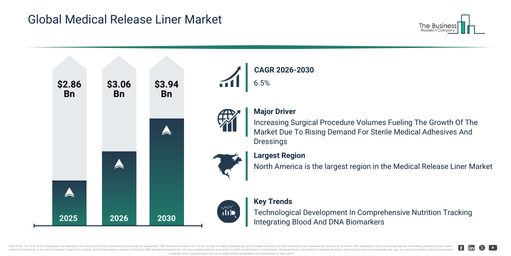
    The medical release liner market has experienced robust growth in recent years. It is anticipated to expand from $2.86 billion in 2025 to $3.06 billion in 2026, achieving a compound annual growth rate (CAGR) of 6.8%. This historical growth can be attributed to the expanding healthcare industry and medical device manufacturing, the increasing adoption of silicone-coated and film-based liners, a rising demand for single-use and disposable medical products, the expansion of pharmaceutical and drug delivery applications, and more stringent regulatory standards for sterility and quality.

    The medical release liner market is projected to experience robust expansion in the coming years. By 2030, its valuation is anticipated to reach $3.94 billion, exhibiting a compound annual growth rate (CAGR) of 6.5%. This expansion over the forecast period stems from factors such as the increasing uptake of multi-layer and specialty liners, greater financial commitments to healthcare infrastructure in developing economies, the escalating need for precise adhesive applications, an intensified emphasis on ensuring patient safety and product reliability, and expanded research and development efforts in sophisticated liner materials. Key developments expected during this period encompass progress in silicone and polymer coatings, the evolution of multi-layer and specialty liners, the incorporation of automated manufacturing and precise coating technologies, ongoing research into biocompatible and antimicrobial liners, and novel approaches to sustainable and recyclable liner options.

    Download A Free Sample Report For Comprehensive Market Insights:

    https://www.thebusinessresearchcompany.com/sample.aspx?id=30653&type=smp&utm_source=Blogs&utm_medium=Paid&utm_campaign=Jul_PR

    #Medical Release Liner Market Growth Drivers And Industry Catalysts

    The anticipated expansion of surgical procedure volumes is set to boost the medical release liner market’s growth in the foreseeable future. This increase in surgical procedures denotes a higher count of both invasive and non-invasive medical interventions conducted to address injuries, illnesses, and physical deformities. Factors such as improved surgical methodologies and a growing elderly demographic are propelling these rising volumes, thereby creating a demand for dependable and sterile medical supplies crucial for effective patient treatment. Medical release liners play a vital role in developing effective wound care products, safeguarding the adhesive part of surgical dressings and transdermal patches before they are used, which guarantees their sterility and ease of application. As an illustration, data from December 2024 provided by the UK Health Security Agency, a government body in the UK dedicated to public health, revealed that 135,619 surgical operations were reported for surveillance in the financial year 2023 to 2024. This marked an 8.4% rise compared to the financial year 2022 to 2023. Moreover, mandatory orthopaedic surveillance recorded a 7.3% increase in operations (from 102,027 operations to 109,491 operations), whereas voluntary surveillance saw a 13.3% growth (from 23,070 operations to 26,128 operations). Consequently, the expansion in surgical procedure volumes is a key impetus for the growth of the medical release liner market.

    Medical Release Liner Market Categorization By Product Type And Application

    The medical release liner market covered in this report is segmented –

    1) By Type Of Material: Polyethylene, Polypropylene, Paper, Silicone, Other Type Of Materials

    2) By Release Coating Type: Silicone Coated, Polymer Coated, Foil Coated, Other Release Coating Types

    3) By Substrate Material: Paper-Based Liners, Film-Based Liners, Foil-Based Liners, Composite And Multi-layer Liners

    4) By Distribution Channel: Direct Sales To Medical Device Oems, Distribution Via Converters And Formulators, Sales Through Raw Material Distributors

    5) By End-User Industry: Healthcare, Food And Beverage, Electronics, Automotive, Other End-user Industrys

    Subsegments:

    1) By Polyethylene: Low Density Polyethylene, High Density Polyethylene, Linear Low Density Polyethylene, Cross-Linked Polyethylene, Co-Extruded Polyethylene

    2) By Polypropylene: Homopolymer Polypropylene, Random Copolymer Polypropylene, Block Copolymer Polypropylene, Filled Polypropylene, Oriented Polypropylene

    3) By Paper: Kraft Paper, Glassine Paper, Coated Paper, Laminated Paper, Specialty Paper

    4) By Silicone: Silicone Coated Paper, Silicone Coated Film, Medical Grade Silicone, Liquid Silicone Coating, High Temperature Silicone

    5) By Other Type Of Materials: Polyester (PET), Polyvinyl Chloride (PVC), Polyamide (PA), Fluoropolymer-Based Liners

    #Medical Release Liner Market Trends Influencing Long-Term Demand

    Leading companies in the medical release liner market are concentrating on developing advanced offerings, such as comprehensive data-integrated health platforms, to improve the customization of treatments, enhance patient outcomes, and reduce healing duration and complications. These platforms represent sophisticated digital systems that analyze and connect multiple streams of individual health data to deliver tailored nutritional and lifestyle guidance, thereby optimizing the body’s inherent healing mechanisms. For example, in September 2024, InsideTracker, a US-based personalized health analytics firm, launched Nutrition DeepDive. This tool functions as a detailed food and supplement tracker, evaluating an individual’s nutrition in relation to their specific blood biomarkers, genetic information, and fitness tracker data. While not a direct therapeutic, this platform showcases the advanced, holistic data integration vital for contemporary regenerative health strategies. By synthesizing these diverse data sets, it offers personalized insights into dietary requirements and supplement regimens that can support overall systemic health, encompassing critical factors for optimal wound healing like inflammation management, immune function, and protein synthesis. This capability facilitates precise, data-driven lifestyle interventions that can complement and augment regenerative wound care protocols, ultimately aiming to improve recovery efficiency and long-term skin health for patients.

    Medical Release Liner Market Company Landscape And Strategic Competition

    Major companies operating in the medical release liner market are Avery Dennison Corp., Mondi Group, Huhtamaki Oyj, AHLstrom Oyj, Lintec Corporation, UPM Raflatac Inc., Felix Schoeller Group, Loparex LLC, Flexcon Company Inc., ITASA, Twin Rivers Paper Company, Acucote Inc., Laufenberg GmbH, The Griff Network, Siliconature Corp., CoreTech Films, Advanced Coated Products Ltd., Xinfeng Group, Celestik Inc., Papertec Inc., Anhui Guangtai Group, Fox River Associates LLC, Brentwood Plastic Inc.

    Access The Complete Medical Release Liner Market Report:

    https://www.thebusinessresearchcompany.com/report/medical-release-liner-market-report?utm_source=Blogs&utm_medium=Paid&utm_campaign=Jul_PR

    Medical Release Liner Market Geographic Distribution And Regional Opportunities

    North America was the largest region in the medical release liner market in 2025. Asia-Pacific is expected to be the fastest-growing region in the forecast period. The regions covered in the medical release liner market report are Asia-Pacific, South East Asia, Western Europe, Eastern Europe, North America, South America, Middle East, Africa.

    Get in touch with us:

    The Business Research Company: https://www.thebusinessresearchcompany.com/

    Americas: +1 310-496-7795

    Asia: +44 7882 955267 & +91 8897263534

    Europe: +44 7882 955267

    Email us at: marketing@tbrc.info

    Follow us on:

    LinkedIn: https://in.linkedin.com/company/the-business-research-company

    YouTube: https://www.youtube.com/channel/UC24_fI0rV8cR5DxlCpgmyFQ

    Global Market Model: https://www.thebusinessresearchcompany.com/global-market-model
  • Medical Microfluidic Devices Market Trends And Growth Drivers Point To Strong Future Potential

    Medical Microfluidic Devices Market Trends And Growth Drivers Point To Strong Future Potential

    Delivering more actionable and strategically valuable research, The Business Research Company’s 2026 market reports feature market attractiveness analysis, total addressable market evaluation, company benchmarking matrices, interactive Excel dashboards, expanded supply chain intelligence, emerging startup coverage, and detailed product insights.

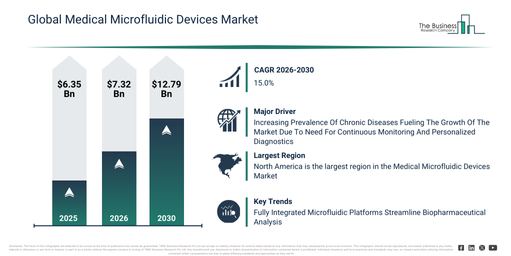
    Medical Microfluidic Devices Market Expected To Reach $12.79 Billion By 2030 At 15% CAGR

    The medical microfluidic devices market has seen swift expansion recently. This market is set to increase from $6.35 billion in 2025 to $7.32 billion in 2026, at a compound annual growth rate (CAGR) of 15.3%. The growth observed in prior periods is linked to several factors, including the rising adoption of point-of-care diagnostics, the expanding use of lab-on-a-chip in research laboratories, the increasing demand for microfluidic-based clinical testing, the growth in pharmaceutical and biotech R&D applications, and the greater utilization of polymer-based microfluidic materials.

    The medical microfluidic devices market is projected to experience substantial expansion over the coming years. This market is forecast to reach $12.79 billion by 2030, exhibiting a compound annual growth rate (CAGR) of 15.0%. Factors contributing to this growth during the projected period include an escalating demand for personalized medicine and organ-on-chip models, the increased incorporation of microfluidics into decentralized and home diagnostics, the growing use of microfluidic platforms for infectious disease monitoring, the broadening of microfluidic applications in high-throughput drug screening, and the expanding presence of microfluidic devices in nascent healthcare markets. Key trends anticipated during this forecast timeframe encompass technological strides in integrated lab-on-a-chip platforms, novel developments in droplet-based and paper-based microfluidics, progress in miniaturized biosensors and detectors, ongoing research and development in organ-on-chip and tissue engineering systems, and advancements in automated and AI-enabled microfluidic analysis.

    Download A Free Sample Report For Comprehensive Market Insights:

    https://www.thebusinessresearchcompany.com/sample.aspx?id=30652&type=smp&utm_source=Blogs&utm_medium=Paid&utm_campaign=Jul_PR

    Medical Microfluidic Devices Market Opportunity Drivers: What Is Creating New Revenue Potential?

    The expanding occurrence of chronic diseases is anticipated to drive the medical microfluidic devices market forward. These are persistent health conditions that typically advance gradually, such as diabetes, heart disease, and arthritis, often requiring continuous medical care and lifestyle adjustments for symptom control and complication prevention. Their rise is largely attributed to unhealthy lifestyle choices, including poor diet, lack of physical activity, and smoking, which heighten the risk of conditions like diabetes, heart disease, and obesity. Medical microfluidic devices assist in managing chronic diseases by enabling accurate handling and analysis of tiny fluid samples for continuous oversight and diagnosis. They enhance patient outcomes by facilitating quick testing, customized treatment modifications, and minimally invasive, long-term disease tracking. For example, in June 2024, data from the National Health Service, a UK-based government department, revealed that 3,615,330 individuals registered with a general practitioner (GP) were diagnosed with non-diabetic hyperglycemia or pre-diabetes (a condition with elevated blood sugar levels, not high enough to be classified as diabetes) in 2023, representing an 18% increase from 3,065,825 cases in 2022. Consequently, the growing incidence of chronic diseases is fueling the expansion of the medical microfluidic devices market.

    Medical Microfluidic Devices Market Segment Analysis And Revenue Opportunities

    The medical microfluidic devices market covered in this report is segmented –

    1) By Product Type: Lab-On-A-Chip (LOC) Systems, Microfluidic Chips And Cartridges, Droplet-Based Microfluidic Systems, Paper-Based Microfluidic Devices, Continuous-Flow Microfluidic Systems, Organ-On-A-Chip Platforms

    2) By Material: Glass, Polymer, Silicon, Metals, Ceramics

    3) By Application: Point-Of-Care Diagnostics, Drug Discovery And Development, Organ-On-Chip And Tissue Engineering, Infectious Disease Monitoring

    4) By End User: Hospitals And Diagnostic Clinics, Diagnostic And Research Laboratories, Pharmaceutical And Biotechnology Companies, Academic And Research Institutes, Home Care Settings

    Subsegments:

    1) By Lab-On-A-Chip Systems: Clinical Diagnostic Chips, Environmental Monitoring Chips, Biochemical Analysis Chips, Single-Cell Analysis Platforms

    2) By Microfluidic Chips And Cartridges: Point-Of-Care Diagnostic Cartridges, Sample Preparation Chips, Cell Culture And Assay Chips, Polymerase Chain Reaction Chips

    3) By Droplet-Based Microfluidic Systems: Water-In-Oil Emulsion Systems, Oil-In-Water Emulsion Systems, Digital Droplet Systems, High-Throughput Screening Platforms

    4) By Paper-Based Microfluidic Devices: Lateral Flow Assay Strips, Three-Dimensional Paper Networks, Multiplexed Detection Devices, Colorimetric Analysis Strips

    5) By Continuous-Flow Microfluidic Systems: Microreactor Systems, Cell Sorting And Separation Systems, Micromixer Devices, Chemical Synthesis Platforms

    6) By Organ-On-A-Chip Platforms: Liver-On-A-Chip Models, Lung-On-A-Chip Models, Heart-On-A-Chip Models, Multi-Organ System Models

    Medical Microfluidic Devices Market Innovation Trends Driving Future Development

    Major companies in the medical microfluidic devices market are prioritizing the development of advanced platforms, such as fully integrated microfluidic chip-based platforms, to optimize the creation of biopharmaceutical therapies for renal care and other conditions. Fully integrated microfluidic chip-based platforms denote lab-on-a-chip systems that consolidate multiple laboratory functions, including sample preparation, fluid handling, reaction, separation, and detection, onto a single micro-scale chip. For example, in June 2023, AB Sciex LLC, a US-based life science analytical technology company, unveiled the Intabio ZT system. This was the first fully-integrated microfluidic chip-based platform combined with imaged capillary isoelectric focusing (icIEF) separation and UV detection. The platform is engineered to gather extensive data on charge isoforms for biopharmaceuticals, featuring seamless integration with the ZenoTOF 7600 system. Additionally, the solution provides sophisticated data processing via Biologics Explorer software to gain deeper insights into protein therapeutics, thereby expediting the delivery of secure and effective biological treatments.

    Medical Microfluidic Devices Market Leading Players Shaping Industry Direction

    Major companies operating in the medical microfluidic devices market are Roche Diagnostics, Thermo Fisher Scientific Inc, Abbott Laboratories, Danaher Corporation, Agilent Technologies Inc., Illumina Inc., BioMérieux, PerkinElmer Inc., Bio-Rad Laboratories Inc., Fluidigm Corporation, Spectrum Fluidics, Biosurfit SA, Cellix Ltd., 3M Company, Dolomite Microfluidics, Micronit Microtechnologies B.V., Sphere Fluidics Ltd., BioFluidica Inc., uFluidix Inc., Elveflow, On-chip Biotechnologies, Achira Labs Pvt. Ltd., Akkonni Biosystems Inc.

    Access The Complete Medical Microfluidic Devices Market Report:

    https://www.thebusinessresearchcompany.com/report/medical-microfluidic-devices-market-report?utm_source=Blogs&utm_medium=Paid&utm_campaign=Jul_PR

    Medical Microfluidic Devices Market Largest Region By Revenue And Market Share

    North America was the largest region in the medical microfluidic devices market in 2025. Asia-Pacific is expected to be the fastest-growing region in the forecast period. The regions covered in the medical microfluidic devices market report are Asia-Pacific, South East Asia, Western Europe, Eastern Europe, North America, South America, Middle East, Africa.

    Get in touch with us:

    The Business Research Company: https://www.thebusinessresearchcompany.com/

    Americas: +1 310-496-7795

    Asia: +44 7882 955267 & +91 8897263534

    Europe: +44 7882 955267

    Email us at: marketing@tbrc.info

    Follow us on:

    LinkedIn: https://in.linkedin.com/company/the-business-research-company

    YouTube: https://www.youtube.com/channel/UC24_fI0rV8cR5DxlCpgmyFQ

    Global Market Model: https://www.thebusinessresearchcompany.com/global-market-model
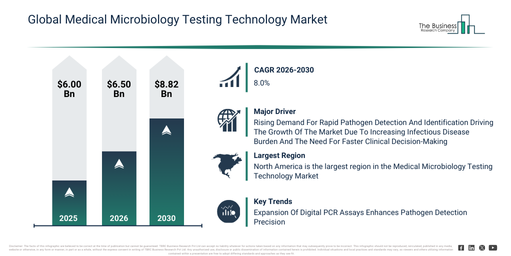
  • Medical Microbiology Testing Technology Market Expansion Is Reshaping Competitive Dynamics Across The Industry

    Medical Microbiology Testing Technology Market Expansion Is Reshaping Competitive Dynamics Across The Industry

    Enhanced with market attractiveness analysis, total addressable market evaluation, company benchmarking matrices, interactive Excel dashboards, expanded supply chain intelligence, emerging startup coverage, and detailed product insights, The Business Research Company’s 2026 market reports deliver more actionable and strategically valuable research.

    #Medical Microbiology Testing Technology Market Size And Revenue Forecast Through 2030

    The medical microbiology testing technology market has experienced substantial growth recently. Projections indicate its expansion from $6.00 billion in 2025 to $6.50 billion in 2026, reflecting a compound annual growth rate (CAGR) of 8.2%. This historical growth is primarily attributable to factors like the increasing incidence of infectious diseases, heightened awareness of antimicrobial resistance, rising healthcare expenditure, the expansion of clinical laboratories, and the greater adoption of automated systems.

    The market size for medical microbiology testing technology is poised for robust expansion over the forthcoming years. This sector is projected to reach $8.82 billion by 2030, exhibiting a compound annual growth rate (CAGR) of 8.0%. The upward trajectory during the forecast period is primarily attributable to the escalating demand for rapid and point-of-care testing, increasing government initiatives and public health programs, a heightened focus on ensuring food and pharmaceutical safety through testing, significant expansion within emerging markets, and the growing integration of laboratory information systems. Furthermore, prominent trends expected during this period include advancements in molecular diagnostics, innovations in high-throughput testing platforms, ongoing developments in multiplex and rapid diagnostic tests, intensified research and development efforts in microbiology, and the technological integration with serological and immunological testing.

    Download A Free Sample Report For Comprehensive Market Insights:

    https://www.thebusinessresearchcompany.com/sample.aspx?id=30651&type=smp&utm_source=Blogs&utm_medium=Paid&utm_campaign=Jul_PR

    Medical Microbiology Testing Technology Market Growth Momentum: Which Factors Are Influencing Demand?

    The increasing need for swift pathogen detection and identification is anticipated to fuel the expansion of the medical microbiology testing technology market in the future. This refers to diagnostic techniques capable of quickly and precisely identifying microbes like bacteria, viruses, and other pathogens straight from clinical samples, bypassing lengthy culture times, which shortens the diagnostic period and facilitates quicker clinical decisions. The necessity for rapid pathogen detection is growing because global public health systems and clinical laboratories strive to enhance turnaround times and respond effectively to outbreaks of infectious diseases and the challenges of antimicrobial resistance. Medical microbiology testing technology aids rapid pathogen detection by precisely and promptly identifying infectious agents via sophisticated diagnostic approaches, thus supporting prompt treatment and curbing the spread of infections. For example, data from April 2025, as reported in November 2025 by the Infectious Disease Surveillance Center, a Japan-based public health organization, showed that between 2,104 and 2,153 respiratory pathogen tests were performed per pathogen category during one reporting period, with positivity rates for severe acute respiratory syndrome coronavirus 2, influenza, respiratory syncytial virus, and parainfluenza varying from 5.7% to 11.5%. Consequently, the escalating demand for swift pathogen detection and identification is propelling the expansion of the medical microbiology testing technology market.

    Medical Microbiology Testing Technology Market Segmentation And Category Breakdown

    The medical microbiology testing technology market covered in this report is segmented –

    1) By Product Type: Reagents, Instruments, Consumables, Software, Services

    2) By Testing Method: Culture Test, Polymerase Chain Reaction, Immunoassays, Deoxyribonucleic Acid Sequence

    3) By Technology: Cell Culture, Microscopy, Serology

    4) By Application: Infectious Diseases, Non-infectious Diseases, Research And Development, Clinical Trials

    5) By End Use: Hospitals, Diagnostic Laboratories, Pharmaceutical Companies, Research Institutes, Food And Beverage Industry

    Subsegments:

    1) By Reagents: Culture Media, Detection Reagents, Antigen And Antibody Reagents, Molecular Diagnostic Kits, Stains And Dyes, Antibiotic Or Susceptibility Testing Reagents

    2) By Instruments: Microscopes, Incubators, Automated Culture Systems Or Microbiology Analyzers, Spectrophotometers, Centrifuges, Colony Counters Or Plate Readers, Autoclaves Or Sterilizers, Bioreactors Or Environmental Monitoring Systems

    3) By Consumables: Petri Dishes, Test Tubes, Pipette Tips, Microplates, Sample Swabs Or Collection Containers, Slides And Cover Slips, Disposable Filters Or Membranes, Disposable Consumable Kits

    4) By Software: Laboratory Information Management Software, Data Analysis Or Result Reporting Software, Quality Control Or Workflow Management Software, Automated Instrument Control Software, Database Or Reference Strain Or Pathogen Registry Software

    5) By Services: Contract Testing Or Outsourced Microbiological Testing, Equipment Maintenance And Calibration, Training And Technical Support, Consulting And Compliance Services, Validation And Quality Assurance Services

    Medical Microbiology Testing Technology Market Trends Reshaping Industry Growth

    Leading companies operating within the medical microbiology testing technology market are concentrating on creating advanced molecular analysis products, including digital PCR (dPCR) assays, to enhance research efficiency, improve detection accuracy, and bolster public health surveillance. Digital PCR assays are highly sensitive technologies that can identify and precisely quantify specific DNA sequences, even at very low levels, allowing for accurate pathogen detection and monitoring. For instance, in June 2024, QIAGEN N.V., a Netherlands-based provider of molecular biology and life sciences solutions, launched 35 new wet-lab tested digital PCR Microbial DNA Detection Assays designed for its QIAcuity digital PCR platform. These assays are available on QIAGEN’s research platform GeneGlobe and are intended to target a broad array of pathogens responsible for tropical diseases (e.g., Dengue, Chikungunya, Malaria), sexually transmitted infections (STIs), and urinary tract infections (UTIs).

    Medical Microbiology Testing Technology Market Competitive Analysis Of Major Industry Participants

    Major companies operating in the medical microbiology testing technology market are F. Hoffmann-La Roche Ltd., Thermo Fisher Scientific Inc., Siemens Healthineers AG, Danaher Corporation, Becton Dickinson and Company, bioMérieux SA, Hologic Inc., Sysmex Corporation, Bruker Corporation, Bio-Rad Laboratories Inc., QIAGEN N.V., Abbott Laboratories, Meridian Bioscience Inc., Fujirebio Diagnostics Inc., Seegene Inc., Oxford Nanopore Technologies plc, Molbio Diagnostics Pvt. Ltd., Hardy Diagnostics, HiMedia Laboratories Pvt. Ltd., Accelerate Diagnostics Inc., Liofilchem S.r.l.

    Access The Complete Medical Microbiology Testing Technology Market Report:

    https://www.thebusinessresearchcompany.com/report/medical-microbiology-testing-technology-market-report?utm_source=Blogs&utm_medium=Paid&utm_campaign=Jul_PR

    Medical Microbiology Testing Technology Market Regional Analysis And Leading Geography

    North America was the largest region in the medical microbiology testing technology market in 2025. Asia-Pacific is expected to be the fastest-growing region in the forecast period. The regions covered in the medical microbiology testing technology market report are Asia-Pacific, South East Asia, Western Europe, Eastern Europe, North America, South America, Middle East, Africa.

    Get in touch with us:

    The Business Research Company: https://www.thebusinessresearchcompany.com/

    Americas: +1 310-496-7795

    Asia: +44 7882 955267 & +91 8897263534

    Europe: +44 7882 955267

    Email us at: marketing@tbrc.info

    Follow us on:

    LinkedIn: https://in.linkedin.com/company/the-business-research-company

    YouTube: https://www.youtube.com/channel/UC24_fI0rV8cR5DxlCpgmyFQ

    Global Market Model: https://www.thebusinessresearchcompany.com/global-market-model