Category: Medical Equipment

  • Horizontal Leg Flexion Trainer Market Trends Are Creating New Opportunities For Industry Leaders

    Horizontal Leg Flexion Trainer Market Trends Are Creating New Opportunities For Industry Leaders

    Enhanced with market attractiveness analysis, total addressable market evaluation, company benchmarking matrices, interactive Excel dashboards, expanded supply chain intelligence, emerging startup coverage, and detailed product insights, The Business Research Company’s 2026 market reports deliver more actionable and strategically valuable research.

    Horizontal Leg Flexion Trainer Market Forecast: What Market Value Is Expected By 2030?

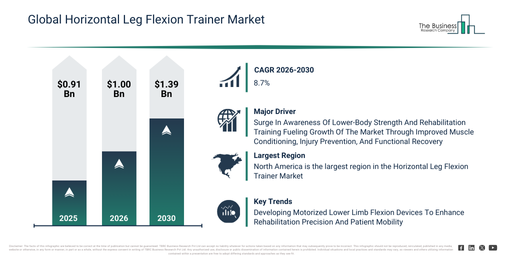
    The market for horizontal leg flexion trainers has experienced robust growth in recent years. This market is projected to expand from $0.91 billion in 2025 to reach $1.00 billion by 2026, exhibiting a compound annual growth rate (CAGR) of 9.0%. Historically, this expansion can be ascribed to a heightened demand for fitness equipment in gym settings, a growing interest in exercises targeting lower-body strength, increased understanding of injury prevention workouts, a rise in the use of rehabilitation devices, and the increasing appeal of sports conditioning regimens.

    The horizontal leg flexion trainer market is projected to experience substantial expansion in the coming years. Its valuation is set to reach $1.39 billion by 2030, exhibiting a compound annual growth rate (CAGR) of 8.7%. This projected growth during the forecast timeframe is primarily driven by factors such as the expanding number of gym memberships, a growing inclination towards enhancing leg strength, the integration of sophisticated rehabilitation gear, the rise in sports performance training, and increased capital allocation for high-end fitness devices. Key trends anticipated during this period encompass developments in adjustable resistance technology, improvements in ergonomic machine design, progress in durability and material engineering, novel solutions in compact training apparatus, and breakthroughs in professional athletic training instruments.

    Download A Free Sample Report For Comprehensive Market Insights:

    https://www.thebusinessresearchcompany.com/sample.aspx?id=30609&type=smp&utm_source=Blogs&utm_medium=Paid&utm_campaign=Jul_PR

    Horizontal Leg Flexion Trainer Market Growth Drivers: What Factors Are Accelerating Expansion?

    The increasing recognition of lower-body strength and rehabilitation training is anticipated to fuel the expansion of the horizontal leg flexion trainer market in the future. This training encompasses structured exercises and programs designed to improve the strength, flexibility, and functional recovery of leg muscles, including the quadriceps, hamstrings, and hip flexors. This heightened awareness is driven by growing public health initiatives and clinical recommendations that emphasize the importance of muscle-strengthening activities for preventing injuries, enhancing mobility, and promoting overall physical health. Horizontal leg flexion trainers support this trend by providing a controlled, low-impact option suitable for lower-body strengthening and rehabilitation, particularly in clinical, physiotherapy, and specialized fitness settings, aligning with broader exercise guidelines. For instance, in December 2023, according to the U.S. Centers for Disease Control and Prevention (CDC), a U.S.-based government public health authority, 24% of adults met the recommended muscle-strengthening activity guidelines in 2023, up from 21% in 2022—an increase of 3 percentage points, or approximately 14% year-over-year. Thus, the rising awareness of lower-body strength and rehabilitation training is propelling the growth of the horizontal leg flexion trainer market.

    Horizontal Leg Flexion Trainer Market Segments: Where Are The Largest Growth Opportunities?

    The horizontal leg flexion trainer market covered in this report is segmented –

    1) By Product Type: Standard Horizontal Leg Flexion Trainers, Smart Horizontal Leg Flexion Trainers, Adjustable Horizontal Leg Flexion Trainers

    2) By Distribution Channel: Online Stores, Specialty Stores, Supermarkets Or Hypermarkets, Other Distribution Channels

    3) By Application: Rehabilitation Centers, Fitness Centers, Home Use, Hospitals, Other Applications

    4) By End-User: Adults, Geriatric, Athletes, Other End-Users

    Subsegments:

    1) By Standard Horizontal Leg Flexion Trainers: Plate-loaded trainers, Pin-loaded (selectorized) trainers, Fixed-resistance trainers, Standard gym-grade benches, Basic home-use flexion trainers, Non-digital resistance trainers, Single-function flexion machines

    2) By Smart Horizontal Leg Flexion Trainers: App-connected trainers, Bluetooth-enabled trainers, AI-guided training systems, Smart resistance-adjusting machines, Performance-tracking trainers, Cloud-integrated fitness units, Interactive screen-based trainers

    3) By Adjustable Horizontal Leg Flexion Trainers: Multi-resistance adjustable trainers, Adjustable angle or seat-position trainers, Multi-function strength machines with flexion mode, Manual-adjust resistance models, Hydraulic-adjustable trainers, Commercial-grade adjustable units, Adjustable home-use trainers

    Horizontal Leg Flexion Trainer Market Trends: What Is Shaping Future Industry Growth?

    Companies operating within the rehabilitation and therapeutic exercise equipment market are increasingly concentrating on the development of motorized lower limb flexion solutions, including multifunction physiotherapy devices that incorporate powered leg flexion systems. These innovations are designed to facilitate precise and repeatable leg flexion movements, support improvements in patient strength and mobility, and minimize physical strain on therapists during rehabilitation sessions. Powered leg flexion systems represent technological components in rehabilitation equipment that utilize electric motors or actuators to perform controlled flexion and extension movements of the lower limbs, thereby enabling standardized therapy protocols and consistent treatment delivery. For example, in January 2025, AGILIS, a U.S.-based medical device company, introduced multifunction physiotherapy tables fitted with powered lower limb flexion systems, which are U.S. FDA 510(k)-cleared for clinical application. Developed to aid postoperative rehabilitation and enhance mobility, these devices integrate 24 Vdc electric motors to ensure consistent powered flexion, offer both manual and electrical adjustment options, and permit configurations for linear and rotational lower limb movements to accommodate individualized therapy requirements.

    Horizontal Leg Flexion Trainer Market Major Participants And Competitive Dynamics

    Major companies operating in the horizontal leg flexion trainer market are Johnson Health Tech, Technogym SpA, Life Fitness Inc., Rogue Fitness, Precor Inc., Cybex International, Impulse Health Tech, Matrix Fitness, SportsArt Inc., Shuhua Co. Ltd., Panatta Srl, Body-Solid Inc., TRUE Fitness Technology Inc., HOIST Fitness Systems Inc., BH Fitness, Yanre Fitness, DHZ Fitness GmbH, Nautilus Inc., Unique Gym Equipment Pvt. Ltd., Kraftathlet

    Access The Complete Horizontal Leg Flexion Trainer Market Report:

    https://www.thebusinessresearchcompany.com/report/horizontal-leg-flexion-trainer-market-report?utm_source=Blogs&utm_medium=Paid&utm_campaign=Jul_PR

    Horizontal Leg Flexion Trainer Market Geographic Distribution And Regional Opportunities

    North America was the largest region in the horizontal leg flexion trainer market in 202. Asia-Pacific is expected to be the fastest-growing region in the forecast period. The regions covered in the horizontal leg flexion trainer market report are Asia-Pacific, South East Asia, Western Europe, Eastern Europe, North America, South America, Middle East, Africa.

    Get in touch with us:

    The Business Research Company: https://www.thebusinessresearchcompany.com/

    Americas: +1 310-496-7795

    Asia: +44 7882 955267 & +91 8897263534

    Europe: +44 7882 955267

    Email us at: marketing@tbrc.info

    Follow us on:

    LinkedIn: https://in.linkedin.com/company/the-business-research-company

    YouTube: https://www.youtube.com/channel/UC24_fI0rV8cR5DxlCpgmyFQ

    Global Market Model: https://www.thebusinessresearchcompany.com/global-market-model
  • Home Spirometry With Bluetooth Integration Market Growth Is Reshaping Competitive Advantage Across The Industry

    Home Spirometry With Bluetooth Integration Market Growth Is Reshaping Competitive Advantage Across The Industry

    Through market attractiveness analysis, total addressable market evaluation, company benchmarking matrices, interactive Excel dashboards, expanded supply chain intelligence, emerging startup coverage, and detailed product insights, The Business Research Company’s 2026 market reports provide more actionable and strategically valuable research.

    Home Spirometry With Bluetooth Integration Market Size Outlook: How Fast Will Revenue Grow Through 2030?

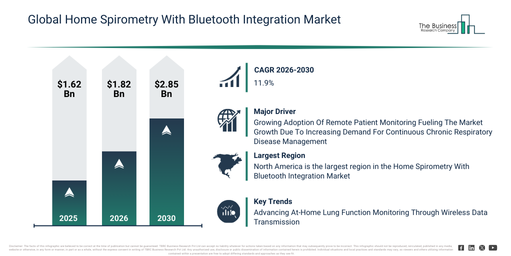
    The market size for home spirometry with Bluetooth integration has seen rapid expansion in recent years. It is projected to increase from $1.62 billion in 2025 to $1.82 billion in 2026, achieving a compound annual growth rate (CAGR) of 12.1%. This historical growth can be attributed to the increasing prevalence of respiratory diseases, growing adoption of home healthcare devices, rising awareness about lung health monitoring, expanding use of portable spirometers, and increasing integration of wireless health monitoring systems.

    The home spirometry with bluetooth integration market is projected to experience substantial growth in the coming years. It is anticipated to achieve a valuation of $2.85 billion by 2030, demonstrating a compound annual growth rate (CAGR) of 11.9%. This expansion throughout the forecast period can be attributed to increasing demand for remote patient monitoring, greater adoption of bluetooth-enabled medical devices, rising integration of AI and predictive analytics in respiratory care, expanding utilization of cloud-based health data platforms, and a growing emphasis on patient-centric telehealth solutions. Key trends during this forecast period include technological advancements in bluetooth-enabled spirometry, innovations in AI-driven respiratory analytics, developments in cloud-based patient monitoring systems, ongoing research and development in portable diagnostic devices, and progress in real-time health data integration and reporting.

    Download A Free Sample Report For Comprehensive Market Insights:

    https://www.thebusinessresearchcompany.com/sample.aspx?id=30608&type=smp&utm_source=Blogs&utm_medium=Paid&utm_campaign=Jul_PR

    Home Spirometry With Bluetooth Integration Market Growth Factors Supporting Long-Term Expansion

    The increasing integration of remote patient monitoring is projected to stimulate the growth of the home spirometry with Bluetooth integration market moving forward. Remote patient monitoring involves the utilization of connected medical devices and digital platforms to gather, transmit, and analyze patient health information outside traditional clinical settings, thereby supporting the continuous management of chronic conditions. The uptake of remote patient monitoring is escalating due to the rising prevalence of chronic respiratory diseases, as ongoing oversight aids in managing symptoms and averting hospitalizations. Home spirometry with Bluetooth integration facilitates remote patient monitoring by enabling individuals to monitor their lung function from home and directly transmit data to healthcare providers. This technology enhances disease management and patient outcomes by promoting the early detection of respiratory issues and timely intervention. For instance, as reported by Intuition Labs, a US-based healthcare technology company, in December 2025, close to 50 million Americans were already using some form of remote patient monitoring device, 80% of Americans are favorable toward incorporating remote patient monitoring into medical care, and by 2025, over 71 million Americans, representing 26% of the population, are expected to utilize some form of remote patient monitoring service. Therefore, the expanding adoption of remote patient monitoring is propelling the growth of the home spirometry with Bluetooth integration market.

    Home Spirometry With Bluetooth Integration Market Segment Analysis: What Are The Major Market Categories?

    The home spirometry with bluetooth integration market covered in this report is segmented –

    1) By Product Type: Handheld Spirometers, Tabletop Spirometers, Wearable Spirometers

    2) By Connectivity: Bluetooth, Wi-Fi, Universal Serial Bus (USB)

    3) By Distribution Channel: Online, Offline

    4) By Application: Chronic Obstructive Pulmonary Disease (COPD), Asthma, Cystic Fibrosis, Other Applications

    5) By End-User: Hospitals And Clinics, Homecare Settings, Diagnostic Centers, Other End-Users

    Subsegments:

    1) By Handheld Spirometers: Portable Lung Function Measurement Devices, Battery Operated Spirometry Units, Compact Home Monitoring Spirometers, Bluetooth Enabled Handheld Spirometers, Real Time Data Transmission Spirometry Devices

    2) By Tabletop Spirometers: Desktop Pulmonary Function Testing Units, Clinical Grade Tabletop Spirometry Devices, Multi Parameter Respiratory Assessment Systems, Bluetooth Integrated Desktop Spirometers, High Accuracy Stationary Spirometry Units

    3) By Wearable Spirometers: Continuous Respiratory Monitoring Devices, Smart Wrist Or Chest Mounted Spirometers, Bluetooth Connected Wearable Spirometry Units, Daily Activity Integrated Respiratory Monitors, Lightweight Home Use Wearable Spirometers

    Home Spirometry With Bluetooth Integration Market Industry Trends Shaping Future Revenue Growth

    Leading companies active in the home spirometry market, featuring Bluetooth integration, are concentrating on developing sophisticated products, such as Bluetooth-equipped spirometers. This focus aims to improve at-home lung function monitoring, streamline data collection, and support remote clinical oversight. Bluetooth-enabled spirometers are devices that measure respiratory metrics like airflow and volume, then wirelessly transmit the collected data to smartphones, tablets, or cloud platforms for immediate access by both patients and healthcare providers. For example, in June 2024, Clario, a US-based clinical technology firm, secured FDA 510(k) clearance for its SpiroSphere system, which is integrated with a wireless ECG device. This system allows for the simultaneous monitoring of spirometry and cardiac data, offers automated data upload via Bluetooth, and facilitates real-time tracking through mobile applications. These functionalities contribute to accurate remote monitoring, the early detection of respiratory problems, and efficient clinical workflow management, signifying a notable progression in at-home respiratory healthcare by merging usability, data integration, and clinical reliability.

    Home Spirometry With Bluetooth Integration Market Leading Companies Driving Competitive Growth

    Major companies operating in the home spirometry with bluetooth integration market are Contec Medical Systems Co. Ltd., Vyaire Medical Inc., Schiller AG, Vitalograph Ltd., COSMED S.r.l., SDI Diagnostics Inc., NDD Medizintechnik AG, Futuremed America Inc., NuvoAir AB, Cohero Health Inc., Smiths Medical International Ltd., Sibelmed S.L.U., Uscom Ltd., e-LinkCare Meditech Co. Ltd., CMI Health Inc., Medikro Oy, Icen Technology Co. Ltd., HealthUp S.A., Fukuda Sangyo Co. Ltd., Smart Respiratory Products Ltd.

    Access The Complete Home Spirometry With Bluetooth Integration Market Report:

    https://www.thebusinessresearchcompany.com/report/home-spirometry-with-bluetooth-integration-market-report?utm_source=Blogs&utm_medium=Paid&utm_campaign=Jul_PR

    Home Spirometry With Bluetooth Integration Market Largest Region By Revenue And Market Share

    North America was the largest region in the home spirometry with bluetooth integration market in 2025. Asia-Pacific is expected to be the fastest-growing region in the forecast period. The regions covered in the home spirometry with bluetooth integration market report are Asia-Pacific, South East Asia, Western Europe, Eastern Europe, North America, South America, Middle East, Africa.

    Get in touch with us:

    The Business Research Company: https://www.thebusinessresearchcompany.com/

    Americas: +1 310-496-7795

    Asia: +44 7882 955267 & +91 8897263534

    Europe: +44 7882 955267

    Email us at: marketing@tbrc.info

    Follow us on:

    LinkedIn: https://in.linkedin.com/company/the-business-research-company

    YouTube: https://www.youtube.com/channel/UC24_fI0rV8cR5DxlCpgmyFQ

    Global Market Model: https://www.thebusinessresearchcompany.com/global-market-model
  • Health Patch Hydration Sensor Market Growth Through 2030 Creates New Strategic Opportunities

    Health Patch Hydration Sensor Market Growth Through 2030 Creates New Strategic Opportunities

    Delivering more actionable and strategically valuable research, The Business Research Company’s 2026 market reports feature market attractiveness analysis, total addressable market evaluation, company benchmarking matrices, interactive Excel dashboards, expanded supply chain intelligence, emerging startup coverage, and detailed product insights.

    Health Patch Hydration Sensor Market Expected To Reach $13.55 Billion By 2030 At 16% CAGR

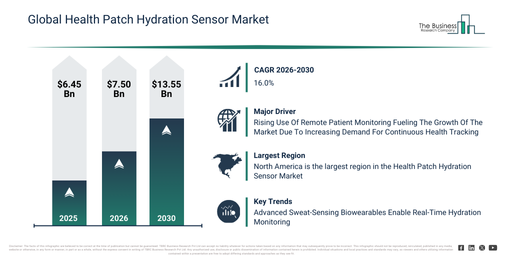
    The health patch hydration sensor market has experienced rapid expansion in recent years. It is anticipated to increase from $6.45 billion in 2025 to $7.50 billion in 2026, registering a compound annual growth rate (CAGR) of 16.2%. This historical growth can be linked to factors such as rising awareness of dehydration-related health risks, the growing adoption of wearable health technologies, increasing monitoring for sports and athletic performance, the expansion of personalized wellness tracking, and increasing digitization within healthcare.

    The health patch hydration sensor market is projected to experience substantial expansion in the coming years, with its size expected to reach $13.55 billion by 2030, exhibiting a compound annual growth rate (CAGR) of 16.0%. This anticipated growth throughout the forecast period is primarily fueled by factors such as the increasing incorporation of ai and machine learning, the growing adoption of these sensors in remote patient monitoring, the rising need for industrial and occupational safety monitoring, the expansion of their applications in military and defense sectors, and intensified research and development efforts in wearable hydration sensors. Concurrently, major trends anticipated during this period include significant technological advancements in biosensing and microfluidics, continuous innovations in flexible and stretchable electronic devices, the ongoing development of cloud-based analytics platforms, dedicated research and developments focused on multi-biomarker sensor integration, and novel innovations in providing hydration insights through mobile applications.

    Download A Free Sample Report For Comprehensive Market Insights:

    https://www.thebusinessresearchcompany.com/sample.aspx?id=30601&type=smp&utm_source=Blogs&utm_medium=Paid&utm_campaign=Jul_PR

    Health Patch Hydration Sensor Market Development Factors: Which Trends Are Supporting Demand?

    The expanding use of remote patient monitoring is projected to fuel the advancement of the health patch hydration sensor market in the future. Remote patient monitoring involves leveraging digital technologies to observe and record patients’ medical and other health data, then digitally relaying this data to healthcare providers for evaluation, and for issuing advice and directives as needed. The uptake of remote patient monitoring is increasing because healthcare providers and insurers are relying more on continuous at-home data to manage chronic conditions proactively, decrease hospital readmissions, and reduce overall healthcare expenses. Health patch hydration sensors facilitate remote patient monitoring by continuously tracking hydration levels and relaying real-time information to healthcare providers. These sensors enhance patient care through early identification of dehydration risks and by enabling prompt, tailored interventions. For example, in September 2025, according to the U.S. Department of Health and Human Services Office of Inspector General (OIG), a US-based government agency, payments for remote patient monitoring reached $536 million across Original Medicare also known as Medicare fee for service and Medicare Advantage, representing a 31% increase from 2023. Furthermore, nearly 1 million Medicare enrollees received remote patient monitoring services, reflecting a 27% increase compared with 2023. Consequently, the increasing application of remote patient monitoring is propelling the expansion of the health patch hydration sensor market.

    Health Patch Hydration Sensor Market Categorization By Product Type And Application

    The health patch hydration sensor market covered in this report is segmented –

    1) By Product Type: Wearable Hydration Sensors, Disposable Hydration Patches, Reusable Hydration Patches

    2) By Sensor Technology: Electrochemical, Optical, Bioimpedance, Other Technologies

    3) By Distribution Channel: Online Stores, Pharmacies, Specialty Stores, Other Channels

    4) By Application: Healthcare And Clinical Monitoring, Sports Performance And Athlete Training, Wellness And Fitness Tracking, Remote Patient Management

    5) By End-User: Hospitals And Clinics, Home Care, Athletes, Military Personnel, Other End Users

    Subsegments:

    1) By Wearable Hydration Sensors: Skin-Contact Sensor Units, Smart Hydration Monitoring Bands, Integrated Sweat-Analysis Sensors, Flexible Patch-Based Sensor Modules, Continuous Hydration Tracking Devices

    2) By Disposable Hydration Patches: Single-Use Sweat Measurement Patches, Adhesive Moisture-Sensing Patches, Biodegradable Hydration Monitoring Patches, Pre-Calibrated Disposable Sensor Patches, Short-Duration Wear Hydration Patches

    3) By Reusable Hydration Patches: Rechargeable Hydration Tracking Patches, Washable Sensor-Embedded Patches, Multi-Use Sweat-Analysis Patches, Long-Life Flexible Hydration Patches, Refillable Sensor Cartridge Patches

    Health Patch Hydration Sensor Market Transformation Trends: Which Innovations Are Driving Change?

    Companies active in the health patch hydration sensor market are concentrating on developing sophisticated products, such as advanced sweat-sensing biowearables that feature extended battery longevity and predictive analytical capabilities, with the aim of bolstering worker safety within hazardous environments. These sophisticated sweat-sensing biowearables incorporate various biosensors to monitor sweat volume depletion, electrolyte levels, skin temperature, and movement, employing machine learning algorithms to deliver instantaneous haptic notifications and customized hydration plans, thereby preventing dehydration and heat-related ailments among industrial workforces. For example, in April 2024, Epicore Biosystems Inc., a US-based digital health enterprise focused on advanced sweat-sensing wearables, introduced Connected Hydration. This particular sweat-sensing biowearable is engineered to safeguard industrial professionals by offering real-time data on fluid and electrolyte consumption via a flexible wearable patch and an associated mobile application. It boasts a battery lifespan exceeding 1,000 hours and a robust cloud engine educated on 420,000 data points. Furthermore, the system includes intrinsically safe design certification (Class I, Div 2) and facilitates straightforward data dashboarding, thereby expediting proactive safety measures across the energy, construction, and manufacturing industries.

    Health Patch Hydration Sensor Market Company Landscape And Strategic Competition

    Major companies operating in the health patch hydration sensor market are Henkel AG & Co. KGaA, TE Connectivity plc, Covestro AG, The Gatorade Co., Nitto Denko Corporation, Masimo Corporation, Linxens Holding SAS, Scapa Healthcare Limited, Quad Industries Inc., Biotricity Inc., Nix Inc., Mode Sensors, FLOWBIO LTD, Xsensio SA, ZANSORS LLC, Wearoptimo Pty Ltd., hDrop Technologies Inc., GraphWear Technologies, Grapheal SAS, EQUIVITAL LIMITED, GENTAG Inc., Kenzen Inc.

    Access The Complete Health Patch Hydration Sensor Market Report:

    https://www.thebusinessresearchcompany.com/report/health-patch-hydration-sensor-market-report?utm_source=Blogs&utm_medium=Paid&utm_campaign=Jul_PR

    Health Patch Hydration Sensor Market Geographic Landscape: Which Region Dominates Industry Growth?

    North America was the largest region in the health patch hydration sensor market in 2025. Asia-Pacific is expected to be the fastest-growing region in the forecast period. The regions covered in the health patch hydration sensor market report are Asia-Pacific, South East Asia, Western Europe, Eastern Europe, North America, South America, Middle East, Africa.

    Get in touch with us:

    The Business Research Company: https://www.thebusinessresearchcompany.com/

    Americas: +1 310-496-7795

    Asia: +44 7882 955267 & +91 8897263534

    Europe: +44 7882 955267

    Email us at: marketing@tbrc.info

    Follow us on:

    LinkedIn: https://in.linkedin.com/company/the-business-research-company

    YouTube: https://www.youtube.com/channel/UC24_fI0rV8cR5DxlCpgmyFQ

    Global Market Model: https://www.thebusinessresearchcompany.com/global-market-model
  • Hazardous Drug Management Systems Market Size Projected To Increase From $1.5 Billion To $2.09 Billion During The Forecast Period

    Hazardous Drug Management Systems Market Size Projected To Increase From $1.5 Billion To $2.09 Billion During The Forecast Period

    Enhanced with market attractiveness analysis, total addressable market evaluation, company benchmarking matrices, interactive Excel dashboards, expanded supply chain intelligence, emerging startup coverage, and detailed product insights, The Business Research Company’s 2026 market reports deliver more actionable and strategically valuable research.

    #Hazardous Drug Management Systems Market Size And Revenue Forecast Through 2030

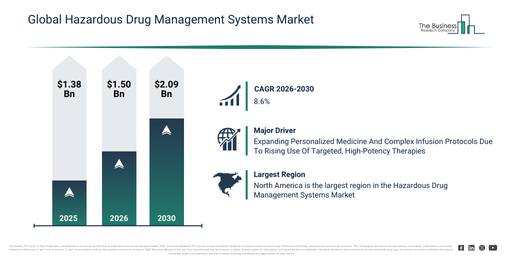
    The hazardous drug management systems market size has experienced strong growth in recent years. This market is projected to expand from $1.38 billion in 2025 to $1.50 billion in 2026, achieving a compound annual growth rate (CAGR) of 8.9%. The growth observed in the historic period can be attributed to an increasing focus on healthcare worker safety, greater awareness of hazardous drug exposure risks, the rising adoption of compliance-driven safety protocols, the expansion of hospital and pharmacy automation, and the growing enforcement of occupational safety guidelines.

    The hazardous drug management systems market is anticipated to show robust expansion over the next few years. It is projected to reach $2.09 billion by 2030, exhibiting a compound annual growth rate (CAGR) of 8.6%. This expected growth can be attributed to several factors, including the increasing adoption of closed system drug transfer technologies, a rising demand for automated hazardous drug handling, greater investment in oncology safety infrastructure, the expansion of regulatory compliance requirements across healthcare facilities, and a heightened focus on preventing workplace contamination. During this forecast period, significant trends are expected to include technology-driven innovations in closed system transfer devices, advancements in robotic and automated compounding safety solutions, the development of real-time contamination monitoring systems, an increase in research and development efforts in exposure prevention technologies, and innovation in integrated hazardous drug tracking and reporting systems.

    Download A Free Sample Report For Comprehensive Market Insights:

    https://www.thebusinessresearchcompany.com/sample.aspx?id=30600&type=smp&utm_source=Blogs&utm_medium=Paid&utm_campaign=Jul_PR

    Hazardous Drug Management Systems Market Industry Drivers: What Is Driving Revenue Growth?

    The growth of the hazardous drug management systems market is anticipated to be fueled by the increasing application of personalized medicine and intricate infusion methods. Personalized medicine involves customizing medical care, including drug choices and dosages, based on a patient’s specific characteristics like genetics, biomarkers, and disease profiles. This rise in personalized medicine is propelled by the growing number of approved and clinically adopted targeted therapies that necessitate highly individualized intravenous dosing and preparation. Hazardous drug management systems are crucial for personalized medicine, facilitating the secure preparation, handling, and delivery of potent and targeted therapies, thereby safeguarding healthcare professionals while enabling exact, patient-specific treatments. For instance, in November 2025, the US Food and Drug Administration gave its nod to 18 new personalized medicines in 2024, representing more than 25% of all new drug approvals, as stated by the US-based nonprofit organization Personalized Medicine Coalition. This followed 20 personalized medicine approvals in 2023, many of which demanded individualized IV preparation. Consequently, the broadened utilization of personalized medicine and sophisticated infusion protocols is boosting the hazardous drug management systems market. The hazardous drug management systems market is projected to expand due to an escalating number of pharmaceutical clinical trials. These trials are structured research endeavors designed to evaluate the safety, effectiveness, and appropriate dosing of novel drugs or therapies in human participants. The surge in pharmaceutical clinical trials stems from an increasing need for innovative treatments to tackle complex and emerging health issues. Hazardous drug management systems play a vital role in clinical trials by ensuring the secure, precise, and compliant handling of investigational and high-potency medications, thereby guaranteeing both patient safety and adherence to regulations throughout the study process. For example, in December 2024, the Association of the British Pharmaceutical Industry (ABPI), a UK-based organization, reported that the quantity of pharmaceutical industry trials initiated in the UK grew for the second consecutive year, rising from 411 in 2022 to 426 in 2023. Thus, the increasing volume of pharmaceutical clinical trials is a key driver for the hazardous drug management systems market.

    Hazardous Drug Management Systems Market Segment Analysis And Revenue Opportunities

    The hazardous drug management systems market covered in this report is segmented –

    1) By Product Type: Closed System Transfer Devices, Drug Compounding Systems, Drug Storage And Transport Systems, Personal Protective Equipment, Other Product Types

    2) By Deployment Mode: On Premises, Cloud Based, Hybrid

    3) By Drug Type: Antineoplastic Drugs, Non Antineoplastic Hazardous Drugs, Reproductive Risk Only Drugs

    4) By Workflow Stage: Drug Procurement And Storage, Drug Preparation And Compounding, Drug Dispensing And Transportation, Drug Administration, Waste Handling And Disposal, Environmental Monitoring And Decontamination, Personnel Safety And Compliance Management

    5) By End User: Healthcare Providers, Pharmaceutical Companies, Research Institutes, Other End Users

    Subsegments:

    1) By Closed System Transfer Devices: Needle Free Connectors, Bag Spike Systems, Luer Lock Adapters, Vial Adapters

    2) By Drug Compounding Systems: Automated Compounding Devices, Manual Compounding Devices, Isolator Systems, Compounding Enclosures

    3) By Drug Storage And Transport Systems: Refrigerated Storage Units, Temperature Controlled Transport Carts, Lockable Cabinets, Portable Containment Units

    4) By Personal Protective Equipment:Gloves, Gowns, Respirators, Eye Protection

    5) By Other Product Types: Spill Containment Kits, Decontamination Systems, Waste Disposal Containers, Cleaning Supplies

    Hazardous Drug Management Systems Market Leading Players Shaping Industry Direction

    Major companies operating in the hazardous drug management systems market are Particle Measuring Systems Inc., Baker Hughes Company, Becton Dickinson and Company, Baxter International Inc., B. Braun Melsungen AG, Terumo Corporation, West Pharmaceutical Services Inc., ICU Medical Inc., Esco Healthcare, JMS Co. Ltd., Vygon SA, CODAN Medizinische Geräte GmbH & Co. KG, NuAire Inc., Equashield LLC, Labconco Corporation, Germfree Laboratories Inc., Sentry Air Systems Inc., Simplivia Healthcare Ltd., Mecart Cleanrooms, Corvida Medical Inc.

    Access The Complete Hazardous Drug Management Systems Market Report:

    https://www.thebusinessresearchcompany.com/report/hazardous-drug-management-systems-market-report?utm_source=Blogs&utm_medium=Paid&utm_campaign=Jul_PR

    #Hazardous Drug Management Systems Market Largest Region: Which Geography Holds The Highest Market Share?

    North America was the largest region in the hazardous drug management systems market in 2025. Asia-Pacific is expected to be the fastest-growing region in the forecast period. The regions covered in the hazardous drug management systems market report are Asia-Pacific, South East Asia, Western Europe, Eastern Europe, North America, South America, Middle East, Africa.

    Get in touch with us:

    The Business Research Company: https://www.thebusinessresearchcompany.com/

    Americas: +1 310-496-7795

    Asia: +44 7882 955267 & +91 8897263534

    Europe: +44 7882 955267

    Email us at: marketing@tbrc.info

    Follow us on:

    LinkedIn: https://in.linkedin.com/company/the-business-research-company

    YouTube: https://www.youtube.com/channel/UC24_fI0rV8cR5DxlCpgmyFQ

    Global Market Model: https://www.thebusinessresearchcompany.com/global-market-model
  • Hand Hygiene Smart Badges With Real-Time Location System (RTLS) Market Forecast Highlights Expansion From $0.99 Billion To $1.71 Billion Through 2030

    Hand Hygiene Smart Badges With Real-Time Location System (RTLS) Market Forecast Highlights Expansion From $0.99 Billion To $1.71 Billion Through 2030

    Delivering more actionable and strategically valuable research, The Business Research Company’s 2026 market reports feature market attractiveness analysis, total addressable market evaluation, company benchmarking matrices, interactive Excel dashboards, expanded supply chain intelligence, emerging startup coverage, and detailed product insights.

    Hand Hygiene Smart Badges With Real-Time Location System (RTLS) Market Expansion Outlook: What Revenue Opportunities Lie Ahead?

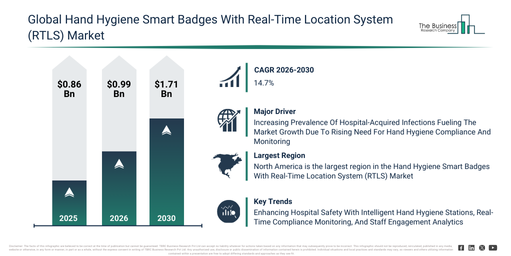
    The market for hand hygiene smart badges with real-time location system (RTLS) has experienced significant expansion recently. It is set to grow from $0.86 billion in 2025 to $0.99 billion in 2026, demonstrating a compound annual growth rate (CAGR) of 15.0%. This historical growth can be ascribed to several factors, including increasing infection control awareness, the growing adoption of hospital hygiene protocols, a rising demand for real-time compliance tracking, the expansion of healthcare digitalization programs, and an increasing focus on patient safety regulations.

    The hand hygiene smart badges with real-time location system (RTLS) market is anticipated to experience significant expansion in the foreseeable future. This market is set to grow to $1.71 billion by 2030, demonstrating a compound annual growth rate (CAGR) of 14.7%. The expected rise during the forecast period is due to factors such as the increasing integration of RTLS in hygiene monitoring, rising investments in smart healthcare infrastructure, expanding adoption of wearable compliance solutions, increasing need for automated infection prevention systems, and growing demand for data-driven hygiene analytics. Noteworthy trends during this period encompass technology advancements in wearable hygiene devices, innovations in RTLS communication systems, developments in AI-enabled hygiene monitoring, research and development in sensor-based compliance tools, and advancements in smart hospital automation systems.

    Download A Free Sample Report For Comprehensive Market Insights:

    https://www.thebusinessresearchcompany.com/sample.aspx?id=30598&type=smp&utm_source=Blogs&utm_medium=Paid&utm_campaign=Jul_PR

    Hand Hygiene Smart Badges With Real-Time Location System (RTLS) Market Demand Drivers: What Is Fueling Industry Growth?

    The increasing prevalence of hospital-acquired infections (HAIs) is expected to propel the growth of the hand hygiene smart badges with real-time location system (RTLS) market going forward. Hospital-acquired infections refer to infections patients acquire while receiving care in a hospital or healthcare facility, which present a major risk to patient safety and healthcare outcomes. The rise in the occurrence of HAIs is attributed to persistent pathogen transmission in clinical settings and inconsistent hand hygiene practices among healthcare workers. Hand hygiene smart badges with RTLS assist in managing hospital-acquired infections (HAIs) by providing continuous, automated monitoring of hand hygiene compliance, thereby reducing the spread of infections and enhancing accountability. For instance, in May 2024, according to the European Centre for Disease Prevention and Control (ECDC), a Sweden-based public health agency, in 2022–2023, an estimated 4.3 million patients in acute care hospitals acquired at least one healthcare-associated infection, reflecting a significant burden on healthcare systems. Therefore, the increasing prevalence of hospital-acquired infections is driving the growth of the hand hygiene smart badges with real-time location system (RTLS) market.

    Hand Hygiene Smart Badges With Real-Time Location System (RTLS) Market Segment Outlook: Which Categories Are Expanding The Fastest?

    The hand hygiene smart badges with real-time location system (rtls) market covered in this report is segmented –

    1) By Product Type: Wearable Badges, Clip-On Badges, Wristbands, Other Product Types

    2) By Technology: Bluetooth, Radio Frequency Identification, Wi-Fi, Other Technologies

    3) By Distribution Channel: Direct Sales, Distributors, Online Stores, Other Distribution Channels

    4) By Application: Hospitals, Clinics, Long-Term Care Facilities, Laboratories, Other Applications

    5) By End-User: Healthcare Providers, Patients, Visitors, Other End-Users

    Subsegments:

    1) By Wearable Badges: Wrist Worn Badges, Arm Bands, Finger Bands

    2) By Clip-On Badges: Lanyard Clips, Badge Clips, Pocket Clips

    3) By Wristbands: Silicone Wristbands, Fabric Wristbands, Plastic Wristbands

    4) By Other Product Types: Keychain Badges, Badge Holders, Multifunctional Badges

    Hand Hygiene Smart Badges With Real-Time Location System (RTLS) Market Innovation Trends: Which Developments Are Transforming The Industry?

    Leading companies in the hand hygiene smart badges with real-time location system (RTLS) market are concentrating on developing advanced solutions, such as real-time compliance monitoring and staff engagement tools, to enhance infection control, improve adherence to hygiene protocols, and provide valuable insights into healthcare operations. These real-time compliance monitoring and staff engagement tools are integrated systems designed to track hand hygiene behavior across facilities, offer immediate feedback to healthcare workers, and deliver analytics to support continuous improvement and risk reduction. For instance, in July 2024, Kontakt.io Inc., a US-based healthcare technology company, introduced a next-generation hand hygiene solution aimed at reinventing how hospitals manage compliance and engage staff. This system is entirely cloud-based, provided as a managed service, and employs a patented approach using the Staff-Safe-enabled Smart Badge 3 wearable to offer gentle, proactive reminders before patient care without disrupting workflow. It further includes compliance gamification through a mobile app and automated dispenser management, enabling seamless monitoring and maintenance without manual intervention. Additionally, it incorporates interaction-based contact tracing and simplified audit reporting, expanding the solution’s utility for infection prevention teams and helping reduce operational costs for healthcare systems.

    Hand Hygiene Smart Badges With Real-Time Location System (RTLS) Market Key Companies And Competitive Benchmarking

    Major companies operating in the hand hygiene smart badges with real-time location system (rtls) market are Cisco Systems Inc., Ecolab Inc., GE Healthcare, Zebra Technologies Corporation, Halma plc, Midmark Corporation, GOJO Industries Inc., Ascom Holding AG, Versus Technology Inc., Vigilant Technologies Inc., CenTrak Inc., AeroScout Inc., Kontakt.io Inc., Elpas Solutions, SwipeSense Inc., AiRISTA Flow Inc., Proventix Systems Inc., Stanley Healthcare, BioVigil Hygiene Technologies Inc., HandGiene Corp.

    Access The Complete Hand Hygiene Smart Badges With Real-Time Location System (RTLS) Market Report:

    https://www.thebusinessresearchcompany.com/report/hand-hygiene-smart-badges-with-real-time-location-system-rtls-market-report?utm_source=Blogs&utm_medium=Paid&utm_campaign=Jul_PR

    Hand Hygiene Smart Badges With Real-Time Location System (RTLS) Market Geographic Distribution And Regional Opportunities

    North America was the largest region in the hand hygiene smart badges with real-time location system (RTLS) market in 2025. Asia-Pacific is expected to be the fastest-growing region in the forecast period. The regions covered in the hand hygiene smart badges with real-time location system (rtls) market report are Asia-Pacific, South East Asia, Western Europe, Eastern Europe, North America, South America, Middle East, Africa.

    Get in touch with us:

    The Business Research Company: https://www.thebusinessresearchcompany.com/

    Americas: +1 310-496-7795

    Asia: +44 7882 955267 & +91 8897263534

    Europe: +44 7882 955267

    Email us at: marketing@tbrc.info

    Follow us on:

    LinkedIn: https://in.linkedin.com/company/the-business-research-company

    YouTube: https://www.youtube.com/channel/UC24_fI0rV8cR5DxlCpgmyFQ

    Global Market Model: https://www.thebusinessresearchcompany.com/global-market-model
  • Flexible Implantable Electrode Market Trends Are Creating New Opportunities For Industry Leaders

    Flexible Implantable Electrode Market Trends Are Creating New Opportunities For Industry Leaders

    Through market attractiveness analysis, total addressable market evaluation, company benchmarking matrices, interactive Excel dashboards, expanded supply chain intelligence, emerging startup coverage, and detailed product insights, The Business Research Company’s 2026 market reports provide more actionable and strategically valuable research.

    Flexible Implantable Electrode Market Growth Analysis: How Will Revenue Expand During The Forecast Period?

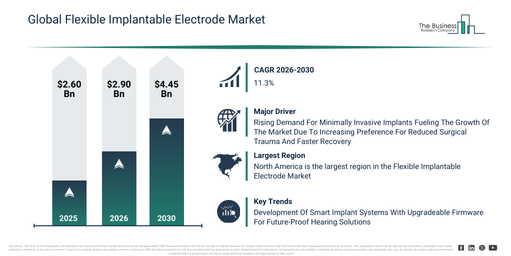
    The flexible implantable electrode market size has seen rapid expansion in recent years. This market is expected to increase from $2.60 billion in 2025 to $2.90 billion in 2026, achieving a compound annual growth rate (CAGR) of 11.6%. The historical growth can be attributed to several factors, including the increasing adoption of neuroprosthetics, rising demand for spinal cord stimulation, growing use in pain management, the expansion of retinal implants, and increasing research in peripheral nerve stimulation.

    The flexible implantable electrode market is projected to experience substantial growth over the coming years. This market is anticipated to reach $4.45 billion by 2030, exhibiting a compound annual growth rate (CAGR) of 11.3%. The expansion during this period is primarily driven by the advancing development of wireless electrode technologies, a heightened emphasis on stretchable and conformal electrodes, the increasing integration of hybrid material electrodes, the broadening scope of brain-computer interface applications, and escalating investments in clinical research and trials. Key trends anticipated in the forecast period encompass technological progress in high-density microelectrode arrays, breakthroughs in biocompatible materials, the creation of minimally invasive implantation methods, ongoing research and development in real-time monitoring systems, and novelties in smart and connected electrode devices.

    Download A Free Sample Report For Comprehensive Market Insights:

    https://www.thebusinessresearchcompany.com/sample.aspx?id=30593&type=smp&utm_source=Blogs&utm_medium=Paid&utm_campaign=Jul_PR

    #Flexible Implantable Electrode Market Growth Drivers And Industry Catalysts

    The expanding need for minimally invasive implants is anticipated to drive the flexible implantable electrode market’s expansion. These implants are medical devices inserted via small cuts or natural orifices, thereby reducing tissue harm and speeding up patient healing. Their increased popularity stems from less tissue trauma, thanks to smaller incisions and sophisticated imaging, leading to quicker recoveries and fewer complications than conventional open surgeries. Flexible implantable electrodes facilitate minimally invasive implants by adapting to the body’s shape, decreasing irritation, and allowing insertion through smaller cuts while ensuring reliable electrical connection for treatment or monitoring. For example, the American Association of Hip and Knee Surgeons reported in September 2024 that hip replacement procedures in the United States rose by 3.8%, from 763,691 in 2022 to 793,082 in 2023. Consequently, the growing demand for minimally invasive implants is boosting the flexible implantable electrode market.

    Flexible Implantable Electrode Market Segmentation: How Is The Market Structured Across Key Categories?

    The flexible implantable electrode market covered in this report is segmented –

    1) By Product Type: Cortical Electrodes, Depth Electrodes (Intracortical Electrodes), Peripheral Nerve Electrodes, Spinal Cord Electrodes, Retinal Electrodes

    2) By Material Type: Polyimide-Based Electrodes, Silicone-Based Electrodes, Metallic Electrodes (Platinum, Gold, Iridium), Hybrid Electrodes

    3) By Technology Or Design: Flexible Thin-Film Electrodes, Microelectrode Arrays (MEA), Stretchable Or Conformal Electrodes, Wireless Or Smart Electrodes

    4) By Application: Neuroprosthetics, Cardiac Applications, Spinal Cord Stimulation, Pain Management, Electroceuticals

    Subsegments:

    1) By Cortical Electrodes: Surface Cortical Electrodes, High-Density Cortical Electrodes, Microelectrode Cortical Arrays

    2) By Depth Electrodes (Intracortical Electrodes): Multi-Contact Depth Electrodes, Single-Contact Depth Electrodes, Stereotactic Depth Electrodes

    3) By Peripheral Nerve Electrodes: Cuff Peripheral Nerve Electrodes, Longitudinal Intrafascicular Peripheral Nerve Electrodes, Flat Interface Peripheral Nerve Electrodes

    4) By Spinal Cord Electrodes: Epidural Spinal Cord Electrodes, Subdural Spinal Cord Electrodes, High-Density Spinal Cord Electrodes

    5) By Retinal Electrodes: Epiretinal Retinal Electrodes, Subretinal Retinal Electrodes

    #Flexible Implantable Electrode Market Trends Influencing Long-Term Demand

    Key players within the flexible implantable electrode market are prioritizing the development of advanced products, such as smart chipsets equipped with upgradeable firmware, to prolong the operational life and enhance the capabilities of neuroprosthetic devices. Smart chipsets with upgradeable firmware are defined as integrated circuits (ICs) or system-on-chip (SoC) units whose internal software, or firmware, can be updated post-deployment. For instance, in July 2025, Cochlear Limited, an Australia-based company specializing in implantable hearing solutions, unveiled the Cochlear Nucleus Nexa System. This smart cochlear implant system incorporates the NEXOS chipset, which permits upgradeable firmware directly on the implant, thus enabling recipients to access future advancements via both their implant and sound processor. Additionally, the solution features onboard diagnostics, which empower the system to monitor its own performance, guaranteeing optimal hearing outcomes and reducing the burden on caregivers by verifying the device’s functionality in real-time.

    Flexible Implantable Electrode Market Competitive Landscape And Leading Companies

    Major companies operating in the flexible implantable electrode market are Abbott Laboratories, Renishaw plc, Cirtec Medical Corporation, Blackrock Neurotech LLC, Inomed Medizintechnik GmbH, Ad-Tech Medical Instrument Corporation, Neuroelectrics Barcelona S.L., Neurosoft Ltd., NeuroNexus Technologies Inc., CorTec GmbH, Plexon Inc., Ripple Neuro LLC, Synapse Biomedical Inc., Precision Microdrives Ltd., Microprobes for Life Science Inc., SceneRay Corporation Ltd., Shanghai Rishena Medical Instrument Co. Ltd., Institut für Mikroelektronik Stuttgart, Neuralink Corp., BrainGate Company Inc.

    Access The Complete Flexible Implantable Electrode Market Report:

    https://www.thebusinessresearchcompany.com/report/flexible-implantable-electrode-market-report?utm_source=Blogs&utm_medium=Paid&utm_campaign=Jul_PR

    Flexible Implantable Electrode Market Regional Distribution: Which Areas Drive Market Expansion?

    North America was the largest region in the flexible implantable electrode market in 2025. Asia-Pacific is expected to be the fastest-growing region in the forecast period. The regions covered in the flexible implantable electrode market report are Asia-Pacific, South East Asia, Western Europe, Eastern Europe, North America, South America, Middle East, Africa.

    Get in touch with us:

    The Business Research Company: https://www.thebusinessresearchcompany.com/

    Americas: +1 310-496-7795

    Asia: +44 7882 955267 & +91 8897263534

    Europe: +44 7882 955267

    Email us at: marketing@tbrc.info

    Follow us on:

    LinkedIn: https://in.linkedin.com/company/the-business-research-company

    YouTube: https://www.youtube.com/channel/UC24_fI0rV8cR5DxlCpgmyFQ

    Global Market Model: https://www.thebusinessresearchcompany.com/global-market-model
  • Endoscopic Single Port Surgical Robot Market Expansion Is Reshaping Competitive Dynamics Across The Industry

    Endoscopic Single Port Surgical Robot Market Expansion Is Reshaping Competitive Dynamics Across The Industry

    Through market attractiveness analysis, total addressable market evaluation, company benchmarking matrices, interactive Excel dashboards, expanded supply chain intelligence, emerging startup coverage, and detailed product insights, The Business Research Company’s 2026 market reports provide more actionable and strategically valuable research.

    Endoscopic Single Port Surgical Robot Market Forecast Highlighting Growth From $1.54 Billion To $4.16 Billion

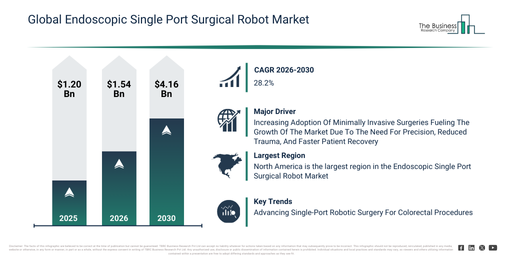
    The market size for endoscopic single port surgical robots has expanded considerably in recent times. A projected increase will see it rise from $1.20 billion in 2025 to $1.54 billion in 2026, achieving a compound annual growth rate (CAGR) of 28.5%. The market’s past expansion is due to the rising acceptance of minimally invasive surgeries, enhanced understanding of surgical precision, advancements in healthcare facilities, the proliferation of robotic surgery training initiatives, and a greater number of surgical cases involving chronic diseases.

    The market size for endoscopic single port surgical robots is projected to experience significant growth over the coming years. It is anticipated to expand to $4.16 billion by 2030, exhibiting a compound annual growth rate of 28.2%. This growth during the forecast period is primarily attributed to increased investment in healthcare robotics technology, the escalating integration of artificial intelligence and imaging technologies, enhanced government backing and funding for medical technology, a rising demand for quicker patient recovery, and the proliferation of advanced surgical hospitals and centers. Key trends expected in the forecast timeframe encompass improvements in single-port robotic instrument design, a surge in tele-robotic surgery applications, a broader utilization of augmented reality in surgery, an amplified focus on patient-centric surgical outcomes, and the expansion of cloud-connected surgical data platforms.

    Download A Free Sample Report For Comprehensive Market Insights:

    https://www.thebusinessresearchcompany.com/sample.aspx?id=30587&type=smp&utm_source=Blogs&utm_medium=Paid&utm_campaign=Jul_PR

    #Endoscopic Single Port Surgical Robot Market Growth Factors: Which Forces Are Supporting Market Expansion?

    The growing implementation of minimally invasive surgical techniques is projected to drive expansion in the endoscopic single port surgical robot market in the future. Minimally invasive surgeries are defined as medical procedures conducted via small incisions or a singular entry point, leading to diminished patient trauma, quicker recuperation, and fewer complications. The rising acceptance of these procedures stems from hospitals and patients increasingly valuing shorter recovery periods, less post-operative discomfort, lower complication risks, and minimal scarring, in contrast to conventional open surgeries. The endoscopic single port surgical robot aids minimally invasive surgeries by supplying robot-assisted platforms that facilitate exact instrument manipulation, three-dimensional viewing, and comfortable operation within limited surgical spaces. For example, in June 2024, the American Society of Plastic Surgeons, a US-based non-profit organization, reported a 7% increase in minimally invasive procedures in 2023, exceeding the growth rate of all surgical procedures by 2%. Hand operations for conditions like carpal tunnel, arthritis, and trigger finger amounted to 207,887 procedures, marking a 2% rise from 2022. Consequently, the increasing adoption of minimally invasive surgeries is fueling the growth of the endoscopic single port surgical robot market.

    Endoscopic Single Port Surgical Robot Market Segment Analysis And Revenue Opportunities

    The endoscopic single port surgical robot market covered in this report is segmented –

    1) By Component Type: Hardware, Software, Services

    2) By Technology: Robotic Assisted Surgery, Conventional Laparoscopic Surgery, Natural Orifice Transluminal Endoscopic Surgery (NOTES), Teleoperated Surgery

    3) By Distribution Channel: Direct Sales, Distributors, Online Sales Platforms

    4) By Application Area: Bariatric Surgery, Gynecological Surgery, Urological Surgery, Thoracic Surgery, General Surgery, Cardiothoracic Surgery

    5) By End User: Hospitals, Ambulatory Surgical Centers, Specialty Clinics, Research And Academic Institutes

    Subsegments:

    1) By Hardware: Robotic Arms, Endoscopes, Instrument Manipulators, Camera Systems, Energy Devices

    2) By Software: Control Systems, Visualization Systems, Simulation Software, Imaging Integration Software, Analytics Platforms

    3) By Services: Training Services, Maintenance Services, Technical Support Services, Installation Services, Consulting Services

    Endoscopic Single Port Surgical Robot Market Industry Trends: What Changes Are Reshaping Demand?

    Major companies within the endoscopic single port surgical robot market are concentrating on developing advanced products, particularly single-port systems, to improve surgical precision, enhance patient safety, and decrease both surgical invasiveness and recovery times. Single-port systems refer to robotic platforms that enable surgeons to operate multiple articulating instruments and a camera through a single, narrow entry point in the body. For instance, in May 2025, Intuitive Surgical Inc., a US-based medical technology company, obtained FDA clearance for its da Vinci Single Port (SP) system for transanal local excision/resection procedures in colorectal surgery. The da Vinci SP is designed to navigate restricted body cavities, allowing surgeons to control up to three multi-jointed instruments and a high-definition camera through a singular entry point in the rectum. This design aims to mitigate issues prevalent in traditional techniques, such as poor ergonomics and difficulty accessing upper rectal lesions, while facilitating tissue dissection and excision through a natural orifice to prevent external scarring.

    Endoscopic Single Port Surgical Robot Market Leading Players Shaping Industry Direction

    Major companies operating in the endoscopic single port surgical robot market are Johnson & Johnson, Medtronic Plc, Stryker Corporation, Smith & Nephew Plc, Zimmer Biomet Holdings Inc., Intuitive Surgical Operations Inc., Southcoast Health System Inc., Renishaw plc, Meerecompany Inc., Avatera Medical GmbH, CMR Surgical Ltd., Augmedics, Distalmotion SA, Think Surgical Inc., Titan Medical Inc., Proprio, Virtual Incision Corp., Wego Medical International Co. Ltd., Medivis, Asensus Surgical, Medicaroid Corporation, Shenzhen Edge Medical

    Access The Complete Endoscopic Single Port Surgical Robot Market Report:

    https://www.thebusinessresearchcompany.com/report/endoscopic-single-port-surgical-robot-market-report?utm_source=Blogs&utm_medium=Paid&utm_campaign=Jul_PR

    Endoscopic Single Port Surgical Robot Market Geographic Distribution And Regional Opportunities

    North America was the largest region in the endoscopic single port surgical robot market in 2025. Asia-Pacific is expected to be the fastest-growing region in the forecast period. The regions covered in the endoscopic single port surgical robot market report are Asia-Pacific, South East Asia, Western Europe, Eastern Europe, North America, South America, Middle East, Africa.

    Get in touch with us:

    The Business Research Company: https://www.thebusinessresearchcompany.com/

    Americas: +1 310-496-7795

    Asia: +44 7882 955267 & +91 8897263534

    Europe: +44 7882 955267

    Email us at: marketing@tbrc.info

    Follow us on:

    LinkedIn: https://in.linkedin.com/company/the-business-research-company

    YouTube: https://www.youtube.com/channel/UC24_fI0rV8cR5DxlCpgmyFQ

    Global Market Model: https://www.thebusinessresearchcompany.com/global-market-model
  • Electrocardiogram (ECG) Sensor Patches Market Growth Through 2030 Creates New Strategic Opportunities

    Electrocardiogram (ECG) Sensor Patches Market Growth Through 2030 Creates New Strategic Opportunities

    Enhanced with market attractiveness analysis, total addressable market evaluation, company benchmarking matrices, interactive Excel dashboards, expanded supply chain intelligence, emerging startup coverage, and detailed product insights, The Business Research Company’s 2026 market reports deliver more actionable and strategically valuable research.

    Electrocardiogram (ECG) Sensor Patches Market Value Expansion And Long-Term Growth Outlook

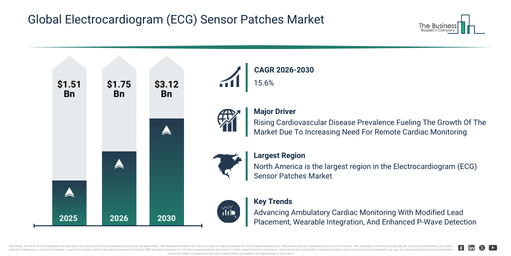
    The electrocardiogram (ECG) sensor patches market has experienced considerable growth recently. Its size is expected to climb from $1.51 billion in 2025 to $1.75 billion in 2026, achieving a compound annual growth rate (CAGR) of 15.8%. The increase observed in the past can be attributed to the growing adoption of wearable cardiac monitoring devices, the increasing prevalence of cardiovascular disorders, the rising demand for continuous remote patient monitoring, the expansion of home healthcare services, and a growing focus on early cardiac abnormality detection.

    The electrocardiogram (ECG) sensor patches market size is anticipated to undergo significant expansion over the next few years, projecting growth to $3.12 billion in 2030 at a compound annual growth rate (CAGR) of 15.6%. This expected increase during the forecast period stems from factors such as the increasing integration of electrocardiogram (ECG) patches with artificial intelligence (AI) analytics, a rising demand for unobtrusive long-term heart monitoring, the growing adoption of digital health and telemedicine platforms, the expansion of connected healthcare ecosystems, and an increase in investment for advanced cardiac monitoring technologies. Key trends during this period include technology-driven innovations in flexible and skin-friendly sensors, advancements in artificial intelligence (AI)-supported arrhythmia detection, the development of real-time cloud-based cardiac data platforms, rising research and development in miniaturized biomedical electronics, and innovations in integrated multimodal vital sign monitoring systems.

    Download A Free Sample Report For Comprehensive Market Insights:

    https://www.thebusinessresearchcompany.com/sample.aspx?id=30585&type=smp&utm_source=Blogs&utm_medium=Paid&utm_campaign=Jul_PR

    Electrocardiogram (ECG) Sensor Patches Market Growth Drivers: What Factors Are Accelerating Expansion?

    The increasing occurrence of cardiovascular diseases is projected to fuel the expansion of the electrocardiogram (ECG) sensor patches market in the future. These conditions impact the heart and blood vessels, encompassing ailments like heart attacks, strokes, and high blood pressure. An uptick in cardiovascular diseases is attributable to detrimental lifestyle choices, including inadequate nutrition, insufficient physical activity, and tobacco use. Electrocardiogram (ECG) sensor patches assist in managing cardiovascular diseases through constant monitoring of cardiac activity and immediate detection of irregular heartbeats. These patches enhance patient results by facilitating prompt diagnosis, rapid medical intervention, and tailored therapeutic approaches. For example, data from October 2024, provided by the Centers for Disease Control, a US-based government agency, revealed that in 2023, around 919,032 people succumbed to cardiovascular disease, representing 1 in every 3 deaths. Consequently, the growing incidence of cardiovascular diseases is a key factor propelling the expansion of the electrocardiogram (ECG) sensor patches market.

    Electrocardiogram (ECG) Sensor Patches Market Segment Outlook: Which Categories Are Expanding The Fastest?

    The electrocardiogram (ecg) sensor patches market covered in this report is segmented –

    1) By Product Type: Reusable Electrocardiogram (ECG) Sensor Patch, Disposable Electrocardiogram (ECG) Sensor Patch

    2) By Technology: Wireless Electrocardiogram (ECG) Sensor Patch, Wired Electrocardiogram (ECG) Sensor Patch

    3) By Distribution Channel: Direct Sales, Retail Pharmacies, Online Stores

    4) By Application: Cardiovascular Monitoring, Holter Monitoring, Stress Testing, Long Term Monitoring

    5) By End User: Hospitals And Clinics, Ambulatory Care Centers, Home Care Settings, Urgent Care Centers, Primary Care Centers, Other End Users

    Subsegments:

    1) By Reusable Electrocardiogram (ECG) Sensor Patch: Long Term Monitoring Sensor Patch, Multi Use Clinical Sensor Patch, Rechargeable Cardiac Monitoring Patch

    2) By Disposable Electrocardiogram (ECG) Sensor Patch: Single Use Diagnostic Sensor Patch, Short Term Monitoring Sensor Patch, Adhesive Cardiac Monitoring Patch

    Electrocardiogram (ECG) Sensor Patches Market Trends: What Is Shaping Future Industry Growth?

    Leading firms within the electrocardiogram (ECG) sensor patches sector are concentrating on creating sophisticated products, including specialized sensor adhesives, with the aim of increasing diagnostic precision, improving patient comfort, and elevating data quality for clinical investigations. These specialized sensor adhesives denote refined interfaces between wearable ECG patches and the skin, specifically engineered to enhance signal clarity for essential cardiac information. An illustration of this trend is VivaLNK Inc., a US-based digital health firm focused on wearable cardiac monitoring solutions, which introduced a novel adhesive for its wearable ECG monitor in September 2025. This adhesive is designed for single use, offers water resistance, and incorporates a contoured shape along with patented eSkin™ technology to ensure superior flexibility and comfort during prolonged usage. A key feature is its Modified Lead 1 placement, which improves p-wave visibility, reportedly leading to a 160% increase in signal detection to facilitate better identification of atrial abnormalities without requiring operator intervention. Furthermore, its compatibility with the company’s existing reusable multi-vital ECG patch broadens the device’s application and supports the collection of high-quality data in both remote patient monitoring and clinical trial environments.

    Electrocardiogram (ECG) Sensor Patches Market Key Companies And Competitive Benchmarking

    Major companies operating in the electrocardiogram (ecg) sensor patches market are Medtronic plc, Koninklijke Philips N.V., GE HealthCare Technologies Inc., Boston Scientific Corporation, Hill-Rome Co., iRhythm Technologies Inc., Bittium Corporation, Qardio Inc, LifeSignals Inc., VitalConnect Inc., VivaLNK Inc., Biotricity Inc., Cardiac Insight Inc., Intelesens Ltd., Vpatch Cardio Pty Ltd., Wellysis Ltd., Isansys Lifecare Ltd., Cardiomo Inc., Shenzhen Mindray Bio-Medical Electronics Co. Ltd., CardioNet

    Access The Complete Electrocardiogram (ECG) Sensor Patches Market Report:

    https://www.thebusinessresearchcompany.com/report/electrocardiogram-ecg-sensor-patches-market-report?utm_source=Blogs&utm_medium=Paid&utm_campaign=Jul_PR

    Electrocardiogram (ECG) Sensor Patches Market Regional Analysis And Leading Geography

    North America was the largest region in the electrocardiogram (ECG) sensor patches market in 2025. Asia-Pacific is expected to be the fastest-growing region in the forecast period. The regions covered in the electrocardiogram (ecg) sensor patches market report are Asia-Pacific, South East Asia, Western Europe, Eastern Europe, North America, South America, Middle East, Africa.

    Get in touch with us:

    The Business Research Company: https://www.thebusinessresearchcompany.com/

    Americas: +1 310-496-7795

    Asia: +44 7882 955267 & +91 8897263534

    Europe: +44 7882 955267

    Email us at: marketing@tbrc.info

    Follow us on:

    LinkedIn: https://in.linkedin.com/company/the-business-research-company

    YouTube: https://www.youtube.com/channel/UC24_fI0rV8cR5DxlCpgmyFQ

    Global Market Model: https://www.thebusinessresearchcompany.com/global-market-model
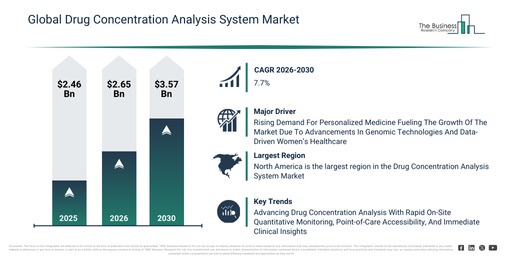
  • Drug Concentration Analysis System Market Set To Grow From $2.65 Billion In 2026 To $3.57 Billion By 2030 At A CAGR Of 7.7%

    Drug Concentration Analysis System Market Set To Grow From $2.65 Billion In 2026 To $3.57 Billion By 2030 At A CAGR Of 7.7%

    Delivering more actionable and strategically valuable research, The Business Research Company’s 2026 market reports feature market attractiveness analysis, total addressable market evaluation, company benchmarking matrices, interactive Excel dashboards, expanded supply chain intelligence, emerging startup coverage, and detailed product insights.

    Drug Concentration Analysis System Market Growth Potential: How Will Market Size Change Through 2030?

    The market for drug concentration analysis systems has experienced robust expansion over the past few years. This market is projected to expand from $2.46 billion in 2025 to reach $2.65 billion by 2026, demonstrating a compound annual growth rate (CAGR) of 8.0%. Historically, this expansion has been driven by several factors, including the increasing prevalence of chronic diseases, a rise in healthcare spending, the expansion of pharmaceutical research activities, the growing need for therapeutic drug monitoring, and stricter regulatory quality control demands.

    The drug concentration analysis system market is set for substantial expansion over the next few years. This market is expected to reach $3.57 billion by 2030, driven by a compound annual growth rate (CAGR) of 7.7%. The projected growth is attributable to escalating investments in healthcare infrastructure, a rising need for precise drug monitoring, the broadening pharmaceutical and biotechnology sectors, increasing adoption of personalized medicine, and greater spending on pharmaceutical research and development. Key trends anticipated during this period include advancements in analytical instrument technology, the emergence of point-of-care drug concentration systems, the integration of automation and high-throughput testing, the utilization of advanced bioanalytics methods, and an increase in regulatory compliance and quality-assurance testing.

    Download A Free Sample Report For Comprehensive Market Insights:

    https://www.thebusinessresearchcompany.com/sample.aspx?id=30580&type=smp&utm_source=Blogs&utm_medium=Paid&utm_campaign=Jul_PR

    Drug Concentration Analysis System Market Opportunity Drivers: What Is Creating New Revenue Potential?

    The increasing need for personalized medicine is anticipated to fuel the expansion of the drug concentration analysis system market in the coming years. This medical strategy customizes treatments for individual patients, considering their unique genetic makeup, environmental influences, and lifestyle choices to enhance results and patient care. Growth in demand for personalized medicine stems from progress in genomic technologies, facilitating the accurate detection of genetic variations and the development of specific treatments for individuals. Drug concentration analysis systems significantly contribute to personalized medicine by precisely quantifying medication levels in patients, thereby allowing for customized dosing and refined treatment plans. These systems boost therapeutic effectiveness by reducing adverse effects and guaranteeing that every patient receives the safest and most potent medication strategy. For example, data from February 2024, provided by the US-based nonprofit Personalized Medicine Coalition (PMC), shows that the U.S. Food and Drug Administration (FDA) sanctioned 26 new personalized medicines in 2023, a notable rise from the 12 approved in 2022. Consequently, the growing requirement for personalized medicine is a key factor propelling the expansion of the drug concentration analysis system market.

    Drug Concentration Analysis System Market Segmentation: How Is The Market Structured Across Key Categories?

    The drug concentration analysis system market covered in this report is segmented –

    1) By Product Type: Liquid Chromatography Systems, Mass Spectrometry Systems, Spectrophotometry Systems, Immunoassays

    2) By Sample Type: Blood Or Plasma Or Serum, Urine, Tissue Samples, Saliva, Cell Culture And Bioprocess Samples, Cerebrospinal Fluid (CSF), Other Biological Or Chemical Matrices

    3) By Distribution Channel: Online Distribution, Offline Distribution, Direct Sales, Third Party Distributors, Retail Outlets

    4) By Application: Therapeutic Drug Monitoring, Pharmaceutical Research And Development, Clinical Trials, Bioavailability Or Bioequivalence

    5) By End-User: Hospitals And Clinics, Pharmaceutical Companies, Contract Research Organizations (CROs), Academic And Research Institutions, Homecare Settings

    Subsegments:

    1) By Liquid Chromatography Systems: High Performance Liquid Chromatography, Ultra High Performance Liquid Chromatography, Fast Protein Liquid Chromatography, Ion Exchange Liquid Chromatography, Size Exclusion Liquid Chromatography

    2) By Mass Spectrometry Systems: Quadrupole Mass Spectrometry, Time Of Flight Mass Spectrometry, Ion Trap Mass Spectrometry, Fourier Transform Ion Cyclotron Resonance Mass Spectrometry, Orbitrap Mass Spectrometry

    3) By Spectrophotometry Systems: Ultraviolet Visible Spectrophotometry, Infrared Spectrophotometry, Fluorescence Spectrophotometry, Atomic Absorption Spectrophotometry, Raman Spectrophotometry

    4) By Immunoassays: Enzyme Linked Immunosorbent Assay, Radioimmunoassay, Chemiluminescent Immunoassay, Fluoroimmunoassay, Lateral Flow Immunoassay

    Drug Concentration Analysis System Market Innovation Trends Driving Future Development

    Leading companies in the drug concentration analysis system market are dedicating efforts to developing advanced products, notably rapid on-site testing platforms, with the goal of optimizing treatment, improving personalized care, and reducing the time and costs typically associated with traditional laboratory testing. Rapid on-site testing platforms are defined as advanced diagnostic systems designed to provide immediate, quantitative measurements of drug levels within a clinical setting. For example, in October 2023, ProciseDx Inc., a US-based in vitro diagnostics company, obtained de novo FDA clearance for its therapeutic drug monitoring (TDM) tests specifically for adalimumab (found in Humira and biosimilar Amgevita) and infliximab (found in Remicade and biosimilars Inflectra and Renflexis). These assays, known as Procise ADL and Procise IFX, employ time-resolved fluorescence resonance energy transfer immunoassay technology to accurately quantify drug concentrations in serum, producing results in approximately five minutes, which facilitates near-immediate clinical decisions during patient visits. This launch underscores a significant movement toward point-of-care drug concentration analysis systems that combine quantitative precision with operational simplicity, supporting personalized dosing strategies for individuals with conditions like inflammatory bowel disease.

    Drug Concentration Analysis System Market Competitive Landscape And Leading Companies

    Major companies operating in the drug concentration analysis system market are F. Hoffmann-La Roche AG, Thermo Fisher Scientific Inc., Abbott Laboratories, Siemens Healthineers AG, Siemens Healthineers AG, Danaher Corporation, Agilent Technologies Inc., BioMérieux Inc., Sartorius AG, Shimadzu Corporation, PerkinElmer Inc., Bruker Corporation, Waters Corporation, Bio-Rad Laboratories Inc., Tecan Group Ltd., Randox Laboratories Ltd., Analytik Jena GmbH & Co. KG, KNAUER Wissenschaftliche Geräte GmbH, Chromsystems Instruments & Chemicals GmbH, American Laboratory Products Company Ltd.

    Access The Complete Drug Concentration Analysis System Market Report:

    https://www.thebusinessresearchcompany.com/report/drug-concentration-analysis-system-market-report?utm_source=Blogs&utm_medium=Paid&utm_campaign=Jul_PR

    Drug Concentration Analysis System Market Regional Outlook: Where Are The Largest Opportunities Located?

    North America was the largest region in the drug concentration analysis system market in 2025. Asia-Pacific is expected to be the fastest-growing region in the forecast period. The regions covered in the drug concentration analysis system market report are Asia-Pacific, South East Asia, Western Europe, Eastern Europe, North America, South America, Middle East, Africa.

    Get in touch with us:

    The Business Research Company: https://www.thebusinessresearchcompany.com/

    Americas: +1 310-496-7795

    Asia: +44 7882 955267 & +91 8897263534

    Europe: +44 7882 955267

    Email us at: marketing@tbrc.info

    Follow us on:

    LinkedIn: https://in.linkedin.com/company/the-business-research-company

    YouTube: https://www.youtube.com/channel/UC24_fI0rV8cR5DxlCpgmyFQ

    Global Market Model: https://www.thebusinessresearchcompany.com/global-market-model
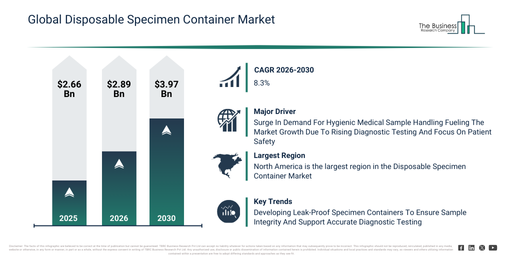
  • Disposable Specimen Container Market Opportunities Are Emerging Beyond Traditional Growth Areas

    Disposable Specimen Container Market Opportunities Are Emerging Beyond Traditional Growth Areas

    Enhanced with market attractiveness analysis, total addressable market evaluation, company benchmarking matrices, interactive Excel dashboards, expanded supply chain intelligence, emerging startup coverage, and detailed product insights, The Business Research Company’s 2026 market reports deliver more actionable and strategically valuable research.

    Disposable Specimen Container Market Value Analysis: What Growth Is Expected Over The Forecast Period?

    The disposable specimen container market has experienced substantial expansion in recent times. Projections indicate its value will increase from $2.66 billion in 2025 to $2.89 billion in 2026, demonstrating a compound annual growth rate (CAGR) of 8.6%. This historical growth is primarily due to factors such as increased demand for diagnostic testing, expanding healthcare infrastructure, heightened awareness regarding infection control, the rising incidence of chronic and infectious diseases, and the wider acceptance of point-of-care testing.

    The disposable specimen container market size is anticipated to undergo substantial expansion in the upcoming years. It is forecast to increase to $3.97 billion by 2030, demonstrating a compound annual growth rate (CAGR) of 8.3%. This projected growth throughout the forecast period can be linked to the rising use of home healthcare testing, the increasing adoption of molecular diagnostics, a surge in government and private investments within laboratories, the expansion of clinical trial activities, and a heightened demand for sterile and leak-proof containers. Key trends expected in the forecast period include advancements in container design and materials, the integration of technology for enhanced safety and efficiency, innovations in bio-based and recyclable materials, dedicated research and development efforts for specialized containers in molecular diagnostics, and the incorporation of automation and robotics into specimen processing.

    Download A Free Sample Report For Comprehensive Market Insights:

    https://www.thebusinessresearchcompany.com/sample.aspx?id=30579&type=smp&utm_source=Blogs&utm_medium=Paid&utm_campaign=Jul_PR

    Disposable Specimen Container Market Growth Momentum: Which Factors Are Influencing Demand?

    The market for disposable specimen containers is projected to expand due to the growing need for hygienic medical sample handling. This crucial process involves using sterile, single-use equipment to safely collect, store, and transport biological specimens without contamination, which is vital for precise diagnostics and preventing infections in healthcare environments. The heightened demand for hygienic sample management stems from rising diagnostic testing volumes and a greater emphasis on patient safety, compelling healthcare providers to implement more stringent infection control measures. Disposable specimen containers facilitate hygienic medical sample handling by preserving specimen integrity, preventing cross-contamination, and enabling dependable laboratory analysis across various healthcare facilities. For instance, in August 2024, data from NHS England, a UK-based government health authority, showed that the quantity of diagnostic tests performed rose from 2,254,600 in June 2023 to 2,328,300 in June 2024, representing a 3.3 % year-over-year increase. Consequently, the increasing demand for hygienic medical sample handling is a key factor driving the growth of the disposable specimen container market. Rising Prevalence Of Chronic Diseases Fueling The Growth Of The Market Due To Increasing Demand For Non-Invasive Management And Diagnostic Solutions

    The increasing occurrence of chronic diseases is anticipated to propel the expansion of the disposable specimen container market moving forward. Chronic diseases are enduring health conditions that typically advance gradually, such as diabetes, heart disease, and arthritis, often requiring continuous medical care and lifestyle adjustments to manage symptoms and avert complications. The increase in chronic diseases is largely attributed to unhealthy lifestyles, including poor diet, physical inactivity, and smoking, which elevate the risk of conditions like diabetes, heart disease, and obesity. Disposable specimen containers assist in the diagnosis of chronic diseases by allowing for the secure, hygienic, and contamination-free collection of biological samples for accurate laboratory analysis. They enhance diagnostic reliability and patient care through consistent monitoring and early detection of disease progression. For instance, in June 2024, according to the National Health Service, a UK-based government department, 3,615,330 individuals registered with a general practitioner (GP) were diagnosed with non-diabetic hyperglycemia or pre-diabetes (a condition with elevated blood sugar levels, not high enough to be classified as diabetes) in 2023, an 18% increase from 3,065,825 cases in 2022. Therefore, the increasing prevalence of chronic diseases is driving the growth of the disposable specimen container market.

    Disposable Specimen Container Market Segmentation Trends And Revenue Drivers

    The disposable specimen container market covered in this report is segmented –

    1) By Product Type: Urine Specimen Containers, Stool Specimen Containers, Sputum Specimen Containers, Blood Specimen Containers, Multi-Purpose Specimen Containers

    2) By Sterility: Sterile Disposable Specimen Containers, Non-Sterile Disposable Specimen Containers

    3) By Raw Material: Polypropylene, High Density Polyethylene, Polyvinyl Chloride, Other Materials

    4) By Distribution Channel: Direct Sales, Medical Device Distributors, Online Sales Channels

    5) By End User: Hospitals, Diagnostic Laboratories, Clinics And Physician Offices, Research And Academic Institutes, Home Healthcare Settings

    Subsegments:

    1) By Urine Specimen Containers: Sterile Urine Specimen Containers, Non Sterile Urine Specimen Containers, Graduated Urine Specimen Containers, Leak Proof Urine Specimen Containers, Child Resistant Urine Specimen Containers

    2) By Stool Specimen Containers: Wide Mouth Stool Specimen Containers, Scoop Integrated Stool Specimen Containers, Leak Proof Stool Specimen Containers, Preservative Containing Stool Specimen Containers, Sterile Stool Specimen Containers

    3) By Sputum Specimen Containers: Wide Neck Sputum Specimen Containers, Sterile Sputum Specimen Containers, Leak Proof Sputum Specimen Containers, Screw Cap Sputum Specimen Containers, Transparent Sputum Specimen Containers

    4) By Blood Specimen Containers: Vacuum Blood Specimen Containers, Non Vacuum Blood Specimen Containers, Anticoagulant Containing Blood Specimen Containers, Clot Activator Blood Specimen Containers, Sterile Blood Specimen Containers

    5) By Multi Purpose Specimen Containers: Universal Specimen Containers, Sterile Multi Purpose Specimen Containers, Graduated Multi Purpose Specimen Containers, Leak Proof Multi Purpose Specimen Containers, Screw Cap Multi Purpose Specimen Containers

    Disposable Specimen Container Market Trends Reshaping Industry Growth

    Leading companies operating in the disposable specimen container market are concentrating on developing advanced specimen containers, such as multi-click seal vials and similar containers, which offer a clear indication of proper sealing to ensure secure sample collection and transport. These multi-click seal vials and containers are designed to maintain sample integrity during handling, storage, and transportation while minimizing the risks of contamination or spillage. For instance, in April 2025, Thermo Fisher Scientific, a US-based life sciences company, launched Samco Clicktainer Vials and Specimen Containers. These containers feature an audible, visual, and tactile multi-click seal closure to confirm proper sealing, compatibility with both sterile and non-sterile configurations for diverse clinical workflows, and a broad range of cap color options to support sample differentiation. This launch represents a notable technological advancement by combining usability, safety, and versatility, providing laboratories with a reliable solution for secure specimen management and accurate diagnostic testing.

    #Disposable Specimen Container Market Industry Leaders: Which Organizations Are Driving Competition?

    Major companies operating in the disposable specimen container market are Cardinal Health Inc., Thermo Fisher Scientific Inc., Becton Dickinson and Company, SARSTEDT AG & Co. KG, Greiner Bio-One International GmbH, Kabe Labortechnik GmbH, Jiangsu Kangjin Medical Instruments Co. Ltd., Polymed Medical Devices, Citotest Scientific Co. Ltd., HiMedia Laboratories Pvt. Ltd., CML Biotech Pvt. Ltd., Deltalab S.L., Medline Industries LP, Simport Scientific Inc., Abdos Labtech Pvt. Ltd., Globe Scientific Inc., Heathrow Scientific LLC, VITLAB GmbH, FL Medical S.r.l., Aptaca S.p.A., Kartell S.p.A.

    Access The Complete Disposable Specimen Container Market Report:

    https://www.thebusinessresearchcompany.com/report/disposable-specimen-container-market-report?utm_source=Blogs&utm_medium=Paid&utm_campaign=Jul_PR

    Disposable Specimen Container Market Geographic Landscape: Which Region Dominates Industry Growth?

    North America was the largest region in the disposable specimen container market in 2025. Asia-Pacific is expected to be the fastest-growing region in the forecast period. The regions covered in the disposable specimen container market report are Asia-Pacific, South East Asia, Western Europe, Eastern Europe, North America, South America, Middle East, Africa.

    Get in touch with us:

    The Business Research Company: https://www.thebusinessresearchcompany.com/

    Americas: +1 310-496-7795

    Asia: +44 7882 955267 & +91 8897263534

    Europe: +44 7882 955267

    Email us at: marketing@tbrc.info

    Follow us on:

    LinkedIn: https://in.linkedin.com/company/the-business-research-company

    YouTube: https://www.youtube.com/channel/UC24_fI0rV8cR5DxlCpgmyFQ

    Global Market Model: https://www.thebusinessresearchcompany.com/global-market-model