Category: Medical Equipment

  • Skin Grafting System Market Trends And Growth Drivers Point To Strong Future Potential

    Skin Grafting System Market Trends And Growth Drivers Point To Strong Future Potential

    Enhanced with market attractiveness analysis, total addressable market evaluation, company benchmarking matrices, interactive Excel dashboards, expanded supply chain intelligence, emerging startup coverage, and detailed product insights, The Business Research Company’s 2026 market reports deliver more actionable and strategically valuable research.

    The skin grafting system market has undergone significant expansion in recent years, driven by various factors linked to medical advancements and rising healthcare needs. As the demand for effective wound care solutions continues to grow, this market is set to experience steady progress over the coming years. Let’s explore the current market size, growth drivers, segmentation, emerging trends, key players, and regional dynamics shaping this industry.

    Steady Growth in the Skin Grafting System Market Size

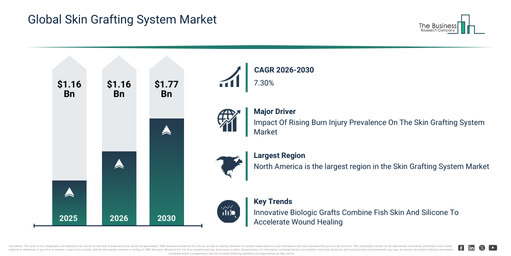
    The skin grafting system market has demonstrated robust growth and is projected to increase from $1.14 billion in 2025 to $1.23 billion in 2026, with a compound annual growth rate (CAGR) of 7.4%. This expansion during the historical period is mainly due to a rising number of burn injuries, increasing surgical interventions, the development of specialized wound care centers, availability of autograft methods, and broader adoption of mechanical debridement technologies. Moving ahead, the market is expected to reach $1.63 billion by 2030, growing at a CAGR of 7.3%. This future growth is anticipated because of the rising demand for advanced wound management systems, emphasis on faster healing, growth in reconstructive and plastic surgeries, higher investments in biologic graft innovations, and the increased use of minimally invasive grafting techniques. Key trends for the forecast period include growing use of advanced dermatomes, powered skin graft meshers, biologic skin substitutes, expanded burn and trauma care procedures, and a focus on precision wound treatment.

    Download A Free Sample Report For Comprehensive Market Insights:

    https://www.thebusinessresearchcompany.com/sample.aspx?id=18732&type=smp

    Increasing Incidence of Burn Injuries Boosts Skin Grafting System Demand

    One of the primary factors driving this market’s growth is the rising prevalence of burn injuries globally. Burns, caused by heat, chemicals, electricity, sunlight, or radiation, can severely damage skin and underlying tissues. The frequency of such injuries is increasing due to residential fires, workplace accidents, chemical exposures, electrical hazards, and natural disasters. Improved skin grafting systems support more precise and effective treatment of burn wounds, enhancing healing outcomes and patient care at specialized burn facilities. For example, in November 2024, the Welsh government (Llywodraeth Cymru) reported 18 fatal fire-related casualties in Wales during 2023-2024, an increase of 4 compared to the prior year, along with 366 non-fatal fire casualties. This rise in burn incidents is a key contributor to the growing demand for skin grafting technologies.

    Advancements in Surgical Procedures Fuel Market Growth

    In addition to burn injuries, the increasing number of surgical procedures requiring skin grafting is another significant market driver. With the expansion of reconstructive and plastic surgeries worldwide, there is a growing need for sophisticated grafting solutions that promote faster recovery and reduce complications. The availability and adoption of advanced autograft and allograft techniques, along with mechanical debridement devices, further stimulate market growth by improving the efficiency and outcomes of wound treatment.

    Access The Complete Skin Grafting System Market Report:

    https://www.thebusinessresearchcompany.com/report/skin-grafting-system-global-market-report

    Detailed Segmentation Defines the Skin Grafting System Market Structure

    This market is categorized into several segments based on product types, graft sources, wound types, and end users. The product segment includes dermatomes, wound debridement devices, skin graft mesher equipment, accessories, and other related products. Graft sources are divided into autografts and allografts. By wound type, the market covers burns, chronic wounds, surgical wounds, traumatic wounds, and other wound categories. End users comprise ambulatory surgical centers, hospitals, and specialty clinics. Subcategories under dermatomes include hand-held, powered, air-driven, and electric variants. Wound debridement devices are further segmented into surgical, mechanical, autolytic, and enzymatic types. Skin graft meshers are classified into manual and powered machines. Accessories cover grafting blades and replacement parts, grafting sheets and templates, bandages and dressings, and surgical trays and containers. Other products encompass skin graft storage solutions, cryopreservation equipment, biologic skin substitutes (artificial skin), and skin graft implants.

    Innovative Biologic Grafts Highlight Future Market Developments

    Leading companies in the skin grafting system space are focusing heavily on creating next-generation biologic grafts designed to improve healing while reducing infection risks and enhancing graft acceptance. A notable innovation is the development of silicone-fish-skin composite grafts, which combine fish skin rich in collagen and growth factors with a protective silicone layer that accelerates wound healing better than traditional grafts. For example, in December 2024, Kerecis Limited, a US-based medical device firm, introduced SurgiClose Silicone, a novel product that pairs a fish-skin graft with silicone backing for treating surgical and trauma wounds. This bilayer device supports tissue regeneration and optimal moisture control, simplifying surgical procedures by integrating both components into one unit and eliminating the need for additional dressings. Its gentle processing keeps the natural structure and key molecules intact, making it closely resemble human skin and effective for acute wound management in operating rooms.

    Key Players Shaping the Skin Grafting System Industry

    The skin grafting system market includes several prominent companies such as Johnson and Johnson Services Inc., Stryker Corporation, B. Braun Melsungen AG, Smith and Nephew Plc, Integra LifeSciences Holdings Corporation, ConvaTec Group Plc, Molnlycke Health Care AB, Kinetic Concepts Inc., Aesculap Inc., Organogenesis Inc., MiMedx Group Inc., Polynovo Ltd., Avita Medical, Tissue Regenix Group Plc, Osiris Therapeutics Inc., Exsurco Medical Inc., Rudolf Storz GmbH, Lohmann and Rauscher, De Soutter Medical Ltd., and Nouvag AG. These organizations contribute to ongoing product innovation, expansion, and competitive positioning within the market.

    Regional Market Snapshot Reveals Leadership and Growth Hotspots

    In 2025, North America led the skin grafting system market in terms of size, benefiting from advanced healthcare infrastructure and high adoption of cutting-edge medical technologies. Meanwhile, the Asia-Pacific region is expected to achieve the fastest growth over the forecast period, driven by increasing healthcare investments, rising incidence of wounds and burns, and expanding surgical procedures. Other regions highlighted in the market analysis include South East Asia, Western Europe, Eastern Europe, South America, the Middle East, and Africa, providing a comprehensive global perspective on market trends and opportunities.

    Get in touch with us:

    The Business Research Company: https://www.thebusinessresearchcompany.com/

    Americas: +1 310-496-7795

    Asia: +44 7882 955267 & +91 8897263534

    Europe: +44 7882 955267

    Email us at: marketing@tbrc.info

    Follow us on:

    LinkedIn: https://in.linkedin.com/company/the-business-research-company

    YouTube: https://www.youtube.com/channel/UC24_fI0rV8cR5DxlCpgmyFQ

    Global Market Model: https://www.thebusinessresearchcompany.com/global-market-model
  • Skin Graft Blades Market Expansion Is Reshaping Competitive Dynamics Across The Industry

    Skin Graft Blades Market Expansion Is Reshaping Competitive Dynamics Across The Industry

    Through market attractiveness analysis, total addressable market evaluation, company benchmarking matrices, interactive Excel dashboards, expanded supply chain intelligence, emerging startup coverage, and detailed product insights, The Business Research Company’s 2026 market reports provide more actionable and strategically valuable research.

    The skin graft blades market is witnessing impressive growth driven by increasing medical needs and technological advancements. As surgical procedures become more sophisticated and demand continues to rise globally, this sector is set to experience significant expansion in the coming years. Let’s explore the current market size, key factors influencing its growth, segmentation, emerging trends, leading players, and regional outlook.

    Market Size and Projected Growth in the Skin Graft Blades Market

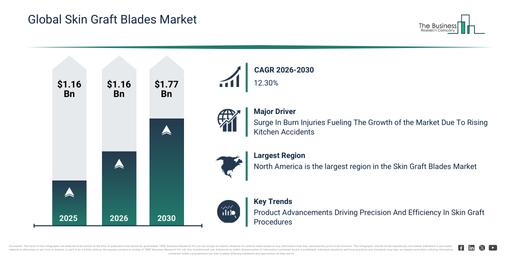
    The market for skin graft blades has shown rapid expansion recently, with its value climbing from $4.62 billion in 2025 to $5.2 billion in 2026 at a compound annual growth rate (CAGR) of 12.6%. This growth during the past years can be linked to limited options in blade materials, dependence on traditional scalpel designs, increased demand for burn and reconstructive surgeries, expanded capacities in hospitals and surgical centers, and heightened awareness regarding surgical precision and safety. Looking ahead, the market is expected to accelerate further, reaching $8.28 billion by 2030 at a CAGR of 12.3%. Factors propelling this future growth include the development of coated and reusable blades, wider adoption of advanced microsurgery tools, growth in dermatology and orthopedic surgeries, rising demand for home healthcare and outpatient procedures, and integration with smart surgical and robotic technologies.

    Download A Free Sample Report For Comprehensive Market Insights:

    https://www.thebusinessresearchcompany.com/sample.aspx?id=24700&type=smp

    Key Factors Fueling Expansion of the Skin Graft Blades Market

    One of the primary drivers is the increasing frequency and severity of burn injuries worldwide. These injuries, caused by heat, chemicals, electricity, radiation, or friction, require effective treatment methods such as skin grafting to promote healing. As more people engage in cooking activities without adequate safety measures, incidents of burn injuries are rising. Skin graft blades play a crucial role in harvesting healthy skin to cover damaged areas in severe cases. For instance, in October 2024, data from the International Burn Injury Database (iBID) revealed a 55% increase in hot water bottle burns among children in early 2024 compared to the previous year, prompting a warning from the Children’s Burns Trust. This trend emphasizes how growing burn injury prevalence is boosting demand for skin graft blades.

    Additional Factors Supporting Market Growth

    Beyond burn treatment, the market benefits from increased focus on reconstructive and plastic surgeries, along with advances in microsurgical techniques. The shift toward minimally invasive procedures encourages the adoption of precision skin graft blades. Furthermore, the expansion of outpatient care and home healthcare settings is creating new avenues for the use of specialized blades, contributing to sustained market momentum.

    Access The Complete Skin Graft Blades Market Report:

    https://www.thebusinessresearchcompany.com/report/skin-graft-blades-global-market-report

    Detailed Segmentation in the Skin Graft Blades Market

    This market is categorized into several key segments:

    1) Product Type: Scalpel Blades, Microsurgery Blades, Disposable Blades, Reusable Blades

    2) Material Type: Stainless Steel, Carbon Steel, Coated Materials

    3) Distribution Channel: Direct Sales, Online Retail, Medical Supply Distributors, Pharmacies

    4) Application: Burn Treatment, Plastic Surgery, Orthopedic Surgery, Wound Management

    5) End User: Hospitals, Ambulatory Surgical Centers, Dermatology Clinics

    Further breakdowns include subcategories such as stainless steel and specialty-shaped scalpel blades, ophthalmic and neurosurgical microsurgery blades, sterile and pre-attached disposable blades, and reusable blades with metal, autoclavable, or ceramic coatings. This detailed segmentation helps tailor products to specific clinical needs and preferences.

    Innovations and Trends Transforming the Skin Graft Blades Market

    Leading companies in this space are innovating by developing semi-automated skin harvesting devices that utilize micro-needle arrays. These advanced tools allow for precise collection of multiple small grafts with minimal trauma, improving patient outcomes and broadening clinical applicability. For example, in March 2024, Medline Industries received FDA approval for its Medline Autologous Regeneration of Tissue (ART) Skin Harvesting System, which uses a micro-needle array to extract numerous skin micrografts. This minimally invasive system can be used under local anesthesia and is suitable for a wider range of settings compared to conventional grafting methods.

    Key Market Players Driving Competition in Skin Graft Blades

    Several prominent companies dominate the skin graft blades market, including Zimmer Inc, Integra LifeSciences Corporation, B Braun Melsungen AG, Lutz Medical GmbH, De Soutter Medical Limited, pfm medical GmbH, Aygun Surgical Instruments, New Med Instruments, Swann Morton Limited, Paramount Surgimed Ltd, Nouvag AG, Ribbel International Ltd, Exsurco Medical Inc, Humeca B V, Robbins Instruments, Rudolf Storz GmbH And Co KG, Signel Biomedical Pvt Ltd, Specmed Medical Services Pvt Ltd, Surtex Instruments Ltd, Medicon eG, and Heinz Kurz GmbH Medizintechnik. These organizations are actively engaged in developing advanced products and expanding their market presence globally.

    Geographical Insights Highlighting Skin Graft Blades Market Leaders

    In 2025, North America held the largest share of the skin graft blades market, reflecting strong healthcare infrastructure and technological adoption. The report also covers regions such as Asia-Pacific, South East Asia, Western Europe, Eastern Europe, South America, Middle East, and Africa, each offering unique growth opportunities. While North America leads currently, emerging markets in Asia-Pacific and other regions are expected to show significant growth in the coming years due to increasing healthcare investments and rising surgical procedures.

    Get in touch with us:

    The Business Research Company: https://www.thebusinessresearchcompany.com/

    Americas: +1 310-496-7795

    Asia: +44 7882 955267 & +91 8897263534

    Europe: +44 7882 955267

    Email us at: marketing@tbrc.info

    Follow us on:

    LinkedIn: https://in.linkedin.com/company/the-business-research-company

    YouTube: https://www.youtube.com/channel/UC24_fI0rV8cR5DxlCpgmyFQ

    Global Market Model: https://www.thebusinessresearchcompany.com/global-market-model
  • Skin Biopsy Market Forecast Reveals Where Future Industry Value Will Be Created

    Skin Biopsy Market Forecast Reveals Where Future Industry Value Will Be Created

    Delivering more actionable and strategically valuable research, The Business Research Company’s 2026 market reports feature market attractiveness analysis, total addressable market evaluation, company benchmarking matrices, interactive Excel dashboards, expanded supply chain intelligence, emerging startup coverage, and detailed product insights.

    The skin biopsy market is witnessing rapid advancements driven by rising skin cancer cases and evolving diagnostic technologies. As awareness of early detection grows and healthcare infrastructure improves, this sector is set for sustained expansion. Below is an overview of the market’s current size, growth drivers, segmentation, innovation trends, key players, and regional outlook.

    Market Size and Growth Trajectory of the Skin Biopsy Market

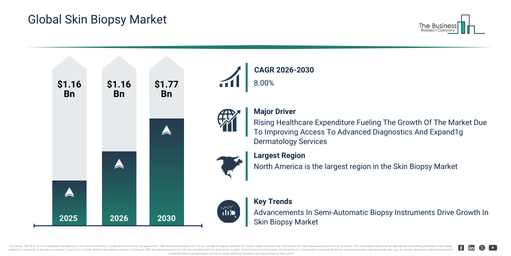
    The skin biopsy market has demonstrated robust growth in recent years. It is projected to increase from $1.86 billion in 2025 to $2.02 billion in 2026, marking a compound annual growth rate (CAGR) of 8.3%. Historical growth has been propelled by a rise in skin cancer incidence, expansion of dermatology clinics, greater adoption of outpatient diagnostic procedures, availability of biopsy instruments, and heightened awareness about early diagnosis. Looking ahead, the market is expected to reach $2.74 billion by 2030, maintaining a healthy CAGR of 8.0%. This anticipated growth is driven by the rising number of melanoma cases, incorporation of AI-powered diagnostic tools, growth of tele-dermatology services, an aging global population, and an increase in cosmetic dermatology procedures. Notable trends include the preference for minimally invasive biopsy methods, expansion in dermatology diagnostics, and wider acceptance of punch and shave biopsies alongside outpatient diagnostic techniques and AI-assisted pathology.

    Download A Free Sample Report For Comprehensive Market Insights:

    https://www.thebusinessresearchcompany.com/sample.aspx?id=28330&type=smp

    Key Factors Boosting Growth in the Skin Biopsy Market

    Increasing healthcare expenditure is playing a vital role in expanding the skin biopsy market. This spending encompasses investments in medical treatments, diagnostic technologies, research, and public health efforts aimed at improving patient outcomes. The growing burden of chronic diseases, which require long-term and costly management, is a significant contributor to rising healthcare costs. Enhanced healthcare budgets improve access to advanced biopsy technologies and broaden dermatology services, supporting early and accurate diagnosis of skin conditions. For example, in May 2024, the UK’s Office for National Statistics reported a 5.6% nominal increase in total healthcare expenditure for 2023, representing a 0.9% growth compared to 2022. This upward trend in healthcare funding underpins the expansion of the skin biopsy market.

    Additional Drivers Supporting Skin Biopsy Market Growth

    Another important factor fueling market growth is the increasing incidence of skin cancers worldwide, particularly melanoma. Early and precise biopsy techniques are essential for effective treatment planning and improved patient prognosis. The advent of AI-enabled diagnostics and tele-dermatology is revolutionizing how skin biopsies are performed, allowing for faster, more accurate evaluations and remote consultations. Furthermore, demographic shifts such as an aging population with higher susceptibility to skin disorders and the rising demand for cosmetic dermatology procedures continue to drive the need for advanced biopsy tools and services.

    Access The Complete Skin Biopsy Market Report:

    https://www.thebusinessresearchcompany.com/report/skin-biopsy-global-market-report

    Detailed Breakdown of Skin Biopsy Market Segments

    This market is categorized into different segments based on biopsy type, application, and end-user. By biopsy type, it includes excisional biopsy (subdivided into full-thickness and elliptical excision), incisional biopsy (wedge, longitudinal, and keyhole biopsy), punch biopsy (with sizes of 2 mm, 3-4 mm, and equal to or greater than 5 mm), and shave biopsy (including tangential, saucerization, and curved blade shave). On the application front, the market covers dermatology, oncology, and clinical research. Regarding end-users, hospitals, ambulatory surgical centers (ASCs), and dermatology clinics form the main categories.

    Innovations Driving Transformation Within the Skin Biopsy Market

    Leading companies in this sector are focusing on developing cutting-edge biopsy instruments that enhance diagnostic precision and improve tissue sample quality. Semi-automatic biopsy devices are gaining popularity as they provide more controlled and accurate tissue collection, facilitating reliable diagnoses and comprehensive pathological analysis. For example, in May 2023, Argon Medical Devices, a US-based provider specializing in interventional and oncology solutions, introduced the SuperCore Advantage Semi-Automatic Biopsy Instrument. This disposable, next-generation device offers superior tissue volume and comes in various lengths and gauge sizes to suit diverse clinical needs. Designed with input from healthcare professionals, it enables physicians to confidently collect larger tissue samples. The SuperCore Advantage complements Argon’s existing portfolio, which includes instruments like the BioPince Ultra Full Core Biopsy, Tru-Core Automatic, and Pro-Mag Ultra Biopsy Instruments, solidifying the company’s leadership in soft tissue biopsy solutions while improving patient outcomes.

    Prominent Players Holding Strong Positions in the Skin Biopsy Market

    Several notable companies lead the skin biopsy market with their extensive product offerings and innovation capabilities. These include AccuTec Inc., Delasco, KAI Medical, Medline Industries, Becton Dickinson and Company, Merit Medical Systems, Cook Medical, Hologic, Olympus Corporation, KARL STORZ, Richard Wolf, ConMed, Integra LifeSciences, Paramount Surgimed, Sklar Instruments, Hu-Friedy, Aesculap, World Precision Instruments, Miltex, and Integra Miltex.

    Regional Overview and Market Leadership

    In 2025, North America held the largest share of the skin biopsy market, driven by well-established healthcare infrastructure and high adoption of advanced diagnostic tools. Meanwhile, Asia-Pacific is expected to be the fastest-growing region during the forecast period, propelled by increasing healthcare investments, rising skin cancer incidence, and expanding dermatology services. The market analysis encompasses key regions including Asia-Pacific, South East Asia, Western Europe, Eastern Europe, North America, South America, the Middle East, and Africa, providing a comprehensive global perspective.

    Get in touch with us:

    The Business Research Company: https://www.thebusinessresearchcompany.com/

    Americas: +1 310-496-7795

    Asia: +44 7882 955267 & +91 8897263534

    Europe: +44 7882 955267

    Email us at: marketing@tbrc.info

    Follow us on:

    LinkedIn: https://in.linkedin.com/company/the-business-research-company

    YouTube: https://www.youtube.com/channel/UC24_fI0rV8cR5DxlCpgmyFQ

    Global Market Model: https://www.thebusinessresearchcompany.com/global-market-model
  • Skin Analysis Systems Market Growth Through 2030 Creates New Strategic Opportunities

    Skin Analysis Systems Market Growth Through 2030 Creates New Strategic Opportunities

    Enhanced with market attractiveness analysis, total addressable market evaluation, company benchmarking matrices, interactive Excel dashboards, expanded supply chain intelligence, emerging startup coverage, and detailed product insights, The Business Research Company’s 2026 market reports deliver more actionable and strategically valuable research.

    The skin analysis systems market has been experiencing steady growth, driven by technological advancements and increasing consumer focus on skincare. As innovations continue to emerge, this market is set to expand further, meeting the evolving needs of both consumers and healthcare providers.

    Market Size and Growth Outlook for the Skin Analysis Systems Market

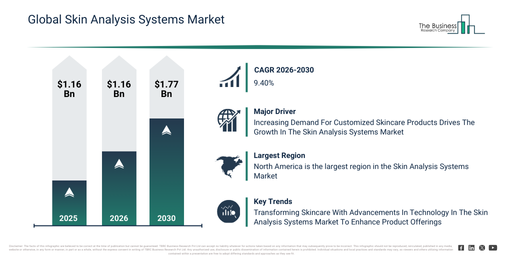
    The skin analysis systems market has shown considerable progress in recent years. It is projected to increase from $1.65 billion in 2025 to $1.81 billion in 2026, growing at a compound annual growth rate (CAGR) of 9.7%. This past growth has been supported by the flourishing cosmetics industry, a rise in skin disorders, more dermatology clinics, heightened demand for aesthetic treatments, and advancements in imaging technology. Looking ahead, the market is forecast to reach $2.59 billion by 2030, expanding at a CAGR of 9.4%. This future growth is expected to be fueled by trends such as personalized beauty regimes, the rise of tele-dermatology, increasing demand for anti-aging solutions, growing consumer awareness about skin health, and ongoing innovations in diagnostic imaging. Key trends shaping the market include a surge in personalized skincare, widespread adoption in aesthetic clinics, the rise of non-invasive diagnostic tools, preventive dermatology applications, and the popularity of portable skin analysis devices.

    Download A Free Sample Report For Comprehensive Market Insights:

    https://www.thebusinessresearchcompany.com/sample.aspx?id=20633&type=smp

    Factors Contributing to Growth in the Skin Analysis Systems Market

    One of the main forces behind the skin analysis systems market is the rising demand for customized skincare products. These personalized beauty solutions cater to the unique needs of each individual’s skin, allowing for more accurate skin assessments. By leveraging artificial intelligence (AI) and imaging technologies, skin analysis systems enhance product effectiveness and tailor solutions precisely.

    For example, a May 2023 report from Bolt, an Estonian checkout technology firm, highlighted that 75% of shoppers are willing to pay a premium for personalized online beauty and skincare experiences. Notably, 72% of Gen Z consumers would spend more than 10% extra, with 57% prepared to pay 11–20% more for curated products. Additionally, 62% of shoppers, including 80% of Gen Z, are more likely to purchase beauty items when technology helps identify the perfect formula. Furthermore, 43% prefer AI-based foundation shade matching online rather than testing in-store. These insights demonstrate how the growing preference for tailored skincare is propelling growth in the skin analysis systems market.

    Breakdown of Skin Analysis Systems Market Segments and Opportunities

    This market can be divided into several key segments:

    1) By Type: Skin Pigmentation, Skin Elasticity, Skin Imaging, and Skin Condition analysis systems

    2) By Application: Facilities such as Hospitals, Clinics, and other settings

    3) By End User: Dermatologists, Aestheticians, Skincare Professionals, and other users

    Within these categories, subsegments include:

    – Skin Pigmentation: devices for melanin measurement, hypo- and hyperpigmentation analysis

    – Skin Elasticity: instruments measuring elasticity, turgor, and skin resilience

    – Skin Imaging: 3D imaging systems, dermatoscopes, and high-resolution imaging devices

    – Skin Condition: tools for acne analysis, hydration measurement, and sensitivity assessment

    These classifications help to highlight specialized areas of technology and customer focus within the market.

    Access The Complete Skin Analysis Systems Market Report:

    https://www.thebusinessresearchcompany.com/report/skin-analysis-systems-global-market-report

    Innovations and Trends Shaping the Future of Skin Analysis Systems

    Leading companies in this sector are developing sophisticated technologies that combine high-resolution imaging with AI to improve the accuracy and consistency of skin evaluations. These AI-powered tools analyze moisture levels, elasticity, pigmentation, and pore size with great precision.

    For example, in April 2023, Singapore-based EveLab Insight Pte. Ltd. introduced a new feature in its AI skin analysis software to detect skin glossiness more effectively. This addition enhances personalized skincare recommendations by assessing factors like oiliness, skin texture, and tone uniformity. The system uses polarized light to examine surface and deeper skin layers, offering valuable insights for research and development, marketing, and brand promotion teams.

    Key Players Driving Competition in the Skin Analysis Systems Market

    Several prominent companies influence the competitive landscape of the skin analysis systems market, including Cynosure, Dermalumics, Michelson Diagnostics, Mela Sciences, Guangzhou Beautylife Electronic Technology, Visiomed Group SA, Canfield Scientific Inc., QuantifiCare, DermoScan GmbH, MHT Optic Research, Courage + Khazaka Electronic, FotoFinder Systems, Pixience, Verisante Technology, Meicet, 3Gen Inc (DermLite), MetaOptima Technology Inc., DermaSensor Inc., SkinVision B V, MedX Health Corp, and Caliber Imaging & Diagnostics Inc. These firms are at the forefront of driving innovation and market penetration.

    Regional Distribution and Growth Potential of the Skin Analysis Systems Market

    In 2025, North America held the largest share of the skin analysis systems market. The global market analysis also includes regions such as Asia-Pacific, South East Asia, Western Europe, Eastern Europe, South America, the Middle East, and Africa. While North America currently leads, emerging markets in Asia-Pacific and other regions are expected to offer significant growth opportunities in the coming years.

    Get in touch with us:

    The Business Research Company: https://www.thebusinessresearchcompany.com/

    Americas: +1 310-496-7795

    Asia: +44 7882 955267 & +91 8897263534

    Europe: +44 7882 955267

    Email us at: marketing@tbrc.info

    Follow us on:

    LinkedIn: https://in.linkedin.com/company/the-business-research-company

    YouTube: https://www.youtube.com/channel/UC24_fI0rV8cR5DxlCpgmyFQ

    Global Market Model: https://www.thebusinessresearchcompany.com/global-market-model
  • Sinus Tissue Resection Devices Market Size Projected To Increase From $1.29 Billion To $1.76 Billion During The Forecast Period

    Sinus Tissue Resection Devices Market Size Projected To Increase From $1.29 Billion To $1.76 Billion During The Forecast Period

    Through market attractiveness analysis, total addressable market evaluation, company benchmarking matrices, interactive Excel dashboards, expanded supply chain intelligence, emerging startup coverage, and detailed product insights, The Business Research Company’s 2026 market reports provide more actionable and strategically valuable research.

    The sinus tissue resection devices market is experiencing notable growth, driven by advancements in medical technology and increasing demand for effective treatments of sinus-related conditions. This report delves into the market’s current size, growth factors, segmentation, key industry trends, competitive landscape, and regional outlook, offering a comprehensive understanding of its future trajectory.

    Steady Growth in the Sinus Tissue Resection Devices Market Size

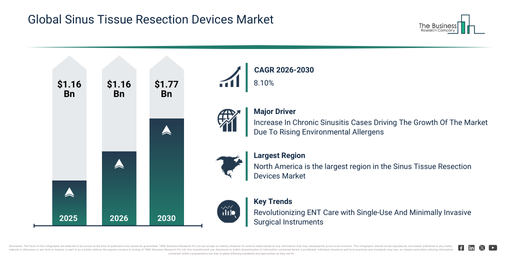
    In recent years, the sinus tissue resection devices market has expanded significantly. It is predicted to rise from $1.19 billion in 2025 to $1.29 billion in 2026, reflecting a compound annual growth rate (CAGR) of 8.4%. This growth during the past period has been influenced by the widespread use of traditional handheld tools, slower adoption of endoscopic techniques initially, the expansion of hospitals and specialty clinics, a growing number of chronic sinusitis cases, and the availability of conventional navigation and laser systems.

    Download A Free Sample Report For Comprehensive Market Insights:

    https://www.thebusinessresearchcompany.com/sample.aspx?id=24697&type=smp

    Future Market Expansion and Technological Advancements in Sinus Tissue Resection Devices

    Looking ahead, the market is expected to continue its robust growth, reaching $1.77 billion by 2030 with a CAGR of 8.1%. This positive forecast is largely due to innovations in powered microdebriders, increased integration of navigation and laser technologies, a rise in outpatient and ambulatory surgical procedures, the growth of ENT specialty clinics, and stricter regulatory and safety standards. Upcoming trends include greater adoption of powered instruments in sinus surgeries, expanded use of endoscopic methods for nasal treatments, rising demand for minimally invasive surgical options, growth of ambulatory surgical centers, and a heightened focus on precision and safety during tissue resection.

    The Rising Impact of Chronic Sinusitis on Market Demand

    A key driver of market growth is the increasing prevalence of chronic sinusitis, a prolonged inflammation of the sinuses lasting over 12 weeks. This condition causes symptoms such as nasal congestion, facial pain, and diminished sense of smell. Environmental factors like pollen and pollution contribute to the rising incidence by triggering inflammation and prolonging sinus infections. Sinus tissue resection devices play a vital role in managing chronic sinusitis by allowing precise removal of obstructive tissues, improving sinus drainage, and reducing inflammation, which helps alleviate symptoms and decrease recurrent infections. For example, data from December 2023 by TGH Urgent Care powered by Fast Track revealed that almost 29 million adults in the United States—accounting for 11.6% of the adult population—suffered from sinusitis in 2023, making it a leading cause of doctor visits and bolstering demand for sinus tissue resection solutions.

    Access The Complete Sinus Tissue Resection Devices Market Report:

    https://www.thebusinessresearchcompany.com/report/sinus-tissue-resection-devices-global-market-report

    Segmentation Overview of the Sinus Tissue Resection Devices Market

    This market is categorized into several segments to capture its scope comprehensively:

    – By Product Type: Powered Instruments, Handheld Instruments, Endoscopic Instruments, and Other Product Types

    – By Distribution Channel: Direct Sales, Distributors, Online Retailers, Hospital Procurement Departments, and Specialized Medical Supply Companies

    – By Application: Sinus Surgery, Nasal Polypectomy, Chronic Sinusitis Treatment, Septoplasty, and Other Uses

    – By End Use: Hospitals, Specialty Clinics, Ambulatory Surgical Centers, and Other Users

    Further breakdown includes powered instruments such as powered microdebriders and suction devices; handheld tools like forceps and scalpels; endoscopic instruments including endoscopes and cameras; and other products such as navigation and laser systems.

    Innovations Reshaping the Sinus Tissue Resection Devices Market

    Leading companies in this sector are focusing on developing advanced solutions, including single-use ENT instruments, which aim to improve efficiency and accessibility in ear, nose, and throat care. These disposable, sterile devices reduce infection risks and eliminate the need for reprocessing, making them ideal for outpatient procedures. For instance, in March 2024, Olympus Canada introduced the CELERIS Single-Use Sinus Debrider and Celon Elite systems, featuring a bendable tip for enhanced precision and reducing the need to switch instruments during surgery. This product launch offers healthcare providers a cost-effective and practical option for treating common ENT conditions like sinusitis outside traditional operating rooms.

    Top Players Competing in the Sinus Tissue Resection Devices Market

    The market is dominated by prominent companies including Johnson And Johnson, Medtronic Plc, Stryker Corporation, B Braun Melsungen AG, Olympus Corporation, Smith And Nephew plc, Cook Medical, Karl Storz GmbH And Co KG, Integra LifeSciences Holdings Corporation, Meril Life Sciences Pvt Ltd, Summit Medical Inc, PENTAX Medical, STILLE AB, Entellus Medical Inc, ClaroNav Kolahi Inc, Millennium Surgical Corp, Sinusys Corporation, Spiggle And Theis Medizintechnik GmbH, Beijing VCA Laser Technology Co Ltd, Medicon eG, Heinz Kurz GmbH Medizintechnik, and Rudolf Medical GmbH.

    Regional Market Distribution and Growth Patterns

    In 2025, North America held the largest market share for sinus tissue resection devices. Meanwhile, the Asia-Pacific region is anticipated to experience the fastest growth during the forecast period. Other key regions covered in the market analysis include South East Asia, Western Europe, Eastern Europe, South America, the Middle East, and Africa, providing a global perspective on market expansion.

    Get in touch with us:

    The Business Research Company: https://www.thebusinessresearchcompany.com/

    Americas: +1 310-496-7795

    Asia: +44 7882 955267 & +91 8897263534

    Europe: +44 7882 955267

    Email us at: marketing@tbrc.info

    Follow us on:

    LinkedIn: https://in.linkedin.com/company/the-business-research-company

    YouTube: https://www.youtube.com/channel/UC24_fI0rV8cR5DxlCpgmyFQ

    Global Market Model: https://www.thebusinessresearchcompany.com/global-market-model
  • Sinus Dilation Devices Market Growth Outlook Reveals A CAGR Of 9.1% And A Market Value Of $4.83 Billion By 2030

    Sinus Dilation Devices Market Growth Outlook Reveals A CAGR Of 9.1% And A Market Value Of $4.83 Billion By 2030

    Delivering more actionable and strategically valuable research, The Business Research Company’s 2026 market reports feature market attractiveness analysis, total addressable market evaluation, company benchmarking matrices, interactive Excel dashboards, expanded supply chain intelligence, emerging startup coverage, and detailed product insights.

    The market for sinus dilation devices is witnessing rapid growth, driven by advancements in medical technology and an increasing prevalence of sinus-related conditions. As more minimally invasive procedures gain acceptance, this sector is set to expand significantly in the coming years. Below is a detailed exploration of the market size, key growth factors, product segments, industry trends, leading companies, and regional outlook.

    Steady Growth and Future Outlook in the Sinus Dilation Devices Market

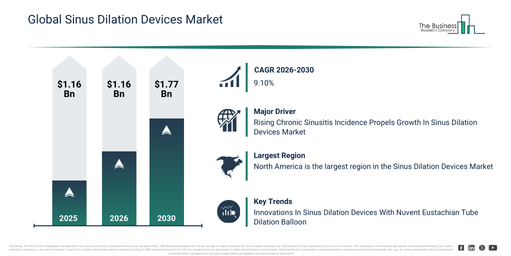
    The sinus dilation devices market has demonstrated strong growth recently, with revenues expected to rise from $3.15 billion in 2025 to $3.42 billion in 2026, marking a compound annual growth rate (CAGR) of 8.6%. This upward trend in recent years has been supported by the growing incidence of chronic sinusitis, wider adoption of endoscopic sinus surgeries, expansion of ENT specialty clinics, advancements in diagnostic imaging, and heightened awareness of minimally invasive treatment options. Looking ahead, the market is forecast to reach $4.84 billion by 2030, growing at a CAGR of 9.1%. Driving this future growth are factors such as increased demand for outpatient sinus treatments, emphasis on shortening procedure times, expansion of pediatric sinus care, adoption of sophisticated navigation systems, and greater investment in ENT medical devices. Key trends shaping the market include expanded use of minimally invasive sinus procedures, balloon-based dilation techniques, office-based ENT treatments, drug-eluting sinus implants, and a stronger focus on improving patient recovery outcomes.

    Download A Free Sample Report For Comprehensive Market Insights:

    https://www.thebusinessresearchcompany.com/sample.aspx?id=12233&type=smp

    Rising Prevalence of Chronic Sinusitis Influencing Market Demand

    One of the primary factors fueling the demand for sinus dilation devices is the high and rising prevalence of chronic sinusitis. This condition, characterized by prolonged inflammation and swelling of the sinuses lasting 12 weeks or more, often requires intervention to relieve blockages and improve drainage. Balloon sinuplasty, a technique that uses a balloon to gently open nasal passages, has become a favored treatment option. For example, in January 2023, Frontiers, a US-based open-access journal, reported that chronic sinusitis affected 10% of the population in China, with urban residents showing an 18% prevalence and rural residents 27%. Similarly, in February 2023, Pulse Notes, a UK medical data company, indicated that 10% of the UK population suffers from chronic sinusitis, with 4% affected by chronic sinusitis accompanied by nasal polyps. These statistics underline the significant patient base driving market expansion.

    Segmenting the Sinus Dilation Devices Market by Product and Application

    This market is categorized across several important segments. By product type, it includes Balloon Sinus Dilation Devices and Sinus Stents or Implants. The procedure segment is divided into Standalone and Hybrid methods. Application-wise, the market covers both Adult and Pediatric uses. In terms of end users, the devices are employed mainly in Hospitals, ENT Clinics, and other healthcare settings. Further product subcategories break down Balloon Sinus Dilation Devices into Balloon Catheters, Balloon Inflation Devices, and Balloon Sinus Dilation Kits. Sinus Stents or Implants are divided into Biodegradable Sinus Stents, Non-Biodegradable Sinus Stents, and Drug-Eluting Sinus Implants.

    Access The Complete Sinus Dilation Devices Market Report:

    https://www.thebusinessresearchcompany.com/report/sinus-dilation-devices-global-market-report

    Innovative Trends Enhancing the Sinus Dilation Devices Market

    Key players in the sinus dilation devices industry are focusing on introducing advanced technologies to improve patient outcomes and procedural success. One notable innovation is the development of flexible balloon sections designed to navigate the complex sinus anatomy with greater ease. For example, in February 2023, Ireland-based Medtronic PLC launched the NuVent Eustachian Tube Dilation Balloon, which received FDA approval. This device treats Eustachian tube dysfunction, a condition causing ear pain, pressure, and hearing difficulties. Its flexible balloon allows customized placement tailored to each patient’s anatomy and offers a minimally invasive alternative to traditional surgeries, benefiting patients who need more than just medication like nasal sprays.

    Competitive Landscape of the Sinus Dilation Devices Industry

    The sinus dilation devices market features several prominent companies leading innovation and competition. Major players include Medtronic plc, Johnson & Johnson Co, Olympus Corporation, Karl Storz GmbH & Co. KG, Richard Wolf GmbH, Cook Medical Inc., SinuSys Corporation, XION GmbH, Innovia Medical, Smith & Nephew PLC, B. Braun Melsungen AG, Teleflex Incorporated, Sklar Corporation, Meril Life Sciences Pvt. Ltd., Innaccel Technologies Pvt. Ltd., Poba Medical, Fujifilm Corporation, SPIGGLE & THEIS Medizintechnik GmbH, Heinz Kurz GmbH Medizintechnik, and Medicon eG, among others. These companies are instrumental in driving technological advancements and expanding market reach.

    Regional Market Insights Highlighting Growth Opportunities

    In 2025, North America led the sinus dilation devices market in terms of size and revenue. However, the Asia-Pacific region is projected to be the fastest-growing market during the forecast period. The market assessment covers several regions including Asia-Pacific, South East Asia, Western Europe, Eastern Europe, North America, South America, the Middle East, and Africa, providing a comprehensive understanding of global market trends and opportunities.

    Get in touch with us:

    The Business Research Company: https://www.thebusinessresearchcompany.com/

    Americas: +1 310-496-7795

    Asia: +44 7882 955267 & +91 8897263534

    Europe: +44 7882 955267

    Email us at: marketing@tbrc.info

    Follow us on:

    LinkedIn: https://in.linkedin.com/company/the-business-research-company

    YouTube: https://www.youtube.com/channel/UC24_fI0rV8cR5DxlCpgmyFQ

    Global Market Model: https://www.thebusinessresearchcompany.com/global-market-model
  • Single-Use Bioprocessing Connectors Market Forecast Highlights Expansion From $1.96 Billion To $3.92 Billion Through 2030

    Single-Use Bioprocessing Connectors Market Forecast Highlights Expansion From $1.96 Billion To $3.92 Billion Through 2030

    Enhanced with market attractiveness analysis, total addressable market evaluation, company benchmarking matrices, interactive Excel dashboards, expanded supply chain intelligence, emerging startup coverage, and detailed product insights, The Business Research Company’s 2026 market reports deliver more actionable and strategically valuable research.

    The single-use bioprocessing connectors market is experiencing rapid growth as the biopharmaceutical industry increasingly adopts advanced technologies to enhance manufacturing efficiency and maintain sterile conditions. This report delves into the current market size, key driving factors, segment breakdown, leading companies, and regional trends shaping the future of this vital sector.

    Market Size Expansion and Revenue Forecasts for Single-Use Bioprocessing Connectors

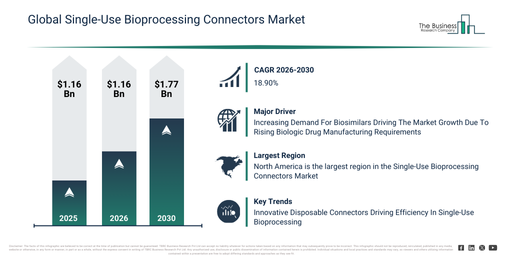
    The market for single-use bioprocessing connectors has expanded significantly in recent years. It is projected to grow from $1.65 billion in 2025 to $1.96 billion in 2026, reflecting a robust compound annual growth rate (CAGR) of 18.8%. This upward trend during the historical period can be linked to the increasing demand for sterile connectors, the rise of biopharmaceutical manufacturing, limited automation in upstream processes, continued reliance on traditional connectors, and strict regulatory requirements. Looking ahead, the market is expected to reach $3.92 billion by 2030 with a CAGR of 18.9%, driven by the expansion of single-use technologies, greater use of aseptic connectors in automated systems, rising contract manufacturing adoption, growth in biologics and cell therapies, and a focus on minimizing contamination risks. Emerging trends such as disposable bioprocessing systems, contamination-free fluid transfer, greater upstream automation, the shift to single-use fill-finish operations, and standardization of connector interfaces are shaping this growth phase.

    Download A Free Sample Report For Comprehensive Market Insights:

    https://www.thebusinessresearchcompany.com/sample.aspx?id=25902&type=smp

    Factors Contributing to the Growth of the Single-Use Bioprocessing Connectors Market

    One of the key growth drivers for the single-use bioprocessing connectors market is the rising demand for biosimilars. Biosimilars are biologic medicines that are highly comparable to already approved biologics, offering similar safety and effectiveness. The increasing prevalence of chronic diseases necessitates long-term biologic treatments, which makes cost-effective biosimilars more attractive to patients and healthcare providers. Single-use bioprocessing connectors play a crucial role in manufacturing biosimilars by enabling sterile and flexible fluid transfer, which streamlines production processes, ensures high product quality, reduces batch failure risks, and cuts operational costs, ultimately accelerating biosimilar availability in the market.

    Supporting data highlights this trend: as of January 2023, the US-based healthcare company Cardinal Health Inc. reported that FDA approvals for biosimilars had risen to 40, with 25 commercially available products. This growing acceptance and use of biosimilars are significantly boosting the demand for single-use bioprocessing connectors.

    Access The Complete Single-Use Bioprocessing Connectors Market Report:

    https://www.thebusinessresearchcompany.com/report/single-use-bioprocessing-connectors-global-market-report

    Segment Breakdown and Revenue Opportunities Within the Single-Use Bioprocessing Connectors Market

    This market is segmented by product type, application, and end user to provide detailed insights. Product categories include aseptic connectors and conventional connectors. Aseptic connectors further break down into genderless aseptic connectors, gendered aseptic connectors, and sterile disconnectors. Conventional connectors cover luer connectors, tube-to-tube connectors, and fittings and clamps. Applications are divided into upstream bioprocessing, downstream bioprocessing, and fill-finish operations. End users consist of biopharmaceutical and pharmaceutical companies, contract research organizations (CROs) and contract manufacturing organizations (CMOs), as well as academic and research institutes. This segmentation supports a comprehensive understanding of market dynamics and revenue prospects.

    Innovations and Trends Shaping Competitive Dynamics in the Single-Use Bioprocessing Connectors Market

    Leading players in this market are focusing on advancing product innovation to enhance operational efficiency and reduce contamination risks. A major development is the introduction of disposable bioprocess connectors—single-use components designed to connect fluid lines without requiring cleaning or sterilization. These connectors significantly lower the risk of cross-contamination, reduce cleaning validation needs, and boost efficiency in sterile fluid handling. For example, in April 2023, CPC Colder Products Company launched the AseptiQuik W Series, featuring the industry’s largest genderless aseptic connectors with a 1.5-inch flow path. This innovative product supports high-volume sterile fluid transfer, speeding up fluid transfer times and improving throughput, which benefits single-use bioprocessing applications by minimizing contamination risks and eliminating cleaning between batches.

    Key Industry Players Driving the Single-Use Bioprocessing Connectors Market

    The single-use bioprocessing connectors market includes several prominent companies shaping its future. Notable players are Compagnie de Saint Gobain S A, Thermo Fisher Scientific Inc, Danaher Corporation, Merck KGaA, Sartorius AG, Repligen Corporation, Pall Corporation, Nordson Corporation, Watson Marlow Limited, Colder Products Company, Shanghai LePure Biotech Co Ltd, Qosina Corp, SaniSure GmbH, Ami Polymer Private Limited, Foxx Life Sciences LLC, Bio Link LLC, Liquidyne Process Technologies Inc, PharSol Technology Solutions Private Limited, BioPulse Solutions Inc, CPC Biopharma Connectors, AdvantaPure, and Teknor Apex Healthcare. These companies drive innovation and compete by developing advanced solutions to meet evolving industry needs.

    Geographical Market Analysis and Regions with the Fastest Growth in Single-Use Bioprocessing Connectors

    In 2025, North America accounted for the largest share of the single-use bioprocessing connectors market. However, Asia-Pacific is anticipated to experience the fastest growth during the forecast period. The market report covers regions including Asia-Pacific, South East Asia, Western Europe, Eastern Europe, North America, South America, the Middle East, and Africa, providing a global perspective on emerging opportunities and regional market dynamics.

    Get in touch with us:

    The Business Research Company: https://www.thebusinessresearchcompany.com/

    Americas: +1 310-496-7795

    Asia: +44 7882 955267 & +91 8897263534

    Europe: +44 7882 955267

    Email us at: marketing@tbrc.info

    Follow us on:

    LinkedIn: https://in.linkedin.com/company/the-business-research-company

    YouTube: https://www.youtube.com/channel/UC24_fI0rV8cR5DxlCpgmyFQ

    Global Market Model: https://www.thebusinessresearchcompany.com/global-market-model
  • Ultraviolet-C (UVC) Disinfection Products Market Growth Is Reshaping Competitive Advantage Across The Industry

    Ultraviolet-C (UVC) Disinfection Products Market Growth Is Reshaping Competitive Advantage Across The Industry

    Enhanced with market attractiveness analysis, total addressable market evaluation, company benchmarking matrices, interactive Excel dashboards, expanded supply chain intelligence, emerging startup coverage, and detailed product insights, The Business Research Company’s 2026 market reports deliver more actionable and strategically valuable research.

    The ultraviolet-C (UVC) disinfection products market has experienced significant expansion in recent years, driven by increasing awareness of infection control and advancements in disinfection technology. As demand for safer and chemical-free sanitation solutions continues to rise, the market is positioned for rapid growth in the coming years. The following sections explore the market’s current size, growth drivers, key players, and emerging trends that are shaping its future.

    Ultraviolet-C Disinfection Products Market Size and Expected Growth

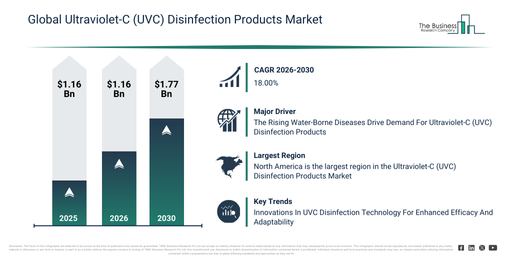
    The ultraviolet-C disinfection products market has expanded notably, with its size growing from $12.07 billion in 2025 to $14.24 billion in 2026, marking a compound annual growth rate (CAGR) of 17.9%. This historical growth is largely attributed to heightened infection prevention awareness, wider adoption of UVC technology in healthcare settings, improved public hygiene standards, and increased demand for non-chemical disinfection methods. Looking ahead, the market is projected to nearly double, reaching $27.61 billion by 2030 at a CAGR of 18.0%. This forecasted surge is supported by growing investments in smart disinfection technologies, rising preference for automated sanitation solutions, expansion of UVC applications in public spaces, and stronger regulatory focus on indoor environmental safety.

    Download A Free Sample Report For Comprehensive Market Insights:

    https://www.thebusinessresearchcompany.com/sample.aspx?id=19233&type=smp

    Key Factors Propelling Growth in the Ultraviolet-C Disinfection Products Market

    One major factor driving the expansion of the UVC disinfection market is the increasing prevalence of water-borne diseases worldwide. These illnesses, caused by bacteria, viruses, and parasites transmitted through contaminated water, are rising due to issues such as pollution, poor sanitation, and limited access to clean water. UVC disinfection products play a critical role in neutralizing harmful pathogens by damaging their DNA, effectively preventing disease spread. For example, a World Health Organization report from September 2024 highlighted a 13% increase in cholera cases in 2023, along with a 71% rise in deaths compared to 2022. This growing health threat underlines the urgent need for effective water disinfection solutions, boosting demand for UVC-based products.

    The Expanding Reach of UVC Technology in Infection Control

    Beyond water treatment, the adoption of UVC technology is widening into various other sectors, including healthcare, commercial buildings, and public spaces. The growing focus on contactless and chemical-free disinfection methods is encouraging institutions to invest in UVC systems. Additionally, regulatory emphasis on improving indoor air and surface hygiene is further accelerating market growth. As a result, automated and smart UVC solutions are gaining traction, helping organizations maintain safer environments for occupants.

    Access The Complete Ultraviolet-C (UVC) Disinfection Products Market Report:

    https://www.thebusinessresearchcompany.com/report/ultraviolet-c-uvc-disinfection-products-global-market-report

    Breakdown of Ultraviolet-C Disinfection Products Market Segments

    This market covers several segments based on disinfection medium, product type, and commercial application. By disinfection medium, it is categorized into surface disinfection products, air disinfection products, and water disinfection products. Product types include UVC sanitizing or germicidal lamps, handheld sanitizer wands, UVC sanitization boxes or containers, mobile room sanitizers, and disinfection robots. Commercial applications span retail and shopping complexes, hospitals and medical centers, corporate offices, entertainment venues, public transit, and other public assembly spaces. Further subsegments provide detailed classifications such as different types of surface disinfection systems, air purification units, and water treatment devices.

    Innovative Technologies Shaping the UVC Disinfection Market

    Leading companies in the UVC disinfection sector are focusing on cutting-edge product development to improve effectiveness and adaptability. One such innovation is Sensor360 technology, which measures the reflection of UVC light to ensure accurate dosing for optimal disinfection. For example, in March 2023, Tru-D SmartUVC introduced the Tru-D iQ system, an advanced disinfection product tailored for healthcare environments, especially smaller areas like bathrooms and exam rooms. This system uses Sensor360 technology to customize disinfection cycles, guaranteeing that both direct and shaded surfaces receive the necessary UVC exposure for thorough sanitization.

    Top Companies Influencing the Ultraviolet-C Disinfection Products Market

    The market features several influential players, including Daikin Industries Ltd., Koninklijke Philips N.V., Stanley Electric Co. Ltd., Excelitas Technologies Corp., LightSources Inc., Dr. Hönle AG, Lena Lighting S.A., Servotech Power Systems Ltd., R-Zero Systems Inc., Tru-D SmartUVC LLC, Lumalier Corporation, American Ultraviolet, CleanSlate UV Inc., Seal Shield LLC, Guardian Technologies LLC (GermGuardian), Atlantic Ultraviolet Corporation, Olympia Lighting Inc., ICleanse LLC, Finsen Technologies Ltd., and UV Angel Inc. These companies are at the forefront of driving innovation, expanding product offerings, and extending the reach of UVC disinfection solutions globally.

    Regional Market Leadership and Expansion

    In 2025, North America dominated the ultraviolet-C disinfection products market, holding the largest regional share. However, the market report also covers key regions such as Asia-Pacific, South East Asia, Western Europe, Eastern Europe, South America, the Middle East, and Africa, where emerging opportunities and growth prospects are expected. The increasing adoption of UVC technology across diverse geographic areas points to a broadly expanding global footprint for the market in the coming years.

    Get in touch with us:

    The Business Research Company: https://www.thebusinessresearchcompany.com/

    Americas: +1 310-496-7795

    Asia: +44 7882 955267 & +91 8897263534

    Europe: +44 7882 955267

    Email us at: marketing@tbrc.info

    Follow us on:

    LinkedIn: https://in.linkedin.com/company/the-business-research-company

    YouTube: https://www.youtube.com/channel/UC24_fI0rV8cR5DxlCpgmyFQ

    Global Market Model: https://www.thebusinessresearchcompany.com/global-market-model
  • Ultraviolet (UV) Blocking Contact Lens Market Forecast Signals New Revenue Opportunities Through 2030

    Ultraviolet (UV) Blocking Contact Lens Market Forecast Signals New Revenue Opportunities Through 2030

    Through market attractiveness analysis, total addressable market evaluation, company benchmarking matrices, interactive Excel dashboards, expanded supply chain intelligence, emerging startup coverage, and detailed product insights, The Business Research Company’s 2026 market reports provide more actionable and strategically valuable research.

    The ultraviolet (UV) blocking contact lens industry has witnessed strong growth recently and shows promising potential for continued expansion. As awareness about eye protection increases and advancements in contact lens technology evolve, this market is positioned to meet rising consumer demand. Let’s explore the current market size, growth drivers, key segments, industry trends, leading companies, and regional dynamics shaping this sector’s future.

    Ultraviolet Blocking Contact Lens Market Size and Growth Outlook

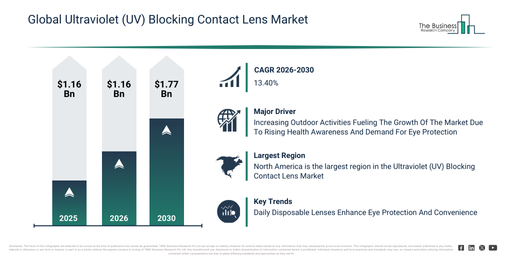
    The ultraviolet blocking contact lens market has expanded rapidly over recent years and is set to continue this trajectory. From a market size of $1.46 billion in 2025, it is expected to rise to $1.65 billion in 2026, representing a compound annual growth rate (CAGR) of 13.0%. Factors fueling this historic growth include increasing awareness about UV exposure, greater adoption of contact lenses, ophthalmologists’ recommendations, a rise in outdoor lifestyles, and ongoing demand for vision correction solutions. Looking ahead, the market is predicted to reach $2.73 billion by 2030, growing at a CAGR of 13.4%. This surge is driven by rising myopia rates, expanding pediatric eye care, innovations in lens materials, more extensive use of digital devices, and the popularity of fashion-oriented lenses. Emerging trends such as demand for outdoor eye protection, preference for daily disposable lenses, pediatric UV protection, digital eye strain solutions, and cosmetic UV lenses are expected to shape the market’s future.

    Download A Free Sample Report For Comprehensive Market Insights:

    https://www.thebusinessresearchcompany.com/sample.aspx?id=28346&type=smp

    Outdoor Activities as a Catalyst for UV Blocking Contact Lens Growth

    One of the significant factors contributing to the ultraviolet blocking contact lens market expansion is the rise in outdoor recreational activities. These activities, including hiking, cycling, and various sports, take place in open natural environments. Growing health consciousness has motivated more people to engage in such pursuits to boost their physical fitness and mental well-being. UV blocking contact lenses protect the eyes during these outdoor occasions by filtering harmful ultraviolet rays, making them especially valuable for sports enthusiasts, drivers, and outdoor workers. By reducing the risk of UV-related eye damage while maintaining clarity and comfort, these lenses enhance eye safety and user convenience.

    Supporting data highlights this trend, such as the November 2024 report from the Bureau of Economic Analysis (BEA), a U.S. federal agency. It shows that the outdoor recreation economy grew by 3.6 percent in 2023, following a 10.2 percent increase in 2022. This growth outpaced the overall U.S. economy’s 2.9 percent rise and was accompanied by a 3.2 percent increase in real gross output, 9.0 percent higher compensation, and 3.3 percent growth in employment. These figures underscore how expanding outdoor activities are fueling demand for UV blocking contact lenses.

    Access The Complete Ultraviolet (UV) Blocking Contact Lens Market Report:

    https://www.thebusinessresearchcompany.com/report/ultraviolet-uv-blocking-contact-lens-global-market-report

    Segment Breakdown and Strategic Opportunities in the UV Blocking Contact Lens Market

    This market is segmented into various categories to better understand consumer preferences and product offerings:

    1) Product Type: Daily Disposable, Weekly Disposable, Monthly Disposable, Extended Wear, and Other Product Types

    2) Material: Hydrogel, Silicone Hydrogel, Hybrid, and Other Materials

    3) Application: Corrective, Therapeutic, Cosmetic, and Other Uses

    4) Distribution Channel: Optical Stores, Online Retailers, Hospitals and Clinics, and Other Channels

    5) End-User: Adults and Children

    Further subsegments include specific types of daily disposables such as UV-Blocking Spherical, Toric, Multifocal, and Cosmetic lenses. Weekly disposables include spherical, toric, cosmetic, and therapeutic variants. Monthly disposables cover spherical, toric, multifocal, and silicone hydrogel lenses. Extended wear includes spherical, toric, high oxygen-permeable, and therapeutic lenses. Other product types feature orthokeratology, rigid gas permeable (RGP), scleral, and pediatric UV-blocking contact lenses. These classifications provide a comprehensive view of the diverse product options currently available and help guide strategic market approaches.

    Advancements and Trends Shaping the UV Blocking Contact Lens Industry

    Leading companies in this space are pushing innovation to meet consumer needs, especially by developing daily disposable lenses that offer enhanced eye protection and convenience. Daily disposables are used for a single day and discarded, reducing infection risks and simplifying lens care. For example, in March 2023, CooperVision Inc., a U.S.-based medical device company, introduced the MyDay Energys contact lenses. These lenses combine UV protection with features that ease digital eye strain. They incorporate DigitalBoost technology, which adds a +0.3D power boost to lessen fatigue from prolonged screen time. Aquaform Technology helps the lenses retain twice their weight in water, ensuring comfort and moisture. Additionally, their built-in UV protection safeguards eyes from harmful rays while maintaining clear vision throughout the day.

    Key Companies Driving Competition in the UV Blocking Contact Lens Market

    The ultraviolet blocking contact lens market includes several prominent players that compete by innovating and expanding their product lines. These leading companies include Alcon Inc., Johnson And Johnson Vision Care Inc., CooperVision Inc., Bausch + Lomb Incorporated, Hoya Corporation, Menicon Co. Ltd., SEED Co. Ltd., St. Shine Optical Co. Ltd., Interojo Inc., Clearlab International Pte. Ltd., Visioneering Technologies Inc., BostonSight Inc., Contamac Ltd., Neo Vision Co. Ltd., UltraVision CLPL, Camax Optical Corp., Purecon Lenses Pvt. Ltd., Ovctek Inc., Ginko International Co. Ltd., Hydron Ltd., and Precilens SAS. Their ongoing research, development, and marketing efforts are critical to shaping the competitive landscape of this growing industry.

    Regional Insights on Market Growth and Expansion

    In 2025, North America held the largest share of the ultraviolet blocking contact lens market, reflecting high consumer awareness and well-established healthcare infrastructure. Meanwhile, the Asia-Pacific region is expected to become the fastest-growing market during the forecast period. This growth is attributed to rising disposable incomes, increasing myopia prevalence, expanding pediatric eye care, and greater adoption of contact lenses in emerging economies. The report covers key regions including Asia-Pacific, South East Asia, Western Europe, Eastern Europe, North America, South America, the Middle East, and Africa, offering a comprehensive overview of global market trends and opportunities.

    Get in touch with us:

    The Business Research Company: https://www.thebusinessresearchcompany.com/

    Americas: +1 310-496-7795

    Asia: +44 7882 955267 & +91 8897263534

    Europe: +44 7882 955267

    Email us at: marketing@tbrc.info

    Follow us on:

    LinkedIn: https://in.linkedin.com/company/the-business-research-company

    YouTube: https://www.youtube.com/channel/UC24_fI0rV8cR5DxlCpgmyFQ

    Global Market Model: https://www.thebusinessresearchcompany.com/global-market-model
  • Ultrasound Transducer Market Growth Is Accelerating As Industry Transformation Continues

    Ultrasound Transducer Market Growth Is Accelerating As Industry Transformation Continues

    Delivering more actionable and strategically valuable research, The Business Research Company’s 2026 market reports feature market attractiveness analysis, total addressable market evaluation, company benchmarking matrices, interactive Excel dashboards, expanded supply chain intelligence, emerging startup coverage, and detailed product insights.

    The ultrasound transducer market has been witnessing steady development, driven by the growing application of ultrasound technology in various medical fields. As medical imaging continues to evolve, this sector is set to expand further, supported by technological advancements and increasing clinical demand. Let’s explore the market’s size, growth factors, segmentation, innovations, major players, and regional outlook to understand its trajectory through 2030.

    Ultrasound Transducer Market Size and Growth Forecast

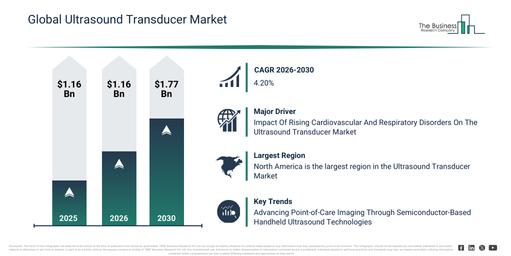
    The ultrasound transducer market has shown consistent growth in recent years, with its value expected to rise from $4.51 billion in 2025 to $4.68 billion in 2026. This represents a compound annual growth rate (CAGR) of 3.7%. This historical growth stems largely from the increasing use of ultrasound imaging in hospitals and diagnostic centers, a boost in obstetrics and gynecology scanning procedures, heightened demand for cardiovascular and vascular imaging, expansion in general and musculoskeletal ultrasound applications, and the availability of various transducer designs tailored for different clinical needs.

    Download A Free Sample Report For Comprehensive Market Insights:

    https://www.thebusinessresearchcompany.com/sample.aspx?id=13549&type=smp

    Looking ahead, the market is projected to continue its upward trend, reaching $5.52 billion by 2030 with a CAGR of 4.2%. Several factors are expected to drive this growth, including the rising adoption of point-of-care ultrasound devices, increasing demand for high-resolution and specialized ultrasound probes, the expansion of ambulatory and outpatient diagnostic services, and greater clinical use of Doppler and 3D/4D ultrasound technologies. Additionally, the need to replace worn-out probes and upgrade equipment will contribute to market expansion. Emerging trends involve a stronger preference for specialized transducers targeting cardiovascular, obstetrics, and musculoskeletal imaging, as well as the growing use of small-footprint, high-frequency probes to improve image quality and procedural accuracy.

    Key Drivers Boosting the Ultrasound Transducer Market

    A major factor behind the market’s growth is the increasing prevalence of cardiovascular and respiratory diseases worldwide. These conditions affect the heart, blood vessels, lungs, and airways, and ultrasound transducers are critical tools for diagnosing and managing such disorders by providing detailed imaging of these organs.

    Access The Complete Ultrasound Transducer Market Report:

    https://www.thebusinessresearchcompany.com/report/ultrasound-transducer-global-market-report

    To illustrate, a study published in December 2023 by JAMA Network Open forecasted that chronic obstructive pulmonary disease (COPD) cases globally could reach nearly 600 million by 2050, marking a 23% increase in prevalence. Notably, female cases are expected to surge by 47.1%, while male cases will rise by 9.4%. This growing disease burden is one of the primary factors propelling demand for ultrasound transducers to support early diagnosis and ongoing patient care.

    Detailed Market Segmentation of the Ultrasound Transducer Industry

    This market is segmented across several categories to address diverse clinical needs:

    – By Product: Linear, Convex, Phased Array, Endocavitary, Continuous Wave Doppler, and Other Products

    – By Application: Cardiovascular, General Imaging, Musculoskeletal, Obstetrics and Gynecology, Vascular, and Other Areas

    – By End User: Hospitals, Diagnostic Centers, Ambulatory Surgical Centers, and Clinics

    Further subcategories include high-frequency and low-frequency linear transducers; microconvex and full-range convex transducers; small footprint and full-sector phased array transducers; vaginal and rectal endocavitary transducers; pedoff-type and immersion continuous wave Doppler transducers; and specialized products like 3D/4D transducers and intravascular ultrasound (IVUS) transducers.

    Innovations Transforming the Ultrasound Transducer Market

    Leading companies in this sector are focusing on cutting-edge technology to meet clinical demands in challenging environments. One notable innovation is the development of semiconductor-based handheld point-of-care ultrasound (POCUS) probes. These devices utilize CMOS-MEMS ultrasound-on-chip technology, replacing multiple discrete piezoelectric elements with a single silicon chip, which enables wider bandwidth, faster frame rates, new 3D capture modes, and a more compact, lightweight design.

    For example, in February 2024, US-based Butterfly Network unveiled the Butterfly iQ3, a next-generation handheld whole-body ultrasound probe. Powered by their advanced P4.3 Ultrasound-on-Chip technology, the iQ3 offers double the processing speed and data transfer compared to its predecessor. It also introduces automated 3D imaging tools known as iQ Slice and iQ Fan, alongside a smaller, more ergonomic form factor, faster charging, and extended battery life. This breakthrough aims to deliver near-cart ultrasound image quality in a highly portable device.

    Leading Companies Shaping the Ultrasound Transducer Market

    Several key players dominate the ultrasound transducer market, including Hitachi Medical Corporation, Siemens Healthineers, Fujifilm Holdings Corporation, Koninklijke Philips N.V., Alpinion Medical Systems Co. Ltd., GE HealthCare Technologies Inc., Shenzhen Mindray Bio-Medical Electronics Co. Ltd., Neusoft Medical Systems Co. Ltd., Canon Medical Systems Corporation, Samsung Medison Co. Ltd., Esaote SpA, SonoScape Medical Corp., Edan Instruments Inc., Butterfly Network Inc., eZono AG, Broadsound Corporation, iThera Medical GmbH, Shenzhen JiaRui Electronic Technology Co. Ltd., Exact Imaging Inc., MediView LLC, Sonavex Inc., and iSono Health Inc.

    Regional Market Leadership and Growth Expectations

    In 2025, North America held the largest share of the ultrasound transducer market. However, the Asia-Pacific region is expected to experience the fastest growth during the forecast period. The market report also includes insights into other important regions such as South East Asia, Western Europe, Eastern Europe, South America, the Middle East, and Africa, providing a comprehensive view of global market dynamics.

    Get in touch with us:

    The Business Research Company: https://www.thebusinessresearchcompany.com/

    Americas: +1 310-496-7795

    Asia: +44 7882 955267 & +91 8897263534

    Europe: +44 7882 955267

    Email us at: marketing@tbrc.info

    Follow us on:

    LinkedIn: https://in.linkedin.com/company/the-business-research-company

    YouTube: https://www.youtube.com/channel/UC24_fI0rV8cR5DxlCpgmyFQ

    Global Market Model: https://www.thebusinessresearchcompany.com/global-market-model