Category: Medical Equipment

  • Transport Media Market Growth Through 2030 Creates New Strategic Opportunities

    Transport Media Market Growth Through 2030 Creates New Strategic Opportunities

    Delivering more actionable and strategically valuable research, The Business Research Company’s 2026 market reports feature market attractiveness analysis, total addressable market evaluation, company benchmarking matrices, interactive Excel dashboards, expanded supply chain intelligence, emerging startup coverage, and detailed product insights.

    The transport media market has demonstrated significant growth recently, driven by advancements in diagnostic testing and laboratory capabilities. This sector plays a crucial role in facilitating safe and efficient specimen transportation, which is essential for accurate disease detection and management. Let’s explore the current market size, key growth drivers, segment classifications, ongoing innovations, major players, and regional dynamics shaping this industry.

    Transport Media Market Size and Expected Growth Trajectory

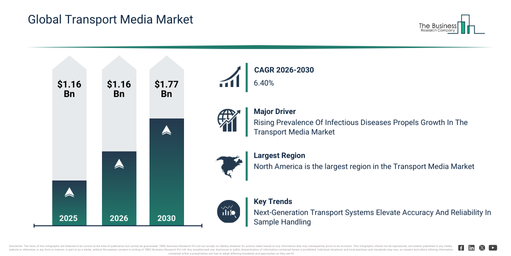
    The transport media market has expanded considerably in recent years. It is projected to increase from $3.3 billion in 2025 to $3.5 billion in 2026, representing a compound annual growth rate (CAGR) of 6.0%. Historical growth has been fueled by increased volumes of diagnostic testing, expanded laboratory-based disease identification, widespread adoption of microbiological tests, strengthening hospital laboratory infrastructure, and a growing reliance on viral transport media.

    Download A Free Sample Report For Comprehensive Market Insights:

    https://www.thebusinessresearchcompany.com/sample.aspx?id=10220&type=smp

    Looking ahead, the market is set to continue this upward trend, reaching $4.48 billion by 2030 with a CAGR of 6.4%. This expansion will be driven by a stronger focus on molecular diagnostics, higher demand for rapid and precise testing methods, growth in decentralized diagnostic centers, greater attention to biospecimen quality, and increased investments in laboratory automation. Key trends expected to influence the market include rising demand for molecular transport media, more frequent use of PCR-compatible transport solutions, enhanced preservation of sample integrity, wider adoption of cold-chain-compatible media, and improved standardization in diagnostic sample transportation.

    Factors Behind the Rising Demand in the Transport Media Market

    One of the major factors propelling growth in the transport media sector is the increasing prevalence of infectious diseases worldwide. These diseases, caused by pathogens like viruses, bacteria, fungi, and parasites, spread through contaminated food, water, and direct transmission. Molecular transport media are vital in minimizing infection risks by enabling safer handling and transit of clinical samples. This safety aspect significantly contributes to market expansion.

    Access The Complete Transport Media Market Report:

    https://www.thebusinessresearchcompany.com/report/transport-media-global-market-report

    For instance, in February 2024, the UK Health Security Agency reported a 10.7% rise in tuberculosis (TB) cases in England, with 4,850 incidents in 2023 compared to 4,380 in 2022. The uptick in infectious disease cases like TB intensifies the need for effective transport media solutions to support timely and accurate diagnostics, thereby accelerating market growth.

    A Closer Look at Transport Media Market Segmentation

    This report outlines the transport media market through several important segments:

    1) Product Types:

    – Viral Transport Media

    – Universal Transport Media

    – Molecular Transport Media

    – Other Products

    2) Indications:

    – Viral Diseases

    – Non-Viral Diseases

    3) End Users:

    – Hospitals

    – Clinics

    – Microbiology Laboratories

    – Other End Users

    Further product subcategories include:

    – Viral Transport Media split into Serum-Based Media and Cell Culture Media

    – Universal Transport Media comprising Buffered Saline and Phosphate-Buffered Saline (PBS)

    – Molecular Transport Media including DNA or RNA Stabilization Solutions and PCR-Compatible Media

    – Other Products featuring Specialized Transport Media and Custom Formulated Media

    Innovations that are Changing the Transport Media Industry

    Major players in this field are actively developing cutting-edge products designed to improve sample integrity during collection and transport, which ensures more reliable diagnostic results. Specimen collection and transport systems are sophisticated media that collect, inactivate, and preserve clinical samples through transit to maintain stability until testing.

    For example, in September 2025, Puritan Medical Products, a US-based company specializing in diagnostic swabs and collection solutions, unveiled the PurSafe Plus Collection & Transport System. This innovation combines a proprietary transport medium with patented flocked swabs engineered to enhance absorption and release of respiratory specimens. Additionally, it inactivates and stabilizes pathogens, including those linked to Severe Acute Respiratory Syndrome Coronavirus 2 (SARS-CoV-2), thereby improving the accuracy of downstream molecular and virology testing.

    Key Companies Leading the Transport Media Market

    Several prominent organizations dominate the transport media industry, including Thermo Fisher Scientific Inc., Becton Dickinson and Company, Hardy Diagnostics, HiMedia Laboratories Pvt. Ltd., Titan Biotech Ltd., Merck KGaA, Lonza Group AG, BioLife Solutions Inc., Copan Diagnostics Inc., Eiken Chemical Co. Ltd., Puritan Medical Products, Trinity Biotech plc, Sarstedt AG & Co., Neogen Corporation, Medical Wire & Equipment Co. Ltd., Creative Diagnostics, MedSchenker, Alifax S.r.l., Beijing Wantai Biological Pharmacy Enterprise Co. Ltd., Sisco Research Laboratories Pvt. Ltd., Falcon Laboratories Inc., LAB M Holdings Ltd., Nissui Pharmaceutical Co. Ltd., Spectrum Chemical Manufacturing Corp., TCS Biosciences Ltd., BioMerieux SA, and Biomed Diagnostics Inc. These companies focus on innovation, strategic positioning, and expanding their global reach.

    Regional Insights Highlighting Growth Opportunities in Transport Media

    As of 2025, North America holds the largest share of the transport media market. The report also covers key regions such as Asia-Pacific, South East Asia, Western Europe, Eastern Europe, South America, the Middle East, and Africa. While North America leads in market size, several emerging regions are expected to contribute significantly to the market’s future expansion due to increased healthcare infrastructure development and rising diagnostic needs.

    Get in touch with us:

    The Business Research Company: https://www.thebusinessresearchcompany.com/

    Americas: +1 310-496-7795

    Asia: +44 7882 955267 & +91 8897263534

    Europe: +44 7882 955267

    Email us at: marketing@tbrc.info

    Follow us on:

    LinkedIn: https://in.linkedin.com/company/the-business-research-company

    YouTube: https://www.youtube.com/channel/UC24_fI0rV8cR5DxlCpgmyFQ

    Global Market Model: https://www.thebusinessresearchcompany.com/global-market-model
  • Transplant Diagnostics Market Size Projected To Increase From $2.24 Billion To $2.95 Billion During The Forecast Period

    Transplant Diagnostics Market Size Projected To Increase From $2.24 Billion To $2.95 Billion During The Forecast Period

    Enhanced with market attractiveness analysis, total addressable market evaluation, company benchmarking matrices, interactive Excel dashboards, expanded supply chain intelligence, emerging startup coverage, and detailed product insights, The Business Research Company’s 2026 market reports deliver more actionable and strategically valuable research.

    The transplant diagnostics sector is experiencing significant growth fueled by advancements in medical technology and rising demand for organ transplantation procedures worldwide. As this field evolves, it is essential to understand the current market size, key growth drivers, major players, and future prospects shaping its trajectory.

    Market Size and Growth Outlook for the Transplant Diagnostics Market

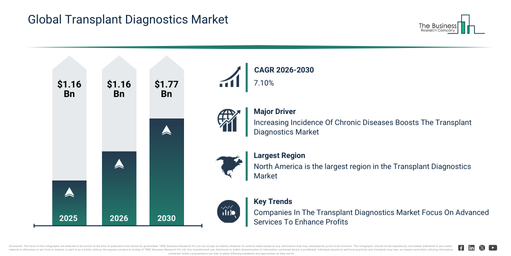
    The transplant diagnostics market has demonstrated strong expansion in recent years. It is projected to increase from $2.07 billion in 2025 to $2.25 billion in 2026, reflecting an annual growth rate of 8.5%. This upward trend during the historical period is largely due to the rising number of organ transplant operations, progress in histocompatibility testing, a growing incidence of immunogenetic disorders, the establishment of more transplant centers, and government support for organ donation initiatives.

    Looking ahead, the market is set to grow further, reaching an estimated $2.96 billion by 2030, with a compound annual growth rate (CAGR) of 7.1%. Factors driving this projected growth include the integration of artificial intelligence and machine learning in diagnostic testing, the adoption of next-generation sequencing (NGS) technologies, expansion in personalized immunotherapy treatments, the rise of cloud-based diagnostic platforms, and increased global awareness of organ donation. Key trends expected to influence the market during the forecast period involve faster histocompatibility testing, AI-enhanced donor-recipient matching, incorporation of molecular diagnostics, high-throughput screening methods, and cloud-based transplant data management systems.

    Download A Free Sample Report For Comprehensive Market Insights:

    https://www.thebusinessresearchcompany.com/sample.aspx?id=2481&type=smp

    Primary Factors Catalyzing Growth in the Transplant Diagnostics Market

    One significant factor propelling the transplant diagnostics market is the rising prevalence of chronic diseases. Chronic illnesses such as diabetes, heart disease, and arthritis are long-term conditions that often require continuous medical care and lifestyle adjustments. Their prevalence is increasing due to unhealthy habits including poor diet, lack of physical activity, and smoking, all of which raise the risk of these conditions.

    Transplant diagnostics play a critical role in managing these diseases by enabling accurate monitoring of organ health and early detection of complications related to transplants. This technology supports better patient outcomes through timely clinical interventions, personalized treatment strategies, and improved long-term organ survival and healthcare management. For instance, in June 2024, the UK’s National Health Service reported an 18% increase in patients diagnosed with non-diabetic hyperglycemia or pre-diabetes, totaling 3,615,330 cases in 2023 compared to 3,065,825 in 2022. Such trends highlight how chronic disease prevalence is enhancing the demand for transplant diagnostics.

    How the Transplant Diagnostics Market Is Organized Across Various Segments

    This market is categorized into several segments to provide a detailed understanding:

    1) By Type: Reagents and Consumables, Instruments, Software and Services

    2) By Transplant Type: Solid Organ Transplant, Stem Cell Transplant

    3) By Organ: Kidney, Liver, Heart, Lung, Pancreas

    4) By Technology: Non-Molecular Assay, Molecular Assay

    5) By End User: Hospitals and Transplant Centers, Research Laboratories and Transplant Centers, Commercial Service Providers

    Further breakdown includes subsegments such as PCR reagents, antibodies and antigens, sample collection kits, and control materials under reagents and consumables; flow cytometers, PCR machines, sequencers, and luminometers within instruments; as well as data analysis software, laboratory information management systems (LIMS), consulting, and technical support services under software and services.

    Access The Complete Transplant Diagnostics Market Report:

    https://www.thebusinessresearchcompany.com/report/transplant-diagnostics-global-market-report

    Emerging Innovations Shaping Future Growth in Transplant Diagnostics

    Leading companies are focusing on launching advanced transplant diagnostic services that enhance accuracy and efficiency in both pre-transplant and post-transplant testing. These cutting-edge offerings are designed to improve patient care and streamline diagnostic workflows.

    For example, in March 2023, Quest Diagnostics introduced Quest Advanced Specialized Transplant Services in the United States. This comprehensive service portfolio includes over 170 specialized transplant and infectious disease tests, longitudinal trend analysis integrated into electronic medical records (EMRs), and 24/7 support with medical consultation to ensure proper test selection and interpretation. Additional features include patient-tailored educational materials and expedited testing at more than 2,100 patient service centers, with results for some tests available within 8 to 24 hours.

    Top Competitors Driving the Transplant Diagnostics Market

    Key players operating in this sector include F. Hoffmann La-Roche AG, Thermo Fisher Scientific Inc., Abbott Laboratories Inc., Becton-Dickinson and Company, Hologic Inc., Illumina Inc., BioMerieux S.A., Grafton Companies, Bio-Rad Laboratories Inc., Sigma-Aldrich Corporation, Qiagen N.V., Immucor Transplant Diagnostics Inc., Luminex Corporation, CareDx Company, One Lambda Inc., Eurobio Scientific Group, Gendx BV, and several others. These companies continue to innovate and expand their service offerings to maintain competitive advantage.

    Regional Breakdown Revealing Market Leaders and Growth Hotspots

    In 2025, North America held the largest share of the transplant diagnostics market, reflecting strong demand and established healthcare infrastructure in the region. Western Europe ranked as the second-largest market. The analysis also covers other geographic areas including Asia-Pacific, South East Asia, Eastern Europe, South America, Middle East, and Africa, with growing interest in transplant diagnostics observed globally.

    Get in touch with us:

    The Business Research Company: https://www.thebusinessresearchcompany.com/

    Americas: +1 310-496-7795

    Asia: +44 7882 955267 & +91 8897263534

    Europe: +44 7882 955267

    Email us at: marketing@tbrc.info

    Follow us on:

    LinkedIn: https://in.linkedin.com/company/the-business-research-company

    YouTube: https://www.youtube.com/channel/UC24_fI0rV8cR5DxlCpgmyFQ

    Global Market Model: https://www.thebusinessresearchcompany.com/global-market-model
  • Transmucosal Drug Delivery Devices Market Growth Outlook Reveals A CAGR Of 8.1% And A Market Value Of $81.52 Billion By 2030

    Transmucosal Drug Delivery Devices Market Growth Outlook Reveals A CAGR Of 8.1% And A Market Value Of $81.52 Billion By 2030

    Through market attractiveness analysis, total addressable market evaluation, company benchmarking matrices, interactive Excel dashboards, expanded supply chain intelligence, emerging startup coverage, and detailed product insights, The Business Research Company’s 2026 market reports provide more actionable and strategically valuable research.

    The market for transmucosal drug delivery devices is gaining traction as new technologies and patient preferences evolve. This sector is seeing considerable growth driven by innovations in drug formulations and delivery methods, alongside increasing demand for non-invasive medication options. Let’s explore the market’s size, key growth drivers, segmentation, leading companies, industry trends, and regional outlook to understand its trajectory through 2030.

    Transmucosal Drug Delivery Devices Market Size and Projected Growth

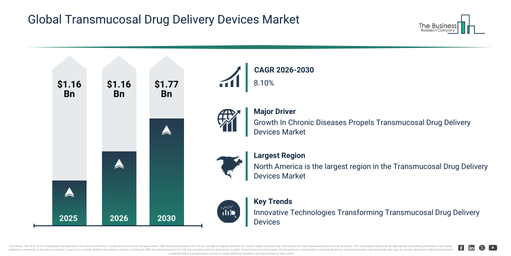
    The transmucosal drug delivery devices market has experienced significant expansion in recent years. It is forecasted to grow from $54.63 billion in 2025 to $59.61 billion in 2026, representing a compound annual growth rate (CAGR) of 9.1%. This historical growth has been fueled by the rise of non-invasive drug delivery methods, an increasing need for pain management therapies, growing use of hormone replacement treatments, pharmaceutical formulation advancements, and broader acceptance of transmucosal therapeutic options. Looking ahead, the market is expected to reach $81.52 billion by 2030, expanding at a CAGR of 8.1%. Factors contributing to this forecast include the development of personalized medicine, rising investments in innovative drug delivery platforms, growing demand for devices suitable for home use, expansion of biologics and peptides, and more regulatory approvals for novel delivery systems. Key trends shaping this future growth involve the adoption of buccal and sublingual drug delivery forms, increased demand for rapid-onset therapies, advancements in microneedle and active delivery technologies, stronger focus on patient-friendly designs, and greater attention to dose accuracy and bioavailability.

    Download A Free Sample Report For Comprehensive Market Insights:

    https://www.thebusinessresearchcompany.com/sample.aspx?id=16812&type=smp

    Important Drivers Supporting Growth in the Transmucosal Drug Delivery Devices Market

    One of the main forces propelling the growth of this market is the increasing prevalence of chronic diseases worldwide. Chronic conditions, which develop slowly and require long-term management, are becoming more common due to factors such as aging populations, lifestyle changes, environmental influences, and urbanization. These diseases often demand consistent and effective medication delivery, which transmucosal devices can provide by ensuring controlled release and improved patient adherence.

    For instance, in June 2024, the National Health Service in the UK reported that 3,615,330 patients registered with general practitioners were diagnosed with non-diabetic hyperglycemia or pre-diabetes in 2023. This figure represents an 18% rise from 3,065,825 cases in 2022, illustrating the growing chronic disease burden that drives demand for innovative drug delivery solutions like transmucosal devices.

    Key Market Segments and Revenue Drivers in the Transmucosal Drug Delivery Devices Industry

    This market is segmented by multiple categories to reflect the diversity of devices and applications:

    1) By Type: Buccal Drug Delivery Devices, Sublingual Drug Delivery Devices, Nasal Drug Delivery Devices, Rectal Drug Delivery Devices, and Vaginal Drug Delivery Devices.

    2) By Drug Type: Buccal Tablets, Oral Sprays, Sublingual Films and Wafers, Gels, Medicated Confectionery, and others.

    3) By Indication: Pain Management, Addiction Treatment, Hormonal Therapies, and other medical uses.

    4) By End User: Academic and research institutions, pharmaceutical and biotech companies, diagnostic laboratories, and hospitals.

    Further sub-segmentation includes specific device types such as Mucoadhesive Buccal Tablets, Buccal Patches, and Buccal Films under buccal delivery; Sublingual Tablets, Films, and Sprays under sublingual delivery; Metered Dose Nasal Sprays, Nasal Powder Devices, and Nasal Gel Applicators under nasal delivery; Rectal Suppositories and Gels; Vaginal Rings, Tablets, and Gels.

    Access The Complete Transmucosal Drug Delivery Devices Market Report:

    https://www.thebusinessresearchcompany.com/report/transmucosal-drug-delivery-devices-global-market-report

    Recent Industry Trends Reshaping the Transmucosal Drug Delivery Devices Market

    Leading players in the transmucosal drug delivery space are increasingly focusing on developing smart platforms that enhance drug absorption and patient convenience. One growing area is proprietary transdermal patch technologies, which deliver medications through the skin with controlled release mechanisms, improving therapeutic outcomes and compliance.

    For example, in January 2024, US biotechnology firm Starton Therapeutics Inc introduced STARSILON, a transdermal patch delivery system designed for prolonged therapeutic delivery of challenging active pharmaceutical ingredients (APIs). This innovation broadens options for transdermal drug delivery, particularly for difficult-to-formulate drugs, enhancing efficacy through sustained release.

    Prominent Companies Competing in the Transmucosal Drug Delivery Devices Sector

    The competition within this market is led by well-known organizations including Johnson & Johnson, Bayer AG, Sanofi SA, Bristol-Myers Squibb Company, Abbott Laboratories, Novartis AG, Viatris Inc., Teva Pharmaceutical Industries Ltd., Catalent Inc., AptarGroup, Glenmark Pharmaceuticals Limited, Stevanato Group S.p.A, Noven Pharmaceuticals, Antares Pharma Inc., Satsuma Pharmaceuticals Inc., AdvaCare Pharma LLP, Lifevision Healthcare Private Limited, SAVA Healthcare Limited, Kaizen Pharmaceuticals Pvt. Ltd., and Maya Biotech Pvt. Ltd. These companies are at the forefront of developing and commercializing advanced transmucosal drug delivery solutions.

    Regional Overview Highlighting Market Opportunities in Transmucosal Drug Delivery Devices

    In 2025, North America held the largest share of the transmucosal drug delivery devices market. Alongside this, the market report covers various regions including Asia-Pacific, South East Asia, Western Europe, Eastern Europe, South America, the Middle East, and Africa. These regions collectively offer significant opportunities as the demand for innovative drug delivery technologies grows globally.

    Get in touch with us:

    The Business Research Company: https://www.thebusinessresearchcompany.com/

    Americas: +1 310-496-7795

    Asia: +44 7882 955267 & +91 8897263534

    Europe: +44 7882 955267

    Email us at: marketing@tbrc.info

    Follow us on:

    LinkedIn: https://in.linkedin.com/company/the-business-research-company

    YouTube: https://www.youtube.com/channel/UC24_fI0rV8cR5DxlCpgmyFQ

    Global Market Model: https://www.thebusinessresearchcompany.com/global-market-model
  • Transfection Reagents And Equipment Market Forecast Highlights Expansion From $1.93 Billion To $2.96 Billion Through 2030

    Transfection Reagents And Equipment Market Forecast Highlights Expansion From $1.93 Billion To $2.96 Billion Through 2030

    Delivering more actionable and strategically valuable research, The Business Research Company’s 2026 market reports feature market attractiveness analysis, total addressable market evaluation, company benchmarking matrices, interactive Excel dashboards, expanded supply chain intelligence, emerging startup coverage, and detailed product insights.

    The market for transfection reagents and equipment has witnessed significant expansion recently, driven by advances in molecular biology and biopharmaceutical research. As scientific exploration and technology continue to evolve, this sector is poised for strong growth through 2030. Below, we explore the market’s size, growth factors, key segments, innovations, leading players, and regional dynamics shaping its future.

    Steady Growth Trajectory in the Transfection Reagents and Equipment Market

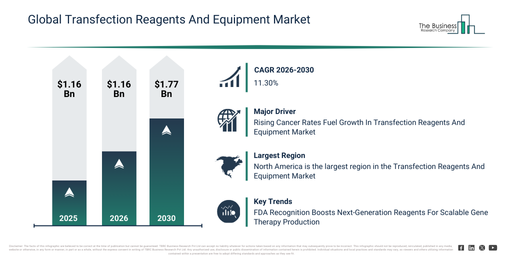
    The market value for transfection reagents and equipment is on the rise, moving from $1.74 billion in 2025 to $1.93 billion in 2026, reflecting an impressive compound annual growth rate (CAGR) of 11.2%. This earlier expansion has been largely propelled by heightened molecular biology research, increased use of cell-based assays, the surge in recombinant protein production, expanded genomics research in both academic and industrial settings, and access to advanced transfection chemistries.

    Download A Free Sample Report For Comprehensive Market Insights:

    https://www.thebusinessresearchcompany.com/sample.aspx?id=10780&type=smp

    Forecasted Market Expansion Driven by Cutting-Edge Research

    Looking ahead, the transfection reagents and equipment market is expected to grow rapidly, reaching $2.97 billion by 2030 with a CAGR of 11.3%. This anticipated rise is fueled by wider adoption of CRISPR and gene therapy techniques, an increasing need for scalable transfection platforms, growth in the biopharmaceutical development pipeline, greater investment in precision medicine initiatives, and automation trends in life sciences laboratories. Prominent trends shaping this growth include greater use of high-efficiency transfection reagents, gene-editing compatible delivery systems, non-viral transfection methods, automated transfection instruments, and cell-type specific transfection solutions.

    Growing Cancer Incidence Acts as a Market Growth Catalyst

    One of the main factors driving this market is the worldwide increase in cancer cases. Cancer, characterized by uncontrolled cell growth, heavily relies on transfection reagents in research for introducing genetic material like plasmid DNA or RNA molecules. This enables studies on gene expression, gene silencing, drug screening, and target validation. For example, projections from Cancer Research UK in July 2024 indicate rising cancer incidence rates for most types in the UK between 2023-2025 and 2038-2040, with increases ranging from under 1% for breast cancer to as much as 50% for eye cancer. This trend highlights the growing demand for transfection reagents within cancer research.

    Access The Complete Transfection Reagents And Equipment Market Report:

    https://www.thebusinessresearchcompany.com/report/transfection-reagents-and-equipment-global-market-report

    The Transfection Reagents and Equipment Market’s Core Segmentation

    This market is broken down into several important segments:

    1) By Product Category: Instruments, Reagents, and Kits

    2) By Molecule Type: Plasmid DNA, DNA Oligonucleotides, Small Interfering RNA (SiRNA), Proteins, Ribonucleoprotein Complexes (RNPs), and other molecules

    3) By End User: Biopharmaceutical companies, Contract Research Organizations (CROs), and Academic institutions

    Further subcategories include:

    – Instruments such as Electroporation Systems, Microinjection Systems, and Particle Bombardment Systems

    – Reagents and Kits including Lipid-Based, Polymer-Based, Protein-Based Transfection Reagents, and Nucleic Acid Delivery Kits

    Innovations Shaping the Transfection Reagents and Equipment Market

    Leading companies are pushing the envelope by developing advanced products like GMP-grade AAV transfection reagents aimed at enhancing viral vector production efficiency for gene therapy manufacturing. These reagents comply with regulatory standards and enable high-efficiency genetic delivery into suspension cell cultures for scalable recombinant adeno-associated virus vector production. For instance, in July 2025, Yeasen Biotechnology from China received FDA Drug Master File acceptance for its UltraAAV PEI Transfection Reagent—GMP grade, noted for producing higher viral titers and improved full capsid ratios across multiple AAV serotypes. This advancement supports more efficient manufacturing with less reagent use while meeting stringent clinical and commercial quality standards.

    Prominent Market Participants Steering Industry Progress

    Key players holding significant market positions include Thermo Fisher Scientific Inc., Promega Corporation, Qiagen N.V., Bio-Rad Laboratories Inc., MaxCyte Inc., Lonza Group Ltd., Merck KGaA, Mirus Bio LLC, OriGene Technologies Inc., Altogen Biosystems, Applied Biological Materials Inc., Bex Co. Ltd., Takara Bio Inc., Polyplus-transfection SA, Sigma-Aldrich Corporation, Transfection Technologies Inc., Viromer, ABM Inc., chemicell GmbH, Genlantis, Biontech Laboratories GmbH, Jena Bioscience GmbH, PromoCell GmbH, PerkinElmer Inc., Sartorius AG, Hoffmann-La Roche Ltd., Bio-Techne Corporation, Biotium Inc., and Cell Applications Inc.

    Regional Market Leadership and Growth Outlook

    In 2025, North America held the largest share of the transfection reagents and equipment market. However, the Asia-Pacific region is set to experience the fastest growth over the forecast period. The geographic analysis in the market report includes regions such as Asia-Pacific, South East Asia, Western Europe, Eastern Europe, North America, South America, the Middle East, and Africa, providing a broad view of global market developments.

    Get in touch with us:

    The Business Research Company: https://www.thebusinessresearchcompany.com/

    Americas: +1 310-496-7795

    Asia: +44 7882 955267 & +91 8897263534

    Europe: +44 7882 955267

    Email us at: marketing@tbrc.info

    Follow us on:

    LinkedIn: https://in.linkedin.com/company/the-business-research-company

    YouTube: https://www.youtube.com/channel/UC24_fI0rV8cR5DxlCpgmyFQ

    Global Market Model: https://www.thebusinessresearchcompany.com/global-market-model
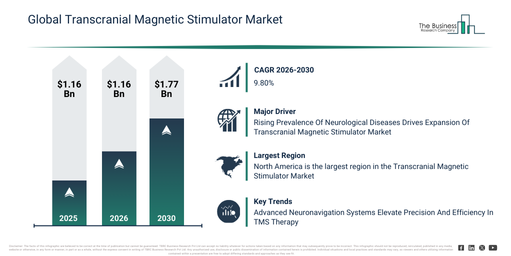
  • Transcranial Magnetic Stimulator Market Expected To Reach $2.2 Billion By 2030 As Growth Accelerates At 9.8% CAGR

    Transcranial Magnetic Stimulator Market Expected To Reach $2.2 Billion By 2030 As Growth Accelerates At 9.8% CAGR

    Enhanced with market attractiveness analysis, total addressable market evaluation, company benchmarking matrices, interactive Excel dashboards, expanded supply chain intelligence, emerging startup coverage, and detailed product insights, The Business Research Company’s 2026 market reports deliver more actionable and strategically valuable research.

    The transcranial magnetic stimulator market has been evolving rapidly, driven by increasing demand for innovative neurological treatments and growing awareness of non-pharmacological therapies. This sector is set to continue expanding as new applications and technologies emerge, offering promising solutions for various neurological and psychiatric conditions. Below is a detailed overview of the market’s size, growth factors, key players, trends, and regional insights shaping its future.

    Current Market Size and Expected Growth Trajectory of the Transcranial Magnetic Stimulator Market

    The transcranial magnetic stimulator market has witnessed notable expansion in recent years. It is projected to grow from $1.39 billion in 2025 to $1.52 billion in 2026, reflecting a compound annual growth rate (CAGR) of 9.5%. This previous growth period was driven by factors such as the rising incidence of depression and neurological disorders, increased awareness about non-drug therapies, the availability of FDA-cleared TMS systems, the growth of mental health clinics, and broader acceptance of neuromodulation treatments. Looking ahead, the market is expected to reach $2.21 billion by 2030, growing at a CAGR of 9.8%. This anticipated rise is fueled by the expanded use of TMS for a wider range of neurological conditions, greater demand for tailored mental health therapies, the growth of outpatient psychiatric services, integration of digital monitoring technologies, and increased investment in neuromodulation research. Key trends include the growing use of non-invasive brain stimulation, expanded applications of repetitive TMS (rTMS) for depression, development of deep TMS (dTMS) clinical uses, a stronger focus on personalized neurostimulation protocols, and the growth of outpatient mental health care.

    Download A Free Sample Report For Comprehensive Market Insights:

    https://www.thebusinessresearchcompany.com/sample.aspx?id=10525&type=smp

    Increasing Prevalence of Neurological Disorders as a Market Growth Driver

    One of the main forces propelling the transcranial magnetic stimulator market is the rising prevalence of neurological diseases worldwide. TMS has demonstrated effective results in managing a range of neurological and psychiatric disorders. It serves as a novel approach to treating conditions such as stroke, spasticity, migraines, dementia, and movement disorders. For example, a December 2022 study by the Parkinson’s Foundation, a US nonprofit organization, reported that the number of people living with Parkinson’s disease (PD) is expected to rise from 930,000 in 2020 to 1.2 million by 2030. This growing patient population highlights the increasing need for effective treatment options, which is expected to support the expansion of the transcranial magnetic stimulator market.

    Rising Acceptance of TMS Technologies and Expanding Clinical Applications

    Another factor contributing to market growth is the broader acceptance and adoption of TMS devices across various neurological and psychiatric fields. As more healthcare providers recognize the benefits of non-pharmacological interventions, the demand for advanced TMS systems continues to rise. The expansion of outpatient psychiatric clinics and integration of digital treatment monitoring further enhance access to and effectiveness of these therapies, thereby driving market growth.

    Access The Complete Transcranial Magnetic Stimulator Market Report:

    https://www.thebusinessresearchcompany.com/report/transcranial-magnetic-stimulator-global-market-report

    Comprehensive Segmentation of the Transcranial Magnetic Stimulator Market

    This market is divided into several key segments to better understand its dynamics:

    1) By Type: including Deep Transcranial Magnetic Stimulation (dTMS) Systems, Repetitive Transcranial Magnetic Stimulation (rTMS) Systems, and Theta Burst Stimulation (TBS) Systems.

    2) By Treatment Protocol: categorized into High-Frequency TMS, Low-Frequency TMS, Intermittent Theta Burst Stimulation (iTBS), and Continuous Theta Burst Stimulation (cTBS).

    3) By Application: covering Major Depressive Disorder (MDD), Treatment-Resistant Depression (TRD), Obsessive-Compulsive Disorder (OCD), Parkinson’s Disease, Alzheimer’s Disease and Other Dementias, Epilepsy, and other medical uses.

    Subcategories include FDA-Approved dTMS systems and coil-based deep stimulation devices for the dTMS segment; standard and navigated rTMS systems under rTMS; and standalone TBS systems as well as TBS-enabled rTMS platforms for the TBS category.

    Innovations and Technological Advances Steering the Transcranial Magnetic Stimulator Market

    Leading companies in this space are focusing on innovative technologies such as neuronavigational-guided TMS systems to improve treatment precision and efficiency. These systems utilize image-based guidance by integrating patient-specific neuroimaging with real-time coil tracking, ensuring accurate and reproducible stimulation during procedures. For instance, in March 2023, MagVenture Inc., a US medical device manufacturer, launched the MagVenture TMS Atlas Neuro Navigation System. This advanced platform enhances coil positioning with a user-friendly, high-precision workflow that saves time and increases reliability. It eliminates line-of-sight issues and offers patients a visual representation of their MRI scans alongside real-time coil tracking, fostering greater patient engagement during treatment.

    Key Players Influencing the Competitive Landscape of the Transcranial Magnetic Stimulator Market

    Several prominent companies dominate the transcranial magnetic stimulator industry, driving innovation and market growth. These include BrainsWay Ltd., Nexstim Plc., The Magstim Company Limited, Neuronetics Inc., MagVenture Inc., MAG & More GmbH, neurocare group AG, Neurosoft, Neuroelectrics, NeuroConn GmbH, Neurofield Inc., Axilum Robotics, Yiruide Neurotech, Brainbox Ltd., Remed Inc., Soterix Medical Inc., Sinovation Medical Technology Co. Ltd., Shenzhen Yingchi Technology Co. Ltd., Wuhan Greentek Bioengineering Co. Ltd., and Vishee Medical Technology Co. Ltd.

    Geographical Overview and Regional Market Leadership in Transcranial Magnetic Stimulators

    North America held the largest market share in the transcranial magnetic stimulator market in 2025. Meanwhile, the Asia-Pacific region is anticipated to be the fastest-growing area throughout the forecast period. The market report covers other significant regions including Southeast Asia, Western Europe, Eastern Europe, South America, the Middle East, and Africa, providing a broad understanding of global market trends and growth opportunities.

    Get in touch with us:

    The Business Research Company: https://www.thebusinessresearchcompany.com/

    Americas: +1 310-496-7795

    Asia: +44 7882 955267 & +91 8897263534

    Europe: +44 7882 955267

    Email us at: marketing@tbrc.info

    Follow us on:

    LinkedIn: https://in.linkedin.com/company/the-business-research-company

    YouTube: https://www.youtube.com/channel/UC24_fI0rV8cR5DxlCpgmyFQ

    Global Market Model: https://www.thebusinessresearchcompany.com/global-market-model
  • Transcatheter Valve Repair System Market Set To Grow From $5.92 Billion In 2026 To $8.41 Billion By 2030 At A CAGR Of 9.2%

    Transcatheter Valve Repair System Market Set To Grow From $5.92 Billion In 2026 To $8.41 Billion By 2030 At A CAGR Of 9.2%

    Through market attractiveness analysis, total addressable market evaluation, company benchmarking matrices, interactive Excel dashboards, expanded supply chain intelligence, emerging startup coverage, and detailed product insights, The Business Research Company’s 2026 market reports provide more actionable and strategically valuable research.

    The transcatheter valve repair system market has experienced notable growth recently, driven by technological advancements and an increasing patient population. This market is poised for further expansion as innovations and rising demand for minimally invasive procedures gain momentum. Below is an in-depth overview of the market’s current status, key growth drivers, segment composition, leading players, and regional dynamics.

    Market Size and Strong Growth Outlook for the Transcatheter Valve Repair System Market

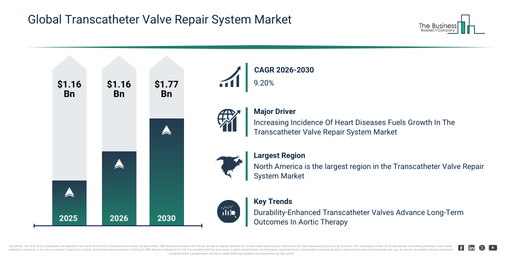
    The transcatheter valve repair system market has seen significant progress, growing from $5.45 billion in 2025 to $5.93 billion in 2026, with a compound annual growth rate (CAGR) of 8.8%. This upward trend is attributed to a greater incidence of valvular heart diseases, an aging population, improvements in catheter navigation technologies, enhanced clinical expertise in transcatheter procedures, and an increase in cardiac specialty centers. Looking ahead, the market is expected to further accelerate, reaching $8.42 billion by 2030 with a CAGR of 9.2%. Factors driving this forecast include a wider adoption of minimally invasive valve repair techniques, growing demand for transcatheter mitral interventions, expansion of structural heart disease programs, innovations in multi-valve repair technologies, and a stronger focus on personalized patient treatment solutions. Key market trends during this period highlight the increasing use of catheter-based valve repairs, heightened interest in mitral valve repair systems, attention to high-risk surgical patients, growth in multi-valve platform development, and advances in device control and navigability.

    Download A Free Sample Report For Comprehensive Market Insights:

    https://www.thebusinessresearchcompany.com/sample.aspx?id=11956&type=smp

    Factors Propelling Market Growth in Transcatheter Valve Repair Systems

    The rising prevalence of heart disease is a major driver propelling the transcatheter valve repair system market. Heart disease encompasses conditions impacting the heart and blood vessels, often necessitating valve replacement procedures. Transcatheter devices play a crucial role in replacing defective aortic valves with artificial ones, particularly in cases of aortic valve disease. For example, in March 2024, the Office for Health Improvement and Disparities (OHID) in England reported that approximately 1,862,500 individuals, or 3% of the population, had a general practitioner diagnosis of coronary heart disease (CHD) in the fiscal year ending 2023. This rising disease burden is directly contributing to the expanding demand for transcatheter valve repair systems.

    Segment Overview and Growth Potential of the Transcatheter Valve Repair System Market

    This market is segmented by product type, application, and end user to provide a detailed understanding of growth opportunities.

    By product type, the market includes:

    – Transcatheter Aortic Valve Replacement (TAVR)

    – Transcatheter Mitral Valve Replacement (TMVR)

    – Transcatheter Pulmonary Valve Replacement (TPVR)

    – Transcatheter Tricuspid Valve Replacement (TTVR)

    Access The Complete Transcatheter Valve Repair System Market Report:

    https://www.thebusinessresearchcompany.com/report/transcatheter-valve-repair-system-global-market-report

    When broken down further, TAVR devices consist of self-expandable, balloon-expandable, and mechanically expanded valves. TMVR includes self-expandable and balloon-expandable devices alongside mitral valve repair systems. TPVR and TTVR segments similarly feature self-expandable and balloon-expandable devices.

    Applications cover conditions such as aortic stenosis and pulmonary stenosis. End users include hospitals, specialty clinics, and other healthcare providers. This segmentation allows for targeted innovation and market expansion in specific areas of valve repair.

    Innovations and Industry Trends Driving Revenue Growth in Transcatheter Valve Repair Systems

    Leading companies in this market are heavily investing in creating valves with enhanced durability to improve long-term patient outcomes. Durability-enhanced transcatheter valves are designed using advanced biomaterials to ensure structural integrity and sustained valve performance over time. For instance, in May 2024, Edwards Lifesciences, a Switzerland-based company specializing in structural heart and critical care technology, launched the SAPIEN 3 Ultra RESILIA valve. This product features proprietary anti-calcification tissue technology intended to reduce valve degeneration and support long-term functionality. Additional benefits include dry-tissue storage and favorable early hemodynamic results, positioning the valve as a promising option for treating aortic valve disease with improved longevity.

    Key Companies Leading the Transcatheter Valve Repair System Market

    The competitive landscape includes several prominent players driving innovation and market growth:

    – Abbott Laboratories

    – Medtronic Plc.

    – Boston Scientific Corporation

    – Edwards Lifesciences Corporation

    – LivaNova Plc.

    – Meril Life Sciences Pvt. Ltd.

    – Cordis Corporation

    – MicroPort Scientific Corporation

    – Biotronik Pvt. Ltd

    – AtriCure Inc.

    – OrbusNeich Medical Group Holdings Limited

    – Venus Medtech (Hangzhou) Inc.

    – Dura LLC

    – HLT Medical Inc.

    – Symetis SA

    – JenaValve Technology Inc.

    – 4C Medical Technologies Inc.

    – Cardiac Dimensions Inc.

    – Valve Solutions Inc.

    – Transcatheter Technologies GmbH

    – Evalve Corporation

    – Colibri Heart Valve LLC

    – Medtentia International Ltd.

    – Coramaze Technologies Ltd.

    – Neovasc Inc.

    – Anteris Technologies Ltd.

    These companies are at the forefront of advancing transcatheter valve technologies to address unmet clinical needs and expand treatment options.

    Regional Market Insights with North America Leading

    In 2025, North America held the largest share of the transcatheter valve repair system market, supported by advanced healthcare infrastructure and high adoption rates of minimally invasive procedures. Meanwhile, the Asia-Pacific region is projected to be the fastest-growing market during the forecast period, driven by increasing healthcare investments and rising prevalence of cardiovascular diseases. The market analysis spans key geographic areas including Asia-Pacific, South East Asia, Western Europe, Eastern Europe, North America, South America, the Middle East, and Africa, offering a comprehensive global perspective on market trends and opportunities.

    Get in touch with us:

    The Business Research Company: https://www.thebusinessresearchcompany.com/

    Americas: +1 310-496-7795

    Asia: +44 7882 955267 & +91 8897263534

    Europe: +44 7882 955267

    Email us at: marketing@tbrc.info

    Follow us on:

    LinkedIn: https://in.linkedin.com/company/the-business-research-company

    YouTube: https://www.youtube.com/channel/UC24_fI0rV8cR5DxlCpgmyFQ

    Global Market Model: https://www.thebusinessresearchcompany.com/global-market-model
  • Transcatheter Mitral Valve Market Opportunities Are Emerging Beyond Traditional Growth Areas

    Transcatheter Mitral Valve Market Opportunities Are Emerging Beyond Traditional Growth Areas

    Delivering more actionable and strategically valuable research, The Business Research Company’s 2026 market reports feature market attractiveness analysis, total addressable market evaluation, company benchmarking matrices, interactive Excel dashboards, expanded supply chain intelligence, emerging startup coverage, and detailed product insights.

    The transcatheter mitral valve market is gaining significant traction as advancements in medical technology and rising healthcare needs drive its expansion. This sector is witnessing steady growth due to increasing awareness about mitral valve diseases and a shift towards less invasive treatment options. Below, we explore the market’s current size, key growth factors, emerging trends, leading companies, segmentation, and regional insights.

    Market Size and Growth Outlook for the Transcatheter Mitral Valve Market

    The transcatheter mitral valve market has shown robust expansion in recent years. It is projected to grow from $1.61 billion in 2025 to $1.76 billion in 2026, boasting a compound annual growth rate (CAGR) of 9.3%. This growth during the historical period has been driven by factors such as the limited availability of transcatheter mitral valves, reliance on traditional surgical valve replacements, heightened awareness around mitral valve disease, an increase in cardiac procedures performed in hospitals, and the early adoption of these technologies within high-risk patient populations.

    Download A Free Sample Report For Comprehensive Market Insights:

    https://www.thebusinessresearchcompany.com/sample.aspx?id=27437&type=smp

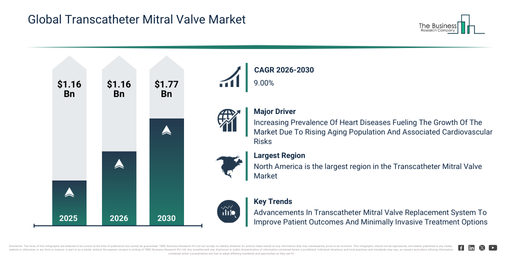
    Looking ahead, the market is expected to continue its strong ascent, reaching $2.49 billion by 2030 at a CAGR of 9.0%. Growth during the forecast period is attributed to technological improvements in valve designs, a growing elderly population affected by mitral valve disorders, the expansion of cardiac catheterization labs, rising healthcare spending, and broader implementation of minimally invasive cardiac intervention programs. Trends anticipated to shape this period include increased use of self-expanding and balloon-expandable valves, broader application of edge-to-edge and chordal repair devices, a rise in mitral valve disease prevalence among older adults, and better integration of imaging and navigation systems to enhance procedural precision.

    Primary Drivers Supporting the Transcatheter Mitral Valve Market Growth

    The rising incidence of heart diseases plays a crucial role in propelling the transcatheter mitral valve market forward. Heart conditions that impair the structure or function of the heart reduce its ability to pump blood effectively. This increasing burden of cardiovascular disorders is largely propelled by aging demographics, as age-related deterioration of cardiac and vascular systems heightens vulnerability to issues such as mitral valve regurgitation, heart failure, and arrhythmias.

    Access The Complete Transcatheter Mitral Valve Market Report:

    https://www.thebusinessresearchcompany.com/report/transcatheter-mitral-valve-global-market-report

    Transcatheter mitral valves provide a critical solution by repairing or replacing damaged mitral valves, restoring proper blood flow between the heart’s chambers, thereby improving cardiac function and alleviating symptoms. For instance, a report published in August 2025 by the National Center for Biotechnology Information forecasts a significant rise in cardiovascular diseases between 2025 and 2050, with prevalence increasing by 90.0%, crude mortality by 73.4%, and disability-adjusted life years (DALYs) by 54.7%. These projections highlight the urgent need for effective cardiac interventions, reinforcing the market’s growth potential.

    Segmentation of the Transcatheter Mitral Valve Market by Product and Application

    This market is categorized based on product types, indications, and end-users. The primary product segments include Transcatheter Mitral Valve Replacement and Transcatheter Mitral Valve Repair. Indication-wise, the market focuses on Mitral Stenosis and Mitral Regurgitation. End-users encompass Hospitals, Ambulatory Surgical Centers, and Cardiac Catheterization Laboratories.

    Further subcategories break down replacement valves into Self-Expanding Valves and Balloon-Expandable Valves, while repair devices include Annuloplasty Devices, Chordal Repair Devices, and Edge-to-Edge Repair Devices. This classification helps in understanding the range of technologies and applications within the market.

    Market Trends Fueling Innovation and Expansion in the Transcatheter Mitral Valve Sector

    Leading players in the transcatheter mitral valve market are prioritizing the development of advanced devices, such as transcatheter mitral valve replacement (TMVR) systems, to broaden treatment options especially for patients who are high-risk or unsuitable for surgery. TMVR systems use a catheter-based method to replace damaged mitral valves, offering a minimally invasive alternative to open-heart surgery.

    A notable example is Abbott Laboratories, which in May 2025 launched Tendyne, a self-expanding, nitinol-framed valve approved by the FDA. Available in several sizes to fit diverse anatomical needs, Tendyne can be repositioned or retrieved during implantation and is delivered through a small chest incision. The minimally invasive procedure typically takes about 1.5 hours, with most patients discharged within three days, marking a significant advancement for patients with limited surgical options.

    Key Players Competing in the Transcatheter Mitral Valve Market

    The competitive landscape features several prominent companies including Abbott Laboratories, Medtronic Inc, Boston Scientific Corporation, Edwards Lifesciences Corporation, Meril Life Sciences Private Limited, MicroPort Scientific Corporation, Venus Medtech Inc., Cardiac Dimensions Inc., JenaValve Technology Inc., Ancora Heart Inc., Peijia Medical Limited, Micro Interventional Devices Inc., 4C Medical Technologies Inc., NeoChord Inc., Xeltis AG, Valcare Medical Inc., Colibri Heart Valve LLC, MitrAssist Ltd., HighLife SAS, Navigate Cardiac Structures Inc., and Cardiovalve Ltd. These firms are instrumental in driving innovation and expanding the market’s reach.

    Regional Market Distribution and Growth Opportunities

    In 2025, North America held the dominant share of the transcatheter mitral valve market. However, the Asia-Pacific region is expected to emerge as the fastest-growing market during the forecast period. The market report covers several regions including Asia-Pacific, South East Asia, Western Europe, Eastern Europe, North America, South America, the Middle East, and Africa, providing a comprehensive view of global market trends and regional growth prospects.

    Get in touch with us:

    The Business Research Company: https://www.thebusinessresearchcompany.com/

    Americas: +1 310-496-7795

    Asia: +44 7882 955267 & +91 8897263534

    Europe: +44 7882 955267

    Email us at: marketing@tbrc.info

    Follow us on:

    LinkedIn: https://in.linkedin.com/company/the-business-research-company

    YouTube: https://www.youtube.com/channel/UC24_fI0rV8cR5DxlCpgmyFQ

    Global Market Model: https://www.thebusinessresearchcompany.com/global-market-model
  • Transcatheter Embolization And Occlusion Devices Market Expansion Is Opening New Pathways For Strategic Investment

    Transcatheter Embolization And Occlusion Devices Market Expansion Is Opening New Pathways For Strategic Investment

    Enhanced with market attractiveness analysis, total addressable market evaluation, company benchmarking matrices, interactive Excel dashboards, expanded supply chain intelligence, emerging startup coverage, and detailed product insights, The Business Research Company’s 2026 market reports deliver more actionable and strategically valuable research.

    The transcatheter embolization and occlusion devices market is experiencing rapid growth, driven by advancements in minimally invasive medical procedures and expanding applications across various medical fields. This sector is evolving swiftly, supported by technological innovations and increasing demand for precise, targeted therapies. Below is a detailed look at the market’s size, key growth drivers, segmentation, competitive landscape, and regional trends.

    Steady Market Expansion in the Transcatheter Embolization and Occlusion Devices Market

    The market for transcatheter embolization and occlusion devices has seen significant growth over recent years. It is projected to increase from $5.23 billion in 2025 to $5.79 billion in 2026, marking a compound annual growth rate (CAGR) of 10.6%. The earlier growth phase was largely fueled by the broader use of interventional radiology, the rising number of vascular disease cases, wider availability of catheter-based treatments, and a shift towards minimally invasive techniques supported by advances in imaging-guided interventions.

    Download A Free Sample Report For Comprehensive Market Insights:

    https://www.thebusinessresearchcompany.com/sample.aspx?id=15944&type=smp

    Anticipated Growth Trajectory Through 2030

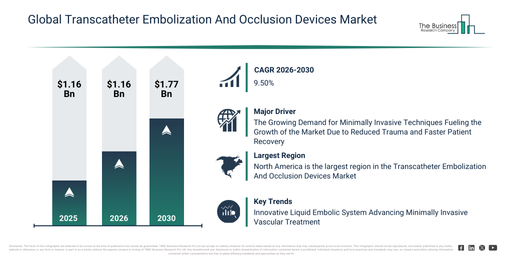
    Looking ahead, the market is expected to continue its strong upward trend, reaching $8.33 billion by 2030 with a CAGR of 9.5%. This forecasted expansion is attributed to growing demand for therapies that precisely target embolization, increased adoption of sophisticated embolic materials, and the broadening scope of oncology and neurointerventional procedures. The market is also benefiting from intensified investments in interventional healthcare infrastructure and a heightened emphasis on precision medicine. Key emerging trends include rising use of liquid embolic agents, detachable and coated coils, advanced image-guided techniques, and the development of precision occlusion technologies.

    The Rising Popularity of Minimally Invasive Procedures Boosting Market Growth

    One of the primary forces driving the transcatheter embolization and occlusion devices market is the increasing preference for minimally invasive surgery. These procedures involve small incisions or robotic tools that reduce tissue damage, leading to less trauma, faster recovery, diminished pain after surgery, and fewer complications. The growing patient awareness of these benefits, alongside technological advancements, is encouraging greater adoption of such methods.

    Access The Complete Transcatheter Embolization And Occlusion Devices Market Report:

    https://www.thebusinessresearchcompany.com/report/transcatheter-embolization-and-occlusion-devices-global-market-report

    Devices Enabling Precision in Minimally Invasive Surgeries

    Transcatheter embolization and occlusion devices play a vital role in supporting minimally invasive interventions by delivering treatments through catheters with high accuracy, causing minimal disturbance to surrounding tissues. For example, in January 2025, Intuitive Surgical, Inc. reported that global da Vinci robotic surgical procedures increased by about 17% in 2024 compared to 2023, with projections for a 13% to 16% rise in 2025. This trend highlights how the expanding use of robotic and catheter-based techniques is propelling the device market’s growth.

    Detailed Segmentation Sheds Light on Market Opportunities

    The transcatheter embolization and occlusion devices market is segmented by type, application, and end user. Types include coil devices and non-coil devices, with coil subcategories such as bare metal, surface coated, and detachable coils. Non-coil devices cover gelatin sponge, liquid embolic agents, and spheres and particles. Applications span peripheral vascular disease, oncology, neurology, urology, and other medical areas. End users comprise hospitals, ambulatory surgical centers, clinics, and other healthcare facilities. This detailed categorization helps identify specific revenue streams and growth potential within the sector.

    Innovations in Liquid Embolic Systems Alter Market Dynamics

    Leading companies in the market are focusing on developing advanced embolic solutions, especially liquid embolic systems designed for minimally invasive vascular therapies. These liquid systems consist of non-adhesive, polymer-based materials that are delivered via microcatheters and solidify upon contact with blood, allowing for precise occlusion of problematic vessels. For instance, in July 2025, Medtronic plc. introduced the Onyx Liquid Embolic System (LES) into clinical trials targeting arterial hemorrhage in peripheral vasculature. This product uses a polymer mixed with radiopaque powder, enabling real-time visualization and controlled delivery. The system enhances safety and precision, broadening treatment options while supporting minimally invasive workflows.

    Major Industry Players Driving Market Progress

    Key organizations shaping the transcatheter embolization and occlusion devices market include Johnson & Johnson Services Inc., Abbott Laboratories, Medtronic Inc., Stryker Corporation, Boston Scientific Corporation, Terumo Corporation, Teleflex Incorporated, Cook Medical, Merit Medical Systems Inc., Penumbra Inc., Sirtex Medical Limited, Cordis Corporation, pfm medical ag, Micro Interventional Devices Inc., Acandis GmbH, Metactive Medical Inc., Balt Group, Kaneka Medix Corporation, Shape Memory Medical Inc., and Boston Scientific Neurovascular. These companies focus on innovation and competitive product offerings to meet evolving clinical needs.

    North America Holds the Largest Share in Market Revenue

    In 2025, North America was the dominant region in terms of revenue for the transcatheter embolization and occlusion devices market. The analysis covers several regions including Asia-Pacific, South East Asia, Western Europe, Eastern Europe, South America, the Middle East, and Africa. While North America leads currently, other regions are also showing promising growth prospects as healthcare infrastructure and adoption of minimally invasive techniques expand globally.

    Get in touch with us:

    The Business Research Company: https://www.thebusinessresearchcompany.com/

    Americas: +1 310-496-7795

    Asia: +44 7882 955267 & +91 8897263534

    Europe: +44 7882 955267

    Email us at: marketing@tbrc.info

    Follow us on:

    LinkedIn: https://in.linkedin.com/company/the-business-research-company

    YouTube: https://www.youtube.com/channel/UC24_fI0rV8cR5DxlCpgmyFQ

    Global Market Model: https://www.thebusinessresearchcompany.com/global-market-model
  • Transcatheter Aortic Valve Replacement Market Trends Are Creating New Opportunities For Industry Leaders

    Transcatheter Aortic Valve Replacement Market Trends Are Creating New Opportunities For Industry Leaders

    Through market attractiveness analysis, total addressable market evaluation, company benchmarking matrices, interactive Excel dashboards, expanded supply chain intelligence, emerging startup coverage, and detailed product insights, The Business Research Company’s 2026 market reports provide more actionable and strategically valuable research.

    The transcatheter aortic valve replacement (TAVR) market has witnessed significant expansion recently, driven by medical advancements and a growing patient population. This sector is poised for continued growth as innovations and broader adoption of minimally invasive procedures reshape cardiovascular care. Below, we explore the current market size, growth drivers, segmentation, key trends, competitive landscape, and regional insights shaping the future of the TAVR industry.

    Current Market Size and Growth Projections for the Transcatheter Aortic Valve Replacement Market

    The transcatheter aortic valve replacement market has experienced rapid growth in recent years. It is projected to rise from $5.87 billion in 2025 to $6.7 billion in 2026, exhibiting a compound annual growth rate (CAGR) of 14.1%. This upward trajectory during the historical period is largely due to the increasing prevalence of aortic stenosis, an aging global population, more widespread availability of cardiac catheterization laboratories, advancements in valve design and materials, and greater acceptance of minimally invasive cardiac procedures.

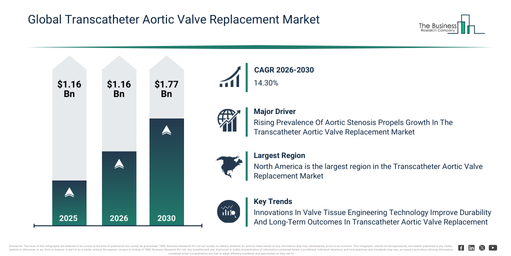
    Looking ahead, the market is expected to continue this strong growth, reaching $11.44 billion by 2030 with an anticipated CAGR of 14.3%. Key factors supporting this forecast include the expanding use of TAVR among intermediate-risk patients, rising demand for durable valve solutions, growth in structural heart programs, enhanced imaging technologies, and a stronger focus on outpatient cardiac procedures. Emerging trends during this period involve greater use of minimally invasive valve replacements, increased adoption of self-expandable valve technologies, extension of TAVR to lower-risk patient groups, improvements in procedural accuracy through imaging guidance, and broader application of transfemoral access techniques.

    Download A Free Sample Report For Comprehensive Market Insights:

    https://www.thebusinessresearchcompany.com/sample.aspx?id=12031&type=smp

    Primary Factors Contributing to Growth in the Transcatheter Aortic Valve Replacement Market

    One of the main forces propelling the TAVR market is the rising incidence of aortic stenosis, a condition characterized by the narrowing of the heart’s aortic valve. This disorder can be effectively treated by transcatheter aortic valve replacement, which is a less invasive alternative to traditional surgical aortic valve replacement and helps restore blood flow while alleviating symptoms.

    To illustrate, data released by the American Heart Association in May 2024 revealed that over 12% of older adults in the United States suffer from aortic stenosis, especially those over age 65. If left untreated, the condition can lead to heart failure and may be life-threatening. Similarly, a March 2023 report from the UK’s National Institute for Health and Care Excellence (NICE) indicated that approximately 1.5% of people over 55 in the UK—about 300,000 individuals—live with severe aortic stenosis. Out of these, nearly 200,000 have symptomatic disease requiring treatment, contributing to more than 380,000 people on cardiac waiting lists as of early 2023. These statistics underscore the growing patient base driving demand for TAVR procedures worldwide.

    How the Transcatheter Aortic Valve Replacement Market Is Categorized

    The market segmentation for transcatheter aortic valve replacement includes:

    1) Product Types: Self-Expandable Transcatheter Aortic Valves, Balloon-Expandable Transcatheter Aortic Valves, and Mechanically Expanded Transcatheter Aortic Valves

    2) Materials: Valve Frame Materials and Valve Leaflet Materials

    3) Procedures: Transfemoral Implantation, Transapical Implantation, and Transaortic Implantation

    4) Applications: Aortic Stenosis, Aortic Regurgitation, and Other Uses

    The product category further breaks down into subtypes such as nitinol frame self-expandable valves and polyester/polyurethane coated valves within the self-expandable group; balloon-expandable valves with various stent designs; and manually or mechanically operated valve systems under mechanically expanded valves.

    Access The Complete Transcatheter Aortic Valve Replacement Market Report:

    https://www.thebusinessresearchcompany.com/report/transcatheter-aortic-valve-replacement-global-market-report

    Significant Market Trends Impacting Long-Term Demand for TAVR

    Leading companies in the transcatheter aortic valve replacement market are investing in advanced technologies aimed at enhancing valve durability and patient outcomes. One notable innovation is structural valve deterioration monitoring, which involves ongoing evaluation of bioprosthetic heart valves through imaging and clinical assessments to detect early signs of damage or functional decline.

    As an example, Edwards Lifesciences introduced the Sapien 3 Ultra Resilia valve in Europe in May 2024. This valve system is unique for incorporating the company’s Resilia tissue technology, which treats bovine pericardial tissue with anti-calcification methods to prevent calcium buildup and maintain valve performance over time. This advancement is expected to improve long-term clinical results and reduce the need for repeat procedures in TAVR patients.

    Key Industry Players in the Transcatheter Aortic Valve Replacement Market

    Several major corporations are prominent in the TAVR space, including Abbott Laboratories Inc., Medtronic plc, Boston Scientific Corporation, Edwards Lifesciences Corporation, LivaNova PLC, Meril Life Sciences Pvt. Ltd., Venus MedTech HangZhou Inc., Braile Biomedica, Peijia Medical Limited, Direct Flow Medical Inc., Transcatheter Technologies GmbH, Symetis SA, JenaValve Technology Inc., Micro Interventional Devices Inc., Xeltis BV, Tendyne Holdings Inc., MVRx Inc., Keystone Heart Ltd., Colibri Heart Valve LLC, HighLife SAS, Neovasc Inc., Aegis Surgical Limited, Foldax Inc., and MValve Technologies Ltd., among others. These companies continue to drive innovation and competitive development in the market.

    Geographical Overview and Regional Market Performance

    In 2025, North America accounted for the largest share of the transcatheter aortic valve replacement market. However, the Asia-Pacific region is expected to experience the fastest growth during the forecast period. The market report covers major regions including Asia-Pacific, South East Asia, Western Europe, Eastern Europe, North America, South America, the Middle East, and Africa, providing a comprehensive global perspective on market dynamics and opportunities.

    Get in touch with us:

    The Business Research Company: https://www.thebusinessresearchcompany.com/

    Americas: +1 310-496-7795

    Asia: +44 7882 955267 & +91 8897263534

    Europe: +44 7882 955267

    Email us at: marketing@tbrc.info

    Follow us on:

    LinkedIn: https://in.linkedin.com/company/the-business-research-company

    YouTube: https://www.youtube.com/channel/UC24_fI0rV8cR5DxlCpgmyFQ

    Global Market Model: https://www.thebusinessresearchcompany.com/global-market-model
  • Tourniquet Cuffs Market Growth Is Reshaping Competitive Advantage Across The Industry

    Tourniquet Cuffs Market Growth Is Reshaping Competitive Advantage Across The Industry

    Delivering more actionable and strategically valuable research, The Business Research Company’s 2026 market reports feature market attractiveness analysis, total addressable market evaluation, company benchmarking matrices, interactive Excel dashboards, expanded supply chain intelligence, emerging startup coverage, and detailed product insights.

    The tourniquet cuffs market has been showing impressive growth in recent years, driven by advancements in medical procedures and increasing adoption across healthcare settings. As surgical techniques evolve and the need for blood flow control becomes more critical, this market is set to experience continued expansion. Let’s explore the current market size, key factors propelling growth, major players, emerging trends, and regional dynamics shaping the future of tourniquet cuffs.

    Market Size Overview and Growth Trajectory of the Tourniquet Cuffs Market

    The tourniquet cuffs market has witnessed significant expansion recently, with its size projected to increase from $3.86 billion in 2025 to $4.07 billion in 2026, growing at a compound annual growth rate (CAGR) of 5.5%. This rise has been driven by broader use of tourniquet cuffs in orthopedic and trauma surgeries, widespread hospital adoption to create bloodless surgical fields, increasing emergency care and prehospital bleeding control applications, the availability of both reusable latex and non-latex options, and the growing volume of surgical procedures in healthcare facilities.

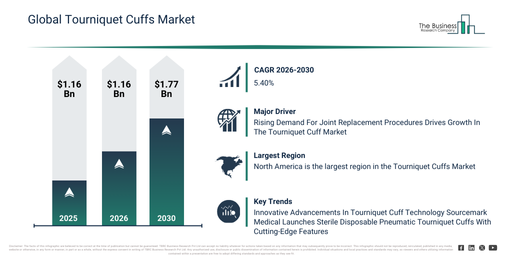
    Looking ahead, the market is expected to continue its upward trend, reaching $5.03 billion by 2030 at a CAGR of 5.4%. Factors contributing to this forecasted growth include a shift toward disposable, single-use cuffs, growing preference for patient-specific and ergonomically designed products, increased minimally invasive and outpatient surgeries, adoption of improved pressure management practices, and expansion of healthcare infrastructure in emerging economies.

    Download A Free Sample Report For Comprehensive Market Insights:

    https://www.thebusinessresearchcompany.com/sample.aspx?id=13945&type=smp

    Primary Forces Behind the Growth of the Tourniquet Cuffs Market

    One significant factor driving the market is the increasing focus on disposable tourniquet cuffs. These products help reduce cross-contamination risks during surgeries, making them highly favored in clinical environments where infection control is paramount.

    Additionally, adjustable and anatomically contoured cuffs are gaining popularity for their ability to improve pressure distribution and enhance patient safety. The development of arm- and leg-specific cuff designs also supports diverse surgical and emergency use cases, further boosting demand.

    Key Trends Shaping the Tourniquet Cuffs Industry

    There is a growing trend toward using latex-free and hypoallergenic cuff materials, which minimize allergic reactions and improve clinical usability. This shift reflects the healthcare sector’s increasing emphasis on patient comfort and safety.

    Moreover, the rising use of cuffs tailored to trauma care and orthopedic procedures, which require temporary blood flow restriction, underscores the expanding applications of tourniquet cuffs in various medical specialties.

    Access The Complete Tourniquet Cuffs Market Report:

    https://www.thebusinessresearchcompany.com/report/tourniquet-cuffs-global-market-report

    Tourniquet Cuffs Market Growth Fueled by Rising Joint Replacement Procedures

    The surge in joint replacement surgeries is a major driver for the tourniquet cuffs market. These surgeries, particularly hip and knee replacements, utilize tourniquet cuffs to enhance visibility of anatomical structures, helping surgeons achieve better accuracy and reducing complications.

    For instance, data from the American Joint Replacement Registry revealed that hip and knee arthroplasty procedures in the U.S. increased to over 4 million in 2024 from about 3.4 million in 2023. This trend highlights how growing demand for joint replacements is supporting market expansion.

    Expanding Segments Within the Tourniquet Cuffs Market

    This market report segments tourniquet cuffs by type, application, and end user.

    By type, the categories include reusable and disposable cuffs.

    Within reusable types, options include latex, non-latex, and adjustable tourniquet cuffs. Disposable types are further divided into single-use latex, single-use non-latex, and disposable tourniquet straps.

    In terms of application, the market covers arm cuffs and leg cuffs.

    End users primarily include hospitals, clinics, and other healthcare providers, reflecting broad utilization across medical settings.

    Innovations Leading the Way in Tourniquet Cuffs Development

    Leading manufacturers are introducing advanced products such as pneumatic tourniquet cuffs to better manage hemorrhage and blood loss. These devices consist of an inflatable bladder with one or two pneumatic ports, a stiffener, and contact closures, designed to provide precise pressure control.

    For example, in June 2023, SourceMark Medical in the U.S. launched a new line of disposable single- and dual-port pneumatic tourniquet cuffs made with high-quality, kink-resistant silicone tubing and soft, easy-to-apply cuffs. These sterile, single-use cuffs help reduce infection risks and bacterial transmission while lowering handling costs. They also feature an advanced 8-inch touchscreen interface that displays pressure and inflation time information to minimize errors and ensure accurate regulation.

    Leading Companies Driving Competition in the Tourniquet Cuffs Market

    The tourniquet cuffs market is highly competitive with several major players, including:

    – Stryker Corporation

    – Getinge Group AB

    – Aesculap AG

    – Ethicon Inc.

    – B. Braun Melsungen AG

    – Ulrich Medical

    – Hammarplast Medical AB

    – Sam Medical

    – ME.BER. srl

    – Anetic Aid Ltd.

    – C.A.T Resources

    – Delfi Medical Innovations Inc.

    – Innovative Trauma Care Inc.

    – Nouvag AG

    – OHK Medical Devices

    – Pyng Medical Corp.

    – VBM Medizintechnik GmbH

    – Premier Tourniquet Cuffs

    – AT4 Surgical Pneumatic Tourniquet

    – Maquet Holding B.V. & Co. KG

    – Zhangjiagang Huaxin Medical Equipment Factory

    Regional Demand and Market Expansion Patterns for Tourniquet Cuffs

    In 2025, North America held the largest share of the tourniquet cuffs market, reflecting established healthcare infrastructure and high procedural volumes.

    However, the Asia-Pacific region is expected to exhibit the fastest growth during the forecast period, driven by expanding healthcare access, increased surgical procedure rates, and rising investments in medical equipment across emerging economies. The overall market analysis also includes regions such as South East Asia, Western and Eastern Europe, South America, the Middle East, and Africa, offering a global perspective on market trends.

    Get in touch with us:

    The Business Research Company: https://www.thebusinessresearchcompany.com/

    Americas: +1 310-496-7795

    Asia: +44 7882 955267 & +91 8897263534

    Europe: +44 7882 955267

    Email us at: marketing@tbrc.info

    Follow us on:

    LinkedIn: https://in.linkedin.com/company/the-business-research-company

    YouTube: https://www.youtube.com/channel/UC24_fI0rV8cR5DxlCpgmyFQ

    Global Market Model: https://www.thebusinessresearchcompany.com/global-market-model