Category: Medical Equipment

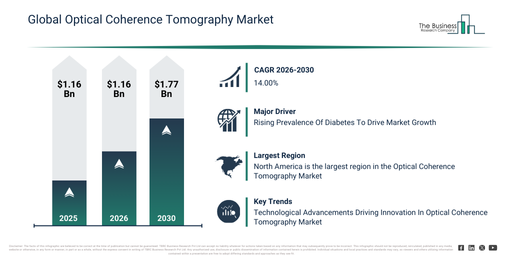
  • Optical Coherence Tomography Market Set To Grow From $2.39 Billion In 2026 To $4.04 Billion By 2030 At A CAGR Of 14%

    Optical Coherence Tomography Market Set To Grow From $2.39 Billion In 2026 To $4.04 Billion By 2030 At A CAGR Of 14%

    Through market attractiveness analysis, total addressable market evaluation, company benchmarking matrices, interactive Excel dashboards, expanded supply chain intelligence, emerging startup coverage, and detailed product insights, The Business Research Company’s 2026 market reports provide more actionable and strategically valuable research.

    The field of optical coherence tomography (OCT) has witnessed significant growth recently, driven by advances in medical imaging and increasing diagnostic needs. As technology evolves, this market is set to expand further, offering promising revenue opportunities and broadening applications in healthcare. Let’s explore the current market size, key drivers, segmentation, influential industry trends, and regional dynamics shaping the future of OCT.

    Optical Coherence Tomography Market Size and Expected Growth

    The optical coherence tomography market has experienced rapid expansion in recent years. It is projected to increase from $2.1 billion in 2025 to $2.4 billion in 2026, representing a compound annual growth rate (CAGR) of 14.2%. This growth during the historical period has been fueled by the rising incidence of retinal diseases, broader use of ophthalmic diagnostics, growing preference for minimally invasive imaging methods, expansion in cardiovascular imaging applications, and continuous technological innovations in optical imaging systems.

    Download A Free Sample Report For Comprehensive Market Insights:

    https://www.thebusinessresearchcompany.com/sample.aspx?id=8231&type=smp

    Looking ahead, the market is expected to maintain its momentum, reaching an estimated $4.04 billion by 2030 with a CAGR of 14.0%. Factors supporting this forecast include higher demand for early disease detection, increasing application of OCT in oncology and dermatology, growth in point-of-care diagnostic imaging, enhanced integration of AI-based image analysis, and ongoing improvements in imaging resolution and speed. Key trends anticipated in the coming years involve the adoption of high-resolution OCT systems, rising popularity of portable and handheld devices, integration with advanced imaging software, expansion of OCT beyond ophthalmology, and an intensified focus on real-time diagnostic imaging.

    Important Factors Propelling the Optical Coherence Tomography Market

    One major driver of OCT market growth is the increasing prevalence of diabetes worldwide. With diabetes becoming more common, the risk of diabetic retinopathy—a serious eye complication linked to the disease—rises as well. This creates a greater demand for advanced diagnostic technologies like OCT, which enable early detection and effective monitoring of diabetic retinopathy. For example, in September 2023, the World Health Organization reported 2.0 million deaths caused by diabetes globally, highlighting the urgency to address diabetes-related complications and the resulting boost to the OCT market.

    Access The Complete Optical Coherence Tomography Market Report:

    https://www.thebusinessresearchcompany.com/report/optical-coherence-tomography-global-market-report

    Another significant factor is the broadening scope of OCT applications across various medical fields. Beyond ophthalmology, OCT is increasingly used in cardiovascular imaging, oncology, and dermatology. The versatility of OCT for minimally invasive, high-resolution imaging makes it a valuable tool in clinical diagnostics and treatment planning, further supporting sustained market growth.

    Detailed Breakdown of the Optical Coherence Tomography Market

    The optical coherence tomography market is segmented into the following categories:

    1) By Device Type: Catheter-Based OCT Devices, Doppler OCT Devices, Handheld OCT Devices, Tabletop OCT Devices

    2) By Technology: Time Domain OCT (TDOCT), Frequency Domain OCT (FD-OCT), Spatial Encoded Frequency Domain OCT

    3) By Application Area: Ophthalmology, Cardiovascular

    Further sub-segments include:

    – Catheter-Based OCT Devices: Intracoronary OCT, Intravenous OCT

    – Doppler OCT Devices: Time-Domain Doppler OCT, Frequency-Domain Doppler OCT

    – Handheld OCT Devices: Portable Retinal OCT, Portable Cardiovascular OCT

    – Tabletop OCT Devices: Optical Coherence Tomography Angiography (OCTA), High-Resolution OCT for Research Applications

    Emerging Industry Trends Influencing OCT Market Expansion

    Companies in the OCT space are increasingly investing in advanced solutions that combine artificial intelligence (AI) with imaging platforms to enhance diagnostic accuracy and efficiency. AI-powered intravascular imaging systems integrate high-resolution OCT scans with machine-learning algorithms, enabling automatic analysis of vessel structures and plaque, which streamlines clinical decision-making and improves treatment precision.

    For instance, in October 2023, Abbott Laboratories introduced its new vascular imaging platform featuring Ultreon 1.0 Software in India. This technology merges OCT with AI to provide comprehensive insights into coronary artery blood flow and blockages. The software can automatically differentiate between calcified and non-calcified plaques, evaluate the severity of calcium deposits, measure vessel diameter, and guide precise stent placement. This real-time feedback enhances the accuracy and outcomes of coronary interventions. Abbott’s system uses near-infrared light to deliver detailed imaging even in complex patient anatomies.

    Competitive Landscape of Key Players in the Optical Coherence Tomography Market

    The OCT market includes several leading companies driving innovation and growth, such as Carl Zeiss Meditec AG, Heidelberg Engineering GmbH, Imalux Corporation, Michelson Diagnostics Limited, Novacam Technologies Inc., OPTOPOL Technology Sp. z o.o., Topcon Healthcare Solutions Inc., Conavi Medical Inc., ZD Medical Inc., Thorlabs Inc., NIDEK Co. Ltd., Leica Microsystems IR GmbH, Optovue Inc., Canon Inc., Santec Corporation, Tomophase Corporation, LightLab Imaging Inc., Infraredx Inc., NinePoint Medical Inc., Optiscan Pty Ltd., and AOT AG.

    Global and Regional Market Overview for Optical Coherence Tomography

    In 2025, North America held the largest share of the OCT market, benefiting from advanced healthcare infrastructure and widespread adoption of diagnostic technologies. Meanwhile, the Asia-Pacific region is forecasted to be the fastest-growing market during the forecast period. The report covers multiple regions including Asia-Pacific, South East Asia, Western Europe, Eastern Europe, North America, South America, the Middle East, and Africa, providing a comprehensive perspective on geographic market trends and growth drivers.

    Get in touch with us:

    The Business Research Company: https://www.thebusinessresearchcompany.com/

    Americas: +1 310-496-7795

    Asia: +44 7882 955267 & +91 8897263534

    Europe: +44 7882 955267

    Email us at: marketing@tbrc.info

    Follow us on:

    LinkedIn: https://in.linkedin.com/company/the-business-research-company

    YouTube: https://www.youtube.com/channel/UC24_fI0rV8cR5DxlCpgmyFQ

    Global Market Model: https://www.thebusinessresearchcompany.com/global-market-model
  • Pharmaceutical Isolator Market Expected To Reach $15.64 Billion By 2030 As Growth Accelerates At 9.7% CAGR

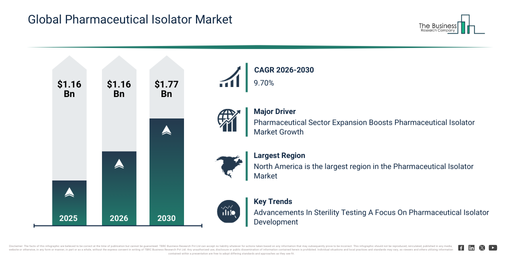
    Pharmaceutical Isolator Market Expected To Reach $15.64 Billion By 2030 As Growth Accelerates At 9.7% CAGR

    Enhanced with market attractiveness analysis, total addressable market evaluation, company benchmarking matrices, interactive Excel dashboards, expanded supply chain intelligence, emerging startup coverage, and detailed product insights, The Business Research Company’s 2026 market reports deliver more actionable and strategically valuable research.

    The pharmaceutical isolator market has witnessed significant growth recently, reflecting the increasing need for sterile processing environments in pharmaceutical production. As advancements continue and regulatory demands intensify, this market is set to expand further, driven by innovations and rising industry requirements. Let’s explore the current market size, key growth drivers, segmentation, emerging trends, major players, and regional insights shaping the future of pharmaceutical isolators.

    Pharmaceutical Isolator Market Size and Expansion Outlook

    The pharmaceutical isolator market has experienced steady growth and is projected to rise from $9.9 billion in 2025 to $10.81 billion in 2026, representing a compound annual growth rate (CAGR) of 9.2%. This growth during the historical period is mainly due to the expansion of sterile drug manufacturing, stricter aseptic processing regulations, the increasing production of biologics and injectable medicines, wider use of containment technologies, and upgrades in cleanroom standards. Looking ahead, the market is expected to continue this upward trajectory, reaching $15.64 billion by 2030 with an even higher CAGR of 9.7%. The anticipated growth is fueled by growing investments in automation, rising demand for containment solutions, personalized medicine manufacturing, focus on operator safety, and ongoing improvements in isolator design and materials. Key market trends include the adoption of automated isolator systems, modular and mobile isolators, enhanced aseptic compliance, broader containment applications, and improved monitoring and control integration.

    Download A Free Sample Report For Comprehensive Market Insights:

    https://www.thebusinessresearchcompany.com/sample.aspx?id=11905&type=smp

    Primary Drivers Behind Pharmaceutical Isolator Market Growth

    The pharmaceutical industry’s ongoing expansion plays a critical role in propelling the pharmaceutical isolator market forward. This sector encompasses organizations involved in discovering, developing, and manufacturing pharmaceutical drugs and treatments. Isolators provide a vital role by ensuring that manufacturing processes occur in contained environments free from live bacteria, preventing contamination transfer and offering superior confinement compared to traditional cleanrooms.

    For example, in June 2023, the European Federation of Pharmaceutical Industries and Associations (EFPIA), a Belgium-based association representing Europe’s pharmaceutical industry, reported that pharmaceutical production in Europe reached €390,000 million ($422,803 million) in 2023, up from €363,300 million ($393,857 million) in 2022. This steady growth in pharmaceutical manufacturing acts as a key catalyst for the rising demand for isolators.

    Breakdown of Segments and Revenue Drivers in the Pharmaceutical Isolator Market

    The pharmaceutical isolator market is segmented in this report by several key categories:

    1) By Type: Closed Isolator Systems and Open Isolator Systems

    2) By Configuration: Floor-Standing, Modular, and Compact

    3) By Application: Aseptic Isolators, Containment Isolators, and Other Applications

    4) By End-User: Pharmaceutical and Biotechnology Companies, Research Laboratories, and Other Users

    Access The Complete Pharmaceutical Isolator Market Report:

    https://www.thebusinessresearchcompany.com/report/pharmaceutical-isolator-global-market-report

    Additionally, subsegments include types of closed isolators such as Glovebox Isolators and Barrier Isolators, while open isolators include Compounding Isolators and Sterility Testing Isolators.

    Emerging Trends Impacting the Pharmaceutical Isolator Industry

    Leading companies in the pharmaceutical isolator sector are increasingly focusing on enhancing sterility testing through innovative isolator designs and platforms. These advanced containment systems ensure aseptic conditions during microbial testing of medical and pharmaceutical products, improving both safety and efficiency.

    In June 2023, Getinge, a medical technology firm based in Sweden, introduced ISOPRIME—a versatile and cost-efficient isolator tailored for pharmaceutical applications. This product supports aseptic filling and sterility testing and features advanced connectivity and traceability. Its integrated hydrogen peroxide bio-decontamination system and adaptable airflow controls make it well-suited for maintaining sterile environments in pharmaceutical manufacturing.

    Key Market Players Driving Competition in Pharmaceutical Isolators

    The pharmaceutical isolator market includes several prominent companies competing to innovate and dominate the space. Notable organizations are Getinge AB, Chiyoda Corporation, Azbil Corporation, Hosokawa Micron Ltd., Bioquell Limited, M Braun Inertgas-Systeme GmbH, Fedegari Group, Extract Technology Ltd., Germfree Laboratories Inc., COMECER SpA, SKAN AG, NuAire Limited, Contained Air Solutions Ltd., DEC Group, ITECO Engineering Srl, and others. These firms are instrumental in advancing isolator technologies and expanding market reach globally.

    Regional Market Leadership and Growth Patterns in Pharmaceutical Isolators

    In 2025, North America held the largest share of the pharmaceutical isolator market, benefiting from well-established pharmaceutical manufacturing infrastructure and regulatory frameworks. However, the Asia-Pacific region is anticipated to experience the fastest market growth during the forecast period. The overall market analysis covers key regions, including Asia-Pacific, South East Asia, Western Europe, Eastern Europe, North America, South America, the Middle East, and Africa, providing a comprehensive view of global market trends and opportunities.

    Get in touch with us:

    The Business Research Company: https://www.thebusinessresearchcompany.com/

    Americas: +1 310-496-7795

    Asia: +44 7882 955267 & +91 8897263534

    Europe: +44 7882 955267

    Email us at: marketing@tbrc.info

    Follow us on:

    LinkedIn: https://in.linkedin.com/company/the-business-research-company

    YouTube: https://www.youtube.com/channel/UC24_fI0rV8cR5DxlCpgmyFQ

    Global Market Model: https://www.thebusinessresearchcompany.com/global-market-model
  • Ophthalmic Workstations Market Opportunities Are Emerging Beyond Traditional Growth Areas

    Ophthalmic Workstations Market Opportunities Are Emerging Beyond Traditional Growth Areas

    Delivering more actionable and strategically valuable research, The Business Research Company’s 2026 market reports feature market attractiveness analysis, total addressable market evaluation, company benchmarking matrices, interactive Excel dashboards, expanded supply chain intelligence, emerging startup coverage, and detailed product insights.

    The ophthalmic workstations market has experienced significant growth recently, driven by advances in eye care services and evolving healthcare needs. As the demand for efficient and integrated diagnostic solutions rises, this market is set to continue expanding steadily. Let’s explore the current market size, key factors propelling growth, segments gaining momentum, and notable trends shaping the ophthalmic workstation industry.

    Ophthalmic Workstations Market Size and Growth Outlook

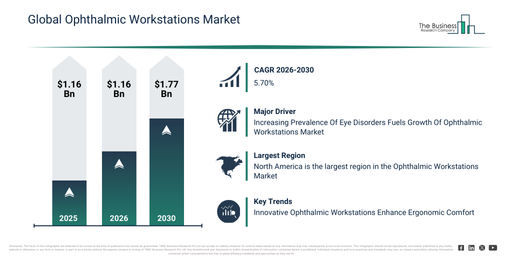
    The market for ophthalmic workstations has shown strong expansion, with its value projected to rise from $66.42 billion in 2025 to $70.69 billion in 2026, representing a compound annual growth rate (CAGR) of 6.4%. This growth during the past years is largely due to the increase in eye care clinics, the expansion of ophthalmology departments in hospitals, a higher volume of routine eye check-ups, growing demand for integrated diagnostic systems, and advancements in medical furniture design. Looking ahead, the market is expected to reach $88.15 billion by 2030, growing at a CAGR of 5.7%. This future growth is anticipated to be fueled by more investments in modern eye care centers, the rising popularity of digitally integrated workstation solutions, the expansion of outpatient ophthalmology services, a stronger emphasis on patient comfort, and the adoption of smart clinic infrastructure. Key trends forecasted include a growing use of multifunctional ophthalmic workstations, increasing demand for ergonomic examination setups, enhanced integration of diagnostic devices, greater implementation of electric and semi-electric systems, and a focus on improving workflow efficiency.

    Download A Free Sample Report For Comprehensive Market Insights:

    https://www.thebusinessresearchcompany.com/sample.aspx?id=17217&type=smp

    Rising Prevalence of Eye Disorders Boosting Market Demand

    A major factor driving the growth of the ophthalmic workstation market is the increasing occurrence of eye disorders worldwide. Eye disorders encompass a wide range of conditions that affect vision and eye health, often caused by environmental influences, prolonged contact lens use, lifestyle factors, gender differences, and nutritional deficiencies. Ophthalmic workstations play a crucial role in modern eye care by providing a centralized space for thorough eye exams, precise diagnosis, patient management, and minor treatments. To illustrate this, the Centers for Disease Control and Prevention (CDC) reported in January 2024 that over 3.4 million Americans aged 40 and above were blind or visually impaired, a figure projected to double by 2030. This growing prevalence highlights the urgent need for advanced ophthalmic workstations, fueling market expansion.

    Key Market Segments in the Ophthalmic Workstations Industry

    This report segments the ophthalmic workstation market based on operation mode, product type, and application. Regarding operation mode, the market includes electric and manual workstations. Electric workstations can be further divided into fully electric and semi-electric types, whereas manual workstations include those operated with hand cranks or hydraulic systems. When considering product types, the market is categorized into single-function and multifunction workstations. The application segment focuses on usage in hospitals, clinics, and other settings, reflecting the diverse environments where ophthalmic workstations are utilized.

    Access The Complete Ophthalmic Workstations Market Report:

    https://www.thebusinessresearchcompany.com/report/ophthalmic-workstations-global-market-report

    Innovative Trends Transforming the Ophthalmic Workstations Sector

    Leading companies in the ophthalmic workstation market are focusing on developing innovative products that enhance ergonomics and operational efficiency for healthcare providers. One important advancement is the introduction of configurable workstations, which allow practitioners to customize instrument and control placements according to their hand dominance. This adaptability improves comfort and precision during eye exams and procedures. A recent example is Rexxam Co., Ltd.’s launch of the WorkStation OZY in May 2024. This versatile ophthalmic unit features customizable configurations for both right- and left-handed users, choice of chair colors for personalized aesthetics, and design harmony with other REXXAM instruments. Additional features include an optional elevated tabletop and flexible options tailored to various eye examinations and treatments, combining style with functionality and comfort.

    Prominent Players Shaping the Ophthalmic Workstations Market

    The competitive ophthalmic workstations market includes several major companies such as Bausch + Lomb Incorporated, Carl Zeiss Meditec AG, RODENSTOCK Instruments, Topcon Corporation, Takagi Seiko Co. Ltd., NIDEK CO. LTD., Heidelberg Engineering GmbH, Oculus Optikgeräte GmbH, S4OPTIK, Visionix, Tomey Corporation, Unitech Vision, MEDA Co. Ltd., Haag-Streit AG, Frastema Srl, US Ophthalmic, Meccanottica Mazza, CSO – Costruzione Strumenti Oftalmici, Rexxam Co. Ltd., and Huvitz Co. Ltd. These players continue to drive innovation and competition within the market.

    Regional Growth Dynamics Within the Ophthalmic Workstations Market

    In 2025, North America held the largest share of the ophthalmic workstation market, supported by well-established healthcare infrastructure and increasing patient awareness. The market report also covers other regions including Asia-Pacific, South East Asia, Western Europe, Eastern Europe, South America, the Middle East, and Africa. Among these, rapid growth is anticipated in emerging regions as healthcare services expand and modernization efforts increase access to advanced ophthalmic equipment.

    Get in touch with us:

    The Business Research Company: https://www.thebusinessresearchcompany.com/

    Americas: +1 310-496-7795

    Asia: +44 7882 955267 & +91 8897263534

    Europe: +44 7882 955267

    Email us at: marketing@tbrc.info

    Follow us on:

    LinkedIn: https://in.linkedin.com/company/the-business-research-company

    YouTube: https://www.youtube.com/channel/UC24_fI0rV8cR5DxlCpgmyFQ

    Global Market Model: https://www.thebusinessresearchcompany.com/global-market-model
  • Pharma Microbiology Testing Kits Market Set To Grow From $7.93 Billion In 2026 To $11.97 Billion By 2030 At A CAGR Of 10.8%

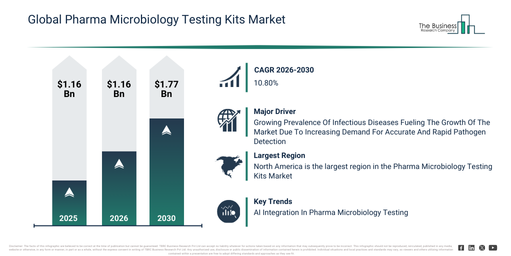
    Pharma Microbiology Testing Kits Market Set To Grow From $7.93 Billion In 2026 To $11.97 Billion By 2030 At A CAGR Of 10.8%

    Through market attractiveness analysis, total addressable market evaluation, company benchmarking matrices, interactive Excel dashboards, expanded supply chain intelligence, emerging startup coverage, and detailed product insights, The Business Research Company’s 2026 market reports provide more actionable and strategically valuable research.

    The pharma microbiology testing kits market has experienced notable growth recently, driven by increasing demand for effective diagnostic tools in pharmaceutical and healthcare sectors. With advancements in technology and stricter regulatory standards, the market shows promising potential for continued expansion in the coming years. Let’s explore the current market size, key growth drivers, segment analysis, emerging trends, major players, and regional insights shaping this industry.

    Pharma Microbiology Testing Kits Market Size and Projected Growth

    The market for pharma microbiology testing kits has expanded significantly over recent years. It is projected to grow from a valuation of $7.26 billion in 2025 to $7.94 billion in 2026, marking a compound annual growth rate (CAGR) of 9.4%. This historical growth is mainly linked to stringent pharmaceutical quality regulations, the rising output of biologic drugs, heightened awareness of contamination risks, expansion in vaccine production, and adherence to good manufacturing practices (GMP). Looking ahead, the market is expected to accelerate, reaching $11.98 billion by 2030 with a CAGR of 10.8%. Factors fueling this forecast include growth in the biopharmaceutical pipeline, greater adoption of rapid testing methods, increased regulatory pressures, expansion of contract manufacturing organizations, and the implementation of automation in quality control processes. Key trends expected to influence the market entail more frequent sterility testing, growing use of rapid microbial detection technologies, broader environmental monitoring initiatives, rising demand for ready-to-use test kits, and increased outsourcing of microbiology testing services.

    Download A Free Sample Report For Comprehensive Market Insights:

    https://www.thebusinessresearchcompany.com/sample.aspx?id=2487&type=smp

    Factors Fueling the Growth of Pharma Microbiology Testing Kits Market

    One of the primary factors propelling this market is the increasing prevalence of infectious diseases worldwide. Infectious diseases, caused by pathogens such as bacteria, viruses, fungi, or parasites, continue to spread rapidly, aided by greater global travel that facilitates the transmission of these microorganisms across regions. Pharma microbiology testing kits play a critical role in diagnosing these diseases by providing fast and accurate pathogen detection, which is essential for timely clinical interventions and outbreak control.

    For instance, data from February 2024 released by the UK Health Security Agency revealed that tuberculosis cases in England rose by 10.7% from 4,380 in 2022 to 4,850 in 2023. This example highlights how rising infectious disease burdens are creating a strong demand for efficient microbiology testing solutions, thereby driving market expansion.

    Breakdown of Pharma Microbiology Testing Kits Market Segments

    This market is analyzed based on three primary categories:

    1) By Product Type: consumables and equipment

    2) By Test Type: endotoxin testing, sterility testing, microbial examination, environmental monitoring, and other tests

    3) By End User: hospitals and diagnostic centers, custom laboratory service providers, and academic and research institutes

    Within these categories, consumables are further divided into media and reagents, test kits, and sample collection containers, while equipment includes incubators, autoclaves, and microbial identification systems.

    Access The Complete Pharma Microbiology Testing Kits Market Report:

    https://www.thebusinessresearchcompany.com/report/pharma-microbiology-testing-kits-global-market-report

    Innovations and Industry Trends Shaping Market Development

    Leading companies in this sector are increasingly adopting cutting-edge technologies such as artificial intelligence (AI) to enhance diagnostic accuracy, improve efficiency, and optimize laboratory workflows. AI-driven software uses complex algorithms to analyze diagnostic data, speeding up the identification of pathogens and reducing manual labor.

    As an example, in May 2023, Becton, Dickinson and Company, a US-based medical device manufacturer, secured 510(k) clearance from the U.S. Food and Drug Administration (FDA) for its BD Kiestra MRSA Imaging Application. This AI-powered tool automates the review of Petri dishes by analyzing bacterial growth on BBL CHROMagar MRSA II plates, facilitating faster exclusion of negative samples and streamlining MRSA diagnosis.

    Key Players Leading the Pharma Microbiology Testing Kits Market

    Several prominent organizations hold significant market shares in the pharma microbiology testing kits sector, including F. Hoffmann-La Roche AG, Becton Dickinson and Company, Abbott Laboratories, ThermoFisher Scientific, SGS SA, Toxikon Corp., Pace Analytical Services, Boston Analytics, Charles River Laboratories International, Nelson Laboratories, Siemens Healthcare AG, Hologic Inc., Neogen Corporation, Shimadzu Corporation, Merck KGaA, Agilent Technologies Inc., QIAGEN N.V., Bruker Corporation, bioMérieux SA, Lucideon, Lonza Group AG, MilliporeSigma, Hardy Diagnostics, Sartorius AG, 3M Company, Waters Corporation, PerkinElmer Inc., and Luminex Corporation. These companies continue to innovate and expand their offerings to address growing market needs.

    Regional Market Dynamics and Growth Opportunities

    In 2025, North America emerged as the largest regional market for pharma microbiology testing kits, supported by strong healthcare infrastructure and regulatory frameworks. Western Europe ranked second in market size. Other regions covered in the market analysis include Asia-Pacific, South East Asia, Eastern Europe, South America, the Middle East, and Africa. Notably, the Asia-Pacific region is anticipated to witness rapid growth due to increasing healthcare investments, rising pharmaceutical manufacturing, and expanding biopharmaceutical activities in these areas.

    Get in touch with us:

    The Business Research Company: https://www.thebusinessresearchcompany.com/

    Americas: +1 310-496-7795

    Asia: +44 7882 955267 & +91 8897263534

    Europe: +44 7882 955267

    Email us at: marketing@tbrc.info

    Follow us on:

    LinkedIn: https://in.linkedin.com/company/the-business-research-company

    YouTube: https://www.youtube.com/channel/UC24_fI0rV8cR5DxlCpgmyFQ

    Global Market Model: https://www.thebusinessresearchcompany.com/global-market-model
  • Ophthalmic Viscoelastic Devices Market Expansion Is Opening New Pathways For Strategic Investment

    Ophthalmic Viscoelastic Devices Market Expansion Is Opening New Pathways For Strategic Investment

    Enhanced with market attractiveness analysis, total addressable market evaluation, company benchmarking matrices, interactive Excel dashboards, expanded supply chain intelligence, emerging startup coverage, and detailed product insights, The Business Research Company’s 2026 market reports deliver more actionable and strategically valuable research.

    The ophthalmic viscoelastic devices market is steadily evolving, driven by advancements in eye care and an increasing volume of surgical procedures worldwide. This sector is witnessing consistent growth due to rising demand for improved surgical outcomes and expanding access to ophthalmic treatments. Let’s explore the market’s current size, key growth factors, leading players, and regional insights.

    Steady Expansion in Ophthalmic Viscoelastic Devices Market Size

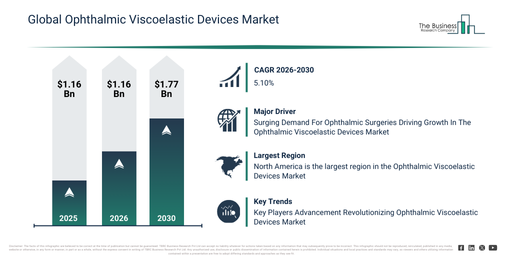
    The market for ophthalmic viscoelastic devices has shown steady growth in recent years. It is forecasted to increase from $2.72 billion in 2025 to $2.85 billion in 2026, representing a compound annual growth rate (CAGR) of 4.7%. This rise during the past period has been primarily driven by the growing prevalence of cataract surgeries, an aging demographic, wider adoption of intraocular surgical procedures, the expansion of ophthalmology clinics, and improved access to eye care services globally. Looking ahead, the market is expected to continue its upward trajectory, reaching $3.47 billion by 2030 with an anticipated CAGR of 5.1%. Factors contributing to this growth include an increased demand for premium surgical outcomes, a focus on reducing complications, the growth of advanced ophthalmic surgery centers, enhanced investments in eye care infrastructure, and the adoption of innovative viscoelastic materials. Emerging trends in the coming years are likely to include wider use of advanced viscoelastic formulations, rising interest in dual-property ophthalmic viscoelastic devices (OVDs), heightened attention on tissue protection, expansion of minimally invasive surgeries, and improvements in shelf stability and biocompatibility.

    Download A Free Sample Report For Comprehensive Market Insights:

    https://www.thebusinessresearchcompany.com/sample.aspx?id=10665&type=smp

    Increasing Number of Ophthalmic Surgeries Fuels Market Demand

    The expanding volume of ophthalmic surgeries is a significant factor propelling the ophthalmic viscoelastic devices market. These surgeries encompass a range of eye-related procedures such as cataract surgery, corneal transplants, and retinal detachment repairs. Ophthalmic viscoelastic devices serve important roles during these operations by maintaining space, protecting sensitive eye tissues, facilitating surgical maneuvers, and improving surgical visualization thanks to their unique viscous and elastic properties. These benefits contribute to better surgical outcomes and reduce complications like tissue trauma and intraoperative injury. For instance, data from May 2023 by the UK’s National Health Service reveals that cataract surgeries account for 6% of all surgeries performed annually, with over 450,000 procedures conducted each year. Projections suggest this number will rise by 25% by 2027 and surge by 50% by 2035, highlighting a robust increase in demand for ophthalmic viscoelastic devices.

    Technological Advances Shaping Ophthalmic Viscoelastic Devices Market

    Innovation plays a critical role in the competitive dynamics of the ophthalmic viscoelastic devices market. Key players are focusing on cutting-edge technologies to enhance surgical precision and patient outcomes. One such advancement is the development of line implant-free system solutions, which improve medical procedures without invasive implants, offering less intrusive treatment options. For example, in April 2023, Bausch + Lomb Corporation introduced the StableVisc cohesive ophthalmic viscosurgical device (OVD) alongside the TotalVisc Viscoelastic System. StableVisc is designed to maintain space in the eye’s anterior chamber, enabling surgeons to safely remove and replace a cloudy natural lens. The TotalVisc system combines StableVisc with ClearVisc, a dispersive OVD that protects ocular tissue throughout surgery. These products contain sodium hyaluronate and sorbitol, a distinctive compound that laboratory studies have shown to provide superior free radical scavenging compared to other OVDs. As a result, the TotalVisc system offers dual-action protection through both mechanical and chemical means.

    Access The Complete Ophthalmic Viscoelastic Devices Market Report:

    https://www.thebusinessresearchcompany.com/report/ophthalmic-viscoelastic-devices-global-market-report

    Market Segmentation Highlights for Ophthalmic Viscoelastic Devices

    This report segments the ophthalmic viscoelastic devices market into key categories to provide detailed insights:

    1) By Product Type: Cohesive Ophthalmic Viscoelastic and Dispersive Ophthalmic Viscoelastic

    2) By Application: Cataract Surgery, Glaucoma Surgery, Corneal Transplant, and Vitreoretinal Surgery

    3) By End User: Hospitals, Ophthalmology Clinics, and Other End Users

    Further subsegments include types of cohesive OVDs such as sodium hyaluronate and hyaluronic acid, as well as dispersive OVDs like sodium chondroitin sulfate and dispersive hydrogel, offering a comprehensive view of product variations in the market.

    Prominent Companies Leading the Ophthalmic Viscoelastic Devices Market

    The ophthalmic viscoelastic devices market features several key players actively shaping its landscape. Leading companies include Altacor Ltd., Bausch Health Companies Inc., Bohus Biotech AB, Carl Zeiss Meditec AG, Haohai Biological Technology Co. Ltd., Johnson & Johnson Pvt. Ltd., Novartis International AG, Rumex International Corporation, Rayner Intraocular Lenses Limited, Aurolab, Alcon Inc., Beaver-Visitec International, Neu Micromed International Pvt. Ltd., Abbott Medical Optics, Maxigen Biotech Inc., Amring Pharmaceuticals Inc., Croma Pharma GmbH, Medicontur Medical Engineering Ltd., Rhein Medical Inc., MicroSurgical Technology, FCI Ophthalmics Inc., Hanita Lenses Ltd., and HOYA Medical Singapore Pte. Ltd. These companies are investing in innovation and expanding product portfolios to meet the evolving needs of the ophthalmic surgical community.

    Regional Market Leadership and Growth Outlook for Ophthalmic Viscoelastic Devices

    In 2025, North America held the largest share of the ophthalmic viscoelastic devices market, demonstrating its established position in eye care innovation and infrastructure. Meanwhile, the Asia-Pacific region is expected to record the fastest growth during the forecast period, driven by increasing healthcare investments and expanding ophthalmic surgical centers. The market analysis encompasses important regions including Asia-Pacific, South East Asia, Western Europe, Eastern Europe, North America, South America, the Middle East, and Africa, offering a comprehensive perspective on the global ophthalmic viscoelastic devices industry.

    Get in touch with us:

    The Business Research Company: https://www.thebusinessresearchcompany.com/

    Americas: +1 310-496-7795

    Asia: +44 7882 955267 & +91 8897263534

    Europe: +44 7882 955267

    Email us at: marketing@tbrc.info

    Follow us on:

    LinkedIn: https://in.linkedin.com/company/the-business-research-company

    YouTube: https://www.youtube.com/channel/UC24_fI0rV8cR5DxlCpgmyFQ

    Global Market Model: https://www.thebusinessresearchcompany.com/global-market-model
  • Ophthalmic Sutures Market Trends Are Creating New Opportunities For Industry Leaders

    Ophthalmic Sutures Market Trends Are Creating New Opportunities For Industry Leaders

    Through market attractiveness analysis, total addressable market evaluation, company benchmarking matrices, interactive Excel dashboards, expanded supply chain intelligence, emerging startup coverage, and detailed product insights, The Business Research Company’s 2026 market reports provide more actionable and strategically valuable research.

    The ophthalmic sutures market has seen significant expansion in recent years, driven by advances in surgical techniques and increasing demand for eye-related procedures. As more patients seek solutions for various eye conditions, the market is positioned for continued growth, supported by innovations and rising awareness of ocular health. Here is a detailed overview of the market size, growth factors, key players, and future trends shaping this sector.

    Ophthalmic Sutures Market Size and Growth Forecast Through 2030

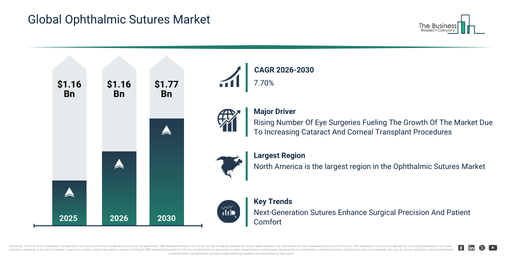
    The ophthalmic sutures market has experienced steady growth, with its value projected to rise from $0.6 billion in 2025 to $0.65 billion in 2026, reflecting a compound annual growth rate (CAGR) of 7.9%. This growth during the historical period was primarily due to limited choices in suture materials, dependence on traditional surgical methods, increasing volumes of ophthalmic surgeries, heightened awareness about eye safety, and development of hospital infrastructure. Looking ahead, the market is expected to continue its upward trajectory, reaching $0.87 billion by 2030 at a CAGR of 7.7%. Factors contributing to this forecast include the emergence of advanced biocompatible sutures, the rising number of eye surgeries, greater adoption of minimally invasive procedures, increased funding in research and academic centers, as well as technological innovations in suture production and precision delivery systems. Key trends anticipated during the forecast period involve a growing preference for absorbable and non-absorbable sutures, a shift toward synthetic materials over natural ones, expanded use in corneal, cataract, and vitrectomy surgeries, efforts to reduce post-operative tissue reactions and complications, and the growth of ophthalmic clinics and ambulatory surgery centers.

    Download A Free Sample Report For Comprehensive Market Insights:

    https://www.thebusinessresearchcompany.com/sample.aspx?id=24345&type=smp

    The Role of Increasing Eye Surgeries in Market Growth

    A major driver behind the ophthalmic sutures market expansion is the rising number of eye surgeries performed globally. These surgeries, which address vision correction, disease treatment, and injury repair, include procedures such as cataract removal, glaucoma treatment, corneal transplants, retinal surgeries, and refractive corrections. The growth in eye surgeries is closely linked to the aging population, which faces a higher prevalence of cataracts and other ocular conditions. Ophthalmic sutures play a crucial role by ensuring precise closing of surgical incisions, leading to faster healing, fewer complications, and improved surgical success rates. For example, in 2024, the Eye Bank Association of America reported 51,559 corneal transplant surgeries in the US, marking a 1.2% increase over the previous year’s 50,925 procedures. This upward trend in surgical volume is a key factor propelling demand for ophthalmic sutures.

    Material and Application Segments Defining Opportunities in the Ophthalmic Sutures Market

    This report segments the ophthalmic sutures market based on various criteria:

    1) Product Type: Absorbable Sutures and Non-Absorbable Sutures

    2) Material Origin: Natural and Synthetic

    3) Application: Corneal Transplantation Surgery, Cataract Surgery, Vitrectomy Surgery, Iridectomy Surgery, Oculoplastic Surgery, and Other uses

    4) End-User: Hospitals, Ophthalmic Clinics, Ambulatory Surgery Centers (ASCs), and Research & Academic Institutions

    Access The Complete Ophthalmic Sutures Market Report:

    https://www.thebusinessresearchcompany.com/report/ophthalmic-sutures-global-market-report

    In further detail, absorbable sutures are divided into polyglactin, polyglycolic acid, polydioxanone, fast absorbing gut, and chromic gut sutures. Non-absorbable sutures include nylon, polypropylene, silk, polyester, and stainless steel varieties. These segments highlight the diverse product offerings and application areas that provide substantial growth opportunities across the market landscape.

    Innovations Driving Demand with Next-Generation Microsurgical Sutures

    Key manufacturers in the ophthalmic sutures sector are pushing the boundaries by creating next-generation microsurgical sutures designed to improve clinical outcomes and meet evolving surgical requirements. These advanced sutures incorporate cutting-edge materials and technologies aimed at enhancing patient safety, reducing complications, and allowing more precise procedures. For instance, in October 2024, Corza Medical, a US-based medical technology firm, introduced Onatec ophthalmic microsurgical sutures. These sutures feature highly tempered stainless steel needles that provide superior bending resistance and durability. Their precise geometry and polished surfaces enable smooth tissue penetration, minimize trauma, and increase patient comfort, thus boosting the effectiveness of delicate eye surgeries.

    Competitive Landscape of the Ophthalmic Sutures Industry

    The ophthalmic sutures market is shaped by prominent players such as B. Braun Group, Mani Inc., Aurolab, Assut Europe, DemeTECH Corporation, Unilene SAC, Internacional Farmacéutica SA de CV, Geuder AG, GPC Medical Ltd., Rumex International Co., FCI Ophthalmics Inc., Teleflex Incorporated, Advanced Medical Solutions Group plc, Medline Industries LP, Alcon Surgical (Suture Portfolio), Ethicon (Johnson & Johnson Vision), Sutures India Pvt. Ltd., Lotus Surgicals Pvt. Ltd., Arosurgical Instruments, Sharpoint (Surgical Specialties Corporation), Microsuture (Teleflex brand), and Surgiwear Ltd. These companies compete by focusing on product innovation, quality, and expanding their global reach.

    Geographical Insights on Ophthalmic Sutures Market Expansion

    In 2025, North America emerged as the largest regional market for ophthalmic sutures. However, the Asia-Pacific region is forecasted to experience the fastest growth during the coming years. The market report covers a comprehensive range of regions including Asia-Pacific, South East Asia, Western Europe, Eastern Europe, North America, South America, the Middle East, and Africa, providing a global perspective on trends and growth prospects within the ophthalmic sutures industry.

    Get in touch with us:

    The Business Research Company: https://www.thebusinessresearchcompany.com/

    Americas: +1 310-496-7795

    Asia: +44 7882 955267 & +91 8897263534

    Europe: +44 7882 955267

    Email us at: marketing@tbrc.info

    Follow us on:

    LinkedIn: https://in.linkedin.com/company/the-business-research-company

    YouTube: https://www.youtube.com/channel/UC24_fI0rV8cR5DxlCpgmyFQ

    Global Market Model: https://www.thebusinessresearchcompany.com/global-market-model
  • Phacoemulsification System Market Opportunities Are Emerging Beyond Traditional Growth Areas

    Phacoemulsification System Market Opportunities Are Emerging Beyond Traditional Growth Areas

    Delivering more actionable and strategically valuable research, The Business Research Company’s 2026 market reports feature market attractiveness analysis, total addressable market evaluation, company benchmarking matrices, interactive Excel dashboards, expanded supply chain intelligence, emerging startup coverage, and detailed product insights.

    The phacoemulsification system market has been expanding steadily, driven by advances in eye care technology and shifting patient preferences. As cataract surgeries become more common and minimally invasive methods gain traction, this market is set to experience notable growth through the next decade. Below, we explore the market’s size, key drivers, competitive landscape, and emerging trends shaping its future.

    Phacoemulsification System Market Size and Growth Trajectory

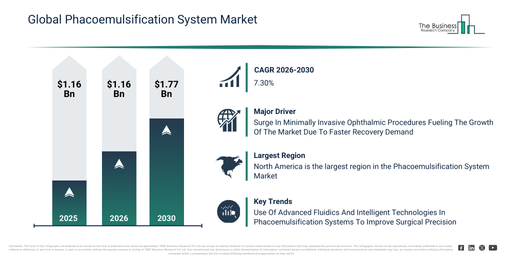
    The market for phacoemulsification systems has shown remarkable progress in recent years. It is forecasted to increase from $1.51 billion in 2025 to $1.63 billion in 2026, with a compound annual growth rate (CAGR) of 7.6%. This growth during the historical period is largely attributed to the rising incidence of cataracts, an aging global population, wider adoption of phacoemulsification techniques, expansion of ophthalmic care infrastructure, and surgeons’ preference for minimally invasive tools. Looking ahead, the market is expected to reach $2.16 billion by 2030, growing at a CAGR of 7.3%, driven by factors such as increased outpatient eye surgeries, innovative ultrasound technologies, demand for premium intraocular lenses (IOLs), expanding emerging markets, and growing awareness of eye health. Key trends anticipated in the forecast period include advanced fluidics control, broader adoption of minimally invasive cataract surgery, precise ultrasonic energy delivery, shorter procedure times, and enhanced patient safety.

    Download A Free Sample Report For Comprehensive Market Insights:

    https://www.thebusinessresearchcompany.com/sample.aspx?id=30352&type=smp

    Rising Popularity of Minimally Invasive Ophthalmic Procedures Boosts Market Demand

    The growing preference for minimally invasive ophthalmic procedures is a major catalyst in the phacoemulsification system market’s expansion. These procedures use small incisions and micro-instruments or lasers to treat eye conditions, minimizing tissue damage. Patients benefit from faster recoveries and less surgical trauma, which has fueled demand for such advanced techniques. The phacoemulsification system plays a vital role by employing ultrasonic energy to break up and remove cataracts through tiny incisions, enabling quicker healing and more precise surgery. For example, in May 2024, Gov.UK reported that there were 516,073 hospital admissions for cataract surgery in England among individuals aged 65 and above, a rate of 4,679 per 100,000 population in 2023. This data highlights the increasing uptake of minimally invasive eye surgeries, supporting market growth.

    Expanding Outpatient Surgeries and Technological Innovation Drive Market Momentum

    Another factor propelling the phacoemulsification system market is the rise in outpatient eye surgeries, making procedures more accessible and cost-effective. Technological advancements in ultrasound systems and the growing demand for premium IOLs further stimulate market expansion. Additionally, as emerging markets develop their ophthalmic infrastructure and vision care awareness spreads, opportunities for market growth multiply. Manufacturers are innovating with features such as enhanced fluidics control and smarter ultrasonic energy delivery, which improve surgical outcomes and patient safety.

    Access The Complete Phacoemulsification System Market Report:

    https://www.thebusinessresearchcompany.com/report/global-phacoemulsification-system-market-report

    Detailed Segmentation of the Phacoemulsification System Market

    This market is segmented based on product type, application, and end-user categories. The product range includes standalone phacoemulsification systems and portable models. Applications cover cataract surgery, refractive lens exchange (RLE), and secondary lens removal procedures. End-users are primarily hospitals, ophthalmic clinics, ambulatory surgical centers, and a variety of other medical facilities. Subcategories within standalone systems include ultrasonic handpiece units, control consoles, fluid management units, and illumination modules. Portable systems feature battery-powered units, compact consoles, handheld devices, and mobile surgical kits. This detailed classification provides insight into market dynamics and areas of strategic focus.

    Innovations and Emerging Trends Shaping Market Expansion

    Leading companies in the phacoemulsification system market are increasingly integrating femtosecond laser technology and novel fluidics concepts to enhance surgical precision. These fluidics systems regulate irrigation and aspiration during surgery to maintain stable intraocular pressure (IOP) and chamber stability. For example, in September 2025, US-based Beaver-Visitec International, Inc. introduced Virtuoso, a dual-function phaco-vitrectomy platform designed for cataract and vitreoretinal surgeries. This system features advanced fluidics technology to maintain target IOP at every surgical stage, a hybrid pump design for better chamber stability, and Load Sensing Phaco technology that adjusts ultrasound energy in real-time based on lens resistance, improving efficiency and safety.

    Key Market Players Steering Industry Competition

    The phacoemulsification system market is shaped by a number of major companies including Alcon, Johnson & Johnson, Bausch + Lomb, NIDEK, Oertli Instrumente, Optikon, Geuder, Appasamy Associates, Biotech Visioncare, Meda, SIFI, Ziemer Ophthalmic Systems, Topcon, Carl Zeiss Meditec, Huvitz, Rumex International, DORC International, MicroSurgical Technology, LIGHTMED, Aurolab, and MTP Medical Technical Products. These organizations are driving innovation, expanding product offerings, and competing to capture a larger share of this growing market.

    Regional Market Dominance and Growth Opportunities

    In 2025, North America held the leading position in the phacoemulsification system market. However, over the forecast period, Asia-Pacific is anticipated to be the fastest-growing region due to rising healthcare investments, increasing cataract prevalence, and expanding ophthalmic infrastructure. The comprehensive market analysis encompasses regions including Asia-Pacific, South East Asia, Western Europe, Eastern Europe, North America, South America, the Middle East, and Africa, offering a global view of market dynamics and growth potential.

    Get in touch with us:

    The Business Research Company: https://www.thebusinessresearchcompany.com/

    Americas: +1 310-496-7795

    Asia: +44 7882 955267 & +91 8897263534

    Europe: +44 7882 955267

    Email us at: marketing@tbrc.info

    Follow us on:

    LinkedIn: https://in.linkedin.com/company/the-business-research-company

    YouTube: https://www.youtube.com/channel/UC24_fI0rV8cR5DxlCpgmyFQ

    Global Market Model: https://www.thebusinessresearchcompany.com/global-market-model
  • Ophthalmic Packaging Market Growth Is Reshaping Competitive Advantage Across The Industry

    Delivering more actionable and strategically valuable research, The Business Research Company’s 2026 market reports feature market attractiveness analysis, total addressable market evaluation, company benchmarking matrices, interactive Excel dashboards, expanded supply chain intelligence, emerging startup coverage, and detailed product insights.

    The ophthalmic packaging sector has seen significant growth recently, driven by rising demand for eye care products and evolving treatment methods. As eye health gains more attention worldwide, the packaging industry supporting these products is poised for continued expansion. Let’s explore the current market size, key drivers, major players, innovation trends, and regional outlook shaping the future of ophthalmic packaging.

    Steady Expansion and Future Estimates in the Ophthalmic Packaging Market

    The ophthalmic packaging market has witnessed rapid development, with its value projected to rise from $11.27 billion in 2025 to $12.87 billion in 2026, marking a compound annual growth rate (CAGR) of 14.2%. This upward trend during the past period is largely due to increased consumption of ophthalmic drugs, broader adoption of prescription eye care treatments, a higher usage of eye drops and ointments, stronger regulatory focus on sterility, and the adoption of standardized packaging formats. Looking ahead, the market is expected to grow further, reaching $20.77 billion by 2030 at a CAGR of 12.7%, driven by emerging factors and expanding product offerings.

    Download A Free Sample Report For Comprehensive Market Insights:

    https://www.thebusinessresearchcompany.com/sample.aspx?id=15880&type=smp

    Factors Fueling Growth in the Ophthalmic Packaging Sector

    One major factor boosting the ophthalmic packaging market is the rising incidence of eye disorders. These conditions disrupt normal vision and eye function and are increasingly prevalent due to aging populations, lifestyle habits, environmental exposure, and extended screen time. Proper ophthalmic packaging plays a critical role in delivering medications safely and sterility, protecting patient health by preventing contamination and ensuring accurate dosing throughout treatment.

    For example, in January 2024, the Centers for Disease Control and Prevention (CDC) reported that over 3.4 million Americans aged 40 and above suffer from blindness or visual impairment, a figure expected to double by 2030. This growing patient base is creating higher demand for effective packaging solutions tailored to ophthalmic products, thereby driving sector growth.

    Access The Complete Ophthalmic Packaging Market Report:

    https://www.thebusinessresearchcompany.com/report/ophthalmic-packaging-global-market-report

    Breakdown of the Ophthalmic Packaging Market by Categories

    This market is segmented based on several criteria:

    1) Dose Format: Multi-Dose and Single Dose

    2) Packaging Material: Glass, Plastic, and Other Materials

    3) End-Use: Over the Counter (OTC) and Prescription Products

    Further subsegments include:

    – Multi-Dose: preserved multi-dose packaging and multi-dose bottles equipped with dropper systems

    – Single Dose: single-dose vials and pre-filled single-dose containers

    These classifications help in understanding the various product types and their respective market demands.

    Innovations Paving the Way for Future Advancements in Ophthalmic Packaging

    Leading companies in the ophthalmic packaging industry are concentrating on developing sophisticated solutions, such as ergonomic designs and preservative-free eye-drop bottles, which aim to replace conventional multi-dose bottles. These advancements focus on improving dosing accuracy, minimizing contamination risk, and enhancing ease of use for patients.

    For instance, in December 2024, Berry Global Group Inc., a US-based packaging manufacturer, introduced a new easy-squeeze 10 ml ophthalmic bottle designed specifically for preservative-free eye treatments. This bottle reduces the effort needed to dispense medication, which benefits individuals with limited hand strength. It is compatible with Aptar Pharma’s Ophthalmic Squeeze Dispenser (OSD), ensuring precise dosing and maintaining sterility through Gamma and EtO sterilization processes. With its ergonomic and soft-touch features, the easy-squeeze bottle promotes better patient compliance and supports sustainable packaging initiatives.

    Key Players Shaping the Competitive Landscape of Ophthalmic Packaging

    The ophthalmic packaging market features several prominent companies including Amcor Ltd., Berry Global Inc., Corning Incorporated, Huhtamaki Group, AptarGroup Inc., Recipharm AB, West Pharmaceutical Services Inc., Gerresheimer AG, Stevanato Group, Schott AG, Nolato AB, Nipro Corporation, Stölzle Glass Group, SGD Pharma, Bormioli Pharma SpA, Bilcare Limited, Shaily Engineering Plastics Ltd, Adelphi Healthcare Packaging, Comar LLC, Heinz Glas GmbH, URSATEC GmbH, and Shandong Medicinal Glass Co. Ltd. These companies lead innovation, production, and distribution within the market.

    Geographical Regions Driving Revenue and Growth in Ophthalmic Packaging

    In 2025, North America held the largest share of the ophthalmic packaging market. However, the Asia-Pacific region is expected to witness the fastest growth during the forecast period. The report covers key markets across Asia-Pacific, South East Asia, Western Europe, Eastern Europe, North America, South America, the Middle East, and Africa, providing a global view of market trends and opportunities.

    Get in touch with us:

    The Business Research Company: https://www.thebusinessresearchcompany.com/

    Americas: +1 310-496-7795

    Asia: +44 7882 955267 & +91 8897263534

    Europe: +44 7882 955267

    Email us at: marketing@tbrc.info

    Follow us on:

    LinkedIn: https://in.linkedin.com/company/the-business-research-company

    YouTube: https://www.youtube.com/channel/UC24_fI0rV8cR5DxlCpgmyFQ

    Global Market Model: https://www.thebusinessresearchcompany.com/global-market-model
  • Personalized Knee Implants Market Expansion Is Opening New Pathways For Strategic Investment

    Personalized Knee Implants Market Expansion Is Opening New Pathways For Strategic Investment

    Enhanced with market attractiveness analysis, total addressable market evaluation, company benchmarking matrices, interactive Excel dashboards, expanded supply chain intelligence, emerging startup coverage, and detailed product insights, The Business Research Company’s 2026 market reports deliver more actionable and strategically valuable research.

    The personalized knee implants market is witnessing significant growth as advancements in technology and rising healthcare needs drive demand. With an aging population and increasing cases of joint-related conditions, this sector is set for continued expansion. Below is a detailed analysis of the market size, key growth factors, competitive landscape, and emerging trends shaping its future.

    Current and Projected Market Size of Personalized Knee Implants

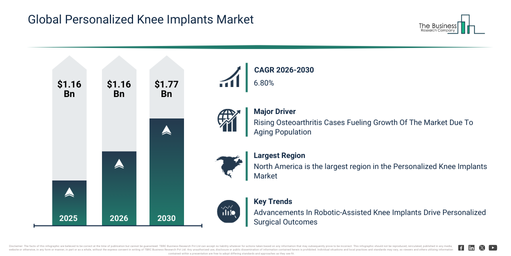
    The personalized knee implants market has demonstrated robust growth in recent years. It is projected to increase from $2.45 billion in 2025 to $2.62 billion in 2026, representing a compound annual growth rate (CAGR) of 6.9%. This upward trend is attributed to factors such as an aging population, rising prevalence of osteoarthritis, growing awareness of personalized healthcare options, advancements in imaging technology, and an increasing volume of orthopedic surgeries. Looking ahead, the market is expected to reach $3.41 billion by 2030, growing at a CAGR of 6.8%. Key drivers for this forecast include the adoption of 3D printing technology, integration of artificial intelligence (AI) in surgical planning, demand for minimally invasive procedures, improvements in implant materials, and expanding opportunities in emerging regions. Current market trends also highlight the rise of custom 3D-printed implants, patient-specific surgical planning, minimally invasive knee replacements, enhanced rehabilitation solutions, and the integration of wearable technologies.

    Download A Free Sample Report For Comprehensive Market Insights:

    https://www.thebusinessresearchcompany.com/sample.aspx?id=25874&type=smp

    Important Factors Stimulating Growth in the Personalized Knee Implants Market

    One of the primary drivers of market growth is the increasing incidence of osteoarthritis, a degenerative joint condition that causes cartilage breakdown leading to pain and restricted joint movement. Osteoarthritis becomes more common with age due to the natural wear and tear of cartilage. Personalized knee implants provide tailored solutions that fit an individual’s unique anatomy, improving joint alignment, reducing discomfort, and boosting mobility more effectively than traditional implants. For example, a report released in June 2024 by the Australian Institute of Health and Welfare revealed that osteoarthritis was responsible for 143,410 disability-adjusted life years (DALYs) in Australia in 2023 and caused 2,314 deaths in 2022. These figures highlight the serious burden osteoarthritis places on health systems and explain why personalized implants are gaining traction in treatment plans.

    Technological Advancements Driving Personalized Knee Implant Demand

    Another significant factor pushing market expansion is the continuous innovation in surgical technologies and implant design. The integration of advanced robotics and AI in knee replacement surgeries enables higher precision, better alignment, and customization that leads to improved patient outcomes. For instance, robotic-assisted total knee arthroplasty enhances surgical efficiency while providing a bone-preserving approach that minimizes tissue damage. These developments also support a move toward less invasive procedures, which are increasingly preferred by both surgeons and patients.

    Access The Complete Personalized Knee Implants Market Report:

    https://www.thebusinessresearchcompany.com/report/personalized-knee-implants-global-market-report

    Key Segments and Product Types in the Personalized Knee Implants Market

    This market is broadly segmented based on implant type, fixation material, implant materials, procedure, and end-use settings. The implant types include femoral, tibia, and patella components, each with subcategories such as standard, customized, and gender-specific implants for femoral types; standard, customized, and modular baseplates for tibia; and standard, customized, and resurfacing implants for patella. Fixation methods are classified into cemented, cementless, and hybrid. Materials used include metal-on-plastic and ceramic-on-plastic. Procedures cover primary, partial, and revision knee replacements. The end-use segment encompasses hospitals, ambulatory surgical centers, and other healthcare facilities.

    How Technological Progress Is Shaping Market Competition

    Leading companies in the personalized knee implants market are investing heavily in innovation to maintain competitive advantages. For example, in April 2025, THINK Surgical, Inc., a US-based company specializing in robotic surgical systems, introduced the Freedom Total Knee Implant using its TMINI miniature robotic system. This implant offers extensive customization options, a bone-sparing design, and compatibility with both cemented and cementless fixation methods. Enhanced polyethylene inserts improve wear resistance and smooth articulation, aiming to replicate natural knee movement and provide long-term durability. Such advancements underscore the industry’s focus on precision and personalized solutions.

    Top Companies Leading the Personalized Knee Implants Industry

    The market features several prominent players including Stryker Corporation, DePuy Synthes Inc., Zimmer Biomet Holdings Inc., Smith & Nephew plc, Stanmore Implants Worldwide Ltd, Exactech Inc., Medacta International SA, Corin Group PLC, MicroPort Orthopedics Inc., B. Braun Melsungen AG, LimaCorporate S.p.A., Waldemar Link GmbH & Co. KG, THINK Surgical Inc., Signature Orthopaedics Pty Ltd, Maxx Orthopedics Inc., restor3d Inc., NanoKnee LLC, Conformis Inc., Aesculap Implant Systems LLC, United Orthopedic Corporation, Kyocera Medical Corporation, and Mathys Ltd Bettlach. These companies are at the forefront of delivering cutting-edge personalized knee implant solutions globally.

    Regional Insights Highlighting Market Growth Opportunities

    In 2025, North America accounted for the largest share of the personalized knee implants market. However, the Asia-Pacific region is anticipated to experience the fastest growth during the forecast period. The market coverage extends to key regions including Asia-Pacific, South East Asia, Western Europe, Eastern Europe, North America, South America, the Middle East, and Africa, providing a comprehensive view of the global market landscape.

    Get in touch with us:

    The Business Research Company: https://www.thebusinessresearchcompany.com/

    Americas: +1 310-496-7795

    Asia: +44 7882 955267 & +91 8897263534

    Europe: +44 7882 955267

    Email us at: marketing@tbrc.info

    Follow us on:

    LinkedIn: https://in.linkedin.com/company/the-business-research-company

    YouTube: https://www.youtube.com/channel/UC24_fI0rV8cR5DxlCpgmyFQ

    Global Market Model: https://www.thebusinessresearchcompany.com/global-market-model

  • Personalized Cranial Implant Market Trends Are Creating New Opportunities For Industry Leaders

    Personalized Cranial Implant Market Trends Are Creating New Opportunities For Industry Leaders

    Through market attractiveness analysis, total addressable market evaluation, company benchmarking matrices, interactive Excel dashboards, expanded supply chain intelligence, emerging startup coverage, and detailed product insights, The Business Research Company’s 2026 market reports provide more actionable and strategically valuable research.

    The personalized cranial implant market has experienced significant growth in recent years, driven by advances in medical technology and increasing clinical needs. This sector shows promising potential for expansion as new innovations and rising healthcare demands push forward the adoption of custom cranial solutions. Below is an in-depth exploration of the market size, key growth factors, trends, major players, and regional dynamics shaping this industry.

    Market Size and Expected Growth Trajectory in the Personalized Cranial Implant Market

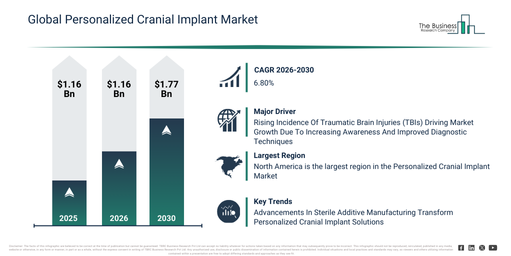
    The market size for personalized cranial implants has seen robust development, with projections indicating an increase from $0.96 billion in 2025 to $1.03 billion in 2026, growing at a compound annual growth rate (CAGR) of 7.3%. The past growth is largely attributed to the rising number of traumatic brain injury cases, more frequent tumor removal surgeries, advancements in cranial imaging technologies, the growing volume of neurosurgical procedures, and improved access to biocompatible implant materials.

    Looking ahead, the market is anticipated to expand further, reaching $1.34 billion by 2030 at a CAGR of 6.8%. This forecasted growth is supported by the wider adoption of personalized medicine, the expansion of 3D printing capabilities within hospitals, increasing demand for tailored cosmetic corrections, advances in implant design software, and rising healthcare spending on sophisticated neurosurgical treatments. Emerging trends during this period include greater patient-specific cranial reconstructions, increased use of 3D printing in implant manufacturing, a shift toward minimally invasive cranial surgeries, the growing application of personalized implants in complex trauma cases, and enhanced aesthetic and functional outcomes that influence surgeon preferences.

    Download A Free Sample Report For Comprehensive Market Insights:

    https://www.thebusinessresearchcompany.com/sample.aspx?id=25873&type=smp

    Factors Fueling the Expansion of the Personalized Cranial Implant Market

    One of the primary drivers behind the market’s expansion is the rising incidence of traumatic brain injuries (TBIs). These injuries result from external mechanical forces impacting the brain and have become more frequently reported due to improved public awareness about head trauma risks and advances in diagnostic capabilities. Personalized cranial implants play a crucial role in treating such injuries by offering precise, custom-fit solutions that improve protection of the brain, restore skull shape, and support patient recovery.

    For example, in 2024, data from the Tennessee Department of Health showed a 2.4% increase in patients registered with traumatic brain injuries in 2023 compared to the previous year. This growing prevalence of TBIs and associated cranial defects is a key factor propelling demand for personalized cranial implants.

    How the Personalized Cranial Implant Market is Categorized by Products and Applications

    The personalized cranial implant market is segmented into several categories for better clarity:

    1) Implant Material: Titanium, Polymethylmethacrylate (PMMA), Polyether Ether Ketone (PEEK), and other materials.

    2) Indication: Traumatic Brain Injury, Oncology (tumor resection), Congenital Disorders, Infections, and Cosmetic or Deformity Correction.

    3) End Use: Hospitals, Ambulatory Surgical Centers, and other healthcare settings.

    Further breakdowns include specific types within each material category, such as pure titanium, titanium alloys, mesh and solid titanium implants; preformed, hand-molded, custom molded, and antibiotic-impregnated PMMA implants; various forms of PEEK implants including standard, reinforced, 3D-printed, and patient-specific versions; and other materials like ceramic, composite, bioactive glass, and bioresorbable polymers.

    Access The Complete Personalized Cranial Implant Market Report:

    https://www.thebusinessresearchcompany.com/report/personalized-cranial-implant-global-market-report

    Technological Trends Shaping the Future Demand for Personalized Cranial Implants

    Key players in the personalized cranial implant sector are investing heavily in cutting-edge technologies such as sterile 3D printing directly at hospital sites to improve manufacturing efficiency and deliver highly customized implants. This hospital-based sterile 3D printing approach utilizes cleanroom-compatible printers to produce medical-grade implants onsite, significantly reducing contamination risks and shortening the time from design to surgery.

    For instance, in April 2024, 3D Systems, a US additive manufacturing company, introduced the VSP PEEK Cranial Implant. This patient-specific implant leverages high-performance PEEK material and an FDA-approved 3D printing process that includes modeling software, sterile 3D printers, and streamlined post-processing. The implant mimics the mechanical properties of human bone while offering excellent biocompatibility, radiolucency, and resistance to bodily fluids. The system also cuts material usage by up to 85% compared to traditional machining, lowering costs and enabling faster surgical planning and improved outcomes. This innovation represents a major advancement in neurosurgical and cranioplasty procedures.

    Key Players and Competitive Landscape Within the Personalized Cranial Implant Market

    The market is led by several prominent companies, including Medtronic PLC, Stryker Corporation, Zimmer Biomet Holdings Inc., Renishaw PLC, KLS Martin Group, B. Braun Melsungen AAG, Medartis Holding AG, CranioTech GmbH, evonos GmbH & Co. KG, Matrix Surgical USA LLC, Jeil Medical Corporation, Anatomics Pty Ltd., Calavera Surgical Design Inc., KELYNIAM Global Incorporated, Xilloc Medical B.V., INCREDIBLE AM Private Limited, LUCID Implants Private Limited, Ortho Baltic Joint Stock Company, OssDsign AB, 3D Systems Healthcare, Materialise NV, and Oxford Performance Materials. These firms are competing through technological innovation, strategic partnerships, and expanding product portfolios to capture increasing demand.

    Regional Market Overview Highlighting Growth Leaders in Personalized Cranial Implants

    In terms of regional market share, North America held the largest portion of the personalized cranial implant market in 2025. Meanwhile, the Asia-Pacific region is projected to experience the fastest growth rate during the forecast period. The market analysis encompasses key geographic areas such as Asia-Pacific, South East Asia, Western Europe, Eastern Europe, North America, South America, the Middle East, and Africa, providing a comprehensive understanding of global market dynamics and growth opportunities.

    Get in touch with us:

    The Business Research Company: https://www.thebusinessresearchcompany.com/

    Americas: +1 310-496-7795

    Asia: +44 7882 955267 & +91 8897263534

    Europe: +44 7882 955267

    Email us at: marketing@tbrc.info

    Follow us on:

    LinkedIn: https://in.linkedin.com/company/the-business-research-company

    YouTube: https://www.youtube.com/channel/UC24_fI0rV8cR5DxlCpgmyFQ

    Global Market Model: https://www.thebusinessresearchcompany.com/global-market-model