Category: Medical Equipment

  • Open Surgery Instruments Market Expansion Is Opening New Pathways For Strategic Investment

    Open Surgery Instruments Market Expansion Is Opening New Pathways For Strategic Investment

    Through market attractiveness analysis, total addressable market evaluation, company benchmarking matrices, interactive Excel dashboards, expanded supply chain intelligence, emerging startup coverage, and detailed product insights, The Business Research Company’s 2026 market reports provide more actionable and strategically valuable research.

    The market for open surgery instruments has seen significant growth recently, driven by advances in surgical procedures and healthcare infrastructure. As this sector evolves, it is essential to explore its current size, key growth drivers, major players, and emerging trends that will shape its future trajectory.

    Market Size Evolution and Projected Growth of the Open Surgery Instruments Market

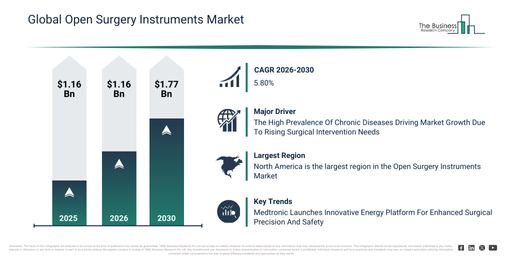
    The open surgery instruments market has experienced robust expansion, with its value expected to rise from $68.04 billion in 2025 to $72.38 billion in 2026, representing a compound annual growth rate (CAGR) of 6.4%. This growth during the historical period is largely linked to an increase in the number of open surgical procedures, the development of hospital surgical facilities, greater availability of skilled surgeons, the growing use of standardized surgical kits, and ongoing improvements in the materials used for instruments. Looking ahead, the market is anticipated to reach $90.57 billion by 2030, growing at a CAGR of 5.8%. Key factors driving this forecast include the adoption of advanced surgical technologies, increased demand for instruments suited to multiple specialties, a rise in complex surgeries, heightened attention to minimizing surgical complications, and substantial investments in upgrading operating rooms. Important trends predicted to influence the market comprise a growing need for precision instruments, wider use of reusable and sterilizable tools, ergonomic designs, expansion of energy-based surgical devices, and an intensified focus on surgical accuracy.

    Download A Free Sample Report For Comprehensive Market Insights:

    https://www.thebusinessresearchcompany.com/sample.aspx?id=17214&type=smp

    Factors Propelling Growth in the Open Surgery Instruments Market

    One of the primary forces fueling the market’s expansion is the rising prevalence of chronic diseases worldwide. These long-lasting conditions, which require ongoing medical management, are becoming more widespread due to lifestyle changes, aging populations, enhanced healthcare access, and genetic factors. Open surgery instruments play a crucial role in improving the surgical treatment of these diseases by enhancing procedural accuracy, shortening recovery times, and ensuring patient safety throughout operations.

    For example, data released in May 2023 by the World Health Organization, an international health agency based in Switzerland, show that non-communicable diseases (NCDs) now account for nearly 75% of global deaths, with projections suggesting this figure could climb to 86% by 2048. This alarming trend underscores how the widespread impact of chronic diseases is directly driving demand for open surgery instruments.

    Key Segments That Drive Revenue in the Open Surgery Instruments Market

    This market is analyzed through several important segments:

    1) Product Categories: Scalpel, Scissors, Forceps, Clamps, Needles and Sutures, Retractors, Suction Devices, Staplers and Clips, and Energy Systems

    2) Application Areas: Cardiothoracic Surgery, Urologic Surgery, Orthopedic Surgery

    3) End Users: Hospitals, Ambulatory Surgery Centers, Clinics

    Each product category is further broken down into subtypes. For example, scalpels include disposable and reusable types; scissors include straight, curved, Metzenbaum, and Mayo scissors; forceps are divided into tissue, surgical, and hemostatic types; clamps include hemostatic, tissue, and surgical clamps; needles and sutures are categorized as surgical needles, absorbable sutures, and non-absorbable sutures; retractors come as handheld or self-retaining; suction devices are either manual or electric; staplers and clips include surgical staplers, hemostatic clips, and skin staplers; and energy systems comprise electrosurgical units, laser energy systems, and ultrasonic energy systems.

    Access The Complete Open Surgery Instruments Market Report:

    https://www.thebusinessresearchcompany.com/report/open-surgery-instruments-global-market-report

    Next-Generation Advancements Defining the Open Surgery Instruments Market

    Leading companies in this space are heavily investing in the development of cutting-edge technologies, such as next-generation surgical energy platforms, which aim to replace traditional electrosurgical devices. These advanced platforms improve surgical precision and safety by dynamically adjusting energy delivery, enhancing vessel sealing, and facilitating more efficient tissue dissection. For instance, in September 2025, Medtronic Plc., a US-based med-tech firm, introduced the Valleylab FT10 Energy Platform in India. This innovation offers versatile energy modes, including monopolar, bipolar, and advanced vessel sealing, designed specifically for open surgeries. It features real-time tissue sensing and optimized energy control, helping surgeons achieve better results while minimizing collateral damage. Integrated with Medtronic’s surgical support services, such as training and workflow optimization, the platform enhances clinical outcomes, improves patient safety, and streamlines surgical procedures.

    Prominent Players and Their Strategic Position in the Open Surgery Instruments Market

    The open surgery instruments market is shaped by several major corporations, including Johnson & Johnson Services Inc., Medtronic, Olympus, Terumo Corporation, B. Braun Medical Ltd., Cook Medical, Teleflex Incorporated, Mölnlycke Health Care AB, Integra LifeSciences Corporation, ConMed Corporation, C.R. Bard Inc., KLS Martin Group, Aspen Surgical Products Inc., Scanlan International Inc., Sklar Surgical Instruments, Grena Ltd., ELMED Incorporated, Aesculap Inc., Medline Industries Inc., and HuFriedyGroup. These companies focus on innovation, product development, and strategic partnerships to maintain competitive advantages in the evolving market.

    Regional Market Leadership and Growth Opportunities

    In 2025, North America held the largest share of the open surgery instruments market. However, Asia-Pacific is projected to be the fastest-growing region throughout the forecast period. The analysis also includes key areas such as South East Asia, Western Europe, Eastern Europe, South America, the Middle East, and Africa, providing a comprehensive global perspective on market trends and growth potential.

    Get in touch with us:

    The Business Research Company: https://www.thebusinessresearchcompany.com/

    Americas: +1 310-496-7795

    Asia: +44 7882 955267 & +91 8897263534

    Europe: +44 7882 955267

    Email us at: marketing@tbrc.info

    Follow us on:

    LinkedIn: https://in.linkedin.com/company/the-business-research-company

    YouTube: https://www.youtube.com/channel/UC24_fI0rV8cR5DxlCpgmyFQ

    Global Market Model: https://www.thebusinessresearchcompany.com/global-market-model
  • Oncology Molecular Diagnostics Market Trends Are Creating New Opportunities For Industry Leaders

    Oncology Molecular Diagnostics Market Trends Are Creating New Opportunities For Industry Leaders

    Delivering more actionable and strategically valuable research, The Business Research Company’s 2026 market reports feature market attractiveness analysis, total addressable market evaluation, company benchmarking matrices, interactive Excel dashboards, expanded supply chain intelligence, emerging startup coverage, and detailed product insights.

    The oncology molecular diagnostics sector is rapidly evolving as advances in technology and growing cancer rates drive demand for more precise testing methods. This market is experiencing significant expansion, fueled by developments in personalized medicine and innovative diagnostic tools that help tailor cancer treatment to individual patients. Let’s explore the current market outlook, key growth factors, segmentation, innovations, competitive players, and regional dynamics shaping this important industry.

    Oncology Molecular Diagnostics Market Size and Growth Outlook

    The oncology molecular diagnostics market has witnessed swift growth in recent years. From a valuation of $5.65 billion in 2025, it is projected to increase to $6.34 billion by 2026, registering a compound annual growth rate (CAGR) of 12.2%. This upward trajectory during the historical period is largely due to the rising prevalence of cancer, widespread adoption of PCR and sequencing technologies, increased funding for oncology research, the expansion of hospital diagnostic capacities, and regulatory approvals for molecular testing procedures.

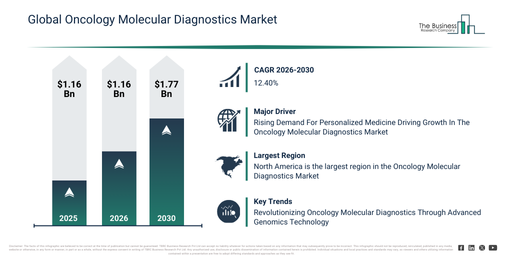
    Looking ahead, the market is expected to accelerate its growth further, reaching $10.13 billion by 2030 with a CAGR of 12.4%. Key factors fueling this expansion include the adoption of precision oncology approaches, advancements in liquid biopsy technologies, heightened demand for personalized cancer treatments, AI-powered data interpretation tools, and growing penetration in emerging markets. Major trends anticipated over the forecast period comprise an increase in companion diagnostics, wider use of liquid biopsies, proliferation of biomarker-based testing, expansion of cancer screening programs, and the rising need for early and accurate cancer detection.

    Download A Free Sample Report For Comprehensive Market Insights:

    https://www.thebusinessresearchcompany.com/sample.aspx?id=3457&type=smp

    Growing Demand for Personalized Medicine Boosting Market Growth

    A significant driver of the oncology molecular diagnostics market is the expanding emphasis on personalized medicine. This approach customizes medical treatment, drug therapies, and healthcare decisions to suit individual patient profiles. Molecular diagnostics play a crucial role by enabling tailored cancer therapies, optimized drug selection, and more precise treatment strategies that enhance patient outcomes and quality of life.

    For example, in February 2024, the Personalized Medicine Coalition, a U.S.-based nonprofit, reported that the FDA approved 16 new personalized therapies for rare disease patients in 2023, up from six approvals in 2022. This surge in personalized treatment approvals highlights the growing reliance on molecular diagnostics to support individualized care, thereby driving market growth.

    How the Oncology Molecular Diagnostics Market Is Categorized

    This market report segments the oncology molecular diagnostics industry into several key categories:

    1) Product: Instruments, Reagents, and Other Products

    2) Technology: Polymerase Chain Reaction (PCR), In-Situ Hybridization (ISH), Isothermal Nucleic Acid Amplification Technology (INNAT), Chips and Microarrays, Sequencing, Mass Spectrometry, Transcription Mediated Amplification (TMA), and other emerging technologies

    3) End User: Hospitals, Diagnostic Centers, Academic and Research Institutes, and other users

    Further subcategories include:

    – Instruments such as PCR machines, sequencers, microarray platforms, and FISH instruments

    – Reagents like DNA and RNA extraction kits, PCR kits, NGS library preparation kits, and diagnostic assay reagents

    – Other products comprising data analysis software, quality control and calibration tools, molecular testing consumables, and oncology biomarkers

    Access The Complete Oncology Molecular Diagnostics Market Report:

    https://www.thebusinessresearchcompany.com/report/oncology-molecular-diagnostics-global-market-report

    Innovations Driving Transformation in Oncology Molecular Diagnostics

    Leading companies in this field are focusing heavily on advancing genomics technologies, including next-generation sequencing for cancer genomes, computational analytics, and innovative tumor modeling. These developments improve the ability to detect cancer early, identify mutations more accurately, and personalize treatment options effectively. As a result, diagnostic precision is enhanced, turnaround times are shortened, and the demand for localized, high-accuracy molecular testing rises.

    For instance, in May 2024, OncoHelix-CoLab, a Canadian precision oncology firm specializing in genomic and immunologic profiling, opened a cutting-edge laboratory at Burjeel Medical City in the UAE. This facility, created in partnership with Burjeel Holdings, enables complex molecular and immunology tests to be performed locally rather than relying on overseas labs. Their offerings include advanced assays for multiple cancer types, such as prostate cancer, supported by collaborations like the one with Nanostics for the ClarityDX Prostate test.

    Major Players Competing in the Oncology Molecular Diagnostics Market

    The oncology molecular diagnostics market features several prominent companies, including F. Hoffmann-La Roche AG, Bayer AG, Thermo Fisher Scientific Inc., Abbott Laboratories, Danaher Corporation, Siemens Healthcare AG, Becton Dickinson and Company, Agilent Technologies Inc., HTG Molecular Diagnostics Inc., Hologic Inc., Illumina Inc., bioMérieux SA, Beckman Coulter Inc., Sysmex Corporation, Bio-Rad Laboratories Inc., Qiagen N.V., Exact Sciences Corp., Bio-Techne Corporation, OPKO Health Inc., Myriad Genetics Inc., Guardant Health AMEA, Veracyte Inc., Adaptive Biotechnologies Corp., Foundation Medicine Inc., Pacific Biosciences of California Inc., NanoString Technologies Inc., and Genomic Health Inc.

    Regional Market Leadership and Revenue Insights

    In 2025, North America dominated the oncology molecular diagnostics market as the largest regional segment. Western Europe held the position as the second largest market globally. Other regions analyzed in the report include Asia-Pacific, South East Asia, Eastern Europe, South America, the Middle East, and Africa, providing a comprehensive perspective on the global market landscape.

    Get in touch with us:

    The Business Research Company: https://www.thebusinessresearchcompany.com/

    Americas: +1 310-496-7795

    Asia: +44 7882 955267 & +91 8897263534

    Europe: +44 7882 955267

    Email us at: marketing@tbrc.info

    Follow us on:

    LinkedIn: https://in.linkedin.com/company/the-business-research-company

    YouTube: https://www.youtube.com/channel/UC24_fI0rV8cR5DxlCpgmyFQ

    Global Market Model: https://www.thebusinessresearchcompany.com/global-market-model
  • Oncology Devices Market Growth Is Reshaping Competitive Advantage Across The Industry

    Oncology Devices Market Growth Is Reshaping Competitive Advantage Across The Industry

    Enhanced with market attractiveness analysis, total addressable market evaluation, company benchmarking matrices, interactive Excel dashboards, expanded supply chain intelligence, emerging startup coverage, and detailed product insights, The Business Research Company’s 2026 market reports deliver more actionable and strategically valuable research.

    The oncology devices market is rapidly evolving, driven by advancements in technology and increasing cancer diagnosis rates worldwide. As healthcare providers strive to improve cancer treatments and early detection, the demand for innovative oncology devices continues to soar. Let’s explore the market’s size, growth factors, key players, and emerging trends shaping the future of this critical healthcare segment.

    Forecasted Expansion of the Oncology Devices Market in the Coming Years

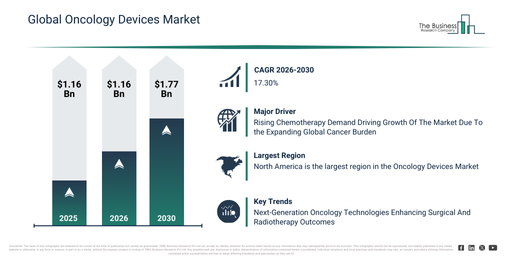
    The oncology devices market has experienced significant growth recently and is anticipated to continue on this trajectory. From $177.72 billion in 2025, it is projected to rise to $210.15 billion in 2026, reflecting a compound annual growth rate (CAGR) of 18.2%. This past growth is largely attributed to the rising global incidence of cancer, the expansion of hospital oncology departments, increasing demand for early diagnostic technologies, availability of advanced imaging devices, and greater awareness around cancer screening initiatives. Looking ahead, the market is expected to reach $397.27 billion by 2030, growing at a CAGR of 17.3%. Factors contributing to this future growth include wider adoption of personalized cancer treatment devices, heightened investments in oncology infrastructure, the growth of outpatient cancer care centers, increased use of AI-powered diagnostic tools, and a stronger focus on precision oncology solutions. Key trends during this period involve the rising uptake of advanced diagnostic devices, image-guided therapies, minimally invasive treatment tools, enhanced radiation therapy technologies, and efforts toward earlier cancer detection.

    Download A Free Sample Report For Comprehensive Market Insights:

    https://www.thebusinessresearchcompany.com/sample.aspx?id=3373&type=smp

    Factors Fueling the Rise of the Oncology Devices Market – Part One

    One of the primary drivers behind the oncology devices market’s expansion is the growing demand for chemotherapy treatments. Chemotherapy, which involves powerful drugs targeting rapidly dividing cells to halt tumor growth, is increasingly sought after due to the rising number of cancer diagnoses worldwide. As more patients are identified, the need for effective and accessible chemotherapy treatments grows accordingly. Oncology devices play a crucial role in supporting chemotherapy by enabling safer and more precise drug delivery and monitoring, which helps improve treatment outcomes and patient safety.

    Factors Fueling the Rise of the Oncology Devices Market – Part Two

    For instance, the U.S. National Cancer Institute projected in January 2025 that the number of new cancer cases in the United States would reach 2.04 million, up from 1.96 million in 2023. This significant increase underscores the expanding need for chemotherapy administration systems and other oncology devices designed to enhance treatment efficacy. Thus, the rising incidence of cancer and the corresponding increase in chemotherapy demand are key factors propelling market growth.

    Access The Complete Oncology Devices Market Report:

    https://www.thebusinessresearchcompany.com/report/oncology-devices-global-market-report

    Breaking Down the Oncology Devices Market Segmentation and Revenue Streams

    The oncology devices market is categorized according to device type, therapy type, and end user. Device types include brachytherapy devices and endoscopic devices. Therapy classifications cover chemotherapy, hormone therapy, biotherapy/immunotherapy, and radiation therapy. End users typically consist of hospitals, cancer research institutes, and other healthcare facilities. Within brachytherapy devices, subsegments involve afterloaders (both high-dose rate and low-dose rate), applicators, seeds, and accessories. Endoscopic devices are further segmented into flexible, rigid, and capsule endoscopes, endoscopic ultrasound systems, and related accessories.

    Key Technological Advances and Market Trends Shaping the Oncology Devices Future

    Leading companies in the oncology devices space are focusing on developing precision-driven and technologically advanced solutions that enhance treatment accuracy, patient safety, and clinical operations. There is a strong emphasis on minimally invasive technologies, improved visualization, and real-time therapy adjustments to support better outcomes across a range of cancers. For example, in April 2025, ZEISS, a medical technology firm based in Germany, obtained FDA 510(k) clearance for its next-generation INTRABEAM 700 system. This robotic-assisted intraoperative radiotherapy platform targets neuro-oncology and breast cancer cases with improved precision, ergonomic design, and seamless integration into surgical workflows. It allows for localized radiation delivery during surgery while minimizing exposure to healthy tissues. By combining advanced imaging, robotics, and treatment planning, the INTRABEAM 700 exemplifies the shift toward sophisticated, patient-focused oncology care.

    Prominent Players Competing in the Oncology Devices Market

    The oncology devices market features several key organizations driving innovation and competition. These include Eckert & Ziegler BEBIG GmbH, Oncura Inc., GE Healthcare, Medtronic plc, Varian Medical Systems Inc., Elekta AB, Theragenics Corporation, Accuray Incorporated, Roche Diagnostics, IBA Group, Biogenex Laboratories, Becton Dickinson and Company, Siemens Healthineers, Philips Healthcare, Hologic Inc., IBA AG, ViewRay Inc., Canon Medical Systems Corporation, Brainlab, PerkinElmer, RaySearch Laboratories, Mevion Medical Systems, Vision RT, IsoRay, RefleXion Medical, Alpha Tau Medical, Nanobiotix, Mirada Medical Ltd., and Navidea Biopharmaceuticals Inc. These companies continuously invest in research and development to offer cutting-edge oncology devices.

    Global Market Distribution and Emerging Regional Opportunities in Oncology Devices

    In 2025, North America dominated the oncology devices market as the largest regional segment. Following closely, Asia-Pacific ranked as the second-largest market. The oncology devices market report also covers important regions such as South East Asia, Western Europe, Eastern Europe, South America, the Middle East, and Africa, providing a comprehensive view of global market dynamics and emerging opportunities across these territories.

    Get in touch with us:

    The Business Research Company: https://www.thebusinessresearchcompany.com/

    Americas: +1 310-496-7795

    Asia: +44 7882 955267 & +91 8897263534

    Europe: +44 7882 955267

    Email us at: marketing@tbrc.info

    Follow us on:

    LinkedIn: https://in.linkedin.com/company/the-business-research-company

    YouTube: https://www.youtube.com/channel/UC24_fI0rV8cR5DxlCpgmyFQ

    Global Market Model: https://www.thebusinessresearchcompany.com/global-market-model
  • Oncology Biomarkers Market Forecast Signals New Revenue Opportunities Through 2030

    Oncology Biomarkers Market Forecast Signals New Revenue Opportunities Through 2030

    Through market attractiveness analysis, total addressable market evaluation, company benchmarking matrices, interactive Excel dashboards, expanded supply chain intelligence, emerging startup coverage, and detailed product insights, The Business Research Company’s 2026 market reports provide more actionable and strategically valuable research.

    The oncology biomarkers market is experiencing rapid expansion, driven by advancements in cancer detection and personalized treatment. As cancer continues to be a major global health challenge, innovations in biomarkers are becoming crucial for early diagnosis and effective therapeutic strategies. Below, we explore the market size, key drivers, industry trends, major players, and regional insights shaping this important sector.

    Oncology Biomarkers Market Size and Growth Projections

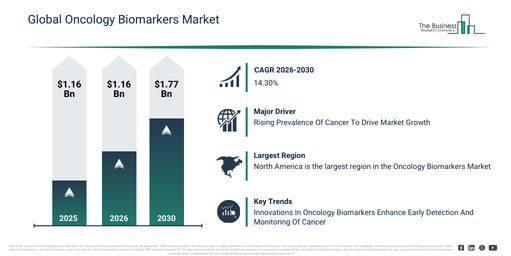
    The oncology biomarkers market has seen significant growth in recent years and is expected to continue on this trajectory. From a valuation of $17.3 billion in 2025, it is projected to rise to $19.73 billion in 2026, representing a compound annual growth rate (CAGR) of 14.1%. Looking further ahead, the market is anticipated to reach $33.63 billion by 2030, with a slightly higher CAGR of 14.3%. This surge reflects the expanding scope of cancer screening initiatives, progress in molecular biology research, greater access to biomarker testing technologies, and stronger collaborations between research institutions and healthcare providers.

    Download A Free Sample Report For Comprehensive Market Insights:

    https://www.thebusinessresearchcompany.com/sample.aspx?id=12493&type=smp

    Key Factors Fueling Growth in Oncology Biomarkers

    One of the major forces propelling the oncology biomarkers market is the increasing incidence of cancer worldwide. Cancer involves the uncontrolled growth of abnormal cells, which can spread throughout the body. Biomarkers help provide detailed insights into the type and characteristics of different cancers by analyzing genes, proteins, and other substances in patients. For example, a February 2024 report from the World Health Organization, based in Switzerland, projects more than 35 million new cancer cases by 2050—an increase of 77% from the estimated 20 million cases in 2022. This rising cancer burden is a critical driver encouraging the development and adoption of oncology biomarkers.

    Additional Growth Drivers Supporting Market Expansion

    Beyond the rising prevalence of cancer, several other factors are stimulating the market. Increasing demand for personalized cancer treatment options is pushing the use of precision diagnostics. Meanwhile, the integration of artificial intelligence for biomarker discovery, rising investments in cancer genomics research, and broader use of liquid biopsy technologies are all contributing to market growth. Furthermore, heightened focus on early detection and ongoing cancer monitoring is fueling demand for more sophisticated biomarker tests and applications.

    Access The Complete Oncology Biomarkers Market Report:

    https://www.thebusinessresearchcompany.com/report/oncology-biomarkers-global-market-report

    Segments Defining the Oncology Biomarkers Market

    This market is segmented based on biomarker types, cancer types, applications, and end users. By biomarker type, categories include protein biomarkers, genetic biomarkers, and other types such as metabolomic, epigenetic, and microRNA biomarkers. Cancer types cover a wide range, including breast, lung, colorectal, prostate, melanoma, leukemia, ovarian, liver cancers, and others. Applications span diagnostics, research and development, prognostics, risk assessment, and more. End users typically comprise hospitals, academic and cancer research centers, and diagnostic laboratories. Further subsegments under protein biomarkers include tumor-specific antigens, circulating tumor cells, and enzymatic biomarkers, while genetic biomarkers involve DNA mutations, gene expression profiles, and single nucleotide polymorphisms.

    Emerging Industry Trends Shaping Oncology Biomarkers Demand

    Leading companies in the oncology diagnostics field are focusing heavily on developing advanced biomarker assays to enhance early cancer detection and monitor minimal residual disease (MRD), which refers to cancer cells remaining post-treatment that may cause relapse. In May 2024, Tempus, a US-based company specializing in AI and precision medicine, introduced a portfolio of MRD tests, including the xM and xM (NeXT Personal Dx) assays developed by Personalis. These tests feature both tumor-naïve and tumor-informed approaches designed to detect early recurrence and track patient response to immunotherapy. Utilizing circulating tumor biomarkers, these assays provide clinicians with sensitive and actionable information to guide treatment decisions.

    Prominent Players Leading the Oncology Biomarkers Market

    The oncology biomarkers market includes several key global companies such as F Hoffmann-La Roche AG, Novartis AG, Thermo Fisher Scientific Inc., Abbott Laboratories, Merck KGaA, Siemens Healthcare GmbH, Becton Dickinson and Company, GE Healthcare Technologies Inc., Eurofins Scientific SE, Agilent Technologies Inc., Hologic Inc., Illumina Inc., bioMerieux SA, Bio-Rad Laboratories Inc., Bruker Corporation, QIAGEN NV, Exact Sciences Corporation, Sysmex Corporation, PerkinElmer Inc., Leica Biosystems, Myriad Genetics Inc., Guardant Health Inc., Enzo Biochem Inc., Biocartis Group NV, Agendia Inc., Epigenomics AG, and OncoDNA SA. These organizations are actively investing in research and technological innovation to maintain their market presence and drive growth.

    Regional Breakdown Highlighting Oncology Biomarkers Market Leaders

    In 2025, North America dominated the oncology biomarkers market in terms of revenue and market share. Alongside North America, other key regions featured in market analyses include Asia-Pacific, South East Asia, Western Europe, Eastern Europe, South America, the Middle East, and Africa. While North America leads currently, emerging markets in Asia-Pacific are expected to exhibit significant growth potential in the coming years.

    Get in touch with us:

    The Business Research Company: https://www.thebusinessresearchcompany.com/

    Americas: +1 310-496-7795

    Asia: +44 7882 955267 & +91 8897263534

    Europe: +44 7882 955267

    Email us at: marketing@tbrc.info

    Follow us on:

    LinkedIn: https://in.linkedin.com/company/the-business-research-company

    YouTube: https://www.youtube.com/channel/UC24_fI0rV8cR5DxlCpgmyFQ

    Global Market Model: https://www.thebusinessresearchcompany.com/global-market-model
  • Ocular Trauma Devices Market Growth Is Accelerating As Industry Transformation Continues

    Ocular Trauma Devices Market Growth Is Accelerating As Industry Transformation Continues

    Delivering more actionable and strategically valuable research, The Business Research Company’s 2026 market reports feature market attractiveness analysis, total addressable market evaluation, company benchmarking matrices, interactive Excel dashboards, expanded supply chain intelligence, emerging startup coverage, and detailed product insights.

    The ocular trauma devices market has experienced significant growth recently, driven by various factors related to eye injuries and advancements in medical technology. This sector is expected to continue expanding as demand rises for effective diagnosis and treatment options for ocular trauma. Let’s explore the current market size, key growth drivers, product segments, major players, and regional dynamics shaping this industry.

    Current Market Size and Growth Forecast for Ocular Trauma Devices

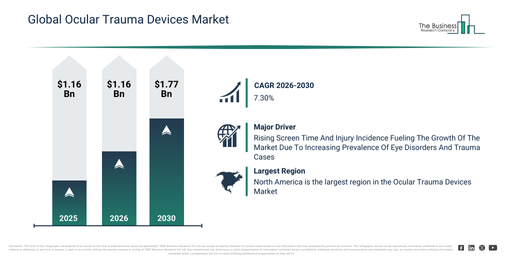
    The ocular trauma devices market has shown strong progress, with its value projected to increase from $3.88 billion in 2025 to $4.17 billion in 2026, representing a compound annual growth rate (CAGR) of 7.5%. This past growth has been driven by several factors, including a rise in road accidents and workplace eye injuries, an increase in sports-related ocular trauma cases, more hospital-based ophthalmic surgeries, wider access to emergency eye care, and better availability of essential ophthalmic surgical instruments. Looking ahead, the market is expected to grow further, reaching $5.53 billion by 2030 with a CAGR of 7.3%. Growth in the coming years will be supported by an aging population susceptible to eye injuries, increased investments in advanced ophthalmic trauma technologies, heightened awareness of early eye injury treatment, expansion of ambulatory surgical centers, and innovations in ocular implants and therapeutic devices. Key trends during this forecast period include a rise in minimally invasive procedures, greater use of disposable ophthalmic devices, demand for rapid point-of-care diagnostics, expansion of specialized trauma care facilities, and advances in microsurgical instruments.

    Download A Free Sample Report For Comprehensive Market Insights:

    https://www.thebusinessresearchcompany.com/sample.aspx?id=25852&type=smp

    Increasing Prevalence of Eye Disorders Supports Market Expansion

    A growing number of eye-related conditions and injuries is a significant factor driving the ocular trauma devices market forward. Eye disorders encompass a wide variety of medical issues and physical traumas impacting vision and eye structure. One important contributor to this rise is the increasing screen time among populations worldwide, which causes eye strain, dry eyes, and a surge in myopia, especially among younger individuals. Ocular trauma devices play a critical role in managing these conditions by facilitating accurate diagnosis, precise surgical interventions, and targeted treatments that help preserve vision and prevent further damage. For instance, data from the National Institutes of Health (NIH) indicates that currently 2.9 million Americans suffer from low eyesight, a figure expected to climb to 5 million by 2030. This trend emphasizes the growing need for effective ocular trauma management, thereby boosting market demand.

    Road Traffic Accidents Significantly Impact Market Demand

    Another important driver of the ocular trauma devices market is the rise in road traffic accidents, which often lead to serious eye injuries requiring immediate care. Road traffic accidents refer to collisions on public roads involving vehicles, pedestrians, or objects, resulting in damage or injury. The increasing number of vehicles on roads worldwide has contributed to greater traffic congestion and a higher likelihood of accidents. Ocular trauma devices provide critical support in these situations by enabling rapid diagnosis and treatment of eye injuries, helping to prevent permanent vision loss and improve recovery outcomes. For example, according to the National Highway Traffic Safety Administration in April 2025, there were 1,820 fewer fatalities on US roads in 2023 compared to previous years, underscoring ongoing safety efforts yet highlighting the continued need for trauma care solutions. This upward trend in road accidents continues to stimulate growth in the ocular trauma devices sector.

    Access The Complete Ocular Trauma Devices Market Report:

    https://www.thebusinessresearchcompany.com/report/ocular-trauma-devices-global-market-report

    Detailed Segmentation of the Ocular Trauma Devices Market

    This market is categorized into several key segments to capture its diverse range of products and applications. By type, the market includes surgical devices, diagnostic devices, therapeutic devices, and protective devices. Device types are further broken down into implants, instruments, and disposables. Severity of trauma is classified as mild, moderate, or severe. Applications cover trauma surgery, retinal detachment, cataract surgery, glaucoma management, and other treatments. End users include hospitals, ophthalmic clinics, ambulatory surgical centers, and other healthcare providers. Subsegments offer more detail, such as surgical devices like microsurgical instruments, ophthalmic sutures, surgical microscopes, phacoemulsification systems, and ophthalmic knives. Diagnostic devices include slit lamps, fundus cameras, optical coherence tomography (OCT) systems, tonometry devices, and ultrasound biomicroscopy. Therapeutic devices comprise ocular implants, drug delivery systems, laser therapy systems, and cryotherapy units. Protective devices consist of eye shields, safety goggles, face shields, ocular bandages, and protective contact lenses.

    Key Players Influencing the Ocular Trauma Devices Industry

    The competition within this market is shaped by several leading companies renowned for their innovation and product portfolios. Notable players include Alcon Inc, Bausch And Lomb Corporation, Johnson And Johnson Vision Care Inc, Carl Zeiss Meditec AG, Topcon Corporation, Leica Microsystems GmbH, BVI Medical Inc, Heidelberg Engineering GmbH, OCULUS Optikgeraete GmbH, Oasis Medical Inc, Ziemer Group AG, Oertli Instrumente AG, FCI SAS, Sonomed Escalon Inc, Innovative Optics Inc, AJL Ophthalmic SA, ARC Laser GmbH, Nidek Co Ltd, MorTan Inc, Haag Streit Group, Volk Optical Inc, and Ellex Medical Lasers Ltd. These companies continue to push technology boundaries and expand their product offerings to meet the evolving needs of ocular trauma care.

    Regional Market Overview and Growth Projections

    In 2025, North America held the largest share of the ocular trauma devices market, driven by well-established healthcare infrastructure and high adoption of advanced technologies. However, the fastest growth over the forecast period is expected in the Asia-Pacific region, fueled by increasing healthcare investments, rising incidence of ocular injuries, and expanding access to eye care services. Other important regions covered in the analysis include South East Asia, Western Europe, Eastern Europe, South America, the Middle East, and Africa, providing a comprehensive view of global market trends and opportunities.

    Get in touch with us:

    The Business Research Company: https://www.thebusinessresearchcompany.com/

    Americas: +1 310-496-7795

    Asia: +44 7882 955267 & +91 8897263534

    Europe: +44 7882 955267

    Email us at: marketing@tbrc.info

    Follow us on:

    LinkedIn: https://in.linkedin.com/company/the-business-research-company

    YouTube: https://www.youtube.com/channel/UC24_fI0rV8cR5DxlCpgmyFQ

    Global Market Model: https://www.thebusinessresearchcompany.com/global-market-model
  • Ocular Implants Market Outlook Highlights The Next Major Growth Opportunities

    Ocular Implants Market Outlook Highlights The Next Major Growth Opportunities

    Enhanced with market attractiveness analysis, total addressable market evaluation, company benchmarking matrices, interactive Excel dashboards, expanded supply chain intelligence, emerging startup coverage, and detailed product insights, The Business Research Company’s 2026 market reports deliver more actionable and strategically valuable research.

    The ocular implants market is experiencing significant growth driven by rising eye-related health issues and advancements in surgical technology. With increasing global demand for vision correction and eye care procedures, the market is positioned for substantial expansion in the coming years. Let’s explore the current market size, key growth drivers, segment details, evolving industry trends, major competitors, and regional insights shaping this sector.

    Ocular Implants Market Size and Future Outlook

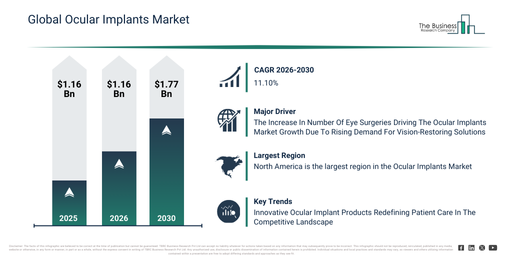
    The ocular implants market has seen rapid growth recently and is projected to continue on this trajectory. It is expected to rise from $16.25 billion in 2025 to $18.16 billion in 2026, reflecting a compound annual growth rate (CAGR) of 11.7%. Looking ahead, the market is forecasted to reach $27.69 billion by 2030, with a CAGR of 11.1%. This impressive growth is largely driven by factors such as the increasing prevalence of cataracts, a rise in ocular trauma cases, expanding ophthalmic surgical procedures, an aging global population, and improvements in surgical techniques. Additionally, the uptake of premium intraocular lens (IOL) technologies, growing demand for vision correction, and advancements in biomaterials are expected to support market expansion. Key trends include the adoption of sophisticated IOL designs, use of minimally invasive glaucoma implants, customized ocular prosthetics, and durable, biocompatible materials.

    Download A Free Sample Report For Comprehensive Market Insights:

    https://www.thebusinessresearchcompany.com/sample.aspx?id=6557&type=smp

    Primary Drivers Behind the Ocular Implants Market Growth

    One of the main factors propelling this market is the rising number of eye surgeries performed globally. Surgical interventions are critical for addressing various vision disorders, including cataracts, glaucoma, and retinal diseases. As populations age—especially in developed countries—the incidence of these conditions increases, thereby boosting demand for surgical solutions involving ocular implants. These implants are essential in replacing or supporting natural eye structures to restore vision and improve surgical outcomes.

    Supporting this trend, data from the Eye Bank Association of America indicates a 2.7% increase in domestic keratoplasty procedures in 2023, rising from 49,597 in 2022 to 50,925. This steady growth in eye surgeries directly drives the need for ocular implants, fueling market expansion.

    Access The Complete Ocular Implants Market Report:

    https://www.thebusinessresearchcompany.com/report/ocular-implants-global-market-report

    Overview of Market Segments in Ocular Implants

    This market can be categorized into various segments based on product types, applications, and end users. The product categories include intraocular lenses (IOLs), corneal implants, orbital implants, and glaucoma implants. Applications cover cataract surgery, glaucoma management and surgery, treatment of corneal disorders and keratoconus, ocular trauma and eye loss management, as well as refractive vision correction. The end-user base primarily consists of specialty eye institutes, hospitals, and clinics.

    Delving deeper, intraocular lenses are further divided into monofocal, multifocal, toric, and accommodative types. Corneal implants include synthetic implants, donor corneal implants, and intracorneal ring segments (ICRS). Orbital implants can be porous or non-porous, while glaucoma implants consist of aqueous shunts or valves and micro-invasive glaucoma surgery (MIGS) devices.

    Innovation Trends Shaping the Ocular Implants Industry

    Leading companies in the ocular implants sector are focusing on producing innovative and premium iris implant products to strengthen their market position. One notable example is the launch of a customizable iris implant designed to provide faster and more personalized patient care.

    In August 2023, HumanOptics Holding AG from Germany introduced the ARTIFICIALIRIS SELECT implant. This premium product offers a wide palette of colors—brown, blue, and green—each available in light, medium, and dark shades. It comes in nine predefined color combinations to ensure rapid availability. Surgeons can use a specialized color chart to match the implant precisely with the patient’s healthy eye, enhancing aesthetic outcomes and patient satisfaction.

    Key Competitors Leading the Ocular Implants Market

    The ocular implants market is dominated by several prominent companies, including Alcon Inc., Bausch & Lomb Inc., Carl Zeiss AG, STAAR Surgical Company, Johnson & Johnson Services Inc., Morcher GmbH, Aurolab Ltd., Cornea Biosciences, KERAMED INC., Price Vision Group, Gulden Ophthalmics Co. Inc., AJL Ophthalmic SA, Hoya Corp., Rayner Intraocular Lenses Limited, Lenstec Inc., SIFI S.p.A., Ophtec BV, HumanOptics AG, Medicontur Medical Engineering Ltd., Hanita Lenses, Omni Lens Pvt. Ltd., EyeKon Medical Inc., FCI Ophthalmics Inc., Santen Pharmaceutical Co. Ltd., Ocular Therapeutix Inc., AcuFocus Inc., Glaukos Corporation, and Ivantis Inc.

    Geographic Markets and Regional Growth Patterns

    In 2025, North America held the largest share of the ocular implants market, benefiting from its advanced healthcare infrastructure and high prevalence of age-related eye conditions. However, the Asia-Pacific region is projected to witness the fastest growth during the forecast period due to increasing healthcare investments, rising awareness, and growing demand for specialized eye care services. The market report covers key regions including Asia-Pacific, South East Asia, Western Europe, Eastern Europe, North America, South America, the Middle East, and Africa—providing a well-rounded view of global market dynamics.

    Get in touch with us:

    The Business Research Company: https://www.thebusinessresearchcompany.com/

    Americas: +1 310-496-7795

    Asia: +44 7882 955267 & +91 8897263534

    Europe: +44 7882 955267

    Email us at: marketing@tbrc.info

    Follow us on:

    LinkedIn: https://in.linkedin.com/company/the-business-research-company

    YouTube: https://www.youtube.com/channel/UC24_fI0rV8cR5DxlCpgmyFQ

    Global Market Model: https://www.thebusinessresearchcompany.com/global-market-model
  • Ocular Drug Delivery Market Trends And Growth Drivers Point To Strong Future Potential

    Ocular Drug Delivery Market Trends And Growth Drivers Point To Strong Future Potential

    Through market attractiveness analysis, total addressable market evaluation, company benchmarking matrices, interactive Excel dashboards, expanded supply chain intelligence, emerging startup coverage, and detailed product insights, The Business Research Company’s 2026 market reports provide more actionable and strategically valuable research.

    The ocular drug delivery sector has experienced significant expansion in recent years, driven by advances in treatment technologies and a rising demand for specialized eye care. As the prevalence of eye disorders grows, this market is positioned for continued growth, with promising innovations and demographic shifts playing crucial roles in its trajectory. Let’s explore the current market size, key drivers, segmentation, industry trends, major players, and regional insights shaping the future of ocular drug delivery.

    Ocular Drug Delivery Market Size and Projected Growth Rates

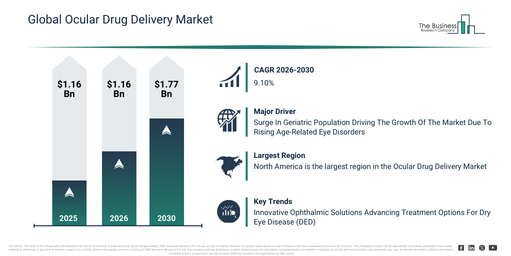
    The market for ocular drug delivery has shown strong growth recently and is expected to grow from $19.16 billion in 2025 to $20.81 billion in 2026, representing a compound annual growth rate (CAGR) of 8.6%. This expansion during the past years has been fueled by factors such as the rising incidence of glaucoma and retinal diseases, increasing preference for targeted eye treatments, advancements in ophthalmic drug formulations, growth in ophthalmology specialty centers, and an improved understanding of how drugs behave within the eye. Looking ahead, this market is forecasted to reach $29.44 billion by 2030, expanding at a CAGR of 9.1%. The upcoming growth will be driven by greater adoption of long-acting ocular therapies, a growing elderly population burdened with chronic eye conditions, increased funding for ophthalmic research and development, advancements in ocular implant technologies, and a stronger emphasis on patient compliance and improved treatment results. Key emerging trends during this period include the development of sustained-release ocular implants, increased use of nanoparticle-based drug delivery systems, heightened focus on therapies targeting retinal diseases, the rise of minimally invasive drug delivery platforms, and concerted efforts to improve drug bioavailability.

    Download A Free Sample Report For Comprehensive Market Insights:

    https://www.thebusinessresearchcompany.com/sample.aspx?id=11901&type=smp

    The Impact of an Aging Population on Ocular Drug Delivery Market Expansion

    One of the main forces propelling the ocular drug delivery market is the growth of the aging population worldwide. Older adults, typically defined as individuals aged 65 and above, face an increased risk of developing ocular diseases such as age-related macular degeneration, glaucoma, and cataracts. Remarkable progress in ocular drug delivery methods is providing effective treatment options for these age-related eye conditions. For example, data from the Population Reference Bureau, a US nonprofit, reveals that the number of Americans aged 65 and older is projected to rise sharply from 58 million in 2022 to 82 million by 2050, marking a 47% increase. During this time frame, this demographic group’s share of the total population is expected to grow from 17% to 23%. This demographic shift is a key contributor to the expanding demand for ocular drug delivery solutions.

    Technological and Product Segments Defining the Ocular Drug Delivery Market

    This report breaks down the ocular drug delivery market into several important categories:

    1) By Technology – including Implantable Ocular Drug Delivery Systems, Particulate Drug Delivery Systems, Nano-Particle Drug Delivery Systems, and other technologies.

    2) By Formulation – covering Liposomes and Nanoparticles, Solutions, Emulsions, Suspensions, and Ointments.

    3) By Disease Type – such as Glaucoma, Diabetic Retinopathy, Dry Eye Syndrome, Macular Degeneration, Cataracts, Diabetic Macular Edema, and other ocular diseases.

    4) By End User – including Hospitals, Ophthalmic Clinics, and Ambulatory Surgical Centers.

    Further subcategories feature implantable systems like intravitreal, subconjunctival, and retrobulbar implants; particulate delivery including microparticles, liposomes, and microspheres; nanoparticle systems such as nanoemulsions, sustained-release nanoparticles, and dendrimers; and other technologies like hydrogels, contact lenses with drug delivery capability, and in situ gel-forming systems.

    Access The Complete Ocular Drug Delivery Market Report:

    https://www.thebusinessresearchcompany.com/report/ocular-drug-delivery-global-market-report

    Industry Trends Highlighting Innovation and Patient-Centered Developments

    Leading companies in the ocular drug delivery field are focusing on innovative ophthalmic solutions to better manage conditions like dry eye disease (DED). These ophthalmic solutions—liquid formulations applied directly to the eye—offer targeted drug delivery with improved efficacy and patient comfort. For instance, in May 2023, Robert Bosch GmbH + Lomb Corporation from Canada partnered with Germany’s Novaliq GmbH to receive FDA approval for MIEBO (perfluorohexyloctane ophthalmic solution), a novel drug aimed at alleviating symptoms of dry eye disease. This approval underscores a growing trend toward water-free and preservative-free formulations designed to reduce tear evaporation and deliver better clinical outcomes for DED patients.

    Key Players Driving Competition in the Ocular Drug Delivery Market

    The ocular drug delivery landscape is characterized by a number of prominent companies, including Pfizer Inc., Roche Holding AG, AbbVie Inc., Novartis AG, Allergan Inc., Regeneron Pharmaceuticals Inc., Bausch Health Companies Inc., Genentech Inc., Santen Pharmaceutical Co. Ltd., Akorn Inc., Valeant Pharmaceuticals International Inc., Aerie Pharmaceuticals Inc., Alimera Sciences Inc., Ocular Therapeutix Inc., Ophthotech Corporation, Acucela Inc., Graybug Vision Inc., Amakem NV, Kala Pharmaceuticals Inc., Icon Bioscience Inc., Clearside Biomedical Inc., Aerpio Therapeutics Inc., Senju Pharmaceutical Co. Ltd., and EyeGate Pharmaceuticals Inc. These organizations engage in intense research and development efforts to innovate and expand their product portfolios.

    Regional Market Leadership and Growth Outlook

    In 2025, North America held the dominant position in the ocular drug delivery market. The comprehensive market analysis also covers regions such as Asia-Pacific, South East Asia, Western Europe, Eastern Europe, South America, the Middle East, and Africa. While North America leads currently, emerging markets in Asia-Pacific and other regions are expected to show dynamic growth in the years ahead, contributing to the global expansion of ocular drug delivery solutions.

    Get in touch with us:

    The Business Research Company: https://www.thebusinessresearchcompany.com/

    Americas: +1 310-496-7795

    Asia: +44 7882 955267 & +91 8897263534

    Europe: +44 7882 955267

    Email us at: marketing@tbrc.info

    Follow us on:

    LinkedIn: https://in.linkedin.com/company/the-business-research-company

    YouTube: https://www.youtube.com/channel/UC24_fI0rV8cR5DxlCpgmyFQ

    Global Market Model: https://www.thebusinessresearchcompany.com/global-market-model
  • Occlusion Devices Market Expansion Is Reshaping Competitive Dynamics Across The Industry

    Occlusion Devices Market Expansion Is Reshaping Competitive Dynamics Across The Industry

    Delivering more actionable and strategically valuable research, The Business Research Company’s 2026 market reports feature market attractiveness analysis, total addressable market evaluation, company benchmarking matrices, interactive Excel dashboards, expanded supply chain intelligence, emerging startup coverage, and detailed product insights.

    The occlusion devices market has seen substantial growth recently, driven by advances in medical technology and rising health concerns worldwide. As healthcare providers increasingly adopt less invasive procedures, this market is set to expand steadily in the coming years. Let’s explore its current size, key growth drivers, leading companies, emerging trends, important segments, and regional market dynamics.

    Strong Expansion Forecast for the Occlusion Devices Market Size

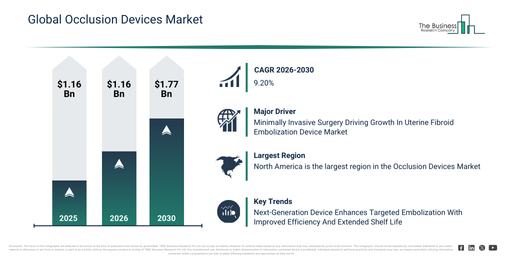
    The occlusion devices market has experienced robust growth in recent years and is anticipated to continue this trajectory. It is projected to increase from $4.2 billion in 2025 to $4.6 billion in 2026, with a compound annual growth rate (CAGR) of 9.6%. Looking further ahead, the market is expected to reach $6.54 billion by 2030, growing at a CAGR of 9.2%. This upward trend reflects several factors, including the rising prevalence of neurological disorders, expanded use of minimally invasive surgeries, continuous technological advancements, growth of ambulatory care centers, and supportive reimbursement policies. Key market trends include a shift towards catheter-based therapies, increased preference for embolization procedures, growth in neurovascular interventions, and demand for highly precise occlusion devices.

    Download A Free Sample Report For Comprehensive Market Insights:

    https://www.thebusinessresearchcompany.com/sample.aspx?id=20584&type=smp

    Increasing Demand for Minimally Invasive Procedures Fuels Market Growth

    One of the primary forces propelling the occlusion devices market is the growing adoption of minimally invasive surgical techniques. These procedures use small incisions or natural body openings to access internal organs or tissues, reducing patient trauma and recovery times. Minimally invasive approaches offer clinical, financial, and cosmetic benefits, making them attractive to both patients and healthcare providers across multiple medical specialties. Occlusion devices play a vital role in these interventions by effectively blocking or sealing blood vessels, ducts, or other pathways within the body to treat conditions like aneurysms, abnormal blood flow, and congenital defects.

    The Rising Popularity of Minimally Invasive Techniques Strengthens Market Demand

    For instance, in June 2024, the International Society of Aesthetic Plastic Surgery (ISAPS) reported that aesthetic procedures reached nearly 35 million in 2023, with surgical and non-surgical treatments increasing by 3.4% to 34.9 million. This surge highlights a broader trend toward less invasive medical options, directly supporting the growth of the occlusion devices market as demand for such sophisticated medical tools continues to rise.

    Access The Complete Occlusion Devices Market Report:

    https://www.thebusinessresearchcompany.com/report/occlusion-devices-global-market-report

    Breaking Down the Occlusion Devices Market Segments and Opportunities

    This report categorizes the occlusion devices market into various segments:

    1) By Product: Occlusion Removal Devices, Embolization Devices, Tubal Occlusion Devices, and Support Devices

    2) By Application: Neurology, Cardiology, Peripheral Vascular Diseases, Urology, Oncology, and Gynecology

    3) By End User: Hospitals, Diagnostic and Surgical Centers, Ambulatory Care Centers, Research Laboratories, and Academic Institutes

    Within these groups, subcategories include:

    – Occlusion Removal Devices such as Thrombectomy Devices, Catheter-Based Removal Devices, Aspiration Systems, and Mechanical Clot Retrieval Systems

    – Embolization Devices like Coil, Particle, Balloon types, Gel and Liquid Embolic Agents, and Stent-Assisted Embolization Devices

    – Tubal Occlusion Devices including Essure Devices, Hysteroscopic Sterilization Systems, Fallopian Tube Clips, and Tubal Ligation Devices

    – Support Devices such as Occlusion Catheters, Guidewires, Supportive Sheaths, and Stent-Grafts designed for occlusion support

    Innovative Developments Fueling Growth in the Occlusion Devices Market

    Leading players are focusing on creating next-generation occlusion devices that enhance targeted embolization procedures. These advanced products offer improved performance, user-friendly features, and innovative capabilities. For example, in July 2025, Embolx, a US medical equipment manufacturer, launched the Sniper G3 Balloon Occlusion Microcatheter. This device significantly improves efficiency and ease of use while doubling shelf life to 24 months, offering better inventory management. Developed in collaboration with interventional radiologists, it provides enhanced trackability and simplifies setup to under one minute. Available globally in all standard sizes, the Sniper G3 exemplifies physician-focused design aimed at optimizing clinical workflows and patient outcomes.

    Key Industry Players Steering the Direction of the Occlusion Devices Market

    The occlusion devices landscape is shaped by several prominent companies, including Johnson & Johnson, Abbott Laboratories, Medtronic PLC, Boston Scientific Corporation, B. Braun Melsungen AG, Terumo Corporation, Cook Group Incorporated, Merit Medical Systems Inc., Lepu Medical Technology Beijing Co. Ltd., MicroPort Scientific Corporation, Penumbra Inc., Asahi Intecc Co. Ltd., Angiodynamics Inc., LeMaitre Vascular Inc., Elixir Medical Corporation, Vascular Concepts Ltd., Occlutech, W L Gore & Associates Inc., LifeTech Scientific Corporation, Cardiovascular Systems Inc., Venus Medtech, CeloNova Biosciences, Cordis Corporation, Pfizer Inc., Sirtex Medical Limited, Nordion Canada Inc., AtriCure Inc., Phenox GmbH, and Balt Extrusion SAS.

    Regional Market Analysis Highlights North America’s Dominance and Asia-Pacific’s Fast Growth

    In 2025, North America held the largest share of the occlusion devices market, benefiting from its advanced healthcare infrastructure and high adoption rates of innovative medical technologies. However, the Asia-Pacific region is projected to be the fastest-growing market during the forecast period. This growth is fueled by increasing healthcare investments, rising incidence of cardiovascular and neurological disorders, and expanding access to minimally invasive surgical procedures across emerging economies. The report covers major regions including Asia-Pacific, South East Asia, Western Europe, Eastern Europe, North America, South America, the Middle East, and Africa, providing a comprehensive overview of global market trends and opportunities.

    Get in touch with us:

    The Business Research Company: https://www.thebusinessresearchcompany.com/

    Americas: +1 310-496-7795

    Asia: +44 7882 955267 & +91 8897263534

    Europe: +44 7882 955267

    Email us at: marketing@tbrc.info

    Follow us on:

    LinkedIn: https://in.linkedin.com/company/the-business-research-company

    YouTube: https://www.youtube.com/channel/UC24_fI0rV8cR5DxlCpgmyFQ

    Global Market Model: https://www.thebusinessresearchcompany.com/global-market-model
  • Obstetrics Device Market Forecast Reveals Where Future Industry Value Will Be Created

    Obstetrics Device Market Forecast Reveals Where Future Industry Value Will Be Created

    Enhanced with market attractiveness analysis, total addressable market evaluation, company benchmarking matrices, interactive Excel dashboards, expanded supply chain intelligence, emerging startup coverage, and detailed product insights, The Business Research Company’s 2026 market reports deliver more actionable and strategically valuable research.

    The obstetrics device sector has been experiencing noteworthy growth recently, driven by advancements in technology and increased attention to maternal health. This market is evolving rapidly as innovations and expanding healthcare services meet the rising demand for safer and more effective childbirth and prenatal care. Let’s explore the current market size, key growth drivers, segmentation, competitive landscape, and regional trends shaping this industry.

    Steady Market Growth and Size Forecast for the Obstetrics Device Market

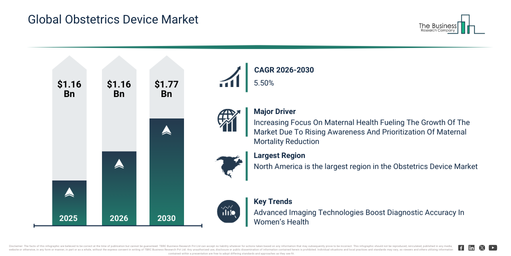
    The obstetrics device market has demonstrated consistent growth, with its size projected to increase from $4.48 billion in 2025 to $4.74 billion in 2026, reflecting a compound annual growth rate (CAGR) of 5.8%. Historically, this expansion was supported by limited access to advanced fetal monitoring technologies, a heavy reliance on traditional surgical tools, growing hospital maternity wards, heightened awareness about maternal health, and the adoption of basic ultrasound equipment. Looking ahead, the market is expected to reach $5.87 billion by 2030, maintaining a CAGR of 5.5%. This future growth is anticipated to be fueled by developments in wireless and digital monitoring technologies, the expansion of cesarean and labor care procedures, increased investment in obstetric diagnostics, the integration of artificial intelligence and cloud-based healthcare solutions, as well as the uptake of smart catheters and minimally invasive instruments. Emerging trends during this forecast period include a rising preference for wireless and remote monitoring devices, growth in minimally invasive obstetric surgeries, higher demand for advanced ultrasound and imaging systems, a stronger focus on maternal and neonatal safety, and the adoption of smart diagnostic devices.

    Download A Free Sample Report For Comprehensive Market Insights:

    https://www.thebusinessresearchcompany.com/sample.aspx?id=24632&type=smp

    Growing Emphasis on Maternal Health Driving Market Demand

    Heightened awareness and prioritization of maternal health are key forces propelling growth in the obstetrics device market. Maternal health encompasses the physical and mental well-being of women during pregnancy, childbirth, and the postpartum phase. Governments and health organizations worldwide are increasingly focused on reducing maternal mortality and enhancing pregnancy outcomes, which, in turn, support demand for advanced obstetric devices. These devices play a critical role by providing precise monitoring and diagnostic capabilities that enable early detection of complications, ultimately promoting safer pregnancies and better clinical decisions. For example, data from April 2025 released by the Centers for Disease Control and Prevention showed that the number of births in the US reached 3,622,673 in 2024, marking a 1% increase from 3,591,328 in 2023. This upward trend in births further underscores the growing need for reliable obstetric medical equipment.

    Breakdown of Market Segments within the Obstetrics Device Industry

    This report divides the obstetrics device market into several key segments. By type, the market includes Monitoring Devices, Surgical Instruments, Diagnostic Devices, and Catheters. From a technology perspective, it covers Digital Monitoring, Ultrasound Imaging, and Wireless Technologies. Applications span Pregnancy Monitoring, Labor and Delivery, Cesarean Sections, Neonatal Care, and Reproductive Health. The end users are Hospitals, Clinics, Birthing Centers, and Ambulatory Surgical Centers.

    Further subsegments provide more detail, for example, Monitoring Devices consist of Fetal Monitors, Contraction Monitors, Maternal Vital Sign Monitors, and Ultrasound Monitoring Devices. Surgical Instruments comprise Forceps, Scissors, Retractors, Curettes, and Needle Holders. Diagnostic Devices include Ultrasound Machines, Dopplers, Amniotic Fluid Analyzers, and Biochemical Analyzers. Catheters are categorized into Intrauterine Catheters, Foley Catheters, Balloon Catheters, and Cervical Ripening Catheters.

    Access The Complete Obstetrics Device Market Report:

    https://www.thebusinessresearchcompany.com/report/obstetrics-device-global-market-report

    Technological Advancements Shaping Competitive Dynamics in the Obstetrics Device Market

    Leading companies in this sector are focusing on creating advanced products designed to enhance diagnostic accuracy and streamline clinical workflows. One such example is the launch of premium ultrasound systems that offer superior imaging quality and innovative features tailored for obstetric and cardiovascular care. In September 2024, South Korea-based Samsung Medison Co. Ltd. introduced the HERA Z20, a top-tier ultrasound system for obstetrics and gynecology. This device boasts cutting-edge imaging technologies that provide exceptional clarity and precision, alongside user-friendly interfaces to improve workflow efficiency. Additionally, it incorporates AI-driven tools that help clinicians make quicker and more accurate decisions, setting a new industry standard for ultrasound systems in women’s healthcare.

    Key Industry Players Shaping the Obstetrics Device Market

    The obstetrics device market includes several notable companies such as Medtronic plc, Siemens Healthineers AG, Fujifilm Holdings Corporation, Becton Dickinson and Company, Royal Philips N V, Stryker Corporation, GE Healthcare, Olympus Corporation, Shenzhen Mindray Bio Medical Electronics Co Ltd, Hologic Inc, Mindray Medical International Limited, CooperSurgical Inc, Canon Medical Systems Corporation, Karl Storz GmbH and Co KG, Cook Medical Incorporated, Natus Medical Incorporated, Esaote SpA, Atom Medical Corporation, CHISON Medical Technologies Co Ltd, Samsung Medison Co Ltd, Edan Instruments Inc, and Hitachi Healthcare. These players are instrumental in driving innovation and expanding market reach.

    Regional Market Insights Highlighting Revenue Leaders and Fastest-Growing Areas

    In 2025, North America held the largest share of the obstetrics device market, benefiting from advanced healthcare infrastructure and high adoption rates of new technologies. However, the Asia-Pacific region is anticipated to experience the most rapid growth during the forecast period. Other key regions included in the market analysis are South East Asia, Western Europe, Eastern Europe, South America, the Middle East, and Africa, providing a comprehensive view of global market dynamics.

    Get in touch with us:

    The Business Research Company: https://www.thebusinessresearchcompany.com/

    Americas: +1 310-496-7795

    Asia: +44 7882 955267 & +91 8897263534

    Europe: +44 7882 955267

    Email us at: marketing@tbrc.info

    Follow us on:

    LinkedIn: https://in.linkedin.com/company/the-business-research-company

    YouTube: https://www.youtube.com/channel/UC24_fI0rV8cR5DxlCpgmyFQ

    Global Market Model: https://www.thebusinessresearchcompany.com/global-market-model
  • Protein Characterization And Identification Market Set To Grow From $24.97 Billion In 2026 To $45.52 Billion By 2030 At A CAGR Of 16.2%

    Protein Characterization And Identification Market Set To Grow From $24.97 Billion In 2026 To $45.52 Billion By 2030 At A CAGR Of 16.2%

    Enhanced with market attractiveness analysis, total addressable market evaluation, company benchmarking matrices, interactive Excel dashboards, expanded supply chain intelligence, emerging startup coverage, and detailed product insights, The Business Research Company’s 2026 market reports deliver more actionable and strategically valuable research.

    The protein characterization and identification market is experiencing impressive growth, driven by advancements in biopharmaceutical research and technological innovation. As the demand for precise protein analysis increases across various sectors, this market is set to expand significantly in the coming years. Below is a detailed overview of its current status, key drivers, major players, and future growth prospects.

    Steady Expansion in Protein Characterization and Identification Market Size

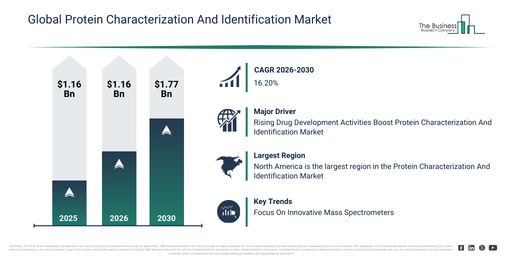
    The market for protein characterization and identification has shown rapid growth recently, rising from $21.45 billion in 2025 to an expected $24.97 billion in 2026, at a compound annual growth rate (CAGR) of 16.4%. This surge has been fueled by the growth of recombinant protein research, increased biopharmaceutical R&D activities, more academic research funding, wider adoption of chromatography-based protein analysis, and the availability of specialized proteomics services. Looking ahead, the market is projected to nearly double, reaching $45.53 billion by 2030, with a CAGR of 16.2%. Factors supporting this forecast include rising demand for biologics and biosimilars, growing investments in precision medicine, expansion of clinical proteomics, increased use of AI-driven protein analytics, and advances in high-throughput technologies. Key trends expected to shape the market involve the rising use of high-resolution analytical instruments, growing demand for advanced protein assay kits, greater application of mass spectrometry, broadening outsourced protein analysis services, and a stronger focus on reproducibility and data accuracy.

    Download A Free Sample Report For Comprehensive Market Insights:

    https://www.thebusinessresearchcompany.com/sample.aspx?id=9268&type=smp

    Rising Pharmaceutical Innovation as a Key Market Driver

    One of the main forces pushing the protein characterization and identification market is the surge in drug development activities. Bringing new therapeutic molecules to clinical use requires precise measurement of protein content to ensure accurate dosing and quality control, making protein characterization essential. For example, in June 2024, the European Federation of Pharmaceutical Industries and Associations reported that pharmaceutical production value in Belgium increased substantially from $385.1 million (€363,300 million) in 2022 to an estimated $413.4 million (€390,000 million) in 2023. This growth reflects a broader uptick in drug development efforts, which in turn drives demand for protein characterization technologies.

    Technology Advancements and Market Segments Defining Opportunities

    The protein characterization and identification market is segmented by product type into consumables, instruments, and services. Consumables include reagents and buffers, sample preparation kits, and assay kits. Instruments cover mass spectrometers, chromatography systems, spectrophotometers, and electrophoresis equipment, while services involve analytical, contract research, and custom protein characterization services. Applications mainly target drug discovery and development as well as clinical diagnosis. The end users span pharmaceutical and biotechnology companies, academic research institutions, contract research organizations, and other sectors. This segmentation highlights opportunities across the value chain for specialized products and targeted services.

    Access The Complete Protein Characterization And Identification Market Report:

    https://www.thebusinessresearchcompany.com/report/protein-characterization-and-identification-global-market-report

    Innovations in Analytical Instruments Increasing Market Competitiveness

    Leading market players are focusing on launching cutting-edge protein analysis tools to maintain a competitive advantage. Mass spectrometry remains a pivotal technology for protein characterization, used widely in drug development, food safety, and other applications. For instance, in June 2023, Bruker Corporation introduced the timsTOF Ultra Mass Spectrometer, which features transformative sensitivity, a 300 Hz PASEF MS/MS, and advanced VistaScan software supporting enhanced 4D-proteomics workflows. This instrument incorporates a novel Captive Spray Ionization Ultra ion source, optimizing ionization efficiency and improving protein identification accuracy, thus exemplifying innovation driving market growth.

    Major Industry Participants Shaping Protein Characterization and Identification

    The competitive landscape of this market includes well-established companies such as Agilent Technologies Inc., Bio-Rad Laboratories Inc., Bruker Corporation, Danaher Corporation, General Electric Company, The Merck Group, PerkinElmer Inc., Shimadzu Corporation, Thermo Fisher Scientific Inc., and Waters Corporation. Other notable players include Promega Corporation, Sartorius AG, Analytik Jena AG, Sigma-Aldrich Corp., Creative Proteomics, Cleaver Scientific, Genedata AG, Proteome Sciences plc, Selvita S.A., Eurofins Scientific SE, Charles River Laboratories International Inc., WuXi AppTec, Eurogentec S.A., Protea Biosciences Group Inc., Bioinformatics Solutions Inc., Biognosys AG, Bioproximity LLC, Biotech Support Group LLC, Biodesix Inc., and SGS SA. These organizations contribute through innovation, strategic partnerships, and expanded service offerings.

    Geographical Insights Highlighting Market Potential

    In 2025, North America held the largest share of the global protein characterization and identification market, reflecting its strong pharmaceutical and biotechnology sectors. However, the report also covers other significant regions including Asia-Pacific, South East Asia, Western Europe, Eastern Europe, South America, the Middle East, and Africa, which collectively represent emerging opportunities for growth driven by increasing research investments and healthcare advancements worldwide.

    Get in touch with us:

    The Business Research Company: https://www.thebusinessresearchcompany.com/

    Americas: +1 310-496-7795

    Asia: +44 7882 955267 & +91 8897263534

    Europe: +44 7882 955267

    Email us at: marketing@tbrc.info

    Follow us on:

    LinkedIn: https://in.linkedin.com/company/the-business-research-company

    YouTube: https://www.youtube.com/channel/UC24_fI0rV8cR5DxlCpgmyFQ

    Global Market Model: https://www.thebusinessresearchcompany.com/global-market-model