Category: Medical Equipment

  • Prosthetics & Orthotics Market Opportunities Are Emerging Beyond Traditional Growth Areas

    Prosthetics & Orthotics Market Opportunities Are Emerging Beyond Traditional Growth Areas

    Through market attractiveness analysis, total addressable market evaluation, company benchmarking matrices, interactive Excel dashboards, expanded supply chain intelligence, emerging startup coverage, and detailed product insights, The Business Research Company’s 2026 market reports provide more actionable and strategically valuable research.

    The prosthetics and orthotics sector has seen significant expansion in recent times, driven by various health and technological factors. With advancements in medical devices and an increased focus on rehabilitation, the market is set to continue its upward trajectory. Below, we explore the market’s size, growth drivers, key segments, influential trends, top players, and regional dynamics.

    Prosthetics and Orthotics Market Size and Forecasted Growth

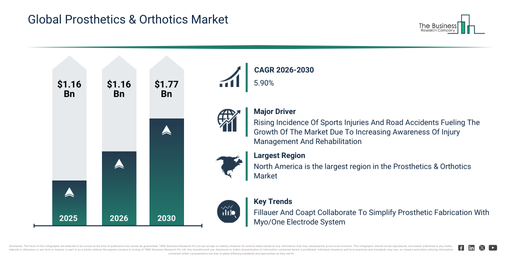
    The prosthetics and orthotics market is poised for steady growth, increasing from $8.8 billion in 2025 to $9.37 billion in 2026, representing a compound annual growth rate (CAGR) of 6.5%. This past growth has been fueled by a rise in limb loss cases, musculoskeletal disorders, broader rehabilitation services, heightened awareness about mobility aids, advancements in prosthetic manufacturing techniques, and improved access to healthcare services.

    Looking ahead, the market is predicted to expand further, reaching $11.81 billion by 2030 with a CAGR of 5.9%. This growth will be largely driven by increasing demand for smart, connected prosthetic devices; investments in personalized rehabilitation technology; the mobility needs of an aging population; the integration of AI-based gait analysis; and a greater focus on long-term functional outcomes. Key trends expected to shape the market include greater adoption of sensor-enabled prosthetics, rising popularity of customized orthotic solutions, use of lightweight advanced materials, growth of electric-powered prosthetics, and enhanced emphasis on patient-specific fit and performance.

    Download A Free Sample Report For Comprehensive Market Insights:

    https://www.thebusinessresearchcompany.com/sample.aspx?id=6915&type=smp

    Primary Factors Fueling Prosthetics and Orthotics Market Growth

    One of the main contributors to market expansion is the rising number of sports injuries and road accidents. Injuries from athletic activities and traffic collisions are becoming more frequent due to increased participation in physical activities and higher vehicle traffic volumes. These incidents often result in limb loss, fractures, or musculoskeletal damage, making prosthetics and orthotics essential for restoring mobility, facilitating rehabilitation, and improving functional independence.

    For example, in August 2025, the International Transport Forum reported that Australia had 1,297 road fatalities in 2024, a 4% increase from 2023. Similarly, the US National Safety Council found that exercise-related injuries rose by 17% in 2024, totaling 564,845 cases compared to 482,886 in 2023. Such statistics highlight how the growing incidence of injuries directly supports market demand for prosthetic and orthotic solutions.

    Prosthetics and Orthotics Market Segmentation and Growth Opportunities

    This market is divided into several key segments to better understand product types, usage, and technological applications:

    1) By Type: Prosthetics and Orthotics

    2) By Category: Upper limb, Lower limb, and Spinal

    3) By Technology: Conventional, Electric-Powered, and Hybrid Orthopedic Prosthetics

    4) By Application: Hospitals, Clinics, Rehabilitation Centers, and Other areas

    Further breakdowns include prosthetic subtypes such as lower limb, upper limb, cosmetic, hybrid, and pediatric prosthetics, as well as orthotic categories including ankle-foot orthoses (AFO), knee braces, spinal orthoses, wrist-hand orthoses, and custom orthotics.

    Access The Complete Prosthetics & Orthotics Market Report:

    https://www.thebusinessresearchcompany.com/report/prosthetics-and-orthotics-global-market-report

    Ongoing Innovations and Trends Reshaping the Prosthetics and Orthotics Industry

    Leading companies in the prosthetics and orthotics field are embracing strategic collaborations to develop more efficient and durable products. These partnerships often result in innovations designed to reduce the time spent on trial and error fittings.

    For instance, in June 2023, Fillauer, a US-based innovator in orthotic and prosthetic technology, teamed up with Coapt to introduce the Myo/One Electrode system. This new product offers a streamlined, waterproof solution for myoelectric devices, representing a significant advancement in user-friendly prosthetic and orthotic care. Such developments reflect a broader industry movement towards creating smarter, more adaptable mobility aids.

    Top Players Driving the Prosthetics and Orthotics Market Forward

    Several prominent companies shape the competitive landscape of this market, including Fillauer LLC, Bauerfeind AG, Otto Bock Healthcare GmbH, Zimmer Biomet Holdings Inc., Blatchford Limited, Ability Matters Group Ltd., Steeper Inc., Össur hf, WillowWood Global LLC, Ultraflex Systems Inc., Hanger Inc., Mobius Bionics LLC, Ohio Willow Wood Co., Esper Bionics Inc., ToughWare Prosthetics Inc., College Park Industries Inc., Hosmer Dorrance Corporation, Kingsley Manufacturing Company, Mica Manufacturing Company, Carbon Copy Pathfinder, Proteor SA, Seattle Systems Company, Bhagwan Mahaveer Viklang Sahayata Samiti, Endolite Ltd., Freedom Innovations LLC, Spinal Technology LLC, Trulife Group Limited, Fillauer Europe AB, and Ortho Europe Abingdon Ltd. These firms continue to innovate and expand the availability of advanced prosthetic and orthotic solutions worldwide.

    Geographic Distribution of Prosthetics and Orthotics Market Growth

    In 2025, North America held the largest share of the prosthetics and orthotics market. However, the Asia-Pacific region is expected to experience the fastest growth during the forecast period. The market overview accounts for key regions including Asia-Pacific, South East Asia, Western Europe, Eastern Europe, North America, South America, the Middle East, and Africa, providing a comprehensive view of global industry trends.

    Get in touch with us:

    The Business Research Company: https://www.thebusinessresearchcompany.com/

    Americas: +1 310-496-7795

    Asia: +44 7882 955267 & +91 8897263534

    Europe: +44 7882 955267

    Email us at: marketing@tbrc.info

    Follow us on:

    LinkedIn: https://in.linkedin.com/company/the-business-research-company

    YouTube: https://www.youtube.com/channel/UC24_fI0rV8cR5DxlCpgmyFQ

    Global Market Model: https://www.thebusinessresearchcompany.com/global-market-model
  • Prosthetic Heart Valve Devices And Equipment Market Expansion Is Opening New Pathways For Strategic Investment

    Prosthetic Heart Valve Devices And Equipment Market Expansion Is Opening New Pathways For Strategic Investment

    Delivering more actionable and strategically valuable research, The Business Research Company’s 2026 market reports feature market attractiveness analysis, total addressable market evaluation, company benchmarking matrices, interactive Excel dashboards, expanded supply chain intelligence, emerging startup coverage, and detailed product insights.

    The prosthetic heart valve devices and equipment market is witnessing significant expansion as advancements in cardiac treatment continue to evolve. Increasing cases of valvular heart diseases and technological innovations are driving this sector’s steady growth. Let’s explore the market’s current size, growth drivers, segmentation, key innovations, competitive landscape, and regional outlook to understand the future trajectory.

    Prosthetic Heart Valve Devices and Equipment Market Size and Growth Outlook

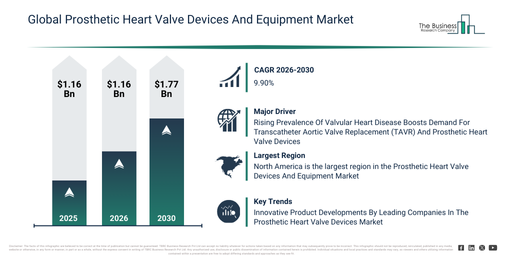
    The market for prosthetic heart valve devices and equipment has shown strong growth in recent years. It is projected to rise from $6.73 billion in 2025 to $7.17 billion in 2026, representing a compound annual growth rate (CAGR) of 6.5%. Factors such as a growing elderly population, increased prevalence of valvular heart conditions, expansion of cardiac surgery programs, higher adoption of valve replacement procedures, and advancements in cardiac imaging have supported this historical growth. Looking ahead, the market is expected to reach $10.48 billion by 2030, with an impressive CAGR of 9.9%. The forecasted rise is driven by a preference for minimally invasive cardiac interventions, demand for more durable valve implants, broadening indications for transcatheter valve use, increasing investments in structural heart disease therapies, and innovations in biological valve materials. Notable trends include the growing use of transcatheter heart valve procedures, increased demand for tissue-based valves, expansion of minimally invasive valve repair systems, advances in valve longevity, and a focus on patient-specific valve solutions.

    Download A Free Sample Report For Comprehensive Market Insights:

    https://www.thebusinessresearchcompany.com/sample.aspx?id=2416&type=smp

    Key Factors Fueling Demand in the Prosthetic Heart Valve Devices and Equipment Market

    A major factor propelling market growth is the rising incidence of valvular heart diseases, which has increased the need for transcatheter aortic valve replacement (TAVR) procedures. TAVR is a minimally invasive surgery used to treat aortic stenosis, a condition that causes hardening of the aortic valve and restricts blood flow. This procedure replaces the damaged valve with a transcatheter valve to restore proper function. For example, in May 2023, the Centers for Disease Control and Prevention reported that over 695,000 people in the US died from heart disease, accounting for one in every five deaths. As valvular heart disease cases rise, the volume of TAVR procedures is expected to climb, increasing demand for transcatheter valves and driving market growth.

    Further Drivers Supporting Market Expansion

    In addition to TAVR demand, the growing aging population worldwide is increasing the incidence of valvular disorders, boosting the requirement for prosthetic heart valve devices and equipment. The expansion of cardiac surgery programs globally allows better access to advanced treatments, further supporting market growth. Advancements in cardiac imaging technologies have also enabled more accurate diagnosis and treatment planning, facilitating wider adoption of valve replacement and repair procedures.

    Access The Complete Prosthetic Heart Valve Devices And Equipment Market Report:

    https://www.thebusinessresearchcompany.com/report/prosthetic-heart-valve-devices-and-equipment-global-market-report

    Detailed Segmentation of the Prosthetic Heart Valve Devices and Equipment Market

    This market is categorized based on product types, valve types, technology, and application areas. Product types include repair products, mitral valve repair devices, and tricuspid valve repair devices. Valve types cover transcatheter heart valves, tissue heart valves, and mechanical heart valves. Technology segments focus on biological valves and decellularized valves. Application-wise, the market serves hospitals and ambulatory surgery centers. Subcategories under repair products include transcatheter mitral valve repair (TMVR) devices and transcatheter tricuspid valve repair (TTVR) devices. Mitral valve repair devices consist of mitral valve repair systems like MitraClip, mitral valve annuloplasty devices, and edge-to-edge repair devices. Tricuspid valve repair devices include tricuspid valve annuloplasty devices and tricuspid valve repair systems.

    Innovative Trends Reshaping the Prosthetic Heart Valve Devices and Equipment Industry

    Leading companies in this market are focusing on developing tricuspid valve replacement systems to meet the demand for improved treatment options for tricuspid valve disease. These systems aim to enhance patient outcomes and minimize complications associated with conventional heart valve surgeries. For instance, in October 2023, Edwards Lifesciences received CE Mark approval for its EVOQUE system, the first transcatheter valve replacement therapy authorized for tricuspid regurgitation (TR). The EVOQUE valve features a nitinol self-expanding frame and bovine pericardial tissue leaflets, designed for delivery via a low-profile transfemoral 28-French system and offered in three sizes.

    Competitive Landscape of the Prosthetic Heart Valve Devices and Equipment Market

    The market is highly competitive with several key players, including Boston Scientific Corporation, Edwards Lifesciences, Medtronic plc, LivaNova plc, Abbott Laboratories, Jenavalve Technology Inc., Lepu Medical Technology, Cryolife Inc., Neovasc Inc., Braile Biomedica, Colibri Heart Valve, and TTK Healthcare Ltd. Additional companies active in this space are Medical Technology Est., Micro Interventional Devices Inc., Well Health Technologies, On-X Life Technologies Inc., Meril Life Sciences Pvt. Ltd., Sorin Group, Commonwealth Edison Company, Cardiac Dimensions Inc., CardioSolutions Inc., Leman Cardiovascular, MitralSolutions Inc., Thubrikar Aortic Valve Inc., LifeNet Health Inc., Xeltis AG, Transcatheter Technologies GmbH, Venus Medtech (Hangzhou) Inc., MValve Technologies Ltd., MVRx Inc., NaviGate Cardiac Structures Inc., Pulmonx Corporation, Tendyne Holdings Inc., ValveXchange Inc., Vascutek Ltd., XpandOrtho Inc., and Zhejiang A&F Medical Co. Ltd.

    Regional Market Dominance and Growth Patterns

    North America held the largest share of the global prosthetic heart valve devices and equipment market in 2025. Western Europe ranked as the second-largest region. The market report also covers other important regions such as Asia-Pacific, South East Asia, Eastern Europe, South America, the Middle East, and Africa, providing a broad perspective on global market trends and opportunities.

    Get in touch with us:

    The Business Research Company: https://www.thebusinessresearchcompany.com/

    Americas: +1 310-496-7795

    Asia: +44 7882 955267 & +91 8897263534

    Europe: +44 7882 955267

    Email us at: marketing@tbrc.info

    Follow us on:

    LinkedIn: https://in.linkedin.com/company/the-business-research-company

    YouTube: https://www.youtube.com/channel/UC24_fI0rV8cR5DxlCpgmyFQ

    Global Market Model: https://www.thebusinessresearchcompany.com/global-market-model
  • Proctoscope Market Trends Are Creating New Opportunities For Industry Leaders

    Proctoscope Market Trends Are Creating New Opportunities For Industry Leaders

    Enhanced with market attractiveness analysis, total addressable market evaluation, company benchmarking matrices, interactive Excel dashboards, expanded supply chain intelligence, emerging startup coverage, and detailed product insights, The Business Research Company’s 2026 market reports deliver more actionable and strategically valuable research.

    The proctoscope market is experiencing rapid growth fueled by rising healthcare needs and technological advancements. As medical professionals seek better tools for diagnosing colorectal conditions, the demand for effective and innovative proctoscopes continues to climb. This overview explores the current market size, growth drivers, key trends, leading companies, and regional dynamics shaping this medical device industry.

    Proctoscope Market Size Showing Significant Expansion and Promising Outlook

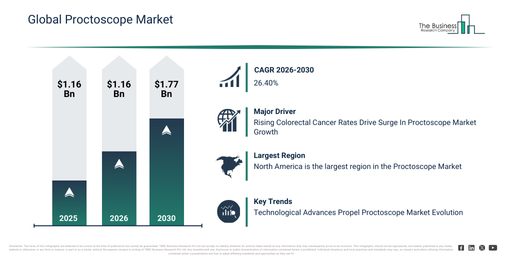
    Recent years have seen the proctoscope market expand substantially. It is projected to rise from $2 billion in 2025 to $2.52 billion in 2026, growing at a compound annual growth rate (CAGR) of 26.4%. The historical growth is largely influenced by a higher incidence of colorectal diseases, improvements in hospital diagnostics, increased awareness of colorectal cancer screening, growth in gastroenterology services, and the availability of essential endoscopic instruments. Looking ahead, this upward trajectory is expected to continue, with the market reaching $6.44 billion by 2030 at the same impressive CAGR of 26.4%. The forecasted expansion is driven by a growing focus on early cancer detection, wider use of advanced visualization proctoscopes, increased ambulatory diagnostic centers, emphasis on infection control, and greater investment in minimally invasive diagnostic technologies. Emerging patterns during this period include a surge in disposable proctoscope adoption, more frequent use of illuminated and video proctoscopes, expansion in outpatient procedures, and increasing attention to patient safety and comfort.

    Download A Free Sample Report For Comprehensive Market Insights:

    https://www.thebusinessresearchcompany.com/sample.aspx?id=12199&type=smp

    Factors Behind the Accelerating Growth of the Proctoscope Market

    One of the primary drivers boosting the proctoscope market is the rising prevalence of colorectal cancer. This type of cancer affects the colon or rectum by the abnormal growth of cells in the lower digestive tract. Proctoscopes play a critical role in cancer screening by providing doctors with a view of the large intestine through a camera, which displays images on a nearby monitor during the examination, facilitating easier diagnosis. For example, data released in October 2023 by the National Cancer Institute (NCI), a US government agency, indicated that approximately 153,020 men and women were diagnosed with colorectal cancer in the United States in 2023, resulting in about 52,550 deaths. This significant disease burden is a key factor propelling demand for proctoscopes.

    Proctoscope Market Segmentation Highlighting Revenue Opportunities

    The proctoscope market is categorized into several segments for detailed analysis:

    1) By Type: Closed-End, Flute-Beaked, Illuminated, Trunk-End, Open-End, and Other Types

    2) By Modality: Disposable and Reusable

    3) By Material: Plastic and Metal

    4) By End User: Hospitals, Ambulatory Surgical Centers, Diagnostic Centers, and Specialty Clinics

    Further breakdowns include subtypes such as standard and disposable closed-end proctoscopes; standard and adjustable flute-beaked proctoscopes; battery-operated and fiber-optic illuminated models; standard and specialized trunk-end proctoscopes; standard and disposable open-end variants; and other types including pediatric, video, and adjustable proctoscopes.

    Access The Complete Proctoscope Market Report:

    https://www.thebusinessresearchcompany.com/report/proctoscope-global-market-report

    Current Trends Steering the Proctoscope Market Forward

    Leading companies in the proctoscope industry are making strides by developing innovative products designed to enhance diagnostic precision and streamline procedures. One significant trend is the increased use of disposable proctoscopes, which are single-use devices that reduce the risk of cross-contamination and improve hygiene while also enhancing patient comfort during examinations. For instance, in January 2023, UK-based Haemoband Surgical introduced the HB-SleeveLUX Proctoscope—a disposable instrument for diagnosing and treating disorders of the lower rectum and anal canal. Its unique patented comfort sleeve and locking mechanism improve ease of use and patient experience, making the device highly practical.

    Key Players Steering Market Innovation and Competition

    The proctoscope market features several prominent companies that influence industry developments. These include Karl Storz SE And Co KG, Richard Wolf GmbH, Sklar Corporation, Rocket Medical Plc, Pelican Healthcare Ltd, Timesco Healthcare Ltd, GPC Medical Ltd, IndoSurgicals Pvt Ltd, Surtex Instruments Limited, Nopa Instruments Medizintechnik GmbH, Medicam India, Novo Surgical Inc, Electro Surgical Instrument Company, Advin Healthcare Private Limited, Faromed GmbH Medizintechnik, Parburch Medical Developments Ltd, Pauldrach Medical GmbH, Steril Medical, Taizhou Safefusion Medical Instruments Co Ltd, and Taizhou Hongsheng Medical Technology Co Ltd.

    Geographical Insights and Market Leadership by Region

    In 2025, North America held the largest share of the proctoscope market, signaling its leadership role in this sector. Meanwhile, the Asia-Pacific region is projected to experience the fastest growth during the forecast period. The market report analyzes key regions including Asia-Pacific, South East Asia, Western Europe, Eastern Europe, North America, South America, the Middle East, and Africa, providing a well-rounded perspective on global market dynamics.

    Get in touch with us:

    The Business Research Company: https://www.thebusinessresearchcompany.com/

    Americas: +1 310-496-7795

    Asia: +44 7882 955267 & +91 8897263534

    Europe: +44 7882 955267

    Email us at: marketing@tbrc.info

    Follow us on:

    LinkedIn: https://in.linkedin.com/company/the-business-research-company

    YouTube: https://www.youtube.com/channel/UC24_fI0rV8cR5DxlCpgmyFQ

    Global Market Model: https://www.thebusinessresearchcompany.com/global-market-model
  • Procedure Trays Market Growth Is Reshaping Competitive Advantage Across The Industry

    Procedure Trays Market Growth Is Reshaping Competitive Advantage Across The Industry

    Through market attractiveness analysis, total addressable market evaluation, company benchmarking matrices, interactive Excel dashboards, expanded supply chain intelligence, emerging startup coverage, and detailed product insights, The Business Research Company’s 2026 market reports provide more actionable and strategically valuable research.

    The procedure trays market has witnessed significant development in recent years, reflecting the growing demand for efficient and standardized surgical solutions. As healthcare systems evolve and surgical volumes increase globally, this market is set to continue its robust expansion. Below is a detailed exploration of the current market landscape, key growth drivers, segmentation, industry trends, major players, and regional outlook.

    Procedure Trays Market Size and Growth Forecast

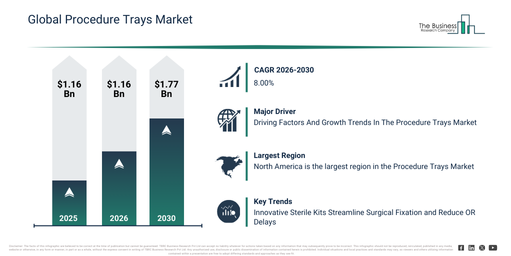
    The procedure trays market has seen substantial growth, rising from $18.93 billion in 2025 to an anticipated $20.62 billion in 2026, marking a compound annual growth rate (CAGR) of 8.9%. This historical growth is largely fueled by the rising number of surgical procedures, expansion of hospital infrastructure, increased adoption of disposable medical supplies, and advancements in medical packaging technologies. Moving forward, the market is expected to reach $28.04 billion by 2030, growing at a CAGR of 8.0%. Factors driving this forecast include the growing preference for value-based healthcare, increased demand for custom procedural kits, expansion in outpatient and ambulatory care facilities, heightened focus on infection prevention, and ongoing hospital supply chain optimizations. Key trends shaping the market involve the adoption of pre-assembled and customized trays, demand for sterile, single-use kits, enhanced workflow efficiencies, and the rise of specialty-specific procedure trays.

    Download A Free Sample Report For Comprehensive Market Insights:

    https://www.thebusinessresearchcompany.com/sample.aspx?id=15905&type=smp

    Main Drivers Behind Procedure Trays Market Expansion

    One of the primary forces propelling the procedure trays market is the increasing volume of surgical interventions worldwide. Surgical procedures involve invasive methods aimed at treating or correcting medical conditions, injuries, or abnormalities. Factors such as technological advancements, an aging population, higher incidences of chronic diseases, improved healthcare access, and growing patient expectations all contribute to this rise. Procedure trays enhance the efficiency, safety, and cost-effectiveness of surgeries by providing organized, standardized kits with all necessary instruments readily available.

    Rising Demand Linked to Minimally Invasive Procedures

    Besides traditional surgeries, minimally invasive procedures are also on the rise, influencing the procedure trays market positively. For example, in June 2024, the American Society of Plastic Surgeons reported a 7% increase in minimally invasive procedures during 2023, surpassing the growth rate of conventional surgeries by 2%. This trend reflects a shift in healthcare practices toward less invasive treatments, which in turn supports the growing adoption of procedure trays designed specifically for these types of interventions.

    Access The Complete Procedure Trays Market Report:

    https://www.thebusinessresearchcompany.com/report/procedure-trays-global-market-report

    Procedure Trays Market Segmentation by Product, Packaging, and End User

    The market is segmented broadly by product type into Operating Room, Angiography, Ophthalmic, and other procedure trays. Packaging options include boxes, molds, and wraps. End users are categorized as hospitals, clinics, and other healthcare facilities. More detailed subsegments break down operating room trays into general surgery, orthopedic surgery, and cardiovascular surgery trays. Angiography trays are further classified into cardiac and vascular types. Ophthalmic trays encompass cataract, LASIK, and retina surgery trays. Additional products cover dental, urology, and gynecological procedure trays, ensuring comprehensive market coverage across various medical specialties.

    Innovations and Emerging Trends in Procedure Trays Market

    Leading companies in the procedure trays market are increasingly focusing on creating innovative sterile-kit solutions and pre-packaged external fixation systems to meet the heightened demand for sterility, improved operational efficiency, and enhanced infection control. A notable advancement includes sterile procedure kits that come ready-to-use, pre-assembled with all necessary components in sterile packaging, thereby eliminating the need for time-consuming reprocessing procedures.

    An example of such innovation took place in September 2023 when Orthofix Medical Inc., a US-based orthopedic device manufacturer, introduced its Galaxy Fixation Gemini System in various sterile procedure kit configurations. This system provides off-the-shelf external fixation devices in pre-packed sterile kits designed for rapid trauma response. Features include double multi-screw clamps for quick tibial half-pin insertion along with foot support and metatarsal kits for complex constructs. By removing the need for lengthy tray sterilization—averaging 139 minutes—these sterile kits reduce operating room delays and minimize contamination risks, streamlining surgical workflows and cutting associated costs.

    Key Industry Players in the Procedure Trays Market

    The procedure trays sector is characterized by several influential companies driving innovation and market penetration. Leading participants include Cardinal Health Inc., Becton Dickinson and Company, Baxter International Inc., Boston Scientific Corporation, Owens & Minor Inc., Medline Industries LP, B. Braun Societas Europaea, Smith & Nephew Public Limited Company, Teleflex Incorporated, Paul Hartmann AG, ICU Medical Inc., Mölnlycke AB, Lohmann & Rauscher, Merit Medical Systems Inc., Hogy Medical Company Limited, Medical Action Industries Inc., Kimal PLC, Nelipak Corporation, Medica Europe Besloten Vennootschap, Biometrix Medical, ArcRoyal, Covidien AG, CPT Medical Inc., C. R. Bard Inc., and CareFusion Corporation. These companies continuously invest in research and development to stay competitive and meet evolving healthcare needs.

    Geographical Distribution and Regional Market Outlook

    In 2025, North America dominated the procedure trays market in terms of size. Looking ahead, the Asia-Pacific region is projected to experience the fastest growth during the forecast period. The report covers extensive geographies including Asia-Pacific, South East Asia, Western Europe, Eastern Europe, North America, South America, the Middle East, and Africa, providing a global perspective on market opportunities and challenges.

    In summary, the procedure trays market is on a dynamic growth path, driven by increasing surgical procedures, innovative sterile solutions, and expanding healthcare infrastructure worldwide. With ongoing advancements and shifting healthcare priorities, this market is set to witness significant developments in the coming years.

    Get in touch with us:

    The Business Research Company: https://www.thebusinessresearchcompany.com/

    Americas: +1 310-496-7795

    Asia: +44 7882 955267 & +91 8897263534

    Europe: +44 7882 955267

    Email us at: marketing@tbrc.info

    Follow us on:

    LinkedIn: https://in.linkedin.com/company/the-business-research-company

    YouTube: https://www.youtube.com/channel/UC24_fI0rV8cR5DxlCpgmyFQ

    Global Market Model: https://www.thebusinessresearchcompany.com/global-market-model
  • Primary Ciliary Dyskinesia (PCD) Market Forecast Signals New Revenue Opportunities Through 2030

    Primary Ciliary Dyskinesia (PCD) Market Forecast Signals New Revenue Opportunities Through 2030

    Delivering more actionable and strategically valuable research, The Business Research Company’s 2026 market reports feature market attractiveness analysis, total addressable market evaluation, company benchmarking matrices, interactive Excel dashboards, expanded supply chain intelligence, emerging startup coverage, and detailed product insights.

    The market for primary ciliary dyskinesia (PCD) treatments and diagnostics is showing promising growth, driven by recent advancements in medical research and technology. As awareness improves and innovative therapies emerge, the market is expected to expand steadily in the coming years. Let’s explore the current market size, key growth drivers, evolving segments, industry trends, major players, and regional dynamics shaping the future of PCD care.

    Current Size and Predicted Growth of the Primary Ciliary Dyskinesia Market

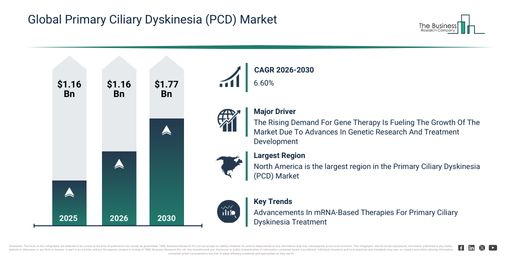
    The primary ciliary dyskinesia market has experienced notable growth recently and is projected to continue on this upward trajectory. From a valuation of $0.49 billion in 2025, it is expected to rise to $0.53 billion in 2026, reflecting a compound annual growth rate (CAGR) of 6.7%. The growth during the earlier years has been influenced by limited PCD awareness, lack of uniform diagnostic standards, dependence on traditional antibiotic treatments, restricted availability of specialist clinics, and low use of airway clearance devices. Moving forward, the market is forecasted to reach $0.68 billion by 2030 with a CAGR of 6.6%, fueled by advancements like gene therapy, stem cell treatments, increased diagnostics investment, higher prevalence of rare respiratory diseases, personalized medicine, and digital health integration.

    Download A Free Sample Report For Comprehensive Market Insights:

    https://www.thebusinessresearchcompany.com/sample.aspx?id=24386&type=smp

    Factors Encouraging Expansion Through Gene Therapy in the PCD Market

    One of the most significant drivers behind the growth of the primary ciliary dyskinesia market is the increasing demand for gene therapy. This innovative treatment works by repairing or replacing defective genes responsible for the malfunctioning cilia in patients’ respiratory systems. Progress in genetic research has improved the precision of gene therapies, which aim to restore normal ciliary movement, enhance mucus clearance, and reduce infections. As an example, according to the American Society of Gene & Cell Therapy (ASGCT), the number of Phase II gene therapy clinical trials in the US increased from 247 in the first quarter of 2023 to 260 by the second quarter, representing a 5% growth. This rising interest in gene therapy is a key factor driving PCD market growth.

    Additional Drivers Shaping the Primary Ciliary Dyskinesia Market

    In addition to gene therapy, other factors contribute to market expansion. Increasing investments in diagnostic laboratories are improving early detection rates. The adoption of personalized medicine approaches tailors treatments to individual patient needs, improving outcomes. Furthermore, integration of digital health tools and remote monitoring technologies is enhancing patient management and follow-up care. These elements collectively boost the demand for advanced products and services within the PCD market.

    Access The Complete Primary Ciliary Dyskinesia (PCD) Market Report:

    https://www.thebusinessresearchcompany.com/report/primary-ciliary-dyskinesia-pcd-global-market-report

    Overview of Segments Growing Fastest in the Primary Ciliary Dyskinesia Market

    The primary ciliary dyskinesia market is divided into several segments to better understand evolving demands:

    1) Treatment types: Antibiotics, Airway Clearance Therapies, Surgical Interventions, and Other Treatments

    2) Diagnostic methods: Genetic Testing, Imaging Techniques, Clinical Evaluation, Lung Function Tests

    3) Distribution channels: Direct Sales, Online Pharmacies, Third-party Distributors, Retail Pharmacies

    4) End-users: Hospitals, Specialty Clinics, Diagnostic Laboratories, and Others

    Further subcategories include various antibiotics (such as Macrolides, Penicillins, Cephalosporins, Fluoroquinolones, Aminoglycosides), airway clearance therapies (like Chest Physiotherapy, High-Frequency Chest Wall Oscillation, Positive Expiratory Pressure Therapy, Intrapulmonary Percussive Ventilation, Oscillatory Positive Expiratory Pressure), surgical options (Sinus Surgery, Tympanostomy Tube Placement, Lung Transplantation), and other treatment alternatives including mucolytics, immunomodulatory therapies, gene therapy, and stem cell therapy.

    Emerging Innovations and Trends Transforming the PCD Market

    Leading companies in the primary ciliary dyskinesia space are investing heavily in cutting-edge solutions designed to improve patient outcomes. One promising area is the development of investigational mRNA-based therapeutics, which harness messenger RNA to instruct cells to produce proteins that may correct disease mechanisms. This approach represents a new frontier in personalized medicine, targeting PCD at the molecular level. For instance, in June 2024, US biotech firm ReCode Therapeutics announced the launch of RCT1100, an inhaled mRNA therapy granted orphan drug status by the FDA. This treatment aims to restore ciliary function by delivering DNAI1 mRNA to airway cells, addressing a critical unmet need for the estimated 45,000 patients in the United States who currently have no disease-modifying options.

    Key Industry Players and Market Competition in the Primary Ciliary Dyskinesia Field

    The primary ciliary dyskinesia market features a range of influential organizations and research institutions contributing to product development and patient care. Some of the major companies and entities involved include Centogene NV, Revvity Inc, Quest Diagnostics Incorporated, Nationwide Children’s Hospital, Children’s Healthcare of Atlanta, National Jewish Health, Guy’s and St Thomas’ NHS Foundation Trust, University Hospital Southampton, Vanderbilt University Medical Center, Stanford Medicine, Mayo Foundation for Medical Education and Research, UNC School of Medicine, UAB Health System, University Hospital Münster, DNA Labs India Pvt Ltd, Parion Sciences Inc, ReCode Therapeutics Inc, the PCD Foundation, PCD Research Consortium, and the European PCD Network.

    Regional Market Leadership and Growth Potential for Primary Ciliary Dyskinesia

    In 2025, North America held the dominant position in terms of revenue within the primary ciliary dyskinesia market. However, the fastest growth rates are expected in the Asia-Pacific region during the forecast period. The market analysis includes major geographic areas such as Asia-Pacific, South East Asia, Western Europe, Eastern Europe, North America, South America, the Middle East, and Africa, offering a comprehensive view of global market dynamics.

    Get in touch with us:

    The Business Research Company: https://www.thebusinessresearchcompany.com/

    Americas: +1 310-496-7795

    Asia: +44 7882 955267 & +91 8897263534

    Europe: +44 7882 955267

    Email us at: marketing@tbrc.info

    Follow us on:

    LinkedIn: https://in.linkedin.com/company/the-business-research-company

    YouTube: https://www.youtube.com/channel/UC24_fI0rV8cR5DxlCpgmyFQ

    Global Market Model: https://www.thebusinessresearchcompany.com/global-market-model
  • Pressure Ulcer Detection Device Market Growth Is Accelerating As Industry Transformation Continues

    Pressure Ulcer Detection Device Market Growth Is Accelerating As Industry Transformation Continues

    Enhanced with market attractiveness analysis, total addressable market evaluation, company benchmarking matrices, interactive Excel dashboards, expanded supply chain intelligence, emerging startup coverage, and detailed product insights, The Business Research Company’s 2026 market reports deliver more actionable and strategically valuable research.

    The pressure ulcer detection device market is witnessing steady growth as healthcare providers increasingly prioritize early identification and prevention of pressure injuries. Driven by advancements in technology and growing awareness of pressure ulcer risks, this market is set to expand significantly over the coming years. Here is a detailed overview of the current market status, key factors influencing growth, major players, and emerging trends.

    Market Size and Growth Trajectory of the Pressure Ulcer Detection Device Market

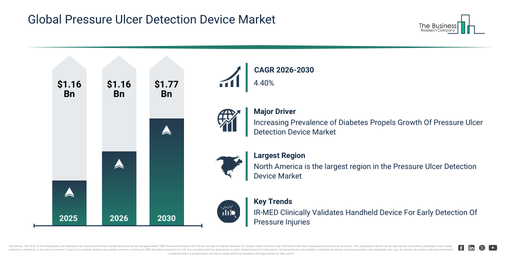
    The pressure ulcer detection device market has experienced consistent expansion recently, with its value projected to rise from $1.51 billion in 2025 to $1.58 billion in 2026, marking a compound annual growth rate (CAGR) of 4.4%. This positive trend during the historical period is primarily due to an increasing number of pressure ulcers among immobile and elderly patients, heightened awareness about the benefits of early detection to reduce treatment costs, early integration of surface electrodes and mattress-based pressure monitoring technologies, wider implementation of prevention programs in hospitals and nursing homes, and a stronger clinical focus on risk assessment protocols for pressure injuries.

    Looking forward, the market is expected to continue growing steadily, reaching $1.87 billion by 2030 at the same CAGR of 4.4%. This forecasted growth is supported by rising demand for continuous and real-time pressure monitoring technologies, increasing adoption of wearable and in-shoe pressure sensor devices, expanded use of Skin and Tissue Assessment Monitoring (SEM) scanners for early-stage ulcer detection, growing incorporation of detection devices in homecare and remote healthcare environments, and a stronger emphasis on outcome-based care aimed at reducing complications for high-risk patients.

    Download A Free Sample Report For Comprehensive Market Insights:

    https://www.thebusinessresearchcompany.com/sample.aspx?id=13519&type=smp

    Factors Driving Demand in the Pressure Ulcer Detection Device Market

    A key factor propelling this market is the rising prevalence of diabetes, a chronic metabolic disorder characterized by elevated blood sugar levels that can cause severe damage to organs like the heart, blood vessels, eyes, kidneys, and nerves over time. People with diabetes face a heightened risk of developing pressure ulcers due to complications such as neuropathy and poor blood circulation. Pressure ulcer detection devices are vital tools in recognizing early signs of skin damage caused by pressure and help healthcare professionals intervene before ulcers worsen.

    For example, a report released in January 2023 by the International Diabetes Federation, a Belgium-based diabetes association, forecasts a 25% increase in diabetes cases by 2030 and a 51% rise by 2045. This growing diabetic population directly supports sustained demand for pressure ulcer detection technologies, emphasizing their critical role in preventive care.

    Segments Leading the Pressure Ulcer Detection Device Market

    This market is divided into several important segments:

    1) By Product Type: In-Shoe Sensors, Surface Electrodes, SEM (Skin and Tissue Assessment Monitoring) Scanners, and Pressure Measuring Mattresses.

    2) By Application Stage: Stage 1, Stage 2, Stage 3, and Stage 4 pressure ulcers.

    3) By End User: Hospitals, Nursing Homes, Homecare Settings, and Other End Users.

    Access The Complete Pressure Ulcer Detection Device Market Report:

    https://www.thebusinessresearchcompany.com/report/pressure-ulcer-detection-device-global-market-report

    Further product subcategories include smart insoles, pressure-sensitive insoles, wearable pressure sensors for foot ulcers within the In-Shoe Sensor category; electrodes designed for continuous pressure monitoring, early detection electrode pads, and disposable surface electrodes under Surface Electrodes; handheld SEM scanners, wireless SEM devices, and real-time monitoring SEM scanners in the SEM Scanner group; along with pressure mapping mattress systems, air-flow based mattresses, and foam pressure measuring mattresses within the Pressure Measuring Mattress category.

    Market Trends Shaping the Future of Pressure Ulcer Detection

    Technological innovation is a major trend influencing this market, especially the integration of artificial intelligence (AI) and infrared spectrographic decision support systems aimed at enhancing patient outcomes and preventing complications. These AI-powered systems combine handheld optical monitoring with real-time tissue analysis and predictive algorithms to detect subdermal pressure injuries with high sensitivity and specificity, reducing the need for traditional visual inspections and enabling timely clinical intervention.

    For instance, in July 2023, IR-MED Inc., a US medical technology company, introduced PressureSafe—a cutting-edge handheld device that employs infrared optical spectroscopy paired with AI for early pressure injury detection. This non-invasive tool works effectively across all skin tones and can identify early-stage ulcers, including deep tissue injuries. Clinical trials have demonstrated that PressureSafe achieves sensitivity rates between 92% and 94% and specificity near 88%, allowing healthcare providers to detect pressure ulcers promptly and decrease incidence rates by up to 50%.

    Key Industry Players and Competitive Landscape in the Pressure Ulcer Detection Device Market

    Prominent companies shaping this market include 3M Company, Hill Rom Holdings Inc., Stryker Corp., Smith and Nephew plc, Coloplast Group, Pall Hartmann AG, Integra LifeSciences Corporation, Acelity Holdings Inc., Invacare Corporation, Tactile Systems Technology Inc., Veristride Inc., Julius Zorn GmbH, Tekscan Inc., Orpyx Medical Technologies, Medi GmbH & Co., Xsensor Technology Corporation, Sensoria Inc., Moticon GmbH, ArjoHunleigh Inc., and Bruin Biometrics LLC. These players are heavily investing in research and development to bring innovative solutions to market and improve clinical care standards.

    Regional Market Overview and Growth Potential

    In 2025, North America holds the largest share of the pressure ulcer detection device market, benefiting from advanced healthcare infrastructure and strong emphasis on preventive care. Meanwhile, the Asia-Pacific region is projected to be the fastest-growing market during the forecast period, driven by rising healthcare expenditure, increasing awareness of pressure ulcer prevention, and expanding healthcare facilities in countries across South East Asia and beyond. Other regions covered in the market analysis include Western Europe, Eastern Europe, South America, the Middle East, and Africa, providing a comprehensive global perspective on market dynamics.

    Get in touch with us:

    The Business Research Company: https://www.thebusinessresearchcompany.com/

    Americas: +1 310-496-7795

    Asia: +44 7882 955267 & +91 8897263534

    Europe: +44 7882 955267

    Email us at: marketing@tbrc.info

    Follow us on:

    LinkedIn: https://in.linkedin.com/company/the-business-research-company

    YouTube: https://www.youtube.com/channel/UC24_fI0rV8cR5DxlCpgmyFQ

    Global Market Model: https://www.thebusinessresearchcompany.com/global-market-model
  • Pressure Relief Devices Market Outlook Highlights The Next Major Growth Opportunities

    Pressure Relief Devices Market Outlook Highlights The Next Major Growth Opportunities

    Through market attractiveness analysis, total addressable market evaluation, company benchmarking matrices, interactive Excel dashboards, expanded supply chain intelligence, emerging startup coverage, and detailed product insights, The Business Research Company’s 2026 market reports provide more actionable and strategically valuable research.

    The pressure relief devices market is gaining significant traction, driven by increasing healthcare needs and technological advancements. As healthcare systems worldwide adapt to changing patient demographics and rising chronic conditions, the demand for effective pressure relief solutions is poised to expand steadily. Let’s explore the current market size, the factors propelling growth, key players, emerging trends, and where the greatest opportunities lie within this evolving industry.

    Strong Market Growth Outlook for Pressure Relief Devices

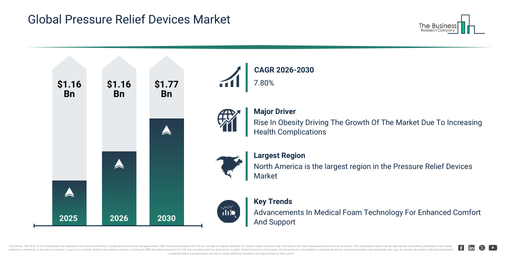
    The pressure relief devices market has experienced notable expansion recently and is set to continue this upward trajectory. It is projected to grow from $4.42 billion in 2025 to $4.78 billion in 2026, representing a compound annual growth rate (CAGR) of 8.0%. This past growth has been driven by factors such as the rising number of immobile patients, increased awareness of hospital-acquired ulcers, an aging population, expanding long-term care facilities, and greater demand during post-surgical recovery. Looking ahead, the market is expected to reach $6.46 billion by 2030, with a CAGR of 7.8%. Future growth will be supported by the expansion of home healthcare services, innovations in smart mattress technology, increasing chronic disease rates, strengthening patient safety regulations, and heightened demand for rehabilitation care. Trends anticipated to shape the market include greater emphasis on pressure ulcer prevention, wider adoption of homecare pressure relief products, dynamic air therapy beds gaining popularity, focus on patient comfort and mobility, and more use in long-term care settings.

    Download A Free Sample Report For Comprehensive Market Insights:

    https://www.thebusinessresearchcompany.com/sample.aspx?id=22112&type=smp

    The Impact of Rising Obesity on Market Growth

    One significant driver pushing the pressure relief devices market forward is the increasing prevalence of obesity worldwide. Obesity, characterized by excessive body fat accumulation, raises the risk for numerous health problems and complications. This rise is largely linked to unhealthy diets high in sugar, fats, and calories, as well as sedentary modern lifestyles that encourage fast food and sugary beverage consumption. Pressure relief devices play an essential role in managing obesity by distributing weight evenly, minimizing the risk of pressure sores, and supporting improved mobility—ultimately enhancing patient health outcomes. For instance, according to the World Obesity Federation, the global adult population affected by obesity is projected to jump from 0.81 billion in 2020 to 1.53 billion by 2035. This stark increase is a key factor driving the demand for pressure relief devices.

    Pressure Relief Devices Market Segmentation and Growth Areas

    The pressure relief devices market is organized into key segments based on type, application, and end user.

    By type, the market splits into low-tech and high-tech devices. Low-tech options include foam-based mattresses, gel-based mattresses, fiber-filled mattresses, water or fluid-filled mattresses, air-filled mattresses, and other similar products. High-tech devices feature dynamic air therapy beds, kinetic beds, and other advanced technologies.

    In terms of application, devices are used for pressure ulcers, burns, surgical wounds, and various other medical needs. The end-user categories consist of hospitals, home care settings, long-term care centers, rehabilitation facilities, and other healthcare providers. This segmentation highlights areas where growth opportunities are concentrated, particularly in home care and dynamic therapy beds.

    Access The Complete Pressure Relief Devices Market Report:

    https://www.thebusinessresearchcompany.com/report/pressure-relief-devices-global-market-report

    Innovation Trends Shaping Long-Term Market Demand

    Leading companies in the pressure relief devices sector are investing heavily in new technologies to enhance product effectiveness and patient comfort. One notable advancement is TrueGel technology, which offers superior pressure relief, spinal support, and temperature regulation. For example, in August 2023, the UK-based foam manufacturer GNG Group introduced KomfiMed, a specialized foam mattress incorporating TrueGel technology designed for exceptional pressure relief. These mattresses also boast durability, breathability, and antimicrobial properties, ensuring high hygiene standards required in hospitals and healthcare environments. They are especially engineered to support bariatric patients by providing stability and comfort while complying with stringent medical quality benchmarks.

    Prominent Players and Competitive Landscape in the Pressure Relief Devices Market

    Several major companies dominate the competitive landscape of the pressure relief devices market. Notable names include Smith + Nephew plc, HILLROM Holdings Inc., Molnlycke Health Care AB, Arjo AB, Invacare Corporation, Sunrise Medical LLC, Permobil AB, Paramount Bed Holdings Co. Ltd., LINET Group SE, Joerns Healthcare LLC, Wellell Inc., EHOB Inc., Talley Group Ltd., Comfort Company LLC, Action Products Inc., Drive Medical GmbH & Co. KG, Span-America Medical Systems Inc., Medline Industries LP, Hill-Rom Holdings Inc., and Graham-Field Health Products. These organizations are focusing on innovation, expanding product portfolios, and strengthening their market presence worldwide.

    Regional Demand Patterns and Market Growth Hotspots

    As of 2025, North America held the largest share of the pressure relief devices market, benefiting from advanced healthcare infrastructure and high patient awareness. Meanwhile, the Asia-Pacific region is expected to experience the fastest growth over the forecast period, driven by rising healthcare investments, growing elderly populations, and expanding home care services. Other important markets covered in the report include South East Asia, Western Europe, Eastern Europe, South America, the Middle East, and Africa, providing a comprehensive view of global demand trends.

    Get in touch with us:

    The Business Research Company: https://www.thebusinessresearchcompany.com/

    Americas: +1 310-496-7795

    Asia: +44 7882 955267 & +91 8897263534

    Europe: +44 7882 955267

    Email us at: marketing@tbrc.info

    Follow us on:

    LinkedIn: https://in.linkedin.com/company/the-business-research-company

    YouTube: https://www.youtube.com/channel/UC24_fI0rV8cR5DxlCpgmyFQ

    Global Market Model: https://www.thebusinessresearchcompany.com/global-market-model
  • Pressotherapy Systems Market Trends And Growth Drivers Point To Strong Future Potential

    Pressotherapy Systems Market Trends And Growth Drivers Point To Strong Future Potential

    Delivering more actionable and strategically valuable research, The Business Research Company’s 2026 market reports feature market attractiveness analysis, total addressable market evaluation, company benchmarking matrices, interactive Excel dashboards, expanded supply chain intelligence, emerging startup coverage, and detailed product insights.

    The pressotherapy systems market is gaining significant traction as demand for non-invasive therapeutic solutions grows worldwide. Increasing awareness about circulatory health and advancements in treatment technologies are shaping the market’s rapid expansion. Below, we explore the current market size, key drivers, segments, trends, and regional insights shaping the future of pressotherapy systems.

    Pressotherapy Systems Market Size and Growth Outlook Through 2030

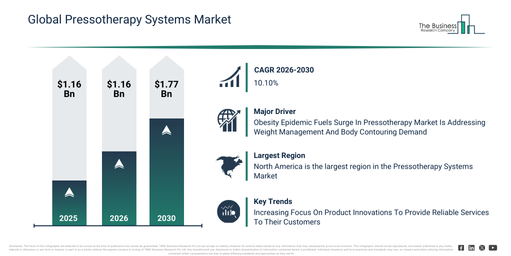
    The pressotherapy systems market has experienced strong growth in recent years, expanding from $14.85 billion in 2025 to an expected $16.31 billion in 2026, with a compound annual growth rate (CAGR) of 9.8%. This surge reflects rising incidences of circulatory disorders, a broader availability of physiotherapy and rehabilitation services, growing awareness of lymphatic drainage therapy, preference for non-invasive treatments, and the proliferation of wellness clinics. Moving forward, the market is projected to grow even more rapidly, reaching $23.94 billion by 2030 at a CAGR of 10.1%. Factors contributing to this growth include the increasing demand for home healthcare therapies, heightened focus on post-surgical recovery, expansion of preventive circulatory treatments, growing adoption of smart therapy devices, and greater integration of digital controls in therapy equipment. Emerging trends expected to shape the market include wider use of home-based pressotherapy devices, higher demand for lymphedema management systems, greater application of compression therapy in rehabilitation, introduction of compact and portable units, and emphasis on personalized treatment settings.

    Download A Free Sample Report For Comprehensive Market Insights:

    https://www.thebusinessresearchcompany.com/sample.aspx?id=10570&type=smp

    Key Factors Boosting the Pressotherapy Systems Market: Obesity Prevalence

    One of the main elements driving the expansion of the pressotherapy market is the rising prevalence of obesity worldwide. Obesity and overweight conditions result from excess calorie intake, particularly calories derived from high-fat and sugary diets, which are stored as fat in the body. Pressotherapy systems are increasingly used to support obesity treatment by enhancing the body’s natural shape, helping to eliminate cellulite, reduce fat, and contour areas such as the legs, stomach, and arms. For example, in March 2024, The Lancet reported that over one billion people globally are living with obesity, including about 880 million adults and 159 million children. Projections indicate that half the world’s population could be overweight by 2035. This growing obesity epidemic is a strong catalyst for the increasing demand for pressotherapy solutions.

    Pressotherapy Systems Market Growth Driven by Advances in Pain Management

    Another significant driver for the pressotherapy systems market is the expanding need for effective pain management. Pain management adopts a multidisciplinary approach to reduce physical and psychological pain, which can stem from various causes. Pressotherapy aids pain relief by improving blood circulation, decreasing edema, speeding recovery post-exercise, relaxing muscles, managing lymphedema-related pain, enhancing joint mobility, and promoting relaxation and stress reduction. According to the National Institutes of Health (NIH) in the US, around 21% of adults suffer from chronic pain, with 8% experiencing high-impact chronic pain (HICP). Additionally, approximately 52.4 new chronic pain cases per 1,000 people are reported annually. This rising demand for comprehensive pain control therapies is propelling the adoption of pressotherapy systems globally.

    Access The Complete Pressotherapy Systems Market Report:

    https://www.thebusinessresearchcompany.com/report/pressotherapy-systems-global-market-report

    Breakdown of Pressotherapy Systems Market Segments

    The pressotherapy systems market is categorized into several key segments:

    1) By Use: Drainage and Lymphedema

    2) By Application: Veno-Lymphatic circulation, adiposity edema, swelling reduction, tired legs, and other uses

    3) By End-Use: Hospitals and specialty clinics

    Further subsegments include drainage types (lymphatic and venous) and lymphedema management areas such as symptom control, post-surgical treatment, and prevention of complications.

    Innovative Product Developments Propel Market Growth

    Companies in the pressotherapy systems industry are focusing on innovation to differentiate their offerings and enhance treatment efficacy. A notable advancement involves combining vacuum therapy with a push-pull action, which improves lymphatic flow and enables deeper tissue mobilization, allowing for more tailored treatment plans. For instance, in May 2023, Germaine de Capuccini S.A., a Spain-based skincare treatment company, introduced Sculpt Zone—a device that merges vacuum therapy with push-pull technology. This tool targets both superficial and deeper layers of the skin to improve elasticity and deliver rejuvenating effects, demonstrating how cutting-edge approaches are transforming pressotherapy treatments.

    Major Players Shaping the Pressotherapy Systems Market

    Key companies influencing the competitive landscape of the pressotherapy systems market include DJO Global Incorporated, Tactile Medical Systems Incorporated, Bio Compression Systems Incorporated, Mego Afek AC Limited, NormaTec Recovery Systems LLC, Arjo AB, Zimmer MedizinSysteme GmbH, Physiomed Elektromedizin AG, Enraf Nonius B V, Hyperice Incorporated, Rapid Reboot LLC, Air Relax USA LLC, BardoMed Sp z o o, GymnaUniphy NV, Atrex SRL, Elettronica Pagani SRL, Novasonix Technology SL, Doris Electronic Technology Company Limited, Daesung Maref Company Limited, and Physio Equipment Company.

    Regional Market Leadership and Emerging Growth Areas

    In 2025, North America led the global pressotherapy systems market in terms of size, supported by advanced healthcare infrastructure and technological adoption. However, the Asia-Pacific region is anticipated to experience the fastest growth throughout the forecast period, driven by rising healthcare investments, growing awareness, and expanding physiotherapy services. Other important regions covered in the market analysis include South East Asia, Western Europe, Eastern Europe, South America, the Middle East, and Africa, providing a comprehensive view of the global market landscape.

    Get in touch with us:

    The Business Research Company: https://www.thebusinessresearchcompany.com/

    Americas: +1 310-496-7795

    Asia: +44 7882 955267 & +91 8897263534

    Europe: +44 7882 955267

    Email us at: marketing@tbrc.info

    Follow us on:

    LinkedIn: https://in.linkedin.com/company/the-business-research-company

    YouTube: https://www.youtube.com/channel/UC24_fI0rV8cR5DxlCpgmyFQ

    Global Market Model: https://www.thebusinessresearchcompany.com/global-market-model
  • Prescription Lens Market Expansion Is Reshaping Competitive Dynamics Across The Industry

    Prescription Lens Market Expansion Is Reshaping Competitive Dynamics Across The Industry

    Enhanced with market attractiveness analysis, total addressable market evaluation, company benchmarking matrices, interactive Excel dashboards, expanded supply chain intelligence, emerging startup coverage, and detailed product insights, The Business Research Company’s 2026 market reports deliver more actionable and strategically valuable research.

    The prescription lens market is experiencing notable growth as the demand for corrective eyewear rises globally. With increasing vision problems linked to aging populations and greater screen time, this sector is set for substantial expansion. Let’s explore the current market size, the factors driving growth, key segments, emerging trends, major players, and regional dynamics shaping this vital industry.

    Prescription Lens Market Size and Expected Growth Trajectory

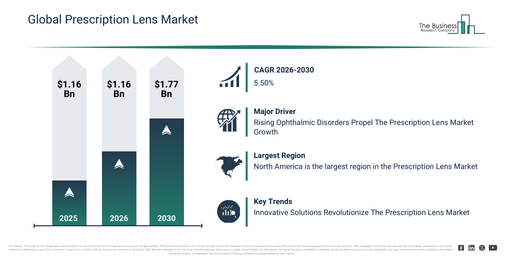
    The prescription lens market has shown strong development in recent years, growing from $48.69 billion in 2025 to an anticipated $51.69 billion in 2026, reflecting a compound annual growth rate (CAGR) of 6.2%. This growth during the historical period is largely due to the rising incidence of refractive errors, increased use of corrective eyewear, the expansion of optometry services, an aging global population, and advancements in lens manufacturing technology. Looking ahead, the market is projected to reach $63.98 billion by 2030 with a CAGR of 5.5%, propelled by increasing vision issues caused by prolonged screen exposure, heightened demand for premium eyewear, growth in digital eye examination services, adoption of smart and adaptive lenses, and continuous innovation in optical materials and coatings.

    Download A Free Sample Report For Comprehensive Market Insights:

    https://www.thebusinessresearchcompany.com/sample.aspx?id=15902&type=smp

    Factors Contributing to the Uptick in Prescription Lens Demand

    A major driver of market expansion is the growing prevalence of vision impairments worldwide. Conditions affecting eyesight, ranging from common issues like myopia and presbyopia to more severe disorders such as macular degeneration, are becoming more widespread due to increased use of digital devices, longer screen time, and the aging population. These factors contribute to ailments such as digital eye strain and myopia, boosting the need for corrective solutions.

    Prescription lenses serve to correct various refractive errors—including myopia, hyperopia, astigmatism, and presbyopia—by properly focusing light onto the retina, which improves clarity and reduces eye strain. For instance, in September 2025, the Welsh Government reported that primary care optometrists in Wales conducted nearly 8,800 low vision assessments during 2024–2025, marking a 4.8% increase from the previous year and maintaining levels seen before the pandemic. This rise in vision impairment linked to digital device use is a key contributor to the prescription lens market’s growth.

    Prescription Lens Market Segmentation by Type, Coating, and Application

    The prescription lens market is divided into various categories to better address consumer needs:

    1) By Type: Single Vision, Bifocal, Trifocal, Progressive, Active, and Other Types

    2) By Coating: Anti-Reflective, Scratch Resistant, Anti-Fog, and Ultraviolet Treatment

    3) By Application: Myopia, Hyperopia or Hypermetropia, Astigmatism, and Presbyopia

    Further subcategories include Near Vision and Distance Vision lenses under Single Vision; Fixed and Adjustable options for Bifocal and Trifocal lenses; Varifocal and Digital Progressive lenses under Progressive; Sports and Outdoor Activity lenses in the Active category; and Photochromic and Blue Light Blocking lenses classified as Other Types.

    Access The Complete Prescription Lens Market Report:

    https://www.thebusinessresearchcompany.com/report/prescription-lens-global-market-report

    Innovations and Trends Fueling Prescription Lens Market Growth

    Leading companies in the prescription lens market are focusing on developing specialized lenses for myopia management, particularly for children. Myopia management spectacle lenses are designed to slow the progression of nearsightedness in younger demographics by using advanced optical technology.

    For example, in November 2023, Shamir Optical Industry from Israel introduced Shamir Optimee, a new myopia management lens that incorporates next-generation defocus technology called Shamir Focusflow. This lens features a clear central vertical zone tailored to the wearer’s prescription, allowing flexible eye movement during near-vision tasks, addressing a critical need in pediatric vision care.

    Key Players Driving the Prescription Lens Industry Forward

    The prescription lens market is dominated by several prominent companies, including EssilorLuxottica S.A., Carl Zeiss AG, Seiko Optical Products Co. Ltd., Hoya Corporation, Nikon Corporation, Bausch And Lomb Incorporated, Safilo Group S.p.A., Marchon Eyewear Inc., Rodenstock GmbH, Menicon Co. Ltd., Warby Parker Inc., Norville Group Ltd, De Rigo Vision S.p.A., ABB Optical Group, Walman Optical, Oakley Inc., Younger Optics, Maui Jim Inc., Charmant Group Inc., Thom Browne Eyewear LLC, Vision Ease Corporation, and Zenni Optical LLC. These corporations are continually investing in research, product development, and strategic partnerships to maintain competitive positions and cater to evolving consumer demands.

    Regional Market Overview and Growth Opportunities

    In 2025, North America held the largest share of the prescription lens market, largely due to its advanced healthcare infrastructure and high awareness of vision care. However, the Asia-Pacific region is expected to experience the fastest growth during the forecast period, driven by rising population, increasing access to eye care services, and growing digital device usage. The overall market analysis includes regions such as Asia-Pacific, South East Asia, Western and Eastern Europe, North America, South America, the Middle East, and Africa, providing a comprehensive outlook on global market dynamics.

    Get in touch with us:

    The Business Research Company: https://www.thebusinessresearchcompany.com/

    Americas: +1 310-496-7795

    Asia: +44 7882 955267 & +91 8897263534

    Europe: +44 7882 955267

    Email us at: marketing@tbrc.info

    Follow us on:

    LinkedIn: https://in.linkedin.com/company/the-business-research-company

    YouTube: https://www.youtube.com/channel/UC24_fI0rV8cR5DxlCpgmyFQ

    Global Market Model: https://www.thebusinessresearchcompany.com/global-market-model
  • Preoperative Infection Prevention And Wound Cleansing Devices Market Forecast Reveals Where Future Industry Value Will Be Created

    Preoperative Infection Prevention And Wound Cleansing Devices Market Forecast Reveals Where Future Industry Value Will Be Created

    Through market attractiveness analysis, total addressable market evaluation, company benchmarking matrices, interactive Excel dashboards, expanded supply chain intelligence, emerging startup coverage, and detailed product insights, The Business Research Company’s 2026 market reports provide more actionable and strategically valuable research.

    The preoperative infection prevention and wound cleansing devices sector has witnessed notable growth, driven by increasing surgical procedures and heightened awareness of infection control. As healthcare providers prioritize patient safety, advances in this market continue to support better surgical outcomes. Let’s explore the current market size, growth drivers, segmentation, key trends, leading companies, and geographical insights shaping this industry’s future.

    Market Size Growth and Projections in the Preoperative Infection Prevention and Wound Cleansing Devices Market

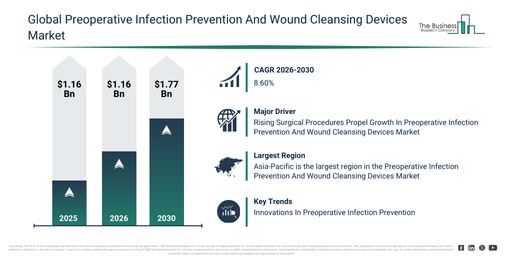
    The market for preoperative infection prevention and wound cleansing devices has expanded steadily in recent years. It is projected to grow from $2.33 billion in 2025 to $2.53 billion in 2026, reflecting a compound annual growth rate (CAGR) of 8.2%. This historical expansion has been driven by factors such as a rise in surgical procedures, greater awareness of hospital-acquired infections, strengthening infection control protocols, wider adoption of preoperative hygiene standards, and an increase in elective surgeries. Looking ahead, the market is expected to continue its upward trajectory, reaching $3.52 billion by 2030 at a CAGR of 8.6%. Key contributors to this growth include an intensified focus on patient safety, growing investment in infection prevention technologies, expansion of outpatient and day-care surgeries, stricter regulatory demands on surgical hygiene, and a growing preference for advanced wound management products. Prominent trends anticipated during this period include increased use of preoperative antiseptic solutions, higher demand for sophisticated wound cleansing technologies, stronger emphasis on preventing surgical site infections, greater use of single-use infection control devices, and enhanced adoption of standardized preoperative protocols.

    Download A Free Sample Report For Comprehensive Market Insights:

    https://www.thebusinessresearchcompany.com/sample.aspx?id=12070&type=smp

    Factors Contributing to Market Growth in Preoperative Infection Prevention and Wound Cleansing Devices

    A significant driver of market growth is the increasing volume of surgical procedures worldwide. Surgical interventions, involving incisions and other techniques, necessitate effective infection prevention to reduce surgical site infections (SSIs). The critical role these devices play in ensuring surgical safety is well recognized. For example, in June 2024, the American Society of Plastic Surgeons reported that liposuction remained the most popular plastic surgery procedure in 2023, with nearly 350,000 surgeries performed—a 7% rise from the previous year. This growing number of surgeries directly supports demand for preoperative infection prevention and wound cleansing devices, highlighting their importance in surgical care.

    Market Segmentation Breakdown in the Preoperative Infection Prevention and Wound Cleansing Devices Industry

    This market is organized into several distinct categories for thorough analysis:

    1) By Surgery Type: Cataract Surgery, Cesarean Surgery, Gastric Bypass, Appendectomy, Colectomy and Colostomy, Esophagectomy, Cholecystectomy, Mastectomy, Cosmetic Surgery

    2) By Product Type: Preoperative Infection Prevention Devices, Preoperative Wound Cleansing Devices

    3) By Application: Preoperative Hair Removal, Preoperative Skin Preparation, Other Applications

    Further detailed subsegments include:

    – Cataract Surgery: Preoperative Antiseptic Eye Solutions, Sterile Eye Irrigation and Cleansing Devices

    – Cesarean Surgery: Preoperative Antimicrobial Skin Preparation Solutions, Antiseptic Surgical Scrubs

    – Gastric Bypass: Preoperative Surgical Site Preparation Solutions, Antimicrobial Skin Cleansers

    – Appendectomy: Antiseptic Skin Preparation Solutions, Preoperative Wound Irrigation and Cleansing Devices

    – Colectomy and Colostomy: Preoperative Bowel and Skin Cleansing Solutions, Antiseptic Site Preparation Products

    – Esophagectomy: Preoperative Antiseptic Skin and Mucosal Preparation Solutions, Surgical Site Cleansing Devices

    – Cholecystectomy: Preoperative Antiseptic Skin Preparation Solutions, Wound Cleansing and Irrigation Devices

    – Mastectomy: Preoperative Antimicrobial Skin Preparation Solutions, Surgical Site Cleansing Devices

    – Cosmetic Surgery: Aseptic Preoperative Skin Preparation Kits, Preoperative Wound Cleansing Solutions

    Access The Complete Preoperative Infection Prevention And Wound Cleansing Devices Market Report:

    https://www.thebusinessresearchcompany.com/report/preoperative-infection-prevention-and-wound-cleansing-devices-global-market-report

    Innovations Shaping the Future of Preoperative Infection Prevention and Wound Cleansing Devices

    Leading companies in this sector are emphasizing the development of innovative products designed to improve patient safety and reduce infection risks. Among such innovations are sterile antiseptic solutions, which combine antimicrobial agents to effectively eliminate or inhibit microorganisms on skin and mucous membranes. For example, in April 2023, 3M Health Care introduced the 3M SoluPrep S Sterile Antiseptic Solution, a newly FDA-approved product formulated for preoperative skin preparation. This solution combines chlorhexidine gluconate with isopropyl alcohol to deliver rapid, broad-spectrum antimicrobial activity. Its design features, including a visible Brite Green tint and a user-friendly applicator, aim to enhance surgical prep efficiency while ensuring patient comfort and safety.

    Key Players Driving Competition in the Preoperative Infection Prevention and Wound Cleansing Devices Market

    The competitive landscape includes several prominent companies actively shaping the market, such as Cardinal Health Inc., Johnson and Johnson Private Limited, 3M Company, Medline Industries Inc., Baxter International Inc., Smith and Nephew Plc., Steris Plc., Paul Hartmann AG, Getinge AB, Molnlycke Health Care AB, ConvaTec Group plc., Halyard Health Inc., Sterimed SAS, Dynarex Corporation, Bactiguard AB, Careon Healthcare Solutions Pvt Ltd., Medtronic Plc., Becton Dickinson and Co., Stryker Corporation, Zimmer Biomet Holdings Inc., Teleflex Incorporated, Aesculap Inc., Integra LifeSciences Corporation, Ansell Limited, and Hollister Inc. These companies continuously invest in research and development to bring advanced solutions to market and maintain competitive advantage.

    Regional Market Dynamics and Revenue Generation in the Preoperative Infection Prevention and Wound Cleansing Devices Industry

    Among global regions, Asia-Pacific is forecasted to achieve the fastest growth over the coming years. The broader market report also covers regions including South East Asia, Western Europe, Eastern Europe, North America, South America, the Middle East, and Africa, providing a comprehensive overview of worldwide trends and regional performance in this evolving market.

    Get in touch with us:

    The Business Research Company: https://www.thebusinessresearchcompany.com/

    Americas: +1 310-496-7795

    Asia: +44 7882 955267 & +91 8897263534

    Europe: +44 7882 955267

    Email us at: marketing@tbrc.info

    Follow us on:

    LinkedIn: https://in.linkedin.com/company/the-business-research-company

    YouTube: https://www.youtube.com/channel/UC24_fI0rV8cR5DxlCpgmyFQ

    Global Market Model: https://www.thebusinessresearchcompany.com/global-market-model