Category: Medical Equipment

  • LINAC Devices Market Outlook Highlights The Next Major Growth Opportunities

    LINAC Devices Market Outlook Highlights The Next Major Growth Opportunities

    Enhanced with market attractiveness analysis, total addressable market evaluation, company benchmarking matrices, interactive Excel dashboards, expanded supply chain intelligence, emerging startup coverage, and detailed product insights, The Business Research Company’s 2026 market reports deliver more actionable and strategically valuable research.

    The linac devices market has experienced considerable growth in recent years, driven by advancements in cancer treatment and expanding healthcare infrastructure worldwide. This sector is primed for further expansion as new technologies and increasing demand for precision oncology continue to shape its future landscape. Let’s delve into the current market size, key growth drivers, leading players, emerging trends, and regional dynamics shaping this industry.

    Steady Expansion in the Linac Devices Market Size and Value

    The linac devices market is on a robust upward trajectory. It is projected to grow from $5.48 billion in 2025 to $5.96 billion in 2026, reflecting a compound annual growth rate (CAGR) of 8.9%. This upward movement in the past years has been largely fueled by the growth of cancer treatment facilities, a rise in cancer incidence worldwide, adoption of more advanced radiotherapy techniques, greater availability of oncology specialists, and improvements in radiation delivery precision. Looking ahead, the market is forecast to expand further, reaching $8.48 billion by 2030 with an even higher CAGR of 9.2%. Factors contributing to this growth include increasing investments in precision oncology, the growing demand for personalized cancer therapies, innovation in AI-driven radiotherapy planning, broader access to radiotherapy in emerging regions, and greater use of compact linac systems. Key trends anticipated to influence the market include wider adoption of image-guided radiation therapy, increased use of high-energy linac devices, integration of AI-based treatment planning, and the development of compact, modular linac designs focused on delivering precise radiation doses.

    Download A Free Sample Report For Comprehensive Market Insights:

    https://www.thebusinessresearchcompany.com/sample.aspx?id=10626&type=smp

    Cancer Prevalence as a Critical Growth Factor for the Linac Devices Market

    The rising incidence of cancer is a primary force accelerating the demand for linac devices. Cancer prevalence refers to the total number of people living with cancer at a given time, both newly diagnosed and previously treated. This increase is linked to lifestyle-related risk factors such as poor diet, tobacco use, alcohol consumption, and exposure to environmental pollutants, all contributing to a higher risk of various cancers. LINAC devices play an essential role in cancer management by delivering targeted, high-energy radiation beams that focus on tumors while sparing surrounding healthy tissues. These devices improve treatment accuracy, patient outcomes, and enable advanced radiotherapy methods. For example, in February 2025, Cancer Australia reported 4,641 new cases of pancreatic cancer in 2024, split between 2,414 males and 2,227 females, illustrating the ongoing demand for effective treatment options and driving market growth.

    Technological Advancements and Innovation Impacting the Linac Devices Market

    Leading companies in the linac devices industry are continually launching innovative products to maintain their competitive edge. A notable example is the incorporation of MRI-guided radiation therapy systems. In March 2023, GenesisCare Pty Ltd., a US-based provider specializing in cancer and cardiac care, introduced the ViewRay MRIdian MRI-Guided Radiation Therapy System at the Lee Health Regional Cancer Center. This system combines high-resolution MRI imaging with advanced linear accelerator technology, enabling more precise radiation delivery and potentially reducing the number of treatment sessions needed. The MRIdian system is unique as it offers diagnostic-quality MRI integrated with radiotherapy and features the MRIdian Stereotactic MRI-guided Adaptive Radiotherapy (SMART) technology, enhancing treatment personalization and effectiveness.

    Access The Complete LINAC Devices Market Report:

    https://www.thebusinessresearchcompany.com/report/linac-devices-global-market-report

    Key Segments Defining the Linac Devices Market Landscape

    This report segments the linac devices market into distinct categories to highlight growth opportunities. By product type, it is divided into High Energy and Medium Energy devices. Applications cover various cancer types such as breast, colorectal, head and neck, lung, prostate, and others. End users primarily include clinics and hospitals. Subcategories under High Energy devices include linear accelerators for radiation therapy, electron linacs, and photon linacs. Medium Energy devices are further divided into medium energy photon linacs and compact linac systems, reflecting the diversity of technologies catering to different treatment needs and settings.

    Top Companies Shaping the Competitive Environment of Linac Devices

    The linac devices market features a mix of established multinational corporations and specialized technology providers. Some of the leading companies include Elekta AB, Varian Medical Systems Inc, Siemens Healthineers GmbH, Hitachi Ltd, Mitsubishi Heavy Industries Ltd, Sumitomo Heavy Industries Ltd, Shinva Medical Instrument Co Ltd, Huiheng Medical Inc, IBA SA, Mevion Medical Systems Inc, ViewRay Technologies Inc, Advanced Oncotherapy PLC, RefleXion Medical Inc, ProNova Solutions LLC, Panacea Medical Technologies Pvt Ltd, Best Theratronics Ltd, P-Cure Ltd, Accuray Incorporated, CGN Dasheng Electron Accelerator Technology Co Ltd, Nordion Inc, and Theragenics Corporation. These players drive innovation, expand market reach, and influence the direction of future developments.

    Regional Insights Highlight Linac Devices Market Leaders and Growth Hotspots

    In 2025, North America accounted for the largest revenue share in the linac devices market, leveraging its advanced healthcare infrastructure and technology adoption. Conversely, the Asia-Pacific region is expected to be the fastest-growing market segment during the forecast period, thanks to increasing investments in healthcare, expanding cancer treatment facilities, and rising awareness about advanced radiotherapy options. The report provides a comprehensive overview of key regions including Asia-Pacific, South East Asia, Western Europe, Eastern Europe, North America, South America, the Middle East, and Africa, offering a global perspective on market trends and growth potential.

    Get in touch with us:

    The Business Research Company: https://www.thebusinessresearchcompany.com/

    Americas: +1 310-496-7795

    Asia: +44 7882 955267 & +91 8897263534

    Europe: +44 7882 955267

    Email us at: marketing@tbrc.info

    Follow us on:

    LinkedIn: https://in.linkedin.com/company/the-business-research-company

    YouTube: https://www.youtube.com/channel/UC24_fI0rV8cR5DxlCpgmyFQ

    Global Market Model: https://www.thebusinessresearchcompany.com/global-market-model

  • Medical Ultrasound Instrument Market Growth Is Reshaping Competitive Advantage Across The Industry

    Medical Ultrasound Instrument Market Growth Is Reshaping Competitive Advantage Across The Industry

    Delivering more actionable and strategically valuable research, The Business Research Company’s 2026 market reports feature market attractiveness analysis, total addressable market evaluation, company benchmarking matrices, interactive Excel dashboards, expanded supply chain intelligence, emerging startup coverage, and detailed product insights.

    The medical ultrasound instrument market has been experiencing notable expansion recently, driven by technological advancements and growing healthcare needs. As non-invasive imaging becomes a critical tool in diagnosis and treatment, this market is set to witness sustained growth over the coming years. Let’s explore the market’s current size, the factors propelling its growth, leading players, emerging innovations, and regional dynamics shaping its future trajectory.

    Medical Ultrasound Instrument Market Size and Forecasted Growth

    The market for medical ultrasound instruments has shown robust development, with its value projected to increase from $9.77 billion in 2025 to $10.59 billion in 2026, representing a compound annual growth rate (CAGR) of 8.4%. This past growth has been driven by greater use of non-invasive diagnostic imaging techniques, expansion in maternal and fetal health monitoring, increased cardiovascular screening, wider ultrasound system availability, and adoption of ultrasound-guided clinical procedures. Looking ahead, the market is expected to continue its upward trend, reaching $14.63 billion by 2030 at the same CAGR of 8.4%. This anticipated growth is fueled by rising demand for point-of-care diagnostics, growing investments in AI-assisted imaging, broader adoption of tele-ultrasound applications, enhanced use of ultrasound in outpatient settings, and heightened emphasis on early disease detection. Key trends in the coming years include greater integration of AI image analysis, increased use of portable and handheld devices, demand for multi-modal imaging solutions, expansion of cloud-enabled ultrasound platforms, and focus on optimizing workflow efficiency.

    Download A Free Sample Report For Comprehensive Market Insights:

    https://www.thebusinessresearchcompany.com/sample.aspx?id=24311&type=smp

    Factors Supporting Growth in the Medical Ultrasound Instrument Market

    One significant driver of the market’s expansion is the increasing prevalence of chronic diseases worldwide. Chronic conditions such as diabetes, heart disease, hypertension, arthritis, chronic respiratory illnesses, cancer, and obesity are becoming more common due to lifestyle changes, poor dietary habits, and physical inactivity. These long-term illnesses require ongoing monitoring and management, which ultrasound instruments facilitate by providing non-invasive, real-time imaging that improves diagnosis and treatment efficacy. Ultrasound devices reduce the need for more invasive exploratory procedures, enhancing patient care. For example, in June 2024, the National Health Service in the UK reported a rise of 549,000 pre-diabetes cases in England, an 18% increase from 2022 to 2023, illustrating the growing demand for diagnostic tools like ultrasound to manage chronic health issues.

    Additional Market Drivers Enhancing Future Opportunities

    Besides chronic disease prevalence, expanding adoption of ultrasound in early disease detection and point-of-care settings is also boosting market growth. Advances in AI and telemedicine are enabling smarter, faster imaging solutions that are accessible beyond traditional hospital environments. The trend towards portable and handheld ultrasound devices supports healthcare delivery in remote or resource-limited areas, widening the market’s reach. Continued investments in research and technological innovation further strengthen the market outlook.

    Access The Complete Medical Ultrasound Instrument Market Report:

    https://www.thebusinessresearchcompany.com/report/medical-ultrasound-instrument-global-market-report

    Medical Ultrasound Instrument Market Segmentation and Revenue Generators

    This report segments the medical ultrasound instrument market by several important categories:

    1) Product Type: Diagnostic ultrasound equipment, therapeutic ultrasound equipment, ultrasound software, and accessories and consumables.

    2) Technology: 2D ultrasound, 3D ultrasound, 4D ultrasound, and Doppler ultrasound.

    3) Portability: Portable ultrasound devices, handheld ultrasound devices, and cart-based ultrasound devices.

    4) Application Area: Radiology or general imaging, cardiology, obstetrics or gynecology, vascular, urology, orthopedic, and other medical applications.

    5) End-User: Hospitals, diagnostic centers, ambulatory surgical centers, and other end-users.

    Further breakdown of subsegments includes diagnostic equipment such as handheld devices, compact systems, and cart-based systems; therapeutic equipment like high-intensity focused ultrasound and physiotherapy ultrasound; ultrasound software categorized into image analysis, workflow management, AI-based software, and cloud-based platforms; and accessories including transducers, gels, biopsy guides, probe covers, and needle guides.

    Innovations Shaping the Future of the Medical Ultrasound Instrument Market

    Industry leaders are concentrating efforts on innovative solutions like wireless handheld ultrasound devices to improve portability, accessibility, and cost-efficiency for point-of-care diagnostics. These compact systems connect wirelessly to smartphones or tablets, delivering real-time imaging without the need for bulky machines or fixed power sources. A notable example is GE Healthcare Technologies Inc., which in August 2023 introduced the Vscan Air SL. This wireless handheld device features a dual-headed probe combining sector and linear transducers, enabling quick, high-quality cardiac and vascular assessments in various settings. Its portable design and advanced imaging capabilities help clinicians perform fast and accurate exams both inside and outside hospital environments.

    Key Players Driving the Medical Ultrasound Instrument Market

    The market features several prominent companies that lead product development and strategic positioning, including Hitachi Ltd., Canon Inc., Siemens Healthineers AG, FUJIFILM Holdings Corporation, Koninklijke Philips N.V., GE Healthcare, Konica Minolta Inc., Hologic Inc., SonoScape Medical Corp., Samsung Medison Co Ltd, Edan Instruments Inc., Chison Medical Imaging Co Ltd., Shenzhen Landwind Industry Co Ltd., United Imaging Healthcare Co. Ltd., Biocare Medical, Teratech Corporation, Excelsior Union Ltd., Alpinion Medical Systems, Dawei Medical Co Ltd., and Draminski S.A.

    Regional Outlook Reveals Growth Hotspots for the Medical Ultrasound Instrument Market

    In 2025, North America held the largest share of the medical ultrasound instrument market, reflecting strong healthcare infrastructure and technology adoption. However, the Asia-Pacific region is expected to experience the fastest growth during the forecast period, driven by rising healthcare investments, expanding healthcare access, and growing awareness of diagnostic imaging benefits. The market analysis includes key regions such as Asia-Pacific, South East Asia, Western Europe, Eastern Europe, North America, South America, the Middle East, and Africa, offering a comprehensive perspective on global market behavior and opportunities.

    Get in touch with us:

    The Business Research Company: https://www.thebusinessresearchcompany.com/

    Americas: +1 310-496-7795

    Asia: +44 7882 955267 & +91 8897263534

    Europe: +44 7882 955267

    Email us at: marketing@tbrc.info

    Follow us on:

    LinkedIn: https://in.linkedin.com/company/the-business-research-company

    YouTube: https://www.youtube.com/channel/UC24_fI0rV8cR5DxlCpgmyFQ

    Global Market Model: https://www.thebusinessresearchcompany.com/global-market-model

  • Limb Prosthetics Market Trends And Growth Drivers Point To Strong Future Potential

    Limb Prosthetics Market Trends And Growth Drivers Point To Strong Future Potential

    Through market attractiveness analysis, total addressable market evaluation, company benchmarking matrices, interactive Excel dashboards, expanded supply chain intelligence, emerging startup coverage, and detailed product insights, The Business Research Company’s 2026 market reports provide more actionable and strategically valuable research.

    The limb prosthetics sector has experienced significant growth in recent years, driven by various technological advancements and increasing demand. As the need for improved mobility solutions rises globally, the market is set to continue expanding steadily. Let’s explore the current market size, key growth drivers, major players, trends, and regional insights shaping the future of this industry.

    Current Market Size and Future Growth Potential in the Limb Prosthetics Market

    The limb prosthetics market has witnessed robust growth, with its size projected to increase from $1.78 billion in 2025 to $1.92 billion in 2026, reflecting a compound annual growth rate (CAGR) of 7.9%. This upward trend during the historical period is largely due to the limited availability of advanced prosthetic technologies, dependence on traditional devices, the high costs of early prosthetics, a rising number of limb loss cases from accidents, and the growth of orthopedics and orthotics clinics. Looking ahead, the market is expected to reach $2.56 billion by 2030, growing at a CAGR of 7.5%. Factors supporting this expansion include advancements in electric and hybrid prosthetics, increased investments in prosthetic research and development, a growing elderly population requiring mobility aids, integration of artificial intelligence and robotics into prosthetic devices, and the expansion of rehabilitation and prosthetic services. Emerging trends also highlight the growing use of myoelectric and hybrid devices, the demand for custom-fitted prosthetics and sockets, a stronger focus on rehabilitation solutions, the rise of orthotics and prosthetics clinics, and innovations in lightweight, durable prosthetic materials.

    Download A Free Sample Report For Comprehensive Market Insights:

    https://www.thebusinessresearchcompany.com/sample.aspx?id=19548&type=smp

    Primary Factors Driving Growth in the Limb Prosthetics Market

    One of the key drivers behind the limb prosthetics market’s growth is the increasing number of road accidents worldwide. The rise in traffic volume, distracted driving, speeding, and poor road infrastructure has led to more frequent and severe accidents resulting in limb loss. Prosthetic devices play a vital role in restoring functionality and mobility for survivors, significantly improving their quality of life through advanced, customized technology.

    For instance, in June 2025, the Transport Accident Commission in Australia reported 296 road fatalities in Victoria, marking a 3.1% increase or nine additional deaths compared to the previous year from July 2024 to June 2025. This uptick in accidents directly contributes to the growing demand for limb prosthetics as essential mobility aids.

    Detailed Segmentation within the Limb Prosthetics Market

    The limb prosthetics market is categorized into several segments for a detailed understanding:

    1) By Type: Lower Limb Prosthetics and Upper Limb Prosthetics

    2) By Component: Socket, Appendage, Joint, Connecting Module, and Other Components

    3) By Technology: Conventional Prosthetic Devices, Electric Prosthetic Devices, and Hybrid Prosthetic Devices

    4) By End-User: Orthotics and Prosthetics (O&P) Clinics, Orthopedic Clinics, and Other End Users

    Further breakdowns include:

    – Lower Limb Prosthetics: Below Knee Prosthetics (BK), Above Knee Prosthetics (AK), Transfemoral Prosthetics, Transtibial Prosthetics, Knee and Ankle Prosthetics, and Prosthetic Feet

    – Upper Limb Prosthetics: Transradial Prosthetics, Transhumeral Prosthetics, Partial Hand Prosthetics, Myoelectric Prosthetics, Body-Powered Prosthetics, and Prosthetic Hands

    Access The Complete Limb Prosthetics Market Report:

    https://www.thebusinessresearchcompany.com/report/limb-prosthetics-global-market-report

    How Industry Innovations Are Shaping the Limb Prosthetics Market

    Leading companies in the limb prosthetics space are focusing on developing advanced assistive technologies that offer highly personalized mechanical prosthetic arms with enhanced precision and responsiveness. Personalized assistive technology refers to devices customized to meet an individual’s specific needs, abilities, and daily activities, ultimately boosting independence and life quality.

    For example, in October 2025, Russia-based medical technology firm Motorica launched a Digital Prosthetics Program in India. This initiative uses a digital-first approach incorporating 3D scanning, digital modeling, and 3D printing to deliver customized prosthetic arms faster and more accurately. By using standard smartphone cameras to capture limb measurements remotely, the program eliminates the need for traditional physical molds and shortens production times. The final fabrication is completed at Motorica’s Moscow facility, ensuring product quality. This program not only speeds up access to quality prosthetics but also expands reach by partnering with hospitals, clinics, and NGOs across India, improving inclusive prosthetic care.

    Key Players Leading the Limb Prosthetics Market Competition

    Several prominent companies dominate the limb prosthetics market, including Össur Kristinsson, Ottobock SE & Co. KGaA, Hanger Inc., Kare Enterprise Private Limited, Blatchford Limited, Endolite India Ltd., Trulife India Private Limited, Steeper Inc., College Park Industries, Fillauer LLC, Freedom Innovations LLC, WillowWood Global LLC, Toughware Prosthetics, ALIMCO (Artificial Limbs Manufacturing Corporation of India), Streifeneder USA, Silipos Holding LLC, ST&G Corporation, Ortho Europe Ltd., Open Bionics, Mobius Bionics, exiii Inc, Integrum AB, and Motorica.

    Regional Market Overview and Geographic Leadership in Limb Prosthetics

    In 2025, North America held the largest share of the limb prosthetics market. The analysis also covers other important regions such as Asia-Pacific, South East Asia, Western Europe, Eastern Europe, South America, the Middle East, and Africa, providing a comprehensive view of global market dynamics and growth opportunities.

    Get in touch with us:

    The Business Research Company: https://www.thebusinessresearchcompany.com/

    Americas: +1 310-496-7795

    Asia: +44 7882 955267 & +91 8897263534

    Europe: +44 7882 955267

    Email us at: marketing@tbrc.info

    Follow us on:

    LinkedIn: https://in.linkedin.com/company/the-business-research-company

    YouTube: https://www.youtube.com/channel/UC24_fI0rV8cR5DxlCpgmyFQ

    Global Market Model: https://www.thebusinessresearchcompany.com/global-market-model

  • Lightweight Electric Folding Wheelchair Market Expansion Is Reshaping Competitive Dynamics Across The Industry

    Lightweight Electric Folding Wheelchair Market Expansion Is Reshaping Competitive Dynamics Across The Industry

    Delivering more actionable and strategically valuable research, The Business Research Company’s 2026 market reports feature market attractiveness analysis, total addressable market evaluation, company benchmarking matrices, interactive Excel dashboards, expanded supply chain intelligence, emerging startup coverage, and detailed product insights.

    The lightweight electric folding wheelchair market is experiencing remarkable growth due to technological advancements and rising demand for portable mobility aids. As more individuals seek convenient and ergonomic solutions to enhance their independence, this market is poised for significant expansion. Below, we explore the market’s size, key drivers, leading companies, trends, and regional growth patterns shaping its future.

    Steady Growth Expected in the Lightweight Electric Folding Wheelchair Market

    The market for lightweight electric folding wheelchairs has expanded rapidly over recent years. It is projected to increase from $5.71 billion in 2025 to $6.34 billion in 2026, reflecting an 11.0% compound annual growth rate. This growth during the historical period has been driven by factors such as an aging population, a rise in mobility impairments, the availability of lighter materials, the expansion of home care services, and heightened awareness about accessibility.

    Promising Outlook and Future Market Expansion

    Looking ahead, the lightweight electric folding wheelchair market is forecasted to grow even faster, reaching $9.58 billion by 2030 with a CAGR of 10.9%. This expected surge is attributed to growing demand for portable mobility devices, increased adoption of electric assist features, the rise of e-commerce sales in medical devices, a stronger focus on independent living solutions, and ongoing innovations in battery efficiency. Trends likely to influence the market include the use of ultra-lightweight frame materials, compact folding wheelchair designs, smart battery management systems, travel-friendly mobility aids, and a heightened emphasis on user comfort and ergonomic features.

    Factors Fueling Growth in the Lightweight Electric Folding Wheelchair Market

    One of the primary factors fueling market growth is the increasing prevalence of physical disabilities worldwide. Physical disabilities, which hinder an individual’s ability to move or perform daily activities, are often linked to aging and chronic health conditions. Lightweight electric folding wheelchairs provide enhanced mobility and independence by offering easy transportability, powered assistance to reduce physical effort, and customizable comfort options.

    Access The Complete Lightweight Electric Folding Wheelchair Market Report:

    https://www.thebusinessresearchcompany.com/report/lightweight-electric-folding-wheelchair-global-market-report

    Rising Disability Rates Amplify Market Demand

    For example, according to the Canadian Council on Rehabilitation and Work in December 2024, the disability rate among youth aged 15 to 24 increased by 7% to reach 20% in 2023. This growing incidence of disabilities across age groups is a significant driver behind the surge in demand for lightweight electric folding wheelchairs, as these devices improve quality of life and accessibility.

    Key Market Segments Within the Lightweight Electric Folding Wheelchair Industry

    The market is segmented into several categories for a clearer understanding of revenue contributors:

    1) By Type: Center Wheel Drive Chair, Front Wheel Drive Chair, Rear Wheel Drive Chair

    2) By Category: Adults, Pediatric

    3) By Application: E-Commerce, Offline Sales

    Each type is further broken down into standard, lightweight folding, and compact models, catering to diverse user needs and preferences.

    Innovations and Trends Enhancing Market Development

    Industry leaders in the lightweight electric folding wheelchair space are concentrating on innovations such as compact folding carbon fiber power wheelchairs. These designs prioritize portability and durability, meeting consumer demand for ease of use and transport.

    A notable example is the Quickie Q700 M Mini, launched in March 2024 by Germany-based Sunrise Medical. This power wheelchair features a lightweight carbon fiber frame combined with a folding design, making it the lightest model in its category. It offers customizable seating and improved performance for both indoor and outdoor environments, enhancing user independence. This product launch highlights a strong commitment to advancing assistive technology to better serve individuals with mobility challenges.

    Prominent Companies Steering the Lightweight Electric Folding Wheelchair Market

    Major players dominating the market include Dahao Smart Technology Co Ltd, Otto Bock HealthCare LP, Invacare Corporation, Permobil AB, Drive DeVilbiss Healthcare, Pride Mobility Products Corporation, Hoveround Corporation Inc, Airwheel Technology Holdings Limited, WHILL Inc., Golden Technologies Inc, KD Smart Chair Inc, Karman Healthcare Inc, SmartScoot LLC, Quickie Wheelchairs by Sunrise Medical, Wheelchair88 Limited, Tzora Active Systems Ltd, Pihsiang Machinery MFG Co Ltd, EZ Lite Cruiser LLC, eFoldi Limited, Forcemech Ltd, Mobiclinic S.L, Featherweight Wheelchair Co, and Zip’r Mobility LLC.

    Regional Insights Showing Growth Patterns in the Lightweight Electric Folding Wheelchair Market

    In 2025, North America held the largest share of the lightweight electric folding wheelchair market. However, the report also highlights significant growth potential across other key regions including Asia-Pacific, South East Asia, Western Europe, Eastern Europe, South America, the Middle East, and Africa. These geographic trends suggest a broadening global demand for innovative mobility solutions.

    Get in touch with us:

    The Business Research Company: https://www.thebusinessresearchcompany.com/

    Americas: +1 310-496-7795

    Asia: +44 7882 955267 & +91 8897263534

    Europe: +44 7882 955267

    Email us at: marketing@tbrc.info

    Follow us on:

    LinkedIn: https://in.linkedin.com/company/the-business-research-company

    YouTube: https://www.youtube.com/channel/UC24_fI0rV8cR5DxlCpgmyFQ

    Global Market Model: https://www.thebusinessresearchcompany.com/global-market-model

  • Medical Tungsten Alloy Shield Market Forecast Signals New Revenue Opportunities Through 2030

    Medical Tungsten Alloy Shield Market Forecast Signals New Revenue Opportunities Through 2030

    Enhanced with market attractiveness analysis, total addressable market evaluation, company benchmarking matrices, interactive Excel dashboards, expanded supply chain intelligence, emerging startup coverage, and detailed product insights, The Business Research Company’s 2026 market reports deliver more actionable and strategically valuable research.

    The medical tungsten alloy shield market has witnessed significant growth in recent years and continues to show promising potential. With ongoing advancements in medical imaging and increasing emphasis on radiation safety, this sector is set to expand further. Let’s explore the current market size, the factors driving its growth, key industry players, important trends, and regional insights shaping its future.

    Expanding Market Size of Medical Tungsten Alloy Shield

    The market for medical tungsten alloy shields has grown rapidly and is projected to continue this upward trajectory. It is expected to rise from $1.59 billion in 2025 to $1.78 billion in 2026, registering a compound annual growth rate (CAGR) of 11.9%. This historic expansion has been fueled by a surge in the use of diagnostic imaging technologies, growing awareness about radiation protection, improvements in tungsten alloy manufacturing processes, stringent government regulations on radiation safety, and increasing infrastructure development in hospitals and diagnostic centers.

    Download A Free Sample Report For Comprehensive Market Insights:

    https://www.thebusinessresearchcompany.com/sample.aspx?id=25828&type=smp

    Future Growth Outlook for the Medical Tungsten Alloy Shield Market

    Looking ahead, the market is anticipated to reach $2.74 billion by 2030, growing at a CAGR of 11.4%. The forecast period growth is expected to be driven by rising demand for personalized radiation shielding, the incorporation of smart sensors in shields, the expansion of nuclear medicine procedures, and the increasing number of diagnostic imaging centers in emerging economies. Innovations such as lightweight and flexible tungsten composites, advanced radiation shielding solutions, miniaturization of protective shields, customizable designs, and integration with diagnostic imaging systems will also play a crucial role in shaping market dynamics.

    Primary Factors Spurring Demand in the Medical Tungsten Alloy Shield Market

    One of the main contributors to the growing demand for medical tungsten alloy shields is the increasing prevalence of diagnostic imaging procedures. These non-invasive techniques produce detailed images of the body’s internal structures, which are essential for diagnosing and monitoring a variety of medical conditions. The rise in chronic diseases necessitates early detection and ongoing monitoring, boosting the use of imaging technologies.

    Access The Complete Medical Tungsten Alloy Shield Market Report:

    https://www.thebusinessresearchcompany.com/report/medical-tungsten-alloy-shield-global-market-report

    Significance of Radiation Safety in Medical Imaging

    Medical tungsten alloy shields are vital in these imaging procedures as they block harmful radiation effectively, protecting patients and healthcare workers alike while ensuring the quality of imaging results. For instance, in November 2023, the National Health Service in the UK reported that England conducted 45 million imaging tests in 2023, a 2.2% increase from the previous year’s 44 million tests. This growing demand underlines the increasing need for effective radiation shielding solutions, driving market expansion.

    Detailed Segmentation of the Medical Tungsten Alloy Shield Market

    This market is categorized based on material composition, product type, application, and end-user. The material composition includes high specific gravity tungsten alloy materials and tungsten-filled polymer materials. Product types encompass tungsten alloy sheets, plates, rods, blocks, and other forms. Applications cover radiation shielding, nuclear medicine, diagnostic imaging, and radiotherapy. End-users include hospitals, diagnostic centers, research institutes, and others.

    Subcategories within material types include various alloys such as tungsten-nickel-iron, tungsten-nickel-copper, and tungsten-nickel-copper-iron alloys. Tungsten-filled polymer materials are further segmented into polyethylene-based composites, polypropylene-based composites, and thermoplastic elastomers filled with tungsten.

    Innovative Trends Transforming the Medical Tungsten Alloy Shield Market

    Leading companies in this market are focusing on developing cutting-edge materials like polymer tungsten composites. These composites combine tungsten powder with high-performance polymers to create radiation shields that are lighter, more flexible, and highly effective. Such advancements improve design versatility and safety profiles in medical settings.

    For example, in May 2025, Stanford Advanced Materials Inc., a US-based chemical manufacturer, introduced a polymer tungsten material designed to replace traditional lead-based shields. This innovative product delivers lead-equivalent radiation protection without the toxic risks associated with lead. It can be molded into complex shapes, making it ideal for customized protective barriers used in X-ray and CT scanning environments. Moreover, it complies with environmental and safety standards such as EPA, OSHA, and RoHS, offering an eco-friendlier and more sustainable option for clinical use.

    Key Players Defining the Medical Tungsten Alloy Shield Market

    The market features several prominent companies, including Elmet Technologies LLC, Stanford Advanced Materials Inc., Comecer S.p.A., T And D Materials Manufacturing LLC, M And I Materials Ltd., Lemer Pax S.A.S., MarShield, Von Gahlen International Inc., Admat Inc., Mars Metal Company, ALB Materials Inc., Shaanxi Xinheng Rare Metal Co. Ltd, Edgetech Industries LLC, HOY Scandinavian AB, Midwest Tungsten Service Inc., Nuclear Shields BV, Advanced Refractory Metals LLC, BriTec Ltd, Zhuzhou Jiuding Metal Technology Co. Ltd, Plansee SE, H C Starck Tungsten GmbH, and Xiamen Tungsten Co. Ltd.

    Regional Market Snapshot and Growth Prospects

    In 2025, North America dominated the medical tungsten alloy shield market in terms of size. However, the Asia-Pacific region is projected to experience the fastest growth moving forward. The market’s geographic analysis covers key areas including Asia-Pacific, South East Asia, Western Europe, Eastern Europe, North America, South America, the Middle East, and Africa, providing a comprehensive view of global industry trends.

    Get in touch with us:

    The Business Research Company: https://www.thebusinessresearchcompany.com/

    Americas: +1 310-496-7795

    Asia: +44 7882 955267 & +91 8897263534

    Europe: +44 7882 955267

    Email us at: marketing@tbrc.info

    Follow us on:

    LinkedIn: https://in.linkedin.com/company/the-business-research-company

    YouTube: https://www.youtube.com/channel/UC24_fI0rV8cR5DxlCpgmyFQ

    Global Market Model: https://www.thebusinessresearchcompany.com/global-market-model

  • Life Science Tools Market Forecast Reveals Where Future Industry Value Will Be Created

    Life Science Tools Market Forecast Reveals Where Future Industry Value Will Be Created

    Enhanced with market attractiveness analysis, total addressable market evaluation, company benchmarking matrices, interactive Excel dashboards, expanded supply chain intelligence, emerging startup coverage, and detailed product insights, The Business Research Company’s 2026 market reports deliver more actionable and strategically valuable research.

    The life science tools sector has experienced remarkable growth lately, driven by advancements in technology and expanding research activities. This expanding market is set to play a crucial role in supporting innovations in healthcare, pharmaceuticals, and biotechnology. Let’s explore the current market size, key growth drivers, major players, and emerging trends shaping this dynamic field.

    Market Size and Expansion Outlook for the Life Science Tools Market

    The life science tools market has witnessed rapid development in recent years. It is projected to increase from $201.37 billion in 2025 to $229.1 billion in 2026, reflecting a robust compound annual growth rate (CAGR) of 13.8%. This historical growth has been influenced by reliance on traditional laboratory instruments, limited availability of premium reagents and consumables, rising pharmaceutical and biotech research, expanding academic and research institutions, and the continued use of manual laboratory processes.

    Looking ahead, the market is expected to accelerate its growth, reaching $379.95 billion by 2030 with a CAGR of 13.5%. This future expansion is largely driven by the adoption of automation and smart laboratory equipment, increased investments in genomics and proteomics research, growing demand for personalized medicine, broader clinical diagnostics and drug discovery applications, and the uptake of cloud-based data analytics and digital lab solutions. Key trends anticipated during this period include widespread use of high-throughput instruments and automation, strong demand for sophisticated consumables and reagents, growth in genomic, proteomic, and cell biology research, rising prominence of contract research organizations (CROs), and enhanced quality control and calibration services.

    Download A Free Sample Report For Comprehensive Market Insights:

    https://www.thebusinessresearchcompany.com/sample.aspx?id=27329&type=smp

    Key Factors Supporting the Growth of the Life Science Tools Market

    One of the major forces propelling the life science tools market is the rising demand for biopharmaceuticals. These are medical therapies produced through biotechnology, which uses living cells or organisms to develop treatments like proteins, antibodies, and vaccines. The appeal of biopharmaceuticals stems from their effectiveness in addressing complex and chronic illnesses beyond the capabilities of traditional small-molecule drugs.

    Life science tools play a vital role in enabling the development and manufacturing of these biopharmaceuticals by providing essential technologies for research, analysis, and quality control throughout drug production. These tools ensure precision, efficiency, and compliance with regulatory standards. For example, in January 2023, Cardinal Health Inc. reported that as of January 2022, the US FDA had approved 33 biosimilar products, with 21 already on the market. By 2023, the number of FDA-approved biosimilars rose to 40, with 25 commercially available, highlighting the growing market demand linked to biopharmaceutical advancements.

    Breaking Down the Life Science Tools Market Segmentation

    The life science tools market is organized into several key segments for a detailed understanding:

    1) Type: Instruments, Consumables, and Services

    2) Technology: Polymerase Chain Reaction (PCR) and Quantitative PCR (qPCR), Sanger Sequencing, Separation Technologies, Flow Cytometry, Nucleic Acid Microarray, Mass Spectrometry, and others

    3) Application: Drug Discovery and Development, Clinical Diagnostics, Genomic and Proteomic Research, Cell Biology Research, and other uses

    4) End-User: Academic and Research Institutions, Biotechnology and Pharmaceutical Companies, Hospitals and Diagnostic Laboratories, Contract Research Organizations (CROs), and Government and Regulatory Agencies

    Further subcategories include instruments such as microscopes, sequencers, analyzers, spectrometers, centrifuges, chromatography systems, and laboratory automation equipment. Consumables cover reagents, kits, culture media, pipettes and tips, plasticware, laboratory chemicals, and assay kits. Services consist of calibration, maintenance and repair, laboratory testing, consulting, training and support, and research and development.

    Access The Complete Life Science Tools Market Report:

    https://www.thebusinessresearchcompany.com/report/life-science-tools-global-market-report

    How Innovation and Technology Trends Are Reshaping Competition in Life Science Tools

    Leading companies in the life science tools market are intensifying efforts to develop innovative technologies like automated sequencing platforms. These platforms enhance the speed, accuracy, and accessibility of genetic analysis, thus accelerating both research and clinical diagnostics. Automated sequencing systems perform DNA or RNA sequencing with minimal manual input through robotics and software, increasing throughput and decreasing errors.

    For instance, in October 2024, Illumina Inc., a US biotechnology firm, introduced the MiSeq i100 series, touted as their simplest and fastest benchtop sequencers. These new systems feature room-temperature kit storage and shipping, which reduces delays caused by reagent thawing and allows for same-day sample-to-analysis workflows. They offer rapid sequencing with run times as short as four hours, cost-effective consumables, and straightforward push-button operation, supporting applications in microbiology, infectious diseases, and oncology. This launch illustrates the market’s evolution towards more efficient, scalable, and user-friendly sequencing tools that empower both researchers and clinicians.

    Main Players Leading the Life Science Tools Market

    The competitive landscape of the life science tools market includes major players such as F. Hoffmann-La Roche Ltd., Merck KGaA, Thermo Fisher Scientific Inc., Danaher Corporation, Agilent Technologies Inc., Lonza Group Ltd., Illumina Inc., Sartorius AG, Shimadzu Corporation, Revvity Inc., Waters Corporation, Bio-Rad Laboratories Inc., Bruker Corporation, Eppendorf AG, Tecan Group Ltd., Bio-Techne Corporation, Takara Bio Inc., GenScript Biotech Corporation, 10x Genomics Inc., and Hamilton Company. These companies constantly innovate to maintain leadership and meet evolving market demands.

    Global Region Analysis and Market Leadership in Life Science Tools

    In 2025, North America held the largest share of the life science tools market. However, the Asia-Pacific region is anticipated to grow at the fastest pace throughout the forecast period. The market report encompasses major geographic regions including Asia-Pacific, South East Asia, Western Europe, Eastern Europe, North America, South America, the Middle East, and Africa, providing a thorough perspective on global market dynamics.

    Get in touch with us:

    The Business Research Company: https://www.thebusinessresearchcompany.com/

    Americas: +1 310-496-7795

    Asia: +44 7882 955267 & +91 8897263534

    Europe: +44 7882 955267

    Email us at: marketing@tbrc.info

    Follow us on:

    LinkedIn: https://in.linkedin.com/company/the-business-research-company

    YouTube: https://www.youtube.com/channel/UC24_fI0rV8cR5DxlCpgmyFQ

    Global Market Model: https://www.thebusinessresearchcompany.com/global-market-model
  • Life Science And Chemical Instrumentation Market Growth Through 2030 Creates New Strategic Opportunities

    Life Science And Chemical Instrumentation Market Growth Through 2030 Creates New Strategic Opportunities

    Through market attractiveness analysis, total addressable market evaluation, company benchmarking matrices, interactive Excel dashboards, expanded supply chain intelligence, emerging startup coverage, and detailed product insights, The Business Research Company’s 2026 market reports provide more actionable and strategically valuable research.

    The life science and chemical instrumentation sector has seen remarkable growth recently, driven by expanding research activities and technological advancements. As the demand for precise scientific tools increases, this market is poised for significant expansion. Here’s an overview of the current market size, key growth drivers, major players, segment breakdowns, and emerging trends shaping the future.

    Strong Market Growth Forecast for the Life Science and Chemical Instrumentation Market

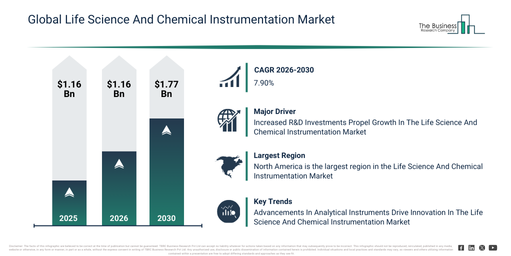
    The life science and chemical instrumentation market has experienced substantial growth in recent years and is set to continue this trajectory. It is projected to rise from $61.82 billion in 2025 to $66.94 billion in 2026, marking a compound annual growth rate (CAGR) of 8.3%. Looking ahead, the market is expected to reach $90.58 billion by 2030, growing at a CAGR of 7.9%. This surge is fueled by the adoption of cutting-edge omics technologies, increased investments in personalized medicine, the expansion of digital laboratory platforms, heightened emphasis on regulatory compliance automation, and growing demand for real-time analytical insights. Key trends include a rising shift toward automated analytical instruments, high-throughput testing systems, integration of laboratory information systems, advancements in precision measurement tools, and a stronger focus on data integrity and regulatory adherence.

    Download A Free Sample Report For Comprehensive Market Insights:

    https://www.thebusinessresearchcompany.com/sample.aspx?id=8902&type=smp

    Increasing Research and Development Investment Boosts Market Demand

    A primary factor propelling the life science and chemical instrumentation market is the rising investment in research and development (R&D). R&D encompasses systematic and innovative efforts to advance scientific knowledge and develop new or improved technologies, products, and processes. Governments worldwide are increasing funding to accelerate technological innovation and maintain economic competitiveness, which is fueling the demand for sophisticated analytical, detection, and measurement instruments essential for high-precision scientific work.

    Government Funding and Its Impact on R&D and Market Growth

    For example, Eurostat reported that research and development expenditure in the European Union rose to 2.26% of GDP in 2023, up from 2.22% in 2022. This growth in public funding supports the expansion of scientific research activities, which directly stimulates demand for the life science and chemical instrumentation market by encouraging companies to adopt advanced laboratory technologies.

    Access The Complete Life Science And Chemical Instrumentation Market Report:

    https://www.thebusinessresearchcompany.com/report/life-science-and-chemical-instrumentation-global-market-report

    Distinct Segments Defining the Life Science and Chemical Instrumentation Market

    This market can be categorized into several key segments based on technology, application, and end user. By technology, it includes Polymerase Chain Reaction (PCR), DNA Sequencers and Amplifiers, Flow Cytometry, Spectroscopy, Electrophoresis, Chromatography, Centrifuges, and other emerging technologies. Applications span areas like Cell Culture and Cell Therapy, Cancer Research, Drug Discovery, Genomics, In Vitro Fertilization, Bioprocessing, Metabolomics, Proteomics, and others. End users consist of Hospitals and Diagnostic Centers, Pharmaceutical and Biotechnology Companies, Contract Research Organizations (CROs), and Academia and Research Institutes.

    Further Breakdown of Key Technologies Within the Market

    Within these categories, PCR technologies include Real-Time PCR, Digital PCR, and Standard PCR. DNA sequencing involves Next-Generation Sequencing (NGS) and Sanger Sequencing. Flow Cytometry covers Cell Sorting and Multiparameter Analysis. Spectroscopy is divided into UV-Vis Spectroscopy, Mass Spectrometry, and Infrared Spectroscopy. Electrophoresis includes Gel and Capillary Electrophoresis. Chromatography features Gas Chromatography (GC) and High-Performance Liquid Chromatography (HPLC). Centrifuges are segmented into Benchtop and Ultracentrifuges, while other technologies include Microarray Technology and Immunoassays.

    Innovations and Efficiency Enhancements Shaping Market Trends

    Leading players in the life science and chemical instrumentation market are focusing heavily on incorporating scalable, energy-efficient analytical technologies to improve lab operations. One notable example is the advancement in next-generation gas chromatography (GC) systems designed to deliver higher throughput with reduced energy consumption and smarter automation. These systems support intelligent operations, minimize consumable usage, and offer seamless integration with complementary instruments.

    Illustration of Next-Generation Technology Adoption by a Market Leader

    For instance, in October 2023, Shimadzu Corporation introduced the Brevis GC-2050, a compact gas chromatography system just 35 cm wide. This model is highly scalable, compatible with auto-samplers, mass spectrometers, and other accessories. It also achieves a 30% reduction in energy consumption compared to traditional units and significantly lowers helium use, promoting environmental sustainability through its intelligent automated features.

    Leading Corporations Driving Competition in the Life Science and Chemical Instrumentation Market

    The market is dominated by several key global companies, including Agilent Technologies Inc., Becton Dickinson and Company, Bio-Rad Laboratories Inc., Bruker Corporation, Danaher Corporation, PerkinElmer Inc., Thermo Fisher Scientific Inc., Waters Corporation, F. Hoffmann-La Roche Ltd., Illumina Inc., Shimadzu Corporation, General Electric Healthcare LLC, Hitachi High-Technologies Corporation, JEOL Ltd., Oxford Instruments PLC, Rigaku Corporation, Sigma-Aldrich Corporation, SRI Instruments, Analytik Jena AG, Biochrom Ltd., BioTek Instruments Inc., Cole-Parmer Instrument Company LLC, Eppendorf AG, Harvard Bioscience Inc., HORIBA Ltd., Labconco Corporation, Mettler-Toledo International Inc., New England Biolabs Inc., and QIAGEN N.V.

    Regional Market Leadership and Emerging Growth Areas

    In terms of regional market share, North America holds the largest portion of the life science and chemical instrumentation market as of 2025. However, the Asia-Pacific region is expected to be the fastest-growing market throughout the forecast period. The market report covers regions including Asia-Pacific, South East Asia, Western Europe, Eastern Europe, North America, South America, the Middle East, and Africa, providing a global perspective on market expansion and opportunities.

    Get in touch with us:

    The Business Research Company: https://www.thebusinessresearchcompany.com/

    Americas: +1 310-496-7795

    Asia: +44 7882 955267 & +91 8897263534

    Europe: +44 7882 955267

    Email us at: marketing@tbrc.info

    Follow us on:

    LinkedIn: https://in.linkedin.com/company/the-business-research-company

    YouTube: https://www.youtube.com/channel/UC24_fI0rV8cR5DxlCpgmyFQ

    Global Market Model: https://www.thebusinessresearchcompany.com/global-market-model
  • Medical Tubing Market Growth Is Accelerating As Industry Transformation Continues

    Medical Tubing Market Growth Is Accelerating As Industry Transformation Continues

    Through market attractiveness analysis, total addressable market evaluation, company benchmarking matrices, interactive Excel dashboards, expanded supply chain intelligence, emerging startup coverage, and detailed product insights, The Business Research Company’s 2026 market reports provide more actionable and strategically valuable research.

    The medical tubing industry has witnessed significant growth recently, driven by rising healthcare needs and technological advancements. With increasing demand for innovative medical devices and expanding applications across various healthcare sectors, this market is set to experience impressive growth in the coming years. Let’s explore the current market size, growth drivers, segmentation, key trends, leading companies, and regional insights shaping the future of medical tubing.

    Medical Tubing Market Size and Growth Outlook

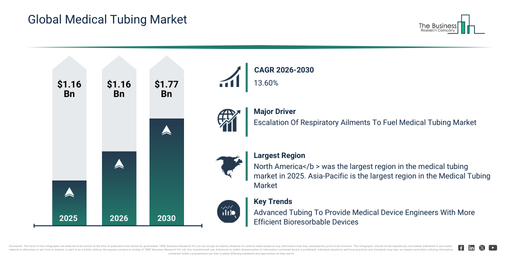
    The medical tubing market has expanded rapidly over the past few years, with its size expected to increase from $14.12 billion in 2025 to $16.04 billion in 2026, reflecting a compound annual growth rate (CAGR) of 13.5%. This past growth has been fueled by the rise in hospital procedural volumes, greater use of intravenous (IV) and catheter devices, higher adoption rates of disposable medical products, expanding biopharmaceutical manufacturing activities, and the availability of advanced polymer materials. Looking ahead, the market is projected to reach $26.7 billion by 2030, growing at a CAGR of 13.6%. The forecast period’s expansion is anticipated to be driven by the rising demand for minimally invasive medical devices, increased investments in biopharmaceutical production, growth of home healthcare applications, heightened focus on patient safety and infection prevention, and the growing use of specialty polymer tubing. Key trends expected to influence the market include a surge in demand for biocompatible tubing materials, customized extrusion of medical tubes, emphasis on sterile single-use tubing systems, expanded drug delivery applications, and improved chemical and heat resistance features.

    Download A Free Sample Report For Comprehensive Market Insights:

    https://www.thebusinessresearchcompany.com/sample.aspx?id=6688&type=smp

    Key Factors Fueling Medical Tubing Market Growth

    One major factor propelling the medical tubing market is the increasing prevalence of respiratory diseases. Conditions such as asthma, lung cancer, and pulmonary fibrosis—often triggered by smoking, air pollution, allergens, and occupational hazards—heighten the need for medical tubing, which forms a critical component of ventilators aiding breathing. For example, according to the Centers for Disease Control and Prevention, tuberculosis cases in the U.S. rose from 8,320 in 2022 to 9,615 in 2023, an increase of 1,295 cases. The incidence rate also jumped from 2.5 to 2.9 per 100,000 people during the same period. This uptick in respiratory illnesses is expected to boost demand for medical tubing solutions.

    Additional Drivers Accelerating Medical Tubing Demand

    Alongside respiratory disease trends, the growing adoption of disposable medical devices and increasing biopharmaceutical manufacturing activities contribute to the market’s growth. The availability and innovation of advanced polymer materials have further enabled the production of high-performance, specialized tubing required in diverse medical applications. Together, these factors create a strong foundation for the medical tubing market’s continued expansion.

    Access The Complete Medical Tubing Market Report:

    https://www.thebusinessresearchcompany.com/report/medical-tubing-global-market-report

    Medical Tubing Market Segmentation Overview

    This market is segmented comprehensively to cover various dimensions:

    1) By Product Type: Silicone, Polyolefins, Polyvinyl Chloride (PVC), Polycarbonates, Fluoropolymers, and Other Products

    2) By Application: Bulk Disposable Tubing, Drug Delivery Systems, Catheters, Biopharmaceutical Laboratory Equipment, and Other Applications

    3) By End-User: Hospitals, Clinics, Ambulatory Surgical Centers, Medical Laboratories, and Other End-Users

    Further product subcategories include:

    – Silicone tubing subdivided into Medical Grade and Reinforced Silicone Tubing

    – Polyolefins including Polyethylene (PE) and Polypropylene (PP) Tubing

    – PVC tubing split into Flexible and Rigid types

    – Polycarbonates divided into Clear and Specialty Tubing

    – Fluoropolymers such as Polytetrafluoroethylene (PTFE) and Fluorinated Ethylene Propylene (FEP) Tubing

    – Other products encompass Thermoplastic Elastomers (TPE), Nylon, and Custom Extruded Tubing

    Innovations Shaping the Medical Tubing Market’s Next Chapter

    Leading companies in the field are developing advanced tubing products that improve performance and patient outcomes. For example, in September 2023, Zeus, a U.S.-based polymer solutions provider, introduced Absorv XSE-oriented tubing—an innovative bioresorbable tubing platform. This product offers a customizable design alternative to metallic implants and supports a wide range of medical uses, including bioresorbable vascular scaffold (BRS) applications beyond coronary artery disease. It addresses limitations of earlier bioresorbable scaffolds by providing consistent wall thickness and customizable absorption rates, enabling more versatile procedures to replace traditional metallic stents.

    Top Companies Driving Competition in Medical Tubing

    Several key players are at the forefront of the medical tubing market, including Saint-Gobain S.A., Freudenberg Medical LLC, W.L. Gore & Associates Inc., Avient Corporation, Raumedic AG, Micro-Tek Corp., NewAge Industries Inc., Axiom Medical Inc., NovoSci Corp., Vanguard Products Corp., Zeus Industrial Products Inc., Absolute Custom Extrusions Inc., Petro Extrusion Technologies Inc., Pexco LLC, GSH Industries Inc., Teleflex Medical OEM LLC, Putnam Plastics Corporation, Tekni-Plex Inc., Nordson Corporation, Qosina Corp., Vesta Inc., Lubrizol Life Science Health, Grayline LLC, Trelleborg Healthcare & Medical, Spectrum Plastics Group Inc., Merit Medical Systems Inc., Applied Plastics Co. Inc., Duke Empirical Inc., Biomerics LLC, Polyzen Inc., and Resonetics LLC. These organizations are actively innovating and expanding their product portfolios to meet evolving healthcare demands.

    Regional Market Leadership and Growth Dynamics

    In 2025, North America held the largest share of the medical tubing market, supported by advanced healthcare infrastructure and strong demand for medical devices. Meanwhile, the Asia-Pacific region is anticipated to be the fastest-growing market during the forecast period, driven by increasing healthcare investments, expanding patient populations, and rising awareness of advanced medical technologies. The medical tubing market report encompasses key regions such as Asia-Pacific, South East Asia, Western Europe, Eastern Europe, North America, South America, the Middle East, and Africa, providing a global perspective on market trends and opportunities.

    Get in touch with us:

    The Business Research Company: https://www.thebusinessresearchcompany.com/

    Americas: +1 310-496-7795

    Asia: +44 7882 955267 & +91 8897263534

    Europe: +44 7882 955267

    Email us at: marketing@tbrc.info

    Follow us on:

    LinkedIn: https://in.linkedin.com/company/the-business-research-company

    YouTube: https://www.youtube.com/channel/UC24_fI0rV8cR5DxlCpgmyFQ

    Global Market Model: https://www.thebusinessresearchcompany.com/global-market-model
  • Lichen Planus Market Size Projected To Increase From $1.35 Billion To $1.75 Billion During The Forecast Period

    Lichen Planus Market Size Projected To Increase From $1.35 Billion To $1.75 Billion During The Forecast Period

    Delivering more actionable and strategically valuable research, The Business Research Company’s 2026 market reports feature market attractiveness analysis, total addressable market evaluation, company benchmarking matrices, interactive Excel dashboards, expanded supply chain intelligence, emerging startup coverage, and detailed product insights.

    The lichen planus market is showing promising growth, driven by advances in treatment options and increasing awareness of autoimmune skin conditions. As more patients receive diagnoses and therapies improve, this sector is expected to expand steadily in the coming years. Let’s explore the current market size, key growth factors, segmentation, innovation trends, leading companies, and regional insights shaping this field.

    Lichen Planus Market Size and Forecasted Expansion

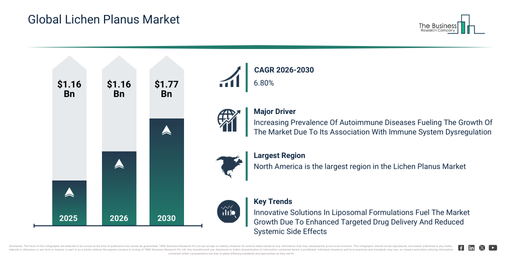
    The market for lichen planus has experienced substantial growth recently, and projections indicate it will increase from $1.26 billion in 2025 to $1.35 billion in 2026, reflecting a compound annual growth rate (CAGR) of 7.1%. This upward trend can be linked to better diagnosis of autoimmune skin disorders, wider availability of corticosteroid treatments, growth in specialized dermatology clinics, heightened clinical awareness, and the use of phototherapy. Looking ahead, the market is expected to reach $1.76 billion by 2030, growing at a CAGR of 6.8%. The forecasted growth is supported by a rising demand for advanced immunotherapies, greater emphasis on managing symptoms over the long term, expansion of biologic drug research, integration of digital dermatology tools, and innovations in targeted anti-inflammatory medications. Key trends shaping this period include increased use of targeted immunomodulatory therapies, combination treatments involving topical and systemic approaches, a focus on chronic disease management, personalized dermatology care, and enhanced patient education and monitoring.

    Download A Free Sample Report For Comprehensive Market Insights:

    https://www.thebusinessresearchcompany.com/sample.aspx?id=24279&type=smp

    Growing Prevalence of Autoimmune Diseases as a Market Driver

    One of the main factors boosting the lichen planus market is the rising occurrence of autoimmune diseases. These disorders occur when the immune system mistakenly attacks the body’s healthy cells, encompassing conditions such as rheumatoid arthritis, lupus, type 1 diabetes, multiple sclerosis, and psoriasis. Genetic factors play a significant role in this increase, with certain gene variations affecting immune regulation and connective tissue health. This overall rise in autoimmune diseases contributes directly to more cases of lichen planus. For example, data from June 2024 by the Australian Institute of Health and Welfare indicated that about 514,000 people (2.0% of the population) were living with rheumatoid arthritis in 2022. This condition accounted for 2.0% of total disease burden and 16% of musculoskeletal disorders in 2023, with 1,322 deaths (5.1 per 100,000 population) reported in 2022, representing 0.7% of all deaths. Such statistics highlight how increasing autoimmune disease prevalence fuels demand within the lichen planus market.

    Segment Overview of the Lichen Planus Market

    This market is divided into several important segments to better understand growth opportunities. By disease type, it covers Lichen Planus, Oral Lichen Planus, Genital Lichen Planus, and Lichen Planus Pigmentosus. Treatment types include topical therapies, systemic therapies, and phototherapy. Routes of administration are classified as topical, oral, and intravenous. End users comprise hospitals, homecare settings, specialty clinics, and other consumers. Each of these categories further breaks down into subtypes; for instance, Lichen Planus includes papular, hypertrophic, actinic, linear, and annular forms; Oral Lichen Planus involves reticular, erosive, atrophic, plaque-like, and bullous variants; Genital Lichen Planus features erosive, papular, annular types, plus vulvovaginal-gingival syndrome; and Lichen Planus Pigmentosus is segmented into diffuse, blotchy, linear, perifollicular, and flexural types. This detailed segmentation helps identify specific areas of growth within the broader market.

    Access The Complete Lichen Planus Market Report:

    https://www.thebusinessresearchcompany.com/report/lichen-planus-global-market-report

    Innovations and New Developments Shaping the Lichen Planus Market

    Leading players in this market are focusing on innovative drug delivery systems, such as liposomal formulations, which improve targeted therapy and minimize systemic side effects. Liposomes are tiny spherical vesicles made from lipid bilayers that encapsulate active drug ingredients, enhancing stability and absorption while allowing precise delivery to affected areas. For example, in February 2025, Lipella Pharmaceuticals Inc., a US biotechnology firm, received FDA approval for an expanded access program (EAP) for LP-310, a liposomal tacrolimus formulation designed to treat oral lichen planus. This program enables patients with serious or life-threatening conditions and unmet treatment needs to access the drug outside of clinical trials before full approval, suggesting potential benefits for improved patient outcomes.

    Top Companies Leading the Lichen Planus Market

    The lichen planus market features several prominent pharmaceutical and biotechnology companies, including Pfizer Inc., Johnson & Johnson Services Inc., F. Hoffmann-La Roche AG, Merck & Co. Inc., AbbVie Inc., Sanofi SA, Bristol-Myers Squibb Company, Novartis AG, GlaxoSmithKline plc, Takeda Pharmaceutical Company, Eli Lilly and Company, Teva Pharmaceutical Industries Ltd., Boehringer Ingelheim International GmbH, Dr. Reddy’s Laboratories Ltd, Amneal Pharmaceuticals Inc., Hikma Pharmaceuticals plc, LEO Pharma A/S, Basilea Pharmaceutica Ltd., UCB S.A., Almirall SA, and Lipella Pharmaceuticals Inc. These organizations play key roles in developing treatments and driving innovation within the lichen planus space.

    Regional Insights Highlighting North America’s Market Leadership

    In 2025, North America held the largest share of the lichen planus market globally. The report also covers major regions such as Asia-Pacific, South East Asia, Western Europe, Eastern Europe, South America, the Middle East, and Africa, providing a comprehensive view of global market trends and growth potential. While North America currently leads in revenue generation, emerging markets are expected to contribute significantly in the coming years.

    Get in touch with us:

    The Business Research Company: https://www.thebusinessresearchcompany.com/

    Americas: +1 310-496-7795

    Asia: +44 7882 955267 & +91 8897263534

    Europe: +44 7882 955267

    Email us at: marketing@tbrc.info

    Follow us on:

    LinkedIn: https://in.linkedin.com/company/the-business-research-company

    YouTube: https://www.youtube.com/channel/UC24_fI0rV8cR5DxlCpgmyFQ

    Global Market Model: https://www.thebusinessresearchcompany.com/global-market-model

  • Medical Tricorder Market Outlook Highlights The Next Major Growth Opportunities

    Medical Tricorder Market Outlook Highlights The Next Major Growth Opportunities

    Delivering more actionable and strategically valuable research, The Business Research Company’s 2026 market reports feature market attractiveness analysis, total addressable market evaluation, company benchmarking matrices, interactive Excel dashboards, expanded supply chain intelligence, emerging startup coverage, and detailed product insights.

    The medical tricorder market is experiencing swift growth as advancements in healthcare technology and rising healthcare demands drive the need for innovative diagnostic tools. With increasing emphasis on remote and home-based care, this market is expected to expand significantly over the coming years. Let’s explore the current market size, the factors fueling its growth, key players, and the emerging trends shaping its future.

    Market Size and Revenue Forecast for the Medical Tricorder Market

    The medical tricorder market has witnessed rapid expansion recently and is projected to continue this trend. It is expected to increase from $7.71 billion in 2025 to $9.21 billion in 2026, representing a compound annual growth rate (CAGR) of 19.4%. The growth during the past period has been driven by increased usage of portable medical devices, greater demand for quick diagnostic solutions, the rise of telemedicine services, wider availability of compact imaging sensors, and the adoption of digital health platforms.

    Download A Free Sample Report For Comprehensive Market Insights:

    https://www.thebusinessresearchcompany.com/sample.aspx?id=5315&type=smp

    Looking ahead, the market size is forecasted to reach $18.88 billion by 2030 with a CAGR of 19.7%. This anticipated surge is largely due to higher demand for diagnostics at home, growing investments in AI-powered medical technologies, the expansion of remote healthcare delivery systems, increased attention to preventive care, and deeper integration with electronic health records. Key trends expected to influence the market include broader adoption of handheld diagnostic devices, expanded use of AI-driven health assessment tools, integration of wireless medical imaging, growth in point-of-care diagnostics, and a stronger focus on remote patient monitoring.

    Chronic Conditions as a Major Growth Catalyst in the Medical Tricorder Market

    One of the primary drivers behind the medical tricorder market’s growth is the rising incidence of chronic diseases. Chronic conditions—such as diabetes, cardiovascular diseases, cancer, and respiratory illnesses—require ongoing management and continuous health monitoring. The aging populations in developed countries contribute significantly to this trend, as individuals over 65 tend to experience a higher prevalence of multiple chronic ailments due to cumulative health risks and aging-related changes.

    Access The Complete Medical Tricorder Market Report:

    https://www.thebusinessresearchcompany.com/report/medical-tricorder-global-market-report

    This increasing burden of chronic illnesses underscores the demand for advanced diagnostic devices capable of providing continuous monitoring, early complication detection, and real-time disease management through accessible point-of-care solutions. For instance, in June 2024, the UK’s National Health Service reported that 3,615,330 people registered with general practitioners were diagnosed with non-diabetic hyperglycemia or pre-diabetes in 2023. This figure marks an 18% rise from 3,065,825 cases in 2022, highlighting how the growing prevalence of chronic disorders is propelling the medical tricorder market forward.

    Breakdown of Medical Tricorder Market Segments Highlighting Growth Opportunities

    This report segments the medical tricorder market into several important categories:

    1) Device Type: Multi-Parameter Diagnostic Tricorders, Vital Signs Monitoring Tricorders, AI-Enabled Diagnostic Tricorders, Smartphone-Integrated Tricorders, and Wearable-Linked Tricorder Devices

    2) Diagnostic Capability: Cardiovascular Assessment, Respiratory Assessment, Metabolic and Temperature Assessment, Neurological and General Health Assessment, and Multi-Condition Screening

    3) Connectivity Type: Wired Connectivity and Wireless Connectivity

    4) Application Areas: Diagnosis, Continuous or Intermittent Monitoring, Early Disease Screening, and Remote Health Assessment

    5) End Users: Hospitals, Clinics and Primary Care Centers, Home Care Settings, and Remote and Telehealth Providers

    Further subsegments include specific types of multi-parameter diagnostic tricorders such as vital signs and physiological monitoring devices, biochemical and metabolic assessment tools, multi-sensor integrated tricorders, and point-of-care diagnostic units. Vital signs monitoring devices cover cardiovascular, respiratory, temperature, oxygen saturation monitoring, and continuous or spot-check monitoring solutions. AI-enabled tricorders focus on clinical decision support, predictive analytics, symptom analysis, and cloud-based diagnostics. Smartphone-integrated tricorders include app-based diagnostics, sensor-enabled devices, and camera-assisted tools. Wearable-linked tricorders encompass smartwatch-integrated systems, biosensor patches, continuous remote monitoring, and multi-wearable data aggregation technologies.

    Recent Innovations and Transformative Trends in the Medical Tricorder Market

    Leading companies in the medical tricorder space are receiving approvals for smart health-tracking devices that provide real-time health insights by monitoring key metrics like heart rate, physical activity, sleep, and vital signs. These wearable and portable technologies empower users to better manage their wellness.

    For example, in January 2024, France-based Withings launched the BeamO, a 4-in-1 health scanner that combines ECG, pulse oximeter, stethoscope, and thermometer functions into a single compact device. Touted as the thermometer of the future, the BeamO measures temperature via the temporal artery and offers heart and lung health insights. Its electrodes monitor blood oxygen levels and heart rate, enabling a 1-lead ECG similar to the Apple Watch function. Additionally, it captures acoustic soundwaves from the chest or back using a piezoelectric disc, which can be shared with physicians during telehealth consultations, representing a significant advancement in smart medical technology.

    Key Market Players Shaping the Medical Tricorder Industry

    The medical tricorder market features several prominent companies driving innovation and market growth. These include Cloud DX Inc., Scanadu Inc., Basil Leaf Technologies LLC, Healthy.io Ltd., Aidar Health Inc., Accurable Ltd., Care Taker Medical LLC, ChroniSense Medical Ltd., Cardiomo Inc., VitalConnect Inc., Avidhrt Inc., SensoDX II LLC, Final Frontier Medical Devices Inc., Medipense Inc., AliveCor Inc., iHealth Labs Inc., Omron Healthcare Inc., Withings SA, BioTelemetry Inc., Qardio Inc., Empatica Inc., and EarlySense Ltd.

    Regional Market Overview: Where the Medical Tricorder Market Leads

    In 2025, North America held the largest share of the medical tricorder market, reflecting strong healthcare infrastructure and technology adoption. Europe stood as the second-largest market in this sector. The market report also encompasses regions such as Asia-Pacific, South East Asia, Western Europe, Eastern Europe, South America, the Middle East, and Africa, providing a comprehensive view of global market distribution and growth potential.

    Get in touch with us:

    The Business Research Company: https://www.thebusinessresearchcompany.com/

    Americas: +1 310-496-7795

    Asia: +44 7882 955267 & +91 8897263534

    Europe: +44 7882 955267

    Email us at: marketing@tbrc.info

    Follow us on:

    LinkedIn: https://in.linkedin.com/company/the-business-research-company

    YouTube: https://www.youtube.com/channel/UC24_fI0rV8cR5DxlCpgmyFQ

    Global Market Model: https://www.thebusinessresearchcompany.com/global-market-model