Category: Medical Equipment

  • Hand Hygiene Monitoring System Market Trends And Growth Drivers Point To Strong Future Potential

    Hand Hygiene Monitoring System Market Trends And Growth Drivers Point To Strong Future Potential

    Through market attractiveness analysis, total addressable market evaluation, company benchmarking matrices, interactive Excel dashboards, expanded supply chain intelligence, emerging startup coverage, and detailed product insights, The Business Research Company’s 2026 market reports provide more actionable and strategically valuable research.

    The hand hygiene monitoring system market has experienced significant growth in recent years, driven by increasing awareness of infection control and advancements in technology. As healthcare facilities continue to prioritize hygiene compliance, the market is set for continued expansion. Below is an overview of the market’s size, key growth drivers, segmentation, trends, competitive landscape, and geographic outlook.

    Current Market Size and Future Growth Expectations for the Hand Hygiene Monitoring System Market

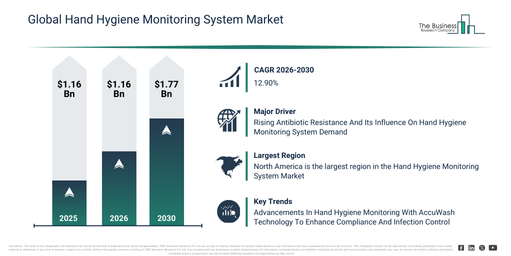
    The hand hygiene monitoring system market is witnessing rapid expansion, with its value projected to rise from $6.83 billion in 2025 to $7.74 billion in 2026, representing a compound annual growth rate (CAGR) of 13.2%. This historic growth reflects challenges such as the lack of automated monitoring systems, dependence on manual observation, increasing infection control awareness, expansion of hospital infrastructure, and mounting regulatory pressure to ensure hygiene compliance. Looking ahead, the market is expected to grow even faster, reaching $12.58 billion by 2030 at a CAGR of 12.9%. Factors driving this forecast include the development of advanced smart monitoring hardware and software, integration with hospital IT systems, growing use of AI-based compliance analytics, wider adoption of portable and wall-mounted devices, and rising demand from diagnostic labs and healthcare facilities. Emerging trends during this period involve increased use of wearable sensor badges, enhanced focus on reducing hospital-acquired infections, deployment of behavior-tracking software analytics, and expansion of touchless, automated hand hygiene systems.

    Download A Free Sample Report For Comprehensive Market Insights:

    https://www.thebusinessresearchcompany.com/sample.aspx?id=19494&type=smp

    Factors Fueling Growth in the Hand Hygiene Monitoring System Market

    One of the primary factors propelling market growth is the increasing incidence of antibiotic resistance. Antibiotic resistance occurs when bacteria develop the ability to survive treatments with antibiotics that previously eliminated them or restricted their growth. This resistance is often accelerated by the overuse and misuse of antibiotics, which encourages bacterial adaptation and diminishes the effectiveness of these drugs. By ensuring rigorous hand hygiene practices, monitoring systems help prevent the spread of resistant bacteria, reducing infection rates that require antibiotic treatments.

    For example, in 2024, GOV.UK reported a 9.3% increase in antibiotic-resistant bacteraemia cases compared to 2023, rising from 18,740 to 20,484 cases. This concerning rise in resistant infections highlights the critical role of hand hygiene monitoring systems in combating antibiotic resistance and emphasizes their growing demand in healthcare settings.

    Access The Complete Hand Hygiene Monitoring System Market Report:

    https://www.thebusinessresearchcompany.com/report/hand-hygiene-monitoring-system-global-market-report

    Hand Hygiene Monitoring System Market Segmentation and Growth Opportunities

    This market is segmented based on various criteria, offering detailed insights into its components. By type, it includes Portable or Plug-in Hand Hygiene Monitoring Systems and Wall Mounted Hand Hygiene Monitoring Systems. Component-wise segmentation divides the market into Hardware and Software. The technology segment covers Activity Monitoring, Individual Monitoring, Direct Observation Apps, Motion Sensors, Video Monitoring, Patient Tracking Devices, and other related technologies. End users primarily include Hospitals, Diagnostic Laboratories, and other healthcare facilities.

    Further subcategories highlight distinctions within main segments such as Battery-Operated and USB Rechargeable systems under Portable or Plug-in systems, and Touchless versus Manual options within Wall Mounted systems.

    Industry Trends Reinforcing Market Expansion in Hand Hygiene Monitoring

    Key market players are focused on enhancing infection control by incorporating advanced technologies like sink sensors, which boost the precision of hand hygiene compliance tracking and improve user participation. Sink sensors are integrated directly into sinks to monitor hand-washing activities in real-time, ensuring adherence to hygiene protocols.

    A notable example is BIOVIGIL Hygiene Technologies LLC, which in June 2023 introduced AccuWash Technology in the US. This system combines sink sensors with badge tracking to provide highly accurate compliance data, leading to compliance rates as high as 97% and decreasing healthcare-associated infections by up to 83%. Their comprehensive solution, which includes room and badge sensors alongside robust data analytics, delivers actionable insights from facility-wide metrics to individual performance assessments.

    Key Market Players Leading the Hand Hygiene Monitoring System Industry

    The hand hygiene monitoring system market is competitive, with major companies driving innovation and growth. Leading firms include 3M Company, Medline Industries, Kimberly-Clark Professional, Essity AB, Ecolab Inc., SC Johnson Professional Group Limited, B. Braun Melsungen AG, Kikkoman Corporation, Hill-Rom Holdings Inc., Halma Plc, Midmark Corporation, GOJO Industries, Hygiena LLC, Stanley Healthcare, CenTrak Inc., Meritech, Airista Flow Inc., Handinscan, SwipeSense, BioVigil Healthcare, HandGiene Corp, Hyginex, Proventix Systems, and Clean Hands Safe Hands. These organizations continue to develop advanced solutions focused on improving compliance and infection control outcomes.

    Geographical Market Distribution and Emerging Regional Growth

    In 2025, North America held the largest share of the hand hygiene monitoring system market. However, the Asia-Pacific region is anticipated to experience the fastest growth over the coming years. The market analysis encompasses various regions, including Asia-Pacific, South East Asia, Western Europe, Eastern Europe, North America, South America, the Middle East, and Africa, providing a comprehensive view of global opportunities and trends.

    Get in touch with us:

    The Business Research Company: https://www.thebusinessresearchcompany.com/

    Americas: +1 310-496-7795

    Asia: +44 7882 955267 & +91 8897263534

    Europe: +44 7882 955267

    Email us at: marketing@tbrc.info

    Follow us on:

    LinkedIn: https://in.linkedin.com/company/the-business-research-company

    YouTube: https://www.youtube.com/channel/UC24_fI0rV8cR5DxlCpgmyFQ

    Global Market Model: https://www.thebusinessresearchcompany.com/global-market-model
  • Hair Supplements Market Expansion Is Reshaping Competitive Dynamics Across The Industry

    Hair Supplements Market Expansion Is Reshaping Competitive Dynamics Across The Industry

    Delivering more actionable and strategically valuable research, The Business Research Company’s 2026 market reports feature market attractiveness analysis, total addressable market evaluation, company benchmarking matrices, interactive Excel dashboards, expanded supply chain intelligence, emerging startup coverage, and detailed product insights.

    The hair supplements industry has seen significant momentum recently, driven by growing consumer focus on hair health and wellness. As awareness around nutrition’s impact on hair increases, the market is set to expand further with evolving product innovations and shifting lifestyle habits. Here’s a detailed look at the current state, growth factors, market players, and emerging trends shaping this sector.

    Hair Supplements Market Size and Expected Growth Trajectory

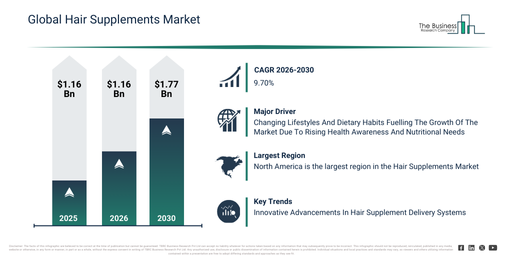
    The hair supplements market has experienced robust growth, with revenues forecasted to rise from $2.08 billion in 2025 to $2.28 billion in 2026, representing a compound annual growth rate (CAGR) of 9.7%. This upward trend in recent years is largely due to heightened consumer awareness about maintaining hair health, a growing number of hair loss cases, increased consumption of dietary supplements, and the rising influence of beauty and wellness movements. Over-the-counter availability of such supplements has also broadened market reach. Looking ahead, the market is projected to reach $3.3 billion by 2030, maintaining the strong CAGR of 9.7%. Factors supporting this forecast include rising demand for personalized supplement blends, greater adoption of organic and vegan options, expansion of e-commerce sales channels, and an increased focus on preventive hair care. Additionally, scientific validation of product efficacy is becoming a key differentiator. Trends set to shape the future include growing preference for clean-label products, plant-based formulations, innovative nutrient delivery methods, and reliance on clinically backed ingredients.

    Download A Free Sample Report For Comprehensive Market Insights:

    https://www.thebusinessresearchcompany.com/sample.aspx?id=24230&type=smp

    Lifestyle Changes Stimulating Growth in the Hair Supplements Market

    Shifts in lifestyle and eating patterns are proving to be important drivers behind the hair supplements market’s expansion. Urbanization has led many consumers to adopt busier routines and rely more on processed and convenient foods instead of traditional home-cooked meals. These changing habits influence overall health and fuel demand for nutritional support aimed at hair wellness. Furthermore, the increasing focus on health-conscious living promotes awareness about the role of nutrition in maintaining healthy hair. For instance, a United States survey conducted in April 2023 by the International Food Information Council found that 52% of Americans aged 18 to 80 followed a specific diet in the past year. Younger generations were particularly engaged, with 66% of Gen Z and 63% of Millennials adhering to dietary plans compared to 50% of Gen X and 41% of Boomers, up from 29% in 2022. Popular diet types included high-protein, mindful eating, calorie counting, clean eating, and intermittent fasting. These evolving consumer behaviors contribute to the growing market for hair supplements.

    How Product Innovation is Accelerating Hair Supplements Demand

    Leading companies in the hair supplements space are focusing on developing advanced formulations to deliver essential nutrients more effectively. For example, vitamin capsule supplements designed to provide concentrated doses of vitamins are gaining popularity for addressing dietary gaps and promoting healthy hair. A case in point is Divi, a US-based personal care and wellness firm, which in September 2023 introduced To the Roots Hair Vitamins. These supplements combine scientifically supported ingredients with slow-release beadlet technology to enhance nutrient absorption and support hair growth. The product features a potent mix of vitamins, minerals, and Divi’s exclusive Roots-9 Complex—a proprietary combination of nutrients vital to hair health—offering consumers an effective solution.

    Access The Complete Hair Supplements Market Report:

    https://www.thebusinessresearchcompany.com/report/hair-supplements-global-market-report

    Key Players Influencing the Hair Supplements Market Landscape

    The hair supplements market comprises several influential companies, including Procter & Gamble, Unilever PLC, Nestlé Health Science S.A., Church & Dwight Co. Inc., Amway Corp., Invite Health, Hum Nutrition Inc., New Nordic Healthbrands AB, Brock Beauty Inc., SMP Nutra, Codeage LLC, SugarBearHair, Philip Kingsley, BosleyMD, Laboratoires Nutrimea, Power Gummies, Viva Naturals Inc., Nutri&Co, Valebio, and Olly Nutrition. These companies are driving innovation, expanding product offerings, and competing strategically to capture growing consumer interest.

    Regional Market Dynamics and Growth Outlook

    In 2025, North America accounted for the largest share of the hair supplements market. However, Asia-Pacific is expected to emerge as the fastest-growing region throughout the forecast period. The market analysis includes key regions such as Asia-Pacific, South East Asia, Western Europe, Eastern Europe, North America, South America, the Middle East, and Africa, providing a comprehensive view of global market trends and regional opportunities.

    Get in touch with us:

    The Business Research Company: https://www.thebusinessresearchcompany.com/

    Americas: +1 310-496-7795

    Asia: +44 7882 955267 & +91 8897263534

    Europe: +44 7882 955267

    Email us at: marketing@tbrc.info

    Follow us on:

    LinkedIn: https://in.linkedin.com/company/the-business-research-company

    YouTube: https://www.youtube.com/channel/UC24_fI0rV8cR5DxlCpgmyFQ

    Global Market Model: https://www.thebusinessresearchcompany.com/global-market-model
  • Gynecology Surgical Forceps Market Forecast Reveals Where Future Industry Value Will Be Created

    Gynecology Surgical Forceps Market Forecast Reveals Where Future Industry Value Will Be Created

    Enhanced with market attractiveness analysis, total addressable market evaluation, company benchmarking matrices, interactive Excel dashboards, expanded supply chain intelligence, emerging startup coverage, and detailed product insights, The Business Research Company’s 2026 market reports deliver more actionable and strategically valuable research.

    The gynecology surgical forceps market has witnessed significant growth in recent years, driven by various factors related to healthcare advancements and rising medical needs. As the demand for precise and effective surgical tools increases, this market is set for continued expansion. Below is an overview highlighting the market’s current size, key drivers, segmentation, prominent players, and regional outlook.

    Steady Growth and Size Projections for the Gynecology Surgical Forceps Market

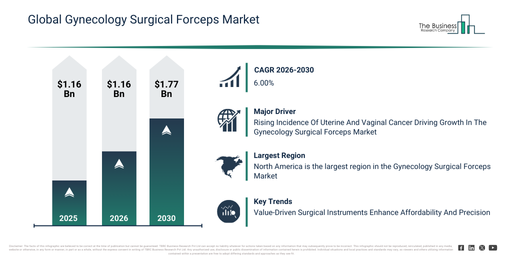
    The gynecology surgical forceps market has experienced strong growth, with its value expected to rise from $12.95 billion in 2025 to $13.81 billion in 2026, representing a compound annual growth rate (CAGR) of 6.6%. This upward trend in the past years can be linked to the escalating number of gynecological surgeries, the enhancement of hospital infrastructure, a higher occurrence of gynecological disorders, increased awareness of women’s healthcare, and the availability of skilled gynecological surgeons. Looking ahead, the market is projected to reach $17.44 billion by 2030, growing at a CAGR of 6.0%. Factors contributing to future growth include the rise in minimally invasive gynecological procedures, more outpatient and day-care surgeries, greater investments in women’s health services, the expansion of ambulatory surgical centers, and increased demand for affordable surgical instruments. Noteworthy trends encompass the adoption of minimally invasive techniques, the preference for ergonomic and high-precision instruments, increased use of reusable and sterilizable forceps, growth in ambulatory surgical volumes, and a heightened focus on infection control and surgical safety.

    Download A Free Sample Report For Comprehensive Market Insights:

    https://www.thebusinessresearchcompany.com/sample.aspx?id=17164&type=smp

    Rising Incidence of Uterine and Vaginal Cancer Driving Market Demand

    One of the significant factors supporting the gynecology surgical forceps market is the growing incidence of uterine and vaginal cancers. Uterine cancer involves malignancies that originate in the uterus, while vaginal cancer refers to cancers developing in the vagina. Both conditions require specialized treatment involving precise surgical instruments for effective management. The rise in these cancers is influenced by demographic factors such as an aging population and lifestyle elements like obesity, which is linked to increased estrogen levels that may contribute to cancer development. In surgical interventions, gynecological forceps play a crucial role in enhancing precision and treatment outcomes. For example, the American Cancer Society reported that estimated deaths from uterine cervix cancer in the US increased slightly from 4,280 in 2022 to 4,310 in 2023, an approximate rise of 0.70%. Similarly, deaths relating to vaginal and other female genital organ cancers rose from 1,630 in 2022 to 1,740 in 2023, marking a 6.75% increase. These statistics reflect the growing need for specialized surgical tools in gynecological oncology, driving market growth.

    Detailed Segmentation and Revenue Potential within the Gynecology Surgical Forceps Market

    This market is segmented into several categories for better understanding and targeting:

    By Type: Allis Forceps, Artery Forceps, and Other Types

    By Application: Gynecologic Laparoscopic Procedures, Hysteroscopic Procedures, Dilation and Curettage (D&C), Cervical and Uterine Procedures, Gynecologic Biopsy Procedures, and Other Applications

    By End User: Hospitals, Ambulatory Surgical Centers, and Other End Users

    Further breakdowns include subtypes of Allis Forceps such as Curved, Straight, Wide Tip, and Narrow Tip; Artery Forceps including Kelly, Crile, and Mosquito types; and Other Types like Ring Forceps, Foerster Forceps, Tenaculum Forceps, and Uterine Dressing Forceps. These classifications highlight multiple revenue streams and specialized product offerings within the market.

    Access The Complete Gynecology Surgical Forceps Market Report:

    https://www.thebusinessresearchcompany.com/report/gynecology-surgical-forceps-global-market-report

    Innovations and Competitive Strategies Shaping the Gynecology Surgical Forceps Market

    Key players in the gynecology surgical forceps market are focusing on innovation to deliver high-quality yet affordable surgical instruments. For instance, in October 2025, gSource, a US-based company, introduced the gSV line, which includes over 260 FDA-registered and ISO 13485-compliant instruments. This product range combines reusable and single-use tools primarily made from German surgical stainless steel and is backed by a Lifetime Workmanship Guarantee. This initiative reflects a commitment to balancing performance, reliability, and cost-efficiency, addressing the needs of healthcare providers while enhancing surgical outcomes.

    Notable Industry Leaders Driving Market Development

    Prominent companies shaping the gynecology surgical forceps market include B. Braun Melsungen AG, Aesculap AG, KLS Martin Group, CooperSurgical Inc., MedGyn Products Inc., Sklar Surgical Instruments, Integra LifeSciences, Teleflex Incorporated, Olympus Corporation, KARL STORZ SE & Co. KG, Richard Wolf GmbH, Applied Medical Resources Corporation, CONMED Corporation, Smith and Nephew plc, Stryker Corporation, Medline Industries, Hu-Friedy Group, Novo Surgical Inc., Jarit Surgical Instruments, Stainless Surgical India, and Surtex Instruments Limited. These players are pivotal in driving innovation, expanding product portfolios, and strengthening global market presence.

    Regional Market Dynamics and Growth Opportunities

    In 2025, North America held the largest share of the gynecology surgical forceps market. However, the Asia-Pacific region is expected to experience the fastest growth during the forecast period. The market report covers regions including Asia-Pacific, South East Asia, Western Europe, Eastern Europe, North America, South America, the Middle East, and Africa, providing an extensive overview of regional trends and growth prospects worldwide.

    Get in touch with us:

    The Business Research Company: https://www.thebusinessresearchcompany.com/

    Americas: +1 310-496-7795

    Asia: +44 7882 955267 & +91 8897263534

    Europe: +44 7882 955267

    Email us at: marketing@tbrc.info

    Follow us on:

    LinkedIn: https://in.linkedin.com/company/the-business-research-company

    YouTube: https://www.youtube.com/channel/UC24_fI0rV8cR5DxlCpgmyFQ

    Global Market Model: https://www.thebusinessresearchcompany.com/global-market-model
  • Gynecology Medical Lasers Market Growth Through 2030 Creates New Strategic Opportunities

    Gynecology Medical Lasers Market Growth Through 2030 Creates New Strategic Opportunities

    Through market attractiveness analysis, total addressable market evaluation, company benchmarking matrices, interactive Excel dashboards, expanded supply chain intelligence, emerging startup coverage, and detailed product insights, The Business Research Company’s 2026 market reports provide more actionable and strategically valuable research.

    The gynecology medical lasers market is witnessing rapid growth as advancements in laser technology continue to enhance treatment options for various female reproductive health conditions. With increasing awareness and adoption of minimally invasive procedures, this sector is set for significant expansion in the coming years. Let’s explore the current market landscape, key factors driving growth, important segments, leading companies, and regional demand patterns shaping the future of this industry.

    Steady Market Expansion and Projected Growth in the Gynecology Medical Lasers Market

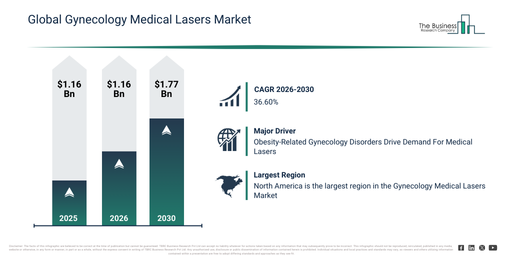
    The market size for gynecology medical lasers has seen remarkable growth recently, rising from $0.64 billion in 2025 to an anticipated $0.88 billion in 2026, with a high compound annual growth rate (CAGR) of 38.8%. This surge stems from an increase in gynecological disorders, wider acceptance of minimally invasive treatments, expansion in women’s healthcare infrastructure, greater availability of laser surgical options, and enhanced clinician expertise in laser techniques. Looking ahead, the market is forecasted to expand substantially, reaching $3.08 billion by 2030 at a CAGR of 36.6%. Key factors supporting this growth include rising demand for outpatient gynecological procedures, growing investments in advanced laser platforms, broader use of laser-assisted fertility and diagnostic methods, and a heightened emphasis on patient safety and comfort. Emerging trends spotlight the increasing utilization of high-precision laser treatments, expanded outpatient laser therapies, tissue ablation applications, and a focus on achieving faster patient recovery.

    Download A Free Sample Report For Comprehensive Market Insights:

    https://www.thebusinessresearchcompany.com/sample.aspx?id=3372&type=smp

    Obesity as a Catalyzing Factor for the Gynecology Medical Lasers Market

    One of the prominent drivers behind the growth of the gynecology medical lasers market is the rising prevalence of obesity. Defined as excessive body fat accumulation that poses health risks, obesity is often measured by a body mass index (BMI) of 30 or above. Sedentary lifestyles, reduced physical activity, and increased screen time have all contributed to this trend. Laser-based gynecological procedures offer safer, more precise, and minimally invasive treatment options that are especially beneficial for obese patients. For instance, data from May 2024 released by the UK’s Office for Health Improvement and Disparities showed that 64.0% of adults aged 18 and older in England were either overweight or living with obesity between 2022 and 2023. This growing patient demographic is propelling the demand for gynecology medical lasers.

    Increasing Demand for Gynecological Treatments Boosts Market Growth

    Gynecology treatments, which address health issues affecting the female reproductive system including the uterus, ovaries, fallopian tubes, external genitalia, and breasts, are becoming increasingly sought after. Such disorders can impact fertility and sexual health, prompting the need for effective solutions. Medical lasers play a crucial role in treating conditions like endometriosis, fibroids, and vaginal atrophy, among others. For example, in June 2024, the University of Pittsburgh Medical Center reported that approximately 500,000 women in the United States undergo hysterectomy annually, making it one of the most common surgeries for women. This rising prevalence of gynecological disorders is a significant factor driving the expansion of the gynecology medical lasers market.

    Access The Complete Gynecology Medical Lasers Market Report:

    https://www.thebusinessresearchcompany.com/report/gynecology-medical-lasers-global-market-report

    Detailed Segmentation of the Gynecology Medical Lasers Market

    This market is categorized based on product type, application, and end-user. The product segment includes CO2 lasers, KTP–Argon lasers, and Nd:YAG lasers. Applications are classified into colposcopy, laparoscopy, and hysteroscopy. End-users comprise hospitals, specialized clinics, ambulatory surgical centers, and medical centers. Further subcategories break down CO2 lasers into fractional and continuous wave types; KTP–Argon lasers into potassium titanyl phosphate and argon lasers; and Nd:YAG lasers into long-pulsed and Q-switched variants.

    Key Industry Players Driving the Gynecology Medical Lasers Market

    Several leading companies dominate this space, including Quanta System S.p.A, Biolitec AG, DEKA Medical Inc., Limmer Laser GmbH, Linline Medical Systems LLC., Fotona d.d., GIGAA Laser Group, LISA laser products GmbH, Lumenis Ltd., Asclepion Laser Technologies GmbH, Medelux LLC., NeoLaser LLC., INTERmedic S.A., Jena Surgical GmbH, New Star Lasers Inc., Sharplan Lasers Inc., SpectraMedi LLC, Zimmer MedizinSysteme GmbH, Baltic Lasers UAB, and Cynosure Inc. Their innovations and strategic initiatives continue to shape market dynamics.

    Regional Demand Patterns in the Gynecology Medical Lasers Market

    In 2025, North America was the largest market for gynecology medical lasers, representing the highest regional share. Asia-Pacific followed as the second-largest market. Other regions covered in the market analysis include South East Asia, Western Europe, Eastern Europe, South America, the Middle East, and Africa. Asia-Pacific is expected to experience notable growth, driven by increasing healthcare investment and rising awareness of advanced treatment options.

    Get in touch with us:

    The Business Research Company: https://www.thebusinessresearchcompany.com/

    Americas: +1 310-496-7795

    Asia: +44 7882 955267 & +91 8897263534

    Europe: +44 7882 955267

    Email us at: marketing@tbrc.info

    Follow us on:

    LinkedIn: https://in.linkedin.com/company/the-business-research-company

    YouTube: https://www.youtube.com/channel/UC24_fI0rV8cR5DxlCpgmyFQ

    Global Market Model: https://www.thebusinessresearchcompany.com/global-market-model
  • Gynecological Devices Market Size Projected To Increase From $15.32 Billion To $21.71 Billion During The Forecast Period

    Gynecological Devices Market Size Projected To Increase From $15.32 Billion To $21.71 Billion During The Forecast Period

    Delivering more actionable and strategically valuable research, The Business Research Company’s 2026 market reports feature market attractiveness analysis, total addressable market evaluation, company benchmarking matrices, interactive Excel dashboards, expanded supply chain intelligence, emerging startup coverage, and detailed product insights.

    The gynecological devices market is witnessing rapid progress, driven by an increasing focus on women’s health and advancements in medical technology. As demand for better diagnostic tools and minimally invasive treatments rises, this market is poised for significant expansion over the coming years. Let’s explore the current market size, growth catalysts, key segments, innovations, major players, and regional dynamics shaping this industry.

    Current Market Size and Projected Growth of the Gynecological Devices Market

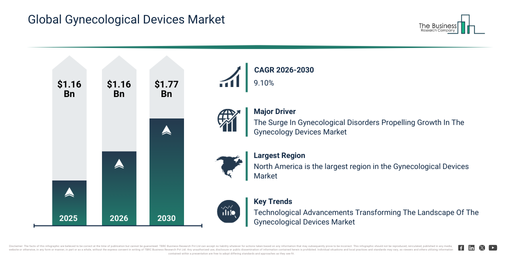
    The gynecological devices market has experienced strong growth recently, with revenues expected to increase from $14.07 billion in 2025 to $15.32 billion in 2026, reflecting a compound annual growth rate (CAGR) of 8.9%. Factors contributing to this historic growth include a rise in gynecological disorders, expanding hospital and clinic infrastructure, increased use of diagnostic imaging for women’s health, wider availability of basic gynecological instruments, and improved healthcare access for women globally.

    Looking ahead, the market is projected to reach $21.72 billion by 2030, growing at a CAGR of 9.1%. This forecasted growth is fueled by rising demand for minimally invasive procedures, growing investments in women’s healthcare technologies, expansion of diagnostic centers, increased adoption of digital health records within gynecology, and a stronger focus on early detection of diseases. Key trends expected to influence the market include increased use of advanced diagnostic imaging, greater integration of digital gynecology software, expansion in outpatient care, and enhanced emphasis on patient-centered device design.

    Download A Free Sample Report For Comprehensive Market Insights:

    https://www.thebusinessresearchcompany.com/sample.aspx?id=9937&type=smp

    Key Factors Fueling Growth in the Gynecological Devices Market

    The rising prevalence of gynecological disorders is a major driver for the expansion of this market. These disorders affect the normal function of female reproductive organs, such as breasts, abdominal, and pelvic areas, and require various medical procedures involving gynecological devices. These devices assist in treatments ranging from colposcopy and loop electrical excision procedures (LEEP) to endometrial biopsies, IUD insertions, dilation and curettage (D&C), tubal ligation, and ovarian cystectomy.

    For instance, a March 2023 report by the World Health Organization highlighted that around 190 million women and girls of reproductive age worldwide suffer from endometriosis. Additionally, the American Cancer Society’s January 2023 report estimated that 13,960 new cases of invasive cervical cancer would be diagnosed in 2023 in the US, with approximately 4,310 deaths from the disease projected in the same year. Such statistics emphasize the growing need for effective gynecological devices, thus propelling market growth.

    Segments Experiencing Rapid Expansion in the Gynecological Devices Market

    This report categorizes the gynecological devices market into three main segments:

    1) By Device Type: Surgical Devices and Hand-Held Instruments

    2) By Application: Laparoscopy, Hysteroscopy, Dilation and Curettage, Colposcopy, and Other Applications

    3) By End User: Clinics, Hospitals, and Other End Users

    Further subsegments under surgical devices include hysteroscopes, laparoscopes, endometrial ablation devices, and biopsy forceps. The hand-held instruments subsegment consists of speculums, forceps, and scissors. These categories highlight the diverse product offerings catering to various clinical needs in gynecology.

    Access The Complete Gynecological Devices Market Report:

    https://www.thebusinessresearchcompany.com/report/gynecological-devices-global-market-report

    Innovation Trends Shaping the Future of the Gynecological Devices Market

    Leading companies in this market are investing heavily in innovative technologies like artificial intelligence (AI)-enabled imaging systems, which improve diagnostic accuracy and streamline clinical workflows. AI-enhanced imaging provides faster and clearer visuals, allowing healthcare professionals to make better-informed decisions and reduce errors.

    As an example, in February 2023, Boston Imaging (Samsung), a US-based medical imaging company, launched the Hera W10 Elite—a women’s health ultrasound system equipped with AI capabilities. This system visualizes microcirculatory and slow blood flow in both 2D and 3D, featuring an advanced MV-Flow function and a large OLED display for improved image characterization in obstetrics and gynecology. The platform also includes a new transducer for endovaginal visualization of the fetal heart and brain, along with AI-powered features such as HeartAssist, ViewAssist, and BiometryAssist.

    Key Players Driving Competition in the Gynecological Devices Market

    The gynecological devices sector includes several major companies such as Medtronic plc, CooperSurgical Inc., Richard Wolf GmbH, Hologic Inc., Boston Scientific Corporation, Stryker Corporation, Karl Storz SE & Co. KG, Ethicon Inc., MedGyn Products Inc., Gynex Corporation, Gynemed Medizinprodukte GmbH & Co. KG, Meril Life Sciences Pvt. Ltd., Cook Group Inc., B. Braun Melsungen AG, Olympus Medical Systems Corporation, Smith & Nephew plc, General Electric Company, Siemens Healthineers AG, Fujifilm Holdings Corporation, Koninklijke Philips N.V., Mindray Medical International Limited, Abbott Laboratories, Steris Corporation, Medline Industries Inc., and Cardinal Health Inc. These companies continue to innovate and expand their product offerings to capture a larger share of the growing market.

    Regional Market Outlook and Growth Opportunities

    In 2025, North America held the largest share of the gynecological devices market, supported by advanced healthcare infrastructure and widespread adoption of new technologies. However, the Asia-Pacific region is expected to register the fastest growth during the forecast period, driven by increasing healthcare investments, expanding diagnostic facilities, and rising awareness about women’s health. The comprehensive market analysis also covers South East Asia, Western Europe, Eastern Europe, South America, the Middle East, and Africa, offering insights into the global market landscape.

    Get in touch with us:

    The Business Research Company: https://www.thebusinessresearchcompany.com/

    Americas: +1 310-496-7795

    Asia: +44 7882 955267 & +91 8897263534

    Europe: +44 7882 955267

    Email us at: marketing@tbrc.info

    Follow us on:

    LinkedIn: https://in.linkedin.com/company/the-business-research-company

    YouTube: https://www.youtube.com/channel/UC24_fI0rV8cR5DxlCpgmyFQ

    Global Market Model: https://www.thebusinessresearchcompany.com/global-market-model
  • Guidewires Market Growth Outlook Reveals A CAGR Of 7% And A Market Value Of $3.63 Billion By 2030

    Guidewires Market Growth Outlook Reveals A CAGR Of 7% And A Market Value Of $3.63 Billion By 2030

    Enhanced with market attractiveness analysis, total addressable market evaluation, company benchmarking matrices, interactive Excel dashboards, expanded supply chain intelligence, emerging startup coverage, and detailed product insights, The Business Research Company’s 2026 market reports deliver more actionable and strategically valuable research.

    The guidewires market has shown significant growth recently, driven by advancements in medical procedures and expanding applications. With increasing demand for minimally invasive techniques and ongoing technological improvements, this sector is poised for sustained expansion in the coming years. Let’s explore the market size, driving factors, key players, and future trends shaping the guidewires industry.

    Steady Growth Forecast in the Guidewires Market Size

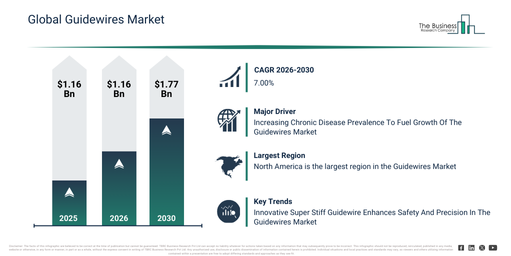
    The guidewires market has demonstrated strong progress over recent years. It is projected to increase from $2.6 billion in 2025 to $2.77 billion in 2026, achieving a compound annual growth rate (CAGR) of 6.7%. This historical growth has largely been fueled by the rise in cardiovascular and vascular procedures, broader use of catheter-based interventions, enhancements in guidewire materials, greater adoption of interventional radiology, and more hospital-based treatments. Looking ahead, the market is expected to continue this positive trajectory, reaching $3.63 billion by 2030, with an accelerated CAGR of 7.0%. Factors contributing to this forecast include an aging population, higher demand for minimally invasive therapies, expansion of neurovascular and peripheral procedures, ongoing innovations in guidewire coatings, and rising procedural volumes in outpatient settings. Key market trends in the upcoming years will involve greater use of hydrophilic and nitinol guidewires, broader adoption of minimally invasive techniques, increased application of specialty guidewires for complex anatomies, advancements in coated guidewire technologies, and a focus on precision during interventions.

    Download A Free Sample Report For Comprehensive Market Insights:

    https://www.thebusinessresearchcompany.com/sample.aspx?id=10623&type=smp

    Factors Influencing Increased Demand in the Guidewires Market

    One of the primary forces driving the guidewires market is the growing prevalence of chronic diseases. Chronic illnesses, which require long-term medical management, create ongoing demand for devices like guidewires that facilitate treatment. In particular, cardiovascular diseases—a major category of chronic conditions—rely heavily on guidewire-assisted interventions to navigate blood vessels and access the heart. The rise in chronic disease cases is expected to sustain market growth going forward. For example, in June 2024, the National Health Service (NHS) in the UK reported that 3,615,330 people registered with general practitioners were diagnosed with non-diabetic hyperglycemia (pre-diabetes) in 2023, marking an 18% increase compared to 3,065,825 cases in 2022. This increase highlights the broader trend of chronic disease escalation, which supports expanding demand for guidewires.

    Additional Drivers Supporting Market Expansion

    Technological progress and procedural innovations also contribute significantly to the rising demand for guidewires. As minimally invasive procedures become more common and sophisticated, the need for advanced guidewire designs that can navigate complex vascular anatomies with greater precision and safety grows. Moreover, the shift toward ambulatory surgical centers and outpatient interventions is increasing procedural volumes, further boosting the market. Continuous improvements in materials and coatings enhance guidewire performance, making them more effective and reliable tools during increasingly intricate medical procedures.

    Access The Complete Guidewires Market Report:

    https://www.thebusinessresearchcompany.com/report/guidewires-global-market-report

    Exploring the Diverse Segments Within the Guidewires Market

    This market is segmented across several categories to better understand product variety and application areas. Key divisions include:

    – Product Type: Interventional Guidewires and Diagnostic Guidewires

    – Material: Nitinol, Stainless Steel, and Hybrid options

    – Coating: Coated versus Non-Coated guidewires

    – Application Areas: Coronary, Peripheral, Urology, and Neurovascular guidewires

    – End-Users: Hospitals and Ambulatory Surgical Centers

    Further subcategories break down the product lines by specific features, such as interventional guidewires including hydrophilic, hydrophobic, nitinol, and stainless steel types, while diagnostic guidewires are classified by tip shape: straight, angled, or J-tip models.

    Innovations and Trends Driving the Guidewires Industry Forward

    Leading companies in the guidewires field are focusing on new technologies to improve navigation and support during minimally invasive procedures. One notable advancement is the development of super stiff guidewires, which provide enhanced stiffness and stability to help clinicians maneuver catheters through challenging vascular pathways more safely and effectively. These innovations aim to improve patient outcomes by increasing precision and reducing risks. For example, in June 2024, Medtronic plc introduced the Steerant aortic guidewire designed specifically for aortic catheterization procedures such as endovascular aneurysm repair (EVAR) and thoracic EVAR (TEVAR). This guidewire features a 15-cm soft tip that transitions into a stiff body, protecting delicate aortic tissue. It is available in lengths tailored for EVAR and TEVAR procedures with a 0.035-inch diameter and a polytetrafluoroethylene-coated stainless steel construction. Additional features include a flexible tip and an 8-cm radiopaque spring for enhanced visibility to aid navigation and stent graft delivery while prioritizing patient safety.

    Key Players and Competitive Landscape in the Guidewires Market

    Several prominent companies lead the guidewires sector, including Boston Scientific Corporation, Medtronic plc, Terumo Corporation, Cook Group Incorporated, Abbott Laboratories, Asahi Intecc Co. Ltd., Olympus Corporation, B. Braun Melsungen AG, Teleflex Incorporated, AngioDynamics Inc., Merit Medical Systems Inc., Johnson & Johnson, MicroPort Medical Systems Inc., Penumbra Inc., Edwards Lifesciences Corporation, Stryker Corporation, Conmed Corporation, VasoNova Inc., Biosensors International Group Ltd., Coherex Medical Inc., and CryoCath Technologies Inc. These firms are highly active in research, development, and market expansion, helping to shape the industry’s trajectory.

    Regional Market Outlook and Growth Hotspots

    In 2025, North America held the dominant position in the guidewires market in terms of size. However, the Asia-Pacific region is expected to register the fastest growth rates during the forecast period. The market report encompasses a global view, covering key regions such as Asia-Pacific, South East Asia, Western Europe, Eastern Europe, North America, South America, the Middle East, and Africa, providing a comprehensive perspective on regional demand and expansion opportunities.

    Get in touch with us:

    The Business Research Company: https://www.thebusinessresearchcompany.com/

    Americas: +1 310-496-7795

    Asia: +44 7882 955267 & +91 8897263534

    Europe: +44 7882 955267

    Email us at: marketing@tbrc.info

    Follow us on:

    LinkedIn: https://in.linkedin.com/company/the-business-research-company

    YouTube: https://www.youtube.com/channel/UC24_fI0rV8cR5DxlCpgmyFQ

    Global Market Model: https://www.thebusinessresearchcompany.com/global-market-model
  • Gowns, Masks And Gloves Market Forecast Highlights Expansion From $18.8 Billion To $28.9 Billion Through 2030

    Gowns, Masks And Gloves Market Forecast Highlights Expansion From $18.8 Billion To $28.9 Billion Through 2030

    Through market attractiveness analysis, total addressable market evaluation, company benchmarking matrices, interactive Excel dashboards, expanded supply chain intelligence, emerging startup coverage, and detailed product insights, The Business Research Company’s 2026 market reports provide more actionable and strategically valuable research.

    The gowns, masks, and gloves industry has seen remarkable growth over recent years, driven by increasing safety concerns and expanding healthcare needs. This market is set to continue its upward trajectory as demands evolve for more sustainable and technologically advanced protective equipment. Let’s explore the current market status, key factors influencing its growth, different market segments, strategic trends, major players, and regional outlook.

    Market Size and Growth Prospects in the Gowns, Masks and Gloves Market

    The gowns, masks, and gloves market has experienced rapid expansion and is projected to grow from $16.86 billion in 2025 to $18.8 billion in 2026, reflecting a compound annual growth rate (CAGR) of 11.5%. The surge observed in previous years is linked to stricter workplace safety regulations, heightened concerns about healthcare-associated infections, the growth of manufacturing and industrial sectors, increased usage of protective gear in healthcare environments, and greater awareness about occupational safety.

    Download A Free Sample Report For Comprehensive Market Insights:

    https://www.thebusinessresearchcompany.com/sample.aspx?id=9332&type=smp

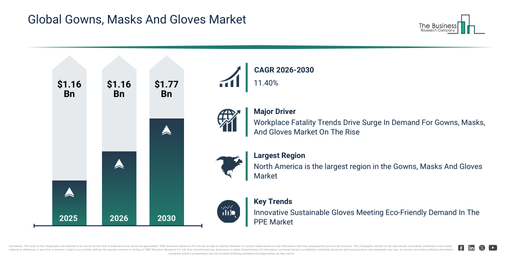
    Looking ahead, the market is expected to maintain strong momentum, reaching $28.91 billion by 2030 with a CAGR of 11.4%. Factors contributing to this forecast include growing demand for environmentally friendly protective equipment, investments in advanced materials technology, expansion of healthcare infrastructure, increased emphasis on reusable and recyclable PPE, and the rise of digital procurement channels for safety products. Key trends shaping the market’s future encompass higher demand for disposable PPE, the use of sustainable and biodegradable materials, adoption of high-barrier protective clothing, growth in online PPE sales, and stronger focus on regulatory compliance and certifications.

    Primary Factors Propelling Growth in the Gowns, Masks and Gloves Market

    An important driver for this market is the increasing number of workplace fatalities, which highlights the critical need for protective equipment. Workplace fatalities refer to deaths resulting from incidents occurring on the job, and protective gear such as gowns, masks, and gloves acts as a barrier against injury and contamination by preventing the spread of germs.

    Access The Complete Gowns, Masks And Gloves Market Report:

    https://www.thebusinessresearchcompany.com/report/gowns-masks-and-gloves-global-market-report

    For example, in July 2024, the British Safety Council, a UK-based registered charity, reported that work-related deaths rose to 138 in 2023-24, up slightly from 136 the previous year. This upward trend in workplace fatalities is prompting stronger demand for protective apparel, thereby supporting the market’s continued expansion.

    Market Segments Highlighting Key Product and Usage Areas in Gowns, Masks and Gloves

    This market is categorized based on product types, usability, distribution channels, and end users. The product categories include gowns, masks, and gloves. Usability segments cover disposable and reusable options. Distribution channels involve hospital pharmacies, retail pharmacies, online sales, and institutional sales. End users consist of hospitals, clinics, diagnostic laboratories, pharmaceutical companies, food processing units, research and academic institutions, and other sectors.

    Further breakdowns include surgical gowns, isolation gowns, and non-surgical/examination gowns under gowns; surgical masks, respirator masks, and procedure masks under masks; and examination gloves, surgical gloves, and utility/protective gloves under gloves.

    Innovative Approaches Defining the Next Phase of Growth in the Market

    Leading companies in the gowns, masks, and gloves sector are increasingly focusing on innovation, especially around sustainability. The demand for gloves made from eco-friendly, biodegradable materials is growing as both consumers and industries prioritize environmental responsibility.

    For instance, in June 2023, UK-based manufacturer Unigloves launched a new sustainable glove line called Nitrex RP. These gloves are made from recycled plastics sourced from bottles and food containers, significantly reducing dependence on virgin materials. They are certified to the OEKO-TEX Standard 100, ensuring they are free of harmful substances, and meet EN388 standards for mechanical, cut, and impact protection. Additionally, many models are designed for comfort and even touchscreen compatibility, making them well-suited for various industrial uses.

    Key Players Influencing the Competitive Landscape in the Gowns, Masks and Gloves Market

    Some of the prominent companies operating in this market include 3M Company, Honeywell International Inc., Ansell Limited, DuPont de Nemours Inc., Alpha Pro Tech Limited, Mallcom Limited, Lakeland Industries Inc., Kimberly-Clark Corporation, Medline Industries Inc., Halyard Health Inc., Cardinal Health Inc., Dynarex Corporation, Semperit AG Holding, Hartalega Holdings Berhad, Kossan Rubber Industries Bhd, Supermax Corporation Berhad, Top Glove Corporation Bhd, Rubberex Corporation M Berhad, Adventa Berhad, Owens and Minor Inc., MCR Safety, and TIDI Products LLC.

    Regional Market Overview and Revenue Leaders in the Gowns, Masks and Gloves Sector

    In 2025, North America emerged as the largest market for gowns, masks, and gloves. However, the Asia-Pacific region is expected to witness the fastest growth during the forecast period. The market report covers several regions, including Asia-Pacific, South East Asia, Western Europe, Eastern Europe, North America, South America, the Middle East, and Africa, providing a comprehensive view of global market trends and opportunities.

    Get in touch with us:

    The Business Research Company: https://www.thebusinessresearchcompany.com/

    Americas: +1 310-496-7795

    Asia: +44 7882 955267 & +91 8897263534

    Europe: +44 7882 955267

    Email us at: marketing@tbrc.info

    Follow us on:

    LinkedIn: https://in.linkedin.com/company/the-business-research-company

    YouTube: https://www.youtube.com/channel/UC24_fI0rV8cR5DxlCpgmyFQ

    Global Market Model: https://www.thebusinessresearchcompany.com/global-market-model
  • GMP Cell Therapy Consumables Market Expected To Reach $73.95 Billion By 2030 As Growth Accelerates At 26.6% CAGR

    GMP Cell Therapy Consumables Market Expected To Reach $73.95 Billion By 2030 As Growth Accelerates At 26.6% CAGR

    Delivering more actionable and strategically valuable research, The Business Research Company’s 2026 market reports feature market attractiveness analysis, total addressable market evaluation, company benchmarking matrices, interactive Excel dashboards, expanded supply chain intelligence, emerging startup coverage, and detailed product insights.

    The market for GMP cell therapy consumables has experienced remarkable growth recently, driven by advances in cell therapy and regenerative medicine. As the demand for high-quality, standardized manufacturing inputs rises, this sector is poised for continued expansion through 2030. Let’s explore the current market size, growth drivers, key segments, innovation trends, major players, and regional potentials shaping this dynamic industry.

    Market Size and Projected Growth Trends in the GMP Cell Therapy Consumables Market

    The GMP cell therapy consumables market has seen rapid expansion in recent years, with its value expected to rise from $22.73 billion in 2025 to $28.79 billion in 2026, reflecting a strong compound annual growth rate (CAGR) of 26.7%. This growth during the recent past has been propelled by the increasing number of clinical cell therapy trials, advances in regenerative medicine research, broader adoption of GMP manufacturing protocols, growing investments in cell-based treatments, and availability of sophisticated cell culture tools.

    Download A Free Sample Report For Comprehensive Market Insights:

    https://www.thebusinessresearchcompany.com/sample.aspx?id=12014&type=smp

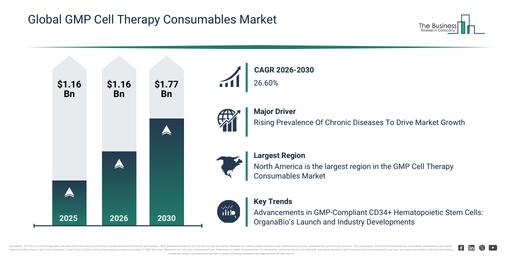
    Looking ahead, this market is projected to sustain its rapid growth, reaching $73.96 billion by 2030 with a CAGR of 26.6%. Factors fueling this future surge include the commercialization of new cell therapies, a rising need for scalable GMP-compliant production methods, the expansion of gene and immunotherapy pipelines, heightened focus on automation in manufacturing processes, and stricter regulatory oversight in cell therapy production. Emerging trends during the forecast period highlight greater demand for GMP-compliant consumables, increased use of single-use bioprocessing products, wider adoption of automated cell processing technologies, growth in standardized cell culture solutions, and intensified emphasis on quality and regulatory adherence.

    Primary Factors Driving Growth in the GMP Cell Therapy Consumables Market

    One of the main forces supporting market expansion is the rising incidence of chronic diseases worldwide. Chronic conditions, which persist for three months or longer and often worsen over time, are prompting intensified research and development in innovative cell therapies aimed at providing effective treatments. As cell therapy applications broaden to address various chronic illnesses, the need for GMP-grade consumables to ensure quality and safety during clinical trials is increasing significantly.

    Access The Complete GMP Cell Therapy Consumables Market Report:

    https://www.thebusinessresearchcompany.com/report/gmp-cell-therapy-consumables-global-market-report

    Additionally, stringent regulatory requirements and growing patient demand for cutting-edge therapies further reinforce this upward trend. For example, in June 2024, the National Health Service in the UK reported an 18% increase in individuals diagnosed with non-diabetic hyperglycemia or pre-diabetes, rising from 3,065,825 cases in 2022 to 3,615,330 in 2023. This surge in chronic condition prevalence highlights the expanding market potential for GMP cell therapy consumables.

    Breakdown of Key Segments Within the GMP Cell Therapy Consumables Market

    This market is categorized across several critical dimensions:

    1) By Product Type: including Kits, Reagents or Molecular Biology Reagents, Growth Factors or Cytokines and Interleukins, and Other Products.

    2) By Cell Therapy Type: covering NK Cell Therapy, Stem Cell Therapy, and T-Cell Therapy.

    3) By Process Phase: comprising Cell Collection and Characterization or Sorting and Separation, Cell Culture and Expansion or Preparation, Cryopreservation, Cell Processing and Formulation, and Cell Isolation and Activation.

    4) By End-Use: divided into Clinical and Commercial applications.

    Further subcategories include specific kit types such as Cell Culture Kits, Cell Isolation Kits, and Transfection Kits. Reagents are broken down into Buffers and Solutions, Enzymes, and Staining Reagents. Growth factors and cytokines include Hematopoietic Growth Factors and Immunomodulatory Cytokines. Other products consist of Cell Culture Vessels and Media and Supplements.

    Innovations and Technological Advances Shaping the GMP Cell Therapy Consumables Market

    Leading companies in this space are advancing GMP-compliant cellular products to support next-generation therapies. A notable innovation is the development of GMP-compliant CD34+ hematopoietic stem cells (HSCs), characterized by the CD34 marker and produced under stringent GMP conditions. For instance, in April 2024, OrganaBio, a pharmaceutical firm based in the US, introduced HematoPAC-HSC-CB-GMP, an on-demand supply of GMP-grade CD34+ HSCs sourced from fresh human cord blood. Leveraging expertise in cell isolation and GMP manufacturing, OrganaBio can produce high yields of viable HSCs within 24 hours of collection. This product aims to accelerate the development of cutting-edge treatments for blood cancers and genetic disorders.

    Top Companies Driving Competition in the GMP Cell Therapy Consumables Market

    The competitive landscape is shaped by several prominent players, including Thermo Fisher Scientific Inc., Merck KGaA, Lonza Group AG, Sartorius AG, Corning Incorporated, Avantor Inc., Fresenius Kabi AG, Miltenyi Biotec, Bio-Techne Corp, STEMCELL Technologies Inc., FUJIFILM Irvine Scientific Inc., BioLife Solutions Inc., PromoCell GmbH, PeproTech Inc., Sino Biological Inc., Wilson Wolf Corporation, Cellexus Ltd., MaxCyte Inc., BioLegend Inc., Repligen Corporation, and Terumo Corporation.

    Regional Market Overview and Growth Opportunities

    In 2025, North America dominated the GMP cell therapy consumables market in terms of size. However, the Asia-Pacific region is anticipated to experience the fastest growth throughout the forecast period. The report covers key geographic areas including Asia-Pacific, South East Asia, Western Europe, Eastern Europe, North America, South America, the Middle East, and Africa, providing a thorough global perspective on emerging opportunities and trends.

    Get in touch with us:

    The Business Research Company: https://www.thebusinessresearchcompany.com/

    Americas: +1 310-496-7795

    Asia: +44 7882 955267 & +91 8897263534

    Europe: +44 7882 955267

    Email us at: marketing@tbrc.info

    Follow us on:

    LinkedIn: https://in.linkedin.com/company/the-business-research-company

    YouTube: https://www.youtube.com/channel/UC24_fI0rV8cR5DxlCpgmyFQ

    Global Market Model: https://www.thebusinessresearchcompany.com/global-market-model
  • GMO Testing Market Set To Grow From $3.05 Billion In 2026 To $4.55 Billion By 2030 At A CAGR Of 10.5%

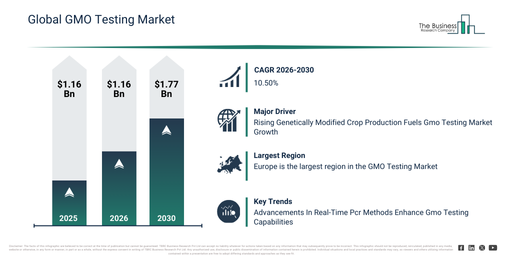
    GMO Testing Market Set To Grow From $3.05 Billion In 2026 To $4.55 Billion By 2030 At A CAGR Of 10.5%

    Enhanced with market attractiveness analysis, total addressable market evaluation, company benchmarking matrices, interactive Excel dashboards, expanded supply chain intelligence, emerging startup coverage, and detailed product insights, The Business Research Company’s 2026 market reports deliver more actionable and strategically valuable research.

    The GMO testing market has been experiencing significant expansion recently, driven by the growing global demand for food safety and transparency. As genetically modified crops become more widespread, the need for precise and reliable testing methods has intensified. This overview delves into the market’s current size, key factors influencing its growth, main players, and future trends shaping the industry.

    Market Size and Expected Growth in the GMO Testing Market

    The GMO testing market has witnessed rapid development over recent years and is projected to continue this trajectory. From a valuation of $2.75 billion in 2025, the market is expected to reach $3.06 billion in 2026, marking a compound annual growth rate (CAGR) of 11.0%. This growth during the historical period has been fueled by factors such as the expansion of global agricultural trade, heightened regulatory demands around food labeling, the increasing cultivation of genetically modified crops, rising consumer demand for GMO-free certifications, and the availability of standardized testing protocols.

    Download A Free Sample Report For Comprehensive Market Insights:

    https://www.thebusinessresearchcompany.com/sample.aspx?id=5601&type=smp

    Looking ahead, the market is set for further robust growth, anticipated to hit $4.55 billion by 2030 with a CAGR of 10.5%. Several key elements will drive this upward trend including wider adoption of advanced molecular diagnostic tools, strengthened focus on transparency in food production, more comprehensive international GMO regulations, greater investments in food safety infrastructure, and the growing use of automated testing platforms. Emerging trends predicted during this period encompass increased use of PCR-based GMO detection techniques, rising demand for high-sensitivity testing solutions, expanded application of rapid immunoassay methods, deeper penetration of GMO testing in processed food segments, and enhanced attention to supply chain traceability.

    Primary Factors Propelling Growth in the GMO Testing Market

    One major contributor to the GMO testing market’s expansion is the rising production of genetically modified crops. These crops are developed through genetic engineering techniques that insert new DNA sequences into plant genomes, with subsequent growth via tissue culture to generate plants that carry the modified traits. The seeds from such plants inherit characteristics like improved nutrition, resistance to diseases, phytoremediation capabilities, and optimized cell wall structures for biofuel processing. Increasing nutritional needs alongside stricter regulations on GMO food safety are fueling greater production volumes.

    Access The Complete GMO Testing Market Report:

    https://www.thebusinessresearchcompany.com/report/gmo-testing-global-market-report

    For instance, data from the United States Department of Agriculture in December 2023 highlights that Canada planted 11.7 million hectares of genetically engineered crops in 2023, mainly canola, soybeans, and corn. This represents a 4% rise from the previous year, largely due to expanded canola cultivation. This example underscores how increasing GM crop production is expected to continue driving growth within the GMO testing sector.

    Detailed Segmentation of the GMO Testing Market Reveals Revenue Drivers

    This report categorizes the GMO testing market into several major segments:

    1) Trait types including stacked traits, herbicide tolerance, and insect resistance.

    2) Testing technologies such as Polymerase Chain Reaction (PCR) and Immunoassay methods.

    3) Processed food categories like bakery and confectionery, meat products, breakfast cereals and snacks, food additives, and other processed foods.

    4) Crop types tested, including corn, soybean, rapeseed or canola, potato, and other crops.

    Further subsegments include multiple gene combinations and trait combination testing under stacked traits; glyphosate resistance and other herbicide resistance tests under herbicide tolerance; and Bt (Bacillus thuringiensis) trait testing along with other insect resistance traits.

    Innovations and Trends Shaping the Future of the GMO Testing Market

    Leading companies in the GMO testing market are focusing heavily on developing new PCR technologies to differentiate themselves and strengthen their market positions. PCR, a molecular biology technique that amplifies specific DNA segments, is central to this innovation.

    For example, in April 2023, US biotechnology firm Bio-Rad Laboratories introduced the ID-Check Speciation Solution, a real-time PCR-based tool for identifying animal species in food, feed, and environmental samples. This product offers rapid, sensitive detection targeting mitochondrial DNA across various species such as bovine, chicken, duck, goat, horse, sheep, swine, and turkey. It can detect species DNA at very low levels (as little as 0.001%) and employs a duplex detection system to improve accuracy and user convenience, helping verify raw materials and streamline production processes.

    Leading Players and Their Role in the GMO Testing Market

    The GMO testing market is dominated by several key companies including Thermo Fisher Scientific Inc., SGS S.A., Bureau Veritas SA, Intertek Group PLC, Eurofins Scientific SE, TÜV SÜD AG, Mérieux NutriSciences Corporation, Bio-Rad Laboratories Inc., ALS Limited, Romer Labs Diagnostic Inc., Microbac Laboratories Inc., AsureQuality Limited, OMIC USA Inc., EMSL Analytical Inc., FoodChain ID Inc., National Sanitation Foundation International, Genetic ID NA Inc., Symbio Laboratories Pty Ltd., Agilent Technologies Inc., EnviroLogix Inc., Geneius Laboratories Ltd., Qiagen N.V., Neogen Corporation, AsureQuality Pty Limited, Genetic ID Europe AG, and Silliker Inc. These organizations play crucial roles in advancing testing technologies and expanding market reach.

    Geographical Insights and Regional Market Leadership

    As of 2025, Europe held the largest share within the GMO testing market. However, North America is projected to be the fastest-growing region during the forecast period. The comprehensive market analysis includes key territories such as Asia-Pacific, South East Asia, Western Europe, Eastern Europe, North America, South America, the Middle East, and Africa, providing a global perspective on growth opportunities and challenges.

    Get in touch with us:

    The Business Research Company: https://www.thebusinessresearchcompany.com/

    Americas: +1 310-496-7795

    Asia: +44 7882 955267 & +91 8897263534

    Europe: +44 7882 955267

    Email us at: marketing@tbrc.info

    Follow us on:

    LinkedIn: https://in.linkedin.com/company/the-business-research-company

    YouTube: https://www.youtube.com/channel/UC24_fI0rV8cR5DxlCpgmyFQ

    Global Market Model: https://www.thebusinessresearchcompany.com/global-market-model
  • Glucose Biosensors Market Opportunities Are Emerging Beyond Traditional Growth Areas

    Glucose Biosensors Market Opportunities Are Emerging Beyond Traditional Growth Areas

    Through market attractiveness analysis, total addressable market evaluation, company benchmarking matrices, interactive Excel dashboards, expanded supply chain intelligence, emerging startup coverage, and detailed product insights, The Business Research Company’s 2026 market reports provide more actionable and strategically valuable research.

    The glucose biosensors market has witnessed significant growth recently, driven by advancements in technology and a growing need for effective diabetes management tools. As the demand for precise and convenient glucose monitoring rises, this market is set to expand substantially in the coming years. Here is a detailed overview of the market’s size, key drivers, segmentation, emerging trends, major players, and regional outlook.

    Market Size and Growth Outlook in the Glucose Biosensors Market

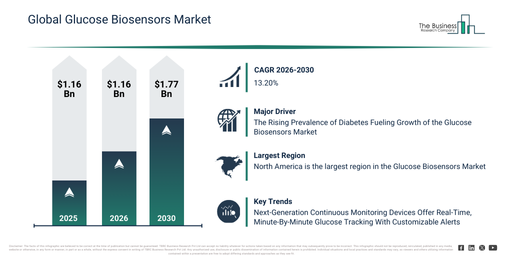
    The glucose biosensors market has experienced rapid expansion, with its size projected to increase from $16.72 billion in 2025 to $18.83 billion in 2026, reflecting a strong compound annual growth rate (CAGR) of 12.6%. This surge is largely due to the rising number of diabetes cases, growing preference for home-based monitoring, improvements in biosensor sensitivity, the increasing availability of point-of-care diagnostics, and heightened patient awareness about glucose control. Looking ahead, the market is expected to grow even faster, reaching $30.88 billion by 2030, with an anticipated CAGR of 13.2%. Factors contributing to this growth include wider adoption of digital diabetes management tools, a shift toward non-invasive monitoring methods, expansion of personalized healthcare, increased investments in biosensor research and development, and enhanced use of AI-driven glucose data analytics. Key trends shaping this future include greater use of continuous glucose monitoring systems, a rise in demand for wearable devices, integration with mobile health platforms, development of non-invasive technologies, and a stronger emphasis on real-time data accuracy.

    Download A Free Sample Report For Comprehensive Market Insights:

    https://www.thebusinessresearchcompany.com/sample.aspx?id=10708&type=smp

    Key Factors Fueling Growth in the Glucose Biosensors Market

    An important driver of market expansion is the increasing prevalence of diabetes worldwide. Diabetes occurs when the pancreas produces insufficient insulin or the body cannot effectively use the insulin available, necessitating regular blood glucose monitoring for effective disease management. Glucose biosensors provide patients with an accessible way to keep track of their glucose levels, helping them adjust their treatment plans accordingly. For example, in June 2024, the UK’s National Health Service reported a significant rise in pre-diabetic cases in England, with 3,615,330 individuals registered with general practitioners as having non-diabetic hyperglycemia—a roughly 20% increase from the previous year’s 3,065,825. This growing population at risk for diabetes is a major factor driving demand for glucose biosensors.

    Segmenting the Glucose Biosensors Market by Type, Technology, and Users

    The glucose biosensors market is organized into several key segments:

    1) Product Type, including Continuous Glucose Monitoring (CGM), Self-Monitoring Blood Glucose (SMBG), and Non-Invasive Glucose Monitoring.

    2) Technology, covering Electrochemical Biosensors and Optical Biosensors.

    3) End Users, such as Hospitals, Home Care settings, and Diagnostic Centers and Clinics.

    Further subcategories for CGM include Real-Time CGM Systems and Professional CGM Systems; SMBG is broken down into glucometers and test strips; Non-Invasive Monitoring features optical glucose sensors and transdermal sensors.

    Access The Complete Glucose Biosensors Market Report:

    https://www.thebusinessresearchcompany.com/report/glucose-biosensors-global-market-report

    Innovations and Market Trends Shaping Glucose Biosensors

    Leading companies in this market are focusing on creating advanced glucose monitoring devices that offer real-time insights and enhanced patient safety. Next-generation continuous glucose monitoring sensors provide glucose readings every few minutes, along with optional alerts for glucose level changes, which help both patients and healthcare providers manage diabetes more effectively. For instance, in August 2025, Abbott Laboratories introduced the FreeStyle Libre 2 Plus sensor—a next-generation device that delivers continuous glucose data every minute directly to compatible smartphones without the need for manual scanning. This sensor offers customizable alerts for high or low glucose, is designed for comfort over a 15-day wear period, is suitable for children aged 2 and above, and can sync with apps to share data with caregivers and clinicians.

    Key Players Leading the Glucose Biosensors Industry

    The glucose biosensors market features several prominent companies, including Abbott Laboratories, DexCom Inc., F. Hoffmann-La Roche AG, Medtronic plc, Senseonics Holdings, GlySens Incorporated, LifeScan Inc., Ascensia Diabetes Care Holdings Inc., Nova Biomedical Corporation, AgaMatrix Inc., Trividia Health, Ypsomed AG, Universal Biosensors Inc., SD Biosensor Inc., Taidoc Technology Corporation, Nipro Corporation, i-SENS Inc., ACON Laboratories Inc., ARKRAY Inc., and Menarini Diagnostics.

    Regional Market Insights Highlighting Leading Geography

    In 2025, North America was the largest regional market for glucose biosensors. The comprehensive market coverage also includes Asia-Pacific, South East Asia, Western Europe, Eastern Europe, South America, the Middle East, and Africa, providing a global perspective on market trends and growth opportunities.

    Get in touch with us:

    The Business Research Company: https://www.thebusinessresearchcompany.com/

    Americas: +1 310-496-7795

    Asia: +44 7882 955267 & +91 8897263534

    Europe: +44 7882 955267

    Email us at: marketing@tbrc.info

    Follow us on:

    LinkedIn: https://in.linkedin.com/company/the-business-research-company

    YouTube: https://www.youtube.com/channel/UC24_fI0rV8cR5DxlCpgmyFQ

    Global Market Model: https://www.thebusinessresearchcompany.com/global-market-model