Category: Medical Equipment

  • Construction Aggregate Market Trends And Growth Drivers Point To Strong Future Potential

    Construction Aggregate Market Trends And Growth Drivers Point To Strong Future Potential

    Delivering more actionable and strategically valuable research, The Business Research Company’s 2026 market reports feature market attractiveness analysis, total addressable market evaluation, company benchmarking matrices, interactive Excel dashboards, expanded supply chain intelligence, emerging startup coverage, and detailed product insights.

    The construction aggregate market has witnessed notable growth recently, driven by expanding urban development and infrastructure projects worldwide. As the demand for essential building materials continues to rise, this sector is set for significant advancements. Let’s explore the current market size, growth factors, leading players, innovative trends, and regional opportunities shaping the future of the construction aggregate industry.

    Current Market Size and Growth Outlook for the Construction Aggregate Market

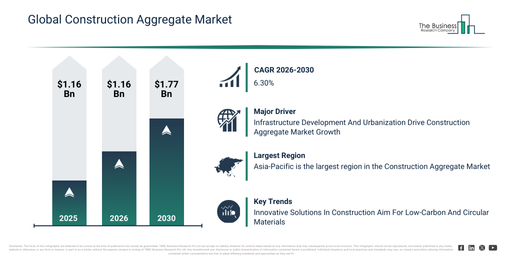
    The construction aggregate market has experienced robust growth and is projected to climb further. From $430.1 billion in 2025, it is expected to reach $457.57 billion in 2026, marking a compound annual growth rate (CAGR) of 6.4%. This progress has been driven by increasing urban construction projects, heightened demand for roads and bridges, the surge in commercial real estate developments, expanded quarrying activities, and the availability of vast aggregate reserves. Looking ahead, the market is anticipated to expand to $584.68 billion by 2030, maintaining a CAGR of 6.3%. Key contributors to this growth include rising investments in infrastructure updates, a push toward sustainable building materials, the development of smart cities, growing use of recycled aggregates, and a heightened need for high-performance concrete. Emerging trends during this period include greater adoption of recycled and manufactured aggregates, demand for stronger construction materials, growth in large infrastructure projects, increased use of automated crushing and screening, and a stronger focus on environmentally responsible quarrying practices.

    Download A Free Sample Report For Comprehensive Market Insights:

    https://www.thebusinessresearchcompany.com/sample.aspx?id=19010&type=smp

    Infrastructure Development as a Catalyst for Construction Aggregate Market Growth

    The ongoing expansion of infrastructure and urban areas is a significant force propelling the construction aggregate market forward. Infrastructure and urbanization involve developing essential facilities like transportation networks and utilities to support growing populations and their evolving needs in cities. This growth is fueled by demographic shifts, economic advancement, and the rising demand for improved public infrastructure and services in urban centers. Construction aggregates—materials such as sand, gravel, and crushed stone—are critical in building roads, bridges, and other structures that underpin urban growth and modernization. For example, data from The World Bank released in April 2023 shows that about 56% of the global population, or 4.4 billion people, lived in cities in 2023, a figure expected to rise to nearly 70% by 2050. This urban migration is directly linked to growing aggregate demand driven by infrastructure development.

    Detailed Segmentation Within the Construction Aggregate Market

    This market is categorized by several key dimensions to better understand its landscape:

    1) By Type of Aggregate: Sand, Gravel, Crushed Stone, and Other Types

    2) By Mode of Transportation: Truck, Train, and Ship

    3) By Application: Residential, Commercial, Infrastructure, and Industrial Uses

    Further breakdowns include:

    – Sand types split into Natural Sand and Manufactured Sand

    – Gravel types divided into Crushed Gravel and River Gravel

    – Crushed stone varieties covering Limestone, Granite, Traprock, and Sandstone

    – Other aggregates including Recycled Aggregate, Lightweight Aggregate, and Specialty Aggregate

    This detailed segmentation helps identify where demand is concentrated and the various material preferences across different sectors.

    Access The Complete Construction Aggregate Market Report:

    https://www.thebusinessresearchcompany.com/report/construction-aggregate-global-market-report

    Innovations and Sustainability Leading the Construction Aggregate Market Forward

    Key players in the construction aggregate sector are pushing for innovative, sustainable approaches that set new benchmarks for environmentally friendly building materials. These efforts focus on reducing carbon emissions and enhancing circular economy practices within construction ecosystems. For instance, in January 2024, Heidelberg Materials introduced evoBuild, a global brand dedicated to low-carbon and circular construction products. The evoBuild line requires at least a 30% reduction in CO2 emissions compared to standard benchmarks or includes a minimum of 30% recycled content. This initiative improves transparency, promotes sustainability, and aligns with Heidelberg’s goal of generating half of its revenue from sustainable products by 2030. Such innovation reflects a broader industry commitment to greener construction practices.

    Key Players Competing in the Construction Aggregate Market

    The construction aggregate market is dominated by several influential companies including Holcim Group, CRH plc, China National Building Material Co. Ltd, Colas Group, Siam Cement Group (SCG), CEMEX S.A.B. de C.V., Heidelberg Materials AG, EUROVIA Kamenolomy AS, Vulcan Materials Company, Martin Marietta Materials Inc., Fletcher Building, Buzzi S.p.A., Boral Limited, Tarmac, LSR Group, Adbri Limited, Rogers Group Inc., Carmeuse, CEMROS, Eagle Materials Inc., and SRC Group. These firms play a critical role in shaping market trends, advancing technology, and expanding global reach.

    Regional Market Outlook Highlighting Key Growth Areas

    Asia-Pacific stood out as the largest regional market for construction aggregates in 2025. Other regions covered in the market analysis include South East Asia, Western Europe, Eastern Europe, North America, South America, the Middle East, and Africa. The Asia-Pacific region’s dominance is largely due to rapid urbanization, infrastructure expansion, and industrial growth, positioning it as a key area for ongoing and future market development. Other regions are also experiencing steady growth driven by localized infrastructure projects and construction initiatives.

    Get in touch with us:

    The Business Research Company: https://www.thebusinessresearchcompany.com/

    Americas: +1 310-496-7795

    Asia: +44 7882 955267 & +91 8897263534

    Europe: +44 7882 955267

    Email us at: marketing@tbrc.info

    Follow us on:

    LinkedIn: https://in.linkedin.com/company/the-business-research-company

    YouTube: https://www.youtube.com/channel/UC24_fI0rV8cR5DxlCpgmyFQ

    Global Market Model: https://www.thebusinessresearchcompany.com/global-market-model
  • Connected Wearable Patches Market Expansion Is Reshaping Competitive Dynamics Across The Industry

    Connected Wearable Patches Market Expansion Is Reshaping Competitive Dynamics Across The Industry

    Enhanced with market attractiveness analysis, total addressable market evaluation, company benchmarking matrices, interactive Excel dashboards, expanded supply chain intelligence, emerging startup coverage, and detailed product insights, The Business Research Company’s 2026 market reports deliver more actionable and strategically valuable research.

    The connected wearable patches market is rapidly evolving, driven by technological advances and growing health awareness among consumers. As these devices become more integrated into daily life, especially for health monitoring and fitness tracking, the market is set for substantial growth. Let’s explore the current market size, key factors influencing its expansion, prominent players, emerging trends, and regional dynamics shaping this sector.

    Market Size and Anticipated Growth Trajectory of the Connected Wearable Patches Market

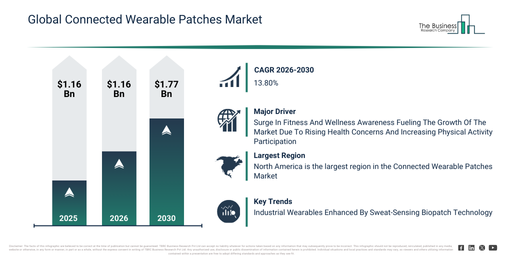
    The connected wearable patches market has seen significant growth recently, expanding from $6.42 billion in 2025 to an expected $7.32 billion in 2026, representing a compound annual growth rate (CAGR) of 14.1%. This rise during the historical period is mainly due to limited prior adoption of wearable tech, dependence on traditional monitoring tools, a growing number of chronic disease cases, early clinical trials involving wearable patches, and increasing awareness about patient-centered healthcare. Looking ahead, the market is predicted to surge further, reaching $12.26 billion by 2030 with a CAGR of 13.8%. Key drivers include miniaturization and improved connectivity of sensors, seamless integration with smartphones and cloud platforms, increasing demand for continuous glucose and cardiac monitoring, wider use in sports and wellness tracking, and enhanced regulatory support and reimbursement policies. Important trends shaping this future growth encompass expanded remote patient monitoring and telehealth, broader adoption of non-invasive glucose monitoring methods, rising usage in fitness and sports performance, growth in transdermal drug delivery applications, and heightened emphasis on data accuracy, sensor reliability, and patient safety.

    Download A Free Sample Report For Comprehensive Market Insights:

    https://www.thebusinessresearchcompany.com/sample.aspx?id=25725&type=smp

    Fitness and Wellness Awareness Driving Connected Wearable Patches Demand

    One of the foremost factors propelling the connected wearable patches market is the rising awareness around fitness and well-being. As more people recognize the value of regular exercise and healthy living to prevent chronic illnesses, the demand for devices that support these lifestyles has grown. Connected wearable patches facilitate this by continuously tracking vital health parameters, offering real-time feedback, and encouraging users to maintain active, healthier routines. For example, in June 2024, the International Food Information Council (IFIC), a US-based nonprofit, reported that 54% of Americans followed a specific diet or eating pattern in the past year. Notably, the interest in increasing protein intake rose steadily from 59% in 2022 to 67% in 2023, reaching 71% in 2024. Additionally, nearly half of consumers are aiming to increase consumption of fresh foods, widely regarded as the healthiest option. Such shifts in consumer behavior are contributing to the growth of the connected wearable patches market.

    Technological Enhancements and Healthcare Integration Supporting Market Growth

    Advancements in sensor technology and connectivity are playing a crucial role in expanding the capabilities and applications of wearable patches. These improvements allow for more accurate, continuous monitoring and seamless data sharing with healthcare providers and digital platforms. This connectivity is enhancing patient care by enabling earlier diagnosis, better disease management, and more personalized treatment plans. Furthermore, growing acceptance of telehealth and remote monitoring solutions is creating new opportunities for wearable patches to become essential tools in managing chronic conditions and supporting wellness initiatives.

    Access The Complete Connected Wearable Patches Market Report:

    https://www.thebusinessresearchcompany.com/report/connected-wearable-patches-global-market-report

    Detailed Segmentation Highlights Opportunities in Connected Wearable Patches Market

    The connected wearable patches market is categorized into several key segments:

    1) By Type: Glucose Monitoring Patches, Cardiac Monitoring Patches, Electromyography (EMG) Patches, Transdermal Drug Delivery Patches, Electroencephalography (EEG) Patches, and other types

    2) By Sensor Technology: Electrocardiography (ECG), Photoplethysmography (PPG), Accelerometry, Gyroscope, Temperature Sensing

    3) By Distribution Channel: Online Stores, Pharmacies, Specialty Stores, Other Channels

    4) By Application: Remote Patient Monitoring, Fitness and Wellness Monitoring, Drug Delivery, Sports and Performance Monitoring, Other Applications

    5) By End User: Hospitals, Home Care, Fitness Centers, Research Institutions, Other End Users

    Within these categories, subsegments provide further granularity. For example, glucose monitoring patches include continuous glucose monitoring (CGM), flash glucose monitoring (FGM), non-invasive patches, and adhesive enzyme-based types. Cardiac patches cover electrocardiography monitoring, arrhythmia detection, remote cardiac telemetry, and Holter monitoring. EMG patches comprise surface, wireless sensor, multi-channel, and rehabilitation monitoring types. Transdermal drug delivery patches involve nicotine, hormone replacement therapy, pain management (such as fentanyl), neurological drugs, and anti-hypertensive patches. EEG patches include sleep monitoring, seizure detection, brain-computer interface, and cognitive performance monitoring. Other patch types focus on hydration, temperature, sweat analysis, oxygen saturation, and respiratory rate monitoring.

    Innovations in Technology Transforming the Connected Wearable Patches Market

    Leading companies in the connected wearable patches space are embracing cutting-edge technologies, such as sweat-sensing biopatch platforms that offer real-time, personalized hydration data, particularly valuable for industrial workers exposed to heat stress. These biopatches integrate multiple biosensors to track fluid and electrolyte loss, body temperature, and movement patterns, providing proactive hydration management. A notable example is Epicore Biosystems, a US-based digital health innovator, which in April 2024 launched Connected Hydration alongside a companion mobile app. This next-generation wearable patch features a flexible, non-rechargeable biopatch with a 1,000-hour battery life, delivers dehydration alerts through haptic feedback, and allows users to monitor fluid intake and biometric trends via the app. The device’s rugged design is certified for hazardous environments and leverages machine learning trained on over 420,000 field data points to optimize performance.

    Who Are the Key Players in the Connected Wearable Patches Market?

    The connected wearable patches sector includes several prominent companies shaping its landscape. Some of the leading participants are Abbott Laboratories, Medtronic plc, Koninklijke Philips NV, GE HealthCare Technologies Inc, ZOLL Medical Corporation, Dexcom Inc, Insulet Corporation, MicroPort Scientific Corporation, iRhythm Technologies Inc, Linxens Holding SAS, Biotricity Inc, Blue Spark Technologies Inc, Epicore Biosystems Inc, Cardiac Insight Inc, Delsys Incorporated, G Tech Medical Inc, Leaf Healthcare Inc, VivaLNK Inc, BioIntelliSense Inc, MC10 Inc, LifeSignals Group Inc, and Preventice Solutions Inc. These companies are at the forefront of innovation and market expansion.

    Regional Market Landscape and Growth Prospects

    In 2025, North America accounted for the largest share of the connected wearable patches market. However, the Asia-Pacific region is expected to experience the fastest growth during the forecast period. The market analysis encompasses regions such as Asia-Pacific, South East Asia, Western Europe, Eastern Europe, North America, South America, the Middle East, and Africa, offering a comprehensive global perspective on this expanding industry.

    Get in touch with us:

    The Business Research Company: https://www.thebusinessresearchcompany.com/

    Americas: +1 310-496-7795

    Asia: +44 7882 955267 & +91 8897263534

    Europe: +44 7882 955267

    Email us at: marketing@tbrc.info

    Follow us on:

    LinkedIn: https://in.linkedin.com/company/the-business-research-company

    YouTube: https://www.youtube.com/channel/UC24_fI0rV8cR5DxlCpgmyFQ

    Global Market Model: https://www.thebusinessresearchcompany.com/global-market-model
  • Cryoablation Devices Market Growth Is Reshaping Competitive Advantage Across The Industry

    Cryoablation Devices Market Growth Is Reshaping Competitive Advantage Across The Industry

    Delivering more actionable and strategically valuable research, The Business Research Company’s 2026 market reports feature market attractiveness analysis, total addressable market evaluation, company benchmarking matrices, interactive Excel dashboards, expanded supply chain intelligence, emerging startup coverage, and detailed product insights.

    The cryoablation devices market is experiencing rapid expansion, driven by advances in minimally invasive treatments and a growing need to address various medical conditions. With ongoing innovations and increasing adoption across multiple therapeutic areas, this market is set to continue its strong growth trajectory through 2030. Let’s explore the current market size, the key factors pushing growth, leading players, and emerging trends shaping the future of cryoablation technologies.

    Cryoablation Devices Market Size and Growth Expectations

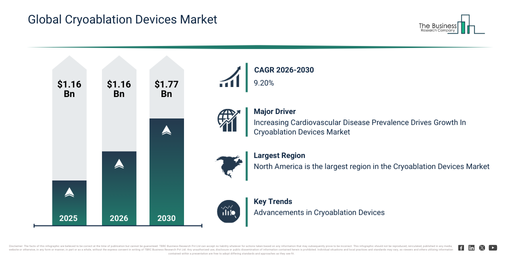
    The market for cryoablation devices has seen swift growth recently, with revenues projected to rise from $0.61 billion in 2025 to $0.67 billion in 2026. This reflects a compound annual growth rate (CAGR) of 10.3%. The historical increase is largely driven by the rising prevalence of cancer and cardiac arrhythmias, widespread adoption of minimally invasive procedures, expansion of interventional oncology treatments, growth in cardiac electrophysiology services, and improved outcomes from cryoablation therapies. Moving forward, the market is anticipated to reach $0.96 billion by 2030, growing at a CAGR of 9.2%. This forecast growth is fueled by increased demand for organ-preserving cancer treatments, preference for minimally invasive surgery alternatives, greater use of ablation in early disease stages, expansion of specialized treatment centers, and continual technological improvements in ablation probes and systems. Key trends expected during this period include a surge in minimally invasive cryoablation procedures, more frequent applications in oncology and cardiology, wider adoption of image-guided ablation approaches, growth in outpatient and ambulatory treatments, and a rising need for precision-controlled tissue ablation.

    Download A Free Sample Report For Comprehensive Market Insights:

    https://www.thebusinessresearchcompany.com/sample.aspx?id=17121&type=smp

    Factors Driving Market Growth Related to Cardiovascular Disease

    The rising incidence of cardiovascular diseases is a significant factor contributing to the growth of the cryoablation devices market. Cardiovascular diseases encompass a broad range of disorders affecting the heart and blood vessels, including coronary artery disease, hypertension, heart failure, arrhythmias, and stroke. This increase in prevalence is associated with aging populations, growing obesity rates, and heightened exposure to risk factors such as smoking and pollution. Cryoablation plays a critical role in cardiology by treating arrhythmias like atrial fibrillation through controlled lesion creation in heart tissue, which disrupts abnormal electrical signals and restores normal heart rhythms, thereby improving patient quality of life. For example, in 2023, Blackpool recorded 185 deaths due to cardiovascular disease, up from 178 in 2022, as reported by the UK’s Joint Strategic Needs Assessment in early 2025. Such data highlight how the growing burden of cardiovascular conditions is expected to drive demand for cryoablation devices.

    The Impact of Increasing Healthcare Spending on Cryoablation Device Adoption

    Another important factor encouraging market expansion is the rise in healthcare expenditure globally. Healthcare spending covers all medical services, public health initiatives, and health-related goods aimed at improving population health. This increase is largely attributed to the escalating prevalence of chronic diseases, which require continuous treatment, long-term medication, and ongoing medical care. Elevated healthcare budgets enable hospitals and clinics to invest in advanced minimally invasive technologies like cryoablation devices, increase procedural capacities, and broaden patient access to cutting-edge therapies. For instance, in 2023, healthcare spending in the United States rose by 7.5% to reach $4.9 trillion, averaging around $14,570 per person, according to the Centers for Medicare & Medicaid Services report from December 2024. This upward trend in healthcare investment is a key element driving the cryoablation devices market.

    Access The Complete Cryoablation Devices Market Report:

    https://www.thebusinessresearchcompany.com/report/cryoablation-devices-global-market-report

    Detailed Segmentation of the Cryoablation Devices Market

    This report breaks down the cryoablation devices market into several categories for a clearer understanding of revenue sources:

    1) By Type: including Probe, Tissue Contact Probe Ablators, Epidermal and Subcutaneous Cryoablation Systems, Systems, Generators, Accessories and consumables

    2) By Application: covering Cardiology, Oncology, and Other Applications

    3) By End-Use: encompassing Hospitals, Ambulatory Surgical Centers, Specialty Centers, and Other End-Users

    Further subcategories include:

    – Probes such as Cryoprobes, Thermal Probes, and Radiofrequency Probes

    – Tissue Contact Probe Ablators like Microwave Ablators, RF Ablators, Ultrasound Ablators

    – Epidermal and Subcutaneous Cryoablation Systems classified as Spray-Based and Contact-Based Systems

    – Systems divided into Standalone and Integrated Systems

    – Generators categorized into High-Frequency and Low-Frequency Generators

    – Accessories and Consumables including Needles, Catheters, Gas Cartridges, and Cooling Agents

    Innovations Enhancing the Cryoablation Devices Market

    Leading companies in the cryoablation sector are concentrating on developing innovative products to improve treatment precision and efficacy, such as advanced cryoprobes. These instruments are vital in cryotherapy, which involves freezing tissue to treat tumors, lesions, and other abnormal growths. For example, in May 2023, Varian—a Siemens Healthineers company—introduced the Isolis cryoprobe, a single-use disposable device designed to boost accuracy and efficiency in cryoablation procedures. It provides clinicians with enhanced control through its sharp tip and can integrate with Siemens Healthineers’ myNeedle Laser guidance system for precise probe placement, supporting better clinical outcomes.

    Top Companies Leading the Cryoablation Devices Market

    The cryoablation devices market features several prominent players, including Medtronic plc, Boston Scientific Corporation, CooperSurgical Inc., MicroPort Scientific Corporation, AtriCure Inc., Vimecon GmbH, Erbe Elektromedizin GmbH, MedGyn Products Inc., HealthTronics Inc., METRUM CRYOFLEX Sp. z o.o., Adagio Medical Inc., Channel Medsystems Inc., CPSI Biotech, CryoTherapeutics GmbH, Endocare Inc., Galil Medical Ltd., Sanarus Technologies Inc., IceCure Medical Ltd., AngioDynamics Inc., and CryoConcepts GmbH. These companies are actively shaping the market landscape through product development, strategic partnerships, and expanding distribution networks.

    Regional Market Dynamics and Growth Potential

    In 2025, North America held the largest share of the cryoablation devices market, reflecting strong adoption and developed healthcare infrastructure. Looking ahead, Asia-Pacific is expected to be the fastest-growing market region during the forecast period. The report also includes analysis of other key regions such as South East Asia, Western Europe, Eastern Europe, South America, the Middle East, and Africa, providing a comprehensive view of global market trends and opportunities.

    Get in touch with us:

    The Business Research Company: https://www.thebusinessresearchcompany.com/

    Americas: +1 310-496-7795

    Asia: +44 7882 955267 & +91 8897263534

    Europe: +44 7882 955267

    Email us at: marketing@tbrc.info

    Follow us on:

    LinkedIn: https://in.linkedin.com/company/the-business-research-company

    YouTube: https://www.youtube.com/channel/UC24_fI0rV8cR5DxlCpgmyFQ

    Global Market Model: https://www.thebusinessresearchcompany.com/global-market-model
  • Connected Medical Device Market Forecast Reveals Where Future Industry Value Will Be Created

    Connected Medical Device Market Forecast Reveals Where Future Industry Value Will Be Created

    Through market attractiveness analysis, total addressable market evaluation, company benchmarking matrices, interactive Excel dashboards, expanded supply chain intelligence, emerging startup coverage, and detailed product insights, The Business Research Company’s 2026 market reports provide more actionable and strategically valuable research.

    The connected medical device market is experiencing remarkable growth, driven by technological advancements and the increasing need for efficient healthcare solutions. As healthcare systems adopt more digital tools and patient-centric approaches, this market is set to expand significantly in the coming years. Let’s delve into the current market size, key growth factors, segment details, strategic trends, and leading players shaping this industry.

    Connected Medical Device Market Size and Growth Projections

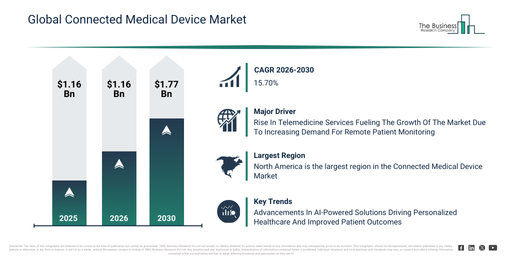
    The connected medical device market has seen rapid expansion recently. From $56.74 billion in 2025, it is expected to grow to $65.78 billion in 2026, registering a compound annual growth rate (CAGR) of 15.9%. This earlier growth phase was influenced by challenges such as limited connectivity infrastructure in healthcare facilities, slow digital technology adoption, reliance on traditional patient monitoring systems, a rise in chronic diseases, and the increasing need for real-time patient data collection. Looking ahead, the market is projected to almost double, reaching $117.68 billion by 2030 with a CAGR of 15.7%. The forecasted growth will be fueled by the expansion of wearable and implantable devices, greater investments in telehealth and remote monitoring, integration with artificial intelligence for predictive analytics, rising adoption of home and long-term care, and supportive regulatory frameworks. Key trends expected to shape the future include the merging of connected devices with electronic health records (EHRs), widespread use of remote patient monitoring, expansion of chronic disease management programs, enhanced data analytics to aid clinical decisions, and increased attention to home-based healthcare and telemedicine services.

    Download A Free Sample Report For Comprehensive Market Insights:

    https://www.thebusinessresearchcompany.com/sample.aspx?id=24510&type=smp

    Telemedicine as a Catalyst for Market Growth

    The rise in telemedicine services is poised to significantly boost the connected medical device market’s expansion. Telemedicine involves delivering medical care and consultations remotely, eliminating the need for in-person doctor visits. This approach offers patients quick and convenient access to healthcare from their homes, reducing travel time and associated costs. The growing preference for telemedicine supports the demand for connected medical devices by enabling continuous remote monitoring of patients. These devices transmit real-time health data to healthcare providers, allowing for accurate diagnosis and timely interventions without physical appointments. For example, as of April 2025, the American Hospital Association reported that over 12.6% of Medicare beneficiaries received telehealth services in the last quarter of 2023. Furthermore, the United States is expected to face a shortage of up to 86,000 physicians by 2036, making telehealth a critical solution to address this gap. Therefore, the increasing use of telemedicine will continue to drive demand for connected medical devices.

    Advancements and Strategic Trends Shaping the Connected Medical Device Market

    Leading companies in the connected medical device sector are investing heavily in sophisticated solutions, especially those powered by artificial intelligence (AI), to create personalized healthcare experiences. AI-driven platforms analyze vast amounts of data, make informed decisions, and automate tasks with minimal human involvement. For instance, in October 2023, US-based technology firm ZS launched the ZAIDYN Connected Health solution, which delivers AI-powered insights to pharmaceutical companies, healthcare providers, and payers. This platform identifies gaps in care and offers personalized recommendations for patients, physicians, and manufacturers to improve access to treatment and coordination. Additionally, ZAIDYN’s patient engagement features tailor support to individual needs, boosting the effectiveness of patient programs. The platform also employs advanced digital tools for connected research, gathering reliable evidence that helps healthcare organizations validate innovations and support strategic decision-making.

    Access The Complete Connected Medical Device Market Report:

    https://www.thebusinessresearchcompany.com/report/connected-medical-device-global-market-report

    Breakdown of Key Segments in the Connected Medical Device Market

    This market is classified into several primary segments:

    1) Product Type: wearable devices, implantable devices, and stationary devices

    2) Connectivity Technology: Bluetooth, Wi-Fi, cellular, and other technologies

    3) Applications: remote patient monitoring, telemedicine, clinical decision support, chronic disease management, fitness and wellness, and other uses

    4) End-User: hospitals and clinics, home care settings, long-term care facilities, ambulatory surgical centers, and others

    Further subcategories within these segments include various device types:

    – Wearable devices such as fitness trackers, smartwatches, continuous glucose monitors, wearable ECG monitors, blood pressure monitors, pulse oximeters, and sleep trackers

    – Implantable devices like cardiac pacemakers, implantable cardioverter defibrillators (ICDs), neurostimulators, cochlear implants, implantable glucose sensors, and drug delivery implants

    – Stationary devices including remote patient monitoring stations, telehealth kiosks, connected imaging devices, ventilators, dialysis machines, and infusion pumps

    Prominent Companies Leading the Connected Medical Device Industry

    Several major players dominate the connected medical device landscape, including Johnson and Johnson, Abbott Laboratories, Medtronic plc, F Hoffmann La Roche Ltd, Siemens Healthineers AG, Fresenius Medical Care AG and Co KGaA, Becton Dickinson and Company, Koninklijke Philips NV, GE Healthcare Technologies Inc, Boston Scientific Corporation, Baxter International Inc, Olympus Corporation, Terumo Corporation, Garmin Ltd, ResMed Inc, Omron Healthcare Inc, Epitel Inc, Masimo Corporation, AliveCor Inc, DexCom Inc, Insulet Corporation, and iRhythm Technologies Inc. These companies are at the forefront of innovation, continuously driving competitive growth through new technologies and strategic collaborations.

    Regional Market Insights and Growth Outlook

    North America held the largest share of the connected medical device market in 2025, reflecting a mature healthcare infrastructure and strong technology adoption. Meanwhile, the Asia-Pacific region is expected to be the fastest-growing market during the forecast period, driven by increasing healthcare investments, rising chronic disease prevalence, and expanding digital health initiatives. The market report also covers other key regions such as South East Asia, Western Europe, Eastern Europe, South America, the Middle East, and Africa, providing a comprehensive view of global market dynamics.

    Get in touch with us:

    The Business Research Company: https://www.thebusinessresearchcompany.com/

    Americas: +1 310-496-7795

    Asia: +44 7882 955267 & +91 8897263534

    Europe: +44 7882 955267

    Email us at: marketing@tbrc.info

    Follow us on:

    LinkedIn: https://in.linkedin.com/company/the-business-research-company

    YouTube: https://www.youtube.com/channel/UC24_fI0rV8cR5DxlCpgmyFQ

    Global Market Model: https://www.thebusinessresearchcompany.com/global-market-model
  • Critical Care Equipment Market Forecast Signals New Revenue Opportunities Through 2030

    Critical Care Equipment Market Forecast Signals New Revenue Opportunities Through 2030

    Enhanced with market attractiveness analysis, total addressable market evaluation, company benchmarking matrices, interactive Excel dashboards, expanded supply chain intelligence, emerging startup coverage, and detailed product insights, The Business Research Company’s 2026 market reports deliver more actionable and strategically valuable research.

    The critical care equipment market is witnessing significant growth driven by advances in medical technology and an increasing need for sophisticated patient monitoring and life-support devices. With rising cases of chronic and critical illnesses worldwide, the demand for such equipment is expected to expand substantially over the coming years. Below is a detailed overview of market size, growth factors, segmentation, trends, leading companies, and regional dynamics shaping this vital healthcare sector.

    Critical Care Equipment Market Size and Growth Outlook

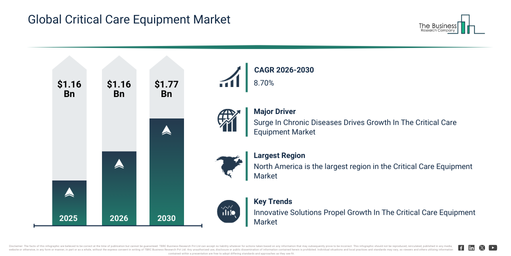
    The market for critical care equipment has experienced strong growth recently and is projected to continue this upward trajectory. From an estimated value of $6.11 billion in 2025, it is expected to reach $6.66 billion in 2026, growing at a compound annual growth rate (CAGR) of 9.1%. This historical growth has been driven by factors such as the rising incidence of chronic and critical diseases, expansion of intensive care facilities, increased adoption of advanced life-support devices, greater use of multiparameter monitoring systems, and the availability of cutting-edge medical electronics. Looking ahead, the market is forecasted to grow further to $9.3 billion by 2030, with a CAGR of 8.7%. Key growth drivers during this period include investments in smart ICU solutions, expansion of tele-ICU services, the rising demand for remote critical care monitoring, and stronger emphasis on patient safety and clinical outcomes. Additionally, trends such as AI-powered clinical analytics, portable ICU equipment, automation of ICU workflows, and enhanced remote patient monitoring are expected to shape the market landscape.

    Download A Free Sample Report For Comprehensive Market Insights:

    https://www.thebusinessresearchcompany.com/sample.aspx?id=9427&type=smp

    Chronic Diseases as a Major Factor in Market Growth

    One of the primary forces behind the expansion of the critical care equipment market is the increasing prevalence of chronic diseases globally. Chronic illnesses, characterized by their long-lasting nature and need for ongoing medical management, often require intensive monitoring and treatment in specialized care units. Critical care equipment plays a vital role in supporting organ function and managing complications arising from these conditions. For example, the World Health Organization reported that chronic diseases contributed to 41 million deaths worldwide in 2022, accounting for 74 percent of total deaths. Furthermore, 17 million people died prematurely from chronic conditions before the age of 70. By 2025, the number of individuals affected by chronic diseases is projected to reach approximately 164 million. This growing patient population is a fundamental factor driving demand for advanced critical care technologies.

    Expanding Need for Advanced Critical Care Devices

    Critical care equipment is essential for managing severe illnesses such as surgical complications, serious infections, and respiratory disorders. Devices that enable continuous monitoring and life support improve patient outcomes by providing precise data and timely intervention capabilities. As healthcare facilities upgrade their intensive care units, the adoption of sophisticated ventilators, infusion pumps, and patient monitors continues to rise. These devices are crucial for supporting patients with compromised organ functions, ensuring they receive appropriate respiratory support and medication delivery.

    Access The Complete Critical Care Equipment Market Report:

    https://www.thebusinessresearchcompany.com/report/critical-care-equipment-global-market-report

    Structure of the Critical Care Equipment Market

    The critical care equipment market can be segmented into several key categories. By product type, it includes patient monitors, ventilators, infusion pumps, and other devices. Patient monitors are further divided into vital signs monitors, cardiac monitors, and multi-parameter monitors. Ventilators consist of invasive, non-invasive, portable, and high-frequency varieties. Infusion pumps are categorized as syringe pumps, volumetric pumps, and smart infusion pumps. Other products include defibrillators, suction devices, and temperature management systems. In terms of patient type, the market serves adult, geriatric, pediatric, and neonatal populations. End users encompass hospitals, intensive care units (ICUs), emergency care centers, and specialty critical care facilities, reflecting diverse applications across healthcare settings.

    Innovations and Market Trends Boosting Industry Development

    Leading companies in the critical care equipment sector are focused on developing innovative solutions to meet the growing demand for efficient respiratory support and patient monitoring. Mechanical ventilators, in particular, have seen significant advancements, offering improved precision and automation compared to older models. These devices assist or replace natural breathing by delivering controlled airflow and oxygen, enhancing care for patients with impaired lung function. For example, in January 2023, Sweden-based medical technology firm Getinge AB introduced the Servo-C mechanical ventilator. This product features lung-protective therapeutic options suitable for both pediatric and adult patients. It includes capabilities such as CO2 monitoring, visualization of volume and pressure targets, 360-degree alarm visibility, high flow therapy, and personalized lung protection alongside enhanced monitoring tools.

    Key Players Shaping the Critical Care Equipment Market

    The competitive landscape of the critical care equipment market features numerous prominent companies. Some of the major players include AKAS Medical, B. Braun Melsungen AG, BPL Medical Technologies Pvt. Ltd., Drägerwerk AG & Co. KGaA, General Electric Company, Koninklijke Philips N.V., MAQUET Holding B.V. & Co. KG, Medtronic plc, Nihon Kohden Corporation, Skanray Technologies Ltd., Smiths Medical Inc., Getinge AB, Fresenius Kabi AG, Baxter International Inc., Hamilton Medical AG, Fisher & Paykel Healthcare Limited, Abbott Laboratories, Edwards Lifesciences Corporation, Teleflex Incorporated, Becton Dickinson and Company, ICU Medical Inc., Masimo Corporation, Mindray Medical International Limited, ZOLL Medical Corporation, Hill-Rom Holdings Inc., Stryker Corporation, Terumo Corporation, and Siemens Healthineers AG. These organizations continue to drive innovation and expand their product portfolios to address evolving clinical requirements.

    Regional Market Distribution and Growth Drivers

    In 2025, North America held the largest share of the critical care equipment market, demonstrating strong healthcare infrastructure and technology adoption in the region. Other important regions covered in the market analysis include Asia-Pacific, South East Asia, Western Europe, Eastern Europe, South America, the Middle East, and Africa. While North America leads in market size, emerging economies in Asia-Pacific and other regions are expected to contribute significantly to future growth, driven by expanding healthcare access and increased investments in critical care facilities.

    Get in touch with us:

    The Business Research Company: https://www.thebusinessresearchcompany.com/

    Americas: +1 310-496-7795

    Asia: +44 7882 955267 & +91 8897263534

    Europe: +44 7882 955267

    Email us at: marketing@tbrc.info

    Follow us on:

    LinkedIn: https://in.linkedin.com/company/the-business-research-company

    YouTube: https://www.youtube.com/channel/UC24_fI0rV8cR5DxlCpgmyFQ

    Global Market Model: https://www.thebusinessresearchcompany.com/global-market-model
  • Connected Health Personal Medical Devices Market Growth Through 2030 Creates New Strategic Opportunities

    Connected Health Personal Medical Devices Market Growth Through 2030 Creates New Strategic Opportunities

    Delivering more actionable and strategically valuable research, The Business Research Company’s 2026 market reports feature market attractiveness analysis, total addressable market evaluation, company benchmarking matrices, interactive Excel dashboards, expanded supply chain intelligence, emerging startup coverage, and detailed product insights.

    The connected health personal medical devices market has experienced remarkable growth recently, driven by technological advancements and changing healthcare needs. As healthcare increasingly shifts toward remote and personalized approaches, these devices are becoming essential tools for monitoring and managing health conditions outside traditional clinical settings. Let’s explore the current market size, growth factors, important segments, innovative trends, key players, and regional dynamics shaping this rapidly evolving industry.

    Connected Health Personal Medical Devices Market Size and Revenue Growth Projections

    The connected health personal medical devices market has witnessed rapid expansion in recent years. It is projected to grow from $45.71 billion in 2025 to $52.68 billion in 2026, reflecting a compound annual growth rate (CAGR) of 15.2%. Historical growth was influenced by limited availability of connected health devices, a reliance on traditional in-clinic monitoring, slow uptake of wearable technologies, rising prevalence of chronic illnesses, and the absence of standardized healthcare IT infrastructure.

    Download A Free Sample Report For Comprehensive Market Insights:

    https://www.thebusinessresearchcompany.com/sample.aspx?id=24509&type=smp

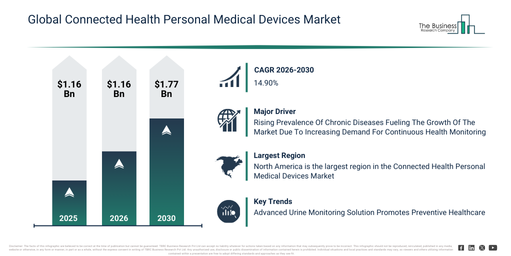
    Looking ahead, the market is expected to maintain strong growth, reaching $91.9 billion by 2030 at a CAGR of 14.9%. This surge will be propelled by advances in smart wearable medical devices, expansion of home healthcare options, deeper integration with cloud-based health platforms, increased patient participation in self-monitoring, and growing use of predictive and real-time analytics for tailored care. Key trends anticipated in this period include widespread adoption of remote patient monitoring tools, seamless integration of wearable health devices with mobile applications, greater utilization of smart pill dispensers and glucose monitors, emphasis on managing chronic diseases and preventive care, and the growing reach of telemedicine and home healthcare services.

    Rising Prevalence of Chronic Diseases as a Market Growth Driver

    One of the primary factors accelerating demand for connected health personal medical devices is the increasing incidence of chronic diseases. These long-lasting health conditions develop gradually and often require continuous medical management. A sedentary lifestyle, characterized by prolonged inactivity and minimal exercise, contributes significantly to the rise in conditions such as heart disease and diabetes. Connected health devices enable real-time monitoring of these chronic illnesses, facilitating effective management of diseases like diabetes and hypertension from home.

    Access The Complete Connected Health Personal Medical Devices Market Report:

    https://www.thebusinessresearchcompany.com/report/connected-health-personal-medical-devices-global-market-report

    By providing consistent health data and timely alerts, these devices reduce the frequency of clinic visits, enhancing patient convenience and health outcomes. For example, in June 2024, the UK’s National Health Service reported that 3,615,330 people registered with general practitioners were diagnosed with non-diabetic hyperglycemia or pre-diabetes in 2023—an 18% increase from 3,065,825 cases in 2022. This growing burden of chronic diseases underscores the expanding need for connected health monitoring solutions.

    Segments Driving Revenue in the Connected Health Personal Medical Devices Market

    The connected health personal medical devices market is organized into several key segments:

    1) By Solution: Healthcare IT, Health Information Exchange, Healthcare Analytics

    2) By Product: Insulin Pumps, Blood Pressure (BP) Monitors, Portable GPS Personal Emergency Response Systems (PERS), Glucose Monitors, Personal Pulse Oximeters, Smart Pill Dispensers, Personal Electrocardiograms (ECG)

    3) By Connectivity: Bluetooth, Wi-Fi, Cellular, Other Connectivity Options

    4) By Application: Chronic Disease Management, Fitness and Wellness, Home Healthcare, Other Applications

    5) By End User: Hospitals, Clinics, Homecare Settings, Other End Users

    Further subcategories include:

    – Healthcare IT solutions such as Electronic Health Records (EHR), Telemedicine, Mobile Health (mHealth) apps, and E-Prescribing systems

    – Health Information Exchange methods including Directed Exchange, Query-Based Exchange, Consumer-Mediated Exchange, and Cloud-Based Platforms

    – Healthcare Analytics types comprising Descriptive, Predictive, Prescriptive, and Real-Time Analytics

    How Innovations are Shaping the Connected Health Personal Medical Devices Market

    Top companies in this market are channeling efforts to create cutting-edge products aimed at improving preventive care and ease of use, particularly advanced in-home diagnostic systems. These devices empower individuals to monitor and manage health conditions at home, reducing the need for frequent visits to healthcare facilities.

    For instance, in January 2023, Withings, a health technology company based in France, introduced U-Scan—a hands-free urine analysis system designed to fit inside a toilet bowl. Using a replaceable cartridge capable of conducting daily tests for up to three months, U-Scan analyzes critical hydration and nutrition biomarkers. It connects to a smartphone app to deliver real-time health insights and tailored recommendations, making routine health tracking seamless and non-invasive, thus encouraging proactive wellness management.

    Key Players and Their Strategic Roles in the Connected Health Personal Medical Devices Market

    Some of the leading corporations shaping this market include Johnson and Johnson, F Hoffmann La Roche AG, Abbott Laboratories, Medtronic plc, Siemens Healthineers, Becton Dickinson and Company, GE HealthCare, Philips Healthcare, Omron Healthcare, Masimo Corporation, Oura Health Oy, Whoop Inc, Withings, Eko Health Inc, TytoCare Ltd, AliveCor Inc, DarioHealth Corp, iHealth Labs Inc, Samsung Electronics, Biostrap, Aktiia, Ava Science Inc, Bloomlife Inc, Movano Health, Oxitone Medical Ltd, and Qardio Inc. These companies are actively innovating to meet growing consumer demands and expand their market presence.

    Regional Dynamics and Market Leadership in Connected Health Personal Medical Devices

    In 2025, North America held the largest share of the connected health personal medical devices market, establishing itself as the dominant region. However, the Asia-Pacific region is projected to be the fastest-growing market during the forecast period. The market report provides insights across various global regions including Asia-Pacific, South East Asia, Western Europe, Eastern Europe, North America, South America, the Middle East, and Africa, offering a comprehensive perspective on regional growth and opportunities.

    Get in touch with us:

    The Business Research Company: https://www.thebusinessresearchcompany.com/

    Americas: +1 310-496-7795

    Asia: +44 7882 955267 & +91 8897263534

    Europe: +44 7882 955267

    Email us at: marketing@tbrc.info

    Follow us on:

    LinkedIn: https://in.linkedin.com/company/the-business-research-company

    YouTube: https://www.youtube.com/channel/UC24_fI0rV8cR5DxlCpgmyFQ

    Global Market Model: https://www.thebusinessresearchcompany.com/global-market-model
  • Connected Health and Wellness Solutions Market Size Projected To Increase From $101.68 Billion To $238.58 Billion During The Forecast Period

    Connected Health and Wellness Solutions Market Size Projected To Increase From $101.68 Billion To $238.58 Billion During The Forecast Period

    Enhanced with market attractiveness analysis, total addressable market evaluation, company benchmarking matrices, interactive Excel dashboards, expanded supply chain intelligence, emerging startup coverage, and detailed product insights, The Business Research Company’s 2026 market reports deliver more actionable and strategically valuable research.

    The connected health and wellness solutions market is rapidly evolving, driven by technological advances and increasing consumer interest in health management. As digital health tools become more integrated into daily life, the market is set to experience substantial growth, reshaping how health and wellness services are delivered worldwide. Below is a detailed examination of the market’s current scale, growth drivers, segmentation, emerging trends, competitive landscape, and regional outlook.

    Connected Health and Wellness Solutions Market Size and Growth Trajectory

    The connected health and wellness solutions sector has witnessed remarkable expansion recently. Market value is forecasted to rise from $82.06 billion in 2025 to $101.69 billion in 2026, representing a compound annual growth rate (CAGR) of 23.9%. This surge during the historic period is largely fueled by increased smartphone use, broader internet access, heightened health awareness among consumers, a surge in wearable technologies, growing demand for home-based health monitoring, and greater acceptance of digital health platforms.

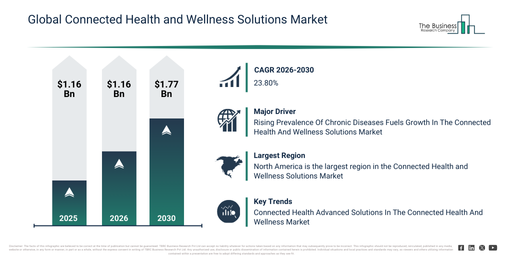
    Looking ahead, the market is expected to continue this rapid growth, reaching $238.59 billion by 2030 with a CAGR of 23.8%. Factors driving this momentum include wider adoption of AI-powered health analytics, rising popularity of continuous health monitoring tools, expansion of virtual care models, stronger focus on managing chronic diseases, and deeper integration of connected devices within healthcare systems. Key trends shaping the market involve the adoption of remote monitoring devices, the rise of wearable health technologies, increased use of telehealth services, growing mobile health app ecosystems, and an emphasis on preventive care and wellness tracking.

    Download A Free Sample Report For Comprehensive Market Insights:

    https://www.thebusinessresearchcompany.com/sample.aspx?id=6766&type=smp

    The Rising Impact of Chronic Disease Management on Market Growth

    A significant force propelling the connected health and wellness solutions market is the growing prevalence of chronic diseases. These conditions, characterized by long durations and the need for ongoing care, limit daily activities and require sustained medical attention. Connected health solutions play a crucial role in managing chronic illnesses by enabling remote monitoring, supporting medication adherence, and delivering personalized treatment plans that improve patient outcomes.

    For example, data from March 2025 by the UK Department of Health and Social Care’s Office for Health Improvement & Disparities showed that the prevalence of type 2 diabetes among adults aged 17 and over in England increased to 7.0% in March 2024, up from 6.8% in March 2023. This upward trend in chronic disease incidence is expected to continue driving demand for connected health and wellness technologies.

    How the Connected Health and Wellness Solutions Market Is Categorized

    This report breaks down the connected health and wellness solutions market into several key segments:

    1) By Product: Personal Medical Devices, Wellness Products, Software & Services

    2) By Function: Clinical Monitoring, Telehealth

    3) By Application: Diagnosis & Treatment, Wellness and Prevention, Monitoring, Other Applications

    Further distinctions within these categories include:

    – Personal Medical Devices such as wearable health monitors, remote patient monitoring tools, connected inhalers, and medication adherence devices

    – Wellness Products including smart scales, body composition monitors, sleep trackers, sleep aids, and smart thermometers

    – Software and Services like mobile health applications (mHealth apps), telehealth platforms and services, and data analytics and health management solutions

    Access The Complete Connected Health and Wellness Solutions Market Report:

    https://www.thebusinessresearchcompany.com/report/connected-health-and-wellness-solutions-global-market-report

    Technological Advancements and Innovation Trends Influencing Market Dynamics

    Leading companies in this space are heavily investing in cutting-edge technologies to enhance product capabilities and healthcare outcomes. A notable example is the release of the ZAIDYN connected health solution, which supports pharmaceutical companies, healthcare providers, and payers in addressing unmet needs, improving patient engagement, and delivering better health results.

    In October 2023, ZS Associates Group, Inc., a US-based management consulting and technology firm, launched the AI-powered ZAIDYN Connected Health solution as part of its ZAIDYN platform. This innovative offering includes three product suites that focus on bridging healthcare gaps and fostering a patient-centered future through health insights, patient interaction, and connected research.

    Top Companies Driving the Connected Health and Wellness Solutions Market

    Key players shaping the competitive landscape of this market include:

    Omron Healthcare Inc., Koninklijke Philips N.V., GE Healthcare Technologies Inc., Abbott Laboratories, Apple Inc., Garmin Ltd., Masimo Corporation, ResMed Inc., Medtronic PLC, Boston Scientific Corporation, Microlife AG, AgaMatrix Inc., Dexcom Inc., Withings S.A., Polar Electro Oy, Suunto Oy, iHealth Labs Inc., AliveCor Inc., Oura Health Oy, WHOOP Inc., Samsung Electronics Co. Ltd., and Xiaomi Corporation.

    Regional Market Distribution and Growth Opportunities

    As of 2025, North America holds the largest share in the connected health and wellness solutions market. Meanwhile, the Asia-Pacific region is projected to be the fastest-growing market throughout the forecast period. Other regions covered in the market analysis include South East Asia, Western Europe, Eastern Europe, South America, the Middle East, and Africa, providing a comprehensive view of global market trends and regional potential.

    Get in touch with us:

    The Business Research Company: https://www.thebusinessresearchcompany.com/

    Americas: +1 310-496-7795

    Asia: +44 7882 955267 & +91 8897263534

    Europe: +44 7882 955267

    Email us at: marketing@tbrc.info

    Follow us on:

    LinkedIn: https://in.linkedin.com/company/the-business-research-company

    YouTube: https://www.youtube.com/channel/UC24_fI0rV8cR5DxlCpgmyFQ

    Global Market Model: https://www.thebusinessresearchcompany.com/global-market-model
  • Creatine Supplement Market Growth Is Accelerating As Industry Transformation Continues

    Creatine Supplement Market Growth Is Accelerating As Industry Transformation Continues

    Through market attractiveness analysis, total addressable market evaluation, company benchmarking matrices, interactive Excel dashboards, expanded supply chain intelligence, emerging startup coverage, and detailed product insights, The Business Research Company’s 2026 market reports provide more actionable and strategically valuable research.

    The creatine supplement market has experienced significant growth in recent years, driven by rising interest in fitness and athletic performance. As more people become health-conscious and participate in sports, the demand for creatine supplements continues to rise. This overview explores the market’s size, key growth factors, segmentation, leading companies, and regional dynamics shaping its future.

    Market Size and Growth Projections for the Creatine Supplement Market

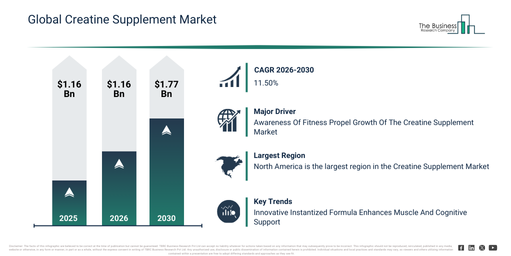
    The creatine supplement market has expanded rapidly, with its size expected to increase from $1.66 billion in 2025 to $1.85 billion in 2026, reflecting a compound annual growth rate (CAGR) of 11.4%. Historically, growth has been fueled by the popularity of fitness and bodybuilding, higher involvement in sports, greater consumer awareness regarding performance-enhancing supplements, the growing number of gyms and fitness centers, and the availability of widely recognized supplement brands. Looking ahead, the market is anticipated to reach $2.86 billion by 2030, growing at a CAGR of 11.5%. This surge will be driven by factors such as the aging population’s demand for muscle health support, increased adoption of sports nutrition by casual users, expansion of e-commerce platforms for nutrition products, a stronger focus on evidence-based supplementation, and product differentiation strategies. Key trends forecasted include the rising preference for high-purity creatine supplements, the growing popularity of micronized creatine formulations, expansion of online sales channels, attention to clean-label and certified products, as well as innovative creatine derivatives.

    Download A Free Sample Report For Comprehensive Market Insights:

    https://www.thebusinessresearchcompany.com/sample.aspx?id=19018&type=smp

    Fitness Awareness as a Primary Growth Driver in the Creatine Supplement Market

    One of the main factors propelling the creatine supplement market is the growing awareness around fitness. This increased attention to fitness is linked to a rise in health consciousness, the prevalence of lifestyle-related diseases, and a general push for improved overall well-being. Creatine supplements are recognized for enhancing physical performance by supporting muscle growth and endurance, which further boosts their popularity within fitness routines. For example, according to data from Eurostat published in July 2024, the sports sector in the European Union employed 1.55 million people in 2023, representing 0.76% of the total workforce—a 2.2% increase compared to 2022’s 1.51 million. This statistic highlights how growing interest in fitness is positively impacting the creatine supplement market.

    Additional Factors Fueling Demand in the Creatine Supplement Market

    Aside from fitness awareness, the creatine supplement market benefits from other drivers such as the expansion of gyms and fitness centers worldwide and the increasing availability of mass-market supplement brands. These factors contribute to broader consumer access and acceptance, encouraging more people to incorporate creatine supplements into their health and exercise regimens.

    Access The Complete Creatine Supplement Market Report:

    https://www.thebusinessresearchcompany.com/report/creatine-supplement-global-market-report

    How the Creatine Supplement Market Is Structured by Segments and Applications

    This market is categorized across several key segments:

    1) Composition types include Creatine Monohydrate, Creatine Ethyl Ester, Creatine Hydrochloride, Creatine Nitrate, and other creatine derivatives.

    2) Product forms consist of powders, capsules or tablets, and other forms.

    3) Target groups cover athletes, bodybuilders, fitness enthusiasts, elderly populations, and other consumer segments.

    4) Applications span muscle building, endurance enhancement, recovery acceleration, cognitive function improvement, and various other uses.

    5) Sales channels include online stores, brick-and-mortar outlets, health food stores, fitness centers, and other retail paths.

    Within these categories, further subsegments exist, such as micronized, unflavored, and flavored forms of creatine monohydrate; capsule and powder forms of creatine ethyl ester and hydrochloride; pre- and post-workout creatine nitrate products; and other derivatives like creatine magnesium chelate, anhydrous, and pyruvate.

    Innovative Formulations and Product Developments Defining Market Trends

    Leading companies in the creatine supplement sector are focusing on innovation, particularly in the development of instantized creatine monohydrate powders that dissolve quickly and improve absorption and convenience. These advanced formulations aim to boost effectiveness and user experience. For instance, BrainMD, a US-based supplement provider, launched Smart Creatine+ in July 2024. This product combines instantized creatine monohydrate with ingredients that support cellular energy production, ATP balance, brain health, cognitive function, and muscle development, helping consumers meet both fitness and mental performance goals.

    Key Industry Players Driving Competition in the Creatine Supplement Market

    The competitive landscape of the creatine supplement market features prominent companies such as Glanbia PLC, GNC Holdings Inc., AlzChem AG, Swanson Health Products Inc., NOW Foods, Myprotein, Universal Nutrition Inc., BPI Sports LLC, MuscleTech, MusclePharm, Kaged Muscle LLC, Optimum Nutrition Inc., Weider Global Nutrition LLC, Bio-Engineered Supplements and Nutrition Inc., Cellucor, BulkSupplements.com Inc., Nutrex Research Inc., Dymatize Enterprises LLC, Sheer Strength Labs LLC, and Transparent Labs.

    Regional Market Insights Highlighting Revenue Leaders

    North America held the leading position in the creatine supplement market in 2025. The comprehensive market report also covers key regions such as Asia-Pacific, South East Asia, Western Europe, Eastern Europe, South America, the Middle East, and Africa, providing a global perspective on market dynamics and opportunities.

    Get in touch with us:

    The Business Research Company: https://www.thebusinessresearchcompany.com/

    Americas: +1 310-496-7795

    Asia: +44 7882 955267 & +91 8897263534

    Europe: +44 7882 955267

    Email us at: marketing@tbrc.info

    Follow us on:

    LinkedIn: https://in.linkedin.com/company/the-business-research-company

    YouTube: https://www.youtube.com/channel/UC24_fI0rV8cR5DxlCpgmyFQ

    Global Market Model: https://www.thebusinessresearchcompany.com/global-market-model
  • Congestive Heart Failure Treatment Devices Market Growth Outlook Reveals A CAGR Of 7.2% And A Market Value Of $30.06 Billion By 2030

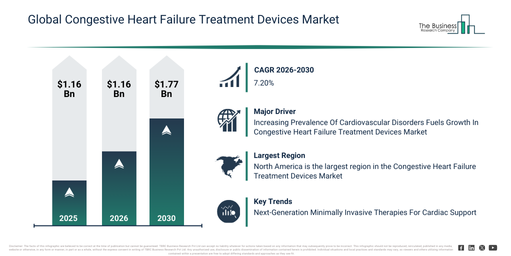
    Congestive Heart Failure Treatment Devices Market Growth Outlook Reveals A CAGR Of 7.2% And A Market Value Of $30.06 Billion By 2030

    Through market attractiveness analysis, total addressable market evaluation, company benchmarking matrices, interactive Excel dashboards, expanded supply chain intelligence, emerging startup coverage, and detailed product insights, The Business Research Company’s 2026 market reports provide more actionable and strategically valuable research.

    The market for congestive heart failure treatment devices has been showing remarkable growth, driven by advancements in cardiac care and rising health concerns. This sector is evolving rapidly due to increasing cardiovascular disease rates and technological innovations, making it a critical area of focus for healthcare providers globally. Let’s explore the current market size, key growth drivers, segmentation, industry trends, leading players, and regional outlook.

    Recent Growth and Market Forecasts of the Congestive Heart Failure Treatment Devices Market

    The congestive heart failure treatment devices market has experienced significant expansion in recent years. From a valuation of $21.07 billion in 2025, it is expected to grow to $22.76 billion in 2026, reflecting a strong compound annual growth rate (CAGR) of 8.0%. This growth during the historical period has been largely influenced by the rising number of congestive heart failure cases, a surge in cardiovascular disease incidence, wider adoption of implantable cardiac devices, development of specialized cardiac care centers, and better survival rates among heart failure patients. Looking ahead, the market is set to reach $30.07 billion by 2030, growing at a CAGR of 7.2%. Key factors supporting this growth include an aging population susceptible to heart failure, increased demand for minimally invasive cardiac treatments, greater emphasis on early disease intervention and management, expanding availability of advanced heart failure therapies in emerging economies, and rising uptake of long-term mechanical circulatory support systems.

    Download A Free Sample Report For Comprehensive Market Insights:

    https://www.thebusinessresearchcompany.com/sample.aspx?id=15774&type=smp

    Factors Supporting the Market’s Expansion Through Cardiovascular Disease Prevalence

    A major factor propelling the congestive heart failure treatment devices market is the growing prevalence of cardiovascular disorders worldwide. These disorders, which affect the heart and blood vessels, include conditions like coronary artery disease, hypertension, and heart failure, all of which impair blood circulation and heart function. The increase in cardiovascular diseases is closely linked to lifestyle risk factors such as obesity, sedentary behavior, unhealthy diets, and the aging global population. Devices for treating congestive heart failure play a vital role in managing these conditions by regulating heart rhythms and improving cardiac function, thereby enhancing patient outcomes significantly. For instance, data from the Centers for Disease Control and Prevention in October 2024 highlighted that cardiovascular disease caused 919,032 deaths in 2023 in the United States alone, accounting for one in every three fatalities. Coronary heart disease was the most common form, with nearly one in six cardiovascular deaths occurring in adults under 65 years of age. This alarming trend underscores the increasing demand for effective congestive heart failure treatment devices.

    Segmentation Overview of the Congestive Heart Failure Treatment Devices Market

    The report classifies the congestive heart failure treatment devices market into various segments based on product types, applications, and end-users. Key product categories include cardiac pacemakers, implantable cardioverter defibrillators (ICDs), cardiac resynchronization therapy devices (CRT), counter pulsation devices, and ventricular assist devices (VADs). Within applications, the market is divided into left ventricular assist devices (LVAD), right ventricular assist devices (RVAD), and biventricular assist devices (BIVAD). The end-user segment covers hospitals and clinics, specialized cardiovascular disease treatment centers, and ambulatory surgery centers. Further subdivisions include types of pacemakers (single chamber, dual chamber, biventricular), ICDs (traditional, subcutaneous, CRT-D), CRT devices (CRT-P, CRT-D), counter pulsation devices (intra-aortic balloon pumps, external counterpulsation devices), and VADs (LVAD, RVAD, BiVAD).

    Access The Complete Congestive Heart Failure Treatment Devices Market Report:

    https://www.thebusinessresearchcompany.com/report/congestive-heart-failure-treatment-devices-global-market-report

    Industry Innovations Shaping the Future of Congestive Heart Failure Treatment Devices

    Leading players in the congestive heart failure treatment devices market are driving innovation by developing less invasive and more effective treatment options. A notable advancement is the implant-free atrial septostomy system, designed to provide hemodynamic relief without the need for permanent implants. This minimally invasive device creates a controlled opening in the atrial septum to reduce left atrial pressure and improve cardiac function in patients with heart failure. For example, in January 2025, Alleviant Medical Inc., a US-based company, achieved important FDA milestones for its novel no-implant interatrial shunt device. This technology offers a safer alternative by minimizing complications associated with implanted devices while improving symptoms, exercise capacity, and quality of life for chronic heart failure patients. Its goal is to ease the burden on the heart, relieve symptoms, and provide a new therapeutic option for patients with limited treatments available.

    Top Corporations Driving Competition in the Congestive Heart Failure Treatment Devices Market

    The congestive heart failure treatment devices market is highly competitive, with several key companies leading the way. Prominent industry participants include Medtronic plc, Abbott Laboratories, Boston Scientific Corporation, Biotronik SE & Co KG, LivaNova PLC, Berlin Heart GmbH, Jarvik Heart Inc, ReliantHeart Inc, Abiomed Inc, Lepu Medical Technology Co Ltd, Magenta Medical Ltd, MicroPort Inc, EBR Systems Inc, Syncardia Systems LLC, Oscor Inc, OSYPKA Medical GmbH, Calon Cardio-Technology, CoreWave SA, and Zoll Medical Corporation. These organizations are continually investing in research and development to offer cutting-edge cardiac devices that improve patient outcomes and expand market reach.

    Regional Market Share and Growth Outlook for Congestive Heart Failure Treatment Devices

    In 2025, North America held the largest share of the congestive heart failure treatment devices market, supported by advanced healthcare infrastructure, high disease prevalence, and strong product adoption. However, the Asia-Pacific region is anticipated to register the fastest growth during the forecast period, due to rising cardiovascular disease rates, expanding healthcare access, and increasing investments in cardiac care facilities. The market analysis also encompasses other key regions such as South East Asia, Western Europe, Eastern Europe, South America, the Middle East, and Africa, providing a broad perspective on global market trends and opportunities.

    Get in touch with us:

    The Business Research Company: https://www.thebusinessresearchcompany.com/

    Americas: +1 310-496-7795

    Asia: +44 7882 955267 & +91 8897263534

    Europe: +44 7882 955267

    Email us at: marketing@tbrc.info

    Follow us on:

    LinkedIn: https://in.linkedin.com/company/the-business-research-company

    YouTube: https://www.youtube.com/channel/UC24_fI0rV8cR5DxlCpgmyFQ

    Global Market Model: https://www.thebusinessresearchcompany.com/global-market-model
  • Congenital Heart Defect Devices Market Forecast Highlights Expansion From $3.34 Billion To $4.44 Billion Through 2030

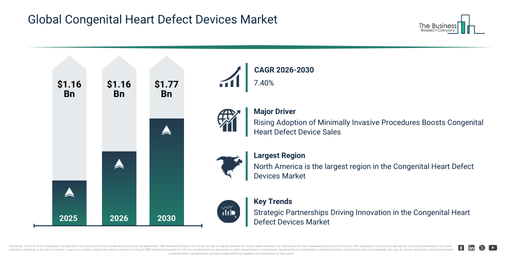
    Congenital Heart Defect Devices Market Forecast Highlights Expansion From $3.34 Billion To $4.44 Billion Through 2030

    Delivering more actionable and strategically valuable research, The Business Research Company’s 2026 market reports feature market attractiveness analysis, total addressable market evaluation, company benchmarking matrices, interactive Excel dashboards, expanded supply chain intelligence, emerging startup coverage, and detailed product insights.

    The congenital heart defect devices market has seen considerable progress recently, driven by advances in medical technology and increasing awareness of congenital heart conditions. As healthcare systems improve and innovations emerge, this market is set to experience steady growth in the coming years. Below, we delve into the current market size, key growth factors, leading companies, emerging trends, and regional outlook shaping this vital medical industry.

    Current Market Size and Growth Projections for Congenital Heart Defect Devices

    The market for congenital heart defect devices has expanded significantly over recent years. It is projected to grow from $3.11 billion in 2025 to $3.34 billion in 2026, reflecting a compound annual growth rate (CAGR) of 7.4%. This growth stems from factors such as the rising occurrence of congenital heart defects, improvements in pediatric cardiac surgeries, higher survival rates among affected patients, the development of specialized cardiac care centers, and greater awareness regarding early diagnosis of congenital abnormalities.

    Download A Free Sample Report For Comprehensive Market Insights:

    https://www.thebusinessresearchcompany.com/sample.aspx?id=18543&type=smp

    Looking ahead, the market is expected to maintain strong momentum, reaching $4.45 billion by 2030, continuing with a CAGR of 7.4%. The anticipated expansion is driven by a stronger focus on early detection and timely intervention, increasing demand for minimally invasive pediatric cardiac procedures, wider access to advanced cardiac treatments in emerging regions, a growing adult population living with congenital heart disease, and ongoing innovation in implantable cardiac devices. Key trends forecasted include greater adoption of minimally invasive techniques, increased use of transcatheter and implantable devices, emphasis on pediatric cardiac care, development of device-based therapies for complex defects, and rising demand for long-term cardiac monitoring solutions.

    Factors Fueling Market Expansion in Congenital Heart Defect Devices

    One of the main drivers behind the growth of this market is the rising prevalence of minimally invasive procedures. Such interventions minimize surgical trauma by using small incisions or natural body openings, often employing specialized instruments and techniques to speed up recovery and reduce complications. Technological advancements, patient preference for less invasive options, and refined surgical methods have contributed to this shift in treatment approaches.

    Access The Complete Congenital Heart Defect Devices Market Report:

    https://www.thebusinessresearchcompany.com/report/congenital-heart-defect-devices-global-market-report

    Congenital heart defect devices play a crucial role in facilitating these minimally invasive procedures, aiding in the diagnosis, treatment, and management of heart abnormalities through catheter-based or similarly less invasive methods. For example, data from June 2024 by the American Society of Plastic Surgeons highlighted a 7% increase in minimally invasive procedures in 2023, compared to a 5% rise in plastic surgeries overall. This growing trend of less invasive treatment options is significantly propelling demand for congenital heart defect devices.

    Detailed Market Segmentation in the Congenital Heart Defect Devices Industry

    This market is categorized into multiple segments to better understand areas of growth and application:

    1) By Device Type:

    – Catheters

    – Pacemakers (including Single-Chamber, Dual-Chamber, Biventricular, Leadless)

    – Implantable Cardioverter Defibrillators (Single-Chamber, Dual-Chamber, Subcutaneous)

    – Biventricular Devices such as Cardiac Resynchronization Therapy Pacemakers (CRT-P) and Defibrillators (CRT-D)

    – Implanted Cardiac Loop Recorders (Traditional and Subcutaneous)

    – Other Devices including Transcatheter Heart Valves and Ventricular Assist Devices (VADs)

    2) By Defect Type:

    – Atrial Septal Defect

    – Ventricular Septal Defect

    – Atrioventricular Septal Defect

    – Tricuspid Atresia

    – Truncus Arteriosus

    – Other Defect Types

    3) By End User:

    – Hospitals

    – Specialty Clinics

    – Academic and Research Institutes

    – Other End Users

    Secondary subcategories also cover types of catheters (balloon, diagnostic, guiding) and different pacemaker models, providing granular insight into device variants and their clinical applications.

    Innovative Collaborations Shaping the Future of Congenital Heart Defect Devices

    Leading players in this sector are increasingly forming strategic partnerships to accelerate innovation and enhance product offerings. Such collaborations pool resources and expertise, boost research and development efforts, expand market reach, and expedite product commercialization, fostering innovation and overall industry growth.

    A recent example occurred in May 2024 when Sahajanand Medical Technologies Pvt Ltd (SMT), an Indian manufacturer, partnered with HeartX, an Indian MedTech company. This alliance integrates HeartX’s cutting-edge technologies, including the JOVE VB Stent, into SMT’s product lineup, strengthening their position in the congenital heart defect device market. The collaboration aims to improve treatment outcomes by offering advanced devices that simplify procedures and enhance patient care.

    Prominent Companies Leading the Congenital Heart Defect Devices Market

    Several global corporations hold significant shares in this market, including Johnson & Johnson, Abbott Laboratories, Medtronic plc, Boston Scientific Corporation, W L Gore & Associates Inc, Lepu Medical Technology Beijing Co Ltd, MicroPort Scientific Corporation, Berlin Heart GmbH, Syncardia Systems LLC, Occlutech Holding AG, Sahajanand Medical Technologies Pvt Ltd, Xeltis AG, Procyrion Inc, Heartstitch Inc, Cardia Inc, OSYPKA Medical GmbH, On-X Life Technologies Inc, Ventracor Limited, HemoFlow Technologies, and NuPulseCV Inc. These companies continue to drive innovation, expand product portfolios, and strengthen global market presence.

    Geographical Overview and Regional Market Trends

    In 2025, North America held the largest share in the congenital heart defect devices market. However, Asia-Pacific is poised to be the fastest-growing region during the forecast period. The market report includes analysis of key regions such as Asia-Pacific, South East Asia, Western Europe, Eastern Europe, North America, South America, the Middle East, and Africa, providing a comprehensive global perspective on evolving market dynamics.

    Get in touch with us:

    The Business Research Company: https://www.thebusinessresearchcompany.com/

    Americas: +1 310-496-7795

    Asia: +44 7882 955267 & +91 8897263534

    Europe: +44 7882 955267

    Email us at: marketing@tbrc.info

    Follow us on:

    LinkedIn: https://in.linkedin.com/company/the-business-research-company

    YouTube: https://www.youtube.com/channel/UC24_fI0rV8cR5DxlCpgmyFQ

    Global Market Model: https://www.thebusinessresearchcompany.com/global-market-model