Category: Medical Equipment

  • Aesthetic Implants Market Expected To Reach $7.81 Billion By 2030 As Growth Accelerates At 6.8% CAGR

    Aesthetic Implants Market Expected To Reach $7.81 Billion By 2030 As Growth Accelerates At 6.8% CAGR

    Delivering more actionable and strategically valuable research, The Business Research Company’s 2026 market reports feature market attractiveness analysis, total addressable market evaluation, company benchmarking matrices, interactive Excel dashboards, expanded supply chain intelligence, emerging startup coverage, and detailed product insights.

    The aesthetic implants industry has experienced significant growth over recent years, reflecting a rising global interest in cosmetic and reconstructive procedures. With advancements in materials and surgical techniques, this market is set to continue its upward trajectory. Let’s explore the current market size, key growth drivers, important segments, notable innovations, and leading companies shaping this sector’s future.

    Strong Market Expansion and Future Expectations for the Aesthetic Implants Market

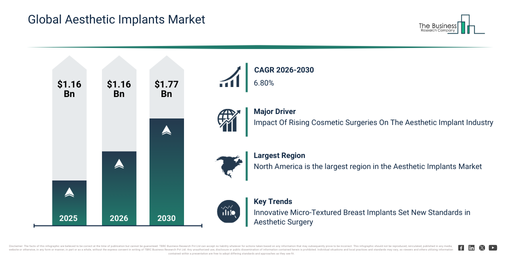
    The aesthetic implants market has shown robust growth and is projected to increase from $5.58 billion in 2025 to $6 billion in 2026, representing a compound annual growth rate (CAGR) of 7.7%. This historic growth is largely fueled by greater acceptance of cosmetic and reconstructive surgeries, rising demand for breast augmentation and facial contouring, enhanced availability of polymer and silicone implant materials, the proliferation of specialized cosmetic surgery clinics, and the growing influence of beauty norms and lifestyle preferences. Looking ahead, the market is expected to reach $7.82 billion by 2030, growing at a CAGR of 6.8%. Factors driving this future expansion include the adoption of advanced manufacturing and customization methods, increased demand for aesthetic procedures in emerging economies, a stronger focus on patient safety and minimizing complications, rising interest in male aesthetic treatments, and the growing popularity of minimally invasive outpatient cosmetic surgeries. Key trends in this period will likely involve greater demand for cosmetic enhancements in breast, facial, and body contouring areas, preference for minimally invasive surgeries that reduce recovery time and scarring, the use of personalized implant designs, increased application of biocompatible and durable materials, and greater acceptance among male and younger demographics.

    Download A Free Sample Report For Comprehensive Market Insights:

    https://www.thebusinessresearchcompany.com/sample.aspx?id=17055&type=smp

    Primary Factors Encouraging Growth in the Aesthetic Implants Market

    The rise in cosmetic surgeries is a significant factor propelling the aesthetic implant market forward. Cosmetic surgeries, which use surgical techniques to improve or alter a person’s appearance, have expanded due to technological advances, evolving standards of beauty, and more affordable procedures. These surgeries address personal desires for enhanced looks and self-confidence, with aesthetic implants playing an important role in improving physical appearance, correcting deformities, and delivering natural, long-lasting outcomes. For example, in April 2025, the British Association of Aesthetic Plastic Surgeons reported that a total of 25,972 surgical procedures were performed in 2023 in the UK, with women accounting for 93% of these surgeries and men making up the remaining 7%. This data highlights how increasing cosmetic surgery volumes are expected to drive demand for aesthetic implants.

    Key Market Segments Defining the Aesthetic Implants Industry

    This report categorizes the aesthetic implants market according to several important segments:

    1) Product Type: Breast Implants, Dental Implants, Facial Implants, Other Product Types

    2) Material Used: Metals, Ceramics, Polymers, Biological Materials

    3) Gender: Female, Male

    4) End-User: Hospitals, Specialty Clinics, Other Healthcare Facilities

    Further subdivisions include breast implant types like silicone gel, saline, and structured implants; dental implants such as endosteal, subperiosteal, and zygomatic; facial implants including chin, cheek, jaw, and rhinoplasty implants; and other categories like buttock, calf, and pectoral implants.

    https://www.thebusinessresearchcompany.com/report/aesthetic-implants-global-market-report

    Aesthetic Implants Market Global Footprint: Which Region Holds Market Leadership?

    Innovations Powering Advances in the Aesthetic Implants Market

    Leading companies in the aesthetic implant sector are making strides by developing biocompatible materials, particularly silicone-based breast implants, to improve patient safety and provide more natural-looking, long-lasting results while minimizing complications. Silicone-based breast implants consist of a cohesive silicone gel encased within a silicone elastomer shell, designed to enhance breast shape and size with a realistic feel. For instance, in April 2024, Ireland-based GC Aesthetics launched the LUNA XT, the world’s first micro-textured anatomical breast implant approved under the new European Medical Device Regulation. This implant offers advanced support for women undergoing immediate or delayed breast reconstruction, featuring a micro-textured surface, cohesive silicone gel, and a high-performance shell, representing a cutting-edge option for breast procedures.

    Top Players Driving Competition in the Aesthetic Implants Market

    Several major corporations dominate the aesthetic implants market, including Zimmer Biomet Holdings Inc., Dentsply Sirona Inc., Institut Straumann AG, Integra LifeSciences Holdings Corporation, RTI Surgical Holdings Inc., Establishment Labs Holdings Inc., Silimed Indústria de Implantes Ltda., Sientra Inc., GC Aesthetics plc, Hans Biomed Corp., Sebbin, PMT Corporation, POLYTECH Health & Aesthetics GmbH, AVINENT Implant System, Implantech Associates Inc., Symatese Group, Ideal Implant Incorporated, Nagor Ltd, CEREPLAS, Surgiform Innovative Surgical Products, Alpha Aesthetics LLC, and Lattice Medical.

    Global Market Leadership and Regional Presence in Aesthetic Implants

    In 2025, North America held the largest share of the aesthetic implants market. The report also covers regions such as Asia-Pacific, South East Asia, Western Europe, Eastern Europe, South America, the Middle East, and Africa, providing a broad perspective on the market’s global footprint and growth opportunities.

    Get in touch with us:

    The Business Research Company: https://www.thebusinessresearchcompany.com/

    Americas: +1 310-496-7795

    Asia: +44 7882 955267 & +91 8897263534

    Europe: +44 7882 955267

    Email us at: marketing@tbrc.info

    Follow us on:

    LinkedIn: https://in.linkedin.com/company/the-business-research-company

    YouTube: https://www.youtube.com/channel/UC24_fI0rV8cR5DxlCpgmyFQ

    Global Market Model: https://www.thebusinessresearchcompany.com/global-market-model
  • Aerosol Drug Delivery Devices Market Set To Grow From $45.54 Billion In 2026 To $64.94 Billion By 2030 At A CAGR Of 9.3%

    Aerosol Drug Delivery Devices Market Set To Grow From $45.54 Billion In 2026 To $64.94 Billion By 2030 At A CAGR Of 9.3%

    Enhanced with market attractiveness analysis, total addressable market evaluation, company benchmarking matrices, interactive Excel dashboards, expanded supply chain intelligence, emerging startup coverage, and detailed product insights, The Business Research Company’s 2026 market reports deliver more actionable and strategically valuable research.

    The aerosol drug delivery devices sector has experienced significant growth in recent years, driven by increasing health concerns and technological advancements. Forecasts indicate that this market will continue to expand rapidly as innovations and rising demand in respiratory care propel it forward. Let’s explore the current market size, key growth factors, major players, and emerging trends shaping this industry.

    Current Market Size and Growth Forecast for Aerosol Drug Delivery Devices

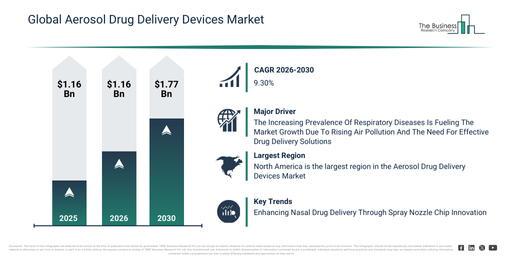
    The market for aerosol drug delivery devices has been expanding robustly. It is projected to grow from $41.55 billion in 2025 to $45.54 billion in 2026, representing a compound annual growth rate (CAGR) of 9.6%. Looking ahead, the market is expected to reach $64.94 billion by 2030, with a slightly moderated CAGR of 9.3%. This sustained growth is attributed to various factors, such as rising cases of asthma and COPD, continued use of traditional inhalers, growth in hospital-based respiratory care, an increase in pharmaceutical aerosol products, and heightened awareness about pulmonary drug delivery methods.

    Download A Free Sample Report For Comprehensive Market Insights:

    https://www.thebusinessresearchcompany.com/sample.aspx?id=25690&type=smp

    Rising Demand in Aerosol Drug Delivery Devices Market Driven by Innovation

    The forecast period will see strong market expansion due to the advancement of smart inhalers and digital monitoring technologies. Additionally, the increase in homecare and self-administration therapies, along with the application of aerosol drugs beyond respiratory illnesses, is boosting demand. Progress in aerosolization techniques and formulation science, along with growing regulatory approvals for inhaled medications, further contribute to this upward trend.

    The market is also being influenced by emerging trends such as wider adoption of inhalation therapies, a surge in portable and homecare aerosol device demand, and a focus on optimizing particle size for better drug delivery. Furthermore, smart and connected inhalation devices are gaining traction, supported by the rising prevalence of chronic respiratory diseases worldwide.

    https://www.thebusinessresearchcompany.com/report/aerosol-drug-delivery-devices-global-market-report

    Aerosol Drug Delivery Devices Market Regional Distribution: Which Areas Drive Market Expansion?

    Health Trends Fueling Aerosol Drug Delivery Devices Market Growth

    One of the primary factors driving revenue in the aerosol drug delivery devices market is the growing incidence of respiratory illnesses. These conditions affect the lungs and respiratory system, leading to difficulty in breathing and requiring effective treatment solutions. Increasing air pollution levels, including exposure to particulate matter, nitrogen dioxide, and ozone, irritate the respiratory tract, causing chronic diseases such as asthma, bronchitis, and chronic obstructive pulmonary disease (COPD).

    How Respiratory Diseases Boost Aerosol Drug Delivery Use

    Aerosol drug delivery devices play a crucial role in treating respiratory disorders by administering medication directly to the lungs. This targeted delivery ensures faster therapeutic effects, reduces systemic side effects, and improves patient adherence through non-invasive methods. For example, in November 2024, data from the Australian Institute of Health and Welfare revealed that respiratory conditions accounted for 7.2% of the total disease burden in Australia, contributing to 8.5% of disability-causing illnesses and 5.8% of premature deaths in 2023. Such statistics underscore the increasing need for effective aerosol drug delivery solutions.

    Breaking Down the Aerosol Drug Delivery Devices Market Segments

    The aerosol drug delivery devices market is classified into several key categories:

    1) By Product Type:

    – Metered Dose Inhalers (MDIs)

    – Dry Powder Inhalers (DPIs)

    – Nebulizers

    – Smart Inhalers

    – Other Product Types

    2) By Component:

    – Delivery Devices

    – Compressor Units

    – Medication Containers

    – Accessories and Consumables

    3) By Application:

    – Asthma

    – Chronic Obstructive Pulmonary Disease

    – Cystic Fibrosis

    – Non-Respiratory Diseases

    – Diabetes

    – Analgesia

    – Parkinson’s Disease

    4) By Distribution Channel:

    – Hospital Pharmacies

    – Retail Pharmacies

    – Online Pharmacies

    – Other Distribution Channels

    5) By End User:

    – Hospitals

    – Homecare Settings

    – Pharmaceutical Companies

    – Research Institutions

    – Other End Users

    The market is further divided into specific subcategories, such as types of MDIs including conventional, breath-actuated, and pressurized inhalers; DPIs split into single-dose, multi-dose, and reservoir types; nebulizers categorized as jet, ultrasonic, and mesh varieties; smart inhalers differentiated by Bluetooth, sensor-based, and app-connected models; and other devices like soft mist inhalers, nasal sprays, and disposable inhalers.

    Technological Innovations Shaping Aerosol Drug Delivery Devices Market

    Leading companies are focusing on breakthrough technologies to improve drug delivery precision and patient comfort. One notable advancement is spray nozzle chip technology, a micro-engineered system that produces a fine, uniform aerosol mist to enhance medication delivery efficiency and nasal cavity coverage.

    For instance, in October 2024, Aero Pump GmbH from Germany collaborated with Netherlands-based Resyca B.V. to introduce the Ultra Soft Nasal Pump Spray. This device uses spray nozzle chip technology to create a gentle and consistent aerosol mist, improving drug delivery in applications such as nose-to-brain therapies and nasal vaccinations. The technology enables slow-moving aerosol particles to reach deeper areas within the nasal passage, enhancing absorption in difficult-to-access regions like the olfactory zone.

    Top Companies Leading the Aerosol Drug Delivery Devices Market

    The aerosol drug delivery devices market features several key players including Merck And Co Inc, Novartis AG, AstraZeneca PLC, GSK PLC, Boehringer Ingelheim Pharma GmbH And Co KG, Koninklijke Philips NV, Teva Pharmaceutical Industries Ltd, Omron Healthcare Inc, AptarGroup Inc, Chiesi Farmaceutici SPA, Cipla Inc, Gerresheimer AG, Drive DeVilbiss Healthcare LLC, Beximco Pharmaceuticals Limited, Aerogen Limited, PARI GmbH, Pneuma Respiratory Inc, Iconovo AB, Vectura Group Ltd, MannKind Corporation, Trudell Medical International, and InspiRx Inc.

    Regional Outlook on Aerosol Drug Delivery Devices Market Expansion

    North America held the largest share of the aerosol drug delivery devices market in 2025. However, the Asia-Pacific region is expected to witness the fastest growth during the forecast period. The market analysis covers several regions including Asia-Pacific, South East Asia, Western Europe, Eastern Europe, North America, South America, the Middle East, and Africa, providing a broad perspective on global market trends and opportunities.

    Get in touch with us:

    The Business Research Company: https://www.thebusinessresearchcompany.com/

    Americas: +1 310-496-7795

    Asia: +44 7882 955267 & +91 8897263534

    Europe: +44 7882 955267

    Email us at: marketing@tbrc.info

    Follow us on:

    LinkedIn: https://in.linkedin.com/company/the-business-research-company

    YouTube: https://www.youtube.com/channel/UC24_fI0rV8cR5DxlCpgmyFQ

    Global Market Model: https://www.thebusinessresearchcompany.com/global-market-model

  • Aerosol Delivery Devices Market Opportunities Are Emerging Beyond Traditional Growth Areas

    Aerosol Delivery Devices Market Opportunities Are Emerging Beyond Traditional Growth Areas

    Through market attractiveness analysis, total addressable market evaluation, company benchmarking matrices, interactive Excel dashboards, expanded supply chain intelligence, emerging startup coverage, and detailed product insights, The Business Research Company’s 2026 market reports provide more actionable and strategically valuable research.

    The aerosol delivery devices market has seen significant growth recently, driven by increasing respiratory health concerns and advancements in drug delivery technology. As respiratory conditions become more prevalent worldwide, the demand for efficient inhalation devices continues to rise. Let’s explore the market’s size, key growth factors, segmentation, emerging trends, major players, and regional outlook.

    Aerosol Delivery Devices Market Size and Revenue Forecast Through 2030

    The aerosol delivery devices market has experienced strong expansion in recent years. It is projected to grow from $51.24 billion in 2025 to $55.42 billion in 2026, achieving a compound annual growth rate (CAGR) of 8.1%. This growth during the historical period is largely due to the rising number of asthma and COPD cases, increased clinical use of metered dose inhalers, higher hospital purchases of nebulizers and dry powder inhalers, broader adoption of respiratory therapy programs across healthcare systems, and an intensified focus on targeted pulmonary drug delivery.

    Download A Free Sample Report For Comprehensive Market Insights:

    https://www.thebusinessresearchcompany.com/sample.aspx?id=17054&type=smp

    Looking ahead, the market is expected to continue its upward trajectory, reaching $73.33 billion by 2030 with a CAGR of 7.3%. This forecasted growth is supported by the rising use of home care respiratory devices, growing demand for portable mesh and ultrasonic nebulizers, and a shift towards patient-centric inhalation technologies. Additionally, the expansion of retail and e-commerce distribution channels and greater focus on improving treatment adherence for chronic respiratory illnesses contribute to the market’s momentum. Key trends shaping the market include enhanced clinical focus on optimized aerosol drug delivery, increased adoption of advanced inhalation platforms for asthma and COPD treatment, and a preference for portable, home-use aerosol devices for long-term care. Furthermore, the utilization of nebulizers and dry powder inhalers in pediatric and elderly patient groups is rising, alongside the development of more user-friendly inhalation interfaces aimed at improving adherence and treatment outcomes.

    Key Factors Behind the Growth of the Aerosol Delivery Devices Market

    The rising prevalence of respiratory diseases is a primary driver accelerating the aerosol delivery devices market. Respiratory conditions cover a wide spectrum of illnesses affecting the lungs and airways. Factors such as air pollution, smoking, allergens, and infections contribute to the increasing number of respiratory disease cases. Aerosol delivery devices play an essential role in managing these conditions by allowing efficient delivery of medications like bronchodilators and corticosteroids directly to the lungs. This targeted approach enhances therapeutic effectiveness and helps patients maintain better compliance with their treatment regimens.

    https://www.thebusinessresearchcompany.com/report/aerosol-delivery-devices-global-market-report

    Aerosol Delivery Devices Market Leading Geography: Which Region Generates The Most Revenue?

    For example, in June 2025, the World Health Organization in partnership with the European Respiratory Society reported that the number of individuals living with chronic respiratory diseases in the WHO European Region reached 81.7 million. This figure marks an increase from previous estimates and highlights that many cases remain undiagnosed. Such statistics emphasize the growing demand for aerosol delivery devices to manage the expanding patient population effectively.

    Detailed Segmentation of the Aerosol Delivery Devices Market

    This market is segmented by product, application, and distribution channels to provide a comprehensive structure:

    1) By Product Type:

    – Dry Powder Inhalers (DPIs)

    – Metered Dose Inhalers (MDIs)

    – Nebulizers

    2) By Application Area:

    – Asthma

    – Chronic Obstructive Pulmonary Disease (COPD)

    – Cystic Fibrosis

    3) By Distribution Channel:

    – Retail Pharmacies

    – Hospital Pharmacies

    – E-commerce Platforms

    Further breakdown includes types of DPIs such as Single-Dose and Multi-Dose inhalers; MDIs divided into Conventional MDIs and MDIs equipped with Spacer or Chamber; and Nebulizers categorized into Jet Nebulizers, Ultrasonic Nebulizers, and Mesh Nebulizers. This segmentation helps in understanding market dynamics across various product types and healthcare applications.

    Innovations and Trends Reshaping the Aerosol Delivery Devices Market

    Leading companies in the aerosol delivery devices sector are focusing heavily on smart inhaler dose trackers to enhance patient adherence and provide real-time monitoring of medication usage. These electronic systems track inhaler use and deliver data that helps both patients and healthcare providers manage treatments more effectively.

    For instance, in June 2024, UK-based MedTech firm Aseptika Ltd. launched the PUFFClicker3 Universal Inhaler, an advanced smart inhaler dose counter compatible with a variety of inhalers. This device uses sensors to log each dose, offers real-time monitoring, features an intuitive interface, and connects via Bluetooth to health applications. Such innovations aim to improve medication adherence and provide comprehensive usage data to healthcare professionals.

    Leading Industry Players in the Aerosol Delivery Devices Market

    Several major corporations dominate this market, including AstraZeneca plc, Novartis AG, GlaxoSmithKline plc, 3M Company, Becton Dickinson and Company, Koninklijke Philips NV, Teva Pharmaceutical Industries Ltd, Draegerwerk AG & Co KGaA, Chiesi Farmaceutici SpA, Vectura Group plc, Sunovion Pharmaceuticals Inc., Omron Healthcare Inc., PARI GmbH, Aerogen Inc, Clement Clarke International Ltd, Iconovo AB, Boehringer Ingelheim GmbH, Cipla Ltd, Cipla Respiratory Devices, Cipla Pharma Ltd, and Mylan NV. These companies continue to drive innovation, expanding product portfolios and distribution networks.

    Geographic Insights and Regional Market Presence

    In 2025, North America held the largest market share in the aerosol delivery devices industry. However, Asia-Pacific is expected to be the fastest-growing region during the forecast period. The market report covers key areas including Asia-Pacific, South East Asia, Western Europe, Eastern Europe, North America, South America, the Middle East, and Africa, providing a broad perspective on regional trends and opportunities.

    Get in touch with us:

    The Business Research Company: https://www.thebusinessresearchcompany.com/

    Americas: +1 310-496-7795

    Asia: +44 7882 955267 & +91 8897263534

    Europe: +44 7882 955267

    Email us at: marketing@tbrc.info

    Follow us on:

    LinkedIn: https://in.linkedin.com/company/the-business-research-company

    YouTube: https://www.youtube.com/channel/UC24_fI0rV8cR5DxlCpgmyFQ

    Global Market Model: https://www.thebusinessresearchcompany.com/global-market-model
  • Advanced Wound Care Market Expansion Is Opening New Pathways For Strategic Investment

    Advanced Wound Care Market Expansion Is Opening New Pathways For Strategic Investment

    Delivering more actionable and strategically valuable research, The Business Research Company’s 2026 market reports feature market attractiveness analysis, total addressable market evaluation, company benchmarking matrices, interactive Excel dashboards, expanded supply chain intelligence, emerging startup coverage, and detailed product insights.

    The advanced wound care sector has witnessed substantial development recently, driven by evolving healthcare needs and innovations. As chronic and acute wound cases rise globally, the market is set for continued expansion. Below, we explore the current market size, key growth drivers, segmentation, technological advancements, leading companies, and regional prospects shaping this important healthcare segment.

    Advanced Wound Care Market Size and Growth Trajectory

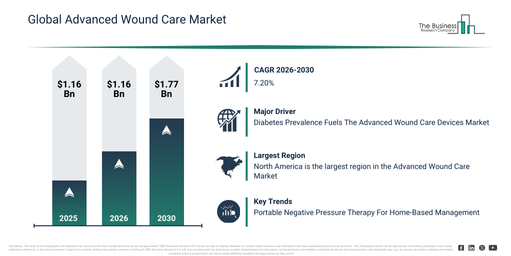
    The advanced wound care market has demonstrated solid growth, increasing from $11.61 billion in 2025 to $12.43 billion in 2026, with a compound annual growth rate (CAGR) of 7.0%. This upward trend is primarily fueled by higher incidences of chronic and acute wounds, expanded hospital wound care facilities, rising numbers of surgical wounds, a growing diabetic population, and the availability of advanced wound care products. Looking ahead, the market is projected to reach $16.43 billion by 2030, growing at a CAGR of 7.2%. Factors propelling this growth include a rising demand for sophisticated wound healing solutions, greater adoption of home-based wound care, personalized treatment approaches, enhanced focus on reducing healing times, and increased investment in wound care innovations. Key trends expected to shape the market during this period are the growing use of moist wound healing technologies, antimicrobial and active dressings, the integration of negative pressure wound therapy (NPWT) systems, expansion of bioengineered skin substitutes, and increased attention to chronic wound management.

    Download A Free Sample Report For Comprehensive Market Insights:

    https://www.thebusinessresearchcompany.com/sample.aspx?id=9943&type=smp

    Diabetes as a Major Driver in the Advanced Wound Care Market

    The escalating prevalence of diabetes is a crucial factor boosting the demand for advanced wound care devices. Diabetes, characterized by elevated blood glucose levels due to the body’s inability to produce or effectively use insulin, often leads to chronic wounds that require specialized care. This rising diabetic population is driving the need for innovative wound care technologies that specifically address diabetic wounds, aiming to improve patient outcomes through faster healing and complication prevention. Advanced wound care solutions play a vital role by promoting quicker recovery, reducing infection risks, and preventing severe complications such as ulcers and amputations.

    For instance, in June 2024, the UK’s National Health Service reported that in 2023, the number of people in England at risk of developing type 2 diabetes surged by nearly 20%, reaching 3,615,330 individuals with pre-diabetes, up from 3,065,825 in 2022. This sharp increase highlights the growing demand for diabetic wound care solutions and reinforces diabetes as a key growth factor for the advanced wound care devices market.

    Market Segmentation Overview of Advanced Wound Care

    This report segments the advanced wound care market into distinct categories to better understand the landscape:

    – By Product: Moist dressings, antimicrobial dressings, and active products

    – By Application: Chronic wounds and acute wounds

    – By End User: Hospitals, specialty clinics, home healthcare, and other users

    Further breakdown includes:

    – Moist dressings such as hydrocolloid dressings, hydrogels, and foam dressings

    – Antimicrobial options including silver-infused, honey-infused, and iodine-containing dressings

    – Active products like negative pressure wound therapy (NPWT) systems and bioengineered skin substitutes

    https://www.thebusinessresearchcompany.com/report/advanced-wound-care-global-market-report

    Advanced Wound Care Market Regional Outlook: Where Are The Largest Opportunities Located?

    Innovations Transforming the Advanced Wound Care Market

    Top players in this sector are heavily investing in the development of innovative and user-friendly solutions, particularly portable NPWT systems that cater to the growing demand for home-based chronic wound management. NPWT involves applying controlled suction to wounds, which promotes healing by removing fluids, reducing swelling, and stimulating tissue growth. Unlike traditional bandages that offer passive coverage, NPWT provides active and continuous treatment.

    For example, in April 2024, Smith+Nephew PLC launched the RENASYS EDGE NPWT System in the United States. This device is compact, lightweight, quiet, and designed specifically for patients managing chronic wounds at home. It includes a discreet canister and uses near-field communication for easy setup, offers continuous therapy during ambulatory use, and is supported by 24-hour clinical assistance. Collaboration with national distributors ensures broader accessibility, helping patients maintain independence and adhere to treatment.

    Leading Companies Driving the Advanced Wound Care Market

    Several prominent organizations dominate the advanced wound care landscape, including:

    – Integra LifeSciences Corp.

    – Mölnlycke Health Care

    – Johnson & Johnson Services Inc.

    – Medline Industries Inc.

    – Medtronic plc

    – Organogenesis Holdings Inc.

    – Smith & Nephew plc

    – B. Braun Melsungen AG

    – Coloplast A/S

    – ConvaTec Group plc

    – Hollister Incorporated

    – URGO Medical Ltd.

    – Lohmann & Rauscher GmbH & Co. KG

    – MiMedx Group Inc.

    – BSN medical GmbH

    – Paul Hartmann AG

    – Johnson & Johnson Medical Devices Group

    – Beiersdorf AG

    – Zimmer Biomet Holdings Inc.

    – Misonix Inc.

    – Cardinal Health Inc.

    – Nestlé Health Science SA

    – Becton Dickinson and Company

    Regional Outlook and Market Opportunities for Advanced Wound Care

    In 2025, North America held the largest share of the advanced wound care devices market. However, the Asia-Pacific region is projected to experience the fastest growth during the forecast period. The analysis encompasses key regions such as Asia-Pacific, South East Asia, Western Europe, Eastern Europe, North America, South America, the Middle East, and Africa, providing a comprehensive view of global market dynamics and growth potential.

    Get in touch with us:

    The Business Research Company: https://www.thebusinessresearchcompany.com/

    Americas: +1 310-496-7795

    Asia: +44 7882 955267 & +91 8897263534

    Europe: +44 7882 955267

    Email us at: marketing@tbrc.info

    Follow us on:

    LinkedIn: https://in.linkedin.com/company/the-business-research-company

    YouTube: https://www.youtube.com/channel/UC24_fI0rV8cR5DxlCpgmyFQ

    Global Market Model: https://www.thebusinessresearchcompany.com/global-market-model
  • Advanced Orthopedic Technologies, Implants, And Regenerative Products Market Trends Are Creating New Opportunities For Industry Leaders

    Advanced Orthopedic Technologies, Implants, And Regenerative Products Market Trends Are Creating New Opportunities For Industry Leaders

    Enhanced with market attractiveness analysis, total addressable market evaluation, company benchmarking matrices, interactive Excel dashboards, expanded supply chain intelligence, emerging startup coverage, and detailed product insights, The Business Research Company’s 2026 market reports deliver more actionable and strategically valuable research.

    The advanced orthopedic technologies, implants, and regenerative products market has experienced significant growth recently and is poised for further expansion. Driven by innovations in medical devices and rising healthcare demands, this sector offers promising revenue opportunities in the coming years. Below, we explore the market’s size, growth drivers, key players, trends, and regional outlook.

    Market Size and Projections for Advanced Orthopedic Technologies, Implants, and Regenerative Products

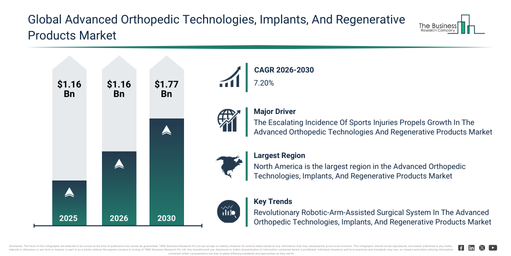
    This market has shown strong growth and is forecasted to expand from $69.58 billion in 2025 to $74.2 billion in 2026, achieving a compound annual growth rate (CAGR) of 6.6%. The market’s historical growth has been supported by the increasing occurrence of musculoskeletal disorders, higher numbers of orthopedic surgeries, advancements in implant materials, expansion of specialty orthopedic clinics, and improved access to joint replacement procedures. Looking ahead, the market is expected to reach $98.14 billion by 2030, growing at a CAGR of 7.2%. Factors fueling future growth include the rising demand for patient-specific implants, increased use of biologics in orthopedics, growing investments in regenerative medicine research, expansion of robotic-assisted surgeries, and better long-term implant outcomes. Key trends anticipated during this period involve the adoption of regenerative orthopedic therapies, use of advanced implant materials, integration of smart implants, growth in minimally invasive procedures, and a greater focus on personalized treatments.

    Download A Free Sample Report For Comprehensive Market Insights:

    https://www.thebusinessresearchcompany.com/sample.aspx?id=12682&type=smp

    Increasing Incidence of Sports Injuries Driving Demand

    One of the main factors accelerating market growth is the rising number of sports-related injuries. Such injuries, which affect muscles, bones, ligaments, joints, and tendons, have become more prevalent as more people engage in sports and physical activities. This trend is increasing the need for advanced orthopedic technologies and regenerative products that can help in tissue repair and speed recovery. For example, the U.S. National Safety Council reported that sports and recreational injuries in the United States rose to 564,845 in 2024 from 482,886 in 2023, highlighting the growing demand for effective orthopedic solutions.

    Expansion of Orthopedic Technology Fueled by Growing Sports Injury Cases

    As the volume of sports injuries increases, so does the requirement for cutting-edge orthopedic treatments and products designed to support faster healing and tissue regeneration. This demand encourages innovation and market expansion, as providers seek more effective ways to manage and treat musculoskeletal damage resulting from active lifestyles.

    https://www.thebusinessresearchcompany.com/report/advanced-orthopedic-technologies-implants-and-regenerative-products-global-market-report

    Advanced Orthopedic Technologies, Implants, And Regenerative Products Market Geographic Landscape: Which Region Dominates Industry Growth?

    Segmentation Overview of the Advanced Orthopedic Technologies, Implants, and Regenerative Products Market

    The market is segmented into several categories to better understand demand and growth opportunities:

    1) By Type: Implants and Regenerative Products

    2) By Anatomical Site: Hip and Pelvis, Foot and Ankle, Knee and Thigh, Hand and Wrist, Shoulder, Arm and Elbow, Spine, Craniomaxillofacial

    3) By Application: Hospitals, Ambulatory Surgical Centers, Specialty Clinics, and Other Applications

    Further subcategories include implant types such as joint implants, bone implants, and spine implants, as well as regenerative products like stem cell therapies, platelet-rich plasma (PRP) products, and bone graft substitutes.

    Innovations and Trends Shaping the Future of Orthopedic Technologies

    Leading firms in this sector are focusing heavily on innovative solutions like robotic-arm-assisted surgical systems to enhance precision and patient outcomes. For instance, in March 2023, Stryker Corporation launched the Mako Total Knee 2.0, a robotic system designed to improve total knee arthroplasty procedures with features such as an intuitive user interface, adaptable workflow, and a digital tensioner that allows surgeons to evaluate knee stability without additional instruments. This system builds on previous Mako SmartRobotics technology, including 3D CT-based planning, haptic feedback, and data analytics, which have demonstrated superior results compared to traditional manual surgeries.

    Market Leaders Driving Growth in Advanced Orthopedic Technologies and Implants

    Several major companies hold significant influence in this market, including Johnson & Johnson, Medtronic PLC, Stryker Corporation, B Braun Medical Inc., Zimmer Biomet Holdings Inc., Smith & Nephew PLC, Arthrex Inc., Integra LifeSciences Holdings Corporation, Lepu Medical Technology Co Ltd., NuVasive Inc., CONMED Corporation, Globus Medical Inc., Wright Medical Group N.V., Bioventus LLC, Orthofix Medical Inc., Alphatec Holdings Inc., Acumed LLC, MiMedx Group Inc., Exactech Inc., Anika Therapeutics Inc., DJO Global Inc., Misonix Inc., Osiris Therapeutics Inc., Bacterin International Holdings Inc., Cerapedics Inc., Histogenics Corporation, Kuros Biosciences AG, Life Spine Inc., Aurora Spine Corporation, and Camber Spine Technologies LLC, among others.

    Regional Market Landscape and Growth Outlook

    North America held the largest share of the advanced orthopedic technologies, implants, and regenerative products market in 2025. However, the Asia-Pacific region is expected to be the fastest-growing market during the forecast period. The market analysis includes key regions such as Asia-Pacific, South East Asia, Western Europe, Eastern Europe, North America, South America, the Middle East, and Africa, providing a comprehensive view of global market dynamics.

    Get in touch with us:

    The Business Research Company: https://www.thebusinessresearchcompany.com/

    Americas: +1 310-496-7795

    Asia: +44 7882 955267 & +91 8897263534

    Europe: +44 7882 955267

    Email us at: marketing@tbrc.info

    Follow us on:

    LinkedIn: https://in.linkedin.com/company/the-business-research-company

    YouTube: https://www.youtube.com/channel/UC24_fI0rV8cR5DxlCpgmyFQ

    Global Market Model: https://www.thebusinessresearchcompany.com/global-market-model
  • Advanced Life Support (ALS) Training Manikins Market Growth Is Reshaping Competitive Advantage Across The Industry

    Advanced Life Support (ALS) Training Manikins Market Growth Is Reshaping Competitive Advantage Across The Industry

    Through market attractiveness analysis, total addressable market evaluation, company benchmarking matrices, interactive Excel dashboards, expanded supply chain intelligence, emerging startup coverage, and detailed product insights, The Business Research Company’s 2026 market reports provide more actionable and strategically valuable research.

    The advanced life support (ALS) training manikins market is rapidly evolving as healthcare training demands grow worldwide. These specialized manikins, crucial for emergency medical training, are seeing increased adoption driven by technological advancements and rising awareness of critical care skills. Below, we explore the market’s current size, key growth drivers, segmentation, leading trends, and major players shaping its future.

    Market Size and Growth Outlook for the Advanced Life Support Training Manikins Market

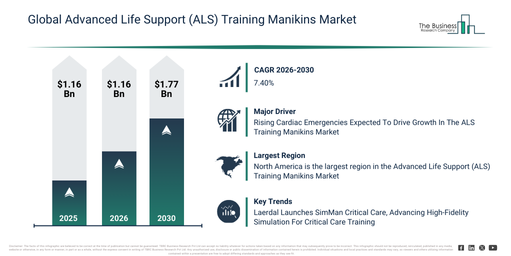
    The market for advanced life support training manikins has experienced significant growth in recent years. It is projected to increase from $1.42 billion in 2025 to $1.53 billion in 2026, representing a compound annual growth rate (CAGR) of 7.7%. This historical growth is attributed to factors such as limited availability of advanced manikins, dependence on basic CPR training devices, expansion of hospital-based training programs, heightened awareness regarding emergency care training, and the adoption of manual skill assessment techniques. Looking ahead, the market is expected to reach $2.04 billion by 2030, growing at a CAGR of 7.4%. Key drivers for this forecast include the development of high-fidelity simulation manikins, integration with augmented reality (AR) and virtual reality (VR) training platforms, the expansion of certification programs for healthcare workers, increased investments in medical training facilities, and the adoption of smart, connected training devices. Noteworthy trends during this period include the incorporation of realistic anatomical features, the rise of multi-age training manikins covering adults, children, and infants, wider use of automated external defibrillator (AED) and trauma simulation manikins, growth in hospital and training center programs, and an intensified focus on skill assessment and certification.

    Download A Free Sample Report For Comprehensive Market Insights:

    https://www.thebusinessresearchcompany.com/sample.aspx?id=19270&type=smp

    Factors Driving Growth in the Advanced Life Support Training Manikins Market

    A key factor propelling the ALS training manikins market is the increasing incidence of cardiac emergencies worldwide. These emergencies, which include heart attacks, sudden cardiac arrests, and life-threatening arrhythmias, require immediate intervention to prevent death or severe complications. The rise in cardiac events is linked to growing prevalence of obesity, hypertension, diabetes, and lifestyle-related factors such as unhealthy diets, physical inactivity, and smoking.

    Advanced life support manikins play a critical role in training healthcare providers to respond effectively to these emergencies. By simulating realistic scenarios involving cardiopulmonary resuscitation (CPR), defibrillation, and other advanced cardiac life support techniques, these manikins help practitioners hone their skills for real-life cardiac arrest situations. For instance, in May 2023, the Centers for Disease Control and Prevention reported that more than 695,000 deaths in the United States were caused by heart disease, accounting for one in every five deaths. This alarming statistic highlights the urgent need for well-trained professionals and supports growth in the ALS training manikins market.

    Segment Breakdown and Strategic Opportunities Within the Advanced Life Support Training Manikins Market

    The advanced life support training manikins market is segmented based on several key factors:

    1) By Type: Adult, Child, and Infant manikins

    2) By Manikin Category: Adult Cardiopulmonary Resuscitation (CPR) Manikins, Full Body Manikins, Choking Manikins, Injection Simulators, and other specialized categories

    3) By Application: Hospital and Clinic use, Training Centers, and other applications

    Subcategories provide further detail, such as full-body and half-body adult manikins, adult CPR and trauma manikins, adult AED training manikins; similarly detailed segments exist for child and infant manikins, including airway management manikins for infants. This detailed segmentation helps address the diverse training needs across various healthcare environments.

    https://www.thebusinessresearchcompany.com/report/advanced-life-support-als-training-manikins-global-market-report

    #Advanced Life Support (ALS) Training Manikins Market Largest Region: Which Geography Holds The Highest Market Share?

    Industry Trends Steering Growth in the Advanced Life Support Training Manikins Market

    Leading companies in the ALS training manikins market are focusing on innovation by developing high-fidelity patient simulators designed to improve the training experience for critical and respiratory care. These simulators replicate realistic physiological responses to enable comprehensive practice of clinical skills.

    For example, in March 2024, Norway-based Laerdal Medical AS collaborated with US-based IngMar Medical to introduce SimMan Critical Care. This high-fidelity simulator offers advanced capabilities for critical care and respiratory training, including realistic breath sounds, heartbeats, and palpable pulses. It supports training on cardiac arrest, respiratory distress, and shock management, providing real-time feedback and integrating with simulation software for performance tracking and debriefing. This type of technology represents a significant advancement in medical training efficacy.

    Key Players Influencing the Advanced Life Support Training Manikins Market

    Several prominent companies dominate the ALS training manikins market, including HealthFirst Medical Corporation, CAE Inc., Ambu A S, Laerdal Medical, Nasco, 3B Scientific, Life-Assist Inc., Gaumard Scientific Company Inc., Medisol International, Simulaids Ltd., Prestan Products, TruCorp Ltd., Zoll Medical Corporation, Simulab Corporation, Prometheus Medical, Jordan Anesthesia, Richmond Products, Harvard Apparatus, GrahamField, Medical Simulation Corporation, Simbionix, Limbs & Things Ltd., BT Inc., Medical-X, Koken Co Ltd., Sakamoto Model Corporation, Yuan Technology Limited, V4EMS Inc., SmartMan Inc., RealityWorks Inc., and Adam Rouilly Ltd. These companies continuously push innovation and expand their portfolios to meet the growing training demands worldwide.

    Geographical Insights on the Advanced Life Support Training Manikins Market

    In 2025, North America maintained the dominant position in the advanced life support training manikins market, holding the largest regional share. The market report also covers other significant regions such as Asia-Pacific, South East Asia, Western Europe, Eastern Europe, South America, the Middle East, and Africa, providing a broad perspective on global market trends and growth trajectories.

    Get in touch with us:

    The Business Research Company: https://www.thebusinessresearchcompany.com/

    Americas: +1 310-496-7795

    Asia: +44 7882 955267 & +91 8897263534

    Europe: +44 7882 955267

    Email us at: marketing@tbrc.info

    Follow us on:

    LinkedIn: https://in.linkedin.com/company/the-business-research-company

    YouTube: https://www.youtube.com/channel/UC24_fI0rV8cR5DxlCpgmyFQ

    Global Market Model: https://www.thebusinessresearchcompany.com/global-market-model
  • Advanced Drug Delivery Systems Market Forecast Signals New Revenue Opportunities Through 2030

    Advanced Drug Delivery Systems Market Forecast Signals New Revenue Opportunities Through 2030

    Delivering more actionable and strategically valuable research, The Business Research Company’s 2026 market reports feature market attractiveness analysis, total addressable market evaluation, company benchmarking matrices, interactive Excel dashboards, expanded supply chain intelligence, emerging startup coverage, and detailed product insights.

    The advanced drug delivery systems sector is experiencing robust development, driven by multiple factors shaping healthcare and pharmaceutical innovation. As medical needs evolve and new technologies emerge, this market is set to expand significantly over the coming years. Below is an in-depth look at the market’s size, growth drivers, key players, trends, and regional dynamics.

    Advanced Drug Delivery Systems Market Size and Growth Forecast

    The advanced drug delivery systems market has demonstrated strong growth in recent years. It is projected to increase from $285.59 billion in 2025 to $310.15 billion in 2026, growing at a compound annual growth rate (CAGR) of 8.6%. This historical growth stems from several key factors including the expansion of pharmaceutical research and development, a rising number of chronic disease cases, breakthroughs in formulation science, increased use of injectable drug therapies, and a heightened emphasis on improving treatment efficacy.

    Looking ahead, the market is expected to maintain its upward trajectory, reaching $433.56 billion by 2030 with a CAGR of 8.7%. Continued growth will be driven by rising demand for personalized medicines, greater adoption of biologic drugs, advancements in nanotechnology-based therapies, enhanced efforts to reduce side effects, and increased investments in sophisticated drug delivery platforms. Emerging trends likely to influence this market include wider use of targeted drug delivery technologies, nanocarrier-based formulations, controlled release systems, and expansion of delivery options for biologics and biosimilars, all emphasizing patient-centered approaches.

    Download A Free Sample Report For Comprehensive Market Insights:

    https://www.thebusinessresearchcompany.com/sample.aspx?id=12683&type=smp

    Important Factors Propelling Growth in the Advanced Drug Delivery Systems Market

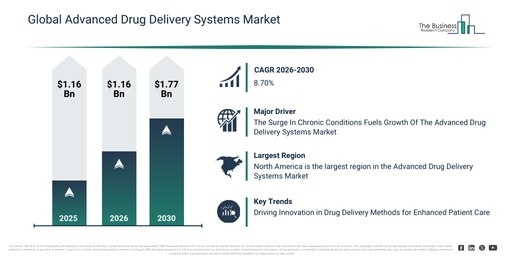
    One of the primary factors fueling growth is the increasing prevalence of chronic diseases worldwide. These long-lasting conditions, which require ongoing medical care and often limit daily activities, are linked to risk behaviors such as tobacco use, poor nutrition, lack of exercise, and excessive alcohol consumption. Advanced drug delivery systems play a crucial role by enabling targeted delivery of medications to specific affected areas, improving therapeutic effectiveness while minimizing side effects.

    For example, data from May 2023 by The United Nations highlights that chronic diseases account for seven out of 10 deaths in the United States, claiming over 1.7 million lives annually. This significant health burden underscores the urgent need for innovative drug delivery solutions, making the growing prevalence of chronic illnesses a key driver behind market expansion.

    Overview of Market Segments and Their Growth Potential in Advanced Drug Delivery Systems

    This market is divided into multiple segments that cover a broad spectrum of technologies and applications:

    – By Type: Oral drug delivery systems, injection-based systems, inhalation or pulmonary systems, transdermal systems, transmucosal systems, carrier-based systems, and other types.

    – By Carrier Type: Liposomes, nanoparticles, microspheres, and other carriers.

    – By Technology: Prodrugs, implants and intrauterine devices, targeted delivery, polymeric delivery systems, and other technologies.

    – By Application Area: Cardiovascular diseases, oncology, urology, diabetes, central nervous system disorders, ophthalmology, inflammatory diseases, infections, and additional applications.

    – By End User: Hospitals, specialized clinics, and clinical research and development centers.

    Further subcategories include oral delivery forms such as solid, liquid, and novel oral systems; injection methods like autoinjectors and microneedle-based devices; inhalation devices including metered-dose inhalers, dry powder inhalers, nebulizers, and soft mist inhalers; transdermal forms such as patches and iontophoresis; transmucosal systems covering buccal, sublingual, and nasal routes; carrier-based systems like dendrimers and niosomes; and other specialized types such as implantable devices and bioadhesive systems.

    https://www.thebusinessresearchcompany.com/report/advanced-drug-delivery-systems-global-market-report

    Advanced Drug Delivery Systems Market Regional Analysis: Which Region Leads By Revenue?

    Current Trends Impacting Expansion in the Advanced Drug Delivery Systems Market

    Key players in this market are investing heavily in innovative technologies to meet the increasing demand for convenient and patient-friendly treatments. One notable advancement is in subcutaneous biologic delivery, which offers a less invasive alternative to traditional intravenous infusions and allows for rapid administration of high drug volumes under the skin.

    For example, in June 2023, US-based biopharmaceutical company Halozyme Therapeutics received FDA approval for VYVGART Hytrulo with ENHANZE, a novel subcutaneous formulation designed for generalized myasthenia gravis. This treatment combines efgartigimod alfa with Halozyme’s recombinant human hyaluronidase PH20 (rHuPH20), enabling fast, high-volume delivery through a single injection. It significantly reduces infusion time, enhances patient convenience, supports home-based treatment, and maintains clinical efficacy similar to intravenous administration.

    Key Companies Shaping the Advanced Drug Delivery Systems Market

    Several major corporations lead the advanced drug delivery systems market, including:

    Pfizer Inc., Johnson and Johnson Services Inc., Roche Holding AG, Abbvie Inc., Bayer AG, Novartis AG, AstraZeneca plc, GlaxoSmithKline plc, 3M Company, Medtronic plc, Eli Lilly and Company, Boehringer Ingelheim GmbH, Amgen Inc., Merck Group, Becton Dickinson and Company, Baxter International Inc., Teva Pharmaceutical Industries Ltd., Sanofi S.A., Boston Scientific Corporation, Astellas Pharma Inc., Catalent Inc., Nipro Corporation, AptarGroup Inc., West Pharmaceutical Services Inc., Gerresheimer AG, and Insulet Corporation.

    Regional Market Insights and Growth Patterns for Advanced Drug Delivery Systems

    In 2025, North America led the advanced drug delivery systems market in terms of revenue. However, the Asia-Pacific region is anticipated to experience the fastest growth during the forecast period. The market analysis encompasses regions including Asia-Pacific, South East Asia, Western Europe, Eastern Europe, North America, South America, the Middle East, and Africa, providing a comprehensive view of the global market landscape.

    Get in touch with us:

    The Business Research Company: https://www.thebusinessresearchcompany.com/

    Americas: +1 310-496-7795

    Asia: +44 7882 955267 & +91 8897263534

    Europe: +44 7882 955267

    Email us at: marketing@tbrc.info

    Follow us on:

    LinkedIn: https://in.linkedin.com/company/the-business-research-company

    YouTube: https://www.youtube.com/channel/UC24_fI0rV8cR5DxlCpgmyFQ

    Global Market Model: https://www.thebusinessresearchcompany.com/global-market-model
  • Advanced Dental Digital And Robotic Solutions Market Growth Is Accelerating As Industry Transformation Continues

    Advanced Dental Digital And Robotic Solutions Market Growth Is Accelerating As Industry Transformation Continues

    Enhanced with market attractiveness analysis, total addressable market evaluation, company benchmarking matrices, interactive Excel dashboards, expanded supply chain intelligence, emerging startup coverage, and detailed product insights, The Business Research Company’s 2026 market reports deliver more actionable and strategically valuable research.

    The advanced dental digital and robotic solutions sector is rapidly evolving, driven by innovations that enhance precision and patient care. As technology continues to advance, this market is set to grow significantly, reshaping dental treatment approaches worldwide. Let’s explore the market’s current scale, growth factors, key players, and emerging trends shaping its future.

    Market Size and Growth Outlook for Advanced Dental Digital and Robotic Solutions

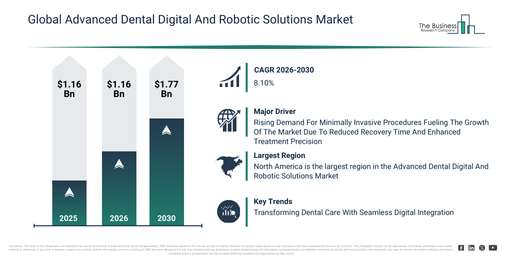
    The market for advanced dental digital and robotic solutions has shown impressive growth in recent years. It is projected to expand from $7.41 billion in 2025 to $8.03 billion in 2026, with a compound annual growth rate (CAGR) of 8.3%. This growth during the past period has largely been driven by the rising demand for precise dental procedures, the popularity of cosmetic dentistry, increased productivity expectations from dental professionals, the adoption of digital imaging technologies, and a stronger focus on patient comfort. Looking ahead, the market is expected to reach $10.96 billion by 2030, growing at a CAGR of 8.1%. Factors propelling this growth include the broader use of AI-based diagnostic tools, a growing need for robotic accuracy, expansion of digital dental clinics, increased acceptance of minimally invasive dental techniques, and a heightened global awareness of oral health. Key trends forecasted during this time include the rise of digital dentistry workflows, wider application of robotic implantology, growing demand for chairside CAD/CAM systems, enhanced use of 3D dental imaging, and the development of teledentistry platforms.

    Download A Free Sample Report For Comprehensive Market Insights:

    https://www.thebusinessresearchcompany.com/sample.aspx?id=23294&type=smp

    Key Drivers Boosting Growth in the Advanced Dental Digital and Robotic Solutions Market

    One major factor accelerating market growth is the increasing demand for minimally invasive dental procedures. These techniques, performed through small incisions or openings, reduce trauma and promote faster patient recovery. As patients seek treatments that cause less pain and fewer complications, minimally invasive options are becoming more popular. This shift supports the adoption of advanced digital and robotic solutions by allowing for more precise and patient-friendly procedures that minimize the need for extensive surgery.

    Such procedures improve treatment efficiency by cutting down recovery times and reducing trauma, which in turn enhances overall outcomes. To illustrate, in January 2025, Synektik SA, a Poland-based testing laboratories company, reported that over 2.2 million procedures were performed globally in 2023 using the da Vinci robotic system. Impressively, a da Vinci-assisted surgery takes place every 16.8 seconds worldwide, demonstrating the widespread acceptance of robotic-assisted minimally invasive surgery and its positive impact on this market’s expansion.

    https://www.thebusinessresearchcompany.com/report/advanced-dental-digital-and-robotic-solutions-global-market-report

    Advanced Dental Digital And Robotic Solutions Market Geographic Distribution And Regional Opportunities

    Breakdown of Advanced Dental Digital and Robotic Solutions by Product and Application

    This market is categorized into three main segments:

    1) Product Types – Digital Solutions and Robotics

    2) Application Areas – Implantology, Endodontics, and Other Applications

    3) End-Users – Dental Clinics, Hospitals, and Other End-Users

    Further subcategories under Digital Solutions include intraoral scanners, CAD/CAM systems, 3D imaging technologies, AI-powered diagnostic tools, digital impression technologies, treatment planning software, and teledentistry platforms. Robotics is subdivided into robot-assisted implantology systems, robotic surgery devices, robot-assisted orthodontic systems, robotic endodontic tools, prosthetics systems, and surgical navigation technologies.

    Innovation and Market Trends Shaping the Competitive Landscape of Advanced Dental Digital and Robotic Solutions

    Leading companies in this market are focusing on creating innovative products that integrate digital technologies to optimize workflow, improve accuracy, and enhance patient care. These seamless digital integration solutions connect various digital tools and systems in a smooth, efficient way to boost performance in dental treatments.

    A recent example is from March 2025, when Medit Corp. Ltd., a South Korean digital dentistry firm, launched Medit SmartX. This cutting-edge All-on-X implant solution captures highly precise 3D digital impressions using AI-driven intraoral scanning technology. The system integrates effortlessly with CAD/CAM software and robotic devices, streamlining dental workflows and improving treatment precision for advanced dental procedures.

    Major Players Driving the Advanced Dental Digital and Robotic Solutions Market

    Key corporations leading the market include Henry Schein Inc., Dentsply Sirona, Align Technology Inc., Straumann Group, Planmeca Group, Ivoclar Vivadent, KaVo Kerr, Carestream Dental LLC, Envista Holdings Corporation, 3D Systems Inc., Formlabs Inc., Vatech, Neocis Inc., BEGO GmbH & Co. KG, Zirkonzahn, imes-icore GmbH, X-NAV Technologies, 3Shape A/S, exocad GmbH, Blue Sky Bio, Dental Wings Inc., and Pearl AI. These companies are continuously pushing the boundaries of technology to maintain competitiveness and expand their market presence.

    Geographical Insights and Growth Opportunities in Advanced Dental Digital and Robotic Solutions

    In 2025, North America held the largest share of the advanced dental digital and robotic solutions market. Meanwhile, Asia-Pacific is predicted to be the fastest-growing region over the forecast period. The market report covers significant areas such as Asia-Pacific, South East Asia, Western Europe, Eastern Europe, North America, South America, the Middle East, and Africa, offering an extensive global perspective on growth opportunities and regional market dynamics.

    Get in touch with us:

    The Business Research Company: https://www.thebusinessresearchcompany.com/

    Americas: +1 310-496-7795

    Asia: +44 7882 955267 & +91 8897263534

    Europe: +44 7882 955267

    Email us at: marketing@tbrc.info

    Follow us on:

    LinkedIn: https://in.linkedin.com/company/the-business-research-company

    YouTube: https://www.youtube.com/channel/UC24_fI0rV8cR5DxlCpgmyFQ

    Global Market Model: https://www.thebusinessresearchcompany.com/global-market-model
  • Adhesion Barriers Market Outlook Highlights The Next Major Growth Opportunities

    Adhesion Barriers Market Outlook Highlights The Next Major Growth Opportunities

    Through market attractiveness analysis, total addressable market evaluation, company benchmarking matrices, interactive Excel dashboards, expanded supply chain intelligence, emerging startup coverage, and detailed product insights, The Business Research Company’s 2026 market reports provide more actionable and strategically valuable research.

    The adhesion barriers market is experiencing steady growth as awareness of postoperative complications rises alongside advances in surgical techniques. This market is evolving with new product developments and expanding applications, signaling promising opportunities for healthcare providers and manufacturers alike. Below, we explore the current market size, key growth drivers, notable trends, major players, and regional outlook shaping this sector’s future.

    Adhesion Barriers Market Size and Expected Growth Through 2030

    The adhesion barriers market has expanded significantly in recent years and is projected to continue this momentum. It is forecasted to increase from $0.89 billion in 2025 to $0.96 billion in 2026, growing at a compound annual growth rate (CAGR) of 7.1%. This historical growth is largely due to the limited variety of adhesion barrier options available, heavy reliance on traditional film and gel formulations, an upward trend in surgical procedures worldwide, greater awareness of postoperative risks, and primarily hospital-based applications.

    Download A Free Sample Report For Comprehensive Market Insights:

    https://www.thebusinessresearchcompany.com/sample.aspx?id=19267&type=smp

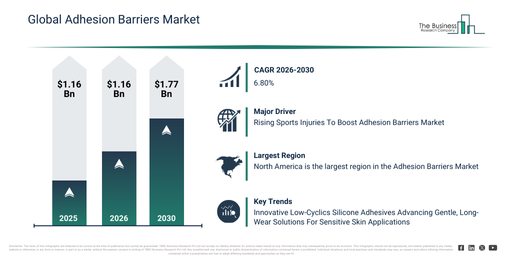
    Looking ahead, the market is expected to reach $1.24 billion by 2030, with a CAGR of 6.8% during the forecast period. This growth will be driven by innovations like advanced hydrogel and thermoreversible barriers, increased use of cross-linked hyaluronic acid products, expanding ambulatory surgical centers, and broader incorporation of adhesion barriers in orthopedic and cardiovascular surgeries. Additionally, rising investments aimed at patient-centered postoperative care will support this expansion. Key industry trends include growing adoption of collagen and protein-based barriers, the popularity of synthetic hydrogels and polylactide options, a rise in minimally invasive surgeries, growth in gynecological and abdominal procedures, and an intensified focus on reducing postoperative complications and enhancing recovery.

    Rising Sports Injuries as a Major Growth Driver for Adhesion Barriers

    One significant factor contributing to the adhesion barriers market growth is the increasing number of sports-related injuries globally. These injuries happen during athletic or physical activities and are influenced by higher participation rates, more competitive levels, insufficient training, and inadequate recovery time. Adhesion barriers play an important role in these cases by preventing scar tissue from attaching to surrounding tissues, thereby promoting smoother recovery and rehabilitation.

    https://www.thebusinessresearchcompany.com/report/adhesion-barriers-global-market-report

    Adhesion Barriers Market Largest Region By Revenue And Market Share

    For example, in July 2025, the Australian Institute of Health and Welfare reported that cycling accounted for the highest share of sports injury hospitalizations in 2023–24, representing 12% (7,500 cases) of all such admissions. Australian rules football and soccer followed with 8.7% (5,400 cases) and 8.6% (5,300 cases), respectively. This growing number of sports injuries is expected to fuel the demand for adhesion barriers as part of effective treatment protocols.

    Detailed Segmentation and Revenue Opportunities Within the Adhesion Barriers Market

    The adhesion barriers market is divided into several segments for a comprehensive understanding:

    1) By Type: Natural Adhesion Barriers (including collagen and protein, fibrin), Synthetic Adhesion Barriers (such as hyaluronic acid, regenerated cellulose, polyethylene glycol)

    2) By Formulation: Film, Gel, and Liquid formulations

    3) By Application or Surgical Procedure: Gynecological, General/Abdominal, Orthopedic, Cardiovascular, Neurological, Urological, and Reconstructive surgeries

    4) By End User: Hospitals and clinics, ambulatory surgical centers, among others

    Further subcategories include types of natural barriers such as collagen-based (bovine, porcine), protein-based, fibrin sealant and matrix barriers, synthetic barriers like hydrogels, thermoreversible, polylactide, and silicon-based barriers, plus cross-linked and non-cross-linked hyaluronic acid products, different forms of regenerated cellulose, and polyethylene glycol hybrids.

    Innovations and Market Trends Shaping Adhesion Barriers Industry

    Leading companies in the adhesion barriers space are focusing on developing advanced products like low-cyclic silicone soft-skin adhesives designed to provide longer wear times with gentle and atraumatic removal, especially for sensitive skin. Soft-skin adhesive (SSA) technology uses biocompatible silicone to maintain strong adherence over extended periods while minimizing irritation during removal.

    For instance, in October 2023, DuPont released its DuPont Liveo MG 7-9960 Soft Skin Adhesive, which offers the highest peel adhesion in their SSA product line. It delivers durable attachment, excellent repositionability, improved wear performance, and gentle removal, making it ideal for advanced wound dressings and wearable medical devices. This adhesive is non-sensitizing, non-irritating, and non-cytotoxic, making it suitable for fragile skin types such as those of children, elderly, or patients with open wounds. Moreover, DuPont allows customization of adhesive coat weight to meet specific device design needs, enhancing adoption across wound care solutions.

    Key Players Leading the Adhesion Barriers Market

    Several prominent companies are shaping the adhesion barriers industry, including Johnson & Johnson Services Inc., Terumo Corporation, Atrium Medical Corporation, Integra LifeSciences Holdings Corporation, Gunze Industries Co. Ltd., Anika Therapeutics Inc., CG Bio Inc., Seikagaku Corporation, Hangzhou Singclean Medical Products Co. Ltd., FzioMed Inc., MAST Biosurgery Inc., Betatech Medical Ltd., PlantTec Medical GmbH, Actamax Surgical Materials LLC, Arc Medical Devices Inc., CorMatrix Cardiovascular Inc., Innocoll Biotherapeutics N.A. Inc., Leader Biomedical, and BiosCompass Inc. These players are instrumental in driving innovation, expanding product portfolios, and increasing global market penetration.

    Regional Market Outlook and Revenue Share for Adhesion Barriers

    In 2025, North America held the largest share of the adhesion barriers market, supported by advanced healthcare infrastructure and high awareness levels. However, the Asia-Pacific region is anticipated to register the fastest growth during the forecast period, fueled by rising healthcare expenditures, growing surgical volumes, expanding medical facilities, and increasing adoption of innovative products. The adhesion barriers market report covers key geographic regions including Asia-Pacific, South East Asia, Western Europe, Eastern Europe, North America, South America, the Middle East, and Africa, offering a broad perspective on global market trends.

    Get in touch with us:

    The Business Research Company: https://www.thebusinessresearchcompany.com/

    Americas: +1 310-496-7795

    Asia: +44 7882 955267 & +91 8897263534

    Europe: +44 7882 955267

    Email us at: marketing@tbrc.info

    Follow us on:

    LinkedIn: https://in.linkedin.com/company/the-business-research-company

    YouTube: https://www.youtube.com/channel/UC24_fI0rV8cR5DxlCpgmyFQ

    Global Market Model: https://www.thebusinessresearchcompany.com/global-market-model
  • Adaptive Radiotherapy Software Market Trends And Growth Drivers Point To Strong Future Potential

    Adaptive Radiotherapy Software Market Trends And Growth Drivers Point To Strong Future Potential

    Delivering more actionable and strategically valuable research, The Business Research Company’s 2026 market reports feature market attractiveness analysis, total addressable market evaluation, company benchmarking matrices, interactive Excel dashboards, expanded supply chain intelligence, emerging startup coverage, and detailed product insights.

    The adaptive radiotherapy software market is experiencing notable growth driven by technological advancements and increased demand for precise cancer treatments. As the healthcare sector continues to evolve, this market is set to expand significantly over the coming years. Below, we explore the current market size, key growth factors, segmentation, innovation trends, leading players, and regional dynamics shaping this industry.

    Adaptive Radiotherapy Software Market Size and Expected Growth

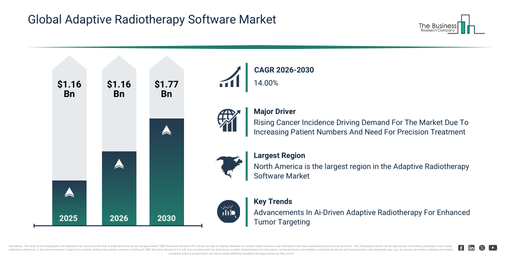
    In recent years, the adaptive radiotherapy software market has expanded quickly, with its value projected to rise from $0.7 billion in 2025 to $0.81 billion in 2026, representing a compound annual growth rate (CAGR) of 14.3%. This upward trend during the historical period is largely attributed to the widespread adoption of image-guided radiotherapy, increasing global cancer incidence, continuous improvements in radiation oncology software, the demand for enhanced treatment precision, and the growth of radiotherapy facilities worldwide. Looking ahead, the market is forecast to reach $1.36 billion by 2030, maintaining a strong CAGR of 14.0%. This future growth is expected to be driven by factors such as the rising demand for personalized cancer therapies, the integration of artificial intelligence (AI) to tailor treatments, expanding use of cloud-based oncology software, greater emphasis on minimizing radiation toxicity, and substantial investments in advanced oncology infrastructure. Emerging trends anticipated to influence the market include adaptive treatment planning, image-guided dose optimization, customized radiation therapy protocols, automation of radiation oncology workflows, and incorporation of multi-modality imaging technologies.

    Download A Free Sample Report For Comprehensive Market Insights:

    https://www.thebusinessresearchcompany.com/sample.aspx?id=28114&type=smp

    Key Factors Fueling Growth in the Adaptive Radiotherapy Software Market

    One of the primary drivers behind the market’s expansion is the increasing number of cancer diagnoses worldwide. As populations age and life expectancy rises, the accumulation of genetic mutations heightens the risk of cancer development. Adaptive radiotherapy software plays a critical role in cancer treatment by allowing real-time adjustments of radiation therapy based on changes in tumor size, shape, and patient anatomy. This capability enhances treatment accuracy by maximizing tumor targeting while minimizing harm to surrounding healthy tissue. For example, according to Cancer Australia in February 2025, there were 4,641 new pancreatic cancer cases recorded in 2024 — including 2,414 males and 2,227 females — illustrating the growing cancer burden that is propelling demand for advanced radiotherapy solutions.

    Technological Progress and Market Drivers in Adaptive Radiotherapy Software

    The expansion of radiotherapy centers globally and the increasing adoption of image-guided radiotherapy techniques have further supported the market’s growth. As healthcare providers seek more effective and precise treatment options, the software’s ability to improve treatment outcomes and patient safety becomes increasingly valuable. The focus on personalized medicine and the integration of AI-driven adaptive therapy approaches are also significant contributors to market momentum, helping clinicians optimize radiation delivery according to individual patient needs.

    https://www.thebusinessresearchcompany.com/report/adaptive-radiotherapy-software-global-market-report

    Adaptive Radiotherapy Software Market Regional Analysis And Leading Geography

    Adaptive Radiotherapy Software Market Segmentation Explained

    This market is segmented across several key dimensions to provide a comprehensive understanding of its structure. By component, the market includes software and services. Deployment modes are categorized as on-premises and cloud-based solutions. Application-wise, the software is utilized for treating prostate cancer, head and neck cancer, breast cancer, lung cancer, and other types of cancer. End users comprise hospitals, cancer treatment centers, research institutes, and various other medical facilities. Further subsegments within software include treatment planning software, workflow management software, and imaging and visualization software. Meanwhile, services are divided into implementation and integration, maintenance and consulting, as well as training and support.

    Innovation Trends Steering Future Development in Adaptive Radiotherapy Software

    Leading companies in this field are focusing on the development of cutting-edge technologies such as AI-powered adaptive CT-Linac systems, which combine CT imaging and linear accelerators (Linac) to dynamically optimize radiation delivery based on real-time tumor changes. A notable example is Elekta AB’s launch of Evo in May 2024. This advanced system offers highly personalized cancer radiation therapy with enhanced AI-assisted imaging, enabling clinicians to visualize tumors with exceptional clarity and adjust treatments either during or between sessions. Evo aims to improve the precision of radiotherapy, reduce side effects, enhance patient quality of life, and provide healthcare providers with flexible adoption of innovative technology.

    Competitive Landscape of the Adaptive Radiotherapy Software Market

    The market features prominent players such as Siemens Healthineers AG, Koninklijke Philips N.V., GE HealthCare Technologies Inc., Elekta AB, Shanghai United Imaging Healthcare Co. Ltd., United Imaging Healthcare Co. Ltd., Brainlab AG, Accuray Incorporated, RaySearch Laboratories AB, ViewRay Inc., C-RAD AB, Standard Imaging Inc., LAP GmbH Laser Applikationen, Oncology Systems Limited, DOSIsoft SA, Mirada Medical Ltd., Limbus AI, MagnetTx Oncology Solutions Ltd., Spectronic Medical AB, and Akesis Inc. These companies are actively investing in research and development to maintain competitive advantage and meet evolving customer demands.

    Geographical Overview and Market Leadership in Adaptive Radiotherapy Software

    In 2025, North America was the largest regional market for adaptive radiotherapy software, supported by advanced healthcare infrastructure and high adoption rates of new technologies. Meanwhile, the Asia-Pacific region is expected to register the fastest growth during the forecast period, driven by increasing cancer prevalence, expanding healthcare investments, and greater access to advanced treatment options. The market analysis also covers other important regions including South East Asia, Western Europe, Eastern Europe, South America, the Middle East, and Africa, providing a well-rounded perspective on global market dynamics.

    Get in touch with us:

    The Business Research Company: https://www.thebusinessresearchcompany.com/

    Americas: +1 310-496-7795

    Asia: +44 7882 955267 & +91 8897263534

    Europe: +44 7882 955267

    Email us at: marketing@tbrc.info

    Follow us on:

    LinkedIn: https://in.linkedin.com/company/the-business-research-company

    YouTube: https://www.youtube.com/channel/UC24_fI0rV8cR5DxlCpgmyFQ

    Global Market Model: https://www.thebusinessresearchcompany.com/global-market-model