Category: Medical Equipment

  • Rising Use Of Remote Patient Monitoring Fueling The Growth Of The Market Due To Increasing Demand For Continuous Health Tracking Is Supporting Development Across The Smart Oximetry Devices Market

    Rising Use Of Remote Patient Monitoring Fueling The Growth Of The Market Due To Increasing Demand For Continuous Health Tracking Is Supporting Development Across The Smart Oximetry Devices Market

    The Business Research Company’s 2026 market reports feature advanced enhancements such as market attractiveness analysis, total addressable market evaluation, company benchmarking matrices, interactive Excel dashboards, expanded supply chain intelligence, emerging startup coverage, and detailed product insights, delivering more actionable and strategically valuable research.

    What Is The Expected Market Size Of The Smart Oximetry Devices Market In 2026 And How Much Will It Reach By 2030?

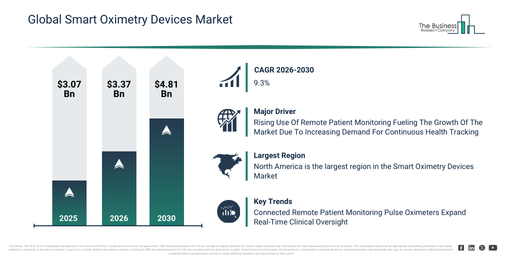
    The smart oximetry devices market has shown strong expansion in recent years. It is projected to expand from $3.07 billion in 2025 to $3.37 billion in 2026, achieving a compound annual growth rate (CAGR) of 9.6%. This historical growth can be linked to several factors including early adoption in hospitals, clinical validation of spo2 monitoring, integration with bedside monitors, regulatory approvals for pulse oximeters, and the expansion of critical care infrastructure.

    The smart oximetry devices market is poised for significant expansion in the coming years. Its valuation is projected to reach $4.81 billion by 2030, exhibiting a compound annual growth rate (CAGR) of 9.3%. This anticipated growth during the forecast period stems from factors such as the rising incidence of respiratory illnesses, the increasing embrace of remote patient monitoring, a heightened need for home healthcare equipment, the broadening scope of telehealth services, and an expanding elderly demographic. Key trends anticipated over the forecast horizon encompass technological progress in sensor precision, novel developments in wearable oximetry solutions, improvements in wireless and Bluetooth connectivity, ongoing research and development in multi-parameter monitoring, and breakthroughs in AI-powered data analytics.

    Download A Free Sample Report For Comprehensive Market Insights:

    https://www.thebusinessresearchcompany.com/sample.aspx?id=30751&type=smp

    Which Growth Drivers Are Expected To Support The Smart Oximetry Devices Market Forward?

    The increasing implementation of remote patient monitoring is anticipated to propel the smart oximetry devices market’s growth moving forward. Remote patient monitoring involves the application of digital technologies to track and gather medical and other health information from individuals, then electronically transmit this data to healthcare providers for assessment and, when necessary, for recommendations and instructions. The adoption of remote patient monitoring is escalating as healthcare providers and payers increasingly depend on continuous at-home data to manage chronic diseases more proactively, minimize hospital readmissions, and reduce overall care costs. Smart oximetry devices facilitate remote patient monitoring by constantly measuring blood oxygen levels and relaying real-time data to healthcare providers. They enhance patient care through early detection of hypoxia, timely interventions, and improved management of chronic respiratory and cardiovascular conditions. For instance, in September 2025, according to the U.S. Department of Health and Human Services Office of Inspector General (OIG), a US-based government agency, payments for remote patient monitoring reached $536 million across Original Medicare also known as Medicare fee for service and Medicare Advantage, representing a 31% increase from 2023, while nearly 1 million Medicare enrollees received remote patient monitoring services, reflecting a 27% increase compared with 2023. Therefore, the expanding use of remote patient monitoring is fueling the growth of the smart oximetry devices market.

    What Segment Categories Are Evaluated In The Smart Oximetry Devices Market Study?

    The smart oximetry devices market covered in this report is segmented –

    1) By Product Type: Fingertip Oximeters, Handheld Oximeters, Wrist-Worn Oximeters, Tabletop Or Bedside Oximeters, Other Produt Types

    2) By Technology: Conventional, Bluetooth-Enabled, Wi-Fi Enabled

    3) By Distribution Channel: Online, Offline

    4) By End-User: Hospitals And Clinics, Homecare Settings, Ambulatory Surgical Centers, Others

    Subsegments:

    1) By Fingertip Oximeters: Basic Fingertip Oximeters, Rechargeable Fingertip Oximeters, Bluetooth-Enabled Fingertip Oximeters

    2) By Handheld Oximeters: Portable Handheld Oximeters, Multi-Parameter Handheld Oximeters, Clinical-Grade Handheld Oximeters

    3) By Wrist-Worn Oximeters: Fitness Wrist-Worn Oximeters, Medical Wrist-Worn Oximeters, Continuous Monitoring Wrist-Worn Oximeters

    4) By Tabletop Or Bedside Oximeters: Standard Bedside Oximeters, Advanced Monitoring Bedside Oximeters, Multi-Parameter Bedside Oximeters

    5) By Other Produt Types: Pediatric Oximeters, Veterinary Oximeters, Specialty Application Oximeters

    What Trends Are Affecting The Growth Of The Smart Oximetry Devices Market?

    Leading companies in the smart oximetry devices market are prioritizing the creation of advanced monitoring solutions, such as cellular-enabled pulse oximeters, to deliver secure, real-time SpO₂ and pulse rate data to clinicians for proactive care. Cellular-enabled pulse oximeters are defined as pulse oximetry devices equipped with integrated cellular connectivity, enabling them to transmit oxygen saturation (SpO₂) and pulse rate data directly to healthcare providers or cloud platforms in real time. For example, in August 2024, Prevounce Health, a US-based remote care management provider, unveiled the Pylo OX1-LTE pulse oximeter. This clinically validated, cellular-enabled device provides roaming 5G/4G LTE connectivity with 2G fallback, offers highly accurate SpO₂ and pulse rate measurements, and features a bright OLED display for clear readings. The Pylo OX1-LTE also facilitates secure data transmission directly to remote monitoring platforms and integrates with third-party health software to support large-scale remote patient monitoring programs.

    Which Organizations Are Involved In The Smart Oximetry Devices Market?

    Major companies operating in the smart oximetry devices market are Medtronic plc, GE HealthCare Technologies Inc., Koninklijke Philips N.V., Shenzhen Mindray Bio-Medical Electronics Co. Ltd., Masimo Corporation, Nihon Kohden Corporation, Lepu Medical Technology Co. Ltd., Contec Medical Systems Co. Ltd., Beurer GmbH, Heal Force Bio-Meditech Holdings Ltd., Edan Instruments Inc., Biolight Meditech Co. Ltd., Omron Healthcare Co. Ltd., Nonin Medical Inc., Viatom Technology Co. Ltd., A&D Company Limited, iHealth Labs Inc., Smiths Medical International Ltd., Wellue Health Inc., Creative Medical Technology Co. Ltd., Berry Global Healthcare, Oxitone Medical Ltd., Movano Health Inc., ChoiceMMed America Corp.

    Access The Complete Smart Oximetry Devices Market Report:

    https://www.thebusinessresearchcompany.com/report/smart-oximetry-devices-market-report

    Which Region Is The Dominant Market In The Smart Oximetry Devices Market?

    North America was the largest region in the smart oximetry devices market in 2025. Asia-Pacific is expected to be the fastest-growing region in the forecast period. The regions covered in the smart oximetry devices market report are Asia-Pacific, South East Asia, Western Europe, Eastern Europe, North America, South America, Middle East, Africa.

    Access a Customized Smart Oximetry Devices Market Report for Deeper Competitive Insights

    https://www.thebusinessresearchcompany.com/sample.aspx?id=30751&type=smp

    Get in touch with us:

    The Business Research Company: https://www.thebusinessresearchcompany.com/

    Americas: +1 310-496-7795

    Asia: +44 7882 955267 & +91 8897263534

    Europe: +44 7882 955267

    Email us at: marketing@tbrc.info

    Follow us on:

    LinkedIn: https://in.linkedin.com/company/the-business-research-company

    YouTube: https://www.youtube.com/channel/UC24_fI0rV8cR5DxlCpgmyFQ

    Global Market Model: https://www.thebusinessresearchcompany.com/global-market-model
  • Integrating AI-Powered Sleep Monitoring Systems To Optimize Sleep Health And Enhance Comfort Is Affecting The Direction Of The Smart Mattress Sensor Market

    Integrating AI-Powered Sleep Monitoring Systems To Optimize Sleep Health And Enhance Comfort Is Affecting The Direction Of The Smart Mattress Sensor Market

    The Business Research Company’s 2026 market reports feature advanced enhancements such as market attractiveness analysis, total addressable market evaluation, company benchmarking matrices, interactive Excel dashboards, expanded supply chain intelligence, emerging startup coverage, and detailed product insights, delivering more actionable and strategically valuable research.

    What Market Size Is Forecasted For The Smart Mattress Sensor Market By 2030 Based On Its 2026 Value?

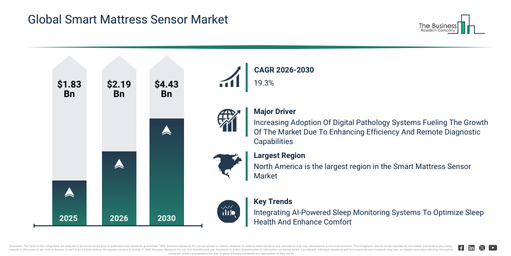
    The smart mattress sensor market has seen rapid expansion in recent years. It is projected to grow from $1.83 billion in 2025 to $2.19 billion in 2026, achieving a compound annual growth rate (CAGR) of 19.5%. The market’s historical growth can be attributed to increasing awareness of sleep health, the growing adoption of wearable and sleep monitoring devices, a rising demand for comfortable and supportive mattresses, the expanding integration of smart home technology, and an increasing focus on personalized sleep solutions.

    The smart mattress sensor market is projected for significant expansion in the coming years, with its size expected to reach $4.43 billion by 2030, exhibiting a compound annual growth rate (CAGR) of 19.3%. This growth during the forecast period is primarily attributed to the increasing adoption of AI-powered sleep tracking, greater integration of IoT-enabled mattress sensors, a rising demand for real-time sleep quality monitoring, the expanding use of cloud-based health data platforms, and a growing emphasis on preventive health and wellness. Key trends anticipated over this period include technological advancements enhancing sensor accuracy and sensitivity, innovations in AI-driven sleep analytics, developments in connected mattress and bedding systems, ongoing research and development into non-intrusive monitoring technologies, and progress in predictive and personalized sleep optimization.

    Download A Free Sample Report For Comprehensive Market Insights:

    https://www.thebusinessresearchcompany.com/sample.aspx?id=30750&type=smp

    What Influential Factors Are Boosting The Smart Mattress Sensor Market Demand?

    The increasing occurrence of sleep disorders is anticipated to boost the expansion of the smart mattress sensor market in the future. These medical conditions, which include insomnia and sleep-related breathing disorders, negatively affect sleep quality, duration, or timing, leading to detrimental physical, cognitive, and cardiovascular consequences. The growing frequency of sleep disorders stems from escalating obesity rates and an aging demographic, factors that contribute to a greater incidence of conditions like sleep-disordered breathing. Smart mattress sensors assist in alleviating sleep disorders by tracking sleep patterns, body movements, and vital signs, thereby offering tailored insights and advice. They enhance sleep quality and overall well-being through prompt identification of disruptions and facilitating specific interventions. As an illustration, data from March 2024 from the National Sleep Foundation, a US-based non-profit sleep health organization, showed that adults reporting substandard sleep quality rose from 35% in 2023 to 38% in 2024. This highlights a significant increase in sleep-related health concerns that necessitate ongoing monitoring. Consequently, the expanding occurrence of sleep disorders is propelling the development of the smart mattress sensor market.

    How Is The Smart Mattress Sensor Market Examined Through Segment Analysis?

    The smart mattress sensor market covered in this report is segmented –

    1) By Product Type: Pressure Sensors, Motion Sensors, Temperature Sensors, Multi-Sensor Systems, Other Product Types

    2) By Connectivity: Wired, Wireless

    3) By Distribution Channel: Online Retail, Specialty Stores, Direct Sales, Other Distribution Channels

    4) By End-User: Individual, Commercial, Healthcare, Hospitality, Other End-Users

    Subsegments:

    1) By Pressure Sensors: Mattress Pressure Mapping Units, Sleep Posture Detection Sensors, Weight Distribution Monitoring Devices, Bed Occupancy Detection Modules, High Sensitivity Pressure Tracking Systems

    2) By Motion Sensors: Sleep Movement Tracking Devices, Restlessness And Activity Monitoring Units, Micro Motion Detection Modules, Body Rotation Tracking Sensors, Nighttime Motion Analysis Systems

    3) By Temperature Sensors: Bed Temperature Monitoring Units, Skin Contact Temperature Detection Sensors, Climate Adjustable Sensor Modules, Thermal Comfort Tracking Devices, Smart Heat Regulation Sensors

    4) By Multi-Sensor Systems: Integrated Sleep Monitoring Modules, Combined Pressure And Motion Detection Units, Multi Parameter Sleep Analysis Systems, Comprehensive Bed Sensor Platforms, Advanced Sleep Behavior Tracking Devices

    5) By Other Product Types: Smart Humidity Monitoring Sensors, Biometric Sleep Tracking Devices, Sound And Vibration Detection Modules, Smart Bedding Integration Sensors, Innovative Sleep Environment Monitoring Units

    Which Trends Are Influencing The Direction Of The Smart Mattress Sensor Market?

    Leading firms within the smart mattress sensor sector are concentrating their efforts on creating sophisticated technologies, specifically multi-sensor sleep monitoring systems. These innovations aim to monitor sleep patterns, physical movements, and crucial health indicators, subsequently offering practical recommendations to enhance sleep quality and promote proactive health management. Such multi-sensor sleep monitoring systems involve integrated technologies designed to continuously gather both physiological and environmental information, encompassing heart rate, respiratory rate, body posture, and pressure distribution on the mattress, all for the purpose of evaluating sleep quality and identifying anomalies. As an example, De Rucci Healthy Sleep Co. Ltd., a Chinese sleep technology firm, introduced the DeRUCCI T11 Pro Smart Mattress in November 2023. This particular product is a multi-sensor sleep monitoring mattress, equipped with 23 AI-powered sensors and 18 adaptive support units. It can perform real-time tracking of body position and physiological data, analyze sleep quality, and dynamically adjust comfort levels. Consequently, these capabilities allow users to gain tailored insights into their sleep, receive early alerts for potential health concerns, and experience enhanced comfort, representing a considerable stride in sleep health management through the integration of precise monitoring, AI-driven analysis, and responsive mattress technology.

    Who Are The Firms Contributing To The Smart Mattress Sensor Market Ecosystem?

    Major companies operating in the smart mattress sensor market are Xiaomi Corporation, Nokia, Koninklijke Philips N.V., Tempur Sealy International Inc., Serta Simmons Bedding LLC, Hilding Anders International AB, Saatva Inc., Sleep Number Corporation, Casper Sleep Inc., Silentnight Group Limited, DeRUCCI International Holdings Limited, Kingsdown Inc., Withings SAS, Bosch Sensortec GmbH, Eight Sleep Inc., Sleepace Technology Co. Ltd., Responsive Surface Technology Inc., Emfit Ltd., RestOn Sleep Technology Pvt. Ltd., Slairzz Inc.

    Access The Complete Smart Mattress Sensor Market Report:

    https://www.thebusinessresearchcompany.com/report/smart-mattress-sensor-market-report

    Which Area Represents The Largest Portion Of The Smart Mattress Sensor Market?

    North America was the largest region in the smart mattress sensor market in 2025. Asia-Pacific is expected to be the fastest-growing region in the forecast period. The regions covered in the smart mattress sensor market report are Asia-Pacific, South East Asia, Western Europe, Eastern Europe, North America, South America, Middle East, Africa.

    Access a Customized Smart Mattress Sensor Market Report for Deeper Competitive Insights

    https://www.thebusinessresearchcompany.com/sample.aspx?id=30750&type=smp

    Get in touch with us:

    The Business Research Company: https://www.thebusinessresearchcompany.com/

    Americas: +1 310-496-7795

    Asia: +44 7882 955267 & +91 8897263534

    Europe: +44 7882 955267

    Email us at: marketing@tbrc.info

    Follow us on:

    LinkedIn: https://in.linkedin.com/company/the-business-research-company

    YouTube: https://www.youtube.com/channel/UC24_fI0rV8cR5DxlCpgmyFQ

    Global Market Model: https://www.thebusinessresearchcompany.com/global-market-model
  • The Smart Hospital Heating, Ventilation, And Air Conditioning (HVAC) Market Is Advancing With Support From Increasing Focus On Infection Control And Air Quality Compliance Driving The Growth Of The Market Due To Enhanced Patient Safety And Regulatory Requirements

    The Smart Hospital Heating, Ventilation, And Air Conditioning (HVAC) Market Is Advancing With Support From Increasing Focus On Infection Control And Air Quality Compliance Driving The Growth Of The Market Due To Enhanced Patient Safety And Regulatory Requirements

    The Business Research Company’s 2026 market reports feature advanced enhancements such as market attractiveness analysis, total addressable market evaluation, company benchmarking matrices, interactive Excel dashboards, expanded supply chain intelligence, emerging startup coverage, and detailed product insights, delivering more actionable and strategically valuable research.

    How Is The Market Value Of The Smart Hospital Heating, Ventilation, And Air Conditioning (HVAC) Market Projected To Expand During 2026–2030?

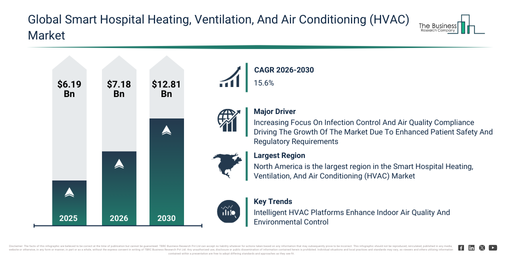
    The smart hospital heating, ventilation, and air conditioning (HVAC) market has experienced significant expansion recently. Projections indicate its size will increase from $6.19 billion in 2025 to reach $7.18 billion by 2026, demonstrating a compound annual growth rate (CAGR) of 15.9%. This historical growth is primarily due to the increased development of new hospitals and healthcare facilities, a surging need for patient-focused care settings, a heightened emphasis on reducing operational expenses within hospitals, greater healthcare investments from both public and private entities, and the escalating requirement for dependable climate regulation in crucial care zones.

    The market size for smart hospital heating, ventilation, and air conditioning (HVAC) is projected to experience swift expansion over the coming years. This market is anticipated to reach $12.81 billion by 2030, demonstrating a compound annual growth rate (CAGR) of 15.6%. This anticipated growth is linked to several factors, including the expanding development of hospital infrastructure, a heightened emphasis on indoor air quality within healthcare settings, the increasing demand for effective infection control environments, rising healthcare spending, and a greater recognition of patient comfort needs. Key trends foreseen for this period encompass progress in smart heating, ventilation, and air conditioning control systems; new developments in sensor-based indoor air quality monitoring; the evolution of artificial intelligence-powered building management systems; ongoing research and development in energy-efficient heating, ventilation, and air conditioning designs; and improvements in predictive maintenance for hospital heating, ventilation, and air conditioning systems.

    Download A Free Sample Report For Comprehensive Market Insights:

    https://www.thebusinessresearchcompany.com/sample.aspx?id=30749&type=smp

    Which Drivers Are Advancing The Smart Hospital Heating, Ventilation, And Air Conditioning (HVAC) Market Growth?

    The smart hospital heating, ventilation, and air conditioning (HVAC) market is anticipated to experience growth due to an escalating emphasis on infection control and air quality compliance. This compliance involves implementing environmental controls such as ventilation, filtration, and air handling standards in healthcare settings, designed to reduce airborne pathogen transmission and meet regulatory safety requirements. The importance of infection control and air quality compliance is rising globally as healthcare systems intensify efforts to prevent healthcare-associated infections and safeguard patients and staff. Smart hospital HVAC systems play a crucial role in supporting these objectives by optimizing ventilation rates, pressure differentials, and filtration efficiency, thus enhancing indoor air quality while also ensuring energy efficiency. For instance, in November 2024, the Center for Infectious Disease Research and Policy, a US-based infectious disease research center, reported that US acute care hospitals observed a 15% decline in central line-associated bloodstream infections and an 11% drop in catheter-associated urinary tract infections in 2023 compared with 2022. This improvement reflects enhanced infection control measures, including advanced environmental controls like HVAC systems. Therefore, the heightened focus on infection control and air quality compliance is a significant factor driving the growth of the smart hospital heating, ventilation, and air conditioning (HVAC) market.

    Which Segment Groups Define The Smart Hospital Heating, Ventilation, And Air Conditioning (HVAC) Market Landscape?

    The smart hospital heating, ventilation, and air conditioning (hvac) market covered in this report is segmented –

    1) By Component: Heating Equipment, Ventilation Equipment, Air Conditioning Equipment, Control Systems, Services

    2) By Technology: Internet Of Things (IoT)-Enabled Heating, Ventilation, And Air Conditioning (HVAC), Artificial Intelligence (AI)-Based Heating, Ventilation, And Air Conditioning (HVAC), Cloud-Based Heating, Ventilation, And Air Conditioning (HVAC), Traditional Heating, Ventilation, And Air Conditioning (HVAC)

    3) By Application: Patient Rooms, Operating Theaters, Intensive Care Units (ICUs), Laboratories, Pharmacies, Administrative Areas, Other Applications

    4) By End User: Public Hospitals, Private Hospitals, Specialty Hospitals

    Subsegments:

    1) By Heating Equipment: Boilers, Heat Pumps, Radiant Heaters, Electric Heaters, Gas Fired Heaters

    2) By Ventilation Equipment: Air Handling Units, Energy Recovery Ventilators, Exhaust Fans, Supply Fans, Terminal Units

    3) By Air Conditioning Equipment: Chiller Systems, Packaged Air Conditioners, Split Air Conditioning Units, Variable Refrigerant Flow Systems, Rooftop Air Conditioning Units

    4) By Control Systems: Building Management Systems, Smart Thermostat Systems, Variable Frequency Drive Controllers, Zonal Control Modules, Automated Monitoring Sensors

    5) By Services: Installation Services, Maintenance Services, Repair Services, System Upgrade Services, Energy Optimization Services

    What Trends Are Driving Changes In The Smart Hospital Heating, Ventilation, And Air Conditioning (HVAC) Market?

    Leading companies in the smart hospital heating, ventilation, and air conditioning (HVAC) market are concentrating on developing advanced systems, such as building automation systems, to enhance energy efficiency, improve indoor air quality, and ensure precise environmental control in critical care areas. A building automation system is defined as an integrated hardware and software platform that monitors and automatically manages building functions like heating, ventilation, air conditioning, lighting, and security, aiming to optimize comfort, energy efficiency, and operational performance. For instance, in September 2024, Johnson Controls Inc., a US-based building technology and controls company, unveiled Metasys 14.0, an updated building automation system offering next-generation analytics dashboards, enhanced network efficiency, support for up to 800 IP devices, and improved energy management tools that assist facility managers in reducing energy waste while maintaining the crucial environmental conditions for healthcare facilities. This Metasys 14.0 release includes turnkey energy-management dashboards and ASHRAE Guideline 36–aligned HVAC applications, providing building operators with quick, ready-to-use tools to visualize consumption, cut energy waste, and boost equipment performance, thereby supporting decarbonization goals.

    Which Key Players Are Active In The Smart Hospital Heating, Ventilation, And Air Conditioning (HVAC) Market?

    Major companies operating in the smart hospital heating, ventilation, and air conditioning (hvac) market are Siemens AG, LG Electronics Inc., Mitsubishi Electric Corporation, Honeywell International Inc., ABB Ltd., Carrier Global Corporation, Trane Technologies, Emerson Electric Co., Taikisha Ltd., Lindab Group AB, Systemair AB, Swegon Group AB, TROX GmbH, Ruskin Company, Johnson Controls International, Delta Controls Inc., KMC Controls, Bosch Thermotechnology, Vibro-Acoustics, Airflow Developments Ltd., Alerton, Kieback&Peter Co.

    Access The Complete Smart Hospital Heating, Ventilation, And Air Conditioning (HVAC) Market Report:

    https://www.thebusinessresearchcompany.com/report/smart-hospital-heating-ventilation-and-air-conditioning-hvac-market-report

    Which Region Commands The Largest Share Of The Smart Hospital Heating, Ventilation, And Air Conditioning (HVAC) Market?

    North America was the largest region in the smart hospital heating, ventilation, and air conditioning (HVAC) market in 2025. Asia-Pacific is expected to be the fastest-growing region in the forecast period. The regions covered in the smart hospital heating, ventilation, and air conditioning (hvac) market report are Asia-Pacific, South East Asia, Western Europe, Eastern Europe, North America, South America, Middle East, Africa.

    Access a Customized Smart Hospital Heating, Ventilation, And Air Conditioning (HVAC) Market Report for Deeper Competitive Insights

    https://www.thebusinessresearchcompany.com/sample.aspx?id=30749&type=smp

    Get in touch with us:

    The Business Research Company: https://www.thebusinessresearchcompany.com/

    Americas: +1 310-496-7795

    Asia: +44 7882 955267 & +91 8897263534

    Europe: +44 7882 955267

    Email us at: marketing@tbrc.info

    Follow us on:

    LinkedIn: https://in.linkedin.com/company/the-business-research-company

    YouTube: https://www.youtube.com/channel/UC24_fI0rV8cR5DxlCpgmyFQ

    Global Market Model: https://www.thebusinessresearchcompany.com/global-market-model
  • Increasing Adoption Of Surge In Adoption Of Artificial Intelligence In Hospital Operations Fueling Growth Due To Rising Need For Centralized And Data-Driven Healthcare Management Is Influencing The Smart Hospital Command Center Market

    Increasing Adoption Of Surge In Adoption Of Artificial Intelligence In Hospital Operations Fueling Growth Due To Rising Need For Centralized And Data-Driven Healthcare Management Is Influencing The Smart Hospital Command Center Market

    The Business Research Company’s 2026 market reports feature advanced enhancements such as market attractiveness analysis, total addressable market evaluation, company benchmarking matrices, interactive Excel dashboards, expanded supply chain intelligence, emerging startup coverage, and detailed product insights, delivering more actionable and strategically valuable research.

    What Are The Forecasted Market Size Figures For The Smart Hospital Command Center Market In 2026 And 2030?

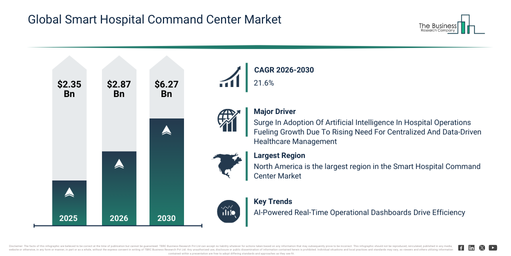
    The smart hospital command center market has experienced substantial expansion in recent years. Its value is projected to rise from $2.35 billion in 2025 to $2.87 billion by 2026, achieving a compound annual growth rate (CAGR) of 21.9%. The market’s growth in previous periods can be linked to increasing hospital digitalization, a growing need for real-time operational visibility, an elevated focus on patient safety and quality enhancement, the expanding adoption of data analytics in healthcare, and the increasing requirement for coordinated emergency responses.

    The smart hospital command center market is set to witness significant expansion in the coming years, with projections indicating it will reach $6.27 billion by 2030, exhibiting a compound annual growth rate (CAGR) of 21.6%. This growth during the forecast period is largely attributable to the increasing incorporation of artificial intelligence into hospital operations, amplified investments in smart healthcare infrastructure, a rising need for predictive analytics to manage patient flow effectively, broader deployment of connected medical devices, and an intensified focus on optimizing operational efficiency and resource allocation. Prominent trends anticipated within this period include technological breakthroughs in real-time monitoring platforms, advancements in artificial intelligence-powered decision support systems, the emergence of integrated hospital automation solutions, continuous research and development in digital health analytics, and innovative applications of digital twin based hospital operations management.

    Download A Free Sample Report For Comprehensive Market Insights:

    https://www.thebusinessresearchcompany.com/sample.aspx?id=30748&type=smp

    What Primary Factors Are Fueling The Expansion Of The Smart Hospital Command Center Market?

    The swift integration of artificial intelligence (AI) in hospital operations is anticipated to drive the expansion of the smart hospital command center market in the future. Artificial intelligence (AI) in hospital operations involves utilizing machine learning algorithms and automation to streamline administrative functions like scheduling, staffing, inventory management, and resource allocation, thereby boosting efficiency and decreasing operational costs. The incorporation of artificial intelligence (AI) into hospital operations is increasing, fueled by a rising need to optimize intricate administrative and operational workflows. Smart hospital command centers facilitate artificial intelligence (AI) in hospital operations by employing real-time data integration and predictive analytics, which improves responsiveness throughout hospital services. For instance, a report from September 2025, attributed to the Assistant Secretary for Technology Policy, a US-based government office, indicated that in 2024, 71% of hospitals stated they used predictive AI integrated with their electronic health record (EHR) systems. This marked an increase from 66% in 2023, with approximately 7 in 10 hospitals reporting the use of predictive AI in 2024. Consequently, the swift integration of artificial intelligence (AI) in hospital operations is propelling the growth of the smart hospital command center market.

    What Key Segment Areas Are Included In The Smart Hospital Command Center Market Assessment?

    The smart hospital command center market covered in this report is segmented –

    1) By Component: Software, Hardware, Services

    2) By Deployment Mode: On-Premises, Cloud-Based

    3) By Application: Patient Flow Management, Resource Allocation, Clinical Operations, Asset Management, Communication And Coordination, Others

    4) By End User: Large Hospitals, Medium Hospitals, Small Hospitals

    Subsegments:

    1) By Software: Real-Time Analytics Platforms, Hospital Workflow Automation Systems, Patient Flow Management Software, Digital Communication And Coordination Tools, Integrated Dashboard And Visualization Software, Clinical Decision Support Solutions, Resource Allocation Optimization Software

    2) By Hardware: Centralized Monitoring Systems, Internet Of Things Enabled Devices, Servers And Data Storage Units, Networking And Connectivity Equipment, Control Room Display Panels, Sensor Based Tracking Devices, Integrated Command Center Consoles

    3) By Services: Implementation And Integration Services, Training And Education Services, Maintenance And Technical Support Services, Consulting And Workflow Optimization Services, System Upgradation And Enhancement Services, Remote Monitoring And Management Services, Customization And Configuration Services

    Which Trends Are Shaping The Smart Hospital Command Center Market Landscape?

    Leading companies active in the smart hospital command center market are prioritizing the development of advanced solutions, such as real-time predictive analytics, with the goal of improving operational efficiency, patient flow, and clinical decision-making across various health systems. Real-time predictive analytics refers to software-driven capabilities that continuously collect and analyze live hospital data to forecast demand, identify bottlenecks, and enable proactive operational interventions. For instance, in October 2024, GE HealthCare Technologies Inc., a US-based medical technology company, unveiled the Hospital Pulse Tile for its Command Center Software. This introduction integrates real-time predictive analytics to provide system-wide visibility into capacity, staffing levels, patient throughput, and the performance of care delivery. The Command Center utilizes advanced analytics and AI to convert complex hospital data into actionable insights, thereby enabling leaders to anticipate surges, optimize resource utilization, and reduce delays in patient care.

    Who Are The Leading Firms Participating In The Smart Hospital Command Center Market?

    Major companies operating in the smart hospital command center market are IBM Corporation, Oracle Corporation, Honeywell International Inc., Siemens Healthineers AG, Koninklijke Philips N.V., GE HealthCare Technologies Inc., Palantir Technologies Inc., Huron Consulting Group Inc., Dedalus Group, Allscripts Healthcare Solutions Inc., Everbridge Inc., Ascom Ltd., Care Logistics LLC, Spok Holdings Inc., TeleTracking Technologies Inc., LeanTaaS Inc., Qventus Inc., Connexall, Pointcore, Epic Systems Corporation

    Access The Complete Smart Hospital Command Center Market Report:

    https://www.thebusinessresearchcompany.com/report/smart-hospital-command-center-market-report

    Which Region Accounts For The Highest Share Of The Smart Hospital Command Center Market?

    North America was the largest region in the smart hospital command center market in 2025. Asia-Pacific is expected to be the fastest-growing region in the forecast period. The regions covered in the smart hospital command center market report are Asia-Pacific, South East Asia, Western Europe, Eastern Europe, North America, South America, Middle East, Africa.

    Access a Customized Smart Hospital Command Center Market Report for Deeper Competitive Insights

    https://www.thebusinessresearchcompany.com/sample.aspx?id=30748&type=smp

    Get in touch with us:

    The Business Research Company: https://www.thebusinessresearchcompany.com/

    Americas: +1 310-496-7795

    Asia: +44 7882 955267 & +91 8897263534

    Europe: +44 7882 955267

    Email us at: marketing@tbrc.info

    Follow us on:

    LinkedIn: https://in.linkedin.com/company/the-business-research-company

    YouTube: https://www.youtube.com/channel/UC24_fI0rV8cR5DxlCpgmyFQ

    Global Market Model: https://www.thebusinessresearchcompany.com/global-market-model
  • Smart Home Market Outlook Through 2030 With Analysis Of Industry Trends And Developments

    Smart Home Market Outlook Through 2030 With Analysis Of Industry Trends And Developments

    The Business Research Company’s 2026 market reports feature advanced enhancements such as market attractiveness analysis, total addressable market evaluation, company benchmarking matrices, interactive Excel dashboards, expanded supply chain intelligence, emerging startup coverage, and detailed product insights, delivering more actionable and strategically valuable research.

    What Growth In Market Value Is Anticipated For The Smart Home Market Between 2026 And 2030?

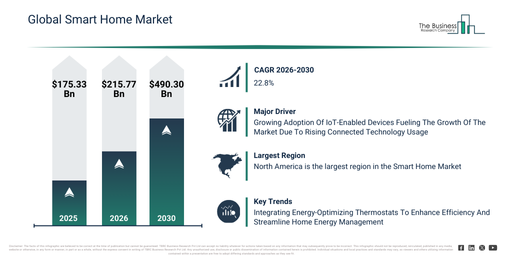
    The smart home market size has seen significant expansion in recent years. Projections indicate it will expand from $175.33 billion in 2025 to $215.77 billion in 2026, demonstrating a compound annual growth rate (CAGR) of 23.1%. This historical expansion can be ascribed to several factors, including the increasing integration of IoT devices, a surge in consumer demand for home automation, heightened awareness concerning energy efficiency, the broader implementation of smart security systems, and the rising prevalence of smartphones and mobile applications.

    The smart home market is projected to experience significant expansion in the coming years. By 2030, its size is expected to reach $490.30 billion, exhibiting a compound annual growth rate (CAGR) of 22.8%. This growth during the forecast period is driven by increased investment in smart home infrastructure, the expanding integration of artificial intelligence and machine learning, the rising adoption of voice-controlled devices, growing demand for retrofit solutions, and a heightened focus on sustainable and energy-efficient solutions. Furthermore, major developments predicted for this period include technological advancements in AI-driven automation, innovations in Matter protocol interoperability, the progression of 5G and edge computing integration, ongoing research into sustainable home solutions, and improvements in predictive maintenance and smart appliance management.

    Download A Free Sample Report For Comprehensive Market Insights:

    https://www.thebusinessresearchcompany.com/sample.aspx?id=30746&type=smp

    What Major Growth Factors Are Impacting The Smart Home Market?

    The increasing integration of Internet of Things (IoT)-enabled devices is anticipated to drive the expansion of the smart home market in the future. These IoT-enabled devices are electronic products fitted with sensors, software, and network capabilities, which facilitate data collection and interaction with other systems, thereby enabling remote oversight and automation. Their uptake is on the rise because entities are pursuing real-time data and automation to refine operations, cut expenses, and enhance choices made across residences, urban areas, and various sectors. The smart home infrastructure accommodates IoT-enabled devices by incorporating IoT functionalities into environmental controls, safety setups, illumination, and domestic appliances, consequently bolstering ease of use, operational efficiency, and energy regulation. As an illustration, data from IoT Analytics, a research firm from Germany specializing in IoT market intelligence, indicated that in September 2024, the count of connected IoT devices hit 16.6 billion in 2023, marking a 15% rise from 14.4 billion recorded in 2022. Consequently, the expanding use of Internet of Things (IoT)-enabled devices is propelling the growth of the smart home market.

    What Are The Core Segment Classifications In The Smart Home Market?

    The smart home market covered in this report is segmented –

    1) By Type: Audio Equipment, Video Devices, Gaming Consoles

    2) By Device Type: Safety And Security Access Control, Home Appliances, Heating, Ventilation And Air Conditioning, Lighting Control, Smart Entertainment Devices, Smart Kitchen Appliances, Other Device Types

    3) By Protocol: Wired, Wireless

    4) By Sales Channel: Direct-To-Consumer (DTC) Or Online, Retail, Professional Or System Integrators

    5) By Application: Retrofit, New Construction

    Subsegments:

    1) By Audio Equipment: Smart Speakers, Wireless Home Audio Systems, Sound Bars, Multi Room Audio Devices, Home Theater Audio Systems

    2) By Video Devices: Smart Televisions, Streaming Media Players, Projectors, Video Casting Devices, Smart Display Screens

    3) By Gaming Consoles: Home Gaming Consoles, Portable Gaming Consoles, Virtual Reality Gaming Devices, Motion Sensing Gaming Devices, Cloud Based Gaming Consoles

    Which Trends Are Expected To Shape The Smart Home Market?

    Leading corporations in the smart home market are concentrating on developing energy-optimization solutions, such as integrated smart thermostats, to improve household energy efficiency, lower electricity expenses, and enhance automated climate control. Integrated smart thermostats are defined as connected devices that intelligently manage heating and cooling, synchronize with energy storage or backup systems, and adapt to occupancy patterns to maximize energy usage. For instance, in May 2025, Generac Holdings Inc., a US-based energy technology company, unveiled the ecobee by Generac Smart Thermostat Enhanced with Home Energy Management. This specific integrated smart thermostat includes features like climate adjustment based on occupancy, integration with PWRcell solar battery storage for reduced grid dependence, and seamless coordination with Generac Home Standby Generators to maintain comfort during power interruptions.

    Who Are The Prominent Players Across The Smart Home Market?

    Major companies operating in the smart home market are Amazon.com Inc., Apple Inc., Samsung Electronics Co. Ltd., Robert Bosch GmbH, LG Electronics Inc., Schneider Electric SE, Xiaomi Corporation, Honeywell International Inc., ABB Ltd., Legrand SA, Signify N.V., TP-Link Technologies Co. Ltd., Somfy SA, Anker Innovations Technology Co. Ltd., Lutron Electronics Co. Inc., Control4 Corporation, iRobot Corporation, Aqara, ecobee Inc., Tuya Inc., Nanoleaf Ltd., Eve Systems GmbH

    Access The Complete Smart Home Market Report:

    https://www.thebusinessresearchcompany.com/report/smart-home-market-report

    Which Geographic Region Represents The Largest Smart Home Market Share?

    North America was the largest region in the smart home market in 2025. Asia-Pacific is expected to be the fastest-growing region in the forecast period. The regions covered in the smart home market report are Asia-Pacific, South East Asia, Western Europe, Eastern Europe, North America, South America, Middle East, Africa.

    Access a Customized Smart Home Market Report for Deeper Competitive Insights

    https://www.thebusinessresearchcompany.com/sample.aspx?id=30746&type=smp

    Get in touch with us:

    The Business Research Company: https://www.thebusinessresearchcompany.com/

    Americas: +1 310-496-7795

    Asia: +44 7882 955267 & +91 8897263534

    Europe: +44 7882 955267

    Email us at: marketing@tbrc.info

    Follow us on:

    LinkedIn: https://in.linkedin.com/company/the-business-research-company

    YouTube: https://www.youtube.com/channel/UC24_fI0rV8cR5DxlCpgmyFQ

    Global Market Model: https://www.thebusinessresearchcompany.com/global-market-model
  • Sleep Disorder Market Revenue Anticipated To Reach $65.5 Billion By 2030 With 14.4% CAGR

    Sleep Disorder Market Revenue Anticipated To Reach $65.5 Billion By 2030 With 14.4% CAGR

    The Business Research Company’s 2026 market reports feature advanced enhancements such as market attractiveness analysis, total addressable market evaluation, company benchmarking matrices, interactive Excel dashboards, expanded supply chain intelligence, emerging startup coverage, and detailed product insights, delivering more actionable and strategically valuable research.

    What Is The Expected Market Value Outlook For The Sleep Disorder Market Through 2030?

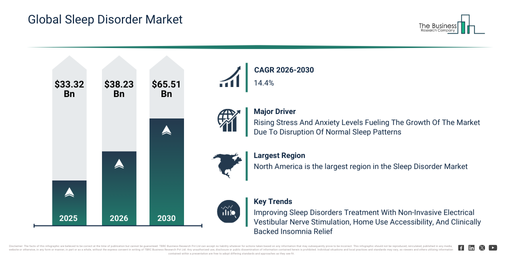
    The sleep disorder market has experienced substantial expansion in recent years. Its projected growth trajectory indicates an increase from $33.32 billion in 2025 to $38.23 billion in 2026, at a compound annual growth rate (CAGR) of 14.7%. Historically, this market’s development can be attributed to heightened awareness regarding sleep health, the rising occurrence of insomnia and sleep apnea, increased adoption of sleep diagnostic services, an expanding geriatric population, a surge in stress and lifestyle-related sleep issues, and the growing use of smartphones and wearable devices for sleep tracking.

    The sleep disorder market is anticipated to experience substantial growth in the next few years, with projections indicating it will reach $65.51 billion by 2030, expanding at a compound annual growth rate (CAGR) of 14.4%. This expansion during the forecast period is primarily driven by factors such as the increased utilization of telemedicine services for sleep-related conditions, the growing adoption of wearable devices for sleep tracking, the rise in home-based diagnostic testing, the wider use of cognitive behavioral therapy applications, and heightened government initiatives promoting sleep health awareness. Significant trends expected during this period include advancements in wearable sleep monitoring technology, improvements in home-based sleep diagnostic tools, progress in AI-driven sleep analysis, innovative non-invasive therapies for sleep apnea, developments in telemedicine for sleep consultations, and enhancements in cognitive behavioral therapy applications.

    Download A Free Sample Report For Comprehensive Market Insights:

    https://www.thebusinessresearchcompany.com/sample.aspx?id=30744&type=smp

    What Market Drivers Are Helping Shape The Sleep Disorder Market Expansion?

    Rising stress and anxiety levels are projected to fuel the expansion of the sleep disorder market. These levels signify the extent of psychological pressure and persistent worry in a population, frequently stemming from environmental, societal, or economic stressors. The rise in stress and anxiety is attributed to pressures in the workplace, with employees encountering increased workloads, strict deadlines, and uncertainty regarding their employment. Stress and anxiety contribute to sleep disorders by disturbing typical sleep cycles and making it harder to initiate or maintain sleep. They negatively impact overall health by hindering restorative sleep, resulting in tiredness, reduced mental function, and a greater susceptibility to long-term illnesses. For example, data from May 2024, released by the US-based American Psychiatric Association (APA), indicated that 43% of U.S. adults reported increased anxiety in 2024 compared to the prior year. This figure represents an increase from 37% in 2023 and 32% in 2022. Consequently, escalating stress and anxiety levels are a key factor driving the expansion of the sleep disorder market.

    How Is The Sleep Disorder Market Structured Across Different Market Segments?

    The sleep disorder market covered in this report is segmented –

    1) By Disorder Type: Insomnia, Sleep Apnea, Restless Legs Syndrome, Narcolepsy, Circadian Rhythm Disorders

    2) By Treatment: Cognitive Behavioral Therapy, Medication Therapy, Psychiatric Treatment, Behavioral Treatment

    3) By Diagnostic Method: Polysomnography, Home Sleep Testing, Actigraphy, Sleep Diaries, Questionnaires and Screening

    4) By Distribution Channel: Retail Pharmacies, Online Sales, Hospital Pharmacies

    5) By End-User: Hospitals And Sleep Centers, Home Care Settings, Academic

    Subsegments:

    1) By Insomnia: Acute Insomnia, Chronic Insomnia, Onset Insomnia, Maintenance Insomnia, Behavioral Insomnia, Medication-Induced Insomnia

    2) By Sleep Apnea: Obstructive Sleep Apnea, Central Sleep Apnea, Complex Sleep Apnea Syndrome, Mild Sleep Apnea, Moderate Sleep Apnea, Severe Sleep Apnea, Pediatric Sleep Apnea, Treatment-Resistant Sleep Apnea

    3) By Restless Legs Syndrome: Primary Restless Legs Syndrome, Secondary Restless Legs Syndrome, Mild Restless Legs Syndrome, Moderate Restless Legs Syndrome, Severe Restless Legs Syndrome, Intermittent Restless Legs Syndrome, Chronic Persistent Restless Legs Syndrome

    4) By Narcolepsy: Narcolepsy Type 1, Narcolepsy Type 2, Idiopathic Hypersomnia, Pediatric Narcolepsy, Treatment-Resistant Narcolepsy, Secondary Narcolepsy

    5) By Circadian Rhythm Disorders: Delayed Sleep Phase Disorder, Advanced Sleep Phase Disorder, Shift Work Sleep Disorder, Jet Lag Disorder, Irregular Sleep-Wake Rhythm Disorder, Non-24-Hour Sleep-Wake Disorder

    What Trends Are Affecting The Sleep Disorder Market Dynamics?

    Leading companies within the sleep disorder market are concentrating on developing advanced therapeutic technologies, including electrical vestibular nerve stimulation (VeNS) methods. This focus aims to provide non-drug treatment options that enhance sleep quality, regulate circadian rhythms, and support patients dealing with chronic insomnia. The electrical vestibular nerve stimulation (VeNS) method itself is a non-invasive therapeutic approach that delivers low-level electrical pulses to the vestibular nerve, a key neural pathway that influences brain regions involved in sleep regulation without the need for surgical intervention or pharmaceuticals. As an illustration, in October 2024, Neurovalens Ltd., a UK–based health-tech company, launched Modius Sleep. This FDA-cleared, non-invasive device is specifically designed to treat chronic insomnia using electrical vestibular nerve stimulation (VeNS). The headset-style medical device is worn for about 30 minutes each evening, transmitting safe electrical pulses to the vestibular nerve to influence the hypothalamus and brainstem areas that govern circadian rhythm and sleep patterns, thereby assisting users in falling asleep more quickly and remaining asleep for longer periods.

    Which Companies Form The Competitive Landscape Of The Sleep Disorder Market?

    Major companies operating in the sleep disorder market are Johnson & Johnson, Merck & Co. Inc., Pfizer Inc., Sanofi S.A., GlaxoSmithKline plc, Eli Lilly and Company, Takeda Pharmaceutical Company Limited, Teva Pharmaceutical Industries Ltd., Otsuka Holdings Co. Ltd., Biogen Inc., Union Chimique Belge S.A., Sun Pharmaceutical Industries Ltd., Eisai Co. Ltd., Jazz Pharmaceuticals plc, Aurobindo Pharma Ltd., Dr. Reddy’s Laboratories Limited, H. Lundbeck A/S, Sumitomo Pharma Co. Ltd., Neurocrine Biosciences Inc., Harmony Biosciences Holdings Inc., Vanda Pharmaceuticals Inc.

    Access The Complete Sleep Disorder Market Report:

    https://www.thebusinessresearchcompany.com/report/sleep-disorder-market-report

    Which Region Leads The Sleep Disorder Market By Size?

    North America was the largest region in the sleep disorder market in 2025. Asia-Pacific is expected to be the fastest-growing region in the forecast period. The regions covered in the sleep disorder market report are Asia-Pacific, South East Asia, Western Europe, Eastern Europe, North America, South America, Middle East, Africa.

    Access a Customized Sleep Disorder Market Report for Deeper Competitive Insights

    https://www.thebusinessresearchcompany.com/sample.aspx?id=30744&type=smp

    Get in touch with us:

    The Business Research Company: https://www.thebusinessresearchcompany.com/

    Americas: +1 310-496-7795

    Asia: +44 7882 955267 & +91 8897263534

    Europe: +44 7882 955267

    Email us at: marketing@tbrc.info

    Follow us on:

    LinkedIn: https://in.linkedin.com/company/the-business-research-company

    YouTube: https://www.youtube.com/channel/UC24_fI0rV8cR5DxlCpgmyFQ

    Global Market Model: https://www.thebusinessresearchcompany.com/global-market-model
  • Single Use Medical Devices Market Industry Forecast Reflecting Growth To $42.43 Billion By 2030

    Single Use Medical Devices Market Industry Forecast Reflecting Growth To $42.43 Billion By 2030

    The Business Research Company’s 2026 market reports feature advanced enhancements such as market attractiveness analysis, total addressable market evaluation, company benchmarking matrices, interactive Excel dashboards, expanded supply chain intelligence, emerging startup coverage, and detailed product insights, delivering more actionable and strategically valuable research.

    What Will Be The Estimated Market Size Of The Single Use Medical Devices Market By 2030?

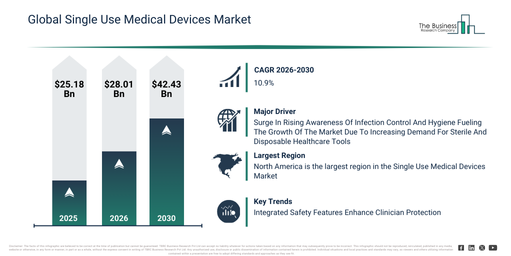
    The single-use medical devices market size has seen significant growth in recent years. It is forecast to increase from $25.18 billion in 2025 to $28.01 billion in 2026, demonstrating a compound annual growth rate (CAGR) of 11.2%. This market’s past expansion can be attributed to several factors, including a heightened need for infection control, a worldwide rise in surgical procedures, the increasing occurrence of chronic diseases, a greater number of hospital admissions and emergency situations, and the growing preference for disposable equipment to ensure safety.

    The market size for single-use medical devices is projected to experience considerable expansion over the coming years. This sector is expected to reach $42.43 billion by 2030, growing at a compound annual growth rate (CAGR) of 10.9%. The projected increase in this period can be attributed to progress in biodegradable materials, new developments in smart disposable devices, the incorporation of automation into manufacturing processes, improvements in sterile barrier packaging, and novel lightweight designs. Important trends for the forecast duration encompass advancements in biodegradable disposable materials, breakthroughs in intelligent single-use devices, the adoption of automation in production, enhancements in sterile packaging technology, and creative approaches to lightweight device designs.

    Download A Free Sample Report For Comprehensive Market Insights:

    https://www.thebusinessresearchcompany.com/sample.aspx?id=30742&type=smp

    What Core Drivers Are Transforming The Single Use Medical Devices Market?

    The expanding understanding of infection control and hygiene practices is anticipated to boost the future expansion of the single-use medical devices market. These practices are crucial within healthcare environments for preventing hospital-acquired infections (HAIs) and cross-contamination, issues that can result in longer hospitalizations, higher treatment expenses, and increased rates of illness and death. This heightened awareness of infection control and hygiene stems largely from more stringent regulatory frameworks that prioritize patient safety and the avoidance of hospital-acquired infections. The single-use medical devices market contributes to this progression by supplying sterile, disposable instruments that minimize contamination risks and uphold adherence to hygiene protocols. For example, data from May 2023, published by the World Health Organization (WHO), a Switzerland-based United Nations (UN) specialized agency, indicated that approximately 1 in 10 patients in acute care hospitals contract at least one healthcare-associated infection (HAI) during their admission. This rate is notably higher in low and middle income countries compared to high income ones, underscoring the pervasive infection risk present in clinical settings. Consequently, the increasing understanding of infection prevention and hygiene is accelerating the uptake of single-use medical devices throughout hospitals and clinics.

    What Are The Major Segment Categories Within The Single Use Medical Devices Market?

    The single use medical devices market covered in this report is segmented –

    1) By Product Type: Syringes, Catheters, Surgical Instruments, Diagnostic Devices, Other Product Types

    2) By Material: Plastic, Metal, Glass, Other Materials

    3) By Application: Hospitals, Clinics, Ambulatory Surgical Centers, Home Healthcare, Other Applications

    4) By End-User: Healthcare Providers, Diagnostic Centers, Other End-Users

    Subsegments:

    1) By Syringes: Insulin Syringes, Tuberculin Syringes, Prefilled Syringes, Safety Syringes, Oral Syringes, Auto-Disable Syringes

    2) By Catheters: Intravenous (IV) Catheters, Urinary (Foley) Catheters, Central Venous Catheters, Peripheral Arterial Catheters, Dialysis Catheters, Cardiovascular (Angiography) Catheters

    3) By Surgical Instruments: Disposable Scalpels, Disposable Forceps, Disposable Scissors, Disposable Needle Holders, Disposable Retractors, Disposable Trocar Sets

    4) By Diagnostic Devices: Blood Glucose Test Strips, Rapid Diagnostic Test Kits, Single-Use Endoscopic Accessories, Specimen Collection Swabs, Disposable ECG Electrodes, Disposable Ultrasound Probe Covers

    5) By Other Product Types: Infusion Sets, Wound Dressings, Gloves And Gowns, Suction And Drainage Sets, Oxygen Masks And Cannulas, Disposable Dental Supplies

    What Trends Are Impacting The Single Use Medical Devices Market?

    Major companies operating in the single-use medical devices market are prioritizing the development of innovative solutions, such as blood control safety IV catheters that integrate automatic pathogen exposure mitigation and vessel entry confirmation, to gain a competitive advantage. Blood control safety IV catheters refer to single-use intravenous (IV) devices specifically designed to minimize blood exposure and prevent needlestick injuries during catheter insertion and use. For instance, in May 2024, MedSource Labs, a US-based medical device company, launched the ClearSafe Comfort and TrueSafe Comfort Blood Control Safety IV Catheters. These feature active blood control check valve technology to significantly reduce bloodborne pathogen exposure risk, a translucent flashback chamber for accurate vessel entry confirmation, and an ergonomic non-slip grip for ease of handling. This trend enhances procedural safety and efficiency but may increase procurement costs and require training for optimal utilization.

    Which Organizations Are Operating Within The Single Use Medical Devices Market?

    Major companies operating in the single use medical devices market are Cardinal Health Inc., Medtronic plc, 3M Health Care, Medline Industries LP, Fresenius Medical Care AG, Becton Dickinson and Company, Boston Scientific Corporation, Baxter International Inc., Shandong Weigao Group Medical Polymer Company Limited, B. Braun Melsungen Aktiengesellschaft, Terumo Corporation, Nipro Corporation, Coloplast A/S, Teleflex Incorporated, West Pharmaceutical Services Inc., Paul Hartmann Aktiengesellschaft, ConvaTec Group plc, Ambu A/S, Mercator Medical S.A., Bio-Med HealthCare Products Pvt. Ltd., HLL Lifecare Limited

    Access The Complete Single Use Medical Devices Market Report:

    https://www.thebusinessresearchcompany.com/report/single-use-medical-devices-market-report

    Which Region Stands As The Largest Contributor To The Single Use Medical Devices Market?

    North America was the largest region in the single use medical devices market in 2025. Asia-Pacific is expected to be the fastest-growing region in the forecast period. The regions covered in the single use medical devices market report are Asia-Pacific, South East Asia, Western Europe, Eastern Europe, North America, South America, Middle East, Africa.

    Access a Customized Single Use Medical Devices Market Report for Deeper Competitive Insights

    https://www.thebusinessresearchcompany.com/sample.aspx?id=30742&type=smp

    Get in touch with us:

    The Business Research Company: https://www.thebusinessresearchcompany.com/

    Americas: +1 310-496-7795

    Asia: +44 7882 955267 & +91 8897263534

    Europe: +44 7882 955267

    Email us at: marketing@tbrc.info

    Follow us on:

    LinkedIn: https://in.linkedin.com/company/the-business-research-company

    YouTube: https://www.youtube.com/channel/UC24_fI0rV8cR5DxlCpgmyFQ

    Global Market Model: https://www.thebusinessresearchcompany.com/global-market-model
  • Robotic Catheter Navigation Systems Market Growth Outlook Indicating Expansion To $2.22 Billion By 2030

    Robotic Catheter Navigation Systems Market Growth Outlook Indicating Expansion To $2.22 Billion By 2030

    The Business Research Company’s 2026 market reports feature advanced enhancements such as market attractiveness analysis, total addressable market evaluation, company benchmarking matrices, interactive Excel dashboards, expanded supply chain intelligence, emerging startup coverage, and detailed product insights, delivering more actionable and strategically valuable research.

    What Market Value Expansion Is Expected For The Robotic Catheter Navigation Systems Market Over The Forecast Period?

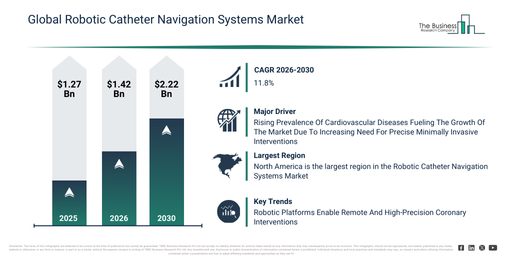
    The robotic catheter navigation systems market has experienced substantial growth in recent years. Its value is expected to increase from $1.27 billion in 2025 to $1.42 billion in 2026, achieving a compound annual growth rate (CAGR) of 12.0%. The expansion observed historically can be attributed to the rising prevalence of cardiovascular diseases, a growing demand for minimally invasive procedures, the increasing adoption of robotic-assisted surgeries, the expansion of cardiac catheterization labs, and an overall rise in healthcare expenditure.

    The robotic catheter navigation systems market size is projected to experience swift expansion in the coming years. By 2030, this market is anticipated to reach a valuation of $2.22 billion, exhibiting a compound annual growth rate (CAGR) of 11.8%. Factors contributing to this growth during the projected period include a heightened emphasis on precision medicine, the growing embrace of hybrid robotic systems, increased expenditure in research and development, broader applications in neurovascular procedures, and a rising demand from patients for quicker recuperation. Key trends expected within the forecast timeframe encompass advancements in robotic navigation technology, the integration of this technology with imaging and mapping systems, significant innovations in catheter design and materials, ongoing research and development in artificial intelligence and machine learning, and the incorporation of robotic systems with telemedicine platforms.

    Download A Free Sample Report For Comprehensive Market Insights:

    https://www.thebusinessresearchcompany.com/sample.aspx?id=30731&type=smp

    What Important Drivers Are Powering The Robotic Catheter Navigation Systems Market Growth?

    The increasing incidence of cardiovascular ailments is projected to drive the expansion of the robotic catheter navigation systems market in the foreseeable future. These conditions encompass a range of issues impacting the heart and blood vessels, such as heart attacks, strokes, and high blood pressure. The rise in cardiovascular diseases is attributed to unhealthy lifestyle choices, including inadequate diet, insufficient physical activity, and smoking. Robotic catheter navigation systems assist in managing cardiovascular diseases by facilitating accurate, minimally invasive movement within blood vessels during both diagnostic and therapeutic interventions. Such systems enhance patient results through improved procedural precision, fewer complications, and quicker recovery periods. As an illustration, the Centers for Disease Control, a US government body, reported in October 2024 that around 919,032 individuals succumbed to cardiovascular disease in 2023, representing 1 in every 3 fatalities. Consequently, the growing occurrence of cardiovascular diseases is a key factor propelling the expansion of the robotic catheter navigation systems market.

    How Does Segment Analysis Break Down The Robotic Catheter Navigation Systems Market Structure?

    The robotic catheter navigation systems market covered in this report is segmented –

    1) By Product Type: Magnetic Navigation Systems, Electromechanical Navigation Systems, Other Product Types

    2) By Application: Cardiology, Neurology, Urology, Gastroenterology, Other Application

    3) By End-User: Hospitals, Ambulatory Surgical Centers, Specialty Clinics, Other End-Users

    Subsegments:

    1) By Magnetic Navigation Systems: Magnetic Field Generators, Catheter Steering Units, Imaging And Visualization Tools, Navigation Software Platforms, Sensor Modules

    2) By Electromechanical Navigation Systems: Motorized Catheter Devices, Control Consoles, Imaging Integration Modules, Position Sensors, Monitoring Software

    3) By Other Product Types: Accessories And Consumables, Support And Maintenance Tools, Data Management Software, Calibration Equipment, Connectivity Modules

    What Trends Are Influencing The Robotic Catheter Navigation Systems Market?

    Leading companies in the robotic catheter navigation systems market are concentrating on developing sophisticated solutions, such as robotic platforms featuring integrated control command units, to enhance procedural exactitude and safety within interventional cardiology. Robotic platforms with integrated control command units empower physicians to remotely manage coronary angioplasty instruments from a shielded cockpit, thereby substantially diminishing radiation exposure for the medical personnel while simultaneously improving the steadiness and accuracy of catheter placement through robotic aid, which enables intricate vascular interventions with millimeter-level precision. For instance, in May 2023, ROBOCATH SAS, a France-based medical robotics company dedicated to creating intelligent solutions for cardiovascular treatments, introduced its R-One+ robotic platform. This robotic platform with integrated control command units is engineered to execute coronary angioplasties by allowing cardiologists to operate devices from a control room or cath lab cockpit, incorporating advanced hand gesture controls and superior ergonomic conditions. The system additionally offers enhanced visibility via radioscopy and hemodynamic monitoring screens to expedite the uptake of robotic percutaneous coronary interventions (PCI) and foster safer working environments for healthcare professionals.

    Which Firms Are Competing In The Robotic Catheter Navigation Systems Market?

    Major companies operating in the robotic catheter navigation systems market are Johnson & Johnson., Abbott Laboratories, Medtronic plc., Siemens Healthineers Inc, Boston Scientific Corporation, Intuitive Surgical, Terumo Corporation, Springer Nature Link, Biotronik SE & Co. KG, LivaNova PLC, MicroPort Scientific Corporation, ClearPoint Neuro Inc, Imricor Medical Systems Inc., Stereotaxis Inc., Acutus Medical Inc., John Wiley & Sons Inc., Arxiv, Auris Health, Catheter Precision Inc., Robocath S.A.

    Access The Complete Robotic Catheter Navigation Systems Market Report:

    https://www.thebusinessresearchcompany.com/report/robotic-catheter-navigation-systems-market-report

    Which Region Contributes The Most To The Robotic Catheter Navigation Systems Market?

    North America was the largest region in the robotic catheter navigation systems market in 2025. Asia-Pacific is expected to be the fastest-growing region in the forecast period. The regions covered in the robotic catheter navigation systems market report are Asia-Pacific, South East Asia, Western Europe, Eastern Europe, North America, South America, Middle East, Africa.

    Access a Customized Robotic Catheter Navigation Systems Market Report for Deeper Competitive Insights

    https://www.thebusinessresearchcompany.com/sample.aspx?id=30731&type=smp

    Get in touch with us:

    The Business Research Company: https://www.thebusinessresearchcompany.com/

    Americas: +1 310-496-7795

    Asia: +44 7882 955267 & +91 8897263534

    Europe: +44 7882 955267

    Email us at: marketing@tbrc.info

    Follow us on:

    LinkedIn: https://in.linkedin.com/company/the-business-research-company

    YouTube: https://www.youtube.com/channel/UC24_fI0rV8cR5DxlCpgmyFQ

    Global Market Model: https://www.thebusinessresearchcompany.com/global-market-model
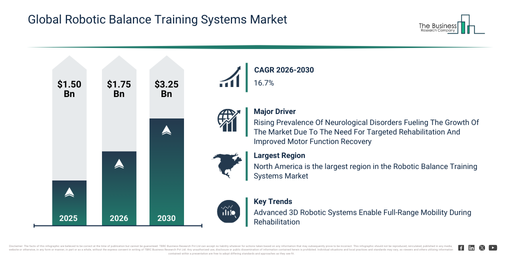
  • Global Robotic Balance Training Systems Market Anticipated To Grow To $3.25 Billion By 2030 At 16.7% CAGR

    Global Robotic Balance Training Systems Market Anticipated To Grow To $3.25 Billion By 2030 At 16.7% CAGR

    The Business Research Company’s 2026 market reports feature advanced enhancements such as market attractiveness analysis, total addressable market evaluation, company benchmarking matrices, interactive Excel dashboards, expanded supply chain intelligence, emerging startup coverage, and detailed product insights, delivering more actionable and strategically valuable research.

    How Will The Market Value Of The Robotic Balance Training Systems Market Change Between 2026 And 2030?

    The robotic balance training systems market has observed swift growth in its size during recent years. Projections indicate it will expand from $1.50 billion in 2025 to $1.75 billion in 2026, demonstrating a compound annual growth rate (CAGR) of 17.0%. Historically, this expansion has been driven by the increasing prevalence of balance and mobility disorders, the growing adoption of robotic rehabilitation technologies, a rising demand for measurable therapy outcomes, expanding rehabilitation infrastructure investments, and an increasing focus on fall-prevention programs.

    The market for robotic balance training systems is anticipated to experience substantial expansion over the coming years. This market is projected to reach $3.25 billion by 2030, demonstrating a compound annual growth rate (CAGR) of 16.7%. Several factors are driving this anticipated growth, including a globally expanding elderly population, the increasing integration of AI-enabled rehabilitation technologies, a greater incorporation of robotics into clinical practices, the wider availability of service and support networks, and an escalating need for sophisticated post-acute rehabilitation options. Key trends expected during this period involve enhancements in AI-powered adaptive training algorithms, novelties in virtual reality (VR) and augmented reality (AR) immersive rehabilitation, progress in multi-sensor fusion technologies, ongoing research and development in designing compact robotic systems, and improvements in cloud-connected rehabilitation platforms.

    Download A Free Sample Report For Comprehensive Market Insights:

    https://www.thebusinessresearchcompany.com/sample.aspx?id=30730&type=smp

    Which Major Factors Are Contributing To The Development Of The Robotic Balance Training Systems Market?

    The escalating occurrence of neurological disorders is projected to drive the expansion of the robotic balance training systems market moving forward. Neurological disorders are medical conditions that impact the brain, spinal cord, and nerves, disrupting typical nervous system functions and leading to impairments in movement, cognition, sensation, behavior, or overall bodily control. This rise in prevalence stems from unhealthy lifestyle habits, including poor diet, physical inactivity, smoking, excessive alcohol consumption, and chronic stress. Robotic balance training systems assist in managing neurological disorders by offering guided, repetitive, and controlled exercises to enhance stability, coordination, and motor function. They improve patient recovery through fostering neuroplasticity, reducing fall risk, and accelerating rehabilitation outcomes. For instance, in June 2025, according to Brain Research UK, a United Kingdom-based neurological charity, the prevalence of neurological conditions increased from 10.5 million people in 2024 to an estimated 11 million in 2025, marking a 4.8 % rise year over year. Therefore, the rising demand for targeted CNS drug delivery is driving the growth of the robotic balance training systems market.

    What Segment Types Are Included In The Robotic Balance Training Systems Market Analysis?

    The robotic balance training systems market covered in this report is segmented –

    1) By Product Type: Treadmill-Based Systems, Platform-Based Systems, Wearable Systems, Others Product Types

    2) By Technology: Sensor-Based, AI-Enabled, Virtual Reality Integrated, Others Technology

    3) By Distribution Or Channel Type: Direct Sales, Distributor-Based Sales, Online Or Partner-Based Procurement Channels

    4) By Application: Rehabilitation Centers, Hospitals And Clinics, Home Care Settings, Others Application

    5) By End User: Hospitals, Physical Therapy Clinics, Sports Facilities, Home Care

    Subsegments:

    1) By Treadmill-Based Systems: Body Weight Support Treadmill, Fixed Speed Treadmill, Adjustable Speed Treadmill, Split Belt Treadmill

    2) By Platform-Based Systems: Static Platform Systems, Dynamic Platform Systems, Force Plate Systems, Multi-Axis Balance Platforms

    3) By Wearable Systems: Lower Limb Exoskeleton, Full Body Exoskeleton, Ankle And Foot Orthosis, Hip And Knee Support Devices

    4) By Other Product Types: Robotic Walker Systems, Hybrid Balance Training Devices, Multi-Modal Rehabilitation Devices, Assistive Balance Robots

    Which Trends Are Guiding The Development Of The Robotic Balance Training Systems Market?

    Leading companies operating in the robotic balance training systems market are concentrating on developing advanced robotic solutions, such as 3D robotic body-weight support systems, to facilitate unrestricted mobility during rehabilitation exercises. 3D Robotic Body-Weight Support Systems are defined as rehabilitation devices that assist patients with walking or performing motor exercises by partially supporting their body weight across three dimensions. For instance, in March 2023, Aretech LLC, a US-based developer of advanced rehabilitation technologies, introduced ZeroG 3D. This platform is engineered to support patients weighing up to 450 pounds while enabling free movement in any direction, incorporating customizable boundaries and multi-directional tracking. The solution also provides dynamic body-weight support of up to 200 pounds and adaptable workspaces for training on treadmills or stairs, thereby accelerating the effectiveness of gait and balance therapy in clinical settings.

    Who Are The Major Companies Operating In The Robotic Balance Training Systems Market?

    Major companies operating in the robotic balance training systems market are Yaskawa Electric Corporation, Fourier Intelligence Co. Ltd., Reha Technology AG, Stereotaxis Inc., Cyberdyne Inc., Genrobotics Medical & Mobility Co. Ltd., Neofect Co. Ltd., Ekso Bionics Holdings Inc., Tyromotion GmbH, ReWalk Robotics Ltd., Bertec Corporation, DIH Medical Group, Rex Bionics Ltd., Bionik Laboratories Corp., Aretech LLC, Kinestica d.o.o., Shenzhen Milebot Robotics Co. Ltd., Guangzhou Yikang Medical Equipment Co. Ltd., Balance International Innovations GmbH, Motorika USA Inc.

    Access The Complete Robotic Balance Training Systems Market Report:

    https://www.thebusinessresearchcompany.com/report/robotic-balance-training-systems-market-report

    Which Regional Market Leads The Robotic Balance Training Systems Market?

    North America was the largest region in the robotic balance training systems market in 2025. Asia-Pacific is expected to be the fastest-growing region in the forecast period. The regions covered in the robotic balance training systems market report are Asia-Pacific, South East Asia, Western Europe, Eastern Europe, North America, South America, Middle East, Africa.

    Access a Customized Robotic Balance Training Systems Market Report for Deeper Competitive Insights

    https://www.thebusinessresearchcompany.com/sample.aspx?id=30730&type=smp

    Get in touch with us:

    The Business Research Company: https://www.thebusinessresearchcompany.com/

    Americas: +1 310-496-7795

    Asia: +44 7882 955267 & +91 8897263534

    Europe: +44 7882 955267

    Email us at: marketing@tbrc.info

    Follow us on:

    LinkedIn: https://in.linkedin.com/company/the-business-research-company

    YouTube: https://www.youtube.com/channel/UC24_fI0rV8cR5DxlCpgmyFQ

    Global Market Model: https://www.thebusinessresearchcompany.com/global-market-model
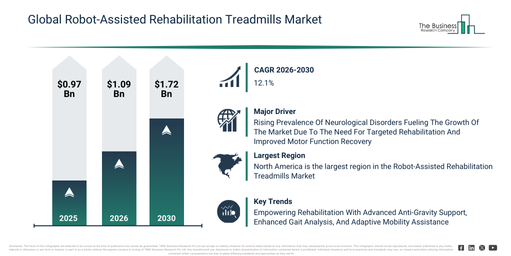
  • Robot-Assisted Rehabilitation Treadmills Market Future Analysis Covering Industry Shifts And Growth Potential

    Robot-Assisted Rehabilitation Treadmills Market Future Analysis Covering Industry Shifts And Growth Potential

    The Business Research Company’s 2026 market reports feature advanced enhancements such as market attractiveness analysis, total addressable market evaluation, company benchmarking matrices, interactive Excel dashboards, expanded supply chain intelligence, emerging startup coverage, and detailed product insights, delivering more actionable and strategically valuable research.

    What Is The Forecasted Rise In Market Size Of The Robot-Assisted Rehabilitation Treadmills Market During The Forecast Period?

    The robot-assisted rehabilitation treadmills market has experienced substantial growth in recent years. It is anticipated to expand from $0.97 billion in 2025 to $1.09 billion in 2026, exhibiting a compound annual growth rate (CAGR) of 12.4%. This growth in the historic period has been primarily driven by factors such as the increasing adoption of robotic rehabilitation devices, the growing prevalence of neurological disorders, a rising demand for advanced physiotherapy solutions, the expansion of rehabilitation centers, and an increasing focus on patient mobility restoration.

    The robot-assisted rehabilitation treadmills market size is anticipated to experience swift growth in the upcoming years. It is predicted to expand to $1.72 billion in 2030, demonstrating a compound annual growth rate (CAGR) of 12.1%. This expansion during the forecast period can be attributed to increased investment in medical robotics, a growing demand for technology-assisted rehabilitation, a heightened focus on personalized therapy solutions, the broadening of outpatient rehabilitation services, and an expanding elderly population needing mobility support. Key trends identified for the forecast period encompass technological advancements in robotic gait training systems, innovations within sensor-integrated rehabilitation treadmills, progress in artificial intelligence-assisted rehabilitation, ongoing research and development in neurorehabilitation robotics, and improvements in immersive rehabilitation technologies.

    Download A Free Sample Report For Comprehensive Market Insights:

    https://www.thebusinessresearchcompany.com/sample.aspx?id=30729&type=smp

    What Key Growth Drivers Are Influencing The Robot-Assisted Rehabilitation Treadmills Market?

    The rising occurrence of neurological disorders is anticipated to propel the growth of the robot-assisted rehabilitation treadmills market moving forward. These medical conditions affect the brain, spinal cord, and nerves, disrupting normal nervous system function and leading to impairments in movement, cognition, sensation, behavior, or overall bodily control. The increasing prevalence of neurological disorders is attributable to unhealthy lifestyle habits, including poor diet, physical inactivity, smoking, excessive alcohol consumption, and chronic stress. Robot-assisted rehabilitation treadmills aid in managing neurological disorders by providing guided, repetitive gait training coupled with real-time feedback and support. They enhance patient outcomes by improving mobility, muscle strength, balance, and functional recovery during the rehabilitation process. For instance, in June 2025, Brain Research UK, a United Kingdom-based neurological charity, indicated that the prevalence of neurological conditions rose from 10.5 million people in 2024 to an estimated 11 million in 2025, marking a 4.8 % rise year over year. Therefore, the increasing demand for targeted CNS drug delivery is driving the growth of the robot-assisted rehabilitation treadmills market.

    Which Segment Divisions Form The Structure Of The Robot-Assisted Rehabilitation Treadmills Market?

    The robot-assisted rehabilitation treadmills market covered in this report is segmented –

    1) By Product Type: End-Effector Based Treadmills, Exoskeleton Based Treadmills, Gait Training Treadmills, Other Product Types

    2) By Technology: Semi-Automated, Fully Automated

    3) By Application: Neurological Rehabilitation, Orthopedic Rehabilitation, Geriatric Rehabilitation, Other Applications

    4) By End-User: Hospitals, Rehabilitation Centers, Clinics, Home Care Settings, Other End-Users

    Subsegments:

    1) By End-Effector Based Treadmills: Footplate Based Gait Systems, Distal Joint Guidance Systems, Force Feedback Assisted Platforms, Balance And Stability Training Platforms

    2) By Exoskeleton Based Treadmills: Lower Limb Robotic Exoskeletons, Hip And Knee Joint Assisted Exoskeletons, Full Leg Support Robotic Frames, Wearable Motorized Gait Support Systems

    3) By Gait Training Treadmills: Body Weight Support Treadmills, Robotic Assisted Speed Regulated Treadmills, Dynamic Gait And Posture Training Systems, Multidirectional Gait Correction Treadmills

    4) By Other Product Types: Hybrid Gait Rehabilitation Systems, Robotic Balance Training Platforms, Neuromuscular Reeducation Devices, Specialized Rehabilitation Motion Platforms

    What Trends Are Influencing The Future Of The Robot-Assisted Rehabilitation Treadmills Market?

    Leading companies in the robot-assisted rehabilitation treadmills market are focusing on developing advanced products, such as anti-gravity body weight support systems, to enhance patient mobility outcomes, accelerate recovery times, and improve clinical rehabilitation protocols. Anti-gravity body weight support systems are integrated mechanisms that decrease a patient’s effective body weight during treadmill walking, allowing individuals with mobility impairments to participate in gait training with less risk of falls and reduced physical strain. For instance, in June 2024, ReWalk Robotics Ltd., an Israel-based provider of rehabilitation technology solutions, launched the AlterG NEO Anti-Gravity Treadmill. This is a cost-effective, user-friendly treadmill that features the company’s patented Differential Air Pressure (DAP) technology. This core technology offers precise and consistent unweighting, enabling safe rehabilitation and athletic training by reducing stress on injured joints and muscles. Its updated design and accessible price point are specifically aimed at making the benefits of anti-gravity therapy available to a broader range of physical rehabilitation clinics and athletic training facilities.

    Which Companies Are Influencing The Robot-Assisted Rehabilitation Treadmills Market?

    Major companies operating in the robot-assisted rehabilitation treadmills market are HIWIN Corp., Biodex Medical Systems Inc., Reha Technology AG, Guangzhou Longest Science & Technology Co. Ltd., Hocoma AG, Motek Medical B.V., Ekso Bionics Holdings Inc., Tyromotion GmbH, ReWalk Robotics Ltd., Meditouch Ltd., Woodway USA Inc., Restorative Therapies Inc., BAMA Teknoloji A.Ş., Aretech LLC, Bionik Laboratories Corp., Techno Concept Inc., Rex Bionics Plc, Rehab‑Robotics Company Limited, LokoHelp Group GmbH, ZARYA

    Access The Complete Robot-Assisted Rehabilitation Treadmills Market Report:

    https://www.thebusinessresearchcompany.com/report/robot-assisted-rehabilitation-treadmills-market-report

    Which Region Holds The Largest Share In The Robot-Assisted Rehabilitation Treadmills Market?

    North America was the largest region in the robot-assisted rehabilitation treadmills market in 2025. Asia-Pacific is expected to be the fastest-growing region in the forecast period. The regions covered in the robot-assisted rehabilitation treadmills market report are Asia-Pacific, South East Asia, Western Europe, Eastern Europe, North America, South America, Middle East, Africa.

    Access a Customized Robot-Assisted Rehabilitation Treadmills Market Report for Deeper Competitive Insights

    https://www.thebusinessresearchcompany.com/sample.aspx?id=30729&type=smp

    Get in touch with us:

    The Business Research Company: https://www.thebusinessresearchcompany.com/

    Americas: +1 310-496-7795

    Asia: +44 7882 955267 & +91 8897263534

    Europe: +44 7882 955267

    Email us at: marketing@tbrc.info

    Follow us on:

    LinkedIn: https://in.linkedin.com/company/the-business-research-company

    YouTube: https://www.youtube.com/channel/UC24_fI0rV8cR5DxlCpgmyFQ

    Global Market Model: https://www.thebusinessresearchcompany.com/global-market-model