Category: Medical Equipment

  • One-Hour Low-Cost Multipurpose Highly Efficient System (HOLMES) Clustered Regularly Interspaced Short Palindromic Repeats (CRISPR) Diagnostics Market Future Drivers Influencing Growth Through 2030

    One-Hour Low-Cost Multipurpose Highly Efficient System (HOLMES) Clustered Regularly Interspaced Short Palindromic Repeats (CRISPR) Diagnostics Market Future Drivers Influencing Growth Through 2030

    The Business Research Company’s 2026 market reports feature enhanced tools like market attractiveness analysis, TAM assessment, and company scoring matrices, along with interactive dashboards, deeper supply chain insights, and startup coverage strengthening the depth, usability, and strategic value of insights.

    How Is The Market Size Of The One-Hour Low-Cost Multipurpose Highly Efficient System (HOLMES) Clustered Regularly Interspaced Short Palindromic Repeats (CRISPR) Diagnostics Market Expected To Scale Between 2026 And 2030?

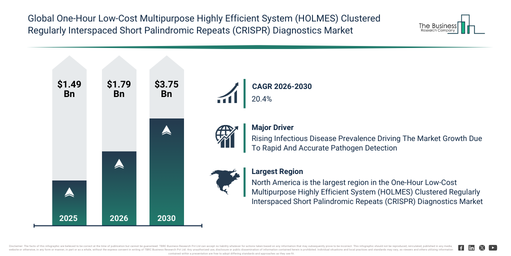
    The one-hour low-cost multipurpose highly efficient system (holmes) clustered regularly interspaced short palindromic repeats (crispr) diagnostics market size has undergone significant expansion in recent years. It is anticipated to increase from $1.49 billion in 2025 to $1.79 billion in 2026, exhibiting a compound annual growth rate (CAGR) of 20.1%. Historically, this growth was influenced by the growth in molecular diagnostics, expansion of crispr research, rise in infectious disease testing, increase in rapid test demand, and genomics technology advances.

    The one-hour low-cost multipurpose highly efficient system (holmes) clustered regularly interspaced short palindromic repeats (crispr) diagnostics market is projected to experience rapid expansion over the coming years. Its value is predicted to reach $3.75 billion by 2030, exhibiting a compound annual growth rate (CAGR) of 20.4%. This projected growth is primarily driven by factors such as the broadening of point-of-care molecular testing, an increasing need for quick pathogen identification, the development of personalized diagnostic solutions, greater clinical implementation of CRISPR technologies, and more widespread field-deployable testing options. Significant trends anticipated in the forecast period encompass rapid CRISPR-based diagnostic assays, point-of-care CRISPR testing kits, multiplex gene detection panels, portable molecular CRISPR platforms, and low-cost nucleic acid detection kits.

    Access Your Free Sample Report For In-Depth Market Analysis:

    https://www.thebusinessresearchcompany.com/sample.aspx?id=33249&type=smp

    Which Drivers Are Supporting The One-Hour Low-Cost Multipurpose Highly Efficient System (HOLMES) Clustered Regularly Interspaced Short Palindromic Repeats (CRISPR) Diagnostics Market Growth?

    The increasing incidence of infectious diseases is projected to boost expansion within the hybrid oligonucleotide linked modular enzyme system (HOLMES) clustered regularly interspaced short palindromic repeats (CRISPR) diagnostics market in the future. These diseases occur when harmful microorganisms invade the body, spreading via contact, air, water, or disease carriers. Their rise is attributed to urbanization and dense populations, which accelerate pathogen transmission. The HOLMES CRISPR Diagnostics system aids in identifying infectious diseases through the use of CRISPR-Cas enzymes, which quickly and precisely pinpoint specific genetic sequences of pathogens, facilitating prompt, accurate, and accessible diagnosis. As an illustration, in February 2024, GOV.UK, a UK government body, reported that tuberculosis (TB) cases in England saw a 10.7% increase in 2023, climbing from 4,380 in 2022 to 4,850. Consequently, the expanding occurrence of infectious diseases is fueling the development of the hybrid oligonucleotide linked modular enzyme system (HOLMES) clustered regularly interspaced short palindromic repeats (CRISPR) diagnostics market.

    What Are The Different Segment Types In The One-Hour Low-Cost Multipurpose Highly Efficient System (HOLMES) Clustered Regularly Interspaced Short Palindromic Repeats (CRISPR) Diagnostics Market Segment Breakdown?

    The one-hour low-cost multipurpose highly efficient system (holmes) clustered regularly interspaced short palindromic repeats (crispr) diagnostics market covered in this report is segmented –

    1) By Product Type: Kits; Instruments; Reagents; Other Product Types

    2) By Service Type: Sample Collection And Preparation Services; Assay Development And Validation Services; Data Interpretation And Reporting Services; Quality Control And Assurance Services

    3) By Application: Infectious Disease Diagnosis; Oncology; Genetic Disease Screening; Other Applications

    4) By End-User: Hospitals And Clinics; Diagnostic Laboratories; Research Institutes; Other End-Users

    Subsegments:

    1) By Kits: Single Target Diagnostic Kits; Multiplex Diagnostic Kits; Point Of Care Testing Kits; Laboratory Use Diagnostic Kits; Disease Specific Diagnostic Kits

    2) By Instruments: Benchtop Diagnostic Instruments; Portable Diagnostic Devices; Automated Detection Systems; Sample Preparation Instruments; Integrated Analysis Platforms

    3) By Reagents: Enzyme Based Reagents; Nucleic Acid Extraction Reagents; Amplification Reaction Reagents; Detection And Reporting Reagents; Sample Stabilization Reagents

    4) By Other Product Types: Consumables And Accessories; Quality Control Materials; Calibration Standards; Disposable Testing Components; Supporting Laboratory Supplies

    Who Are The Well-Known Companies In The One-Hour Low-Cost Multipurpose Highly Efficient System (HOLMES) Clustered Regularly Interspaced Short Palindromic Repeats (CRISPR) Diagnostics Market?

    Major companies operating in the one-hour low-cost multipurpose highly efficient system (holmes) clustered regularly interspaced short palindromic repeats (crispr) diagnostics market are Thermo Fisher Scientific Inc., Merck KGaA, Danaher Corporation, Agilent Technologies Inc., Bio-Rad Laboratories Inc., Qiagen N.V., Integrated DNA Technologies Inc., GenScript Biotech Corporation, OraSure Technologies Inc., Molbio Diagnostics Pvt. Ltd., New England Biolabs Inc., Horizon Discovery Group plc, Mammoth Biosciences, Synthego Corporation, Binx Health Inc., Sherlock Biosciences Inc., Caspr Biotech, Tolo Biotechnology Co. Ltd., CrisprBits Private Limited, Scope Biosciences.

    Get The Full One-Hour Low-Cost Multipurpose Highly Efficient System (HOLMES) Clustered Regularly Interspaced Short Palindromic Repeats (CRISPR) Diagnostics Market Report:

    https://www.thebusinessresearchcompany.com/report/one-hour-low-cost-multipurpose-highly-efficient-system-holmes-clustered-regularly-interspaced-short-palindromic-repeats-crispr-diagnostics-market-report

    Which Region Holds The Highest Market Share In The One-Hour Low-Cost Multipurpose Highly Efficient System (HOLMES) Clustered Regularly Interspaced Short Palindromic Repeats (CRISPR) Diagnostics Market?

    North America was the largest region in the hybrid oligonucleotide linked modular enzyme system (HOLMES) clustered regularly interspaced short palindromic repeats (CRISPR) diagnostics market in 2025. Asia-Pacific is expected to be the fastest-growing region in the forecast period. The regions covered in the one-hour low-cost multipurpose highly efficient system (holmes) clustered regularly interspaced short palindromic repeats (crispr) diagnostics market report are Asia-Pacific, South East Asia, Western Europe, Eastern Europe, North America, South America, Middle East, Africa.

    Request A Customized One-Hour Low-Cost Multipurpose Highly Efficient System (HOLMES) Clustered Regularly Interspaced Short Palindromic Repeats (CRISPR) Diagnostics Market Report For Competitive Insights:

    https://www.thebusinessresearchcompany.com/customise?id=33249&type=smp

    Browse Through More Reports Similar to the Global One-Hour Low-Cost Multipurpose Highly Efficient System (HOLMES) Clustered Regularly Interspaced Short Palindromic Repeats (CRISPR) Diagnostics Market 2026, By The Business Research Company

    Crispr Technology Market 2026

    https://www.thebusinessresearchcompany.com/report/crispr-technology-market

    Crispr Gene Editing Market Report 2026

    https://www.thebusinessresearchcompany.com/report/crispr-gene-editing-global-market-report

    Crispr And Cas Gene Market Report 2026

    https://www.thebusinessresearchcompany.com/report/crispr-and-cas-gene-global-market-report

    Get in touch with us:

    The Business Research Company: https://www.thebusinessresearchcompany.com/

    Americas +1 310-496-7795

    Asia +44 7882 955267 & +91 8897263534

    Europe +44 7882 955267

    Email us at info@tbrc.info

    Follow us on:

    LinkedIn: https://in.linkedin.com/company/the-business-research-company

    YouTube: https://www.youtube.com/channel/UC24_fI0rV8cR5DxlCpgmyFQ

    Global Market Model: https://www.thebusinessresearchcompany.com/global-market-model
  • Offloading Devices Market Insights On Growth Drivers, Trends, And Opportunities

    Offloading Devices Market Insights On Growth Drivers, Trends, And Opportunities

    The Business Research Company’s 2026 market reports feature enhanced tools like market attractiveness analysis, TAM assessment, and company scoring matrices, along with interactive dashboards, deeper supply chain insights, and startup coverage strengthening the depth, usability, and strategic value of insights.

    How Will The Market Value Of The Offloading Devices Market Progress Between 2026 And 2030?

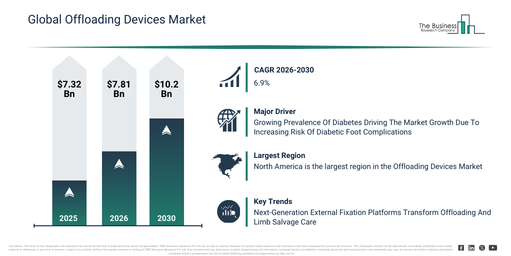
    The offloading devices market has shown strong expansion in recent years. Its valuation is projected to ascend from $7.32 billion in 2025 to $7.81 billion by 2026, marking a compound annual growth rate (CAGR) of 6.7%. This historic growth can be linked to factors such as an increase in diabetic foot ulcers, the expanding aging population, a rise in demand for podiatric care, wider adoption of orthopedic devices, and elevated requirements for post surgical recovery.

    The market for offloading devices is projected to experience substantial expansion over the upcoming years. This market is anticipated to reach a valuation of $10.2 billion by 2030, demonstrating a compound annual growth rate (CAGR) of 6.9%. This projected growth during the forecast period is attributable to several factors, including the increasing prevalence of diabetes, the rise in home care treatment options, the broadening of preventive wound care initiatives, a growing demand for custom orthotics, and an uptick in the use of outpatient recovery devices. Key trends identified for the forecast period encompass custom molded offloading footwear, sophisticated pressure redistribution insoles, lightweight composite offloading boots, 3D printed orthotic devices, and modular removable cast walkers.

    Access Your Free Sample Report For In-Depth Market Analysis:

    https://www.thebusinessresearchcompany.com/sample.aspx?id=33244&type=smp

    Which Primary Drivers Are Impacting The Offloading Devices Market Growth?

    The expansion of the offloading devices market is anticipated to be driven by the increasing incidence of diabetes. This chronic condition impacts the body’s energy conversion, leading to high blood sugar and potentially serious complications. The rise in diabetes cases is largely attributed to higher obesity rates, as excessive body fat contributes to insulin resistance and elevated blood sugar. Offloading devices assist diabetic patients by alleviating pressure in vulnerable zones, preventing foot ulcers, accelerating wound recovery, and decreasing the likelihood of severe issues like infections or amputations, consequently enhancing mobility, quality of life, and overall diabetic management. As an illustration, data from June 2024 by the National Health Service, a UK government body, revealed that 3,615,330 people registered with a general practitioner (GP) were diagnosed with non-diabetic hyperglycemia or pre-diabetes in 2023. This represented an 18% rise from 3,065,825 instances recorded in 2022. Consequently, the expanding occurrence of diabetes is fueling the growth of the offloading devices market.

    How Is The Offloading Devices Market Organized By Segment Classification?

    The offloading devices market covered in this report is segmented –

    1) By Product Type: Nonremovable Knee-High Offloading Devices; Removable Knee-High Offloading Devices; Air-Assisted Lateral Transfer Systems; Replacement Sliding Sheets; Wheelchairs

    2) By Material: Foam; Plastics; Rubber; Composite Materials; Advanced Polymers

    3) By Application: Diabetic Foot Ulcer Management; Pressure Ulcer Prevention And Treatment; Surgical Recovery; Post-Operative Care; Diagnostics; Long-Term Rehabilitation

    4) By End-User: Hospitals; Ambulatory Surgery Centers; Nursing Homes; Long-Term Care Facilities; Home Care Settings

    Subsegments:

    1) By Nonremovable Knee-High Offloading Devices: Total Contact Cast Systems; Fiberglass Casting Systems; Plaster Based Casting Systems; Custom Molded Immobilization Devices

    2) By Removable Knee-High Offloading Devices: Removable Cast Walkers; Adjustable Walking Boots; Modular Immobilization Braces; Custom Fit Removable Devices

    3) By Air-Assisted Lateral Transfer Systems: Single Patient Use Air Transfer Systems; Reusable Air Transfer Systems; Inflatable Air Cushion Transfer Systems; Powered Air Assisted Transfer Systems

    4) By Replacement Sliding Sheets: Disposable Sliding Sheets; Reusable Sliding Sheets; Low Friction Coated Sliding Sheets; Waterproof Sliding Sheets

    5) By Wheelchairs: Manual Wheelchairs; Powered Wheelchairs; Transport Wheelchairs; Custom Configured Wheelchairs

    Which Trends Are Shaping Growth In The Offloading Devices Market?

    Leading companies in the offloading devices market are prioritizing advanced external fixation platforms to improve wound protection, facilitate precise pressure redistribution, and optimize limb salvage procedures. External fixation platforms function as orthopedic support systems, stabilizing bones and joints using structures positioned outside the body, frequently connected to the skeleton through pins or wires. They are commonly employed in fracture management, limb reconstruction, and post-surgical recovery. For instance, in January 2026, BlueOcean Global, a US-based medical device firm, announced FDA 510(k) clearance for Excelsior, a compact, surgeon-deployable platform for limb salvage in high-risk patients. This system allows clinicians to securely integrate offloading rings and bars into existing fixation setups using standard components, addressing diabetes-related ulcers, infections, trauma, and non-healing wounds in underserved clinical areas such as Charcot reconstruction. These modular frames offload soft tissues from core skeletal loads, enhance stability in complex cases, and are managed through BlueOcean’s proprietary FAST protocols to ensure optimal healing and seamless patient outcomes.

    Who Are The Industry Participants Involved In The Offloading Devices Market?

    Major companies operating in the offloading devices market are Medline Industries LP, Stryker Corporation, Ottobock SE & Co KGaA, Arjo Group, Invacare Corporation, Guldmann A/S, Etac AB, Permobil AB, Sunrise Medical LLC, Frontier Medical Group, Drive DeVilbiss Healthcare, Joerns Healthcare LLC, AliMed Inc, Seneca Devices Inc., DARCO International Inc., HoverTech International, Beechfield Healthcare Ltd, Next Health LLC, Jewell Nursing Solutions, and Posey Products LLC.

    Get The Full Offloading Devices Market Report:

    https://www.thebusinessresearchcompany.com/report/offloading-devices-market-report

    Which Region Dominates The Offloading Devices Market By Market Share?

    North America was the largest region in the offloading devices market in 2025. Asia-Pacific is expected to be the fastest-growing region in the forecast period. The regions covered in the offloading devices market report are Asia-Pacific, South East Asia, Western Europe, Eastern Europe, North America, South America, Middle East, Africa.

    Request A Customized Offloading Devices Market Report For Competitive Insights:

    https://www.thebusinessresearchcompany.com/customise?id=33244&type=smp

    Browse Through More Reports Similar to the Global Offloading Devices Market 2026, By The Business Research Company

    Over The Top Devices And Services Market Report 2026

    https://www.thebusinessresearchcompany.com/report/over-the-top-devices-and-services-global-market-report

    Ultra Portable Internet Devices Market Report 2026

    https://www.thebusinessresearchcompany.com/report/ultra-portable-internet-devices-global-market-report

    Ultra Mobile Devices Market Report 2026

    https://www.thebusinessresearchcompany.com/report/ultra-mobile-devices-global-market-report

    Get in touch with us:

    The Business Research Company: https://www.thebusinessresearchcompany.com/

    Americas +1 310-496-7795

    Asia +44 7882 955267 & +91 8897263534

    Europe +44 7882 955267

    Email us at info@tbrc.info

    Follow us on:

    LinkedIn: https://in.linkedin.com/company/the-business-research-company

    YouTube: https://www.youtube.com/channel/UC24_fI0rV8cR5DxlCpgmyFQ

    Global Market Model: https://www.thebusinessresearchcompany.com/global-market-model
  • Neural Control Market Forecast With Insights On Demand And Industry Growth

    Neural Control Market Forecast With Insights On Demand And Industry Growth

    The Business Research Company’s 2026 market reports feature enhanced tools like market attractiveness analysis, TAM assessment, and company scoring matrices, along with interactive dashboards, deeper supply chain insights, and startup coverage strengthening the depth, usability, and strategic value of insights.

    What Expansion In Market Value Is Forecasted For The Neural Control Market Between 2026 And 2030?

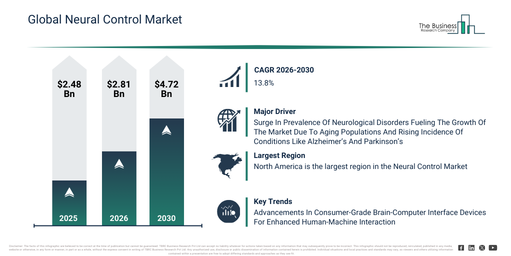
    The neural control market has experienced rapid expansion in recent years. Its value is projected to climb from $2.48 billion in 2025 to $2.81 billion in 2026, achieving a compound annual growth rate (CAGR) of 13.6%. This historical market growth can be attributed to several factors, including the advancement of neuroprosthetics research, the broadening scope of rehabilitation robotics, an increasing demand for paralysis treatment, significant progress in neural electrodes, and a rise in neurostimulation therapies.

    The neural control market size is projected to experience substantial expansion in the coming years. By 2030, this market is anticipated to reach a valuation of $4.72 billion, expanding at a compound annual growth rate (CAGR) of 13.8%. Factors contributing to this anticipated growth include an increasing demand for BCI solutions, the proliferation of assistive exoskeletons, advancements in neural rehabilitation technology, a surge in neurotech funding, and wider adoption of clinical neural interfaces. Key trends expected during this period encompass the integration of brain-computer interfaces, the development of implantable neural interface devices, the use of wearable neuro-signal sensors, the advent of closed-loop neurostimulation systems, and neuro-controlled assistive robotics.

    Access Your Free Sample Report For In-Depth Market Analysis:

    https://www.thebusinessresearchcompany.com/sample.aspx?id=33241&type=smp

    Which Important Drivers Are Guiding The Neural Control Market Growth?

    The escalating occurrence of neurological disorders is anticipated to significantly boost the expansion of the neural control market in the future. These conditions involve the brain, spinal cord, or nerves, resulting in deficits across movement, sensation, thought processes, or other bodily functions. The rise in neurological disorders stems from an aging global demographic, which elevates the risk of diseases such as Alzheimer’s and Parkinson’s, thereby intensifying the worldwide healthcare burden. Neural control offers a valuable solution to the growing incidence of neurological disorders by facilitating accurate monitoring, adjustment, and recovery of neural activity, which in turn enhances patient results and effectively manages symptoms. For example, in March 2023, the Alzheimer’s Association, a US-based nonprofit voluntary health organization, stated that 6.7 million Americans aged 65 and older were living with Alzheimer’s, a figure expected to climb to 13.8 million by 2060. Consequently, the increasing prevalence of neurological disorders is a key impetus for the growth of the neural control treatment market.

    How Is The Neural Control Market Segmented Across Different Segment Categories?

    The neural control market covered in this report is segmented –

    1) By Component: Hardware; Software; Services

    2) By Mode Of Operation: Invasive; Non Invasive

    3) By Technology: Brain Computer Interface; Neurostimulation; Neuroprosthetics

    4) By Application: Healthcare; Robotics; Automotive; Consumer Electronics; Other Applications

    5) By End-User: Medical Institutions; Research Organizations; Industrial; Other End-Users

    Subsegments:

    1) By Hardware: Electrodes; Sensors; Stimulators; Wearable Devices; Implants

    2) By Software: Signal Processing Platforms; Neurofeedback Applications; Brain Computer Interface Platforms; Data Analytics Tools; Simulation Software

    3) By Services: Installation And Integration; Maintenance And Support; Training And Consultation; Custom Development; Research And Testing

    What Trends Are Influencing The Evolution Of The Neural Control Market?

    Leading firms within the neural control sector are concentrating on progress in neural interface innovations, including consumer-grade devices featuring Brain-Computer Interface (BCI) technology, with the goal of improving interaction between humans and machines, boosting cognitive abilities, and enabling effortless management of digital and real-world surroundings. A BCI-enabled consumer device is an electronic item intended for daily use by general users, which integrates BCI technology to sense, understand, and react to brain signals originating from the user. As an illustration, in September 2024, Neurable Inc., a neurotechnology company based in the US, introduced the MW75 Neuro, a pair of smart headphones that incorporate its AI-driven BCI technology, developed in collaboration with high-end audio company Master & Dynamic. The MW75 Neuro features EEG sensors embedded within its ear pads to collect brainwave information, providing capabilities such as tracking focus, assisting with burnout prevention, and delivering customized productivity advice through the Neurable mobile application. Its advanced AI platform offers laboratory-grade precision in interpreting brain signals, while concurrently, the headphones offer superior audio fidelity, adaptable noise cancellation, and ergonomic comfort. This offering signifies a substantial advancement in bringing noninvasive BCI technology into routine consumer products.

    Which Organizations Play A Role In The Neural Control Market Landscape?

    Major companies operating in the neural control market are Boston Scientific Corporation, Synchron Inc., Neuralink Corp., NeuroSky Inc., Emotiv Inc., BrainCo Inc., Brain Products GmbH, Paradromics Inc., Neuroelectrics S.L.U., g.tec medical engineering GmbH, Neurable Inc., Advanced Brain Monitoring Inc., Bitbrain Technologies S.L., Cortec GmbH, BrainGate Inc., OpenBCI LLC, Cognixion Inc., Alea Neurotherapeutics SA, Nexstem Technologies Pvt. Ltd., AAVAA Inc.

    Get The Full Neural Control Market Report:

    https://www.thebusinessresearchcompany.com/report/neural-control-market-report

    Which Region Leads The Neural Control Market In Terms Of Market Share?

    North America was the largest region in the neural control market in 2025. Asia-Pacific is expected to be the fastest-growing region in the forecast period. The regions covered in the neural control market report are Asia-Pacific, South East Asia, Western Europe, Eastern Europe, North America, South America, Middle East, Africa.

    Request A Customized Neural Control Market Report For Competitive Insights:

    https://www.thebusinessresearchcompany.com/customise?id=33241&type=smp

    Browse Through More Reports Similar to the Global Neural Control Market 2026, By The Business Research Company

    Neural Network Software Market Report 2026

    https://www.thebusinessresearchcompany.com/report/neural-network-software-global-market-report

    Industrial Controls Market Report 2026

    https://www.thebusinessresearchcompany.com/report/industrial-controls-global-market-report

    Ai Processing Control Market Report 2026

    https://www.thebusinessresearchcompany.com/report/ai-processing-control-global-market-report

    Get in touch with us:

    The Business Research Company: https://www.thebusinessresearchcompany.com/

    Americas +1 310-496-7795

    Asia +44 7882 955267 & +91 8897263534

    Europe +44 7882 955267

    Email us at info@tbrc.info

    Follow us on:

    LinkedIn: https://in.linkedin.com/company/the-business-research-company

    YouTube: https://www.youtube.com/channel/UC24_fI0rV8cR5DxlCpgmyFQ

    Global Market Model: https://www.thebusinessresearchcompany.com/global-market-model
  • Multiport Surgical Robot Market Overview 2026–2030 With Insights On Industry Developments

    Multiport Surgical Robot Market Overview 2026–2030 With Insights On Industry Developments

    The Business Research Company’s 2026 market reports feature enhanced tools like market attractiveness analysis, TAM assessment, and company scoring matrices, along with interactive dashboards, deeper supply chain insights, and startup coverage strengthening the depth, usability, and strategic value of insights.

    What Is The Projected Increase In Market Value Of The Multiport Surgical Robot Market During 2026–2030?

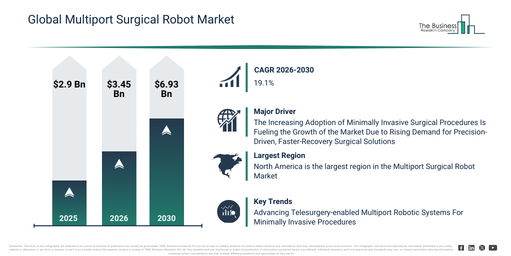
    The multiport surgical robot market size has experienced swift expansion in recent years. It is forecast to rise from $2.9 billion in 2025 to $3.45 billion in 2026, exhibiting a compound annual growth rate (CAGR) of 18.8%. The historical growth in this market can be attributed to the increase in minimally invasive surgery, the early embrace of robotic surgery, a growing demand for surgical precision, the expansion of tertiary care hospitals, and improvements in surgeon ergonomics.

    The multiport surgical robot market is anticipated to experience substantial growth in the next few years. It is projected to expand to $6.93 billion by 2030, achieving a compound annual growth rate (CAGR) of 19.1%. This expansion during the forecast period is attributed to an increase in complex robotic procedures, rising investments in healthcare automation, the development of surgical robotics training, the demand for quicker patient recovery, and the proliferation of specialty robotic centers. Key trends for the forecast period include high-definition 3D surgical visualization, multi-arm robotic coordination, advanced minimally invasive robotics, AI-assisted surgical planning, and integrated robotic navigation systems.

    Access Your Free Sample Report For In-Depth Market Analysis:

    https://www.thebusinessresearchcompany.com/sample.aspx?id=33239&type=smp

    Which Key Drivers Are Affecting The Multiport Surgical Robot Market Development?

    The rising prevalence of minimally invasive surgical procedures is projected to boost the expansion of the multiport surgical robot in the coming years. Minimally invasive surgical procedures are operations carried out through small incisions utilizing specialized instruments or robotic systems, thereby lessening patient trauma, reducing recovery time, and mitigating complications while sustaining clinical effectiveness. The increasing acceptance of minimally invasive surgical procedures is attributed to shorter hospital stays, as these approaches allow for faster recovery and earlier discharge compared to traditional open surgeries. The multiport surgical robots facilitate minimally invasive surgical procedures by delivering the precision, dexterity, and visualization essential for performing complex minimally invasive surgeries safely and efficiently. For instance, in June 2024, according to the American Society of Plastic Surgeons, a US-based non-profit organization, hyaluronic acid filler minimally invasive procedures totaled 5.29 million in 2023, an 8% increase over 2022. Therefore, the expanding adoption of minimally invasive surgical procedures is propelling the growth of the multiport surgical robot market.

    How Is Segmentation Applied In The Multiport Surgical Robot Market Segment Analysis?

    The multiport surgical robot market covered in this report is segmented –

    1) By Component: Robotic Systems; Instruments And Accessories; Software; Services

    2) By Surgery Type: General Surgery; Urological Surgery; Gynecological Surgery

    3) By Type: Floor Standing; Desktop

    4) By Application: Open Surgery; Minimally Invasive Surgery

    5) By End-User: Hospitals; Ambulatory Surgical Centers; Specialty Clinics; Academic Research Centers

    Subsegments:

    1) By Robotic Systems: Robotic Arms; Control Consoles; Vision Systems; Energy Delivery Units; Navigation and Tracking Modules

    2) By Instruments And Accessories: Surgical Staplers; Needle Holders; Forceps; Scissors; Graspers; Endoscopic Tools

    3) By Software: Surgical Planning Software; Real-Time Imaging Software; Motion Control Software; Data Management Software; System Integration Software

    4) By Services: Installation Services; Maintenance Services; System Upgradation Services; Training Services; Technical Support Services

    What Trends Are Transforming The Multiport Surgical Robot Market?

    Leading companies within the multiport surgical robot market are concentrating on developing sophisticated multiport robotic systems, such as telesurgery-enabled platforms, with the goal of improving surgical precision, boosting procedural efficiency, and expanding the availability of minimally invasive surgery. Telesurgery-enabled platforms are advanced surgical systems that empower surgeons to conduct robotic-assisted procedures remotely in real-time by using high-speed, low-latency network connectivity to manage surgical instruments from a distant location. For instance, in June 2024, SS Innovations International Inc., an India-based surgical robotics company, introduced SSI Mantra 3, its next-generation indigenous multiport surgical robotic system, and successfully completed India’s first human telesurgery trial. The system, engineered with five slimmer robotic arms, an immersive 3D HD surgeon console, and 3D 4K vision for the operating team, aims to better clinical outcomes while providing cost-effective access to advanced robotic surgery, thereby supporting broader adoption.

    Who Are The Companies Participating In The Multiport Surgical Robot Market Environment?

    Major companies operating in the multiport surgical robot market are Medtronic plc, Johnson & Johnson, Stryker Corporation, Zimmer Biomet Holdings Inc., Intuitive Surgical Inc., Meril Life Sciences Private Limited, Globus Medical Inc., MicroPort Scientific Corporation, Meerecompany Inc., CMR Surgical Ltd., Cornerstone Robotics Limited, Distalmotion SA, Ronovo Surgical Co. Ltd., EndoRobotics S.r.l., SS Innovations International Inc., Moon Surgical SAS, Medicaroid Corporation, Edge Medical Robot Co. Ltd., AcuSurgical Inc., Momentis Surgical Inc., Sina Robotics and Medical Innovators Co. Ltd., Aimooe Technology Co. Ltd., Harbin Sagebot Intelligent Medical Equipment Co. Ltd., WEGO Holding Company Limited, Sinovation (Beijing) Medical Technology Co. Ltd.

    Get The Full Multiport Surgical Robot Market Report:

    https://www.thebusinessresearchcompany.com/report/multiport-surgical-robot-market-report

    Which Region Is The Top Contributor To The Multiport Surgical Robot Market By Share?

    North America was the largest region in the multiport surgical robot market in 2025. Asia-Pacific is expected to be the fastest-growing region in the forecast period. The regions covered in the multiport surgical robot market report are Asia-Pacific, South East Asia, Western Europe, Eastern Europe, North America, South America, Middle East, Africa.

    Request A Customized Multiport Surgical Robot Market Report For Competitive Insights:

    https://www.thebusinessresearchcompany.com/customise?id=33239&type=smp

    Browse Through More Reports Similar to the Global Multiport Surgical Robot Market 2026, By The Business Research Company

    Surgical Robot Accessories Market Report 2026

    https://www.thebusinessresearchcompany.com/report/surgical-robot-accessories-global-market-report

    Surgical Robots Market Report 2026

    https://www.thebusinessresearchcompany.com/report/surgical-robots-global-market-report

    Robotic Surgery Services Market Report 2026

    https://www.thebusinessresearchcompany.com/report/robotic-surgery-services-global-market-report

    Get in touch with us:

    The Business Research Company: https://www.thebusinessresearchcompany.com/

    Americas +1 310-496-7795

    Asia +44 7882 955267 & +91 8897263534

    Europe +44 7882 955267

    Email us at info@tbrc.info

    Follow us on:

    LinkedIn: https://in.linkedin.com/company/the-business-research-company

    YouTube: https://www.youtube.com/channel/UC24_fI0rV8cR5DxlCpgmyFQ

    Global Market Model: https://www.thebusinessresearchcompany.com/global-market-model
  • Multimodal Imaging Market Forecast Highlighting Key Trends And Expansion Potential

    Multimodal Imaging Market Forecast Highlighting Key Trends And Expansion Potential

    The Business Research Company’s 2026 market reports feature enhanced tools like market attractiveness analysis, TAM assessment, and company scoring matrices, along with interactive dashboards, deeper supply chain insights, and startup coverage strengthening the depth, usability, and strategic value of insights.

    How Is The Market Size Of The Multimodal Imaging Market Expected To Change From 2026 To 2030?

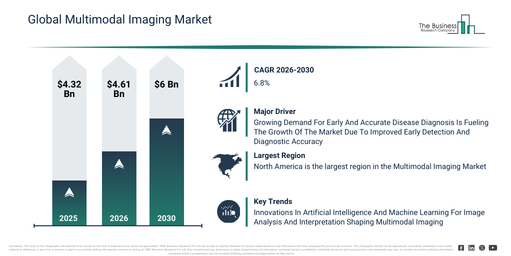
    The multimodal imaging market has demonstrated strong growth in recent years. It is anticipated to expand from $4.32 billion in 2025 to $4.61 billion in 2026, at a compound annual growth rate (CAGR) of 6.6%. The expansion observed historically can be attributed to the rise of advanced diagnostic imaging, an increase in cancer screening programs, the broadening of hospital imaging infrastructure, enhancements in detector technology, and greater clinical imaging demand.

    The multimodal imaging market is set to experience significant growth in the coming years. It is projected to reach $6 billion by 2030, demonstrating a compound annual growth rate (CAGR) of 6.8%. This expansion during the forecast period can be attributed to factors such as increased demand for precision diagnostics, a rising burden of chronic diseases, the adoption of AI imaging analytics, the proliferation of hybrid imaging systems, and the broadening of imaging as a service. Key trends expected in the forecast period include hybrid PET/MR imaging systems, integrated multi-modality diagnostics, AI-assisted image fusion, cloud-based imaging analytics, and advanced multimodal visualization software.

    Access Your Free Sample Report For In-Depth Market Analysis:

    https://www.thebusinessresearchcompany.com/sample.aspx?id=33234&type=smp

    What Factors Are Contributing To The Growth Of The Multimodal Imaging Market?

    The increasing need for prompt and precise disease identification is projected to fuel the expansion of the multimodal imaging market in the future. This refers to the process of identifying diseases in their initial phases with high accuracy, leveraging medical data and advanced technologies to facilitate prompt treatment and improve patient outcomes. The impetus behind this trend stems from individuals’ desire for timely and precise disease detection, aiming for improved treatment and results, which empowers healthcare providers to identify conditions significantly earlier. Multimodal imaging aids in this by permitting the integration of various medical imaging methods, leading to more precise disease detection. For example, in October 2024, data from the National Health Service England, a UK public body, indicated that by March 2024, early diagnosis rates had surpassed pre-pandemic levels by 2.4% points and were 0.8% points higher than the prior year, according to Rapid Cancer Registration Data. Consequently, the escalating demand for early and accurate disease diagnosis is a key driver for the growth of the multimodal imaging market.

    What Segment Categories Shape The Multimodal Imaging Market Segment Landscape?

    The multimodal imaging market covered in this report is segmented –

    1) By Product: Multimodal Imaging Equipment; Reagents; Software

    2) By Technology: Positron Emission Tomography (PET) Or Computed Tomography (CT) Systems; Single Photon Emission Computed Tomography Or Computed Tomography (CT) Systems; Positron Emission Tomography (PET) Or Magnetic Resonance (MR) Systems; Other Technologies

    3) By Application: Oncology; Cardiology; Neurology; Ophthalmology; Musculoskeletal Disorders; Other Applications

    4) By End-User: Hospitals; Diagnostic Imaging Centers; Other End-Users

    Subsegments:

    1) By Multimodal Imaging Equipment: Magnetic Resonance Imaging Scanner; Computed Tomography Scanner; Positron Emission Tomography Scanner; Single Photon Emission Computed Tomography Scanner; Optical Imaging System; Photoacoustic Imaging System; Hybrid Imaging System

    2) By Reagents: Contrast Agents; Radiopharmaceuticals; Fluorescent Dyes; Molecular Probes

    3) By Software: Image Processing Software; Analysis And Visualization Software; Data Management Software; Workflow And Reporting Software

    What Trends Are Shaping The Future Of The Multimodal Imaging Market?

    Leading companies operating in the multimodal imaging market are heavily investing in artificial intelligence and machine learning advancements for image analysis and interpretation. A key area is AI-assisted image segmentation, which allows for the automated identification of anatomical structures and specific regions of interest across diverse imaging modalities. This technique employs artificial intelligence algorithms to automatically divide images into meaningful parts, a task traditionally performed manually by human experts. For example, in September 2025, Revvity, Inc., a US-based firm specializing in preclinical imaging solutions, unveiled its Living Image Synergy AI multimodal analysis software. This software delivers a unified, AI-enabled platform for the seamless analysis of in vivo imaging data, covering optical, microCT, ultrasound, and other modalities. It diminishes data inconsistencies by centralizing workflows and eliminating the need for several separate tools. Moreover, it incorporates advanced AI algorithms to automate image segmentation and the quantification of regions of interest, thereby improving accuracy and reproducibility. Its intuitive co-registration and automated processes further reduce manual effort and analysis time.

    Who Are The Companies Operating Across The Multimodal Imaging Market Value Chain?

    Major companies operating in the multimodal imaging market are Samsung Medison Co. Ltd., Analogic Corporation, Alcon Inc., Hologic Inc., Sofie Biosciences Inc., ShanghAI United Imaging Healthcare Co. Ltd., Topcon Corporation, Agfa-Gevaert Group, Heidelberg Engineering GmbH, Optos plc, RefleXion Medical Inc., Neusoft Corporation, Infraredx Inc., MinFound Medical Systems Co. Ltd., Neusoft Medical Systems Co. Ltd., Spectrum Dynamics Medical LLC, Konica Minolta Healthcare Americas Inc., Esaote S.p.A., MR Solutions Ltd., MILabs B.V., NIDEK Co. Ltd., Kowa Company Ltd., and Positron Corporation.

    Get The Full Multimodal Imaging Market Report:

    https://www.thebusinessresearchcompany.com/report/multimodal-imaging-market-report

    Which Region Represents The Largest Share Of The Multimodal Imaging Market?

    North America was the largest region in the multimodal imaging market in 2025. Asia-Pacific is expected to be the fastest-growing region in the forecast period. The regions covered in the multimodal imaging market report are Asia-Pacific, South East Asia, Western Europe, Eastern Europe, North America, South America, Middle East, Africa.

    Request A Customized Multimodal Imaging Market Report For Competitive Insights:

    https://www.thebusinessresearchcompany.com/customise?id=33234&type=smp

    Browse Through More Reports Similar to the Global Multimodal Imaging Market 2026, By The Business Research Company

    Multimodal Ai Market Report 2026

    https://www.thebusinessresearchcompany.com/report/multimodal-ai-global-market-report

    Generative Ai In Media And Entertainment Market Report 2026

    https://www.thebusinessresearchcompany.com/report/generative-ai-in-media-and-entertainment-global-market-report

    Generative Ai In Media Market Report 2026

    https://www.thebusinessresearchcompany.com/report/generative-ai-in-media-global-market-report

    Get in touch with us:

    The Business Research Company: https://www.thebusinessresearchcompany.com/

    Americas +1 310-496-7795

    Asia +44 7882 955267 & +91 8897263534

    Europe +44 7882 955267

    Email us at info@tbrc.info

    Follow us on:

    LinkedIn: https://in.linkedin.com/company/the-business-research-company

    YouTube: https://www.youtube.com/channel/UC24_fI0rV8cR5DxlCpgmyFQ

    Global Market Model: https://www.thebusinessresearchcompany.com/global-market-model
  • Mobile Health Monitoring Diagnostic Medical Device Market Insights Highlighting Opportunities Supporting Growth To 2030

    Mobile Health Monitoring Diagnostic Medical Device Market Insights Highlighting Opportunities Supporting Growth To 2030

    The Business Research Company’s 2026 market reports feature enhanced tools like market attractiveness analysis, TAM assessment, and company scoring matrices, along with interactive dashboards, deeper supply chain insights, and startup coverage strengthening the depth, usability, and strategic value of insights.

    How Much Growth In Market Value Is Expected For The Mobile Health Monitoring Diagnostic Medical Device Market Between 2026 And 2030?

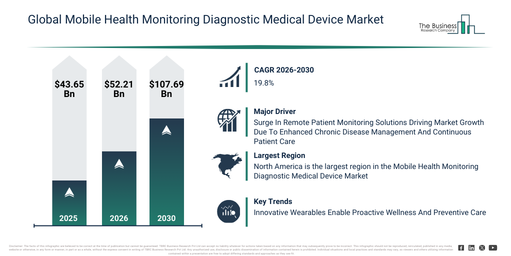
    The mobile health monitoring diagnostic medical device market has shown significant growth in recent years. Its size is expected to expand from $43.65 billion in 2025 to $52.21 billion in 2026, achieving a compound annual growth rate (CAGR) of 19.6%. This historical expansion can be linked to several factors, including the increase in remote diagnostics, the emergence of early portable monitoring devices, the broader application of wireless medical sensors, the introduction of hospital telemonitoring pilots, and a rise in the use of home testing devices.

    The mobile health monitoring diagnostic medical device market size is projected to experience swift expansion over the coming years. It is anticipated to reach $107.69 billion by 2030, exhibiting a compound annual growth rate (CAGR) of 19.8%. This expansion during the projection period stems from rising demand for chronic disease monitoring, the growth of virtual care programs, increased adoption of connected diagnostics, integration with clinical analytics platforms, and an uptick in home based diagnostics. Key trends anticipated for this forecast timeframe encompass mobile connected diagnostic sensors, real time remote diagnostic monitoring, cloud linked medical devices, portable multi parameter monitors, and wireless clinical monitoring systems.

    Access Your Free Sample Report For In-Depth Market Analysis:

    https://www.thebusinessresearchcompany.com/sample.aspx?id=33226&type=smp

    What Key Factors Are Shaping The Mobile Health Monitoring Diagnostic Medical Device Market Landscape?

    The expanding integration of remote patient monitoring (RPM) solutions is anticipated to drive the growth of the mHealth monitoring diagnostic medical device market. These RPM solutions encompass technologies designed to remotely track patients’ health data, thereby enabling effective care and intervention without the necessity of in-person visits. The surge in their adoption is primarily propelled by improvements in chronic disease management, given that RPM allows for continuous monitoring of patients’ health data and facilitates timely interventions, obviating the need for frequent physical appointments. Furthermore, mHealth monitoring diagnostic medical devices play a crucial role in supporting remote patient monitoring by offering real-time, wearable, and connected tools that consistently gather patients’ vital signs and health data. This capability empowers healthcare providers to closely track conditions, detect anomalies swiftly, and deliver personalized, timely care from a distance. For instance, an illustration from January 2025, based on data from the Independent Health and Aged Care Pricing Authority, an Australia-based government agency, indicates that in 2022–23, virtual care (which includes telehealth and RPM) accounted for around ~24% of non admitted care within public services. Hence, the increasing embrace of remote patient monitoring solutions is clearly a significant factor in the expansion of the mHealth monitoring diagnostic medical device market.

    How Are Different Segments Classified In The Mobile Health Monitoring Diagnostic Medical Device Market Segment Analysis?

    The mobile health monitoring diagnostic medical device market covered in this report is segmented –

    1) By Type: Glucose Monitor; Blood Pressure Monitor; Pulse Oximeter; Cardiac Monitor; Sleep Apnea Monitor; Multi Parameter Monitoring Device; Other Devices

    2) By Device Type: Wearable Devices; Handheld Devices; Implantable Devices; Mobile Applications; Remote Monitoring Devices

    3) By Application: Diabetes; Cardiovascular Diseases; Central Nervous System Disease; Respiratory Diseases; Musculoskeletal Diseases; Smoking Cessation; Medication Adherence; Other Applications

    4) By End User: Hospitals; Ambulatory Surgical Centers; Homecare Settings; Diagnostic Centers; Research and Academic Institutes

    Subsegments:

    1) By Glucose Monitor: Continuous Glucose Monitoring Devices; Self Monitoring Blood Glucose Meters; Flash Glucose Monitoring Devices; Implantable Glucose Sensors; Non Invasive Glucose Monitoring Devices

    2) By Blood Pressure Monitor: Upper Arm Blood Pressure Monitors; Wrist Blood Pressure Monitors; Ambulatory Blood Pressure Monitors; Wearable Blood Pressure Monitors; Home Blood Pressure Monitors

    3) By Pulse Oximeter: Fingertip Pulse Oximeters; Handheld Pulse Oximeters; Wearable Pulse Oximeters; Tabletop Pulse Oximeters; Pediatric Pulse Oximeters

    4) By Cardiac Monitor: Holter Cardiac Monitors; Event Cardiac Monitors; Mobile Cardiac Telemetry Devices; Implantable Cardiac Monitors; Wearable Cardiac Monitors

    5) By Sleep Apnea Monitor: Polysomnography Devices; Portable Sleep Monitoring Devices; Wearable Sleep Apnea Monitors; Home Sleep Testing Devices; Positive Airway Pressure Monitoring Devices

    6) By Multi Parameter Monitoring Device: Vital Signs Monitoring Devices; Bedside Multi Parameter Monitors; Wearable Multi Parameter Monitors; Remote Patient Monitoring Devices; Home Multi Parameter Monitoring Devices

    7) By Other Devices Including Fetal Monitors and Neurological Monitors: Fetal Heart Rate Monitors; Uterine Contraction Monitors; Electroencephalography Monitoring Devices; Intracranial Pressure Monitors; Neuromuscular Monitoring Devices

    What Market Trends Are Affecting The Mobile Health Monitoring Diagnostic Medical Device Market?

    Major companies within the mHealth monitoring diagnostic medical device market are concentrating on creating inventive solutions, such as the initial over-the-counter (OTC) glucose biosensor, to boost access to ongoing health monitoring, foster preventive healthcare, and propel wider acceptance of diagnostic technologies centered on consumers. The pioneering OTC glucose biosensor functions as a non-prescription wearable device that continually assesses glucose levels, supplying users with immediate, tailored data to assist in managing blood sugar and lifestyle habits independently, without the need for clinical oversight. For instance, in August 2024, Dexcom Inc., a US-based medical device firm, unveiled Stelo by Dexcom, which is the first over-the-counter continuous glucose biosensor available in the United States without a prescription. It is designed for adults aged 18 years and older who do not rely on insulin therapy. Stelo is a compact, wearable sensor positioned on the back of the upper arm, continuously tracking glucose levels for a period of up to 15 days and transmitting this information directly to a user’s smartphone application, thereby enabling individuals to better comprehend and control their glucose patterns for enhanced health and well-being.

    Who Are The Companies Driving Activity In The Mobile Health Monitoring Diagnostic Medical Device Market?

    Major companies operating in the mobile health monitoring diagnostic medical device market are Apple Inc., Garmin Ltd., ResMed Inc., Drägerwerk AG & Co. KGaA, Dexcom Inc., Masimo Corporation, Nonin Medical Inc., Biofourmis Inc., AliveCor Inc., iHealth Labs Inc., AirStrip Technologies Inc., Qardio Inc., Fora Care Inc., Sunfox Technologies, VitalConnect Inc., BioIntelliSense Inc., Sempulse Corporation, Turtle Shell Technologies Private Limited, Cardiotrack Pvt. Ltd., and Startoon Labs Private Limited.

    Get The Full Mobile Health Monitoring Diagnostic Medical Device Market Report:

    https://www.thebusinessresearchcompany.com/report/mobile-health-monitoring-diagnostic-medical-device-market-report

    Which Region Is The Leading Market For The Mobile Health Monitoring Diagnostic Medical Device Market?

    North America was the largest region in the mhealth monitoring diagnostic medical device market in 2025. Asia-Pacific is expected to be the fastest-growing region in the forecast period. The regions covered in the mobile health monitoring diagnostic medical device market report are Asia-Pacific, South East Asia, Western Europe, Eastern Europe, North America, South America, Middle East, Africa.

    Request A Customized Mobile Health Monitoring Diagnostic Medical Device Market Report For Competitive Insights:

    https://www.thebusinessresearchcompany.com/customise?id=33226&type=smp

    Browse Through More Reports Similar to the Global Mobile Health Monitoring Diagnostic Medical Device Market 2026, By The Business Research Company

    Mobile Healthcare Market Report 2026

    https://www.thebusinessresearchcompany.com/report/mobile-healthcare-global-market-report

    Patient Monitoring Devices Market 2026

    https://www.thebusinessresearchcompany.com/report/patient-monitoring-devices-market

    Medical Device Testing Services Market Report 2026

    https://www.thebusinessresearchcompany.com/report/medical-device-testing-services-global-market-report

    Get in touch with us:

    The Business Research Company: https://www.thebusinessresearchcompany.com/

    Americas +1 310-496-7795

    Asia +44 7882 955267 & +91 8897263534

    Europe +44 7882 955267

    Email us at info@tbrc.info

    Follow us on:

    LinkedIn: https://in.linkedin.com/company/the-business-research-company

    YouTube: https://www.youtube.com/channel/UC24_fI0rV8cR5DxlCpgmyFQ

    Global Market Model: https://www.thebusinessresearchcompany.com/global-market-model
  • Global Mobile Health (mHealth) Device Market Expected To Reach $105.16 Billion By 2030 With 14.7% CAGR

    Global Mobile Health (mHealth) Device Market Expected To Reach $105.16 Billion By 2030 With 14.7% CAGR

    The Business Research Company’s 2026 market reports feature enhanced tools like market attractiveness analysis, TAM assessment, and company scoring matrices, along with interactive dashboards, deeper supply chain insights, and startup coverage strengthening the depth, usability, and strategic value of insights.

    What Is The Estimated Market Size Of The Mobile Health (mHealth) Device Market In 2026, And How Will Its Value Evolve By 2030?

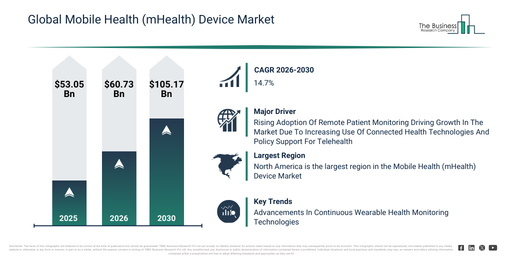
    The mobile health (mhealth) device market size has witnessed rapid expansion in recent years. It is set to grow from $53.05 billion in 2025 to $60.73 billion in 2026, achieving a compound annual growth rate (CAGR) of 14.5%. The historical growth can be linked to the increased adoption of fitness trackers, initial health functionalities in smartwatches, the proliferation of telehealth services, a rise in chronic disease instances, and the broadened availability of mobile health applications.

    The mobile health (mhealth) device market size is expected to witness substantial expansion in the upcoming years. It is projected to increase to $105.17 billion by 2030, exhibiting a compound annual growth rate (CAGR) of 14.7%. This projected growth can be attributed to the rise in remote patient monitoring, increasing demand for preventive care, the expansion of connected care models, heightened consumer health awareness, and integration with digital health platforms. Significant trends for the forecast period include wearable vital sign tracking devices, multi sensor health smartwatches, connected home diagnostic kits, continuous remote health monitoring, and app integrated medical wearables.

    Access Your Free Sample Report For In-Depth Market Analysis:

    https://www.thebusinessresearchcompany.com/sample.aspx?id=33225&type=smp

    Which Factors Are Influencing The Growth Of The Mobile Health (mHealth) Device Market?

    The increasing adoption of remote patient monitoring is anticipated to fuel the expansion of the mHealth devices market in the future. Remote patient monitoring involves leveraging interconnected medical devices and digital innovations to constantly gather, send, and examine patient health information beyond conventional healthcare environments, facilitating prompt medical judgments and enhanced care results. The expansion of remote patient monitoring is driven by the wider acceptance of digital health solutions that allow for ongoing, real-time tracking of individuals outside standard clinical environments. mHealth devices play a crucial role in remote patient monitoring by facilitating the continuous collection and live transmission of patient health data, empowering healthcare providers to monitor conditions from a distance, implement prompt interventions, and boost overall care effectiveness. For example, in August 2025, data from the U.S. Department of Health & Human Services (OIG), a US-based government body, indicated that in 2024, Medicare payments for remote patient monitoring (RPM) exceeded US$536 million, showing a 31% rise from the previous year. Close to one million beneficiaries accessed RPM services, representing a 27% increase compared to 2023, with around 4,600 medical practices regularly submitting claims for RPM. Consequently, the increased prevalence of remote patient monitoring is projected to stimulate the growth of the mHealth devices market.

    How Is The Mobile Health (mHealth) Device Market Categorized Across Its Segment Groups?

    The mobile health (mhealth) device market covered in this report is segmented –

    1) By Product Type: Blood Pressure Monitor; Blood Glucose Meter; Pulse Oximeter; Neurological Monitor; Heart Rate Meter; Electrocardiogram (ECG) Monitor; Cardiac Monitor; Peak Flow Meter; Multiparameter Tracker; Fitbit Or Smart Watches; Sleep Apnea Meter; Other Product Types

    2) By Technology: Bluetooth And Bluetooth Low Energy (BLE); Wireless Fidelity (Wi-Fi); Cellular (4G Or 5G); Near Field Communication (NFC); Radio Frequency Identification (RFID)

    3) By Application: Chronic Care Management; Diabetes Management; Cancer Management; General Health; Fitness; Mental Health Behavioral Disorders Management; Blood Pressure Monitoring; Nutrition; Medical Management; Women’s Health; Other Applications

    4) By End Users: Home Healthcare; Hospitals; Diagnostic Laboratories; Clinics; Academic Research Institutions

    Subsegments:

    1) By Blood Pressure Monitor: Upper Arm; Wrist; Finger

    2) By Blood Glucose Meter: Continuous Glucose Monitor; Self-Monitoring Blood Glucose Device; Flash Glucose Monitor

    3) By Pulse Oximeter: Fingertip; Handheld; Wrist; Tabletop

    4) By Neurological Monitor: Electroencephalogram; Intracranial Pressure Monitor; Cerebral Oxygen Monitor; Evoked Potential Monitor

    5) By Heart Rate Meter: Chest Strap; Wrist-Based; Finger-Based

    6) By Electrocardiogram (ECG) Monitor: Resting; Ambulatory; Stress; Wireless

    7) By Cardiac Monitor: Holter Monitor; Event Monitor; Telemetry Monitor; Implantable Loop Recorder

    8) By Peak Flow Meter: Mechanical; Digital; Portable

    9) By Multiparameter Tracker: Fitness Tracker; Health Tracker; Activity Tracker; Wellness Tracker

    10) By Other Product Types: Temperature Monitor; Respiratory Monitor; Oxygen Concentration Monitor; Blood Gas Monitor

    Which Trends Are Influencing Demand In The Mobile Health (mHealth) Device Market?

    Leading companies in the mHealth devices market are concentrating on developing innovative solutions, such as advanced wearable health monitoring devices, to fulfill the increasing demand for remote patient oversight, preventive healthcare, and real-time health data analytics, driven by the rising prevalence of chronic diseases and growing consumer wellness awareness. These advanced wearable health monitoring devices typically incorporate a suite of sensors that continuously collect physiological data and transmit it via connected mobile applications or cloud services, enabling users and healthcare providers to monitor health outside conventional clinical settings; unlike traditional intermittent check-ups or standalone medical devices, these wearables facilitate 24/7 data capture, trend analysis, and proactive health interventions. For example, in May 2025, WHOOP Inc., a US-based wearable technology company, launched WHOOP 5.0 and WHOOP MG, a next-generation wearable health and fitness platform that integrates an extended 14+ day battery life, advanced sensors for tracking sleep, recovery, strain, and stress, alongside new blood pressure insights and on-demand ECG heart screening through the WHOOP MG variant, offering continuous healthspan and cardiovascular monitoring beyond typical consumer fitness trackers; these devices are designed as a slim, screen-free strap to be worn 24/7, with data delivered through the companion app, providing deeper health analytics and personalized recommendations to optimize performance and wellness.

    Which Firms Are Influencing Competition In The Mobile Health (mHealth) Device Market?

    Major companies operating in the mobile health (mhealth) device market are Apple Inc., Google LLC, Samsung Electronics Co. Ltd., Abbott Laboratories, Koninklijke Philips N.V., Garmin Health Inc., OMRON Healthcare Inc., ResMed Inc., Garmin Ltd., DexCom Inc., Masimo Corporation, iRhythm Technologies Inc., BioTelemetry Inc., Biofourmis Pte. Ltd., Withings S.A.S., BPL Medical Technologies Private Limited, AliveCor Inc., iHealth Labs Inc., WellDoc Inc., Qardio Inc.

    Get The Full Mobile Health (mHealth) Device Market Report:

    https://www.thebusinessresearchcompany.com/report/mobile-health-mhealth-device-market-report

    Where Is The Mobile Health (mHealth) Device Market Primarily Concentrated By Region?

    North America was the largest region in the mHealth devices market in 2025. Asia-Pacific is expected to be the fastest-growing region in the forecast period. The regions covered in the mobile health (mhealth) device market report are Asia-Pacific, South East Asia, Western Europe, Eastern Europe, North America, South America, Middle East, Africa.

    Request A Customized Mobile Health (mHealth) Device Market Report For Competitive Insights:

    https://www.thebusinessresearchcompany.com/customise?id=33225&type=smp

    Browse Through More Reports Similar to the Global Mobile Health (mHealth) Device Market 2026, By The Business Research Company

    Mobile Healthcare Market Report 2026

    https://www.thebusinessresearchcompany.com/report/mobile-healthcare-global-market-report

    Mhealth Apps Market Report 2026

    https://www.thebusinessresearchcompany.com/report/mhealth-apps-global-market-report

    Mobile Point Of Sale Devices Market Report 2026

    https://www.thebusinessresearchcompany.com/report/mobile-point-of-sale-devices-global-market-report

    Get in touch with us:

    The Business Research Company: https://www.thebusinessresearchcompany.com/

    Americas +1 310-496-7795

    Asia +44 7882 955267 & +91 8897263534

    Europe +44 7882 955267

    Email us at info@tbrc.info

    Follow us on:

    LinkedIn: https://in.linkedin.com/company/the-business-research-company

    YouTube: https://www.youtube.com/channel/UC24_fI0rV8cR5DxlCpgmyFQ

    Global Market Model: https://www.thebusinessresearchcompany.com/global-market-model

  • Miniature Brain Stimulator Market Revenue Growth Forecast To Reach $1.56 Billion By 2030 At 9.2% CAGR

    Miniature Brain Stimulator Market Revenue Growth Forecast To Reach $1.56 Billion By 2030 At 9.2% CAGR

    The Business Research Company’s 2026 market reports feature enhanced tools like market attractiveness analysis, TAM assessment, and company scoring matrices, along with interactive dashboards, deeper supply chain insights, and startup coverage strengthening the depth, usability, and strategic value of insights.

    What Is The Forecasted Market Size Trajectory Of The Miniature Brain Stimulator Market From 2026 To 2030?

    The miniature brain stimulator market size has demonstrated strong expansion over recent years. It is anticipated to increase from $1.01 billion in 2025 to $1.1 billion in 2026, achieving a compound annual growth rate (CAGR) of 8.9%. The market’s historic growth is largely attributable to the clinical adoption of DBS therapy, a rise in epilepsy treatments, growth in neuromodulation research, the introduction of early implantable stimulator devices, and an increase in movement disorder diagnoses.

    The miniature brain stimulator market is anticipated to experience robust expansion over the next few years. Its valuation is projected to reach $1.57 billion by 2030, progressing at a compound annual growth rate (CAGR) of 9.2%. The momentum of this growth throughout the forecast period stems from the increasing burden of neurological disorders, the broadening application of psychiatric stimulation therapy, developments in miniaturized electronics, the rising utilization of outpatient neurotherapy, and an increase in clinical trials focused on neuromodulation. Significant developments expected during this timeframe include compact implantable neurostimulators, closed-loop brain stimulation systems, rechargeable pulse generator devices, wearable brain stimulation units, and multi-mode neurostimulation platforms.

    Access Your Free Sample Report For In-Depth Market Analysis:

    https://www.thebusinessresearchcompany.com/sample.aspx?id=33221&type=smp

    Which Key Factors Are Driving The Miniature Brain Stimulator Market Growth?

    The increasing occurrence of neurological disorders is expected to boost the growth of the miniature brain stimulator market during the forecast period. Neurological disorders encompass conditions affecting the brain, spinal cord, and nervous system, including Parkinson’s disease, epilepsy, chronic pain, and movement disorders, which frequently necessitate long-term and precise therapeutic interventions. The rising incidence of these disorders is attributed to factors such as aging populations, extended life expectancy, lifestyle modifications, and improved diagnostic capabilities leading to higher rates of disease detection. Miniature brain stimulators address this growing disease burden by providing targeted electrical stimulation to specific brain regions, assisting in regulating abnormal neural activity and enhancing symptom control when traditional drug therapies prove ineffective. For example, in March 2023, the Alzheimer’s Association, a US-based nonprofit voluntary health organization, reported that in 2023, approximately 6.7 million Americans aged 65 and older were living with Alzheimer’s dementia, a figure projected to increase to 13.8 million by 2060. Therefore, the increasing prevalence of neurological disorders is driving the growth of the miniature brain stimulator market.

    What Are The Key Segment Divisions In The Miniature Brain Stimulator Market Segment Structure?

    The miniature brain stimulator market covered in this report is segmented –

    1) By Product Type: Implantable; Portable; Battery Operated; Handheld; Wearable; Cap; Headband

    2) By Technology: Deep Brain Stimulation; Transcranial Direct Current Stimulation; Transcranial Magnetic Stimulation

    3) By Application: Depression Therapy; Epilepsy Treatment; Neuromodulation Research; Parkinson’s Disease

    4) By Distribution Channel: Direct Sales; Online Sales; Third Party Distributors

    5) By End User: Home Healthcare Facilities; Hospitals And Clinics; Research Laboratories

    Subsegments:

    1) By Implantable: Deep Brain Stimulator; Cortical Implant; Subdural Electrode; Neural Probe

    2) By Portable: Portable Neurostimulator; Mobile Brain Device; Compact Stimulation Unit; Transportable Monitoring Device

    3) By Battery Operated: Rechargeable Neurostimulator; Long Life Battery Device; Replaceable Battery Module; Standalone Stimulation Unit

    4) By Handheld: Handheld Programming Device; Handheld Neurofeedback Unit; Handheld Stimulation Controller; Handheld Diagnostic Tool

    5) By Wearable: Wearable Neurostimulator; Wearable Headband Device; Wearable Monitoring Sensor; Wearable Electrode Array

    6) By Cap: Stimulation Cap; Monitoring Cap; Electrode Cap; Neurofeedback Cap

    7) By Headband: Cognitive Headband; Sleep Monitoring Headband; Brainwave Tracking Headband; Stimulation Headband

    Which Trends Are Guiding The Direction Of The Miniature Brain Stimulator Market?

    Leading companies active in the miniature brain stimulator market are concentrating on creating innovative solutions, such as artificial intelligence-enabled adaptive brain stimulation systems, to meet the increasing demand for personalized, efficient, and responsive neurological therapies for intricate disorders like Parkinson’s disease and epilepsy. AI-integrated brain stimulation systems employ real-time neural signal sensing, machine learning algorithms, and closed-loop feedback mechanisms to automatically fine-tune stimulation parameters based on a patient’s brain activity, a departure from traditional open-loop systems that provide fixed stimulation regardless of evolving neurological conditions. For example, in February 2025, Medtronic, a US based healthcare technology company, obtained U.S. Food and Drug Administration approval for the world’s first adaptive deep brain stimulation system designed for people with Parkinson’s disease. This approved system continually monitors neural activity and automatically adjusts stimulation in real time to enhance symptom control and minimize side effects. It integrates implantable sensing electrodes, advanced software analytics, and intelligent control algorithms to personalize therapy for individual patients. This regulatory landmark highlights the growing significance of AI-driven optimization in advancing precision neuromodulation and improving long-term clinical outcomes in miniature brain stimulation therapies.

    Which Organizations Are Engaged In The Miniature Brain Stimulator Market?

    Major companies operating in the miniature brain stimulator market are Abbott Laboratories, Medtronic plc, Boston Scientific Corporation, Renishaw PLC, Neuronetics Inc, NeuroPace Inc., FHC Inc, BrainsWay Ltd, eNeura Inc, Magventure A S, Alpha Omega Engineering Ltd, SceneRay Corporation Ltd, Neuroelectrics SL, Soterix Medical Inc, Synapse Biomedical Inc, Theranica Bioelectronics Ltd, Flow Neuroscience AB, Magstim Inc, NeuroSigma Inc, Newronika S P A, Ybrain Inc, Neurometrix Inc, Helius Medical Technologies Inc

    Get The Full Miniature Brain Stimulator Market Report:

    https://www.thebusinessresearchcompany.com/report/miniature-brain-stimulator-market-report

    Which Region Accounts For The Largest Portion Of The Miniature Brain Stimulator Market?

    North America was the largest region in the miniature brain stimulator market in 2025. Asia-Pacific is expected to be the fastest-growing region in the forecast period. The regions covered in the miniature brain stimulator market report are Asia-Pacific, South East Asia, Western Europe, Eastern Europe, North America, South America, Middle East, Africa.

    Request A Customized Miniature Brain Stimulator Market Report For Competitive Insights:

    https://www.thebusinessresearchcompany.com/customise?id=33221&type=smp

    Browse Through More Reports Similar to the Global Miniature Brain Stimulator Market 2026, By The Business Research Company

    Transcranial Magnetic Stimulator Market Report 2026

    https://www.thebusinessresearchcompany.com/report/transcranial-magnetic-stimulator-global-market-report

    Implantable Neurostimulation Devices Market Report 2026

    https://www.thebusinessresearchcompany.com/report/implantable-neurostimulation-devices-global-market-report

    Neurostimulation Devices Market Report 2026

    https://www.thebusinessresearchcompany.com/report/neurostimulation-devices-global-market-report

    Get in touch with us:

    The Business Research Company: https://www.thebusinessresearchcompany.com/

    Americas +1 310-496-7795

    Asia +44 7882 955267 & +91 8897263534

    Europe +44 7882 955267

    Email us at info@tbrc.info

    Follow us on:

    LinkedIn: https://in.linkedin.com/company/the-business-research-company

    YouTube: https://www.youtube.com/channel/UC24_fI0rV8cR5DxlCpgmyFQ

    Global Market Model: https://www.thebusinessresearchcompany.com/global-market-model
  • Micro-Surgical Robot Market Expected To Grow Steadily And Approach $2.7 Billion By 2030

    Micro-Surgical Robot Market Expected To Grow Steadily And Approach $2.7 Billion By 2030

    The Business Research Company’s 2026 market reports feature enhanced tools like market attractiveness analysis, TAM assessment, and company scoring matrices, along with interactive dashboards, deeper supply chain insights, and startup coverage strengthening the depth, usability, and strategic value of insights.

    How Much Will The Market Value Of The Micro-Surgical Robot Market Grow Between 2026 And 2030?

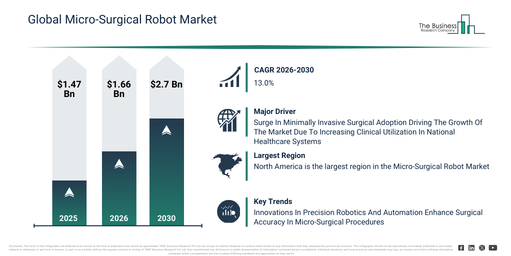
    The micro-surgical robot market size has experienced significant expansion recently. This market is projected to expand from $1.47 billion in 2025 to $1.66 billion by 2026, demonstrating a compound annual growth rate (CAGR) of 12.8%. The expansion witnessed in the past can be ascribed to several factors, including the increasing prevalence of minimally invasive surgery, the early integration of surgical robots, a surge in neurosurgery procedures, improvements in medical imaging systems, and substantial hospital investment in precision surgery.

    The micro-surgical robot market is poised for significant expansion in the coming years, projected to reach $2.7 billion by 2030, demonstrating a compound annual growth rate (CAGR) of 13.0%. This anticipated growth is driven by the escalating demand for ultra precise surgery, an increase in ophthalmic microsurgeries, the wider availability of robotic operating rooms, enhanced surgeon training in robotics, and greater adoption within specialty clinics. Key trends for the forecast period comprise motion scaling robotic micro manipulators, high precision robotic end effectors, imaging guided micro surgery platforms, haptic feedback assisted micro procedures, and robot assisted microsurgical workflows.

    Access Your Free Sample Report For In-Depth Market Analysis:

    https://www.thebusinessresearchcompany.com/sample.aspx?id=33220&type=smp

    What Primary Drivers Are Shaping The Micro-Surgical Robot Market?

    The increasing adoption of minimally invasive surgeries is anticipated to drive the expansion of the micro-surgical robot market in the future. Minimally invasive surgery utilizes specialized instruments and advanced technologies to perform procedures through small incisions, effectively reducing tissue trauma, postoperative pain, and recovery time compared to traditional open surgeries. The rise in minimally invasive surgeries is attributed to advancements in surgical robotics and imaging technologies, which enable procedures with smaller incisions and faster patient recovery. A micro-surgical robot is employed in minimally invasive surgeries to facilitate ultraprecise, tremor-free manipulation of tiny instruments within confined anatomical spaces, thereby improving surgical accuracy while minimizing tissue damage and recovery time. For instance, in June 2024, according to the American Society of Plastic Surgeons (ASPS), a US-based professional association, roughly 25.4 million cosmetic minimally invasive procedures were performed in 2023, reflecting a 7% increase from 2022. Therefore, the growing preference for minimally invasive surgeries is propelling the growth of the micro-surgical robot market.

    Which Segment Categories Are Included In The Micro-Surgical Robot Market Segment Analysis?

    The micro-surgical robot market covered in this report is segmented –

    1) By Component: Hardware; Software; Services

    2) By Technology: Tele-Robotics; Artificial Intelligence (AI)-Assisted Robotics; Imaging-Guided Robotic Systems; Haptic Feedback Systems; Autonomous Surgical Robots

    3) By Sales Channel: Direct Sales; Distributors; Online Sales

    4) By Application: Neurosurgery; Ophthalmology; Ear, Nose, and Throat (ENT) Surgery; Cardiovascular; Urology; Gynecology; Orthopedics; Other Applications

    5) By End-User: Hospitals; Ambulatory Surgical Centers; Research Institutes

    Subsegments:

    1) By Hardware: Robotic Arms; Surgical Instruments; Vision Systems; Control Consoles; Navigation Systems

    2) By Software: Surgical Planning Software; Real-Time Monitoring Software; Robotic Control Software; Image Processing Software; Data Analytics Software

    3) By Services: Installation Services; Maintenance Services; Training Services; Technical Support Services; System Upgradation Services

    What Trends Are Affecting The Growth Of The Micro-Surgical Robot Market?

    Major companies in the microsurgical robot market are concentrating on creating advanced solutions, such as microsurgery assistance robots, to improve surgical precision, reduce manual variability, and facilitate highly delicate procedures involving tiny anatomical structures. Microsurgery assistance robots are robotic systems designed to aid surgeons during ultra-fine surgical tasks by incorporating high-precision motion control, automation features, and advanced imaging, enabling stable and accurate manipulation beyond human hand capabilities. For instance, in May 2024, Sony Group Corporation, a Japan-based technology and electronics company, unveiled a prototype microsurgery assistance robot intended to support intricate surgical procedures through automatic surgical instrument exchange and high-precision robotic control. This system aims to help surgeons perform complex microsurgical tasks, such as microvascular anastomosis, by enhancing operational accuracy, lessening the workload for surgeons, and advancing the use of robotics in microsurgery.

    Who Are The Active Companies Shaping The Micro-Surgical Robot Market?

    Major companies operating in the micro-surgical robot market are Medtronic plc, Zimmer Biomet Holdings Inc., Smith & Nephew plc, Renishaw plc, Ethicon Inc., Brainlab AG, Meerecompany Inc., Medrobotics Corporation, IotaMotion Inc., Medical Microinstruments S.p.A., Distalmotion SA, Vicarious Surgical Inc., Neocis Inc., ForSight Robotics Ltd., THINK Surgical Inc., ShanghAI MicroPort MedBot (Group) Co. Ltd., Virtual Incision Corporation, MicroSure B.V., Meril Life Sciences Pvt. Ltd., Panda Surgical Co. Ltd.

    Get The Full Micro-Surgical Robot Market Report:

    https://www.thebusinessresearchcompany.com/report/micro-surgical-robot-market-report

    Which Region Holds The Highest Market Share In The Micro-Surgical Robot Market?

    North America was the largest region in the micro-surgical robot market in 2025. Asia-Pacific is expected to be the fastest-growing region in the forecast period. The regions covered in the micro-surgical robot market report are Asia-Pacific, South East Asia, Western Europe, Eastern Europe, North America, South America, Middle East, Africa.

    Request A Customized Micro-Surgical Robot Market Report For Competitive Insights:

    https://www.thebusinessresearchcompany.com/customise?id=33220&type=smp

    Browse Through More Reports Similar to the Global Micro-Surgical Robot Market 2026, By The Business Research Company

    Surgical Robots Market Report 2026

    https://www.thebusinessresearchcompany.com/report/surgical-robots-global-market-report

    Surgical Robot Accessories Market Report 2026

    https://www.thebusinessresearchcompany.com/report/surgical-robot-accessories-global-market-report

    Robotic Surgery Services Market Report 2026

    https://www.thebusinessresearchcompany.com/report/robotic-surgery-services-global-market-report

    Get in touch with us:

    The Business Research Company: https://www.thebusinessresearchcompany.com/

    Americas +1 310-496-7795

    Asia +44 7882 955267 & +91 8897263534

    Europe +44 7882 955267

    Email us at info@tbrc.info

    Follow us on:

    LinkedIn: https://in.linkedin.com/company/the-business-research-company

    YouTube: https://www.youtube.com/channel/UC24_fI0rV8cR5DxlCpgmyFQ

    Global Market Model: https://www.thebusinessresearchcompany.com/global-market-model

  • Memory-Augmenting Neural Devices Market Growth Expected To Reach $2.89 Billion By 2030 At 15.4% CAGR

    Memory-Augmenting Neural Devices Market Growth Expected To Reach $2.89 Billion By 2030 At 15.4% CAGR

    The Business Research Company’s 2026 market reports feature enhanced tools like market attractiveness analysis, TAM assessment, and company scoring matrices, along with interactive dashboards, deeper supply chain insights, and startup coverage strengthening the depth, usability, and strategic value of insights.

    How Is The Market Size Of The Memory-Augmenting Neural Devices Market Expected To Scale Between 2026 And 2030?

    The memory-augmenting neural devices market size has observed significant growth in recent years. It is projected to expand from $1.42 billion in 2025 to $1.63 billion in 2026, exhibiting a compound annual growth rate (CAGR) of 15.2%. This historical growth can be attributed to the development of neurostimulation tools, early cognitive enhancement studies, the adoption of wearable neuro devices, the growth in bci prototypes, and academic brain research programs.

    The market size for memory-augmenting neural devices is projected to undergo substantial expansion in the upcoming years. It is anticipated to reach $2.89 billion by 2030, exhibiting a compound annual growth rate (CAGR) of 15.4%. This expansion during the forecast period can be attributed to factors such as the increasing needs of an aging population, a rising demand for cognitive enhancement, the broadening scope of wearable neurotechnology, augmented AI-driven neural analysis, and more extensive clinical validation trials. Significant trends for the forecast period include noninvasive brain stimulation wearables, AI-driven memory enhancement algorithms, portable neurostimulation devices, hybrid implant and wearable systems, and closed-loop cognitive support devices.

    Access Your Free Sample Report For In-Depth Market Analysis:

    https://www.thebusinessresearchcompany.com/sample.aspx?id=33212&type=smp

    What Key Factors Are Affecting The Memory-Augmenting Neural Devices Market Demand?

    The increasing occurrence of neurological conditions is anticipated to fuel the expansion of the memory-augmenting neural devices market in the future. A neurological disorder refers to any illness or ailment impacting the regular structure or operation of the central nervous system (comprising the brain and spinal cord) or the peripheral nervous system (nerves across the body). These disorders are becoming more common, largely because of the expanding global senior population, which leads to a higher frequency of age-associated neurological issues. Memory-augmenting neural devices address neurological disorders by improving or recovering cognitive abilities, like memory and learning, through specific neural stimulation and advanced interface technologies. As an illustration, the Alzheimer’s Association, a US-based nonprofit voluntary health organization, reported in March 2023 that around 6.7 million Americans aged 65 and above were suffering from Alzheimer’s dementia in 2023, with projections indicating this figure will climb to 13.8 million by 2060. Consequently, the increasing incidence of neurological disorders is a primary driver for the expansion of the memory-augmenting neural devices market.

    How Is The Memory-Augmenting Neural Devices Market Organized By Segment Classification?

    The memory-augmenting neural devices market covered in this report is segmented –

    1) By Device Type: Implantable Neural Devices; Noninvasive Brain Stimulation Devices; Other Device Types

    2) By Technology: Artificial Intelligence (AI) And Machine Learning-Based Memory Enhancement; Neural Implants & Electrodes; Transcranial Stimulation; Other Technologies

    3) By Application: Cognitive Enhancement; Neurodegenerative Disease Treatment; Brain-Computer Interfaces (BCIs); Other Applications

    4) By End User: Healthcare And Medical Institutions; Research And Academic Centers; Defense And Military; Other End Users

    Subsegments:

    1) By Implantable Neural Devices: Deep Brain Stimulation Systems; Cortical Microelectrode Arrays; Hippocampal Memory Prostheses; Neural Recording And Stimulation Implants; Closed Loop Neuromodulation Implants

    2) By Noninvasive Brain Stimulation Devices: Transcranial Magnetic Stimulation Systems; Transcranial Direct Current Stimulation Devices; Transcranial Alternating Current Stimulation Devices; Transcranial Random Noise Stimulation Devices; Focused Ultrasound Brain Stimulation Systems

    3) By Other Device Types: Wearable Neurofeedback Devices; Brain Computer Interface Headsets; Cognitive Enhancement Headgear; Portable Neurostimulation Devices; Hybrid Neural Modulation Systems

    What Trends Are Influencing Changes In The Memory-Augmenting Neural Devices Market?

    Leading companies within the memory augmenting neural devices market are concentrating on developing advanced solutions, such as implantable brain computer interfaces, to boost cognitive abilities and memory retention. An implantable brain computer interface (BCI) is a device surgically placed in the brain that directly interprets neural signals and translates them into digital commands to operate computers or external equipment. For example, in July 2025, Neuralink Corp., a US-based neurotechnology company, implanted its high-channel-count fully implantable brain computer interface (BCI) into a ninth human participant as part of its ongoing clinical trials. This implant is engineered to record and decode neural signals through ultra-thin electrode threads embedded in the brain, enabling direct, real-time communication between neural activity and external digital devices. The system supports wireless data transmission, extended implantation without external hardware, and high-resolution signal capture, allowing users to control computers or interfaces purely through thought. This significant event, which also marked the company’s first instance of performing two implant surgeries in a single day, underscores improved surgical efficiency and increasing clinical readiness for widespread human application.

    Who Are The Industry Participants Involved In The Memory-Augmenting Neural Devices Market?

    Major companies operating in the memory-augmenting neural devices market are Medtronic plc, Bitbrain Technologies S.L., NeuroLutions Inc., CorTec GmbH, FinalSpark Inc., Kernel Inc., Neuralink Corporation, NeuroPace Inc., Blackrock Neurotech Inc., NeuroSky Inc., Emotiv Inc., mBrainTrain Inc., BrainChip Holdings Ltd., BrainCo Inc., INBRAIN Neuroelectronics S.L., Merge Labs Inc., InBrain Neuroelectronics S.L., Axoft Inc., Motif Neurotech Inc., MintNeuro Inc.

    Get The Full Memory-Augmenting Neural Devices Market Report:

    https://www.thebusinessresearchcompany.com/report/memory-augmenting-neural-devices-market-report

    Which Region Leads The Memory-Augmenting Neural Devices Market In Terms Of Market Share?

    North America was the largest region in the memory-augmenting neural devices market in 2025. Asia-Pacific is expected to be the fastest-growing region in the forecast period. The regions covered in the memory-augmenting neural devices market report are Asia-Pacific, South East Asia, Western Europe, Eastern Europe, North America, South America, Middle East, Africa.

    Request A Customized Memory-Augmenting Neural Devices Market Report For Competitive Insights:

    https://www.thebusinessresearchcompany.com/customise?id=33212&type=smp

    Browse Through More Reports Similar to the Global Memory-Augmenting Neural Devices Market 2026, By The Business Research Company

    Memory Chips Market Report 2026

    https://www.thebusinessresearchcompany.com/report/memory-chips-global-market-report

    Semiconductor Memory Market Report 2026

    https://www.thebusinessresearchcompany.com/report/semiconductor-memory-global-market-report

    Deep Learning Chipset Market Report 2026

    https://www.thebusinessresearchcompany.com/report/deep-learning-chipset-global-market-report

    Get in touch with us:

    The Business Research Company: https://www.thebusinessresearchcompany.com/

    Americas +1 310-496-7795

    Asia +44 7882 955267 & +91 8897263534

    Europe +44 7882 955267

    Email us at info@tbrc.info

    Follow us on:

    LinkedIn: https://in.linkedin.com/company/the-business-research-company

    YouTube: https://www.youtube.com/channel/UC24_fI0rV8cR5DxlCpgmyFQ

    Global Market Model: https://www.thebusinessresearchcompany.com/global-market-model