Category: Medical Equipment

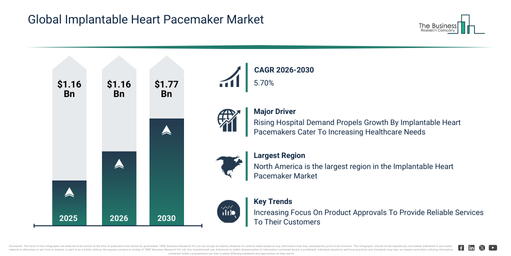
  • The Implantable Heart Pacemaker Market Is Evolving Due To Rising Hospital Demand Propels Growth By Implantable Heart Pacemakers Cater To Increasing Healthcare Needs

    The Implantable Heart Pacemaker Market Is Evolving Due To Rising Hospital Demand Propels Growth By Implantable Heart Pacemakers Cater To Increasing Healthcare Needs

    The Business Research Company’s 2026 market reports feature enhanced tools like market attractiveness analysis, TAM assessment, and company scoring matrices, along with interactive dashboards, deeper supply chain insights, and startup coverage strengthening the depth, usability, and strategic value of insights.

    From Its 2026 Market Size, What Value Is The Implantable Heart Pacemaker Market Projected To Reach By 2030?

    The implantable heart pacemaker market has shown strong growth in recent years. It is anticipated to expand from $5.14 billion in 2025 to $5.45 billion in 2026, demonstrating a compound annual growth rate (CAGR) of 6.0%. This historical growth can be attributed to a higher prevalence of cardiac arrhythmias, an aging global demographic, increased availability of implantable cardiac devices, the expansion of cardiac care infrastructure, and advancements in surgical implantation methods.

    The implantable heart pacemaker market size is anticipated to experience substantial growth in the upcoming years. It is projected to expand to $6.8 billion by 2030, achieving a compound annual growth rate (CAGR) of 5.7%. This growth during the forecast period can be attributed to several factors, including the increasing demand for minimally invasive cardiac devices, the rising adoption of connected healthcare solutions, the expansion of remote patient monitoring programs, a growing focus on personalized cardiac therapy, and increasing innovation in battery and power management. Significant trends within this forecast period include the increasing adoption of remote cardiac monitoring pacemakers, the rising utilization of leadless pacemaker technologies, the growing integration of wireless data transmission, the expansion of MRI-compatible pacemaker devices, and an enhanced focus on miniaturization and battery longevity.

    Access Your Free Sample Report For In-Depth Market Analysis:

    https://www.thebusinessresearchcompany.com/sample.aspx?id=8583&type=smp

    Which Drivers Are Supporting The Implantable Heart Pacemaker Market Growth?

    The escalating demand from hospitals is projected to fuel the growth of the implantable heart pacemaker market moving forward. A hospital functions as a specialized establishment where medical professionals deliver diagnostic, therapeutic, and preventative healthcare services to individuals suffering from illness or injury. In hospitals, implantable heart pacemakers are utilized to manage cardiac conditions, synchronize the heart’s rhythm, remotely monitor patient heart activity, and enhance the overall quality of life for patients by ensuring a steady and appropriate heart rate. For instance, in August 2023, according to Interweave Textiles Limited, a UK-based company specializing in textile manufacturing and related products, there were 1148 hospitals in the UK in 2023, consisting of 930 National Health Service hospitals and 218 private hospitals. Therefore, the increasing requirement for hospitals is propelling the expansion of the implantable heart pacemaker market.

    Which Segments Define The Implantable Heart Pacemaker Market Segment Structure?

    The implantable heart pacemaker market covered in this report is segmented –

    1) By Product Type: Single Chamber, Dual Chamber, Biventricular

    2) By Application: Heart Block, Sick Sinus Syndrome, Other Applications

    3) By End User: Hospital, Clinics, Other End Users

    Subsegments:

    1) By Single Chamber: VVI (Ventricular Demand), AAI (Atrial Demand)

    2) By Dual Chamber: DDD (Dual Chamber Demand), AVD (Atrioventricular Demand)

    3) By Biventricular: CRT-P (Cardiac Resynchronization Therapy – Pacemaker), CRT-D (Cardiac Resynchronization Therapy – Defibrillator)

    Which Trends Are Expected To Impact The Implantable Heart Pacemaker Market?

    Major companies in the implantable heart pacemaker market are concentrating on securing product approvals, such as for the dual chamber (DR) leadless pacemaker system, to enhance their market revenues. The dual chamber (DR) leadless pacemaker system stands as a revolutionary technology, offering a minimally invasive and leadless solution for patients with a slow heart rate. As an illustration, in July 2023, Abbott Laboratories, a US-based healthcare company, obtained FDA approval for its aveir dual chamber (DR) leadless pacemaker system. This novel method utilizes the conductive characteristics of the body’s blood pool and cardiac tissue to produce low-energy, subthreshold pulses between the implanted devices. The system’s primary aim is to deliver cardiac pacing therapy to the target treatment group within the implanted chamber and to sense intrinsic cardiac signals. The aveir DR system is recognized as the first dual-chamber leadless pacemaker, enabling synchronous pacing between the atrium and the ventricle.

    Who Are The Established Players Within The Implantable Heart Pacemaker Market?

    Major companies operating in the implantable heart pacemaker market are Medtronic PLC, BIOTRONIK Inc., Boston Scientific Corporation, Abbott Laboratories, MEDICO SRL, Vitatron, Shree Pacetronix Ltd., Sorin Group, Osypka Medical GmbH, OSCOR Inc., Lepu Medical Technology (Beijing) Co. Ltd., LivaNova PLC., MicroPort Scientific Corporation, Cardioelectronica, Hunan Zhongyi Medical Devices Co. Ltd., Shenzhen MicroCor Medical Technology Co.Ltd., Nanjing Normative Biological Technology Co. Ltd., Beijing Huibo Cardiovascular Devices Co. Ltd., Jiangsu Kanghui Medical Devices Co. Ltd., Zhejiang Lewei Medical Instruments Co. Ltd., Shandong Weigao Medical Devices Co. Ltd., Liaoning Tianma Medical Technology Co. Ltd., Changsha Leadshine Medical Devices Co. Ltd.

    Get The Full Implantable Heart Pacemaker Market Report:

    https://www.thebusinessresearchcompany.com/report/implantable-heart-pacemaker-global-market-report

    Which Region Leads The Implantable Heart Pacemaker Market In Terms Of Market Share?

    North America was the largest region in the implantable heart pacemaker market share in 2025. Asia-Pacific is expected to be the fastest-growing region in the forecast period. The regions covered in the implantable heart pacemaker market report are Asia-Pacific, South East Asia, Western Europe, Eastern Europe, North America, South America, Middle East, Africa.

    Request A Customized Implantable Heart Pacemaker Market Report For Competitive Insights:

    https://www.thebusinessresearchcompany.com/customise?id=8583&type=smp

    Browse Through More Reports Similar to the Global Implantable Heart Pacemaker Market 2026, By The Business Research Company

    Implantable Cardiac Rhythm Management Device Market Report 2026

    https://www.thebusinessresearchcompany.com/report/implantable-cardiac-rhythm-management-device-global-market-report

    Cardiac Pacemakers Market Report 2026

    https://www.thebusinessresearchcompany.com/report/cardiac-pacemakers-global-market-report

    Cardiovascular Implants Market Report 2026

    https://www.thebusinessresearchcompany.com/report/cardiovascular-implants-global-market-report

    Get in touch with us:

    The Business Research Company: https://www.thebusinessresearchcompany.com/

    Americas +1 310-496-7795

    Asia +44 7882 955267 & +91 8897263534

    Europe +44 7882 955267

    Email us at info@tbrc.info

    Follow us on:

    LinkedIn: https://in.linkedin.com/company/the-business-research-company

    YouTube: https://www.youtube.com/channel/UC24_fI0rV8cR5DxlCpgmyFQ

    Global Market Model: https://www.thebusinessresearchcompany.com/global-market-model
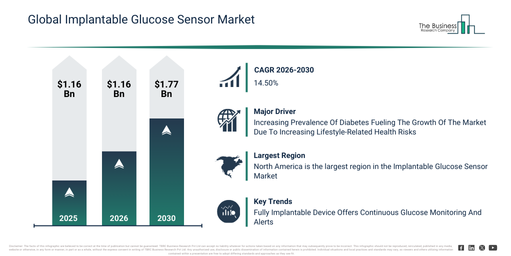
  • The Rise Of Fully Implantable Device Offers Continuous Glucose Monitoring And Alerts Is Influencing The Implantable Glucose Sensor Market

    The Rise Of Fully Implantable Device Offers Continuous Glucose Monitoring And Alerts Is Influencing The Implantable Glucose Sensor Market

    The Business Research Company’s 2026 market reports feature enhanced tools like market attractiveness analysis, TAM assessment, and company scoring matrices, along with interactive dashboards, deeper supply chain insights, and startup coverage strengthening the depth, usability, and strategic value of insights.

    How Much Growth In Market Value Is Expected For The Implantable Glucose Sensor Market Between 2026 And 2030?

    The market size for implantable glucose sensors has expanded quickly in recent years. Its value is predicted to climb from $8.14 billion in 2025 to $9.34 billion in 2026, reflecting a compound annual growth rate (CAGR) of 14.7%. Historically, this growth has been driven by factors such as the increasing occurrence of diabetes, the limitations of finger stick testing, the early adoption of CGM devices, increasing healthcare expenditure, and improvements in sensor accuracy.

    The implantable glucose sensor market is projected to experience substantial expansion in the coming years. By 2030, its size is anticipated to reach $16.05 billion, demonstrating a compound annual growth rate (CAGR) of 14.5%. This projected growth during the forecast period stems from factors such as increasing demand for extended monitoring, seamless integration with insulin delivery systems, a rising diabetic population, advancements in technological miniaturization, and favorable reimbursement policies. Key trends expected throughout this period encompass long-lasting implantable monitoring solutions, diabetes management without the need for finger pricks, enhanced biocompatible sensor materials, constant real-time glucose tracking, and a growing uptake of home-based monitoring.

    Access Your Free Sample Report For In-Depth Market Analysis:

    https://www.thebusinessresearchcompany.com/sample.aspx?id=30300&type=smp

    What Key Factors Are Affecting The Implantable Glucose Sensor Market Demand?

    The rising incidence of diabetes is anticipated to stimulate the expansion of the implantable glucose sensor market moving forward. Diabetes is a persistent medical condition where the body struggles to properly regulate its blood sugar or glucose levels. This increase in diabetes cases is largely attributed to unhealthy lifestyles, such as decreased physical activity and higher intake of calorie-rich foods, which heightens the risk of developing type 2 diabetes. Implantable glucose sensors facilitate diabetes management by offering continuous and prolonged monitoring of blood glucose levels, making them well-suited for patients who require stringent glucose control. They lessen the need for frequent finger-prick tests through real-time data and alert provision, ultimately enhancing patient convenience and health outcomes. For instance, in June 2024, according to the National Health Service, a UK-based government department, 3,615,330 individuals registered with a general practitioner (GP) were diagnosed with non-diabetic hyperglycemia or pre-diabetes in 2023, representing an 18% increase from 3,065,825 cases in 2022. Hence, the increasing prevalence of diabetes is a significant factor driving the growth of the implantable glucose sensor market.

    How Is The Implantable Glucose Sensor Market Segmented Across Different Segment Categories?

    The implantable glucose sensor market covered in this report is segmented –

    1) By Product Type: Long-term Implantable Sensors, Short-term Implantable Sensors

    2) By Technology: Enzymatic, Non-Enzymatic

    3) By Application: Type 1 Diabetes, Type 2 Diabetes

    4) By End-User: Hospitals, Clinics, Homecare Settings, Other End-Users

    Subsegments:

    1) By Long-Term Implantable Sensors: Enzyme-Based, Electrochemical, Fluorescence-Based

    2) By Short-Term Implantable Sensors: Minimally Invasive, Biocompatible Hydrogel-Based

    What Trends Are Influencing Changes In The Implantable Glucose Sensor Market?

    Leading companies within the implantable glucose sensor market are focused on developing advanced products, such as long-term implantable sensors, with the goal of increasing patient convenience, improving health outcomes, and decreasing the frequency of device management. Long-term implantable sensors are sophisticated medical devices positioned under the skin to consistently measure glucose levels in the interstitial fluid for extended periods, in contrast to short-term sensors that require frequent changes. For example, in September 2024, Senseonics Holdings Inc., a US-based medical technology company, obtained approval from the U.S. Food and Drug Administration (FDA) for the Eversense 365 continuous glucose monitoring system, designed for individuals aged 18 years and older with Type 1 and Type 2 diabetes. This system includes a fully implantable sensor that operates for up to 365 days, offering continuous glucose readings and alerts for both high and low glucose levels. It also features integration with a mobile app and a cloud-based platform, empowering patients and healthcare providers to track glucose trends and make informed treatment decisions from a distance.

    Which Organizations Play A Role In The Implantable Glucose Sensor Market Landscape?

    Major companies operating in the implantable glucose sensor market are Senseonics Holdings Inc., GlySens Incorporated, Profusa Inc., Abbott Laboratories, Dexcom Inc., Medtronic plc, Biolinq Inc., Nemaura Medical Inc., Integrated Sensing Systems Inc., WaveForm Technologies Inc., BioMems Solutions Inc., Echo Therapeutics Inc., Glucovation Inc., Know Labs Inc., Pacific Diabetes Technologies Inc., Metronom Health Inc., AliveCor Diabetes Inc., Pixelligent Technologies Inc., OrSense Ltd., Medtrum Technologies Inc.

    Get The Full Implantable Glucose Sensor Market Report:

    https://www.thebusinessresearchcompany.com/report/global-implantable-glucose-sensor-market-report

    Which Region Leads The Implantable Glucose Sensor Market In Overall Market Size?

    North America was the largest region in the implantable glucose sensor market in 2025. Asia-Pacific is expected to be the fastest-growing region in the forecast period. The regions covered in the implantable glucose sensor market report are Asia-Pacific, South East Asia, Western Europe, Eastern Europe, North America, South America, Middle East, Africa.

    Request A Customized Implantable Glucose Sensor Market Report For Competitive Insights:

    https://www.thebusinessresearchcompany.com/customise?id=30300&type=smp

    Browse Through More Reports Similar to the Global Implantable Glucose Sensor Market 2026, By The Business Research Company

    Continuous Glucose Monitoring Devices Market Report 2026

    https://www.thebusinessresearchcompany.com/report/continuous-glucose-monitoring-devices-global-market-report

    Blood Glucose Monitoring Systems Market Report 2026

    https://www.thebusinessresearchcompany.com/report/blood-glucose-monitoring-systems-global-market-report

    Continous Blood Glucose Monitoring Market Report 2026

    https://www.thebusinessresearchcompany.com/report/continous-blood-glucose-monitoring-global-market-report

    Get in touch with us:

    The Business Research Company: https://www.thebusinessresearchcompany.com/

    Americas +1 310-496-7795

    Asia +44 7882 955267 & +91 8897263534

    Europe +44 7882 955267

    Email us at info@tbrc.info

    Follow us on:

    LinkedIn: https://in.linkedin.com/company/the-business-research-company

    YouTube: https://www.youtube.com/channel/UC24_fI0rV8cR5DxlCpgmyFQ

    Global Market Model: https://www.thebusinessresearchcompany.com/global-market-model

  • Is Playing A Role In Shaping The Implantable Drug Delivery Devices Market

    Is Playing A Role In Shaping The Implantable Drug Delivery Devices Market

    The Business Research Company’s 2026 market reports feature enhanced tools like market attractiveness analysis, TAM assessment, and company scoring matrices, along with interactive dashboards, deeper supply chain insights, and startup coverage strengthening the depth, usability, and strategic value of insights.

    What Is The Estimated Market Size Of The Implantable Drug Delivery Devices Market In 2026, And How Will Its Value Evolve By 2030?

    The implantable drug delivery devices market size has experienced robust expansion in recent years. This market is projected to expand from $21.94 billion in 2025 to $23.91 billion in 2026, demonstrating a compound annual growth rate (CAGR) of 9.0%. Historically, this growth was driven by several factors, including developments in implantable medical device design, an increase in the occurrence of chronic diseases, greater adoption of long-term drug therapies, the rise in minimally invasive surgical procedures, and the broadened application of oncology and cardiovascular treatments.

    The market size for implantable drug delivery devices is set to experience substantial growth in the upcoming years. It is projected to expand to $33.39 billion by 2030, achieving a compound annual growth rate (CAGR) of 8.7%. This anticipated growth can be attributed to several factors, including the increasing development of smart implantable devices, a rising demand for personalized drug delivery solutions, the expansion of biodegradable implant technologies, growing investments in combination drug-device products, and an increase in regulatory approvals for implantable therapies. Major trends expected during this forecast period encompass the increasing adoption of controlled-release implant systems, a rising use of bio-absorbable implant materials, a growing demand for site-specific drug delivery, the expansion of miniaturized implantable devices, and an enhanced focus on patient compliance.

    Access Your Free Sample Report For In-Depth Market Analysis:

    https://www.thebusinessresearchcompany.com/sample.aspx?id=3303&type=smp

    Which Primary Drivers Are Impacting The Implantable Drug Delivery Devices Market Growth?

    The increasing prevalence of chronic diseases is expected to drive the growth of the implantable drug delivery devices market. Chronic diseases are long-term medical conditions that typically last for three months or more. The rising occurrence of these illnesses is attributed to common unhealthy lifestyle choices such as poor nutrition, physical inactivity, and tobacco use, which significantly increase the global risk of non-communicable diseases. Implantable drug delivery devices are increasingly employed to provide long-term, controlled medication for chronic diseases, thereby improving patient compliance and treatment effectiveness. For instance, in August 2025, according to the Centers for Disease Control and Prevention, a Switzerland-based public health agency, 90% of the nation’s 4.9 trillion dollars in annual health care spending is linked to individuals with chronic and mental health conditions, with more than 84,000 Americans dying each year from heart disease or stroke and the costs associated with cardiovascular diseases projected to reach roughly 2 trillion dollars by 2050. Therefore, the growing incidence of chronic diseases is propelling the expansion of the implantable drug delivery devices market.

    What Are The Main Segments Within The Implantable Drug Delivery Devices Market Segment Structure?

    The implantable drug delivery devices market covered in this report is segmented –

    1) By Product: Contraceptive Implants, Spinal Implants, Brachytherapy Seeds, Drug-Eluting Stents, Bio-absorbable Stents, Intraocular Stents, Infusion Pumps, Other Applications

    2) By Technology: Diffusion, Osmotic, Magnetic, Other Technologies

    3) By Application: Contraception, Ophthalmology, Cardiovascular, Diabetes, Oncology, Autoimmune Diseases, Other Applications

    Subsegments:

    1) By Contraceptive Implants: Hormonal Contraceptive Implants, Non-hormonal Contraceptive Implants

    2) By Spinal Implants: Biodegradable Spinal Implants, Non-biodegradable Spinal Implants

    3) By Brachytherapy Seeds: Iodine-125 Seeds, Palladium-103 Seeds, Cesium-131 Seeds, Other Brachytherapy Seeds

    4) By Drug-Eluting Stents: Coronary Drug-Eluting Stents, Peripheral Drug-Eluting Stents

    5) By Bio-absorbable Stents: Polymer-based Bio-absorbable Stents, Metal-based Bio-absorbable Stents

    6) By Intraocular Stents: Glaucoma Intraocular Stents, Cataract Surgery Intraocular Stents

    7) By Infusion Pumps: Insulin Pumps, Chemotherapy Infusion Pumps, Pain Management Infusion Pumps, Other Infusion Pumps

    8) By Other Applications: Implantable Reservoirs, Implantable Micro-pumps, Implantable Drug Elution Devices

    Who Are The Companies Participating In The Implantable Drug Delivery Devices Market?

    Major companies operating in the implantable drug delivery devices market are AbbVie Inc., Bayer HealthCare, Medtronic Inc., Nucletron, Boston Scientific Corporation, Abbott Laboratories, Bausch and Lomb Inc., Merck & Co. Inc., Genentech Inc, EyePoint Pharmaceuticals Inc., DSM Biomedical, Delpor Inc., Teleflex Incorporated, Biotronik Inc., Alcon Inc., Terumo Corporation, Endologix Inc., Innocoll Biotherapeutics, Atossa Therapeutics Inc., Intersect ENT, Microchips Biotech, Theradaptive Inc., CollPlant, Intarcia Therapeutics, Glaukos Corporation

    Get The Full Implantable Drug Delivery Devices Market Report:

    https://www.thebusinessresearchcompany.com/report/implantable-drug-delivery-devices-global-market-report

    Which Region Is The Top Contributor To The Implantable Drug Delivery Devices Market By Share?

    North America was the largest region in the implantable drug delivery devices market in 2025. Asia-Pacific was the second-largest region in the implantable drug delivery devices market report. The regions covered in the implantable drug delivery devices market report are Asia-Pacific, South East Asia, Western Europe, Eastern Europe, North America, South America, Middle East, Africa.

    Request A Customized Implantable Drug Delivery Devices Market Report For Competitive Insights:

    https://www.thebusinessresearchcompany.com/customise?id=3303&type=smp

    Browse Through More Reports Similar to the Global Implantable Drug Delivery Devices Market 2026, By The Business Research Company

    Drug Delivery Devices Market Report 2026

    https://www.thebusinessresearchcompany.com/report/drug-delivery-devices-global-market-report

    Drug Delivery Devices Market Report 2026

    https://www.thebusinessresearchcompany.com/report/drug-delivery-devices-global-market-report

    Injectable Drug Delivery Devices Market Report 2026

    https://www.thebusinessresearchcompany.com/report/injectable-drug-delivery-devices-global-market-report

    Get in touch with us:

    The Business Research Company: https://www.thebusinessresearchcompany.com/

    Americas +1 310-496-7795

    Asia +44 7882 955267 & +91 8897263534

    Europe +44 7882 955267

    Email us at info@tbrc.info

    Follow us on:

    LinkedIn: https://in.linkedin.com/company/the-business-research-company

    YouTube: https://www.youtube.com/channel/UC24_fI0rV8cR5DxlCpgmyFQ

    Global Market Model: https://www.thebusinessresearchcompany.com/global-market-model

  • The Implantable Defibrillators Market Is Witnessing Impact From The Rise In Cardiovascular Diseases Drives The Growth Of The Implantable Defibrillators Market Due To Increasing Demand For Life-Saving Heart Rhythm Management

    The Implantable Defibrillators Market Is Witnessing Impact From The Rise In Cardiovascular Diseases Drives The Growth Of The Implantable Defibrillators Market Due To Increasing Demand For Life-Saving Heart Rhythm Management

    The Business Research Company’s 2026 market reports feature enhanced tools like market attractiveness analysis, TAM assessment, and company scoring matrices, along with interactive dashboards, deeper supply chain insights, and startup coverage strengthening the depth, usability, and strategic value of insights.

    How Does The Market Size Of The Implantable Defibrillators Market Compare Between 2026 And 2030?

    The implantable defibrillators market size has seen substantial growth recently. It is anticipated to increase from $5.69 billion in 2025 to $6.03 billion in 2026, achieving a compound annual growth rate (CAGR) of 5.9%. The expansion observed in the historic period can be linked to factors such as a greater incidence of sudden cardiac arrest, the broader expansion of implantable defibrillator adoption, increasing awareness regarding cardiac rhythm disorders, advancements in device miniaturization, and the availability of advanced ICD technologies.

    The implantable defibrillators market is anticipated to experience substantial expansion in the forthcoming years, with its size projected to reach $7.72 billion by 2030, exhibiting a compound annual growth rate (CAGR) of 6.4%. This robust growth during the forecast period is primarily driven by factors such as the heightened demand for minimally invasive defibrillator systems, the increasing integration of remote monitoring solutions, the broadening application of AI-based arrhythmia detection, an intensifying emphasis on long-term device reliability, and greater investments in advanced cardiac care technologies. Furthermore, significant trends shaping the market include the increasing uptake of advanced defibrillation algorithms, a growing demand for subcutaneous implantable defibrillators, the expanding utilization of leadless defibrillator technologies, the enlargement of remote device monitoring platforms, and an elevated commitment to patient safety and comfort.

    Access Your Free Sample Report For In-Depth Market Analysis:

    https://www.thebusinessresearchcompany.com/sample.aspx?id=10140&type=smp

    What Significant Factors Are Influencing The Implantable Defibrillators Market Expansion?

    The rising incidence of cardiovascular diseases (CVDs) is projected to boost the implantable defibrillators market. CVDs are a collection of ailments affecting the heart and blood vessels, including conditions like heart attacks, strokes, and high blood pressure, frequently caused by elements such as poor nutrition, insufficient physical activity, smoking, and genetic factors. The expanding occurrence of cardiovascular diseases is primarily fueled by aging populations, unhealthy lifestyle choices, and an increase in risk factors such as obesity, diabetes, and hypertension. Implantable defibrillators assist cardiovascular health by continuously tracking heart rhythms and delivering critical shocks to prevent sudden cardiac arrest in individuals with high-risk heart conditions. For example, in January 2024, the American Heart Association, a US-based non-profit organization, reported that the age-adjusted death rate from cardiovascular disease escalated to 233.3 per 100,000 in 2024, an increase of 4.0% from 224.4 per 100,000 in 2023. Thus, the growing prevalence of cardiovascular diseases (CVDs) is propelling the implantable defibrillators market forward.

    How Is Segmentation Applied In The Implantable Defibrillators Market Segment Analysis?

    The implantable defibrillators market covered in this report is segmented –

    1) By Product Type: Single Chambered Implantable Defibrillators, Dual Chambered Implantable Defibrillators, Biventricular Implantable Defibrillators

    2) By Procedure Type: Trans-Venous Implantable Defibrillators, Subcutaneous Implantable Defibrillators

    3) By End User: Hospitals And Clinics, Specialty Cardiac Centers, Ambulatory Surgery Centers, Other End Users

    Subsegments:

    1) By Single Chambered Implantable Defibrillators: Standard Single Chamber ICDs, Leadless Single Chamber ICDs

    2) By Dual Chambered Implantable Defibrillators: Standard Dual Chamber ICDs, Advanced Dual Chamber ICDs

    3) By Biventricular Implantable Defibrillators: Standard Biventricular ICDs, Advanced Biventricular ICDs With CRT

    What Trends Are Affecting The Direction Of The Implantable Defibrillators Market?

    Leading companies within the implantable defibrillators market are concentrating on developing advanced products, such as extravascular ICDs and remarkably slender defibrillation leads, aiming to improve patient safety, minimize adverse events, and enhance the sustained efficacy of treatment. Extravascular ICDs are a type of implantable defibrillator where the leads are positioned outside the heart and blood vessels to mitigate complications, while ultra-thin defibrillation leads are exceptionally fine wires engineered for safer, less intrusive correction of heart rhythms. An example of this innovation is Medtronic, an Ireland-based medical device company, which in December 2023, introduced its new implantable cardioverter-defibrillator. The Aurora extravascular ICD is a device that is inserted beneath the skin in the left armpit area, rather than below the collarbone. It shares comparable dimensions, form, and battery longevity with the company’s conventional transvenous ICDs, yet it delivers defibrillation to patients experiencing cardiac arrest in addition to continuous pacemaker therapies. Its Epsila leads are subsequently connected to the heart in a minimally invasive manner beneath the breastbone. The implant also incorporates Medtronic’s Smart Sense technology, which aims to diminish the risk of unnecessary shocks, and SureScan technology, allowing a patient to undergo an MRI while the device remains implanted.

    Who Are The Companies Participating In The Implantable Defibrillators Market Environment?

    Major companies operating in the implantable defibrillators market are Medtronic plc, Abbott Laboratories, Boston Scientific Corporation, Biotronik SE & Co KG, MicroPort Scientific Corporation, LivaNova PLC, Zhejiang Lepu Medical Technology Co Ltd, Shree Pacetronix Ltd, EBR Systems Inc, Imricor Medical Systems Inc, Carmat SA, BiVACOR Inc, Procyrion Inc, Jarvik Heart Inc, Fineheart SA, CorWave SA, NuPulseCV Inc, Calon Cardio Technology Ltd, Evaheart Inc, CH Biomedical Inc

    Get The Full Implantable Defibrillators Market Report:

    https://www.thebusinessresearchcompany.com/report/implantable-defibrillators-global-market-report

    Which Region Represents The Largest Share Of The Implantable Defibrillators Market?

    North America was the largest region in the implantable defibrillators market in 2025. Asia-Pacific is expected to be the fastest-growing region in the global implanted defibrillator market forecast period. The regions covered in the implantable defibrillators market report are Asia-Pacific, South East Asia, Western Europe, Eastern Europe, North America, South America, Middle East, Africa.

    Request A Customized Implantable Defibrillators Market Report For Competitive Insights:

    https://www.thebusinessresearchcompany.com/customise?id=10140&type=smp

    Browse Through More Reports Similar to the Global Implantable Defibrillators Market 2026, By The Business Research Company

    Defibrillator Devices And Equipment Market Report 2026

    https://www.thebusinessresearchcompany.com/report/defibrillator-devices-and-equipment-global-market-report

    Automated External Defibrillators Aed Market Report 2026

    https://www.thebusinessresearchcompany.com/report/automated-external-defibrillators-aed-global-market-report

    Implantable Heart Pacemaker Market Report 2026

    https://www.thebusinessresearchcompany.com/report/implantable-heart-pacemaker-global-market-report

    Get in touch with us:

    The Business Research Company: https://www.thebusinessresearchcompany.com/

    Americas +1 310-496-7795

    Asia +44 7882 955267 & +91 8897263534

    Europe +44 7882 955267

    Email us at info@tbrc.info

    Follow us on:

    LinkedIn: https://in.linkedin.com/company/the-business-research-company

    YouTube: https://www.youtube.com/channel/UC24_fI0rV8cR5DxlCpgmyFQ

    Global Market Model: https://www.thebusinessresearchcompany.com/global-market-model

  • Growth In The Implantable Collamer Lens Market Is Being Driven By Rising Prevalence Of Vision Disorders Driving Growth In The Implantable Collamer Lens Market

    Growth In The Implantable Collamer Lens Market Is Being Driven By Rising Prevalence Of Vision Disorders Driving Growth In The Implantable Collamer Lens Market

    The Business Research Company’s 2026 market reports feature enhanced tools like market attractiveness analysis, TAM assessment, and company scoring matrices, along with interactive dashboards, deeper supply chain insights, and startup coverage strengthening the depth, usability, and strategic value of insights.

    What Is The Forecasted Market Size Trajectory Of The Implantable Collamer Lens Market From 2026 To 2030?

    The implantable collamer lens market size has experienced substantial expansion in recent years. This market is projected to expand from $20.77 billion in 2025 to $22.2 billion in 2026, exhibiting a compound annual growth rate (CAGR) of 6.9%. Historical expansion in this sector can be linked to a rise in the occurrence of refractive vision disorders, a heightened need for surgical solutions to vision correction, continuous improvements in ophthalmic implant technology, increased adoption of ICL procedures, and the proliferation of dedicated ophthalmic clinics.

    The implantable collamer lens market size is anticipated to demonstrate significant expansion in the coming years. It is predicted to reach $28.74 billion by 2030, progressing at a compound annual growth rate (CAGR) of 6.7%. This projected growth throughout the forecast period stems from factors such as the increasing embrace of premium vision correction options, a heightened emphasis on minimally invasive ophthalmic surgical procedures, the broadening scope of elective eye care, rising investments in cutting-edge ophthalmology technologies, and improved patient understanding of the benefits of ICLs. Noteworthy trends during this period include the growing uptake of EVO implantable collamer lenses, an increase in the use of laser-assisted implantation techniques, a rising demand for reversible vision correction solutions, the expansion of customized lens designs, and an enhanced focus on ensuring long-term visual stability.

    Access Your Free Sample Report For In-Depth Market Analysis:

    https://www.thebusinessresearchcompany.com/sample.aspx?id=20840&type=smp

    Which Important Drivers Are Guiding The Implantable Collamer Lens Market Growth?

    The implantable collamer lens market is expected to be propelled by the increasing incidence of vision disorders. Vision disorders describe conditions that hinder clear sight, characterized by a gradual decline in visual acuity and eye well-being. These disorders are escalating globally due to factors such as an aging population, increased screen time, and the rising prevalence of conditions like myopia and age-related macular degeneration. Implantable Collamer Lenses (ICLs) present an effective solution for correcting vision disorders such as myopia, hyperopia, and astigmatism, offering a safe and reversible alternative to traditional refractive surgeries like LASIK. For instance, in August 2023, a report published by the World Health Organization, a Switzerland-based specialized agency of the United Nations, stated that over 2.2 billion people globally suffer from near or distance vision impairment, with 1 billion of these cases being preventable or still unaddressed. Therefore, the growing prevalence of vision disorders is stimulating the expansion of the implantable collamer lens market.

    What Segment Categories Shape The Implantable Collamer Lens Market Segment Landscape?

    The implantable collamer lens market covered in this report is segmented –

    1) By Type: Visian Implantable Collamer Lens (ICL), EVO Implantable Collamer Lens (ICL)

    2) By Technology Adoption: Laser-Assisted Techniques, Traditional Techniques

    3) By Application: Myopia, Hyperopia, Astigmatism

    4) By End User: Ophthalmic Clinics, Hospitals, Ambulatory Surgical Center, Other End User

    Subsegments:

    1) By Visian Implantable Collamer Lens (ICL): Visian ICL for Myopia, Visian ICL For Hyperopia, Visian ICL For Astigmatism, Visian ICL For Presbyopia

    2) By EVO Implantable Collamer Lens (ICL): EVO ICL For Myopia, EVO ICL For Hyperopia, EVO ICL For Astigmatism, EVO ICL For Presbyopia

    What Trends Are Influencing The Evolution Of The Implantable Collamer Lens Market?

    Leading firms within the implantable collamer lens market are concentrating on advancements in technology, particularly developing biocompatible, minimally invasive lens implants capable of correcting various refractive errors without corneal tissue removal, aiming to enhance patient results and lessen reliance on eyewear. These Biocompatible Minimally Invasive Implantable Lenses facilitate secure and reversible vision correction through integration with the eye’s inherent structure, providing quick interventions and ensuring significant patient contentment. As an illustration, in March 2024, STAAR Surgical Company, which is a U.S.-based firm specializing in ophthalmic medical devices, reported that more than three million EVO ICL lenses had been surgically placed worldwide. The EVO ICL addresses myopia, encompassing cases with or without astigmatism, as well as presbyopia, through a 20–30 minute procedure where the lens is positioned between the iris and the eye’s natural crystalline lens. This biocompatible and removable lens presents a cutting-edge substitute for traditional glasses and contact lenses, assisting numerous patients in attaining enhanced vision both safely and efficiently.

    Who Are The Companies Operating Across The Implantable Collamer Lens Market Value Chain?

    Major companies operating in the implantable collamer lens market are STAAR Surgical Company, Care Group Sight Solutions (IPCL), Ophtec (Artisan Phakic IOLs), Rayner Surgical, Hoya Surgical Optics, Alcon Inc., Johnson & Johnson Vision/Abbott Medical Optics, Bausch + Lomb, Carl Zeiss Meditec AG, Nidek Co. Ltd., Lenstec Inc., SIFI S.p.A., Optimedical, Eyeonics (now part of Santen)*, Physiol LLC, Microlens Tech Co. Ltd., HumanOptics AG, Ocular Instruments Inc., Aaren Scientific LLC, Visiogen Inc.

    Get The Full Implantable Collamer Lens Market Report:

    https://www.thebusinessresearchcompany.com/report/implantable-collamer-lens-global-market-report

    Which Geographic Region Dominates The Implantable Collamer Lens Market?

    North America was the largest region in the implantable collamer lens market in 2025. Asia-Pacific is expected to be the fastest-growing region in the forecast period. The regions covered in the implantable collamer lens market report are Asia-Pacific, South East Asia, Western Europe, Eastern Europe, North America, South America, Middle East, Africa.

    Request A Customized Implantable Collamer Lens Market Report For Competitive Insights:

    https://www.thebusinessresearchcompany.com/customise?id=20840&type=smp

    Browse Through More Reports Similar to the Global Implantable Collamer Lens Market 2026, By The Business Research Company

    Corneal Implants Market Report 2026

    https://www.thebusinessresearchcompany.com/report/corneal-implants-global-market-report

    Prescription Lens Market Report 2026

    https://www.thebusinessresearchcompany.com/report/prescription-lens-global-market-report

    Cataract Surgery Devices And Equipment Market Report 2026

    https://www.thebusinessresearchcompany.com/report/cataract-surgery-devices-and-equipment-global-market-report

    Get in touch with us:

    The Business Research Company: https://www.thebusinessresearchcompany.com/

    Americas +1 310-496-7795

    Asia +44 7882 955267 & +91 8897263534

    Europe +44 7882 955267

    Email us at info@tbrc.info

    Follow us on:

    LinkedIn: https://in.linkedin.com/company/the-business-research-company

    YouTube: https://www.youtube.com/channel/UC24_fI0rV8cR5DxlCpgmyFQ

    Global Market Model: https://www.thebusinessresearchcompany.com/global-market-model

  • Implantable Cardiac Rhythm Management Device Market Analysis With Focus On Growth Potential And Future Outlook

    Implantable Cardiac Rhythm Management Device Market Analysis With Focus On Growth Potential And Future Outlook

    The Business Research Company’s 2026 market reports feature enhanced tools like market attractiveness analysis, TAM assessment, and company scoring matrices, along with interactive dashboards, deeper supply chain insights, and startup coverage strengthening the depth, usability, and strategic value of insights.

    How Much Will The Market Value Of The Implantable Cardiac Rhythm Management Device Market Grow Between 2026 And 2030?

    The market for implantable cardiac rhythm management devices has shown robust expansion in recent years. This market is projected to increase from $17.7 billion in 2025 to $18.89 billion in 2026, registering a compound annual growth rate (CAGR) of 6.7%. The growth observed during the historic period can be ascribed to factors such as the increasing prevalence of cardiac arrhythmias, a rising aging population, the expansion of cardiac care facilities, the growing adoption of implantable pacemakers and defibrillators, and enhancements in cardiac device reliability.

    The implantable cardiac rhythm management device market size is projected to undergo significant expansion over the next few years. This market is set to reach $24.91 billion by 2030, with a compound annual growth rate (CAGR) of 7.2%. The projected growth during this period stems from factors such as the increasing acceptance of smart implantable devices, a heightened emphasis on remote patient monitoring, the widespread adoption of AI-enabled rhythm analysis, a surging demand for minimally invasive cardiac procedures, and increased healthcare investments in cardiac care infrastructure. Noteworthy trends anticipated in the forecast period include the rising implementation of remote cardiac monitoring capabilities, the growing application of advanced battery technologies, the expanding integration of wireless cardiac devices, the development of minimally invasive implantation techniques, and an enhanced dedication to device longevity and reliability.

    Access Your Free Sample Report For In-Depth Market Analysis:

    https://www.thebusinessresearchcompany.com/sample.aspx?id=10117&type=smp

    What Major Factors Are Driving The Implantable Cardiac Rhythm Management Device Market Forward?

    The growing occurrence of cardiac conditions is anticipated to stimulate the expansion of the implantable cardiac rhythm management devices market. Cardiac disorders encompass various ailments affecting the heart or its blood vessels. These implantable devices are employed to assist patients with heart failure and reduced left ventricular function, working to enhance systolic function by resynchronizing heart contractions and restoring normal heart rhythm in cases of life-threatening rapid ventricular arrhythmias. Consequently, the rising prevalence of cardiac disorders will boost the demand for implantable cardiac rhythm management devices. For instance, in January 2024, data from the American Heart Association, a US-based non-profit organization, revealed that the age-adjusted death rate from cardiovascular disease increased to 233.3 per 100,000 in 2024, representing a 4.0% rise from 224.4 per 100,000 in 2023. This trend underscores how the increasing prevalence of cardiac disorders is fueling the growth of the implantable cardiac rhythm management device market. The increasing elderly demographic is projected to propel the growth of the implantable cardiac rhythm management devices market. An aging population describes a demographic scenario where a significant portion of a country’s citizens are becoming older, resulting in a higher average age across the population. Implantable cardiac rhythm management devices are frequently utilized among older adults to manage and address diverse heart-related conditions. As an illustration, in January 2024, the Population Reference Bureau, a US-based nonprofit organization, reported that the population of Americans aged 65 and older is expected to grow from 58 million in 2022 to 82 million by 2050, a 47% increase. Furthermore, this age group’s proportion of the overall population is also projected to climb from 17% to 23% during the same period. Therefore, the expanding aging population is driving the growth of the implantable cardiac rhythm management devices market.

    Which Segment Types Are Examined In The Implantable Cardiac Rhythm Management Device Market Segment Study?

    The implantable cardiac rhythm management device market covered in this report is segmented –

    1) By Device: Cardiac Resynchronization Therapy, Defibrillators, Pacemakers

    2) By Application: Bradycardia, Tachycardia, Other Applications

    3) By End-Use: Hospitals, Specialty Cardiac Centers, Other End-Uses

    Subsegments:

    1) By Cardiac Resynchronization Therapy (CRT): CRT-P (Pacemaker), CRT-D (Defibrillator)

    2) By Defibrillators: Implantable Cardioverter Defibrillators (ICDs), Subcutaneous Implantable Defibrillators (S-ICDs)

    3) By Pacemakers: Single-Chamber Pacemakers, Dual-Chamber Pacemakers, Biventricular Pacemakers

    Which Trends Are Impacting The Progress Of The Implantable Cardiac Rhythm Management Device Market?

    Leading companies in the implantable cardiac rhythm management devices market are concentrating on launching innovative products, such as implantable cardiac defibrillators. Implantable cardiac defibrillators are small, battery-powered devices surgically placed under the skin, typically near the collarbone. For instance, in October 2023, MicroPort CRM, an implantable cardiac defibrillator manufacturer based in France, announced the release of its ULYS Implantable Cardioverter Defibrillator (ICDs) and INVICTA defibrillation implantable devices. The ULYS ICD integrates advanced technology with minimal energy consumption, promising the most extended anticipated lifespan. It also features an AutoMRI function and a PARAD arrhythmia discrimination algorithm that assists in automatically switching the device. The INVICTA defibrillation leads ensure consistent sensing of electrical signals from the heart’s right ventricle, providing pacing therapy if the heart rate is too low.

    Which Players Are Part Of The Competitive Landscape Of The Implantable Cardiac Rhythm Management Device Market?

    Major companies operating in the implantable cardiac rhythm management device market are Medtronic plc, Abbott Laboratories, Boston Scientific Corporation, Biotronik SE & Co. KG, MicroPort Scientific Corporation, LivaNova PLC, Japan Lifeline Co Ltd, Lepu Medical Technology Beijing Co Ltd, Shree Pacetronix Ltd, Osypka Medical GmbH, Sorin Group Italia Srl, Medico SpA, Vitatron Holding BV, Pacetronix Ltd, CardioElectronica SA, Imricor Medical Systems Inc, Impulse Dynamics plc, Kardium Inc, Cortrium ApS, EBR Systems Inc

    Get The Full Implantable Cardiac Rhythm Management Device Market Report:

    https://www.thebusinessresearchcompany.com/report/implantable-cardiac-rhythm-management-device-global-market-report

    Which Region Is The Leading Market For The Implantable Cardiac Rhythm Management Device Market?

    North America was the largest region in the implantable cardiac rhythm management device market in 2025. The regions covered in the implantable cardiac rhythm management device market report are Asia-Pacific, South East Asia, Western Europe, Eastern Europe, North America, South America, Middle East, Africa.

    Request A Customized Implantable Cardiac Rhythm Management Device Market Report For Competitive Insights:

    https://www.thebusinessresearchcompany.com/customise?id=10117&type=smp

    Browse Through More Reports Similar to the Global Implantable Cardiac Rhythm Management Device Market 2026, By The Business Research Company

    Implantable Heart Pacemaker Market Report 2026

    https://www.thebusinessresearchcompany.com/report/implantable-heart-pacemaker-global-market-report

    Cardiac Rhythm Management Crm Devices And Equipment Market Report 2026

    https://www.thebusinessresearchcompany.com/report/cardiac-rhythm-management-crm-devices-and-equipment-global-market-report

    Cardiac Arrhythmia Monitoring Devices Market Report 2026

    https://www.thebusinessresearchcompany.com/report/cardiac-arrhythmia-monitoring-devices-global-market-report

    Get in touch with us:

    The Business Research Company: https://www.thebusinessresearchcompany.com/

    Americas +1 310-496-7795

    Asia +44 7882 955267 & +91 8897263534

    Europe +44 7882 955267

    Email us at info@tbrc.info

    Follow us on:

    LinkedIn: https://in.linkedin.com/company/the-business-research-company

    YouTube: https://www.youtube.com/channel/UC24_fI0rV8cR5DxlCpgmyFQ

    Global Market Model: https://www.thebusinessresearchcompany.com/global-market-model

  • Implantable Cardiac Devices Market Forecast Showing Industry Progress And Growth Trends

    Implantable Cardiac Devices Market Forecast Showing Industry Progress And Growth Trends

    The Business Research Company’s 2026 market reports feature enhanced tools like market attractiveness analysis, TAM assessment, and company scoring matrices, along with interactive dashboards, deeper supply chain insights, and startup coverage strengthening the depth, usability, and strategic value of insights.

    What Changes In Market Value Are Expected For The Implantable Cardiac Devices Market Over The 2026–2030 Period?

    The implantable cardiac devices market has shown strong growth over recent years. It is forecast to grow from $13.34 billion in 2025 to $14.51 billion in 2026, achieving a compound annual growth rate (CAGR) of 8.8%. This historical expansion can be attributed to the increasing prevalence of cardiac arrhythmias, a rising aging population, the expansion of hospital cardiac care infrastructure, the adoption of pacemaker technologies, and the availability of advanced implantable devices.

    The market size for implantable cardiac devices is poised for significant expansion in the coming years. It is projected to increase to $20.33 billion by 2030, exhibiting a compound annual growth rate (CAGR) of 8.8%. This anticipated growth during the forecast period is driven by factors such as an escalating demand for remote patient monitoring, a greater emphasis on minimally invasive cardiac treatments, the widening integration of digital healthcare, advancements in battery and lead technologies, and the increased adoption of AI-assisted cardiac diagnostics. Prominent trends expected in this period include the rising acceptance of miniaturized implantable devices, greater integration of remote cardiac monitoring, an expanding use of MRI-compatible implants, the broadening application of cardiac resynchronization therapies, and an intensified focus on device longevity and reliability.

    Access Your Free Sample Report For In-Depth Market Analysis:

    https://www.thebusinessresearchcompany.com/sample.aspx?id=19097&type=smp

    Which Key Drivers Are Affecting The Implantable Cardiac Devices Market Development?

    An increasing occurrence of heart conditions is anticipated to drive expansion in the implantable cardiac devices market. This surge in heart ailments stems from a growing presence of risk factors, including inadequate nutrition, inactive living, excess weight, and long-term health issues such as diabetes and high blood pressure. Furthermore, an aging global populace and escalating stress levels also play a role in the increased frequency of cardiovascular diseases. These implantable cardiac devices serve to manage and address conditions like heart failure, irregular heartbeats (arrhythmias), and coronary artery disease. Such a heightened demand stimulates innovation and financial backing for creating novel and enhanced cardiac devices, aiming to cater to the expanding patient demographic and improve therapeutic results. For example, in May 2024, data from the Singapore Heart Foundation (SHF), a non-profit organization based in Singapore, indicated that ischemic heart disease caused 5,302 deaths, representing a minor rise from 5,290 deaths recorded in 2022. Consequently, the escalating occurrence of heart disease is a primary factor fueling the expansion of the implantable cardiac devices market.

    How Are Different Segments Classified In The Implantable Cardiac Devices Market Segment Analysis?

    The implantable cardiac devices market covered in this report is segmented –

    1) By Type: Pacemaker, Implantable Cardioverter Defibrillator (ICD), Biventricular Implantable Cardioverter Defibrillator (BI-V ICD)

    2) By Application: Bradycardia, Tachycardia, Heart Failure, Other Applications

    3) By End User: Hospitals, Specialty Clinics, Other End Users

    Subsegments:

    1) By Pacemaker: Single-Chamber Pacemakers, Dual-Chamber Pacemakers, Rate-Responsive Pacemakers

    2) By Implantable Cardioverter Defibrillator (ICD): Transvenous ICDs, Subcutaneous ICDs

    3) By Biventricular Implantable Cardioverter Defibrillator (BI-V ICD): Standard BI-V ICDs, Advanced BI-V ICDs with Cardiac Resynchronization Therapy (CRT)

    What Trends Are Transforming The Implantable Cardiac Devices Market?

    Leading companies in the implantable cardiac devices market are concentrating on enhancing compatibility with diagnostic instruments such as AutoMRI to prolong device durability and enhance patient safety. The AutoMRI feature in implantable cardiac defibrillators automatically adjusts device configurations to ensure secure performance during MRI procedures, thereby improving patient care while enabling access to advanced imaging technology. For instance, in October 2023, MicroPort CRM, a medical device company based in France, launched the ULYS implantable cardioverter defibrillator (ICD) and INVICTA defibrillation leads in Japan, which utilize advanced technology for low current consumption, extending device lifespan and offering MRI compatibility. The ULYS ICD includes the PARAD+ arrhythmia discrimination algorithm and AutoMRI functionality, while the INVICTA lead delivers precise pacing and defibrillation therapy, having achieved a 100% implantation success rate and a 97.4% complication-free rate in clinical trials.

    Who Are The Companies Driving Activity In The Implantable Cardiac Devices Market?

    Major companies operating in the implantable cardiac devices market are Abbott Laboratories, Medtronic plc, Boston Scientific Corporation, Biotronik SE & Co. KG, LivaNova plc, Lepu Medical Technology, MicroPort Scientific Corporation, LifeTech Scientific Corporation, EBR Systems Inc., CVRx Inc., Medico S.p.A., Osypka Medical GmbH, Sorin Group Italia (LivaNova legacy), Shree Pacetronix Ltd., Inpace Medikal, CCC Medical Devices, Imricor Medical Systems Inc., BlueWind Medical Ltd., Vectorious Medical Technologies, Medico Electrodes International Ltd.

    Get The Full Implantable Cardiac Devices Market Report:

    https://www.thebusinessresearchcompany.com/report/implantable-cardiac-devices-global-market-report

    Where Is The Implantable Cardiac Devices Market Primarily Concentrated By Region?

    North America was the largest region in the implantable cardiac devices market in 2025. Asia-Pacific is expected to be the fastest-growing region in the forecast period. The regions covered in the implantable cardiac devices market report are Asia-Pacific, South East Asia, Western Europe, Eastern Europe, North America, South America, Middle East, Africa.

    Request A Customized Implantable Cardiac Devices Market Report For Competitive Insights:

    https://www.thebusinessresearchcompany.com/customise?id=19097&type=smp

    Browse Through More Reports Similar to the Global Implantable Cardiac Devices Market 2026, By The Business Research Company

    Implantable Heart Pacemaker Market Report 2026

    https://www.thebusinessresearchcompany.com/report/implantable-heart-pacemaker-global-market-report

    Cardiac Prosthetic Devices Market Report 2026

    https://www.thebusinessresearchcompany.com/report/cardiac-prosthetic-devices-global-market-report

    Active Implantable Medical Devices Market Report 2026

    https://www.thebusinessresearchcompany.com/report/active-implantable-medical-devices-global-market-report

    Get in touch with us:

    The Business Research Company: https://www.thebusinessresearchcompany.com/

    Americas +1 310-496-7795

    Asia +44 7882 955267 & +91 8897263534

    Europe +44 7882 955267

    Email us at info@tbrc.info

    Follow us on:

    LinkedIn: https://in.linkedin.com/company/the-business-research-company

    YouTube: https://www.youtube.com/channel/UC24_fI0rV8cR5DxlCpgmyFQ

    Global Market Model: https://www.thebusinessresearchcompany.com/global-market-model
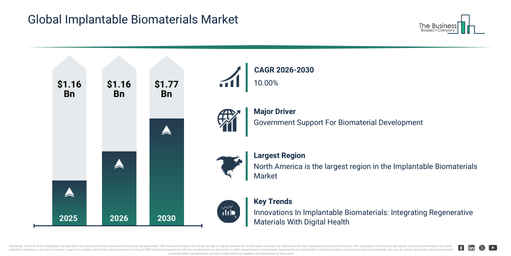
  • Implantable Biomaterials Market Future Trends Influencing Growth Through 2030

    Implantable Biomaterials Market Future Trends Influencing Growth Through 2030

    The Business Research Company’s 2026 market reports feature enhanced tools like market attractiveness analysis, TAM assessment, and company scoring matrices, along with interactive dashboards, deeper supply chain insights, and startup coverage strengthening the depth, usability, and strategic value of insights.

    By 2030, What Market Size Is The Implantable Biomaterials Market Expected To Reach Based On Its 2026 Value?

    The implantable biomaterials market has experienced significant growth over recent years. Projections indicate its expansion from $165.43 billion in 2025 to $180.87 billion by 2026, demonstrating a compound annual growth rate (CAGR) of 9.3%. Historically, this expansion has been driven by factors such as the early adoption of metallic implants, the rising incidence of orthopedic disorders, an increase in dental implant procedures, the constrained supply of bioresorbable materials, and a dependence on conventional surgical methods.

    The implantable biomaterials market size is anticipated to experience substantial expansion in the coming years. It is projected to achieve a value of $264.59 billion by 2030, growing at a compound annual growth rate (CAGR) of 10.0%. This growth during the forecast period can be attributed to advancements in polymer and ceramic biomaterials, an increasing aging population, a rise in cardiovascular and ophthalmic procedures, developments in regenerative medicine research, and the expansion of specialty clinics and surgical centers. Prominent trends for the forecast period include a heightened demand for biocompatible and bioactive materials, the increasing application of implantable biomaterials in orthopedic and dental fields, a rise in minimally invasive surgical procedures, improvements in the long-term durability and performance of implants, and the expanding adoption of natural and bio-resorbable biomaterials.

    Access Your Free Sample Report For In-Depth Market Analysis:

    https://www.thebusinessresearchcompany.com/sample.aspx?id=3274&type=smp

    What Factors Are Contributing To The Growth Of The Implantable Biomaterials Market?

    Government organizations’ funding for the development of novel biomaterials has been instrumental in the expansion of the implantable biomaterials market. For example, Drexel University awarded USD 200,000 to the National Science Foundation for research focusing on biomaterial-mediated control over macrophage behavior, which impacts biomaterial vascularization. Such governmental backing for the creation of new biomaterials is expected to stimulate further growth in the implantable biomaterials market.

    How Is The Implantable Biomaterials Market Categorized Across Its Segment Groups?

    The implantable biomaterials market covered in this report is segmented –

    1) By Material: Metallic, Ceramic, Polymers, Natural

    2) By Application: Dental, Cardiovascular, Ophthalmology, Orthopedic, Other Applications

    3) By End-User: Hospitals, Ambulatory Surgical Centers, Specialty Clinics

    Subsegments:

    1) By Metallic: Stainless Steel, Titanium And Titanium Alloys, Cobalt-Chromium Alloys

    2) By Ceramic: Alumina, Hydroxyapatite, Bioactive Glass

    3) By Polymers: Polyethylene (PE), Polymethyl Methacrylate (PMMA), Polylactic Acid (PLA), Polyurethane (PU)

    4) By Natural: Collagen, Chitosan, Silk Fibroin

    What Trends Are Shaping The Future Of The Implantable Biomaterials Market?

    Major companies operating within the implantable biomaterials market are directing their efforts toward creating inventive solutions, such as the TrabeculeX continuum, to elevate patient outcomes, refine surgical accuracy, expedite recovery times, and integrate sophisticated digital health monitoring with advanced biomaterials for more individualized and efficacious treatments. The TrabeculeX Continuum is a technological platform developed by Xenco Medical that merges regenerative biomaterials with digital health, designed to bridge the gap between a patient’s surgical implantation and their subsequent post-operative recovery journey. For instance, in January 2024, Xenco Medical LLC, a US-based medical technology company, introduced the TrabeculeX Continuum, an innovative convergence of biomaterials and digital health that facilitates continuous patient observation and customized recovery plans. The product’s unique attributes include patient enrollment in remote therapeutic monitoring, real-time communication with healthcare providers, and advanced regenerative material architecture essential for optimal bone healing, positioning it as a significant progression beyond conventional implantable biomaterials.

    Which Firms Are Influencing Competition In The Implantable Biomaterials Market?

    Major companies operating in the implantable biomaterials market are BASF SE, 3M Company, Medtronic plc, Evonik Industries AG, Stryker Corporation, DuPont de Nemours Inc., Celanese Corporation, Zimmer Biomet Holdings Inc., Koninklijke DSM NV, Arthrex Inc., DePuy Synthes Companies, Carpenter Technology Corporation, Corbion NV, GELITA AG, CoorsTek Inc., CeramTec GmbH, Orthofix Holdings Inc., Invibio Biomaterial Solutions plc, Keystone Dental Inc., KLS Martin SE & Co., Collagen Matrix Inc., Cam Bioceramics BV, Aap Implantate AG, Berkeley Advanced Biomaterials Inc., AdvanSource Biomaterials Corporation, Collagen Solutions plc, Surgival SL, SBM France SAS.

    Get The Full Implantable Biomaterials Market Report:

    https://www.thebusinessresearchcompany.com/report/implantable-biomaterials-global-market-report

    Which Region Has The Greatest Market Share In The Implantable Biomaterials Market?

    North America was the largest region in the implantable biomaterials market in 2025. Western Europe was the second largest region in the global implantable biomaterials market report. The regions covered in the implantable biomaterials market report are Asia-Pacific, South East Asia, Western Europe, Eastern Europe, North America, South America, Middle East, Africa.

    Request A Customized Implantable Biomaterials Market Report For Competitive Insights:

    https://www.thebusinessresearchcompany.com/customise?id=3274&type=smp

    Browse Through More Reports Similar to the Global Implantable Biomaterials Market 2026, By The Business Research Company

    Orthopedic Biomaterials Market Report 2026

    https://www.thebusinessresearchcompany.com/report/orthopedic-biomaterials-global-market-report

    Implantable Drug Delivery Devices Market Report 2026

    https://www.thebusinessresearchcompany.com/report/implantable-drug-delivery-devices-global-market-report

    Implantable Infusion Pumps Market Report 2026

    https://www.thebusinessresearchcompany.com/report/implantable-infusion-pumps-global-market-report

    Get in touch with us:

    The Business Research Company: https://www.thebusinessresearchcompany.com/

    Americas +1 310-496-7795

    Asia +44 7882 955267 & +91 8897263534

    Europe +44 7882 955267

    Email us at info@tbrc.info

    Follow us on:

    LinkedIn: https://in.linkedin.com/company/the-business-research-company

    YouTube: https://www.youtube.com/channel/UC24_fI0rV8cR5DxlCpgmyFQ

    Global Market Model: https://www.thebusinessresearchcompany.com/global-market-model
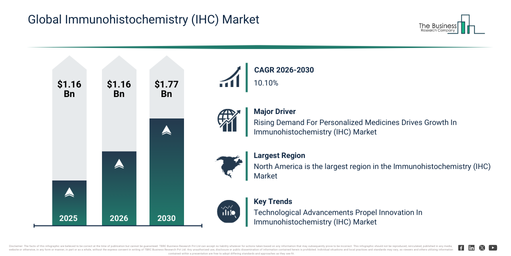
  • Immunohistochemistry (IHC) Market Growth Patterns And Forecast Outlook Through 2030

    Immunohistochemistry (IHC) Market Growth Patterns And Forecast Outlook Through 2030

    The Business Research Company’s 2026 market reports feature enhanced tools like market attractiveness analysis, TAM assessment, and company scoring matrices, along with interactive dashboards, deeper supply chain insights, and startup coverage strengthening the depth, usability, and strategic value of insights.

    What Is The Anticipated Rise In Market Value Of The Immunohistochemistry (IHC) Market During The Forecast Period?

    The immunohistochemistry (ihc) market size has experienced substantial growth in recent years. It is forecast to increase from $2.76 billion in 2025 to $3.05 billion in 2026, achieving a compound annual growth rate (CAGR) of 10.3%. This historical expansion can be attributed to factors like the increasing application of ihc in cancer diagnostics, the enlargement of hospital pathology laboratories, greater availability of monoclonal antibodies, the rising acceptance of tissue-based diagnostics, and intensified clinical research activities.

    The immunohistochemistry (ihc) market size is projected to undergo substantial expansion over the next few years. It is expected to reach $4.47 billion by 2030, exhibiting a compound annual growth rate (CAGR) of 10.1%. This anticipated growth during the forecast period can be attributed to increasing demand for precision oncology diagnostics, rising adoption of ai-enabled pathology analysis, expansion of biomarker-driven drug development, growing use of multiplex tissue profiling, and increasing investments in advanced pathology infrastructure. Significant trends for the forecast period include increasing adoption of automated ihc staining systems, rising use of multiplex ihc techniques, growing integration of digital pathology platforms, expansion of companion diagnostic applications, and an enhanced focus on high-specificity antibodies.

    Access Your Free Sample Report For In-Depth Market Analysis:

    https://www.thebusinessresearchcompany.com/sample.aspx?id=9267&type=smp

    Which Strong Drivers Are Impacting The Immunohistochemistry (IHC) Market Growth?

    The increasing demand for personalized medicines is projected to boost the growth of the immunohistochemistry (IHC) market in the future. Personalized medicine is a medical strategy that involves customizing medical decisions, practices, interventions, and products for individual patients based on their distinct genetic, environmental, and lifestyle attributes. Immunohistochemistry (IHC) holds a vital role in personalized medicine by detecting specific protein markers, which aids in accurate tumor classification and diagnosis. For instance, in February 2024, the Personalized Medicine Coalition, a US-based non-profit research organization, stated that personalized medicines made up more than one-third of new approvals by the US Food and Drug Administration in 2023. In the same year, the FDA approved 16 new personalized treatments for rare-disease patients, an increase from 6 in 2022. As a result, the expanding demand for personalized medicines is driving the growth of the immunohistochemistry (IHC) market.

    How Are Segments Identified Within The Immunohistochemistry (IHC) Market Segment Framework?

    The immunohistochemistry (ihc) market covered in this report is segmented –

    1) By Product: Antibodies, Equipment, Reagents, Kits

    2) By Applications: Diagnostics, Drug Testing, Other Applications

    3) By End-Users: Hospitals And Diagnostic Laboratories, Research Institutes, Other End-Users

    Subsegments:

    1) By Antibodies: Primary Antibodies, Secondary Antibodies, Conjugated Antibodies

    2) By Equipment: IHC Staining Systems, Slide Scanners, Microscopes

    3) By Reagents: Detection Reagents, Blocking Reagents, Mounting Media

    4) By Kits: Pre-prepared IHC Kits, Multiplex IHC Kits, Specialty Kits

    Which Trends Are Contributing To Changes In The Immunohistochemistry (IHC) Market?

    Leading companies operating in the immunohistochemistry (IHC) market are prioritizing enhancements in diagnostic accuracy by utilizing innovative technologies and premium reagents, aiming to improve the efficiency of tissue analysis across various clinical and research applications. The Neoflex multiomics mass spectrometry imaging (MSI) system serves as an advanced imaging platform, specifically engineered for precise tissue analysis. This system empowers researchers to transition from initial discovery stages to clinical applications through high-resolution mass spectrometry techniques, particularly for the spatial mapping of biomolecules within tissues. For example, in June 2024, Bruker Corporation, a US-based company involved in the development and manufacturing of scientific instruments, analytical, and diagnostic solutions, launched its matrix-assisted laser desorption/ionization-time of flight (MALDI-TOF/TOF) Neoflex Imaging Profiler, designed for mass spectrometry-based tissue imaging. The Neoflex multiomics mass spectrometry imaging (MSI) system addresses the necessity to advance from discovery imaging to clinical tissue research. Its notable features include Bruker’s 10-kHz smartbeam 3D laser, upgraded imaging detectors, and support for OME-TIFF file output when integrated with SCiLS Scope software.

    Who Are The Companies Competing Within The Immunohistochemistry (IHC) Market?

    Major companies operating in the immunohistochemistry (ihc) market are Thermo Fisher Scientific Inc., F. Hoffmann-La Roche AG, Merck Group, Danaher Corporation, PerkinElmer Inc., Bio-Rad Laboratories Inc., Cell Signaling Technology Inc., Bio SB Inc., Agilent Technologies Inc., Abcam plc, Takara Bio Inc., Biocare Medical LLC, Bio-Genex Laboratories, Diagnostic BioSystems Inc., PHC Holdings Corporation, Leica Biosystems, Vector Laboratories, Ionpath Inc., Reveal Biosciences, Akrivis Technologies Private Limited, LifeSpan BioSciences Inc., Enzo Life Sciences Inc., Epitomics Inc., GenScript Biotech

    Get The Full Immunohistochemistry (IHC) Market Report:

    https://www.thebusinessresearchcompany.com/report/immunohistochemistry-ihc-global-market-report

    Which Region Accounts For The Largest Portion Of The Immunohistochemistry (IHC) Market?

    North America was the largest region in the immunohistochemistry (IHC) market in 2025. Asia-Pacific is expected to be the fastest-growing region in the immunohistochemistry (IHC) market report during the forecast period. The regions covered in the immunohistochemistry (ihc) market report are Asia-Pacific, South East Asia, Western Europe, Eastern Europe, North America, South America, Middle East, Africa.

    Request A Customized Immunohistochemistry (IHC) Market Report For Competitive Insights:

    https://www.thebusinessresearchcompany.com/customise?id=9267&type=smp

    Browse Through More Reports Similar to the Global Immunohistochemistry (IHC) Market 2026, By The Business Research Company

    Immunohematology Market Report 2026

    https://www.thebusinessresearchcompany.com/report/immunohematology-global-market-report

    Immunoassay Market Report 2026

    https://www.thebusinessresearchcompany.com/report/immunoassay-global-market-report

    Immunotoxin Market Report 2026

    https://www.thebusinessresearchcompany.com/report/immunotoxin-global-market-report

    Get in touch with us:

    The Business Research Company: https://www.thebusinessresearchcompany.com/

    Americas +1 310-496-7795

    Asia +44 7882 955267 & +91 8897263534

    Europe +44 7882 955267

    Email us at info@tbrc.info

    Follow us on:

    LinkedIn: https://in.linkedin.com/company/the-business-research-company

    YouTube: https://www.youtube.com/channel/UC24_fI0rV8cR5DxlCpgmyFQ

    Global Market Model: https://www.thebusinessresearchcompany.com/global-market-model

  • Immunofluorescence Assay Market Insights On Growth Drivers, Trends, And Opportunities

    Immunofluorescence Assay Market Insights On Growth Drivers, Trends, And Opportunities

    The Business Research Company’s 2026 market reports feature enhanced tools like market attractiveness analysis, TAM assessment, and company scoring matrices, along with interactive dashboards, deeper supply chain insights, and startup coverage strengthening the depth, usability, and strategic value of insights.

    How Is The Market Size Of The Immunofluorescence Assay Market Expected To Scale Between 2026 And 2030?

    The immunofluorescence assay market has experienced rapid expansion in recent years. This market is projected to expand from $3.56 billion in 2025 to reach $3.94 billion by 2026, demonstrating a compound annual growth rate (CAGR) of 10.6%. Historically, this growth can be attributed to several factors, including the increased scope of laboratory diagnostic testing, a greater reliance on immunoassays for identifying diseases, the rise in academic and clinical research endeavors, developments in fluorescence labeling technologies, and a growing acceptance of antibody-based diagnostics.

    The immunofluorescence assay market is expected to demonstrate significant expansion in the upcoming years, with its size projected to reach $5.89 billion by 2030, exhibiting a compound annual growth rate (CAGR) of 10.6%. This expansion during the forecast period is primarily driven by an increasing demand for precision diagnostics, higher investments in translational research, the spread of personalized medicine approaches, greater automation in laboratory workflows, and advancements in imaging and data analysis software. Prominent trends anticipated for this period include the increased adoption of multiplex immunofluorescence assays, a rise in the use of automated imaging and analysis systems, a growing need for high-sensitivity diagnostic reagents, the extension of immunofluorescence applications into oncology, and a heightened focus on standardized and reproducible testing methods.

    Access Your Free Sample Report For In-Depth Market Analysis:

    https://www.thebusinessresearchcompany.com/sample.aspx?id=6778&type=smp

    What Key Factors Are Shaping The Immunofluorescence Assay Market Landscape?

    The expansion of the immunofluorescence assay market is largely propelled by the rising occurrence of chronic illnesses. Factors such as evolving lifestyles, dietary patterns, and inadequate weight management contribute to the swift rise in chronic conditions, with certain long-term chronic infections also elevating the risk of cancer. This surge in chronic disease prevalence is anticipated to fuel the need for immunofluorescence assays, which are extensively utilized in diagnostic procedures and drug development efforts. For example, in January 2025, PubMed Central, a US-based digital repository for biomedical and life sciences journal articles, indicated that as human lifespans extend, the prevalence and associated costs of chronic diseases continue to escalate. The projected global cost of chronic disease is set to reach $47 trillion by 2030. Consequently, the expanding occurrence of chronic diseases is poised to amplify the demand for immunofluorescence assays throughout the forecast period.

    What Are The Key Segment Divisions In The Immunofluorescence Assay Market Segment Structure?

    The immunofluorescence assay market covered in this report is segmented –

    1) By Assay Method: Direct Immunofluorescence, Indirect Immunofluorescence

    2) By Product: Reagents, Instruments, Antibodies, Kits, Consumables and Accessories

    3) By Disease: Cancer, Infectious Disease, Autoimmune Diseases, Other Diseases

    4) By End User: Academic And Research Institutions, Pharmaceutical And Biotechnology Companies, Contract Research Organizations, Hospitals And Diagnostic Centers

    Subsegments:

    1) By Direct Immunofluorescence: Single-Step Direct Assays, Multiplex Direct Assays

    2) By Indirect Immunofluorescence: Standard Indirect Immunofluorescence Assays, Conventional Indirect Immunofluorescence Assays

    What Market Trends Are Affecting The Immunofluorescence Assay Market?

    Leading firms within the immunofluorescense assay market are intensifying efforts to release entirely automated solutions, for instance, UNIQO 160 (CE-IVDR), with the aim of boosting their market earnings. Such automated systems are designed to optimize the efficiency across the entire immunofluorescence testing procedure, which includes sample preparation, incubation, washing, and slide mounting. As an illustration, during June 2023, Revvity Inc., a US-based enterprise specializing in life sciences and diagnostics, revealed the introduction of UNIQO 160 (CE-IVDR), an automated indirect immunofluorescence test (IIFT) system developed for diagnosing autoimmune diseases. The UNIQO 160 functions as a tabletop instrument, integrating a completely automated processing system with a superior microscope. It is designed for straightforward integration into existing diagnostic laboratory workflows. This UNIQO 160 system has the capacity to process up to 160 main samples and 18 slides simultaneously in one run. It identifies distinct samples, reagents, and slides using barcode technology.

    Which Organizations Are Engaged In The Immunofluorescence Assay Market?

    Major companies operating in the immunofluorescence assay market are Thermo Fisher Scientific Inc., Abcam plc, Bio-Rad Laboratories Inc., PerkinElmer Inc., Werfen Company, Merck KGaA, Danaher Corporation, Cell Signaling Technology Inc., Vector Laboratories Inc., INOVA Diagnostics Inc., Sino Biological Inc., Medipan GmbH, BioLegend Inc., Jackson ImmunoResearch Laboratories Inc., Rockland Immunochemicals Inc., Bethyl Laboratories Inc., Fitzgerald Industries International Inc., Creative Diagnostics, Boster Biological Technology, Acris Antibodies GmbH, RayBiotech Inc., Proteintech Group Inc., Novus Biologicals LLC, R&D Systems Inc., OriGene Technologies Inc., GenScript Biotech Corporation, MBL International Corporation, Abnova Corporation, Cellabs India Technologies Limited, J. Mitra & Co. Pvt. Ltd., EpiGentek Group Inc., Elabscience Biotechnology Co. Ltd., Aesku.Diagnostics GmbH

    Get The Full Immunofluorescence Assay Market Report:

    https://www.thebusinessresearchcompany.com/report/immunofluorescence-assay-global-market-report

    Which Region Holds The Highest Market Share In The Immunofluorescence Assay Market?

    North America was the largest region in the immunofluorescence assay market in 2025. Asia-Pacific is expected to be the fastest-growing region in the forecast period. The regions covered in the immunofluorescence assay market report are Asia-Pacific, South East Asia, Western Europe, Eastern Europe, North America, South America, Middle East, Africa.

    Request A Customized Immunofluorescence Assay Market Report For Competitive Insights:

    https://www.thebusinessresearchcompany.com/customise?id=6778&type=smp

    Browse Through More Reports Similar to the Global Immunofluorescence Assay Market 2026, By The Business Research Company

    Chemiluminescence Immunoassay Analyzer Market Report 2026

    https://www.thebusinessresearchcompany.com/report/chemiluminescence-immunoassay-analyzer-global-market-report

    Immunohematology Market Report 2026

    https://www.thebusinessresearchcompany.com/report/immunohematology-global-market-report

    Immunoassay Market Report 2026

    https://www.thebusinessresearchcompany.com/report/immunoassay-global-market-report

    Get in touch with us:

    The Business Research Company: https://www.thebusinessresearchcompany.com/

    Americas +1 310-496-7795

    Asia +44 7882 955267 & +91 8897263534

    Europe +44 7882 955267

    Email us at info@tbrc.info

    Follow us on:

    LinkedIn: https://in.linkedin.com/company/the-business-research-company

    YouTube: https://www.youtube.com/channel/UC24_fI0rV8cR5DxlCpgmyFQ

    Global Market Model: https://www.thebusinessresearchcompany.com/global-market-model