Category: Medical Equipment

  • Human Acellular Dermis Market Projected to Hit $2.27 Billion by 2030 with Consistent Growth

    Human Acellular Dermis Market Projected to Hit $2.27 Billion by 2030 with Consistent Growth

    The Business Research Company’s 2026 market reports include new capabilities such as market attractiveness scoring and analysis, total addressable market analysis, company scoring matrix, interactive excel data dashboard, improved supply chain analysis, upcoming startups in the market, and overview of key products, aimed at improving the depth, usability, and strategic value of the insights delivered.

    What Is The Expected Market Size Of The Human Acellular Dermis Market From 2026 To 2030?

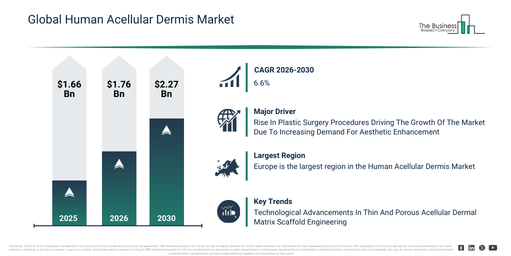
    The human acellular dermis market has experienced significant expansion in recent years. Forecasts indicate it will grow from $1.66 billion in 2025 to $1.76 billion in 2026, achieving a compound annual growth rate (CAGR) of 6.3%. The market’s historical growth can be attributed to an increasing number of reconstructive surgeries, a rising incidence of burn injuries, advancements in tissue processing technologies, the growth of cosmetic and plastic surgery procedures, and improved donor tissue availability.

    The human acellular dermis market size is projected to experience robust growth in the coming years. It is expected to expand to $2.27 billion in 2030, with a compound annual growth rate (CAGR) of 6.6%. The anticipated growth during this period stems from increased acceptance in regenerative medicine, a growing need for minimally invasive reconstruction solutions, broader use in orthopedic and soft tissue repair applications, a stronger emphasis on advanced wound management, and continuous innovation in biomaterial processing. Significant developments expected in the forecast period include a greater application of acellular dermal matrices in reconstruction, rising integration in burn and wound care, an escalating demand for ready-to-use dermal grafts, an increase in plastic and reconstructive surgery procedures, and an intensified focus on biocompatibility and integration.

    Download the Free Sample Report to Explore Key Market Insights:

    https://www.thebusinessresearchcompany.com/sample.aspx?id=33172&type=smp

    Which Market Drivers Are Supporting The Expansion Of The Human Acellular Dermis Market?

    The human acellular dermis market is anticipated to expand going forward, propelled by the increasing number of plastic surgery procedures. These procedures are medical interventions that employ surgical techniques to reshape, restore, or enhance the body’s appearance and function. The upward trend in plastic surgery procedures stems from growing awareness and demand for aesthetic enhancements, as more individuals look to improve their appearance and self-confidence through advanced, minimally invasive surgical options. Human acellular dermis (HAD) contributes positively to plastic surgery procedures by serving as a biologically compatible scaffold that integrates with the patient’s own tissue, thereby supporting new tissue growth, reducing scar formation, and improving both the aesthetic and functional outcomes of reconstructive or cosmetic surgeries. For instance, in June 2024, according to the International Society of Aesthetic Plastic Surgery, a US-based professional organization, facial and head aesthetic procedures demonstrated significant growth in 2023 compared to the previous year, totaling over 6.5 million interventions and reflecting a 19.6% rise. Consequently, the expansion of plastic surgery procedures is a driving force behind the growth of the human acellular dermis market.

    Which Segments Are Included In The Analysis Of The Human Acellular Dermis Market?

    The human acellular dermis market covered in this report is segmented –

    1) By Product Type: Recombinant Acellular Dermis; Lyophilized Acellular Dermis; Decellularized Acellular Dermis; Fresh Acellular Dermis

    2) By Structure Type: Sheet Type Acellular Dermis; Mesh Type Acellular Dermis; Gel Type Acellular Dermis

    3) By Distribution Channel: Direct Sales; Distributors; Online Retailing

    4) By Application: Burn Treatment; Soft Tissue Reconstruction; Wound Management; Plastic Surgery; Orthopedic Surgery

    5) By End User: Hospitals; Ambulatory Surgical Centers (ASCs); Specialty Clinics; Research Institutions

    Subsegments:

    1) By Recombinant Acellular Dermis: Collagen Based Recombinant Dermis; Elastin Enriched Recombinant Dermis; Growth Factor Integrated Recombinant Dermis; Synthetic Hybrid Recombinant Dermis

    2) By Lyophilized Acellular Dermis: Single Layer Lyophilized Dermis; Multi Layer Lyophilized Dermis; Sterile Lyophilized Dermis; Long Shelf Life Lyophilized Dermis

    3) By Decellularized Acellular Dermis: Human Donor Derived Dermis; Enzyme Processed Decellularized Dermis; Detergent Treated Decellularized Dermis; Minimally Processed Decellularized Dermis

    4) By Fresh Acellular Dermis: Cryopreserved Fresh Dermis; Hydrated Fresh Dermis; Ready To Use Fresh Dermis; Short Term Stored Fresh Dermis

    Which Trends Are Impacting The Growth Of The Human Acellular Dermis Market?

    Major companies within the human acellular dermis market are focused on developing innovative products, such as thin and porous acellular dermal matrix scaffold technology, to improve handling and conformability for complex wound geometries, enabling easier placement and more consistent clinical outcomes. This technology involves engineering acellular dermal matrices with reduced thickness and interconnected porous structures that enhance cellular infiltration, vascularization, and tissue integration, allowing for faster wound healing with fewer clinical applications. For instance, in April 2025, LifeNet Health, a US-based regenerative medicine company, introduced Dermacell Porous, an acellular dermal matrix offering a thin, durable, and naturally porous scaffold, enhanced retention of extracellular matrix proteins and cytokines, and easy non-sided application straight from the package, thereby facilitating broader clinical adoption for complex wound cases requiring fewer interventions. It is engineered to support chronic wound closure in four or fewer applications and is one of 26 skin substitute grafts and cellular or tissue-based products covered under Medicare’s new Local Coverage Determinations effective January 1, 2026. This addition strengthens LifeNet Health’s regenerative wound care portfolio and emphasizes its commitment to delivering advanced and accessible clinical solutions.

    Who Are The Dominant Players Shaping The Human Acellular Dermis Market Landscape?

    Major companies operating in the human acellular dermis market are Medtronic Plc, Stryker Corporation, Zimmer Biomet Holdings Inc., Integra LifeSciences Corporation, Conmed Corporation, MTF Biologics, MiMedx Group Inc., BioHorizons IPH Inc., LifeNet Health, BioBridge Global, Hans Biomed Corp., PolyNovo Limited, Tissue Regenix Group Plc, CG Bio Inc., Parametrics Medical, Meccellis Biotech, Promethean LifeSciences Inc., Bimini Health Tech LLC, Citagenix Inc., and Aziyo Biologics.

    Read the full human acellular dermis market report here:

    https://www.thebusinessresearchcompany.com/report/human-acellular-dermis-market-report

    Which Region Is Projected To Lead The Human Acellular Dermis Market During The Forecast Period?

    Europe was the largest region in the human acellular dermis market in 2025. Asia-Pacific is expected to be the fastest-growing region in the forecast period. The regions covered in the human acellular dermis market report are Asia-Pacific, South East Asia, Western Europe, Eastern Europe, North America, South America, Middle East, Africa.

    Request A Tailored Human Acellular Dermis Market Research Report For Competitive Advantage:

    https://www.thebusinessresearchcompany.com/customise?id=33172&type=smp

    Browse Through More Reports Similar to the Global Human Acellular Dermis Market 2026, By The Business Research Company

    Acetic Acid Market Report 2026

    https://www.thebusinessresearchcompany.com/report/acetic-acid-global-market-report

    Dermal Filler Market Report 2026

    https://www.thebusinessresearchcompany.com/report/dermal-filler-global-market-report

    Acetylene Market Report 2026

    https://www.thebusinessresearchcompany.com/report/acetylene-global-market-report

    Get in touch with us:

    The Business Research Company: https://www.thebusinessresearchcompany.com/

    Americas +1 310-496-7795

    Asia +44 7882 955267 & +91 8897263534

    Europe +44 7882 955267

    Email us at info@tbrc.info

    Follow us on:

    LinkedIn: https://in.linkedin.com/company/the-business-research-company

    YouTube: https://www.youtube.com/channel/UC24_fI0rV8cR5DxlCpgmyFQ

    Global Market Model: https://www.thebusinessresearchcompany.com/global-market-model

  • Global Adaptive Neuromodulation Therapy Devices Market Forecast 2026–2035 with Long-Term Growth Perspective

    The Business Research Company’s 2026 market reports include new capabilities such as market attractiveness scoring and analysis, total addressable market analysis, company scoring matrix, interactive excel data dashboard, improved supply chain analysis, upcoming startups in the market, and overview of key products, aimed at improving the depth, usability, and strategic value of the insights delivered.

    What Market Valuation Is Forecasted For The Adaptive Neuromodulation Therapy Devices Market By 2030 Starting From Its 2026 Size?

    The adaptive neuromodulation therapy devices market has experienced rapid expansion in recent years. Projections indicate it will grow from $7.09 billion in 2025 to $7.82 billion in 2026, at a compound annual growth rate (CAGR) of 10.4%. The market’s historical growth can be attributed to advancements in implantable neuromodulation devices, the increasing prevalence of neurological disorders, the early adoption of deep brain stimulation therapies, improvements in neural signal processing, and the expansion of specialized neurology centers.

    The adaptive neuromodulation therapy devices market size is anticipated to undergo significant expansion over the forthcoming years. It will grow to $11.7 billion in 2030 at a compound annual growth rate (CAGR) of 10.6%. This predicted growth during the forecast period is propelled by factors such as the increasing demand for personalized neuromodulation therapies, a rise in investments in brain-computer interface technologies, the expansion of non-invasive neuromodulation applications, a growing emphasis on long-term therapy management, and the increasing integration of AI-driven adaptive stimulation. Noteworthy trends expected in the forecast period include the increasing adoption of closed-loop neuromodulation systems, a rising integration of real-time neural sensing, the growing use of personalized stimulation algorithms, the expansion of wearable and non-invasive neuromodulation devices, and an enhanced focus on therapy optimization and side effect reduction.

    Download the Free Sample Report to Explore Key Market Insights:

    https://www.thebusinessresearchcompany.com/sample.aspx?id=33007&type=smp

    What Primary Drivers Are Shaping The Development Of The Adaptive Neuromodulation Therapy Devices Market?

    The adaptive neuromodulation therapy devices market is anticipated to expand due to the growing occurrence of long-term neurological conditions. These conditions are defined as persistent disorders affecting the brain, spinal cord, or nervous system, leading to ongoing challenges in movement, thinking, sensation, or behavior. The escalating incidence of these disorders is linked to increased life expectancy, which contributes to a greater frequency of age-related neurological decline and chronic health burdens. Adaptive neuromodulation therapy devices aid in managing these long-term conditions by providing tailored, live electrical stimulation that adapts to an individual patient’s neural activity, thus enhancing symptom management and long-term neurological results. For example, in March 2023, the Alzheimer’s Association, a US-based nonprofit voluntary health organization, indicated that 6.7 million Americans aged 65 and older suffer from Alzheimer’s, a figure expected to reach 13.8 million by 2060. Consequently, the rising prevalence of long-term neurological conditions is a significant factor propelling the growth of the adaptive neuromodulation therapy devices market.

    Which Segment Categories Define The Adaptive Neuromodulation Therapy Devices Market?

    The adaptive neuromodulation therapy devices market covered in this report is segmented –

    1) By Product Type: Implantable Adaptive Neuromodulation Devices; Non-Implantable Adaptive Neuromodulation Devices; Rechargeable Adaptive Neuromodulation Devices; Non-Rechargeable Adaptive Neuromodulation Devices

    2) By Device Type: Deep Brain Stimulation Systems; Spinal Cord Stimulation Systems; Vagus Nerve Stimulation Systems; Sacral Nerve Stimulation Systems; Responsive Neurostimulation Systems

    3) By Technology: Closed-Loop Electrical Neuromodulation Technology; Closed-Loop Magnetic Neuromodulation Technology; Responsive Neurostimulation Technology; Adaptive Deep Brain Stimulation Technology

    4) By Application: Epilepsy; Parkinson’s Disease (PD); Mixed Urinary Incontinence (MUI); Other Applications

    5) By End User: Hospitals; Neurology Clinics; Specialty Neurosurgical Centers; Research And Academic Institutes

    Subsegments:

    1) By Implantable Adaptive Neuromodulation Devices: Deep Brain Stimulation Systems; Spinal Cord Stimulation Systems; Vagus Nerve Stimulation Systems; Sacral Nerve Stimulation Systems; Peripheral Nerve Stimulation Systems

    2) By Non-Implantable Adaptive Neuromodulation Devices: Transcranial Magnetic Stimulation Devices; Transcranial Direct Current Stimulation Devices; External Vagus Nerve Stimulation Devices; Wearable Neurostimulation Systems

    3) By Rechargeable Adaptive Neuromodulation Devices: Rechargeable Implantable Pulse Generators; Wireless Rechargeable Neurostimulators; Long Life Rechargeable Stimulation Systems

    4) By Non-Rechargeable Adaptive Neuromodulation Devices: Primary Cell Implantable Neurostimulators; Single Use Implantable Stimulation Devices; Fixed Life Pulse Generator Systems

    What Major Market Trends Are Driving Changes In The Adaptive Neuromodulation Therapy Devices Market?

    Leading companies in the adaptive neuromodulation therapy devices market are focusing on developing innovative solutions, such as wireless charging with flexibility, to allow patients to remain active during recharging and reduce therapy interruptions. This wireless charging with flexibility enables patients to charge their neuromodulation devices wirelessly while continuing daily activities. For instance, in January 2024, Abbott Laboratories, a US-based medical device company, launched the Liberta RC DBS system, a rechargeable deep brain stimulation platform designed to treat movement disorders with greater flexibility and patient convenience. The system features one of the smallest rechargeable implantable pulse generators available, which improves patient comfort and supports minimally invasive implantation. It offers remote programming and monitoring, allowing clinicians to adjust therapy settings without requiring frequent in-clinic visits. In addition, Liberta RC supports adaptive stimulation capabilities that enable personalized therapy optimization over time based on patient response, enhancing treatment continuity and long-term disease management.

    Who Are The Top Companies Competing In The Adaptive Neuromodulation Therapy Devices Market?

    Major companies operating in the adaptive neuromodulation therapy devices market are Abbott Laboratories, Medtronic Plc, Boston Scientific Corporation, Biotronik AG, LivaNova plc, Bioventus LLC, NEVRO Corp., Axonics, Inc, Neuronetics, Inc., NeuroPace, Inc., Cala Health Inc, BrainsWay Ltd, SPR Therapeutics, Inc., ElectroCore, Inc., Mainstay Medical Ltd., Blackrock Neurotech, Inc., Soterix Medical Inc., Synapse Biomedical Inc., NeuroSigma, Inc., Aleva Neurotherapeutics SA, Magstim Company Ltd.

    Read the full adaptive neuromodulation therapy devices market report here:

    https://www.thebusinessresearchcompany.com/report/adaptive-neuromodulation-therapy-devices-market-report

    Which Region Currently Holds The Largest Share Of The Adaptive Neuromodulation Therapy Devices Market?

    North America was the largest region in the adaptive neuromodulation therapy devices market in 2025. Asia-Pacific is expected to be the fastest-growing region in the forecast period. The regions covered in the adaptive neuromodulation therapy devices market report are Asia-Pacific, South East Asia, Western Europe, Eastern Europe, North America, South America, Middle East, Africa.

    Request A Tailored Adaptive Neuromodulation Therapy Devices Market Research Report For Competitive Advantage:

    https://www.thebusinessresearchcompany.com/customise?id=33007&type=smp

    Browse Through More Reports Similar to the Global Adaptive Neuromodulation Therapy Devices Market 2026, By The Business Research Company

    Internal Neuromodulation Devices Market Report 2026

    https://www.thebusinessresearchcompany.com/report/internal-neuromodulation-devices-global-market-report

    Implantable Neurostimulation Devices Market Report 2026

    https://www.thebusinessresearchcompany.com/report/implantable-neurostimulation-devices-global-market-report

    Neuromodulation Market Report 2026

    https://www.thebusinessresearchcompany.com/report/neuromodulation-global-market-report

    Get in touch with us:

    The Business Research Company: https://www.thebusinessresearchcompany.com/

    Americas +1 310-496-7795

    Asia +44 7882 955267 & +91 8897263534

    Europe +44 7882 955267

    Email us at info@tbrc.info

    Follow us on:

    LinkedIn: https://in.linkedin.com/company/the-business-research-company

    YouTube: https://www.youtube.com/channel/UC24_fI0rV8cR5DxlCpgmyFQ

    Global Market Model: https://www.thebusinessresearchcompany.com/global-market-model

  • Global Abdominal Surgical Robot Market Outlook 2026–2035 Showcasing Growth Potential and Future Opportunities

    The Business Research Company’s 2026 market reports include new capabilities such as market attractiveness scoring and analysis, total addressable market analysis, company scoring matrix, interactive excel data dashboard, improved supply chain analysis, upcoming startups in the market, and overview of key products, aimed at improving the depth, usability, and strategic value of the insights delivered.

    What Is The Market Size Of The Abdominal Surgical Robot Market In 2026 And What Value Is Projected For 2030?

    The abdominal surgical robot market has demonstrated swift expansion in recent years. It will grow from $4.55 billion in 2025 to $5.36 billion in 2026 at a compound annual growth rate (CAGR) of 17.6%. Historically, this growth can be ascribed to the increasing embrace of minimally invasive surgeries, escalating investments in hospital robotic infrastructure, greater acceptance of robotic assistance by surgeons, enhancements in surgical imaging technologies, and the proliferation of specialized surgical training programs.

    The market for abdominal surgical robots is projected to experience substantial expansion in the coming years. This sector is anticipated to reach a valuation of $10.34 billion by 2030, demonstrating a compound annual growth rate (CAGR) of 17.9%. This projected growth is driven by several factors, including a heightened demand for surgeries requiring precision guidance, the increasing incorporation of AI-powered decision support systems, the broader adoption of robotic-assisted procedures across various medical fields, growing capital expenditure in advanced operating room technologies, and a stronger emphasis on improving patient results. Key developments expected during this period involve the wider acceptance of AI-assisted navigation in surgery, the progressive integration of sophisticated robotic tools, expanded deployment of 3D visualization and imaging solutions, the proliferation of modular and easily upgradable robotic systems, and an intensified commitment to achieving high precision in minimally invasive surgical techniques.

    Download the Free Sample Report to Explore Key Market Insights:

    https://www.thebusinessresearchcompany.com/sample.aspx?id=33005&type=smp

    What Key Drivers Are Influencing The Growth Of The Abdominal Surgical Robot Market?

    The rising prevalence of minimally invasive surgical techniques is anticipated to fuel expansion within the abdominal surgical robot market in the future. These procedures involve the use of small cuts and sophisticated instruments, including laparoscopic and endoscopic tools, to address medical conditions while minimizing damage to adjacent tissues. Their increasing acceptance stems from advantages like quicker patient recovery, reduced hospital durations, and a faster return to daily routines when contrasted with conventional open surgical methods. In intricate minimally invasive abdominal operations, abdominal surgical robots are seeing greater deployment. They offer enhanced accuracy, better maneuverability, and superior three-dimensional visualization, allowing practitioners to execute complex procedures through small openings, resulting in less tissue harm and better results for patients. As an example, the American Society of Plastic Surgeons, a US-based entity, reported in June 2024 that minimally invasive procedures rose by 7% in 2023 compared to the prior year, indicating a widespread increase in the embrace of these surgical methods across various medical fields. Consequently, the growing embrace of minimally invasive surgeries is a key factor propelling the expansion of the abdominal surgical robot market.

    What Are The Key Segments Of The Abdominal Surgical Robot Market?

    The abdominal surgical robot market covered in this report is segmented –

    1) By Product Type: Robotic Systems; Instruments And Accessories; Services

    2) By Application: General Surgery; Gynecological Surgery; Urological Surgery; Colorectal Surgery; Other Applications

    3) By End-Users: Hospitals; Ambulatory Surgical Centers; Specialty Clinics; Other End-Users

    Subsegments:

    1) By Robotic Systems: Standalone Robotic Platforms; Integrated Robotic Operating Suites; Modular Robotic Systems

    2) By Instruments And Accessories: Robotic Graspers; Robotic Scissors; Robotic Suturing Instruments; Endoscopic Cameras And Scopes; Energy Devices For Robotic Surgery

    3) By Services: Installation And Setup Services; Maintenance And Technical Support; Surgical Training And Education; Software Updates And Upgrades

    What Key Trends Are Influencing The Development Of The Abdominal Surgical Robot Market?

    Major companies within the abdominal surgical robot market are concentrating on technological breakthroughs, including advanced visualization, force feedback, and AI-enabled sensing, to facilitate more precise, minimally invasive surgeries and optimize surgical processes. These innovations furnish surgeons with improved three-dimensional views of internal anatomy, real-time tactile responses, and data-driven understanding, enabling complex operations to be conducted with superior accuracy and oversight. For example, in March 2024, Intuitive Surgical Inc., a US-based technology firm, unveiled the da Vinci 5 robotic system, which incorporates novel force feedback technology allowing surgeons to detect subtle tissue forces during operations. This system significantly improves minimally invasive surgery by decreasing tissue force by up to 43%, supplying up to 10,000 times greater computing power to support AI analytics, and featuring an ergonomic design aimed at lessening surgeon fatigue. It is engineered for deployment across abdominal, urologic, gynecologic, and thoracic procedures through smaller incisions, leading to patient advantages such as quicker recovery, reduced discomfort, less blood loss, and a lower probability of infection.

    Who Are The Leading Companies Operating In The Abdominal Surgical Robot Market?

    Major companies operating in the abdominal surgical robot market are Johnson & Johnson, Medtronic Plc., Intuitive Surgical Inc., KUKA AG., Meril Life Sciences, Titan Medical Inc., Avatera Medical, CMR Surgical Ltd., Cornerstone Robotics Ltd., Distalmotion, Vicarious Surgical Inc., MicroPort MedBot, Virtual Incision Corporation, Endorobotics Co. Ltd., EndoQuest Robotics, MOON Surgical, SS Innovations International Inc., Beijing Surgerii Robotics Co. Ltd, Medrobotics Corporation, Shandong WEGO Surgery Robot Co. Ltd., Shenzhen Edge Medical Co. Ltd, Sina Robotics and Medical Innovators Co. Ltd.

    Read the full abdominal surgical robot market report here:

    https://www.thebusinessresearchcompany.com/report/abdominal-surgical-robot-market-report

    Which Region Is Anticipated To See The Fastest Growth In The Abdominal Surgical Robot Market?

    North America was the largest region in the abdominal surgical robot market in 2025. Asia-Pacific is expected to be the fastest-growing region in the forecast period. The regions covered in the abdominal surgical robot market report are Asia-Pacific, South East Asia, Western Europe, Eastern Europe, North America, South America, Middle East, Africa.

    Request A Tailored Abdominal Surgical Robot Market Research Report For Competitive Advantage:

    https://www.thebusinessresearchcompany.com/customise?id=33005&type=smp

    Browse Through More Reports Similar to the Global Abdominal Surgical Robot Market 2026, By The Business Research Company

    Surgical Robots Market Report 2026

    https://www.thebusinessresearchcompany.com/report/surgical-robots-global-market-report

    Surgical Robot Accessories Market Report 2026

    https://www.thebusinessresearchcompany.com/report/surgical-robot-accessories-global-market-report

    Robotic Surgery Services Market Report 2026

    https://www.thebusinessresearchcompany.com/report/robotic-surgery-services-global-market-report

    Get in touch with us:

    The Business Research Company: https://www.thebusinessresearchcompany.com/

    Americas +1 310-496-7795

    Asia +44 7882 955267 & +91 8897263534

    Europe +44 7882 955267

    Email us at info@tbrc.info

    Follow us on:

    LinkedIn: https://in.linkedin.com/company/the-business-research-company

    YouTube: https://www.youtube.com/channel/UC24_fI0rV8cR5DxlCpgmyFQ

    Global Market Model: https://www.thebusinessresearchcompany.com/global-market-model
  • Homologous Recombination Pathway Panels Market to Reach $2.02 Billion by 2030 at 12.7% CAGR

    Homologous Recombination Pathway Panels Market to Reach $2.02 Billion by 2030 at 12.7% CAGR

    The Business Research Company’s 2026 market reports include new capabilities such as market attractiveness scoring and analysis, total addressable market analysis, company scoring matrix, interactive excel data dashboard, improved supply chain analysis, upcoming startups in the market, and overview of key products, aimed at improving the depth, usability, and strategic value of the insights delivered.

    How Is The Market Size Of The Homologous Recombination Pathway Panels Market Expected To Change Between 2026 And 2030?

    The market size for homologous recombination pathway panels has shown significant growth in recent years. It is anticipated to increase from $1.12 billion in 2025 to $1.26 billion in 2026, achieving a compound annual growth rate (CAGR) of 12.5%. The expansion witnessed in prior periods is due to the rising precision oncology research, the wider adoption of genetic testing in cancer diagnosis, the development of hereditary cancer screening programs, broader access to NGS technologies, and increasing partnerships between diagnostic and pharmaceutical companies.

    The homologous recombination pathway panels market is projected to experience substantial growth over the upcoming years, with its size reaching **$2.03 billion by 2030, exhibiting a compound annual growth rate (CAGR) of 12.7%.** This anticipated expansion during the forecast period can be primarily attributed to several factors, including the increasing integration of companion diagnostics, a growing need for personalized cancer treatments, the broader application of clinical genomics within healthcare facilities, the expanding utilization of AI for variant interpretation, and a rise in regulatory clearances for genomic panels. Key trends anticipated during this period encompass the greater embrace of comprehensive HRD testing solutions, an uptick in the deployment of NGS-based homologous recombination assays, an escalating requirement for panels designed for therapy selection, the wider availability of integrated genomic profiling kits, and an intensified focus on diagnostic panels that offer quick results.

    Download the Free Sample Report to Explore Key Market Insights:

    https://www.thebusinessresearchcompany.com/sample.aspx?id=33170&type=smp

    Which Growth Drivers Are Contributing To The Progress Of The Homologous Recombination Pathway Panels Market?

    The expanding utilization of targeted therapies is projected to fuel the expansion of the homologous recombination pathway panels market in the future. These therapies are interventions developed to precisely target molecules or genetic defects causing diseases within cells, thereby hindering their development while preserving healthy cells. The growing deployment of targeted therapies is boosting the need for precision medicine, given that patients and medical professionals favor treatments with greater efficacy and fewer adverse effects than traditional methods. Homologous recombination (HR) pathway panels facilitate targeted therapies by pinpointing individuals who are probable responders to DNA damage-targeting medications, allowing medical practitioners to customize treatment strategies and improve patient results. As an illustration, in July 2023, data from the American Society of Gene & Cell Therapy, a US-based non-profit medical and scientific organization, indicated a 10% increase in the number of gene therapies in Phase III clinical trials during the fourth quarter of 2023, marking the initial quarterly surge since the third quarter of 2022. Consequently, the increasing embrace of targeted therapies is accelerating the growth of the homologous recombination pathway panels market.

    How Is The Homologous Recombination Pathway Panels Market Structured Across Different Segments?

    The homologous recombination pathway panels market covered in this report is segmented –

    1) By Panel Type: Comprehensive Homologous Recombination Deficiency Panels; Focused Or Core Homologous Recombination Repair Gene Panels; Custom Or Research Panels; Integrated Genomic Profiling Kits

    2) By Technology: Next-Generation Sequencing (NGS); Polymerase Chain Reaction (PCR); Microarray Based Panels; Other Molecular Diagnostic Techniques

    3) By Application: Cancer Research; Genetic Disorder Studies; Drug Discovery; Clinical Diagnostics; Other Applications

    4) By End User: Hospitals And Clinics; Diagnostic Laboratories; Research Institutes; Biotechnology Companies; Pharmaceutical Companies

    Subsegments:

    1) By Comprehensive Homologous Recombination Deficiency Panels: Broad Gene Coverage Panels; Clinical Grade Diagnostic Panels; Therapy Selection Panels; Prognostic Risk Assessment Panels

    2) By Focused Or Core Homologous Recombination Repair Gene Panels: Single Pathway Targeted Panels; Small Gene Set Panels; Cost Optimized Clinical Panels; Rapid Turnaround Testing Panels

    3) By Custom Or Research Panels: Disease Specific Research Panels; Institution Designed Gene Panels; Exploratory Genomic Study Panels; Preclinical Research Panels

    4) By Integrated Genomic Profiling Kits: Multigene Sequencing Kits; Combined Mutation And Structural Variant Kits; End To End Genomic Analysis Kits; Clinical Workflow Integrated Kits

    Which Trends Are Shaping The Future Of The Homologous Recombination Pathway Panels Market?

    Leading companies in the homologous recombination pathway panels market are concentrating on developing advanced comprehensive genomic profiling solutions. These solutions aim to identify DNA repair deficiencies, guide targeted therapies, and enable personalized treatment strategies for cancer patients. Comprehensive genomic profiling is an advanced testing method that simultaneously examines hundreds of genes to detect genetic alterations, biomarkers, and molecular signatures, thereby enabling precision medicine and informed therapeutic strategies. For instance, in September 2024, Integrated DNA Technologies, a US-based biotechnology company, launched Archer homologous recombination deficiency (HRD) technology to detect homologous recombination deficiencies and guide targeted cancer therapies. These technologies assess homologous recombination deficiency (HRD) in solid tumors, enhancing comprehensive genomic profiling (CGP) for cancer research. Their purpose is to identify key biomarkers like HRD, alongside MSI and TMB, from low-input samples, supporting precision medicine through flexible NGS panels without requiring workflow overhauls. Advantages include AMP chemistry for standalone, spike-in, or integrated use, optimizing resources and customization.

    Who Are The Key Players Driving Competition In The Homologous Recombination Pathway Panels Market?

    Major companies operating in the homologous recombination pathway panels market are F. Hoffmann-La Roche AG, Thermo Fisher Scientific Inc., Merck KGaA, Eurofins Scientific SE, Agilent Technologies Inc., Illumina Inc., Bio-Rad Laboratories Inc., QIAGEN N.V., Integrated DNA Technologies Inc., NeoGenomics Laboratories Inc., Promega Corporation, Invitae Corporation, Caris Life Sciences Inc., Fulgent Genetics Inc., Foundation Medicine Inc., Metropolis Healthcare Limited, AmoyDx Diagnostics Co. Ltd., CD Genomics, iGeneTech Inc., and Paragon Genomics Inc.

    Read the full homologous recombination pathway panels market report here:

    https://www.thebusinessresearchcompany.com/report/homologous-recombination-pathway-panels-market-report

    How Does The Homologous Recombination Pathway Panels Market Perform Across Major Global Regions?

    North America was the largest region in the homologous recombination pathway panels market in 2025. Asia-Pacific is expected to be the fastest-growing region in the forecast period. The regions covered in the homologous recombination pathway panels market report are Asia-Pacific, South East Asia, Western Europe, Eastern Europe, North America, South America, Middle East, Africa.

    Request A Tailored Homologous Recombination Pathway Panels Market Research Report For Competitive Advantage:

    https://www.thebusinessresearchcompany.com/customise?id=33170&type=smp

    Browse Through More Reports Similar to the Global Homologous Recombination Pathway Panels Market 2026, By The Business Research Company

    Recombinant Proteins Market Report 2026

    https://www.thebusinessresearchcompany.com/report/recombinant-proteins-global-market-report

    Recombinant Dna Technology Market Report 2026

    https://www.thebusinessresearchcompany.com/report/recombinant-dna-technology-global-market-report

    Biotechnology Reagents Market Report 2026

    https://www.thebusinessresearchcompany.com/report/biotechnology-reagents-global-market-report

    Get in touch with us:

    The Business Research Company: https://www.thebusinessresearchcompany.com/

    Americas +1 310-496-7795

    Asia +44 7882 955267 & +91 8897263534

    Europe +44 7882 955267

    Email us at info@tbrc.info

    Follow us on:

    LinkedIn: https://in.linkedin.com/company/the-business-research-company

    YouTube: https://www.youtube.com/channel/UC24_fI0rV8cR5DxlCpgmyFQ

    Global Market Model: https://www.thebusinessresearchcompany.com/global-market-model
  • High-Fidelity Long-Read Sequencing Market Insights and Strategic Outlook for 2026–2030

    High-Fidelity Long-Read Sequencing Market Insights and Strategic Outlook for 2026–2030

    The Business Research Company’s 2026 market reports include new capabilities such as market attractiveness scoring and analysis, total addressable market analysis, company scoring matrix, interactive excel data dashboard, improved supply chain analysis, upcoming startups in the market, and overview of key products, aimed at improving the depth, usability, and strategic value of the insights delivered.

    What Will Be The Estimated Market Valuation Of The High-Fidelity Long-Read Sequencing Market By The End Of 2030?

    The high-fidelity long-read sequencing market has witnessed significant expansion in recent years. Its value is projected to climb from $1.53 billion in 2025 to $1.88 billion in 2026, with a compound annual growth rate (CAGR) of 22.2%. Historically, this market’s growth has been fueled by progress in sequencing chemistry accuracy, early integration into genomics research institutions, the proliferation of large-scale genome projects, a rising requirement for structural variant analysis, and enhancements in sequencing hardware performance.

    The high-fidelity long-read sequencing market is anticipated to experience substantial growth over the coming years, projected to reach $4.22 billion by 2030, exhibiting a compound annual growth rate (CAGR) of 22.5%. This projected expansion during the forecast period is fueled by several factors, including the increasing application of precision medicine, heightened investments in genomics-driven drug discovery, the broadening scope of rare disease research, the growing clinical integration of long-read sequencing, and improvements in sequencing cost-effectiveness. Key developments shaping this period include the increased acceptance of long-read sequencing within clinical diagnostics, a rising need for highly accurate variant detection, the expanded utilization of de novo genome assembly methods, the wider application of epigenetic and transcriptomic analysis, and the improved integration of sophisticated bioinformatics tools.

    Download the Free Sample Report to Explore Key Market Insights:

    https://www.thebusinessresearchcompany.com/sample.aspx?id=33166&type=smp

    Which Major Factors Are Driving The Expansion Of The High-Fidelity Long-Read Sequencing Market?

    The increasing occurrence of rare diseases is anticipated to boost the expansion of the HiFi long-read sequencing market in the future. These conditions affect a limited number of people, typically characterized by intricate symptoms and restricted treatment avenues. The rise in rare diseases stems from progress in genetic sequencing and diagnostic methods, allowing for quicker and more precise detection of conditions previously unidentified or incorrectly classified. HiFi long-read sequencing contributes to managing rare diseases by facilitating highly accurate and thorough identification of intricate genetic variations frequently overlooked by short-read sequencing, thereby resulting in swifter and more accurate diagnoses. For example, in July 2023, the Department of Health & Social Care, a government body in the UK, reported an estimated existence of over 7,000 rare diseases, with ongoing research continually uncovering new ones. About 80% of these conditions are recognized to have a genetic origin. Consequently, the growing incidence of rare diseases is fueling the expansion of the HiFi long-read sequencing market.

    Which Segment Classifications Shape The High-Fidelity Long-Read Sequencing Market?

    The high-fidelity long-read sequencing market covered in this report is segmented –

    1) By Product Type: Instruments; Consumables; Software

    2) By Sequencing Technology: Single-Molecule Real-Time Sequencing; Nanopore Sequencing; Other Sequencing Technologies

    3) By Application: Clinical Diagnostics; Genomics Research; Oncology; Rare Disease Detection; Agriculture And Animal Research; Other Applications

    4) By End-User: Academic And Research Institutes; Hospitals And Clinics; Pharmaceutical And Biotechnology Companies; Other End-Users

    Subsegments:

    1) By Instruments: Sequencers; Library Preparation Systems; Sample Preparation Instruments; Data Collection Devices; Quality Control Instruments

    2) By Consumables: Sequencing Kits; Flow Cells; Reagents; Pipette Tips; Sample Tubes

    3) By Software: Data Analysis Software; Visualization Software; Sequence Alignment Software; Genome Assembly Software; Quality Assessment Software

    How Are Trends Impacting The High-Fidelity Long-Read Sequencing Market?

    Leading companies within the HiFi long-read sequencing market are concentrating on developing innovative solutions, such as hybrid-capture target enrichment, to improve sequencing accuracy, broaden coverage of intricate genomic regions, and accelerate the identification of structural variants for advanced research and clinical uses. Hybrid-capture target enrichment is a genomic sequencing technique that specifically isolates particular DNA or RNA regions from a sample using complementary probes, enabling focused, high-accuracy sequencing of target areas while minimizing the sequencing of irrelevant sections. For example, in July 2025, QIAGEN N.V., a Netherlands-based biotechnology company, introduced QIAseq xHYB Long Read Panels to expand its next-generation sequencing (NGS) portfolio. These panels utilize hybrid-capture enrichment to facilitate precise long-read sequencing of complex genomic regions, including repeats and structural variants, effectively overcoming the limitations of short-read technologies. They provide superior uniformity, specificity, and complete coverage for various applications, such as cancer profiling, HLA typing, and haplotype phasing, offering flexible fixed or custom formats and integrated workflows from DNA preparation to bioinformatics analysis. The advantages include streamlined efficiency and deeper insights, especially for precision medicine.

    Who Are The Primary Competitors In The High-Fidelity Long-Read Sequencing Market?

    Major companies operating in the high-fidelity long-read sequencing market are Azenta Inc., BGI Genomics Co. Ltd., GenScript Biotech Corporation, Novogene Co. Ltd., Takara Bio Inc., Pacific Biosciences of California Inc., Macrogen Inc., MedGenome Inc., MGI Tech Co. Ltd., Discovery Life Sciences Inc., Eurofins Genomics LLC, CD Genomics, BaseClear B.V., Psomagen Inc., Health in Code S.L., Creative Biogene Inc., Nucleome Informatics Private Limited, Genevia Technologies Oy, JS Link Co. Ltd., SeqCenter LLC, Theragen Bio Co. Ltd.

    Read the full high-fidelity long-read sequencing market report here:

    https://www.thebusinessresearchcompany.com/report/high-fidelity-long-read-sequencing-market-report

    Which Region Is Anticipated To See The Fastest Growth In The High-Fidelity Long-Read Sequencing Market?

    North America was the largest region in the HiFi long-read sequencing market in 2025. Asia-Pacific is expected to be the fastest-growing region in the forecast period. The regions covered in the high-fidelity long-read sequencing market report are Asia-Pacific, South East Asia, Western Europe, Eastern Europe, North America, South America, Middle East, Africa.

    Request A Tailored High-Fidelity Long-Read Sequencing Market Research Report For Competitive Advantage:

    https://www.thebusinessresearchcompany.com/customise?id=33166&type=smp

    Browse Through More Reports Similar to the Global High-Fidelity Long-Read Sequencing Market 2026, By The Business Research Company

    Next Generation Sequencing Market 2026

    https://www.thebusinessresearchcompany.com/report/next-generation-sequencing-market

    Short Read Sequencing Market Report 2026

    https://www.thebusinessresearchcompany.com/report/short-read-sequencing-global-market-report

    Clinical Oncology Next Generation Sequencing Market Report 2026

    https://www.thebusinessresearchcompany.com/report/clinical-oncology-next-generation-sequencing-global-market-report

    Get in touch with us:

    The Business Research Company: https://www.thebusinessresearchcompany.com/

    Americas +1 310-496-7795

    Asia +44 7882 955267 & +91 8897263534

    Europe +44 7882 955267

    Email us at info@tbrc.info

    Follow us on:

    LinkedIn: https://in.linkedin.com/company/the-business-research-company

    YouTube: https://www.youtube.com/channel/UC24_fI0rV8cR5DxlCpgmyFQ

    Global Market Model: https://www.thebusinessresearchcompany.com/global-market-model
  • Global Gynecological Dilators Market Forecast 2026–2035 with Long-Term Insights

    Global Gynecological Dilators Market Forecast 2026–2035 with Long-Term Insights

    The Business Research Company’s 2026 market reports include new capabilities such as market attractiveness scoring and analysis, total addressable market analysis, company scoring matrix, interactive excel data dashboard, improved supply chain analysis, upcoming startups in the market, and overview of key products, aimed at improving the depth, usability, and strategic value of the insights delivered.

    What Is The Forecasted Market Value Of The Gynecological Dilators Market Across 2026–2030?

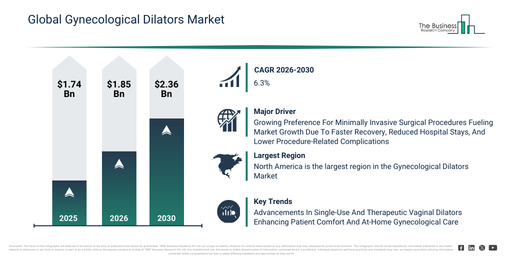
    The gynecological dilators market has demonstrated significant growth in recent years. Projections indicate it will expand from $1.74 billion in 2025 to $1.85 billion by 2026, achieving a compound annual growth rate (CAGR) of 6.1%. The expansion observed in prior periods is attributable to a rise in gynecological procedures, greater recognition of vaginal health therapies, improvements in hospital and clinic infrastructure, the availability of various dilator materials, and an increase in outpatient gynecological care.

    The gynecological dilators market is projected to experience substantial expansion in the coming years. This market is anticipated to reach a valuation of $2.36 billion by 2030, exhibiting a compound annual growth rate (CAGR) of 6.3%. This projected growth during the forecast period can be primarily ascribed to an intensified focus on patient-centered medical devices, the growing adoption of minimally invasive gynecological procedures, the broadening reach of online medical device distribution channels, an escalating demand for customized treatment options, and a heightened emphasis on hygiene and safety protocols. Key trends anticipated within this period involve the wider acceptance of medical-grade silicone dilators, an increasing need for customizable and graduated dilator sets, a burgeoning preference for devices that are reusable and sterilizable, an expansion in their therapeutic application for home use, and an elevated commitment to patient comfort and safety.

    Download the Free Sample Report to Explore Key Market Insights:

    https://www.thebusinessresearchcompany.com/sample.aspx?id=33146&type=smp

    Which Growth Drivers Are Contributing To The Progress Of The Gynecological Dilators Market?

    The increasing patient preference for minimally invasive surgical procedures is anticipated to fuel the expansion of the gynecological dilators market in the coming years. These procedures refer to gynecological operations performed through smaller access points utilizing advanced techniques such as hysteroscopy, laparoscopy, and image-guided instrumentation, contrasting with traditional open surgeries. The rising adoption of these methods stems from benefits like faster patient recovery, reduced hospital stays, less postoperative pain, and lower risks of procedure-related complications. Gynecological dilators facilitate minimally invasive surgical procedures by enabling a gradual and controlled dilation of the cervix or vagina with minimal tissue trauma, thereby ensuring safe access to the uterine cavity and reproductive organs during diagnostic and therapeutic interventions. For instance, in 2024, according to the American Society of Plastic Surgeons, a US-based non-profit organization, minimally invasive procedures rose by 1.5% from 25,442,640 in 2023 to 28,243,407 in 2024. Thus, the escalating demand for minimally invasive surgical procedures is driving the growth of the gynecological dilators market.

    What Segmentation Levels Are Considered In The Gynecological Dilators Market?

    The gynecological dilators market covered in this report is segmented –

    1) By Product Type: Silicone Dilators; Plastic Dilators; Metal Dilators; Glass Dilators

    2) By Size: Medium Dilators; Small Dilators; Large Dilators; Customizable Size Dilators

    3) By Application: Medical; Personal

    4) By Distribution Channel: Hospitals And Clinics; Online Retailers; Medical Supply Stores; Pharmacies

    Subsegments:

    1) By Silicone Dilators: Medical Grade Silicone Dilators; Soft Silicone Dilators; Graduated Silicone Dilators; Flexible Silicone Dilators

    2) By Plastic Dilators: Polyethylene Dilators; Polypropylene Dilators; Polycarbonate Dilators; Disposable Plastic Dilators

    3) By Metal Dilators: Stainless Steel Dilators; Titanium Dilators; Reusable Metal Dilators; Surgical Grade Metal Dilators

    4) By Glass Dilators: Borosilicate Glass Dilators; Tempered Glass Dilators; Reusable Glass Dilators; Medical Grade Glass Dilators

    What Trends Are Projected To Affect The Gynecological Dilators Market?

    Leading companies within the gynecological dilators market are concentrating on enhancing single-use and disposable therapeutic vaginal dilators for both home and clinical applications. This strategic emphasis aims to meet the increasing demand for effective management of gynecological issues like vaginismus, pelvic floor dysfunction, and dyspareunia, while simultaneously boosting patient comfort, safety, and therapy compliance. Therapeutic vaginal dilators serve as medical instruments that gently stretch and relax vaginal tissues, helping to restore elasticity, alleviate pain, and improve vaginal function; they are frequently utilized in pelvic floor therapy, post-surgical recovery, radiation therapy aftercare, and for treating conditions such as vaginismus and vaginal stenosis. For example, in June 2024, Materna Medical, Inc., an American obstetrics and gynecology platform company, initiated a virtual clinical trial to assess its Milli Vaginal Dilator. This innovative device is engineered for controlled vaginal dilation and symptom relief in patients experiencing vaginismus. Crafted from medical-grade materials, the Milli Vaginal Dilator features a user-friendly, ergonomic design suitable for both at-home and clinical settings, providing gradual and comfortable tissue expansion, guided therapy protocols, and reduced anxiety and discomfort when contrasted with traditional rigid dilators.

    Which Key Industry Participants Are Active In The Gynecological Dilators Market?

    Major companies operating in the gynecological dilators market are Medline Industries L.P., STERIS plc, Hologic Inc., Karl Storz SE & Co. KG, Cook Medical LLC, Integra LifeSciences Corporation, CooperSurgical Inc., KLS Martin Group, MedGyn Products Inc., Sklar Surgical Instruments Corporation, MEDICON eG, Advin Health Care, Medicem Group a.s., Pelican Feminine Healthcare Ltd., Intimate Rose LLC, Syracuse Medical Products Inc., Laboratoires Gyneas, Surgical Holdings, Vagiwell AB, Panpac Medical Corp., Aqueduct Medical Inc., Sculape India Pvt. Ltd.

    Read the full gynecological dilators market report here:

    https://www.thebusinessresearchcompany.com/report/gynecological-dilators-market-report

    Which Regions Are Projected To Dominate The Gynecological Dilators Market In The Coming Years?

    North America was the largest region in the gynecological dilators market in 2025. Asia-Pacific is expected to be the fastest-growing region in the forecast period. The regions covered in the gynecological dilators market report are Asia-Pacific, South East Asia, Western Europe, Eastern Europe, North America, South America, Middle East, Africa.

    Request A Tailored Gynecological Dilators Market Research Report For Competitive Advantage:

    https://www.thebusinessresearchcompany.com/customise?id=33146&type=smp

    Browse Through More Reports Similar to the Global Gynecological Dilators Market 2026, By The Business Research Company

    Gynecological Devices Market Report 2026

    https://www.thebusinessresearchcompany.com/report/gynecological-devices-global-market-report

    Gynecology Drugs Market Report 2026

    https://www.thebusinessresearchcompany.com/report/gynecology-drugs-global-market-report

    Gynecology Surgical Forceps Market Report 2026

    https://www.thebusinessresearchcompany.com/report/gynecology-surgical-forceps-global-market-report

    Get in touch with us:

    The Business Research Company: https://www.thebusinessresearchcompany.com/

    Americas +1 310-496-7795

    Asia +44 7882 955267 & +91 8897263534

    Europe +44 7882 955267

    Email us at info@tbrc.info

    Follow us on:

    LinkedIn: https://in.linkedin.com/company/the-business-research-company

    YouTube: https://www.youtube.com/channel/UC24_fI0rV8cR5DxlCpgmyFQ

    Global Market Model: https://www.thebusinessresearchcompany.com/global-market-model
  • Smart wearable devices transforming the Fertility Tracking Sensor Market

    Smart wearable devices transforming the Fertility Tracking Sensor Market

    The Business Research Company’s 2026 market reports include new capabilities such as market attractiveness scoring and analysis, total addressable market analysis, company scoring matrix, interactive excel data dashboard, improved supply chain analysis, upcoming startups in the market, and overview of key products, aimed at improving the depth, usability, and strategic value of the insights delivered.

    What Market Value Is Anticipated For The Fertility Tracking Sensor Market Over The Period 2026–2030?

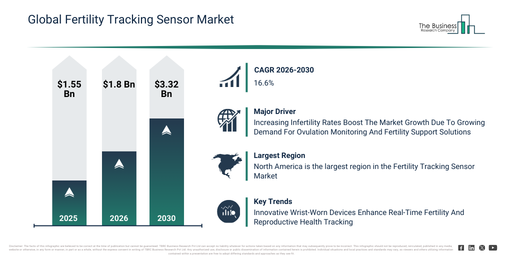
    The fertility tracking sensor market has experienced rapid expansion in recent years. It is projected to grow from $1.55 billion in 2025 to $1.8 billion in 2026, at a compound annual growth rate (CAGR) of 16.4%. This historical growth can be attributed to several factors including increasing awareness of reproductive health management, the greater adoption of digital health wearables, a rising demand for natural family planning tools, the expansion of women-focused health technology, and the availability of affordable sensor technologies.

    The fertility tracking sensor market is anticipated to experience substantial expansion over the coming years. It is projected to achieve a value of $3.32 billion by 2030, demonstrating a compound annual growth rate (CAGR) of 16.6%. This growth during the forecast period is primarily driven by the increasing application of AI-powered fertility analytics, a growing need for personalized reproductive health insights, the broadening of telehealth-supported fertility management, the rising adoption of remote patient monitoring, and the deeper integration of fertility data platforms with healthcare systems. Prominent trends expected in this period include the wider embrace of continuous ovulation monitoring devices, the increased deployment of wearable fertility sensors, the evolving integration of AI-based cycle prediction algorithms, the expansion of smartphone-connected fertility tracking solutions, and a heightened focus on non-invasive monitoring technologies.

    Download the Free Sample Report to Explore Key Market Insights:

    https://www.thebusinessresearchcompany.com/sample.aspx?id=33111&type=smp

    What Drivers Are Shaping The Future Growth Of The Fertility Tracking Sensor Market?

    The rising incidence of infertility is anticipated to fuel the expansion of the fertility tracking sensor market in the future. Infertility is defined as a reproductive state where a couple struggles to conceive naturally despite continuous efforts over an extended duration. A primary reason for the surge in infertility is delayed parenthood, as more people opt to start families later, leading to a decrease in natural fertility and an elevated risk of reproductive health problems. These sensors assist in addressing infertility by constantly observing crucial reproductive indicators, including basal body temperature and hormonal shifts, which allows couples to precisely pinpoint their fertile window and enhance their likelihood of conceiving. For example, data from April 2023, released by the World Health Organization (WHO), a Switzerland-based intergovernmental organization, indicated that around 17.5% of the adult population, or roughly 1 in 6 individuals worldwide, experience infertility, underscoring the critical necessity to enhance availability of accessible, high-quality fertility treatments for affected individuals. Consequently, the growing occurrence of infertility is boosting the expansion of the fertility tracking sensor market.

    How Is The Fertility Tracking Sensor Market Divided Into Its Major Segments?

    The fertility tracking sensor market covered in this report is segmented –

    1) By Product Type: Wearable Sensors; Implantable Sensors; Patch Sensors; Other Product Types

    2) By Technology: Temperature Sensors; Hormone Sensors; Electrochemical Sensors; Optical Sensors; Other Technologies

    3) By Application: Ovulation Prediction; Menstrual Cycle Tracking; Pregnancy Detection; Other Applications

    4) By Distribution Channel: Online; Pharmacies; Retail Stores; Other Distribution Channels

    5) By End-User: Homecare Settings; Hospitals And Clinics; Fertility Centers; Other End-Users

    Subsegments:

    1) By Wearable Sensors: Smart Wristbands; Smart Rings; Smart Patches; Smart Garments

    2) By Implantable Sensors: Subcutaneous Implants; Intrauterine Devices; Microchip Implants

    3) By Patch Sensors: Adhesive Skin Patches; Transdermal Patches; Disposable Patches

    4) By Other Product Types: Portable Monitors; Smartphone Compatible Devices; Non Invasive Devices

    How Are Trends Transforming The Fertility Tracking Sensor Market Landscape?

    Leading companies in the fertility tracking sensor market are concentrating on developing innovative solutions, such as wrist-worn wearables, to facilitate real-time fertility tracking, enhance cycle accuracy, and support women’s reproductive health management through data-driven insights. A wrist-worn wearable is a compact electronic device worn on the wrist that gathers and interprets physiological data, including temperature, heart rate, or hormone-related signals, to monitor health metrics and offer actionable insights, particularly for fertility and reproductive health. For instance, in January 2026, Natural Cycles, a Sweden-based digital health company, introduced an NC° Band that simplifies fertility tracking by automatically measuring temperature overnight. This device is engineered for seamless fertility tracking, replacing manual thermometers by automatically assessing overnight skin temperature, heart rate, and movement. Its purpose is to power the app’s NC° Fertility algorithm, which detects fertile windows, enabling hormone-free birth control (93% typical effectiveness), pregnancy planning, and support during postpartum and perimenopause.

    Which Key Industry Participants Are Active In The Fertility Tracking Sensor Market?

    Major companies operating in the fertility tracking sensor market are Swiss Precision Diagnostics GmbH, Natural Cycles Nordic AB, Alfa Scientific Designs Inc., kegg Inc., Quidel Corporation, Tempdrop Ltd., Valley Electronics AG., Babystart Ltd., Bongmi Technology, Fairhaven Health LLC, Femometer Inc., Inito Health Tech Private Limited, Oura Health Oy, Prima-Temp LLC, Quanovate Tech Inc., Raiing Medical Company, Samplytics Technologies Pvt. Ltd., YONO Labs Inc., bioZhena Corporation, Welltwigs.

    Read the full fertility tracking sensor market report here:

    https://www.thebusinessresearchcompany.com/report/fertility-tracking-sensor-market-report

    Which Region Is Anticipated To See The Fastest Growth In The Fertility Tracking Sensor Market?

    North America was the largest region in the fertility tracking sensor market in 2025. Asia-Pacific is expected to be the fastest-growing region in the forecast period. The regions covered in the fertility tracking sensor market report are Asia-Pacific, South East Asia, Western Europe, Eastern Europe, North America, South America, Middle East, Africa.

    Request A Tailored Fertility Tracking Sensor Market Research Report For Competitive Advantage:

    https://www.thebusinessresearchcompany.com/customise?id=33111&type=smp

    Browse Through More Reports Similar to the Global Fertility Tracking Sensor Market 2026, By The Business Research Company

    Fertility Services Market Report 2026

    https://www.thebusinessresearchcompany.com/report/fertility-services-global-market-report

    Baby Monitoring Devices Market Report 2026

    https://www.thebusinessresearchcompany.com/report/baby-monitoring-devices-global-market-report

    Assisted Reproductive Technology Market Report 2026

    https://www.thebusinessresearchcompany.com/report/assisted-reproductive-technology-global-market-report

    Get in touch with us:

    The Business Research Company: https://www.thebusinessresearchcompany.com/

    Americas +1 310-496-7795

    Asia +44 7882 955267 & +91 8897263534

    Europe +44 7882 955267

    Email us at info@tbrc.info

    Follow us on:

    LinkedIn: https://in.linkedin.com/company/the-business-research-company

    YouTube: https://www.youtube.com/channel/UC24_fI0rV8cR5DxlCpgmyFQ

    Global Market Model: https://www.thebusinessresearchcompany.com/global-market-model

  • Global EEG Cap Market Forecast Reflecting Growth Trends from 2026–2030

    Global EEG Cap Market Forecast Reflecting Growth Trends from 2026–2030

    The Business Research Company’s 2026 market reports include new capabilities such as market attractiveness scoring and analysis, total addressable market analysis, company scoring matrix, interactive excel data dashboard, improved supply chain analysis, upcoming startups in the market, and overview of key products, aimed at improving the depth, usability, and strategic value of the insights delivered.

    What Will Be The Estimated Market Valuation Of The Electroencephalography (EEG) Cap Market By The End Of 2030?

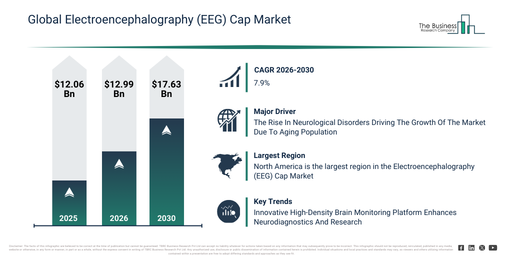
    The electroencephalography (eeg) cap market has seen robust expansion in recent years. It is anticipated to increase from $12.06 billion in 2025 to $12.99 billion in 2026, demonstrating a compound annual growth rate (CAGR) of 7.7%. This historical market progression can be linked to factors such as the broadening of clinical neurology diagnostics, an uptick in neurological disorder prevalence, expanded application of eeg in sleep studies, intensified academic neuroscience research, and the availability of standardized electrode placement systems.

    The electroencephalography (eeg) cap market is projected to experience substantial expansion in the coming years. Its valuation is set to reach $17.63 billion by 2030, exhibiting a compound annual growth rate (CAGR) of 7.9%. This projected growth can be linked to several factors, including the increasing uptake of brain–computer interface research, a rising need for remote neurological monitoring, the broadening integration of digital health in diagnostic processes, escalating investments in neuroscience research, and the expanding application of EEG in personalized medicine. Key developments anticipated during this timeframe involve a greater adoption of wireless EEG caps, a surging requirement for high-density electrode setups, the expanding utilization of dry and semi-dry electrode technologies, the spread of portable and home-based EEG monitoring solutions, and an intensified emphasis on ensuring patient comfort and precise signal readings.

    Download the Free Sample Report to Explore Key Market Insights:

    https://www.thebusinessresearchcompany.com/sample.aspx?id=33100&type=smp

    Which Growth Drivers Are Contributing To The Progress Of The Electroencephalography (EEG) Cap Market?

    The increasing occurrence of neurological conditions is anticipated to fuel the expansion of the electroencephalography (EEG) cap market in the future. Neurological disorders encompass illnesses or states impacting the typical structure or function of the central nervous system (brain and spinal cord) or the peripheral nervous system. This growth in neurological conditions is largely attributed to an aging populace, given that the likelihood of diseases like Alzheimer’s, Parkinson’s, and stroke rises with advancing age, resulting in more cases among older demographics. Electroencephalography (EEG) cap are instrumental in the management of neurological disorders, facilitating real-time observation of brain activity, thereby assisting in precise diagnosis, developing treatment strategies, and monitoring the effectiveness of therapies. For example, data from the Alzheimer’s Association, a US-based nonprofit voluntary health organization, indicated that in March 2023, around 6.7 million Americans aged 65 and above had Alzheimer’s dementia, with projections showing this figure increasing to 13.8 million by 2060. Consequently, the increased prevalence of neurological disorders is a significant factor propelling the expansion of the electroencephalography (EEG) cap market.

    Which Segment Classifications Shape The Electroencephalography (EEG) Cap Market?

    The electroencephalography (eeg) cap market covered in this report is segmented –

    1) By Type: Electroencephalography (EEG) Caps for Adults; Electroencephalography (EEG) Caps for Babies

    2) By Technology: Wireless Electroencephalography (EEG) Caps; High-Density Electroencephalography (EEG) Caps

    3) By Application: Clinical Diagnostics; Neurology; Epilepsy Monitoring; Sleep Studies; Brain–Computer Interface Research; Neuroscience Research

    4) By End-User: Hospitals; Diagnostic Centers; Clinics And Ambulatory Surgical Centers; Academic And Research Institutes; Home-Care Settings

    Subsegments:

    1) By Electroencephalography (EEG) Caps for Adults: Wet Electrode Caps; Dry Electrode Caps; Semi-Dry Electrode Caps; Wireless Electroencephalography Caps; High-Density Electrode Caps

    2) By Electroencephalography (EEG) Caps for Babies: Soft Fabric Caps; Stretchable Silicone Caps; Wireless Baby Electroencephalography Caps; High-Density Electrode Caps For Babies; Infant Sleep Monitoring Caps

    How Are Trends Impacting The Electroencephalography (EEG) Cap Market?

    Leading companies within the electroencephalography (EEG) cap market are dedicating efforts to developing inventive solutions, such as sophisticated high-density electroencephalography platforms, aimed at improving capabilities in brain monitoring, neurodiagnostics, and research. A high-density electroencephalography platform represents an advanced system for monitoring the brain, employing hundreds of closely arranged electrodes to record highly intricate electrical activity of the brain for both research and clinical applications. For example, in September 2025, Electrical Geodesics Inc., a technology company based in the US, introduced the Geodesic EEG System 500 (GES 500) to further high-resolution brain monitoring and neuroscience research. This platform accommodates up to 256 channels for high-density EEG data acquisition, enabling detailed mapping of brain activity. It unifies hardware and software into a cohesive ecosystem, which works with both proprietary analytical tools and widely used open-source neuroscience instruments. Furthermore, the GES 500 supports integrated recording and stimulation processes, including compatibility with transcranial magnetic stimulation (TMS) systems, thus enabling advanced investigations into brain function, neurological disorders, and cognitive studies.

    Who Are The Primary Competitors In The Electroencephalography (EEG) Cap Market?

    Major companies operating in the electroencephalography (eeg) cap market are NeuroSky Inc., ADInstruments Pty Ltd, Inomed Medizintechnik GmbH, Brain Products GmbH, Emotiv Inc., ANT Neuro B.V., BioSemi B.V., Electrical Geodesics Inc., BIOPAC Systems Inc., Medical Computer Systems GmbH, Compumedics Neuroscan, Neuroelectrics SL, Electro-Cap International Inc., MAG & More GmbH, Mind Media B.V., NIRx Medizintechnik GmbH, NR Sign Ltd, TELEMEDX Inc., Tenocom Medical GmbH, Wearable Sensing LLC.

    Read the full electroencephalography (eeg) cap market report here:

    https://www.thebusinessresearchcompany.com/report/electroencephalography-eeg-cap-market-report

    Which Geographic Areas Are Emerging As Strong Markets For The Electroencephalography (EEG) Cap Market?

    North America was the largest region in the EEG cap market in 2025. Asia-Pacific is expected to be the fastest-growing region in the forecast period. The regions covered in the electroencephalography (eeg) cap market report are Asia-Pacific, South East Asia, Western Europe, Eastern Europe, North America, South America, Middle East, Africa.

    Request A Tailored Electroencephalography (EEG) Cap Market Research Report For Competitive Advantage:

    https://www.thebusinessresearchcompany.com/customise?id=33100&type=smp

    Browse Through More Reports Similar to the Global Electroencephalography (EEG) Cap Market 2026, By The Business Research Company

    Electroencephalography Devices Market Report 2026

    https://www.thebusinessresearchcompany.com/report/electroencephalography-devices-global-market-report

    Wearable Electroencephalogram Eeg Headsets Market Report 2026

    https://www.thebusinessresearchcompany.com/report/wearable-electroencephalogram-eeg-headsets-global-market-report

    Electroencephalography Eeg And Electromyography Emg Equipment Market Report 2026

    https://www.thebusinessresearchcompany.com/report/electroencephalography-eeg-and-electromyography-emg-equipment-global-market-report

    Get in touch with us:

    The Business Research Company: https://www.thebusinessresearchcompany.com/

    Americas +1 310-496-7795

    Asia +44 7882 955267 & +91 8897263534

    Europe +44 7882 955267

    Email us at info@tbrc.info

    Follow us on:

    LinkedIn: https://in.linkedin.com/company/the-business-research-company

    YouTube: https://www.youtube.com/channel/UC24_fI0rV8cR5DxlCpgmyFQ

    Global Market Model: https://www.thebusinessresearchcompany.com/global-market-model

  • Electric Mobile X-Ray Van Market Trends and Demand Outlook 2026–2030

    Electric Mobile X-Ray Van Market Trends and Demand Outlook 2026–2030

    The Business Research Company’s 2026 market reports include new capabilities such as market attractiveness scoring and analysis, total addressable market analysis, company scoring matrix, interactive excel data dashboard, improved supply chain analysis, upcoming startups in the market, and overview of key products, aimed at improving the depth, usability, and strategic value of the insights delivered.

    What Market Size Growth Is Projected For The Electric Mobile X-Ray Van Market During The Forecast Period 2026–2030?

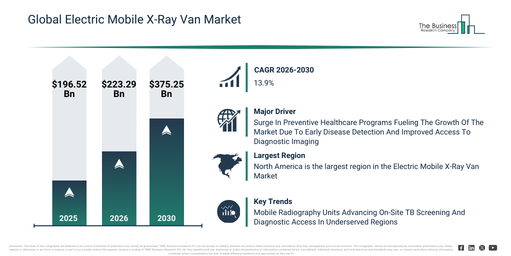
    The electric mobile x-ray van market has experienced substantial growth in recent years. Projections indicate it will expand from $196.52 billion in 2025 to $223.29 billion in 2026, reflecting a compound annual growth rate (CAGR) of 13.6%. This historical expansion can be attributed to the broadening of mobile healthcare programs, a rising demand for diagnostic services in rural regions, innovations in digital imaging technologies, an increased focus on population health screening, and the availability of electric vehicle platforms for medical use.

    The electric mobile x-ray van market is projected to experience substantial expansion over the upcoming years. Its valuation is anticipated to reach $375.25 billion by 2030, demonstrating a compound annual growth rate (CAGR) of 13.9%. This projected expansion during the forecast period is fueled by several factors, including heightened investments in electric healthcare mobility, increased integration of telemedicine for diagnostics, the broadening scope of public health outreach initiatives, an amplified emphasis on sustainable medical transportation, and the growing incorporation of AI for image analysis. Key developments foreseen in this period encompass a rise in the deployment of electric mobile diagnostic units, greater use of digital radiography systems within these vans, an increasing need for healthcare vehicles with reduced emissions, the expansion of community-based diagnostic offerings, and a sharpened focus on remote and preventative healthcare solutions.

    Download the Free Sample Report to Explore Key Market Insights:

    https://www.thebusinessresearchcompany.com/sample.aspx?id=33099&type=smp

    What Primary Drivers Are Shaping The Development Of The Electric Mobile X-Ray Van Market?

    The expansion of preventive healthcare initiatives is projected to drive the future growth of the electric mobile X-ray van market. These programs represent structured efforts or services aimed at fostering, preserving, or recovering health, frequently directed at particular groups, ailments, or objectives related to prevention. The rise in preventive healthcare programs is attributed to increasing attention from governments and payers on identifying diseases early and lowering costs via preventative measures. The electric mobile X-ray van supports healthcare programs by delivering advanced diagnostic imaging directly to individuals in distant, underserved, or immediate care environments, thereby enhancing accessibility, facilitating prompt detection, and enabling swift medical action. As an illustration, data released in May 2024 by the UK’s Office for National Statistics, a UK-based government department, indicated that from 2022 to 2023, healthcare expenditure in the UK saw a 5.6% rise, a notable increase from the 0.9% growth observed in 2022. In 2023, the total healthcare expenditure in the UK was approximately $317.63 billion (£292 billion). Consequently, the expansion of preventive healthcare initiatives is fueling the advancement of the electric mobile X-ray van market.

    What Market Segments Are Evaluated Within The Electric Mobile X-Ray Van Market?

    The electric mobile x-ray van market covered in this report is segmented –

    1) By Vehicle Type: Light Duty; Medium Duty; Heavy Duty

    2) By Power Source: Battery Electric; Hybrid Electric

    3) By Technology: Digital Radiography Systems; Computed Radiography Systems; Battery-Electric Propulsion

    4) By Application: Hospitals; Diagnostic Centers; Emergency Services; Military And Defense; Other Applications

    5) By End-User: Public Sector; Private Sector

    Subsegments:

    1) By Light Duty: Passenger Van; Compact Utility Van; Small Box Van

    2) By Medium Duty: Step Van; Medium Box Truck; Chassis Cab Truck

    3) By Heavy Duty: Large Box Truck; Rigid Truck; Specialty Medical Truck

    What Industry Trends Are Redefining The Electric Mobile X-Ray Van Market?

    Leading companies in the electric mobile X-ray van market are concentrating on developing advanced technologies, such as mobile radiography units tailored for TB screening. This focus aims to facilitate rapid, on-site chest imaging, improve early disease detection, and broaden diagnostic access in remote and underserved regions. Mobile Radiography Units for TB Screening are defined as self-contained, vehicle-mounted diagnostic systems featuring digital chest X-ray technology, enabling on-site tuberculosis screening and early detection in distant, rural, or underprivileged areas. For example, in February 2024, the Philippine Business for Social Progress (PBSP), a Philippines-based non-profit organization, collaborated with the Department of Health, a Philippines-based government agency, to introduce a mobile TB X-ray van, enhancing access to tuberculosis (TB) care. This van incorporates integrated TB screening and diagnostic facilities, allowing for prompt detection and faster initiation of treatment directly within communities. It supports decentralized service delivery by bringing testing, consultation, and follow-up services closer to patients, thus reducing travel time and access barriers. Additionally, it is configured to back awareness programs, patient monitoring, and coordination with local health systems, aiding in strengthening TB care outreach, ensuring continuity of treatment, and bolstering the overall public health response.

    Which Companies Hold Significant Positions In The Electric Mobile X-Ray Van Market?

    Major companies operating in the electric mobile x-ray van market are Siemens Healthineers AG, Royal Philips N.V., GE HealthCare Technologies Inc., Hologic Inc., Agfa HealthCare, Hubei Ruitu Technology Co. Ltd., Chengli Special Automobile Co. Ltd., Summit Bodyworks Inc., Shimadzu Medical Systems, Canon Medical Systems Corporation, Hubei Hengsheng Special Vehicle Co. Ltd., Fujifilm Medical Systems, MinXray Inc., Craftsmen Industries Inc.

    Read the full electric mobile x-ray van market report here:

    https://www.thebusinessresearchcompany.com/report/electric-mobile-x-ray-van-market-report

    Which Region Is Projected To Lead The Electric Mobile X-Ray Van Market During The Forecast Period?

    North America was the largest region in the electric mobile X-ray van market in 2025. Asia-Pacific is expected to be the fastest-growing region in the forecast period. The regions covered in the electric mobile x-ray van market report are Asia-Pacific, South East Asia, Western Europe, Eastern Europe, North America, South America, Middle East, Africa.

    Request A Tailored Electric Mobile X-Ray Van Market Research Report For Competitive Advantage:

    https://www.thebusinessresearchcompany.com/customise?id=33099&type=smp

    Browse Through More Reports Similar to the Global Electric Mobile X-Ray Van Market 2026, By The Business Research Company

    X Ray Systems Devices And Equipment Market Report 2026

    https://www.thebusinessresearchcompany.com/report/x-ray-systems-devices-and-equipment-global-market-report

    Electric Van Market Report 2026

    https://www.thebusinessresearchcompany.com/report/electric-van-global-market-report

    Digital Xray Devices Market Report 2026

    https://www.thebusinessresearchcompany.com/report/digital-xray-devices-global-market-report

    Get in touch with us:

    The Business Research Company: https://www.thebusinessresearchcompany.com/

    Americas +1 310-496-7795

    Asia +44 7882 955267 & +91 8897263534

    Europe +44 7882 955267

    Email us at info@tbrc.info

    Follow us on:

    LinkedIn: https://in.linkedin.com/company/the-business-research-company

    YouTube: https://www.youtube.com/channel/UC24_fI0rV8cR5DxlCpgmyFQ

    Global Market Model: https://www.thebusinessresearchcompany.com/global-market-model

  • Dynamic Retractor Systems Market Outlook Showing Growth Toward $1.89 Billion by 2030

    Dynamic Retractor Systems Market Outlook Showing Growth Toward $1.89 Billion by 2030

    The Business Research Company’s 2026 market reports include new capabilities such as market attractiveness scoring and analysis, total addressable market analysis, company scoring matrix, interactive excel data dashboard, improved supply chain analysis, upcoming startups in the market, and overview of key products, aimed at improving the depth, usability, and strategic value of the insights delivered.

    What Market Size Increase Is Anticipated For The Dynamic Retractor Systems Market Over The 2026–2030 Period?

    The dynamic retractor systems market size has seen substantial expansion in recent years. It is anticipated to expand from $1.25 billion in 2025 to $1.36 billion in 2026, demonstrating a compound annual growth rate (CAGR) of 8.3%. In prior periods, this growth stemmed from a higher volume of intricate surgical procedures, the proliferation of minimally invasive surgeries, an escalating requirement for enhanced operative site visibility, innovations in surgical instrument technology, and increased hospital expenditures on advanced surgical tools.

    The dynamic retractor systems market is projected to experience robust expansion over the next few years. It is anticipated to achieve a valuation of $1.89 billion by 2030, progressing at a compound annual growth rate (CAGR) of 8.6%. This projected growth can be ascribed to several factors, including the increasing integration of robotic-assisted surgeries, a heightened emphasis on infection prevention through the use of disposable instruments, the expansion of outpatient surgical centers, a rising demand for procedure-specific retractor solutions, and increased investments in advanced surgical infrastructure. Significant trends expected during this forecast period encompass the greater adoption of modular dynamic retractor systems, a growing need for ergonomic surgical instrument designs, an increased use of lightweight and hybrid material retractors, the proliferation of disposable and single-use retraction systems, and an enhanced focus on ensuring surgical precision and visibility.

    Download the Free Sample Report to Explore Key Market Insights:

    https://www.thebusinessresearchcompany.com/sample.aspx?id=33096&type=smp

    What Major Growth Drivers Are Shaping The Outlook Of The Dynamic Retractor Systems Market?

    An anticipated increase in surgical procedure volumes is set to drive the expansion of the dynamic retractor systems market moving ahead. Surgical procedure volumes denote the escalating global count of operations conducted in diverse medical fields, including orthopedics, general surgery, and minimally invasive techniques. This increase in surgical procedures stems from factors like an aging demographic, the growing occurrence of chronic illnesses, and improved healthcare accessibility, resulting in a greater annual demand for surgical interventions. The dynamic retractor systems market capitalizes on this surge in surgical activity by offering sophisticated instruments that enhance operational visibility, minimize tissue damage, and boost surgeon effectiveness across numerous procedures. As an illustration, data from the Agency for Healthcare Research and Quality (AHRQ), a US-based government agency, indicates that the aggregate count of in-scope ambulatory surgery encounters saw a 9% rise, escalating from 12.4 million in 2022 to 13.5 million. Consequently, the expanding surgical procedure volumes are propelling the expansion of the dynamic retractor systems market.

    How Is The Dynamic Retractor Systems Market Segmented Across Key Categories?

    The dynamic retractor systems market covered in this report is segmented –

    1) By Product Type: Self-Retaining Retractors; Hand-Held Retractors; Table-Mounted Retractors; Other Product Types

    2) By Material Type: Stainless Steel; Titanium; Polymer Based; Other Material Types

    3) By Usage: Reusable Retractor Systems; Disposable Or Single-Use Retractor Systems

    4) By Application: Neurosurgery; Orthopedic Surgery; Cardiothoracic Surgery; Abdominal Surgery; Other Applications

    5) By End User: Hospitals; Ambulatory Surgical Centers; Specialty Clinics; Other End Users

    Subsegments:

    1) By Self-Retaining Retractors: Ratchet Mechanism; Spring Mechanism; Screw Mechanism; Lever Lock Mechanism; Lightweight Self-Retaining Retractors

    2) By Hand-Held Retractors: Single Hand Retractors; Double Hand Retractors; Palm Grip Retractors; Disposable Hand-Held Retractors; Ergonomic Grip Hand-Held Retractors

    3) By Table-Mounted Retractors: Fixed Arm Table Retractors; Adjustable Arm Table Retractors; Quick-Release Table Retractors; Modular Table Retractor Systems; Heavy-Duty Table-Mounted Retractors

    4) By Other Product Types: Custom Surgical Retractors; Specialty Procedure Retractors; Disposable Specialty Retractors; Novel Design Retractors

    Which Upcoming Trends Are Expected To Influence The Dynamic Retractor Systems Market?

    Leading enterprises within the evolving retractor systems market are prioritizing innovations, such as enhanced surgical visualization through multi-blade control, to secure a competitive advantage, boost operational efficiency in surgery, and cater to the increasing demand for less invasive medical interventions. These sophisticated systems are specifically designed to refine precision in surgical access, improve visual clarity, and optimize processes in minimally invasive spine surgery, thereby boosting operational effectiveness and enhancing patient outcomes in a fiercely competitive surgical instrument sector. As an illustration, in April 2023, the US-based medical device manufacturer, Orthofix Medical Inc., introduced its Lattus Lateral Access System and the Fathom Pedicle-Based Retractor System. The Lattus Lateral Access System delivers a complete offering for lateral minimally invasive spine (MIS) surgery, engineered to facilitate superior access and streamline the procedural steps for surgeons conducting lateral lumbar interbody fusion and associated lateral spine procedures. Both the Lattus Lateral Access System and the Fathom Pedicle-Based Retractor System represent cutting-edge, self-retaining retractor technologies, pioneered by Orthofix Medical Inc. for use in minimally invasive spinal operations. These tools facilitate stable, hands-free, and customizable surgical exposure via minimal incisions, utilizing either independently operated or telescoping blades that can be dynamically modified during a procedure to conform precisely to the patient’s anatomical structure.

    Who Are The Top Companies Competing In The Dynamic Retractor Systems Market?

    Major companies operating in the dynamic retractor systems market are Johnson And Johnson, Medtronic plc, Stryker Corporation, B. Braun Melsungen SE, STERIS plc, Getinge AB, Teleflex Incorporated, Cook Medical LLC, Integra LifeSciences Holdings Corporation, CONMED Corporation, CooperSurgical Inc., Tecomet Inc., KLS Martin Group, Innomed Inc., Mediflex Surgical Products Inc., Advin Health Care Private Limited, Auxein Medical Pvt. Ltd., Thompson Surgical Instruments Inc., Chamfond Biotech Co. Ltd., Advanced Surgical Retractor Systems Inc.

    Read the full dynamic retractor systems market report here:

    https://www.thebusinessresearchcompany.com/report/dynamic-retractor-systems-market-report

    Which Region Is Anticipated To See The Fastest Growth In The Dynamic Retractor Systems Market?

    North America was the largest region in the dynamic retractor system market in 2025. Asia-Pacific is expected to be the fastest-growing region in the forecast period. The regions covered in the dynamic retractor systems market report are Asia-Pacific, South East Asia, Western Europe, Eastern Europe, North America, South America, Middle East, Africa.

    Request A Tailored Dynamic Retractor Systems Market Research Report For Competitive Advantage:

    https://www.thebusinessresearchcompany.com/customise?id=33096&type=smp

    Browse Through More Reports Similar to the Global Dynamic Retractor Systems Market 2026, By The Business Research Company

    Automobile Remanufacturing Market Report 2026

    https://www.thebusinessresearchcompany.com/report/automobile-remanufacturing-global-market-report

    Automotive Performance Tuning And Engine Remapping Services Market Report 2026

    https://www.thebusinessresearchcompany.com/report/automotive-performance-tuning-and-engine-remapping-services-global-market-report

    Demand Response Management Systems Market Report 2026

    https://www.thebusinessresearchcompany.com/report/demand-response-management-systems-global-market-report

    Get in touch with us:

    The Business Research Company: https://www.thebusinessresearchcompany.com/

    Americas +1 310-496-7795

    Asia +44 7882 955267 & +91 8897263534

    Europe +44 7882 955267

    Email us at info@tbrc.info

    Follow us on:

    LinkedIn: https://in.linkedin.com/company/the-business-research-company

    YouTube: https://www.youtube.com/channel/UC24_fI0rV8cR5DxlCpgmyFQ

    Global Market Model: https://www.thebusinessresearchcompany.com/global-market-model