Category: Medical Equipment

  • Neural Control Market Size and Demand Forecast 2026–2030

    Neural Control Market Size and Demand Forecast 2026–2030

    Uncover key drivers, emerging technologies, and competitive movements shaping the neural control market from 2026–2035 with trusted insights from The Business Research Company

    What level of growth is expected in the Neural Control Market between 2026 and 2030?

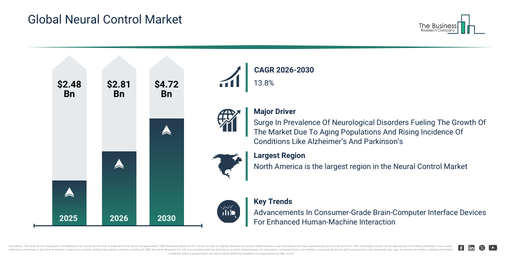
    The neural control market size has experienced rapid growth recently. It is projected to expand from $2.48 billion in 2025 to $2.81 billion in 2026, at a compound annual growth rate (CAGR) of 13.6%. The expansion during the historic period can be attributed to growth of neuroprosthetics research, expansion of rehabilitation robotics, rising paralysis treatment demand, advances in neural electrodes, and increase in neurostimulation therapies.

    The neural control market is projected to experience substantial expansion over the next few years. It is anticipated to grow to $4.72 billion by 2030, exhibiting a compound annual growth rate (CAGR) of 13.8%. This growth during the forecast period can be attributed to several factors, including the increasing demand for BCI solutions, the expanding use of assistive exoskeletons, the advancement of neural rehabilitation technology, a rise in neurotech funding, and the broader clinical adoption of neural interfaces. Prominent trends expected in this timeframe involve brain-computer interface integration, the development of implantable neural interface devices, the introduction of wearable neuro-signal sensors, the implementation of closed-loop neurostimulation systems, and the progress in neuro-controlled assistive robotics.

    Access Your Free Sample Report for In-Depth Market Insights:

    https://www.thebusinessresearchcompany.com/sample.aspx?id=33241&type=smp

    Which Drivers Are Expected To Impact The Neural Control Market During The Forecast Period?

    The expanding occurrence of neurological conditions is anticipated to drive the advancement of the neural control market in the future. These disorders are defined as health issues impacting the brain, spinal cord, or nerves, resulting in functional deficits in areas like movement, sensation, thought, or various bodily operations. The rising incidence of neurological conditions stems from an aging global demographic, which increases the likelihood of diseases such as Alzheimer’s and Parkinson’s, thereby adding to the escalating worldwide healthcare load. Neural control offers a valuable solution for tackling the rising prevalence of neurological disorders by allowing for accurate observation, adjustment, and recovery of neural processes, ultimately enhancing patient results and symptom management. As an illustration, in March 2023, the Alzheimer’s Association, a US-based nonprofit voluntary health organization, indicated that 6.7 million Americans aged 65+ are living with Alzheimer’s, a number predicted to climb to 13.8 million by 2060. Consequently, the expanding occurrence of neurological disorders is fueling the expansion of the neural control treatment market.

    Which Segments Are Driving Activity In The Neural Control Market?

    The neural control market covered in this report is segmented –

    1) By Component: Hardware; Software; Services

    2) By Mode Of Operation: Invasive; Non Invasive

    3) By Technology: Brain Computer Interface; Neurostimulation; Neuroprosthetics

    4) By Application: Healthcare; Robotics; Automotive; Consumer Electronics; Other Applications

    5) By End-User: Medical Institutions; Research Organizations; Industrial; Other End-Users

    Subsegments:

    1) By Hardware: Electrodes; Sensors; Stimulators; Wearable Devices; Implants

    2) By Software: Signal Processing Platforms; Neurofeedback Applications; Brain Computer Interface Platforms; Data Analytics Tools; Simulation Software

    3) By Services: Installation And Integration; Maintenance And Support; Training And Consultation; Custom Development; Research And Testing

    Which Innovation Trends Are Advancing Developments Within The Neural Control Market?

    Leading companies in the neural control market are increasingly concentrating on advancements in neural interface technologies, such as BCI-enabled consumer-grade devices, with the goal of improving human-machine interaction, boosting cognitive performance, and enabling effortless control over digital and physical surroundings. A BCI-enabled consumer-grade device is an electronic gadget designed for daily use by the general public, which integrates brain-computer interface (BCI) technology to detect, interpret, and respond to neural signals from the user’s brain. For example, in September 2024, Neurable Inc., a US-based neurotechnology firm, launched the MW75 Neuro, smart headphones equipped with its AI-powered BCI technology, through a partnership with the premium audio brand Master & Dynamic. The MW75 Neuro incorporates EEG sensors directly into its ear pads to capture brainwave data, thereby offering features like focus tracking, burnout management, and personalized productivity recommendations via the Neurable mobile application. Its innovative AI platform achieves lab-level accuracy in analyzing brain signals, while the headphones simultaneously provide high-quality audio, adaptive noise cancellation, and ergonomic comfort. This product marks a substantial stride in making noninvasive BCI technology accessible within everyday consumer electronics.

    Which Leading Companies Dominate The Neural Control Market Share?

    Major companies operating in the neural control market are Boston Scientific Corporation, Synchron Inc., Neuralink Corp., NeuroSky Inc., Emotiv Inc., BrainCo Inc., Brain Products GmbH, Paradromics Inc., Neuroelectrics S.L.U., g.tec medical engineering GmbH, Neurable Inc., Advanced Brain Monitoring Inc., Bitbrain Technologies S.L., Cortec GmbH, BrainGate Inc., OpenBCI LLC, Cognixion Inc., Alea Neurotherapeutics SA, Nexstem Technologies Pvt. Ltd., AAVAA Inc.

    Access The Complete Report For Deeper Market Insights:

    https://www.thebusinessresearchcompany.com/report/neural-control-market-report

    How Does The Neural Control Market Perform Across Major Global Regions?

    North America was the largest region in the neural control market in 2025. Asia-Pacific is expected to be the fastest-growing region in the forecast period. The regions covered in the neural control market report are Asia-Pacific, South East Asia, Western Europe, Eastern Europe, North America, South America, Middle East, Africa.

    Request Your Customized Neural Control Market Research Report for Competitive Advantage:

    https://www.thebusinessresearchcompany.com/customise?id=33241&type=smp

    Browse Through More Reports Similar to the Global Neural Control Market 2026, By The Business Research Company

    Neural Network Software Market Report 2026

    https://www.thebusinessresearchcompany.com/report/neural-network-software-global-market-report

    Industrial Controls Market Report 2026

    https://www.thebusinessresearchcompany.com/report/industrial-controls-global-market-report

    Ai Processing Control Market Report 2026

    https://www.thebusinessresearchcompany.com/report/ai-processing-control-global-market-report

    Get in touch with us:

    The Business Research Company: https://www.thebusinessresearchcompany.com/

    Americas +1 310-496-7795

    Asia +44 7882 955267 & +91 8897263534

    Europe +44 7882 955267

    Email us at info@tbrc.info

    Follow us on:

    LinkedIn: https://in.linkedin.com/company/the-business-research-company

    YouTube: https://www.youtube.com/channel/UC24_fI0rV8cR5DxlCpgmyFQ

    Global Market Model: https://www.thebusinessresearchcompany.com/global-market-model
  • Multiport Surgical Robot Market Insights Report: Opportunities and Drivers 2030

    Multiport Surgical Robot Market Insights Report: Opportunities and Drivers 2030

    Uncover key drivers, emerging technologies, and competitive movements shaping the multiport surgical robot market from 2026–2035 with trusted insights from The Business Research Company

    By how much is the Multiport Surgical Robot Market expected to grow between 2026 and 2030?

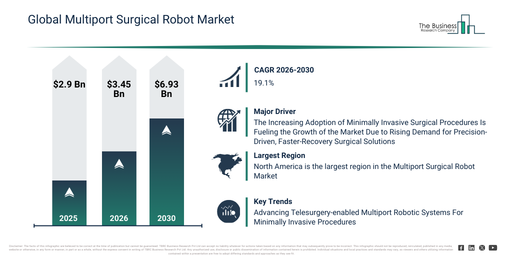
    The multiport surgical robot market has demonstrated substantial growth in recent years. It is forecast to rise from $2.9 billion in 2025 to $3.45 billion in 2026, with a compound annual growth rate (CAGR) of 18.8%. The expansion witnessed in the past can be attributed to the increase in minimally invasive surgery, early adoption of robotic surgery, an escalating demand for surgical precision, the proliferation of tertiary care hospitals, and enhancements in surgeon ergonomics.

    The multiport surgical robot market is set for substantial expansion in the coming years. Its value is projected to reach $6.93 billion by 2030, demonstrating a compound annual growth rate (CAGR) of 19.1%. This growth during the forecast period is driven by an increase in complex robotic procedures, greater investment in healthcare automation, the advancement of surgical robotics training, the demand for quicker patient recovery, and the growth of specialty robotic centers. Key trends anticipated in this period include high definition 3d surgical visualization, multi arm robotic coordination, sophisticated minimally invasive robotics, AI assisted surgical planning, and integrated robotic navigation systems.

    Access Your Free Sample Report for In-Depth Market Insights:

    https://www.thebusinessresearchcompany.com/sample.aspx?id=33239&type=smp

    Which Drivers Are Influencing Market Acceleration In The Multiport Surgical Robot Market?

    The expanding uptake of minimally invasive surgical procedures is anticipated to fuel the expansion of the multiport surgical robot market. These procedures involve operations conducted through small cuts with specialized tools or robotic setups, leading to less patient injury, quicker recuperation, and fewer problems, all while maintaining clinical efficacy. The increased preference for minimally invasive surgical procedures stems from their ability to facilitate shorter hospital stays, as these methods allow for faster recovery and earlier patient release compared to conventional open surgeries. Multiport surgical robots aid minimally invasive surgical procedures by delivering the accuracy, maneuverability, and visual clarity essential for performing intricate minimally invasive surgeries both safely and effectively. For instance, in June 2024, according to the American Society of Plastic Surgeons, a US-based non-profit organization, hyaluronic acid filler minimally invasive procedures totaled 5.29 million in 2023, an 8% increase over 2022. Consequently, the growing acceptance of minimally invasive surgical procedures is a significant factor driving the growth of the multiport surgical robot market.

    What Segments Are Identified Within The Structure Of The Multiport Surgical Robot Market?

    The multiport surgical robot market covered in this report is segmented –

    1) By Component: Robotic Systems; Instruments And Accessories; Software; Services

    2) By Surgery Type: General Surgery; Urological Surgery; Gynecological Surgery

    3) By Type: Floor Standing; Desktop

    4) By Application: Open Surgery; Minimally Invasive Surgery

    5) By End-User: Hospitals; Ambulatory Surgical Centers; Specialty Clinics; Academic Research Centers

    Subsegments:

    1) By Robotic Systems: Robotic Arms; Control Consoles; Vision Systems; Energy Delivery Units; Navigation and Tracking Modules

    2) By Instruments And Accessories: Surgical Staplers; Needle Holders; Forceps; Scissors; Graspers; Endoscopic Tools

    3) By Software: Surgical Planning Software; Real-Time Imaging Software; Motion Control Software; Data Management Software; System Integration Software

    4) By Services: Installation Services; Maintenance Services; System Upgradation Services; Training Services; Technical Support Services

    What Industry Trends Are Transforming The Multiport Surgical Robot Market?

    Major companies in the multiport surgical robot market are focusing on developing advanced multiport robotic systems, such as telesurgery-enabled platforms, to enhance surgical precision, improve procedural efficiency, and expand access to minimally invasive surgery. Telesurgery-enabled platforms are advanced surgical systems that allow surgeons to perform robotic-assisted procedures remotely in real time using high-speed, low-latency network connectivity to control surgical instruments from a distant location. For instance, in June 2024, SS Innovations International Inc., an India-based surgical robotics company, launched SSI Mantra 3, its next-generation indigenous multiport surgical robotic system, and successfully completed India’s first human telesurgery trial. Designed with five slimmer robotic arms, an immersive 3D HD surgeon console, and 3D 4K vision for the operating team, the system aims to improve clinical outcomes while offering cost-effective access to advanced robotic surgery, supporting broader adoption.

    Which Major Firms Are Strengthening Their Position In The Multiport Surgical Robot Market?

    Major companies operating in the multiport surgical robot market are Medtronic plc, Johnson & Johnson, Stryker Corporation, Zimmer Biomet Holdings Inc., Intuitive Surgical Inc., Meril Life Sciences Private Limited, Globus Medical Inc., MicroPort Scientific Corporation, Meerecompany Inc., CMR Surgical Ltd., Cornerstone Robotics Limited, Distalmotion SA, Ronovo Surgical Co. Ltd., EndoRobotics S.r.l., SS Innovations International Inc., Moon Surgical SAS, Medicaroid Corporation, Edge Medical Robot Co. Ltd., AcuSurgical Inc., Momentis Surgical Inc., Sina Robotics and Medical Innovators Co. Ltd., Aimooe Technology Co. Ltd., Harbin Sagebot Intelligent Medical Equipment Co. Ltd., WEGO Holding Company Limited, Sinovation (Beijing) Medical Technology Co. Ltd.

    Access The Complete Report For Deeper Market Insights:

    https://www.thebusinessresearchcompany.com/report/multiport-surgical-robot-market-report

    Which Region Shows The Strongest Potential For Future Expansion In The Multiport Surgical Robot Market?

    North America was the largest region in the multiport surgical robot market in 2025. Asia-Pacific is expected to be the fastest-growing region in the forecast period. The regions covered in the multiport surgical robot market report are Asia-Pacific, South East Asia, Western Europe, Eastern Europe, North America, South America, Middle East, Africa.

    Request Your Customized Multiport Surgical Robot Market Research Report for Competitive Advantage:

    https://www.thebusinessresearchcompany.com/customise?id=33239&type=smp

    Browse Through More Reports Similar to the Global Multiport Surgical Robot Market 2026, By The Business Research Company

    Surgical Robot Accessories Market Report 2026

    https://www.thebusinessresearchcompany.com/report/surgical-robot-accessories-global-market-report

    Surgical Robots Market Report 2026

    https://www.thebusinessresearchcompany.com/report/surgical-robots-global-market-report

    Robotic Surgery Services Market Report 2026

    https://www.thebusinessresearchcompany.com/report/robotic-surgery-services-global-market-report

    Get in touch with us:

    The Business Research Company: https://www.thebusinessresearchcompany.com/

    Americas +1 310-496-7795

    Asia +44 7882 955267 & +91 8897263534

    Europe +44 7882 955267

    Email us at info@tbrc.info

    Follow us on:

    LinkedIn: https://in.linkedin.com/company/the-business-research-company

    YouTube: https://www.youtube.com/channel/UC24_fI0rV8cR5DxlCpgmyFQ

    Global Market Model: https://www.thebusinessresearchcompany.com/global-market-model
  • Multimodal Imaging Global Forecast: Market to Scale Up to $6 Billion by 2030 at 6.8% CAGR

    Multimodal Imaging Global Forecast: Market to Scale Up to $6 Billion by 2030 at 6.8% CAGR

    Uncover key drivers, emerging technologies, and competitive movements shaping the multimodal imaging market from 2026–2035 with trusted insights from The Business Research Company

    What is the estimated market size of the Multimodal Imaging Market by the end of 2030?

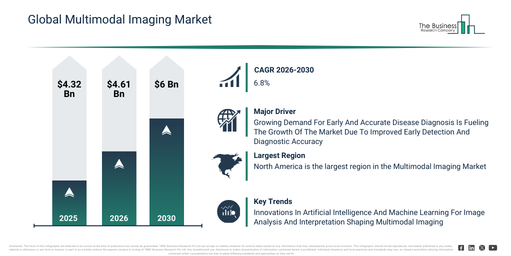
    The multimodal imaging market has experienced significant growth over recent years. It is anticipated to expand from $4.32 billion in 2025 to $4.61 billion in 2026, exhibiting a compound annual growth rate (CAGR) of 6.6%. Historically, this growth can be attributed to several factors such as the rise of advanced diagnostic imaging, an increase in cancer screening programs, the expansion of hospital imaging infrastructure, enhancements in detector technology, and a greater demand for clinical imaging.

    The multimodal imaging market is poised for robust expansion in the coming years, with projections indicating it will reach $6 billion by 2030, exhibiting a compound annual growth rate (CAGR) of 6.8%. This anticipated growth during the forecast period is fueled by several factors, including heightened demand for precision diagnostics, the escalating burden of chronic diseases, wider adoption of AI imaging analytics, advancements in hybrid imaging systems, and the broadening scope of imaging as a service. Key trends defining this period encompass hybrid PET/MR imaging systems, integrated multi-modality diagnostics, AI-assisted image fusion, cloud-based imaging analytics, and sophisticated multimodal visualization software.

    Access Your Free Sample Report for In-Depth Market Insights:

    https://www.thebusinessresearchcompany.com/sample.aspx?id=33234&type=smp

    What Drivers Are Shaping Future Opportunities In The Multimodal Imaging Market?

    The escalating need for prompt and precise disease identification is projected to drive the expansion of the multimodal imaging market. Early and accurate disease diagnosis pertains to the process of detecting conditions in their nascent stages with high fidelity, utilizing medical data and cutting-edge technologies to facilitate timely interventions and enhance patient outcomes. The rise of early and accurate disease diagnosis is attributed to individuals seeking rapid and accurate detection of illnesses for improved treatment and results, which allows healthcare professionals to identify diseases significantly earlier than before. Multimodal imaging supports early and accurate disease diagnosis by enabling the fusion of multiple medical imaging techniques for more precise disease detection. For instance, in October 2024, according to the National Health Service England, a UK-based public body, early diagnosis rates by March 2024 were 2.4% points above the pre-pandemic level and 0.8% points higher than the previous year, based on Rapid Cancer Registration Data. Therefore, the increasing demand for early and accurate disease diagnosis is propelling the growth of the multimodal imaging market.

    Which Segments Are Gaining Traction In The Multimodal Imaging Market?

    The multimodal imaging market covered in this report is segmented –

    1) By Product: Multimodal Imaging Equipment; Reagents; Software

    2) By Technology: Positron Emission Tomography (PET) Or Computed Tomography (CT) Systems; Single Photon Emission Computed Tomography Or Computed Tomography (CT) Systems; Positron Emission Tomography (PET) Or Magnetic Resonance (MR) Systems; Other Technologies

    3) By Application: Oncology; Cardiology; Neurology; Ophthalmology; Musculoskeletal Disorders; Other Applications

    4) By End-User: Hospitals; Diagnostic Imaging Centers; Other End-Users

    Subsegments:

    1) By Multimodal Imaging Equipment: Magnetic Resonance Imaging Scanner; Computed Tomography Scanner; Positron Emission Tomography Scanner; Single Photon Emission Computed Tomography Scanner; Optical Imaging System; Photoacoustic Imaging System; Hybrid Imaging System

    2) By Reagents: Contrast Agents; Radiopharmaceuticals; Fluorescent Dyes; Molecular Probes

    3) By Software: Image Processing Software; Analysis And Visualization Software; Data Management Software; Workflow And Reporting Software

    What Trends Are Reshaping The Dynamics Of The Multimodal Imaging Market?

    Major companies operating within the multimodal imaging market are prioritizing advancements in artificial intelligence and machine learning for image analysis and interpretation, notably through AI-assisted image segmentation. This technology facilitates the automated recognition of anatomical structures and regions of interest across diverse imaging modalities. AI-assisted image segmentation employs artificial intelligence algorithms to automatically segment images into significant areas, a task traditionally requiring manual tracing by human specialists. For example, in September 2025, Revvity, Inc., a US-based company focused on preclinical imaging solutions, launched its Living Image Synergy AI multimodal analysis software. This software delivers a unified, AI-enabled platform for the seamless analysis of in vivo imaging data encompassing optical, microCT, ultrasound, and other modalities. It diminishes data inconsistencies by centralizing workflows and eliminating the need for various standalone tools. Additionally, it integrates advanced AI algorithms to automate image segmentation and the quantification of regions of interest, thereby enhancing accuracy and reproducibility. Intuitive co-registration and automated processes further reduce manual effort and analysis time.

    Who Are The Primary Competitors In The Global Multimodal Imaging Market?

    Major companies operating in the multimodal imaging market are Samsung Medison Co. Ltd., Analogic Corporation, Alcon Inc., Hologic Inc., Sofie Biosciences Inc., ShanghAI United Imaging Healthcare Co. Ltd., Topcon Corporation, Agfa-Gevaert Group, Heidelberg Engineering GmbH, Optos plc, RefleXion Medical Inc., Neusoft Corporation, Infraredx Inc., MinFound Medical Systems Co. Ltd., Neusoft Medical Systems Co. Ltd., Spectrum Dynamics Medical LLC, Konica Minolta Healthcare Americas Inc., Esaote S.p.A., MR Solutions Ltd., MILabs B.V., NIDEK Co. Ltd., Kowa Company Ltd., and Positron Corporation.

    Access The Complete Report For Deeper Market Insights:

    https://www.thebusinessresearchcompany.com/report/multimodal-imaging-market-report

    Which Global Regions Are Shaping The Competitive Landscape Of The Multimodal Imaging Market?

    North America was the largest region in the multimodal imaging market in 2025. Asia-Pacific is expected to be the fastest-growing region in the forecast period. The regions covered in the multimodal imaging market report are Asia-Pacific, South East Asia, Western Europe, Eastern Europe, North America, South America, Middle East, Africa.

    Request Your Customized Multimodal Imaging Market Research Report for Competitive Advantage:

    https://www.thebusinessresearchcompany.com/customise?id=33234&type=smp

    Browse Through More Reports Similar to the Global Multimodal Imaging Market 2026, By The Business Research Company

    Multimodal Ai Market Report 2026

    https://www.thebusinessresearchcompany.com/report/multimodal-ai-global-market-report

    Generative Ai In Media And Entertainment Market Report 2026

    https://www.thebusinessresearchcompany.com/report/generative-ai-in-media-and-entertainment-global-market-report

    Generative Ai In Media Market Report 2026

    https://www.thebusinessresearchcompany.com/report/generative-ai-in-media-global-market-report

    Get in touch with us:

    The Business Research Company: https://www.thebusinessresearchcompany.com/

    Americas +1 310-496-7795

    Asia +44 7882 955267 & +91 8897263534

    Europe +44 7882 955267

    Email us at info@tbrc.info

    Follow us on:

    LinkedIn: https://in.linkedin.com/company/the-business-research-company

    YouTube: https://www.youtube.com/channel/UC24_fI0rV8cR5DxlCpgmyFQ

    Global Market Model: https://www.thebusinessresearchcompany.com/global-market-model
  • Revenue of the Mobile Health Monitoring Diagnostic Medical Device Market Predicted to Achieve $107.69 Billion by 2030, Driven by 19.8% CAGR

    Revenue of the Mobile Health Monitoring Diagnostic Medical Device Market Predicted to Achieve $107.69 Billion by 2030, Driven by 19.8% CAGR

    Uncover key drivers, emerging technologies, and competitive movements shaping the mobile health monitoring diagnostic medical device market from 2026–2035 with trusted insights from The Business Research Company

    What are the forecasted starting (2026) and ending (2030) market sizes for the Mobile Health Monitoring Diagnostic Medical Device Market?

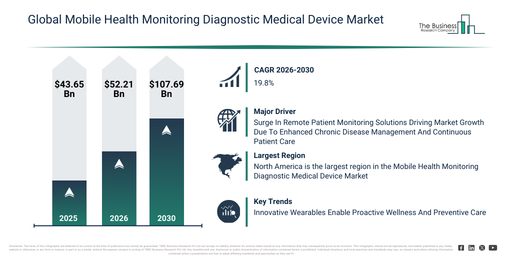
    The mobile health monitoring diagnostic medical device market has seen significant expansion in recent years. This market is anticipated to expand from $43.65 billion in 2025 to $52.21 billion in 2026, exhibiting a compound annual growth rate (CAGR) of 19.6%. The historical growth can be linked to several factors, including the surge in remote diagnostics, the introduction of early portable monitoring devices, the widespread deployment of wireless medical sensors, the implementation of hospital telemonitoring pilots, and an increase in home testing devices.

    The mobile health monitoring diagnostic medical device market size is anticipated to expand rapidly over the next few years. It is projected to reach $107.69 billion by 2030, driven by a compound annual growth rate (CAGR) of 19.8%. The expansion during the forecast period is fueled by an increasing demand for chronic disease monitoring, the growth of virtual care programs, greater adoption of connected diagnostics, integration with clinical analytics platforms, and the rise of home-based diagnostics. Significant trends for this period include mobile-connected diagnostic sensors, real-time remote diagnostic monitoring, cloud-linked medical devices, portable multi-parameter monitors, and wireless clinical monitoring systems.

    Access Your Free Sample Report for In-Depth Market Insights:

    https://www.thebusinessresearchcompany.com/sample.aspx?id=33226&type=smp

    What Drivers Are Supporting Technological Adoption In The Mobile Health Monitoring Diagnostic Medical Device Market?

    The projected expansion of the mHealth monitoring diagnostic medical device market is significantly influenced by the growing integration of remote patient monitoring (RPM) solutions. RPM solutions are defined as technologies designed to remotely monitor patients’ health information, facilitating healthcare delivery and interventions without requiring physical visits. This increased adoption stems from their utility in enhancing chronic disease management, given their capacity for continuous health data tracking and enabling prompt interventions, thereby reducing the necessity for regular in-person appointments. These mHealth monitoring diagnostic medical devices support RPM solutions by supplying real-time, wearable, and connected instruments that continuously gather patients’ vital signs and health data, empowering healthcare providers to observe conditions, identify irregularities early, and administer personalized care remotely and promptly. Illustrating this trend, data from January 2025 by the Independent Health and Aged Care Pricing Authority, an Australia-based government agency, indicated that virtual care (encompassing telehealth and RPM) constituted approximately ~24% of non admitted care within public services in 2022–23. Consequently, the expanding implementation of remote patient monitoring solutions is a key factor propelling the development of the mHealth monitoring diagnostic medical device market.

    Which Segments Are Contributing To The Growth Of The Mobile Health Monitoring Diagnostic Medical Device Market?

    The mobile health monitoring diagnostic medical device market covered in this report is segmented –

    1) By Type: Glucose Monitor; Blood Pressure Monitor; Pulse Oximeter; Cardiac Monitor; Sleep Apnea Monitor; Multi Parameter Monitoring Device; Other Devices

    2) By Device Type: Wearable Devices; Handheld Devices; Implantable Devices; Mobile Applications; Remote Monitoring Devices

    3) By Application: Diabetes; Cardiovascular Diseases; Central Nervous System Disease; Respiratory Diseases; Musculoskeletal Diseases; Smoking Cessation; Medication Adherence; Other Applications

    4) By End User: Hospitals; Ambulatory Surgical Centers; Homecare Settings; Diagnostic Centers; Research and Academic Institutes

    Subsegments:

    1) By Glucose Monitor: Continuous Glucose Monitoring Devices; Self Monitoring Blood Glucose Meters; Flash Glucose Monitoring Devices; Implantable Glucose Sensors; Non Invasive Glucose Monitoring Devices

    2) By Blood Pressure Monitor: Upper Arm Blood Pressure Monitors; Wrist Blood Pressure Monitors; Ambulatory Blood Pressure Monitors; Wearable Blood Pressure Monitors; Home Blood Pressure Monitors

    3) By Pulse Oximeter: Fingertip Pulse Oximeters; Handheld Pulse Oximeters; Wearable Pulse Oximeters; Tabletop Pulse Oximeters; Pediatric Pulse Oximeters

    4) By Cardiac Monitor: Holter Cardiac Monitors; Event Cardiac Monitors; Mobile Cardiac Telemetry Devices; Implantable Cardiac Monitors; Wearable Cardiac Monitors

    5) By Sleep Apnea Monitor: Polysomnography Devices; Portable Sleep Monitoring Devices; Wearable Sleep Apnea Monitors; Home Sleep Testing Devices; Positive Airway Pressure Monitoring Devices

    6) By Multi Parameter Monitoring Device: Vital Signs Monitoring Devices; Bedside Multi Parameter Monitors; Wearable Multi Parameter Monitors; Remote Patient Monitoring Devices; Home Multi Parameter Monitoring Devices

    7) By Other Devices Including Fetal Monitors and Neurological Monitors: Fetal Heart Rate Monitors; Uterine Contraction Monitors; Electroencephalography Monitoring Devices; Intracranial Pressure Monitors; Neuromuscular Monitoring Devices

    Which Trends Are Expected To Influence The Mobile Health Monitoring Diagnostic Medical Device Market In The Upcoming Years?

    Major companies operating in the mHealth monitoring diagnostic medical device market are focusing on developing innovative solutions, such as the initial OTC glucose biosensor, to enhance accessibility to continuous health monitoring, support preventive care, and drive wider adoption of consumer-centric diagnostic technologies. This first OTC glucose biosensor is a non-prescription wearable device that continuously measures glucose levels, providing users with real-time, personalized insights to manage blood sugar and lifestyle factors without clinical supervision. For instance, in August 2024, Dexcom Inc., a US-based medical device company, launched Stelo by Dexcom, the pioneering over-the-counter continuous glucose biosensor available in the United States without a prescription, designed for adults aged 18 years and older who do not use insulin therapy. Stelo is a small, wearable sensor placed on the back of the upper arm that continuously monitors glucose levels for up to 15 days and sends the data directly to a user’s smartphone app, empowering individuals to better understand and manage their glucose patterns for improved health and wellness outcomes.

    Who Are The Core Companies Influencing Trends In The Mobile Health Monitoring Diagnostic Medical Device Market?

    Major companies operating in the mobile health monitoring diagnostic medical device market are Apple Inc., Garmin Ltd., ResMed Inc., Drägerwerk AG & Co. KGaA, Dexcom Inc., Masimo Corporation, Nonin Medical Inc., Biofourmis Inc., AliveCor Inc., iHealth Labs Inc., AirStrip Technologies Inc., Qardio Inc., Fora Care Inc., Sunfox Technologies, VitalConnect Inc., BioIntelliSense Inc., Sempulse Corporation, Turtle Shell Technologies Private Limited, Cardiotrack Pvt. Ltd., and Startoon Labs Private Limited.

    Access The Complete Report For Deeper Market Insights:

    https://www.thebusinessresearchcompany.com/report/mobile-health-monitoring-diagnostic-medical-device-market-report

    Which Regions Are Projected To Dominate The Mobile Health Monitoring Diagnostic Medical Device Market In The Coming Years?

    North America was the largest region in the mhealth monitoring diagnostic medical device market in 2025. Asia-Pacific is expected to be the fastest-growing region in the forecast period. The regions covered in the mobile health monitoring diagnostic medical device market report are Asia-Pacific, South East Asia, Western Europe, Eastern Europe, North America, South America, Middle East, Africa.

    Request Your Customized Mobile Health Monitoring Diagnostic Medical Device Market Research Report for Competitive Advantage:

    https://www.thebusinessresearchcompany.com/customise?id=33226&type=smp

    Browse Through More Reports Similar to the Global Mobile Health Monitoring Diagnostic Medical Device Market 2026, By The Business Research Company

    Mobile Healthcare Market Report 2026

    https://www.thebusinessresearchcompany.com/report/mobile-healthcare-global-market-report

    Patient Monitoring Devices Market 2026

    https://www.thebusinessresearchcompany.com/report/patient-monitoring-devices-market

    Medical Device Testing Services Market Report 2026

    https://www.thebusinessresearchcompany.com/report/medical-device-testing-services-global-market-report

    Get in touch with us:

    The Business Research Company: https://www.thebusinessresearchcompany.com/

    Americas +1 310-496-7795

    Asia +44 7882 955267 & +91 8897263534

    Europe +44 7882 955267

    Email us at info@tbrc.info

    Follow us on:

    LinkedIn: https://in.linkedin.com/company/the-business-research-company

    YouTube: https://www.youtube.com/channel/UC24_fI0rV8cR5DxlCpgmyFQ

    Global Market Model: https://www.thebusinessresearchcompany.com/global-market-model
  • Mobile Health (mHealth) Device Sector Forecast Shows Robust Momentum, Climbing to $105.17 Billion With 14.7% CAGR

    Mobile Health (mHealth) Device Sector Forecast Shows Robust Momentum, Climbing to $105.17 Billion With 14.7% CAGR

    Uncover key drivers, emerging technologies, and competitive movements shaping the mobile health (mhealth) device market from 2026–2035 with trusted insights from The Business Research Company

    What upper market value could the Mobile Health (mHealth) Device Market reach by 2030 starting from 2026 levels?

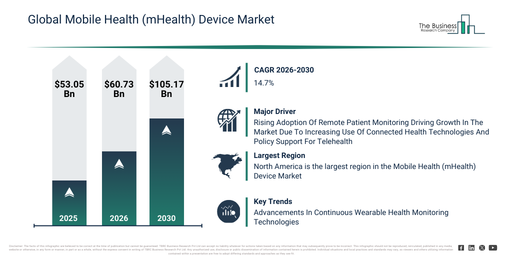
    The mobile health (mhealth) device market size has seen rapid expansion recently. It is forecast to increase from $53.05 billion in 2025 to $60.73 billion in 2026, demonstrating a compound annual growth rate (CAGR) of 14.5%. The historical growth of this market can be attributed to the rising adoption of fitness trackers, the inclusion of early health features in smartwatches, the expansion of telehealth services, an increase in chronic disease cases, and the widespread availability of mobile health applications.

    The mobile health (mhealth) device market is projected to experience substantial expansion over the upcoming years. Its valuation is anticipated to reach $105.17 billion by 2030, exhibiting a compound annual growth rate (CAGR) of 14.7%. This expansion during the projection period stems from factors such as increased remote patient monitoring, a growing need for preventive healthcare, the spread of connected care paradigms, enhanced consumer awareness regarding health, and the incorporation with digital health ecosystems. Key developments expected within this timeframe involve wearable devices for tracking vital signs, multi-sensor health smartwatches, diagnostic kits for home connectivity, ongoing remote health surveillance, and medical wearables integrated with applications.

    Access Your Free Sample Report for In-Depth Market Insights:

    https://www.thebusinessresearchcompany.com/sample.aspx?id=33225&type=smp

    Which Drivers Are Influencing Long-Term Growth In The Mobile Health (mHealth) Device Market?

    The increasing adoption of remote patient monitoring is anticipated to fuel the expansion of the mHealth devices market in the future. This monitoring involves employing connected medical devices and digital tools to continually gather, send, and examine patient health information away from conventional healthcare environments, facilitating prompt medical judgments and better care results. Its growth is driven by the wider acceptance of digital health solutions that allow for uninterrupted, real-time tracking of individuals beyond typical clinical environments. mHealth devices facilitate remote patient monitoring by enabling the constant collection and immediate transmission of patient health data, thereby empowering healthcare professionals to monitor conditions from a distance, enhance the timeliness of interventions, and boost overall care effectiveness. As an illustration, in August 2025, the U.S. Department of Health & Human Services (OIG), a US-based government body, reported in 2024 that Medicare reimbursement for remote patient monitoring (RPM) exceeded US$536 million, marking a 31% year-over-year increase. Close to one million beneficiaries accessed RPM services, representing a 27% increase from 2023, with approximately 4,600 medical practices consistently filing RPM billing claims. Consequently, the expansion of remote patient monitoring is anticipated to stimulate the growth of the mHealth devices market.

    How Is The Mobile Health (mHealth) Device Market Divided Into Segments?

    The mobile health (mhealth) device market covered in this report is segmented –

    1) By Product Type: Blood Pressure Monitor; Blood Glucose Meter; Pulse Oximeter; Neurological Monitor; Heart Rate Meter; Electrocardiogram (ECG) Monitor; Cardiac Monitor; Peak Flow Meter; Multiparameter Tracker; Fitbit Or Smart Watches; Sleep Apnea Meter; Other Product Types

    2) By Technology: Bluetooth And Bluetooth Low Energy (BLE); Wireless Fidelity (Wi-Fi); Cellular (4G Or 5G); Near Field Communication (NFC); Radio Frequency Identification (RFID)

    3) By Application: Chronic Care Management; Diabetes Management; Cancer Management; General Health; Fitness; Mental Health Behavioral Disorders Management; Blood Pressure Monitoring; Nutrition; Medical Management; Women’s Health; Other Applications

    4) By End Users: Home Healthcare; Hospitals; Diagnostic Laboratories; Clinics; Academic Research Institutions

    Subsegments:

    1) By Blood Pressure Monitor: Upper Arm; Wrist; Finger

    2) By Blood Glucose Meter: Continuous Glucose Monitor; Self-Monitoring Blood Glucose Device; Flash Glucose Monitor

    3) By Pulse Oximeter: Fingertip; Handheld; Wrist; Tabletop

    4) By Neurological Monitor: Electroencephalogram; Intracranial Pressure Monitor; Cerebral Oxygen Monitor; Evoked Potential Monitor

    5) By Heart Rate Meter: Chest Strap; Wrist-Based; Finger-Based

    6) By Electrocardiogram (ECG) Monitor: Resting; Ambulatory; Stress; Wireless

    7) By Cardiac Monitor: Holter Monitor; Event Monitor; Telemetry Monitor; Implantable Loop Recorder

    8) By Peak Flow Meter: Mechanical; Digital; Portable

    9) By Multiparameter Tracker: Fitness Tracker; Health Tracker; Activity Tracker; Wellness Tracker

    10) By Other Product Types: Temperature Monitor; Respiratory Monitor; Oxygen Concentration Monitor; Blood Gas Monitor

    What Trends Are Driving The Growth Trajectory Of The Mobile Health (mHealth) Device Market?

    Leading companies in the mHealth devices sector are concentrating on creating novel solutions, such as sophisticated wearable health monitoring gadgets, to satisfy the growing need for remote patient observation, preventative medical care, and instant health data processing, fueled by a surge in chronic illness rates and heightened consumer well-being consciousness. Sophisticated wearable health monitoring devices usually comprise an array of sensors that consistently gather physiological data and relay it via integrated mobile applications or cloud platforms, allowing individuals and healthcare professionals to supervise health beyond typical clinic environments; in contrast to conventional periodic check-ups or independent medical tools, these wearables enable continuous data acquisition, trend evaluation, and timely health interventions. As an illustration, in May 2025, WHOOP Inc., a US-based wearable technology enterprise, introduced WHOOP 5.0 and WHOOP MG. This next-generation wearable health and fitness platform integrates an extended battery life exceeding 14 days, sophisticated sensors for tracking sleep, recovery, strain, and stress, along with novel blood pressure insights and on-demand ECG heart screening available through the WHOOP MG model. It delivers ongoing healthspan and cardiovascular oversight, surpassing the capabilities of standard consumer fitness trackers. The devices are crafted as a slender, screen-less strap, worn 24/7, with information provided via its accompanying application, presenting more profound health analytics and customized recommendations to enhance performance and overall well-being.

    Which Major Industry Participants Are Leading The Mobile Health (mHealth) Device Market Growth?

    Major companies operating in the mobile health (mhealth) device market are Apple Inc., Google LLC, Samsung Electronics Co. Ltd., Abbott Laboratories, Koninklijke Philips N.V., Garmin Health Inc., OMRON Healthcare Inc., ResMed Inc., Garmin Ltd., DexCom Inc., Masimo Corporation, iRhythm Technologies Inc., BioTelemetry Inc., Biofourmis Pte. Ltd., Withings S.A.S., BPL Medical Technologies Private Limited, AliveCor Inc., iHealth Labs Inc., WellDoc Inc., Qardio Inc.

    Access The Complete Report For Deeper Market Insights:

    https://www.thebusinessresearchcompany.com/report/mobile-health-mhealth-device-market-report

    Which Region Is Expected To Experience The Fastest Growth In The Mobile Health (mHealth) Device Market?

    North America was the largest region in the mHealth devices market in 2025. Asia-Pacific is expected to be the fastest-growing region in the forecast period. The regions covered in the mobile health (mhealth) device market report are Asia-Pacific, South East Asia, Western Europe, Eastern Europe, North America, South America, Middle East, Africa.

    Request Your Customized Mobile Health (mHealth) Device Market Research Report for Competitive Advantage:

    https://www.thebusinessresearchcompany.com/customise?id=33225&type=smp

    Browse Through More Reports Similar to the Global Mobile Health (mHealth) Device Market 2026, By The Business Research Company

    Mobile Healthcare Market Report 2026

    https://www.thebusinessresearchcompany.com/report/mobile-healthcare-global-market-report

    Mhealth Apps Market Report 2026

    https://www.thebusinessresearchcompany.com/report/mhealth-apps-global-market-report

    Mobile Point Of Sale Devices Market Report 2026

    https://www.thebusinessresearchcompany.com/report/mobile-point-of-sale-devices-global-market-report

    Get in touch with us:

    The Business Research Company: https://www.thebusinessresearchcompany.com/

    Americas +1 310-496-7795

    Asia +44 7882 955267 & +91 8897263534

    Europe +44 7882 955267

    Email us at info@tbrc.info

    Follow us on:

    LinkedIn: https://in.linkedin.com/company/the-business-research-company

    YouTube: https://www.youtube.com/channel/UC24_fI0rV8cR5DxlCpgmyFQ

    Global Market Model: https://www.thebusinessresearchcompany.com/global-market-model
  • Miniature Brain Stimulator Industry Poised for Rapid Growth, Forecast to Touch $1.57 Billion by 2030 at 9.2% CAGR

    Miniature Brain Stimulator Industry Poised for Rapid Growth, Forecast to Touch $1.57 Billion by 2030 at 9.2% CAGR

    Uncover key drivers, emerging technologies, and competitive movements shaping the miniature brain stimulator market from 2026–2035 with trusted insights from The Business Research Company

    What long-term size projections exist for the Miniature Brain Stimulator Market covering 2026–2035?

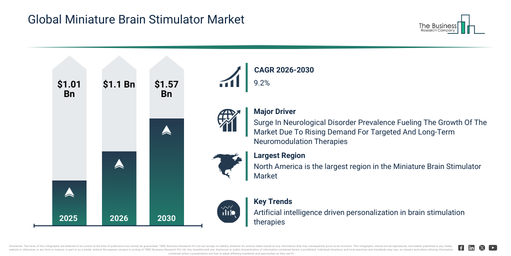
    The market for miniature brain stimulators has experienced significant expansion recently. Projections indicate it will expand from $1.01 billion in 2025 to $1.1 billion in 2026, exhibiting a compound annual growth rate (CAGR) of 8.9%. Historically, this expansion has been driven by factors such as clinical adoption of dbs therapy, a rise in epilepsy treatments, advancements in neuromodulation research, the introduction of early implantable stimulator devices, and an increase in movement disorder diagnosis.

    The miniature brain stimulator market is projected to experience substantial expansion over the upcoming years. Its valuation is set to reach $1.57 billion by 2030, demonstrating a compound annual growth rate (CAGR) of 9.2%. This anticipated growth during the forecast period stems from factors such as an increasing prevalence of neurological disorders, the broadening application of psychiatric stimulation therapies, ongoing advancements in miniaturized electronics, a rise in outpatient neurotherapy utilization, and a boost in clinical trials within neuromodulation. Significant trends expected throughout this period encompass compact implantable neurostimulators, closed-loop brain stimulation systems, rechargeable pulse generator devices, wearable brain stimulation units, and multi-mode neurostimulation platforms.

    Access Your Free Sample Report for In-Depth Market Insights:

    https://www.thebusinessresearchcompany.com/sample.aspx?id=33221&type=smp

    Which Drivers Are Impacting The Competitive Landscape Of The Miniature Brain Stimulator Market?

    The rising incidence of neurological disorders is projected to fuel the expansion of the miniature brain stimulator market over the forecast period. Neurological disorders are defined as conditions impacting the brain, spinal cord, and nervous system, including Parkinson’s disease, epilepsy, chronic pain, and movement disorders, which often demand long-term and exact therapeutic interventions. This increasing prevalence is attributed to factors like aging populations, extended life expectancy, lifestyle modifications, and advancements in diagnostic capabilities leading to higher rates of disease detection. Miniature brain stimulators address this growing health burden by delivering targeted electrical stimulation to specific brain regions, thereby helping to regulate abnormal neural activity and improve symptom management when conventional drug therapies are ineffective. For instance, in March 2023, the Alzheimer’s Association, a US-based nonprofit voluntary health organization, reported that in 2023, approximately 6.7 million Americans aged 65 and older are living with Alzheimer’s dementia, a number predicted to climb to 13.8 million by 2060. Thus, the escalating prevalence of neurological disorders is a significant driver for the growth of the miniature brain stimulator market.

    What Leading Segments Are Studied In The Miniature Brain Stimulator Market?

    The miniature brain stimulator market covered in this report is segmented –

    1) By Product Type: Implantable; Portable; Battery Operated; Handheld; Wearable; Cap; Headband

    2) By Technology: Deep Brain Stimulation; Transcranial Direct Current Stimulation; Transcranial Magnetic Stimulation

    3) By Application: Depression Therapy; Epilepsy Treatment; Neuromodulation Research; Parkinson’s Disease

    4) By Distribution Channel: Direct Sales; Online Sales; Third Party Distributors

    5) By End User: Home Healthcare Facilities; Hospitals And Clinics; Research Laboratories

    Subsegments:

    1) By Implantable: Deep Brain Stimulator; Cortical Implant; Subdural Electrode; Neural Probe

    2) By Portable: Portable Neurostimulator; Mobile Brain Device; Compact Stimulation Unit; Transportable Monitoring Device

    3) By Battery Operated: Rechargeable Neurostimulator; Long Life Battery Device; Replaceable Battery Module; Standalone Stimulation Unit

    4) By Handheld: Handheld Programming Device; Handheld Neurofeedback Unit; Handheld Stimulation Controller; Handheld Diagnostic Tool

    5) By Wearable: Wearable Neurostimulator; Wearable Headband Device; Wearable Monitoring Sensor; Wearable Electrode Array

    6) By Cap: Stimulation Cap; Monitoring Cap; Electrode Cap; Neurofeedback Cap

    7) By Headband: Cognitive Headband; Sleep Monitoring Headband; Brainwave Tracking Headband; Stimulation Headband

    Which Trends Are Shaping Activity Within The Miniature Brain Stimulator Market?

    Leading firms in the miniature brain stimulator market are concentrating on creating cutting-edge solutions, including artificial intelligence-powered adaptive brain stimulation systems, to address the growing need for tailored, effective, and responsive neurological treatments for intricate conditions such as Parkinson’s disease and epilepsy. These AI-integrated systems utilize real-time neural signal detection, machine learning algorithms, and closed-loop feedback processes to automatically modify stimulation parameters according to a patient’s brain activity, a departure from conventional open-loop systems that provide constant stimulation irrespective of evolving neurological states. As an example, in February 2025, Medtronic, a US-based healthcare technology firm, secured U.S. Food and Drug Administration approval for the globe’s inaugural adaptive deep brain stimulation system designed for individuals with Parkinson’s disease. This approved system constantly monitors neural activity and instantly adjusts stimulation to enhance symptom management and reduce adverse effects. It incorporates implantable sensing electrodes, sophisticated software analytics, and smart control algorithms to customize therapy for each patient. This regulatory achievement underscores the expanding significance of AI-driven optimization in advancing precise neuromodulation and enhancing long-term clinical results within miniature brain stimulation therapies.

    Which Key Players Are Driving Competition In The Miniature Brain Stimulator Market?

    Major companies operating in the miniature brain stimulator market are Abbott Laboratories, Medtronic plc, Boston Scientific Corporation, Renishaw PLC, Neuronetics Inc, NeuroPace Inc., FHC Inc, BrainsWay Ltd, eNeura Inc, Magventure A S, Alpha Omega Engineering Ltd, SceneRay Corporation Ltd, Neuroelectrics SL, Soterix Medical Inc, Synapse Biomedical Inc, Theranica Bioelectronics Ltd, Flow Neuroscience AB, Magstim Inc, NeuroSigma Inc, Newronika S P A, Ybrain Inc, Neurometrix Inc, Helius Medical Technologies Inc

    Access The Complete Report For Deeper Market Insights:

    https://www.thebusinessresearchcompany.com/report/miniature-brain-stimulator-market-report

    Which Region Is Projected To Lead The Miniature Brain Stimulator Market During The Forecast Period?

    North America was the largest region in the miniature brain stimulator market in 2025. Asia-Pacific is expected to be the fastest-growing region in the forecast period. The regions covered in the miniature brain stimulator market report are Asia-Pacific, South East Asia, Western Europe, Eastern Europe, North America, South America, Middle East, Africa.

    Request Your Customized Miniature Brain Stimulator Market Research Report for Competitive Advantage:

    https://www.thebusinessresearchcompany.com/customise?id=33221&type=smp

    Browse Through More Reports Similar to the Global Miniature Brain Stimulator Market 2026, By The Business Research Company

    Transcranial Magnetic Stimulator Market Report 2026

    https://www.thebusinessresearchcompany.com/report/transcranial-magnetic-stimulator-global-market-report

    Implantable Neurostimulation Devices Market Report 2026

    https://www.thebusinessresearchcompany.com/report/implantable-neurostimulation-devices-global-market-report

    Neurostimulation Devices Market Report 2026

    https://www.thebusinessresearchcompany.com/report/neurostimulation-devices-global-market-report

    Get in touch with us:

    The Business Research Company: https://www.thebusinessresearchcompany.com/

    Americas +1 310-496-7795

    Asia +44 7882 955267 & +91 8897263534

    Europe +44 7882 955267

    Email us at info@tbrc.info

    Follow us on:

    LinkedIn: https://in.linkedin.com/company/the-business-research-company

    YouTube: https://www.youtube.com/channel/UC24_fI0rV8cR5DxlCpgmyFQ

    Global Market Model: https://www.thebusinessresearchcompany.com/global-market-model
  • Micro-Surgical Robot Market Performance Outlook 2026–2030: Revenue to Hit $2.7 Billion at 13% CAGR

    Micro-Surgical Robot Market Performance Outlook 2026–2030: Revenue to Hit $2.7 Billion at 13% CAGR

    Uncover key drivers, emerging technologies, and competitive movements shaping the micro-surgical robot market from 2026–2035 with trusted insights from The Business Research Company

    What total market size is anticipated for the Micro-Surgical Robot Market in 2030?

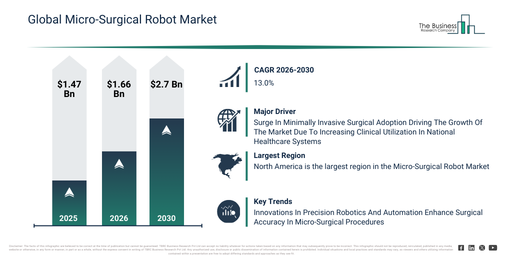
    The micro-surgical robot market size has witnessed rapid expansion over recent years. This market is projected to increase from $1.47 billion in 2025 to $1.66 billion in 2026, achieving a compound annual growth rate (CAGR) of 12.8%. The expansion observed in the historical period stems from factors such as the growth in minimally invasive surgery, the early adoption of surgical robots, an increase in neurosurgery procedures, advancements in medical imaging systems, and hospital investment in precision surgery.

    The micro-surgical robot market is projected to experience substantial expansion in the coming years. This market is anticipated to reach a valuation of $2.7 billion by 2030, demonstrating a compound annual growth rate (CAGR) of 13.0%. This projected growth is primarily driven by factors such as the escalating need for ultra-precise surgical procedures, the increase in ophthalmic microsurgeries, the proliferation of robotic operating rooms, enhanced surgeon education in robotics, and increased adoption by specialty clinics. Key trends anticipated during this period encompass the development of motion-scaling robotic micro-manipulators, advanced high-precision robotic end-effectors, imaging-guided micro-surgery platforms, micro-procedures aided by haptic feedback, and streamlined robot-assisted microsurgical workflows.

    Access Your Free Sample Report for In-Depth Market Insights:

    https://www.thebusinessresearchcompany.com/sample.aspx?id=33220&type=smp

    What Drivers Are Influencing Production Trends In The Micro-Surgical Robot Market?

    The increasing adoption of minimally invasive surgeries is anticipated to fuel the expansion of the micro-surgical robot market moving forward. Minimally invasive surgery refers to surgical techniques performed through small incisions using specialized tools and advanced technologies, which reduces tissue trauma, post-operative pain, and recovery time compared to traditional open surgeries. The rise in minimally invasive surgeries is driven by advancements in surgical robotics and imaging technologies, allowing for procedures with smaller incisions and faster patient recovery. A micro-surgical robot plays a crucial role in these surgeries by enabling ultraprecise, tremor-free manipulation of tiny instruments within confined anatomical spaces, thereby improving surgical accuracy while minimizing tissue damage and recovery time. For instance, in June 2024, according to the American Society of Plastic Surgeons (ASPS), a US-based professional association, approximately 25.4 million cosmetic minimally invasive procedures were performed in 2023, showing a 7% increase compared to 2022. This increasing prevalence of minimally invasive surgeries is, therefore, a key driver for the growth of the micro-surgical robot market.

    Which Segment Groups Are Influencing The Micro-Surgical Robot Market?

    The micro-surgical robot market covered in this report is segmented –

    1) By Component: Hardware; Software; Services

    2) By Technology: Tele-Robotics; Artificial Intelligence (AI)-Assisted Robotics; Imaging-Guided Robotic Systems; Haptic Feedback Systems; Autonomous Surgical Robots

    3) By Sales Channel: Direct Sales; Distributors; Online Sales

    4) By Application: Neurosurgery; Ophthalmology; Ear, Nose, and Throat (ENT) Surgery; Cardiovascular; Urology; Gynecology; Orthopedics; Other Applications

    5) By End-User: Hospitals; Ambulatory Surgical Centers; Research Institutes

    Subsegments:

    1) By Hardware: Robotic Arms; Surgical Instruments; Vision Systems; Control Consoles; Navigation Systems

    2) By Software: Surgical Planning Software; Real-Time Monitoring Software; Robotic Control Software; Image Processing Software; Data Analytics Software

    3) By Services: Installation Services; Maintenance Services; Training Services; Technical Support Services; System Upgradation Services

    Which Trends Are Influencing The Development Of The Micro-Surgical Robot Market?

    Key companies within the micro-surgical robot market are prioritizing the creation of advanced solutions, such as microsurgery assistance robots, with the aim of boosting surgical precision, diminishing variability from manual operation, and enabling extremely delicate procedures that involve minute anatomical structures. Microsurgery assistance robots are defined as robotic systems engineered to support surgeons in ultra-fine surgical tasks through the integration of high-precision motion control, automated features, and sophisticated imaging, thereby allowing for stable and accurate manipulation beyond the capabilities of the human hand. For example, in May 2024, Sony Group Corporation, a Japan-based technology and electronics company, unveiled a prototype microsurgery assistance robot. This system is engineered to facilitate delicate surgical procedures by featuring automatic surgical instrument exchange and high-precision robotic control. The system seeks to aid surgeons in executing complex microsurgical tasks, including microvascular anastomosis, by enhancing operational accuracy, alleviating surgeon workload, and pushing forward the application of robotics in microsurgery.

    Who Are The Top-Performing Companies In The Micro-Surgical Robot Market In Recent Years?

    Major companies operating in the micro-surgical robot market are Medtronic plc, Zimmer Biomet Holdings Inc., Smith & Nephew plc, Renishaw plc, Ethicon Inc., Brainlab AG, Meerecompany Inc., Medrobotics Corporation, IotaMotion Inc., Medical Microinstruments S.p.A., Distalmotion SA, Vicarious Surgical Inc., Neocis Inc., ForSight Robotics Ltd., THINK Surgical Inc., ShanghAI MicroPort MedBot (Group) Co. Ltd., Virtual Incision Corporation, MicroSure B.V., Meril Life Sciences Pvt. Ltd., Panda Surgical Co. Ltd.

    Access The Complete Report For Deeper Market Insights:

    https://www.thebusinessresearchcompany.com/report/micro-surgical-robot-market-report

    Which Region Currently Holds The Largest Share Of The Micro-Surgical Robot Market?

    North America was the largest region in the micro-surgical robot market in 2025. Asia-Pacific is expected to be the fastest-growing region in the forecast period. The regions covered in the micro-surgical robot market report are Asia-Pacific, South East Asia, Western Europe, Eastern Europe, North America, South America, Middle East, Africa.

    Request Your Customized Micro-Surgical Robot Market Research Report for Competitive Advantage:

    https://www.thebusinessresearchcompany.com/customise?id=33220&type=smp

    Browse Through More Reports Similar to the Global Micro-Surgical Robot Market 2026, By The Business Research Company

    Surgical Robots Market Report 2026

    https://www.thebusinessresearchcompany.com/report/surgical-robots-global-market-report

    Surgical Robot Accessories Market Report 2026

    https://www.thebusinessresearchcompany.com/report/surgical-robot-accessories-global-market-report

    Robotic Surgery Services Market Report 2026

    https://www.thebusinessresearchcompany.com/report/robotic-surgery-services-global-market-report

    Get in touch with us:

    The Business Research Company: https://www.thebusinessresearchcompany.com/

    Americas +1 310-496-7795

    Asia +44 7882 955267 & +91 8897263534

    Europe +44 7882 955267

    Email us at info@tbrc.info

    Follow us on:

    LinkedIn: https://in.linkedin.com/company/the-business-research-company

    YouTube: https://www.youtube.com/channel/UC24_fI0rV8cR5DxlCpgmyFQ

    Global Market Model: https://www.thebusinessresearchcompany.com/global-market-model
  • Global Memory-Augmenting Neural Devices Market 2026–2030: Forecast Insights for Business Planning

    Global Memory-Augmenting Neural Devices Market 2026–2030: Forecast Insights for Business Planning

    Uncover key drivers, emerging technologies, and competitive movements shaping the memory-augmenting neural devices market from 2026–2035 with trusted insights from The Business Research Company

    Starting from its 2026 valuation, what market size is the Memory-Augmenting Neural Devices Market expected to reach by 2030?

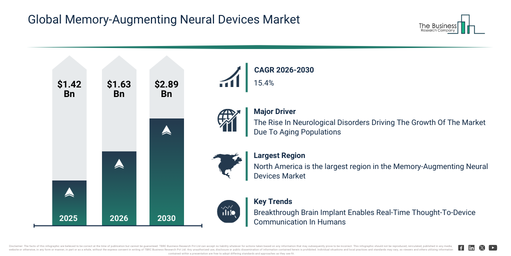
    The memory-augmenting neural devices market size has seen rapid expansion in recent years. It is anticipated to increase from $1.42 billion in 2025 to $1.63 billion in 2026, exhibiting a compound annual growth rate (CAGR) of 15.2%. The historical growth can be ascribed to elements such as the development of neurostimulation tools, initial studies in cognitive enhancement, the adoption of wearable neuro devices, an increase in BCI prototypes, and academic brain research programs.

    The memory-augmenting neural devices market is projected to experience substantial expansion in the upcoming years. This market is set to reach $2.89 billion by 2030, exhibiting a compound annual growth rate (CAGR) of 15.4%. Factors contributing to this growth during the forecast period include the increasing requirements of an aging population, a growing demand for cognitive enhancement, the broadening of wearable neurotechnology, advancements in AI-driven neural analysis, and more extensive clinical validation trials. Key trends anticipated during this period encompass noninvasive brain stimulation wearables, AI-driven memory enhancement algorithms, portable neurostimulation devices, hybrid implant and wearable systems, and closed-loop cognitive support devices.

    Access Your Free Sample Report for In-Depth Market Insights:

    https://www.thebusinessresearchcompany.com/sample.aspx?id=33212&type=smp

    What Drivers Are Driving Adoption Within The Memory-Augmenting Neural Devices Market?

    The increasing incidence of neurological conditions is anticipated to fuel the expansion of the memory-augmenting neural devices market in the future. Neurological disorders encompass illnesses or states impacting the typical structure or operation of the central nervous system (comprising the brain and spinal cord) or the peripheral nervous system (nerves across the body). The rise in neurological disorders stems from the expanding worldwide elderly demographic, leading to a higher occurrence of age-linked neurological issues. These memory-augmenting neural devices offer assistance for neurological disorders by improving or recovering cognitive abilities, like memory and learning, via focused neural stimulation and adaptable interface advancements. As an illustration, in March 2023, data from the Alzheimer’s Association, a US-based nonprofit voluntary health organization, revealed that approximately 6.7 million Americans aged 65 and older were affected by Alzheimer’s dementia in 2023, with projections indicating an increase to 13.8 million by 2060. Consequently, the growing prevalence of neurological disorders acts as a key impetus for the expansion of the memory-augmenting neural devices market.

    How Is The Memory-Augmenting Neural Devices Market Organized Into Various Segments?

    The memory-augmenting neural devices market covered in this report is segmented –

    1) By Device Type: Implantable Neural Devices; Noninvasive Brain Stimulation Devices; Other Device Types

    2) By Technology: Artificial Intelligence (AI) And Machine Learning-Based Memory Enhancement; Neural Implants & Electrodes; Transcranial Stimulation; Other Technologies

    3) By Application: Cognitive Enhancement; Neurodegenerative Disease Treatment; Brain-Computer Interfaces (BCIs); Other Applications

    4) By End User: Healthcare And Medical Institutions; Research And Academic Centers; Defense And Military; Other End Users

    Subsegments:

    1) By Implantable Neural Devices: Deep Brain Stimulation Systems; Cortical Microelectrode Arrays; Hippocampal Memory Prostheses; Neural Recording And Stimulation Implants; Closed Loop Neuromodulation Implants

    2) By Noninvasive Brain Stimulation Devices: Transcranial Magnetic Stimulation Systems; Transcranial Direct Current Stimulation Devices; Transcranial Alternating Current Stimulation Devices; Transcranial Random Noise Stimulation Devices; Focused Ultrasound Brain Stimulation Systems

    3) By Other Device Types: Wearable Neurofeedback Devices; Brain Computer Interface Headsets; Cognitive Enhancement Headgear; Portable Neurostimulation Devices; Hybrid Neural Modulation Systems

    Which Trends Are Influencing The Performance And Direction Of The Memory-Augmenting Neural Devices Market?

    Major companies in the memory augmenting neural devices market are concentrating on developing advanced solutions, such as implantable brain computer interfaces, to enhance cognitive function and memory retention. An implantable brain computer interface (BCI) is a device surgically placed in the brain that directly reads neural signals and translates them into digital commands to control computers or external devices. For instance, in July 2025, Neuralink Corp., a US-based neurotechnology company, successfully implanted its high-channel-count fully implantable brain computer interface (BCI) into a ninth human participant as part of its ongoing clinical trials. The implant is designed to record and decode neural signals through ultra-thin electrode threads embedded in the brain, enabling direct, real-time communication between neural activity and external digital devices. The system supports wireless data transmission, long-term implantation without external hardware, and high-resolution signal capture, allowing users to control computers or interfaces using thought alone. This milestone, which also marked the company’s first instance of performing two implant surgeries in a single day, highlights improved surgical efficiency and growing clinical readiness for scalable human application.

    Who Are The Primary Competitors In The Global Memory-Augmenting Neural Devices Market?

    Major companies operating in the memory-augmenting neural devices market are Medtronic plc, Bitbrain Technologies S.L., NeuroLutions Inc., CorTec GmbH, FinalSpark Inc., Kernel Inc., Neuralink Corporation, NeuroPace Inc., Blackrock Neurotech Inc., NeuroSky Inc., Emotiv Inc., mBrainTrain Inc., BrainChip Holdings Ltd., BrainCo Inc., INBRAIN Neuroelectronics S.L., Merge Labs Inc., InBrain Neuroelectronics S.L., Axoft Inc., Motif Neurotech Inc., MintNeuro Inc.

    Access The Complete Report For Deeper Market Insights:

    https://www.thebusinessresearchcompany.com/report/memory-augmenting-neural-devices-market-report

    Which Global Regions Are Shaping The Competitive Landscape Of The Memory-Augmenting Neural Devices Market?

    North America was the largest region in the memory-augmenting neural devices market in 2025. Asia-Pacific is expected to be the fastest-growing region in the forecast period. The regions covered in the memory-augmenting neural devices market report are Asia-Pacific, South East Asia, Western Europe, Eastern Europe, North America, South America, Middle East, Africa.

    Request Your Customized Memory-Augmenting Neural Devices Market Research Report for Competitive Advantage:

    https://www.thebusinessresearchcompany.com/customise?id=33212&type=smp

    Browse Through More Reports Similar to the Global Memory-Augmenting Neural Devices Market 2026, By The Business Research Company

    Memory Chips Market Report 2026

    https://www.thebusinessresearchcompany.com/report/memory-chips-global-market-report

    Semiconductor Memory Market Report 2026

    https://www.thebusinessresearchcompany.com/report/semiconductor-memory-global-market-report

    Deep Learning Chipset Market Report 2026

    https://www.thebusinessresearchcompany.com/report/deep-learning-chipset-global-market-report

    Get in touch with us:

    The Business Research Company: https://www.thebusinessresearchcompany.com/

    Americas +1 310-496-7795

    Asia +44 7882 955267 & +91 8897263534

    Europe +44 7882 955267

    Email us at info@tbrc.info

    Follow us on:

    LinkedIn: https://in.linkedin.com/company/the-business-research-company

    YouTube: https://www.youtube.com/channel/UC24_fI0rV8cR5DxlCpgmyFQ

    Global Market Model: https://www.thebusinessresearchcompany.com/global-market-model
  • Memory Implants Market Outlook 2026–2035: Growth Drivers and Industry Forecast

    Memory Implants Market Outlook 2026–2035: Growth Drivers and Industry Forecast

    Uncover key drivers, emerging technologies, and competitive movements shaping the memory implants market from 2026–2035 with trusted insights from The Business Research Company

    Across 2026–2030, what is the expected market valuation path of the Memory Implants Market?

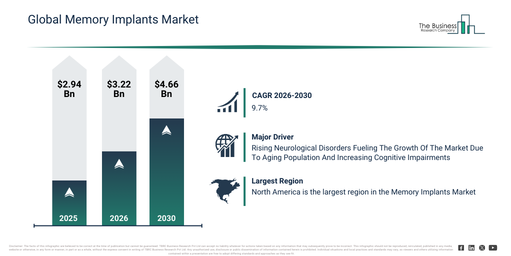
    The memory implants market has experienced significant growth in recent years. It is anticipated to expand from $2.94 billion in 2025 to $3.22 billion by 2026, demonstrating a compound annual growth rate (CAGR) of 9.4%. This historical expansion can be attributed to advancements in neuroscience research, the initiation of early brain implant trials, the growth of neuromodulation therapies, an increase in neurodegenerative disorders, and neural interface programs supported by defense funding.

    The memory implants market is anticipated to experience robust expansion over the next few years. It is projected to reach $4.66 billion by 2030, at a compound annual growth rate (CAGR) of 9.7%. This growth during the forecast period stems from an escalation in cognitive disorder cases, advancements in brain-computer interfaces, increased funding for neural engineering, the widening of clinical neurotechnology trials, and a growing demand for memory restoration therapies. Significant trends emerging in the forecast period comprise implantable memory prosthetic systems, hippocampal signal encoding devices, closed-loop neural memory stimulation, high-density neural electrode arrays, and adaptive memory restoration implants.

    Access Your Free Sample Report for In-Depth Market Insights:

    https://www.thebusinessresearchcompany.com/sample.aspx?id=33211&type=smp

    Which Drivers Are Supporting The Rise Of The Memory Implants Market?

    The increasing occurrence of neurological disorders is anticipated to drive expansion within the memory implants market in the coming years. These conditions impact the brain, spinal cord, or nervous system, resulting in difficulties with movement, sensation, thought, behavior, or automatic bodily functions. The escalating number of neurological disorders is attributed to the fast-growing aging population, which in turn increases the incidence of age-related diseases such as Alzheimer’s disease, Parkinson’s disease, and stroke, as neurological susceptibility rises with extended life expectancy. Memory implants assist individuals affected by the growing occurrence of neurological disorders by aiding in the improvement of cognitive function and overall quality of life. For example, in March 2023, data from the Alzheimer’s Association indicated that approximately 6.7 million Americans aged 65 and older were living with Alzheimer’s dementia in 2023, a figure expected to climb to 13.8 million by 2060. Consequently, the rising prevalence of neurological disorders is a significant factor propelling the growth of the memory implants market.

    What Segments Are Identified Within The Structure Of The Memory Implants Market?

    The memory implants market covered in this report is segmented –

    1) By Product Type: Deep Brain Stimulation Devices; Vagus Nerve Stimulation Devices; Implantable Memory Prosthetics; Electrode Arrays; Neural Signal Sensors; Brain–Computer Interface Hardware; Neuromodulation Devices; Wearable Neural Headsets; Other Product Types

    2) By Application: Alzheimer’s Disease; Parkinson’s Disease; Epilepsy; Traumatic Brain Injury; Memory Loss due to Aging; Other Cognitive Disorders; Other Applications

    3) By End-User: Hospitals; Clinics; Research Institutes; Rehabilitation Centers; Other End-Users

    Subsegments:

    1) By Deep Brain Stimulation Devices: Single Target Stimulation Systems; Multi Target Stimulation Systems; Closed Loop Stimulation Systems; Adaptive Stimulation Systems

    2) By Vagus Nerve Stimulation Devices: Implantable Vagus Nerve Stimulators; Transcutaneous Vagus Nerve Stimulation Systems; Programmable Vagus Nerve Modulation Devices

    3) By Implantable Memory Prosthetics: Hippocampal Memory Restoration Systems; Cortical Memory Enhancement Implants; Neural Memory Encoding Devices; Memory Recall Support Implants

    4) By Electrode Arrays: Depth Electrode Arrays; Surface Cortical Electrode Arrays; Flexible Neural Electrode Arrays; High Density Electrode Arrays

    5) By Neural Signal Sensors: Intracranial Neural Signal Sensors; Implantable Bioelectric Signal Sensors; Real Time Neural Monitoring Sensors

    6) By Brain–Computer Interface Hardware: Implantable Brain Signal Processing Units; External Neural Signal Interface Devices; Hybrid Brain Interface Systems

    7) By Neuromodulation Devices: Electrical Neuromodulation Systems; Magnetic Neuromodulation Systems; Targeted Neural Modulation Devices

    8) By Wearable Neural Headsets: Electroencephalography Based Neural Headsets; Cognitive Monitoring Neural Wearables; Noninvasive Neurostimulation Headsets

    9) By Other Product Types: Hybrid Memory Implant Systems; Experimental Neural Augmentation Devices; Integrated Cognitive Enhancement Platforms

    Which Key Market Players Are Investing In Expansion And Innovation Within The Memory Implants Market?

    Major companies operating in the memory implants market are Abbott Laboratories, Medtronic plc, Boston Scientific Corporation, LivaNova PLC, Renishaw plc, NeuroPace Inc., Beijing PINS Medical Co Ltd., FHC Inc., electroCore Inc., SetPoint Medical Corporation, Parasym Ltd., MicroTransponder Inc., ReShape Lifesciences Inc., Adriakaim Inc., Evren Technologies Inc., Soterix Medical Inc., Aleva Neurotherapeutics SA, SceneRay Corporation Ltd., NeuroSigma Inc., BioControl Medical Ltd.

    Access The Complete Report For Deeper Market Insights:

    https://www.thebusinessresearchcompany.com/report/memory-implants-market-report

    Which Regions Are Poised For Strategic Growth In The Memory Implants Market?

    North America was the largest region in the memory implants market in 2025. Asia-Pacific is expected to be the fastest-growing region in the forecast period. The regions covered in the memory implants market report are Asia-Pacific, South East Asia, Western Europe, Eastern Europe, North America, South America, Middle East, Africa.

    Request Your Customized Memory Implants Market Research Report for Competitive Advantage:

    https://www.thebusinessresearchcompany.com/customise?id=33211&type=smp

    Browse Through More Reports Similar to the Global Memory Implants Market 2026, By The Business Research Company

    Microelectronic Medical Implants Market Report 2026

    https://www.thebusinessresearchcompany.com/report/microelectronic-medical-implants-global-market-report

    Bio Implants Market Report 2026

    https://www.thebusinessresearchcompany.com/report/bio-implants-global-market-report

    Smart Implants Market Report 2026

    https://www.thebusinessresearchcompany.com/report/smart-implants-global-market-report

    Get in touch with us:

    The Business Research Company: https://www.thebusinessresearchcompany.com/

    Americas +1 310-496-7795

    Asia +44 7882 955267 & +91 8897263534

    Europe +44 7882 955267

    Email us at info@tbrc.info

    Follow us on:

    LinkedIn: https://in.linkedin.com/company/the-business-research-company

    YouTube: https://www.youtube.com/channel/UC24_fI0rV8cR5DxlCpgmyFQ

    Global Market Model: https://www.thebusinessresearchcompany.com/global-market-model
  • Global Medical Fiber Optics Market Forecast 2026–2035: Long-Term Growth Insights

    Global Medical Fiber Optics Market Forecast 2026–2035: Long-Term Growth Insights

    Uncover key drivers, emerging technologies, and competitive movements shaping the medical fiber optics market from 2026–2035 with trusted insights from The Business Research Company

    How is the Medical Fiber Optics Market size predicted to change over the forecast window of 2026–2035?

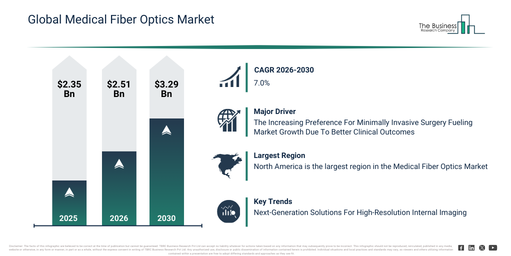
    The size of the medical fiber optics market has experienced robust expansion in recent years. It is projected to grow from $2.35 billion in 2025 to $2.51 billion in 2026, exhibiting a compound annual growth rate (CAGR) of 6.8%. The historical growth is attributable to rise in endoscopic procedures, growth in laser based therapies, expansion of minimally invasive diagnostics, hospital demand for better visualization tools, and progress in optical materials.

    The medical fiber optics market is anticipated to experience substantial expansion in the coming years. This market is projected to reach $3.29 billion by 2030, exhibiting a compound annual growth rate (CAGR) of 7.0%. Key factors driving this growth during the forecast period include the surge in image-guided surgical interventions, the increasing need for accurate diagnostic tools, the rise in outpatient medical procedures, the expansion of biomedical sensing applications, and the greater uptake of disposable optical instruments. Significant trends expected during this period encompass high-resolution endoscopic fiber systems, laser energy delivery fibers, miniature optical sensing probes, disposable fiber optic surgical tools, and sophisticated imaging fiber bundles.

    Access Your Free Sample Report for In-Depth Market Insights:

    https://www.thebusinessresearchcompany.com/sample.aspx?id=33209&type=smp

    Which Drivers Are Contributing To The Expansion Of The Medical Fiber Optics Market?

    The increasing preference for minimally invasive surgery is projected to stimulate the growth of the medical fiber optics market in the coming years. Minimally invasive surgery involves performing operations through small incisions with specialized instruments and advanced visualization technologies, which aid in reducing tissue damage, postoperative discomfort, and recovery duration. The popularity of these procedures is growing due to faster patient healing, lower complication rates, and shorter hospital stays. This trend directly fuels the demand for medical fiber optics, as flexible and high-precision fiber-optic components are vital for illumination and imaging in endoscopic, laparoscopic, and robotic-assisted surgeries, enabling surgeons to clearly view internal structures and execute intricate procedures through minimal access points. For instance, in November 2025, according to Intuitive Surgical Inc., a US-based medical device company, customers utilized da Vinci robotic surgical systems in approximately 2.29 million surgical procedures worldwide in 2023, representing an increase of about 22% compared with 2022, with cumulative procedures on da Vinci platforms exceeding 14 million. Consequently, the rising adoption of minimally invasive surgical procedures stands as a key driver for the expansion of the medical fiber optics market.

    What Segment Categories Are Covered In The Medical Fiber Optics Market?

    The medical fiber optics market covered in this report is segmented –

    1) By Type: Single Mode Optical Fiber; Multimode Optical Fiber

    2) By Usage: Disposable; Reusable

    3) By Application: Endoscopic Imaging; Laser Signal Delivery; Biomedical Sensing; Illumination; Other Applications

    4) By End User: Hospital; Specialty Clinics; Ambulatory Surgical Centers; Diagnostic Laboratories; Other End Users

    Subsegments:

    1) By Single Mode Optical Fiber: Long Distance Signal Transmission; High Precision Laser Energy Delivery; Advanced Biomedical Sensing

    2) By Multimode Optical Fiber: Short Distance Image Transmission; Endoscopic Imaging Bundles; Medical Illumination Systems

    How Are Emerging Trends Affecting The Progression Of The Medical Fiber Optics Market?

    Key players in the medical fiber optics market are concentrating on developing innovative products, such as imaging fiber assemblies, to enable high-resolution, minimally invasive diagnostic imaging applications. Imaging fiber assemblies are specialized clusters of optical fibers engineered for integration into medical imaging catheters and systems, facilitating the transmission and gathering of light to create high-quality internal images. These assemblies deliver superior flexibility and precision compared to traditional rigid endoscopes, supporting a broad spectrum of minimally invasive diagnostic and interventional procedures. For example, in January 2025, Coherent Corp., a US-based photonics company, declared the launch of its AxioView imaging fiber assemblies, intended for use in optical coherence tomography (OCT), near-infrared spectroscopy (NIRS), and multimodal catheter-based imaging applications. AxioView features unique fiber designs optimized for medical imaging, catheter-ready distal geometries like ball-tip and side-fire configurations, vertically integrated manufacturing for uniform optical performance, and ISO 13485-certified production to comply with regulatory standards.

    Which Major Industry Participants Are Leading The Medical Fiber Optics Market Growth?

    Major companies operating in the medical fiber optics market are Heraeus Holding GmbH, Boston Scientific Corporation, Fujikura Ltd., Coherent Medical Group, Smiths Group plc, MKS Instruments Inc., Carl Zeiss Meditec AG, Integra Lifesciences Corporation, IPG Photonics Corporation, SCHOTT AG, Radiall America Inc., OZ Optics Ltd., HEINE Optotechnik GmbH & Co. KG, ForTec Medical Corporation, Thorlabs Inc., Fiberoptics Technology Incorporated (FTI), Biolitec AG, Laser Mechanisms Inc., LEONI AG, Beijing L.H.H. Medical Devices Co. Ltd.

    Access The Complete Report For Deeper Market Insights:

    https://www.thebusinessresearchcompany.com/report/medical-fiber-optics-market-report

    Which Region Is Expected To Experience The Fastest Growth In The Medical Fiber Optics Market?

    North America was the largest region in the medical fiber optics market in 2025. The regions covered in the medical fiber optics market report are Asia-Pacific, South East Asia, Western Europe, Eastern Europe, North America, South America, Middle East, Africa.

    Request Your Customized Medical Fiber Optics Market Research Report for Competitive Advantage:

    https://www.thebusinessresearchcompany.com/customise?id=33209&type=smp

    Browse Through More Reports Similar to the Global Medical Fiber Optics Market 2026, By The Business Research Company

    Fiber Optics Market Report 2026

    https://www.thebusinessresearchcompany.com/report/fiber-optics-global-market-report

    Fiber Optical Cable Market Report 2026

    https://www.thebusinessresearchcompany.com/report/fiber-optical-cable-global-market-report

    Fiber Optic Components Market Report 2026

    https://www.thebusinessresearchcompany.com/report/fiber-optic-components-global-market-report

    Get in touch with us:

    The Business Research Company: https://www.thebusinessresearchcompany.com/

    Americas +1 310-496-7795

    Asia +44 7882 955267 & +91 8897263534

    Europe +44 7882 955267

    Email us at info@tbrc.info

    Follow us on:

    LinkedIn: https://in.linkedin.com/company/the-business-research-company

    YouTube: https://www.youtube.com/channel/UC24_fI0rV8cR5DxlCpgmyFQ

    Global Market Model: https://www.thebusinessresearchcompany.com/global-market-model