Category: Pharmaceuticals

  • Organic Pharmaceutical Excipients Market Size to Exceed $17.59 Billion by 2029 | Growth and Industry Trends

    Organic Pharmaceutical Excipients Market Size to Exceed $17.59 Billion by 2029 | Growth and Industry Trends

    Claim your 30% discount on Global Market Reports with code ONLINE30. Limited time only.

    How Has the Organic Pharmaceutical Excipients Market Grown from 2024 to 2025?

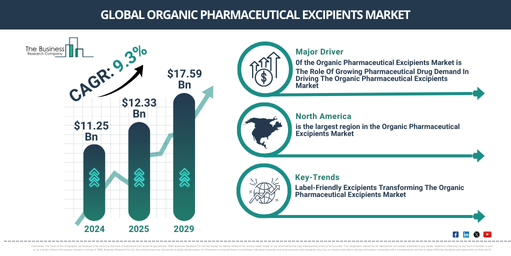
    In the past few years, there has been significant growth in the size of the organic pharmaceutical excipients market. This market, which was valued at $11.25 billion in 2024, is projected to increase to $12.33 billion in 2025, marking a compound annual growth rate (CAGR) of 9.6%. This growth during the historic period can be credited to the rise in demand for drug formulations, patient compliance and acceptance, adherence to quality and safety standards, innovation in drug delivery techniques, and requirements for regulatory compliance.

    What Growth Rate Is Anticipated for the Organic Pharmaceutical Excipients Market in the Coming Years?

    The market for organic pharmaceutical excipients is anticipated to experience significant expansion in the imminent years. This market is projected to reach “$17.59 billion by 2029, growing at a compound annual growth rate (CAGR) of 9.3%. The enhancement expected in this period may be attributed to the surge in biopharmaceuticals and biosimilars, favoritism towards natural and sustainable constituents, an emphasis on individualized medicine, the introduction of innovative therapies, and worldwide growth of pharmaceutical manufacturing. Upcoming trends during the forecast timeline involve regulatory adherence and quality benchmarks, tailoring of excipient solutions, adoption of cutting-edge technologies, global enlargement of organic excipient providers, and investment in the research and development for excipient innovation.

    Download The Free Sample Report Here:

    https://www.thebusinessresearchcompany.com/sample.aspx?id=10819&type=smp

    Who Are the Leading Companies in the Organic Pharmaceutical Excipients Market?

    Major companies operating in the organic pharmaceutical excipients market include Roquette Frères SA, DuPont de Nemours Inc., Ashland Inc., Badische Anilin- und Sodafabrik, Kerry Group plc, Evonik Industries AG, Croda International plc, The Lubrizol Corporation, Innophos Holdings Inc., Wacker Chemie AG, Merck KGaA, Colorcon Asia Private Limited, Rochem International Inc., Eastman Chemical Company, JRS PHARMA GMBH + CO KG, Cargill Incorporated, Ingredion Incorporated, Sensient Technologies Corporation, Internatio-Müller Chemical Distribution, Lonza Group Ltd., DFE PHARMA INDIA PRIVATE LIMITED., Omya AG, Sigachi Industries Pvt. Ltd., Meggle AG, Associated British Foods plc, Archer Daniels Midland Company, Food Machinery & Chemical Corporation, Innospec Inc., Mitsubishi Chemical Corporation, International Flavors & Fragrances Inc.

    What Are the Key Drivers of the Organic Pharmaceutical Excipients Market?

    The organic pharmaceutical excipients market is anticipated to benefit from the escalating demand for pharmaceutical drugs. Pharmaceuticals, or medicines, are compounds or chemical substances utilized for the prevention, diagnosis, and treatment of various health conditions or ailments in humans. The surge in demand for these medicines has created a need for organic pharmaceutical excipients that provide compatible and appropriate ingredients for organic medicinal formulations while aiding in the physiological absorption of the drug. For example, data from July 2023 provided by the NHS Business Services Authority – a UK-based non-departmental public organization of the Department of Health and Social Care – revealed that in 2022–23, there was a 3% increase in prescription items dispensed in the community in England from 2021–22, amounting to 1.18 billion. Hence, the risen demand for pharmaceutical drugs is fostering the enlargement of the organic pharmaceutical excipients market.

    Request For A Customized Report:

    https://www.thebusinessresearchcompany.com/customise?id=10819&type=smp

    What Are the Key Market Segments in the Organic Pharmaceutical Excipients Industry?

    The organic pharmaceutical excipients market covered in this report is segmented –

    1) By Type: Oleochemicals, Carbohydrates, Petrochemicals, Protein, Other Types

    2) By Functions: Binders, Coating Agents, Colorants, Disintegrates, Other Functions

    3) By Application: Oral Formulations, Topical Formulations, Parenteral Formulations, Other Applications

    Subsegments:

    1) By Oleochemicals: Fatty Acids, Glycerin, Fatty Alcohols, Surfactants, Esters

    2) By Carbohydrates: Starch, Cellulose, Dextrins, Sugars, Pectins

    3) By Petrochemicals: Polyethylene Glycol (PEG), Mineral Oils, Synthetic Polymers, Sorbitol, Propylene Glycol

    4) By Protein: Gelatin, Albumin, Collagen, Casein, Whey Protein

    5) By Other Types: Natural Excipients, Inorganic Excipients, Microcrystalline Cellulose, Others

    What Are the Latest Trends in the Organic Pharmaceutical Excipients Market?

    The burgeoning trend of using label-friendly excipients for nutrient-dense products is prominent in the organic pharmaceutical excipients market. Firms trading in this sector are integrating such excipients in their nutrition product formulas to maintain market standing. As an illustrative example, Colorcon, a pharmaceutical excipient corporation based in the US, introduced Nutracore in April 2023. Nutracore is a revolutionary series of label-friendly excipients, specifically designed to cater to the unique needs of providers within the nutraceutical and supplement sectors. These excipients, forged from organic and natural materials, address the surging need for transparent labeling in the nutrition and dietary supplement spheres, guaranteeing top-notch performance and manufacturability. Nutracore excipients allow producers to fulfil consumer demands for label transparency, without sacrificing the quality and effectiveness of their goods.

    Access The Full Report Here:

    https://www.thebusinessresearchcompany.com/report/organic-pharmaceutical-excipients-global-market-report

    What Are the Key Regional Markets in the Organic Pharmaceutical Excipients Industry?

    North America was the largest region in the global organic pharmaceutical excipients market in 2024. The regions covered in the organic pharmaceutical excipients market report are Asia-Pacific, Western Europe, Eastern Europe, North America, South America, Middle East, Africa

    Purchase The Full Report Today:

    https://www.thebusinessresearchcompany.com/purchaseoptions.aspx?id=10819

    This Report Delivers Insight On:

    1. How big is the organic pharmaceutical excipients market, and how is it changing globally?

    2. Who are the major companies in the organic pharmaceutical excipients market, and how are they performing?

    3. What are the key opportunities and risks in the organic pharmaceutical excipients market right now?

    4. Which products or customer segments are growing the most in the organic pharmaceutical excipients market?

    5. What factors are helping or slowing down the growth of the organic pharmaceutical excipients market?

    About The Business Research Company:

    With over 15000+ reports from 27 industries covering 60+ geographies, The Business Research Company has built a reputation for offering comprehensive, data-rich research and insights. Armed with 1,500,000 datasets, the optimistic contribution of in-depth secondary research, and unique insights from industry leaders, you can get the information you need to stay ahead in the game.

    Get in touch with us:

    The Business Research Company: https://www.thebusinessresearchcompany.com/

    Americas +1 3156230293

    Asia +44 2071930708

    Europe +44 2071930708

    Email us at info@tbrc.info

    Follow us on:

    LinkedIn: https://in.linkedin.com/company/the-business-research-company

    YouTube: https://www.youtube.com/channel/UC24_fI0rV8cR5DxlCpgmyFQ

    Global Market Model: https://www.thebusinessresearchcompany.com/global-market-model
  • Market Analysis on Organ Transplant Immunosuppressant Drugs Industry – Insights for Corporate Strategy and R&D

    Market Analysis on Organ Transplant Immunosuppressant Drugs Industry – Insights for Corporate Strategy and R&D

    Claim your 30% discount on Global Market Reports with code ONLINE30. Limited time only.

    What Is the Forecast for the Organ Transplant Immunosuppressant Drugs Market from 2024 to 2025?

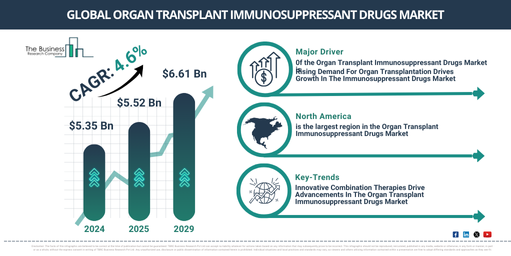
    In recent times, there has been a consistent growth in the organ transplant immunosuppressant drugs market. It is projected that the market, which was valued at $5.35 billion in 2024 will expand to reach $5.52 billion in 2025, marking a compound annual growth rate (CAGR) of 3.2%. The rise during the historic period is credited to factors such as the growth in transplant procedures, enhancement in healthcare infrastructure, progress in research and development, the global increase in the aging population, and heightened awareness.

    What Is the Projected Market Size of the Organ Transplant Immunosuppressant Drugs Market?

    The market size for immunosuppressant drugs used in organ transplants is projected to experience continuous growth in the coming years. It is anticipated to expand to “$6.61 billion by 2029, growing at a compound annual growth rate (CAGR) of 4.6%. Factors contributing to this growth during the forecast period include the emergence of new therapies, increase in the occurrence of organ failures, advancements in personalized medicine, worldwide health initiatives, and collaborative international efforts. Significant trends expected during this period involve technological innovations, advancements, strategies for cost containment, market amalgamation and partnerships, and a rise in the number of organ transplants.

    Download The Free Sample Report Here:

    https://www.thebusinessresearchcompany.com/sample.aspx?id=10143&type=smp

    Who are the Major Competitors in the Organ Transplant Immunosuppressant Drugs Market Outlook?

    Major companies operating in the organ transplant immunosuppressant drugs market include Astellas Pharma Inc., F. Hoffmann-La Roche AG, Novartis AG, Accord Healthcare Limited, GlaxoSmithKline PLC, Pfizer Inc., Sanofi S.A., Alsachim a Shimadzu Group Company, Neovii Pharmaceuticals AG, Zydus Lifesciences Limited, Dr. Reddy’s Laboratories Ltd., Lupin Limited, Mylan N.V., Strides Pharma Global Pte Ltd., Asahi Kasei Corporation, Bristol-Myers Squibb Company, Veloxis Pharmaceuticals A/S, Viatris Inc., Janssen Pharmaceuticals Inc., AbbVie Inc., Hansa Biopharma AB, Wockhardt Ltd, Glenmark Pharmaceuticals Ltd., Biocon Ltd., Hikma Pharmaceuticals PLC, Teva Pharmaceutical Industries Ltd., Cipla Ltd., Sun Pharmaceutical Industries Ltd., Aurobindo Pharma Limited, Intas Pharmaceuticals Limited, Alkem Laboratories Limited, Torrent Pharmaceuticals Limited

    What Is Fueling Growth in the Organ Transplant Immunosuppressant Drugs Market?

    The growth of the organ transplant immunosuppressant drugs market is being propelled by a rising demand for organ transplants. This surgical procedure involves substituting a sick or defective organ in a human body with a healthy one from a donor. This life-saving technique enables the replacement of impaired or failed organs with healthy ones from a donor. The need for immunosuppressant drugs is critical in order to avoid the rejection of the transplanted organs, which could lead to organ rejection. The accessibility and efficacy of these drugs determine the success of an organ transplant. For example, the Organ Procurement and Transplantation Network (OPTN), a public-private company based in the U.S., reported that about 16,335 individuals donated one or more organs after their death in 2023. This is the first time the number of deceased donors has exceeded 15,000, signifying a 9.6% rise from 2022. Therefore, the augmenting demand for organ transplantations is set to catalyze the organ transplant immunosuppressant drugs market.

    Request For A Customized Report:

    https://www.thebusinessresearchcompany.com/customise?id=10143&type=smp

    Which Organ Transplant Immunosuppressant Drugs Market Segments Are Growing the Fastest?

    The organ transplant immunosuppressant drugs market covered in this report is segmented –

    1) By Drug Class: Calcineurin Inhibitors, Antiproliferative Agents, mTOR Inhibitor, Steroids, Others Drug Classes

    2) By Transplant Type: Heart, Kidney, Liver, Lung, Pancreas, Other Transplant Types

    3) By Distribution Channel: Hospital Pharmacies, Retail Pharmacies, Online Pharmacies

    Subsegments:

    1) By Calcineurin Inhibitors: Cyclosporine, Tacrolimus

    2) By Antiproliferative Agents: Azathioprine, Mycophenolate Mofetil, Mycophenolic Acid

    3) By MTOR Inhibitor: Sirolimus, Everolimus

    4) By Steroids: Prednisone, Methylprednisolone

    5) By Other Drug Classes: Costimulation Blockers, Sodium Channel Blockers, Antibody-Based Therapies

    Which Industry Trends Are Shaping the Future of the Organ Transplant Immunosuppressant Drugs Market?

    In the market for organ transplant immunosuppressant drugs, there is a notable trend towards product innovation. In order to remain competitive, key players in this market are prioritizing the creation of novel solutions like combination therapy. The adoption of combination therapy, which uses more than one immunosuppressant drug, is on the rise because it can enhance immunosuppression and lower the chances of adverse effects. An example is the approval by the U.S. Food and Drug Administration (FDA) of OPSYNVI, a product of the US pharmaceutical and biotech firm Johnson & Johnson in March 2024. OPSYNVI, a single pill combining tadalafil (a phosphodiesterase 5 inhibitor) and macitentan (an endothelin receptor antagonist), is set to be used for long-duration management of pulmonary arterial hypertension (PAH). It can be administered to PAH patients who have not been treated before or are currently under treatment with an ERA, a PDE5 inhibitor, or both. OPSYNVI can also be recommended to patients regularly taking separate doses of 10mg macitentan and 40mg tadalafil (20mg x 2).

    Access The Full Report Here:

    https://www.thebusinessresearchcompany.com/report/organ-transplant-immunosuppressant-drugs-global-market-report

    Which Countries Are Leading the Organ Transplant Immunosuppressant Drugs Market?

    North America was the largest region in the organ transplant immunosuppressant drugs market in 2024.Asia-Pacific is expected to be the fastest-growing region in the global organ transplant immunosuppressant drugs market report during the forecast period. The regions covered in the organ transplant immunosuppressant drugs market report are Asia-Pacific, Western Europe, Eastern Europe, North America, South America, Middle East, Africa

    Purchase The Full Report Today:

    https://www.thebusinessresearchcompany.com/purchaseoptions.aspx?id=10143

    This Report Delivers Insight On:

    1. How big is the organ transplant immunosuppressant drugs market, and how is it changing globally?

    2. Who are the major companies in the organ transplant immunosuppressant drugs market, and how are they performing?

    3. What are the key opportunities and risks in the organ transplant immunosuppressant drugs market right now?

    4. Which products or customer segments are growing the most in the organ transplant immunosuppressant drugs market?

    5. What factors are helping or slowing down the growth of the organ transplant immunosuppressant drugs market?

    About The Business Research Company:

    With over 15000+ reports from 27 industries covering 60+ geographies, The Business Research Company has built a reputation for offering comprehensive, data-rich research and insights. Armed with 1,500,000 datasets, the optimistic contribution of in-depth secondary research, and unique insights from industry leaders, you can get the information you need to stay ahead in the game.

    Get in touch with us:

    The Business Research Company: https://www.thebusinessresearchcompany.com/

    Americas +1 3156230293

    Asia +44 2071930708

    Europe +44 2071930708

    Email us at info@tbrc.info

    Follow us on:

    LinkedIn: https://in.linkedin.com/company/the-business-research-company

    YouTube: https://www.youtube.com/channel/UC24_fI0rV8cR5DxlCpgmyFQ

    Global Market Model: https://www.thebusinessresearchcompany.com/global-market-model
  • Skin Booster Forecast Report – Designed for Decision Makers and Product Teams

    Skin Booster Forecast Report – Designed for Decision Makers and Product Teams

    Claim your 30% discount on Global Market Reports with code ONLINE30. Limited time only.

    What Is the Growth Rate of the Skin Booster Market?

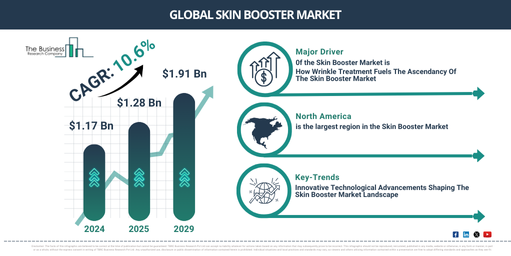
    The market for skin boosters has seen robust growth in the past few years. The market is projected to expand from $1.17 billion in 2024 to $1.28 billion in 2025, with a compound annual growth rate (CAGR) of 9.7%. Factors such as the progression in the cosmetics industry, cosmetic science developments, increased awareness about beauty, impact of medical aesthetics, and support from celebrities and influencers have all contributed to the growth experienced in the past years.

    What Growth Rate Is Forecasted for the Skin Booster Market by 2029?

    A significant expansion is projected in the skin booster market size in the forthcoming years. The estimation is a leap to “$1.91 billion by 2029, with a compound annual growth rate (CAGR) of 10.6%. The expected growth in this forecast period can be linked to the increasing demand for non-invasive treatments, tailored and specific solutions, digitalisation in the beauty sector, the needs of an aging population, and increasing awareness of beauty. The forecasted period will see major trends like AI-enabled natural and clean beauty, an emphasis on hydration, bespoke solutions, and product innovation.

    Download The Free Sample Report Here:

    https://www.thebusinessresearchcompany.com/sample.aspx?id=10456&type=smp

    Which Key Companies Are Shaping the Future of the Skin Booster Market?

    Major companies operating in the skin booster market include Galderma S.A., Merz Pharmaceuticals GmbH, Bloomage BioTechnology Corporation Limited, Teoxane Laboratories, Filorga, Professional Derma SA, IBSA Group, Lemonbottle SA, Fox Group International, Sinclair Pharma, BioScience GmbH, Vivacy Laboratories, SciVision Biotech Inc., Prollenium Medical Technologies Inc., MD Skin Solutions, Cytocare International, Cellfill SA, BCN Medical Institute, Hymagic Corporation, Skin Tech Pharma Group, Regenyal Laboratories LLC, Bioxis Pharmaceuticals Inc., Aqtis Medical Inc., Q-Med AB, Luminera Derm, Suneva Medical Inc., Polymekon Incorporated, Fidia Farmaceutici S.p.A., Aesthetic Dermal LLC, Genyal Global

    Which Factors Are Driving Demand in the Skin Booster Industry?

    The skin booster market’s growth is anticipated to be fuelled by an increased demand for wrinkle treatments. These treatments, which focus on reducing the visibility of lines, folds, or ridges in the skin, commonly use skin boosters alongside creams, laser therapy, Botox, and other methods to enhance one’s appearance. Hyaluronic acid injections are a popular component in many of these skin boosters, helping improve skin texture, elasticity, and moisture levels. These injections amplify hydration and volume, contributing to a younger-looking appearance. As an example, the British Association of Aesthetic Plastic Surgeons, a UK association, reported that in March 2023, cosmetic procedures increased by 102% from the previous year, with a total of 31,057 procedures conducted in 2022. As such, it’s clear that the growing demand for wrinkle treatment is a pivotal driving force behind the expansion of the skin booster market.

    Request For A Customized Report:

    https://www.thebusinessresearchcompany.com/customise?id=10456&type=smp

    How Is the Skin Booster Market Segmented by Several Divisions?

    The skin booster market covered in this report is segmented –

    1) By Type: Mesotherapy, Micro-Needle

    2) By Gender: Male, Female

    3) By End-Use: Dermatology Clinics, MedSpa

    Subsegments:

    1) By Mesotherapy: Injectables, Non-Invasive Treatments

    2) By Micro-Needle: Dermarollers, Automated Micro-Needling Devices

    What are the Emerging Market Trends Driving the Growth of the Skin Booster Industry?

    The advent of technological enhancements is an emerging trend in the skin booster market. Leading companies present in the skin booster industry are concentrating on creating product innovations to maintain their market footprint. For example, in February 2023, The Beauty Health Company, a personal care organization from the US, collaborated with Hungry-based skincare firm Omorovicza to develop an advanced skin renewal booster with a patented healing concentrate for enhancing skin youthfulness. The Healing Concentrate is combined with other essential elements and then administered using HydraFacial’s unique magic wand handpiece and vortex fusion technology, allowing the ingredients to deeply penetrate the skin. The Hydrafacial x Omorovicza formula comprises key substances such as retinol, vitamin C, hyaluronic acid, niacinamide, amino acids, and arabinogalactan.

    Access The Full Report Here:

    https://www.thebusinessresearchcompany.com/report/skin-booster-global-market-report

    Which Regions Are Driving Growth in the Skin Booster Market?

    North America was the largest region in the skin boosters market in 2024. Asia-Pacific is expected to be the fastest-growing region in the global skin booster market during the forecast period. The regions covered in the skin booster market report are Asia-Pacific, Western Europe, Eastern Europe, North America, South America, Middle East, Africa

    Purchase The Full Report Today:

    https://www.thebusinessresearchcompany.com/purchaseoptions.aspx?id=10456

    This Report Delivers Insight On:

    1. How big is the skin booster market, and how is it changing globally?

    2. Who are the major companies in the skin booster market, and how are they performing?

    3. What are the key opportunities and risks in the skin booster market right now?

    4. Which products or customer segments are growing the most in the skin booster market?

    5. What factors are helping or slowing down the growth of the skin booster market?

    About The Business Research Company:

    With over 15000+ reports from 27 industries covering 60+ geographies, The Business Research Company has built a reputation for offering comprehensive, data-rich research and insights. Armed with 1,500,000 datasets, the optimistic contribution of in-depth secondary research, and unique insights from industry leaders, you can get the information you need to stay ahead in the game.

    Get in touch with us:

    The Business Research Company: https://www.thebusinessresearchcompany.com/

    Americas +1 3156230293

    Asia +44 2071930708

    Europe +44 2071930708

    Email us at info@tbrc.info

    Follow us on:

    LinkedIn: https://in.linkedin.com/company/the-business-research-company

    YouTube: https://www.youtube.com/channel/UC24_fI0rV8cR5DxlCpgmyFQ

    Global Market Model: https://www.thebusinessresearchcompany.com/global-market-model
  • Nephrology Drugs Market Outlook 2025 – Insights for Executive and Strategic Planning

    Nephrology Drugs Market Outlook 2025 – Insights for Executive and Strategic Planning

    Claim your 30% discount on Global Market Reports with code ONLINE30. Limited time only.

    How Has the Nephrology Drugs Market Grown from 2024 to 2025?

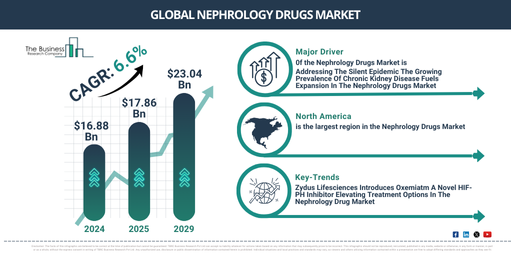
    The market for nephrology drugs has seen substantial growth in recent years, and its size is projected to expand from $16.88 billion in 2024 to $17.86 billion in 2025, a compound annual growth rate (CAGR) of 5.8%. The historical growth in this sector can be credited to a number of factors, including an increase in the prevalence of chronic kidney diseases (CKD), advancements in the process of drug development, increased public awareness and medical diagnoses, government efforts, and amendments to healthcare policies, as well as a rising incidence associated with diabetes.

    What Growth Rate Is Anticipated for the Nephrology Drugs Market in the Coming Years?

    The market size for nephrology drugs is projected to experience significant expansion in the upcoming years, reaching “$23.04 billion by 2029, with a compound annual growth rate (CAGR) of 6.6%. This projected growth during the forecast period can be accredited to factors such as the development of new therapies and drug innovations, the rise of precision medicine and tailor-made treatment methods, an increase in healthcare spending, the introduction of telehealth and remote patient observation, along with global health initiatives. Noteworthy trends anticipated within the forecast period encompass collaborations and partnerships, technological progress in dialysis, advancements in treatment methods, a growing focus on early diagnosis and intervention, and the incorporation of technology in nephrology management.

    Download The Free Sample Report Here:

    https://www.thebusinessresearchcompany.com/sample.aspx?id=10076&type=smp

    Who Are the Leading Companies in the Nephrology Drugs Market?

    Major companies operating in the nephrology drugs market include AstraZeneca plc, AbbVie Inc., Akebia Therapeutics Inc., Amgen Inc., F. Hoffmann-La Roche AG, FibroGen Inc., Johnson And Johnson, Pfizer Inc., GlaxoSmithKline plc, Teva Pharmaceutical Industries Limited, Boehringer Ingelheim International GmbH, Reata Pharmaceuticals Inc., Ardelyx Inc., Novo Nordisk A/S, Novartis AG, Baxter International Inc., Bristol Myers Squibb Company, Kissei Pharmaceutical Co. Ltd., Kyowa Kirin Co. Ltd., Mallinckrodt Pharmaceuticals, OPKO Health Inc., Sanofi S.A., Takeda Pharmaceutical Company Limited, Vifor Pharma Group, Bayer AG, Amicus Therapeutics, Chugai Pharmaceutical Co. Ltd., Otsuka Pharmaceutical Co. Ltd., Mylan N.V., Endo Pharmaceuticals plc

    What Are the Key Drivers of the Nephrology Drugs Market?

    The increasing incidence of chronic kidney disease is anticipated to spur the expansion of the nephrology drugs market. Chronic kidney disease (CKD) involves weakened kidneys that are unable to efficiently purify the blood; because this damage develops over a long period, harmful waste can build up in the body. Nephrology medications are mainly used to improve kidney function and slow the progress of CKD, thus preventing additional damage to the body. This positively affects the growth of the nephrology drug market. For example, data shared in July 2022 by the Centers for Disease Control and Prevention (CDC), a health protection agency based in the U.S., revealed that more than 37 million individuals in the U.S. were diagnosed with CKD, most prevalently among those aged 65 or older (38 percent). Furthermore, the Kidney Foundation of Canada, a non-profit organization, states that 4 million Canadians have kidney diseases, with diabetes accounting for 35 percent of kidney failure cases. These figures are projected to increase in the future. Hence, the mounting incidence of chronic kidney disease is fuelling the expansion of the nephrology drug market.

    Request For A Customized Report:

    https://www.thebusinessresearchcompany.com/customise?id=10076&type=smp

    What Are the Key Market Segments in the Nephrology Drugs Industry?

    The nephrology drugs market covered in this report is segmented –

    1) By Drugs: Antihypertensive Agents, Erythropoiesis-Stimulating Agents, Diuretics, ACE Inhibitors, Antidiabetic Agents, Other Drugs

    2) By Route Of Administration: Oral, Parenteral, Other Route Of Administration

    3) By Distribution Channel: Hospital Pharmacy, Online Pharmacy, Retail Pharmacy

    4) By End User: Hospitals, Homecare, Specialty Clinics, Other End Users

    Subsegments:

    1) By Antihypertensive Agents: Calcium Channel Blockers, Beta-Blockers, Angiotensin II Receptor Blockers (ARBs)

    2) By Erythropoiesis-Stimulating Agents: Epoetin Alfa, Darbepoetin Alfa

    3) By Diuretics: Loop Diuretics, Thiazide Diuretics, Potassium-Sparing Diuretics

    4) By ACE Inhibitors: Lisinopril, Enalapril

    5) By Antidiabetic Agents: Metformin, Insulin

    6) By Other Drugs: Phosphate Binders, Vitamin D Analogues, Renin Inhibitors

    What Are the Latest Trends in the Nephrology Drugs Market?

    Product innovation is emerging as a crucial trend within the nephrology drug market. To maintain their footing in the market, leading companies are investing in the development and creation of new products and drugs. For instance, in March 2022, Indian pharmaceutical firm Zydus Lifesciences Limited unveiled Oxemia (desidustat) for the treatment of chronic kidney disease (CKD). As an oral hypoxia-inducible factor-prolyl hydroxylase (HIF-PH) inhibitor, Oxemia offers a convenient therapeutic solution for treating anemia and it passed the Phase III clinical trials with approval from the Drug Controller General of India. The trials demonstrated promising results, including safe profiles, hepcidin lowering, improved iron movement, and lessened LDL-C in CKD patients. Importantly, this treatment is affordable and aims to enhance patients’ quality of life and reduce the impact of the disease.

    Access The Full Report Here:

    https://www.thebusinessresearchcompany.com/report/nephrology-drugs-global-market-report

    What Are the Key Regional Markets in the Nephrology Drugs Industry?

    North America was the largest region in the nephrology drug market in 2024.Europe will be the second-largest growing region in the nephrology drug market in 2024. The regions covered in the nephrology drugs market report are Asia-Pacific, Western Europe, Eastern Europe, North America, South America, Middle East, Africa

    Purchase The Full Report Today:

    https://www.thebusinessresearchcompany.com/purchaseoptions.aspx?id=10076

    This Report Delivers Insight On:

    1. How big is the nephrology drugs market, and how is it changing globally?

    2. Who are the major companies in the nephrology drugs market, and how are they performing?

    3. What are the key opportunities and risks in the nephrology drugs market right now?

    4. Which products or customer segments are growing the most in the nephrology drugs market?

    5. What factors are helping or slowing down the growth of the nephrology drugs market?

    About The Business Research Company:

    With over 15000+ reports from 27 industries covering 60+ geographies, The Business Research Company has built a reputation for offering comprehensive, data-rich research and insights. Armed with 1,500,000 datasets, the optimistic contribution of in-depth secondary research, and unique insights from industry leaders, you can get the information you need to stay ahead in the game.

    Get in touch with us:

    The Business Research Company: https://www.thebusinessresearchcompany.com/

    Americas +1 3156230293

    Asia +44 2071930708

    Europe +44 2071930708

    Email us at info@tbrc.info

    Follow us on:

    LinkedIn: https://in.linkedin.com/company/the-business-research-company

    YouTube: https://www.youtube.com/channel/UC24_fI0rV8cR5DxlCpgmyFQ

    Global Market Model: https://www.thebusinessresearchcompany.com/global-market-model
  • Myeloproliferative Disorders Drugs Market to Reach $11.73 Billion by 2029 | Key Drivers and Future Outlook

    Myeloproliferative Disorders Drugs Market to Reach $11.73 Billion by 2029 | Key Drivers and Future Outlook

    Claim your 30% discount on Global Market Reports with code ONLINE30. Limited time only.

    What Is the Growth Rate of the Myeloproliferative Disorders Drugs Market?

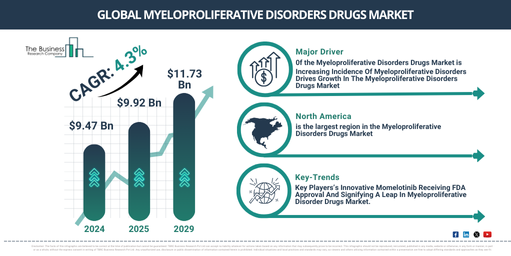
    The market for drugs treating myeloproliferative disorders has witnessed consistent growth in recent times. The market which was priced at $9.47 billion in 2024 is projected to be worth $9.92 billion in 2025 with a compound annual growth rate (CAGR) of 4.8%. Multiple factors have contributed to this growth during the historic period, including a rise in the number of myeloproliferative disorder cases, advancements in the comprehension of disease mechanisms, progress in clinical studies and drug development, enhanced diagnostic and screening methods, and heightened awareness and advocacy among patients.

    What Growth Rate Is Forecasted for the Myeloproliferative Disorders Drugs Market by 2029?

    The market for drugs targeted at myeloproliferative disorders is expected to witness stable growth in the coming years, eventually reaching $11.73 billion by 2029 with a Compound Annual Growth Rate (CAGR) of 4.3%. This forecasted growth is owing to factors such as the growing elderly population, the rise in precision medicine, the introduction of innovative therapies, global attention to rare diseases as well as government actions and healthcare regulations. Key trends to note for the forecast period are the application of precision medicine, clinical trials of new therapies, better management of symptoms, increased utilisation of ruxolitinib, and a focus on identifying disease biomarkers.

    Download The Free Sample Report Here:

    https://www.thebusinessresearchcompany.com/sample.aspx?id=10681&type=smp

    Which Key Companies Are Shaping the Future of the Myeloproliferative Disorders Drugs Market?

    Major companies operating in the myeloproliferative disorders drugs market include Novartis AG, Bristol-Myers Squibb Company, Pfizer Inc., Takeda Pharmaceutical Company Limited, Teva Pharmaceutical Industries Ltd., Incyte Corporation, Eli Lilly and Co, F Hoffmann-La Roche Ltd., Mylan NV, Fresenius Kabi AG, Hikma Pharmaceuticals plc, GSK plc, Bayer AG, Sun Pharmaceutical Industries Ltd., Boehringer Ingelheim International Gmbh, Sanofi Aventis Inc., AstraZeneca AB, Apotex Inc, Celgene Co., Gamida Cell Ltd., Geron Co., Promedior Inc., Johnson & Johnson Private Limited, AbbVie Inc., AOP Orphan Pharmaceuticals AG, Astellas Pharma Inc., Biogen Inc., Daiichi Sankyo Chemical Pharma Co. Ltd., Eisai Pharmaceuticals India Pvt. Ltd.

    Which Factors Are Driving Demand in the Myeloproliferative Disorders Drugs Industry?

    The increase in cases of myeloproliferative disorders is predicted to drive the advancement of the market for drugs targeting these conditions. Myeloproliferative disorders are a varied group of diseases characterized by the expansion of hematologic cell lines in the peripheral blood, separate from acute leukemia. The upsurge in these disorders is mostly attributed to genetic diseases, overexposure to chemicals, radiation, and electrical wiring, coupled with the elderly age group. Drugs for myeloproliferative diseases function by suppressing the BCR-ABL protein through binding to the ATP pocket in the active site, thereby halting downstream phosphorylation of the target protein, which aids in treating the disorder. For example, in August 2022, the National Institute of Health, a US-based medical research organization, reported that in 2022, chronic myelogenous leukemia had a higher prevalence in men, with about 2.4 new cases per 100,000, in comparison to 1.4 new cases per 100,000 in women. This fact shows an increase from 1.7 new cases in men and women per 100,000 each year in 2020. Consequently, the upsurge in myeloproliferative disorders cases is propelling the expansion of the drug market for these conditions.

    Request For A Customized Report:

    https://www.thebusinessresearchcompany.com/customise?id=10681&type=smp

    How Is the Myeloproliferative Disorders Drugs Market Segmented by Several Divisions?

    The myeloproliferative disorders drugs market covered in this report is segmented –

    1) By Type: Primary Myelofibrosis, Polycythemia Vera (PV), Essential Thrombocythemia (ET), Chronic Eosinophilic Leukemia Or Hyper eosinophilic Syndrome (HES), Systemic Masto cytosis (SM)

    2) By Drug Type: JAK2 Inhibitors, Anti-Neoplastics, Demethylation Agents, Imatinib Mesylate, Other Drug Types

    3) By Route Of Administration: Oral, Parenteral, Other Routes Of Administration

    4) By Distribution Channel: Hospital Pharmacy, Retail Stores, Drug Stores

    Subsegments:

    1) By Primary Myelofibrosis: JAK Inhibitors, Immunomodulatory Agents, Supportive Care

    2) By Polycythemia Vera (PV): JAK Inhibitors, Hydroxyurea, Phlebotomy, Interferon-alpha

    3) By Essential Thrombocythemia (ET): JAK Inhibitors, Hydroxyurea, Anagrelide, Interferon-alpha

    4) By Chronic Eosinophilic Leukemia or Hyper Eosinophilic Syndrome (HES): Tyrosine Kinase Inhibitors, Corticosteroids, Interferon-alpha

    5) By Systemic Mastocytosis (SM): Tyrosine Kinase Inhibitors, Corticosteroids, Antihistamines, Immunotherapy

    What are the Emerging Market Trends Driving the Growth of the Myeloproliferative Disorders Drugs Industry?

    One significant trend gaining traction in the market for myeloproliferative disorder drugs is product innovation. Key players in this market, like GSK PLC, are focusing their efforts on inventing new products to consolidate their market position. An example of this was seen in September 2023 when the UK-based pharma and biotech firm announced that the FDA had approved momelotinib for the treatment of primary myelofibrosis, an MPD type. This promising new medication has a unique mode of action that can obstruct three vital signaling pathways: ACVR1, JAK1, and JAK2. Potential benefits of JAK1 and JAK2 inhibition may include the relief of splenomegaly and constitutional symptoms. It can also lessen the amount of hepcidin in circulation, which usually increases in myelofibrosis and leads to anemia; this reduction is due to the direct inhibition of ACVR1.

    Access The Full Report Here:

    https://www.thebusinessresearchcompany.com/report/myeloproliferative-disorders-drugs-global-market-report

    Which Regions Are Driving Growth in the Myeloproliferative Disorders Drugs Market?

    North America was the largest region in the myeloproliferative disorder drugs market in 2024.Asia-Pacific is expected to be the fastest-growing region in the global myeloproliferative disorder drugs market report during the forecast period. The regions covered in the myeloproliferative disorders drugs market report are Asia-Pacific, Western Europe, Eastern Europe, North America, South America, Middle East, Africa.

    Purchase The Full Report Today:

    https://www.thebusinessresearchcompany.com/purchaseoptions.aspx?id=10681

    This Report Delivers Insight On:

    1. How big is the myeloproliferative disorders drugs market, and how is it changing globally?

    2. Who are the major companies in the myeloproliferative disorders drugs market, and how are they performing?

    3. What are the key opportunities and risks in the myeloproliferative disorders drugs market right now?

    4. Which products or customer segments are growing the most in the myeloproliferative disorders drugs market?

    5. What factors are helping or slowing down the growth of the myeloproliferative disorders drugs market?

    About The Business Research Company:

    With over 15000+ reports from 27 industries covering 60+ geographies, The Business Research Company has built a reputation for offering comprehensive, data-rich research and insights. Armed with 1,500,000 datasets, the optimistic contribution of in-depth secondary research, and unique insights from industry leaders, you can get the information you need to stay ahead in the game.

    Get in touch with us:

    The Business Research Company: https://www.thebusinessresearchcompany.com/

    Americas +1 3156230293

    Asia +44 2071930708

    Europe +44 2071930708

    Email us at info@tbrc.info

    Follow us on:

    LinkedIn: https://in.linkedin.com/company/the-business-research-company

    YouTube: https://www.youtube.com/channel/UC24_fI0rV8cR5DxlCpgmyFQ

    Global Market Model: https://www.thebusinessresearchcompany.com/global-market-model
  • Rheumatoid Arthritis Drugs Industry Growth Expected to Reach $66.61 Billion by 2029 at a CAGR of 2.3% | Segmentation and Growth Opportunities

    Rheumatoid Arthritis Drugs Industry Growth Expected to Reach $66.61 Billion by 2029 at a CAGR of 2.3% | Segmentation and Growth Opportunities

    Claim your 30% discount on Global Market Reports with code ONLINE30. Limited time only.

    What Is the Forecast for the Rheumatoid Arthritis Drugs Market Growth in 2025?

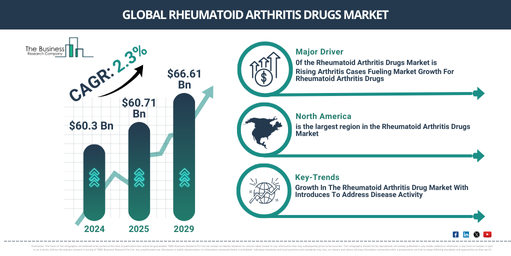
    The market size for rheumatoid arthritis medications has seen a modest expansion in the past few years. The market cap is projected to rise from $60.3 billion in 2024 to $60.71 billion in 2025, resulting in a compound annual growth rate (CAGR) of 0.7%. The historical growth is due to increased instances of the disease, development in healthcare framework, awareness and educational programs, government support and strategies, along with strategic partnerships.

    What Is the Forecast for the Rheumatoid Arthritis Drugs Market Size Through 2029?

    The market for drugs treating rheumatoid arthritis is projected to witness consistent expansion in the upcoming years, reaching a valuation of “$66.61 billion in 2029 with a Compound Annual Growth Rate (CAGR) of 2.3%. This development in the forecasted period can be ascribed to factors like the trend of personalized medicine, growth in emerging markets, pipeline expansion, emphasis on combination treatments, and a rise in healthcare spending. The forecast period will be characterized by major trends like the dominance of biological therapies, the impact of biosimilars, advancements in personalized medicine, boost in oral therapies, and a shift towards early diagnosis and intervention.

    Download The Free Sample Report Here:

    https://www.thebusinessresearchcompany.com/sample.aspx?id=10120&type=smp

    What are the Key Market Players in Rheumatoid Arthritis Drugs Market and How They’re Evolving?

    Major companies operating in the rheumatoid arthritis drugs market include Pfizer Inc., Abbvie Inc., Amgen Inc., Novartis AG, Boehringer Ingelheim International GmbH, Eli Lilly and Company, F-Hoffmann La Roche AG, Bristol-Myers Squibb Company, AstraZeneca PLC, Merck & Co Inc., Johnson & Johnson Inc., Bayer AG, Teva Pharmaceuticals Industries Ltd., Sun Pharmaceutical Industries Ltd., Sanofi S.A, Biogen Inc., Regeneron Pharmaceuticals Inc., Galapagos NV, Abbott Laboratories, Takeda Pharmaceutical Company Limited, Mitsubishi Tanabe Pharma Corporation, UCB S.A., Astellas Pharma Inc., Corbus Pharmaceuticals Holdings Inc., Roche Holding AG, Daiichi Sankyo Company Limited, Mallinckrodt Pharmaceuticals, Gilead Sciences Inc.

    What Are the Primary Growth Drivers in the Rheumatoid Arthritis Drugs Market?

    The surge in arthritis cases is anticipated to boost the rheumatoid arthritis drugs market in the future. Rheumatoid arthritis, an autoimmune and inflammatory disease, is characterized by the immune system mistakenly attacking healthy cells, leading to inflammation in the affected body parts. There are both drugs and self-management methods available for effective treatment of RA. These medications relieve pain, promote joint flexibility, and prevent disease advancement. For example, data from the National Center for Health Statistics, a US government agency, revealed in February 2024 that the age-adjusted prevalence of diagnosed arthritis in adults in 2022 was 18.9%, with a higher rate in women (21.5%) compared to men (16.1%). The prevalence escalated substantially with age, rising from 3.6% in adults aged 18–34 to 53.9% in those aged 75 and above. Thus, the increasing number of arthritis cases is likely to fuel the growth of the rheumatoid arthritis drugs market.

    Request For A Customized Report:

    https://www.thebusinessresearchcompany.com/customise?id=10120&type=smp

    What Are the Leading Segments in the Global Rheumatoid Arthritis Drugs Industry?

    The rheumatoid arthritis drugs market covered in this report is segmented –

    1) By Drug Type: Nonsteroidal Anti-Inflammatory Drugs (NSAIDs), Corticosteroids, Disease-Modifying Antirheumatic Drugs (DMARDs), Biologic Response Modifiers (BRMs), Other Drug Types

    2) By Route Of Administration: Oral, Parenteral, Topical, Other Route Of Administrations

    3) By Distribution Channel: Hospital Pharmacy, Retail Pharmacy, Online Pharmacy

    Subsegments:

    1) By Nonsteroidal Anti-Inflammatory Drugs (NSAIDs): Ibuprofen, Naproxen, Diclofenac, Indomethacin

    2) By Corticosteroids: Prednisone, Methylprednisolone, Dexamethasone

    3) By Disease-Modifying Antirheumatic Drugs: Methotrexate, Sulfasalazine, Hydroxychloroquine, Leflunomide

    4) By Biologic Response Modifiers: Tumor Necrosis Factor (TNF) Inhibitors, Interleukin Inhibitors, B-cell Inhibitors

    5) By Other Drug Types: Janus Kinase Inhibitors, Other Novel Therapies

    What Are the Key Market Trends in the Rheumatoid Arthritis Drugs Industry?

    The introduction of innovative products is an emerging trend in the rheumatoid arthritis drug market. Firms in this sector are launching new offerings to maintain their market standing. For example, in August 2022, R-Pharm, a Russian-based high-tech pharmaceutical private company, introduced Olokizumab, a humanized monoclonal antibody that targets the cytokine interleukin-6 specifically. This signaling molecule contributes to rheumatoid arthritis-related joint destruction progress and, like TNF (tumor necrosis factor), instigates inflammatory reactions in the human body, which mitigates disease activity in numerous rheumatoid arthritis patients.

    Access The Full Report Here:

    https://www.thebusinessresearchcompany.com/report/rheumatoid-arthritis-drugs-global-market-report

    What Is the Regional Outlook for the Rheumatoid Arthritis Drugs Market?

    North America was the largest region in the rheumatoid arthritis drugs market in 2024.North America is expected to be the fastest-growing region in the global rheumatoid arthritis market report during the forecast period. The regions covered in the rheumatoid arthritis drugs market report are Asia-Pacific, Western Europe, Eastern Europe, North America, South America, Middle East, Africa.

    Purchase The Full Report Today:

    https://www.thebusinessresearchcompany.com/purchaseoptions.aspx?id=10120

    This Report Delivers Insight On:

    1. How big is the rheumatoid arthritis drugs market, and how is it changing globally?

    2. Who are the major companies in the rheumatoid arthritis drugs market, and how are they performing?

    3. What are the key opportunities and risks in the rheumatoid arthritis drugs market right now?

    4. Which products or customer segments are growing the most in the rheumatoid arthritis drugs market?

    5. What factors are helping or slowing down the growth of the rheumatoid arthritis drugs market?

    About The Business Research Company:

    With over 15000+ reports from 27 industries covering 60+ geographies, The Business Research Company has built a reputation for offering comprehensive, data-rich research and insights. Armed with 1,500,000 datasets, the optimistic contribution of in-depth secondary research, and unique insights from industry leaders, you can get the information you need to stay ahead in the game.

    Get in touch with us:

    The Business Research Company: https://www.thebusinessresearchcompany.com/

    Americas +1 3156230293

    Asia +44 2071930708

    Europe +44 2071930708

    Email us at info@tbrc.info

    Follow us on:

    LinkedIn: https://in.linkedin.com/company/the-business-research-company

    YouTube: https://www.youtube.com/channel/UC24_fI0rV8cR5DxlCpgmyFQ

    Global Market Model: https://www.thebusinessresearchcompany.com/global-market-model
  • RNA Targeting Small Molecules Therapeutics Market Size to Exceed $22.36 Billion by 2029 | Growth and Industry Trends

    RNA Targeting Small Molecules Therapeutics Market Size to Exceed $22.36 Billion by 2029 | Growth and Industry Trends

    Claim your 30% discount on Global Market Reports with code ONLINE30. Limited time only.

    How Has the RNA Targeting Small Molecules Therapeutics Market Grown from 2024 to 2025?

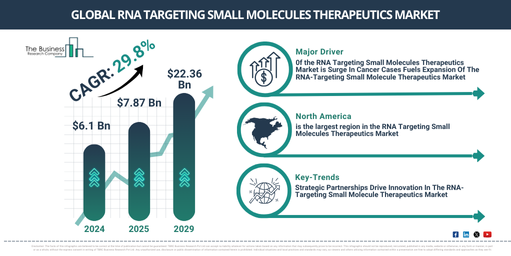
    In recent times, the market for RNA targeting small molecules therapeutics has experienced exponential growth. The market, which was worth $6.1 billion in 2024, is forecasted to expand to $7.87 billion in 2025, with a compound annual growth rate (CAGR) of 28.9%. Factors such as advancements in drug discovery and development, increasing number of RNA-related diseases, both government and private sector funding, interest from the pharmaceutical industry, and successful narratives of RNA therapeutics have contributed to the growth recorded during the historical period.

    What Growth Rate Is Anticipated for the RNA Targeting Small Molecules Therapeutics Market in the Coming Years?

    The market for RNA targeting small molecule therapeutics is projected to experience an immense expansion in the forthcoming years, with a valuation of $22.36 billion anticipated by 2029, growing at a CAGR of 29.8%. Factors contributing to this surge during the forecast period include the development of precision medicine and individualized treatment approaches, the growing identification of RNA biomarkers, broadening of RNA target spectrum, augmented funding and investments, and applications in rare disease treatments. Further trends predicted for the forecast period are advancements in screening technologies, dominance of antisense oligonucleotides, emergent small molecule RNA binders, RNA therapeutics application for neurological disorders, and gene editing utilizing the crispr-cas9 technique.

    Download The Free Sample Report Here:

    https://www.thebusinessresearchcompany.com/sample.aspx?id=12253&type=smp

    Who Are the Leading Companies in the RNA Targeting Small Molecules Therapeutics Market?

    Major companies operating in the RNA targeting small molecules therapeutics market include F. Hoffmann-La Roche Ltd., Bayer AG, Sanofi S.A., AstraZeneca plc, Eli Lilly and Company, Amgen Inc., Janssen Pharmaceuticals, Vertex Pharmaceuticals, Servier laboratories, Genentech Inc., PTC Therapeutics Inc., Arrakis Therapeutics, Anima Biotech Inc., Skyhawk Therapeutics Inc., Remix Therapeutics, Abivax SA, 858 Therapeutics, Eloxx Pharmaceuticals Inc., STORM Therapeutics Ltd., Accent Therapeutics Inc., eFFECTOR Therapeutics Inc., EPICS Therapeutics, Expansion Therapeutics Inc., Inspirna Inc., MiNA Therapeutics Ltd., Ribometrix Inc., AC Immune SA, Redona Therapeutics

    What Are the Key Drivers of the RNA Targeting Small Molecules Therapeutics Market?

    The escalating incidence of cancer is predicted to accelerate the growth trajectory of the RNA-targeting small molecule therapeutics market. Cancer encompasses diseases that can originate in almost any tissue or organ when irregular cells multiply beyond control, surpass their typical confines, and spread to other organs or impinge on nearby body parts. The treatment for cancer involves the use of RNA-targeting small molecules that are designed and studied for the purpose of specifically targeting RNA molecules linked with cancer. For instance, studies conducted by the American Cancer Society, a US-based health organization, in January 2022 revealed that there are anticipated to be 609,360 cancer fatalities and 1.9 million fresh cases of cancer in the US in 2022. This approximates to around 1,670 deaths each day. Consequently, the escalating incidence of cancer is stimulating the expansion of the RNA-targeting small molecule therapeutics market.

    Request For A Customized Report:

    https://www.thebusinessresearchcompany.com/customise?id=12253&type=smp

    What Are the Key Market Segments in the RNA Targeting Small Molecules Therapeutics Industry?

    The RNA targeting small molecules therapeutics market covered in this report is segmented –

    1) By Offering: mRNA (Messenger Ribonucleic Acid) Translation Modulators, RNA (Ribonucleic Acid) Splicing Modification, Direct RNA (Ribonucleic Acid) Targeting, Other Offerings

    2) By Therapeutic Indication: Lung Fibrosis, Cancer, Neurodegenerative Diseases, Autoimmune, Inflammatory, Other Therapeutic Indications

    3) By Application: Drug Discovery, Oncology Research, Disease Identification

    4) By End User: Hospitals, Research Laboratories, Pharmaceutical And Biotechnology Companies, Other End-Users

    Subsegments:

    1) By mRNA (Messenger Ribonucleic Acid) Translation Modulators: Small Molecule Inhibitors, Enhancers Of Translation

    2) By RNA (Ribonucleic Acid) Splicing Modification: Splicing Modulators, Antisense Oligonucleotides

    3) By Direct RNA (Ribonucleic Acid) Targeting: RNA-Binding Small Molecules, RNA Aptamers

    4) By Other Offerings: RNA Interference (RNAi) Therapeutics, Small Molecule Activators Of RNA Stability

    What Are the Latest Trends in the RNA Targeting Small Molecules Therapeutics Market?

    One of the prevalent trends in the RNA-targeting small molecule therapeutics market is the formation of strategic alliances. Major players in the market are increasingly entering into collaborations to foster a new relationship whereby multiple entities produce innovative items. For example, Otsuka Pharmaceutical Co. Ltd., a pharmaceutical manufacturer from Japan, joined forces with xFOREST Therapeutics Co. Ltd., another Japanese company specializing in drug discovery platforms, in June 2022. This partnership allows xFOREST to provide Otsuka with its Forest technology to expedite small-molecule drug discovery research focusing on RNA structures. Furthermore, in April 2024, Ipsen, a biopharmaceutical firm from France, partnered with Skyhawk Therapeutics, a US-based clinical-stage biotechnology company offering RNA-targeting small molecule therapeutics. Through this partnership, Ipsen sought to produce RNA-targeting small molecule medicines for rare neurological disorders while employing various data sets to pinpoint and develop small molecules capable of modulating RNA.

    Access The Full Report Here:

    https://www.thebusinessresearchcompany.com/report/rna-targeting-small-molecules-therapeutics-global-market-report

    What Are the Key Regional Markets in the RNA Targeting Small Molecules Therapeutics Industry?

    North America was the largest region in the RNA targeting small molecules therapeutics market in 2024. The regions covered in the RNA targeting small molecules therapeutics market report are Asia-Pacific, Western Europe, Eastern Europe, North America, South America, Middle East, Africa.

    Purchase The Full Report Today:

    https://www.thebusinessresearchcompany.com/purchaseoptions.aspx?id=12253

    This Report Delivers Insight On:

    1. How big is the rna targeting small molecules therapeutics market, and how is it changing globally?

    2. Who are the major companies in the rna targeting small molecules therapeutics market, and how are they performing?

    3. What are the key opportunities and risks in the rna targeting small molecules therapeutics market right now?

    4. Which products or customer segments are growing the most in the rna targeting small molecules therapeutics market?

    5. What factors are helping or slowing down the growth of the rna targeting small molecules therapeutics market?

    About The Business Research Company:

    With over 15000+ reports from 27 industries covering 60+ geographies, The Business Research Company has built a reputation for offering comprehensive, data-rich research and insights. Armed with 1,500,000 datasets, the optimistic contribution of in-depth secondary research, and unique insights from industry leaders, you can get the information you need to stay ahead in the game.

    Get in touch with us:

    The Business Research Company: https://www.thebusinessresearchcompany.com/

    Americas +1 3156230293

    Asia +44 2071930708

    Europe +44 2071930708

    Email us at info@tbrc.info

    Follow us on:

    LinkedIn: https://in.linkedin.com/company/the-business-research-company

    YouTube: https://www.youtube.com/channel/UC24_fI0rV8cR5DxlCpgmyFQ

    Global Market Model: https://www.thebusinessresearchcompany.com/global-market-model
  • Head And Neck Cancer Therapeutics Market Projected at $2.85 Billion by 2029 | Strategic Insights and Forecast Data

    Head And Neck Cancer Therapeutics Market Projected at $2.85 Billion by 2029 | Strategic Insights and Forecast Data

    Claim your 30% discount on Global Market Reports with code ONLINE30. Limited time only.

    How Has the Head And Neck Cancer Therapeutics Market Size Changed, over the years?

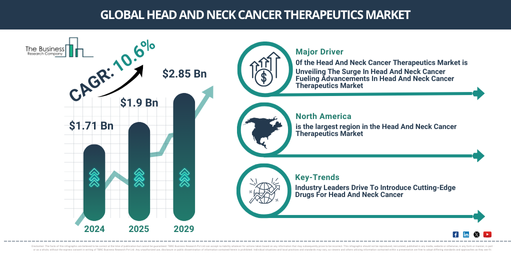
    The market size for head and neck cancer therapeutics has seen a swift expansion in the past few years. It is projected to rise from $1.71 billion in 2024 to $1.9 billion in 2025, demonstrating a compound annual growth rate (CAGR) of 11.3%. Factors contributing to the growth during the historical period include tobacco and alcohol use, infections from the human papillomavirus (HPV), environmental influences, and the advancement of treatment methodologies.

    How Much Will the Head And Neck Cancer Therapeutics Market Be Worth in 2029?

    The market size for therapeutics in head and neck cancer is predicted to witness swift expansion in the forthcoming years. The growth is projected to hit $2.85 billion by the year 2029 at a compound yearly growth rate (CAGR) of 10.6%. This surge during the forecast period can be credited to advancements in immunotherapy, precision medicine techniques, campaigns for awareness and early diagnosis, and the worldwide aging population. The forecast period is also set to witness several major trends such as an increasing emphasis on targeted therapies, the rise in adoption of minimally invasive surgical procedures, inclusion of palliative care, exploration into innovative biomarkers, and the implementation of patient-focused care models.

    Download The Free Sample Report Here:

    https://www.thebusinessresearchcompany.com/sample.aspx?id=12426&type=smp

    Which is the Largest Company in the Head And Neck Cancer Therapeutics Market?

    Major companies operating in the head and neck cancer therapeutics market include Pfizer Inc., F Hoffmann-La Roche Ltd., Merck & Co. Inc., AbbVie Inc., Bayer AG, Novartis AG, Sanofi Aventis LLC, Bristol-Myers-Squibb Company, AstraZeneca PLC, GlaxoSmithKline plc., Takeda Pharmaceutical Company Limited, Eli Lilly and Company, Amgen Inc., Boehringer Ingelheim International GmbH, Teva Pharmaceutical Industries Ltd., Astellas Pharma Inc., Daiichi Sankyo Company Limited, Eisai Co. Ltd., Sun Pharmaceutical Industries Ltd., Incyte Corporation, Ono Pharmaceutical Co. Ltd., Kyowa Kirin Co. Ltd., Hikma Pharmaceuticals PLC, Clinigen Group plc., Ligand Pharmaceuticals, Acceleron Pharma Inc., Taiho Pharmaceutical Co. Ltd., Boston Biomedical Inc., AB Science SA.

    What Are the Main Market Drivers in the Head And Neck Cancer Therapeutics Industry?

    The growth of the head and neck cancer therapeutics market is anticipated to be propelled by the escalating instances of head and neck cancer. This type of cancer is characterized by unchecked cellular growth within the tissues located in the head and neck region. The escalating number of cases accentuates the need for improved diagnosis and treatment methodologies to address possible mutations and irregularities in cancer cells. For instance, Cancer Research UK, a noted independent cancer research entity in the UK, anticipates a 3% increase in the incidence of head and neck cancer, and a 12% rise in deaths caused by such cancers in the UK between 2023 and 2025. Hence, the escalating rates of head and neck cancer are said to be fueling the growth of the head and neck cancer therapeutics market.

    Request For A Customized Report:

    https://www.thebusinessresearchcompany.com/customise?id=12426&type=smp

    How Is the Head And Neck Cancer Therapeutics Market Segments Structured?

    The head and neck cancer therapeutics market covered in this report is segmented –

    1) By Type: Programmed Cell Death (PD) Inhibitors, Microtubule Inhibitors, Epidermal Growth Factor Receptor (EGFR) Inhibitors

    2) By Route Of Administration: Injectable, Oral

    3) By Distribution Channel: Retail And Specialty Pharmacies, Hospital Pharmacies, Online Pharmacies

    4) By Application: Surgery, Radiation Therapy, Chemotherapy, Immunotherapy, Other Applications

    Subsegments:

    1) By Programmed Cell Death (PD) Inhibitors: PD-1 Inhibitors, PD-L1 Inhibitors

    2) By Microtubule Inhibitors: Taxanes, Vinca Alkaloids

    3) By Epidermal Growth Factor Receptor (EGFR) Inhibitors: Monoclonal Antibodies, Tyrosine Kinase Inhibitors

    What Strategic Trends Are Transforming the Head And Neck Cancer Therapeutics Market?

    Prominent businesses in the head and neck cancer therapeutics market are focusing their initiatives on the development and launch of novel pharmaceutical treatments for patients diagnosed with head and neck cancer therapeutics. The term “drug treatment” pertains to the utilization of medications or pharmaceutical substances to treat, manage, or assuage disease, symptoms or conditions in individuals. For instance, in October 2023, a key announcement came from the US-based biopharmaceutical company, Coherus BioSciences Inc., about their latest drug ‘Loqtorzi’ or toripalimab-tpzi receiving FDA approval. The drug can be used alongside cisplatin and gemcitabine as the primary treatment for adults with diagnosed metastatic or recurrent, locally advanced nasopharyngeal carcinoma. The clinical trials showed fewer than 20% of patients, encountered adverse reactions, irrespective of whether the drug was used as a primary treatment option or as monotherapy.

    Access The Full Report Here:

    https://www.thebusinessresearchcompany.com/report/head-and-neck-cancer-therapeutics-global-market-report

    Which Global Regions Offer the Highest Growth in the Head And Neck Cancer Therapeutics Market?

    North America was the largest region in the head and neck cancer therapeutics market in 2024. Asia-Pacific is expected to be the fastest-growing region in the forecast period. The regions covered in the head and neck cancer therapeutics market report are Asia-Pacific, Western Europe, Eastern Europe, North America, South America, Middle East, Africa

    Purchase The Full Report Today:

    https://www.thebusinessresearchcompany.com/purchaseoptions.aspx?id=12426

    This Report Delivers Insight On:

    1. How big is the head and neck cancer therapeutics market, and how is it changing globally?

    2. Who are the major companies in the head and neck cancer therapeutics market, and how are they performing?

    3. What are the key opportunities and risks in the head and neck cancer therapeutics market right now?

    4. Which products or customer segments are growing the most in the head and neck cancer therapeutics market?

    5. What factors are helping or slowing down the growth of the head and neck cancer therapeutics market?

    About The Business Research Company:

    With over 15000+ reports from 27 industries covering 60+ geographies, The Business Research Company has built a reputation for offering comprehensive, data-rich research and insights. Armed with 1,500,000 datasets, the optimistic contribution of in-depth secondary research, and unique insights from industry leaders, you can get the information you need to stay ahead in the game.

    Get in touch with us:

    The Business Research Company: https://www.thebusinessresearchcompany.com/

    Americas +1 3156230293

    Asia +44 2071930708

    Europe +44 2071930708

    Email us at info@tbrc.info

    Follow us on:

    LinkedIn: https://in.linkedin.com/company/the-business-research-company

    YouTube: https://www.youtube.com/channel/UC24_fI0rV8cR5DxlCpgmyFQ

    Global Market Model: https://www.thebusinessresearchcompany.com/global-market-model
  • RNA Targeting Small Molecule Drug Discovery Industry Insights 2025 – Market Forecast for Executives and Planners

    RNA Targeting Small Molecule Drug Discovery Industry Insights 2025 – Market Forecast for Executives and Planners

    Claim your 30% discount on Global Market Reports with code ONLINE30. Limited time only.

    How Has the RNA Targeting Small Molecule Drug Discovery Market Size Changed, over the years?

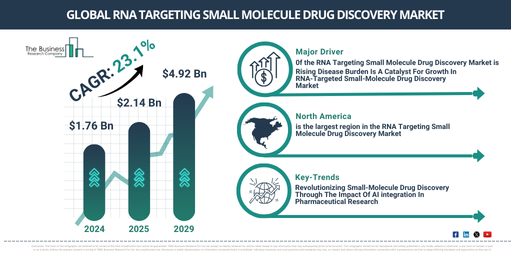
    The market for RNA targeting small molecule drug discovery has seen a rapid expansion in the latest years. The market is set to rise from $1.76 billion in 2024 to a staggering $2.14 billion in 2025, boasting a compound annual growth rate (CAGR) of 21.8%. Factors contributing to the growth during the historic period include a better grasp of disease genetics, advancements in genomic and proteomic discoveries, issues with drug resistance, significant investment in biotech and pharmaceutical research, along with the emergence of RNA therapeutics.

    How Much Will the RNA Targeting Small Molecule Drug Discovery Market Be Worth in 2029?

    The market for RNA targeting small molecule drug discovery is predicted to experience massive growth in the coming years, reaching $4.92 billion by 2029 with a compound annual growth rate of 23.1%. This anticipated growth during the projected period is attributable to advancements and expansion in RNA epigenetics research, RNA-seq and functional genomics, the integration of artificial intelligence (AI), patient-centered approaches, and exosome-mediated drug delivery. Upcoming trends during this forecast period encompass the development of RNA editing technologies, progress in CRISPR technology, technological innovations, advancements in RNA biology, and the application of RNA targeting in neurodegenerative diseases.

    Download The Free Sample Report Here:

    https://www.thebusinessresearchcompany.com/sample.aspx?id=12480&type=smp

    Which is the Largest Company in the RNA Targeting Small Molecule Drug Discovery Market?

    Major companies operating in the RNA targeting small molecule drug discovery market include F. Hoffmann-La Roche Ltd, Merck & Co. Inc, Bayer AG, Novartis AG, Sanofi SA, Bristol-Myers Squibb Company, AstraZeneca PLC, Takeda Pharmaceutical Company Limited, Eli Lilly and Company, Amgen Inc., Moderna Inc., Astellas Pharma Inc., Biogen Inc., Alnylam Pharmaceuticals Inc., Sarepta Therapeutics Inc., Evotec A.G., PTC Therapeutics Inc., Ionis Pharmaceuticals Inc., Dicerna Pharmaceuticals Inc., Arrakis Therapeutics, Arbutus Biopharma Corporation, H3 Biomedicine Inc., Anima Biotech Inc., Ribometrix Inc., Quark Pharmaceuticals Inc., Regulus Therapeutics Inc., Skyhawk Therapeutics Inc., Accent Therapeutics Inc., Epics Therapeutics, Expansion Therapeutics

    What Are the Main Market Drivers in the RNA Targeting Small Molecule Drug Discovery Industry?

    The rising incidence of cancer, genetic anomalies, and viral disorders is anticipated to foster the expansion of the RNA-targeted small-molecule drug discovery market. The unregulated cell growth body characterizes diseases termed as cancer. Viral disorders are infections instigated by minutely infectious agents – viruses that are dependent on living organisms’ cells for reproduction. RNA targeting techniques are employed in drug discovery to cure diseases such as cancer, genetic disorders, and viral infections, as these disorders have roots in the genes or dysfunctional genetic material. Medication developed through RNA targeting techniques proves effective in such cases. For example, the World Health Organization (WHO), a Swiss intergovernmental organization, issued a report in February 2024 highlighting the global cancer statistics for 2022. As per the report, new cancer cases were about 20 million, and deaths were approximated to be 9.7 million. Lung cancer topped the list with 2.5 million new cases (12.4%), followed by breast cancer in women (2.3 million cases, 11.6%), colorectal cancer (1.9 million cases, 9.6%), prostate cancer (1.5 million cases, 7.3%), and stomach cancer (970,000 cases, 4.9%). By 2050, the number of new cancer cases is predicted to surge by 77%, reaching above 35 million cases every year. This surge in the rate of cancer, genetic disorders, and viral infections are contributing to a rise in the RNA-targeted small-molecule drug discovery market.

    Request For A Customized Report:

    https://www.thebusinessresearchcompany.com/customise?id=12480&type=smp

    How Is the RNA Targeting Small Molecule Drug Discovery Market Segments Structured?

    The RNA targeting small molecule drug discovery market covered in this report is segmented –

    1) By Target RNA Type: Messenger RNA (mRNA), Non-Coding RNA (ncRNA), MicroRNA (miRNA), Long Non-Coding RNA (lncRNA)

    2) By Technology: CRISPR-Cas9, RNA Aptamers, Small Interfering RNA (siRNA), Ribozymes, Other Technologies

    3) By Therapeutic Area: Oncology, Neurology, Infectious Disease, Metabolic Diseases, Genetic Disorders, Other Therapeutic Areas

    4) By Delivery Method: Intravenous (IV), Oral, Topical, Other Methods

    5) By Application: Research Use, Therapeutic Use, Diagnostic Use, Other Applications

    Subsegments:

    1) By Messenger RNA (mRNA): Targeting mRNA For Protein Coding, Modulation Of mRNA Stability, mRNA Translation Inhibition

    2) By Non-Coding RNA (ncRNA): Long Non-Coding RNA, Small Nuclear RNA, Small Nucleolar RNA

    3) By MicroRNA (miRNA): miRNA Inhibition, miRNA Mimics, Targeting Specific miRNA Pathways

    4) By Long Non-Coding RNA (lncRNA): lncRNA Modulators, Targeting Specific lncRNA Functions, Therapeutic Applications Of lncRNA

    What Strategic Trends Are Transforming the RNA Targeting Small Molecule Drug Discovery Market?

    The integration of artificial intelligence (AI) into the drug discovery process is a significant trend on the rise in the small-molecule drug discovery market. To stay competitive, prominent companies in this market are utilising AI technology to speed up drug discovery endeavors. An illustration of this is when Google Cloud, a division of the US-based tech powerhouse Google, unveiled the Target and Lead Identification Suite and the Multiomics Suite in May 2023 to streamline drug discovery. The Multiomics Suite fast-tracks the detection and examination of genetic data, helping businesses to craft precision medicines. The Target and Lead Identification Suite helps scientists to deepen their knowledge of amino acids and anticipate protein structures.

    Access The Full Report Here:

    https://www.thebusinessresearchcompany.com/report/rna-targeting-small-molecule-drug-discovery-global-market-report

    Which Global Regions Offer the Highest Growth in the RNA Targeting Small Molecule Drug Discovery Market?

    North America was the largest region in the RNA-targeting small molecule drug discovery market in 2024. The regions covered in the RNA targeting small molecule drug discovery market report are Asia-Pacific, Western Europe, Eastern Europe, North America, South America, Middle East, Africa

    Purchase The Full Report Today:

    https://www.thebusinessresearchcompany.com/purchaseoptions.aspx?id=12480

    This Report Delivers Insight On:

    1. How big is the rna targeting small molecule drug discovery market, and how is it changing globally?

    2. Who are the major companies in the rna targeting small molecule drug discovery market, and how are they performing?

    3. What are the key opportunities and risks in the rna targeting small molecule drug discovery market right now?

    4. Which products or customer segments are growing the most in the rna targeting small molecule drug discovery market?

    5. What factors are helping or slowing down the growth of the rna targeting small molecule drug discovery market?

    About The Business Research Company:

    With over 15000+ reports from 27 industries covering 60+ geographies, The Business Research Company has built a reputation for offering comprehensive, data-rich research and insights. Armed with 1,500,000 datasets, the optimistic contribution of in-depth secondary research, and unique insights from industry leaders, you can get the information you need to stay ahead in the game.

    Get in touch with us:

    The Business Research Company: https://www.thebusinessresearchcompany.com/

    Americas +1 3156230293

    Asia +44 2071930708

    Europe +44 2071930708

    Email us at info@tbrc.info

    Follow us on:

    LinkedIn: https://in.linkedin.com/company/the-business-research-company

    YouTube: https://www.youtube.com/channel/UC24_fI0rV8cR5DxlCpgmyFQ

    Global Market Model: https://www.thebusinessresearchcompany.com/global-market-model
  • Ophthalmic Drugs Market to Reach $57.4 Billion by 2029 | Key Drivers and Future Outlook

    Ophthalmic Drugs Market to Reach $57.4 Billion by 2029 | Key Drivers and Future Outlook

    Claim your 30% discount on Global Market Reports with code ONLINE30. Limited time only.

    What Is the Growth Rate of the Ophthalmic Drugs Market?

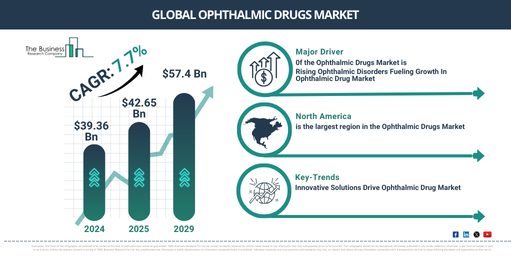
    In recent times, there has been robust growth in the ophthalmic drugs market. The market worth was $39.36 billion in 2024 and it is projected to rise to $42.65 billion in 2025, with an impressive compound annual growth rate (CAGR) of 8.3%. The unprecedented growth during the historic period is due to factors such as a rise in the number of eye disorder cases, investment in research and development for eye care, shifts in lifestyle, a worldwide increase in diabetes instances, and governmental efforts towards vision care.

    What Growth Rate Is Forecasted for the Ophthalmic Drugs Market by 2029?

    In the forthcoming years, the ophthalmic drugs market is predicted to witness a substantial surge. The market size is forecasted to soar to “$57.4 billion by 2029, with a compound annual growth rate (CAGR) of 7.7%. This expected increment during the forecast duration can be attributed to the innovations in biopharmaceutical, growing cases of myopia, the rapidly aging population, advancement in personalized medicine, and the regulatory support available for rare diseases. Some of the upcoming trends within this period include biological and gene therapies, heightened concentration on dry eye treatments, progression in treating glaucoma, the rise of combination therapies, and emphasizing age-related macular degeneration (AMD).

    Download The Free Sample Report Here:

    https://www.thebusinessresearchcompany.com/sample.aspx?id=10065&type=smp

    Which Key Companies Are Shaping the Future of the Ophthalmic Drugs Market?

    Major companies operating in the ophthalmic drugs market include AbbVie Inc., Alcon Inc., Bausch & Lomb Incorporated, F. Hoffmann-La Roche Ltd., Novartis AG, Pfizer Inc., Regeneron Pharmaceuticals Inc., Santen Pharmaceutical Co. Ltd., Sun Pharmaceutical Industries Limited, Teva Pharmaceutical Industries Ltd., Merck & Co. Inc., Nicox S.A., Coherus Biosciences Inc., Johnson & Johnson, Otsuka Pharmaceutical Co. Ltd., Viatris Inc., Mitotech SA, Akorn Incorporated, GlaxoSmithKline plc, Bayer AG, Senju Pharmaceutical Co. Ltd., Aerie Pharmaceuticals Inc., Kala Pharmaceuticals Inc., Aurobindo Pharma Ltd., Eyevance Pharmaceuticals, Acucela Inc., Dompe Farmaceutici S.p.A., Xbrane Biopharma AB, Laboratoires Théa

    Which Factors Are Driving Demand in the Ophthalmic Drugs Industry?

    The escalating occurrence of eye-related disorders is predicted to spark an upswing in the ophthalmic drug market. These disorders, encompassing any disease or disturbance that impacts the eye and its related parts, often result in compromised vision and various other eye diseases. Pharmaceutical medications known as ophthalmic drugs are utilized to combat these diseases that impair vision or eye health. Consequently, the escalating occurrence of eye-related disorders boosts the demand for the ophthalmic drug market. To illustrate, in 2022, the Centers for Disease Control and Prevention (CDC), a government agency in the US, indicated that 17.2% of Americans over 40 years of age, or about 20.5 million people, will suffer from a cataract in at least one eye. Therefore, the escalating occurrence of eye-related disorders is fuelling the growth of the ophthalmic drug market.

    Request For A Customized Report:

    https://www.thebusinessresearchcompany.com/customise?id=10065&type=smp

    How Is the Ophthalmic Drugs Market Segmented by Several Divisions?

    The ophthalmic drugs market covered in this report is segmented –

    1) By Type: Prescription Drugs, Over-The-Counter Drugs

    2) By Class: Anti-Allergy, Anti-Inflammatory, Anti-Glaucoma, Other Classes

    3) By Disease: Dry Eye, Eye Allergy, Glaucoma, Eye Infection, Retinal Disorders, Uveitis, Other Diseases

    4) By Dosage Form: Liquid Ophthalmic Drug Forms, Solid Ophthalmic Drug Forms, Semisolid Ophthalmic Drug Forms, Multicompartment Drug Delivery Systems

    5) By Distribution Channel: Hospital Pharmacies, Drug Stores, Online Pharmacies

    Subsegments:

    1) By Prescription Drugs: Antiglaucoma Agents, Anti-inflammatory Drugs, Antibiotics, Antivirals, Corticosteroids, Other Prescription Drugs

    2) By Over-The-Counter Drugs: Artificial Tears, Allergy Relief Medications, Redness Relievers, Ocular Vitamins And Supplements, Other OTC Drugs

    What are the Emerging Market Trends Driving the Growth of the Ophthalmic Drugs Industry?

    One significant trend gaining traction in the ophthalmic drug market is product innovation. The leading companies in this industry are focused on creating innovative solutions to solidify their market position. For example, in January 2022, Sun Pharmaceutical Canada Inc., a Canada-based company specializing in the research and development of advanced medicines in dermatology and ophthalmology, introduced an ophthalmic drug called CEQUA (cyclosporine ophthalmic solution 0.09% w/v) to treat dry eye disease in Canada. The drug uses nano micellar (NCELL) technology, which enhances ocular tissue penetration by augmenting the bioavailability and physicochemical stability of cyclosporine.

    Access The Full Report Here:

    https://www.thebusinessresearchcompany.com/report/ophthalmic-drugs-global-market-report

    Which Regions Are Driving Growth in the Ophthalmic Drugs Market?

    North America was the largest region in the ophthalmic drugs market in 2024. The regions covered in the ophthalmic drugs market report are Asia-Pacific, Western Europe, Eastern Europe, North America, South America, Middle East, Africa

    Purchase The Full Report Today:

    https://www.thebusinessresearchcompany.com/purchaseoptions.aspx?id=10065

    This Report Delivers Insight On:

    1. How big is the ophthalmic drugs market, and how is it changing globally?

    2. Who are the major companies in the ophthalmic drugs market, and how are they performing?

    3. What are the key opportunities and risks in the ophthalmic drugs market right now?

    4. Which products or customer segments are growing the most in the ophthalmic drugs market?

    5. What factors are helping or slowing down the growth of the ophthalmic drugs market?

    About The Business Research Company:

    With over 15000+ reports from 27 industries covering 60+ geographies, The Business Research Company has built a reputation for offering comprehensive, data-rich research and insights. Armed with 1,500,000 datasets, the optimistic contribution of in-depth secondary research, and unique insights from industry leaders, you can get the information you need to stay ahead in the game.

    Get in touch with us:

    The Business Research Company: https://www.thebusinessresearchcompany.com/

    Americas +1 3156230293

    Asia +44 2071930708

    Europe +44 2071930708

    Email us at info@tbrc.info

    Follow us on:

    LinkedIn: https://in.linkedin.com/company/the-business-research-company

    YouTube: https://www.youtube.com/channel/UC24_fI0rV8cR5DxlCpgmyFQ

    Global Market Model: https://www.thebusinessresearchcompany.com/global-market-model