Category: Pharmaceuticals

  • Pruritus Therapeutics Industry Insights 2025 – Market Forecast for Executives and Planners

    Claim your 30% discount on Global Market Reports with code ONLINE30. Limited time only.

    How Has the Pruritus Therapeutics Market Size Changed, over the years?

    The market for pruritus therapeutics has seen robust expansion in the past few years. Its size is predicted to escalate from $11.89 billion in 2024 to $12.51 billion in 2025, showcasing a compound annual growth rate (CAGR) of 5.3%. Factors influencing this growth trend in the historic period include an increase in pruritus cases, a variety of causes and conditions, a surge in the elderly population, and an emphasis on improving patient’s quality of life.

    How Much Will the Pruritus Therapeutics Market Be Worth in 2029?

    The market for pruritus therapeutics is forecasted to experience substantial growth in the coming years, with an estimated value of $16.05 billion by 2029 and a compound annual growth rate (CAGR) of 6.4%. Several factors will drive this anticipated growth, including a growing understanding of pruritus pathophysiology, innovation in drug formulations and delivery methods, an emphasis on personalized medicine, an increase in dermatological R&D, increased diagnosis rates, and a rising interest in plant-based and herbal treatments. Other key trends expected during this forecast period are the creation of itch-specific receptor agonists and antagonists, a market shift towards personalized therapeutic approaches, the inclusion of advanced technology in itch tracking and management, and increased collaboration for interdisciplinary research.

    Download The Free Sample Report Here:

    https://www.thebusinessresearchcompany.com/sample.aspx?id=11907&type=smp

    Which is the Largest Company in the Pruritus Therapeutics Market?

    Major companies operating in the pruritus therapeutics market include Pfizer Inc., Johnson & Johnson, AbbVie Inc., Sanofi S.A., Bristol-Myers Squibb Company, Eli Lilly and Company, Regeneron Pharmaceuticals Inc., Astellas Pharma Inc. , Bausch Health Companies Inc., Galderma Laboratories LP, Cipla Limited, LEO Pharma AS, Cara Therapeutics Inc., GlaxoSmithKline Plc, Novan Inc., Escient Pharmaceuticals Inc., Nerre Therapeutic Ltd., EPI Health LLC, Trevi Therapeutics Inc., Evelo Biosciences, Toray Medical Co. Ltd.

    What Are the Main Market Drivers in the Pruritus Therapeutics Industry?

    An increase in dermatological conditions is anticipated to boost the expansion of the pruritus therapeutics market. Dermatological conditions are an array of disorders affecting the skin, hair, nails, and mucous membrane; from acne and eczema to skin cancer and fungal infections. The choice of pruritus treatments for skin diseases is often guided by the underlying cause of the itch. Topical treatments, emollients and moisturizers, immunosuppressive drugs, and treatments specifically for itching are all options to manage this condition. For example, in January 2024, the American Cancer Society, a non-profit organization in the US with a mission to eradicate cancer, projected 108,270 skin cancer cases. This represented a 3.2% increase from the 104,930 cases reported in 2023. Consequently, the upsurge in the occurrence of dermatological conditions is steering the growth of the pruritus therapeutics market.

    Request For A Customized Report:

    https://www.thebusinessresearchcompany.com/customise?id=11907&type=smp

    How Is the Pruritus Therapeutics Market Segments Structured?

    The pruritus therapeutics market covered in this report is segmented –

    1) By Product: Corticosteroids, Antihistamines, Local Anesthetics, Counterirritants, Immunosuppressants, Calcineurin Inhibitors, Other Products

    2) By Route Of Administration: Oral, Parenteral, Topical

    3) By Disease Type: Atopic Dermatitis, Allergic Contact Dermatitis, Urticaria, Cutaneous T-Cell, Other Disease Types

    4) By End-User: Hospitals, Clinics, Other End Users

    Subsegments:

    1) By Corticosteroids: Topical Corticosteroids, Systemic Corticosteroids

    2) By Antihistamines: First-Generation Antihistamines, Second-Generation Antihistamines

    3) By Local Anesthetics: Topical Local Anesthetics

    4) By Counterirritants: Menthol-Based Products, Camphor-Based Products

    5) By Immunosuppressants: Topical Immunosuppressants, Systemic Immunosuppressants

    6) By Calcineurin Inhibitors: Tacrolimus Ointment, Pimecrolimus Cream

    7) By Other Products: Moisturizers And Emollients, Antipruritic Herbal Remedies, Combination Therapies

    What Strategic Trends Are Transforming the Pruritus Therapeutics Market?

    Leading firms in the pruritus therapeutics market are concentrating on creating customized treatments for specific patient groups and rare diseases, like the non-systemic ileal bile acid transport inhibitor to offer individualized medicine addressing unaddressed healthcare needs. This specific drug type homes in on bile acid absorption in the intestine without greatly influencing the systemic circulation, hence reducing possible side effects. For example, in June 2023, Ipsen, a pharmaceutical company based in France, was granted approval by the Food and Drug Administration (FDA), the US federal agency under the Department of Health and Human Services, for Bylvay (odevixibat) to cure cholestatic pruritus in patients who are 12 months or older and suffer from Alagille syndrome (ALGS). Bylvay, an everyday, non-systemic ileal bile acid transport inhibitor (IBATi) with minimal systemic exposure, is the pioneering drug approved for cholestatic pruritus due to progressive familial intrahepatic cholestasis (PFIC) in America. Prior to this, it had been approved for PFIC treatment in Europe and is currently accessible via prescription for suitable ALGS patients.

    Access The Full Report Here:

    https://www.thebusinessresearchcompany.com/report/pruritus-therapeutics-global-market-report

    Which Global Regions Offer the Highest Growth in the Pruritus Therapeutics Market?

    North America was the largest region in the pruritus treatment market in 2024. Asia-Pacific is expected to be the fastest-growing region in the forecast period. The regions covered in the pruritus therapeutics market report are Asia-Pacific, Western Europe, Eastern Europe, North America, South America, Middle East, Africa.

    Purchase The Full Report Today:

    https://www.thebusinessresearchcompany.com/purchaseoptions.aspx?id=11907

    This Report Delivers Insight On:

    1. How big is the pruritus therapeutics market, and how is it changing globally?

    2. Who are the major companies in the pruritus therapeutics market, and how are they performing?

    3. What are the key opportunities and risks in the pruritus therapeutics market right now?

    4. Which products or customer segments are growing the most in the pruritus therapeutics market?

    5. What factors are helping or slowing down the growth of the pruritus therapeutics market?

    About The Business Research Company:

    With over 15000+ reports from 27 industries covering 60+ geographies, The Business Research Company has built a reputation for offering comprehensive, data-rich research and insights. Armed with 1,500,000 datasets, the optimistic contribution of in-depth secondary research, and unique insights from industry leaders, you can get the information you need to stay ahead in the game.

    Get in touch with us:

    The Business Research Company: https://www.thebusinessresearchcompany.com/

    Americas +1 3156230293

    Asia +44 2071930708

    Europe +44 2071930708

    Email us at info@tbrc.info

    Follow us on:

    LinkedIn: https://in.linkedin.com/company/the-business-research-company

    YouTube: https://www.youtube.com/channel/UC24_fI0rV8cR5DxlCpgmyFQ

    Global Market Model: https://www.thebusinessresearchcompany.com/global-market-model
  • Proteasome Inhibitors Market Trends Report 2025 – For Business Development and Strategy Teams

    Claim your 30% discount on Global Market Reports with code ONLINE30. Limited time only.

    What Is the Forecast for the Proteasome Inhibitors Market Growth in 2025?

    In recent times, there has been a substantial growth in the market size of proteasome inhibitors. The market is projected to expand from its current $2.01 billion in 2024 to $2.19 billion in 2025, exhibiting a compound annual growth rate (CAGR) of 9.0%. The unprecedented growth during the historical period can be traced back to scientific progress, clinical investigations and experiments, FDA endorsements, increasing instances of cancer, and advancements made in drug dispensation.

    What Is the Forecast for the Proteasome Inhibitors Market Size Through 2029?

    In the coming years, the market size of proteasome inhibitors is predicted to experience significant growth, reaching $3.2 billion by 2029 with a compound annual growth rate (CAGR) of 9.9%. The projected growth within this timeframe can be credited to precision medicine methods, the development of next-generation inhibitors, improvements in healthcare infrastructure, the combination of targeted therapies, and adoption in emerging markets. Key trends in the forecast period consist of the combination of immunotherapy, selective proteasome inhibition, inhibitors with a longer half-life, oral formulations, and treatments for resistant cancer variants.

    Download The Free Sample Report Here:

    https://www.thebusinessresearchcompany.com/sample.aspx?id=12251&type=smp

    What are the Key Market Players in Proteasome Inhibitors Market and How They’re Evolving?

    Major companies operating in the proteasome inhibitors market include Pfizer Inc., Johnson And Johnson, AbbVie, Novartis AG, Merck & Co. Inc., Bristol-Myers Squibb Company, Thermo Fisher Scientific Inc., AstraZeneca Plc, Fresenius Kabi AG, GlaxoSmithKline PLC, Takeda Pharmaceutical Company Limited, Eli Lilly and Company, Amgen Inc., Baxter International Inc., Sigma-Aldrich, Zydus Pharmaceuticals, Onyx Pharmaceuticals Inc., Tocris Bioscience, Accuitis Inc., TG Therapeuticsn Inc., QLi5 Therapeutics GmbH, Progenra Inc., Nurix Inc., Cephalon Inc., Cleave Therapeutics, Lifesensors Inc., MimiVax LLC, Apotex Inc.

    What Are the Primary Growth Drivers in the Proteasome Inhibitors Market?

    The rise in pancreatic cancer cases is thought to fuel the future expansion of the proteasome inhibitors market. Pancreatic cancer originates in the cells of the pancreas, an organ situated behind the stomach in the abdomen. Proteasome inhibitors are chiefly employed to combat pancreatic cancer, as proteasome is crucial for advancing cell growth and survival by breaking down proteins that control cell death and cell cycle progression. This disrupts the survival of cancer cells and restricts tumor growth and spread. For example, the American Cancer Society, a health organization based in the US, reported in January 2024 that approximately 64,050 adults in the US were diagnosed with pancreatic cancer by 2023, and pancreatic cancer took the lives of 50,550 individuals. Moreover, the number swelled to 66,440, with the death toll rising to 51,750. Hence, the escalating incidence of pancreatic cancer is propelling the growth of the proteasome inhibitors market.

    Request For A Customized Report:

    https://www.thebusinessresearchcompany.com/customise?id=12251&type=smp

    What Are the Leading Segments in the Global Proteasome Inhibitors Industry?

    The proteasome inhibitors market covered in this report is segmented –

    1) By Product: Velcade, Kyprolis, Ninlaro, Other Products

    2) By Drugs: Bortezomib, Carfilzomib, Ixazomib

    3) By Indication: Lymphoma, Mantle Cell Lymphoma, Multiple Myeloma

    4) By Distribution Channel: Hospital Pharmacy, Online Pharmacy, Retail Pharmacy

    5) By End-User: Hospital, Specialty Clinics, Other End-Users

    Subsegments:

    1) By Velcade: Injectable Velcade (Bortezomib), Oral Formulations

    2) By Kyprolis: Injectable Kyprolis (Carfilzomib), Combination Therapies With Kyprolis

    3) By Ninlaro: Oral Ninlaro (Ixazomib), Combination Therapies With Ninlaro

    4) By Other Products: Investigational Proteasome Inhibitors, Combination Products

    What Are the Key Market Trends in the Proteasome Inhibitors Industry?

    A major trend emerging in the proteasome inhibitors market is the rise in investments. Leading firms in this market are putting their money into the development and introduction of proteasome inhibitors, vital in promoting further research, and welcoming novel treatments. In September 2022, there was a significant investment of $10.96 million (EUR 10 million) received by QLi5 Therapeutics GmbH, a German manufacturer specializing in proteasome inhibitors. The funding originated from SV Investment and KHAN Technology Transfer Fund I, both based in Germany, and Atinum Investment Co., Ltd. and Daol Investment & Securities Co., Ltd., both from South Korea. These investments are intended to aid in the production of innovative proteasome inhibitors that will help combat cancer and various inflammatory and autoimmune conditions. The financed project from QLi5 is supposed to commence clinical trials for their unique variety of proteasome inhibitors being used under multiple indications.

    Access The Full Report Here:

    https://www.thebusinessresearchcompany.com/report/proteasome-inhibitors-global-market-report

    What Is the Regional Outlook for the Proteasome Inhibitors Market?

    North America was the largest region in the proteasome inhibitors market in 2024. The regions covered in the proteasome inhibitors market report are Asia-Pacific, Western Europe, Eastern Europe, North America, South America, Middle East, Africa.

    Purchase The Full Report Today:

    https://www.thebusinessresearchcompany.com/purchaseoptions.aspx?id=12251

    This Report Delivers Insight On:

    1. How big is the proteasome inhibitors market, and how is it changing globally?

    2. Who are the major companies in the proteasome inhibitors market, and how are they performing?

    3. What are the key opportunities and risks in the proteasome inhibitors market right now?

    4. Which products or customer segments are growing the most in the proteasome inhibitors market?

    5. What factors are helping or slowing down the growth of the proteasome inhibitors market?

    About The Business Research Company:

    With over 15000+ reports from 27 industries covering 60+ geographies, The Business Research Company has built a reputation for offering comprehensive, data-rich research and insights. Armed with 1,500,000 datasets, the optimistic contribution of in-depth secondary research, and unique insights from industry leaders, you can get the information you need to stay ahead in the game.

    Get in touch with us:

    The Business Research Company: https://www.thebusinessresearchcompany.com/

    Americas +1 3156230293

    Asia +44 2071930708

    Europe +44 2071930708

    Email us at info@tbrc.info

    Follow us on:

    LinkedIn: https://in.linkedin.com/company/the-business-research-company

    YouTube: https://www.youtube.com/channel/UC24_fI0rV8cR5DxlCpgmyFQ

    Global Market Model: https://www.thebusinessresearchcompany.com/global-market-model
  • Myelodysplastic Syndrome Drugs Market Size to Exceed $3.58 Billion by 2029 | Growth and Industry Trends

    Claim your 30% discount on Global Market Reports with code ONLINE30. Limited time only.

    How Has the Myelodysplastic Syndrome Drugs Market Grown from 2024 to 2025?

    In recent years, there has been significant expansion in the myelodysplastic syndrome drugs market. The market size is predicted to increase from $2.25 billion in 2024 to $2.47 billion in 2025, escalating at a compound annual growth rate (CAGR) of 9.8%. The considerable growth observed in the past can be credited to factors such as the aging population, strides made in diagnostics, MDS cases related to chemotherapy, a rise in cancer survival rates, as well as clinical research and the development of new drugs.

    What Growth Rate Is Anticipated for the Myelodysplastic Syndrome Drugs Market in the Coming Years?

    In the coming years, the market size for myelodysplastic syndrome drugs is forecasted to experience robust growth. The market is predicted to reach $3.58 billion by 2029, with a compound annual growth rate (CAGR) of 9.7%. This growth in the projected period can be credited to an increasing aging population, advancements in tailored therapies, enhanced comprehension of disease workings, heightened awareness and early detection, and the broadening of oncology research. Notable trends for the forecast period involve the optimization of erythropoiesis-stimulating agents, combination therapies, a rising emphasis on iron chelation treatment, regulatory approvals and market penetration, as well as patient-focused care models.

    Download The Free Sample Report Here:

    https://www.thebusinessresearchcompany.com/sample.aspx?id=10675&type=smp

    Who Are the Leading Companies in the Myelodysplastic Syndrome Drugs Market?

    Major companies operating in the myelodysplastic syndrome drugs market include Amgen Inc., Celgene Corporation, Otsuka Pharmaceutical Co. Ltd., Takeda Pharmaceutical Company Limited, Cipla Limited, Dr. Reddy’s Laboratories Ltd., Lupin Ltd., Onconova Therapeutics Inc., Sun Pharmaceutical Industries Limited, FibroGen Inc., Aprea Therapeutics, Bayer AG, Bristol Myers Squibb, Celator Pharmaceuticals, Crystal Genomics Inc., AbbVie Inc., Astex Pharmaceuticals Inc., Geron Co., Hikma Pharmaceuticals plc, Jazz Pharmaceuticals Inc., Mylan NV, Novartis AG, Sandoz Inc., Syros Pharmaceuticals, Teva Pharmaceutical Industries Ltd., Acceleron Pharma Inc., Agios Pharmaceuticals Inc., Incyte Corporation, Array Biopharma Inc., MEI Pharma Inc.

    What Are the Key Drivers of the Myelodysplastic Syndrome Drugs Market?

    The expected rise in cases of myelodysplastic syndrome is likely to fuel the expansion of the myelodysplastic syndrome drug market in the future. Myelodysplastic syndrome (MDS) encompasses a series of conditions marked by the abnormal growth and maturation of blood cells within the bone marrow. As a form of blood cancer, its primary impact is on the manufacture of healthy blood cells. Drugs for this condition are used for its treatment by restraining or modulating the immune system to reduce the need for red blood cell transfusions. For example, in October 2022, The American Journal of Managed Care, a journal based in the US, estimated that there are between 60,000 and 175,000 cases of myelodysplastic syndrome in the USA. Consequently, this surge in myelodysplastic syndrome cases is the key driver for the expansion of the myelodysplastic syndrome drug market.

    Request For A Customized Report:

    https://www.thebusinessresearchcompany.com/customise?id=10675&type=smp

    What Are the Key Market Segments in the Myelodysplastic Syndrome Drugs Industry?

    The myelodysplastic syndrome drugs market covered in this report is segmented –

    1) By Therapeutic Class: Immunomodulatory Drugs, Hypomethylating Agents, Anti-anemics

    2) By Type of Syndrome: Refractory Cytopenia With Multilineage Dysplasia, Refractory Anemia, Refractory Anemia With Excess Blasts, Refractory Anemia With Ringed Sideroblasts

    3) By Route of Administration: Oral, Parenteral

    4) By Applications: Original, Generics

    5) By End-User: Hospitals, Clinics, Ambulatory Surgical Centers

    Subsegments:

    1) By Immunomodulatory Drugs: Thalidomide, Lenalidomide, Pomalidomide

    2) By Hypomethylating Agents: Azacitidine, Decitabine, Guadecitabine

    3) By Anti-anemics: Erythropoiesis-Stimulating Agents (ESAs), Iron Supplements, Blood Transfusion Products

    What Are the Latest Trends in the Myelodysplastic Syndrome Drugs Market?

    Prominent players in the myelodysplastic syndrome drugs industry are currently developing anti-telomerase drugs to engage with the telomerase enzyme with the aim of obstructing the unchecked division of irregular cells and therefore slowing down the progression of the disease. The efficacy of telomerase inhibitors in myelodysplastic syndrome drugs is demonstrated through their ability to inhibit telomerase enzyme and hinder the growth of irregular cells, potentially providing better results for patients. For example, in June 2024, Geron Corporation, an American biotech company, introduced rytelo (imetelstat), an FDA-authorized intravenous telomerase inhibitor designed for adults with low to intermediate-1 risk myelodysplastic syndromes (LR-MDS) and those with transfusion-dependent anemia who are unresponsive or ineligible for ESA. Rytelo, providing prolonged transfusion independence, improved hemoglobin levels, and satisfying an unfulfilled need in the myelodysplastic syndrome drugs industry, is characterized by its manageable safety profile.

    Access The Full Report Here:

    https://www.thebusinessresearchcompany.com/report/myelodysplastic-syndrome-drugs-global-market-report

    What Are the Key Regional Markets in the Myelodysplastic Syndrome Drugs Industry?

    North America was the largest region in the Myelodysplastic syndrome drugs market in 2024.Asia-Pacific is expected to be the fastest growing region in the global myelodysplastic syndrome drugs market report during the forecast period. The regions covered in the myelodysplastic syndrome drugs market report are Asia-Pacific, Western Europe, Eastern Europe, North America, South America, Middle East, Africa.

    Purchase The Full Report Today:

    https://www.thebusinessresearchcompany.com/purchaseoptions.aspx?id=10675

    This Report Delivers Insight On:

    1. How big is the myelodysplastic syndrome drugs market, and how is it changing globally?

    2. Who are the major companies in the myelodysplastic syndrome drugs market, and how are they performing?

    3. What are the key opportunities and risks in the myelodysplastic syndrome drugs market right now?

    4. Which products or customer segments are growing the most in the myelodysplastic syndrome drugs market?

    5. What factors are helping or slowing down the growth of the myelodysplastic syndrome drugs market?

    About The Business Research Company:

    With over 15000+ reports from 27 industries covering 60+ geographies, The Business Research Company has built a reputation for offering comprehensive, data-rich research and insights. Armed with 1,500,000 datasets, the optimistic contribution of in-depth secondary research, and unique insights from industry leaders, you can get the information you need to stay ahead in the game.

    Get in touch with us:

    The Business Research Company: https://www.thebusinessresearchcompany.com/

    Americas +1 3156230293

    Asia +44 2071930708

    Europe +44 2071930708

    Email us at info@tbrc.info

    Follow us on:

    LinkedIn: https://in.linkedin.com/company/the-business-research-company

    YouTube: https://www.youtube.com/channel/UC24_fI0rV8cR5DxlCpgmyFQ

    Global Market Model: https://www.thebusinessresearchcompany.com/global-market-model
  • mTOR Inhibitors Market Outlook 2025 – Insights for Executive and Strategic Planning

    mTOR Inhibitors Market Outlook 2025 – Insights for Executive and Strategic Planning

    Claim your 30% discount on Global Market Reports with code ONLINE30. Limited time only.

    How Has the mTOR Inhibitors Market Grown from 2024 to 2025?

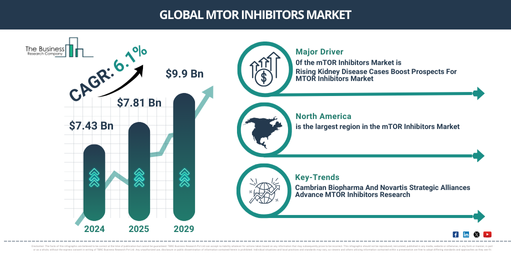
    The market size for mTOR inhibitors has experienced robust growth recently. Expected to rise from $7.43 billion in 2024 to $7.81 billion in 2025, it anticipates a compound annual growth rate (CAGR) of 5.2%. This growth throughout the previous years can be credited to progress in oncology treatment, renal cell carcinoma treatment, transplantation medication, clinical investigation, drug development, and applications of immunosuppression.

    What Growth Rate Is Anticipated for the mTOR Inhibitors Market in the Coming Years?

    Over the coming years, significant expansion is anticipated in the mTOR inhibitors market, which is projected to reach a value of “$9.9 billion by 2029, with a compound annual growth rate (CAGR) of 6.1%. The surge during the forecast period is linked to the growth in cancer-related cases, advancements in personalized medicine, increasing number of transplants, management of chronic ailments, and a rise in the elderly population. Key trends during this period encompass studying neuroprotective effects, the use of mTOR inhibitors in transplant medicine, heightened attention towards metabolic disorders, collaboration in drug manufacturing, and worldwide initiatives to tackle rare diseases.

    Download The Free Sample Report Here:

    https://www.thebusinessresearchcompany.com/sample.aspx?id=10860&type=smp

    Who Are the Leading Companies in the mTOR Inhibitors Market?

    Major companies operating in the mTOR inhibitors market include Novartis AG, Pfizer Inc., Teva Pharmaceutical Industries Ltd., Hikma Pharmaceuticals plc, LC Laboratories, Exelixis Inc., Dr. Reddy’s Laboratories Ltd., Zydus Lifesciences Limited, Accord Healthcare Inc., Par Pharmaceutical, AbbVie Inc., GlaxoSmithKline plc, Biocon Limited, Alkem Laboratories Ltd., Gland Pharma Ltd., Apotex Inc., Glenmark Pharmaceuticals Ltd., AstraZeneca plc, Bristol-Myers Squibb Company, Eli Lilly and Company, Merck & Co. Inc., AmpliPhi Biosciences Corporation, Melinta Therapeutics Inc., Aduro Biotech Inc., Cumberland Pharmaceuticals Inc., Nabriva Therapeutics plc, Paratek Pharmaceuticals Inc., Bayer AG, Boehringer Ingelheim International GmbH

    What Are the Key Drivers of the mTOR Inhibitors Market?

    The escalating incidence of kidney-related ailments is anticipated to fuel the expansion of the mTOR inhibitors market. There’s a progression that kidney disease embodies, which gradually erodes the organs’ functionality. mTOR inhibitors have become a significant part of the therapeutic strategy for a range of kidney diseases. These include immunosuppressive therapies such as sirolimus and everolimus, which are employed to ward off renal allograft rejection. As the global incidence of kidney diseases continues to ascend, so does the demand for mTOR inhibitors. For example, the International Society of Nephrology, a professional association based in the US, reported in April 2022 that around 843.6 million people are suffering from the different stages of kidney disease, globally. Chronic renal disease, a progressively debilitating condition, afflicts over 800 million people worldwide, accounting for 10% of the total population. Thus, the increasing prevalence of kidney diseases is set to catalyze the expansion of the mTOR inhibitors market.

    Request For A Customized Report:

    https://www.thebusinessresearchcompany.com/customise?id=10860&type=smp

    What Are the Key Market Segments in the mTOR Inhibitors Industry?

    The mTOR inhibitors market covered in this report is segmented –

    1) By Product Type: Rapamune, Afinitor, Torisel, Zortress, Other Product Types

    2) By Indication: Oncology, Immunosuppressant, Organ Transplantation, Other Indications

    3) By Route of Administration: Oral, Intravenous

    4) By Application: Tumor Treatment, Kidney Transplant, Other Applications

    5) By Distribution Channel: Hospital Pharmacies, Retail Pharmacies, Online Pharmacies

    Subsegments:

    1) By Rapamune: Dosage Forms, Indications

    2) By Afinitor: Dosage Forms, Indications

    3) By Torisel: Dosage Forms, Indications

    4) By Zortress: Dosage Forms, Indications

    5) By Other Product Types: Experimental MTOR Inhibitors, Generic Versions of MTOR Inhibitors, Combination Therapies with MTOR Inhibitors

    What Are the Latest Trends in the mTOR Inhibitors Market?

    The mTOR inhibitors market is increasingly favoring partnerships and collaborations. Many companies are entering into collaborations to enhance their position in the mTOR inhibitors market. An example is the partnership between Mirati Therapeutics, Inc., a US-based clinical-stage targeted oncology company, and Aadi Bioscience, Inc., that was formalized in October 2022, for an undisclosed sum. The partnership’s objective is to combine the two firms’ drugs to potentially provide superior benefits to patients suffering from KRAS G12C mutant NSCLC and other kinds of cancers. Aadi Bioscience, Inc., a US-based commercial stage biopharmaceutical firm, focuses on the development of precision therapies for genetically defined cancers and aims to deliver treatments for cancer patients with mTOR pathway driver alterations. Furthermore, in February 2022, Cambrian Biopharma, a US longevity biotech firm with multiple assets, secured a licensing agreement with Novartis for an undisclosed sum. The intention is to advance a set of unique compounds created and characterized by Novartis. These compounds are specifically developed to target the mTOR pathway – a mechanism of the rapamycin. Novartis is a Swiss firm that specializes in the research, development, manufacturing, and marketing of healthcare products, particularly in oncology and rare diseases.

    Access The Full Report Here:

    https://www.thebusinessresearchcompany.com/report/mtor-inhibitors-global-market-report

    What Are the Key Regional Markets in the mTOR Inhibitors Industry?

    North America was the largest region in the mTOR inhibitors market in 2024.Asia-Pacific is expected to be the fastest-growing region in the forecast period. The regions covered in the mTOR inhibitors market report are Asia-Pacific, Western Europe, Eastern Europe, North America, South America, Middle East, Africa.

    Purchase The Full Report Today:

    https://www.thebusinessresearchcompany.com/purchaseoptions.aspx?id=10860

    This Report Delivers Insight On:

    1. How big is the mtor inhibitors market, and how is it changing globally?

    2. Who are the major companies in the mtor inhibitors market, and how are they performing?

    3. What are the key opportunities and risks in the mtor inhibitors market right now?

    4. Which products or customer segments are growing the most in the mtor inhibitors market?

    5. What factors are helping or slowing down the growth of the mtor inhibitors market?

    About The Business Research Company:

    With over 15000+ reports from 27 industries covering 60+ geographies, The Business Research Company has built a reputation for offering comprehensive, data-rich research and insights. Armed with 1,500,000 datasets, the optimistic contribution of in-depth secondary research, and unique insights from industry leaders, you can get the information you need to stay ahead in the game.

    Get in touch with us:

    The Business Research Company: https://www.thebusinessresearchcompany.com/

    Americas +1 3156230293

    Asia +44 2071930708

    Europe +44 2071930708

    Email us at info@tbrc.info

    Follow us on:

    LinkedIn: https://in.linkedin.com/company/the-business-research-company

    YouTube: https://www.youtube.com/channel/UC24_fI0rV8cR5DxlCpgmyFQ

    Global Market Model: https://www.thebusinessresearchcompany.com/global-market-model
  • Methicillin-Resistant Staphylococcus Aureus (MRSA) Drugs Industry Valued at $3.09 Billion by 2029 With CAGR of 5.8% | Size and Share Insights

    Methicillin-Resistant Staphylococcus Aureus (MRSA) Drugs Industry Valued at $3.09 Billion by 2029 With CAGR of 5.8% | Size and Share Insights

    Claim your 30% discount on Global Market Reports with code ONLINE30. Limited time only.

    What Is the Forecast for the Methicillin-Resistant Staphylococcus Aureus (MRSA) Drugs Market from 2024 to 2025?

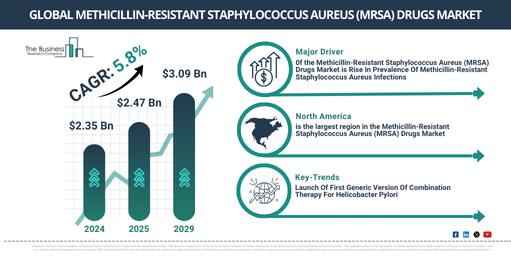
    The market size of drugs for methicillin-resistant staphylococcus aureus (MRSA) has been experiencing consistent growth over recent years. The market is expected to expand from a size of $2.35 billion in 2024 to $2.47 billion in 2025, exhibiting a compound annual growth rate (CAGR) of 4.9%. This growth during the historical period has been driven by factors such as concerns over antibiotic resistance, infections acquired in hospitals, surgical procedures, a worldwide surge in MRSA cases, and high mortality rates.

    What Is the Projected Market Size of the Methicillin-Resistant Staphylococcus Aureus (MRSA) Drugs Market?

    In the upcoming years, the market size for methicillin-resistant staphylococcus aureus (MRSA) drugs is anticipated to experience robust growth, reaching “$3.09 billion by 2029 at an ongoing compound annual growth rate (CAGR) of 5.8%. The forthcoming expansion can be credited to enduring issues with antibiotic resistance, advancements in diagnostics for MRSA, worldwide healthcare-associated infections, surgical preventative methods, and an increase in MRSA cases acquired in the community. Key trends expected in this forecast period involve the investigation of immunomodulators, strategic collaborations for the development of drugs, personalized treatments considering strain characteristics, emphasizing pediatric-specific formulations, and international health initiatives aimed at challenging antibiotic resistance.

    Download The Free Sample Report Here:

    https://www.thebusinessresearchcompany.com/sample.aspx?id=10859&type=smp

    Who are the Major Competitors in the Methicillin-Resistant Staphylococcus Aureus (MRSA) Drugs Market Outlook?

    Major companies operating in the methicillin-resistant staphylococcus aureus (MRSA) drugs market include Basilea Pharmaceutica Ltd., Merck & Co Inc., Pfizer Inc., Theravance Biopharma Inc., Allergan plc, Cumberland Pharmaceuticals Inc., Debiopharm International S.A., AbbVie Inc., Innovation Pharmaceuticals Inc., Melinta Therapeutics Inc., Nabriva Therapeutics plc, Paratek Pharmaceuticals Inc., Teva Pharmaceutical Industries Ltd., AmpliPhi Biosciences Corporation, AstraZeneca plc, Meiji Seika Kaisha Ltd., GlaxoSmithKline plc, Johnson & Johnson, Sanofi S.A., Novartis, Wockhardt, Sun Pharmaceutical Industries Ltd., Lupin Limited, Glenmark Pharmaceuticals, Dr. Reddy’s Laboratories Ltd., Eli Lilly and Company, Astellas Pharma Inc.

    What Is Fueling Growth in the Methicillin-Resistant Staphylococcus Aureus (MRSA) Drugs Market?

    The growth of the market for methicillin-resistant Staphylococcus aureus (MRSA) drugs is projected to be fuelled by escalating instances of Hospital Acquired Infections (HAIs). HAIs are infections that patients contract during their stay in a healthcare facility, particularly after being admitted for 48 hours or longer. Factors contributing to HAIs include contaminated medical tools, inadequate hand cleanliness in healthcare professionals, overutilization of antibiotics, extended hospitalizations and compromised patient immunity. MRSA drugs are effective in managing HAIs, as they specifically target and eradicate MRSA strains that exhibit resistance to conventional antibiotics, thus limiting the spread and impact of such infections in healthcare environments. For example, in 2023, the World Health Organization, a Switzerland-based Intergovernmental organization, estimated that approximately 136 million healthcare-associated antibiotic-resistant infections occur annually across the world. Consequently, the escalating prevalence of methicillin-resistant Staphylococcus aureus infections is propelling the expansion of the methicillin-resistant Staphylococcus aureus drug market.

    Request For A Customized Report:

    https://www.thebusinessresearchcompany.com/customise?id=10859&type=smp

    Which Methicillin-Resistant Staphylococcus Aureus (MRSA) Drugs Market Segments Are Growing the Fastest?

    The methicillin-resistant staphylococcus aureus (MRSA) drugs market covered in this report is segmented –

    1) By Drug Class: Lipopeptides, Oxazolidinones, Cephalosporin, Tetracycline, Folate Antagonist, Lipoglycopeptide, Other Drug Classes

    2) By Indication: Skin Infections, Bone and Joint Infections, Bacteremia, Animal Infections

    3) By MRSA Type: Hospital-Acquired (HA-MRSA), Community-Acquired (CA-MRSA)

    4) By Route of Administration: Oral Administration, Parenteral Administration

    5) By End User: Hospitals and Clinics, Research and Academic Institutes, Other End-Users

    Subsegments:

    1) By Lipopeptides: Daptomycin

    2) By Oxazolidinones: Linezolid, Tedizolid

    3) By Cephalosporin: Ceftaroline

    4) By Tetracycline: Minocycline, Doxycycline

    5) By Folate Antagonist: Trimethoprim Or Sulfamethoxazole

    6) By Lipoglycopeptide: Telavancin, Dalbavancin, Oritavancin

    7) By Other Drug Classes: Vancomycin, Clindamycin, Quinupristin Or Dalfopristin

    Which Industry Trends Are Shaping the Future of the Methicillin-Resistant Staphylococcus Aureus (MRSA) Drugs Market?

    In the Methicillin-Resistant Staphylococcus aureus (MRSA) drug market, there’s a trending emphasis on product innovation. The leading businesses within this market are prioritizing the creation of new products to enhance their market presence and maintain their competitive edge. For instance, Endo, a biopharmaceutical company situated in the US, introduced the first-ever generic variant of Pylera— which encapsulates bismuth subcitrate potassium, metronidazole, tetracycline hydrochloride— in March 2023. This new addition to treatment options is not only affordable for patients battling Helicobacter pylori infections, but it also works towards supporting cost-effectiveness in the healthcare sector. This ultimately ensures broader access to effective ulcer therapies, guaranteeing better condition management for a larger population of patients.

    Access The Full Report Here:

    https://www.thebusinessresearchcompany.com/report/methicillin-resistant-staphylococcus-aureus-mrsa-drugs-global-market-report

    Which Countries Are Leading the Methicillin-Resistant Staphylococcus Aureus (MRSA) Drugs Market?

    North America was the largest region in the global methicillin-resistant staphylococcus aureus drugs market in 2024.Asia-Pacific is expected to be the fastest-growing region in the forecast period. The regions covered in the methicillin-resistant staphylococcus aureus (MRSA) drugs market report are Asia-Pacific, Western Europe, Eastern Europe, North America, South America, Middle East, Africa

    Purchase The Full Report Today:

    https://www.thebusinessresearchcompany.com/purchaseoptions.aspx?id=10859

    This Report Delivers Insight On:

    1. How big is the methicillin-resistant staphylococcus aureus (mrsa) drugs market, and how is it changing globally?

    2. Who are the major companies in the methicillin-resistant staphylococcus aureus (mrsa) drugs market, and how are they performing?

    3. What are the key opportunities and risks in the methicillin-resistant staphylococcus aureus (mrsa) drugs market right now?

    4. Which products or customer segments are growing the most in the methicillin-resistant staphylococcus aureus (mrsa) drugs market?

    5. What factors are helping or slowing down the growth of the methicillin-resistant staphylococcus aureus (mrsa) drugs market?

    About The Business Research Company:

    With over 15000+ reports from 27 industries covering 60+ geographies, The Business Research Company has built a reputation for offering comprehensive, data-rich research and insights. Armed with 1,500,000 datasets, the optimistic contribution of in-depth secondary research, and unique insights from industry leaders, you can get the information you need to stay ahead in the game.

    Get in touch with us:

    The Business Research Company: https://www.thebusinessresearchcompany.com/

    Americas +1 3156230293

    Asia +44 2071930708

    Europe +44 2071930708

    Email us at info@tbrc.info

    Follow us on:

    LinkedIn: https://in.linkedin.com/company/the-business-research-company

    YouTube: https://www.youtube.com/channel/UC24_fI0rV8cR5DxlCpgmyFQ

    Global Market Model: https://www.thebusinessresearchcompany.com/global-market-model
  • Melanoma Therapeutics Market Trends Report 2025 – For Business Development and Strategy Teams

    Claim your 30% discount on Global Market Reports with code ONLINE30. Limited time only.

    What Is the Forecast for the Melanoma Therapeutics Market Growth in 2025?

    In the recent years, the market size of melanoma therapeutics has seen quick expansion. It’s set to grow from $4.05 billion in 2024 to reach $4.51 billion in 2025, with a compound annual growth rate (CAGR) of 11.4%. The historical growth can be credited to changes in treatment guidelines, increased awareness leading to early detection, regulatory approvals coupled with clinical trials, emergence of combination therapies, and advancements in surgical methodologies.

    What Is the Forecast for the Melanoma Therapeutics Market Size Through 2029?

    In the coming years, the size of the melanoma therapeutics market is projected to experience swift expansion. The market is set to rise to “$6.84 billion by 2029 with a compound annual growth rate (CAGR) of 10.9%. The development throughout the forecast period is largely due to the emergence of new treatment methods, the identification of biomarkers, the regulatory backing for innovation, advancements in personalized care, and improvements in immunotherapy. Key market trends predicted for this forecast period encompass evolving treatment protocols, the integration of telemedicine in oncology, initiatives to increase patient awareness and advocacy, research in biomarker identification, and the use of combination therapies.

    Download The Free Sample Report Here:

    https://www.thebusinessresearchcompany.com/sample.aspx?id=10713&type=smp

    What are the Key Market Players in Melanoma Therapeutics Market and How They’re Evolving?

    Major companies operating in the melanoma therapeutics market include AstraZeneca plc, Eli Lilly and Company, Merck & Co. Inc., Novartis AG, Sanofi S.A., AB Science S.A, Amgen Inc., Daiichi Sankyo Company Limited, F. Hoffman-La Roche Ltd., Pfizer Inc., Bayer AG, AbbVie Inc., Johnson & Johnson Private Limited, The Bristol-Myers Squibb Company, Nektar Therapeutics, Immutep Ltd., Partner Therapeutics lnc., Idera Pharmaceuticals Inc., Oncolys BioPharma Inc., Iovance Biotherapeutics lnc., AIM ImmunoTech Inc., Infinity Pharmaceuticals lnc., Spring Bank Pharmaceuticals lnc., Incyte Corporation, Sun Pharmaceutical Industries Ltd., Takeda Pharmaceutical Company Limited, Eisai Co.Ltd., Seattle Genetics Inc., Regeneron Pharmaceuticals Inc., Bio-Rad Laboratories Inc., Myriad Genetics Inc.

    What Are the Primary Growth Drivers in the Melanoma Therapeutics Market?

    The melanoma therapeutics market’s growth is anticipated to be fueled by the escalating occurrence of melanoma. Melanoma, a type of skin cancer, begins in melanocytes. Therapies and drugs aimed at melanoma patients to ease the cancer are referred to as melanoma therapeutics. Consequently, the surging prevalence of melanoma propels melanoma therapeutics sales. For instance, a report put forth by the Australian Institute of Health and Welfare in August 2024 predicts that by 2034, there will likely be around 209,000 new cancer diagnoses in Australia, a significant rise from the roughly 169,000 cases forecasted in 2024. This surge reflects the impacts of an expanding population and growing cancer rates. The report also predicts that in 2024, cancer is projected to cause about 3 out of every 10 deaths in Australia. Thus, the growth of the melanoma therapeutics drug market is being spurred by the escalating incidence of melanoma.

    Request For A Customized Report:

    https://www.thebusinessresearchcompany.com/customise?id=10713&type=smp

    What Are the Leading Segments in the Global Melanoma Therapeutics Industry?

    The melanoma therapeutics market covered in this report is segmented –

    1) By Drug Type: Monoclonal Antibodies, Small Molecule Inhibitors, Other Drug Types

    2) By Therapy: Surgery, Radiation Therapy, Immunotherapy, Targeted Therapy, Chemotherapy

    3) By Route of administration: Oral, Injectable

    4) By Cancer Type: Superficial Spreading Melanoma, Nodular Melanoma, Lentigo Maligna Melanoma, Acral Lentiginous Melanoma, Amelanotic Melanoma, Other Cancer Types

    5) By Diagnosis: Dermatoscopy, Sentinel Lymph Node Biopsy, Blood Test, X-ray, Ultrasound, CT Scan

    Subsegments:

    1) By Monoclonal Antibodies: Checkpoint Inhibitors, Targeted Monoclonal Antibodies, Conjugated Antibodies

    2) By Small Molecule Inhibitors: BRAF Inhibitors, MEK Inhibitors, Other Kinase Inhibitors

    3) By Other Drug Types: Chemotherapy Agents, Immunotherapy Agents, Adjuvant Therapies

    What Are the Key Market Trends in the Melanoma Therapeutics Industry?

    In the melanoma therapeutics market, product innovation is a prominent trend that is gaining traction. To solidify their market standing, major enterprises active in this market are crafting novel and inventive treatment options. For example, in January 2022, Immunocore, a British biotech firm, developed KIMMTRAK (tebentafusp-tebn), a ground-breaking therapy that received FDA approval for the treatment of metastatic uveal melanoma. After a successful Phase 3 clinical trial, KIMMTRAK became the first and exclusive therapy authorized for treating unresectable or metastatic uveal melanoma, exhibiting an overall survival period of approximately 22 months. It features a unique bispecific protein which combines anti-CD3 immune-effector activity with a soluble T cell receptor. The therapy marks the first application of Immunocore’s ImmTAC technology platform, designed to redirect and trigger T lymphocytes to identify and destroy tumour cells.

    Access The Full Report Here:

    https://www.thebusinessresearchcompany.com/report/melanoma-therapeutics-global-market-report

    What Is the Regional Outlook for the Melanoma Therapeutics Market?

    North America was the largest region in the melanoma therapeutics market in 2024. The regions covered in the melanoma therapeutics market report are Asia-Pacific, Western Europe, Eastern Europe, North America, South America, Middle East, Africa

    Purchase The Full Report Today:

    https://www.thebusinessresearchcompany.com/purchaseoptions.aspx?id=10713

    This Report Delivers Insight On:

    1. How big is the melanoma therapeutics market, and how is it changing globally?

    2. Who are the major companies in the melanoma therapeutics market, and how are they performing?

    3. What are the key opportunities and risks in the melanoma therapeutics market right now?

    4. Which products or customer segments are growing the most in the melanoma therapeutics market?

    5. What factors are helping or slowing down the growth of the melanoma therapeutics market?

    About The Business Research Company:

    With over 15000+ reports from 27 industries covering 60+ geographies, The Business Research Company has built a reputation for offering comprehensive, data-rich research and insights. Armed with 1,500,000 datasets, the optimistic contribution of in-depth secondary research, and unique insights from industry leaders, you can get the information you need to stay ahead in the game.

    Get in touch with us:

    The Business Research Company: https://www.thebusinessresearchcompany.com/

    Americas +1 3156230293

    Asia +44 2071930708

    Europe +44 2071930708

    Email us at info@tbrc.info

    Follow us on:

    LinkedIn: https://in.linkedin.com/company/the-business-research-company

    YouTube: https://www.youtube.com/channel/UC24_fI0rV8cR5DxlCpgmyFQ

    Global Market Model: https://www.thebusinessresearchcompany.com/global-market-model

  • Pneumococcal Vaccine Market Projected at $12.12 Billion by 2029 | Strategic Insights and Forecast Data

    Pneumococcal Vaccine Market Projected at $12.12 Billion by 2029 | Strategic Insights and Forecast Data

    Claim your 30% discount on Global Market Reports with code ONLINE30. Limited time only.

    How Has the Pneumococcal Vaccine Market Size Changed, over the years?

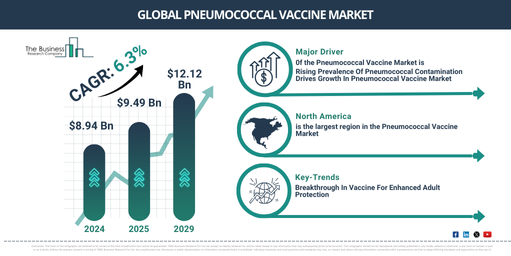
    The market size for the pneumococcal vaccine has seen robust growth in recent years. The market is projected to expand from $8.94 billion in 2024 to $9.49 billion in 2025, with a compound annual growth rate (CAGR) of 6.2%. Factors contributing to this growth during the historic period include the discovery of streptococcus pneumoniae, public health concerns, initiatives for early vaccination, advancements in healthcare, and modifications in vaccine policies.

    How Much Will the Pneumococcal Vaccine Market Be Worth in 2029?

    A significant expansion is anticipated in the pneumococcal vaccine market in the coming years, with projections showing growth to $12.12 billion by 2029, indicative of a compound annual growth rate (CAGR) of 6.3%. Factors contributing to this forecasted growth span from the evolution of pneumococcal strains, ongoing research and development efforts, immunization priorities, enhanced vaccine accessibility, to aging populations. Key trends expected to emerge during this forecast period encompass the development of multivalent vaccines, focusing on vaccination for high-risk groups, efforts to enhance vaccine effectiveness, proliferating education and awareness campaigns, and prioritizing infant immunization.

    Download The Free Sample Report Here:

    https://www.thebusinessresearchcompany.com/sample.aspx?id=11950&type=smp

    Which is the Largest Company in the Pneumococcal Vaccine Market?

    Major companies operating in the pneumococcal vaccine market include Pfizer Inc., Johnson & Johnson, Merck & Co. Inc., Sanofi S.A., GlaxoSmithKline plc, Astellas Pharma Inc., CSL Limited, Anhui Zhifei Longcom Biopharmaceutical Co. Ltd, Serum Institute of India Private Limited, Emergent BioSolutions Inc., Walvax Biotechnology Co. Ltd, Biological E Limited, Hualan Biological Engineering Inc., Beijing Minhai Biotechnology Limited Company, NPO Petrovax Pharm LLC, Vaxcyte Inc., Panacea Biotec Ltd, Inventprise LLC, Tergene Biotech Private Limited, PnuVax Incorporated, SK Bioscience Co Ltd

    What Are the Main Market Drivers in the Pneumococcal Vaccine Industry?

    The escalating incidence of pneumococcal infections is anticipated to fuel the expansion of the pneumococcal vaccine market. Pneumococcal infections, caused by the bacterium Streptococcus pneumoniae or pneumococcus, encompass diseases like pneumonia, bloodstream infections, ear infections, and sinus infections. The pneumococcal vaccine encourages the body to generate antibodies that will counteract these bacteria, minimizing or eliminating the bacteria and toxins that cause disease. This protects vulnerable groups such as children, the elderly, and those with compromised immune systems from various types of pneumococcal diseases. For instance, as of January 2022, the US Center for Disease Control and Prevention reported that Pneumococcal pneumonia alone is responsible for an estimated 150,000 hospitalizations annually in the United States, making up to 30% of adult community-acquired pneumonia. Hence, the rising incidence of pneumococcal contamination is contributing to the growth of the pneumococcal vaccine market.

    Request For A Customized Report:

    https://www.thebusinessresearchcompany.com/customise?id=11950&type=smp

    How Is the Pneumococcal Vaccine Market Segments Structured?

    The pneumococcal vaccine market covered in this report is segmented –

    1) By Product Type: Prevnar 13, Synflorix, Pneumovax23, Other Products

    2) By Route of Administration: Intravenous, Intramuscular, Subcutaneous

    3) By Distribution Channel: Pharmacies, Community Clinics, Public Health Agencies, Other Distribution Channels

    4) By End User: Pediatrics, Adults

    Subsegments:

    1) By Prevnar 13: Pediatric Formulation, Adult Formulation

    2) By Synflorix: Pediatric Formulation, Adult Formulation

    3) By Pneumovax23: Single-Dose Vials, Pre-Filled Syringes

    4) By Other Products: PCV15 (Vaxneuvance), PCV20 (Prevnar 20), Other Regional Pneumococcal Vaccines

    What Strategic Trends Are Transforming the Pneumococcal Vaccine Market?

    Top companies in the pneumococcal vaccine market are launching innovative products to boost their market gains. For instance, the US-based pharmaceutical firm, Merck & Co Inc., unveiled the V116 vaccine in July 2023. The vaccine is designed to treat eight unique serotypes of Streptococcus pneumoniae, the main cause of adult pneumococcal disease. When compared to other similar vaccines, V116 has demonstrated superior immunogenicity across multiple serotypes in adults, and has yielded positive immune reactions in both individuals with no prior vaccination history and those previously vaccinated. The U.S. Food and Drug Administration (FDA) has labelled V116 as a breakthrough therapy and it is presently in the third phase of development.

    Access The Full Report Here:

    https://www.thebusinessresearchcompany.com/report/pneumococcal-vaccine-global-market-report

    Which Global Regions Offer the Highest Growth in the Pneumococcal Vaccine Market?

    North America was the largest region in the pneumococcal vaccine market in 2024. Asia-Pacific is expected to be the fastest-growing region in the forecast period. The regions covered in the pneumococcal vaccine market report are Asia-Pacific, Western Europe, Eastern Europe, North America, South America, Middle East, Africa.

    Purchase The Full Report Today:

    https://www.thebusinessresearchcompany.com/purchaseoptions.aspx?id=11950

    This Report Delivers Insight On:

    1. How big is the pneumococcal vaccine market, and how is it changing globally?

    2. Who are the major companies in the pneumococcal vaccine market, and how are they performing?

    3. What are the key opportunities and risks in the pneumococcal vaccine market right now?

    4. Which products or customer segments are growing the most in the pneumococcal vaccine market?

    5. What factors are helping or slowing down the growth of the pneumococcal vaccine market?

    About The Business Research Company:

    With over 15000+ reports from 27 industries covering 60+ geographies, The Business Research Company has built a reputation for offering comprehensive, data-rich research and insights. Armed with 1,500,000 datasets, the optimistic contribution of in-depth secondary research, and unique insights from industry leaders, you can get the information you need to stay ahead in the game.

    Get in touch with us:

    The Business Research Company: https://www.thebusinessresearchcompany.com/

    Americas +1 3156230293

    Asia +44 2071930708

    Europe +44 2071930708

    Email us at info@tbrc.info

    Follow us on:

    LinkedIn: https://in.linkedin.com/company/the-business-research-company

    YouTube: https://www.youtube.com/channel/UC24_fI0rV8cR5DxlCpgmyFQ

    Global Market Model: https://www.thebusinessresearchcompany.com/global-market-model

  • Market Analysis on Melanoma Drugs Industry – Insights for Corporate Strategy and R&D

    Market Analysis on Melanoma Drugs Industry – Insights for Corporate Strategy and R&D

    Claim your 30% discount on Global Market Reports with code ONLINE30. Limited time only.

    What Is the Forecast for the Melanoma Drugs Market from 2024 to 2025?

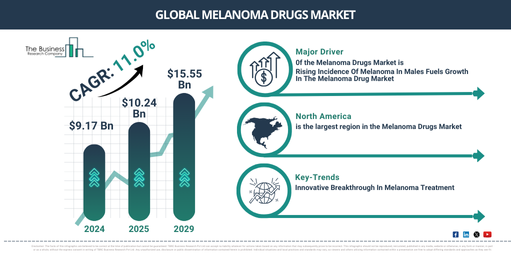
    In the past few years, there has been a swift growth in the market size of melanoma drugs. The market, which was valued at $9.17 billion in 2024, is projected to expand to $10.24 billion in 2025, reflecting a compound annual growth rate (CAGR) of 11.7%. This rapid growth experienced during the historic period is owed to breakthroughs in clinical research, higher incidence rates, evolving treatment frameworks, better diagnostic methods, and regulatory approvals.

    What Is the Projected Market Size of the Melanoma Drugs Market?

    The market size for melanoma drugs is anticipated to experience swift expansion in the forthcoming years. It is projected to reach “$15.55 billion by 2029, escalating at a compound annual growth rate (CAGR) of 11.0%. The surge in growth during the forecast period could be due to advancements in immunotherapy, biomarker studies, the worldwide aging population, market growth in burgeoning economies, and joint research efforts. Key trends for the forecast period encompass innovations in adjuvant therapies, increased application of checkpoint inhibitors, strategies for patient stratification, the incorporation of real-world evidence, and international partnerships in clinical trials.

    Download The Free Sample Report Here:

    https://www.thebusinessresearchcompany.com/sample.aspx?id=10783&type=smp

    Who are the Major Competitors in the Melanoma Drugs Market Outlook?

    Major companies operating in the melanoma drugs market include Amgen Inc., Bristol-Myers Squibb Company, F. Hoffmann-La Roche A, GlaxoSmithKline plc, Janssen Biotech Inc., Novartis AG, Pfizer Inc., Sanofi S.A., Takeda Pharmaceutical Company Limited, Eli Lilly and Company, Genentech Inc., Merck & Co. Inc., Bayer AG, Bausch Health Companies Inc., Cipla Limited, Vical Incorporated, Aduro Biotech Inc., OSE Immunotherapeutics, Daiichi Sankyo Company Limited, Gilead Sciences, Seagen Inc., Incyte Corporation, Kyowa Kirin Co. Ltd., Almirall S.A., MacroGenics Inc., Fortress Biotech Inc., OncoSec Medical Incorporated, Regeneron Pharmaceuticals Inc., Iovance Biotherapeutics

    What Is Fueling Growth in the Melanoma Drugs Market?

    The melanoma drug market is projected to grow in the upcoming years, fueled by a rise in cases of melanoma, a type of skin cancer, among men. These malignancies occur in skin cells known as melanocytes, which control skin pigmentation. The medications designed to treat melanoma work to slow or stop the proliferation and distribution of melanoma cells throughout the body. Consequently, the growing prevalence of melanoma will boost the melanoma drug market. For instance, the American Cancer Society, a US-based organization committed to eradicating cancer, reported an increase in new melanoma cases amongst men from 57,180 in 2022 to 58,120 in 2023. Thus, this escalating trend of melanoma occurrences in males underpins the expansion of the melanoma drug market.

    Request For A Customized Report:

    https://www.thebusinessresearchcompany.com/customise?id=10783&type=smp

    Which Melanoma Drugs Market Segments Are Growing the Fastest?

    The melanoma drugs market covered in this report is segmented –

    1) By Therapy: Chemotherapy, Immunotherapy, Targeted Therapy

    2) By Disease Type: Superficial Spreading Melanoma, Lentigo Maligna, Acral Lentiginous Melanoma, Nodular Melanoma

    3) By Application: Hospitals, Outpatient Oncologist Clinics, Other Applications

    Subsegments:

    1) By Chemotherapy: Alkylating Agents, Antimetabolites, Plant Alkaloids, Topoisomerase Inhibitors

    2) By Immunotherapy: Checkpoint Inhibitors, Interleukin Therapy, Oncolytic Virus Therapy, Cancer Vaccines

    3) By Targeted Therapy: BRAF Inhibitors, MEK Inhibitors, Immune Modulators, Other Targeted Agents

    Which Industry Trends Are Shaping the Future of the Melanoma Drugs Market?

    The melanoma drugs market is seeing a rapid growth in product innovation, a trend heavily pursued by key market players. They are striving to create novel solutions, aiming to consolidate their market place. Evidence of this is demonstrated by the U.S. Food and Drug Administration approving Opdualag in March 2022. Bristol-Myers Squibb Company, a US pharmaceutical firm, developed this. Opdualag is a fixed-dose combination of the LAG-3-blocking antibody relatlimab and the programmed death receptor-1 blocking antibody nivolumab, used to treat melanoma in both adults and children. Opdualag, formulated through the unification of relatlimab and nivolumab, blocks both the programmed death receptor-1 and LAG-3. The recommendation for dosage is 480 mg of nivolumab and 160 mg of relatlimab every four weeks intravenously for adults and adolescents aged 12 and above weighing at least 40kg until disease progression or intolerable toxicity is apparent.

    Access The Full Report Here:

    https://www.thebusinessresearchcompany.com/report/melanoma-drugs-global-market-report

    Which Countries Are Leading the Melanoma Drugs Market?

    North America was the largest region in the melanoma drugs market in 2024. The regions covered in the melanoma drugs market report are Asia-Pacific, Western Europe, Eastern Europe, North America, South America, Middle East, Africa

    Purchase The Full Report Today:

    https://www.thebusinessresearchcompany.com/purchaseoptions.aspx?id=10783

    This Report Delivers Insight On:

    1. How big is the melanoma drugs market, and how is it changing globally?

    2. Who are the major companies in the melanoma drugs market, and how are they performing?

    3. What are the key opportunities and risks in the melanoma drugs market right now?

    4. Which products or customer segments are growing the most in the melanoma drugs market?

    5. What factors are helping or slowing down the growth of the melanoma drugs market?

    About The Business Research Company:

    With over 15000+ reports from 27 industries covering 60+ geographies, The Business Research Company has built a reputation for offering comprehensive, data-rich research and insights. Armed with 1,500,000 datasets, the optimistic contribution of in-depth secondary research, and unique insights from industry leaders, you can get the information you need to stay ahead in the game.

    Get in touch with us:

    The Business Research Company: https://www.thebusinessresearchcompany.com/

    Americas +1 3156230293

    Asia +44 2071930708

    Europe +44 2071930708

    Email us at info@tbrc.info

    Follow us on:

    LinkedIn: https://in.linkedin.com/company/the-business-research-company

    YouTube: https://www.youtube.com/channel/UC24_fI0rV8cR5DxlCpgmyFQ

    Global Market Model: https://www.thebusinessresearchcompany.com/global-market-model

  • Mantle Cell Lymphoma Therapeutics Market Trends Report 2025 – For Business Development and Strategy Teams

    Claim your 30% discount on Global Market Reports with code ONLINE30. Limited time only.

    What Is the Forecast for the Mantle Cell Lymphoma Therapeutics Market Growth in 2025?

    The market size of mantle cell lymphoma therapeutics has witnessed robust growth in the past years. There is predicted growth from $2.42 billion in 2024 to $2.62 billion in 2025, indicating a compound annual growth rate (CAGR) of 8.2%. The historic expansion can be credited to advancements in research, successful clinical trials, enhanced diagnostic tools, expanded access to treatment, and collective research efforts.

    What Is the Forecast for the Mantle Cell Lymphoma Therapeutics Market Size Through 2029?

    The therapeutics market for mantle cell lymphoma is predicted to witness robust growth in the upcoming years, reaching an estimated size of $3.56 billion by 2029, growing at a compound annual growth rate (CAGR) of 8.0%. The anticipated progress over the forecast period is due to enhancements in targeted therapies, innovations in immunotherapy, the growth of personalized medicine, expansion of the global market, and a rise in incidence rates. The major trends set to mark the forecast period include advancements in immunotherapy, the development of precision medicine and biomarkers, targeted therapies tailored to specific pathways, combination therapies, and the incorporation of artificial intelligence (AI).

    Download The Free Sample Report Here:

    https://www.thebusinessresearchcompany.com/sample.aspx?id=10813&type=smp

    What are the Key Market Players in Mantle Cell Lymphoma Therapeutics Market and How They’re Evolving?

    Major companies operating in the mantle cell lymphoma therapeutics market include AstraZeneca plc, Celgene Corporation, Johnson & Johnson Consumer Inc., Takeda Pharmaceutical Company Limited, Bayer Aktiengesellschaft, Eli Lilly and Company, Amgen Inc., GlaxoSmithKline plc, Kite Pharma Inc., Gilead Sciences Inc., AbbVie Inc., Bristol-Myers Squibb Company, Novartis AG, Merck & Co. Inc., Massive Bio Inc., Juno Therapeutics Inc., Nurix Therapeutics Inc., Janssen Biotech Inc., TG Therapeutics Inc., F. Hoffmann-La Roche AG, Astex Pharmaceuticals Inc., Astellas Pharma Inc., BeiGene Ltd., Daiichi Sankyo Company Limited, Eisai Co. Ltd., Exelixis Inc., Hutchison China MediTech Limited, Incyte Corporation, Ionis Pharmaceuticals Inc.

    What Are the Primary Growth Drivers in the Mantle Cell Lymphoma Therapeutics Market?

    The mantle cell lymphoma therapeutics market is set to grow, fueled by the increasing occurrence of mantle cell lymphoma. Mantle cell lymphoma (MCL) is a form of non-Hodgkin lymphoma (NHL), a malignancy that targets the lymphatic system. Therapeutics for mantle cell lymphoma contribute to diminish the frequency of the illness by offering treatments and managing the disorder, enhancing the patient’s chances of survival, extending lifespan, and mitigating the disease burden. For instance, statistics from the National Library of Medicine, a biomedical library run by the United States Federal Government, showed that, in December 2022, the yearly incidence of mantle cell lymphoma stands at one case per 200,000 people, accounting for 5% of all non-Hodgkins lymphomas. Therefore, this heightened occurrence of mantle cell lymphoma is a significant driver for the mantle cell lymphoma therapeutics market growth.

    Request For A Customized Report:

    https://www.thebusinessresearchcompany.com/customise?id=10813&type=smp

    What Are the Leading Segments in the Global Mantle Cell Lymphoma Therapeutics Industry?

    The mantle cell lymphoma therapeutics market covered in this report is segmented –

    1) By Type: Combination Therapy, Monotherapy

    2) By Mechanism of Action: Bruton Tyrosine Kinase Inhibitors, Alkylating Agents, Deoxyribonucleic Acid Synthesis Inhibitors, Microtubule Inhibitors, Monoclonal Antibodies, Other Mechanisms

    3) By Route of Administration: Oral, Parenteral

    4) By Application: Hospital, Research Institute, Other Applications

    Subsegments:

    1) By Combination Therapy: Chemotherapy Combinations, Targeted Therapy Combinations, Immunotherapy Combinations

    2) By Monotherapy: Single-Agent Chemotherapy, Targeted Therapy Monotherapy, Immunotherapy Monotherapy

    What Are the Key Market Trends in the Mantle Cell Lymphoma Therapeutics Industry?

    A significant trend emerging in the mantel cell lymphoma therapeutics market is the creation of customized therapy drugs. To maintain their market share, leading companies in this market are innovating and introducing new targeted therapy drugs. An example of this is AstraZeneca plc., a pharmaceutical enterprise from the UK, which obtained approval in March 2023 to distribute its drug, Calquence (acalabrutinib), in China, specifically for adults suffering from mantle cell lymphoma (MCL). The National Medical Products Administration (NMPA) greenlighted this approval. Calquence (acalabrutinib), a selective Bruton’s tyrosine kinase (BTK) inhibitor, provides a manageable and potent new treatment alternative to manage mantle cell lymphoma.

    Access The Full Report Here:

    https://www.thebusinessresearchcompany.com/report/mantle-cell-lymphoma-therapeutics-global-market-report

    What Is the Regional Outlook for the Mantle Cell Lymphoma Therapeutics Market?

    North America was the largest region in the global mantle cell lymphoma therapeutics market in 2024. The regions covered in the mantle cell lymphoma therapeutics market report are Asia-Pacific, Western Europe, Eastern Europe, North America, South America, Middle East, Africa

    Purchase The Full Report Today:

    https://www.thebusinessresearchcompany.com/purchaseoptions.aspx?id=10813

    This Report Delivers Insight On:

    1. How big is the mantle cell lymphoma therapeutics market, and how is it changing globally?

    2. Who are the major companies in the mantle cell lymphoma therapeutics market, and how are they performing?

    3. What are the key opportunities and risks in the mantle cell lymphoma therapeutics market right now?

    4. Which products or customer segments are growing the most in the mantle cell lymphoma therapeutics market?

    5. What factors are helping or slowing down the growth of the mantle cell lymphoma therapeutics market?

    About The Business Research Company:

    With over 15000+ reports from 27 industries covering 60+ geographies, The Business Research Company has built a reputation for offering comprehensive, data-rich research and insights. Armed with 1,500,000 datasets, the optimistic contribution of in-depth secondary research, and unique insights from industry leaders, you can get the information you need to stay ahead in the game.

    Get in touch with us:

    The Business Research Company: https://www.thebusinessresearchcompany.com/

    Americas +1 3156230293

    Asia +44 2071930708

    Europe +44 2071930708

    Email us at info@tbrc.info

    Follow us on:

    LinkedIn: https://in.linkedin.com/company/the-business-research-company

    YouTube: https://www.youtube.com/channel/UC24_fI0rV8cR5DxlCpgmyFQ

    Global Market Model: https://www.thebusinessresearchcompany.com/global-market-model

  • Plasma Powder Industry Valued at $4.03 Billion by 2029 With CAGR of 5.9% | Size and Share Insights

    Plasma Powder Industry Valued at $4.03 Billion by 2029 With CAGR of 5.9% | Size and Share Insights

    Claim your 30% discount on Global Market Reports with code ONLINE30. Limited time only.

    What Is the Forecast for the Plasma Powder Market from 2024 to 2025?

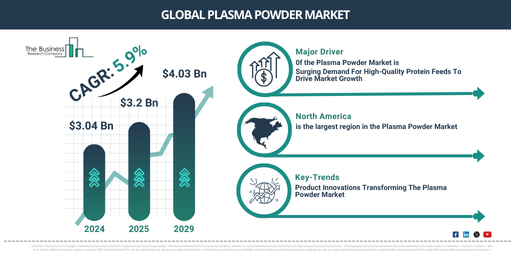
    The market size of plasma powder has witnessed robust growth over the past few years. The market is projected to increase from $3.04 billion in 2024 to $3.2 billion in 2025, registering a compound annual growth rate (CAGR) of 5.4%. The surge in growth during the historic period is a result of developments in material science, an increase in surface modification methods, a rising demand for advanced coatings, as well as growth in the semiconductor, electronics, medical, and biomedical industries.

    What Is the Projected Market Size of the Plasma Powder Market?

    The market for plasma powder is predicted to experience robust growth in the forthcoming years, expanding to a value of $4.03 billion by 2029, with a compound annual growth rate (CAGR) of 5.9%. The projected growth over the forecast period can be credited to advancements in nanotechnology, exploration of catalytic applications, its use in smart materials, the rise in 3d printing, and increased usage in biomedical engineering. During the forecast period, major trends include the incorporation of plasma-polymer composite materials, hybrid additive manufacturing approaches, customizable smart coatings, bioresorbable implants and coatings, and the use of plasma powder in 5g technologies.

    Download The Free Sample Report Here:

    https://www.thebusinessresearchcompany.com/sample.aspx?id=12355&type=smp

    Who are the Major Competitors in the Plasma Powder Market Outlook?

    Major companies operating in the plasma powder market include Takeda, CSL Behring, Darling Ingredients, Grifols, Octapharma, Kedrion, Valley Proteins Inc., Proliant Biologicals, Veos Group, Uruguayan Animal Proteins, Haripro SpA, Lihme Protein Solutions, Saria SE & Co. KG, Acontex GmbH, APC Inc., British Aqua Feeds, Feed Stimulants, Otto Chemie Pvt Ltd, Shenzhen Taier Biotechnology Co. Ltd, Animix LLC, Kraeber & Co GmbH, Rocky Mountain Biologicals

    What Is Fueling Growth in the Plasma Powder Market?

    The escalating need for premium protein-based feeds is predicted to boost the growth of the plasma powder market. The surge in demand is attributed to the heightened consumption of top-notch feeds by pets and domesticated livestock. Plasma powder is a crucial component in the production of wholesome, nutritious animal food. For instance, the American Feed Industry Association, a non-profit organization based in the U.S. supporting the animal feed industry, forecasted in January 2022 that the U.S. animal feed market would grow approximately 2.5% annually, amounting to around 254.6 million tons and an estimated worth of nearly $48.8 billion by 2025. As a result, the burgeoning demand for superior protein feeds is fueling the expansion of the plasma powder market.

    Request For A Customized Report:

    https://www.thebusinessresearchcompany.com/customise?id=12355&type=smp

    Which Plasma Powder Market Segments Are Growing the Fastest?

    The plasma powder market covered in this report is segmented –

    1) By Source: Bovine, Porcine, Ovine, Other Sources

    2) By Form: Dry, Wet

    3) By Sales Channel: Online, Offline

    4) By Application: Pet Food, Pig Feed, Poultry Feed, Aqua Feed, Ruminant Feed, Human Food, Other Applications

    Subsegments:

    1) By Bovine: Bovine Serum Powder, Bovine Plasma Protein

    2) By Porcine: Porcine Serum Powder, Porcine Plasma Protein

    3) By Ovine: Ovine Serum Powder, Ovine Plasma Protein

    4) By Other Sources: Equine (Horse), Avian (Chicken), Other Animal Sources

    Which Industry Trends Are Shaping the Future of the Plasma Powder Market?

    The rise of product innovation is a leading trend increasingly recognized in the plasma powder market. Firms participating in the plasma powder market are concentrating on introducing new product ranges to maintain their market standing. For example, in February 2023, Octapharma AG, a pharmaceutical company based in Switzerland, received approval from the European Union (EU) for its OctaplasLG powder, which is either a plasma powder or a freeze-dried version of their well-known plasma for transfusion. This expanded product line will be sold in Europe as a powder and solvent infusion solution. The OctaplasLG powder is a high-quality human plasma product with standardized quality and superior pathogen safety profiles, all thanks to Octapharma’s comprehensive concept of pathogen elimination and inactivation.

    Access The Full Report Here:

    https://www.thebusinessresearchcompany.com/report/plasma-powder-global-market-report

    Which Countries Are Leading the Plasma Powder Market?

    North America was the largest region in the plasma powder market in 2024. Asia-Pacific is expected to be the fastest-growing region in the forecast period. The regions covered in the plasma powder market report are Asia-Pacific, Western Europe, Eastern Europe, North America, South America, Middle East, Africa

    Purchase The Full Report Today:

    https://www.thebusinessresearchcompany.com/purchaseoptions.aspx?id=12355

    This Report Delivers Insight On:

    1. How big is the plasma powder market, and how is it changing globally?

    2. Who are the major companies in the plasma powder market, and how are they performing?

    3. What are the key opportunities and risks in the plasma powder market right now?

    4. Which products or customer segments are growing the most in the plasma powder market?

    5. What factors are helping or slowing down the growth of the plasma powder market?

    About The Business Research Company:

    With over 15000+ reports from 27 industries covering 60+ geographies, The Business Research Company has built a reputation for offering comprehensive, data-rich research and insights. Armed with 1,500,000 datasets, the optimistic contribution of in-depth secondary research, and unique insights from industry leaders, you can get the information you need to stay ahead in the game.

    Get in touch with us:

    The Business Research Company: https://www.thebusinessresearchcompany.com/

    Americas +1 3156230293

    Asia +44 2071930708

    Europe +44 2071930708

    Email us at info@tbrc.info

    Follow us on:

    LinkedIn: https://in.linkedin.com/company/the-business-research-company

    YouTube: https://www.youtube.com/channel/UC24_fI0rV8cR5DxlCpgmyFQ

    Global Market Model: https://www.thebusinessresearchcompany.com/global-market-model