Category: Pharmaceuticals

  • Retinal Disorder Treatment Market Projected at $19.62 Billion by 2029 | Strategic Insights and Forecast Data

    Claim your 30% discount on Global Market Reports with code ONLINE30. Limited time only.

    How Has the Retinal Disorder Treatment Market Size Changed, over the years?

    In recent times, the market for treatments of retinal disorders has undergone considerable expansion. An increase from $12.59 billion in 2024 to $13.82 billion in 2025 at a Compound Annual Growth Rate (CAGR) of 9.7% is predicted. This notable surge in the past period can be traced back to various contributing elements such as the inception of anti-vegf therapies, an aging populace, a rise in the cases of retinal disorders, enhanced tools for early identification, heightened consciousness and screening endeavors, as well as broadened availability to healthcare services.

    How Much Will the Retinal Disorder Treatment Market Be Worth in 2029?

    The market for the treatment of retinal disorders is anticipated to experience significant growth in the upcoming years, reaching $19.62 billion in 2029 with a compound annual growth rate (CAGR) of 9.2%. This projected growth during the forecast period can be attributed to factors such as the adoption of a patient-centric approach in retinal healthcare, an increase in worldwide healthcare spending, a heightened focus on combination therapies for retinal disorders, the emergence of home-based retinal disorder monitoring, increase in the use of implantable devices for retina treatment, and the adoption of regenerative medicine for treating the retina. Key trends for the forecast period include progression in ophthalmic imaging technologies, the advent of minimally invasive surgical methods, the application of artificial intelligence in diagnostics, advancements in drug delivery technologies, the incorporation of virtual reality in retinal rehabilitation, partnerships between research institutions and pharmaceutical companies, and the evolution of gene therapies for genetic retinal diseases.

    Download The Free Sample Report Here:

    https://www.thebusinessresearchcompany.com/sample.aspx?id=12701&type=smp

    Which is the Largest Company in the Retinal Disorder Treatment Market?

    Major companies operating in the retinal disorder treatment market include Pfizer Inc., F. Hoffmann-La Roche Ltd., AbbVie Inc., Bayer AG, Novartis AG, Takeda Pharmaceutical Company Limited, Regeneron Pharmaceuticals Inc., Bausch Health Companies Inc., Genentech Inc., Santen Pharmaceutical Co. Ltd., Apellis Pharmaceuticals Inc., Kubota Pharmaceutical Holdings Co. Ltd, Alimera Sciences Inc., Ocular Therapeutix Inc., EyePoint Pharmaceuticals Inc., Adverum Biotechnologies Inc., Kodiak Sciences Inc., Acucela Inc., IVERIC bio Inc., Oxurion NV, Graybug Vision Inc., Icon Bioscience Inc., Clearside Biomedical Inc., Aerpio Pharmaceuticals Inc., Neurotech Pharmaceuticals Inc., Ophthotech Corporation, Opthea Limited, PanOptica Inc., ThromboGenics NV

    What Are the Main Market Drivers in the Retinal Disorder Treatment Industry?

    The rise in retinal disorders is anticipated to spur the advancement of the retinal disorder treatment market. Retinal ailments encompass health issues that impact the retina and the light-sensitive tissue located at the eye’s rear, potentially leading to vision loss or significant visual impairment. Treatments for retinal disorders, such as laser therapy, vitrectomy, and retinal implants, help manage and lessen the disorder’s symptoms. For example, in January 2023, the International Agency for the Prevention of Blindness, a UK-based international alliance, projected that age-related macular degeneration (AMD) would account for approximately 5% of global blindness. Furthermore, age-related macular degeneration diseases are predicted to affect 288 million individuals by 2040. Hence, the escalating prevalence of retinal disorders is fuelling the expansion of the retinal disorder treatment market.

    Request For A Customized Report:

    https://www.thebusinessresearchcompany.com/customise?id=12701&type=smp

    How Is the Retinal Disorder Treatment Market Segments Structured?

    The retinal disorder treatment market covered in this report is segmented –

    1) By Type: Macular Degeneration, Diabetic Retinopathy, Other Types

    2) By Dosage Form: Gels, Eye Solutions, Capsules And Tablets, Eye Drops, Ointments

    3) By Distribution Channel: Hospital Pharmacy, Online Pharmacy, Retail Pharmacy

    Subsegments:

    1) By Macular Degeneration: Dry Macular Degeneration, Wet Macular Degeneration

    2) By Diabetic Retinopathy: Non-Proliferative Diabetic Retinopathy, Proliferative Diabetic Retinopathy

    3) By Other Types: Retinal Detachment, Retinitis Pigmentosa, Uveitis, Other Retinal Disorders

    What Strategic Trends Are Transforming the Retinal Disorder Treatment Market?

    A key trend emerging in the retinal disorder treatment market is the development of new products through innovations. The leading companies in this market are launching innovative products to maintain their authority. For example, F. Hoffmann-La Roche AG, a pharmaceutical firm based in Switzerland, secured approval from the U.S. Food and Drug Administration (FDA) for Vabysmo, a bispecific antibody, to manage neovascular or wet age-related macular degeneration (AMD) and diabetic macular edema (DME) in January 2022. This medication, the first injectable eye treatment, counters and obstructs angiopoietin-2 (Ang-2) and vascular endothelial growth factor-A (VEGF-A), two disease paths related to retinal disorders that could deteriorate vision. The clinical trials exhibited equivalent vision enhancement to traditional therapy and had a positive safety record. This approval marks a remarkable advancement in retinal disease treatments and provides patients with a chance for improved vision and less intense treatment routines.

    Access The Full Report Here:

    https://www.thebusinessresearchcompany.com/report/retinal-disorder-treatment-global-market-report

    Which Global Regions Offer the Highest Growth in the Retinal Disorder Treatment Market?

    North America was the largest region in the retinal disorder treatment market in 2024. Asia-Pacific is expected to be the fastest-growing region in the forecast period. The regions covered in the retinal disorder treatment market report are Asia-Pacific, Western Europe, Eastern Europe, North America, South America, Middle East, Africa

    Purchase The Full Report Today:

    https://www.thebusinessresearchcompany.com/purchaseoptions.aspx?id=12701

    This Report Delivers Insight On:

    1. How big is the retinal disorder treatment market, and how is it changing globally?

    2. Who are the major companies in the retinal disorder treatment market, and how are they performing?

    3. What are the key opportunities and risks in the retinal disorder treatment market right now?

    4. Which products or customer segments are growing the most in the retinal disorder treatment market?

    5. What factors are helping or slowing down the growth of the retinal disorder treatment market?

    About The Business Research Company:

    With over 15000+ reports from 27 industries covering 60+ geographies, The Business Research Company has built a reputation for offering comprehensive, data-rich research and insights. Armed with 1,500,000 datasets, the optimistic contribution of in-depth secondary research, and unique insights from industry leaders, you can get the information you need to stay ahead in the game.

    Get in touch with us:

    The Business Research Company: https://www.thebusinessresearchcompany.com/

    Americas +1 3156230293

    Asia +44 2071930708

    Europe +44 2071930708

    Email us at info@tbrc.info

    Follow us on:

    LinkedIn: https://in.linkedin.com/company/the-business-research-company

    YouTube: https://www.youtube.com/channel/UC24_fI0rV8cR5DxlCpgmyFQ

    Global Market Model: https://www.thebusinessresearchcompany.com/global-market-model
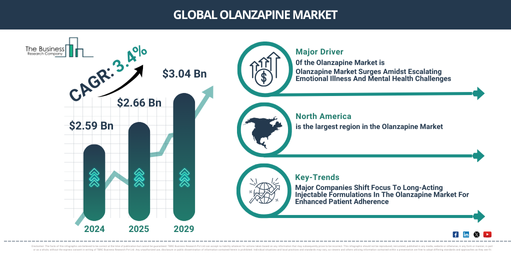
  • Olanzapine Market Trends Report 2025 – For Business Development and Strategy Teams

    Olanzapine Market Trends Report 2025 – For Business Development and Strategy Teams

    Claim your 30% discount on Global Market Reports with code ONLINE30. Limited time only.

    What Is the Forecast for the Olanzapine Market Growth in 2025?

    In the preceding years, the size of the olanzapine market has witnessed a consistent expansion. The market is predicted to increase from $2.59 billion in 2024 to $2.66 billion in 2025, showcasing a compound annual growth rate (CAGR) of 2.6%. Factors such as escalating mental health disorders incidents, heightened awareness and diagnoses, growing geriatric demographic, advancements in psychiatric treatment, and approvals for diverse indications contributed significantly to the historical growth period.

    What Is the Forecast for the Olanzapine Market Size Through 2029?

    In the coming years, consistent growth is anticipated in the olanzapine market, with its value predicted to hit $3.04 billion in 2029, realizing a compound annual growth rate (CAGR) of 3.4%. This expansion in the projected timeline is due mainly to factors such as heightened awareness about mental health, advancements in psychiatric medication, initiatives focused on mental health on a global scale, widespread usage among children, and unification with mental health services. Noteworthy trends within the forecast period encompass improved formulas designed for older patients, the launch of programs supporting patients, heightened regulatory oversight and inspection, cultivation of digital health alternatives, and ongoing studies into new potential uses.

    Download The Free Sample Report Here:

    https://www.thebusinessresearchcompany.com/sample.aspx?id=10748&type=smp

    What are the Key Market Players in Olanzapine Market and How They’re Evolving?

    Major companies operating in the olanzapine market include Aurobindo Pharma Ltd., Teva Pharmaceutical Industries Limited, Dr. Reddy’s Laboratories Ltd., Sun Pharmaceutical Industries Limited, Torrent Group, Apotex Inc., Novartis AG, Mylan N.V., Alkermes Inc., Viatris Inc., Pfizer Inc., Zydus Cadila Healthcare Ltd., Endo International plc, Lupin Limited, Cipla Inc., Eli Lilly and Company, Zhejiang Langhua Pharmaceutical Co. Ltd., Jiangsu Hansoh Pharmaceutical Group Co. Ltd., Bristol-Myers Squibb Company, Sandoz International GmbH, Changzhou Huasheng Pharmaceutical Co. Ltd., Par Pharmaceutical, Jubilant Pharmova Limited, Hansoh Pharmaceutical, AstraZeneca plc, Olanzapine API Manufacturers, Torrent Pharmaceuticals, Egis Pharmaceuticals plc, Actavis Group hf., Hexal AG

    What Are the Primary Growth Drivers in the Olanzapine Market?

    The olanzapine market is projected to expand as a result of the growing incidence of emotional and mental disorders. These terms allude to complications that disrupt a person’s emotional and mental well-being. The escalating rates of emotional and mental health problems are fueling the need for mental health care options like olanzapine. This type of medication, known as an atypical antipsychotic, is chiefly used for the treatment of conditions such as schizophrenia and bipolar disorder. It can also be administered alongside other drugs as part of a depression management regimen. For example, the National Institute of Mental Health (NIMH), a crucial US agency within the National Institutes of Health (NIH) specializing in the research, treatment, and prevention of mental health issues, reported that in 2022, around 59.3 million adults, representing 23.1% of the U.S. adult populace, were diagnosed with Prevalence of Any Mental Illness (AMI). Additionally, an estimated 15.4 million adults, corresponding to approximately 6.0% of the U.S. adult members, were recognized as having Prevalence of Serious Mental Illness (SMI). As such, the escalating incidence of emotional and mental complications stimulates the growth of the olanzapine market.

    Request For A Customized Report:

    https://www.thebusinessresearchcompany.com/customise?id=10748&type=smp

    What Are the Leading Segments in the Global Olanzapine Industry?

    The olanzapine market covered in this report is segmented –

    1) By Therapy Type: Monotherapy, Combinational Therapy

    2) By Route Of Administration: Oral, Parenteral

    3) By Application: Schizophrenia, Bipolar Disorder, Other Applications

    4) By End-Users: Hospitals, Homecare, Specialty Clinics, Other End-Users

    Subsegments:

    1) By Monotherapy: Tablet Formulation, Orally Disintegrating Tablets, Injectable Formulation

    2) By Combinational Therapy: Olanzapine + Fluoxetine, Olanzapine + Other Antipsychotics, Olanzapine + Mood Stabilizers, Olanzapine + Antidepressants

    What Are the Key Market Trends in the Olanzapine Industry?

    Leading firms in the olanzapine market are emphasizing on the development of long-acting injectable medications to stand out from their competitors. These injectables offer continuous therapeutic benefits, enhance patient commitment to treatment, and decrease the need for frequent administration compared to oral counterparts. As a case in point, Otsuka Pharmaceutical, a pharmaceutical firm based in Japan, introducdeed Zyprexa Relprevv, a long functioning injectable form of olanzapine, in 2022. The medication, with a dosing interval of two to four weeks, increases patient adherence and lowers the chances of a schizophrenia relapse. It also boasts a unique delivery system that guarantees consistent drug dispensation over time, thereby resolving issues linked with daily oral drug intake. This progress signifies a wider movement towards more potent treatment approaches in mental health care.

    Access The Full Report Here:

    https://www.thebusinessresearchcompany.com/report/olanzapine-global-market-report

    What Is the Regional Outlook for the Olanzapine Market?

    North America was the largest region in the olanzapine market in 2024.Asia-Pacific is expected to be the fastest-growing region in the global olanzapine market report during the forecast period. The regions covered in the olanzapine market report are Asia-Pacific, Western Europe, Eastern Europe, North America, South America, Middle East, Africa

    Purchase The Full Report Today:

    https://www.thebusinessresearchcompany.com/purchaseoptions.aspx?id=10748

    This Report Delivers Insight On:

    1. How big is the olanzapine market, and how is it changing globally?

    2. Who are the major companies in the olanzapine market, and how are they performing?

    3. What are the key opportunities and risks in the olanzapine market right now?

    4. Which products or customer segments are growing the most in the olanzapine market?

    5. What factors are helping or slowing down the growth of the olanzapine market?

    About The Business Research Company:

    With over 15000+ reports from 27 industries covering 60+ geographies, The Business Research Company has built a reputation for offering comprehensive, data-rich research and insights. Armed with 1,500,000 datasets, the optimistic contribution of in-depth secondary research, and unique insights from industry leaders, you can get the information you need to stay ahead in the game.

    Get in touch with us:

    The Business Research Company: https://www.thebusinessresearchcompany.com/

    Americas +1 3156230293

    Asia +44 2071930708

    Europe +44 2071930708

    Email us at info@tbrc.info

    Follow us on:

    LinkedIn: https://in.linkedin.com/company/the-business-research-company

    YouTube: https://www.youtube.com/channel/UC24_fI0rV8cR5DxlCpgmyFQ

    Global Market Model: https://www.thebusinessresearchcompany.com/global-market-model
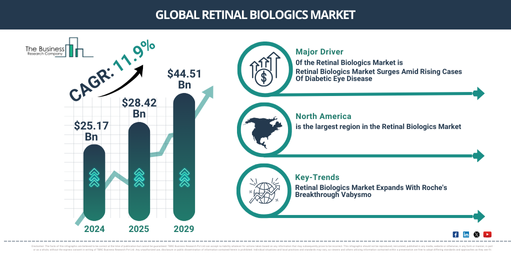
  • Retinal Biologics Industry Growth Expected to Reach $44.51 Billion by 2029 at a CAGR of 11.9% | Segmentation and Growth Opportunities

    Retinal Biologics Industry Growth Expected to Reach $44.51 Billion by 2029 at a CAGR of 11.9% | Segmentation and Growth Opportunities

    Claim your 30% discount on Global Market Reports with code ONLINE30. Limited time only.

    What Is the Forecast for the Retinal Biologics Market Growth in 2025?

    Over the past few years, the retinal biologics market size has experienced significant expansion. The market, which was valued at $25.17 billion in 2024, is forecasted to reach $28.42 billion in 2025, boasting a compound annual growth rate (CAGR) of 12.9%. Factors contributing to this historic growth include a rise in retinal disorders, an aging demographic, increased awareness leading to early diagnosis, improved healthcare infrastructure, and a surge in healthcare spending.

    What Is the Forecast for the Retinal Biologics Market Size Through 2029?

    Expectations are high for a swift expansion in the retinal biologics market size in the approaching years. The market is projected to surge to a value of $44.51 billion in 2029, growing at a compound annual growth rate (CAGR) of 11.9%. This anticipated growth during the forecast period is linked to broadening therapeutic applications, individualized medicine advancements, emerging market expansion, a robust biologics pipeline, collaborations & partnerships, as well as government initiatives and support. In the same forecast period, the main trends to watch include non-invasive delivery techniques, real-world evidence use, added indications, regulatory pathway simplification, and patient-focused outcomes.

    Download The Free Sample Report Here:

    https://www.thebusinessresearchcompany.com/sample.aspx?id=11911&type=smp

    What are the Key Market Players in Retinal Biologics Market and How They’re Evolving?

    Major companies operating in the retinal biologics market include Regeneron Pharmaceuticals Inc., AbbVie Inc., MeiraGTx Limited, Oxurion NV, Novartis AG, Amgen Inc., Spark Therapeutics Inc., Bayer AG, Bausch Health Companies Inc., Merck & Co. Inc., Santen Pharmaceutical Co. Ltd., Pfizer Inc., Boehringer Ingelheim, Eyenovia Inc., EyePoint Pharmaceuticals Inc., Iveric Bio Inc., Kodiak Sciences Inc., Aerie Pharmaceuticals Inc., Alimera Sciences Inc., Ocular Therapeutix Inc., Acucela Inc., Clearside Biomedical Inc., Ophthotech Corporation, Xcovery Holdings, Athenex Inc., Fidia Farmaceutici S.p.A, Eton Pharmaceuticals Inc.

    What Are the Primary Growth Drivers in the Retinal Biologics Market?

    The escalation in diabetic eye disease prevalence is anticipated to fuel the expansion of the retinal biologics market in the future. Diabetic eye disease, a diabetes complication, impacts the eyes leading to vision impairment and blindness in those with diabetes. Retinal biologics offer the potential for more specific and effective treatment alternatives, facilitating earlier intervention and enhanced results in preventing vision loss linked to diabetic eye disease. For example, information from the Australian Bureau of Statistics revealed that in 2022, 5.3% of the Australian population (approximately 1.3 million individuals) had diabetes, a substantial increase from the previous 3.3%. Consequently, the escalating incidence of diabetic eye disease is propelling the retinal biologics market’s growth.

    Request For A Customized Report:

    https://www.thebusinessresearchcompany.com/customise?id=11911&type=smp

    What Are the Leading Segments in the Global Retinal Biologics Industry?

    The retinal biologics market covered in this report is segmented –

    1) By Drug Class: Vascular Endothelial Growth Factor (VEGF)-A Antagonist, Tumor Necrosis Factor (TNF)-A Inhibitor

    2) By Indication: Macular Degeneration, Diabetic Retinopathy, Uveitis, Diabetic Macular Edema, Other Indications

    3) By Distribution Channel: Hospitals, Pharmacies, Specialty Clinics, Online Pharmacies, Other Distribution Channels

    Subsegments:

    1) By Vascular Endothelial Growth Factor (VEGF)-A Antagonist: Monoclonal Antibodies, Small Molecule Inhibitors

    2) By Tumor Necrosis Factor (TNF)-A Inhibitor: Monoclonal Antibodies, Fusion Proteins

    What Are the Key Market Trends in the Retinal Biologics Industry?

    A primary trend growing in prevalence within the retinal biologics market is the focus on product innovation. To consolidate their market positions and establish a competitive edge, main companies within this domain are directing their efforts towards the creation of novel, pioneering products. Illustrating this, in May 2023, F. Hoffmann-La Roche Ltd., a healthcare company based in Switzerland, publicized that its supplemental biologics license application (sBLA) for Vabysmo (faricimab), aimed at retinal vein occlusion (RVO) induced macular edema, had been approved by the U.S. Food and Drug Administration. This endorsement was conferred due to favourable results from two Phase III trials which exhibited notable and sustained visual improvement with Vabysmo, reaching the primary endpoint of non-inferiority in comparison to aflibercept. Vabysmo represents the first approved bispecific antibody for eyes, designed to combat neovascular or ‘wet’ age-related macular degeneration and diabetic macular edema. Additional investigations demonstrated a lack of blood vessel leakage in the retina in those treated with Vabysmo as compared to patients receiving aflibercept.

    Access The Full Report Here:

    https://www.thebusinessresearchcompany.com/report/retinal-biologics-global-market-report

    What Is the Regional Outlook for the Retinal Biologics Market?

    North America was the largest region in the retinal biologics market in 2024. Asia-Pacific is expected to be the fastest-growing region in the forecast period. The regions covered in the retinal biologics market report are Asia-Pacific, Western Europe, Eastern Europe, North America, South America, Middle East, Africa.

    Purchase The Full Report Today:

    https://www.thebusinessresearchcompany.com/purchaseoptions.aspx?id=11911

    This Report Delivers Insight On:

    1. How big is the retinal biologics market, and how is it changing globally?

    2. Who are the major companies in the retinal biologics market, and how are they performing?

    3. What are the key opportunities and risks in the retinal biologics market right now?

    4. Which products or customer segments are growing the most in the retinal biologics market?

    5. What factors are helping or slowing down the growth of the retinal biologics market?

    About The Business Research Company:

    With over 15000+ reports from 27 industries covering 60+ geographies, The Business Research Company has built a reputation for offering comprehensive, data-rich research and insights. Armed with 1,500,000 datasets, the optimistic contribution of in-depth secondary research, and unique insights from industry leaders, you can get the information you need to stay ahead in the game.

    Get in touch with us:

    The Business Research Company: https://www.thebusinessresearchcompany.com/

    Americas +1 3156230293

    Asia +44 2071930708

    Europe +44 2071930708

    Email us at info@tbrc.info

    Follow us on:

    LinkedIn: https://in.linkedin.com/company/the-business-research-company

    YouTube: https://www.youtube.com/channel/UC24_fI0rV8cR5DxlCpgmyFQ

    Global Market Model: https://www.thebusinessresearchcompany.com/global-market-model
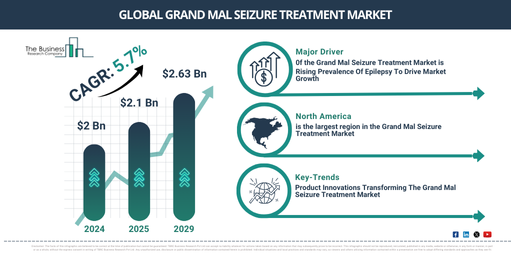
  • Grand Mal Seizure Treatment Market Projected at $2.63 Billion by 2029 | Strategic Insights and Forecast Data

    Grand Mal Seizure Treatment Market Projected at $2.63 Billion by 2029 | Strategic Insights and Forecast Data

    Claim your 30% discount on Global Market Reports with code ONLINE30. Limited time only.

    How Has the Grand Mal Seizure Treatment Market Size Changed, over the years?

    The market size for grand mal seizure treatment has seen substantial growth in recent times. The size is projected to rise from $2 billion in 2024 to $2.1 billion in 2025, with a compound annual growth rate (CAGR) of 5.3%. This growth within the historical phase is credited to advances in neurological comprehension, medical technology, development in medication, improvements in seizure classification, along with legal and societal advocacy.

    How Much Will the Grand Mal Seizure Treatment Market Be Worth in 2029?

    Significant expansion is anticipated in the grand mal seizure treatment market in the coming years, with a projected value of $2.63 billion in 2029 and a 5.7% compound annual growth rate (CAGR). The increase throughout the predictive period could be credited to advances in genetic research and precision medicine, the implementation of telemedicine for distance healthcare, regulatory adjustments improving accessibility, refined brain imaging methodologies, and comprehensive treatment strategies. The forecast period is expected to see major trends such as global campaigns for epilepsy awareness, patient-oriented care frameworks, advanced research in seizure genetics, community assistance networks, and the utilization of non-drug treatment methods.

    Download The Free Sample Report Here:

    https://www.thebusinessresearchcompany.com/sample.aspx?id=12349&type=smp

    Which is the Largest Company in the Grand Mal Seizure Treatment Market?

    Major companies operating in the grand mal seizure treatment market include Novartis AG, Sanofi S.A., GlaxoSmithKline PLC, Takeda Pharmaceuticals Inc., Mylan N.V., UCB Celltech Ltd., Sun Pharmaceutical Industries Ltd., Teva Pharmaceutical Industries Ltd., Aurobindo Pharma Limited, Lupin Pharmaceuticals Inc., Dr. Reddy’s Laboratories Ltd., Cipla Inc., Apotex Inc., Hikma Pharmaceuticals PLC, Alkem Laboratories Ltd., Jubilant Life Sciences Limited, Torrent Pharmaceuticals Ltd., Zydus Cadila, Strides Pharma Science Limited, Glenmark Pharmaceuticals Ltd., Wockhardt Ltd., Macleods Pharmaceuticals Ltd., Intas Pharmaceuticals Ltd., Alembic Pharmaceuticals Limited, Indoco Remedies Limited

    What Are the Main Market Drivers in the Grand Mal Seizure Treatment Industry?

    The escalating occurrence of epilepsy is anticipated to drive the expansion of the grand mal seizure treatment market. Epilepsy is a neurological condition characterized by frequent seizures. Grand mal seizures, which are usually induced by epilepsy, result in severe seizures. The rising prevalence necessitates enhanced treatment, achievable through grand mal seizure treatment. For example, in February 2023, the World Health Organization – a UN public health agency based in Switzerland – reported that around 50 million individuals worldwide were dealing with epilepsy, classifying it as one of the most widespread neurological disorders globally. Roughly 5 million people are diagnosed with epilepsy annually. Therefore, the soaring prevalence of epilepsy is fueling the expansion of the grand mal seizure treatment market.

    Request For A Customized Report:

    https://www.thebusinessresearchcompany.com/customise?id=12349&type=smp

    How Is the Grand Mal Seizure Treatment Market Segments Structured?

    The grand mal seizure treatment market covered in this report is segmented –

    1) By Type: Barbiturates, Hydantoin, Phenyltriazine, Iminostilbenes, Benzodiazepines, Aliphatic Carboxylic Acids, Other Types

    2) By Diagnosis: Magnetic Resonance Imaging (MRI), Electroencephalogram (EEG), Blood Tests, Computed Tomography (CT), Other Diagnosis

    3) By Treatment: Antiepileptic Drugs, Surgery, Vagus Nerve Stimulation, Ketogenic Diet, Other Treatments

    4) By End Users: Academic And Research Centers, Neurological Centers, Hospitals, Other End Users

    Subsegments:

    1) By Barbiturates: Phenobarbital, Primidone

    2) By Hydantoins: Phenytoin

    3) By Phenyltriazines: Lamotrigine

    4) By Iminostilbenes: Carbamazepine, Oxcabazepine

    5) By Benzodiazepines: Clonazepam, Diazepam, Lorazepam

    6) By Aliphatic Carboxylic Acids: Valproic Acid, Divalproex Sodium

    7) By Other Types: Levetiracetam, Topiramate, Zonisamide

    What Strategic Trends Are Transforming the Grand Mal Seizure Treatment Market?

    Leading organizations within the grand mal seizure treatment market are innovating new products such as anti-epilepsy drugs to secure a competitive advantage. Often referred to as antiepileptic drugs (AEDs) or anticonvulsants, these medications are purposefully designed to manage and alleviate epileptic seizures and related conditions. For example, in January 2023, the India-based pharmaceutical company, Zydus Lifesciences Limited, introduced Topiramate extended-release capsules in the U.S. market. This generic anti-epilepsy drug is available in strengths of USP 25 mg, 50 mg, and 100 mg, distinguishing Zydus as the first company to secure final approval and market the product in these dosages. The capsules are approved for treating epilepsy, specifically as first-line therapy for patients aged six and up with partial-onset or primary generalized tonic-clonic seizures, and for preventing migraine in patients aged 12 and older.

    Access The Full Report Here:

    https://www.thebusinessresearchcompany.com/report/grand-mal-seizure-treatment-global-market-report

    Which Global Regions Offer the Highest Growth in the Grand Mal Seizure Treatment Market?

    North America was the largest region in the grand mal seizure treatment market in 2024. The regions covered in the grand mal seizure treatment market report are Asia-Pacific, Western Europe, Eastern Europe, North America, South America, Middle East, Africa

    Purchase The Full Report Today:

    https://www.thebusinessresearchcompany.com/purchaseoptions.aspx?id=12349

    This Report Delivers Insight On:

    1. How big is the grand mal seizure treatment market, and how is it changing globally?

    2. Who are the major companies in the grand mal seizure treatment market, and how are they performing?

    3. What are the key opportunities and risks in the grand mal seizure treatment market right now?

    4. Which products or customer segments are growing the most in the grand mal seizure treatment market?

    5. What factors are helping or slowing down the growth of the grand mal seizure treatment market?

    About The Business Research Company:

    With over 15000+ reports from 27 industries covering 60+ geographies, The Business Research Company has built a reputation for offering comprehensive, data-rich research and insights. Armed with 1,500,000 datasets, the optimistic contribution of in-depth secondary research, and unique insights from industry leaders, you can get the information you need to stay ahead in the game.

    Get in touch with us:

    The Business Research Company: https://www.thebusinessresearchcompany.com/

    Americas +1 3156230293

    Asia +44 2071930708

    Europe +44 2071930708

    Email us at info@tbrc.info

    Follow us on:

    LinkedIn: https://in.linkedin.com/company/the-business-research-company

    YouTube: https://www.youtube.com/channel/UC24_fI0rV8cR5DxlCpgmyFQ

    Global Market Model: https://www.thebusinessresearchcompany.com/global-market-model
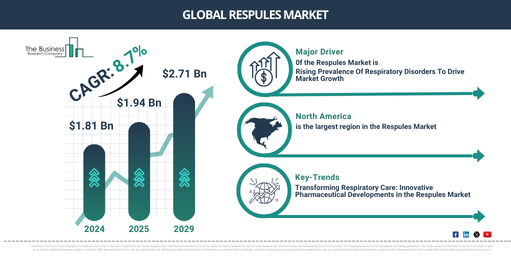
  • Respules Market to Reach $2.71 Billion by 2029 | Key Drivers and Future Outlook

    Respules Market to Reach $2.71 Billion by 2029 | Key Drivers and Future Outlook

    Claim your 30% discount on Global Market Reports with code ONLINE30. Limited time only.

    What Is the Growth Rate of the Respules Market?

    In the past few years, the respules market has witnessed a robust growth. It is predicted to increase from $1.81 billion in 2024 to $1.94 billion in 2025, with a compound annual growth rate (CAGR) of 7.6%. Factors such as recommendations from doctors, enhanced access to healthcare, advancements in clinical research and development, adoption of inhalation therapy, awareness initiatives, and the expansion of the pharmaceutical industry have contributed to the growth during the historical period.

    What Growth Rate Is Forecasted for the Respules Market by 2029?

    The market for respules is set to witness substantial expansion in the upcoming years, with its value predicted to reach $2.71 billion in 2029, growing at a compound annual growth rate (CAGR) of 8.7%. The projected growth in the forecast period can be linked to the development in drug formulations, biologic treatments, intelligent inhalers and increased connectivity, personalized medicinal strategies, telehealth and distant care, and regulatory backing for inhalation therapy. The anticipated trends for the forecast period encompass environmentally friendly manufacturing procedures, remote monitoring and compliance utilities, patient-focused inhalation solutions, vaccines for respiratory inhalation, and adjustable dosage respules.

    Download The Free Sample Report Here:

    https://www.thebusinessresearchcompany.com/sample.aspx?id=12497&type=smp

    Which Key Companies Are Shaping the Future of the Respules Market?

    Major companies operating in the respules market include AstraZeneca PLC, GlaxoSmithKline PLC, Teva Pharmaceutical Industries Ltd., Sandoz International GmbH, Macleods Pharmaceuticals Ltd., Sun Pharmaceutical Industries Ltd., Aurobindo Pharma Ltd., Cipla Limited, Intas Pharmaceuticals Ltd., Lupin Limited, Cadila Healthcare Limited, Torrent Pharmaceuticals Ltd., Glenmark Pharmaceuticals Ltd., Jubilant Life Sciences Limited, Systopic Laboratories Pvt. Ltd., Koye Pharmaceuticals Pvt. Ltd., Amanta Healthcare Ltd., Lucky Pharmaceuticals, Medicamen Biotech Limited, Axa Parenterals Ltd., Zuche Pharmaceuticals Pvt. Ltd., Jaksh Pharma, Biochemix Healthcare Private Limited, Intra Life Pvt. Ltd., Wellona Pharmaceuticals Private Limited, Percept Pharma Limited, Eurocrit Labs, Iskon Remedies

    Which Factors Are Driving Demand in the Respules Industry?

    The escalating prevalence of diseases related to the respiratory system is anticipated to fuel the expansion of the respules market. Console illnesses and pulmonary diseases, such as tuberculosis, lung cancer, pulmonary hypertension, mesothelioma, cystic fibrosis, emphysema, and asthma, can be classified as respiratory disorders. Respules are effective in treating a wide range of such disorders, including bronchial asthma, emphysema, spasmodic stenosis, and irregular bronchial mucus production. An instance to illustrate this was in December 2023, when the Australian Bureau of Statistics, a government agency originating in Australia, stated that 2.5% of the population, translating to 638,100 individuals, were suffering from COPD in 2022, with near-equal rates among men (2.4%) and women (2.6%). The percentage of daily smoking individuals with COPD was significantly higher (8.1%) in comparison to individuals who had quit smoking (4.4%) and ones who had never smoked (1.6%). Consequently, the escalating prevalence of diseases related to the respiratory system is providing a significant impetus to the expansion of the respules market.

    Request For A Customized Report:

    https://www.thebusinessresearchcompany.com/customise?id=12497&type=smp

    How Is the Respules Market Segmented by Several Divisions?

    The respules market covered in this report is segmented –

    1) By Drug Type: Budesonide, Albuterol, Ipratropium Bromide, Salbutamol Sulphate And Ipratropium Bromide

    2) By Dosage And Strength: 0.25 mg/2 mL, 0.5 mg/2 mL, 1mg/2 mL, Other Dosage And Strength Types

    3) By Distribution Channel: Hospital Pharmacy, Retail Pharmacy, Online Pharmacy, Other Distribution Channels

    Subsegments:

    1) By Budesonide: Budesonide Respules 0.25 mg, Budesonide Respules 0.5 mg, Budesonide Respules 1 mg

    2) By Albuterol: Albuterol Sulfate Respules 0.083%, Albuterol Sulfate Respules 0.5%

    3) By Ipratropium Bromide: Ipratropium Bromide Respules 0.02%, Ipratropium Bromide Respules 0.5 mg

    4) By Salbutamol Sulphate And Ipratropium Bromide: Salbutamol Sulphate Respules 0.083%, Salbutamol Sulphate Respules 2.5 mg

    What are the Emerging Market Trends Driving the Growth of the Respules Industry?

    Companies that have a significant presence in the repsules market are concentrating their efforts on the development of revolutionary products such as unique pharmaceutical items that enhance drug delivery methods, improve patient adherence, and optimize the effectiveness of therapeutic treatments. Novel pharmaceutical items are novel and innovative drug formulations or medications that are dramatically different from current treatments. These items may include unique active ingredients, new combinations of drugs, or delivery systems that are upgraded to enhance safety, efficacy, or patient adherence. For example, in January 2023, DIFIZMA was introduced by Lupin Limited, a pharmaceutical company based in India, as a treatment for inadequately controlled asthma. DIFIZMA, an innovative fixed-dose triple drug combination, combines Indacaterol, a long-acting beta-agonist; Glycopyrronium, a long-acting muscarinic receptor antagonist; and Mometasone Furoate, an inhaled corticosteroid. This combination enhances lung functionality and helps control symptoms better. Furthermore, DIFIZMA assists in reducing the number of asthma exacerbations, thereby improving the overall quality of life for patients and minimizing the chances of hospitalization.

    Access The Full Report Here:

    https://www.thebusinessresearchcompany.com/report/respules-global-market-report

    Which Regions Are Driving Growth in the Respules Market?

    North America was the largest region in the respules market in 2024. Asia-Pacific is expected to be the fastest-growing region in the forecast period. The regions covered in the respules market report are Asia-Pacific, Western Europe, Eastern Europe, North America, South America, Middle East, Africa

    Purchase The Full Report Today:

    https://www.thebusinessresearchcompany.com/purchaseoptions.aspx?id=12497

    This Report Delivers Insight On:

    1. How big is the respules market, and how is it changing globally?

    2. Who are the major companies in the respules market, and how are they performing?

    3. What are the key opportunities and risks in the respules market right now?

    4. Which products or customer segments are growing the most in the respules market?

    5. What factors are helping or slowing down the growth of the respules market?

    About The Business Research Company:

    With over 15000+ reports from 27 industries covering 60+ geographies, The Business Research Company has built a reputation for offering comprehensive, data-rich research and insights. Armed with 1,500,000 datasets, the optimistic contribution of in-depth secondary research, and unique insights from industry leaders, you can get the information you need to stay ahead in the game.

    Get in touch with us:

    The Business Research Company: https://www.thebusinessresearchcompany.com/

    Americas +1 3156230293

    Asia +44 2071930708

    Europe +44 2071930708

    Email us at info@tbrc.info

    Follow us on:

    LinkedIn: https://in.linkedin.com/company/the-business-research-company

    YouTube: https://www.youtube.com/channel/UC24_fI0rV8cR5DxlCpgmyFQ

    Global Market Model: https://www.thebusinessresearchcompany.com/global-market-model
  • Non Hodgkin Lymphoma (NHL) Market to Reach $15.42 Billion by 2029 | Key Drivers and Future Outlook

    Non Hodgkin Lymphoma (NHL) Market to Reach $15.42 Billion by 2029 | Key Drivers and Future Outlook

    Claim your 30% discount on Global Market Reports with code ONLINE30. Limited time only.

    What Is the Growth Rate of the Non Hodgkin Lymphoma (NHL) Market?

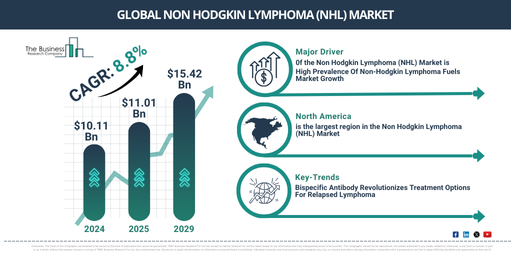
    In recent times, there has been a substantial growth in the market size of non hodgkin lymphoma (NHL). The market, which is worth $10.11 billion as of 2024, is projected to increase to $11.01 billion in 2025, with a compound annual growth rate (CAGR) of 8.9%. This upsurge during the historical period can be credited to factors such as the heightened incidence of NHL, progress in diagnostic procedures, advancements in chemotherapy and immunotherapy, enhanced emphasis on clinical research and drug development, as well as improved survival rates.

    What Growth Rate Is Forecasted for the Non Hodgkin Lymphoma (NHL) Market by 2029?

    The market for non-hodgkin lymphoma (NHL) is predicted to experience substantial growth in the coming years, reaching an estimated value of “$15.42 billion by 2029, reflecting a compound annual growth rate (CAGR) of 8.8%. Factors such as an aging population, development in targeted treatments, breakthroughs in immunotherapy, precision medicine methodologies, and increased consciousness and early screening are contributing to this predicted growth. The prediction period also sees a surge in biosimilars, the inclusion of next-generation sequencing, the use of car-t cell therapies, new chemotherapy agents, as well as real-world evidence and outcomes study.

    Download The Free Sample Report Here:

    https://www.thebusinessresearchcompany.com/sample.aspx?id=10676&type=smp

    Which Key Companies Are Shaping the Future of the Non Hodgkin Lymphoma (NHL) Market?

    Major companies operating in the non hodgkin lymphoma (NHL) market include Bayer AG, Teva Pharmaceutical Industries Ltd., F. Hoffmann La Roche Ltd., Merck & Co. Inc., Eli Lilly and Co., Novartis AG, GlaxoSmithKline plc, AbbVie Inc., AstraZeneca plc, Takeda Pharmaceutical Company Limited, Bristol Myers Squibb Co., Pfizer Inc., Celgene Corporation, Sanofi S.A., Janssen Pharmaceuticals Inc., Johnson & Johnson, Biogen Idec, Boehringer Ingelheim GmbH, Eisai Co. Ltd., Gilead Sciences, Incyte Corporation, Karyopharm Therapeutics, Kite Pharma Inc., Kyowa Hakko Kirin Co. Ltd., MorphoSys AG, Nordic Nanovector ASA, Ono Pharmaceutical Co. Ltd., Seattle Genetics Inc., Spectrum Pharmaceuticals Inc.

    Which Factors Are Driving Demand in the Non Hodgkin Lymphoma (NHL) Industry?

    The high incidence of non-Hodgkin lymphoma in the population is predicted to fuel the expansion of the non-Hodgkin lymphoma market. Non-Hodgkin lymphoma, a cancer of the lymphatic system—an essential component of the immune system—has a high occurrence, signifying a significant number of people living with or diagnosed with the disease at any given time. Targeted treatments for non-Hodgkin lymphoma can enhance the prognosis for those currently diagnosed by managing the cancerous cells. The American Cancer Society, a medical organization based in the US, reported in January 2023 that non-Hodgkin lymphoma was responsible for 4% of all cancer cases. In 2023, it is projected that approximately 80,550 Americans, comprising 44,880 males and 35,670 females, will be affected. It further estimates that non-Hodgkin lymphoma will lead to the death of 20,180 people in 2023. In addition, as per the Canadian Cancer Society, a charity organization in Canada, 11,400 Canadians were diagnosed with non-Hodgkin lymphoma in May 2022, and it’s calculated to cause 3,000 deaths in 2022. Thus, the large occurrence of non-Hodgkin lymphoma is a major contributor to the growth of the non-Hodgkin lymphoma market.

    Request For A Customized Report:

    https://www.thebusinessresearchcompany.com/customise?id=10676&type=smp

    How Is the Non Hodgkin Lymphoma (NHL) Market Segmented by Several Divisions?

    The non hodgkin lymphoma (NHL) market covered in this report is segmented –

    1) By Type: B-Cell Lymphoma, T-Cell Lymphoma

    2) By Treatment: Surgery, Stem Cell Transplant, Chemotherapy, Immunotherapy, Targeted Therapy, Radiation Therapy

    3) By Route of Administration: Oral, Parenteral, Other Routes of Administration

    4) By Distribution Channel: Hospital Pharmacy, Retail Pharmacy, Online Pharmacy, Other Distribution Channels

    5) By End-Users: Hospitals, Homecare, Specialty Centers, Other End Users

    Subsegments:

    1) By B-Cell Lymphoma: Diffuse Large B-Cell Lymphoma (DLBCL), Follicular Lymphoma, Chronic Lymphocytic Leukemia (CLL), Mantle Cell Lymphoma, Burkitt Lymphoma, Marginal Zone Lymphoma, Primary Mediastinal B-Cell Lymphoma

    2) By T-Cell Lymphoma: Peripheral T-Cell Lymphoma (PTCL), Anaplastic Large Cell Lymphoma (ALCL), Cutaneous T-Cell Lymphoma (CTCL), T-Cell Lymphoblastic Lymphoma, Adult T-Cell Leukemia/Lymphoma (ATLL)

    What are the Emerging Market Trends Driving the Growth of the Non Hodgkin Lymphoma (NHL) Industry?

    The rise of drug innovations is a significant trend that’s becoming increasingly prevalent in the non-Hodgkin lymphoma market. Companies in this market are concentrated on producing new products to maintain their market standing. For example, in December 2022, Genentech Inc., a biotechnology firm based in the United States, got FDA authorization for Lunsumio, a groundbreaking bispecific antibody designed to treat relapsed or refractory follicular lymphoma. This antibody represents a new type of fixed-duration cancer treatment immunotherapy, and it’s a readily available, off-the-shelf treatment that patients can receive without delay. The FDA gave its approval based on positive results from the Phase II GO29781 study of Lunsumio in patients heavily pretreated for FL, especially those at a high risk of disease progression or non-responsive to previous treatments.

    Access The Full Report Here:

    https://www.thebusinessresearchcompany.com/report/non-hodgkin-lymphoma-nhl-global-market-report

    Which Regions Are Driving Growth in the Non Hodgkin Lymphoma (NHL) Market?

    North America was the largest region in the non-Hodgkin lymphoma (NHL) market in 2024.Asia-Pacific is expected to be the fastest-growing region in the global non-Hodgkin lymphoma (NHL) market report during the forecast period. The regions covered in the non-Hodgkin lymphoma (NHL) market report are Asia-Pacific, Western Europe, Eastern Europe, North America, South America, Middle East, Africa

    Purchase The Full Report Today:

    https://www.thebusinessresearchcompany.com/purchaseoptions.aspx?id=10676

    This Report Delivers Insight On:

    1. How big is the non hodgkin lymphoma (nhl) market, and how is it changing globally?

    2. Who are the major companies in the non hodgkin lymphoma (nhl) market, and how are they performing?

    3. What are the key opportunities and risks in the non hodgkin lymphoma (nhl) market right now?

    4. Which products or customer segments are growing the most in the non hodgkin lymphoma (nhl) market?

    5. What factors are helping or slowing down the growth of the non hodgkin lymphoma (nhl) market?

    About The Business Research Company:

    With over 15000+ reports from 27 industries covering 60+ geographies, The Business Research Company has built a reputation for offering comprehensive, data-rich research and insights. Armed with 1,500,000 datasets, the optimistic contribution of in-depth secondary research, and unique insights from industry leaders, you can get the information you need to stay ahead in the game.

    Get in touch with us:

    The Business Research Company: https://www.thebusinessresearchcompany.com/

    Americas +1 3156230293

    Asia +44 2071930708

    Europe +44 2071930708

    Email us at info@tbrc.info

    Follow us on:

    LinkedIn: https://in.linkedin.com/company/the-business-research-company

    YouTube: https://www.youtube.com/channel/UC24_fI0rV8cR5DxlCpgmyFQ

    Global Market Model: https://www.thebusinessresearchcompany.com/global-market-model
  • Remicade Biosimilar Market Outlook 2025 – Insights for Executive and Strategic Planning

    Remicade Biosimilar Market Outlook 2025 – Insights for Executive and Strategic Planning

    Claim your 30% discount on Global Market Reports with code ONLINE30. Limited time only.

    How Has the Remicade Biosimilar Market Grown from 2024 to 2025?

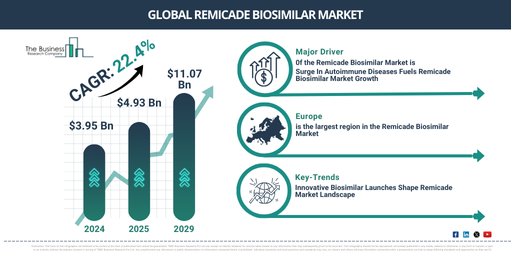
    The market size for remicade biosimilar has seen exponential expansion in the past few years. The forecast suggests that it will rise from a value of $3.95 billion in 2024 to $4.93 billion in 2025, marking a compound annual growth rate (CAGR) of 24.9%. Factors such as the launch of remicade (infliximab), advancements in biotechnology, the expiration of biologics patents, the establishment of regulatory pathways, and the pressure to decrease healthcare costs contributed to the historical growth of the market.

    What Growth Rate Is Anticipated for the Remicade Biosimilar Market in the Coming Years?

    In the forthcoming years, there’s a predicted surge in the remicade biosimilar market, which is set to expand to $11.07 billion by 2029 with a compound annual growth rate (CAGR) of 22.4%. This growth during the prediction period can be tied to factors such as patent expiry, increased call for affordable treatment, the advancement of biosimilars pipeline, strategies around reimbursement, and market amalgamation. Key trends likely to be seen in the estimated period include changes in physician prescribing habits, stewardship of biosimilar lifecycle, conventions in naming biosimilars, interchangeability of biosimilars, and the practical application of biosimilar evidence.

    Download The Free Sample Report Here:

    https://www.thebusinessresearchcompany.com/sample.aspx?id=11952&type=smp

    Who Are the Leading Companies in the Remicade Biosimilar Market?

    Major companies operating in the remicade biosimilar market include Novartis AG, Amgen Inc, Viatris Inc., Teva Pharmaceutical Industries Ltd., Biogen Inc., Merck And Co. Inc., LG Chem Ltd., Nippon Kayaku Co. Ltd., Celltrion Inc., Nichi-iko Pharmaceutical Co. Ltd., Biocon Limited, Alvotech S.A., MabPharm Ltd., Genor Biopharma Co. Ltd, Shanghai Biomabs Pharmaceuticals Co. Ltd., Samsung Bioepis Co. Ltd., Biocad Biopharmaceutical Co, EPIRUS Biopharmaceuticals Inc., Ranbaxy Laboratories Limited, BioXpress Therapeutics SA, Mabion S.A

    What Are the Key Drivers of the Remicade Biosimilar Market?

    The escalation in autoimmune diseases occurrence is anticipated to fuel the expansion of the remicade biosimilar market in the future. Autoimmune diseases are conditions wherein the body’s immune system erroneously assaults and harms its tissues and organs. Remicade biosimilars are utilized to treat autoimmune diseases by offering an effective solution to handle symptoms and alleviate inflammation connected to them. For instance, Public Health Scotland, a Scotland-based national entity, noted that in July 2023, the percentage of newly diagnosed multiple sclerosis (MS) patients rose to 87.2% in 2022, an increase from 85.7% in 2020, with 491 new diagnoses reported, bringing the total to 6,359 in 2022. Consequently, the escalating number of autoimmune diseases is contributing to the growing remicade biosimilar market.

    Request For A Customized Report:

    https://www.thebusinessresearchcompany.com/customise?id=11952&type=smp

    What Are the Key Market Segments in the Remicade Biosimilar Industry?

    The remicade biosimilar market covered in this report is segmented –

    1) By Type: 100mg/10ml, 500mg/50ml

    2) By Disease Indication: Ulcerative Colitis, Rheumatoid Arthritis, Ankylosing Spondylitis, Crohn’s Disease, Psoriatic Arthritis, Plaque Psoriasis

    3) By Application: Blood Disorders, Oncology Diseases

    Subsegments:

    1) By 100 Mg/10 Ml: Vials For Injection, Prefilled Syringes

    2) By 500 Mg/50 Ml: Vials For Injection, Prefilled Syringes

    What Are the Latest Trends in the Remicade Biosimilar Market?

    In the Remicade biosimilar market, a primary trending strategy is product innovation. Major participants in this market like Amgen Inc., a biotech firm based in the U.S, are inventing creative solutions to maintain their market stand. For example, in January 2023, Amgen introduced Amjevita, a biosimilar of AbbVie’s Humira, into the U.S. market. This alternative to Humira has been created with an aim to be just as safe and effective as the original. The launch of Amjevita, the first biosimilar to Humira, poses significant competition for market portion. The pharmaceutical is a biological drug used in the treatment of several autoimmune diseases such as rheumatoid arthritis and Crohn’s disease. Despite being among the priciest drugs globally, it alone brings in billions of annual sales for AbbVie. However, Amjevita is projected to be substantially cheaper, providing not just cost savings but also expanding treatment options for patients.

    Access The Full Report Here:

    https://www.thebusinessresearchcompany.com/report/remicade-biosimilar-global-market-report

    What Are the Key Regional Markets in the Remicade Biosimilar Industry?

    Europe was the largest region in the remicade biosimilar market in 2024. The regions covered in the remicade biosimilar market report are Asia-Pacific, Western Europe, Eastern Europe, North America, South America, Middle East, Africa.

    Purchase The Full Report Today:

    https://www.thebusinessresearchcompany.com/purchaseoptions.aspx?id=11952

    This Report Delivers Insight On:

    1. How big is the remicade biosimilar market, and how is it changing globally?

    2. Who are the major companies in the remicade biosimilar market, and how are they performing?

    3. What are the key opportunities and risks in the remicade biosimilar market right now?

    4. Which products or customer segments are growing the most in the remicade biosimilar market?

    5. What factors are helping or slowing down the growth of the remicade biosimilar market?

    About The Business Research Company:

    With over 15000+ reports from 27 industries covering 60+ geographies, The Business Research Company has built a reputation for offering comprehensive, data-rich research and insights. Armed with 1,500,000 datasets, the optimistic contribution of in-depth secondary research, and unique insights from industry leaders, you can get the information you need to stay ahead in the game.

    Get in touch with us:

    The Business Research Company: https://www.thebusinessresearchcompany.com/

    Americas +1 3156230293

    Asia +44 2071930708

    Europe +44 2071930708

    Email us at info@tbrc.info

    Follow us on:

    LinkedIn: https://in.linkedin.com/company/the-business-research-company

    YouTube: https://www.youtube.com/channel/UC24_fI0rV8cR5DxlCpgmyFQ

    Global Market Model: https://www.thebusinessresearchcompany.com/global-market-model

  • Market Analysis on Rare Kidney Diseases Industry – Insights for Corporate Strategy and R&D

    Market Analysis on Rare Kidney Diseases Industry – Insights for Corporate Strategy and R&D

    Claim your 30% discount on Global Market Reports with code ONLINE30. Limited time only.

    What Is the Forecast for the Rare Kidney Diseases Market from 2024 to 2025?

    The market size for rare kidney diseases has seen rapid expansion in the recent past. Predictions show an increase from $2.76 billion in 2024 to $3.06 billion in 2025, indicating a compound annual growth rate (CAGR) of 10.6%. The substantial growth during the historical period can be credited to better disease identification, the designation of orphan drugs, patient advocacy and awareness initiatives, as well as enhanced global research collaborations.

    What Is the Projected Market Size of the Rare Kidney Diseases Market?

    Anticipated to expand swiftly in the forthcoming years, the market size of rare kidney diseases is predicted to reach a mark of $4.49 billion by 2029, with a Compound Annual Growth Rate (CAGR) of 10.1%. The upswing during the projected period can be credited to the advent of gene therapies, augmented investments in research pertaining to rare diseases, an increase in collaboration among stakeholders, along with universal drives for rare diseases. The chief trends in the forthcoming period are expected to comprise a focus on patient-oriented strategies, the application of real-world data and evidence, advancements in regulatory systems, the incorporation of telemedicine and remote surveillance, along with initiatives for global health.

    Download The Free Sample Report Here:

    https://www.thebusinessresearchcompany.com/sample.aspx?id=11908&type=smp

    Who are the Major Competitors in the Rare Kidney Diseases Market Outlook?

    Major companies operating in the rare kidney diseases market include Merck & Co. Inc., Novartis AG, Sanofi S.A, AstraZeneca plc, Otsuka Pharmaceutical Co Ltd., Alexion Pharmaceuticals Inc., Horizon Therapeutics plc., Recordati S.p.A., Amicus Therapeutics Inc., Akebia Therapeutics Inc., Travere Therapeutics, FibroGen Inc., Aurinia Pharmaceuticals Inc., Calliditas Therapeutics AB, Apellis Pharmaceuticals Inc., Protalix Biotherapeutics Inc., ChemoCentryx Inc., Omeros Corporation, Celtaxsys Inc., Corbus Pharmaceuticals Holdings Inc., Chinook Therapeutics Inc., OxThera AB, Advicenne Pharma SA, Reata Pharmaceuticals Inc., Savara Inc.

    What Is Fueling Growth in the Rare Kidney Diseases Market?

    The advancement of the rare kidney disease market is anticipated to be driven by government initiatives and monetary support for kidney conditions. These initiatives and financing are forms of public financial assistance provided to selected parties with proposals or initiatives that enhance the standard of public services and stimulate the economy. Government support for kidney disorders is provided to bolster disease monitoring and enhance the life quality of those living with a variety of kidney diseases. This is accomplished through a comprehensive public health strategy that involves numerous public health organizations and national entities. For example, in July 2022, the United States House Committee on Appropriations, a committee working within the House of Representatives, introduced several investment schemes to improve kidney health. The program allotted $8.5 million to the Centers for Disease Control and Prevention’s (CDC) chronic kidney disease program, allowing it to enhance activities aimed at raising awareness, diagnosis, and treatment of kidney disease. Furthermore, a live donation investment of $1 million was contributed to the National Living Donor Assistance Center, resulting in a total of $8 million in continuous investment in innovation and research. As a consequence, government initiatives and support for kidney conditions are encouraging the expansion of the rare kidney disease market.

    Request For A Customized Report:

    https://www.thebusinessresearchcompany.com/customise?id=11908&type=smp

    Which Rare Kidney Diseases Market Segments Are Growing the Fastest?

    The rare kidney diseases market covered in this report is segmented –

    1) By Target Indication: IgA Nephropathy, Lupus Nephritis, Focal Segmental Glomerular Sclerosis, Membranous Nephropathy, C3 Glomerulopathy, Other Target Indications

    2) By Type Of Molecule: Small Molecules, Biologics

    3) By Route Of administration: Oral, Intravenous, Subcutaneous, Other Routes Of Administration

    Subsegments:

    1) By IgA Nephropathy: Immunosuppressive Therapy, Supportive Care And Symptomatic Management

    2) By Lupus Nephritis: Corticosteroids, Antimalarial Agents, Biologics

    3) By Focal Segmental Glomerular Sclerosis (FSGS): Corticosteroids, Angiotensin Receptor Blockers (ARBs), Other Immunosuppressive Agents

    4) By Membranous Nephropathy: Corticosteroids, Immunosuppressive Therapy, Monoclonal Antibodies

    5) By C3 Glomerulopathy: Complement Inhibitors, Supportive Care, Immunosuppressive Therapies

    6) By Other Target Indications: Alport Syndrome, Thin Basement Membrane Nephropathy, Other Rare Kidney Disorders

    Which Industry Trends Are Shaping the Future of the Rare Kidney Diseases Market?

    The trend of product innovation is garnering increasing attention in the rare kidney disease market. Key market leaders are focusing on devising innovative products to solidify their market standing. As an example, STADA Arzneimittel AG, a Germany-based firm engaged in generics, speciality pharma, and over-the-counter consumer health products, launched Kinpeygo (budesonide) in September 2022. This marks the first treatment for the rare kidney disease immunoglobulin A nephropathy (IgAN) authorized in the EU. These modified-release budesonide capsules remain the lone approved treatment for primary IgAN, a scarcely occurring, advancing autoimmune kidney disease that poses high unmet needs. It is important to note that approximately 25%-30% of patients ultimately suffer from terminal kidney deficiency, necessitating dialysis or a kidney transplant.

    Access The Full Report Here:

    https://www.thebusinessresearchcompany.com/report/rare-kidney-diseases-global-market-report

    Which Countries Are Leading the Rare Kidney Diseases Market?

    North America was the leading region in the rare kidney disease market in 2024. The regions covered in the rare kidney diseases market report are Asia-Pacific, Western Europe, Eastern Europe, North America, South America, Middle East, Africa.

    Purchase The Full Report Today:

    https://www.thebusinessresearchcompany.com/purchaseoptions.aspx?id=11908

    This Report Delivers Insight On:

    1. How big is the rare kidney diseases market, and how is it changing globally?

    2. Who are the major companies in the rare kidney diseases market, and how are they performing?

    3. What are the key opportunities and risks in the rare kidney diseases market right now?

    4. Which products or customer segments are growing the most in the rare kidney diseases market?

    5. What factors are helping or slowing down the growth of the rare kidney diseases market?

    About The Business Research Company:

    With over 15000+ reports from 27 industries covering 60+ geographies, The Business Research Company has built a reputation for offering comprehensive, data-rich research and insights. Armed with 1,500,000 datasets, the optimistic contribution of in-depth secondary research, and unique insights from industry leaders, you can get the information you need to stay ahead in the game.

    Get in touch with us:

    The Business Research Company: https://www.thebusinessresearchcompany.com/

    Americas +1 3156230293

    Asia +44 2071930708

    Europe +44 2071930708

    Email us at info@tbrc.info

    Follow us on:

    LinkedIn: https://in.linkedin.com/company/the-business-research-company

    YouTube: https://www.youtube.com/channel/UC24_fI0rV8cR5DxlCpgmyFQ

    Global Market Model: https://www.thebusinessresearchcompany.com/global-market-model

  • Nephrology Drugs Market Outlook 2025 – Insights for Executive and Strategic Planning

    Nephrology Drugs Market Outlook 2025 – Insights for Executive and Strategic Planning

    Claim your 30% discount on Global Market Reports with code ONLINE30. Limited time only.

    How Has the Nephrology Drugs Market Grown from 2024 to 2025?

    The market for nephrology drugs has seen substantial growth in recent years, and its size is projected to expand from $16.88 billion in 2024 to $17.86 billion in 2025, a compound annual growth rate (CAGR) of 5.8%. The historical growth in this sector can be credited to a number of factors, including an increase in the prevalence of chronic kidney diseases (CKD), advancements in the process of drug development, increased public awareness and medical diagnoses, government efforts, and amendments to healthcare policies, as well as a rising incidence associated with diabetes.

    What Growth Rate Is Anticipated for the Nephrology Drugs Market in the Coming Years?

    The market size for nephrology drugs is projected to experience significant expansion in the upcoming years, reaching “$23.04 billion by 2029, with a compound annual growth rate (CAGR) of 6.6%. This projected growth during the forecast period can be accredited to factors such as the development of new therapies and drug innovations, the rise of precision medicine and tailor-made treatment methods, an increase in healthcare spending, the introduction of telehealth and remote patient observation, along with global health initiatives. Noteworthy trends anticipated within the forecast period encompass collaborations and partnerships, technological progress in dialysis, advancements in treatment methods, a growing focus on early diagnosis and intervention, and the incorporation of technology in nephrology management.

    Download The Free Sample Report Here:

    https://www.thebusinessresearchcompany.com/sample.aspx?id=10076&type=smp

    Who Are the Leading Companies in the Nephrology Drugs Market?

    Major companies operating in the nephrology drugs market include AstraZeneca plc, AbbVie Inc., Akebia Therapeutics Inc., Amgen Inc., F. Hoffmann-La Roche AG, FibroGen Inc., Johnson And Johnson, Pfizer Inc., GlaxoSmithKline plc, Teva Pharmaceutical Industries Limited, Boehringer Ingelheim International GmbH, Reata Pharmaceuticals Inc., Ardelyx Inc., Novo Nordisk A/S, Novartis AG, Baxter International Inc., Bristol Myers Squibb Company, Kissei Pharmaceutical Co. Ltd., Kyowa Kirin Co. Ltd., Mallinckrodt Pharmaceuticals, OPKO Health Inc., Sanofi S.A., Takeda Pharmaceutical Company Limited, Vifor Pharma Group, Bayer AG, Amicus Therapeutics, Chugai Pharmaceutical Co. Ltd., Otsuka Pharmaceutical Co. Ltd., Mylan N.V., Endo Pharmaceuticals plc

    What Are the Key Drivers of the Nephrology Drugs Market?

    The increasing incidence of chronic kidney disease is anticipated to spur the expansion of the nephrology drugs market. Chronic kidney disease (CKD) involves weakened kidneys that are unable to efficiently purify the blood; because this damage develops over a long period, harmful waste can build up in the body. Nephrology medications are mainly used to improve kidney function and slow the progress of CKD, thus preventing additional damage to the body. This positively affects the growth of the nephrology drug market. For example, data shared in July 2022 by the Centers for Disease Control and Prevention (CDC), a health protection agency based in the U.S., revealed that more than 37 million individuals in the U.S. were diagnosed with CKD, most prevalently among those aged 65 or older (38 percent). Furthermore, the Kidney Foundation of Canada, a non-profit organization, states that 4 million Canadians have kidney diseases, with diabetes accounting for 35 percent of kidney failure cases. These figures are projected to increase in the future. Hence, the mounting incidence of chronic kidney disease is fuelling the expansion of the nephrology drug market.

    Request For A Customized Report:

    https://www.thebusinessresearchcompany.com/customise?id=10076&type=smp

    What Are the Key Market Segments in the Nephrology Drugs Industry?

    The nephrology drugs market covered in this report is segmented –

    1) By Drugs: Antihypertensive Agents, Erythropoiesis-Stimulating Agents, Diuretics, ACE Inhibitors, Antidiabetic Agents, Other Drugs

    2) By Route Of Administration: Oral, Parenteral, Other Route Of Administration

    3) By Distribution Channel: Hospital Pharmacy, Online Pharmacy, Retail Pharmacy

    4) By End User: Hospitals, Homecare, Specialty Clinics, Other End Users

    Subsegments:

    1) By Antihypertensive Agents: Calcium Channel Blockers, Beta-Blockers, Angiotensin II Receptor Blockers (ARBs)

    2) By Erythropoiesis-Stimulating Agents: Epoetin Alfa, Darbepoetin Alfa

    3) By Diuretics: Loop Diuretics, Thiazide Diuretics, Potassium-Sparing Diuretics

    4) By ACE Inhibitors: Lisinopril, Enalapril

    5) By Antidiabetic Agents: Metformin, Insulin

    6) By Other Drugs: Phosphate Binders, Vitamin D Analogues, Renin Inhibitors

    What Are the Latest Trends in the Nephrology Drugs Market?

    Product innovation is emerging as a crucial trend within the nephrology drug market. To maintain their footing in the market, leading companies are investing in the development and creation of new products and drugs. For instance, in March 2022, Indian pharmaceutical firm Zydus Lifesciences Limited unveiled Oxemia (desidustat) for the treatment of chronic kidney disease (CKD). As an oral hypoxia-inducible factor-prolyl hydroxylase (HIF-PH) inhibitor, Oxemia offers a convenient therapeutic solution for treating anemia and it passed the Phase III clinical trials with approval from the Drug Controller General of India. The trials demonstrated promising results, including safe profiles, hepcidin lowering, improved iron movement, and lessened LDL-C in CKD patients. Importantly, this treatment is affordable and aims to enhance patients’ quality of life and reduce the impact of the disease.

    Access The Full Report Here:

    https://www.thebusinessresearchcompany.com/report/nephrology-drugs-global-market-report

    What Are the Key Regional Markets in the Nephrology Drugs Industry?

    North America was the largest region in the nephrology drug market in 2024.Europe will be the second-largest growing region in the nephrology drug market in 2024. The regions covered in the nephrology drugs market report are Asia-Pacific, Western Europe, Eastern Europe, North America, South America, Middle East, Africa

    Purchase The Full Report Today:

    https://www.thebusinessresearchcompany.com/purchaseoptions.aspx?id=10076

    This Report Delivers Insight On:

    1. How big is the nephrology drugs market, and how is it changing globally?

    2. Who are the major companies in the nephrology drugs market, and how are they performing?

    3. What are the key opportunities and risks in the nephrology drugs market right now?

    4. Which products or customer segments are growing the most in the nephrology drugs market?

    5. What factors are helping or slowing down the growth of the nephrology drugs market?

    About The Business Research Company:

    With over 15000+ reports from 27 industries covering 60+ geographies, The Business Research Company has built a reputation for offering comprehensive, data-rich research and insights. Armed with 1,500,000 datasets, the optimistic contribution of in-depth secondary research, and unique insights from industry leaders, you can get the information you need to stay ahead in the game.

    Get in touch with us:

    The Business Research Company: https://www.thebusinessresearchcompany.com/

    Americas +1 3156230293

    Asia +44 2071930708

    Europe +44 2071930708

    Email us at info@tbrc.info

    Follow us on:

    LinkedIn: https://in.linkedin.com/company/the-business-research-company

    YouTube: https://www.youtube.com/channel/UC24_fI0rV8cR5DxlCpgmyFQ

    Global Market Model: https://www.thebusinessresearchcompany.com/global-market-model

  • Myeloproliferative Disorders Drugs Market to Reach $11.73 Billion by 2029 | Key Drivers and Future Outlook

    Myeloproliferative Disorders Drugs Market to Reach $11.73 Billion by 2029 | Key Drivers and Future Outlook

    Claim your 30% discount on Global Market Reports with code ONLINE30. Limited time only.

    What Is the Growth Rate of the Myeloproliferative Disorders Drugs Market?

    The market for drugs treating myeloproliferative disorders has witnessed consistent growth in recent times. The market which was priced at $9.47 billion in 2024 is projected to be worth $9.92 billion in 2025 with a compound annual growth rate (CAGR) of 4.8%. Multiple factors have contributed to this growth during the historic period, including a rise in the number of myeloproliferative disorder cases, advancements in the comprehension of disease mechanisms, progress in clinical studies and drug development, enhanced diagnostic and screening methods, and heightened awareness and advocacy among patients.

    What Growth Rate Is Forecasted for the Myeloproliferative Disorders Drugs Market by 2029?

    The market for drugs targeted at myeloproliferative disorders is expected to witness stable growth in the coming years, eventually reaching $11.73 billion by 2029 with a Compound Annual Growth Rate (CAGR) of 4.3%. This forecasted growth is owing to factors such as the growing elderly population, the rise in precision medicine, the introduction of innovative therapies, global attention to rare diseases as well as government actions and healthcare regulations. Key trends to note for the forecast period are the application of precision medicine, clinical trials of new therapies, better management of symptoms, increased utilisation of ruxolitinib, and a focus on identifying disease biomarkers.

    Download The Free Sample Report Here:

    https://www.thebusinessresearchcompany.com/sample.aspx?id=10681&type=smp

    Which Key Companies Are Shaping the Future of the Myeloproliferative Disorders Drugs Market?

    Major companies operating in the myeloproliferative disorders drugs market include Novartis AG, Bristol-Myers Squibb Company, Pfizer Inc., Takeda Pharmaceutical Company Limited, Teva Pharmaceutical Industries Ltd., Incyte Corporation, Eli Lilly and Co, F Hoffmann-La Roche Ltd., Mylan NV, Fresenius Kabi AG, Hikma Pharmaceuticals plc, GSK plc, Bayer AG, Sun Pharmaceutical Industries Ltd., Boehringer Ingelheim International Gmbh, Sanofi Aventis Inc., AstraZeneca AB, Apotex Inc, Celgene Co., Gamida Cell Ltd., Geron Co., Promedior Inc., Johnson & Johnson Private Limited, AbbVie Inc., AOP Orphan Pharmaceuticals AG, Astellas Pharma Inc., Biogen Inc., Daiichi Sankyo Chemical Pharma Co. Ltd., Eisai Pharmaceuticals India Pvt. Ltd.

    Which Factors Are Driving Demand in the Myeloproliferative Disorders Drugs Industry?

    The increase in cases of myeloproliferative disorders is predicted to drive the advancement of the market for drugs targeting these conditions. Myeloproliferative disorders are a varied group of diseases characterized by the expansion of hematologic cell lines in the peripheral blood, separate from acute leukemia. The upsurge in these disorders is mostly attributed to genetic diseases, overexposure to chemicals, radiation, and electrical wiring, coupled with the elderly age group. Drugs for myeloproliferative diseases function by suppressing the BCR-ABL protein through binding to the ATP pocket in the active site, thereby halting downstream phosphorylation of the target protein, which aids in treating the disorder. For example, in August 2022, the National Institute of Health, a US-based medical research organization, reported that in 2022, chronic myelogenous leukemia had a higher prevalence in men, with about 2.4 new cases per 100,000, in comparison to 1.4 new cases per 100,000 in women. This fact shows an increase from 1.7 new cases in men and women per 100,000 each year in 2020. Consequently, the upsurge in myeloproliferative disorders cases is propelling the expansion of the drug market for these conditions.

    Request For A Customized Report:

    https://www.thebusinessresearchcompany.com/customise?id=10681&type=smp

    How Is the Myeloproliferative Disorders Drugs Market Segmented by Several Divisions?

    The myeloproliferative disorders drugs market covered in this report is segmented –

    1) By Type: Primary Myelofibrosis, Polycythemia Vera (PV), Essential Thrombocythemia (ET), Chronic Eosinophilic Leukemia Or Hyper eosinophilic Syndrome (HES), Systemic Masto cytosis (SM)

    2) By Drug Type: JAK2 Inhibitors, Anti-Neoplastics, Demethylation Agents, Imatinib Mesylate, Other Drug Types

    3) By Route Of Administration: Oral, Parenteral, Other Routes Of Administration

    4) By Distribution Channel: Hospital Pharmacy, Retail Stores, Drug Stores

    Subsegments:

    1) By Primary Myelofibrosis: JAK Inhibitors, Immunomodulatory Agents, Supportive Care

    2) By Polycythemia Vera (PV): JAK Inhibitors, Hydroxyurea, Phlebotomy, Interferon-alpha

    3) By Essential Thrombocythemia (ET): JAK Inhibitors, Hydroxyurea, Anagrelide, Interferon-alpha

    4) By Chronic Eosinophilic Leukemia or Hyper Eosinophilic Syndrome (HES): Tyrosine Kinase Inhibitors, Corticosteroids, Interferon-alpha

    5) By Systemic Mastocytosis (SM): Tyrosine Kinase Inhibitors, Corticosteroids, Antihistamines, Immunotherapy

    What are the Emerging Market Trends Driving the Growth of the Myeloproliferative Disorders Drugs Industry?

    One significant trend gaining traction in the market for myeloproliferative disorder drugs is product innovation. Key players in this market, like GSK PLC, are focusing their efforts on inventing new products to consolidate their market position. An example of this was seen in September 2023 when the UK-based pharma and biotech firm announced that the FDA had approved momelotinib for the treatment of primary myelofibrosis, an MPD type. This promising new medication has a unique mode of action that can obstruct three vital signaling pathways: ACVR1, JAK1, and JAK2. Potential benefits of JAK1 and JAK2 inhibition may include the relief of splenomegaly and constitutional symptoms. It can also lessen the amount of hepcidin in circulation, which usually increases in myelofibrosis and leads to anemia; this reduction is due to the direct inhibition of ACVR1.

    Access The Full Report Here:

    https://www.thebusinessresearchcompany.com/report/myeloproliferative-disorders-drugs-global-market-report

    Which Regions Are Driving Growth in the Myeloproliferative Disorders Drugs Market?

    North America was the largest region in the myeloproliferative disorder drugs market in 2024.Asia-Pacific is expected to be the fastest-growing region in the global myeloproliferative disorder drugs market report during the forecast period. The regions covered in the myeloproliferative disorders drugs market report are Asia-Pacific, Western Europe, Eastern Europe, North America, South America, Middle East, Africa.

    Purchase The Full Report Today:

    https://www.thebusinessresearchcompany.com/purchaseoptions.aspx?id=10681

    This Report Delivers Insight On:

    1. How big is the myeloproliferative disorders drugs market, and how is it changing globally?

    2. Who are the major companies in the myeloproliferative disorders drugs market, and how are they performing?

    3. What are the key opportunities and risks in the myeloproliferative disorders drugs market right now?

    4. Which products or customer segments are growing the most in the myeloproliferative disorders drugs market?

    5. What factors are helping or slowing down the growth of the myeloproliferative disorders drugs market?

    About The Business Research Company:

    With over 15000+ reports from 27 industries covering 60+ geographies, The Business Research Company has built a reputation for offering comprehensive, data-rich research and insights. Armed with 1,500,000 datasets, the optimistic contribution of in-depth secondary research, and unique insights from industry leaders, you can get the information you need to stay ahead in the game.

    Get in touch with us:

    The Business Research Company: https://www.thebusinessresearchcompany.com/

    Americas +1 3156230293

    Asia +44 2071930708

    Europe +44 2071930708

    Email us at info@tbrc.info

    Follow us on:

    LinkedIn: https://in.linkedin.com/company/the-business-research-company

    YouTube: https://www.youtube.com/channel/UC24_fI0rV8cR5DxlCpgmyFQ

    Global Market Model: https://www.thebusinessresearchcompany.com/global-market-model