Category: Pharmaceuticals

  • Single-Use Membrane Chromatography Systems Market Growth and Emerging Opportunities

    Single-Use Membrane Chromatography Systems Market Growth and Emerging Opportunities

    The Business Research Company’s 2026 market reports feature advanced enhancements such as market attractiveness analysis, total addressable market evaluation, company benchmarking matrices, interactive Excel dashboards, expanded supply chain intelligence, emerging startup coverage, and detailed product insights, delivering more actionable and strategically valuable research.

    What Market Value Trend Is Expected For The Single-use Membrane Chromatography Systems Market From 2026 To 2030?

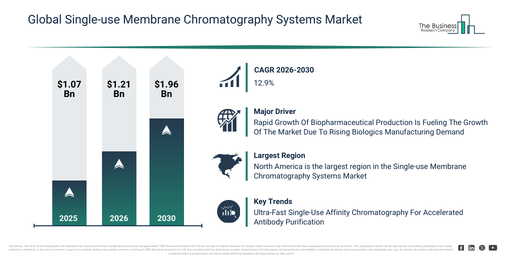
    In recent years, the market size for single-use membrane chromatography systems has shown rapid expansion. This market is projected to grow from $1.07 billion in 2025 to $1.21 billion in 2026, demonstrating a compound annual growth rate (CAGR) of 12.6%. The historical market growth can be attributed to factors such as increased biologics manufacturing, expanded vaccine production, the adoption of single-use bioprocessing, the demand for quicker purification cycles, and a rise in contract manufacturing.

    The single-use membrane chromatography systems market is projected to experience swift expansion over the coming years. This market is set to reach a value of $1.96 billion by 2030, exhibiting a compound annual growth rate (CAGR) of 12.9%. Several factors will drive this growth during the forecast period, including the expansion of gene and cell therapy, an increase in modular bioprocess plants, a greater need for adaptable purification methods, their use in viral vector production, and the scaling of continuous bioprocessing. Key developments anticipated during this period encompass disposable high flow membrane modules, platforms for rapid downstream purification, pre-packed single-use capsules, continuous membrane processing systems, and designs that require less buffer.

    Download A Free Sample Report For Comprehensive Market Insights:

    https://www.thebusinessresearchcompany.com/sample.aspx?id=33316&type=smp

    Which Major Factors Are Contributing To The Development Of The Single-use Membrane Chromatography Systems Market?

    The substantial rise in biopharmaceutical production is projected to fuel the expansion of the single-use membrane chromatography systems market moving forward. This increase in biopharmaceutical output is attributable to a growing worldwide demand for biologic therapeutics, including monoclonal antibodies, vaccines, and advanced therapies. Single-use membrane chromatography systems aid biopharmaceutical production by delivering high-throughput, disposable purification solutions, which facilitate faster and more efficient processing of biologics such as monoclonal antibodies. For instance, in November 2025, according to report published by the Ministry of Trade, Industry and Resources, a South Korea–based government ministry of the Republic, Korea’s bioindustry production reached KRW 22.9 trillion, marking a 9.8% increase from the previous year. Therefore, the rapid growth of biopharmaceutical production has driven the growth of the single-use membrane chromatography systems market.

    How Does Segment Analysis Break Down The Single-use Membrane Chromatography Systems Market Structure?

    The single-use membrane chromatography systems market covered in this report is segmented –

    1) By Product Type: Anion Exchange Membrane Chromatography; Cation Exchange Membrane Chromatography; Mixed-Mode Membrane Chromatography

    2) By Technique: Ion Exchange Membrane Chromatography; Affinity Membrane Chromatography; Hydrophobic Interaction Membrane Chromatography; Mixed-Mode Membrane Chromatography

    3) By Application: Biopharmaceuticals; Clinical Research; Academic Research; Other Applications

    4) By End-User: Pharmaceutical and Biotechnology Companies; Academic and Research Institutes; Contract Research Organizations; Other End-Users

    Subsegments:

    1) By Anion Exchange Membrane Chromatography: High Capacity Anion Exchange Membrane; Strong Anion Exchange Membrane; Weak Anion Exchange Membrane; Disposable Anion Exchange Membrane

    2) By Cation Exchange Membrane Chromatography: Strong Cation Exchange Membrane; Weak Cation Exchange Membrane; High Capacity Cation Exchange Membrane; Disposable Cation Exchange Membrane

    3) By Mixed-Mode Membrane Chromatography: Cation Anion Mixed Mode Membrane; Hydrophobic Interaction Mixed Mode Membrane; Affinity Mixed Mode Membrane; Disposable Mixed Mode Membrane

    Which Trends Are Expected To Shape The Single-use Membrane Chromatography Systems Market?

    Major companies operating in the single-use membrane chromatography systems market are focusing on technological advancements, such as ultra-fast single-use affinity chromatography, to gain higher downstream processing efficiency, faster antibody capture, reduced purification cycle times, and improved scalability from research to commercial manufacturing. Ultra-fast single-use affinity chromatography refers to membrane-based, disposable chromatography systems that use high-flow affinity ligands to capture target biomolecules. For instance, in October 2024, Sartorius AG, a Germany-based company, launched Sartobind Rapid A Lab. Sartobind Rapid A Lab offers a plug-and-play, single-use Protein A membrane chromatography solution designed to accelerate antibody purification workflows. It enables ultra-fast antibody capture in under three minutes using a high-flow membrane matrix that delivers significantly higher lifetime yields than traditional resin columns. The unit operates without column packing, buffer degassing, or cleaning-in-place, reducing process complexity and setup time. It supports flexible operation with syringes, pumps, or liquid chromatography systems, eliminating the need for dedicated chromatography infrastructure.

    Who Are The Major Companies Operating In The Single-use Membrane Chromatography Systems Market?

    Major companies operating in the single-use membrane chromatography systems market are Thermo Fisher Scientific Inc., 3M Company, Merck Millipore, Danaher Corporation, GE Healthcare, Asahi Kasei Corporation, Agilent Technologies Inc., Cytiva, Sartorius AG, Bio-Rad Laboratories Inc., Repligen Corporation, Phenomenex Inc., Cole-Parmer Instrument Company LLC, Membrane Solutions LLC, Graver Technologies LLC, Regis Technologies Inc., Purilogics Inc., BIA Separations d.o.o., Cobetter Filtration Equipment Co. Ltd., i3 Membrane Partnership Ltd.

    Access The Complete Single-use Membrane Chromatography Systems Market Report:

    https://www.thebusinessresearchcompany.com/report/single-use-membrane-chromatography-systems-market-report

    What Is The Largest Regional Market In The Single-use Membrane Chromatography Systems Market?

    North America was the largest region in the single-use membrane chromatography systems market in 2025. Asia-Pacific is expected to be the fastest-growing region in the forecast period. The regions covered in the single-use membrane chromatography systems market report are Asia-Pacific, South East Asia, Western Europe, Eastern Europe, North America, South America, Middle East, Africa.

    Access a Customized Single-use Membrane Chromatography Systems Market Report for Deeper Competitive Insights

    Get in touch with us:

    The Business Research Company: https://www.thebusinessresearchcompany.com/

    Americas: +1 310-496-7795

    Asia: +44 7882 955267 & +91 8897263534

    Europe: +44 7882 955267

    Email us at: marketing@tbrc.info

    Follow us on:

    LinkedIn: https://in.linkedin.com/company/the-business-research-company

    YouTube: https://www.youtube.com/channel/UC24_fI0rV8cR5DxlCpgmyFQ

    Global Market Model: https://www.thebusinessresearchcompany.com/global-market-model
  • Recombinant Vaccines Market Advancing with New Opportunities and Industry Developments

    Recombinant Vaccines Market Advancing with New Opportunities and Industry Developments

    The Business Research Company’s 2026 market reports feature advanced enhancements such as market attractiveness analysis, total addressable market evaluation, company benchmarking matrices, interactive Excel dashboards, expanded supply chain intelligence, emerging startup coverage, and detailed product insights, delivering more actionable and strategically valuable research.

    What Will Be The Estimated Market Size Of The Recombinant Vaccines Market By 2030?

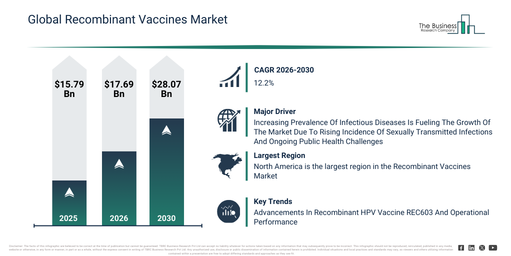
    The recombinant vaccines market has expanded significantly over recent years. This market is anticipated to increase from $15.79 billion in 2025 to $17.69 billion in 2026, achieving a compound annual growth rate (CAGR) of 12.0%. Factors such as the successful deployment of hepatitis B recombinant vaccines, established global vaccination schemes, heightened awareness of viral illnesses, increased funding for immunization, and supportive regulations for safer vaccine platforms have contributed to its historical growth.

    The recombinant vaccines market size is anticipated to experience substantial growth in the upcoming years. It is projected to expand to $28.07 billion in 2030, achieving a compound annual growth rate (CAGR) of 12.2%. This anticipated growth during the forecast period can be attributed to factors such as an increasing demand for precision vaccines, the expansion of vaccines for emerging diseases, a rise in adult booster programs, increasing global immunization coverage, and a robust pipeline of recombinant candidates. Furthermore, major trends expected in this period include an increase in recombinant subunit vaccines, the expansion of vector-based vaccine platforms, more comprehensive adult immunization programs, the development of combination recombinant vaccines, and a heightened focus on ensuring long-duration immunity.

    Download A Free Sample Report For Comprehensive Market Insights:

    https://www.thebusinessresearchcompany.com/sample.aspx?id=33287&type=smp

    What Core Drivers Are Transforming The Recombinant Vaccines Market?

    The growing incidence of infectious diseases is anticipated to boost the expansion of the recombinant vaccines market in the future. An infectious disease originates from microorganisms like bacteria, viruses, fungi, or parasites and has the capability to transmit between individuals, either directly or indirectly. The rise in infectious disease prevalence stems from inadequate sanitation and hygiene, as insufficient access to clean water, proper sanitation, and efficient waste disposal facilitates the rapid spread of detrimental microorganisms via tainted food, water, and personal contact, consequently elevating infection risks. Recombinant vaccines aid in preventing infectious diseases through the utilization of genetically engineered material derived from pathogens, which provokes an immune response without inducing sickness. For example, in July 2024, data from the Australian Institute of Health and Welfare, an Australia-based national agency, indicated that over 109,000 chlamydia and more than 40,000 gonorrhea notifications were the most frequently reported sexually transmitted infections in Australia in 2023, alongside more than 6,400 infectious syphilis cases, underscoring the rising occurrence and persistent public health challenges. Consequently, the expanding occurrence of infectious diseases is propelling the growth of the recombinant vaccines market.

    What Are The Major Segment Categories Within The Recombinant Vaccines Market?

    The recombinant vaccines market covered in this report is segmented –

    1) By Type: Subunit Vaccines; Vector-Based Vaccines

    2) By Disease Indication: Human Papillomavirus (HPV); Herpes Zoster; Hepatitis B; Other Diseases

    3) By Route Of Administration: Parenteral; Other Route Of Administrations

    4) By End User: Pediatric; Adults

    Subsegments:

    1) By Subunit Vaccines: Protein Subunit Vaccines; Polysaccharide Subunit Vaccines; Conjugate Subunit Vaccines; Glycopeptide Subunit Vaccines; Recombinant Subunit Vaccines

    2) By Vector-Based Vaccines: Viral Vector Vaccines; Non Viral Vector Vaccines; Replicating Vector Vaccines; Non Replicating Vector Vaccines; Bacterial Vector Vaccines

    What Trends Are Impacting The Recombinant Vaccines Market?

    Companies operating in the recombinant vaccines market are prioritizing the creation of innovative vaccines, such as the recombinant 9-valent HPV vaccine, to secure a competitive advantage. This recombinant 9-valent HPV vaccine provides protection against nine types of human papillomavirus (HPV) and is produced using recombinant DNA technology, indicating its laboratory creation without live viruses, which aids in preventing HPV-related illnesses like cervical cancer and genital warts. For instance, in August 2023, Jiangsu Recbio Technology Co. Ltd., a China-based biopharmaceutical company, moved its recombinant 9-valent HPV vaccine, REC603, through Phase III clinical follow-up, involving ongoing 24-month observations. The vaccine showcased strong immunogenicity, a favorable safety profile, scalable manufacturing potential, and long-term efficacy, thereby supporting its potential for extensive HPV prevention and commercialization.

    Which Organizations Are Operating Within The Recombinant Vaccines Market?

    Major companies operating in the recombinant vaccines market are Johnson And Johnson, Merck And Co Inc., Pfizer Inc., Sanofi S. A., Novartis AG, AstraZeneca Plc, GlaxoSmithKline Plc, Mitsubishi Chemical Group Corporation, CSL Limited, Sinovac Biotech Ltd., Boehringer Ingelheim International GmbH, Zoetis Services Llc, Elanco Animal Health, BioNTech Se, Green Cross Corporation (Gc Biopharma), Bavarian Nordic A S, VBI Vaccines Inc., Vaxart Inc., Biological E Limited, Novavax Inc., Serum Institute Of India Private Limited, Vaxcyte Inc., Bharat Biotech International Limited, and Transgene S A.

    Access The Complete Recombinant Vaccines Market Report:

    https://www.thebusinessresearchcompany.com/report/recombinant-vaccines-market-report

    Which Region Stands As The Largest Contributor To The Recombinant Vaccines Market?

    North America was the largest region in the recombinant vaccines market in 2025. Asia-Pacific is expected to be the fastest-growing region in the forecast period. The regions covered in the recombinant vaccines market report are Asia-Pacific, South East Asia, Western Europe, Eastern Europe, North America, South America, Middle East, Africa.

    Access a Customized Recombinant Vaccines Market Report for Deeper Competitive Insights

    Get in touch with us:

    The Business Research Company: https://www.thebusinessresearchcompany.com/

    Americas: +1 310-496-7795

    Asia: +44 7882 955267 & +91 8897263534

    Europe: +44 7882 955267

    Email us at: marketing@tbrc.info

    Follow us on:

    LinkedIn: https://in.linkedin.com/company/the-business-research-company

    YouTube: https://www.youtube.com/channel/UC24_fI0rV8cR5DxlCpgmyFQ

    Global Market Model: https://www.thebusinessresearchcompany.com/global-market-model
  • Recombinant Protein Manufacturing Services Market Positioned for Long-Term Expansion

    Recombinant Protein Manufacturing Services Market Positioned for Long-Term Expansion

    The Business Research Company’s 2026 market reports feature advanced enhancements such as market attractiveness analysis, total addressable market evaluation, company benchmarking matrices, interactive Excel dashboards, expanded supply chain intelligence, emerging startup coverage, and detailed product insights, delivering more actionable and strategically valuable research.

    What Is The Estimated Growth In Market Size Of The Recombinant Proteins Manufacturing Services Market During 2026–2030?

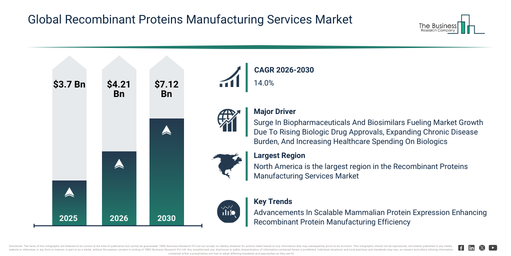
    The recombinant proteins manufacturing services market size has witnessed rapid expansion in recent years. Its value is expected to rise from $3.7 billion in 2025 to $4.21 billion in 2026, achieving a compound annual growth rate (CAGR) of 13.8%. The observed growth in previous periods can be linked to factors such as the expansion of biologics research programs, an increase in academic protein studies, the broader adoption of contract manufacturing models, the escalating development of monoclonal antibodies, and historical growth within biotech startups.

    The market for recombinant proteins manufacturing services is projected to experience swift expansion over the coming years. This market is anticipated to reach a valuation of $7.12 billion by 2030, progressing at a compound annual growth rate (CAGR) of 14.0%. This anticipated growth during the forecast period stems from factors such as an expanding array of protein therapeutics in development, increased outsourcing activities by pharmaceutical firms, a greater need for adaptable bioprocessing solutions, the progression of biologics into clinical stages, and an increasing requirement for facilities adhering to regulatory standards. Key trends for this period encompass the broadening scope of outsourced protein production, an increase in customized expression services, a growing call for GMP-compliant protein manufacturing, the emergence of integrated end-to-end service frameworks, and a more widespread adoption of single-use bioprocess systems.

    Download A Free Sample Report For Comprehensive Market Insights:

    https://www.thebusinessresearchcompany.com/sample.aspx?id=33286&type=smp

    Which Growth Factors Are Strengthening The Recombinant Proteins Manufacturing Services Market Landscape?

    The increasing need for biopharmaceuticals and biosimilars is anticipated to drive expansion in the recombinant proteins manufacturing services market. These terms denote biologic medicines and their highly similar versions, utilized in managing chronic, rare, and complex diseases, including cancer, autoimmune disorders, and metabolic conditions. The demand for biopharmaceuticals and biosimilars is escalating, driven by the rising prevalence of chronic and life-threatening diseases, progress in biologic drug development, and broader patient access to targeted therapies across major healthcare markets. The recombinant proteins manufacturing services facilitate the creation and market introduction of biopharmaceuticals and biosimilars by delivering scalable, high-quality, and regulatory-compliant production of protein-based drugs, enabling pharmaceutical and biotechnology companies to accelerate development timelines and maintain consistent supply. As an example, according to GOV.UK, a UK-based government website, businesses within the biopharmaceutical subsector generated a total turnover of $135.5 billion (£98.9 billion) in the 2023/2024 period, marking a 15% rise from the previous year. Consequently, the expanding need for biopharmaceuticals and biosimilars is propelling the growth of the recombinant proteins manufacturing services market.

    How Is The Recombinant Proteins Manufacturing Services Market Distributed Across Key Segments?

    The recombinant proteins manufacturing services market covered in this report is segmented –

    1) By Service Type: Process Development; Upstream Manufacturing; Downstream Manufacturing; Analytical Development and Quality Control; Finish And Lyophilization

    2) By Protein Type: Monoclonal Antibodies And Antibody Fragments; Vaccines And Viral Proteins; Enzymes And Growth Factors; Hormones And Cytokines; Other Therapeutic And Diagnostic Proteins

    3) By Host Cell: Mammalian Cells; Bacterial Cells; Insect Cells; Yeast And Fungi; Other Host Cell

    4) By Application: Therapeutics; Research And Development; Diagnostics; Other Applications

    5) By End-User: Pharmaceutical And Biotechnology Companies; Academic And Research Institutes

    Subsegments:

    1) By Process Development: Cell Line Development; Expression System Optimization; Process Scale Up; Process Validation

    2) By Upstream Manufacturing: Microbial Fermentation; Mammalian Cell Culture; Insect Cell Culture; Media And Feed Optimization

    3) By Downstream Manufacturing: Protein Purification; Chromatography Processing; Filtration And Concentration; Viral Clearance

    4) By Analytical Development And Quality Control: Method Development; Stability Testing; Purity And Potency Testing; Batch Release Testing

    5) By Finish And Lyophilization: Sterile Filling; Freeze Drying; Packaging And Labeling; Storage And Distribution Preparation

    Which Trends Are Affecting The Recombinant Proteins Manufacturing Services Market Framework?

    Leading companies engaged in the recombinant proteins manufacturing services market are concentrating on technological progress in high-yield protein expression and optimization techniques. These include research-grade and scalable mammalian recombinant protein manufacturing capabilities, which are intended to enhance production efficiency, improve protein quality, shorten development schedules, and increase flexibility in addressing various biopharmaceutical development requirements. Research-grade and scalable mammalian recombinant protein manufacturing capabilities refer to improvements in cell culture systems, expression technologies, and process controls that enable the efficient creation of high-quality recombinant proteins at small research scales, while also allowing for a smooth transition to larger manufacturing volumes. For instance, in September 2024, Axio BioPharma, a U.S.-based biotechnology company, launched recombinant protein manufacturing services to support the production of research-grade monoclonal antibodies and provide scalable mammalian protein expression solutions. The recombinant protein manufacturing services platform offers capabilities for research-grade and scalable mammalian protein production, aiding the expression of high-quality monoclonal antibodies and recombinant proteins necessary for early-stage development. With flexible production volumes, ranging from small laboratory-scale batches to scalable systems, the platform ensures reliable protein output while maintaining consistency and biological activity.

    Who Are The Businesses Driving Activity In The Recombinant Proteins Manufacturing Services Market?

    Major companies operating in the recombinant proteins manufacturing services market are Thermo Fisher Scientific Inc., Lonza Group Ltd., Charles River Laboratories International Inc., Catalent Inc., Samsung Biologics Co. Ltd., Recipharm AB, Bio-Techne Corporation, FUJIFILM Diosynth Biotechnologies, AGC Biologics A/S, WuXi Biologics (Cayman) Inc., KBI Biopharma Inc., GenScript Biotech Corporation, Rentschler Biopharma SE, Abzena Ltd., ProBioGen AG, NorthX Biologics AB, Creative Biolabs Inc., evitria AG, Boster Biological Technology Co. Ltd., Icosagen Group AS

    Access The Complete Recombinant Proteins Manufacturing Services Market Report:

    https://www.thebusinessresearchcompany.com/report/recombinant-proteins-manufacturing-services-market-report

    What Is The Largest Regional Market In The Recombinant Proteins Manufacturing Services Market?

    North America was the largest region in the recombinant proteins manufacturing services market in 2025. Asia-Pacific is expected to be the fastest-growing region in the forecast period. The regions covered in the recombinant proteins manufacturing services market report are Asia-Pacific, South East Asia, Western Europe, Eastern Europe, North America, South America, Middle East, Africa.

    Access a Customized Recombinant Proteins Manufacturing Services Market Report for Deeper Competitive Insights

    Get in touch with us:

    The Business Research Company: https://www.thebusinessresearchcompany.com/

    Americas: +1 310-496-7795

    Asia: +44 7882 955267 & +91 8897263534

    Europe: +44 7882 955267

    Email us at: marketing@tbrc.info

    Follow us on:

    LinkedIn: https://in.linkedin.com/company/the-business-research-company

    YouTube: https://www.youtube.com/channel/UC24_fI0rV8cR5DxlCpgmyFQ

    Global Market Model: https://www.thebusinessresearchcompany.com/global-market-model
  • Recombinant Human G-CSF Injection Market Unlocking New Opportunities Through 2030

    Recombinant Human G-CSF Injection Market Unlocking New Opportunities Through 2030

    The Business Research Company’s 2026 market reports feature advanced enhancements such as market attractiveness analysis, total addressable market evaluation, company benchmarking matrices, interactive Excel dashboards, expanded supply chain intelligence, emerging startup coverage, and detailed product insights, delivering more actionable and strategically valuable research.

    What Market Value Expansion Is Expected For The Recombinant Human Granulocyte Colonystimulating Factor Injection Rhgcsf Market Over The Forecast Period?

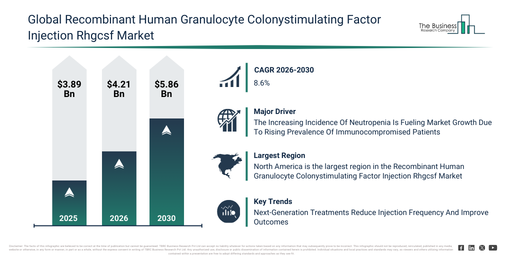
    The recombinant human granulocyte colonystimulating factor injection rhgcsf market size has experienced significant growth over recent years. The market is anticipated to expand from $3.89 billion in 2025 to $4.21 billion in 2026, demonstrating a compound annual growth rate (CAGR) of 8.3%. Historically, this expansion has been driven by factors including rising global chemotherapy treatment volumes, a greater incidence of neutropenia cases, the proliferation of oncology treatment centers, the established adoption of colony stimulating factors, and substantial clinical guideline support for GCSF use.

    The recombinant human granulocyte colonystimulating factor injection rhgcsf market is projected to experience robust expansion over the coming years, reaching a valuation of $5.86 billion by 2030, demonstrating a compound annual growth rate (CAGR) of 8.6%. This anticipated growth during the forecast period is driven by several factors, including the increasing incidence of cancer, a greater need for long-acting injectable medications, the broadening approval landscape for biosimilar drugs, improved availability of specialized biologics, and the implementation of more extensive hospital supportive care guidelines. Key trends expected within this timeframe involve the rise of biosimilar GCSF injections, the wider availability of prefilled syringe options, increased application in chemotherapy support, a growing preference for long-acting pegylated formulations, and a surge in the utilization of combination supportive therapies.

    Download A Free Sample Report For Comprehensive Market Insights:

    https://www.thebusinessresearchcompany.com/sample.aspx?id=33285&type=smp

    What Important Drivers Are Powering The Recombinant Human Granulocyte Colonystimulating Factor Injection Rhgcsf Market Growth?

    An upward trend in neutropenia cases is anticipated to drive expansion in the recombinant human granulocyte colony-stimulating factor injection (rhG-CSF) market moving ahead. Neutropenia describes a health state where neutrophil counts, vital white blood cells for combating infections, are unusually diminished, thus leaving affected individuals very vulnerable to bacterial and fungal infections. The prevalence of neutropenia is increasing predominantly because of the wider adoption of aggressive chemotherapy protocols in cancer therapy; contemporary oncology strategies utilize stronger dosing regimens to enhance patient survival, which in turn escalates the occurrence and intensity of chemotherapy-related bone marrow suppression. Recombinant human granulocyte colony-stimulating factor injection (rhG-CSF) addresses neutropenia by encouraging the bone marrow to produce and mature neutrophil precursors, expediting the entry of mature neutrophils into circulation, which consequently lessens the duration and intensity of neutropenia and decreases infection risk for patients. As an illustration, in February 2025, the UK Health Security Agency (UKHSA), a government body situated in the UK, documented that instances of febrile neutropenia (FN) or other infection symptoms in immunocompromised individuals lacking a distinct anatomical source totaled 206 cases, constituting 1.4% of all community-based diagnoses. Consequently, the rising occurrence of neutropenia is fueling the expansion of the recombinant human granulocyte colony-stimulating factor injection (rhG-CSF) market.

    How Does Segment Analysis Break Down The Recombinant Human Granulocyte Colonystimulating Factor Injection Rhgcsf Market Structure?

    The recombinant human granulocyte colonystimulating factor injection rhgcsf market covered in this report is segmented –

    1) By Type: Filgrastim; Lenograstim

    2) By Route Of Administration: Subcutaneous Injection; Intravenous Injection

    3) By Patient Type: Pediatric Patients; Adult Patients

    4) By Application: Cancer; Bone Marrow Disorders

    5) By Distribution Channel: Hospital Pharmacies; Retail Pharmacies

    Subsegments:

    1) By Filgrastim: Neupogen; Zarxio; Accofil; Granix

    2) By Lenograstim: Neutrogin; Lenograstim Biosimilar; Lenograstim Standard Formulation; Lenograstim Lyophilized Powder

    What Trends Are Influencing The Recombinant Human Granulocyte Colonystimulating Factor Injection Rhgcsf Market?

    Leading companies in the recombinant human granulocyte colony-stimulating factor injection (rhG-CSF) market are prioritizing the development of innovative formulations, such as PEG-free recombinant G-CSF fusion proteins. This focus aims to prolong drug half-life, reduce the frequency of injections, and improve patient adherence, all while effectively preventing chemotherapy-induced neutropenia. PEG-free recombinant G-CSF fusion proteins are engineered molecules that combine G-CSF with a human Fc fragment, without incorporating polyethylene glycol (PEG). This design extends the drug’s half-life, enhances its stability, and diminishes the need for frequent injections, thereby improving patient compliance and efficiently boosting neutrophil production to prevent chemotherapy-induced neutropenia. For instance, in November 2024, Evive Biotech Co. Ltd., a biopharmaceutical company based in China, and APOGEPHA Arzneimittel GmbH, a pharmaceutical company from Germany, launched Ryzneuta (Efbemalenograstim alfa Injection), an innovative, long-acting, PEG-free rhG-CSF product in the German market. Ryzneuta is manufactured using Chinese Hamster Ovary (CHO) cells, ensuring a mammalian glycosylation pattern, and functions by binding to the G-CSF receptor to stimulate the survival, proliferation, and differentiation of neutrophil precursors and mature neutrophils. Its distinct Fc-fusion design enhances its half-life, reduces injection frequency, and fortifies immune function, which helps prevent chemotherapy dose reductions or delays. The product has demonstrated efficacy and safety across multi-center, randomized, active-controlled trials and represents a significant advancement over conventional rhG-CSF injections.

    Which Firms Are Competing In The Recombinant Human Granulocyte Colonystimulating Factor Injection Rhgcsf Market?

    Major companies operating in the recombinant human granulocyte colonystimulating factor injection rhgcsf market are Pfizer Inc., Novartis AG, Amgen Inc., Intas Pharmaceuticals Ltd., Kyowa Kirin Co. Ltd., Dr. Reddy’s Laboratories Ltd., Cadila Pharmaceuticals Ltd., Biocon Limited, North China Pharmaceutical Group Corporation, Shijiazhuang Pharmaceutical Group Co. Ltd., Emcure Pharmaceuticals Ltd., Harbin Pharmaceutical Group Co. Ltd., Reliance Life Sciences Pvt. Ltd., Jiuyuan Gene Engineering Co. Ltd., Qilu Pharmaceutical Co. Ltd., Amoytop Biotech Co. Ltd., Kexing Biopharm Co. Ltd., Sunway Biotech Co. Ltd., Apotex Inc., and Wuzhong Pharmaceutical Group Co. Ltd.

    Access The Complete Recombinant Human Granulocyte Colonystimulating Factor Injection Rhgcsf Market Report:

    https://www.thebusinessresearchcompany.com/report/recombinant-human-granulocyte-colonystimulating-factor-injection-rhgcsf-market-report

    Which Region Contributes The Most To The Recombinant Human Granulocyte Colonystimulating Factor Injection Rhgcsf Market?

    North America was the largest region in the recombinant human granulocyte colony-stimulating factor injection (rhG-CSF) market in 2025. Asia-Pacific is expected to be the fastest-growing region in the forecast period. The regions covered in the recombinant human granulocyte colonystimulating factor injection rhgcsf market report are Asia-Pacific, South East Asia, Western Europe, Eastern Europe, North America, South America, Middle East, Africa.

    Access a Customized Recombinant Human Granulocyte Colonystimulating Factor Injection Rhgcsf Market Report for Deeper Competitive Insights

    Get in touch with us:

    The Business Research Company: https://www.thebusinessresearchcompany.com/

    Americas: +1 310-496-7795

    Asia: +44 7882 955267 & +91 8897263534

    Europe: +44 7882 955267

    Email us at: marketing@tbrc.info

    Follow us on:

    LinkedIn: https://in.linkedin.com/company/the-business-research-company

    YouTube: https://www.youtube.com/channel/UC24_fI0rV8cR5DxlCpgmyFQ

    Global Market Model: https://www.thebusinessresearchcompany.com/global-market-model
  • Pyoderma Gangrenosum Treatment Market Set for Growth with Innovation and Competitive Developments

    Pyoderma Gangrenosum Treatment Market Set for Growth with Innovation and Competitive Developments

    The Business Research Company’s 2026 market reports feature advanced enhancements such as market attractiveness analysis, total addressable market evaluation, company benchmarking matrices, interactive Excel dashboards, expanded supply chain intelligence, emerging startup coverage, and detailed product insights, delivering more actionable and strategically valuable research.

    What Is The Forecasted Rise In Market Size Of The Pyoderma Gangrenosum Treatment Market During The Forecast Period?

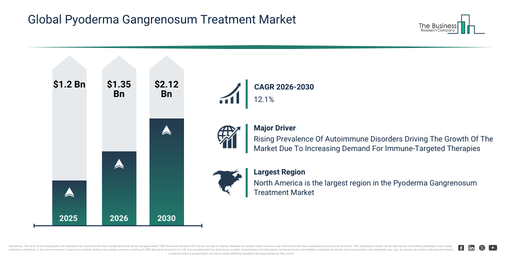
    The pyoderma gangrenosum treatment market size has experienced rapid expansion in recent years. It is projected to grow from $1.2 billion in 2025 to $1.35 billion in 2026, achieving a compound annual growth rate (CAGR) of 11.8%. The growth observed in the historic period can be attributed to an increase in autoimmune disease incidence, the expansion of dermatology specialty care, rising awareness of rare skin disorders, the proliferation of hospital wound care units, and improved access to diagnostic testing.

    The pyoderma gangrenosum treatment market is projected to experience substantial expansion in the upcoming years, with its size expected to reach **$2.12 billion by 2030**, demonstrating a **compound annual growth rate (CAGR) of 12.1%**. This growth during the forecast period can be attributed to several factors such as the progress in targeted immunotherapy development, the increased availability of specialty biologic drugs, a surge in investment towards rare disease treatments, the expansion of outpatient dermatology centers, and broader insurance coverage for advanced therapies. Notable trends anticipated during this period include a wider embrace of biologic therapies, the increasing adoption of combination drug regimens, advancements in wound care therapies, a rise in personalized treatment protocols, and more rigorous clinical monitoring and follow-up programs.

    Download A Free Sample Report For Comprehensive Market Insights:

    https://www.thebusinessresearchcompany.com/sample.aspx?id=33280&type=smp

    What Key Growth Drivers Are Influencing The Pyoderma Gangrenosum Treatment Market?

    The increasing occurrence of autoimmune conditions is anticipated to fuel the expansion of the pyoderma gangrenosum treatment market. These conditions involve the body’s immune system erroneously attacking its own tissues, resulting in persistent inflammation and tissue damage. The rise in autoimmune disorders is linked to an aging global demographic, which is more prone to immune system imbalances. Therapies for pyoderma gangrenosum are advantageous for autoimmune disorders as they modulate the overactive immune system, thereby managing inflammation and protecting healthy tissues. This approach addresses both skin ulcers and the broader complications associated with autoimmune conditions. For example, as reported by the National Institutes of Health, a US-based medical research agency, in September 2025, an estimated 23.5 million to 50 million Americans, constituting between 7% and 8% of the U.S. population, were affected by one or more autoimmune diseases, with this rate projected to climb further due to intricate genetic, environmental, and societal influences. Consequently, the growing incidence of autoimmune disorders is propelling the pyoderma gangrenosum treatment market forward.

    Which Segment Divisions Form The Structure Of The Pyoderma Gangrenosum Treatment Market?

    The pyoderma gangrenosum treatment market covered in this report is segmented –

    1) By Treatment Type: Topical Treatments; Systemic Treatments; Surgical Treatments; Wound Care Therapies

    2) By Drug Class: Immunosuppressive Drugs; Tumour Necrosis Factor Inhibitors; Antibacterial Agents

    3) By Route of Administration: Oral; Injectable; Topical

    4) By Distribution Channel: Hospital Pharmacies; Retail Pharmacies; Other Distribution Channels

    5) By End User: Hospitals; Dermatology Clinics; Outpatient Care Centers

    Subsegments:

    1) By Topical Treatments: Topical Corticosteroids; Topical Immunomodulators; Topical Antibiotics; Topical Antiseptic Agents

    2) By Systemic Treatments: Systemic Corticosteroids; Systemic Immunosuppressive Drugs; Biologic Therapies; Anti Inflammatory Medications

    3) By Surgical Treatments: Surgical Debridement; Skin Grafting Procedures; Reconstructive Surgical Procedures

    4) By Wound Care Therapies: Advanced Wound Dressings; Negative Pressure Wound Therapy; Moist Wound Healing Solutions; Infection Control Wound Care

    Which Companies Are Influencing The Pyoderma Gangrenosum Treatment Market?

    Major companies operating in the pyoderma gangrenosum treatment market are Johnson & Johnson Services Inc., Roche Holding AG, Merck & Co. Inc., Pfizer Inc., AbbVie Inc., Sanofi SA, Novartis AG, Bristol-Myers Squibb Company, GlaxoSmithKline Plc, Amgen Inc., Boehringer Ingelheim Inc., Teva Pharmaceutical Industries Ltd., Biogen Inc., Fresenius Kabi AG, Intas Pharmaceuticals Ltd., UCB SA, Swedish Orphan Biovitrum AB, Celltrion Inc., InflaRx NV, and Aclaris Therapeutics Inc.

    Access The Complete Pyoderma Gangrenosum Treatment Market Report:

    https://www.thebusinessresearchcompany.com/report/pyoderma-gangrenosum-treatment-market-report

    Which Region Holds The Largest Share In The Pyoderma Gangrenosum Treatment Market?

    North America was the largest region in the pyoderma gangrenosum treatment market in 2025. Asia-Pacific is expected to be the fastest-growing region in the forecast period. The regions covered in the pyoderma gangrenosum treatment market report are Asia-Pacific, South East Asia, Western Europe, Eastern Europe, North America, South America, Middle East, Africa.

    Access a Customized Pyoderma Gangrenosum Treatment Market Report for Deeper Competitive Insights

    Get in touch with us:

    The Business Research Company: https://www.thebusinessresearchcompany.com/

    Americas: +1 310-496-7795

    Asia: +44 7882 955267 & +91 8897263534

    Europe: +44 7882 955267

    Email us at: marketing@tbrc.info

    Follow us on:

    LinkedIn: https://in.linkedin.com/company/the-business-research-company

    YouTube: https://www.youtube.com/channel/UC24_fI0rV8cR5DxlCpgmyFQ

    Global Market Model: https://www.thebusinessresearchcompany.com/global-market-model
  • Polycythemia Treatment Innovations Focus on Reducing Phlebotomy and Improving Outcomes

    Polycythemia Treatment Innovations Focus on Reducing Phlebotomy and Improving Outcomes

    The Business Research Company’s 2026 market reports feature advanced enhancements such as market attractiveness analysis, total addressable market evaluation, company benchmarking matrices, interactive Excel dashboards, expanded supply chain intelligence, emerging startup coverage, and detailed product insights, delivering more actionable and strategically valuable research.

    How Does The Forecasted Market Size Of The Polycythemia Market Compare Between 2026 And 2030?

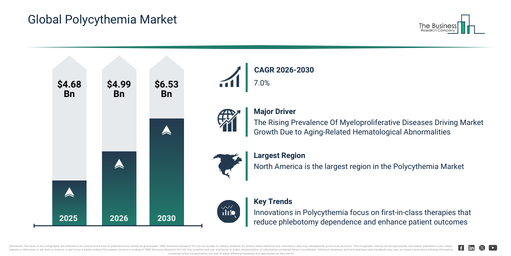
    The polycythemia market size has experienced substantial expansion in recent years. It is anticipated to increase from $4.68 billion in 2025 to $4.99 billion in 2026, reflecting a compound annual growth rate (CAGR) of 6.7%. Historically, this market’s growth can be linked to the rising incidence of myeloproliferative disorders, enhanced awareness of rare blood conditions, the expansion of specialized hematology centers, higher rates of diagnostic testing, and the growing application of cytoreductive drugs.

    The polycythemia market is projected to experience substantial expansion over the upcoming years. Its valuation is set to reach $6.53 billion in 2030, demonstrating a compound annual growth rate (CAGR) of 7.0%. This anticipated growth during the forecast period can be primarily attributed to several factors, including breakthroughs in targeted JAK2 therapies, a rise in genetic screening adoption, an increasing need for personalized treatment plans, enhanced accessibility to specialty biologics, and a continuously expanding elderly demographic. Concurrently, key trends anticipated during this period involve the increasing uptake of janus kinase inhibitors, a growing reliance on interferon-based injectable treatments, a heightened preference for therapeutic phlebotomy procedures, the broadening availability of hematocrit monitoring diagnostics, and a noticeable shift towards combined drug therapy methods.

    Download A Free Sample Report For Comprehensive Market Insights:

    https://www.thebusinessresearchcompany.com/sample.aspx?id=33266&type=smp

    What Influential Factors Are Boosting The Polycythemia Market Demand?

    The increasing occurrence of myeloproliferative diseases is anticipated to fuel the expansion of the polycythemia market in the future. These conditions are uncommon blood disorders marked by the irregular excessive production of blood cells within the bone marrow, leading to compromised blood function and circulation. A primary contributor to the rising incidence of these disorders is the increasing prevalence of age-related blood abnormalities, given that older populations are more vulnerable to bone marrow issues. Polycythemia, being a significant form of myeloproliferative diseases characterized by an overproduction of red blood cells, is instrumental in boosting clinical understanding, diagnosis, and continuous oversight of these illnesses, consequently fostering market growth. For example, Blood Cancer United, a US-based nonprofit focused on combating blood cancers, reported in September 2024 that an estimated 120,000 individuals in the United States were living with or in remission from myeloproliferative neoplasms (MPNs) in 2023, indicating a higher prevalence of these chronic blood disorders. Consequently, the growing frequency of myeloproliferative diseases is propelling the expansion of the polycythemia market.

    Which Segment Groups Define The Polycythemia Market Landscape?

    The polycythemia market covered in this report is segmented –

    1) By Type: Primary polycythemia; Secondary polycythemia; Pseudopolycythemia

    2) By Drug Class: Antimetabolites; Janus Kinase 2 Inhibitors; Myelosuppressive Agents; Selective Serotonin Reuptake Inhibitors; Folic Acid; Other Drug Classes

    3) By Route Of Administration: Oral; Intravenous; Intramuscular

    4) By End Users: Hospital Pharmacies; Retail Pharmacies; Online Pharmacies

    Subsegments:

    1) By Primary Polycythemia: Polycythemia Vera; Familial Primary Polycythemia

    2) By Secondary Polycythemia: Hypoxia Induced Polycythemia; Tumor Associated Polycythemia; Drug Induced Polycythemia; Hormone Induced Polycythemia

    3) By Pseudopolycythemia: Stress Related Polycythemia; Dehydration Related Polycythemia; Plasma Volume Contraction Related Polycythemia

    What Trends Are Affecting The Growth Of The Polycythemia Market?

    Leading firms within the polycythemia market are prioritizing cutting-edge advancements like rusfertide, an unprecedented hepcidin mimetic peptide. This therapy considerably lessens the requirement for regular phlebotomies, simultaneously enhancing hematocrit management and the overall quality of life for patients. A hepcidin mimetic functions as a substance or medication that imitates hepcidin, the principal hormone in the body responsible for regulating iron levels. By way of illustration, during March 2025, Takeda Pharmaceutical Company Limited, a biopharmaceutical firm based in Japan, disclosed favorable preliminary findings from its Phase 3 VERIFY study involving rusfertide for individuals with polycythemia vera. These results showed a notable decrease in reliance on phlebotomy, better hematocrit regulation, and important patient-reported benefits, all while retaining an acceptable safety profile.

    Who Are The Firms Contributing To The Polycythemia Market Ecosystem?

    Major companies operating in the polycythemia market are Bristol Myers Squibb Company, Roche Holding AG, Merck And Company Inc., Bayer AG, Novartis AG, Takeda Pharmaceutical Company, Gilead Sciences Inc., Teva Pharmaceutical Industries Ltd., Incyte Corporation, Ionis Pharmaceuticals Inc., CTI BioPharma Corp., AOP Orphan Pharmaceuticals AG, Silence Therapeutics Plc, Italfarmaco S.p.A., PharmaEssentia Corporation, Karyopharm Therapeutics Inc., Protagonist Therapeutics Inc., Kartos Therapeutics Inc., Geron Corporation, and Perseus Proteomics Inc.

    Access The Complete Polycythemia Market Report:

    https://www.thebusinessresearchcompany.com/report/polycythemia-market-report

    Which Region Accounts For The Highest Share Of The Polycythemia Market?

    North America was the largest region in the polycythemia market in 2025. Asia-Pacific is expected to be the fastest-growing region in the forecast period. The regions covered in the polycythemia market report are Asia-Pacific, South East Asia, Western Europe, Eastern Europe, North America, South America, Middle East, Africa.

    Access a Customized Polycythemia Market Report for Deeper Competitive Insights

    Get in touch with us:

    The Business Research Company: https://www.thebusinessresearchcompany.com/

    Americas: +1 310-496-7795

    Asia: +44 7882 955267 & +91 8897263534

    Europe: +44 7882 955267

    Email us at: marketing@tbrc.info

    Follow us on:

    LinkedIn: https://in.linkedin.com/company/the-business-research-company

    YouTube: https://www.youtube.com/channel/UC24_fI0rV8cR5DxlCpgmyFQ

    Global Market Model: https://www.thebusinessresearchcompany.com/global-market-model
  • Plant-Derived Analgesics Market Advancing with Improved Extraction and Bioavailability Technologies

    Plant-Derived Analgesics Market Advancing with Improved Extraction and Bioavailability Technologies

    The Business Research Company’s 2026 market reports feature advanced enhancements such as market attractiveness analysis, total addressable market evaluation, company benchmarking matrices, interactive Excel dashboards, expanded supply chain intelligence, emerging startup coverage, and detailed product insights, delivering more actionable and strategically valuable research.

    What Increase In Market Value Is Predicted For The Plant-Derived Analgesics Market During The 2026–2030 Period?

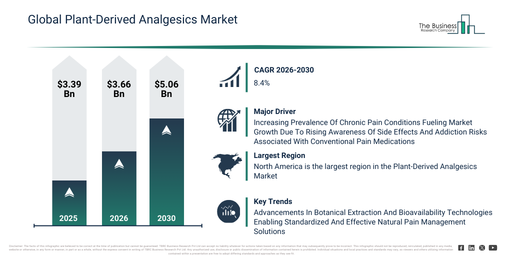
    The plant-derived analgesics market has seen considerable growth in recent years. It is projected to increase from $3.39 billion in 2025 to $3.66 billion in 2026, achieving a compound annual growth rate (CAGR) of 8.2%. Historically, this expansion can be attributed to the uptake of traditional medicine, a rising demand for natural pain relief options, the growing use of herbal supplements, concerns regarding the side effects of opioids, and the broader development of botanical extraction techniques.

    The plant-derived analgesics market size is projected to experience substantial growth in the upcoming years. It is anticipated to expand to $5.06 billion by 2030, exhibiting a compound annual growth rate (CAGR) of 8.4%. This projected expansion can be attributed to several factors such as the increasing preference for natural therapeutics, the growth of cannabinoid medicines, the broadening of plant-based drug pipelines, enhanced clinical validation of botanicals, and the wider adoption of integrative care. Furthermore, major trends foreseen during this period include standardized botanical pain extracts, the isolation of high-purity phytochemicals, the development of combination herbal analgesic formulas, plant actives with enhanced bioavailability, and evidence-based botanical therapies.

    Download A Free Sample Report For Comprehensive Market Insights:

    https://www.thebusinessresearchcompany.com/sample.aspx?id=33264&type=smp

    Which Drivers Are Advancing The Plant-Derived Analgesics Market Growth?

    The growing occurrence of chronic pain conditions is anticipated to fuel the expansion of the plant-derived analgesics market in the future. These persistent pain disorders, encompassing musculoskeletal pain, arthritis, neuropathic pain, and inflammatory conditions, necessitate continuous management. The global increase in chronic pain is attributed to factors such as aging populations, inactive lifestyles, rising obesity levels, and a greater incidence of chronic illnesses. Plant-derived analgesics aid in managing these conditions by providing pain relief solutions created from botanical extracts, herbs, and bioactive plant compounds, which are increasingly adopted as complementary or alternative pain therapies. For example, data from November 2024, supplied by the Centers for Disease Control and Prevention (CDC), a US-based federal public health agency, indicated that approximately 24.3% of adults in the United States suffered from chronic pain in 2023, with 8.5% experiencing high-impact chronic pain. Consequently, the escalating prevalence of chronic pain conditions across key healthcare markets is boosting the plant-derived analgesics market’s growth.

    What Key Segment Areas Are Included In The Plant-Derived Analgesics Market Assessment?

    The plant-derived analgesics market covered in this report is segmented –

    1) By Product Type: Morphine; Codeine; Salicin; Cannabinoids; Curcumin

    2) By Formulation Type: Tablets; Capsules; Creams; Injectable Forms; Oils

    3) By Source: Plant-derived opioid alkaloids; Salicylate-type analgesics; Cannabinoids And hemp-derived; Polyphenolic; Other phytochemicals

    4) By Sales Channel: Hospitals; Clinics; Retail Sales; Online Sales; Hypermarkets And Supermarkets

    5) By Application: Chronic Pain Management; Acute Pain Relief; Post-Surgical Pain; Neuropathic Pain

    Subsegments:

    1) By Morphine: Immediate Release Formulations; Extended Release Formulations; Injectable Preparations; Oral Solid Dosage Forms

    2) By Codeine: Single Ingredient Analgesics; Combination Pain Relief Products; Oral Solid Dosage Forms; Liquid Oral Formulations

    3) By Salicin: Standardized Plant Extracts; Oral Solid Dosage Forms; Liquid Herbal Preparations; Combination Botanical Formulations

    4) By Cannabinoids: Tetrahydrocannabinol Dominant Products; Cannabidiol Dominant Products; Balanced Cannabinoid Formulations; Full Spectrum Plant Extracts

    5) By Curcumin: Standard Curcumin Extracts; Enhanced Bioavailability Formulations; Combination Herbal Products; Oral Solid Dosage Forms

    Which Trends Are Influencing The Direction Of The Plant-Derived Analgesics Market?

    Key companies operating in the plant-derived analgesics market are increasingly concentrating on technological progress in botanical extraction, purification, and formulation methodologies, including plant-based formulation and bioavailability enhancement. This focus aims to diminish batch-to-batch inconsistencies and improve both regulatory and consumer acceptance. Plant-based formulation and bioavailability enhancement denote the scientific optimization of analgesic products derived from plants, utilizing advanced formulation strategies crafted to improve the stability, solubility, and absorption of active botanical compounds, thereby ensuring more reliable product performance and enhanced therapeutic delivery. As an illustration, in January 2023, Medterra CBD, LLC., a US-based botanical wellness firm, launched its Natural Pain Relief capsules to broaden consumer access to plant-based solutions for pain management. The Natural Pain Relief capsules are positioned as a plant-derived, non-opioid pain management choice, formulated with standardized botanical ingredients such as turmeric and Levagen+ palmitoylethanolamide (PEA), with the intention of boosting bioavailability and assisting in the relief of muscle pain, joint stiffness, and inflammation.

    Which Key Players Are Active In The Plant-Derived Analgesics Market?

    Major companies operating in the plant-derived analgesics market are Dabur India Limited, Patanjali Ayurved Limited, Blackmores Limited, Bionorica SE, Emami Limited, Himalaya Wellness Company, Biologische Heilmittel Heel GmbH, Charak Pharma Private Limited, Indena S.p.A., Nature’s Way Products LLC, Arya Vaidya Sala Kottakkal, Gaia Herbs Farm Inc., Hamdard Laboratories (India), Shree Dhootapapeshwar Limited, Sri Sri Tattva, Euromed S.A., Sami-Sabinsa Group Limited, Martin Bauer Group, Shree Baidyanath Ayurved Bhawan Private Limited, Organic India Private Limited

    Access The Complete Plant-Derived Analgesics Market Report:

    https://www.thebusinessresearchcompany.com/report/plant-derived-analgesics-market-report

    Which Region Is The Primary Market For The Plant-Derived Analgesics Market?

    North America was the largest region in the plant-derived analgesics market in 2025. Asia-Pacific is expected to be the fastest-growing region in the forecast period. The regions covered in the plant-derived analgesics market report are Asia-Pacific, South East Asia, Western Europe, Eastern Europe, North America, South America, Middle East, Africa.

    Access a Customized Plant-Derived Analgesics Market Report for Deeper Competitive Insights

    Get in touch with us:

    The Business Research Company: https://www.thebusinessresearchcompany.com/

    Americas: +1 310-496-7795

    Asia: +44 7882 955267 & +91 8897263534

    Europe: +44 7882 955267

    Email us at: marketing@tbrc.info

    Follow us on:

    LinkedIn: https://in.linkedin.com/company/the-business-research-company

    YouTube: https://www.youtube.com/channel/UC24_fI0rV8cR5DxlCpgmyFQ

    Global Market Model: https://www.thebusinessresearchcompany.com/global-market-model
  • Rising Infection Rates and Antibiotic Resistance Driving Penicillin API Market Growth

    Rising Infection Rates and Antibiotic Resistance Driving Penicillin API Market Growth

    The Business Research Company’s 2026 market reports feature advanced enhancements such as market attractiveness analysis, total addressable market evaluation, company benchmarking matrices, interactive Excel dashboards, expanded supply chain intelligence, emerging startup coverage, and detailed product insights, delivering more actionable and strategically valuable research.

    What Market Size Is Forecasted For The Penicillin Active Pharmaceutical Ingredients Market By 2030 Based On Its 2026 Value?

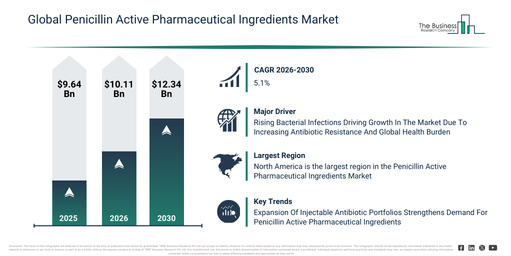
    The penicillin active pharmaceutical ingredients market has shown consistent growth in recent years. This market is expected to expand from $9.64 billion in 2025 to $10.11 billion in 2026, achieving a compound annual growth rate (CAGR) of 4.9%. The historical growth can be attributed to several factors including elevated global demand for antibiotics, the expansion of generic drug manufacturing, an increase in infectious disease treatments, considerable large-scale fermentation capacity, and a rise in hospital antibiotic usage.

    The penicillin active pharmaceutical ingredients market size is projected to experience significant expansion over the next few years. It is expected to reach $12.34 billion by 2030, progressing at a compound annual growth rate (CAGR) of 5.1%. The anticipated growth during this period stems from factors such as an escalating burden of bacterial infections, the enlargement of generic antibiotic markets, an increase in contract API manufacturing, the establishment of more robust antibiotic stockpiling programs, and the growth of pharmaceutical production in emerging markets. Noteworthy trends for the forecast period include the adoption of high purity fermentation processes, the broadening application of semisynthetic penicillin, the integration of continuous API manufacturing lines, advanced methods for antibiotic quality testing, and the development of cost-optimized bulk antibiotic production.

    Download A Free Sample Report For Comprehensive Market Insights:

    https://www.thebusinessresearchcompany.com/sample.aspx?id=33256&type=smp

    What Major Growth Factors Are Impacting The Penicillin Active Pharmaceutical Ingredients Market?

    The increasing frequency of bacterial infections is anticipated to propel the growth of the penicillin active pharmaceutical ingredients market going forward. These infections are conditions resulting from pathogenic bacteria entering and multiplying within the body, leading to symptoms and potential health issues. The growing occurrence of such infections stems from antimicrobial resistance, where the excessive or improper use of antibiotics enables bacteria to evolve resistance, thus making infections more challenging to manage and longer-lasting in both clinical and community environments. Consequently, the rising rate of bacterial infections fuels the need for penicillin-derived antibiotics, which continue to be crucial for addressing prevalent bacterial illnesses and fighting resistant strains in medical settings. A notable example from September 2024, cited by the US-based Institute for Health Metrics and Evaluation, projects that antibiotic-resistant infections might lead to over 39 million deaths by 2050. This surge is attributed to AMR bacteria, which are anticipated to cause a 75% increase in annual cases, rising from 4.71 to 8.22 million. This demonstrates that the increasing prevalence of bacterial infections is indeed a key driver for the expansion of the penicillin active pharmaceutical ingredients market.

    How Is The Penicillin Active Pharmaceutical Ingredients Market Structured Across Different Market Segments?

    The penicillin active pharmaceutical ingredients market covered in this report is segmented –

    1) By Product Type: Penicillin G; Penicillin V; Ampicillin; Amoxicillin; Other Product Types

    2) By Formulation Type: Oral Formulations; Injectable Formulations; Topical Formulations

    3) By Distribution Channel: Direct Distribution; Online Pharmacies; Third Party Distributors

    4) By Application: Bacterial Infections; Respiratory Infections; Skin Infections; Urinary Tract Infections; Gastrointestinal Infections

    5) By End User: Hospitals; Pharmacies; Clinics; Academic And Research Institutions

    Subsegments:

    1) By Penicillin G: Injectable Penicillin G; Oral Penicillin G; Long Acting Penicillin G; Aqueous Penicillin G; Crystalline Penicillin G

    2) By Penicillin V: Oral Penicillin V; Tablet Penicillin V; Liquid Penicillin V; Immediate Release Penicillin V; Extended Release Penicillin V

    3) By Ampicillin: Injectable Ampicillin; Oral Ampicillin; Capsule Ampicillin; Liquid Ampicillin; Sodium Salt Ampicillin

    4) By Amoxicillin: Tablet Amoxicillin; Capsule Amoxicillin; Oral Suspension Amoxicillin; Extended Release Amoxicillin; Chewable Amoxicillin

    5) By Other Product Type: Dicloxacillin; Cloxacillin; Flucloxacillin; Oxacillin; Carbenicillin

    What Trends Are Influencing The Penicillin Active Pharmaceutical Ingredients Market Outlook?

    Leading companies within the penicillin active pharmaceutical ingredients (APIs) market are concentrating their efforts on broadening their range of injectable antibiotic products to enhance treatment availability and meet hospital requirements for vital anti-infective treatments. Such injectable antibiotic products are defined as parenteral formulations, pre-prepared for immediate use, which are sourced from penicillin APIs and formulated to provide quick and efficient therapy for severe bacterial infections. An example of this is Avenacy, a pharmaceutical company based in the US, which disclosed in March 2025 the introduction of five new injectable antibiotic products into the U.S. market: Ampicillin for Injection, USP; Ampicillin and Sulbactam for Injection, USP; Nafcillin for Injection, USP; Penicillin G Potassium for Injection, USP; and Piperacillin and Tazobactam for Injection, USP. These launches are specifically intended to cater to acute care environments. These offerings encompass penicillin-derived formulations, utilized for managing a diverse array of bacterial infections, thereby strengthening the need for premium penicillin APIs and facilitating reliable, extensive production and distribution throughout healthcare institutions.

    Who Are The Prominent Players Across The Penicillin Active Pharmaceutical Ingredients Market?

    Major companies operating in the penicillin active pharmaceutical ingredients market are Merck & Co Inc, Pfizer Inc, Sanofi S.A., Novartis AG, GSK plc, Teva Pharmaceutical Industries Ltd, CSPC Zhongrun Pharmaceutical Co. Ltd, Aurobindo Pharma Ltd, Shionogi & Co. Ltd, North China Pharmaceutical Group Corporation, Centrient Pharmaceuticals B.V., Qilu Tianhe Pharmaceutical Co. Ltd, Jiangxi Fushine Pharmaceutical Co. Ltd, Harbin Pharmaceutical Group Co. Ltd, The United Laboratories International Holdings Limited, Sinopharm Weiqida Pharmaceutical Co. Ltd, Rochem International Inc, Sichuan Kelun Pharmaceutical Co. Ltd, Shandong Lukang Pharmaceutical Co. Ltd, Huaxing Pharmaceutical Co. Ltd, Jiangxi Huabang Pharmaceutical Co. Ltd, and Changzhou RedSun Pharmaceutical Co. Ltd.

    Access The Complete Penicillin Active Pharmaceutical Ingredients Market Report:

    https://www.thebusinessresearchcompany.com/report/penicillin-active-pharmaceutical-ingredients-market-report

    Which Region Has The Strongest Presence In The Penicillin Active Pharmaceutical Ingredients Market?

    North America was the largest region in the penicillin active pharmaceutical ingredients (API) market in 2025. Asia-Pacific is expected to be the fastest-growing region in the forecast period. The regions covered in the penicillin active pharmaceutical ingredients market report are Asia-Pacific, South East Asia, Western Europe, Eastern Europe, North America, South America, Middle East, Africa.

    Access a Customized Penicillin Active Pharmaceutical Ingredients Market Report for Deeper Competitive Insights

    Get in touch with us:

    The Business Research Company: https://www.thebusinessresearchcompany.com/

    Americas: +1 310-496-7795

    Asia: +44 7882 955267 & +91 8897263534

    Europe: +44 7882 955267

    Email us at: marketing@tbrc.info

    Follow us on:

    LinkedIn: https://in.linkedin.com/company/the-business-research-company

    YouTube: https://www.youtube.com/channel/UC24_fI0rV8cR5DxlCpgmyFQ

    Global Market Model: https://www.thebusinessresearchcompany.com/global-market-model
  • Palmoplantar Keratoderma Market Trends and Growth Forecast Through 2030

    Palmoplantar Keratoderma Market Trends and Growth Forecast Through 2030

    The Business Research Company’s 2026 market reports feature advanced enhancements such as market attractiveness analysis, total addressable market evaluation, company benchmarking matrices, interactive Excel dashboards, expanded supply chain intelligence, emerging startup coverage, and detailed product insights, delivering more actionable and strategically valuable research.

    How Is The Market Value Of The Palmoplantar Keratoderma Market Projected To Expand During 2026–2030?

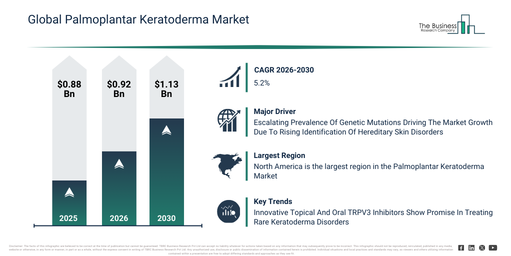
    The palmoplantar keratoderma market has experienced consistent expansion in recent years. This market is projected to expand from $0.88 billion in 2025 to $0.92 billion in 2026, exhibiting a compound annual growth rate (CAGR) of 4.9%. The historical growth of the market can be linked to factors such as an increase in diagnoses of rare dermatological disorders, the proliferation of dermatology specialty clinics, the broadened availability of retinoid therapies, a rise in patient awareness regarding genetic skin diseases, and enhanced dermatopathology testing.

    The palmoplantar keratoderma market is projected to experience substantial expansion in the coming years. This market is predicted to reach $1.13 billion in 2030, demonstrating a compound annual growth rate (CAGR) of 5.2%. Factors contributing to this anticipated growth include an increase in targeted dermatology medications, expanded availability of genetic screening, greater adoption of biologic therapies, an expanding pipeline of specialty dermatology products, and enhanced support programs for orphan diseases. Key trends anticipated during this period encompass targeted biologic treatments for skin conditions, sophisticated genetic diagnostic tools, extended-release topical formulations, combined retinoid treatment approaches, and the increasing use of home-based phototherapy.

    Download A Free Sample Report For Comprehensive Market Insights:

    https://www.thebusinessresearchcompany.com/sample.aspx?id=33255&type=smp

    What Market Drivers Are Helping Shape The Palmoplantar Keratoderma Market Expansion?

    The growing occurrence of genetic mutations is projected to stimulate the expansion of the palmoplantar keratoderma market in the future. Genetic mutations are alterations or variances in DNA sequences that can heighten vulnerability to inherited disorders and dermatological conditions. The increase in genetic mutation prevalence stems from progress in genomic sequencing and extensive genetic testing, which allow for the detection and identification of a rising number of previously unrecognized DNA variations across diverse populations. A higher incidence of genetic mutations contributes to palmoplantar keratoderma by expanding the demographic with inherited skin-gene modifications, which subsequently leads to earlier diagnosis and a greater demand for specific treatment approaches. For instance, in January 2023, a report from the National Center for Biotechnology Information (NCBI), a division of the US-based National Library of Medicine (NLM), indicated that with approximately 140 million babies born each year, roughly 9.8 billion new human mutations enter the gene pool annually. Consequently, the increasing prevalence of genetic mutations is fueling the growth of the palmoplantar keratoderma market.

    Which Segment-Based Categories Are Covered In The Palmoplantar Keratoderma Market?

    The palmoplantar keratoderma market covered in this report is segmented –

    1) By Treatment Type: Topical Treatments; Systemic Treatments; Phototherapy; Surgical Interventions

    2) By Type: Non Lamellar Keratoderma; Lamellar Keratoderma; Epidermolytic Keratoderma; Palmoplantar Keratoderma With Systemic Involvement

    3) By Diagnosis Method: Clinical Examination; Histopathological Examination; Genetic Testing

    4) By Patient Type: Pediatric; Adult

    5) By Distribution Channel: Hospital Pharmacies; Retail Pharmacies; Online Pharmacies

    Subsegments:

    1) By Topical Treatments: Salicylic Acid Preparations; Urea Creams; Emollients; Retinoid Creams; Corticosteroid Creams

    2) By Systemic Treatments: Oral Retinoids; Oral Vitamin D Analogues; Oral Corticosteroids; Oral Immunosuppressants

    3) By Phototherapy: Ultraviolet A Therapy; Ultraviolet B Therapy; Psoralen Plus Ultraviolet A Therapy

    4) By Surgical Interventions: Excision Surgery; Laser Therapy; Dermabrasion; Skin Grafting

    Which Trends Are Expected To Shape The Palmoplantar Keratoderma Market?

    Leading companies operating in the palmoplantar keratoderma market are concentrating on conducting clinical investigations to create advanced medications, such as TRPV3 inhibitors, aiming to deliver precise, disease-altering treatments that extend beyond merely addressing symptoms. These TRPV3 inhibitors function by blocking the TRPV3 ion channel, thereby aiding in the normalization of skin cell growth, strengthening the skin barrier, and reducing the pain and thickening associated with palmoplantar keratoderma. For example, in June 2024, Kamari Pharma Ltd., a clinical-stage biotechnology firm, launched KM-001, a topical TRPV3 inhibitor, following encouraging Phase 1b clinical results. KM-001 is presented as a cream for twice-daily application and has demonstrated significant safety, with no severe adverse events reported, along with an overall responder rate of 87% in patients with pachyonychia congenita and punctate palmoplantar keratoderma type 1. Its unique mechanism of action helps to normalize skin cell proliferation, enhance epidermal barrier formation, and alleviate pain in affected patients, thereby offering a disease-modifying alternative to conventional therapies. Kamari Pharma intends to move KM-001 into Phase 2 trials while also developing KM-023, an oral TRPV3 inhibitor, for broader keratoderma indications.

    Which Companies Form The Competitive Landscape Of The Palmoplantar Keratoderma Market?

    Major companies operating in the palmoplantar keratoderma market are LEO Pharma, Krystal Biotech Inc., and Kamari Pharma.

    Access The Complete Palmoplantar Keratoderma Market Report:

    https://www.thebusinessresearchcompany.com/report/palmoplantar-keratoderma-market-report

    Which Region Stands As The Largest Contributor To The Palmoplantar Keratoderma Market?

    North America was the largest region in the palmoplantar keratoderma market in 2025. Asia – Pacific is expected to be the fastest-growing region in the forecast period. The regions covered in the palmoplantar keratoderma market report are Asia-Pacific, South East Asia, Western Europe, Eastern Europe, North America, South America, Middle East, Africa.

    Access a Customized Palmoplantar Keratoderma Market Report for Deeper Competitive Insights

    Get in touch with us:

    The Business Research Company: https://www.thebusinessresearchcompany.com/

    Americas: +1 310-496-7795

    Asia: +44 7882 955267 & +91 8897263534

    Europe: +44 7882 955267

    Email us at: marketing@tbrc.info

    Follow us on:

    LinkedIn: https://in.linkedin.com/company/the-business-research-company

    YouTube: https://www.youtube.com/channel/UC24_fI0rV8cR5DxlCpgmyFQ

    Global Market Model: https://www.thebusinessresearchcompany.com/global-market-model
  • Neuroendocrine Prostate Cancer Market Showing Steady Growth Toward 2030

    Neuroendocrine Prostate Cancer Market Showing Steady Growth Toward 2030

    The Business Research Company’s 2026 market reports feature advanced enhancements such as market attractiveness analysis, total addressable market evaluation, company benchmarking matrices, interactive Excel dashboards, expanded supply chain intelligence, emerging startup coverage, and detailed product insights, delivering more actionable and strategically valuable research.

    What Will Be The Estimated Market Size Of The Neuroendocrine Prostate Cancer Market By 2030?

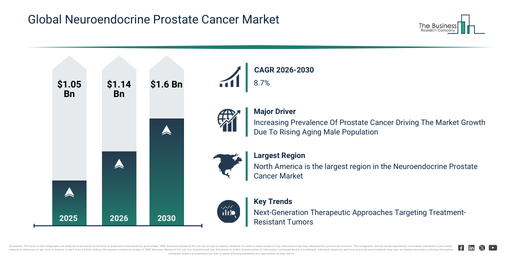
    The neuroendocrine prostate cancer market size has experienced robust growth over recent years. This market is projected to expand from $1.05 billion in 2025 to $1.14 billion in 2026, exhibiting a compound annual growth rate (CAGR) of 8.5%. Factors contributing to this historical expansion include an increase in prostate cancer diagnoses, the prevalence of long-term hormone therapy resistance, the broadening of oncology drug pipelines, advancements in molecular pathology testing, and enhanced specialization of cancer centers.

    The neuroendocrine prostate cancer market is projected to experience substantial expansion in the coming years, reaching a valuation of $1.6 billion by 2030, driven by an impressive compound annual growth rate (CAGR) of 8.7%. This anticipated growth throughout the forecast period stems from factors such as increasing adoption of precision oncology, the development of more biomarker-based treatments, the wider availability of targeted therapies, an increase in research funding for rare cancers, and the more widespread application of genomic testing. Key trends expected during this period involve patient categorization based on biomarkers, the implementation of combination oncology treatment plans, sophisticated molecular diagnostic evaluations, an increase in clinical trials for rare cancers, and the development of targeted radiopharmaceutical strategies.

    Download A Free Sample Report For Comprehensive Market Insights:

    https://www.thebusinessresearchcompany.com/sample.aspx?id=33242&type=smp

    What Key Growth Drivers Are Influencing The Neuroendocrine Prostate Cancer Market?

    The neuroendocrine prostate cancer market is anticipated to expand due to the rising occurrence of prostate cancer. This condition is characterized by a malignant tumor forming in the prostate gland, predominantly affecting males aged 50 and above. Its increasing prevalence is largely attributed to the expanding older male population, considering that advanced age represents a significant risk factor for the disease’s onset. The higher incidence of prostate cancer contributes to the growth of neuroendocrine prostate cancer by enlarging the total number of patients, leading to prolonged exposure to androgen-deprivation therapies, and subsequently heightening the probability of treatment-induced neuroendocrine differentiation in advanced and castration-resistant disease phases. As an illustration, in January 2025, the Centers for Disease Control and Prevention (CDC), a U.S. federal public health agency, indicated that during 2023, 255,395 new cases of prostate cancer were identified in the United States, and 33,881 men succumbed to the illness. Consequently, the rising occurrence of prostate cancer is fueling the expansion of the neuroendocrine prostate cancer market.

    How Are Different Segment Groups Identified Within The Neuroendocrine Prostate Cancer Market?

    The neuroendocrine prostate cancer market covered in this report is segmented –

    1) By Treatment: Chemotherapy; Hormonal Therapy

    2) By Therapeutics: Immunotherapy; Targeted Therapy

    3) By Disease Stage: Localized Disease; Advanced Disease; Metastatic Disease

    4) By End Users: Hospitals; Oncology Specialty Clinics; Cancer Research Institutes

    Subsegments:

    1) By Chemotherapy: Platinum Based Chemotherapy; Taxane Based Chemotherapy; Combination Chemotherapy; Second Line Chemotherapy

    2) By Hormonal Therapy: Androgen Deprivation Therapy; Androgen Receptor Inhibition; Hormone Synthesis Inhibition; Combined Hormonal Therapy

    Which Trends Are Guiding The Development Of The Neuroendocrine Prostate Cancer Market?

    Leading companies in the neuroendocrine prostate cancer market are concentrating on developing innovative drugs, including immune-modulating small-molecule therapies, to improve immune response and patient outcomes. These orally administered immune-modulating small-molecule therapies work by stimulating the body’s innate immune system to recognize and attack cancer cells, thereby helping to overcome resistance to traditional treatments like hormone therapy or chemotherapy by enhancing the anti-tumor immune response. For example, in February 2024, BioXcel Therapeutics, a US-based clinical-stage biopharmaceutical company, received Fast Track Designation from the U.S. Food and Drug Administration for BXCL701, an immune-modulating small-molecule therapy intended for neuroendocrine prostate cancer. BXCL701 is designed to activate the NLRP3 inflammasome, increase cytokine release, and prime the immune system to target tumor cells, offering a novel method that complements immune checkpoint inhibitors. This Fast Track Designation is expected to accelerate the clinical development and regulatory review of BXCL701, underscoring its potential to address critical unmet medical needs in aggressive and treatment-resistant prostate cancer.

    Which Companies Are Influencing The Neuroendocrine Prostate Cancer Market?

    Major companies operating in the neuroendocrine prostate cancer market are Novartis AG, Amgen Inc., Phanes Therapeutics Inc., and BioXcel Therapeutics Inc.

    Access The Complete Neuroendocrine Prostate Cancer Market Report:

    https://www.thebusinessresearchcompany.com/report/neuroendocrine-prostate-cancer-market-report

    Which Area Represents The Largest Portion Of The Neuroendocrine Prostate Cancer Market?

    North America was the largest region in the neuroendocrine prostate cancer market in 2025. Asia-Pacific is expected to be the fastest-growing region in the forecast period. The regions covered in the neuroendocrine prostate cancer market report are Asia-Pacific, South East Asia, Western Europe, Eastern Europe, North America, South America, Middle East, Africa.

    Access a Customized Neuroendocrine Prostate Cancer Market Report for Deeper Competitive Insights

    Get in touch with us:

    The Business Research Company: https://www.thebusinessresearchcompany.com/

    Americas: +1 310-496-7795

    Asia: +44 7882 955267 & +91 8897263534

    Europe: +44 7882 955267

    Email us at: marketing@tbrc.info

    Follow us on:

    LinkedIn: https://in.linkedin.com/company/the-business-research-company

    YouTube: https://www.youtube.com/channel/UC24_fI0rV8cR5DxlCpgmyFQ

    Global Market Model: https://www.thebusinessresearchcompany.com/global-market-model