Category: Pharmaceuticals

  • Pleural Effusion Drug Market Trends Reshaping Industry Growth Through 2030

    Pleural Effusion Drug Market Trends Reshaping Industry Growth Through 2030

    Backed by market attractiveness analysis, total addressable market sizing, company benchmarking matrices, interactive Excel dashboards, wider supply chain intelligence, emerging startup coverage, and detailed product-level insights, The Business Research Company’s 2026 market reports are designed to offer research that is more actionable and strategically valuable than ever.

    Pleural Effusion Drug Market Expansion Outlook: What Revenue Opportunities Are Ahead?

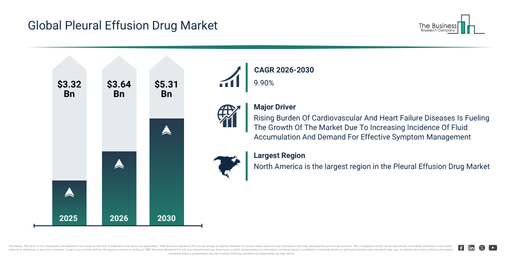
    The pleural effusion drug market has experienced significant growth in recent years. This market is forecast to expand from $3.32 billion in 2025 to $3.64 billion in 2026, exhibiting a compound annual growth rate (CAGR) of 9.6%. Historically, this growth can be attributed to the rising prevalence of respiratory diseases and lung infections, increasing incidence of heart failure-related pleural effusion cases, growing use of diuretics and antibiotics in hospital settings, expansion of critical care and emergency treatment infrastructure, and rising awareness of early respiratory disease management.

    The pleural effusion drug market is anticipated to experience substantial growth over the coming years. Its value is projected to climb to $5.31 billion by 2030, demonstrating a compound annual growth rate (CAGR) of 9.9%. This expansion during the forecast period can be attributed to factors such as the increasing adoption of targeted oncology therapies for malignant effusion, the progression of precision medicine-based respiratory treatments, a rising demand for minimally invasive drug delivery methods, the spread of homecare-based respiratory treatment solutions, and a growing investment in biologics and advanced anti-inflammatory drugs. Prominent trends expected in this period include the use of precision medicine-based targeted therapy for pleural effusion management, biomarker-driven drug development for malignant pleural effusion treatment, sophisticated biologic anti-inflammatory therapies for fluid reduction in the pleural space, a greater uptake of combination drug regimens for underlying cause treatment, and the development of long-acting injectable formulations for enhanced respiratory symptom control.

    Get A Free Sample Report With In-Depth Market Insights:

    https://thebusinessresearchcompany.com/sample_request?id=22358526&type=smp&name=Pleural%20Effusion%20Drug%20Market%20Report%202026&utm_source=Blogs&utm_medium=Paid&utm_campaign=Oct_PR

    Pleural Effusion Drug Market Growth Drivers: What’s Behind The Acceleration?

    The increasing prevalence of cardiovascular and heart failure conditions is anticipated to fuel the expansion of the pleural effusion drug market in the future. These are medical situations where the heart and blood vessels become compromised, leading to complications such as heart attacks, strokes, and fluid buildup in the lungs. The rising burden of cardiovascular diseases and heart failure is primarily due to an aging demographic, as age-related deterioration in cardiac and vascular function heightens susceptibility to chronic cardiovascular issues. Pleural effusion drugs play a crucial role in managing the impact of cardiovascular and heart failure diseases by lessening fluid accumulation in the pleural space, thereby enhancing patient outcomes and improving their quality of life. For instance, according to the American College of Cardiology, a United States–based professional medical organization, global fatalities attributable to cardiovascular diseases reached approximately 19.2 million in 2023, marking an increase from 13.1 million in 2022. This growing burden of cardiovascular and heart failure diseases is consequently propelling the growth of the pleural effusion drug market. The escalating healthcare expenditure is projected to stimulate the growth of the pleural effusion drug market going forward. Healthcare expenditure encompasses the total financial outlay by governments, insurance providers, and individuals for medical goods, services, and public health initiatives. The rise in healthcare spending is largely attributed to an aging population and increased utilization of health care services, as a greater demand for medical care leads to higher overall spending across both public and private payers. This expanding healthcare expenditure directly boosts the demand for pleural effusion drugs, as higher funding facilitates broader patient access to specialized drugs and therapies used in managing conditions such as pleural effusion. For example, in April 2025, the Office for National Statistics, a UK-based independent producer of official statistics, reported that the UK’s healthcare spending in 2024 amounted to around £317 billion, reflecting a 6.5% nominal increase compared with 2023. Therefore, increasing healthcare expenditure is driving the growth of the pleural effusion drug market.

    Pleural Effusion Drug Market Segment Landscape: Which Areas Lead Development?

    The pleural effusion drug market covered in this report is segmented –

    1) By Drug Type: Diuretics, Antibiotics, Chemotherapeutic Agents, Other Drug Types

    2) By Route Of Administration: Oral, Injectable, Intrapleural

    3) By Distribution Channel: Hospital Pharmacy, Retail Pharmacy, Online Pharmacy

    4) By End-Users: Hospitals, Homecare Settings, Other End-Users

    Subsegments:

    1) By Diuretics: Loop Diuretics, Thiazide Diuretics, Potassium Sparing Diuretics, Carbonic Anhydrase Inhibitors

    2) By Antibiotics: Penicillin Antibiotics, Cephalosporin Antibiotics, Macrolide Antibiotics, Fluoroquinolone Antibiotics, Tetracycline Antibiotics, Glycopeptide Antibiotics

    3) By Chemotherapeutic Agents: Alkylating Agents, Antimetabolites, Plant Alkaloids, Topoisomerase Inhibitors, Antitumor Antibiotics, Targeted Therapy Agents

    4) By Other Drug Types: Corticosteroids, Immunotherapy Agents, Fibrinolytic Agents, Analgesics, Antifungal Agents, Antiviral Agents

    Pleural Effusion Drug Market Competitive Analysis Of Leading Industry Participants

    Major companies operating in the pleural effusion drug market are Merck & Co. Inc., Pfizer Inc., AbbVie Inc., AstraZeneca plc, Bristol-Myers Squibb Company, Eli Lilly and Company, Teva Pharmaceutical Industries Ltd., Otsuka Holdings Co. Ltd., Cipla Limited, Simcere Pharmaceutical Group Limited, Gongwin Biopharm Holdings Co. Ltd., F. Hoffmann-La Roche Ltd., Wuhan YZY Biopharma Co. Ltd., Lipac Oncology LLC, RS Oncology LLC, Genelux Corporation, Jiangxi Jemincare Group Co. Ltd., Biosyngen Pte. Ltd., Aileron Therapeutics Inc., Rusoma

    View The Full Pleural Effusion Drug Market Report:

    https://thebusinessresearchcompany.com/report/pleural-effusion-drug-market-report?utm_source=Blogs&utm_medium=Paid&utm_campaign=Oct_PR

    Pleural Effusion Drug Market Geographic Distribution And Regional Opportunities

    North America was the largest region in the pleural effusion drug market in 2025. Asia-Pacific is expected to be the fastest-growing region in the forecast period. The regions covered in the pleural effusion drug market report are Asia-Pacific, South East Asia, Western Europe, Eastern Europe, North America, South America, Middle East and Africa.

    Reach Out To Our Team:

    The Business Research Company: https://www.thebusinessresearchcompany.com/

    Americas: +1 310-496-7795

    Asia: +44 7882 955267 & +91 8897263534

    Europe: +44 7882 955267

    Email us at: marketing@tbrc.info

    Follow us on:

    LinkedIn: https://in.linkedin.com/company/the-business-research-company

    YouTube: https://www.youtube.com/channel/UC24_fI0rV8cR5DxlCpgmyFQ

    Global Market Model: https://www.thebusinessresearchcompany.com/global-market-model
  • Pharmaceutical Lipids Market Growth Forecast: Market Size, Key Trends And Emerging Opportunities Through 2030

    Pharmaceutical Lipids Market Growth Forecast: Market Size, Key Trends And Emerging Opportunities Through 2030

    Built to provide research that’s more actionable and strategically valuable, The Business Research Company’s 2026 market reports include market attractiveness analysis, total addressable market sizing, company benchmarking matrices, interactive Excel dashboards, broader supply chain intelligence, emerging startup tracking, and in-depth product insights.

    Pharmaceutical Lipids Market Size Outlook: How Quickly Will Revenue Expand Through 2030?

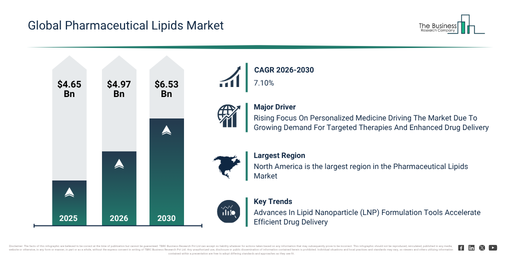
    The pharmaceutical lipids market has demonstrated robust expansion over recent years. It is anticipated to grow from $4.65 billion in 2025 to $4.97 billion in 2026, showing a compound annual growth rate (CAGR) of 6.8%. The historical increase in market size can be attributed to the application of natural lipids in traditional drug formulations, the restricted bioavailability of conventional drug delivery systems, an increase in the demand for injectable drugs, escalating pharmaceutical R&D investments, and the rising prevalence of chronic diseases that necessitate advanced therapies.

    The pharmaceutical lipids market is anticipated to show robust expansion over the next few years. It is forecast to grow to $6.53 billion by 2030, with a compound annual growth rate (CAGR) of 7.1%. This growth during the prediction period is driven by the wider use of lipid nanoparticle platforms for gene therapy, the increasing adoption of precision medicine-based drug delivery, the rise of biodegradable and sustainable lipid excipients, the growing application of AI in drug formulation design, and the expansion of biologics and mRNA-based therapeutics. Significant trends for this period include advancements in lipid nanoparticle-based mRNA drug delivery systems, the increasing acceptance of personalized lipid-based therapeutics, the expanded use of phospholipid excipients in advanced formulations, the development of biodegradable and sustainable lipid sourcing, and a rising demand for targeted liposomal cancer drug delivery systems.

    Get A Free Sample Report With In-Depth Market Insights:

    https://thebusinessresearchcompany.com/sample_request?id=10093481&type=smp&name=Pharmaceutical%20Lipids%20Market%20Report%202026&utm_source=Blogs&utm_medium=Paid&utm_campaign=Oct_PR

    Pharmaceutical Lipids Market Expansion Drivers: What’s Shaping Future Growth?

    The pharmaceutical lipids market is anticipated to expand due to the growing emphasis on personalized medicine. This medical strategy involves customizing disease prevention, diagnosis, and treatment for each patient based on their unique genetic makeup, lifestyle, and environmental influences, aiming to maximize therapeutic impact and reduce negative reactions. The heightened attention on personalized medicine stems from breakthroughs in genomics and biotechnology, an increase in accessible patient-specific health information, a greater need for targeted treatments that offer superior efficacy and fewer side effects, and the imperative to enhance health results while simultaneously lowering expenses. Pharmaceutical lipids play a crucial role in personalized medicine by acting as adaptable carriers for directed drug delivery, improving the stability and absorption of treatments like mRNA, siRNA, and peptide-based medications, and facilitating accurate dosing and formulations customized for individual patient requirements. For instance, in February 2024, the Personalised Medicine Coalition, a US-based hospital and health care organization, reported that the FDA approved 16 new personalized treatments for rare disease patients in 2023, marking an increase from six in 2022. Consequently, the rising focus on personalized medicine is fueling the expansion of the pharmaceutical lipids market.

    Pharmaceutical Lipids Market Segment Performance And Emerging Opportunities

    The pharmaceutical lipids market covered in this report is segmented –

    1) By Product Type: Triglycerides, Phospholipids, Fatty Acids, Sterols And Cholesterol Derivatives, Sphingolipids, Lipid Based Excipients, Liposomes, Lipid Nanoparticles, Glycerides And Glycolipids, Polyethylene Glycolylated Lipids

    2) By Drug Type: Small Molecule Lipid Formulations, Messenger Ribonucleic Acid And Gene Therapy Lipids, Small Interfering Ribonucleic Acid And Antisense Oligonucleotide Lipids, Anticancer Drug Lipid Carriers, Antifungal And Antimicrobial Lipid Formulations, Peptide And Protein Lipid Delivery Systems

    3) By Route Of Administration: Parenteral, Oral, Topical, Inhalation

    4) By Application: Lipid Nanoparticle Formulations, Liposomal Drug Delivery, Oral Drug Delivery Systems, Parenteral Formulations, Topical And Transdermal Delivery, Vaccine Adjuvants, Pulmonary Drug Delivery, Ocular Drug Delivery, Nutraceutical And Functional Food Formulations

    5) By End-User: Pharmaceutical Manufacturers, Biotechnology Companies, Contract Development Organizations, Research Laboratories, Generic Drug Producers

    Subsegments:

    1) By Triglycerides: Medium Chain Triglycerides, Long Chain Triglycerides, Structured Triglycerides

    2) By Phospholipids: Natural Phospholipids, Synthetic Phospholipids, Hydrogenated Phospholipids

    3) By Fatty Acids: Saturated Fatty Acids, Monounsaturated Fatty Acids, Polyunsaturated Fatty Acids, Omega Three Fatty Acids, Omega Six Fatty Acids

    4) By Sterols And Cholesterol Derivatives: Cholesterol, Plant Sterols, Cholesterol Esters

    5) By Sphingolipids: Ceramides, Sphingomyelins, Glycosphingolipids

    6) By Lipid Based Excipients: Emulsifiers, Solubilizers, Stabilizers, Penetration Enhancers

    7) By Liposomes: Conventional Liposomes, Stealth Liposomes, Targeted Liposomes

    8) By Lipid Nanoparticles: Solid Lipid Nanoparticles, Nanostructured Lipid Carriers, Ionizable Lipid Nanoparticles

    9) By Glycerides And Glycolipids: Monoglycerides, Diglycerides, Glycolipids

    10) By Polyethylene Glycolylated Lipids: Polyethylene Glycol Conjugated Phospholipids, Polyethylene Glycol Conjugated Fatty Acids, Polyethylene Glycol Conjugated Cholesterol

    Pharmaceutical Lipids Market Strategic Trends: What Defines The Next Growth Phase?

    Leading companies within the pharmaceutical lipids market are concentrating on creating advanced lipid nanoparticle (LNP) starter kits and cutting-edge formulation technologies, such as pre-configured lipid nanoparticle starter kits, to enable the efficient generation and optimization of LNPs for novel drug delivery. These LNP starter kits are composed of carefully selected lipid components, including ionizable lipids, helper lipids, sterols, and PEGylated lipids, which assist researchers in developing LNPs with desired physicochemical characteristics and effective payload delivery. For instance, in February 2024, CordenPharma International, a Switzerland-based company focused on pharmaceutical development and manufacturing, introduced LNP Starter Kits for mRNA formulation. Designed to aid researchers and developers in early-stage R&D and preclinical studies, these kits provide highly pure lipids with consistent batch-to-batch quality, support transfection in various cell types, and facilitate the production of nanoparticles with controlled physicochemical characteristics, such as particle size between 30–150 nm and PDI =0.2, thereby helping to advance the development of mRNA vaccines, gene therapies, and other nucleic acid therapeutics.

    Pharmaceutical Lipids Market Competitive Landscape: Which Companies Lead The Industry?

    Major companies operating in the pharmaceutical lipids market are Archer Daniels Midland Company, BASF SE, ABF Ingredients, Merck KGaA, Evonik Industries AG, Sasol Limited, DSM-Firmenich, Polaris S. A. S., Stepan Company, NOF Corporation, Seqens S. A., Croda International Plc, CordenPharma International GmbH, Seppic SA, KD Pharma Group GmbH, Nippon Fine Chemical Co. Ltd., Chemi S. p. A., Cayman Chemical Company, Bioseutica B. V., Gattefossé SAS, Lipoid GmbH, VAV Life Sciences Pvt. Ltd., IOI Oleo GmbH, Berg + Schmidt GmbH & Co. KG

    View The Full Pharmaceutical Lipids Market Report:

    https://thebusinessresearchcompany.com/report/pharmaceutical-lipids-market-report?utm_source=Blogs&utm_medium=Paid&utm_campaign=Oct_PR

    Pharmaceutical Lipids Market Regional Outlook: Where Is Opportunity Concentrated?

    North America was the largest region in the pharmaceutical lipids market in 2025. Asia-Pacific is expected to be the fastest-growing region in the forecast period. The regions covered in the pharmaceutical lipids market report are Asia-Pacific, South East Asia, Western Europe, Eastern Europe, North America, South America, Middle East and Africa.

    Reach Out To Our Team:

    The Business Research Company: https://www.thebusinessresearchcompany.com/

    Americas: +1 310-496-7795

    Asia: +44 7882 955267 & +91 8897263534

    Europe: +44 7882 955267

    Email us at: marketing@tbrc.info

    Follow us on:

    LinkedIn: https://in.linkedin.com/company/the-business-research-company

    YouTube: https://www.youtube.com/channel/UC24_fI0rV8cR5DxlCpgmyFQ

    Global Market Model: https://www.thebusinessresearchcompany.com/global-market-model
  • Oral Obesity Therapies Market Size Growth: From $4.32 Billion In 2026 To $6.32 Billion By 2030

    Oral Obesity Therapies Market Size Growth: From $4.32 Billion In 2026 To $6.32 Billion By 2030

    Built to provide research that’s more actionable and strategically valuable, The Business Research Company’s 2026 market reports include market attractiveness analysis, total addressable market sizing, company benchmarking matrices, interactive Excel dashboards, broader supply chain intelligence, emerging startup tracking, and in-depth product insights.

    Oral Obesity Therapies Market Size, Value And Growth Trajectory Through 2030

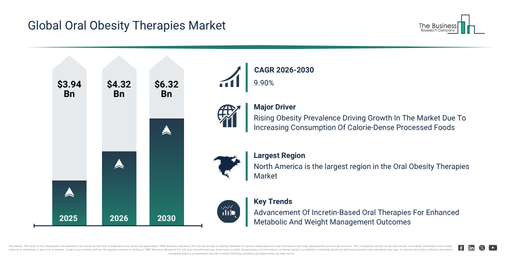
    The market size for oral obesity therapies has experienced robust expansion over recent years. Projections indicate it will increase from $3.94 billion in 2025 to $4.32 billion in 2026, achieving a compound annual growth rate (CAGR) of 9.7%. This historical growth can be attributed to several factors, including the escalating global prevalence of obesity, a rising awareness of metabolic health risks, the expansion of prescription-based weight management drugs, a surge in clinical research on appetite regulation mechanisms, and an increasing healthcare focus on non-invasive obesity treatments.

    The oral obesity therapies market size is projected to experience substantial growth in the upcoming years. It is anticipated to grow to $6. 32 billion by 2030 at a compound annual growth rate (CAGR) of 9. 9%. This expansion during the forecast period is driven by the increasing adoption of oral GLP-1 therapies, a rising demand for personalized metabolic treatments, the growth in telemedicine-based obesity care, the expansion of next-generation oral incretin drugs, and increased investment in obesity drug pipelines by pharmaceutical companies. Notable trends for the forecast period include the expanding acceptance of oral GLP-1 based therapies for appetite regulation and weight management, a surge in the utilization of combination oral obesity drugs targeting multiple metabolic pathways, an escalating need for personalized obesity treatment based on genetic and metabolic profiling, the broadening of telehealth-enabled prescription access for oral weight loss therapies, and the ongoing development of gut hormone modulating oral drugs for improved metabolic control.

    Get A Free Sample Report With In-Depth Market Insights:

    https://thebusinessresearchcompany.com/sample_request?id=24599992&type=smp&name=Oral%20Obesity%20Therapies%20Market%20Report%202026&utm_source=Blogs&utm_medium=Paid&utm_campaign=Oct_PR

    Oral Obesity Therapies Market Growth Factors Behind Sustained Expansion

    The increasing incidence of obesity is projected to drive the expansion of the oral obesity therapies market moving ahead. Obesity is defined as a medical condition marked by an excessive buildup of body fat, which raises the risk of health issues like heart disease, diabetes, and high blood pressure. This condition is primarily on the rise because of greater consumption of calorie-rich processed foods, leading to surplus energy intake and progressive weight gain when not compensated by physical activity. Oral treatments for obesity manage the condition by regulating hunger-related hormones and decreasing calorie absorption, resulting in sustained weight management and enhanced health outcomes. For instance, data from May 2025, released by the Office for Health Improvement and Disparities, a UK-based government body, showed that in 2023–2024, the prevalence of overweight (including obesity) among adults was greater in men (69.7%) compared to women (59.2%). Conversely, obesity by itself was marginally more prevalent in women (26.9%) than in men (26.2%). Consequently, the escalating occurrence of obesity is fueling the growth of the oral obesity therapies market.

    Oral Obesity Therapies Market Segment Outlook: Which Categories Are Growing Fastest?

    The oral obesity therapies market covered in this report is segmented –

    1) By Drug Class: Lipase Inhibitors, Sympathomimetic Appetite Suppressants, Combination Therapies, Oral GLP-1 Agonists, Other Oral Mechanisms

    2) By Patient Indication: BMI =30 Primary Obesity, Overweight + Metabolic Comorbidities, Short-term Weight Reduction, Weight Maintenance, Adolescent Populations

    3) By Sales Channel: Retail Pharmacies, Mail-order Pharmacies, Telehealth Platforms, Hospital Outpatient Pharmacies, Specialty Pharmacies

    4) By Application: Obesity Management, Weight Loss Maintenance, Cardiometabolic Risk Reduction, Pre-Surgical Weight Control

    5) By End User: Hospitals, Clinics, Homecare Settings

    Subsegments:

    1) By Lipase Inhibitors: Prescription Lipase Inhibitors, Over The Counter Lipase Inhibitors, High Dose Lipase Inhibitors, Low Dose Lipase Inhibitors, Generic Lipase Inhibitors, Branded Lipase Inhibitors

    2) By Sympathomimetic Appetite Suppressants: Short Acting Appetite Suppressants, Long Acting Appetite Suppressants, Central Nervous System Stimulants, Adrenergic Appetite Suppressants, Prescription Appetite Suppressants, Extended Release Appetite Suppressants

    3) By Combination Therapies: Appetite Suppressant And Antidepressant Combinations, Appetite Suppressant And Anticonvulsant Combinations, Multi Mechanism Combination Therapies, Fixed Dose Combination Therapies, Dual Mechanism Combination Therapies, Triple Mechanism Combination Therapies

    4) By Oral Glucagon Like Peptide One Agonists: Daily Oral Glucagon Like Peptide One Agonists, Weekly Oral Glucagon Like Peptide One Agonists, High Potency Glucagon Like Peptide One Agonists, Sustained Release Glucagon Like Peptide One Agonists, Next Generation Incretin Agonists

    5) By Other Oral Mechanisms: Serotonin Receptor Modulators, Metabolic Enhancers, Thermogenic Agents, Gut Hormone Modulators, Energy Expenditure Regulators, Dual Incretin Agonists

    Oral Obesity Therapies Market Industry Trends Fueling Future Revenue Growth

    Leading companies active in the oral obesity therapies market are prioritizing the development of innovative solutions, such as incretin-based therapy, to enhance the effectiveness of weight loss, improve metabolic outcomes, and provide patients with convenient non-injectable treatment options. Incretin-based therapy refers to a category of treatments that either mimic or intensify the action of incretin hormones (like GLP-1) to regulate blood sugar levels, reduce appetite, and promote weight loss. As an illustration, in January 2026, Denmark A/S, a healthcare company from Denmark, launched an LP-1 pill for obesity, known as the Wegovy pill (oral semaglutide), for the chronic management of weight in adults suffering from obesity or who are overweight with related conditions, in addition to diet and exercise. It is also authorized to lower cardiovascular risks such as heart attacks and strokes in individuals with pre-existing heart disease.

    Oral Obesity Therapies Market Key Participants And Competitive Landscape

    Major companies operating in the oral obesity therapies market are F. Hoffmann-La Roche AG, Merck & Co. Inc., Pfizer Inc., AstraZeneca PLC, Eli Lilly and Company, Novo Nordisk A/S, Takeda Pharmaceutical Company Limited, Boehringer Ingelheim GmbH, Sun Pharmaceutical Industries Ltd., Jiangsu Hengrui Medicine Co. Ltd., Celltrion Inc., Zydus Lifesciences Limited, Jiangsu Hansoh Pharmaceutical Group Co. Ltd., Hanmi Pharmaceutical Co. Ltd., Innovent Biologics Inc., Viking Therapeutics Inc., Rhythm Pharmaceuticals Inc., Septerna Therapeutics, Eccogene Inc., Currax Pharmaceuticals LLC, Ascletis Pharma Inc., Structure Therapeutics

    View The Full Oral Obesity Therapies Market Report:

    https://thebusinessresearchcompany.com/report/oral-obesity-therapies-market-report?utm_source=Blogs&utm_medium=Paid&utm_campaign=Oct_PR

    Oral Obesity Therapies Market Geographic Analysis: Where Is Demand Accelerating Fastest?

    North America was the largest region in the oral obesity therapies market in 2025. Asia-Pacific is expected to be the fastest-growing region in the forecast period. The regions covered in the oral obesity therapies market report are Asia-Pacific, South East Asia, Western Europe, Eastern Europe, North America, South America, Middle East and Africa.

    Reach Out To Our Team:

    The Business Research Company: https://www.thebusinessresearchcompany.com/

    Americas: +1 310-496-7795

    Asia: +44 7882 955267 & +91 8897263534

    Europe: +44 7882 955267

    Email us at: marketing@tbrc.info

    Follow us on:

    LinkedIn: https://in.linkedin.com/company/the-business-research-company

    YouTube: https://www.youtube.com/channel/UC24_fI0rV8cR5DxlCpgmyFQ

    Global Market Model: https://www.thebusinessresearchcompany.com/global-market-model
  • Oral Microbiome Products Market Analysis 2026: Market Size, Growth Trends And Industry Outlook

    Oral Microbiome Products Market Analysis 2026: Market Size, Growth Trends And Industry Outlook

    Backed by market attractiveness analysis, total addressable market sizing, company benchmarking matrices, interactive Excel dashboards, wider supply chain intelligence, emerging startup coverage, and detailed product-level insights, The Business Research Company’s 2026 market reports are designed to offer research that is more actionable and strategically valuable than ever.

    Oral Microbiome Products Market CAGR Outlook And Future Development

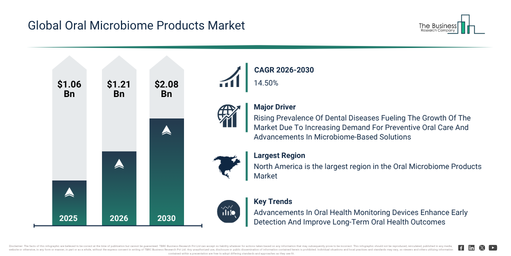
    The market size for oral microbiome products has seen considerable expansion in recent years. It will grow from $1.06 billion in 2025 to $1.21 billion in 2026 at a compound annual growth rate (CAGR) of 14.3%. The historical increase in this market can be attributed to several factors, including the rising prevalence of dental caries and periodontal diseases, growing consumer awareness regarding oral hygiene, advancements in probiotic research for gut and oral health, the expansion of retail pharmacy distribution networks, and the increasing adoption of preventive dental care practices.

    The oral microbiome products market size is projected to experience substantial expansion over the coming years. This market is set to reach $2.08 billion by 2030, exhibiting a compound annual growth rate (CAGR) of 14.5%. This projected increase during the forecast period stems from several factors, including a growing need for tailored microbiome-based oral care solutions, the increasing incorporation of AI in oral health diagnostics, an uptick in preventive healthcare and wellness practices, the broadening reach of e-commerce for oral care product distribution, and greater investment in biotechnology-driven oral therapeutics. Key developments anticipated in this period encompass the increasing acceptance of probiotic-based oral care formulations designed to optimize microbiome balance, the expanded application of next-generation sequencing for profiling the oral microbiome, an escalating desire for customized oral health supplements derived from microbiome analysis, the advancement of AI-powered microbiome diagnostics for early identification of oral diseases, and a developing preference for functional oral care items like probiotic toothpastes and rinses.

    Get A Free Sample Report With In-Depth Market Insights:

    https://thebusinessresearchcompany.com/sample_request?id=40232069&type=smp&name=Oral%20Microbiome%20Products%20Market%20Report%202026&utm_source=Blogs&utm_medium=Paid&utm_campaign=Oct_PR

    Oral Microbiome Products Market Demand Drivers Opening New Revenue Streams

    The anticipated rise in dental disease cases is projected to stimulate the growth of the oral microbiome products market. These dental ailments, which encompass conditions such as dental caries, gingivitis, and periodontal diseases, are becoming more prevalent due to factors like inadequate oral hygiene, excessive sugar intake, tobacco consumption, and restricted access to preventive dental care. The growing incidence of dental diseases is observed as global health systems report increased rates, and improved diagnosis and reporting stem from heightened awareness. Oral microbiome products offer support in managing these conditions by re-establishing microbial equilibrium in the mouth, preventing the multiplication of disease-causing bacteria linked to caries and periodontal issues, and fostering beneficial oral flora to sustain oral health and impede disease progression. For example, in March 2025, the World Health Organization, a Switzerland-based global public health authority, indicated that approximately 3.7 billion individuals worldwide were impacted by oral diseases, with untreated dental caries in permanent teeth identified as the most common global health condition. Consequently, the increasing prevalence of dental diseases is a key factor boosting the oral microbiome products market. The expanding global aging population is set to propel the growth of the oral microbiome products market in the coming years. This demographic shift refers to the increasing proportion of older individuals globally, primarily influenced by longer life expectancies and reduced birth rates. The elderly population is growing as advancements in healthcare, better living standards, and more effective disease management allow people to live longer, healthier lives. Oral microbiome products assist the aging population by fostering a balanced oral microbial environment, reducing harmful bacteria associated with various oral diseases, and enhancing overall oral health through both preventive and restorative care approaches. For instance, according to the World Health Organization (WHO), a Switzerland-based specialized agency of the United Nations which coordinates responses to international public health issues and emergencies, people aged 60+ accounted for roughly 1.1 billion in 2023 and are expected to reach about 1.4 billion by 2030. Therefore, the global increase in the aging population is a significant driver for the oral microbiome products market.

    Oral Microbiome Products Market Segment Landscape: Which Areas Lead Development?

    The oral microbiome products market covered in this report is segmented –

    1) By Product Type: Probiotics, Prebiotics, Oral Rinses, Toothpastes, Supplements, Other Products

    2) By Technology: Next-Generation Sequencing, Polymerase Chain Reaction-Based Analysis, Artificial Intelligence-Based Microbiome Analysis, Bioinformatics Platforms

    3) By Distribution Channel: Online Stores, Pharmacies, Supermarkets Or Hypermarkets, Specialty Stores, Other Distribution Channels

    4) By Application: Dental Health, Halitosis Control, Gum Health, Other Applications

    5) By End-User: Adults, Children, Elderly

    Subsegments:

    1) By Probiotics: Streptococcus Salivarius Strains, Lactobacillus Reuteri Strains, Lactobacillus Paracasei Strains, Multi Strain Probiotic Blends

    2) By Prebiotics: Inulin, Fructooligosaccharides, Galactooligosaccharides, Xylooligosaccharides

    3) By Oral Rinses: Probiotic Mouth Rinses, Herbal Mouth Rinses, Antibacterial Mouth Rinses, Alcohol Free Mouth Rinses

    4) By Toothpastes: Probiotic Toothpastes, Fluoride Free Toothpastes, Herbal Toothpastes, Sensitive Care Toothpastes

    5) By Supplements: Capsules And Tablets, Powder Supplements, Chewable Tablets, Liquid Supplements

    6) By Other Products: Oral Sprays, Lozenges, Chewing Gums, Oral Strips

    Oral Microbiome Products Market Trends Powering Strategic Industry Growth

    Major companies operating in the oral microbiome products market are prioritizing the creation of innovative microbiome-based solutions, such as advanced oral health monitoring and probiotic formulations, to meet the rising consumer demand for preventive, natural, and personalized oral care. These advancements enable a targeted modulation of the oral microbiota, presenting a more precise and sustainable approach compared to conventional products that might disrupt the overall microbial balance. For example, in October 2024, Boka, a US-based oral care company, introduced Boka Well Pre and Probiotic Supplements, an innovative product line focused on the microbiome designed to support oral and overall health. This product line features Vital Bite Pre + Probiotic Tablets and Pro Stix Pre + Probiotic Powder, which are formulated with ingredients like Streptococcus salivarius K12, inulin, and essential vitamins to promote beneficial bacterial growth and maintain oral microbial balance. The supplements are engineered to enhance breath freshness, support gum health, and improve immunity by targeting the oral microbiome as the gateway to systemic health. Unlike conventional oral care solutions that provide temporary relief, these formulations function at the microbial level to deliver long-term benefits. Additionally, the products are non-toxic, fluoride-free, and devoid of artificial additives, aligning with the growing demand for clean-label and science-backed oral care innovations.

    Oral Microbiome Products Market Top Companies Driving Competitive Growth

    Major companies operating in the oral microbiome products market are Cargill Incorporated, Archer-Daniels-Midland Company, Johnson & Johnson, Procter & Gamble (P&G), Unilever PLC, GlaxoSmithKline plc, 3M Company, Colgate-Palmolive Company, Kao Corporation, Kerry Group, Nestlé Health Science, Church & Dwight Co. Inc., Lion Corporation, Novozymes A/S, Sunstar, Biogaia AB, U. S. Oral Care Inc., Blis Technologies Limited, Lallemand Health Solutions, Hyperbiotics, GLG Life Tech, Oragenics Inc., Evora Biosciences

    View The Full Oral Microbiome Products Market Report:

    https://thebusinessresearchcompany.com/report/oral-microbiome-products-market-report?utm_source=Blogs&utm_medium=Paid&utm_campaign=Oct_PR

    Oral Microbiome Products Market Global Footprint: Which Region Leads The Industry?

    North America was the largest region in the oral microbiome products market in 2025. Asia-Pacific is expected to be the fastest-growing region in the forecast period. The regions covered in the oral microbiome products market report are Asia-Pacific, South East Asia, Western Europe, Eastern Europe, North America, South America, Middle East and Africa.

    Reach Out To Our Team:

    The Business Research Company: https://www.thebusinessresearchcompany.com/

    Americas: +1 310-496-7795

    Asia: +44 7882 955267 & +91 8897263534

    Europe: +44 7882 955267

    Email us at: marketing@tbrc.info

    Follow us on:

    LinkedIn: https://in.linkedin.com/company/the-business-research-company

    YouTube: https://www.youtube.com/channel/UC24_fI0rV8cR5DxlCpgmyFQ

    Global Market Model: https://www.thebusinessresearchcompany.com/global-market-model
  • Mepolizumab Market Size Forecast: How The Industry Is Expected To Grow From 2026 To 2030

    Mepolizumab Market Size Forecast: How The Industry Is Expected To Grow From 2026 To 2030

    Backed by market attractiveness analysis, total addressable market sizing, company benchmarking matrices, interactive Excel dashboards, wider supply chain intelligence, emerging startup coverage, and detailed product-level insights, The Business Research Company’s 2026 market reports are designed to offer research that is more actionable and strategically valuable than ever.

    Mepolizumab Market Value Analysis: What Growth Lies Ahead Over The Forecast Period?

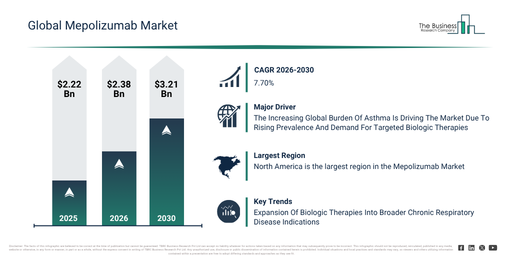
    The mepolizumab market size has shown robust expansion in recent years. It is anticipated to increase from $2.22 billion in 2025 to $2.38 billion in 2026, achieving a compound annual growth rate (CAGR) of 7.5%. The historical development can be ascribed to a rising incidence of severe asthma, greater understanding of eosinophilic disorders, progress in biologics research and development, an expansion of specialty care provisions, and improved methods for diagnosing inflammatory diseases.

    The mepolizumab market is anticipated to experience substantial expansion over the upcoming years. Its valuation is projected to reach $3.21 billion by 2030, exhibiting a compound annual growth rate (CAGR) of 7.7%. This anticipated growth during the forecast period can be attributed to factors such as a heightened emphasis on personalized medicine, an expanding pipeline for biologics, an increasing need for home-based treatment solutions, progress in targeted immunotherapies, and greater healthcare investments directed towards managing chronic diseases. Key trends identified for the forecast period encompass the wider acceptance of monoclonal antibody therapies, increased utilization of biologics for managing severe asthma, a rising preference for steroid-sparing treatment alternatives, broadening clinical applications for eosinophilic disorders, and enhanced patient adherence facilitated by targeted therapies.

    Get A Free Sample Report With In-Depth Market Insights:

    https://thebusinessresearchcompany.com/sample_request?id=94475431&type=smp&name=Mepolizumab%20Market%20Report%202026&utm_source=Blogs&utm_medium=Paid&utm_campaign=Oct_PR

    Mepolizumab Market Growth Factors: What’s Supporting Expansion?

    The global prevalence of asthma, which is steadily rising, is projected to fuel the expansion of the mepolizumab market. Asthma is characterized as a persistent respiratory ailment where the airways, or bronchi, become inflamed, constrict, and produce excessive mucus, making respiration challenging. The increased occurrence of asthma stems from individuals encountering a combination of inherited and environmental elements that can trigger inflammation within the body’s airways, thereby heightening lung sensitivity and leading to a greater incidence of the condition. Mepolizumab provides relief for asthma by diminishing inflammation attributed to eosinophils, a specific kind of white blood cell implicated in airway swelling and asthma attacks. For illustration, data from February 2026 provided by the Australian Institute of Health and Welfare (AIHW), an independent statutory agency based in Australia, indicates that asthma accounts for 2.5% of Australia’s total disease burden in 2024, stands as the primary cause of disease burden among children aged 1-9, generates approximately $1.3 billion in healthcare spending in 2023-24, and exhibits greater prevalence and hospitalization rates in boys compared to girls. Additionally, in February 2023, NHS England, a UK-based executive non-departmental public body, reported that roughly 5.4 million individuals are currently receiving asthma treatment, with approximately 160,000 new diagnoses recorded each year, and occupational exposure contributing to nearly 9–15% of adult-onset asthma cases. Consequently, the growing worldwide impact of asthma is propelling the growth of the mepolizumab market.

    Mepolizumab Market Segment Trends And Revenue Contributors

    The mepolizumab market covered in this report is segmented –

    1) By Indication: Severe Asthma, Eosinophilic Granulomatosis With Polyangiitis, Chronic Obstructive Pulmonary Disease, Other Eosinophilic Disorders

    2) By Age Group: Children 6 To 11 Years, Adolescents 12 To 17 Years, Adults 18 Years And Older

    3) By Distribution Channel: Direct Sales, Retail Pharmacy, Online Pharmacy

    4) By End User: Hospitals, Clinics, Home Care Settings

    Subsegments:

    1) By Severe Asthma: Allergic Severe Asthma, Non Allergic Severe Asthma, Late Onset Severe Asthma

    2) By Eosinophilic Granulomatosis With Polyangiitis: Active Eosinophilic Granulomatosis With Polyangiitis, Relapsing Eosinophilic Granulomatosis With Polyangiitis, Remission Phase Eosinophilic Granulomatosis With Polyangiitis

    3) By Chronic Obstructive Pulmonary Disease: Chronic Bronchitis Dominant Chronic Obstructive Pulmonary Disease, Emphysema Dominant Chronic Obstructive Pulmonary Disease, Frequent Exacerbator Chronic Obstructive Pulmonary Disease

    4) By Other Eosinophilic Disorders: Hypereosinophilic Syndrome, Eosinophilic Esophagitis, Eosinophilic Chronic Rhinosinusitis

    Mepolizumab Market Industry Trends: What’s Reshaping Demand?

    Leading companies active in the mepolizumab market are concentrating on developing innovative products, such as eosinophil-targeting biologics, to broaden therapeutic uses and enhance disease management outcomes. An eosinophil-targeting biologic is a monoclonal antibody therapy that works by inhibiting interleukin-5 to reduce inflammation mediated by eosinophils. For instance, in January 2026, GlaxoSmithKline PLC, a UK-based biopharmaceutical firm, announced the approval of Nucala (mepolizumab) by China’s National Medical Products Administration (NMPA). When added to standard inhaled treatments, this therapy demonstrates statistically significant reductions in moderate to severe exacerbations in patients with eosinophilic chronic obstructive pulmonary disease. Its approval introduces a targeted biologic option for a large patient population, facilitating improved clinical outcomes and lessening the burden of hospitalization.

    Mepolizumab Market Top Companies Driving Competitive Growth

    Major companies operating in the mepolizumab market are GlaxoSmithKline plc, Bio-Thera Solutions Ltd.

    View The Full Mepolizumab Market Report:

    https://thebusinessresearchcompany.com/report/mepolizumab-market-report?utm_source=Blogs&utm_medium=Paid&utm_campaign=Oct_PR

    Mepolizumab Market Global Footprint: Which Region Leads The Industry?

    North America was the largest region in the mepolizumab market in 2025. Asia-Pacific is expected to be the fastest-growing region in the forecast period. The regions covered in the mepolizumab market report are Asia-Pacific, South East Asia, Western Europe, Eastern Europe, North America, South America, Middle East and Africa.

    Reach Out To Our Team:

    The Business Research Company: https://www.thebusinessresearchcompany.com/

    Americas: +1 310-496-7795

    Asia: +44 7882 955267 & +91 8897263534

    Europe: +44 7882 955267

    Email us at: marketing@tbrc.info

    Follow us on:

    LinkedIn: https://in.linkedin.com/company/the-business-research-company

    YouTube: https://www.youtube.com/channel/UC24_fI0rV8cR5DxlCpgmyFQ

    Global Market Model: https://www.thebusinessresearchcompany.com/global-market-model
  • Magnetic Resonance Imaging (MRI) Contrast Agents Market Size In 2026 And Beyond: Understanding Future Growth Potential

    Magnetic Resonance Imaging (MRI) Contrast Agents Market Size In 2026 And Beyond: Understanding Future Growth Potential

    Built to provide research that’s more actionable and strategically valuable, The Business Research Company’s 2026 market reports include market attractiveness analysis, total addressable market sizing, company benchmarking matrices, interactive Excel dashboards, broader supply chain intelligence, emerging startup tracking, and in-depth product insights.

    Magnetic Resonance Imaging (MRI) Contrast Agents Market Set To Climb From $1.64 Billion In 2026 To $2.17 Billion By 2030

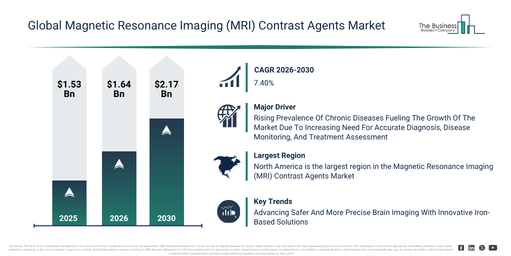
    The magnetic resonance imaging (MRI) contrast agents market size has seen substantial growth over recent years. It is anticipated to expand from $1.53 billion in 2025 to $1.64 billion in 2026, at a compound annual growth rate (CAGR) of 7.1%. This historical growth can be attributed to several factors, including the increasing occurrence of chronic diseases, the development of diagnostic imaging infrastructure, rising healthcare expenditure, the enlargement of hospital networks, and advancements in MRI technology.

    The magnetic resonance imaging (MRI) contrast agents market size is anticipated to experience robust growth in the coming years. It is projected to reach $2. 17 billion by 2030, exhibiting a compound annual growth rate (CAGR) of 7. 4%. This expansion during the forecast period is propelled by the development of targeted contrast agents, the increasing demand for precision diagnostics, the growth in outpatient imaging centers, technological innovation in contrast formulations, and rising awareness of early disease detection. Significant trends during this period include the increasing adoption of gadolinium-based contrast agents, a growing demand for safer and low-toxicity agents, the rising prevalence of neurological and gastrointestinal disorders, advancements in nanoparticle-based contrast agents, and the expanding use of MRI in diagnostic imaging centers.

    Get A Free Sample Report With In-Depth Market Insights:

    https://thebusinessresearchcompany.com/sample_request?id=55658807&type=smp&name=Magnetic%20Resonance%20Imaging%20%28MRI%29%20Contrast%20Agents%20Market%20Report%202026&utm_source=Blogs&utm_medium=Paid&utm_campaign=Oct_PR

    Magnetic Resonance Imaging (MRI) Contrast Agents Market Growth Momentum: What Factors Are Shaping Demand?

    The growing incidence of chronic diseases is expected to stimulate the expansion of the magnetic resonance imaging (MRI) contrast agents market moving forward. A chronic disease is defined as a persistent health condition that advances slowly and typically lasts for many years. The rise in these conditions is attributed to unhealthy lifestyle choices, such as poor diet and insufficient physical activity. Magnetic resonance imaging (MRI) contrast agents are utilized in the management of chronic diseases to enhance the visualization of tissues and abnormalities, thereby enabling accurate diagnosis, effective monitoring of disease progression, and thorough assessment of treatment outcomes. For instance, in August 2024, figures from Macmillan Cancer Support, a UK-based organization, indicated that over 3 million people in the UK are living with cancer, a figure projected to increase to 3. 5 million by 2025, 4 million by 2030, and 5. 3 million by 2040. This demonstrates how the increasing prevalence of chronic diseases is actively propelling the growth of the magnetic resonance imaging (MRI) contrast agents market.

    Magnetic Resonance Imaging (MRI) Contrast Agents Market Segment Landscape: Which Areas Lead Development?

    The magnetic resonance imaging (mri) contrast agents market covered in this report is segmented –

    1) By Product: Super-Paramagnetic Agents, Paramagnetic Agents

    2) By Route Of Administration: Oral Administration, Intra Articular Administration

    3) By Application: Gastrointestinal, Intravenous, Hepato-Biliary, Neurological Imaging, Other Applications

    4) By End-Use: Hospitals, Diagnostic And Imaging Centres, Research Institutes, Other End-Users

    Subsegments:

    1) By Super-Paramagnetic Agents: Iron Oxide Nanoparticles, Ultrasmall Superparamagnetic Iron Oxide Particles, Standard Superparamagnetic Iron Oxide Particles, Liver Targeted Superparamagnetic Agents

    2) By Paramagnetic Agents: Gadolinium Based Contrast Agents, Manganese Based Contrast Agents, Macrocyclic Paramagnetic Agents, Linear Paramagnetic Agents

    Magnetic Resonance Imaging (MRI) Contrast Agents Market Trends Redefining Industry Growth

    Key players in the magnetic resonance imaging (MRI) contrast agents market are concentrating on creating novel products, including iron-based contrast agents, to offer safer options for individuals with kidney problems and boost the precision of imaging. These agents are MRI substances containing superparamagnetic iron oxide nanoparticles that improve image contrast by modifying local magnetic fields. This aids in better visualization of tumors and lesions, simultaneously presenting a safer choice for patients with compromised kidney function. As an example, in February 2026, the U. S. -based pharmaceutical firm, Azurity Pharmaceuticals, introduced Ferabright. This iron-based contrast agent received approval from the U. S. Food and Drug Administration (FDA) for use in brain MRI scans for adults diagnosed with or suspected of having malignant neoplasms. Ferabright comes in single-dose vials, containing either 300 mg or 510 mg of elemental iron for intravenous infusion, specifically engineered to enhance the visibility of brain lesions where the blood-brain barrier is compromised. Its substantial molecular size ensures it stays within blood vessels during initial imaging stages, and a delayed-phase MRI reveals tumor enhancement resulting from macrophage absorption. Furthermore, Ferabright is metabolized through the body’s natural iron pathways, alleviating worries about its long-term presence and offering an alternative for individuals unable to receive gadolinium, all while contributing to eco-friendly imaging methods.

    Magnetic Resonance Imaging (MRI) Contrast Agents Market Leading Companies And Competitive Benchmarking

    Major companies operating in the magnetic resonance imaging (mri) contrast agents market are Bayer AG, GE HealthCare Technologies Inc., Hengrui Medicine Co. Ltd., Zydus Lifesciences Ltd., Bracco Imaging S. p. A., Lantheus Holdings Inc., Guerbet SA, Jiangsu Hengrui Pharmaceuticals Co. Ltd., Azurity Pharmaceuticals Inc., Yangtze River Pharmaceutical Group Co. Ltd., Beijing Beilu Pharmaceutical Co. Ltd., Unijules Life Sciences Ltd., Viwit Pharmaceutical Co. Ltd., Sanochemia Pharmazeutika AG, J. B. Chemicals & Pharmaceuticals Ltd., Nano Therapeutics Pvt. Ltd., Taejoon Pharm Co. Ltd., Nanoprobes Inc., Spago Nanomedical AB, Advanced Magnetics Inc

    View The Full Magnetic Resonance Imaging (MRI) Contrast Agents Market Report:

    https://thebusinessresearchcompany.com/report/magnetic-resonance-imaging-mri-contrast-agents-market-report?utm_source=Blogs&utm_medium=Paid&utm_campaign=Oct_PR

    Magnetic Resonance Imaging (MRI) Contrast Agents Market Top Region By Revenue And Market Share

    North America was the largest region in the magnetic resonance imaging (MRI) contrast agents market in 2025. Asia-Pacific is expected to be the fastest-growing region in the forecast period. The regions covered in the magnetic resonance imaging (MRI) contrast agents market report are Asia-Pacific, South East Asia, Western Europe, Eastern Europe, North America, South America, Middle East and Africa.

    Reach Out To Our Team:

    The Business Research Company: https://www.thebusinessresearchcompany.com/

    Americas: +1 310-496-7795

    Asia: +44 7882 955267 & +91 8897263534

    Europe: +44 7882 955267

    Email us at: marketing@tbrc.info

    Follow us on:

    LinkedIn: https://in.linkedin.com/company/the-business-research-company

    YouTube: https://www.youtube.com/channel/UC24_fI0rV8cR5DxlCpgmyFQ

    Global Market Model: https://www.thebusinessresearchcompany.com/global-market-model
  • Long-Acting Implant And Ocular Drug-Delivery Polymer Systems Market Size And Growth In 2026: Key Factors Shaping Future Demand

    Long-Acting Implant And Ocular Drug-Delivery Polymer Systems Market Size And Growth In 2026: Key Factors Shaping Future Demand

    Built to provide research that’s more actionable and strategically valuable, The Business Research Company’s 2026 market reports include market attractiveness analysis, total addressable market sizing, company benchmarking matrices, interactive Excel dashboards, broader supply chain intelligence, emerging startup tracking, and in-depth product insights.

    Long-Acting Implant And Ocular Drug-Delivery Polymer Systems Market Growth From $2.26 Billion In 2026 To $3.45 Billion By 2030 At A CAGR Of 11.2%

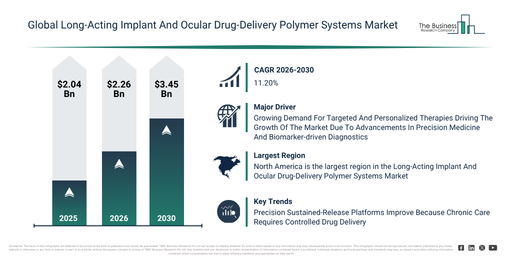
    The market size for long-acting implant and ocular drug-delivery polymer systems has experienced rapid growth in recent years. It is anticipated to expand from $2.04 billion in 2025 to $2.26 billion by 2026, progressing at a compound annual growth rate (CAGR) of 11.0%. The expansion observed during the historic period can be linked to factors such as limited patient compliance with frequent ocular drug administration, the high prevalence of chronic eye diseases including glaucoma and macular degeneration, the scarcity of effective sustained-release ophthalmic therapies, the increasing adoption of intravitreal injection-based treatments, and the early advancements in biodegradable implant technologies for drug delivery.

    The long-acting implant and ocular drug-delivery polymer systems market size is poised for rapid expansion over the next few years. It is expected to grow to $3.45 billion by 2030, demonstrating a compound annual growth rate (CAGR) of 11.2%. This projected growth can be attributed to several factors including a rising demand for long-acting and minimally invasive ocular therapies, the increasing geriatric population and associated age-related eye disorders, broader adoption of precision medicine in ophthalmology, advancements in biodegradable and biocompatible polymer innovations, and improvements in targeted and controlled release drug delivery systems. Key trends anticipated during this period include innovations in biodegradable polymer-based ocular implants for reduced toxicity, sustained release intravitreal drug delivery for managing retinal diseases, smart hydrogel-based systems for controlling ocular drug diffusion, nanoparticle-enhanced ocular barrier penetration technologies, and platforms for optimizing precision ophthalmic drug release kinetics.

    Get A Free Sample Report With In-Depth Market Insights:

    https://thebusinessresearchcompany.com/sample_request?id=88720038&type=smp&name=Long-Acting%20Implant%20And%20Ocular%20Drug-Delivery%20Polymer%20Systems%20Market%20Report%202026&utm_source=Blogs&utm_medium=Paid&utm_campaign=Oct_PR

    Long-Acting Implant And Ocular Drug-Delivery Polymer Systems Market Growth Drivers: What’s Behind The Acceleration?

    The growing demand for targeted and personalized therapies is anticipated to drive the long-acting implant and ocular drug-delivery polymer systems market forward. Targeted and personalized therapies refer to medical interventions specifically tailored to individual patient attributes, including genetic profile, disease subtype, and specific therapeutic response, with the goal of improving effectiveness and reducing negative side effects. This demand is escalating due to progress in precision medicine and biomarker-driven diagnostics, which allow for more accurate disease classification and individualized treatment choices. Long-acting implant and ocular drug-delivery polymer systems facilitate targeted and personalized therapies by enabling sustained, localized, and controlled drug release directly at the intended site, thereby reducing systemic exposure and enhancing treatment adherence for chronic ocular conditions. For instance, in February 2024, the Personalized Medicine Coalition, a US-based nonprofit organization, reported that the U. S. Food and Drug Administration approved 16 new personalized medicines in 2023, making up approximately 34% of all new drug approvals, an increase from 12 approvals in 2022. Consequently, the increasing demand for targeted and personalized therapies is propelling the growth of the long-acting implant and ocular drug-delivery polymer systems market.

    Long-Acting Implant And Ocular Drug-Delivery Polymer Systems Market Segment Analysis Spotlighting Growth Areas

    The long-acting implant and ocular drug-delivery polymer systems market covered in this report is segmented –

    1) By Delivery Route: Subcutaneous And Intramuscular Implants, Intravitreal And Ocular Implants, Other Local Long-Acting Systems

    2) By Therapy Area: Oncology And Chronic Pain, Ophthalmology, Endocrine And Women’s Health, Other Chronic Conditions

    3) By Polymer Type: Biodegradable Polyesters, Non-Degradable Polymers, Hybrid Or Novel Polymer Platforms

    4) By Application: Chronic Eye Disease Therapy, Glaucoma Sustained Delivery, Post-Surgical Antibiotic Delivery, Macular Degeneration Therapy

    5) By End User: Hospitals And Clinics, Specialty Ophthalmology Centers, Research Institutes

    Subsegments:

    1) By Subcutaneous And Intramuscular Implants: Biodegradable Polymer Implants, Non-Biodegradable Polymer Implants, Extended Release Hormonal Implants, Long-Acting Analgesic Implants

    2) By Intravitreal And Ocular Implants: Sustained Release Retinal Drug Implants, Biodegradable Ocular Inserts, Non-Biodegradable Ocular Inserts, Anti-Inflammatory Ocular Drug Implants

    3) By Other Local Long-Acting Systems: Localized Pain Management Implants, Tumor Targeted Delivery Inserts, Long-Acting Anti-Infective Systems, Extended Release Wound Care Systems

    Long-Acting Implant And Ocular Drug-Delivery Polymer Systems Market Trends: What’s Defining The Industry’s Next Phase?

    Leading companies engaged in long-acting implant and ocular drug-delivery polymer systems are concentrating on technological enhancements, such as biodegradable covalent prodrug polymer platforms. This focus aims to achieve a competitive advantage by offering zero-order, predictable therapeutic elution over extended durations and reducing the frequency of dosing for chronic eye and systemic conditions that align with prescription delivery requirements. Biodegradable covalent prodrug polymer platforms refer to polymeric systems that chemically bond therapeutic agents to a biodegradable backbone, thereby enabling consistent, controlled release kinetics without sudden burst effects and eliminating residual material after degradation. For instance, in August 2025, PolyActiva, an Australia-based biopharmaceutical company, enrolled the first patient in its Phase 2b clinical trial for the PA5108 ocular micro-implant. This implant leverages its PREZIA polymer-prodrug technology to deliver sustained intraocular pressure reduction over six months, allows for flexible repeat dosing, and minimizes residual foreign material through complete biodegradation while maintaining steady drug levels.

    Long-Acting Implant And Ocular Drug-Delivery Polymer Systems Market Competitive Landscape: Which Companies Lead The Industry?

    Major companies operating in the long-acting implant and ocular drug-delivery polymer systems market are BASF SE, F. Hoffmann-La Roche Ltd., AbbVie Inc., Evonik Industries AG, DSM Biomedical B. V., Celanese Corporation, Alcon Inc., Lubrizol Corp., Ashland Inc., Corbion N. V., ANI Pharmaceuticals Inc., Ocular Therapeutix Inc., EyePoint Pharmaceuticals Inc., Agno Pharma LLC, Novaliq GmbH, Kala Pharmaceuticals Inc., Nicox S. A., Clearside Biomedical Inc., Mati Therapeutics Inc., iVeena Delivery Systems Inc.

    View The Full Long-Acting Implant And Ocular Drug-Delivery Polymer Systems Market Report:

    https://thebusinessresearchcompany.com/report/long-acting-implant-and-ocular-drug-delivery-polymer-systems-market-report?utm_source=Blogs&utm_medium=Paid&utm_campaign=Oct_PR

    Long-Acting Implant And Ocular Drug-Delivery Polymer Systems Market Regional Breakdown: Where Is Demand Concentrated?

    North America was the largest region in the long-acting implant and ocular drug-delivery polymer systems market in 2025. Asia-Pacific is expected to be the fastest-growing region in the forecast period. The regions covered in the long-acting implant and ocular drug-delivery polymer systems market report are Asia-Pacific, South East Asia, Western Europe, Eastern Europe, North America, South America, Middle East and Africa.

    Reach Out To Our Team:

    The Business Research Company: https://www.thebusinessresearchcompany.com/

    Americas: +1 310-496-7795

    Asia: +44 7882 955267 & +91 8897263534

    Europe: +44 7882 955267

    Email us at: marketing@tbrc.info

    Follow us on:

    LinkedIn: https://in.linkedin.com/company/the-business-research-company

    YouTube: https://www.youtube.com/channel/UC24_fI0rV8cR5DxlCpgmyFQ

    Global Market Model: https://www.thebusinessresearchcompany.com/global-market-model
  • Liposomal Chemotherapy Market Size In 2026: Growth Outlook And Forecast Through 2030

    Liposomal Chemotherapy Market Size In 2026: Growth Outlook And Forecast Through 2030

    Backed by market attractiveness analysis, total addressable market sizing, company benchmarking matrices, interactive Excel dashboards, wider supply chain intelligence, emerging startup coverage, and detailed product-level insights, The Business Research Company’s 2026 market reports are designed to offer research that is more actionable and strategically valuable than ever.

    Liposomal Chemotherapy Market Size Forecast: How Big Could The Market Get By 2030?

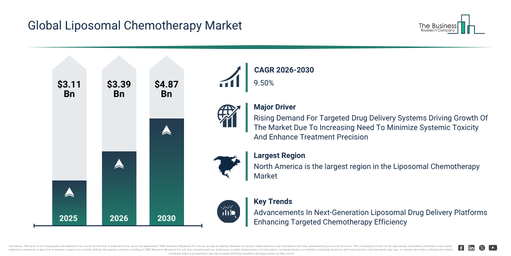
    The liposomal chemotherapy market size has experienced robust growth in recent years. It is anticipated to increase from $3.11 billion in 2025 to $3.39 billion in 2026, demonstrating a compound annual growth rate (CAGR) of 9.2%. The expansion observed in the past can be ascribed to several factors, including the pronounced toxicity of standard chemotherapy treatments, the restricted tumor targeting efficiency inherent in traditional drug delivery methods, the rising prevalence of cancer and subsequent demand for its treatment, the development of initial liposomal drug formulations, and the increasing acceptance of hospital-based chemotherapy infusion therapies.

    The liposomal chemotherapy market is anticipated to experience substantial expansion over the coming years, reaching $4. 87 billion by 2030, exhibiting a compound annual growth rate (CAGR) of 9. 5%. This projected growth during the forecast timeframe is driven by factors such as the broadening scope of personalized oncology and precision medicine, the growing embrace of chemotherapy systems with targeted action and reduced toxicity, advancements in nanotechnology-based drug delivery, an increase in clinical trials for sophisticated liposomal formulations, and the greater incorporation of biomarker-guided approaches in cancer therapy selection. Key trends expected within this period encompass the optimization of precision nanocarrier-based drug delivery, improved accumulation of drugs specifically within the tumor microenvironment, developments in long-circulating stealth liposome formulations, the integration of combination therapies alongside liposomal chemotherapy, and the application of biomarker-guided strategies for personalized oncology treatment.

    Get A Free Sample Report With In-Depth Market Insights:

    https://thebusinessresearchcompany.com/sample_request?id=91315818&type=smp&name=Liposomal%20Chemotherapy%20Market%20Report%202026&utm_source=Blogs&utm_medium=Paid&utm_campaign=Oct_PR

    Liposomal Chemotherapy Market Growth Catalysts And Demand Drivers

    The future growth of the liposomal chemotherapy market is anticipated to be propelled by the increasing requirement for targeted drug delivery systems. These sophisticated formulations are engineered to transport therapeutic agents directly to affected tissues while minimizing exposure to healthy cells, thereby enhancing treatment accuracy and lowering systemic toxicity. The escalating need to reduce adverse effects by precisely delivering medications to diseased cells while protecting healthy tissues is driving the demand for targeted drug delivery systems. Liposomal chemotherapy addresses this need by encapsulating anticancer drugs within lipid vesicles, facilitating controlled release and concentrated accumulation at tumor sites, consequently improving both safety and the effectiveness of treatments. For instance, in July 2024, the National Library of Medicine (NLM), a US-based biomedical library, projected that prescription drug spending would increase by 10.0%–12.0% in 2024 compared to 2023. Consequently, the rising demand for targeted drug delivery systems is a significant factor driving the expansion of the liposomal chemotherapy market.

    Liposomal Chemotherapy Market Segment Analysis And Revenue Potential

    The liposomal chemotherapy market covered in this report is segmented –

    1) By Drug Type: Liposomal Doxorubicin, Liposomal Paclitaxel, Liposomal Amphotericin B, Other Liposomal Chemotherapy Drugs

    2) By Indication: Breast Cancer, Ovarian Cancer, Leukemia, Lymphoma, Pancreatic Cancer, Kaposi Sarcoma, Bone Sarcoma, Multiple Myeloma, Fungal Infections

    3) By Route Of Administration: Intravenous, Intrathecal, Intramuscular, Subcutaneous

    4) By Distribution Channel: Hospital Pharmacies, Retail Pharmacies, Specialty Pharmacies, Online Pharmacies

    5) By End User: Hospitals, Homecare, Specialty Clinics, Other End Users

    Subsegments:

    1) By Liposomal Doxorubicin: Doxorubicin Hydrochloride, Pegylated Doxorubicin, Non Pegylated Doxorubicin

    2) By Liposomal Paclitaxel: Albumin Bound Paclitaxel, Conventional Paclitaxel, Polymer Encapsulated Paclitaxel

    3) By Liposomal Amphotericin B: Lipid Complex Amphotericin B, Conventional Amphotericin B, Colloidal Dispersion Amphotericin B

    4) By Other Liposomal Chemotherapy Drugs: Liposomal Vincristine, Liposomal Irinotecan, Liposomal Cytarabine

    Liposomal Chemotherapy Market Trends Shaping Long-Term Demand

    Major companies operating in the liposomal chemotherapy market are concentrating on advancements in liposome formulation, such as cutting-edge liposomal drug delivery platforms that enhance targeted distribution and controlled release of anticancer agents. These next-generation liposomal drug delivery platforms are proprietary systems specifically engineered to improve drug stability, extend circulation time, and preferentially accumulate at tumor sites, which increases therapeutic efficacy while reducing systemic toxicity. For instance, in August 2024, Lupin Limited, an India-based pharmaceutical company, introduced Doxorubicin Hydrochloride Liposome Injection in single-dose vial formulations. This product enables improved delivery of the drug to cancer cells, supports controlled release, and provides flexibility through multiple vial strengths for optimized dosing. Additionally, this launch aligns with the increasing demand for safer and more precise chemotherapy options, strengthening Lupin’s oncology portfolio and expanding access to advanced liposomal treatments in the market.

    Liposomal Chemotherapy Market Competitive Analysis Of Leading Industry Participants

    Major companies operating in the liposomal chemotherapy market are Johnson & Johnson Services Inc., Merck & Co. Inc., Pfizer Inc., Sanofi SA, Novartis AG, GSK plc, Eli Lilly and Company, Takeda Pharmaceutical Company Limited, Gilead Sciences Inc., Astellas Pharma Inc., CSPC Pharmaceutical Group Limited, Jazz Pharmaceuticals plc, Sichuan Kelun Pharmaceutical Co. Ltd., Cipla Inc., Hikma Pharmaceuticals PLC, Cadila Pharmaceuticals Ltd., Lupin Limited, Zydus Lifesciences Ltd., Towa Pharmaceutical Co. Ltd., CHEPLAPHARM Arzneimittel GmbH, Luye Pharma Group Ltd., TTY Biopharm Company Limited, Accord Healthcare Limited, SRS Life Sciences, Shanghai Fudan-Zhangjiang Bio-Pharmaceutical Co. Ltd.

    View The Full Liposomal Chemotherapy Market Report:

    https://thebusinessresearchcompany.com/report/liposomal-chemotherapy-market-report?utm_source=Blogs&utm_medium=Paid&utm_campaign=Oct_PR

    Liposomal Chemotherapy Market Geographic Distribution And Regional Opportunities

    North America was the largest region in the liposomal chemotherapy market in 2025. Asia-Pacific is expected to be the fastest-growing region in the forecast period. The regions covered in the liposomal chemotherapy market report are Asia-Pacific, South East Asia, Western Europe, Eastern Europe, North America, South America, Middle East and Africa.

    Reach Out To Our Team:

    The Business Research Company: https://www.thebusinessresearchcompany.com/

    Americas: +1 310-496-7795

    Asia: +44 7882 955267 & +91 8897263534

    Europe: +44 7882 955267

    Email us at: marketing@tbrc.info

    Follow us on:

    LinkedIn: https://in.linkedin.com/company/the-business-research-company

    YouTube: https://www.youtube.com/channel/UC24_fI0rV8cR5DxlCpgmyFQ

    Global Market Model: https://www.thebusinessresearchcompany.com/global-market-model
  • Lipoid Proteinosis Drug Market Trends Supporting 8.6% CAGR Growth Through 2030

    Lipoid Proteinosis Drug Market Trends Supporting 8.6% CAGR Growth Through 2030

    Featuring market attractiveness scoring, total addressable market sizing, company benchmarking matrices, interactive Excel dashboards, deeper supply chain intelligence, emerging startup tracking, and granular product-level insights, The Business Research Company’s 2026 market reports are built to deliver research that is both more actionable and more strategically valuable.

    Lipoid Proteinosis Drug Market Revenue Outlook: What CAGR Lies Ahead Through 2030?

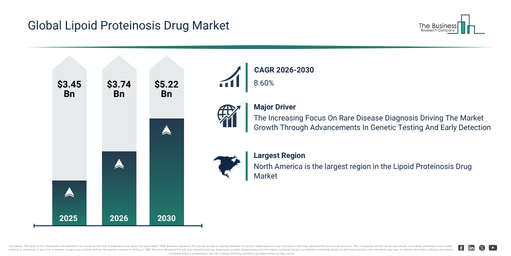
    The lipoid proteinosis drug market has demonstrated strong growth in recent years. It is anticipated to expand from $3.45 billion in 2025 to $3.74 billion in 2026, at a compound annual growth rate (CAGR) of 8.4%. The expansion observed historically can be attributed to factors such as limited awareness and delayed diagnosis of rare genetic skin disorders, the lack of targeted treatment options for lipoid proteinosis management, a reliance on symptomatic and supportive care therapies, the slow development of orphan drug pipelines, and limited clinical research focused on hyaline deposition disorders.

    The lipoid proteinosis drug market is anticipated to experience substantial growth over the next few years, with its valuation expected to climb to $5.22 billion by 2030, exhibiting a compound annual growth rate (CAGR) of 8.6%. This projected expansion is fueled by several factors, including the increasing scope of gene therapy and genome editing research for rare diseases, the rising adoption of precision medicine strategies in dermatology, an uptick in incentives and regulatory support for orphan drug development, growing investment in advanced drug delivery technologies, and the expanding utilization of AI for rare disease detection and clinical decision support. Significant trends foreseen during this period encompass gene editing-based therapeutic approaches for rare dermatological conditions, precision dermatology coupled with personalized drug response profiling, AI-driven rare disease diagnosis and treatment optimization, nanotechnology-based drug delivery systems aimed at targeted skin repair, and regenerative medicine methods for mucosal and tissue restoration.

    Get A Free Sample Report With In-Depth Market Insights:

    https://thebusinessresearchcompany.com/sample_request?id=75278215&type=smp&name=Lipoid%20Proteinosis%20Drug%20Market%20Report%202026&utm_source=Blogs&utm_medium=Paid&utm_campaign=Oct_PR

    Lipoid Proteinosis Drug Market Opportunity Drivers: What’s Unlocking New Revenue Potential?

    An escalating emphasis on rare diseases is projected to boost the growth of the lipoid proteinosis drug market in the future. These conditions, affecting a small segment of the population, are often chronic, severe, and potentially fatal. The heightened focus stems from rising regulatory incentives, where government structures offer financial advantages like market exclusivity and tax credits, prompting pharmaceutical firms to invest in therapies for previously overlooked ailments. This increased attention fosters the discovery and clinical advancement of specific treatments, thereby expanding the array of specialty drugs for conditions as rare as lipoid proteinosis. For example, the Cystic Fibrosis Trust, a UK-based national charity, reported 11,148 people in the UK had cystic fibrosis (CF) in 2022, which rose to 11,318 in 2023, as observed in October 2024. Consequently, the intensified focus on rare diseases is a key factor in the expansion of the lipoid proteinosis drug market. The expanding emphasis on personalized medicine is anticipated to fuel the growth of the lipoid proteinosis drug market in the upcoming period. This medical strategy involves tailoring treatments and decisions according to an individual’s genetic profile, lifestyle, and specific disease characteristics. The heightened interest in personalized medicine stems from concerted efforts by policymakers, healthcare professionals, and researchers aimed at enhancing treatment effectiveness and patient results while reducing unneeded procedures. Advancements in lipoid proteinosis drug development align with personalized medicine by targeting disease pathways and unique patient-specific pathological traits, thereby improving symptom control and treatment success. For instance, as reported by the Personalized Medicine Coalition, a US-based nonprofit organization, in February 2024, the U. S. Food and Drug Administration approved 16 new personalized treatments for rare disease patients in 2023, significantly more than the 6 approved in 2022, effectively doubling the number of such approvals annually. Consequently, the increasing focus on personalized medicine is a key driver for the lipoid proteinosis drug market.

    Lipoid Proteinosis Drug Market Segmentation And Category Overview

    The lipoid proteinosis drug market covered in this report is segmented –

    1) By Drug Type: Retinoids, Anti-inflammatory Agents, Gene Therapy Candidates, Other Drug Types

    2) By Therapy Type: Symptomatic Treatment, Genetic Therapy, Dermatological Care, Other Therapy Types

    3) By Route Of Administration: Oral, Topical, Injectable

    4) By End-Users: Hospitals, Sleep Clinics, Homecare Settings, Other End-Users

    Subsegments:

    1) By Retinoids: Systemic Retinoids, Topical Retinoids, Synthetic Retinoids

    2) By Anti-Inflammatory Agents: Corticosteroids, Non Steroidal Anti Inflammatory Drugs, Immunosuppressive Agents

    3) By Gene Therapy Candidates: Viral Vector Based Gene Therapy, Non Viral Gene Delivery Systems, Genome Editing Therapies

    4) By Other Drug Types: Antihistamines, Antibiotics, Enzyme Modulating Agents, Supportive Care Medications

    Lipoid Proteinosis Drug Market Leading Companies And Competitive Benchmarking

    Major companies operating in the lipoid proteinosis drug market are Johnson & Johnson Services Inc., F Hoffmann-La Roche Ltd, Merck & Co Inc, Pfizer Inc, AbbVie Inc, Bayer AG, Sanofi SA, Novartis AG, AstraZeneca plc, Bristol-Myers Squibb Company, GlaxoSmithKline plc, Eli Lilly and Company, Takeda Pharmaceutical Company Limited, Teva Pharmaceutical Industries Ltd, CSL Limited, Daiichi Sankyo Company Limited, Grifols SA, Sun Pharmaceutical Industries Ltd, Eisai Co Ltd, Aurobindo Pharma Limited, Chiesi Farmaceutici SpA, Dr Reddys Laboratories Ltd, Amneal Pharmaceuticals Inc, Zydus Lifesciences Limited, Alnylam Pharmaceuticals Inc

    View The Full Lipoid Proteinosis Drug Market Report:

    https://thebusinessresearchcompany.com/report/lipoid-proteinosis-drug-market-report?utm_source=Blogs&utm_medium=Paid&utm_campaign=Oct_PR

    Lipoid Proteinosis Drug Market Largest Region By Revenue And Market Share

    North America was the largest region in the lipoid proteinosis drugs market in 2025. Asia-Pacific is expected to be the fastest-growing region in the forecast period. The regions covered in the lipoid proteinosis drug market report are Asia-Pacific, South East Asia, Western Europe, Eastern Europe, North America, South America, Middle East and Africa.

    Reach Out To Our Team:

    The Business Research Company: https://www.thebusinessresearchcompany.com/

    Americas: +1 310-496-7795

    Asia: +44 7882 955267 & +91 8897263534

    Europe: +44 7882 955267

    Email us at: marketing@tbrc.info

    Follow us on:

    LinkedIn: https://in.linkedin.com/company/the-business-research-company

    YouTube: https://www.youtube.com/channel/UC24_fI0rV8cR5DxlCpgmyFQ

    Global Market Model: https://www.thebusinessresearchcompany.com/global-market-model
  • Knee Hyaluronic Acid Injections Market Forecast To Reach $4.35 Billion By 2030: Key Trends Explained

    Knee Hyaluronic Acid Injections Market Forecast To Reach $4.35 Billion By 2030: Key Trends Explained

    Featuring market attractiveness scoring, total addressable market sizing, company benchmarking matrices, interactive Excel dashboards, deeper supply chain intelligence, emerging startup tracking, and granular product-level insights, The Business Research Company’s 2026 market reports are built to deliver research that is both more actionable and more strategically valuable.

    Knee Hyaluronic Acid Injections Market Value Analysis: What Growth Lies Ahead Over The Forecast Period?

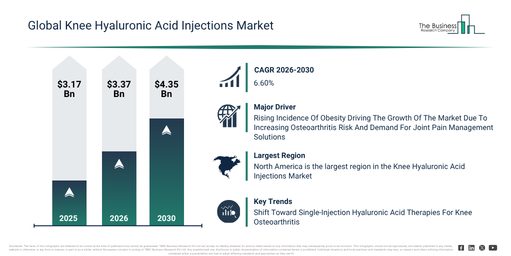
    The knee hyaluronic acid injections market has experienced robust expansion over recent years. It is projected to increase from $3.17 billion in 2025 to $3.37 billion in 2026, demonstrating a compound annual growth rate (CAGR) of 6.4%. This historical growth can be linked to factors such as the increasing occurrence of osteoarthritis, a rising elderly demographic, wider embrace of viscosupplementation treatments, the proliferation of orthopedic services in hospitals, and the scarcity of past surgical options.

    The knee hyaluronic acid injections market is projected to experience substantial expansion over the coming years. This market is set to reach $4.35 billion by 2030, exhibiting a compound annual growth rate (CAGR) of 6.6%. This anticipated growth during the forecast period is primarily driven by advancements in hyaluronic acid formulation technologies, a rising demand for minimally invasive joint treatments, increased healthcare spending on orthopedic care, the expansion of outpatient and ambulatory surgical infrastructure, and a growing emphasis on regenerative and biological therapies. Key trends during this period include the increasing adoption of single-injection viscosupplementation for osteoarthritis, a growing preference for minimally invasive orthopedic treatments, the expanding geriatric population boosting demand for osteoarthritis solutions, the proliferation of outpatient orthopedic and ambulatory care facilities, and enhanced clinical research into the efficacy of hyaluronic acid molecular weight.

    Get A Free Sample Report With In-Depth Market Insights:

    https://thebusinessresearchcompany.com/sample_request?id=99496643&type=smp&name=Knee%20Hyaluronic%20Acid%20Injections%20Market%20Report%202026&utm_source=Blogs&utm_medium=Paid&utm_campaign=Oct_PR

    Knee Hyaluronic Acid Injections Market Development Factors: What’s Supporting Demand?

    The increasing occurrence of obesity is projected to boost the expansion of the knee hyaluronic acid injections market moving ahead. Obesity is defined as a medical state characterized by an excessive buildup of body fat, posing health dangers, and typically assessed via body mass index (BMI). The frequency of obesity is rising due to inactive lifestyles and decreased physical movement, which contribute to excess weight gain and related health issues. Knee hyaluronic acid injections aid in managing osteoarthritis symptoms in obese individuals by reinstating joint lubrication, diminishing inflammation, and enhancing mobility. For example, in May 2025, the Office for Health Improvement and Disparities, a UK-based government entity, reported that an estimated 64.5% of adults aged 18 and above in England were categorized as overweight or obese between 2023 and 2024. This marked a minor rise from the 64.0% observed in 2022–2023. Consequently, the growing incidence of obesity is fueling the demand in the knee hyaluronic acid injections market.

    Knee Hyaluronic Acid Injections Market Segment Landscape: Which Areas Lead Development?

    The knee hyaluronic acid injections market covered in this report is segmented –

    1) By Product Type: Single Injection, Three Injection, Five Injection

    2) By Indication: Knee Osteoarthritis, Ligament Injury, Post Arthroscopy, Other Indications

    3) By Distribution Channel: Hospital Pharmacies, Retail Pharmacies, Online Pharmacies

    4) By Application: Osteoarthritis, Rheumatoid Arthritis, Other Applications

    5) By End User: Hospitals, Clinics, Ambulatory Surgical Centers, Other End Users

    Subsegments:

    1) By Single Injection: Cross-Linked Hyaluronic Acid Injections, Non-Cross-Linked Hyaluronic Acid Injections, High Molecular Weight Hyaluronic Acid Injections, Low Molecular Weight Hyaluronic Acid Injections, Visco supplementation Hyaluronic Acid Injections

    2) By Three Injection: Cross-Linked Hyaluronic Acid Injections, Non-Cross-Linked Hyaluronic Acid Injections, High Molecular Weight Hyaluronic Acid Injections, Low Molecular Weight Hyaluronic Acid Injections, Visco supplementation Hyaluronic Acid Injections

    3) By Five Injection: Cross-Linked Hyaluronic Acid Injections, Non-Cross-Linked Hyaluronic Acid Injections, High Molecular Weight Hyaluronic Acid Injections, Low Molecular Weight Hyaluronic Acid Injections, Visco supplementation Hyaluronic Acid Injections

    Knee Hyaluronic Acid Injections Market Transformation Trends: What Innovations Are Driving Change?

    Major companies operating in the knee hyaluronic acid injections market are prioritizing the development of advanced therapies, such as single-injection HA knee treatments. These innovations aim to restore synovial fluid viscosity, reduce pain, and improve joint function through a single intra-articular administration, eliminating the need for multiple injections. A single-injection HA knee treatment describes a medical procedure where a solitary dose of hyaluronic acid (HA) is injected into the knee joint to alleviate pain and enhance mobility, primarily in patients with osteoarthritis. For instance, in July 2024, LG Chem, a South Korea-based life sciences and pharmaceutical company, introduced Synovian (branded in China as Hyruan ONE). This product is a cross-linked hyaluronic acid injection for knee osteoarthritis in the Chinese market that offers therapeutic benefits comparable to multi-injection regimens, simplifies treatment to just one visit, and demonstrated safety and efficacy in Phase-3 clinical trials among Chinese patients. Synovian’s convenience as a single-dose treatment, its cross-linked HA formulation ensuring longer intra-articular residence, and its inclusion on China’s National Reimbursement Drug List collectively promote broader adoption and improved patient compliance, although the extent of physician training and insurance uptake varies across different regions.

    Knee Hyaluronic Acid Injections Market Leading Players And Competitive Positioning

    Major companies operating in the knee hyaluronic acid injections market are Johnson & Johnson, Sanofi S. A., Teva Pharmaceutical Industries Ltd., Smith & Nephew plc, Chugai Pharmaceutical Co. Ltd., Zimmer Biomet Holdings Inc., Bioventus Inc., Fidia Farmaceutici S. p. A., Ferring Pharmaceuticals A/S, IBSA Institut Biochimique SA, Anika Therapeutics Inc., Lifecore Biomedical LLC, TRB Chemedica International S. A., Seikagaku Corporation, Hangzhou Singclean Medical Products Co. Ltd., Virchow Biotech Private Limited, OrthogenRx Inc., Shanghai Haohai Biological Technology Co. Ltd., Allergan plc, Shandong Freda Biochem Co. Ltd.

    View The Full Knee Hyaluronic Acid Injections Market Report:

    https://thebusinessresearchcompany.com/report/knee-hyaluronic-acid-injections-market-report?utm_source=Blogs&utm_medium=Paid&utm_campaign=Oct_PR

    Knee Hyaluronic Acid Injections Market Regional Split: Which Areas Are Fueling Growth?

    North America was the largest region in the knee hyaluronic acid injections market in 2025. Asia-Pacific is expected to be the fastest-growing region in the forecast period. The regions covered in the knee hyaluronic acid injections market report are Asia-Pacific, South East Asia, Western Europe, Eastern Europe, North America, South America, Middle East and Africa.

    Reach Out To Our Team:

    The Business Research Company: https://www.thebusinessresearchcompany.com/

    Americas: +1 310-496-7795

    Asia: +44 7882 955267 & +91 8897263534

    Europe: +44 7882 955267

    Email us at: marketing@tbrc.info

    Follow us on:

    LinkedIn: https://in.linkedin.com/company/the-business-research-company

    YouTube: https://www.youtube.com/channel/UC24_fI0rV8cR5DxlCpgmyFQ

    Global Market Model: https://www.thebusinessresearchcompany.com/global-market-model