Category: Pharmaceuticals

  • G Protein-Coupled Receptor Family C Group 5 Member D (GPRC5D) Targeted Therapies Market Insights Highlighting Opportunities Supporting Growth To 2030

    G Protein-Coupled Receptor Family C Group 5 Member D (GPRC5D) Targeted Therapies Market Insights Highlighting Opportunities Supporting Growth To 2030

    The Business Research Company’s 2026 market reports feature enhanced tools like market attractiveness analysis, TAM assessment, and company scoring matrices, along with interactive dashboards, deeper supply chain insights, and startup coverage strengthening the depth, usability, and strategic value of insights.

    What Is The Estimated Market Size Of The G Protein-Coupled Receptor Family C Group 5 Member D (GPRC5D) Targeted Therapies Market In 2026, And How Will Its Value Evolve By 2030?

    The g protein-coupled receptor family c group 5 member d (gprc5d) targeted therapies market has seen considerable expansion in recent years. Its value is expected to climb from $0.59 billion in 2025 to $0.78 billion in 2026, exhibiting a compound annual growth rate (CAGR) of 32.7%. The observed growth during the historical period is attributable to several factors, such as progress in targeted cancer therapy research, the increasing incidence of multiple myeloma cases, the broadening of monoclonal antibody development initiatives, enhancements in clinical trial infrastructure, and growing investments in oncology drug discovery.

    The g protein-coupled receptor family c group 5 member d (gprc5d) targeted therapies market is projected to experience substantial expansion in the coming years. Its valuation is anticipated to reach $2.42 billion by 2030, exhibiting a compound annual growth rate (CAGR) of 32.9%. This projected growth throughout the forecast period stems from factors such as a rise in regulatory clearances for targeted biological agents, escalating need for individualized cancer treatments, the broadening of next-generation immunotherapy platforms, increased financial commitments to precision medicine frameworks, and greater implementation of biomarker-guided therapy choices. Key developments expected during this period include the accelerated creation of bispecific antibody therapies, a sharpened emphasis on gprc5d biomarker-driven patient stratification, wider adoption of CAR-T cell systems, the enlargement of precision oncology clinical development programs, and improved integration of complementary diagnostic tools.

    Access Your Free Sample Report For In-Depth Market Analysis:

    https://www.thebusinessresearchcompany.com/sample.aspx?id=33116&type=smp

    Which Key Factors Are Driving The G Protein-Coupled Receptor Family C Group 5 Member D (GPRC5D) Targeted Therapies Market Growth?

    An increasing incidence of myeloma is projected to fuel the expansion of the GPRC5D-targeted therapies market in the future. Myeloma, a malignancy affecting plasma cells within the bone marrow, interferes with typical blood cell formation and may lead to issues such as bone injury, reduced red blood cells, and renal dysfunction. The growing occurrence of myeloma is partially attributable to an aging demographic, given that the likelihood of developing plasma cell disorders escalates with advancing age due to the gradual buildup of genetic alterations. GPRC5D-targeted treatments aid in managing myeloma by attaching to the GPRC5D protein found on cancerous plasma cells, subsequently guiding the immune system, particularly T cells, to specifically eliminate these malignant cells, largely preserving healthy cells. As an illustration, in January 2026, the American Cancer Society, a professional organization located in the US, anticipates that in 2026, the United States will report approximately 36,000 new instances of multiple myeloma, with 20,150 cases among men and 15,850 cases among women, alongside an estimated 10,850 fatalities, consisting of 5,780 men and 5,070 women. Consequently, the increasing prevalence of myeloma is fueling the expansion of the GPRC5D-targeted therapies market.

    How Is The G Protein-Coupled Receptor Family C Group 5 Member D (GPRC5D) Targeted Therapies Market Broken Down By Segment Categories?

    The g protein-coupled receptor family c group 5 member d (gprc5d) targeted therapies market covered in this report is segmented –

    1) By Therapy Type: Monoclonal Antibodies; Bispecific Antibodies; Chimeric Antigen Receptor (CAR-T) Cell Therapies; Other Therapy Types

    2) By Indication: Multiple Myeloma; Solid Tumors; Other Indications

    3) By Technology: Precision Medicine Approaches; Molecular Targeted Therapy; Cancer Immunotherapy Platforms; Biopharmaceutical Drug Delivery Systems

    4) By Route Of Administration: Intravenous; Subcutaneous; Other Routes Of Administration

    5) By End-User: Hospitals; Specialty Clinics; Research Institutes; Other End-Users

    Subsegments:

    1) By Monoclonal Antibodies: Fully Human Monoclonal Antibodies; Humanized Monoclonal Antibodies; Chimeric Monoclonal Antibodies; Murine Monoclonal Antibodies

    2) By Bispecific Antibodies: Dual Targeting Bispecific Antibodies; Cross Linking Bispecific Antibodies; Immune Cell Engaging Bispecific Antibodies; Cytotoxic Bispecific Antibodies

    3) By Chimeric Antigen Receptor (CAR-T) Cell Therapies: Autologous Car T Cell Therapies; Allogeneic Car T Cell Therapies; Next Generation Car T Cell Therapies; Gene Edited Car T Cell Therapies

    4) By Other Therapy Types: Targeted Small Molecule Drugs; Receptor Specific Inhibitors; Injectable Biologics; Oral Targeted Therapeutics

    Which Trends Are Guiding The Direction Of The G Protein-Coupled Receptor Family C Group 5 Member D (GPRC5D) Targeted Therapies Market?

    Leading companies in the GPRC5D targeted therapies market are concentrating on developing innovative solutions, such as bispecific T cell engagers, to enhance immune-mediated targeting of cancer cells and improve treatment efficacy. A bispecific T-cell engager (BiTE) is an immunotherapy molecule designed to connect T-cells directly to cancer cells by simultaneously binding both, activating the T-cells to destroy the targeted cancer cells. For instance, in August 2023, Johnson & Johnson, a US-based healthcare company, received approval from the European Commission for TALVEY (talquetamab), Janssen’s bispecific antibody therapy targeting GPRC5D, for relapsed and refractory multiple myeloma (RRMM) in patients who have undergone at least three prior therapies. This is a first-in-class bispecific T-cell engager, targeting GPRC5D on multiple myeloma cells and CD3 on T cells, to treat relapsed/refractory multiple myeloma in heavily pretreated patients. Its key purpose is providing durable responses (ORR >70% in trials) after at least four prior therapies, with advantages including subcutaneous dosing, sustained quality-of-life benefits, and efficacy even post-bispecifics or CAR-T, thereby addressing an unmet need in late-line disease.

    Which Players Are Present In The G Protein-Coupled Receptor Family C Group 5 Member D (GPRC5D) Targeted Therapies Market Space?

    Major companies operating in the g protein-coupled receptor family c group 5 member d (gprc5d) targeted therapies market are Johnson And Johnson, F. Hoffmann-La Roche AG., AbbVie Inc., Sanofi S.A., AstraZeneca plc, Bristol Myers Squibb Company, Genmab A/S, Genentech Inc., Simcere Zaiming Biotechnology Co. Ltd., Innovent Biologics Inc., Essen Biotech Co. Ltd., Nanjing IASO Biotechnology Co. Ltd., CARsgen Therapeutics Holdings Limited, Oricell Therapeutics Co. Ltd., Integral Molecular Inc., Overland Therapeutics Inc., Qilu Pharmaceutical Co. Ltd., Leads Biolabs Ltd., ShanghAI Yake Biotechnology Co. Ltd., Guangzhou Bio-gene Technology Co. Ltd.

    Get The Full G Protein-Coupled Receptor Family C Group 5 Member D (GPRC5D) Targeted Therapies Market Report:

    https://www.thebusinessresearchcompany.com/report/g-protein-coupled-receptor-family-c-group-5-member-d-gprc5d-targeted-therapies-market-report

    Which Region Leads The G Protein-Coupled Receptor Family C Group 5 Member D (GPRC5D) Targeted Therapies Market In Overall Market Size?

    North America was the largest region in the GPRC5D targeted therapies market in 2025. Asia-Pacific is expected to be the fastest-growing region in the forecast period. The regions covered in the g protein-coupled receptor family c group 5 member d (gprc5d) targeted therapies market report are Asia-Pacific, South East Asia, Western Europe, Eastern Europe, North America, South America, Middle East, Africa.

    Request A Customized G Protein-Coupled Receptor Family C Group 5 Member D (GPRC5D) Targeted Therapies Market Report For Competitive Insights:

    https://www.thebusinessresearchcompany.com/customise?id=33116&type=smp

    Browse Through More Reports Similar to the Global G Protein-Coupled Receptor Family C Group 5 Member D (GPRC5D) Targeted Therapies Market 2026, By The Business Research Company

    G Protein Coupled Receptors Market Report 2026

    https://www.thebusinessresearchcompany.com/report/g-protein-coupled-receptors-global-market-report

    Cc Chemokine Receptor Type 5 Market Report 2026

    https://www.thebusinessresearchcompany.com/report/cc-chemokine-receptor-type-5-global-market-report

    Gmp Cell Therapy Consumables Market Report 2026

    https://www.thebusinessresearchcompany.com/report/gmp-cell-therapy-consumables-global-market-report

    Get in touch with us:

    The Business Research Company: https://www.thebusinessresearchcompany.com/

    Americas +1 310-496-7795

    Asia +44 7882 955267 & +91 8897263534

    Europe +44 7882 955267

    Email us at info@tbrc.info

    Follow us on:

    LinkedIn: https://in.linkedin.com/company/the-business-research-company

    YouTube: https://www.youtube.com/channel/UC24_fI0rV8cR5DxlCpgmyFQ

    Global Market Model: https://www.thebusinessresearchcompany.com/global-market-model
  • Epitranscriptomic Therapies Market Expected To Grow Steadily And Approach $4.19 Billion By 2030

    Epitranscriptomic Therapies Market Expected To Grow Steadily And Approach $4.19 Billion By 2030

    The Business Research Company’s 2026 market reports feature enhanced tools like market attractiveness analysis, TAM assessment, and company scoring matrices, along with interactive dashboards, deeper supply chain insights, and startup coverage strengthening the depth, usability, and strategic value of insights.

    What Changes In Market Value Are Expected For The Epitranscriptomic Therapies Market Over The 2026–2030 Period?

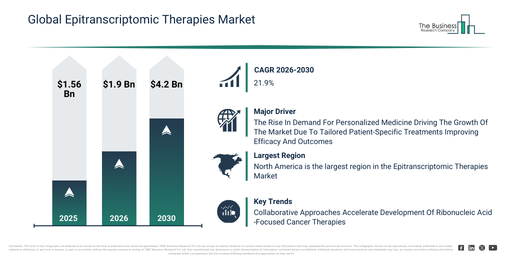
    The epitranscriptomic therapies market has experienced rapid expansion over the past few years. It is anticipated to increase from $1.56 billion in 2025 to $1.9 billion in 2026, with a compound annual growth rate (CAGR) of 21.6%. Historically, this growth was fueled by breakthroughs in RNA biology research, an improved understanding of gene regulation mechanisms, the scaling up of oncology research programs, the accessibility of advanced sequencing technologies, and an increase in translational medicine initiatives.

    The epitranscriptomic therapies market is projected to experience substantial expansion over the upcoming years. This market is anticipated to reach a valuation of $4.2 billion by 2030, exhibiting a compound annual growth rate (CAGR) of 21.9%. The expansion during the projected timeframe stems from various factors, including heightened investments in RNA-based therapeutics, a growing need for targeted cancer treatments, the broadening of personalized medicine strategies, an uptick in clinical trial endeavors within epitranscriptomics, and augmented regulatory involvement concerning innovative RNA therapies. Key trends anticipated for this forecast period encompass the escalating development of epitranscriptomic drug pipelines, the increasing adoption of RNA modification profiling tools, the proliferation of combination epitranscriptomic therapies, the expanding incorporation of bioinformatics into therapy design, and a heightened emphasis on precision medicine applications.

    Access Your Free Sample Report For In-Depth Market Analysis:

    https://www.thebusinessresearchcompany.com/sample.aspx?id=33108&type=smp

    Which Drivers Are Supporting The Epitranscriptomic Therapies Market Growth?

    The increasing demand for personalized medicine is expected to propel the growth of the epitranscriptomic therapies market going forward. Personalized medicine refers to a medical approach that tailors healthcare decisions, treatments, and interventions to the individual characteristics of each patient, such as their genetic profile, lifestyle, and environment. This heightened demand for personalized medicine primarily stems from the rising prevalence of chronic and complex diseases, as tailored treatments can more effectively target individual patient needs and improve outcomes. Personalized medicine supports epitranscriptomic therapies by customizing treatments to an individual’s specific RNA modification patterns, thereby enhancing therapeutic effectiveness and reducing the risk of adverse effects. For instance, in February 2024, the Personalized Medicine Coalition, a US-based non-profit organization, reported that in 2023, the U.S. Food and Drug Administration (FDA) approved 16 new personalized treatments for rare disease patients, a notable increase from six in 2022. The newly approved personalized treatments for 2023 also included seven cancer drugs and three for other diseases and conditions. Therefore, the increasing demand for personalized medicine is driving the growth of the epitranscriptomic therapies market.

    Which Segments Define The Epitranscriptomic Therapies Market Segment Structure?

    The epitranscriptomic therapies market covered in this report is segmented –

    1) By Therapy Type: Small Molecule Inhibitors; Ribonucleic Acid Modifying Enzymes; Antisense Oligonucleotides; Other Therapy Types

    2) By Route of Administration: Injectable; Oral; Other Routes Of Administration

    3) By Application: Cancer; Neurological Disorders; Metabolic Diseases; Infectious Diseases; Other Applications

    4) By End-User: Hospitals; Research Institutes; Pharmaceutical And Biotechnology Companies; Other End-Users

    Subsegments:

    1) By Small Molecule Inhibitors: Methyltransferase Inhibitors; Demethylase Inhibitors; Reader Protein Inhibitors; Writer Enzyme Inhibitors; Eraser Enzyme Inhibitors

    2) By Ribonucleic Acid Modifying Enzymes: Methyltransferase Enzymes; Demethylase Enzymes; Pseudouridine Synthase Enzymes; Adenosine Deaminase Enzymes; Cytidine Deaminase Enzymes

    3) By Antisense Oligonucleotides: Gapmer Oligonucleotides; Splice Modulating Oligonucleotides; Translation Blocking Oligonucleotides; Exon Skipping Oligonucleotides; Gene Expression Silencing Oligonucleotides

    4) By Other Therapy Types: Ribonucleic Acid Interference Based Therapies; Messenger Ribonucleic Acid Editing Therapies; Epitranscriptomic Vaccine Platforms; Gene Regulation Modulation Therapies; Combination Epitranscriptomic Therapies

    Which Trends Are Expected To Impact The Epitranscriptomic Therapies Market?

    Leading companies in the epitranscriptomic therapies market are prioritizing the formation of strategic alliances to develop novel RNA-modifying cancer treatments. Strategic partnerships involve cooperative frameworks where organizations pool resources, knowledge, or strengths to pursue mutual objectives that foster quicker growth, reduce operational risks, and boost market competitiveness. For example, in January 2026, STORM Therapeutics Ltd., a biotechnology company based in the UK, collaborated with Alida Biosciences Inc., a US-based technology company, to further cancer therapies specifically targeting epitranscriptomic mechanisms. This collaboration is centered on integrating AlidaBio’s EpiPlex and EpiScout platforms with STORM’s clinical trials of STC-15, a pioneering METTL3 inhibitor. The partnership intends to identify and validate m6A RNA modification biomarkers that can predict patient outcomes and optimize therapeutic plans. This joint effort combines drug development with advanced RNA profiling, representing a significant progression in epitranscriptomic cancer therapies.

    Who Are The Established Players Within The Epitranscriptomic Therapies Market?

    Major companies operating in the epitranscriptomic therapies market are AstraZeneca PLC, GSK plc, Moderna Inc., Alnylam Pharmaceuticals Inc., Ionis Pharmaceuticals Inc., Arcturus Therapeutics Holdings Inc., Arrakis Therapeutics Inc., AIRNA Corporation, CD Genomics, ProQR Therapeutics N.V., Nimbus Therapeutics LLC, Envisagenics Inc., Skyhawk Therapeutics Inc., Avidity Biosciences Inc., STORM Therapeutics Ltd., Omega Therapeutics Inc., Korro Bio Inc., Accent Therapeutics Inc., Alida Biosciences Inc., and O2nix Bio.

    Get The Full Epitranscriptomic Therapies Market Report:

    https://www.thebusinessresearchcompany.com/report/epitranscriptomic-therapies-market-report

    Which Region Is The Leading Market For The Epitranscriptomic Therapies Market?

    North America was the largest region in the epitranscriptomic therapies market in 2025. Asia-Pacific is expected to be the fastest-growing region in the forecast period. The regions covered in the epitranscriptomic therapies market report are Asia-Pacific, South East Asia, Western Europe, Eastern Europe, North America, South America, Middle East, Africa.

    Request A Customized Epitranscriptomic Therapies Market Report For Competitive Insights:

    https://www.thebusinessresearchcompany.com/customise?id=33108&type=smp

    Browse Through More Reports Similar to the Global Epitranscriptomic Therapies Market 2026, By The Business Research Company

    Ecoa Esource And Clinical Trials Market Report 2026

    https://www.thebusinessresearchcompany.com/report/ecoa-esource-and-clinical-trials-global-market-report

    Epilepsy Drugs Market Report 2026

    https://www.thebusinessresearchcompany.com/report/epilepsy-drugs-global-market-report

    Genes Therapy Market Report 2026

    https://www.thebusinessresearchcompany.com/report/genes-therapy-global-market-report

    Get in touch with us:

    The Business Research Company: https://www.thebusinessresearchcompany.com/

    Americas +1 310-496-7795

    Asia +44 7882 955267 & +91 8897263534

    Europe +44 7882 955267

    Email us at info@tbrc.info

    Follow us on:

    LinkedIn: https://in.linkedin.com/company/the-business-research-company

    YouTube: https://www.youtube.com/channel/UC24_fI0rV8cR5DxlCpgmyFQ

    Global Market Model: https://www.thebusinessresearchcompany.com/global-market-model
  • Enzymatic Deoxyribonucleic Acid (DNA) Synthesis Technology Market Expansion Forecast Reaching $8.77 Billion By 2030 At 23.5% CAGR

    Enzymatic Deoxyribonucleic Acid (DNA) Synthesis Technology Market Expansion Forecast Reaching $8.77 Billion By 2030 At 23.5% CAGR

    The Business Research Company’s 2026 market reports feature enhanced tools like market attractiveness analysis, TAM assessment, and company scoring matrices, along with interactive dashboards, deeper supply chain insights, and startup coverage strengthening the depth, usability, and strategic value of insights.

    By 2030, What Market Size Is The Enzymatic Deoxyribonucleic Acid (DNA) Synthesis Technology Market Expected To Reach Based On Its 2026 Value?

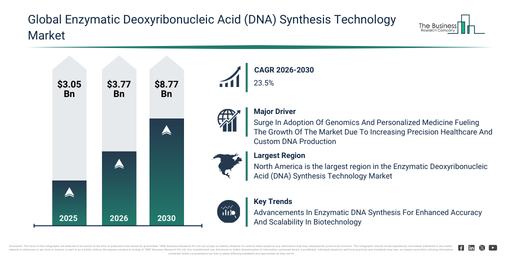
    The market for enzymatic deoxyribonucleic acid (dna) synthesis technology has experienced substantial expansion in recent years. This market is anticipated to expand from $3.05 billion in 2025 to $3.77 billion in 2026, demonstrating a compound annual growth rate (CAGR) of 23.3%. The historic growth in this sector can be attributed to a range of factors, including the rising adoption of synthetic biology in research, the inherent limitations of chemical dna synthesis methods, the expansion in genomics and gene editing research, increased funding for biotech research, and the broader availability of enzyme engineering technologies.

    The market for enzymatic deoxyribonucleic acid (DNA) synthesis technology is projected to experience substantial expansion in the coming years. This market is anticipated to reach $8.77 billion by 2030, exhibiting a compound annual growth rate (CAGR) of 23.5%. Factors driving this growth during the forecast period include a rising need for scalable DNA production, increased acceptance of DNA-based data storage methods, the broadening of biopharmaceutical development pipelines, escalating investments in environmentally friendly biotechnology processes, and the expanding utilization of automated and microfluidic synthesis platforms. Key trends observed throughout the forecast period encompass a wider embrace of enzymatic DNA synthesis platforms, a heightened requirement for extended and highly accurate DNA constructs, the proliferation of benchtop and cloud-based synthesis approaches, an elevated emphasis on eco-friendly DNA production, and improved incorporation into synthetic biology workflows.

    Access Your Free Sample Report For In-Depth Market Analysis:

    https://www.thebusinessresearchcompany.com/sample.aspx?id=33107&type=smp

    What Key Factors Are Affecting The Enzymatic Deoxyribonucleic Acid (DNA) Synthesis Technology Market Demand?

    The enzymatic DNA synthesis technology market is anticipated to expand due to the increasing integration of genomics and personalized medicine. Genomics and personalized medicine involve employing genetic data and precise healthcare methods to customize diagnostics, therapies, and preventative measures for unique genetic profiles. The uptake of genomics and personalized medicine is accelerating, driven by ongoing progress in sequencing technologies that have reduced expenses and processing times, resulting in improved clinical results and enhanced care effectiveness. This technology aids genomics and personalized medicine by facilitating the scalable and highly accurate production of DNA, which is crucial for generating custom genetic sequences and devising targeted treatments. An example highlighting this trend is the Food and Drug Administration’s approval of 16 novel personalized treatments for rare diseases in 2023, as reported by the US-based nonprofit Personalized Medicine Coalition in February 2024. This marks a significant rise from the 6 approvals seen in 2022. Consequently, the expanding use of genomics and personalized medicine is a key factor propelling the enzymatic DNA synthesis technology market forward.

    How Is The Enzymatic Deoxyribonucleic Acid (DNA) Synthesis Technology Market Segmented Across Different Segment Categories?

    The enzymatic deoxyribonucleic acid (dna) synthesis technology market covered in this report is segmented –

    1) By Technology: Polymerase Mediated Synthesis; Terminal Deoxynucleotidyl Transferase (TdT); Template Free Ligase Based Synthesis; Hybrid Chemical Enzymatic Workflows; Xeno Nucleic Acid (XNA) Synthesis Platforms

    2) By Fragment: Short Oligos; Gene Fragments; Long Constructs

    3) By Delivery Model: Benchtop Instrument; Outsourced Service; Cloud Based As A Service

    4) By Application: Synthetic Biology; Genomics And Gene Editing; Biopharmaceutical Development; Diagnostics And Research Tools; Biotechnology Research And Development

    5) By End-User Or Application: Academic And Government Research Institutes; Pharmaceutical And Biotechnology Companies; Diagnostic Companies; Agricultural Biotech Companies; Industrial Biotech And Chemical Companies

    Subsegments:

    1) By Polymerase Mediated Synthesis: Polymerase Chain Reaction Based Synthesis; Isothermal Amplification Based Synthesis; Rolling Circle Amplification Based Synthesis; Strand Displacement Amplification Based Synthesis; Primer Extension Based Synthesis

    2) By Terminal Deoxynucleotidyl Transferase (TdT): Single Nucleotide Addition Synthesis; Homopolymer Tail Synthesis; Random Oligonucleotide Tail Synthesis; Labeling And Tagging Synthesis; Enzyme Mediated Extension Synthesis

    3) By Template Free Ligase Based Synthesis: Enzymatic Ligation Synthesis; Oligonucleotide Assembly Synthesis; Fragment Ligation Synthesis; Cyclic Ligation Synthesis; Automated Ligase Synthesis

    4) By Hybrid Chemical Enzymatic Workflows: Phosphoramidite Enzymatic Integration Synthesis; Chemical Precursor Enzymatic Extension Synthesis; Stepwise Hybrid Synthesis; Enzyme Assisted Chemical Assembly Synthesis; Automated Hybrid Workflow Synthesis

    5) By Xeno Nucleic Acid (XNA) Synthesis Platforms: Peptide Nucleic Acid Synthesis; Locked Nucleic Acid Synthesis; Glycol Nucleic Acid Synthesis; Threose Nucleic Acid Synthesis; Cyclohexenyl Nucleic Acid Synthesis

    What Trends Are Influencing Changes In The Enzymatic Deoxyribonucleic Acid (DNA) Synthesis Technology Market?

    Major entities within the enzymatic deoxyribonucleic acid (DNA) synthesis technology market are concentrating on developing advanced solutions, such as algorithm-driven enzymatic DNA synthesis platforms, to facilitate the creation of longer, more intricate, and highly accurate synthetic DNA sequences. These algorithm-driven platforms utilize sophisticated computational models to guide enzyme-based, stepwise DNA synthesis in laboratory settings. Such systems enhance sequence fidelity, scalability, and output by continuously adjusting synthesis conditions through real-time error prediction and correction mechanisms. For example, in May 2025, Ribbon Bio, an Austria-based synthetic biology company, introduced its MiroSynth DNA molecules, specifically designed to enable a new generation of complex and lengthy synthetic DNA constructs. This algorithm-driven technology permits the assembly of DNA sequences that are considerably longer and more precise than those achievable with conventional approaches, thereby supporting advanced applications in fields like gene therapy, synthetic biology, and industrial biotechnology. The solution employs proprietary enzymatic processes to reduce error rates, improve scalability, and maintain high sequence accuracy, rendering it suitable for demanding downstream biological applications. It is engineered to meet the growing demand for complex DNA architectures while providing improved reliability, sustainability, and design flexibility compared to traditional DNA synthesis technologies.

    Which Organizations Play A Role In The Enzymatic Deoxyribonucleic Acid (DNA) Synthesis Technology Market Landscape?

    Major companies operating in the enzymatic deoxyribonucleic acid (dna) synthesis technology market are Thermo Fisher Scientific Inc, Almac Group Limited, Twist Bioscience Corporation, DNA Script SAS, Synbio Technologies, Telesis Bio Inc., Touchlight Genetics Limited, Yeasen Biotechnology, CD Genomics, Bioneer Corporation, Ansa Biotechnologies Inc., Elegen Corporation, Molecular Assemblies Inc., Moligo Technologies AB, Evonetix Ltd, Camena Bioscience Limited, Baseclick GmbH, Kern Systems, Ribbon Bio, and Helixworks.

    Get The Full Enzymatic Deoxyribonucleic Acid (DNA) Synthesis Technology Market Report:

    https://www.thebusinessresearchcompany.com/report/enzymatic-deoxyribonucleic-acid-dna-synthesis-technology-market-report

    Where Is The Enzymatic Deoxyribonucleic Acid (DNA) Synthesis Technology Market Primarily Concentrated By Region?

    North America was the largest region in the enzymatic deoxyribonucleic acid (DNA) synthesis technology market in 2025. Asia-Pacific is expected to be the fastest-growing region in the forecast period. The regions covered in the enzymatic deoxyribonucleic acid (dna) synthesis technology market report are Asia-Pacific, South East Asia, Western Europe, Eastern Europe, North America, South America, Middle East, Africa.

    Request A Customized Enzymatic Deoxyribonucleic Acid (DNA) Synthesis Technology Market Report For Competitive Insights:

    https://www.thebusinessresearchcompany.com/customise?id=33107&type=smp

    Browse Through More Reports Similar to the Global Enzymatic Deoxyribonucleic Acid (DNA) Synthesis Technology Market 2026, By The Business Research Company

    Oligonucleotide Synthesis Market Report 2026

    https://www.thebusinessresearchcompany.com/report/oligonucleotide-synthesis-global-market-report

    Recombinant Dna Technology Market Report 2026

    https://www.thebusinessresearchcompany.com/report/recombinant-dna-technology-global-market-report

    Nucleic Acid Based Gene Therapy Market Report 2026

    https://www.thebusinessresearchcompany.com/report/nucleic-acid-based-gene-therapy-global-market-report

    Get in touch with us:

    The Business Research Company: https://www.thebusinessresearchcompany.com/

    Americas +1 310-496-7795

    Asia +44 7882 955267 & +91 8897263534

    Europe +44 7882 955267

    Email us at info@tbrc.info

    Follow us on:

    LinkedIn: https://in.linkedin.com/company/the-business-research-company

    YouTube: https://www.youtube.com/channel/UC24_fI0rV8cR5DxlCpgmyFQ

    Global Market Model: https://www.thebusinessresearchcompany.com/global-market-model
  • EGFR Non-Small Cell Lung Cancer Market Forecast 2026–2030 Highlighting Expansion Across Industries

    EGFR Non-Small Cell Lung Cancer Market Forecast 2026–2030 Highlighting Expansion Across Industries

    The Business Research Company’s 2026 market reports feature enhanced tools like market attractiveness analysis, TAM assessment, and company scoring matrices, along with interactive dashboards, deeper supply chain insights, and startup coverage strengthening the depth, usability, and strategic value of insights.

    How Will The Market Value Of The EGFR Non-Small Cell Lung Cancer Market Progress Between 2026 And 2030?

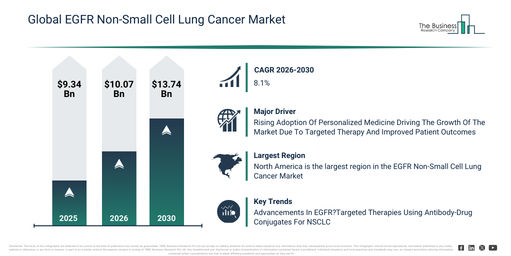
    The egfr non-small cell lung cancer market has experienced substantial growth over recent years. It is projected to expand from $9.34 billion in 2025 to $10.07 billion in 2026, at a compound annual growth rate (CAGR) of 7.8%. This historical growth can be attributed to several factors, including the increasing prevalence of non-small cell lung cancer, advancements in molecular diagnostics, rising awareness of egfr mutation testing, the expansion of oncology specialty centers, and the increased availability of targeted therapies.

    The egfr non-small cell lung cancer market size is anticipated to demonstrate significant growth in the upcoming years. It is projected to expand to $13.74 billion by 2030, achieving a compound annual growth rate (CAGR) of 8.1%. This expansion during the forecast period is attributed to an expanding pipeline of next-generation egfr inhibitors, the increasing embrace of precision oncology strategies, the broadening of biomarker-driven treatment models, the growing incorporation of real-world evidence in oncology care, and an increased focus on patient-centric cancer management. Prominent trends throughout the forecast period include the rising adoption of targeted egfr therapies, increased utilization of companion diagnostic testing, an escalating emphasis on personalized treatment pathways, the expansion of combination therapy approaches, and enhanced integration of multidisciplinary cancer care.

    Access Your Free Sample Report For In-Depth Market Analysis:

    https://www.thebusinessresearchcompany.com/sample.aspx?id=33098&type=smp

    What Major Factors Are Driving The EGFR Non-Small Cell Lung Cancer Market Forward?

    The growth of the epidermal growth factor receptor (EGFR) non-small cell lung cancer market is projected to accelerate due to an increasing emphasis on personalized medicine approaches. Personalized medicine represents a healthcare strategy that tailors prevention, diagnosis, and treatment plans according to an individual’s unique genetic, environmental, and lifestyle factors. The adoption of personalized medicine approaches is expanding, fueled by enhanced accessibility to genetic and molecular profiling, which allows for the precise identification of disease-specific targets and the customization of treatments to achieve better patient outcomes. In the context of EGFR non-small cell lung cancer, personalized medicine supports treatment by detecting specific EGFR mutations in patients, thereby enabling medical professionals to prescribe targeted therapies that offer maximum effectiveness while minimizing side effects. As an illustration, in February 2024, data from the Personalized Medicine Coalition, a US-based non-profit organization, indicated that the FDA authorized 16 new personalized therapies for patients with rare diseases in 2023, which was a considerable rise from the six approvals recorded in 2022. Therefore, the heightened focus on personalized medicine approaches is a key driver for the expansion of the epidermal growth factor receptor (EGFR) non-small cell lung cancer market.

    Which Segment Types Are Examined In The EGFR Non-Small Cell Lung Cancer Market Segment Study?

    The egfr non-small cell lung cancer market covered in this report is segmented –

    1) By Drug Type: Tyrosine Kinase Inhibitors (TKIs); Monoclonal Antibodies; Late Phase

    2) By Mutation Type: Exon 19 Deletions; Exon 21 L858R Substitution Mutations; Exon 20 Insertion Mutations; Other Mutation Types

    3) By Treatment Type: Monotherapy; Combination Therapy

    4) By Route of Administration: Oral; Intravenous

    5) By End User: Hospitals; Specialty Oncology Centers; Cancer Research Institutes; Academic Institutes; Other End Users

    Subsegments:

    1) By Tyrosine Kinase Inhibitors: First Generation Tyrosine Kinase Inhibitors; Second Generation Tyrosine Kinase Inhibitors; Third Generation Tyrosine Kinase Inhibitors

    2) By Monoclonal Antibodies: Anti Epidermal Growth Factor Receptor Monoclonal Antibodies; Dual Target Monoclonal Antibodies; Antibody Drug Conjugates

    3) By Late Phase: Patritumab Deruxtecan; Other Late Phase Pipeline Therapies

    Which Trends Are Impacting The Progress Of The EGFR Non-Small Cell Lung Cancer Market?

    Leading companies within the epidermal growth factor receptor (EGFR) non-small cell lung cancer market are concentrating their efforts on developing innovative therapeutic products, such as antibody drug conjugates, aiming to enhance treatment effectiveness and minimize systemic adverse effects compared to traditional chemotherapy regimens. An antibody-drug conjugate (ADC) functions by connecting a cancer-targeting antibody to a potent drug, enabling precise delivery of the medication directly to tumor cells while leaving healthy cells unharmed. As an illustration, in June 2025, AstraZeneca Plc, a biopharmaceutical firm headquartered in the UK, announced the U.S. approval of Datroway (datopotamab deruxtecan or Dato-DXd) for adult patients suffering from locally advanced or metastatic EGFR-mutated non-small cell lung cancer (NSCLC) who have previously received EGFR-targeted therapy and platinum-based chemotherapy. This approval was granted on an accelerated basis, relying on observed objective response rate (ORR) and duration of response (DoR), with its continued validity contingent upon the confirmation of clinical benefit in a subsequent study. The U.S. FDA issued this approval after conducting a Priority Review and granting Breakthrough Therapy Designation. The approval decision was substantiated by a subgroup analysis derived from the TROPION-Lung05 Phase II trial, alongside additional data from the TROPION-Lung01 Phase III trial.

    Which Players Are Part Of The Competitive Landscape Of The EGFR Non-Small Cell Lung Cancer Market?

    Major companies operating in the egfr non-small cell lung cancer market are Johnson & Johnson Services Inc., F. Hoffmann-La Roche Ltd, Pfizer Inc., AstraZeneca Plc, Bayer AG, Eli Lilly and Company, Takeda Pharmaceuticals Company Ltd., Boehringer Ingelheim Pharmaceuticals Inc., Teva Pharmaceutical Industries Ltd., Daiichi Sankyo Co. Ltd., Taiho Pharmaceutical Co. Ltd., Jiangsu Hansoh Pharmaceutical Co. Ltd., Betta Pharmaceuticals Co. Ltd., ShanghAI Allist Pharmaceuticals Co. Ltd., Oric Pharmaceuticals Inc., Black Diamond Therapeutics Inc., G1 Therapeutics Inc., Dizal Pharmaceutical, ArriVent BioPharma Inc., and Cullinan Therapeutics Inc.

    Get The Full EGFR Non-Small Cell Lung Cancer Market Report:

    https://www.thebusinessresearchcompany.com/report/egfr-non-small-cell-lung-cancer-market-report

    Where Is The EGFR Non-Small Cell Lung Cancer Market Most Concentrated Geographically?

    North America was the largest region in the epidermal growth factor receptor (EGFR) non-small cell lung cancer market in 2025. Asia-Pacific is expected to be the fastest-growing region in the forecast period. The regions covered in the egfr non-small cell lung cancer market report are Asia-Pacific, South East Asia, Western Europe, Eastern Europe, North America, South America, Middle East, Africa.

    Request A Customized EGFR Non-Small Cell Lung Cancer Market Report For Competitive Insights:

    https://www.thebusinessresearchcompany.com/customise?id=33098&type=smp

    Browse Through More Reports Similar to the Global EGFR Non-Small Cell Lung Cancer Market 2026, By The Business Research Company

    Small Cell Lung Cancer Therapeutics Market Report 2026

    https://www.thebusinessresearchcompany.com/report/small-cell-lung-cancer-therapeutics-global-market-report

    Non Small Cell Lung Cancer Nsclc Market Report 2026

    https://www.thebusinessresearchcompany.com/report/non-small-cell-lung-cancer-nsclc-global-market-report

    Non Small Cell Lung Cancer Nsclc Market Report 2026

    https://www.thebusinessresearchcompany.com/report/non-small-cell-lung-cancer-nsclc-global-market-report

    Get in touch with us:

    The Business Research Company: https://www.thebusinessresearchcompany.com/

    Americas +1 310-496-7795

    Asia +44 7882 955267 & +91 8897263534

    Europe +44 7882 955267

    Email us at info@tbrc.info

    Follow us on:

    LinkedIn: https://in.linkedin.com/company/the-business-research-company

    YouTube: https://www.youtube.com/channel/UC24_fI0rV8cR5DxlCpgmyFQ

    Global Market Model: https://www.thebusinessresearchcompany.com/global-market-model
  • Dual-chamber Serum Bottle Market Developments And Opportunities Across 2026–2030

    Dual-chamber Serum Bottle Market Developments And Opportunities Across 2026–2030

    The Business Research Company’s 2026 market reports feature enhanced tools like market attractiveness analysis, TAM assessment, and company scoring matrices, along with interactive dashboards, deeper supply chain insights, and startup coverage strengthening the depth, usability, and strategic value of insights.

    How Large Will The Dual-chamber Serum Bottle Market Be By 2030 Compared To Its 2026 Market Size?

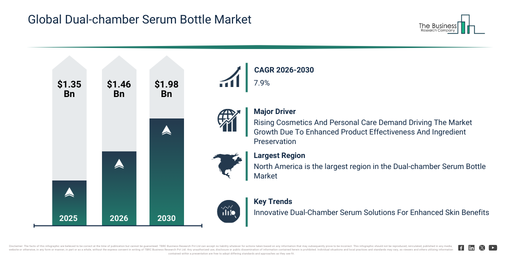
    The market for dual-chamber serum bottles has experienced robust growth in recent years. This market is projected to expand from $1.35 billion in 2025 to $1.46 billion by 2026, demonstrating a compound annual growth rate (CAGR) of 7.7%. During the historical period, this expansion was driven by factors such as the increase in injectable drug formulations, the rising utilization of lyophilized pharmaceuticals, a growing demand for error-reducing drug delivery systems, the broadening of hospital-based drug preparation, and advancements in pharmaceutical packaging materials.

    The market for dual-chamber serum bottles is projected to experience robust expansion in the coming years, anticipated to reach a valuation of $1.98 billion by 2030, exhibiting a compound annual growth rate (CAGR) of 7.9%. Key factors driving this growth during the forecast period include the expanding development of biologics pipelines, a heightened emphasis on patient safety and precise dosing, the wider availability of self-administered injectable treatments, the increasing uptake of sophisticated drug packaging solutions, and a stronger regulatory focus on ensuring drug stability and sterility. Prominent trends anticipated within this period encompass the growing acceptance of dual-chamber reconstitution packaging, an escalating need for sterile multi-component drug containers, the wider utilization of polymer-based dual-chamber bottles, an increase in ready-to-mix injectable packaging options, and a heightened emphasis on improving drug stability and prolonging shelf-life.

    Access Your Free Sample Report For In-Depth Market Analysis:

    https://www.thebusinessresearchcompany.com/sample.aspx?id=33095&type=smp

    Which Strong Drivers Are Impacting The Dual-chamber Serum Bottle Market Growth?

    The escalating demand for cosmetics and personal care items is anticipated to drive the dual-chamber serum bottle market’s expansion moving forward. Cosmetics and personal care encompass products formulated to cleanse, protect, beautify the body, and improve one’s personal appearance. The growth in these sectors is attributable to consumers’ increasing focus on self-care and aesthetics, influenced by social media trends and higher disposable incomes. Dual-chamber serum bottles support cosmetics and personal care by allowing the precise blending of two formulas at the point of use, thereby enhancing product effectiveness while preserving shelf life and ingredient potency. For instance, in February 2025, data from the Centre for the Promotion of Imports from Developing Countries, a Netherlands-based government organization, revealed that in 2023, Europe’s cosmetics manufacturing contributed €11 billion ($11.9 billion), with cosmetic product exports worldwide totaling €28.2 billion ($30.5 billion). Furthermore, in September 2024, the Bureau of Labor Statistics, a US-based government agency, reported that expenditure on personal care products and services reached $950 in 2023, representing a 9.7% increase from $866 in 2022. Thus, the growing demand in cosmetics and personal care is a key driver for the dual-chamber serum bottle market’s advancement.

    How Are Segments Identified Within The Dual-chamber Serum Bottle Market Segment Framework?

    The dual-chamber serum bottle market covered in this report is segmented –

    1) By Material Type: Glass; Plastic; Other Material Types

    2) By Capacity: Below 10 ml; 10-30 ml; Above 30 ml

    3) By Application: Pharmaceuticals; Biotechnology; Cosmetics; Other Applications

    4) By Distribution Channel: Direct Sales; Distributors; Online Sales; Other Distribution Channels

    5) By End-User: Hospitals; Clinics; Research Laboratories; Other End-Users

    Subsegments:

    1) By Glass: Borosilicate Glass; Soda Lime Glass; Amber Glass

    2) By Plastic: Polypropylene; Polyethylene; Cyclic Olefin Polymer; Cyclic Olefin Copolymer

    3) By Other Material Types: Silicone; Elastomeric Materials; Composite Materials

    Which Trends Are Contributing To Changes In The Dual-chamber Serum Bottle Market?

    Leading firms within the dual-chamber serum bottle market are concentrating on creating novel solutions, like bi-phase serum, to ensure ingredient stability, boost effectiveness, and elevate the user experience. A bi-phase serum is defined as a cosmetic item featuring two immiscible components, typically oil and water, which blend when shaken, delivering specific skin advantages including hydration, nourishment, and improved uptake of active ingredients. As an illustration, in November 2023, L’Oréal S.A., a France-based personal care company, introduced Age Perfect Serum Le Duo, an anti-aging serum in a dual-chamber format designed to provide intense hydration and diminish noticeable indicators of aging. This product addresses 10 signs, including wrinkles, loss of firmness, dullness, and uneven tone, utilizing a dual-chamber bottle where collagen peptides and vitamins B3/C are blended immediately before application. Its advantages encompass smoother, firmer, and more radiant skin within weeks, achieving 91% user satisfaction, alongside clinical enhancements in wrinkles and skin tone observed after 8 weeks. Important benefits include the preservation of ingredient potency, accurate one-pump dosing, a rapidly absorbing and non-greasy formulation, and premium yet affordable packaging offered exclusively at Walmart.

    Who Are The Companies Competing Within The Dual-chamber Serum Bottle Market?

    Major companies operating in the dual-chamber serum bottle market are Albea Group, AptarGroup Inc., TekniPlex Healthcare, Gerresheimer AG, Stevanato Group, Shandong Pharmaceutical Glass Co. Ltd., Pfizer CentreOne, Quadpack Industries SA, Matsa Group Ltd., Unica Packaging, Shijiazhuang Xinfuda Medical Packaging Co. Ltd., APackaging Group, Credence MedSystems Inc., Cospack America Corp., LF of America Crop., ShanghAI Hopeck Packaging Co. Ltd., Gidea Packaging Enterprise Limited, TopFeelPack Co. Ltd., Zhejiang UKPACK Packaging Co. Ltd., Guangzhou Xingyuan Plastic Manufacturing Co. Ltd.

    Get The Full Dual-chamber Serum Bottle Market Report:

    https://www.thebusinessresearchcompany.com/report/dual-chamber-serum-bottle-market-report

    Which Region Leads The Dual-chamber Serum Bottle Market In Terms Of Market Share?

    North America was the largest region in the dual-chamber serum bottle market in 2025. Asia-Pacific is expected to be the fastest-growing region in the forecast period. The regions covered in the dual-chamber serum bottle market report are Asia-Pacific, South East Asia, Western Europe, Eastern Europe, North America, South America, Middle East, Africa.

    Request A Customized Dual-chamber Serum Bottle Market Report For Competitive Insights:

    https://www.thebusinessresearchcompany.com/customise?id=33095&type=smp

    Browse Through More Reports Similar to the Global Dual-chamber Serum Bottle Market 2026, By The Business Research Company

    Serum Market Report 2026

    https://www.thebusinessresearchcompany.com/report/serum-global-market-report

    Sports Bottle Market Report 2026

    https://www.thebusinessresearchcompany.com/report/sports-bottle-global-market-report

    Serum Separation Gel Market Report 2026

    https://www.thebusinessresearchcompany.com/report/serum-separation-gel-global-market-report

    Get in touch with us:

    The Business Research Company: https://www.thebusinessresearchcompany.com/

    Americas +1 310-496-7795

    Asia +44 7882 955267 & +91 8897263534

    Europe +44 7882 955267

    Email us at info@tbrc.info

    Follow us on:

    LinkedIn: https://in.linkedin.com/company/the-business-research-company

    YouTube: https://www.youtube.com/channel/UC24_fI0rV8cR5DxlCpgmyFQ

    Global Market Model: https://www.thebusinessresearchcompany.com/global-market-model
  • Deoxyribonucleic Acid (DNA) Sequencing In Drug Discovery Market Forecast 2026–2030 Presenting Long-Term Industry Insights

    Deoxyribonucleic Acid (DNA) Sequencing In Drug Discovery Market Forecast 2026–2030 Presenting Long-Term Industry Insights

    The Business Research Company’s 2026 market reports feature enhanced tools like market attractiveness analysis, TAM assessment, and company scoring matrices, along with interactive dashboards, deeper supply chain insights, and startup coverage strengthening the depth, usability, and strategic value of insights.

    What Is The Projected Increase In Market Value Of The Deoxyribonucleic Acid (DNA) Sequencing In Drug Discovery Market During 2026–2030?

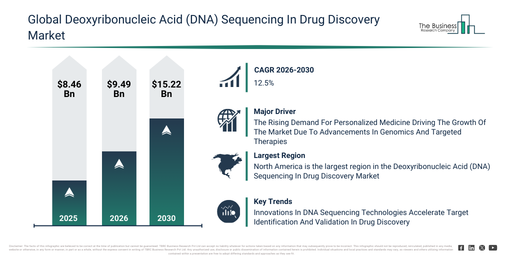
    The deoxyribonucleic acid (dna) sequencing in drug discovery market size has experienced swift expansion in recent years. It is projected to grow from $8.46 billion in 2025 to $9.49 billion in 2026, achieving a compound annual growth rate (CAGR) of 12.3%. This historical growth can be attributed to several factors, including increasing investment in genomic research, the expansion of pharmaceutical R&D pipelines, the widespread availability of high-throughput sequencing platforms, an escalating focus on personalized medicine, and advancements in sequencing accuracy and speed.

    The deoxyribonucleic acid (dna) sequencing in drug discovery market size is projected for significant expansion in the coming years. This market is anticipated to reach $15.22 billion by 2030, demonstrating a compound annual growth rate (CAGR) of 12.5%. The projected growth during this period stems from factors such as the increasing integration of AI-driven genomic analysis, an elevated demand for targeted therapeutics, the broadening scope of pharmacogenomics applications, a rise in sequencing utilization for early-stage drug screening, and enhanced collaborations between pharmaceutical and biotechnology firms. Prominent trends expected in the forecast period include the increasing deployment of next-generation sequencing for target identification, a growing embrace of single-cell sequencing methodologies, the deeper incorporation of bioinformatics in drug discovery, the expansion of precision medicine research initiatives, and a heightened focus on biomarker-driven drug development.

    Access Your Free Sample Report For In-Depth Market Analysis:

    https://www.thebusinessresearchcompany.com/sample.aspx?id=33087&type=smp

    What Key Factors Are Shaping The Deoxyribonucleic Acid (DNA) Sequencing In Drug Discovery Market Landscape?

    The increasing need for individualized healthcare approaches is projected to stimulate the expansion of deoxyribonucleic acid (DNA) sequencing within the drug discovery market in the future. This medical strategy customizes disease prevention, diagnosis, and treatment based on a person’s unique genetic profile, lifestyle choices, and environmental exposures. The growing interest in personalized medicine largely stems from developments in genomics and molecular diagnostics, facilitating the exact detection of genetic and molecular variations across individuals, thereby enabling treatments to be specifically designed for enhanced efficacy and fewer adverse reactions. Deoxyribonucleic acid (DNA) sequencing supports personalized medicine through the identification of patient-specific genetic differences, which in turn allows for the creation of targeted therapies, refined drug choices, and better treatment outcomes with diminished negative impacts. As an illustration, in February 2024, data from the Personalized Medicine Coalition, a US-based non-profit organization, indicated that in 2023, the Food and Drug Administration (FDA) sanctioned 16 novel personalized treatments for rare disease patients, an increase from six in 2022. Among the new personalized treatments approved for 2023 were also seven cancer drugs and three for other diseases and conditions. Consequently, the increasing need for personalized medicine is a key impetus for the expansion of deoxyribonucleic acid (DNA) sequencing within the drug discovery market.

    What Are The Key Segment Divisions In The Deoxyribonucleic Acid (DNA) Sequencing In Drug Discovery Market Segment Structure?

    The deoxyribonucleic acid (dna) sequencing in drug discovery market covered in this report is segmented –

    1) By Product Type: Instruments; Consumables

    2) By Workflow: Sample Preparation; Sequencing

    3) By Technology Type: Sanger Sequencing; Next-Generation Sequencing (NGS)

    4) By Application: Drug Discovery; Pharmacogenomics

    5) By End-User: Pharmaceutical Companies; Biotechnology Firms

    Subsegments:

    1) By Instruments: Sequencing Systems; Sample Preparation Systems; Detection And Imaging Systems; Automation And Robotics Systems; Data Analysis Hardware

    2) By Consumables: Sequencing Reagents; Library Preparation Kits; Sample Collection Kits; Flow Cells; Quality Control Reagents

    What Market Trends Are Affecting The Deoxyribonucleic Acid (DNA) Sequencing In Drug Discovery Market?

    Major companies engaged in deoxyribonucleic acid (DNA) sequencing within the drug discovery market are prioritizing the development of advanced solutions, including high-resolution DNA methylation sequencing assays, to expedite biomarker discovery and precision drug development. High-resolution DNA methylation sequencing assays are sophisticated genomic methodologies that precisely map DNA methylation at a single-base or near single-base resolution across the entire genome. This allows for an in-depth evaluation of epigenetic changes that govern gene activity, thereby aiding in a precise understanding of disease biology and the identification of prospective drug targets. For example, in April 2025, EpiCypher Inc., a US-based epigenetics company, introduced CUTANA mCUT&RUN and Multiomic CUT&RUN. These two innovative DNA methylation sequencing assays are engineered to provide high-resolution methylation profiling with significantly reduced sequencing costs and minimal sample input. These assays empower researchers to concurrently analyze DNA methylation and chromatin features, delivering profound multiomic insights into gene regulation mechanisms. Such assay innovations facilitate faster and more cost-efficient target identification and validation, consequently accelerating drug discovery and development.

    Which Organizations Are Engaged In The Deoxyribonucleic Acid (DNA) Sequencing In Drug Discovery Market?

    Major companies operating in the deoxyribonucleic acid (dna) sequencing in drug discovery market are Thermo Fisher Scientific Inc., Eurofins Genomics GmbH, Agilent Technologies Inc., Illumina Inc., Revvity Inc., Bio-Rad Laboratories Inc., QIAGEN N.V., 10x Genomics Inc., BGI Genomics, Azenta Life Sciences, Oxford Nanopore Technologies plc, Pacific Biosciences of California Inc., Element Biosciences Inc., Macrogen Inc., Ultima Genomics Inc., SOPHiA GENETICS SA, ProPhase Labs Inc., Singular Genomics Systems Inc., Psomagen Inc., and QitanTech Co Ltd.

    Get The Full Deoxyribonucleic Acid (DNA) Sequencing In Drug Discovery Market Report:

    https://www.thebusinessresearchcompany.com/report/deoxyribonucleic-acid-dna-sequencing-in-drug-discovery-market-report

    Which Region Leads The Deoxyribonucleic Acid (DNA) Sequencing In Drug Discovery Market In Overall Market Size?

    North America was the largest region in the deoxyribonucleic acid (DNA) sequencing in drug discovery market in 2025. Asia-Pacific is expected to be the fastest-growing region in the forecast period. The regions covered in the deoxyribonucleic acid (dna) sequencing in drug discovery market report are Asia-Pacific, South East Asia, Western Europe, Eastern Europe, North America, South America, Middle East, Africa.

    Request A Customized Deoxyribonucleic Acid (DNA) Sequencing In Drug Discovery Market Report For Competitive Insights:

    https://www.thebusinessresearchcompany.com/customise?id=33087&type=smp

    Browse Through More Reports Similar to the Global Deoxyribonucleic Acid (DNA) Sequencing In Drug Discovery Market 2026, By The Business Research Company

    Dna Sequencing Market Report 2026

    https://www.thebusinessresearchcompany.com/report/dna-sequencing-global-market-report

    Ribonucleic Acid Rna Sequencing Market Report 2026

    https://www.thebusinessresearchcompany.com/report/ribonucleic-acid-rna-sequencing-global-market-report

    Clinical Oncology Next Generation Sequencing Market Report 2026

    https://www.thebusinessresearchcompany.com/report/clinical-oncology-next-generation-sequencing-global-market-report

    Get in touch with us:

    The Business Research Company: https://www.thebusinessresearchcompany.com/

    Americas +1 310-496-7795

    Asia +44 7882 955267 & +91 8897263534

    Europe +44 7882 955267

    Email us at info@tbrc.info

    Follow us on:

    LinkedIn: https://in.linkedin.com/company/the-business-research-company

    YouTube: https://www.youtube.com/channel/UC24_fI0rV8cR5DxlCpgmyFQ

    Global Market Model: https://www.thebusinessresearchcompany.com/global-market-model

  • The Rise Of Rising Adoption Of Targeted Therapies Driving Growth In The Market Due To Actionable Molecular Targets And Improved Treatment Precision Is Influencing The Clear Cell Ovarian Cancer Market

    The Rise Of Rising Adoption Of Targeted Therapies Driving Growth In The Market Due To Actionable Molecular Targets And Improved Treatment Precision Is Influencing The Clear Cell Ovarian Cancer Market

    The Business Research Company’s 2026 market reports feature enhanced tools like market attractiveness analysis, TAM assessment, and company scoring matrices, along with interactive dashboards, deeper supply chain insights, and startup coverage strengthening the depth, usability, and strategic value of insights.

    How Much Will The Market Value Of The Clear Cell Ovarian Cancer Market Grow Between 2026 And 2030?

    The market for clear cell ovarian cancer has experienced robust expansion in recent years. This market is projected to expand from $2.09 billion in 2025 to $2.27 billion in 2026, demonstrating a compound annual growth rate (CAGR) of 8.3%. Historically, this growth has stemmed from several factors, including enhanced identification of clear cell ovarian cancer as a unique subtype, developments in histopathological diagnostic methods, a rise in surgical intervention frequency, the broadening of oncology care facilities, and the accessibility of platinum-based chemotherapy treatments.

    The clear cell ovarian cancer market size is anticipated to undergo significant expansion in the coming years. This market is forecast to reach $3.15 billion by 2030, exhibiting a compound annual growth rate (CAGR) of 8.5%. This projected growth is driven by several factors, including heightened investments in precision oncology research, an uptick in the development of targeted and immunotherapy treatments, increased use of genetic testing for selecting treatments, the expansion of personalized cancer care pathways, and greater clinical trial activity for rare ovarian cancers. Key trends during this forecast period encompass a wider adoption of targeted and precision therapies, an increased utilization of molecular and genetic diagnostics, a stronger emphasis on combination treatment strategies, the broadening of specialized clinical management programs, and improved integration of digital patient monitoring tools.

    Access Your Free Sample Report For In-Depth Market Analysis:

    https://www.thebusinessresearchcompany.com/sample.aspx?id=33066&type=smp

    Which Drivers Are Supporting The Clear Cell Ovarian Cancer Market Growth?

    The expansion of the clear cell ovarian cancer market is anticipated to be driven by the increasing integration of targeted therapies. These treatments operate by precisely attacking cancer cells or diseased cells through their focus on specific molecules or pathways vital for their growth and survival. The adoption of targeted therapies is escalating because they effectively target diseased cells while significantly reducing damage to healthy cells, resulting in more potent treatment efficacy and fewer adverse reactions. Clear cell ovarian cancer is particularly responsive to targeted therapeutic strategies due to its distinct molecular characteristics, which include ARID1A and PIK3CA mutations, angiogenesis driven by VEGF, and deficiencies in DNA repair pathways. These features create actionable opportunities for interventions such as PI3K/mTOR inhibitors, anti-angiogenic agents, immunotherapies, and PARP inhibitors. For instance, in 2023, data from the American Society of Gene & Cell Therapy, a US-based non-profit medical and scientific organization, revealed that the number of gene therapies in Phase III clinical trials experienced a 10% increase in Q3 2023, representing the first quarterly rise since Q3 2022. Consequently, the rising uptake of targeted therapies is a key factor propelling the growth of the clear cell ovarian cancer market. The expansion of the clear cell ovarian cancer market is anticipated to be fueled by increasing healthcare expenditures. These expenditures encompass the full range of costs for delivering, overseeing, and utilizing health services, products, and preventive measures. The growth in healthcare spending is attributed to an aging demographic that demands greater medical attention and prolonged care for chronic illnesses. For clear cell ovarian cancer, healthcare spending is beneficial by allocating resources for timely diagnosis, enhanced treatment alternatives, and specialized medical care for affected individuals. For instance, in December 2024, according to the Centers for Medicare & Medicaid Services, a US-based agency responsible for administering the Medicare and Medicaid programs, health care expenditures in the U.S. climbed by 7.5% to $4.9 trillion in 2023, which is roughly $14,570 for each individual. Therefore, the upward trend in healthcare expenditures is a significant driver for the growth of the clear cell ovarian cancer market.

    How Is The Clear Cell Ovarian Cancer Market Segmented Across Different Segment Categories?

    The clear cell ovarian cancer market covered in this report is segmented –

    1) By Treatment Type: Surgical Treatment; Chemotherapy; Targeted Therapy; Immunotherapy; Hormonal Therapy; Combination Therapy

    2) By Diagnosis Type: Imaging Techniques; Biopsy And Histopathology; Genetic And Molecular Testing; Blood Biomarker Testing; Pelvic Examination

    3) By Stage Of Disease: Early Stage; Advanced Stage; Recurrent Stage

    4) By Distribution Channel: Hospital Pharmacies; Retail Pharmacies; Online Pharmacies

    5) By End User: Hospitals; Cancer Treatment Centers; Specialty Clinics; Ambulatory Surgical Centers

    Subsegments:

    1) By Surgical Treatment: Primary Tumor Resection; Cytoreductive Surgery; Total Hysterectomy; Bilateral Salpingo Oophorectomy; Lymph Node Dissection; Minimally Invasive Surgery

    2) By Chemotherapy: Platinum Based Chemotherapy; Taxane Based Chemotherapy; Alkylating Agent Therapy; Antimetabolite Therapy; Neoadjuvant Chemotherapy; Adjuvant Chemotherapy

    3) By Targeted Therapy: Angiogenesis Inhibitor Therapy; Poly Adenosine Diphosphate Ribose Polymerase Inhibitor Therapy; Tyrosine Kinase Inhibitor Therapy; Mammalian Target Of Rapamycin Inhibitor Therapy; Phosphoinositide Three Kinase Pathway Inhibitor Therapy

    4) By Immunotherapy: Immune Checkpoint Inhibitor Therapy; Monoclonal Antibody Therapy; Cancer Vaccine Therapy; Adoptive Cell Therapy; Cytokine Based Therapy

    5) By Hormonal Therapy: Estrogen Suppression Therapy; Progesterone Modulation Therapy; Gonadotropin Releasing Hormone Analog Therapy; Aromatase Inhibitor Therapy

    6) By Combination Therapy: Surgery And Chemotherapy Combination; Chemotherapy And Targeted Therapy Combination; Targeted Therapy And Immunotherapy Combination; Chemotherapy And Immunotherapy Combination; Multimodal Integrated Treatment Approach

    Which Organizations Play A Role In The Clear Cell Ovarian Cancer Market Landscape?

    Major companies operating in the clear cell ovarian cancer market are F. Hoffmann-La Roche AG, Merck & Co. Inc., AbbVie Inc., Novartis AG, AstraZeneca plc, Thermo Fisher Scientific Inc., GlaxoSmithKline plc, Takeda Pharmaceutical Company Limited, Quest Diagnostics Incorporated, EisAI Co. Ltd., Natco Pharma Limited, Prescient Therapeutics Limited, Clovis Oncology Inc., Beta Drugs Ltd., Anant Pharmaceuticals Pvt. Ltd., Pharmaand Healthcare Pvt. Ltd., Glycotope GmbH, Genelux Corporation, LIXTE Biotechnology Holdings Inc., Newsoara Biopharma Pvt. Ltd.

    Get The Full Clear Cell Ovarian Cancer Market Report:

    https://www.thebusinessresearchcompany.com/report/clear-cell-ovarian-cancer-market-report

    Which Region Accounts For The Largest Portion Of The Clear Cell Ovarian Cancer Market?

    North America was the largest region in the clear cell ovarian cancer market in 2025. Asia-Pacific is expected to be the fastest-growing region in the forecast period. The regions covered in the clear cell ovarian cancer market report are Asia-Pacific, South East Asia, Western Europe, Eastern Europe, North America, South America, Middle East, Africa.

    Request A Customized Clear Cell Ovarian Cancer Market Report For Competitive Insights:

    https://www.thebusinessresearchcompany.com/customise?id=33066&type=smp

    Browse Through More Reports Similar to the Global Clear Cell Ovarian Cancer Market 2026, By The Business Research Company

    Ovarian Cancer Drugs Market Report 2026

    https://www.thebusinessresearchcompany.com/report/ovarian-cancer-drugs-global-market-report

    Ovarian Cancer Diagnostics Market Report 2026

    https://www.thebusinessresearchcompany.com/report/ovarian-cancer-diagnostics-global-market-report

    Gynecological Cancer Drugs Market Report 2026

    https://www.thebusinessresearchcompany.com/report/gynecological-cancer-drugs-global-market-report

    Get in touch with us:

    The Business Research Company: https://www.thebusinessresearchcompany.com/

    Americas +1 310-496-7795

    Asia +44 7882 955267 & +91 8897263534

    Europe +44 7882 955267

    Email us at info@tbrc.info

    Follow us on:

    LinkedIn: https://in.linkedin.com/company/the-business-research-company

    YouTube: https://www.youtube.com/channel/UC24_fI0rV8cR5DxlCpgmyFQ

    Global Market Model: https://www.thebusinessresearchcompany.com/global-market-model

  • Growth In The Chlorhexidine Mouth Rinse Market Is Being Driven By Growing Oral Health Challenges Fuel The Market Growth Due To Rising Prevalence Of Tooth Decay And Gum Diseases

    Growth In The Chlorhexidine Mouth Rinse Market Is Being Driven By Growing Oral Health Challenges Fuel The Market Growth Due To Rising Prevalence Of Tooth Decay And Gum Diseases

    The Business Research Company’s 2026 market reports feature enhanced tools like market attractiveness analysis, TAM assessment, and company scoring matrices, along with interactive dashboards, deeper supply chain insights, and startup coverage strengthening the depth, usability, and strategic value of insights.

    What Is The Anticipated Rise In Market Value Of The Chlorhexidine Mouth Rinse Market During The Forecast Period?

    The chlorhexidine mouth rinse market has demonstrated significant expansion in recent years. This market is forecast to increase from $1.08 billion in 2025 to $1.16 billion in 2026, at a compound annual growth rate (CAGR) of 6.8%. Historically, this growth can be attributed to the rising occurrence of periodontal disease, the extensive use of antiseptic oral care, their incorporation into post-dental surgery protocols, the availability of prescription oral rinses, and the enlargement of dental clinic networks.

    The chlorhexidine mouth rinse market size is expected to undergo substantial growth in the coming years, reaching $1.52 billion in 2030 at a compound annual growth rate (CAGR) of 7.1%. This projected growth throughout the forecast period is attributable to an increasing focus on preventive oral healthcare, a rising demand for medicated home care products, the expansion of OTC therapeutic mouth rinses, a growing preference for low-irritation formulations, and increasing oral hygiene awareness. Major trends anticipated during this period include a rising demand for alcohol-free mouth rinse formulations, the growing use of post-surgical oral care products, an increasing preference for combination oral antiseptic solutions, the expansion of prescription-based dental rinses, and an enhanced focus on long-term plaque control.

    Access Your Free Sample Report For In-Depth Market Analysis:

    https://www.thebusinessresearchcompany.com/sample.aspx?id=33063&type=smp

    What Significant Factors Are Influencing The Chlorhexidine Mouth Rinse Market Expansion?

    The chlorhexidine mouth rinse market is projected to expand due to the growing occurrence of oral diseases, which encompass various conditions affecting the mouth and oral cavity like tooth decay and gum infections. This rise in oral health issues is often linked to high sugar consumption, fostering the growth of harmful oral bacteria that erode tooth enamel and lead to decay and gum problems. Chlorhexidine mouth rinse plays a crucial role in preventing and treating these diseases by eliminating or suppressing detrimental oral bacteria, thereby diminishing plaque, gingivitis, and infection risks. For example, the American Cancer Society, in January 2025, projected that in 2025, around 59,660 new cases of oral cavity and oropharyngeal cancer would be diagnosed, with approximately 12,770 fatalities expected from these cancers. Consequently, the increasing prevalence of oral diseases is a key factor driving the growth of the chlorhexidine mouth rinse market. The expansion of healthcare spending is anticipated to fuel the growth of the chlorhexidine mouth rinse market in the coming years. Healthcare expenditure encompasses the financial resources allocated for preventing, diagnosing, treating, and managing various health conditions and illnesses. This spending is on the rise, primarily driven by the increasing incidence of chronic diseases that necessitate continuous medical intervention and care. Elevated healthcare spending enhances the availability of chlorhexidine mouth rinse by financing its manufacturing, distribution, and integration into dental care initiatives, thereby guaranteeing individuals can effectively prevent and manage oral infections. As an illustration, in December 2024, the Centers for Medicare & Medicaid Services reported that in 2023, U.S. health care expenditures saw a 7.5% increase, reaching $4.9 trillion, equating to approximately $14,570 per person. Thus, the escalating healthcare expenditure is a significant impetus behind the growth of the chlorhexidine mouth rinse market.

    What Segment Categories Shape The Chlorhexidine Mouth Rinse Market Segment Landscape?

    The chlorhexidine mouth rinse market covered in this report is segmented –

    1) By Product Type: Alcohol-Based; Alcohol-Free

    2) By Concentration: 0.12%; 0.20%; Other Concentrations

    3) By Application: Dental Care; Oral Surgery; Periodontal Disease; Other Applications

    4) By Distribution Channel: Hospital Pharmacies; Retail Pharmacies; Online Pharmacies; Other Distribution Channels

    5) By End-User: Hospitals; Dental Clinics; Home Care; Other End-Users

    Subsegments:

    1) By Alcohol-Based: Ethanol-Based Formulations; Isopropyl Alcohol-Based Formulations; Combination Alcohol Formulations

    2) By Alcohol-Free: Chlorhexidine-Based Formulations; Cetylpyridinium Chloride-Based Formulations; Herbal And Plant-Based Formulations

    Who Are The Companies Operating Across The Chlorhexidine Mouth Rinse Market Value Chain?

    Major companies operating in the chlorhexidine mouth rinse market are Procter & Gamble, GlaxoSmithKline plc, 3M Company, Medline Inc., Colgate-Palmolive Company, Teva Pharmaceutical Industries Ltd., Viatris Inc., Ecolab Inc., Henry Schein Inc., Perrigo Company plc, Dentsply Sirona, Dr. Reddy’s Laboratories Ltd., Cipla Ltd., Sunstar Suisse S.A., Xttrium Laboratories, Young Innovations Inc., Hager & Werken, Curaden AG, ICPA Health Products Ltd., Arvoni Lifesciences Private Limited, AstraEureka Pharmaceuticals, Topcaredent AG.

    Get The Full Chlorhexidine Mouth Rinse Market Report:

    https://www.thebusinessresearchcompany.com/report/chlorhexidine-mouth-rinse-market-report

    Which Region Dominates The Chlorhexidine Mouth Rinse Market By Market Share?

    North America was the largest region in the chlorhexidine mouth rinse market in 2025. Asia-Pacific is expected to be the fastest-growing region in the forecast period. The regions covered in the chlorhexidine mouth rinse market report are Asia-Pacific, South East Asia, Western Europe, Eastern Europe, North America, South America, Middle East, Africa.

    Request A Customized Chlorhexidine Mouth Rinse Market Report For Competitive Insights:

    https://www.thebusinessresearchcompany.com/customise?id=33063&type=smp

    Browse Through More Reports Similar to the Global Chlorhexidine Mouth Rinse Market 2026, By The Business Research Company

    Mouthwash Market Report 2026

    https://www.thebusinessresearchcompany.com/report/mouthwash-global-market-report

    Oral Hygiene Market Report 2026

    https://www.thebusinessresearchcompany.com/report/oral-hygiene-global-market-report

    Detergent Chemicals Market Report 2026

    https://www.thebusinessresearchcompany.com/report/detergent-chemicals-global-market-report

    Get in touch with us:

    The Business Research Company: https://www.thebusinessresearchcompany.com/

    Americas +1 310-496-7795

    Asia +44 7882 955267 & +91 8897263534

    Europe +44 7882 955267

    Email us at info@tbrc.info

    Follow us on:

    LinkedIn: https://in.linkedin.com/company/the-business-research-company

    YouTube: https://www.youtube.com/channel/UC24_fI0rV8cR5DxlCpgmyFQ

    Global Market Model: https://www.thebusinessresearchcompany.com/global-market-model
  • Cell-based Biological Reagents Market Growth Patterns And Forecast Outlook Through 2030

    Cell-based Biological Reagents Market Growth Patterns And Forecast Outlook Through 2030

    The Business Research Company’s 2026 market reports feature enhanced tools like market attractiveness analysis, TAM assessment, and company scoring matrices, along with interactive dashboards, deeper supply chain insights, and startup coverage strengthening the depth, usability, and strategic value of insights.

    What Are The Market Size Estimates For The Cell-based Biological Reagents Market In 2026 And 2030?

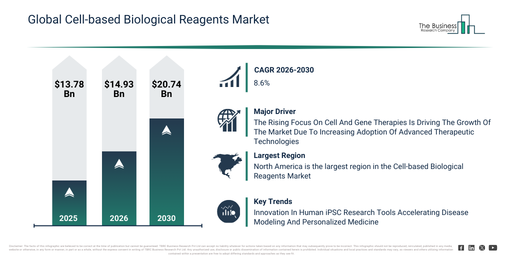
    The cell-based biological reagents market size has demonstrated robust growth in recent years. It is projected to increase from $13.78 billion in 2025 to $14.93 billion in 2026, exhibiting a compound annual growth rate (CAGR) of 8.3%. This historical growth can be attributed to factors such as the expansion of drug discovery research activities, an increase in pharmaceutical R&D spending, the rising application of cell-based assays in toxicity testing, advancements in cell culture technologies, and the growing adoption of standardized biological reagents.

    The cell-based biological reagents market is anticipated to experience robust expansion over the coming years, with its size projected to reach $20.74 billion by 2030, driven by a compound annual growth rate (CAGR) of 8.6%. This growth throughout the forecast period stems from factors such as the increasing need for predictive in vitro models, the broadening scope of personalized medicine research, the expanding application of AI-driven drug screening, rising capital flows into regenerative medicine studies, and a heightened emphasis on intricate disease modeling. Important trends characterizing this period are the greater adoption of 3d cell culture and assay platforms, the growing utilization of gene-edited and reporter cell lines, an escalating demand for high-throughput cell-based screening, the wider application of stem cell and primary cell technologies, and an increased focus on physiologically relevant models.

    Access Your Free Sample Report For In-Depth Market Analysis:

    https://www.thebusinessresearchcompany.com/sample.aspx?id=33059&type=smp

    What Factors Are Contributing To The Growth Of The Cell-based Biological Reagents Market?

    An increasing emphasis on cell and gene therapies is anticipated to drive the expansion of the cell-based biological reagents market in the future. These therapies involve interventions employing living cells or genetic components to mend, substitute, or alter impaired cells or genes, aiming to treat or resolve illnesses. The adoption of cell and gene therapies is growing because of the increasing incidence of rare and genetic conditions, given their capacity to address root causes at a cellular or genetic level, potentially offering cures where standard treatments merely alleviate symptoms. Cell-based biological reagents facilitate cell and gene therapies by providing essential instruments and substances required for the effective cultivation, modification, and administration of therapeutic cells or genetic material. For example, data from IQVIA Holdings Inc., a US-based healthcare firm specializing in clinical research services and analytics, revealed in March 2024 that worldwide expenditure on cell and gene therapies reached $5.9 billion in 2023, representing a 38% rise compared to 2022. Consequently, this heightened focus on cell and gene therapies is fostering the expansion of the cell-based biological reagents market.

    How Are Segments Identified Within The Cell-based Biological Reagents Market Segment Framework?

    The cell-based biological reagents market covered in this report is segmented –

    1) By Product Type: Assay Kits; Cell Lines; Reagents; Other Product Types

    2) By Technology: Two Dimensional Cell Culture; Three Dimensional Cell Culture; High Throughput Screening Platforms; Stem Cell Technologies; Gene Edited Cell Platforms

    3) By Application: Drug Discovery And Development; Toxicology And Safety Assessment; Disease Modeling; Regenerative Medicine; Basic Research

    4) By End User: Pharmaceutical And Biotechnology Companies; Academic And Research Institutes; Contract Research Organizations; Clinical And Diagnostic Laboratories; Government And Public Health Agencies

    Subsegments:

    1) By Assay Kits: Cell Viability Assay Kits; Cytotoxicity Assay Kits; Proliferation Assay Kits; Apoptosis Assay Kits; Signal Transduction Assay Kits

    2) By Cell Lines: Primary Cell Lines; Immortalized Cell Lines; Stem Cell Lines; Cancer Cell Lines; Transfected Cell Lines

    3) By Reagents: Culture Media Reagents; Growth Factor Reagents; Enzyme Reagents; Supplement Reagents; Antibody Reagents

    4) By Other Product Types: Cryopreservation Reagents; Labware Consumables; Transfection Reagents; Cell Sorting Reagents; Custom Reagents

    What Trends Are Shaping The Future Of The Cell-based Biological Reagents Market?

    Major companies operating in the cell-based biological reagents market are concentrating on developing human-induced pluripotent stem cell (iPSC) research solutions to propel advancements in drug discovery, disease modeling, and regenerative medicine applications. Human-induced pluripotent stem cell (iPSC) research products encompass integrated tools and workflows that facilitate the generation, maintenance, differentiation, and analysis of iPSCs for various biomedical research purposes, including drug testing, disease modeling, and cell therapy development. For instance, in July 2024, BioServe Biotechnologies (India) Private Limited, an India-based biotechnology company, introduced an advanced stem cell product line aimed at advancing regenerative medicine and drug development research. This product line enhances biotech research by providing reliable iPSC generation, 3D organoid cultures, and targeted differentiation tools, thereby minimizing variability in experiments. They also streamline drug discovery by offering human-specific models that reduce animal testing and accelerate toxicity assessments, leading to faster therapy development. Ultimately, these innovations empower personalized medicine, enabling tissue regeneration for diseases such as diabetes or heart failure, while simultaneously lowering costs and rejection risks.

    Who Are The Companies Competing Within The Cell-based Biological Reagents Market?

    Major companies operating in the cell-based biological reagents market are Thermo Fisher Scientific Inc., Merck KGaA, FUJIFILM Corp., Danaher Corporation, GE Healthcare, Becton, Dickinson And Company, Corning Incorporated, Lonza Group Ltd., Agilent Technologies Inc., Sartorius AG, Revvity Inc., Bio-Rad Laboratories Inc., STEMCELL Technologies Inc., Miltenyi Biotec, Abcam plc, Promega Corporation, Takara Bio Inc., R&D Systems Inc., MP Biomedicals, Sino Biological, Cell Signaling Technology Inc., InvivoGen, Tocris Bioscience, and OPM Biosciences.

    Get The Full Cell-based Biological Reagents Market Report:

    https://www.thebusinessresearchcompany.com/report/cell-based-biological-reagents-market-report

    Which Region Is The Top Contributor To The Cell-based Biological Reagents Market By Share?

    North America was the largest region in the cell-based biological reagents market in 2025. Asia-Pacific is expected to be the fastest-growing region in the forecast period. The regions covered in the cell-based biological reagents market report are Asia-Pacific, South East Asia, Western Europe, Eastern Europe, North America, South America, Middle East, Africa.

    Request A Customized Cell-based Biological Reagents Market Report For Competitive Insights:

    https://www.thebusinessresearchcompany.com/customise?id=33059&type=smp

    Browse Through More Reports Similar to the Global Cell-based Biological Reagents Market 2026, By The Business Research Company

    Biotechnology Reagents Market Report 2026

    https://www.thebusinessresearchcompany.com/report/biotechnology-reagents-global-market-report

    Biopreservation Market Report 2026

    https://www.thebusinessresearchcompany.com/report/biopreservation-global-market-report

    Sequencing Reagents Market Report 2026

    https://www.thebusinessresearchcompany.com/report/sequencing-reagents-global-market-report

    Get in touch with us:

    The Business Research Company: https://www.thebusinessresearchcompany.com/

    Americas +1 310-496-7795

    Asia +44 7882 955267 & +91 8897263534

    Europe +44 7882 955267

    Email us at info@tbrc.info

    Follow us on:

    LinkedIn: https://in.linkedin.com/company/the-business-research-company

    YouTube: https://www.youtube.com/channel/UC24_fI0rV8cR5DxlCpgmyFQ

    Global Market Model: https://www.thebusinessresearchcompany.com/global-market-model
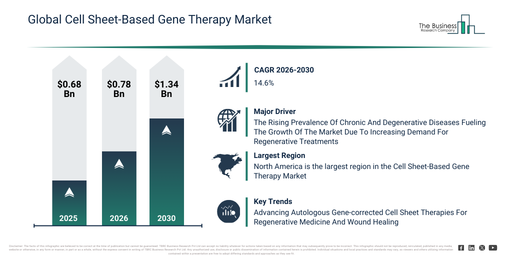
  • Cell Sheet-Based Gene Therapy Market Insights On Growth Drivers, Trends, And Opportunities

    Cell Sheet-Based Gene Therapy Market Insights On Growth Drivers, Trends, And Opportunities

    The Business Research Company’s 2026 market reports feature enhanced tools like market attractiveness analysis, TAM assessment, and company scoring matrices, along with interactive dashboards, deeper supply chain insights, and startup coverage strengthening the depth, usability, and strategic value of insights.

    What Expansion In Market Value Is Forecasted For The Cell Sheet-Based Gene Therapy Market Between 2026 And 2030?

    The cell sheet-based gene therapy market has experienced substantial expansion recently. Projections indicate its expansion from $0.68 billion in 2025 to $0.78 billion in 2026, demonstrating a compound annual growth rate (CAGR) of 14.4%. Historically, this growth stemmed from factors such as enhanced progress in tissue engineering research, the initial integration of regenerative medicine approaches, a rise in cell-based therapeutic investigations, refinements in gene delivery methods, and a broader scope of translational research endeavors.

    The cell sheet-based gene therapy market size is anticipated to undergo substantial expansion over the next few years. It is projected to reach $1.34 billion by 2030, demonstrating a compound annual growth rate (CAGR) of 14.6%. This growth during the forecast period can be attributed to several factors, including an increasing demand for localized regenerative therapies, a rise in clinical trials for gene-modified cell therapies, the expansion of oncology and cardiology applications, growing investments in advanced tissue engineering, and an increasing focus on precision regenerative medicine. Prominent trends expected in this period encompass the expansion of multilayered and co-culture cell sheet technologies, a rising focus on localized gene expression therapies, the growing integration of regenerative medicine approaches, increased use of stem-cell derived cell sheets, and an enhanced emphasis on tissue integration and longevity.

    Access Your Free Sample Report For In-Depth Market Analysis:

    https://www.thebusinessresearchcompany.com/sample.aspx?id=33058&type=smp

    Which Strong Drivers Are Impacting The Cell Sheet-Based Gene Therapy Market Growth?

    An increasing occurrence of chronic and degenerative diseases is anticipated to fuel expansion within the cell sheet-based gene therapy market. These conditions are persistent ailments, such as cardiovascular disorders, neurodegenerative diseases, diabetes, and genetic disorders, which gradually harm tissues and organs and necessitate ongoing medical treatment. The frequency of these conditions is climbing, driven by an expanding elderly demographic and longer life expectancies in both mature and emerging economies. Cell sheet-based gene therapy aids regenerative treatment strategies for chronic and degenerative diseases by facilitating targeted tissue repair and continuous gene delivery via layered living cell constructs, thereby enhancing tissue integration and durable therapeutic results. As an illustration, the International Diabetes Federation (IDF), a non-profit organization based in Belgium, reported in April 2025 that 589 million individuals globally had diabetes in 2024, a number expected to increase to 853 million by 2050. Consequently, the growing incidence of chronic and degenerative diseases is propelling the expansion of the cell sheet-based gene therapy market.

    What Are The Key Segment Divisions In The Cell Sheet-Based Gene Therapy Market Segment Structure?

    The cell sheet-based gene therapy market covered in this report is segmented –

    1) By Cell-Sheet Type: Monolayer Cell-Sheet Type; Co-Culture Cell-Sheet Type; Multilayered Cell-Sheet Type; Other Cell-Sheet Types

    2) By Technology Type: Cell Sheet-Based Engineering Techniques; Gene Delivery Methods

    3) By Source Type: Autologous; Allogenic; Stem-Cell Derived

    4) By Application: Oncology; Ophthalmology; Genetic Disorders; Cardiology; Other Applications

    5) By End-User: Hospitals And Clinics; Research And Academic Institutions; Biotech And Pharma Companies; Other End-Users

    Subsegments:

    1) By Monolayer Cell-Sheet Type: Cardiomyocyte Sheets; Epithelial Cell Sheets; Mesenchymal Stem Cell Sheets; Other Monolayer Cell Sheets

    2) By Co-Culture Cell-Sheet Type: Fibroblast + Stem Cell Sheets; Endothelial + Smooth Muscle Cell Sheets; Other Co-Culture Combinations

    3) By Multilayered Cell-Sheet Type: Triple-Layered Sheets; Double-Layered Sheets; Other Multilayered Configurations

    4) By Other Cell-Sheet Types: Genetically Modified Cell Sheets; Hybrid Cell Sheets; Other Novel Or Experimental Sheets

    Which Trends Are Contributing To Changes In The Cell Sheet-Based Gene Therapy Market?

    Companies operating within the cell sheet-based gene therapy market are primarily focused on developing innovative solutions, such as autologous gene-corrected cell sheet products. These solutions aim to improve regenerative medicine outcomes, enhance treatment precision, and achieve long-term tissue repair by combining engineered cells with scaffold-free sheet constructs for targeted gene delivery and effective wound healing. Autologous gene-corrected cell sheet products are defined as therapies where a patient’s own cells are genetically modified ex vivo, then expanded into sheet constructs that maintain critical cell-to-cell interactions and extracellular matrix integrity, and subsequently applied directly to damaged tissues to promote functional integration and durable therapeutic effects. For instance, in April 2025, Abeona Therapeutics Inc., a US-based biopharmaceutical company, received Food and Drug Administration (FDA), a US-based federal agency, approval for zevaskyn (prademagene zamikeracel). This product is designed to treat wounds in adult and pediatric patients with recessive dystrophic epidermolysis bullosa (RDEB). Zevaskyn functions by delivering the active COL7A1 gene via genetically corrected cell sheets, which leads to clinically significant wound healing and pain reduction with a single application, and supports sustained type VII collagen expression at wound sites—establishing it as a breakthrough regenerative therapy and a blueprint for future innovations in cell sheet-based gene therapy.

    Which Organizations Are Engaged In The Cell Sheet-Based Gene Therapy Market?

    Major companies operating in the cell sheet-based gene therapy market are Hitachi Ltd., Thermo Fisher Scientific, Fujifilm Cellular Dynamics Inc. (FCDI) (FUJIFILM Holdings Corporation), Lonza Group AG, teijin regenet co. ltd., Terumo Corporation, Nikon CeLL innovation Co. Ltd., Rohto Pharmaceutical Co. Ltd., BioBridge Global, AGC Biologics, Shibuya Corporation (Shibuya Kogyo Co. Ltd.), National Resilience Inc., Takara Bio Inc., Japan Tissue Engineering Co. Ltd. (J-TEC), Medipost Co. Ltd., Cell Therapies Pty Ltd, CellSeed Inc., SCTbio, Abeona Therapeutics Inc., Foundation ENEA Tech, Cyto-Facto Inc., ENCELL Co. Ltd.

    Get The Full Cell Sheet-Based Gene Therapy Market Report:

    https://www.thebusinessresearchcompany.com/report/cell-sheet-based-gene-therapy-market-report

    Which Region Represents The Largest Share Of The Cell Sheet-Based Gene Therapy Market?

    North America was the largest region in the cell sheet based gene therapy market in 2025. Asia-Pacific is expected to be the fastest-growing region in the forecast period. The regions covered in the cell sheet-based gene therapy market report are Asia-Pacific, South East Asia, Western Europe, Eastern Europe, North America, South America, Middle East, Africa.

    Request A Customized Cell Sheet-Based Gene Therapy Market Report For Competitive Insights:

    https://www.thebusinessresearchcompany.com/customise?id=33058&type=smp

    Browse Through More Reports Similar to the Global Cell Sheet-Based Gene Therapy Market 2026, By The Business Research Company

    Cell And Gene Therapy Clinical Trial Services Market Report 2026

    https://www.thebusinessresearchcompany.com/report/cell-and-gene-therapy-clinical-trial-services-global-market-report

    Cell And Gene Therapy Manufacturing Services Market 2026

    https://www.thebusinessresearchcompany.com/report/cell-and-gene-therapy-manufacturing-services-market

    Cell And Gene Therapy Supply Chain Or Logistics Market Report 2026

    https://www.thebusinessresearchcompany.com/report/cell-and-gene-therapy-supply-chain-or-logistics-global-market-report

    Get in touch with us:

    The Business Research Company: https://www.thebusinessresearchcompany.com/

    Americas +1 310-496-7795

    Asia +44 7882 955267 & +91 8897263534

    Europe +44 7882 955267

    Email us at info@tbrc.info

    Follow us on:

    LinkedIn: https://in.linkedin.com/company/the-business-research-company

    YouTube: https://www.youtube.com/channel/UC24_fI0rV8cR5DxlCpgmyFQ

    Global Market Model: https://www.thebusinessresearchcompany.com/global-market-model