Category: Pharmaceuticals

  • Melanoma Therapeutics Market To Witness 11% CAGR Growth Through 2030: Key Industry Drivers

    Melanoma Therapeutics Market To Witness 11% CAGR Growth Through 2030: Key Industry Drivers

    Built to provide research that’s more actionable and strategically valuable, The Business Research Company’s 2026 market reports include market attractiveness analysis, total addressable market sizing, company benchmarking matrices, interactive Excel dashboards, broader supply chain intelligence, emerging startup tracking, and in-depth product insights.

    Melanoma Therapeutics Market Expansion Outlook: What Revenue Opportunities Are Ahead?

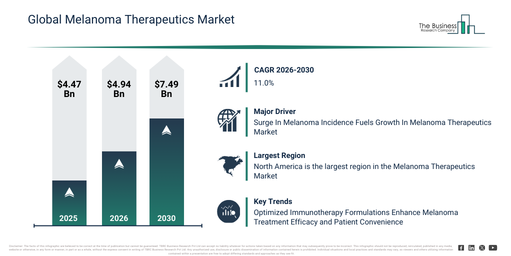
    In recent years, the size of the melanoma therapeutics market has rapidly expanded. This market is projected to increase from $4.47 billion in 2025 to $4.94 billion in 2026, achieving a compound annual growth rate (CAGR) of 10.4%. Historically, this expansion has been driven by factors such as a higher incidence of melanoma, the innovation of monoclonal antibodies, greater awareness regarding skin cancer, improvements in radiation therapy, and the integration of dermatoscopy.

    The melanoma therapeutics market size is anticipated to experience significant expansion in the coming years, reaching $7.49 billion in 2030 at a compound annual growth rate (CAGR) of 11.0%. This growth during the projected period is attributed to the rise of precision medicine, the broader availability of immunotherapy treatments, new developments in small molecule inhibitors, increasing healthcare spending, and the growing integration of AI in diagnostics. Major trends foreseen for this period include the development of personalized melanoma therapies, increased adoption of immunotherapy, continued innovation in targeted therapies, the integration of advanced diagnostic techniques, and the implementation of combination treatment strategies.

    Get A Free Sample Report With In-Depth Market Insights:

    https://thebusinessresearchcompany.com/sample_request?id=29901778&type=smp&name=Melanoma%20Therapeutics%20Market%20Report%202026&utm_source=Blogs&utm_medium=Paid&utm_campaign=Oct_PR

    Melanoma Therapeutics Market Opportunity Drivers: What’s Unlocking New Revenue Potential?

    The growing occurrence of melanoma is anticipated to propel the expansion of the melanoma therapeutics market going forward. Melanoma refers to a skin cancer that originates from melanocytes, and melanoma therapeutics are the therapies and drugs used to treat melanoma patients to alleviate the cancer. Thus, the increasing incidence of melanoma boosts the sales of melanoma therapeutics. For instance, in August 2024, according to a report published by the Australian Institute of Health and Welfare, an Australian-based national agency for information and statistics on Australia’s health and welfare, by 2034, Australia is projected to have approximately 209,000 new cancer diagnoses. This is a significant increase from the estimated 169,000 cases expected in 2024, reflecting the impact of a growing population and rising cancer rates. Additionally, in 2024, cancer is anticipated to account for about 3 out of every 10 deaths in the country. Therefore, the increasing incidence of melanoma is driving the growth of the melanoma therapeutics drug market.

    Melanoma Therapeutics Market Segment Outlook: Which Categories Are Growing Fastest?

    The melanoma therapeutics market covered in this report is segmented –

    1) By Drug Type: Monoclonal Antibodies, Small Molecule Inhibitors, Other Drug Types

    2) By Therapy: Surgery, Radiation Therapy, Immunotherapy, Targeted Therapy, Chemotherapy

    3) By Route of administration: Oral, Injectable

    4) By Cancer Type: Superficial Spreading Melanoma, Nodular Melanoma, Lentigo Maligna Melanoma, Acral Lentiginous Melanoma, Amelanotic Melanoma, Other Cancer Types

    5) By Diagnosis: Dermatoscopy, Sentinel Lymph Node Biopsy, Blood Test, X-ray, Ultrasound, CT Scan

    Subsegments:

    1) By Monoclonal Antibodies: Checkpoint Inhibitors, Targeted Monoclonal Antibodies, Conjugated Antibodies

    2) By Small Molecule Inhibitors: BRAF Inhibitors, MEK Inhibitors, Other Kinase Inhibitors

    3) By Other Drug Types: Chemotherapy Agents, Immunotherapy Agents, Adjuvant Therapies

    Melanoma Therapeutics Market Innovation Trends Shaping Future Development

    Major companies in the melanoma therapeutics market are prioritizing the development of innovative advancements like subcutaneous immunotherapy formulations to enhance treatment convenience and improve patient adherence. A subcutaneous immunotherapy formulation is an injectable anticancer therapy designed to deliver immune-modulating agents beneath the skin, offering efficacy comparable to intravenous administration while reducing treatment time and procedural demands. For instance, in December 2024, Bristol Myers Squibb, a U.S.-based global biopharmaceutical company, obtained U.S. Food and Drug Administration approval for Opdivo Qvantig. This subcutaneous co-formulation of nivolumab and hyaluronidase demonstrated non-inferior pharmacokinetics, comparable safety, and similar overall response rates to the intravenous formulation in the Phase 3 CheckMate-67T trial. The approval introduces the first subcutaneously administered programmed death protein 1 (PD-1) inhibitor, providing a significantly faster administration option and expanding treatment flexibility for patients with solid tumors, including melanoma.

    Melanoma Therapeutics Market Leading Companies And Competitive Benchmarking

    Major companies operating in the melanoma therapeutics market are AstraZeneca plc, Eli Lilly and Company, Merck & Co. Inc., Novartis AG, Amgen Inc., F. Hoffmann-La Roche Ltd., Pfizer Inc., Bristol-Myers Squibb Company, Oncolys BioPharma Inc., Iovance Biotherapeutics Inc., Eisai Co. Ltd., Seattle Genetics Inc., Regeneron Pharmaceuticals Inc., Takeda Pharmaceutical Company Limited, Daiichi Sankyo Company Limited, Nektar Therapeutics, Immutep Ltd., Partner Therapeutics Inc., Infinity Pharmaceuticals Inc., Spring Bank Pharmaceuticals Inc., AIM ImmunoTech Inc.

    View The Full Melanoma Therapeutics Market Report:

    https://thebusinessresearchcompany.com/report/melanoma-therapeutics-global-market-report?utm_source=Blogs&utm_medium=Paid&utm_campaign=Oct_PR

    Melanoma Therapeutics Market Regional Distribution: Which Areas Power Market Growth?

    North America was the largest region in the melanoma therapeutics market in 2025. The regions covered in the melanoma therapeutics market report are Asia-Pacific, South East Asia, Western Europe, Eastern Europe, North America, South America, Middle East, Africa.

    Reach Out To Our Team:

    The Business Research Company: https://www.thebusinessresearchcompany.com/

    Americas: +1 310-496-7795

    Asia: +44 7882 955267 & +91 8897263534

    Europe: +44 7882 955267

    Email us at: marketing@tbrc.info

    Follow us on:

    LinkedIn: https://in.linkedin.com/company/the-business-research-company

    YouTube: https://www.youtube.com/channel/UC24_fI0rV8cR5DxlCpgmyFQ

    Global Market Model: https://www.thebusinessresearchcompany.com/global-market-model
  • Meganuclease Genome Editing Market Outlook 2026–2030: Growth Trends, Market Dynamics And Emerging Opportunities

    Meganuclease Genome Editing Market Outlook 2026–2030: Growth Trends, Market Dynamics And Emerging Opportunities

    Featuring market attractiveness scoring, total addressable market sizing, company benchmarking matrices, interactive Excel dashboards, deeper supply chain intelligence, emerging startup tracking, and granular product-level insights, The Business Research Company’s 2026 market reports are built to deliver research that is both more actionable and more strategically valuable.

    Meganuclease Genome Editing Market Value Analysis: What Growth Lies Ahead Over The Forecast Period?

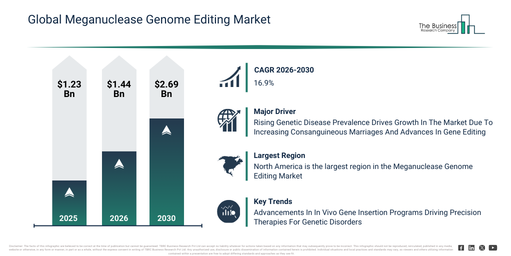
    The meganuclease genome editing market has experienced rapid expansion in recent years. It is expected to grow from $1.23 billion in 2025 to $1.44 billion in 2026, achieving a compound annual growth rate (CAGR) of 17.2%. Historically, this growth can be ascribed to the development of meganuclease genome editing technology, the dependence on zinc finger nucleases and talens, increasing research into genetic engineering, the limited precision of early genome editing tools, and a surge in academic research initiatives.

    The meganuclease genome editing market is anticipated to experience swift expansion over the coming years. This market is projected to reach $2.69 billion in 2030, exhibiting a compound annual growth rate (CAGR) of 16.9%. The projected increase during this period can be attributed to several factors, including the advancement of megaTALs and sophisticated meganuclease variants, a broader range of clinical applications and therapeutic developments, the increasing implementation of ex-vivo and in-vivo genome editing techniques, a rise in both governmental and private investment in gene editing, and the integration with diagnostic tools and precision medicine strategies. Key developments expected during the forecast timeframe include the broadening of meganuclease therapeutic uses, an increase in agricultural and plant genome engineering activities, a greater uptake of ex-vivo and in-vivo delivery approaches, a surge in partnerships between academic bodies and biopharmaceutical firms, and the creation of homing endonuclease-based precise therapies.

    Get A Free Sample Report With In-Depth Market Insights:

    https://thebusinessresearchcompany.com/sample_request?id=89110386&type=smp&name=Meganuclease%20Genome%20Editing%20Market%20Report%202026&utm_source=Blogs&utm_medium=Paid&utm_campaign=Oct_PR

    Meganuclease Genome Editing Market Expansion Drivers: What’s Shaping Future Growth?

    The growing occurrence of genetic ailments is projected to boost the expansion of the meganuclease genome editing market. These are conditions resulting from alterations or mutations in an individual’s DNA, which disrupt typical bodily functions. The rise in genetic diseases is attributed to the increasing incidence of consanguineous marriages, heightening the probability of inheriting such disorders. Meganuclease genome editing precisely cuts DNA to rectify, remove, or substitute faulty genes, facilitating targeted gene therapies with reduced unintended effects and offering potential remedies for hereditary conditions. As an illustration, in May 2024, data from the National Health Service, a UK-based government department, indicated that in England, approximately 17,000 people are affected by sickle cell disease, an inherited blood disorder, with around 250 new diagnoses annually. Consequently, the escalating incidence of genetic diseases is fueling the expansion of the meganuclease genome editing market.

    Meganuclease Genome Editing Market Segments: Where Is Growth Concentrated?

    The meganuclease genome editing market covered in this report is segmented –

    1) By Technology: Clustered Regularly Interspaced Short Palindromic Repeats (CRISPR) Or Cas9, Transcription Activator-Like Effector Nucleases (TALENs) Or Meganuclase-Transcription Activator-Like Effector Nucleases (MegaTALs), Zinc Finger Nucleases (ZFN), Meganuclease, Other Technologies

    2) By Mode: Contract, In-house

    3) By Delivery Method: Ex-Vivo, In-Vivo

    4) By Application: Genetic Engineering, Cell Line Engineering, Plant Genetic Engineering, Animal Genetic Engineering, Clinical Applications, Diagnostics Development, Therapy Development, Other Applications

    5) By End-User: Biotechnology And Pharmaceutical Companies, Academic And Government Research Institutes, Contract Research Organizations

    Subsegments:

    1) By Clustered Regularly Interspaced Short Palindromic Repeats (CRISPR) Or Cas9: Clustered Regularly Interspaced Short Palindromic Repeats (CRISPR)-Cas9 Gene Editing, Clustered Regularly Interspaced Short Palindromic Repeats (CRISPR)-Cas12, Clustered Regularly Interspaced Short Palindromic Repeats (CRISPR)-Cas13

    2) By Transcription Activator-Like Effector Nucleases (TALENs) Or Meganuclase-Transcription Activator-Like Effector Nucleases (MegaTALs): Genome Editing Applications, Therapeutic Applications, Agricultural Biotechnology

    3) By Zinc Finger Nucleases (ZFN): Zinc Finger Nucleases Gene Editing, Transcription Activator-Like Effector Nucleases

    4) By Meganuclease: Homing Endonucleases, Self Splicing Introns

    5) By Other Technologies: Base Editing, Prime Editing

    Meganuclease Genome Editing Market Strategic Trends: What Defines The Next Growth Phase?

    Leading companies in the meganuclease genome editing market are concentrating on developing advanced solutions, such as in vivo gene insertion programs, to improve therapeutic applications and broaden the scope of correcting genetic diseases. In vivo gene insertion programs deliver genetic material directly into living organisms to insert or modify specific genes within their natural cells, thereby enabling precise therapeutic interventions for addressing genetic disorders inside the body. For example, in May 2024, iECURE Inc., a US-based gene editing company, launched ECUR-506, an in vivo gene insertion program aimed at treating neonatal onset ornithine transcarbamylase (OTC) deficiency, which received a fast track designation from the U.S. Food and Drug Administration (FDA). This is a gene editing therapy intended to treat neonatal onset ornithine transcarbamylase (OTC) deficiency. The therapy is designed for newborn males with severe neonatal-onset OTC deficiency and seeks to restore functional OTC enzyme activity through a single intravenous infusion. It has demonstrated a complete clinical response in the first infant treated, facilitating the discontinuation of ammonia scavenger medications and a return to normal protein intake, with reported manageable side effects.

    Meganuclease Genome Editing Market Key Participants And Competitive Landscape

    Major companies operating in the meganuclease genome editing market are Thermo Fisher Scientific Inc., Danaher Corp., Merck KGaA, Lonza Group Ltd., Charles River Laboratories International Inc., Genscript, Takara Bio Inc., Applied StemCell Inc., Cellectis SA., New England Biolabs, Precision Biosciences Inc.

    View The Full Meganuclease Genome Editing Market Report:

    https://thebusinessresearchcompany.com/report/meganuclease-genome-editing-global-market-report?utm_source=Blogs&utm_medium=Paid&utm_campaign=Oct_PR

    Meganuclease Genome Editing Market Regional Outlook: Where Is Opportunity Concentrated?

    North America was the largest region in the meganuclease genome editing market in 2025. The regions covered in the meganuclease genome editing market report are Asia-Pacific, South East Asia, Western Europe, Eastern Europe, North America, South America, Middle East, Africa.

    Reach Out To Our Team:

    The Business Research Company: https://www.thebusinessresearchcompany.com/

    Americas: +1 310-496-7795

    Asia: +44 7882 955267 & +91 8897263534

    Europe: +44 7882 955267

    Email us at: marketing@tbrc.info

    Follow us on:

    LinkedIn: https://in.linkedin.com/company/the-business-research-company

    YouTube: https://www.youtube.com/channel/UC24_fI0rV8cR5DxlCpgmyFQ

    Global Market Model: https://www.thebusinessresearchcompany.com/global-market-model
  • Medulloblastoma Drug Market Growth Outlook From $3.28 Billion In 2026 To $4.49 Billion By 2030

    Medulloblastoma Drug Market Growth Outlook From $3.28 Billion In 2026 To $4.49 Billion By 2030

    Built to provide research that’s more actionable and strategically valuable, The Business Research Company’s 2026 market reports include market attractiveness analysis, total addressable market sizing, company benchmarking matrices, interactive Excel dashboards, broader supply chain intelligence, emerging startup tracking, and in-depth product insights.

    Medulloblastoma Drug Market Size Forecast: How Big Could The Market Get By 2030?

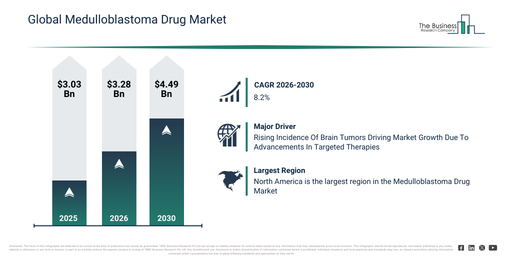
    The medulloblastoma drug market has seen significant expansion in recent years. Its valuation is predicted to increase from $3.03 billion in 2025 to $3.28 billion in 2026, reflecting a compound annual growth rate (CAGR) of 8.3%. The growth observed in previous periods is attributable to advancements in pediatric oncology, a rise in brain tumor diagnosis, the standardization of chemotherapy protocols, the expansion of cancer hospitals, and better surgical outcomes.

    The medulloblastoma drug market is projected to experience substantial expansion over the upcoming years. Its valuation is set to reach $4.49 billion in 2030, exhibiting a compound annual growth rate (CAGR) of 8.2%. This projected increase during the forecast period is attributable to the advancement in targeted brain cancer research, improved survival rates, heightened investment in pediatric oncology, the proliferation of specialty medical centers, and increased funding for rare diseases. Key trends anticipated during this period encompass the increasing adoption of combination chemotherapy protocols, an intensified focus on pediatric oncology care, a surge in clinical trial endeavors for uncommon brain tumors, the broadening of hospital-centric cancer treatment options, and expanded investigation into targeted brain cancer therapies.

    Get A Free Sample Report With In-Depth Market Insights:

    https://thebusinessresearchcompany.com/sample_request?id=10894745&type=smp&name=Medulloblastoma%20Drug%20Market%20Report%202026&utm_source=Blogs&utm_medium=Paid&utm_campaign=Oct_PR

    Medulloblastoma Drug Market Development Factors: What’s Supporting Demand?

    The increasing occurrence of brain tumors is anticipated to boost the expansion of the medulloblastoma drug market in the future. Brain tumors are defined as unusual cellular growths within the brain or spinal canal, which can be either non-cancerous or malignant, with potential impacts on brain functionality. This rise in brain tumor cases is linked to improved detection methods, an aging demographic, environmental influences, greater public awareness, and inherited genetic susceptibilities. Treatments for medulloblastoma, such as chemotherapy, radiation, and specific targeted therapies, work by reducing tumor size, eradicating cancer cells, and halting their progression. For example, the American Cancer Society, a US-based non-profit organization dedicated to cancer research and patient assistance, projects that in January 2025, approximately 14,040 new cases of brain tumors and other nervous system cancers will be reported in males and 10,780 in females for 2025, alongside an estimated 18,330 total fatalities. Consequently, the growing number of brain tumor diagnoses is a key driver for the medulloblastoma drug market’s expansion.

    Medulloblastoma Drug Market Segment Analysis: What Are The Core Market Categories?

    The medulloblastoma drug market covered in this report is segmented –

    1) By Drug Candidate: Dianhydrogalactitol, Investigational Medicinal Product 5471, Ipilimumab, Indoximod, Other Types

    2) By Product: Chemotherapy Drugs, Targeted Therapy Drugs, Radiation Therapy Drugs

    3) By Route Of Administration: Intravenous, Oral, Intrathecal

    4) By Distribution Channel: Hospital Pharmacy, Online Pharmacy, Retail Pharmacy

    5) By End-Users: Hospitals, Homecare, Speciality Centres, Other End-Users

    Subsegments:

    1) By Dianhydrogalactitol: Dianhydrogalactitol Oral Formulations, Dianhydrogalactitol Intravenous Formulations

    2) By Investigational Medicinal Product 5471: Oral Investigational Medicinal Product 5471, Intravenous Investigational Medicinal Product 5471

    3) By Ipilimumab: Ipilimumab Monotherapy, Ipilimumab Combination Therapy

    4) By Indoximod: Indoximod Oral Formulations, Indoximod Combination Therapy

    5) By Other Types: Temozolomide, Lomustine, Cyclophosphamide, Targeted Therapy Drugs

    Medulloblastoma Drug Market Top Companies Driving Competitive Growth

    Major companies operating in the medulloblastoma drug market are Pfizer Inc., Novartis AG, Roche Holding AG, Bristol-Myers Squibb Company, Merck & Co. Inc., AstraZeneca plc, Eli Lilly and Company, Amgen Inc., Sanofi S.A., Bayer AG, Eisai Co. Ltd., Teva Pharmaceutical Industries Ltd., Takeda Pharmaceutical Company Limited, Ipsen S.A., Daiichi Sankyo Co. Ltd., Jazz Pharmaceuticals plc, Sun Pharmaceutical Industries Ltd., Dr. Reddy’s Laboratories Ltd., Curtana Pharmaceuticals Inc., Biodexa Pharmaceuticals plc.

    View The Full Medulloblastoma Drug Market Report:

    https://thebusinessresearchcompany.com/report/medulloblastoma-drug-global-market-report?utm_source=Blogs&utm_medium=Paid&utm_campaign=Oct_PR

    Medulloblastoma Drug Market Geographic Landscape: Which Region Leads Industry Growth?

    North America was the largest region in the medulloblastoma drug market in 2025. Asia-Pacific is expected to be the fastest-growing region in the forecast period. The regions covered in the medulloblastoma drug market report are Asia-Pacific, South East Asia, Western Europe, Eastern Europe, North America, South America, Middle East, Africa.

    Reach Out To Our Team:

    The Business Research Company: https://www.thebusinessresearchcompany.com/

    Americas: +1 310-496-7795

    Asia: +44 7882 955267 & +91 8897263534

    Europe: +44 7882 955267

    Email us at: marketing@tbrc.info

    Follow us on:

    LinkedIn: https://in.linkedin.com/company/the-business-research-company

    YouTube: https://www.youtube.com/channel/UC24_fI0rV8cR5DxlCpgmyFQ

    Global Market Model: https://www.thebusinessresearchcompany.com/global-market-model
  • Dermo Cosmetics Market Projected For Strong Expansion Through 2030: Key Trends And Future Outlook

    Built to provide research that’s more actionable and strategically valuable, The Business Research Company’s 2026 market reports include market attractiveness analysis, total addressable market sizing, company benchmarking matrices, interactive Excel dashboards, broader supply chain intelligence, emerging startup tracking, and in-depth product insights.

    Dermo Cosmetics Market Forecast: What Value Will The Market Reach By 2030?

    The dermo cosmetics market size has experienced robust growth over recent years. It is anticipated to increase from $52.05 billion in 2025 to $57.11 billion in 2026, demonstrating a compound annual growth rate (CAGR) of 9.7%. This expansion in the past can be attributed to heightened consumer knowledge about skin health, a greater occurrence of skin conditions, progress in dermatology research, the broadening of retail skincare distribution channels, and the ongoing demand for anti-aging solutions.

    The dermo cosmetics market is projected to experience robust expansion over the coming years. By 2030, its valuation is anticipated to reach $83.49 billion, expanding at a compound annual growth rate (CAGR) of 10.0%. This projected growth is driven by several factors, including the increasing adoption of AI-driven skincare diagnostics, a surge in demand for tailored dermo cosmetics, greater integration with digital wellness platforms, expanding e-commerce penetration, and advancements in bioactive skincare ingredients. Key trends expected during this period encompass personalized skincare formulations, the embrace of clean and natural ingredients, the development of anti-pollution skincare solutions, the rise of at-home dermatological treatments, and seamless integration with wellness and lifestyle applications.

    Get A Free Sample Report With In-Depth Market Insights:

    https://thebusinessresearchcompany.com/sample_request?id=99447717&type=smp&name=Dermo%20Cosmetics%20Market%20Report%202026&utm_source=Blogs&utm_medium=Paid&utm_campaign=Oct_PR

    Dermo Cosmetics Market Growth Momentum: What Factors Are Shaping Demand?

    Increased exposure of consumers to elevated ultraviolet (UV) radiation is anticipated to drive the expansion of the dermo cosmetics market in the future. UV radiation is defined as a form of unseen electromagnetic energy emanating from both the sun and man-made origins, capable of entering the skin and impacting living cells. Elevated consumer exposure to UV radiation is escalating, attributed to global warming and the thinning of the ozone layer. These phenomena diminish the atmosphere’s inherent capacity to screen out detrimental ultraviolet rays, thereby permitting a greater quantity to reach the planet’s surface. Dermo cosmetics offer protection against significant UV radiation exposure for consumers, achieved through sophisticated skincare offerings that include sun protective and skin-restorative components. These ingredients work to avert harm, diminish early aging, and sustain general skin well-being. As an illustration, data from September 2024, provided by the Australian Bureau of Statistics, an Australia-based government department, indicated that roughly 60.6% of Australians spent in excess of 15 minutes outside during intense UV periods from November 2023 to February 2024. During these periods of high UV, men showed a greater propensity for exposure than women, with 64.8% of males engaging in outdoor activities compared to 56.6% of females. Consequently, the increasing consumer exposure to elevated ultraviolet (UV) radiation is fueling the expansion of the dermo cosmetics market.

    Dermo Cosmetics Market Segment Analysis: What Are The Core Market Categories?

    The dermo cosmetics market covered in this report is segmented –

    1) By Product: Skin Care, Skin Brightening, Anti-Aging, Acne Treatment, Eczema Treatment, Hair And Scalp Care, Anti-Dandruff, Anti-Hairfall

    2) By Distribution Channel: Pharmacy Stores, Supermarkets And Hypermarkets, E-Commerce

    3) By End User: Male, Female

    Subsegments:

    1) By Skin Care: Cleansers And Face Washes, Moisturizers And Creams, Serums And Concentrates, Face Masks And Packs, Toners And Mists

    2) By Skin Brightening: Vitamin C Based Creams, Pigmentation Correction Serums, Dark Spot Reduction Creams, Brightening Night Creams, Radiance Boosting Lotions

    3) By Anti-Aging: Wrinkle Reduction Creams, Firming And Lifting Serums, Retinol Based Creams, Collagen Boosting Formulations, Age Defense Moisturizers

    4) By Acne Treatment: Salicylic Acid Cleansers, Benzoyl Peroxide Creams, Acne Control Serums, Oil Control Moisturizers, Spot Treatment Gels

    5) By Eczema Treatment: Medicated Moisturizing Creams, Barrier Repair Ointments, Anti-Itching Lotions, Soothing Emollient Creams, Dermatological Relief Balms

    6) By Hair And Scalp Care: Scalp Nourishing Oils, Strengthening Shampoos, Conditioning Treatments, Scalp Repair Serums, Hair Revitalizing Masks

    7) By Anti-Dandruff: Zinc Based Shampoos, Ketoconazole Formulations, Herbal Anti-Dandruff Shampoos, Scalp Exfoliating Treatments, Medicated Dandruff Control Lotions

    8) By Anti-Hairfall: Hair Strengthening Serums, Root Activating Oils, Protein Enriched Shampoos, Hair Growth Stimulation Tonics, Follicle Nourishing Conditioners

    Dermo Cosmetics Market Trends Redefining Industry Growth

    Leading companies in the dermo cosmetics market are prioritizing the development of innovative products, including dermatologically tested skincare formulations, to address sensitive skin concerns while ensuring both safety and effectiveness. These dermatologically tested skincare formulations are products that undergo testing under dermatologist supervision to confirm their safety, gentleness, and efficacy for the skin, thereby helping to reduce irritation, allergic reactions, and other adverse effects when compared to traditional cosmetics. For instance, in November 2025, L’Oréal India, an India-based dermatological skincare company, launched La Roche‑Posay products in India as part of its Dermatological Beauty Division. This introduction presented a range of advanced dermo‑cosmetic products specifically formulated for sensitive skin and particular issues such as dark spots and UV protection. The product line encompasses items like the Mela B3 Serum for reducing pigmentation, Anthelios broad-spectrum UVA/UVB sunscreens, Cicaplast formulations for skin barrier recovery, and Effaclar solutions for acne-prone skin. Each of these is enriched with La Roche‑Posay Thermal Spring Water, known for its soothing and antioxidant properties, and developed with clinical testing to ensure both efficacy and tolerance for sensitive skin. These new offerings signify a shift from conventional skincare, combining high-performance active ingredients with dermatological research to provide benefits such as enhanced tolerance, proven results, and suitability for various sensitive skin types.

    Dermo Cosmetics Market Leading Companies And Competitive Benchmarking

    Major companies operating in the dermo cosmetics market are Unilever PLC, Johnson & Johnson Services Inc., L’Oreal S.A., Beiersdorf AG, Shiseido Company Ltd., Stiefel Laboratories Inc., Galderma S.A., Amorepacific Corporation, Genomma Lab Internacional S.A.B. de C.V., La Prairie Group AG, Pierre Fabre Group, Kanebo Cosmetics Inc., NAOS SAS, Bioderma Laboratoire Dermatologique, Ducray Laboratoires Dermatologiques, Jan Marini Skin Research Inc., ZO Skin Health Inc., VLCC Health Care Limited, Sebamed GmbH & Co. KG, Ultimate Skin Aesthetics GmbH, In’oya Laboratory SAS.

    View The Full Dermo Cosmetics Market Report:

    https://thebusinessresearchcompany.com/report/dermo-cosmetics-market-report?utm_source=Blogs&utm_medium=Paid&utm_campaign=Oct_PR

    Dermo Cosmetics Market Top Region By Revenue And Market Share

    North America was the largest region in the dermo cosmetics market in 2025. Asia-Pacific is expected to be the fastest-growing region in the forecast period. The regions covered in the dermo cosmetics market report are Asia-Pacific, South East Asia, Western Europe, Eastern Europe, North America, South America, Middle East, Africa.

    Reach Out To Our Team:

    The Business Research Company: https://www.thebusinessresearchcompany.com/

    Americas: +1 310-496-7795

    Asia: +44 7882 955267 & +91 8897263534

    Europe: +44 7882 955267

    Email us at: marketing@tbrc.info

    Follow us on:

    LinkedIn: https://in.linkedin.com/company/the-business-research-company

    YouTube: https://www.youtube.com/channel/UC24_fI0rV8cR5DxlCpgmyFQ

    Global Market Model: https://www.thebusinessresearchcompany.com/global-market-model
  • Deoxyribonucleic Acid (DNA) Damage Repair Enzyme Mixes Market Outlook 2026–2030: Growth Trends, Market Dynamics And Emerging Opportunities

    Deoxyribonucleic Acid (DNA) Damage Repair Enzyme Mixes Market Outlook 2026–2030: Growth Trends, Market Dynamics And Emerging Opportunities

    Backed by market attractiveness analysis, total addressable market sizing, company benchmarking matrices, interactive Excel dashboards, wider supply chain intelligence, emerging startup coverage, and detailed product-level insights, The Business Research Company’s 2026 market reports are designed to offer research that is more actionable and strategically valuable than ever.

    Deoxyribonucleic Acid (DNA) Damage Repair Enzyme Mixes Market Size Outlook: How Quickly Will Revenue Expand Through 2030?

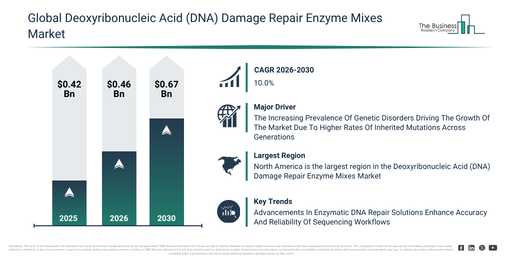
    The market for deoxyribonucleic acid (DNA) damage repair enzyme mixes has seen substantial growth in recent years. It is expected to expand from $0.42 billion in 2025 to $0.46 billion in 2026, at a compound annual growth rate (CAGR) of 9.8%. This historical growth can be attributed to various factors including the rising demand for molecular biology research, increasing applications in genomics and sequencing, the development of single enzyme repair mixes, the expansion of biotechnology research institutes, and the adoption of standard DNA repair protocols.

    The market size for deoxyribonucleic acid (DNA) damage repair enzyme mixes is anticipated to grow rapidly over the next few years. It is projected to reach $0.67 billion in 2030, demonstrating a compound annual growth rate (CAGR) of 10.0%. This expansion during the forecast period can be linked to the increased adoption of automated DNA repair platforms, their integration with AI-driven genomic analytics, the development of broad-spectrum repair mixes, the expansion of pharmaceutical research and development, and a growing demand for next-generation sequencing restoration kits. Significant trends expected during this period include next-generation DNA repair kits, multi-enzyme repair solutions, automated DNA damage detection, targeted base excision repair, and integration with genomic analysis platforms.

    Get A Free Sample Report With In-Depth Market Insights:

    https://thebusinessresearchcompany.com/sample_request?id=56756321&type=smp&name=Deoxyribonucleic%20Acid%20%28DNA%29%20Damage%20Repair%20Enzyme%20Mixes%20Market%20Report%202026&utm_source=Blogs&utm_medium=Paid&utm_campaign=Oct_PR

    Deoxyribonucleic Acid (DNA) Damage Repair Enzyme Mixes Market Expansion Drivers: What’s Shaping Future Growth?

    The deoxyribonucleic acid (DNA) damage repair enzyme mixes market is anticipated to expand due to the rising occurrence and better identification of genetic conditions. These disorders encompass medical issues stemming from gene or chromosome abnormalities or mutations, which can be inherited or spontaneous, exemplified by conditions such as cystic fibrosis, sickle cell anemia, Down syndrome, Huntington’s disease, and hemophilia. The increase in diagnosed instances is primarily linked to progress in genetic screening methods, broader newborn and carrier testing initiatives, enhanced understanding of diseases, and better patient survival, rather than a shift in fundamental mutation rates. Deoxyribonucleic acid (DNA) damage repair enzyme mixes are crucial for genomic research and diagnostics, as they enhance DNA integrity and minimize sequencing errors throughout the stages of sample preparation and analysis. For example, data from the Cystic Fibrosis Trust Annual Report 2023, a UK charity, showed that registered cystic fibrosis patients in the UK grew from 11,148 in 2022 to 11,318 in 2023. Consequently, the growing frequency of genetic disorders is fueling the expansion of the deoxyribonucleic acid (DNA) damage repair enzyme mixes market.

    Deoxyribonucleic Acid (DNA) Damage Repair Enzyme Mixes Market Segment Breakdown: Which Categories Lead On Revenue?

    The deoxyribonucleic acid (DNA) damage repair enzyme mixes market covered in this report is segmented –

    1) By Product Type: Deoxyribonucleic Acid (DNA) Repair Enzyme Mixes, Deoxyribonucleic Acid (DNA) Restoration Kits, Base Excision Repair Enzyme Mixes, Oxidative Damage Repair Mixes, Ultraviolet Damage Repair Mixes

    2) By Damage Type: Single Strand Break Repair, Double Strand Break Repair, Oxidative Base Damage Repair, Abasic Site Repair, Deaminated Base Repair

    3) By Distribution Channel: Direct Sales, Distributors, Online Sales, Other Distribution Channels

    4) By End User: Academic And Research Institutes, Pharmaceutical And Biotechnology Companies, Diagnostic Laboratories, Forensic Laboratories, Hospitals And Clinical Research Centers, Other End Users

    Subsegments:

    1) By Deoxyribonucleic Acid (DNA) Repair Enzyme Mixes: Single Enzyme Repair Mixes, Multi Enzyme Repair Mixes, Broad Spectrum Repair Mixes, Target Specific Repair Mixes

    2) By Deoxyribonucleic Acid (DNA) Restoration Kits: Fragmented Deoxyribonucleic Acid Repair Kits, Chemically Modified Deoxyribonucleic Acid Repair Kits, Formalin Fixed Sample Restoration Kits, Next Generation Sequencing Library Restoration Kits

    3) By Base Excision Repair Enzyme Mixes: Glycosylase Based Repair Mixes, Endonuclease Based Repair Mixes, Polymerase Assisted Repair Mixes, Ligase Supported Repair Mixes

    4) By Oxidative Damage Repair Mixes: Oxidized Base Repair Mixes, Reactive Oxygen Species Damage Repair Mixes, Strand Break Repair Mixes For Oxidative Damage, Comprehensive Oxidative Damage Repair Mixes

    5) By Ultraviolet Damage Repair Mixes: Pyrimidine Dimer Repair Mixes, Photoproduct Repair Mixes, Excision Based Ultraviolet Repair Mixes, Comprehensive Ultraviolet Damage Repair Mixes

    Deoxyribonucleic Acid (DNA) Damage Repair Enzyme Mixes Market Strategic Trends: What Defines The Next Growth Phase?

    Major companies in the deoxyribonucleic acid (DNA) damage repair mixes market are prioritizing the advancement of enzymatic formulations to enhance DNA repair performance, exemplified by improved FFPE DNA repair modules that integrate more comprehensive damage correction into preparation workflows for next-generation sequencing. Enhanced FFPE DNA repair modules denote enzyme-based formulations developed to more effectively correct common forms of damage in DNA sourced from formalin-fixed, paraffin-embedded (FFPE) samples while concurrently streamlining their integration with sequencing library workflows. For instance, in September 2024, New England Biolabs Inc., a United States-based biotechnology company, unveiled the NEBNext FFPE DNA Repair v2 Module, which delivers greater repair efficiency for cytosine deamination and oxidative lesions, a simplified workflow that requires no intermediate cleanup, and a versatile buffer system supporting both DNA repair and subsequent end-repair steps during sequencing library preparation.

    Deoxyribonucleic Acid (DNA) Damage Repair Enzyme Mixes Market Industry Leaders And Competitive Landscape

    Major companies operating in the deoxyribonucleic acid (DNA) damage repair enzyme mixes market are Thermo Fisher Scientific Inc., Merck KGaA, Agilent Technologies Inc., QIAGEN N.V., GenScript Biotech Corporation, Promega Corporation, Takara Bio Inc., R&D Systems Inc., New England Biolabs Inc., OriGene Technologies Inc., Enzo Life Sciences Inc., ABclonal Biotechnology Co Ltd., Santa Cruz Biotechnology Inc., Oxford Gene Technology Ltd., BioDynami Corporation, Apexbio Technology LLC, Creative Enzymes Inc., AffiGEN Inc., Boster Biological Technology Co Ltd., Avam Life Sciences Pvt. Ltd.

    View The Full Deoxyribonucleic Acid (DNA) Damage Repair Enzyme Mixes Market Report:

    https://thebusinessresearchcompany.com/report/deoxyribonucleic-acid-dna-damage-repair-enzyme-mixes-market-report?utm_source=Blogs&utm_medium=Paid&utm_campaign=Oct_PR

    Deoxyribonucleic Acid (DNA) Damage Repair Enzyme Mixes Market Regional Analysis And Top Geography

    North America was the largest region in the deoxyribonucleic acid (DNA) damage repair enzyme mixes market in 2025. Asia-Pacific is expected to be the fastest-growing region in the forecast period. The regions covered in the deoxyribonucleic acid (DNA) damage repair enzyme mixes market report are Asia-Pacific, South East Asia, Western Europe, Eastern Europe, North America, South America, Middle East, Africa.

    Reach Out To Our Team:

    The Business Research Company: https://www.thebusinessresearchcompany.com/

    Americas: +1 310-496-7795

    Asia: +44 7882 955267 & +91 8897263534

    Europe: +44 7882 955267

    Email us at: marketing@tbrc.info

    Follow us on:

    LinkedIn: https://in.linkedin.com/company/the-business-research-company

    YouTube: https://www.youtube.com/channel/UC24_fI0rV8cR5DxlCpgmyFQ

    Global Market Model: https://www.thebusinessresearchcompany.com/global-market-model
  • Exon Skipping Therapies Market Size Reaches $2.81 Billion In 2026: What Is Driving Growth?

    Exon Skipping Therapies Market Size Reaches $2.81 Billion In 2026: What Is Driving Growth?

    Featuring market attractiveness scoring, total addressable market sizing, company benchmarking matrices, interactive Excel dashboards, deeper supply chain intelligence, emerging startup tracking, and granular product-level insights, The Business Research Company’s 2026 market reports are built to deliver research that is both more actionable and more strategically valuable.

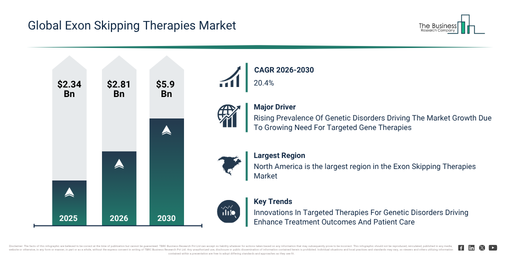
    Exon Skipping Therapies Market Growth From $2.81 Billion In 2026 To $5.9 Billion By 2030 At A CAGR Of 20.4%

    The market size for exon skipping therapies has experienced substantial growth in recent years. This market is projected to expand from $2.34 billion in 2025 to $2.81 billion in 2026, driven by a compound annual growth rate (CAGR) of 20.1%. The historical expansion can be traced to several factors: a rise in the prevalence of Duchenne muscular dystrophy, intensified research into RNA splicing mechanisms, early regulatory approvals for antisense therapies, increased funding for rare disease research, and the growth of partnerships in biotechnology.

    The exon skipping therapies market is poised for substantial growth over the next few years. It is projected to expand to $5.9 billion by 2030, exhibiting a compound annual growth rate (CAGR) of 20.4%. This anticipated growth during the forecast period is driven by the increasing adoption of personalized genetic medicine, an expanding pipeline of exon-targeted therapies, rising investment in advanced delivery systems, broadening approvals across inherited neuromuscular disorders, and increased collaboration between research institutes and biopharmaceutical companies. Prominent trends throughout this period include advancements in antisense oligonucleotide chemistry, a heightened focus on rare genetic disorders, the expansion of combination genetic therapy approaches, growing investment in RNA-based therapeutics pipelines, and an increase in clinical trials for exon-specific mutations.

    Get A Free Sample Report With In-Depth Market Insights:

    https://thebusinessresearchcompany.com/sample_request?id=24185023&type=smp&name=Exon%20Skipping%20Therapies%20Market%20Report%202026&utm_source=Blogs&utm_medium=Paid&utm_campaign=Oct_PR

    Exon Skipping Therapies Market Growth Momentum: What Factors Are Shaping Demand?

    The expanding incidence of genetic disorders is projected to propel the growth of the exon skipping therapies market throughout the forecast period. Genetic disorders are health conditions stemming from irregularities in an individual’s genetic material (DNA), encompassing single-gene mutations and chromosomal changes that can result in inherited or acquired illnesses. This noticeable rise in genetic disorder prevalence is primarily due to breakthroughs in diagnostic tools and the broader implementation of genetic testing and newborn screening programs, which facilitate earlier and more precise detection of previously undiagnosed instances. Exon skipping therapies are formulated to target specific genetic mutations by selectively removing defective exons during messenger RNA (mRNA) processing, thereby enabling the production of partially or fully functional proteins. This focused therapeutic strategy directly addresses the fundamental molecular origins of certain genetic conditions, particularly rare and previously untreatable ones, generating considerable clinical and commercial appeal. For instance, in October 2024, the National Health Service (NHS) England, a UK government body, initiated a landmark newborn screening program across NHS hospitals to screen numerous newborns for over 200 rare genetic conditions, with aspirations to extend screening to as many as 100,000 babies across England. Consequently, the increasing prevalence of genetic disorders is fueling the expansion of the exon skipping therapies market.

    Exon Skipping Therapies Market Segmentation: How Does The Market Break Down By Category?

    The exon skipping therapies market covered in this report is segmented –

    1) By Product Type: Antisense Oligonucleotides, Synthetic Ribonucleic Acid Molecules, Exon-Targeted Gene Therapy Kits, Combination Therapy Formulations, Other Product Types

    2) By Route Of Administration: Oral, Intravenous, Subcutaneous, Other Route Of Administration

    3) By Distribution Channel: Direct Sales, Distributors, Online Pharmacies, Other Distribution Channel

    4) By Application: Duchenne Muscular Dystrophy, Becker Muscular Dystrophy, Spinal Muscular Atrophy, Other Inherited Diseases, Other Applications

    5) By End-User: Hospitals And Clinics, Research Institutes, Biopharmaceutical Companies, Specialty Genetic Centers, Other End Users

    Subsegments:

    1) By Antisense Oligonucleotides: Phosphorodiamidate Morpholino Oligonucleotides, Peptide Conjugated Oligonucleotides, Gapmer Oligonucleotides, Steric Blocking Oligonucleotides, Splice Modulating Oligonucleotides

    2) By Synthetic Ribonucleic Acid Molecules: Messenger Ribonucleic Acid Molecules, Small Interfering Ribonucleic Acid Molecules, Guide Ribonucleic Acid Molecules, Modified Ribonucleic Acid Molecules, Therapeutic Ribonucleic Acid Constructs

    3) By Exon-Targeted Gene Therapy Kits: Viral Vector Delivery Kits, Non-Viral Delivery Kits, Plasmid-Based Gene Therapy Kits, Targeted Editing Delivery Kits, Tissue Specific Delivery Kits

    4) By Combination Therapy Formulations: Gene Therapy And Drug Combination, Oligonucleotide And Small Molecule Combination, Multi-Target Genetic Therapy, Supportive Protein Therapy Combination, Sequential Genetic Therapy Formulations

    5) By Other Product Types: Peptide Based Genetic Modulators, Nanoparticle Delivery Formulations, Lipid Based Delivery Systems, Targeted Molecular Complexes, Personalized Genetic Therapy Formats

    Exon Skipping Therapies Market Trends Redefining Industry Growth

    Leading firms in the exon skipping therapies market are increasingly prioritizing the creation of advanced treatment options, like experimental antibody-oligonucleotide conjugate (AOC) therapies, to optimize targeted drug delivery and boost dystrophin generation in individuals with Duchenne muscular dystrophy (DMD). These AOC treatments signify an advanced method that unites a monoclonal antibody and a synthetic oligonucleotide, facilitating the precise delivery of exon-skipping agents straight to muscle cells. As an example, in July 2025, Avidity Biosciences Inc., a U.S.-headquartered biotechnology firm, obtained Breakthrough Therapy designation from the U.S. Food and Drug Administration (FDA) for delpacibart zotadirsen (del-zota), an experimental AOC therapy designed to treat DMD in patients with specific mutations suitable for exon 44 skipping. Del-zota is composed of a specialized monoclonal antibody linked to phosphorodiamidate morpholino oligomers (PMOs), which aid in exon 44 skipping during the mRNA processing stage. This treatment is presently undergoing Phase 2 clinical development, with intentions for regulatory filing bolstered by strong biomarker and clinical effectiveness information. These progress points emphasize the increasing focus on distinct delivery systems within the exon skipping therapies market and demonstrate the transformative role of AOC technologies in developing future precision treatments for inherited neuromuscular conditions.

    Exon Skipping Therapies Market Key Players Shaping Industry Direction

    Major companies operating in the exon skipping therapies market are Daiichi Sankyo Company Limited, BioMarin Pharmaceutical Inc., Sarepta Therapeutics, Nippon Shinyaku Co. Ltd., Ionis Pharmaceuticals Inc., PTC Therapeutics, Ionis Pharmaceuticals Inc., Entrada Therapeutics Inc., Wave Life Sciences, PepGen Inc., ProQR Therapeutics NV, NS Pharma Inc., Genethon, Astellas Gene Therapies, SQY Therapeutics, AUM Biotech Inc., Cure Rare Disease Inc., Autotelic Bio Inc., Dyne Therapeutics, Skip Therapeutics.

    View The Full Exon Skipping Therapies Market Report:

    https://thebusinessresearchcompany.com/report/exon-skipping-therapies-market-report?utm_source=Blogs&utm_medium=Paid&utm_campaign=Oct_PR

    Exon Skipping Therapies Market Regional Analysis: Which Geography Leads On Revenue?

    North America was the largest region in the exon skipping therapies market in 2025. Asia-Pacific is expected to be the fastest-growing region in the forecast period. The regions covered in the exon skipping therapies market report are Asia-Pacific, South East Asia, Western Europe, Eastern Europe, North America, South America, Middle East, Africa.

    Reach Out To Our Team:

    The Business Research Company: https://www.thebusinessresearchcompany.com/

    Americas: +1 310-496-7795

    Asia: +44 7882 955267 & +91 8897263534

    Europe: +44 7882 955267

    Email us at: marketing@tbrc.info

    Follow us on:

    LinkedIn: https://in.linkedin.com/company/the-business-research-company

    YouTube: https://www.youtube.com/channel/UC24_fI0rV8cR5DxlCpgmyFQ

    Global Market Model: https://www.thebusinessresearchcompany.com/global-market-model
  • Enzyme Stabilizers For Point-Of-Care Market Trends Supporting 9.6% CAGR Growth Through 2030

    Enzyme Stabilizers For Point-Of-Care Market Trends Supporting 9.6% CAGR Growth Through 2030

    Featuring market attractiveness scoring, total addressable market sizing, company benchmarking matrices, interactive Excel dashboards, deeper supply chain intelligence, emerging startup tracking, and granular product-level insights, The Business Research Company’s 2026 market reports are built to deliver research that is both more actionable and more strategically valuable.

    Enzyme Stabilizers For Point-Of-Care Market Value Analysis: What Growth Lies Ahead Over The Forecast Period?

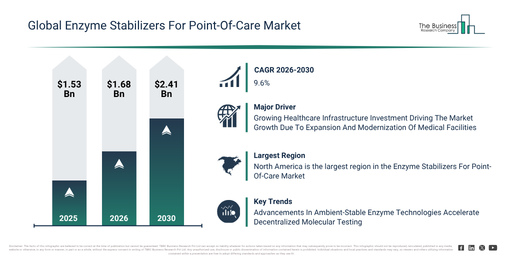
    The enzyme stabilizers for point-of-care market size has shown robust expansion in recent years. This market is expected to increase from $1.53 billion in 2025 to $1.68 billion in 2026, demonstrating a compound annual growth rate (CAGR) of 9.3%. The drivers behind this historic period’s growth include the escalating use of point-of-care diagnostic tests, a rising demand for enzyme-based rapid tests, the broadening of home care testing, an increasing requirement for temperature-stable formulations, and the integration of lyophilized enzyme technologies.

    The enzyme stabilizers for point-of-care market size is anticipated to undergo significant expansion over the next few years, projected to reach $2.41 billion in 2030, exhibiting a compound annual growth rate (CAGR) of 9.6%. This expected increase during the forecast period is fueled by several factors, including the expanding deployment of multi-assay enzyme kits, a rising demand for portable diagnostic enzyme kits, the increasing adoption of protein-based stabilizer solutions, the broader application of field testing and clinical enzyme kits, and a heightened emphasis on shelf-life extension and cold chain independent formulations. Furthermore, prominent trends during this period encompass a growing demand for lyophilized enzyme formulations, a greater uptake of ready-to-use liquid stabilizer solutions, an intensified focus on room temperature stable enzyme kits, the broadened use of enzyme stabilization in rapid diagnostic devices, and an increasing preference for multi-enzyme preservation tablets.

    Get A Free Sample Report With In-Depth Market Insights:

    https://thebusinessresearchcompany.com/sample_request?id=46526290&type=smp&name=Enzyme%20Stabilizers%20For%20Point-Of-Care%20Market%20Report%202026&utm_source=Blogs&utm_medium=Paid&utm_campaign=Oct_PR

    Enzyme Stabilizers For Point-Of-Care Market Industry Drivers: What’s Behind The Revenue Growth?

    Increased spending on healthcare infrastructure is projected to propel the expansion of the enzyme stabilizers for point-of-care market throughout the forecast period. This investment in healthcare infrastructure entails channeling both public and private capital towards developing, enhancing, and updating healthcare facilities, diagnostic labs, medical apparatus, and associated systems to boost the caliber, effectiveness, and reach of healthcare services. These expenditures are escalating due to an aging global populace, an increasing prevalence of diseases, and the expanding demand for sophisticated and localized diagnostic solutions. Within these contexts, enzyme stabilizers play a crucial role by maintaining the effectiveness and dependability of enzymes utilized in rapid diagnostic tests across diverse storage and operational settings, thereby guaranteeing precise and uniform results for on-site testing. For example, in May 2023, the UK Department of Health and Social Care reported that the government affirmed the New Hospital Programme would be allocated over $27.02 billion (£20 billion) for hospital infrastructure. Consequently, the expanding investment in healthcare infrastructure is fueling the growth of the enzyme stabilizers for point-of-care market.

    Enzyme Stabilizers For Point-Of-Care Market Segment Performance And Emerging Opportunities

    The enzyme stabilizers for point-of-care market covered in this report is segmented –

    1) By Product Type: Lyophilized Enzyme Formulations, Liquid Enzyme Stabilizer Solutions, Enzyme Preservation Tablets, Pre-Formulated Enzyme Kits, Other Product Types

    2) By Formulation: Liquid, Lyophilized, Other Formulations

    3) By Distribution Channel: Direct Sales, Distributors, Online Sales, Other Distributional Channels

    4) By Application: Diagnostic Devices, Biosensors, Rapid Test Kits, Other Applications

    5) By End User: Diagnostic Kit Manufacturers, Hospitals And Clinics, Home Care Settings, Research Laboratories, Other End Users

    Subsegments:

    1) By Lyophilized Enzyme Formulations: Freeze Dried Single Enzyme Preparations, Freeze Dried Multi Enzyme Preparations, Long Shelf Life Formulations, Room Temperature Stable Formulations, Cold Chain Stable Formulations

    2) By Liquid Enzyme Stabilizer Solutions: Aqueous Stabilizer Solutions, Buffered Stabilizer Solutions, Glycerol Based Stabilizer Solutions, Protein Based Stabilizer Solutions, Ready To Use Stabilizer Solutions

    3) By Enzyme Preservation Tablets: Rapid Dissolution Tablets, Controlled Release Tablets, Room Temperature Stable Tablets, Blister Packed Tablets, Multi Enzyme Preservation Tablets

    4) By Pre-Formulated Enzyme Kits: Single Assay Enzyme Kits, Multi Assay Enzyme Kits, Portable Diagnostic Enzyme Kits, Field Testing Enzyme Kits, Clinical Testing Enzyme Kits

    5) By Other Product Types: Enzyme Stabilizing Beads, Enzyme Stabilizing Films, Coated Enzyme Strips, Encapsulated Enzyme Particles, Immobilized Enzyme Matrices

    #Enzyme Stabilizers For Point-Of-Care Market Growth Trends: What’s Shaping The Future Outlook?

    Major companies within the Enzyme Stabilizers for Point-of-Care market are prioritizing the development of innovative solutions, including controlled and consistent DNA fragmentation, to improve assay reliability, lessen variability, simplify workflows, and facilitate rapid, decentralized molecular testing at the point of care. Controlled and consistent DNA fragmentation refers to the precise and repeatable breaking of DNA into specific fragment sizes through enzymatic or mechanical methods, ensuring uniformity for dependable downstream applications such as sequencing or diagnostics. For instance, in February 2026, Meridian Bioscience, Inc., a U.S.-based life science and diagnostic raw materials company, introduced its Lyophilized NGS Enzymatic DNA Fragmentation Kit. This ambient-temperature stable enzymatic reagent system is designed to streamline next-generation sequencing workflows for point-of-care and decentralized testing by eliminating the need for cold-chain storage, enabling accurate time-controlled DNA fragmentation with sustained activity after prolonged ambient storage, reducing handling complexities, and supporting a wide array of sequencing applications where stability and ease of use are crucial.

    Enzyme Stabilizers For Point-Of-Care Market Industry Leaders And Competitive Landscape

    Major companies operating in the enzyme stabilizers for point-of-care market are market are F. Hoffmann-La Roche AG, Thermo Fisher Scientific Inc., Siemens Healthineers AG, Merck KGaA, Becton Dickinson Company, Agilent Technologies Inc., Bio-Rad Laboratories Inc., Novonesis Inc., QIAGEN N.V., Amano Enzyme Inc., Surmodics Inc., Arista Biologicals Inc., BBI Solutions Ltd., Sisco Research Laboratories Pvt. Ltd., Advanced Enzyme Technologies Ltd., Codexis Inc., Enzo Life Sciences Inc., Biocatalysts Ltd., Enzyme Solutions Inc., Creative Enzymes Inc.

    View The Full Enzyme Stabilizers For Point-Of-Care Market Report:

    https://thebusinessresearchcompany.com/report/enzyme-stabilizers-for-point-of-care-market-report?utm_source=Blogs&utm_medium=Paid&utm_campaign=Oct_PR

    Enzyme Stabilizers For Point-Of-Care Market Regional Analysis And Top Geography

    North America was the largest region in the enzyme stabilizers for point-of-care market in 2025. Asia-Pacific is expected to be the fastest-growing region in the forecast period. The regions covered in the enzyme stabilizers for point-of-care market report are Asia-Pacific, South East Asia, Western Europe, Eastern Europe, North America, South America, Middle East, Africa.

    Reach Out To Our Team:

    The Business Research Company: https://www.thebusinessresearchcompany.com/

    Americas: +1 310-496-7795

    Asia: +44 7882 955267 & +91 8897263534

    Europe: +44 7882 955267

    Email us at: marketing@tbrc.info

    Follow us on:

    LinkedIn: https://in.linkedin.com/company/the-business-research-company

    YouTube: https://www.youtube.com/channel/UC24_fI0rV8cR5DxlCpgmyFQ

    Global Market Model: https://www.thebusinessresearchcompany.com/global-market-model
  • Emergency Contraception Market Outlook Through 2030: Understanding The Growth Opportunity

    Featuring market attractiveness scoring, total addressable market sizing, company benchmarking matrices, interactive Excel dashboards, deeper supply chain intelligence, emerging startup tracking, and granular product-level insights, The Business Research Company’s 2026 market reports are built to deliver research that is both more actionable and more strategically valuable.

    Emergency Contraception Market Growth Analysis: How Will Revenue Trend Over The Forecast Period?

    The emergency contraception market size has experienced robust expansion in recent years. Its projected expansion is from $1.55 billion in 2025 to $1.66 billion in 2026, demonstrating a compound annual growth rate (CAGR) of 6.7%. Factors contributing to this growth in previous periods include heightened awareness regarding emergency contraception, an increase in contraceptive failure rates, wider reach of retail pharmacy networks, an escalating need for hormonal contraceptives, and successful regulatory approvals for emergency contraceptive pills.

    The emergency contraception market is projected to experience substantial expansion over the upcoming years. Its size is anticipated to reach $2.16 billion in 2030, exhibiting a compound annual growth rate (CAGR) of 6.9%. This anticipated growth during the forecast period is attributable to factors such as the increasing uptake of online pharmacy platforms, a rising need for homecare delivery solutions, the development of awareness programs tailored to specific age groups, a growing inclination towards non-hormonal and herbal options, and the launch of products with higher doses and multiple formulations. Key trends expected over this period involve the greater accessibility of over-the-counter emergency contraceptives, a surge in the use of online pharmacies and home delivery services, an enhanced emphasis on awareness initiatives targeting adolescents and adults, the broader availability of high-dose and multi-formulation choices, and increased incorporation of copper intrauterine devices and non-hormonal approaches.

    Get A Free Sample Report With In-Depth Market Insights:

    https://thebusinessresearchcompany.com/sample_request?id=94977472&type=smp&name=Emergency%20Contraception%20Market%20Report%202026&utm_source=Blogs&utm_medium=Paid&utm_campaign=Oct_PR

    Emergency Contraception Market Growth Drivers: What’s Behind The Acceleration?

    The escalating incidence of unprotected intercourse is anticipated to stimulate the expansion of the emergency contraception market moving ahead. Unprotected intercourse is defined as sexual activity performed without utilizing any type of barrier contraception, such as condoms, or other dependable birth control methods, which places participants at risk for unwanted pregnancies and sexually transmitted infections. The rise in unprotected intercourse is attributed to decreasing condom usage and inconsistent adoption of other contraceptive practices among sexually active individuals, especially young adults and adolescents, which consequently increases the probability of unprotected sexual encounters. Emergency contraception offers a crucial backup option after unprotected intercourse by preventing unintended pregnancies, directly addressing the outcomes of forgotten or absent contraception, and reducing the immediate danger associated with unprotected sexual activity. For example, according to the 2023 National Youth Risk Behavior Survey conducted by the Centers for Control and Prevention, a US-based government agency, in a 2023 survey of U.S. high school students, 32% reported having engaged in sexual intercourse at least once, and 48% indicated they did not use a condom during their most recent sexual encounter. Therefore, the growing rates of unprotected intercourse are fueling the growth of the emergency contraception market.

    Emergency Contraception Market Segment Analysis And Revenue Potential

    The emergency contraception market covered in this report is segmented –

    1) By Product Type: Levonorgestrel, Ulipristal Acetate, Mifepristone, Other Product Types

    2) By Dosage Form: Tablets, Injections, Other Dosage Forms

    3) By Age Group: Adolescents, Adults

    4) By Distribution Channel: Hospital Pharmacies, Retail Pharmacies, Online Pharmacies, Other Distribution Channels

    5) By End-User: Hospitals, Clinics, Homecare, Other End Users

    Subsegments:

    1) By Levonorgestrel: Single Dose Tablets, Two Dose Tablets, Over The Counter Formulations, Prescription Based Formulations

    2) By Ulipristal Acetate: Single Dose Tablets, Prescription Based Tablets, High Dose Formulations, Low Dose Formulations

    3) By Mifepristone: Low Dose Emergency Use, Combination Regimen Formulations, Prescription Based Tablets, Clinical Setting Formulations

    4) By Other Product Types: Copper Intrauterine Devices, Combined Hormonal Regimens, Non Hormonal Methods, Herbal Based Formulations

    Emergency Contraception Market Trends: What’s Defining The Industry’s Next Phase?

    Leading companies in the emergency contraception market are concentrating on developing innovative products, such as over-the-counter emergency contraceptives, to enhance accessibility and offer swift, effective pregnancy prevention. Over-the-counter emergency contraceptives are oral tablets containing hormones like levonorgestrel that can be acquired without a prescription and assist in preventing pregnancy by postponing ovulation or fertilization when taken shortly after unprotected sexual activity. For instance, in August 2024, Verséa Health Inc., a US-based healthcare company specializing in diagnostics and consumer health solutions, introduced empowered choice, a U.S. Food and Drug Administration–approved over‑the‑counter emergency contraceptive intended to expand accessible options through mainstream retail and online channels. The introduction involved nationwide distribution agreements with major pharmacies and e-commerce platforms, alongside a comprehensive educational campaign designed to increase awareness regarding emergency contraception choices, correct usage, and optimal timing for effectiveness. This initiative aimed to reach a broader audience, lessen the stigma surrounding emergency contraception, and ensure individuals could obtain the product rapidly and discreetly. The product utilizes a simple oral levonorgestrel formulation that guarantees effective emergency pregnancy prevention, is available without a prescription, and grants individuals greater autonomy and flexibility in making reproductive health decisions.

    Emergency Contraception Market Leading Players And Competitive Positioning

    Major companies operating in the emergency contraception market are Pfizer Inc.; Bayer Aktiengesellschaft, Teva Pharmaceutical Industries Ltd., Sun Pharmaceutical Industries Ltd., Perrigo Company plc, Cipla Limited, Amneal Pharmaceuticals Inc., Lupin Limited, Gedeon Richter Plc, Zydus Lifesciences Limited, Alkem Laboratories Ltd., Glenmark Pharmaceuticals Ltd., Mankind Pharma Limited, Piramal Pharma Limited, CooperSurgical Inc., HLL Lifecare Limited, Zhejiang Xianju Pharmaceutical Co. Ltd., AdvaCare Pharma, Afaxys Inc., Syzygy Healthcare Solutions, Foundation Consumer Healthcare, Shanghai Dahua Pharmaceutical Co. Ltd.

    View The Full Emergency Contraception Market Report:

    https://thebusinessresearchcompany.com/report/emergency-contraception-market-report?utm_source=Blogs&utm_medium=Paid&utm_campaign=Oct_PR

    Emergency Contraception Market Regional Split: Which Areas Are Fueling Growth?

    North America was the largest region in the emergency contraception market in 2025. Asia-Pacific is expected to be the fastest-growing region in the forecast period. The regions covered in the emergency contraception market report are Asia-Pacific, South East Asia, Western Europe, Eastern Europe, North America, South America, Middle East, Africa.

    Reach Out To Our Team:

    The Business Research Company: https://www.thebusinessresearchcompany.com/

    Americas: +1 310-496-7795

    Asia: +44 7882 955267 & +91 8897263534

    Europe: +44 7882 955267

    Email us at: marketing@tbrc.info

    Follow us on:

    LinkedIn: https://in.linkedin.com/company/the-business-research-company

    YouTube: https://www.youtube.com/channel/UC24_fI0rV8cR5DxlCpgmyFQ

    Global Market Model: https://www.thebusinessresearchcompany.com/global-market-model

  • Cryo Peptides Market Growth Forecast Through 2030: Market Size And Trends In 2026

    Cryo Peptides Market Growth Forecast Through 2030: Market Size And Trends In 2026

    Backed by market attractiveness analysis, total addressable market sizing, company benchmarking matrices, interactive Excel dashboards, wider supply chain intelligence, emerging startup coverage, and detailed product-level insights, The Business Research Company’s 2026 market reports are designed to offer research that is more actionable and strategically valuable than ever.

    Cryo Peptides Market Value Growth And Long-Term Outlook

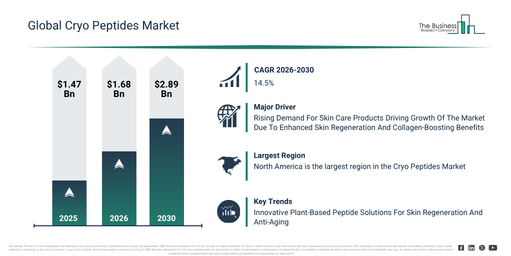
    The cryo peptides market size has experienced rapid expansion in recent years. It is anticipated to grow from $1.47 billion in 2025 to $1.68 billion in 2026, achieving a compound annual growth rate (CAGR) of 14.3%. This historical growth can be attributed to factors like increasing consumer demand for anti-aging skincare, a heightened awareness of peptide benefits, the adoption of cryogenic preservation technologies, the expansion of dermatology clinics, and a rise in research activities related to cosmetic peptides.

    The cryo peptides market is anticipated to experience significant expansion over the coming years. Its valuation is projected to reach $2.89 billion by 2030, exhibiting a compound annual growth rate (CAGR) of 14.5%. This anticipated expansion during the forecast period is driven by factors such as the increasing embrace of personalized skincare, the wider application of sophisticated cryo peptide formulations, an uptick in demand from medical aesthetic facilities, the enlargement of the premium beauty consumer demographic, and the incorporation of peptides into versatile cosmetic products. Key market developments expected in this period encompass the growing acceptance of anti-aging cryo peptides, a heightened call for skin repair cryo peptides, the increasing appeal of firming and lifting cryo peptides, the proliferation of hydrating cryo peptide options, and an intensified emphasis on both professional and medical aesthetic procedures.

    Get A Free Sample Report With In-Depth Market Insights:

    https://thebusinessresearchcompany.com/sample_request?id=61326748&type=smp&name=Cryo%20Peptides%20Market%20Report%202026&utm_source=Blogs&utm_medium=Paid&utm_campaign=Oct_PR

    Cryo Peptides Market Growth Factors Behind Sustained Expansion

    The increasing need for skin care items is anticipated to fuel the expansion of the cryo peptides market in the future. Skin care products are formulations crafted to cleanse, safeguard, moisturize, and enhance the well-being and look of the skin. The consumption of these products is rising due to heightened understanding of the significance of protecting and preserving healthy skin. Cryopeptides support skin care products by encouraging skin regeneration, increasing collagen synthesis, and mitigating inflammation, which leads to better elasticity, firmness, and overall skin health. As an illustration, in August 2024, the British Beauty Council, a UK-based not-for-profit organization, reported that in 2023, the beauty and personal care industry directly added £13.5 billion ($18.2 billion) to the UK GDP and an additional £13.6 billion ($18.4 billion) indirectly through its supply chain and employee spending, amounting to a total of £27.2 billion ($36.7 billion). Consequently, the rising demand for skin care products is propelling the growth of the cryo-peptides market.

    Cryo Peptides Market Breakdown By Product Type And Application

    The cryo peptides market covered in this report is segmented –

    1) By Product Type: Anti-Aging Cryo Peptides, Skin Repair Cryo Peptides, Firming And Lifting Cryo Peptides, Hydrating Cryo Peptides, Other Specialty Formulations

    2) By Peptide Type: Signal Peptides, Carrier Peptides, Neurotransmitter Peptides, Enzyme Inhibitor Peptides

    3) By Formulation: Serums, Creams, Masks, Ampoules

    4) By Application: Facial Care, Eye Care, Neck And Décolletage Care, Professional Treatments

    5) By End User: Premium Beauty Consumers, Dermatology Clinics, Medical Aesthetic Centers

    Subsegments:

    1) By Anti-Aging Cryo Peptides: Palmitoyl Tetrapeptide, Acetyl Hexapeptide, Tripeptide-1, Copper Peptide, Other Anti-Aging Peptides

    2) By Skin Repair Cryo Peptides: Matrixyl Peptide, Hexapeptide-9, Oligopeptide-68, Pentapeptide, Other Skin Repair Peptides

    3) By Firming And Lifting Cryo Peptides: Palmitoyl Pentapeptide, Acetyl Octapeptide, Tripeptide-10, Myristoyl Tetrapeptide, Other Firming Peptides

    4) By Hydrating Cryo Peptides: Dipeptide-2, Hexapeptide-11, Palmitoyl Tripeptide, Acetyl Tetrapeptide, Other Hydrating Peptides

    5) By Other Specialty Formulations: Anti-Inflammatory Peptides, Brightening Peptides, Collagen Stimulating Peptides, Antioxidant Peptides, Other Specialty Peptides

    Cryo Peptides Market Industry Trends Fueling Future Revenue Growth

    Key companies in the cryo peptides market are concentrating on developing innovative products, such as plant-derived collagen analogs, to improve skin regeneration, enhance anti-aging effects, and meet the growing consumer demand for sustainable and effective skincare ingredients. A plant-sourced collagen analog is either bioengineered or naturally obtained from plants, designed to mimic the structure and function of animal-derived collagen, providing similar benefits like enhanced skin elasticity, hydration, and regeneration, without utilizing animal components. For example, in May 2023, DERMA E, a natural skincare brand from the US, introduced an advanced Peptides and Flora Collagen Cryo-Gel Mask. This vegan, cruelty-free mask features a distinctive cryo-gel formula enriched with multiple peptides, Flora-Collagen™, and plant stem cells. The cooling gel texture immediately reduces puffiness and revitalizes the skin, while the complex of peptides works to boost firmness and elasticity. The formulation also includes Edelweiss Extract to help shield skin cells from environmental stressors, preparing the skin for subsequent daytime or nighttime regimens without causing irritation.

    Cryo Peptides Market Competitive Landscape: Who Leads The Industry?

    Major companies operating in the cryo peptides market are Lonza Group Ltd., Almac Group Ltd., Piramal Pharma Solutions, Bachem Holding AG, GenScript Biotech Corporation, CordenPharma Inc., PolyPeptide Group AG, CPC Scientific Inc., Revision Skincare, SkinCeuticals Inc., Hybio Pharmaceutical Co. Ltd., Aurigene Pharmaceutical Services Ltd., Creative Biolabs Inc., AnaSpec Inc., BioSynth Group Ltd., Allies of Skin Pte Ltd., Phoenix Pharmaceuticals Inc., AAPPTec LLC, Peptide Institute Inc., PeptiOrigin.

    View The Full Cryo Peptides Market Report:

    https://thebusinessresearchcompany.com/report/cryo-peptides-market-report?utm_source=Blogs&utm_medium=Paid&utm_campaign=Oct_PR

    Cryo Peptides Market Geographic Landscape: Which Region Dominates Industry Growth?

    North America was the largest region in the cryo peptides market in 2025. Asia-Pacific is expected to be the fastest-growing region in the forecast period. The regions covered in the cryo peptides market report are Asia-Pacific, South East Asia, Western Europe, Eastern Europe, North America, South America, Middle East, Africa.

    Reach Out To Our Team:

    The Business Research Company: https://www.thebusinessresearchcompany.com/

    Americas: +1 310-496-7795

    Asia: +44 7882 955267 & +91 8897263534

    Europe: +44 7882 955267

    Email us at: marketing@tbrc.info

    Follow us on:

    LinkedIn: https://in.linkedin.com/company/the-business-research-company

    YouTube: https://www.youtube.com/channel/UC24_fI0rV8cR5DxlCpgmyFQ

    Global Market Model: https://www.thebusinessresearchcompany.com/global-market-model

  • Chemoproteomics Market Analysis: How The Industry Is Evolving Toward A $3.36 Billion Future

    Chemoproteomics Market Analysis: How The Industry Is Evolving Toward A $3.36 Billion Future

    Backed by market attractiveness analysis, total addressable market sizing, company benchmarking matrices, interactive Excel dashboards, wider supply chain intelligence, emerging startup coverage, and detailed product-level insights, The Business Research Company’s 2026 market reports are designed to offer research that is more actionable and strategically valuable than ever.

    Chemoproteomics Market Size Forecast: How Big Could The Market Get By 2030?

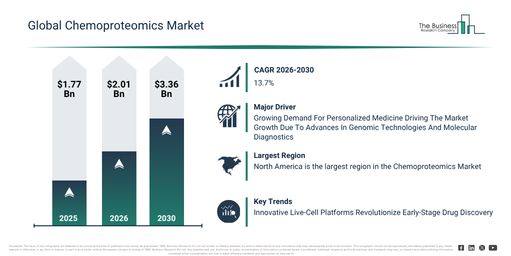
    The chemoproteomics market has experienced significant growth in recent years. Its valuation is projected to rise from $1.77 billion in 2025 to $2.01 billion in 2026, achieving a compound annual growth rate (CAGR) of 13.5%. This historical expansion can be attributed to factors such as increased investment in proteomics research, a surge in pharmaceutical R&D activities, the adoption of advanced mass spectrometry techniques, heightened efforts in drug discovery and biomarker identification, and the broadening of academic and research institutes.

    The chemoproteomics market size is set for significant expansion in the coming years. It will grow to $3.36 billion in 2030 at a compound annual growth rate (CAGR) of 13.7%. This forecasted growth is primarily driven by factors such as the increasing integration of artificial intelligence into proteomics analysis, a heightened demand for high-throughput chemoproteomics platforms, an elevated emphasis on personalized medicine, the enlargement of contract research organizations, and the wider embrace of multi-omics strategies. Key developments expected during this period involve a greater uptake of activity-based protein profiling, an increased need for quantitative proteomics techniques, the deeper integration of structural proteomics approaches, the broadening of affinity-based protein profiling applications, and a stronger emphasis on both label-free and isotope labeling methods.

    Get A Free Sample Report With In-Depth Market Insights:

    https://thebusinessresearchcompany.com/sample_request?id=37332725&type=smp&name=Chemoproteomics%20Market%20Report%202026&utm_source=Blogs&utm_medium=Paid&utm_campaign=Oct_PR

    Chemoproteomics Market Growth Factors Behind Sustained Expansion

    The rising need for individualized medical approaches is anticipated to fuel the expansion of the chemoproteomics market in the future. Individualized medicine involves healthcare interventions and treatments customized for each patient, considering their unique genetic composition, biological markers, and specific ailment traits. The heightened requirement for personalized medicine stems from breakthroughs in genomic technologies and advanced molecular diagnostics, which empower medical professionals to adjust treatments precisely to a patient’s genetic blueprint, thus enhancing treatment results. Chemoproteomics facilitates personalized medicine through pinpointing protein-drug interactions unique to each patient and their biomarker profiles, thereby allowing for customized therapies that optimize effectiveness and reduce undesirable side effects. A notable example is that in February 2024, the Personalized Medicine Coalition, a US-based non-profit group, reported that the Food and Drug Administration sanctioned 16 novel personalized treatments for individuals with rare diseases in 2023, an increase from six in 2022, comprising seven cancer medications and three for other conditions. Consequently, the increasing demand for personalized medicine is a key impetus behind the growth of the chemoproteomics market.

    Chemoproteomics Market Segment Performance And Emerging Opportunities

    The chemoproteomics market covered in this report is segmented –

    1) By Technology: Activity Based Protein Profiling, Quantitative Proteomics, Structural Proteomics, Affinity Based Protein Profiling, Label Free And Isotope Labeling Techniques

    2) By Product Type: Reagents And Kits, Instruments, Software, Services

    3) By Application: Drug Discovery, Target Identification And Validation, Biomarker Discovery, Proteome Profiling, Other Application

    4) By End-User: Pharmaceutical And Biotechnology Companies, Academic And Research Institutes, Contract Research Organizations, Other End-User

    Subsegments:

    1) By Activity Based Protein Profiling: Enzyme Activity Profiling, Covalent Probe Profiling, Targeted Activity Profiling, Functional Protein Profiling

    2) By Quantitative Proteomics: Stable Isotope Labeling, Isobaric Tag Labeling, Label Free Quantification, Metabolic Labeling

    3) By Structural Proteomics: X Ray Crystallography, Nuclear Magnetic Resonance, Cryogenic Electron Microscopy, Hydrogen Deuterium Exchange

    4) By Affinity Based Protein Profiling: Protein Ligand Interaction, Antibody Based Capture, Small Molecule Affinity Capture, Protein Complex Isolation

    5) By Label Free and Isotope Labeling Techniques: Label Free Mass Spectrometry, Isotope Coded Affinity Tagging, Dimethyl Labeling, Tandem Mass Tag Labeling

    Chemoproteomics Market Industry Trends Fueling Future Revenue Growth

    Companies operating in the chemoproteomics market are concentrating on developing innovative solutions, such as live cell target engagement platforms, to speed up drug discovery and enhance early stage efficacy prediction. A live cell target engagement platform is a technology designed to measure how drug candidates interact with their molecular targets within living cells in real time, offering more precise and physiologically relevant data compared to traditional in vitro assays. For instance, in September 2025, LeadArt Biotechnologies Inc., a US-based biotechnology research company, unveiled its INTRAP platform, a next-generation live-cell target engagement and chemoproteomics system, at AHeDD 2025. This platform integrates chemoproteomics, automation, and AI to analyze drug-target interactions directly inside living cells. This functionality allows researchers to more efficiently identify and optimize drug candidates, especially for challenging or “undruggable” targets. By supplying real-time, physiologically relevant data, INTRAP seeks to improve early-stage success rates and accelerate the entire drug discovery process.

    Chemoproteomics Market Key Players Shaping Industry Direction

    Major companies operating in the chemoproteomics market are Thermo Fisher Scientific Inc., Merck KGaA, Danaher Corporation, Agilent Technologies Inc., Shimadzu Corporation, PerkinElmer Inc., Bruker Corporation, Waters Corporation, Bio-Rad Laboratories Inc., Evotec SE, Promega Corporation, Cell Signaling Technology Inc., Seer Inc., ChomiX Biotech Inc., Abcam plc, Creative Proteomics Inc., MtoZ Biolabs Inc., Allumiqs Corporation, Dalriada Drug Discovery Ltd., MS Bioworks LLC.

    View The Full Chemoproteomics Market Report:

    https://thebusinessresearchcompany.com/report/chemoproteomics-market-report?utm_source=Blogs&utm_medium=Paid&utm_campaign=Oct_PR

    Chemoproteomics Market Regional Analysis: Which Region Leads By Revenue?

    North America was the largest region in the chemoproteomics market in 2025. Asia-Pacific is expected to be the fastest-growing region in the forecast period. The regions covered in the chemoproteomics market report are Asia-Pacific, South East Asia, Western Europe, Eastern Europe, North America, South America, Middle East, Africa.

    Reach Out To Our Team:

    The Business Research Company: https://www.thebusinessresearchcompany.com/

    Americas: +1 310-496-7795

    Asia: +44 7882 955267 & +91 8897263534

    Europe: +44 7882 955267

    Email us at: marketing@tbrc.info

    Follow us on:

    LinkedIn: https://in.linkedin.com/company/the-business-research-company

    YouTube: https://www.youtube.com/channel/UC24_fI0rV8cR5DxlCpgmyFQ

    Global Market Model: https://www.thebusinessresearchcompany.com/global-market-model