Category: Pharmaceuticals

  • Mid-Size Pharmaceuticals Market Overview 2026–2030 With Insights On Industry Developments

    Mid-Size Pharmaceuticals Market Overview 2026–2030 With Insights On Industry Developments

    The Business Research Company’s 2026 market reports feature enhanced tools like market attractiveness analysis, TAM assessment, and company scoring matrices, along with interactive dashboards, deeper supply chain insights, and startup coverage strengthening the depth, usability, and strategic value of insights.

    How Large Will The Mid-Size Pharmaceuticals Market Be By 2030 Compared To Its 2026 Market Size?

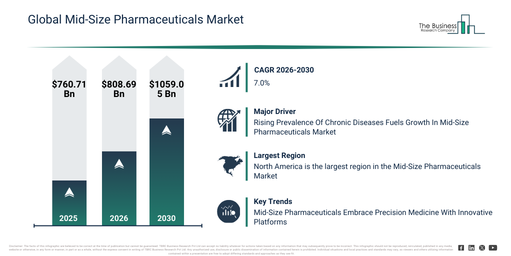
    The mid-size pharmaceuticals market has experienced robust expansion in recent times. This market is projected to expand from $760.71 billion in 2025 to reach $808.69 billion in 2026, exhibiting a compound annual growth rate (CAGR) of 6.3%. Historically, this growth can be ascribed to a combination of factors including heightened r&d investments, wider expansion into emerging markets, the adoption of generic drug production, an increase in regional partnerships, and the rising prevalence of chronic diseases.

    The mid-size pharmaceuticals market size is projected to experience substantial expansion over the upcoming years, with an expected growth to $1059.05 billion in 2030 at a compound annual growth rate (CAGR) of 7.0%. This anticipated growth during the forecast period is primarily driven by factors such as progress in personalized medicine, the rise in outsourcing for CROs & CMOs, the integration of AI in drug discovery, the expansion of digital health platforms, and an increase in specialty pharmaceuticals. Key trends expected within this period encompass a focus on niche drug development, the expansion into new regional markets, the formation of strategic partnerships and collaborations, an uptick in generic drug manufacturing, and the optimization of contract manufacturing processes.

    Access Your Free Sample Report For In-Depth Market Analysis:

    https://www.thebusinessresearchcompany.com/sample.aspx?id=12045&type=smp

    Which Drivers Are Supporting The Mid-Size Pharmaceuticals Market Growth?

    The rising incidence of long-term health conditions is projected to stimulate the expansion of the mid-size pharmaceuticals market moving ahead. These enduring medical conditions, also referred to as non-communicable diseases, necessitate continuous management and care, thereby generating a significant need for pharmaceuticals. Techniques involving mass spectrometry are utilized for identifying, quantifying, and analyzing biomarkers and metabolites linked to chronic illnesses. An increase in the occurrence of chronic diseases will further foster the development of the mid-size pharmaceuticals market. For example, in June 2024, data from the National Health Service, a government department based in the UK, indicated that 3,615,330 people registered with a general practitioner were diagnosed with non-diabetic hyperglycemia or pre-diabetes (a state with elevated blood sugar levels, not high enough to be classified as diabetes) in 2023, representing an 18% rise from 3,065,825 cases in 2022. Consequently, the expanding prevalence of chronic diseases is indeed propelling the growth of the mid-size pharmaceuticals market.

    How Is Segmentation Applied In The Mid-Size Pharmaceuticals Market Segment Analysis?

    The mid-size pharmaceuticals market covered in this report is segmented –

    1) By Drug Development Type: In-House, Outsource

    2) By Type: Prescription, Over The Counter

    3) By Formulation: Tablets, Capsules, Injectables, Sprays, Other Formulations

    4) By Application: Cardiovascular Diseases, Pain Management, Diabetes, Cancer, Other Conditions

    Subsegments:

    1) By In-House: Research And Development (R&D) Departments, Clinical Trials Management

    2) By Outsource: Contract Research Organizations (CROs), Contract Manufacturing Organizations (CMOs)

    Which Trends Are Influencing Demand In The Mid-Size Pharmaceuticals Market?

    Leading companies in mid-size pharmaceuticals are concentrating on developing and launching products, such as precision medicine platforms, to maintain their market position. A precision medicine platform is an advanced technological system designed to customize medical treatments and interventions for the specific characteristics of individual patients. For example, in February 2023, C4X Discovery Holdings PLC, a UK-based mid-size pharmaceutical company, introduced its innovative precision medicine platform, PatientSeek. This platform is intended to identify patients most likely to respond favorably to a particular medication, based on their genetic makeup. The unveiling of PatientSeek follows its successful validation in patient stratification, where a subgroup of patients who responded positively to treatment was identified during a retrospective analysis of a Phase 3 clinical trial for Parkinson’s disease. This development represents a significant stride in utilizing genetics for targeted and effective medication strategies, highlighting precision medicine’s potential to optimize treatment outcomes.

    Who Are The Companies Participating In The Mid-Size Pharmaceuticals Market Environment?

    Major companies operating in the mid-size pharmaceuticals market are Baxter International Inc., Teva Pharmaceutical Industries Ltd., Otsuka Pharmaceutical Co Ltd., Astellas Pharma Inc., Daiichi Sankyo Co. Ltd., Alexion Pharmaceuticals Inc., UCB S.A., Sun Pharmaceutical Industries Ltd., Eisai Co. Ltd., Les Laboratoires Servier S.A., Perrigo Co Plc, Aurobindo Pharma Limited., Cipla Limited, Hikma Pharmaceuticals, Endo International plc, Taisho Pharmaceutical Holdings Co. Ltd., BioMarin Pharmaceutical Inc., Mallinckrodt Plc, Exelixis Inc., Mylan Pharmaceuticals Inc., Neurocrine Biosciences Inc., Kyowa Kirin Co. Ltd., Emergent BioSolutions Inc.

    Get The Full Mid-Size Pharmaceuticals Market Report:

    https://www.thebusinessresearchcompany.com/report/mid-size-pharmaceuticals-global-market-report

    Which Region Holds The Highest Market Share In The Mid-Size Pharmaceuticals Market?

    North America was the largest region in the mid-size pharmaceutical market in 2025. Asia-Pacific is expected to be the fastest-growing region in the forecast period. The regions covered in the mid-size pharmaceuticals market report are Asia-Pacific, South East Asia, Western Europe, Eastern Europe, North America, South America, Middle East, Africa.

    Request A Customized Mid-Size Pharmaceuticals Market Report For Competitive Insights:

    https://www.thebusinessresearchcompany.com/report/mid-size-pharmaceuticals-global-market-report

    Browse Through More Reports Similar to the Global Mid-Size Pharmaceuticals Market 2026, By The Business Research Company

    Mid Size Pharmaceuticals Market Report 2026

    https://www.thebusinessresearchcompany.com/report/mid-size-pharmaceuticals-global-market-report

    Pharmaceuticals Market 2026

    https://www.thebusinessresearchcompany.com/report/pharmaceuticals-market

    Small Molecule Active Pharmaceutical Ingredient Market Report 2026

    https://www.thebusinessresearchcompany.com/report/small-molecule-active-pharmaceutical-ingredient-global-market-report

    Get in touch with us:

    The Business Research Company: https://www.thebusinessresearchcompany.com/

    Americas +1 310-496-7795

    Asia +44 7882 955267 & +91 8897263534

    Europe +44 7882 955267

    Email us at: marketing@tbrc.info

    Follow us on:

    LinkedIn: https://in.linkedin.com/company/the-business-research-company

    YouTube: https://www.youtube.com/channel/UC24_fI0rV8cR5DxlCpgmyFQ

    Global Market Model: https://www.thebusinessresearchcompany.com/global-market-model
  • Microtubule Inhibitor Chemotherapy Drugs Market Forecast Highlighting Key Trends And Expansion Potential

    Microtubule Inhibitor Chemotherapy Drugs Market Forecast Highlighting Key Trends And Expansion Potential

    The Business Research Company’s 2026 market reports feature enhanced tools like market attractiveness analysis, TAM assessment, and company scoring matrices, along with interactive dashboards, deeper supply chain insights, and startup coverage strengthening the depth, usability, and strategic value of insights.

    What Is The Projected Increase In Market Value Of The Microtubule Inhibitor Chemotherapy Drugs Market During 2026–2030?

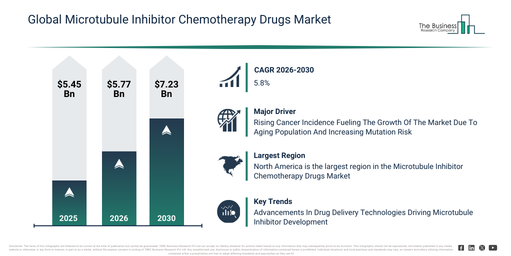
    The microtubule inhibitor chemotherapy drugs market size has demonstrated significant growth in recent years. It is anticipated to increase from $5.45 billion in 2025 to $5.77 billion in 2026, achieving a compound annual growth rate (CAGR) of 5.8%. The expansion observed in the historic period can be ascribed to the extensive adoption of taxanes and vinca alkaloids, the escalating global cancer incidence, the well-established effectiveness of microtubule inhibitors, the broadening of oncology treatment infrastructure, and augmented clinical oncology research.

    The microtubule inhibitor chemotherapy drugs market is projected to experience substantial expansion over the upcoming years. This market is anticipated to reach $7.23 billion by 2030, demonstrating a compound annual growth rate (CAGR) of 5.8%. This projected growth is driven by several factors, including the global rise in cancer prevalence, a growing need for combination oncology treatments, innovations in drug delivery methods, increasing capital allocation towards oncology drug creation, and the broader application of personalized cancer treatment approaches. Key trends foreseen during this period involve the expanded application of microtubule inhibitors within combination therapies, the ongoing creation of new synthetic microtubule inhibitors, a greater embrace of targeted chemotherapy protocols, the broadening of indications across various cancer types, and an increased emphasis on mitigating the adverse effects of chemotherapy.

    Access Your Free Sample Report For In-Depth Market Analysis:

    https://www.thebusinessresearchcompany.com/sample.aspx?id=24323&type=smp

    What Key Factors Are Affecting The Microtubule Inhibitor Chemotherapy Drugs Market Demand?

    The expanding occurrence of cancer is projected to propel the microtubule inhibitor chemotherapy drugs market’s growth into the future. Cancer is defined as a group of illnesses distinguished by uncontrolled cell proliferation, capable of infiltrating adjacent tissues or metastasizing throughout the body. An aging demographic contributes to this surge in cancer diagnoses, as elderly individuals are more prone to acquiring genetic mutations and prolonged exposure to carcinogens, thereby heightening their vulnerability to the disease. Microtubule inhibitor chemotherapy drugs function in cancer therapy by impeding cell division; they achieve this by targeting microtubules, which are vital for mitosis, consequently halting the swift multiplication of cancer cells. For instance, in February 2024, the World Health Organization, a Switzerland-based intergovernmental organization, projected a substantial increase in cancer cases, moving from 20 million in 2022 to an additional over 35 million by 2050. Consequently, the growing incidence of cancer is a key factor propelling the expansion of the microtubule inhibitor chemotherapy drugs market.

    What Segment Categories Shape The Microtubule Inhibitor Chemotherapy Drugs Market Segment Landscape?

    The microtubule inhibitor chemotherapy drugs market covered in this report is segmented –

    1) By Drug Type: Vinca Alkaloids, Taxanes, Epothilones, Other Drug Types

    2) By Mechanism Of Action: Spindle Poisoning Agents, Microtubule Stabilizers, Microtubule Destabilizers, Dual-Action Inhibitors

    3) By Administration Route: Intravenous (IV), Oral, Subcutaneous, Intraperitoneal

    4) By Patient Demographics: Pediatric Patients, Adult Patients, Geriatric Patients, Gender-Specific Considerations

    5) By Application Area: Breast Cancer, Lung Cancer, Ovarian Cancer, Lymphomas, Other Application Areas

    Subsegments:

    1) By Vinca Alkaloids: Vincristine, Vinblastine, Vinorelbine, Vindesine

    2) By Taxanes: Paclitaxel, Docetaxel, Cabazitaxel, Nab-paclitaxel

    3) By Epothilones: Ixabepilone, Epothilone B

    4) By Other Drug Types: Eribulin, Estramustine, Novel Synthetic Microtubule Inhibitors

    What Emerging Trends Are Seen In The Microtubule Inhibitor Chemotherapy Drugs Market?

    Major companies within the microtubule inhibitor chemotherapy drugs market are prioritizing the development of advanced solutions, such as albumin-bound formulations, aimed at improving drug delivery to tumors. These albumin-bound formulations represent drug preparations where the active pharmaceutical ingredient is coupled with albumin, a protein beneficial for enhancing drug solubility, stability, and targeted delivery to cancer cells. For example, in October 2024, Sandoz AG, a Switzerland-based pharmaceutical company, declared the U.S. introduction of its generic paclitaxel. The recently launched formulation is presented as a lyophilized powder for injection, provided in a single-dose 100 mg vial. Paclitaxel protein-bound particles for injectable suspension (albumin-bound), a microtubule inhibitor, is prescribed for treating metastatic breast cancer in patients who have not responded to combination chemotherapy for metastatic disease or who have experienced a relapse within six months after adjuvant chemotherapy.

    Who Are The Companies Operating Across The Microtubule Inhibitor Chemotherapy Drugs Market Value Chain?

    Major companies operating in the microtubule inhibitor chemotherapy drugs market are Pfizer Inc., Sanofi S.A., Bristol-Myers Squibb Company, Fresenius Kabi AG, Eli Lilly and Company, Teva Pharmaceutical Industries Ltd., Intas Pharmaceuticals Ltd., Sun Pharmaceutical Industries Limited, Eisai Co. Ltd., Aurobindo Pharma Limited, Dr. Reddy’s Laboratories Ltd., Cipla Limited, Hikma Pharmaceuticals PLC, Zydus Lifesciences Limited, Gland Pharma Limited, Natco Pharma Limited, Minakem, Selleck Chemicals LLC, Accord Healthcare Ltd., Focus Biomolecules LLC

    Get The Full Microtubule Inhibitor Chemotherapy Drugs Market Report:

    https://www.thebusinessresearchcompany.com/report/microtubule-inhibitor-chemotherapy-drugs-global-market-report

    Where Is The Microtubule Inhibitor Chemotherapy Drugs Market Most Concentrated Geographically?

    North America was the largest region in the microtubule inhibitor chemotherapy drugs market in 2025. Asia-Pacific is expected to be the fastest-growing region in the forecast period. The regions covered in the microtubule inhibitor chemotherapy drugs market report are Asia-Pacific, South East Asia, Western Europe, Eastern Europe, North America, South America, Middle East, Africa.

    Request A Customized Microtubule Inhibitor Chemotherapy Drugs Market Report For Competitive Insights:

    https://www.thebusinessresearchcompany.com/report/microtubule-inhibitor-chemotherapy-drugs-global-market-report

    Browse Through More Reports Similar to the Global Microtubule Inhibitor Chemotherapy Drugs Market 2026, By The Business Research Company

    Chemotherapy Market Report 2026

    https://www.thebusinessresearchcompany.com/report/chemotherapy-global-market-report

    Oncology Drugs Market 2026

    https://www.thebusinessresearchcompany.com/report/oncology-drugs-market

    Oncology Drugs Market 2026

    https://www.thebusinessresearchcompany.com/report/oncology-drugs-market

    Get in touch with us:

    The Business Research Company: https://www.thebusinessresearchcompany.com/

    Americas +1 310-496-7795

    Asia +44 7882 955267 & +91 8897263534

    Europe +44 7882 955267

    Email us at: marketing@tbrc.info

    Follow us on:

    LinkedIn: https://in.linkedin.com/company/the-business-research-company

    YouTube: https://www.youtube.com/channel/UC24_fI0rV8cR5DxlCpgmyFQ

    Global Market Model: https://www.thebusinessresearchcompany.com/global-market-model
  • Microcarrier Beads Market Analysis Covering Growth Drivers And Future Outlook

    Microcarrier Beads Market Analysis Covering Growth Drivers And Future Outlook

    The Business Research Company’s 2026 market reports feature enhanced tools like market attractiveness analysis, TAM assessment, and company scoring matrices, along with interactive dashboards, deeper supply chain insights, and startup coverage strengthening the depth, usability, and strategic value of insights.

    How Is The Market Size Of The Microcarrier Beads Market Expected To Change From 2026 To 2030?

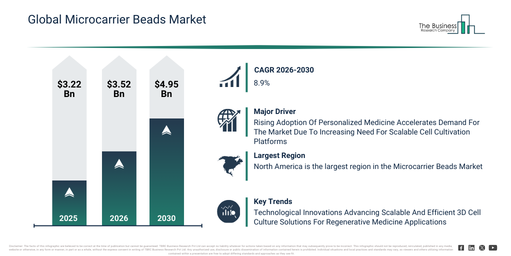
    The microcarrier beads market size has shown robust expansion in recent years. It is anticipated to increase from $3.22 billion in 2025 to $3.52 billion in 2026, demonstrating a compound annual growth rate (CAGR) of 9.2%. The historical growth can be attributed to the limited availability of standardized microcarriers, a reliance on small-scale cell culture techniques, the increasing demand for vaccine production, a rise in biopharmaceutical research and development, and the adoption of basic tissue engineering methods.

    The microcarrier beads market is projected to experience substantial expansion over the upcoming years. Its valuation is set to reach $4.95 billion by the year 2030, exhibiting a compound annual growth rate (CAGR) of 8.9%. This anticipated growth during the forecast period stems from factors such as the creation of advanced and modified microcarriers, the broadening scope of gene therapy and regenerative medicine, the growing integration of scalable bioreactor systems, increasing investments in biotechnology, and the advancement of personalized medicine and protein therapeutics. Key trends foreseen for the forecast period encompass a heightened need for large-scale cell culture expansion, an uptick in vaccine and gene therapy manufacturing, the wider application of microcarriers in tissue engineering and protein generation, the embrace of customized and altered microcarrier beads, and the broadening of academic and research uses for cell-based investigations.

    Access Your Free Sample Report For In-Depth Market Analysis:

    https://www.thebusinessresearchcompany.com/sample.aspx?id=27345&type=smp

    Which Primary Drivers Are Impacting The Microcarrier Beads Market Growth?

    The microcarrier beads market is anticipated to expand, driven by the increasing adoption of personalized medicine. This approach tailors healthcare decisions and treatments to each patient’s unique attributes, including their genetic makeup and biological indicators. Personalized medicine is gaining momentum due to advancements in genomic technologies, which enable rapid and cost-efficient analysis of individual genetic data to inform targeted therapies. Microcarrier beads support personalized medicine by providing a scalable system for cultivating patient-specific cells essential for customized treatments. For instance, in February 2024, the Personalized Medicine Coalition, a US-based non-profit organization, reported that the FDA approved 16 new personalized treatments for rare disease patients in 2023, an increase from 6 in 2022. The 2023 approvals also encompassed seven cancer therapies and three for other medical conditions. Therefore, the growing trend of personalized medicine is driving the growth of the microcarrier beads market.

    Which Segment Types Are Examined In The Microcarrier Beads Market Segment Study?

    The microcarrier beads market covered in this report is segmented –

    1) By Type: Cytodex Microcarriers, Cultispher Microcarriers, Microcarriers MC10, Microcarriers MC3T3, Microcarriers MC3T3-E1

    2) By Size: Small Microcarriers, Medium Microcarriers, Large Microcarriers

    3) By Distribution Channel: Direct Sales, Distributors Or Resellers, Online Platforms, Catalogs And Magazines

    4) By Application: Cell Culture Expansion, Vaccine Production, Gene Therapy, Tissue Engineering, Protein Production

    5) By End-User: Biotechnology Companies, Pharmaceutical Companies, Academic And Research Institutions, Contract Research Organizations (CROs), Other End Users

    Subsegments:

    1) By Cytodex Microcarriers: Cytodex 1, Cytodex 3, Cytodex 4

    2) By CultiSpher Microcarriers: CultiSpher-S, CultiSpher-G, CultiSpher-GM

    3) By Microcarriers MC10: MC10 Standard, MC10 Modified

    4) By Microcarriers MC3T3: MC3T3 Alpha, MC3T3 Beta

    5) By Microcarriers MC3T3-E1: MC3T3-E1 Standard, MC3T3-E1 Enhanced

    Which Trends Are Guiding The Direction Of The Microcarrier Beads Market?

    Leading companies in the microcarrier beads market are focusing on the development of advanced solutions, such as hydrophilic polymer-based beads, to enhance cell attachment, proliferation, and scalability within bioreactor-based cell culture systems. Hydrophilic polymer-based beads are microcarrier beads made from polymers that readily absorb water, creating a hydrated environment similar to natural cellular conditions, which thereby improves cell viability, proliferation, and functionality during large-scale cell culture processes. For example, in April 2024, Kuraray Co. Ltd., a Japan-based chemical manufacturing company, introduced PVA (polyvinyl alcohol) hydrogel microcarriers for cell culture applications, specifically aimed at regenerative medicine. These highly elastic, damage-resistant bead-like scaffolds facilitate efficient, large-scale 3D cell culture, offering easy cell recovery, improved proliferation, and enhanced safety for regenerative medicine. Their swelling characteristic increases the surface area, thus reducing the amount of microcarriers needed and enabling clear microscopic observation of cells during the culture process.

    Which Players Are Part Of The Competitive Landscape Of The Microcarrier Beads Market?

    Major companies operating in the microcarrier beads market are Thermo Fisher Scientific Inc., Merck KGaA, Asahi Kasei Corporation, Corning Incorporated, Lonza Corporation, Cytiva Life Sciences, KURARAY CO. LTD., Sartorius AG, Bio-Techne Corporation, Pall Corporation, Ilex Life Sciences Ltd., ReproCELL Inc., HiMedia Laboratories Pvt. Ltd., Synthecon Inc., Beaver Biomedical Engineering Co. Ltd., Percell Biolytica.

    Get The Full Microcarrier Beads Market Report:

    https://www.thebusinessresearchcompany.com/report/microcarrier-beads-global-market-report

    Which Region Dominates The Microcarrier Beads Market By Market Share?

    North America was the largest region in the microcarrier beads market in 2025. Asia-Pacific is expected to be the fastest-growing region in the forecast period. The regions covered in the microcarrier beads market report are Asia-Pacific, South East Asia, Western Europe, Eastern Europe, North America, South America, Middle East, Africa.

    Request A Customized Microcarrier Beads Market Report For Competitive Insights:

    https://www.thebusinessresearchcompany.com/report/microcarrier-beads-global-market-report

    Browse Through More Reports Similar to the Global Microcarrier Beads Market 2026, By The Business Research Company

    Payment Processor Market Report 2026

    https://www.thebusinessresearchcompany.com/report/payment-processor-global-market-report

    Payment As A Service Market Report 2026

    https://www.thebusinessresearchcompany.com/report/payment-as-a-service-global-market-report

    Payment Processing Solutions Market Report 2026

    https://www.thebusinessresearchcompany.com/report/payment-processing-solutions-global-market-report

    Get in touch with us:

    The Business Research Company: https://www.thebusinessresearchcompany.com/

    Americas +1 310-496-7795

    Asia +44 7882 955267 & +91 8897263534

    Europe +44 7882 955267

    Email us at: marketing@tbrc.info

    Follow us on:

    LinkedIn: https://in.linkedin.com/company/the-business-research-company

    YouTube: https://www.youtube.com/channel/UC24_fI0rV8cR5DxlCpgmyFQ

    Global Market Model: https://www.thebusinessresearchcompany.com/global-market-model
  • Non-Hormonal Contraceptives Market Forecast With Insights On Demand And Industry Growth

    Non-Hormonal Contraceptives Market Forecast With Insights On Demand And Industry Growth

    The Business Research Company’s 2026 market reports feature enhanced tools like market attractiveness analysis, TAM assessment, and company scoring matrices, along with interactive dashboards, deeper supply chain insights, and startup coverage strengthening the depth, usability, and strategic value of insights.

    What Level Of Market Value Growth Is Predicted For The Non-Hormonal Contraceptives Market From 2026 To 2030?

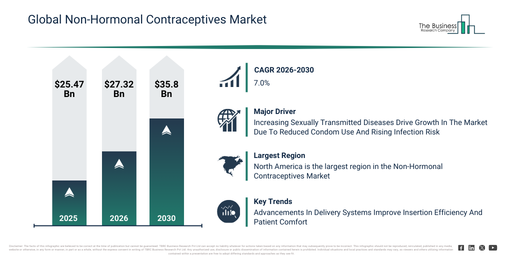
    The non-hormonal contraceptives market has experienced robust expansion in recent years. It is projected to grow from $25.47 billion in 2025 to $27.32 billion in 2026, demonstrating a compound annual growth rate (CAGR) of 7.3%. Historically, the market’s growth can be attributed to elements such as the limited availability of non-hormonal contraceptive methods, a reliance on surgical sterilization, increasing awareness of reproductive health, a rise in female healthcare initiatives, and the adoption of barrier devices in clinics.

    The non-hormonal contraceptives market size is projected to experience substantial growth over the next few years. It is forecast to expand to $35.8 billion by 2030, achieving a compound annual growth rate (CAGR) of 7.0%. This anticipated growth can be attributed to several factors, including the development of advanced non-hormonal devices, a rising demand for reversible and minimally invasive sterilization procedures, the expansion of family planning programs, increasing awareness of safety and compliance standards, and the integration of smart contraceptive monitoring systems. Prominent trends observed during this forecast period include a growing preference for non-hormonal contraceptive methods, the increasing adoption of barrier and mechanical devices, greater awareness regarding reversible sterilization options, the expansion of minimally invasive contraceptive devices, and a strong focus on safety, compliance, and patient-centric design.

    Access Your Free Sample Report For In-Depth Market Analysis:

    https://www.thebusinessresearchcompany.com/sample.aspx?id=25849&type=smp

    Which Strong Drivers Are Impacting The Non-Hormonal Contraceptives Market Growth?

    The increasing incidence of sexually transmitted diseases is anticipated to boost the non-hormonal contraceptives market’s expansion. Sexually transmitted diseases (STDs) are infections primarily transmitted via sexual contact, caused by various agents like bacteria, viruses, or parasites. The rise in STDs is significantly linked to reduced condom use, which elevates the risk of infection during unprotected sexual activity. Non-hormonal birth control methods, such as male and female condoms, aid in preventing STD transmission by acting as a physical barrier that stops the transfer of bodily fluids during sex. As an illustration, the Minnesota Department of Health (MDH), a US-based state health agency, reported in April 2025 that the percentage of HIV cases in males aged 35 to 39 saw a rise from 10% in 2023 to 17% in 2024. Consequently, the escalating occurrence of sexually transmitted diseases is fueling the expansion of the non-hormonal contraceptives market.

    How Are Different Segments Classified In The Non-Hormonal Contraceptives Market Segment Analysis?

    The non-hormonal contraceptives market covered in this report is segmented –

    1) By Type: Devices, Sterilization, Other Product Types

    2) By Mechanism Of Action: Antagonist, Agonist, Inhibitor, Modulator

    3) By Route of Administration: Intramuscular, Intravaginal, Intravenous, Oral, Subcutaneous, Topical, Transdermal, Other Route Of Administrations

    4) By Purpose Of Therapy: Treatment Of Disease, Management Of Symptoms

    5) By Target Indication: Bacterial Vaginosis, Contraception, Endometriosis, Postmenopausal Osteoporosis, Uterine Fibroids, Vaginitis, Other Target Indications

    Subsegments:

    1) By Devices: Surgical Instruments, Ligation Clips, Tubal Rings

    2) By Sterilization: Permanent Sterilization, Reversible Sterilization, Mechanical Sterilization Devices

    3) By Other Product Types: Non-Surgical Barrier Devices, Implantable Plugs, Intrauterine Permanent Devices

    Which Trends Are Contributing To Changes In The Non-Hormonal Contraceptives Market?

    Leading companies in the non-hormonal contraceptives market are dedicated to developing innovative solutions, such as preloaded intrauterine device delivery systems, to streamline insertion, enhance user convenience, and improve clinical efficiency. A preloaded intrauterine device (IUD) delivery system is a pre-assembled, ready-to-use device that integrates the preloaded IUD and its inserter into a single unit, specifically designed to simplify the insertion process, reduce setup time, and minimize the risk of contamination or handling errors. For instance, in September 2024, CooperSurgical Inc., a US-based medical device and fertility company, launched the Paragard Single-Handed Inserter, aiming to boost insertion efficiency and patient comfort during non-hormonal preloaded intrauterine device placement. This device offers over 99% effective, long-term birth control for up to 10 years by preventing sperm from fertilizing an egg. Its key benefits include immediate and reversible contraception, hormone-free suitability, and low maintenance once inserted.

    Who Are The Companies Driving Activity In The Non-Hormonal Contraceptives Market?

    Major companies operating in the non-hormonal contraceptives market are Church & Dwight Co., Okamoto Industries, CooperSurgical Inc., PSI India Pvt Ltd., Karex Berhad, Fuji Latex Co. Ltd., PREGNA INTERNATIONAL LTD., Cupid Limited, Global Protection Corp., SMB Corporation of India, HLL Lifecare Limited, Contraline Inc.

    Get The Full Non-Hormonal Contraceptives Market Report:

    https://www.thebusinessresearchcompany.com/report/non-hormonal-contraceptives-global-market-report

    Which Region Is The Top Contributor To The Non-Hormonal Contraceptives Market By Share?

    North America was the largest region in the non-hormonal contraceptives market in 2025. Asia-Pacific is expected to be the fastest-growing region in the forecast period. The regions covered in the non-hormonal contraceptives market report are Asia-Pacific, South East Asia, Western Europe, Eastern Europe, North America, South America, Middle East, Africa.

    Request A Customized Non-Hormonal Contraceptives Market Report For Competitive Insights:

    https://www.thebusinessresearchcompany.com/report/non-hormonal-contraceptives-global-market-report

    Browse Through More Reports Similar to the Global Non-Hormonal Contraceptives Market 2026, By The Business Research Company

    Hormonal Contraceptives Market Report 2026

    https://www.thebusinessresearchcompany.com/report/hormonal-contraceptives-global-market-report

    Contraceptives Market Report 2026

    https://www.thebusinessresearchcompany.com/report/contraceptives-global-market-report

    Oral Contraceptive Pills Market Report 2026

    https://www.thebusinessresearchcompany.com/report/oral-contraceptive-pills-global-market-report

    Get in touch with us:

    The Business Research Company: https://www.thebusinessresearchcompany.com/

    Americas +1 310-496-7795

    Asia +44 7882 955267 & +91 8897263534

    Europe +44 7882 955267

    Email us at: marketing@tbrc.info

    Follow us on:

    LinkedIn: https://in.linkedin.com/company/the-business-research-company

    YouTube: https://www.youtube.com/channel/UC24_fI0rV8cR5DxlCpgmyFQ

    Global Market Model: https://www.thebusinessresearchcompany.com/global-market-model
  • Non-Alcoholic Steatohepatitis Treatment Market Outlook Highlighting Key Drivers And Market Evolution

    Non-Alcoholic Steatohepatitis Treatment Market Outlook Highlighting Key Drivers And Market Evolution

    The Business Research Company’s 2026 market reports feature enhanced tools like market attractiveness analysis, TAM assessment, and company scoring matrices, along with interactive dashboards, deeper supply chain insights, and startup coverage strengthening the depth, usability, and strategic value of insights.

    How Will The Market Value Of The Non-Alcoholic Steatohepatitis Treatment Market Progress Between 2026 And 2030?

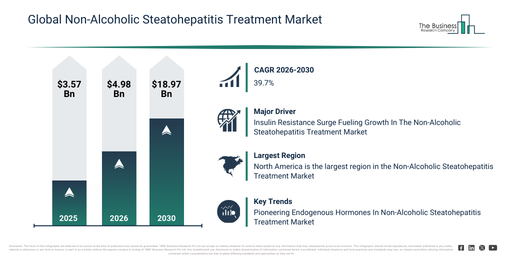
    The non-alcoholic steatohepatitis treatment market has seen rapid expansion in its size over recent years. It is anticipated to expand from $3.57 billion in 2025 to $4.98 billion in 2026, exhibiting a compound annual growth rate (CAGR) of 39.6%. Factors contributing to this historical expansion include the escalating prevalence of obesity, a surge in the incidence of type 2 diabetes, considerable intake of processed foods, insufficient understanding of liver health, and constrained therapeutic choices for early-stage nash.

    The non-alcoholic steatohepatitis treatment market is projected to experience rapid expansion over the coming years. This market is forecast to reach $18.97 billion by 2030, exhibiting a compound annual growth rate (CAGR) of 39.7%. Factors contributing to this growth during the outlook period include progress in precision medicine, the creation of innovative NASH drugs, the uptake of digital health monitoring instruments, governmental efforts aimed at preventing liver disease, and rising investment in liver disease research. Key trends anticipated for this forecast timeframe encompass individualized lifestyle and diet management, innovations in non-invasive diagnostics, initiatives for fatty liver disease awareness, at-home liver health monitoring, and the evolution of new pharmacological agents.

    Access Your Free Sample Report For In-Depth Market Analysis:

    https://www.thebusinessresearchcompany.com/sample.aspx?id=8595&type=smp

    What Key Factors Are Shaping The Non-Alcoholic Steatohepatitis Treatment Market Landscape?

    The non-alcoholic steatohepatitis treatment market is experiencing growth driven by a rising occurrence of insulin resistance. Insulin resistance manifests when the body’s muscle, fat, and liver cells fail to react sufficiently to insulin, impeding the effortless uptake of glucose from the bloodstream, which leads to elevated blood sugar levels. Factors such as an unhealthy lifestyle, excessive sugar intake, and genetic predispositions are associated with its development. The incidence of insulin resistance has expanded considerably, attributable to a rise in diabetes and various liver conditions, both of which are addressed by non-alcoholic steatohepatitis treatment. For example, in July 2025, PubMed, a free biomedical literature database based in the US and maintained by the U.S. National Library of Medicine, indicated a significant increase in the prevalence rates of general obesity, abdominal obesity, severe obesity, and insulin resistance, with these rates rising from 34.9% to 41.4%, 62.5% to 67.0%, 5.2% to 11.5%, and 22.5% to 30.2%, respectively. Consequently, the growing prevalence of insulin resistance, stemming from numerous liver and diabetes diseases, is set to propel the non-alcoholic steatohepatitis treatment market.

    How Is The Non-Alcoholic Steatohepatitis Treatment Market Categorized Across Its Segment Groups?

    The non-alcoholic steatohepatitis treatment market covered in this report is segmented –

    1) By Drug Type: Vitamin E And Pioglitazone, Ocaliva, Elafibranor, Selonsertib And cenicriviroc, Obeticholic Acid, Other Drugs Types

    2) By Test Type: Blood Tests, Liver Biopsy, Imaging Procedures

    3) By End User: Hospital Pharmacies, Retail And Specialty Pharmacies, Other End Users

    Subsegments:

    1) By Vitamin E And Pioglitazone: Vitamin E Supplements, Pioglitazone-Based Formulations.

    2) By Ocaliva: Ocaliva (Obeticholic Acid) For NASH

    3) By Elafibranor: Elafibranor Monotherapy, Elafibranor Combination Therapy

    4) By Selonsertib And Cenicriviroc: Selonsertib Formulations, Cenicriviroc Formulations

    5) By Obeticholic Acid: Immediate-Release Obeticholic Acid, Extended-Release Obeticholic Acid

    6) By Other Drug Types: Novel Agents In Clinical Trials, Combination Therapies

    What Market Trends Are Affecting The Non-Alcoholic Steatohepatitis Treatment Market?

    Leading companies within the non-alcoholic steatohepatitis treatment market are actively developing innovative products, such as endogenous hormones, to cater to broader customer bases, boost sales, and increase revenue. Endogenous hormones are naturally occurring substances produced internally by various glands, tissues, or organs, playing vital roles in regulating physiological processes. For instance, in September 2023, 89bio Inc., a US-based biotechnology company, announced that the U.S. Food and Drug Administration (FDA) granted Breakthrough Therapy Designation (BTD) for Pegozafermin for individuals diagnosed with nonalcoholic steatohepatitis (NASH). Pegozafermin is distinct given it is an engineered glycoPEGylated analog of fibroblast growth factor 21. This specifically designed formulation is currently under development to address non-alcoholic steatohepatitis (NASH) and severe hypertriglyceridemia (SHTG). Pegozafermin’s uniqueness lies in its use of specialized glycoPEGylated technology, which ensures an extended half-life while maintaining its potency. This innovative approach enhances the product’s effectiveness in modulating key factors associated with lipid metabolism, NASH, and hypertriglyceridemia, including triglyceride reduction, glycemic control, steatosis, inflammation, and fibrosis.

    Which Firms Are Influencing Competition In The Non-Alcoholic Steatohepatitis Treatment Market?

    Major companies operating in the non-alcoholic steatohepatitis treatment market are AstraZeneca PLC, Galmed Pharmaceuticals Ltd., Genfit S.A., Zydus Cadila Healthcare Limited, Bristol-Myers Squibb Company, Gilead Sciences Inc., Novo Nordisk A/S, Inventiva Pharma SA, NGM Biopharmaceuticals Inc., Galectin Therapeutics Inc., Madrigal Pharmaceuticals Corporation, Intercept Pharmaceuticals Inc., Cirius Therapeutics Inc., Viking Therapeutics Inc., Eli Lilly and Company, Terns Pharmaceuticals Inc., AbbVie Inc., Johnson & Johnson Private Limited, Sanofi S.A., F. Hoffmann-La Roche Ltd., C.H. Boehringer Sohn AG & Co. KG

    Get The Full Non-Alcoholic Steatohepatitis Treatment Market Report:

    https://www.thebusinessresearchcompany.com/report/non-alcoholic-steatohepatitis-treatment-global-market-report

    Which Region Represents The Largest Share Of The Non-Alcoholic Steatohepatitis Treatment Market?

    North America was the largest region in the non-alcoholic steatohepatitis treatment market share in 2025. The regions covered in the non-alcoholic steatohepatitis treatment market report are Asia-Pacific, South East Asia, Western Europe, Eastern Europe, North America, South America, Middle East, Africa.

    Request A Customized Non-Alcoholic Steatohepatitis Treatment Market Report For Competitive Insights:

    https://www.thebusinessresearchcompany.com/report/non-alcoholic-steatohepatitis-treatment-global-market-report

    Browse Through More Reports Similar to the Global Non-Alcoholic Steatohepatitis Treatment Market 2026, By The Business Research Company

    Non Alcoholic Steatohepatitis Treatment Market Report 2026

    https://www.thebusinessresearchcompany.com/report/non-alcoholic-steatohepatitis-treatment-global-market-report

    Non Alcoholic Steatohepatitis Treatment Market Report 2026

    https://www.thebusinessresearchcompany.com/report/non-alcoholic-steatohepatitis-treatment-global-market-report

    Non Alcoholic Steatohepatitis Biomarkers Market Report 2026

    https://www.thebusinessresearchcompany.com/report/non-alcoholic-steatohepatitis-biomarkers-global-market-report

    Get in touch with us:

    The Business Research Company: https://www.thebusinessresearchcompany.com/

    Americas +1 310-496-7795

    Asia +44 7882 955267 & +91 8897263534

    Europe +44 7882 955267

    Email us at: marketing@tbrc.info

    Follow us on:

    LinkedIn: https://in.linkedin.com/company/the-business-research-company

    YouTube: https://www.youtube.com/channel/UC24_fI0rV8cR5DxlCpgmyFQ

    Global Market Model: https://www.thebusinessresearchcompany.com/global-market-model
  • Non-Alcoholic Steatohepatitis (NASH) Market Overview 2026–2030 With Insights On Industry Developments

    Non-Alcoholic Steatohepatitis (NASH) Market Overview 2026–2030 With Insights On Industry Developments

    The Business Research Company’s 2026 market reports feature enhanced tools like market attractiveness analysis, TAM assessment, and company scoring matrices, along with interactive dashboards, deeper supply chain insights, and startup coverage strengthening the depth, usability, and strategic value of insights.

    What Are The Market Size Estimates For The Non-Alcoholic Steatohepatitis (NASH) Market In 2026 And 2030?

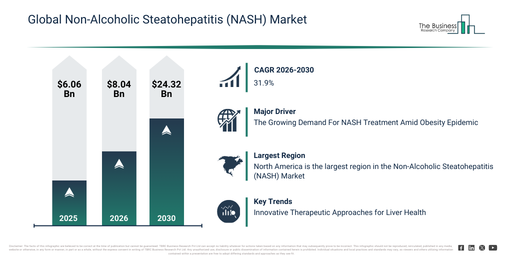
    The market size for non-alcoholic steatohepatitis (nash) has experienced significant expansion in recent years. Looking ahead, it is projected to expand from $6.06 billion in 2025 to $8.04 billion in 2026, achieving a compound annual growth rate (CAGR) of 32.7%. The historical growth witnessed in this market is primarily linked to factors such as restricted awareness of nash, the scarcity of potent treatment options, a strong reliance on lifestyle changes, the widespread occurrence of metabolic disorders, and a fragmented market structure.

    The non-alcoholic steatohepatitis (NASH) market size is anticipated to undergo significant growth over the next few years. It is forecast to expand to $24.32 billion in 2030, achieving a compound annual growth rate (CAGR) of 31.9%. This expansion during the forecast period can be attributed to advancements in targeted therapies, increased healthcare expenditure, the growing adoption of non-invasive diagnostics, the expansion of pharmaceutical pipelines, and rising collaborations for research and development. Key trends observed in the forecast period include the increasing prevalence of obesity and type 2 diabetes, the development of non-invasive diagnostic tools, heightened research in liver fibrosis therapies, an increase in personalized and targeted drug treatments, and the expansion of hospital and retail pharmacy networks.

    Access Your Free Sample Report For In-Depth Market Analysis:

    https://www.thebusinessresearchcompany.com/sample.aspx?id=8805&type=smp

    Which Factors Are Influencing The Growth Of The Non-Alcoholic Steatohepatitis (NASH) Market?

    The increasing incidence of obesity is fueling the demand within the non-alcoholic steatohepatitis (NASH) market moving forward. Obesity refers to an abnormal or excessive accumulation of fat that presents a health risk, or a body weight exceeding what is considered healthy or standard for an individual’s height. With the increased prevalence of non-alcoholic fatty liver disease, linked to the growing obesity pandemic, NASH is anticipated to emerge as the primary cause of severe liver disease in the coming decades, thus stimulating the demand for NASH treatments and associated medications. For example, data from May 2025, provided by the UK-based Government Digital Service, indicated that during 2023 to 2024, the prevalence of overweight individuals (including those with obesity) among adults was greater for men (69.7%) compared to women (59.2%). Conversely, the prevalence of obesity specifically in adults was higher among women (26.9%) than men (26.2%). Consequently, the escalating number of obesity cases is expected to propel the expansion of the non-alcoholic steatohepatitis (NASH) market.

    How Are Segments Identified Within The Non-Alcoholic Steatohepatitis (NASH) Market Segment Framework?

    The non-alcoholic steatohepatitis (nash) market covered in this report is segmented –

    1) By Dosage Form: Solid, Liquid

    2) By Product: Vitamin E and Pioglitazone, Ocaliva, Elafibranor, Selonsertib and Cenicriviroc, Other Products

    3) By Disease Cause: Hypertension, Heart Disease, High Blood Lipid, Type 2 Diabetes, Obesity

    4) By Sales Channel: Hospital Pharmacy, Retail Pharmacy, Online Provider

    5) By Application: Oral, Parenteral

    Subsegments:

    1) By Solid: Tablets, Capsules, Other Solid Dosage Forms

    2) By Liquid: Oral Solutions, Syrups, Injectable Solutions, Other Liquid Dosage Forms

    Which Trends Are Influencing Demand In The Non-Alcoholic Steatohepatitis (NASH) Market?

    Leading corporations active in the non-alcoholic steatohepatitis (NASH) market are developing thyroid hormone receptor-beta (THR-beta) agonists to improve liver metabolism, lessen liver fat accumulation, and enhance liver function. These THR-beta agonists are compounds specifically designed to activate the thyroid hormone receptor-beta subtype, a vital receptor controlling metabolism, growth, and development. For example, in March 2024, the Food and Drug Administration, a US regulatory agency, granted approval for Rezdiffra (resmetirom), a thyroid hormone receptor-beta agonist, making it the first treatment for adults with noncirrhotic NASH exhibiting moderate to advanced liver scarring (fibrosis). Through its selective activation of the THR-beta receptor, Rezdiffra aids in regulating lipid metabolism, consequently reducing intrahepatic triglycerides and overall liver fat.

    Who Are The Companies Competing Within The Non-Alcoholic Steatohepatitis (NASH) Market?

    Major companies operating in the non-alcoholic steatohepatitis (nash) market are NGM Biopharmaceuticals Inc., Novartis AG, AstraZeneca plc., GlaxoSmithKline plc., F. Hoffmann-La Roche AG, The Takeda Pharmaceutical Company Limited, Gilead Sciences Inc., Novo Nordisk A/S, Genfit SA, Intercept Pharmaceuticals Inc., Enanta Pharmaceuticals Inc., Blade Therapeutics Inc., Galmed Pharmaceuticals Inc., Immuron Limited, Terns Pharmaceuticals Inc., Tobira Therapeutics Inc., Arena Pharmaceuticals Inc., Galectin Therapeutics Inc., Viking Therapeutics, Madrigal Pharmaceuticals Inc., Cirius Therapeutics, Akero Therapeutics Inc., Echosens

    Get The Full Non-Alcoholic Steatohepatitis (NASH) Market Report:

    https://www.thebusinessresearchcompany.com/report/non-alcoholic-steatohepatitis-nash-global-market-report

    Which Geographic Region Dominates The Non-Alcoholic Steatohepatitis (NASH) Market?

    North America was the largest region in the non alcoholic steatohepatitis (NASH) market share in 2025. The regions covered in the non-alcoholic steatohepatitis (nash) market report are Asia-Pacific, South East Asia, Western Europe, Eastern Europe, North America, South America, Middle East, Africa.

    Request A Customized Non-Alcoholic Steatohepatitis (NASH) Market Report For Competitive Insights:

    https://www.thebusinessresearchcompany.com/report/non-alcoholic-steatohepatitis-nash-global-market-report

    Browse Through More Reports Similar to the Global Non-Alcoholic Steatohepatitis (NASH) Market 2026, By The Business Research Company

    Non Alcoholic Steatohepatitis Treatment Market Report 2026

    https://www.thebusinessresearchcompany.com/report/non-alcoholic-steatohepatitis-treatment-global-market-report

    Non Alcoholic Steatohepatitis Treatment Market Report 2026

    https://www.thebusinessresearchcompany.com/report/non-alcoholic-steatohepatitis-treatment-global-market-report

    Non Alcoholic Steatohepatitis Biomarkers Market Report 2026

    https://www.thebusinessresearchcompany.com/report/non-alcoholic-steatohepatitis-biomarkers-global-market-report

    Get in touch with us:

    The Business Research Company: https://www.thebusinessresearchcompany.com/

    Americas +1 310-496-7795

    Asia +44 7882 955267 & +91 8897263534

    Europe +44 7882 955267

    Email us at: marketing@tbrc.info

    Follow us on:

    LinkedIn: https://in.linkedin.com/company/the-business-research-company

    YouTube: https://www.youtube.com/channel/UC24_fI0rV8cR5DxlCpgmyFQ

    Global Market Model: https://www.thebusinessresearchcompany.com/global-market-model
  • Non Hodgkin Lymphoma (NHL) Market Forecast Highlighting Key Trends And Expansion Potential

    Non Hodgkin Lymphoma (NHL) Market Forecast Highlighting Key Trends And Expansion Potential

    The Business Research Company’s 2026 market reports feature enhanced tools like market attractiveness analysis, TAM assessment, and company scoring matrices, along with interactive dashboards, deeper supply chain insights, and startup coverage strengthening the depth, usability, and strategic value of insights.

    What Expansion In Market Value Is Forecasted For The Non Hodgkin Lymphoma (NHL) Market Between 2026 And 2030?

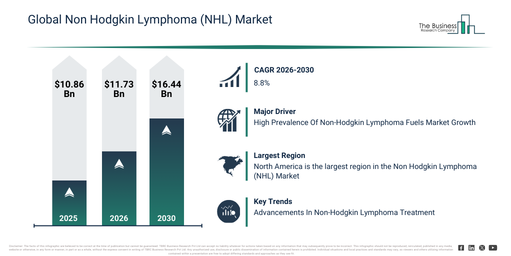
    Significant growth has been observed in the non hodgkin lymphoma (nhl) market size over recent years. It is projected to expand from $10.86 billion in 2025 to $11.73 billion in 2026, achieving a compound annual growth rate (CAGR) of 8.0%. This historical growth can be attributed to factors such as the rising incidence of nhl globally, advances in chemotherapy regimens, increasing healthcare expenditure, growing awareness of lymphatic cancers, and the expansion of oncology hospital infrastructure.

    The non hodgkin lymphoma (nhl) market is projected to experience substantial expansion in the coming years. Its valuation is anticipated to reach $16.44 billion by 2030, exhibiting a compound annual growth rate (CAGR) of 8.8%. This growth over the forecast period is fueled by several factors, including the expanding pipeline of targeted therapies, an increase in biologics approvals, the growing embrace of personalized medicine, broader market access in developing regions, and the rise in stem cell transplant procedures. Key trends influencing this period encompass the increased uptake of immunotherapy and targeted therapy, a greater reliance on combination treatment regimens, an enhanced emphasis on early and precise diagnosis, the development of personalized treatment protocols, and a move towards outpatient and home-based care models.

    Access Your Free Sample Report For In-Depth Market Analysis:

    https://www.thebusinessresearchcompany.com/sample.aspx?id=10676&type=smp

    What Leading Drivers Are Supporting The Non Hodgkin Lymphoma (NHL) Market Expansion?

    The non-Hodgkin lymphoma market is expected to grow significantly, driven by the high occurrence of the condition. This cancer originates within the lymphatic system, a vital part of the body’s immune defense. The prevalence of non-Hodgkin lymphoma specifically refers to the count of individuals in a given population who are currently diagnosed with or living with the disease at a particular time. Non-Hodgkin lymphoma treatments are essential for improving outcomes for diagnosed individuals by effectively targeting and managing the cancer cells. For instance, in January 2023, data from the American Cancer Society, a US-based cancer health organization, showed that non-Hodgkin lymphoma accounts for 4% of all cancers and is anticipated to affect approximately 80,550 Americans in 2023, comprising 44,880 males and 35,670 females. The organization further estimates that 20,180 people will die in 2023 due to non-Hodgkin lymphoma. Thus, the substantial prevalence of non-Hodgkin lymphoma is a major impetus for the non-Hodgkin lymphoma market.

    What Are The Key Segment Divisions In The Non Hodgkin Lymphoma (NHL) Market Segment Structure?

    The non hodgkin lymphoma (nhl) market covered in this report is segmented –

    1) By Type: B-Cell Lymphoma, T-Cell Lymphoma

    2) By Treatment: Surgery, Stem Cell Transplant, Chemotherapy, Immunotherapy, Targeted Therapy, Radiation Therapy

    3) By Route of Administration: Oral, Parenteral, Other Routes of Administration

    4) By Distribution Channel: Hospital Pharmacy, Retail Pharmacy, Online Pharmacy, Other Distribution Channels

    5) By End-Users: Hospitals, Homecare, Specialty Centers, Other End Users

    Subsegments:

    1) By B-Cell Lymphoma: Diffuse Large B-Cell Lymphoma (DLBCL), Follicular Lymphoma, Chronic Lymphocytic Leukemia (CLL), Mantle Cell Lymphoma, Burkitt Lymphoma, Marginal Zone Lymphoma, Primary Mediastinal B-Cell Lymphoma

    2) By T-Cell Lymphoma: Peripheral T-Cell Lymphoma (PTCL), Anaplastic Large Cell Lymphoma (ALCL), Cutaneous T-Cell Lymphoma (CTCL), T-Cell Lymphoblastic Lymphoma, Adult T-Cell Leukemia/Lymphoma (ATLL)

    What Emerging Trends Are Seen In The Non Hodgkin Lymphoma (NHL) Market?

    Leading companies in the non-Hodgkin lymphoma market are increasingly focused on introducing advanced immunotherapies, such as Epcoritamab-bysp (EPKINLY), to achieve a competitive advantage. Epcoritamab-bysp (EPKINLY) is an investigational subcutaneous immunotherapy designed to target CD20-expressing B-cell malignancies, demonstrating promising results in clinical trials, particularly for relapsed or refractory B-cell non-Hodgkin lymphoma. For instance, in November 2023, AbbVie Inc., a US-based pharmaceutical company, obtained a breakthrough therapy designation (BTD) from the United States Food and Drug Administration for Epcoritamab-bysp (EPKINLY). This approval pertains to the treatment of adult patients with relapsed or refractory (R/R) follicular lymphoma (FL) after two or more prior therapies. Additionally, the European Medicines Agency (EMA) has validated a Type II application for epcoritamab (TEPKINLY) for the same indication. These advancements are supported by previously announced results from the Phase 1/2 EPCORE NHL-1 clinical trial. The trial assessed the safety and preliminary efficacy of subcutaneous epcoritamab in 128 adult patients with relapsed, progressive, or refractory CD20+ mature B-cell non-Hodgkin’s lymphoma (NHL), including FL.

    Which Organizations Are Engaged In The Non Hodgkin Lymphoma (NHL) Market?

    Major companies operating in the non hodgkin lymphoma (nhl) market are Bayer AG, Teva Pharmaceutical Industries Ltd., F. Hoffmann La Roche Ltd., Merck & Co. Inc., Eli Lilly and Co., Novartis AG, GlaxoSmithKline plc, AbbVie Inc., AstraZeneca plc, Takeda Pharmaceutical Company Limited, Bristol Myers Squibb Co., Pfizer Inc., Celgene Corporation, Sanofi S.A., Janssen Pharmaceuticals Inc., Johnson & Johnson, Boehringer Ingelheim GmbH, Eisai Co. Ltd., Gilead Sciences, Incyte Corporation, Karyopharm Therapeutics, Kite Pharma Inc., Kyowa Hakko Kirin Co. Ltd., MorphoSys AG, Nordic Nanovector ASA, Ono Pharmaceutical Co. Ltd., Seattle Genetics Inc., Spectrum Pharmaceuticals Inc.

    Get The Full Non Hodgkin Lymphoma (NHL) Market Report:

    https://www.thebusinessresearchcompany.com/report/non-hodgkin-lymphoma-nhl-global-market-report

    Which Region Is The Leading Market For The Non Hodgkin Lymphoma (NHL) Market?

    North America was the largest region in the non-Hodgkin lymphoma (NHL) market in 2025. Asia-Pacific is expected to be the fastest-growing region in the global non-Hodgkin lymphoma (NHL) market report during the forecast period. The regions covered in the non hodgkin lymphoma (nhl) market report are Asia-Pacific, South East Asia, Western Europe, Eastern Europe, North America, South America, Middle East, Africa.

    Request A Customized Non Hodgkin Lymphoma (NHL) Market Report For Competitive Insights:

    https://www.thebusinessresearchcompany.com/report/non-hodgkin-lymphoma-nhl-global-market-report

    Browse Through More Reports Similar to the Global Non Hodgkin Lymphoma (NHL) Market 2026, By The Business Research Company

    Non Hodgkin Lymphoma Nhl Market Report 2026

    https://www.thebusinessresearchcompany.com/report/non-hodgkin-lymphoma-nhl-global-market-report

    Non Hodgkin Lymphoma Nhl Market Report 2026

    https://www.thebusinessresearchcompany.com/report/non-hodgkin-lymphoma-nhl-global-market-report

    Non Hodgkin Lymphoma Nhl Market Report 2026

    https://www.thebusinessresearchcompany.com/report/non-hodgkin-lymphoma-nhl-global-market-report

    Get in touch with us:

    The Business Research Company: https://www.thebusinessresearchcompany.com/

    Americas +1 310-496-7795

    Asia +44 7882 955267 & +91 8897263534

    Europe +44 7882 955267

    Email us at: marketing@tbrc.info

    Follow us on:

    LinkedIn: https://in.linkedin.com/company/the-business-research-company

    YouTube: https://www.youtube.com/channel/UC24_fI0rV8cR5DxlCpgmyFQ

    Global Market Model: https://www.thebusinessresearchcompany.com/global-market-model
  • Nocturnal Enuresis Medication Market Analysis Covering Growth Drivers And Future Outlook

    Nocturnal Enuresis Medication Market Analysis Covering Growth Drivers And Future Outlook

    The Business Research Company’s 2026 market reports feature enhanced tools like market attractiveness analysis, TAM assessment, and company scoring matrices, along with interactive dashboards, deeper supply chain insights, and startup coverage strengthening the depth, usability, and strategic value of insights.

    How Large Will The Nocturnal Enuresis Medication Market Be By 2030 Compared To Its 2026 Market Size?

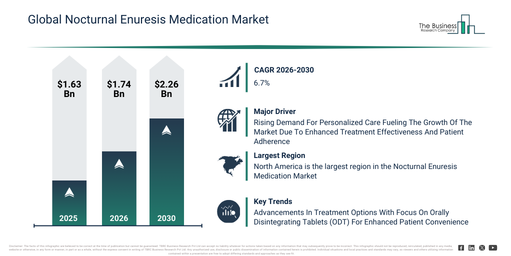
    The nocturnal enuresis medication market has experienced robust growth in recent years. This market is projected to expand from $1.63 billion in 2025 to $1.74 billion in 2026, demonstrating a compound annual growth rate (CAGR) of 6.7%. The growth observed in the historic period can be attributed to the high prevalence of pediatric nocturnal enuresis, the widespread use of desmopressin, increased pediatric healthcare access, the expansion of retail pharmacy networks, and growing parental awareness.

    The nocturnal enuresis medication market size is projected to experience substantial expansion over the coming years. It is anticipated to reach $2.26 billion by 2030, driven by a compound annual growth rate (CAGR) of 6.7%. This growth during the forecast period is propelled by factors such as enhanced pediatric urology care, a growing need for safer long-term treatment options, innovations in drug formulations, a rise in diagnoses among adolescents and adults, and wider availability through online pharmacies. Significant trends for the forecast period comprise the increasing utilization of desmopressin-based therapies, the growing acceptance of combination drug treatments, heightened awareness regarding pediatric bedwetting management, the broader availability of extended-release formulations, and a stronger emphasis on the long-term safety of treatments.

    Access Your Free Sample Report For In-Depth Market Analysis:

    https://www.thebusinessresearchcompany.com/sample.aspx?id=24340&type=smp

    Which Key Factors Are Driving The Nocturnal Enuresis Medication Market Growth?

    The nocturnal enuresis medication market is anticipated to expand due to the rising need for personalized care. This medical approach involves customizing treatments and health strategies to match an individual’s distinct genetic makeup, way of life, preferences, and particular health issues, leading to more focused and successful results. This escalating demand stems from progress in medical technology, which enables healthcare professionals to create bespoke treatments considering each patient’s genetic information, lifestyle, and health status, thus ensuring more precise and potent care. For nocturnal enuresis medication, personalized care is beneficial because it customizes treatment regimens according to an individual’s medical background, lifestyle, and root causes, enhancing both the therapy’s effectiveness and patient compliance. As an illustration, in February 2024, data from the Personalized Medicine Coalition, a US-based non-profit organization, indicated that the Food and Drug Administration (FDA), a US-based federal agency, gave approval to 16 new personalized treatments for rare disease patients in 2023, which is an increase from 6 in 2022. Consequently, the expanding need for personalized care is fueling the growth of the nocturnal enuresis medication market.

    Which Segment Categories Are Included In The Nocturnal Enuresis Medication Market Segment Analysis?

    The nocturnal enuresis medication market covered in this report is segmented –

    1) By Drug Class: Desmopressin, Imipramine, Oxybutynin, Combined Pharmacotherapy

    2) By Age Group: Children, Adolescents, Adults, Elderly

    3) By Formulation Type: Tablets, Liquid Solutions, Sprays, Patches, Extended-Release Formulations

    4) By Distribution Channel: Hospital Pharmacies, Retail Pharmacies, Online Pharmacies

    Subsegments:

    1) By Desmopressin: Oral Tablets, Nasal Sprays, Sublingual Tablets

    2) By Imipramine: Oral Tablets, Extended-Release Capsules

    3) By Oxybutynin: Immediate-Release Tablets, Extended-Release Tablets, Transdermal Patches, Syrups

    4) By Combined Pharmacotherapy: Desmopressin And Oxybutynin, Desmopressin And Imipramine, Oxybutynin And Imipramine

    Which Trends Are Guiding The Direction Of The Nocturnal Enuresis Medication Market?

    Leading companies in the nocturnal enuresis medication market are focusing on developing advanced solutions, such as orally disintegrating tablets (ODT), to facilitate ease of administration. Orally disintegrating tablets (ODTs) are solid dosage forms that quickly dissolve or disintegrate in the mouth without requiring water, making them ideal for patients with swallowing difficulties. For instance, in March 2024, Adalvo Limited, a Malta-based pharmaceutical company, launched desmopressin orally disintegrating tablets (ODT) in Europe. Desmopressin ODT is specifically formulated for the treatment of primary nocturnal enuresis, providing a convenient and easy-to-administer option that rapidly disintegrates in the mouth. This unique formulation is particularly advantageous for pediatric and elderly patients, as well as individuals experiencing difficulty swallowing tablets. The launch underscores Adalvo’s dedication to providing high-quality, differentiated pharmaceutical products while enhancing patient access to vital therapies through strategic industry partnerships.

    Who Are The Active Companies Shaping The Nocturnal Enuresis Medication Market?

    Major companies operating in the nocturnal enuresis medication market are Ferring Pharmaceuticals A/S, Serenity Pharmaceuticals LLC, Vantia Therapeutics Ltd., Pfizer Inc., Merck & Co. Inc., AbbVie Inc., Astellas Pharma Inc., Johnson & Johnson, Teva Pharmaceutical Industries Ltd., Sun Pharmaceutical Industries Ltd., Cipla Ltd., Dr. Reddy’s Laboratories Ltd., Zydus Lifesciences Ltd., Lupin Ltd., Torrent Pharmaceuticals Ltd., Mylan N.V., Sandoz Group AG, Endo International plc, Bausch Health Companies Inc., Hikma Pharmaceuticals PLC

    Get The Full Nocturnal Enuresis Medication Market Report:

    https://www.thebusinessresearchcompany.com/report/nocturnal-enuresis-medication-global-market-report

    Where Is The Nocturnal Enuresis Medication Market Primarily Concentrated By Region?

    North America was the largest region in the nocturnal enuresis medication market in 2025. Asia-Pacific is expected to be the fastest-growing region in the forecast period. The regions covered in the nocturnal enuresis medication market report are Asia-Pacific, South East Asia, Western Europe, Eastern Europe, North America, South America, Middle East, Africa.

    Request A Customized Nocturnal Enuresis Medication Market Report For Competitive Insights:

    https://www.thebusinessresearchcompany.com/report/nocturnal-enuresis-medication-global-market-report

    Browse Through More Reports Similar to the Global Nocturnal Enuresis Medication Market 2026, By The Business Research Company

    Urinary Incontinence And Pelvic Organ Prolapse Devices And Equipment Market Report 2026

    https://www.thebusinessresearchcompany.com/report/urinary-incontinence-and-pelvic-organ-prolapse-devices-and-equipment-global-market-report

    Diuretics Drugs Market Report 2026

    https://www.thebusinessresearchcompany.com/report/diuretics-drugs-global-market-report

    Urinary Incontinence Market Report 2026

    https://www.thebusinessresearchcompany.com/report/urinary-incontinence-global-market-report

    Get in touch with us:

    The Business Research Company: https://www.thebusinessresearchcompany.com/

    Americas +1 310-496-7795

    Asia +44 7882 955267 & +91 8897263534

    Europe +44 7882 955267

    Email us at: marketing@tbrc.info

    Follow us on:

    LinkedIn: https://in.linkedin.com/company/the-business-research-company

    YouTube: https://www.youtube.com/channel/UC24_fI0rV8cR5DxlCpgmyFQ

    Global Market Model: https://www.thebusinessresearchcompany.com/global-market-model
  • Nivolumab Market Insights Highlighting Opportunities Supporting Growth To 2030

    Nivolumab Market Insights Highlighting Opportunities Supporting Growth To 2030

    The Business Research Company’s 2026 market reports feature enhanced tools like market attractiveness analysis, TAM assessment, and company scoring matrices, along with interactive dashboards, deeper supply chain insights, and startup coverage strengthening the depth, usability, and strategic value of insights.

    What Is The Projected Increase In Market Value Of The Nivolumab Market During 2026–2030?

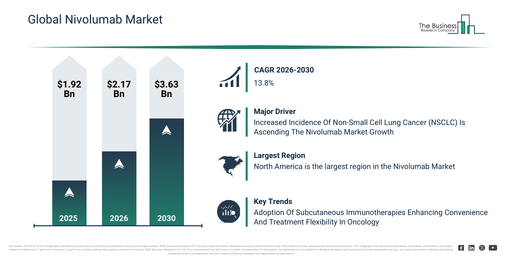
    The nivolumab market size has experienced rapid expansion in recent years. This market is projected to expand from $1.92 billion in 2025 to $2.17 billion in 2026, demonstrating a compound annual growth rate (CAGR) of 12.9%. The historic growth can be primarily linked to several factors, including the increasing occurrence of melanoma and nsclc, the early authorization of nivolumab for metastatic cancers, the expansion of hospital facilities for oncology care, a surge in oncology research and clinical trials, and the wider acceptance of monoclonal antibody treatments.

    The nivolumab market size is anticipated to undergo significant expansion over the next few years, projected to achieve $3.63 billion by 2030 at a compound annual growth rate (CAGR) of 13.8%. This growth during the forecast period can be ascribed to factors such as the broadening of nivolumab indications, an increase in the elderly cancer population, its integration with combination therapies, heightened investment in biologics manufacturing, and the development of oncology infrastructure in emerging markets. Noteworthy trends for this period include advancements in immuno-oncology, the evolution of combination therapy, personalized cancer treatment strategies, the expansion of hospital-based oncology provisions, and a growing embrace of targeted therapies.

    Access Your Free Sample Report For In-Depth Market Analysis:

    https://www.thebusinessresearchcompany.com/sample.aspx?id=13012&type=smp

    What Primary Drivers Are Shaping The Nivolumab Market?

    The increasing occurrence of non-small cell lung cancer (NSCLC) is projected to boost the Nivolumab market’s expansion in the foreseeable future. Non-small cell lung cancer (NSCLC) is a type of lung cancer that develops from the lungs’ epithelial cells. Nivolumab is an approved medication prescribed for patients with advanced non-small cell lung cancer (NSCLC), owing to its demonstrated effectiveness in treating the condition. For example, in March 2023, the American Society of Clinical Oncology, a US-based professional organization representing oncologists, reported an anticipated 238,340 people (consisting of 117,550 men and 120,790 women) would be diagnosed with lung cancer in the United States. Of these cases, NSCLC is the predominant form, accounting for 81% of all lung cancer diagnoses. Therefore, the rising incidence of non-small cell lung cancer (NSCLC) is a key factor driving the Nivolumab market.

    How Is The Nivolumab Market Broken Down By Segment Categories?

    The nivolumab market covered in this report is segmented –

    1) By Type: Injection 4mL, Injection 10mL

    2) By Route Of Administration: Intravenous, Other Routes Of Administration

    3) By Application: Melanoma, Non-small Cell Lung Cancer (NSCLC), Malignant Pleural Mesothelioma, Classical Hodgkin Lymphoma (CHL), Squamous Cell Carcinoma Of The Head And Neck (SCCHN), Renal Cell Carcinoma (RCC), Other Applications

    4) By End-User: Clinic, Hospital, Other End-Users

    What Trends Are Affecting The Growth Of The Nivolumab Market?

    Leading companies in the nivolumab market are prioritizing the development of new formulations and the expansion of treatment indications to enhance patient convenience and strengthen their immuno-oncology portfolios. For example, in December 2024, the Food and Drug Administration, a federal agency based in the US, approved Opdivo Qvantig, a subcutaneous formulation of nivolumab combined with hyaluronidase-nvhy, for use across all adult solid-tumor indications previously approved for intravenous nivolumab. This novel option supports monotherapy, maintenance therapy following Opdivo plus Yervoy, or combination treatment with chemotherapy or cabozantinib. The approval is substantiated by the Phase 3 CHECKMATE-67T trial, which indicated comparable drug exposure, similar safety, and a slightly higher response rate than IV nivolumab in advanced renal cell carcinoma patients. With its flexible dosing schedules and sustained efficacy, the subcutaneous version provides a more convenient alternative for patients and bolsters Bristol Myers Squibb’s immuno-oncology portfolio.

    Which Players Are Present In The Nivolumab Market Space?

    Major companies operating in the nivolumab market are Bristol-Myers Squibb Company, Ono Pharmaceutical Co. Ltd., Xbrane Biopharma AB, NeuClone Therapeutics Inc., Dr. Reddy’s Laboratories Ltd., Biocon Limited, Samsung Bioepis Co. Ltd., Celltrion Inc., Amneal Pharmaceuticals LLC, Lupin Ltd., Intas Pharmaceuticals Ltd., Hetero Biopharma Ltd., Reliance Life Sciences Pvt. Ltd., Zydus Lifesciences Limited, mAbxience, Shanghai Henlius Biotech Inc., Innovent Biologics Inc., WuXi Biologics, Lonza Group AG, Samsung Biologics

    Get The Full Nivolumab Market Report:

    https://www.thebusinessresearchcompany.com/report/nivolumab-global-market-report

    Which Region Has The Greatest Market Share In The Nivolumab Market?

    North America was the largest region in the nivolumab market in 2025. The regions covered in the nivolumab market report are Asia-Pacific, South East Asia, Western Europe, Eastern Europe, North America, South America, Middle East, Africa.

    Request A Customized Nivolumab Market Report For Competitive Insights:

    https://www.thebusinessresearchcompany.com/report/nivolumab-global-market-report

    Browse Through More Reports Similar to the Global Nivolumab Market 2026, By The Business Research Company

    Nivolumab Market Report 2026

    https://www.thebusinessresearchcompany.com/report/nivolumab-global-market-report

    Nitric Acid Market Report 2026

    https://www.thebusinessresearchcompany.com/report/nitric-acid-global-market-report

    Nitrobenzene Market Report 2026

    https://www.thebusinessresearchcompany.com/report/nitrobenzene-global-market-report

    Get in touch with us:

    The Business Research Company: https://www.thebusinessresearchcompany.com/

    Americas +1 310-496-7795

    Asia +44 7882 955267 & +91 8897263534

    Europe +44 7882 955267

    Email us at: marketing@tbrc.info

    Follow us on:

    LinkedIn: https://in.linkedin.com/company/the-business-research-company

    YouTube: https://www.youtube.com/channel/UC24_fI0rV8cR5DxlCpgmyFQ

    Global Market Model: https://www.thebusinessresearchcompany.com/global-market-model
  • Global Nitrogen Mustards Market Expected To Reach $1.03 Billion By 2030 With 9.2% CAGR

    Global Nitrogen Mustards Market Expected To Reach $1.03 Billion By 2030 With 9.2% CAGR

    The Business Research Company’s 2026 market reports feature enhanced tools like market attractiveness analysis, TAM assessment, and company scoring matrices, along with interactive dashboards, deeper supply chain insights, and startup coverage strengthening the depth, usability, and strategic value of insights.

    How Is The Market Size Of The Nitrogen Mustards Market Expected To Change From 2026 To 2030?

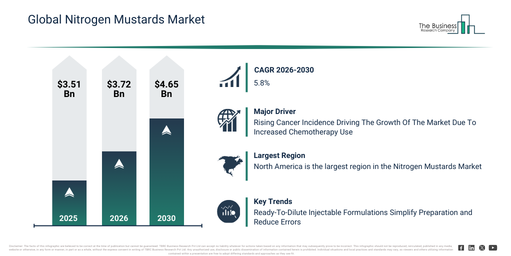
    The nitrogen mustards market has demonstrated substantial growth in size during recent years. It is forecast to expand from $3.51 billion in 2025 to $3.72 billion in 2026, achieving a compound annual growth rate (CAGR) of 6.1%. The historical expansion of this market can be attributed to several factors including limited chemotherapy options, increasing cancer prevalence, a reliance on hospital-based treatments, the regulatory approvals of early nitrogen mustard drugs, and the growth in injectable chemotherapy formulations.

    The nitrogen mustards market is projected to experience robust expansion over the coming years. This market is anticipated to reach a valuation of $4.65 billion by 2030, exhibiting a compound annual growth rate (CAGR) of 5.8%. This projected growth during the forecast period is fueled by several factors, including the advancement of combination and targeted therapies, a surging demand for oral and prolonged-release formulations, the proliferation of oncology specialty clinics, greater investment in cancer research, and the embrace of precision medicine along with personalized treatment strategies. Key trends foreseen within this period encompass an elevated demand for nitrogen mustards in cancer therapy, the creation of targeted and combination chemotherapy formulations, an expansion in both injectable and oral drug delivery methods, the growing utilization of specialty clinics and hospital pharmacies, and an emphasis on ensuring patient safety and adherence to regulatory standards.

    Access Your Free Sample Report For In-Depth Market Analysis:

    https://www.thebusinessresearchcompany.com/sample.aspx?id=24622&type=smp

    Which Major Drivers Are Influencing The Expansion Of The Nitrogen Mustards Market?

    The escalating incidence of cancer is anticipated to boost the expansion of the nitrogen mustards market. This condition involves the unregulated multiplication and dissemination of abnormal cells throughout the body. The growing number of cancer cases stems from lifestyle factors such as unhealthy eating habits, tobacco use, lack of physical activity, and heavy drinking. Nitrogen mustards contribute to cancer therapy by disrupting the DNA of cancerous cells, thereby inhibiting their reproduction. These agents improve treatment efficacy via targeted chemotherapy, assisting in the management and reduction of tumor proliferation. As an illustration, data from the American Cancer Society, a US-based nonprofit cancer advocacy organization, indicated that cancer diagnoses rose to 2,001,140 in January 2024 from 1,958,310 in 2023, marking a 2.19% increase. Consequently, the increasing occurrence of cancer is a key factor propelling the expansion of the nitrogen mustards market.

    Nitrogen Mustards Market Driver: Rising Adoption Of Personalized Medicine Fueling The Growth Of The Market Due To Improved Patient-Specific Cancer Treatments

    What Are The Different Segment Types In The Nitrogen Mustards Market Segment Breakdown?

    The nitrogen mustards market covered in this report is segmented –

    1) By Product Type: Mechlorethamine, Cyclophosphamide, Ifosfamide, Chlorambucil, Melphalan, Other Product Types

    2) By Application: Cancer Treatment, Autoimmune Diseases, Other Applications

    3) By Distribution Channel: Hospitals, Specialty Clinics, Online Pharmacies, Other Distribution Channels

    Subsegments:

    1) By Mechlorethamine: Injectable Formulation, Topical Formulation

    2) By Cyclophosphamide: Intravenous (IV) Formulation, Oral Tablets, Extended Release Formulation

    3) By Ifosfamide: Intravenous Formulation, Combination Therapy Formulation

    4) By Chlorambucil: Oral Tablets, Injectable Formulation

    5) By Melphalan: Oral Formulation, Intravenous Formulation, Powder for Injection

    6) By Other Product Types: Oral Formulation, Injectable Formulation, Combination Therapy Formulation

    Which Trends Are Shaping The Nitrogen Mustards Market?

    Companies operating in the nitrogen mustards market are largely prioritizing the creation of advanced drug delivery systems, including ready-to-dilute injectable formulations, to heighten both the safety and convenience of therapeutic interventions. Ready-to-dilute injectable formulations are liquid drug preparations intended for direct dilution and immediate administration, thereby simplifying the preparation process and mitigating potential dosing inaccuracies. For example, in May 2025, Apotex Corp., a Canada-based pharmaceutical company, launched IVRA (Melphalan) hydrochloride injection 90 mg/ml multidose vial. This product is a ready-to-dilute liquid version of Melphalan injection, approved in the United States via a 505(b)(2) new drug application (NDA). It functions as an alkylating agent utilized for the palliative care of multiple myeloma patients who are unable to receive oral therapy. IVRA operates by binding alkyl groups to the DNA of cancer cells, which disrupts their ability to replicate and leads to cellular demise, consequently aiding in the regulation of tumor growth.

    Who Are The Well-Known Companies In The Nitrogen Mustards Market?

    Major companies operating in the nitrogen mustards market are Baxter International Inc., Fresenius Kabi AG, Hikma Pharmaceuticals PLC, Pfizer Injectables (Hospira), Teva Pharmaceutical Industries Ltd., Sandoz International GmbH, Sun Pharmaceutical Industries Ltd., Aurobindo Pharma Limited, Dr. Reddy’s Laboratories Limited, Zydus Lifesciences Limited, Cipla Limited, Intas Pharmaceuticals Ltd., Emcure Pharmaceuticals Limited, Lupin Limited, Glenmark Pharmaceuticals Limited, Jiangsu Hengrui Medicine Co. Ltd., Zhejiang Hisun Pharmaceutical Co. Ltd., Qilu Pharmaceutical Co. Ltd., Shilpa Medicare Limited, MSN Laboratories Private Limited, Accord Healthcare Ltd., Mylan N.V. (Viatris Inc.), Fresenius SE & Co. KGaA, Baxter Oncology GmbH, Celon Laboratories Ltd., Taj Pharmaceuticals Limited, Alembic Pharmaceuticals Limited, Venus Remedies Limited, Natco Pharma Limited

    Get The Full Nitrogen Mustards Market Report:

    https://www.thebusinessresearchcompany.com/report/nitrogen-mustards-global-market-report

    Which Region Accounts For The Largest Portion Of The Nitrogen Mustards Market?

    North America was the largest region in the nitrogen mustards market in 2025. The regions covered in the nitrogen mustards market report are Asia-Pacific, South East Asia, Western Europe, Eastern Europe, North America, South America, Middle East, Africa.

    Request A Customized Nitrogen Mustards Market Report For Competitive Insights:

    https://www.thebusinessresearchcompany.com/report/nitrogen-mustards-global-market-report

    Browse Through More Reports Similar to the Global Nitrogen Mustards Market 2026, By The Business Research Company

    Iqf Vegetable Market Report 2026

    https://www.thebusinessresearchcompany.com/report/iqf-vegetable-global-market-report

    Nitrogen Market Report 2026

    https://www.thebusinessresearchcompany.com/report/nitrogen-global-market-report

    Nitrogen Fertilizer Market Report 2026

    https://www.thebusinessresearchcompany.com/report/nitrogen-fertilizer-global-market-report

    Get in touch with us:

    The Business Research Company: https://www.thebusinessresearchcompany.com/

    Americas +1 310-496-7795

    Asia +44 7882 955267 & +91 8897263534

    Europe +44 7882 955267

    Email us at: marketing@tbrc.info

    Follow us on:

    LinkedIn: https://in.linkedin.com/company/the-business-research-company

    YouTube: https://www.youtube.com/channel/UC24_fI0rV8cR5DxlCpgmyFQ

    Global Market Model: https://www.thebusinessresearchcompany.com/global-market-model