Category: Pharmaceuticals

  • Neurotoxin-Inspired Peptide Market Developments And Opportunities Across 2026–2030

    Neurotoxin-Inspired Peptide Market Developments And Opportunities Across 2026–2030

    The Business Research Company’s 2026 market reports feature enhanced tools like market attractiveness analysis, TAM assessment, and company scoring matrices, along with interactive dashboards, deeper supply chain insights, and startup coverage strengthening the depth, usability, and strategic value of insights.

    What Level Of Market Value Growth Is Predicted For The Neurotoxin-Inspired Peptide Market From 2026 To 2030?

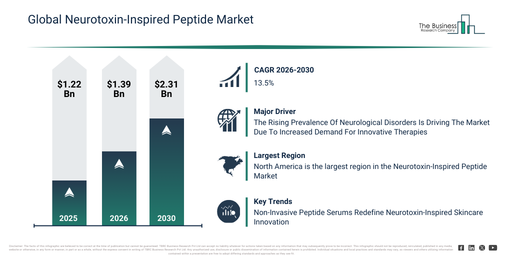
    The neurotoxin-inspired peptide market has experienced rapid expansion in its size over recent years. It is projected to grow from $1.22 billion in 2025 to $1.39 billion in 2026, demonstrating a compound annual growth rate (CAGR) of 13.7%. This historic growth is largely attributable to advancements in peptide synthesis technologies, increasing research in neurobiology, broader utilization of peptides in cosmetic applications, the expansion of biotechnology research pipelines, and the availability of recombinant expression systems.

    The neurotoxin-inspired peptide market is anticipated to experience significant growth in the coming years. It is projected to achieve a size of $2.31 billion by 2030, growing at a compound annual growth rate (CAGR) of 13.5%. This expansion during the forecast period can be attributed to several factors, including an escalating demand for targeted biopharmaceuticals, increasing investments in peptide-based therapeutics, the broadening of applications in neurology and dermatology, a heightened focus on developing safer alternatives to traditional neurotoxins, and continuous innovation in peptide engineering. Prominent trends observed in this period include the accelerated development of therapeutic peptide-based drugs, the growing utilization of neurotoxin-inspired peptides in aesthetic medicine, their rising adoption in targeted neurological treatments, the expansion of recombinant and synthetic peptide technologies, and an increased emphasis on precision and safety profiles.

    Access Your Free Sample Report For In-Depth Market Analysis:

    https://www.thebusinessresearchcompany.com/sample.aspx?id=28279&type=smp

    What Key Factors Are Shaping The Neurotoxin-Inspired Peptide Market Landscape?

    The expansion of the neurotoxin-inspired peptide market is anticipated to be fueled by the increasing occurrence of neurological disorders. These conditions encompass a wide array of ailments impacting the central and peripheral nervous systems, including the brain, spinal cord, cranial nerves, and peripheral nerves, thereby hindering functions such as motor skills, sensation, cognition, and autonomy. A significant contributor to the escalating prevalence of neurological disorders is the worldwide rise in life expectancy, as longer lifespans increase the probability of age-related deterioration within the nervous system, subsequently leading to a higher incidence of these conditions. Neurotoxin-inspired peptides present novel therapeutic strategies that precisely target particular neurological pathways, potentially enhancing treatment results and addressing critical medical gaps associated with the growing burden of these disorders. For instance, in October 2023, according to the World Federation of Neurology, a UK-based association of national neurological societies, the global population living with brain diseases is projected to double by 2050, while stroke-related deaths worldwide are expected to rise by 50% to reach 9.7 million annually by the same year. Consequently, the increasing prevalence of neurological disorders will serve as a key driver for the neurotoxin-inspired peptide market.

    How Are Segments Identified Within The Neurotoxin-Inspired Peptide Market Segment Framework?

    The neurotoxin-inspired peptide market covered in this report is segmented –

    1) By Product Type: Synthetic Peptides, Recombinant Peptides, Natural Peptides, Other Product Types

    2) By Distribution Channel: Direct Sales, Online Sales, Distributors, Other Distribution Channels

    3) By Application: Pharmaceuticals, Cosmetics, Research And Development, Other Applications

    4) By End User: Hospitals And Clinics, Research Institutes, Biotechnology Companies, Other End Users

    Subsegments:

    1) By Synthetic Peptides: Solid Phase Peptide Synthesis, Liquid Phase Peptide Synthesis, Hybrid Phase Peptide Synthesis

    2) By Recombinant Peptides: Bacterial Expression Systems, Yeast Expression Systems, Mammalian Cell Expression Systems

    3) By Natural Peptides: Animal Derived Peptides, Plant Derived Peptides, Microbial Derived Peptides

    4) By Other Product Types: Peptide Conjugates, Peptide Mimetics, Peptide Libraries

    What Emerging Trends Are Seen In The Neurotoxin-Inspired Peptide Market?

    Companies active in the neurotoxin-inspired peptide market are concentrating on creating novel products, specifically neurotoxin-inspired peptide serums, to offer non-invasive skincare solutions that achieve wrinkle reduction comparable to injectable treatments. Such a serum is a topical preparation utilizing biomimetic peptides and supportive active ingredients to diminish expression lines linked to facial muscles and enhance overall skin texture and glow, all without requiring invasive interventions. An example is the launch of P-TIOX by SkinCeuticals, a US-based medical skincare brand, in July 2024. This serum incorporates an advanced peptide complex alongside exfoliating and hydrating components within a patent-pending formula, crafted to visibly smooth the skin, minimize pores, and lessen the visibility of various contraction lines. Clinically assessed for both independent application and as an adjunct to injectable neurotoxin procedures, this product is positioned as a notable non-invasive breakthrough in the anti-aging skincare segment.

    Who Are The Companies Competing Within The Neurotoxin-Inspired Peptide Market?

    Major companies operating in the neurotoxin-inspired peptide market are AbbVie Inc., Galderma, Ipsen Pharma, Biolab Farmaceutica, Daewoong Pharmaceutical, Luye Pharma Group, CordenPharma, Syngene International, Shanghai Haohai Bio., Hugel Inc., Merz Pharma, Evolus Inc., Medytox Inc., US WorldMeds, Smartox Biotechnology, Venomtech Ltd., Latoxan, Pepscan Therapeutics, ToxinTech Inc., AEON Biopharma Inc.

    Get The Full Neurotoxin-Inspired Peptide Market Report:

    https://www.thebusinessresearchcompany.com/report/neurotoxin-inspired-peptide-global-market-report

    Where Is The Neurotoxin-Inspired Peptide Market Primarily Concentrated By Region?

    North America was the largest region in the neurotoxin-inspired peptide market in 2025. Asia-Pacific is expected to be the fastest-growing region in the forecast period. The regions covered in the neurotoxin-inspired peptide market report are Asia-Pacific, South East Asia, Western Europe, Eastern Europe, North America, South America, Middle East, Africa.

    Request A Customized Neurotoxin-Inspired Peptide Market Report For Competitive Insights:

    https://www.thebusinessresearchcompany.com/report/neurotoxin-inspired-peptide-global-market-report

    Browse Through More Reports Similar to the Global Neurotoxin-Inspired Peptide Market 2026, By The Business Research Company

    Neurotoxin Market Report 2026

    https://www.thebusinessresearchcompany.com/report/neurotoxin-global-market-report

    Peptide Therapeutics Market Report 2026

    https://www.thebusinessresearchcompany.com/report/peptide-therapeutics-global-market-report

    Peptide Synthesis Market Report 2026

    https://www.thebusinessresearchcompany.com/report/peptide-synthesis-global-market-report

    Get in touch with us:

    The Business Research Company: https://www.thebusinessresearchcompany.com/

    Americas +1 310-496-7795

    Asia +44 7882 955267 & +91 8897263534

    Europe +44 7882 955267

    Email us at: marketing@tbrc.info

    Follow us on:

    LinkedIn: https://in.linkedin.com/company/the-business-research-company

    YouTube: https://www.youtube.com/channel/UC24_fI0rV8cR5DxlCpgmyFQ

    Global Market Model: https://www.thebusinessresearchcompany.com/global-market-model
  • Neurotoxin Market Forecast 2026–2030 Presenting Long-Term Industry Insights

    Neurotoxin Market Forecast 2026–2030 Presenting Long-Term Industry Insights

    The Business Research Company’s 2026 market reports feature enhanced tools like market attractiveness analysis, TAM assessment, and company scoring matrices, along with interactive dashboards, deeper supply chain insights, and startup coverage strengthening the depth, usability, and strategic value of insights.

    How Will The Market Value Of The Neurotoxin Market Progress Between 2026 And 2030?

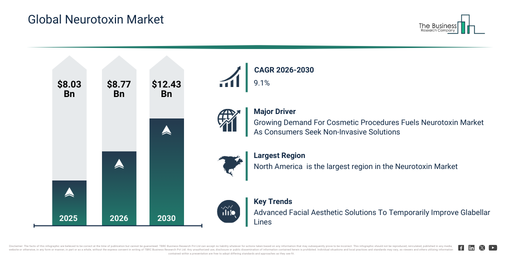
    The neurotoxin market has experienced robust expansion recently. Projections indicate its size will increase from $8.03 billion in 2025 to reach $8.77 billion by 2026, demonstrating a compound annual growth rate (CAGR) of 9.2%. This historical growth can be linked to factors such as the heightened awareness of aesthetic appeal, the expanding application of botulinum toxin in cosmetic treatments, an increase in neurological conditions, the proliferation of dermatology and specialized clinics, and the swift regulatory clearances for products based on botulinum.

    The neurotoxin market is projected to experience substantial expansion in the coming years. By 2030, this market is anticipated to reach $12.43 billion, growing at a compound annual growth rate (CAGR) of 9.1%. This anticipated growth during the forecast period is driven by several factors, including the expansion of therapeutic uses beyond cosmetic applications, an increasing preference for non-surgical medical procedures, advancements in next-generation neurotoxins, rising healthcare spending in developing economies, and the global increase in the aging demographic. Key trends expected throughout this period encompass a broader range of therapeutic indications for neurotoxins, a heightened demand for minimally invasive aesthetic procedures, the creation of neurotoxins with extended duration and greater precision, increased use in managing chronic migraine and spasticity, and an intensified focus on ensuring safety, purity, and lower immunogenicity.

    Access Your Free Sample Report For In-Depth Market Analysis:

    https://www.thebusinessresearchcompany.com/sample.aspx?id=11899&type=smp

    Which Factors Are Influencing The Growth Of The Neurotoxin Market?

    The neurotoxin market is anticipated to expand due to an increasing number of cosmetic procedures aimed at improving appearance. Cosmetic procedures encompass various medical treatments designed primarily to enhance or change physical looks, a trend driven by societal, technological, and cultural factors along with a greater understanding of their benefits. Neurotoxins play a role in these procedures by relaxing particular muscles, thereby diminishing wrinkles and fine lines. As an illustration, the American Society of Plastic Surgeons, a US-based non-profit organization, reported in June 2024 that minimally invasive procedures grew by 7% in 2023, surpassing surgical procedures by 2%. Additionally, hand surgeries, including for conditions like carpal tunnel, arthritis, and trigger finger, reached a total of 207,887 procedures, marking a 2% increase from 2022. Consequently, the rising popularity of cosmetic procedures for aesthetic enhancement is fueling the growth of the neurotoxin market.

    What Are The Key Segment Divisions In The Neurotoxin Market Segment Structure?

    The neurotoxin market covered in this report is segmented –

    1) By Product Type: Botox, Dysport, Xeomin, Other Products

    2) By Application: Therapeutic, Aesthetic

    3) By End User: Hospitals, Specialty Clinics, Dermatology Clinics, Other End Users

    Subsegments:

    1) By Botox: Cosmetic Uses, Therapeutic Uses

    2) By Dysport: Cosmetic Applications, Medical Indications

    3) By Xeomin: Cosmetic Treatments, Therapeutic Applications

    4) By Other Products: Jeuveau, Any Emerging Neurotoxins

    Which Trends Are Guiding The Direction Of The Neurotoxin Market?

    Leading companies within the neurotoxins market are concentrating on innovative developments like next-generation aesthetic neurotoxins, striving to improve cosmetic results, broaden treatment possibilities, and elevate patient contentment. These advanced aesthetic neurotoxins are newly formulated botulinum-based products designed to deliver more precise muscle control, quicker initial effects, or prolonged duration for aesthetic treatments aimed at reducing wrinkles. For instance, in January 2023, Evolus Inc., a US-based medical aesthetics company, secured approval from the Australian Therapeutic Goods Administration (TGA) for Nuceiva (prabotulinumtoxinA). Nuceiva (prabotulinumtoxinA) is a neurotoxin utilized for aesthetic applications. It serves to temporarily enhance the appearance of moderate glabellar lines in adult patients by inhibiting nerve impulses to facial muscles, thereby causing them to relax and smoothing out wrinkles created by facial expressions, squinting, and frowning.

    Which Organizations Are Engaged In The Neurotoxin Market?

    Major companies operating in the neurotoxin market are AbbVie Inc., Galderma Inc., Ipsen SA, Daewoong Pharmaceutical Co. Ltd., Merz Pharma GmbH & Co KGaA, Hugel Inc., Evolus Inc., Medytox Inc., Croma-Pharma GmbH, Revance Therapeutics Inc., Gufic Biosciences Ltd., Hironic Co. Ltd., Allergan, Lanzhou Institute of Biological Products Co. Ltd., Sinclair Pharma, Vida Aesthetics, Evolife, Hugel Bio, Medytox USA, Revance Aesthetics

    Get The Full Neurotoxin Market Report:

    https://www.thebusinessresearchcompany.com/report/neurotoxin-global-market-report

    Which Region Has The Greatest Market Share In The Neurotoxin Market?

    North America was the largest region in the neurotoxin market in 2025. Asia-Pacific is expected to be the fastest-growing region in the forecast period. The regions covered in the neurotoxin market report are Asia-Pacific, South East Asia, Western Europe, Eastern Europe, North America, South America, Middle East, Africa.

    Request A Customized Neurotoxin Market Report For Competitive Insights:

    https://www.thebusinessresearchcompany.com/report/neurotoxin-global-market-report

    Browse Through More Reports Similar to the Global Neurotoxin Market 2026, By The Business Research Company

    Neurotoxin Market Report 2026

    https://www.thebusinessresearchcompany.com/report/neurotoxin-global-market-report

    Immunotoxin Market Report 2026

    https://www.thebusinessresearchcompany.com/report/immunotoxin-global-market-report

    Neuromodulation Market Report 2026

    https://www.thebusinessresearchcompany.com/report/neuromodulation-global-market-report

    Get in touch with us:

    The Business Research Company: https://www.thebusinessresearchcompany.com/

    Americas +1 310-496-7795

    Asia +44 7882 955267 & +91 8897263534

    Europe +44 7882 955267

    Email us at: marketing@tbrc.info

    Follow us on:

    LinkedIn: https://in.linkedin.com/company/the-business-research-company

    YouTube: https://www.youtube.com/channel/UC24_fI0rV8cR5DxlCpgmyFQ

    Global Market Model: https://www.thebusinessresearchcompany.com/global-market-model
  • Neuroregeneration Therapy Market Growth Analysis 2026–2030 Highlighting Innovation And Competitive Landscape

    Neuroregeneration Therapy Market Growth Analysis 2026–2030 Highlighting Innovation And Competitive Landscape

    The Business Research Company’s 2026 market reports feature enhanced tools like market attractiveness analysis, TAM assessment, and company scoring matrices, along with interactive dashboards, deeper supply chain insights, and startup coverage strengthening the depth, usability, and strategic value of insights.

    What Are The Market Size Estimates For The Neuroregeneration Therapy Market In 2026 And 2030?

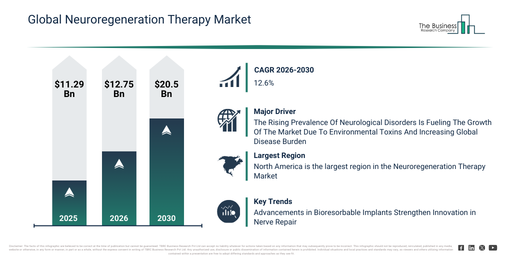
    The neuroregeneration therapy market has experienced substantial growth in its size over recent years. It is projected to increase from $11.29 billion in 2025 to $12.75 billion in 2026, achieving a compound annual growth rate (CAGR) of 12.9%. The market’s expansion during the historic period can be ascribed to factors such as the limited availability of neuroregeneration therapies, the high prevalence of neurodegenerative diseases, expanding clinical research focused on neural repair, rising awareness concerning neurological disorder management, and the continued reliance on conventional pharmacological treatments.

    The neuroregeneration therapy market is anticipated to experience significant expansion over the coming years. Projections indicate it will reach a valuation of $20.5 billion by 2030, progressing at a compound annual growth rate (CAGR) of 12.6%. This projected growth is driven by several factors, including the advancement of stem cell and gene therapies, broader application of neurostimulation devices, the incorporation of artificial intelligence (AI) and digital monitoring into therapeutic practices, increased government investment in neurological research, and a rise in partnerships between pharmaceutical and biotechnology firms. Key trends anticipated during this period involve a greater acceptance of stem cell and gene therapies for neuroregeneration, an uptick in the use of neurostimulation techniques in clinical settings, the proliferation of pharmacological treatments aimed at neuroprotection, the broader application of nanotechnology and biomaterials in drug delivery systems, and the incorporation of personalized therapeutic strategies for neurodegenerative conditions.

    Access Your Free Sample Report For In-Depth Market Analysis:

    https://www.thebusinessresearchcompany.com/sample.aspx?id=27358&type=smp

    What Leading Drivers Are Supporting The Neuroregeneration Therapy Market Expansion?

    The increasing occurrence of neurological conditions is projected to boost the expansion of the neuroregeneration therapy market in the future. These disorders involve issues affecting the brain, spinal cord, or peripheral nerves, thereby interfering with the regular functioning of the nervous system. An uptick in neurological ailments stems from environmental toxins, given that prolonged exposure to contaminants like heavy metals, pesticides, and industrial chemicals can harm the nervous system and heighten the probability of developing neurodegenerative conditions. Neuroregeneration therapy addresses neurological issues by mending or substituting impaired neurons and tissues, thus recovering lost capabilities and fostering recovery in the brain, spinal cord, or nerves to enhance movement, feeling, and general well-being. For example, as reported by the World Federation of Neurology, a UK-based national neurological societies’ association, in October 2023, over 40% of the worldwide populace currently lives with some type of neurological condition, and this figure is anticipated to almost double by 2050. Consequently, the growing incidence of neurological disorders is fueling the expansion of the neuroregeneration therapy market.

    Which Segment Categories Are Included In The Neuroregeneration Therapy Market Segment Analysis?

    The neuroregeneration therapy market covered in this report is segmented –

    1) By Type Of Neuroregeneration Therapy: Stem Cell Therapy, Gene Therapy, Pharmacological Therapy, Neurostimulation Therapy, Other Types Of Neuroregeneration Therapy

    2) By Technology: Tissue Engineering, Cranial And Spinal Stimulation, Nanotechnology In Drug Delivery, Biomaterials Development

    3) By Mode Of Administration: Oral, Injectable, Implantable, Other Modes Of Administration

    4) By Indication: Spinal Cord Injury, Traumatic Brain Injury, Stroke, Parkinson’s Disease, Multiple Sclerosis, Alzheimer’s Disease, Peripheral Nerve Injury, Other Indications

    5) By End-User: Hospitals, Clinical Research Institutes, Academic Institutions, Pharmaceutical And Biotechnology Companies

    Subsegments:

    1) By Stem Cell Therapy: Embryonic Stem Cell Therapy, Mesenchymal Stem Cell Therapy, Neural Stem Cell Therapy, Induced Pluripotent Stem Cell Therapy, Hematopoietic Stem Cell Therapy

    2) By Gene Therapy: In Vivo Gene Therapy, Ex Vivo Gene Therapy, Viral Vector Based Gene Therapy, Non Viral Vector Based Gene Therapy, Genome Editing Gene Therapy

    3) By Pharmacological Therapy: Neuroprotective Drugs, Neurotrophic Factor Based Drugs, Anti Inflammatory Drugs, Antioxidant Drugs

    4) By Neurostimulation Therapy: Deep Brain Stimulation, Transcranial Magnetic Stimulation, Vagus Nerve Stimulation, Spinal Cord Stimulation, Transcranial Direct Current Stimulation

    5) By Other Types Of Neuroregeneration Therapy: Nanotechnology Based Therapy, Exosome Based Therapy, Biomaterial Based Therapy

    What Trends Are Affecting The Growth Of The Neuroregeneration Therapy Market?

    Leading companies in the neuroregeneration therapy market are concentrating on developing innovative solutions, such as 3D-printed regenerative medical implants, which offer advanced treatment options for nerve repair and functional recovery following injury. These 3D-printed regenerative implants utilize patient-specific biomaterials and tissue-engineered scaffolds to support nerve regeneration, facilitating precise structural guidance for axonal growth and leading to improved outcomes compared to traditional autografts or synthetic conduits, which are constrained by donor tissue availability and less customizable designs. For example, in June 2025, 3D Systems Inc., a US-based 3D printing and medical technology company, progressed its regenerative medical solutions with a pioneering peripheral nerve implant designed to enable targeted neuroregeneration. This implant is fabricated from biocompatible, 3D-printed scaffold materials specifically engineered to guide nerve regrowth, functioning by providing structural and biochemical cues that promote axonal extension and reconnection. Its unique characteristics include patient-specific customization, integration with surrounding tissue, and compatibility with peripheral nerve repair procedures. Its applications cover peripheral nerve injury repair, functional restoration after trauma or surgery, and research in neuroregenerative medicine, with benefits encompassing accelerated recovery, enhanced functional outcomes, and reduced dependence on donor grafts.

    Who Are The Active Companies Shaping The Neuroregeneration Therapy Market?

    Major companies operating in the neuroregeneration therapy market are F. Hoffmann-La Roche Ltd., Merck & Co. Inc., AbbVie Inc., Sanofi S.A., Novartis International AG, Stryker Corporation, Biogen Inc., Synovis Life Technologies Inc., Integra LifeSciences Holdings Corporation, AxoGen Inc., Denali Therapeutics Inc., Aspen Neuroscience Inc., Neurona Therapeutics Inc., Lineage Cell Therapeutics Inc., Checkpoint Surgical Inc., Stemedica Cell Technologies Inc., Polyganics B.V., Epineuron Technologies Inc., NeuExcell Therapeutics Inc.

    Get The Full Neuroregeneration Therapy Market Report:

    https://www.thebusinessresearchcompany.com/report/neuroregeneration-therapy-global-market-report

    Which Region Accounts For The Largest Portion Of The Neuroregeneration Therapy Market?

    North America was the largest region in the neuroregeneration therapy market in 2025. Asia-Pacific is expected to be the fastest-growing region in the forecast period. The regions covered in the neuroregeneration therapy market report are Asia-Pacific, South East Asia, Western Europe, Eastern Europe, North America, South America, Middle East, Africa.

    Request A Customized Neuroregeneration Therapy Market Report For Competitive Insights:

    https://www.thebusinessresearchcompany.com/report/neuroregeneration-therapy-global-market-report

    Browse Through More Reports Similar to the Global Neuroregeneration Therapy Market 2026, By The Business Research Company

    Construction Plastics Market Report 2026

    https://www.thebusinessresearchcompany.com/report/construction-plastics-global-market-report

    Wood Plastic Composite Market Report 2026

    https://www.thebusinessresearchcompany.com/report/wood-plastic-composite-global-market-report

    Plastic Products Market Report 2026

    https://www.thebusinessresearchcompany.com/report/plastic-products-global-market-report

    Get in touch with us:

    The Business Research Company: https://www.thebusinessresearchcompany.com/

    Americas +1 310-496-7795

    Asia +44 7882 955267 & +91 8897263534

    Europe +44 7882 955267

    Email us at: marketing@tbrc.info

    Follow us on:

    LinkedIn: https://in.linkedin.com/company/the-business-research-company

    YouTube: https://www.youtube.com/channel/UC24_fI0rV8cR5DxlCpgmyFQ

    Global Market Model: https://www.thebusinessresearchcompany.com/global-market-model
  • Neuromuscular Blocking Drug Market Forecast Through 2030 With Insights On Market Patterns And Developments

    Neuromuscular Blocking Drug Market Forecast Through 2030 With Insights On Market Patterns And Developments

    The Business Research Company’s 2026 market reports feature enhanced tools like market attractiveness analysis, TAM assessment, and company scoring matrices, along with interactive dashboards, deeper supply chain insights, and startup coverage strengthening the depth, usability, and strategic value of insights.

    What Expansion In Market Value Is Forecasted For The Neuromuscular Blocking Drug Market Between 2026 And 2030?

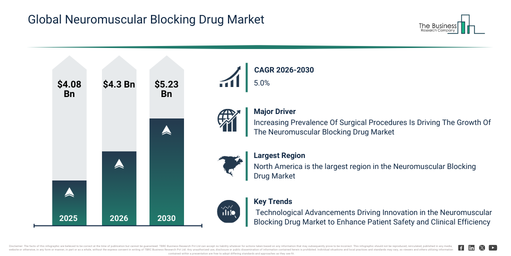
    The market size for neuromuscular blocking drugs has experienced robust expansion in recent years. This market is projected to increase from $4.08 billion in 2025 to $4.3 billion in 2026, exhibiting a compound annual growth rate (CAGR) of 5.3%. Its historical growth can be linked to several factors, including the limited availability of neuromuscular blocking drugs, a rising number of surgical procedures, a reliance on conventional anesthesia protocols, expanding hospital infrastructure, and heightened awareness of perioperative patient care.

    The neuromuscular blocking drug market size is projected to experience substantial expansion over the upcoming years. This market is anticipated to reach $5.23 billion by 2030, exhibiting a compound annual growth rate (CAGR) of 5.0%. Factors contributing to this growth during the forecast period include the introduction of rapid-onset and intermediate-acting agents, the incorporation of digital anesthesia monitoring systems, an increase in specialty clinics, the growing use of short-acting agents for outpatient surgeries, and heightened regulatory emphasis on drug safety and efficacy. Key trends anticipated over this period encompass a surging demand for both non-polarizing and depolarizing neuromuscular blocking drugs, an increase in surgical procedures necessitating muscle relaxation, wider acceptance of short-acting and rapid-onset agents, the broadening of hospital and online pharmacy channels, and a pronounced focus on ensuring patient safety and refining anesthesia protocols.

    Access Your Free Sample Report For In-Depth Market Analysis:

    https://www.thebusinessresearchcompany.com/sample.aspx?id=19612&type=smp

    Which Key Factors Are Driving The Neuromuscular Blocking Drug Market Growth?

    The growth of the neuromuscular blocking drug market is anticipated to be spurred by an increasing volume of surgical procedures in the future. Surgical procedures encompass medical operations that involve making incisions, removing tissues, or employing other techniques to address injuries, diseases, or various medical conditions. This rise in surgical procedures can be attributed to several factors: advancements in diagnostic tools, enhanced access to healthcare services, a greater focus on improving the quality of life, and an increase in patient awareness and their expectations. Neuromuscular blocking drugs play a crucial role in these procedures by inducing muscle relaxation, thereby facilitating different stages of the operation. As an illustration, figures from September 2023, reported by the National Library of Medicine, a US-based federal government organization, revealed that as of 2023, a total of 7,733 robotic surgical systems were established globally, and more than 10 million robotic surgeries have been performed. Therefore, the expanding incidence of surgical procedures is a significant factor propelling the expansion of the neuromuscular blocking drug market.

    How Is The Neuromuscular Blocking Drug Market Broken Down By Segment Categories?

    The neuromuscular blocking drug market covered in this report is segmented –

    1) By Type: Non-Polarizing Agents, Depolarizing Agents

    2) By Application: Hospital Pharmacy, Retail Pharmacy, Online Pharmacy, Other Applications

    3) By End-Users: Hospitals, Homecare, Specialty Clinics, Other End-Users

    Subsegments:

    1) By Non-Polarizing Agents: Benzylisoquinolines, Steroidal Agents, Long-Acting Agents, Intermediate-Acting Agents, Short-Acting Agents,

    2) By Depolarizing Agents: Succinylcholine, Analogues of Succinylcholine, Rapid-Onset Agents, Short-Acting Agents, Intermediate-Acting Agents

    Which Trends Are Shaping The Neuromuscular Blocking Drug Market?

    Leading firms within the neuromuscular blocking drug market are concentrating on introducing technological innovations, including RFID-enabled drug delivery, to satisfy the growing need for enhanced patient safety and streamlined hospital inventory control. This RFID-enabled drug delivery system entails placing radio-frequency identification (RFID) tags onto pharmaceutical containers or wrapping, enabling healthcare facilities to automatically monitor, verify, and administer medications via digital platforms. This approach lessens human errors, guarantees precise dosing, and aids in recall procedures, standing in contrast to conventional bar-code or manual inventory methods. As an illustration, Fresenius Kabi, a pharmaceutical producer based in Germany, unveiled its Rocuronium Bromide Injection pre-tagged with RFID in May 2023. This non-depolarizing neuromuscular blocking agent is designed for complete compatibility with prominent RFID kit and tray systems. While maintaining its core active ingredient, rocuronium bromide, this product incorporates an intelligent RAIN RFID label (GS1-compliant), which facilitates point-of-care tracking, boosts traceability, and elevates patient safety through real-time confirmation and a reduction in the likelihood of incorrect dosage errors. Furthermore, the RFID technology optimizes hospital inventory operations by providing automated stock reconciliation and generating recall alerts.

    Which Players Are Present In The Neuromuscular Blocking Drug Market Space?

    Major companies operating in the neuromuscular blocking drug market are Pfizer Inc., Merck & Co Inc., AbbVie Inc., Fresenius Kabi AG, AstraZeneca PLC, Novartis AG, Teva Pharmaceutical Industries Limited, Baxter International Inc., Astellas Pharma Inc., Daiichi Sankyo Company Limited, Ipsen S.A., B. Braun Melsungen AG, Aurobindo Pharma Limited, Hikma Pharmaceuticals PLC, Mallinckrodt Pharmaceuticals plc, Mylan N.V., Sagent Pharmaceuticals Inc., Cadila Healthcare Limited

    Get The Full Neuromuscular Blocking Drug Market Report:

    https://www.thebusinessresearchcompany.com/report/neuromuscular-blocking-drug-global-market-report

    Which Region Holds The Highest Market Share In The Neuromuscular Blocking Drug Market?

    North America was the largest region in the neuromuscular blocking drug market in 2025. The regions covered in the neuromuscular blocking drug market report are Asia-Pacific, South East Asia, Western Europe, Eastern Europe, North America, South America, Middle East, Africa.

    Request A Customized Neuromuscular Blocking Drug Market Report For Competitive Insights:

    https://www.thebusinessresearchcompany.com/report/neuromuscular-blocking-drug-global-market-report

    Browse Through More Reports Similar to the Global Neuromuscular Blocking Drug Market 2026, By The Business Research Company

    Nephrology Drugs Market Report 2026

    https://www.thebusinessresearchcompany.com/report/nephrology-drugs-global-market-report

    Myelodysplastic Syndrome Drugs Market Report 2026

    https://www.thebusinessresearchcompany.com/report/myelodysplastic-syndrome-drugs-global-market-report

    Drug Delivery Devices Market Report 2026

    https://www.thebusinessresearchcompany.com/report/drug-delivery-devices-global-market-report

    Get in touch with us:

    The Business Research Company: https://www.thebusinessresearchcompany.com/

    Americas +1 310-496-7795

    Asia +44 7882 955267 & +91 8897263534

    Europe +44 7882 955267

    Email us at: marketing@tbrc.info

    Follow us on:

    LinkedIn: https://in.linkedin.com/company/the-business-research-company

    YouTube: https://www.youtube.com/channel/UC24_fI0rV8cR5DxlCpgmyFQ

    Global Market Model: https://www.thebusinessresearchcompany.com/global-market-model
  • Microcarrier Market Insights Highlighting Opportunities Supporting Growth To 2030

    Microcarrier Market Insights Highlighting Opportunities Supporting Growth To 2030

    The Business Research Company’s 2026 market reports feature enhanced tools like market attractiveness analysis, TAM assessment, and company scoring matrices, along with interactive dashboards, deeper supply chain insights, and startup coverage strengthening the depth, usability, and strategic value of insights.

    From Its 2026 Market Size, What Value Is The Microcarrier Market Projected To Reach By 2030?

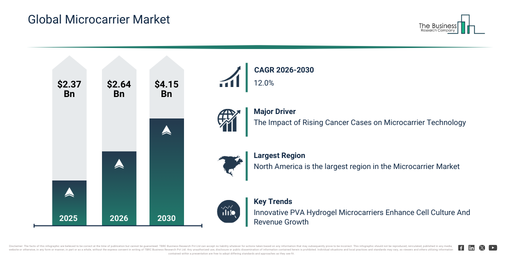
    The microcarrier market has seen a rapid expansion in recent years. It is anticipated to grow from $2.37 billion in 2025 to $2.64 billion in 2026, achieving a compound annual growth rate (CAGR) of 11.6%. Historically, this market’s growth can be attributed to the increasing adoption of cell therapy research, a rising demand for vaccine production, the advancements in biotechnology research, the availability of basic microcarrier materials, and the expansion of contract research organizations.

    The microcarrier market is projected to experience swift expansion over the coming years. By 2030, its value is anticipated to reach $4.15 billion, demonstrating a compound annual growth rate (CAGR) of 12.0%. This growth during the forecast period is attributable to several factors, including a growing demand for personalized medicine, ongoing advancements in bioreactor technologies, the incorporation of AI into cell culture monitoring, increased investment in cell therapy, and the creation of innovative microcarrier materials. Key trends anticipated during this period encompass scalable methods for cell expansion, improved microcarrier biocompatibility, automated systems for cell culture, the incorporation of 3D cell culture models, and the creation of specialized microcarriers.

    Access Your Free Sample Report For In-Depth Market Analysis:

    https://www.thebusinessresearchcompany.com/sample.aspx?id=7759&type=smp

    What Significant Factors Are Influencing The Microcarrier Market Expansion?

    A rising incidence of cancer cases is driving the expansion of the microcarrier market. The principal factor contributing to cancer risk is the extended human lifespan. Additionally, the global surge in cancer occurrences has been influenced by factors such as the adoption of a Western lifestyle, unhealthy eating patterns, higher dairy intake, the presence of food additives, regular consumption of non-vegetarian meals, environmental chemical pollution, and insufficient physical activity. This escalating number of cancer instances leads to the abnormal and uncontrolled development of cells, which then exceed their usual boundaries to invade various organs or tissues within the body. Microcarrier support, functioning as a matrix, facilitates the growth of adherent cells within bioreactors, simultaneously fostering cancer cell proliferation and aiding in the creation of microtissue for the repair and restoration of impaired or degenerated tissue. As an illustration, in February 2024, the World Health Organization, a Switzerland-based specialized agency of the United Nations, projected that by 2025, more than 35 million new cancer cases would be anticipated, representing a 77% rise from the approximately 20 million cases estimated in 2022. Consequently, the growing prevalence of cancer cases continues to drive the expansion of the microcarrier market.

    How Are Different Segments Classified In The Microcarrier Market Segment Analysis?

    The microcarrier market covered in this report is segmented –

    1) By Product: Equipment, Consumables

    2) By Microcarrier Type: Cationic Microcarriers, Collagen-Coated Microcarriers, Protein-Coated Microcarriers, Untreated Microcarriers, Other Microcarriers

    3) By Material Type: Alginate-Based, Collagen-Based, Dextran-Based, Polystyrene-Based, Other Material Type

    4) By Application: Vaccine Manufacturing, Cell Therapy, Other Applications

    5) By End User: Pharmaceutical And Biotechnology Companies, Research Institutes, CROs

    Subsegments:

    1) By Equipment: Bioreactors, Microcarrier Culture Systems, Filtration Systems, Sensors And Monitors

    2) By Consumables: Microcarriers, Media And Supplements, Reagents And Kits, Other Consumables

    What Trends Are Affecting The Growth Of The Microcarrier Market?

    Companies actively engaged in microcarrier development are concentrating on creating innovative products, such as PVA hydrogel microcarriers, to boost their revenue and broaden their product portfolios. PVA hydrogel microcarriers are biocompatible materials utilized to support the proliferation and expansion of adherent cells in various bioprocessing and cell culture applications. For example, in October 2023, Kuraray Co., Ltd., a chemical manufacturer based in Japan, introduced polyvinyl alcohol (PVA) hydrogel microcarriers specifically for cell cultures within the field of regenerative medicine. When these microcarriers are incorporated into bioreactors for large-scale cell cultivation, they facilitate cell adhesion and growth on their surfaces, which in turn streamlines the procedures for cell detachment and recovery. These microcarriers are valued for their resilience in bioreactor environments, their high safety standards, and their capability to enhance the overall efficiency of cell cultures.

    Who Are The Companies Driving Activity In The Microcarrier Market?

    Major companies operating in the microcarrier market are Thermo Fisher Scientific Inc., The Merck Group, GE Healthcare Technologies Inc., Corning Incorporated, Lonza Group AG, Microcarrier Global, Sartorius AG, Getinge AB, ChemoMetec, Cesco Bioengineering Co. Ltd., Himedia Laboratories Pvt. LTtd., Esco VacciXcell, Danaher Corporation, Eppendorf AG, Solida Biotech GmbH, CellGenix GmbH, FUJIFILM Irvine Scientific Inc., Stemcell Technologies Inc., Bio-Techne Corporation, InVitria Inc., CytoSMART Technologies BV, Synthace Limited, Cell Guidance Systems Ltd., BioLamina AB, Cell Culture Company LLC, Cell Applications Inc., CellSystems Biotechnologie Vertrieb GmbH, Cellon SA, Repligen corporation, VWR International

    Get The Full Microcarrier Market Report:

    https://www.thebusinessresearchcompany.com/report/microcarrier-global-market-report

    Which Region Is The Largest In The Microcarrier Market?

    North America was the largest region in the microcarrier market in 2025.Asia-Pacific is expected to be the fastest-growing region in the forecast period. The regions covered in the microcarrier market report are Asia-Pacific, South East Asia, Western Europe, Eastern Europe, North America, South America, Middle East, Africa.

    Request A Customized Microcarrier Market Report For Competitive Insights:

    https://www.thebusinessresearchcompany.com/report/microcarrier-global-market-report

    Browse Through More Reports Similar to the Global Microcarrier Market 2026, By The Business Research Company

    Microcarrier Market Report 2026

    https://www.thebusinessresearchcompany.com/report/microcarrier-global-market-report

    Wireless Telecommunication Carrier Market Report 2026

    https://www.thebusinessresearchcompany.com/report/wireless-telecommunication-carrier-global-market-report

    Micro Server Ic Market Report 2026

    https://www.thebusinessresearchcompany.com/report/micro-server-ic-global-market-report

    Get in touch with us:

    The Business Research Company: https://www.thebusinessresearchcompany.com/

    Americas +1 310-496-7795

    Asia +44 7882 955267 & +91 8897263534

    Europe +44 7882 955267

    Email us at: marketing@tbrc.info

    Follow us on:

    LinkedIn: https://in.linkedin.com/company/the-business-research-company

    YouTube: https://www.youtube.com/channel/UC24_fI0rV8cR5DxlCpgmyFQ

    Global Market Model: https://www.thebusinessresearchcompany.com/global-market-model
  • Neurological Disorder Drugs Market Outlook For 2026–2030 Covering Growth Drivers And Industry Trends

    Neurological Disorder Drugs Market Outlook For 2026–2030 Covering Growth Drivers And Industry Trends

    The Business Research Company’s 2026 market reports feature enhanced tools like market attractiveness analysis, TAM assessment, and company scoring matrices, along with interactive dashboards, deeper supply chain insights, and startup coverage strengthening the depth, usability, and strategic value of insights.

    How Large Will The Neurological Disorder Drugs Market Be By 2030 Compared To Its 2026 Market Size?

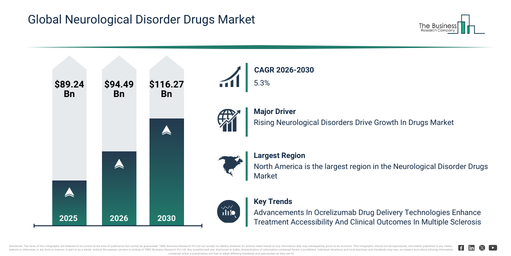
    The neurological disorder drugs market size has demonstrated significant growth in recent years. It is anticipated to expand from $89.24 billion in 2025 to $94.49 billion in 2026, achieving a compound annual growth rate (CAGR) of 5.9%. The historical period’s growth can be ascribed to the increasing prevalence of epilepsy and neurodegenerative diseases, an aging global population, the continued use of symptomatic neurological drugs, the broadening of hospital-based neurological care, and enhanced diagnosis rates of neurological disorders.

    The neurological disorder drugs market size is projected to experience substantial expansion in the coming years. By 2030, its valuation is anticipated to reach $116.27 billion, exhibiting a compound annual growth rate (CAGR) of 5.3%. This anticipated growth during the forecast period is attributable to several factors, including progress in neurological drug development pipelines, the increasing prevalence of Alzheimer’s and Parkinson’s disease, enhanced availability of neurological care in developing markets, an escalating need for individualized neurology treatments, and the wider availability of homecare and outpatient neurological therapies. Key trends projected for the forecast period encompass a greater uptake of disease-modifying neurological therapies, an increasing emphasis on prompt diagnosis and sustained disease management, a heightened requirement for combination drug treatments, the broadening scope of oral and home-based neurological interventions, and a stronger focus on alleviating symptoms and enhancing patients’ quality of life.

    Access Your Free Sample Report For In-Depth Market Analysis:

    https://www.thebusinessresearchcompany.com/sample.aspx?id=17207&type=smp

    What Primary Drivers Are Shaping The Neurological Disorder Drugs Market?

    The increasing incidence of neurological diseases is poised to stimulate the expansion of the neurological disorder drugs market in the coming years. Neurological disorders are conditions affecting the brain, spinal cord, and nerves, stemming from structural, biochemical, or electrical irregularities that manifest in various symptoms. The rise in these diseases is attributed to a growing global elderly population and heightened exposure to environmental, metabolic, and lifestyle risk factors. Neurological disorder drugs are vital in addressing these complex conditions, offering symptom alleviation, slowing disease progression, and enhancing long-term patient well-being. For example, according to the Australian Institute of Health and Welfare in September 2024, it is forecasted that the number of individuals with dementia in Australia will more than double between 2023 and 2058, rising from approximately 411,100 in 2023 to 849,300 by 2058, impacting around 315,500 men and 533,800 women. This growing prevalence of neurological diseases is thus a key driver for the neurological disorder drugs market.

    What Are The Different Segment Types In The Neurological Disorder Drugs Market Segment Breakdown?

    The neurological disorder drugs market covered in this report is segmented –

    1) By Drug Class: Cholinesterase Inhibitors, N-Methyl-D-Aspartate (NMDA) Receptor Antagonists, Antiepileptic, Antipsychotic And Antidepressant, Other Drugs Classes

    2) By Indication: Epilepsy, Alzheimer’s Disease, Parkinson’s Disease, Multiple Sclerosis, Cerebrovascular Disease, Other Indications

    3) By Route Of Administration: Oral, Parenteral, Other Routes Of Administration

    4) By Distribution Channel: Hospital Pharmacy, Retail Pharmacy, Online Pharmacy, Other Distribution Channels

    5) By End-Users: Hospitals, Specialty Clinics, Homecare, Other End Users

    Subsegments:

    1) By Cholinesterase Inhibitors: Donepezil, Rivastigmine, Galantamine

    2) By N-Methyl-D-Aspartate (NMDA) Receptor Antagonists: Memantine, Other NMDA Receptor Antagonists

    3) By Antiepileptic: Sodium Channel Blockers, GABA Enhancers, Glutamate Modulators, Other Antiepileptics

    4) By Antipsychotic and Antidepressant: Risperidone, Olanzapine, SSRIs, SNRIs, Tricyclic

    5) By Other Drug Classes: Dopaminergic Drugs, Alpha-2 Agonists, Immunomodulators, Other Neurological Disorder Medications

    What Trends Are Influencing The Neurological Disorder Drugs Market?

    Leading companies within the neurological disorder drugs market are concentrating on advancing innovative remedies, such as those derived from Ocrelizumab, to elevate treatment efficacy, achieve better patient outcomes, and broaden therapeutic alternatives for individuals suffering from multiple sclerosis. Ocrelizumab itself is a humanized monoclonal antibody specifically engineered to target CD20-positive B cells, thereby contributing to a reduction in disease activity and a deceleration of progression in both relapsing and primary progressive forms of multiple sclerosis. For example, in September 2024, Roche Holding AG, a pharmaceutical company based in Switzerland, secured regulatory approval from the U.S. Food and Drug Administration (FDA) for OCREVUS ZUNOVO (ocrelizumab & hyaluronidase-ocsq). This formulation is a twice-yearly, approximately 10-minute subcutaneous injection, representing the first-ever subcutaneous Ocrevus version to gain approval for both relapsing (RMS) and primary progressive (PPMS) multiple sclerosis. This upgraded delivery option is intended to boost convenience, widen access to the therapy, and support clinical workflow efficiency by providing a quicker, non-intravenous method of administration.

    Who Are The Well-Known Companies In The Neurological Disorder Drugs Market?

    Major companies operating in the neurological disorder drugs market are F. Hoffmann-La Roche Ltd, Bayer AG, Sanofi S.A, AstraZeneca PLC, Abbott Laboratories, Novartis AG, GlaxoSmithKline plc, Takeda Pharmaceutical Company Limited, Eli Lilly and Company Pvt Ltd, Amgen Inc, Boehringer Ingelheim GmbH, Merck KGaA, Teva Pharmaceutical Industries Ltd, Otsuka America Pharmaceutical Inc, Biogen Inc, Bausch Health Companies Inc, Alexion Pharmaceuticals Inc., UCB S.A., Eisai Co Ltd, Cipla Inc, BioMarin Pharmaceutical Inc., Biocon Ltd, Acorda Therapeutics Inc.

    Get The Full Neurological Disorder Drugs Market Report:

    https://www.thebusinessresearchcompany.com/report/neurological-disorder-drugs-global-market-report

    Where Is The Neurological Disorder Drugs Market Most Concentrated Geographically?

    North America was the largest region in the neurological disorder drugs market in 2025. Asia-Pacific is expected to be the fastest-growing region in the forecast period. The regions covered in the neurological disorder drugs market report are Asia-Pacific, South East Asia, Western Europe, Eastern Europe, North America, South America, Middle East, Africa.

    Request A Customized Neurological Disorder Drugs Market Report For Competitive Insights:

    https://www.thebusinessresearchcompany.com/report/neurological-disorder-drugs-global-market-report

    Browse Through More Reports Similar to the Global Neurological Disorder Drugs Market 2026, By The Business Research Company

    Neurological Disorder Drugs Market Report 2026

    https://www.thebusinessresearchcompany.com/report/neurological-disorder-drugs-global-market-report

    Central Nervous System Drug Market Report 2026

    https://www.thebusinessresearchcompany.com/report/central-nervous-system-drug-global-market-report

    Cholinergic Drugs Market Report 2026

    https://www.thebusinessresearchcompany.com/report/cholinergic-drugs-global-market-report

    Get in touch with us:

    The Business Research Company: https://www.thebusinessresearchcompany.com/

    Americas +1 310-496-7795

    Asia +44 7882 955267 & +91 8897263534

    Europe +44 7882 955267

    Email us at: marketing@tbrc.info

    Follow us on:

    LinkedIn: https://in.linkedin.com/company/the-business-research-company

    YouTube: https://www.youtube.com/channel/UC24_fI0rV8cR5DxlCpgmyFQ

    Global Market Model: https://www.thebusinessresearchcompany.com/global-market-model
  • Global Microbiome Market Expected To Reach $159.77 Billion By 2030 With 11% CAGR

    Global Microbiome Market Expected To Reach $159.77 Billion By 2030 With 11% CAGR

    The Business Research Company’s 2026 market reports feature enhanced tools like market attractiveness analysis, TAM assessment, and company scoring matrices, along with interactive dashboards, deeper supply chain insights, and startup coverage strengthening the depth, usability, and strategic value of insights.

    How Much Growth In Market Value Is Expected For The Microbiome Market Between 2026 And 2030?

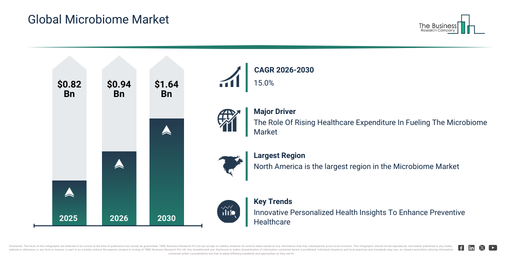
    The microbiome market size has experienced rapid expansion in recent years. It is anticipated to increase from $0.82 billion in 2025 to $0.94 billion in 2026, reflecting a compound annual growth rate (CAGR) of 14.8%. This historical growth can be ascribed to a heightened understanding of gut health, increased financial support for microbiome research, a rise in probiotic consumption, advancements in sequencing technologies, and collaborations between research institutions and biotech firms.

    The microbiome market is anticipated to experience substantial expansion in the coming years. Its valuation is projected to reach $1.64 billion by 2030, exhibiting a compound annual growth rate (CAGR) of 15.0%. This projected growth is driven by factors such as the incorporation of AI into microbiome analysis, the increasing adoption of personalized medicine, the broadening scope of microbiome-based therapeutics, a rise in the prevalence of chronic diseases, and a growing demand for functional foods and supplements. Key trends during this period are expected to encompass personalized microbiome-based treatments, advancements in probiotic and prebiotic products, the evolution of microbiome diagnostics, an increase in gut-brain axis research, and enhanced integration and analysis of microbiome data.

    Access Your Free Sample Report For In-Depth Market Analysis:

    https://www.thebusinessresearchcompany.com/sample.aspx?id=3397&type=smp

    Which Important Drivers Are Guiding The Microbiome Market Growth?

    The anticipated rise in healthcare expenditure is projected to advance the microbiome market. Healthcare expenditure signifies the total financial outlay for health services and associated goods and activities within a specific healthcare system or economy over a defined period. These expenditures are fundamental in boosting the microbiome market. As investments in microbiome research and development escalate, coupled with increased awareness of the microbiome’s crucial role in human health, the need for microbiome-based therapies and products is growing. For instance, in December 2024, the Centers for Medicare & Medicaid Services, a US-based agency responsible for managing Medicare and Medicaid programs, reported that U.S. health care expenditures increased by 7.5% in 2023, reaching $4.9 trillion, equivalent to approximately $14,570 per individual. Consequently, increasing healthcare expenditures are propelling the growth of the complicated skin and skin structure infections drugs market.

    How Is The Microbiome Market Categorized Across Its Segment Groups?

    The microbiome market covered in this report is segmented –

    1) By Microbe Category: Bacteria, Archaea, Viruses, Other Microbiomes

    2) By Product: Therapeutics, Diagnostics

    3) By Technology: Genomics, Proteomics, Metabolomics

    4) By End-Use: Infectious Diseases, Gastrointestinal Disorders, Metabolic Disorders, Cancers, Other Diseases

    Subsegments:

    1) By Bacteria: Probiotic Bacteria, Pathogenic Bacteria, Environmental Bacteria, Bacterial Communities In Various Ecosystems

    2) By Archaea: Methanogens, Halophiles, Acidophiles, Other Extremophiles

    3) By Viruses: Bacteriophages, Eukaryotic Viruses, Environmental Viruses

    4) By Other Microbiomes: Fungi, Protists, Helminths, Mycobiome

    Which Trends Are Shaping The Microbiome Market?

    Leading companies in the microbiome market are concentrating on fostering innovation, exemplified by personalized health insights designed to empower individuals through customized reports that pinpoint specific health concerns. Personalized health insights denote tailored, data-driven information and recommendations created for an individual’s distinct health profile. For instance, in September 2024, Redcliffe Labs, an India-based medical and diagnostic laboratory company, introduced its Gut Microbiome and HealthEx tests, with the goal of improving preventive healthcare by supplying personalized health insights. These two specialized health tests are dedicated to advancing preventive healthcare. The gut microbiome test examines gut health, yielding insights into immune function, metabolism, and mental health. An advanced blood test scrutinizes DNA to evaluate potential health risks associated with lifestyle, diet, and genetics. Both tests offer personalized recommendations to support individuals in managing their well-being.

    Which Firms Are Influencing Competition In The Microbiome Market?

    Major companies operating in the microbiome market are Seres Therapeutics, Enterome Bioscience, Ferring Pharmaceuticals, Vedanta BioSciences, Second Genome Inc., Microbiotica, Rebiotix Inc, Locus Biosciences, Osel Inc., Xbiome Co. Ltd, Microba Life Sciences, Biome Australia, Shoreline Biome, BugSpeaks, Atlas Biomed, BiomX Ltd, ImmuneBiotech Medical Sweden AB, MetaboGen AB, Viome, PharmaBiome, NCCR Microbiomes, MaaT Pharma, Eligo Bioscience, T3 Pharmaceuticals, MicroBiome Therapeutics LLC, OpenBiome, Microbiome Insights Inc., Lallemand Health Solutions, Mybiotics Pharma, DayTwo, Next Biosciences, ViThera Pharmaceuticals Inc., Inqaba Biotechnical Industries (Pty), SNIPR Biome, MyBiome

    Get The Full Microbiome Market Report:

    https://www.thebusinessresearchcompany.com/report/microbiomes-global-market-report

    Which Region Leads The Microbiome Market In Terms Of Market Share?

    North America was the largest region in the microbiome market in 2025. The regions covered in the microbiome market report are Asia-Pacific, South East Asia, Western Europe, Eastern Europe, North America, South America, Middle East, Africa.

    Request A Customized Microbiome Market Report For Competitive Insights:

    https://www.thebusinessresearchcompany.com/report/microbiomes-global-market-report

    Browse Through More Reports Similar to the Global Microbiome Market 2026, By The Business Research Company

    Microbiomes Market Report 2026

    https://www.thebusinessresearchcompany.com/report/microbiomes-global-market-report

    Microbiomes Market Report 2026

    https://www.thebusinessresearchcompany.com/report/microbiomes-global-market-report

    Bactericide Market Report 2026

    https://www.thebusinessresearchcompany.com/report/bactericide-global-market-report

    Get in touch with us:

    The Business Research Company: https://www.thebusinessresearchcompany.com/

    Americas +1 310-496-7795

    Asia +44 7882 955267 & +91 8897263534

    Europe +44 7882 955267

    Email us at: marketing@tbrc.info

    Follow us on:

    LinkedIn: https://in.linkedin.com/company/the-business-research-company

    YouTube: https://www.youtube.com/channel/UC24_fI0rV8cR5DxlCpgmyFQ

    Global Market Model: https://www.thebusinessresearchcompany.com/global-market-model
  • Rising Bacterial Infections And The Surge In Demand For Carbapenem-Based Antibiotics Is A Driving Force In Expansion Is Supporting Expansion In The Neurogenic Detrusor Overactivity Market

    Rising Bacterial Infections And The Surge In Demand For Carbapenem-Based Antibiotics Is A Driving Force In Expansion Is Supporting Expansion In The Neurogenic Detrusor Overactivity Market

    The Business Research Company’s 2026 market reports feature enhanced tools like market attractiveness analysis, TAM assessment, and company scoring matrices, along with interactive dashboards, deeper supply chain insights, and startup coverage strengthening the depth, usability, and strategic value of insights.

    What Is The Projected Increase In Market Value Of The Neurogenic Detrusor Overactivity Market During 2026–2030?

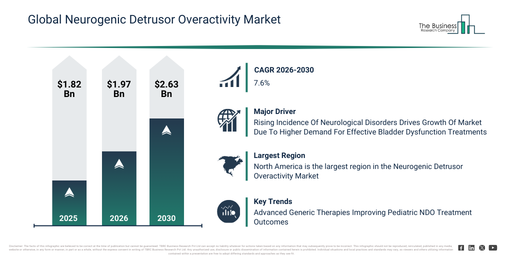
    The market size for neurogenic detrusor overactivity has experienced robust growth in recent years. It is projected to expand from $1.82 billion in 2025 to $1.97 billion in 2026, achieving a compound annual growth rate (CAGR) of 7.9%. Historically, this expansion was fueled by restricted treatment options for NDO, a dependence on traditional surgical interventions, the rising prevalence of neurogenic bladder disorders, an increase in hospital and urology clinic infrastructure, and insufficient patient and caregiver education.

    The neurogenic detrusor overactivity market size is anticipated to experience substantial expansion in the coming years. It is projected to reach $2.63 billion by 2030, demonstrating a compound annual growth rate (CAGR) of 7.6%. This projected growth during the forecast period is attributable to the development of innovative pharmacological therapies, progress in minimally invasive surgical procedures, the integration of neuromodulation devices, increased adoption of continuous patient monitoring technologies, and rising investment in long-term care and rehabilitation services. Significant trends expected in the forecast period involve the growing acceptance of antimuscarinic and beta-3 adrenergic agonists, an increase in the utilization of neuromodulation and minimally invasive therapies, the expansion of behavioral therapy and patient training programs, a heightened emphasis on urodynamic and ultrasound monitoring, and increasing awareness regarding quality of life assessment and long-term care.

    Access Your Free Sample Report For In-Depth Market Analysis:

    https://www.thebusinessresearchcompany.com/sample.aspx?id=24619&type=smp

    Which Major Drivers Are Influencing The Expansion Of The Neurogenic Detrusor Overactivity Market?

    The neurogenic detrusor overactivity market is projected to grow as a result of the increasing occurrence of neurological disorders. These are medical conditions impacting the brain, spinal cord, or nerves, manifesting as difficulties with movement, sensation, cognition, or other bodily functions. The rise in neurological disorders is attributed to increased human longevity, which elevates the likelihood of age-related brain degeneration. Neurogenic detrusor overactivity (NDO) represents a bladder dysfunction often linked to such neurological conditions, including spinal cord injury, multiple sclerosis, and Parkinson’s disease. These conditions disrupt the usual nerve signals between the brain and bladder, prompting involuntary bladder contractions. For example, the American Academy of Neurology (AAN), a US-based neurology and neuroscience organization, published a study in April 2024 indicating that global cases of brain disorders are estimated to reach 4.9 billion by 2050, an increase of 22% from approximately 4 billion cases recorded in 2021. Consequently, the escalating incidence of neurological disorders is propelling expansion within the neurogenic detrusor overactivity market.

    Which Segment Classifications Are Used In The Neurogenic Detrusor Overactivity Market Segment Analysis?

    The neurogenic detrusor overactivity market covered in this report is segmented –

    1) By Types: Non-Surgical Treatment, Surgical Treatment, Follow-Up Treatment

    2) By Application: Adult, Child

    3) By End-User: Hospitals, Urology Clinics, Rehabilitation Centers, Private Practices, Long-Term Care Facilities

    Subsegments:

    1) By Non-Surgical Treatment: Antimuscarinic Drugs, Beta-3 Adrenergic Agonists, Behavioral Therapy, Neuromodulation, Clean Intermittent Catheterization, Intravesical Therapies

    2) By Surgical Treatment: Botulinum Toxin Injection, Augmentation Cystoplasty, Urinary Diversion, External Sphincterotomy, Artificial Urinary Sphincter Implantation

    3) By Follow-Up Treatment: Urodynamic Evaluation, Ultrasound Monitoring, Laboratory Tests, Ongoing Catheterization, Repeat Botulinum Toxin Injections, Patient and Caregiver Training, Quality of Life Assessment

    Which Trends Are Shaping Growth In The Neurogenic Detrusor Overactivity Market?

    Leading companies operating within the neurogenic detrusor overactivity (NDO) treatment market are concentrating on developing advanced generic therapeutics, such as beta-3 adrenergic receptor agonists, to provide effective bladder control solutions at reduced costs. Beta-3 adrenergic receptor agonists, including mirabegron, operate by relaxing the detrusor muscle in the bladder, thereby increasing bladder capacity and diminishing symptoms like urgency and incontinence. For instance, in April 2024, Lupin Ltd., an India-based pharmaceutical company, secured approval from the U.S. Food and Drug Administration (USFDA) to introduce Mirabegron, the generic equivalent of Myrbetriq, in the United States. As an advanced once-daily oral treatment, Mirabegron offers a convenient and effective therapeutic choice for pediatric patients experiencing overactive bladder (OAB) and neurogenic detrusor overactivity (NDO). This approval highlights Lupin’s dedication to enhancing access to quality, affordable generic medications across vital therapeutic areas.

    Which Firms Are Contributing To The Neurogenic Detrusor Overactivity Market Ecosystem?

    Major companies operating in the neurogenic detrusor overactivity market are Astellas Pharma Inc., Medtronic plc, Ipsen, Coloplast A/S, Teva Pharmaceutical Industries Ltd., Sun Pharmaceutical Industries Ltd., Viatris Inc., Apotex Inc., Intas Pharmaceuticals Ltd., Macleods Pharmaceuticals Ltd., Aurobindo Pharma Limited, Hugel Inc., Abbott Laboratories, Boston Scientific Corporation, Cook Medical, Convatec Group plc, B. Braun Melsungen AG, Teleflex Incorporated, Olympus Corporation, Karl Storz SE & Co. KG, Laborie Medical Technologies, Wellspect HealthCare (DENTSPLY Sirona), Hollister Incorporated, Uroplasty Inc., Endo Pharmaceuticals Inc., Ferring Pharmaceuticals, Hikma Pharmaceuticals PLC, Dr. Reddy’s Laboratories Ltd., Lupin Limited, Zydus Lifesciences Ltd.

    Get The Full Neurogenic Detrusor Overactivity Market Report:

    https://www.thebusinessresearchcompany.com/report/neurogenic-detrusor-overactivity-global-market-report

    Which Region Dominates The Neurogenic Detrusor Overactivity Market By Market Share?

    North America was the largest region in the neurogenic detrusor overactivity market in 2025. The regions covered in the neurogenic detrusor overactivity market report are Asia-Pacific, South East Asia, Western Europe, Eastern Europe, North America, South America, Middle East, Africa.

    Request A Customized Neurogenic Detrusor Overactivity Market Report For Competitive Insights:

    https://www.thebusinessresearchcompany.com/report/neurogenic-detrusor-overactivity-global-market-report

    Browse Through More Reports Similar to the Global Neurogenic Detrusor Overactivity Market 2026, By The Business Research Company

    Peripheral Neuropathy Market Report 2026

    https://www.thebusinessresearchcompany.com/report/peripheral-neuropathy-global-market-report

    Neurotoxin Market Report 2026

    https://www.thebusinessresearchcompany.com/report/neurotoxin-global-market-report

    Diabetic Neuropathy Market Report 2026

    https://www.thebusinessresearchcompany.com/report/diabetic-neuropathy-global-market-report

    Get in touch with us:

    The Business Research Company: https://www.thebusinessresearchcompany.com/

    Americas +1 310-496-7795

    Asia +44 7882 955267 & +91 8897263534

    Europe +44 7882 955267

    Email us at: marketing@tbrc.info

    Follow us on:

    LinkedIn: https://in.linkedin.com/company/the-business-research-company

    YouTube: https://www.youtube.com/channel/UC24_fI0rV8cR5DxlCpgmyFQ

    Global Market Model: https://www.thebusinessresearchcompany.com/global-market-model
  • Microbiology Technology, Equipment And Consumables Market Future Outlook Showing Growth Toward $48.52 Billion By 2030

    Microbiology Technology, Equipment And Consumables Market Future Outlook Showing Growth Toward $48.52 Billion By 2030

    The Business Research Company’s 2026 market reports feature enhanced tools like market attractiveness analysis, TAM assessment, and company scoring matrices, along with interactive dashboards, deeper supply chain insights, and startup coverage strengthening the depth, usability, and strategic value of insights.

    What Is The Estimated Market Size Of The Microbiology Technology, Equipment And Consumables Market In 2026, And How Will Its Value Evolve By 2030?

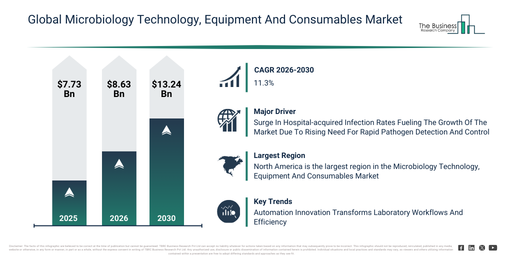
    The microbiology technology, equipment and consumables market size has seen rapid growth in recent years. It is projected to expand from $7.73 billion in 2025 to $8.63 billion in 2026, with a compound annual growth rate (CAGR) of 11.6%. The historical growth in this market can be attributed to factors such as the increasing prevalence of infectious diseases, the expansion of clinical diagnostic laboratories, the growth in food safety testing requirements, rising pharmaceutical quality testing needs, and the availability of standardized consumables.

    The microbiology technology, equipment and consumables market size is projected to undergo significant expansion in the coming years. This sector is forecast to reach $13.24 billion by 2030, exhibiting a compound annual growth rate (CAGR) of 11.3%. The expected growth during the forecast period is primarily driven by escalating investments in molecular diagnostics, an increased demand for automation in laboratory environments, the broadening scope of environmental monitoring programs, a heightened emphasis on antimicrobial resistance testing, and the wider embrace of digital microbiology platforms. Prominent trends anticipated in the forecast period include the increasing uptake of automated microbiology systems, a rising need for rapid diagnostic technologies, the growing utilization of molecular microbiology techniques, the expansion of digital laboratory workflows, and an enhanced focus on high-throughput testing.

    Access Your Free Sample Report For In-Depth Market Analysis:

    https://www.thebusinessresearchcompany.com/sample.aspx?id=29126&type=smp

    What Major Factors Are Driving The Microbiology Technology, Equipment And Consumables Market Forward?

    Rising hospital-acquired infection rates are anticipated to drive the expansion of the microbiology technology, equipment, and consumables market moving forward. These rates denote the percentage of patients contracting infections while in a healthcare facility, which were not present upon their admission. The escalation in such rates stems from invasive medical devices and procedures, which heighten patient vulnerability to pathogens and infection risks. Microbiology technology, equipment, and consumables contribute to diminishing hospital-acquired infection rates by facilitating swift detection, oversight, and containment of infectious pathogens, thus limiting their dissemination in healthcare settings. For example, data from June 2025 by the Australian Institute of Health and Welfare, an Australia-based government department, indicated that in 2023-24, approximately 150,000 out of around 12.6 million hospital admissions involved at least one hospital-acquired complication. The complication incidence rate was 1.9 per 100 admissions in public hospitals and 0.8 per 100 admissions in private hospitals. Consequently, the growing prevalence of hospital-acquired infections is fueling the expansion of the microbiology technology, equipment and consumables market.

    How Are Segments Identified Within The Microbiology Technology, Equipment And Consumables Market Segment Framework?

    The microbiology technology, equipment and consumables market covered in this report is segmented –

    1) By Product Type: Instruments, Consumables, Services

    2) By Test Type: Bacterial Tests, Viral Tests, Fungal Tests, Parasitic Tests

    3) By Technology: Conventional Microbiology, Molecular Microbiology, Immunology-Based Methods, Automation And Digital Systems

    4) By Application: Clinical Diagnostics, Food And Beverage Testing, Pharmaceutical And Biotechnology, Environmental Testing, Agricultural And Industrial Applications

    5) By End-User: Hospitals And Diagnostic Laboratories, Pharmaceutical And Biotechnology Companies, Food And Beverage Companies, Academic And Research Institutes, Environmental And Agricultural Testing Labs

    Subsegments:

    1) By Instruments: Microscopes, Incubators, Autoclaves, Spectrophotometers, Centrifuges, Bioreactors

    2) By Consumables: Petri Dishes, Culture Media, Pipette Tips, Test Tubes, Reagents, Microplates

    3) By Services: Laboratory Testing, Equipment Maintenance, Calibration Services, Training Services, Consultancy Services, Sample Analysis

    What Trends Are Influencing The Microbiology Technology, Equipment And Consumables Market?

    Leading companies within the microbiology technology, equipment, and consumables market are focusing on creating sophisticated solutions, such as customizable and adaptable robotic track configurations, to facilitate scalable total lab automation. These advancements aim to elevate workflow efficiency, shorten turnaround times, and refine diagnostic accuracy in clinical laboratories. An adaptable and personalized robotic track configuration describes a modular automation framework that can be specifically shaped to a lab’s operational flow and physical arrangement, thereby linking numerous instruments for expanded, complete microbiology procedures. For instance, in January 2023, Becton, Dickinson and Company, a US-based medical device manufacturer, introduced its third-generation BD Kiestra Total Lab Automation System, intended for microbiology laboratories. This system improves testing quality and consistency while simultaneously reducing turnaround times, enabling labs to manage growing sample volumes effectively. By automating both routine and complex workflows, it addresses labor shortages and enhances operational efficiency. Ultimately, BD’s TLA system offers an economical solution that boosts productivity and accuracy in contemporary clinical microbiology diagnostics.

    Who Are The Companies Competing Within The Microbiology Technology, Equipment And Consumables Market?

    Major companies operating in the microbiology technology, equipment and consumables market are F. Hoffmann-La Roche Ltd., Thermo Fisher Scientific Inc., Abbott Laboratories, 3M Company, MERCK KGaA, Danaher Corporation, Becton, Dickinson and Company, Quest Diagnostics Inc., Agilent Technologies Inc., Illumina Inc., bioMérieux Inc., Sartorius AG, Shimadzu Corporation, Sysmex Corporation, Greiner Bio-One International GmbH, Promega Corporation, Oxford Nanopore Technologies Plc, Hardy Diagnostics Co., Copan Diagnostics Inc., Zymo Research Corporation, HiMedia Laboratories Private Limited, Kuhner AG.

    Get The Full Microbiology Technology, Equipment And Consumables Market Report:

    https://www.thebusinessresearchcompany.com/report/microbiology-technology-equipment-and-consumables-global-market-report

    Which Region Leads The Microbiology Technology, Equipment And Consumables Market In Overall Market Size?

    North America was the largest region in the microbiology technology, equipment, and consumables market in 2025. Asia-Pacific is expected to be the fastest-growing region in the forecast period. The regions covered in the microbiology technology, equipment and consumables market report are Asia-Pacific, South East Asia, Western Europe, Eastern Europe, North America, South America, Middle East, Africa.

    Request A Customized Microbiology Technology, Equipment And Consumables Market Report For Competitive Insights:

    https://www.thebusinessresearchcompany.com/report/microbiology-technology-equipment-and-consumables-global-market-report

    Browse Through More Reports Similar to the Global Microbiology Technology, Equipment And Consumables Market 2026, By The Business Research Company

    Industrial Microbiology Market Report 2026

    https://www.thebusinessresearchcompany.com/report/industrial-microbiology-global-market-report

    Microbiology Diagnostic Devices And Equipment Market Report 2026

    https://www.thebusinessresearchcompany.com/report/microbiology-diagnostic-devices-and-equipment-global-market-report

    Microbial Fermentation Technology Market Report 2026

    https://www.thebusinessresearchcompany.com/report/microbial-fermentation-technology-global-market-report

    Get in touch with us:

    The Business Research Company: https://www.thebusinessresearchcompany.com/

    Americas +1 310-496-7795

    Asia +44 7882 955267 & +91 8897263534

    Europe +44 7882 955267

    Email us at: marketing@tbrc.info

    Follow us on:

    LinkedIn: https://in.linkedin.com/company/the-business-research-company

    YouTube: https://www.youtube.com/channel/UC24_fI0rV8cR5DxlCpgmyFQ

    Global Market Model: https://www.thebusinessresearchcompany.com/global-market-model
  • Rising Prevalence Of Chronic Pain Conditions Fueling The Growth Of The Due To Increasing Demand For Targeted Long-Term Pain Management Is Contributing To Changes In The Neurodegenerative Disorder Therapeutics Market

    Rising Prevalence Of Chronic Pain Conditions Fueling The Growth Of The Due To Increasing Demand For Targeted Long-Term Pain Management Is Contributing To Changes In The Neurodegenerative Disorder Therapeutics Market

    The Business Research Company’s 2026 market reports feature enhanced tools like market attractiveness analysis, TAM assessment, and company scoring matrices, along with interactive dashboards, deeper supply chain insights, and startup coverage strengthening the depth, usability, and strategic value of insights.

    How Is The Market Size Of The Neurodegenerative Disorder Therapeutics Market Expected To Change From 2026 To 2030?

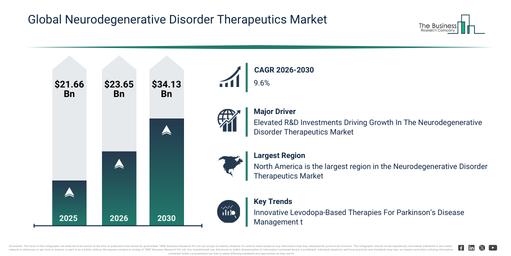
    The market for neurodegenerative disorder therapeutics has witnessed substantial expansion in recent years. Its value is set to increase from $21.66 billion in 2025 to $23.65 billion in 2026, achieving a compound annual growth rate (CAGR) of 9.2%. The previous period’s growth can be attributed to several factors including the rising incidence of neurodegenerative conditions, an expanding aging population, the limited array of available treatments, increasing public understanding of the benefits of early diagnosis, and the improvement of hospital and neurological care infrastructure.

    The neurodegenerative disorder therapeutics market is expected to experience significant growth over the next few years, with its size projected to reach $34.13 billion in 2030, growing at a compound annual growth rate (CAGR) of 9.6%. This expansion during the forecast period is attributable to the development of gene therapies, progress in monoclonal antibody treatments, the incorporation of AI-based diagnostics and monitoring, increased investment in clinical research and trials, and the broader application of personalized medicine and targeted therapeutics. Significant trends for this period encompass the growing adoption of neuroprotective and neurorestorative therapies, a heightened emphasis on symptom management and patient-centric care, an increase in clinical trials for innovative neurodegenerative drugs, the wider use of personalized and targeted therapeutic methods, and the integration of home care and remote monitoring solutions.

    Access Your Free Sample Report For In-Depth Market Analysis:

    https://www.thebusinessresearchcompany.com/sample.aspx?id=2818&type=smp

    What Key Drivers Are Fueling The Growth Of The Neurodegenerative Disorder Therapeutics Market?

    Rising financial allocation towards research and development (R&D) in the field of neurodegenerative disorder therapeutics is projected to fuel the expansion of the neurodegenerative disorder therapeutics market moving ahead. Funding for research and development concerning neurodegenerative disorders is initiated by governmental bodies and organizations due to several strong factors, such as the growing incidence, substantial unaddressed medical requirements, financial implications, worldwide health endeavors, among others. As an illustration, in March 2023, the Government of Canada, a Canada-based federal administration, announced in 2023 a financial commitment of $38.3 million dedicated to furthering research into neurodegenerative diseases. Consequently, an escalating commitment to research and development (R&D) for neurodegenerative disorder therapeutics is anticipated to consistently propel the expansion of the neurodegenerative disorder therapeutics market throughout the projected timeframe.

    How Is The Neurodegenerative Disorder Therapeutics Market Organized By Segment Classification?

    The neurodegenerative disorder therapeutics market covered in this report is segmented –

    1) By Indication Type: Parkinson’s Disease, Alzheimer’s Disease, Multiple Sclerosis, Huntington Disease, Other Indication Types

    2) By Drug Type: N- methyl- D- aspartate Receptor, Selective Serotonin Reuptake Inhibitor, Dopamine Inhibitors, Other Drug Types

    3) By Distribution: Hospital Pharmacy, Retail Pharmacy, Online Pharmacy

    Subsegments:

    1) By Parkinson’s Disease: Dopamine Agonists, MAO-B Inhibitors, COMT Inhibitors, Anticholinergics

    2) By Alzheimer’s Disease: Cholinesterase Inhibitors, NMDA Receptor Antagonists, Anti-Amyloid Monoclonal Antibodies

    3) By Multiple Sclerosis: Immunomodulators, Immunosuppressants, Corticosteroids

    4) By Huntington’s Disease: Tetrabenazine, Antipsychotic Medications

    5) By Other Indication Types: Amyotrophic Lateral Sclerosis (ALS) Treatments, Frontotemporal Dementia Treatments, Prion Disease Treatments

    What Trends Are Affecting The Direction Of The Neurodegenerative Disorder Therapeutics Market?

    Leading companies in the neurodegenerative disorder therapeutics market are concentrating on creating innovative treatment options, such as prodrug formulations, to enhance the bioavailability, effectiveness, and safety profiles of Parkinson’s disease therapies. Prodrugs are inert compounds that are metabolically transformed into active drugs within the body, enabling controlled and sustained delivery of therapeutic agents. For instance, in January 2024, AbbVie Inc., a US-based biopharmaceutical company, introduced PRODUODOPA (foslevodopa or foscarbidopa) in the European Union for individuals living with advanced Parkinson’s disease. This therapy leverages a soluble prodrug combination to ensure continuous levodopa delivery, aiming to diminish motor fluctuations and improve patients’ quality of life. The launch signifies a considerable advancement in managing advanced Parkinson’s disease by offering an alternative to intermittent oral dosing and enhancing treatment adherence.

    Who Are The Industry Participants Involved In The Neurodegenerative Disorder Therapeutics Market?

    Major companies operating in the neurodegenerative disorder therapeutics market are Biogen Inc., Pfizer Inc., Novartis International AG, Sanofi S.A., Teva Pharmaceutical Industries Ltd., UCB S.A., F. Hoffmann-La Roche Ltd., ACADIA Pharmaceuticals Inc., H. Lundbeck A/S, Boehringer Ingelheim International GmbH, Merck Serono S.A., Orion Corporation, Mitsubishi Tanabe Pharma America, Allergan PLC, GlaxoSmithKline PLC, AbbVie Inc., Eli Lilly and Company, Celgene Corporation, Bayer Schering Pharma AG, AstraZeneca plc, Alector Inc., Yumanity Therapeutics Inc., Eisai Co. Ltd., Bristol Myers Squibb Company, Amylyx Pharmaceuticals Inc., Genentech Inc., AC Immune SA, Annexon Bioscience Inc., BioArctic Neuroscience AB, Cajal Neuroscience Inc., Cognito Therapeutics Inc., Grifols S.A., New Equilibrium Biosciences Inc., Prothena Corporation PLC, Tessera Therapeutics Inc., Vigil Neuroscience Inc.

    Get The Full Neurodegenerative Disorder Therapeutics Market Report:

    https://www.thebusinessresearchcompany.com/report/neurodegenerative-disorder-therapeutic-global-market-report

    Which Region Is The Largest In The Neurodegenerative Disorder Therapeutics Market?

    North America was the largest region in the global neurodegenerative disorder therapeutics market in 2025. The Middle East is expected to be the fastest growing region in the forecast period. The regions covered in the neurodegenerative disorder therapeutics market report are Asia-Pacific, South East Asia, Western Europe, Eastern Europe, North America, South America, Middle East, Africa.

    Request A Customized Neurodegenerative Disorder Therapeutics Market Report For Competitive Insights:

    https://www.thebusinessresearchcompany.com/report/neurodegenerative-disorder-therapeutic-global-market-report

    Browse Through More Reports Similar to the Global Neurodegenerative Disorder Therapeutics Market 2026, By The Business Research Company

    Neurology Devices Market Report 2026

    https://www.thebusinessresearchcompany.com/report/neurology-devices-global-market-report

    Interventional Neurology Devices And Equipment Market Report 2026

    https://www.thebusinessresearchcompany.com/report/interventional-neurology-devices-and-equipment-global-market-report

    Neurosurgery Devices And Equipment Market Report 2026

    https://www.thebusinessresearchcompany.com/report/neurosurgery-devices-and-equipment-global-market-report

    Get in touch with us:

    The Business Research Company: https://www.thebusinessresearchcompany.com/

    Americas +1 310-496-7795

    Asia +44 7882 955267 & +91 8897263534

    Europe +44 7882 955267

    Email us at: marketing@tbrc.info

    Follow us on:

    LinkedIn: https://in.linkedin.com/company/the-business-research-company

    YouTube: https://www.youtube.com/channel/UC24_fI0rV8cR5DxlCpgmyFQ

    Global Market Model: https://www.thebusinessresearchcompany.com/global-market-model