Category: Pharmaceuticals

  • Hypoprothrombinemia Treatment Market Forecast With Insights On Demand And Industry Growth

    Hypoprothrombinemia Treatment Market Forecast With Insights On Demand And Industry Growth

    The Business Research Company’s 2026 market reports feature enhanced tools like market attractiveness analysis, TAM assessment, and company scoring matrices, along with interactive dashboards, deeper supply chain insights, and startup coverage strengthening the depth, usability, and strategic value of insights.

    How Is The Market Size Of The Hypoprothrombinemia Treatment Market Expected To Change From 2026 To 2030?

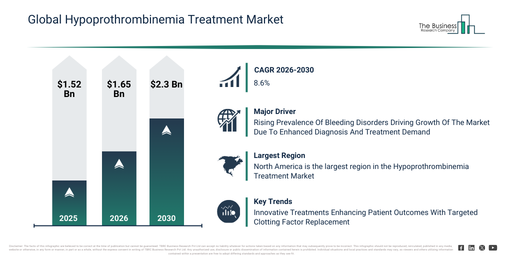
    The hypoprothrombinemia treatment market size has shown strong expansion in recent years. It is forecast to rise from $1.52 billion in 2025 to $1.65 billion in 2026, growing at a compound annual growth rate (CAGR) of 8.9%. The market’s growth in preceding periods can be attributed to factors such as vitamin k deficiency prevalence, liver disease complications, anticoagulant overuse, existing hospital transfusion protocols, and inherited clotting disorders.

    The hypoprothrombinemia treatment market is poised for significant expansion over the next few years. It is projected to reach $2.3 billion in 2030, exhibiting a compound annual growth rate (CAGR) of 8.6%. This anticipated growth during the forecast period is primarily attributed to advancements in recombinant clotting factors, enhancements in emergency care infrastructure, bleeding risks associated with an aging population, the adoption of precision hematology, and improved outpatient coagulation management. Key trends expected in the forecast period include the increased application of prothrombin complex concentrates, a growing reliance on rapid coagulation correction therapies, the expansion of vitamin K-based treatment protocols, elevated standards for emergency bleeding management, and the rising adoption of recombinant coagulation factors.

    Access Your Free Sample Report For In-Depth Market Analysis:

    https://www.thebusinessresearchcompany.com/sample.aspx?id=24566&type=smp

    Which Factors Are Influencing The Growth Of The Hypoprothrombinemia Treatment Market?

    The growing incidence of bleeding disorders is projected to fuel the expansion of the hypoprothrombinemia treatment market. These conditions are characterized by inadequate blood clotting, resulting in excessive or prolonged bleeding. The rise in their occurrence is largely attributed to advancements in diagnostic methods and heightened public awareness, facilitating more precise identification and reporting. Hypoprothrombinemia treatment addresses these disorders by restoring deficient prothrombin levels to enhance blood clotting. For example, in November 2024, the BMC Health Services Research, a UK-based journal focused on healthcare services, reported that between April 2022 and March 2023 in the United Kingdom, 6,662 males were identified with hemophilia A, with 5,032 being adults (18 and above), and 2,421 receiving either factor replacement therapy or emicizumab. During this same timeframe, 1,342 males were diagnosed with hemophilia B, including 1,022 adults, and 479 of them received factor replacement treatment. Consequently, this growing prevalence of bleeding disorders is anticipated to stimulate the expansion of the hypoprothrombinemia treatment market.

    How Are Different Segments Classified In The Hypoprothrombinemia Treatment Market Segment Analysis?

    The hypoprothrombinemia treatment market covered in this report is segmented –

    1) By Type: Type I Deficiency Treatment, Type II Deficiency Treatment

    2) By Drug Type: Vitamin K, Fresh Frozen Plasma, Prothrombin Complex Concentrates, Recombinant Prothrombin

    3) By Indication Based: Vitamin K Deficiency, Liver Diseases, Cirrhosis, Hepatitis, Anticoagulant related Hypoprothrombinemia, Genetic Disorders, Malabsorption Syndromes

    4) By Drug Delivery Method: Oral Delivery, Injectable Delivery, Intravenous, Intramuscular, Transfusion Based Delivery

    5) By End User: Hospitals, Speciality Clinics, Homecare Settings

    Subsegments:

    1) By Type I Deficiency Treatment: Prothrombin Complex Concentrates (PCCs), Fresh Frozen Plasma (FFP), Recombinant Prothrombin, Plasma-derived Coagulation Factors

    2) By Type II Deficiency Treatment: Vitamin K Therapy, Warfarin Reversal Agents, Liver Function Supportive Therapy, Anticoagulant Adjustment Therapies

    Which Trends Are Contributing To Changes In The Hypoprothrombinemia Treatment Market?

    Major companies involved in hypoprothrombinemia treatment are concentrating on innovative therapies, including non-activated four-factor prothrombin complex concentrate, to promptly restore clotting factor levels and reduce bleeding risks in patients needing immediate reversal of anticoagulation. Non-activated four-factor prothrombin complex concentrate (4F-PCC) is a plasma-derived therapy that contains clotting factors II, VII, IX, and X, employed to quickly reverse vitamin K antagonist effects and treat bleeding disorders such as hypoprothrombinemia. For instance, in January 2024, Octapharma USA, a US-based healthcare company and subsidiary of Octapharma AG, launched Balfaxar, a non-activated four-factor prothrombin complex concentrate (4F-PCC) recently approved by the FDA for the urgent reversal of vitamin K antagonist-induced coagulation deficiencies in adults requiring emergency surgery or invasive procedures. This therapy, which includes key vitamin K-dependent clotting factors and antithrombotic proteins, addresses critical requirements in hypoprothrombinemia management.

    Who Are The Companies Driving Activity In The Hypoprothrombinemia Treatment Market?

    Major companies operating in the hypoprothrombinemia treatment market are Biotest AG, Kedrion Biopharma, LFB S.A., Hualan Biological Engineering Inc., China Biologic Products Holdings Inc., Bio Products Laboratory (BPL), Kamada Ltd., Green Cross Corporation, Shanghai RAAS Blood Products Co. Ltd., SK Plasma Co. Ltd., Emergent BioSolutions Inc., Intas Pharmaceuticals Ltd., Bharat Serums and Vaccines Ltd., ZLB Behring (CSL Behring), Mitsubishi Tanabe Pharma Corporation

    Get The Full Hypoprothrombinemia Treatment Market Report:

    https://www.thebusinessresearchcompany.com/report/hypoprothrombinemia-treatment-global-market-report

    Which Geographic Region Dominates The Hypoprothrombinemia Treatment Market?

    North America was the largest region in the hypoprothrombinemia treatment market in 2025. Asia-Pacific is expected to be the fastest-growing region in the forecast period. The regions covered in the hypoprothrombinemia treatment market report are Asia-Pacific, South East Asia, Western Europe, Eastern Europe, North America, South America, Middle East, Africa.

    Request A Customized Hypoprothrombinemia Treatment Market Report For Competitive Insights:

    https://www.thebusinessresearchcompany.com/report/hypoprothrombinemia-treatment-global-market-report

    Browse Through More Reports Similar to the Global Hypoprothrombinemia Treatment Market 2026, By The Business Research Company

    Hypophosphatasia Treatment Market Report 2026

    https://www.thebusinessresearchcompany.com/report/hypophosphatasia-treatment-global-market-report

    Thalassemia Drugs Market Report 2026

    https://www.thebusinessresearchcompany.com/report/thalassemia-drugs-global-market-report

    Anemia And Other Blood Disorder Drugs Market Report 2026

    https://www.thebusinessresearchcompany.com/report/anemia-and-other-blood-disorder-drugs-global-market-report

    Get in touch with us:

    The Business Research Company: https://www.thebusinessresearchcompany.com/

    Americas +1 310-496-7795

    Asia +44 7882 955267 & +91 8897263534

    Europe +44 7882 955267

    Email us at: marketing@tbrc.info

    Follow us on:

    LinkedIn: https://in.linkedin.com/company/the-business-research-company

    YouTube: https://www.youtube.com/channel/UC24_fI0rV8cR5DxlCpgmyFQ

    Global Market Model: https://www.thebusinessresearchcompany.com/global-market-model
  • Dental Sleep Medicine Market Developments And Opportunities Across 2026–2030

    Dental Sleep Medicine Market Developments And Opportunities Across 2026–2030

    The Business Research Company’s 2026 market reports feature enhanced tools like market attractiveness analysis, TAM assessment, and company scoring matrices, along with interactive dashboards, deeper supply chain insights, and startup coverage strengthening the depth, usability, and strategic value of insights.

    What Is The Forecasted Market Size Trajectory Of The Dental Sleep Medicine Market From 2026 To 2030?

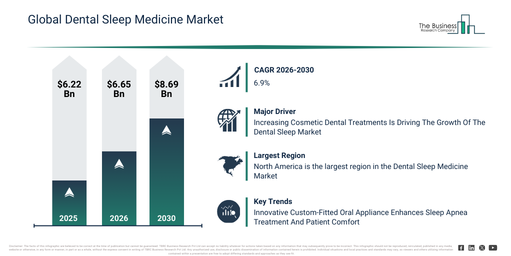
    The dental sleep medicine market has experienced substantial expansion in recent years. Its valuation is anticipated to increase from $6.22 billion in 2025 to $6.65 billion by 2026, demonstrating a compound annual growth rate (CAGR) of 6.9%. This historical growth can be linked to several factors, including the heightened awareness of obstructive sleep apnea as a public health concern, the challenges associated with sustained CPAP adherence, the early introduction of mandibular advancement devices, the expanding involvement of dentists in screening for sleep disorders, and the proliferation of sleep laboratories and diagnostic services.

    The dental sleep medicine market is poised for substantial expansion over the next few years. Projections indicate it will reach $8.69 billion by 2030, exhibiting a compound annual growth rate (CAGR) of 6.9%. This growth during the forecast period can be attributed to several factors, including the rising prevalence of sleep apnea across all age groups, a growing patient inclination towards non-invasive therapies, an expanding aging population dealing with sleep disorders, broader insurance coverage for oral appliance therapy, and the increasing integration of dental care into holistic health models. Key trends expected in this period encompass the rising adoption of oral appliance therapy for sleep apnea, enhanced collaboration between dentists and sleep physicians, growing awareness of non-surgical sleep disorder treatments, the expansion of dental sleep medicine services within general dentistry, and an increasing demand for home-based sleep disorder management.

    Access Your Free Sample Report For In-Depth Market Analysis:

    https://www.thebusinessresearchcompany.com/sample.aspx?id=18566&type=smp

    Which Key Factors Are Driving The Dental Sleep Medicine Market Growth?

    The escalating need for cosmetic dental treatments is projected to fuel the expansion of the dental sleep medicine market moving forward. These treatments encompass procedures focused on refining the look of teeth and enhancing the aesthetic appeal of smiles. The surge in demand for cosmetic dental treatments is attributable to heightened awareness of oral aesthetics, advancements in dental technologies, a stronger emphasis on personal appearance and confidence, and broader accessibility to affordable treatment options. The dental sleep medicine market complements cosmetic dentistry by addressing sleep-related breathing issues, mitigating bruxism, improving jaw alignment, and sustaining long-term oral health, thus improving the longevity and efficacy of cosmetic dental outcomes. For instance, in July 2023, Dentistry.co.uk, a UK-based dental information platform, reported that one-third of individuals under 35 underwent a cosmetic dental procedure in 2022, spending an average of £3,677 ($4,696.3), while 10% of those aged 25–34 spent £25,000 ($31,930.5) or more. Therefore, the rising demand for cosmetic dental treatments is a driving force behind the growth of the dental sleep medicine market.

    How Is The Dental Sleep Medicine Market Categorized Across Its Segment Groups?

    The dental sleep medicine market covered in this report is segmented –

    1) By Type: Diagnostic, Treatment

    2) By Age Group: Pediatric, Adult, Geriatric

    3) By End User: Hospitals, Sleep Laboratories, Home, Other End Users

    Subsegments:

    1) By Diagnostic: Polysomnography (Sleep Study), Home Sleep Apnea Testing (Hsat), Sleep Disorder Screening Tools, Sleep Oximeters

    2) By Treatment: Oral Appliances (Mandibular Advancement Devices), Continuous Positive Airway Pressure (Cpap) Therapy, Bi-Level Positive Airway Pressure (Bipap) Therapy, Lifestyle And Behavioral Therapy

    Which Trends Are Influencing Demand In The Dental Sleep Medicine Market?

    Leading firms within the dental sleep medicine sector are concentrating on creating cutting-edge, high-precision oral appliance therapy (OAT) devices to enhance the effectiveness of treatment and ensure patient comfort. These oral appliance therapy (OAT) devices consist of specially fitted mouthpieces worn nocturnally, designed to maintain an open airway and assist in managing sleep apnea or snoring. An illustration of this trend occurred in June 2025, when ProSomnus Sleep Technologies Inc., a technology firm based in the US, introduced an oral appliance named EVO Guided, expanding its existing FDA-cleared EVO product range. This new device is specifically engineered for addressing obstructive sleep apnea (OSA). What distinguishes this device is its ability to enlarge tongue space and firmly position the jaw in a specific therapeutic alignment, ensuring the airway remains unobstructed without impeding the tongue’s natural movement. Being entirely customized according to each patient’s unique anatomy, EVO Guided provides enhanced comfort, superior effectiveness, and is accepted by the majority of medical insurance providers, including Medicare.

    Which Firms Are Influencing Competition In The Dental Sleep Medicine Market?

    Major companies operating in the dental sleep medicine market are SomnoMed Ltd., ProSomnus Inc., Vivos Therapeutics Inc., Oventus Medical Ltd., Panthera Dental Inc., Myerson LLC, Oral Arts Dental Laboratories Inc., Dental Sleep Solutions LLC, Sleep Group Solutions Inc., Carestream Dental LLC, Henry Schein Inc., Dentsply Sirona, Koninklijke Philips NV, ResMed, Compumedics Limited, Natus Medical Inc., Braebon Medical Corporation, BMC Medical Co. Ltd., Fisher & Paykel Healthcare Limited, ProSomnus Sleep Technologies

    Get The Full Dental Sleep Medicine Market Report:

    https://www.thebusinessresearchcompany.com/report/dental-sleep-medicine-global-market-report

    Which Region Holds The Highest Market Share In The Dental Sleep Medicine Market?

    North America was the largest region in the dental sleep medicine market in 2025. Asia-Pacific is expected to be the fastest-growing region in the forecast period. The regions covered in the dental sleep medicine market report are Asia-Pacific, South East Asia, Western Europe, Eastern Europe, North America, South America, Middle East, Africa.

    Request A Customized Dental Sleep Medicine Market Report For Competitive Insights:

    https://www.thebusinessresearchcompany.com/report/dental-sleep-medicine-global-market-report

    Browse Through More Reports Similar to the Global Dental Sleep Medicine Market 2026, By The Business Research Company

    Dental Sleep Medicine Market Report 2026

    https://www.thebusinessresearchcompany.com/report/dental-sleep-medicine-global-market-report

    Dental Anesthesia Market Report 2026

    https://www.thebusinessresearchcompany.com/report/dental-anesthesia-global-market-report

    Therapeutic Dental Equipment Market Report 2026

    https://www.thebusinessresearchcompany.com/report/therapeutic-dental-equipment-global-market-report

    Get in touch with us:

    The Business Research Company: https://www.thebusinessresearchcompany.com/

    Americas +1 310-496-7795

    Asia +44 7882 955267 & +91 8897263534

    Europe +44 7882 955267

    Email us at: marketing@tbrc.info

    Follow us on:

    LinkedIn: https://in.linkedin.com/company/the-business-research-company

    YouTube: https://www.youtube.com/channel/UC24_fI0rV8cR5DxlCpgmyFQ

    Global Market Model: https://www.thebusinessresearchcompany.com/global-market-model
  • Dental Bone Fixation Kits Market Forecast 2026–2030 Presenting Long-Term Industry Insights

    Dental Bone Fixation Kits Market Forecast 2026–2030 Presenting Long-Term Industry Insights

    The Business Research Company’s 2026 market reports feature enhanced tools like market attractiveness analysis, TAM assessment, and company scoring matrices, along with interactive dashboards, deeper supply chain insights, and startup coverage strengthening the depth, usability, and strategic value of insights.

    How Much Will The Market Value Of The Dental Bone Fixation Kits Market Grow Between 2026 And 2030?

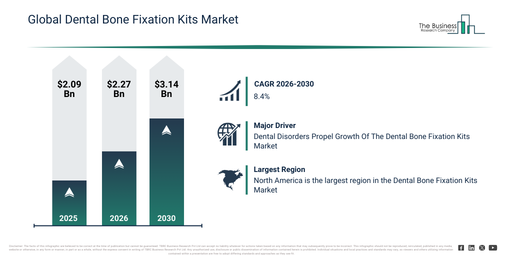
    The dental bone fixation kits market has experienced substantial growth in recent years. It is projected to increase from $2.09 billion in 2025 to $2.27 billion in 2026, demonstrating a compound annual growth rate (CAGR) of 8.5%. The expansion witnessed in the previous period is attributable to an increase in dental trauma cases, the growing occurrence of craniofacial deformities, the expansion of oral and maxillofacial surgery practices, rising adoption of dental implants, and advancements in surgical fixation materials.

    The dental bone fixation kits market is anticipated to experience robust expansion over the next few years. It is projected to grow to $3.14 billion by 2030, exhibiting a compound annual growth rate (CAGR) of 8.4%. This anticipated growth during the forecast period can be attributed to factors such as a burgeoning geriatric population experiencing dental issues, an escalating demand for cosmetic and reconstructive dental treatments, continuous technological advancements in fixation materials, the increasing number of ambulatory surgical centers, and the expansion of dental healthcare infrastructure. Significant trends expected during this period include a heightened demand for advanced maxillofacial surgeries, the wider adoption of titanium-based fixation devices, an increasing utilization of resorbable bone fixation systems, the proliferation of dental implant and bone grafting procedures, and a greater preference for minimally invasive oral surgeries.

    Access Your Free Sample Report For In-Depth Market Analysis:

    https://www.thebusinessresearchcompany.com/sample.aspx?id=19027&type=smp

    What Primary Drivers Are Shaping The Dental Bone Fixation Kits Market?

    The increasing occurrence of dental disorders is projected to fuel the expansion of the dental bone fixation kits market moving forward. These disorders encompass conditions affecting the teeth, gums, and adjacent oral tissues, ranging from minor discomfort to severe infections and potential tooth loss. Factors contributing to the rise in dental disorders include poor oral hygiene, unhealthy eating habits, and restricted access to regular dental check-ups. The dental bone fixation kits market plays a crucial role in maintaining oral health by stabilizing fractured or compromised dental structures, thereby facilitating proper healing and restoration. For instance, in August 2023, data from the National Health Service (NHS), a UK-based publicly funded healthcare system, indicated that NHS dentists provided treatment to 0.0164 billion adults and 0.0056 billion children during the 12-month period ending June 30, 2022. Consequently, the growing prevalence of dental disorders is a significant driver for the dental bone fixation kits market.

    Dental Bone Fixation Kits Market Driver: The Rise In Healthcare Expenditure Driving The Growth Of The Market Due To Increasing Investments In Advanced Treatments And Technologies

    How Are Segments Identified Within The Dental Bone Fixation Kits Market Segment Framework?

    The dental bone fixation kits market covered in this report is segmented –

    1) By Type: Plates, Screws, Wires, Pins, Cages

    2) By Material: Titanium, Stainless Steel, Polyetheretherketone (Peek), Hydroxyapatite

    3) By Indication: Orthognathic Surgery, Craniofacial Surgery, Maxillofacial Surgery, Bone Grafting

    4) By End-User: Hospitals, Dental Clinics, Ambulatory Surgical Centers, Academic And Research Institutions

    Subsegments:

    1) By Plates: Titanium Plates, Stainless Steel Plates, Resorbable Plates

    2) By Screws: Self-Tapping Screws, Non-Self-Tapping Screws, Resorbable Screws

    3) By Wires: Stainless Steel Wires, Titanium Wires, Resorbable Wires

    4) By Pins: Kirschner Pins (K-Pins), Steinmann Pins, Resorbable Pins

    5) By Cages: Titanium Cages, Polyetheretherketone (PEEK) Cages, Resorbable Cages

    Who Are The Companies Competing Within The Dental Bone Fixation Kits Market?

    Major companies operating in the dental bone fixation kits market are Stryker Corporation, Dentsply Sirona Inc., Straumann Holding AG, Nobel Biocare Services AG, Karl Leibinger Medizintechnik GmbH & Co. KG, BioHorizons Inc., Hiossen Inc., Salvin Dental Specialties Inc., Osteogenics Biomedical Inc., Impladent Ltd., NovaBone Products LLC, Avtec Dental LLC, DoWell Dental Products Inc., DSI Dental Solutions Ltd., Global Dental Transfer GmbH, KB Dental Products LLC, Oraltec Ltd., Sabra Dental Products Inc., Medtronic plc, 3M Company

    Get The Full Dental Bone Fixation Kits Market Report:

    https://www.thebusinessresearchcompany.com/report/dental-bone-fixation-kits-global-market-report

    Where Is The Dental Bone Fixation Kits Market Most Concentrated Geographically?

    North America was the largest region in the dental bone fixation kits market in 2025. Asia-Pacific is expected to be the fastest-growing region in the forecast period. The regions covered in the dental bone fixation kits market report are Asia-Pacific, South East Asia, Western Europe, Eastern Europe, North America, South America, Middle East, Africa.

    Request A Customized Dental Bone Fixation Kits Market Report For Competitive Insights:

    https://www.thebusinessresearchcompany.com/report/dental-bone-fixation-kits-global-market-report

    Browse Through More Reports Similar to the Global Dental Bone Fixation Kits Market 2026, By The Business Research Company

    Dental Bone Graft Substitutes Market Report 2026

    https://www.thebusinessresearchcompany.com/report/dental-bone-graft-substitutes-global-market-report

    Fracture Fixation Products Market Report 2026

    https://www.thebusinessresearchcompany.com/report/fracture-fixation-products-global-market-report

    International Call Services Market Report 2026

    https://www.thebusinessresearchcompany.com/report/international-call-services-global-market-report

    Get in touch with us:

    The Business Research Company: https://www.thebusinessresearchcompany.com/

    Americas +1 310-496-7795

    Asia +44 7882 955267 & +91 8897263534

    Europe +44 7882 955267

    Email us at: marketing@tbrc.info

    Follow us on:

    LinkedIn: https://in.linkedin.com/company/the-business-research-company

    YouTube: https://www.youtube.com/channel/UC24_fI0rV8cR5DxlCpgmyFQ

    Global Market Model: https://www.thebusinessresearchcompany.com/global-market-model
  • Hypoparathyroidism Market Outlook Highlighting Key Drivers And Market Evolution

    Hypoparathyroidism Market Outlook Highlighting Key Drivers And Market Evolution

    The Business Research Company’s 2026 market reports feature enhanced tools like market attractiveness analysis, TAM assessment, and company scoring matrices, along with interactive dashboards, deeper supply chain insights, and startup coverage strengthening the depth, usability, and strategic value of insights.

    From Its 2026 Market Size, What Value Is The Hypoparathyroidism Market Projected To Reach By 2030?

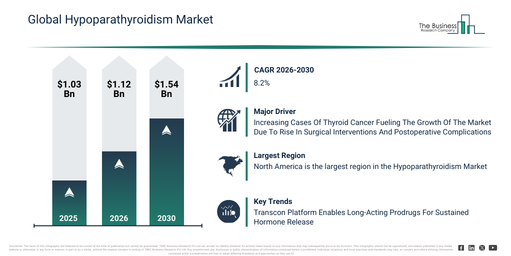
    The hypoparathyroidism market size has experienced significant growth over recent years. Projections indicate this market will expand from $1.03 billion in 2025 to $1.12 billion in 2026, exhibiting a compound annual growth rate (CAGR) of 8.6%. Historically, this growth can be attributed to factors such as thyroid surgery complications, instances of calcium deficiency, increased awareness of the rare disease, enhanced hospital endocrine care, and the availability of hormone replacement.

    The hypoparathyroidism market size is projected to experience substantial growth in the upcoming years. Its valuation is set to reach $1.54 billion by 2030, exhibiting a compound annual growth rate (CAGR) of 8.2%. This expansion during the forecast period is primarily driven by several factors, including advancements in recombinant therapies, enhanced diagnosis of rare diseases, effective patient adherence programs, the expansion of specialty clinics, and the increasing adoption of precision endocrinology. Key trends anticipated throughout this period encompass a rise in the diagnosis of rare endocrine disorders, the growing use of recombinant parathyroid hormones, the proliferation of long-term calcium management therapies, heightened awareness regarding post-surgical complications, and the development of adjunctive supportive treatments.

    Access Your Free Sample Report For In-Depth Market Analysis:

    https://www.thebusinessresearchcompany.com/sample.aspx?id=24565&type=smp

    What Leading Drivers Are Supporting The Hypoparathyroidism Market Expansion?

    A rise in thyroid cancer diagnoses is anticipated to fuel expansion within the hypoparathyroidism market. Thyroid cancer is characterized by the development of irregular cells in the thyroid gland, frequently manifesting as a neck lump. This surge in thyroid cancer cases stems from improvements in diagnostic imaging techniques, which facilitate earlier and more frequent identification of small, symptom-free thyroid nodules. Thyroid cancer contributes to hypoparathyroidism by necessitating more thyroid operations, potentially harming the parathyroid glands. Such damage results in a calcium imbalance and persistent hormone deficiency, thereby boosting the need for ongoing disease management interventions. As an illustration, the American Cancer Society, a US-based non-profit, reported in May 2024 that new thyroid cancer instances are projected to reach 44,020 by 2025, an increase from 43,720 in 2023. Consequently, the growing prevalence of thyroid cancer is a key factor propelling the expansion of the hypoparathyroidism market.

    How Is The Hypoparathyroidism Market Categorized Across Its Segment Groups?

    The hypoparathyroidism market covered in this report is segmented –

    1) By Treatment: Hormone Replacement Therapy, Adjunctive Therapies

    2) By Type: Hormone Replacement Therapy, Calcium And Vitamin D Supplements, Emerging Therapies

    3) By Route Of Administration: Oral, Parenteral

    4) By Distribution Channel: Hospital Pharmacy, Retail Pharmacy, Online Pharmacy

    5) By End User: Hospitals, Specialty Clinics, Homecare Settings

    Subsegments:

    1) By Hormone Replacement Therapy: Recombinant Parathyroid Hormone, Parathyroid Hormone Analogues, Calcimimetics, Calcium And Vitamin D Supplements

    2) By Adjunctive Therapies: Magnesium Supplements, Phosphate Binders, Other Supportive Therapies

    What Market Trends Are Affecting The Hypoparathyroidism Market?

    Leading firms within the hypoparathyroidism market are concentrating on creating technologically sophisticated products, including those based on transition technology, aiming to boost treatment effectiveness and elevate patient results. Therapeutics leveraging TransCon technology are created utilizing this unique Transient Conjugation platform, which is specifically engineered for enhanced drug delivery. An example of this is the launch by Ascendis Pharma A/S, a biopharmaceutical company from Denmark, of YORVIPATH (palopegteriparatide) in January 2024. This was their second product employing TransCon technology, introduced in Germany and Austria to treat adults suffering from chronic hypoparathyroidism. YORVIPATH functions as a once-daily prodrug of parathyroid hormone (PTH 1-34), formulated to sustain natural PTH levels for 24 hours, thereby addressing the fundamental hormone insufficiency prevalent in chronic hypoparathyroidism.

    Which Firms Are Influencing Competition In The Hypoparathyroidism Market?

    Major companies operating in the hypoparathyroidism market are Pfizer Inc., F. Hoffmann-La Roche Ltd., Merck & Co Inc., AbbVie Inc., Sanofi S.A., Novartis AG, GlaxoSmithKline plc , Takeda Pharmaceutical Company Limited, Eli Lilly and Company, Amgen Inc., Teva Pharmaceutical Industries Ltd., Dr. Reddy’s Laboratories Ltd., Cipla Limited , Lupin Limited, Torrent Pharmaceuticals Ltd., Eagle Pharmaceuticals Inc., BridgeBio Pharma Inc., Ascendis Pharma A/S, Extend Biosciences Inc., Entera Bio Ltd.

    Get The Full Hypoparathyroidism Market Report:

    https://www.thebusinessresearchcompany.com/report/hypoparathyroidism-global-market-report

    Which Region Is The Leading Market For The Hypoparathyroidism Market?

    North America was the largest region in the hypoparathyroidism market in 2025. Asia-Pacific is expected to be the fastest-growing region in the forecast period. The regions covered in the hypoparathyroidism market report are Asia-Pacific, South East Asia, Western Europe, Eastern Europe, North America, South America, Middle East, Africa.

    Request A Customized Hypoparathyroidism Market Report For Competitive Insights:

    https://www.thebusinessresearchcompany.com/report/hypoparathyroidism-global-market-report

    Browse Through More Reports Similar to the Global Hypoparathyroidism Market 2026, By The Business Research Company

    Homeopathy Market Report 2026

    https://www.thebusinessresearchcompany.com/report/homeopathy-global-market-report

    Thyroid Function Test Market Report 2026

    https://www.thebusinessresearchcompany.com/report/thyroid-function-test-global-market-report

    Anti Thyroid Drugs Market Report 2026

    https://www.thebusinessresearchcompany.com/report/anti-thyroid-drugs-global-market-report

    Get in touch with us:

    The Business Research Company: https://www.thebusinessresearchcompany.com/

    Americas +1 310-496-7795

    Asia +44 7882 955267 & +91 8897263534

    Europe +44 7882 955267

    Email us at: marketing@tbrc.info

    Follow us on:

    LinkedIn: https://in.linkedin.com/company/the-business-research-company

    YouTube: https://www.youtube.com/channel/UC24_fI0rV8cR5DxlCpgmyFQ

    Global Market Model: https://www.thebusinessresearchcompany.com/global-market-model
  • Denosumab Market Growth Analysis 2026–2030 Highlighting Innovation And Competitive Landscape

    Denosumab Market Growth Analysis 2026–2030 Highlighting Innovation And Competitive Landscape

    The Business Research Company’s 2026 market reports feature enhanced tools like market attractiveness analysis, TAM assessment, and company scoring matrices, along with interactive dashboards, deeper supply chain insights, and startup coverage strengthening the depth, usability, and strategic value of insights.

    What Changes In Market Value Are Expected For The Denosumab Market Over The 2026–2030 Period?

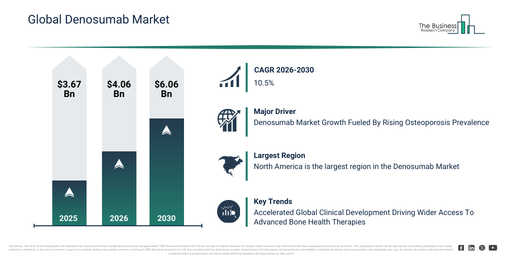
    The denosumab market has witnessed rapid expansion in recent times. It is anticipated to increase from $3.67 billion in 2025 to $4.06 billion in 2026, exhibiting a compound annual growth rate (CAGR) of 10.7%. This historical growth can be linked to a high occurrence of osteoporosis and bone-related conditions, the expanding older population, the prompt approvals of denosumab treatments, the growth in hospital and specialized clinic capacities, and increasing patient knowledge regarding fracture risk.

    The denosumab market is projected to experience swift expansion in the coming years. It is set to reach a size of $6.06 billion by 2030, exhibiting a compound annual growth rate (CAGR) of 10.5%. This growth over the forecast period is attributable to progress in precision medicine and biologics, the widening availability of homecare and ambulatory services, augmented investment in bone health studies, the launch of new denosumab formulations, and increasing demand from developing markets. Key trends anticipated during this period encompass the growing use of monoclonal antibodies, the broader implementation of osteoporosis screening initiatives, tailored treatment strategies for bone metastases, the proliferation of home-based injection treatments, and a heightened understanding of bone health among the elderly.

    Access Your Free Sample Report For In-Depth Market Analysis:

    https://www.thebusinessresearchcompany.com/sample.aspx?id=13835&type=smp

    Which Major Drivers Are Influencing The Expansion Of The Denosumab Market?

    The expanding incidence of osteoporosis is anticipated to fuel the denosumab market’s growth in the coming years. This condition, osteoporosis, causes bones to weaken, leading to reduced bone density and an elevated risk of fractures. Denosumab addresses osteoporosis by inhibiting bone resorption through its targeted action on the RANK ligand. For example, in September 2023, the National Center for Biotechnology Information, a US-based government agency, reported findings from the Canadian Longitudinal Study on Aging, indicating that 12.7% of community-dwelling older adult females had physician-diagnosed osteoporosis, with 5.9% confirmed by DXA. Furthermore, a cross-sectional study by Buttros and colleagues identified a 24.6% prevalence of osteoporosis among postmenopausal women aged 40 to 75, based on bone mineral density (BMD) measurements. Consequently, the rising occurrence of osteoporosis is propelling the expansion of the denosumab market.

    What Are The Key Segment Divisions In The Denosumab Market Segment Structure?

    The denosumab market covered in this report is segmented –

    1) By Drug Classification: Prolia, Xgeva

    2) By Type: 60 mg, 120 mg

    3) By End-Users: Hospitals, Homecare, Specialty Clinics, Ambulatory Surgical Centers

    Subsegments:

    1) By Prolia: Prolia 60 Mg Injection, Prolia 1-Year Dosing Schedule, Prolia Osteoporosis Treatment

    2) By Xgeva: Xgeva 120 Mg Injection, Xgeva Monthly Dosing Schedule, Xgeva Bone Metastases Management

    Which Trends Are Guiding The Direction Of The Denosumab Market?

    Leading firms within the denosumab sector are prioritizing the expansion of worldwide clinical trials and expediting regulatory clearances, aiming to solidify their competitive standing and extend access to treatment. These trials are human investigations designed to assess the efficacy and safety of novel drugs or treatments. An example of this strategy is Boan Biotech, a Chinese biopharmaceutical company, which commenced an international multi-center Phase 3 clinical trial in May 2023 for its denosumab biosimilars, BA6101 (Boyoubei) and BA1102, with initial patient enrollment occurring across Europe, the U.S., and Japan. This initiative follows the 2022 NMPA approval received for Boyoubei, indicated for postmenopausal women at elevated risk of fractures. Through the progression of global clinical development and securing regulatory milestones, businesses are enhancing their market competitiveness within the denosumab market.

    Which Organizations Are Engaged In The Denosumab Market?

    Major companies operating in the denosumab market are Amgen Inc., Fresenius SE & Co KGaA, Amneal Pharmaceuticals Inc., Dr Reddy’s Laboratories Ltd, Biocon Ltd, Sandoz Group AG, Samsung Bioepis Co Ltd, Celltrion Inc, Organon & Co, Shanghai Henlius Biotech Inc, Teva Pharmaceutical Industries Ltd, Accord Healthcare Ltd, CuraTeQ Biologics Pvt Ltd, AryoGen Pharmed Co, BioXpress Therapeutics AG, Henlius Biotech Co Ltd, JHL Biotech Inc, Oncobiologics Inc, Teva International GmbH (Teva biosimilars unit), Hikma Pharmaceuticals PLC, Gedeon Richter Plc, Accord BioPharma Inc

    Get The Full Denosumab Market Report:

    https://www.thebusinessresearchcompany.com/report/denosumab-global-market-report

    Which Region Dominates The Denosumab Market By Market Share?

    North America was the largest region in the denosumab market in 2025. Asia-Pacific is expected to be the fastest-growing region in the forecast period. The regions covered in the denosumab market report are Asia-Pacific, South East Asia, Western Europe, Eastern Europe, North America, South America, Middle East, Africa.

    Request A Customized Denosumab Market Report For Competitive Insights:

    https://www.thebusinessresearchcompany.com/report/denosumab-global-market-report

    Browse Through More Reports Similar to the Global Denosumab Market 2026, By The Business Research Company

    Denosumab Market Report 2026

    https://www.thebusinessresearchcompany.com/report/denosumab-global-market-report

    Metformin Market Report 2026

    https://www.thebusinessresearchcompany.com/report/metformin-global-market-report

    Desmoid Tumors Market Report 2026

    https://www.thebusinessresearchcompany.com/report/desmoid-tumors-global-market-report

    Get in touch with us:

    The Business Research Company: https://www.thebusinessresearchcompany.com/

    Americas +1 310-496-7795

    Asia +44 7882 955267 & +91 8897263534

    Europe +44 7882 955267

    Email us at: marketing@tbrc.info

    Follow us on:

    LinkedIn: https://in.linkedin.com/company/the-business-research-company

    YouTube: https://www.youtube.com/channel/UC24_fI0rV8cR5DxlCpgmyFQ

    Global Market Model: https://www.thebusinessresearchcompany.com/global-market-model
  • Hypolipidemics Market Overview 2026–2030 With Insights On Industry Developments

    Hypolipidemics Market Overview 2026–2030 With Insights On Industry Developments

    The Business Research Company’s 2026 market reports feature enhanced tools like market attractiveness analysis, TAM assessment, and company scoring matrices, along with interactive dashboards, deeper supply chain insights, and startup coverage strengthening the depth, usability, and strategic value of insights.

    How Much Growth In Market Value Is Expected For The Hypolipidemics Market Between 2026 And 2030?

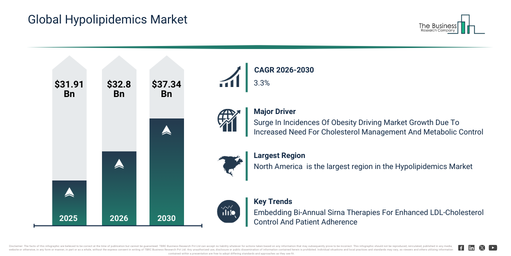
    The hypolipidemics market size has consistently expanded in recent years. It is anticipated to grow from $31.91 billion in 2025 to $32.8 billion in 2026, achieving a compound annual growth rate (CAGR) of 2.8%. This historic growth can be ascribed to an increase in cardiovascular disease prevalence, the widespread use of statins, elevated cholesterol screening rates, improved availability of vital cardiovascular drugs, and the expansion of hospital and pharmacy infrastructure.

    The hypolipidemics market is anticipated to experience consistent expansion over the upcoming years. This market is projected to reach $37.34 billion by 2030, exhibiting a compound annual growth rate (CAGR) of 3.3%. Factors contributing to this growth during the forecast period include an aging global population, a heightened incidence of dyslipidemia, a greater emphasis on preventive cardiology, an increase in combination lipid therapies, and broadened healthcare access within emerging markets. Key trends for the forecast period encompass the escalating long-term use of lipid-lowering treatments, the growing acceptance of combination hypolipidemic medications, an intensified focus on preventive cardiovascular pharmacotherapy, the wider use of generic statins, and enhanced monitoring of cholesterol management results.

    Access Your Free Sample Report For In-Depth Market Analysis:

    https://www.thebusinessresearchcompany.com/sample.aspx?id=2435&type=smp

    Which Key Factors Are Driving The Hypolipidemics Market Growth?

    The increasing occurrence of obesity is projected to boost the expansion of the hypolipidemic drugs market in the future. Obesity, a persistent metabolic disorder, involves the excessive accumulation of body fat, frequently resulting in high cholesterol, insulin resistance, and a greater risk of cardiovascular issues. This rise in obesity is largely attributable to higher intake of ultra-processed, high-calorie foods and reduced physical activity, characteristic of contemporary inactive lifestyles. Hypolipidemic drugs are employed in individuals with obesity to reduce elevated cholesterol levels, a potential risk factor for cardiovascular complications when excess body fat is present. For example, Forbes, a US-based business media company, reported in October 2025 that adult obesity prevalence in the United States stood at 40.3%, with women at 41.3% and men at 39.2%. Globally, obesity among children and adolescents aged 5 to 19 years was 9.4%. Consequently, the rising instances of obesity are fueling the expansion of the hypolipidemic drug market.

    How Are Segments Identified Within The Hypolipidemics Market Segment Framework?

    The hypolipidemics market covered in this report is segmented –

    1) By Product Type: HMG-CoA Reductase Inhibitors, Nicotinic Acid Drugs

    2) By Drug Type: Statins, Bile Acid Sequestrants, Cholesterol Absorption Inhibitors, PCSK9 Inhibitors, Other Drug Types

    3) By Application: Hospital, Clinics, Pharmacy

    Subsegments:

    1) By HMG-CoA Reductase Inhibitors: Atorvastatin, Rosuvastatin, Simvastatin, Lovastatin, Pravastatin, Fluvastatin

    2) By Nicotinic Acid Drugs: Niacin (Vitamin B3), Extended-release Niacin

    Which Trends Are Influencing Demand In The Hypolipidemics Market?

    Leading companies in the hypolipidemics market are concentrating on product innovation and formulation, particularly siRNA-based LDL-cholesterol-lowering therapies administered twice yearly. This strategy aims to enhance patient adherence, decrease the treatment burden, and deliver long-lasting lipid control with fewer injections. These therapies combine potent mechanisms for lowering lipids with convenient dosing schedules, thereby addressing both clinical results and patient quality of life. For instance, in July 2025, Novartis, a Switzerland-based pharmaceutical company, announced that its product Leqvio (inclisiran) received FDA approval for first-line use in patients needing LDL-cholesterol reduction, enabling more patients to benefit from its twice-yearly dosing regimen. Inclisiran operates by silencing the PCSK9 gene in the liver through RNA interference, providing sustained LDL-lowering with just two doses per year. This approval underscores an ongoing transition in the hypolipidemics market toward long-acting, highly effective therapies that support long-term cardiovascular risk management without requiring frequent dosing.

    Who Are The Companies Competing Within The Hypolipidemics Market?

    Major companies operating in the hypolipidemics market are Pfizer Inc., AstraZeneca Plc, Novartis AG, Sanofi-Aventis, Merck Sharp & Dohme B.V., Amgen Plc, Abbott Laboratories Limited, Daiichi Sankyo Company Limited, Kowa Company Ltd., Viatris Inc., Teva Pharmaceutical Industries Ltd., Sun Pharmaceutical Industries Limited, Dr. Reddy’s Laboratories Ltd., Lupin Limited, Zydus Lifesciences Limited, Torrent Pharmaceuticals Ltd., Cipla Limited, Wockhardt Limited, Alembic Pharmaceuticals Limited, Intas Pharmaceuticals Ltd.

    Get The Full Hypolipidemics Market Report:

    https://www.thebusinessresearchcompany.com/report/hypolipidemics-global-market-report

    Where Is The Hypolipidemics Market Primarily Concentrated By Region?

    North America was the largest region in the hypolipidemic drugs market in 2025. The Middle East is expected to be the fastest-growing region in the hypolipidemic drugs market during the forecast period. The regions covered in the hypolipidemics market report are Asia-Pacific, South East Asia, Western Europe, Eastern Europe, North America, South America, Middle East, Africa.

    Request A Customized Hypolipidemics Market Report For Competitive Insights:

    https://www.thebusinessresearchcompany.com/report/hypolipidemics-global-market-report

    Browse Through More Reports Similar to the Global Hypolipidemics Market 2026, By The Business Research Company

    Hypolipidemics Market Report 2026

    https://www.thebusinessresearchcompany.com/report/hypolipidemics-global-market-report

    Phospholipid Market Report 2026

    https://www.thebusinessresearchcompany.com/report/phospholipid-global-market-report

    Lecithin And Phospholipids Market Report 2026

    https://www.thebusinessresearchcompany.com/report/lecithin-and-phospholipids-global-market-report

    Get in touch with us:

    The Business Research Company: https://www.thebusinessresearchcompany.com/

    Americas +1 310-496-7795

    Asia +44 7882 955267 & +91 8897263534

    Europe +44 7882 955267

    Email us at: marketing@tbrc.info

    Follow us on:

    LinkedIn: https://in.linkedin.com/company/the-business-research-company

    YouTube: https://www.youtube.com/channel/UC24_fI0rV8cR5DxlCpgmyFQ

    Global Market Model: https://www.thebusinessresearchcompany.com/global-market-model
  • Dementia Treatment Market Forecast Through 2030 With Insights On Market Patterns And Developments

    Dementia Treatment Market Forecast Through 2030 With Insights On Market Patterns And Developments

    The Business Research Company’s 2026 market reports feature enhanced tools like market attractiveness analysis, TAM assessment, and company scoring matrices, along with interactive dashboards, deeper supply chain insights, and startup coverage strengthening the depth, usability, and strategic value of insights.

    By 2030, What Market Size Is The Dementia Treatment Market Expected To Reach Based On Its 2026 Value?

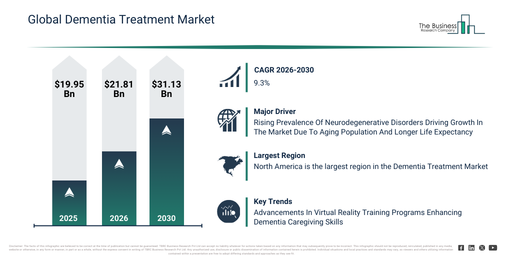
    The dementia treatment market size has demonstrated substantial growth over the past few years. Its valuation is projected to increase from $19.95 billion in 2025 to $21.81 billion in 2026, advancing at a compound annual growth rate (CAGR) of 9.3%. Historically, this expansion can be ascribed to factors such as an aging global population, the increasing prevalence of Alzheimer’s disease, enhanced diagnosis rates, the sustained use of cholinesterase inhibitors, and the broadening of geriatric healthcare services.

    The dementia treatment market is expected to experience significant growth over the next few years. It is projected to expand to $31.13 billion by 2030, achieving a compound annual growth rate (CAGR) of 9.3%. The drivers behind this growth in the forecast period include the advancement of precision medicine approaches, an increasing demand for disease-modifying therapies, greater investment in neurodegenerative research, the expansion of homecare treatment models, and improved early diagnostic capabilities. Noteworthy trends anticipated during the forecast period involve the increasing adoption of combination drug therapies, a heightened focus on early-stage dementia intervention, the rising use of symptom management treatments, the expansion of non-pharmacological care approaches, and an increased emphasis on personalized treatment plans.

    Access Your Free Sample Report For In-Depth Market Analysis:

    https://www.thebusinessresearchcompany.com/sample.aspx?id=24200&type=smp

    What Key Drivers Are Fueling The Growth Of The Dementia Treatment Market?

    The increasing prevalence of neurodegenerative conditions is anticipated to fuel the expansion of the dementia treatment market in the coming years. These conditions are characterized by the progressive deterioration and loss of nerve cells, leading to gradual impairments in movement, cognition, or both. The rise in neurodegenerative disorders is largely driven by the aging population, as longer life expectancy increases the risk of developing age-related conditions like Alzheimer’s and Parkinson’s disease, with age being the most significant contributing factor. A deeper understanding of neurodegenerative disorders enhances dementia treatment by facilitating more precise diagnoses and targeted therapies, as recognizing the specific underlying condition allows for a more personalized and effective approach to managing symptoms. For instance, according to a report published by the Alzheimer’s Association, a US-based non-profit health organization, in April 2024, approximately 6.9 million Americans aged 65 and older were affected by Alzheimer’s dementia, and this figure is projected to double to 13.8 million by 2060. Consequently, the increasing occurrence of neurodegenerative disorders will stimulate the expansion of the dementia treatment market.

    Which Segment Categories Are Included In The Dementia Treatment Market Segment Analysis?

    The dementia treatment market covered in this report is segmented –

    1) By Treatment Type: Antipsychotics, Cholinesterase Inhibitors, Memantine

    2) By Indication: Alzheimer’s Disease Dementia, Vascular Dementia, Lewy Body Dementia, Frontotemporal Dementia, Parkinson Disease Dementia, Other Indications

    3) By Route of Administration: Oral, Transdermal Patch, Injectable

    4) By Stage of Dementia: Mild Dementia, Moderate Dementia, Severe Dementia

    5) By Distribution Channel: Hospital Pharmacy, Retail Pharmacy, Online Pharmacy

    Subsegments:

    1) By Antipsychotics: Atypical Antipsychotics, Typical Antipsychotics

    2) By Cholinesterase Inhibitors: Donepezil, Rivastigmine, Galantamine

    3) By Memantine: Memantine Monotherapy, Memantine Combination Therapy

    What Trends Are Affecting The Growth Of The Dementia Treatment Market?

    Major companies operating in the dementia treatment market are concentrating on developing technologically advanced solutions, like virtual reality (VR) training programs, to replicate complex and diverse scenarios. Virtual reality training programs provide immersive, computer-generated simulations that allow individuals to practice and refine skills within a controlled, interactive, and realistic virtual environment. For instance, in September 2024, Otsuka Pharmaceutical Co. Ltd., a Japan-based pharmaceutical company, collaborated with Jolly Good Inc., a Japan-based medical technology company, to launch FACEDUO, a virtual reality training program for dementia care. This interactive VR tool, guided by medical experts, helps caregivers, including family members, gain insight into the emotions and behaviors of people with dementia. Simulating real-life scenarios enables caregivers to better respond to the unique needs of dementia patients. The program aims to improve caregiving skills and empathy for more effective support.

    Who Are The Active Companies Shaping The Dementia Treatment Market?

    Major companies operating in the dementia treatment market are Biogen Inc., Eisai Co. Ltd., Eli Lilly and Company, Roche Holding AG, AbbVie Inc., Sanofi S.A., Amgen Inc., Merz Pharmaceuticals GmbH, Acadia Pharmaceuticals Inc., Intra-Cellular Therapies Inc., Otsuka Pharmaceutical Co. Ltd., H. Lundbeck A/S, Pfizer Inc., Novartis AG, Takeda Pharmaceutical Company Limited, Astellas Pharma Inc., Cerevance Inc., AviadoBio Ltd., Cassava Sciences Inc., Anavex Life Sciences Corp.

    Get The Full Dementia Treatment Market Report:

    https://www.thebusinessresearchcompany.com/report/dementia-treatment-global-market-report

    Which Region Is The Largest In The Dementia Treatment Market?

    North America was the largest region in the dementia treatment market in 2025. Asia-Pacific is expected to be the fastest-growing region in the forecast period. The regions covered in the dementia treatment market report are Asia-Pacific, South East Asia, Western Europe, Eastern Europe, North America, South America, Middle East, Africa.

    Request A Customized Dementia Treatment Market Report For Competitive Insights:

    https://www.thebusinessresearchcompany.com/report/dementia-treatment-global-market-report

    Browse Through More Reports Similar to the Global Dementia Treatment Market 2026, By The Business Research Company

    Lewy Body Dementia Treatment Market Report 2026

    https://www.thebusinessresearchcompany.com/report/lewy-body-dementia-treatment-global-market-report

    Alzheimers Drugs Market Report 2026

    https://www.thebusinessresearchcompany.com/report/alzheimers-drugs-global-market-report

    Alzheimers Drugs Market Report 2026

    https://www.thebusinessresearchcompany.com/report/alzheimers-drugs-global-market-report

    Get in touch with us:

    The Business Research Company: https://www.thebusinessresearchcompany.com/

    Americas +1 310-496-7795

    Asia +44 7882 955267 & +91 8897263534

    Europe +44 7882 955267

    Email us at: marketing@tbrc.info

    Follow us on:

    LinkedIn: https://in.linkedin.com/company/the-business-research-company

    YouTube: https://www.youtube.com/channel/UC24_fI0rV8cR5DxlCpgmyFQ

    Global Market Model: https://www.thebusinessresearchcompany.com/global-market-model
  • Hyperuricemia Drugs Market Forecast Highlighting Key Drivers And Expansion Potential

    Hyperuricemia Drugs Market Forecast Highlighting Key Drivers And Expansion Potential

    The Business Research Company’s 2026 market reports feature enhanced tools like market attractiveness analysis, TAM assessment, and company scoring matrices, along with interactive dashboards, deeper supply chain insights, and startup coverage strengthening the depth, usability, and strategic value of insights.

    What Is The Estimated Market Size Of The Hyperuricemia Drugs Market In 2026, And How Will Its Value Evolve By 2030?

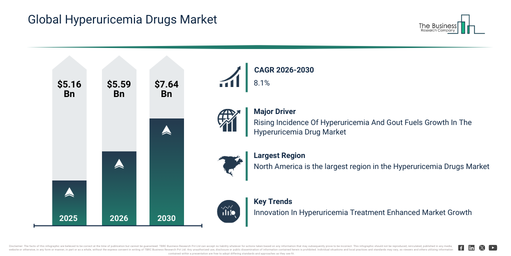
    The hyperuricemia drugs market has demonstrated substantial growth in recent years. It is projected to expand from $5.16 billion in 2025 to $5.59 billion in 2026, achieving a compound annual growth rate (CAGR) of 8.4%. This past growth can be attributed to several factors including the restricted availability of advanced hyperuricemia drugs, a rising incidence of gout and kidney stones, inadequate patient awareness regarding uric acid management, a reliance on traditional anti-inflammatory medications, and the expansion of hospital and clinic infrastructure.

    The hyperuricemia drugs market is projected to experience substantial expansion in the coming years. This market is anticipated to reach $7.64 billion by 2030, exhibiting a compound annual growth rate (CAGR) of 8.1%. This projected growth is driven by factors such as the development of selective uric acid reabsorption inhibitors (SURI), the increasing use of combination therapy, greater awareness regarding preventive care and lifestyle changes, the expansion of homecare services, and a rise in government initiatives aimed at managing metabolic disorders. Key trends expected during this period involve the increasing prevalence of hyperuricemia and gout, a greater uptake of xanthine oxidase inhibitors and uricosuric agents, an expansion in combination therapy and supportive care medications, the broadening of homecare and specialty clinics focused on hyperuricemia management, and a stronger emphasis on lifestyle adjustments and preventive care supplements.

    Access Your Free Sample Report For In-Depth Market Analysis:

    https://www.thebusinessresearchcompany.com/sample.aspx?id=19517&type=smp

    What Primary Drivers Are Shaping The Hyperuricemia Drugs Market?

    The increasing occurrence of hyperuricemia and gout is anticipated to drive the expansion of the hyperuricemia drug market in the future. Hyperuricemia describes a state marked by heightened uric acid concentrations in the bloodstream, potentially leading to gout, an agonizing type of arthritis resulting from the buildup of urate crystals within joints. Several factors impact the prevalence of hyperuricemia and gout, including genetic tendencies, eating patterns (especially high purine consumption), excess weight, renal function, lifestyle decisions (like drinking alcohol and insufficient hydration), specific pharmaceutical drugs, and long-term health issues such as high blood pressure and diabetes. Medications for hyperuricemia play a crucial role in managing uric acid concentrations, thereby assisting in preventing the onset and advancement of hyperuricemia and gout through diminishing uric acid accumulation and easing related symptoms. As an illustration, data released in July 2024 by The Lancet, a UK-based general medical journal, indicated that globally, gout in 2020 was 3.26 times more common in males compared to females, and its prevalence grew with age, with projections of 95.8 million cases expected by 2050. Consequently, the escalating incidence of hyperuricemia and gout is fueling expansion within the hyperuricemia drug market.

    What Are The Key Segment Divisions In The Hyperuricemia Drugs Market Segment Structure?

    The hyperuricemia drugs market covered in this report is segmented –

    1) By Type: Asymptomatic Hyperuricemia, Symptomatic Hyperuricemia, Other Types

    2) By Drugs: Nonsteroidal Anti-Inflammatory Drugs, Xanthine Oxidase Inhibitors, Selective Uric Acid Reabsorption Inhibitor (SURI), Uricosuric Agents, Other Drugs

    3) By Diseases: Gout, Kidney Stone, Other Diseases

    4) By End-User: Hospitals, Homecare, Specialty Clinics, Other End-Users

    Subsegments:

    1) By Asymptomatic Hyperuricemia: Uric Acid Lowering Agents, Lifestyle Modification Supplements

    2) By Symptomatic Hyperuricemia: Anti-Inflammatory Drugs, Uric Acid Inhibitors

    3) By Other Types: Combination Therapy, Dietary Supplements

    What Emerging Trends Are Seen In The Hyperuricemia Drugs Market?

    Leading companies within the hyperuricemia drug market are concentrating on developing innovative products, such as therapeutically equivalent generic versions, to offer a cost-effective alternative that enhances patient access to gout treatment. These therapeutic equivalent generic versions are medicines that possess the identical active ingredient as a brand-name drug, are administered in the same dosage form, and are expected to deliver the same clinical effect and safety profile. For example, in January 2024, Lupin, an India-based pharmaceutical company, secured approval from the US health regulator for Febuxostat Tablets (40 mg and 80 mg) and Varenicline Tablets (0.5 mg and 1 mg). These generic drugs aim to provide more affordable options for patients requiring hyperuricemia treatment (Febuxostat) and assistance with smoking cessation (Varenicline). By making these generics available, Lupin endeavors to increase the accessibility of essential medications while capturing a segment of the US pharmaceutical market and supporting patients with economical choices for their healthcare needs.

    Which Organizations Are Engaged In The Hyperuricemia Drugs Market?

    Major companies operating in the hyperuricemia drugs market are Pfizer Inc., Merck & Co., Bayer AG, Sanofi SA, AstraZeneca plc, Novartis AG, Boehringer Ingelheim International GmbH, Teva Pharmaceuticals, Teijin Pharma Limited, Sun Pharmaceutical Industries Ltd., Dr. Reddy’s Laboratories Ltd., Hikma Pharmaceuticals PLC, Amneal Pharmaceuticals Inc., Glenmark Pharmaceuticals Ltd., Kissei Pharmaceutical Co. Ltd., Fuji Yakuhin Co. Ltd.

    Get The Full Hyperuricemia Drugs Market Report:

    https://www.thebusinessresearchcompany.com/report/hyperuricemia-drugs-global-market-report

    Which Region Has The Greatest Market Share In The Hyperuricemia Drugs Market?

    North America was the largest region in the hyperuricemia drugs market in 2025. The regions covered in the hyperuricemia drugs market report are Asia-Pacific, South East Asia, Western Europe, Eastern Europe, North America, South America, Middle East, Africa.

    Request A Customized Hyperuricemia Drugs Market Report For Competitive Insights:

    https://www.thebusinessresearchcompany.com/report/hyperuricemia-drugs-global-market-report

    Browse Through More Reports Similar to the Global Hyperuricemia Drugs Market 2026, By The Business Research Company

    Acne Drugs Market Report 2026

    https://www.thebusinessresearchcompany.com/report/acne-drugs-global-market-report

    Prostate Cancer Drugs Market Report 2026

    https://www.thebusinessresearchcompany.com/report/prostate-cancer-drugs-global-market-report

    Ovarian Cancer Drugs Market Report 2026

    https://www.thebusinessresearchcompany.com/report/ovarian-cancer-drugs-global-market-report

    Get in touch with us:

    The Business Research Company: https://www.thebusinessresearchcompany.com/

    Americas +1 310-496-7795

    Asia +44 7882 955267 & +91 8897263534

    Europe +44 7882 955267

    Email us at: marketing@tbrc.info

    Follow us on:

    LinkedIn: https://in.linkedin.com/company/the-business-research-company

    YouTube: https://www.youtube.com/channel/UC24_fI0rV8cR5DxlCpgmyFQ

    Global Market Model: https://www.thebusinessresearchcompany.com/global-market-model

  • Deep Vein Thrombosis Market Outlook For 2026–2030 Covering Growth Drivers And Industry Trends

    Deep Vein Thrombosis Market Outlook For 2026–2030 Covering Growth Drivers And Industry Trends

    The Business Research Company’s 2026 market reports feature enhanced tools like market attractiveness analysis, TAM assessment, and company scoring matrices, along with interactive dashboards, deeper supply chain insights, and startup coverage strengthening the depth, usability, and strategic value of insights.

    What Is The Anticipated Rise In Market Value Of The Deep Vein Thrombosis Market During The Forecast Period?

    The market for deep vein thrombosis has experienced consistent expansion over the last few years. Forecasts indicate it will expand from $1.09 billion in 2025 to reach $1.14 billion by 2026, demonstrating a compound annual growth rate (CAGR) of 4.0%. This historical expansion is largely due to factors such as a greater occurrence of venous thromboembolism, an older demographic adopting inactive lifestyles, an increase in surgical procedures performed in hospitals, enhanced access to traditional anticoagulants, and heightened awareness regarding DVT complications.

    The deep vein thrombosis market is projected to experience consistent expansion over the upcoming period. This market is anticipated to reach a valuation of $1.37 billion by 2030, demonstrating a compound annual growth rate (CAGR) of 4.7%. Several factors are driving this anticipated growth, including progress in new anticoagulant therapies, a rising preference for oral medications over injectables, the broadening of homecare and remote monitoring services, an increase in preventive screening initiatives, and enhanced accessibility via online pharmacies. Key trends expected during this period involve the increasing uptake of direct oral anticoagulants, a move towards managing DVT in outpatient and home settings, a greater emphasis on early detection and risk assessment, the growing application of minimally invasive interventional techniques, and the expansion of online and specialized pharmacy distribution channels.

    Access Your Free Sample Report For In-Depth Market Analysis:

    https://www.thebusinessresearchcompany.com/sample.aspx?id=10616&type=smp

    Which Drivers Are Supporting The Deep Vein Thrombosis Market Growth?

    The growing population needing deep vein thrombosis (DVT) treatment is anticipated to drive expansion in the deep vein thrombosis market in the future. DVT treatment involves managing patients suffering from deep vein thrombosis through medications like anticoagulants and other agents. These treatments work by stopping new blood clots from forming and preventing existing ones from expanding, thereby improving the patient’s condition. This rise in patients needing DVT care suggests a higher incidence of deep vein thrombosis, creating a demand for diagnostic, preventive, and therapeutic products. For example, data from February 2023, released by the Centers for Disease Control and Prevention (CDC), a US national public health organization, indicated that approximately 900,000 individuals in the United States might be impacted annually by deep vein thrombosis. Furthermore, DVT or pulmonary embolism (PE) is responsible for 60,000 to 100,000 American deaths each year. Consequently, the rising demand for deep vein thrombosis (DVT) treatment among individuals is a key market driver.

    How Is The Deep Vein Thrombosis Market Broken Down By Segment Categories?

    The deep vein thrombosis market covered in this report is segmented –

    1) By Drug Class: Anticoagulants, Inferior Vena Cava Filters, Other Drug Class

    2) By Treatment: Surgery, Drugs, Other Treatments

    3) By Mode Of Administration: Injectable, Oral, Other Modes Of Action

    4) By Distribution Channel: Hospital Pharmacies, Retail Pharmacies, Online Pharmacies

    5) By End User: Hospitals, Homecare, Specialty Clinics, Other End-users

    Subsegments:

    1) By Anticoagulants: Direct Oral Anticoagulants (DOACs), Vitamin K Antagonists, Low Molecular Weight Heparins, Unfractionated Heparin

    2) By Inferior Vena Cava Filters: Retrievable IVC Filters, Permanent IVC Filters, Advanced IVC Filter Systems

    3) By Other Drug Class: Thrombolytics, Antiplatelet Agents, Fibrinolytics, Combination Therapy

    Which Trends Are Shaping The Deep Vein Thrombosis Market?

    Leading companies in the deep vein thrombosis market are concentrating on forming strategic partnerships to enable rapid diagnosis of deep vein thrombosis (DVT) and maximize their market profits. Such collaborations highlight the increasing interest in utilizing AI and machine learning to enhance medical diagnostics, including the swift and precise identification of DVT. For example, in November 2023, ThinkSono Ltd., a UK-based ultrasound AI company focused on diagnosing deep vein thrombosis, partnered with NYU Langone Health, a US-based academic medical center. This partnership aims to launch the first clinical trial of new artificial intelligence (AI)-powered ultrasound software designed for a more rapid and portable diagnosis of deep vein thrombosis (DVT). Through this alliance, the ThinkSono Guidance System technology employs AI to potentially detect DVT more quickly, accurately, and affordably compared to conventional methods. Researchers will use the ThinkSono Guidance System in conjunction with standard ultrasound scanning in patients both with and without DVT. To evaluate and confirm the ThinkSono system’s accuracy, the performance of both approaches will be contrasted. Additionally, medical students from the NYU Grossman School of Medicine will support the trial’s operation as part of the school’s practical research curriculum.

    Which Players Are Present In The Deep Vein Thrombosis Market Space?

    Major companies operating in the deep vein thrombosis market are Abbott Laboratories, Bristol-Myers Squibb Company, Sanofi-Aventis U.S. LLC, Daiichi Sankyo Company Limited, Novartis AG, Mylan N.V., Bayer AG, Boehringer Ingelheim GmbH, Medtronic PLC, Hikma Pharmaceuticals PLC, Teva Pharmaceutical Industries Ltd., Stryker Corporation, Cook Medical Incorporated, Boston Scientific Corporation, Pfizer Inc., Johnson & Johnson, GlaxoSmithKline plc, Shire Pharmaceuticals, AstraZeneca PLC, Endo International plc

    Get The Full Deep Vein Thrombosis Market Report:

    https://www.thebusinessresearchcompany.com/report/deep-vein-thrombosis-global-market-report

    Which Region Leads The Deep Vein Thrombosis Market In Terms Of Market Share?

    North America was the largest region in the deep vein thrombosis market in 2025. Asia-Pacific is expected to be the fastest-growing region in the global deep vein thrombosis market report during the forecast period. The regions covered in the deep vein thrombosis market report are Asia-Pacific, South East Asia, Western Europe, Eastern Europe, North America, South America, Middle East, Africa.

    Request A Customized Deep Vein Thrombosis Market Report For Competitive Insights:

    https://www.thebusinessresearchcompany.com/report/deep-vein-thrombosis-global-market-report

    Browse Through More Reports Similar to the Global Deep Vein Thrombosis Market 2026, By The Business Research Company

    Deep Vein Thrombosis Market Report 2026

    https://www.thebusinessresearchcompany.com/report/deep-vein-thrombosis-global-market-report

    Venous Thromboembolism Market Report 2026

    https://www.thebusinessresearchcompany.com/report/venous-thromboembolism-global-market-report

    Thrombophilia Market Report 2026

    https://www.thebusinessresearchcompany.com/report/thrombophilia-global-market-report

    Get in touch with us:

    The Business Research Company: https://www.thebusinessresearchcompany.com/

    Americas +1 310-496-7795

    Asia +44 7882 955267 & +91 8897263534

    Europe +44 7882 955267

    Email us at: marketing@tbrc.info

    Follow us on:

    LinkedIn: https://in.linkedin.com/company/the-business-research-company

    YouTube: https://www.youtube.com/channel/UC24_fI0rV8cR5DxlCpgmyFQ

    Global Market Model: https://www.thebusinessresearchcompany.com/global-market-model
  • Hyperphosphatemia Treatment Market Analysis Covering Growth Drivers And Future Outlook

    Hyperphosphatemia Treatment Market Analysis Covering Growth Drivers And Future Outlook

    The Business Research Company’s 2026 market reports feature enhanced tools like market attractiveness analysis, TAM assessment, and company scoring matrices, along with interactive dashboards, deeper supply chain insights, and startup coverage strengthening the depth, usability, and strategic value of insights.

    How Does The Market Size Of The Hyperphosphatemia Treatment Market Compare Between 2026 And 2030?

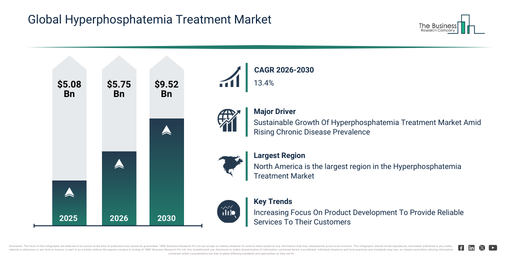
    The hyperphosphatemia treatment market size has shown significant growth in recent years. It is projected to expand from $5.08 billion in 2025 to $5.75 billion in 2026, achieving a compound annual growth rate (CAGR) of 13.2%. The historical increase in this market can be ascribed to elements like the high incidence of renal failure, limited awareness of phosphate management, limitations of conventional treatments, hospital-centric therapy delivery, and dependence on calcium-based phosphate binders.

    The hyperphosphatemia treatment market is poised for significant expansion in the coming years. Projections indicate it will reach a value of $9.52 billion by 2030, exhibiting a compound annual growth rate (CAGR) of 13.4%. This anticipated growth throughout the forecast period stems from factors such as progress in non-calcium phosphate binders, the incorporation of digital health monitoring, a surge in the embrace of precision medicine, heightened investment in innovative treatments, and the proliferation of e-pharmacy channels. Key trends during this period are anticipated to encompass the growing occurrence of chronic kidney disease, wider acceptance of phosphate binders, an increase in home-based dialysis options, the enlargement of hospital pharmacy networks, and the creation of new hyperphosphatemia therapies.

    Access Your Free Sample Report For In-Depth Market Analysis:

    https://www.thebusinessresearchcompany.com/sample.aspx?id=5852&type=smp

    Which Major Drivers Are Influencing The Expansion Of The Hyperphosphatemia Treatment Market?

    The rising prevalence of chronic conditions among patients is fueling the expansion of the hyperphosphatemia treatment market. These non-communicable diseases necessitate long-term care, with a significant majority classified as cardiovascular diseases, chronic kidney disease, chronic respiratory conditions, hyperparathyroidism, diabetes, and cancer. For instance, in September 2023, the World Health Organization, a Switzerland-based specialized agency of the United Nations, reported that 41 million deaths, accounting for 74% of global fatalities each year, were attributable to non-communicable diseases (NCDs) or chronic diseases. Furthermore, according to SingleCare Services LLC, a US-based healthcare savings platform, in February 2023, the incidence of kidney diseases is increasing, with untreated kidney failure claiming the lives of approximately 1 million individuals annually. This surge in hyperphosphatemia among patients suffering from end-stage renal disease (ESRD) is consequently driving up the demand for hyperphosphatemia treatment or drugs.

    Which Segment Categories Are Included In The Hyperphosphatemia Treatment Market Segment Analysis?

    The hyperphosphatemia treatment market covered in this report is segmented –

    1) By Product: Sevelamer, Calcium-Based Phosphate Binders, Iron-Based Phosphate Binders, Lanthanum Carbonate, Other products

    2) By Distribution channel: Hospital Pharmacy, Retail Pharmacy, Online stores

    3) By End-User: Chronic Kidney Disease (CKD) Patients on Dialysis, Non-Dialysis CKD Patients, Post-Kidney Transplant Patients

    Subsegments:

    1) By Sevelamer: Sevelamer Hydrochloride, Sevelamer Carbonate

    2) By Calcium-Based Phosphate Binders: Calcium Acetate, Calcium Carbonate

    3) By Iron-Based Phosphate Binders: Ferric Citrate, Ferric Sulfate

    4) By Lanthanum Carbonate: Lanthanum Carbonate Hydrate

    5) By Other Products: Magnesium-Based Phosphate Binders, Novel Phosphate Binders

    Which Trends Are Guiding The Direction Of The Hyperphosphatemia Treatment Market?

    Leading firms in the hyperphosphatemia treatment market are prioritizing innovative product development, such as Xphozah, to boost revenues in their sector. Xphozah is designed to address hyperphosphatemia, a condition characterized by excessive phosphorus, which leads to calcium removal from bones and various body parts. For instance, in October 2023, Ardelyx Inc., a US-based biopharmaceutical company, received approval for Xphozah. This approval was granted for treating hyperphosphatemia, a condition that removes calcium from bones and other body parts. Excess phosphorus can result in brittle bones, joint pain, cramping muscles, and itchy skin. The medication has been approved by the FDA for use in patients who have not responded well to phosphate binder therapies, which are the current standard of care for the condition, or who are intolerant to them.

    Who Are The Active Companies Shaping The Hyperphosphatemia Treatment Market?

    Major companies operating in the hyperphosphatemia treatment market are Sanofi SA, Akebia Therapeutics Inc., Ardelyx Inc., Astellas Pharma Inc., Fresenius Medical Care AG & Co. KGaA, Lupin Limited, Sun Pharmaceutical Industries Ltd., Takeda Pharmaceutical Company Limited, Ultragenyx Pharmaceutical Inc., Unicycive Therapeutics Inc., Vifor Pharma Management Ltd., Zeria Pharmaceutical Co. Ltd., Amgen Inc., AstraZeneca plc, Baxter International Inc., Kyowa Kirin Co. Ltd., Ipsen, Shionogi & Co. Ltd., Otsuka Pharmaceutical Co. Ltd., Bayer AG, Boehringer Ingelheim International GmbH, Novartis International AG

    Get The Full Hyperphosphatemia Treatment Market Report:

    https://www.thebusinessresearchcompany.com/report/hyperphosphatemia-treatment-global-market-report

    Which Region Accounts For The Largest Portion Of The Hyperphosphatemia Treatment Market?

    North America was the largest region in the hyperphosphatemia treatment market in 2025. Asia-Pacific is expected to be the fastest-growing region in the forecast period. The regions covered in the hyperphosphatemia treatment market report are Asia-Pacific, South East Asia, Western Europe, Eastern Europe, North America, South America, Middle East, Africa.

    Request A Customized Hyperphosphatemia Treatment Market Report For Competitive Insights:

    https://www.thebusinessresearchcompany.com/report/hyperphosphatemia-treatment-global-market-report

    Browse Through More Reports Similar to the Global Hyperphosphatemia Treatment Market 2026, By The Business Research Company

    Hyperphosphatemia Treatment Market Report 2026

    https://www.thebusinessresearchcompany.com/report/hyperphosphatemia-treatment-global-market-report

    Mineral And Bone Disorder Treatment Market Report 2026

    https://www.thebusinessresearchcompany.com/report/mineral-and-bone-disorder-treatment-global-market-report

    Food Phosphate Market Report 2026

    https://www.thebusinessresearchcompany.com/report/food-phosphate-global-market-report

    Get in touch with us:

    The Business Research Company: https://www.thebusinessresearchcompany.com/

    Americas +1 310-496-7795

    Asia +44 7882 955267 & +91 8897263534

    Europe +44 7882 955267

    Email us at: marketing@tbrc.info

    Follow us on:

    LinkedIn: https://in.linkedin.com/company/the-business-research-company

    YouTube: https://www.youtube.com/channel/UC24_fI0rV8cR5DxlCpgmyFQ

    Global Market Model: https://www.thebusinessresearchcompany.com/global-market-model