Category: Pharmaceuticals

  • The Rise Of Innovative Product Solution In The Angiotensin Receptor Blockers Is Influencing The Immunotoxin Market

    The Rise Of Innovative Product Solution In The Angiotensin Receptor Blockers Is Influencing The Immunotoxin Market

    The Business Research Company’s 2026 market reports feature enhanced tools like market attractiveness analysis, TAM assessment, and company scoring matrices, along with interactive dashboards, deeper supply chain insights, and startup coverage strengthening the depth, usability, and strategic value of insights.

    What Changes In Market Value Are Expected For The Immunotoxin Market Over The 2026–2030 Period?

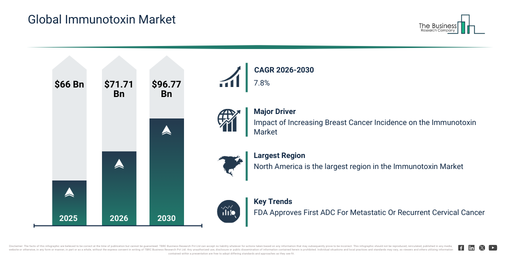
    The immunotoxin market size has demonstrated significant growth in recent years. Its value is anticipated to rise from $66 billion in 2025 to $71.71 billion in 2026, achieving a compound annual growth rate (CAGR) of 8.7%. The historical expansion can be ascribed to several factors, including the early achievements of antibody-toxin conjugates in cancer research, progress in monoclonal antibody engineering, the unmet requirement for targeted cancer treatments, the broadening of oncology-focused research laboratories, and an enhanced understanding of tumor-specific antigens.

    The immunotoxin market size is projected to experience substantial growth in the coming years. It is expected to reach $96.77 billion by 2030, progressing at a compound annual growth rate (CAGR) of 7.8%. This expansion during the forecast period can be attributed to several factors, including the increasing demand for precision oncology treatments, the expansion of immunotherapy pipelines, rising investment in biologics-based cancer drugs, the growing prevalence of treatment-resistant cancers, and continuous innovation in protein engineering technologies. Key trends anticipated in the forecast period include the increasing development of target-specific immunotoxins for cancer therapy, a heightened focus on reducing off-target toxicity and immunogenicity, the broader application of immunotoxins in hematological malignancies, the expansion of clinical research into next-generation immunotoxin constructs, and continued exploration of combination immunotoxin therapies.

    Access Your Free Sample Report For In-Depth Market Analysis:

    https://www.thebusinessresearchcompany.com/sample.aspx?id=15828&type=smp

    Which Drivers Are Supporting The Immunotoxin Market Growth?

    The escalating occurrence of breast cancer is anticipated to fuel the expansion of the immunotoxin market in the future. Breast cancer is characterized as a malignant growth forming in the cells of the breast, typically within the ducts or lobules. The prevalence of breast cancer is increasing due to better screening initiatives, lifestyle-associated risk factors, and longer life expectancies. The immunotoxin market contributes to breast cancer treatment by offering targeted interventions that precisely eliminate cancerous cells while limiting harm to healthy tissues, consequently diminishing adverse effects compared to conventional chemotherapy. For example, the National Breast Cancer Foundation, a US-based organization, stated in January 2025 that one in every eight women in the United States would receive a breast cancer diagnosis during her lifetime. Furthermore, around 310,720 women and 2,800 men are projected to be diagnosed with invasive breast cancer in 2024. Consequently, the growing incidence of breast cancer is propelling the immunotoxin market’s development.

    How Is The Immunotoxin Market Broken Down By Segment Categories?

    The immunotoxin market covered in this report is segmented –

    1) By Type: Anthrax Based Toxins, Diphtheria Toxin (DT) And Derivatives, Pseudomonas Exotoxin (PE) And Derivatives, Ribosome Inactivating Proteins Based Immunotoxins, Ribonucleases-Based Immunotoxins, Other Types

    2) By Application: Solid Tumors, Leukemias, Other Applications

    3) By End User: Hospitals And Clinics, Cancer And Radiation Therapy Centers, Research Labs, Other End-Users

    Subsegments:

    1) By Anthrax-Based Toxins: Anthrax Lethal Toxin, Anthrax Protective Antigen

    2) By Diphtheria Toxin (DT) And Derivatives: Diphtheria Toxin, DT Fragment-Based Immunotoxins

    3) By Pseudomonas Exotoxin (PE) And Derivatives: PE38-Based Immunotoxins, PE-Based Fusion Proteins

    4) By Ribosome Inactivating Proteins-Based Immunotoxins: Ricin-Based Immunotoxins, Gelonin-Based Immunotoxins

    5) By Ribonucleases-Based Immunotoxins: Onconase-Based Immunotoxins, Binase-Based Immunotoxins

    6) By Other Types: Shiga Toxin-Based Immunotoxins, Other Toxin-Based Immunotoxins

    Which Trends Are Guiding The Direction Of The Immunotoxin Market?

    Leading firms in the immunotoxin market are concentrating on creating sophisticated antibody-drug conjugates (ADCs) to improve the precision and efficacy of cancer therapies, simultaneously minimizing damage to healthy cells. ADCs are targeted biopharmaceutical treatments, consisting of a monoclonal antibody joined to a cytotoxic drug, which allows for the accurate delivery of the toxic substance directly to cancer cells displaying a particular antigen, thereby enhancing treatment results over traditional chemotherapy. As an example, during April 2024, Pfizer Inc., a pharmaceutical company from the US, and Genmab A/S, a biotechnology firm from Denmark, obtained full U.S. FDA authorization for TIVDAK. This antibody-drug conjugate is intended for individuals with metastatic or recurrent cervical cancer and incorporates a monomethyl auristatin E payload that interferes with microtubules to prompt cancer cell demise, showing statistically notable increases in overall survival. This development positions it as a promising targeted therapeutic choice for advanced cervical cancer.

    Which Players Are Present In The Immunotoxin Market Space?

    Major companies operating in the immunotoxin market are ImmunoGen Inc., Molecular Templates Inc., Mersana Therapeutics, Seagen Inc., MacroGenics Inc., Sutro Biopharma Inc., Celldex Therapeutics, CytImmune Sciences Inc., Pfizer Inc., Roche Holding AG, AbbVie Inc., Bristol Myers Squibb, AstraZeneca plc, Merck KGaA, BioNTech SE, Ipsen Pharma, Innate Pharma Inc., GenScript, Thermo Fisher Scientific Inc., Enzo Life Sciences Inc.

    Get The Full Immunotoxin Market Report:

    https://www.thebusinessresearchcompany.com/report/immunotoxin-global-market-report

    Which Region Has The Greatest Market Share In The Immunotoxin Market?

    North America was the largest region in the immunotoxin market in 2025. Asia-Pacific is expected to be the fastest-growing region in the forecast period. The regions covered in the immunotoxin market report are Asia-Pacific, South East Asia, Western Europe, Eastern Europe, North America, South America, Middle East, Africa.

    Request A Customized Immunotoxin Market Report For Competitive Insights:

    https://www.thebusinessresearchcompany.com/report/immunotoxin-global-market-report

    Browse Through More Reports Similar to the Global Immunotoxin Market 2026, By The Business Research Company

    Immunotoxin Market Report 2026

    https://www.thebusinessresearchcompany.com/report/immunotoxin-global-market-report

    Immunoglobulins Market Report 2026

    https://www.thebusinessresearchcompany.com/report/immunoglobulins-global-market-report

    Immunoassay Market Report 2026

    https://www.thebusinessresearchcompany.com/report/immunoassay-global-market-report

    Get in touch with us:

    The Business Research Company: https://www.thebusinessresearchcompany.com/

    Americas +1 310-496-7795

    Asia +44 7882 955267 & +91 8897263534

    Europe +44 7882 955267

    Email us at: marketing@tbrc.info

    Follow us on:

    LinkedIn: https://in.linkedin.com/company/the-business-research-company

    YouTube: https://www.youtube.com/channel/UC24_fI0rV8cR5DxlCpgmyFQ

    Global Market Model: https://www.thebusinessresearchcompany.com/global-market-model
  • Dermocosmetics Market Developments Shaping Growth Across The Forecast Period

    Dermocosmetics Market Developments Shaping Growth Across The Forecast Period

    The Business Research Company’s 2026 market reports feature enhanced tools like market attractiveness analysis, TAM assessment, and company scoring matrices, along with interactive dashboards, deeper supply chain insights, and startup coverage strengthening the depth, usability, and strategic value of insights.

    How Will The Market Value Of The Dermocosmetics Market Progress Between 2026 And 2030?

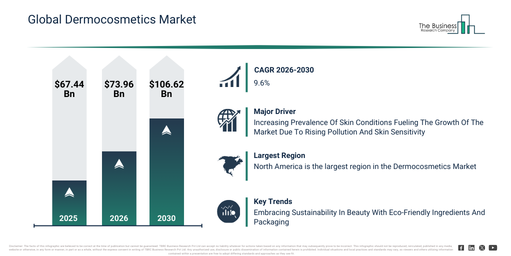
    The dermocosmetics market has demonstrated robust expansion in its size over recent years. It is projected to increase from $67.44 billion in 2025 to $73.96 billion in 2026, achieving a compound annual growth rate (CAGR) of 9.7%. This significant growth in the past can be attributed to a growing consumer focus on skin health, dermatologist endorsement of dermocosmetics, the expansion of pharmacy-led skincare, rising acne and eczema cases, and increased disposable income.

    The dermocosmetics market size is anticipated to undergo significant expansion over the coming years. It is projected to achieve a value of $106.62 billion by 2030, progressing at a compound annual growth rate (CAGR) of 9.6%. This expected growth during the forecast period is driven by factors such as an aging global population, the rise in pollution-induced skin conditions, a growing inclination towards clinically validated skincare products, the proliferation of online dermatology platforms, and the demand for enduring skin health solutions. Noteworthy trends during this period encompass an increasing need for therapeutic skincare items, a greater utilization of dermatologist-endorsed formulations, the development of anti-aging and skin repair solutions, the broadening of treatments for sensitive and atopic skin, and an elevated acceptance of cosmeceutical ingredients.

    Access Your Free Sample Report For In-Depth Market Analysis:

    https://www.thebusinessresearchcompany.com/sample.aspx?id=23367&type=smp

    Which Primary Drivers Are Impacting The Dermocosmetics Market Growth?

    The rising occurrence of various skin conditions is anticipated to fuel the expansion of the dermocosmetics market in the future. These conditions represent health problems that impact the skin’s look, feel, or performance, resulting in symptoms such as redness, itching, dryness, rashes, or infections. Common examples encompass acne, eczema, psoriasis, rosacea, dermatitis, melasma, warts, fungal infections, shingles, hives, and skin cancers, including melanoma. The increase in these skin issues is linked to growing pollution levels, where contact with toxins and chemicals compromises the skin’s protective barrier, contributing to irritation, dryness, acne, and early aging. Dermocosmetics improve skin conditions by providing products developed with scientific rigor, making them particularly suitable for sensitive and problematic skin types. They target issues such as aging, acne, and pigmentation, thereby enhancing skin health and aesthetic appeal through solutions endorsed by dermatologists. For example, in 2023, Cancer Australia, an Australia-based government body, reported that roughly 8,257 new diagnoses of melanoma of the skin (a form of skin cancer originating in melanocytes) occurred, indicating an increase from the 15,628 new cases documented in 2019. Consequently, the rising prevalence of skin conditions is a key factor propelling the expansion of the dermocosmetics market.

    What Are The Different Segment Types In The Dermocosmetics Market Segment Breakdown?

    The dermocosmetics market covered in this report is segmented –

    1) By Product Type: Skincare, Haircare, Lip Care, Other Product Types

    2) By Indication: Dry Skin, Atopic Skin Eczema, Hyperpigmentation, Scar And Acne, Psoriasis, Deep Wrinkles, Other Indications

    3) By Distribution Channel: Pharmacies And Drugstores, Online Stores, Supermarkets And Hypermarkets, Other Distribution Channels

    4) By End User: Hospitals, Specialty Clinics, Medical Spas, Other End Users

    Subsegments:

    1) By Skincare: Anti-Aging Creams And Serums, Moisturizers And Hydrating Creams, Sunscreens And UV Protection, Acne Treatment Products, Skin Brightening And Depigmentation Products, Sensitive Skin Care Solutions

    2) By Haircare: Anti-Dandruff Shampoos, Hair Loss Treatments And Serums, Scalp Treatment Products, Repairing And Nourishing Conditioners, Heat And Color Protection Sprays

    3) By Lip Care: Hydrating And Moisturizing Lip Balms, Anti-Aging Lip Treatments, Lip Sun Protection Products, Lip Scrubs And Exfoliators

    4) By Other Product Types: Eye Creams And Serums, Body Lotions And Creams, Hand And Foot Care Products, Stretch Mark And Scar Treatments, Dermatological Face Masks

    Which Trends Are Shaping The Dermocosmetics Market?

    Major companies in the dermocosmetics market are concentrating on employing sustainable materials in their production to minimize environmental impact and meet consumer calls for eco-friendly skincare options. Sustainable materials are those manufactured, utilized, and disposed of in an environmentally safe manner, designed to endure over time without harming nature. These materials contribute to safer dermocosmetics by supplying eco-conscious ingredients and packaging that protect both skin health and the environment. For instance, in April 2024, Dow Inc., a US-based materials science company, introduced a series of advanced skin and hair wellness solutions that include skin microbiome-friendly certified ingredients. These innovations consist of multifunctional ingredients crafted to improve hydration, scalp health, and general skin vitality, thus addressing the rising demand for sustainable and high-performance personal care products. Through this launch, Dow endeavors to equip formulators with sophisticated solutions that resonate with consumer expectations for clean beauty, effectiveness, and environmental sustainability.

    Who Are The Well-Known Companies In The Dermocosmetics Market?

    Major companies operating in the dermocosmetics market are Johnson & Johnson, Procter & Gamble Company, L’Oréal Group, Hindustan Unilever Limited, Coty Inc., Galderma SA, Pierre Fabre SA, ISDIN S.A., NAOS Group, Sesderma Laboratories, Sinerga S.p.A., La Roche-Posay Laboratoire Dermatologique, Teoxane, Farmeco S.A., Valquer Laboratorios SLU, Directa Lab S.r.l, Thépenier Pharma & Cosmetics (TP&C), Gruppo FarmaImpresa, FLOSLEK Cosmetic Laboratory, Kanebo Cosmetics Inc., Uriage Eau Thermale, HCP Wellness Private Limited

    Get The Full Dermocosmetics Market Report:

    https://www.thebusinessresearchcompany.com/report/dermocosmetics-global-market-report

    Which Region Is The Largest In The Dermocosmetics Market?

    North America was the largest region in the dermocosmetics market in 2025. Asia-Pacific is expected to be the fastest-growing region in the forecast period. The regions covered in the dermocosmetics market report are Asia-Pacific, South East Asia, Western Europe, Eastern Europe, North America, South America, Middle East, Africa.

    Request A Customized Dermocosmetics Market Report For Competitive Insights:

    https://www.thebusinessresearchcompany.com/report/dermocosmetics-global-market-report

    Browse Through More Reports Similar to the Global Dermocosmetics Market 2026, By The Business Research Company

    Oral Transmucosal Drugs Market Report 2026

    https://www.thebusinessresearchcompany.com/report/oral-transmucosal-drugs-global-market-report

    Dermal Filler Market Report 2026

    https://www.thebusinessresearchcompany.com/report/dermal-filler-global-market-report

    Dermatoscopes Market Report 2026

    https://www.thebusinessresearchcompany.com/report/dermatoscopes-global-market-report

    Get in touch with us:

    The Business Research Company: https://www.thebusinessresearchcompany.com/

    Americas +1 310-496-7795

    Asia +44 7882 955267 & +91 8897263534

    Europe +44 7882 955267

    Email us at: marketing@tbrc.info

    Follow us on:

    LinkedIn: https://in.linkedin.com/company/the-business-research-company

    YouTube: https://www.youtube.com/channel/UC24_fI0rV8cR5DxlCpgmyFQ

    Global Market Model: https://www.thebusinessresearchcompany.com/global-market-model
  • Innovative Long-Term Preventive Therapy For Hereditary Angioedema Is Playing A Role In Shaping The Immunosuppressants Market

    Innovative Long-Term Preventive Therapy For Hereditary Angioedema Is Playing A Role In Shaping The Immunosuppressants Market

    The Business Research Company’s 2026 market reports feature enhanced tools like market attractiveness analysis, TAM assessment, and company scoring matrices, along with interactive dashboards, deeper supply chain insights, and startup coverage strengthening the depth, usability, and strategic value of insights.

    By 2030, What Market Size Is The Immunosuppressants Market Expected To Reach Based On Its 2026 Value?

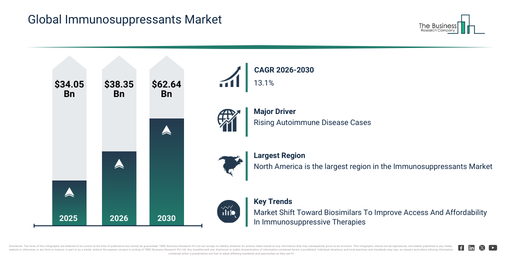
    The immunosuppressants market size has experienced swift expansion in recent years. It is forecast to increase from $34.05 billion in 2025 to $38.35 billion in 2026, demonstrating a compound annual growth rate (CAGR) of 12.6%. The historical growth can be linked to a rise in organ transplant procedures, the increasing prevalence of autoimmune disorders, the established use of corticosteroids, the adoption of hospital-based immunosuppressive protocols, and the broadening reach of specialty pharmacies.

    The immunosuppressants market size is projected to experience substantial growth in the upcoming years. It is expected to expand to $62.64 billion by 2030, achieving a compound annual growth rate (CAGR) of 13.1%. The expansion during this forecast period can be attributed to factors such as rising transplant survival rates, the advancement of monoclonal antibody therapies, increased adoption of monitoring technologies, the development of safer drug classifications, and broadening market access in emerging economies. Significant trends anticipated in the forecast period include the increasing utilization of immunosuppressants in organ transplantation, a shift towards targeted and biologic immunosuppressants, a growing emphasis on long-term safety and monitoring, the expansion of immunosuppressant applications in autoimmune diseases, and the wider adoption of personalized immunosuppression regimens.

    Access Your Free Sample Report For In-Depth Market Analysis:

    https://www.thebusinessresearchcompany.com/sample.aspx?id=3467&type=smp

    What Key Factors Are Affecting The Immunosuppressants Market Demand?

    Rising occurrences of autoimmune diseases are anticipated to boost the immunosuppressants market’s expansion. These disorders encompass a wide range of conditions marked by a dysfunctional immune response, where the body’s immune system erroneously targets and harms healthy cells, tissues, and organs. Medications that suppress the immune system offer advantages in treating autoimmune conditions such as rheumatoid arthritis by diminishing the excessive immune activity, thereby easing symptoms and retarding the disease’s advancement. Rheumatoid arthritis is prevalent among the elderly. As an illustration, data from February 2024 by Arthritis Australia, an Australia-based non-profit organization, indicates that in 2025, approximately 212,136 males and 362,137 females are estimated to be affected by rheumatoid arthritis (RA). These figures are projected to increase by 2040, reaching about 280,040 males and 479,828 females. Consequently, the growing incidence of autoimmune diseases is set to propel the immunosuppressants market.

    What Are The Different Segment Types In The Immunosuppressants Market Segment Breakdown?

    The immunosuppressants market covered in this report is segmented –

    1) By Drug Class: Corticosteroids, Monoclonal Antibodies (mAbs), Calcineurin Inhibitors, mTOR Inhibitors, Anti-Proliferative Agents, Other Drug Classes

    2) By Indication: Organ Transplantation, Autoimmune Disorders, Non-Autoimmune Inflammatory Diseases

    3) By Distribution Channel: Hospital Pharmacies, Retail Pharmacies, Online Pharmacies

    Subsegments:

    1) By Corticosteroids: Prednisone, Methylprednisolone, Dexamethasone

    2) By Monoclonal Antibodies (mAbs): Anti-TNF Agents, Anti-CD20 Agents, Anti-IL-6 Agents

    3) By Calcineurin Inhibitors: Cyclosporine, Tacrolimus

    4) By mTOR Inhibitors: Sirolimus, Everolimus

    5) By Anti-Proliferative Agents: Azathioprine, Mycophenolate Mofetil

    6) By Other Drug Classes: Co-Stimulation Blockers, JAK Inhibitors

    What Trends Are Affecting The Growth Of The Immunosuppressants Market?

    Leading companies in the immunosuppressants market are concentrating on developing sophisticated biologic and biosimilar therapies. These efforts aim to enhance the availability of treatments, decrease costs for patients, and improve long-term management of autoimmune disorders. The innovations are designed to offer comparable effectiveness and safety to their originator biologic counterparts, while simultaneously expanding therapeutic alternatives for conditions such as rheumatoid arthritis, psoriatic arthritis, and inflammatory bowel disease. For example, in January 2023, Amgen Inc., a US-based biopharmaceutical company, introduced AMJEVITA, which was the first biosimilar to HUMIRA in the United States. This introduction signifies a major advancement in the immunosuppressants market, as it brings about increased competition, improves affordability, and enables broader patient access to biologic treatments. It is expected to quicken the integration of biosimilars into autoimmune disease therapies and prompt further innovation in cost-efficient immunosuppressant solutions.

    Who Are The Well-Known Companies In The Immunosuppressants Market?

    Major companies operating in the immunosuppressants market are Pfizer Inc., Johnson & Johnson Services Inc., F Hoffmann La Roche Ltd., AbbVie Inc., Novartis AG, Sanofi SA, Bristol-Myers Squibb Co., Mylan Laboratories Inc., Teva Pharmaceuticals USA Inc., Astellas Pharma Inc., Sandoz Inc., Aurobindo Pharma Limited, Hikma Pharmaceuticals plc, Intas Pharmaceuticals Ltd., Zydus Lifesciences Limited, Glenmark Pharmaceuticals Ltd., Fresenius Kabi USA, Lupin Pharmaceuticals Inc., Strides Pharma Inc., Accord Healthcare Ltd., RPG Life Sciences Limited, Genzyme Transgenics Corp., Apotex Inc.

    Get The Full Immunosuppressants Market Report:

    https://www.thebusinessresearchcompany.com/report/immunosuppressant-global-market-report

    Which Region Accounts For The Largest Portion Of The Immunosuppressants Market?

    North America was the largest region in the immunosuppressants market in 2025. The regions covered in the immunosuppressants market report are Asia-Pacific, South East Asia, Western Europe, Eastern Europe, North America, South America, Middle East, Africa.

    Request A Customized Immunosuppressants Market Report For Competitive Insights:

    https://www.thebusinessresearchcompany.com/report/immunosuppressant-global-market-report

    Browse Through More Reports Similar to the Global Immunosuppressants Market 2026, By The Business Research Company

    Multiple Sclerosis Drugs Market Report 2026

    https://www.thebusinessresearchcompany.com/report/multiple-sclerosis-drugs-global-market-report

    Dermatology Drugs Market Report 2026

    https://www.thebusinessresearchcompany.com/report/dermatology-drugs-global-market-report

    Gastrointestinal Drug Market Report 2026

    https://www.thebusinessresearchcompany.com/report/gastrointestinal-drug-global-market-report

    Get in touch with us:

    The Business Research Company: https://www.thebusinessresearchcompany.com/

    Americas +1 310-496-7795

    Asia +44 7882 955267 & +91 8897263534

    Europe +44 7882 955267

    Email us at: marketing@tbrc.info

    Follow us on:

    LinkedIn: https://in.linkedin.com/company/the-business-research-company

    YouTube: https://www.youtube.com/channel/UC24_fI0rV8cR5DxlCpgmyFQ

    Global Market Model: https://www.thebusinessresearchcompany.com/global-market-model
  • Dermatomyositis Treatment Market Forecast With Insights On Demand And Industry Growth

    Dermatomyositis Treatment Market Forecast With Insights On Demand And Industry Growth

    The Business Research Company’s 2026 market reports feature enhanced tools like market attractiveness analysis, TAM assessment, and company scoring matrices, along with interactive dashboards, deeper supply chain insights, and startup coverage strengthening the depth, usability, and strategic value of insights.

    What Are The Market Size Estimates For The Dermatomyositis Treatment Market In 2026 And 2030?

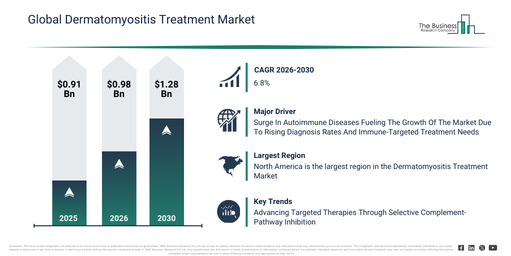
    The dermatomyositis treatment market has experienced significant expansion recently. This market is expected to grow from $0.91 billion in 2025 to $0.98 billion in 2026, achieving a compound annual growth rate (CAGR) of 7.2%. Historically, this growth can be attributed to factors such as increased recognition of autoimmune diseases, the accessibility of corticosteroids, the expansion of rheumatology clinics, the implementation of hospital-based immunotherapy, and developments in supportive care.

    The dermatomyositis treatment market size is anticipated to undergo significant growth in the upcoming years. It is projected to expand to $1.28 billion by 2030, demonstrating a compound annual growth rate (CAGR) of 6.8%. This expansion during the forecast period can be attributed to developments such as biologic pipeline expansion, advancements in precision immunology, improved early autoimmune screening, the adoption of personalized treatment protocols, and the increase in specialty clinic growth. Key trends expected in the forecast period involve a greater utilization of biologic therapies, an increasing reliance on immunosuppressive drugs, the broadened application of combination treatment approaches, a rising uptake of long-term physical therapy, and enhancements in early diagnosis and disease monitoring.

    Access Your Free Sample Report For In-Depth Market Analysis:

    https://www.thebusinessresearchcompany.com/sample.aspx?id=24519&type=smp

    What Significant Factors Are Influencing The Dermatomyositis Treatment Market Expansion?

    The expanding occurrence of autoimmune diseases is projected to drive the growth of the dermatomyositis treatment market in the future. These conditions involve the body’s immune system erroneously attacking its own healthy cells and tissues. Enhanced diagnostic methods, greater awareness, and environmental influences are contributing to the increased prevalence of autoimmune diseases, resulting in more detections and reported instances. Dermatomyositis treatment plays a role in managing the rising incidence of autoimmune diseases by providing specific therapies that mitigate adverse immune reactions and enhance the well-being of patients. For example, the Autoimmune Institute, a US-based nonprofit organization, reported in February 2024 that autoimmune diseases collectively affect 5–10% of the population in industrialized nations. Consequently, the growing prevalence of autoimmune diseases is fueling the expansion of the dermatomyositis treatment market.

    Which Segment Classifications Are Used In The Dermatomyositis Treatment Market Segment Analysis?

    The dermatomyositis treatment market covered in this report is segmented –

    1) By Treatment Type: Pharmacological Treatments, Immunosuppressants, Corticosteroids, Biologics, Physical Therapy

    2) By Route Of Administration: Oral, Intravenous, Subcutaneous

    3) By Patient Demographics: Age Group, Gender

    4) By Distribution Channel: Hospital Pharmacy, Online Pharmacy, Retail Pharmacy

    5) By End User: Hospitals, Homecare, Specialty Clinics, Other End Users

    Subsegments:

    1) By Pharmacological Treatments: Antimalarials, Antiviral Agents, Muscle Relaxants, Analgesics

    2) By Immunosuppressants: Methotrexate, Azathioprine, Mycophenolate Mofetil, Cyclophosphamide

    3) By Corticosteroids: Prednisone, Methylprednisolone, Hydrocortisone, Dexamethasone

    4) By Biologics: Rituximab, Intravenous Immunoglobulin (IVIG), Tocilizumab, Abatacept

    5) By Physical Therapy: Stretching Exercises, Strength Training, Aerobic Conditioning, Occupational Therapy

    What Trends Are Influencing The Dermatomyositis Treatment Market?

    Leading companies within the dermatomyositis treatment market are concentrating on developing innovative solutions, such as selective complement-pathway inhibitors, to address the increasing demand for more targeted, safer therapies that avoid the broad immunosuppression seen with traditional treatments. These selective complement-pathway inhibitors precisely block components of the complement cascade that drive inflammation in dermatomyositis, offering a more exact mechanism than conventional immunosuppressive agents, which can broadly diminish immune function. For instance, in February 2025, NovelMed Therapeutics Inc., a US-based clinical-stage biotech company, received U.S. Food and Drug Administration (FDA) clearance to commence a Phase II trial of Ruxoprubart (NM8074), a highly selective blocker of the alternative complement pathway that targets Factor Bb. Ruxoprubart has demonstrated an ability to modulate the immune response by reducing key inflammatory drivers while preserving essential immune functions like opsonization and bacterial clearance, thereby potentially minimizing risk compared to broader complement blockers. This novel therapy is currently being assessed for its efficacy and safety in dermatomyositis.

    Which Firms Are Contributing To The Dermatomyositis Treatment Market Ecosystem?

    Major companies operating in the dermatomyositis treatment market are Pfizer Inc., F. Hoffmann-La Roche Ltd, Merck & Co. Inc., Bristol-Myers Squibb Company, AstraZeneca plc, Novartis AG, GlaxoSmithKline plc, Eli Lilly and Company, Amgen Inc., Fresenius SE & Co. KGaA, Bausch Health Companies Inc., Biotest AG, Galapagos NV, argenx SE, Roivant Sciences Ltd., Kymera Therapeutics Inc., Cabaletta Bio Inc., ImmunoForge Inc., NovelMed Therapeutics Inc., Corbus Pharmaceuticals Holdings Inc.

    Get The Full Dermatomyositis Treatment Market Report:

    https://www.thebusinessresearchcompany.com/report/dermatomyositis-treatment-global-market-report

    Which Region Leads The Dermatomyositis Treatment Market In Terms Of Market Share?

    North America was the largest region in the dermatomyositis treatment market in 2025. Asia-Pacific is expected to be the fastest-growing region in the forecast period. The regions covered in the dermatomyositis treatment market report are Asia-Pacific, South East Asia, Western Europe, Eastern Europe, North America, South America, Middle East, Africa.

    Request A Customized Dermatomyositis Treatment Market Report For Competitive Insights:

    https://www.thebusinessresearchcompany.com/report/dermatomyositis-treatment-global-market-report

    Browse Through More Reports Similar to the Global Dermatomyositis Treatment Market 2026, By The Business Research Company

    Dermatophytosis Treatment Market Report 2026

    https://www.thebusinessresearchcompany.com/report/dermatophytosis-treatment-global-market-report

    Atopic Dermatitis Market Report 2026

    https://www.thebusinessresearchcompany.com/report/atopic-dermatitis-global-market-report

    Dermatitis Drugs Market Report 2026

    https://www.thebusinessresearchcompany.com/report/dermatitis-drugs-global-market-report

    Get in touch with us:

    The Business Research Company: https://www.thebusinessresearchcompany.com/

    Americas +1 310-496-7795

    Asia +44 7882 955267 & +91 8897263534

    Europe +44 7882 955267

    Email us at: marketing@tbrc.info

    Follow us on:

    LinkedIn: https://in.linkedin.com/company/the-business-research-company

    YouTube: https://www.youtube.com/channel/UC24_fI0rV8cR5DxlCpgmyFQ

    Global Market Model: https://www.thebusinessresearchcompany.com/global-market-model

  • The Immuno-Oncology Drugs Market Is Witnessing Impact From Surging Prevalence Of Cardiovascular Diseases Propels Growth In The Angina Pectoris Drug

    The Immuno-Oncology Drugs Market Is Witnessing Impact From Surging Prevalence Of Cardiovascular Diseases Propels Growth In The Angina Pectoris Drug

    The Business Research Company’s 2026 market reports feature enhanced tools like market attractiveness analysis, TAM assessment, and company scoring matrices, along with interactive dashboards, deeper supply chain insights, and startup coverage strengthening the depth, usability, and strategic value of insights.

    What Is The Anticipated Rise In Market Value Of The Immuno-Oncology Drugs Market During The Forecast Period?

    The immuno-oncology drugs market size has experienced rapid growth in recent years. It is forecast to grow from $120.37 billion in 2025 to $136.15 billion in 2026, achieving a compound annual growth rate (CAGR) of 13.1%. This historical expansion can be attributed to the limited availability of immuno-oncology drugs, a reliance on conventional chemotherapy, the increasing prevalence of cancers such as melanoma and lung cancer, growing oncology-focused research initiatives, and early regulatory approvals for monoclonal antibodies.

    The immuno-oncology drugs market is expected to experience significant expansion in the coming years. It is projected to reach $226.31 billion by 2030, exhibiting a compound annual growth rate (CAGR) of 13.5%. This growth in the forecast period can be attributed to the development of bispecific antibodies and oncolytic virus therapies, an expansion of personalized immunotherapy solutions, increasing investment in adoptive cell transfer therapies, rising healthcare expenditure on cancer treatment, and the integration of digital platforms for patient monitoring and clinical trials. Major trends anticipated during this period include the increasing adoption of immune checkpoint inhibitors across multiple cancer types, growth in the development of cancer vaccines and adoptive cell therapies, a heightened focus on personalized immuno-oncology treatments, the expansion of hospital and ambulatory surgical center-based immunotherapy programs, and an uptick in clinical trials and research activities related to monoclonal antibodies.

    Access Your Free Sample Report For In-Depth Market Analysis:

    https://www.thebusinessresearchcompany.com/sample.aspx?id=3455&type=smp

    Which Primary Drivers Are Impacting The Immuno-Oncology Drugs Market Growth?

    The growing occurrence of cancer cases is projected to drive the expansion of the immuno-oncology drugs market. Cancer is characterized by the uncontrolled growth of abnormal cells, potentially spreading throughout the body and impairing normal functions. The increase in cancer cases is attributed to factors such as demographic aging, evolving lifestyles, and improved detection methodologies. Immuno-oncology drugs facilitate this by stimulating the body’s immune system to target and eliminate cancer cells, thereby providing more effective and precise treatment options. For instance, in 2023, Cancer Australia, an Australia-based government agency, estimated that 164,694 new cancer cases were diagnosed and 51,269 deaths occurred, with prostate, breast, melanoma, colorectal, and lung cancers being the most prevalent, while rare cancers represented about one-third of diagnoses and 42% of deaths. Consequently, the rising incidence of cancer cases is fueling the growth of the immuno-oncology drugs market.

    Which Segment Classifications Are Used In The Immuno-Oncology Drugs Market Segment Analysis?

    The immuno-oncology drugs market covered in this report is segmented –

    1) By Type: Immune Checkpoint Inhibitors, Immune System Modulators, Other Monoclonal Antibodies, Cancer Vaccines, Other Types

    2) By Therapeutic Application: Melanoma, Lung Cancer, Blood Cancer, Renal Cell Carcinoma, Bladder Cancer, Other Therapeutic Application

    3) By End-Users: Hospitals, Clinics, Ambulatory Surgical Centers, Other End-Users

    Subsegments:

    1) By Immune Checkpoint Inhibitors: PD-1 Inhibitors, PD-L1 Inhibitors, CTLA-4 Inhibitors

    2) By Immune System Modulators: Cytokines, Interferons, Colony-Stimulating Factors

    3) By Other Monoclonal Antibodies: Targeted Monoclonal Antibodies, Bispecific Antibodies

    4) By Cancer Vaccines: Preventive Cancer Vaccines, Therapeutic Cancer Vaccines

    5) By Other Types: Adoptive Cell Transfer Therapies, Oncolytic Virus Therapies

    Which Trends Are Shaping The Immuno-Oncology Drugs Market?

    Key players within the immuno-oncology drugs market are forming alliances to create and market a new checkpoint antibody, aiming to improve the efficacy of cancer therapies. These strategic partnerships drive innovation by facilitating the sharing of knowledge across various disciplines, which in turn accelerates the creation of combination therapies, customized treatments, and new drug administration methods. An example of this is the collaboration in March 2023 between BioNTech SE, a company headquartered in Germany, and OncoC4 Inc, a pharmaceutical firm based in the US. They teamed up to jointly develop and commercialize a checkpoint antibody, specifically the anti-CTLA-4 monoclonal antibody candidate identified as ONC-392. The objective of this joint venture is to broaden cancer treatment alternatives for various solid tumor types.

    Which Firms Are Contributing To The Immuno-Oncology Drugs Market Ecosystem?

    Major companies operating in the immuno-oncology drugs market are F. Hoffmann-La Roche Ltd., Merck & Co., Bristol-Myers Squibb Company, Amgen Inc, Johnson & Johnson, AstraZeneca Plc, Eli Lilly and Company, Novartis International AG, Pfizer Inc., Sanofi S.A., Arlak Biotech, Apikos Pharma, Kolaz biotech, CStone Pharma, CARsgen Therapeutics, JW Therapeutics, BeiGene, Takeda Pharmaceuticals, Astellas Pharma Inc, Otsuka Pharmaceutical Co Ltd, Legend Biotech Co, Zai Lab, Daiichi Pharmaceutical and Sankyo, AQVIDA GmbH, GlaxoSmithKline plc, Affimed Therapeutics, Autolus Therapeutics, Cellectis, Celyad, GammaDelta Therapeutics, Immunocore, Celon Pharma, Veropharm, Biocad, Selvita, OncoArendi Therapeutics Mabion, Fate Therapeutics, Forty-Seven, Arcus Biosciences, Gritstone Oncology, Rakuten Medical, Rubius Therapeutics, Allogene Therapeutics, Celgene Corporation, Bayer AG, Incyte Corporation, Recepta Biopharma, Sandoz Brazil, Life Pharma, Julphar, NewBridge Pharmaceuticals.

    Get The Full Immuno-Oncology Drugs Market Report:

    https://www.thebusinessresearchcompany.com/report/immuno-oncology-drug-global-market-report

    Which Region Holds The Highest Market Share In The Immuno-Oncology Drugs Market?

    North America was the largest region in the immuno-oncology drugs market in 2025. The regions covered in the immuno-oncology drugs market report are Asia-Pacific, South East Asia, Western Europe, Eastern Europe, North America, South America, Middle East, Africa.

    Request A Customized Immuno-Oncology Drugs Market Report For Competitive Insights:

    https://www.thebusinessresearchcompany.com/report/immuno-oncology-drug-global-market-report

    Browse Through More Reports Similar to the Global Immuno-Oncology Drugs Market 2026, By The Business Research Company

    Veterinary Laboratory Testing Services Market Report 2026

    https://www.thebusinessresearchcompany.com/report/veterinary-laboratory-testing-services-global-market-report

    Dermatitis Drugs Market Report 2026

    https://www.thebusinessresearchcompany.com/report/dermatitis-drugs-global-market-report

    Veterinary Diagnostic Equipment Market Report 2026

    https://www.thebusinessresearchcompany.com/report/veterinary-diagnostic-equipment-global-market-report

    Get in touch with us:

    The Business Research Company: https://www.thebusinessresearchcompany.com/

    Americas +1 310-496-7795

    Asia +44 7882 955267 & +91 8897263534

    Europe +44 7882 955267

    Email us at: marketing@tbrc.info

    Follow us on:

    LinkedIn: https://in.linkedin.com/company/the-business-research-company

    YouTube: https://www.youtube.com/channel/UC24_fI0rV8cR5DxlCpgmyFQ

    Global Market Model: https://www.thebusinessresearchcompany.com/global-market-model

  • Dermatology OTC Medications Market Outlook Highlighting Key Drivers And Market Evolution

    Dermatology OTC Medications Market Outlook Highlighting Key Drivers And Market Evolution

    The Business Research Company’s 2026 market reports feature enhanced tools like market attractiveness analysis, TAM assessment, and company scoring matrices, along with interactive dashboards, deeper supply chain insights, and startup coverage strengthening the depth, usability, and strategic value of insights.

    What Expansion In Market Value Is Forecasted For The Dermatology OTC Medications Market Between 2026 And 2030?

    The dermatology OTC medications market size has experienced consistent growth in recent years. It is anticipated to expand from $16.23 billion in 2025 to $16.97 billion in 2026, reflecting a compound annual growth rate (CAGR) of 4.6%. The historical increase can be ascribed to a significant incidence of common skin disorders, heightened exposure to urban pollution, strong retail pharmacy presence, a surge in self-medication habits, and the extensive availability of OTC dermatology products.

    The dermatology otc medications market size is anticipated to experience robust growth over the next few years, reaching $20.93 billion by 2030, demonstrating a compound annual growth rate (CAGR) of 5.4%. This growth in the projection period can be attributed to factors like rising awareness of skin health and hygiene, the expansion of e-commerce pharmaceutical platforms, an increasing aging population, higher disposable income in emerging economies, and continuous product innovation in otc dermatology. Significant trends during this forecast period include the growth of online dermatology otc sales, an increasing demand for multi-indication skin treatments, enhanced use of herbal and natural ingredients, the broader adoption of self-care and preventive skin health practices, and product line extensions aimed at specific skin conditions.

    Access Your Free Sample Report For In-Depth Market Analysis:

    https://www.thebusinessresearchcompany.com/sample.aspx?id=11931&type=smp

    Which Important Drivers Are Guiding The Dermatology OTC Medications Market Growth?

    The rising prevalence of skin abnormalities is anticipated to drive the expansion of the dermatology OTC medication market in the future. Such an abnormality indicates a skin lesion or an unusual skin appearance. Within dermatology, over-the-counter medications are employed to address these abnormalities and restore skin normalcy. The escalating need for treating skin conditions, such as psoriasis, is fueling the demand for over-the-counter dermatology medications. For example, in June 2024, the American Cancer Society, a US-based non-profit organization, projected around 100,640 new melanoma diagnoses in the United States for 2024, comprising approximately 59,170 cases among men and 41,470 among women. Furthermore, about 8,290 melanoma-related deaths are projected, with roughly 5,430 affecting men and 2,860 affecting women. Consequently, the surge in skin abnormalities is a primary driver for the growth of the dermatology OTC medication market.

    How Is The Dermatology OTC Medications Market Organized By Segment Classification?

    The dermatology otc medications market covered in this report is segmented –

    1) By Type: Tablets And Capsules, Oils Gels, Creams And Ointments, Other Types

    2) By Indication: Dermatitis, Acne, Psoriasis, Skin Bleaching, Anti-Fungal, Wart Remover, Other Indications

    3) By Route Of Administration: Topical, Oral

    4) By Distribution Channel: Online Distribution, Offline Distribution

    Subsegments:

    1) By Tablets And Capsules: Oral Antihistamines, Anti-Inflammatory Tablets, Nutritional Supplements

    2) By Oils Gels: Herbal Oils, Medicated Gels, Moisturizing Oils

    3) By Creams And Ointments: Corticosteroid Creams, Antifungal Creams, Moisturizers And Emollients

    4) By Other Types: Lotions, Sprays, Foams

    Which Trends Are Shaping Growth In The Dermatology OTC Medications Market?

    Leading companies in the dermatology OTC medications market are prioritizing the development of advanced antihistamine formulations to improve non-prescription allergy relief. This antihistamine-based technology functions by blocking histamine receptors in the eye, effectively reducing itching and inflammation without needing a prescription, thereby offering a safe and convenient self-care option. For example, in June 2025, US-based Glenmark Therapeutics Inc. introduced its Olopatadine Hydrochloride Ophthalmic Solution USP, 0.2% (OTC). This product leverages a bioequivalent formulation to the active ingredient in Pataday Once Daily Relief. It provides once-daily relief, is approved for over-the-counter use, and allows Glenmark to enter a U.S. market segment that recorded about US$ 50 million in annual sales. This launch emphasizes Glenmark’s strategy to expand its OTC ophthalmic portfolio by offering a high-quality, accessible antihistamine eye drop to satisfy increasing consumer demand.

    Who Are The Industry Participants Involved In The Dermatology OTC Medications Market?

    Major companies operating in the dermatology otc medications market are Pfizer Inc., Johnson & Johnson, Bayer AG, GlaxoSmithKline Plc, Acella Pharmaceuticals LLC, Allergan plc, Viatris Inc., Teva Pharmaceutical Industries Ltd., Mylan N.V., Bausch Health Companies Inc., Sun Pharmaceutical Industries Inc., Perrigo Company PLC, Galderma S.A., Dr. Reddy’s Laboratories Ltd., Aurobindo Pharma Limited, Cipla Inc., Lupin Limited, LEO Pharma A/S, Almirall S.A., Novartis AG

    Get The Full Dermatology OTC Medications Market Report:

    https://www.thebusinessresearchcompany.com/report/dermatology-otc-medications-global-market-report

    Which Region Leads The Dermatology OTC Medications Market In Overall Market Size?

    North America was the largest region in the dermatology OTC medications market in 2025. Asia-Pacific is expected to be the fastest-growing region in the forecast period. The regions covered in the dermatology otc medications market report are Asia-Pacific, South East Asia, Western Europe, Eastern Europe, North America, South America, Middle East, Africa.

    Request A Customized Dermatology OTC Medications Market Report For Competitive Insights:

    https://www.thebusinessresearchcompany.com/report/dermatology-otc-medications-global-market-report

    Browse Through More Reports Similar to the Global Dermatology OTC Medications Market 2026, By The Business Research Company

    Dermatology Otc Medications Market Report 2026

    https://www.thebusinessresearchcompany.com/report/dermatology-otc-medications-global-market-report

    Dermatology Drugs Market Report 2026

    https://www.thebusinessresearchcompany.com/report/dermatology-drugs-global-market-report

    Veterinary Dermatology Drugs Market Report 2026

    https://www.thebusinessresearchcompany.com/report/veterinary-dermatology-drugs-global-market-report

    Get in touch with us:

    The Business Research Company: https://www.thebusinessresearchcompany.com/

    Americas +1 310-496-7795

    Asia +44 7882 955267 & +91 8897263534

    Europe +44 7882 955267

    Email us at: marketing@tbrc.info

    Follow us on:

    LinkedIn: https://in.linkedin.com/company/the-business-research-company

    YouTube: https://www.youtube.com/channel/UC24_fI0rV8cR5DxlCpgmyFQ

    Global Market Model: https://www.thebusinessresearchcompany.com/global-market-model
  • Growth In The Immunology Biosimilars Market Is Being Driven By Surge In Road-Traffic Injuries Fueling The Growth Of The Due To Increasing Surgical Interventions

    Growth In The Immunology Biosimilars Market Is Being Driven By Surge In Road-Traffic Injuries Fueling The Growth Of The Due To Increasing Surgical Interventions

    The Business Research Company’s 2026 market reports feature enhanced tools like market attractiveness analysis, TAM assessment, and company scoring matrices, along with interactive dashboards, deeper supply chain insights, and startup coverage strengthening the depth, usability, and strategic value of insights.

    How Is The Market Size Of The Immunology Biosimilars Market Expected To Scale Between 2026 And 2030?

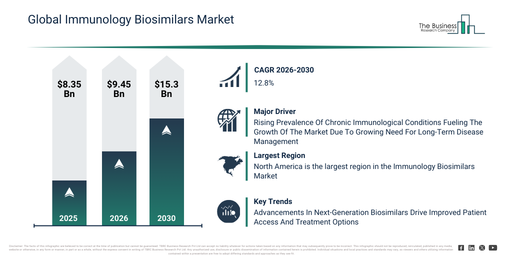
    The immunology biosimilars market has experienced rapid expansion in recent years. Projections indicate a rise from $8.35 billion in 2025 to $9.45 billion in 2026, demonstrating a compound annual growth rate (CAGR) of 13.2%. This historical growth can be attributed to several factors, including the elevated cost of original biologics, the limited availability of biosimilar alternatives, the increasing prevalence of autoimmune diseases, growing adoption of biologics in hospital and clinical settings, and stringent regulatory approval processes for biosimilars.

    The immunology biosimilars market size is projected to experience substantial expansion in the coming years, with an anticipated growth to $15.3 billion by 2030, at a compound annual growth rate (CAGR) of 12.8%. This growth during the forecast period can be attributed to the development of advanced biosimilar molecules, the expansion of homecare and outpatient treatment options, increasing regulatory harmonization, rising patient awareness and acceptance, and the growth of online and hospital pharmacy distribution channels. Major trends expected in the forecast period include the rising adoption of monoclonal antibody biosimilars, increasing use of fusion protein biosimilars, the expansion of recombinant protein therapies, a growing market for interferon-based treatments, and enhanced access to affordable immunology therapies.

    Access Your Free Sample Report For In-Depth Market Analysis:

    https://www.thebusinessresearchcompany.com/sample.aspx?id=25789&type=smp

    What Significant Factors Are Influencing The Immunology Biosimilars Market Expansion?

    A rising incidence of chronic immunological conditions is projected to boost the expansion of the immunology biosimilars market moving ahead. These conditions are persistent ailments where the immune system either wrongly targets the body’s own tissues or fails to offer adequate protection. The increase in such conditions stems from a growing population suffering from long-term immune system disorders, necessitating continuous therapy, proactive management, and sustained medical assistance. Immunology biosimilars aid in managing chronic immunological conditions by offering cost-effective and efficient treatment options, facilitating enduring disease control, and enhancing patient access to vital treatments for immune system irregularities. For example, in November 2023, the Multiple Sclerosis International Federation (MSIF), a UK-based international nonprofit organization focusing on global MS research and advocacy, estimated that 2.9 million people worldwide were afflicted with multiple sclerosis in 2023. Consequently, the expanding occurrence of chronic immunological conditions is stimulating growth within the immunology biosimilars market.

    How Is The Immunology Biosimilars Market Organized By Segment Classification?

    The immunology biosimilars market covered in this report is segmented –

    1) By Drug Type: Monoclonal Antibodies, Fusion Proteins, Recombinant Proteins, Interferons, Other Biosimilar Immunomodulators

    2) By Disease: Inflammatory Bowel Disease, Arthritis, Other Diseases

    3) By Distribution Channel: Hospital Pharmacies, Retail Pharmacies, Online Pharmacies, Other Distribution Channels

    4) By End User: Hospitals, Clinics, Homecare Settings, Ambulatory Surgical Centers (ASCs)

    Subsegments:

    1) By Monoclonal Antibodies: Anti-Tumor Necrosis Factor Agents, Anti-Interleukin-6 Agents, Anti-Cluster of Differentiation 20 Agents, Anti-Interleukin-12/23 Agents, Other Monoclonal Antibodies

    2) By Fusion Proteins: Etanercept Biosimilars, Other Fusion Protein Biosimilars

    3) By Recombinant Proteins: Recombinant Human Insulin, Recombinant Human Growth Hormone, Recombinant Human Erythropoietin, Other Recombinant Protein Biosimilars

    4) By Interferons: Interferon Alpha, Interferon Beta, Interferon Gamma

    5) By Other Biosimilar Immunomodulators: Interleukin Inhibitors, Janus Kinase Inhibitors, Other Immunomodulatory Biosimilars

    What Trends Are Influencing The Immunology Biosimilars Market?

    Leading companies in the immunology biosimilars market are concentrating on developing next-generation biosimilar innovations, which include anticipated interchangeability designation, advanced formulations with improved stability, and novel delivery systems, all aimed at providing patients with more accessible and effective treatment alternatives. This anticipated interchangeability designation indicates that the biosimilar is projected to meet regulatory benchmarks, thereby allowing its substitution for the reference biologic at the pharmacy level without the prescriber’s intervention. For instance, in February 2025, Sandoz Group AG, a pharmaceutical firm based in Switzerland, launched Pyzchiva (ustekinumab-ttwe), a biosimilar to Stelara, intended for the treatment of chronic autoimmune conditions such as plaque psoriasis, psoriatic arthritis, Crohn’s disease, and ulcerative colitis. This launch, a collaboration with Samsung Bioepis Co. Ltd., a biopharmaceutical company from South Korea, underscores Sandoz’s dedication to broadening access to immunology biosimilars by offering a cost-effective and patient-centric therapy featuring multiple dosing options, extended stability, and the unique characteristic of being re-refrigerable after initial refrigeration.

    Who Are The Industry Participants Involved In The Immunology Biosimilars Market?

    Major companies operating in the immunology biosimilars market are Pfizer Inc., Novartis AG, Amgen Inc., Sandoz Group AG, Fresenius Kabi AG, Intas Pharmaceuticals Ltd., Dr. Reddy’s Laboratories Ltd., Samsung Bioepis Co. Ltd., Gedeon Richter Plc, Celltrion Inc., Biocon Ltd., Innovent Biologics Inc., Biocad, Mabion S.A.

    Get The Full Immunology Biosimilars Market Report:

    https://www.thebusinessresearchcompany.com/report/immunology-biosimilars-global-market-report

    Where Is The Immunology Biosimilars Market Most Concentrated Geographically?

    North America was the largest region in the immunology biosimilars market in 2025. Asia-Pacific is expected to be the fastest-growing region in the forecast period. The regions covered in the immunology biosimilars market report are Asia-Pacific, South East Asia, Western Europe, Eastern Europe, North America, South America, Middle East, Africa.

    Request A Customized Immunology Biosimilars Market Report For Competitive Insights:

    https://www.thebusinessresearchcompany.com/report/immunology-biosimilars-global-market-report

    Browse Through More Reports Similar to the Global Immunology Biosimilars Market 2026, By The Business Research Company

    Biosimilar Market Report 2026

    https://www.thebusinessresearchcompany.com/report/biosimilar-global-market-report

    Biosimilar Market Report 2026

    https://www.thebusinessresearchcompany.com/report/biosimilar-global-market-report

    Bevacizumab Biosimilars Market Report 2026

    https://www.thebusinessresearchcompany.com/report/bevacizumab-biosimilars-global-market-report

    Get in touch with us:

    The Business Research Company: https://www.thebusinessresearchcompany.com/

    Americas +1 310-496-7795

    Asia +44 7882 955267 & +91 8897263534

    Europe +44 7882 955267

    Email us at: marketing@tbrc.info

    Follow us on:

    LinkedIn: https://in.linkedin.com/company/the-business-research-company

    YouTube: https://www.youtube.com/channel/UC24_fI0rV8cR5DxlCpgmyFQ

    Global Market Model: https://www.thebusinessresearchcompany.com/global-market-model
  • Dermatology Market Overview 2026–2030 With Insights On Industry Developments

    Dermatology Market Overview 2026–2030 With Insights On Industry Developments

    The Business Research Company’s 2026 market reports feature enhanced tools like market attractiveness analysis, TAM assessment, and company scoring matrices, along with interactive dashboards, deeper supply chain insights, and startup coverage strengthening the depth, usability, and strategic value of insights.

    How Large Will The Dermatology Market Be By 2030 Compared To Its 2026 Market Size?

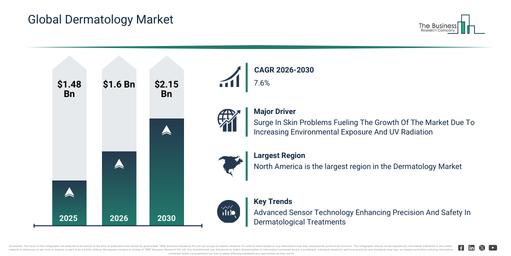
    The dermatology market size has shown significant expansion in recent years. It is projected to expand from $1.48 billion in 2025 to $1.6 billion in 2026, achieving a compound annual growth rate (CAGR) of 7.8%. This historical growth can be attributed to an increase in skin disease prevalence, rising awareness of skin health, growth of cosmetic procedures, expanding dermatology clinics, and advancements in topical formulations.

    The dermatology market is projected to experience substantial expansion over the upcoming years. Its valuation is anticipated to reach $2.15 billion by 2030, progressing at a compound annual growth rate (CAGR) of 7.6%. This forecasted growth is primarily driven by an increased desire for minimally invasive therapies, the advancement of biologics within dermatology, a heightened awareness of aesthetics, the spread of teledermatology services, and innovations in skin diagnostic technologies. Significant patterns expected during this period involve a greater call for medical dermatology treatments, the wider acceptance of cosmetic dermatology interventions, increased application of biologic treatments for skin conditions, the enlargement of outpatient and clinic-focused dermatology services, and a heightened understanding of proactive skin health.

    Access Your Free Sample Report For In-Depth Market Analysis:

    https://www.thebusinessresearchcompany.com/sample.aspx?id=24205&type=smp

    What Major Factors Are Driving The Dermatology Market Forward?

    The increasing prevalence of skin conditions is anticipated to stimulate the expansion of the dermatology market. These conditions encompass issues that compromise the skin’s health, appearance, or functionality, such as irritation, inflammation, or various infections. The uptick in skin problems is largely attributable to greater exposure to environmental pollutants and ultraviolet (UV) radiation, both of which can harm the skin and trigger diverse ailments. Dermatology addresses these dermatological issues through a blend of topical and oral medications, medical procedures, and tailored lifestyle recommendations. For instance, in February 2025, Cancer Australia, an Australia-based government agency, reported an estimated 18,257 new cases of melanoma of the skin, constituting 11% of all new cancer cases, alongside 1,314 melanoma-related deaths, which accounted for 2.6% of cancer deaths. Consequently, the rising incidence of skin problems is a significant catalyst for the dermatology market’s growth.

    Which Segments Define The Dermatology Market Segment Structure?

    The dermatology market covered in this report is segmented –

    1) By Type: Medical Dermatology, Surgical Dermatology, Pediatric Dermatology, Cosmetic Dermatology, Cutaneous Lymphoma, Dermatoimmunology, Other Types

    2) By Application: Acne, Dermatitis, Psoriasis, Skin Cancer, Rosacea, Alopecia, Other Applications

    3) By End-User: Hospitals, Skin Clinics, Other End-Users

    Subsegments:

    1) By Medical Dermatology: Acne Treatment, Psoriasis Treatment, Eczema Treatment, Rosacea Management, Skin Infections, Skin Cancer Diagnosis and Treatment

    2) By Surgical Dermatology: Mohs Surgery, Laser Surgery, Cryosurgery, Electrosurgery, Excision Surgery

    3) By Pediatric Dermatology: Atopic Dermatitis, Birthmark Treatments, Infantile Hemangiomas, Pediatric Psoriasis, Genetic Skin Disorders

    4) By Cosmetic Dermatology: Botulinum Toxin Treatments, Dermal Fillers, Chemical Peels, Microdermabrasion, Laser Skin Resurfacing, Hair Restoration

    5) By Cutaneous Lymphoma: Mycosis Fungoides, Sézary Syndrome, Primary Cutaneous B-cell Lymphomas, Primary Cutaneous T-cell Lymphomas

    6) By Dermatoimmunology: Lupus Erythematosus, Vitiligo Treatment, Pemphigus and Pemphigoid Disorders, Dermatomyositis

    7) By Other Types: Wound Care Management, Pigmentation Disorders, Nail Disorders, Hyperhidrosis Treatment

    What Trends Are Affecting The Direction Of The Dermatology Market?

    Leading companies in the dermatology market are increasingly focusing on advanced innovations, such as positioning sensors, to ensure precise energy delivery during treatments, enhance patient safety, and improve the overall effectiveness of dermatological procedures. Positioning sensors refer to technology embedded within medical devices that tracks and adjusts the device’s position to guarantee accurate alignment and optimal energy provision during treatments, thereby boosting treatment precision and patient safety. For instance, in June 2024, Biofrontera Inc., a US-based pharmaceutical company, launched the RhodoLED XL Lamp to enhance the effectiveness of photodynamic therapy (PDT) by offering a larger illumination area, improved patient positioning, and optimized energy delivery, setting a new standard in dermatological treatments for actinic keratoses. This device is engineered for maneuverability and can accommodate various patient positions, making it simpler for healthcare providers to optimize treatment application. Positioning sensors are integrated to ensure that patients receive the correct energy dosage from the LED array, further elevating treatment precision and safety.

    Who Are The Established Players Within The Dermatology Market?

    Major companies operating in the dermatology market are Pfizer Inc, Johnson And Johnson, Unilever Plc, AbbVie Inc., Sanofi S.A., Bristol Myers Squibb, Novartis AG, Eli Lilly & Company, Amgen Inc., Bausch Health Companies Inc., UCB S.A, Galderma, Incyte Corporation, Dr. Reddy’s Laboratories, Zydus Healthcare Limited, Lupin Limited, LEO Pharma, Alkem Laboratories, Merz Therapeutics, Lumenis

    Get The Full Dermatology Market Report:

    https://www.thebusinessresearchcompany.com/report/dermatology-global-market-report

    Which Region Is The Top Contributor To The Dermatology Market By Share?

    North America was the largest region in the dermatology market in 2025. Asia-Pacific is expected to be the fastest-growing region in the forecast period. The regions covered in the dermatology market report are Asia-Pacific, South East Asia, Western Europe, Eastern Europe, North America, South America, Middle East, Africa.

    Request A Customized Dermatology Market Report For Competitive Insights:

    https://www.thebusinessresearchcompany.com/report/dermatology-global-market-report

    Browse Through More Reports Similar to the Global Dermatology Market 2026, By The Business Research Company

    Dermatology Market Report 2026

    https://www.thebusinessresearchcompany.com/report/dermatology-global-market-report

    Dermatitis Drugs Market Report 2026

    https://www.thebusinessresearchcompany.com/report/dermatitis-drugs-global-market-report

    Dermatology Drugs Market Report 2026

    https://www.thebusinessresearchcompany.com/report/dermatology-drugs-global-market-report

    Get in touch with us:

    The Business Research Company: https://www.thebusinessresearchcompany.com/

    Americas +1 310-496-7795

    Asia +44 7882 955267 & +91 8897263534

    Europe +44 7882 955267

    Email us at: marketing@tbrc.info

    Follow us on:

    LinkedIn: https://in.linkedin.com/company/the-business-research-company

    YouTube: https://www.youtube.com/channel/UC24_fI0rV8cR5DxlCpgmyFQ

    Global Market Model: https://www.thebusinessresearchcompany.com/global-market-model
  • Dermatitis Market Forecast Highlighting Key Trends And Expansion Potential

    Dermatitis Market Forecast Highlighting Key Trends And Expansion Potential

    The Business Research Company’s 2026 market reports feature enhanced tools like market attractiveness analysis, TAM assessment, and company scoring matrices, along with interactive dashboards, deeper supply chain insights, and startup coverage strengthening the depth, usability, and strategic value of insights.

    What Is The Projected Increase In Market Value Of The Dermatitis Market During 2026–2030?

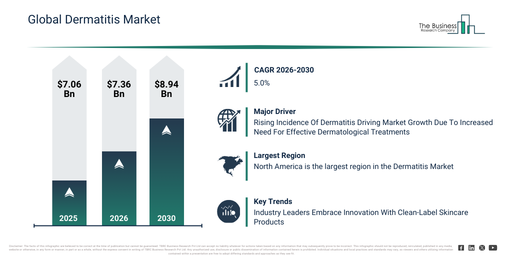
    The dermatitis market size has experienced steady expansion in recent years. It is projected to increase from $7.06 billion in 2025 to $7.36 billion in 2026, exhibiting a compound annual growth rate (CAGR) of 4.3%. This historical growth can be linked to the high prevalence of skin disorders, the availability of corticosteroids, growth in dermatologist visits, various environmental triggers, and the use of antihistamines.

    The dermatitis market size is projected to experience consistent expansion in the coming years. By 2030, its value is anticipated to reach $8.94 billion, growing at a compound annual growth rate (CAGR) of 5.0%. This anticipated growth is driven by several factors including advancements in biologic treatments, an increase in skin problems linked to pollution, the expansion of dermatology clinics, greater public awareness of self-care, and an aging demographic. Key trends expected during this period involve the increasing adoption of biologic therapies, a heightened demand for topical applications, the wider availability of immunomodulatory medications, enhanced recognition of persistent skin conditions, and the proliferation of over-the-counter dermatology products.

    Access Your Free Sample Report For In-Depth Market Analysis:

    https://www.thebusinessresearchcompany.com/sample.aspx?id=2413&type=smp

    Which Key Drivers Are Affecting The Dermatitis Market Development?

    The escalating occurrence of dermatitis is projected to fuel the expansion of the dermatitis market in the coming years. Dermatitis constitutes a range of inflammatory skin conditions characterized by symptoms like redness, itching, and irritation, frequently provoked by allergens, environmental factors, immune responses, or genetic predispositions. The rise in dermatitis cases is largely attributed to increased exposure to environmental allergens and irritants in contemporary lifestyles, which can trigger immune system overreactions, leading to skin inflammation and compromised skin barriers. This increase in dermatitis cases supports the dermatitis market by driving the demand for effective treatment solutions, including topical steroids, calcineurin inhibitors, antihistamines, moisturizers, and advanced biologic therapies aimed at reducing inflammation and improving patient outcomes. For instance, in March 2025, data from the American Pharmacists Association, a US-based professional organization for pharmacists, indicated that an estimated 33 million Americans were affected by at least one food allergy, impacting approximately 8 percent of children and 11 percent of adults. Therefore, the growing incidence of dermatitis is a key driver for the dermatitis market’s growth.

    How Is The Dermatitis Market Segmented Across Different Segment Categories?

    The dermatitis market covered in this report is segmented –

    1) By Drug Class: Corticosteroids, Emollients Or Moisturizers, Antihistamines, Calcineurin Inhibitors, Antibiotics, Immunomodulators, Interleukin Inhibitors

    2) By Distribution Channel: Hospital, Retail Pharmacies, Drug Stores, Online Or Mail Pharmacies

    3) By Application: Atopic Dermatitis, Contact Dermatitis, Seborrheic Dermatitis

    Subsegments:

    1) By Corticosteroids: Topical Corticosteroids, Oral Corticosteroids, Injectable Corticosteroids

    2) By Emollients Or Moisturizers: Creams, Ointments, Lotions, Gels, Other Emollients Or Moisturizers

    3) By Antihistamines: Oral Antihistamines, Topical Antihistamines, Injectable Antihistamines

    4) By Calcineurin Inhibitors: Topical Calcineurin Inhibitors (Tacrolimus, Pimecrolimus), Oral Calcineurin Inhibitors

    5) By Antibiotics: Topical Antibiotics, Oral Antibiotics, Systemic Antibiotics

    6) By Immunomodulators: Topical Immunomodulators, Oral Immunomodulators

    7) By Interleukin Inhibitors: IL-4 Inhibitors, IL-13 Inhibitors, IL-31 Inhibitors, Other Interleukin Inhibitors

    What Trends Are Influencing The Evolution Of The Dermatitis Market?

    Leading companies operating within the dermatitis market are developing innovative clean-label, steroid-free products, such as ARCTIVA, to gain a competitive edge and enhance their product portfolios. ARCTIVA constitutes a line of steroid-free skincare solutions designed to address skin conditions like eczema and psoriasis, featuring advanced Hydrosurf Glycolipid Technology. For instance, in April 2023, Arctiva Wellness, LLC, a US-based company specializing in clean-label skincare products, unveiled ARCTIVA, a novel range of non-prescription, steroid-free skincare remedies crafted to effectively manage skin conditions such as eczema and psoriasis. This transformative skincare collection integrates cutting-edge scientific research with natural, cruelty-free components, complemented by clinically validated, FDA-approved active ingredients to deliver proven outcomes. Significantly, it is the exclusive product line available in the market that incorporates the pioneering Hydrosurf Glycolipid Technology, a unique blend of fermented elements offering substantial skincare benefits, initially discovered in Antarctica.

    Which Organizations Play A Role In The Dermatitis Market Landscape?

    Major companies operating in the dermatitis market are LEO Pharma AS, Regeneron Pharmaceuticals Inc., Sanofi S.A., Encore Dermatology Inc., Meda Pharmaceuticals Inc., Allergan Plc, Anacor Pharmaceutical Inc., Astellas Pharma Inc., Mylan N.V., Valeant Pharmaceutical Inc., Galderma SA, Connetics Corporation, Fujisawa Pharmaceutical Company Ltd., AbbVie Inc., Valeant Pharmaceuticals International Inc., GlaxoSmithKline plc, Medimmune Inc., Bausch Health Co. Inc., Nestlé Skin Health India Pvt. Ltd., Aqua Pharmaceuticals Pvt. Ltd., Biofrontera AG, Zydus Lifesciences Limited

    Get The Full Dermatitis Market Report:

    https://www.thebusinessresearchcompany.com/report/dermatitis-drugs-global-market-report

    Which Region Represents The Largest Share Of The Dermatitis Market?

    North America was the largest region in the dermatitis market in 2025. Middle East is expected to be the fastest-growing region in the dermatitis market report during the forecast period. The regions covered in the dermatitis market report are Asia-Pacific, South East Asia, Western Europe, Eastern Europe, North America, South America, Middle East, Africa.

    Request A Customized Dermatitis Market Report For Competitive Insights:

    https://www.thebusinessresearchcompany.com/report/dermatitis-drugs-global-market-report

    Browse Through More Reports Similar to the Global Dermatitis Market 2026, By The Business Research Company

    Dermatitis Drugs Market Report 2026

    https://www.thebusinessresearchcompany.com/report/dermatitis-drugs-global-market-report

    Atopic Dermatitis Market Report 2026

    https://www.thebusinessresearchcompany.com/report/atopic-dermatitis-global-market-report

    Dermatology Market Report 2026

    https://www.thebusinessresearchcompany.com/report/dermatology-global-market-report

    Get in touch with us:

    The Business Research Company: https://www.thebusinessresearchcompany.com/

    Americas +1 310-496-7795

    Asia +44 7882 955267 & +91 8897263534

    Europe +44 7882 955267

    Email us at: marketing@tbrc.info

    Follow us on:

    LinkedIn: https://in.linkedin.com/company/the-business-research-company

    YouTube: https://www.youtube.com/channel/UC24_fI0rV8cR5DxlCpgmyFQ

    Global Market Model: https://www.thebusinessresearchcompany.com/global-market-model
  • Immunohematology Market Analysis With Focus On Growth Potential And Future Outlook

    Immunohematology Market Analysis With Focus On Growth Potential And Future Outlook

    The Business Research Company’s 2026 market reports feature enhanced tools like market attractiveness analysis, TAM assessment, and company scoring matrices, along with interactive dashboards, deeper supply chain insights, and startup coverage strengthening the depth, usability, and strategic value of insights.

    What Level Of Market Value Growth Is Predicted For The Immunohematology Market From 2026 To 2030?

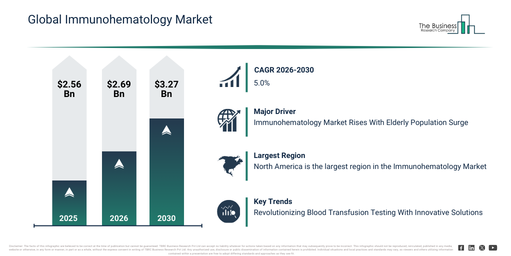
    The immunohematology market size has shown steady growth in recent years. It is projected to increase from $2.56 billion in 2025 to $2.69 billion in 2026, demonstrating a compound annual growth rate (CAGR) of 4.9%. The market’s expansion in the past can be ascribed to several factors, including the increasing prevalence of blood disorders, a rising demand for safe blood transfusions, the development of blood banks, the growth in diagnostic laboratories, and advancements in hematology reagents.

    The immunohematology market is projected to experience robust expansion over the coming years. It is set to reach a valuation of $3.27 billion by 2030, driven by a compound annual growth rate (CAGR) of 5.0%. This anticipated growth during the forecast period is fueled by several factors, including advancements in analyzer technology, the integration of artificial intelligence into laboratory diagnostics, the increasing prevalence of precision medicine, the incorporation of digital health systems, and the broadening scope of blood screening initiatives. Key developments expected in this period encompass sophisticated blood typing methods, enhanced automation in immunohematology testing, tailored transfusion therapies, point-of-care immune diagnostic solutions, and the seamless integration of laboratory information systems.

    Access Your Free Sample Report For In-Depth Market Analysis:

    https://www.thebusinessresearchcompany.com/sample.aspx?id=10295&type=smp

    Which Important Drivers Are Guiding The Immunohematology Market Growth?

    The immunohematology market is anticipated to expand due to the increasing aging population in the future. This demographic trend signifies a rising percentage of older people in a society. Immunohematology plays a crucial role in meeting transfusion requirements for the elderly, guaranteeing the safe application of blood products, and aiding medical procedures for this demographic. For example, data from the US-based Population Reference Bureau in January 2024 indicates that the number of Americans aged 65 and above is projected to climb from 58 million in 2022 to 82 million by 2050, marking a 47% increase. Their proportion within the total population is also forecasted to increase from 17% to 23% over the identical timeframe. Consequently, the aging population is a significant factor driving the expansion of the immunohematology market.

    Which Segments Define The Immunohematology Market Segment Structure?

    The immunohematology market covered in this report is segmented –

    1) By Product: Analyzers And Systems, Reagents

    2) By Technology: Biochips, Erythrocyte-Magnetized Technology (Met), Gel Cards, Microplates, Polymerase Chain Reaction (PCR)

    3) By Disease: Blood-Related Diseases, HIV, Hepatitis

    4) By Application: Pretransfusion Testing, Investigation Of Immune Hemolysis, Perinatal Testing, Blood Group Phenotyping, Leucocyte And Platelet Serology

    5) By End User: Blood Banks, Diagnostic And Reference Laboratories, Hospitals, Academic And Research Institutes

    Subsegments:

    1) By Analyzers And Systems: Blood Typing Analyzers, Cross-Matching Analyzers, Gel Card Systems

    2) By Reagents: Blood Grouping Reagents, Antisera, Control Serum

    Which Trends Are Shaping Growth In The Immunohematology Market?

    Leading companies in the immunohematology market are concentrating on developing innovative diagnostic solutions, such as soluble recombinant proteins designed to counteract the interference caused by the cancer therapy daratumumab. A soluble recombinant protein is one produced through recombinant DNA technology that maintains its proper folding and function in a soluble state within a host cell or solution, thereby facilitating its application in research and therapeutic fields. For instance, in November 2023, Grifols, S.A., a pharmaceutical company based in Spain, launched the Grifols sCD38 solution. Grifols’ sCD38 is the first soluble recombinant protein ever created. It was developed to address the interference from the cancer therapy daratumumab in critical blood transfusion compatibility testing. Specifically created for multiple myeloma patients, this innovative solution prevents daratumumab from attaching to CD38 proteins on red blood cells, ensuring precise outcomes for pre-transfusion tests. By facilitating a more efficient process for screening, identification, and crossmatching, Grifols sCD38 enhances blood transfusion protocols and reduces delays in providing lifesaving transfusions.

    Who Are The Established Players Within The Immunohematology Market?

    Major companies operating in the immunohematology market are Ortho Clinical Diagnostics Inc., Immunocor Inc., Abbott Laboratories, Siemens Healthineers AG, Grifols S.A., Beckman Coulter Inc., Thermo Fisher Scientific Inc., Becton Dickinson and Company, Merck Co. & KGaA, Bio-Rad Laboratories, Sysmex Corporation, Danaher Corporation, Biosystems S.A., Roche Holdings AG, Mindray Medical International Limited, F.Hoffmann La-Roche Ltd., Biotest AG, Cardinal Health Inc., Quotient Limited, DiaSorin S.p.A., Lorne Laboratories Ltd., Biokit S.A., Avox Technologies, Diagnostic Automation/Cortez Diagnostics Inc., Inno-train Diagnostik GmbH, Drucker Diagnostics Inc., Immundia Diagnostics Pvt. Ltd.

    Get The Full Immunohematology Market Report:

    https://www.thebusinessresearchcompany.com/report/immunohematology-global-market-report

    Which Region Dominates The Immunohematology Market By Market Share?

    North America was the largest region in the immunohematology market in 2025. Asia-Pacific is expected to be the fastest-growing region in the global immunohematology market during the forecast period. The regions covered in the immunohematology market report are Asia-Pacific, South East Asia, Western Europe, Eastern Europe, North America, South America, Middle East, Africa.

    Request A Customized Immunohematology Market Report For Competitive Insights:

    https://www.thebusinessresearchcompany.com/report/immunohematology-global-market-report

    Browse Through More Reports Similar to the Global Immunohematology Market 2026, By The Business Research Company

    Immunohematology Market Report 2026

    https://www.thebusinessresearchcompany.com/report/immunohematology-global-market-report

    Immunoassay Market Report 2026

    https://www.thebusinessresearchcompany.com/report/immunoassay-global-market-report

    Immunodiagnostics Market Report 2026

    https://www.thebusinessresearchcompany.com/report/immunodiagnostics-global-market-report

    Get in touch with us:

    The Business Research Company: https://www.thebusinessresearchcompany.com/

    Americas +1 310-496-7795

    Asia +44 7882 955267 & +91 8897263534

    Europe +44 7882 955267

    Email us at: marketing@tbrc.info

    Follow us on:

    LinkedIn: https://in.linkedin.com/company/the-business-research-company

    YouTube: https://www.youtube.com/channel/UC24_fI0rV8cR5DxlCpgmyFQ

    Global Market Model: https://www.thebusinessresearchcompany.com/global-market-model