Category: Pharmaceuticals

  • Digital and model-based innovations are transforming the Synthetic Small Molecule APIs Market 2026

    Digital and model-based innovations are transforming the Synthetic Small Molecule APIs Market 2026

    The Business Research Company’s 2026 market reports include new capabilities such as market attractiveness scoring and analysis, total addressable market analysis, company scoring matrix, interactive excel data dashboard, improved supply chain analysis, upcoming startups in the market, and overview of key products, aimed at improving the depth, usability, and strategic value of the insights delivered.

    What Is The Estimated Market Size Of The Synthetic Small Molecule Active Pharmaceutical Ingredients (APIs) Market During 2026–2030?

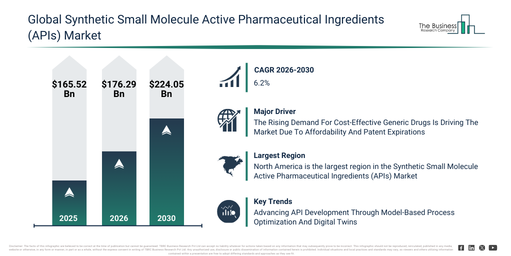
    The synthetic small molecule active pharmaceutical ingredients (APIs) market has witnessed strong growth in recent years. It is projected to increase from $165.52 billion in 2025 to $176.29 billion in 2026, demonstrating a compound annual growth rate (CAGR) of 6.5%. This historical expansion can be attributed to the growth of oral solid dosage formulations, the proliferation of generic pharmaceuticals, established chemical synthesis capabilities, the cost efficiency of small molecule drugs, and the increasing prevalence of chronic diseases.

    The synthetic small molecule active pharmaceutical ingredients (apis) market size is anticipated to experience substantial growth in the upcoming years. It is projected to expand to $224.05 billion by 2030, achieving a compound annual growth rate (CAGR) of 6.2%. This expected growth during the forecast period is attributable to several factors, including the increasing pipelines for oncology and CNS drugs, the adoption of advanced manufacturing technologies, a rising demand for high-potency apis, the broader scope of outsourced pharmaceutical manufacturing, and a heightened regulatory focus on supply chain transparency. Prominent trends throughout this period involve the surging demand for synthetic small molecule apis in chronic disease treatments, increased outsourcing of api manufacturing to contract manufacturers, the expanding embrace of continuous flow chemistry and biocatalysis, the growth in generic drug production coupled with patent expirations, and a strengthening regulatory emphasis on api quality and traceability.

    Download the Free Sample Report to Explore Key Market Insights:

    https://www.thebusinessresearchcompany.com/sample.aspx?id=25919&type=smp

    What Underlying Factors Are Accelerating The Growth Of The Synthetic Small Molecule Active Pharmaceutical Ingredients (APIs) Market?

    The increasing need for affordable generic medications is anticipated to boost the expansion of the synthetic small molecule active pharmaceutical ingredients (APIs) market in the future. These budget-friendly generic drugs are affordable medicines containing identical active ingredients and providing comparable therapeutic outcomes to their branded counterparts. The surge in demand for economical generic drugs stems from the rising occurrence of chronic conditions, necessitating ongoing and financially accessible treatment options. Synthetic small molecule active pharmaceutical ingredients (APIs) facilitate the production of cost-effective generic drugs by providing scalable and efficient manufacturing methods, thereby lowering production expenses while preserving their therapeutic effectiveness. For example, in September 2024, data from the Association for Accessible Medicines (AAM), a US-based trade association, indicated that savings from biosimilar utilization increased by over 30% to $12.4 billion in 2023. Concurrently, overall savings generated by generics and biosimilars collectively climbed by $37 billion, reaching $445 billion from $408 billion in 2022. Consequently, the increasing requirement for cost-effective generic drugs is fueling the expansion of the synthetic small molecule active pharmaceutical ingredients (APIs) market.

    How Are The Various Segments Of The Synthetic Small Molecule Active Pharmaceutical Ingredients (APIs) Market Categorized?

    The synthetic small molecule active pharmaceutical ingredients (apis) market covered in this report is segmented –

    1) By Type: Active Pharmaceutical Ingredients (APIs), Key Starting Materials (KSMs), Intermediates

    2) By Manufacturing Process: Synthetic Processes, Biocatalysis, Continuous Flow Chemistry, Batch Processing

    3) By Manufacturer: In-House, Outsourced

    4) By Application: Cardiovascular Diseases, Oncology, CNS And Neurology, Orthopedic, Endocrinology, Pulmonology, Gastroenterology, Nephrology, Ophthalmology, Other Applications

    Subsegments:

    1) By Active Pharmaceutical Ingredients (APIs): Anti-diabetic APIs, Antihypertensive APIs, Antihistamines, Anticoagulants

    2) By Key Starting Materials (KSMs): Benzene Derivatives, Pyridine Derivatives, Heterocyclic Compounds, Halogenated Compounds

    3) By Intermediates: Chiral Intermediates, Acylation Intermediates, Alkylation Intermediates, Amination Intermediates

    What Trends Are Affecting The Expansion Of The Synthetic Small Molecule Active Pharmaceutical Ingredients (APIs) Market?

    Leading entities within the synthetic small molecule active pharmaceutical ingredients (APIs) market are concentrating their efforts on creating sophisticated solutions, like model-based process optimization platforms, which aim to expedite the progression and enhance the operational effectiveness of API manufacturing procedures. Such a platform represents a digital innovation, combining predictive modeling with experimental design functionalities, to simplify and elevate chemical process development while significantly reducing the need for physical experiments. An illustrative example is Lonza Group, a Switzerland-based contract development and manufacturing organization (CDMO), which introduced Design2Optimize, a model-based process optimization platform, in May 2025. This particular platform employs a blend of physicochemical and statistical modeling techniques within an optimization framework, with the primary objective of decreasing the volume of physical experiments necessary throughout the process development phase. Through the creation of a digital twin for each process and by allowing virtual scenario testing, the platform supports the quicker and more efficient creation of intricate synthetic routes for small molecule active pharmaceutical ingredients.

    Which Major Firms Influence Developments In The Synthetic Small Molecule Active Pharmaceutical Ingredients (APIs) Market?

    Major companies operating in the synthetic small molecule active pharmaceutical ingredients (apis) market are Pfizer Inc., Johnson & Johnson, Hoffmann-La Roche Ltd., Merck & Co. Inc., AbbVie Inc., Sanofi S.A., Bristol-Myers Squibb Company, AstraZeneca plc, Novartis AG, Eli Lilly and Company, Boehringer Ingelheim International GmbH, Teva Pharmaceutical Industries Ltd., Daiichi Sankyo Co. Ltd., Dr. Reddy’s Laboratories Ltd., Curia Inc., Nanjing King-Friend Biochemical Pharmaceutical Co. Ltd., Accord Healthcare Ltd.

    Read the full synthetic small molecule active pharmaceutical ingredients (apis) market report here:

    https://www.thebusinessresearchcompany.com/report/synthetic-small-molecule-active-pharmaceutical-ingredients-apis-global-market-report

    Which Region Is Projected To Dominate The Synthetic Small Molecule Active Pharmaceutical Ingredients (APIs) Market During The Forecast Period?

    North America was the largest region in the synthetic small molecule active pharmaceutical ingredients (APIs) market in 2025. Asia-Pacific is expected to be the fastest-growing region in the forecast period. The regions covered in the synthetic small molecule active pharmaceutical ingredients (apis) market report are Asia-Pacific, South East Asia, Western Europe, Eastern Europe, North America, South America, Middle East, Africa.

    Request A Tailored Synthetic Small Molecule Active Pharmaceutical Ingredients (APIs) Market Research Report For Competitive Advantage:

    https://www.thebusinessresearchcompany.com/customise?id=25919&type=smp

    Browse Through More Reports Similar to the Global Synthetic Small Molecule Active Pharmaceutical Ingredients (APIs) Market 2026, By The Business Research Company

    Small Molecule Active Pharmaceutical Ingredient Market Report 2026

    https://www.thebusinessresearchcompany.com/report/small-molecule-active-pharmaceutical-ingredient-global-market-report

    Active Pharmaceutical Ingredients Market Report 2026

    https://www.thebusinessresearchcompany.com/report/active-pharmaceutical-ingredients-global-market-report

    Pharmaceuticals Market 2026

    https://www.thebusinessresearchcompany.com/report/pharmaceuticals-market

    Get in touch with us:

    The Business Research Company: https://www.thebusinessresearchcompany.com/

    Americas +1 310-496-7795

    Asia +44 7882 955267 & +91 8897263534

    Europe +44 7882 955267

    Email us at info@tbrc.info

    Follow us on:

    LinkedIn: https://in.linkedin.com/company/the-business-research-company

    YouTube: https://www.youtube.com/channel/UC24_fI0rV8cR5DxlCpgmyFQ

    Global Market Model: https://www.thebusinessresearchcompany.com/global-market-model

  • Advanced formulations are improving accessibility in the Synthetic Hormones Market 2026

    Advanced formulations are improving accessibility in the Synthetic Hormones Market 2026

    The Business Research Company’s 2026 market reports include new capabilities such as market attractiveness scoring and analysis, total addressable market analysis, company scoring matrix, interactive excel data dashboard, improved supply chain analysis, upcoming startups in the market, and overview of key products, aimed at improving the depth, usability, and strategic value of the insights delivered.

    What Market Size Expansion Is Predicted For The Synthetic Hormones Market Between 2026 And 2030?

    The synthetic hormones market has experienced steady expansion in recent years. It is projected to increase from $6.71 billion in 2025 to $7 billion in 2026, demonstrating a compound annual growth rate (CAGR) of 4.4%. The market’s growth during the past period can be ascribed to progress in chemical synthesis, the rising incidence of hormonal disorders, increased knowledge of hormone replacement therapy, the broadening reach of hospital and retail pharmacy networks, and the initial uptake of insulin and growth hormones.

    The synthetic hormones market is projected to experience consistent expansion in the coming years. Its value is anticipated to reach $8.34 billion by 2030, growing at a compound annual growth rate (CAGR) of 4.5%. This forecasted growth stems from factors such as the incorporation of AI into hormone therapy, the advancement of oral and non-invasive methods for hormone delivery, the rise of personalized medicine, the broadening reach of online pharmacy platforms, and breakthroughs in peptide and amino acid derivative hormones. Key developments expected during this period include the creation of personalized hormone therapies, sophisticated drug delivery mechanisms, novel synthetic hormone formulations, increased acceptance of hormone replacement therapy, and adherence to regulatory standards and quality benchmarks.

    Download the Free Sample Report to Explore Key Market Insights:

    https://www.thebusinessresearchcompany.com/sample.aspx?id=14515&type=smp

    Which Growth Drivers Are Contributing To The Progress Of The Synthetic Hormones Market?

    The growing occurrence of hormonal imbalances is projected to drive the expansion of the synthetic hormones market moving forward. Hormonal imbalances arise when the body produces either an excessive or insufficient amount of specific hormones, leading to disturbances caused by aging, stress, lifestyle factors, or underlying medical conditions. These imbalances frequently necessitate therapeutic intervention, and synthetic hormones serve a crucial function by supplementing or replacing deficient hormones to restore normal physiological activity and alleviate associated symptoms. The rising demand for hormone replacement therapy (HRT) reflects the increasing prevalence of these conditions. For instance, in January 2025, according to the World Health Organization, a Switzerland-based intergovernmental organization, polycystic ovary syndrome is a significant public health concern and one of the most common hormonal disorders among women of reproductive age, affecting an estimated 6–13%, with up to 70% of cases remaining undiagnosed. Therefore, the increasing incidence of hormonal imbalances is propelling the growth of the synthetic hormones market.

    Which Market Segments Are Examined In The Synthetic Hormones Market Study?

    The synthetic hormones market covered in this report is segmented –

    1) By Product Type: Steroid Hormones, Peptide Hormone, Amino Acid Derivatives, Other Product Types

    2) By Route of Administration: Oral, Nasal, Topical, Intravenous

    3) By Application: Growth Hormone Deficiency, Thyroid Hormone Deficiency, Menopause, Male Hypogonadism, Other Applications

    4) By End User: Hospital Pharmacies, Retail Pharmacies, Online Pharmacies

    Subsegments:

    1) By Steroid Hormones: Corticosteroids, Estrogens and Progesterone, Androgens, Progestins

    2) By Peptide Hormones: Insulin, Growth Hormones, Thyroid Stimulating Hormones, Leptin

    3) By Amino Acid Derivatives: Thyroxine (T4), Epinephrine (Adrenaline), Melatonin

    4) By Other Product Types: Vitamin D Derivatives, Prostaglandins, Gonadotropins

    Which Trends Are Influencing The Synthetic Hormones Market?

    Companies operating in the synthetic hormone market are actively developing innovative biosimilar formulations, such as high-concentration recombinant human growth hormone (rhGH), to meet the increasing demand for more accessible and affordable therapies for growth hormone deficiency and short stature. High-concentration rhGH refers to a synthetic growth hormone, typically somatropin, manufactured using recombinant DNA technology, which features a greater drug load per volume. This allows for smaller injection volumes, enhanced convenience, and potentially improved treatment adherence compared to conventional lower-concentration formulations. For instance, in May 2025, Sandoz AG, a Switzerland-based leader in generics and biosimilars, launched OMNITROPE in a new 15 mg / 1.5 mL concentration specifically for the Egyptian market. This particular formulation contains somatropin produced by recombinant DNA technology in bacteria, is functionally identical to human endogenous growth hormone, and is offered in a more concentrated form to reduce the burden of injections and minimize treatment interruptions. It is indicated for pediatric short stature (e.g., in Turner syndrome, small-for-gestational-age children, Prader–Willi syndrome) and adult GH deficiency, and is priced to expand access under Egypt’s Vision 2030 public-health initiative.

    Who Are The Primary Competitors In The Synthetic Hormones Market?

    Major companies operating in the synthetic hormones market are Pfizer Inc., Johnson & Johnson, AbbVie Inc., Bristol Myers Squibb Company, Sanofi SA, AstraZeneca PLC, Novartis AG, GlaxoSmithKline PLC, Boehringer Ingelheim International GmbH, Novo Nordisk A/S, Merck & Co. Inc, Teva Pharmaceutical Industries Ltd., Ferring B.V., Endo Pharmaceuticals Inc., Lupin Pharmaceuticals Inc., IBSA Institute Biochimique SA, American Regent Inc., McGuff Pharmaceuticals Inc., Anhui Anke Biotechnology Co.Ltd, Acerus Pharmaceuticals Corporation, Slayback Pharma LLC

    Read the full synthetic hormones market report here:

    https://www.thebusinessresearchcompany.com/report/synthetic-hormones-global-market-report

    What Are The Leading Geographic Regions In The Synthetic Hormones Market?

    North America was the largest region in the synthetic hormones market in 2025. Asia-Pacific is expected to be the fastest-growing region in the forecast period. The regions covered in the synthetic hormones market report are Asia-Pacific, South East Asia, Western Europe, Eastern Europe, North America, South America, Middle East, Africa.

    Request A Tailored Synthetic Hormones Market Research Report For Competitive Advantage:

    https://www.thebusinessresearchcompany.com/customise?id=14515&type=smp

    Browse Through More Reports Similar to the Global Synthetic Hormones Market 2026, By The Business Research Company

    Synthetic Hormones Market Report 2026

    https://www.thebusinessresearchcompany.com/report/synthetic-hormones-global-market-report

    Bioidentical Hormones Market Report 2026

    https://www.thebusinessresearchcompany.com/report/bioidentical-hormones-global-market-report

    Hormone Therapy Market Report 2026

    https://www.thebusinessresearchcompany.com/report/hormone-therapy-global-market-report

    Get in touch with us:

    The Business Research Company: https://www.thebusinessresearchcompany.com/

    Americas +1 310-496-7795

    Asia +44 7882 955267 & +91 8897263534

    Europe +44 7882 955267

    Email us at info@tbrc.info

    Follow us on:

    LinkedIn: https://in.linkedin.com/company/the-business-research-company

    YouTube: https://www.youtube.com/channel/UC24_fI0rV8cR5DxlCpgmyFQ

    Global Market Model: https://www.thebusinessresearchcompany.com/global-market-model
  • Enhanced safety focus is shaping the Synthetic Cannabinoids Market 2026

    Enhanced safety focus is shaping the Synthetic Cannabinoids Market 2026

    The Business Research Company’s 2026 market reports include new capabilities such as market attractiveness scoring and analysis, total addressable market analysis, company scoring matrix, interactive excel data dashboard, improved supply chain analysis, upcoming startups in the market, and overview of key products, aimed at improving the depth, usability, and strategic value of the insights delivered.

    How Large Is The Synthetic Cannabinoids Market Projected To Become By 2030 Based On Its 2026 Valuation?

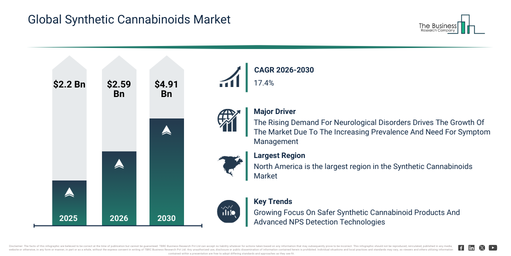
    The synthetic cannabinoids market size has experienced rapid expansion in recent years. This market is projected to expand from $2.2 billion in 2025 to $2.59 billion in 2026, demonstrating a compound annual growth rate (CAGR) of 17.6%. Historically, this growth can be ascribed to several factors, including the limitations of plant-derived cannabinoids, the increasing demand for potency control, specific pharmaceutical research needs, the rise in pain management therapies, and the attainment of regulatory approvals in certain regions.

    The synthetic cannabinoids market is projected to undergo substantial expansion in the coming years. Its valuation is set to reach $4.91 billion by 2030, exhibiting a compound annual growth rate (CAGR) of 17.4%. This anticipated growth during the forecast period is primarily driven by factors such as the broadening of medical cannabis applications, the rise of controlled cannabinoid therapies, the increasing need for precision dosing, the scalability of synthetic active pharmaceutical ingredients (APIs), and increased pharmaceutical research and development investments. Furthermore, key trends expected during this period involve the wider availability of pharmaceutical-grade cannabinoids, enhanced research applications of synthetic cannabinoids, a surge in the requirement for high-purity formulations, a move towards regulated medical uses, and progress in controlled synthesis methodologies.

    Download the Free Sample Report to Explore Key Market Insights:

    https://www.thebusinessresearchcompany.com/sample.aspx?id=23536&type=smp

    What Primary Drivers Are Shaping The Development Of The Synthetic Cannabinoids Market?

    The increasing need for treatments for neurological disorders is anticipated to propel the expansion of the synthetic cannabinoids market going forward. Neurological disorders are diseases affecting the brain, spinal cord, and nerves that can impair movement, sensation, cognition, or overall body function. The growing prevalence of neurological disorders is primarily due to the global aging population, as conditions such as Alzheimer’s become more common with advancing age owing to brain aging and accumulated cellular damage. Synthetic cannabinoids specifically target cannabinoid receptors in the brain, aiding in the regulation of neurotransmitter activity and potentially mitigating symptoms linked to neurological disorders. For example, in September 2024, data from the European Brain Council, a health organization based in Belgium, indicated that 7 million people in Europe currently live with Alzheimer’s disease, a figure expected to reach 14 million by 2030 due to an aging population, thereby posing a substantial global public health challenge. Consequently, the rising demand for neurological disorder treatments is driving the growth of the synthetic cannabinoids market.

    What Segment Groups Are Identified Within The Synthetic Cannabinoids Market?

    The synthetic cannabinoids market covered in this report is segmented –

    1) By Product Type: High-Pure Synthetic Cannabinoids, Ultra-Pure Synthetic Cannabinoids

    2) By Formulation: Oil, Capsules, Edibles, Vapes, Topicals

    3) By Indication: Pain Management, Nausea Or Vomiting, Neurological Disorder Management, Other Indications

    4) By Application: Pharmaceuticals, Research, Recreational Use, Agriculture, Nutraceuticals

    5) By Distribution Channel: Hospital Pharmacies, Retail Pharmacies, Online Pharmacies

    Subsegments:

    1) By High-Pure Synthetic Cannabinoids: Pharmaceutical-Grade Cannabinoids, Research-Grade Cannabinoids, Industrial-Use Cannabinoids

    2) By Ultra-Pure Synthetic Cannabinoids: Medical-Grade Cannabinoids, Biotechnology-Grade Cannabinoids, Analytical-Standard Cannabinoids

    What Trends Are Advancing Progress In The Synthetic Cannabinoids Market?

    Major companies operating in the synthetic cannabinoids market are concentrating on creating safer, high-quality products, such as novel psychoactive substances, to mitigate health risks and bolster their competitive standing. Novel psychoactive substances refer to laboratory-engineered designer drugs that replicate the effects of conventional illicit substances but utilize altered chemical structures to bypass detection and regulation. For instance, in December 2023, Quest Diagnostics Inc., a US-based healthcare company, unveiled a new 88-compound Novel Psychoactive Substance (NPS) Test Panel to aid in more precisely identifying a broad spectrum of synthetic cannabinoids and other designer drugs. This advanced mass-spectrometry-based test offers clearer identification of emerging synthetic cannabinoids, enabling healthcare providers to better comprehend patient exposure and refine treatment decisions. The introduction of such sophisticated testing solutions emphasizes the increasing necessity for reliable monitoring tools as synthetic cannabinoids continue to evolve, ensuring enhanced safety, transparency, and regulatory compliance across the market.

    Which Companies Hold Significant Positions In The Synthetic Cannabinoids Market?

    Major companies operating in the synthetic cannabinoids market are Cayman Chemical, Cerilliant Corporation, Restek Corporation, Chiron AS, BayMedica, CB Therapeutics Inc., Skye Bioscience, Zynerba Pharmaceuticals Inc., Botanix Pharmaceuticals, Kannalife Sciences Inc., SciSparc Ltd., Tetra Bio-Pharma Inc., Canntab Therapeutics Ltd., BioVectra, Noramco Inc., Purisys LLC, Lygos Inc., Johnson Matthey, Almac Group, Cambrex Corporation

    Read the full synthetic cannabinoids market report here:

    https://www.thebusinessresearchcompany.com/report/synthetic-cannabinoids-global-market-report

    How Does The Synthetic Cannabinoids Market Perform Across Major Global Regions?

    North America was the largest region in the synthetic cannabinoids market in 2025. Asia-Pacific is expected to be the fastest-growing region in the forecast period. The regions covered in the synthetic cannabinoids market report are Asia-Pacific, South East Asia, Western Europe, Eastern Europe, North America, South America, Middle East, Africa.

    Request A Tailored Synthetic Cannabinoids Market Research Report For Competitive Advantage:

    https://www.thebusinessresearchcompany.com/customise?id=23536&type=smp

    Browse Through More Reports Similar to the Global Synthetic Cannabinoids Market 2026, By The Business Research Company

    Cannabinoids Market Report 2026

    https://www.thebusinessresearchcompany.com/report/cannabinoids-global-market-report

    Cannabis Capsule Market Report 2026

    https://www.thebusinessresearchcompany.com/report/cannabis-capsule-global-market-report

    Cannabis Extract Market Report 2026

    https://www.thebusinessresearchcompany.com/report/cannabis-extract-global-market-report

    Get in touch with us:

    The Business Research Company: https://www.thebusinessresearchcompany.com/

    Americas +1 310-496-7795

    Asia +44 7882 955267 & +91 8897263534

    Europe +44 7882 955267

    Email us at info@tbrc.info

    Follow us on:

    LinkedIn: https://in.linkedin.com/company/the-business-research-company

    YouTube: https://www.youtube.com/channel/UC24_fI0rV8cR5DxlCpgmyFQ

    Global Market Model: https://www.thebusinessresearchcompany.com/global-market-model

  • Personalized medicine demand is accelerating growth in the Sustained Release Excipients Market 2026

    Personalized medicine demand is accelerating growth in the Sustained Release Excipients Market 2026

    The Business Research Company’s 2026 market reports include new capabilities such as market attractiveness scoring and analysis, total addressable market analysis, company scoring matrix, interactive excel data dashboard, improved supply chain analysis, upcoming startups in the market, and overview of key products, aimed at improving the depth, usability, and strategic value of the insights delivered.

    What Market Value Is Anticipated For The Sustained Release Excipients Market Over The Period 2026–2030?

    The sustained release excipients market has experienced substantial growth in recent years. It is anticipated to increase from $1.51 billion in 2025 to $1.63 billion in 2026, achieving a compound annual growth rate (CAGR) of 8.2%. The historical expansion of this market can be attributed to several factors, including an increase in chronic disease prevalence, the growing adoption of modified release tablets, innovations in polymer chemistry, the expansion of generic drug manufacturing, and the regulatory acceptance of sustained release formulations.

    The sustained release excipients market is anticipated to experience robust expansion in the coming years. It is projected to reach $2.3 billion by 2030, demonstrating a compound annual growth rate (CAGR) of 8.9%. This growth during the projected period is attributable to several factors, including an increased demand for long-acting injectables, the expansion of biologics and specialty drugs, greater investment in drug delivery research and development, a call for patient-centric formulations, and the widening of pharmaceutical manufacturing operations in developing economies. Key trends anticipated within the forecast timeframe encompass an escalating demand for controlled drug delivery systems, the expanded application of polymers in sustained release formulations, a surge in the adoption of oral sustained release dosage forms, the advancement of microencapsulation and coacervation technologies, and an emphasis on enhancing patient compliance coupled with a reduction in dosing frequency.

    Download the Free Sample Report to Explore Key Market Insights:

    https://www.thebusinessresearchcompany.com/sample.aspx?id=10822&type=smp

    Which Major Factors Are Driving The Expansion Of The Sustained Release Excipients Market?

    The sustained-release excipients market is anticipated to expand due to the increasing need for personalized medicine. Personalized medicine, also known as personalized care, involves medical practitioners examining patients’ distinct genes, proteins, and other physiological elements to deliver and manage customized treatment through precision medicine. These excipients are vital in personalized medicine, facilitating the creation of drug formulations specifically adapted to each patient’s requirements. An example of this trend is seen in February 2024, when the Personalised Medicine Coalition, a US-based hospital and health care organization, reported that the FDA cleared 16 new personalized treatments for rare disease patients in 2023, an increase from 6 in 2022. Consequently, the rising demand for personalized medicine is fueling expansion in the sustained-release excipients market.

    How Is The Sustained Release Excipients Market Divided Into Its Major Segments?

    The sustained release excipients market covered in this report is segmented –

    1) By Product: Gelatin, Polymers, Minerals, Chitosan

    2) By Route of Administration: Oral, Intramuscular, Subcutaneous, Transdermal, Vaginal, Ophthalmic, Intravenous, Other Routes of Administration

    3) By Technology: Targeted Delivery, Micro Encapsulation, Wurster Technique, Transdermal, Implants, Coacervation

    Subsegments:

    1) By Gelatin: Type A Gelatin, Type B Gelatin

    2) By Polymers: Natural Polymers, Synthetic Polymers

    3) By Minerals: Calcium Compounds, Magnesium Compounds, Other Mineral Excipients

    4) By Chitosan: Low Molecular Weight Chitosan, High Molecular Weight Chitosan

    How Are Trends Transforming The Sustained Release Excipients Market Landscape?

    Leading companies in the sustained release excipients market are concentrating on developing advanced solutions, such as multifunctional polymer platforms, to enhance drug formulation efficiency, reduce delivery time, and support controlled-release profiles. These multifunctional polymer platforms refer to excipients that enable immediate, delayed, and sustained drug release while being compatible with formulation technologies like hot melt extrusion and solubility-enhancing spray drying. For instance, in September 2024, Evonik, a Germany-based company, commenced operations of a new spray drying facility at its Darmstadt site for EUDRAGIT polymers. This facility boosts production capacity, shortens delivery times, and integrates seamlessly with existing production networks. It leverages green electricity and steam from local waste incineration to decrease CO2 emissions by over 1,000 tons annually. Operating under IPEC-GMP pharmaceutical guidelines and directly connected to the production of aqueous dispersions, the facility minimizes transportation and streamlines the supply chain. The polymers manufactured there support immediate, delayed, and sustained release formulations, thereby strengthening Evonik’s global hub for oral drug delivery solutions and reinforcing its capability to efficiently support innovative pharmaceutical development.

    Who Are The Prominent Organizations Shaping The Sustained Release Excipients Market?

    Major companies operating in the sustained release excipients market are BASF SE, Ashland Global Holdings Inc, Colorcon Inc, Evonik Industries AG, Lubrizol Corporation, Merck KGaA, Roquette Freres, Shin Etsu Chemical Co Ltd, JRS Pharma GmbH Co KG, SPI Pharma Inc, Croda International Plc, Lonza Group AG, Chemische Fabrik Budenheim KG, Asahi Kasei Corporation, DuPont de Nemours Inc, Dow Chemical Company, Eastman Chemical Company, Gattefosse SAS, Balchem Corporation, Associated British Foods plc, Ransom Naturals Ltd, Cellulose Solutions Private Limited

    Read the full sustained release excipients market report here:

    https://www.thebusinessresearchcompany.com/report/sustained-release-excipients-global-market-report

    Which Region Currently Holds The Largest Share Of The Sustained Release Excipients Market?

    North America was the largest region in the global sustained release excipients market in 2025. Asia-Pacific is expected to be the fastest-growing region in the forecast period. The regions covered in the sustained release excipients market report are Asia-Pacific, South East Asia, Western Europe, Eastern Europe, North America, South America, Middle East, Africa.

    Request A Tailored Sustained Release Excipients Market Research Report For Competitive Advantage:

    https://www.thebusinessresearchcompany.com/customise?id=10822&type=smp

    Browse Through More Reports Similar to the Global Sustained Release Excipients Market 2026, By The Business Research Company

    Sustained Release Excipients Market Report 2026

    https://www.thebusinessresearchcompany.com/report/sustained-release-excipients-global-market-report

    Pharmaceutical Excipient Market Report 2026

    https://www.thebusinessresearchcompany.com/report/pharmaceutical-excipient-global-market-report

    Controlled Release Drug Delivery Market Report 2026

    https://www.thebusinessresearchcompany.com/report/controlled-release-drug-delivery-global-market-report

    Get in touch with us:

    The Business Research Company: https://www.thebusinessresearchcompany.com/

    Americas +1 310-496-7795

    Asia +44 7882 955267 & +91 8897263534

    Europe +44 7882 955267

    Email us at info@tbrc.info

    Follow us on:

    LinkedIn: https://in.linkedin.com/company/the-business-research-company

    YouTube: https://www.youtube.com/channel/UC24_fI0rV8cR5DxlCpgmyFQ

    Global Market Model: https://www.thebusinessresearchcompany.com/global-market-model
  • Rising antibiotic resistance and infection rates are influencing the SCIG Market 2026

    Rising antibiotic resistance and infection rates are influencing the SCIG Market 2026

    The Business Research Company’s 2026 market reports include new capabilities such as market attractiveness scoring and analysis, total addressable market analysis, company scoring matrix, interactive excel data dashboard, improved supply chain analysis, upcoming startups in the market, and overview of key products, aimed at improving the depth, usability, and strategic value of the insights delivered.

    What Is The Expected Market Size Of The Sulfonamide Market From 2026 To 2030?

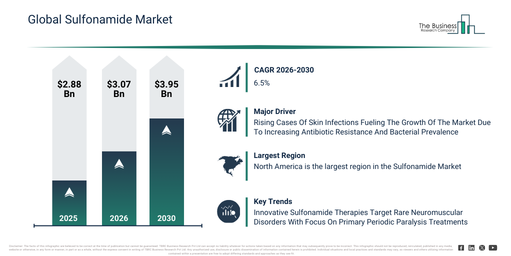
    The sulfonamide market has shown significant expansion in recent years. It is anticipated to increase from $2.88 billion in 2025 to $3.07 billion in 2026, demonstrating a compound annual growth rate (CAGR) of 6.5%. The historical growth of this market can be attributed to factors such as early antibiotic development, its broad-spectrum efficacy, its use in hospital infection management, generic drug production, and its application in burn treatment.

    The sulfonamide market is projected to experience robust expansion in the coming years, anticipated to reach $3.95 billion by 2030, exhibiting a compound annual growth rate (CAGR) of 6.5%. This growth in the forecast period can be attributed to factors such as antibiotic stewardship programs, the increasing demand for combination therapies, the expansion of the generic market, the persistent burden of infectious diseases, and advancements in healthcare access. Key trends during this period include the continued application of sulfonamides in combination antibiotic therapy, their growing demand in resource-limited healthcare settings, the rise of generic sulfonamide drugs, their utility in dermatological and burn care, and a strong focus on cost-effective antimicrobial treatment.

    Download the Free Sample Report to Explore Key Market Insights:

    https://www.thebusinessresearchcompany.com/sample.aspx?id=24411&type=smp

    What Key Drivers Are Influencing The Growth Of The Sulfonamide Market?

    The future expansion of the sulfonamide market is anticipated to be driven by the rising occurrence of skin infections. These conditions arise from bacteria, viruses, fungi, or parasites invading the skin, leading to symptoms such as redness, swelling, pain, itching, or pus formation. The widespread nature of skin infections is attributed to an increase in antibiotic-resistant bacteria, which makes common infections more challenging to treat and more likely to spread. Sulfonamide effectively addresses skin infections by inhibiting bacterial growth and disrupting folic acid synthesis, rendering it potent against various susceptible bacteria. For instance, the American Academy of Dermatology, a US-based non-profit organization, reported in February 2025 that approximately 50 million Americans are affected by acne each year, making it the most prevalent skin ailment in the country. Therefore, the increasing prevalence of skin infections is a key driver for the growth of the sulfonamide market.

    Which Segments Are Included In The Analysis Of The Sulfonamide Market?

    The sulfonamide market covered in this report is segmented –

    1) By Product Type: Oral Sulfonamides, Topical Sulfonamides, Injectable Sulfonamides

    2) By Chemical Structure: Sulfanilamide, Sulfacetamide, Sulfamethoxazole

    3) By Application: Antibacterial, Antifungal, Antiviral, Diuretics, Antidiabetic, Other Applications

    4) By End-User: Hospitals, Clinics, Research Laboratories, Other End Users

    Subsegments:

    1) By Oral Sulfonamides: Sulfamethoxazole, Sulfisoxazole, Sulfadiazine, Sulfalene

    2) By Topical Sulfonamides: Sulfacetamide Sodium, Silver Sulfadiazine, Sulfamylon, Sulfadiazine Cream

    3) By Injectable Sulfonamides: Sulfamethoxazole, Sulfadiazine Sodium, Sulfamethoxypyridazine

    Which Trends Are Impacting The Growth Of The Sulfonamide Market?

    Leading companies within the sulfonamide market are concentrating their efforts on developing novel solutions, such as therapies for primary periodic paralysis (PPP), to broaden the therapeutic uses of sulfonamide-based medications and address existing gaps in treating rare neuromuscular disorders. Primary periodic paralysis (PPP) therapies specifically refer to interventions designed to manage a group of uncommon, inherited neuromuscular conditions characterized by episodes of muscle weakness or paralysis that are activated by shifts in blood potassium levels. As an illustration, in May 2024, Cycle Pharmaceuticals Limited, a pharmaceutical firm based in the UK, introduced the drug ORMALVITM (dichlorphenamide) as a treatment option for individuals experiencing hypokalemic periodic paralysis (HypoPP), hyperkalemic periodic paralysis (HyperPP), and related ailments. This FDA-approved therapy offers a specialized solution for patients dealing with these genetic conditions, which manifest as episodes of muscle weakness or paralysis linked to variations in potassium levels. A notable characteristic of this release is Cycle’s dedication to patient-centered care, intending to enhance both accessibility and adherence through customized support programs.

    Which Key Industry Participants Are Active In The Sulfonamide Market?

    Major companies operating in the sulfonamide market are Abbott Laboratories, Novartis AG, Teva Pharmaceutical Industries Limited, Intas Pharmaceuticals Limited, Cadila Pharmaceuticals Limited, Amneal Pharmaceuticals LLC, Lupin Limited, Bimeda Holdings PLC, Virchow Laboratories Limited, Hebei Veyong Bio-Chemical Co. Ltd., Interchemie Werken De Adelaar B.V., AdvaCare Pharma, VetOne, Zydus Cadila Healthcare Limited, Sun Pharmaceutical Industries Limited, Aurobindo Pharma Limited, Cipla Limited, Alkem Laboratories Limited, Torrent Pharmaceuticals Limited, Alembic Pharmaceuticals Limited, Glenmark Pharmaceuticals Limited, Hikma Pharmaceuticals PLC, Mylan N.V. (Viatris), Wockhardt Limited, Pfizer Inc.

    Read the full sulfonamide market report here:

    https://www.thebusinessresearchcompany.com/report/sulfonamide-global-market-report

    Which Region Is Expected To Register The Fastest Growth In The Sulfonamide Market?

    North America was the largest region in the sulfonamide market in 2025. Asia-Pacific is expected to be the fastest-growing region in the forecast period. The regions covered in the sulfonamide market report are Asia-Pacific, South East Asia, Western Europe, Eastern Europe, North America, South America, Middle East, Africa.

    Request A Tailored Sulfonamide Market Research Report For Competitive Advantage:

    https://www.thebusinessresearchcompany.com/customise?id=24411&type=smp

    Browse Through More Reports Similar to the Global Sulfonamide Market 2026, By The Business Research Company

    Sulfur Market Report 2026

    https://www.thebusinessresearchcompany.com/report/sulfur-global-market-report

    Naphthalene Sulfonate Market Report 2026

    https://www.thebusinessresearchcompany.com/report/naphthalene-sulfonate-global-market-report

    Vinyl Sulfone Market Report 2026

    https://www.thebusinessresearchcompany.com/report/vinyl-sulfone-global-market-report

    Get in touch with us:

    The Business Research Company: https://www.thebusinessresearchcompany.com/

    Americas +1 310-496-7795

    Asia +44 7882 955267 & +91 8897263534

    Europe +44 7882 955267

    Email us at info@tbrc.info

    Follow us on:

    LinkedIn: https://in.linkedin.com/company/the-business-research-company

    YouTube: https://www.youtube.com/channel/UC24_fI0rV8cR5DxlCpgmyFQ

    Global Market Model: https://www.thebusinessresearchcompany.com/global-market-model

  • Global SCIG Market 2026 evolving with immunotherapy advancements

    Global SCIG Market 2026 evolving with immunotherapy advancements

    The Business Research Company’s 2026 market reports include new capabilities such as market attractiveness scoring and analysis, total addressable market analysis, company scoring matrix, interactive excel data dashboard, improved supply chain analysis, upcoming startups in the market, and overview of key products, aimed at improving the depth, usability, and strategic value of the insights delivered.

    What Market Valuation Is Forecasted For The Subcutaneous Immunoglobulin (SCIG) Market By 2030 Starting From Its 2026 Size?

    The subcutaneous immunoglobulin (scig) market has experienced significant expansion recently. Its size is projected to increase from $14.39 billion in 2025 to $16.32 billion in 2026, demonstrating a compound annual growth rate (CAGR) of 13.4%. This historical growth can be linked to several factors, including the increasing diagnosis of primary immunodeficiency disorders, the limitations associated with intravenous immunoglobulin therapy, a growing demand for long-term immune support, the enhanced safety profile of scig, and patients’ increasing preference for at-home care.

    The market for subcutaneous immunoglobulin (scig) is projected to experience substantial expansion over the coming years, reaching a valuation of $25.71 billion by 2030, propelled by a compound annual growth rate (CAGR) of 12.0%. This anticipated growth during the forecast period stems from several factors, including the broadened applications of scig beyond immunodeficiency, a heightened emphasis on homecare solutions in healthcare, innovations in infusion technology, the increasing incidence of autoimmune and neurological conditions, and a greater need for treatment approaches centered around the patient. Key trends expected within this period encompass a noticeable transition from intravenous immunoglobulin (IVIG) to scig treatments, an uptick in the use of immunoglobulin therapy delivered at home, a growing inclination towards self-administering devices, the expanded utilization of scig for chronic immune conditions, and an elevated requirement for sustained immune replacement therapy.

    Download the Free Sample Report to Explore Key Market Insights:

    https://www.thebusinessresearchcompany.com/sample.aspx?id=15935&type=smp

    What Major Growth Drivers Are Shaping The Outlook Of The Subcutaneous Immunoglobulin (SCIG) Market?

    The rise in secondary immunodeficiency diseases is projected to boost the subcutaneous immunoglobulin market. These conditions involve a weakened or impaired immune system stemming from factors external to the immune system itself. Key drivers for the prevalence of secondary immunodeficiency diseases include an aging demographic, the use of immunosuppressive therapies, and exposure to environmental toxins. Subcutaneous immunoglobulin therapy delivers antibodies to reinforce the compromised immune system, particularly in long-term conditions like HIV or autoimmune diseases, thereby guarding against infections and assisting immunological function throughout treatment. For example, according to HIV i-Base in October 2024, new HIV diagnoses in 2023 rose by 36% for heterosexual men, from 445 in 2022 to 605, and by 30% for heterosexual women, increasing from 602 in 2022 to 780. Consequently, the growing occurrence of secondary immunodeficiency diseases is stimulating growth in the subcutaneous immunoglobulin market.

    Which Segment Categories Define The Subcutaneous Immunoglobulin (SCIG) Market?

    The subcutaneous immunoglobulin (scig) market covered in this report is segmented –

    1) By Product Type: Immunoglobulin A (IgA), Immunoglobulin G (IgG)

    2) By Application: Primary Immunodeficiency Disorders, Autoimmune Diseases, Neurological Disorders, Other Applications

    3) By End-Use: Clinics, Hospitals, Homecare, Other End-Uses

    Subsegments:

    1) By Immunoglobulin A (IgA): IgA1, IgA2

    2) By Immunoglobulin G (IgG): IgG1, IgG2, IgG3, IgG4

    What Major Market Trends Are Driving Changes In The Subcutaneous Immunoglobulin (SCIG) Market?

    Major companies within the subcutaneous immunoglobulin (SCIG) market are increasingly focused on developing advanced solutions, including ready-to-use prefilled formulations, to enhance the convenience of treatment, facilitate self-administration, and improve the overall patient experience. These ready-to-use SCIG formulations represent premeasured, stable immunoglobulin products specifically designed for subcutaneous delivery, enabling individuals with primary immunodeficiency and other immune disorders to administer their therapy more easily away from clinical environments. An illustrative instance occurred in April 2023, when the U.S. Food and Drug Administration (FDA) approved a 50 mL / 10 g prefilled syringe presentation of Hizentra (Immune Globulin Subcutaneous [Human] 20%), thereby providing patients with a simplified, ready-to-use option that supports more convenient home infusion and strengthens treatment adherence.

    Who Are The Top Companies Competing In The Subcutaneous Immunoglobulin (SCIG) Market?

    Major companies operating in the subcutaneous immunoglobulin (scig) market are CSL Behring, Grifols S.A., Octapharma AG, Kedrion Biopharma, LFB Group, Biotest AG, Bio Products Laboratory Ltd., ADMA Biologics Inc., Kamada Pharmaceuticals, Takeda Pharmaceutical Company Limited, Baxter International Inc., Bharat Serums and Vaccines Limited, Emergent BioSolutions Inc., Pfizer Inc., Johnson & Johnson, Lonza Group, Argenx SE, CinnaGen Co., Intas Pharmaceuticals Ltd., Dr. Reddy’s Laboratories Ltd.

    Read the full subcutaneous immunoglobulin (scig) market report here:

    https://www.thebusinessresearchcompany.com/report/subcutaneous-immunoglobulin-scig-global-market-report

    Which Regions Are Projected To Dominate The Subcutaneous Immunoglobulin (SCIG) Market In The Coming Years?

    North America was the largest region in the subcutaneous immunoglobulin market in 2025. Asia-Pacific is expected to be the fastest-growing region in the forecast period. The regions covered in the subcutaneous immunoglobulin (scig) market report are Asia-Pacific, South East Asia, Western Europe, Eastern Europe, North America, South America, Middle East, Africa.

    Request A Tailored Subcutaneous Immunoglobulin (SCIG) Market Research Report For Competitive Advantage:

    https://www.thebusinessresearchcompany.com/customise?id=15935&type=smp

    Browse Through More Reports Similar to the Global Subcutaneous Immunoglobulin (SCIG) Market 2026, By The Business Research Company

    Subcutaneous Immunoglobulin Scig Market Report 2026

    https://www.thebusinessresearchcompany.com/report/subcutaneous-immunoglobulin-scig-global-market-report

    Immunoglobulins Market Report 2026

    https://www.thebusinessresearchcompany.com/report/immunoglobulins-global-market-report

    Intravenous Immunoglobulin Market Report 2026

    https://www.thebusinessresearchcompany.com/report/intravenous-immunoglobulin-global-market-report

    Get in touch with us:

    The Business Research Company: https://www.thebusinessresearchcompany.com/

    Americas +1 310-496-7795

    Asia +44 7882 955267 & +91 8897263534

    Europe +44 7882 955267

    Email us at info@tbrc.info

    Follow us on:

    LinkedIn: https://in.linkedin.com/company/the-business-research-company

    YouTube: https://www.youtube.com/channel/UC24_fI0rV8cR5DxlCpgmyFQ

    Global Market Model: https://www.thebusinessresearchcompany.com/global-market-model

  • Subcutaneous Drug Delivery Devices Market 2026 expanding with patient-friendly drug administration

    Subcutaneous Drug Delivery Devices Market 2026 expanding with patient-friendly drug administration

    The Business Research Company’s 2026 market reports include new capabilities such as market attractiveness scoring and analysis, total addressable market analysis, company scoring matrix, interactive excel data dashboard, improved supply chain analysis, upcoming startups in the market, and overview of key products, aimed at improving the depth, usability, and strategic value of the insights delivered.

    How Is The Market Size Of The Subcutaneous Drug Delivery Devices Market Expected To Change Between 2026 And 2030?

    The market size for subcutaneous drug delivery devices has experienced substantial growth in recent years. This market is projected to expand from $29.77 billion in 2025 to $32.03 billion in 2026, reflecting a compound annual growth rate (CAGR) of 7.6%. Historically, this growth can be ascribed to several factors, including the increasing incidence of diabetes and chronic diseases, the wider adoption of insulin pens and pen needles, the expansion of hospital and clinic infrastructure, the restricted availability of advanced delivery technologies, and enhanced awareness regarding subcutaneous drug administration.

    The subcutaneous drug delivery devices market is projected to experience substantial expansion over the upcoming years. This market is anticipated to reach $42.42 billion by 2030, exhibiting a compound annual growth rate (CAGR) of 7.3%. Factors contributing to this growth during the forecast period include the expanding use of biologics and oncology treatments, the wider uptake of smart auto-injectors, the broadening of homecare environments, advancements in implantable pump technology, and a growing call for patient-focused drug delivery options. Key trends expected over the forecast period encompass the increasing use of auto-injectors and intelligent injection devices, a rising inclination towards therapies administered at home and by patients themselves, an escalating need for drug delivery techniques that are less invasive, the widening scope of biologic and biosimilar drug delivery applications, and enhanced patient adherence facilitated by intuitive device designs.

    Download the Free Sample Report to Explore Key Market Insights:

    https://www.thebusinessresearchcompany.com/sample.aspx?id=19723&type=smp

    What Drivers Are Expected To Influence The Subcutaneous Drug Delivery Devices Market During The Forecast Period?

    The rising incidence of diabetes and cardiovascular diseases (CVD) is anticipated to fuel expansion in the subcutaneous drug delivery devices market. This escalating occurrence of diabetes and cardiovascular diseases stems from factors such as aging populations, poor dietary habits, inactive lifestyles, obesity, disparities in socioeconomic status, psychological stress, environmental influences, and restricted availability of preventive healthcare. These devices play a crucial role in diabetes management, facilitating the administration of insulin and other medications for blood sugar regulation, and in cardiovascular diseases, delivering drugs like anticoagulants or lipid-lowering agents, thereby offering an efficient and regulated approach to addressing these long-term ailments. A case in point is the statistic reported in October 2024 by the Centers for Disease Control and Prevention, a US-based federal agency, which indicated that in 2023, 919,032 individuals succumbed to cardiovascular disease, representing 1 in every 3 deaths. Consequently, the growing prevalence of diabetes and cardiovascular diseases (CVD) is significantly contributing to the expansion of the subcutaneous drug delivery devices market.

    How Is The Subcutaneous Drug Delivery Devices Market Structured Across Different Segments?

    The subcutaneous drug delivery devices market covered in this report is segmented –

    1) By Product Type: Insulin Pens, Pen Needles, Injector Pens, Auto-Injectors, Implantable Pumps

    2) By Application: Diabetes, Fertility, Oncology

    3) By End-User: Hospitals And Clinics, Homecare Settings, Ambulatory Surgical Centers

    Subsegments:

    1) By Insulin Pens: Disposable Insulin Pens, Reusable Insulin Pens

    2) By Pen Needles: Standard Pen Needles, Safety Pen Needles

    3) By Injector Pens: Disposable Injector Pens, Reusable Injector Pens

    4) By Auto-Injectors: Manual Auto-Injectors, Smart Auto-Injectors

    5) By Implantable Pumps: Insulin Pumps, Drug Infusion Pumps

    Which Trends Are Shaping The Future Of The Subcutaneous Drug Delivery Devices Market?

    Leading companies in the subcutaneous drug delivery devices market are concentrating on developing innovative products, such as miniature digital liquid flow sensors. This focus aims to improve the safety and precision of subcutaneous drug delivery by supplying accurate, customizable flow sensors for large-volume injectors. Miniature digital liquid flow sensors are compact instruments that accurately measure the flow rate of liquids in small-scale applications, providing digital output for precise monitoring and control. For instance, in May 2024, Sensirion AG, a Switzerland-based provider of environmental and flow sensors, launched the SLD3x series sensor platform. This sensor series includes highly accurate digital liquid flow sensors with customizable solutions, enabling precise flow measurement, occlusion detection, in-line air bubble identification, and liquid temperature monitoring. These miniature sensors are perfectly suited for large-scale medical device manufacturing, guaranteeing optimal dosing and elevated patient safety in subcutaneous drug delivery.

    Which Major Players Dominate The Subcutaneous Drug Delivery Devices Market?

    Major companies operating in the subcutaneous drug delivery devices market are Pfizer Inc., Sanofi S.A., Roche Holdings Inc., Medtronic plc, Eli Lilly and Company, Amgen Inc., Novo Nordisk A/S, Becton Dickinson and Company, West Pharmaceutical Services Inc., Gerresheimer AG, Insulet Corporation, SHL Medical AG, Tandem Diabetes Care Inc., Ypsomed Holding AG, Nemera, Elcam Medical Ltd., Owen Mumford Ltd., Haselmeier GmbH, Sensile Medical AG, Enable Injections Inc., Unilife Corporation, PharmaJet, Oval Medical Technologies Ltd.

    Read the full subcutaneous drug delivery devices market report here:

    https://www.thebusinessresearchcompany.com/report/subcutaneous-drug-delivery-devices-global-market-report

    Which Region Is Forecast To Lead The Subcutaneous Drug Delivery Devices Market In Terms Of Market Size?

    North America was the largest region in the subcutaneous drug delivery devices market in 2025. Asia-Pacific is expected to be the fastest-growing region in the market going forward. The regions covered in the subcutaneous drug delivery devices market report are Asia-Pacific, South East Asia, Western Europe, Eastern Europe, North America, South America, Middle East, Africa.

    Request A Tailored Subcutaneous Drug Delivery Devices Market Research Report For Competitive Advantage:

    https://www.thebusinessresearchcompany.com/customise?id=19723&type=smp

    Browse Through More Reports Similar to the Global Subcutaneous Drug Delivery Devices Market 2026, By The Business Research Company

    Drug Delivery Devices Market Report 2026

    https://www.thebusinessresearchcompany.com/report/drug-delivery-devices-global-market-report

    Implantable Drug Delivery Devices Market Report 2026

    https://www.thebusinessresearchcompany.com/report/implantable-drug-delivery-devices-global-market-report

    Liposomal Drug Delivery Devices Market Report 2026

    https://www.thebusinessresearchcompany.com/report/liposomal-drug-delivery-devices-global-market-report

    Get in touch with us:

    The Business Research Company: https://www.thebusinessresearchcompany.com/

    Americas +1 310-496-7795

    Asia +44 7882 955267 & +91 8897263534

    Europe +44 7882 955267

    Email us at info@tbrc.info

    Follow us on:

    LinkedIn: https://in.linkedin.com/company/the-business-research-company

    YouTube: https://www.youtube.com/channel/UC24_fI0rV8cR5DxlCpgmyFQ

    Global Market Model: https://www.thebusinessresearchcompany.com/global-market-model
  • Stress Supplements Market 2026 gaining momentum with rising mental health awareness

    Stress Supplements Market 2026 gaining momentum with rising mental health awareness

    The Business Research Company’s 2026 market reports include new capabilities such as market attractiveness scoring and analysis, total addressable market analysis, company scoring matrix, interactive excel data dashboard, improved supply chain analysis, upcoming startups in the market, and overview of key products, aimed at improving the depth, usability, and strategic value of the insights delivered.

    What Is The Market Size Of The Stress Supplements Market In 2026 And What Value Is Projected For 2030?

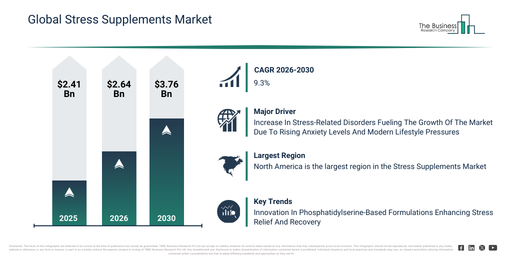
    The stress supplements market has experienced significant expansion in recent years. Projections indicate it will grow from $2.41 billion in 2025 to $2.64 billion by 2026, demonstrating a compound annual growth rate (CAGR) of 9.4%. This historical increase is linked to factors such as greater consciousness regarding mental health management, higher stress levels associated with urban lifestyles, an uptick in dietary supplement consumption, increased use of herbal and nutraceutical products, and more widespread access to stress management solutions.

    The stress supplements market is anticipated to show significant expansion in the coming years. It is projected to reach $3.76 billion by 2030, demonstrating a compound annual growth rate (CAGR) of 9.3%. This projected growth can be attributed to several factors during the forecast period, such as the increasing desire for holistic wellness options, a heightened emphasis on preventive mental health practices, the development of personalized nutrition platforms, the rising adoption of online supplement retail, and advancements in functional ingredient combinations. Prominent trends expected during this time include a growing inclination towards natural and adaptogenic ingredients, an increasing preference for tailored stress support items, the wider availability of clean-label supplement formulations, an elevated focus on mood and cognitive well-being, and the expansion of direct-to-consumer supplement brands.

    Download the Free Sample Report to Explore Key Market Insights:

    https://www.thebusinessresearchcompany.com/sample.aspx?id=30413&type=smp

    What Drivers Are Influencing The Stress Supplements Market?

    The growing incidence of stress-related disorders is projected to propel the expansion of the stress supplements market. These conditions, whether psychological or physical, arise from prolonged or excessive stress, impacting emotional well-being and bodily functions. Their increasing occurrence is linked to rising work pressures and the fast-paced nature of modern lifestyles. Stress supplements are utilized in managing stress-related disorders to aid in regulating cortisol levels, mitigating anxiety, and fostering mental relaxation. For instance, in May 2024, the American Psychiatric Association, a US-based professional organization of psychiatrists, reported that 43% of adults felt anxious, an increase from 37% in 2023 and 32% in 2022. Consequently, the rising prevalence of stress-related disorders is contributing significantly to the growth of the stress supplements market.

    What Are The Key Segments Of The Stress Supplements Market?

    The stress supplements market covered in this report is segmented –

    1) By Formulation Type: Tablets, Capsules, Powders, Liquids, Chewable

    2) By Type: Rhodiola Rosea Supplement, Melatonin Supplement, Vitamin D Supplement, Ashwagandha Supplement, L-Theanine Supplement, B-Complex Vitamins Supplement, Magnesium Supplement, Other Types

    3) By Purpose Of Use: Stress Reduction, Sleep Support, Anxiety Relief, Enhanced Mood, Cognitive Function Improvement

    4) By Distribution Channel: Online Retail, Pharmacies, Supermarkets And Hypermarkets, Specialty Stores

    5) By Application: Children, Adults

    Subsegments:

    1) By Tablets: Multivitamin Tablets, Herbal Extract Tablets, Adaptogen Tablets, Amino Acid Tablets, Mineral-Enriched Tablets

    2) By Capsules: Softgel Capsules, Hard Gelatin Capsules, Herbal Blend Capsules, Omega-3 Or Fatty Acid Capsules, Probiotic Capsules

    3) By Powders: Protein-Based Powders With Stress Relief Ingredients, Herbal Adaptogen Powders, Functional Beverage Mix Powders, Nootropic Powders, Collagen With Relaxation Additives

    4) By Liquids: Herbal Tinctures, Vitamin And Mineral Liquid Blends, Botanical Extract Tonics, Ready-To-Drink Relaxation Beverages, Functional Shots

    5) By Chewable: Gummies, Effervescent Chewable, Lozenges, Functional Candies, Flavored Nutraceutical Chews

    What Key Trends Are Influencing The Development Of The Stress Supplements Market?

    Leading companies in the stress supplements market are prioritizing the creation of novel formulations that utilize phosphatidylserine to help regulate cortisol levels, improve recuperation, and foster mental wellness through natural and functional components. Phosphatidylserine, a type of phospholipid, is crucial for maintaining healthy brain cells and mitigating stress by modulating cortisol levels. For example, in July 2025, KA-EX, a food and beverage enterprise based in Switzerland, introduced its rapid-acting cortisol stress-reducing drink in the U.S., signifying a substantial expansion within the stress supplements segment. KA-EX has become well-received by consumers, including sports professionals and active individuals, due to its capability to lower cortisol levels by 36% within 48 hours, thereby supporting reduced stress, better sleep, and increased vitality. Composed of phosphatidylserine, amino acids, and anti-inflammatory ingredients, it assists in mental wellness and effective stress handling. The beverage is packaged in a patented two-chamber bottle designed to maintain ingredient integrity until use. KA-EX’s entry into the U.S. underscores its identity as a scientifically backed offering within the stress supplements market, serving individuals looking for efficient methods to handle stress and enhance their general recuperation.

    Who Are The Leading Companies Operating In The Stress Supplements Market?

    Major companies operating in the stress supplements market are Bayer AG, Sanofi S.A., GlaxoSmithKline plc, Glanbia plc, Amway Corporation, Nature’s Bounty Inc., GNC Holdings LLC, Dabur India Limited, Alkermes plc, Patanjali Ayurveda, NOW Health Group Inc., The Himalaya Drug Company, Nutramax Laboratories Consumer Care Inc, Jarrow Formulas Inc., Nature’s Way Products LLC, Swanson Health Products Inc., BioGaia AB, Bluebonnet Nutrition Corporation, Allergy Research Group, KA-EX

    Read the full stress supplements market report here:

    https://www.thebusinessresearchcompany.com/report/global-stress-supplements-market-report

    Which Regions Are Expected To Experience Rapid Expansion In The Stress Supplements Market?

    North America was the largest region in the stress supplements market in 2025. Asia-Pacific is expected to be the fastest-growing region in the forecast period. The regions covered in the stress supplements market report are Asia-Pacific, South East Asia, Western Europe, Eastern Europe, North America, South America, Middle East, Africa.

    Request A Tailored Stress Supplements Market Research Report For Competitive Advantage:

    https://www.thebusinessresearchcompany.com/customise?id=30413&type=smp

    Browse Through More Reports Similar to the Global Stress Supplements Market 2026, By The Business Research Company

    Stress Tests Equipment Market Report 2026

    https://www.thebusinessresearchcompany.com/report/stress-tests-equipment-global-market-report

    Wellness Supplements Market Report 2026

    https://www.thebusinessresearchcompany.com/report/wellness-supplements-global-market-report

    Cardiovascular Health Supplements Market Report 2026

    https://www.thebusinessresearchcompany.com/report/cardiovascular-health-supplements-global-market-report

    Get in touch with us:

    The Business Research Company: https://www.thebusinessresearchcompany.com/

    Americas +1 310-496-7795

    Asia +44 7882 955267 & +91 8897263534

    Europe +44 7882 955267

    Email us at info@tbrc.info

    Follow us on:

    LinkedIn: https://in.linkedin.com/company/the-business-research-company

    YouTube: https://www.youtube.com/channel/UC24_fI0rV8cR5DxlCpgmyFQ

    Global Market Model: https://www.thebusinessresearchcompany.com/global-market-model
  • Global Strabismus Treatment Apparatus Market 2026 reaching $2.25 billion by 2030

    Global Strabismus Treatment Apparatus Market 2026 reaching $2.25 billion by 2030

    The Business Research Company’s 2026 market reports include new capabilities such as market attractiveness scoring and analysis, total addressable market analysis, company scoring matrix, interactive excel data dashboard, improved supply chain analysis, upcoming startups in the market, and overview of key products, aimed at improving the depth, usability, and strategic value of the insights delivered.

    What Will Be The Estimated Market Valuation Of The Strabismus Treatment Apparatus Market By The End Of 2030?

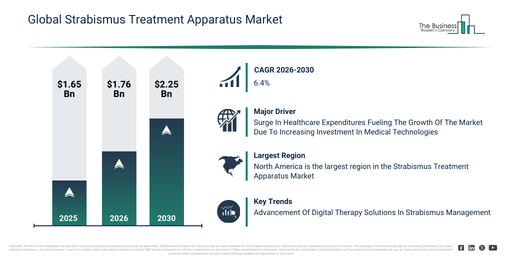
    The strabismus treatment apparatus market has seen substantial growth in recent years. It is anticipated to expand from $1.65 billion in 2025 to $1.76 billion in 2026, achieving a compound annual growth rate (CAGR) of 6.3%. This historic growth can be attributed to factors such as early childhood eye screening, the continued use of traditional patch therapy, comprehensive hospital-based ophthalmology care, an increase in pediatric eye disorders, and the wider adoption of orthoptic therapy.

    The market size for strabismus treatment apparatus is projected to experience robust expansion over the coming years. This market is set to reach $2.25 billion by 2030, exhibiting a compound annual growth rate (CAGR) of 6.4%. Factors contributing to this growth during the forecast period include advancements in digital therapy, increased homecare vision correction, heightened screen exposure, an expanding pediatric population, and the spread of tele-ophthalmology. Key trends expected over the forecast horizon encompass the proliferation of vision therapy devices, the integration of digital and VR-based therapeutic approaches, an uptick in pediatric strabismus diagnoses, the broadening of home-based treatment options, and an enhanced emphasis on non-surgical interventions.

    Download the Free Sample Report to Explore Key Market Insights:

    https://www.thebusinessresearchcompany.com/sample.aspx?id=24410&type=smp

    What Drivers Are Shaping The Future Growth Of The Strabismus Treatment Apparatus Market?

    The anticipated increase in healthcare spending is set to propel the growth of the strabismus treatment apparatus market in the coming years. Healthcare expenditures are defined as the total financial resources allocated to medical services, goods, and public health by individuals, organizations, or governments over a specific duration. This rise in healthcare expenditures is primarily driven by the escalating prevalence of chronic diseases, which demand continuous, resource-intensive management and contribute significantly to medical costs. Healthcare expenditures provide crucial support for the strabismus treatment apparatus by funding the development and improving the accessibility of advanced diagnostic and therapeutic devices, thereby ensuring patients can obtain effective, non-invasive treatment options through either public or private healthcare systems. For instance, in May 2024, a report from the Office for National Statistics, a UK-based government agency, revealed that overall healthcare spending increased by 5.6% in 2023, compared to 2.8% in 2022. Therefore, the rising healthcare expenditures are a key driver for the expansion of the strabismus treatment apparatus market.

    Which Segment Classifications Shape The Strabismus Treatment Apparatus Market?

    The strabismus treatment apparatus market covered in this report is segmented –

    1) By Product Type: Prism Glasses, Eye Patches, Vision Therapy Software, Adjustable Sutures, Other Products

    2) By Age Group: Pediatric, Adult

    3) By End-User: Hospitals, Outpatient Clinics, Home Healthcare Settings

    Subsegments:

    1) By Prism Glasses: Fresnel Prism Glasses, Ground-in Prism Glasses, Clip-on Prisms

    2) By Eye Patches: Adhesive Eye Patches, Reusable Fabric Eye Patches, Pediatric Eye Patches, Orthoptic Training Patches

    3) By Vision Therapy Software: Home-Based Vision Therapy Software, Clinic-Based Vision Therapy Software, Gamified Vision Therapy Programs, VR-Based Vision Therapy Solutions

    4) By Adjustable Sutures: Sliding Noose Technique Sutures, Bow Tie Technique Sutures, Post-Operative Adjustable Sutures

    5) By Other Products: Occlusion Glasses, Eye Exercise Equipment, Electronic Eye-Tracking Devices

    How Are Trends Impacting The Strabismus Treatment Apparatus Market?

    Leading companies in the strabismus treatment apparatus market are increasingly integrating eye-tracking digital therapy to enhance treatment accuracy, patient engagement, and the monitoring of visual outcomes. These eye-tracking technologies utilize high-speed sensors to capture and analyze eye movements in real time, enabling capabilities such as adaptive visual stimulation, binocular alignment training, and automated progress assessment. For example, in March 2024, NovaSight, an ophthalmic medical-device company based in Israel, published the one-year follow-up results for CureSight. This eye-tracking digital therapy system, intended for treating amblyopia associated with mild strabismus, incorporates real-time modulation of image sharpness to stimulate the weaker eye, continuous monitoring of visual-acuity improvements, and remote reporting tools for clinicians. The CureSight system significantly improves therapy adherence, treatment precision, and long-term decision-making within pediatric vision management.

    Which Companies Are Expanding Their Footprint In The Strabismus Treatment Apparatus Market?

    Major companies operating in the strabismus treatment apparatus market are EssilorLuxottica Société Anonyme, NovaSight Ltd., Vivid Vision Inc., Metrovision SAS, RevitalVision Ltd., CooperVision Inc., HOYA Vision Care Company, ZEISS Vision Care, Essilor Instruments USA, Bernell Corporation, Good-Lite Company, Stereo Optical Company Inc., Richmond Products Inc., Oculus Optikgeräte GmbH, Vision Science Labs, RightEye Vision Therapy Solutions, Orthoptika, Amblyoplay, Visionary Tool & Technologies, Optelec US Inc., Rehacom GmbH, HTS Vision Therapy, NeuroVision Technologies, Insight Instruments Inc., Optovue Incorporated

    Read the full strabismus treatment apparatus market report here:

    https://www.thebusinessresearchcompany.com/report/strabismus-treatment-apparatus-global-market-report

    Which Geographic Regions Are Influencing Demand In The Strabismus Treatment Apparatus Market?

    North America was the largest region in the strabismus treatment apparatus market in 2025. Asia-Pacific is expected to be the fastest-growing region in the forecast period. The regions covered in the strabismus treatment apparatus market report are Asia-Pacific, South East Asia, Western Europe, Eastern Europe, North America, South America, Middle East, Africa.

    Request A Tailored Strabismus Treatment Apparatus Market Research Report For Competitive Advantage:

    https://www.thebusinessresearchcompany.com/customise?id=24410&type=smp

    Browse Through More Reports Similar to the Global Strabismus Treatment Apparatus Market 2026, By The Business Research Company

    Surgical Stapling Products Market Report 2026

    https://www.thebusinessresearchcompany.com/report/surgical-stapling-products-global-market-report

    Surgical Stapling Devices Market Report 2026

    https://www.thebusinessresearchcompany.com/report/surgical-stapling-devices-global-market-report

    Strep Throat Treatment Market Report 2026

    https://www.thebusinessresearchcompany.com/report/strep-throat-treatment-global-market-report

    Get in touch with us:

    The Business Research Company: https://www.thebusinessresearchcompany.com/

    Americas +1 310-496-7795

    Asia +44 7882 955267 & +91 8897263534

    Europe +44 7882 955267

    Email us at info@tbrc.info

    Follow us on:

    LinkedIn: https://in.linkedin.com/company/the-business-research-company

    YouTube: https://www.youtube.com/channel/UC24_fI0rV8cR5DxlCpgmyFQ

    Global Market Model: https://www.thebusinessresearchcompany.com/global-market-model

  • Sterile Injectables CDMO Market 2026 expanding toward $10.91 billion by 2030

    Sterile Injectables CDMO Market 2026 expanding toward $10.91 billion by 2030

    The Business Research Company’s 2026 market reports include new capabilities such as market attractiveness scoring and analysis, total addressable market analysis, company scoring matrix, interactive excel data dashboard, improved supply chain analysis, upcoming startups in the market, and overview of key products, aimed at improving the depth, usability, and strategic value of the insights delivered.

    What Market Size Growth Is Projected For The Sterile Injectables CDMO Market During The Forecast Period 2026–2030?

    The sterile injectables CDMO market has experienced rapid growth in recent years. Its value is anticipated to rise from $6.65 billion in 2025 to $7.36 billion in 2026, reflecting a compound annual growth rate (CAGR) of 10.7%. The expansion observed historically can be attributed to several factors, including limited CDMO infrastructure for sterile injectables, the increasing demand for small molecule injectables, a reliance on in-house formulation development, greater regulatory scrutiny for sterile manufacturing processes, and an overall rise in global pharmaceutical production.

    The sterile injectables cdmo market is projected for significant expansion over the coming years. Its valuation is anticipated to reach $10.91 billion by 2030, exhibiting a compound annual growth rate (CAGR) of 10.3%. This projected growth during the forecast period is driven by factors such as the increasing production of large molecule biologics, a surge in demand for cell and gene therapies, the implementation of advanced aseptic processing methods, a rise in outsourcing to CDMOs, and the escalating need for specialized packaging and cold chain storage. Key trends anticipated in this period encompass a heightened call for contract manufacturing of sterile injectables, the broadening of analytical and testing services to ensure quality, an increase in the production of monoclonal antibodies, peptides, and cell/gene therapies, a greater embrace of lyophilized, emulsion, and reconstitutable injectable forms, and the integration of formulation development with packaging and storage solutions.

    Download the Free Sample Report to Explore Key Market Insights:

    https://www.thebusinessresearchcompany.com/sample.aspx?id=25912&type=smp

    Which Economic Or Industry Drivers Are Impacting The Sterile Injectables CDMO Market?

    The rising need for biologics and biosimilars is projected to fuel the expansion of the sterile injectables CDMO market going forward. Biologics are pharmaceuticals derived from living cells or organisms designed to target specific disease elements, while biosimilars are almost exact replicas of authorized biologics, maintaining equivalent quality, safety, and effectiveness. The heightened demand for these treatments stems from the growing prevalence of chronic and intricate health conditions, as these advanced therapies deliver more precise and potent solutions compared to conventional drugs. This increased demand for biologics and biosimilars consequently boosts reliance on sterile injectable CDMO services, given that these therapies are frequently administered through injections and necessitate stringent sterile environments to ensure patient safety, product quality, and regulatory compliance. As an illustration, in February 2025, the Center for Biosimilars, a US-based nonprofit research organization, reported that the US allocated an estimated US $324 billion to biologic medicines in 2023, constituting approximately 45% of the country’s total prescription drug expenditure. Thus, the escalating demand for biologics and biosimilars is a primary catalyst for the growth of the sterile injectables CDMO market.

    What Market Segments Are Evaluated Within The Sterile Injectables CDMO Market?

    The sterile injectables cdmo market covered in this report is segmented –

    1) By Type: Small Molecule, Large Molecule

    2) By Service: Formulation Development, Analytical And Testing Services, Manufacturing, Packaging, Storage, Other Services

    3) By Route Of Administration: Subcutaneous (SC), Intravenous (IV), Intramuscular (IM), Other Routes Of Administration

    4) By Therapeutic Area: Oncology, Cardiovascular Diseases, Central Nervous System Diseases, Infectious Disorders, Musculoskeletal Diseases, Hormonal Diseases, Other Therapeutic Areas

    5) By End-User: Pharmaceutical Companies, Biopharmaceutical Companies, Research Institutes, Other End-Users

    Subsegments:

    1) By Small Molecule: Solutions, Suspensions, Lyophilized Injectables, Emulsions, Reconstitutable Powders

    2) By Large Molecule: Monoclonal Antibodies (mAbs), Peptides And Proteins, Vaccines, Cell And Gene Therapies, Insulins And Biosimilars

    What Industry Trends Are Redefining The Sterile Injectables CDMO Market?

    Leading companies in the Sterile Injectables CDMO market are concentrating on developing innovative solutions, such as modular aseptic filling platforms, to enhance flexibility and efficiency in sterile drug production. Modular aseptic filling platforms are adaptable, isolator-based sterile filling systems built from interchangeable modules that allow CDMOs to quickly switch between vial, syringe, or cartridge formats. This capability helps reduce changeover time, minimize product loss, and efficiently support small- to mid-scale batches for both clinical and commercial sterile injectables. For instance, in February 2025, Recipharm AB, a Sweden-based contract development and manufacturing organization (CDMO), launched a fully operational modular sterile filling system at its Wasserburg, Germany site, specifically designed for aseptic filling of small to mid-scale batches (500–50,000 units). This line minimizes product loss (less than 500 milliliters), supports interchangeable filling modules, and enables efficient processing of high-value biologics within a fully enclosed isolator.

    Who Are The Top Market Participants Influencing The Sterile Injectables CDMO Market?

    Major companies operating in the sterile injectables cdmo market are Pfizer Inc., Thermo Fisher Scientific Inc., Boehringer Ingelheim, Fresenius Kabi AG, Lonza Group Ltd., Catalent Inc., Samsung Biologics Co. Ltd., Fareva SA, Recipharm AB, PCI Pharma Services, Vetter Pharma, Delpharm, Kindeva Drug Delivery LP, Ajinomoto Bio-Pharma Services, Cenexi, Grand River Aseptic Manufacturing Inc., INCOG BioPharma Services, Aurigene Pharmaceutical Services, Jubilant HollisterStier LLC, Symbiosis Pharmaceutical Services Ltd., Afton Scientific Corp., Amaran Biotechnology Inc.

    Read the full sterile injectables cdmo market report here:

    https://www.thebusinessresearchcompany.com/report/sterile-injectables-cdmo-global-market-report

    What Are The Top-Performing Regions Within The Sterile Injectables CDMO Market?

    North America was the largest region in the sterile injectables CDMO market in 2025. Asia-Pacific is expected to be the fastest-growing region in the forecast period. The regions covered in the sterile injectables cdmo market report are Asia-Pacific, South East Asia, Western Europe, Eastern Europe, North America, South America, Middle East, Africa.

    Request A Tailored Sterile Injectables CDMO Market Research Report For Competitive Advantage:

    https://www.thebusinessresearchcompany.com/customise?id=25912&type=smp

    Browse Through More Reports Similar to the Global Sterile Injectables CDMO Market 2026, By The Business Research Company

    Generic Oncology Sterile Injectable Market Report 2026

    https://www.thebusinessresearchcompany.com/report/generic-oncology-sterile-injectable-global-market-report

    Injectable Drug Delivery Devices Market Report 2026

    https://www.thebusinessresearchcompany.com/report/injectable-drug-delivery-devices-global-market-report

    Sterile Medical Packaging Market Report 2026

    https://www.thebusinessresearchcompany.com/report/sterile-medical-packaging-global-market-report

    Get in touch with us:

    The Business Research Company: https://www.thebusinessresearchcompany.com/

    Americas +1 310-496-7795

    Asia +44 7882 955267 & +91 8897263534

    Europe +44 7882 955267

    Email us at info@tbrc.info

    Follow us on:

    LinkedIn: https://in.linkedin.com/company/the-business-research-company

    YouTube: https://www.youtube.com/channel/UC24_fI0rV8cR5DxlCpgmyFQ

    Global Market Model: https://www.thebusinessresearchcompany.com/global-market-model