Blog

  • Malignant Pleural Effusion Market Forecast 2026–2030: Market Size, Trends And Growth Opportunities

    Malignant Pleural Effusion Market Forecast 2026–2030: Market Size, Trends And Growth Opportunities

    Built to provide research that’s more actionable and strategically valuable, The Business Research Company’s 2026 market reports include market attractiveness analysis, total addressable market sizing, company benchmarking matrices, interactive Excel dashboards, broader supply chain intelligence, emerging startup tracking, and in-depth product insights.

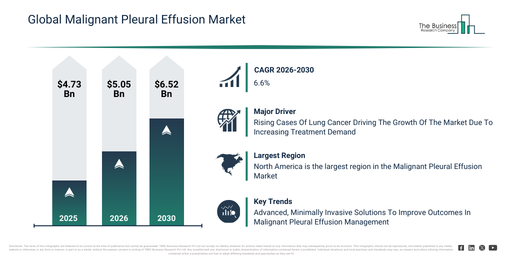
    Malignant Pleural Effusion Market Growth From $5.05 Billion In 2026 To $6.52 Billion By 2030 At A CAGR Of 6.6%

    The market for malignant pleural effusion has shown strong growth in recent years. It is anticipated to expand from $4.73 billion in 2025 to $5.05 billion in 2026, at a compound annual growth rate (CAGR) of 6.8%. This historical growth can be ascribed to elements such as the increasing prevalence of metastatic cancers, the limited array of curative treatment alternatives, the dependence on repeated thoracentesis for managing symptoms, the expansion of hospital-based cancer services, and the progressive adoption of pleurodesis techniques.

    The malignant pleural effusion market is projected for substantial expansion over the next few years. It is expected to grow to $6.52 billion in 2030, achieving a compound annual growth rate (CAGR) of 6.6%. This anticipated growth during the forecast period stems from factors such as the global rise in cancer prevalence, innovations in pleural catheter technologies, an increased focus on outpatient and home-based care models, improved accuracy in diagnostic imaging, and a growing demand for treatments centered on enhancing quality of life. Prominent trends for this period encompass the expanded adoption of indwelling pleural catheters for long-term care, a rising preference for minimally invasive pleural interventions, greater integration of systemic cancer therapies into mpe management, an elevated emphasis on symptom relief and palliative care strategies, and the broadening application of imaging-guided diagnostic and therapeutic procedures.

    Get A Free Sample Report With In-Depth Market Insights:

    https://thebusinessresearchcompany.com/sample_request?id=83236152&type=smp&name=Malignant%20Pleural%20Effusion%20Market%20Report%202026&utm_source=Blogs&utm_medium=Paid&utm_campaign=Nov_PR

    Malignant Pleural Effusion Market Opportunity Drivers: What’s Unlocking New Revenue Potential?

    A surge in lung cancer diagnoses is anticipated to stimulate the expansion of the malignant pleural effusion market moving ahead. Lung cancer is characterized by the unchecked growth of atypical cells within the lungs, which can form masses and disrupt normal pulmonary function. The increasing incidence of lung cancer is primarily linked to smoking and tobacco usage, given that prolonged exposure to detrimental chemicals in cigarettes damages lung tissues, instigates genetic mutations, and fosters the uncontrolled proliferation of cancerous cells, significantly elevating the probability of developing the illness. Malignant pleural effusion signals advanced lung cancer progression by facilitating the spread of tumors within the pleural cavity, leading to aggravated respiratory impairment and a less favorable outlook. For example, in January 2023, according to the American Cancer Society Facts and Figures, a US-based professional organizations company, new cases of lung and bronchus cancer were estimated at 236,740 in 2022 and 238,340 in 2023, while estimated deaths amounted to 130,180 in 2022 and 127,070 in 2023. Consequently, the rising number of lung cancer cases is a key impetus for the growth of the malignant pleural effusion market.

    Malignant Pleural Effusion Market Segment Analysis And Revenue Potential

    The malignant pleural effusion market covered in this report is segmented –

    1) By Treatment: Systemic Therapy, Therapeutic Thoracentesis, Thoracic Drainage And Pleurodesis, Indwelling Pleural Catheter

    2) By Diagnosis: Pleural Fluid Cytology, Immunohistochemical Tests, Imaging Tests, Pleural Thoracentosis, Pleuroscopy, Pleural Biopsy

    3) By End Users: Hospitals, Ambulatory Clinics, Other End Users

    Subsegments:

    1) By Systemic Therapy: Chemotherapy, Targeted Therapy, Immunotherapy

    2) By Therapeutic Thoracentesis: Single-Time Thoracentesis, Repeated Thoracentesis

    3) By Thoracic Drainage And Pleurodesis: Chemical Pleurodesis, Mechanical Pleurodesis

    4) By Indwelling Pleural Catheter: Tunneled Pleural Catheter, Non-Tunneled Pleural Catheter

    Malignant Pleural Effusion Market Innovation Trends Shaping Future Development

    Leading firms in the malignant pleural effusion sector are prioritizing the creation of novel solutions, including fully-implantable automatic fluid-shunt devices, aimed at enhancing patient comfort and decreasing hospital attendance. Such a device is a surgically inserted medical instrument designed to autonomously divert surplus pleural fluid from the lungs into the abdomen or other regions, thereby alleviating dyspnea, minimizing the necessity for recurrent hospital interventions, and elevating the patient’s quality of life. As an illustration, in October 2023, Pleural Dynamics, a medical device firm located in the US, introduced its ACES Automatic Continuous Effusion Shunt System. This system consists of a durable, flexible pump chamber positioned beneath the skin between the ribs, featuring one catheter situated in the pleural cavity and a second in the peritoneal cavity. With each breath the patient takes, the internal pump extension undergoes compression and decompression between neighboring ribs, propelling fluid from the pleural cavity into the abdomen for reabsorption; additionally, the system offers manual activation through an external compression mechanism. Its primary attributes encompass a fully implantable configuration, the absence of external drainage tubes or suction bottles, an automatic pumping function powered by breathing, a short hospital stay for its placement, and ongoing symptom alleviation for recurring effusions.

    Malignant Pleural Effusion Market Key Players Shaping Industry Direction

    Major companies operating in the malignant pleural effusion market are Becton Dickinson and Company, Cook Medical LLC, Merit Medical Systems Inc, Argon Medical Devices Inc, B Braun SE, Medtronic plc, Smiths Medical, Teleflex Incorporated, Cardinal Health Inc, Getinge AB, AngioDynamics Inc, Rocket Medical plc, Redax SpA, Atrium Medical Corporation, PolyMedicure Ltd, Troge Medical GmbH, Vygon SA, ICU Medical Inc, ConvaTec Group plc, Baxter International Inc

    View The Full Malignant Pleural Effusion Market Report:

    https://thebusinessresearchcompany.com/report/malignant-pleural-effusion-global-market-report?utm_source=Blogs&utm_medium=Paid&utm_campaign=Nov_PR

    Malignant Pleural Effusion Market Regional Analysis And Top Geography

    North America was the largest region in the malignant pleural effusion market in 2025. Asia-Pacific is expected to be the fastest-growing region in the forecast period. The regions covered in the malignant pleural effusion market report are Asia-Pacific, South East Asia, Western Europe, Eastern Europe, North America, South America, Middle East, Africa.

    Reach Out To Our Team:

    The Business Research Company: https://www.thebusinessresearchcompany.com/

    Americas: +1 310-496-7795

    Asia: +44 7882 955267 & +91 8897263534

    Europe: +44 7882 955267

    Email us at: marketing@tbrc.info

    Follow us on:

    LinkedIn: https://in.linkedin.com/company/the-business-research-company

    YouTube: https://www.youtube.com/channel/UC24_fI0rV8cR5DxlCpgmyFQ

    Global Market Model: https://www.thebusinessresearchcompany.com/global-market-model
  • Malignant Mesothelioma Market Size Reaches $2.77 Billion In 2026: What Is Driving Growth?

    Malignant Mesothelioma Market Size Reaches $2.77 Billion In 2026: What Is Driving Growth?

    Backed by market attractiveness analysis, total addressable market sizing, company benchmarking matrices, interactive Excel dashboards, wider supply chain intelligence, emerging startup coverage, and detailed product-level insights, The Business Research Company’s 2026 market reports are designed to offer research that is more actionable and strategically valuable than ever.

    Malignant Mesothelioma Market Expansion Outlook: What Revenue Opportunities Are Ahead?

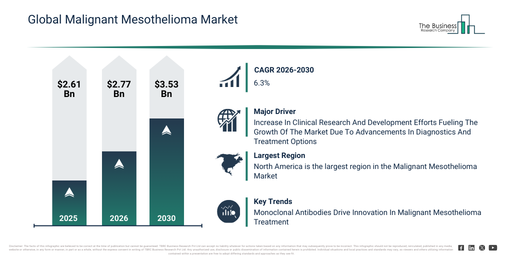
    The malignant mesothelioma market size has experienced strong growth in recent years. It is forecast to expand from $2.61 billion in 2025 to $2.77 billion in 2026, demonstrating a compound annual growth rate (CAGR) of 6.3%. This historical expansion can be attributed to several factors, including past asbestos exposure in construction and manufacturing, the long disease latency period, limited early treatment options, a rise in occupational health awareness, and the gradual improvement of diagnostic imaging.

    The malignant mesothelioma market is anticipated to show robust expansion in the coming years. It is projected to achieve a value of $3.53 billion by 2030, progressing at a compound annual growth rate (CAGR) of 6.3%. This forecasted growth can be linked to breakthroughs in immunotherapy and targeted medications, increased funding for rare cancer research, an expanding volume of clinical trials, enhanced diagnostic tools, and a rise in healthcare spending on oncology. Significant patterns expected during this period involve the wider adoption of immunotherapy and targeted treatment, a greater emphasis on integrated treatment methods, an increasing requirement for prompt and precise diagnosis, the growth of specialized mesothelioma care facilities, and enhanced involvement in clinical trials for uncommon cancers.

    Get A Free Sample Report With In-Depth Market Insights:

    https://thebusinessresearchcompany.com/sample_request?id=46782397&type=smp&name=Malignant%20Mesothelioma%20Market%20Report%202026&utm_source=Blogs&utm_medium=Paid&utm_campaign=Nov_PR

    Malignant Mesothelioma Market Growth Momentum: What Factors Are Shaping Demand?

    The malignant mesothelioma market is anticipated to expand due to rising clinical research and development endeavors. These R&D efforts encompass scientific investigations and trials aimed at creating novel pharmaceuticals, therapies, and medical devices, involving the evaluation of their safety, effectiveness, and possible adverse reactions via regulated clinical trials. The surge in clinical R&D stems from an increasing need for enhanced and innovative treatments, particularly given the growing incidence of chronic ailments and intricate health issues. R&D initiatives propel advancements in the malignant mesothelioma domain by fast-tracking diagnostics, treatments, and precise therapies, thereby promoting inventive strategies for better early identification, improved survival outcomes, and the creation of more potent, less intrusive treatment alternatives. As an illustration, in January 2025, Anadolu Agency, a state-run news agency from Turkey, reported that clinical trials constitute almost 40% of the pharmaceutical research budget in the U.S., amounting to about $7 billion each year. Consequently, the escalation in research and development activities is fueling the expansion of the malignant mesothelioma market.

    Malignant Mesothelioma Market Segmentation And Category Overview

    The malignant mesothelioma market covered in this report is segmented –

    1) By Treatment Type: Chemotherapy, Radiation Therapy, Surgery, Immunotherapy, Targeted Therapy

    2) By Route Of Administration: Oral, Intravenous, Injectable

    3) By Distribution Channel: Hospital Pharmacies, Specialty Pharmacies

    4) By End-User: Hospitals, Oncology Clinics

    Subsegments:

    1) By Chemotherapy: Alkylating Agents, Antimetabolites, Combination Therapy

    2) By Radiation Therapy: External Beam Radiation Therapy (EBRT), Intensity-Modulated Radiation Therapy (IMRT), Stereotactic Body Radiation Therapy (SBRT), Proton Therapy

    3) By Surgery: Pleurectomy Or Decortication (P/D), Extrapleural Pneumonectomy (EPP), Cytoreductive Surgery, Palliative Surgery

    4) By Immunotherapy: Immune Checkpoint Inhibitors, Monoclonal Antibodies, Tumor Vaccines, Adoptive Cell Therapy

    5) By Targeted Therapy: Tyrosine Kinase Inhibitors (TKIs), Angiogenesis Inhibitors, Mesothelin-Targeted Agents, Gene Therapy-Based Approaches

    Malignant Mesothelioma Market Trends Redefining Industry Growth

    Leading companies in the malignant mesothelioma market are concentrating on developing advanced treatment options, such as monoclonal antibody therapies, to curb tumor growth and enhance treatment accuracy. Monoclonal antibodies are laboratory-produced proteins designed to imitate the immune system’s capacity to identify and target specific antigens, including those found on cancer cells. For example, in November 2023, Ono Pharmaceutical Co. Ltd., a pharmaceutical company based in Japan, obtained supplemental approval in Japan for the expanded application of Opdivo (nivolumab), a human anti-human PD-1 monoclonal antibody, for the treatment of malignant mesothelioma (excluding malignant pleural mesothelioma). This approval positions Opdivo as a new therapeutic alternative for this condition, for which no established standard treatments existed previously. Opdivo was also granted orphan drug designation for this indication, emphasizing its potential to address a significant medical necessity.

    Malignant Mesothelioma Market Competitive Analysis Of Leading Industry Participants

    Major companies operating in the malignant mesothelioma market are AstraZeneca PLC, Bristol Myers Squibb Company, Merck & Co. Inc., F. Hoffmann-La Roche Ltd, Novartis AG, Pfizer Inc., Eli Lilly and Company, Johnson & Johnson, AbbVie Inc., Amgen Inc., Regeneron Pharmaceuticals Inc., Sanofi S.A., Gilead Sciences Inc., Takeda Pharmaceutical Company Limited, Boehringer Ingelheim International GmbH, Bayer AG, Eisai Co. Ltd., Astellas Pharma Inc., Ono Pharmaceutical Co. Ltd., PharmaMar S.A.

    View The Full Malignant Mesothelioma Market Report:

    https://thebusinessresearchcompany.com/report/malignant-mesothelioma-global-market-report?utm_source=Blogs&utm_medium=Paid&utm_campaign=Nov_PR

    Malignant Mesothelioma Market Geographic Analysis: Where Is Demand Rising Fastest?

    North America was the largest region in the malignant mesothelioma market in 2025. Asia-Pacific is expected to be the fastest-growing region in the forecast period. The regions covered in the malignant mesothelioma market report are Asia-Pacific, South East Asia, Western Europe, Eastern Europe, North America, South America, Middle East, Africa.

    Reach Out To Our Team:

    The Business Research Company: https://www.thebusinessresearchcompany.com/

    Americas: +1 310-496-7795

    Asia: +44 7882 955267 & +91 8897263534

    Europe: +44 7882 955267

    Email us at: marketing@tbrc.info

    Follow us on:

    LinkedIn: https://in.linkedin.com/company/the-business-research-company

    YouTube: https://www.youtube.com/channel/UC24_fI0rV8cR5DxlCpgmyFQ

    Global Market Model: https://www.thebusinessresearchcompany.com/global-market-model

  • Malignant Melanoma Treatment Market Valued At $13.37 Billion In 2026: Key Trends And Growth Drivers

    Malignant Melanoma Treatment Market Valued At $13.37 Billion In 2026: Key Trends And Growth Drivers

    Featuring market attractiveness scoring, total addressable market sizing, company benchmarking matrices, interactive Excel dashboards, deeper supply chain intelligence, emerging startup tracking, and granular product-level insights, The Business Research Company’s 2026 market reports are built to deliver research that is both more actionable and more strategically valuable.

    Malignant Melanoma Treatment Market Growth Potential: How Will Market Size Shift Through 2030?

    The malignant melanoma treatment market has experienced rapid expansion in recent years. Its size is projected to expand from $7.98 billion in 2025 to $8.78 billion in 2026, demonstrating a compound annual growth rate (CAGR) of 10.1%. Historically, this growth was driven by factors such as the rising global incidence of skin cancer, increased exposure to ultraviolet radiation, the early emergence of chemotherapy-based melanoma treatments, heightened awareness of melanoma symptoms, and the initial effectiveness of surgical melanoma management.

    The malignant melanoma treatment market is projected to experience swift expansion over the coming years, anticipated to reach $13.37 billion by 2030, demonstrating a compound annual growth rate (CAGR) of 11.1%. This forecasted growth is attributable to several factors, including the increasing approvals of advanced immunotherapies, a growing focus on personalized cancer treatment, heightened investment in oncology research and development, the expansion of melanoma screening initiatives, and improved healthcare access in developing markets. Key trends during the forecast period encompass a surge in the adoption of immunotherapy-based treatments, an increase in the utilization of combination treatment regimens, a greater emphasis on intervening in early-stage melanoma, an expansion of clinical trials for new melanoma therapies, and a heightened need for specialized oncology care facilities.

    Get A Free Sample Report With In-Depth Market Insights:

    https://thebusinessresearchcompany.com/sample_request?id=75182207&type=smp&name=Malignant%20Melanoma%20Treatment%20Market%20Report%202026&utm_source=Blogs&utm_medium=Paid&utm_campaign=Nov_PR

    Malignant Melanoma Treatment Market Expansion Drivers: What’s Shaping Future Growth?

    A rising occurrence of melanoma is projected to fuel the expansion of the malignant melanoma treatment market in the future. Melanoma, a type of skin cancer, originates in melanocytes, which are the skin cells producing pigment. Treatment typically includes surgical tumor removal, and depending on the cancer’s stage and spread, further therapies such as immunotherapy or targeted therapy might be advised. For example, data from the US-based Melanoma Research Foundation in February 2023 indicated that the total melanoma cases in the United States were 1,87,000 in 2023, subsequently rising by 7.3% to 2,00,651 in 2024. Consequently, the growing incidence of melanoma is a key factor propelling the malignant melanoma treatment market’s growth.

    Malignant Melanoma Treatment Market Segment Outlook: Which Categories Are Growing Fastest?

    The malignant melanoma treatment market covered in this report is segmented –

    1) By Treatment: Immunotherapy, Radiation Therapy, Chemotherapy, Other Treatments

    2) By Disease Type: Lentigo Maligna Melanoma, Acral Lentiginous Melanoma, Nodular Melanoma, Superficial Spreading Melanoma

    3) By End-User: Hospitals, Specialty Clinics, Other End Users

    Subsegments:

    1) By Immunotherapy: Checkpoint Inhibitors, Cytokine Therapy, Oncolytic Virus Therapy

    2) By Radiation Therapy: External Beam Radiation Therapy, Stereotactic Radiation Therapy

    3) By Chemotherapy: Traditional Chemotherapy Agents, Combination Chemotherapy Regimens

    4) By Other Treatments: Targeted Therapy, Surgical Interventions, Clinical Trials For Novel Therapies

    Malignant Melanoma Treatment Market Strategic Trends: What Defines The Next Growth Phase?

    Leading companies within the malignant melanoma treatment market are prioritizing the creation of novel approaches, such as autologous tumor-infiltrating lymphocyte (TIL) therapies, to address the growing need for effective post-checkpoint immunotherapies and personalized cell-based options for patients whose disease has advanced after PD-1 inhibitors and targeted therapies. Autologous tumor-infiltrating lymphocyte (TIL) therapy represents an immunotherapy approach where a patient’s own immune cells, which have infiltrated their tumor, are collected, propagated in vitro, and then readministered to enhance the body’s capacity to identify and eliminate malignant cells more effectively. As an example, in February 2024, Iovance Biotherapeutics, a US-based biopharmaceutical company, introduced AMTAGVI (lifileucel), an autologous TIL therapy for adults with unresectable or metastatic melanoma who have progressed after prior PD-1 therapy (and targeted therapy if BRAF V600-mutant). AMTAGVI (lifileucel) consists of expanded tumor-infiltrating lymphocytes obtained from the patient’s own tumor and readministered subsequent to a conditioning regimen; it operates by boosting tumor-reactive T cells to facilitate the destruction of tumor cells. Distinctive aspects of this treatment encompass personalized production, a one-time dosing strategy, and its capability to identify diverse tumor antigens.

    Malignant Melanoma Treatment Market Leading Companies And Competitive Benchmarking

    Major companies operating in the malignant melanoma treatment market are Johnson & Johnson Private Limited, Pfizer Inc., Hoffmann-La Roche AG, Bayer AG, Novartis AG, Merck & Co. Inc., GlaxoSmithKline plc, Bristol-Myers Squibb Company, Sanofi S.A., AstraZeneca plc, Takeda Pharmaceutical Company Limited, Eli Lilly and Company, Amgen Inc., Daiichi Sankyo Company Limited, Mylan N.V., Chugai Pharmaceutical Co. Ltd., Sun Pharmaceutical Industries Limited, Ono Pharmaceutical Co. Ltd., Exelixis Inc., Array BioPharma Inc., Pierre Fabre Group, Clinigen Group, Iovance Biotherapeutics Inc., X4 Pharmaceuticals Inc., Mirati Therapeutics Inc., Moleculin Biotech Inc., Polynoma LLC, Enzon Pharmaceuticals Inc., Northwest Biotherapeutics Inc.

    View The Full Malignant Melanoma Treatment Market Report:

    https://thebusinessresearchcompany.com/report/malignant-melanoma-treatment-global-market-report?utm_source=Blogs&utm_medium=Paid&utm_campaign=Nov_PR

    Malignant Melanoma Treatment Market Global Footprint: Which Region Leads The Market?

    North America was the largest region in the malignant melanoma treatment market in 2025. Asia-Pacific is expected to be the fastest-growing region in the forecast period. The regions covered in the malignant melanoma treatment market report are Asia-Pacific, South East Asia, Western Europe, Eastern Europe, North America, South America, Middle East, Africa.

    Reach Out To Our Team:

    The Business Research Company: https://www.thebusinessresearchcompany.com/

    Americas: +1 310-496-7795

    Asia: +44 7882 955267 & +91 8897263534

    Europe: +44 7882 955267

    Email us at: marketing@tbrc.info

    Follow us on:

    LinkedIn: https://in.linkedin.com/company/the-business-research-company

    YouTube: https://www.youtube.com/channel/UC24_fI0rV8cR5DxlCpgmyFQ

    Global Market Model: https://www.thebusinessresearchcompany.com/global-market-model
  • Male Fertility Market Size In 2026: Growth Outlook And Forecast Through 2030

    Male Fertility Market Size In 2026: Growth Outlook And Forecast Through 2030

    Built to provide research that’s more actionable and strategically valuable, The Business Research Company’s 2026 market reports include market attractiveness analysis, total addressable market sizing, company benchmarking matrices, interactive Excel dashboards, broader supply chain intelligence, emerging startup tracking, and in-depth product insights.

    Male Fertility Market Value Analysis: What Growth Lies Ahead Over The Forecast Period?

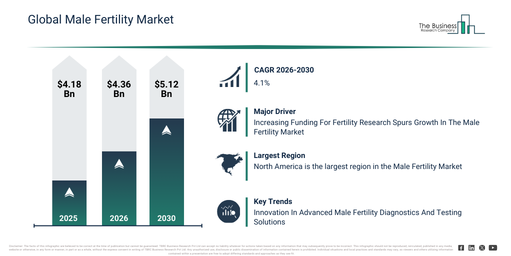
    The male fertility market size has demonstrated consistent expansion in recent years. It is projected to increase from $4.18 billion in 2025 to $4.36 billion in 2026, exhibiting a compound annual growth rate (CAGR) of 4.3%. Historically, this growth can be attributed to factors such as delayed parenthood trends, the increasing prevalence of lifestyle-related infertility, a growing incidence of varicocele and hormonal disorders, the early adoption of IVF and ICSI procedures, and rising awareness of male reproductive health.

    The male fertility market is projected to experience consistent expansion over the upcoming years. By 2030, its valuation is anticipated to reach $5.12 billion, advancing at a compound annual growth rate (CAGR) of 4.1%. This projected growth is primarily driven by factors such as a rise in male infertility diagnosis rates, increased acceptance of fertility testing among men, the spread of fertility services into developing markets, heightened investment in reproductive health research, and an expanded uptake of preventive fertility supplements. Key trends anticipated during this period encompass a greater understanding of male infertility issues, the wider implementation of advanced semen analysis methods, an escalating demand for assisted reproductive technologies, increased usage of male fertility supplements, and the establishment of more specialized male fertility clinics.

    Get A Free Sample Report With In-Depth Market Insights:

    https://thebusinessresearchcompany.com/sample_request?id=80619515&type=smp&name=Male%20Fertility%20Market%20Report%202026&utm_source=Blogs&utm_medium=Paid&utm_campaign=Nov_PR

    Male Fertility Market Development Factors: What’s Supporting Demand?

    Growing investment in fertility research is projected to fuel the expansion of the male fertility market in the future. This research involves the scientific exploration and examination of elements affecting reproductive health, such as conception, pregnancy, and improving fertility outcomes. Financial support for fertility studies focuses specifically on male fertility, aiming for a thorough understanding of reproductive health, enhancing overall fertility success, and acknowledging the crucial part male factors have in conception and successful reproduction. For instance, in October 2023, the Eunice Kennedy Shriver National Institute of Child Health and Human Development, a US-based health department, provided $2.26 million to support studies on fertility-sparing treatments. Consequently, the rising financial support for fertility research is stimulating the growth within the male fertility market.

    Male Fertility Market Segment Landscape: Which Areas Lead Development?

    The male fertility market covered in this report is segmented –

    1) By Test Type: Sperm Agglutination, DNA Fragmentation Technique, Oxidative Stress Analysis, Computer Assisted Semen Analysis, Sperm Penetration Assay, Other Test Types

    2) By Treatment Type: Assisted Reproductive Technology, Varicocele Surgery, Medication

    3) By Supplement: Antioxidants, Vitamins, Minerals, Amino Acids, Enzymes

    4) By End User: Hospitals And Clinics, Fertility Centers, Research Institutes, Other End Users

    Subsegments:

    1) By Sperm Agglutination: Seminal Plasma Agglutination Test, Sperm-Bound Antibody Tests

    2) By DNA Fragmentation Technique: Sperm DNA Fragmentation Index (DFI) Tests, Comet Assay

    3) By Oxidative Stress Analysis: Reactive Oxygen Species (ROS) Measurement, Antioxidant Capacity Tests

    4) By Computer Assisted Semen Analysis (CASA): Motility Analysis, Morphology Assessment

    5) By Sperm Penetration Assay: Sperm-oocyte Interaction Tests, In Vitro Fertilization (IVF) Models

    6) By Other Test Types: Hormonal Tests, Genetic Testing, Semen Culture Tests

    Male Fertility Market Transformation Trends: What Innovations Are Driving Change?

    Leading companies within the male fertility market are concentrating on developing innovative solutions, such as portable computer-assisted semen analysis (CASA) systems. This effort aims to meet increasing demand stemming from factors like delayed parenthood, heightened awareness of male-factor infertility, and the drive towards decentralized, patient-friendly diagnostics. A portable computer-assisted semen analysis (CASA) system operates as a handheld or mobile device that utilizes software and imaging technology to automatically evaluate sperm quality, covering aspects such as count, motility, and morphology, thereby enabling quick, accurate, and on-site fertility assessment. For instance, in November 2023, ExSeed Health, a UK-based, privately held medical-device and digital-health company, launched the ExSeed CASA Lite, a compact computer-assisted semen analysis system designed for clinics and satellite laboratories. The ExSeed CASA Lite integrates a plug-and-play brightfield microscopy module with high-resolution video capture and cloud-enabled analysis software; it is characterized as an IVD-class solution intended to measure key parameters (concentration, motility and selected morphology metrics) with automated reporting. Unique features of the system include a large field-of-view high-resolution camera for whole-sample imaging, a web-based interface for rapid results and clinic integration, and a small laboratory footprint that makes advanced semen analysis accessible outside major ART centres.

    Male Fertility Market Industry Leaders And Competitive Landscape

    Major companies operating in the male fertility market are Bayer Healthcare Inc., Sanofi S.A., MERCK KGaA, Essity AB, Laboratory Corporation Of America Holdings, Endo International plc., Cook Medical, Zydus Lifesciences Ltd., Intas Pharmaceuticals Ltd., ASKA Pharmaceutical Co. Ltd, EMD Serono Inc., Dendreon Pharmaceuticals LLC, Vitrolife, CinnaGen Co., Aytu BioScience Inc., Kindbody, Cryos International, AdvaCare Pharma USA, Ferring Pharmaceuticals, Apricus Biosciences, Reprotech Ltd., Vios Fertility Institute, Andrology Solutions, DxNow, INVO Bioscience

    View The Full Male Fertility Market Report:

    https://thebusinessresearchcompany.com/report/male-fertility-global-market-report?utm_source=Blogs&utm_medium=Paid&utm_campaign=Nov_PR

    Male Fertility Market Regional Split: Which Areas Are Fueling Growth?

    North America was the largest region in the male fertility market in 2025. Asia-Pacific is expected to be the fastest-growing region in the forecast period. The regions covered in the male fertility market report are Asia-Pacific, South East Asia, Western Europe, Eastern Europe, North America, South America, Middle East, Africa.

    Reach Out To Our Team:

    The Business Research Company: https://www.thebusinessresearchcompany.com/

    Americas: +1 310-496-7795

    Asia: +44 7882 955267 & +91 8897263534

    Europe: +44 7882 955267

    Email us at: marketing@tbrc.info

    Follow us on:

    LinkedIn: https://in.linkedin.com/company/the-business-research-company

    YouTube: https://www.youtube.com/channel/UC24_fI0rV8cR5DxlCpgmyFQ

    Global Market Model: https://www.thebusinessresearchcompany.com/global-market-model
  • Malaria Vaccines Market Trends Supporting 34.3% CAGR Growth Through 2030

    Malaria Vaccines Market Trends Supporting 34.3% CAGR Growth Through 2030

    Backed by market attractiveness analysis, total addressable market sizing, company benchmarking matrices, interactive Excel dashboards, wider supply chain intelligence, emerging startup coverage, and detailed product-level insights, The Business Research Company’s 2026 market reports are designed to offer research that is more actionable and strategically valuable than ever.

    Malaria Vaccines Market Size Forecast: How Big Could The Market Get By 2030?

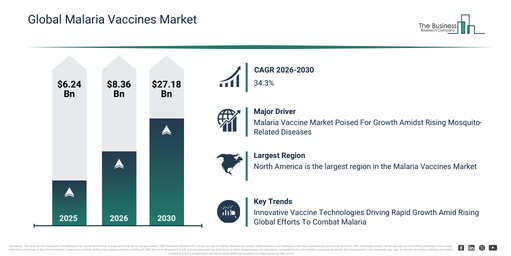
    The malaria vaccines market size has experienced substantial expansion in recent years. It is anticipated to increase from $6.24 billion in 2025 to $8.36 billion in 2026, exhibiting a compound annual growth rate (CAGR) of 33.9%. This historical growth can be attributed to several factors: a high malaria burden in endemic areas, persistent global efforts to eradicate malaria, financial assistance from international health organizations, the constraints imposed by antimalarial drug resistance, and the initial successful outcomes of first-generation malaria vaccines.

    The malaria vaccines market is anticipated to experience substantial expansion in the coming years. Its valuation is projected to reach $27.18 billion by 2030, growing at a compound annual growth rate (CAGR) of 34.3%. This projected growth can be attributed to factors such as increased government funding for the prevention of infectious diseases, the expanding geographical reach of malaria-prone areas due to climatic shifts, a rising need for vaccines offering sustained immunity, ongoing advancements in vaccine research and clinical trials, and the broadening of immunization programs in low-income countries. Significant trends for the forecast period include the development and deployment of next-generation malaria vaccines, an escalating focus on pediatric immunization initiatives, a surge in public–private collaborations for vaccine distribution, a heightened emphasis on multi-antigen and combination vaccines, and the reinforcement of extensive vaccination campaigns in regions where the disease is endemic.

    Get A Free Sample Report With In-Depth Market Insights:

    https://thebusinessresearchcompany.com/sample_request?id=43664951&type=smp&name=Malaria%20Vaccines%20Market%20Report%202026&utm_source=Blogs&utm_medium=Paid&utm_campaign=Nov_PR

    Malaria Vaccines Market Industry Drivers: What’s Behind The Revenue Growth?

    The malaria vaccine market is anticipated to experience growth as a result of the rising prevalence of mosquito-related diseases, which are a diverse category of illnesses transmitted through the bite of an infected mosquito. The malaria vaccine, particularly the RTS, S/AS01 (RTS, S) vaccine, functions by training the immune system to identify and combat the parasite, thereby preventing and reducing the effects of these mosquito-borne infectious diseases. For illustration, in December 2024, the UK Health Security Agency (UKHSA), a UK-based government department, released its annual malaria report for 2023, indicating 2,106 reported cases of imported malaria in the UK. This figure represents a 26% increase compared to the cases documented in 2022. Therefore, the heightened incidence of mosquito-related diseases is a significant driver for the expansion of the malaria vaccine market.

    Malaria Vaccines Market Segments: Where Is Growth Concentrated?

    The malaria vaccines market covered in this report is segmented –

    1) By Agent: Plasmodium Falciparum, Plasmodium Vivax

    2) By Vaccine Type: Pre-Erythrocytic, Erythrocytic, Multi-antigen, Other Vaccines

    3) By Route Of Administration: Intramuscular, Subcutaneous, Intradermal, Other Routes Of Administration

    4) By Distribution Channel: Public, Private

    Subsegments:

    1) By Plasmodium Falciparum: RTS,S/AS01 Vaccine, Experimental Vaccines

    2) By Plasmodium Vivax: Candidate Vaccines In Development, Combination Vaccines

    #Malaria Vaccines Market Growth Trends: What’s Shaping The Future Outlook?

    Leading entities within the malaria vaccines market are prioritizing the creation of innovative solutions, such as next-generation recombinant vaccines, to address the escalating need fueled by increasing malaria prevalence, government support, and expanding immunization programs. These advanced recombinant vaccines employ sophisticated genetic engineering methodologies to aim at various phases of the malaria parasite’s life cycle, delivering enhanced immunological reactions and extended defense, in contrast to conventional vaccines, which typically focus on a singular stage and provide restricted effectiveness. As an illustration, during October 2025, the Government of the Republic of Zambia introduced the anti-malarial vaccine R21/Matrix-M under the umbrella of its Expanded Programme on Immunisation. A collaborative effort between the University of Oxford and the Serum Institute of India, this vaccine utilizes a recombinant protein framework coupled with the Matrix-M adjuvant to boost immunological response, follows a four-dose regimen beginning at 6 months of age, and is intended to supplement current anti-malaria interventions. The vaccine demonstrates superior efficacy rates and is designed to safeguard children within high and moderate transmission districts across Zambia, thereby making a substantial contribution to endeavors aimed at eradicating malaria.

    Malaria Vaccines Market Key Participants And Competitive Landscape

    Major companies operating in the malaria vaccines market are GlaxoSmithKline Plc, Bharat Biotech International Limited, Serum Institute of India Private Limited, Sanaria Inc, BioNTech SE, Moderna Inc, Pfizer Inc, Novavax Inc, Takeda Pharmaceutical Company Limited, Sanofi SA, Zydus Lifesciences Limited, Valneva SE, GeoVax Labs Inc, Inovio Pharmaceuticals Inc, Vaxart Inc, CanSino Biologics Inc, Sinovac Biotech Ltd, Clover Biopharmaceuticals Inc, Biological E Limited, Emergent BioSolutions Inc

    View The Full Malaria Vaccines Market Report:

    https://thebusinessresearchcompany.com/report/malaria-vaccines-global-market-report?utm_source=Blogs&utm_medium=Paid&utm_campaign=Nov_PR

    Malaria Vaccines Market Top Region: Where Does Most Revenue Come From?

    North America was the largest region in the malaria vaccines market in 2025. Asia-Pacific is expected to be the fastest growing region in the forecast period. The regions covered in the malaria vaccines market report are Asia-Pacific, South East Asia, Western Europe, Eastern Europe, North America, South America, Middle East, Africa.

    Reach Out To Our Team:

    The Business Research Company: https://www.thebusinessresearchcompany.com/

    Americas: +1 310-496-7795

    Asia: +44 7882 955267 & +91 8897263534

    Europe: +44 7882 955267

    Email us at: marketing@tbrc.info

    Follow us on:

    LinkedIn: https://in.linkedin.com/company/the-business-research-company

    YouTube: https://www.youtube.com/channel/UC24_fI0rV8cR5DxlCpgmyFQ

    Global Market Model: https://www.thebusinessresearchcompany.com/global-market-model
  • Major Depressive Disorder Market Forecast Highlights A $7.49 Billion Opportunity For Industry Participants

    Major Depressive Disorder Market Forecast Highlights A $7.49 Billion Opportunity For Industry Participants

    Featuring market attractiveness scoring, total addressable market sizing, company benchmarking matrices, interactive Excel dashboards, deeper supply chain intelligence, emerging startup tracking, and granular product-level insights, The Business Research Company’s 2026 market reports are built to deliver research that is both more actionable and more strategically valuable.

    Major Depressive Disorder Market Revenue Outlook: What CAGR Lies Ahead Through 2030?

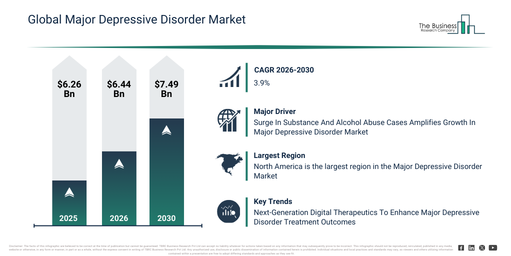
    The market size for major depressive disorder has shown consistent expansion in recent years. It is projected to increase from $6.26 billion in 2025 to $6.44 billion by 2026, exhibiting a compound annual growth rate (CAGR) of 2.9%. Factors contributing to its historical growth include the rising prevalence of depressive disorders, heightened societal awareness of mental health, broader access to antidepressant medications, the development of psychiatric care infrastructure, and improved diagnostic guidelines for mood disorders.

    The major depressive disorder market is projected to experience consistent expansion over the upcoming years. It is anticipated to grow to $7.49 billion in 2030, exhibiting a compound annual growth rate (CAGR) of 3.9%. This growth in the forecast period can be attributed to an escalating mental health burden due to lifestyle stress, the increasing adoption of digital mental health platforms, a growing demand for personalized depression treatments, the expansion of insurance coverage for mental health care, and continued innovation in neuromodulation therapies. Major trends during this period include a rising adoption of combination therapy approaches, an increasing demand for non-invasive brain stimulation treatments, enhanced awareness and diagnosis of depression, the expansion of telepsychiatry and remote mental health care, and rising acceptance of novel and rapid-acting antidepressants.

    Get A Free Sample Report With In-Depth Market Insights:

    https://thebusinessresearchcompany.com/sample_request?id=86452102&type=smp&name=Major%20Depressive%20Disorder%20Market%20Report%202026&utm_source=Blogs&utm_medium=Paid&utm_campaign=Nov_PR

    Major Depressive Disorder Market Growth Factors: What’s Supporting Expansion?

    An increase in instances of substance and alcohol abuse is projected to boost the expansion of the major depressive disorder market. These terms refer to patterns of overindulgent and detrimental substance use, including alcohol, which can result in adverse physical, psychological, and social outcomes. This often accompanies major depressive disorder, with both conditions mutually exacerbating each other and substantially elevating the danger of physical and mental damage. For example, data from July 2024, based on a survey from the US-based Department of Health and Human Services’ Substance Abuse and Mental Health Services Administration, revealed that 3.1% of people (8.9 million) misused opioids in 2023. Concurrently, 21.8% of individuals aged 12 or older reported using marijuana, establishing it as the most widely used illicit drug. Furthermore, 9.4% of individuals aged 12 or older had vaped nicotine in the preceding month, marking an uptick from 8.3% in 2022. Consequently, the growing prevalence of substance and alcohol abuse is fueling the expansion of the major depressive disorder market.

    Major Depressive Disorder Market Segment Analysis: What Are The Core Market Categories?

    The major depressive disorder market covered in this report is segmented –

    1) By Treatment: Psychotherapy, Medications, Electroconvulsive Therapy (ECT), Transcranial Magnetic Stimulation (TMS), Other Treatments

    2) By Diagnosis: Psychiatric Evaluations, Diagnostic And Statistical Manual of Mental Disorders (DSM-5)

    3) By End-User: Clinics, Hospitals, Other End-Users

    Subsegments:

    1) By Psychotherapy: Cognitive Behavioral Therapy (CBT), Interpersonal Therapy (IPT), Dialectical Behavior Therapy (DBT), Psychodynamic Therapy

    2) By Medications: Selective Serotonin Reuptake Inhibitors (SSRIs), Serotonin and Norepinephrine Reuptake Inhibitors (SNRIs), Tricyclic Antidepressants (TCAs), Monoamine Oxidase Inhibitors (MAOIs), Atypical Antidepressants

    3) By Electroconvulsive Therapy (ECT): Unilateral ECT, Bilateral ECT, Modified ECT

    4) By Transcranial Magnetic Stimulation (TMS): Repetitive Transcranial Magnetic Stimulation (rTMS), Deep Transcranial Magnetic Stimulation (dTMS), Theta Burst Stimulation (TBS), Navigated Brain Stimulation (nTMS)

    5) By Other Treatments: Cognitive Behavioral Therapy (CBT), Psychodynamic Therapy, Interpersonal Therapy (IPT), Vagus Nerve Stimulation (VNS), Ketamine Therapy, Bright Light Therapy, Psychedelic-Assisted Therapy, Medication (Antidepressants)

    Major Depressive Disorder Market Industry Trends: What’s Reshaping Demand?

    Companies operating within the major depressive disorder (MDD) market are concentrating on developing innovative solutions, such as prescription digital therapeutics (PDTs), to address the increasing need for scalable access to evidence-based psychotherapy, supplementary treatments for individuals with partial responses, and remote, data-driven care pathways. These PDTs are software-as-medical-device interventions dispensed by prescription, integrating clinically validated therapeutic content, remote engagement, adherence tools, and data capture for medical professionals. Unlike conventional antidepressant medications or in-person psychotherapy, PDTs offer repeatable, standardized, and remotely supervised behavioral interventions that can complement pharmacotherapy or bridge gaps where provider access is limited. For example, in April 2024, Otsuka Pharmaceutical Co., a pharmaceutical company based in Japan, in collaboration with Click Therapeutics, introduced Rejoyn (developed as CT-152). This prescription digital therapeutic received U.S. FDA authorization as an adjunctive treatment for adults with MDD who are already taking antidepressant medication. Rejoyn is a six-week, smartphone-delivered program centered on clinically validated cognitive-emotional brain-training exercises, specifically the Emotional Faces Memory Task/EFMT, and brief therapeutic lessons aimed at enhancing cognitive control over emotion. The application functions via prescribed delivery, allowing patients to download and complete scheduled sessions on their smartphones, while clinicians prescribe and oversee its usage. Its effectiveness was demonstrated in the MIRAI randomized, sham-controlled trial, which showed symptom improvement compared to the control group. Its distinct attributes include a neuromodulatory design targeting neural networks involved in emotion processing, remote and personalized reminders to improve patient adherence, and regulatory clearance as a medical device rather than a wellness application.

    Major Depressive Disorder Market Top Companies Driving Competitive Growth

    Major companies operating in the major depressive disorder market are Pfizer Inc., Janssen Research and Development LLC, Merck and Co. Inc., Novartis AG, Sanofi-Aventis US LLC, Bristol Myers Squibb Co., AstraZeneca plc, GlaxoSmithKline plc, Takeda Pharmaceutical Company Limited, Eli Lilly and Company, Biogen Inc., Otsuka Pharmaceuticals Co. Ltd., Forest Laboratories Inc., H. Lundbeck A/S, Richter Gedeon plc, Allergan plc, Neurocrine Biosciences Inc., BlackThorn Therapeutics Inc., Intra-Cellular Therapies Inc., Axsome Therapeutics Inc., Luye Pharma Group, BrainsWay Ltd., Neumora Therapeutics Inc., Chase Therapeutics Corporation, SAGE Therapeutics Inc., Relmada Therapeutics Inc., Fabre-Kramer Pharmaceuticals Inc., Vistagen Therapeutics Inc.

    View The Full Major Depressive Disorder Market Report:

    https://thebusinessresearchcompany.com/report/major-depressive-disorder-global-market-report?utm_source=Blogs&utm_medium=Paid&utm_campaign=Nov_PR

    Major Depressive Disorder Market Regional Breakdown: Where Is Demand Concentrated?

    North America was the largest region in the major depressive disorder market in 2025. The regions covered in the major depressive disorder market report are Asia-Pacific, South East Asia, Western Europe, Eastern Europe, North America, South America, Middle East, Africa.

    Reach Out To Our Team:

    The Business Research Company: https://www.thebusinessresearchcompany.com/

    Americas: +1 310-496-7795

    Asia: +44 7882 955267 & +91 8897263534

    Europe: +44 7882 955267

    Email us at: marketing@tbrc.info

    Follow us on:

    LinkedIn: https://in.linkedin.com/company/the-business-research-company

    YouTube: https://www.youtube.com/channel/UC24_fI0rV8cR5DxlCpgmyFQ

    Global Market Model: https://www.thebusinessresearchcompany.com/global-market-model
  • Mail Order Pharmacy Market Analysis: How The Industry Is Evolving Toward A $291.14 Billion Future

    Mail Order Pharmacy Market Analysis: How The Industry Is Evolving Toward A $291.14 Billion Future

    Built to provide research that’s more actionable and strategically valuable, The Business Research Company’s 2026 market reports include market attractiveness analysis, total addressable market sizing, company benchmarking matrices, interactive Excel dashboards, broader supply chain intelligence, emerging startup tracking, and in-depth product insights.

    Mail Order Pharmacy Market Growth Analysis: How Will Revenue Trend Over The Forecast Period?

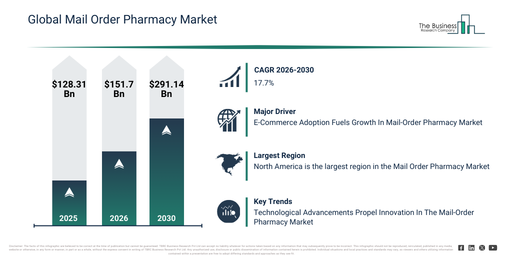
    The mail order pharmacy market has experienced rapid growth in recent years. This market is set to expand from $128.31 billion in 2025 to $151.7 billion in 2026, achieving a compound annual growth rate (CAGR) of 18.2%. Historically, this expansion has been driven by the increasing presence of e-commerce in healthcare, greater internet and smartphone penetration, a growing demand for convenience in refilling prescriptions, the proliferation of insurance-supported mail pharmacy services, and cost benefits derived from bulk medication dispensing.

    The mail order pharmacy market is projected to experience substantial expansion in the coming years. Its valuation is set to reach $291.14 billion by 2030, driven by a compound annual growth rate (CAGR) of 17.7%. This anticipated growth throughout the forecast period stems from factors such as the increasing prevalence of chronic diseases, an expanding aging demographic with a need for ongoing medications, broader acceptance of digital health platforms, the integration of telemedicine into pharmacy services, and enhancements in logistics and last-mile delivery systems. Key trends anticipated during this period encompass a greater uptake of online prescription fulfillment, an increase in home delivery services for chronic disease medications, enhanced utilization of pharmacy mobile applications, an expansion of direct-to-consumer drug distribution models, and a growing consumer preference for contactless access to medicine.

    Get A Free Sample Report With In-Depth Market Insights:

    https://thebusinessresearchcompany.com/sample_request?id=12137&type=smp&name=Mail%20Order%20Pharmacy%20Market%20Report%202026&utm_source=Blogs&utm_medium=Paid&utm_campaign=Nov_PR

    Mail Order Pharmacy Market Demand Drivers: What’s Powering Industry Growth?

    The escalating adoption of e-commerce is propelling the mail-order pharmacy market forward. E-commerce encompasses the exchange of goods and services, the transmission of money or data, or a combination of these, over an electronic network. Mail-order pharmacies leverage e-commerce technologies to facilitate customers in ordering medications and prescription refills from the comfort of their homes or even remotely via a mobile application on their phone or tablet. For instance, according to the US-based Census Bureau, in May 2024, e-commerce sales for the first quarter of 2024 showed an 8.5% increase compared to the same period in 2023, making up 15.6% of total retail sales, which grew by 2.8% year over year. Consequently, the rising uptake of e-commerce is a significant driver for the mail-order pharmacy market.

    Mail Order Pharmacy Market Segment Breakdown: Which Categories Lead On Revenue?

    The mail order pharmacy market covered in this report is segmented –

    1) By Product Type: Dermal Care, Diabetes, Cardiovascular Medicines, Blood Pressure, Asthma, Cold And Flu, Painkillers, Antacids, Other Products

    2) By Drug Type: Non-Prescription Drugs, Prescription Drugs

    3) By Mode Of Order: Online Store, Pharmacy Apps

    Subsegments:

    1) By Dermal Care: Moisturizers, Acne Treatments, Skin Condition Treatments

    2) By Diabetes: Insulin, Oral Hypoglycemic Agents, Blood Glucose Monitoring Supplies

    3) By Cardiovascular Medicines: Antihypertensives, Statins, Anticoagulants

    4) By Blood Pressure: Prescription Medications, Monitoring Devices

    5) By Asthma: Inhalers, Asthma Control Medications

    6) By Cold And Flu: Decongestants, Cough Syrups, Antihistamines

    7) By Painkillers: Prescription Opioids, Over-The-Counter Analgesics

    8) By Antacids: OTC Antacids, Prescription Antacid Medications

    9) By Other Products: Vitamins And Supplements, Home Health Care Products

    Mail Order Pharmacy Market Innovation Trends: What Developments Are Reshaping The Industry?

    Leading entities within the mail-order pharmacy sector are prioritizing the development of cutting-edge technological solutions, such as cloud-based analytics platforms, to bolster operational insight, enhance delivery effectiveness, and elevate overall patient well-being. A cloud-based analytics platform functions as an online software system designed to accumulate, process, and interpret data from various origins, thereby assisting organizations in overseeing operations, discerning patterns, making prompt decisions, and optimizing efficiency on an immediate basis. As an illustration, in April 2023, Innovation Associates, Inc., a pharmaceutical development firm based in the US, unveiled NEXiA Enterprise Analytics. This marked its debut as the first cloud-based application for NEXiA software, specifically tailored for pharmacy fulfillment. This particular analytics platform provides customers with the capability to visualize pharmacy operations across diverse fulfillment sites in near real-time, which facilitates quicker identification of trends and supports the distribution of medicines to patients with optimal speed and efficacy.

    Mail Order Pharmacy Market Leading Players And Competitive Positioning

    Major companies operating in the mail order pharmacy market are CVS Health Corporation, UnitedHealth Group Inc., Accredo Health Group Inc., McKesson Corporation, Cigna, Cardinal Health, Walgreen Co., OptumRx Inc., Humana Pharmacy, Aetna Inc., Wellcare Health Plans Inc., Prime Therapeutics LLC., Express Scripts Inc., Zur Rose Group AG, MedImpact, Remedi SeniorCare Holding Corporation, RxAdvance Corporation, WellDyneRx Inc., PillPack Inc., BeneCard Services Inc., DocMorris N.V., EnvisionPharmacies, Freedom Fertility Pharmacy, Canada Drugs Online, Elixir Rx Solutions LLC., eDrugstore, Simple Meds LLC., SANICARE, Apex Specialty Pharmacy

    View The Full Mail Order Pharmacy Market Report:

    https://thebusinessresearchcompany.com/report/mail-order-pharmacy-global-market-report?utm_source=Blogs&utm_medium=Paid&utm_campaign=Nov_PR

    Mail Order Pharmacy Market Geographic Landscape: Which Region Leads Industry Growth?

    North America was the largest region in the mail-order pharmacy market in 2025. Asia Pacific is expected to be the fastest-growing region in the forecast period. The regions covered in the mail order pharmacy market report are Asia-Pacific, South East Asia, Western Europe, Eastern Europe, North America, South America, Middle East, Africa.

    Reach Out To Our Team:

    The Business Research Company: https://www.thebusinessresearchcompany.com/

    Americas: +1 310-496-7795

    Asia: +44 7882 955267 & +91 8897263534

    Europe: +44 7882 955267

    Email us at: marketing@tbrc.info

    Follow us on:

    LinkedIn: https://in.linkedin.com/company/the-business-research-company

    YouTube: https://www.youtube.com/channel/UC24_fI0rV8cR5DxlCpgmyFQ

    Global Market Model: https://www.thebusinessresearchcompany.com/global-market-model
  • Macular Edema and Macular Degeneration Market Outlook Through 2030: Understanding The Growth Opportunity

    Macular Edema and Macular Degeneration Market Outlook Through 2030: Understanding The Growth Opportunity

    Backed by market attractiveness analysis, total addressable market sizing, company benchmarking matrices, interactive Excel dashboards, wider supply chain intelligence, emerging startup coverage, and detailed product-level insights, The Business Research Company’s 2026 market reports are designed to offer research that is more actionable and strategically valuable than ever.

    Macular Edema and Macular Degeneration Market Forecast: What Value Will The Market Reach By 2030?

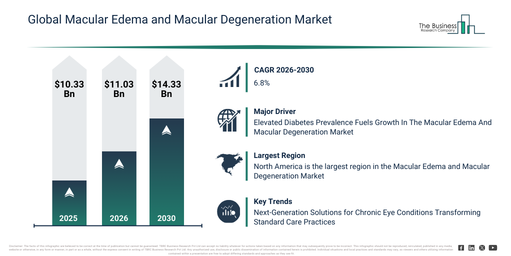
    The market size for macular edema and macular degeneration has experienced robust growth in recent years. This market is expected to expand from $10.33 billion in 2025 to $11.03 billion in 2026, exhibiting a compound annual growth rate (CAGR) of 6.8%. The historical expansion can be attributed to the rising prevalence of diabetes and retinal disorders, an aging population with elevated vision impairment risks, the clinical effectiveness of anti-VEGF injections, increased awareness of macular diseases, and the proliferation of ophthalmology clinics.

    The macular edema and macular degeneration market size is anticipated to experience robust expansion over the coming years, with projections indicating a rise to $14.33 billion by 2030, demonstrating a compound annual growth rate (CAGR) of 6.8%. This growth during the forecast period is primarily driven by factors such as the escalating global diabetic population, increased screening for retinal diseases, a growing preference for minimally invasive eye treatments, wider accessibility to advanced ophthalmic care, and elevated healthcare spending directed towards vision preservation. Significant trends expected during this period include the increasing adoption of anti-VEGF based therapies, a heightened demand for early diagnosis and intervention, the expanding utilization of combination drug and laser therapies, a growing emphasis on managing diabetic eye complications, and the continued expansion of outpatient and clinic-based eye care services.

    Get A Free Sample Report With In-Depth Market Insights:

    https://thebusinessresearchcompany.com/sample_request?id=49200546&type=smp&name=Macular%20Edema%20and%20Macular%20Degeneration%20Market%20Report%202026&utm_source=Blogs&utm_medium=Paid&utm_campaign=Nov_PR

    Macular Edema and Macular Degeneration Market Growth Drivers: What’s Behind The Acceleration?

    The increasing number of individuals with diabetes is anticipated to propel the growth of the macular edema and macular degeneration market. Diabetes is a chronic medical condition characterized by elevated glucose (sugar) levels in the blood. This condition damages the blood vessels within the eye, potentially resulting in macular edema and macular degeneration. For instance, in June 2024, data from The National Health Service (NHS England), a UK-based publicly funded healthcare system, indicated a substantial rise in pre-diabetes cases. In 2023, the NHS in England identified 3,615,330 individuals with pre-diabetes, marking an 18% increase from 3,065,825 in 2022. Furthermore, among individuals younger than 40, cases saw a surge of nearly 25%, growing from 173,166 in 2022 to 216,440 in 2023. Therefore, the expanding diabetes population is a significant driver for the growth of the macular edema and macular degeneration market.

    Macular Edema and Macular Degeneration Market Segmentation: How Does The Market Break Down By Category?

    The macular edema and macular degeneration market covered in this report is segmented –

    1) By Treatment Type: Drug Therapy, Laser Treatment

    2) By Application: Macular Edema, Diabetic Macular Edema (DME), Cystoid Macular Edema (CME), Macular Degeneration, Dry Age-Related Macular Degeneration, Wet Age-Related Macular Degeneration

    3) By End User: Hospitals, Clinics, Other End Users

    Subsegments:

    1) By Drug Therapy: Anti-VEGF (Vascular Endothelial Growth Factor) Injections, Steroid Injections, Combination Therapy (Anti-VEGF + Steroids)

    2) By Laser Treatment: Focal Laser Photocoagulation, Subthreshold Laser Therapy, MicroPulse Laser Therapy

    Macular Edema and Macular Degeneration Market Trends: What’s Defining The Industry’s Next Phase?

    Major companies within the macular edema and macular degeneration market are prioritizing the creation of innovative solutions, such as continuous-delivery ocular implants, aimed at lessening treatment demands, enhancing patient adherence, and delivering more consistent long-term therapeutic results. Continuous-delivery ocular implants are compact, replenishable devices inserted into the eye that gradually release medication over several months, thereby aiding patients by reducing the need for frequent injections and providing stable, prolonged treatment for retinal conditions. For example, in February 2025, F. Hoffmann-La Roche Ltd, a biotechnology company headquartered in Switzerland, obtained U.S. Food and Drug Administration (FDA) approval for Susvimo, a refillable ocular implant designed to deliver the anti-VEGF drug ranibizumab for treating diabetic macular edema (DME). Susvimo is engineered as a long-acting, surgically placed reservoir that continuously releases a tailored formulation of ranibizumab, thereby sustaining therapeutic drug levels for extended durations. Unlike standard anti-VEGF intravitreal injections, which often demand monthly or bi-monthly administration, Susvimo provides a refill-exchange interval of roughly six months, significantly reducing the treatment burden for patients. Its sustained-delivery approach improves adherence, streamlines clinical operations, and offers durable anatomical and visual benefits for individuals suffering from chronic retinal disease.

    Macular Edema and Macular Degeneration Market Competitive Overview And Top Companies

    Major companies operating in the macular edema and macular degeneration market are F. Hoffmann-La Roche Ltd., Novartis AG, Regeneron Pharmaceuticals Inc., Bayer AG, AbbVie Inc., Bausch Health Companies Inc., Santen Pharmaceutical Co Ltd, Apellis Pharmaceuticals Inc., Alimera Sciences Inc., Kodiak Sciences Inc., Opthea Limited, IVERIC bio Inc., Neurotech Pharmaceuticals Inc., Regenxbio Inc., Graybug Vision Inc., Clearside Biomedical Inc., Kubota Pharmaceutical Holdings Co Ltd, Acucela Inc., PanOptica Inc., Ocugen Inc.

    View The Full Macular Edema and Macular Degeneration Market Report:

    https://thebusinessresearchcompany.com/report/macular-edema-and-macular-degeneration-global-market-report?utm_source=Blogs&utm_medium=Paid&utm_campaign=Nov_PR

    Macular Edema and Macular Degeneration Market Largest Region: Which Geography Holds The Biggest Share?

    North America was the largest region in the macular edema and macular degeneration market in 2025. The regions covered in the macular edema and macular degeneration market report are Asia-Pacific, South East Asia, Western Europe, Eastern Europe, North America, South America, Middle East, Africa.

    Reach Out To Our Team:

    The Business Research Company: https://www.thebusinessresearchcompany.com/

    Americas: +1 310-496-7795

    Asia: +44 7882 955267 & +91 8897263534

    Europe: +44 7882 955267

    Email us at: marketing@tbrc.info

    Follow us on:

    LinkedIn: https://in.linkedin.com/company/the-business-research-company

    YouTube: https://www.youtube.com/channel/UC24_fI0rV8cR5DxlCpgmyFQ

    Global Market Model: https://www.thebusinessresearchcompany.com/global-market-model
  • Macular Degeneration Treatment Market Growth Potential: What The Latest Forecast Reveals

    Macular Degeneration Treatment Market Growth Potential: What The Latest Forecast Reveals

    Featuring market attractiveness scoring, total addressable market sizing, company benchmarking matrices, interactive Excel dashboards, deeper supply chain intelligence, emerging startup tracking, and granular product-level insights, The Business Research Company’s 2026 market reports are built to deliver research that is both more actionable and more strategically valuable.

    Macular Degeneration Treatment Market Size Outlook: How Quickly Will Revenue Expand Through 2030?

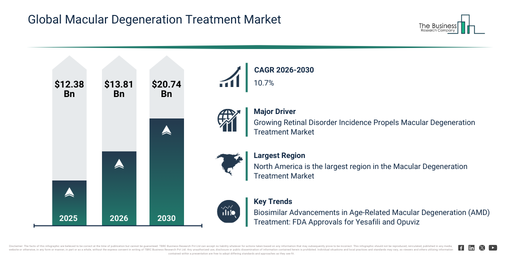
    The macular degeneration treatment market has experienced rapid expansion in recent years. Projections indicate it will grow from $12.38 billion in 2025 to $13.81 billion in 2026, demonstrating a compound annual growth rate (CAGR) of 11.5%. This historical growth can be ascribed to several factors, including an aging global population, a rise in the prevalence of age-related macular degeneration, the clinical success of anti-VEGF injections, enhanced ophthalmic diagnostic capabilities, and increasing access to specialized eye care services.

    The macular degeneration treatment market is poised for substantial expansion in the coming years. By 2030, its value is projected to reach $20.74 billion, demonstrating a compound annual growth rate (CAGR) of 10.7%. This anticipated growth stems from factors such as an expanding global elderly population, increased investment in advanced retinal therapies, a heightened emphasis on managing early-stage age-related macular degeneration, the wider adoption of gene and regenerative treatments, and greater healthcare expenditure on vision care. Significant trends influencing this period encompass an elevated focus on timely diagnosis and managing disease progression, the increasing use of anti-VEGF therapies, a rising need for treatments aimed at long-term vision preservation, the proliferation of minimally invasive treatment methods, and increased public awareness regarding age-related eye conditions.

    Get A Free Sample Report With In-Depth Market Insights:

    https://thebusinessresearchcompany.com/sample_request?id=73406469&type=smp&name=Macular%20Degeneration%20Treatment%20Market%20Report%202026&utm_source=Blogs&utm_medium=Paid&utm_campaign=Nov_PR

    Macular Degeneration Treatment Market Growth Factors Behind Sustained Expansion

    The rising prevalence of retinal disorders is projected to stimulate the growth of the macular degeneration treatment market. These conditions affect essential retinal tissue, impacting how individuals interpret visual information and often leading to impaired or lost vision. For instance, the American Academy of Ophthalmology estimates that by 2050, approximately 7.32 million people in the United States will experience primary open-angle glaucoma, a collective term for various eye disorders, with the highest figures observed in populations aged 70 to 79 years (32%), women (50%), and Hispanics (50%). The most affected demographic group is Hispanic men. Consequently, the increasing burden of retinal disorders is a significant driver for the expansion of the macular degeneration treatment market.

    Macular Degeneration Treatment Market Segment Trends And Revenue Contributors

    The macular degeneration treatment market covered in this report is segmented –

    1) By Stage of Disease: Early-Stage AMD, Intermediate AMD, Late-Stage AMD

    2) By Route of Administration: Oral, Injectable, Other Routes of Administration

    3) By End User: Ambulatory Surgical Centers, Ophthalmic Clinics, Hospitals

    Subsegments:

    1) By Early-Stage AMD: Nutritional Supplements, Lifestyle Modification Treatments

    2) By Intermediate AMD: Regular Disease Monitoring and Imaging Surveillance, Risk-Factor Management and Lifestyle Modification

    3) By Late-Stage AMD: Surgical Treatments, Advanced Anti-VEGF Therapies, Gene Therapy Options

    Macular Degeneration Treatment Market Industry Trends Fueling Future Revenue Growth

    Major companies operating in the macular degeneration treatment market are actively developing biosimilars for age-related macular degeneration (AMD) to broaden access to effective therapies. Biosimilars are biological medical products that are highly similar to an already approved reference product, with no clinically meaningful differences regarding their safety, purity, or potency. For instance, in May 2024, Biocon Biologics Ltd, an Indian-based company, and Samsung Bioepis Co. Ltd, a South Korea-based company, obtained FDA Approvals for Yesafili and Opuviz, two new biosimilars. Both biosimilars function by inhibiting vascular endothelial growth factor (VEGF), which is responsible for abnormal blood vessel growth in the eye. This action assists in preventing vision loss associated with conditions such as AMD and diabetic retinopathy. The FDA’s approval process encompassed comparative studies demonstrating that Yesafili and Opuviz possess no significant differences in efficacy or safety when compared to Eylea. These studies involved rigorous assessments of the biosimilars’ pharmacokinetics and immunogenicity.

    Macular Degeneration Treatment Market Competitive Landscape: Which Companies Lead The Industry?

    Major companies operating in the macular degeneration treatment market are F Hoffmann La Roche Ltd, Regeneron Pharmaceuticals Inc, Novartis AG, Bayer AG, Allergan Inc, Bausch Health Companies Inc, Santen Pharmaceutical Co Ltd, Alimera Sciences Inc, Apellis Pharmaceuticals Inc, Iveric Bio Inc, Aerie Pharmaceuticals Inc, Kodiak Sciences Inc, Neurotech Pharmaceuticals Inc, Regenxbio Inc, Adverum Biotechnologies Inc, Applied Genetic Technologies Corp, 4D Molecular Therapeutics Inc, GenSight Biologics SA, Nanoscope Therapeutics Inc, Annexon Inc, Ocular Therapeutix Inc, Graybug Vision Inc

    View The Full Macular Degeneration Treatment Market Report:

    https://thebusinessresearchcompany.com/report/macular-degeneration-treatment-global-market-report?utm_source=Blogs&utm_medium=Paid&utm_campaign=Nov_PR

    Macular Degeneration Treatment Market Regional Analysis: Which Geography Leads On Revenue?

    North America was the largest region in the macular degeneration treatment market in 2025. Asia-Pacific is expected to be the fastest-growing region in the forecast period. The regions covered in the macular degeneration treatment market report are Asia-Pacific, South East Asia, Western Europe, Eastern Europe, North America, South America, Middle East, Africa.

    Reach Out To Our Team:

    The Business Research Company: https://www.thebusinessresearchcompany.com/

    Americas: +1 310-496-7795

    Asia: +44 7882 955267 & +91 8897263534

    Europe: +44 7882 955267

    Email us at: marketing@tbrc.info

    Follow us on:

    LinkedIn: https://in.linkedin.com/company/the-business-research-company

    YouTube: https://www.youtube.com/channel/UC24_fI0rV8cR5DxlCpgmyFQ

    Global Market Model: https://www.thebusinessresearchcompany.com/global-market-model
  • Macrolide Antibiotics Market Growth Outlook: Why Analysts Expect Continued Expansion

    Macrolide Antibiotics Market Growth Outlook: Why Analysts Expect Continued Expansion

    Built to provide research that’s more actionable and strategically valuable, The Business Research Company’s 2026 market reports include market attractiveness analysis, total addressable market sizing, company benchmarking matrices, interactive Excel dashboards, broader supply chain intelligence, emerging startup tracking, and in-depth product insights.

    Macrolide Antibiotics Market Size, Value And Growth Trajectory Through 2030

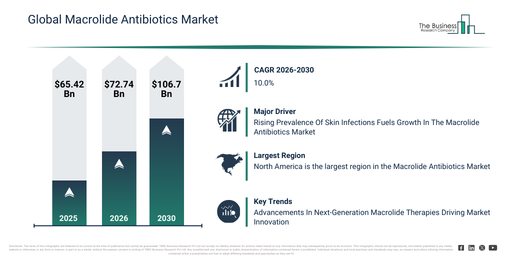
    The macrolide antibiotics market size has experienced substantial growth in recent years. It is projected to expand from $65.42 billion in 2025 to reach $72.74 billion by 2026, demonstrating a compound annual growth rate (CAGR) of 11.2%. The historical growth of this market can be attributed to the widespread prevalence of bacterial respiratory infections, the long-standing clinical use of erythromycin and azithromycin, broad physician familiarity with macrolides, the expansion of hospital and outpatient antibiotic use, and their strong efficacy against gram-positive pathogens.

    The macrolide antibiotics market is projected to experience swift expansion over the coming years. This market is set to reach $106.7 billion by 2030, exhibiting a compound annual growth rate (CAGR) of 10.0%. This anticipated growth is driven by several factors, including an increase in community-acquired infections, the expansion of outpatient and ambulatory care options, a heightened need for affordable generic antibiotics, a stronger emphasis on managing antimicrobial resistance, and broader access to healthcare in developing nations. Key trends anticipated during this period involve a sustained requirement for broad-spectrum antibiotics, their increasing application in treating respiratory tract infections, a growing inclination towards oral antibiotic formulations, the proliferation of generic macrolide antibiotics, and an enhanced commitment to antibiotic stewardship initiatives.

    Get A Free Sample Report With In-Depth Market Insights:

    https://thebusinessresearchcompany.com/sample_request?id=38359442&type=smp&name=Macrolide%20Antibiotics%20Market%20Report%202026&utm_source=Blogs&utm_medium=Paid&utm_campaign=Nov_PR

    Macrolide Antibiotics Market Demand Drivers Opening New Revenue Streams

    The rising occurrence of skin infections is projected to propel the expansion of the macrolide antibiotics market moving forward. A skin infection is a condition that results from the entry of detrimental microorganisms into the skin, leading to inflammation and frequently accompanied by symptoms such as redness, swelling, and pain. The increase in skin infections can stem from elements like inadequate hygiene practices, compromised immune systems, exposure to environmental contaminants, antibiotic resistance, and insufficient wound care. Macrolide antibiotics are often prescribed for addressing skin infections caused by bacteria such as Staphylococcus aureus or Streptococcus pyogenes, especially in instances of penicillin allergy or resistance. For example, in August 2023, Skin Health Institute Inc., an Australia-based non-profit organization, indicated that psoriasis affects an estimated 2–3% of the population in Australia, identifying it as a relatively common skin condition. Consequently, the escalating prevalence of skin infections is fueling the growth of the macrolide antibiotics market.

    Macrolide Antibiotics Market Segment Analysis Spotlighting Growth Areas

    The macrolide antibiotics market covered in this report is segmented –

    1) By Drugs: Azithromycin, Clarithromycin, Erythromycin, Fidaxomicin, Telithromycin

    2) By Indication: Respiratory Tract Infections, Skin Infections, Sexually Transmitted Infections, Gastrointestinal Infections, Other Indications

    3) By Route Of Administration: Oral, Parenteral, Other Routes Of Administrations

    4) By Distribution Channel: Hospital Pharmacies, Drug Stores And Retail Pharmacies, Online Providers

    5) By End User: Hospital, Dermatology Clinic, Clinic, Ambulatory Centre

    Subsegments:

    1) By Azithromycin: Oral Tablets, Oral Suspension, Injection

    2) By Clarithromycin: Immediate-Release Tablets, Extended-Release Tablets, Oral Suspension

    3) By Erythromycin: Tablets, Capsules, Topical Solution, Injection

    4) By Fidaxomicin: Oral Tablets, Oral Suspension

    5) By Telithromycin: Oral Tablets, Oral Film-Coated Tablets

    Macrolide Antibiotics Market Trends Powering Strategic Industry Growth

    Major companies operating in the macrolide antibiotics market are focusing on developing innovative products such as ketolide antibiotics designed to overcome antimicrobial resistance and shorten treatment duration to improve adherence and lower healthcare burden. Ketolide antibiotics are a class of antibiotics derived from macrolides that are designed to treat bacterial infections, including those resistant to standard macrolides, by inhibiting bacterial protein synthesis, helping combat resistant strains and improve treatment efficacy. For instance, in November 2024, Wockhardt Ltd., an India-based pharmaceutical company, soft-launched Nafithromycin, marketed under the brand name Miqnaf, an innovative lactone-ketolide macrolide antibiotic to address drug-resistant community-acquired bacterial pneumonia. The product is a novel small-molecule macrolide/ketolide (nafithromycin) formulated for oral dosing as an ultra-short, once-daily, three-day course; it was developed to concentrate highly in lung tissue, show greater in vitro potency versus some azithromycin-resistant strains, and provide a simplified regimen that can improve compliance and reduce overall antibiotic exposure.

    Macrolide Antibiotics Market Leading Companies: Who Holds The Strongest Market Presence?

    Major companies operating in the macrolide antibiotics market are Pfizer Inc., AbbVie Inc., Bayer AG, Sanofi S.A., Abbott Laboratories, Novartis AG, GlaxoSmithKline plc, Teva Pharmaceutical Industries Limited, Viatris Inc., Daiichi Sankyo Company Limited, Sun Pharmaceutical Industries Limited, Cipla Limited, Lupin Limited, Zydus Lifesciences Limited, Alkem Laboratories Limited, Aurobindo Pharma Limited, Dr Reddys Laboratories Limited, Wockhardt Limited, Hikma Pharmaceuticals PLC, Sandoz Group AG

    View The Full Macrolide Antibiotics Market Report:

    https://thebusinessresearchcompany.com/report/macrolide-antibiotics-global-market-report?utm_source=Blogs&utm_medium=Paid&utm_campaign=Nov_PR

    Macrolide Antibiotics Market Geographic Spread And Regional Opportunities

    North America was the largest region in the macrolide antibiotics market in 2025. The regions covered in the macrolide antibiotics market report are Asia-Pacific, South East Asia, Western Europe, Eastern Europe, North America, South America, Middle East, Africa.

    Reach Out To Our Team:

    The Business Research Company: https://www.thebusinessresearchcompany.com/

    Americas: +1 310-496-7795

    Asia: +44 7882 955267 & +91 8897263534

    Europe: +44 7882 955267

    Email us at: marketing@tbrc.info

    Follow us on:

    LinkedIn: https://in.linkedin.com/company/the-business-research-company

    YouTube: https://www.youtube.com/channel/UC24_fI0rV8cR5DxlCpgmyFQ

    Global Market Model: https://www.thebusinessresearchcompany.com/global-market-model