Blog

  • Scleroderma Market Size Reaches $2.65 Billion In 2026: What Is Driving Growth?

    Scleroderma Market Size Reaches $2.65 Billion In 2026: What Is Driving Growth?

    Built to provide research that’s more actionable and strategically valuable, The Business Research Company’s 2026 market reports include market attractiveness analysis, total addressable market sizing, company benchmarking matrices, interactive Excel dashboards, broader supply chain intelligence, emerging startup tracking, and in-depth product insights.

    Scleroderma Market Forecast: Value Set To Climb From $2.65 Billion To $3.48 Billion

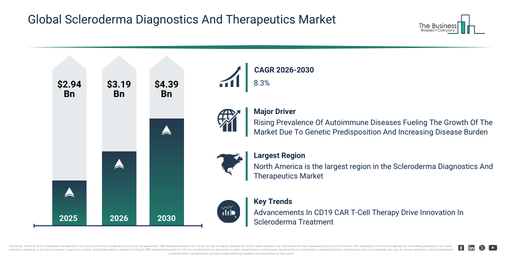
    The scleroderma market has experienced robust expansion in recent years. It is projected to increase from $2.48 billion in 2025 to $2.65 billion in 2026, achieving a compound annual growth rate (CAGR) of 6.7%. Historically, this growth has been driven by the rising prevalence of systemic sclerosis, the use of immunosuppressive therapies, the availability of antifibrotic agents, the growth of specialty rheumatology clinics, and increasing awareness of connective tissue disorders.

    The scleroderma market is projected to experience substantial expansion over the upcoming years. By 2030, its value is anticipated to reach $3.48 billion, demonstrating a compound annual growth rate (CAGR) of 7.1%. This anticipated growth is driven by several factors, including a robust pipeline of new disease-modifying drugs, the rising adoption of telehealth for managing chronic conditions, the evolution of multidisciplinary care models, increased government investment in rare disease research, and the broadening of patient education and support initiatives. Key trends during this period are expected to encompass the creation and approval of innovative disease-modifying therapies, a rise in the application of immunosuppressive and antifibrotic agents, an increase in patient support and early intervention programs, the enlargement of systemic scleroderma clinical trials, and the embrace of multidisciplinary care strategies for long-term management.

    Get A Free Sample Report With In-Depth Market Insights:

    https://thebusinessresearchcompany.com/sample_request?id=99669863&type=smp&name=Scleroderma%20Market%20Report%202026&utm_source=Blogs&utm_medium=Paid&utm_campaign=Nov_PR

    Scleroderma Market Development Factors: What’s Supporting Demand?

    The scleroderma market is being propelled forward by the prevalence of toxin exposure. Exposure to toxins describes the contact with or ingestion of harmful elements that can adversely affect biological processes. The scleroderma market plays a vital role in addressing this exposure by advancing research, developing targeted treatments, and enhancing patient care for those afflicted with scleroderma, a condition potentially linked to environmental and genetic factors.

    Scleroderma Market Segment Outlook: Which Categories Are Growing Fastest?

    The scleroderma market covered in this report is segmented –

    1) By Treatment: Medication, Surgery, Other Treatments

    2) By Indication: Systemic Scleroderma, Localized Scleroderma

    3) By End User: Hospital, Pharmaceutical Stores, Other End Users

    Subsegments:

    1) By Medication: Immunosuppressants, Antifibrotic Agents, Vasodilators, Corticosteroids, Pain Relievers

    2) By Surgery: Lung Transplantation, Other Surgical Interventions

    3) By Other Treatments: Physical Therapy, Occupational Therapy, Lifestyle Modifications, Alternative Therapies

    Scleroderma Market Trends Powering Strategic Industry Growth

    Companies active in the scleroderma market are concentrating on launching products, such as clinical trial platforms, to enhance scleroderma treatments and identify agents ready to advance from Phase IIb to Phase III. A clinical trial platform provides a comprehensive infrastructure and framework, enabling the simultaneous evaluation of multiple therapies or interventions in a standardized manner across various clinical trials.

    Scleroderma Market Leading Companies And Competitive Benchmarking

    Major companies operating in the scleroderma market are Pfizer Inc., Johnson And Johnson Inc., F. Hoffmann-La Roche AG, Abbvie Inc., Bayer AG, Novartis AG, Merck And Co. Inc., Sanofi S.A., Bristol-Myers Squibb Company, AstraZeneca plc, Takeda Pharmaceutical Company Limited, Eli Lilly and Company, Gilead Sciences Inc., Amgen Inc., GSK plc, Teva Pharmaceutical Industries Ltd., Astellas Pharma Inc., Boehringer Ingelheim International GmbH, Principia Biopharma Corp, aTyr Pharma Inc., Kadmon Holdings Inc., FibroGen Inc., Corbus Pharmaceuticals Holdings Inc., CSL Behring, UCB Pharma, Kyowa Kirin, Mitsubishi Tanabe Pharma, Chugai Pharmaceutical Co. Ltd.

    View The Full Scleroderma Market Report:

    https://thebusinessresearchcompany.com/report/scleroderma-global-market-report?utm_source=Blogs&utm_medium=Paid&utm_campaign=Nov_PR

    Scleroderma Market Global Footprint: Which Region Leads The Market?

    North America was the largest region in the scleroderma market in 2025. Asia-Pacific is expected to be the fastest-growing region in the forecast period. The regions covered in the scleroderma market report are Asia-Pacific, South East Asia, Western Europe, Eastern Europe, North America, South America, Middle East, Africa.

    Reach Out To Our Team:

    The Business Research Company: https://www.thebusinessresearchcompany.com/

    Americas: +1 310-496-7795

    Asia: +44 7882 955267 & +91 8897263534

    Europe: +44 7882 955267

    Email us at: marketing@tbrc.info

    Follow us on:

    LinkedIn: https://in.linkedin.com/company/the-business-research-company

    YouTube: https://www.youtube.com/channel/UC24_fI0rV8cR5DxlCpgmyFQ

    Global Market Model: https://www.thebusinessresearchcompany.com/global-market-model
  • Scleritis Market Valued At $5.95 Billion In 2026: Key Trends And Growth Drivers

    Scleritis Market Valued At $5.95 Billion In 2026: Key Trends And Growth Drivers

    Backed by market attractiveness analysis, total addressable market sizing, company benchmarking matrices, interactive Excel dashboards, wider supply chain intelligence, emerging startup coverage, and detailed product-level insights, The Business Research Company’s 2026 market reports are designed to offer research that is more actionable and strategically valuable than ever.

    Scleritis Market Revenue Growth On Track For A 8.6% CAGR Through 2030

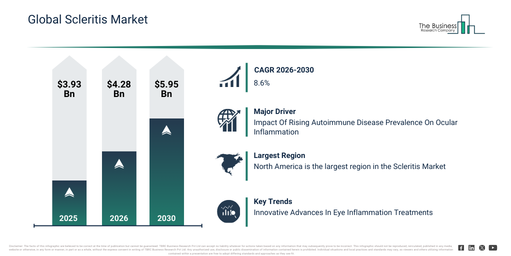
    The scleritis market size has experienced strong growth in recent years. This market is projected to expand from $3.93 billion in 2025 to $4.28 billion in 2026, demonstrating a compound annual growth rate (CAGR) of 8.9%. The market’s historical expansion can be attributed to a confluence of factors, including the rising prevalence of autoimmune disorders, the use of corticosteroids in ocular therapy, the availability of immunosuppressive agents, an increasing number of ophthalmology clinics, and growing awareness of ocular inflammatory diseases.

    The scleritis market size is anticipated to undergo significant expansion over the coming years. It is predicted to reach $5.95 billion in 2030, exhibiting a compound annual growth rate (CAGR) of 8.6%. This growth during the forecast period is attributable to factors such as the development pipeline of biologic drugs for ocular inflammation, the widespread adoption of teleophthalmology platforms, the evolution of targeted anti-inflammatory therapies, enhanced access to advanced imaging techniques, and the proliferation of rare eye disease awareness initiatives. Prominent trends expected in the forecast period include the broader application of biologic therapies for ocular inflammation, the increasing utilization of corticosteroids and immunosuppressive agents, the rising preference for combination therapy approaches, a heightened emphasis on early detection and diagnostic imaging, and the innovation of novel anti-inflammatory ophthalmic drugs.

    Get A Free Sample Report With In-Depth Market Insights:

    https://thebusinessresearchcompany.com/sample_request?id=59147426&type=smp&name=Scleritis%20Market%20Report%202026&utm_source=Blogs&utm_medium=Paid&utm_campaign=Nov_PR

    Scleritis Market Industry Drivers: What’s Behind The Revenue Growth?

    The anticipated expansion of the scleritis market is fueled by the increasing occurrence of autoimmune diseases. These conditions arise when the body’s immune system erroneously targets its own healthy cells and tissues, perceiving them as external threats. The uptick in autoimmune diseases is attributable to a combination of genetic factors, environmental influences, shifts in lifestyle, and improved awareness resulting in more accurate diagnoses. They induce scleritis by initiating an inflammatory immune response that wrongly assaults the scleral tissue, manifesting as pain and redness.

    Scleritis Market Segment Landscape: Which Areas Lead Development?

    The scleritis market covered in this report is segmented –

    1) By Type: Anterior Scleritis, Posterior Scleritis, Other Types

    2) By Treatment: Medication, Surgery, Other Treatment

    3) By Distribution Channel: Direct Tender, Hospital Pharmacy, Retail Pharmacy, Online Pharmacy, Other Distribution Channel

    4) By End-Users: Hospitals, Specialty Clinics, Home Healthcare, Other End-Users

    Subsegments:

    1) By Anterior Scleritis: Non-Necrotizing Anterior Scleritis, Necrotizing Anterior Scleritis

    2) By Posterior Scleritis: Diffuse Posterior Scleritis, Nodular Posterior Scleritis, Scleritis With Choroidal Involvement

    3) By Other Types: Chronic Scleritis, Recurrent Scleritis, Infectious Scleritis

    Scleritis Market Growth Trends Reshaping The Competitive Landscape

    Leading companies in the scleritis market are focusing their efforts on developing advanced products, such as eye drops, to address the underlying inflammation and offer practical, non-invasive treatment options for patients. Eye drops are liquid preparations formulated for direct application to the eyes to manage conditions like irritation, dryness, inflammation, or infections.

    Scleritis Market Industry Leaders And Competitive Landscape

    Major companies operating in the scleritis market are Pfizer Inc, Johnson And Johnson, F Hoffmann La Roche Ltd, Bayer AG, Novartis AG, Teva Pharmaceuticals USA Inc, Baxter International Inc, Boehringer Ingelheim, Regeneron Pharmaceuticals Inc, Fresenius Kabi USA LLC, Sun Pharmaceutical Industries Ltd, Perrigo Company, Horizon Therapeutics plc, Aurobindo Pharma Ltd, Hikma Pharmaceuticals PLC, Amneal Pharmaceuticals LLC, Mallinckrodt Pharmaceuticals, Alvogen, Accord Healthcare, West Ward Pharmaceuticals, Jubilant Cadista Pharmaceuticals Inc, Mylan Pharmaceuticals Inc, Zydus Pharmaceuticals Inc

    View The Full Scleritis Market Report:

    https://thebusinessresearchcompany.com/report/scleritis-global-market-report?utm_source=Blogs&utm_medium=Paid&utm_campaign=Nov_PR

    Scleritis Market Regional Split: Which Areas Are Fueling Growth?

    North America was the largest region in the scleritis market in 2025. Asia-Pacific is expected to be the fastest-growing region in the forecast period. The regions covered in the scleritis market report are Asia-Pacific, South East Asia, Western Europe, Eastern Europe, North America, South America, Middle East, Africa.

    Reach Out To Our Team:

    The Business Research Company: https://www.thebusinessresearchcompany.com/

    Americas: +1 310-496-7795

    Asia: +44 7882 955267 & +91 8897263534

    Europe: +44 7882 955267

    Email us at: marketing@tbrc.info

    Follow us on:

    LinkedIn: https://in.linkedin.com/company/the-business-research-company

    YouTube: https://www.youtube.com/channel/UC24_fI0rV8cR5DxlCpgmyFQ

    Global Market Model: https://www.thebusinessresearchcompany.com/global-market-model
  • Sciatica Treatment Market Size In 2026: Growth Outlook And Forecast Through 2030

    Sciatica Treatment Market Size In 2026: Growth Outlook And Forecast Through 2030

    Featuring market attractiveness scoring, total addressable market sizing, company benchmarking matrices, interactive Excel dashboards, deeper supply chain intelligence, emerging startup tracking, and granular product-level insights, The Business Research Company’s 2026 market reports are built to deliver research that is both more actionable and more strategically valuable.

    Sciatica Treatment Market Value Growth And Long-Term Outlook

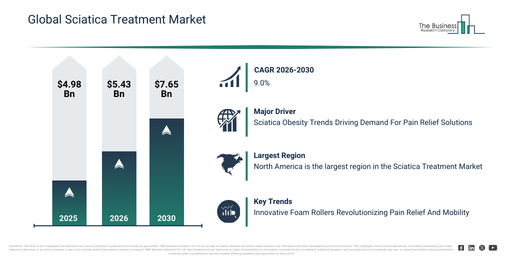
    The sciatica treatment market size has seen strong growth in recent years. It is projected to increase from $4.98 billion in 2025 to $5.43 billion by 2026, at a compound annual growth rate (CAGR) of 9.1%. The growth observed in the historic period can be attributed to the increasing prevalence of sciatica, growth of conventional pain management therapies, expansion of orthopedic and rehabilitation centers, availability of spinal surgery and injection procedures, and rising healthcare expenditure in developed regions.

    The sciatica treatment market is projected to demonstrate significant expansion in the coming years, with its valuation expected to reach $7.65 billion by 2030, driven by a compound annual growth rate (CAGR) of 9.0%. This expansion over the forecast period stems from factors such as a strong pipeline of minimally invasive spinal devices, the increasing uptake of tele-rehabilitation and digital therapy platforms, improved access to advanced imaging and diagnostics, the proliferation of non-opioid pain management solutions, and the broadening of sciatica treatment awareness campaigns in emerging markets. Concurrently, major trends anticipated include a growing inclination towards non-opioid pain management therapies, the wider integration of physical therapy and rehabilitation programs, the expansion of minimally invasive spinal surgery procedures, a rise in the application of epidural injections and nerve block interventions, and the continuous development of advanced pain relief devices and orthopedic implants.

    Get A Free Sample Report With In-Depth Market Insights:

    https://thebusinessresearchcompany.com/sample_request?id=32469146&type=smp&name=Sciatica%20Treatment%20Market%20Report%202026&utm_source=Blogs&utm_medium=Paid&utm_campaign=Nov_PR

    Sciatica Treatment Market Growth Factors: What’s Supporting Expansion?

    The ongoing rise in obesity rates is projected to stimulate the expansion of the sciatica treatment market. Obesity itself is a medical state defined by the accumulation of excessive body fat, which introduces significant health hazards such as cardiovascular disease, diabetes, and high blood pressure. The escalation in obesity is primarily fueled by the broad availability of calorie-dense processed foods, alongside increasingly sedentary habits influenced by technological advancements and urban development. For individuals affected by obesity, sciatica treatment offers crucial benefits, including the alleviation of nerve pain and enhancement of mobility through approaches like physical therapy and weight management, concurrently lessening the strain placed on the spine by additional body weight.

    Sciatica Treatment Market Segments: Where Is Growth Concentrated?

    The sciatica treatment market covered in this report is segmented –

    1) By Type: Acute Sciatica, Chronic Sciatica, Other Types

    2) By Treatment Type: Prescription Drugs, Steroids, Non-Steroidal Anti-Inflammatory Drugs, Antidepressants, Physical Therapy, Spinal Injections, Surgery, Alternative Therapies, Other Treatment Types

    3) By Distribution Channel: Hospitals And Associated Pharmacies, Retail Pharmacies, Online Pharmacies

    Subsegments:

    1) By Acute Sciatica: Physical Therapy, Medications, Chiropractic Care, Epidural Steroid Injections, Heat Or Ice Therapy, Lifestyle Modifications

    2) By Chronic Sciatica: Long-term Physical Therapy, Prescription Medications, Surgery, Nerve Block Injections, Alternative Therapies, Pain Management Programs

    3) By Other Types: Sciatica Due To Pregnancy, Sciatica Due To Herniated Discs, Sacroiliac Joint Dysfunction, Spondylolisthesis-Related Sciatica, Post-surgical Sciatica Treatment

    Sciatica Treatment Market Trends Shaping Long-Term Demand

    Major companies in the sciatica treatment market are concentrating on developing innovative products, such as advanced foam rollers, to enhance pain relief and improve patient mobility. Advanced foam rollers for alleviating sciatica pain are specially designed foam tools for self-myofascial release, targeting tight muscles and improving blood circulation around the lower back, hips, and legs.

    Sciatica Treatment Market Key Participants And Competitive Landscape

    Major companies operating in the sciatica treatment market are HCA Healthcare, Merck And Co Inc, Bayer AG, Abbott Laboratories, Novartis AG, Medtronic plc, Stryker Corporation, Mayo Clinic, Boston Scientific, Johns Hopkins Medicine, DJO Global Inc, Rothman Orthopaedic Institute, Axogen Inc, SCILEX Pharmaceuticals Inc, Aurobindo Pharma, Sinfonia Biotherapeutics, QI Spine Clinic, OrthoVirginia Inc, ReLiva Physiotherapy And Rehab, SpineThera Inc, Pfizer Inc, GlaxoSmithKline plc, Eli Lilly And Company, Teva Pharmaceutical Industries Ltd, Sun Pharmaceutical Industries Ltd, Dr Reddys Laboratories Ltd

    View The Full Sciatica Treatment Market Report:

    https://thebusinessresearchcompany.com/report/sciatica-treatment-global-market-report?utm_source=Blogs&utm_medium=Paid&utm_campaign=Nov_PR

    Sciatica Treatment Market Top Region: Where Does Most Revenue Come From?

    North America was the largest region in the sciatica treatment market in 2025. Asia-Pacific is expected to be the fastest-growing region in the forecast period. The regions covered in the sciatica treatment market report are Asia-Pacific, South East Asia, Western Europe, Eastern Europe, North America, South America, Middle East, Africa.

    Reach Out To Our Team:

    The Business Research Company: https://www.thebusinessresearchcompany.com/

    Americas: +1 310-496-7795

    Asia: +44 7882 955267 & +91 8897263534

    Europe: +44 7882 955267

    Email us at: marketing@tbrc.info

    Follow us on:

    LinkedIn: https://in.linkedin.com/company/the-business-research-company

    YouTube: https://www.youtube.com/channel/UC24_fI0rV8cR5DxlCpgmyFQ

    Global Market Model: https://www.thebusinessresearchcompany.com/global-market-model
  • Sciatica Market Trends Supporting 6.6% CAGR Growth Through 2030

    Sciatica Market Trends Supporting 6.6% CAGR Growth Through 2030

    Built to provide research that’s more actionable and strategically valuable, The Business Research Company’s 2026 market reports include market attractiveness analysis, total addressable market sizing, company benchmarking matrices, interactive Excel dashboards, broader supply chain intelligence, emerging startup tracking, and in-depth product insights.

    Sciatica Market Poised To Hit $9.94 Billion By 2030 With A 6.6% CAGR

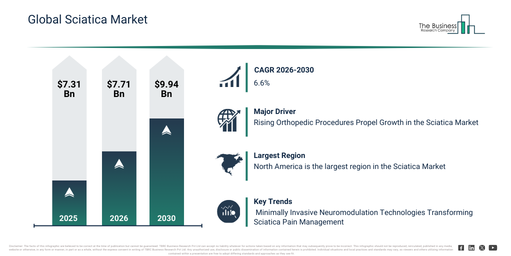
    The sciatica market has experienced significant expansion in recent years. Projections indicate it will advance from $7.31 billion in 2025 to $7.71 billion in 2026, demonstrating a compound annual growth rate (CAGR) of 5.5%. This growth observed in the past can be attributed to the rising occurrence of sciatica and lumbar disorders, the increasing adoption of conventional pain management therapies, the expansion of orthopedic and rehabilitation clinics, the availability of spinal surgery and injection procedures, and growing healthcare expenditure in developed regions.

    The sciatica market is projected to experience substantial growth in the upcoming years. Its valuation is anticipated to climb to $9.94 billion by 2030, achieving a compound annual growth rate (CAGR) of 6.6%. This expansion throughout the forecast period is driven by factors such as the development of minimally invasive spinal devices, an increase in the adoption of tele-rehabilitation and digital therapy, enhanced access to advanced imaging and diagnostics, the rise of non-opioid pain management solutions, and the broadening of sciatica treatment awareness campaigns in emerging markets. Prominent trends for the forecast period include a growing preference for non-opioid pain management therapies, increased engagement in physical therapy and rehabilitation programs, the expansion of minimally invasive spinal surgery procedures, a rise in the application of epidural injections and nerve blocks, and the innovation of sophisticated pain relief devices and orthopedic implants.

    Get A Free Sample Report With In-Depth Market Insights:

    https://thebusinessresearchcompany.com/sample_request?id=47643350&type=smp&name=Sciatica%20Market%20Report%202026&utm_source=Blogs&utm_medium=Paid&utm_campaign=Nov_PR

    Sciatica Market Demand Drivers: What’s Powering Industry Growth?

    A growing volume of orthopedic procedures is projected to fuel the expansion of the sciatica market in the future. These procedures encompass surgical interventions for ailments impacting the spine and joints, as well as for correcting skeletal deformities. The rise in orthopedic procedures stems from an aging demographic, a higher incidence of musculoskeletal conditions, and increased engagement in physical activities and sports. Treatments for sciatica offer enhanced pain alleviation, restore movement and function, consequently enhancing the quality of life for individuals with the condition. Orthopedic specialists, including doctors and surgeons, frequently play a role in diagnosing and treating sciatica.

    Sciatica Market Segment Analysis: What Are The Core Market Categories?

    The sciatica market covered in this report is segmented –

    1) By Type: Acute Sciatica, Chronic Sciatica, Other Types

    2) By Drugs: Oxycodone, Tramadol, Opioid Analgesics, Amitriptyline, Tricyclic Antidepressants, Other Drugs

    3) By Treatment: Medication, Surgery

    4) By End Users: Hospitals, Homecare, Specialty Clinics, Other End Users

    Subsegments:

    1) By Acute Sciatica: Short-Term Pain Management, Physical Therapy, Nonsteroidal Anti-Inflammatory Drugs (NSAIDs)

    2) By Chronic Sciatica: Long-Term Pain Management, Epidural Steroid Injections, Surgical Options

    3) By Other Types: Sciatica Due To Herniated Disc, Sciatica From Spinal Stenosis, Sciatica From Spondylolisthesis

    Sciatica Market Innovation Trends Shaping Future Development

    Major companies within the sciatica market are increasingly focusing on technological innovations, such as minimally invasive neuromodulation devices, to address the rising demand driven by the escalating prevalence of chronic lower back pain, patient preference for non-opioid pain management, and the need for safer, long-lasting treatment options. Minimally invasive neuromodulation devices, including closed-loop spinal cord stimulators, deliver targeted electrical stimulation to interrupt pain signaling pathways, offering enhanced relief compared to traditional surgical or pharmacological treatments. For instance, in January 2025, Medtronic plc, a US-based medical technology company, publicized favorable 12-month clinical trial data for its Inceptiv closed-loop spinal cord stimulator (CL-SCS), demonstrating substantial improvements in pain and quality of life for patients experiencing chronic neuropathic pain and sciatica. This device automatically adjusts stimulation in response to spinal cord signals, thereby optimizing its efficacy and patient comfort. Such an advancement underscores a growing trend toward personalized, technology-driven approaches that improve patient outcomes and reduce reliance on opioids.

    Sciatica Market Top Companies Driving Competitive Growth

    Major companies operating in the sciatica market are Pfizer Inc., Merck and Co. Inc., AbbVie Inc., Bayer AG, Novartis AG, Sanofi-Aventis LLC., AstraZeneca PLC, GlaxoSmithKline plc., Eli Lilly and Co Ltd., Boehringer Ingelheim International GmbH, Teva Pharmaceutical Industries Ltd., Macleods Pharmaceuticals Limited, Sun Pharmaceutical Industries Limited, Dr. Reddy’s Laboratories Ltd., Aurobindo Pharma Ltd., Intas Pharmaceuticals Ltd., Hikma Pharmaceuticals PLC, Cipla Inc., Endo International plc, Amneal Pharmaceuticals Inc., Aspen Pharmacare Holdings Limited, Zydus Lifesciences Ltd., Lupin Limited, Alkem Laboratories Limited, Torrent Pharmaceuticals Ltd.

    View The Full Sciatica Market Report:

    https://thebusinessresearchcompany.com/report/sciatica-global-market-report?utm_source=Blogs&utm_medium=Paid&utm_campaign=Nov_PR

    Sciatica Market Regional Breakdown: Where Is Demand Concentrated?

    North America was the largest region in the sciatica market in 2025. Asia-Pacific is expected to be the fastest-growing region in the forecast period. The regions covered in the sciatica market report are Asia-Pacific, South East Asia, Western Europe, Eastern Europe, North America, South America, Middle East, Africa.

    Reach Out To Our Team:

    The Business Research Company: https://www.thebusinessresearchcompany.com/

    Americas: +1 310-496-7795

    Asia: +44 7882 955267 & +91 8897263534

    Europe: +44 7882 955267

    Email us at: marketing@tbrc.info

    Follow us on:

    LinkedIn: https://in.linkedin.com/company/the-business-research-company

    YouTube: https://www.youtube.com/channel/UC24_fI0rV8cR5DxlCpgmyFQ

    Global Market Model: https://www.thebusinessresearchcompany.com/global-market-model
  • Schizophrenia Market Forecast Highlights A $8.02 Billion Opportunity For Industry Participants

    Schizophrenia Market Forecast Highlights A $8.02 Billion Opportunity For Industry Participants

    Backed by market attractiveness analysis, total addressable market sizing, company benchmarking matrices, interactive Excel dashboards, wider supply chain intelligence, emerging startup coverage, and detailed product-level insights, The Business Research Company’s 2026 market reports are designed to offer research that is more actionable and strategically valuable than ever.

    Schizophrenia Market Size And Revenue Outlook Through 2030

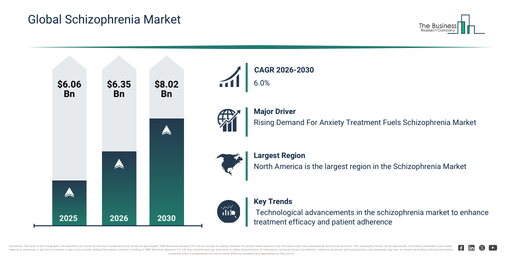
    The schizophrenia market has experienced consistent growth over recent years. Forecasts indicate it will expand from $6.06 billion in 2025 to reach $6.35 billion in 2026, demonstrating a compound annual growth rate (CAGR) of 4.9%. Historically, this growth was driven by factors such as the rising prevalence of schizophrenia, the broadening reach of psychiatric hospitals and clinics, the accessibility of both first- and second-generation antipsychotics, increased healthcare spending in developed regions, and advancements in diagnostic criteria along with clinical guidelines.

    The schizophrenia market is anticipated to experience substantial expansion over the coming years. This market is projected to reach $8.02 billion by 2030, exhibiting a compound annual growth rate (CAGR) of 6.0%. Factors contributing to this growth during the forecast period include a robust pipeline of new antipsychotic molecules, an increase in long-acting injectable formulations, escalating government mental health initiatives, improved treatment accessibility in developing economies, and the incorporation of digital monitoring and adherence instruments. Key trends expected within this timeframe encompass the expanding utilization of long-acting injectable antipsychotics, a move towards second and third-generation antipsychotic medications, an enhanced emphasis on early diagnosis and intervention programs, the proliferation of community-based and outpatient care models, and a growing acceptance of combination therapy and adjunct treatments.

    Get A Free Sample Report With In-Depth Market Insights:

    https://thebusinessresearchcompany.com/sample_request?id=50469504&type=smp&name=Schizophrenia%20Market%20Report%202026&utm_source=Blogs&utm_medium=Paid&utm_campaign=Nov_PR

    Schizophrenia Market Growth Drivers: What’s Behind The Acceleration?

    The increasing demand for anxiety treatment is anticipated to propel the growth of the schizophrenia market in the future. Anxiety treatment encompasses various therapeutic approaches and interventions aimed at assisting individuals who experience excessive and debilitating anxiety symptoms in managing and alleviating their anxiety. This treatment can be helpful for individuals with schizophrenia in several ways, as it addresses comorbid anxiety symptoms that frequently co-occur with schizophrenia, and it can also aid in reducing the intensity of psychotic symptoms such as hallucinations and delusions.

    Schizophrenia Market Segment Breakdown: Which Categories Lead On Revenue?

    The schizophrenia market covered in this report is segmented –

    1) By Type: Catatonic Schizophrenia, Paranoid Schizophrenia, Undifferentiated Schizophrenia, Hebephrenic Schizophrenia, Residual Schizophrenia, Other Types

    2) By Treatment: First-Generation Antipsychotics, Second-Generation Antipsychotics, Third-Generation Antipsychotics, Psychotherapies, Other Treatments

    3) By Route of Administration: Oral, Injectables

    Subsegments:

    1) By Catatonic Schizophrenia: Waxy Flexibility, Stupor, Agitation, Catatonic Excitement

    2) By Paranoid Schizophrenia: Delusions Of Persecution, Auditory Hallucinations, Paranoid Ideation

    3) By Undifferentiated Schizophrenia: Symptoms Not Specific To Other Types, Mixed Symptoms Of Schizophrenia

    4) By Hebephrenic Schizophrenia (Disorganized Schizophrenia): Disorganized Behavior, Disorganized Speech, Emotional Flatness

    5) By Residual Schizophrenia: History Of Schizophrenia With Low-Level Symptoms, Social Withdrawal, Mild Hallucinations Or Delusions

    6) By Other Types: Schizoaffective Disorder, Brief Psychotic Disorder, Delusional Disorder

    Schizophrenia Market Trends Redefining Industry Growth

    Leading companies in the schizophrenia market are prioritizing technological advancements, particularly in atypical oral antipsychotics offering enhanced safety and efficacy profiles. This focus addresses the growing demand for improved symptom control, expanded treatment options for adolescents, and better tolerability. For example, in March 2025, Otsuka Pharmaceutical Europe Ltd., a Japan-based healthcare company, in collaboration with H. Lundbeck A/S, a Denmark-based biopharmaceutical company, introduced Rxulti (brexpiprazole) for treating schizophrenia in adolescents aged 13 years and older. Rxulti is an atypical oral antipsychotic taken once daily, operating by modulating serotonin and dopamine systems; it acts as a partial agonist at serotonergic 5-HT1A and dopaminergic D2 receptors, while also displaying antagonist activity at serotonergic 5-HT2A and noradrenergic a1B/2C receptors. This broad receptor profile provides a balanced approach to managing both positive and negative symptoms, coupled with a favorable safety profile, thereby aiming to improve treatment adherence and patient outcomes compared to traditional antipsychotics. The European Commission’s approval was granted based on a stringent 6-week randomized clinical trial that demonstrated significant symptom reduction and good tolerability in adolescent patients.

    Schizophrenia Market Leading Players And Competitive Positioning

    Major companies operating in the schizophrenia market are Pfizer Inc, Johnson And Johnson Services Inc, AbbVie Inc, Novartis AG, Bristol Myers Squibb Company, AstraZeneca PLC, GlaxoSmithKline PLC, Takeda Pharmaceutical Company, Eli Lilly And Company, Boehringer Ingelheim International GmbH, Otsuka Holdings Co Ltd, Daiichi Sankyo Co Ltd, Astellas Pharma Inc, Sumitomo Dainippon Pharma Co Ltd, Mitsubishi Tanabe Pharma Corporation, Recordati SpA, Lundbeck AS, Neurocrine Biosciences Inc, Torrent Pharmaceutical Ltd, Alkermes PLC, Indivior PLC, Vanda Pharmaceuticals Inc, Intra Cellular Therapies Inc, Axsome Therapeutics Inc, Karuna Therapeutics Inc, Minerva Neurosciences Inc

    View The Full Schizophrenia Market Report:

    https://thebusinessresearchcompany.com/report/schizophrenia-global-market-report?utm_source=Blogs&utm_medium=Paid&utm_campaign=Nov_PR

    Schizophrenia Market Geographic Landscape: Which Region Leads Industry Growth?

    North America was the largest region in the schizophrenia market in 2025. The regions covered in the schizophrenia market report are Asia-Pacific, South East Asia, Western Europe, Eastern Europe, North America, South America, Middle East, Africa.

    Reach Out To Our Team:

    The Business Research Company: https://www.thebusinessresearchcompany.com/

    Americas: +1 310-496-7795

    Asia: +44 7882 955267 & +91 8897263534

    Europe: +44 7882 955267

    Email us at: marketing@tbrc.info

    Follow us on:

    LinkedIn: https://in.linkedin.com/company/the-business-research-company

    YouTube: https://www.youtube.com/channel/UC24_fI0rV8cR5DxlCpgmyFQ

    Global Market Model: https://www.thebusinessresearchcompany.com/global-market-model
  • Schizoaffective Disorder Market Analysis: How The Industry Is Evolving Toward A $9.83 Billion Future

    Schizoaffective Disorder Market Analysis: How The Industry Is Evolving Toward A $9.83 Billion Future

    Featuring market attractiveness scoring, total addressable market sizing, company benchmarking matrices, interactive Excel dashboards, deeper supply chain intelligence, emerging startup tracking, and granular product-level insights, The Business Research Company’s 2026 market reports are built to deliver research that is both more actionable and more strategically valuable.

    Schizoaffective Disorder Market Growth From $8.14 Billion In 2026 To $9.83 Billion By 2030 At A CAGR Of 4.8%

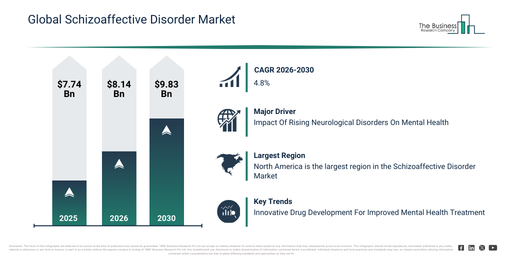
    The schizoaffective disorder market size has seen significant expansion in recent years. It is anticipated to increase from $7.74 billion in 2025 to $8.14 billion in 2026, achieving a compound annual growth rate (CAGR) of 5.1%. This historical growth can be attributed to several factors including continued reliance on antipsychotic medications, an increase in the diagnosis of schizophrenia spectrum disorders, greater public awareness of severe mental illnesses, the proliferation of psychiatric care facilities, and the gradual enhancement of diagnostic criteria and classification.

    The schizoaffective disorder market size is projected to experience consistent expansion over the upcoming years. This market is anticipated to reach a valuation of $9.83 billion by 2030, exhibiting a compound annual growth rate (CAGR) of 4.8%. Factors contributing to this growth during the forecast period include the creation of new atypical antipsychotic medications, a rising need for long-acting drug formulations, increased expenditure on mental health services, the broadening of community-focused mental health initiatives, and an intensifying focus on tailored treatment strategies. Key trends identified for the forecast period encompass a greater reliance on combination therapies involving antipsychotics and mood stabilizers, the increasing uptake of long-acting injectable antipsychotics, a heightened focus on early detection and intervention, the greater integration of psychotherapy with drug-based treatments, and the expanding application of digital tools for mental health support.

    Get A Free Sample Report With In-Depth Market Insights:

    https://thebusinessresearchcompany.com/sample_request?id=15993068&type=smp&name=Schizoaffective%20Disorder%20Market%20Report%202026&utm_source=Blogs&utm_medium=Paid&utm_campaign=Nov_PR

    Schizoaffective Disorder Market Growth Factors Behind Sustained Expansion

    The projected increase in neurological disorders is anticipated to fuel the expansion of the schizoaffective disorder market in the coming years. Neurological disorders are medical conditions that impact the nervous system, encompassing the brain, spinal cord, and nerves, leading to various impairments in cognitive, motor, and sensory functions. This uptick in neurological disorders is linked to factors such as genetic mutations, infections, traumatic injuries, environmental toxins, autoimmune responses, or degenerative processes affecting the nervous system. The widespread occurrence of neurological disorders contributes to the heightened detection and incidence of schizoaffective disorder through shared biological mechanisms, improved diagnostic capabilities, and increasing awareness.

    Schizoaffective Disorder Market Segmentation: How Does The Market Break Down By Category?

    The schizoaffective disorder market covered in this report is segmented –

    1) By Drugs: Antipsychotic Medication, Mood Stabilizers, Antidepressant Medication, Anticonvulsants

    2) By Causes: Genetic Factors, Environmental Factors, Chemical Factors

    3) By End User: Hospitals, Clinics, Other End User

    Subsegments:

    1) By Antipsychotic Medication: Atypical Antipsychotics, Typical Antipsychotics

    2) By Mood Stabilizers: Lithium, Valproate, Lamotrigine, Carbamazepine

    3) By Antidepressant Medication: Selective Serotonin Reuptake Inhibitors (SSRIs), Serotonin-Norepinephrine Reuptake Inhibitors (SNRIs), Tricyclic Antidepressants (TCAs), Monoamine Oxidase Inhibitors (MAOIs)

    4) By Anticonvulsants: Lamotrigine, Valproate, Topiramate, Levetiracetam

    Schizoaffective Disorder Market Strategic Trends: What Defines The Next Growth Phase?

    Key players in the schizoaffective disorder market are focusing on developing innovative drugs, such as extended-release injectable suspension drugs, to enhance treatment efficacy, improve patient compliance, and reduce dosing frequency. An extended-release injectable suspension drug is an injectable medication designed to gradually release its active ingredient over a prolonged period. This formulation enables less frequent dosing than traditional immediate-release versions, improving patient convenience and adherence to treatment protocols.

    Schizoaffective Disorder Market Competitive Overview And Top Companies

    Major companies operating in the schizoaffective disorder market are Pfizer Inc., Johnson & Johnson, Bristol Myers Squibb Company, AstraZeneca PLC, Abbott Laboratories, Takeda Pharmaceutical Company Limited, Eli Lilly and Company, Boehringer Ingelheim International GmbH, Zydus Lifesciences Limited, Neurocrine Biosciences Inc., Alkermes Inc., Luye Pharma Group Ltd., Merz Pharma GmbH & Co. KGaA, Acadia Pharmaceuticals Inc., Intra-Cellular Therapies Inc., Cerevel Therapeutics Inc., Avanir Pharmaceuticals Inc., Otsuka Pharmaceutical Co. Ltd., Reviva Pharmaceuticals Inc., Zogenix Inc., Sunovion Pharmaceuticals Inc., Newron Pharmaceuticals S.p.A., Sage Therapeutics Inc., Lyndra Therapeutics Inc., BioXcel Therapeutics Inc.

    View The Full Schizoaffective Disorder Market Report:

    https://thebusinessresearchcompany.com/report/schizoaffective-disorder-global-market-report?utm_source=Blogs&utm_medium=Paid&utm_campaign=Nov_PR

    Schizoaffective Disorder Market Largest Region: Which Geography Holds The Biggest Share?

    North America was the largest region in the schizoaffective disorder market in 2025. Asia-Pacific is expected to be the fastest-growing region in the forecast period. The regions covered in the schizoaffective disorder market report are Asia-Pacific, South East Asia, Western Europe, Eastern Europe, North America, South America, Middle East, Africa.

    Reach Out To Our Team:

    The Business Research Company: https://www.thebusinessresearchcompany.com/

    Americas: +1 310-496-7795

    Asia: +44 7882 955267 & +91 8897263534

    Europe: +44 7882 955267

    Email us at: marketing@tbrc.info

    Follow us on:

    LinkedIn: https://in.linkedin.com/company/the-business-research-company

    YouTube: https://www.youtube.com/channel/UC24_fI0rV8cR5DxlCpgmyFQ

    Global Market Model: https://www.thebusinessresearchcompany.com/global-market-model
  • Scaffold Free 3D Cell Culture Market Outlook Through 2030: Understanding The Growth Opportunity

    Scaffold Free 3D Cell Culture Market Outlook Through 2030: Understanding The Growth Opportunity

    Built to provide research that’s more actionable and strategically valuable, The Business Research Company’s 2026 market reports include market attractiveness analysis, total addressable market sizing, company benchmarking matrices, interactive Excel dashboards, broader supply chain intelligence, emerging startup tracking, and in-depth product insights.

    Scaffold Free 3D Cell Culture Market Expansion Outlook: What Revenue Opportunities Are Ahead?

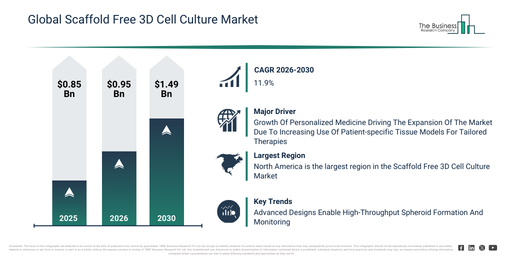
    The scaffold free 3d cell culture market has seen swift expansion in recent years. It is anticipated to increase from $0.85 billion in 2025 to $0.95 billion in 2026, achieving a compound annual growth rate (CAGR) of 12.2%. This historical growth can be attributed to progress in cell biology research, the growing limitations inherent in 2D cell culture models, an escalation in pharmaceutical R&D activities, the rising embrace of 3D culture techniques, and advancements in stem cell research.

    The scaffold free 3d cell culture market is anticipated to undergo significant growth over the next few years. It is projected to climb to $1.49 billion in 2030, demonstrating a compound annual growth rate (CAGR) of 11.9%. The expansion during the forecast period is driven by factors such as a heightened demand for predictive drug screening models, increased investments in regenerative medicine research, the broadening of organ-on-chip technologies, a greater focus on minimizing animal testing, and the integration of AI into cell analysis. Prominent trends expected in this timeframe include the increasing adoption of organoid and spheroid models, a rising utilization of scaffold-free platforms in drug discovery, the growing incorporation of microfluidic cell culture systems, an expansion of personalized medicine research applications, and an enhanced emphasis on physiologically relevant in vitro models.

    Get A Free Sample Report With In-Depth Market Insights:

    https://thebusinessresearchcompany.com/sample_request?id=80202153&type=smp&name=Scaffold%20Free%203D%20Cell%20Culture%20Market%20Report%202026&utm_source=Blogs&utm_medium=Paid&utm_campaign=Nov_PR

    Scaffold Free 3D Cell Culture Market Demand Drivers Opening New Revenue Streams

    The expansion of personalized medicine is projected to boost the scaffold free 3D cell culture market in the coming period. Personalized medicine represents a medical methodology that customizes treatments and healthcare choices according to an individual’s genetic makeup, environmental influences, and lifestyle attributes. This progress in personalized medicine stems from innovations in genomics, biotechnology, and data analytics, facilitating more exact, potent, and customized interventions. In the realm of personalized medicine, scaffold-free 3D cell culture is utilized to construct patient-specific tissue models, allowing for precise drug evaluations and bespoke therapeutic approaches.

    Scaffold Free 3D Cell Culture Market Segment Trends And Revenue Contributors

    The scaffold free 3d cell culture market covered in this report is segmented –

    1) By Product Type: 3D Cell Culture Platforms, 3D Bioprinting Products, 3D Cell Culture Kits, Microfluidic Devices

    2) By Cellular Components: Stem Cells, Adherent Cell Cultures, Suspension Cell Cultures, Immune Cells

    3) By Technique: Hanging Drop Method, Magnetic Levitation, Microfluidics

    4) By Application: Drug Discovery, Regenerative Medicine, Tissue Engineering, Oncology Research, Stem Cell Research

    5) By End-User: Academic Research Institutions, Pharmaceutical And Biotechnology Companies, Contract Research Organizations (CROs), Clinics And Hospitals

    Subsegments:

    1) By 3D Cell Culture Platforms: Hanging Drop Plates, Low-Adhesion Microplates, Ultra-Low Attachment (ULA) Plates And Flasks, Spheroid Culture Dishes, Spinner Flasks And Bioreactors, Suspension Culture Systems

    2) By 3D Bioprinting Products: Bioprinters, Bioinks, Printheads And Nozzles, Printing Software, Consumables And Accessories

    3) By 3D Cell Culture Kits: Spheroid Formation Kits, Organoid Culture Kits, Co-Culture Kits, Tumor Model Kits, Stem Cell Differentiation Kits, Assay-Ready 3D Cell Culture Kits

    4) By Microfluidic Devices: Organ-On-A-Chip Systems, Lab-On-A-Chip Platforms, Microchamber Arrays, Perfusion-Based Microfluidic Devices, Droplet-Based Microfluidic Systems, Gradient Generating Microfluidic Devices

    Scaffold Free 3D Cell Culture Market Transformation Trends: What Innovations Are Driving Change?

    Leading companies in the scaffold free 3D cell culture market are prioritizing innovation in 3D cell culture. These advancements include optically clear flask bottoms for effortless spheroid visualization and monitoring, uniform microcavity designs to ensure consistent spheroid formation, and high-throughput formats aimed at boosting efficiency in drug discovery and cancer research. An optically clear flask bottom is a transparent base designed to allow simple monitoring and imaging of cells or spheroids.

    Scaffold Free 3D Cell Culture Market Competitive Landscape: Which Companies Lead The Industry?

    Major companies operating in the scaffold free 3d cell culture market are Thermo Fisher Scientific Inc., Merck KGaA, Corning Incorporated, Lonza Group AG, Sartorius AG, Hamilton Company, CELLINK AB, Creative Bioarray Inc., InSphero AG, Creative Biolabs Inc., Mimetas B.V., REPROCELL Inc., Synthecon Incorporated, Advanced Solutions Life Sciences LLC, Cherry Biotech SAS, celVivo ApS, Elveflow, Guangzhou Jet Bio-Filtration Co. Ltd., Organovo Holdings Inc., Alfa Cytology Co. Ltd.

    View The Full Scaffold Free 3D Cell Culture Market Report:

    https://thebusinessresearchcompany.com/report/global-scaffold-free-3d-cell-culture-market-report?utm_source=Blogs&utm_medium=Paid&utm_campaign=Nov_PR

    Scaffold Free 3D Cell Culture Market Regional Analysis: Which Geography Leads On Revenue?

    North America was the largest region in the scaffold free 3D cell culture market in 2025. Asia-Pacific is expected to be the fastest-growing region in the forecast period. The regions covered in the scaffold free 3d cell culture market report are Asia-Pacific, South East Asia, Western Europe, Eastern Europe, North America, South America, Middle East, Africa.

    Reach Out To Our Team:

    The Business Research Company: https://www.thebusinessresearchcompany.com/

    Americas: +1 310-496-7795

    Asia: +44 7882 955267 & +91 8897263534

    Europe: +44 7882 955267

    Email us at: marketing@tbrc.info

    Follow us on:

    LinkedIn: https://in.linkedin.com/company/the-business-research-company

    YouTube: https://www.youtube.com/channel/UC24_fI0rV8cR5DxlCpgmyFQ

    Global Market Model: https://www.thebusinessresearchcompany.com/global-market-model
  • Sauna Services Market Growth Potential: What The Latest Forecast Reveals

    Sauna Services Market Growth Potential: What The Latest Forecast Reveals

    Backed by market attractiveness analysis, total addressable market sizing, company benchmarking matrices, interactive Excel dashboards, wider supply chain intelligence, emerging startup coverage, and detailed product-level insights, The Business Research Company’s 2026 market reports are designed to offer research that is more actionable and strategically valuable than ever.

    Sauna Services Market Growth Potential: How Will Market Size Shift Through 2030?

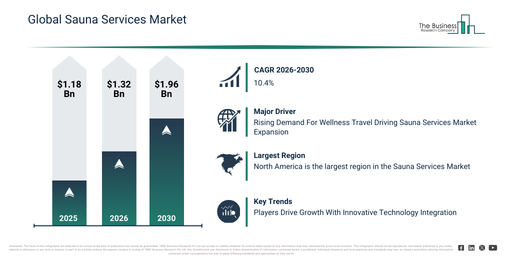
    The sauna services market size has experienced rapid expansion in recent years. It is projected to grow from $1.18 billion in 2025 to $1.32 billion in 2026, demonstrating a compound annual growth rate (CAGR) of 11.4%. The historical market growth was driven by factors such as the traditional cultural adoption of saunas in Nordic regions, the proliferation of spa and wellness centers, increased disposable income among urban consumers, growing awareness of relaxation and stress relief benefits, and the expansion of hospitality and resort infrastructure.

    The sauna services market is projected to experience swift expansion over the coming years. Its value is anticipated to reach $1.96 billion by 2030, demonstrating a compound annual growth rate (CAGR) of 10.4%. This projected increase throughout the forecast period stems from factors such as a heightened demand for preventive and mental wellness options, an expansion in wellness tourism and luxury accommodation, the growing embrace of premium and intelligent sauna designs, an increase in fitness and health club memberships, and the expanding middle-class demographic in developing nations. Key trends anticipated during this period involve the increasing appeal of infrared and hybrid saunas, an escalating need for sauna facilities within fitness and spa establishments, the growing uptake of portable and modular sauna systems, the broadening of wellness tourism packages to include sauna experiences, and an enhanced emphasis on personalized and private sauna sessions.

    Get A Free Sample Report With In-Depth Market Insights:

    https://thebusinessresearchcompany.com/sample_request?id=52612194&type=smp&name=Sauna%20Services%20Market%20Report%202026&utm_source=Blogs&utm_medium=Paid&utm_campaign=Nov_PR

    Sauna Services Market Growth Backed By Core Demand Fundamentals

    The increasing appeal of wellness tourism is anticipated to drive expansion in the sauna services market moving forward. This type of tourism involves journeys undertaken to preserve or improve personal well-being. Several elements fuel wellness tourism, including heightened stress worries, greater disposable earnings, and a focus on preventative health measures. Within wellness tourism, saunas are employed for their healing properties, offering benefits like reducing stress, assisting with detoxification, and fostering general well-being.

    Sauna Services Market Segment Analysis Spotlighting Growth Areas

    The sauna services market covered in this report is segmented –

    1) By Type: Massage Service, Food Service, Luxury Locker Rooms Service, Equipment Installation Service, Other Type

    2) By Sauna: Traditional Or Regular Sauna, Dry Sauna, Infrared Therapy Sauna

    3) By Application: Outdoor Saunas, Indoor Saunas

    4) By End User: Adults, Children

    Subsegments:

    1) By Massage Service: Swedish Massage, Deep Tissue Massage, Aromatherapy Massage

    2) By Food Service: Healthy Snacks And Beverages, Full-Service Dining Options

    3) By Luxury Locker Rooms Service: Premium Locker Rooms, Towel And Robe Services, Personal Care Amenities

    4) By Equipment Installation Service: Sauna Equipment Setup, Sauna Room Design And Installation

    5) By Other Type: Wellness And Spa Packages, Skin Care Services (Facials, Body Wraps)

    #Sauna Services Market Growth Trends: What’s Shaping The Future Outlook?

    Leading companies within the sauna services market are utilizing advanced technologies to provide personalized sauna sessions, such as sauna guides and fitness indicators, to enhance user satisfaction. These tools revolutionize sauna application by delivering customized insights and predictive analytics, thereby optimizing wellness benefits for each individual.

    Sauna Services Market Leading Companies: Who Holds The Strongest Market Presence?

    Major companies operating in the sauna services market are Amerec Ltd, Sunlighten Day Spa, Perspire Sauna Studio, Wi Spa LLC, Island Spa And Sauna, Green Lotus Yoga & Healing Center, Am-Finn Sauna and Steam, SaunaWorks Inc., Artesian Spas, The Spa And Sauna Co, SweatHouz, Sky Spa Sauna, King Spa And Sauna, Restore Hyper Wellness, Therme Erding Familienbad GmbH, Alpine Sauna And Steam, The Sweat Shack, Spa World Corporation, Steam Sauna Inc., City Sweats, Finnmark Sauna Ltd., The Wellness Spa LLC, Sauna House, Glow Sauna Studios

    View The Full Sauna Services Market Report:

    https://thebusinessresearchcompany.com/report/sauna-services-global-market-report?utm_source=Blogs&utm_medium=Paid&utm_campaign=Nov_PR

    Sauna Services Market Geographic Spread And Regional Opportunities

    North America was the largest region in the sauna services market in 2025. Europe is expected to be the fastest-growing region in the forecast period. The regions covered in the sauna services market report are Asia-Pacific, South East Asia, Western Europe, Eastern Europe, North America, South America, Middle East, Africa.

    Reach Out To Our Team:

    The Business Research Company: https://www.thebusinessresearchcompany.com/

    Americas: +1 310-496-7795

    Asia: +44 7882 955267 & +91 8897263534

    Europe: +44 7882 955267

    Email us at: marketing@tbrc.info

    Follow us on:

    LinkedIn: https://in.linkedin.com/company/the-business-research-company

    YouTube: https://www.youtube.com/channel/UC24_fI0rV8cR5DxlCpgmyFQ

    Global Market Model: https://www.thebusinessresearchcompany.com/global-market-model
  • Sarcopenia Treatment Market Growth Outlook: Why Analysts Expect Continued Expansion

    Sarcopenia Treatment Market Growth Outlook: Why Analysts Expect Continued Expansion

    Featuring market attractiveness scoring, total addressable market sizing, company benchmarking matrices, interactive Excel dashboards, deeper supply chain intelligence, emerging startup tracking, and granular product-level insights, The Business Research Company’s 2026 market reports are built to deliver research that is both more actionable and more strategically valuable.

    Sarcopenia Treatment Market Value Analysis: What Growth Lies Ahead Over The Forecast Period?

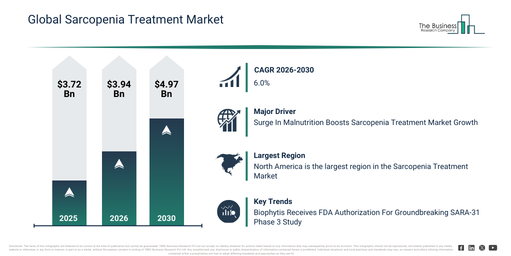
    The sarcopenia treatment market has experienced substantial growth in its size over recent years. It is projected to expand from $3.72 billion in 2025 to $3.94 billion in 2026, exhibiting a compound annual growth rate (CAGR) of 5.9%. This past growth is attributable to factors including a growing elderly population base, increased awareness of age-related muscle loss, the reliance on physical therapy and nutritional support, the limited availability of approved drug therapies, and a rising incidence of mobility-related disorders.

    The sarcopenia treatment market size is anticipated to experience substantial growth in the upcoming years, with projections indicating an expansion to $4.97 billion by 2030, advancing at a compound annual growth rate (CAGR) of 6.0%. This growth during the forecast period can be primarily ascribed to the emergence of novel pharmacological therapies, a heightened focus on prompt diagnosis and intervention, increased healthcare spending dedicated to geriatric care, the escalating prevalence of chronic illnesses that affect muscle health, and the expansion of clinical trials aimed at muscle regeneration. Prominent trends expected within the forecast period encompass the increasing utilization of integrated pharmacological and exercise-based interventions, a growing adoption of nutritional supplementation strategies in managing sarcopenia, intensified clinical research into myostatin inhibitors and anabolic agents, a rise in the diagnosis of sarcopenia among elderly populations, and the broader integration of physical therapy within treatment pathways.

    Get A Free Sample Report With In-Depth Market Insights:

    https://thebusinessresearchcompany.com/sample_request?id=45222526&type=smp&name=Sarcopenia%20Treatment%20Market%20Report%202026&utm_source=Blogs&utm_medium=Paid&utm_campaign=Nov_PR

    Sarcopenia Treatment Market Growth Catalysts And Demand Drivers

    The increasing prevalence of malnutrition is projected to drive the expansion of the sarcopenia treatment market in the future. Malnutrition describes inadequacies, surpluses, or imbalances in an individual’s energy and nutrient intake, covering conditions like undernutrition, overweight, obesity, and diet-related noncommunicable diseases. Sarcopenia treatment assists in managing the coexisting issues of malnutrition and sarcopenia in elderly populations through interventions such as nutritional therapy and exercise, aiming to enhance muscle mass, strength, and overall nutritional status.

    Sarcopenia Treatment Market Segment Performance And Emerging Opportunities

    The sarcopenia treatment market covered in this report is segmented –

    1) By Treatment Type: Protein Supplements, Vitamin B12 Supplements, Vitamin D And Calcium Supplements, Other Treatment Types

    2) By Type: Primary Sarcopenia, Secondary Sarcopenia

    3) By Route Of Administration: Oral, Parenteral, Enteral

    4) By Distribution Channel: Hospital Pharmacies, Retail Pharmacies, Online Pharmacies, Other Distribution Channels

    Subsegments:

    1) By Protein Supplements: Whey Protein, Casein Protein, Soy Protein, Plant-Based Protein

    2) By Vitamin B12 Supplements: Cyanocobalamin, Methylcobalamin

    3) By Vitamin D And Calcium Supplements: Vitamin D2, Vitamin D3, Calcium Carbonate, Calcium Citrate

    4) By Other Treatment Types: Exercise Programs, Hormone Replacement Therapy, Other Nutritional Interventions

    Sarcopenia Treatment Market Industry Trends: What’s Reshaping Demand?

    Leading companies within the sarcopenia treatment market are intensifying their efforts on developing multiple advanced clinical studies to provide better treatment options. A clinical study involves a systematic investigation carried out on human subjects to assess the safety, effectiveness, or outcomes of a medical intervention.

    Sarcopenia Treatment Market Key Players: Which Companies Lead Industry Competition?

    Major companies operating in the sarcopenia treatment market are Pfizer Inc, F Hoffmann La Roche, Merck Sharp And Dohme Corp, AbbVie Inc, Bayer AG, Novartis AG, Sanofi SA, Abbott Laboratories Inc, GlaxoSmithKline plc, Eli Lilly And Company, BASF SE, Nestle Health Science, Haleon Group Of Companies, DSM, Amway Corporation, Perrigo Company PLC, Intas Pharmaceuticals Ltd, Zydus Lifesciences, Fermenta Biotech Limited, Metagenics LLC, Makers Nutrition LLC, NutraScience Labs, AstaReal AB, NutraPak USA, BioThrive Sciences, Wellona Pharma, Healing Pharma India Pvt Ltd, Nutrafill

    View The Full Sarcopenia Treatment Market Report:

    https://thebusinessresearchcompany.com/report/sarcopenia-treatment-global-market-report?utm_source=Blogs&utm_medium=Paid&utm_campaign=Nov_PR

    Sarcopenia Treatment Market Top Region By Revenue And Market Share

    North America was the largest region in the sarcopenia treatment market in 2025. Asia-Pacific is expected to be the fastest-growing region in the forecast period. The regions covered in the sarcopenia treatment market report are Asia-Pacific, South East Asia, Western Europe, Eastern Europe, North America, South America, Middle East, Africa.

    Reach Out To Our Team:

    The Business Research Company: https://www.thebusinessresearchcompany.com/

    Americas: +1 310-496-7795

    Asia: +44 7882 955267 & +91 8897263534

    Europe: +44 7882 955267

    Email us at: marketing@tbrc.info

    Follow us on:

    LinkedIn: https://in.linkedin.com/company/the-business-research-company

    YouTube: https://www.youtube.com/channel/UC24_fI0rV8cR5DxlCpgmyFQ

    Global Market Model: https://www.thebusinessresearchcompany.com/global-market-model
  • Sarcoidosis Market Forecast Insights: The Road To $69.92 Billion By 2030

    Sarcoidosis Market Forecast Insights: The Road To $69.92 Billion By 2030

    Built to provide research that’s more actionable and strategically valuable, The Business Research Company’s 2026 market reports include market attractiveness analysis, total addressable market sizing, company benchmarking matrices, interactive Excel dashboards, broader supply chain intelligence, emerging startup tracking, and in-depth product insights.

    Sarcoidosis Market Size Forecast: How Big Could The Market Get By 2030?

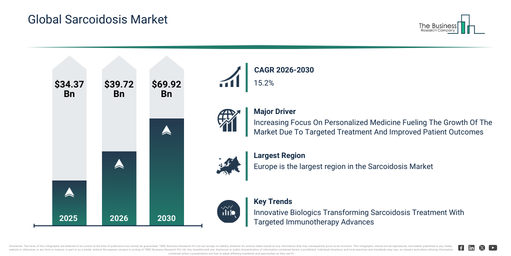
    The sarcoidosis market has experienced significant expansion over recent years. It is anticipated to expand from $34.37 billion in 2025 to $39.72 billion in 2026, demonstrating a compound annual growth rate (CAGR) of 15.6%. The historical increase in market size is attributable to factors including the long-standing use of corticosteroids as a primary treatment, a rise in diagnoses of pulmonary sarcoidosis, increased understanding among medical professionals like pulmonologists and rheumatologists, steady improvements in diagnostic imaging techniques, and the limited availability of specific approved targeted therapies.

    The sarcoidosis market is anticipated to experience substantial expansion over the coming years. By 2030, its value is projected to reach $69.92 billion, demonstrating a compound annual growth rate (CAGR) of 15.2%. This projected growth during the forecast period is primarily driven by factors such as the creation of innovative biologics and immunomodulators, a heightened emphasis on treatment alternatives that reduce steroid reliance, an escalating incidence of chronic and multi-organ sarcoidosis, an increase in clinical research dedicated to rare inflammatory conditions, and enhanced patient accessibility to specialized care facilities. Significant trends emerging within the forecast timeframe encompass the expanding off-label application of biologics for sarcoidosis that is resistant to conventional treatments, a stronger emphasis on managing pulmonary sarcoidosis, a growing acceptance of corticosteroid-reducing treatment plans, a greater reliance on imaging and biomarker-driven methods for disease surveillance, and the proliferation of clinical trials for new anti-inflammatory therapies.

    Get A Free Sample Report With In-Depth Market Insights:

    https://thebusinessresearchcompany.com/sample_request?id=67060959&type=smp&name=Sarcoidosis%20Market%20Report%202026&utm_source=Blogs&utm_medium=Paid&utm_campaign=Nov_PR

    Sarcoidosis Market Opportunity Drivers: What’s Unlocking New Revenue Potential?

    The rising emphasis on personalized medicine is anticipated to propel the expansion of the sarcoidosis market in the future. Personalized medicine represents a sophisticated medical treatment methodology that customizes therapeutic approaches for individual patients, considering their genetic makeup, biomarkers, environmental influences, and lifestyle, thereby guaranteeing interventions that are more accurate, potent, and focused. The need for personalized medicine is escalating because it enables therapies to be customized according to an individual’s genetic and biological characteristics, which boosts efficacy and lessens adverse reactions. Within the context of sarcoidosis, personalized medicine customizes treatment by utilizing genetic, biomarker, and clinical profiling to enhance effectiveness and mitigate adverse effects. This methodology strengthens targeted therapy, thereby addressing the diverse nature of the disease and varied patient responses.

    Sarcoidosis Market Segment Landscape And Growth Outlook

    The sarcoidosis market covered in this report is segmented –

    1) By Type: Pulmonary Sarcoidosis, Ocular Sarcoidosis, Neurosarcoidosis, Cardiac Sarcoidosis, Musculoskeletal Sarcoidosis, Cutaneous Sarcoidosis, Renal Sarcoidosis, Hepatic Sarcoidosis, Sarcoidosis Of The Spleen And Bone Marrow

    2) By Diagnostic Method: Imaging Technique, Biopsy, Blood Tests

    3) By Treatment Type: Corticosteroids, Immunosuppressive Agents, Biologics, Anti-Malarial Drugs

    4) By Route Of Administration: Oral, Parenteral, Other Routes Of Administration

    5) By End Uses: Hospitals And Clinics, Surgical Centers, Diagnostic Centers, Other End Uses

    Subsegments:

    1) By Pulmonary Sarcoidosis: Acute Pulmonary Sarcoidosis, Chronic Pulmonary Sarcoidosis, Fibrotic Pulmonary Sarcoidosis

    2) By Ocular Sarcoidosis: Anterior Uveitis, Posterior Uveitis, Intermediate Uveitis, Panuveitis, Optic Neuropathy

    3) By Neurosarcoidosis: Meningeal Neurosarcoidosis, Cranial Nerve Neurosarcoidosis, Peripheral Neuropathy, Spinal Cord Involvement, Hypothalamic-Pituitary Involvement

    4) By Cardiac Sarcoidosis: Atrioventricular Block, Ventricular Arrhythmias, Heart Failure, Myocarditis, Sudden Cardiac Arrest

    5) By Musculoskeletal Sarcoidosis: Arthritis, Myopathy, Bone Lesions

    6) By Cutaneous Sarcoidosis: Lupus Pernio, Erythema Nodosum, Papular Sarcoidosis, Plaque Sarcoidosis, Subcutaneous Sarcoidosis

    7) By Renal Sarcoidosis: Granulomatous Interstitial Nephritis, Nephrocalcinosis, Hypercalciuria-Induced Kidney Disease

    8) By Hepatic Sarcoidosis: Granulomatous Hepatitis, Portal Hypertension, Hepatic Fibrosis

    9) By Sarcoidosis Of The Spleen And Bone Marrow: Splenomegaly, Pancytopenia, Bone Marrow Granulomas

    Sarcoidosis Market Innovation Trends: What Developments Are Reshaping The Industry?

    Leading companies within the sarcoidosis market are concentrating efforts on creating advanced treatments, specifically anti-TNFa monoclonal antibody therapy, aiming to deliver a new biologic solution for a significant unaddressed medical necessity in the management of inflammatory conditions. This anti-tumor necrosis factor-alpha (anti-TNFa) monoclonal antibody therapy represents a focused immunotherapy, utilizing monoclonal antibodies to block TNFa, a cytokine promoting inflammation, which in turn diminishes inflammation and helps control autoimmune disorders.

    Sarcoidosis Market Competitive Landscape: Who Leads The Industry?

    Major companies operating in the sarcoidosis market are Pfizer Inc, F Hoffmann La Roche AG, Merck And Co Inc, AbbVie Inc, Novartis AG, Bristol Myers Squibb Company, AstraZeneca plc, GlaxoSmithKline plc, Eli Lilly And Company, Boehringer Ingelheim GmbH, Regeneron Pharmaceuticals Inc, UCB Pharma, Sun Pharmaceutical Industries Ltd, Cipla Ltd, Lupin Limited, Mallinckrodt Pharmaceuticals, Xentria Inc, Molecure SA, Relief Therapeutics Holding AG, Sanofi SA, Amgen Inc, Takeda Pharmaceutical Company Limited, Janssen Pharmaceuticals Inc, Otsuka Pharmaceutical Co Ltd

    View The Full Sarcoidosis Market Report:

    https://thebusinessresearchcompany.com/report/sarcoidosis-global-market-report?utm_source=Blogs&utm_medium=Paid&utm_campaign=Nov_PR

    Sarcoidosis Market Regional Analysis And Top Geography

    Europe was the largest region in the sarcoidosis market in 2025. The regions covered in the sarcoidosis market report are Asia-Pacific, South East Asia, Western Europe, Eastern Europe, North America, South America, Middle East, Africa.

    Reach Out To Our Team:

    The Business Research Company: https://www.thebusinessresearchcompany.com/

    Americas: +1 310-496-7795

    Asia: +44 7882 955267 & +91 8897263534

    Europe: +44 7882 955267

    Email us at: marketing@tbrc.info

    Follow us on:

    LinkedIn: https://in.linkedin.com/company/the-business-research-company

    YouTube: https://www.youtube.com/channel/UC24_fI0rV8cR5DxlCpgmyFQ

    Global Market Model: https://www.thebusinessresearchcompany.com/global-market-model