Blog

  • Hearing Aid Devices And Equipment Market Growth Outlook For 2026: Drivers, Trends And Future Opportunities

    Hearing Aid Devices And Equipment Market Growth Outlook For 2026: Drivers, Trends And Future Opportunities

    Featuring market attractiveness scoring, total addressable market sizing, company benchmarking matrices, interactive Excel dashboards, deeper supply chain intelligence, emerging startup tracking, and granular product-level insights, The Business Research Company’s 2026 market reports are built to deliver research that is both more actionable and more strategically valuable.

    Hearing Aid Devices And Equipment Market Revenue Outlook: What CAGR Lies Ahead Through 2030?

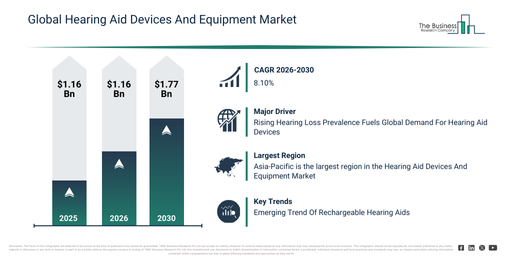
    The hearing aid devices and equipment market has experienced strong growth in recent years. It is projected to increase from $12.97 billion in 2025 to $14.02 billion in 2026, demonstrating a compound annual growth rate (CAGR) of 8.1%. This historical growth can be attributed to factors such as an expanding aging population, a rising incidence of hearing loss, greater awareness of hearing health, ongoing technological advancements in digital hearing aids, and the expansion of audiology services.

    The hearing aid devices and equipment market is set to experience significant expansion in the foreseeable future. By 2030, it is projected to reach a value of $19.18 billion, growing at a compound annual growth rate (CAGR) of 8.1%. This anticipated growth is driven by the increasing integration of smart hearing devices, a heightened demand for tailored hearing solutions, the rising availability of over-the-counter hearing aids, the broadening of tele-audiology services, and continuous innovations in sound enhancement algorithms. Prominent developments during this forecast period include the expanding adoption of AI-enabled sound processing, a growing preference for wireless and Bluetooth-enabled hearing aids, an increased focus on miniaturized and invisible devices, the wider availability of rechargeable hearing aid solutions, and enhanced integration with smartphone connectivity.

    Get A Free Sample Report With In-Depth Market Insights:

    https://thebusinessresearchcompany.com/sample_request?id=38335519&type=smp&name=Hearing%20Aid%20Devices%20And%20Equipment%20Market%20Report%202026&utm_source=Blogs&utm_medium=Paid&utm_campaign=Oct_PR

    Hearing Aid Devices And Equipment Market Demand Drivers Opening New Revenue Streams

    The expanding incidence of hearing loss is anticipated to fuel the progress of the hearing aid devices and equipment market. Hearing loss signifies a partial or total inability to detect sounds, often resulting from aging, exposure to noise, infections, or inherited factors, and its escalating occurrence is generating a larger population requiring auditory assistance. This impairment is on the rise as extended use of personal audio devices subjects the delicate hair cells within the inner ear to harmful loud noises, leading to progressive or permanent damage. Consequently, with the heightened prevalence of hearing impairment, the requirement for sophisticated hearing aids, cochlear implants, and other supportive listening technologies is considerably increasing. For example, in February 2025, the World Health Organization (WHO), a Switzerland-based intergovernmental organization, reported that more than 5% of the global population, amounting to approximately 430 million people including 34 million children, require rehabilitation for disabling hearing loss, with forecasts indicating that by 2050, more than 700 million people, or 1 in 10 worldwide, will experience disabling hearing loss. Hence, the increasing prevalence of hearing loss is a significant impetus for the growth of the hearing aid devices and equipment market.

    Hearing Aid Devices And Equipment Market Segment Performance And Emerging Opportunities

    The hearing aid devices and equipment market covered in this report is segmented –

    1) By Product: Receiver-In-The-Ear Hearing Aids (RTE), Behind-The-Ear Hearing (BTE) Aids, In-The-Ear Hearing (ITE) Aids, In-The-Canal Hearing (ITC) Aids, Completely-In-The-Canal Hearing (CIC) Aids

    2) By Technology: Conventional Hearing Aids, Digital Hearing Aids

    3) By Patient: Adult, Pediatric, Elderly

    4) By Hearing Loss: Conductive Hearing Loss, Sensorineural Hearing Loss

    5) By Distribution Channel: Audiology And ENT Clinics, Pharmacies, Online Sales, Others Distribution Channel

    Subsegments:

    1) By Receiver-In-The-Ear Hearing Aids (RTE): Standard RTE, RTE With Telecoil, RTE With Bluetooth Connectivity

    2) By Behind-The-Ear Hearing Aids (BTE): Standard BTE, Mini BTE, BTE With Wireless Features

    3) By In-The-Ear Hearing Aids (ITE): Full-Size ITE, Half-Size ITE, Custom-Fit ITE

    4) By In-The-Canal Hearing Aids (ITC): Standard ITC, ITC With Wireless Connectivity, ITC With Noise Management

    5) By Completely-In-The-Canal Hearing Aids (CIC): Standard CIC, CIC With Remote Controls, CIC With Enhanced Sound Features

    Hearing Aid Devices And Equipment Market Trends Powering Strategic Industry Growth

    Major companies operating in the hearing aids market are actively developing rechargeable hearing aids to gain a competitive advantage. A rechargeable hearing aid is a type of listening device that can be powered up and reused, removing the necessity for disposable batteries. For instance, in August 2023, Unitron, a Canada-based hearing aid manufacturing company, launched Moxi V-RS, a rechargeable hearing device functioning on the Vivante platform. It provides individual left and right-side instruments for comfort and comes with a magnetic charging case for convenience. This innovative device also ensures smooth connectivity with digital devices, allowing users to effortlessly stream calls, music, and more. They can easily control their hearing aids using tap controls, ensuring a user-friendly experience. Moxi V-RS enhances the overall user experience by offering personalized hearing control, improved sound performance, and a modern design, all accessible through the Remote Plus app.

    Hearing Aid Devices And Equipment Market Top Companies Driving Competitive Growth

    Major companies operating in the hearing aid devices and equipment market are Sonova Holding AG, WS Audiology A/S, Demant AS, Starkey Hearing Technologies, GN Store Nord A/S, Eargo Inc., RION Co. Ltd, Zounds Hearing, Audina Hearing Instruments Inc., SeboTek Hearing Systems LLC, Widex India Pvt Ltd., Oticon India, Phonak India, Unitron India, Bernafon India, Beltone India Private Limited, Signia Australia, GN Hearing Australia Pty. Ltd, Cortiton Hearing Aid Co Ltd, Narang Medical Limited

    View The Full Hearing Aid Devices And Equipment Market Report:

    https://thebusinessresearchcompany.com/report/hearing-aid-devices-and-equipment-global-market-report?utm_source=Blogs&utm_medium=Paid&utm_campaign=Oct_PR

    Hearing Aid Devices And Equipment Market Global Footprint: Which Region Leads The Industry?

    Asia-Pacific was the largest region in global hearing aid devices and equipment market in 2025. North America was the second-largest region in the hearing aid devices and equipment market. The regions covered in the hearing aid devices and equipment market report are Asia-Pacific, South East Asia, Western Europe, Eastern Europe, North America, South America, Middle East, Africa.

    Reach Out To Our Team:

    The Business Research Company: https://www.thebusinessresearchcompany.com/

    Americas: +1 310-496-7795

    Asia: +44 7882 955267 & +91 8897263534

    Europe: +44 7882 955267

    Email us at: marketing@tbrc.info

    Follow us on:

    LinkedIn: https://in.linkedin.com/company/the-business-research-company

    YouTube: https://www.youtube.com/channel/UC24_fI0rV8cR5DxlCpgmyFQ

    Global Market Model: https://www.thebusinessresearchcompany.com/global-market-model
  • Healthcare Smart Card Reader Market Size Forecast From 2026 To 2030: Key Industry Trends

    Healthcare Smart Card Reader Market Size Forecast From 2026 To 2030: Key Industry Trends

    Built to provide research that’s more actionable and strategically valuable, The Business Research Company’s 2026 market reports include market attractiveness analysis, total addressable market sizing, company benchmarking matrices, interactive Excel dashboards, broader supply chain intelligence, emerging startup tracking, and in-depth product insights.

    Healthcare Smart Card Reader Market Growth Analysis: How Will Revenue Trend Over The Forecast Period?

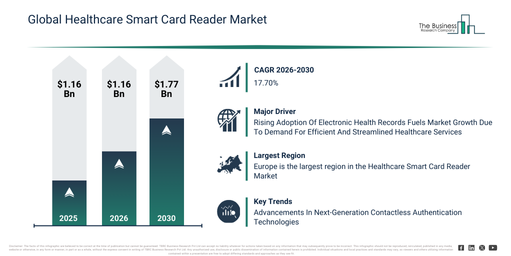
    The healthcare smart card reader market has experienced rapid expansion in recent years. It is anticipated to expand from $1.62 billion in 2025 to $1.91 billion in 2026, exhibiting a compound annual growth rate (CAGR) of 18.0%. The market’s historical growth can be linked to factors such as a reliance on traditional paper-based patient records, the limited initial adoption of smart card technologies, a growing necessity for patient identification solutions, the increasing digitization efforts in hospitals and clinics, and the standardization of medical card formats.

    The healthcare smart card reader market is projected to experience substantial growth in the upcoming years. This market is set to expand to $3.67 billion by 2030, exhibiting a compound annual growth rate (CAGR) of 17.7%. The expansion throughout the forecast period stems from factors such as integration with cloud-based healthcare systems, the emergence of biometric and multi-application card readers, stricter government regulations concerning data security, the proliferation of smart healthcare infrastructure, and the growth of telemedicine along with remote patient monitoring. Significant trends anticipated during this period encompass the increasing adoption of contactless and dual interface card readers, enhanced integration with electronic health records (ehr) systems, a greater emphasis on patient data security and authentication, the broader application of smart card readers in medication dispensing, and improvements in the efficiency of hospital and clinic administrative processes.

    Get A Free Sample Report With In-Depth Market Insights:

    https://thebusinessresearchcompany.com/sample_request?id=28235703&type=smp&name=Healthcare%20Smart%20Card%20Reader%20Market%20Report%202026&utm_source=Blogs&utm_medium=Paid&utm_campaign=Oct_PR

    Healthcare Smart Card Reader Market Growth Backed By Core Demand Fundamentals

    The increasing integration of electronic health records is anticipated to fuel the expansion of the healthcare smart card reader market moving forward. These digital patient medical histories are securely maintained and accessed by authorized medical professionals, facilitating improved diagnosis and care. This increase in EHR implementation stems from the need for streamlined that conserve time, minimize administrative tasks, and guarantee prompt, precise access to patient information. A healthcare smart card reader improves the utility of electronic health records by offering secure, rapid access to patient data, thereby allowing for precise identification, smooth data consolidation, and effective information sharing among medical providers. For example, in October 2024, NHS England, a government healthcare body in the UK, indicated that by November 2023, it had reached a 90% implementation rate of Electronic Patient Records (EPR) systems across its trusts, allowing authorized clinicians to retrieve vital patient data. Consequently, the growing acceptance of electronic health records is propelling the expansion of the healthcare smart card reader market.

    Healthcare Smart Card Reader Market Segment Landscape And Growth Outlook

    The healthcare smart card reader market covered in this report is segmented –

    1) By Product Type: Contact-Based Card Readers, Contactless Card Readers, Dual Interface Card Readers, Other Product Types

    2) By Card Type: Memory-Based Smart Cards, Micro-Controller-Based Smart Cards

    3) By Application: Patient Identification, Medical Records Management, Medication Dispensing, Access Control

    4) By End User: Hospitals And Clinics, Pharmacies, Medical Labs, Insurance Companies

    Subsegments:

    1) By Contact-Based Card Readers: Universal Serial Bus (USB) Smart Card Readers, Serial Port Readers, Keyboard Integrated Readers, PIN Pad Readers, Mobile Device Readers

    2) By Contactless Card Readers: Radio Frequency Identification Readers, Near Field Communication-Enabled Readers, Bluetooth Contactless Readers, Wi-Fi Contactless Readers, Embedded Contactless Modules

    3) By Dual Interface Card Readers: Hybrid Smart Card Readers, Biometric Dual Interface Readers, Multi-Application Smart Card Readers, Secure Access Module (SAM) Compatible Readers, Desktop and Handheld Dual Interface Readers

    4) By Other Product Types: Wearable Smart Card Readers, All-In-One Authentication Terminals, Tablet Or Phone Slot Readers, Integrated Point-Of-Care Terminals, Smart Card Reader Software Solutions

    Healthcare Smart Card Reader Market Growth Trends Reshaping The Competitive Landscape

    Companies active in the healthcare smart card reader market are concentrating on embedding next-generation contactless communication (NCC) technologies. These technologies allow smart card readers to support rapid, multi-protocol card interactions for uses such as patient identification, asset tracking, and secure access. NCC facilitates capabilities like real-time card data processing, multi-standard card interoperability, and effortless integration into enterprise systems. As an example, in January 2024, Advanced Card Systems Ltd., a smart-card reader and module manufacturer based in China, introduced the ACR1552 Series. This NCC-enhanced reader family, intended for sectors including healthcare, finance, and government, boasts a communication speed of up to 848 kbps, features a built-in secure access module (SAM) slot for secure transactions, and offers broad smart-card compatibility (ISO 14443, ISO 15693, NFC) across multiple form-factors. The ACR1552 Series significantly improves secure, efficient access to health-card systems, supports flexible deployment scenarios, and enhances interoperability in clinical and administrative environments.

    Healthcare Smart Card Reader Market Leading Players And Competitive Positioning

    Major companies operating in the healthcare smart card reader market are Thales S.A., Infineon Technologies AG, NXP Semiconductors N.V., ASSA ABLOY AB, Giesecke+Devrient GmbH, Advantech Co. Ltd., Identiv Inc., FEITIAN Technologies Co. Ltd., rf IDEAS Inc., WISeKey International Holding Ltd., Advanced Card Systems Ltd., On Track Innovations Ltd. (OTI), ID Tech Solutions Pvt. Ltd., IDEMIA Group, IDENTOS Inc., SecuGen Corporation, Rayton Solutions Pte Ltd., CardLogix Corporation, Shenzhen HCC Technology Co. Ltd., Creator Tech Co. Ltd.

    View The Full Healthcare Smart Card Reader Market Report:

    https://thebusinessresearchcompany.com/report/healthcare-smart-card-reader-global-market-report?utm_source=Blogs&utm_medium=Paid&utm_campaign=Oct_PR

    Healthcare Smart Card Reader Market Regional Distribution: Which Areas Power Market Growth?

    Europe was the largest region in the healthcare smart card reader market in 2025. Asia-Pacific is expected to be the fastest-growing region in the forecast period. The regions covered in the healthcare smart card reader market report are Asia-Pacific, South East Asia, Western Europe, Eastern Europe, North America, South America, Middle East, Africa.

    Reach Out To Our Team:

    The Business Research Company: https://www.thebusinessresearchcompany.com/

    Americas: +1 310-496-7795

    Asia: +44 7882 955267 & +91 8897263534

    Europe: +44 7882 955267

    Email us at: marketing@tbrc.info

    Follow us on:

    LinkedIn: https://in.linkedin.com/company/the-business-research-company

    YouTube: https://www.youtube.com/channel/UC24_fI0rV8cR5DxlCpgmyFQ

    Global Market Model: https://www.thebusinessresearchcompany.com/global-market-model
  • Healthcare Personal Protective Equipment Market 2026: Market Size, Growth Drivers And Emerging Opportunities

    Healthcare Personal Protective Equipment Market 2026: Market Size, Growth Drivers And Emerging Opportunities

    Backed by market attractiveness analysis, total addressable market sizing, company benchmarking matrices, interactive Excel dashboards, wider supply chain intelligence, emerging startup coverage, and detailed product-level insights, The Business Research Company’s 2026 market reports are designed to offer research that is more actionable and strategically valuable than ever.

    Healthcare Personal Protective Equipment Market Forecast: What Value Will The Market Reach By 2030?

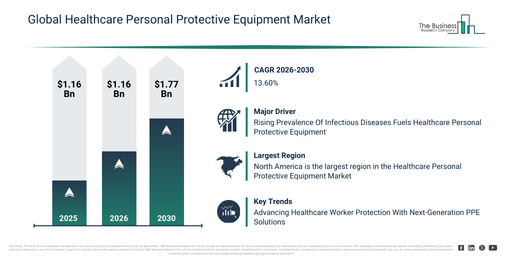
    The market size for healthcare personal protective equipment has experienced rapid expansion in recent years. It is anticipated to increase from $28.89 billion in 2025 to $32.29 billion in 2026, demonstrating a compound annual growth rate (CAGR) of 11.8%. The historical growth of this market can be attributed to several factors including demand surges driven by outbreaks, the initial limited availability of high-quality PPE, a reliance on traditional manufacturing methods, increasing awareness regarding healthcare worker safety, and regulatory mandates for infection control.

    The market for healthcare personal protective equipment is anticipated to experience substantial expansion over the coming years, set to reach $53.81 billion in 2030, exhibiting a compound annual growth rate (CAGR) of 13.6%. This anticipated growth during the forecast period is primarily driven by factors such as the incorporation of advanced materials enhancing comfort and protection, the broadening of healthcare infrastructure, the integration of smart PPE featuring monitoring sensors, an increasing need within ambulatory and outpatient settings, and governmental efforts focused on emergency preparedness. Key developments expected in this timeframe encompass a surge in the demand for both disposable and reusable PPE, a heightened emphasis on infection control and safety measures, an increase in the uptake of protective clothing and respiratory protection, an expanded application of PPE across hospitals, clinics, and research institutions, and the creation of more ergonomic and comfortable PPE designs.

    Get A Free Sample Report With In-Depth Market Insights:

    https://thebusinessresearchcompany.com/sample_request?id=41321091&type=smp&name=Healthcare%20Personal%20Protective%20Equipment%20Market%20Report%202026&utm_source=Blogs&utm_medium=Paid&utm_campaign=Oct_PR

    Healthcare Personal Protective Equipment Market Growth Catalysts And Demand Drivers

    The expanding occurrence of infectious diseases is projected to drive the growth of the healthcare personal protective equipment market moving forward. An infectious disease is an ailment caused by microorganisms such as bacteria, viruses, fungi, or parasites that can invade the body and disrupt its normal functions, with tuberculosis serving as an example of this type of illness. Healthcare personal protective equipment is essential for preventing the transmission of infectious diseases and safeguarding both patients and healthcare workers, as its correct application helps reduce exposure and contamination risks. For instance, in March 2024, the Centers for Disease Control and Prevention, a US-based government agency, indicated that in 2023, the 50 U.S. states and DC provisionally recorded 9,615 TB cases, representing an increase of 1,295 cases (16%) when compared to the 8,320 cases reported in 2022. Therefore, the rising prevalence of infectious diseases is propelling the expansion of the healthcare personal protective equipment market.

    Healthcare Personal Protective Equipment Market Breakdown By Product Type And Application

    The healthcare personal protective equipment market covered in this report is segmented –

    1) By Product: Head, Eye And Face Protection, Hearing Protection, Protective Clothing, Respiratory Protection, Protective Footwear, Fall Protection

    2) By Usability: Disposable, Reusable

    3) By End Use: Hospitals And Clinics, Ambulatory Surgical Centers, Academic And Research Institutes, Diagnostic Laboratories, Other End Uses

    Subsegments:

    1) By Head, Eye And Face Protection: Helmets, Face Shields, Goggles

    2) By Hearing Protection: Earplugs, Earmuffs

    3) By Protective Clothing: Gowns, Coveralls, Aprons

    4) By Respiratory Protection: Masks, Respirators

    5) By Protective Footwear: Boots, Shoe Covers

    6) By Fall Protection: Harnesses, Lanyards

    Healthcare Personal Protective Equipment Market Trends Shaping Long-Term Demand

    Companies operating within the healthcare personal protective equipment market are actively developing innovative solutions, such as personal protection systems, to improve both the safety and comfort of healthcare workers, thereby enhancing compliance and reducing fatigue during long shifts. A Personal Protection System (PPS) is defined as an integrated set of measures, equipment, procedures, and strategies designed to safeguard an individual from harm, threats, or unwanted intrusions. As an illustration, in March 2025, Stryker Corporation, a US-based medical technology company, launched the Steri-Shield 8 Personal Protection System. This innovative product integrates a high-quality surgical gown with a proprietary, disposable face shield. This system is designed as a single-use, sterile ensemble that combines a fluid-resistant gown with a clear, pre-attached face shield, which deploys directly from the gown’s collar. This integrated design eliminates the need for a separate, often reusable and ill-fitting, shield or goggles, aiming to further enhance protection and wearability by providing a more seamless barrier against splashes and sprays during surgical procedures.

    Healthcare Personal Protective Equipment Market Competitive Overview And Top Companies

    Major companies operating in the healthcare personal protective equipment market are 3M Company, Ansell Limited, E I DuPont de Nemours and Co., Lakeland Industries, Alpha Pro Tech Ltd., Cardinal Health, Crosstex International Inc., Halyard Health, Unicharm India Pvt Ltd, Mölnlycke Health Care AB, Top Glove Corporation Bhd, Supermax Corporation Berhad, Hartalega Holdings Berhad, Kossan Rubber Industries Bhd, Semperit AG Holding, Paul Hartmann AG, Dynarex Corporation, Medicom Group, B Braun Melsungen AG, Intco Medical Technology Co Ltd.

    View The Full Healthcare Personal Protective Equipment Market Report:

    https://thebusinessresearchcompany.com/report/healthcare-personal-protective-equipment-global-market-report?utm_source=Blogs&utm_medium=Paid&utm_campaign=Oct_PR

    Healthcare Personal Protective Equipment Market Leading Geography: Which Region Contributes The Most Revenue?

    North America was the largest region in the healthcare personal protective equipment market in 2025. Western Europe was the second-largest region in the healthcare personal protective equipment market report. The regions covered in the healthcare personal protective equipment market report are Asia-Pacific, South East Asia, Western Europe, Eastern Europe, North America, South America, Middle East, Africa.

    Reach Out To Our Team:

    The Business Research Company: https://www.thebusinessresearchcompany.com/

    Americas: +1 310-496-7795

    Asia: +44 7882 955267 & +91 8897263534

    Europe: +44 7882 955267

    Email us at: marketing@tbrc.info

    Follow us on:

    LinkedIn: https://in.linkedin.com/company/the-business-research-company

    YouTube: https://www.youtube.com/channel/UC24_fI0rV8cR5DxlCpgmyFQ

    Global Market Model: https://www.thebusinessresearchcompany.com/global-market-model
  • Healthcare Mobile Robots Market Set To Expand From $12.67 Billion In 2026: Growth Outlook Through 2030

    Healthcare Mobile Robots Market Set To Expand From $12.67 Billion In 2026: Growth Outlook Through 2030

    Featuring market attractiveness scoring, total addressable market sizing, company benchmarking matrices, interactive Excel dashboards, deeper supply chain intelligence, emerging startup tracking, and granular product-level insights, The Business Research Company’s 2026 market reports are built to deliver research that is both more actionable and more strategically valuable.

    Healthcare Mobile Robots Market Size Outlook: How Quickly Will Revenue Expand Through 2030?

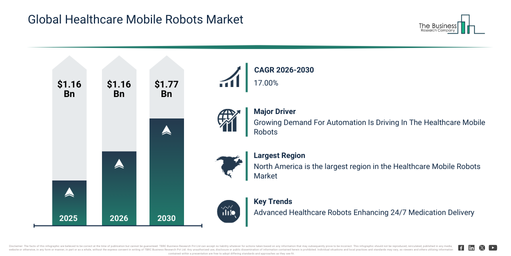
    The market size for healthcare mobile robots has experienced rapid growth in recent years. It is anticipated to increase from $5.67 billion in 2025 to $6.76 billion in 2026, achieving a compound annual growth rate (CAGR) of 19.1%. This historical growth can be attributed to several factors, including a shortage of healthcare personnel, rising hospital operational costs, increasing patient admission volumes, the necessity for workflow automation in hospitals, and the demand for enhanced efficiency in medical logistics.

    The healthcare mobile robots market size is expected to experience rapid expansion in the upcoming years. It is forecast to grow to $12.67 billion in 2030, achieving a compound annual growth rate (CAGR) of 17.0%. This growth during the forecast period is primarily attributed to the increasing adoption of automation within healthcare facilities, rising investments in hospital robotics infrastructure, a greater emphasis on patient safety and staff productivity, the proliferation of smart hospital projects, and an escalating demand for contactless healthcare operations. Major trends anticipated in this period include the wider deployment of autonomous hospital logistics robots, an increase in the adoption of contactless material and medication transport, the expanding use of mobile robots for infection control and disinfection, the growth of telepresence and remote care support robots, and the rising integration of robots into hospital workflow management systems.

    Get A Free Sample Report With In-Depth Market Insights:

    https://thebusinessresearchcompany.com/sample_request?id=85617573&type=smp&name=Healthcare%20Mobile%20Robots%20Market%20Report%202026&utm_source=Blogs&utm_medium=Paid&utm_campaign=Oct_PR

    Healthcare Mobile Robots Market Opportunity Drivers: What’s Unlocking New Revenue Potential?

    The increasing need for automation is anticipated to drive expansion in the healthcare mobile robot market in the coming period. Automation, which involves employing technology like machinery, software, or robotics to execute tasks or processes with limited human involvement, is on the rise. This growth is fueled by technological advancements, a greater call for efficiency and productivity, and the necessity to address labor deficits and lower operational expenses. The rising demand for automation is being applied to healthcare mobile robots to streamline functions like logistical assistance and direct patient care, consequently boosting operational effectiveness and bettering patient results. An illustrative example is from September 2024, when the International Federation of Robotics, a Germany-based non-profit body, reported that 276,288 industrial robots were installed in 2023, representing 51% of worldwide installations. This figure was the second-highest recorded, after the 290,144 units installed in 2022. Consequently, the escalating need for automation is stimulating expansion within the healthcare mobile robot market.

    Healthcare Mobile Robots Market Segment Analysis And Revenue Potential

    The healthcare mobile robots market covered in this report is segmented –

    1) By Type: Hospital Robots, Care Robots, Teleoperation And Telepresence Systems

    2) By Component: Hardware, Software, Support And Service

    3) By End-User: Hospitals, Ambulatory Surgical Centers, Rehabilitation Centers, Other End-Users

    Subsegments:

    1) By Hospital Robots: Delivery Robots, Medication Management Robots

    2) By Care Robots: Elderly Care Robots, Personal Assistance Robots

    3) By Teleoperation And Telepresence Systems: Telehealth Robots, Telepresence Robots

    Healthcare Mobile Robots Market Innovation Trends Shaping Future Development

    Leading companies in the healthcare mobile robot market are creating sophisticated technologies to enable uninterrupted medication delivery, thereby enhancing pharmacy operational workflows. These round-the-clock medication deliveries involve a continuous, 24/7 supply of medicines to guarantee patients receive timely access. For instance, in June 2024, Richtech Robotics, a US-based technology company, unveiled Medbot—an autonomous mobile robot designed to boost hospital efficiency by automating the consistent transport of medications. Medbot is equipped with features such as elevator integration for multi-floor functionality, four secure storage compartments, advanced sensors and cameras for safe navigation, and a touchscreen interface for scheduling and tracking. By addressing staffing shortages in pharmacies and ensuring precise, secure, and cost-effective deliveries, Medbot allows pharmacy teams to concentrate on more critical responsibilities. Achieving a 100% delivery success rate and featuring IoT-enabled hospital integration, Medbot signifies a major advancement in healthcare automation aimed at improving patient care and operational outcomes.

    Healthcare Mobile Robots Market Competitive Landscape: Which Companies Lead The Industry?

    Major companies operating in the healthcare mobile robots market are Intuitive Surgical Inc., Medtronic plc, Stryker Corporation, GE Healthcare, Omnicell Inc., Diligent Robotics Inc., Aethon Inc., Vecna Robotics, Blue Ocean Robotics ApS, SoftBank Robotics Group Corp., Cyberdyne Inc., Ekso Bionics Holdings Inc., Kinova Robotics, Stereotaxis Inc., Xenex Ltd., VGo Communications Inc., Intuition Robotics, Focal Meditech, Asensus Surgical Inc., ReWalk Robotics Ltd.

    View The Full Healthcare Mobile Robots Market Report:

    https://thebusinessresearchcompany.com/report/healthcare-mobile-robots-global-market-report?utm_source=Blogs&utm_medium=Paid&utm_campaign=Oct_PR

    Healthcare Mobile Robots Market Regional Outlook: Where Is Opportunity Concentrated?

    North America was the dominated region in the healthcare mobile robots market in 2025. The regions covered in the healthcare mobile robots market report are Asia-Pacific, South East Asia, Western Europe, Eastern Europe, North America, South America, Middle East, Africa.

    Reach Out To Our Team:

    The Business Research Company: https://www.thebusinessresearchcompany.com/

    Americas: +1 310-496-7795

    Asia: +44 7882 955267 & +91 8897263534

    Europe: +44 7882 955267

    Email us at: marketing@tbrc.info

    Follow us on:

    LinkedIn: https://in.linkedin.com/company/the-business-research-company

    YouTube: https://www.youtube.com/channel/UC24_fI0rV8cR5DxlCpgmyFQ

    Global Market Model: https://www.thebusinessresearchcompany.com/global-market-model
  • Healthcare Chromatography Analyzers Market Size And Growth In 2026: Key Factors Shaping Future Demand

    Healthcare Chromatography Analyzers Market Size And Growth In 2026: Key Factors Shaping Future Demand

    Built to provide research that’s more actionable and strategically valuable, The Business Research Company’s 2026 market reports include market attractiveness analysis, total addressable market sizing, company benchmarking matrices, interactive Excel dashboards, broader supply chain intelligence, emerging startup tracking, and in-depth product insights.

    Healthcare Chromatography Analyzers Market Size, Value And Growth Trajectory Through 2030

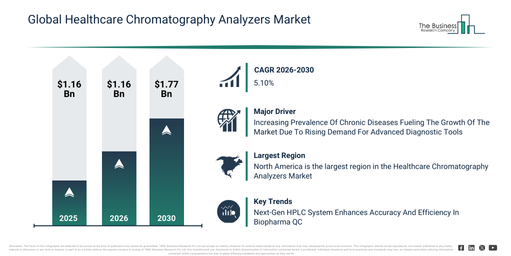
    The healthcare chromatography analyzers market has experienced substantial expansion in recent years. Its valuation is projected to rise from $1.56 billion in 2025 to $1.64 billion in 2026, exhibiting a compound annual growth rate (CAGR) of 5.1%. Factors contributing to this historic growth encompass the limited availability of sophisticated chromatography systems, evolving clinical diagnostic necessities, escalating pharmaceutical research endeavors, reliance on manual TLC and LPLC systems, and an uptick in demand from life sciences and academic institutions.

    The healthcare chromatography analyzers market is poised for significant expansion in the upcoming years. It is anticipated to grow to $2 billion in 2030, demonstrating a compound annual growth rate (CAGR) of 5.1%. This projected growth is driven by technological advancements in UHPLC, LC-MS, and GC-MS systems, increasing capabilities in automation and remote monitoring, a heightened emphasis on precision medicine and biomarker analysis, the expansion of the pharmaceutical and biotechnology industries, and the integration of digital data management and analytics. Prominent trends expected in this period involve the rising adoption of high-resolution chromatography systems, growing demand for automated and portable analyzers, the broadening of pharmaceutical and clinical diagnostic applications, an increase in the use of consumables and accessories for analytical accuracy, and a focus on rapid disease diagnosis and biomarker detection.

    Get A Free Sample Report With In-Depth Market Insights:

    https://thebusinessresearchcompany.com/sample_request?id=70512871&type=smp&name=Healthcare%20Chromatography%20Analyzers%20Market%20Report%202026&utm_source=Blogs&utm_medium=Paid&utm_campaign=Oct_PR

    Healthcare Chromatography Analyzers Market Growth Momentum: What Factors Are Shaping Demand?

    The rising incidence of chronic ailments is projected to drive expansion in the healthcare chromatography analyzers market in the future. These are long-term health issues that emerge gradually and persist for long durations, frequently necessitating ongoing medical attention. This increase in chronic diseases is partly attributed to sedentary habits, since extended periods of sitting and insufficient exercise elevate the likelihood of developing conditions like heart disease and diabetes. Healthcare chromatography analyzers improve diagnostic accuracy through precise separation of biomolecules, rendering them crucial for tracking chronic conditions. Such analyzers facilitate the early identification and monitoring of biomarkers, which enhances disease management and clinical outcomes for patients. An example is seen in June 2024, when the National Health Service, a UK-based government department, reported that 3,615,330 individuals registered with a general practitioner (GP) received a diagnosis of non-diabetic hyperglycemia or pre-diabetes (a state characterized by elevated blood sugar levels, not severe enough to be diabetes) in 2023. This represents an 18% rise from 3,065,825 instances in 2022. Consequently, the expanding occurrence of chronic illnesses is a key factor propelling the growth of the healthcare chromatography analyzers market.

    Healthcare Chromatography Analyzers Market Segmentation And Category Overview

    The healthcare chromatography analyzers market covered in this report is segmented –

    1) By Type: Supercritical Fluid Chromatography Systems, Thin-Layer Chromatography Systems, Gas Chromatography Systems, Liquid Chromatography Systems

    2) By Consumable And Accessory: Flow Management Accessories And Consumables, Detectors, Fraction Collectors, Chromatography Fittings And Tubing, Pressure Regulators, Column Accessories And Consumables, Autosamplers, Mobile Phase Accessories And Consumables, Columns, Other Accessories And Consumables

    3) By End-User: Pharmaceutical And Biotechnology Industries, Academics And Research Institutes, Life Science Industry, Food And Beverage Industries, Hospitals Or Clinics, Environmental Agencies, Other End-Users

    Subsegments:

    1) By Supercritical Fluid Chromatography Systems: Analytical Supercritical Fluid Chromatography (SFC) Systems, Preparative Supercritical Fluid Chromatography (Prep-SFC) Systems

    2) By Thin-Layer Chromatography Systems: Automated Thin-Layer Chromatography (TLC) Systems, Manual Thin-Layer Chromatography (TLC) Systems

    3) By Gas Chromatography Systems: Benchtop Gas Chromatography Systems, Portable Gas Chromatography Systems, Gas Chromatography-Mass Spectrometry (GC-MS) Systems

    4) By Liquid Chromatography Systems: High-Performance Liquid Chromatography (HPLC) Systems, Ultra-High Performance Liquid Chromatography (UHPLC) Systems, Low-Pressure Liquid Chromatography (LPLC) Systems, Liquid Chromatography-Mass Spectrometry (LC-MS) Systems

    Healthcare Chromatography Analyzers Market Trends Redefining Industry Growth

    Leading companies in the healthcare chromatography analyzers market are concentrating on developing technologically advanced products, such as high-performance liquid chromatography (HPLC) systems, to improve accuracy and efficiency in clinical diagnostics and pharmaceutical research. High-performance liquid chromatography (HPLC) systems are sophisticated analytical tools utilized in the healthcare sector for the precise separation, identification, and quantification of components in complex biological and pharmaceutical samples. Illustrating this, in April 2024, Waters Corporation, a US-based analytical instruments company, unveiled the Alliance iS Bio HPLC System, a next-generation high-performance liquid chromatography (HPLC) platform specifically designed for the unique demands of biopharmaceutical quality control (QC) laboratories. This system integrates advanced bio-inert MaxPeak high-performance surfaces (HPS) technology to lessen unwanted analyte interactions. It also includes built-in instrument intelligence, featuring an intuitive touchscreen interface and guided workflows, which aids in reducing human error by up to 40%. These innovations provide faster, more consistent results with enhanced data integrity, making it an ideal solution for QC labs within the biopharmaceutical sector.

    Healthcare Chromatography Analyzers Market Competitive Landscape: Who Leads The Industry?

    Major companies operating in the healthcare chromatography analyzers market are Hitachi Ltd., Merck and Co. Inc., Thermo Fisher Scientific Inc., Danaher Corporation, GE Healthcare Life Sciences, Agilent Technologies Inc., Cytiva, PerkinElmer Inc., Shimadzu Corp, Waters Corp, Bio-Rad Laboratories Inc., Bruker Corp, Phenomenex Inc., Gilson Inc., Restek Corporation, Scion Instruments UK Ltd, Knauer GmbH, JASCO Corporation, E-Chrom Tech Co. Ltd., SRI Instruments Inc.

    View The Full Healthcare Chromatography Analyzers Market Report:

    https://thebusinessresearchcompany.com/report/healthcare-chromatography-analyzers-global-market-report?utm_source=Blogs&utm_medium=Paid&utm_campaign=Oct_PR

    Healthcare Chromatography Analyzers Market Geographic Landscape: Which Region Leads Industry Growth?

    North America was the largest region in the healthcare chromatography analyzers market in 2025. The regions covered in the healthcare chromatography analyzers market report are Asia-Pacific, South East Asia, Western Europe, Eastern Europe, North America, South America, Middle East, Africa.

    Reach Out To Our Team:

    The Business Research Company: https://www.thebusinessresearchcompany.com/

    Americas: +1 310-496-7795

    Asia: +44 7882 955267 & +91 8897263534

    Europe: +44 7882 955267

    Email us at: marketing@tbrc.info

    Follow us on:

    LinkedIn: https://in.linkedin.com/company/the-business-research-company

    YouTube: https://www.youtube.com/channel/UC24_fI0rV8cR5DxlCpgmyFQ

    Global Market Model: https://www.thebusinessresearchcompany.com/global-market-model
  • Healthcare Adhesive Tapes Market Forecast 2026–2030: Market Size, Trends And Growth Opportunities

    Healthcare Adhesive Tapes Market Forecast 2026–2030: Market Size, Trends And Growth Opportunities

    Backed by market attractiveness analysis, total addressable market sizing, company benchmarking matrices, interactive Excel dashboards, wider supply chain intelligence, emerging startup coverage, and detailed product-level insights, The Business Research Company’s 2026 market reports are designed to offer research that is more actionable and strategically valuable than ever.

    Healthcare Adhesive Tapes Market CAGR Outlook And Future Development

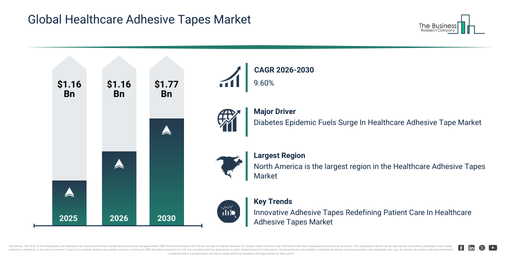
    The healthcare adhesive tapes market has experienced robust growth in recent years. It is projected to increase from $41.58 billion in 2025 to $45.6 billion in 2026, achieving a compound annual growth rate (CAGR) of 9.6%. The historical expansion of this market can be attributed to factors such as rising surgical procedure volumes, an increasing prevalence of chronic wounds, the development of hospital and clinical care settings, the broader utilization of diagnostic and monitoring devices, and advancements in medical adhesive formulations.

    The healthcare adhesive tapes market is projected to experience substantial expansion over the upcoming years. It is anticipated to reach a value of $65.67 billion by 2030, demonstrating a compound annual growth rate (CAGR) of 9.6%. This anticipated growth during the forecast period is attributable to several factors, including the increasing demand for home healthcare items, an amplified emphasis on patient comfort and safety, the broader application of minimally invasive procedures, the expanding utilization of wearable medical devices, and the greater uptake of sophisticated wound care solutions. Key trends expected within this period encompass the wider adoption of skin-friendly and hypoallergenic tapes, a surging demand for silicone-based adhesive tapes, the increasing application of breathable and flexible backing materials, the proliferation of advanced medical-grade pressure-sensitive adhesives, and a heightened emphasis on solutions providing long-wear and secure fixation.

    Get A Free Sample Report With In-Depth Market Insights:

    https://thebusinessresearchcompany.com/sample_request?id=42904146&type=smp&name=Healthcare%20Adhesive%20Tapes%20Market%20Report%202026&utm_source=Blogs&utm_medium=Paid&utm_campaign=Oct_PR

    Healthcare Adhesive Tapes Market Expansion Drivers: What’s Shaping Future Growth?

    The growing incidence of diabetes is projected to fuel the expansion of the healthcare adhesive tapes market. Healthcare adhesive tapes are essential in diabetes management for securely attaching devices, reducing skin irritation, and providing a comfortable, reliable solution for individuals. They serve as a critical component in diabetes care, assisting individuals with diabetes in managing their condition by securing various devices, dressings, and infusion sites, thereby ensuring accuracy, reliability, and comfort in their routines. For instance, in April 2025, the International Diabetes Federation, a Belgium-based diabetes federation, reported that 589 million adults (20-79 years) are living with diabetes globally, a number greater than the combined populations of the U.S., Canada, Mexico, and the Caribbean. The estimated number of adults with diabetes is anticipated to reach 853 million by 2050. Therefore, the rising prevalence of diabetes is driving the growth of the healthcare adhesive tapes market.

    Healthcare Adhesive Tapes Market Segment Outlook: Which Categories Are Growing Fastest?

    The healthcare adhesive tapes market covered in this report is segmented –

    1) By Resin Type: Acrylic, Rubber, Silicone

    2) By Backing Material Type: Paper, Fabric, Plastic, Other Backing Material Types

    3) By Application: Surgery, Wound Dressing, Splints, Secure IV Line, Ostomy Seal, Hygiene, Bandages, Transdermal Patches, and Blister Protection, Diagnostic, Monitoring and Medical Devices, and Optical Care, Other Applications

    Subsegments:

    1) By Acrylic: Pressure-Sensitive Acrylic Tapes, Medical-Grade Acrylic Tapes

    2) By Rubber: Natural Rubber Tapes, Synthetic Rubber Tape

    3) By Silicone: Silicone Adhesive Tapes, Silicone Gel Tapes

    Healthcare Adhesive Tapes Market Strategic Trends: What Defines The Next Growth Phase?

    Major companies in the healthcare adhesive tapes market are concentrating on developing advanced solutions that are both skin-friendly and high-performance, such as double-coated silicone medical tapes. These initiatives aim to improve patient comfort, enhance the reliability of adhesion, and support long-term medical applications. The design of these sophisticated tapes features gentle silicone adhesives on both sides, which facilitates secure fixation while minimizing skin trauma, discomfort during removal, and the likelihood of medical adhesive-related skin injuries (MARSI), especially for patients with delicate or sensitive skin. For example, in October 2024, Solventum, a US-based healthcare company, unveiled a double-coated silicone medical tape specifically engineered to provide strong yet atraumatic adhesion for medical devices and dressings. This tape maintains consistent performance through repeated repositioning, making it ideal for uses including wound care, wearable medical devices, and extended-use dressings. Its breathable structure and gentle silicone adhesive work to preserve skin integrity while ensuring dependable attachment, contributing to better patient outcomes and greater clinician confidence. This innovation exemplifies the broader market shift towards advanced adhesive technologies that effectively balance durability, comfort, and safety in modern healthcare environments.

    Healthcare Adhesive Tapes Market Company Landscape And Competitive Strategy

    Major companies operating in the healthcare adhesive tapes market are 3M Company, Cardinal Health Inc., Nitto Denko Corporation, Johnson & Johnson, Paul Hartmann AG, Avery Dennison Corporation, NICHIBAN Co. Ltd., Smith & Nephew plc, Lohmann GmbH & Co. KG, Scapa Group plc, Medline Industries Inc., Essity Aktiebolag, Adchem Corporation, CCT Tapes, Dermamed Coatings Company LLC, Dermarite Industries LLC, Jiangsu Nanfang Medical Co. Ltd., Libatape Pharmaceutical Co. Ltd., Mactac LLC, Lintec Corporation, Sekisui Chemical Co. Ltd., Tesa SE

    View The Full Healthcare Adhesive Tapes Market Report:

    https://thebusinessresearchcompany.com/report/healthcare-adhesive-tapes-global-market-report?utm_source=Blogs&utm_medium=Paid&utm_campaign=Oct_PR

    Healthcare Adhesive Tapes Market Largest Region: Which Geography Holds The Biggest Share?

    North America was the largest region in the healthcare adhesive tapes market in 2025. Asia-Pacific is expected to be the fastest-growing region in the forecast period. The regions covered in the healthcare adhesive tapes market report are Asia-Pacific, South East Asia, Western Europe, Eastern Europe, North America, South America, Middle East, Africa.

    Reach Out To Our Team:

    The Business Research Company: https://www.thebusinessresearchcompany.com/

    Americas: +1 310-496-7795

    Asia: +44 7882 955267 & +91 8897263534

    Europe: +44 7882 955267

    Email us at: marketing@tbrc.info

    Follow us on:

    LinkedIn: https://in.linkedin.com/company/the-business-research-company

    YouTube: https://www.youtube.com/channel/UC24_fI0rV8cR5DxlCpgmyFQ

    Global Market Model: https://www.thebusinessresearchcompany.com/global-market-model
  • Head And Neck Cancer Diagnostics Market Size Reaches $2.38 Billion In 2026: What Is Driving Growth?

    Head And Neck Cancer Diagnostics Market Size Reaches $2.38 Billion In 2026: What Is Driving Growth?

    Featuring market attractiveness scoring, total addressable market sizing, company benchmarking matrices, interactive Excel dashboards, deeper supply chain intelligence, emerging startup tracking, and granular product-level insights, The Business Research Company’s 2026 market reports are built to deliver research that is both more actionable and more strategically valuable.

    Head And Neck Cancer Diagnostics Market Set To Climb From $2.38 Billion In 2026 To $4.5 Billion By 2030

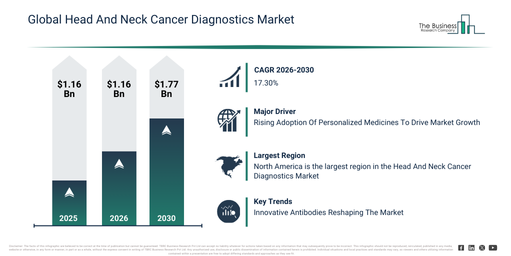
    The head and neck cancer diagnostics market size has experienced rapid growth over recent years. This market is anticipated to expand from $2.03 billion in 2025 to $2.38 billion in 2026, reflecting a compound annual growth rate (CAGR) of 17.1%. Historically, this expansion has been driven by factors such as the increasing prevalence of head and neck cancers, the enhancement of diagnostic imaging infrastructure, a greater understanding of the benefits of early cancer detection, the proliferation of biopsy-based diagnostic techniques, and the provision of specialized oncology services.

    The head and neck cancer diagnostics market is anticipated to experience significant expansion in the coming years. Its size is projected to reach $4.5 billion by 2030, demonstrating a compound annual growth rate (CAGR) of 17.3%. This projected growth throughout the forecast period stems from factors such as the increasing embrace of personalized cancer diagnostics, greater investments in AI-powered imaging technologies, the broadening scope of molecular diagnostic testing, an amplified emphasis on early detection initiatives, and the increasing incorporation of digital pathology solutions. Key trends anticipated during this period encompass the widespread adoption of sophisticated imaging diagnostics, the growing application of molecular and genetic testing, the deeper integration of AI in cancer detection, the expansion of screening programs for early stages, and a heightened emphasis on precision oncology.

    Get A Free Sample Report With In-Depth Market Insights:

    https://thebusinessresearchcompany.com/sample_request?id=48648009&type=smp&name=Head%20And%20Neck%20Cancer%20Diagnostics%20Market%20Report%202026&utm_source=Blogs&utm_medium=Paid&utm_campaign=Oct_PR

    Head And Neck Cancer Diagnostics Market Development Factors: What’s Supporting Demand?

    The widespread embrace of personalized medicines is anticipated to stimulate the expansion of the head and neck cancer diagnostics market in the future. Personalized medicine represents a groundbreaking healthcare strategy designed to adapt medical treatments and interventions to suit the distinct characteristics of individual patients. By leveraging precision imaging and tailored follow-up care, this approach helps optimize treatment results and lessen side effects in the management of head and neck cancers. For example, in February 2024, data from the Personalized Medicine Coalition, a US-based non-profit organization, indicated that the FDA granted approval to 16 new personalized therapies for patients with rare diseases in 2023, which signifies a considerable increase from the 6 approvals observed in 2022. Thus, the escalating adoption of personalized medicine is a key factor propelling the head and neck cancer diagnostics market’s development.

    Head And Neck Cancer Diagnostics Market Segment Landscape: Which Areas Lead Development?

    The head and neck cancer diagnostics market covered in this report is segmented –

    1) By Diagnostic Method: Diagnostic Imaging Equipment, Endoscopy Screening Equipment, Biopsy Screening Tests

    2) By Assay Type: Histopathology And Cytology, Immunohistochemistry And Biomarker Testing, Molecular Diagnostics, Liquid Biopsy, Cytogenetics And FISH, Point-Of-Care And Rapid Tests, AI-Based Image Analysis And Computer-Aided Diagnostics

    3) By Channel: Hospitals & Hospital-Based Diagnostic Departments, Independent Diagnostic & Imaging Centers, Specialty Clinics

    Subsegments:

    1) By Diagnostic Imaging Equipment: Computed Tomography (CT) Scans, Magnetic Resonance Imaging (MRI), Positron Emission Tomography (PET) Scans, X-rays

    2) By Endoscopy Screening Equipment: Rigid Endoscopes, Flexible Endoscopes, Video Endoscopy Systems

    3) By Biopsy Screening Tests: Fine Needle Aspiration (FNA) Biopsy, Core Needle Biopsy, Surgical Biopsy

    Head And Neck Cancer Diagnostics Market Transformation Trends: What Innovations Are Driving Change?

    Leading companies active in the head and neck cancer diagnostics market are introducing novel products, such as antibodies, to secure a competitive advantage. Antibodies are proteins naturally produced by the immune system in response to foreign substances like bacteria, viruses, or other pathogens. For example, in February 2023, Roche Holding AG, a Switzerland-based pharmaceutical company, launched IDH1 R132H (MRQ-67) Rabbit Monoclonal Primary Antibody and ATRX Rabbit Polyclonal Antibody, offering enhanced capabilities for brain cancer diagnostics. These antibodies are specifically engineered to identify mutations in the IDH1 and ATRX genes, providing clinicians with essential diagnostic and prognostic information. The IDH1 antibody is capable of detecting the IDH1 R132H mutation in adult-type gliomas and acute myeloid leukemia (AML), thereby assisting in patient stratification for clinical trials. The ATRX antibody identifies mutations within the ATRX gene, contributing significant insights for clinicians managing IDH-mutant gliomas.

    Head And Neck Cancer Diagnostics Market Key Players Shaping Industry Direction

    Major companies operating in the head and neck cancer diagnostics market are Siemens Healthineers AG, Koninklijke Philips N.V., GE HealthCare Technologies Inc., Canon Medical Systems Corporation, Shimadzu Corporation, Carestream Health Inc., Agilent Technologies Inc., Abbott Laboratories, F. Hoffmann-La Roche Ltd., QIAGEN N.V., Illumina Inc., Exact Sciences Corp., Hologic Inc., Sysmex Corporation, Cepheid Inc., NanoString Technologies Inc., Myriad Genetics Inc., Bio-Techne Corp., Caris Life Sciences Inc., HTG Molecular Diagnostics Inc., VolitionRx Ltd., Perseus Proteomics Inc., Oncgnostics GmbH

    View The Full Head And Neck Cancer Diagnostics Market Report:

    https://thebusinessresearchcompany.com/report/head-and-neck-cancer-diagnostics-global-market-report?utm_source=Blogs&utm_medium=Paid&utm_campaign=Oct_PR

    Head And Neck Cancer Diagnostics Market Regional Analysis: Which Geography Leads On Revenue?

    North America was the largest region in the head and neck cancer diagnostics market in 2025. Asia-Pacific is expected to be the fastest-growing region in the forecast period. The regions covered in the head and neck cancer diagnostics market report are Asia-Pacific, South East Asia, Western Europe, Eastern Europe, North America, South America, Middle East, Africa.

    Reach Out To Our Team:

    The Business Research Company: https://www.thebusinessresearchcompany.com/

    Americas: +1 310-496-7795

    Asia: +44 7882 955267 & +91 8897263534

    Europe: +44 7882 955267

    Email us at: marketing@tbrc.info

    Follow us on:

    LinkedIn: https://in.linkedin.com/company/the-business-research-company

    YouTube: https://www.youtube.com/channel/UC24_fI0rV8cR5DxlCpgmyFQ

    Global Market Model: https://www.thebusinessresearchcompany.com/global-market-model
  • Hazmat Suits Market Valued At $15.71 Billion In 2026: Key Trends And Growth Drivers

    Hazmat Suits Market Valued At $15.71 Billion In 2026: Key Trends And Growth Drivers

    Built to provide research that’s more actionable and strategically valuable, The Business Research Company’s 2026 market reports include market attractiveness analysis, total addressable market sizing, company benchmarking matrices, interactive Excel dashboards, broader supply chain intelligence, emerging startup tracking, and in-depth product insights.

    Hazmat Suits Market Forecast: Value Set To Climb From $10.82 Billion To $15.71 Billion

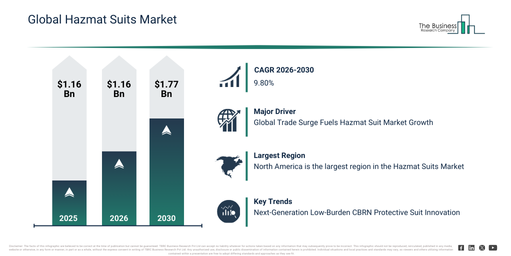
    The hazmat suits market has witnessed strong expansion in recent years. It is forecast to grow from $9.86 billion in 2025 to $10.82 billion in 2026, at a compound annual growth rate (CAGR) of 9.7%. This historical progression can be ascribed to several factors, including stricter industrial safety regulations, the broader scope of chemical and oil and gas operations, increasing adoption of protective suits in healthcare, the existence of standardized safety certifications, and a greater understanding of the risks associated with hazardous material exposure.

    The hazmat suits market is projected to expand significantly in the near future, reaching $15.71 billion by 2030 with a compound annual growth rate (CAGR) of 9.8%. This growth throughout the forecast period is fueled by increasing investments in advanced protective materials, a growing need for biohazard and infection control applications, the expansion of emergency response preparedness, a heightened focus on sustainable protective gear, and the rising adoption of custom-designed hazmat suits. Prominent trends anticipated during this period include an escalating demand for high-protection level hazmat suits, increased utilization of lightweight and flexible protective materials, the broader adoption of reusable and multi-layer suits, the expansion of industrial and healthcare safety applications, and an intensified focus on compliance with global safety standards.

    Get A Free Sample Report With In-Depth Market Insights:

    https://thebusinessresearchcompany.com/sample_request?id=79892298&type=smp&name=Hazmat%20Suits%20Market%20Report%202026&utm_source=Blogs&utm_medium=Paid&utm_campaign=Oct_PR

    Hazmat Suits Market Industry Drivers: What’s Behind The Revenue Growth?

    Growing global trade is projected to enhance the hazmat suit market’s expansion. This global trade encompasses the movement of goods, services, and capital across national boundaries. This surge has consequently increased the cross-border movement of hazardous substances, rendering hazmat suits crucial for workers involved in their transport, handling, and disposal, thereby ensuring their safety and compliance with international guidelines. As an illustration, a September 2023 report from the Switzerland-based United Nations Conference on Trade and Development indicated that maritime trade is forecast to rise by 2.4% in 2023 and by over 2% between 2024 and 2028. Furthermore, with the relaxation of pandemic restrictions in 2022, the oil and gas trades within the energy sector saw respective increases of 6.0% and 4.6%. Thus, the expanding scope of global trade acts as a significant catalyst for the hazmat suit market’s growth.

    Hazmat Suits Market Segments: Where Is Growth Concentrated?

    The hazmat suits market covered in this report is segmented –

    1) By Safety Standard: Level A, Level B, Level C, Other Safety Standards

    2) By Application: Chemical Waste, Infection Control, Bio-hazard And Hazardous Material, Fire Or High Temperatures

    3) By End-User Industry: Oil And Gas, Mining, Construction, Healthcare, Other End-User Industries

    Subsegments:

    1) By Level A: Fully Encapsulated Suits, Positive Pressure Suits

    2) By Level B: Non-Encapsulated Suits, Air-Purifying Respirators (APRs)

    3) By Level C: Splash Protection Suits, Air-Purifying Respirators With Chemical Filters

    4) By Other Safety Standards: Specialized Industry Standards, Custom-Designed Suits For Specific Hazards

    #Hazmat Suits Market Growth Trends: What’s Shaping The Future Outlook?

    Leading companies in the hazmat suits market are concentrating on developing innovative solutions, such as low-burden, integrated CBRN protective ensembles that enhance mobility and system-level integration. A low-burden, integrated CBRN protective suit is distinguished by its lightweight construction, multi-layer materials (for instance, an activated-carbon inner for adsorption paired with a durable outer shell), ergonomic “second-skin” tailoring, and design features engineered to minimize ingress points where conventional, heavier chemical suits frequently fail. As an illustration, in February 2024, Avon Technologies plc, a UK-based specialized manufacturer of CBRN personal protective equipment, introduced the EXOSKIN-S1, an integrated low-burden CBRN protective suit launched after 2022; the product’s debut and overview were announced on 26 February 2024. The EXOSKIN-S1 is described as a high-performance, low-burden suit designed to meet NATO AEP-38 standards: it utilizes a cotton-poly outer combined with an activated-carbon inner layer to provide multi-threat protection against vapour, liquid, and particulate CWAs and TICs, is MIST-tested for up to 24-hour continuous protection, and is crafted to “act like a second skin” to maximize mobility and reduce wearer fatigue. Its features include an integrated hood with a double elasticated aperture for a secure respirator seal, adjustable leg and wrist closures (including an inner leg gaiter and thumb-loop) to prevent ingress, reinforced abrasion areas, and variants in cut/configuration for mission flexibility, making it suitable for military, special forces, and first responders while also enabling single-supplier ensemble integration with Avon respirators, boots, and gloves.

    Hazmat Suits Market Competitive Analysis Of Leading Industry Participants

    Major companies operating in the hazmat suits market are 3M Company, Alpha Pro Tech Ltd., Ansell Limited, Drägerwerk AG & Co., DuPont de Nemours Inc., Halyard Health Inc., Honeywell Inc., International Enviroguard Systems Inc., Kappler Inc., Kimberly-Clark Corporation, Lakeland Industries Inc., Matisec SA, MSA Safety Incorporated, SealWerks, Conney Safety Products, Haggard & Stocking Associates Inc., Jorgensen Co., Kinequip Inc., Medline Industries Inc., Moldex-Metric Inc., New Pig Corp., Northern Safety Co. Inc., O&M Halyard Inc., Protective Industrial Products Inc., Queen Industries, Sioen Industries NV, The Cary Company, TST Sweden AB, Uvex Winter Holdings Co. GmbH, W.L. Gore & Associates Inc., Workrite Uniform Company Inc.

    View The Full Hazmat Suits Market Report:

    https://thebusinessresearchcompany.com/report/hazmat-suits-global-market-report?utm_source=Blogs&utm_medium=Paid&utm_campaign=Oct_PR

    Hazmat Suits Market Geographic Spread And Regional Opportunities

    North America was the largest region in the hazmat suits market in 2025. Asia-Pacific is expected to be the fastest-growing region in the forecast period. The regions covered in the hazmat suits market report are Asia-Pacific, South East Asia, Western Europe, Eastern Europe, North America, South America, Middle East, Africa.

    Reach Out To Our Team:

    The Business Research Company: https://www.thebusinessresearchcompany.com/

    Americas: +1 310-496-7795

    Asia: +44 7882 955267 & +91 8897263534

    Europe: +44 7882 955267

    Email us at: marketing@tbrc.info

    Follow us on:

    LinkedIn: https://in.linkedin.com/company/the-business-research-company

    YouTube: https://www.youtube.com/channel/UC24_fI0rV8cR5DxlCpgmyFQ

    Global Market Model: https://www.thebusinessresearchcompany.com/global-market-model
  • Hand-Held Surgical Instruments Market Size In 2026: Growth Outlook And Forecast Through 2030

    Hand-Held Surgical Instruments Market Size In 2026: Growth Outlook And Forecast Through 2030

    Backed by market attractiveness analysis, total addressable market sizing, company benchmarking matrices, interactive Excel dashboards, wider supply chain intelligence, emerging startup coverage, and detailed product-level insights, The Business Research Company’s 2026 market reports are designed to offer research that is more actionable and strategically valuable than ever.

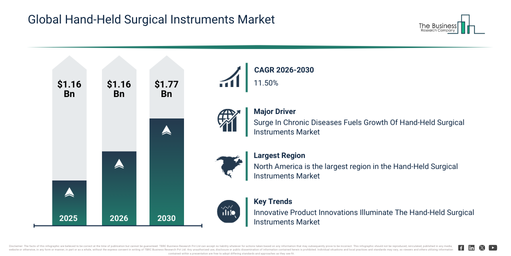
    Hand-Held Surgical Instruments Market Revenue Growth On Track For A 11.5% CAGR Through 2030

    The hand-held surgical instruments market size has seen rapid expansion in recent years. It is projected to grow from $7.54 billion in 2025 to $8.4 billion in 2026, at a compound annual growth rate (CAGR) of 11.4%. The factors contributing to this growth in the past include the expansion of surgical procedures across specialties, increasing hospital surgical volumes, the availability of standardized stainless steel instruments, the growth in ambulatory surgical centers, and a rising demand for reusable surgical tools.

    The hand-held surgical instruments market size is anticipated to experience significant expansion in the coming years. Its value is projected to reach $12.96 billion in 2030, exhibiting a compound annual growth rate (CAGR) of 11.5%. This growth throughout the forecast period can be linked to the increasing embrace of sophisticated surgical techniques, a heightened emphasis on preventing infections, the expansion of outpatient surgical procedures, growing investments in surgical innovation, and a rising demand for instruments specific to particular procedures. Prominent trends expected during this period include an escalating demand for precision surgical instruments, the increasing utilization of disposable and single-use instruments, a growing adoption of ergonomic instrument designs, the broadening scope of minimally invasive surgical tools, and an enhanced focus on instrument sterility and durability.

    Get A Free Sample Report With In-Depth Market Insights:

    https://thebusinessresearchcompany.com/sample_request?id=29149420&type=smp&name=Hand-Held%20Surgical%20Instruments%20Market%20Report%202026&utm_source=Blogs&utm_medium=Paid&utm_campaign=Oct_PR

    Hand-Held Surgical Instruments Market Growth Factors: What’s Supporting Expansion?

    The future expansion of the handheld surgical instruments market is anticipated to be driven by the rising occurrence of chronic diseases. These conditions are defined as health issues that endure for a prolonged duration and typically necessitate continuous medical attention. For the management and treatment of chronic diseases, handheld surgical instruments find application in areas such as diagnosis and evaluation, obtaining biopsies and tissue samples, alleviating pain, and enhancing both patient outcomes and overall quality of life. As an illustration, data from January 2023, reported by the National Center for Biotechnology Information (NCBI), a US-based National Library of Medicine, indicates that by 2050, the population of individuals aged 50 years and older suffering from at least one chronic illness is forecast to increase significantly, from 99.5 to 142.66 million. Consequently, the growing incidence of chronic diseases will stimulate the handheld surgical instruments market.

    Hand-Held Surgical Instruments Market Segment Analysis: What Are The Core Market Categories?

    The hand-held surgical instruments market covered in this report is segmented –

    1) By Product: Forceps, Retractors, Dilators, Graspers, Scalpels, Other Products

    2) By Application: Neurosurgery, Cardiovascular, Orthopedic, Plastic And Reconstructive Surgery, Obstetrics And Gynecology, Other Applications

    3) By End User: Clinics, Ambulatory Surgical Centers, Other End Users

    Subsegments:

    1) By Forceps: Tissue Forceps, Hemostatic Forceps, Dressing Forceps

    2) By Retractors: Hand-held Retractors, Self-Retaining Retractors

    3) By Dilators: Urethral Dilators, Cervical Dilators

    4) By Graspers: Tissue Graspers, Laparoscopic Graspers

    5) By Scalpels: Disposable Scalpels, Reusable Scalpels, Surgical Blades

    6) By Other Products: Needle Holders, Scissors, Speculums

    Hand-Held Surgical Instruments Market Industry Trends: What’s Reshaping Demand?

    Major companies operating in the handheld surgical instruments market are prioritizing product innovation, exemplified by devices such as the Sunoptic Surgical Light Wand, to maintain their market position. The Sunoptic Surgical Light Wand itself is a single-use, sterile, pre-packaged light source designed to illuminate the incision site from within. It aims to provide superior lighting in surgical rooms while also offering hospitals and clinics an affordable illumination option. As an illustration, in June 2023, SURE Retractors Inc., a UK-based medical device company, launched the Sunoptic Surgical Light Wand. This device incorporates an LED light specifically intended to illuminate deep surgical cavities, effectively eliminating shadows and delivering bright, focused light that minimizes eye strain during prolonged treatments. It additionally ensures excellent visibility for surgical procedures. With a guaranteed 90-minute strong LED light, it removes the necessity for a headlamp or any other external light source.

    Hand-Held Surgical Instruments Market Leading Companies And Competitive Benchmarking

    Major companies operating in the hand-held surgical instruments market are Johnson & Johnson, B. Braun Melsungen AG, Zimmer Biomet Holdings Inc., KLS Martin Group, Aspen Surgical Products Inc., CooperSurgical Inc., Thompson Surgical Instruments Inc., Becton Dickinson and Company, Swann-Morton Limited, Peters Surgical SAS, Huaiyin Medical Instruments Co. Ltd., ConMed Corp., Stryker Corporation, Integra LifeSciences Corporation, Smith & Nephew plc, Aesculap AG, Scanlan International Inc., Sklar Surgical Instruments, Symmetry Surgical Inc., Millennium Surgical Corp., Surgipro Inc., Wexler Surgical, Grena Ltd., Surgmed Group, Surtex Instruments Ltd., Instrumed International B.V., Surgitrac Instruments UK Limited, Sontec Instruments Inc.

    View The Full Hand-Held Surgical Instruments Market Report:

    https://thebusinessresearchcompany.com/report/hand-held-surgical-instruments-global-market-report?utm_source=Blogs&utm_medium=Paid&utm_campaign=Oct_PR

    Hand-Held Surgical Instruments Market Top Region By Revenue And Market Share

    North America was the largest region in the hand-held surgical instruments market in 2025. Asia-Pacific is expected to be the fastest-growing region in the forecast period. The regions covered in the hand-held surgical instruments market report are Asia-Pacific, South East Asia, Western Europe, Eastern Europe, North America, South America, Middle East, Africa.

    Reach Out To Our Team:

    The Business Research Company: https://www.thebusinessresearchcompany.com/

    Americas: +1 310-496-7795

    Asia: +44 7882 955267 & +91 8897263534

    Europe: +44 7882 955267

    Email us at: marketing@tbrc.info

    Follow us on:

    LinkedIn: https://in.linkedin.com/company/the-business-research-company

    YouTube: https://www.youtube.com/channel/UC24_fI0rV8cR5DxlCpgmyFQ

    Global Market Model: https://www.thebusinessresearchcompany.com/global-market-model
  • Handheld Surgical Devices And Equipment Market Trends Supporting 9.7% CAGR Growth Through 2030

    Handheld Surgical Devices And Equipment Market Trends Supporting 9.7% CAGR Growth Through 2030

    Featuring market attractiveness scoring, total addressable market sizing, company benchmarking matrices, interactive Excel dashboards, deeper supply chain intelligence, emerging startup tracking, and granular product-level insights, The Business Research Company’s 2026 market reports are built to deliver research that is both more actionable and more strategically valuable.

    Handheld Surgical Devices And Equipment Market Value Growth And Long-Term Outlook

    The market for handheld surgical devices and equipment has experienced robust growth in recent years. This market is projected to expand from $8.86 billion in 2025 to $9.65 billion in 2026, demonstrating a compound annual growth rate (CAGR) of 8.9%. Historically, this expansion can be linked to factors such as an increasing number of surgical procedures, the expansion of hospital infrastructure, a rising demand for minimally invasive surgeries, a heightened emphasis on surgical safety standards, and the provision of standardized surgical instrument kits.

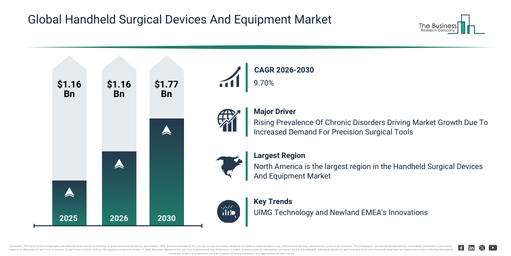
    The handheld surgical devices and equipment market is projected to experience substantial expansion in the coming years, forecast to reach $13.95 billion by 2030, demonstrating a compound annual growth rate (CAGR) of 9.7%. Key factors driving this growth during the projection period include the wider acceptance of single-use surgical instruments, a surge in demand from ambulatory surgery centers, the proliferation of specialty surgical procedures, a heightened focus on economical surgical tools, and increased funding in surgical infrastructure. Significant trends anticipated over the forecast timeframe involve a greater need for ergonomically designed surgical instruments, the increasing uptake of disposable handheld surgical tools, an intensified commitment to infection control and sterility, the development of specialized surgical instrument collections, and the augmented utilization of precisely engineered surgical devices.

    Get A Free Sample Report With In-Depth Market Insights:

    https://thebusinessresearchcompany.com/sample_request?id=50226266&type=smp&name=Handheld%20Surgical%20Devices%20And%20Equipment%20Market%20Report%202026&utm_source=Blogs&utm_medium=Paid&utm_campaign=Oct_PR

    Handheld Surgical Devices And Equipment Market Demand Drivers: What’s Powering Industry Growth?

    The expanding occurrence of chronic disorders is anticipated to stimulate the growth of the handheld surgical devices market. Chronic diseases, also recognized as non-communicable diseases (NCDs), are defined as long-term health issues that typically progress gradually and persist for extended periods. The increasing incidence of these conditions fuels a broader demand for handheld surgical devices, particularly for minimally invasive procedures. These devices empower healthcare professionals to conduct surgeries with enhanced precision and reduced invasiveness, thereby improving patient outcomes. As an illustration, in July 2023, the Health Foundation, an independent health policy research and analysis organization based in the United Kingdom, reported that the population in England experiencing major illness is expected to climb by 37 percent by 2040. This figure represents nine times the 4 percent growth rate projected for the working-age population, specifically those aged 20 to 69 years. Consequently, the rising prevalence of chronic diseases is propelling the expansion of the handheld surgical devices market.

    Handheld Surgical Devices And Equipment Market Segment Breakdown: Which Categories Lead On Revenue?

    The handheld surgical devices and equipment market covered in this report is segmented –

    1) By Product: Scalpels, Forceps, Retractor, Dilators, Graspers, Other Products

    2) By Application, Neurosurgery, Cardiovascular, Orthopedic, Plastic And Reconstructive Surgery, Obstetrics And Gynecology, Other Applications

    3) By End-User: Hospitals, Specialized Clinics, Ambulatory Surgery Centers, Other End Users

    Subsegments:

    1) By Scalpels: Disposable Scalpels, Reusable Scalpels

    2) By Forceps: Hemostatic Forceps, Tissue Forceps, Surgical Forceps

    3) By Retractors: Handheld Retractors, Self-Retaining Retractors

    4) By Dilators: Urethral Dilators, Cervical Dilators, Esophageal Dilators

    5) By Graspers: Open Surgical Graspers, Manual Handheld Surgical Graspers

    6) By Other Products: Surgical Hooks, Scissors, Clamps, Spatulas, Needle Holders

    Handheld Surgical Devices And Equipment Market Innovation Trends: What Developments Are Reshaping The Industry?

    Leading companies operating within the handheld surgical devices market are innovating with technologies such as UIMG image technology and 2D decoder chips to enhance precision and accuracy during surgical procedures. UIMG image technology represents a standardized format engineered for efficient, cross-platform image handling, incorporating adaptive compression and resolution. For instance, in November 2023, a Netherlands-based company specializing in data capture technology unveiled its IVD Product Line at MEDICA. Newland EMEA is responding to this market development with its array of high-performance and user-friendly barcode scanners, designed for easy embedding into IVD instruments to deliver ultrafast scan performance, ultimately improving the speed and quality of diagnoses, detection, prevention, and care.

    Handheld Surgical Devices And Equipment Market Industry Leaders And Competitive Landscape

    Major companies operating in the handheld surgical devices and equipment market are B. Braun Melsungen AG, Smith & Nephew, Johnson & Johnson Services Inc., Integra LifeSciences Corporation, Zimmer Biomet, CooperSurgical Inc., Becton Dickinson and Company, Moria, Pelion Surgical, Elite Medical, Millennium Surgical, Gsource LLC, Medicon eG, Sklar Corporation, Ethicon US LLC, CONMED Corporation, Synergetics USA Inc., Stryker Corporation, KLS Martin, Grena Ltd., GPC Medical Ltd., Teleflex Incorporated, Cook Medical LLC

    View The Full Handheld Surgical Devices And Equipment Market Report:

    https://thebusinessresearchcompany.com/report/handheld-surgical-devices-and-equipment-global-market-report?utm_source=Blogs&utm_medium=Paid&utm_campaign=Oct_PR

    Handheld Surgical Devices And Equipment Market Regional Analysis And Top Geography

    North America was the largest region in the global handheld surgical devices market in 2025. Western Europe was the second-largest region in the global handheld surgical devices market. The regions covered in the handheld surgical devices and equipment market report are Asia-Pacific, South East Asia, Western Europe, Eastern Europe, North America, South America, Middle East, Africa.

    Reach Out To Our Team:

    The Business Research Company: https://www.thebusinessresearchcompany.com/

    Americas: +1 310-496-7795

    Asia: +44 7882 955267 & +91 8897263534

    Europe: +44 7882 955267

    Email us at: marketing@tbrc.info

    Follow us on:

    LinkedIn: https://in.linkedin.com/company/the-business-research-company

    YouTube: https://www.youtube.com/channel/UC24_fI0rV8cR5DxlCpgmyFQ

    Global Market Model: https://www.thebusinessresearchcompany.com/global-market-model