Blog

  • Kidney Stone Retrieval Devices Market Growth To $4.03 Billion By 2030: What’s Driving The Expansion?

    Kidney Stone Retrieval Devices Market Growth To $4.03 Billion By 2030: What’s Driving The Expansion?

    Built to provide research that’s more actionable and strategically valuable, The Business Research Company’s 2026 market reports include market attractiveness analysis, total addressable market sizing, company benchmarking matrices, interactive Excel dashboards, broader supply chain intelligence, emerging startup tracking, and in-depth product insights.

    Kidney Stone Retrieval Devices Market Set To Climb From $3.14 Billion In 2026 To $4.03 Billion By 2030

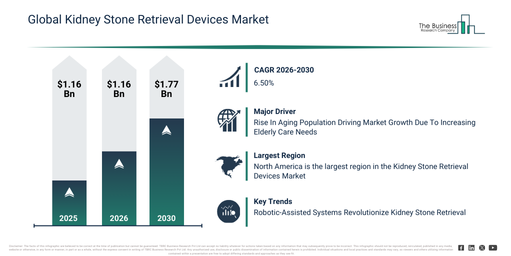
    The kidney stone retrieval devices market size has demonstrated strong growth in recent years. It is forecast to grow from $2.96 billion in 2025 to $3.14 billion in 2026, exhibiting a compound annual growth rate (CAGR) of 5.9%. This historical expansion can be attributed to factors such as an increasing incidence of kidney stone disease, wider availability of endourology procedures, the enlargement of urology departments within hospitals, the adoption of shock wave lithotripsy, and the proliferation of specialty clinics.

    The kidney stone retrieval devices market size is anticipated to experience robust expansion over the coming years. It is projected to reach $4.03 billion in 2030, demonstrating a compound annual growth rate (CAGR) of 6.5%. This growth during the forecast period is attributable to the increasing incidence of lifestyle-related disorders, a surging demand for outpatient stone removal procedures, the proliferation of ambulatory surgery centers, advancements in urology devices, and a growing emphasis on minimizing procedure time and recovery periods. Significant trends expected in this forecast period include the expanding adoption of minimally invasive stone retrieval techniques, a greater use of flexible and disposable retrieval devices, enhanced integration of advanced imaging and navigation tools, the broadening of laser-assisted stone management procedures, and an amplified focus on patient comfort and procedural efficiency.

    Get A Free Sample Report With In-Depth Market Insights:

    https://thebusinessresearchcompany.com/sample_request?id=44358881&type=smp&name=Kidney%20Stone%20Retrieval%20Devices%20Market%20Report%202026&utm_source=Blogs&utm_medium=Paid&utm_campaign=Oct_PR

    Kidney Stone Retrieval Devices Market Growth Factors Behind Sustained Expansion

    The increasing number of older adults is anticipated to boost the kidney stone retrieval device market in the future. This demographic shift, known as the aging population, signifies a greater concentration or rising count of senior citizens within a given populace or community. Kidney stone retrieval devices offer numerous advantages for the elderly, delivering efficient and less invasive treatment options for kidney conditions, shortening recuperation periods, and addressing particular health issues prevalent with age. For example, in June 2025, data from the United States Census Bureau, a US-based government agency, indicated that the U.S. senior population expanded by 3.1% from 2023 to 2024, reaching 61.2 million individuals aged 65 and over. Consequently, the rising proportion of aging individuals is a key factor fueling the expansion of the kidney stone retrieval device market.

    Kidney Stone Retrieval Devices Market Segment Landscape And Growth Outlook

    The kidney stone retrieval devices market covered in this report is segmented –

    1) By Product: Lithotripters, Stone Removal Baskets, Ureterorenoscopes, Ureteral Stents, Other Products

    2) By Technology: Extracorporeal Shock Wave Lithotripsy (ESWL) Devices, Percutaneous Nephrolithotripsy Devices, Intracorporeal Ureteroscopy Devices

    3) By End-User: Hospitals And Clinics, Ambulatory Surgery Centers, Specialty Clinics

    Subsegments:

    1) By Lithotripters: Extracorporeal Shock Wave Lithotripters (ESWL), Laser Lithotripters

    2) By Stone Removal Baskets: Flexible Stone Removal Baskets, Rigid Stone Removal Baskets, Retrieval Baskets With Additional Features

    3) By Ureterorenoscopes: Semi-Rigid Ureterorenoscopes, Flexible Ureterorenoscopes

    4) By Ureteral Stents: Double-J Stents, Single-Pigtail Stents, Specialized Stents

    5) By Other Products: Nephroscopes, Access Sheaths, Guidewires And Dilators

    Kidney Stone Retrieval Devices Market Industry Trends Fueling Future Revenue Growth

    Leading companies within the kidney stone retrieval device market are developing robotic-assisted systems to boost their market profitability. A robotic-assisted system in kidney stone retrieval devices employs robotic technology to assist and refine the process of removing kidney stones from a patient’s urinary system. As an illustration, in February 2023, Ethicon Inc., a US-based MedTech company and a subsidiary of Johnson & Johnson, created the MONARCH platform. The MONARCH platform, being the inaugural flexible robotic system approved for bronchoscopy and urology procedures, allows urologists to achieve precise kidney access. Launched at UCI Health, its goal is to enhance outcomes, supported by a clinical study highlighting improved navigation and control in mini-PCNL procedures. This product holds FDA clearance and offers potential benefits, including the capability to render patients stone-free in a single procedure; the platform also reduces radiation exposure by 80%, presenting a safer and more efficient strategy for kidney stone removal.

    Kidney Stone Retrieval Devices Market Key Players Shaping Industry Direction

    Major companies operating in the kidney stone retrieval devices market are Siemens Healthineers AG, Becton Dickinson and Company, Stryker Corporation, Quanta System, Boston Scientific Corporation, Olympus Corporation, C.R. Bard Inc., Coloplast Corp., Cook Medical LLC, Lumenis, Richard Wolf GmbH, Pentax Medical, Dornier MedTech GmbH, EDAP TMS, Shenzhen Huikang Medical Apparatus Co. Ltd., Storz Medical AG, Allengers Medical Systems Limited, DirexGroup, Medispec Ltd., Convergent Laser Technologies, TaeWoong Medical Co. Ltd., NOVAmedtek, Pro-Med (Pro-Med Instruments), Walz Elektronik GmbH, Elmed Medical Systems Inc, Inceler Medikal, Karl Storz SE & Co. KG

    View The Full Kidney Stone Retrieval Devices Market Report:

    https://thebusinessresearchcompany.com/report/kidney-stone-retrieval-devices-global-market-report?utm_source=Blogs&utm_medium=Paid&utm_campaign=Oct_PR

    Kidney Stone Retrieval Devices Market Regional Analysis: Which Region Leads By Revenue?

    North America was the largest region in the kidney stone retrieval devices market in 2025. Asia-Pacific is expected to be the fastest-growing region in the forecast period. The regions covered in the kidney stone retrieval devices market report are Asia-Pacific, South East Asia, Western Europe, Eastern Europe, North America, South America, Middle East, Africa.

    Reach Out To Our Team:

    The Business Research Company: https://www.thebusinessresearchcompany.com/

    Americas: +1 310-496-7795

    Asia: +44 7882 955267 & +91 8897263534

    Europe: +44 7882 955267

    Email us at: marketing@tbrc.info

    Follow us on:

    LinkedIn: https://in.linkedin.com/company/the-business-research-company

    YouTube: https://www.youtube.com/channel/UC24_fI0rV8cR5DxlCpgmyFQ

    Global Market Model: https://www.thebusinessresearchcompany.com/global-market-model
  • Enteral Feeding Formula Market Size In 2026 And Beyond: Understanding Future Growth Potential

    Enteral Feeding Formula Market Size In 2026 And Beyond: Understanding Future Growth Potential

    Featuring market attractiveness scoring, total addressable market sizing, company benchmarking matrices, interactive Excel dashboards, deeper supply chain intelligence, emerging startup tracking, and granular product-level insights, The Business Research Company’s 2026 market reports are built to deliver research that is both more actionable and more strategically valuable.

    Enteral Feeding Formula Market Poised To Hit $11.51 Billion By 2030 With A 10.2% CAGR

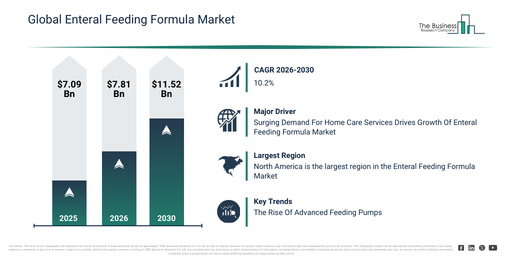
    The enteral feeding formula market size has expanded considerably in recent years. Its valuation is anticipated to increase from $7.09 billion in 2025 to $7.81 billion in 2026, demonstrating a compound annual growth rate (CAGR) of 10.1%. The expansion observed historically is attributable to several factors, including a rise in ICU admissions, the growing prevalence of chronic diseases, an expanding aging population, the enhancement of hospital infrastructure, and increased awareness regarding clinical nutrition.

    The enteral feeding formula market is projected to experience substantial growth over the next few years. It is expected to expand to $11.52 billion by 2030, achieving a compound annual growth rate (CAGR) of 10.2%. This projected increase during the forecast period stems from factors such as the expansion of home healthcare nutrition, a rising incidence of cancer and neurological disorders, increased demand for personalized nutrition, technological advancements in feeding tubes and pumps, and broadening healthcare access in emerging economies. Significant trends anticipated for the forecast period include a growing requirement for disease-specific enteral formulas, an increased focus on high-protein and specialized nutrition, the rising adoption of pediatric enteral nutrition, wider use of enteral feeding within home care settings, and innovations aimed at improving taste, texture, and patient tolerance.

    Get A Free Sample Report With In-Depth Market Insights:

    https://thebusinessresearchcompany.com/sample_request?id=96928795&type=smp&name=Enteral%20Feeding%20Formula%20Market%20Report%202026&utm_source=Blogs&utm_medium=Paid&utm_campaign=Oct_PR

    Enteral Feeding Formula Market Growth Factors: What’s Supporting Expansion?

    The rising need for home care services is anticipated to propel the market for enteral feeding formulas going forward. Home care services refer to a broad spectrum of supportive offerings for individuals who require assistance with daily activities but wish to remain in the comfort of their own homes. Enteral feeding is seeing increased application in home-based care for patients needing long-term nutritional support. For instance, in November 2024, according to the U.S. Bureau of Labor Statistics, a U.S.-based federal agency, in May 2023, New York had 60 home health and personal care aide jobs per 1,000, which was 2.5 times higher than the national average of 24 per 1,000. Consequently, the increasing demand for home care services will drive the growth of the enteral feeding formula market.

    Enteral Feeding Formula Market Segment Landscape And Growth Outlook

    The enteral feeding formula market covered in this report is segmented –

    1) By Product: Standard Formulas, Disease-Specific Formulas

    2) By Stage: Adults, Pediatrics

    3) By Application: Oncology, Gastroenterology, Neurology, Diabetes, Critical Care, Other Applications

    4) By End User: Hospitals, Long-Term Care Facilities

    Subsegments:

    1) By Standard Formulas: Polymer-Based Formulas, Oligomeric Formulas, High-Protein Formulas

    2) By Disease-Specific Formulas: Diabetic Formulas, Renal Formulas, Pulmonary Formulas, Oncology Formulas

    Enteral Feeding Formula Market Industry Trends: What’s Reshaping Demand?

    Leading companies in the enteral feeding formulas market are innovating with technologically advanced products, such as enteral feeding pumps, to bolster their product lines. An enteral feeding pump serves as a medical instrument designed to administer liquid nutrition directly into a patient’s stomach or intestines via a feeding tube, ensuring accurate and regulated nutrient delivery for individuals who cannot eat orally. For example, in September 2023, Cardinal Health, a US-based healthcare firm, unveiled the Kangaroo OMNI enteral feeding pump. This device is engineered to offer enteral feeding patients improved options customized to their personal needs, emphasizing portability and versatility to deliver viscous formulas and hydration across diverse care settings. It boasts enhanced water resistance, permitting cleaning under running water, and comes with compatible accessories like a pole clamp and table stand. Additionally, the pump can present screen content in 19 distinct languages.

    Enteral Feeding Formula Market Competitive Landscape: Who Leads The Industry?

    Major companies operating in the enteral feeding formula market are Abbott Laboratories, Nestlé S.A., Danone S.A., Fresenius Kabi AG, B. Braun Melsungen AG, Meiji Holdings Co. Ltd., Real Food Blends, Ajinomoto Cambrooke Inc., Otsuka Pharmaceutical Co. Ltd., Medtrition Inc., Nutri-Force Nutrition, Global Health Product Inc., VICTUS, Kate Farms, Baxter International Inc., Perrigo Nutritionals LLC, Reckitt Benckiser Group plc, Bio-Serv Inc., Nutrabalace Ltd., Med-Diet Laboratories Inc., Precision Foods-Kent Corporation, SimplyThick LLC, Vitaflow LLC

    View The Full Enteral Feeding Formula Market Report:

    https://thebusinessresearchcompany.com/report/enteral-feeding-formula-global-market-report?utm_source=Blogs&utm_medium=Paid&utm_campaign=Oct_PR

    Enteral Feeding Formula Market Regional Analysis: Which Geography Leads On Revenue?

    North America was the largest region in the enteral feeding formula market in 2025. Asia-Pacific is expected to be the fastest-growing region in the forecast period. The regions covered in the enteral feeding formula market report are Asia-Pacific, South East Asia, Western Europe, Eastern Europe, North America, South America, Middle East, Africa.

    Reach Out To Our Team:

    The Business Research Company: https://www.thebusinessresearchcompany.com/

    Americas: +1 310-496-7795

    Asia: +44 7882 955267 & +91 8897263534

    Europe: +44 7882 955267

    Email us at: marketing@tbrc.info

    Follow us on:

    LinkedIn: https://in.linkedin.com/company/the-business-research-company

    YouTube: https://www.youtube.com/channel/UC24_fI0rV8cR5DxlCpgmyFQ

    Global Market Model: https://www.thebusinessresearchcompany.com/global-market-model
  • Joint Reconstruction Devices And Equipment Market Trends Reshaping Industry Growth Through 2030

    Joint Reconstruction Devices And Equipment Market Trends Reshaping Industry Growth Through 2030

    Backed by market attractiveness analysis, total addressable market sizing, company benchmarking matrices, interactive Excel dashboards, wider supply chain intelligence, emerging startup coverage, and detailed product-level insights, The Business Research Company’s 2026 market reports are designed to offer research that is more actionable and strategically valuable than ever.

    Joint Reconstruction Devices And Equipment Market Forecast: Value Set To Climb From $28.49 Billion To $36.02 Billion

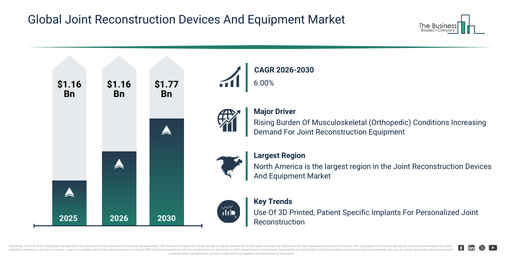
    The joint reconstruction devices and equipment market size has shown substantial growth in recent years. This market is projected to expand from $26.98 billion in 2025 to $28.49 billion by 2026, exhibiting a compound annual growth rate (CAGR) of 5.6%. Historically, this growth was driven by factors such as the rising incidence of osteoarthritis, an increase in orthopedic surgical procedures, advancements in implant materials, the expanding aging population, and broader access to joint reconstruction surgeries.

    The joint reconstruction devices and equipment market is anticipated to show significant expansion in the upcoming years. It is projected to reach $36.02 billion in 2030, achieving a compound annual growth rate (CAGR) of 6.0%. This expected growth during the forecast period is largely due to factors such as an increasing demand for implants that preserve motion, the growing acceptance of robotic-assisted surgical procedures, the expansion of orthopedic procedures performed on an outpatient basis, ongoing advancements in biomaterials, and increased investments in orthopedic healthcare infrastructure. Prominent trends identified for this period include the wider adoption of advanced joint replacement implants, a rising preference for minimally invasive joint reconstruction, the increased application of customized and patient-specific implants, the continued expansion of robotic-assisted orthopedic surgeries, and a heightened focus on the longevity and biocompatibility of implants.

    Get A Free Sample Report With In-Depth Market Insights:

    https://thebusinessresearchcompany.com/sample_request?id=16089005&type=smp&name=Joint%20Reconstruction%20Devices%20And%20Equipment%20Market%20Report%202026&utm_source=Blogs&utm_medium=Paid&utm_campaign=Oct_PR

    Joint Reconstruction Devices And Equipment Market Demand Drivers Opening New Revenue Streams

    The increasing occurrence of orthopedic conditions is projected to boost the expansion of the breakfast cereal market. These conditions, also identified as musculoskeletal conditions, cover numerous medical issues affecting the musculoskeletal system. The rising incidence of orthopedic conditions plays a crucial role in the growth of joint reconstruction devices and equipment, which are employed to manage various orthopedic issues and can aid in pain alleviation, mobility enhancement, and restoring function to impaired joints. For example, in January 2024, data from the Office for Health Improvement & Disparities, a UK-based government agency, showed that in 2023, 18.4% of individuals aged 16 and above reported experiencing a long-term musculoskeletal (MSK) condition, an increase from 17.6% in 2022. Consequently, the increasing prevalence of orthopedic conditions is fueling the expansion of the joint reconstruction devices and equipment market.

    Joint Reconstruction Devices And Equipment Market Breakdown By Product Type And Application

    The joint reconstruction devices and equipment market covered in this report is segmented –

    1) By Product Type: Knee Reconstruction Devices, Hip Reconstruction Devices, Extremity Reconstruction Devices

    2) By Application: Arthrodesis, Joint Replacement Surgery, Osteotomy, Resurfacing Surgery, Small Joint Surgery

    3) By End User: Hospitals, Orthopedic Clinics, Ambulatory Surgical Centers

    Subsegments:

    1) By Knee Reconstruction Devices: Total Knee Replacement (TKR) Implants, Partial Knee Replacement Implants, Knee Revision Implants

    2) By Hip Reconstruction Devices: Total Hip Replacement (THR) Implants, Hip Resurfacing Implants, Hip Revision Implants

    3) By Extremity Reconstruction Devices: Shoulder Reconstruction Devices, Ankle Reconstruction Devices, Elbow Reconstruction Devices, Wrist And Hand Reconstruction Devices

    Joint Reconstruction Devices And Equipment Market Trends Powering Strategic Industry Growth

    Major companies within the joint reconstruction market are prioritizing the development of patient-specific solutions, such as 3D printed implants, to bolster surgical precision, enhance fixation, and preserve bone in complex medical scenarios. These 3D printed implants are custom-designed utilizing patient imaging and simulation data to align with the unique anatomy of each individual, thus fostering more predictable clinical results. As an illustration, in March 2023, Exactech, a US-based medical device firm, collaborated with Materialise to integrate Glenius 3D printed shoulder implants, personalized through 3D imaging and planning, into its implant range. The Glenius implants are specifically crafted for each patient’s distinct anatomy using 3D data and simulation, thereby optimizing fixation and maximizing bone preservation in challenging glenoid defect cases. This partnership provides surgeons in Europe and Australia with access to highly individualized implants, aiming for more consistent clinical outcomes for patients experiencing severe shoulder defects.

    Joint Reconstruction Devices And Equipment Market Competitive Analysis Of Leading Industry Participants

    Major companies operating in the joint reconstruction devices and equipment market are Stryker Corporation, Zimmer Biomet, Johnson & Johnson, Smith & Nephew, Globus Medical, DJO Global Inc., Aesculap Implant Systems LLC, CONMED Corporation, Össur, Allegra Orthopedics, DePuy Synthes, Tornier Inc., Corin Group Plc., Exactech Inc., United Orthopedic Corporation, AAP Implantate AG, Waldemar Link GmbH & Co. KG, Amplitude SAS, Sanatmetal Ltd, Medin a.s.

    View The Full Joint Reconstruction Devices And Equipment Market Report:

    https://thebusinessresearchcompany.com/report/joint-reconstruction-devices-and-equipment-global-market-report?utm_source=Blogs&utm_medium=Paid&utm_campaign=Oct_PR

    Joint Reconstruction Devices And Equipment Market Geographic Distribution And Regional Opportunities

    North America was the largest region in the global joint reconstruction devices and equipment market in 2025. Asia-Pacific is expected to be the fastest-growing region in the forecast period. The regions covered in the joint reconstruction devices and equipment market report are Asia-Pacific, South East Asia, Western Europe, Eastern Europe, North America, South America, Middle East, Africa.

    Reach Out To Our Team:

    The Business Research Company: https://www.thebusinessresearchcompany.com/

    Americas: +1 310-496-7795

    Asia: +44 7882 955267 & +91 8897263534

    Europe: +44 7882 955267

    Email us at: marketing@tbrc.info

    Follow us on:

    LinkedIn: https://in.linkedin.com/company/the-business-research-company

    YouTube: https://www.youtube.com/channel/UC24_fI0rV8cR5DxlCpgmyFQ

    Global Market Model: https://www.thebusinessresearchcompany.com/global-market-model
  • Entecavir Market Reaches $0.9 Billion In 2026: Key Developments Shaping Expansion

    Entecavir Market Reaches $0.9 Billion In 2026: Key Developments Shaping Expansion

    Built to provide research that’s more actionable and strategically valuable, The Business Research Company’s 2026 market reports include market attractiveness analysis, total addressable market sizing, company benchmarking matrices, interactive Excel dashboards, broader supply chain intelligence, emerging startup tracking, and in-depth product insights.

    Entecavir Market Size And Revenue Outlook Through 2030

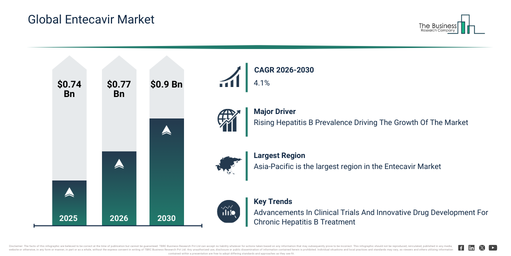
    The entecavir market size has demonstrated consistent expansion in recent years. It is anticipated to grow from $0.74 billion in 2025 to $0.77 billion in 2026, showing a compound annual growth rate (CAGR) of 4.2%. The historical growth can be credited to several factors including the significant global prevalence of hepatitis b, the clinical effectiveness of nucleoside analogs, the broadening of antiviral treatment guidelines, enhanced hepatitis b diagnosis rates, and an increasing burden of liver disease.

    The entecavir market is projected for consistent expansion in the coming years. It is anticipated to reach $0.9 billion in 2030 at a compound annual growth rate (CAGR) of 4.1%. This anticipated growth during the forecast period is attributable to several factors, including an expanding pool of chronic hepatitis B patients, enhanced access to antiviral treatments in developing markets, greater uptake of long-term viral suppression methods, the enlargement of public health initiatives for hepatitis, and an increasing need for economical generic options. Key trends expected within the forecast timeframe encompass an upsurge in the adoption of prolonged antiviral therapy, a heightened emphasis on managing chronic hepatitis B, a burgeoning demand for oral antiviral drugs, wider availability of generic entecavir, and enhanced monitoring of viral load suppression.

    Get A Free Sample Report With In-Depth Market Insights:

    https://thebusinessresearchcompany.com/sample_request?id=23403095&type=smp&name=Entecavir%20Market%20Report%202026&utm_source=Blogs&utm_medium=Paid&utm_campaign=Oct_PR

    Entecavir Market Demand Drivers: What’s Powering Industry Growth?

    The future expansion of the entecavir market is anticipated to be significantly boosted by the growing incidence of hepatitis B. This viral infection targets the liver, manifesting symptoms like jaundice, fatigue, and abdominal pain, and has the potential to progress into severe conditions such as chronic liver disease or liver cancer if not properly managed. The rise in hepatitis B infections stems from various factors, including unprotected sexual encounters, the sharing of needles, transmission from mother to child during birth, and inadequate vaccination rates in specific areas. Entecavir’s efficacy in treating hepatitis B comes from its ability to block the replication of the hepatitis B virus (HBV) DNA, thereby lowering the viral load and averting liver damage. As an illustration, the Centers for Disease Control and Prevention, a US-based government agency, reported in August 2025 that in 2023, the rate of newly identified chronic hepatitis B cases among non-Hispanic Asian/Pacific Islander individuals was approximately 10 times greater compared to that of non-Hispanic White individuals. Consequently, the increasing occurrence of hepatitis B is a primary force propelling the expansion of the entecavir market.

    Entecavir Market Breakdown By Product Type And Application

    The entecavir market covered in this report is segmented –

    1) By Product Type: Tablets, Oral Solution

    2) By Application: Hepatitis B Treatment, Liver Transplantation, Other Applications

    3) By Distribution Channel: Hospital Pharmacies, Retail Pharmacies, Online Pharmacies

    Subsegments:

    1) By Tablets: Standard Dose Tablets, High Dose Tablets

    2) By Oral Solution: Ready-to-Use Liquid Solution, Powder For Oral Solution

    Entecavir Market Innovation Trends: What Developments Are Reshaping The Industry?

    Major companies operating in the entecavir market are working on innovative drug development through clinical trials to improve efficacy and patient treatment outcomes for chronic hepatitis B, potentially leading to reduced resistance and enhanced long-term viral suppression. Clinical trials are research investigations carried out to evaluate the safety, effectiveness, and possible side effects of novel treatments, drugs, or therapies in human subjects. For example, in October 2024, Aligos Therapeutics Inc., a US-based biotechnology company, is conducting a phase 2 clinical trial for ALG-000184 for managing hepatitis B. ALG-000184 is a type of therapy known as a capsid assembly modulator, which operates by disrupting the formation of the capsid, the protective structure enveloping a virus’s genetic material. The fourth stage of the study is currently assessing the long-term impact of ALG-000184 (300 mg), either as a sole treatment or in combination with the approved antiviral entecavir, in patients with chronic hepatitis B. The combination of ALG-000184 and entecavir resulted in more significant decreases in viral load compared to entecavir alone, with ALG-000184 showing similar effectiveness whether or not it was used alongside entecavir. The virus remained consistently suppressed throughout the study, in both HBeAg-positive and HBeAg-negative patients.

    Entecavir Market Company Landscape And Competitive Strategy

    Major companies operating in the entecavir market are Bristol-Myers Squibb Company, GSK plc, Teva Pharmaceutical Industries Ltd., Qingfeng Pharmaceutical Group, Aurobindo Pharma Ltd., ScinoPharm Taiwan Ltd., Dr. Reddy’s Laboratories Ltd., Cipla Inc., Zhejiang Huahai Pharmaceuticals Co. Ltd., Qianjin Group, Genix Pharma Ltd., Dawnrays Pharmaceutical Holidings Ltd., Zhejiang Ausun Pharmaceutical Co. Ltd., Hunan Warrant Chiral Pharmaceutical Co. Ltd., Camber Pharmaceuticals Inc., Century Pharmaceuticals Ltd., Aligos Therapeutics Inc. , HRV Global Life Sceince, Solco Healthcare LLC, Accela ChemBio Inc.

    View The Full Entecavir Market Report:

    https://thebusinessresearchcompany.com/report/entecavir-global-market-report?utm_source=Blogs&utm_medium=Paid&utm_campaign=Oct_PR

    Entecavir Market Geographic Spread And Regional Opportunities

    Asia-Pacific was the largest region in the entecavir market in 2025. North America is expected to be the fastest-growing region in the forecast period. The regions covered in the entecavir market report are Asia-Pacific, South East Asia, Western Europe, Eastern Europe, North America, South America, Middle East, Africa.

    Reach Out To Our Team:

    The Business Research Company: https://www.thebusinessresearchcompany.com/

    Americas: +1 310-496-7795

    Asia: +44 7882 955267 & +91 8897263534

    Europe: +44 7882 955267

    Email us at: marketing@tbrc.info

    Follow us on:

    LinkedIn: https://in.linkedin.com/company/the-business-research-company

    YouTube: https://www.youtube.com/channel/UC24_fI0rV8cR5DxlCpgmyFQ

    Global Market Model: https://www.thebusinessresearchcompany.com/global-market-model
  • Joint Pain Injections Market Growth To $10.96 Billion Creates New Opportunities Across The Industry

    Joint Pain Injections Market Growth To $10.96 Billion Creates New Opportunities Across The Industry

    Featuring market attractiveness scoring, total addressable market sizing, company benchmarking matrices, interactive Excel dashboards, deeper supply chain intelligence, emerging startup tracking, and granular product-level insights, The Business Research Company’s 2026 market reports are built to deliver research that is both more actionable and more strategically valuable.

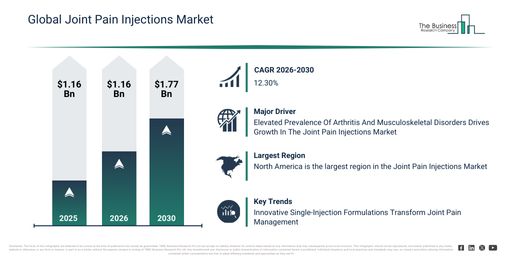
    Joint Pain Injections Market Revenue Growth On Track For A 12.3% CAGR Through 2030

    The market size for joint pain injections has experienced rapid growth in recent years. It is projected to increase from $6.12 billion in 2025 to $6.89 billion in 2026, achieving a compound annual growth rate (CAGR) of 12.5%. The expansion observed in the historic period can be linked to the rising prevalence of arthritis and various joint disorders, an aging global population, the increasing demand for minimally invasive pain treatments, greater awareness of regenerative therapies, and the broadening scope of orthopedic specialty care.

    The joint pain injections market size is projected to experience significant expansion in the coming years. This market is set to grow to $10.96 billion in 2030, exhibiting a compound annual growth rate (CAGR) of 12.3%. The projected growth during the forecast period is attributable to the increasing embrace of biologic pain therapies, a rising emphasis on personalized medicine, the broader scope of sports injury management, growing investments in regenerative medicine, and an increasing preference for non-opioid pain management. Notable trends for the forecast period include the increasing adoption of non-surgical pain management therapies, a rising use of hyaluronic acid and PRP injections, growing demand for personalized pain treatment approaches, the expansion of regenerative medicine-based injections, and an enhanced focus on outpatient pain relief solutions.

    Get A Free Sample Report With In-Depth Market Insights:

    https://thebusinessresearchcompany.com/sample_request?id=46030836&type=smp&name=Joint%20Pain%20Injections%20Market%20Report%202026&utm_source=Blogs&utm_medium=Paid&utm_campaign=Oct_PR

    Joint Pain Injections Market Growth Backed By Core Demand Fundamentals

    An increasing prevalence of arthritis and musculoskeletal disorders is set to propel the growth of the joint pain injections market. Musculoskeletal disorders stand as the largest cause of disability globally, with low back pain being the single most common source of impairment in 160 nations. Patients utilize injections for both pain relief and inflammatory conditions. For instance, in August 2023, the Institute for Health Metrics and Evaluation (IHME), a U.S.-based independent health research organization, reported that by 2050, an estimated 1 billion people are projected to suffer from osteoarthritis. Therefore, the expanding incidence of arthritis and musculoskeletal disorder is a key driver for the joint pain injections market.

    Joint Pain Injections Market Segment Analysis And Revenue Potential

    The joint pain injections market covered in this report is segmented –

    1) By Type Of Injection: Steroid Joint Injection, Hyaluronic Acid Injections

    2) By Joint Type: Hip Joint, Knee And Ankle, Shoulder And Elbow, Facet Joints Of The Spine, Other Joint Types

    3) By Distribution channel: Hospital Pharmacies, Retail Pharmacies

    Subsegments:

    1) By Steroid Joint Injection: Corticosteroid Injections, Combination Steroid Injections

    2) By Hyaluronic Acid Injections: Single-Dose Hyaluronic Acid Injections, Multi-Dose Hyaluronic Acid Injections

    Joint Pain Injections Market Growth Trends Reshaping The Competitive Landscape

    Leading companies in the joint pain injection sector are focusing on developing innovations such as single-injection formulations, which prioritize patient convenience. A single-injection formulation refers to a drug delivery system designed to administer a specific medication dose through one injection, providing sustained therapeutic effects over a prolonged period without the need for multiple doses. For instance, in July 2024, LG Chem Ltd., a South Korea-based chemicals company, introduced Synovian, a new treatment for knee osteoarthritis in China that offers a convenient single-injection formulation, making it the first of its kind in the country. The product aims to penetrate a significant market estimated at around KRW 200 billion (approximately USD 150 million). Developed using proprietary technology, it showcases innovation in addressing patient needs, with an emphasis on providing effective relief with minimal administration hassle.

    Joint Pain Injections Market Leading Companies And Competitive Benchmarking

    Major companies operating in the joint pain injections market are Seikagaku Corporation, Anika Therapeutics Inc., Bioventus Inc., Flexion Therapeutics Inc., Ferring Pharmaceuticals Inc., Sanofi S.A., AbbVie Inc., Pfizer Inc., Teva Pharmaceutical Industries Limited, Merck & Co. Inc., Johnson & Johnson, Sun Pharmaceutical Industries Ltd., Zydus Lifesciences Limited, Wockhardt Ltd., Mallinckrodt Pharmaceuticals Ltd., Mylan N.V., Bayer AG, Eli Lilly and Company, Ipsen SA, Takeda Pharmaceutical Company Limited, AstraZeneca plc

    View The Full Joint Pain Injections Market Report:

    https://thebusinessresearchcompany.com/report/joint-pain-injections-global-market-report?utm_source=Blogs&utm_medium=Paid&utm_campaign=Oct_PR

    Joint Pain Injections Market Largest Region By Revenue And Market Share

    North America was the largest region in the joint pain injections market in 2025. The regions covered in the joint pain injections market report are Asia-Pacific, South East Asia, Western Europe, Eastern Europe, North America, South America, Middle East, Africa.

    Reach Out To Our Team:

    The Business Research Company: https://www.thebusinessresearchcompany.com/

    Americas: +1 310-496-7795

    Asia: +44 7882 955267 & +91 8897263534

    Europe: +44 7882 955267

    Email us at: marketing@tbrc.info

    Follow us on:

    LinkedIn: https://in.linkedin.com/company/the-business-research-company

    YouTube: https://www.youtube.com/channel/UC24_fI0rV8cR5DxlCpgmyFQ

    Global Market Model: https://www.thebusinessresearchcompany.com/global-market-model
  • Ischemic Stroke Aspiration Systems Market Forecast: Breaking Down The Numbers Behind Future Expansion

    Ischemic Stroke Aspiration Systems Market Forecast: Breaking Down The Numbers Behind Future Expansion

    Built to provide research that’s more actionable and strategically valuable, The Business Research Company’s 2026 market reports include market attractiveness analysis, total addressable market sizing, company benchmarking matrices, interactive Excel dashboards, broader supply chain intelligence, emerging startup tracking, and in-depth product insights.

    Ischemic Stroke Aspiration Systems Market Value Growth And Long-Term Outlook

    The market size for ischemic stroke aspiration systems has experienced substantial growth in recent years. It is forecast to expand from $0.85 billion in 2025 to $0.93 billion in 2026, achieving a compound annual growth rate (CAGR) of 9.4%. This historical expansion can be attributed to several factors, including the limited availability of advanced aspiration devices, a reliance on manual aspiration techniques, the rising incidence of ischemic stroke, the expansion of hospital stroke intervention programs, and the standardization of endovascular procedures.

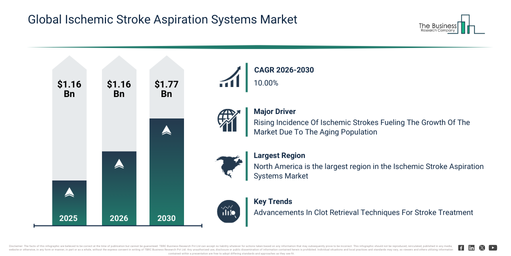
    The ischemic stroke aspiration systems market is projected to experience substantial expansion over the coming years. It will grow to $1.36 billion in 2030 at a compound annual growth rate (CAGR) of 10.0%. This anticipated market surge is driven by factors such as the advancement of large-bore and dual-lumen aspiration catheters, the uptake of electric and high-flow vacuum pumps, a greater reliance on minimally invasive stroke intervention methods, heightened awareness and prompt diagnosis of acute ischemic stroke, and the incorporation of smart surgical and imaging technologies. Key developments expected during this period involve the increasing embrace of the direct aspiration first pass technique (adapt), a rise in the application of large-bore aspiration catheters, the introduction of portable and battery-operated aspiration pumps, a stronger emphasis on safety and anti-reflux canister systems, and an expansion in rescue therapy and thrombectomy-assisted aspiration procedures.

    Get A Free Sample Report With In-Depth Market Insights:

    https://thebusinessresearchcompany.com/sample_request?id=57375592&type=smp&name=Ischemic%20Stroke%20Aspiration%20Systems%20Market%20Report%202026&utm_source=Blogs&utm_medium=Paid&utm_campaign=Oct_PR

    Ischemic Stroke Aspiration Systems Market Growth Catalysts And Demand Drivers

    The increasing occurrence of stroke risk is anticipated to fuel the expansion of the ischemic stroke aspiration systems market moving ahead. Stroke risk is defined as a person’s potential to suffer a stroke, determined by specific medical conditions, lifestyle choices, and genetic predispositions. This growing prevalence of stroke risk is attributed to the aging population, given that their likelihood of stroke naturally rises with age due to physiological alterations and an increased susceptibility to conditions such as hypertension, atrial fibrillation, and atherosclerosis. Ischemic stroke aspiration systems contribute to lowering stroke-related risks by facilitating the swift and efficient elimination of blood clots, consequently reducing brain injury and enhancing clinical outcomes for high-risk stroke patients. As an illustration, in October 2024, data from the Centers for Disease Control and Prevention (CDC), a US-based government organisation, revealed that one person dies every 34 seconds from cardiovascular disease in the United States; in 2023, that amounted to 919,032 deaths (approximately one in every three deaths); and each year about 805,000 people in the U.S. have a heart attack of these, 605,000 are first-time heart attacks and 200,000 occur in people who have already had one. Consequently, the increasing prevalence of stroke risk is propelling the expansion of the ischemic stroke aspiration systems market.

    Ischemic Stroke Aspiration Systems Market Segmentation And Category Overview

    The ischemic stroke aspiration systems market covered in this report is segmented –

    1) By Product Type: Aspiration Catheters, Aspiration Pumps, Tubing And Canisters, Accessories

    2) By Application: Acute Ischemic Stroke Intervention, Large Vessel Occlusion (LVO) Treatment, Thrombectomy Assisted Aspiration, Rescue Therapy After Failed Stent Retriever Use, Direct Aspiration First Pass Technique (ADAPT)

    3) By End User: Hospitals, Ambulatory Surgical Centers, Specialty Clinics, Other End Users

    Subsegments:

    1) By Aspiration Catheters: Mechanical Aspiration Catheters, Large-Bore Aspiration Catheters, Distal Access Catheters, Guide Catheters, Dual-Lumen Aspiration Catheters

    2) By Aspiration Pumps: Manual Aspiration Pumps, Electric Aspiration Pumps, Portable Aspiration Units, Battery-Operated Pumps, High-Flow Vacuum Pumps

    3) By Tubing And Canisters: Disposable Tubing Sets, Reusable Tubing Systems, Fluid Collection Canisters, Overflow Protection Canisters, Anti-Reflux Canister Systems

    4) By Accessories: Catheter Introducers, Aspiration Syringes, Guidewires, Connectors And Valves, Cleaning Brushes

    Ischemic Stroke Aspiration Systems Market Trends Shaping Long-Term Demand

    Leading companies in the ischemic stroke aspiration systems market are concentrating on developing advanced solutions, such as primary mechanical thrombectomy techniques, to improve procedural efficiency, patient outcomes, and the speed of clot retrieval in the treatment of acute ischemic stroke. First-line mechanical thrombectomy techniques refer to the initial or main method utilized to remove a blood clot from a blocked artery in the brain during an acute ischemic stroke. For example, in July 2025, Microvention, Inc., a US-based provider of catheter-based technologies, introduced the SOFIA aspiration system as a first-line technique for acute ischemic stroke treatment, designed to set the standard for over 10 years with its acclaimed trackability, speed, and proven clinical performance. The SOFIA Aspiration System presents several distinctive features that enhance its clinical effectiveness. It combines remarkable trackability and flexibility with a large inner lumen, which enables efficient navigation through complex cerebral vessels and effective clot aspiration. The system’s soft distal tip reduces the likelihood of vessel trauma, while its optimized catheter design facilitates rapid recanalization with minimal device exchanges. These qualities make SOFIA especially appropriate for aspiration-first approaches, allowing for quicker and safer clot removal in time-sensitive stroke interventions.

    Ischemic Stroke Aspiration Systems Market Industry Leaders And Competitive Landscape

    Major companies operating in the ischemic stroke aspiration systems market are Johnson & Johnson, Medtronic Plc, Stryker Corporation, Terumo Corporation, MicroPort Scientific Corporation, MicroVention Inc., Penumbra Inc., Imperative Care Inc., Balt Extrusion S.A.S., Acandis GmbH, Rapid Medical Ltd., Zylox-Tonbridge Medical Technology Co. Ltd., S3V Vascular Technologies Limited, Vesalio LLC, Wallaby Medical Inc., Kaneka Medix Corporation, Insera Therapeutics Inc., Boston Scientific Corporation, Abbott Laboratories, Cook Medical, Asahi Intecc Co Ltd, Nipro Corporation, Phenox GmbH, Merit Medical Systems Inc., Cardinal Health Inc., Teleflex Incorporated, Integer Holdings Corporation

    View The Full Ischemic Stroke Aspiration Systems Market Report:

    https://thebusinessresearchcompany.com/report/ischemic-stroke-aspiration-systems-global-market-report?utm_source=Blogs&utm_medium=Paid&utm_campaign=Oct_PR

    Ischemic Stroke Aspiration Systems Market Regional Analysis And Leading Geography

    North America was the largest region in the ischemic stroke aspiration systems market in 2025. Asia-Pacific is expected to be the fastest-growing region in the forecast period. The regions covered in the ischemic stroke aspiration systems market report are Asia-Pacific, South East Asia, Western Europe, Eastern Europe, North America, South America, Middle East, Africa.

    Reach Out To Our Team:

    The Business Research Company: https://www.thebusinessresearchcompany.com/

    Americas: +1 310-496-7795

    Asia: +44 7882 955267 & +91 8897263534

    Europe: +44 7882 955267

    Email us at: marketing@tbrc.info

    Follow us on:

    LinkedIn: https://in.linkedin.com/company/the-business-research-company

    YouTube: https://www.youtube.com/channel/UC24_fI0rV8cR5DxlCpgmyFQ

    Global Market Model: https://www.thebusinessresearchcompany.com/global-market-model
  • Ensartinib Market Growth Outlook For 2026: Drivers, Trends And Future Opportunities

    Ensartinib Market Growth Outlook For 2026: Drivers, Trends And Future Opportunities

    Backed by market attractiveness analysis, total addressable market sizing, company benchmarking matrices, interactive Excel dashboards, wider supply chain intelligence, emerging startup coverage, and detailed product-level insights, The Business Research Company’s 2026 market reports are designed to offer research that is more actionable and strategically valuable than ever.

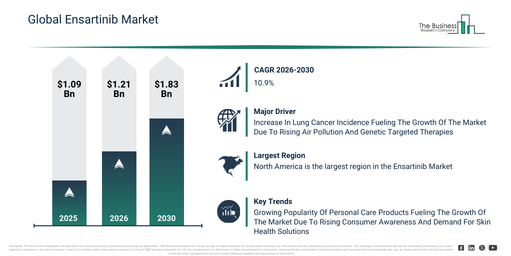
    Ensartinib Market Growth From $1.2 Billion In 2026 To $1.82 Billion By 2030 At A CAGR Of 10.9%

    The ensartinib market has experienced significant expansion over recent years. It is anticipated to increase from $1.09 billion in 2025 to $1.21 billion in 2026, demonstrating a compound annual growth rate (CAGR) of 11.2%. This historical growth can be linked to several factors, including the rising incidence of alk-positive lung cancer, the shortcomings of first-generation alk inhibitors, the proliferation of oncology specialty clinics, an uptick in molecular diagnostic testing, and heightened awareness of targeted cancer therapies.

    The ensartinib market size is anticipated to undergo swift growth over the upcoming years. Its value is expected to escalate to $1.83 billion in 2030, demonstrating a compound annual growth rate (CAGR) of 10.9%. This projected expansion can be linked to factors such as the broadening of biomarker-driven treatment methodologies, a rise in approvals for specific oncology drugs, increasing requirements for second- and third-line cancer therapies, augmented investment in precision medicine research, and a greater emphasis on elevating patient survival outcomes. Noteworthy trends for the forecast period include the increasing uptake of next-generation ALK inhibitors, a stronger focus on precision oncology interventions, a wider application of targeted therapy in resistant NSCLC cases, the development of personalized cancer treatment protocols, and improved clinical oversight of therapeutic results.

    Get A Free Sample Report With In-Depth Market Insights:

    https://thebusinessresearchcompany.com/sample_request?id=66893754&type=smp&name=Ensartinib%20Market%20Report%202026&utm_source=Blogs&utm_medium=Paid&utm_campaign=Oct_PR

    Ensartinib Market Growth Drivers: What’s Behind The Acceleration?

    The growing prevalence of lung cancer is projected to boost the expansion of the ensartinib market in the future. Lung cancer is characterized by the unchecked proliferation of aberrant cells within the lungs, frequently forming masses that hinder normal respiration and can disseminate to other bodily regions. The rise in lung cancer cases is attributed to extended contact with air pollution, especially minute particulate matter that causes cumulative damage to lung tissue. Ensartinib functions as a treatment for lung cancer by inhibiting the atypical action of the ALK gene, thereby aiding in the regulation of tumor progression in individuals with ALK-positive non-small cell lung cancer. For example, in June 2025, data from the US-based government agency, the Centers for Disease Control and Prevention, showed that new lung cancer diagnoses in the United States climbed from 218,893 in 2022 to 238,340 in 2023. Consequently, the escalating occurrence of lung cancer is propelling the demand within the ensartinib market. Ensartinib Market Driver: Rising Healthcare Expenditure Driving The Growth Of The Market Due To Increasing Access To Advanced Cancer Treatments

    Ensartinib Market Segment Analysis And Revenue Potential

    The ensartinib market covered in this report is segmented –

    1) By Drug Type: Oral, Injectable

    2) By Patient Demographics: Pediatric Patients, Adult Patients, Geriatric Patients

    3) By Indication: Non-Small Cell Lung Cancer (NSCLC), Other Lung Cancers, Potential New Indications

    4) By Treatment Line: First-Line Treatment, Second-Line Treatment, Third-Line And Beyond Treatment

    5) By End-User: Hospitals, Specialty Clinics, Other End-Users

    Subsegments:

    1) By Oral: Capsules, Tablets, Liquid Formulations, Powder For Oral Suspension

    2) By Injectable: Vials, Prefilled Syringes, Lyophilized Powder, Solution For Injection

    Ensartinib Market Trends: What’s Defining The Industry’s Next Phase?

    Leading entities within the ensartinib market are concentrating on securing regulatory authorizations to expand patient availability throughout significant global regions and achieve label extensions for further ALK-positive NSCLC indications. These regulatory approvals denote the official consent from health authorities, permitting a medication like ensartinib to be sold and prescribed once its safety, effectiveness, and quality have been demonstrated. As an illustration, during December 2024, Xcovery Holdings, Inc., a biopharmaceutical firm based in the US, was granted FDA approval for ensartinib (commercialized as Ensacove) for managing adult individuals suffering from anaplastic lymphoma kinase (ALK)-positive locally advanced or metastatic non-small cell lung cancer (NSCLC) who have not been treated with an ALK inhibitor before. This approval stemmed from the phase 3 eXALT3 trial, where ensartinib exhibited a notable enhancement in progression-free survival when benchmarked against crizotinib (median 25.8 vs 12.7 months), notwithstanding comparable overall survival rates between the cohorts. Ensartinib functions as a second-generation ALK inhibitor, engineered to surmount drug resistance and precisely target irregular ALK proteins; frequently reported adverse reactions encompass rash, muscle pain, constipation, cough, itching, nausea, swelling, fever, and fatigue.

    Ensartinib Market Key Players Shaping Industry Direction

    Major companies operating in the ensartinib market are Xcovery Holdings Inc., Betta Pharmaceuticals Co. Ltd.

    View The Full Ensartinib Market Report:

    https://thebusinessresearchcompany.com/report/ensartinib-global-market-report?utm_source=Blogs&utm_medium=Paid&utm_campaign=Oct_PR

    Ensartinib Market Top Region By Revenue And Market Share

    North America was the largest region in the ensartinib market in 2025. Asia-Pacific is expected to be the fastest-growing region in the forecast period. The regions covered in the ensartinib market report are Asia-Pacific, South East Asia, Western Europe, Eastern Europe, North America, South America, Middle East, Africa.

    Reach Out To Our Team:

    The Business Research Company: https://www.thebusinessresearchcompany.com/

    Americas: +1 310-496-7795

    Asia: +44 7882 955267 & +91 8897263534

    Europe: +44 7882 955267

    Email us at: marketing@tbrc.info

    Follow us on:

    LinkedIn: https://in.linkedin.com/company/the-business-research-company

    YouTube: https://www.youtube.com/channel/UC24_fI0rV8cR5DxlCpgmyFQ

    Global Market Model: https://www.thebusinessresearchcompany.com/global-market-model
  • Irradiation Apparatus Market Expected To Grow At 4.5% CAGR Through 2030: What Businesses Need To Know

    Irradiation Apparatus Market Expected To Grow At 4.5% CAGR Through 2030: What Businesses Need To Know

    Backed by market attractiveness analysis, total addressable market sizing, company benchmarking matrices, interactive Excel dashboards, wider supply chain intelligence, emerging startup coverage, and detailed product-level insights, The Business Research Company’s 2026 market reports are designed to offer research that is more actionable and strategically valuable than ever.

    Irradiation Apparatus Market Poised To Hit $7.83 Billion By 2030 With A 4.5% CAGR

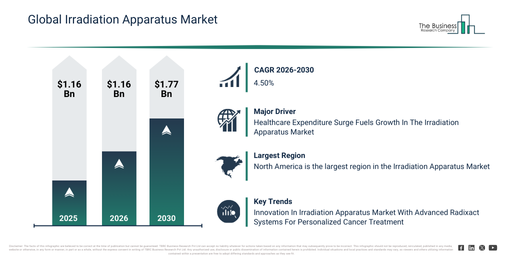
    The irradiation apparatus market has experienced consistent growth in recent times. The market is set to expand from $6.3 billion in 2025 to $6.58 billion in 2026, at a compound annual growth rate (CAGR) of 4.5%. Contributing to this market’s historical development are the expansion of diagnostic imaging infrastructure, the increasing use of radiation in cancer treatment, the growth in medical equipment sterilization needs, the adoption of irradiation in food preservation, and the expansion of research laboratories.

    The irradiation apparatus market is anticipated to show consistent expansion over the next few years. It is projected to reach $7.83 billion in 2030, with a compound annual growth rate (CAGR) of 4.5%. This growth in the forecast period stems from the increasing demand for advanced cancer therapies, rising investments in medical imaging technologies, the expansion of industrial irradiation applications, a growing emphasis on radiation safety systems, and technological advancements in beam control and monitoring. Prominent trends for the forecast period include the increasing deployment of advanced radiation therapy systems, rising adoption of sterilization and medical irradiation equipment, the growing use of industrial irradiation technologies, the expansion of portable and compact irradiation devices, and an enhanced focus on precision radiation control.

    Get A Free Sample Report With In-Depth Market Insights:

    https://thebusinessresearchcompany.com/sample_request?id=96148452&type=smp&name=Irradiation%20Apparatus%20Market%20Report%202026&utm_source=Blogs&utm_medium=Paid&utm_campaign=Oct_PR

    Irradiation Apparatus Market Opportunity Drivers: What’s Unlocking New Revenue Potential?

    The future expansion of the irradiation apparatus market is projected to be propelled by the growing expenditure on healthcare. Healthcare expenditure represents the total financial outlay on health-related goods and services within a specified period, including costs for medical treatment, medications, hospital care, preventative measures, and the overall enhancement of healthcare infrastructure. High healthcare spending plays a crucial role for irradiation apparatus given that radiation treatment is intensive in terms of resources, capital, and technology, particularly concerning the establishment and ongoing maintenance of radiation therapy facilities. As an illustration, in December 2024, data from the Centers for Medicare & Medicaid Services, a US government body, showed that total health-care spending in the nation had climbed to $4.9 trillion in 2023, an increase from $4.6 trillion in 2022. Therefore, the increasing expenditure on healthcare is a key driver for the growth of the irradiation apparatus market.

    Irradiation Apparatus Market Segment Outlook: Which Categories Are Growing Fastest?

    The irradiation apparatus market covered in this report is segmented –

    1) By Type: X-Rays, High Speed Neutrons, Electrons, Gamma Rays, Alphabeta Particles

    2) By Usage: Diagnostic Purposes, Therapeutic Purposes, Dental Purposes, Chiropractic Diagnostic Purposes, Industrial And Research Applications

    3) By Application: Hospital, Industry, Laboratory, Other Applications

    Subsegments:

    1) By X-Rays: Diagnostic X-Ray Machines, Therapeutic X-Ray Systems, Portable X-Ray Devices, Fluoroscopy Systems

    2) By High Speed Neutrons: Neutron Generators, Neutron Radiography Systems, Neutron Activation Analysis Systems

    3) By Electrons: Electron Beam Accelerators, Electron Therapy Systems, Industrial Electron Beam Processors

    4) By Gamma Rays: Gamma Irradiators, Gamma Cameras, Gamma Ray Spectroscopy Systems

    5) By Alphabeta Particles: Alpha Particle Irradiators, Beta Particle Irradiators, Combined Alpha-Beta Radiation Sources

    Irradiation Apparatus Market Innovation Trends Shaping Future Development

    Leading companies within the irradiation apparatus market are developing innovative products utilizing advanced technologies, such as advanced Radixact Systems, to gain a competitive advantage. The Radixact System, an irradiation apparatus and sophisticated TomoTherapy platform, delivers precise and customized radiation therapy for cancer treatment. For example, in October 2023, Koninklijke Philips N.V., a Netherlands-based medical device company, showcased its recent progress in MR-guided radiotherapy and the Spectral CT 7500 scanner at the ASTRO 2023 conference. These advancements are designed to assist radiation oncologists in achieving more accurate tumor targeting for radiation therapy, especially for head-and-neck cancer. The Spectral CT 7500 delivers unique incremental spectral information in a single scan, improving the visibility of tumor boundaries and internal physiology. This enhancement facilitates better dose calculation and tumor targeting, ultimately reducing the number of scans or modalities required for effective radiation therapy planning.

    Irradiation Apparatus Market Key Participants And Competitive Landscape

    Major companies operating in the irradiation apparatus market are Hitachi Ltd., Siemens Healthcare Private Ltd., Fujifilm Holdings Corporation, GE Healthcare, Philips Healthcare, Ametek Inc., Shimadzu Corporation, Varian Medical Systems Inc., Agfa-Gevaert, Carestream Health Inc., Toshiba America Medical Systems Inc., Steris PLC, Comet Yxlon GmbH, KaVo Dental, PROTEC GmbH & Co. KG, Canon Medical Systems Corporation, Ziehm Imaging Inc., Techno-Aide, Allengers Infotech, Narang Medical Limited, Xoran Technologies Inc., Control-X Medical Ltd.

    View The Full Irradiation Apparatus Market Report:

    https://thebusinessresearchcompany.com/report/irradiation-apparatus-global-market-report?utm_source=Blogs&utm_medium=Paid&utm_campaign=Oct_PR

    Irradiation Apparatus Market Geographic Analysis: Where Is Demand Accelerating Fastest?

    North America was the largest region in the irradiation apparatus market in 2025. Asia-Pacific is expected to be the fastest-growing region in the forecast period. The regions covered in the irradiation apparatus market report are Asia-Pacific, South East Asia, Western Europe, Eastern Europe, North America, South America, Middle East, Africa.

    Reach Out To Our Team:

    The Business Research Company: https://www.thebusinessresearchcompany.com/

    Americas: +1 310-496-7795

    Asia: +44 7882 955267 & +91 8897263534

    Europe: +44 7882 955267

    Email us at: marketing@tbrc.info

    Follow us on:

    LinkedIn: https://in.linkedin.com/company/the-business-research-company

    YouTube: https://www.youtube.com/channel/UC24_fI0rV8cR5DxlCpgmyFQ

    Global Market Model: https://www.thebusinessresearchcompany.com/global-market-model
  • Iron Oxide Nanopowders Market Forecast To Reach $2.77 Billion By 2030: Key Trends Explained

    Iron Oxide Nanopowders Market Forecast To Reach $2.77 Billion By 2030: Key Trends Explained

    Featuring market attractiveness scoring, total addressable market sizing, company benchmarking matrices, interactive Excel dashboards, deeper supply chain intelligence, emerging startup tracking, and granular product-level insights, The Business Research Company’s 2026 market reports are built to deliver research that is both more actionable and more strategically valuable.

    Iron Oxide Nanopowders Market Size And Revenue Outlook Through 2030

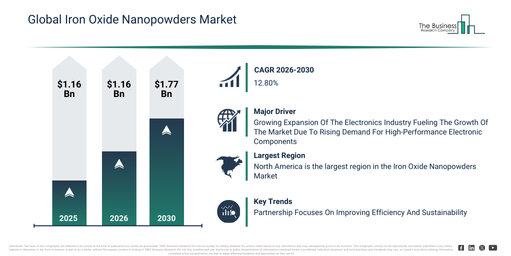
    The market for iron oxide nanopowders has expanded considerably in recent years. It is forecast to grow from $1.51 billion in 2025 to $1.71 billion in 2026, at a compound annual growth rate (CAGR) of 13.1%. This historic growth can be linked to factors including restricted large-scale nanopowder production technologies, the elevated cost of early-stage synthesis methods, initial adoption in specialized biomedical applications, a dependence on conventional iron oxide pigments, and inadequate regulatory standards for nanomaterials.

    The iron oxide nanopowders market size is anticipated to experience substantial growth in the upcoming years. Its value is projected to reach $2.77 billion in 2030, at a compound annual growth rate (CAGR) of 12.8%. This expansion during the forecast period can be attributed to developments in scalable synthesis techniques, increasing demand in healthcare and biomedical applications, greater industrial integration in energy and electronics sectors, expanding environmental and catalytic uses, and intensified research and development in multifunctional nanomaterials. Key trends expected throughout the forecast horizon involve the growing application of iron oxide nanopowders in biomedical imaging and drug delivery, the broadening scope of catalysts and energy storage solutions, heightened demand in paints, coatings, and anti-corrosion uses, their implementation in environmental remediation and wastewater treatment, and the creation of advanced nanostructured materials for electronics and sensor technologies.

    Get A Free Sample Report With In-Depth Market Insights:

    https://thebusinessresearchcompany.com/sample_request?id=42984255&type=smp&name=Iron%20Oxide%20Nanopowders%20Market%20Report%202026&utm_source=Blogs&utm_medium=Paid&utm_campaign=Oct_PR

    Iron Oxide Nanopowders Market Growth Momentum: What Factors Are Shaping Demand?

    The anticipated expansion of the electronics industry is projected to drive the growth of the iron oxide nanopowders market in the future. This sector encompasses the design, production, and distribution of electronic components and devices for consumer, industrial, and communication applications. Its growth is fueled by the rising demand for consumer electronics, which in turn stems from increasing digitalization and wider adoption of smart devices. Iron oxide nanopowders are crucial for the electronics industry, providing distinct magnetic and conductive characteristics that are vital for sensors, data storage, and various electronic components. They contribute to enhanced device performance through miniaturization and improved energy efficiency, thereby stimulating innovation in contemporary electronics. A relevant example is the global semiconductor industry sales, which, as reported by the US-based trade association, the Semiconductor Industry Association, reached $49.1 billion in May 2024. This represented a 19.3% increase from $41.2 billion in May 2023, as noted in July 2024. Consequently, the ongoing expansion of the electronics industry serves as a key driver for the iron oxide nanopowders market’s growth.

    Iron Oxide Nanopowders Market Segment Landscape: Which Areas Lead Development?

    The iron oxide nanopowders market covered in this report is segmented –

    1) By Product Type: Magnetite, Hematite, Wüstite, Other Product Types

    2) By Form: Dry Form, Wet Form

    3) By Size: Below 50 Nanometer (NM), 50-100 Nanometer (NM), Above 100 Nanometer (NM)

    4) By Application: Electronics, Catalysts, Paints And Coatings, Energy Storage, Environmental Remediation, Biomedical, Agriculture

    5) By End-User Industry: Construction, Automotive, Aerospace, Healthcare, Consumer Goods

    Subsegments:

    1) By Magnetite: Magnetic Resonance Imaging Contrast Agents, Targeted Drug Delivery Systems, Magnetic Data Storage Devices, Ferrofluids For Cooling Applications, Wastewater Treatment Adsorbents

    2) By Hematite: Photocatalysts For Water Splitting, Anti-Corrosion Pigment Coatings, Gas Sensor Components, Lithium Ion Battery Electrodes, Ceramic And Glass Colorants

    3) By Wüstite: Steel Manufacturing Additives, High Temperature Catalysts, Fuel Cell Electrode Materials, Iron-Based Nanocomposites, Ceramic Sintering Aids

    4) By Other Product Types: Maghemite For Magnetic Imaging, Iron Oxide Nanorods, Coated Iron Nanoparticles, Iron Oxide Quantum Dots, Doped Iron Oxide Nanoparticles

    Iron Oxide Nanopowders Market Trends Redefining Industry Growth

    Leading companies in the iron oxide nanopowders market are concentrating on employing a strategic partnership approach to improve technology integration and broaden market reach, with such collaborations typically involving two or more organizations combining their resources and expertise to achieve shared goals. For instance, in January 2024, LANXESS AG, a Germany-based specialty chemicals company, joined forces with IBU-tec advanced materials AG, a Germany-based specialty materials manufacturing company, to develop innovative iron oxides aimed at optimizing the performance of lithium iron phosphate (LFP) battery cathode materials. This collaboration seeks to leverage LANXESS’s expertise in high-performance iron oxide production and IBU-tec’s advanced material processing technologies to enhance the efficiency, sustainability, and scalability of LFP battery materials. The partnership also focuses on optimizing iron oxide nanopowders to improve battery performance, including energy density, cycle life, and cost-effectiveness, catering to the growing demand for next-generation energy storage solutions.

    Iron Oxide Nanopowders Market Top Companies Driving Competitive Growth

    Major companies operating in the iron oxide nanopowders market are American Elements Corporation, Inframat Corporation, NN-LABS LLC, PlasmaChem GmbH, CDH Fine Chemical, Nanoshel LLC, Skyspring Nanomaterials Inc., Nano Research Elements Inc., Nanostructured & Amorphous Materials Inc., MKNano Inc., US Research Nanomaterials Inc., BASF SE, Evonik Industries AG, Merck KGaA, Toda Kogyo Corporation, Nanoiron s.r.o., Nanophase Technologies Corporation, Promethean Particles Ltd, Magnacol Ltd, FerroTec Corporation, Materials and Electrochemical Research Corporation

    View The Full Iron Oxide Nanopowders Market Report:

    https://thebusinessresearchcompany.com/report/iron-oxide-nanopowders-global-market-report?utm_source=Blogs&utm_medium=Paid&utm_campaign=Oct_PR

    Iron Oxide Nanopowders Market Global Footprint: Which Region Leads The Industry?

    North America was the largest region in the iron oxide nanopowders market in 2025. Asia-Pacific is expected to be the fastest-growing region in the forecast period. The regions covered in the iron oxide nanopowders market report are Asia-Pacific, South East Asia, Western Europe, Eastern Europe, North America, South America, Middle East, Africa.

    Reach Out To Our Team:

    The Business Research Company: https://www.thebusinessresearchcompany.com/

    Americas: +1 310-496-7795

    Asia: +44 7882 955267 & +91 8897263534

    Europe: +44 7882 955267

    Email us at: marketing@tbrc.info

    Follow us on:

    LinkedIn: https://in.linkedin.com/company/the-business-research-company

    YouTube: https://www.youtube.com/channel/UC24_fI0rV8cR5DxlCpgmyFQ

    Global Market Model: https://www.thebusinessresearchcompany.com/global-market-model
  • Endometrial Cancer Treatment Market Size Forecast From 2026 To 2030: Key Industry Trends

    Endometrial Cancer Treatment Market Size Forecast From 2026 To 2030: Key Industry Trends

    Featuring market attractiveness scoring, total addressable market sizing, company benchmarking matrices, interactive Excel dashboards, deeper supply chain intelligence, emerging startup tracking, and granular product-level insights, The Business Research Company’s 2026 market reports are built to deliver research that is both more actionable and more strategically valuable.

    Endometrial Cancer Treatment Market Expansion Outlook: What Revenue Opportunities Are Ahead?

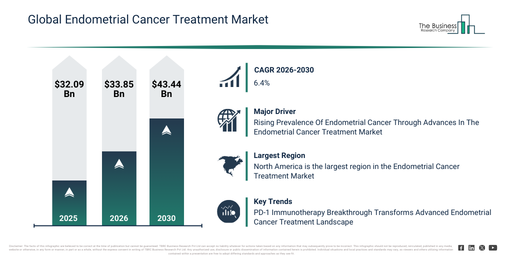
    The endometrial cancer treatment market has experienced significant expansion in recent years. It is projected to expand from $32.09 billion in 2025 to $33.85 billion in 2026, achieving a compound annual growth rate (CAGR) of 5.5%. This historical expansion is due to several factors including an increasing incidence of endometrial cancer, the scarcity of effective early diagnostic instruments, a prevailing preference for conventional chemotherapy approaches, a shortage of targeted therapeutic options, and insufficient public knowledge regarding preventive measures.

    The endometrial cancer treatment market is projected to experience robust expansion over the coming years. This market is set to reach a value of $43.44 billion by 2030, exhibiting a compound annual growth rate (CAGR) of 6.4%. This anticipated growth is primarily driven by progress in genomics and precision medicine, greater acceptance of AI-powered diagnostics, an increase in targeted and immunotherapy drug development, a growing elderly demographic, and better healthcare facilities. Key trends expected during this period encompass individualized treatment methods, less invasive surgical procedures, the advancement of targeted therapies, combination treatment plans, and improved patient observation and aftercare.

    Get A Free Sample Report With In-Depth Market Insights:

    https://thebusinessresearchcompany.com/sample_request?id=43175987&type=smp&name=Endometrial%20Cancer%20Treatment%20Market%20Report%202026&utm_source=Blogs&utm_medium=Paid&utm_campaign=Oct_PR

    Endometrial Cancer Treatment Market Growth Factors Behind Sustained Expansion

    The increasing occurrence of endometrial cancer is anticipated to drive expansion in the endometrial cancer treatment market in the future. This prevalence signifies a rise in new endometrial cancer cases within a defined population or timeframe. This increase stems from evolving risk factors, enhanced detection and diagnostic techniques, heightened public awareness, and an older demographic. Treatments for endometrial cancer aid in early identification, offer specific therapeutic approaches, prevent disease return, and involve clinical trials and research to refine options. Consequently, with the ongoing increase in endometrial cancer prevalence and the development of more advanced treatment alternatives, the endometrial cancer treatment market is projected to expand. For example, Cancer.Net, an online resource with oncologist-approved cancer data, projected that approximately 66,200 individuals in the United States would receive a diagnosis of uterine or endometrial cancer in 2023. Thus, the escalating prevalence of endometrial cancer acts as a key driver for the expansion of the endometrial cancer treatment market.

    Endometrial Cancer Treatment Market Segmentation And Category Overview

    The endometrial cancer treatment market covered in this report is segmented –

    1) By Type: Adenocarcinoma, Uterine Carcinosarcoma, Squamous Cell Carcinoma, Small Cell Carcinoma, Transitional Carcinoma, Serous Carcinoma, Other Types

    2) By Diagnosis Method: Biopsy, Pelvic Ultrasound, Hysteroscopy, CT Scan, Other Diagnosis Methods

    3) By Route Of Administration: Oral, Intravenous

    4) By Distribution Channel: Hospital Pharmacies, Retail Pharmacies, Online Pharmacies

    Subsegments:

    1) By Adenocarcinoma: Endometrioid Adenocarcinoma, Non-Endometrioid Adenocarcinoma

    2) By Uterine Carcinosarcoma: High-Grade Uterine Carcinosarcoma, Low-Grade Uterine Carcinosarcoma

    3) By Squamous Cell Carcinoma: Keratinizing Squamous Cell Carcinoma, Non-Keratinizing Squamous Cell Carcinoma

    4) By Small Cell Carcinoma: Small Cell Neuroendocrine Carcinoma

    5) By Transitional Carcinoma: Transitional Cell Carcinoma Of The Uterus

    6) By Serous Carcinoma: High-Grade Serous Carcinoma, Low-Grade Serous Carcinoma

    7) By Other Types: Mixed Cell Type Carcinomas, Undifferentiated Carcinoma, Other Rare Histological Types

    Endometrial Cancer Treatment Market Industry Trends Fueling Future Revenue Growth

    Companies operating within the endometrial cancer treatment market are concentrating on creating sophisticated therapies, such as PD-1 pathway blocking immunotherapy, to improve treatment efficacy and the durability of patient responses. This specific immunotherapy functions by stopping cancer cells from utilizing the PD-1 mechanism to escape detection by the immune system, thereby enabling immune cells to more accurately identify and attack tumors. Such an approach offers a targeted therapeutic alternative for advanced or recurrent disease where traditional chemotherapy has frequently yielded only limited long-term advantages. A notable example is the launch of Jemperli by GSK Plc, a biopharma company from the UK, in August 2025, which incorporates a PD-1 blocking mechanism. This treatment marks India’s inaugural approved immunotherapy for the second-line management of advanced endometrial cancer characterized by mismatch repair deficiency or high microsatellite instability, demonstrating an objective response rate of 45.5 percent in the GARNET trial. Furthermore, it exhibits a strong likelihood of maintaining a sustained response at 12 and 24 months, coupled with a manageable safety profile. Its introduction addresses a significant gap in treatment options within India, especially for numerous patients who present with advanced stages of the disease and require more efficacious and reliable therapies.

    Endometrial Cancer Treatment Market Competitive Analysis Of Leading Industry Participants

    Major companies operating in the endometrial cancer treatment market are Novartis AG, GlaxoSmithKline plc, F. Hoffmann-La Roche AG, Merck & Co. Inc., Sanofi-Aventis, Teva Pharmaceutical Industries Limited, AstraZeneca plc, Pfizer Inc., Bristol-Myers Squibb Company, Eisai Co. Ltd., AbbVie Inc., Roche Holding AG, Janssen Biotech Inc., Takeda Pharmaceutical Company Limited, Amgen Inc., Bayer AG, Eli Lilly and Company, Varian Medical Systems Inc., Seattle Genetics Inc., Spectrum Pharmaceuticals Inc., Stemline Therapeutics Inc.

    View The Full Endometrial Cancer Treatment Market Report:

    https://thebusinessresearchcompany.com/report/endometrial-cancer-treatment-global-market-report?utm_source=Blogs&utm_medium=Paid&utm_campaign=Oct_PR

    Endometrial Cancer Treatment Market Regional Analysis And Top Geography

    North America was the largest region in the endometrial cancer treatment market in 2025. Asia-Pacific is expected to be the fastest-growing region in the global endometrial cancer treatment market report during the forecast period. The regions covered in the endometrial cancer treatment market report are Asia-Pacific, South East Asia, Western Europe, Eastern Europe, North America, South America, Middle East, Africa.

    Reach Out To Our Team:

    The Business Research Company: https://www.thebusinessresearchcompany.com/

    Americas: +1 310-496-7795

    Asia: +44 7882 955267 & +91 8897263534

    Europe: +44 7882 955267

    Email us at: marketing@tbrc.info

    Follow us on:

    LinkedIn: https://in.linkedin.com/company/the-business-research-company

    YouTube: https://www.youtube.com/channel/UC24_fI0rV8cR5DxlCpgmyFQ

    Global Market Model: https://www.thebusinessresearchcompany.com/global-market-model